


EV Charging Stations
Filtration for Power Equipment
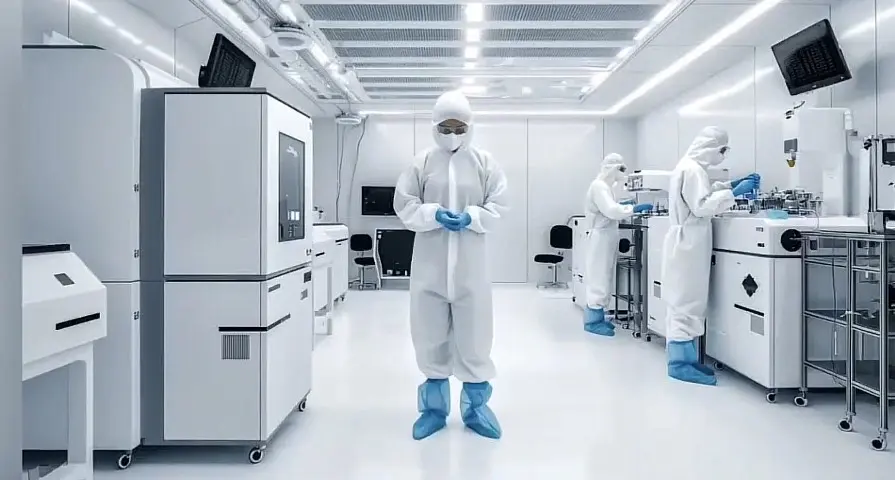
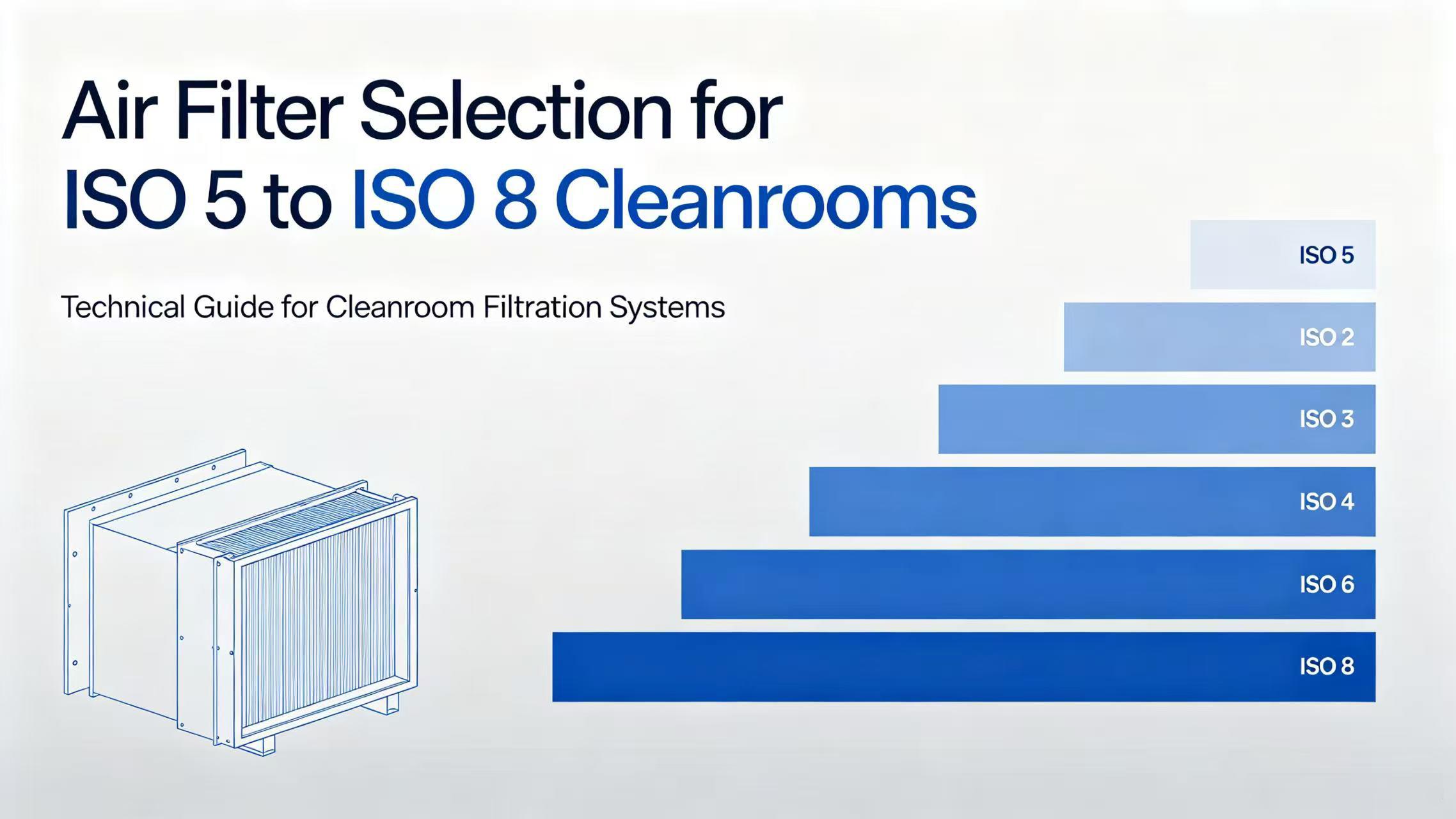
Cleanroom & Semiconductor
Ultra-High Cleanliness Filtration
Commercial HVAC
Central Air System Filtration
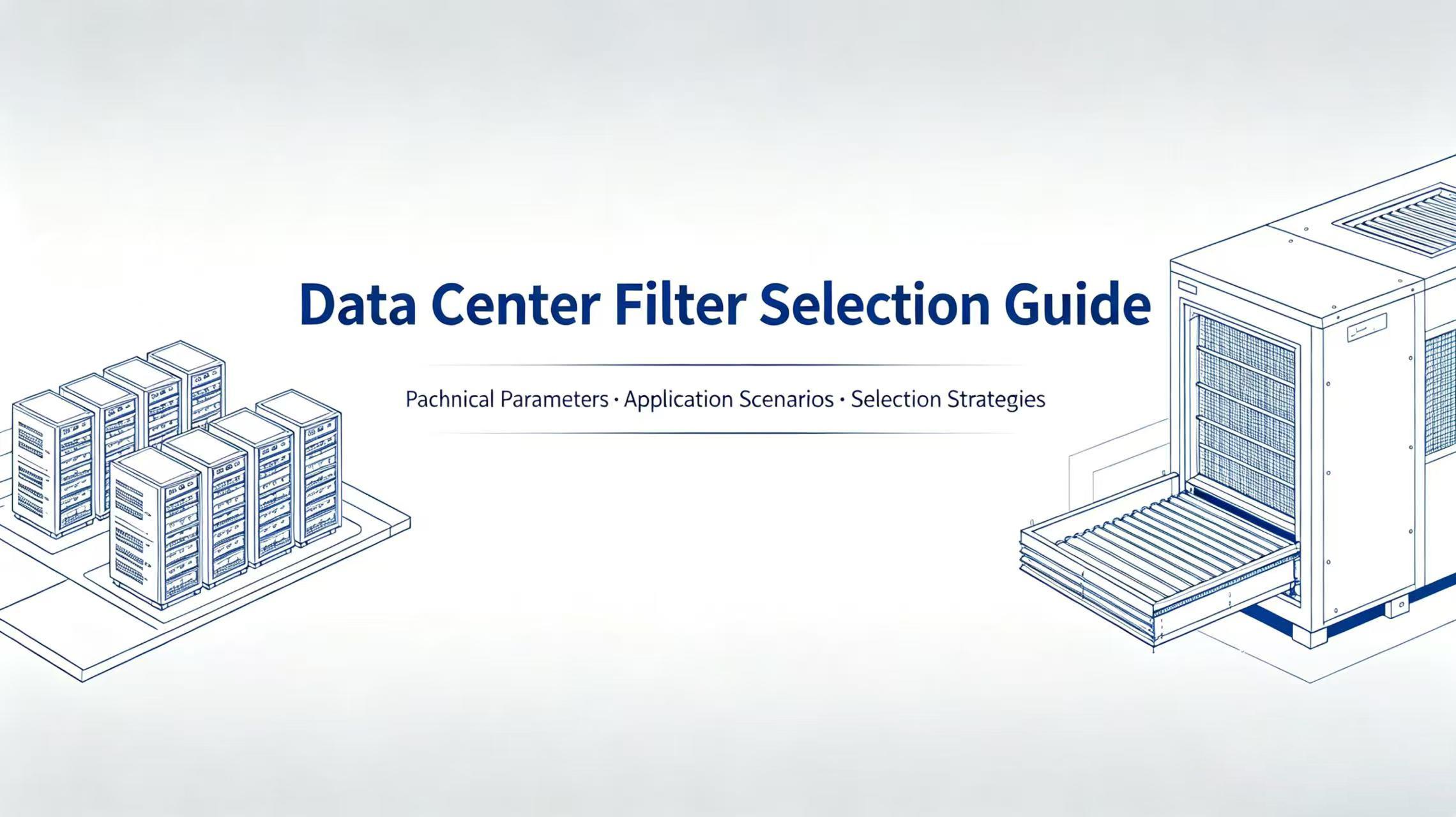
Data Centers
Precision Equipment Protection
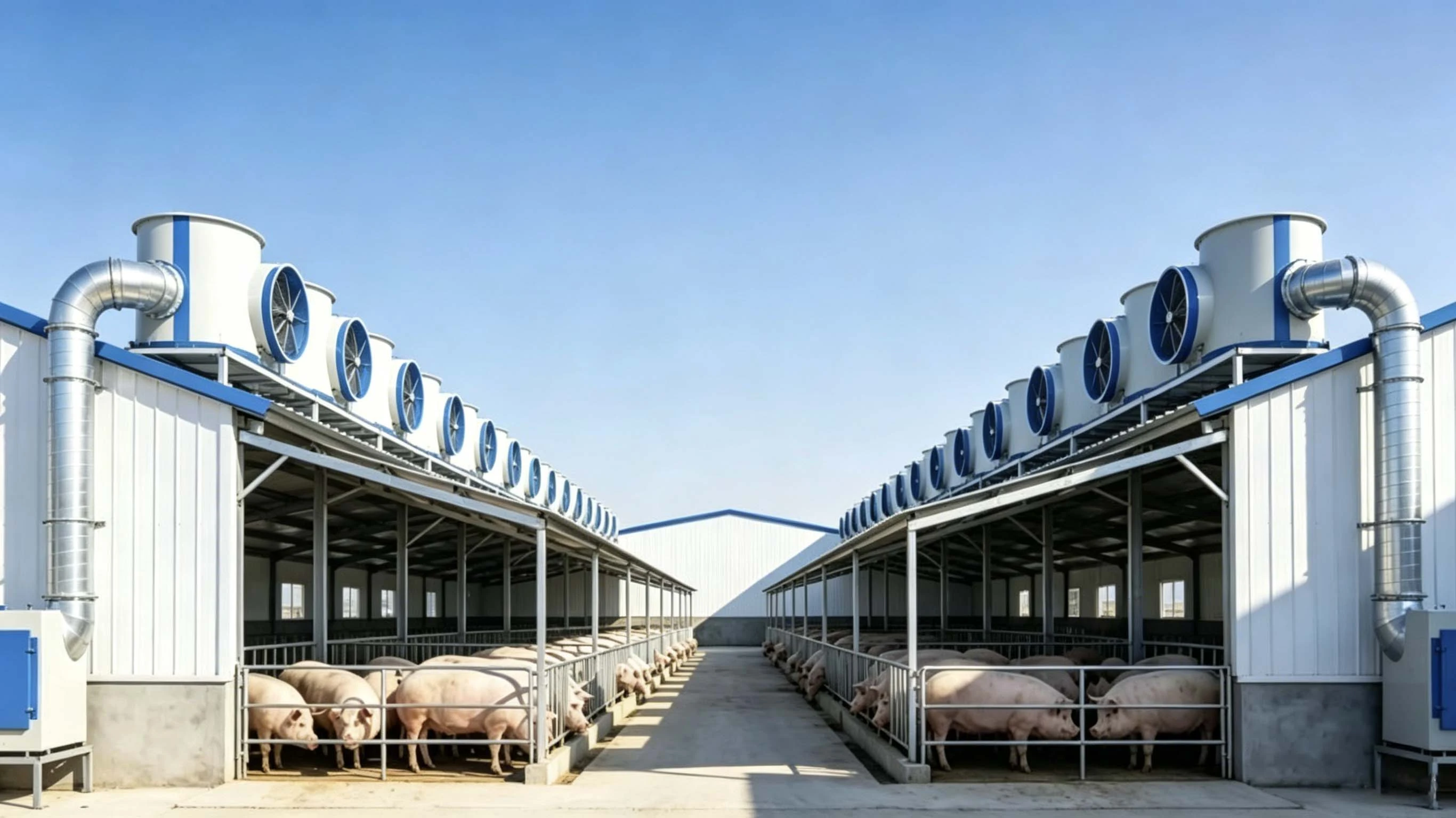
Livestock & Farming
Farming Environment Purification
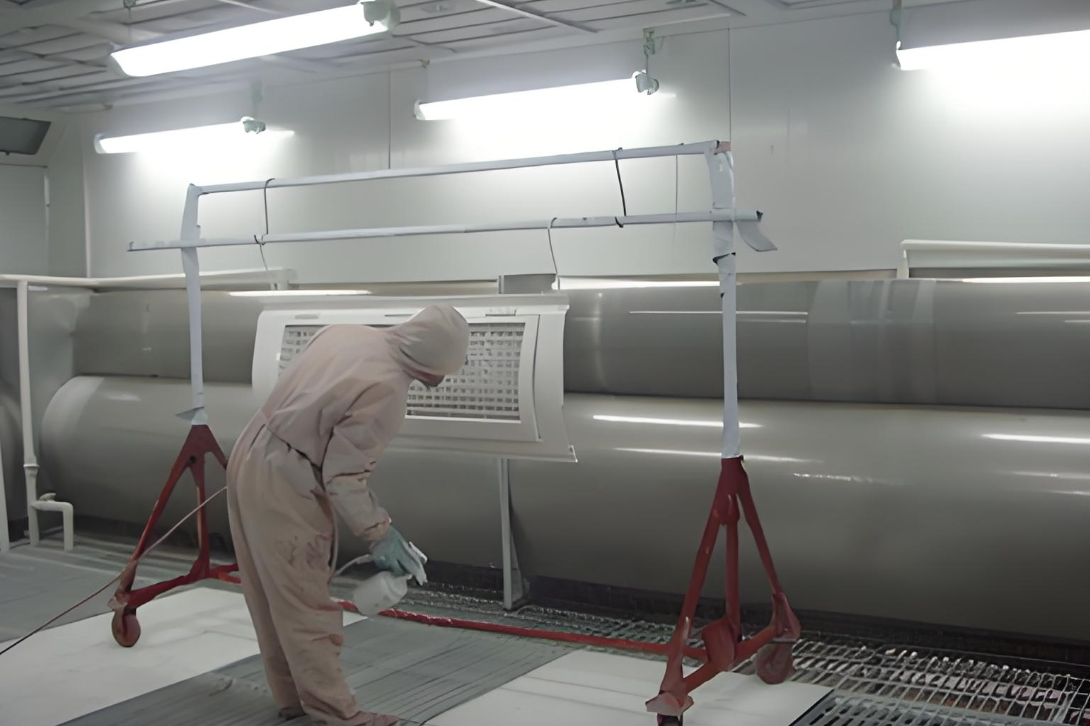
Spray Booths & Industrial Dust
Paint Mist & Dust Purification
Filtration for Power Equipment
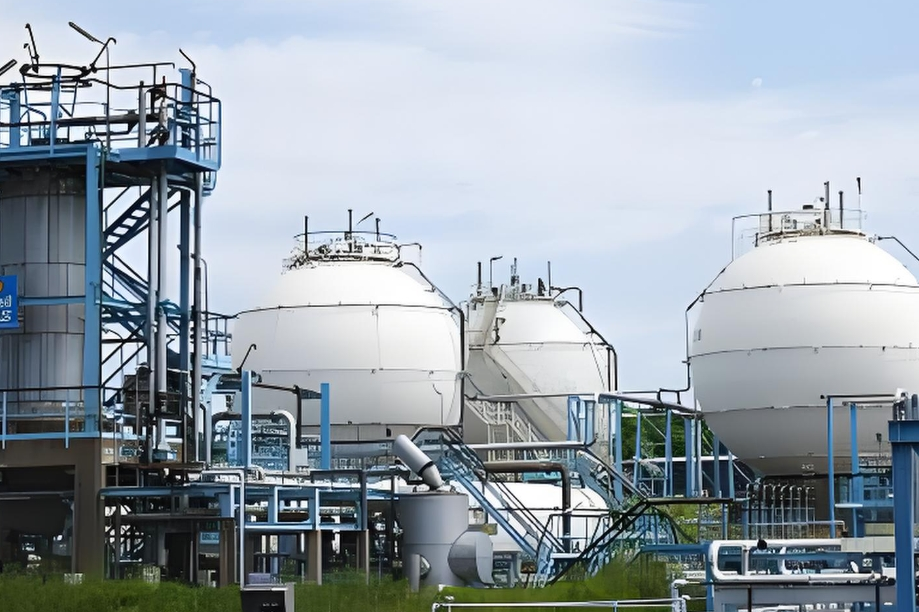
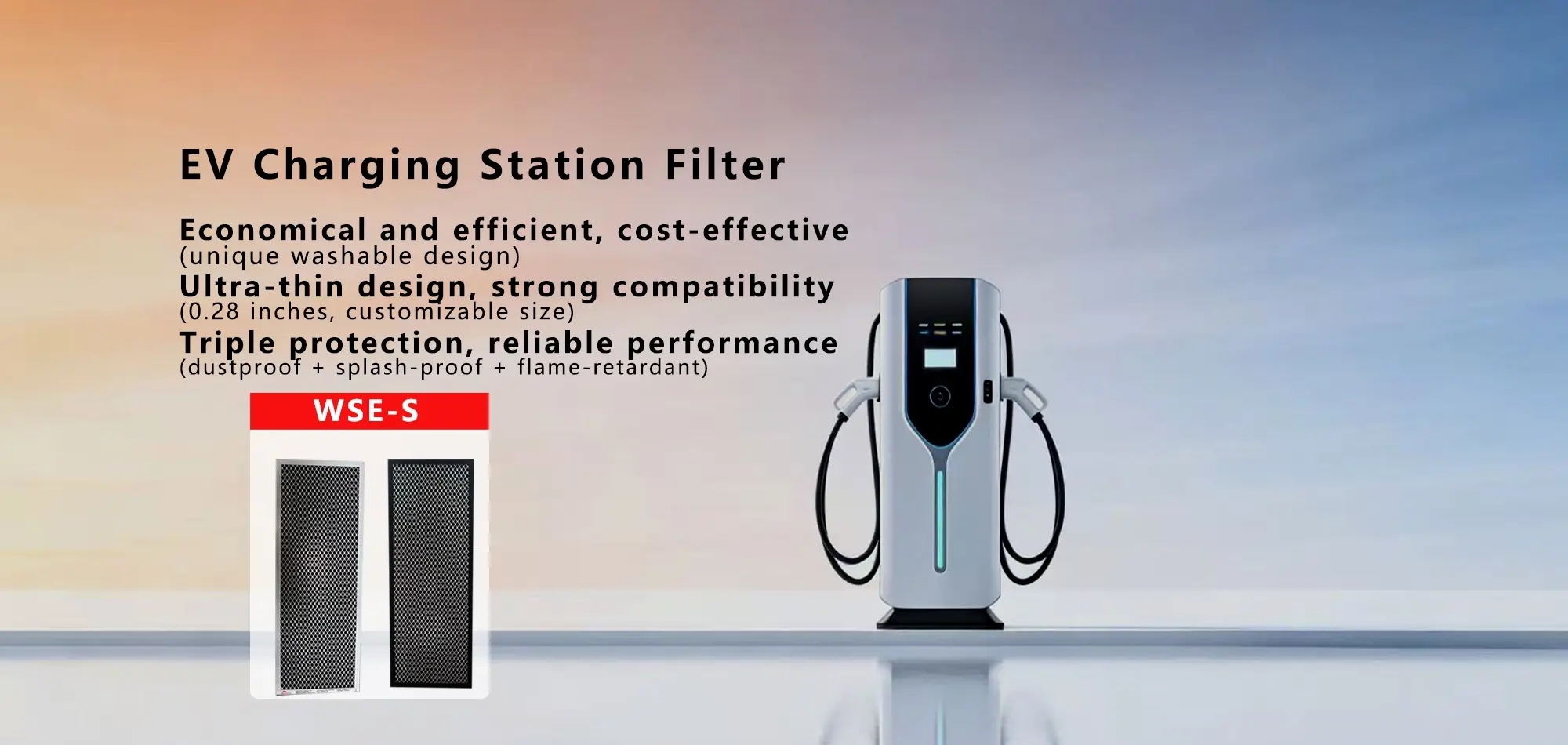
Professional air filtration for EV charging devices, protecting against dust and sand ingress to ensure stable, reliable operation of charging piles and station infrastructure.
View Related Products →Ultra-High Cleanliness Filtration
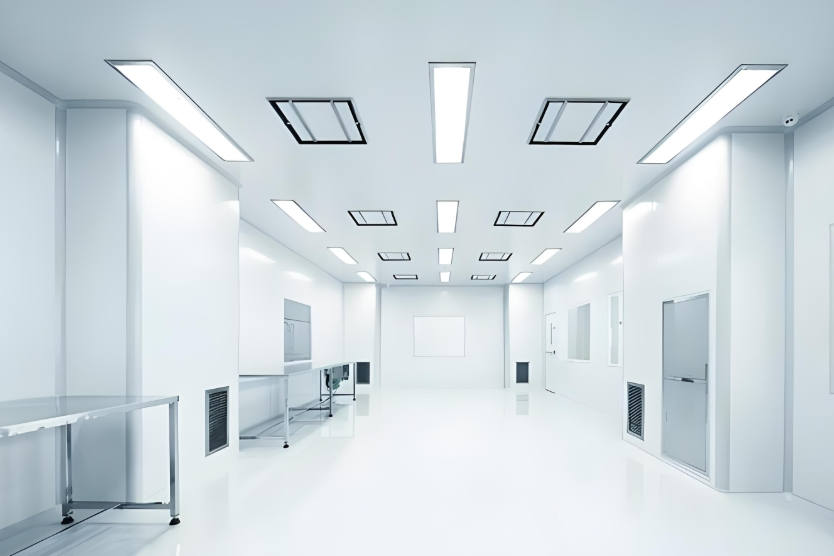
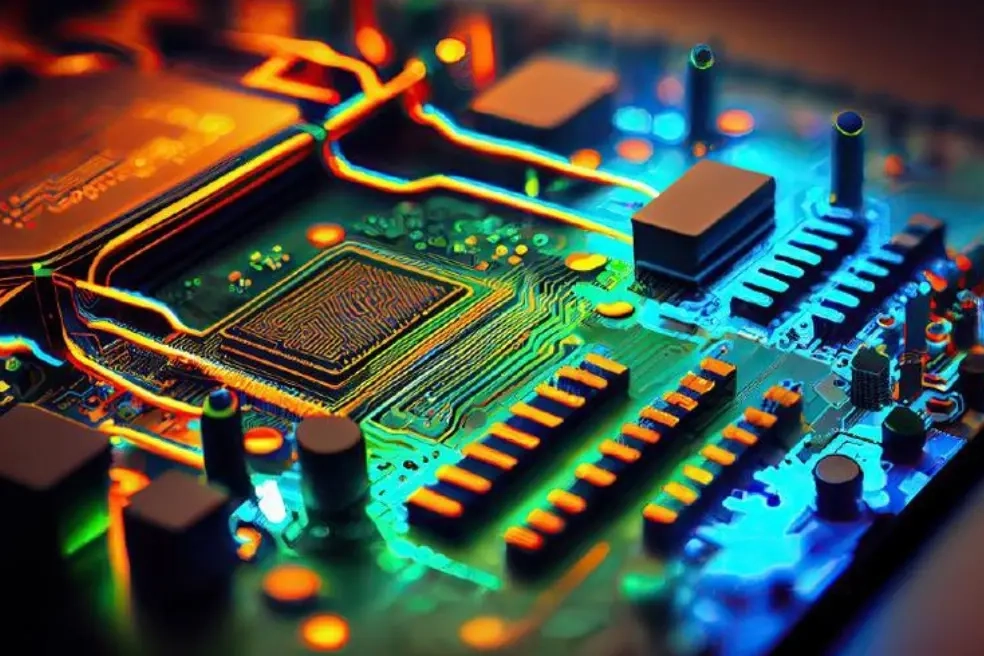
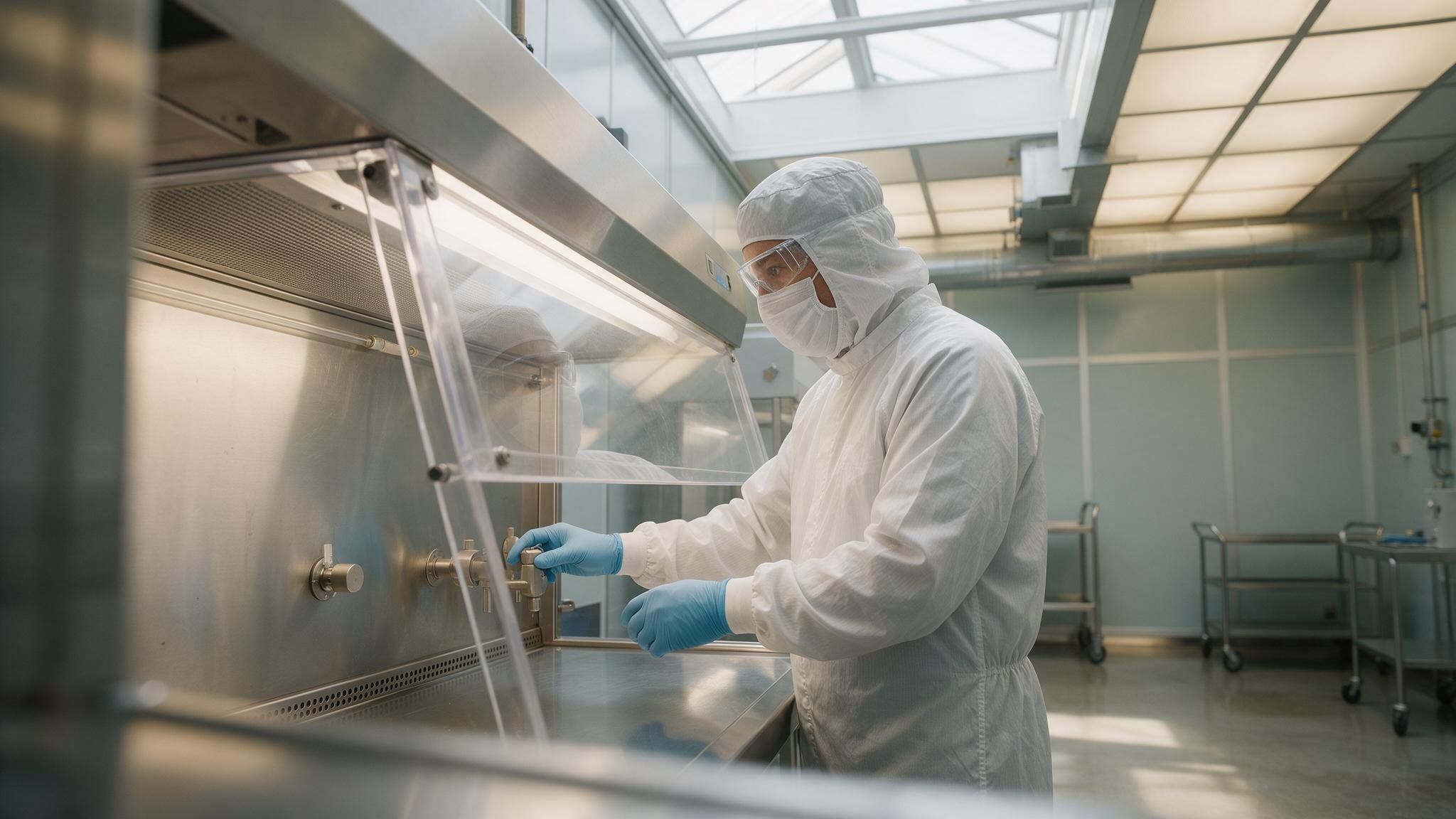
Ultra-high efficiency filtration for semiconductor wafer fabs and precision electronics cleanrooms, capturing nano-scale particles to meet ISO Class 1–3 standards and maximize product yield.
View Related Products →Central Air System Filtration
High-efficiency filtration for commercial building HVAC systems, improving indoor air quality, reducing energy consumption, and extending equipment service life.
View Related Products →Precision Equipment Protection
Precision air filtration for data centers, shielding servers and critical hardware from dust contamination to keep cooling systems running efficiently and reliably.
View Related Products →Farming Environment Purification
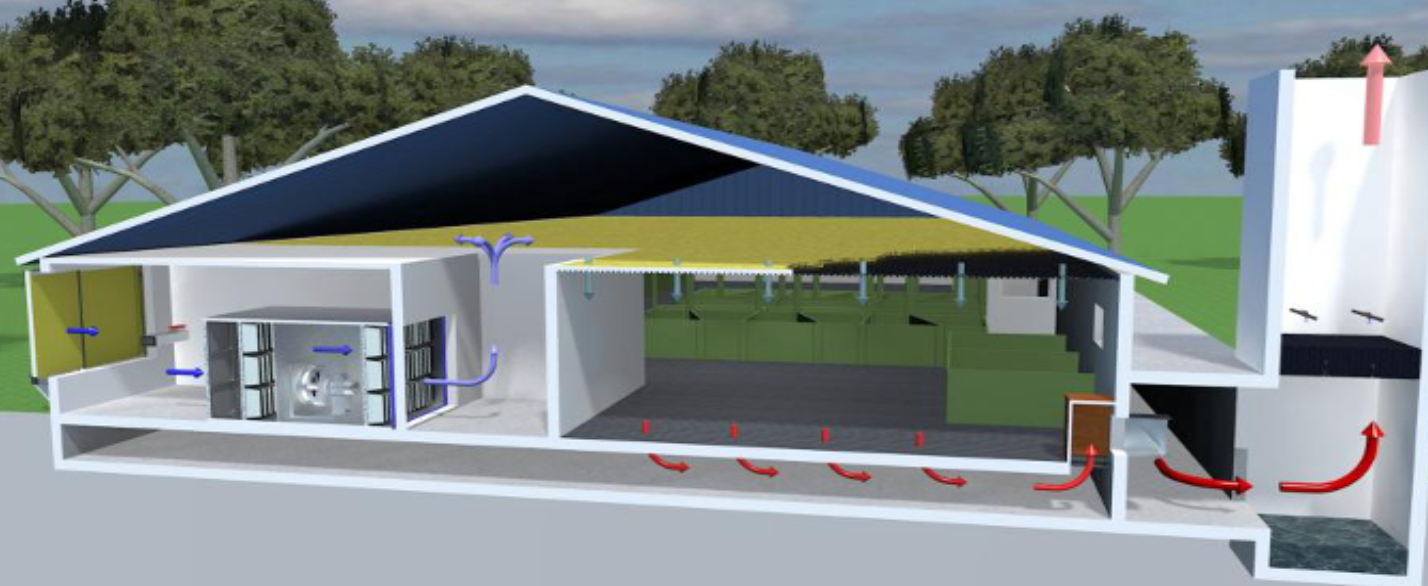
Dedicated filtration systems for farms and livestock facilities — capturing dust, adsorbing ammonia, and inhibiting pathogen spread to improve animal health and overall productivity.
View Related Products →Paint Mist & Dust Purification
Designed for spray booths and grinding workshops, efficiently capturing paint mist, metal dust, and wood chips to meet emission standards while protecting finished surface quality.
View Related Products →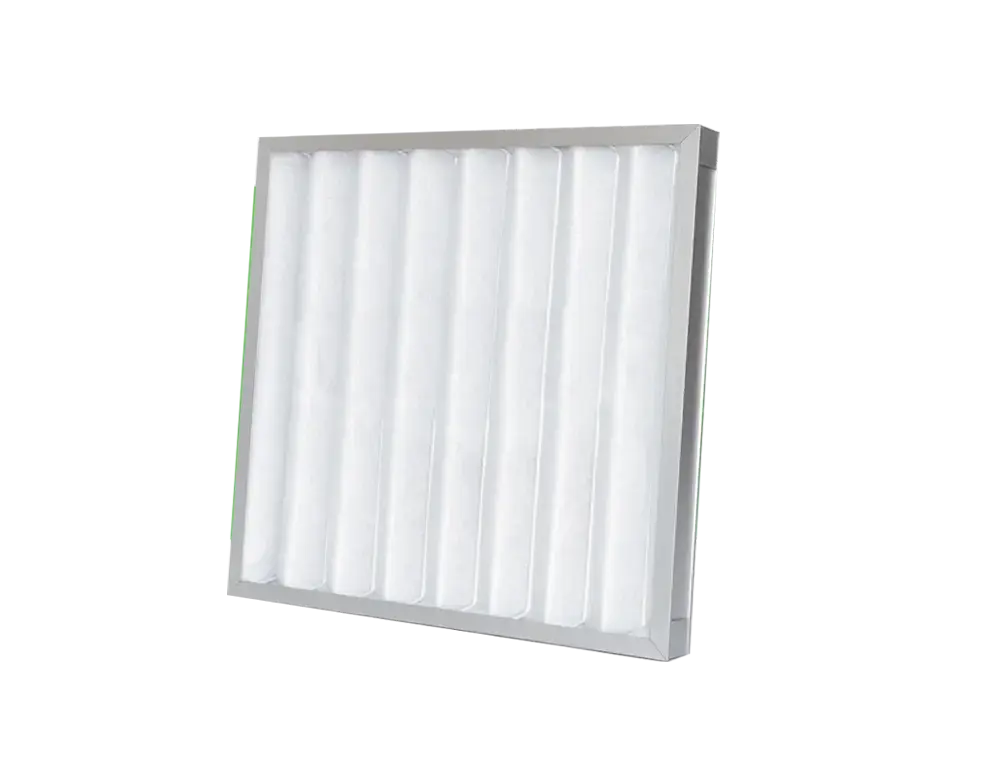
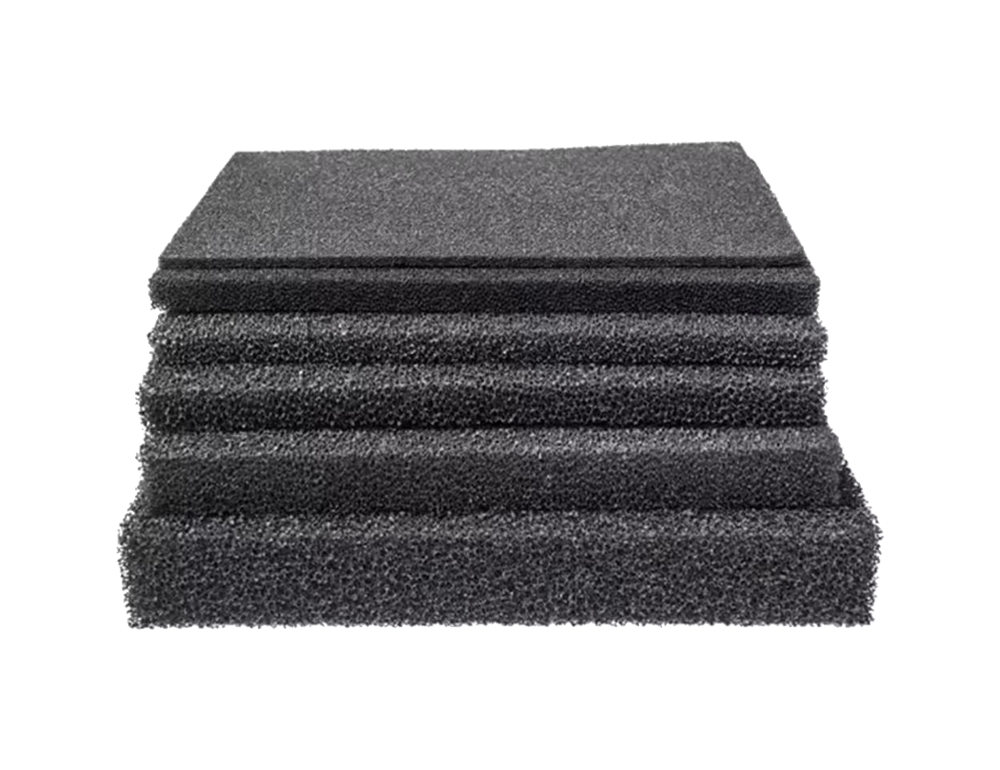
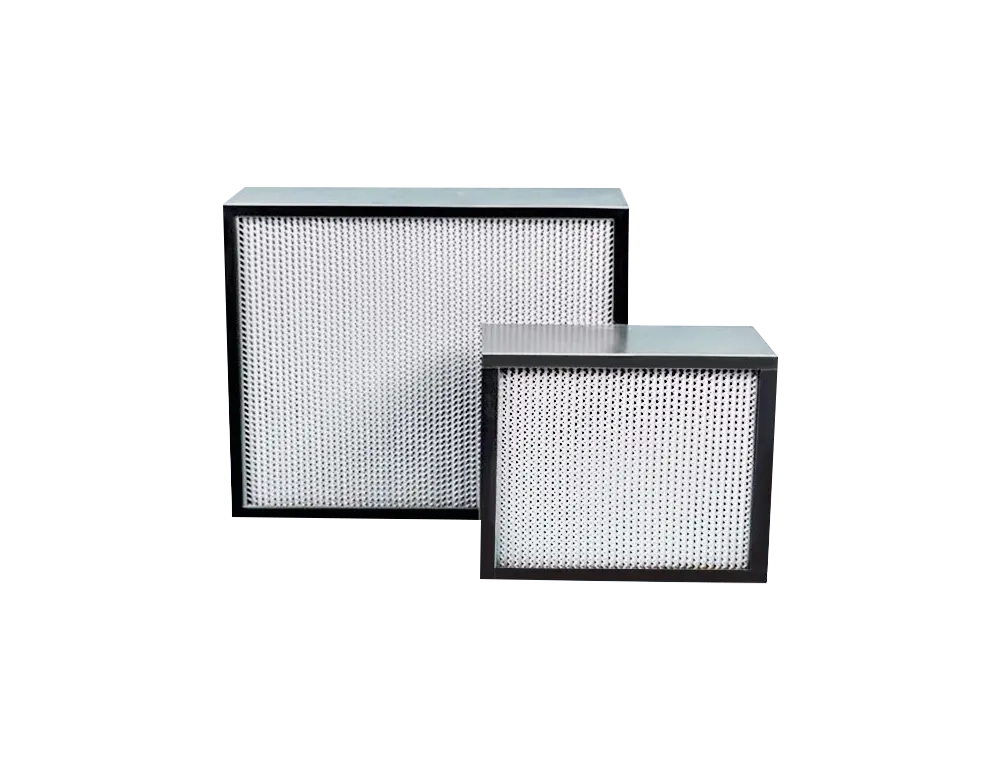
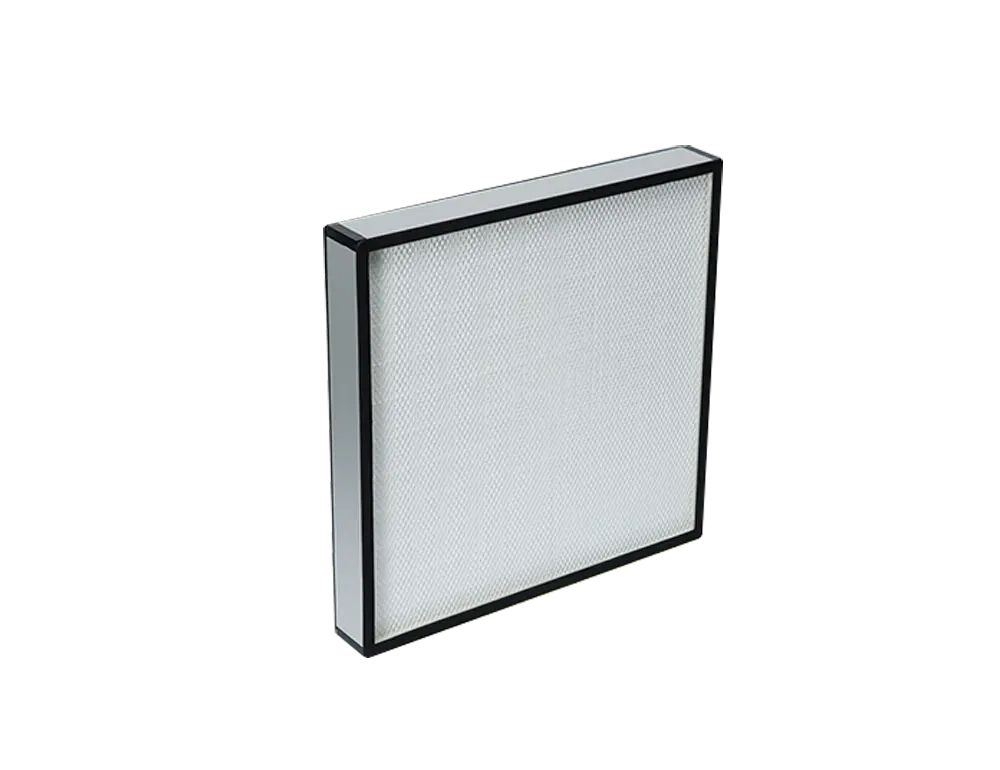
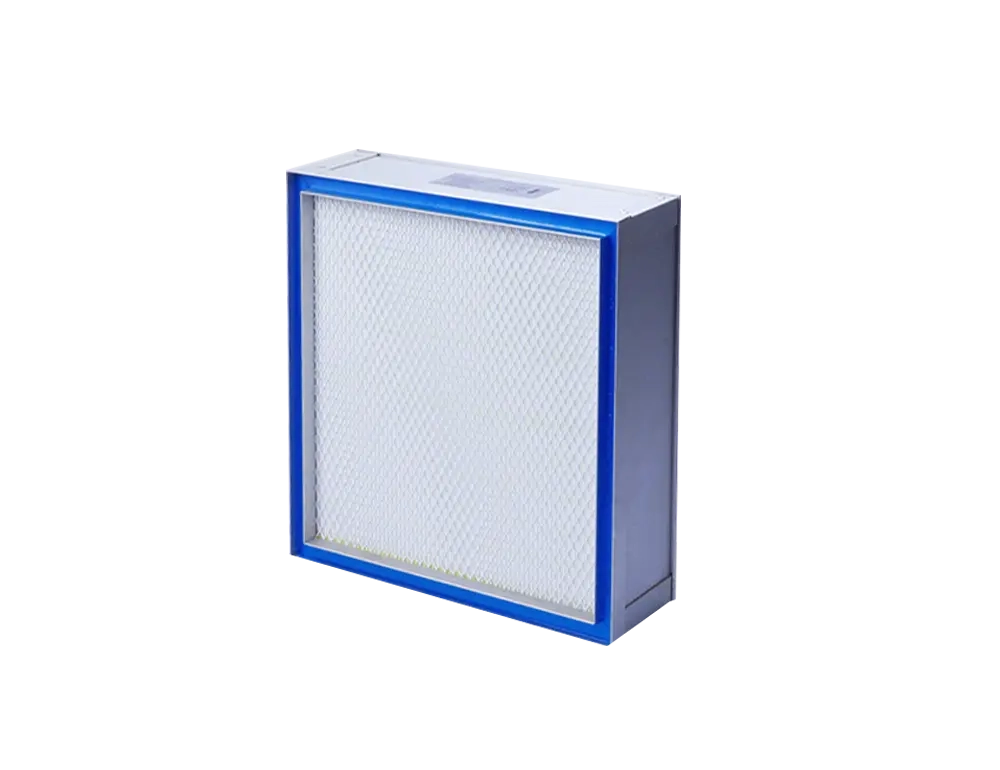
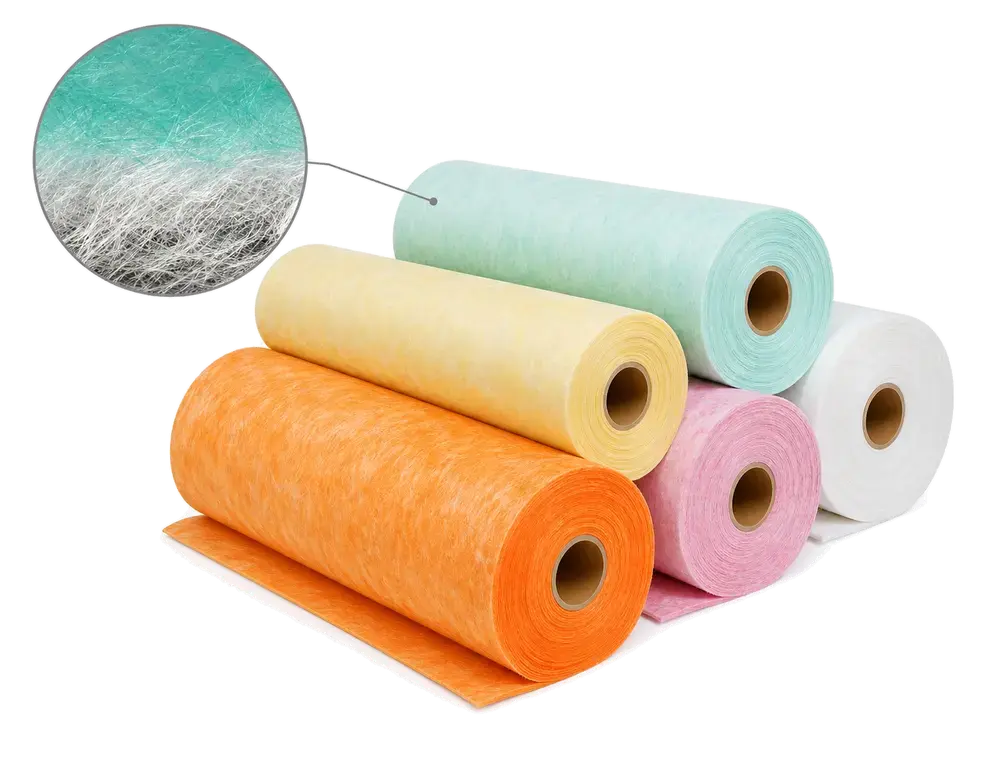
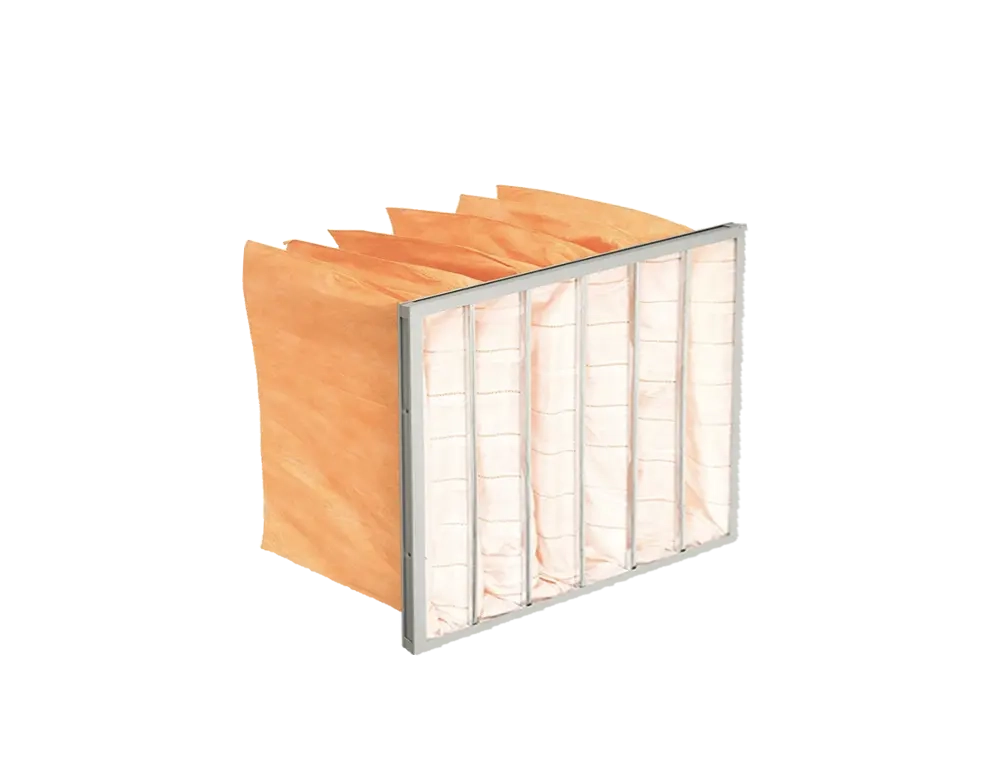
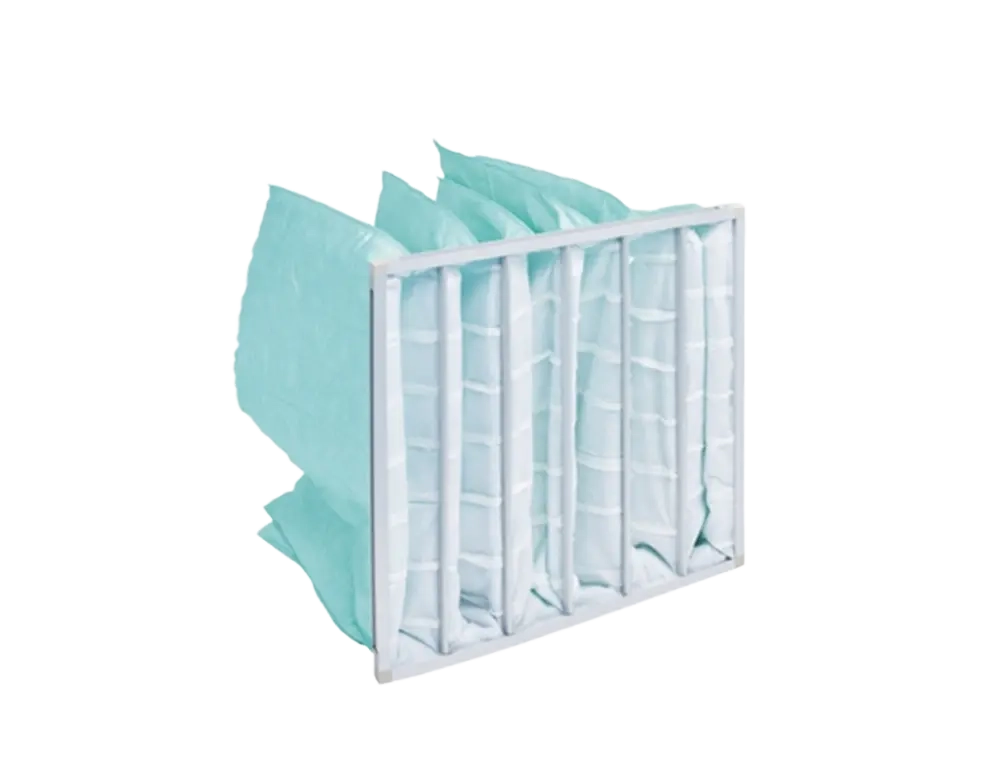
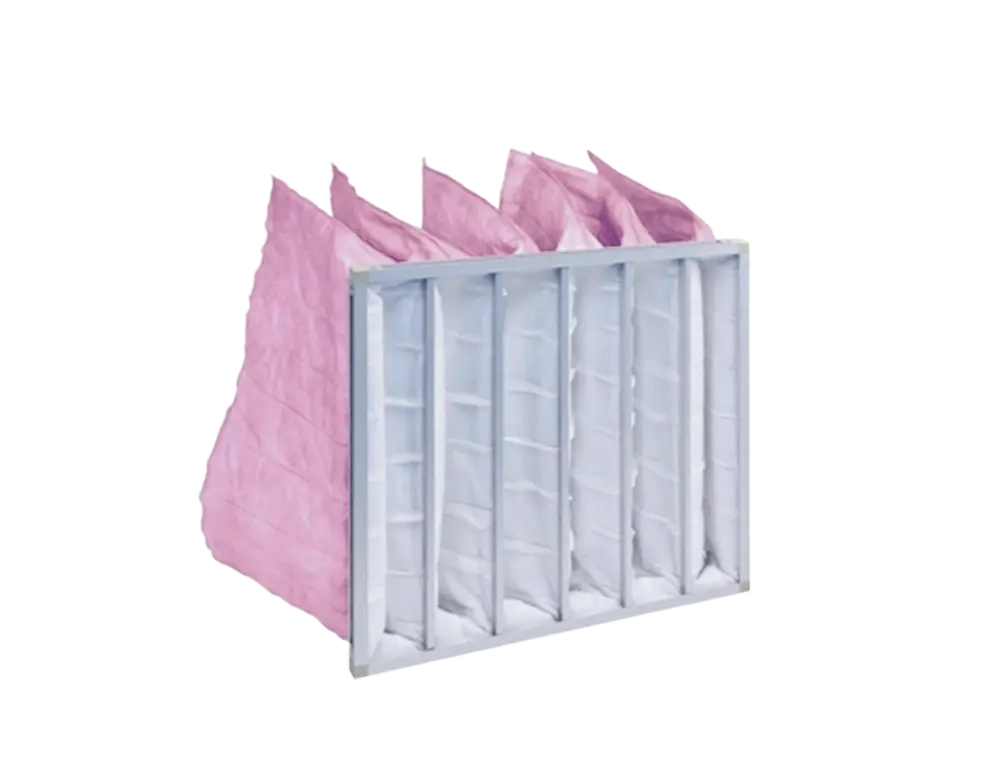
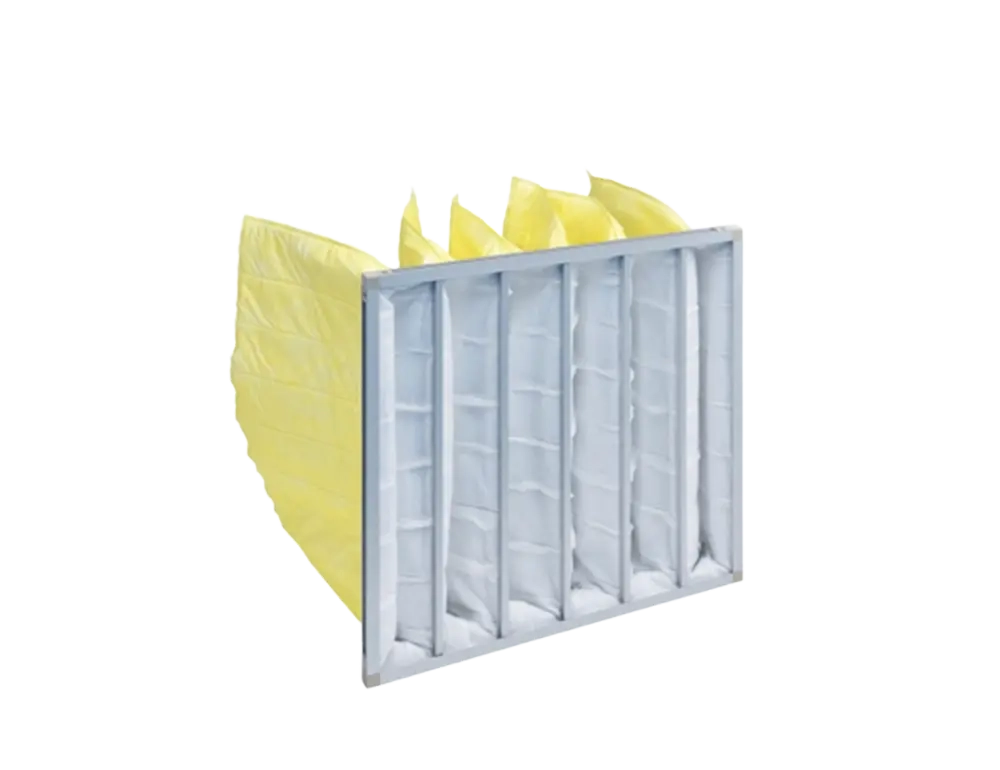
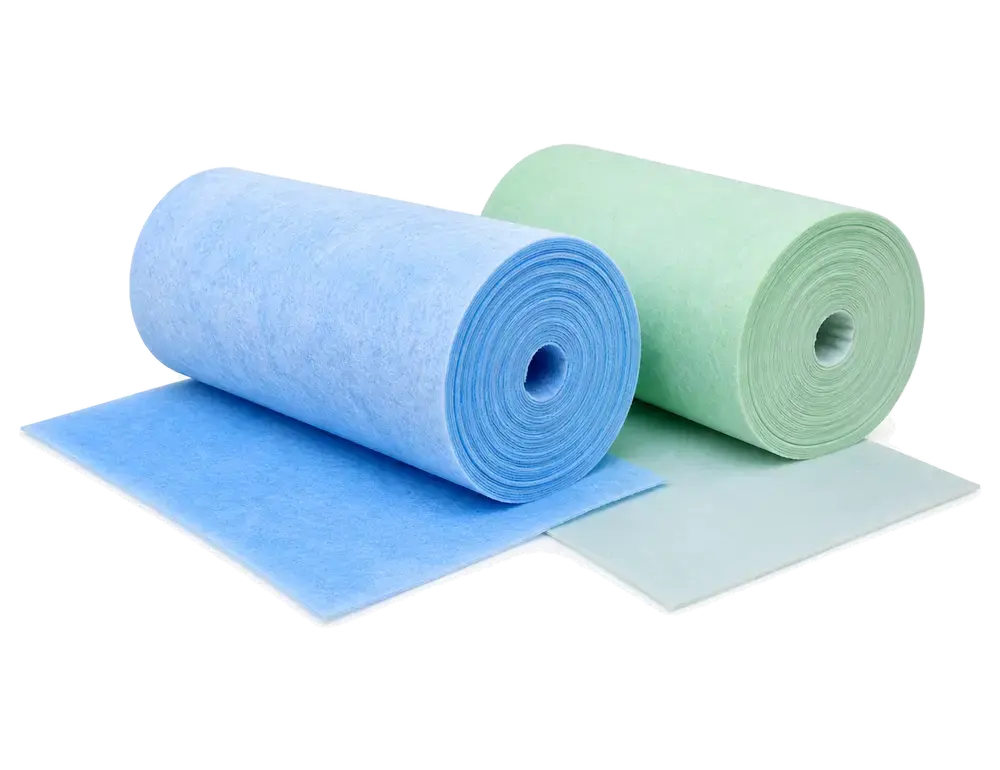
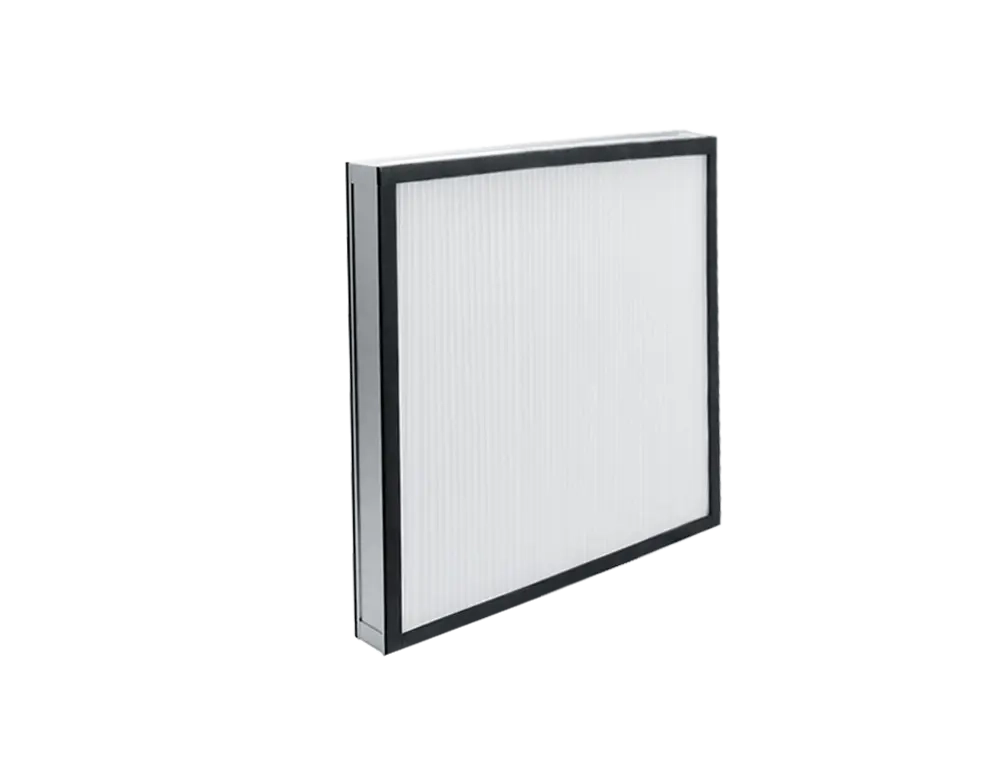
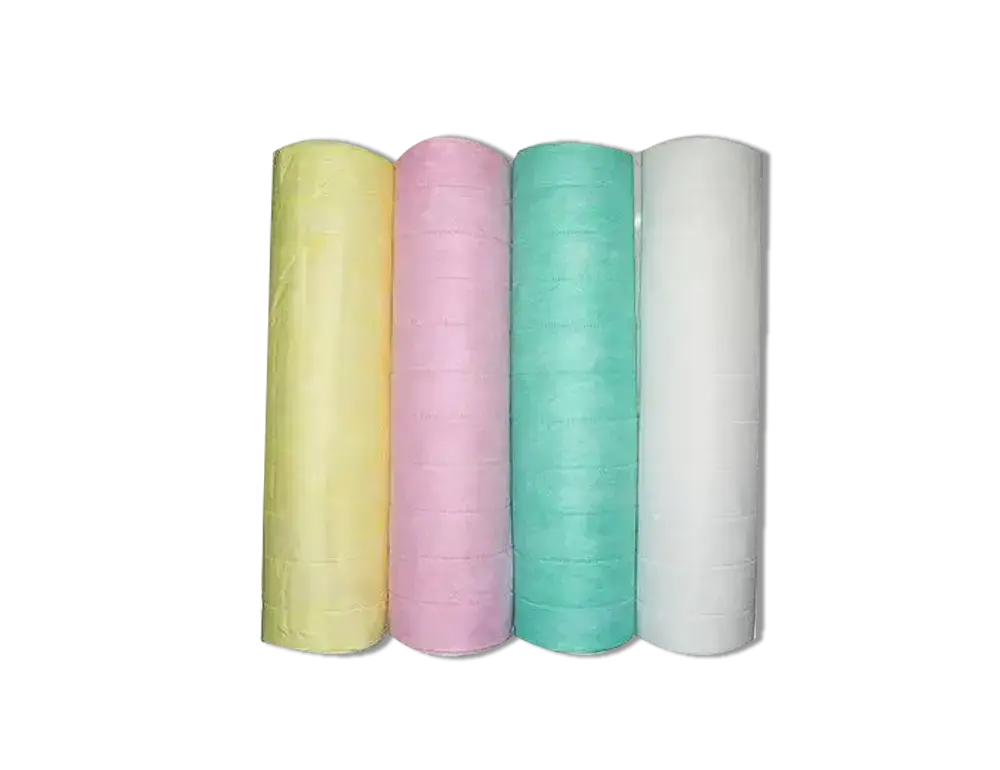
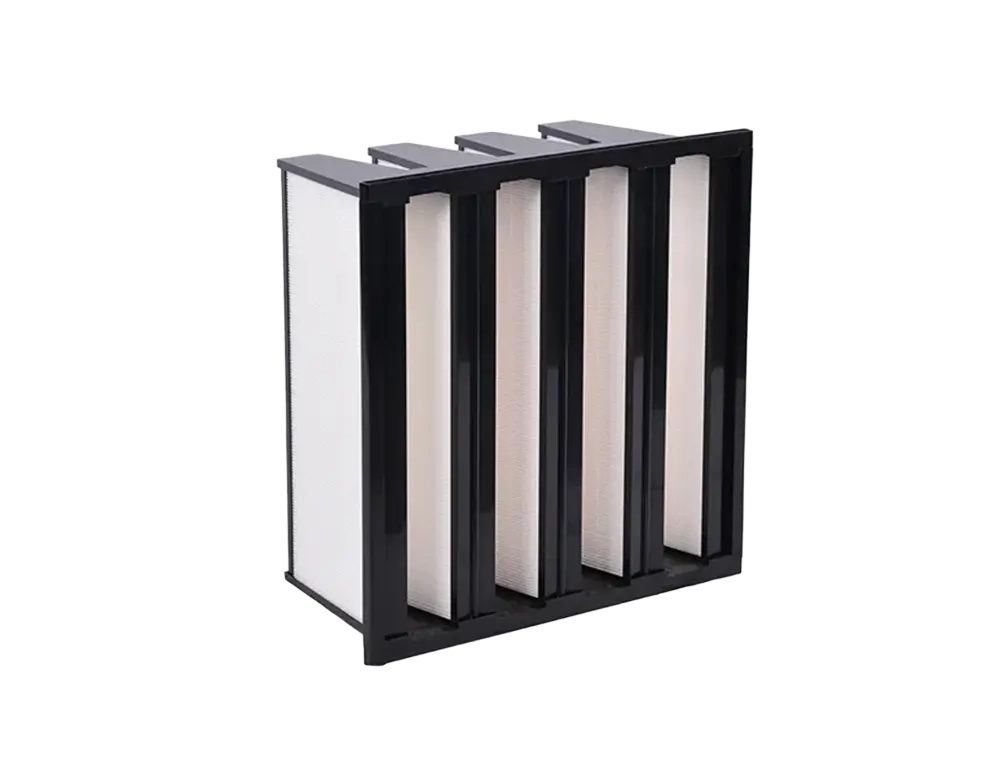
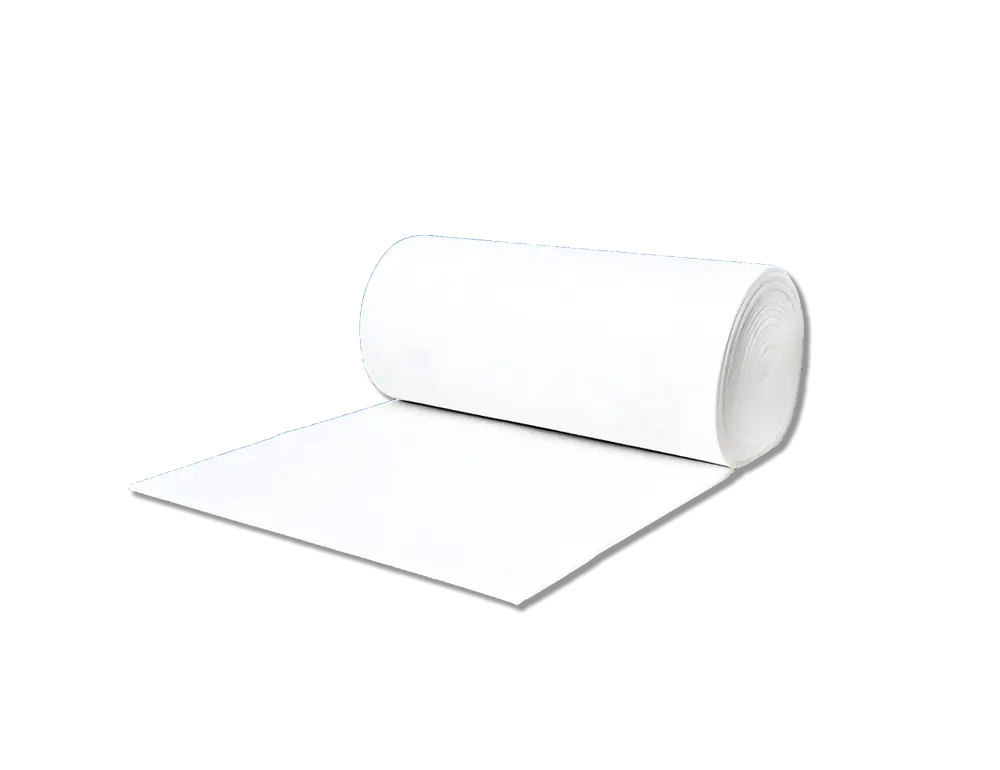
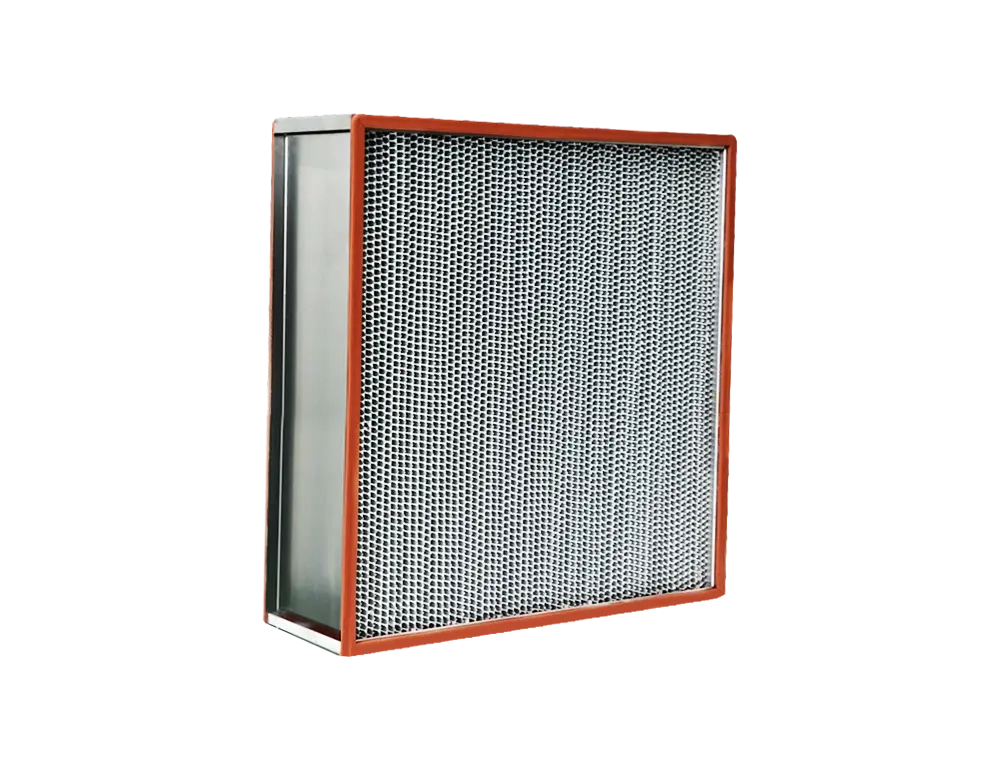
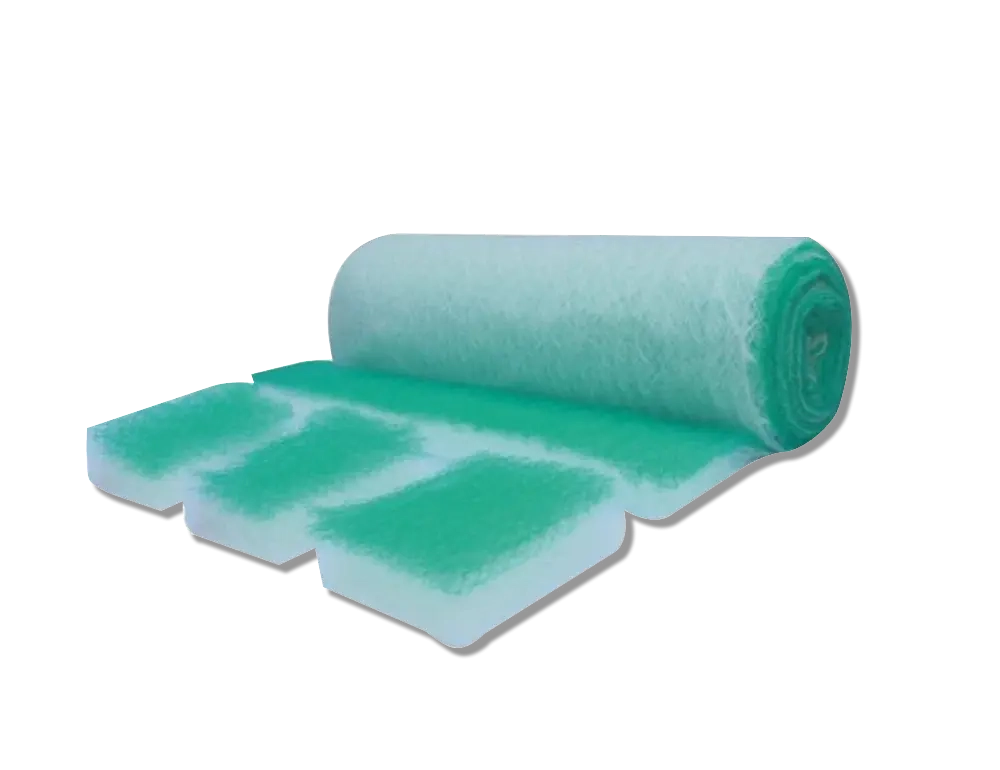
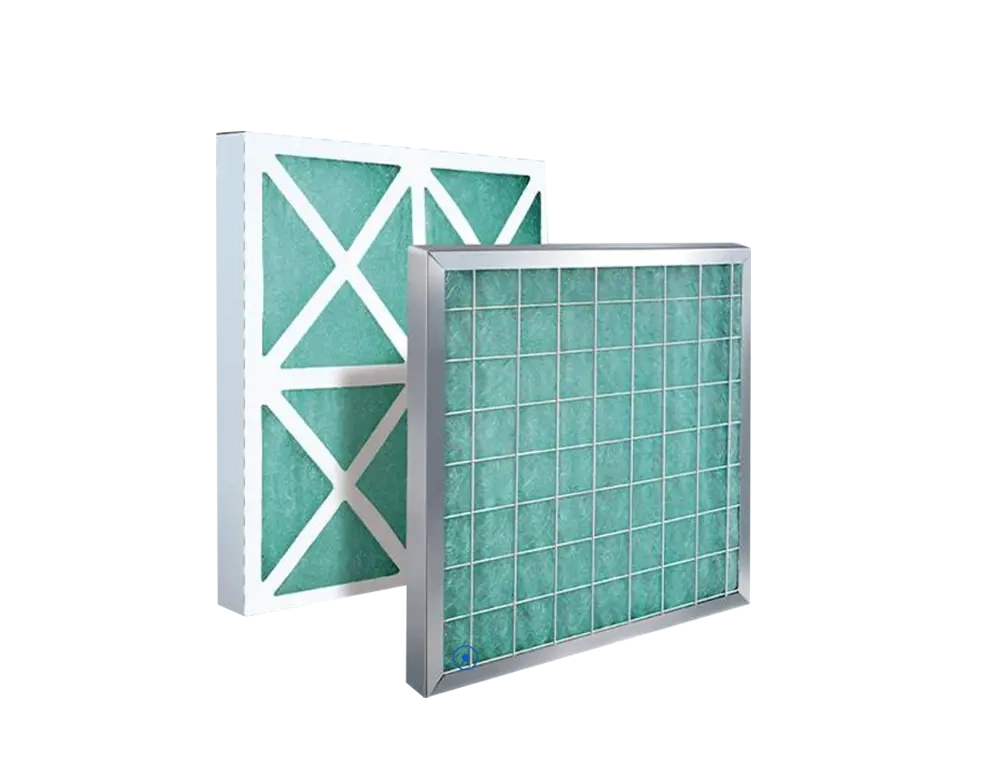
Pre-Filter (G1–G4)
First-Stage Large-Particle Capture
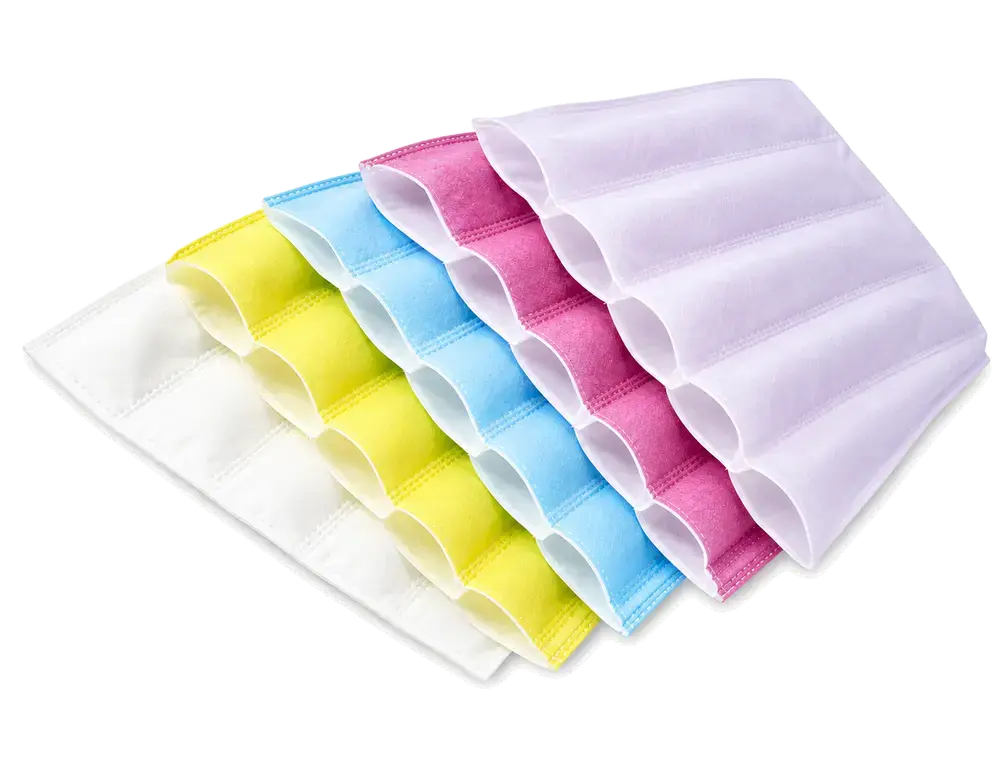
Medium-Efficiency Filter (F5–F9)
Precise PM2.5 Capture
HEPA High-Efficiency Filter
Sterile-Grade Purification
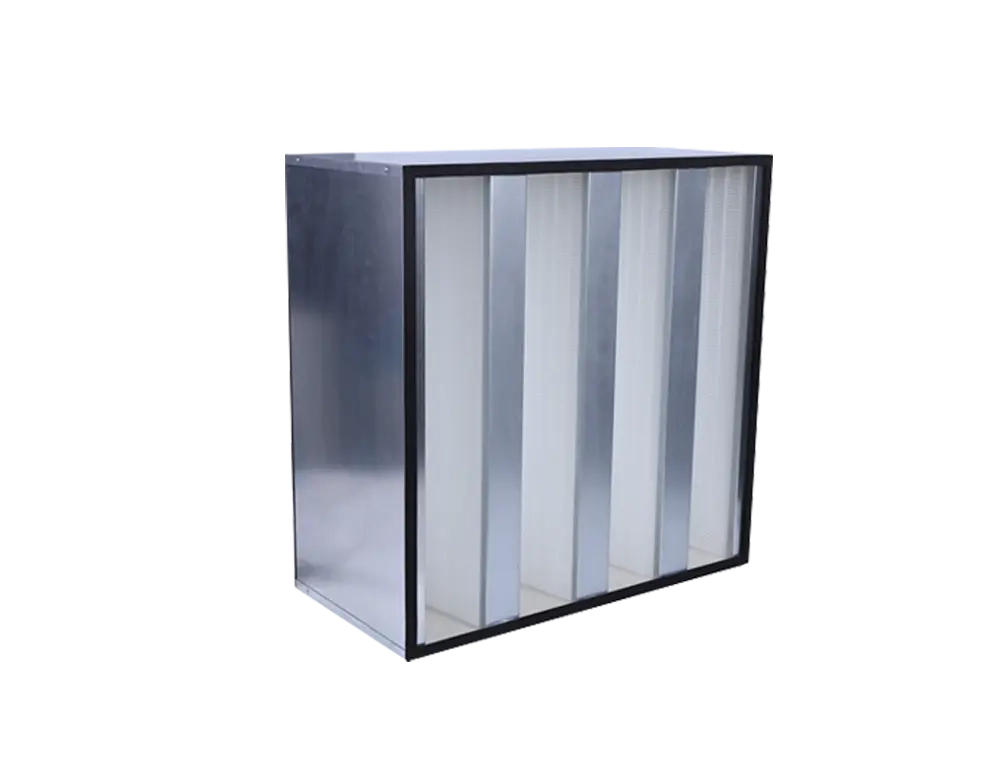
ULPA Ultra-High Efficiency Filter
Sub-Micron Particle Capture
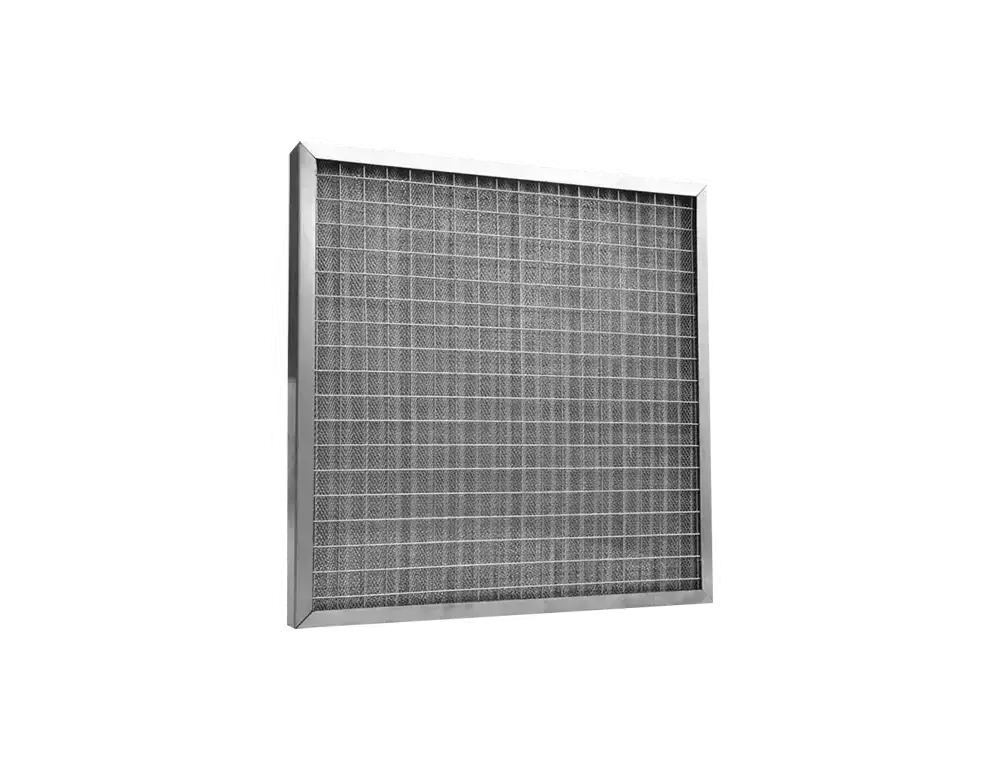
First-Stage Large-Particle Capture
The first line of defense, capturing particles ≥5 μm such as dust, hair, and fibers to protect downstream filters and extend overall system service life.
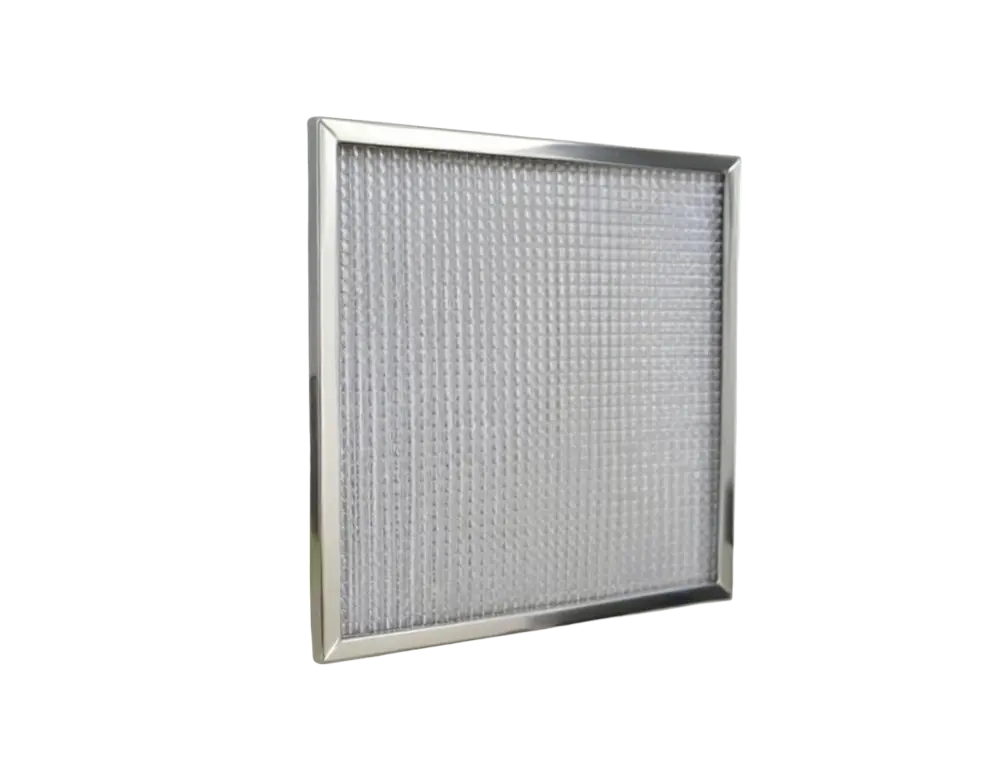
View Related Products →Precise PM2.5 Capture
Captures fine particles of 1–5 μm including PM2.5, pollen, and mold spores, significantly improving indoor air quality for commercial HVAC and ventilation systems.
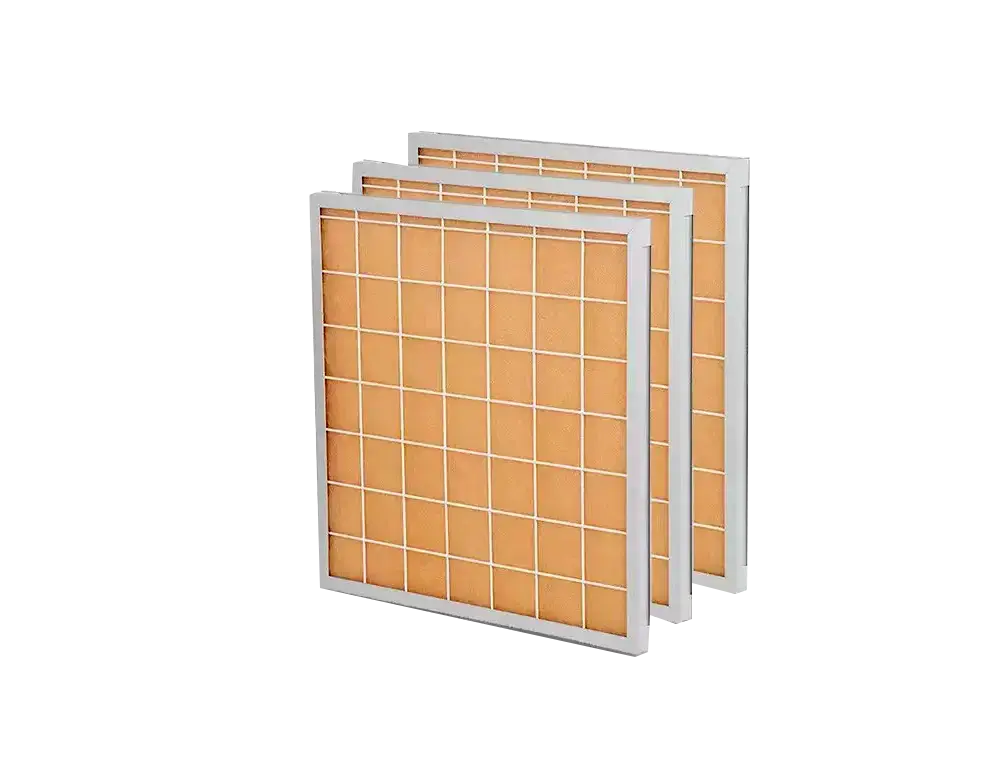
View Related Products →Sterile-Grade Purification
≥99.97% filtration efficiency for particles ≥0.3 μm, delivering sterile-grade clean air widely used in medical, pharmaceutical, and electronics manufacturing.
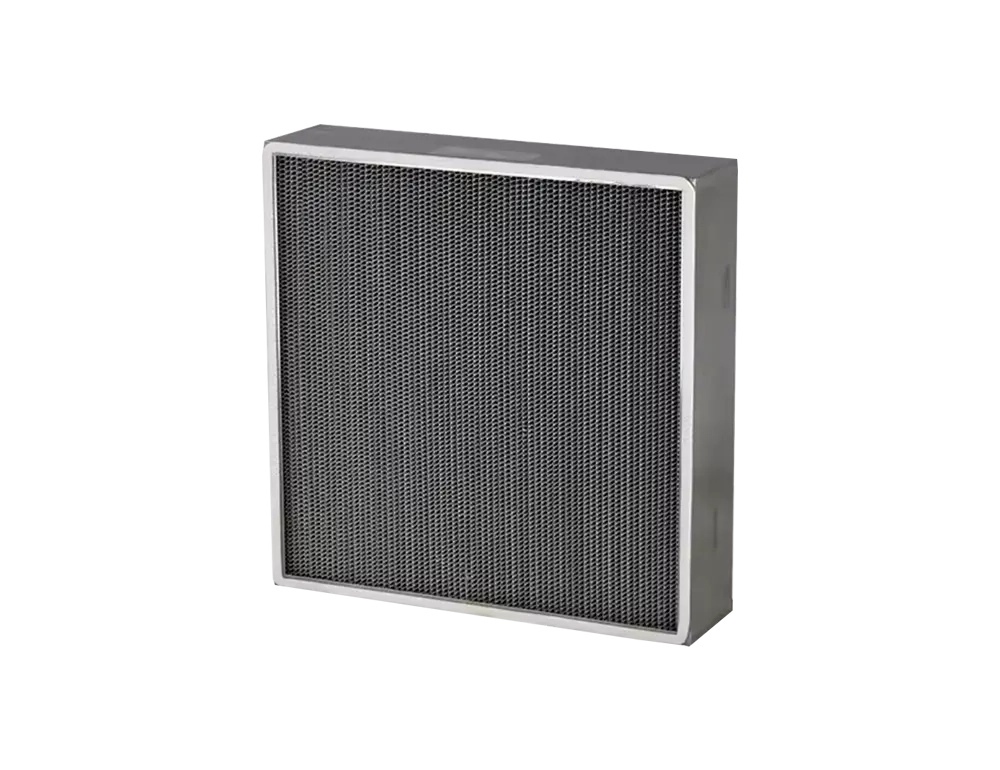
View Related Products →Sub-Micron Particle Capture
≥99.9995% efficiency for particles ≥0.12 μm, meeting the extreme cleanliness demands of semiconductor fabs, aerospace, and other ultra-precision applications.
View Related Products →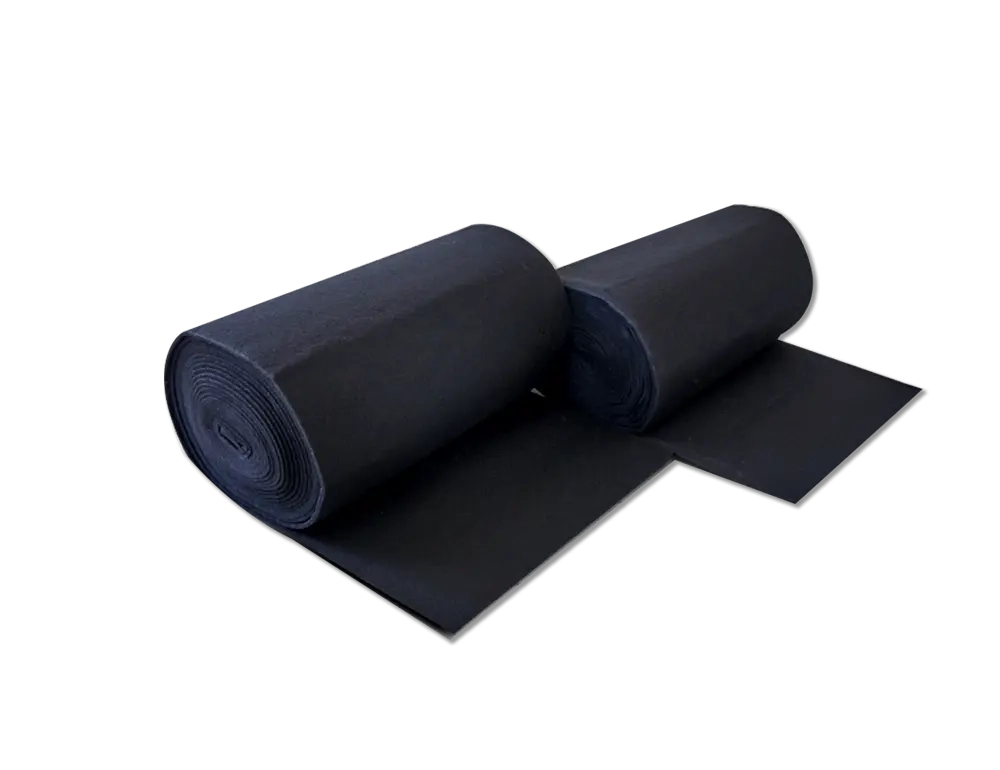
High-Temperature Resistant
Industrial-Grade Heat Tolerance
Washable & Reusable
Cut Costs, Reduce Waste
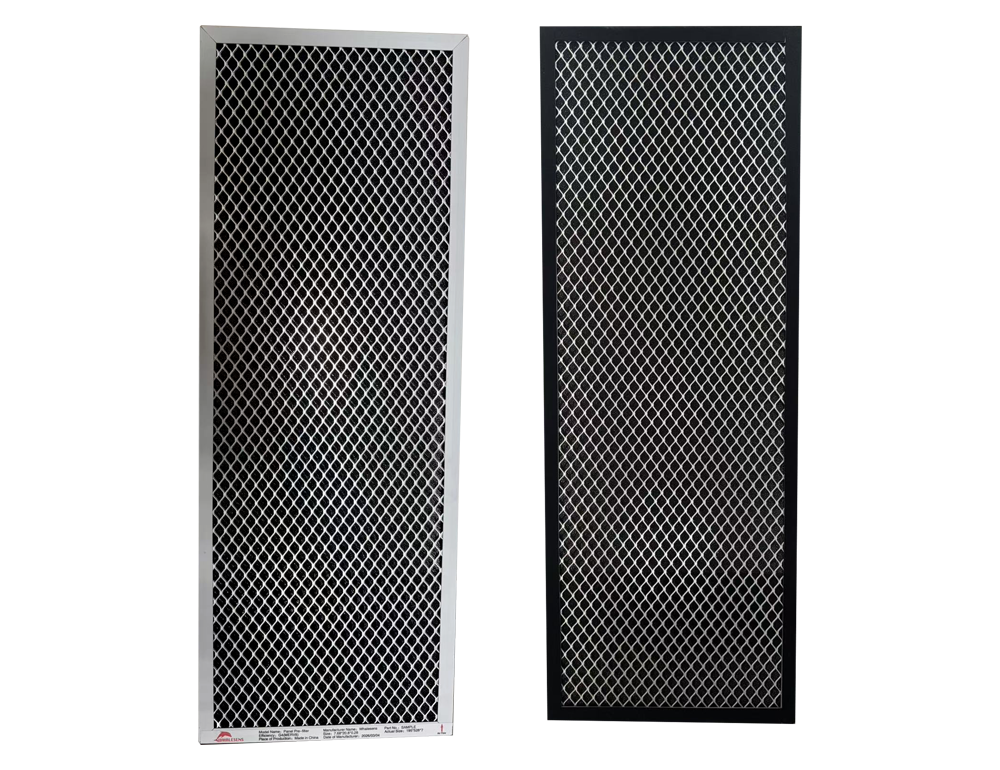
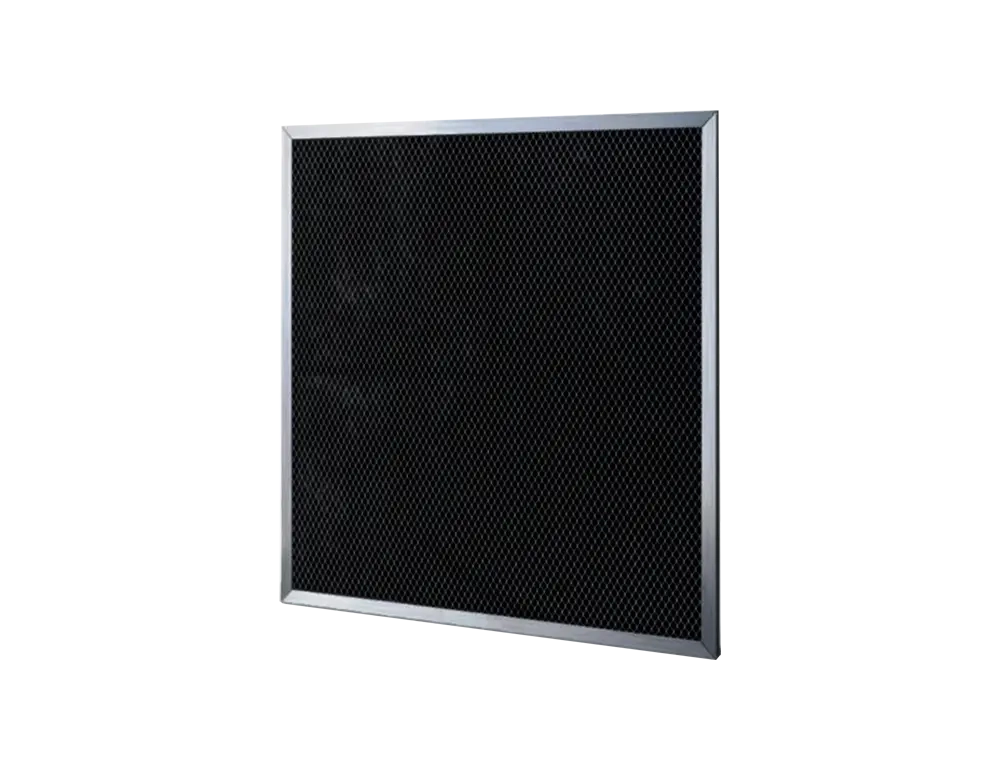
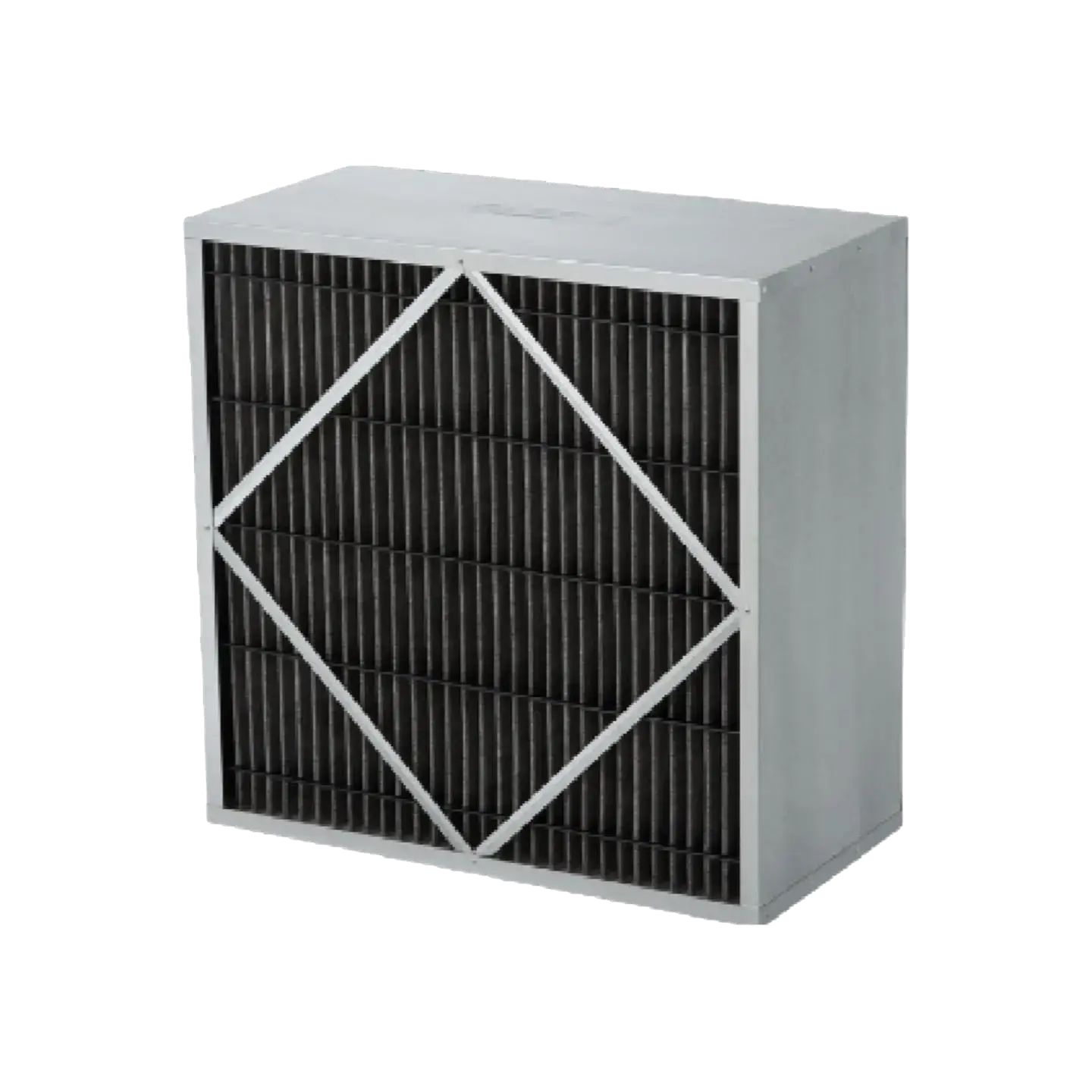
Activated Carbon
Odor & Harmful Gas Removal
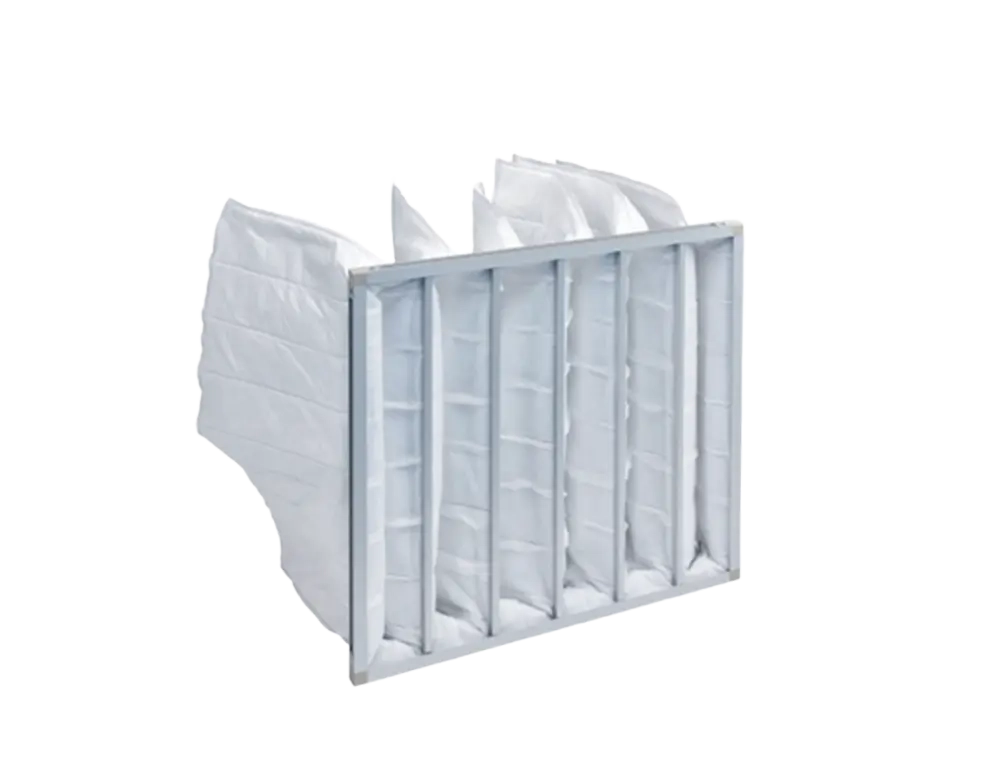
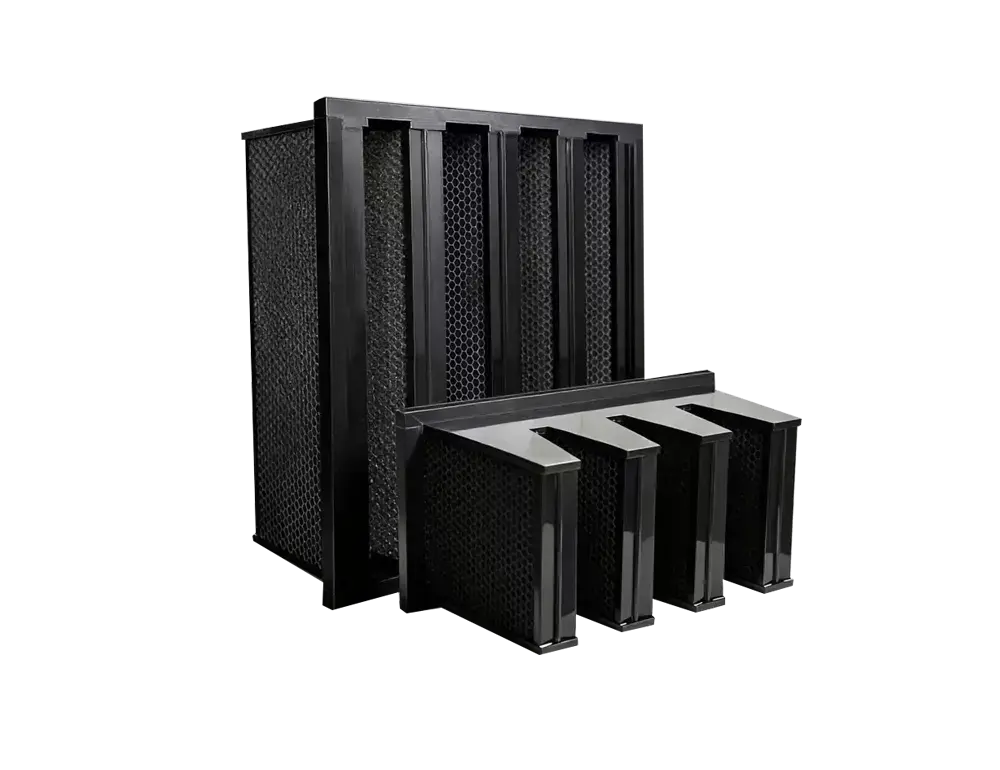
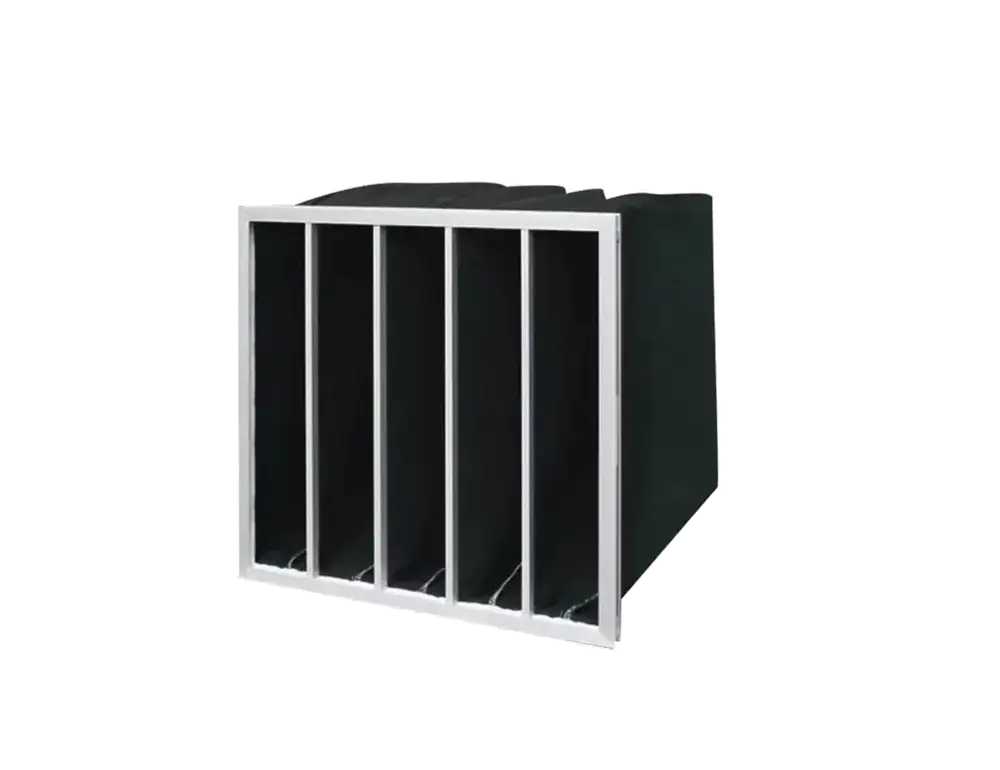
Bag Filter
High Dust-Holding, Long Life
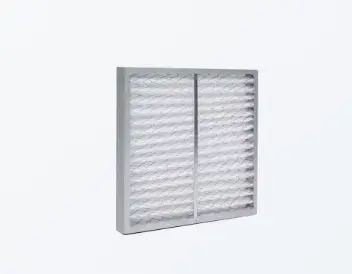
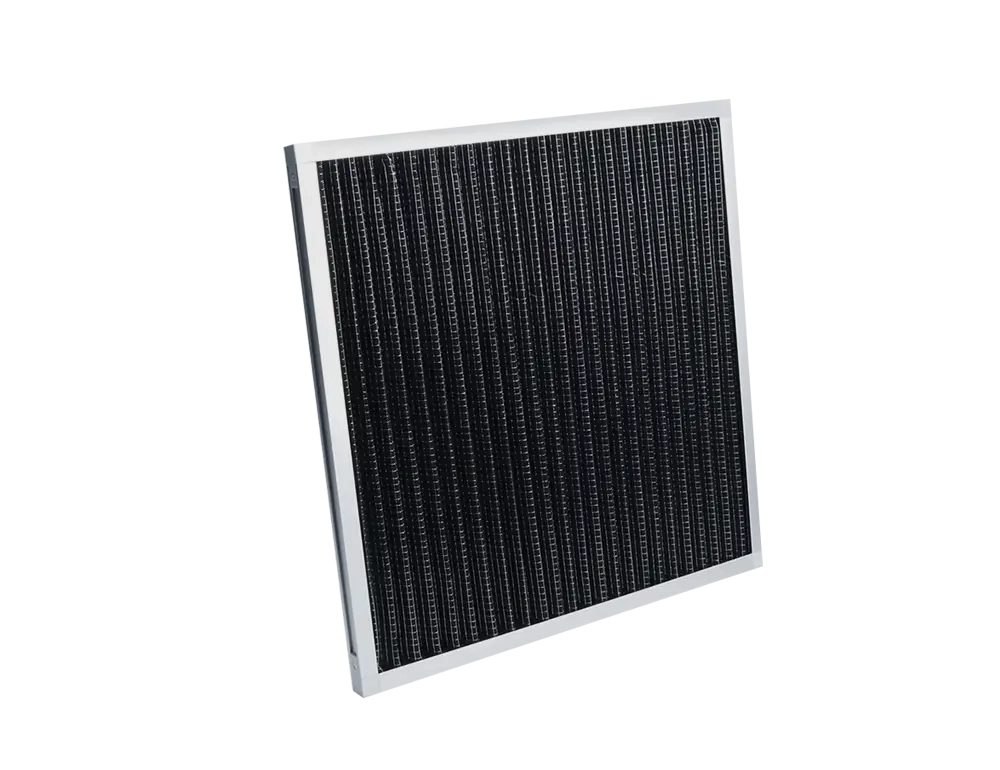
Panel / Pleated Filter
Compact Space-Saving Design
Low-Resistance Airflow
Energy-Saving Operation
Industrial-Grade Heat Tolerance
Built with specialized heat-resistant materials, operating stably up to 250°C for paint ovens, industrial dryers, and high-temperature process environments.
View Related Products →Cut Costs, Reduce Waste
Cleanable by water washing or air blowing, reusable multiple times to significantly reduce replacement frequency and O&M costs — an economical, eco-friendly choice.
View Related Products →Odor & Harmful Gas Removal
Leverages activated carbon's high adsorption capacity to eliminate odors, VOCs, and formaldehyde, ideal for newly renovated spaces and industrial exhaust treatment.
View Related Products →High Dust-Holding, Long Life
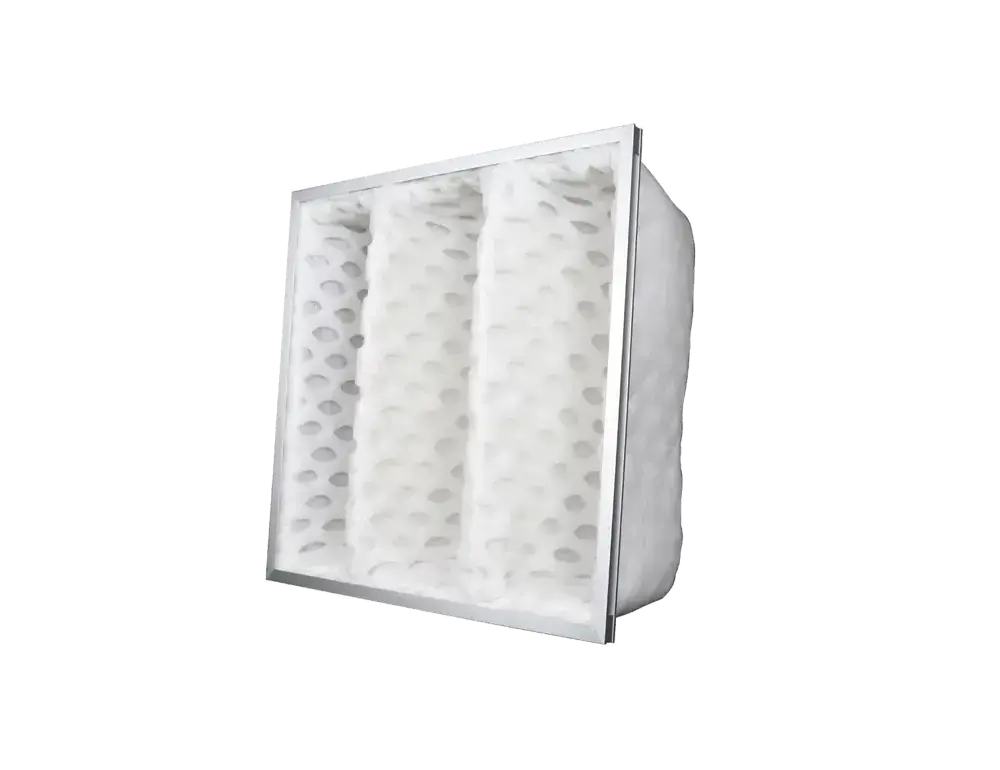
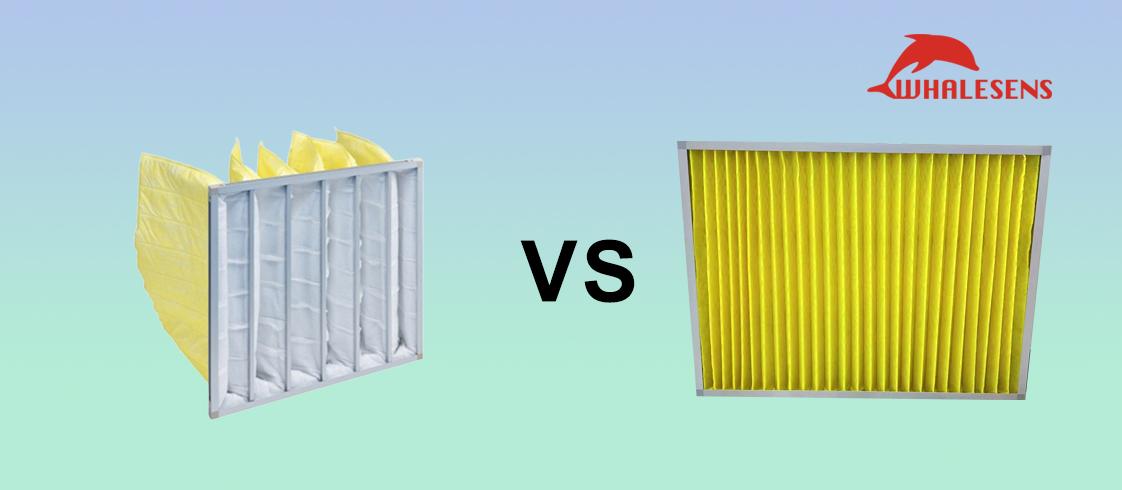
Bag-style construction delivers a larger filtration area, high dust-holding capacity, and extended service life — ideal for high-dust environments with reduced replacement frequency.
View Related Products →Compact Space-Saving Design
Compact form factor for easy installation and replacement; pleated structure maximizes filtration area within a small footprint for higher efficiency.
View Related Products →Energy-Saving Operation
Low-resistance design minimizes pressure drop while maintaining filtration performance, reducing fan energy consumption for cost-effective, eco-friendly operation.
View Related Products →
















 English(Global)
 简体中文
简体中文 Language




H13 HEPA Filter: Key Specs, Selection Tips & Applications
H13 HEPA Filter: What the Spec Sheet Actually Means
An H13 HEPA filter is often reduced to one number: 99.97% efficiency at 0.3 µm. That figure matters, but it's not the whole story. Buyers who stop there usually discover later that fan energy, filter life, and leak paths were the real cost drivers. Before you commit, the broader HEPA filter ultimate guide explains how HEPA grades work and where H13 sits in the family.
Let's be upfront: H13 is a solid workhorse grade. But selecting an H13 HEPA filter without looking at pressure drop and face velocity is like buying a car based on horsepower alone. It looks good on the spec sheet and may still disappoint in daily use.
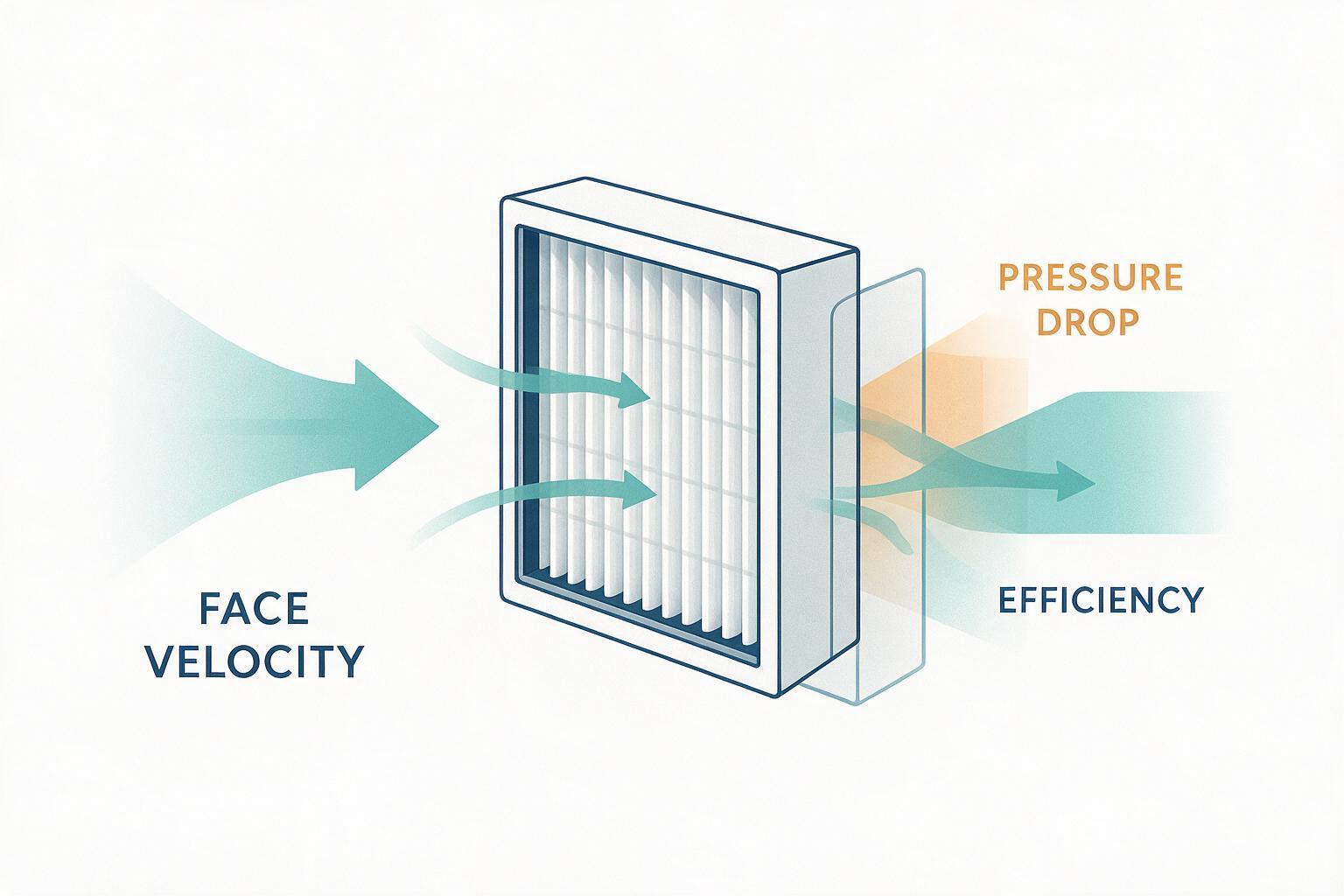
Here are the three numbers you should compare across suppliers.
These are typical ranges for H13 media, not universal constants. Different microglass or PTFE media can shift pressure drop by 50 Pa or more. That small delta adds up. We have seen procurement teams pick the cheapest H13 HEPA filter, only to watch fan energy climb by 20% over six months. The initial price was irrelevant by then.
If you want the complete map of industrial air filter types and how HEPA fits into a larger system, read Industrial Air Filter: The Ultimate Guide for Industrial & Commercial Buyers.
The Three Selection Traps That Cost Real Money
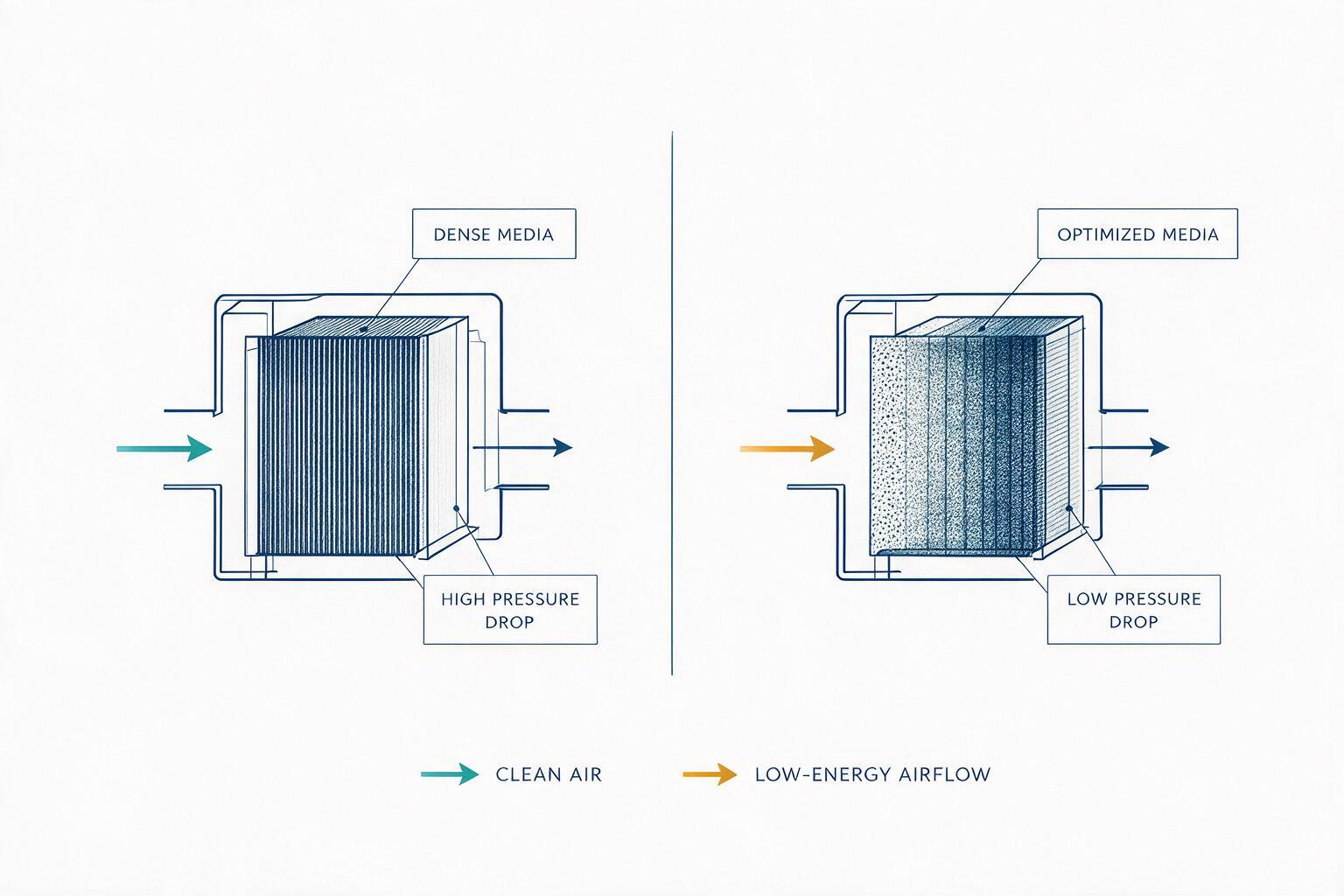
Efficiency is the entry ticket. These three factors decide whether the H13 HEPA filter earns its keep or quietly drains your operating budget.
Efficiency-Only Selection
- 99.97% efficiency alone
- Pressure drop may be high
- Higher long-term energy cost
Full-Parameter Selection
- Efficiency + ≤300 Pa pressure drop
- Face velocity matched
- Reliable frame sealing
Pressure drop is the first trap. A filter rated at 350 Pa instead of 280 Pa can add thousands of dollars to annual fan energy costs in a large cleanroom or hospital AHU. That difference rarely shows up in the initial quote, but it recurs every month.
A 50 Pa higher pressure drop can add thousands to annual fan energy costs — a calculation many buyers skip.
Whalesens Technology
Face velocity is the second trap. Running an H13 HEPA filter above 0.6 m/s stresses the media, shortens life, and can cause particle penetration. Stick to the supplier's rated velocity. If you need more airflow, add filter area rather than pushing velocity higher.
The third trap is frame sealing. An H13 HEPA filter only performs as well as its housing seal. Leaks around the frame let unfiltered air bypass the media entirely. That's why housing fit and gasket compression matter as much as the glass fiber inside. The same sealing principles apply to any filter housing; check Bag Filter Housing: The Ultimate Guide for Industrial & Commercial Buyers for installation checks that prevent bypass.
Pre-filtration also plays a quiet but critical role. Pairing an H13 HEPA filter with a G4 or F7 pre-filter extends HEPA life dramatically. If you're using a fine dust collector or pre-filter bank, review Bag Filter: The Ultimate Guide for Industrial & Commercial Buyers to match efficiencies correctly.
Where H13 HEPA Filters Earn Their Keep
H13 is not a universal default. In a standard commercial office HVAC system, H13 is often overkill and creates unnecessary pressure drop. But in these applications, H13 is either the regulatory minimum or the smart engineering choice.
H13 HEPA Filter Application Quick Check
- Pharmaceutical cleanrooms (Grade A/B) | H13 or higher required
- Semiconductor front-end | H13 or U15 depending on zone
- Hospital negative-pressure wards, operating rooms | H13 is standard
- Paint booth exhaust | Depends on coating type; some need H13+
In pharmaceutical cleanrooms, H13 is the floor, not the ceiling. A/B zones frequently require H14 or ULPA grades. Semiconductor fabs are similar—front-end processes often specify U15, but H13 handles many support areas. Hospitals use H13 terminal filters in operating rooms and isolation rooms to control airborne pathogens. Paint booths vary: water-based coatings may not need H13 on exhaust, but high-solids or powder coatings often do.
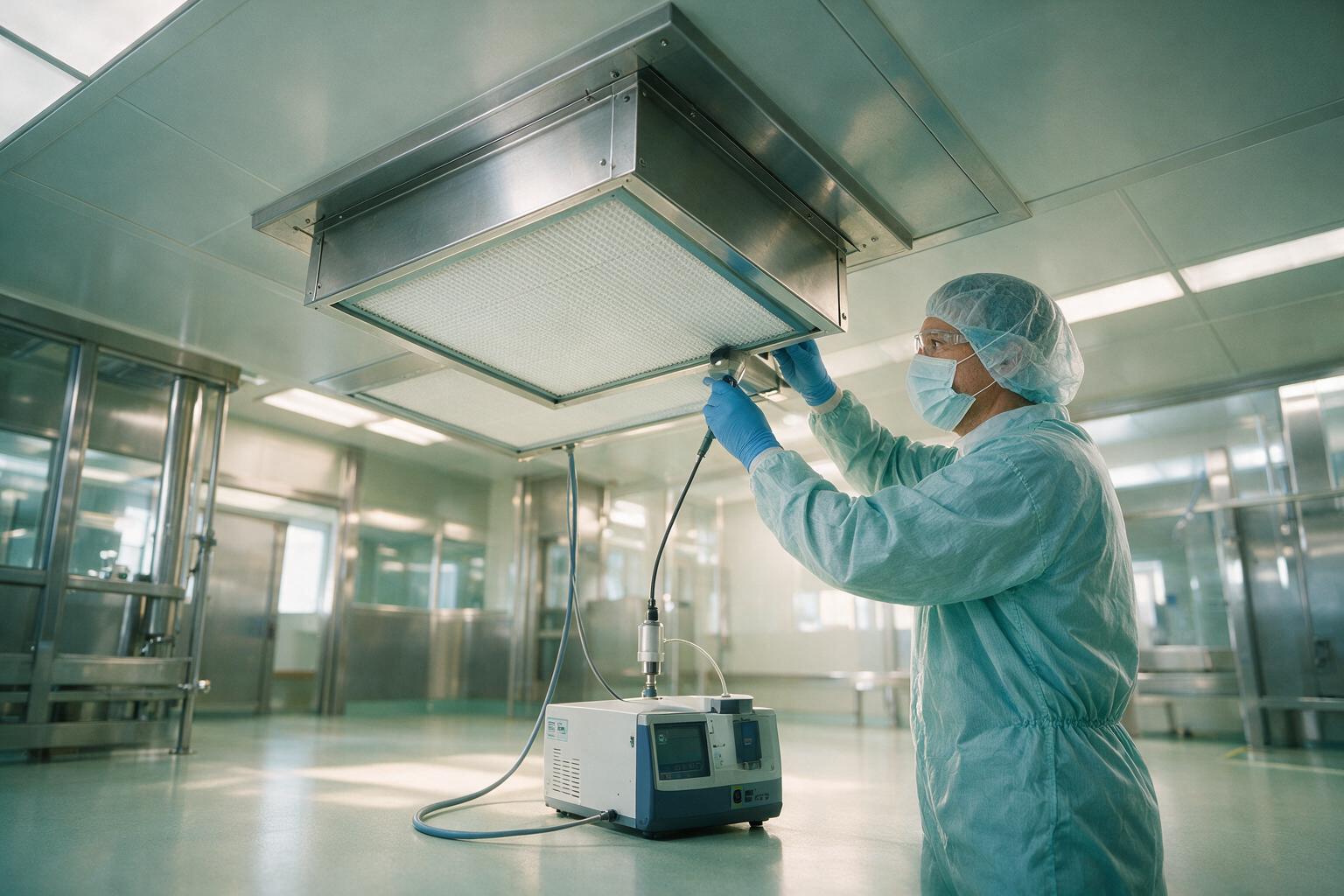
Not every high-efficiency application uses H13. Wind turbine nacelle and converter duties, for example, follow a different selection logic. If that's your context, see Wind Turbine Filter Selection: Nacelle, Converter and Gearbox Duty.
Selecting an H13 HEPA filter comes down to total cost, not just the efficiency rating. If you want the complete HEPA filter selection framework—including H13 vs H14 comparisons, media types, and installation validation—return to the HEPA Filter: The Ultimate Guide for Industrial & Commercial Buyers.
Need a custom air filtration solution?
Contact the Whalesens engineering team for product selection and OEM/ODM support.
Email whalesens@gmail.com
