


EV Charging Stations
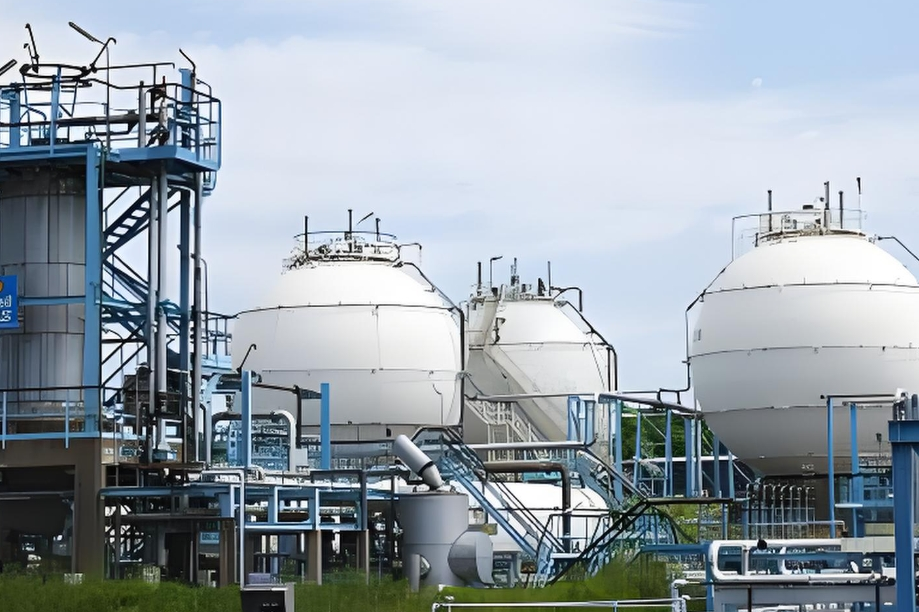
Filtration for Power Equipment
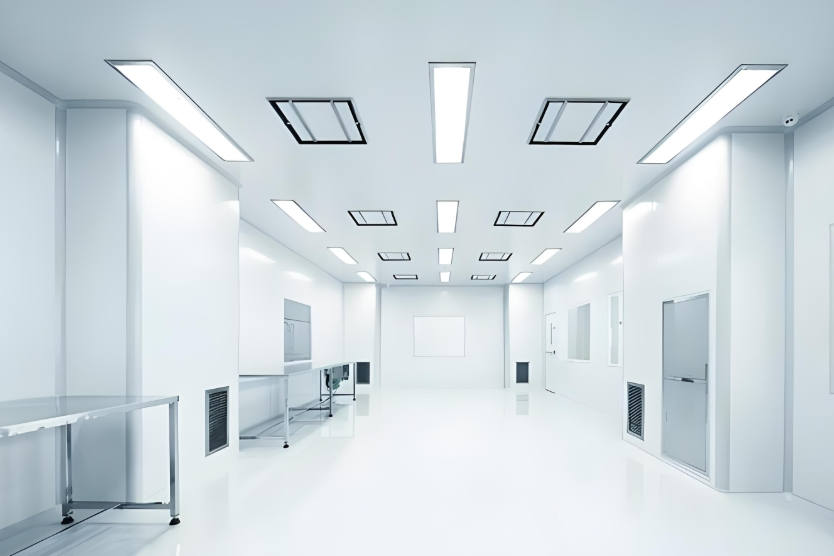
Cleanroom & Semiconductor
Ultra-High Cleanliness Filtration
Commercial HVAC
Central Air System Filtration
Data Centers
Precision Equipment Protection
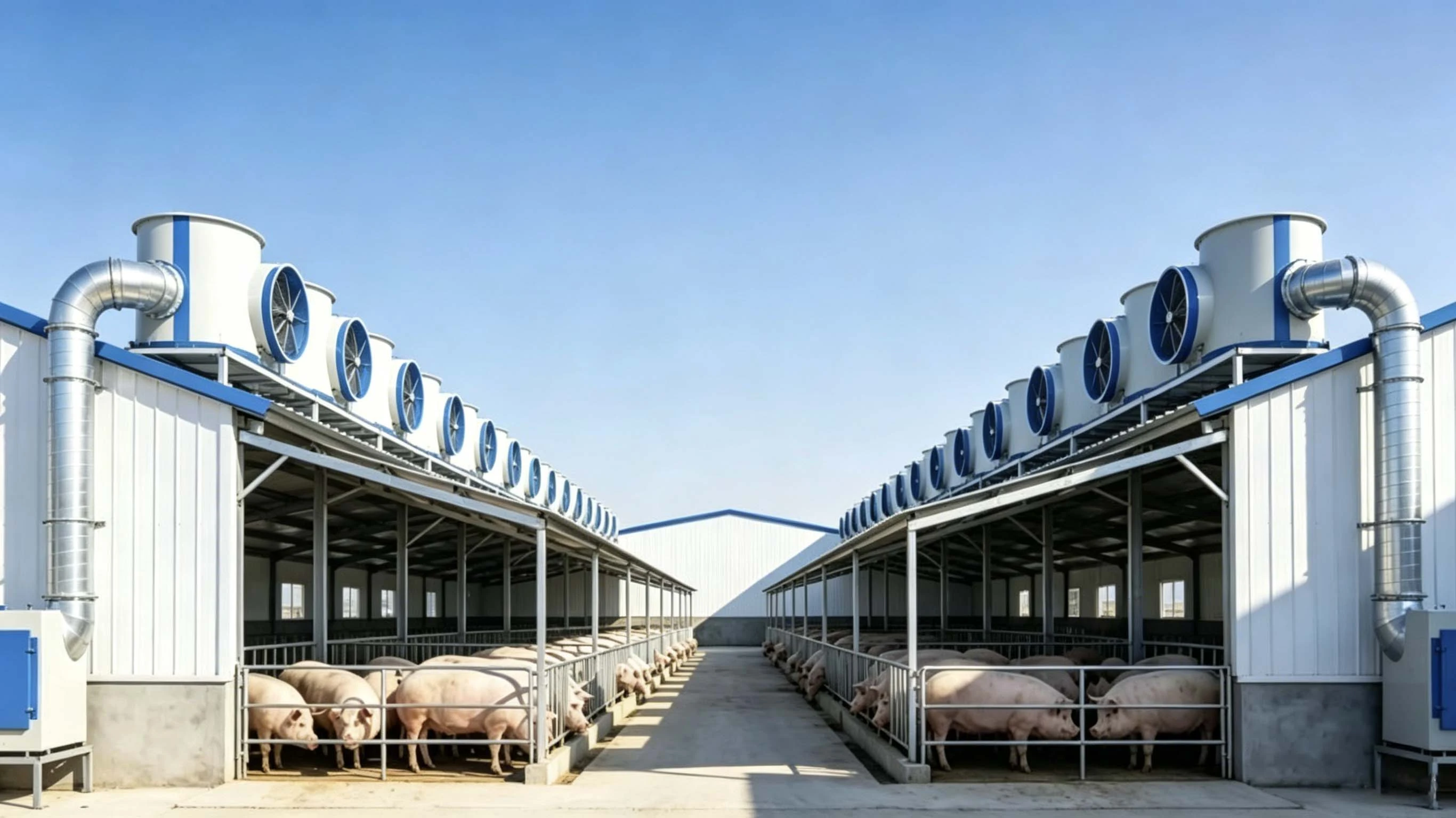
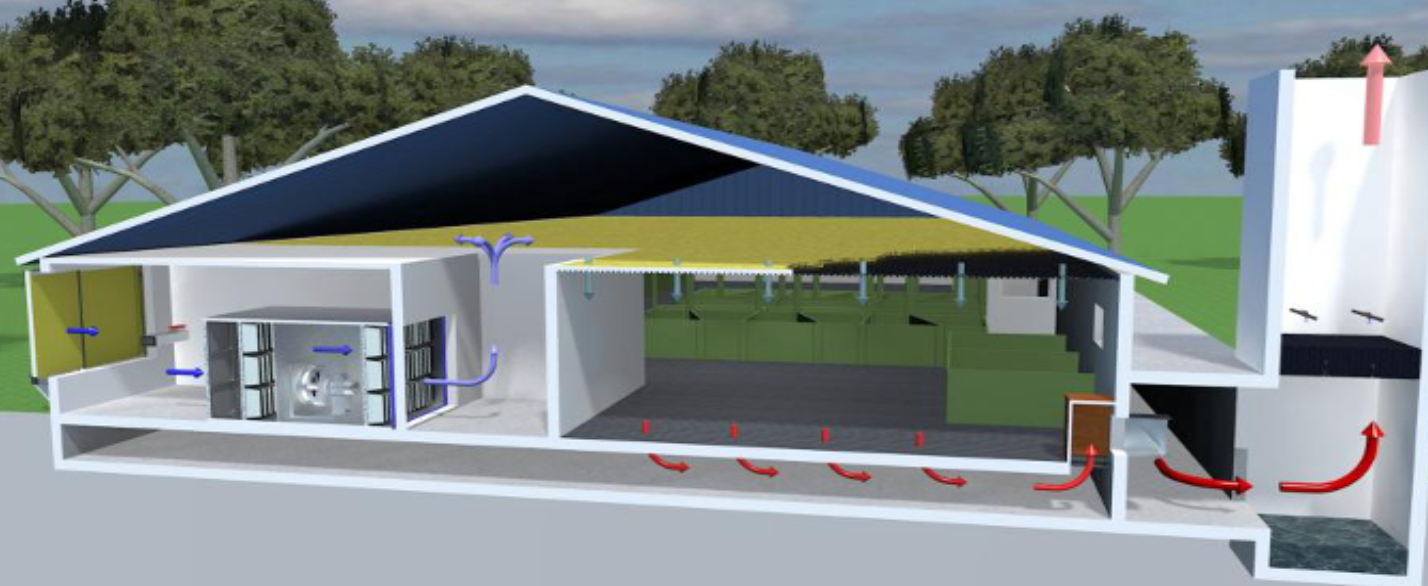
Livestock & Farming
Farming Environment Purification
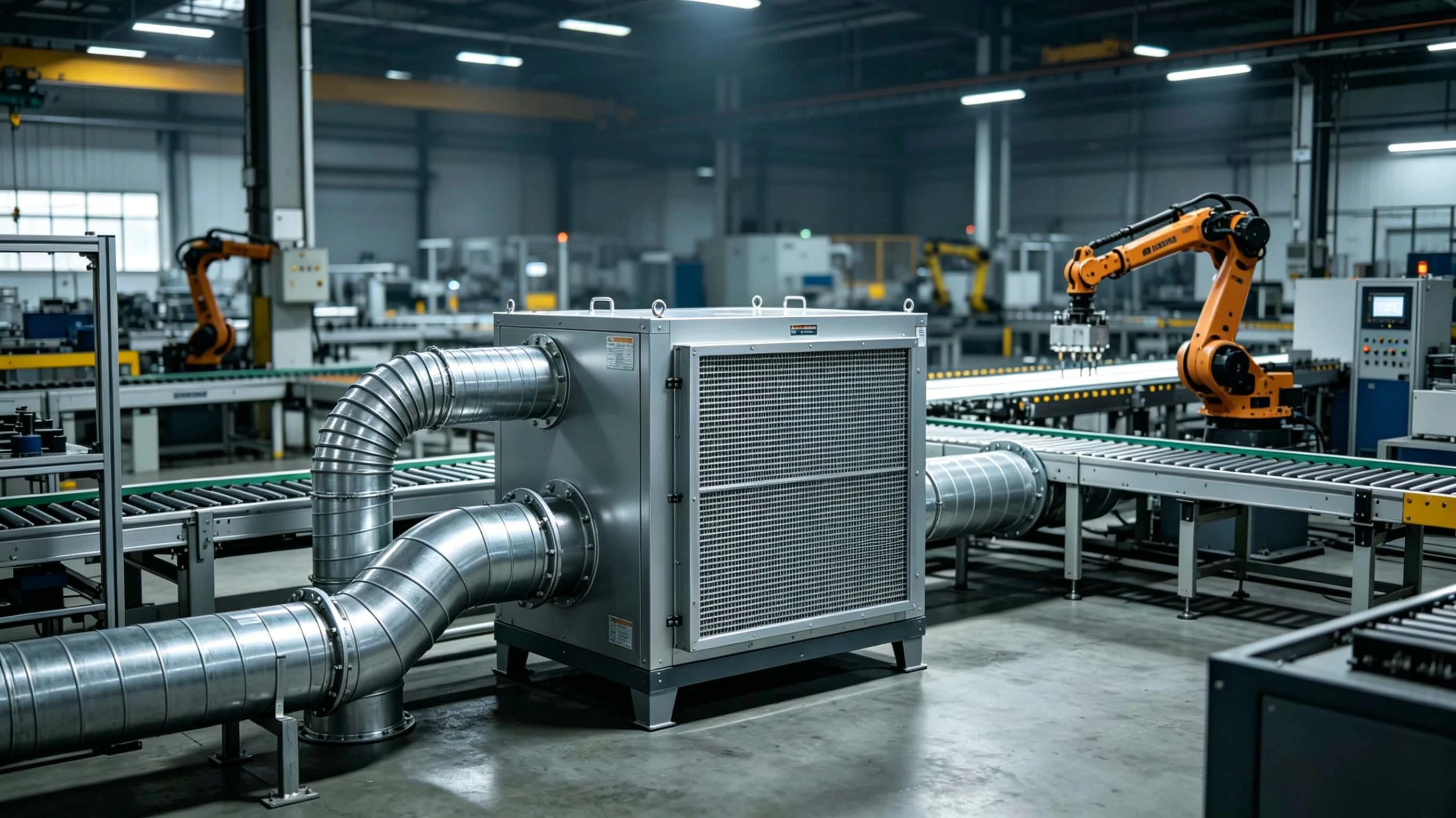
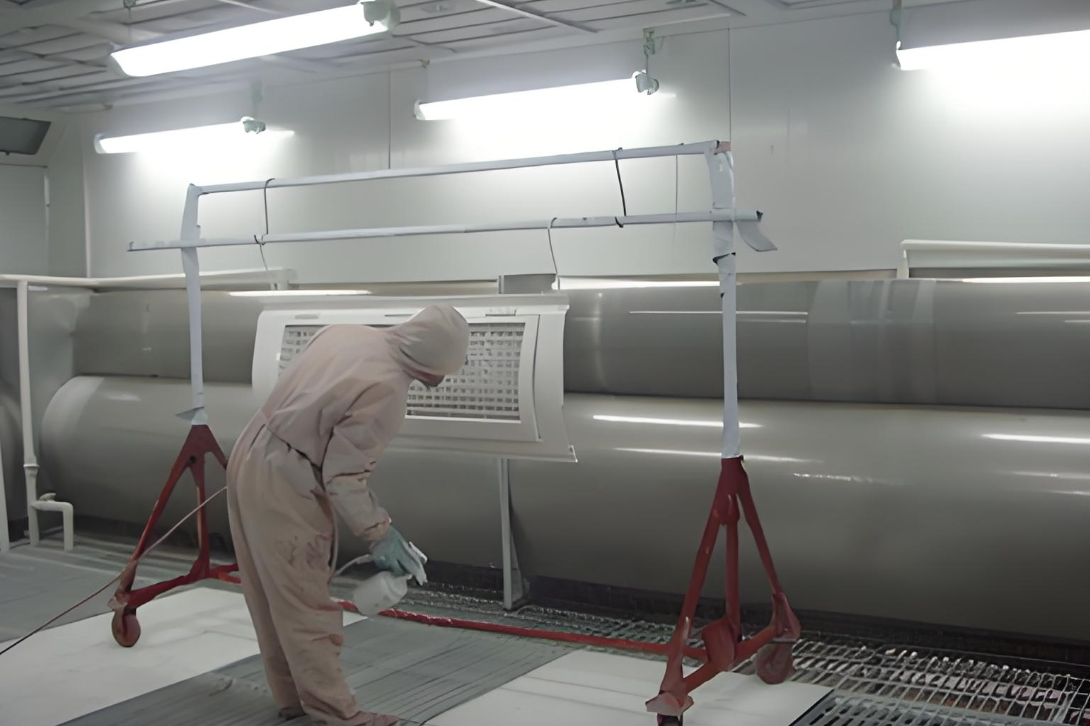
Spray Booths & Industrial Dust
Paint Mist & Dust Purification
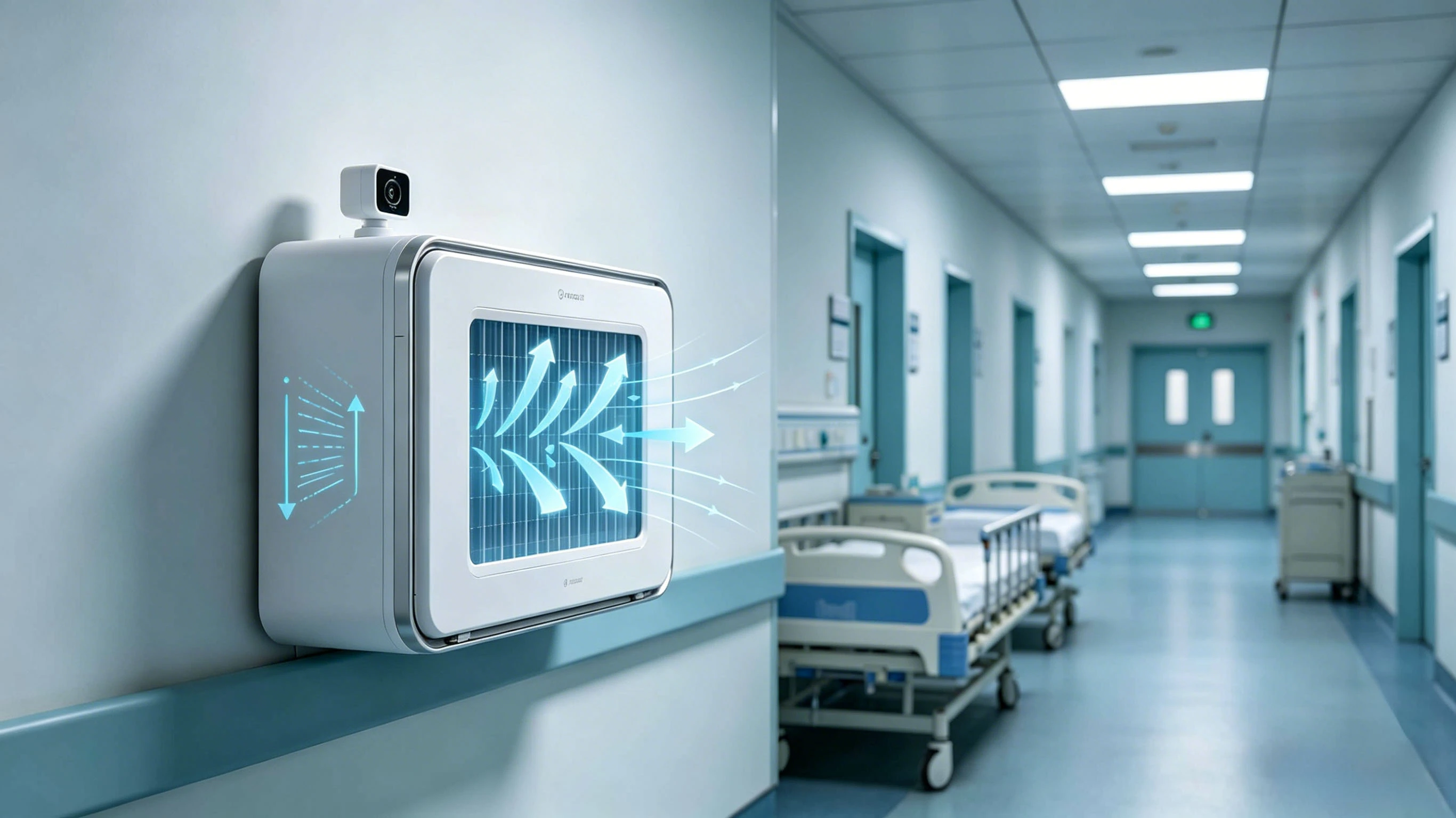
Filtration for Power Equipment
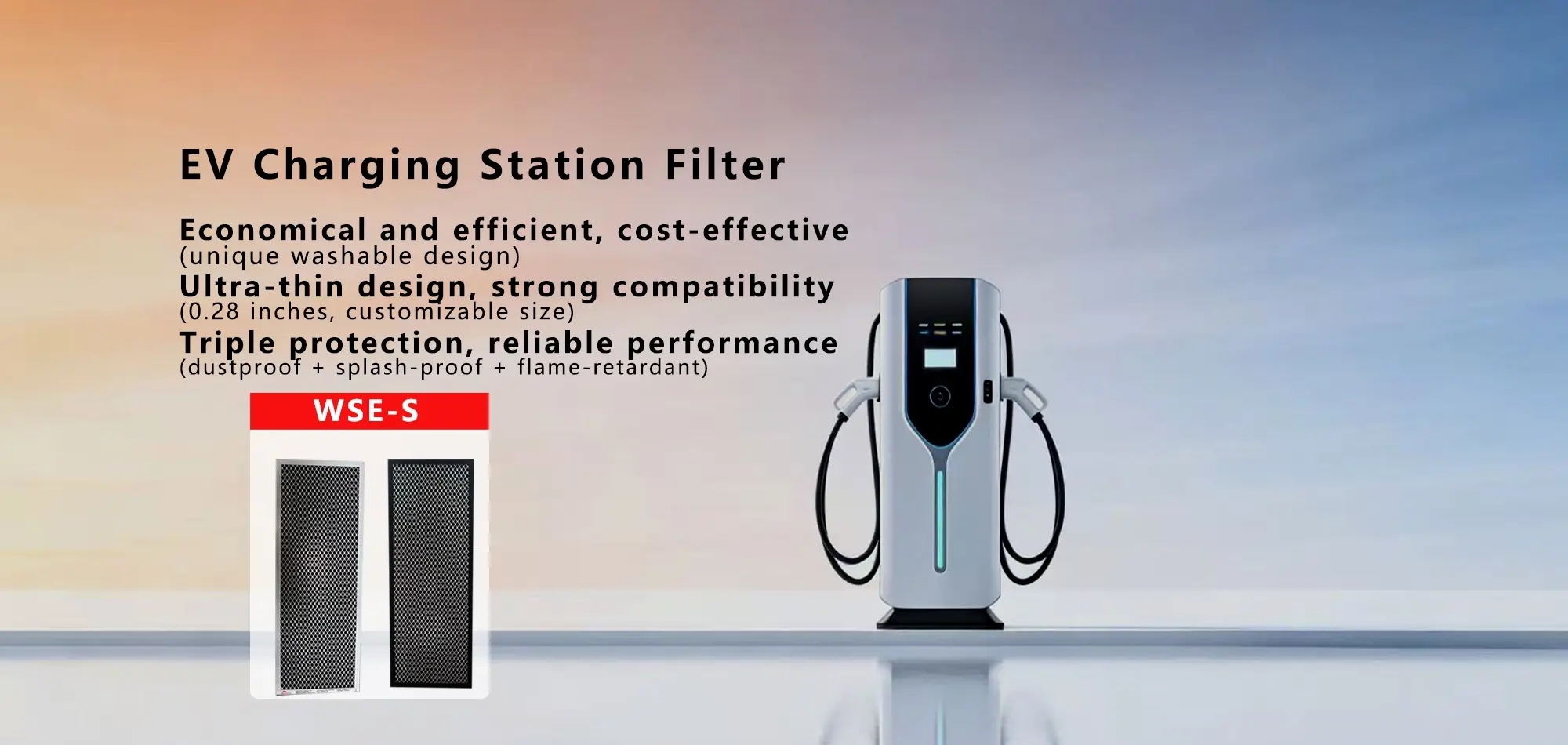
Professional air filtration for EV charging devices, protecting against dust and sand ingress to ensure stable, reliable operation of charging piles and station infrastructure.
View Related Products →Ultra-High Cleanliness Filtration
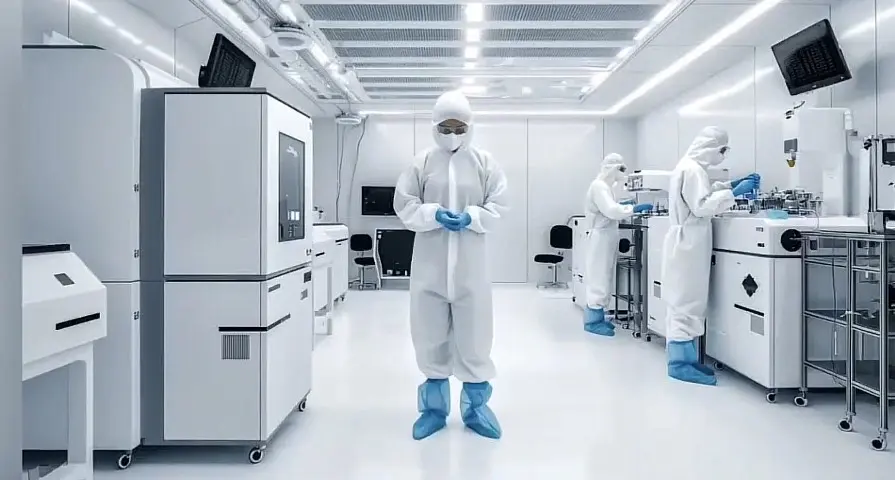
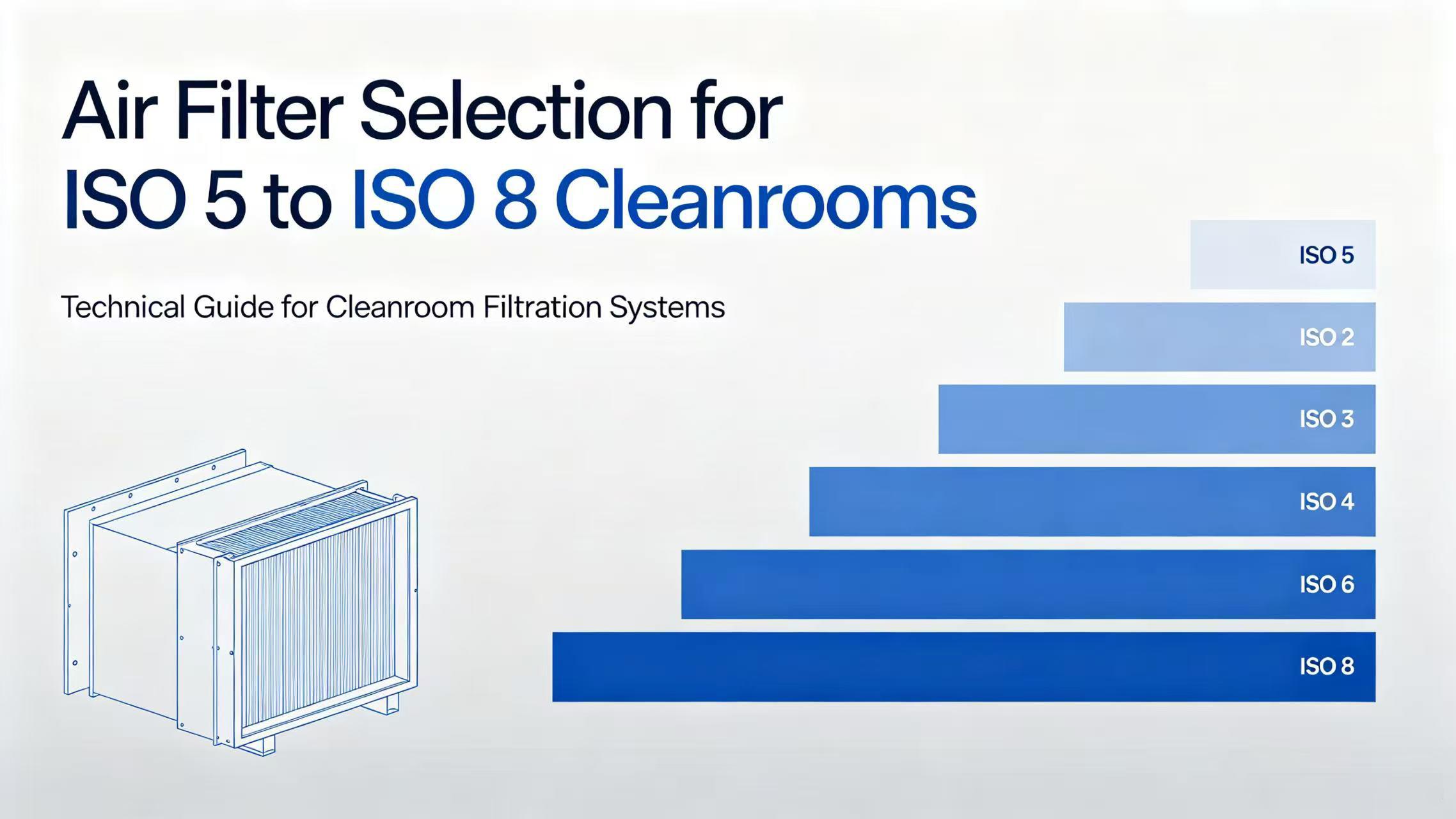
Ultra-high efficiency filtration for semiconductor wafer fabs and precision electronics cleanrooms, capturing nano-scale particles to meet ISO Class 1–3 standards and maximize product yield.
View Related Products →Central Air System Filtration
High-efficiency filtration for commercial building HVAC systems, improving indoor air quality, reducing energy consumption, and extending equipment service life.
View Related Products →Precision Equipment Protection
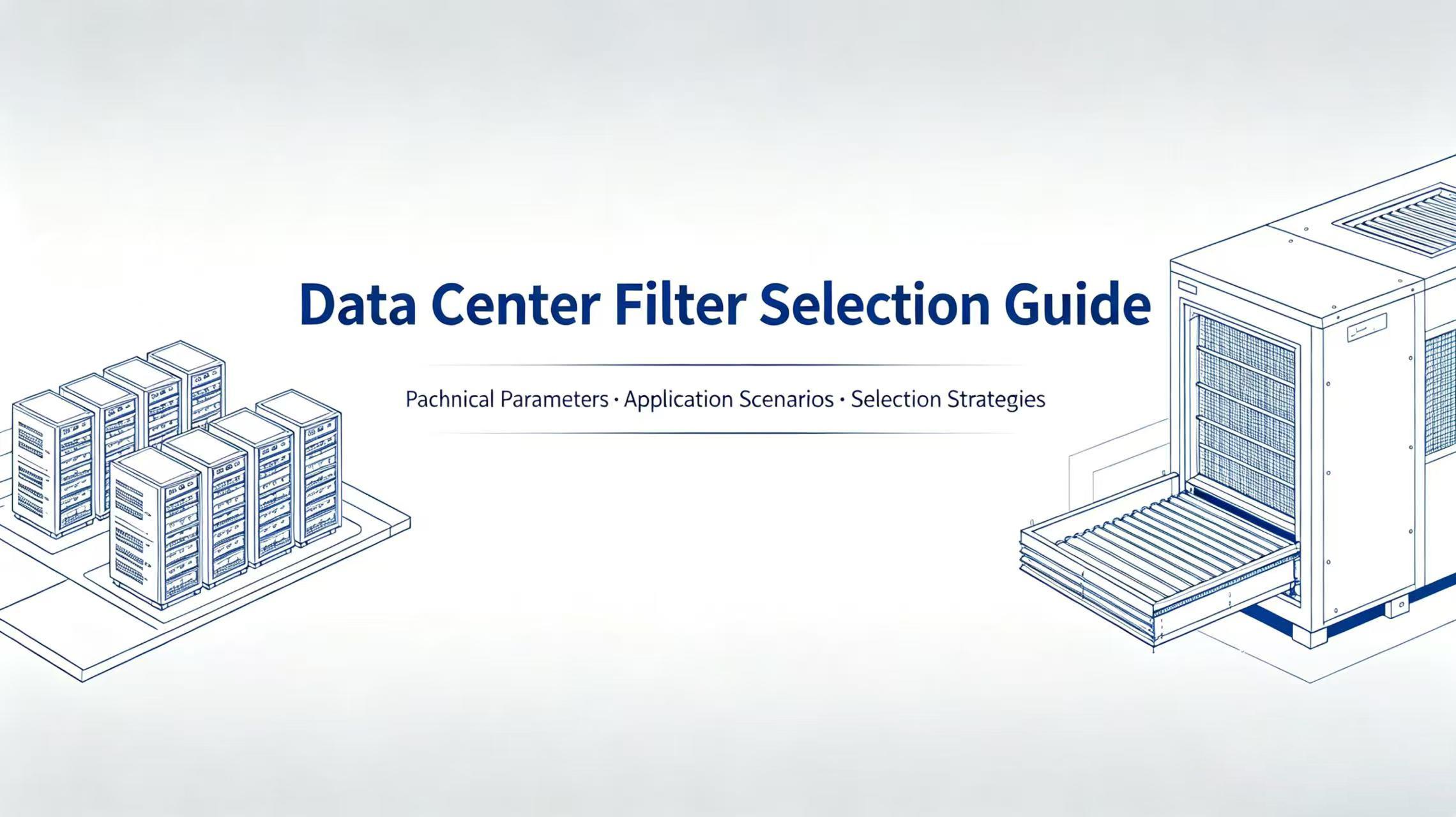
Precision air filtration for data centers, shielding servers and critical hardware from dust contamination to keep cooling systems running efficiently and reliably.
View Related Products →Farming Environment Purification
Dedicated filtration systems for farms and livestock facilities — capturing dust, adsorbing ammonia, and inhibiting pathogen spread to improve animal health and overall productivity.
View Related Products →Paint Mist & Dust Purification
Designed for spray booths and grinding workshops, efficiently capturing paint mist, metal dust, and wood chips to meet emission standards while protecting finished surface quality.
View Related Products →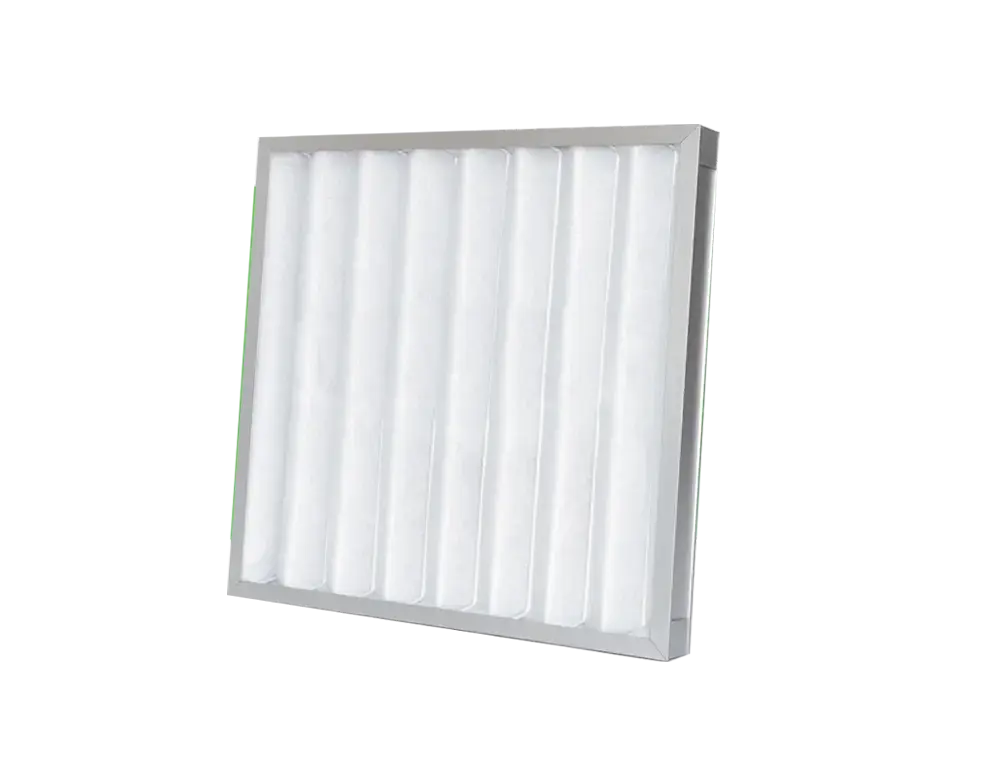
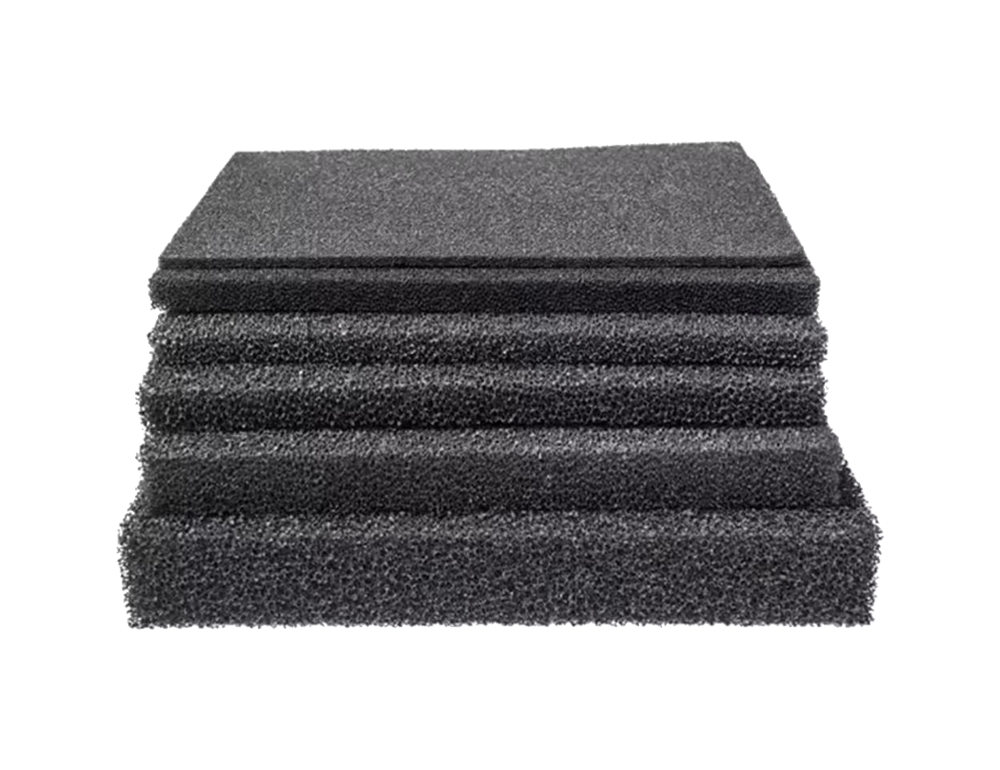
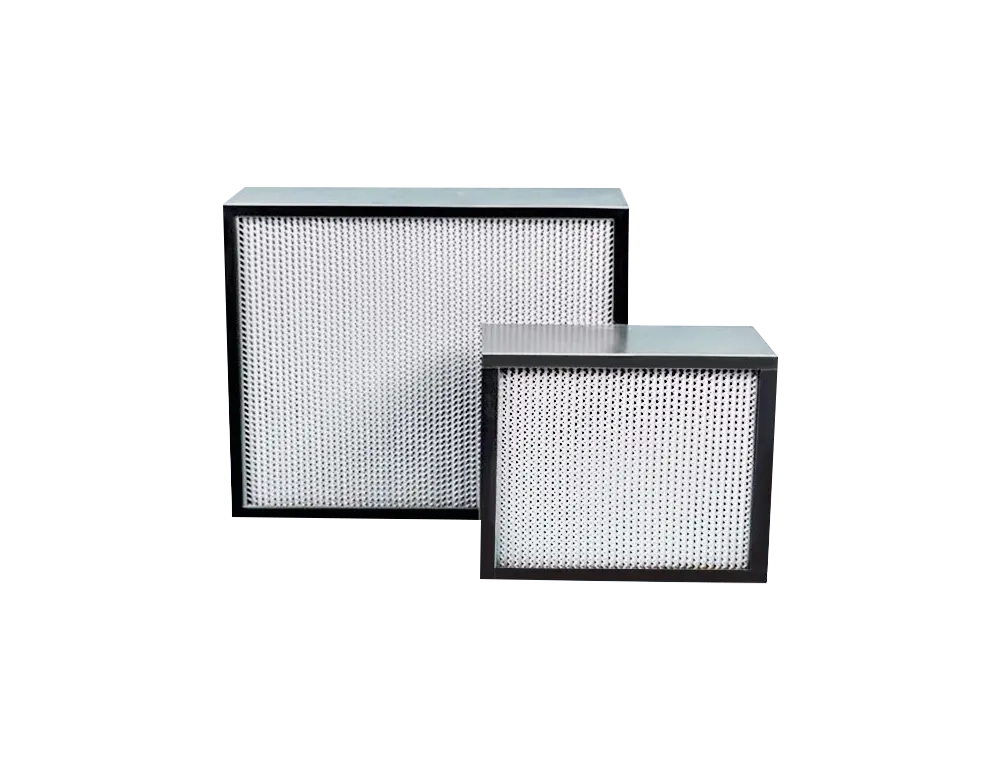
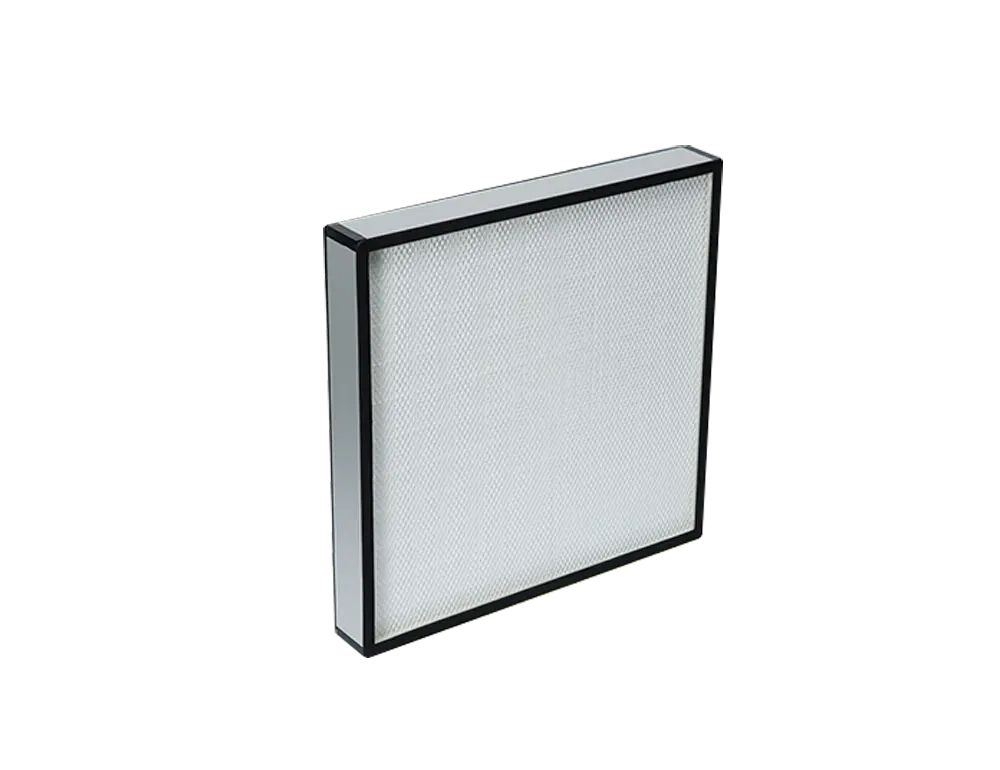
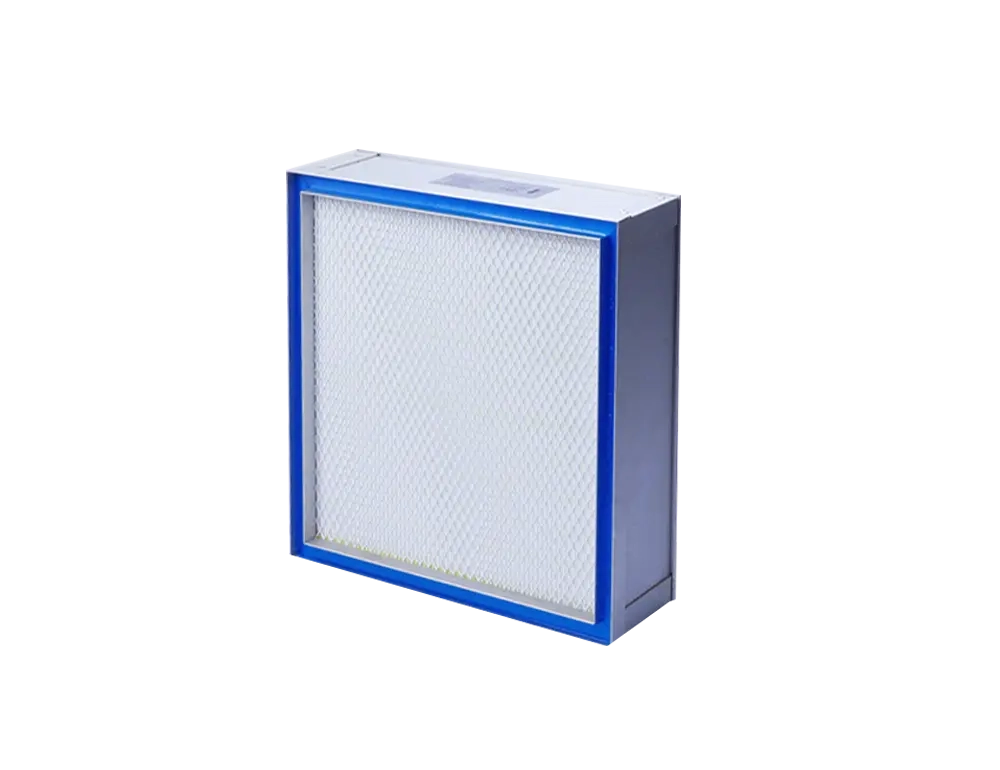
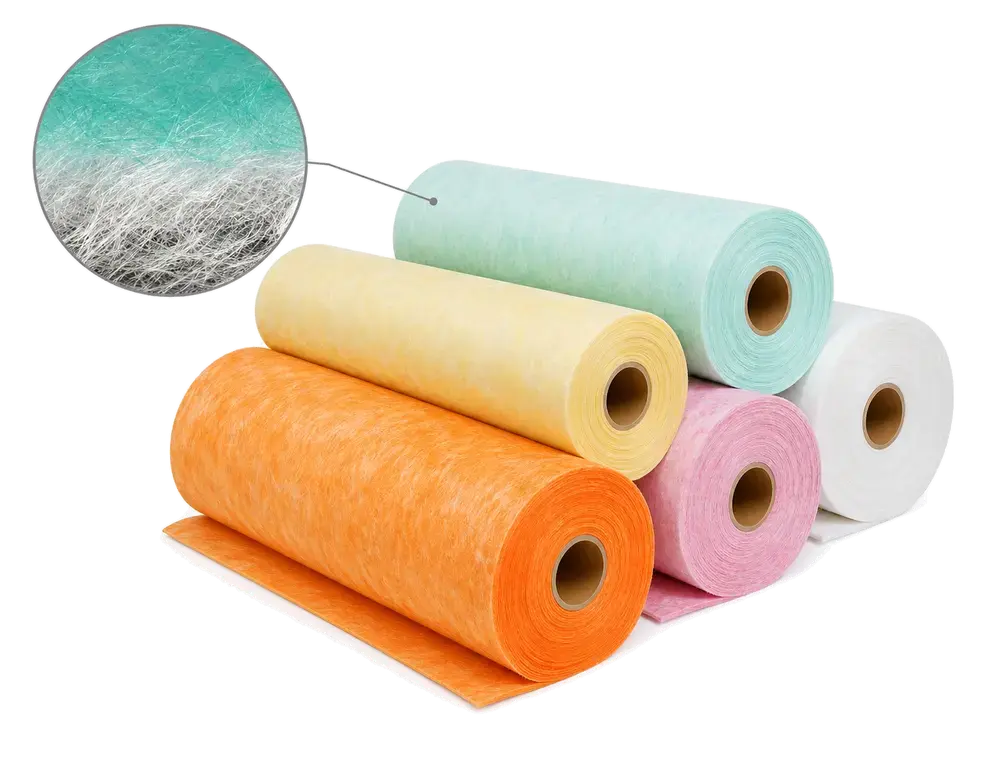
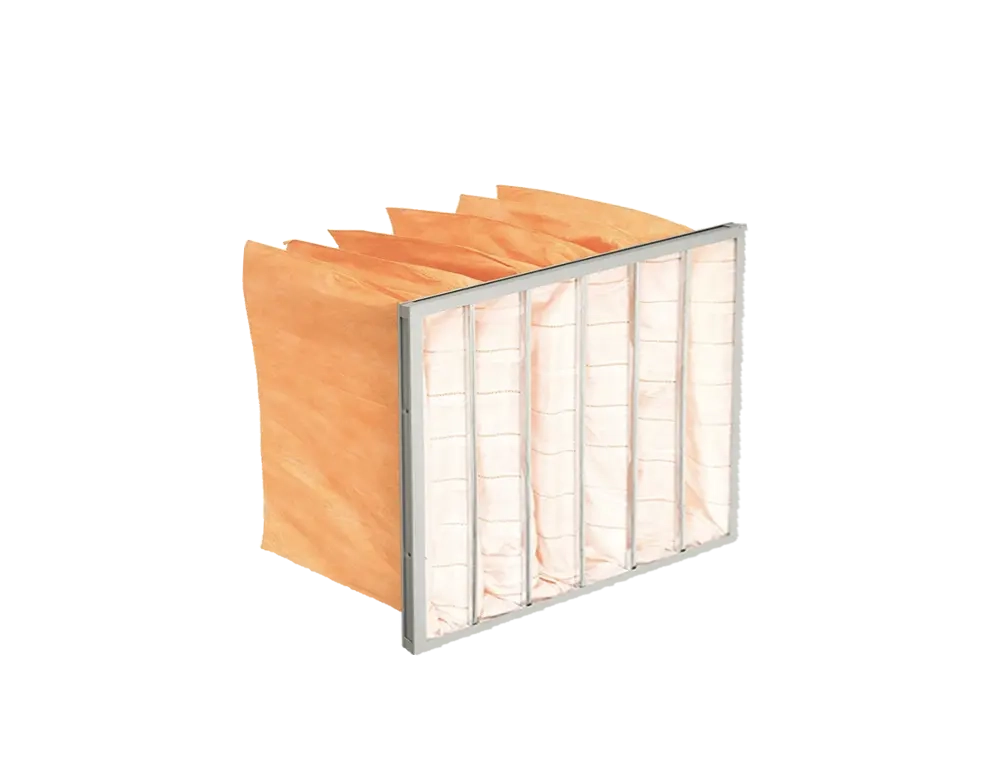
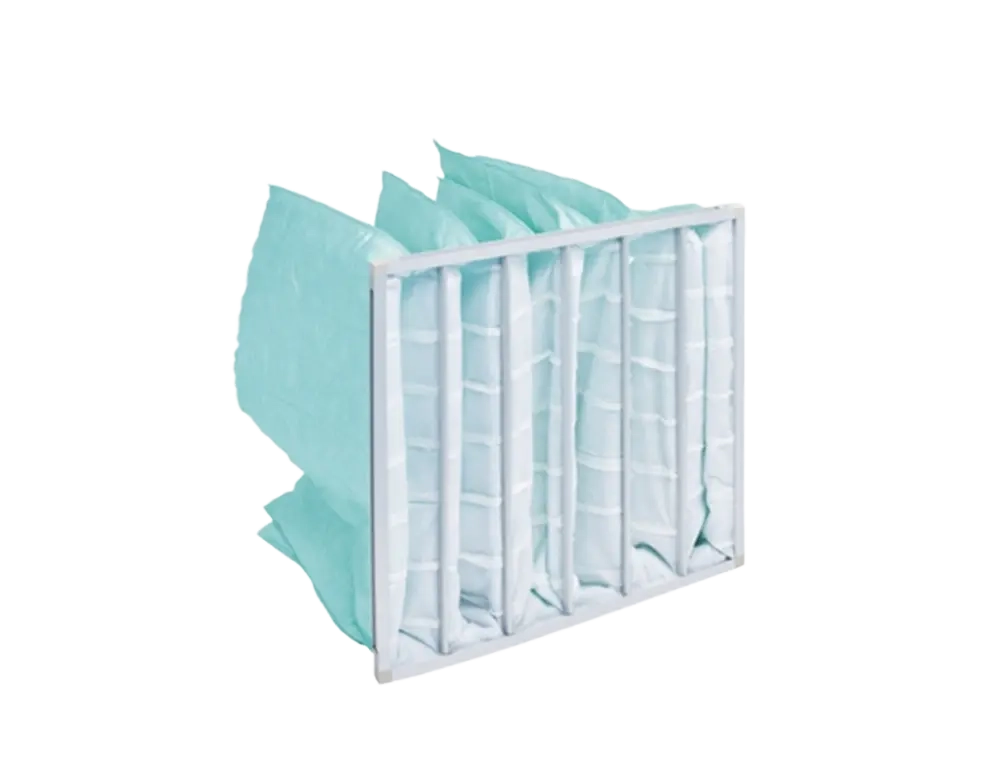
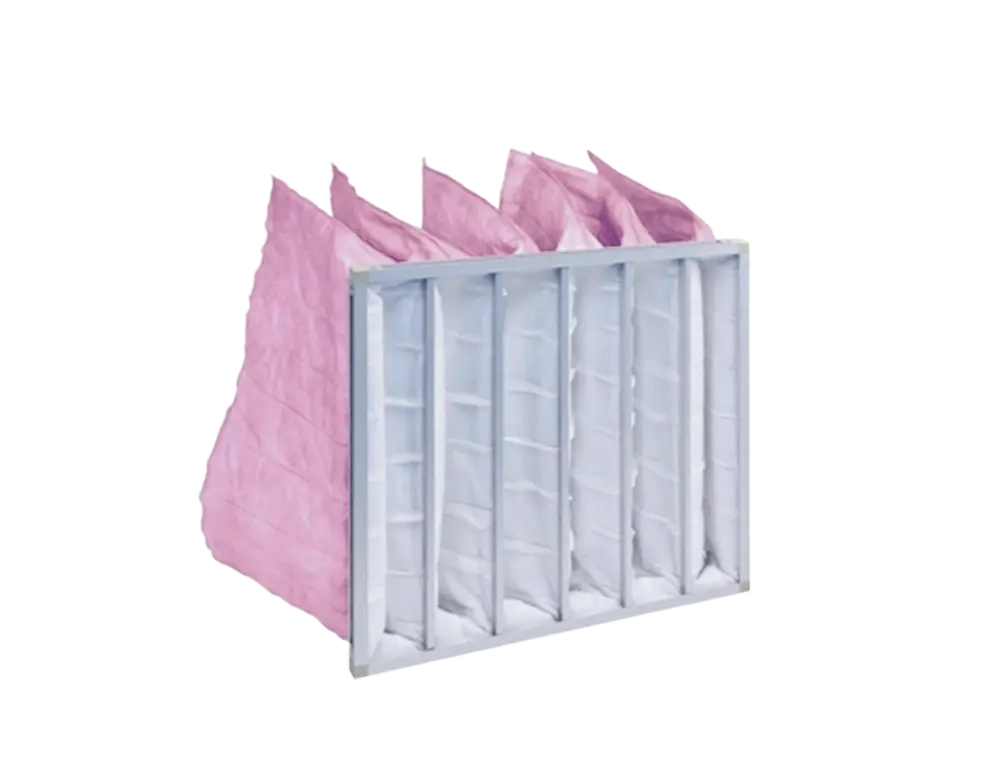
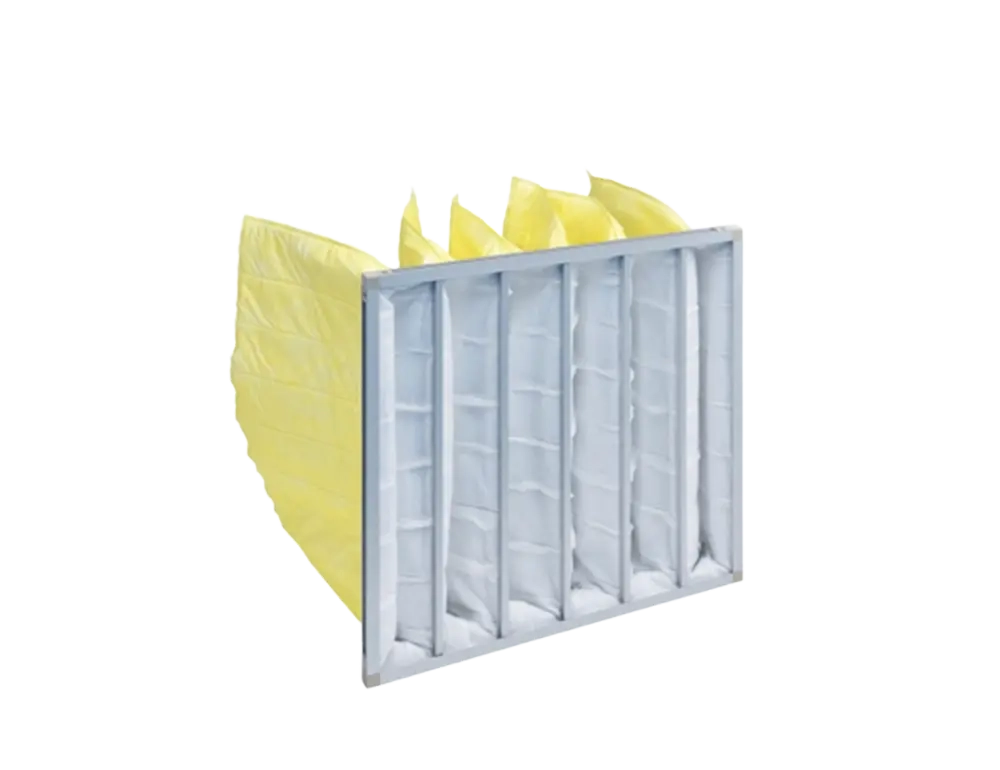
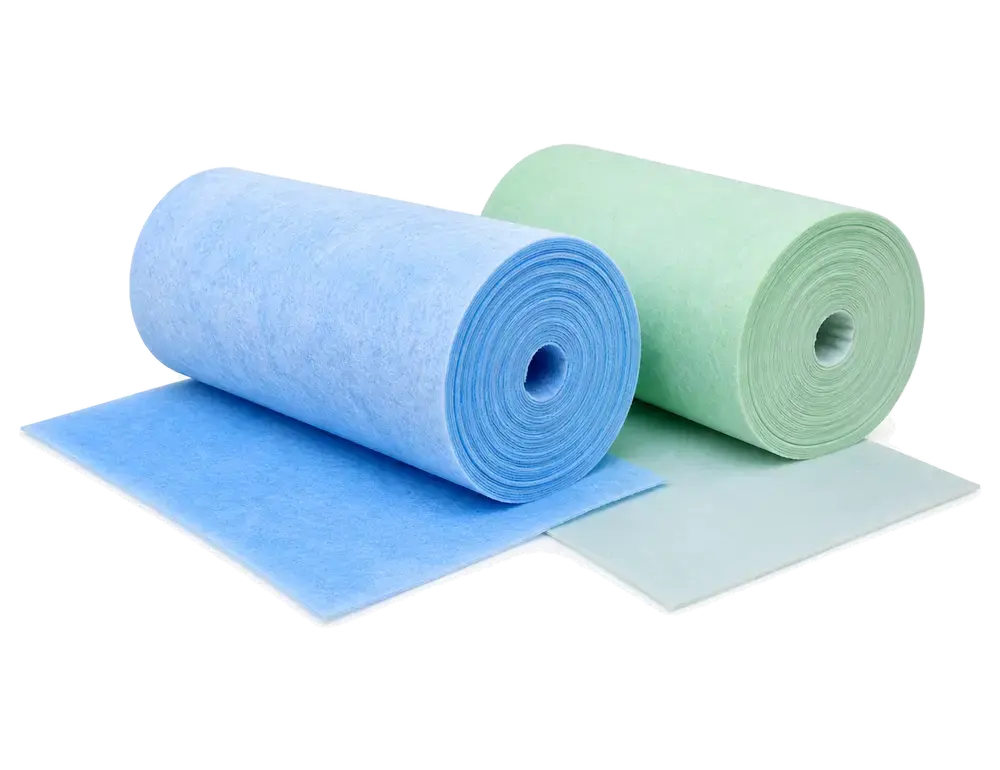
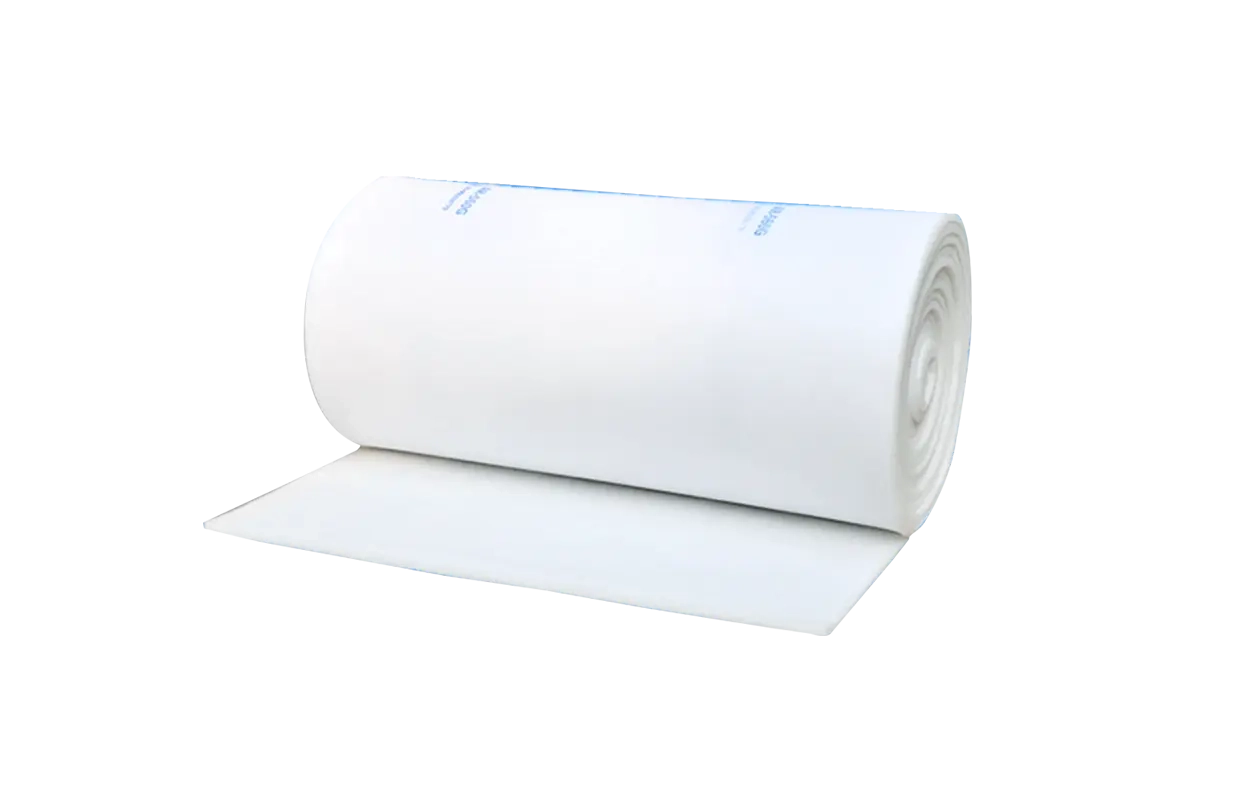
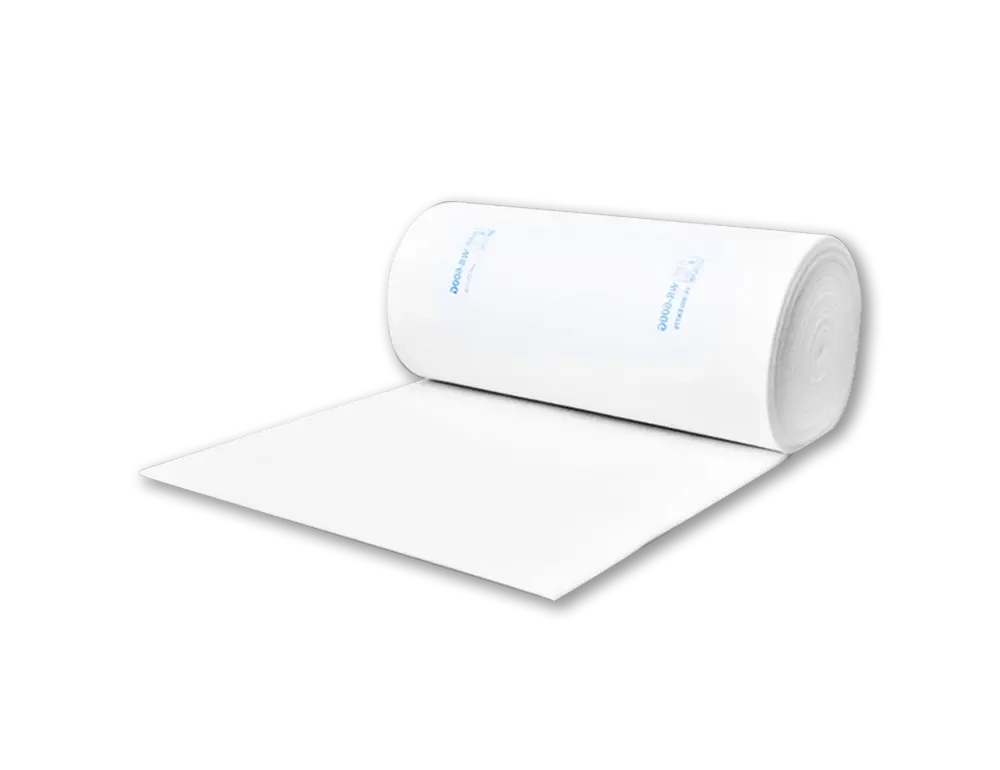
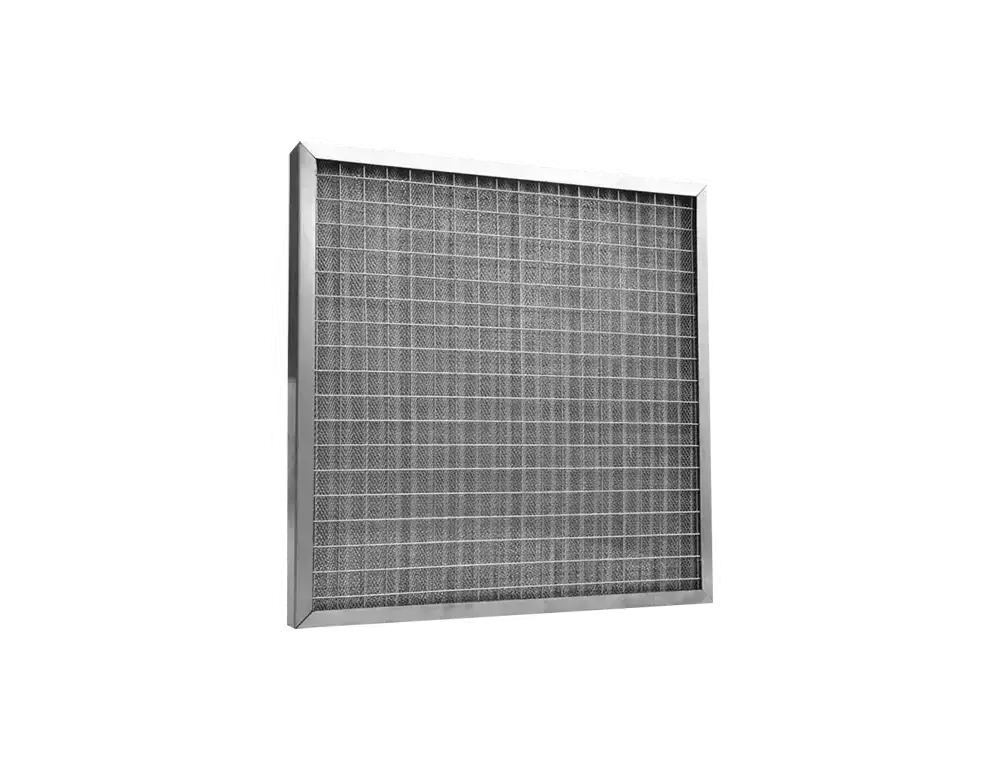
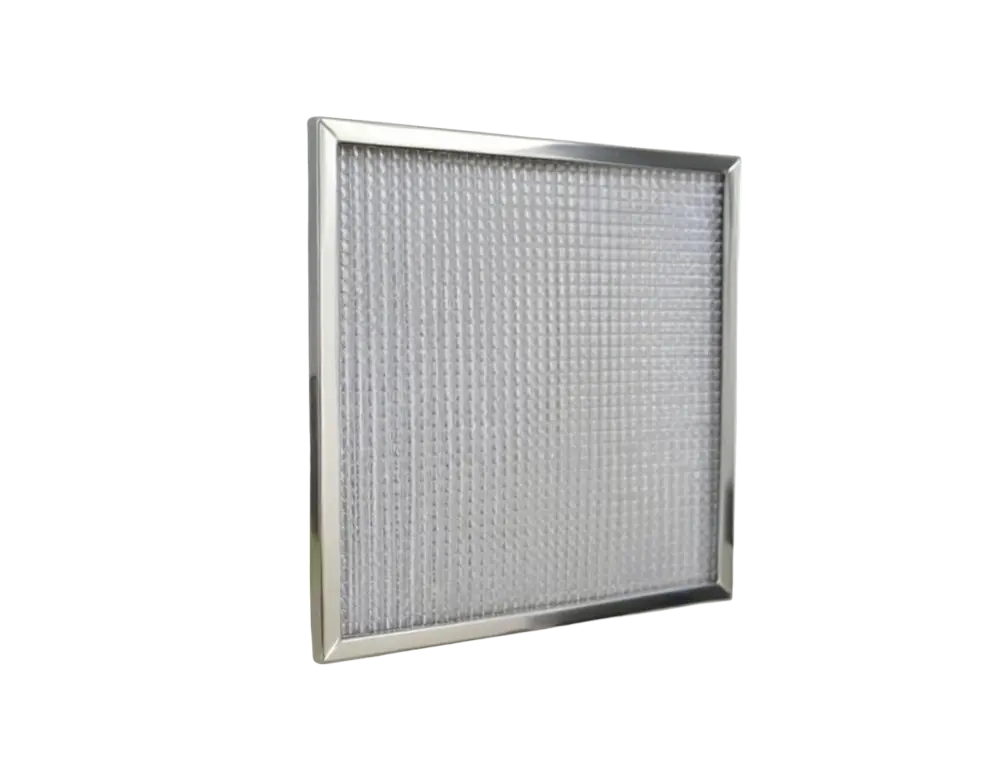
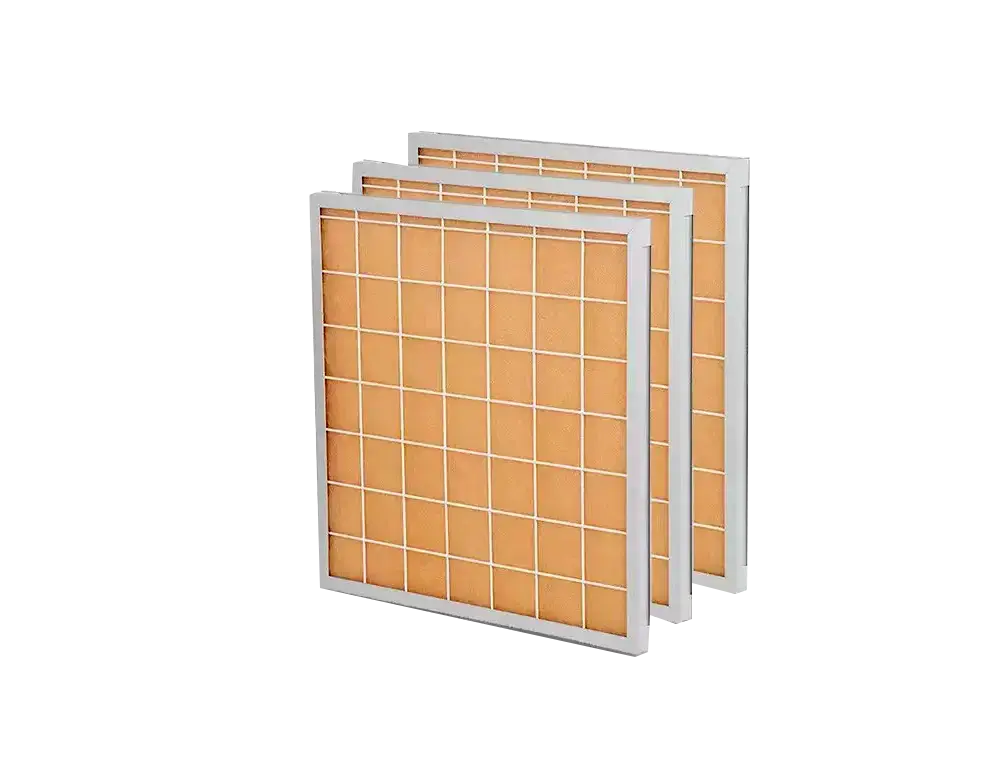
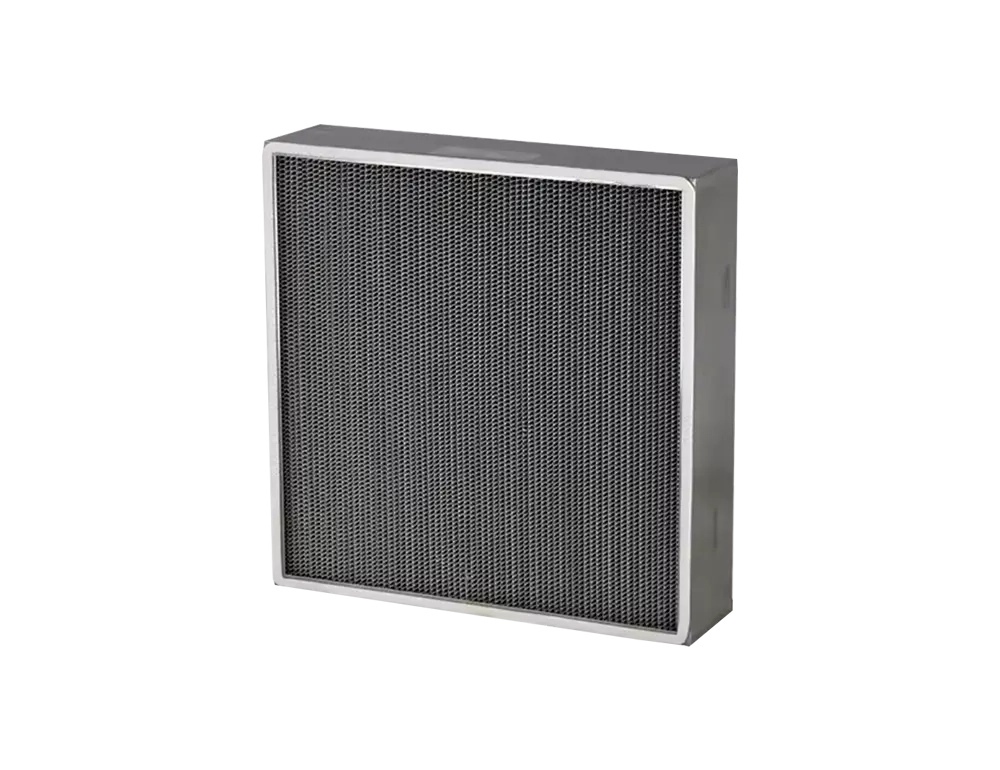
Pre-Filter (G1–G4)
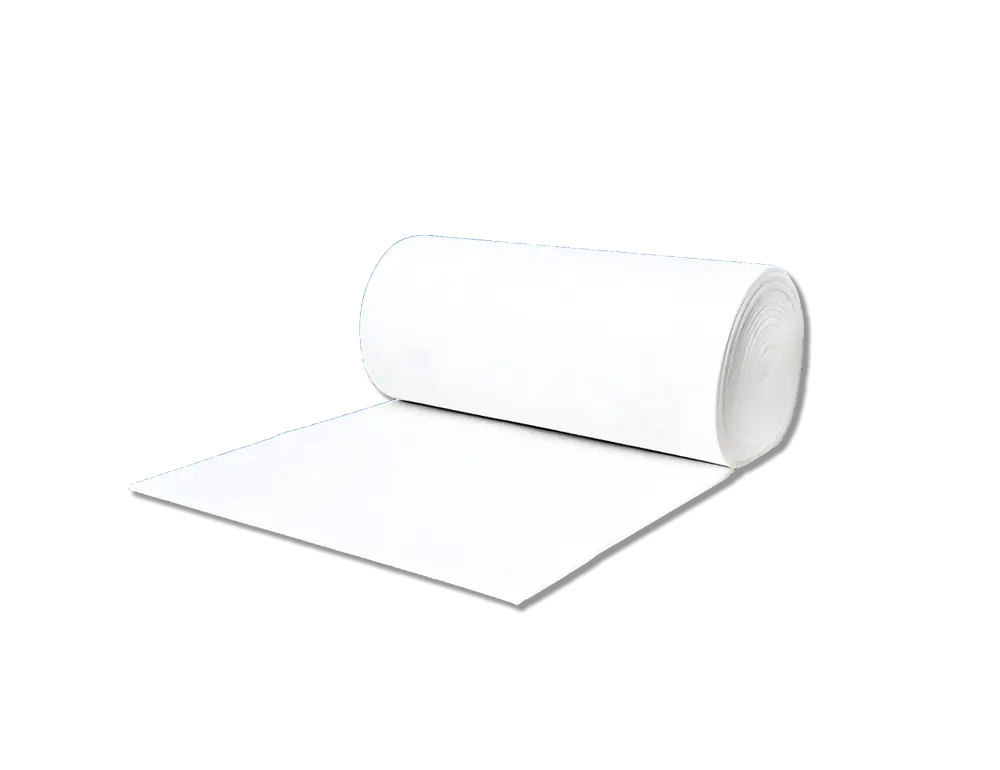
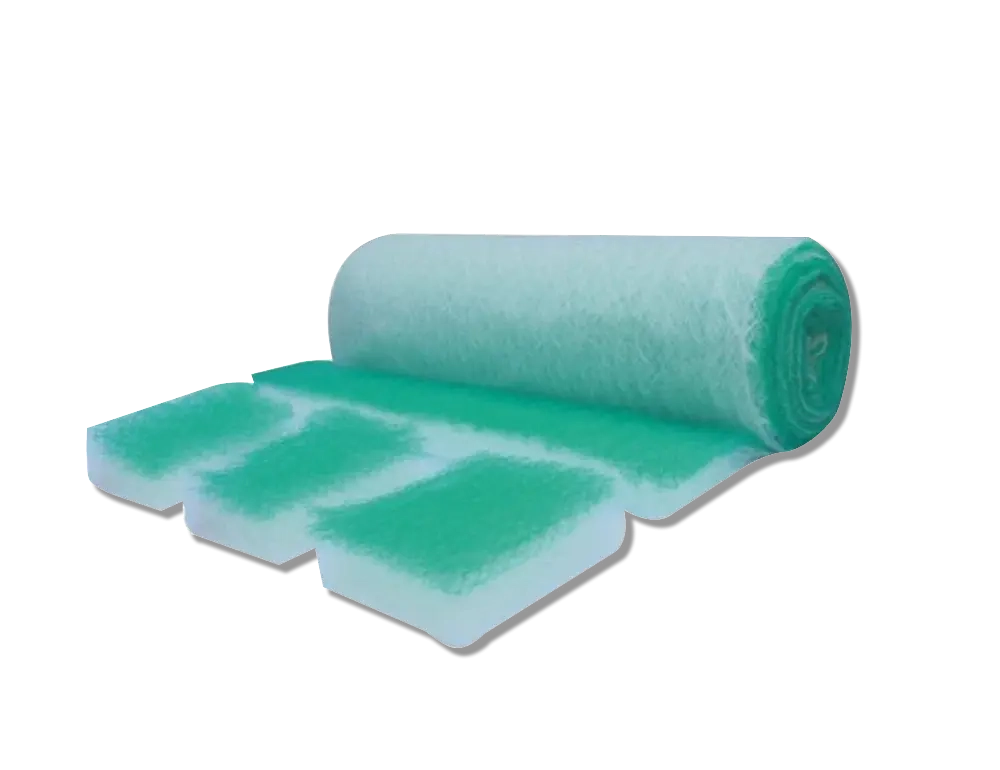
First-Stage Large-Particle Capture
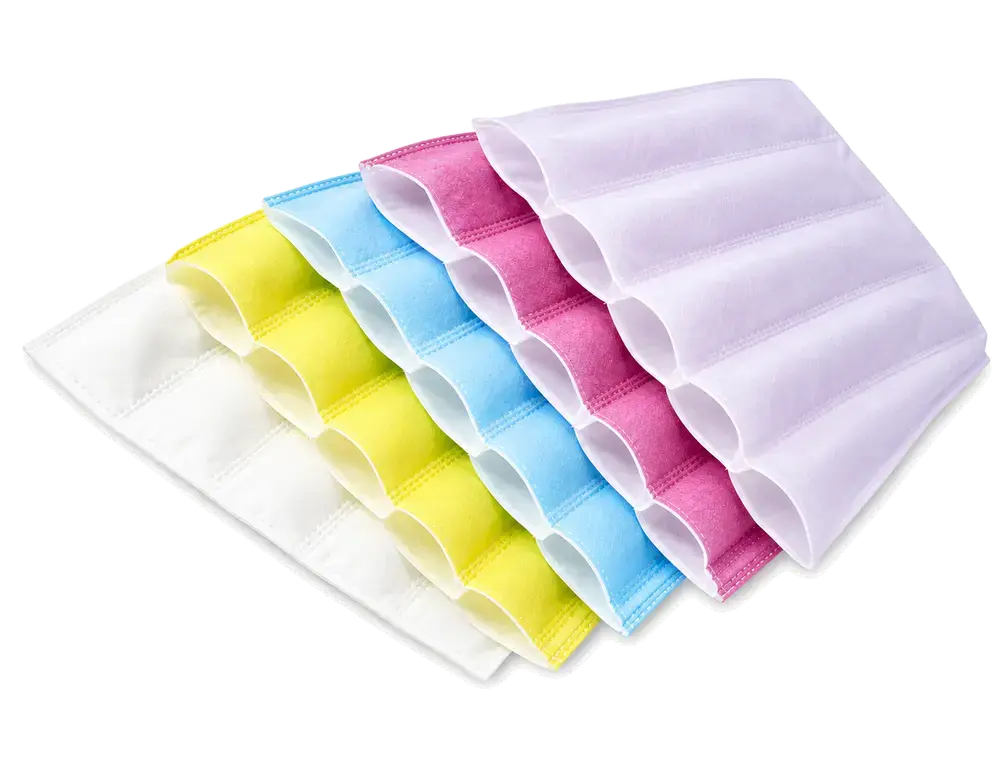
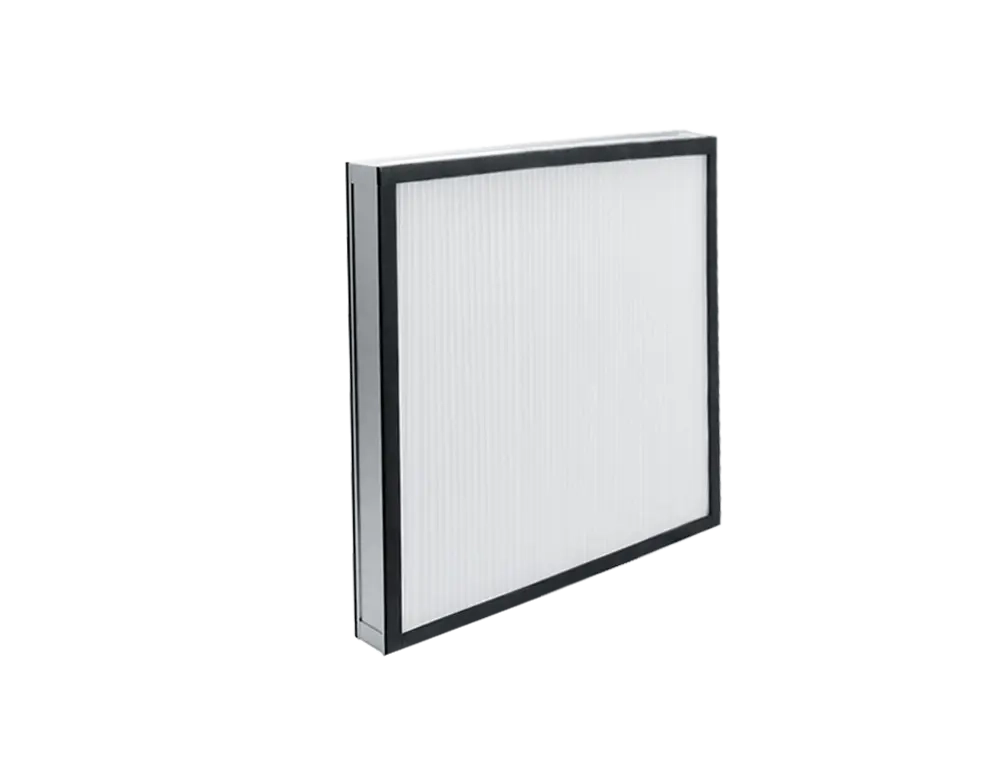
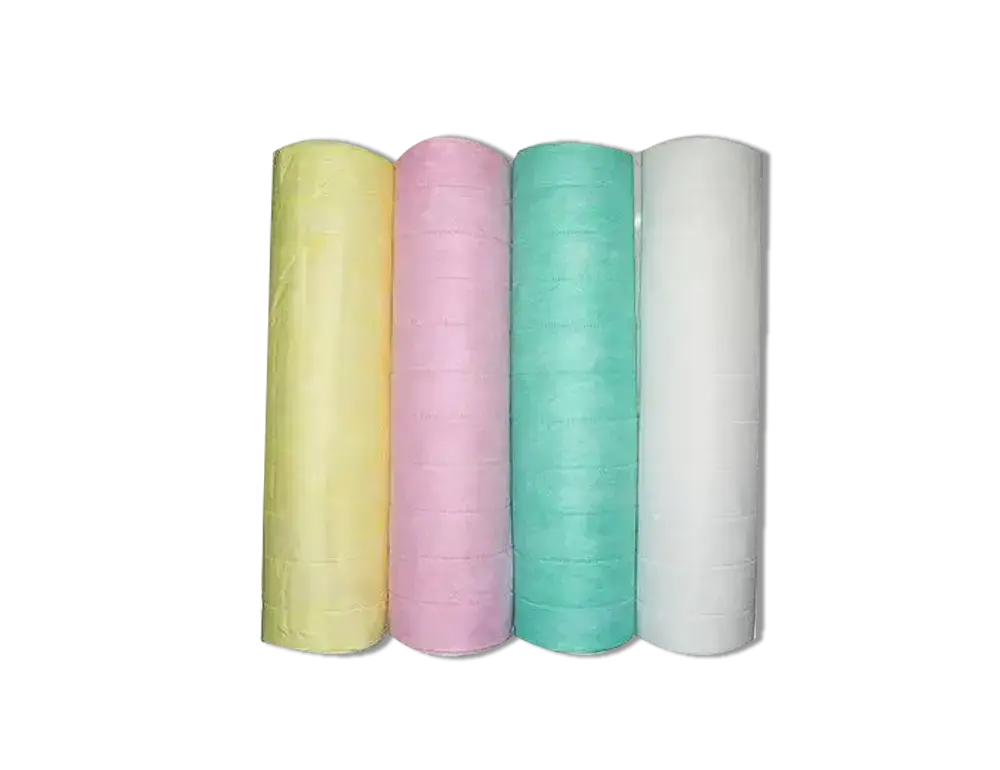
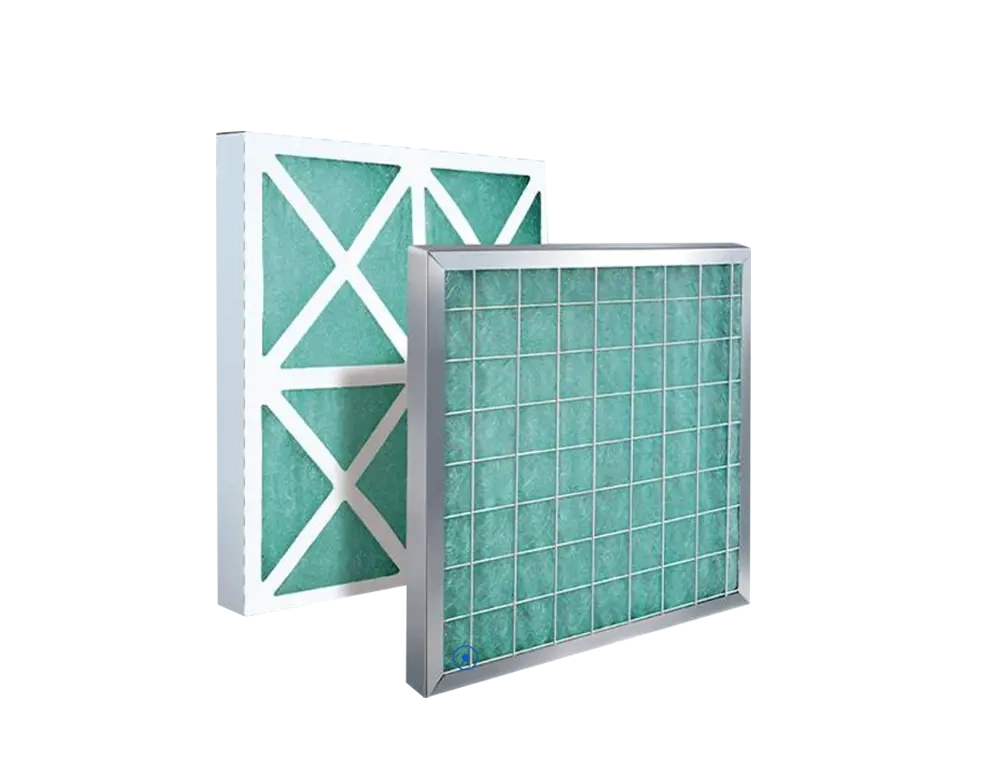
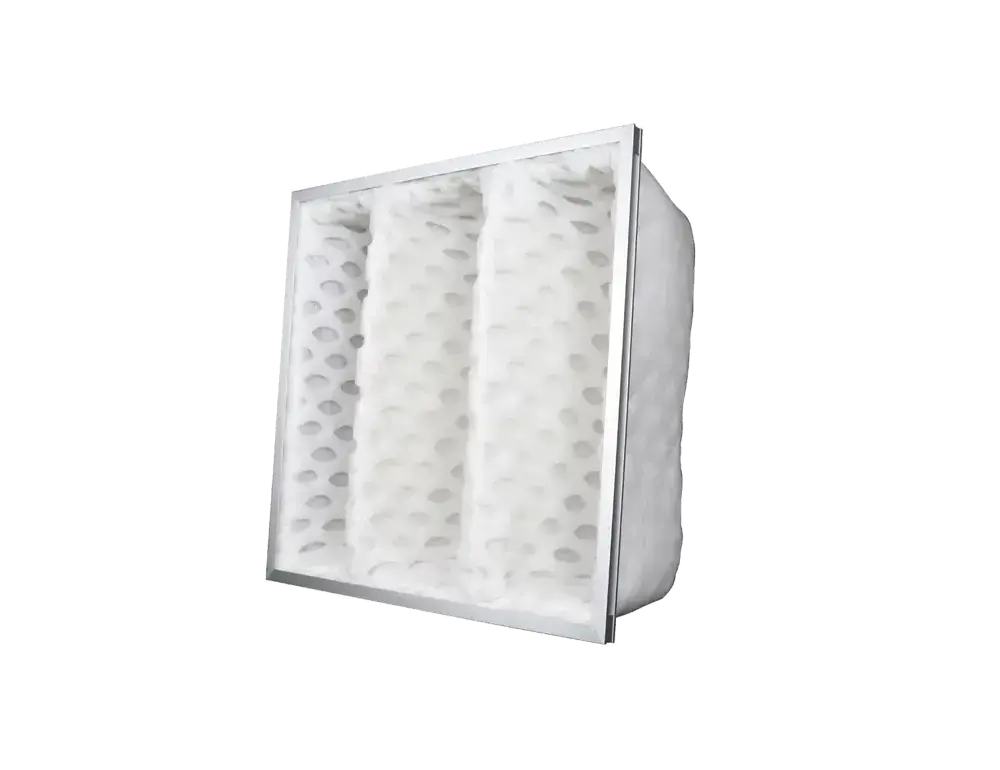
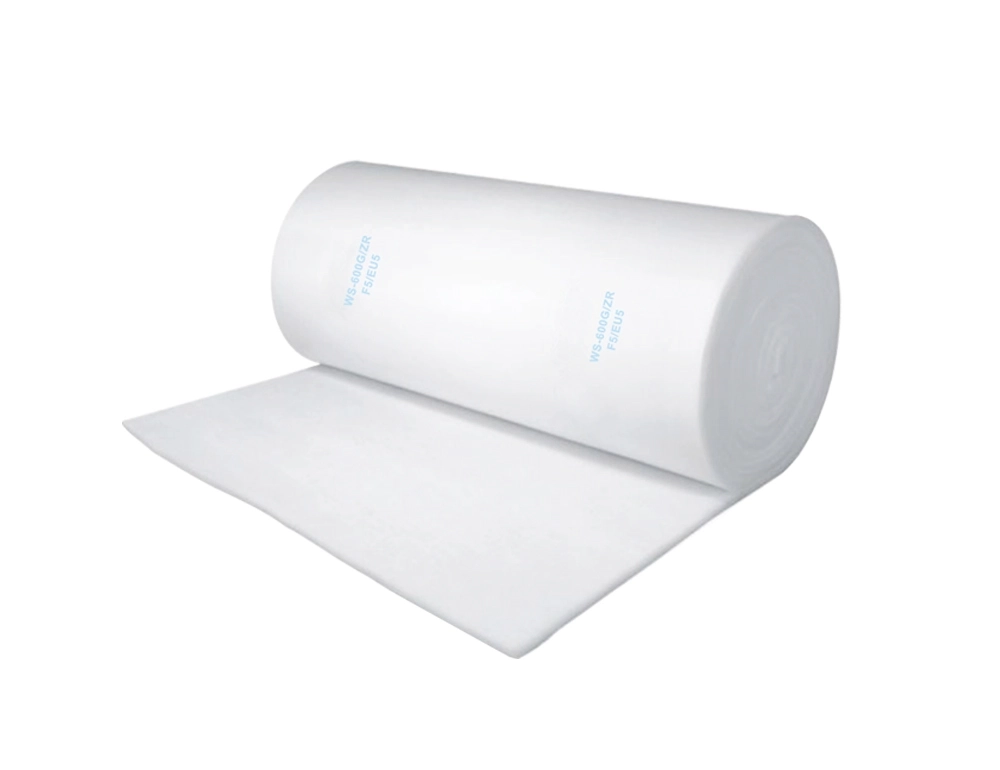
Medium-Efficiency Filter (F5–F9)
Precise PM2.5 Capture
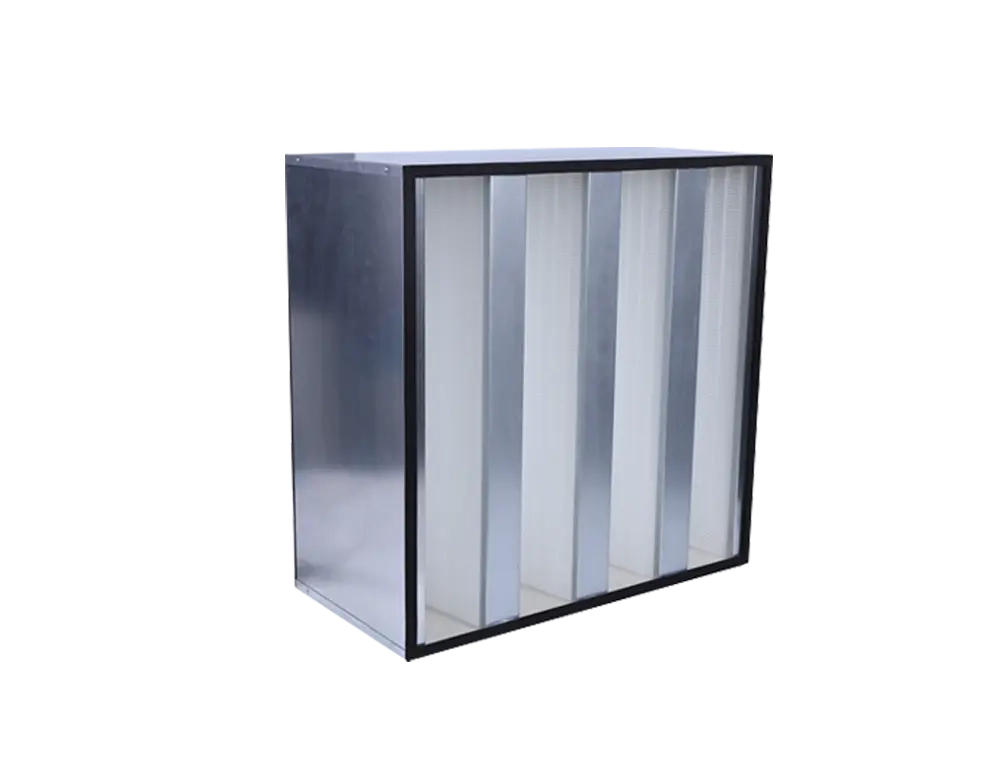
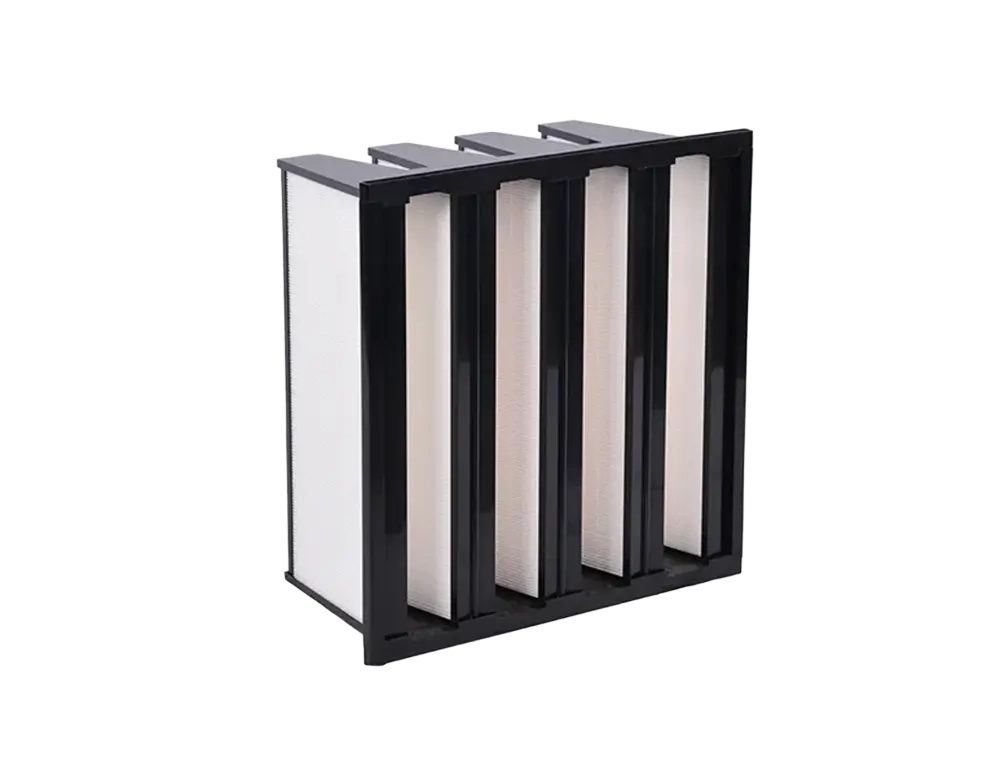
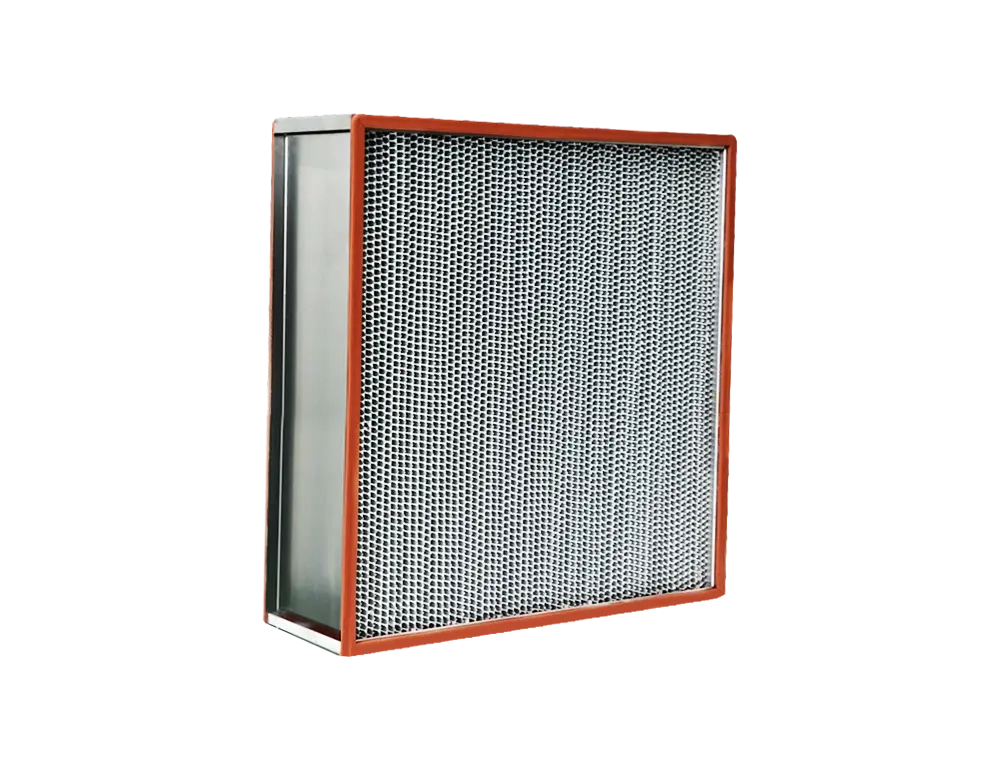
HEPA High-Efficiency Filter
Sterile-Grade Purification
ULPA Ultra-High Efficiency Filter
Sub-Micron Particle Capture
First-Stage Large-Particle Capture
The first line of defense, capturing particles ≥5 μm such as dust, hair, and fibers to protect downstream filters and extend overall system service life.
View Related Products →Precise PM2.5 Capture
Captures fine particles of 1–5 μm including PM2.5, pollen, and mold spores, significantly improving indoor air quality for commercial HVAC and ventilation systems.
View Related Products →Sterile-Grade Purification
≥99.97% filtration efficiency for particles ≥0.3 μm, delivering sterile-grade clean air widely used in medical, pharmaceutical, and electronics manufacturing.
View Related Products →Sub-Micron Particle Capture
≥99.9995% efficiency for particles ≥0.12 μm, meeting the extreme cleanliness demands of semiconductor fabs, aerospace, and other ultra-precision applications.
View Related Products →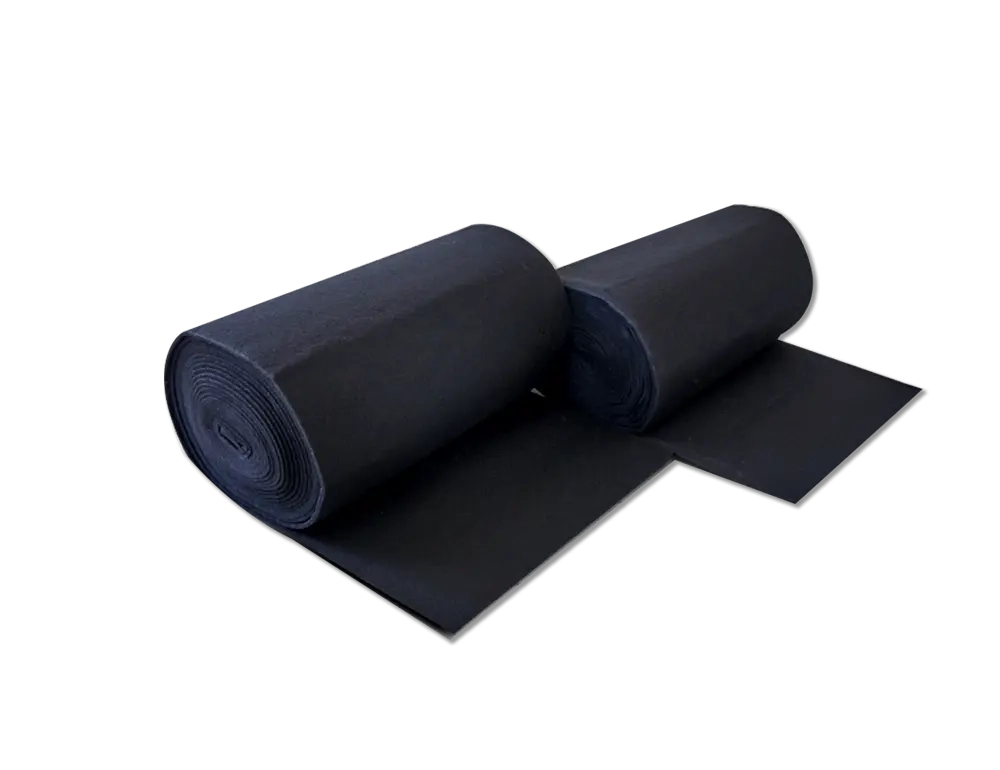
High-Temperature Resistant
Industrial-Grade Heat Tolerance
Washable & Reusable
Cut Costs, Reduce Waste
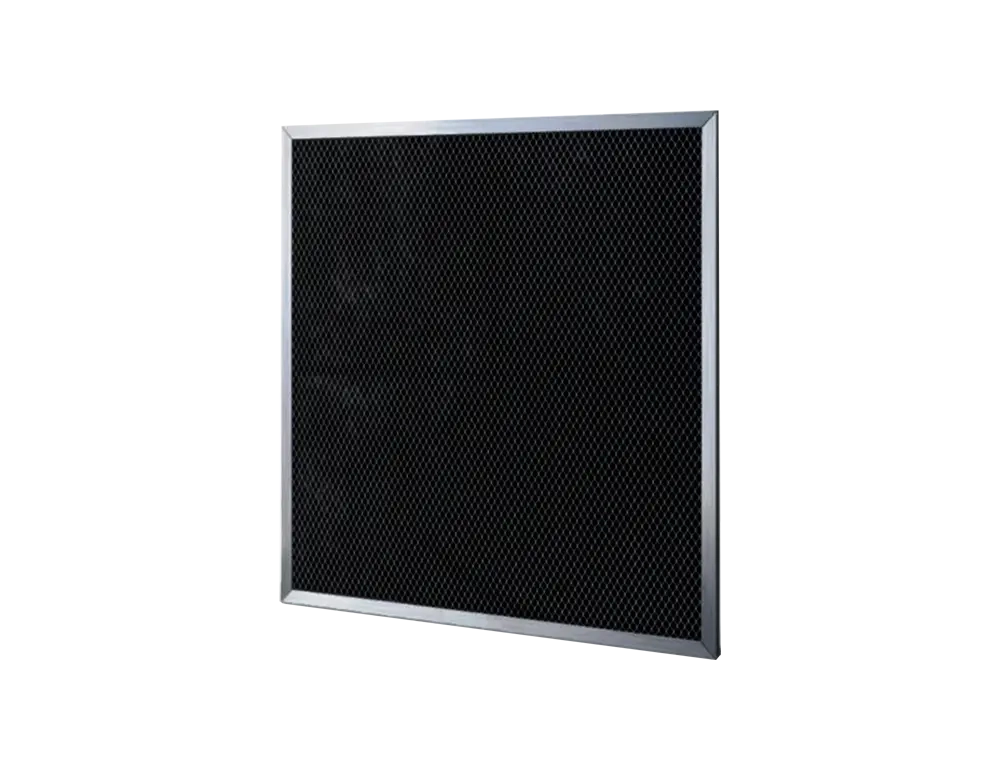
Activated Carbon
Odor & Harmful Gas Removal
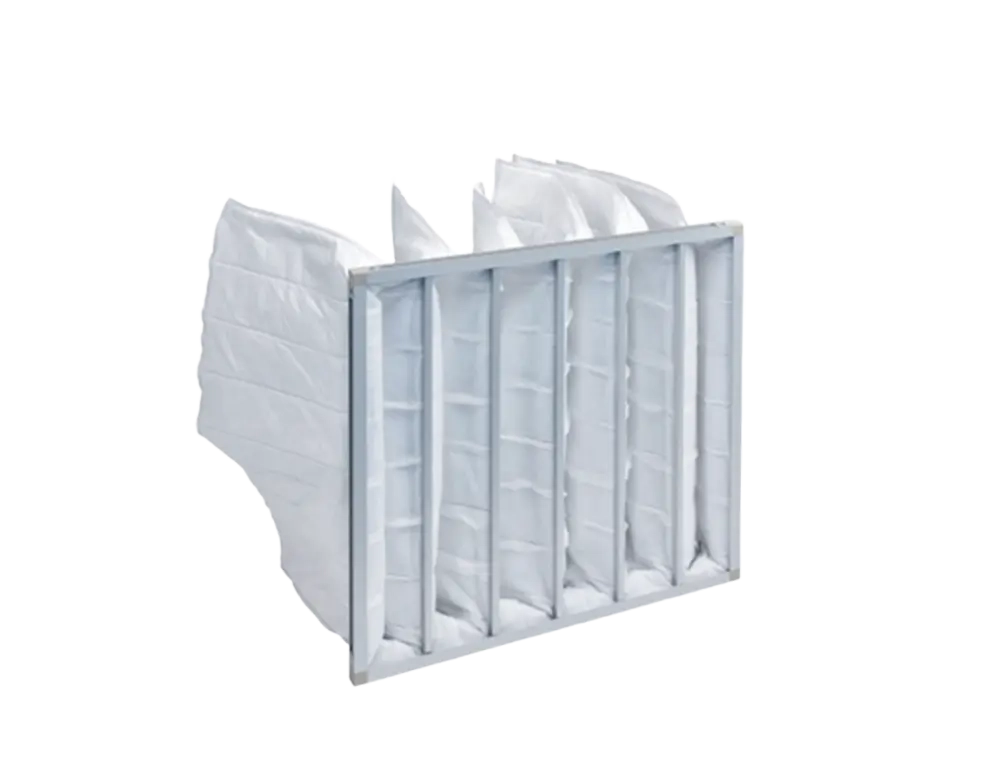
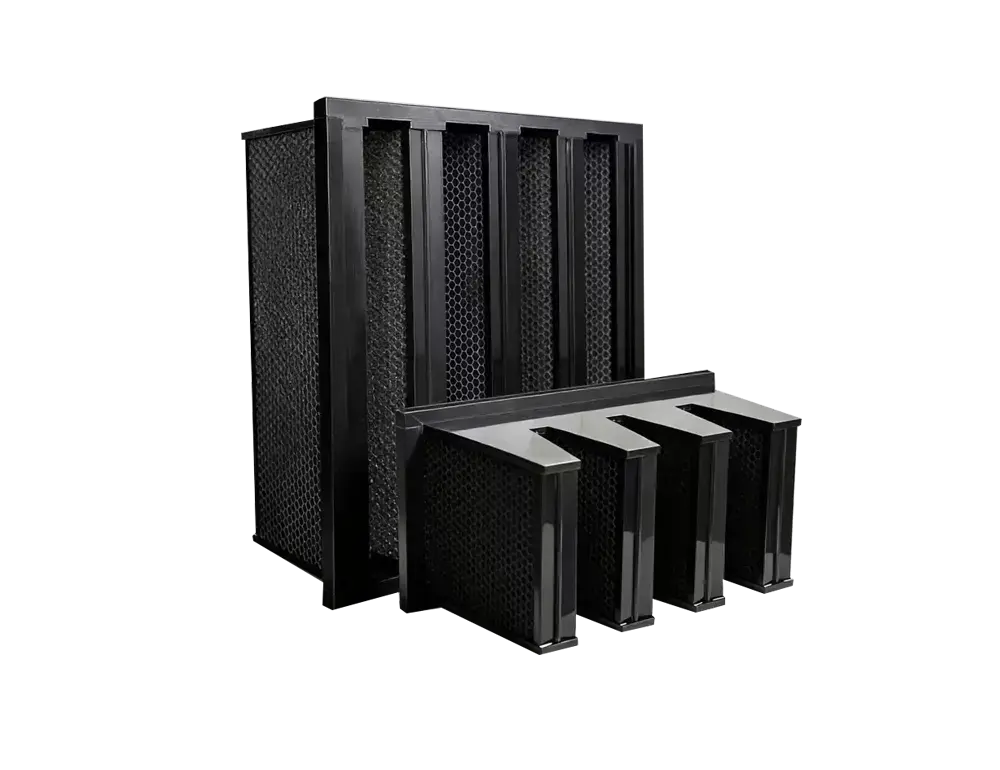
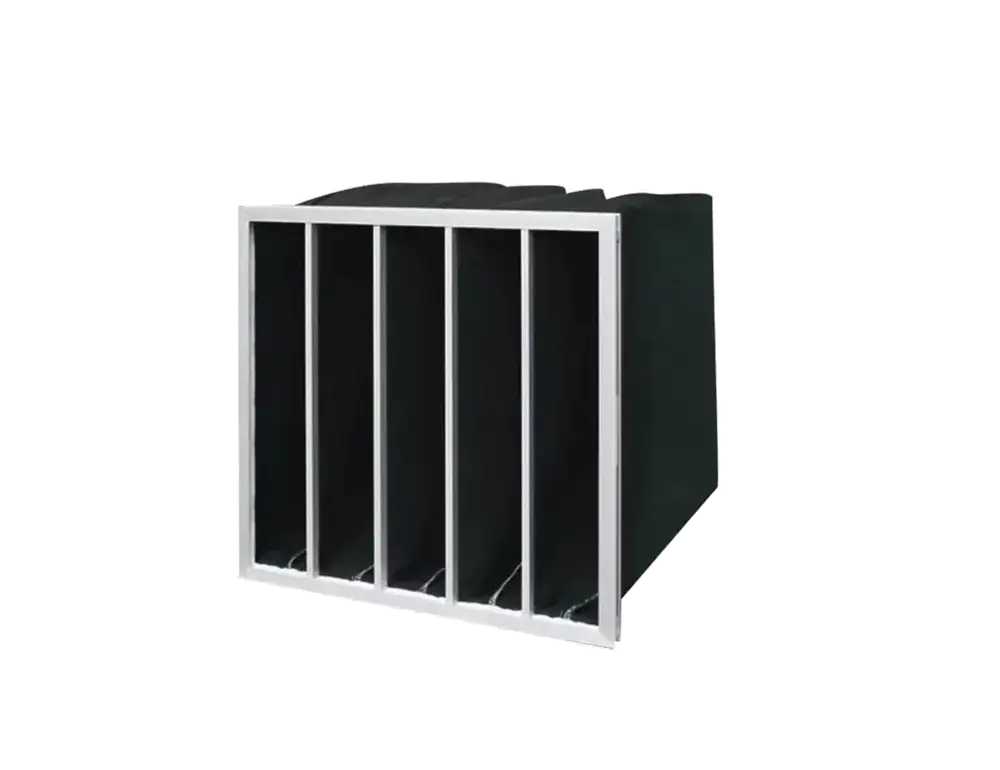
Bag Filter
High Dust-Holding, Long Life
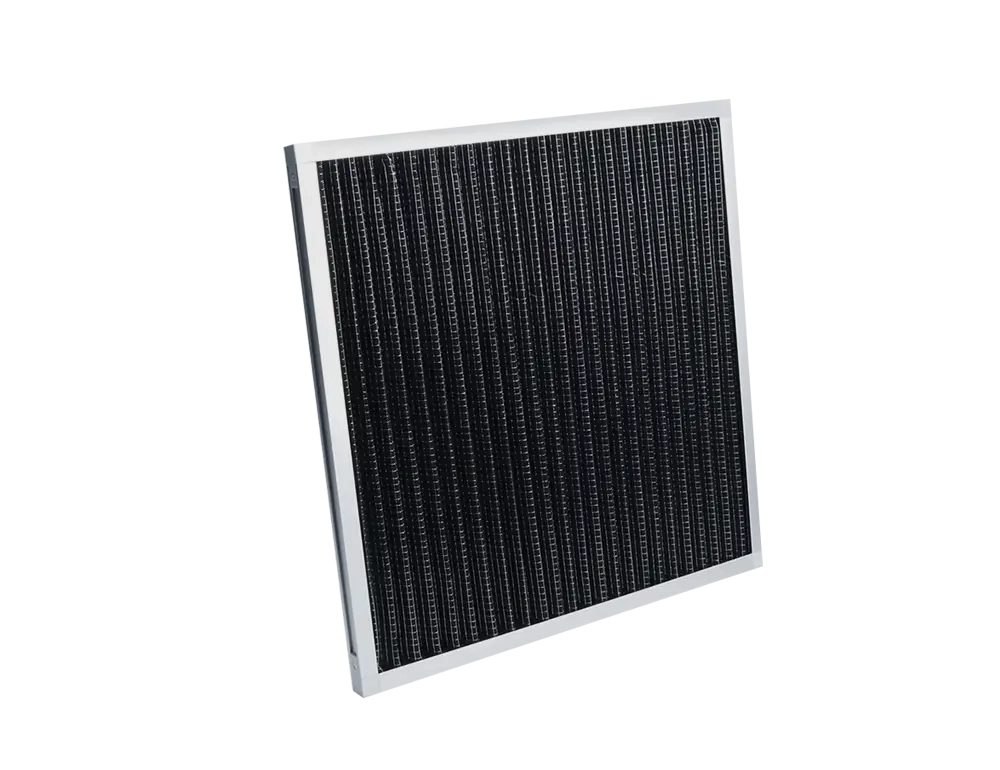
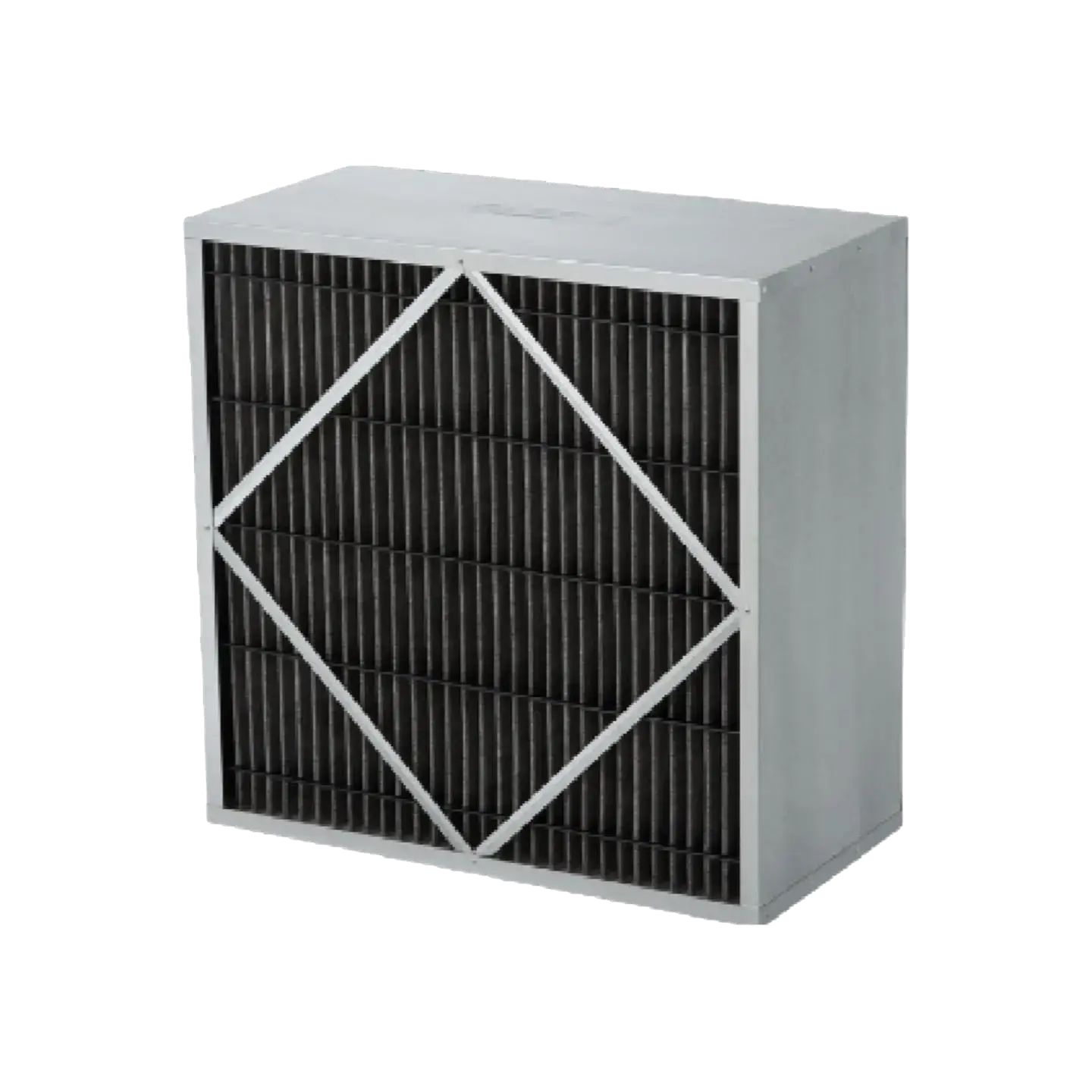
Panel / Pleated Filter
Compact Space-Saving Design
Low-Resistance Airflow
Energy-Saving Operation
Industrial-Grade Heat Tolerance
Built with specialized heat-resistant materials, operating stably up to 250°C for paint ovens, industrial dryers, and high-temperature process environments.
View Related Products →Cut Costs, Reduce Waste
Cleanable by water washing or air blowing, reusable multiple times to significantly reduce replacement frequency and O&M costs — an economical, eco-friendly choice.
View Related Products →Odor & Harmful Gas Removal
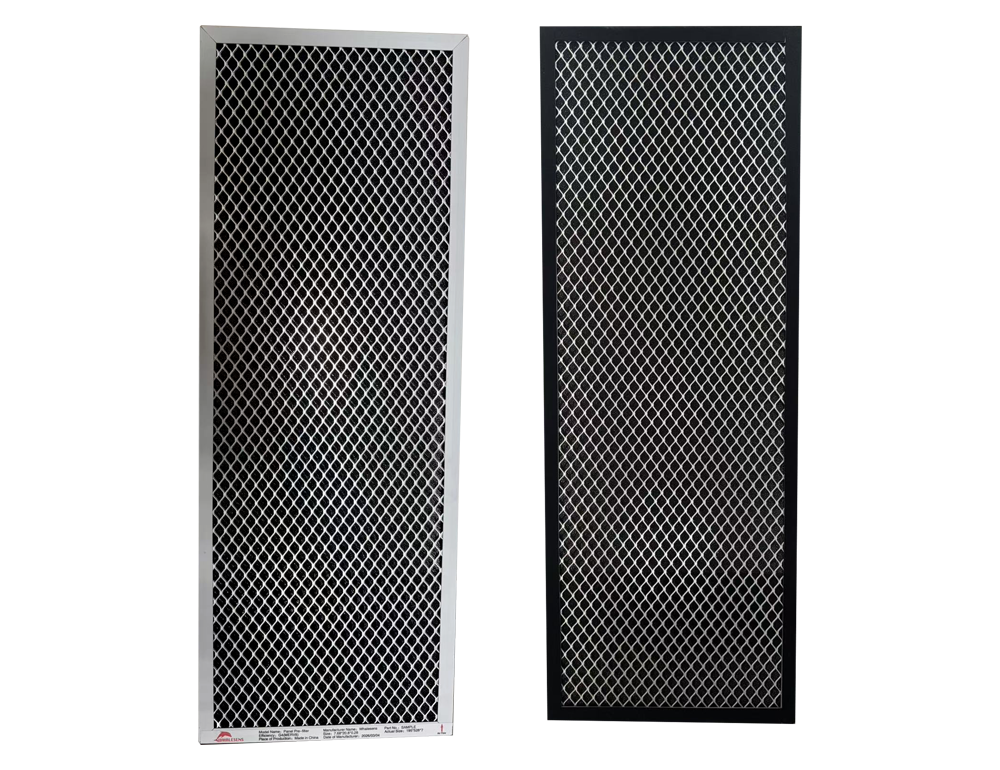
Leverages activated carbon's high adsorption capacity to eliminate odors, VOCs, and formaldehyde, ideal for newly renovated spaces and industrial exhaust treatment.
View Related Products →High Dust-Holding, Long Life
Bag-style construction delivers a larger filtration area, high dust-holding capacity, and extended service life — ideal for high-dust environments with reduced replacement frequency.
View Related Products →Compact Space-Saving Design
Compact form factor for easy installation and replacement; pleated structure maximizes filtration area within a small footprint for higher efficiency.
View Related Products →Energy-Saving Operation
Low-resistance design minimizes pressure drop while maintaining filtration performance, reducing fan energy consumption for cost-effective, eco-friendly operation.
View Related Products →













 English(Global)
 简体中文
简体中文 Language




HEPA Filter Guide: H13 vs H14 Efficiency and Selection
What Does a HEPA Filter Actually Capture?
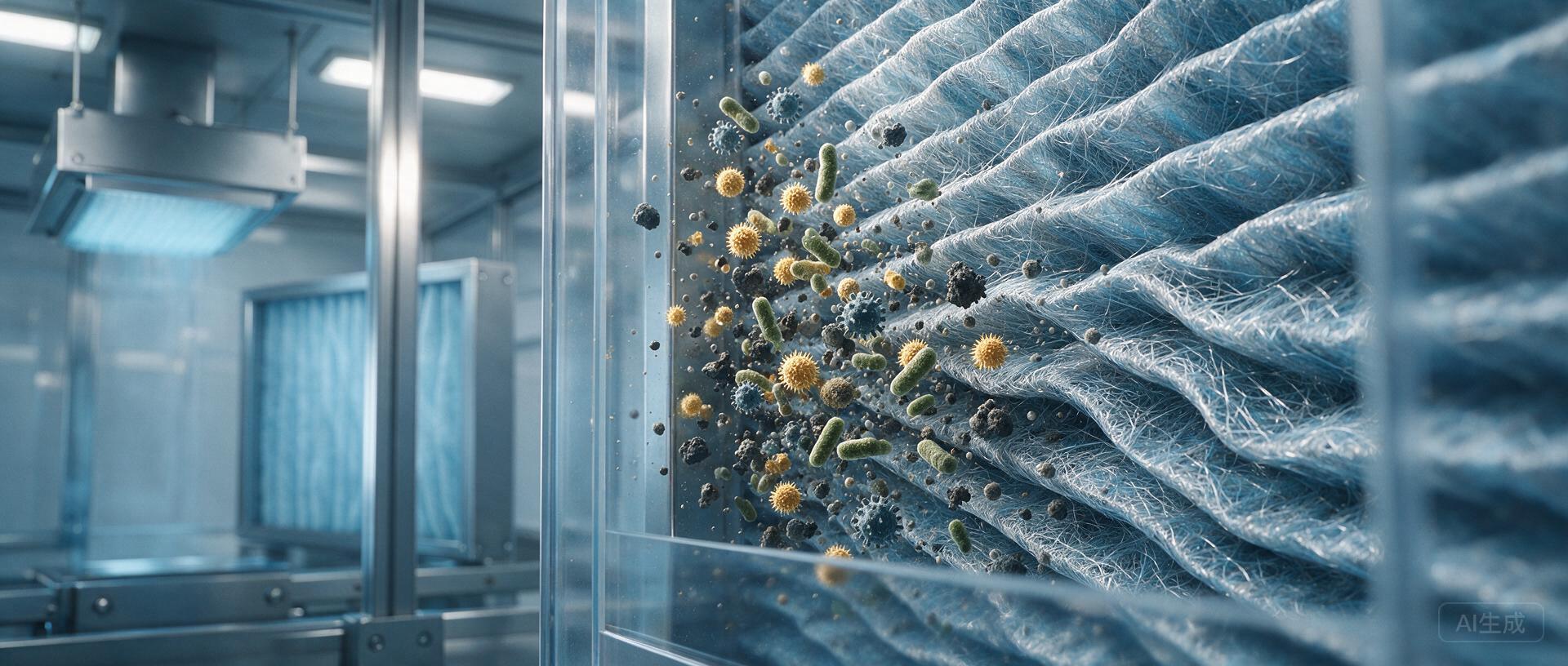
A HEPA filter (High Efficiency Particulate Air) removes airborne particles around 0.3 micrometres with at least 99.97% efficiency under EN 1822 and ISO 29463 test standards. Industrial buyers often ask whether H13 or H14 is required. The answer depends on contamination risk, cleanroom classification, and lifecycle cost.
The media captures dust, bacteria, viruses attached to aerosols, oil mist, and fine process particles. Filtration is not a simple sieve. Particles are removed through interception, inertial impaction, and Brownian diffusion. Interception grabs particles that follow airflow close to fibres. Inertial impaction throws larger particles onto fibres. Brownian diffusion drives submicron particles into random contact with the media.
Real performance also depends on air velocity, media uniformity, pleat design, and frame sealing. Two filters labelled H13 can behave very differently in the field. That is why procurement teams should compare initial resistance, media area, and seal construction, not just nominal efficiency.
The EN 1822 standard classifies HEPA filters as H13 and H14 based on minimum efficiency at the most penetrating particle size, typically 0.1 to 0.3 μm. ISO 29463 aligns with this approach. Always ask for the test standard, because older test methods such as the DOP 0.3 μm test can produce different efficiency numbers.
Most industrial HEPA filters use wet-laid fiberglass or expanded PTFE media. The media is pleated to increase surface area. A larger media area lowers face velocity and extends service life. But pleat geometry must be stable. Collapsed or uneven pleats reduce capacity and create bypass paths.
HEPA Filter H13 vs H14: Why the 0.045 Percentage Point Gap Matters
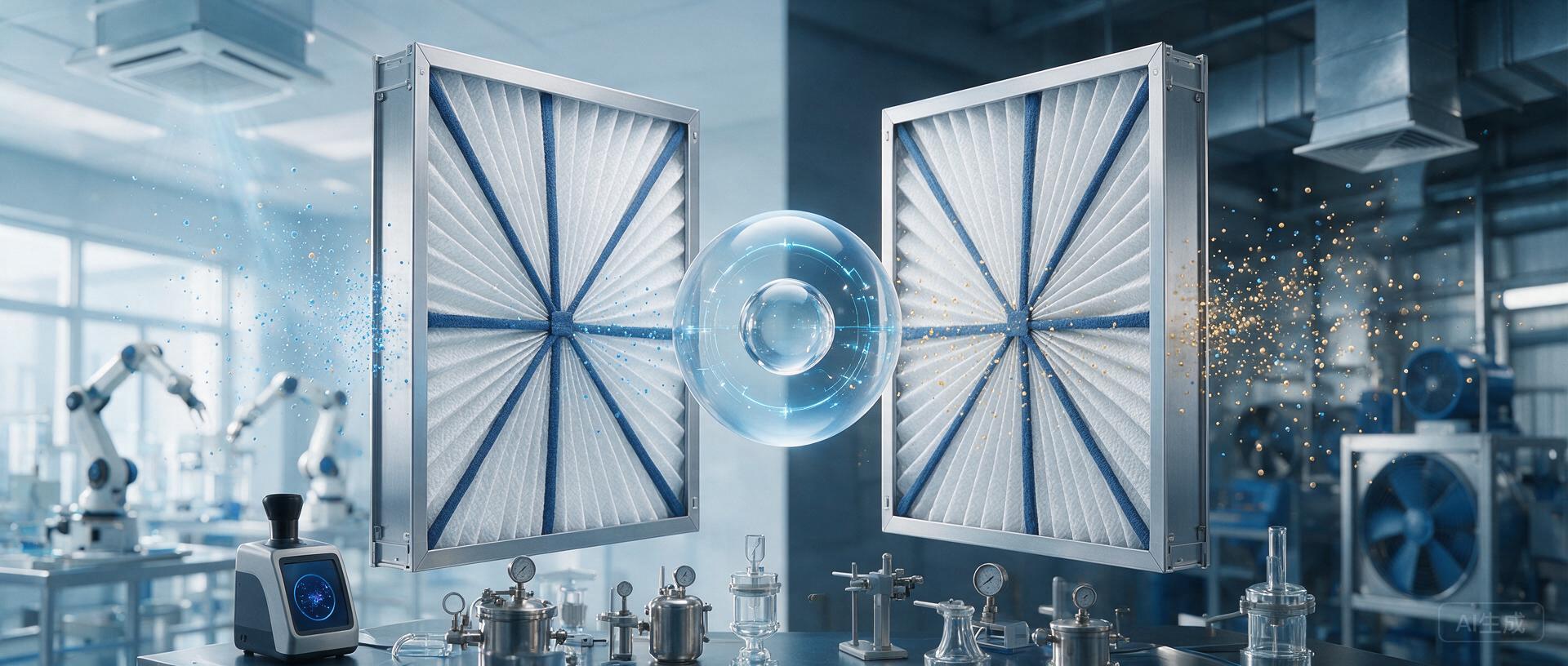
The HEPA filter H13 vs H14 comparison starts with efficiency data, not catalogue claims. H13 filters capture at least 99.95% of 0.3 μm particles. H14 filters capture at least 99.995%. The difference looks small, but in high-cleanliness environments it changes cleanroom classification and contamination risk.
H13 is typically sufficient for ISO 7 (Class 10,000) cleanrooms. H14 is common in ISO 5 (Class 100) zones, pharmaceutical Grade A/B areas, and containment suites. A 0.045 percentage point gap may allow nearly ten times more particles through. In semiconductor or sterile manufacturing, that difference can cause die defects or batch rejection.
Pressure drop also changes with efficiency class. H14 media is often denser and can add 20-40 Pa of initial resistance at the same air velocity. Over 24/7 operation, that extra resistance increases fan energy by thousands of dollars per year for large air handlers. So H14 is not automatically better; it must be justified by cleanliness requirements.
Many facilities run H13 filters in ISO 7 zones without any issue. Upgrading to H14 would only increase energy consumption and reduce service life unless the room classification demands it. Work with a filtration engineer to match the class to the contamination control plan.
The table below summarizes the practical differences.
H13 Filter
- ≥99.95% efficiency at 0.3μm
- Suitable for ISO 7 cleanrooms
- Lower initial pressure drop
- Longer service life at same media area
H14 Filter
- ≥99.995% efficiency at 0.3μm
- Required for ISO 5 and GMP A/B
- Higher initial resistance
- Higher energy cost
Do You Really Need a HEPA Filter in Your Facility?
Not every HVAC system needs a HEPA filter. If the space only requires general comfort ventilation, a MERV 13 or F8 panel filter may be cheaper and easier to maintain. But if your process involves product yield, worker safety, or regulatory compliance, these high-efficiency filters are usually mandatory.
Typical industrial and commercial applications include:
- Cleanrooms: ISO 5 and above require H14 or ULPA as the final stage. Pre-filters and mid-filters must protect the HEPA media from coarse dust. Without proper pre-filtration, large particles clog the fine media within weeks.
- Pharmaceutical and biological labs: GMP Grade A/B zones demand H14 filters, routine leak testing, and defined airflow velocities. Validation protocols often require documented efficiency and pressure drop data.
- Hospital operating rooms and isolation rooms: H13 or higher is often specified for supply and return air to reduce airborne infection risk. Terminal HEPA filters protect patients from Aspergillus and other airborne pathogens.
- Semiconductor and electronics manufacturing: 0.3 μm particles can cause die defects. HEPA filtration is a baseline, often paired with ULPA and chemical filters. Yield protection depends on stable particle control.
- Paint spray booths: HEPA filters clean supply air and capture overspray. Flame retardancy and high dust holding capacity matter. Paint overspray can load a filter quickly, so media area is critical.
Each application has different priorities. Pharma focuses on microbial retention and validation. Semiconductors focus on ultrafine particles and molecular contamination. Paint lines focus on loading capacity and fire safety. Selecting by efficiency alone ignores these operational risks.
In hospitals, ASHRAE 170 requires HEPA filters in protective environment rooms and operating rooms. Many infection control teams specify terminal HEPA filters with H13 efficiency as a minimum. Routine leak testing is part of the compliance cycle. Skipping it exposes patients to airborne pathogens.
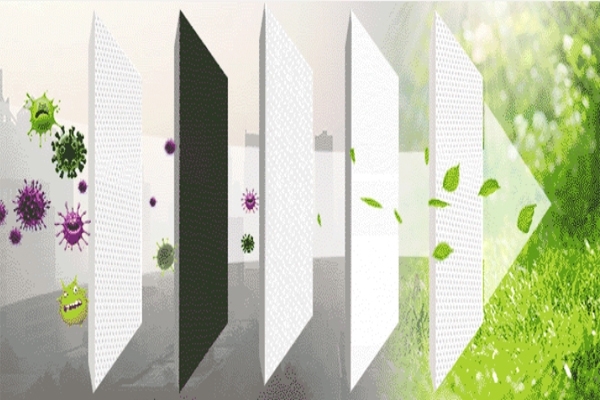
Pre-filter: G4, captures 10μm+ dust
Mid-filter: F7/F8, captures 3μm+ particles
HEPA filter: H13 or H14, captures 0.3μm particles at 99.95%+
How to Select an Industrial HEPA Filter Without Overpaying
Efficiency class is only the entry ticket. Many buyers ask "Is it H14?" and stop there. That leads to high pressure drop, high energy bills, and early replacement. A better selection process evaluates five parameters together.
- Filtration efficiency: Match the cleanroom class. H13 works for ISO 7; H14 for ISO 5 or GMP A/B. Do not upgrade to H14 without a clear particle or regulatory need. The extra resistance adds cost with no benefit.
- Initial resistance: At the same air velocity, 120 Pa and 250 Pa filters produce very different fan energy consumption. Fan power is proportional to airflow times pressure drop divided by fan efficiency. Cutting resistance by half can reduce electricity cost significantly.
- Media area: More pleats and larger media area increase dust holding capacity and service life. But poor pleat spacing or uneven media can increase resistance or create bypass leakage.
- Frame and seal: Gel seal, mechanical clamp, or gasket? A failed seal makes the rated efficiency meaningless. Installation torque and alignment must be checked.
- Total cost of ownership: Unit price is only one part. Energy, replacement labor, downtime, and disposal all add up.
Consider a 10,000 m³/h air handler. Increasing pressure drop by 130 Pa adds roughly 0.6 kW of continuous fan load at 60% fan efficiency. Over 8,760 hours, that is 5,256 kWh. At $0.10 per kWh, the extra resistance costs $525 per year. Repeating this across multiple air handlers quickly changes the procurement decision.
A client compared two H13 HEPA filters. Filter A cost $180, had 250 Pa initial resistance, and lasted 12 months. Filter B cost $216, had 120 Pa initial resistance, and lasted 24 months. After three years, Filter B saved about 40% in total cost when fan energy and changeout labor were included. The 20% higher unit price was irrelevant.
Standard HEPA Filter
- Initial resistance 250 Pa
- Service life 6-12 months
- Higher fan energy
Energy-Saving HEPA Filter
- Initial resistance 120 Pa
- Service life 24-36 months
- 18% lower energy use
Five-Point Selection Sequence
Maintenance and Replacement: Don't Wait for a Pressure Alarm
HEPA filters load with dust over time. Resistance rises gradually until it reaches the recommended final resistance, typically twice the initial value or the manufacturer's stated limit. At that point, replace the filter even if it looks clean.
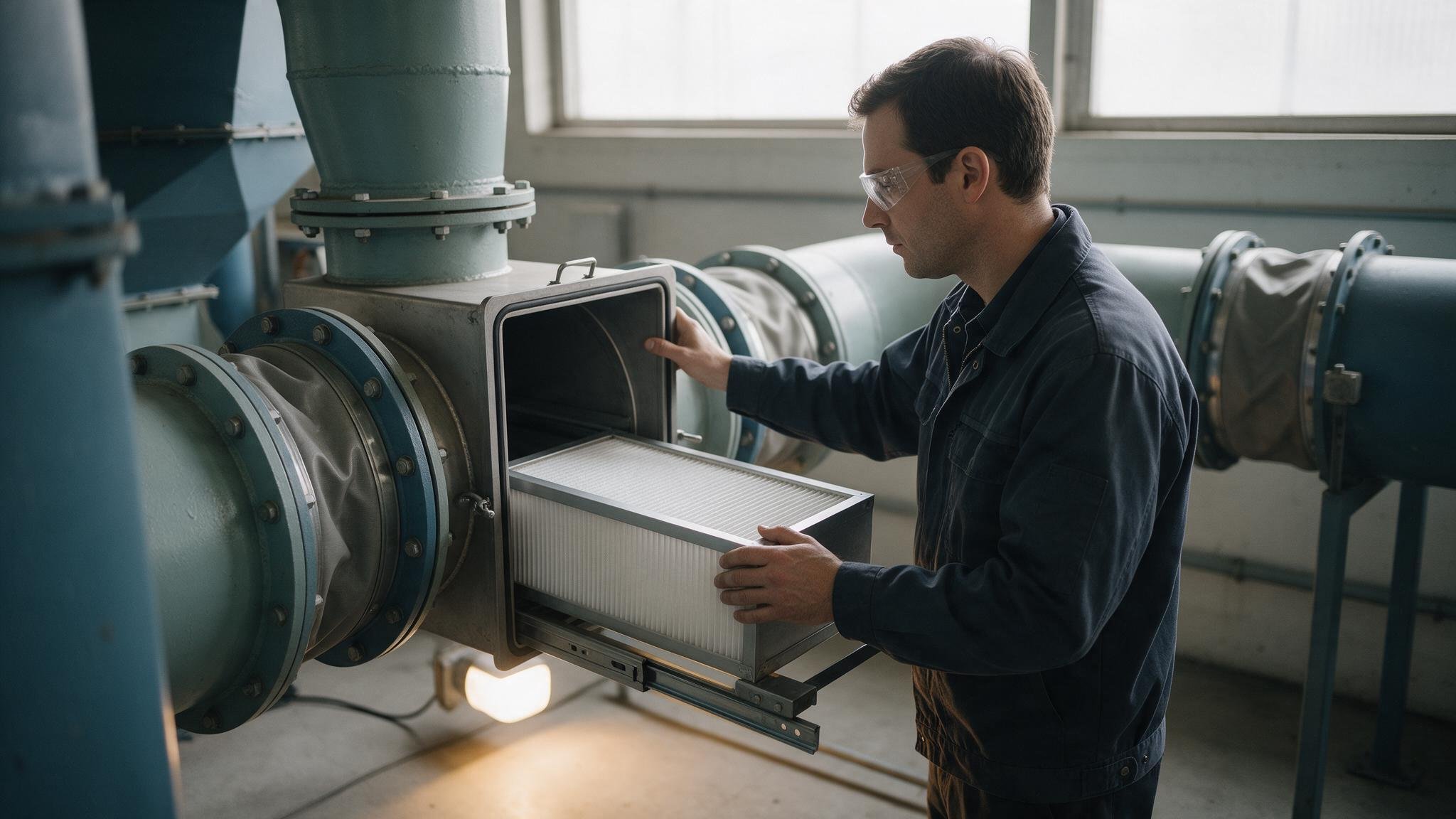
Install differential pressure gauges or sensors across each filter bank. Record readings weekly in critical areas. A sudden drop in pressure often means a leak or bypass; a steady rise above the limit means the media is loaded. Both conditions require immediate investigation.
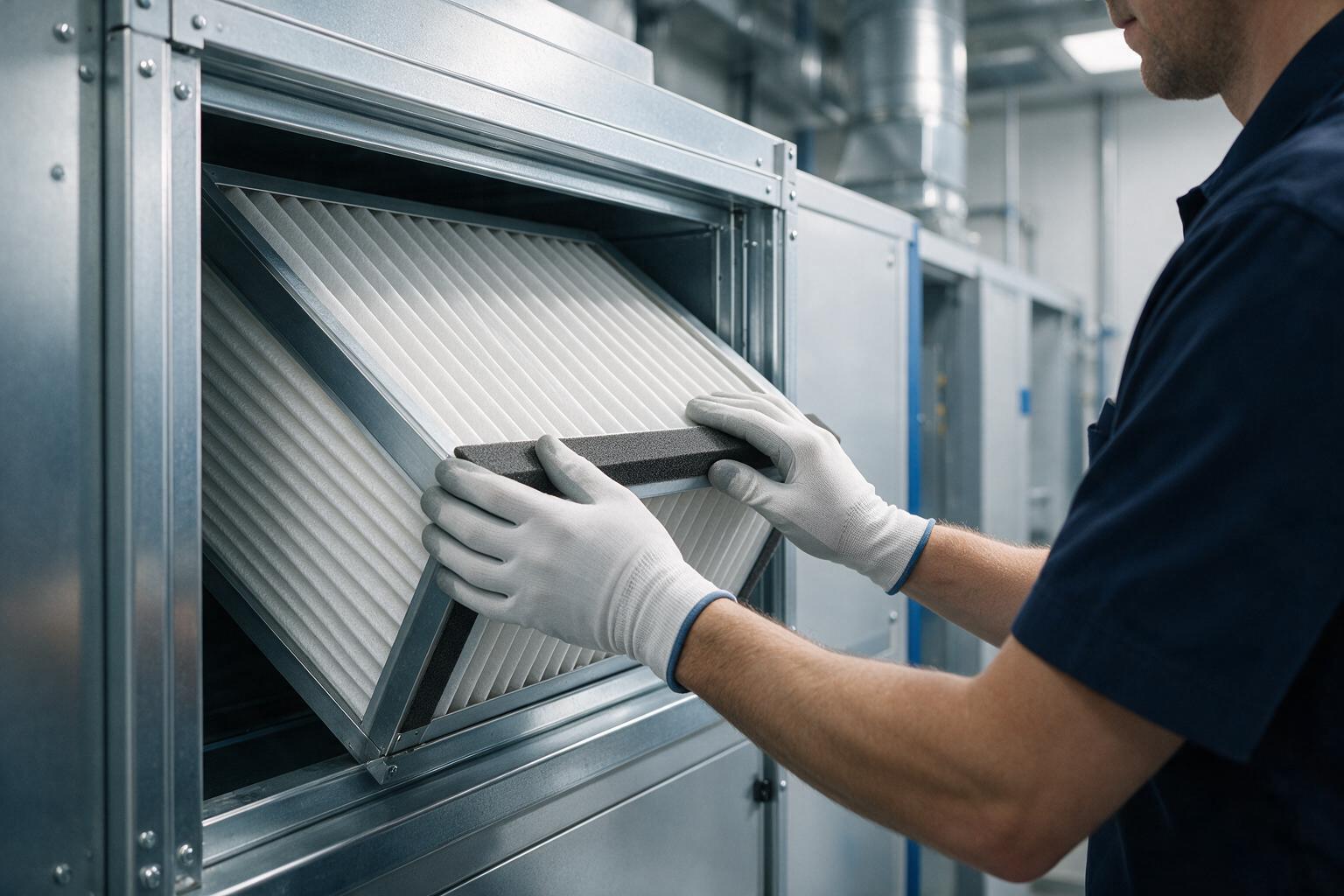
Perform DOP/PAO leak tests on new installations and at least annually for critical cleanrooms. Check frame seals, gasket compression, and fan performance during replacement. Keep a digital log of changeout dates, pressure trends, and leak test results.
A real case: a cleanroom lost 30% of its pressure differential but continued production because operators suspected instrument error. When the filter was removed, the media surface had caked into a hard dust layer. The restricted airflow increased motor load and risked premature fan failure. Weekly pressure inspections would have caught the issue months earlier.
Pre-filters protect the HEPA filter. Do not run G4 or F7 pre-filters until they clog. A blocked pre-filter forces the HEPA stage to load faster, shortening its life and increasing energy. Many plants leave pre-filters in place for six months too long, then pay for premature HEPA replacement.
Replace pre-filters on a schedule based on pressure drop, not calendar days. A G4 pre-filter loaded to 150 Pa final resistance can still protect the HEPA filter. But if it hits 250 Pa, the HEPA media sees higher velocity and loads unevenly. The extra pressure drop also increases fan energy across the whole system.
Three Common Misconceptions About HEPA Air Filters
Misconception 1: HEPA removes all viruses. HEPA media captures virus-laden droplets and aerosols with high efficiency, but free viruses smaller than 0.1 μm may pass through. For biosafety level 3 or pharmaceutical containment, pair HEPA with UV, chemical filtration, or ULPA depending on risk assessment.
Misconception 2: HEPA filters can be washed and reused. Never clean a HEPA filter with water or solvent. Wet cleaning damages the fibre structure and collapses the pleats. Once the media is wet or the efficiency drops, replacement is the only safe option. Some coarse pre-filters are washable, but HEPA media is not.
Misconception 3: Installing HEPA guarantees cleanroom performance. Cleanliness depends on airflow volume, air changes, room pressurization, personnel behaviour, and envelope tightness. A poorly sealed H14 frame can leak more particles than a well-installed H13. We have seen facilities with H14 filters fail certification because of bypass around the frame.
HEPA Filter Sizing Checklist and Next Steps
If you are evaluating a HEPA filter for a cleanroom, lab, or process line, review this checklist before requesting quotes.
HEPA Filter Selection Checklist
- Confirm cleanliness class (ISO 14644 or GMP grade)
- Calculate required airflow and filter face velocity
- Compare initial resistance and final resistance at operating conditions
- Specify media area, pleat depth, and frame material
- Verify seal type (gel, gasket, or clamp) and leak test procedure
- Build a 3-year total cost of ownership model including energy, labor, and downtime
For critical applications, request third-party test reports for efficiency and resistance. Ask for leak test certification on every filter or batch. Validate that the filter housing matches the seal design.
The HEPA filter H13 vs H14 decision should be driven by cleanroom classification, not habit. An H13 with low initial resistance and a robust seal often outperforms a poorly installed H14 in real operation. But when ISO 5 or GMP Grade A is required, H14 is non-negotiable.
Need a custom air filtration solution?
Contact the Whalesens engineering team for product selection and OEM/ODM support.
Email whalesens@gmail.com
