


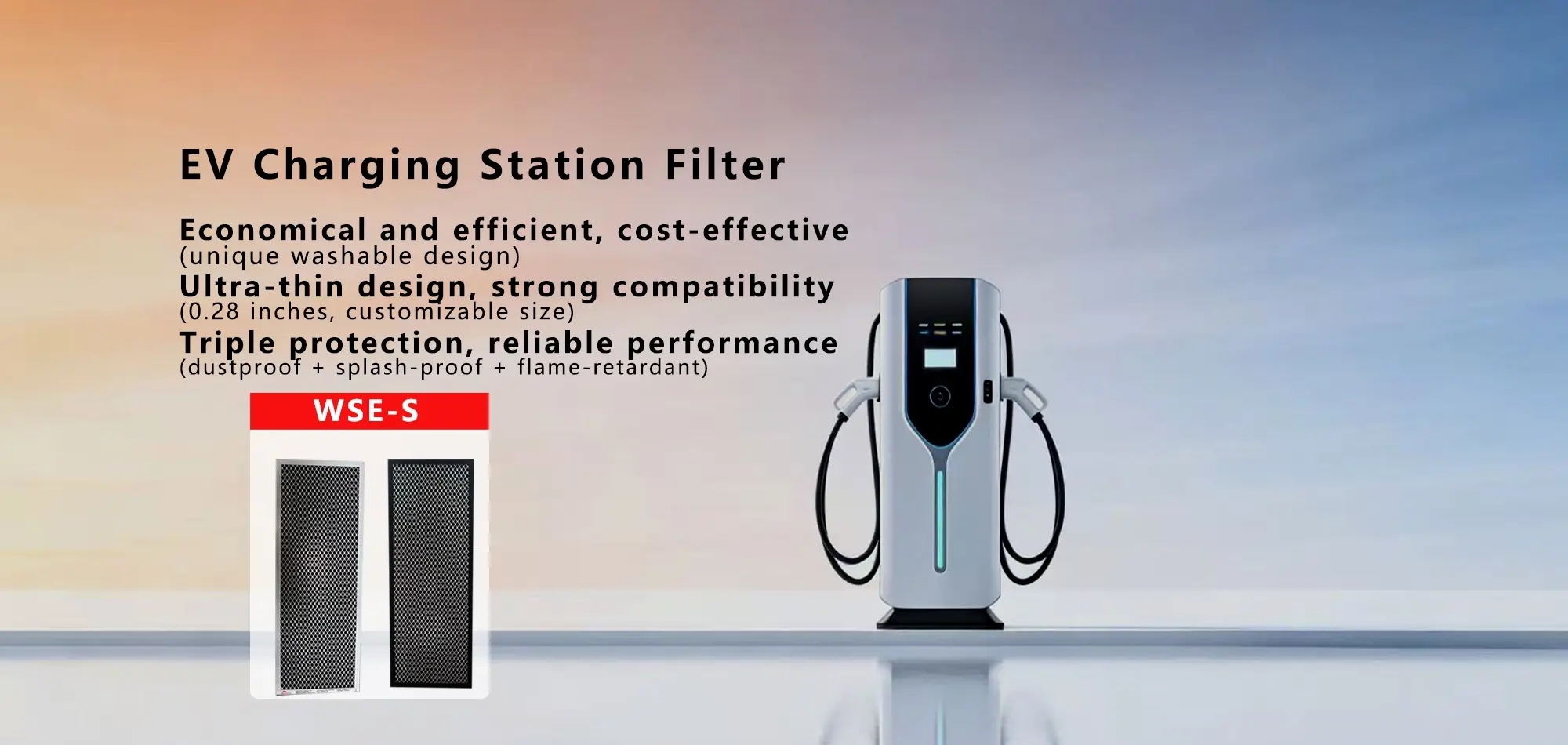
EV Charging Stations
Filtration for Power Equipment
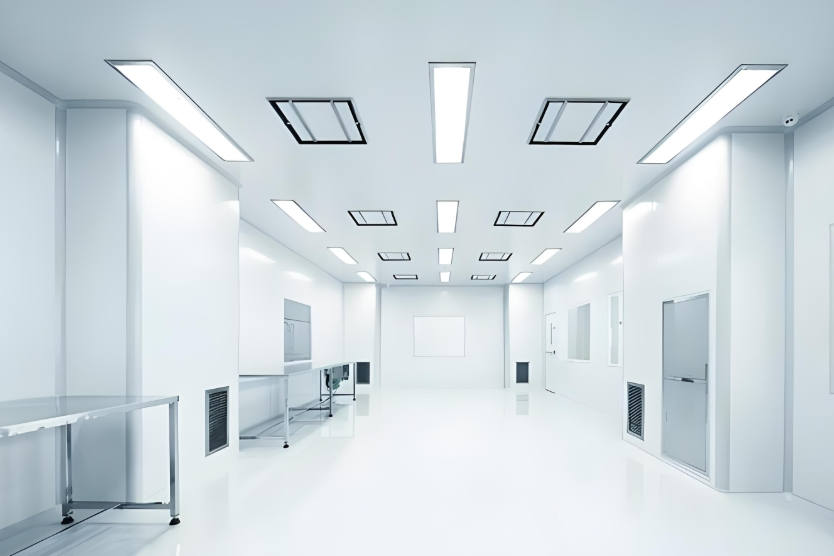
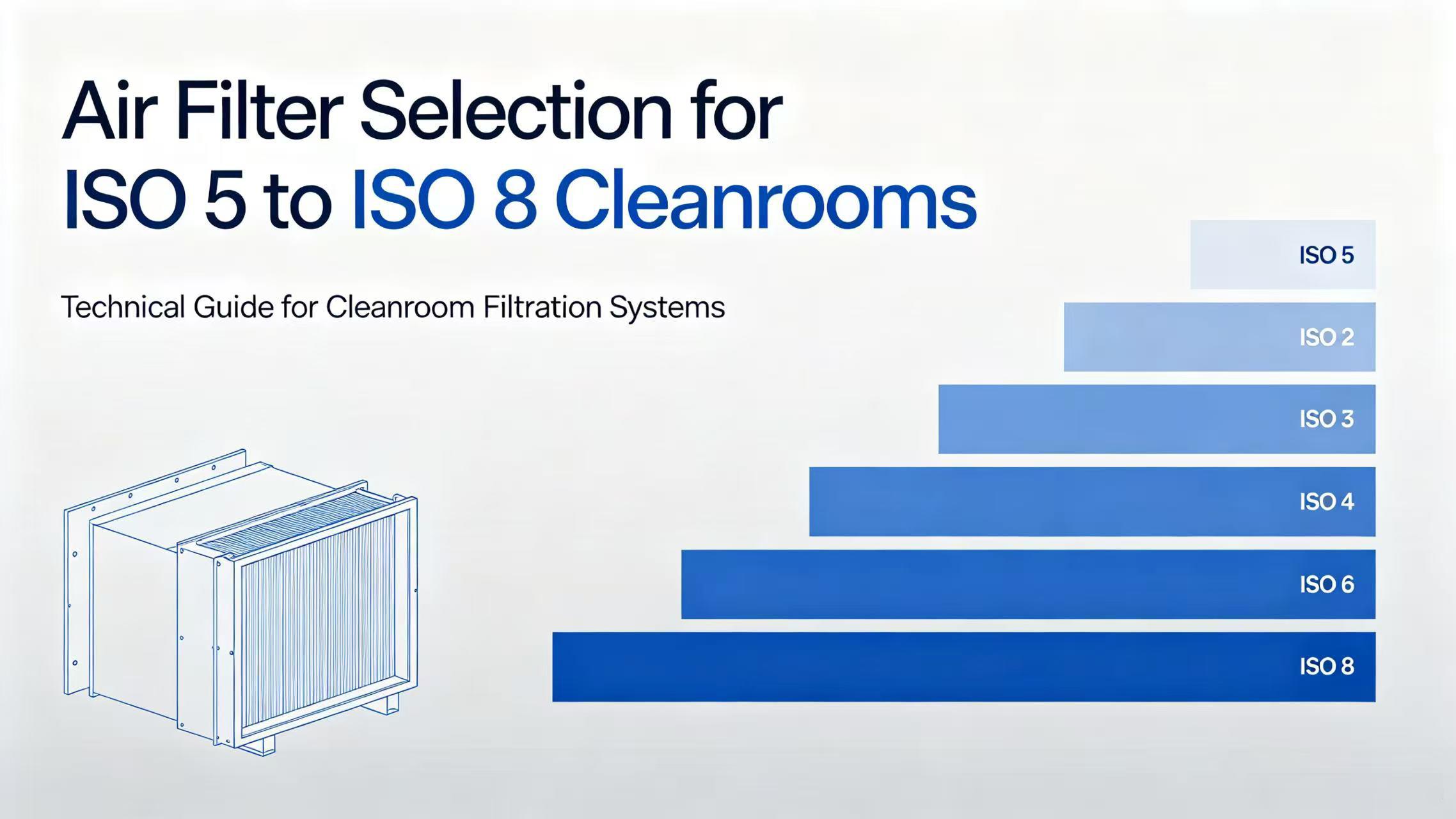
Cleanroom & Semiconductor
Ultra-High Cleanliness Filtration
Commercial HVAC
Central Air System Filtration
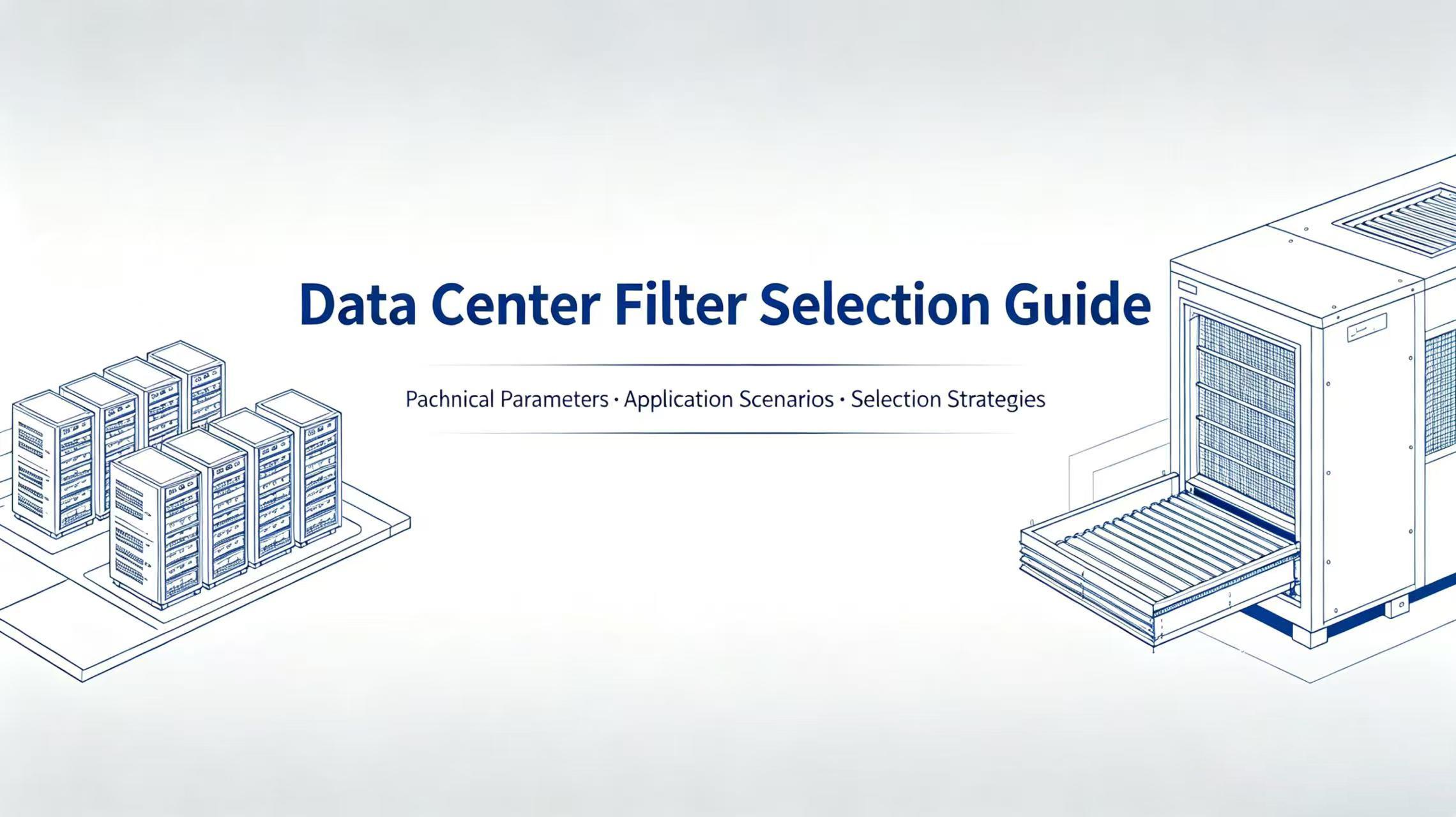
Data Centers
Precision Equipment Protection
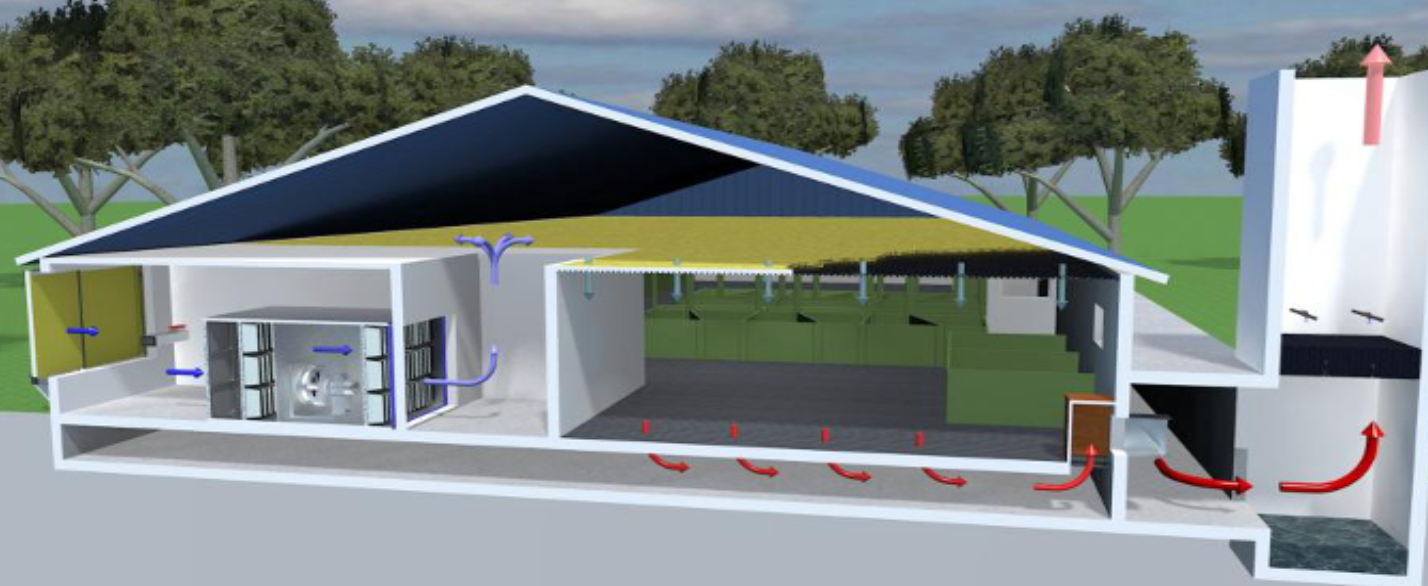
Livestock & Farming
Farming Environment Purification
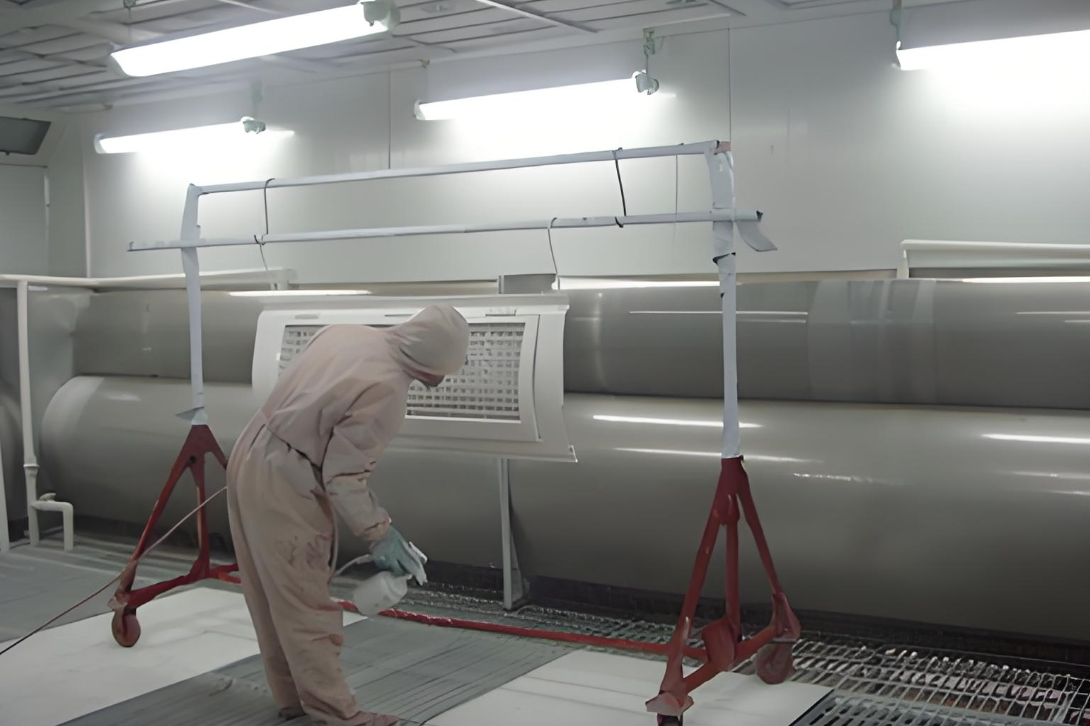
Spray Booths & Industrial Dust
Paint Mist & Dust Purification
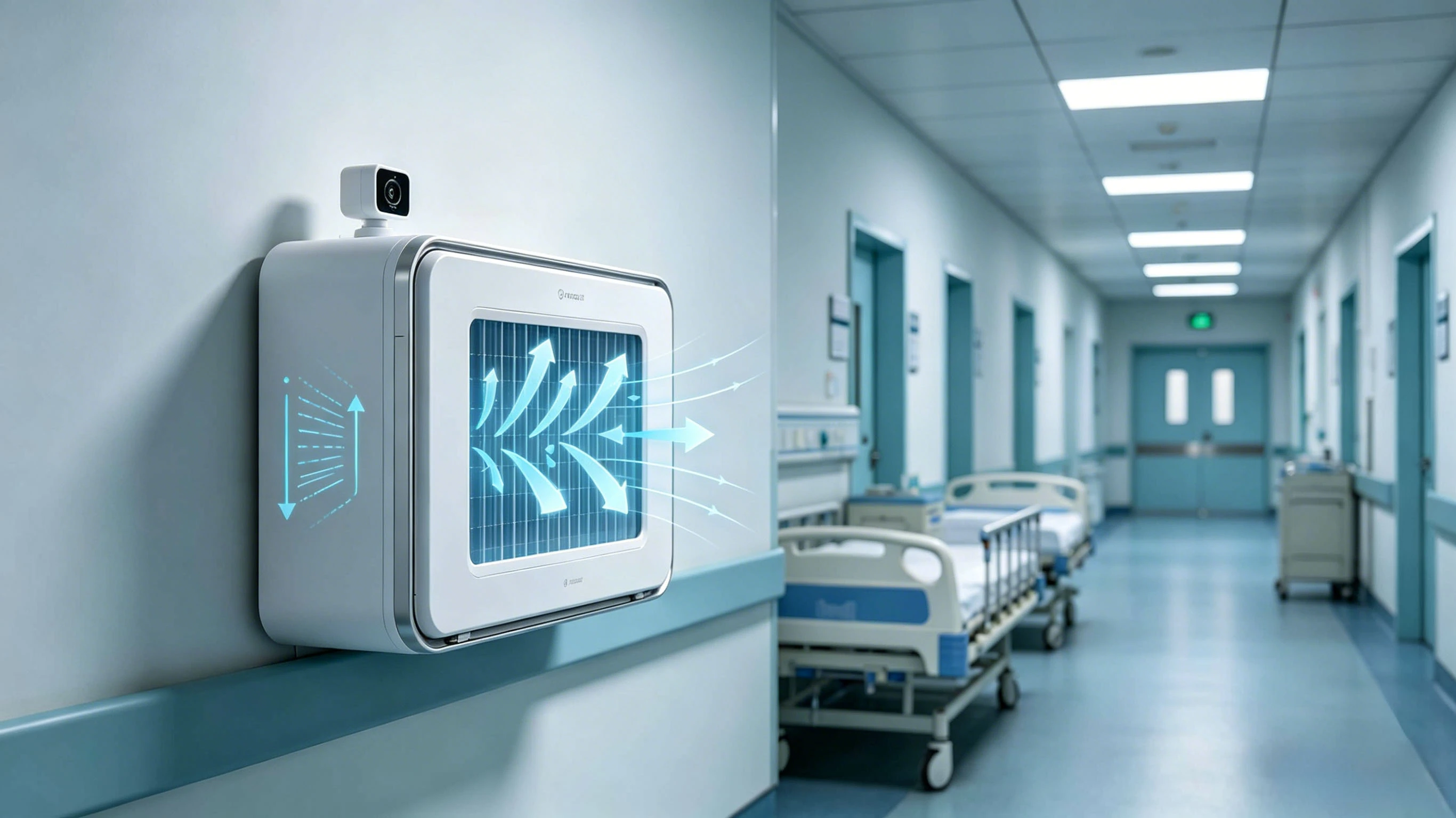
Filtration for Power Equipment
Professional air filtration for EV charging devices, protecting against dust and sand ingress to ensure stable, reliable operation of charging piles and station infrastructure.
View Related Products →Ultra-High Cleanliness Filtration
Ultra-high efficiency filtration for semiconductor wafer fabs and precision electronics cleanrooms, capturing nano-scale particles to meet ISO Class 1–3 standards and maximize product yield.
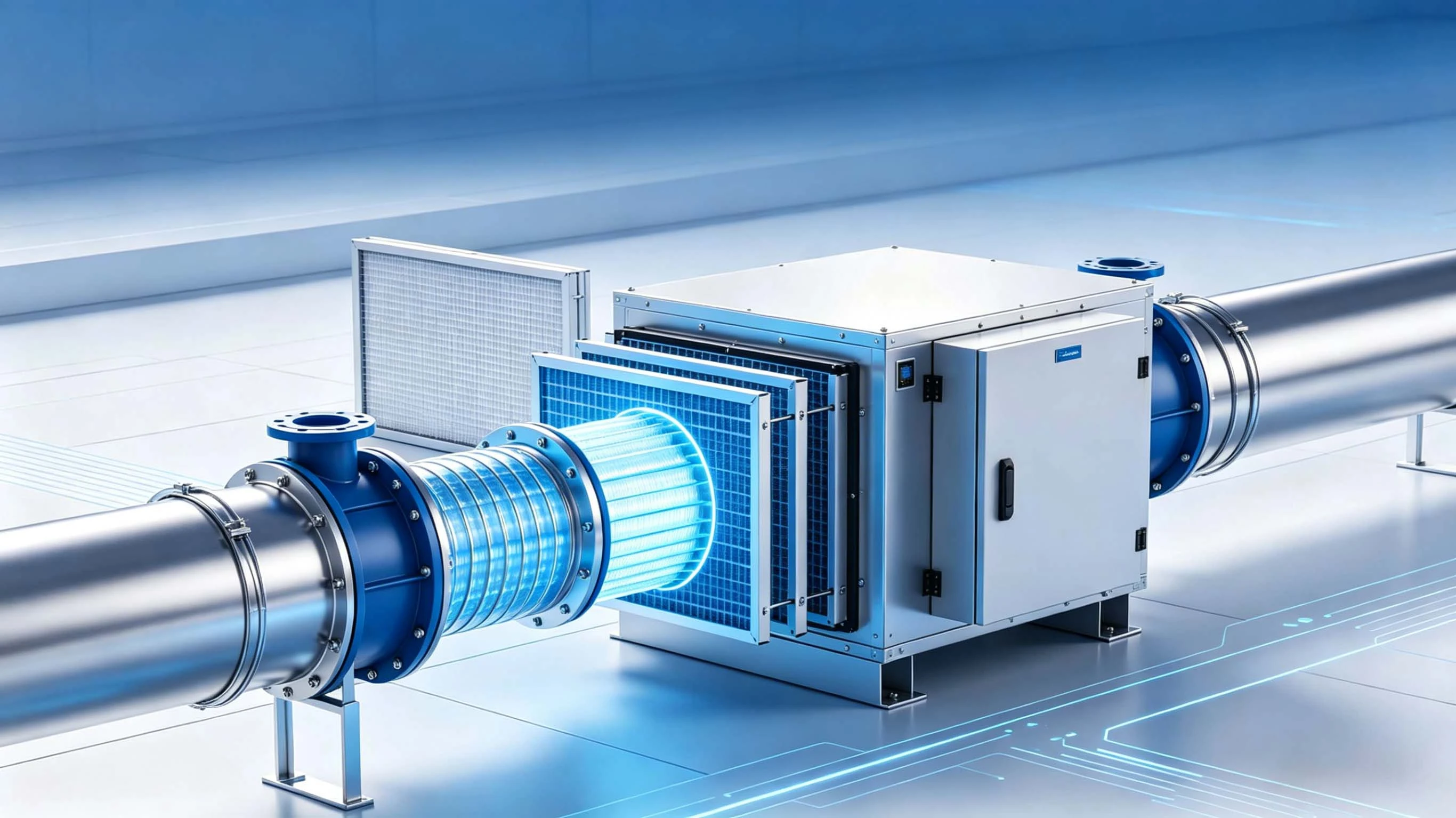
View Related Products →Central Air System Filtration
High-efficiency filtration for commercial building HVAC systems, improving indoor air quality, reducing energy consumption, and extending equipment service life.
View Related Products →Precision Equipment Protection
Precision air filtration for data centers, shielding servers and critical hardware from dust contamination to keep cooling systems running efficiently and reliably.
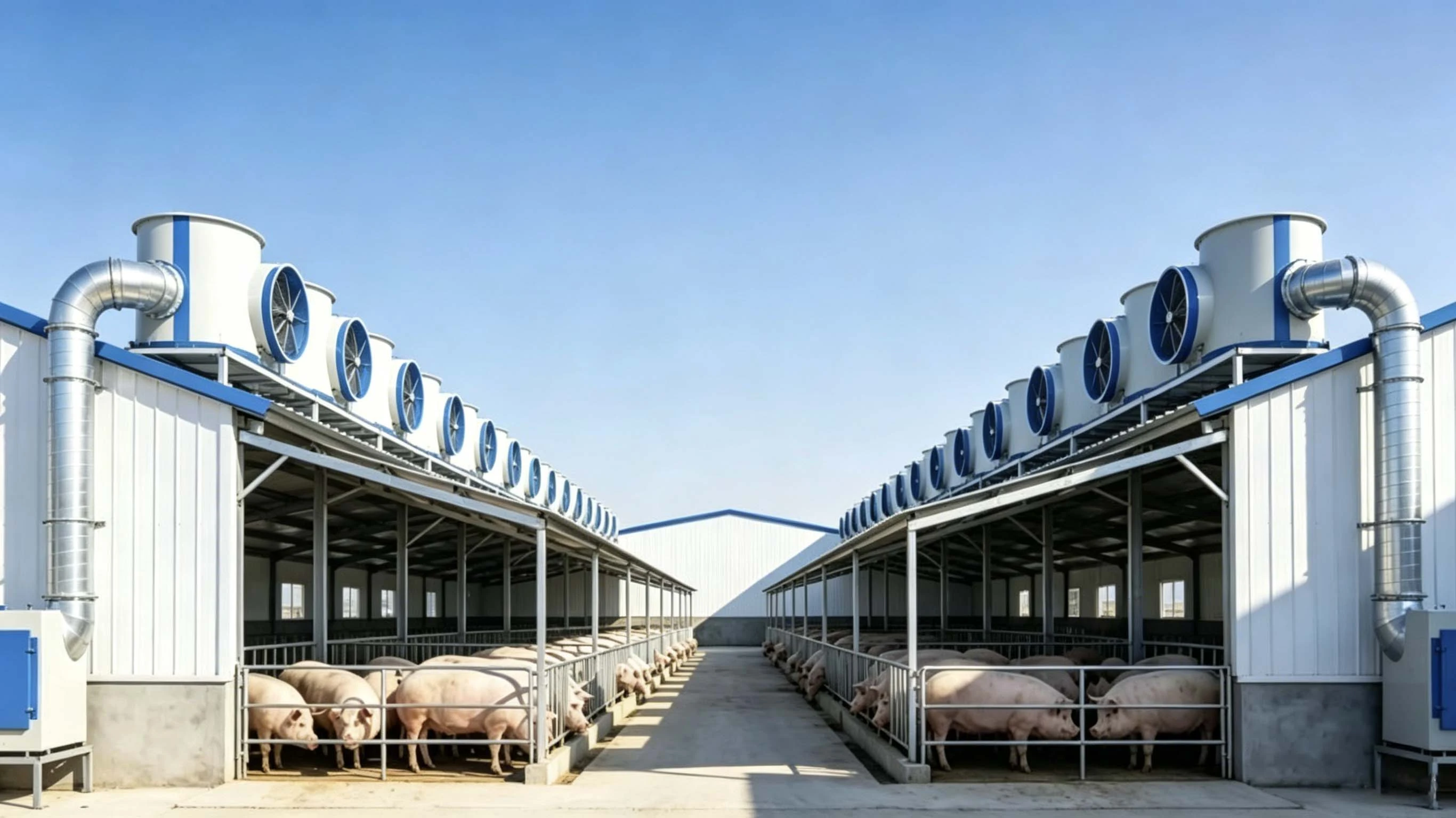
View Related Products →Farming Environment Purification
Dedicated filtration systems for farms and livestock facilities — capturing dust, adsorbing ammonia, and inhibiting pathogen spread to improve animal health and overall productivity.
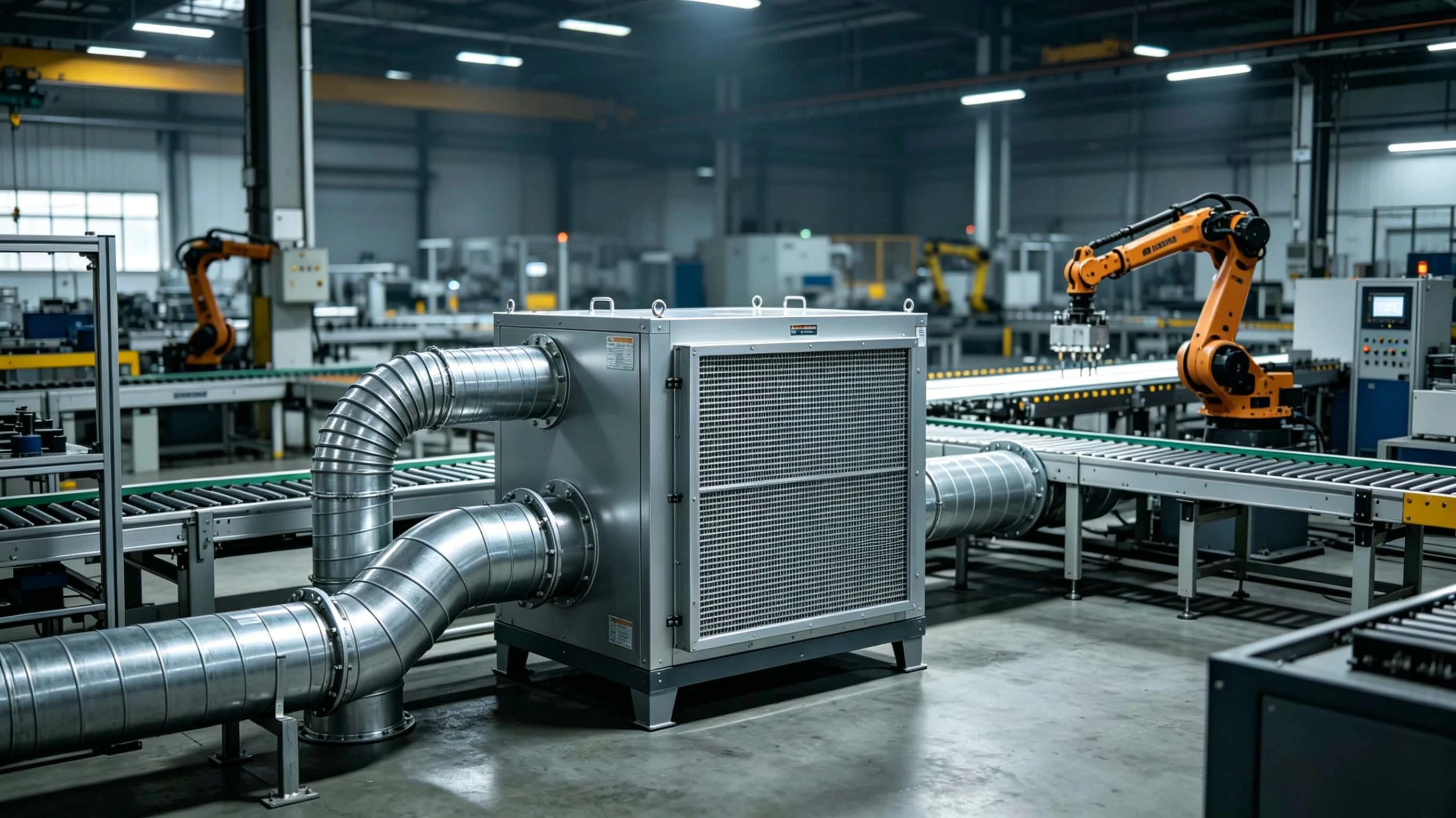
View Related Products →Paint Mist & Dust Purification
Designed for spray booths and grinding workshops, efficiently capturing paint mist, metal dust, and wood chips to meet emission standards while protecting finished surface quality.
View Related Products →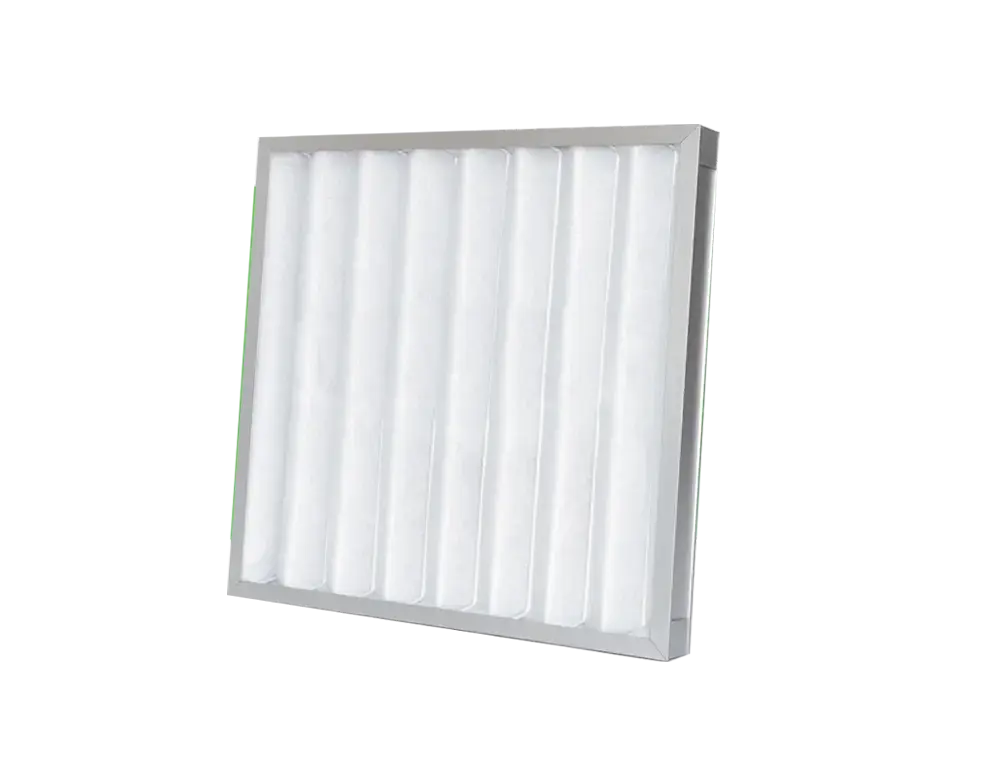
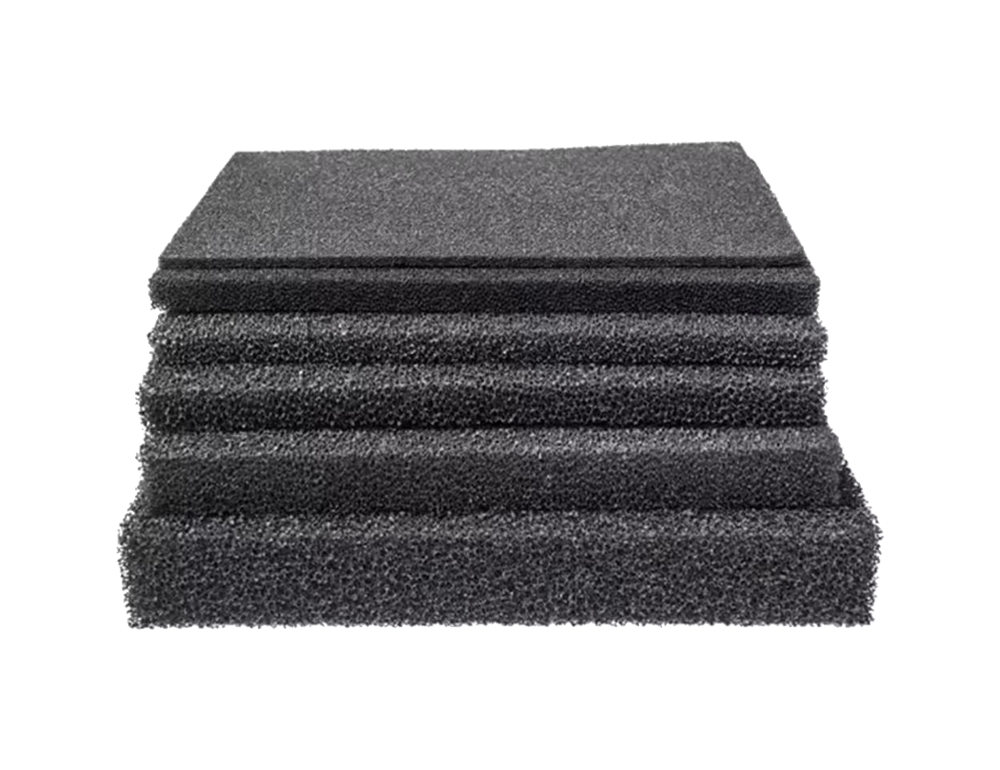

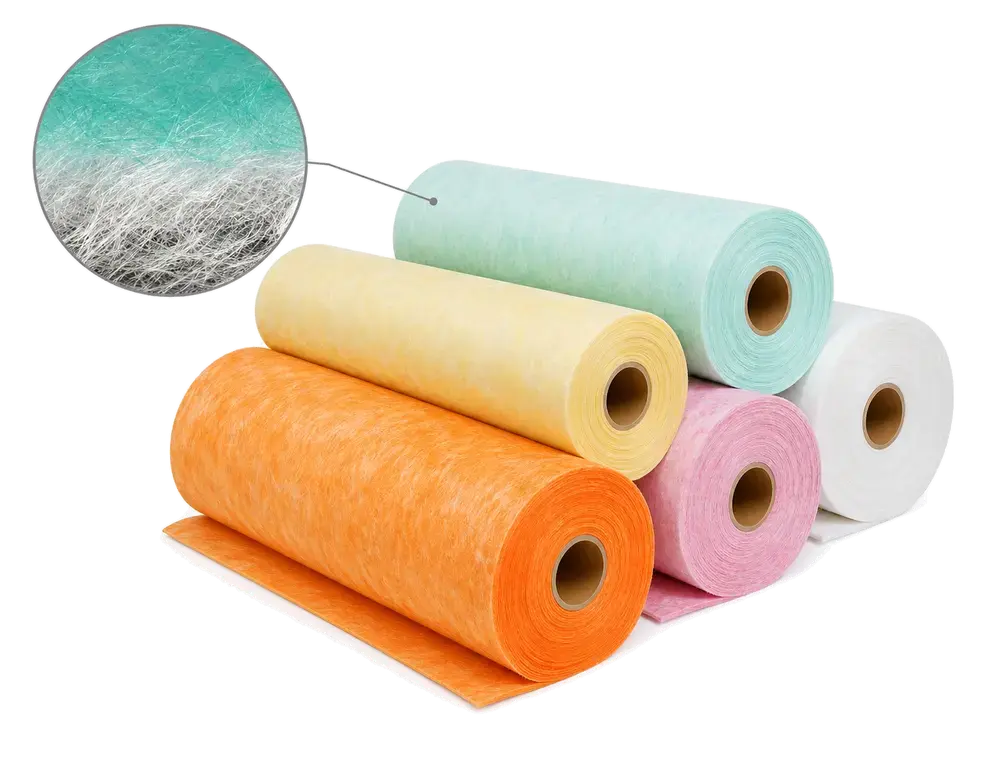
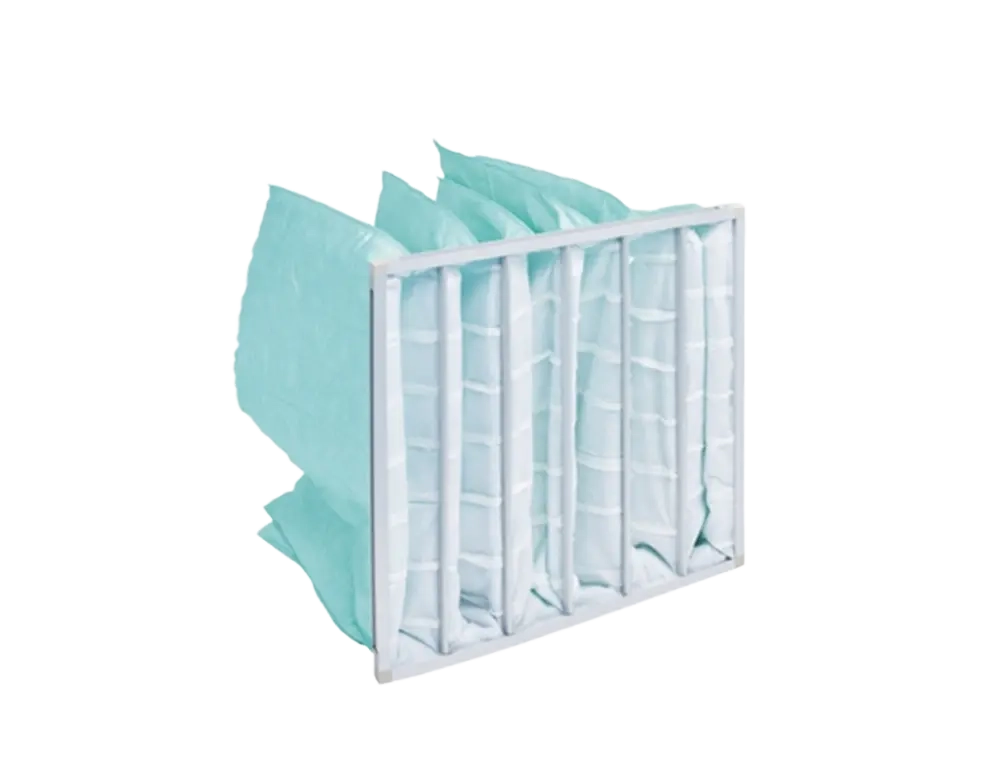

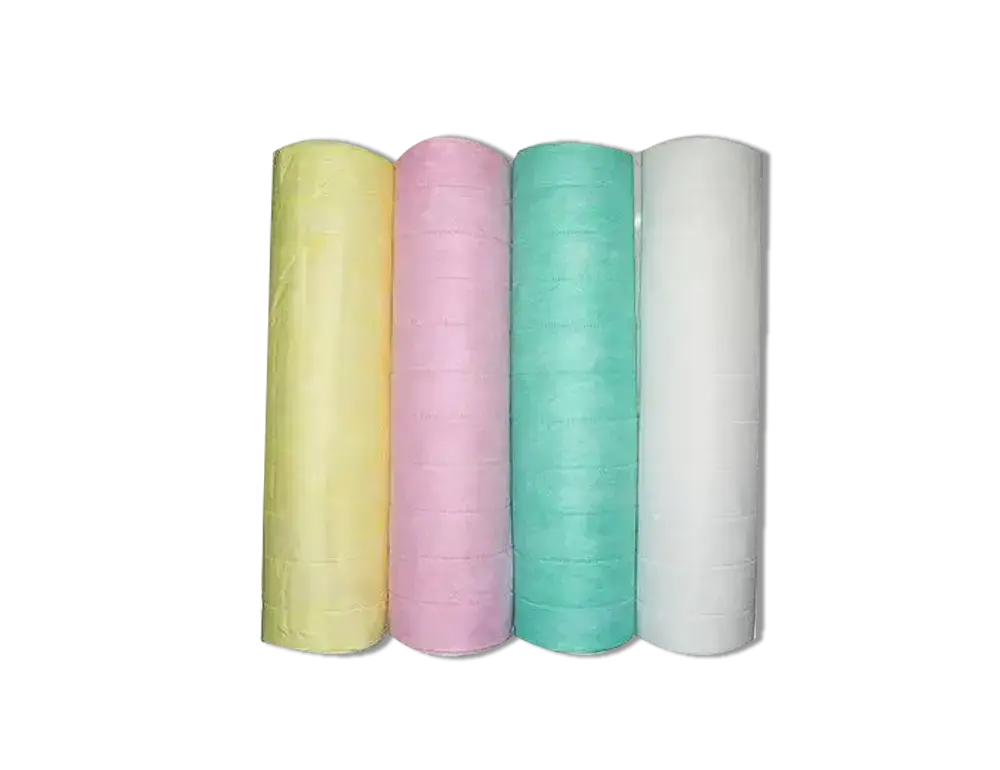
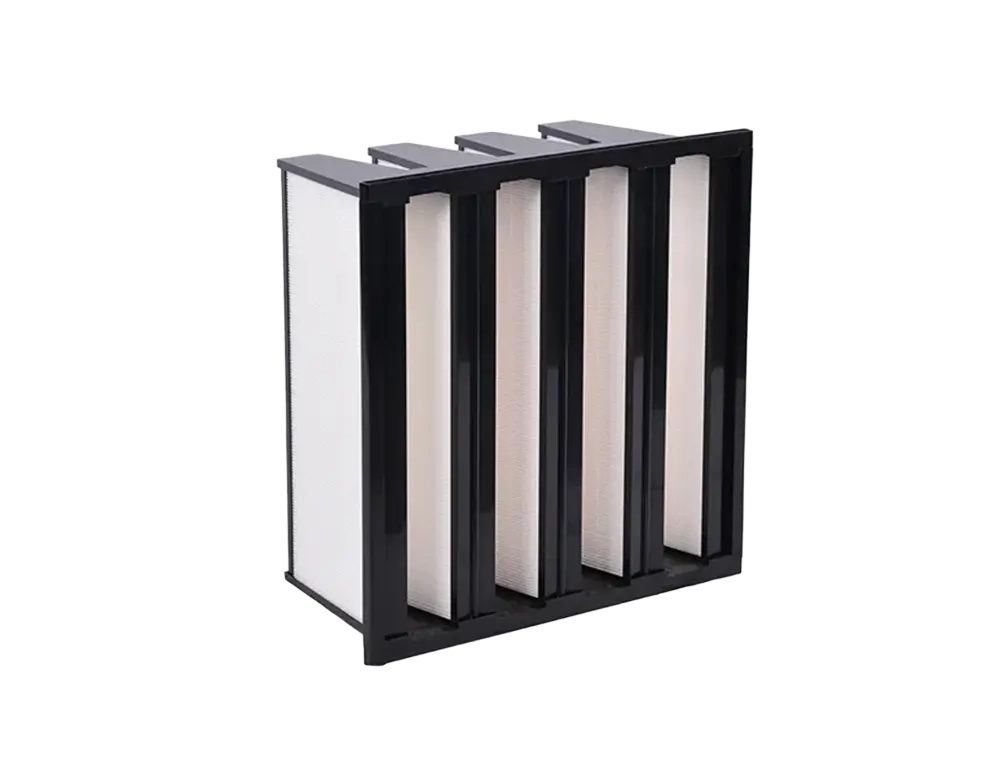
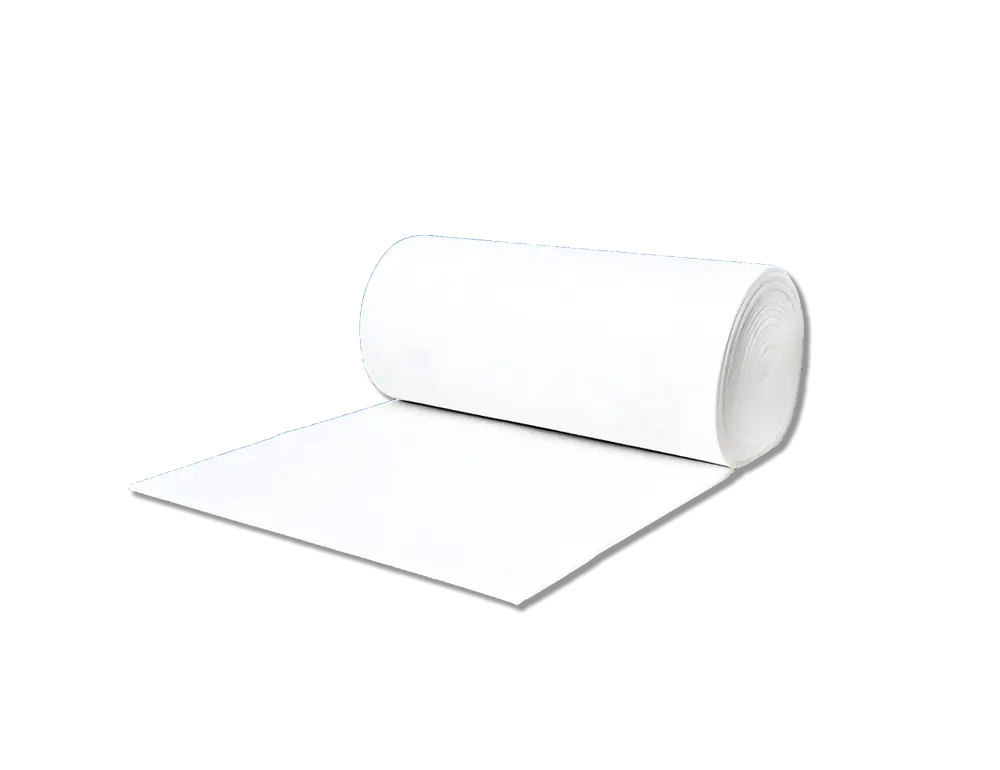
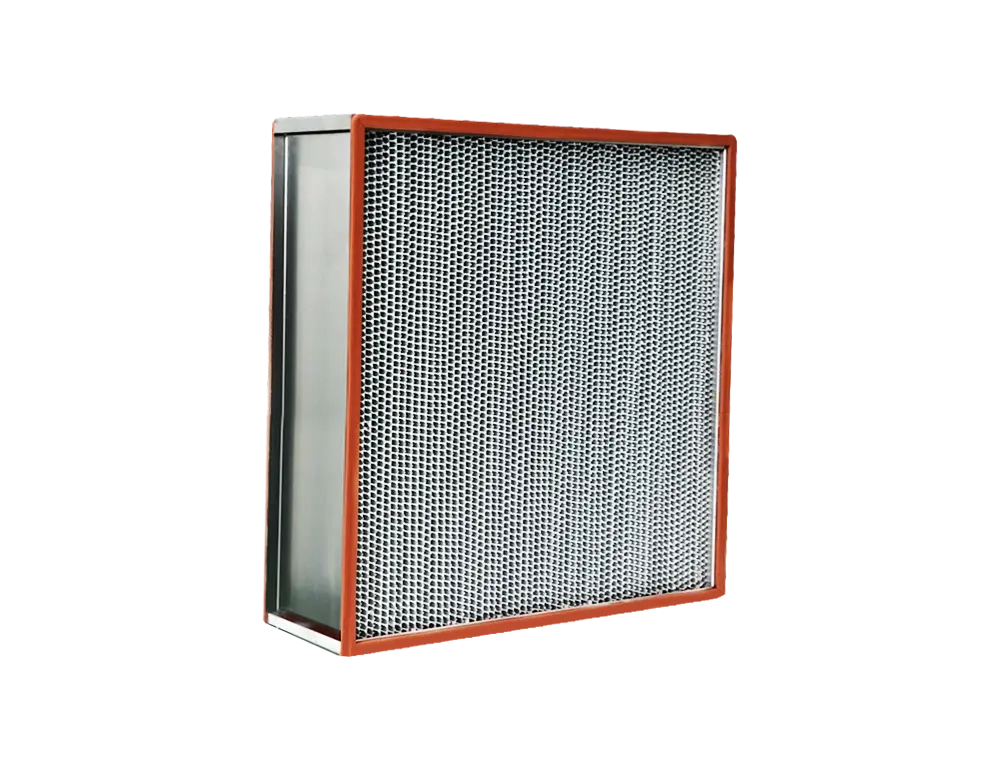
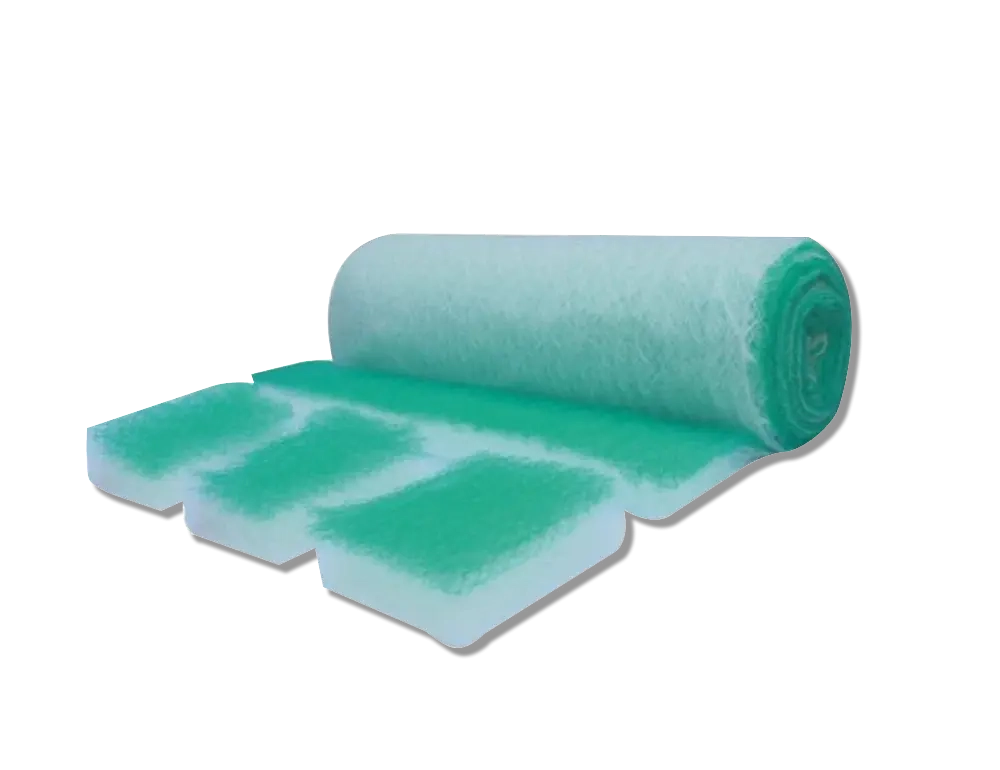
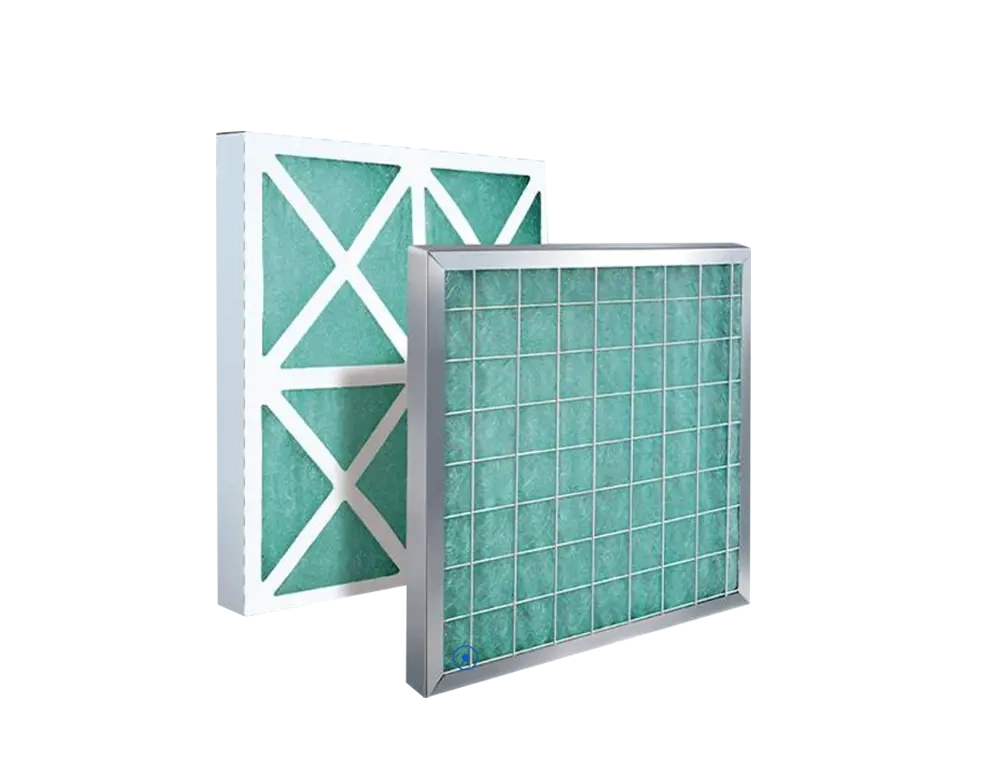
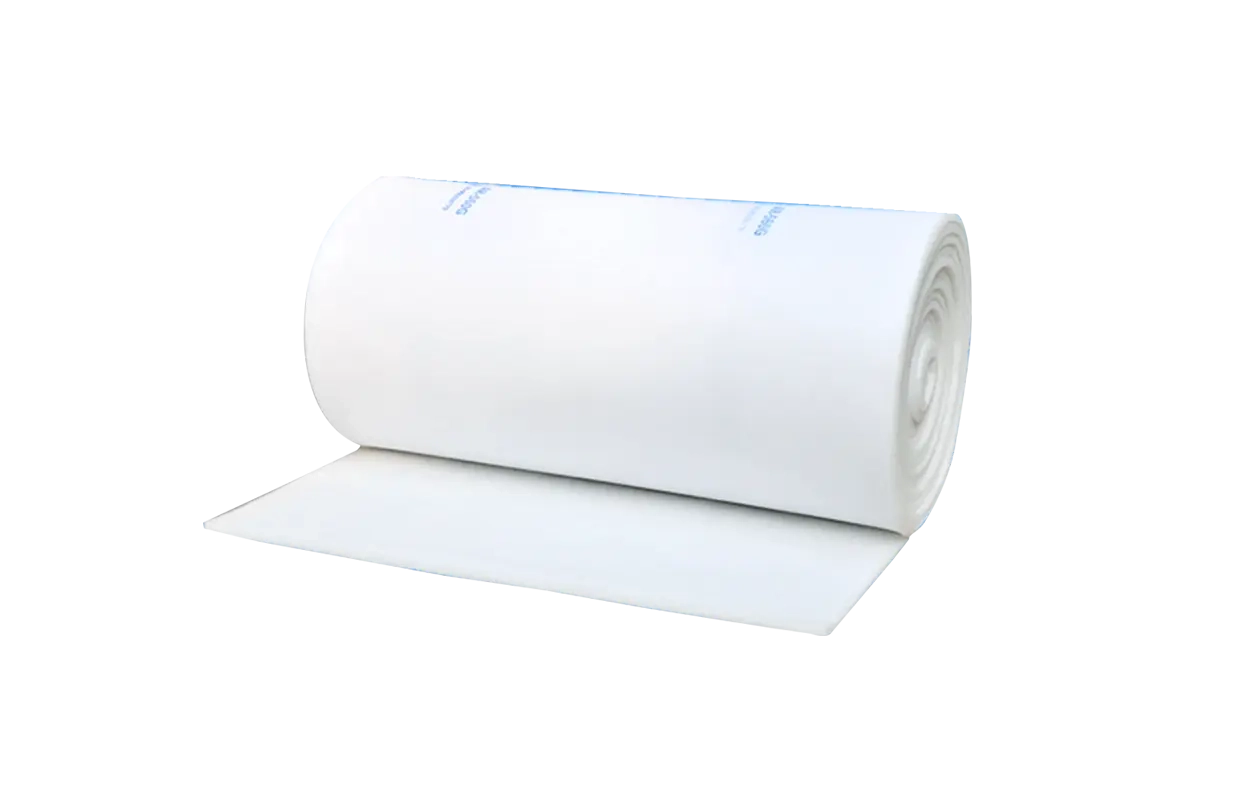
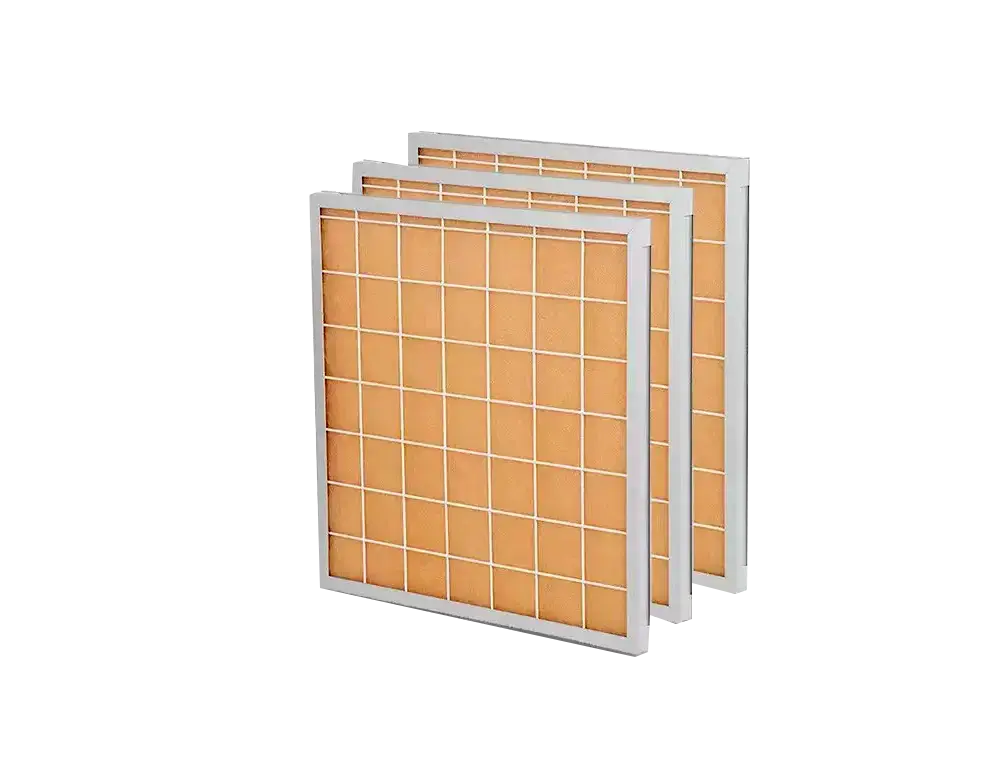
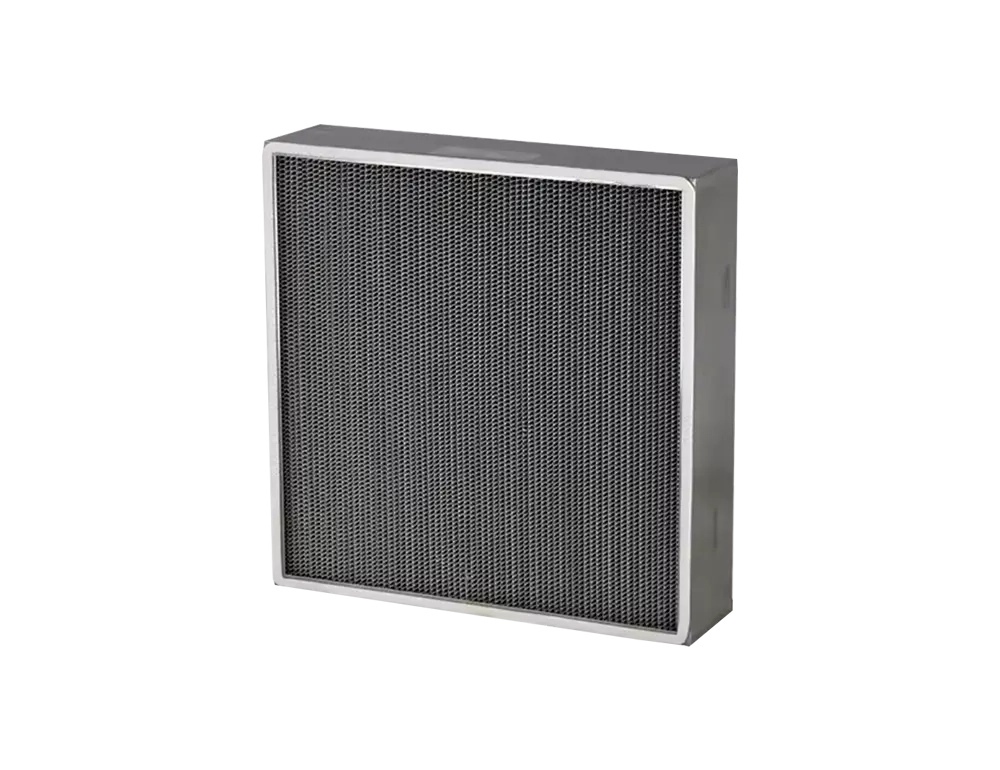
Pre-Filter (G1–G4)
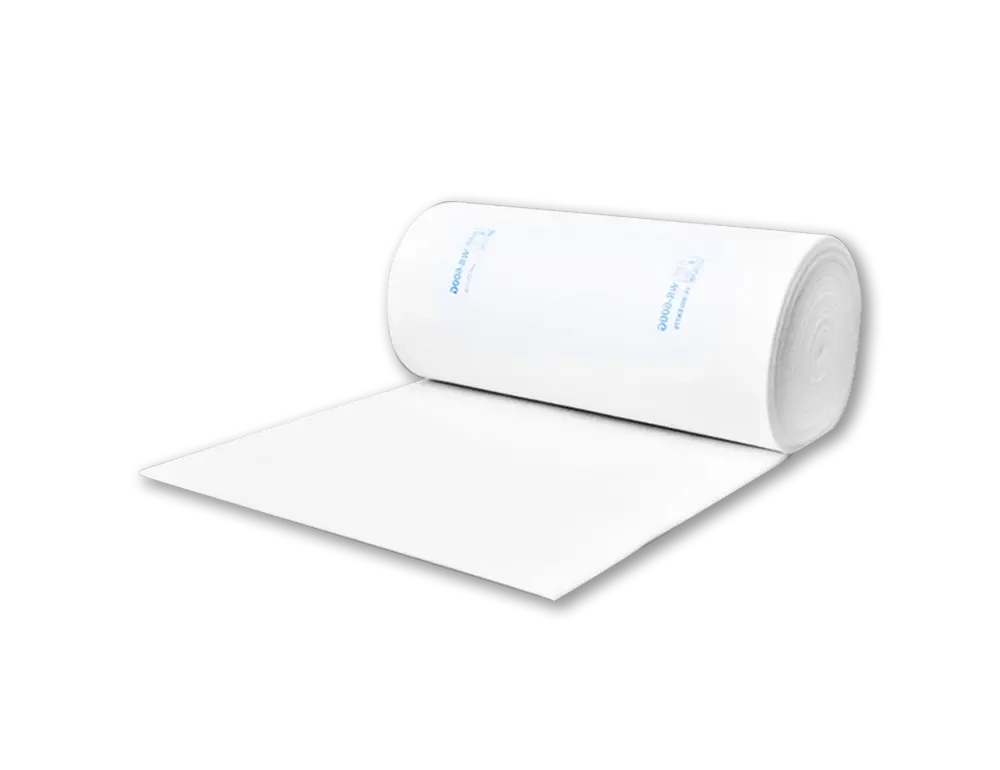
First-Stage Large-Particle Capture
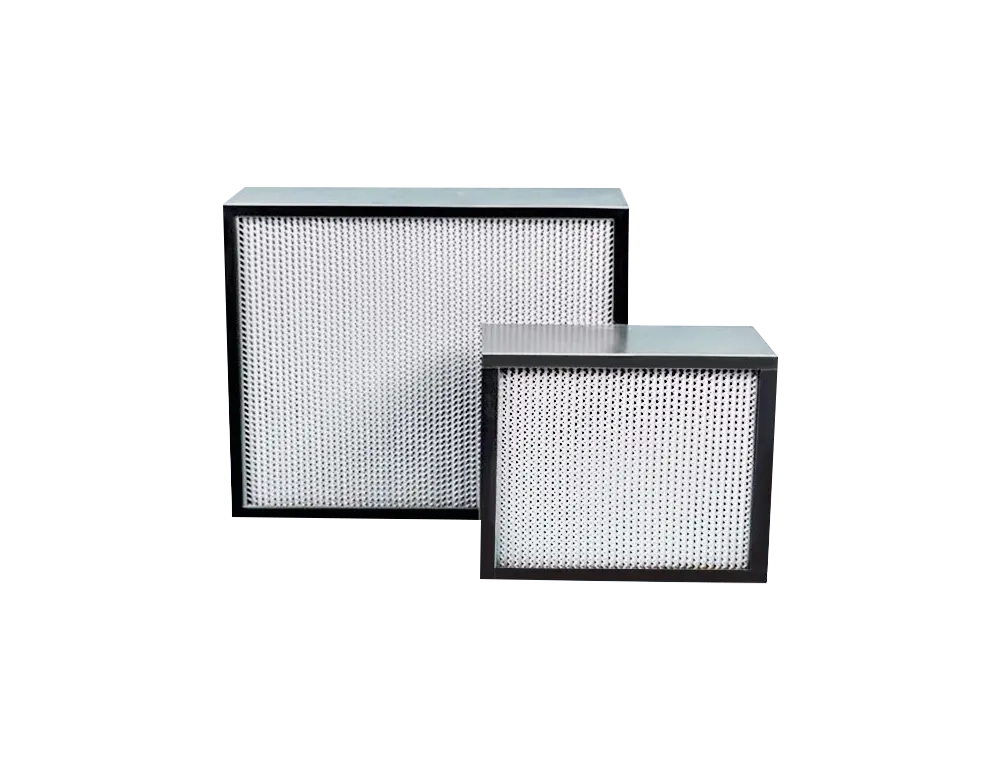
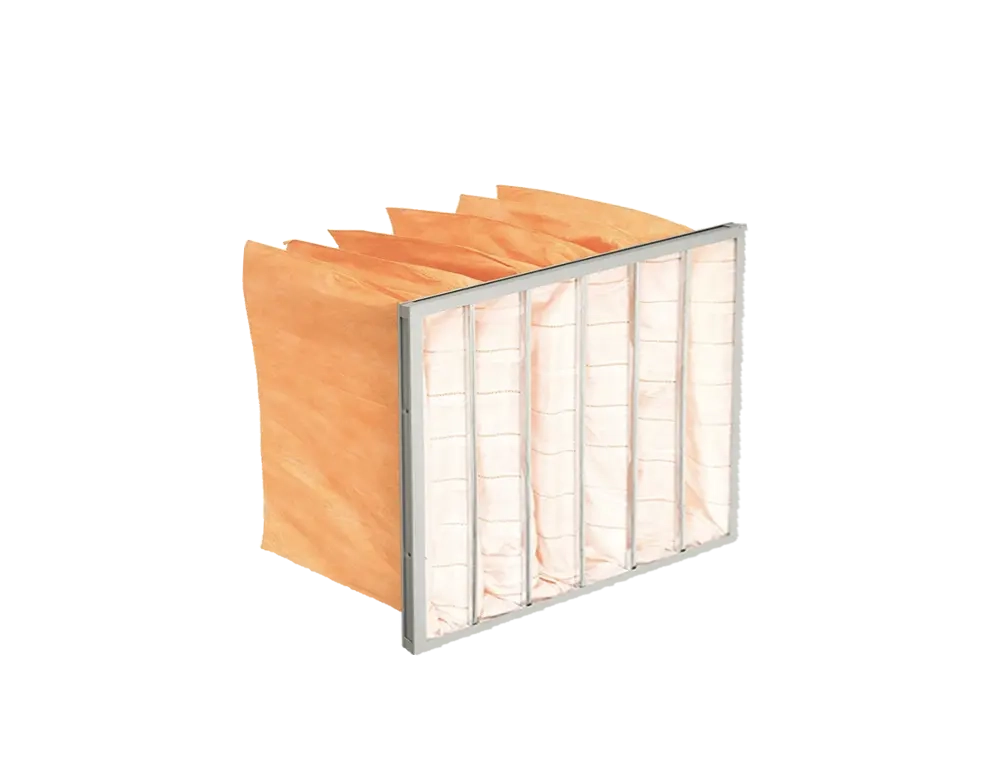
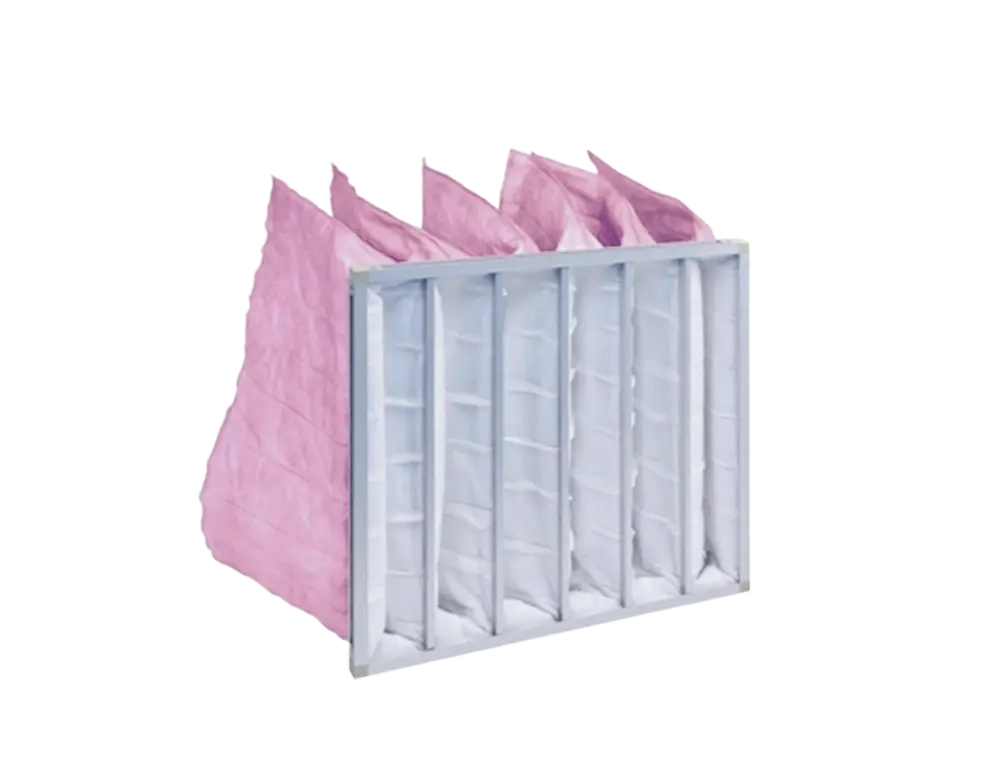
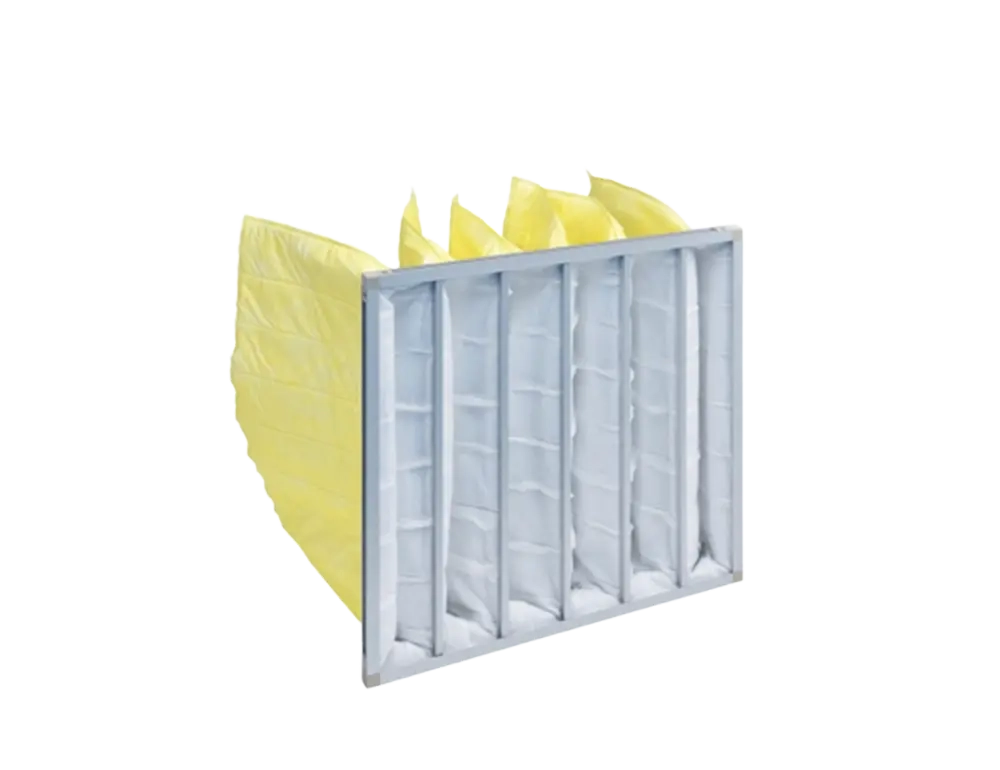
Medium-Efficiency Filter (F5–F9)
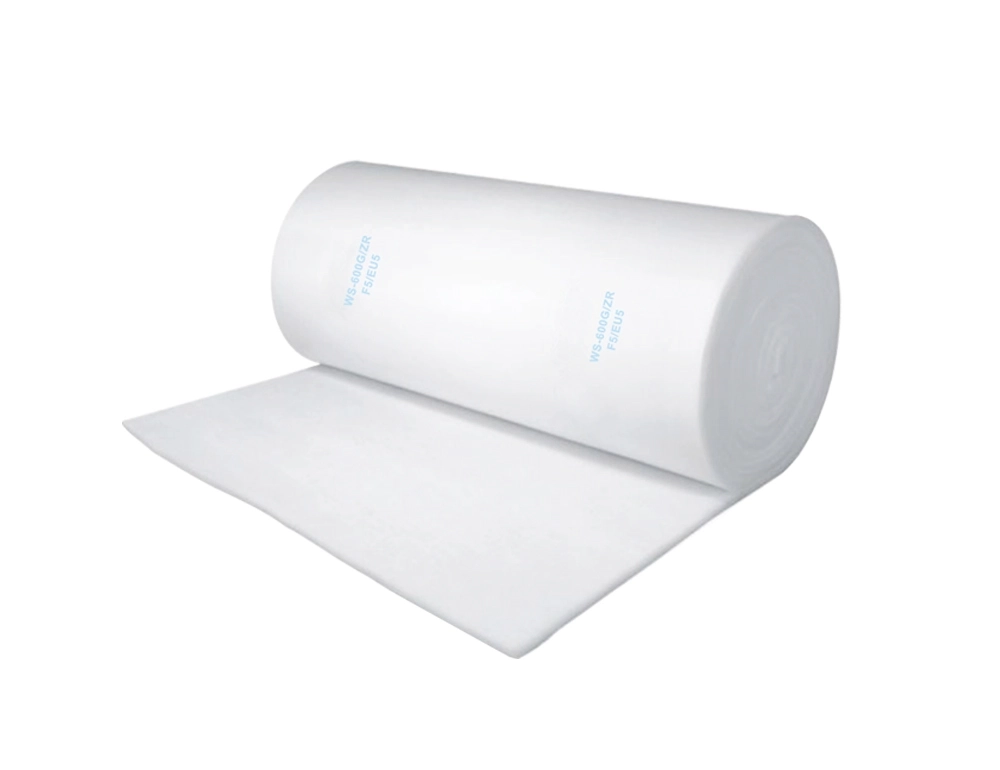
Precise PM2.5 Capture
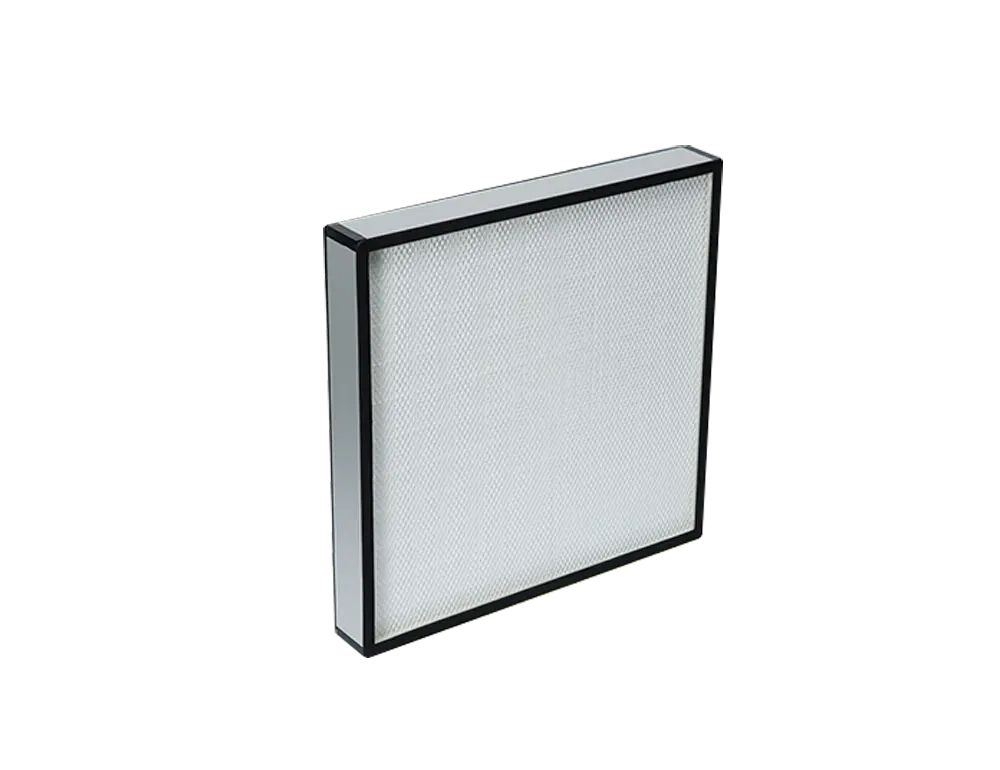
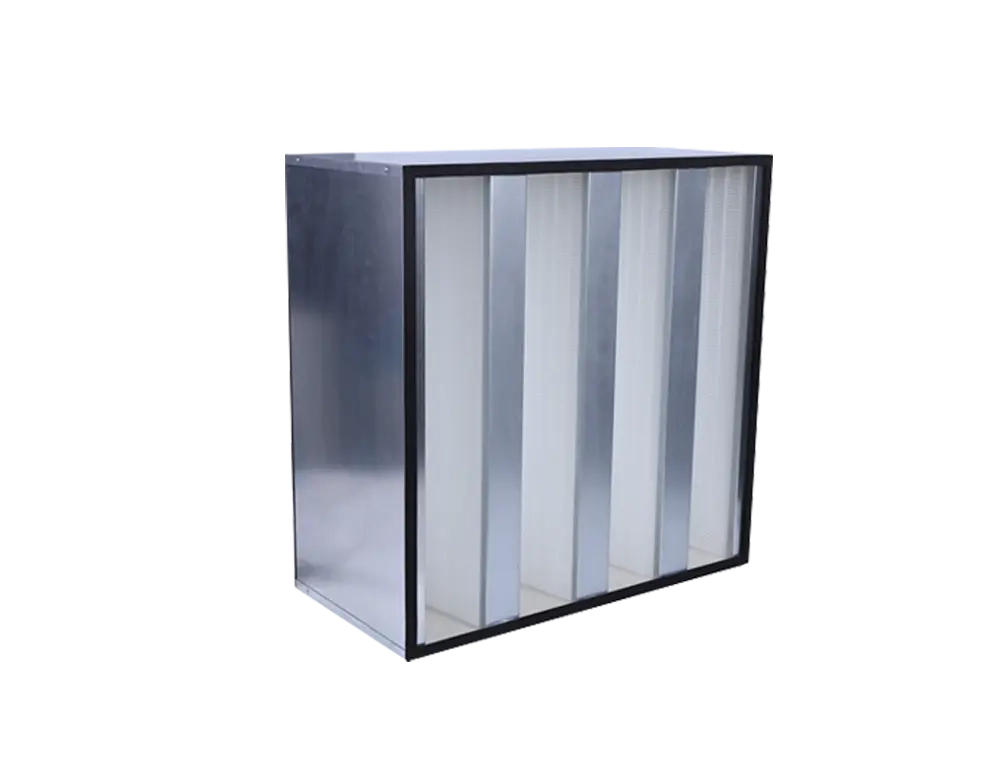
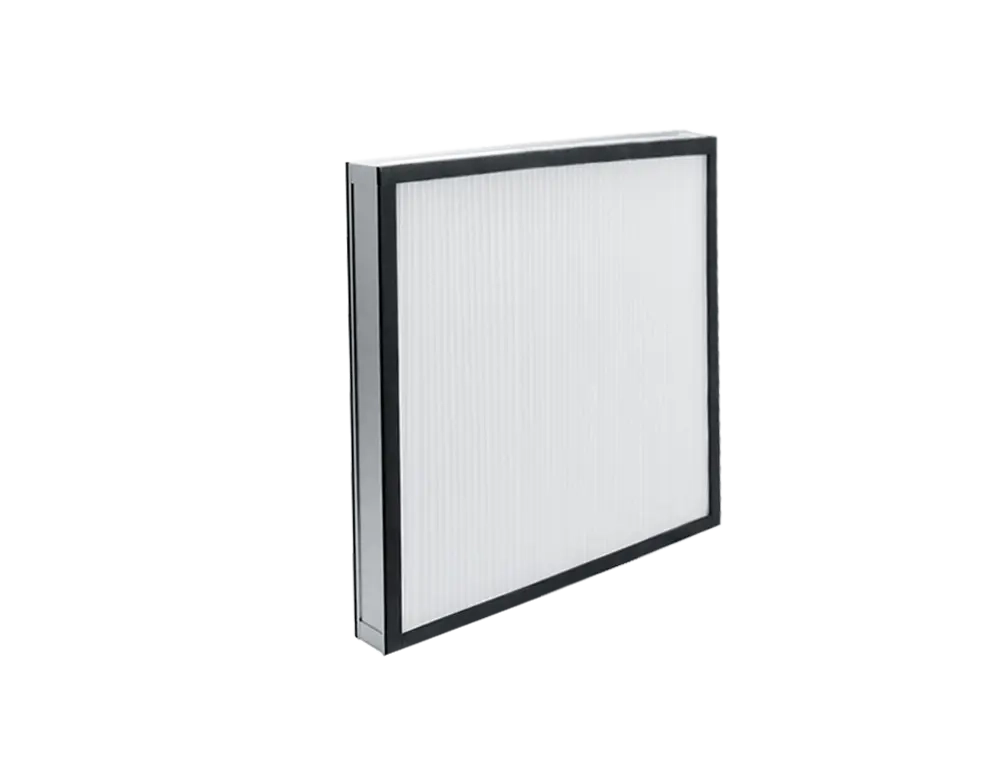
HEPA High-Efficiency Filter
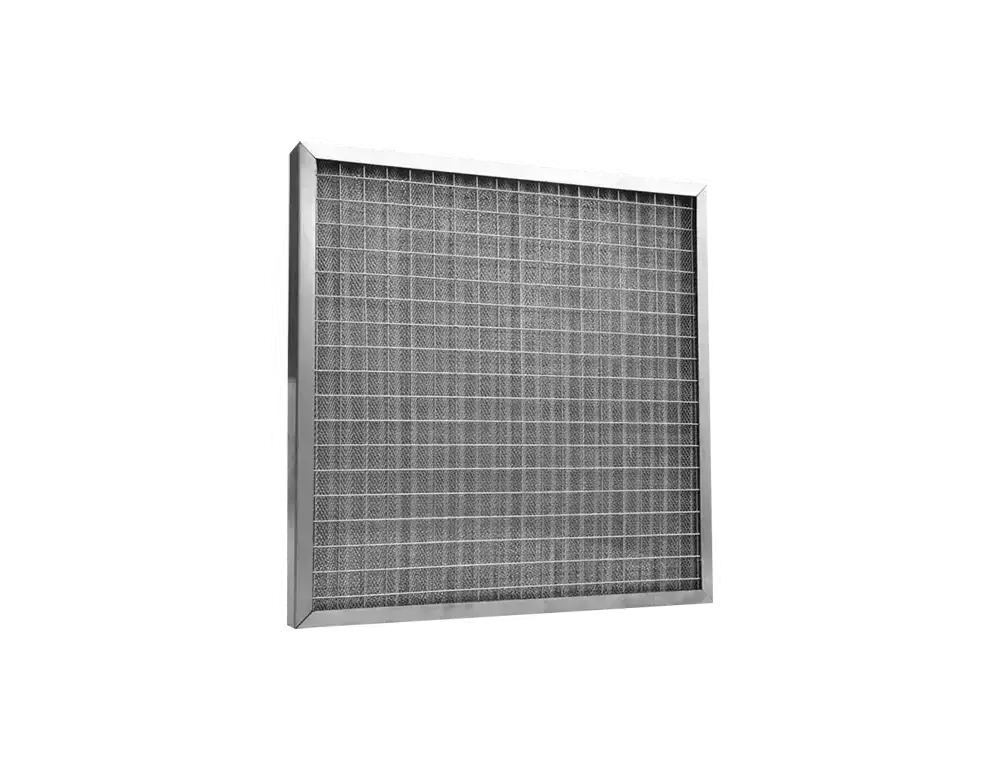
Sterile-Grade Purification
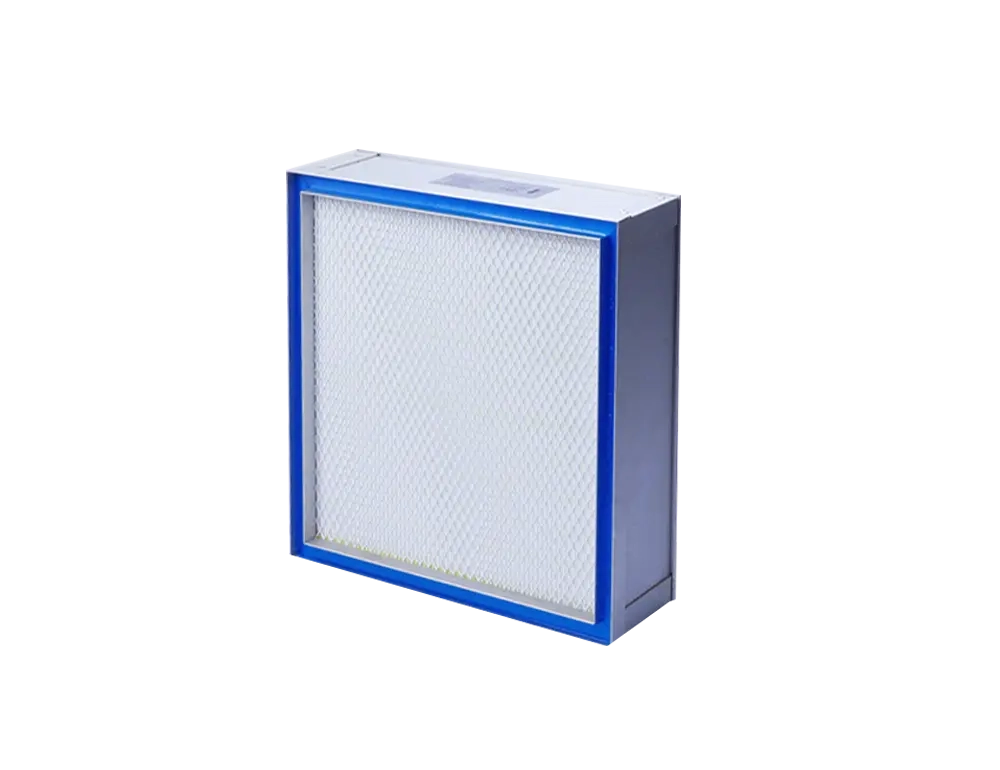
ULPA Ultra-High Efficiency Filter
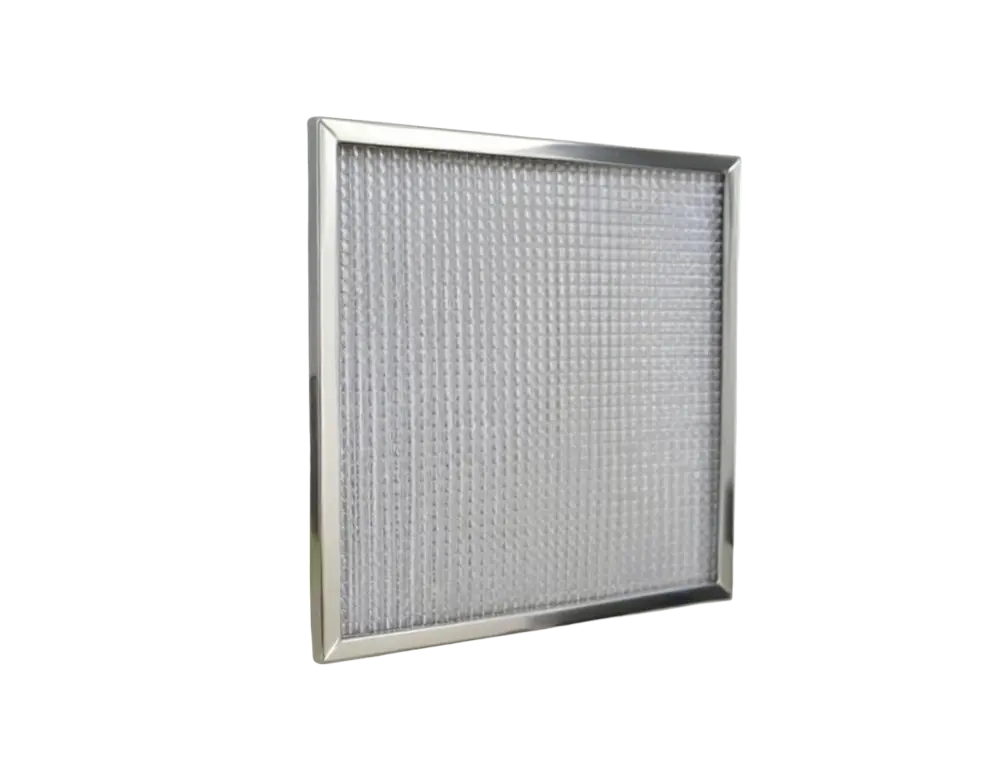
Sub-Micron Particle Capture
First-Stage Large-Particle Capture
The first line of defense, capturing particles ≥5 μm such as dust, hair, and fibers to protect downstream filters and extend overall system service life.
View Related Products →Precise PM2.5 Capture
Captures fine particles of 1–5 μm including PM2.5, pollen, and mold spores, significantly improving indoor air quality for commercial HVAC and ventilation systems.
View Related Products →Sterile-Grade Purification
≥99.97% filtration efficiency for particles ≥0.3 μm, delivering sterile-grade clean air widely used in medical, pharmaceutical, and electronics manufacturing.
View Related Products →Sub-Micron Particle Capture
≥99.9995% efficiency for particles ≥0.12 μm, meeting the extreme cleanliness demands of semiconductor fabs, aerospace, and other ultra-precision applications.
View Related Products →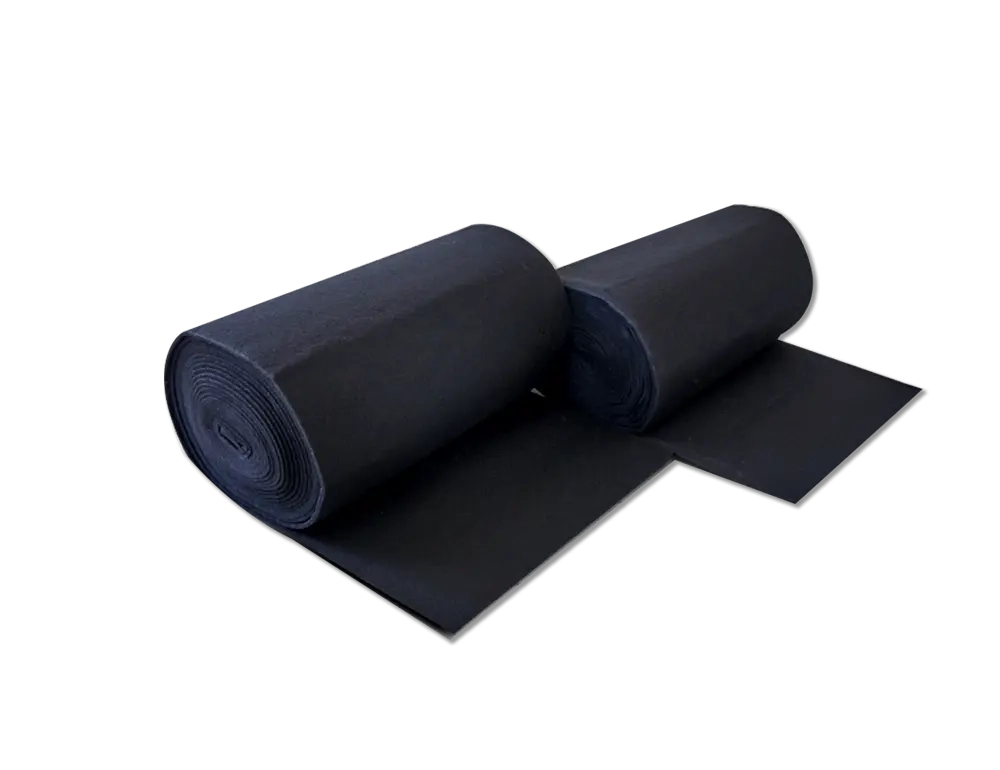
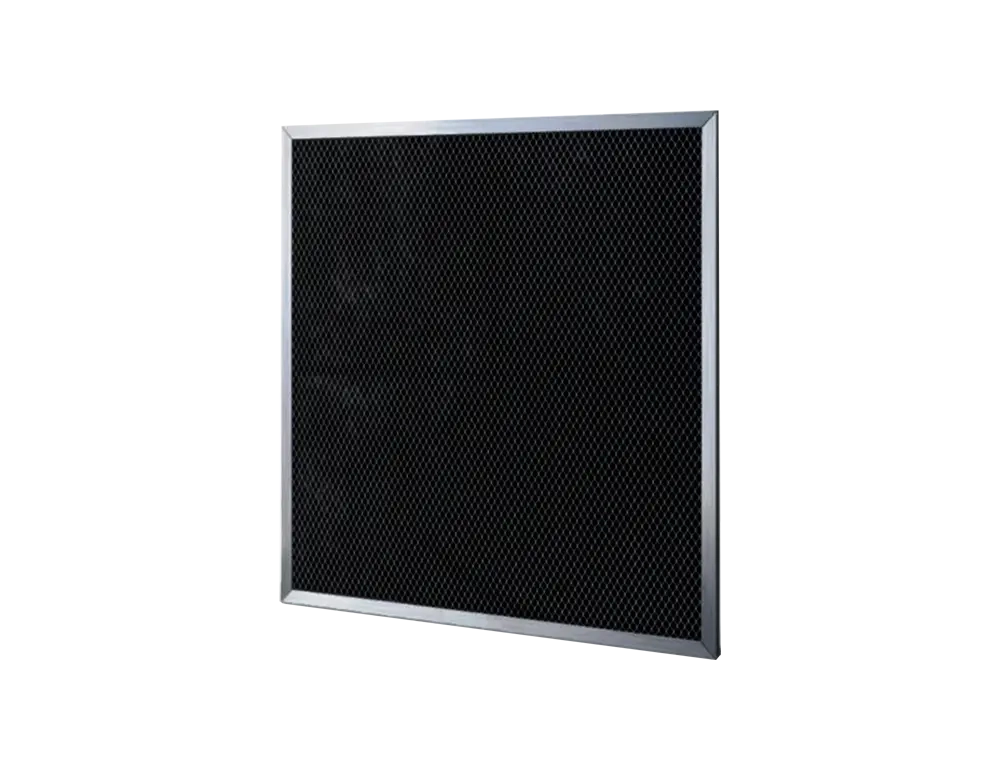
High-Temperature Resistant
Industrial-Grade Heat Tolerance
Washable & Reusable
Cut Costs, Reduce Waste
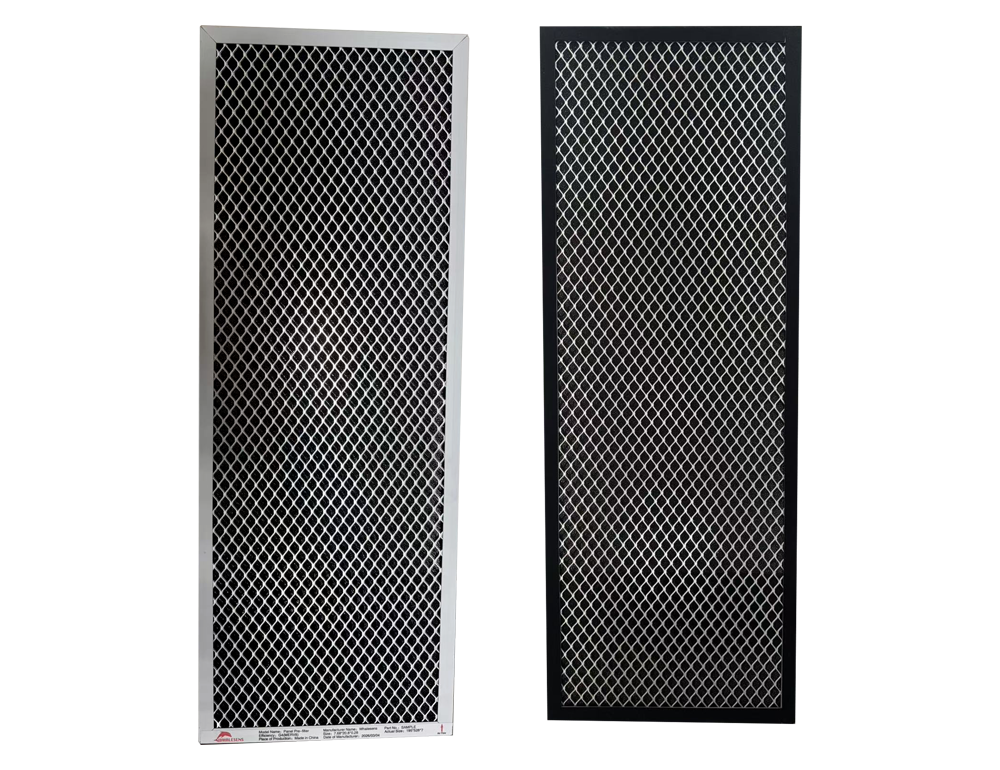
Activated Carbon
Odor & Harmful Gas Removal
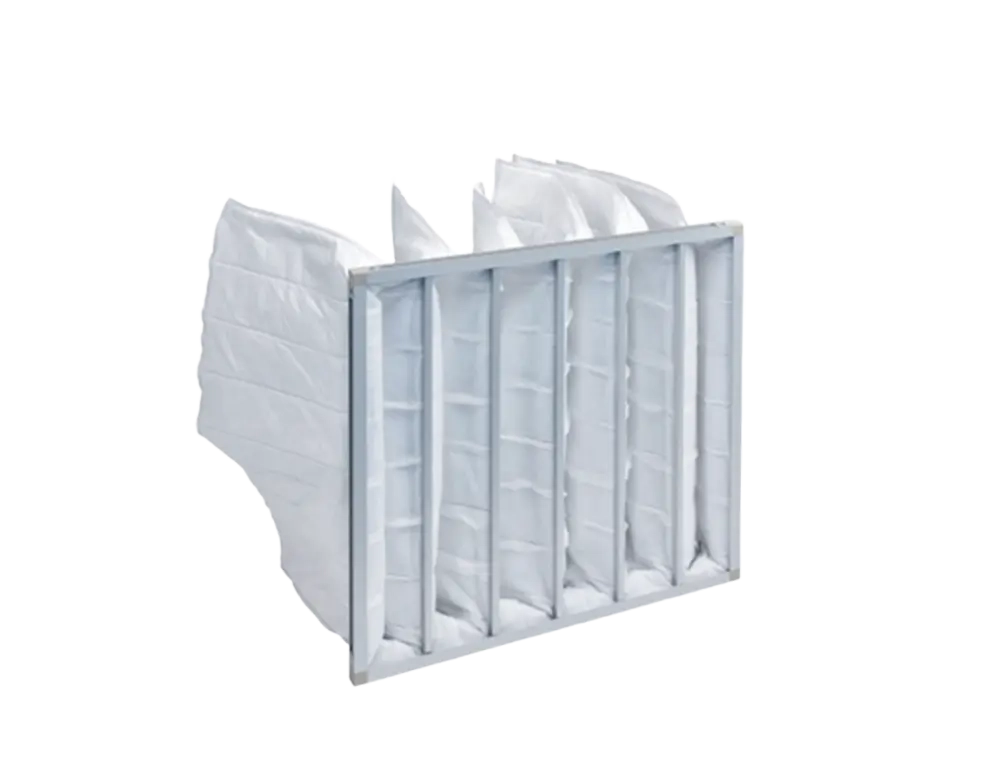
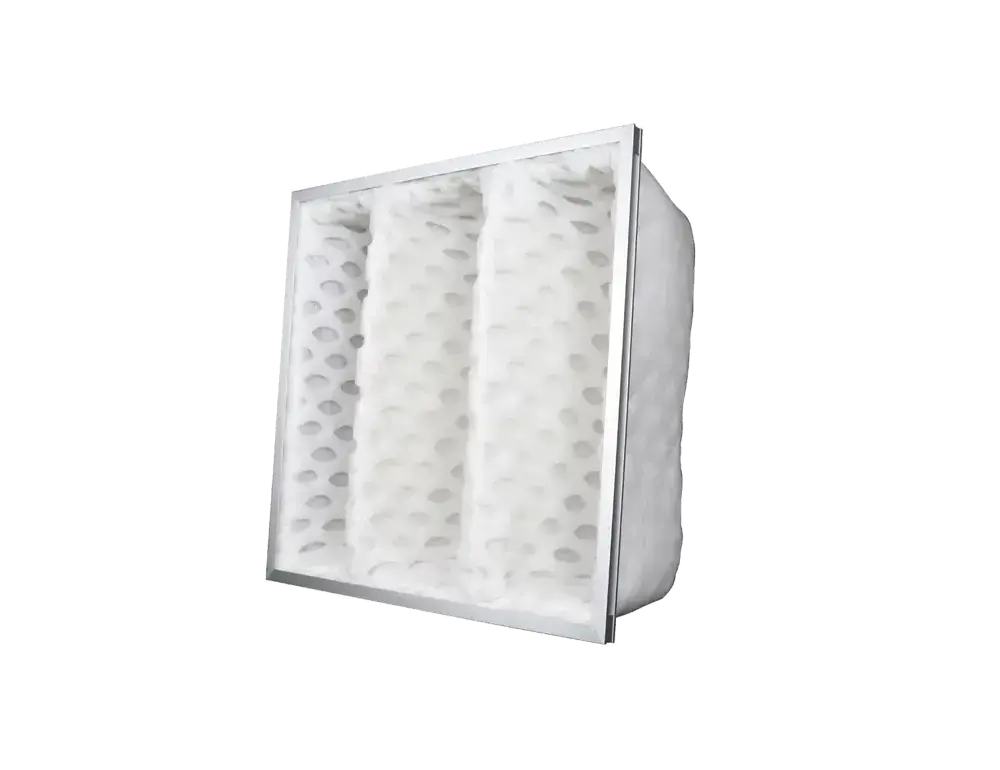
Bag Filter
High Dust-Holding, Long Life
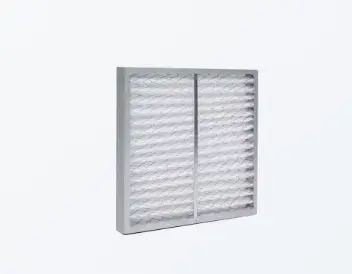
Panel / Pleated Filter
Compact Space-Saving Design
Low-Resistance Airflow
Energy-Saving Operation
Industrial-Grade Heat Tolerance
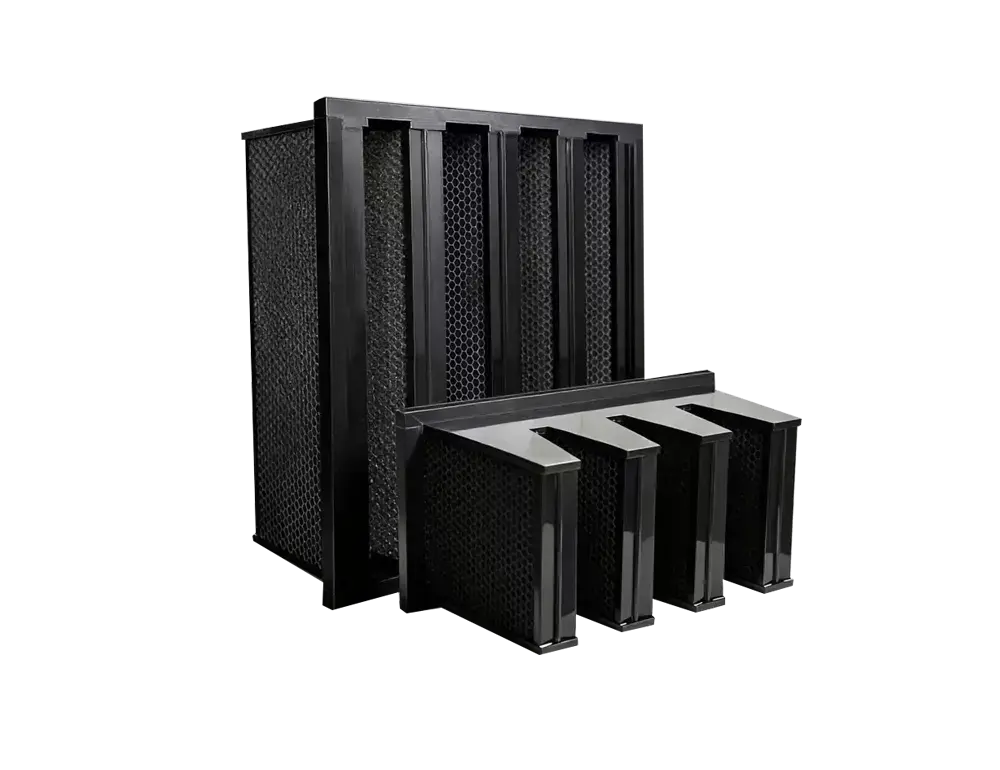
Built with specialized heat-resistant materials, operating stably up to 250°C for paint ovens, industrial dryers, and high-temperature process environments.
View Related Products →Cut Costs, Reduce Waste
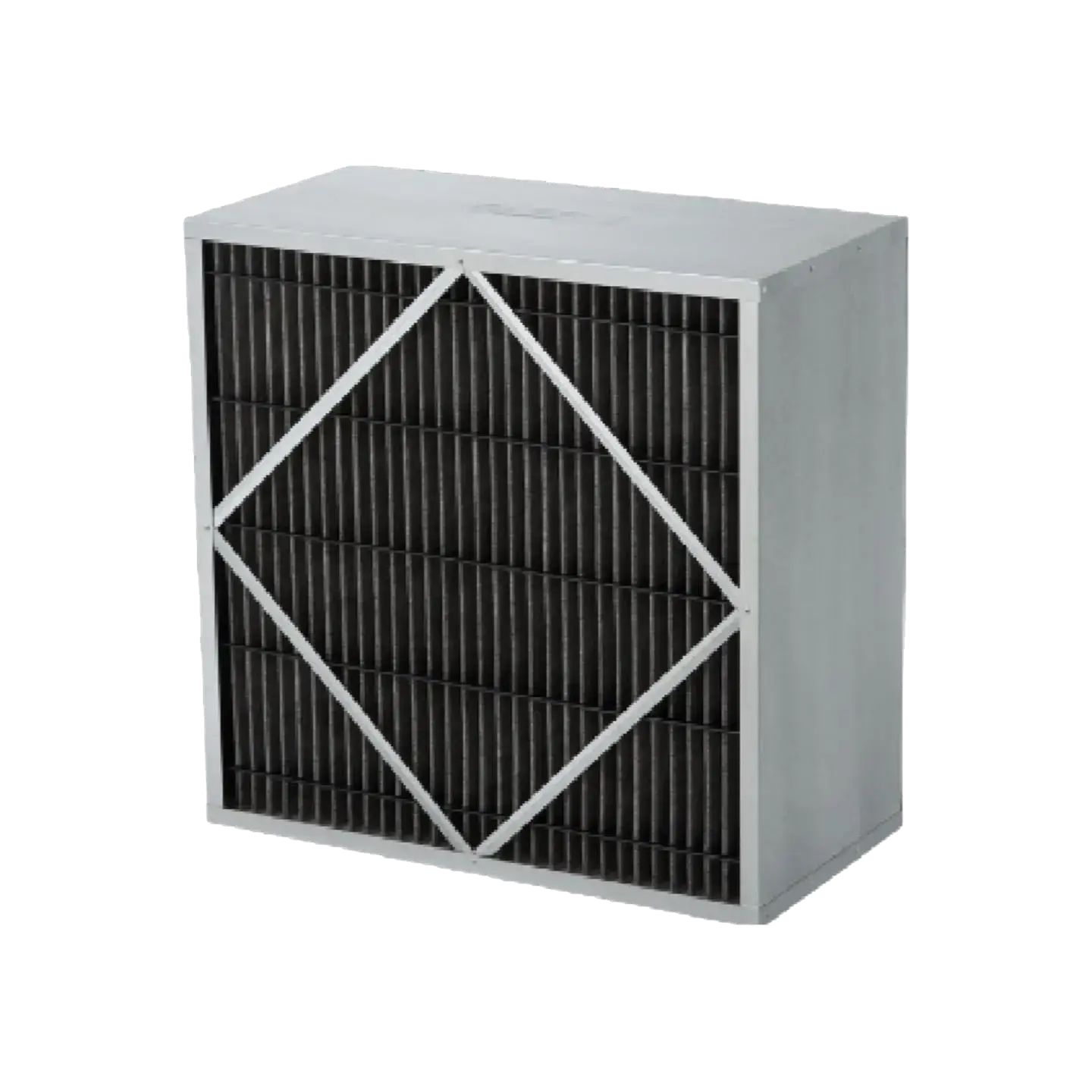
Cleanable by water washing or air blowing, reusable multiple times to significantly reduce replacement frequency and O&M costs — an economical, eco-friendly choice.
View Related Products →Odor & Harmful Gas Removal
Leverages activated carbon's high adsorption capacity to eliminate odors, VOCs, and formaldehyde, ideal for newly renovated spaces and industrial exhaust treatment.
View Related Products →High Dust-Holding, Long Life
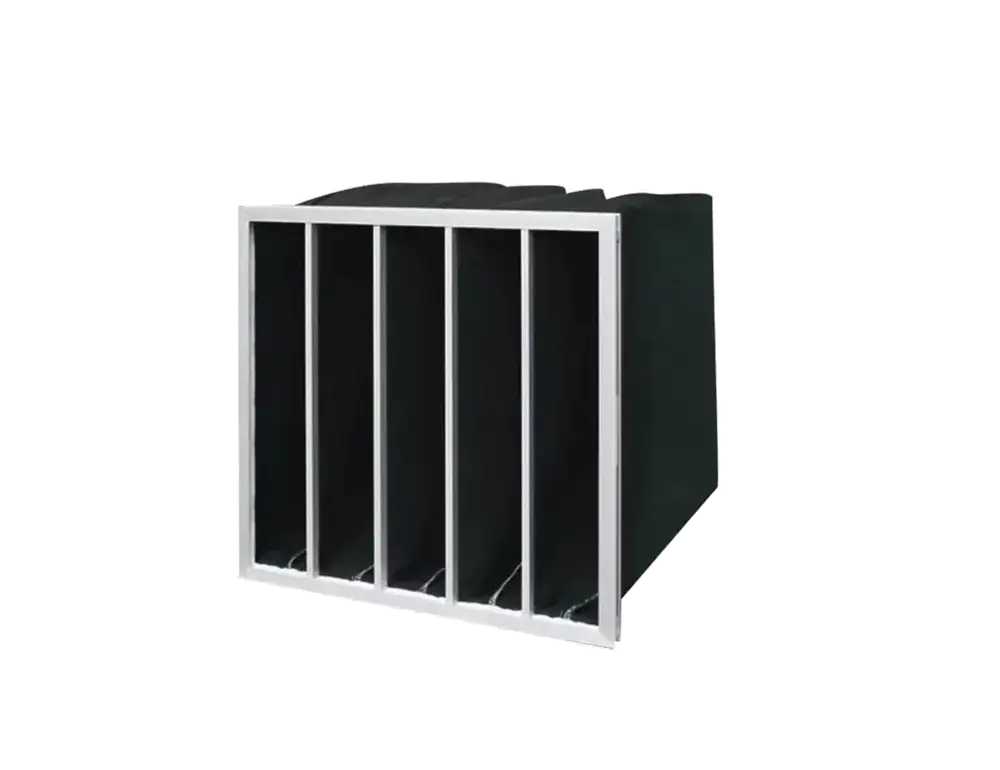
Bag-style construction delivers a larger filtration area, high dust-holding capacity, and extended service life — ideal for high-dust environments with reduced replacement frequency.
View Related Products →Compact Space-Saving Design
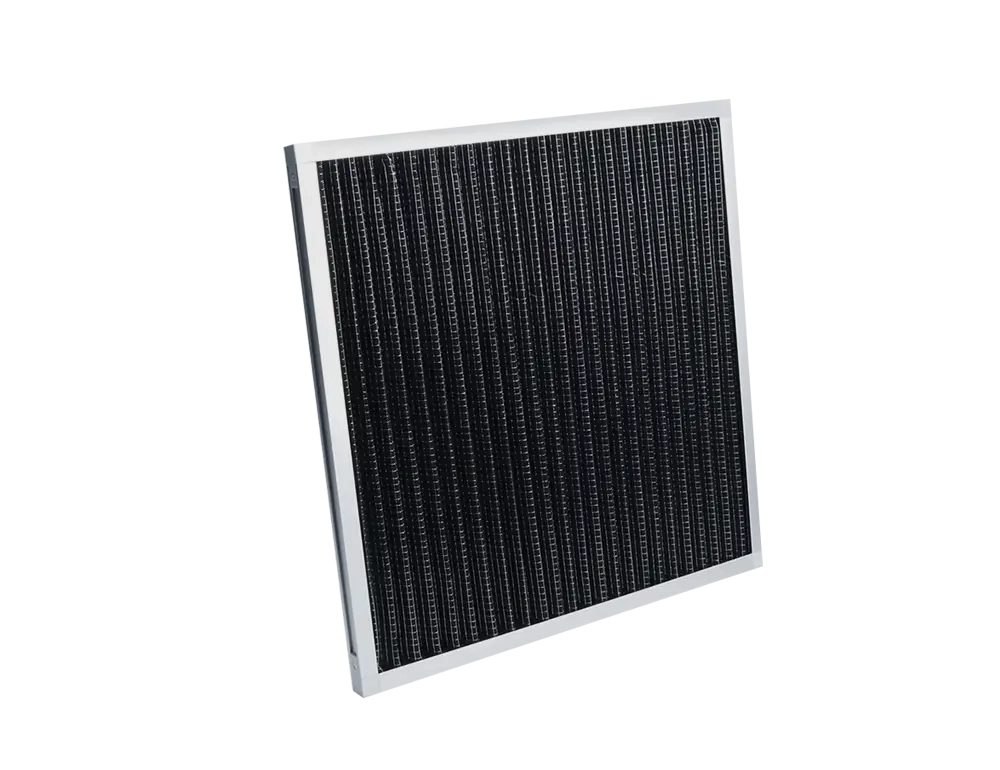
Compact form factor for easy installation and replacement; pleated structure maximizes filtration area within a small footprint for higher efficiency.
View Related Products →Energy-Saving Operation
Low-resistance design minimizes pressure drop while maintaining filtration performance, reducing fan energy consumption for cost-effective, eco-friendly operation.
View Related Products →

















 English(Global)
 简体中文
简体中文 Language




Industrial Air Filter: Application vs Budget Guide
Why Industrial Air Filter Price Alone Misleads Buyers
Industrial air filter selection is not a standard-parts decision. Pick the wrong media, and the cost shows up on the electricity bill and in unplanned downtime. Two identical air handling units can differ by 20% or more in fan energy just because of the filter installed.
Many procurement teams start by comparing unit prices. Here's the thing: a cheaper industrial air filter often costs more over its service life. The purchase price is only a small slice of total cost. Energy consumption, change-out labor, and production downtime usually dominate.
We've seen a customer run low-cost cartridges that clogged within six months. Airflow dropped by half, and the line had to slow down. After switching to higher-capacity, lower-pressure-drop cartridges, the same application ran for three years. Once downtime and energy were included, the cheap option had nearly doubled total expense.
Let me be upfront: filtration cost per unit is almost irrelevant without pressure drop and dust-holding capacity data. A filter priced 30% higher can still cut energy and maintenance cost by 50%. That is not marketing fluff; it is math.
So evaluate the whole lifecycle. Price only becomes meaningful after you know replacement intervals, pressure drop behavior, and risk of unplanned stoppage. If a vendor quotes only a unit price, ask for the loaded pressure drop curve before making any comparison.
Honestly, industrial filtration has more marketing fluff than most people expect. Some filters look great on paper because they list a high efficiency class. But the real questions are: how long does that efficiency hold, how fast does pressure drop climb, and what happens to the fan when the media loads with dust?
This is not a case against low-cost products. It is a case against ignoring the total system. A well-chosen industrial air filter can pay back its purchase price several times over through energy savings alone, especially on continuous-duty systems.
Four Parameters That Drive Industrial Air Filter Selection
Skip outdated G/F/H classes. Use ISO 16890. It reflects real-world particle capture better than old EN779 labels. For final cleanrooms, look at ePM1; for general HVAC, ePM10 60% often does the job.
But the numbers only help if you understand what they change. Filtration efficiency should match the contamination risk. Overspecifying a filter can raise pressure drop and energy use without a real benefit. Underspecifying can let fine dust damage product, equipment, or building occupants.
Rated airflow is the next trap. A filter can have the right efficiency but the wrong face velocity. If the filter area is too small for the fan curve, airflow drops and the system never reaches design conditions. Many site complaints about insufficient airflow trace back to undersized filters, not weak fans.
For a given airflow, more media area means lower face velocity and lower pressure drop. That is why pleat depth and media surface area matter as much as the efficiency label. A filter with 20% more media area can run at a lower pressure drop for the same air volume, which directly reduces fan power.
Initial pressure drop deserves more attention than it usually gets. Every 50 Pa increase in pressure drop adds roughly 3-5% to fan energy. A low-resistance design may cost a bit more upfront, but the electricity savings often pay back within months on continuous-duty systems.
Dust-holding capacity sets the replacement interval. More media area or deeper pleats means the filter holds more dust before reaching the change-out point. The right dust-holding capacity can stretch replacement from three months to twelve months in heavy dust applications.
Here's a practical example: one plant used standard-depth cartridges in a powder coating booth and changed them every 90 days. After switching to deep-pleat cartridges with higher dust-holding capacity, the replacement interval moved to over a year. The filter cost was higher, but site labor and disposal costs dropped sharply.
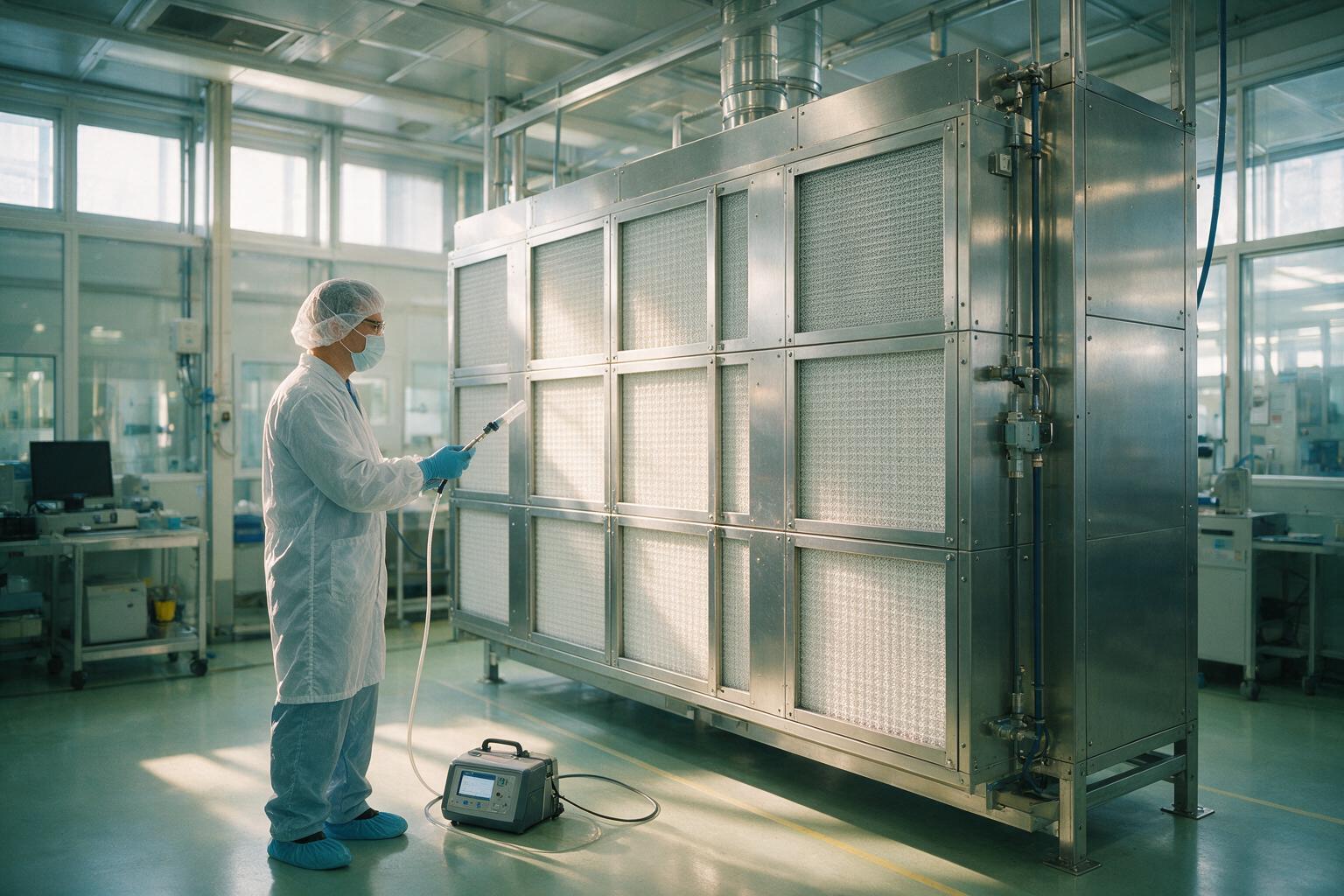
Matching Industrial Air Filters to Your Application
The right industrial air filter depends on what you are protecting: people, product, equipment, or all three. A quick reference helps before we go into each case.
HVAC systems: ePM10 ≥60%, low pressure drop, cost-sensitive
Dust collection: high dust-holding capacity, pulse-jet compatible, anti-static
Welding fume: high ePM1 efficiency, flame-retardant media
Gas turbine intake: very high efficiency, moisture resistant, low resistance
Cleanroom makeup air: H13 or higher, low chemical off-gassing
HVAC systems for manufacturing spaces usually need ePM10 60% or better. The main objective is to protect coils, ducts, and occupants from coarse dust. Do not force a HEPA filter into a general HVAC system unless the process demands it. The extra pressure drop taxes the fan and buys little for ordinary indoor air.
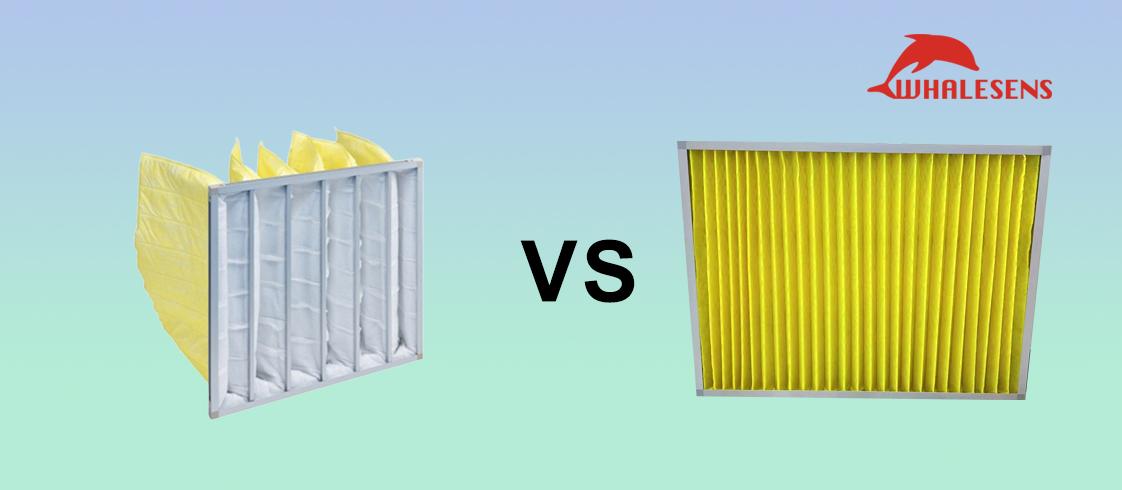
A better approach in HVAC is to combine a low-cost prefilter with a mid-efficiency final filter. The prefilter catches large particles and protects the final stage. This arrangement extends final filter life and keeps fan energy stable. I'd lean toward ePM10 60-70% bags or compact filters rather than a single high-efficiency panel.
Dust collection is different. Grinding, sandblasting, and powder handling generate high dust loads. Here dust-holding capacity and pulse-jet compatibility are more important than sub-micron efficiency. Anti-static media matters too. Combustible dust on a non-treated filter can create a fire or explosion hazard.
In dust collection, also check the cleaning system. Pulse-jet collectors need filters that release dust cake easily. If the media holds dust too tightly, cleaning pulses cannot restore airflow. That leads to high pressure drop and early replacement, even if the efficiency rating looked good.
Welding fume contains very fine particles. You need a filter with strong ePM1 performance to capture sub-micron metal oxides. Flame-retardant media is also non-negotiable because sparks can reach the filter. I'd lean toward high-efficiency pleated cartridges with fire-resistant backing for this application.
For welding booths, a two-stage design often works best. A spark arrestor or prefilter removes larger particles. The main filter then handles the fine fume without being hit by sparks or heavy spatter. This preserves filter life and reduces fire risk.
Gas turbine intake air is an extreme case. Even small particles can erode compressor blades. Filters in this service often require ePM1 95% or higher, plus moisture resistance and very low pressure drop. The cost of a failed turbine far exceeds any filter savings.
Moisture is a hidden enemy in gas turbine intakes. If the filter media absorbs humidity, it can swell, raise pressure drop, or promote biological growth. High-quality synthetic media with hydrophobic treatment usually works better than cellulose in humid or coastal environments.
Cleanroom makeup air sits at the other end of the spectrum. Final filters are typically H13 or H14 HEPA. They also need low chemical off-gassing to avoid contaminating sensitive products. Silicone, adhesives, and filter media must be selected with the cleanroom class and product exposure in mind.
Here's a useful rule: in cleanrooms, do not optimize for the cheapest HEPA. Optimize for the lowest total particle count and the most stable pressure drop. A poorly sealed HEPA can leak enough to fail ISO 14644 testing, even if the media itself is rated H13.
Maintenance and Replacement: Don't Wait for a Clogged Filter
A good industrial air filter can fail early if the maintenance signals are ignored. Half of filter life comes from selection; the other half comes from how you operate and maintain it.
Industrial Air Filter Maintenance Checklist
- Record pressure drop monthly; replace when it doubles from initial value
- Inspect gasket and seal for leakage
- Clean or replace prefilters quarterly
- Check pulse-jet cleaning pressure on dust collectors
- Log replacement dates and process condition changes
Pressure drop is the clearest signal. If a filter starts at 100 Pa, plan to replace at 200 Pa. Waiting until 300 Pa or 400 Pa wastes fan energy and can collapse pleats or bypass seals. Yet many plants run without differential pressure gauges and rely on guesswork.
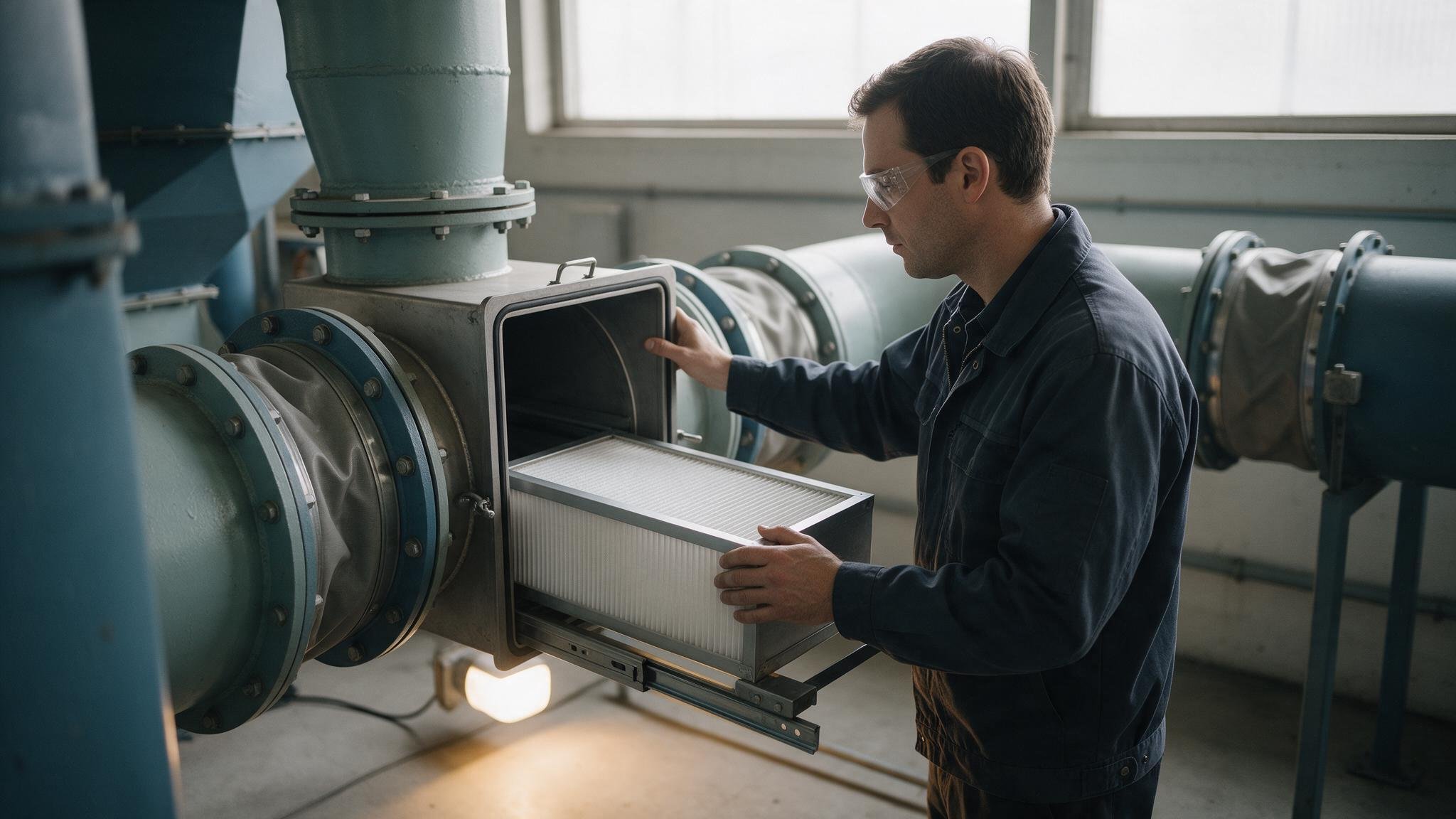
Install a simple differential pressure transmitter or gauge across each filter bank. It gives you a continuous signal without needing to open the unit. The gauge cost is tiny next to the energy wasted by a loaded filter. Some sites even connect the signal to a BMS for automatic alarms.
Prefiltration is one of the cheapest ways to extend main filter life. A G4 or M5 prefilter catches large particles before they load the expensive final stage. The prefilter itself is inexpensive and quick to change. Skipping it may feel like saving money, but it shortens the main filter service life and raises overall cost.
For dusty plants, change prefilters on a calendar basis even if they do not look dirty. A loaded prefilter increases pressure drop and forces the main filter to work in bypass or high-velocity conditions. Quarterly replacement is a safe starting point for most applications.
Seals deserve a specific check. A 10% leak bypasses 10% of the airflow around the filter. That means unfiltered air enters the clean space while the fan still pays to move it. Gaskets age, frames bend, and installation mistakes happen.
A quick smoke test or particle scan can locate leaks around gaskets and frames. Do this after every filter change. It takes minutes and prevents weeks of contaminated production.
To be honest, the worst case we've seen was a cleanroom that lost 30% of its pressure differential and kept producing. The team assumed the gauge was faulty. The real cause? The filter cartridge was caked solid with dust, almost like a cement block. That is exactly the kind of expensive surprise a simple monthly pressure check would have caught.
Total Lifecycle Cost: A Real Industrial Air Filter Comparison
Now the part that changes purchasing decisions. Let's compare a standard cartridge with a high-capacity, low-pressure-drop cartridge in a continuous-duty dust collector.
Standard cartridge
- Unit price 120 CNY
- 6-month replacement
- +800 CNY/year extra fan energy
- ~2000 CNY/year downtime
High-capacity low-pressure-drop cartridge
- Unit price 180 CNY
- 18-month replacement
- 600 CNY/year energy saving vs standard
- ~500 CNY/year downtime
Here is the annual cost breakdown for the standard option: two replacements cost 240 CNY, extra fan energy costs 800 CNY, and downtime caused by more frequent change-outs costs about 2000 CNY. Total annual cost: 3040 CNY.
The high-capacity option lasts 18 months, so the annual filter cost is 120 CNY. It eliminates the 800 CNY in extra fan energy because pressure drop stays lower. Downtime drops to about 500 CNY per year because replacements happen less often. Total annual cost: 620 CNY.
That is a saving of roughly 2420 CNY per year for one dust collector. Scale that across ten collectors or a plant-wide HVAC system, and the difference becomes a capital project.
A customer once told us, 'Your cartridges are 20% more expensive.' Then we added service life, energy, and downtime. The higher-priced cartridge was about 40% cheaper in total cost. That is not a sales trick. It is the reason lifecycle cost should appear in every industrial air filter specification.
Honestly, I've seen too many procurement decisions stop at unit price because the full cost model was never built. If your supplier cannot provide pressure drop curves, dust-holding capacity, and replacement interval data, that is a red flag. Ask for the numbers before you accept the quote.
One more point: the calculation above does not include disposal cost, labor for change-outs, or production quality losses. Add those and the gap between standard and high-capacity filters often widens further. The message is consistent: do not let unit price dominate the buying decision.
How to Start Your Industrial Air Filter Sizing and Procurement
You do not need to become a filter engineer. But you do need a repeatable process so the next quote is not just a unit-price comparison.
Industrial Air Filter Sizing and Procurement Steps
Start with the application. Is this HVAC, dust collection, welding fume, gas turbine intake, or cleanroom makeup air? That decision sets the efficiency class and the acceptable pressure drop window.
Next, calculate the maximum initial pressure drop your fan can tolerate. Use the existing fan curve and the design airflow. This step alone prevents the common mistake of installing a filter that starves the system.
Then compare dust-holding capacity against your desired replacement interval. If you want one-year service, the filter must hold enough grams per square meter to reach that point at your site's dust load. Suppliers can provide this data if you share the particle concentration and operating hours.
Ask for total cost of ownership data, not just price. A responsible vendor will give you pressure drop as a function of loaded dust, estimated replacement interval, and energy impact. If the vendor cannot, find one that can.
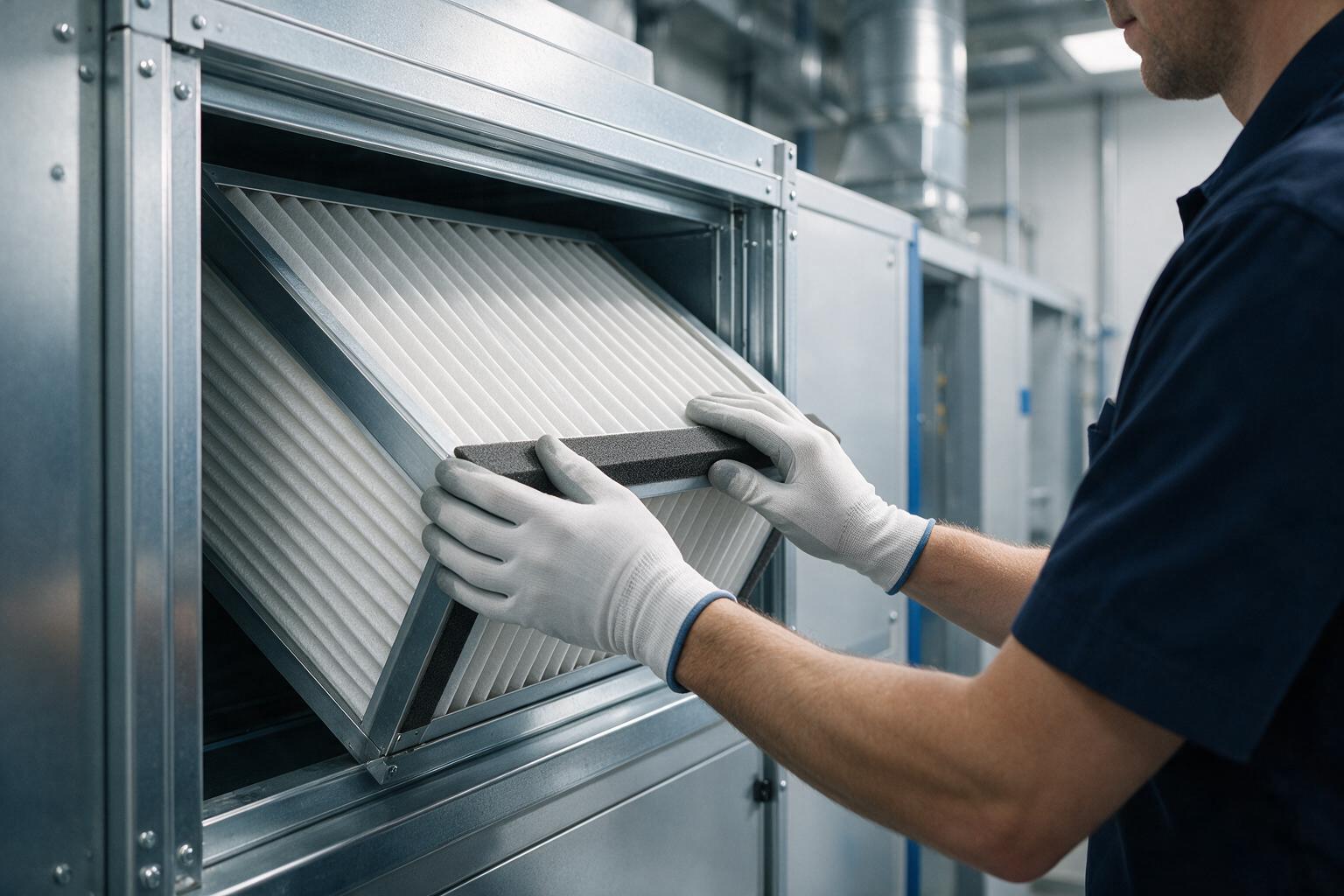
Finally, check frame dimensions, gasket material, and seal design. Even the best media fails if it leaks at the frame. A small gap can bypass enough unfiltered air to ruin an indoor environment or damage downstream equipment.
Here's a common mistake I've seen too many times: the new filter is specified by efficiency class only, and nobody checks the physical size against the existing housing. The result is a poor seal or a crushed frame. Verify the mechanical fit before accepting delivery.
Need a custom air filtration solution?
Contact the Whalesens engineering team for product selection and OEM/ODM support.
Email whalesens@gmail.com
