


EV Charging Stations
Filtration for Power Equipment
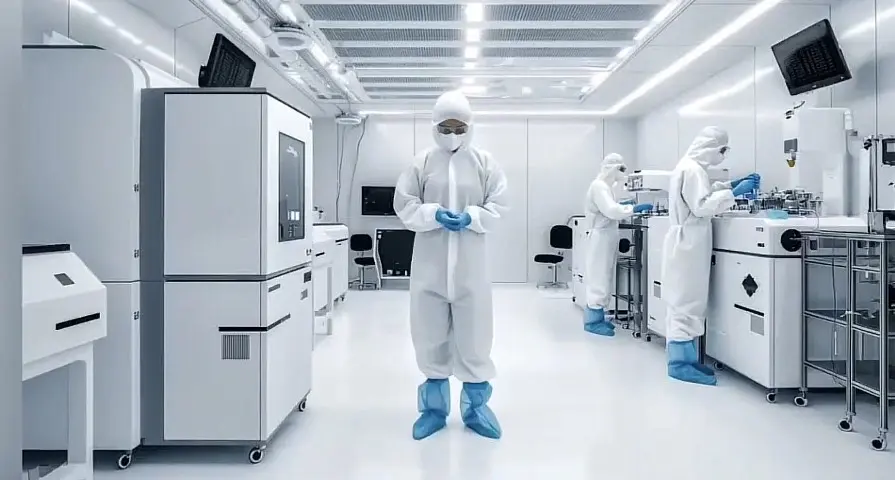
Cleanroom & Semiconductor
Ultra-High Cleanliness Filtration
Commercial HVAC
Central Air System Filtration
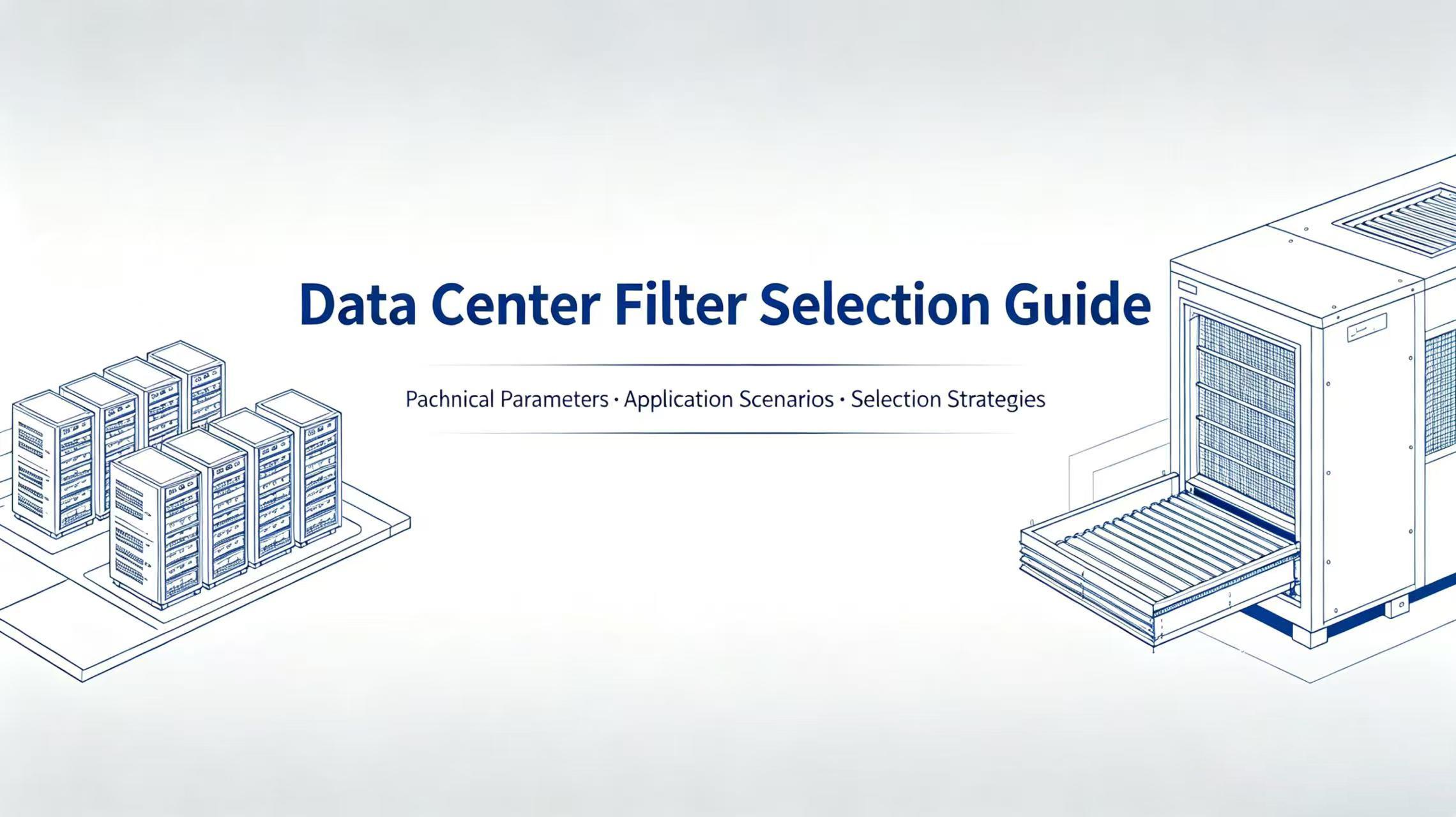
Data Centers
Precision Equipment Protection
Livestock & Farming
Farming Environment Purification
Spray Booths & Industrial Dust
Paint Mist & Dust Purification
Filtration for Power Equipment
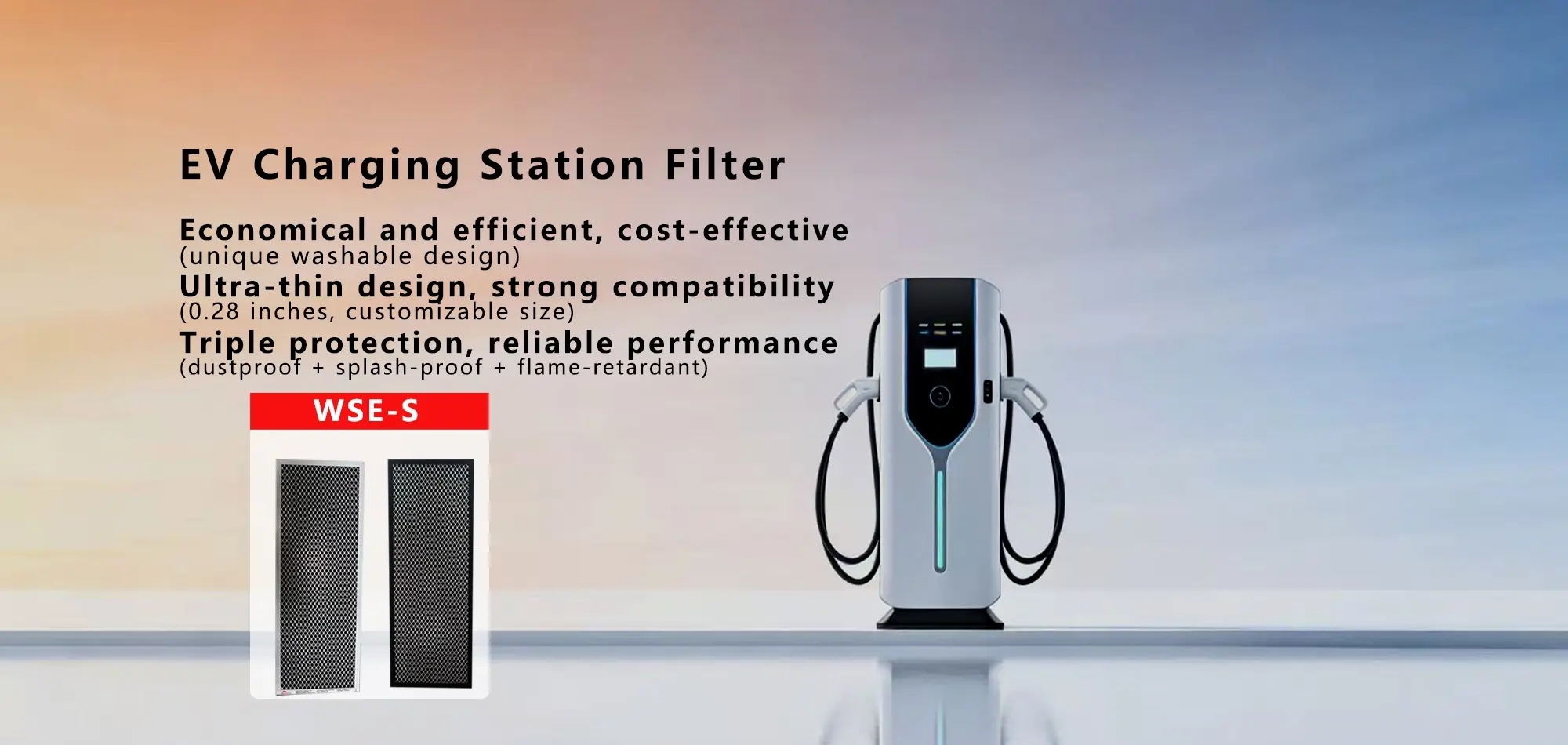
Professional air filtration for EV charging devices, protecting against dust and sand ingress to ensure stable, reliable operation of charging piles and station infrastructure.
View Related Products →Ultra-High Cleanliness Filtration
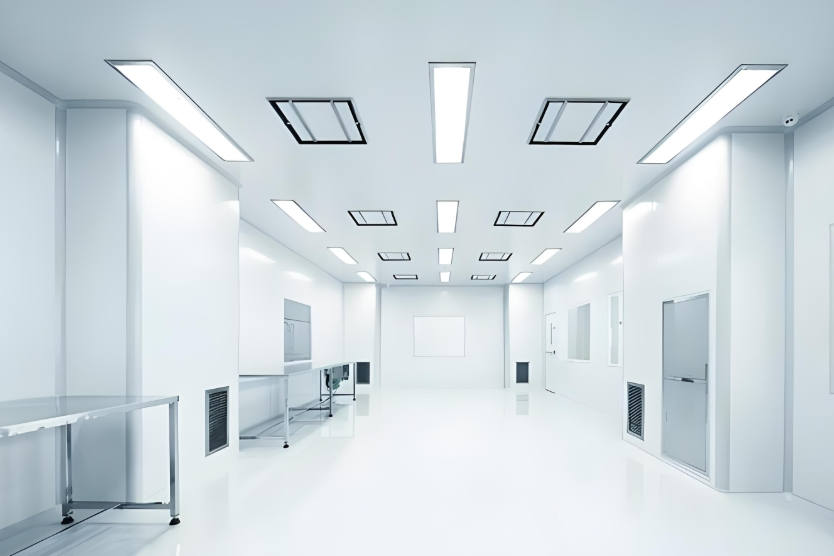
Ultra-high efficiency filtration for semiconductor wafer fabs and precision electronics cleanrooms, capturing nano-scale particles to meet ISO Class 1–3 standards and maximize product yield.
View Related Products →Central Air System Filtration
High-efficiency filtration for commercial building HVAC systems, improving indoor air quality, reducing energy consumption, and extending equipment service life.
View Related Products →Precision Equipment Protection
Precision air filtration for data centers, shielding servers and critical hardware from dust contamination to keep cooling systems running efficiently and reliably.
View Related Products →Farming Environment Purification
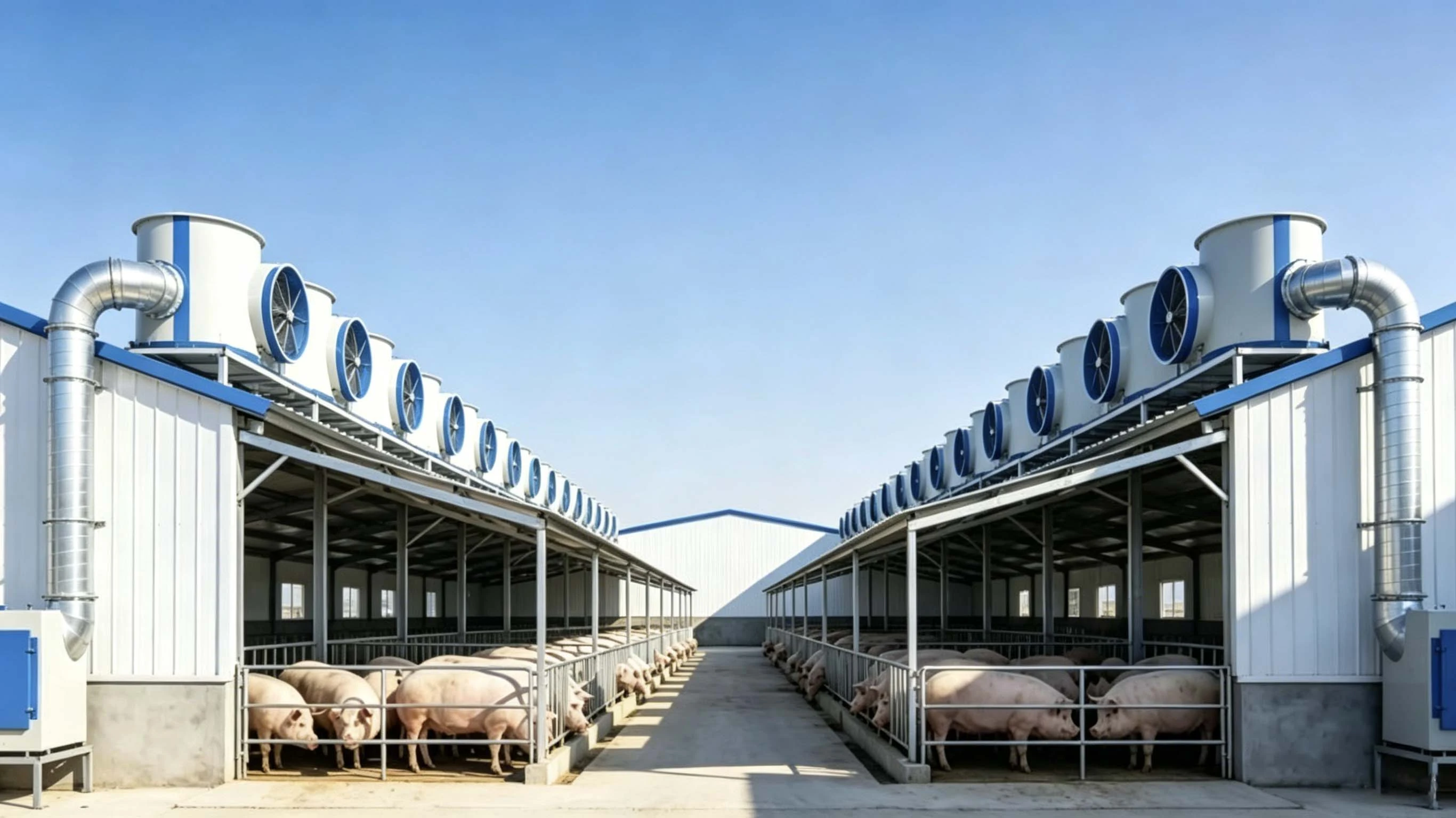
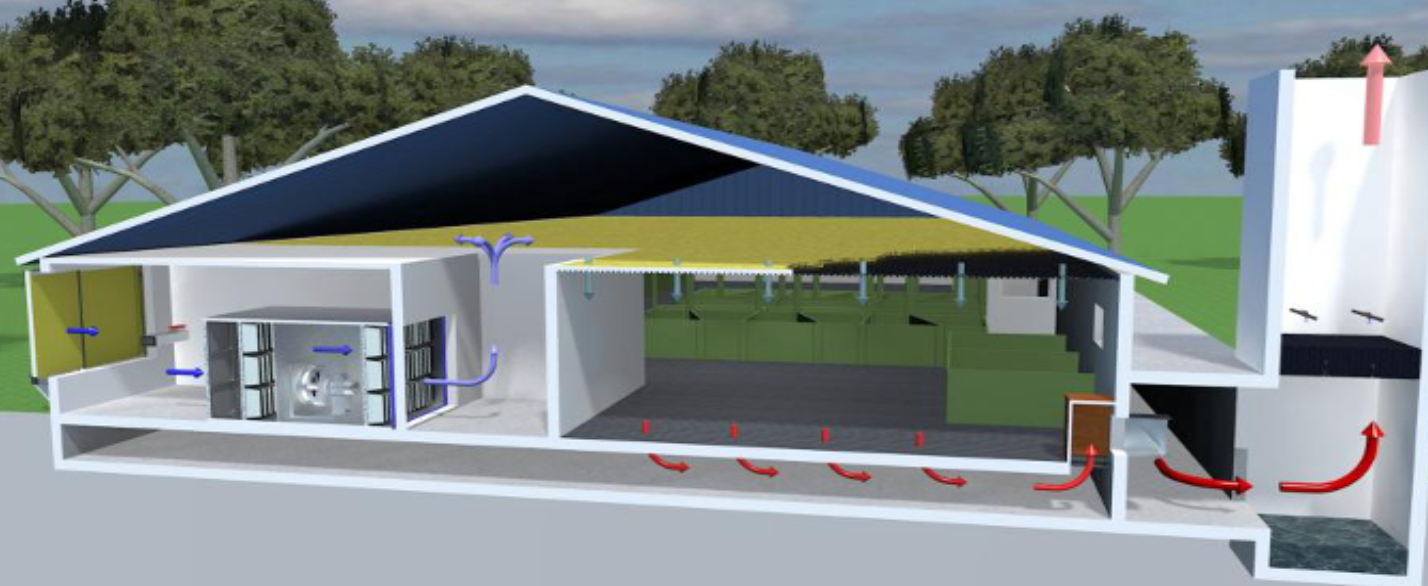
Dedicated filtration systems for farms and livestock facilities — capturing dust, adsorbing ammonia, and inhibiting pathogen spread to improve animal health and overall productivity.
View Related Products →Paint Mist & Dust Purification
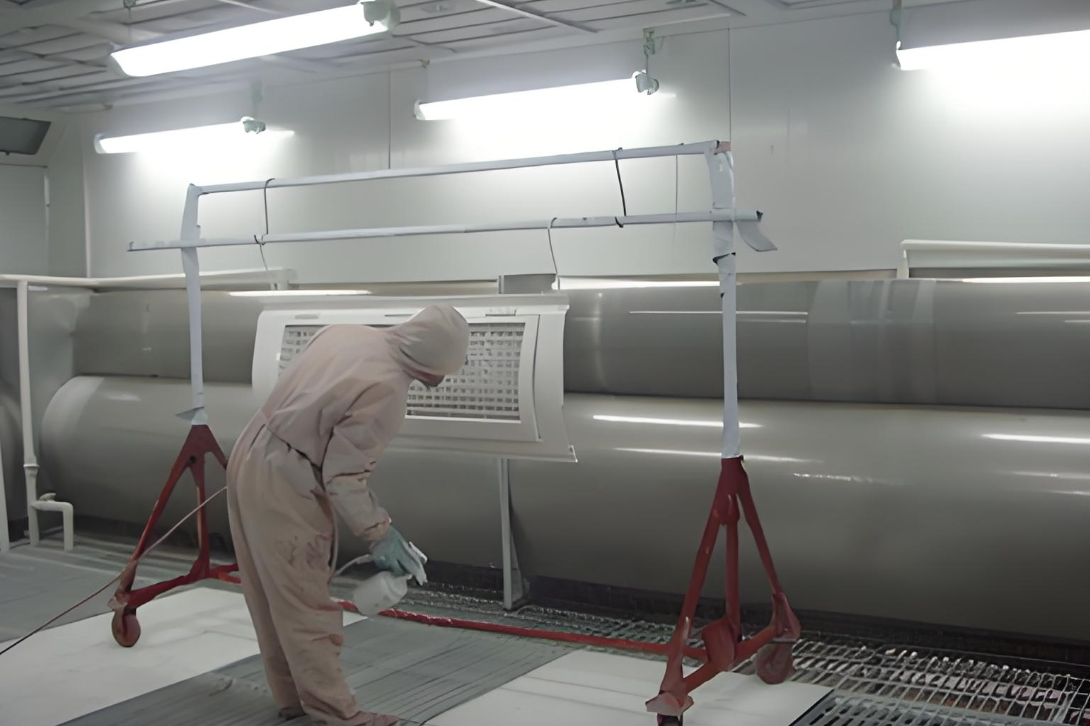
Designed for spray booths and grinding workshops, efficiently capturing paint mist, metal dust, and wood chips to meet emission standards while protecting finished surface quality.
View Related Products →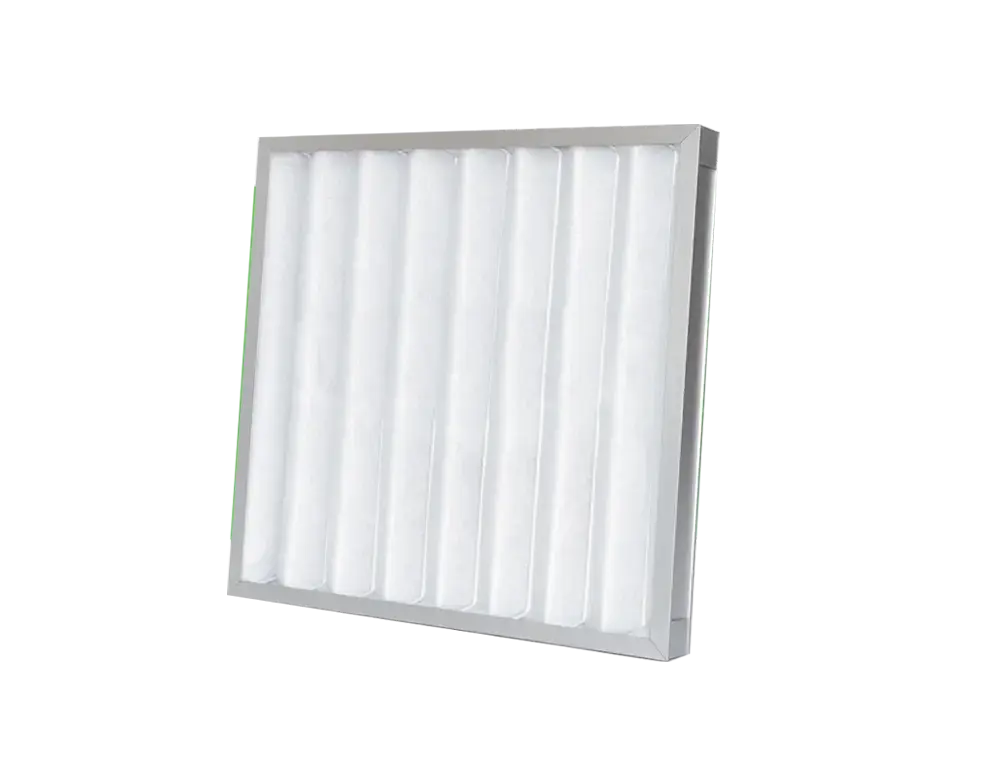
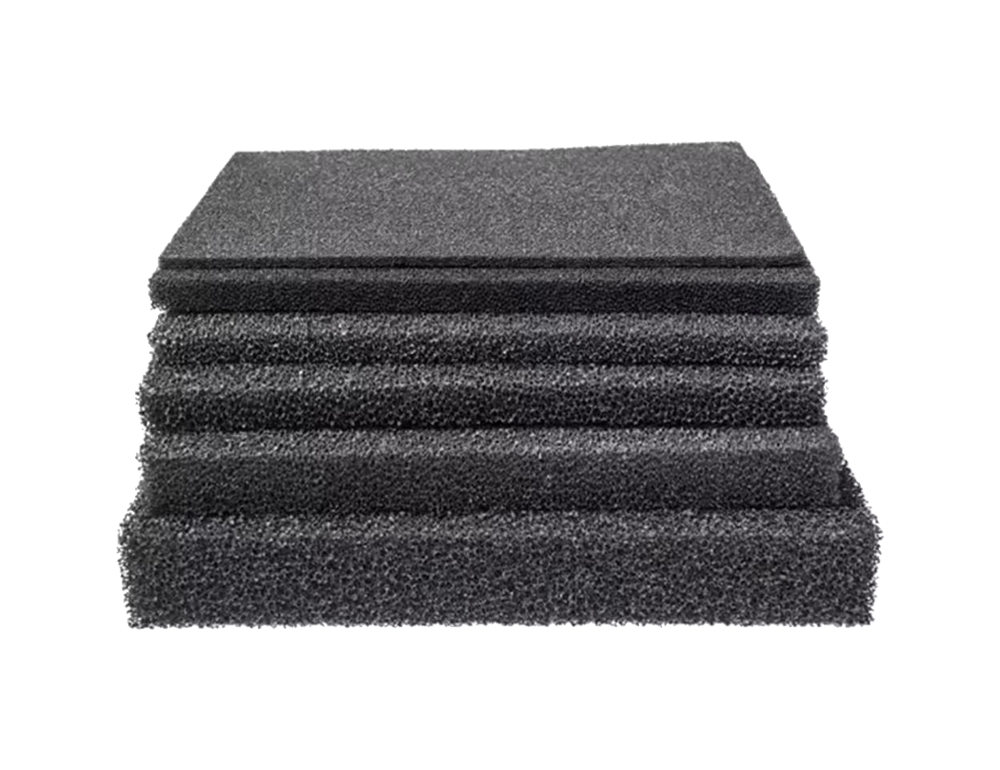
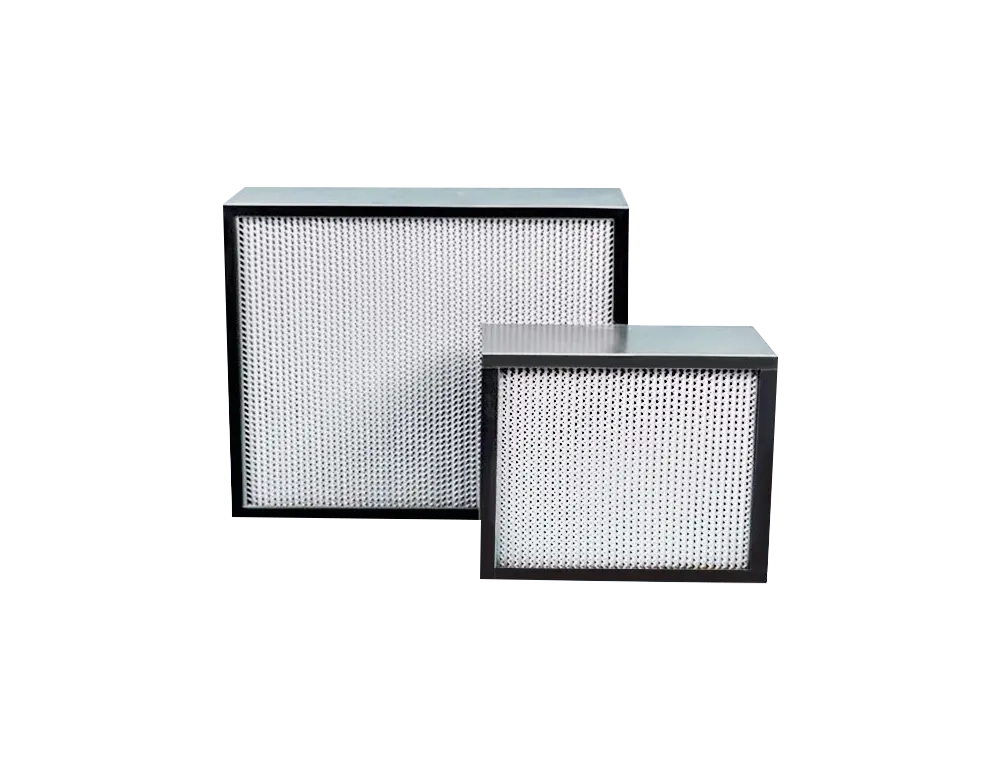
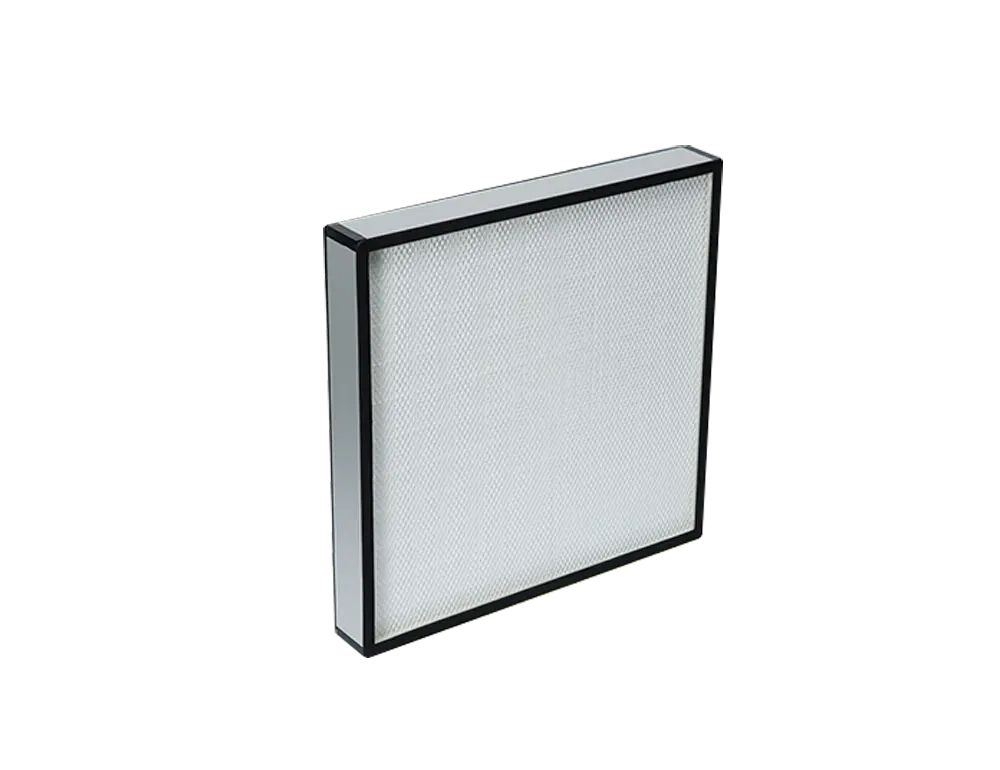
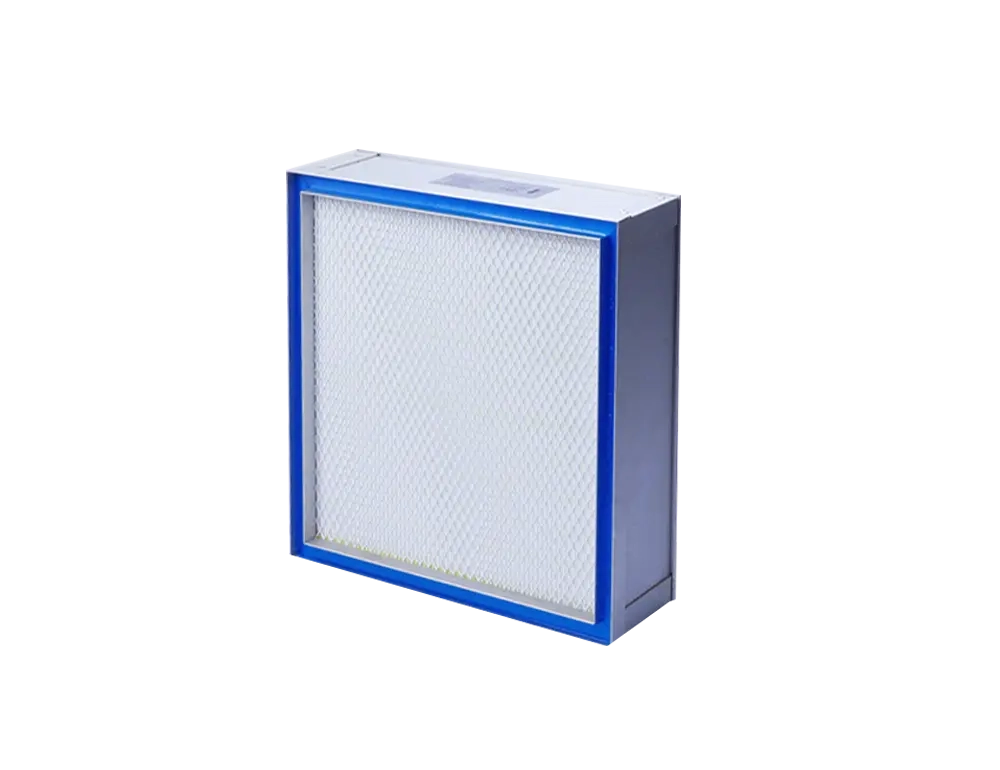
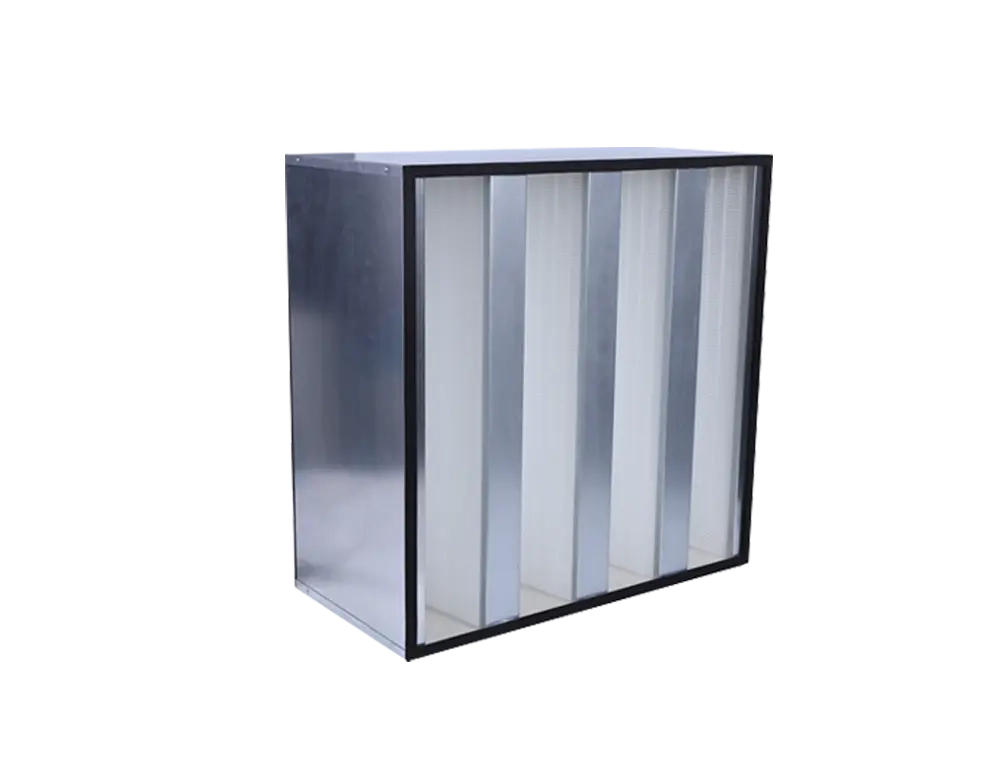
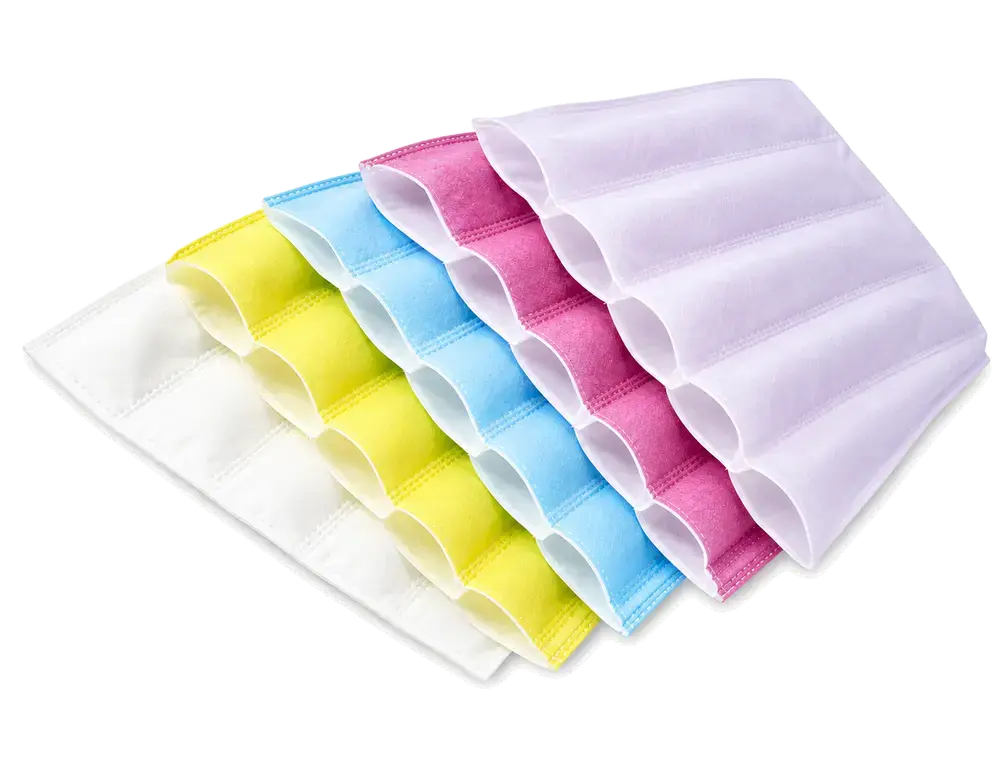
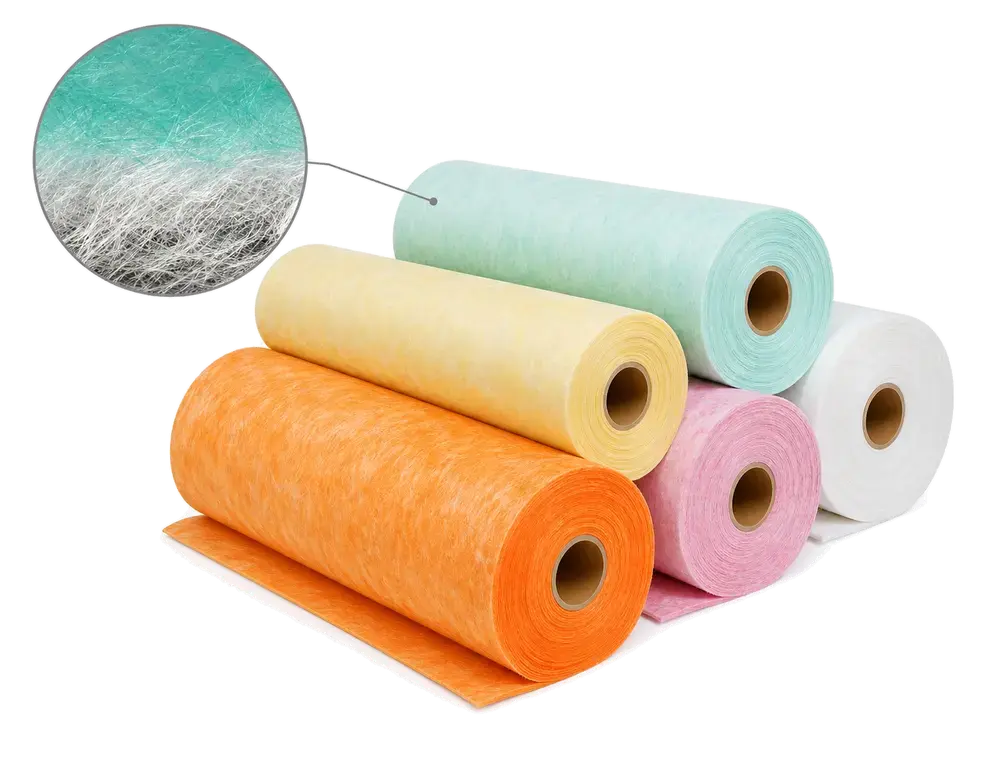
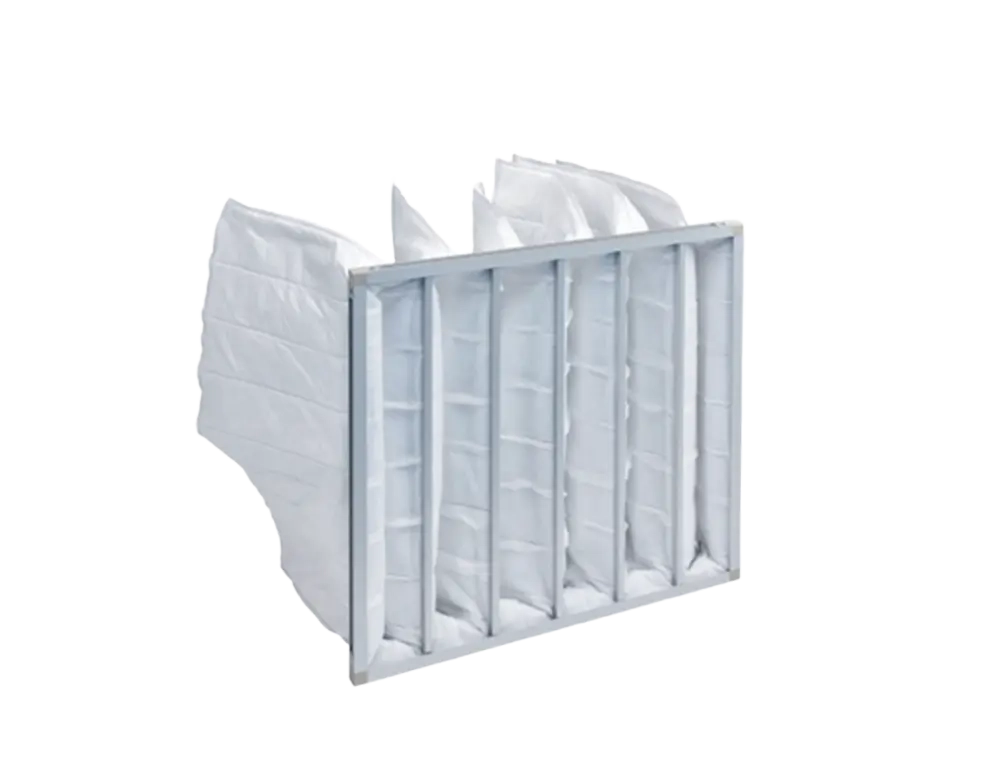
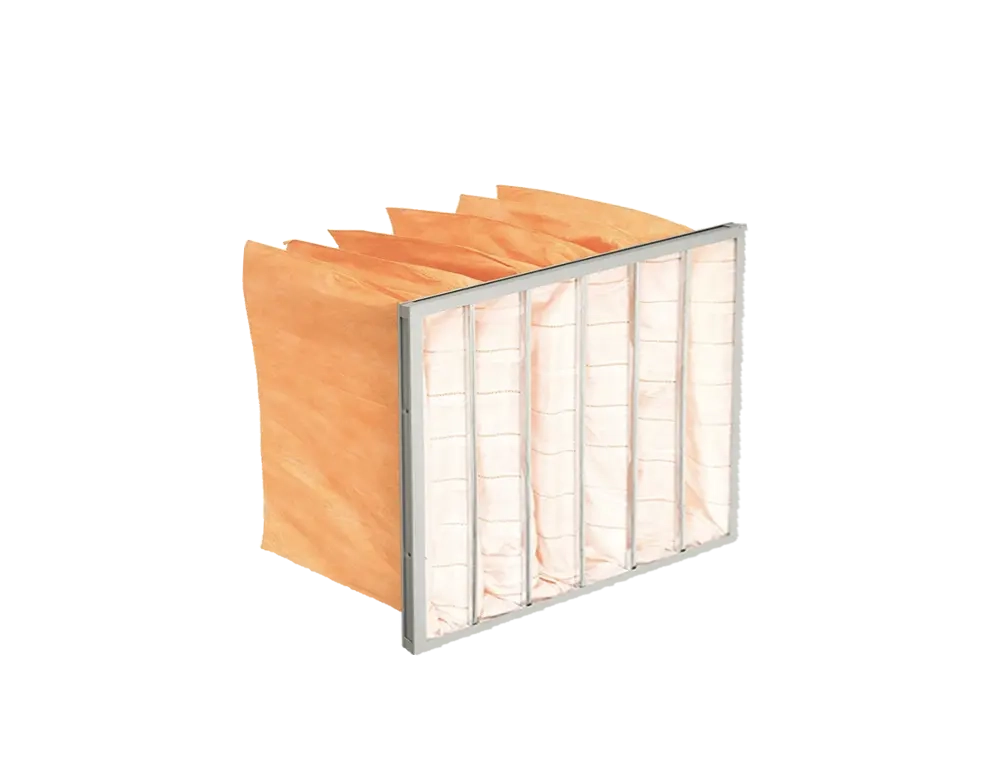
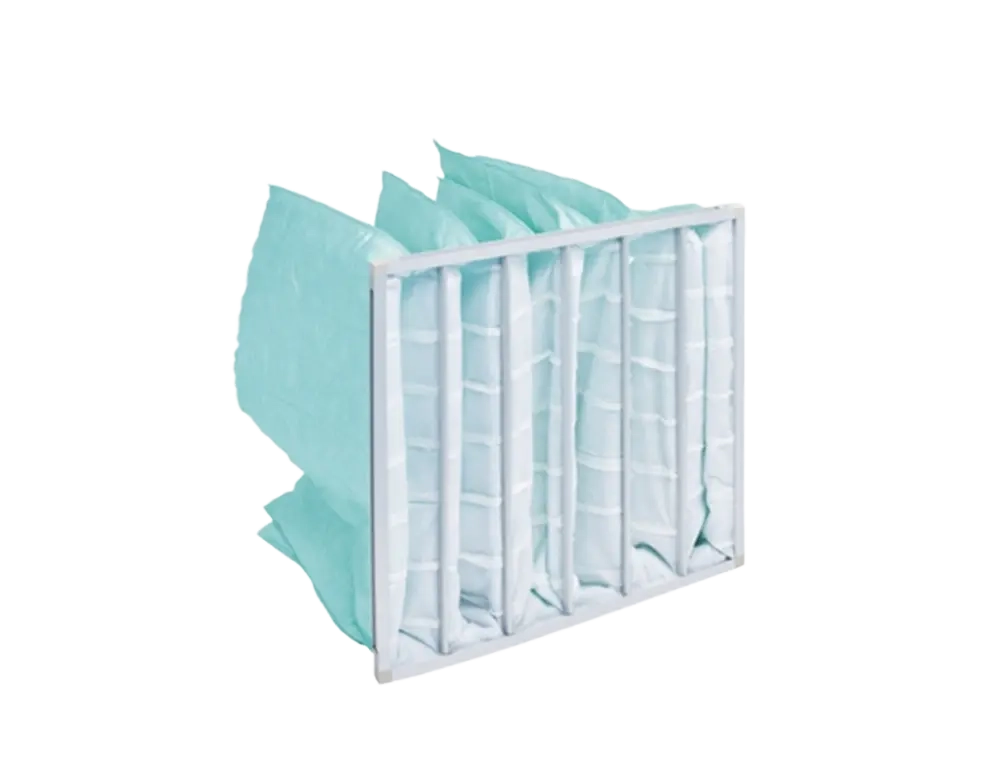
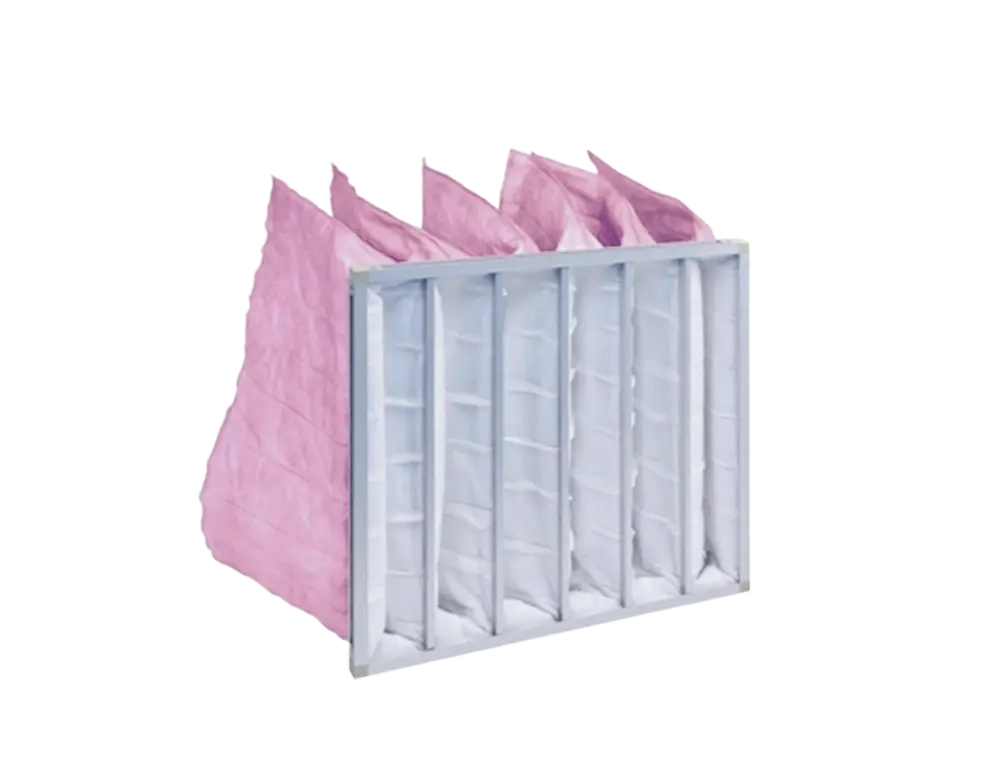
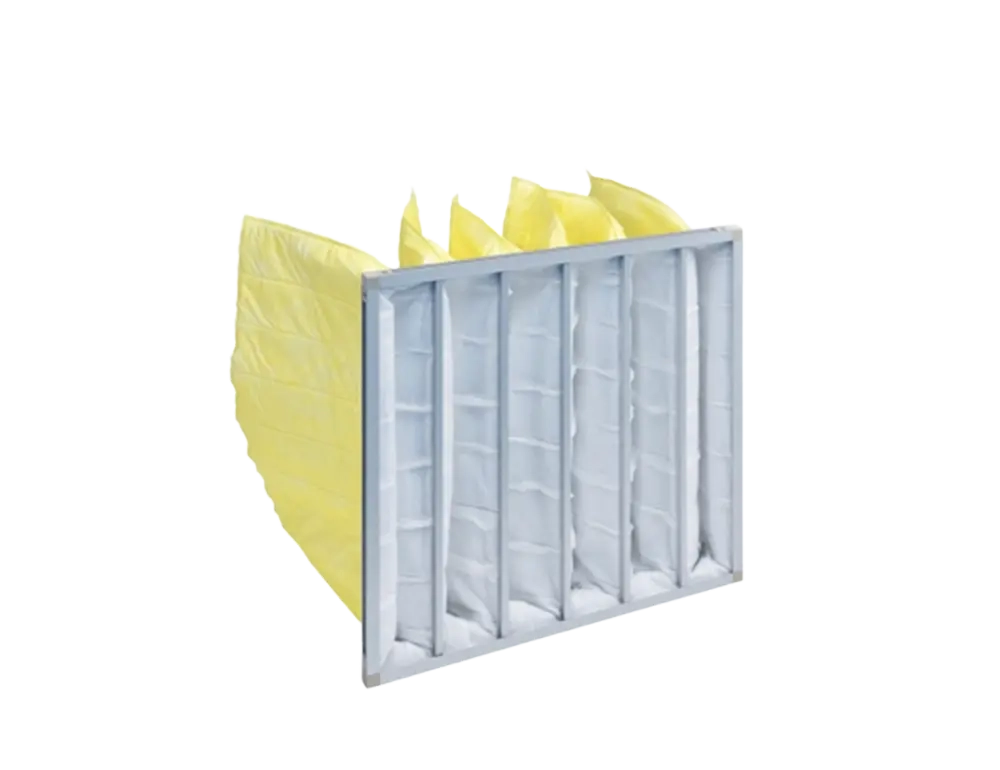
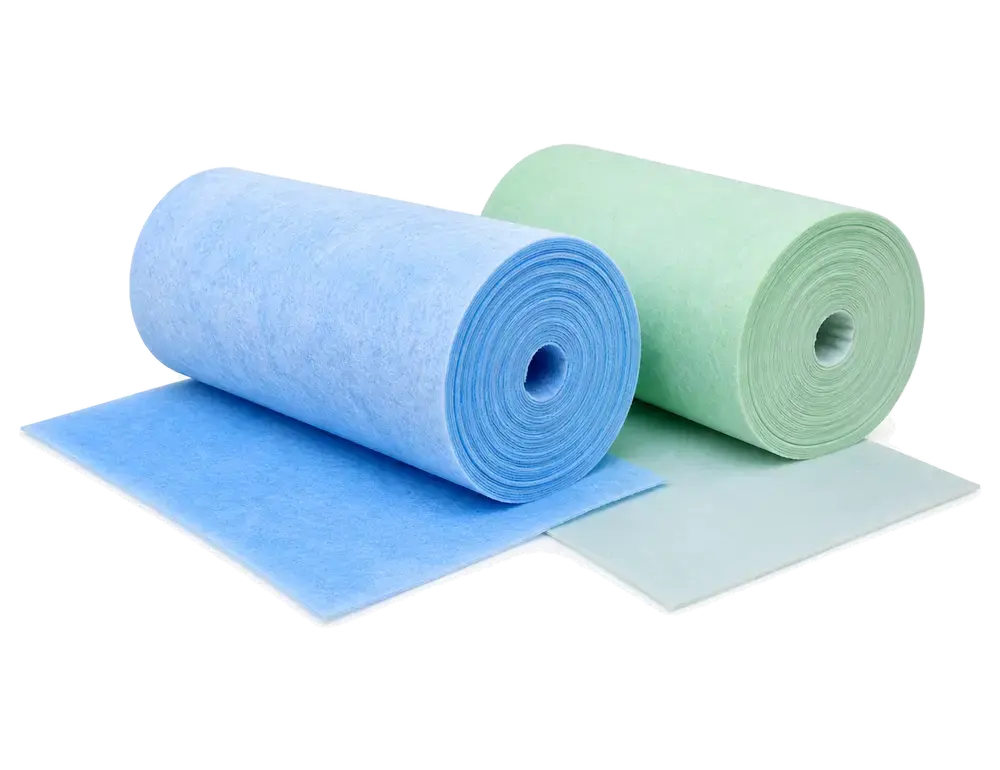
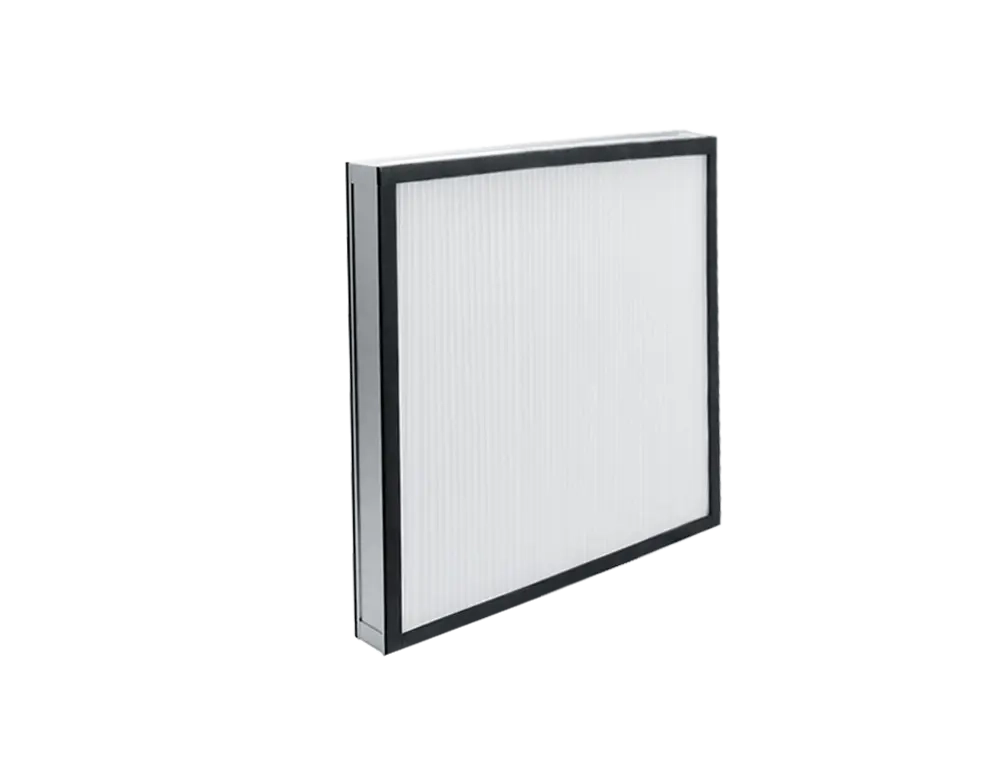
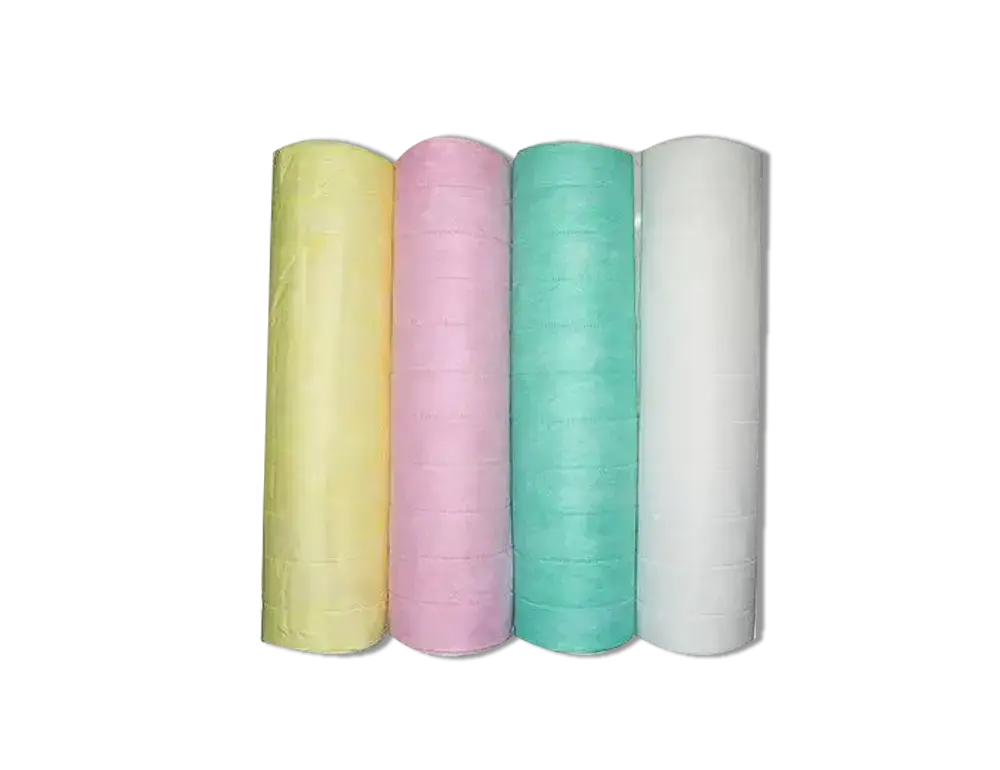
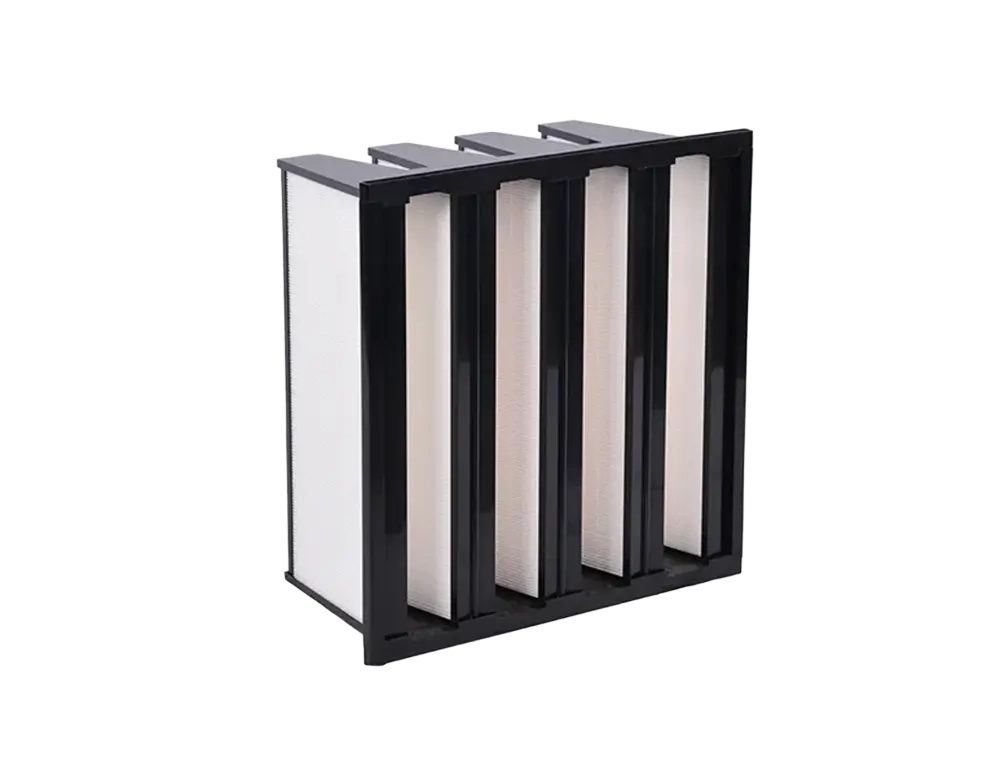
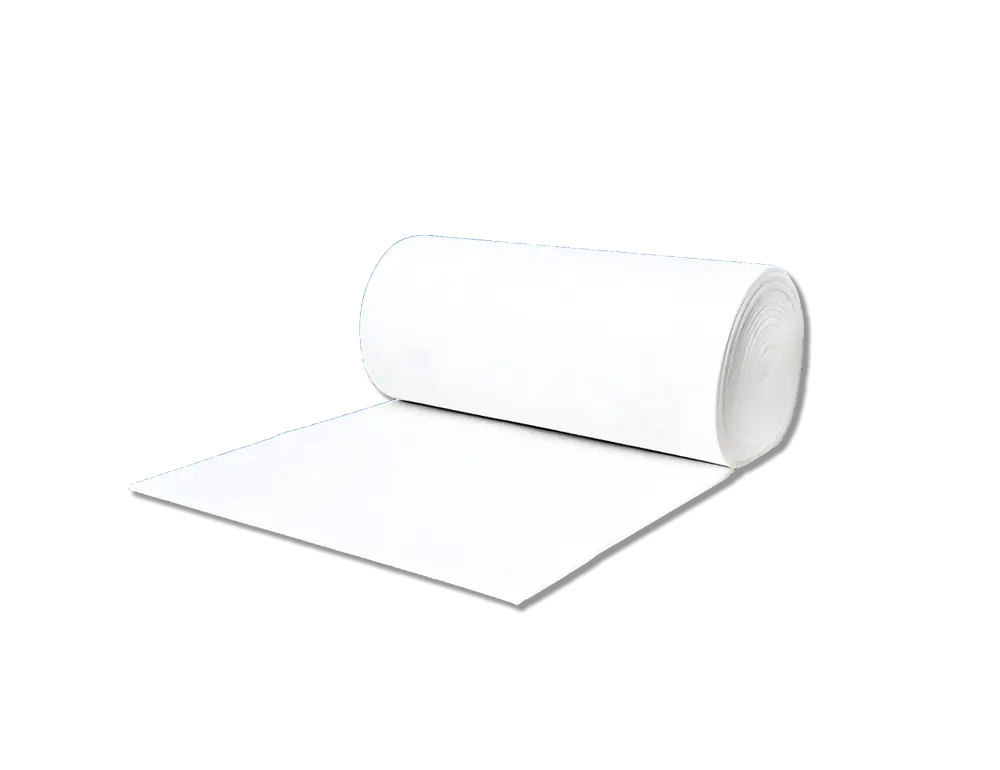
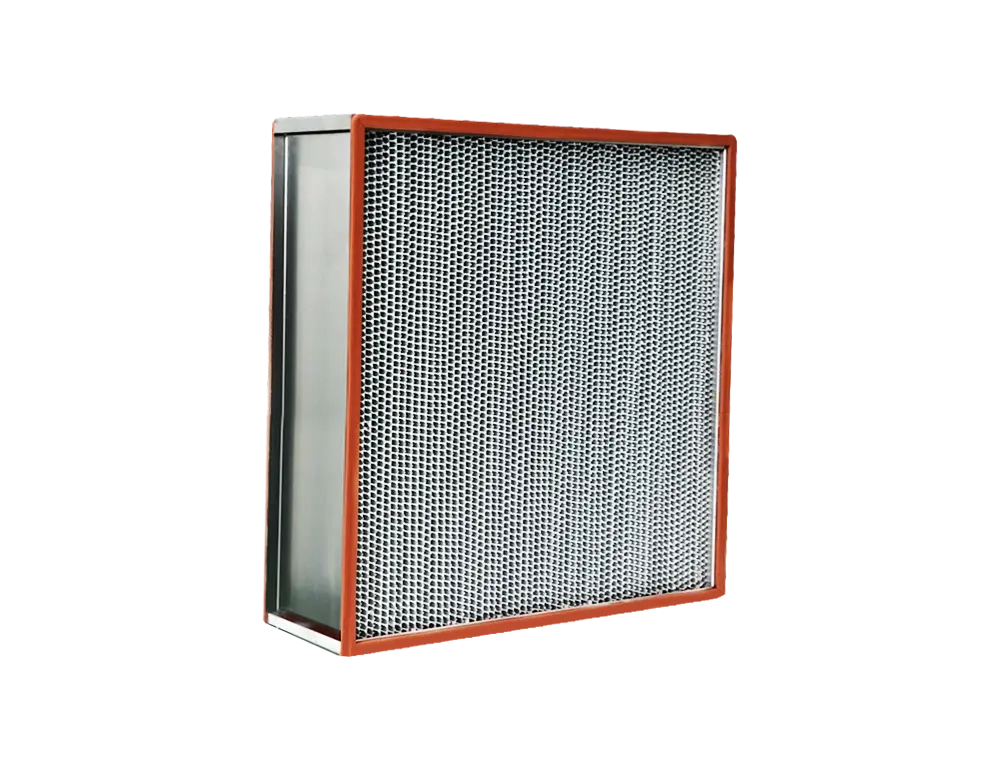
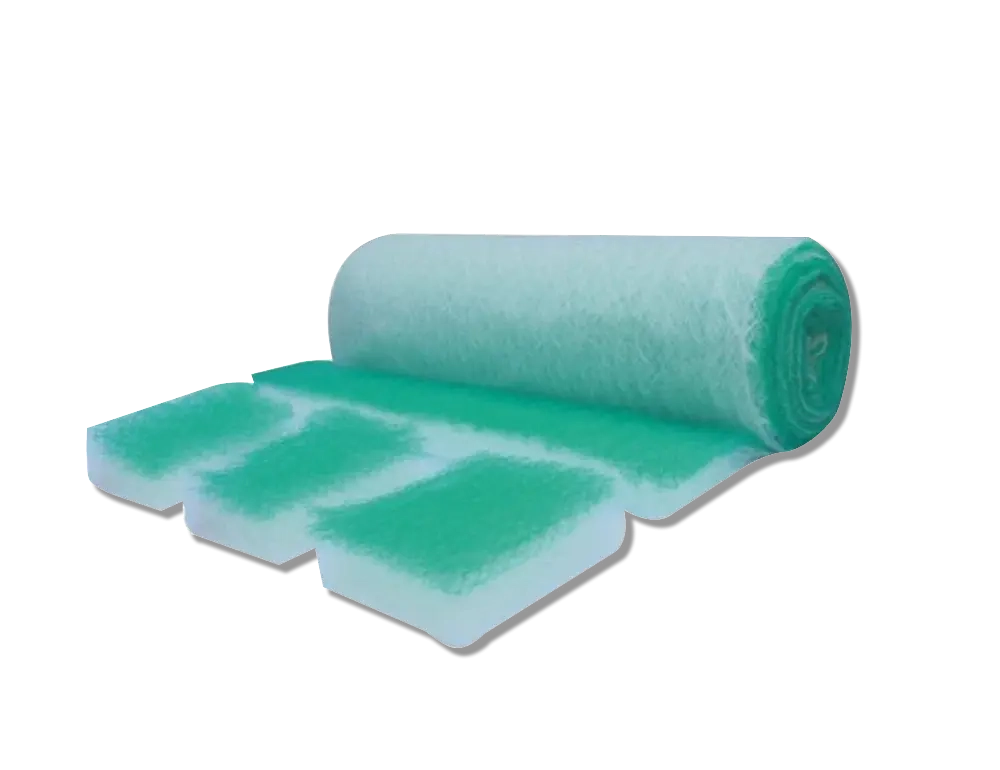
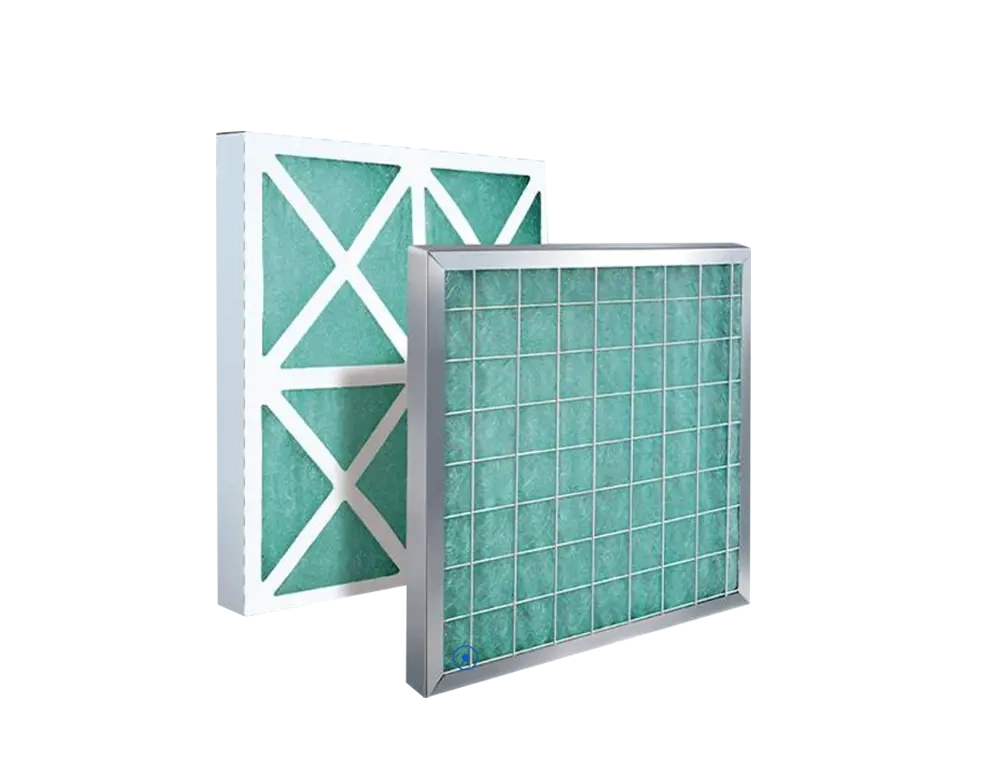
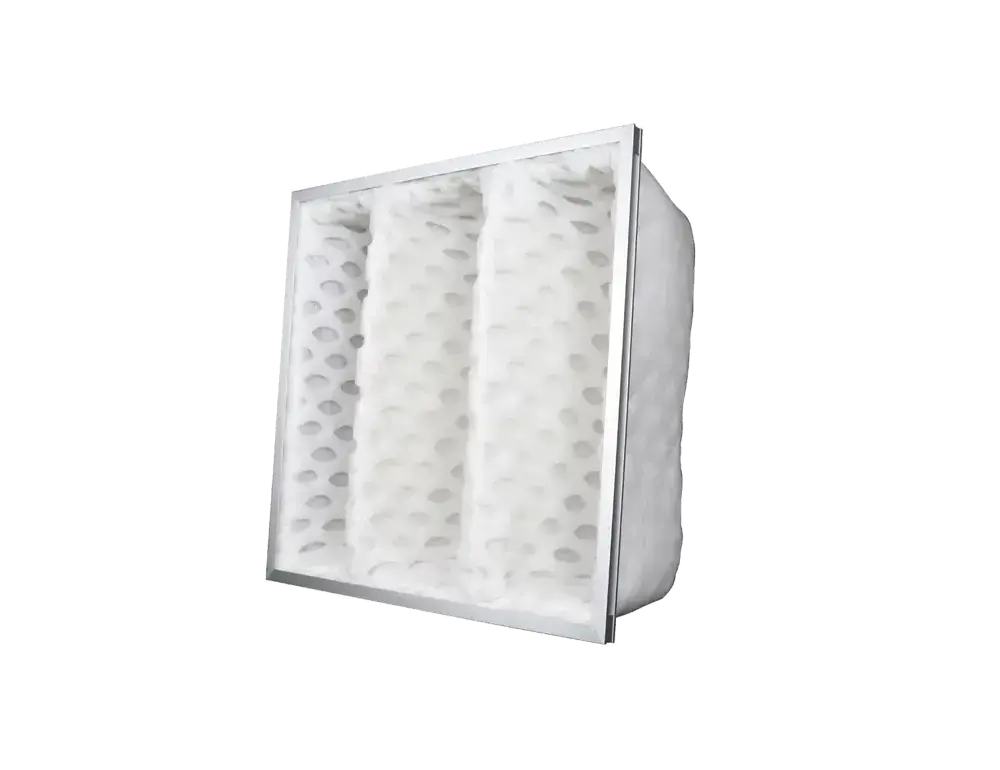
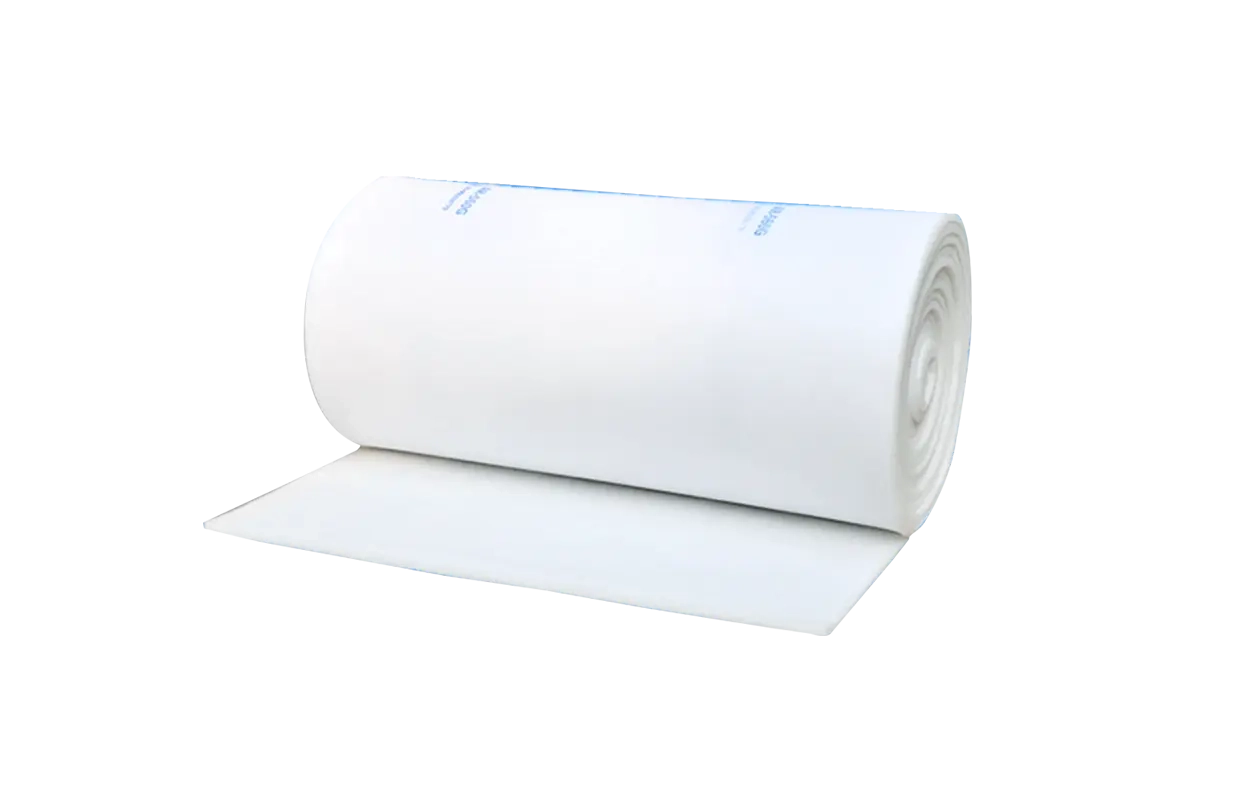
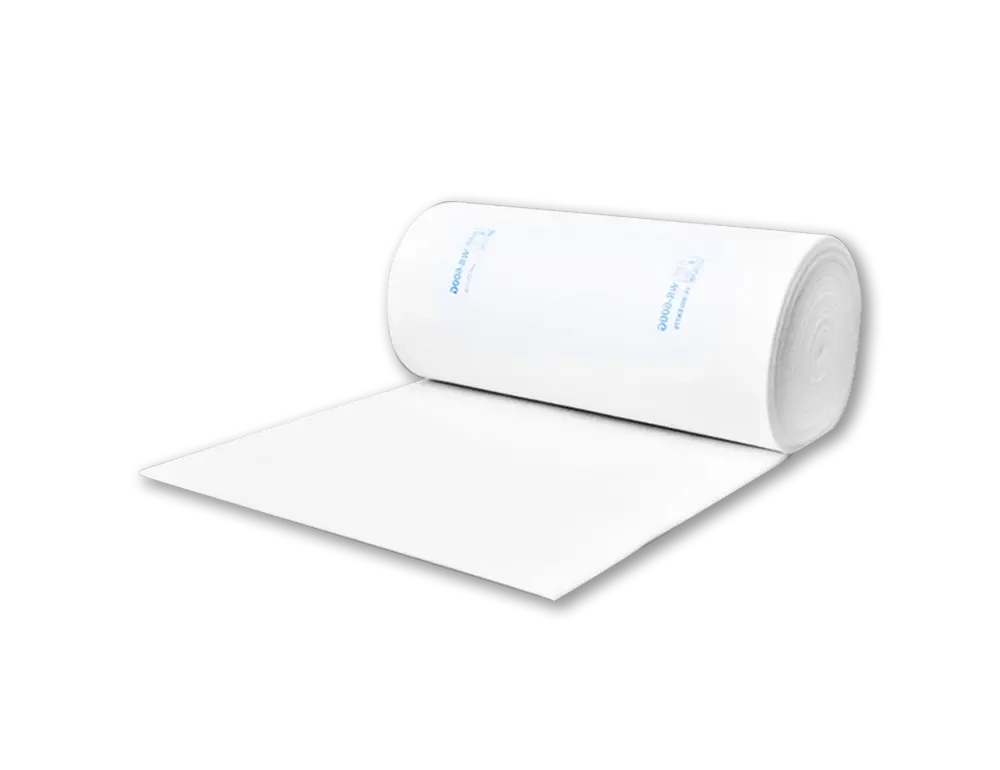
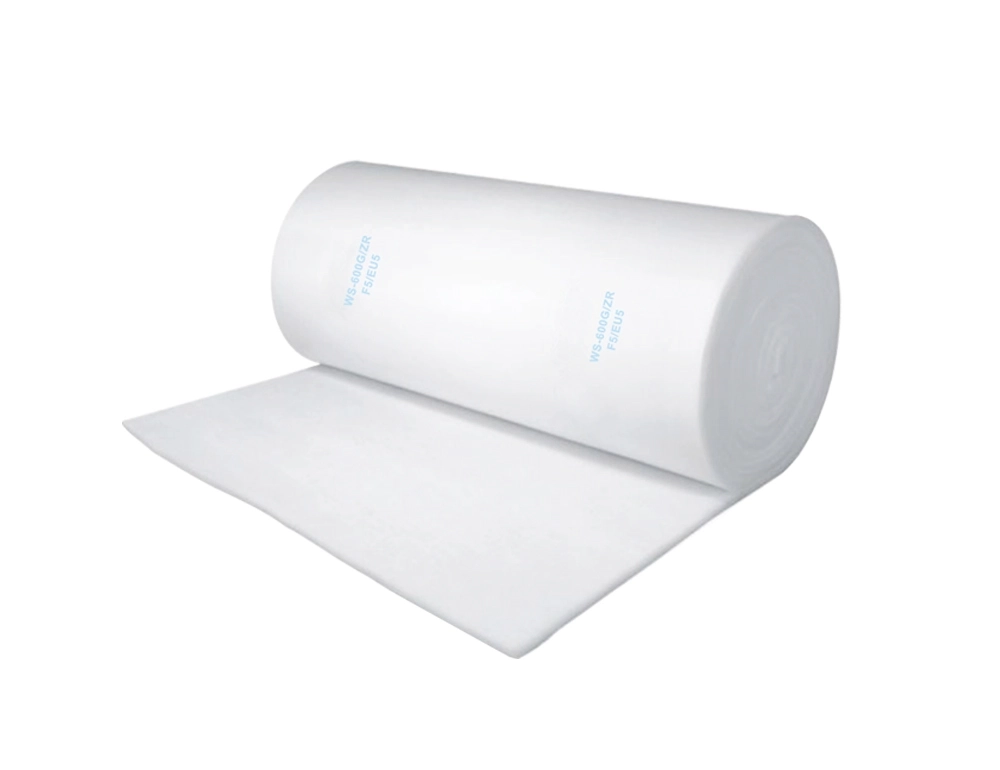
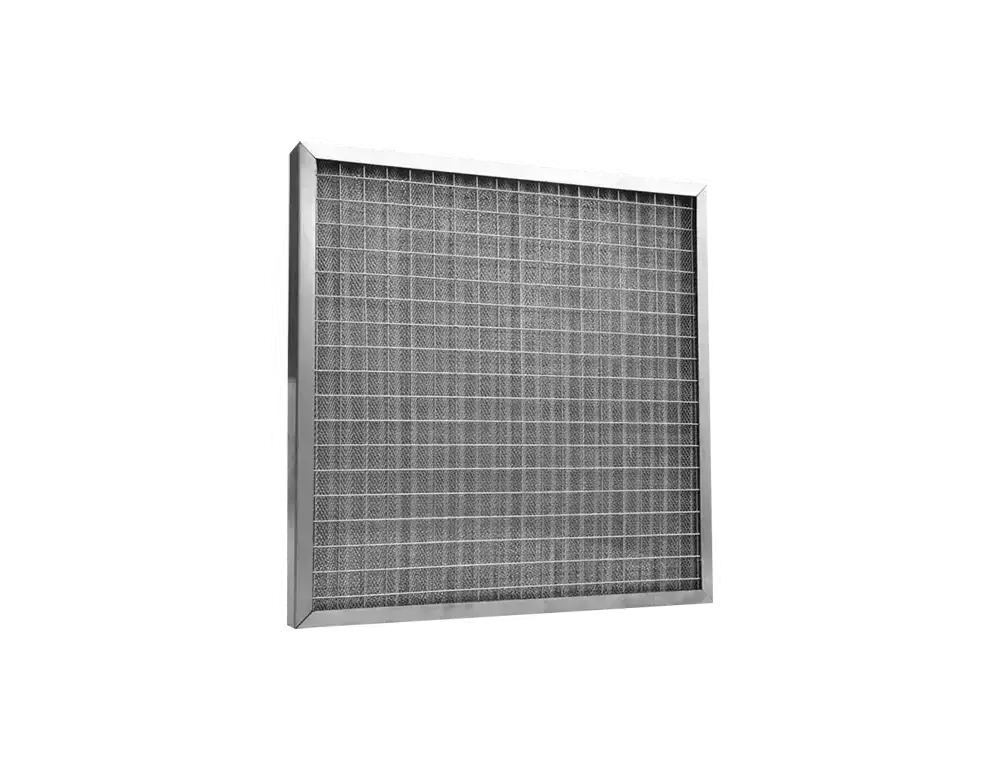
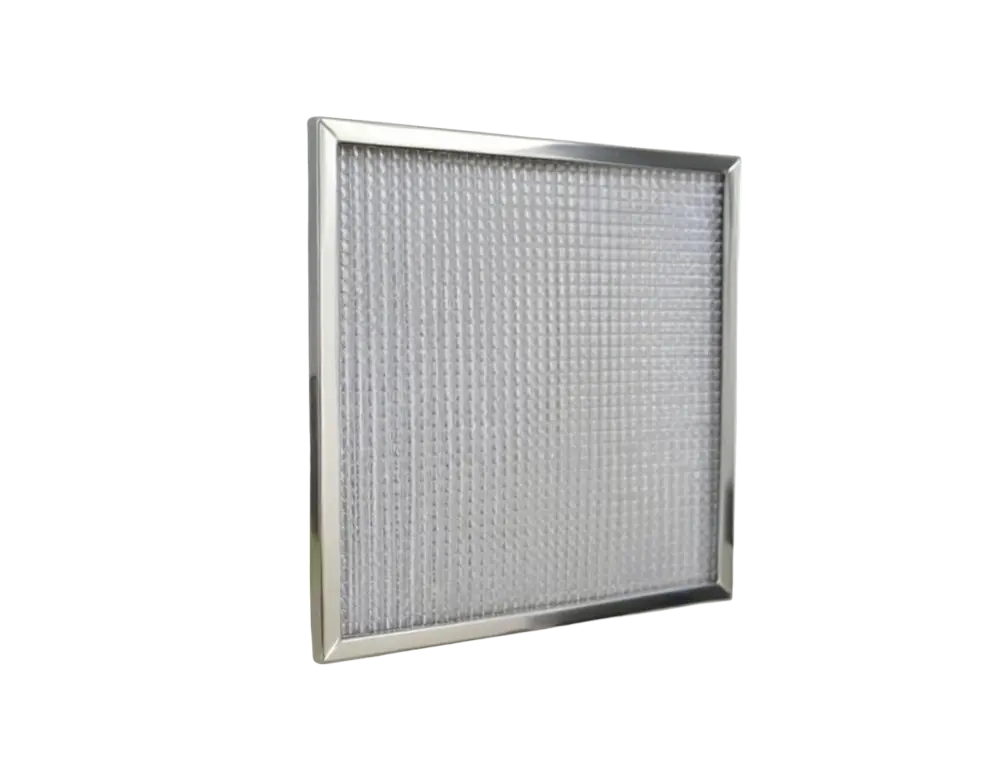
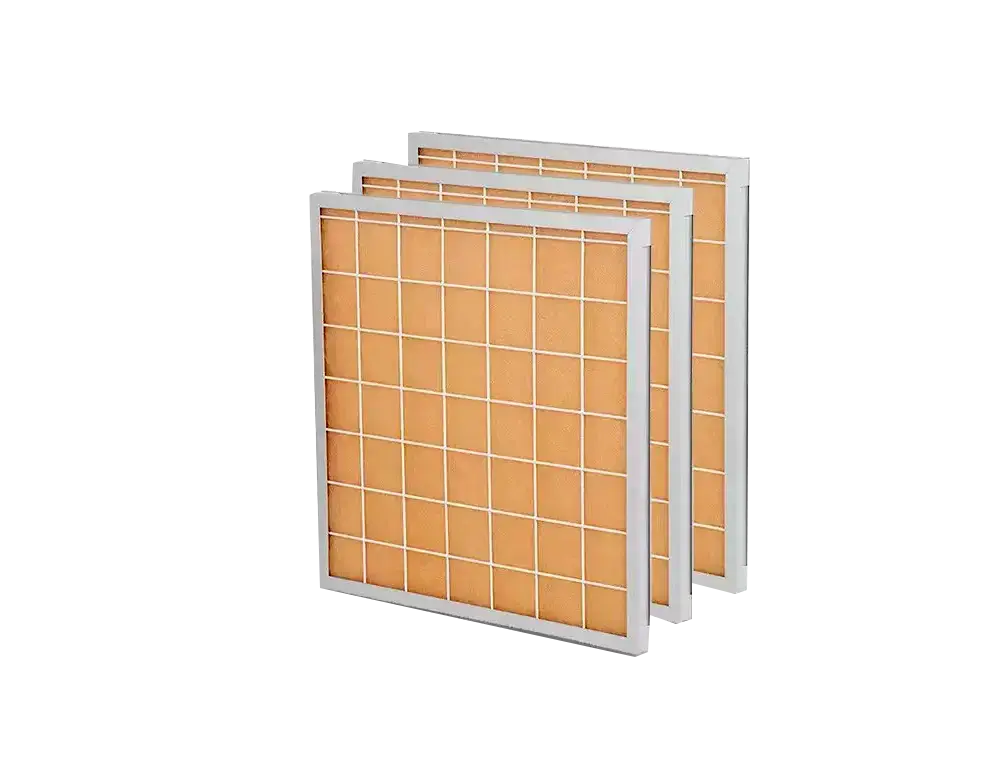
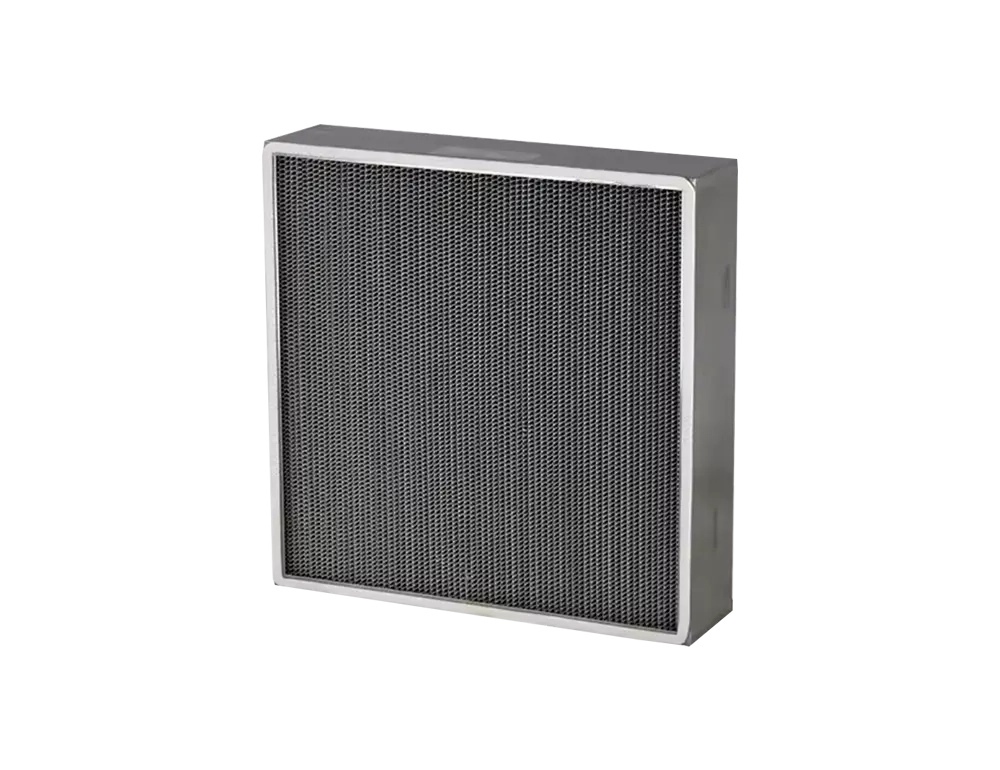
Pre-Filter (G1–G4)
First-Stage Large-Particle Capture
Medium-Efficiency Filter (F5–F9)
Precise PM2.5 Capture
HEPA High-Efficiency Filter
Sterile-Grade Purification
ULPA Ultra-High Efficiency Filter
Sub-Micron Particle Capture
First-Stage Large-Particle Capture
The first line of defense, capturing particles ≥5 μm such as dust, hair, and fibers to protect downstream filters and extend overall system service life.
View Related Products →Precise PM2.5 Capture
Captures fine particles of 1–5 μm including PM2.5, pollen, and mold spores, significantly improving indoor air quality for commercial HVAC and ventilation systems.
View Related Products →Sterile-Grade Purification
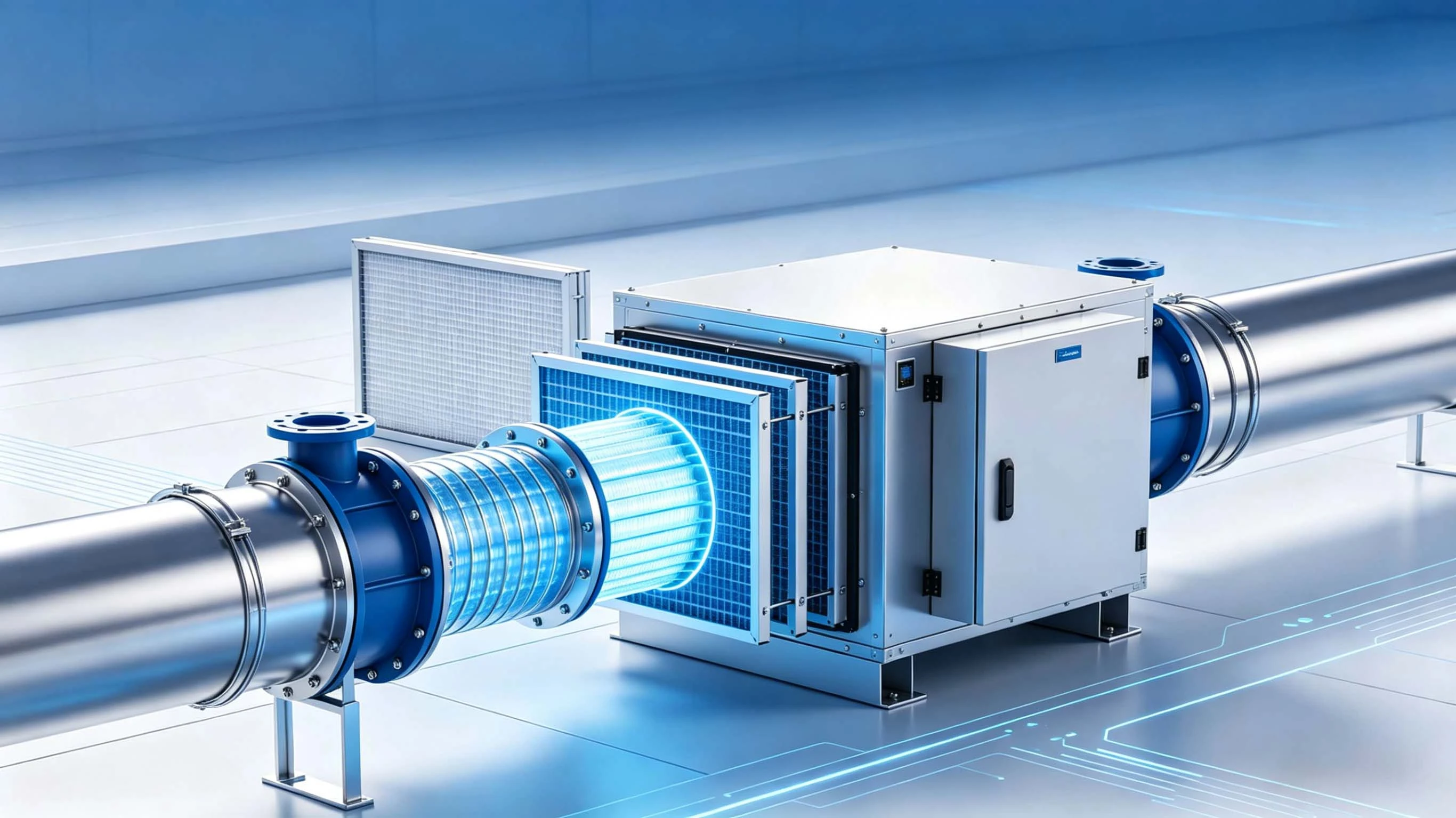
≥99.97% filtration efficiency for particles ≥0.3 μm, delivering sterile-grade clean air widely used in medical, pharmaceutical, and electronics manufacturing.
View Related Products →Sub-Micron Particle Capture
≥99.9995% efficiency for particles ≥0.12 μm, meeting the extreme cleanliness demands of semiconductor fabs, aerospace, and other ultra-precision applications.
View Related Products →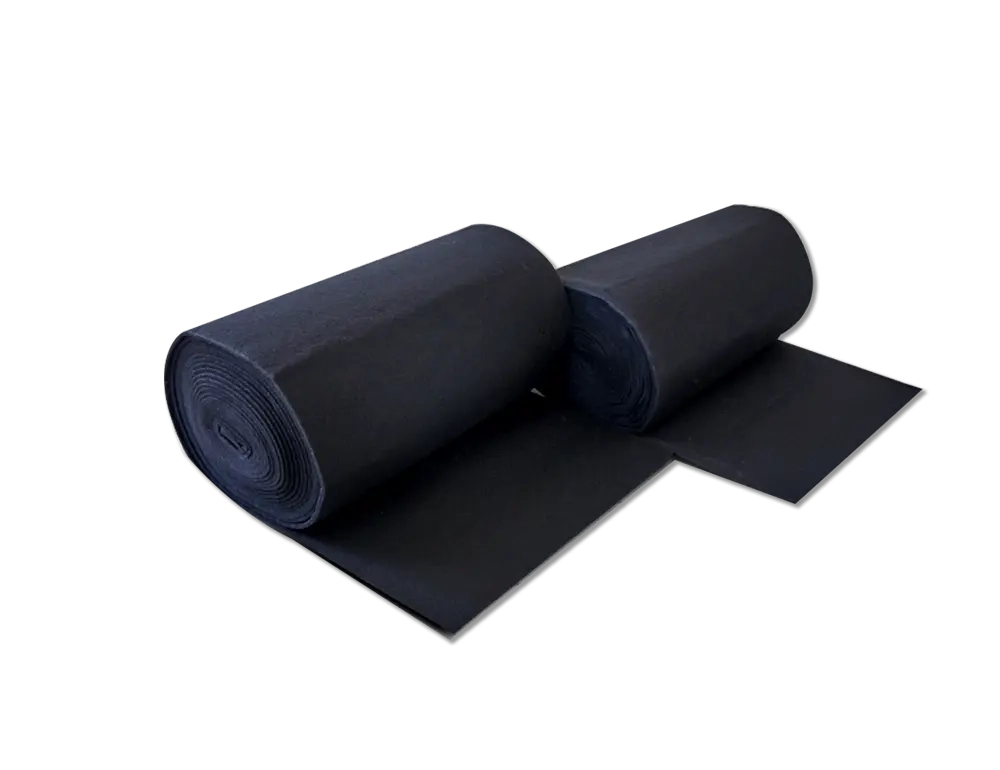
High-Temperature Resistant
Industrial-Grade Heat Tolerance
Washable & Reusable
Cut Costs, Reduce Waste
Activated Carbon
Odor & Harmful Gas Removal
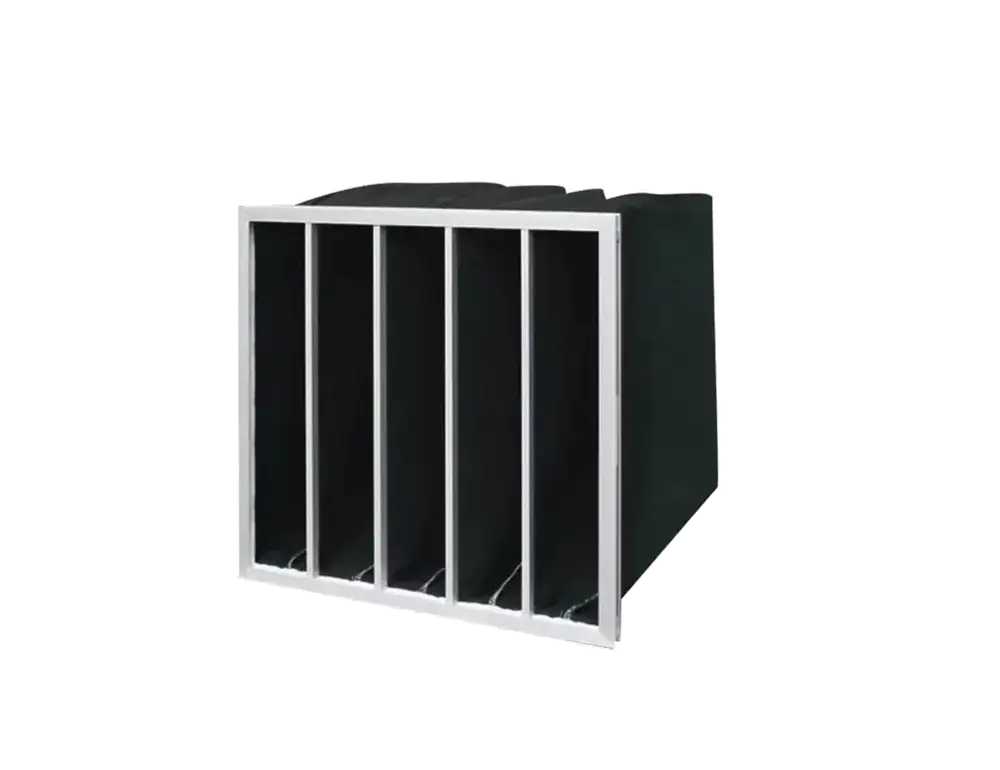
Bag Filter
High Dust-Holding, Long Life
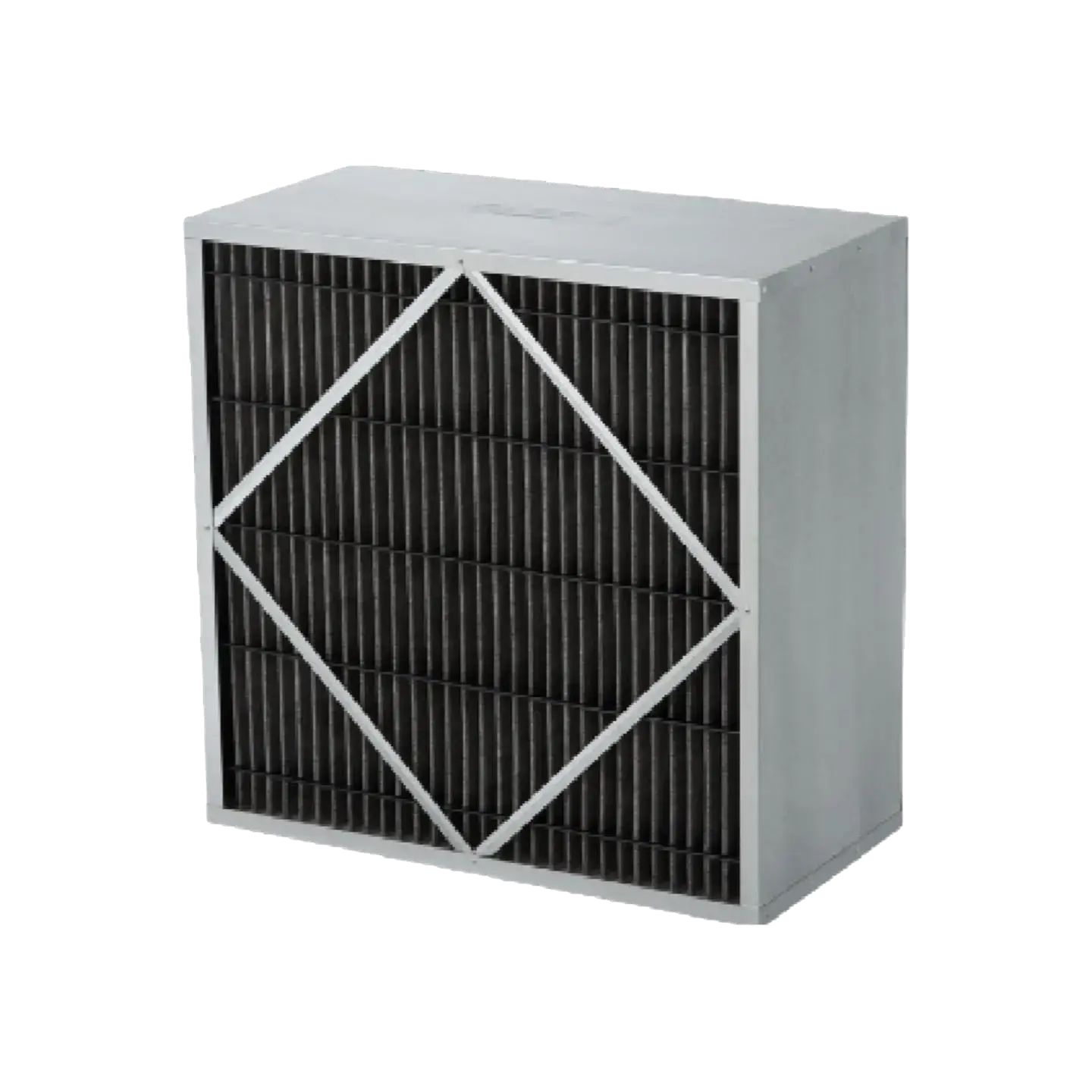
Panel / Pleated Filter
Compact Space-Saving Design
Low-Resistance Airflow
Energy-Saving Operation
Industrial-Grade Heat Tolerance
Built with specialized heat-resistant materials, operating stably up to 250°C for paint ovens, industrial dryers, and high-temperature process environments.
View Related Products →Cut Costs, Reduce Waste
Cleanable by water washing or air blowing, reusable multiple times to significantly reduce replacement frequency and O&M costs — an economical, eco-friendly choice.
View Related Products →Odor & Harmful Gas Removal
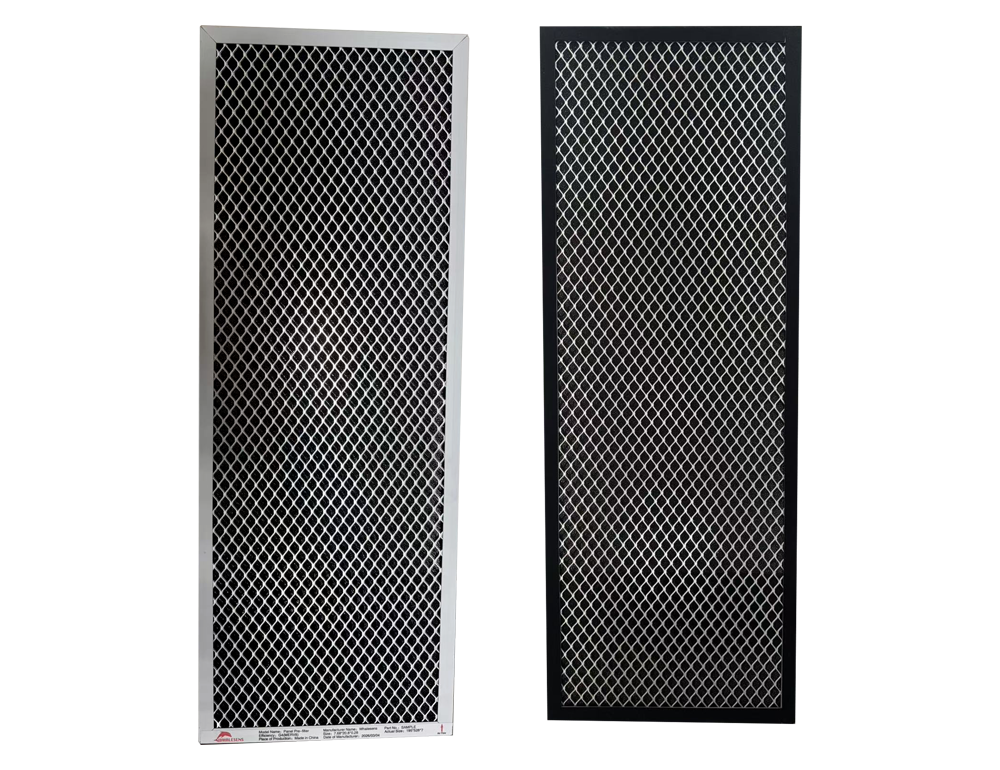
Leverages activated carbon's high adsorption capacity to eliminate odors, VOCs, and formaldehyde, ideal for newly renovated spaces and industrial exhaust treatment.
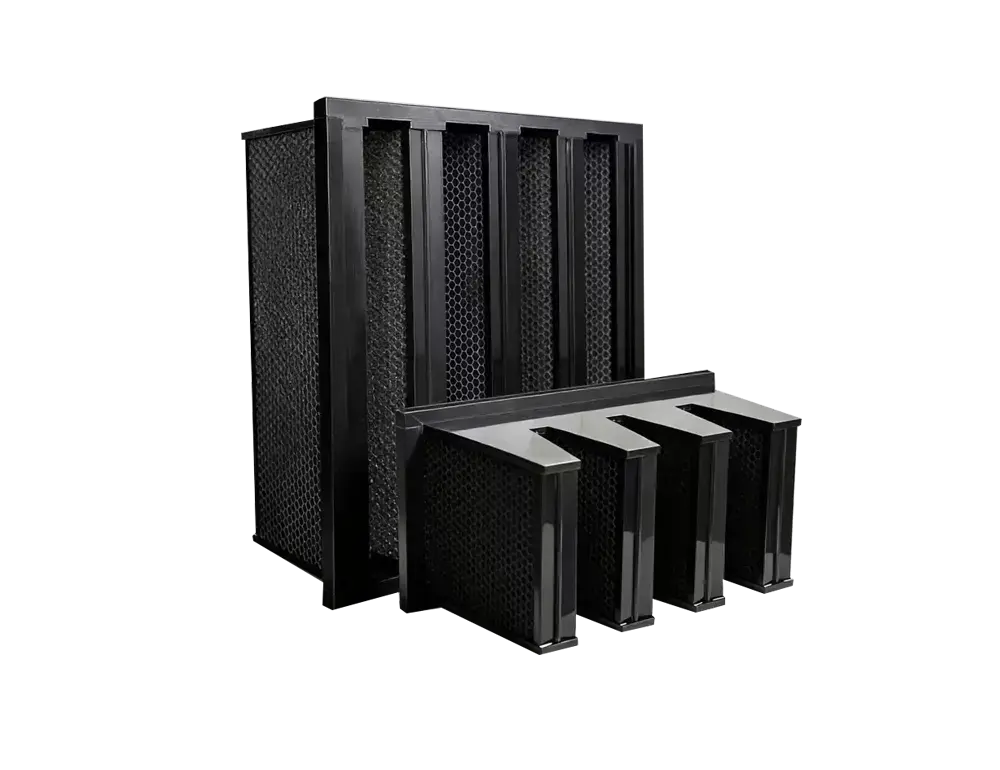
View Related Products →High Dust-Holding, Long Life
Bag-style construction delivers a larger filtration area, high dust-holding capacity, and extended service life — ideal for high-dust environments with reduced replacement frequency.
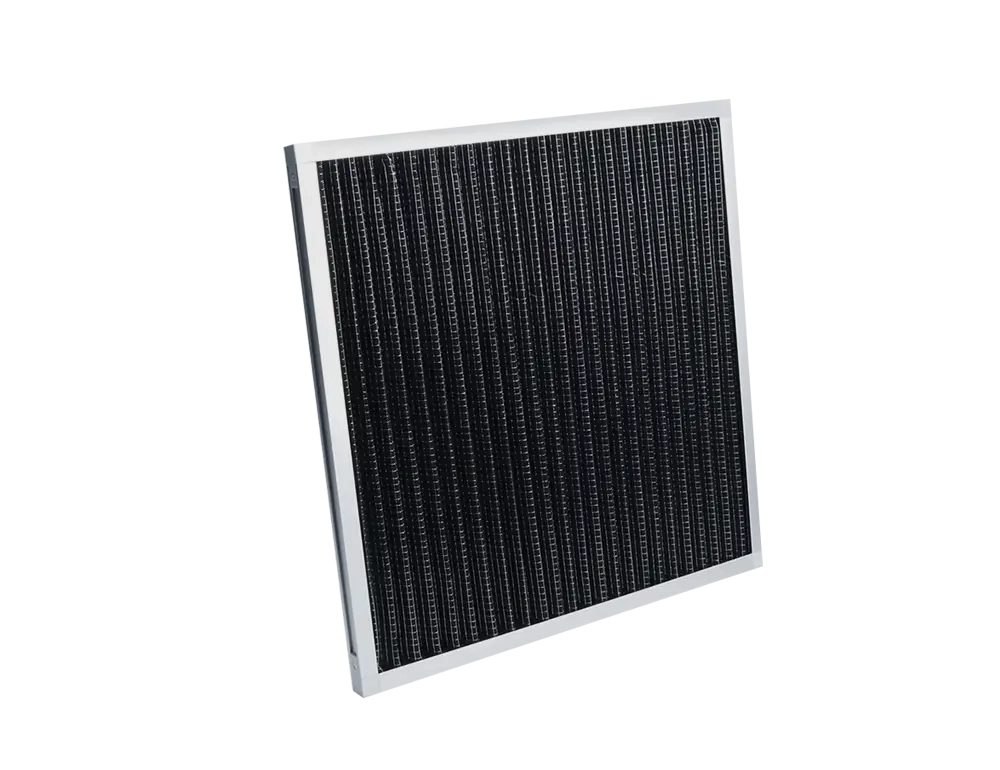
View Related Products →Compact Space-Saving Design
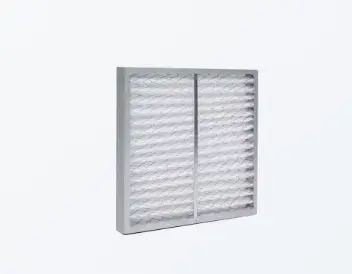
Compact form factor for easy installation and replacement; pleated structure maximizes filtration area within a small footprint for higher efficiency.
View Related Products →Energy-Saving Operation
Low-resistance design minimizes pressure drop while maintaining filtration performance, reducing fan energy consumption for cost-effective, eco-friendly operation.
View Related Products →















 English(Global)
 简体中文
简体中文 Language




Activated Carbon Filter Foam: The "Black Gold" of Odor & Gas Removal – A Complete Guide from Principles to Selection
Activated Carbon Filter Foam: The "Black Gold" of Odor & Gas Removal
Depth analysis of adsorption science and customizable solutions (10‑60 PPI, 5/15/20 mm thickness, 1×2 m size, and more).

Abstract
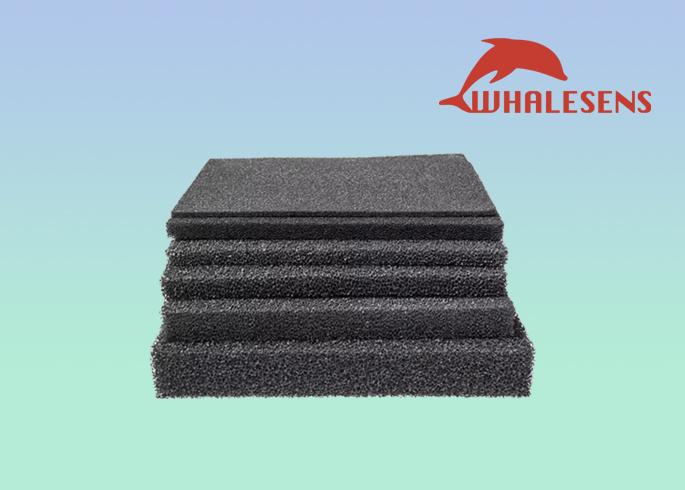
Activated carbon filter foam is a high‑efficiency gas filtration product made by uniformly loading activated carbon particles onto a porous substrate such as polyurethane foam or synthetic fibre. With an enormous specific surface area, it quickly adsorbs formaldehyde, TVOC, benzene, odours, ozone, ammonia, hydrogen sulphide and other gaseous pollutants. It is the "odour‑fighting workhorse" for air purifiers, fresh air systems, industrial exhaust treatment, spray booths, pet odour removal, car air conditioners and other fields. This article provides a comprehensive overview of activated carbon filter foam – from working principles, key parameters, application scenarios, selection guidelines, installation and maintenance. It helps users choose the most suitable product specifications.
1. What Is Activated Carbon Filter Foam?
1.1 Definition and Composition
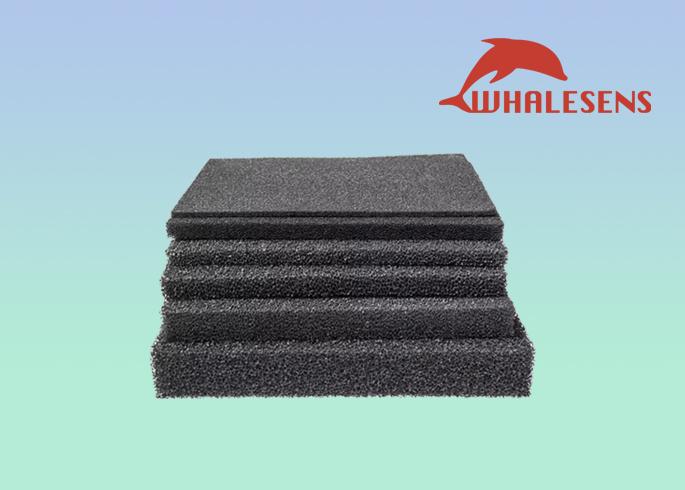
Activated carbon filter foam is a composite material made by uniformly bonding activated carbon particles onto a porous substrate such as polyurethane foam, synthetic fibre, or honeycomb paper. It retains the powerful gas adsorption ability of activated carbon while overcoming the disadvantages of loose granular carbon.
1.2 Difference from Granular Activated Carbon
| Aspect | Granular Activated Carbon | Activated Carbon Filter Foam |
|---|---|---|
| Form | Loose granules | Sheet/roll, can be cut |
| Airflow resistance | High | Low (open‑cell structure) |
| Ease of installation | Needs a container | Directly fits into filter slot or air inlet |
| Flexibility | Fixed equipment | Fits various sizes |
| Unit cost | Lower | Moderate |
1.3 Three Core Values of Activated Carbon Filter Foam
Removes gaseous pollutants: formaldehyde, benzene, TVOC, odours, ozone, etc. – things HEPA particle filters cannot handle.
Protects downstream equipment: adsorbs corrosive gases to prevent corrosion of electronic components and metal parts.
Improves indoor environment: eliminates second‑hand smoke, kitchen odours, pet smells, renovation odours, etc.
2. How Activated Carbon “Captures” Pollutants – Working Principle
2.1 Physical Adsorption: The “Molecular Trap”
Activated carbon is a specially treated carbon material with a highly developed micro‑pore structure. These micropores trap gas molecules by van der Waals forces.
2.2 Chemisorption: Targeted Enhancement
| Impregnant | Target Pollutants | Mechanism |
|---|---|---|
| Potassium permanganate | Formaldehyde, hydrogen sulphide, ethylene | Oxidises into harmless substances |
| Potassium hydroxide | SO₂, NOx, acid gases | Neutralisation reaction |
| Silver ions | Bacteria, mould | Antimicrobial action |
| Phosphoric acid | Ammonia, amines | Acid‑base neutralisation |
2.3 Advantages of the Foam Format
Compared to a packed bed of granular carbon, activated carbon filter foam offers low pressure drop, high dust‑holding capacity, flexibility, light weight, and uniformity.
3. Key Parameters – How to Read the Specifications
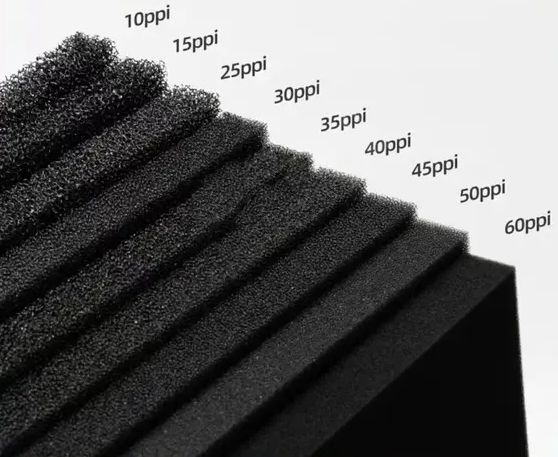
3.1 PPI (Pores Per Inch): Determines Airflow Resistance and Adsorption Efficiency
| PPI Range | Pore Size | Airflow Resistance | Adsorption Efficiency | Typical Applications |
|---|---|---|---|---|
| 10‑15 PPI | Large | Very low | Medium | High‑airflow pre‑filtration, industrial exhaust, coarse odour removal |
| 15‑20 PPI | Medium | Low | High | Air purifiers, fresh air systems (general‑purpose) |
| 20‑30 PPI | Small | Medium | Higher | High‑concentration VOC removal, commercial purification |
| 30‑45 PPI | Fine | Medium‑high | Very high | Precision electronics, high‑cleanliness applications |
| 45‑60 PPI | Very fine | High | Extremely high | Special industrial, high‑precision gas cleaning |
3.2 Thickness: Balancing Adsorption Capacity and Resistance
| Thickness | Adsorption Capacity | Airflow Resistance | Typical Applications |
|---|---|---|---|
| 5 mm | Low | Very low | Car air conditioner, tight spaces, light odours |
| 10 mm | Low‑medium | Low | Portable purifiers, return air grilles |
| 15 mm | Medium | Low | Air purifiers, fresh air systems (recommended) |
| 20 mm | High | Medium | Industrial exhaust, high pollution |
| 25‑30 mm | Very high | High | Extreme pollution, special processes |
3.3 Activated Carbon Type and Iodine Number
| Type | Iodine Number (mg/g) | Surface Area (m²/g) | Characteristics | Applications |
|---|---|---|---|---|
| Coconut shell | 1000‑1200 | 1000‑1500 | Well‑developed micropores, high efficiency | High‑end air purification, water treatment |
| Coal‑based | 800‑1000 | 800‑1200 | Good value | Industrial exhaust, solvent recovery |
| Wood‑based | 600‑900 | 600‑1000 | More mesopores | Food decolourisation, general odour control |
3.4 Substrate Type
| Substrate | Features | Applications |
|---|---|---|
| Polyurethane (PU) foam | High open‑cell ratio, low ΔP, flexible | Air purifiers, fresh air systems |
| Synthetic fibre (PET) | High strength, temperature‑resistant | Industrial exhaust, high‑temperature |
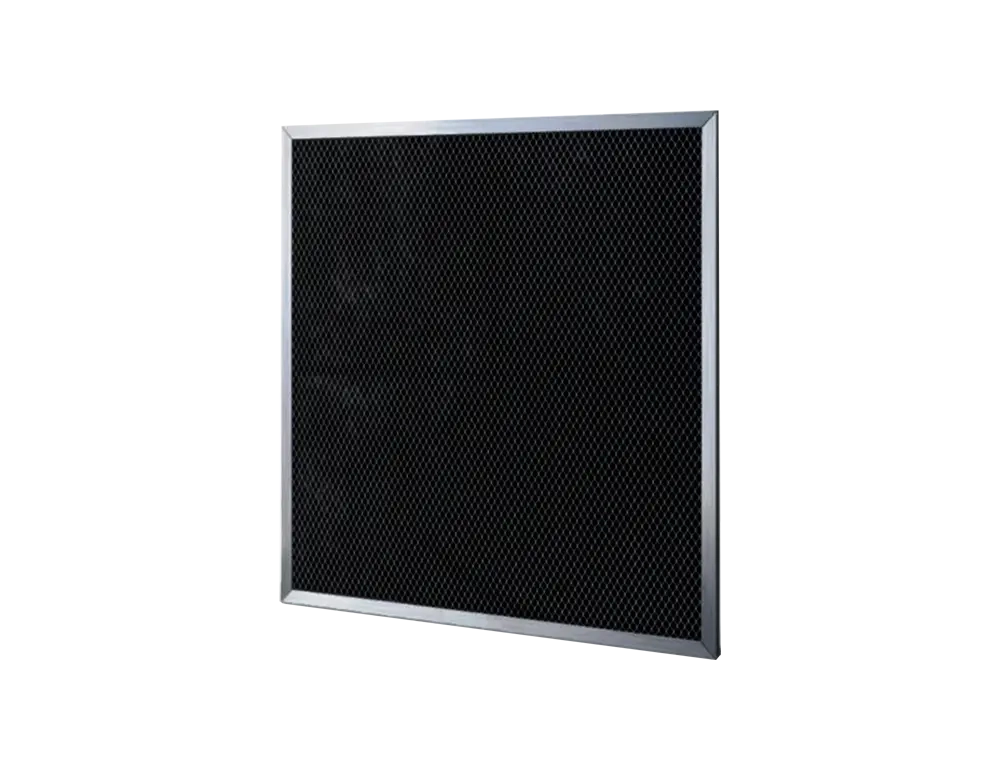
| Honeycomb paper | Stable structure, very low ΔP | High airflow, low‑concentration VOCs |
3.5 Size and Customisation
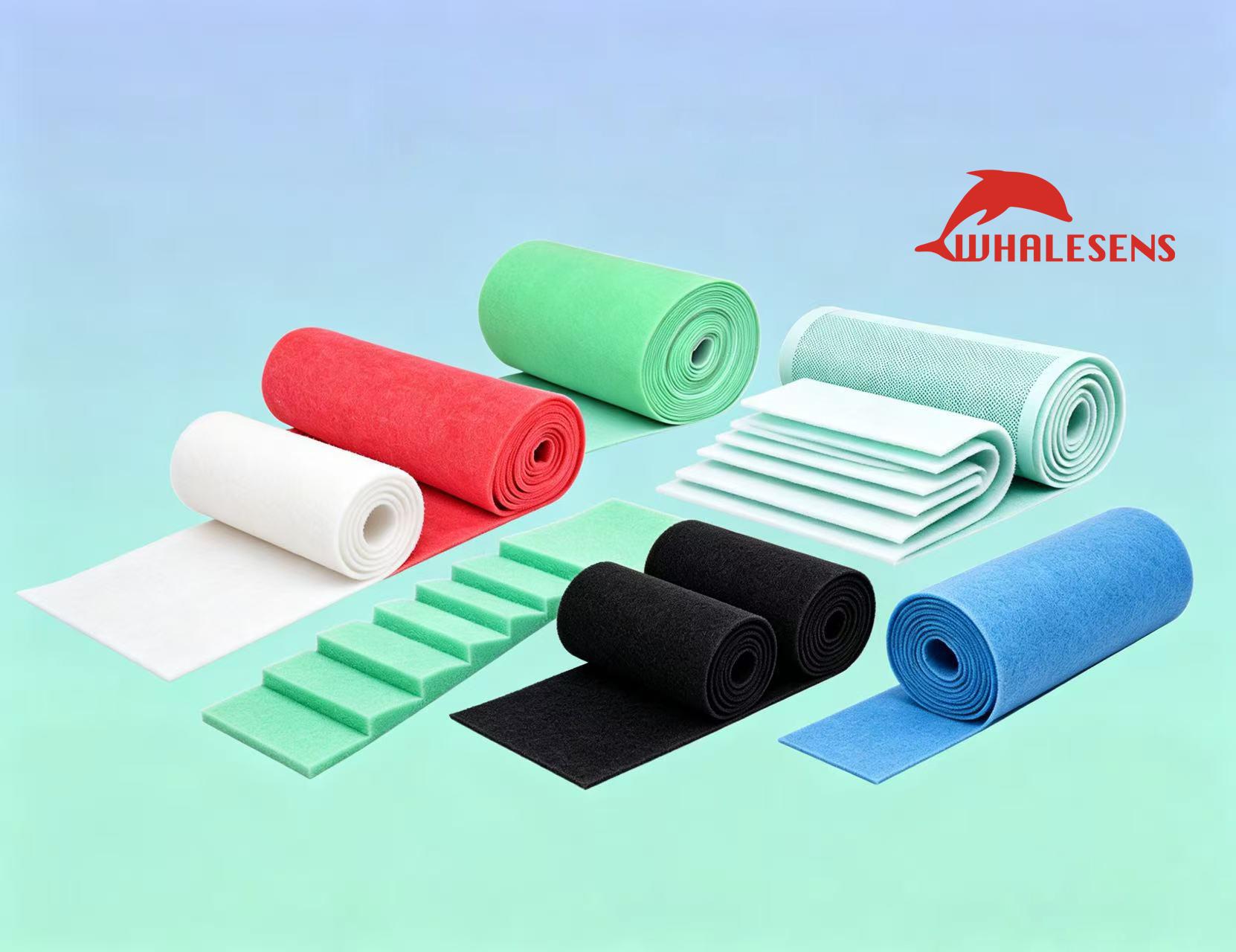
We supply standard 1×2 metre (1000×2000 mm) sheets and can also provide rolls or custom‑cut pieces to your exact dimensions. Users can cut the sheets themselves to fit any device.
3.6 Impregnation Options (Optional)
| Impregnation Type | Target Pollutants | Performance Gain |
|---|---|---|
| None (physical only) | Benzene, some VOCs | Baseline |
| Potassium permanganate | Formaldehyde, H₂S, ethylene | 30‑50% improvement |
| Alkaline | SO₂, NOx, acid gases | Chemical neutralisation |
| Antimicrobial | Bacteria, mould | Inhibits microbial growth |
4. What Pollutants Can Activated Carbon Filter Foam Remove?
4.1 Main Target Pollutants
| Category | Specific Pollutants | Typical Sources |
|---|---|---|
| Aldehydes | Formaldehyde, acetaldehyde | New furniture, panels, adhesives |
| Benzene series | Benzene, toluene, xylene | Paints, coatings, solvents |
| TVOC | Total volatile organic compounds | Renovation, cleaning agents, fragrances |
| Odours | Smoke, mould, pet, kitchen waste | Smoking, damp areas, pets, garbage |
| Sulphur gases | Hydrogen sulphide (H₂S), mercaptans | Sewers, farms, waste stations |
| Nitrogen gases | Ammonia (NH₃) | Toilets, farms, industrial emissions |
| Acid gases | SO₂, NOx | Industrial exhaust, vehicle exhaust |
| Oxidising gases | Ozone (O₃) | Copiers, laser printers, UV lamps |
4.2 Typical Removal Efficiency (under standard conditions)
| Pollutant | Carbon Type | Single‑pass efficiency (20 mm thick) |
|---|---|---|
| Formaldehyde | Coconut + KMnO₄ | 80‑95% |
| Benzene | Coconut | 70‑85% |
| TVOC | Coconut | 75‑90% |
| Ammonia | Phosphoric‑acid impregnated | 85‑95% |
| Hydrogen sulphide | KMnO₄ impregnated | 90‑98% |
| Ozone | Standard activated carbon | 90‑99% |
5. Typical Application Scenarios
5.1 Indoor Air Purification (Residential & Commercial)
| Application | Main Pollutants | Recommended Spec | Effect |
|---|---|---|---|
| Air purifier | Formaldehyde, TVOC, odours | 15‑20 PPI, 15‑20 mm | Combined with HEPA |
| Newly renovated home | Formaldehyde, benzene | 20 PPI, 20 mm, impregnated | Effective 3‑6 months |
| Office / meeting room | Second‑hand smoke, odours | 15 PPI, 15 mm | Fast odour removal |
| Hotel guest rooms | Musty smell, smoke | 15 PPI, 15 mm | Improves guest experience |
| Schools / nurseries | Formaldehyde (new), odours | 15 PPI, 15‑20 mm | Protects children’s health |
5.2 Commercial & Public Facilities
| Application | Main Pollutants | Recommended Spec | Effect |
|---|---|---|---|
| Shopping mall / supermarket | Crowd odours | 15 PPI, 15 mm | Installed in AHU return |
| Hospital / clinic | Disinfectant smell, odours | 15‑20 PPI, 15 mm | With HEPA, reduces infection risk |
| Restaurant / canteen | Cooking oil fumes, food odours | 15 PPI, 15‑20 mm | Installed in exhaust |
| Gym | Sweat, body odour | 15 PPI, 15 mm | Improves air quality |
5.3 Industrial & Special Environments
| Application | Main Pollutants | Recommended Spec | Effect |
|---|---|---|---|
| Paint booth | Paint solvent VOCs | 10‑15 PPI, 20‑25 mm | Meets emission standards |
| Laboratory | Chemical reagent odours | 15‑20 PPI, 20 mm | Fume hood exhaust |
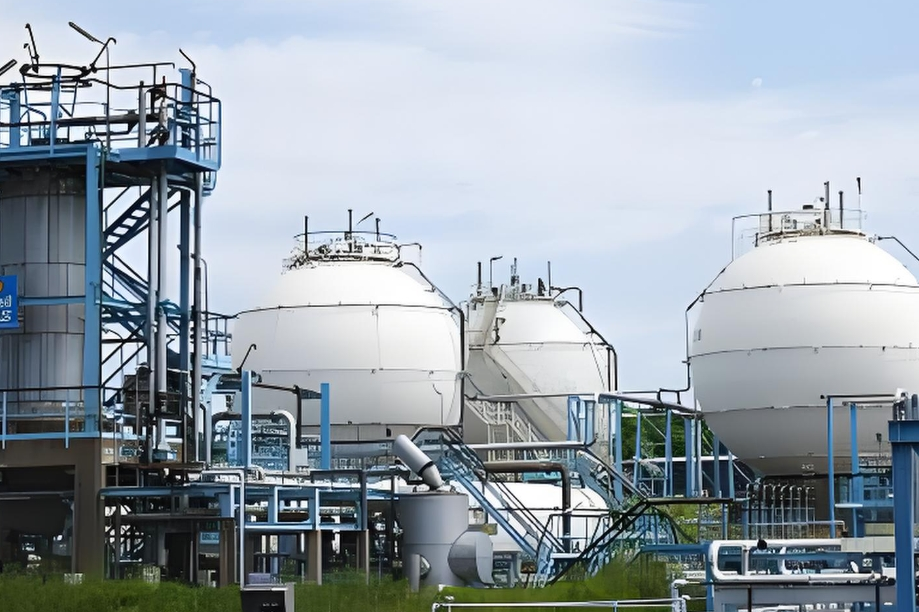
| Pet shop / farm | Ammonia, H₂S | 10‑15 PPI, 20 mm + impregnated | Significant odour reduction |
| Waste transfer station | Malodorous gases | 10 PPI, 25 mm + impregnated | Reduces neighbourhood complaints |
| Wastewater treatment | H₂S | 10‑15 PPI, 20 mm + alkali | Odour compliance |
5.4 Automotive & Mobile Devices
| Application | Main Pollutants | Recommended Spec | Effect |
|---|---|---|---|
| Car cabin air filter | PM2.5, odours, formaldehyde | 10‑15 PPI, 5‑10 mm | Improves in‑car air quality |
| Portable air purifier | Formaldehyde, TVOC | 15‑20 PPI, 10‑15 mm | Personal purification |
| EV charger / outdoor cabinet | Corrosive gases | 15 PPI, 15‑20 mm | Protects electronics |
5.5 Fresh Air Systems & Central HVAC
| Application | Position | Recommended Spec | Function |
|---|---|---|---|
| Fresh air unit | Supply air | 15 PPI, 15‑20 mm | Removes outdoor pollution |
| Central AC return | Return air | 15 PPI, 15 mm | Recirculated air deodorising |
| In‑duct air cleaner | Inside duct | 15‑20 PPI, 20 mm | Whole‑house purification |
6. Selection Guide – How to Choose the Right Activated Carbon Filter Foam
6.1 Selection Decision Tree
Start │ ├─ Airflow rate? │ ├─ High (>1000 m³/h) → choose 10‑15 PPI (low resistance) │ └─ Low/medium → choose 15‑20 PPI (balanced) │ ├─ Pollutant concentration? │ ├─ High (industrial) → choose ≥20 mm thickness + impregnation │ ├─ Medium (new renovation) → choose 15‑20 mm │ └─ Low (general odour) → choose 10‑15 mm │ ├─ Space limitation? │ ├─ Tight (car) → choose 5‑10 mm thickness │ └─ Ample → choose 15‑20 mm │ ├─ Need to remove a specific gas? │ ├─ Formaldehyde → potassium permanganate impregnated │ ├─ Ammonia / H₂S → acid/alkali impregnated │ └─ General VOCs → plain coconut carbon │ └─ Fan static pressure? ├─ Low → choose low PPI (10‑15) and thin thickness └─ High → can choose higher PPI (20‑30) and thicker material
6.2 Quick Selection Reference Table
| Application | Recommended PPI | Recommended Thickness | Recommended Carbon | Impregnation |
|---|---|---|---|---|
| Home air purifier | 15‑20 | 15 mm | Coconut | Optional (for formaldehyde) |
| Car cabin filter | 15‑20 | 5‑10 mm | Coconut | Optional |
| Fresh air system | 15 | 15‑20 mm | Coconut | Optional |
| New home formaldehyde | 15‑20 | 20 mm | Coconut | Recommended |
| Industrial exhaust | 10‑15 | 20‑25 mm | Coal‑based | As needed |
| Pet odour control | 15 | 15‑20 mm | Coconut | Recommended |
| Farm ammonia control | 10‑15 | 20 mm | Coconut | Phosphoric acid |
| Data centre corrosion control | 15 | 15‑20 mm | Coconut | Alkaline |
7. Installation & Maintenance
7.1 Installation Tips
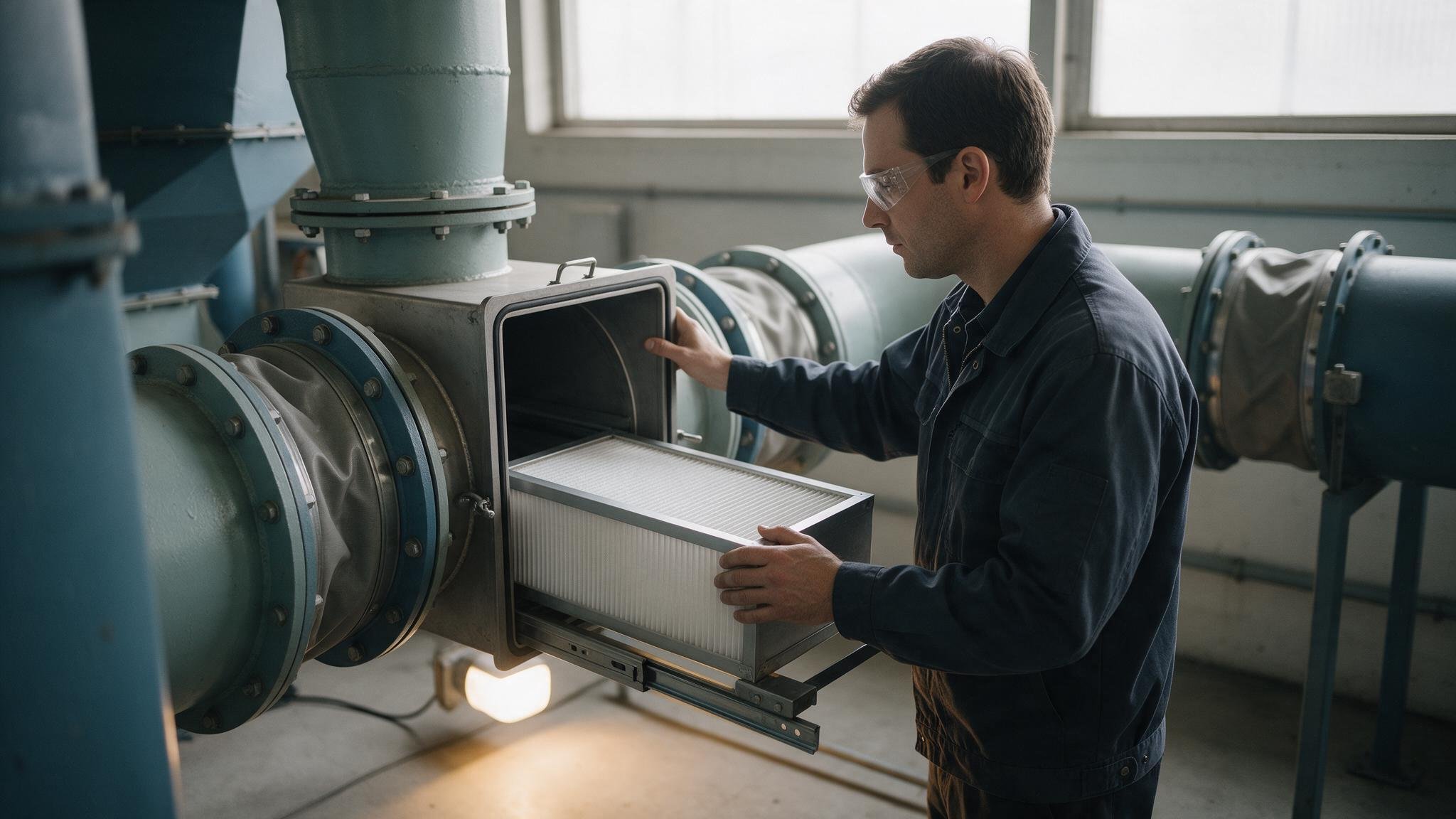
Airflow direction: The foam is generally non‑directional. If combined with a pre‑filter layer, follow the arrow.
Sealing: Ensure no gaps between the foam and frame to prevent bypass. Use sealing tape if needed.
Cutting: Use a sharp utility knife or cutter along a straight edge; avoid excessive squeezing that could dislodge carbon particles.
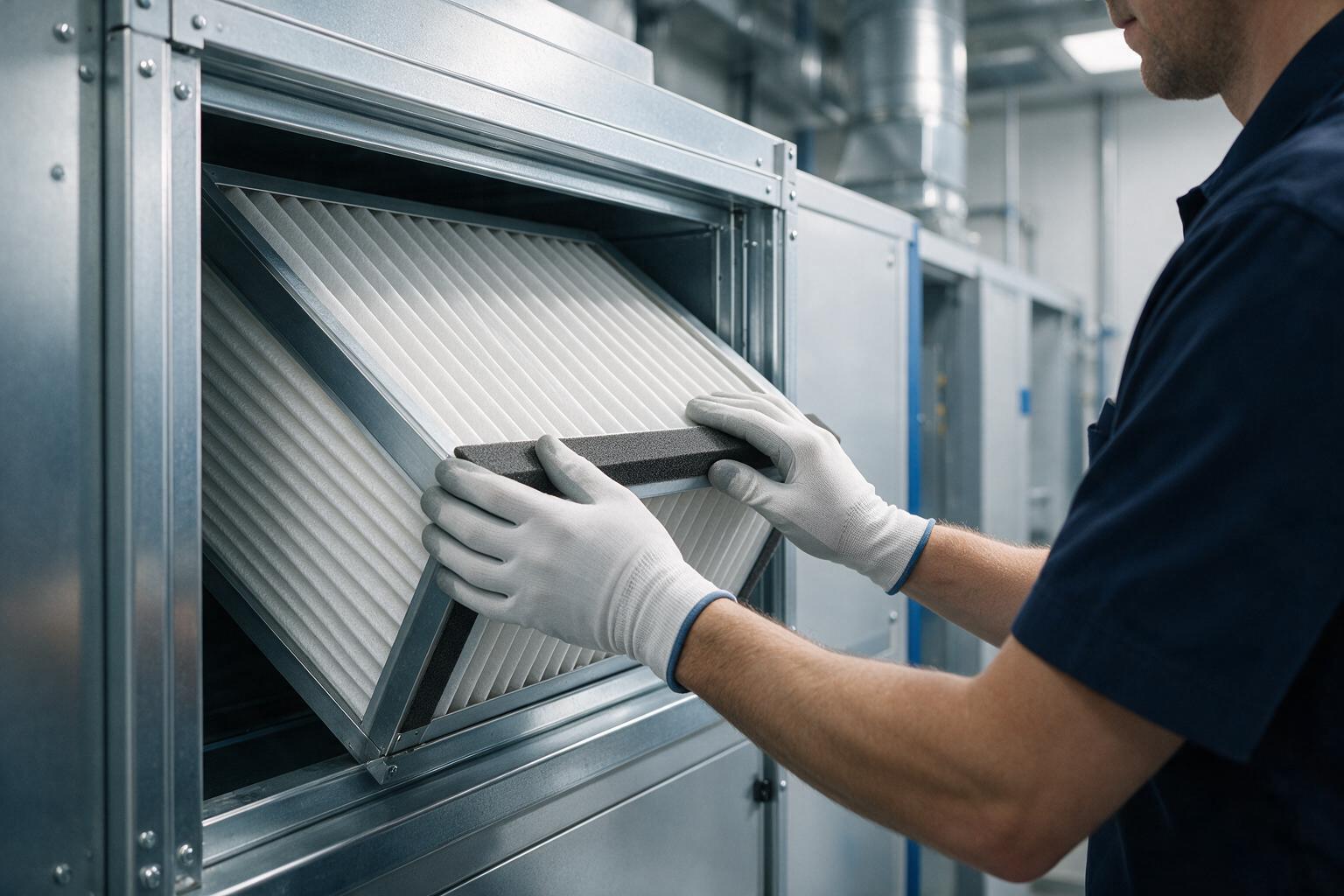
Pre‑filter protection: Adding a coarse filter (G3‑G4) upstream can extend carbon foam life by 2‑3 times by stopping large dust.
7.2 Service Life & Replacement Indications
| Environment | Expected Life | Replacement Indicator |
|---|---|---|
| Light odours (office) | 6‑12 months | Reduced odour removal |
| Medium pollution (new renovation) | 3‑6 months | Formaldehyde level rises again |
| Heavy pollution (industrial) | 1‑3 months | Pressure drop increases or emissions exceed limit |
| Pet / smoking environment | 2‑4 months | Odour returns |
| Car use | 3‑6 months | Unpleasant smell from vents |
7.3 Common Misconceptions
| Misconception | Reality |
|---|---|
| Can be washed | No. Washing destroys the micropore structure and kills adsorption capacity. |
| Sunlight regenerates it | Very limited. Sunlight only removes moisture; adsorbed VOCs remain. |
| Lasts forever | No. Once saturated it must be replaced, otherwise it may desorb. |
| Higher PPI is always better | Not necessarily – higher PPI means higher resistance; must match fan static pressure. |
| Thicker is always better | Not necessarily – excessive thickness adds resistance; balance capacity and energy. |
8. Performance Data & Test Results
8.1 Typical Performance (15 PPI, 20 mm, coconut‑shell carbon)
| Parameter | Value |
|---|---|
| Activated carbon content | 200‑300 g/m² |
| Iodine number | 900‑1100 mg/g |
| Initial pressure drop (@1.5 m/s) | 15‑25 Pa |
| Formaldehyde removal (30 min, 1 m³ chamber) | ≥85% |
| Benzene removal | ≥70% |
| TVOC removal | ≥80% |
| Ammonia removal (impregnated) | ≥90% |
| Service life (medium pollution) | 3‑6 months |
8.2 Pressure Drop vs. PPI (20 mm thick, @1.5 m/s)
| PPI | Initial ΔP (Pa) | Relative resistance |
|---|---|---|
| 10 | 10‑15 | 1.0× |
| 15 | 15‑25 | 1.5× |
| 20 | 25‑35 | 2.5× |
| 30 | 40‑60 | 4.0× |
| 45 | 70‑100 | 6.0× |
8.3 Comparison with Other Odour Control Technologies
| Technology | Advantages | Disadvantages | Best for |
|---|---|---|---|
| Carbon foam | Low cost, effective, easy to install | Needs periodic replacement | General‑purpose, first choice |
| Photocatalytic | Long life, no consumables | Needs light, slow reaction | With UV light |
| Plasma | Active purification | May produce ozone | High‑end purifiers |
| Ozone generator | Strong oxidation | Ozone residue, harmful to people | Unoccupied spaces |
| Negative ions | Settles particles | No effect on gases | Supplementary |
9. Whalesens Product Range – Custom Solutions
WhaleSense offers high‑quality activated carbon filter foam in 10‑60 PPI, thicknesses 5/15/20 mm (customisable), 1×2 m sheets or rolls, and any custom size.
9.1 Specification Table
| Parameter | Options |
|---|---|
| PPI | 10, 15, 20, 30, 45, 60 (any 10‑60 custom) |
| Thickness | 5 mm, 15 mm, 20 mm (other thicknesses available) |
| Standard size | 1×2 metre (1000×2000 mm) |
| Substrate | Polyurethane foam (standard) / synthetic fibre / honeycomb paper |
| Carbon type | Coconut‑shell (recommended) / coal‑based / wood‑based |
| Iodine number | 800‑1200 mg/g (selectable) |
| Impregnation | None / potassium permanganate / alkaline / antimicrobial |
| Form | Sheets (1×2 m) / rolls / custom‑cut pieces |
9.2 Product Highlights
✅ High iodine number: coconut‑shell carbon ≥1000 mg/g, excellent adsorption
✅ High open‑cell ratio: PU foam >95% open cells, low pressure drop
✅ Uniform loading: Even carbon distribution, no dead zones, no shedding
✅ Eco‑friendly: No chemical binders, no secondary pollution
✅ Highly customisable: PPI, thickness, size, impregnation all configurable
✅ Cuttable: Users can cut to fit any device
9.3 Example Custom Solutions
| Customer Need | Recommended Configuration |
|---|---|
| Home air purifier OEM | 15 PPI, 15 mm, coconut carbon, 1×2 m sheets |
| Car cabin filter manufacturer | 20 PPI, 5 mm, coconut carbon, rolls |
| Fresh air system supplier | 15 PPI, 20 mm, coconut + KMnO₄ impregnated |
| Industrial exhaust treatment | 10 PPI, 25 mm, coal‑based carbon, 1×2 m sheets |
| Pet odour control equipment | 15 PPI, 20 mm, coconut + phosphoric acid impregnated |
10. Frequently Asked Questions (FAQ)
Q1: Can activated carbon filter foam be washed?
A: No. Washing destroys the micropore structure and kills adsorption capacity. It is a single‑use product; replace when saturated.
Q2: How do I know when it has failed?
A: Three ways: ① smell pollutants at the outlet; ② formaldehyde/VOC meter readings rise; ③ pressure drop doubles (if monitored). Typically replace every 3‑6 months.
Q3: Which is better – 10 PPI or 30 PPI?
A: Neither is absolutely “better”; it depends on the application. 10 PPI suits high‑airflow, low‑resistance needs. 30 PPI suits high‑efficiency, low‑airflow scenarios. We offer 10‑60 PPI.
Q4: Does it remove formaldehyde?
A: Yes. Good coconut‑shell carbon physically adsorbs formaldehyde. For even better performance, choose KMnO₄‑impregnated foam, which oxidises formaldehyde to CO₂ and water, achieving >95% removal.
Q5: Can I cut a 1×2 m sheet myself?
A: Yes. Use a sharp utility knife or cutter along a straight edge. Avoid squeezing too hard to prevent carbon particles from falling off.
Q6: What’s the difference between activated carbon foam and HEPA?
A: Carbon foam removes gaseous pollutants; HEPA removes particulate matter. They are complementary; high‑end air purifiers use both.
Q7: Is it normal for new carbon foam to have a smell?
A: A slight “carbon” smell is normal and will dissipate after ventilation. If the smell is sharp or unusual, it may be a poor‑quality product – stop using it.
Q8: Can I use it in my car’s cabin air filter?
A: Yes. Cut the foam to the size of your original filter and replace. It will significantly improve in‑car air quality. Replace every 3‑6 months.
Q9: How to choose between 5 mm and 20 mm thickness?
A: 5 mm suits tight spaces and light odours. 20 mm suits moderate to heavy pollution and longer service life. We offer 5/15/20 mm and can customise other thicknesses.
Q10: What are the benefits of impregnated carbon foam?
A: Impregnation adds chemisorption, making removal of specific gases irreversible, more efficient, and less likely to desorb. Recommended when a targeted pollutant is present.
11. Conclusion
Activated carbon filter foam is an indispensable “chemical defence line” in air purification systems. It doesn’t have the “single‑handed” fame of HEPA, but with its unique adsorption ability, it silently protects every breath we take. From formaldehyde anxiety of newly renovated homes, to pet odours, to industrial exhaust treatment – a piece of carbon foam embodies the relentless pursuit of clean air.
Key selection points:
- 1 PPI: choose according to airflow and resistance (10‑60 custom)
- 2 Thickness: based on pollutant load and space (5/15/20 mm or custom)
- 3 Carbon type: coconut‑shell preferred, iodine number ≥1000 mg/g
- 4 Impregnation: choose for targeted pollutants
- 5 Regular replacement: don’t try to use it forever – change every 3‑6 months
Action checklist:
- 1 Assess your environment and main pollutants.
- 2 Choose PPI and thickness based on fan static pressure and available space.
- 3 If specific gases (formaldehyde, ammonia, H₂S) are a concern, select impregnated foam.
- 4 Use a coarse pre‑filter upstream to extend life.
- 5 Establish a regular replacement schedule – don’t wait until failure.
Keywords: #ActivatedCarbonFilterFoam #ActivatedCarbonFoam #FormaldehydeRemovalFilter #OdorRemovalFilter #AirPurifierFilterMedia #CarbonImpregnatedFoam #CoconutShellActivatedCarbon #VOCsRemoval #FreshAirSystemFilter #10to60PPI #5mmActivatedCarbonFoam #15mmActivatedCarbonFoam #20mmActivatedCarbonFoam #CustomActivatedCarbonFilter #PolyurethaneCarbonFoam #ChemisorptionFilter #PotassiumPermanganateImpregnated #PhosphoricAcidImpregnated #AlkalineImpregnated #PetOdorControl #FarmAmmoniaControl #SprayBoothExhaust #CabinAirFilterDIY #Whalesens
About Whalesens Technology
Whalesens Technology Co., Ltd. (Whalesens) is an innovator in the air filtration industry and a source manufacturer of filter media and filters. We specialize in providing professional air filtration solutions for data centers, new energy electric vehicle (EV) charging facilities, spray painting and industrial dust collection, as well as medical and industrial sectors.
Product Range
Full series of primary (G1‑G4), medium (M5‑M6), and high‑efficiency (F7‑H13) filter media. Full series of primary, medium, and high‑efficiency air filters. Activated carbon products (filter foam, carbon filters). V‑bank (V‑cell) compact filters. HEPA / ULPA ultra‑high efficiency filters. Custom non‑standard products.
Learn more about our innovative technologies:
🌐 Official Website: www.whalesens.com
📞 WhatsApp: +86 13119189886
📧 Email: whalesens@gmail.com
Need a custom air filtration solution?
Contact the Whalesens engineering team for product selection and OEM/ODM support.
Email whalesens@gmail.com