


EV Charging Stations
Filtration for Power Equipment
Cleanroom & Semiconductor
Ultra-High Cleanliness Filtration
Commercial HVAC
Central Air System Filtration
Data Centers
Precision Equipment Protection
Livestock & Farming
Farming Environment Purification
Spray Booths & Industrial Dust
Paint Mist & Dust Purification
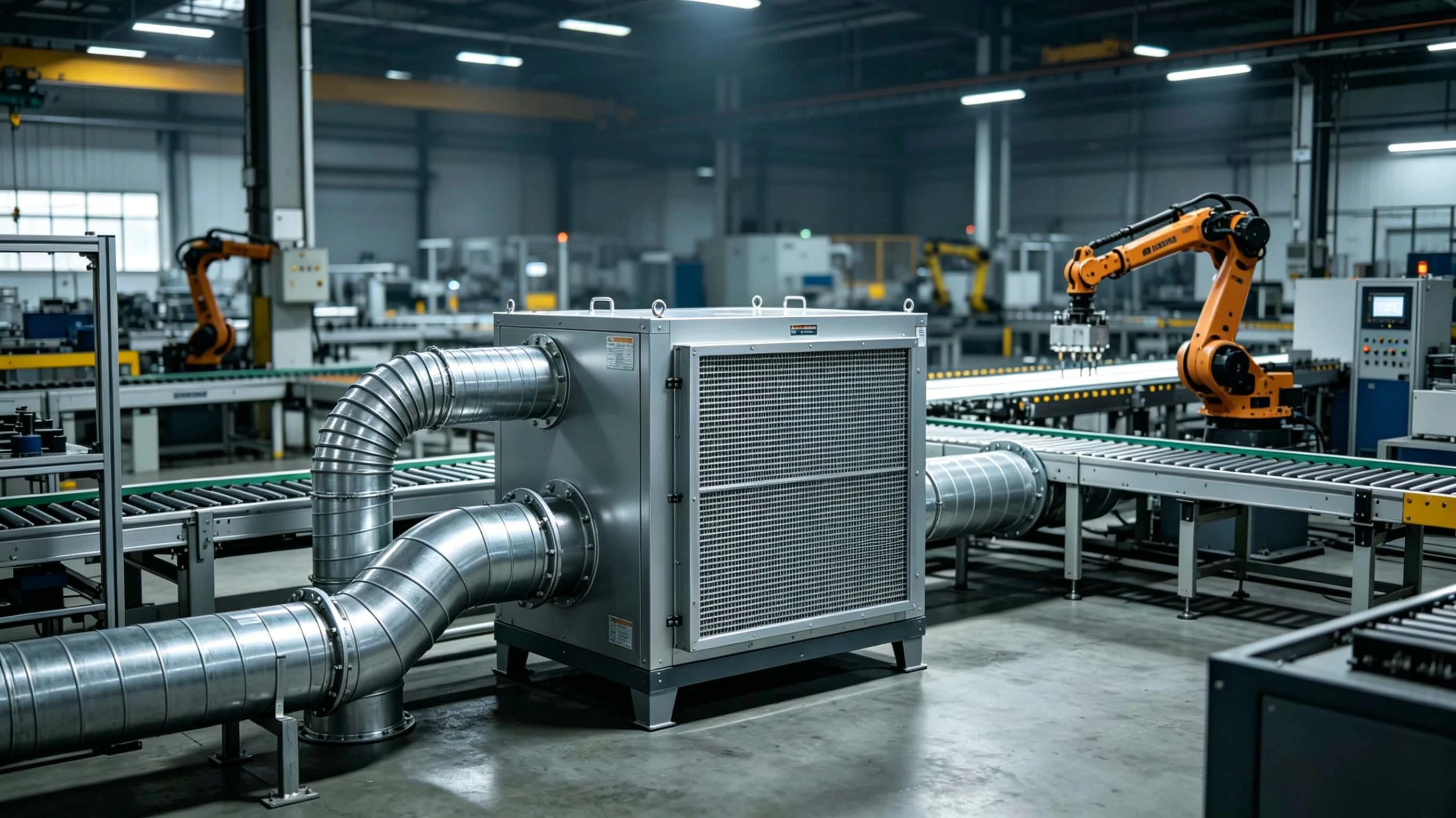
Filtration for Power Equipment
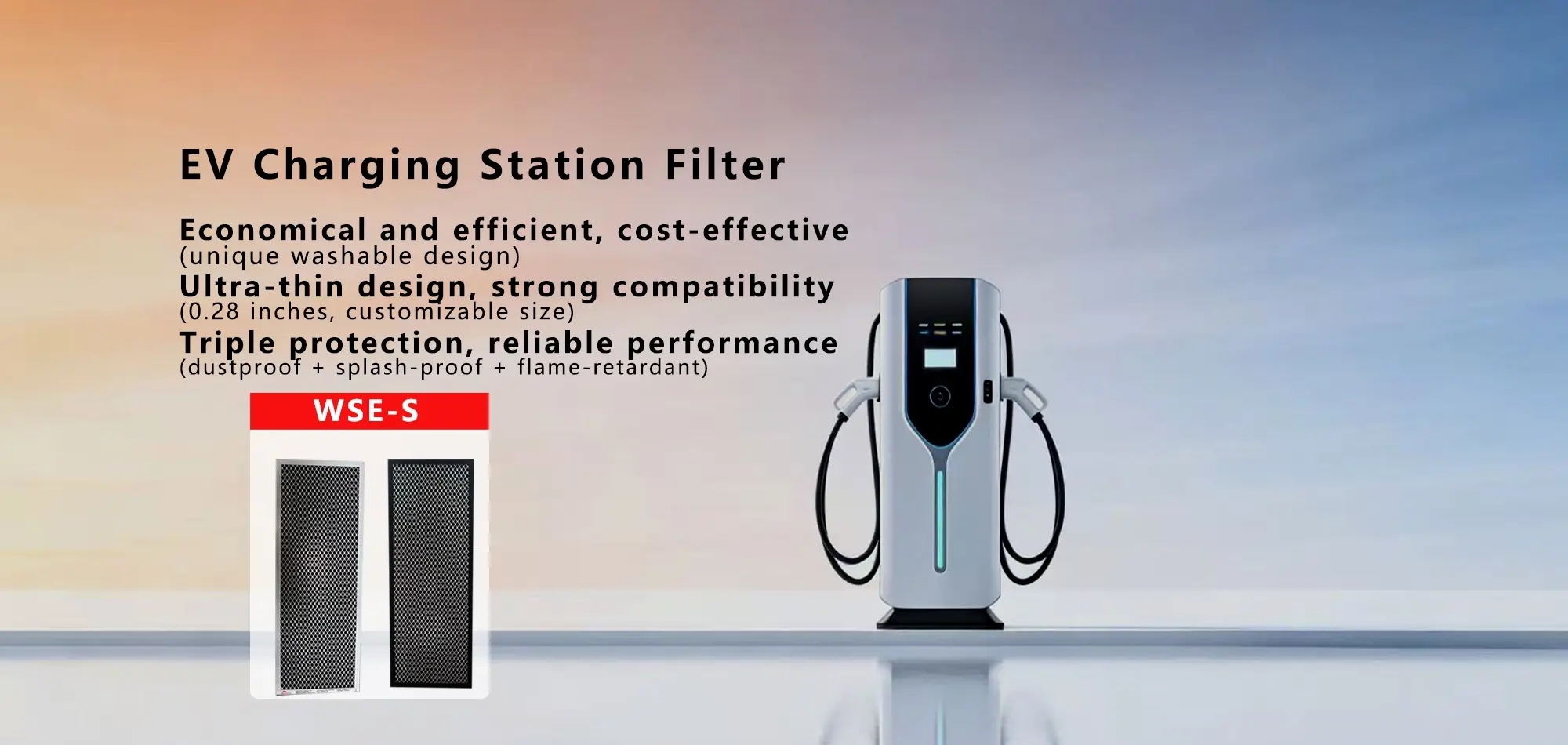
Professional air filtration for EV charging devices, protecting against dust and sand ingress to ensure stable, reliable operation of charging piles and station infrastructure.
View Related Products →Ultra-High Cleanliness Filtration
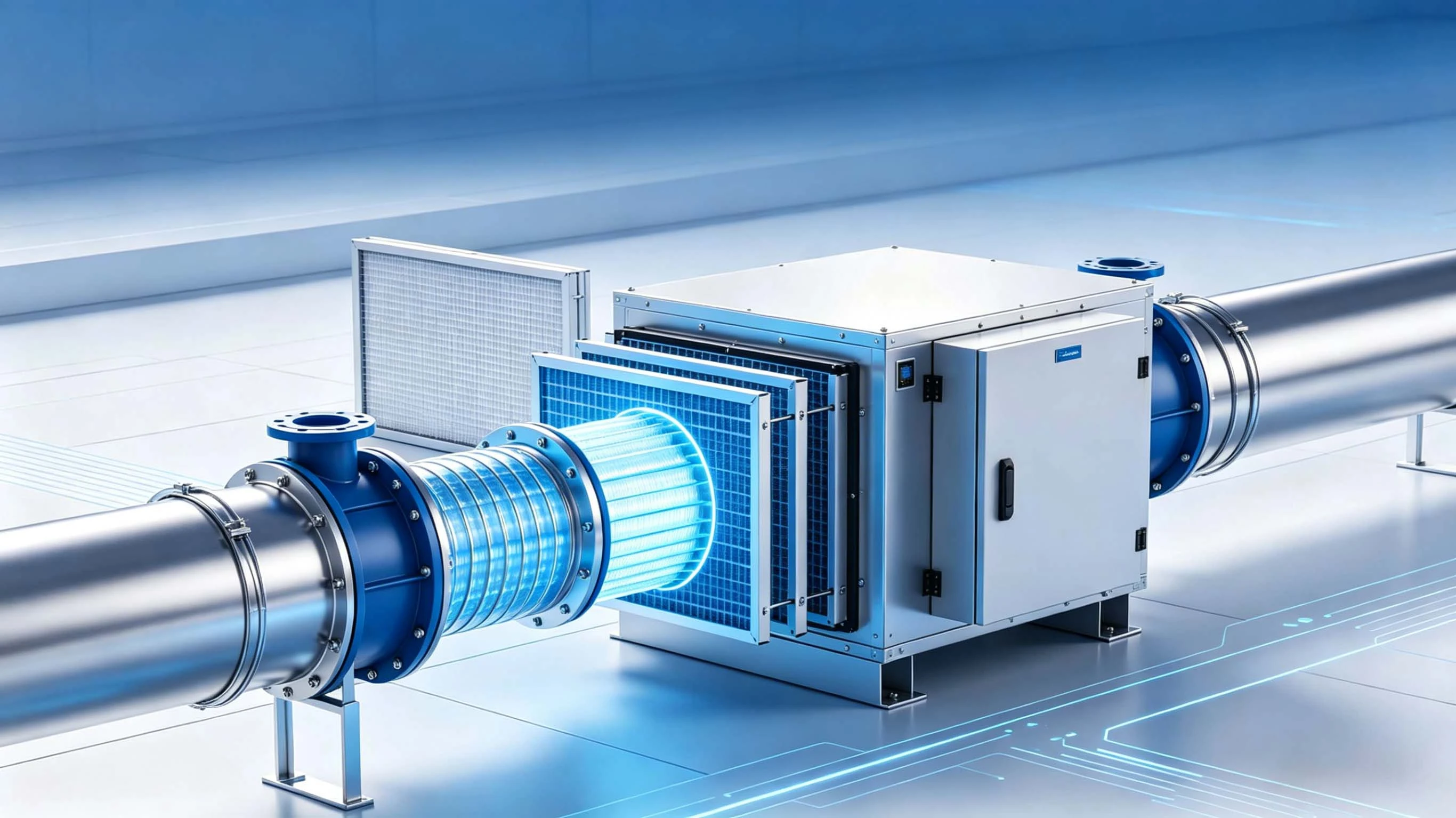
Ultra-high efficiency filtration for semiconductor wafer fabs and precision electronics cleanrooms, capturing nano-scale particles to meet ISO Class 1–3 standards and maximize product yield.
View Related Products →Central Air System Filtration
High-efficiency filtration for commercial building HVAC systems, improving indoor air quality, reducing energy consumption, and extending equipment service life.
View Related Products →Precision Equipment Protection
Precision air filtration for data centers, shielding servers and critical hardware from dust contamination to keep cooling systems running efficiently and reliably.
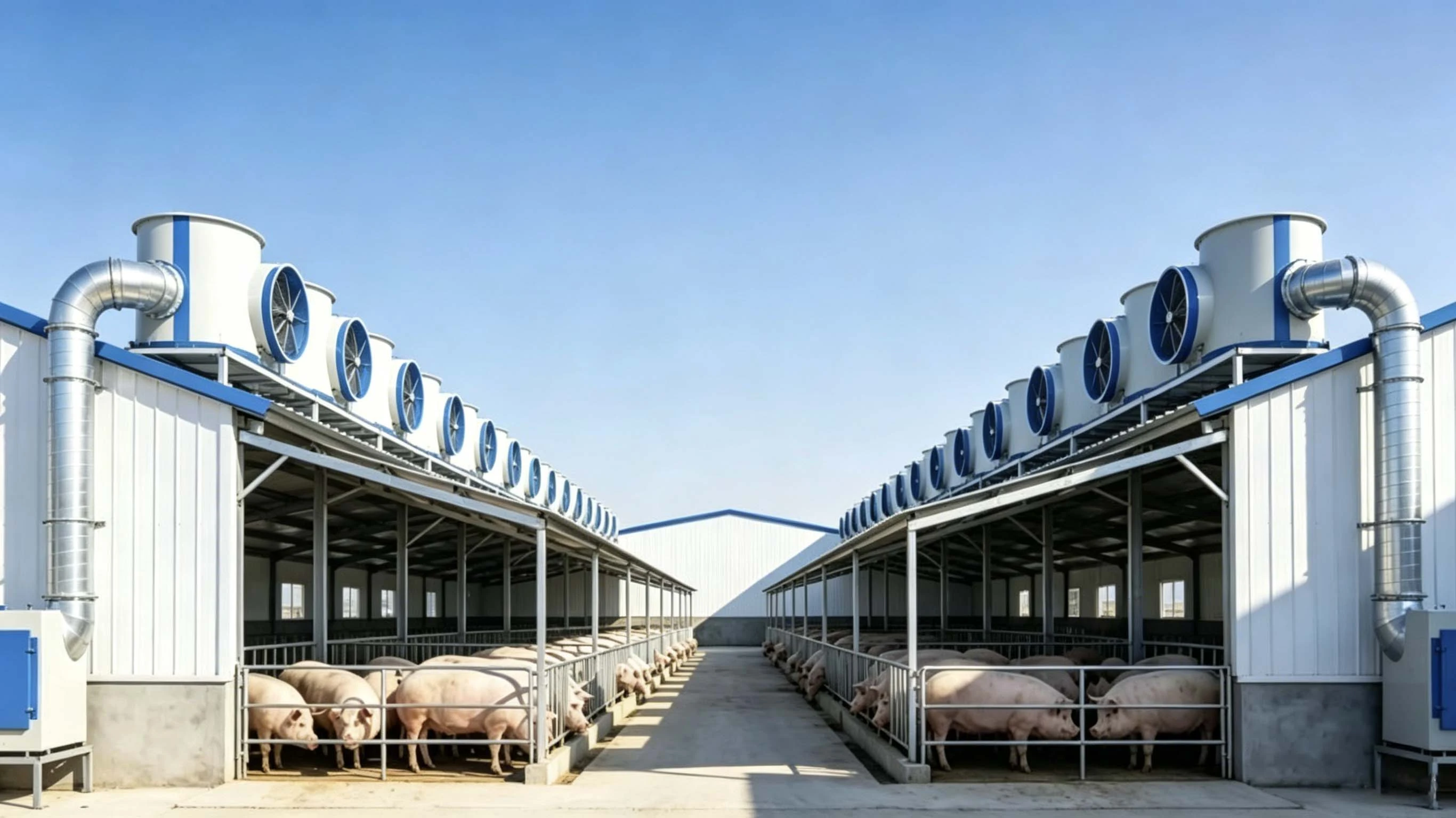
View Related Products →Farming Environment Purification
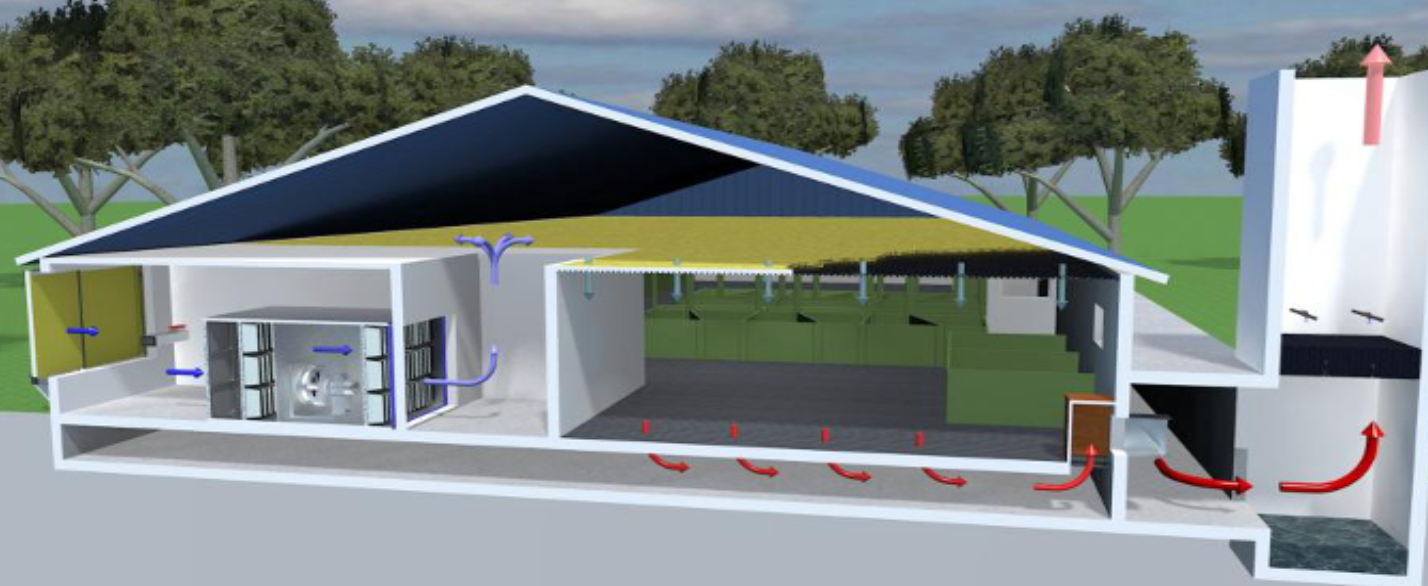
Dedicated filtration systems for farms and livestock facilities — capturing dust, adsorbing ammonia, and inhibiting pathogen spread to improve animal health and overall productivity.
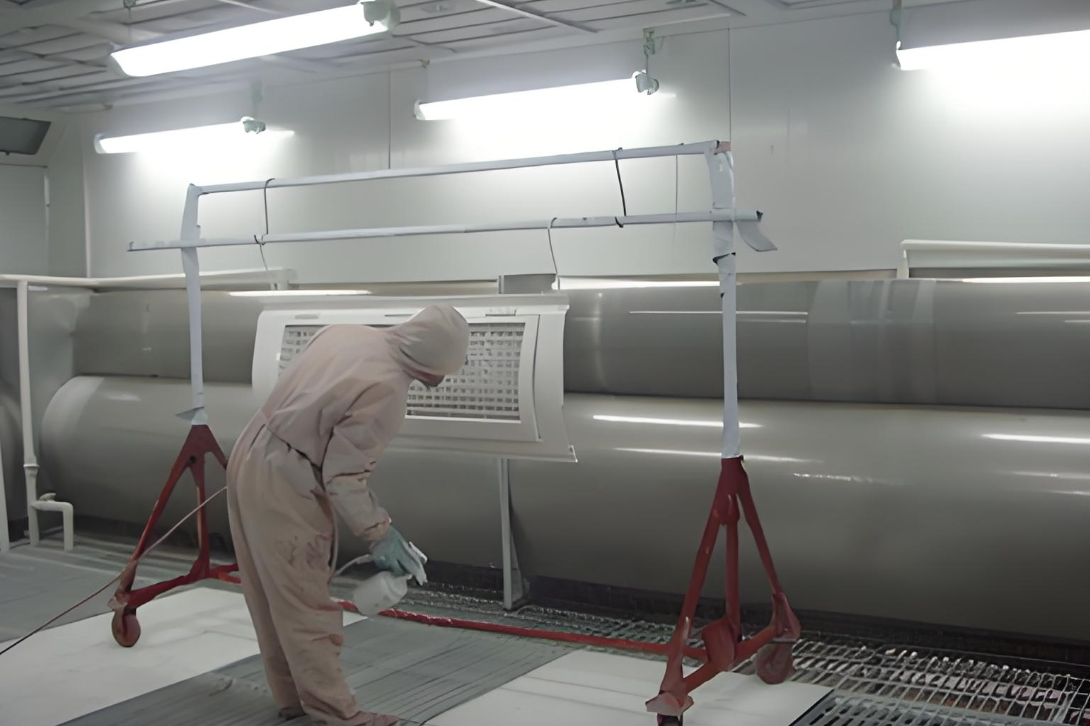
View Related Products →Paint Mist & Dust Purification
Designed for spray booths and grinding workshops, efficiently capturing paint mist, metal dust, and wood chips to meet emission standards while protecting finished surface quality.
View Related Products →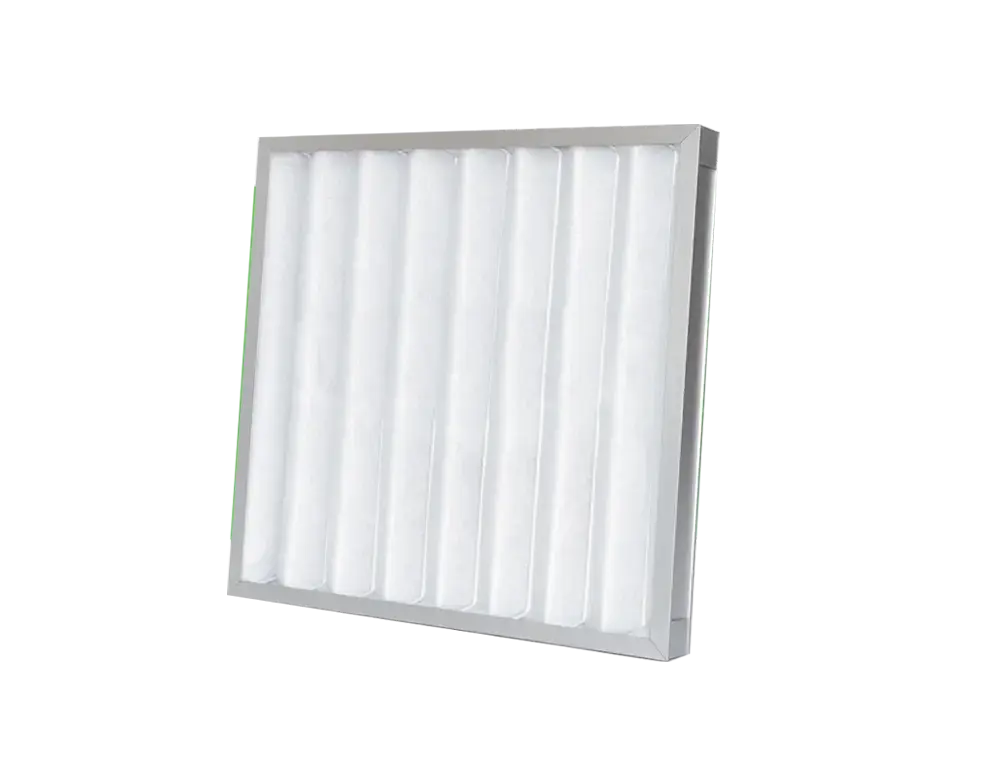

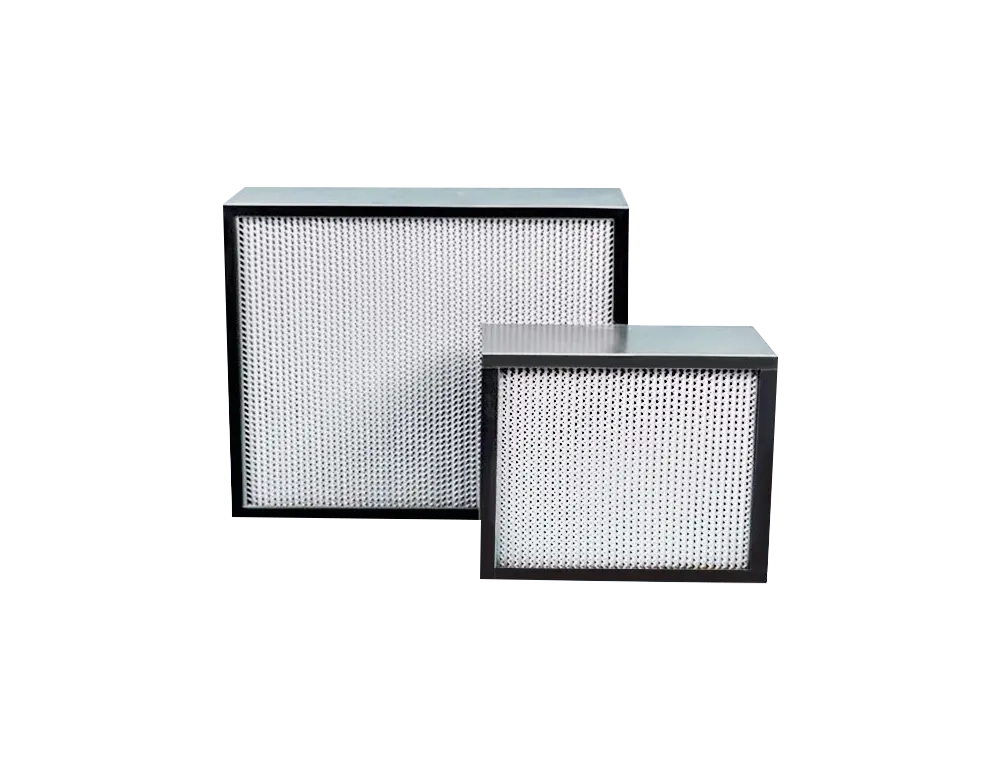
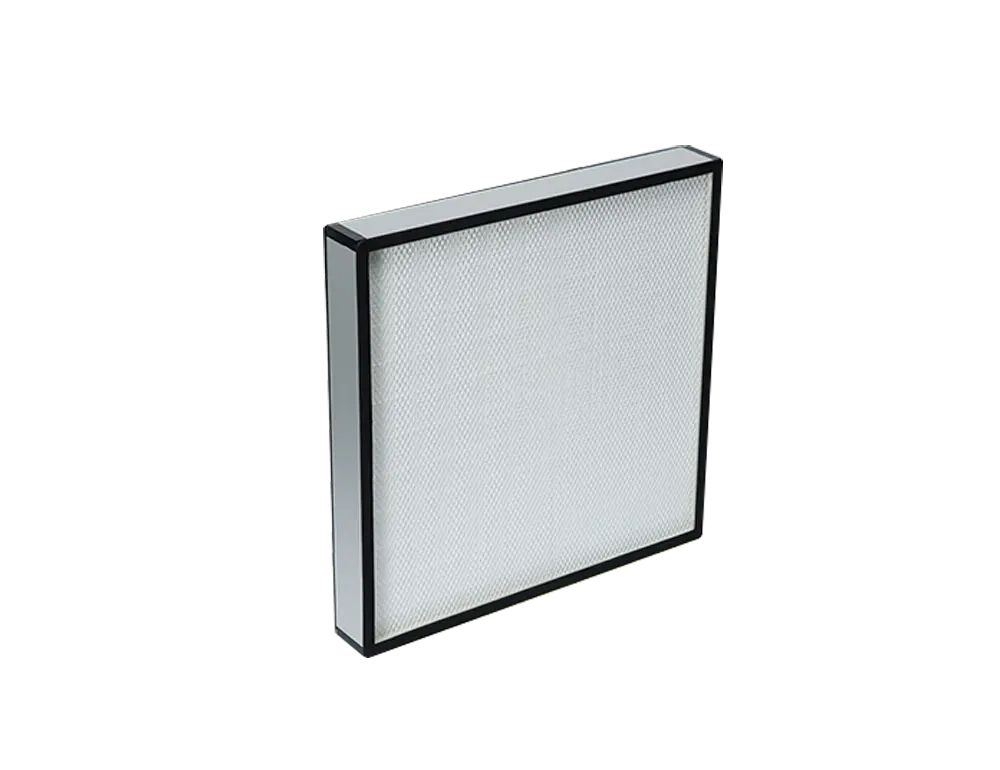
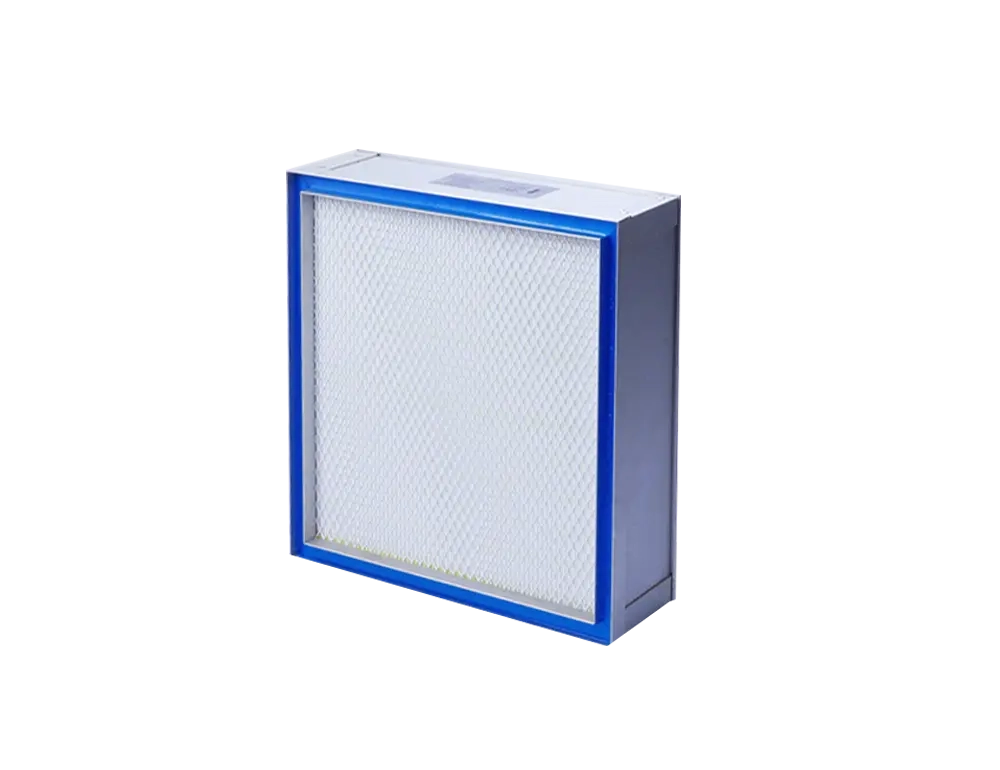
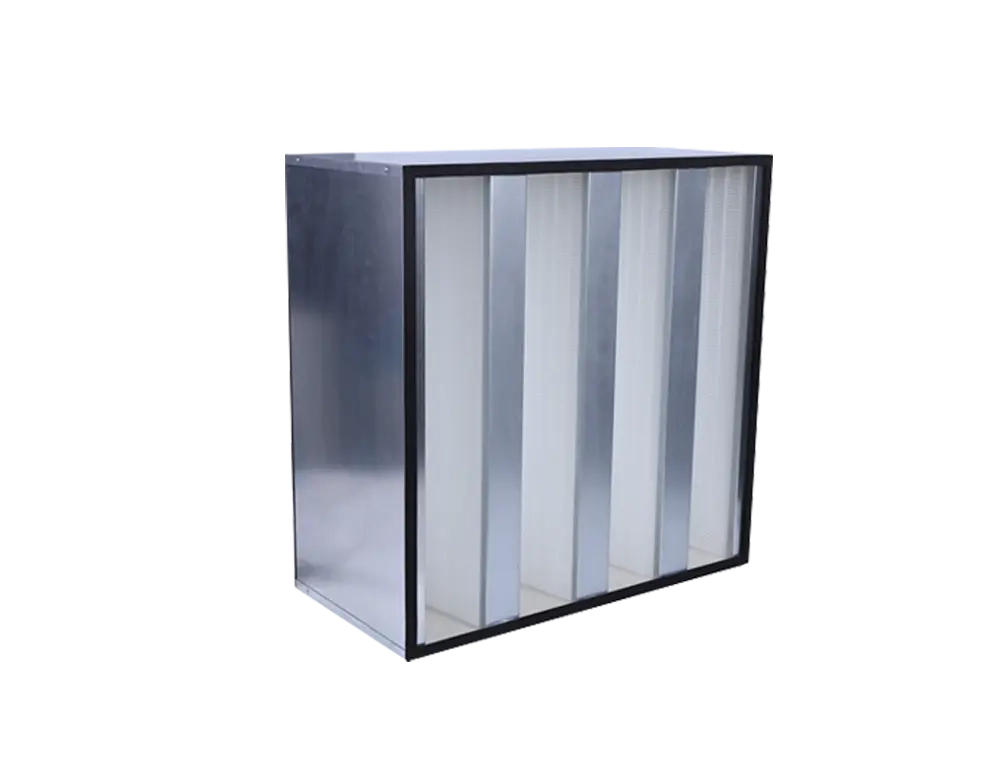


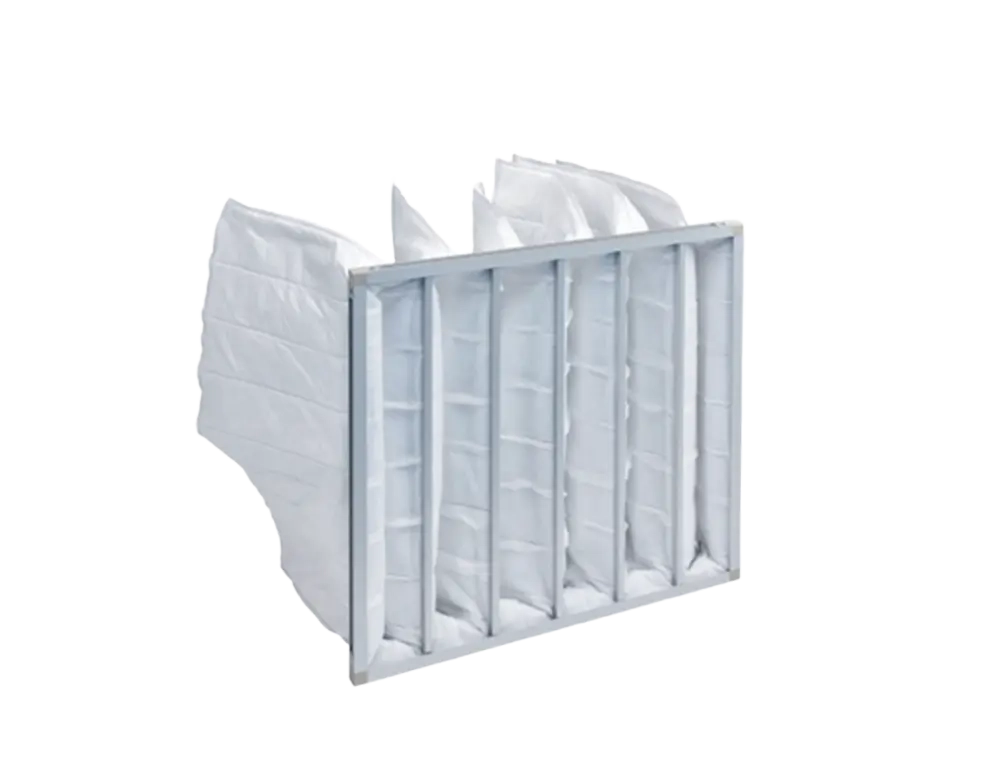
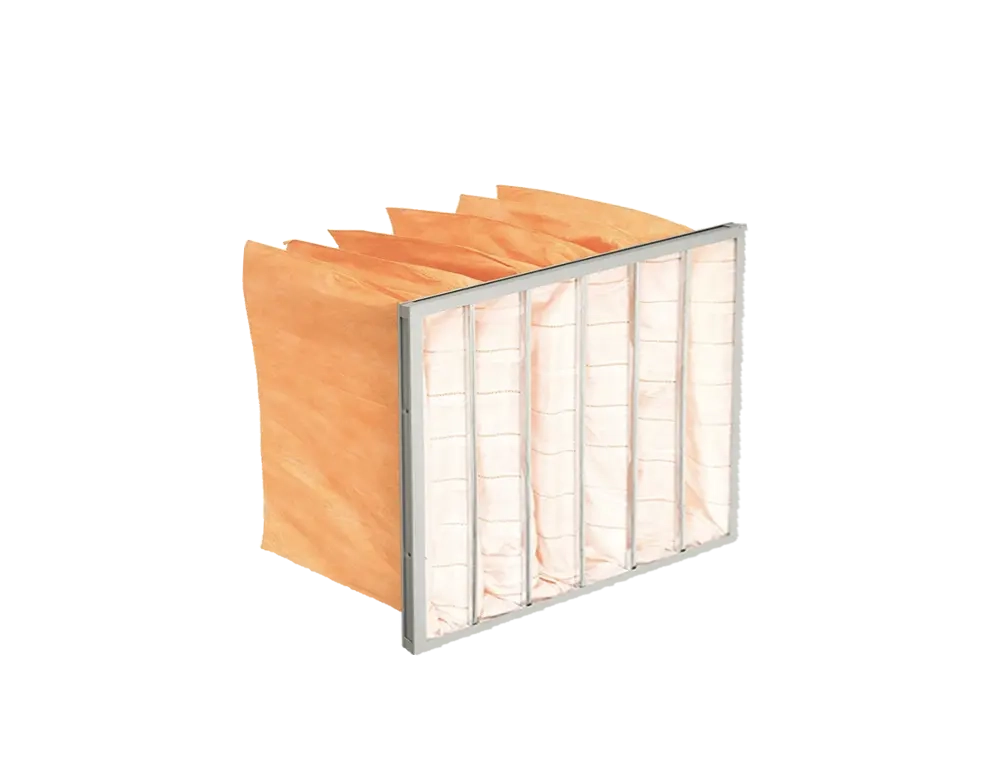
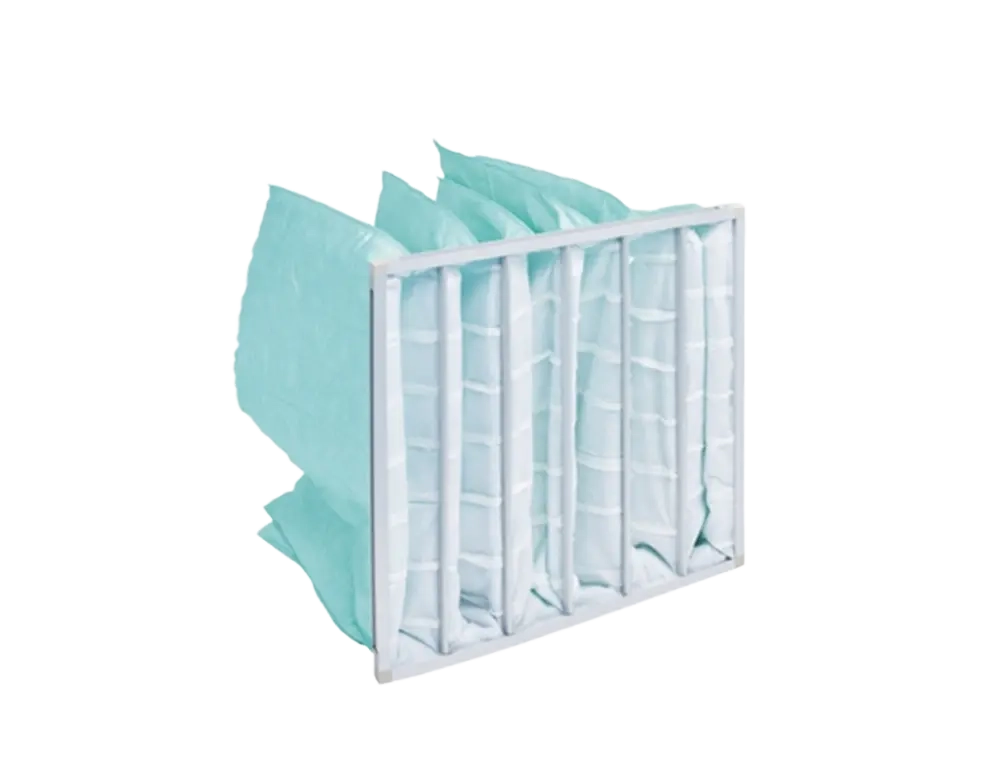
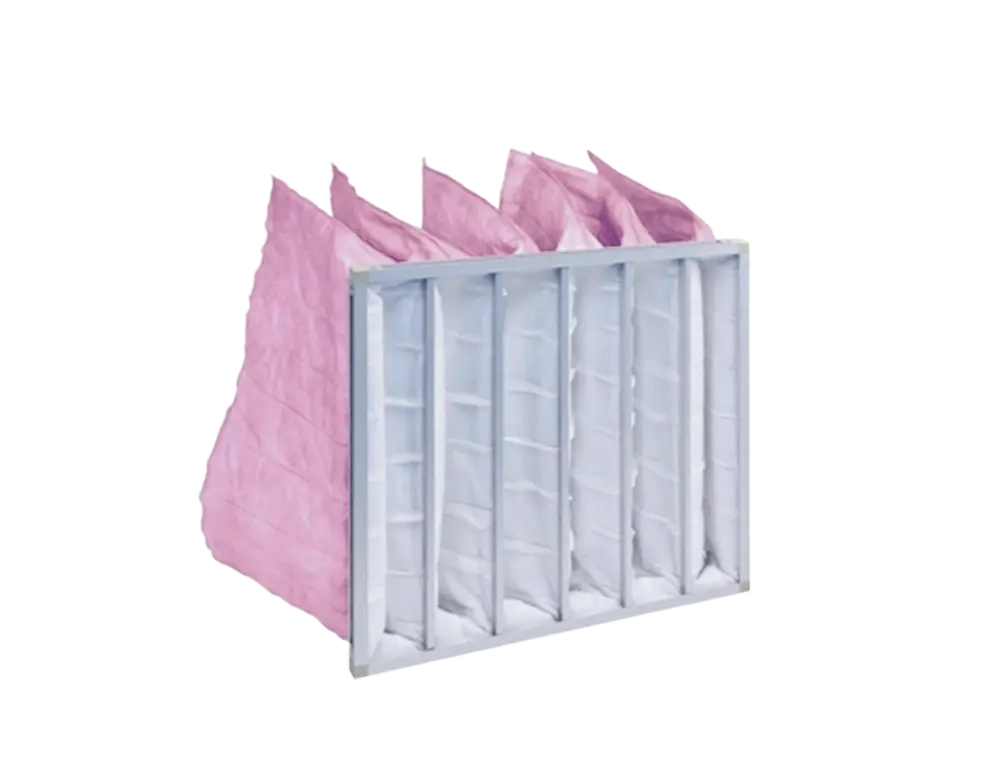
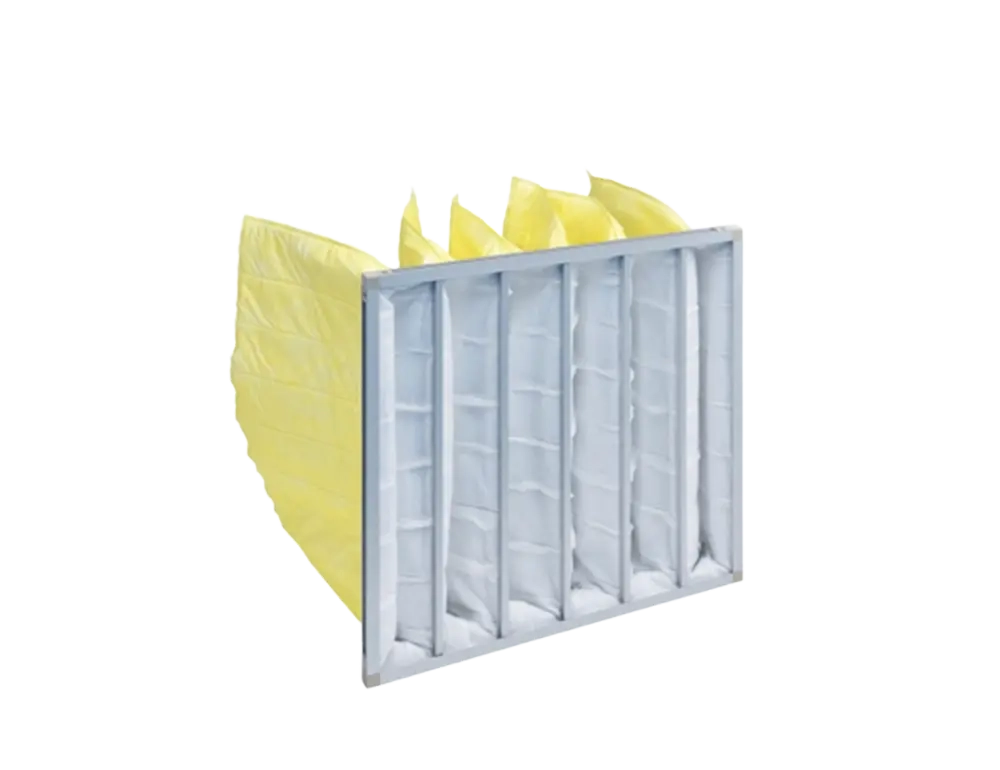

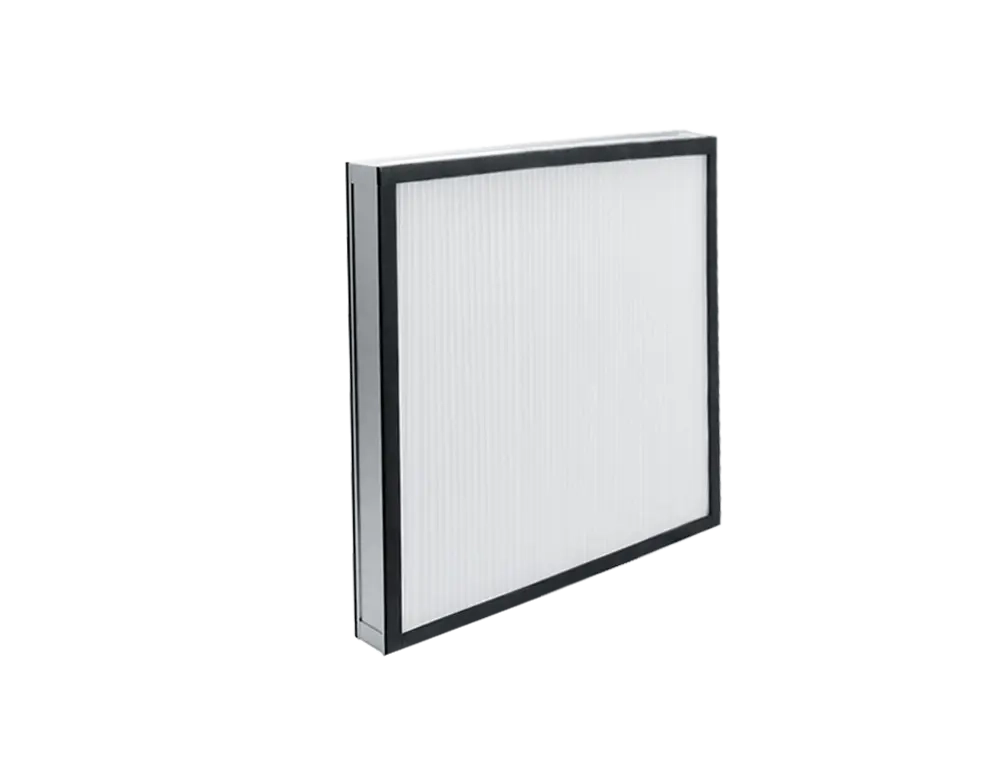
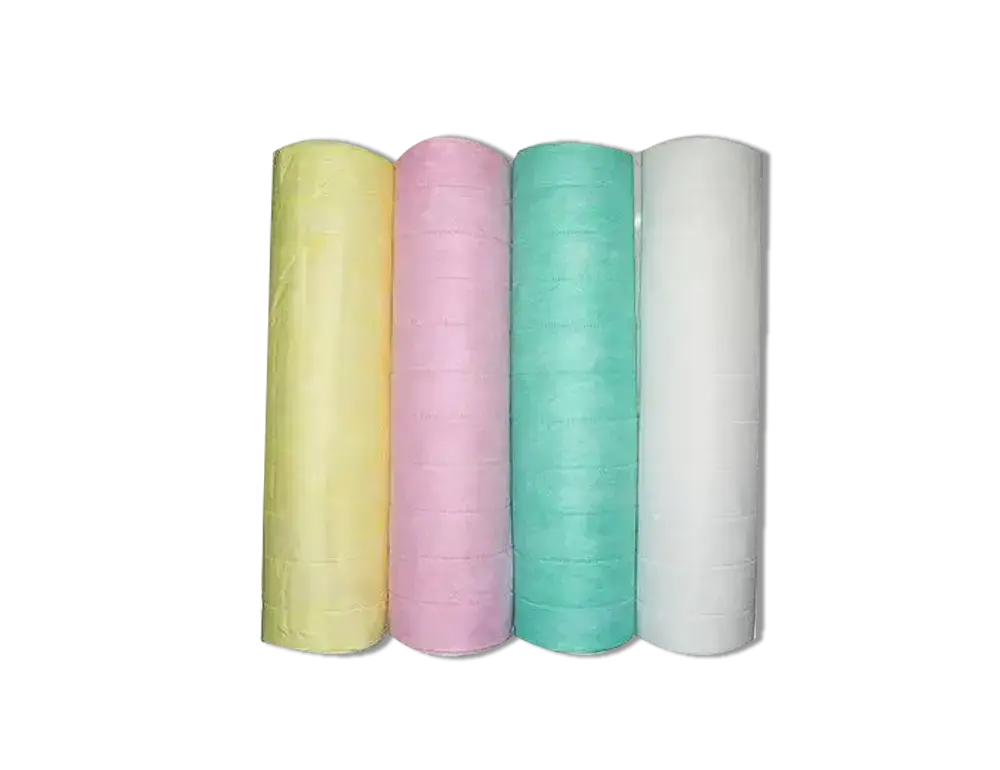
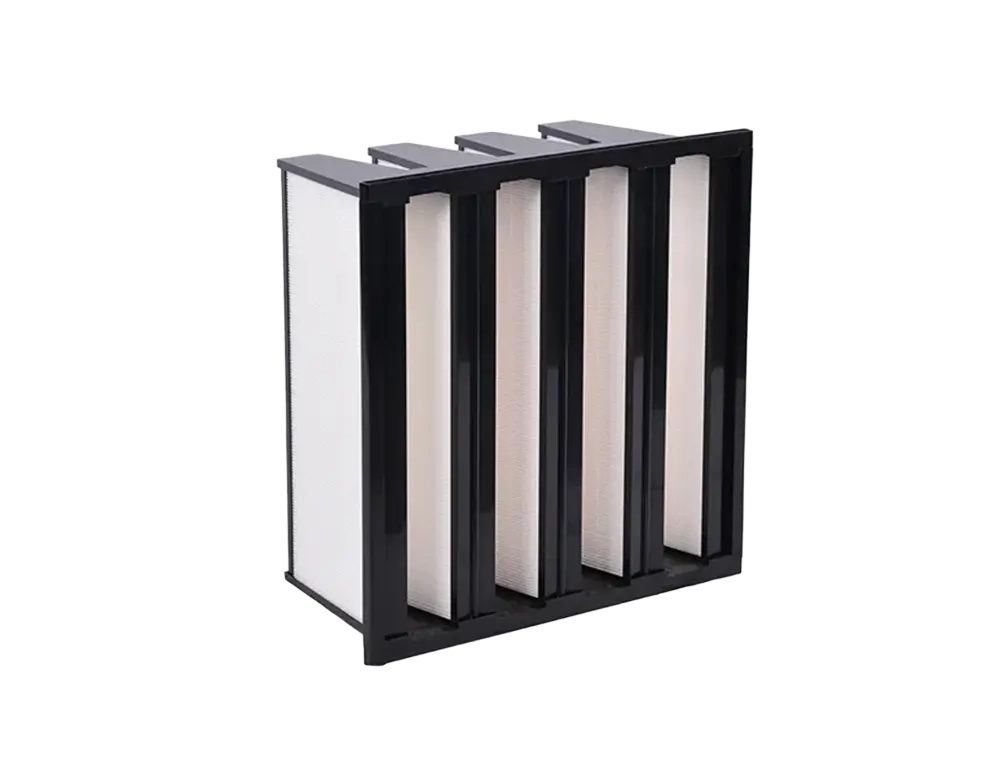

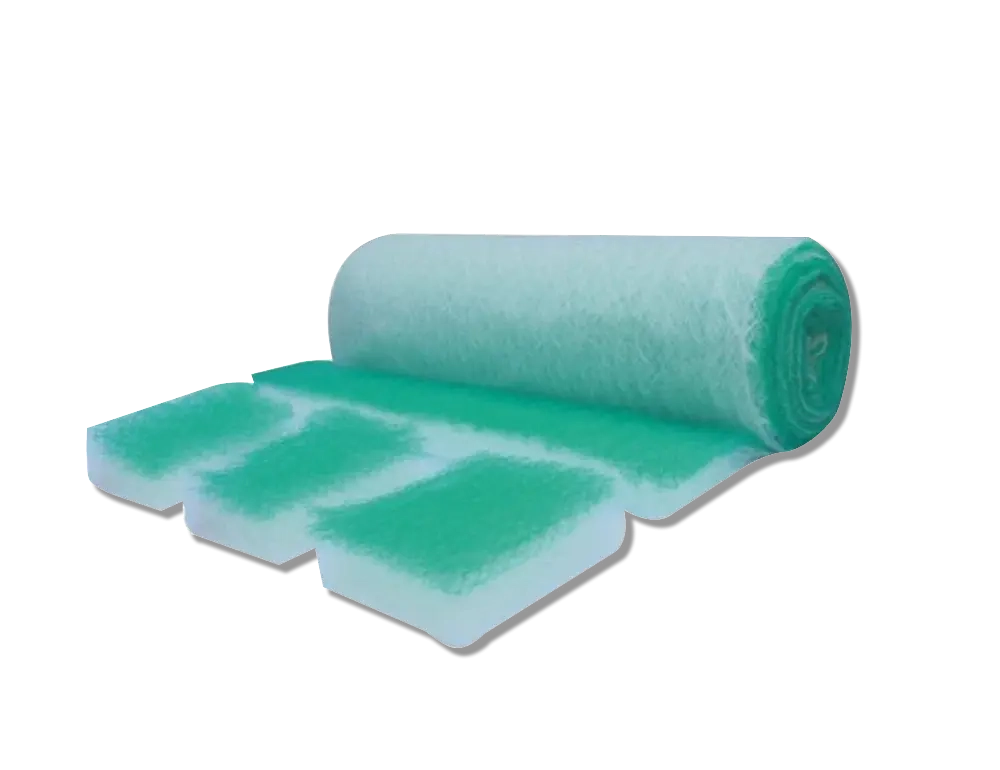
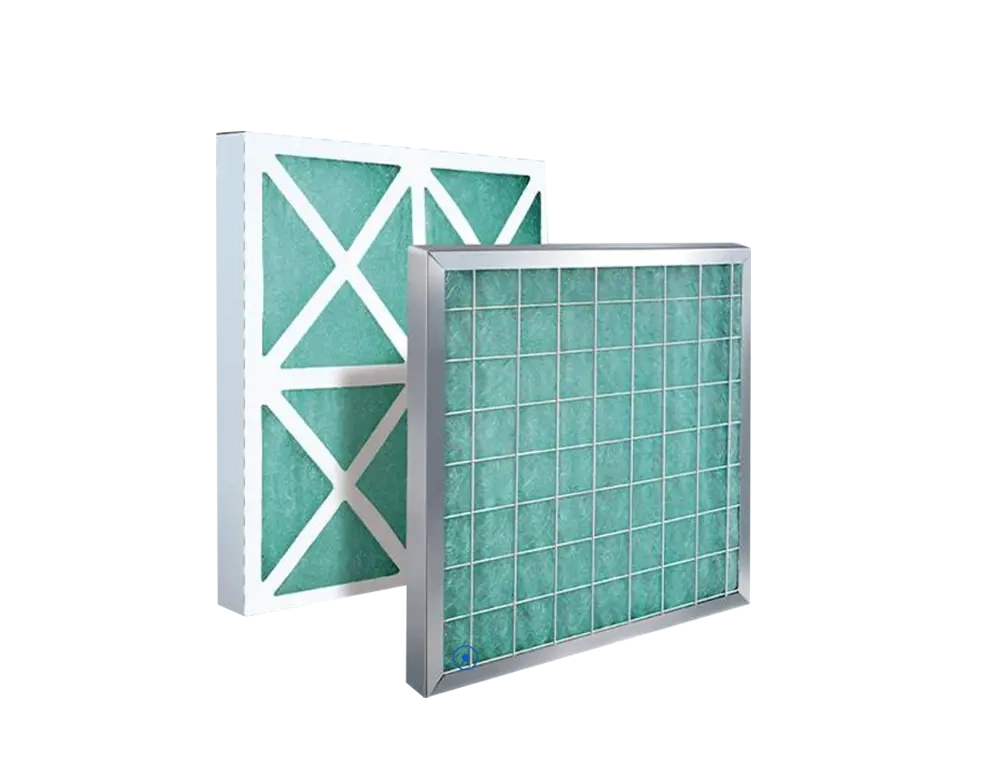

Pre-Filter (G1–G4)
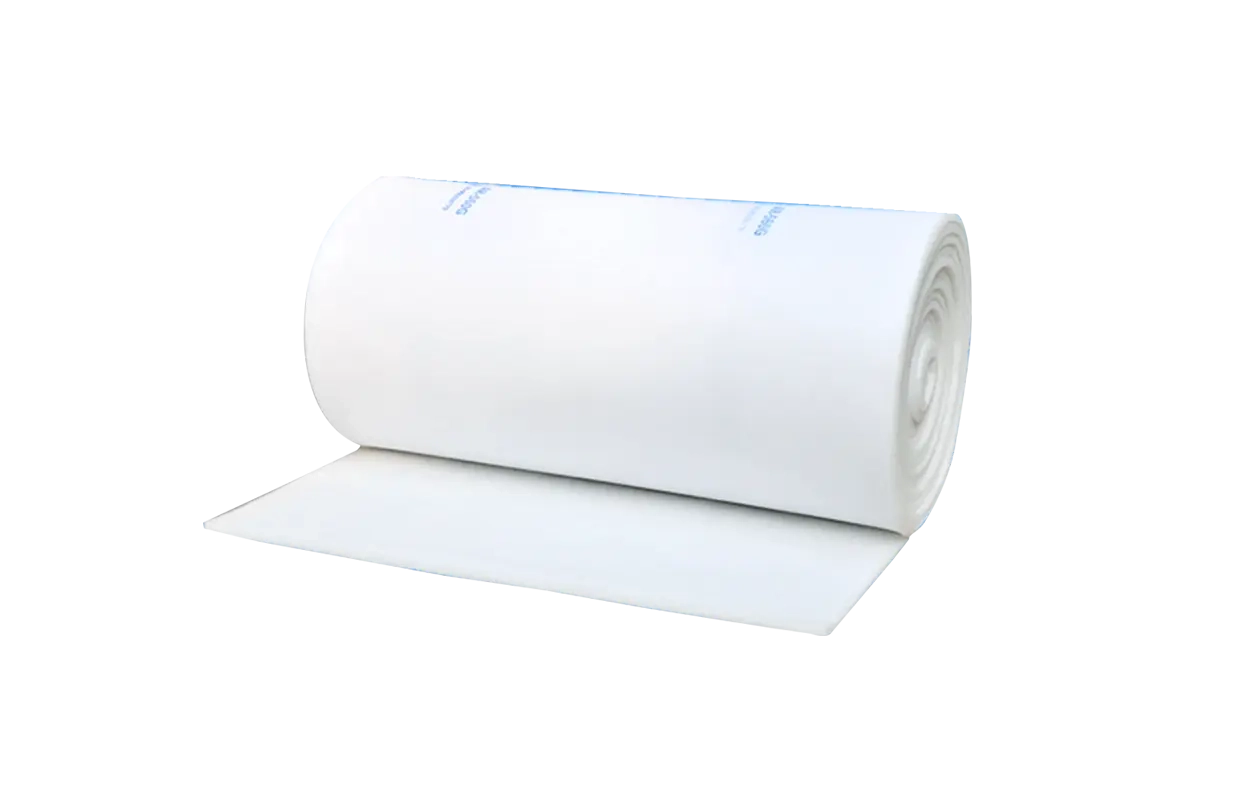
First-Stage Large-Particle Capture
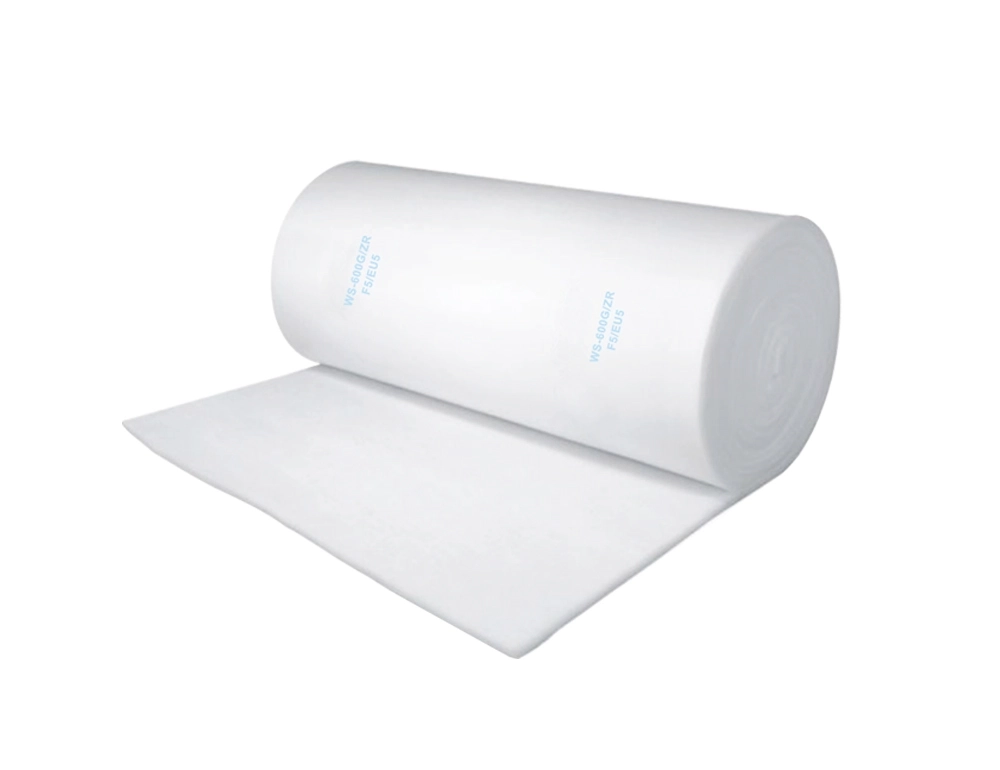
Medium-Efficiency Filter (F5–F9)
Precise PM2.5 Capture
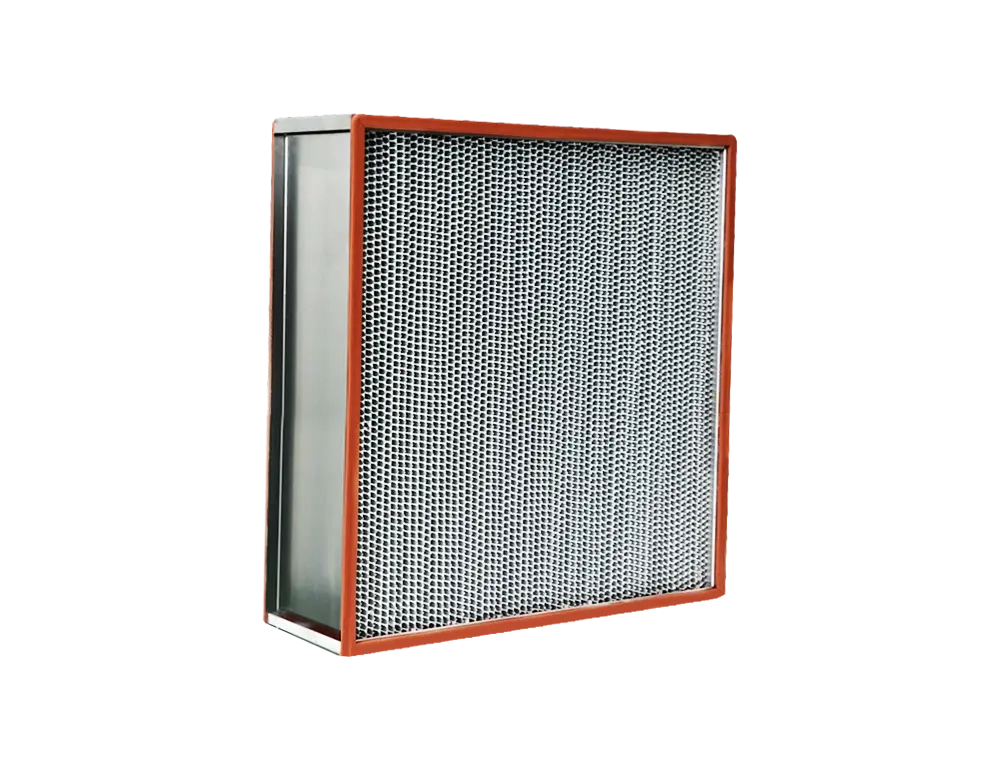
HEPA High-Efficiency Filter
Sterile-Grade Purification
ULPA Ultra-High Efficiency Filter
Sub-Micron Particle Capture
First-Stage Large-Particle Capture
The first line of defense, capturing particles ≥5 μm such as dust, hair, and fibers to protect downstream filters and extend overall system service life.
View Related Products →Precise PM2.5 Capture
Captures fine particles of 1–5 μm including PM2.5, pollen, and mold spores, significantly improving indoor air quality for commercial HVAC and ventilation systems.
View Related Products →Sterile-Grade Purification
≥99.97% filtration efficiency for particles ≥0.3 μm, delivering sterile-grade clean air widely used in medical, pharmaceutical, and electronics manufacturing.
View Related Products →Sub-Micron Particle Capture
≥99.9995% efficiency for particles ≥0.12 μm, meeting the extreme cleanliness demands of semiconductor fabs, aerospace, and other ultra-precision applications.
View Related Products →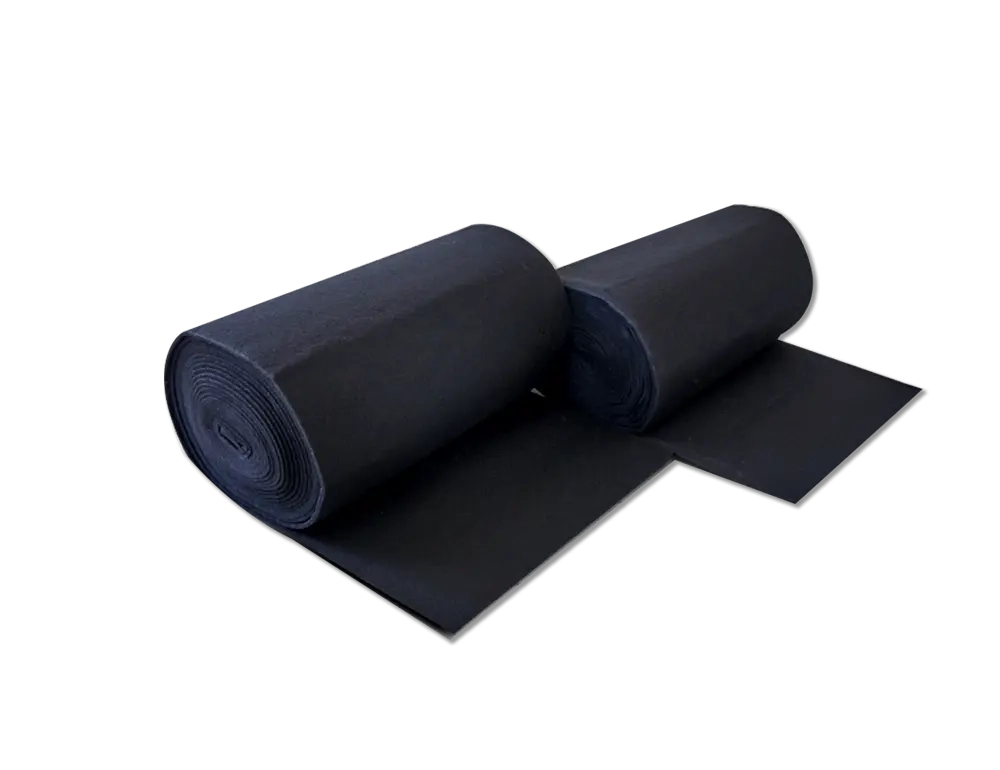
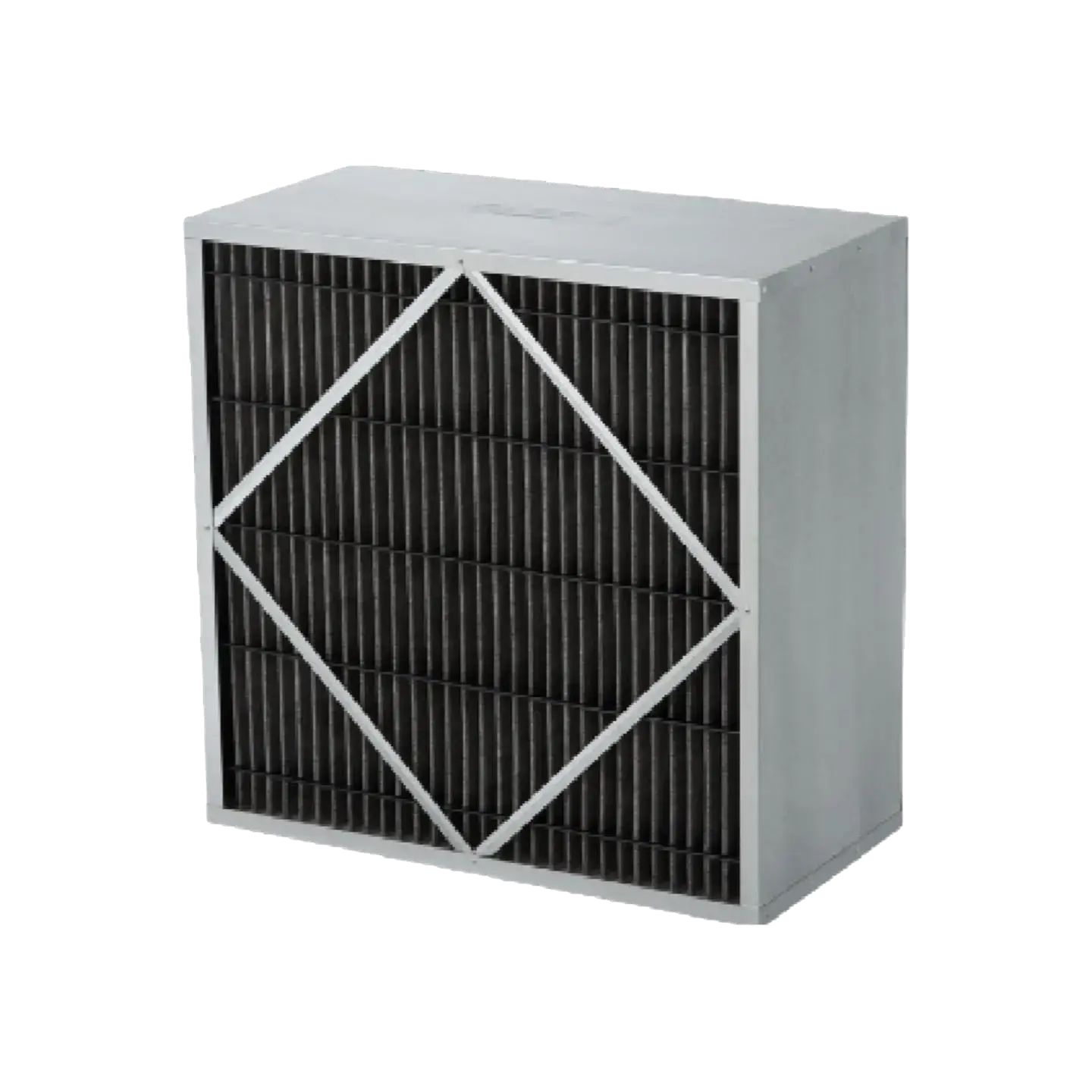
High-Temperature Resistant
Industrial-Grade Heat Tolerance
Washable & Reusable
Cut Costs, Reduce Waste
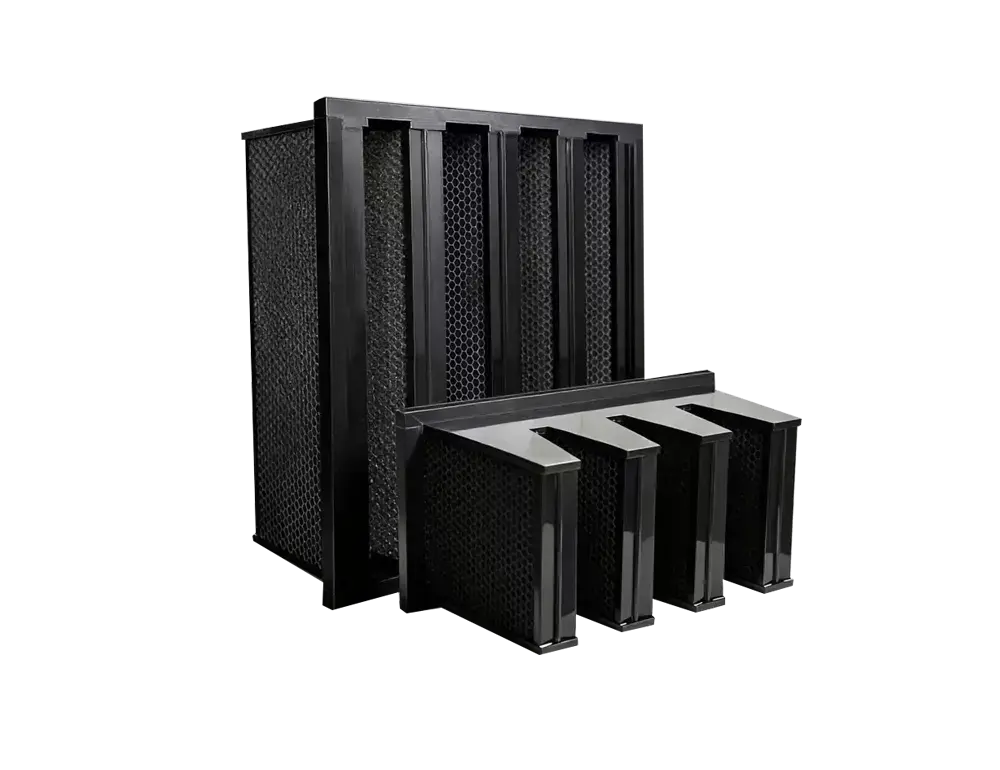
Activated Carbon
Odor & Harmful Gas Removal
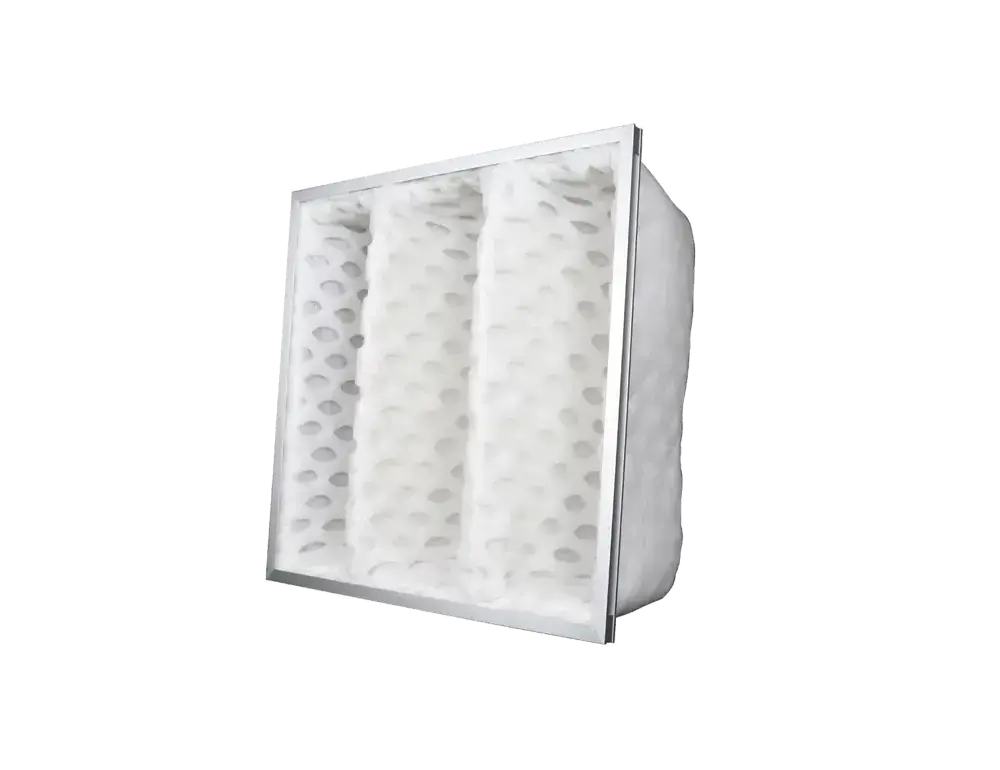
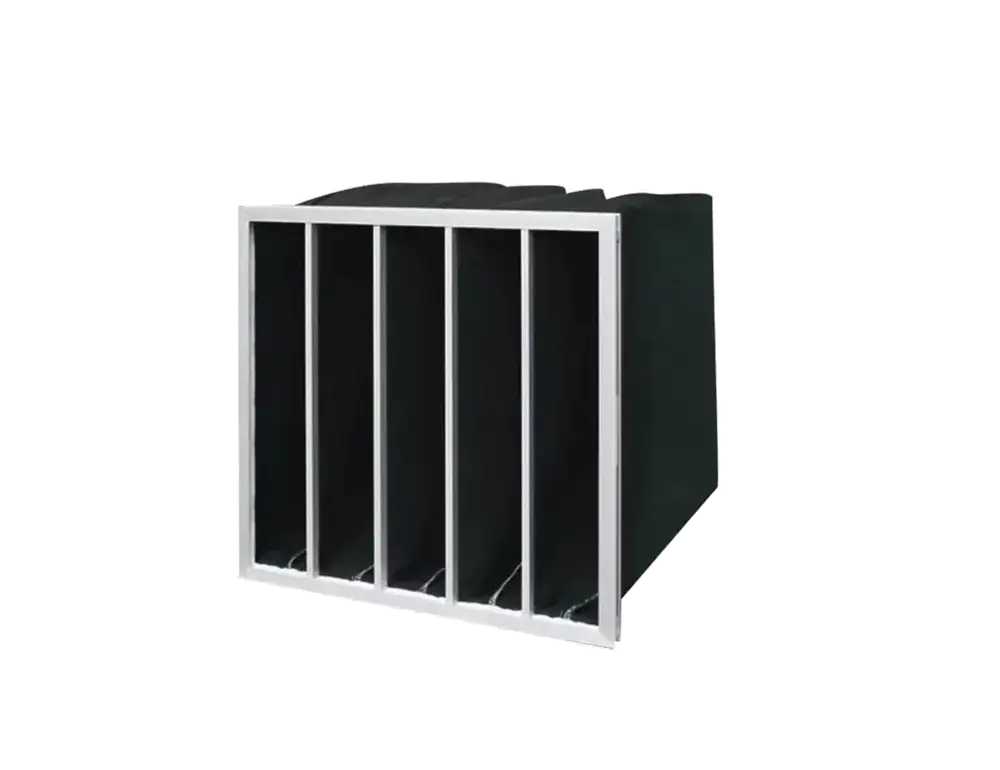
Bag Filter
High Dust-Holding, Long Life
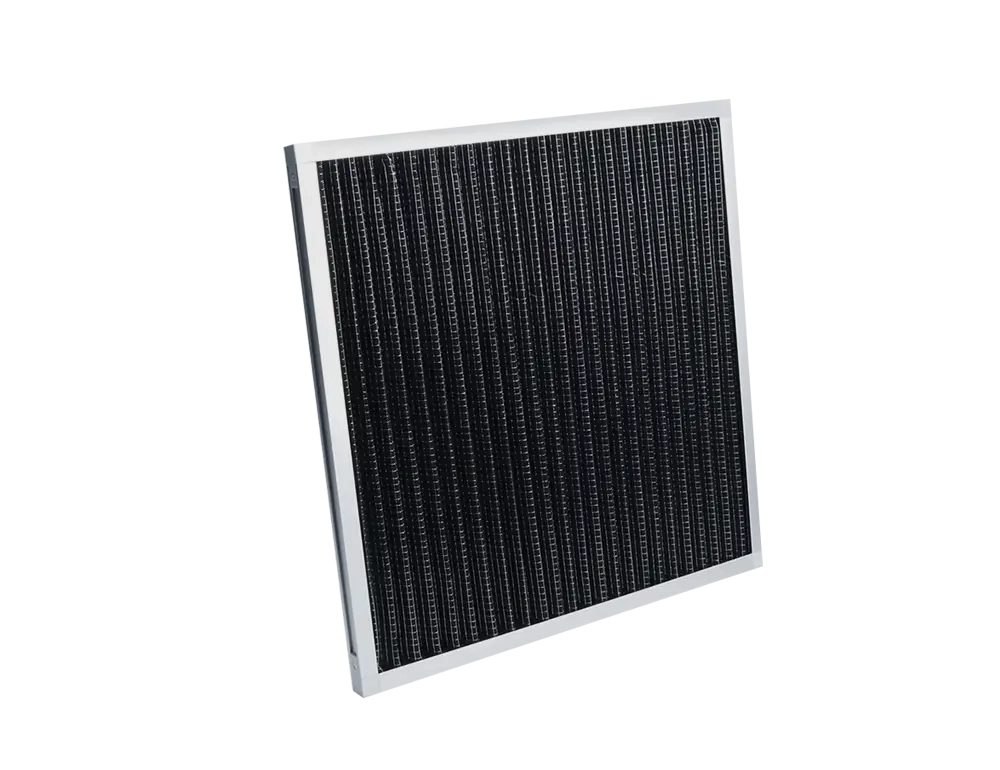
Panel / Pleated Filter
Compact Space-Saving Design
Low-Resistance Airflow
Energy-Saving Operation
Industrial-Grade Heat Tolerance
Built with specialized heat-resistant materials, operating stably up to 250°C for paint ovens, industrial dryers, and high-temperature process environments.
View Related Products →Cut Costs, Reduce Waste
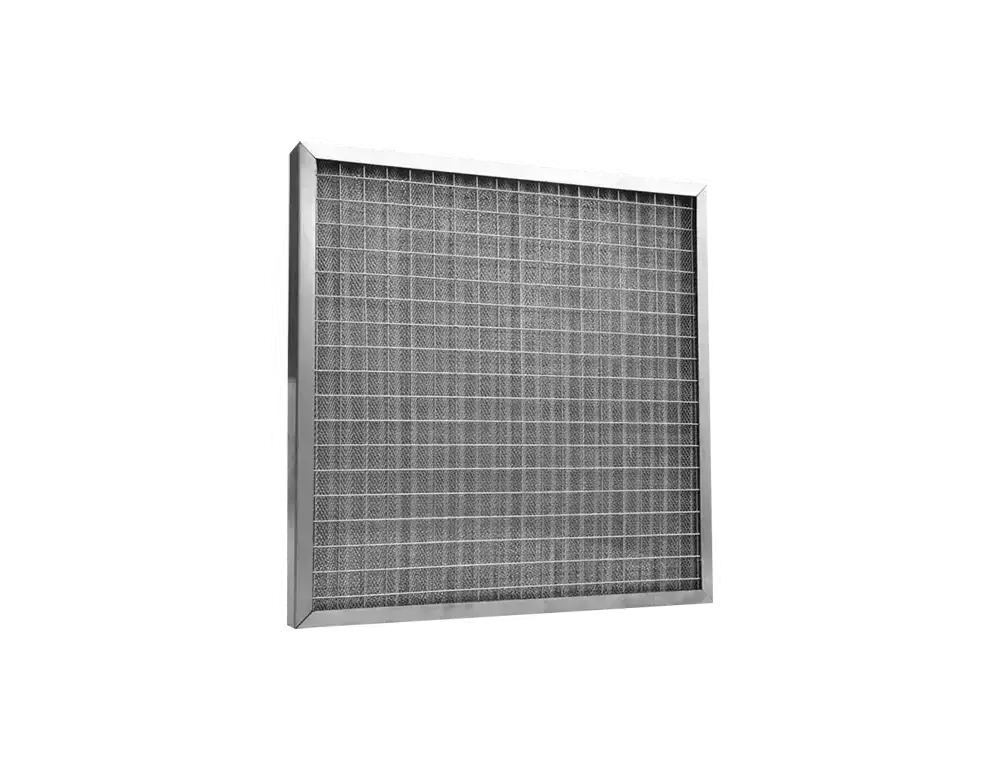
Cleanable by water washing or air blowing, reusable multiple times to significantly reduce replacement frequency and O&M costs — an economical, eco-friendly choice.
View Related Products →Odor & Harmful Gas Removal
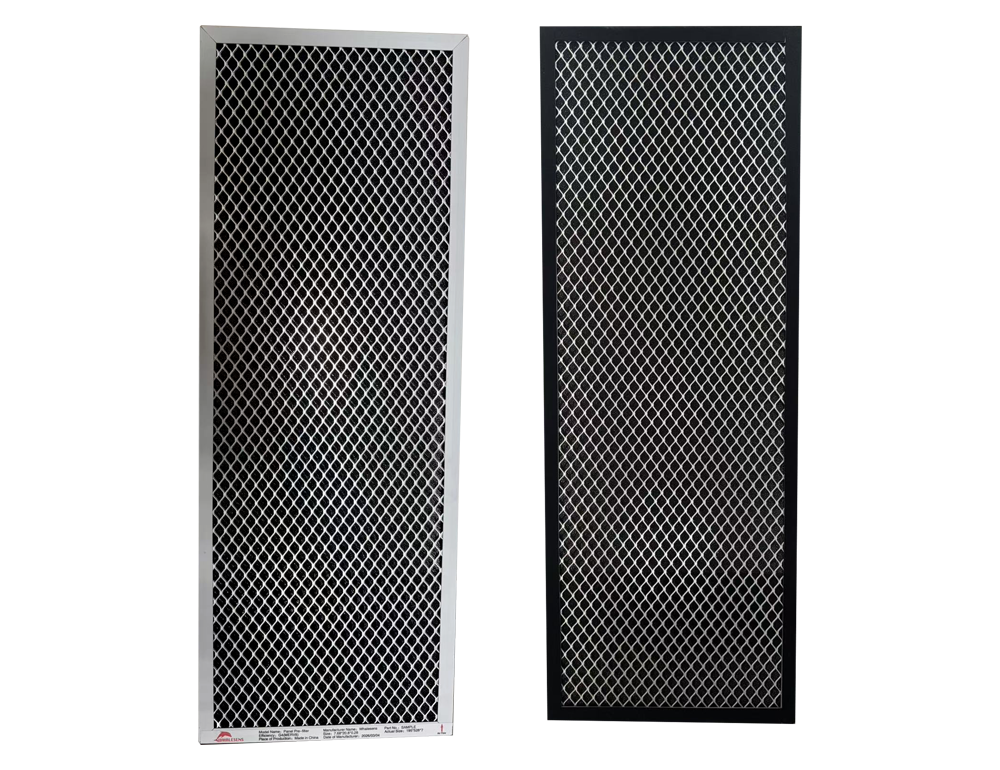
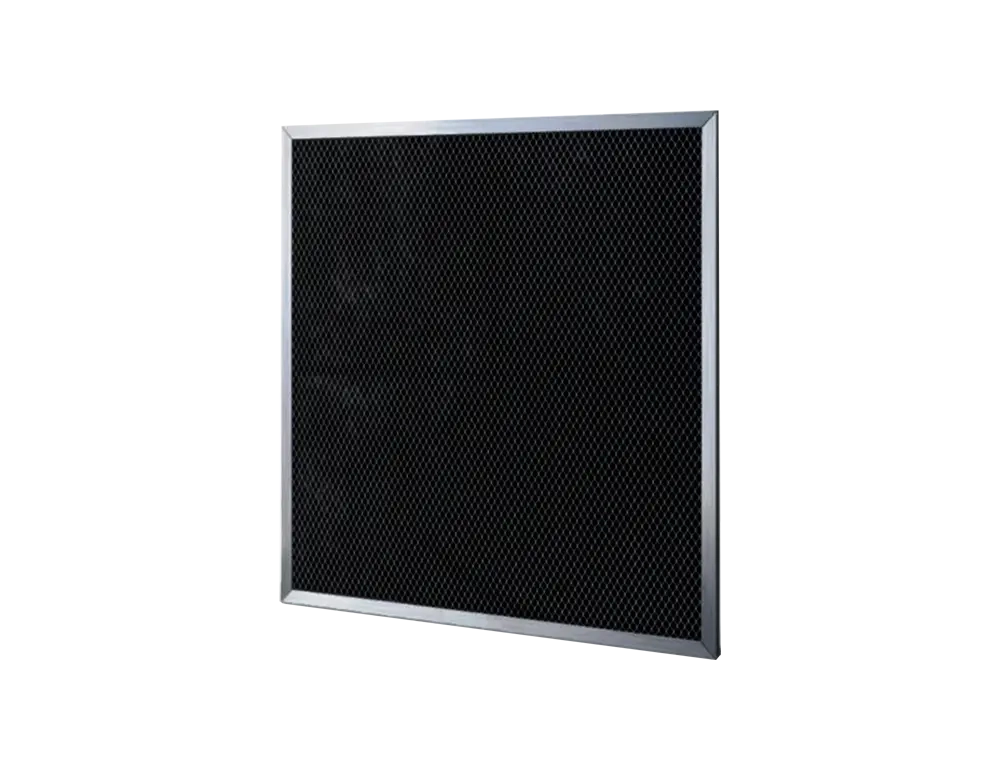
Leverages activated carbon's high adsorption capacity to eliminate odors, VOCs, and formaldehyde, ideal for newly renovated spaces and industrial exhaust treatment.
View Related Products →High Dust-Holding, Long Life
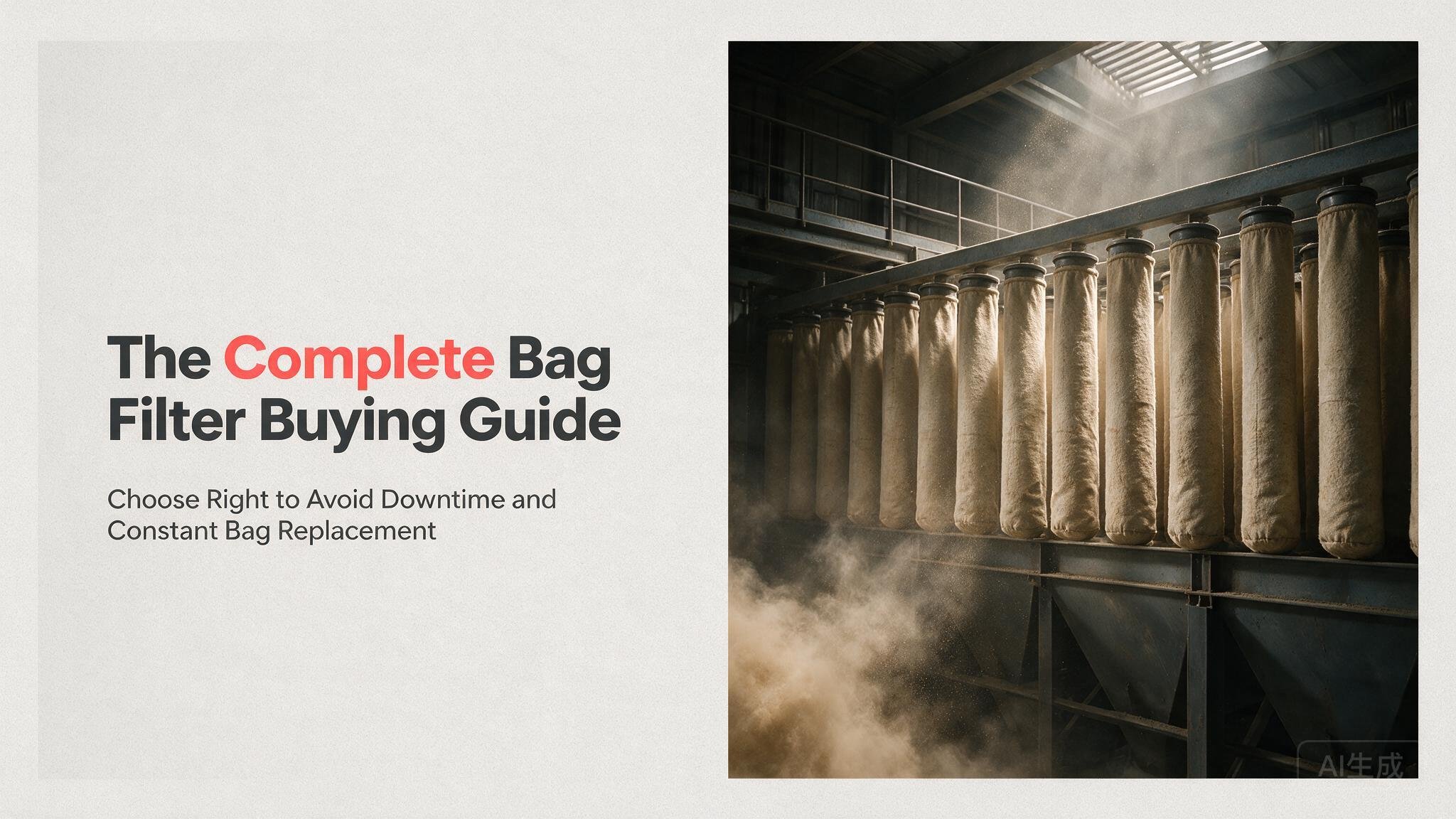
Bag-style construction delivers a larger filtration area, high dust-holding capacity, and extended service life — ideal for high-dust environments with reduced replacement frequency.
View Related Products →Compact Space-Saving Design
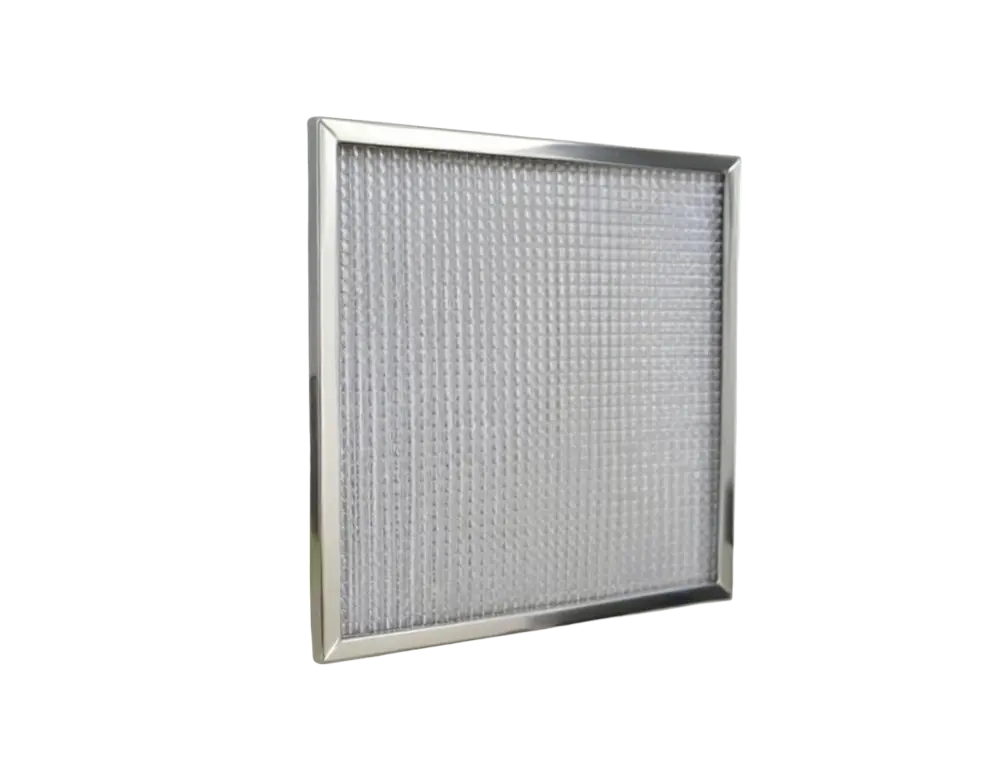
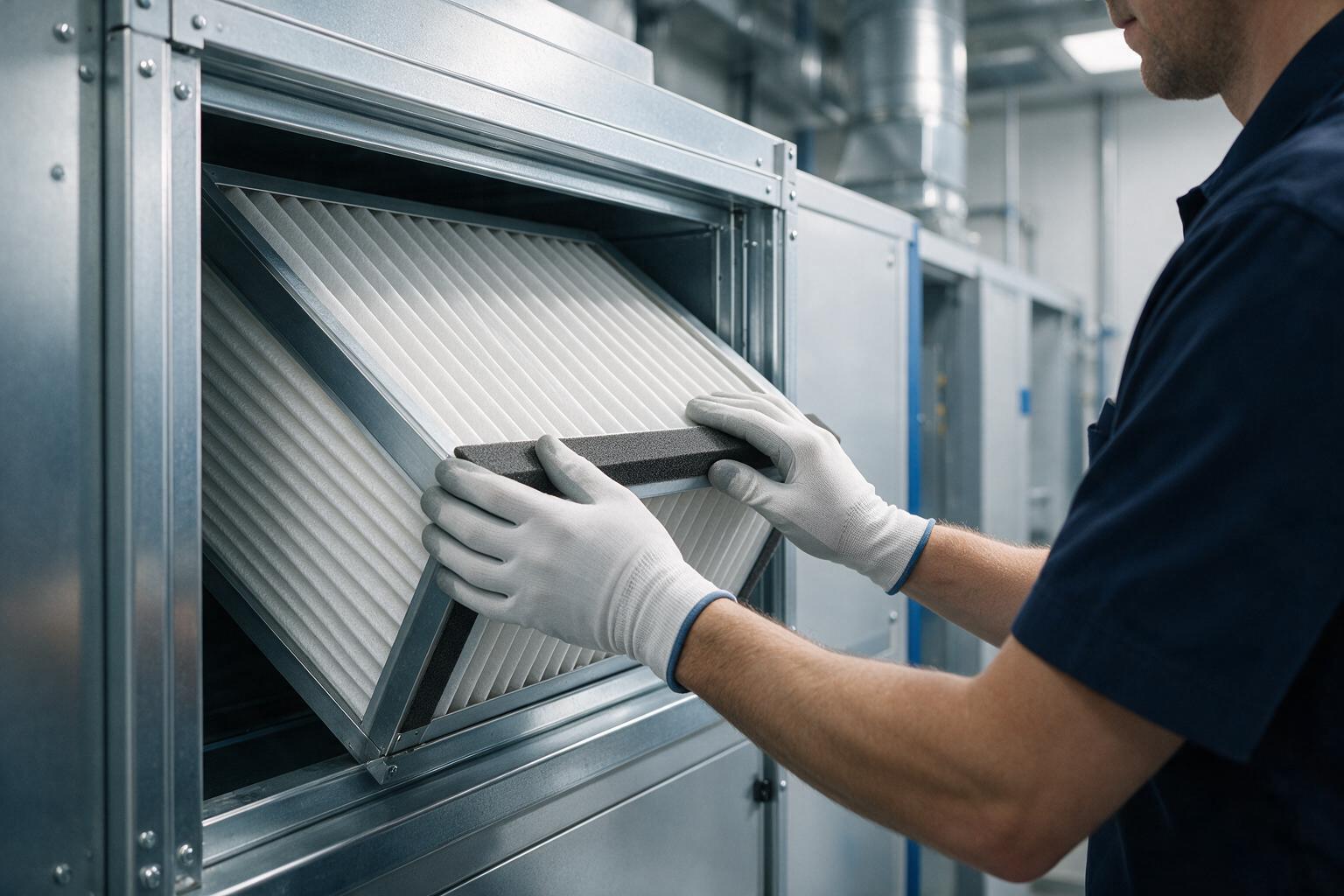
Compact form factor for easy installation and replacement; pleated structure maximizes filtration area within a small footprint for higher efficiency.
View Related Products →Energy-Saving Operation
Low-resistance design minimizes pressure drop while maintaining filtration performance, reducing fan energy consumption for cost-effective, eco-friendly operation.
View Related Products →


























 English(Global)
 简体中文
简体中文 Language




Wind Turbine Filter Selection: Nacelle, Converter and Gearbox Duty
Where a Wind Turbine Filter Sits in the Asset
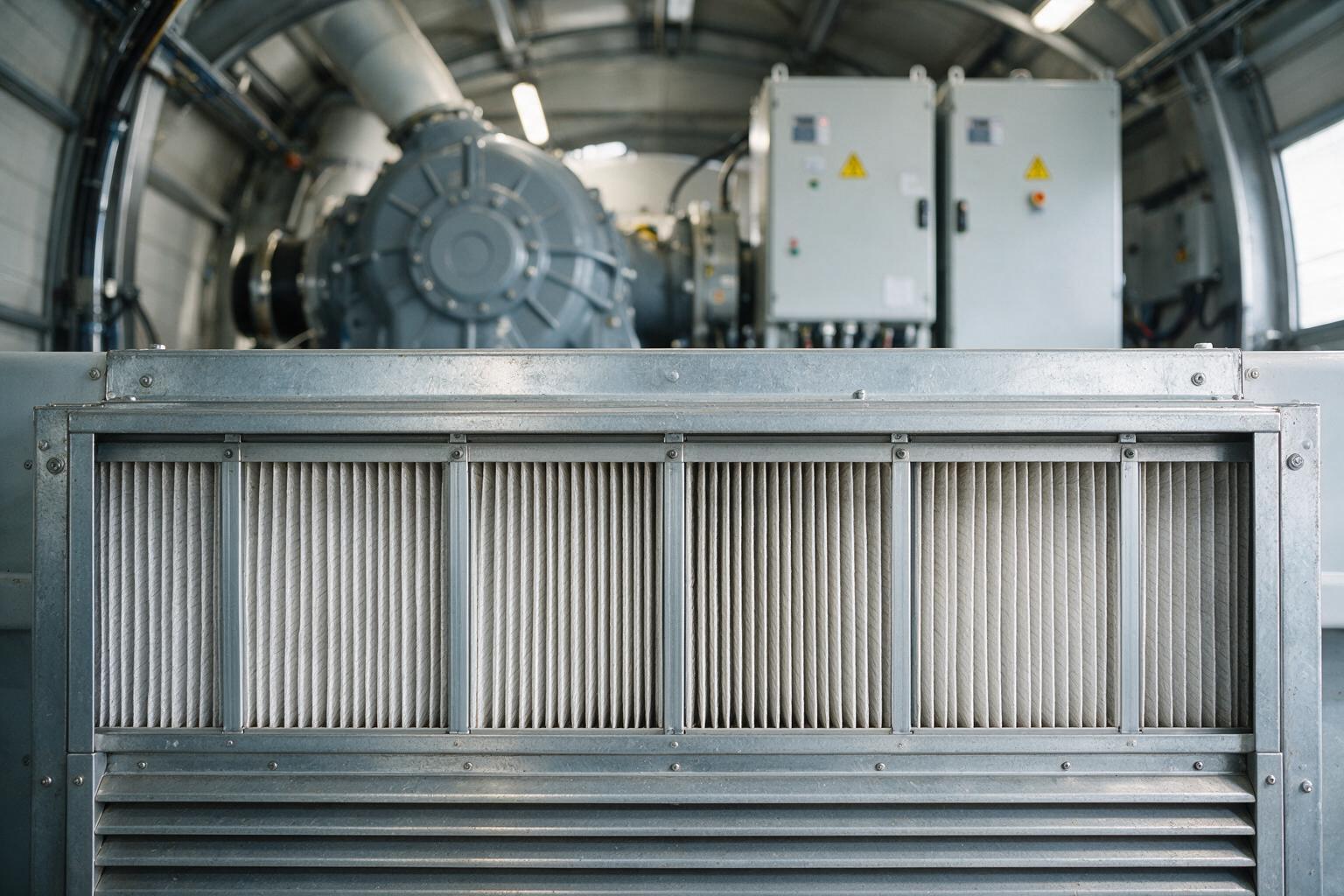
A wind turbine filter is rarely one component. In a modern nacelle there are three separate air paths, and each one fails differently. Treating them as a single ventilation element is the most common reason a specification misses the point.
The first path cools the nacelle itself. Air is drawn through a louvre or hood, passes a pre-filter and then a finer stage before being distributed around the cabinet interior. Its job is to keep humidity and salt out while holding the internal temperature below the derating threshold. The second path serves the converter. IGBT stacks and their heat sinks need a high volumetric flow through a narrow gap, so this wind turbine filter stage is judged on pressure drop far more than on efficiency class. The third path protects the gearbox and hydraulic systems, where oil mist and fine dust combine into a paste that blinds media faster than either contaminant would alone. On the gearbox path a wind turbine filter is doing double duty, because the oil mist it stops would otherwise cement the dust into a layer that no cleaning routine can remove.
The order matters. A wind turbine filter placed after the converter rather than before it protects the electronics from nothing, because by then the salt and dust have already crossed the heat sink. Equally, a high-efficiency stage installed first will load within weeks on a coastal site and convert a filtration problem into a fan-energy problem. The practical rule is coarse protection first, fine protection second, and a pressure-relief path that does not fight the intake.
Sizing a wind turbine filter also starts from the air path rather than the filter box. If the intake louvre is undersized or partly blocked by ice and insects, the cabinet fan pulls air through whatever gap it can find, and the element specified for the duty ends up bypassed for most of the year. Checking the intake during the same walk-down is cheaper than upgrading the filter class afterwards. On most nacelles the wind turbine filter is also the only component in the cooling chain that a technician can change without lifting heavy equipment, which makes it the natural first lever when cabinet temperatures drift upward.
Why Offshore, Coastal and Desert Duty Break the Same Wind Turbine Filter
Two turbines can carry identical elements and see completely different service life. The difference is the environment, and it is worth writing into the specification rather than leaving to the supplier's default. A wind turbine filter that is adequate on one site can be the wrong choice a hundred kilometres away.
Coastal and offshore sites combine three stresses at once. Airborne salt deposits on the media surface and, once humidity rises, forms a conductive film that corrodes frames and can bridge across a loaded wind turbine filter. Humidity cycling between a warm day and a cold night drives condensation inside the cabinet. Wind-borne spray adds a direct water load that a louvre alone does not stop, and once water reaches a wind turbine filter the pleat pack can slump under its own loaded weight. Desert and high-altitude sites invert the problem: the media loads with fine mineral dust, static charge builds because the air is dry, and the temperature swing between day and night is far larger than the equipment was qualified for. Cold-climate sites add ice accretion on the intake and a brittle frame risk during handling.
| Condition | Dominant stress | Where a wind turbine filter fails first |
|---|---|---|
| Offshore and coastal | Salt aerosol, persistent high humidity | Frame corrosion and gasket sealing |
| Desert and arid inland | Fine mineral dust, static charge, large temperature swing | Media loading and pressure drop |
| Cold climate | Ice on the intake, low-temperature brittleness | Frame and gasket cracking |
| Agricultural and mixed | Ammonia, organic dust, insects | Media blinding and odour carry-over |
| High-altitude | Low air density, higher UV | Reduced mass flow, media embrittlement |
This table belongs in the specification because the same efficiency class behaves differently in each row. A G4 pre-filter that lasts a year at a temperate inland site may need changing every quarter on a coastal site, and the right answer there is usually a different media and frame material rather than a higher class. Whenever a wind turbine filter is replaced on a schedule alone, one of the two rows above is being ignored — either the site is corroding the frame faster than the media loads, or the media is blinding faster than anyone expected. Standards such as ISO 16890 and EN 779 give a common language for the class, and the air filter performance standards guide sets out how those classes map onto real duty.
Media, Frame and Gasket: What Decides Service Life
Media selection is usually argued on efficiency, but on a wind turbine the binding constraint is almost always mechanical and chemical. Two media of the same class can differ by a factor of several in service life depending on fibre diameter, binder chemistry and how the pleat pack is stabilised. A wind turbine filter bought on class alone is therefore a specification that has skipped its most important variable. The useful question is not which class the element carries but how the wind turbine filter behaves after three months of salt, dust or oil mist has passed through it.
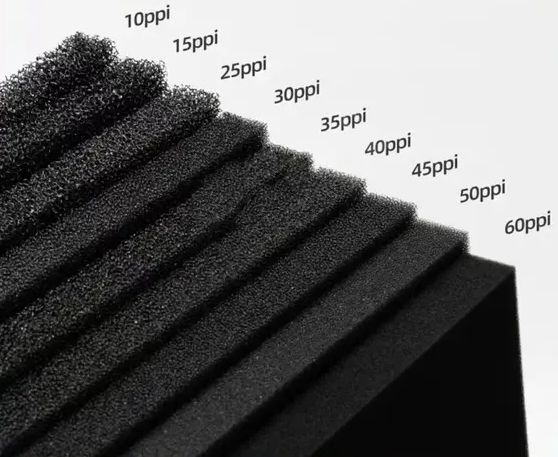
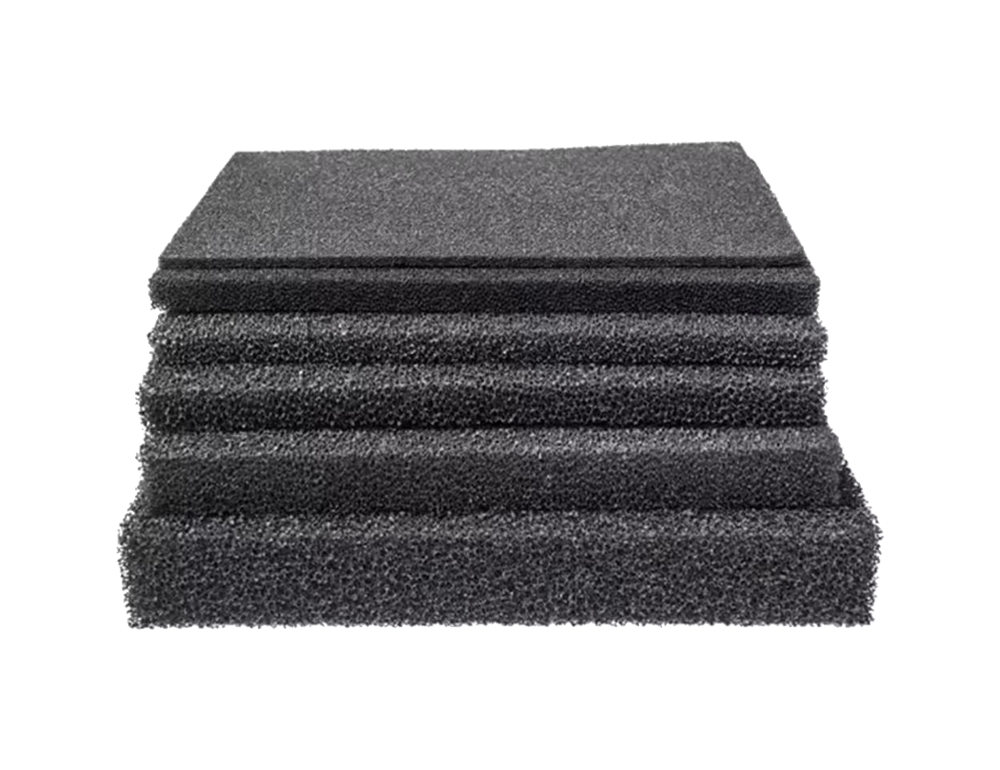
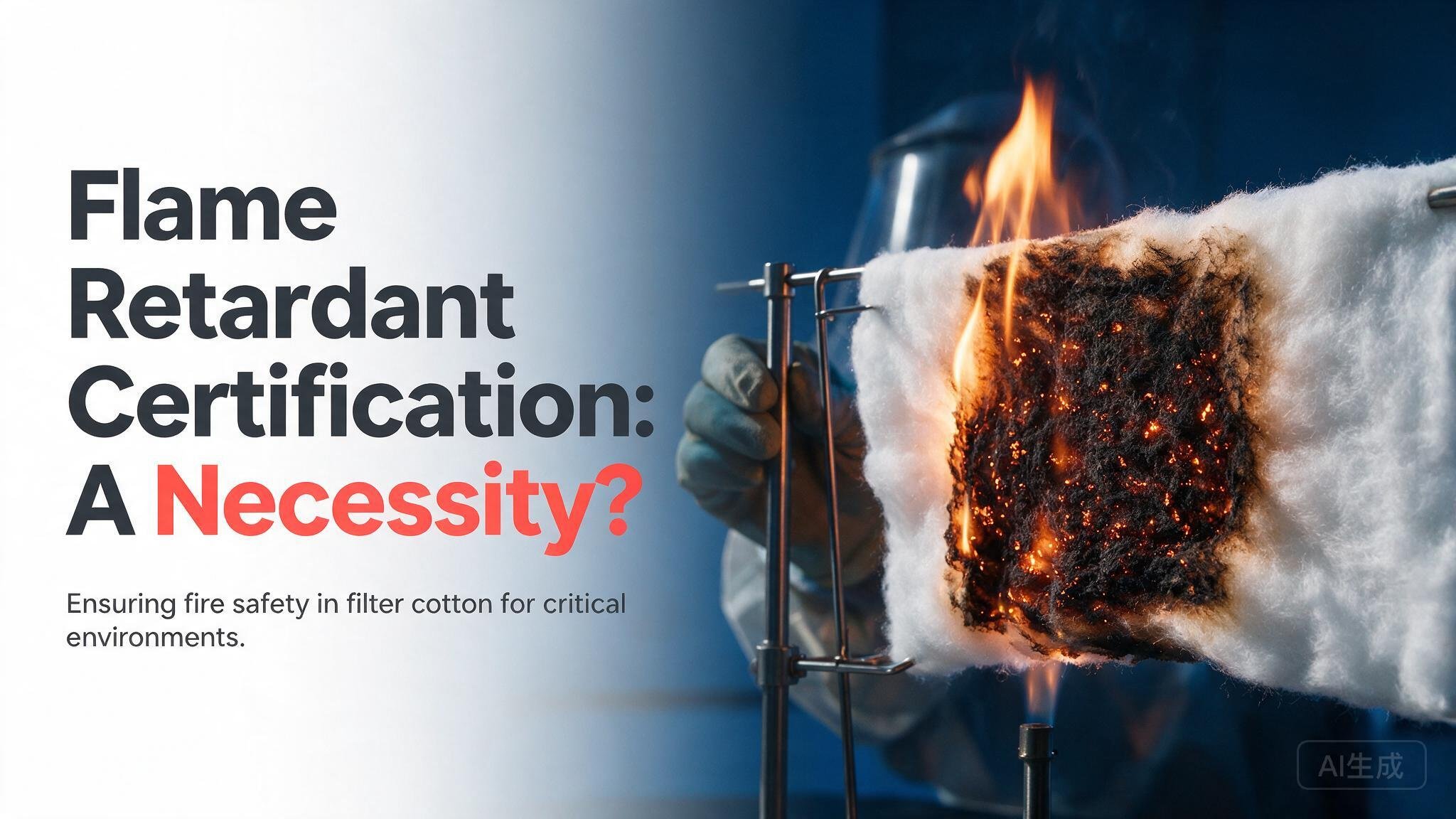
Polyester media with a flame-retardant finish covers most onshore cabinets. Where a site has an explicit fire requirement, a polyether mesh flame-retardant foam gives a high dust-holding structure with an open cell that resists blinding, and foam is rated for flammability rather than for filtration class — UL 94 HF-1 is the rating buyers usually quote for foam in this duty. Where corrosive gases rather than particulates are the problem, an activated carbon stage is the correct tool, and it is worth being explicit that it cannot substitute for a particle stage.
Frame and gasket decisions follow from the same logic. A frame that corrodes will lose its sealing compression long before the media is loaded, and a wind turbine filter that bypasses at the gasket performs worse than a lower-grade element that seals properly. For coastal sites, specify the frame material and the gasket compound explicitly and ask for the corrosion classification the supplier is claiming. A wind turbine filter ordered on media class alone leaves the two failure modes that actually stop turbines — corrosion and bypass — entirely to chance. Installation practice is covered in more detail in the air flow, sealing and commissioning guide, and it is worth reading before writing the maintenance contract, because most early failures reported against a wind turbine filter turn out on inspection to be sealing failures.
Pressure Drop, Fan Energy and Converter Reliability
On the converter path, pressure drop is not an efficiency question — it is a reliability question. The cooling fan curve is fixed by the cabinet designer, so every additional pascal of resistance moves the operating point along that curve and reduces the volume flow available to the heat sink. The consequence is a warmer IGBT stack and a shorter component life, which shows up as converter faults rather than as a complaint about the wind turbine filter. In practice the wind turbine filter is blamed last and replaced first, which is why the pressure-drop budget is worth agreeing in writing.
This is why the clean pressure drop and the loaded pressure drop both belong in the specification, and why a better filter class can be the wrong choice. A finer stage has a higher clean resistance and a steeper loading curve; installing one without re-checking the fan curve trades a marginal cleanliness gain for a permanent energy penalty and a higher cabinet temperature. Choosing a wind turbine filter is therefore a trade-off between efficiency, resistance and energy rather than a ranking exercise, and the filter selection trade-off guide works through the arithmetic.
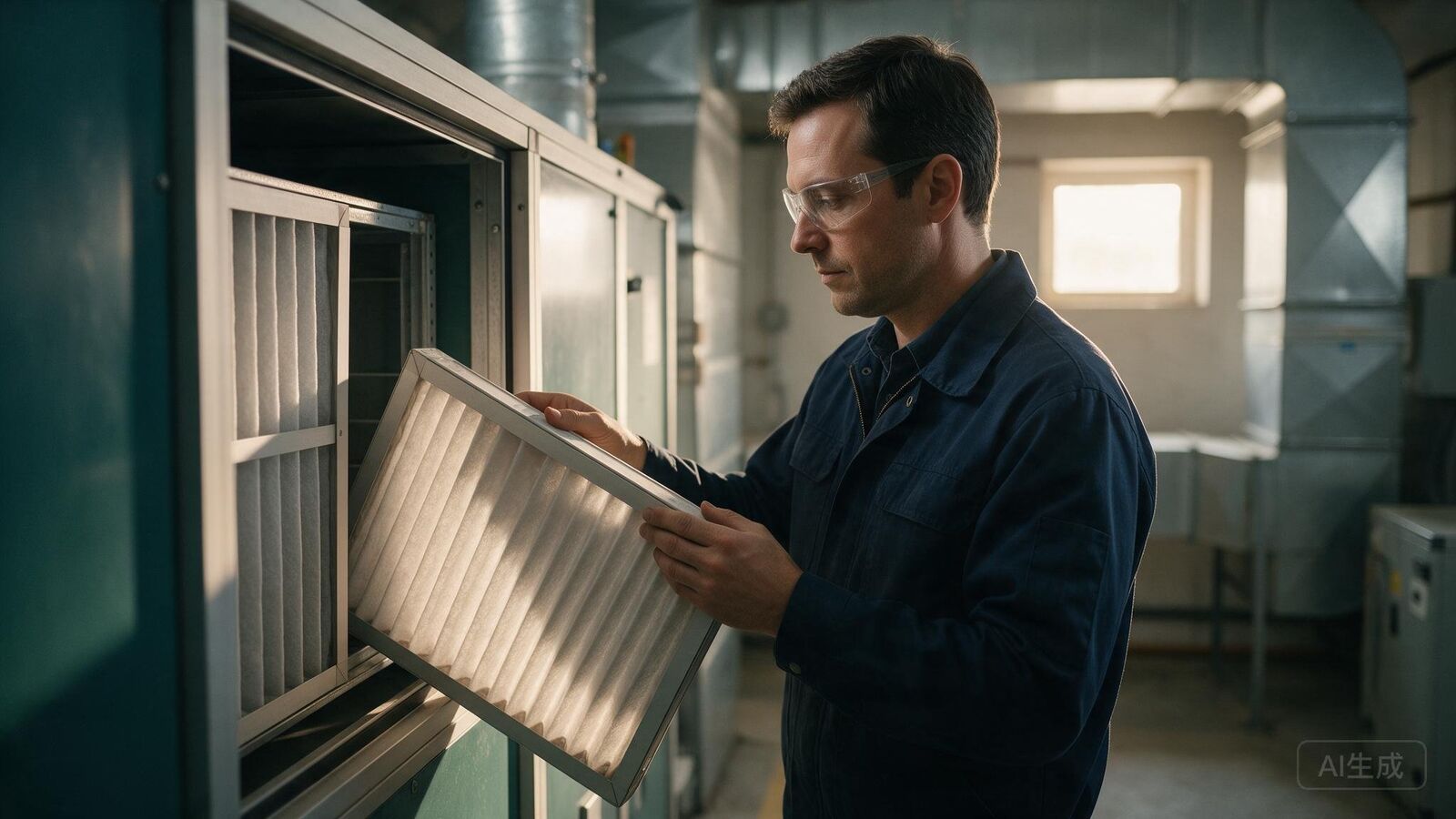
Static pressure development is also how a loaded wind turbine filter announces itself. Once resistance stops returning to the clean value after a maintenance cycle, the media has blinded internally and further running only converts fan energy into heat. Change-out should be driven by that trend rather than by a calendar interval, which is the same principle used on any industrial air filtration installation where the filter is a consumable rather than a component. On a converter air path the penalty for ignoring the trend is asymmetric: a wind turbine filter that is changed too early costs a part, while one that is changed too late costs a converter. Gauges that log rather than merely display are worth the small extra cost, because a wind turbine filter can only be managed against a baseline that someone actually recorded.
Inspection, Spares and Change-Out Planning
Inspection on a wind turbine is dominated by access cost. A service visit to an offshore platform is expensive enough that the inspection itself should be designed to produce a decision, not just a status report on the wind turbine filter.
The spare-parts argument follows directly. A wind turbine filter is a low-cost item with a long procurement lead time relative to its price, so running out of stock is what actually takes a turbine offline. A practical approach is to hold one full set of spares per turbine plus a shared float at the fleet level, and to size that float from the worst-performing site rather than the average. Recording the media type, frame material and gasket compound on the spare avoids the situation where a replacement arrives that fits mechanically but not chemically, which is common when sites are added to a fleet after the original specification was written. It is also worth deciding in advance who owns the decision to change a wind turbine filter out early: a site technician who can act on a pressure-drop trend will prevent far more downtime than a schedule that is only reviewed at the annual service.
Specifying a Wind Turbine Filter: The RFQ Checklist
Most specification failures on a wind turbine filter trace back to information that was never asked for. The list below is short enough to attach to an enquiry without rewriting the datasheet, and a supplier who can answer every line is a supplier who is reading the wind turbine filter requirement rather than the price list.
What to put in the RFQ
- Site corrosivity category, or at minimum onshore, coastal, desert or offshore duty?
- Clean and loaded pressure drop targets at the design volume flow?
- Media type, flame-retardancy rating and whether a corrosion stage is required?
- Frame material and gasket compound, with the claimed corrosion class stated?
- Cabinet inlet dimensions, available depth and the fixed or replaceable frame format?
- Operating temperature range including the peak, not just the average?
- Expected service interval and the spare-holding policy for the fleet?
A complete enquiry also fixes the commercial terms that determine whether the specification is actually delivered. Ask for the media, frame and gasket to be stated on the delivery note, because that is the only way to confirm on arrival that a replacement matches the original wind turbine filter. Where a site has been reclassified — a coastal site with new construction nearby, or a turbine moved from an inland fleet to an offshore one — revisit the specification rather than reordering. The HEPA filter leak test guide is a useful reference where the cabinet requires a verified high-efficiency stage and the installation has to be proven rather than assumed.
A wind turbine filter is specified for the site it will live in, not for the class it carries. Get the corrosion category, the pressure-drop budget and the sealing detail right, and the efficiency class becomes a straightforward choice.
Whalesens application engineering
Need a custom air filtration solution?
Contact the Whalesens engineering team for product selection and OEM/ODM support.
Email whalesens@gmail.com
Related Products
These products cover the filtration stages discussed above; see each product page for full specifications.
 ProductWhalesens WSE-S EV Charging Air FilterOutdoor new-energy cabinets — EV charging piles and enclosure protection against dust, rain and condensationView product details →
 ProductPolyether Mesh Filtration Flame Retardant Foam (Whalesens WS-PRF)Wind turbine converter cabinets — open-cell flame-retardant (UL 94 HF-1) structure that resists blindingView product details →
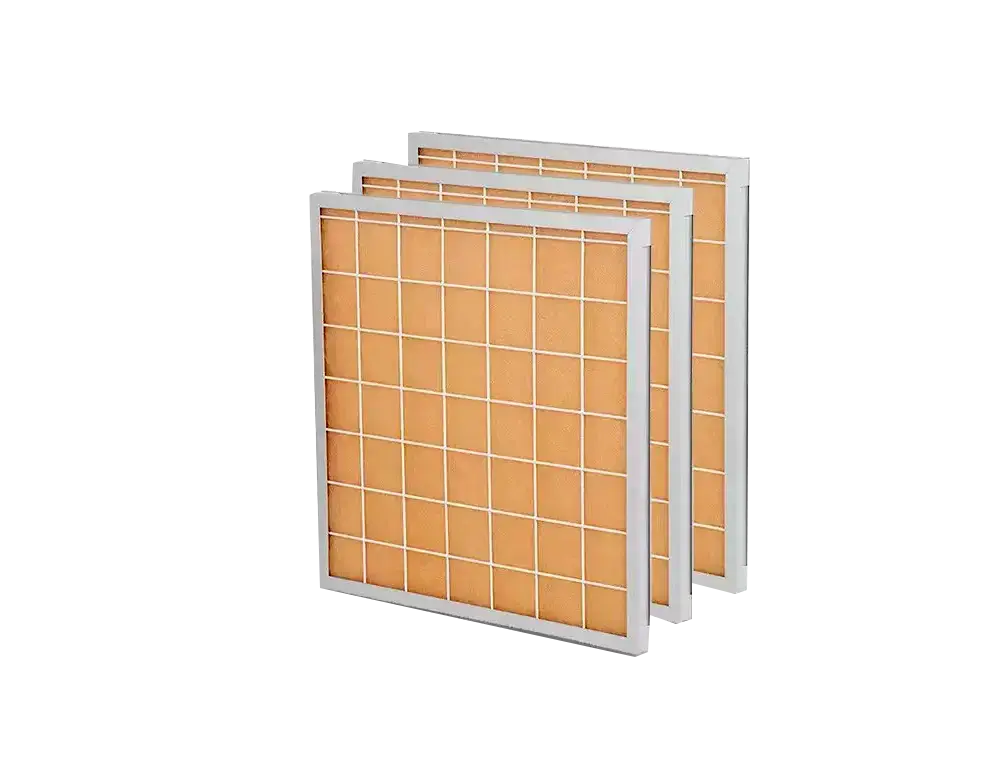
 ProductPleated Panel Pre FilterNacelle intake pre-filter stage where coarse protection must not add much pressure dropView product details →
Frequently Asked Questions
The questions our engineering team receives most often on this topic.
Should I fit a HEPA filter to protect the converter?
Usually not. A HEPA stage on a converter air path has a high clean pressure drop and a steep loading curve, and the cabinet fan curve is fixed by the designer. Unless the cabinet was designed with the spare fan capacity, the volume flow to the heat sink drops and the stack runs hotter than intended. A properly sealed F8 or F9 stage normally protects the electronics without paying that energy penalty.
Why does the same wind turbine filter last a year on one site and a quarter on another?
The environment differs more than the filter does. Coastal and offshore sites add salt aerosol and persistent humidity, which corrode the frame and break the gasket seal; desert sites load the media with fine mineral dust much faster. The fix is usually a different media and frame material rather than a higher filter class, which is why the site corrosivity category belongs in the specification.
Is an activated carbon stage a substitute for a particle filter?
No. Activated carbon removes gases and odours by adsorption and has effectively no role in capturing particulate. Corrosive gas control and particle control are two jobs, and a cabinet exposed to both needs the two stages in series — particle first, gas phase second, so the carbon is not blinded by dust.
What frame and gasket should a coastal site specify?
Specify them explicitly rather than accepting the default. Ask the supplier to state the frame material and the gasket compound and to name the corrosion class they are claiming for the assembly, then verify that the claim matches the site's corrosivity category. A filter that bypasses at a corroded frame performs worse than a lower-grade filter that seals properly.
How do we decide when to change the filter?
Drive it from the pressure-drop trend rather than a calendar. Record the clean pressure drop at commissioning, then compare each service reading against that baseline. Once resistance stops returning to the clean value after a maintenance cycle, the media has blinded internally and further running only converts fan energy into heat.