


EV Charging Stations
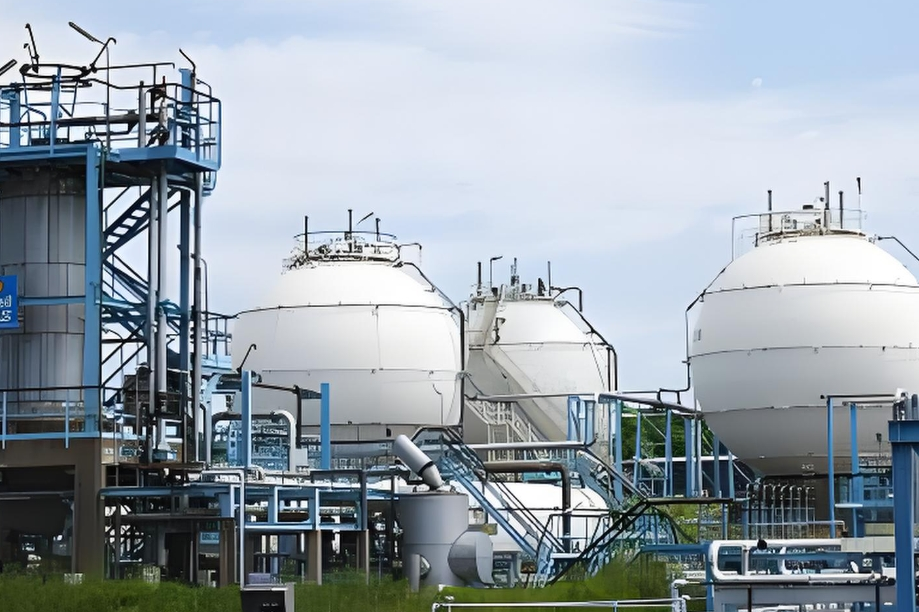
Filtration for Power Equipment
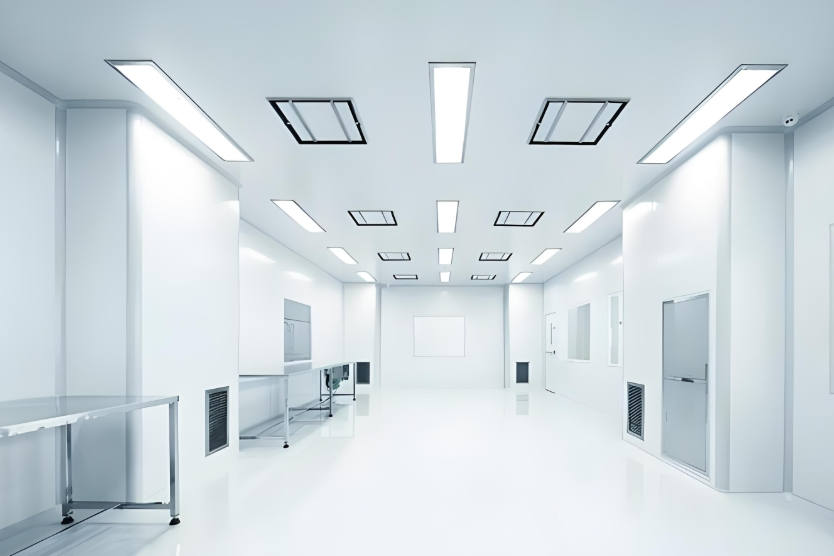
Cleanroom & Semiconductor
Ultra-High Cleanliness Filtration
Commercial HVAC
Central Air System Filtration
Data Centers
Precision Equipment Protection
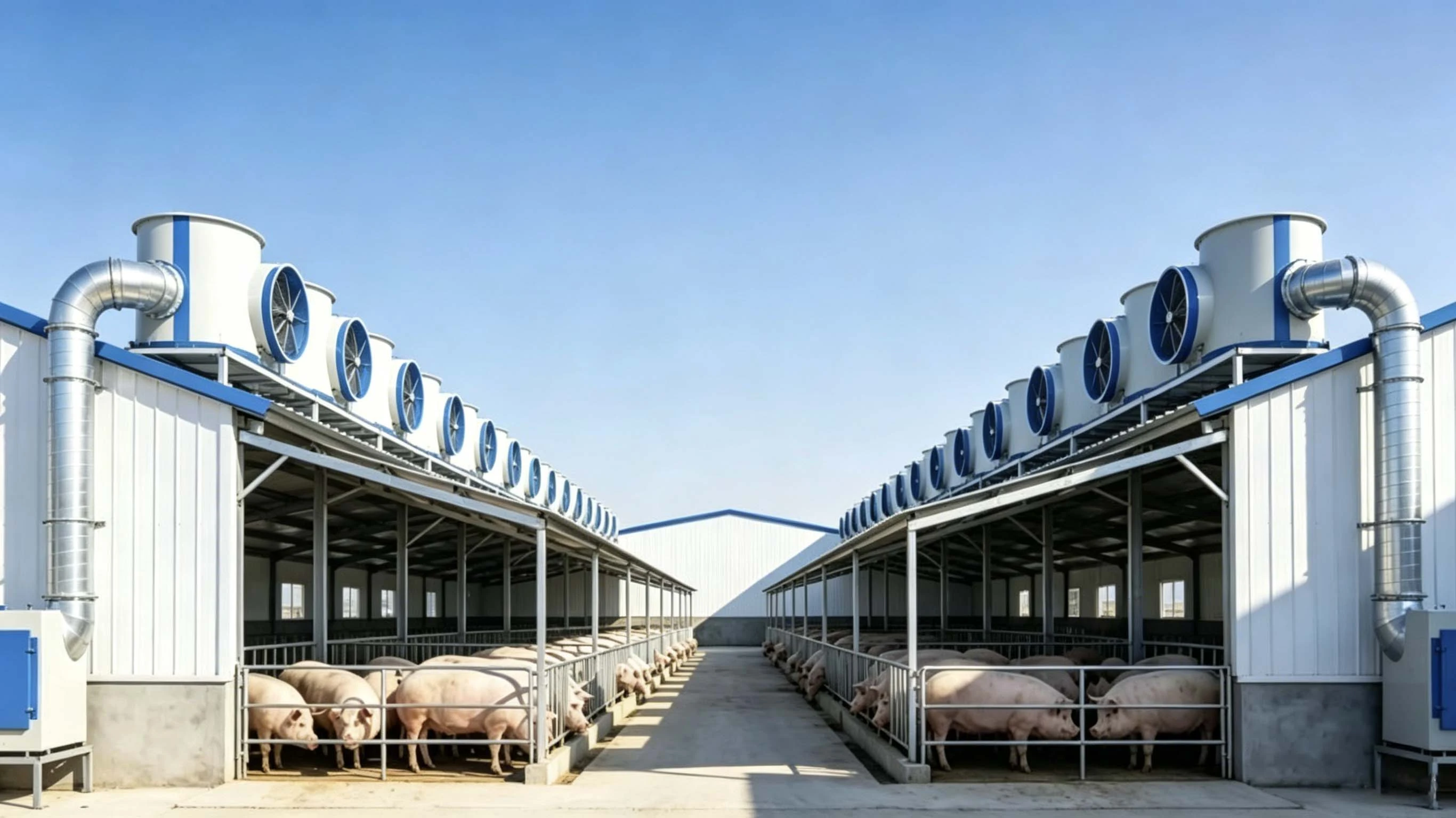
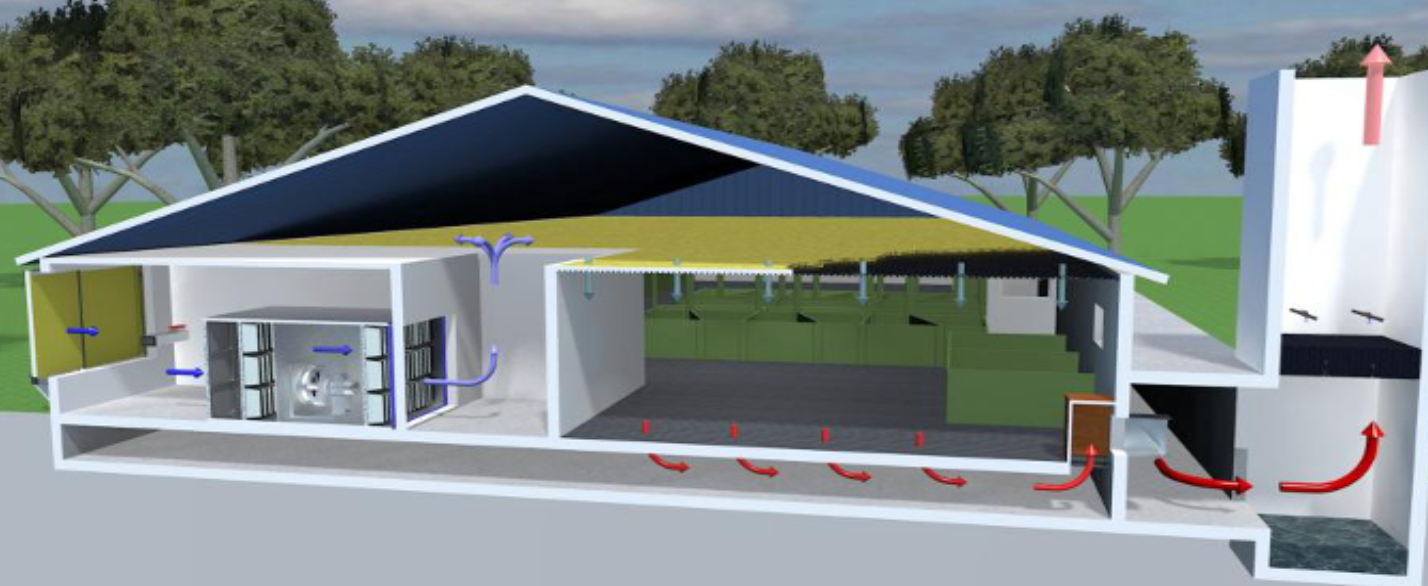
Livestock & Farming
Farming Environment Purification
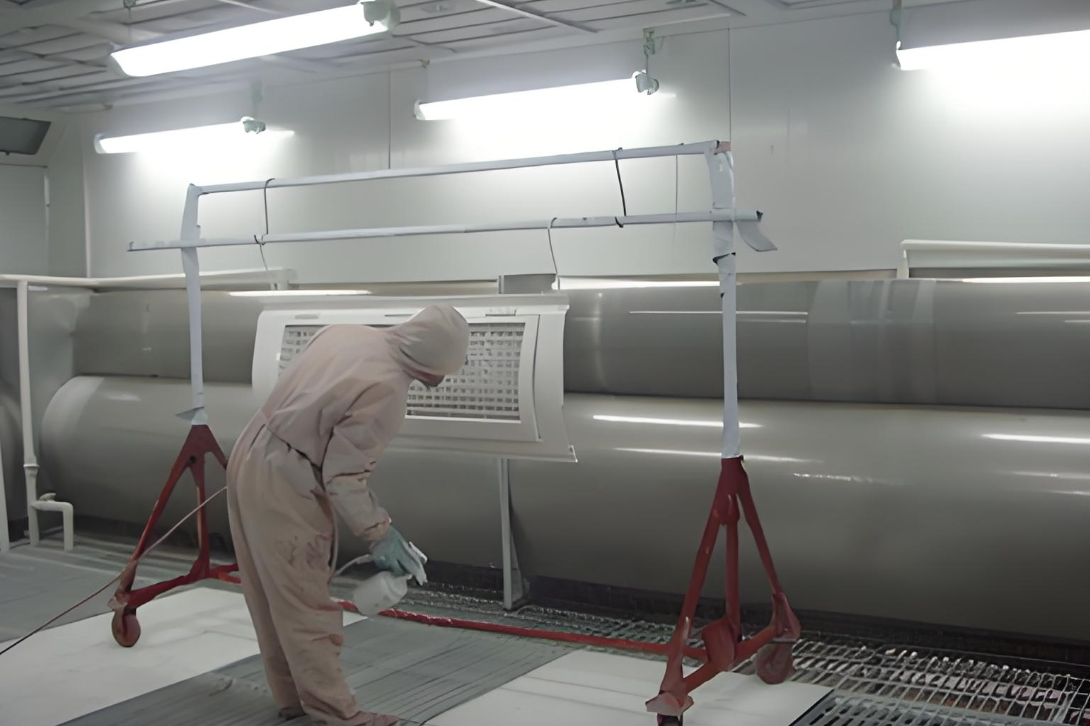
Spray Booths & Industrial Dust
Paint Mist & Dust Purification
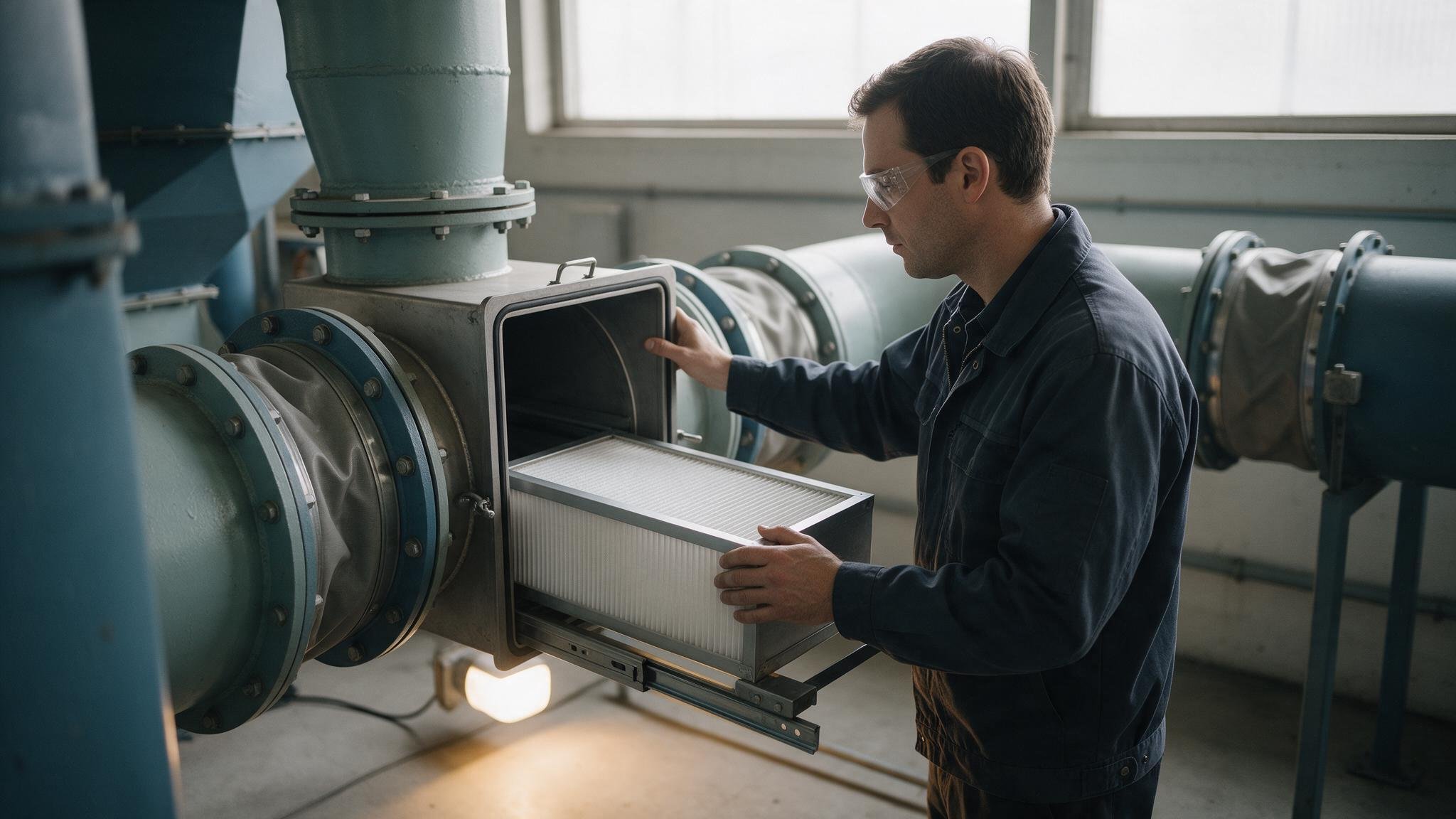
Filtration for Power Equipment
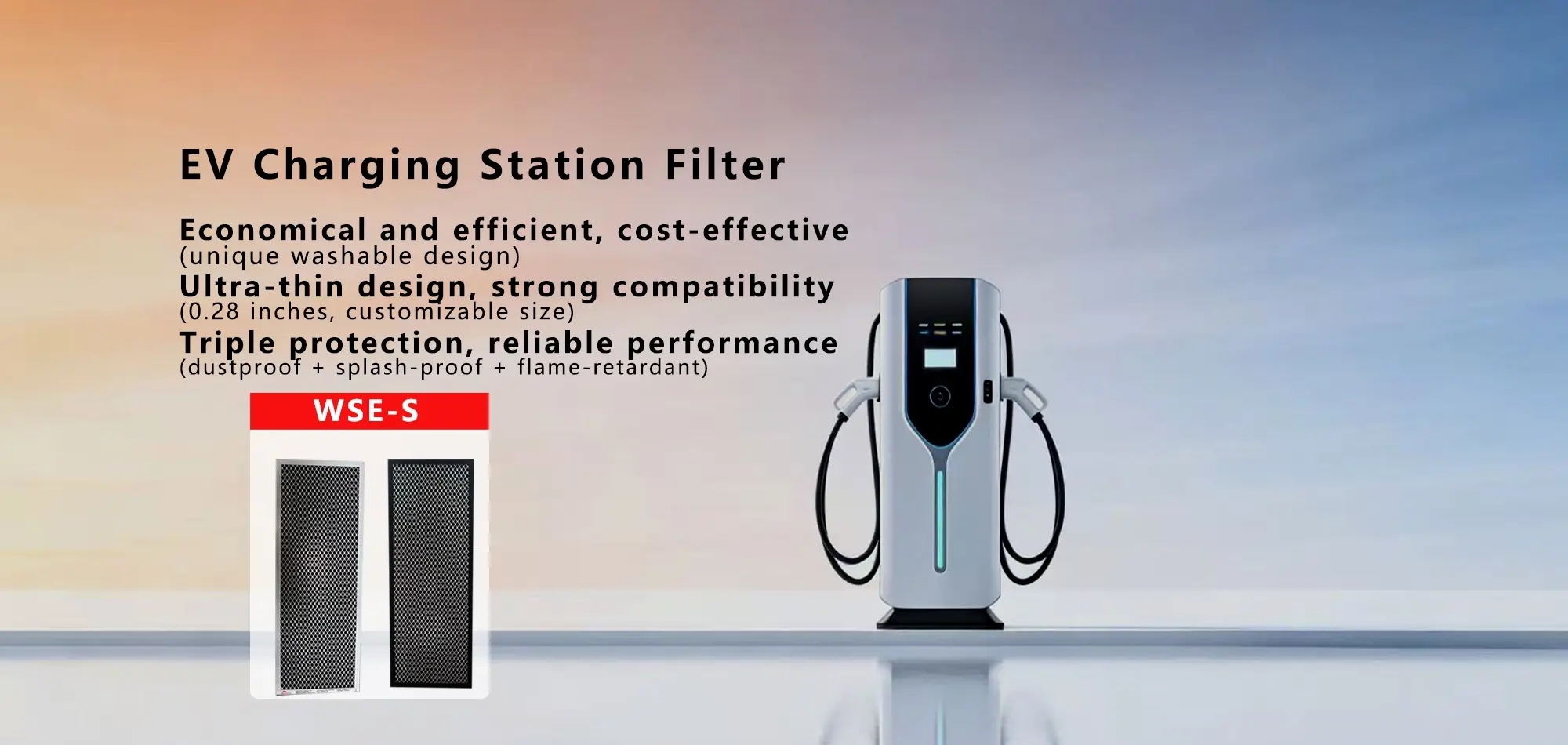
Professional air filtration for EV charging devices, protecting against dust and sand ingress to ensure stable, reliable operation of charging piles and station infrastructure.
View Related Products →Ultra-High Cleanliness Filtration
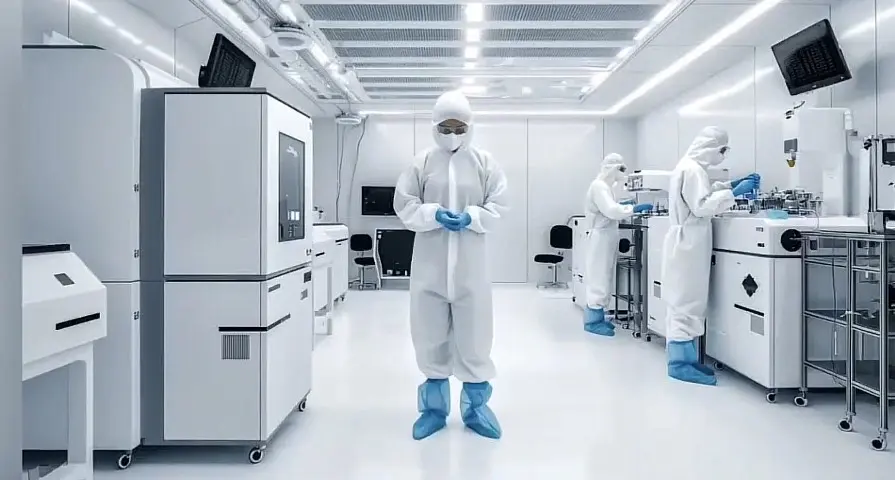
Ultra-high efficiency filtration for semiconductor wafer fabs and precision electronics cleanrooms, capturing nano-scale particles to meet ISO Class 1–3 standards and maximize product yield.
View Related Products →Central Air System Filtration
High-efficiency filtration for commercial building HVAC systems, improving indoor air quality, reducing energy consumption, and extending equipment service life.
View Related Products →Precision Equipment Protection
Precision air filtration for data centers, shielding servers and critical hardware from dust contamination to keep cooling systems running efficiently and reliably.
View Related Products →Farming Environment Purification
Dedicated filtration systems for farms and livestock facilities — capturing dust, adsorbing ammonia, and inhibiting pathogen spread to improve animal health and overall productivity.
View Related Products →Paint Mist & Dust Purification
Designed for spray booths and grinding workshops, efficiently capturing paint mist, metal dust, and wood chips to meet emission standards while protecting finished surface quality.
View Related Products →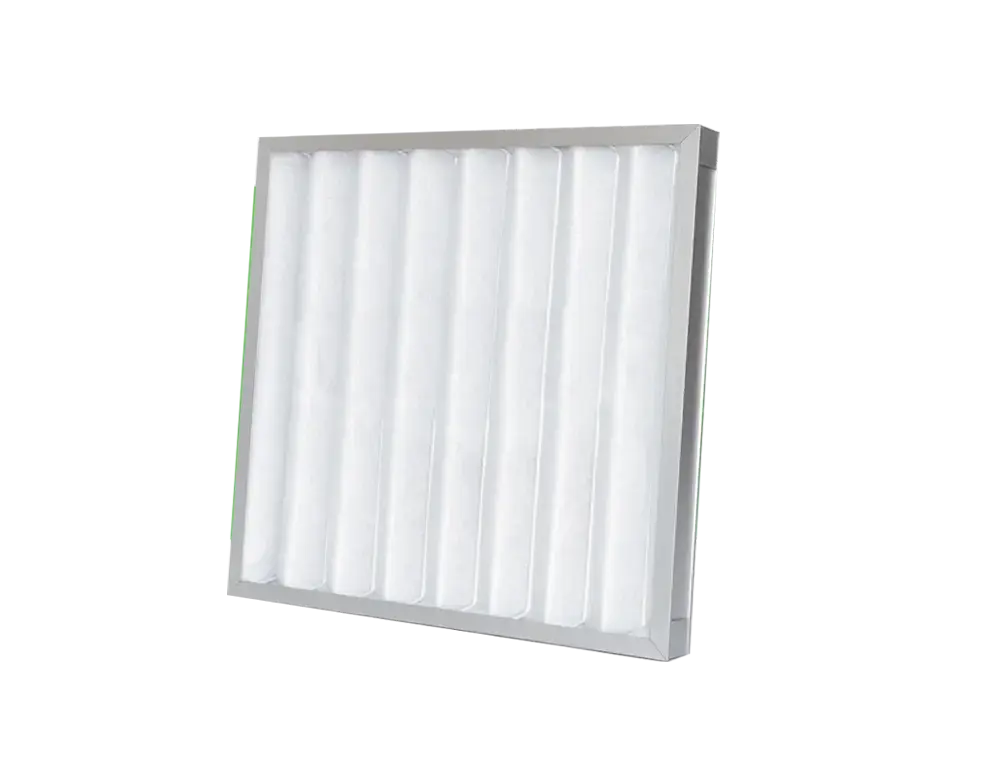
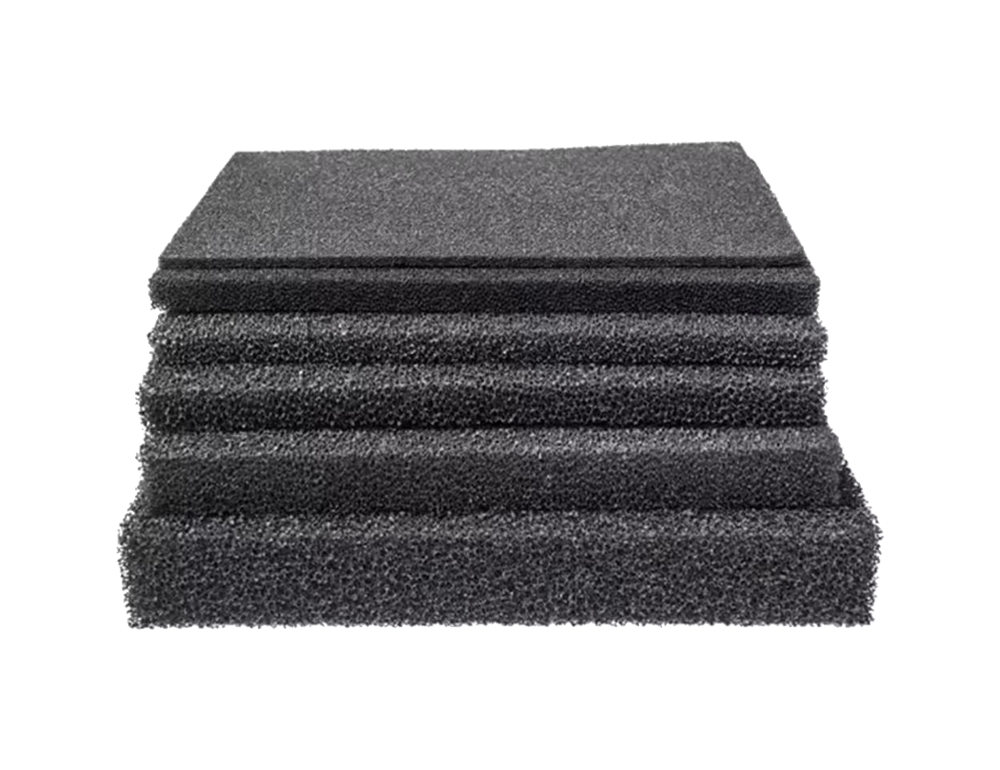
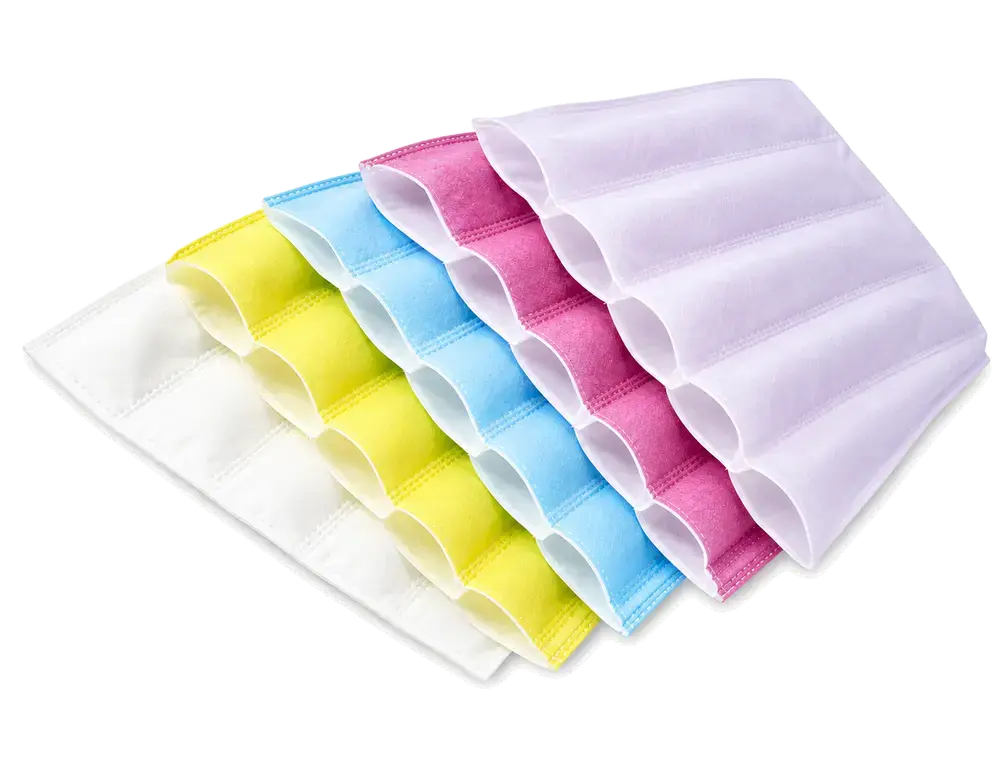
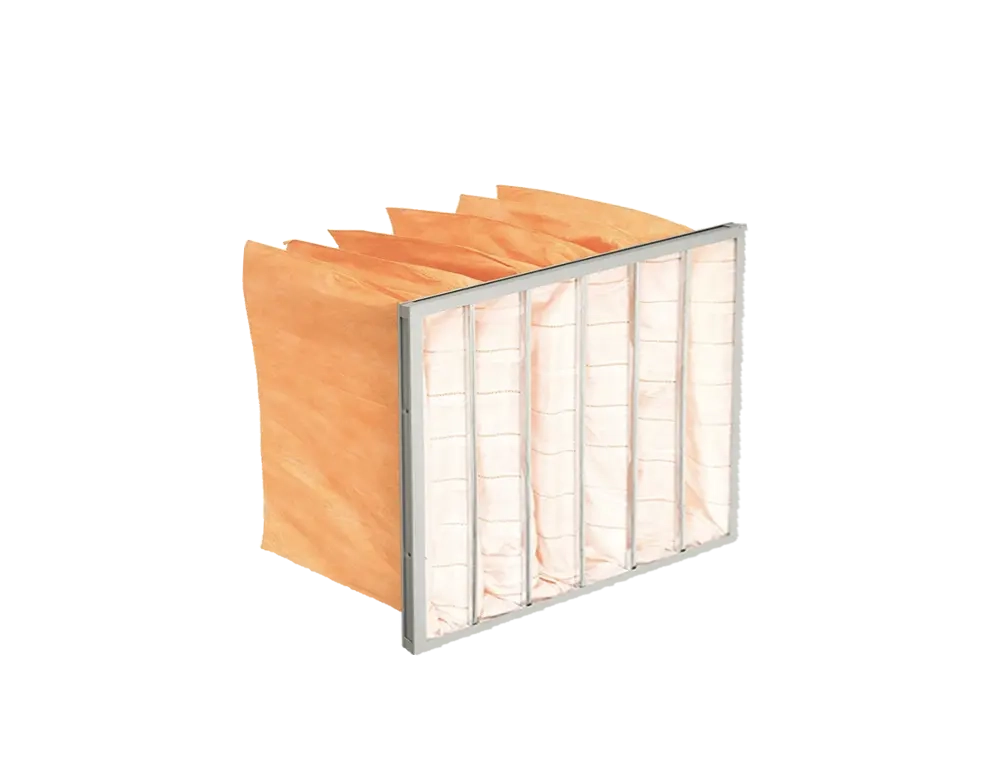
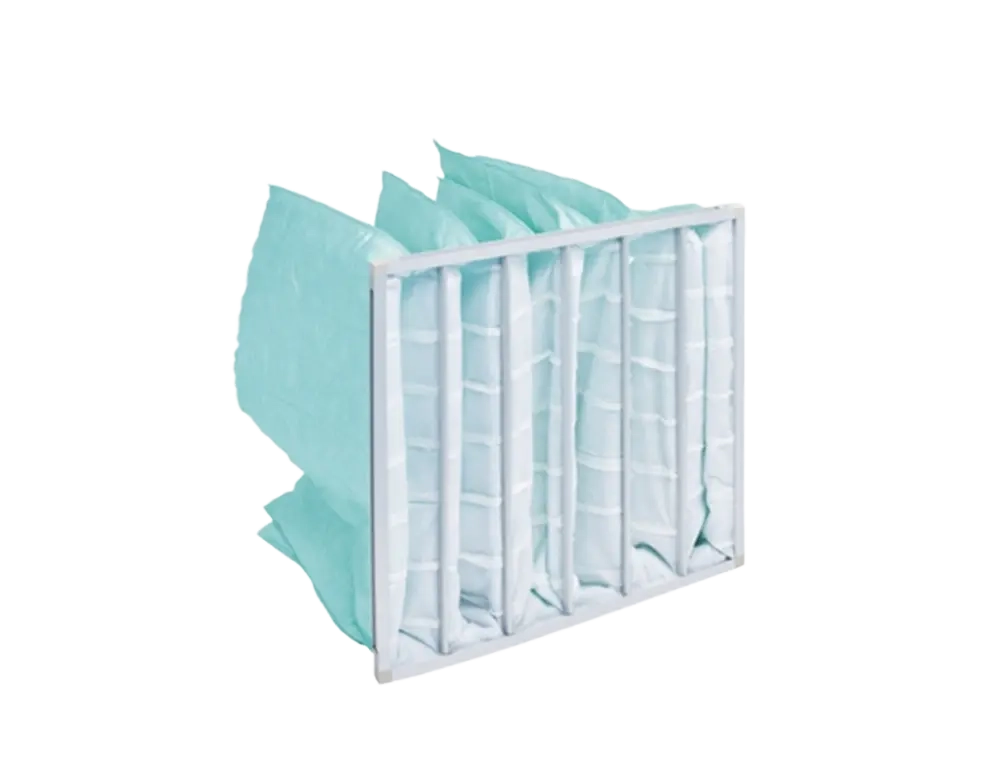
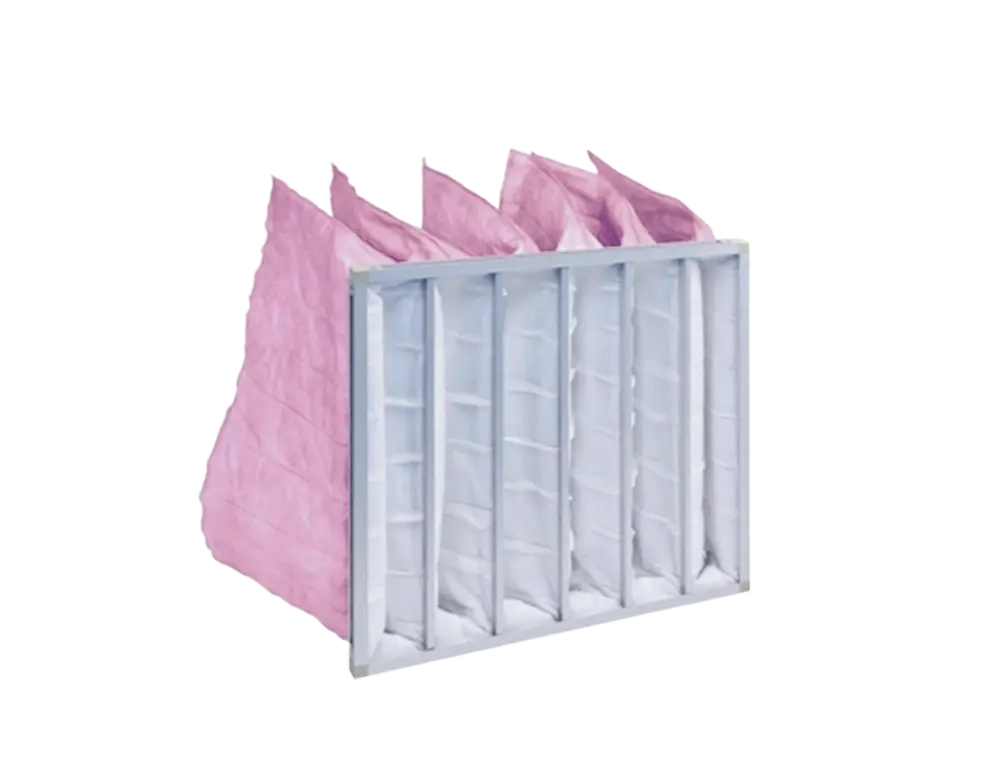
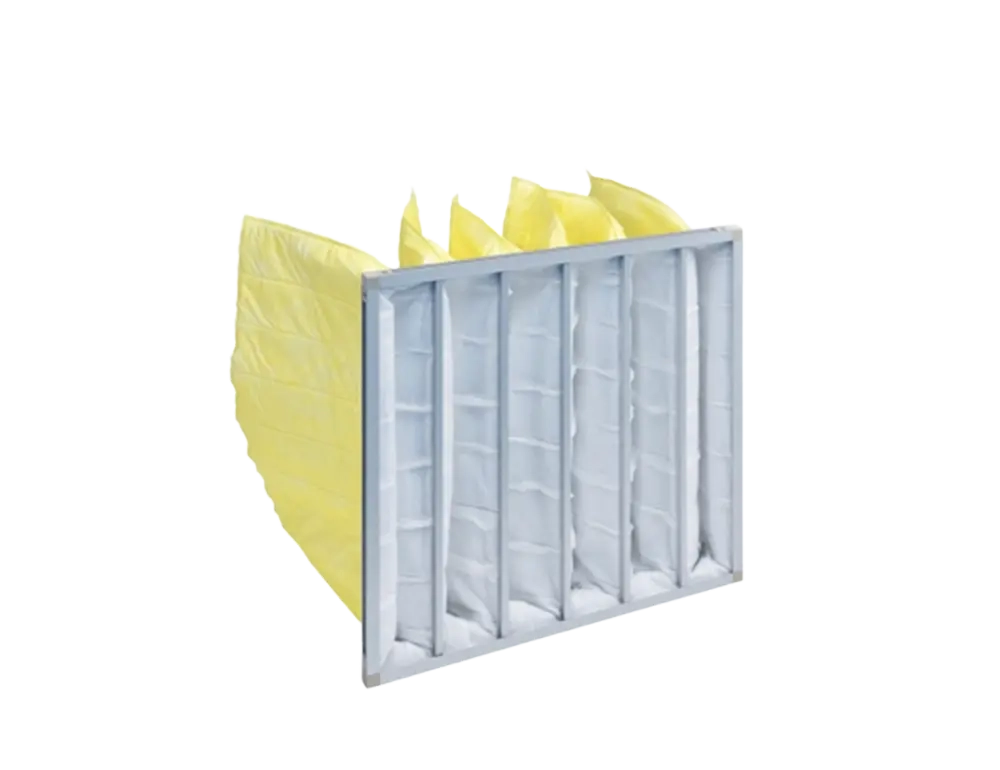
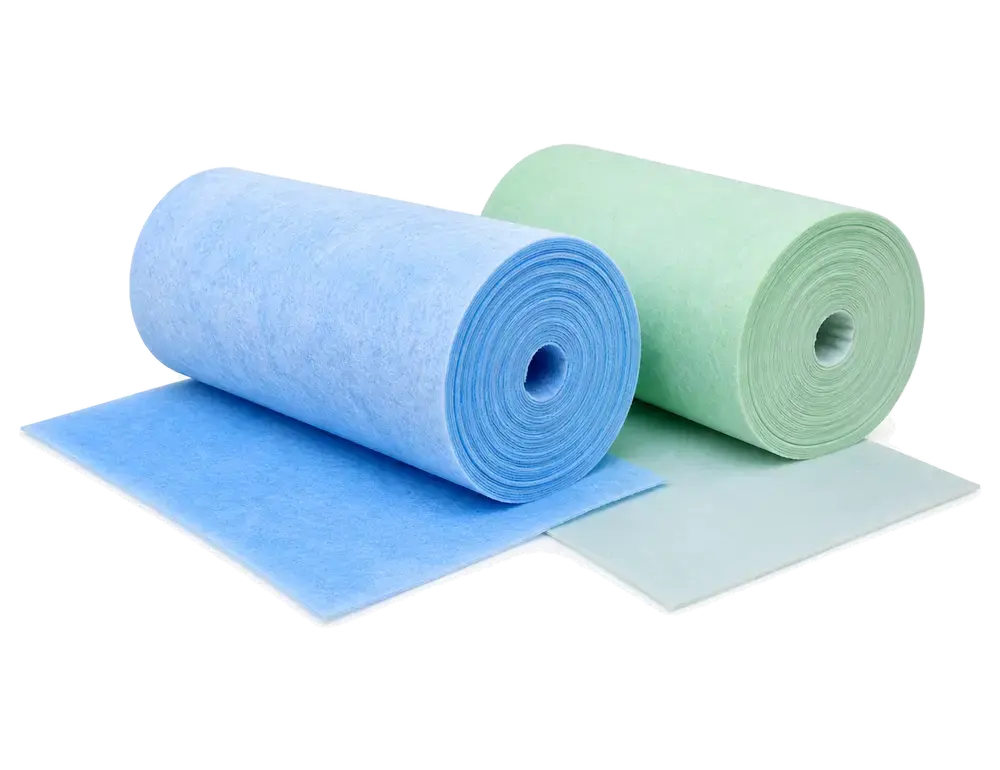
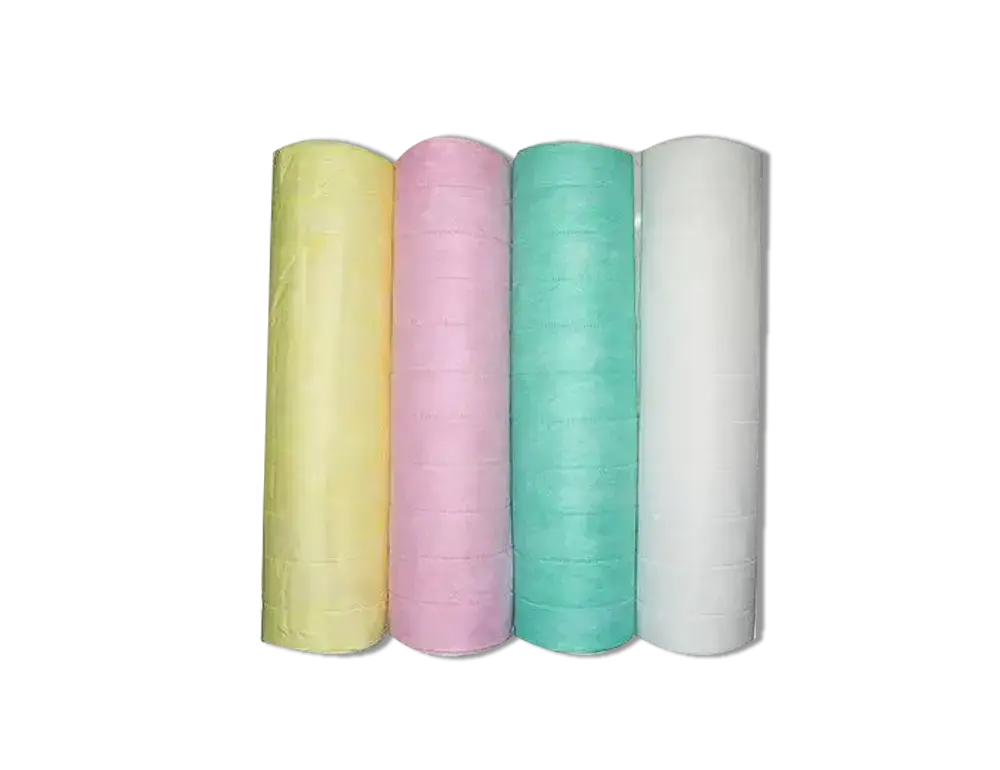
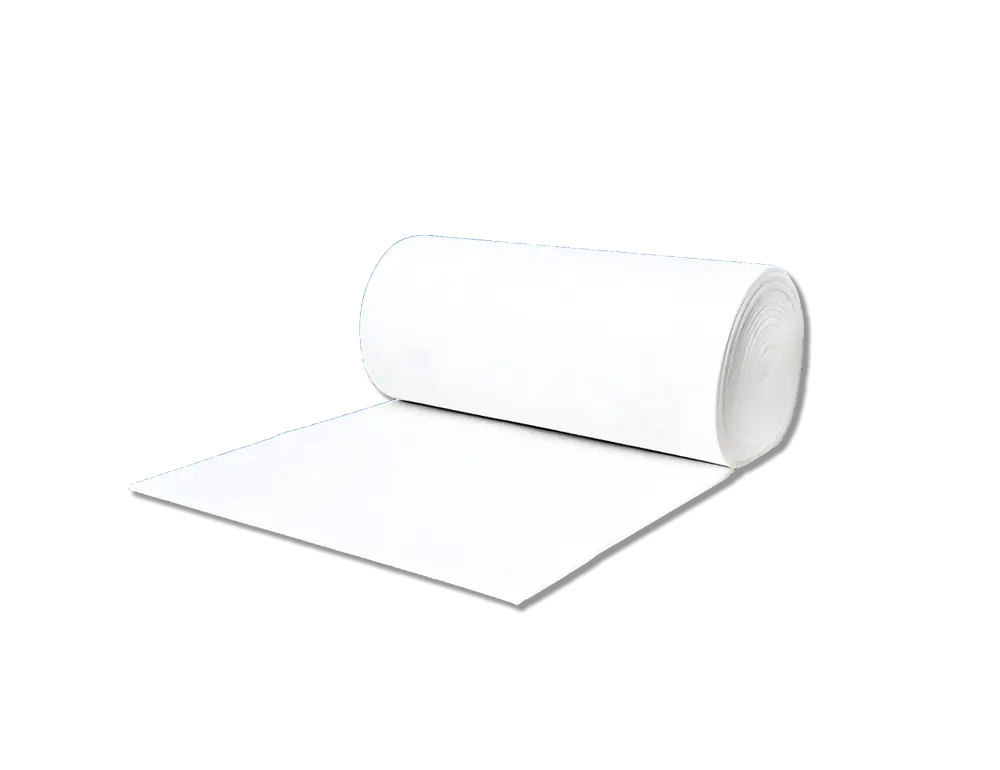
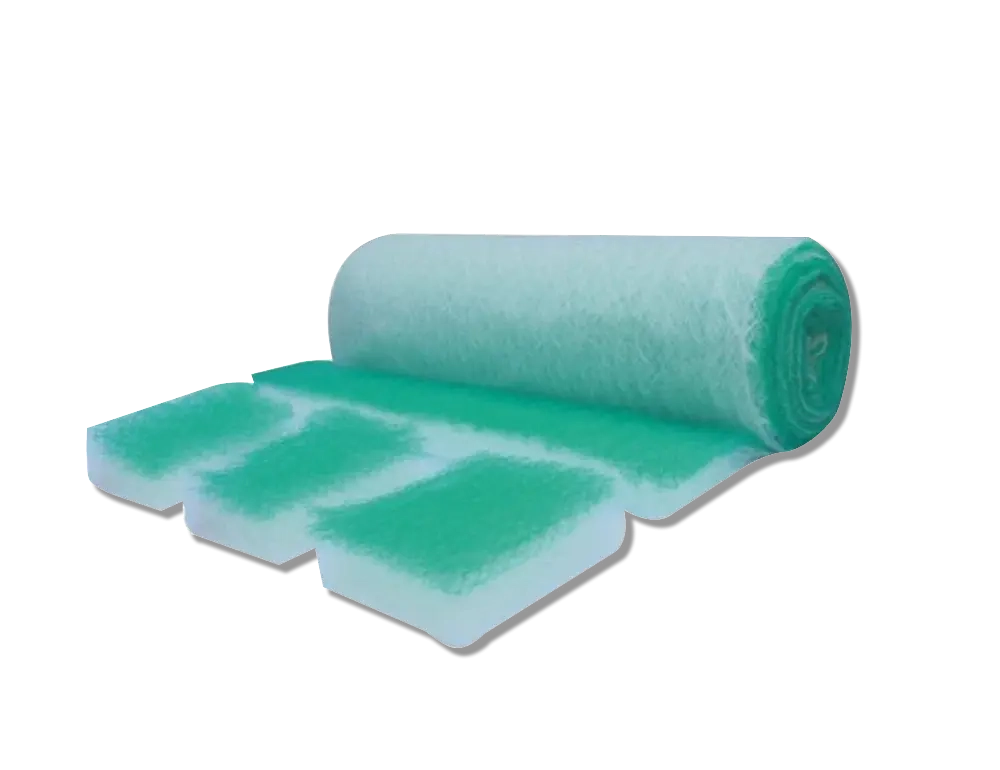
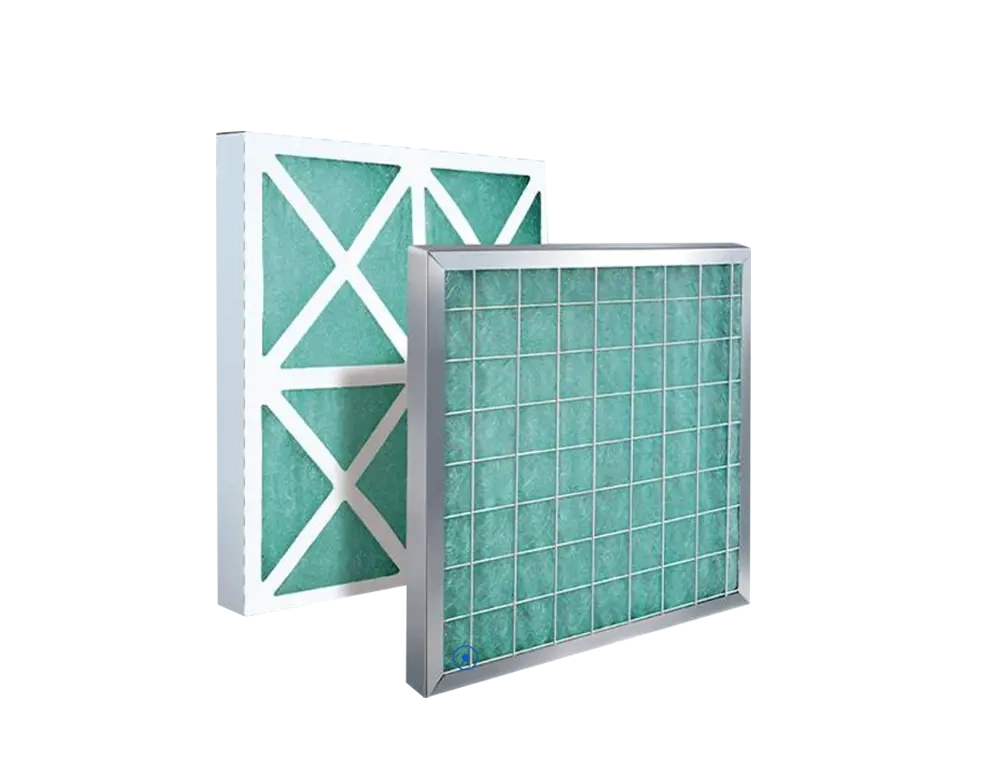
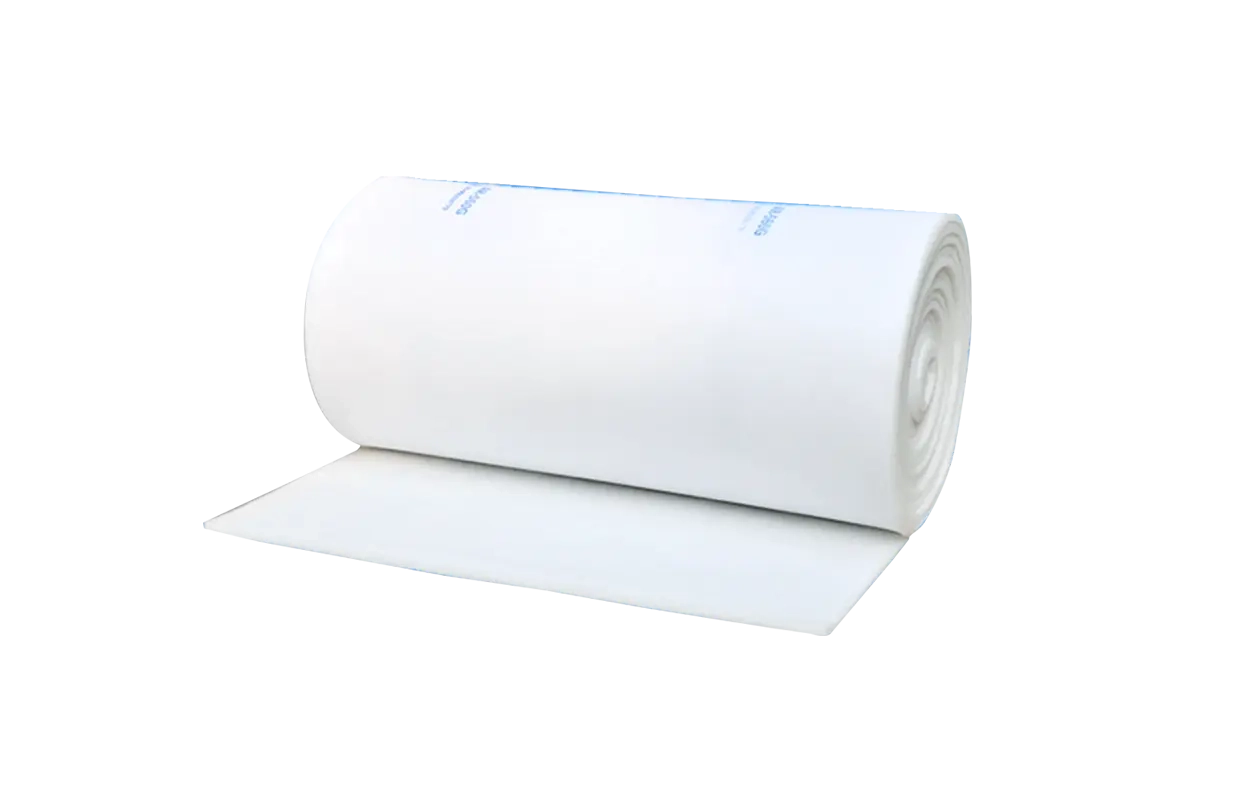
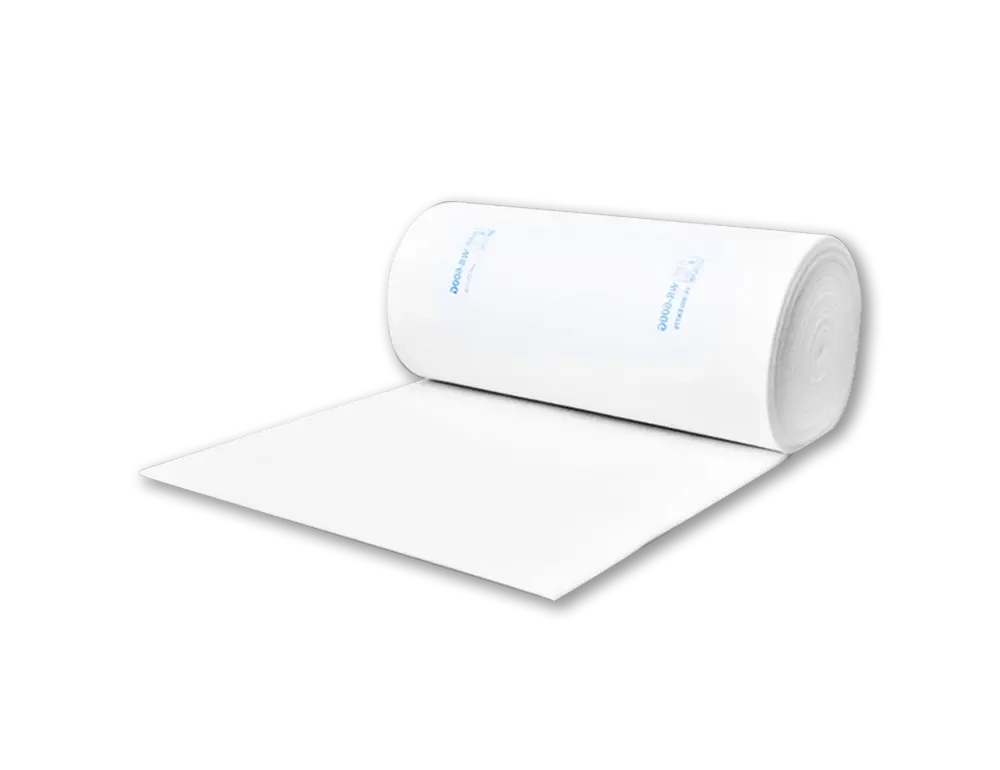
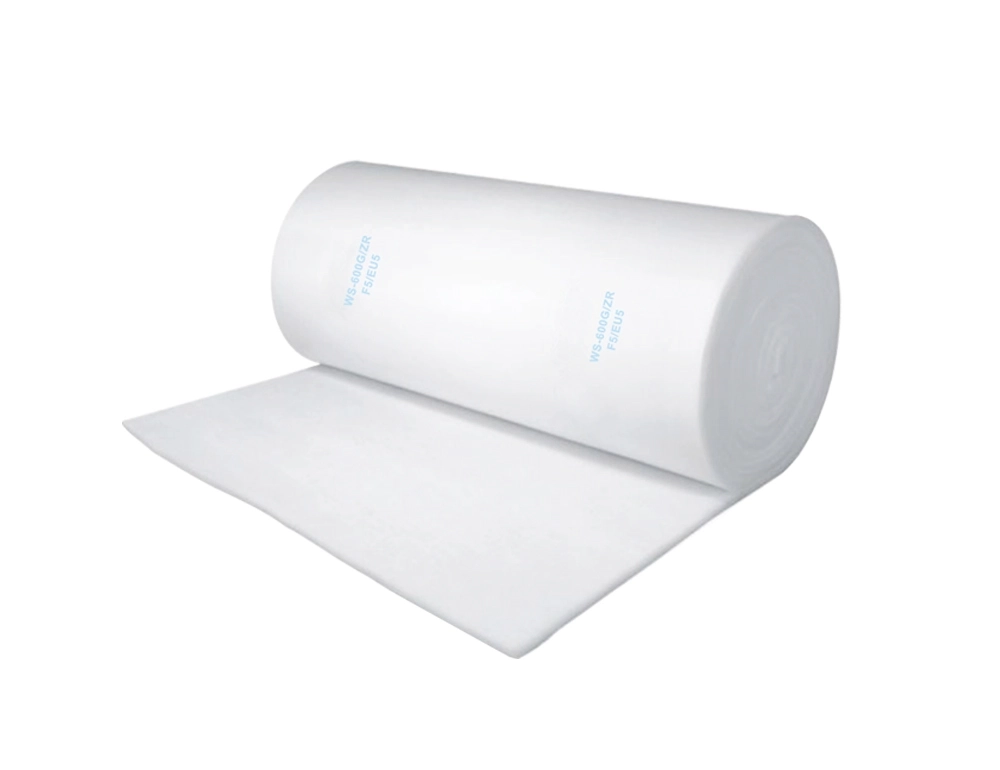
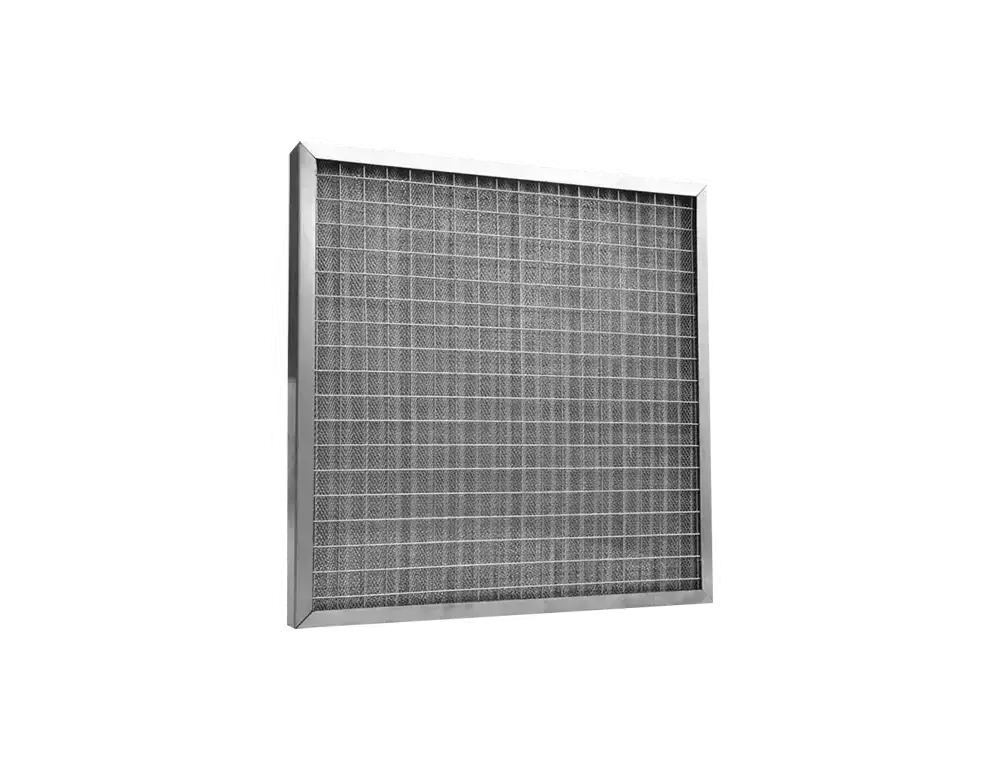
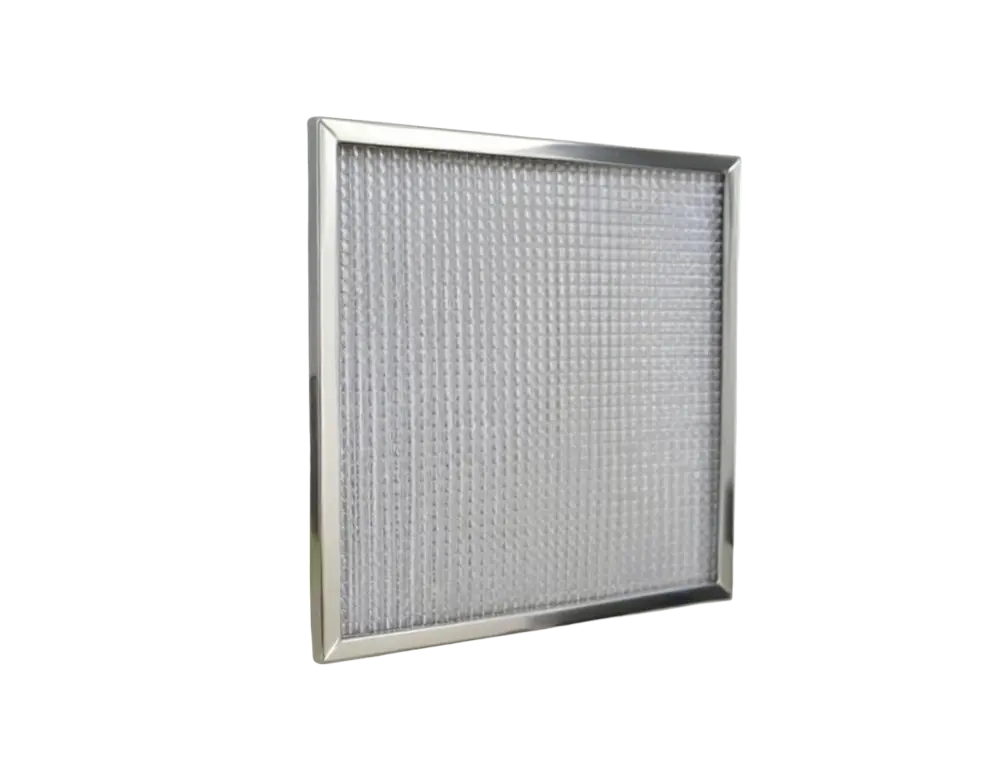
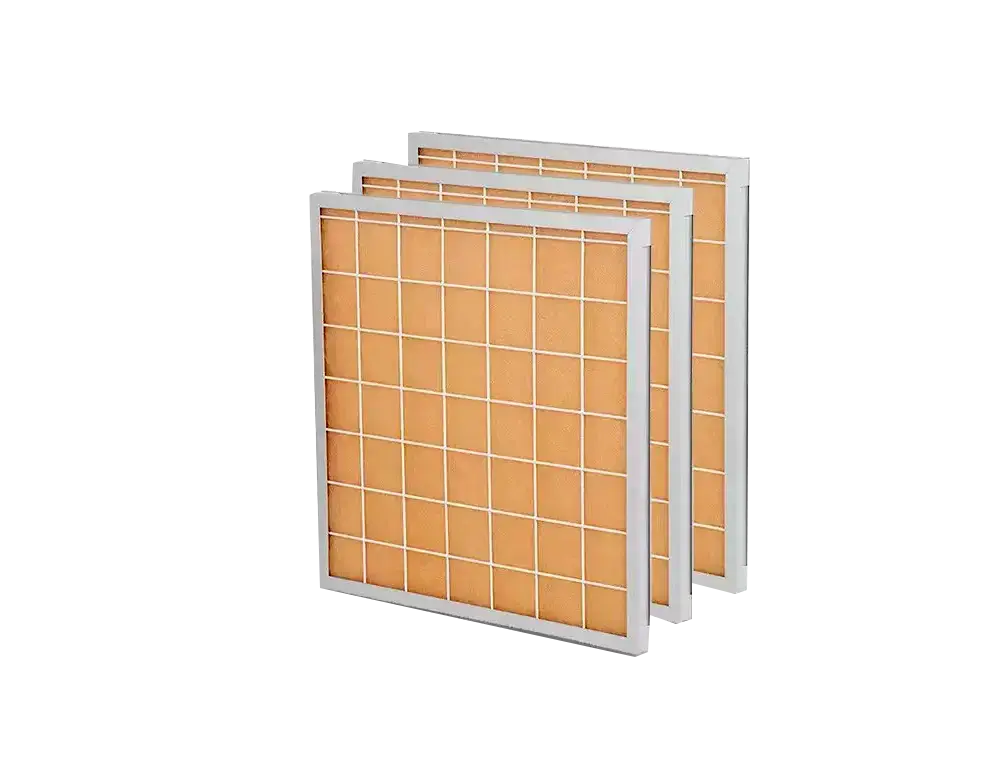
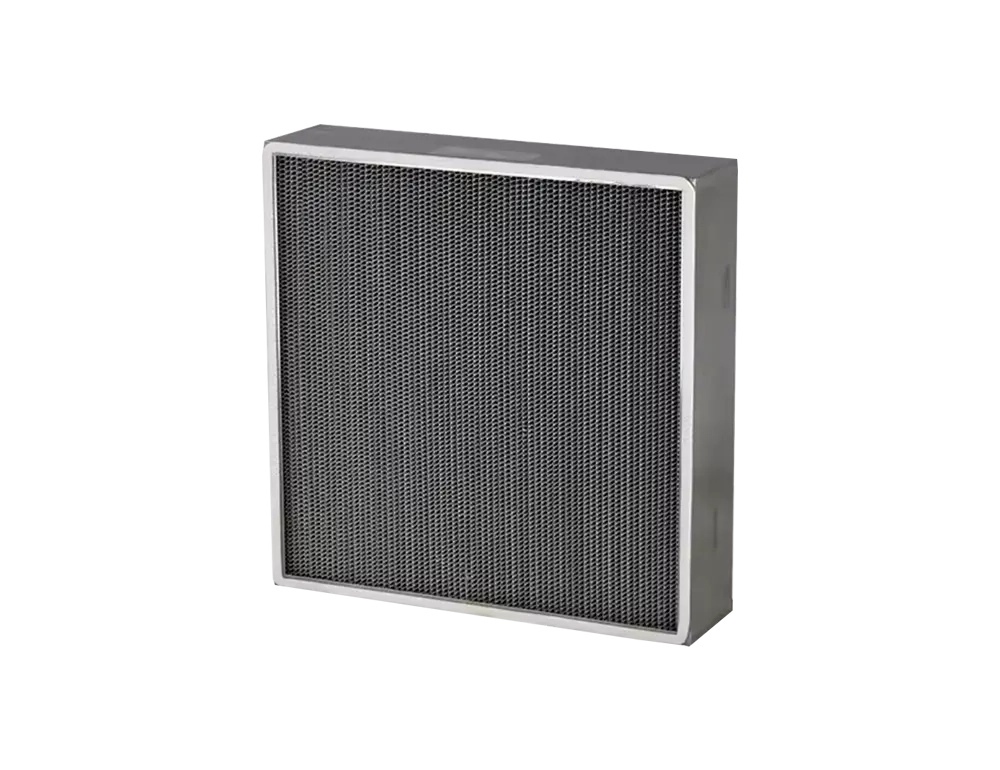
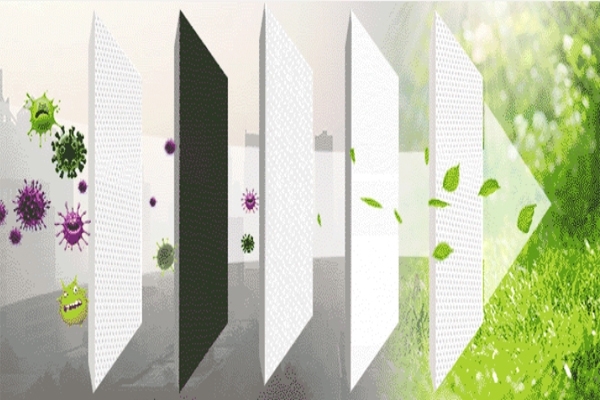
Pre-Filter (G1–G4)
First-Stage Large-Particle Capture
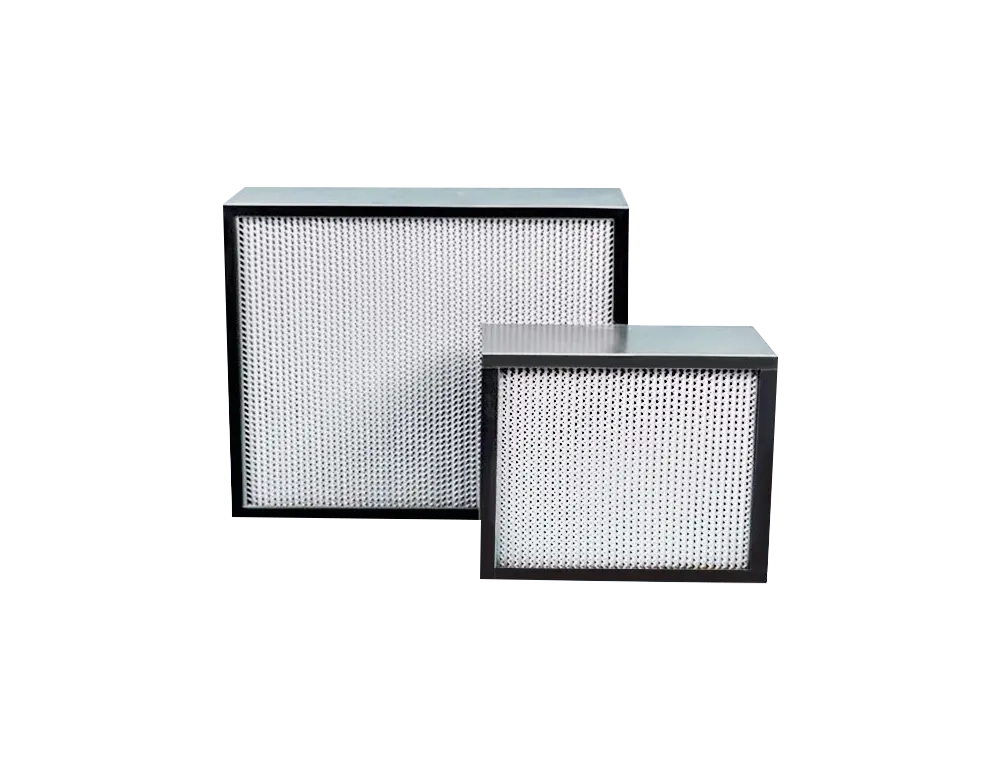
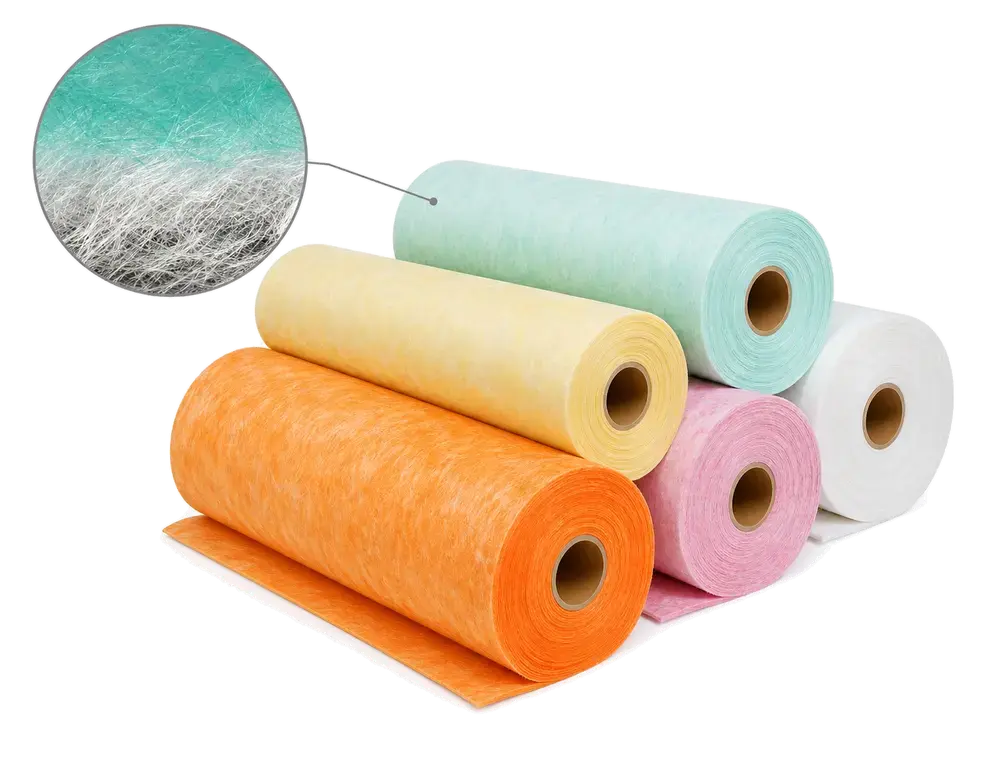
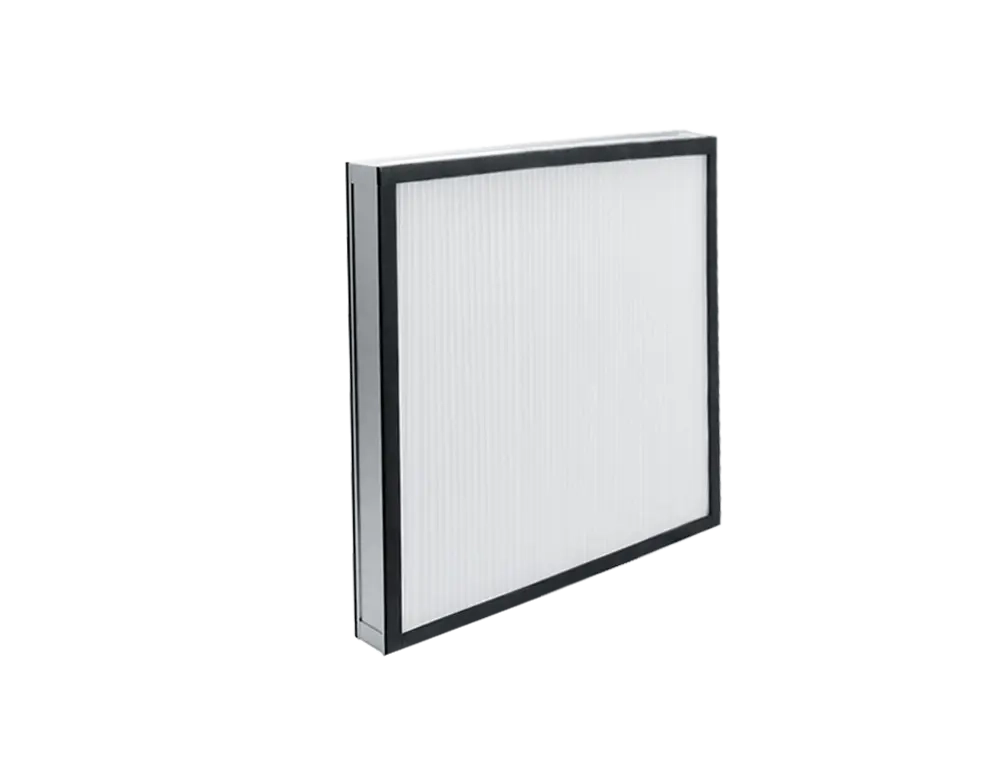
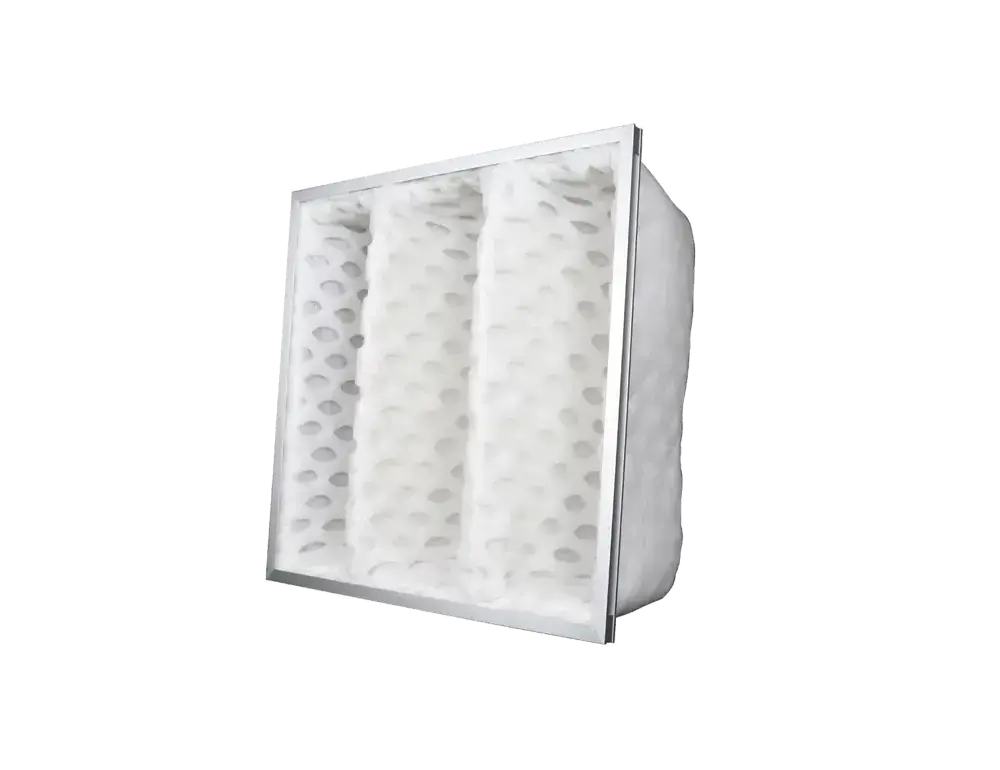
Medium-Efficiency Filter (F5–F9)
Precise PM2.5 Capture
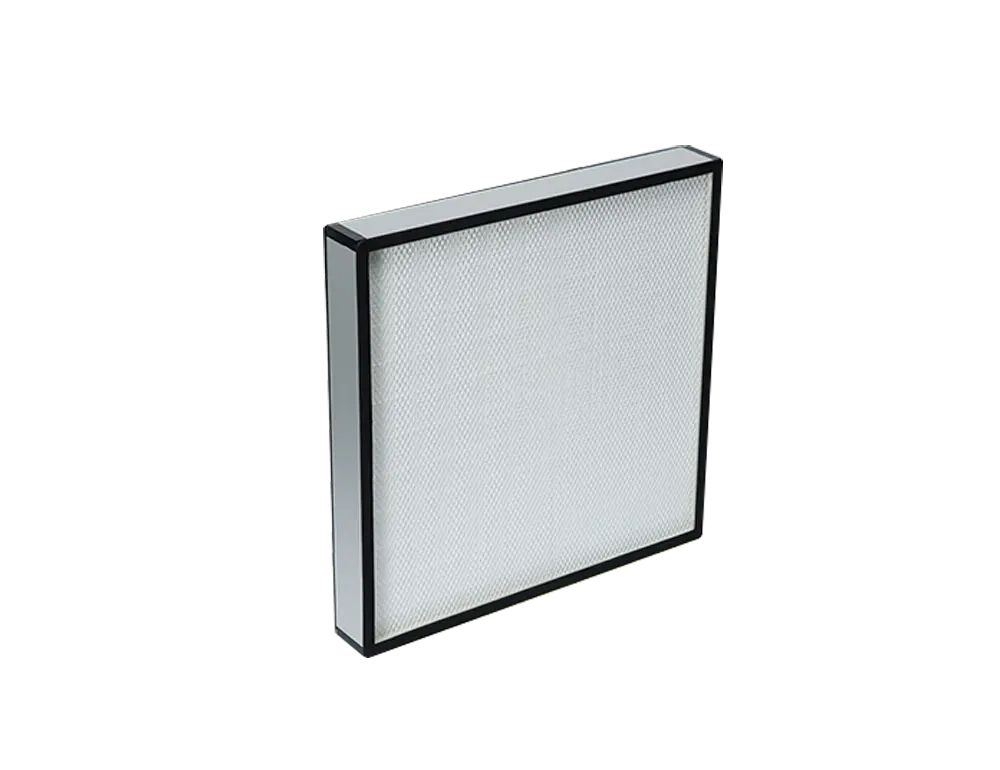
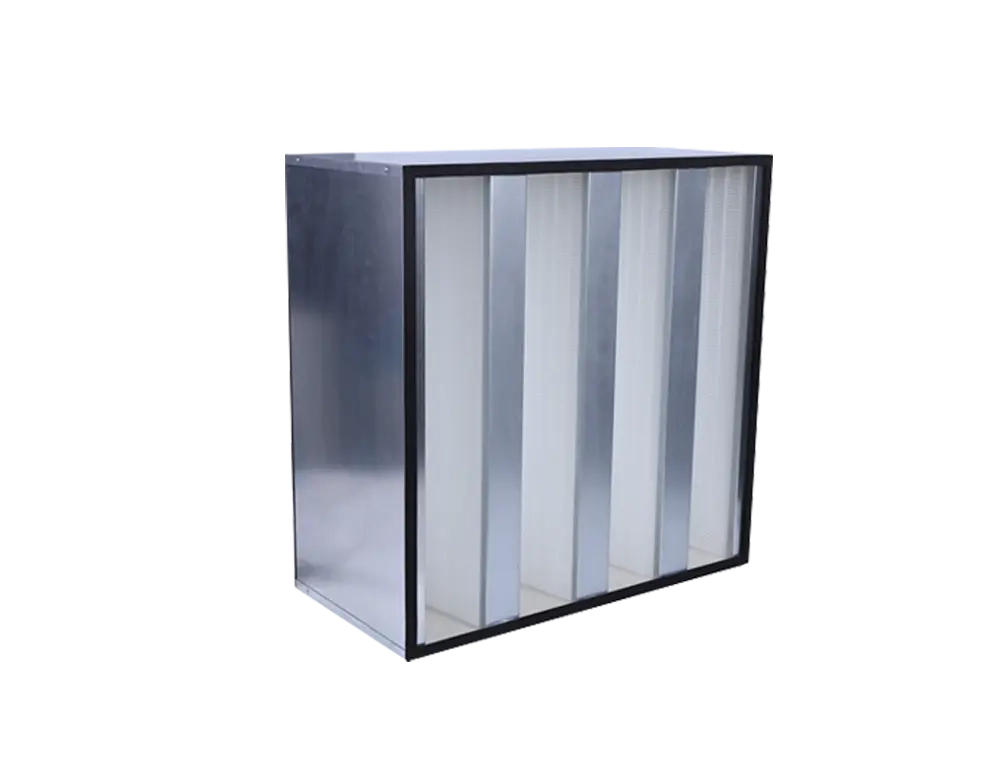
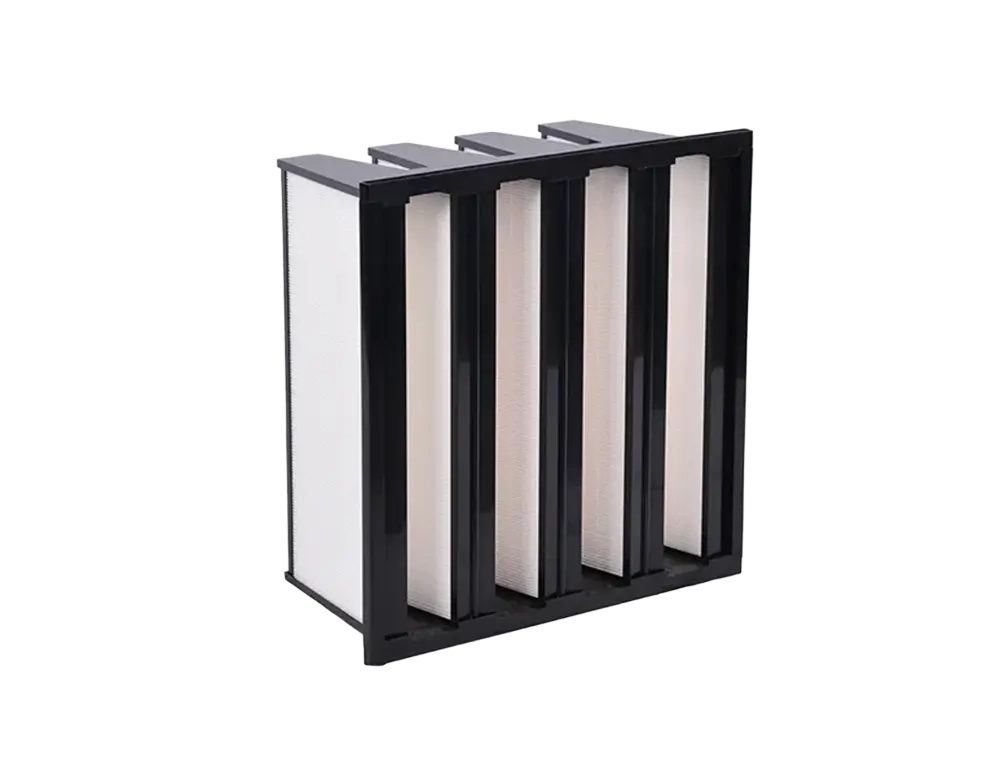
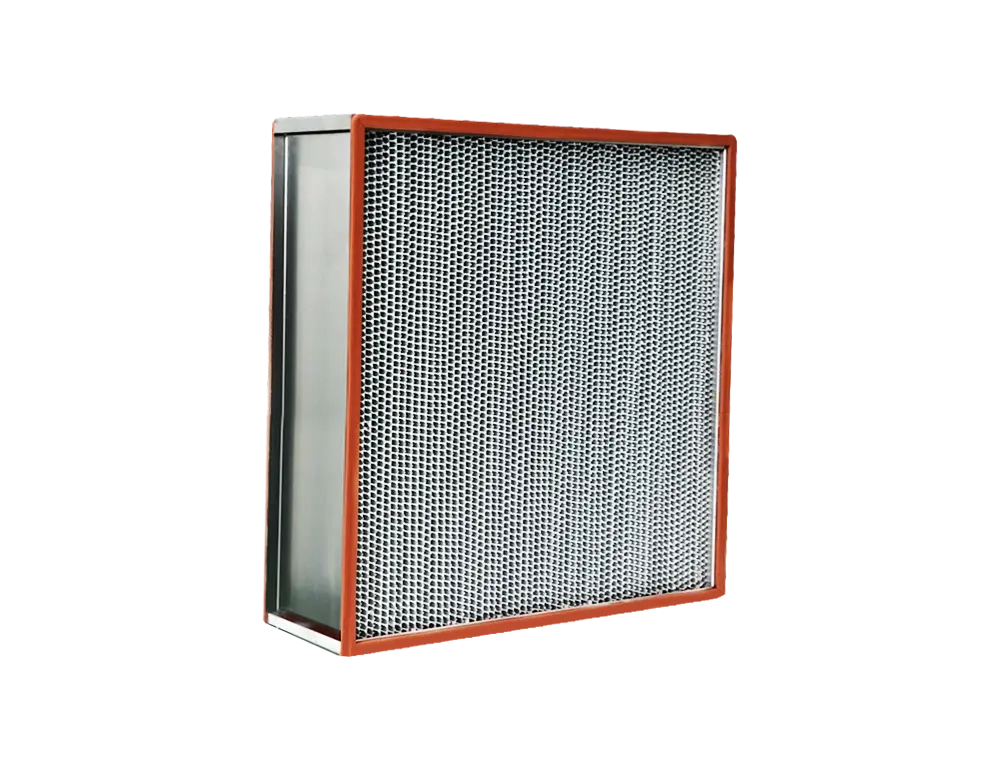
HEPA High-Efficiency Filter
Sterile-Grade Purification
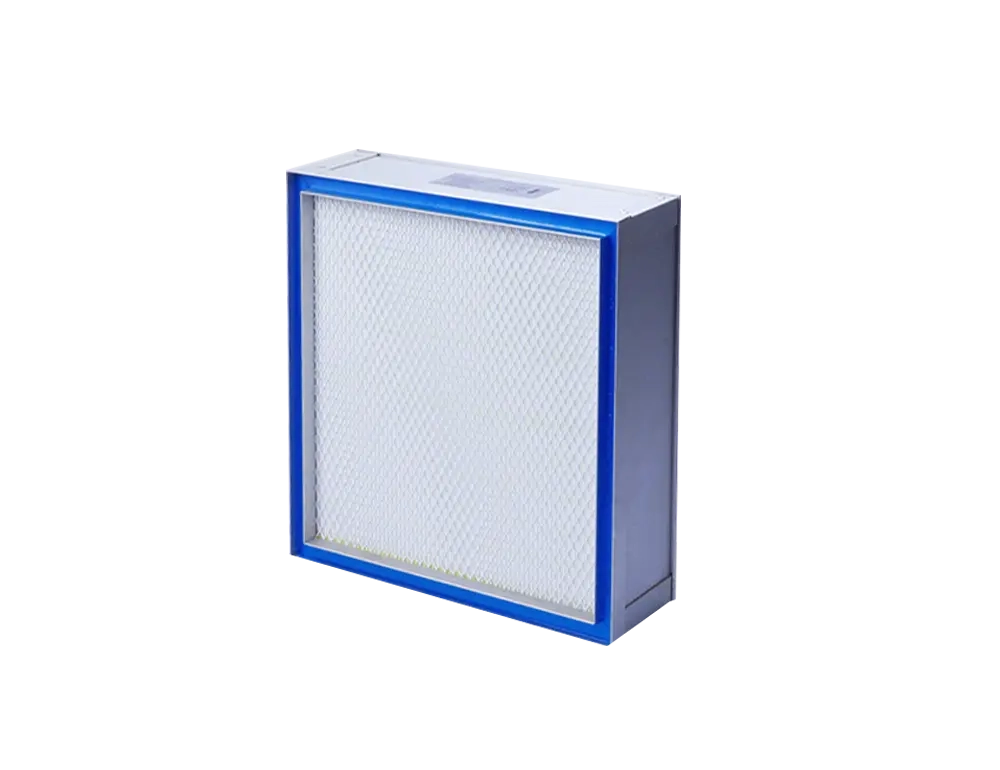
ULPA Ultra-High Efficiency Filter
Sub-Micron Particle Capture
First-Stage Large-Particle Capture
The first line of defense, capturing particles ≥5 μm such as dust, hair, and fibers to protect downstream filters and extend overall system service life.
View Related Products →Precise PM2.5 Capture
Captures fine particles of 1–5 μm including PM2.5, pollen, and mold spores, significantly improving indoor air quality for commercial HVAC and ventilation systems.
View Related Products →Sterile-Grade Purification
≥99.97% filtration efficiency for particles ≥0.3 μm, delivering sterile-grade clean air widely used in medical, pharmaceutical, and electronics manufacturing.
View Related Products →Sub-Micron Particle Capture
≥99.9995% efficiency for particles ≥0.12 μm, meeting the extreme cleanliness demands of semiconductor fabs, aerospace, and other ultra-precision applications.
View Related Products →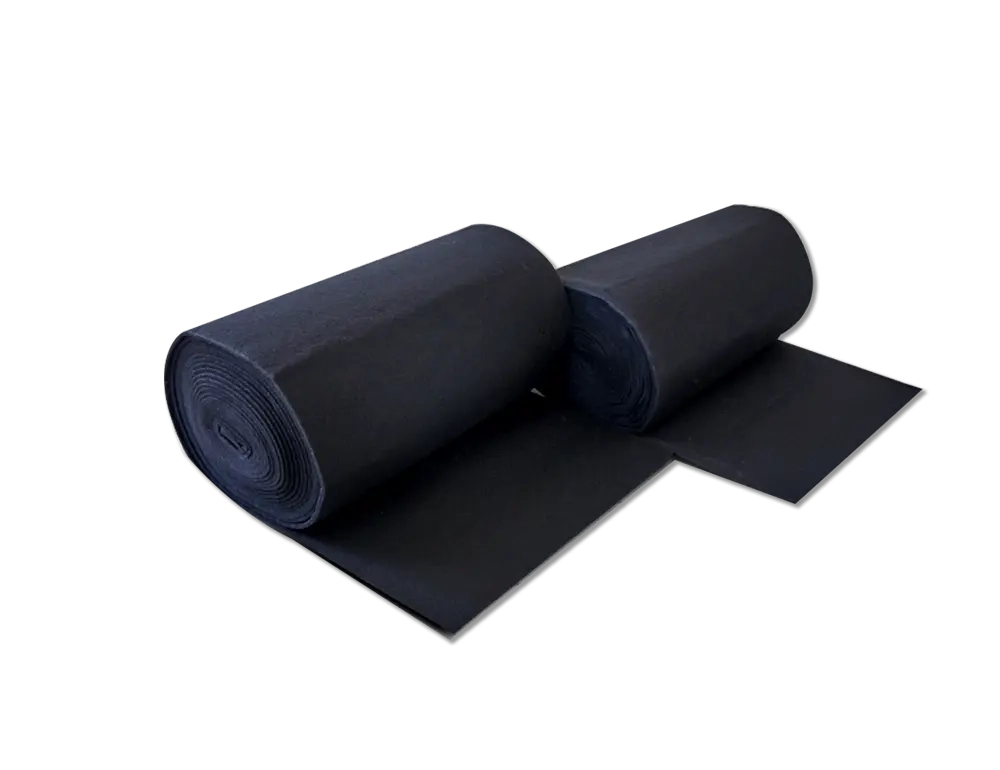
High-Temperature Resistant
Industrial-Grade Heat Tolerance
Washable & Reusable
Cut Costs, Reduce Waste
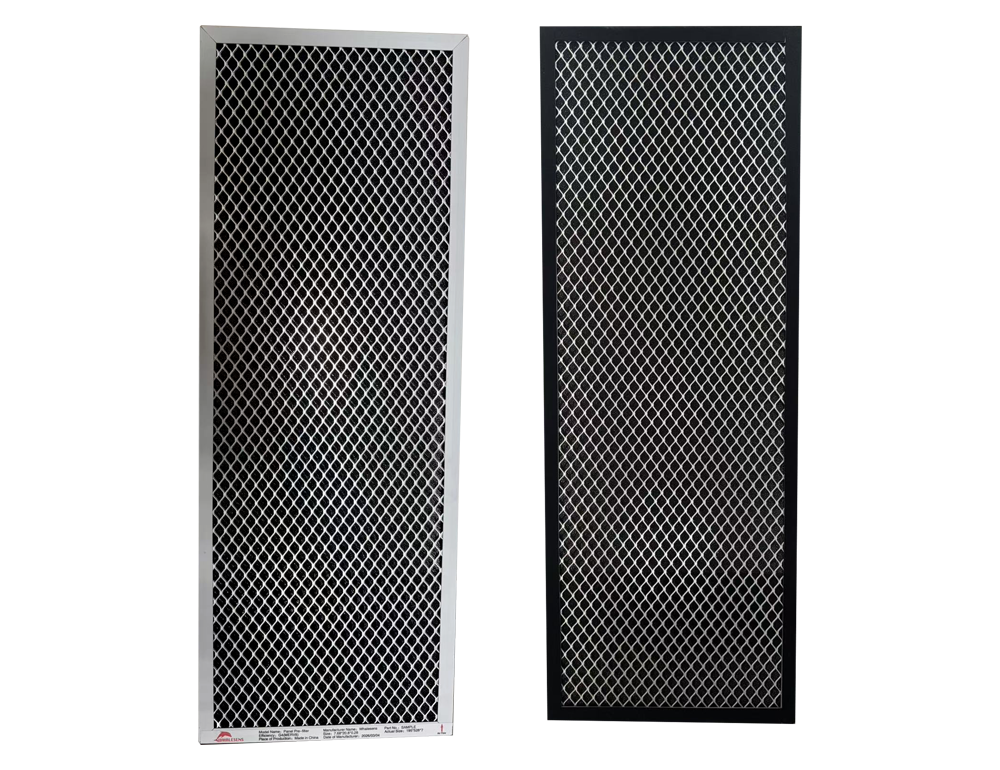
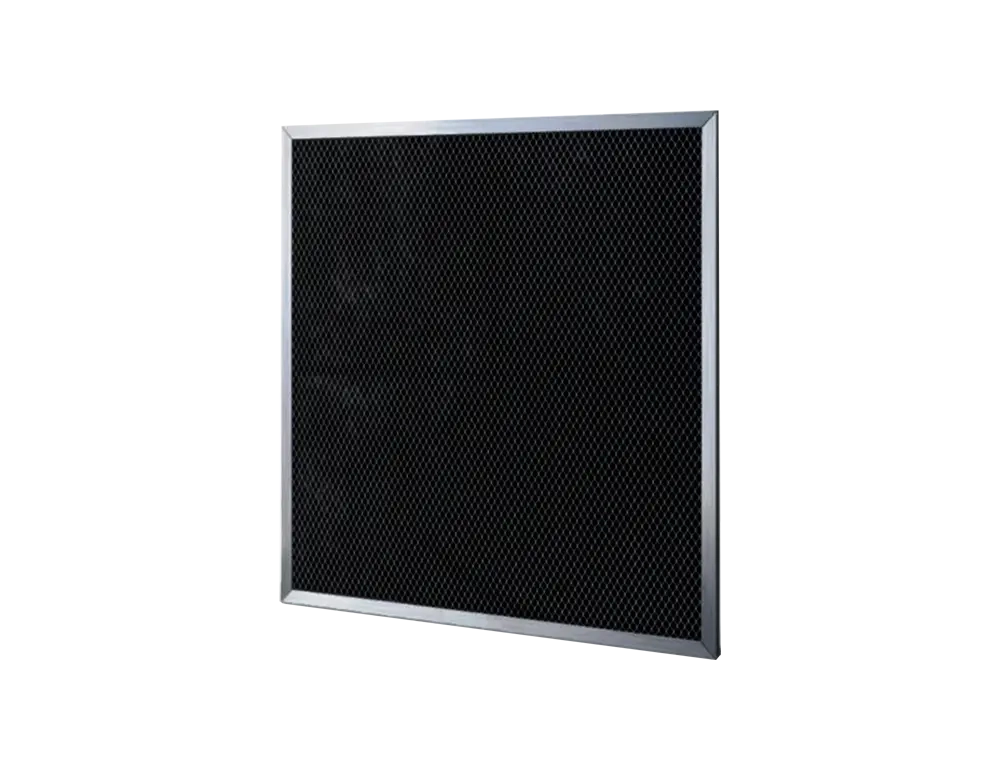
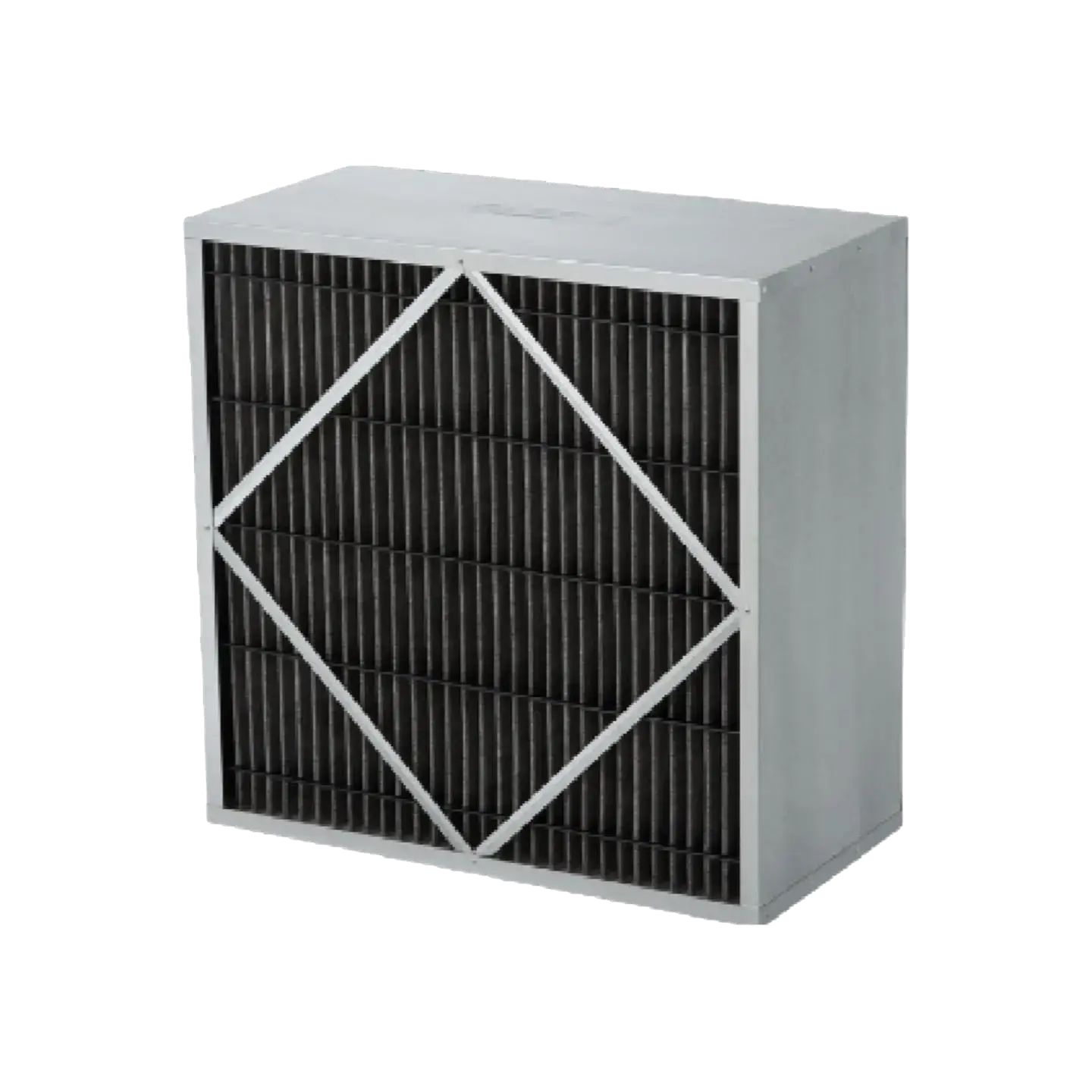
Activated Carbon
Odor & Harmful Gas Removal
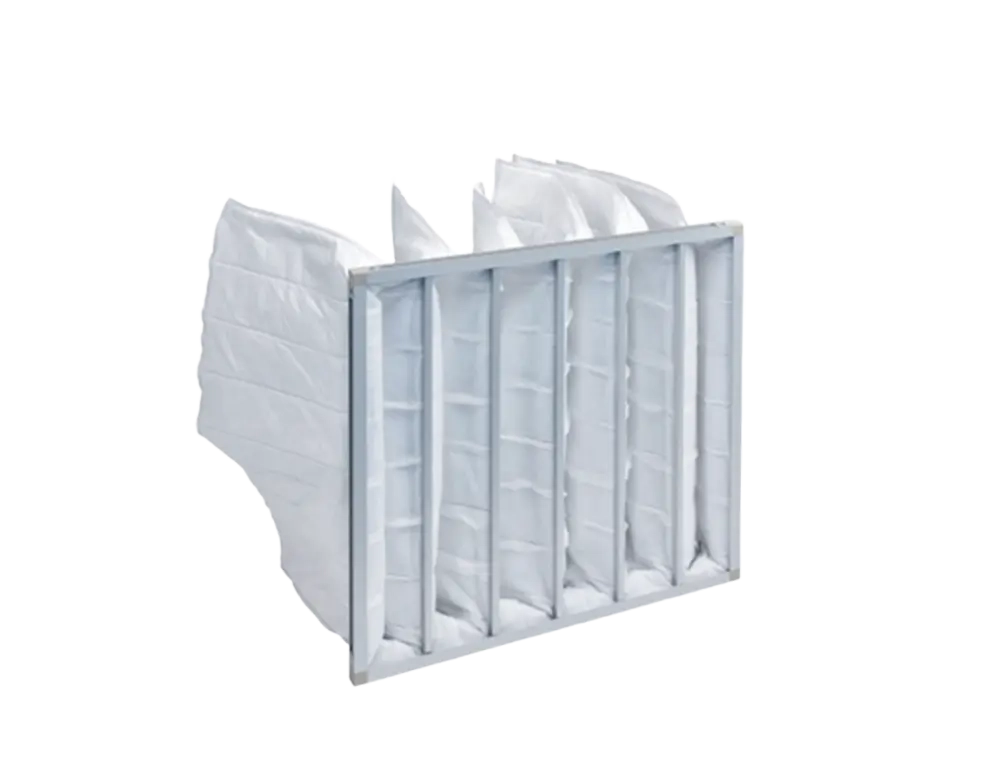
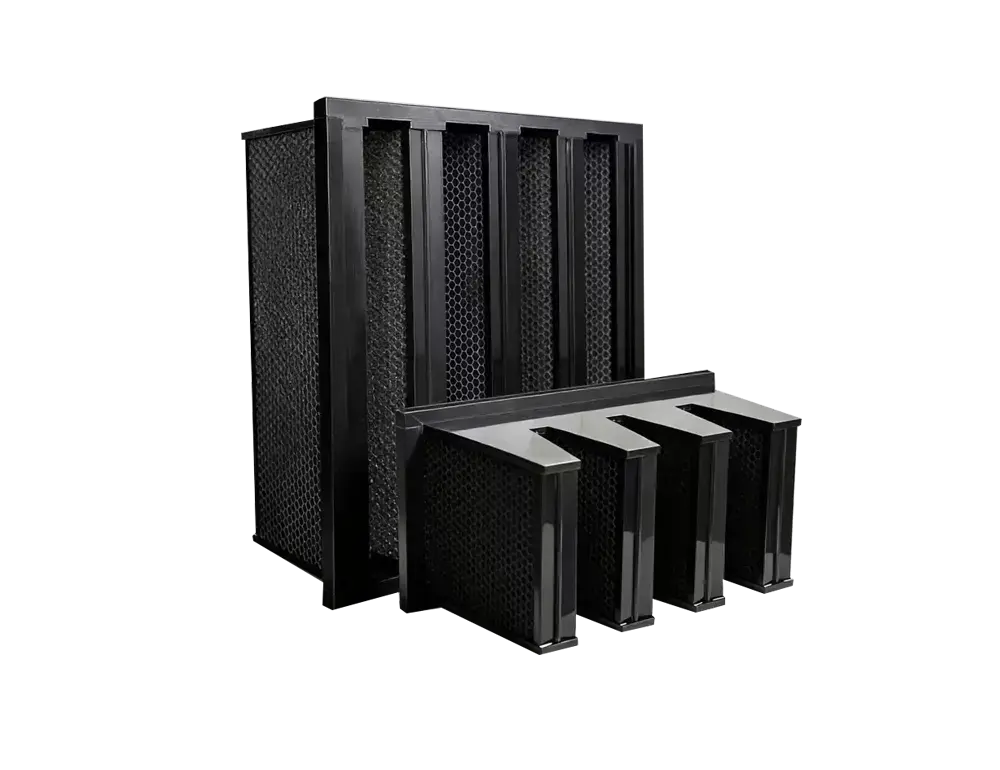
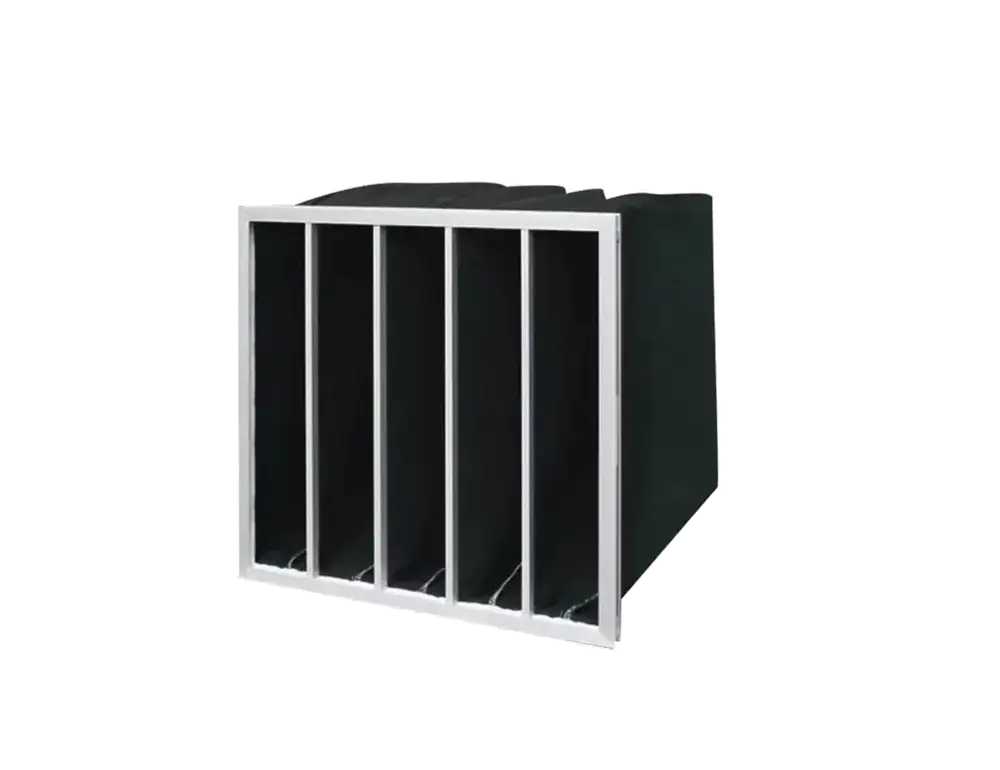
Bag Filter
High Dust-Holding, Long Life
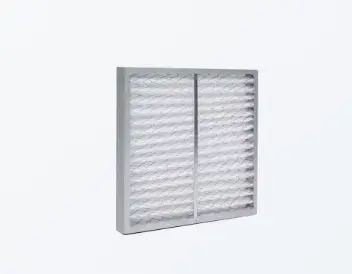
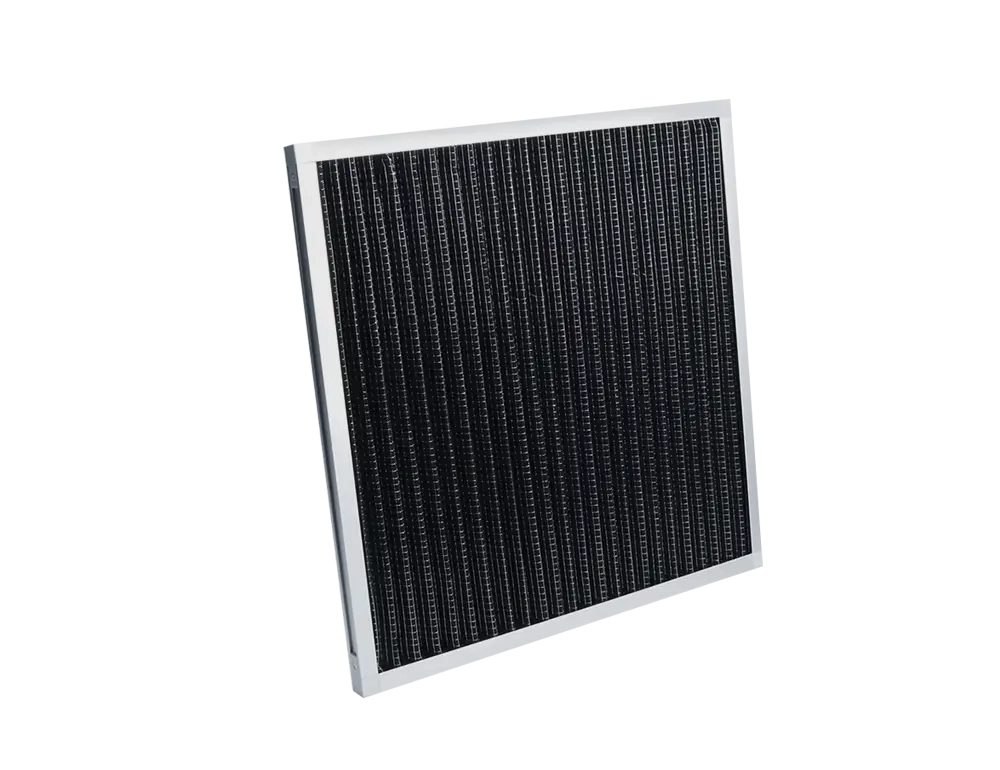
Panel / Pleated Filter
Compact Space-Saving Design
Low-Resistance Airflow
Energy-Saving Operation
Industrial-Grade Heat Tolerance
Built with specialized heat-resistant materials, operating stably up to 250°C for paint ovens, industrial dryers, and high-temperature process environments.
View Related Products →Cut Costs, Reduce Waste
Cleanable by water washing or air blowing, reusable multiple times to significantly reduce replacement frequency and O&M costs — an economical, eco-friendly choice.
View Related Products →Odor & Harmful Gas Removal
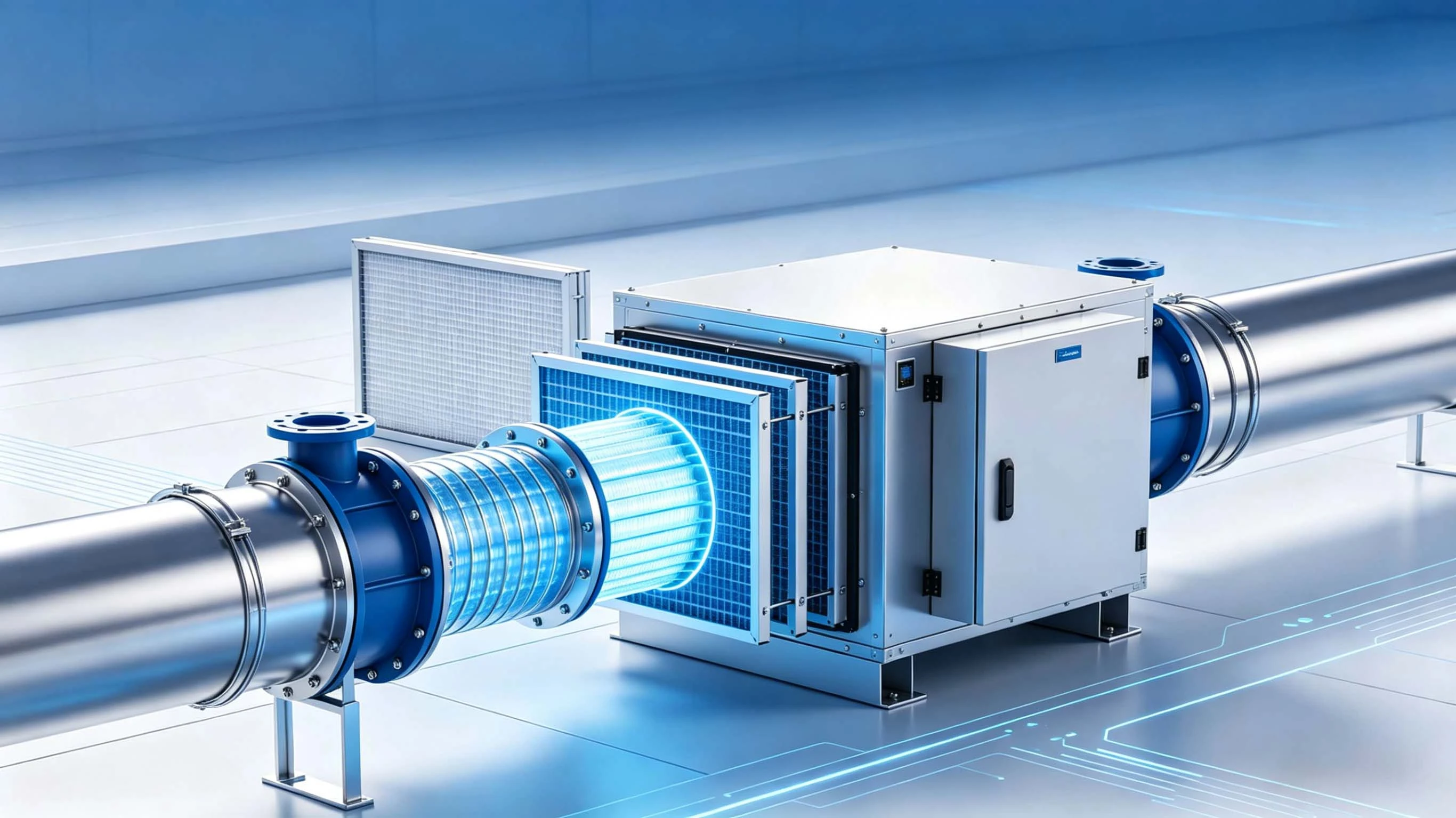
Leverages activated carbon's high adsorption capacity to eliminate odors, VOCs, and formaldehyde, ideal for newly renovated spaces and industrial exhaust treatment.
View Related Products →High Dust-Holding, Long Life
Bag-style construction delivers a larger filtration area, high dust-holding capacity, and extended service life — ideal for high-dust environments with reduced replacement frequency.
View Related Products →Compact Space-Saving Design
Compact form factor for easy installation and replacement; pleated structure maximizes filtration area within a small footprint for higher efficiency.
View Related Products →Energy-Saving Operation
Low-resistance design minimizes pressure drop while maintaining filtration performance, reducing fan energy consumption for cost-effective, eco-friendly operation.
View Related Products →














 English(Global)
 简体中文
简体中文 Language




Don’t Fall for the “Universal Adsorption” Hype — Strengths and Weaknesses, Explained Clearly
“Add an activated carbon filter, and formaldehyde, odors, and TVOC are eliminated in one go!”— This is the most common slogan for air purifiers, fresh air systems, and industrial waste gas treatment equipment. Activated carbon is indeed powerful, but it is not omnipotent. Used correctly, it is a purification powerhouse; used incorrectly, it is just a waste of money for psychological comfort. Starting from its adsorption principle, this article systematically clarifies the actual performance limits of activated carbon filters and provides practical advice for selection, use, and maintenance. By the end of this read, you will become an expert on activated carbon.
I. How Does an Activated Carbon Filter “Work”?
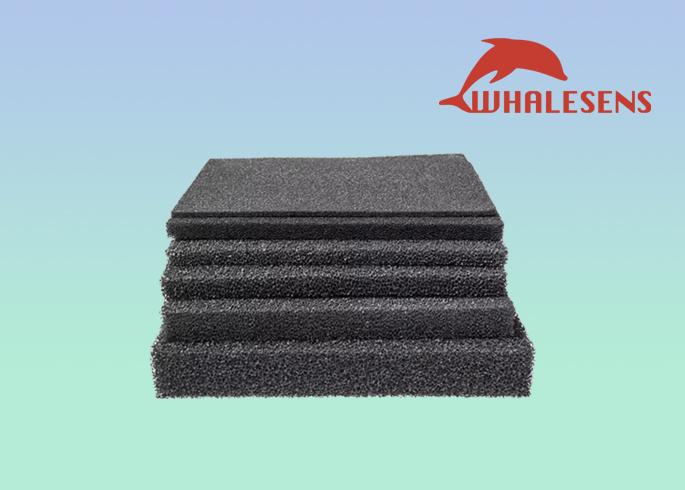
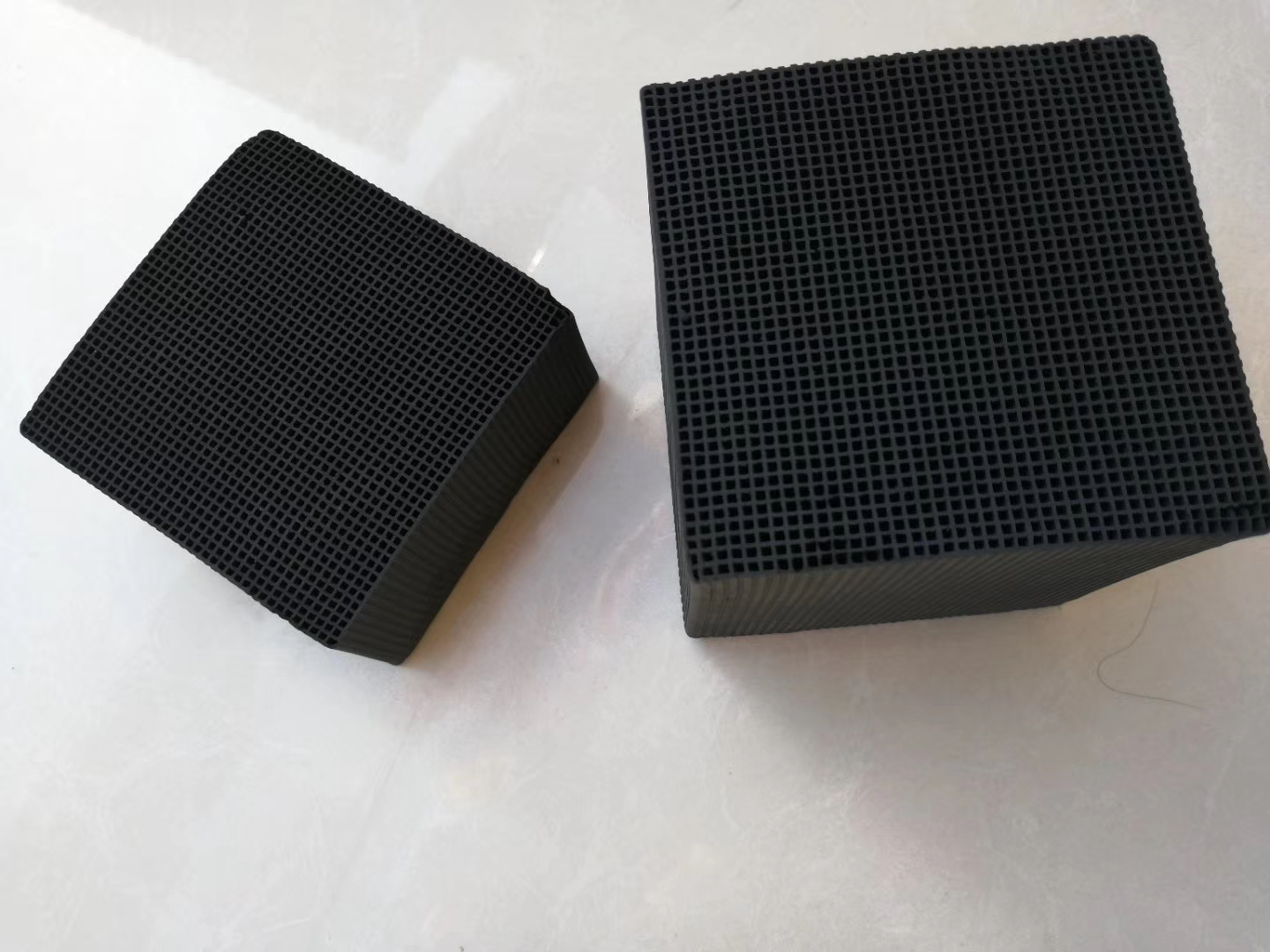
Activated carbon is a specially activated carbon material covered in invisible micropores. One gram of activated carbon can have a specific surface area of 500–1,500 square meters — equivalent to the size of a standard football field. These micropores (0.5–2 nanometers in diameter) act as countless tiny “molecular traps,” capturing pollutants in two ways:
Physical Adsorption: Gas molecules are “pulled” into the micropores by intermolecular forces (van der Waals forces). This is the primary adsorption method of activated carbon, effective for most organic gases and some inorganic gases.
Chemical Adsorption: Impregnated with chemical substances (e.g., potassium permanganate, potassium hydroxide, phosphoric acid), it undergoes irreversible chemical reactions with specific gases, converting them into harmless solids. This is often used to enhance the removal of formaldehyde, hydrogen sulfide, and ammonia.
In short: Activated carbon is like a “molecular sponge” that absorbs odor molecules and harmful gases from the air — but the sponge has a limited capacity and becomes ineffective once saturated.
II. What Can It Remove? (Strengths List)
2.1 Volatile Organic Compounds (VOCs) — Its Strongest Suit
Activated carbon exhibits excellent adsorption performance for most organic gases such as benzene series, alkanes, alkenes, and esters.
| Pollutant Category | Common Sources | Adsorption Effect |
|---|---|---|
| Benzene, toluene, xylene | Paints, coatings, adhesives, vehicle exhaust | ⭐⭐⭐⭐⭐ Excellent |
| Styrene | Plastics, rubber products | ⭐⭐⭐⭐⭐ Excellent |
| Alkanes (hexane, heptane, etc.) | Gasoline, solvents | ⭐⭐⭐⭐ Good |
| Esters (ethyl acetate, etc.) | Glues, paint thinners | ⭐⭐⭐⭐ Good |
| Chlorinated hydrocarbons (trichloroethylene, etc.) | Dry cleaning, degreasing agents | ⭐⭐⭐⭐ Good |
Typical Applications: Odor removal in newly renovated homes, industrial coating workshop waste gas treatment, laboratory fume hoods.
2.2 Odors and Noxious Smells — The Most Intuitive Effect
| Odor Type | Source | Adsorption Effect |
|---|---|---|
| Cigarette smoke | Cigarettes, cigars | ⭐⭐⭐⭐⭐ Excellent |
| Musty smell | Damp basements, closets | ⭐⭐⭐⭐ Good |
| Pet odors | Cats, dogs, other pets | ⭐⭐⭐⭐⭐ Excellent |
| Kitchen waste odor | Trash cans, sewers | ⭐⭐⭐⭐⭐ Excellent |
| Bathroom ammonia (partial) | Urine decomposition | ⭐⭐⭐ (Impregnated type required) |
| Bathroom hydrogen sulfide (rotten egg smell) | Sewers, septic tanks | ⭐⭐⭐⭐⭐ (Impregnated type excellent) |
2.3 Some Inorganic Gases (Depends on Impregnation)
Regular activated carbon has limited adsorption capacity for most inorganic gases, but performance improves significantly with chemical impregnation.
| Gas | Regular Activated Carbon | Impregnated Activated Carbon | Common Sources |
|---|---|---|---|
| Formaldehyde (HCHO) | Moderate (easily saturated) | ⭐⭐⭐⭐⭐ | Renovation panels, furniture |
| Ammonia (NH₃) | Weak | ⭐⭐⭐⭐⭐ | Bathrooms, farms, cold storage |
| Hydrogen sulfide (H₂S) | Weak | ⭐⭐⭐⭐⭐ | Sewers, garbage stations, sewage plants |
| Sulfur dioxide (SO₂) | Weak | ⭐⭐⭐⭐ | Coal combustion, industrial waste gas |
| Nitrogen oxides (NOx) | Weak | ⭐⭐⭐⭐ | Vehicle exhaust, boilers |
| Ozone (O₃) | Good (catalytic decomposition, no carbon consumption) | ⭐⭐⭐⭐⭐ | Copiers, laser printers, UV lamps |
Important Reminder: To remove formaldehyde, ammonia, or hydrogen sulfide, always choose impregnated activated carbon — otherwise, regular carbon will quickly saturate and fail.
III. What Can’t It Remove? (Weakness Boundaries)
3.1 Particulate Matter (Dust, PM2.5, Pollen, Bacteria)
| Pollutant | Removable? | Reason |
|---|---|---|
| Dust, powder | ❌ No | Particle size far larger than carbon micropores; only interceptible by fiber filters (HEPA, pre-filter cotton) |
| PM2.5 | ❌ No | Same as above |
| Pollen | ❌ No | Same as above |
| Bacteria, viruses | ❌ No | Microorganisms attach to particles; carbon cannot kill or filter them — HEPA or sterilization technology required |
Common Misconception: Many people believe activated carbon filters prevent smog. In reality, carbon has almost no effect on PM2.5. Particulate removal requires HEPA or pre/intermediate filters.
3.2 Permanent Gases — Too Small or Hard to Adsorb
| Gas | Removable? | Reason |
|---|---|---|
| Carbon monoxide (CO) | ❌ No | Extremely small molecule, weak polarity; almost unadsorbable by carbon |
| Carbon dioxide (CO₂) | ❌ No | Also a small non-polar molecule; ineffective |
| Methane (CH₄) | ❌ No | Main component of natural gas; unadsorbable |
| Hydrogen (H₂) | ❌ No | Smallest molecule; cannot be trapped |
| Oxygen (O₂), Nitrogen (N₂) | ❌ No | Main components of air; not adsorbed |
Note: Activated carbon is useless for reducing indoor CO₂ (e.g., high levels in bedrooms) — ventilation is required.
3.3 Water Vapor in High-Humidity Environments
Activated carbon adsorbs water vapor. At relative humidity >70%, water molecules compete with pollutants for adsorption sites, reducing formaldehyde/VOC adsorption capacity by 30%–50%.
Countermeasure: For high-humidity use, select waterproof activated carbon or add pre-dehumidification.
3.4 Saturated Activated Carbon (Ineffective After Saturation)
Once saturated, activated carbon not only fails to remove pollutants but may also desorb (release previously adsorbed pollutants back into the air) with temperature/humidity changes, causing secondary pollution.
Conclusion: Regular replacement is safer than prolonged use.
3.5 High-Concentration VOCs (Risk of Heating or Combustion)
When treating extremely high-concentration organic waste gas (e.g., benzene >1000ppm), adsorption generates heat, potentially causing local overheating or even spontaneous combustion. Industrial applications require cooling or pre-treatment. Household use poses no risk.
3.6 Microorganisms (Bacteria, Mold, Viruses)
Activated carbon does not support microbial growth (dry, nutrient-free), but mold may grow on its surface if damp for long periods. Carbon itself has no sterilization function unless supplemented with antimicrobial agents.
IV. Key Factors Affecting Removal Efficiency
| Factor | Impact |
|---|---|
| Carbon Type & Iodine Value | Coconut shell carbon (iodine value ≥1000mg/g) performs best; coal-based second; wood-based average. |
| Dosage & Thickness | Thin carbon layers (<5mm) result in insufficient gas retention time and poor efficiency. Industrial layers are typically 50–200mm thick. |
| Temperature | Higher temperatures reduce physical adsorption efficiency; performance drops significantly above 50°C. |
| Humidity | Relative humidity >70% drastically reduces adsorption capacity. |
| Airflow Velocity | Fast airflow prevents gas diffusion; design velocity ≤0.5m/s recommended. |
| Saturation & Desorption | Must replace when saturated; household sunlight exposure is nearly ineffective — professional regeneration requires specialized equipment. |
V. Typical Application Scenarios & Selection Advice
| Scenario | Target Pollutants | Recommended Carbon Type | Considerations |
|---|---|---|---|
| Newly Renovated Homes | Formaldehyde, benzene series, TVOC | Coconut shell carbon + potassium permanganate impregnated | Thickness ≥20mm; replace every 3–6 months |
| Pet Households | Ammonia, hydrogen sulfide, odors | Impregnated carbon (phosphoric acid/alkaline) | Use with HEPA; moisture protection |
| Restaurants/Kitchens | Cooking fumes odors | High-iodine coal-based carbon | Pre-install fume filtration to prevent oil clogging |
| Industrial Coating Waste Gas | Benzene, toluene, xylene | Coal-based granular carbon | Layer thickness ≥100mm; regenerate/replace regularly |
| Sewage Plants/Garbage Stations | H₂S, ammonia, malodors | Alkaline impregnated carbon | Pre-treat dehumidification |
| Laboratory Fume Hoods | Organic solvent vapors | Coconut shell carbon | Avoid acidic gases (pre-treatment required) |
| Car Air Conditioning Filters | Exhaust odors, formaldehyde | Coconut shell carbon granules | Limited thickness, moderate efficiency; replace frequently |
Key Tip: In all scenarios, an activated carbon filter should be used with particulate filters (pre-filter cotton or HEPA) — otherwise, dust quickly clogs micropores, causing premature failure.
VI. Maintenance & Replacement: How to Judge Saturation?
6.1 Saturation Judgment Methods
| Method | Operation | Reliability |
|---|---|---|
| Olfactory Check | Odor detected at air outlet | Most intuitive, but qualitative |
| Formaldehyde Detector | Measure concentration rebound before/after purification | Quantitative, recommended |
| Timing Method | Replace every 3–6 months in moderately polluted environments | Rough estimate, suitable for general households |
| Weighing Method (Industrial) | Carbon weight gain of 10–20% = saturation | Common in industry |
6.2 Replacement Cycle Guidelines
Mild odors (offices, bedrooms): 6–12 months
Newly renovated/smoking households: 3–6 months
Pet households: 3–6 months
Industrial waste gas treatment: 1–3 months (or per pressure difference/concentration)
Car air conditioning filters: 6–12 months
6.3 Critical Reminder: Sunlight ≠ Regeneration
Sunlight exposure only removes adsorbed moisture — it barely desorbs tightly bound VOCs and formaldehyde. The only reliable solution for saturation is replacement. Do not believe “wash and reuse” claims.
VII. Frequently Asked Questions (FAQ)
Q1: Can activated carbon remove formaldehyde? Yes, but performance depends on carbon type. Regular coconut shell carbon has limited, short-term effect; potassium permanganate-impregnated carbon oxidizes formaldehyde into water and CO₂, offering better efficiency and longer life. Impregnated carbon is recommended for new renovations.
Q2: Why do my activated carbon bags seem useless? Possible reasons: ① Too small (a few hundred grams has negligible whole-house effect); ② Poor airflow (unsealed placement); ③ Already saturated; ④ Low-quality carbon (low iodine value). Correct Use: 1–2kg per room, ventilate, sunlight every 1–2 months, replace every 3 months.
Q3: Can activated carbon filters remove PM2.5? No. PM2.5 is particulate matter requiring HEPA or high-efficiency filters. The two are complementary, not substitutes.
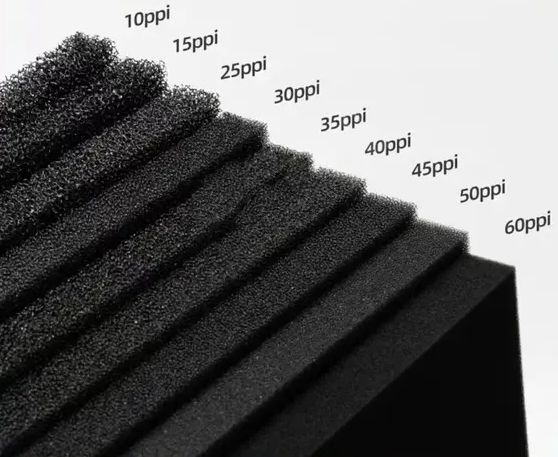
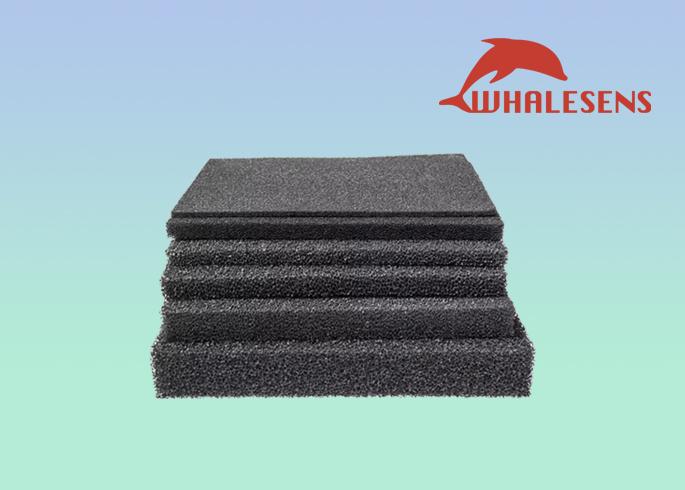
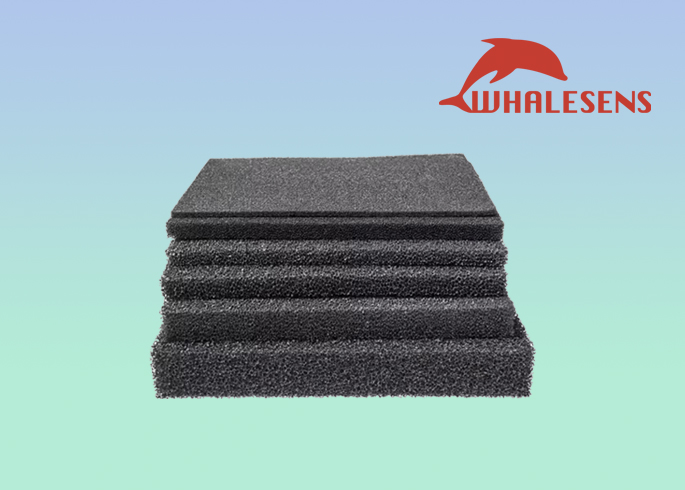
Q4: Can activated carbon be washed and reused? Almost never. Washing damages micropores and leaches chemical impregnant, drastically reducing adsorption capacity. Only a few labeled “washable” polyurethane foam carbon filters can be gently washed — with reduced efficiency.
Q5: How often to replace air purifier carbon filters? Generally 6–12 months, or per device alerts. Shorten to 3–6 months for smoking/pet/new renovation environments.
Q6: How is industrial activated carbon regenerated? Requires specialized equipment (hot nitrogen desorption, steam regeneration) — impossible at home. Industrially, replace or regenerate when adsorption capacity drops to 30%–50% of new carbon.
VIII. Conclusion
Activated carbon filters are powerful gas purification tools — but not universal. Their strengths include removing organic gases, odors, and some inorganic gases (with impregnation); weaknesses include inability to remove particulates, small permanent gases (CO, CO₂, etc.), and post-saturation desorption.
Three Core Misconceptions
❌ Belief that carbon removes PM2.5 → HEPA required
❌ Belief that carbon lasts forever → Regular replacement critical (saturated carbon becomes a pollution source)
❌ Belief that expensive = better → Key metrics: iodine value and impregnation type, not price
Action Guide
Home Formaldehyde Removal: High-iodine coconut shell carbon + potassium permanganate impregnated, ≥20mm thickness, replace every 3–6 months.
Odor Removal: Regular coconut/coal-based carbon + HEPA for dust protection.
Industrial Waste Gas: Select impregnation type by pollutant; design adequate thickness and retention time.
All Scenarios: Replace regularly — no “one-time fix.”
Remember: Activated carbon is not a magic wand. Used correctly, it’s a powerhouse; used incorrectly, it’s just decor.
About Whalesens Technology
Whalesens Technology Co., Ltd. (Whalesens) is an innovator in the air filtration industry, dedicated to providing “full-efficiency, full-scenario” air filtration solutions for pharmaceutical cleanrooms, semiconductor factories, data centers, and new energy facilities. Our product range covers primary (G4), medium (F7–F9), high (H13–H14), and ultra-high (ULPA U15–U17) efficiency filters, V-bank filters, honeycomb activated carbon, coconut shell activated carbon, activated carbon filter media, activated carbon filters, and customized non-standard products.
Core Advantages
- Factory Direct: Full-process quality control
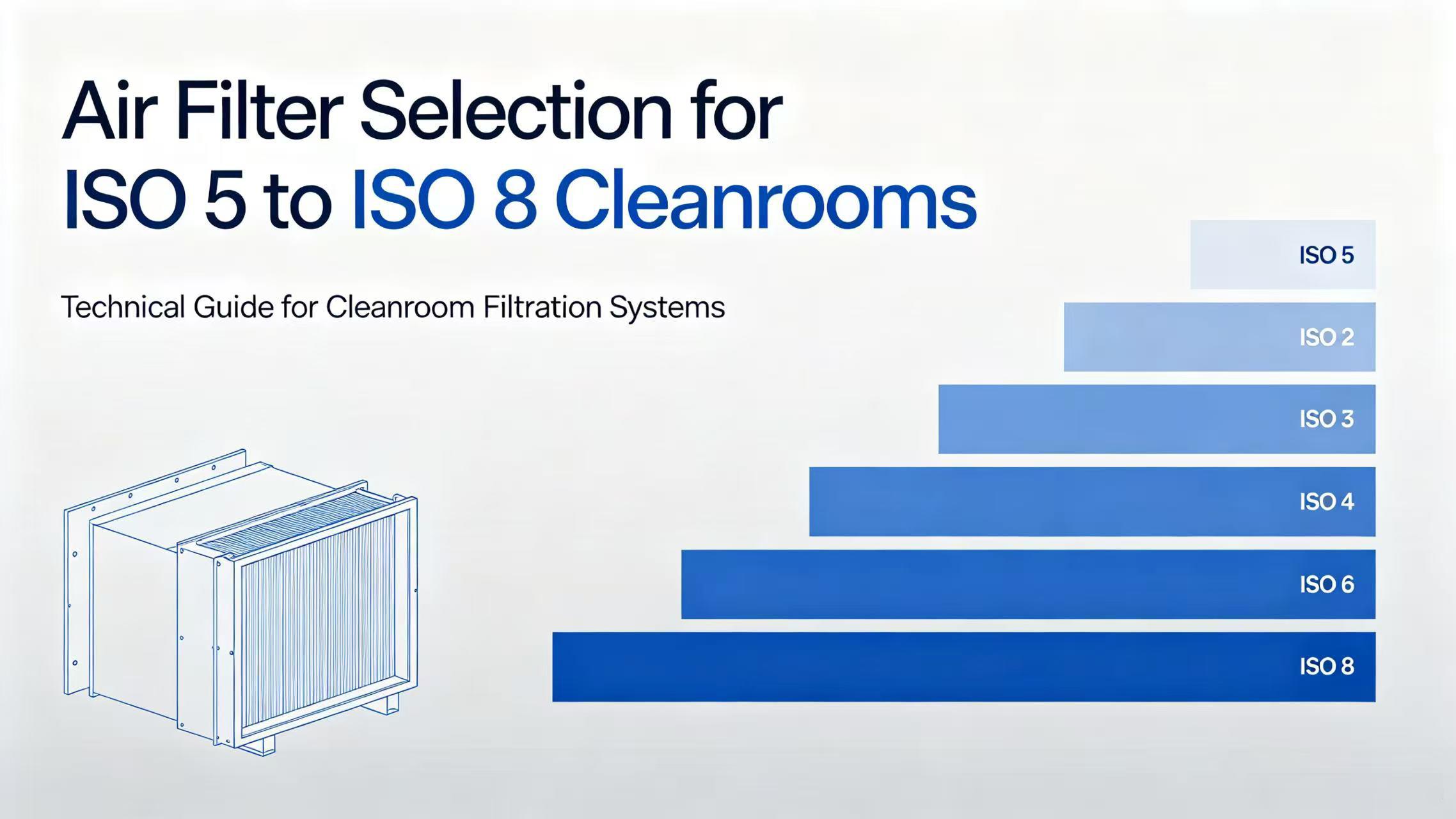
- Full-Grade Coverage: Solutions for pharmaceutical A/B/C/D grades to ISO 4–8 cleanrooms
- One-Stop Service: PAO/DOP leak scanning, pressure difference monitoring, and filter replacement
- Compliance: Adheres to ISO 14644, GMP, GB/T 36370, and EN 1822 standards
Contact
Website: www.whalesens.com
Email: whalesens@gmail.com
Need a custom air filtration solution?
Contact the Whalesens engineering team for product selection and OEM/ODM support.
Email whalesens@gmail.com