


EV Charging Stations
Filtration for Power Equipment
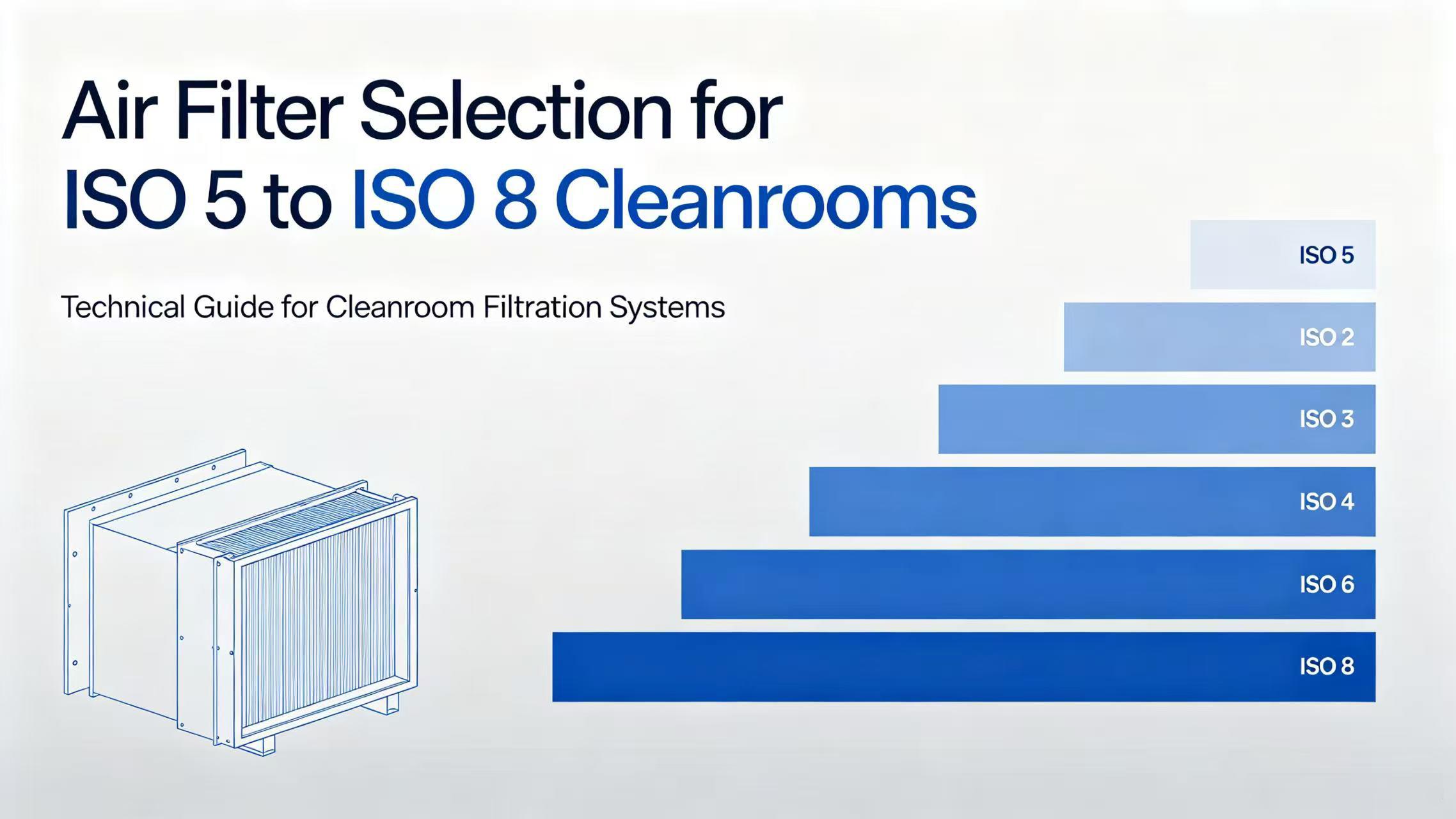
Cleanroom & Semiconductor
Ultra-High Cleanliness Filtration
Commercial HVAC
Central Air System Filtration
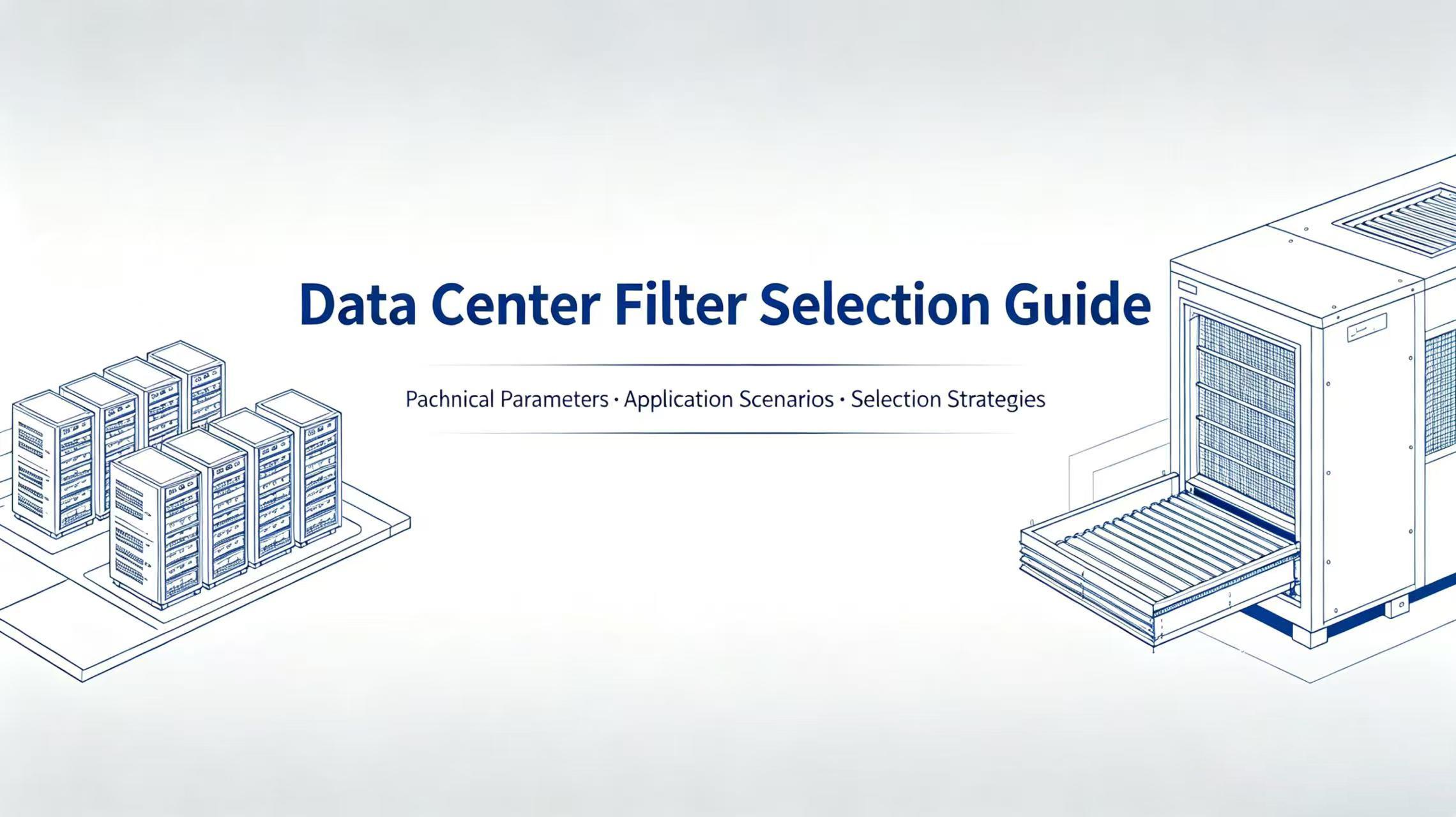
Data Centers
Precision Equipment Protection
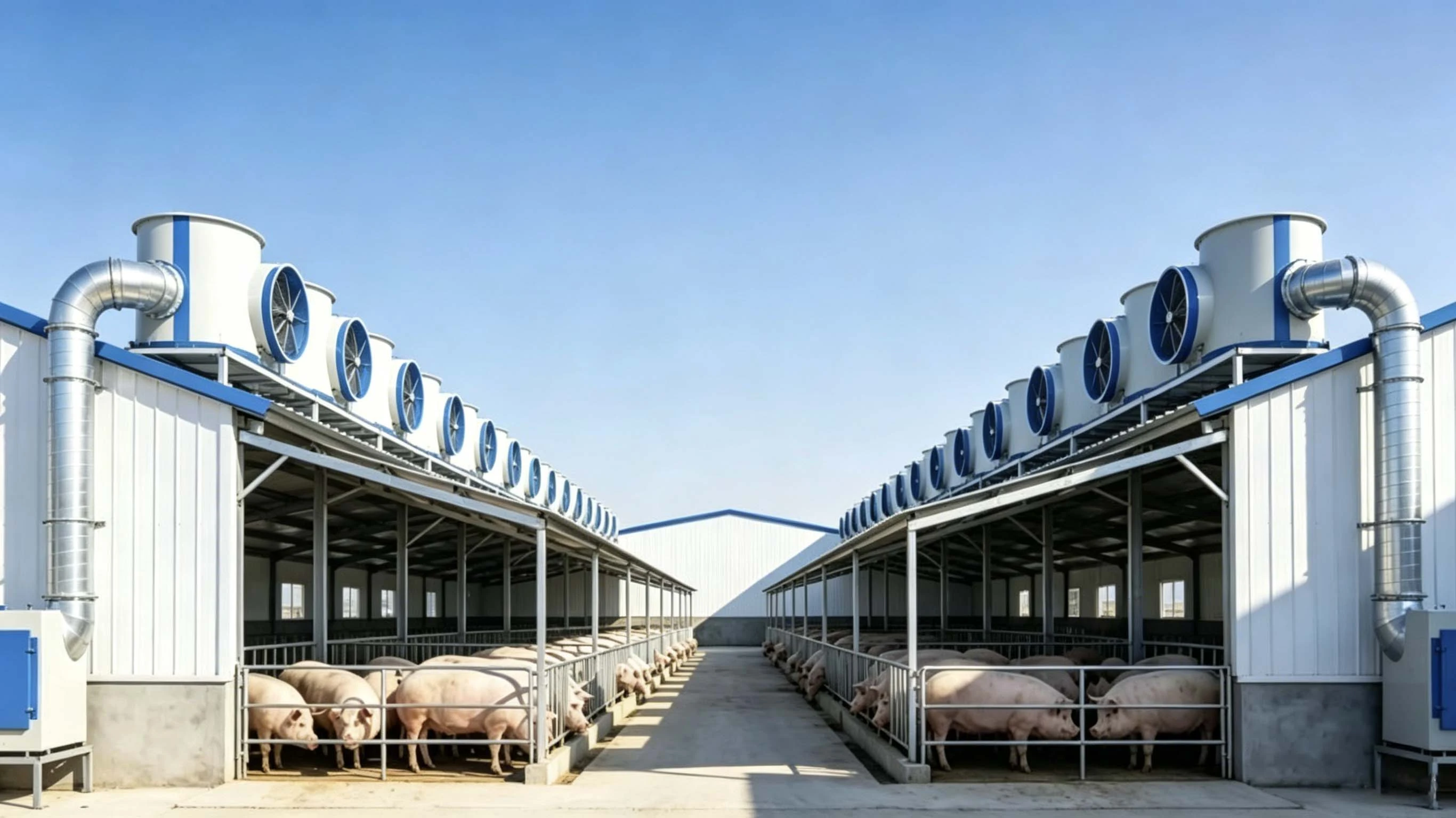
Livestock & Farming
Farming Environment Purification
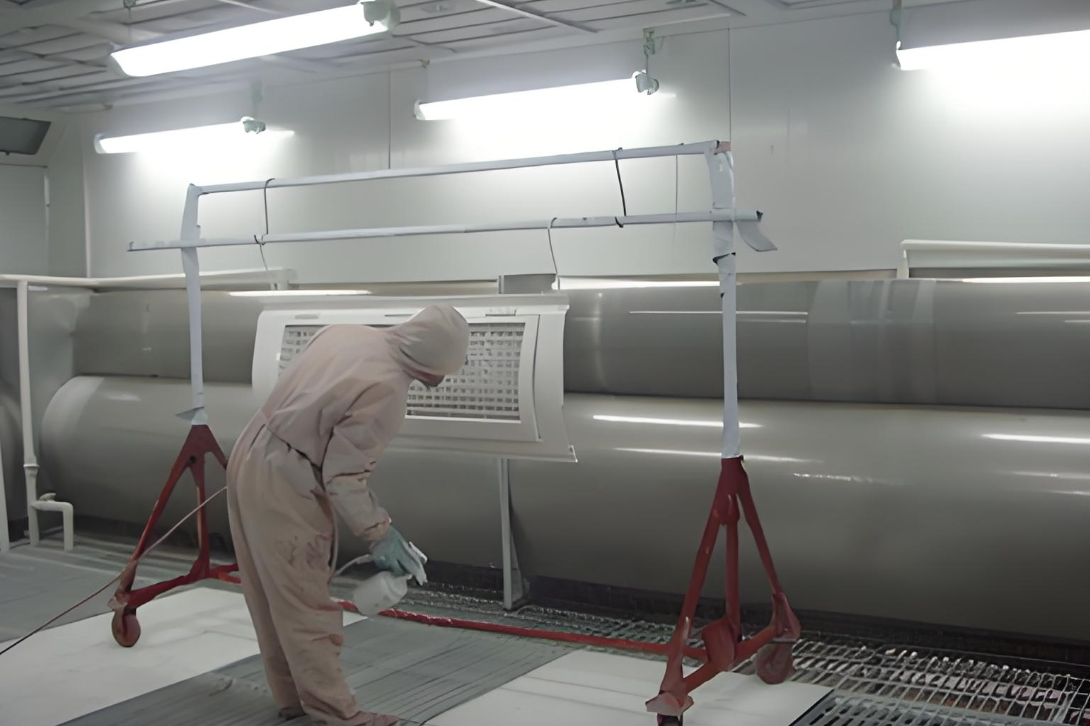
Spray Booths & Industrial Dust
Paint Mist & Dust Purification
Filtration for Power Equipment
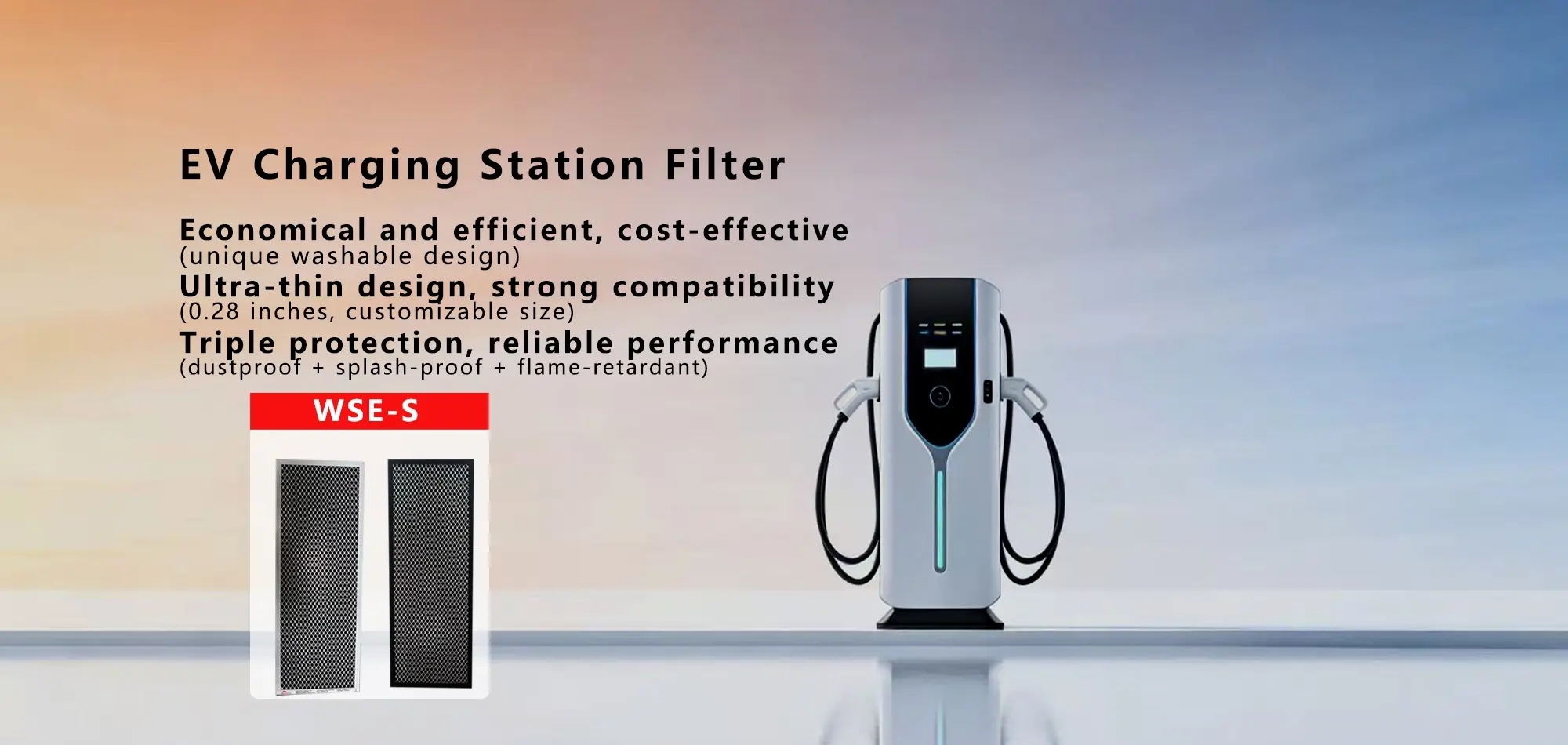
Professional air filtration for EV charging devices, protecting against dust and sand ingress to ensure stable, reliable operation of charging piles and station infrastructure.
View Related Products →Ultra-High Cleanliness Filtration
Ultra-high efficiency filtration for semiconductor wafer fabs and precision electronics cleanrooms, capturing nano-scale particles to meet ISO Class 1–3 standards and maximize product yield.
View Related Products →Central Air System Filtration
High-efficiency filtration for commercial building HVAC systems, improving indoor air quality, reducing energy consumption, and extending equipment service life.
View Related Products →Precision Equipment Protection
Precision air filtration for data centers, shielding servers and critical hardware from dust contamination to keep cooling systems running efficiently and reliably.
View Related Products →Farming Environment Purification
Dedicated filtration systems for farms and livestock facilities — capturing dust, adsorbing ammonia, and inhibiting pathogen spread to improve animal health and overall productivity.
View Related Products →Paint Mist & Dust Purification
Designed for spray booths and grinding workshops, efficiently capturing paint mist, metal dust, and wood chips to meet emission standards while protecting finished surface quality.
View Related Products →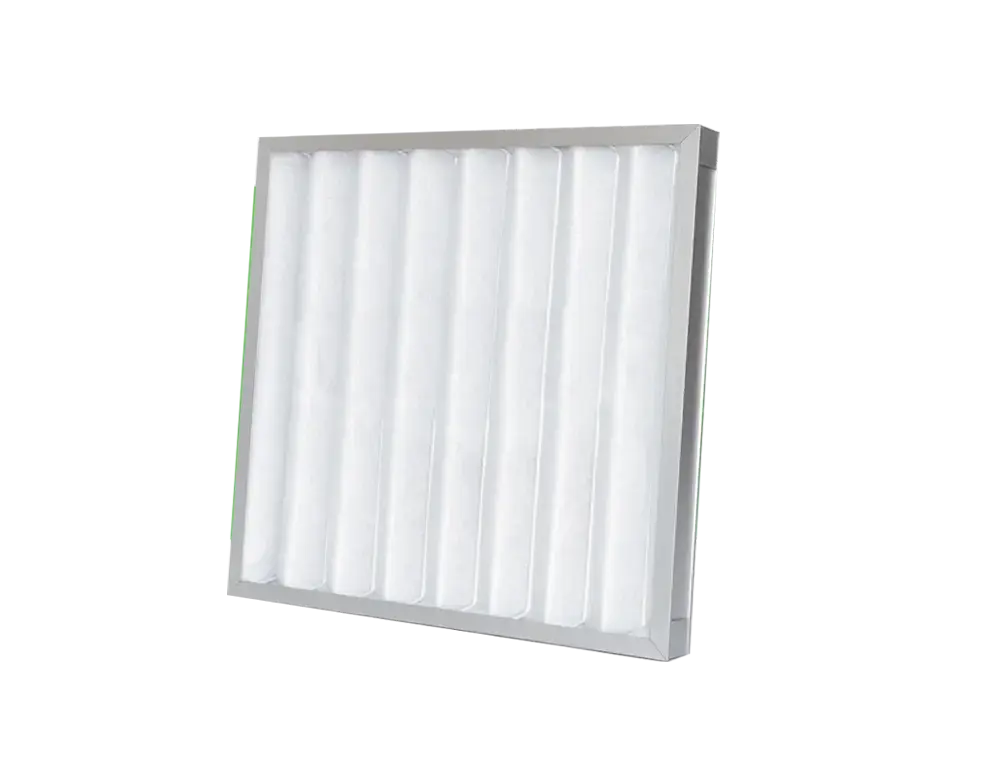
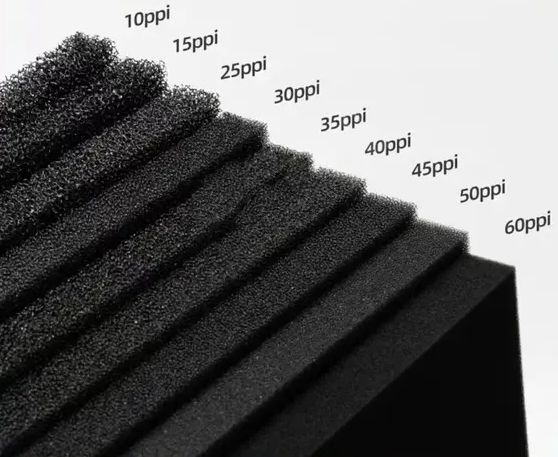
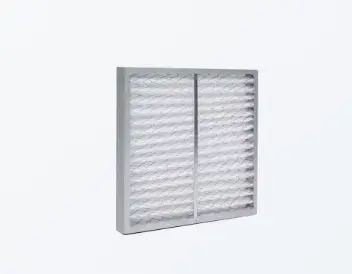
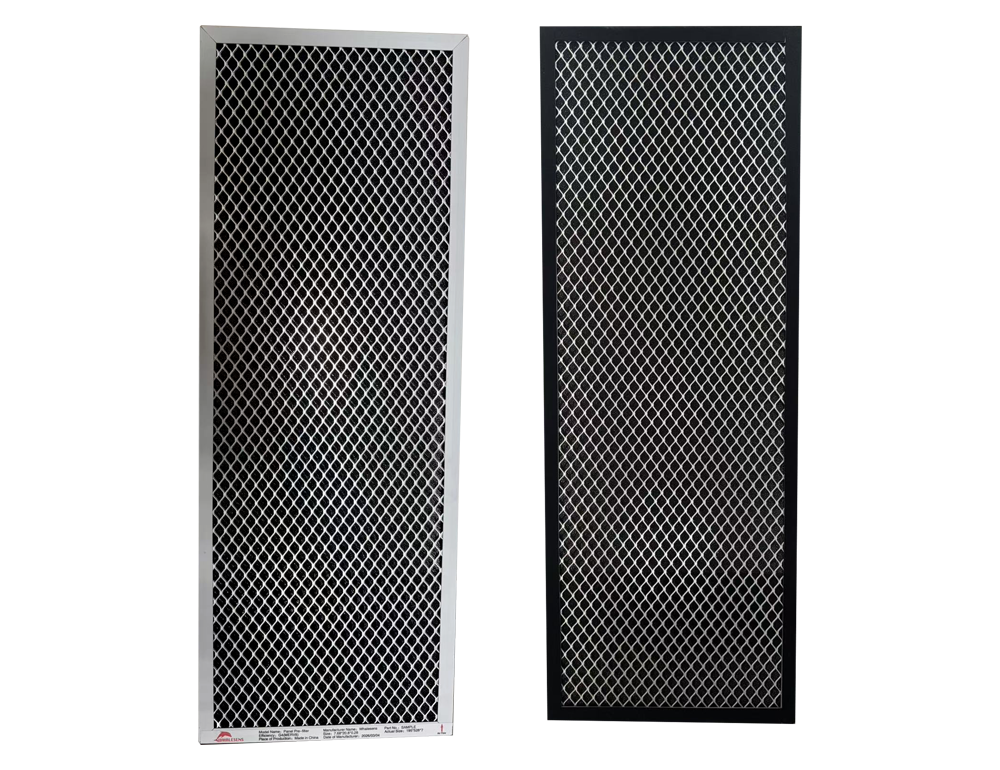
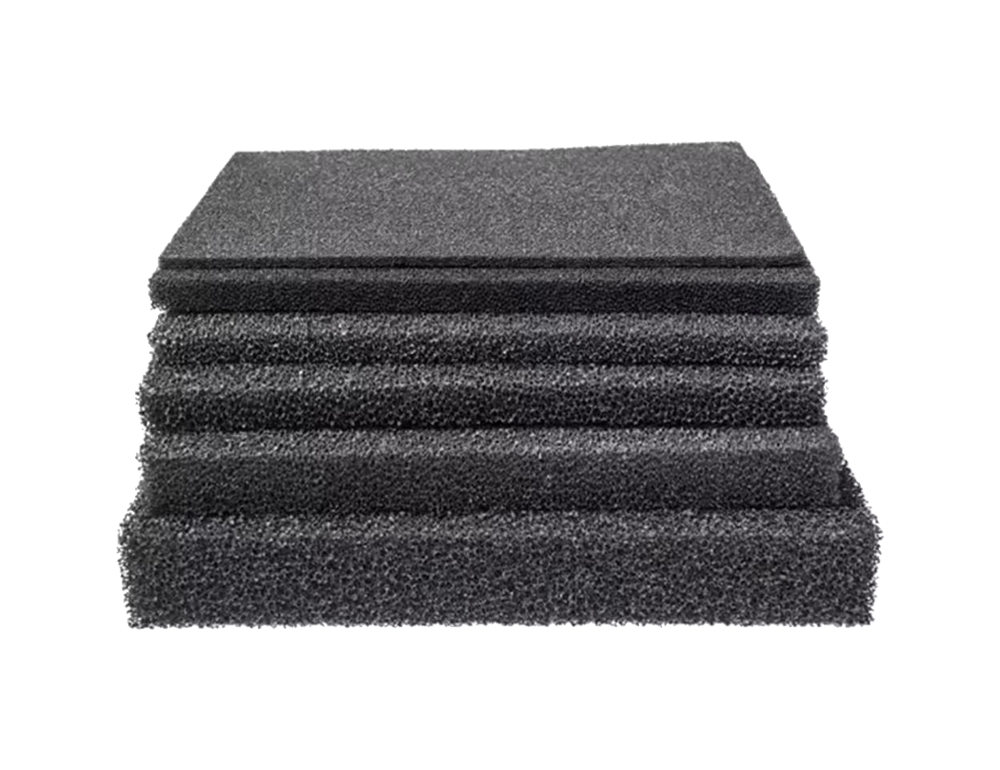
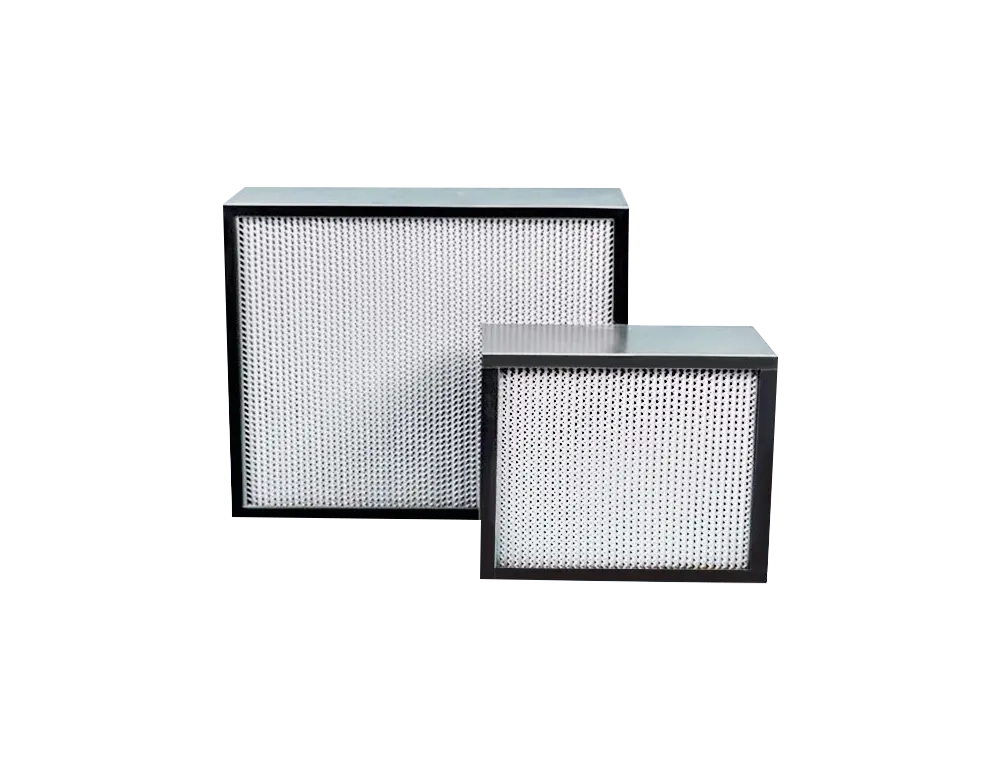
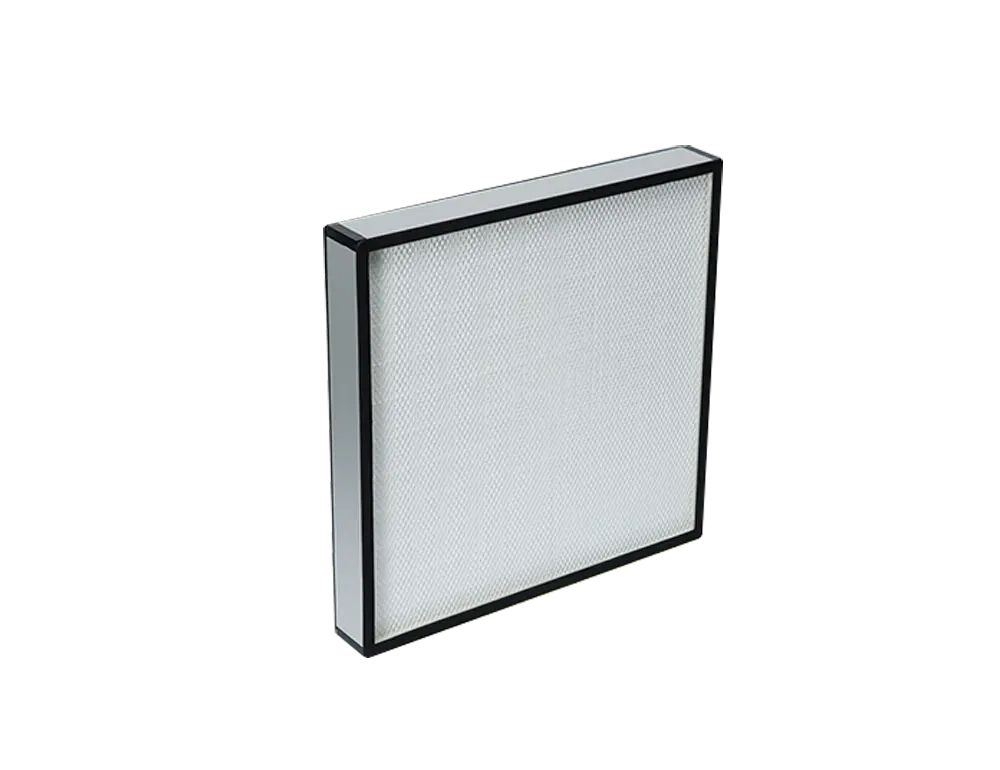
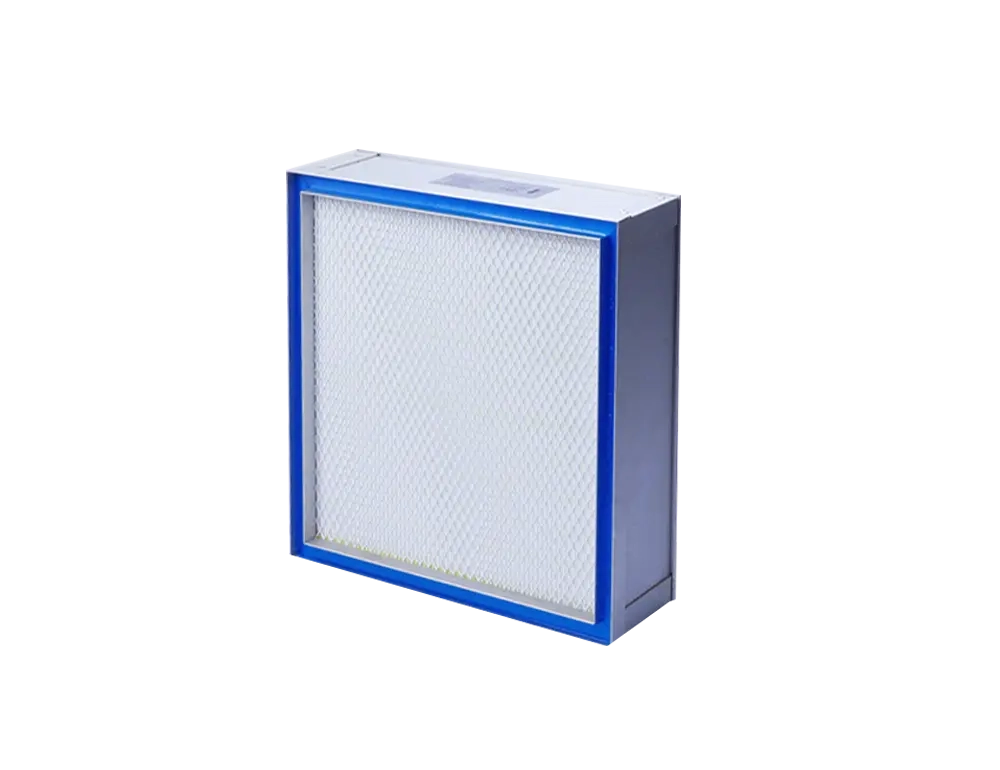
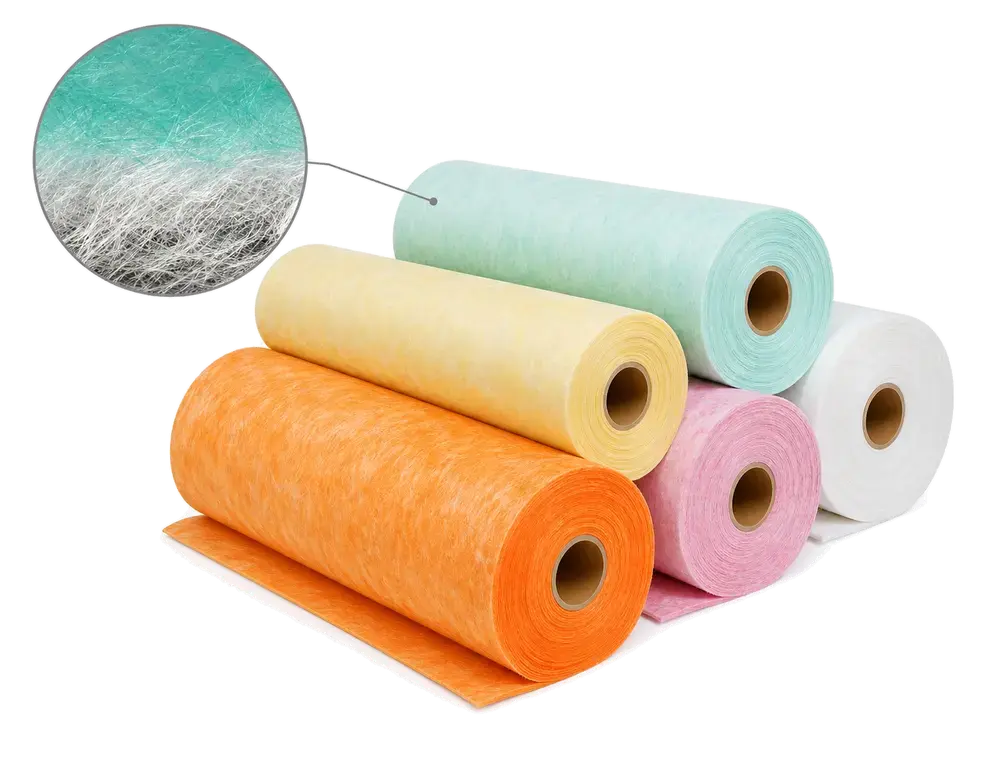
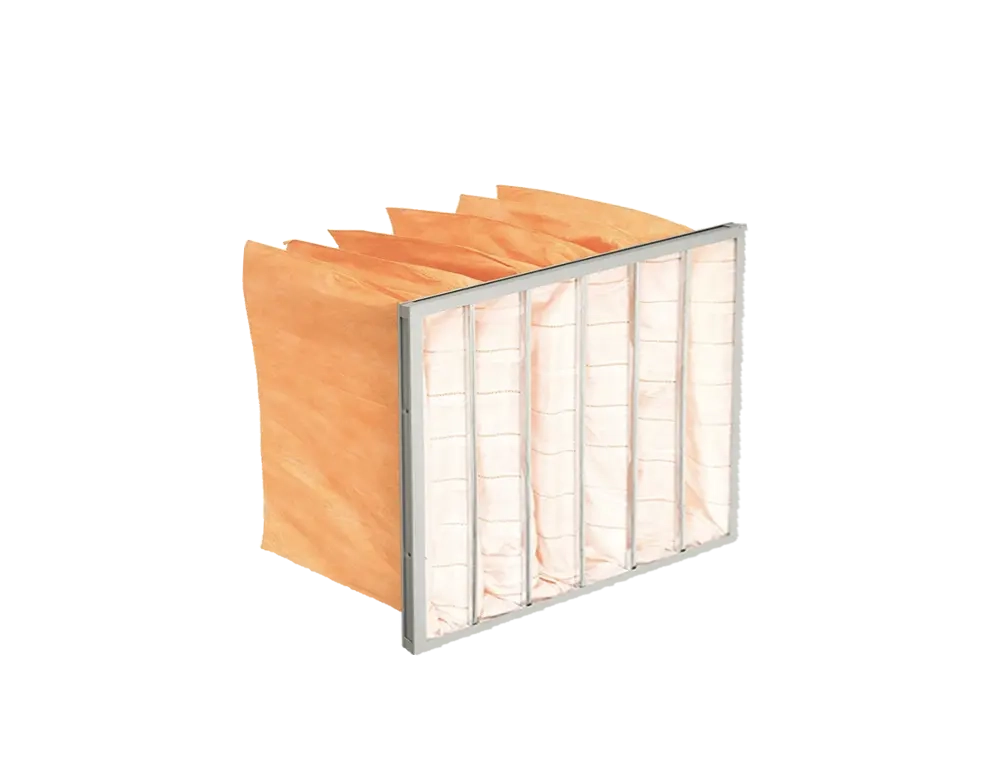
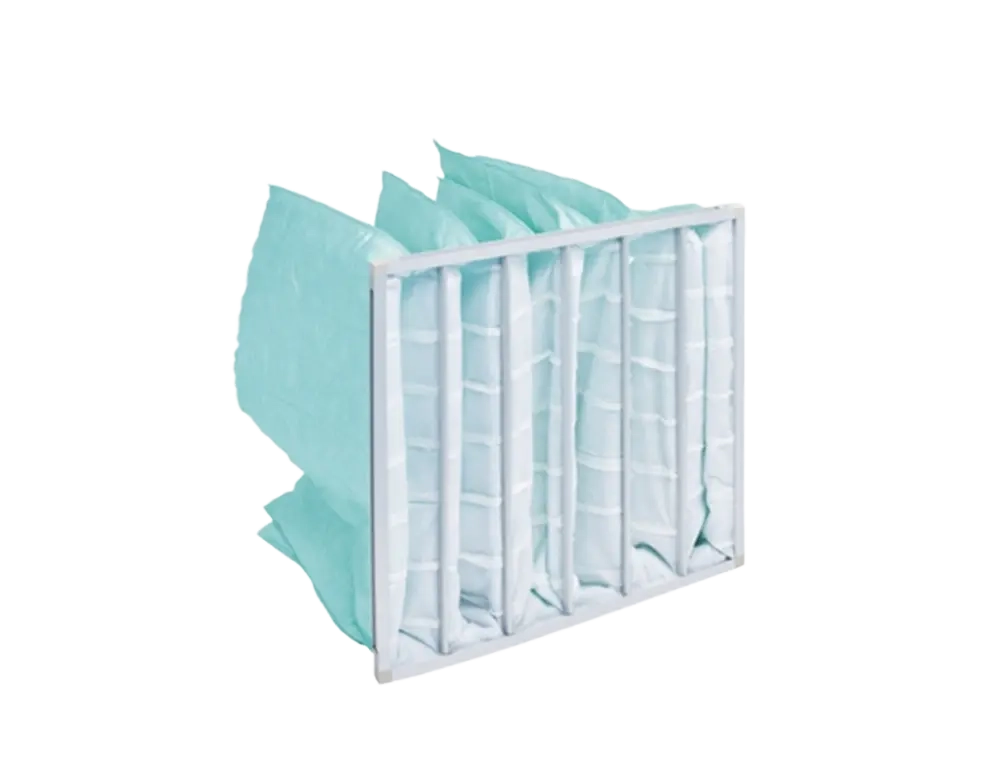
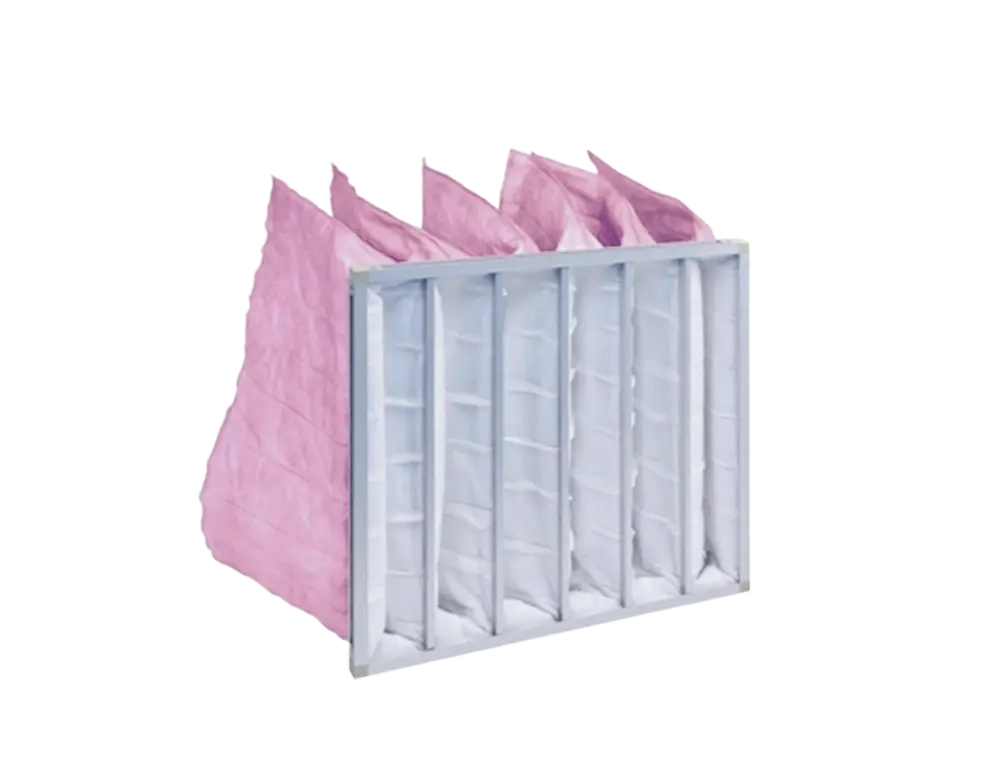
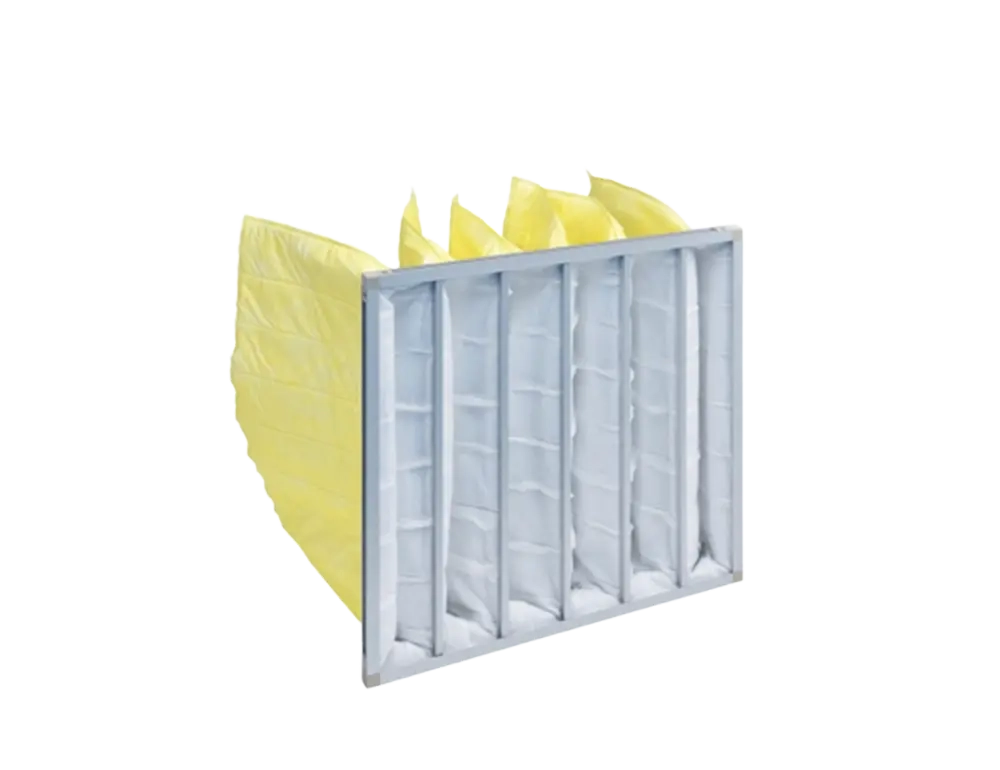
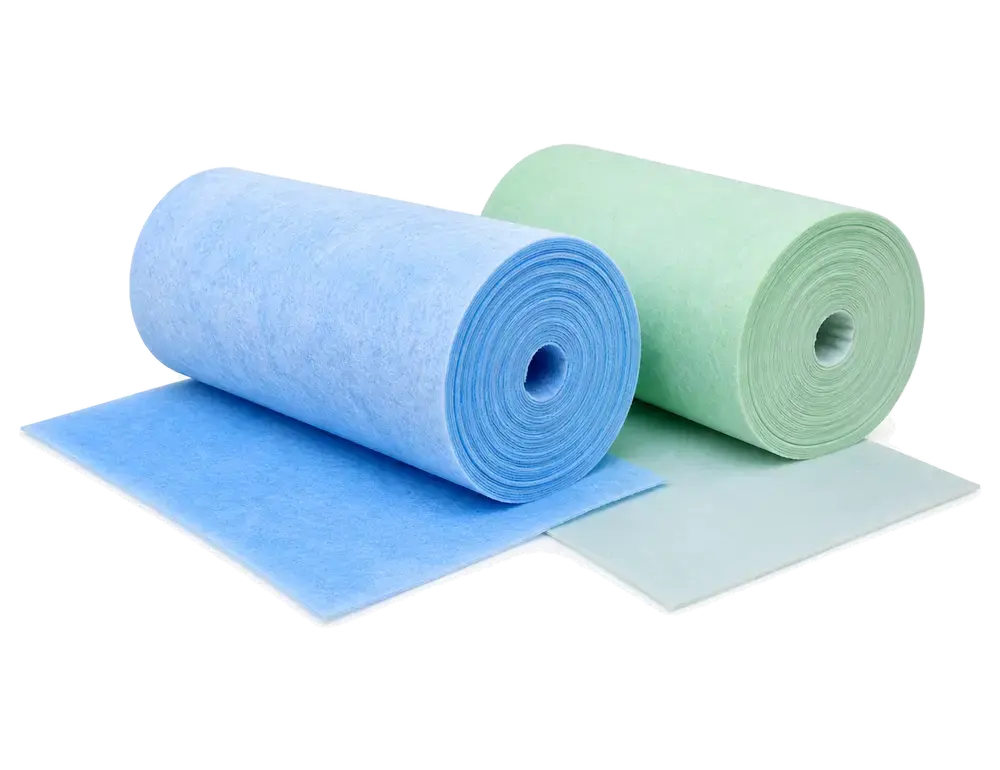
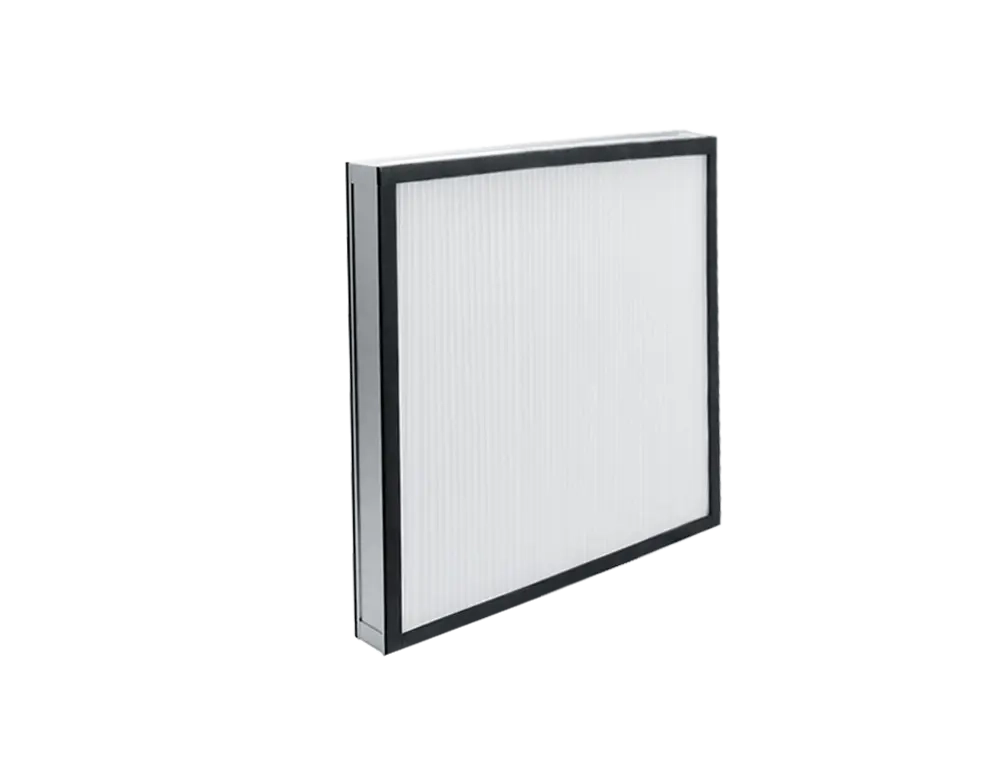
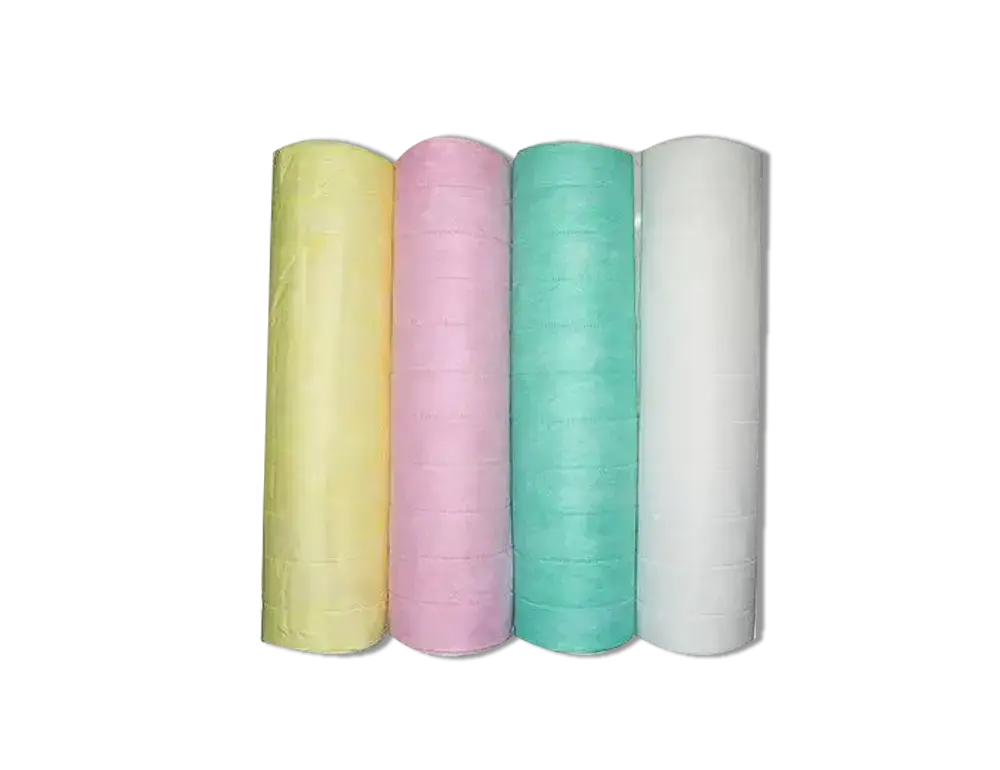
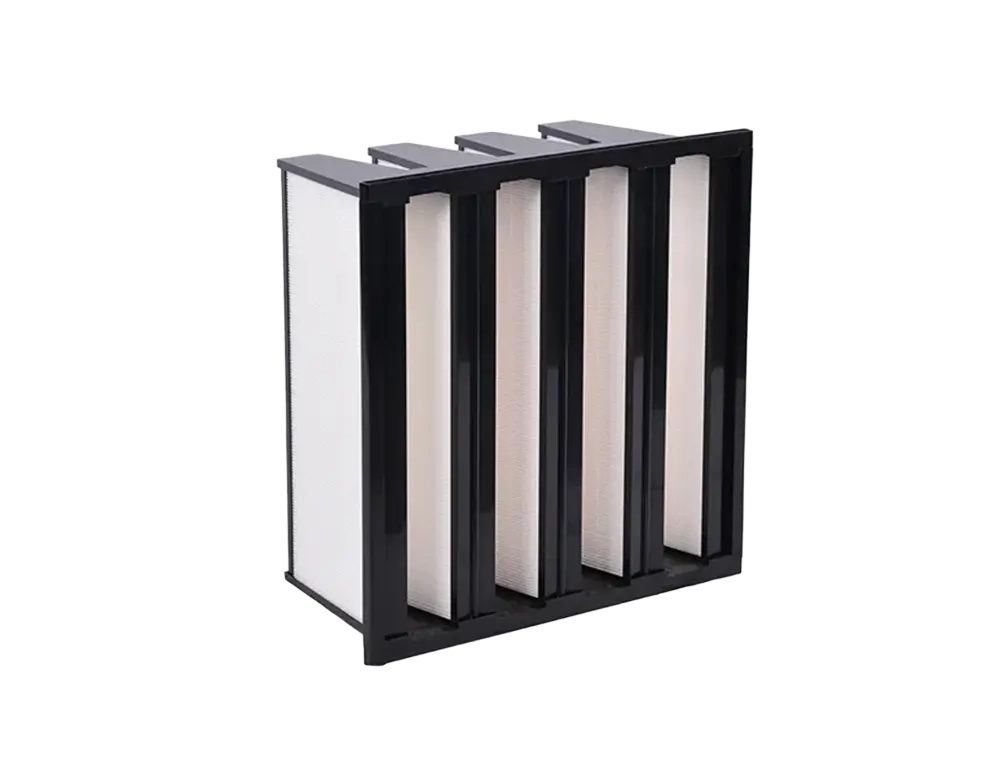
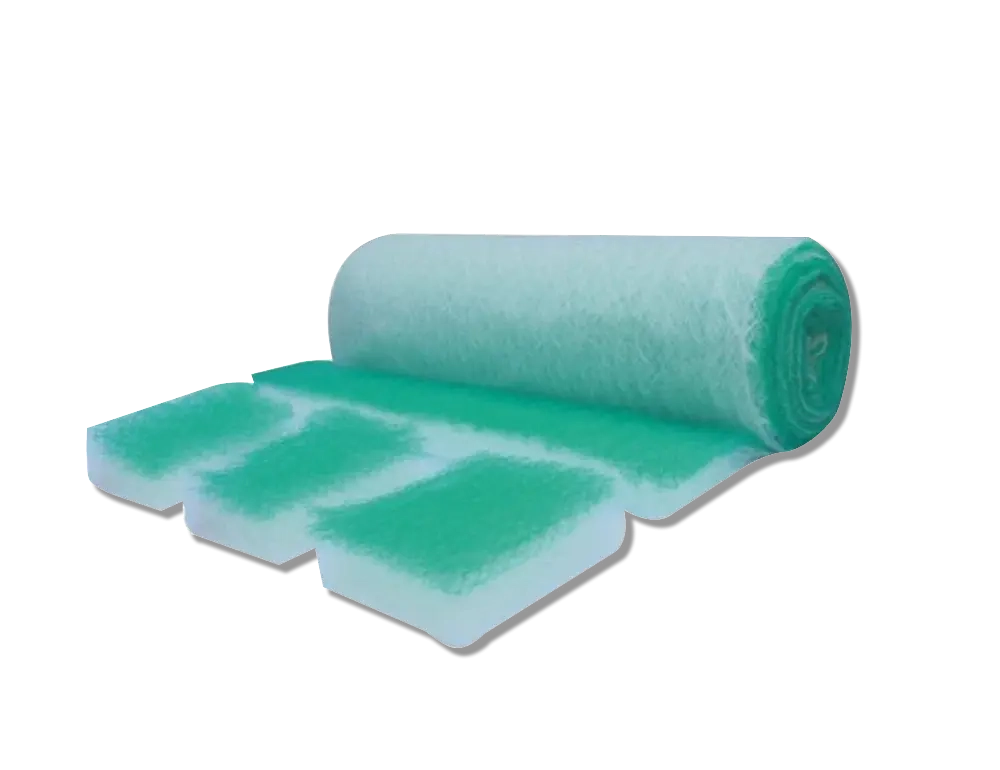
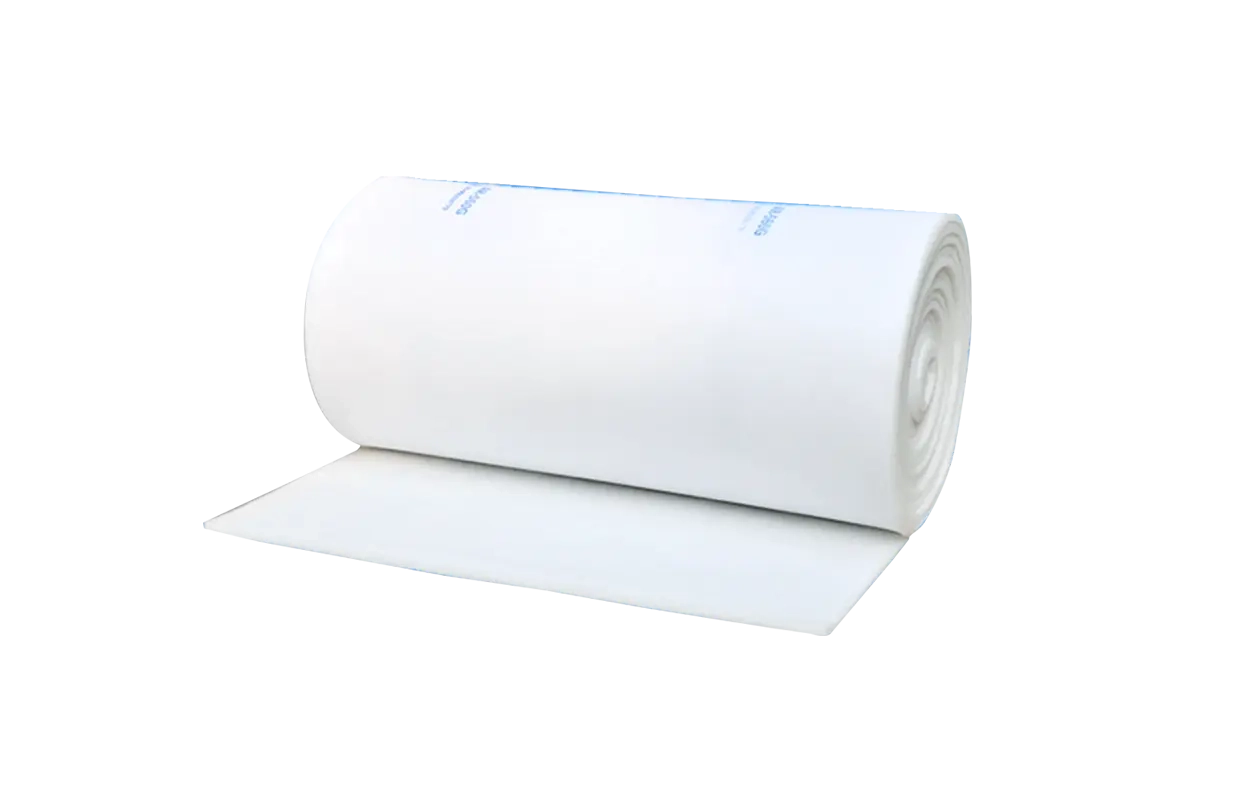
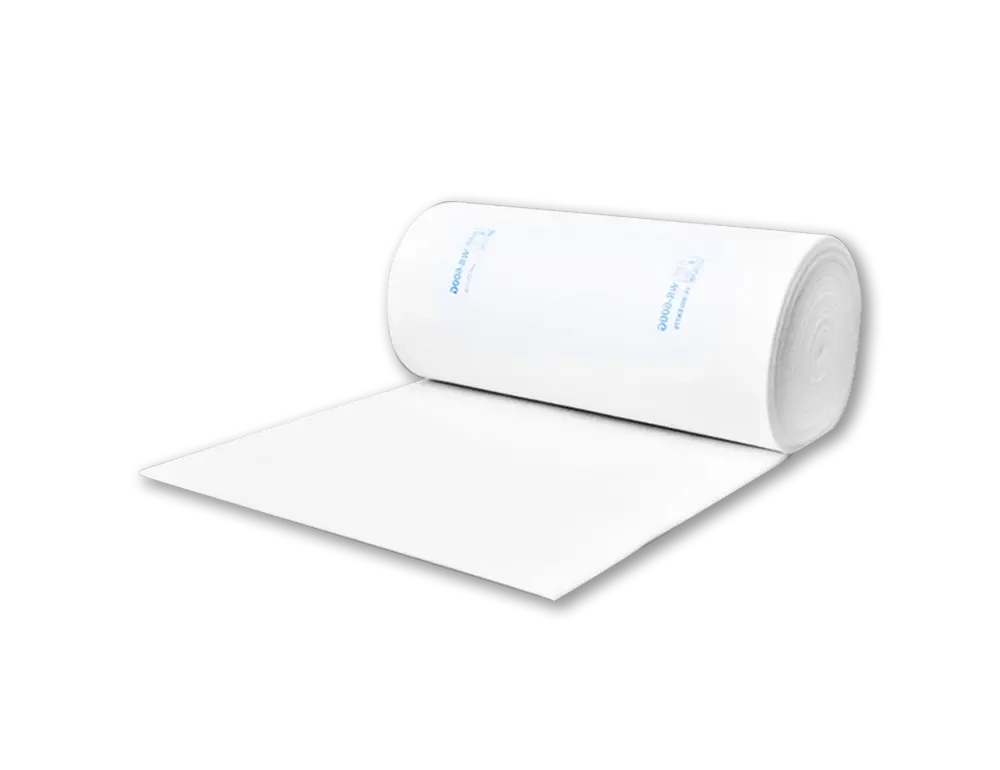
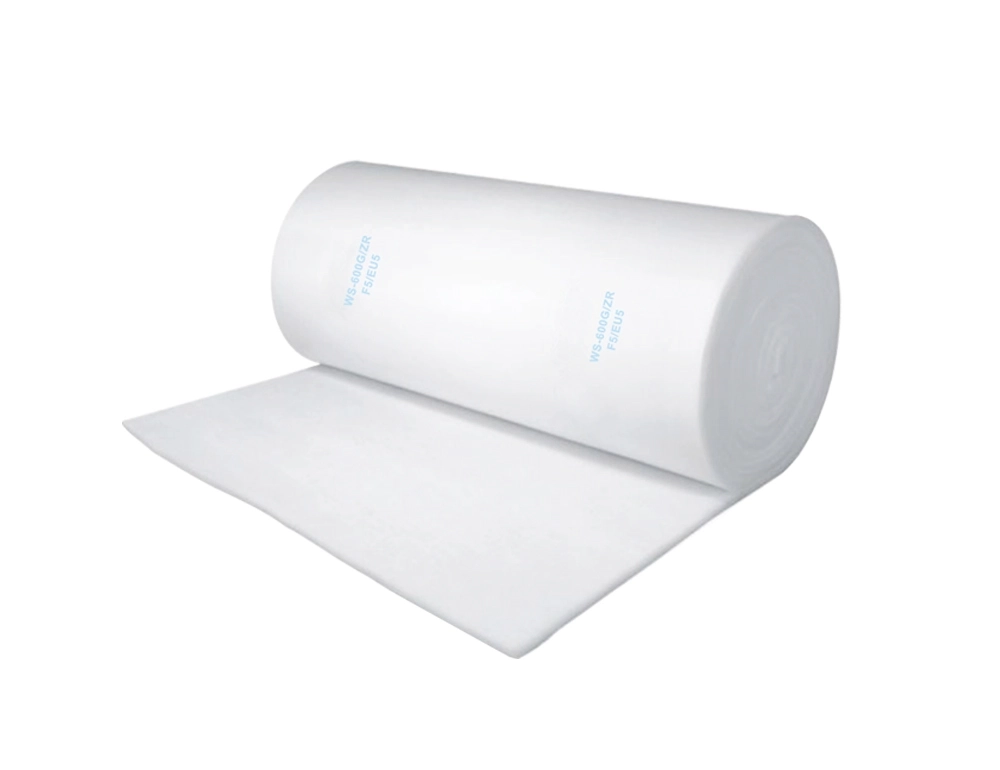
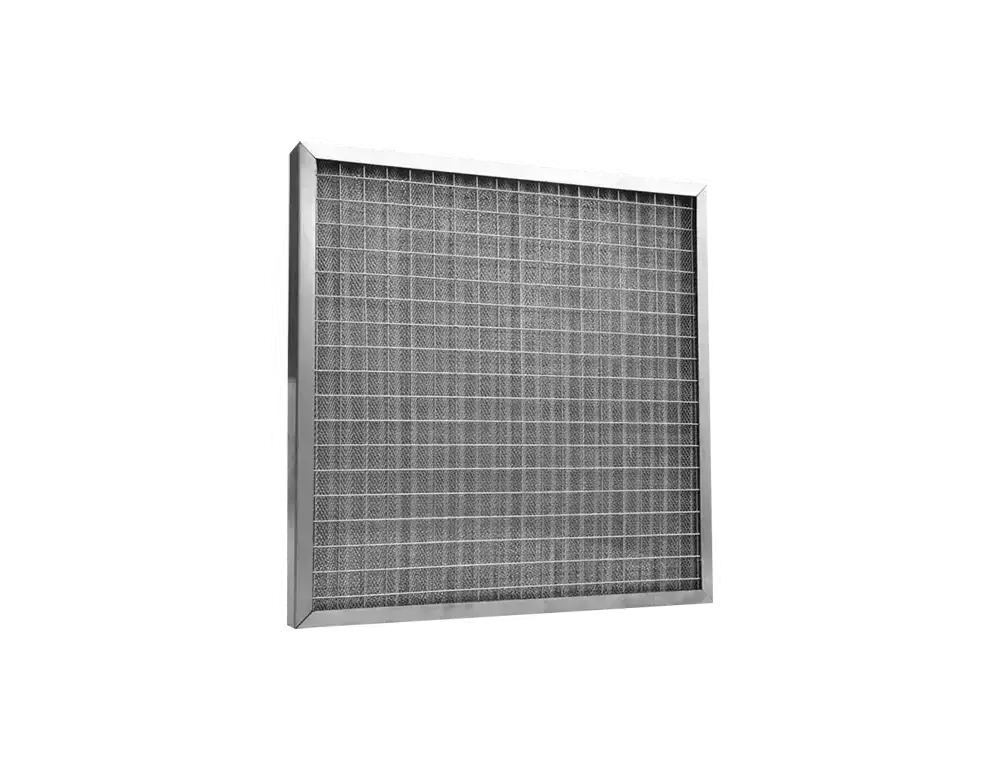
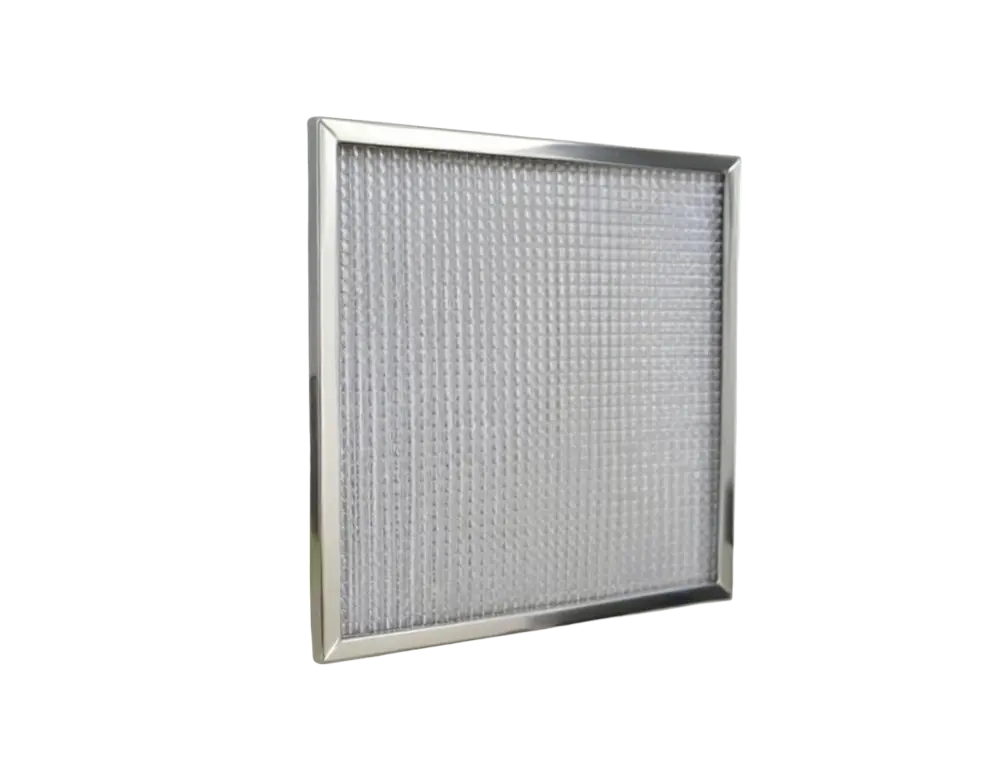
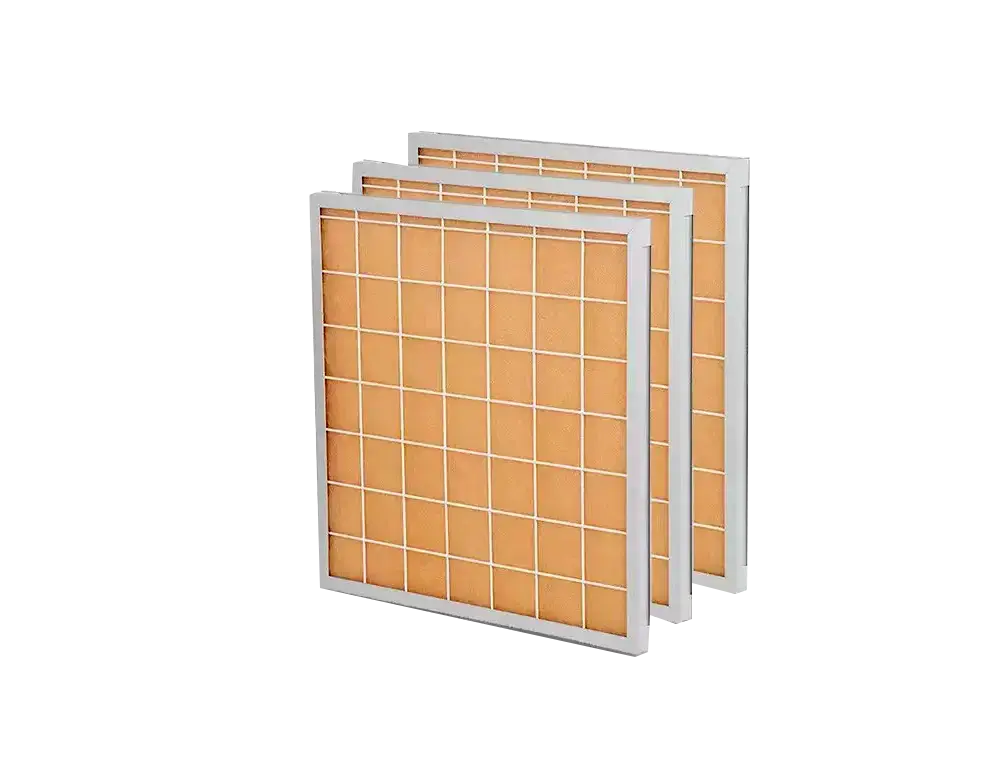
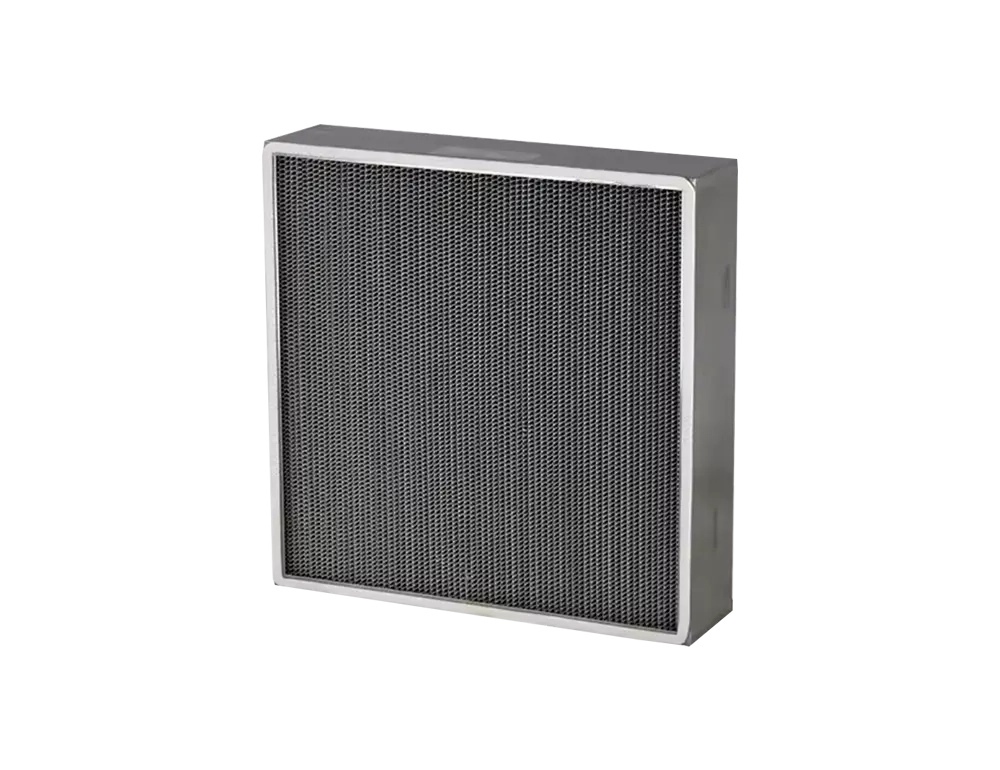
Pre-Filter (G1–G4)
First-Stage Large-Particle Capture
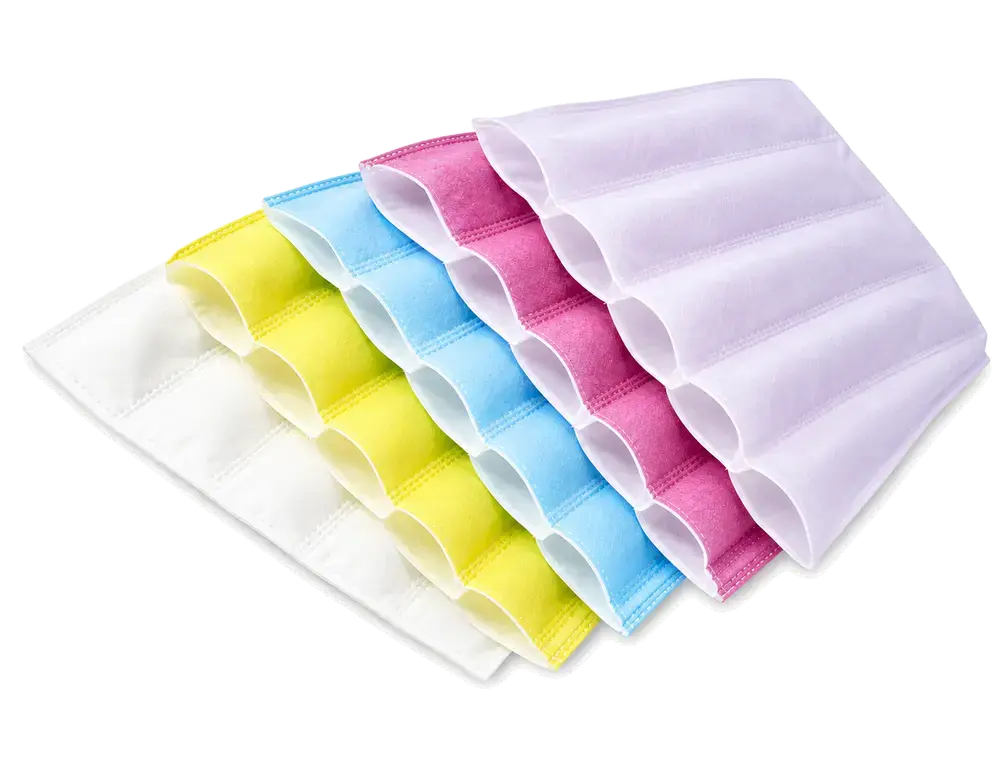
Medium-Efficiency Filter (F5–F9)
Precise PM2.5 Capture
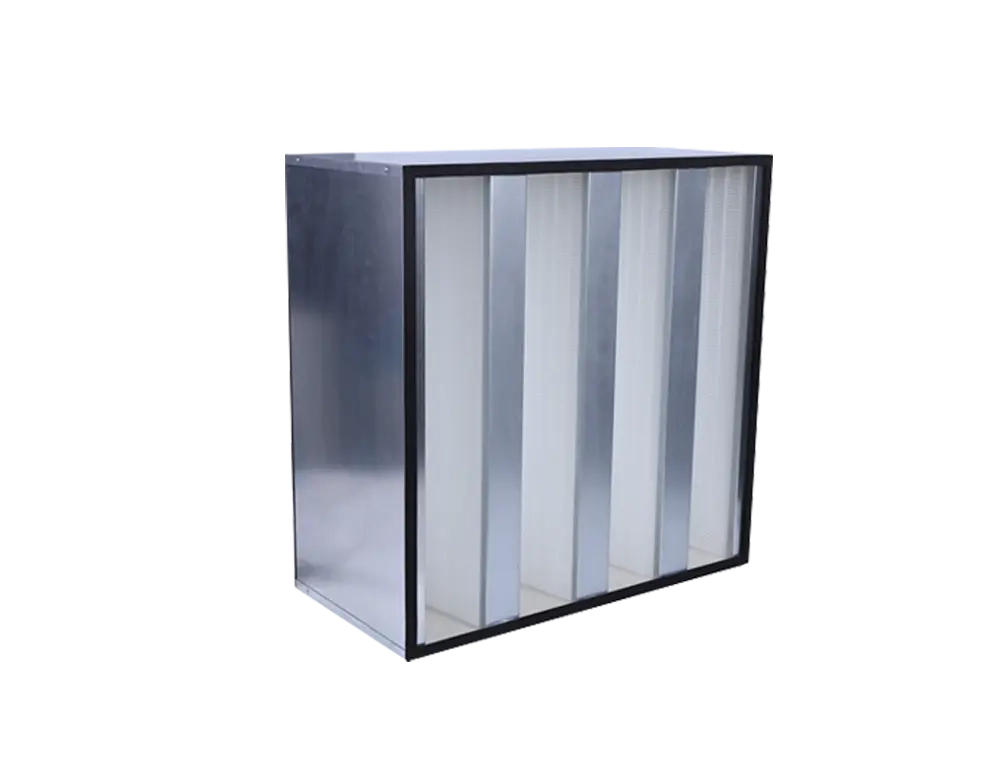
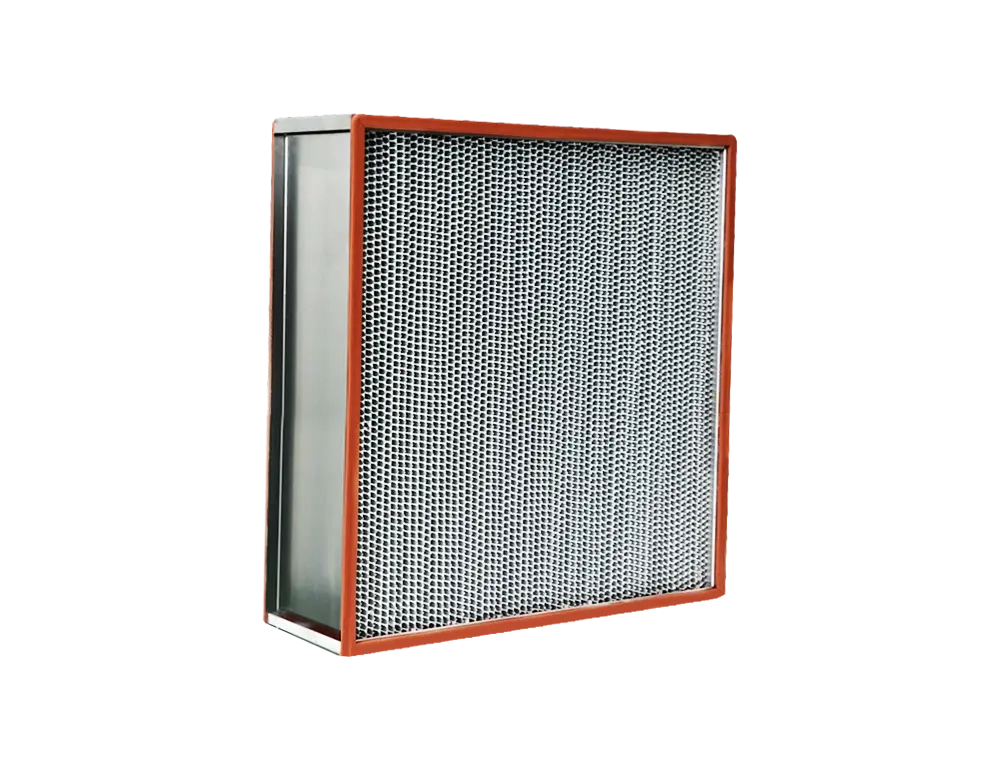
HEPA High-Efficiency Filter
Sterile-Grade Purification
ULPA Ultra-High Efficiency Filter
Sub-Micron Particle Capture
First-Stage Large-Particle Capture
The first line of defense, capturing particles ≥5 μm such as dust, hair, and fibers to protect downstream filters and extend overall system service life.
View Related Products →Precise PM2.5 Capture
Captures fine particles of 1–5 μm including PM2.5, pollen, and mold spores, significantly improving indoor air quality for commercial HVAC and ventilation systems.
View Related Products →Sterile-Grade Purification
≥99.97% filtration efficiency for particles ≥0.3 μm, delivering sterile-grade clean air widely used in medical, pharmaceutical, and electronics manufacturing.
View Related Products →Sub-Micron Particle Capture
≥99.9995% efficiency for particles ≥0.12 μm, meeting the extreme cleanliness demands of semiconductor fabs, aerospace, and other ultra-precision applications.
View Related Products →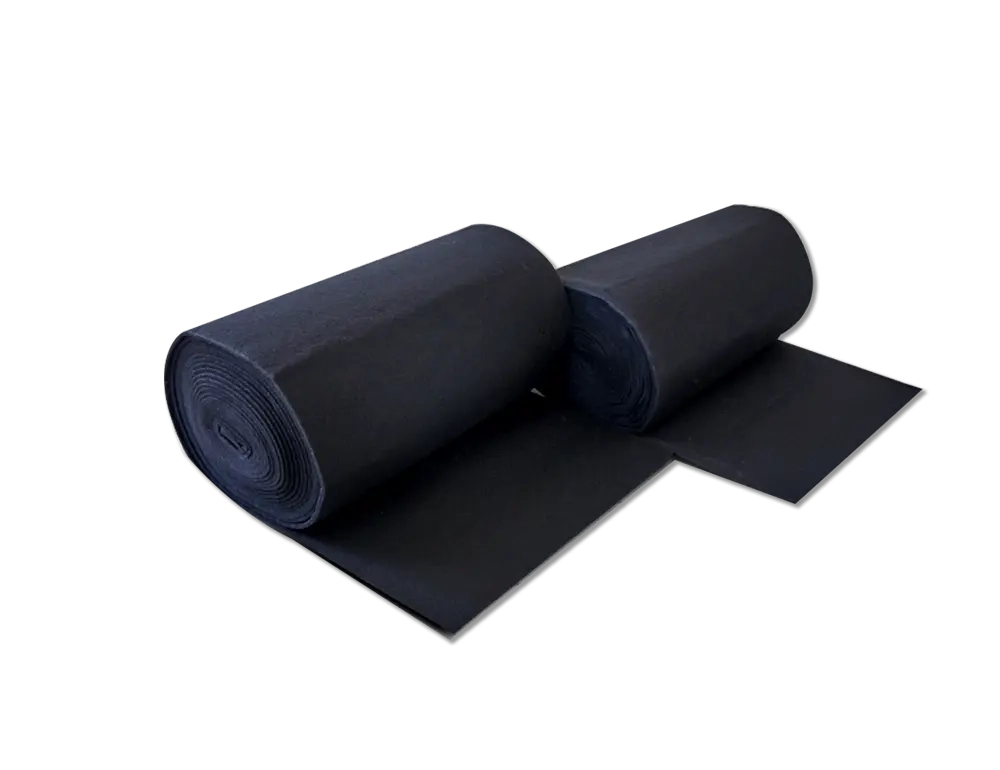
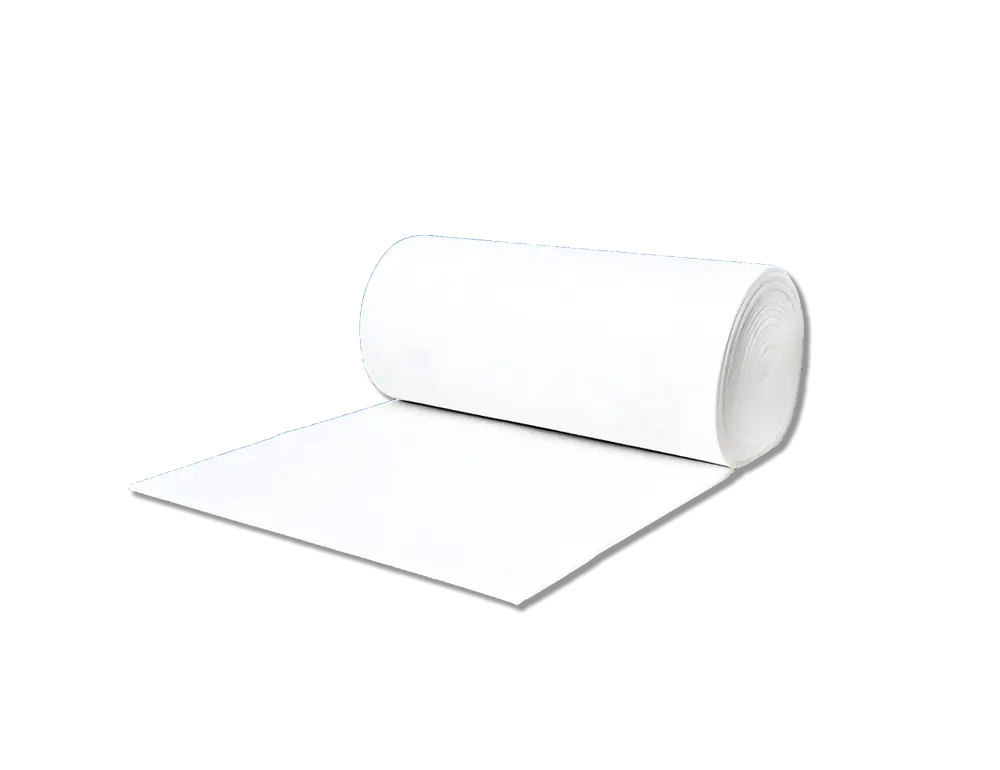
High-Temperature Resistant
Industrial-Grade Heat Tolerance
Washable & Reusable
Cut Costs, Reduce Waste
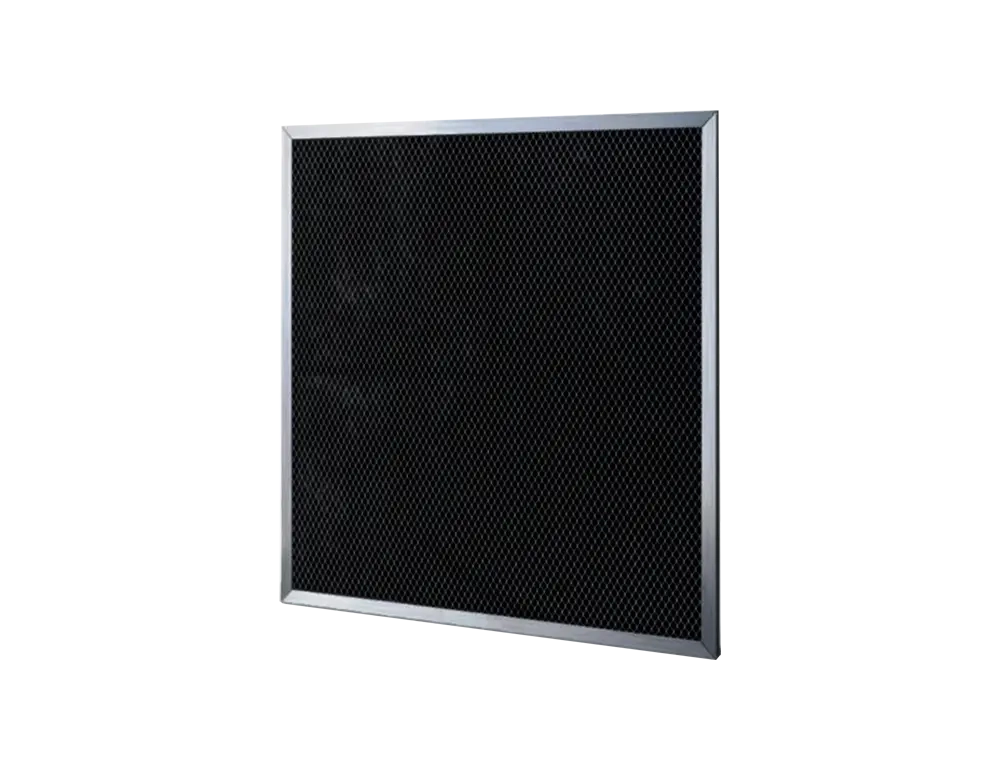
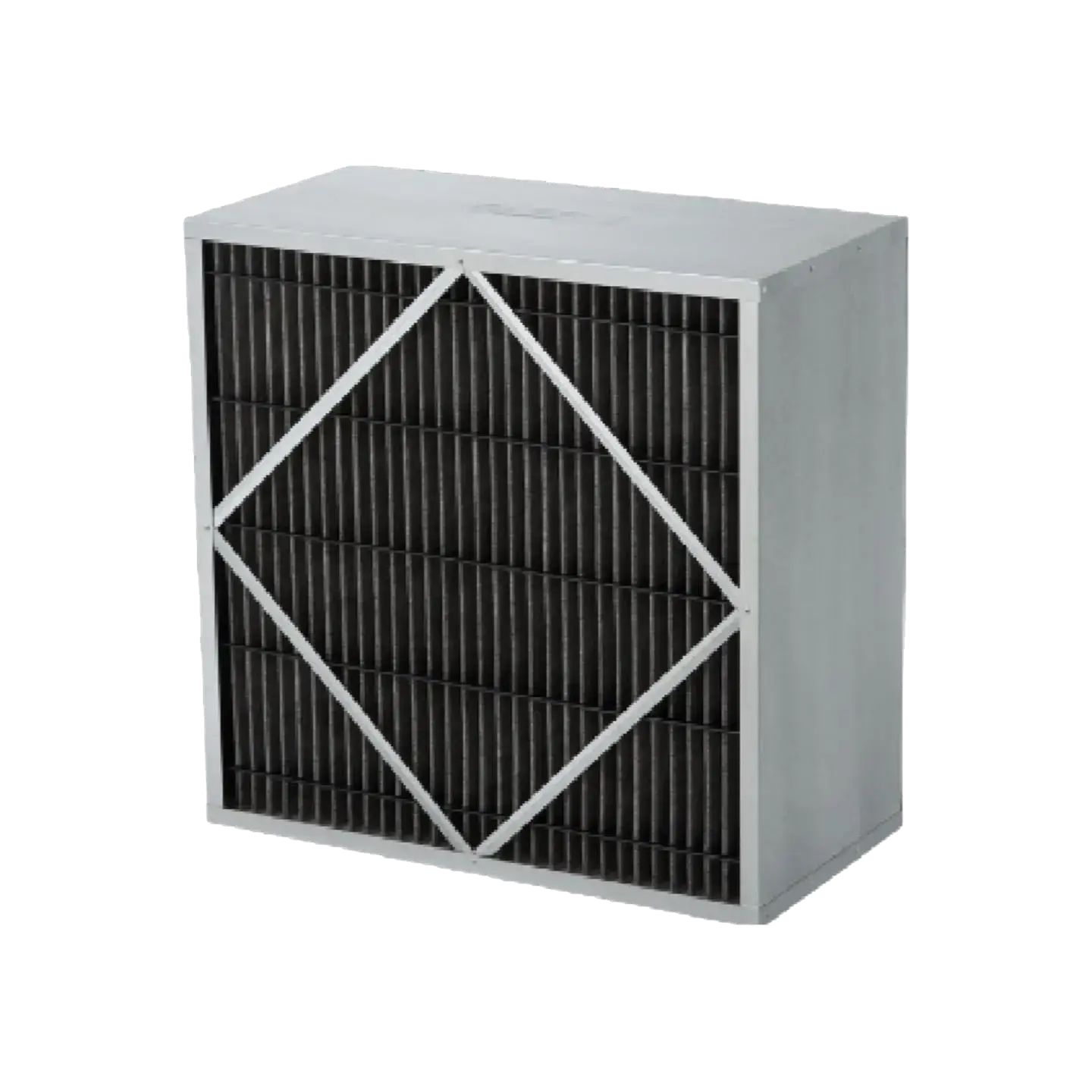
Activated Carbon
Odor & Harmful Gas Removal
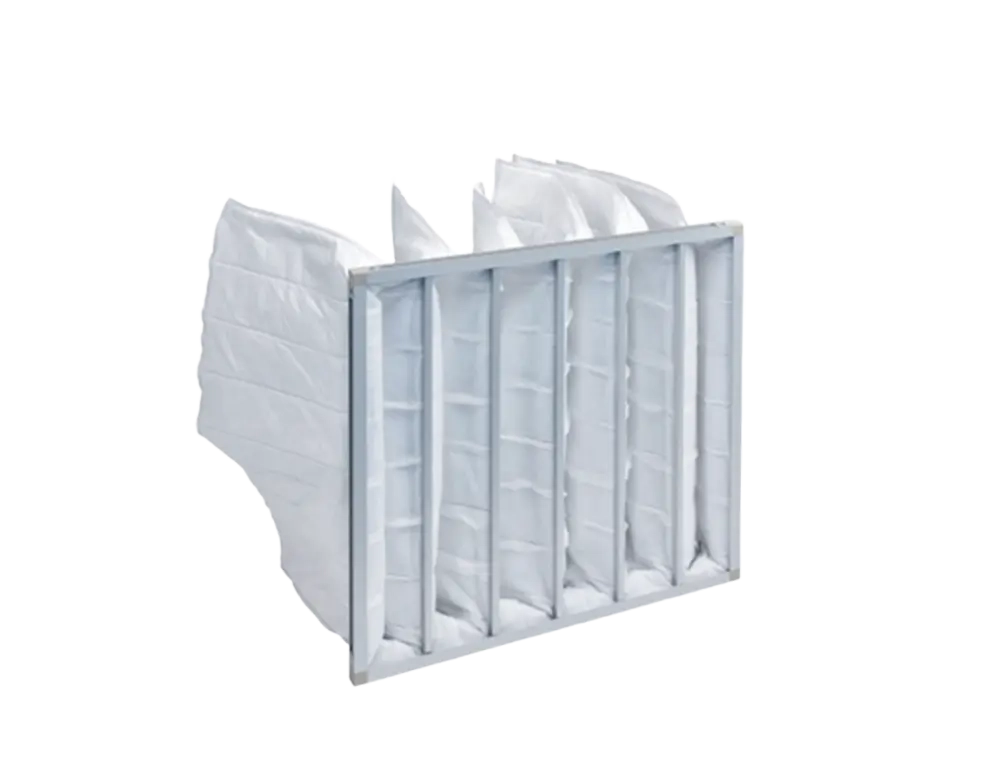
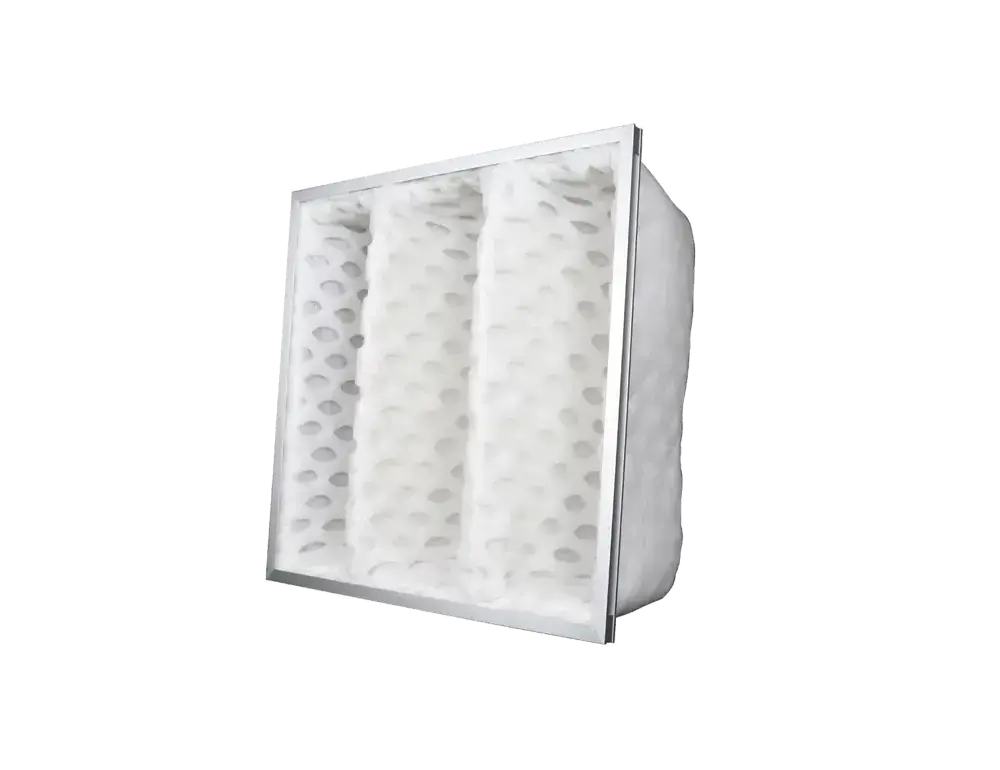
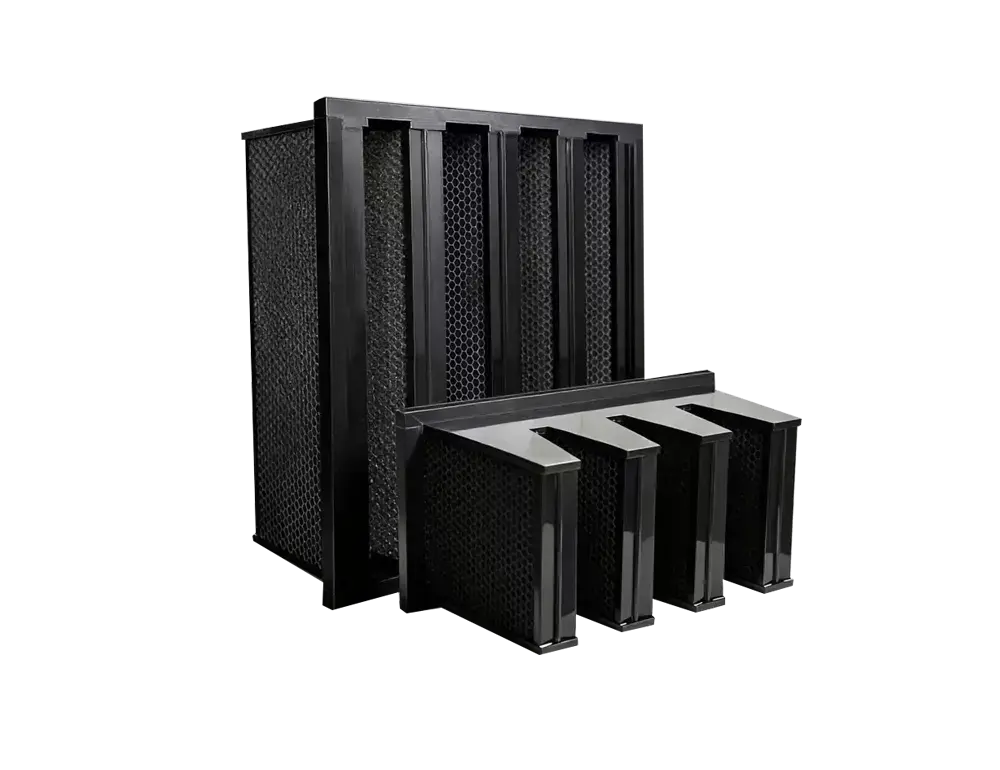
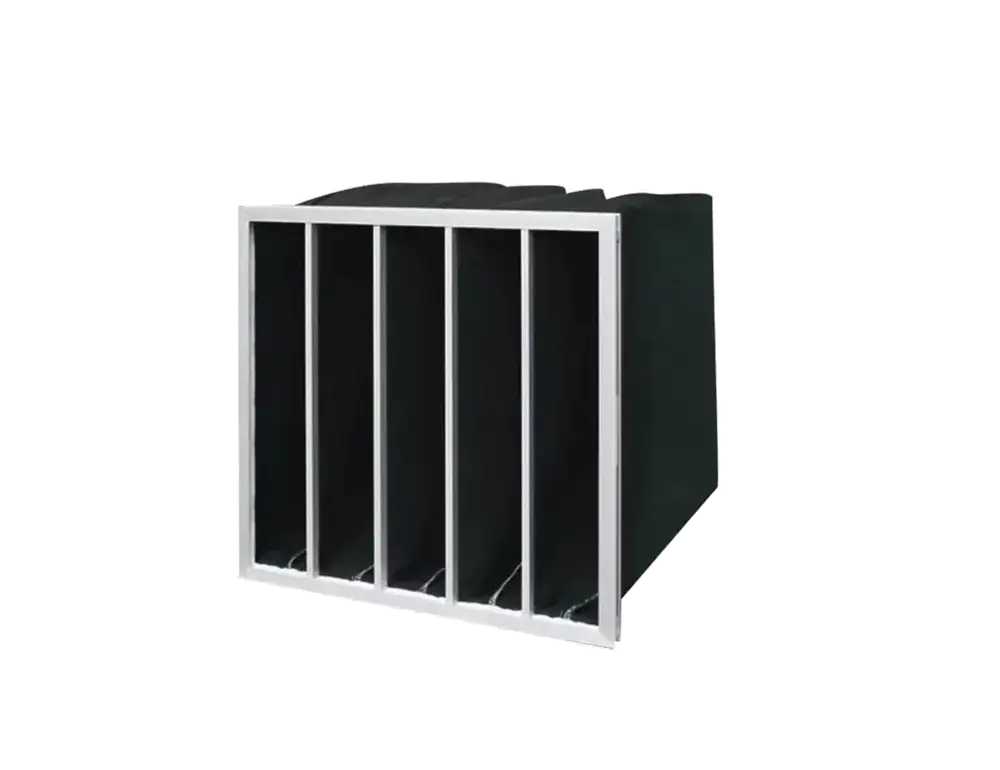
Bag Filter
High Dust-Holding, Long Life
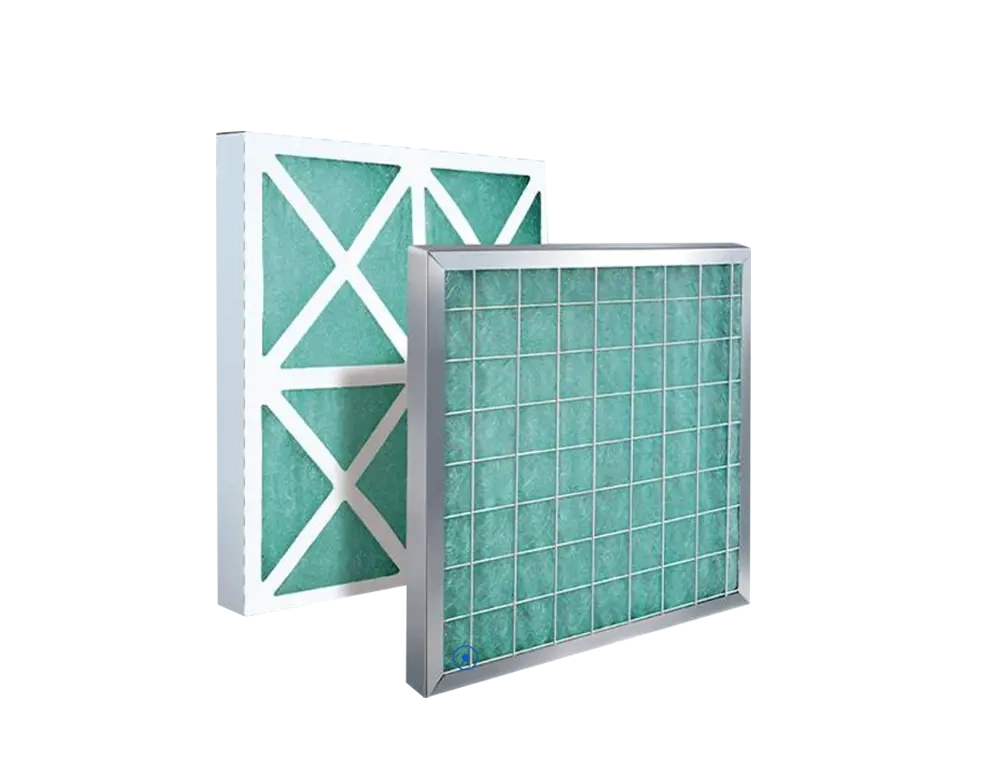
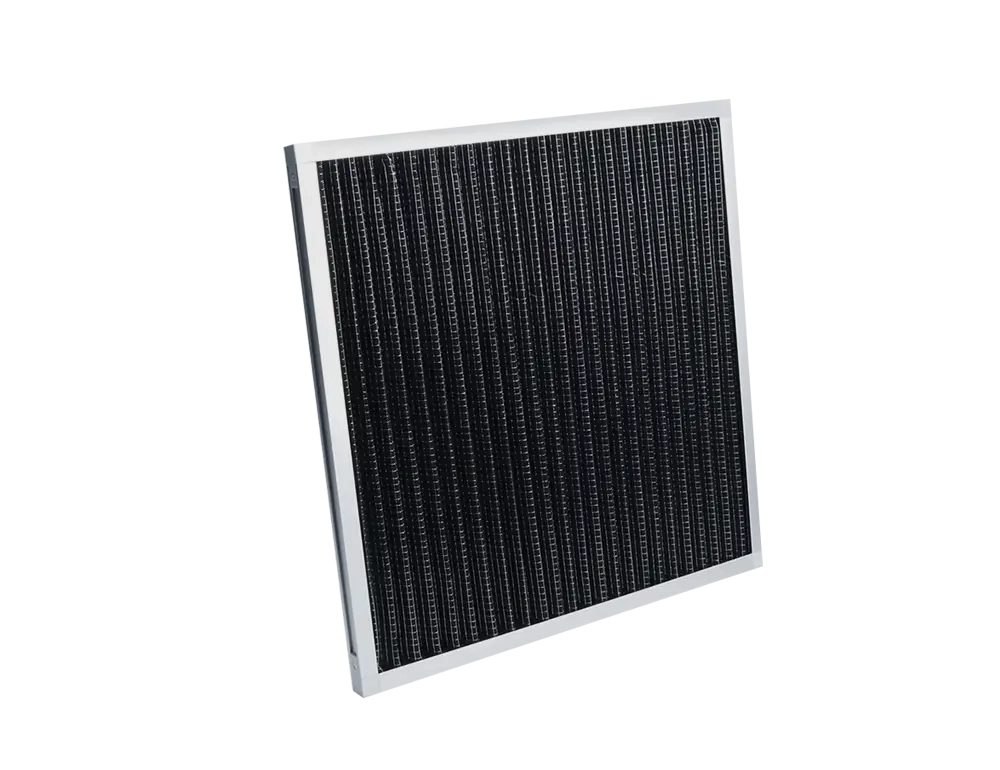
Panel / Pleated Filter
Compact Space-Saving Design
Low-Resistance Airflow
Energy-Saving Operation
Industrial-Grade Heat Tolerance
Built with specialized heat-resistant materials, operating stably up to 250°C for paint ovens, industrial dryers, and high-temperature process environments.
View Related Products →Cut Costs, Reduce Waste
Cleanable by water washing or air blowing, reusable multiple times to significantly reduce replacement frequency and O&M costs — an economical, eco-friendly choice.
View Related Products →Odor & Harmful Gas Removal
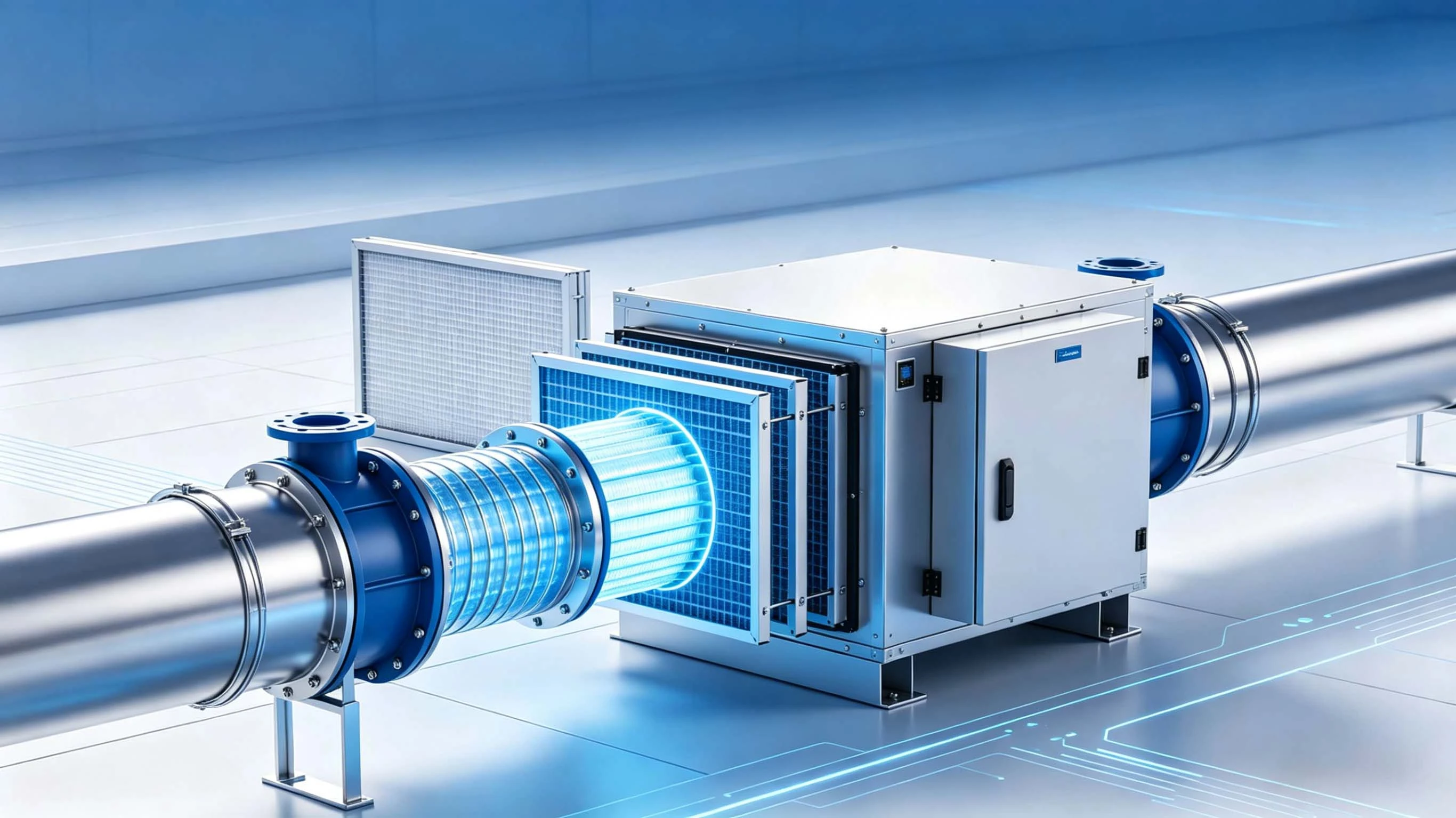
Leverages activated carbon's high adsorption capacity to eliminate odors, VOCs, and formaldehyde, ideal for newly renovated spaces and industrial exhaust treatment.
View Related Products →High Dust-Holding, Long Life
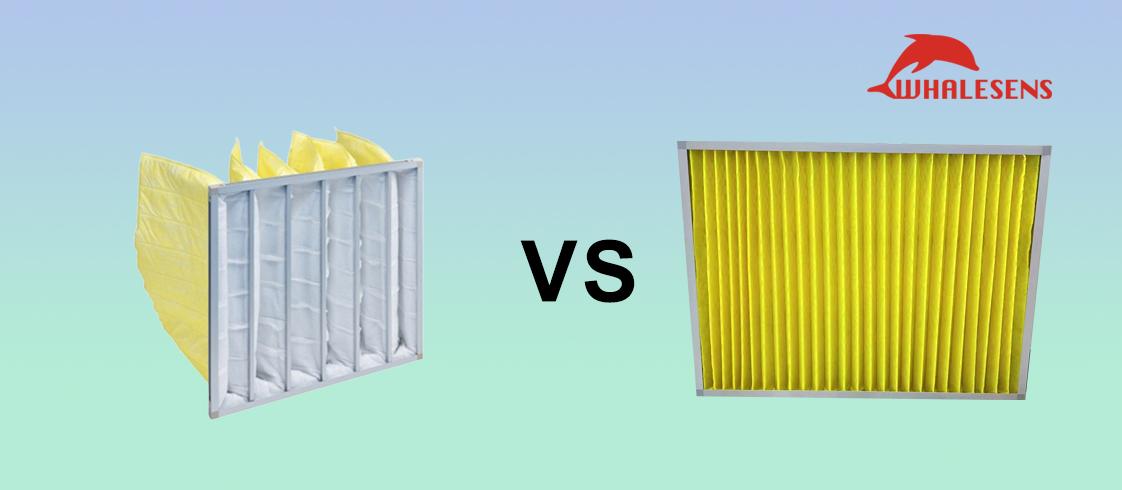
Bag-style construction delivers a larger filtration area, high dust-holding capacity, and extended service life — ideal for high-dust environments with reduced replacement frequency.
View Related Products →Compact Space-Saving Design
Compact form factor for easy installation and replacement; pleated structure maximizes filtration area within a small footprint for higher efficiency.
View Related Products →Energy-Saving Operation
Low-resistance design minimizes pressure drop while maintaining filtration performance, reducing fan energy consumption for cost-effective, eco-friendly operation.
View Related Products →




















 English(Global)
 简体中文
简体中文 Language




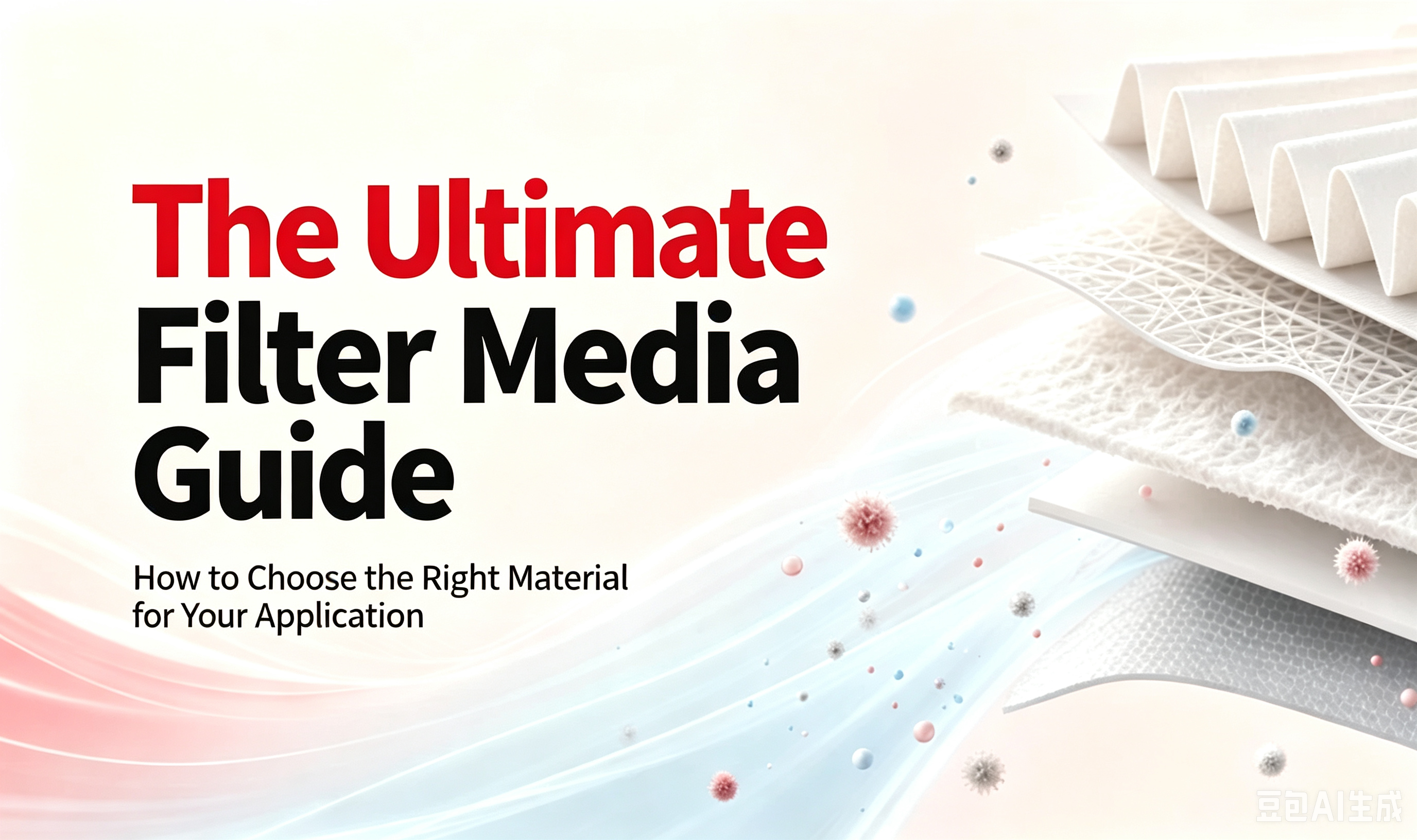
The Ultimate Filter Media Guide: How to Choose the Right Material for Your Application
From fiberglass to PTFE – The Ultimate Filter Media Guide for engineers, procurement, and facility managers
The Ultimate Filter Media Guide: Introduction
A filter may look like a simple frame with a sheet of material inside, but the filter media is what truly defines its character. Whether it's called coarse, medium, or high-efficiency, the choice of material determines everything: efficiency, airflow resistance, dust-holding capacity, temperature tolerance, moisture resistance, chemical compatibility, cleanability, and service life.
Select the wrong media, and you'll face rapid pressure drop rise, frequent maintenance, unstable efficiency, particle penetration, and premature contamination of downstream equipment. This guide isn't a materials science thesis—it's a practical framework for engineering selection, mapping fiberglass, PP, polyester, PTFE, nylon, metal mesh, activated carbon, and composite media onto a single "mental map": what each material excels at, what it can't handle, where it belongs, and where the industry is heading.
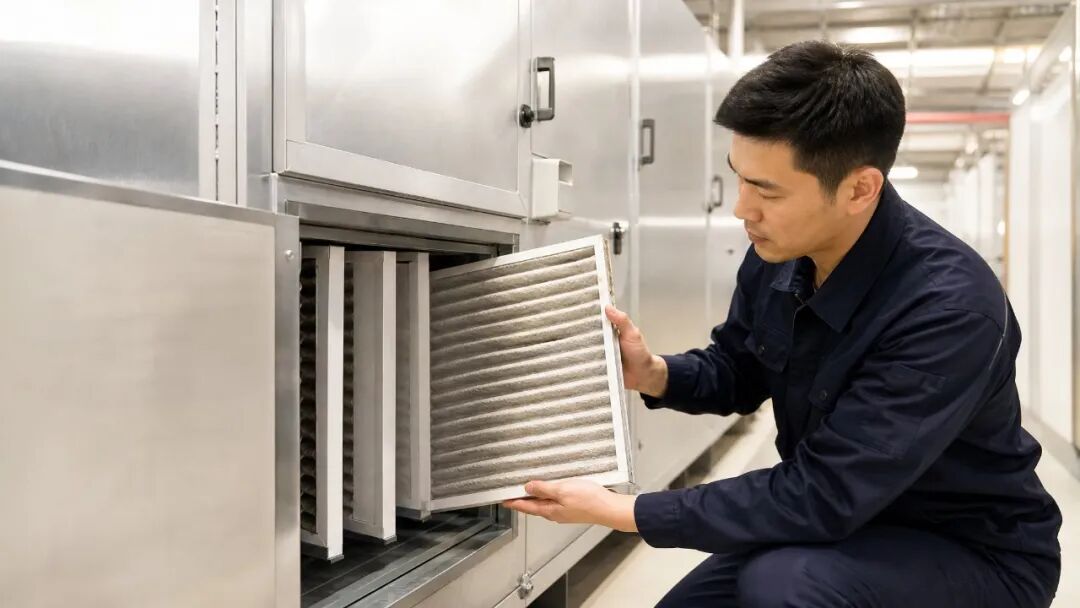
1. The Six Key Selection Criteria
When evaluating a filter media, don't just ask "What's the efficiency?" A more reliable approach is to assess six dimensions simultaneously:
- Filtration Efficiency – How well does the media capture target particle sizes? Coarse media handles large particles; medium/high efficiency targets finer particles; HEPA/ULPA focuses on sub-micron control.
- Airflow Resistance (Pressure Drop) – Filtration isn't about making pores as small as possible. High resistance increases fan energy consumption and reduces system airflow. The goal is "the lowest possible resistance at the target efficiency".
- Dust-Holding Capacity and Service Life – How much dust can the media hold, and how fast does resistance rise? This determines replacement intervals. Insufficient capacity turns high initial efficiency into a maintenance burden.
- Environmental Compatibility – Temperature, humidity, acids, alkalis, solvents, oil mist, sparks, and cleaning methods all affect media stability.
- Processability and Structural Compatibility – Can the media be pleated, heat-sealed, and bonded to frames and seals? This determines what filter configurations are possible.
- Cost and Sustainability – Unit price is just the surface; fan energy consumption, maintenance frequency, waste disposal, and recyclability make up the true lifecycle cost.
2. Fiberglass: The Classic Backbone of High-Efficiency Filtration
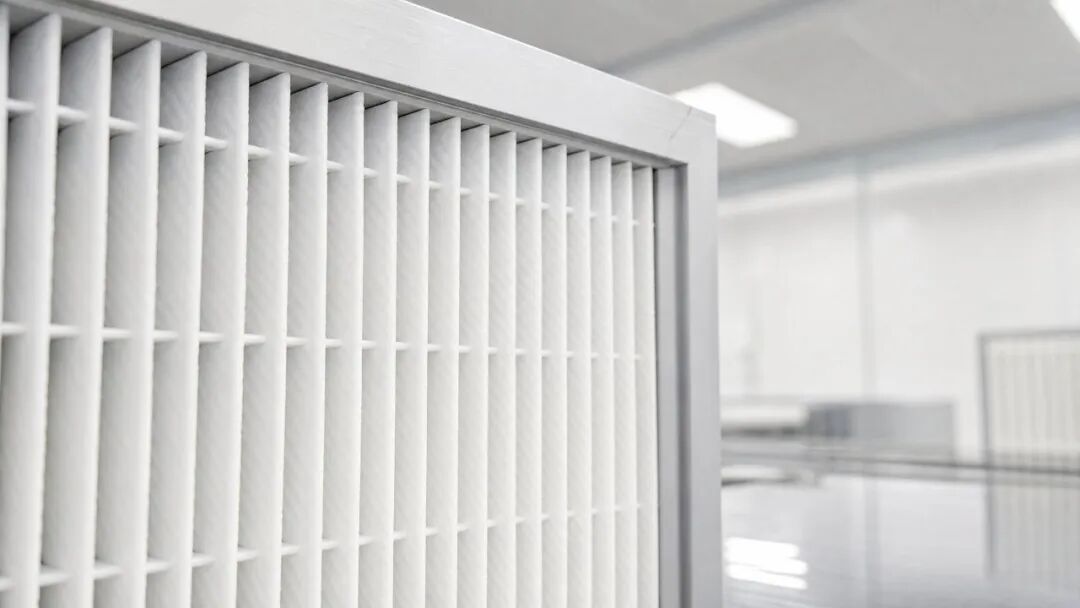
Fiberglass media is commonly found in high-efficiency, sub-HEPA, and some high-temperature applications. Its advantages are clear: fine fibers, stable structure, good temperature resistance, and the ability to achieve high filtration efficiency.
In HEPA, ULPA, and other high-grade air filters, fiberglass is a classic material pathway. It doesn't work simply as a "sieve"—it captures particles through interception, inertial impaction, diffusion, and other mechanisms. For micron and sub-micron particle control, fiberglass has a mature engineering foundation.
However, fiberglass has its limits. It's relatively brittle, not suitable for frequent bending or harsh washing. In humid, vibrating, or high-stress environments, it relies on stable structural design, separators, and sealing processes. For end-users, a fiberglass HEPA filter is more like a precision component—not a "wash-and-reuse" consumable.
Best for: Cleanroom terminals, hospital purification, electronics manufacturing, pharmaceuticals, laboratories, and high-temperature or high-cleanliness applications.
Avoid for: Frequent water washing, strong mechanical shock, or heavy particulate loading without pre-filtration.
3. Polypropylene (PP): Lightweight, Versatile, and Easy to Process
PP (polypropylene) is a very common material in air filtration. Melt-blown PP, spunbond PP, needle-punched PP, and composite nonwovens appear across various efficiency grades and configurations.
PP's strengths are its light weight, cost-effectiveness, and ease of processing. It can be melt-blown into fine fiber networks and combined with electrostatic charging (electret) to enhance fine particle capture. Many respirators, air purifier filters, and some medium-efficiency media rely on PP.
Its weaknesses are mainly in temperature and aging resistance. PP isn't suitable for long-term high-temperature exposure. Oil mist, certain chemicals, and high humidity can affect performance—especially for electrostatic-enhanced PP, where efficiency may drop under high humidity, oily aerosols, or improper cleaning.
Best for: Residential air purification, fresh air systems, some medium-efficiency filters, disposable cartridges, and low-to-moderate temperature environments.
Avoid for: High temperatures, aggressive solvents, or applications requiring repeated washing or long-term stability in high humidity.
4. Polyester: Durable, Washable, and Engineered for Tough Conditions
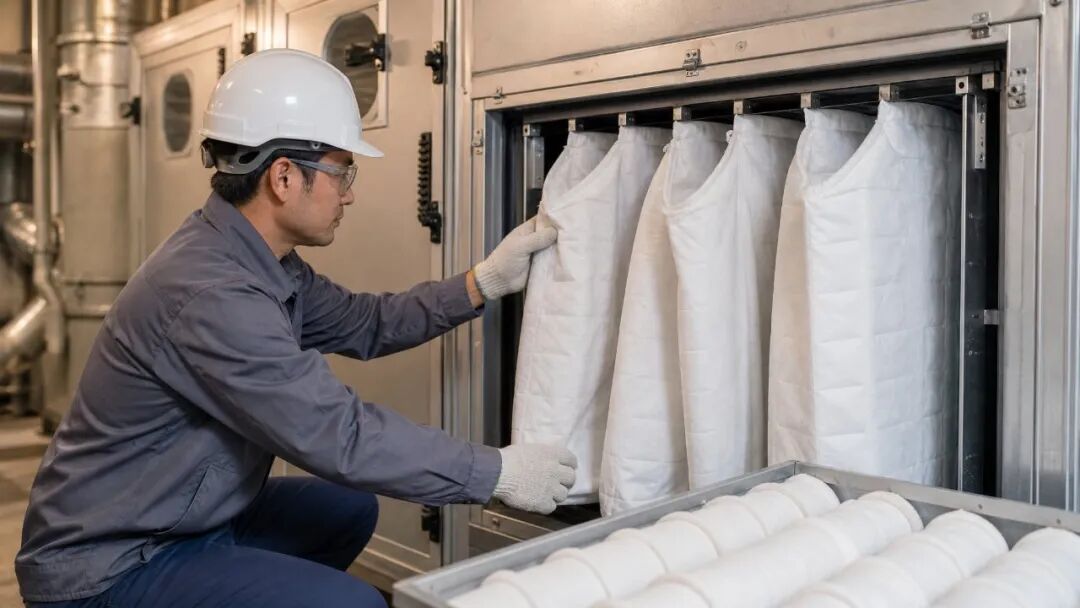
Polyester media is commonly used in coarse, medium-efficiency, bag filters, and industrial dust collector bags. Its engineering feel is strong: good abrasion resistance, dimensional stability, and mechanical strength—ideal for needle-felt, nonwoven, pleated, or bag configurations.
If PP is a lightweight, general-purpose material, polyester is more like a "durable material" designed to withstand airflow, dust loads, and maintenance activities over time. It's frequently found in commercial building HVAC, coating operations, general industrial dust, and AHU pre-filtration.
Polyester also offers more washability options. Some coarse and medium-efficiency polyester media can be extended by cleaning, but this doesn't mean all polyester filters are washable. Whether it's washable depends on media structure, adhesive methods, frame design, and filtration grade requirements.
Best for: Coarse/medium filtration, bag filters, general industrial dust collection, and serviceable pre-filters.
Avoid for: Strong alkalis, high-temperature extremes, or precision terminal filtration requiring ultra-high cleanliness.
5. PTFE: Low Surface Energy and Membrane Filtration
PTFE (polytetrafluoroethylene), often known as Teflon, is characterized by high chemical stability, low surface energy, and wide temperature tolerance. In air filtration, it typically appears as PTFE membranes or laminated media.
One of PTFE's key advantages is that particles tend to remain on the membrane surface rather than penetrating deep into the substrate. This is beneficial for surface filtration, cleaning, and pressure recovery—making it valuable in high-dust industrial applications requiring pulse cleaning.
In high-efficiency air filtration, PTFE membrane media is also used for low-resistance, high-efficiency pathways. It achieves good filtration performance in a thin structure, but membrane integrity, composite lamination, and installation protection are critical. Mechanical damage can compromise performance.
Best for: Industrial dust collector bags with membrane lamination, chemical-resistant applications, low-resistance high-efficiency cartridges, and applications requiring surface filtration and easy cleaning.
Avoid for: Sharp particle abrasion, rough installation, or budget-sensitive applications with simple conditions.
6. Nylon: Strength and Washability for General Protection
Nylon isn't usually the main focus in air filtration, but it has a stable role in coarse filtration, mesh filters, washable screens, and certain specialty configurations.
Its advantages are good mechanical strength and toughness, making it suitable for fabrics, screening, or support layers. For large particle capture, equipment inlet protection, and washable pre-filtration, nylon mesh provides a practical solution.
Nylon's limitations are limited fine filtration capability and reduced performance at high temperatures, strong acids/alkalis, or long-term UV exposure. It's better suited as a coarse or support layer at the front end, rather than high-cleanliness tasks.
Best for: Equipment inlets, coarse screens, washable pre-filters, and protective layers.
Avoid for: High-efficiency filtration, strong corrosive environments, or long-term high-temperature operation.
7. Metal Mesh: High Temperature and Reusable Protection
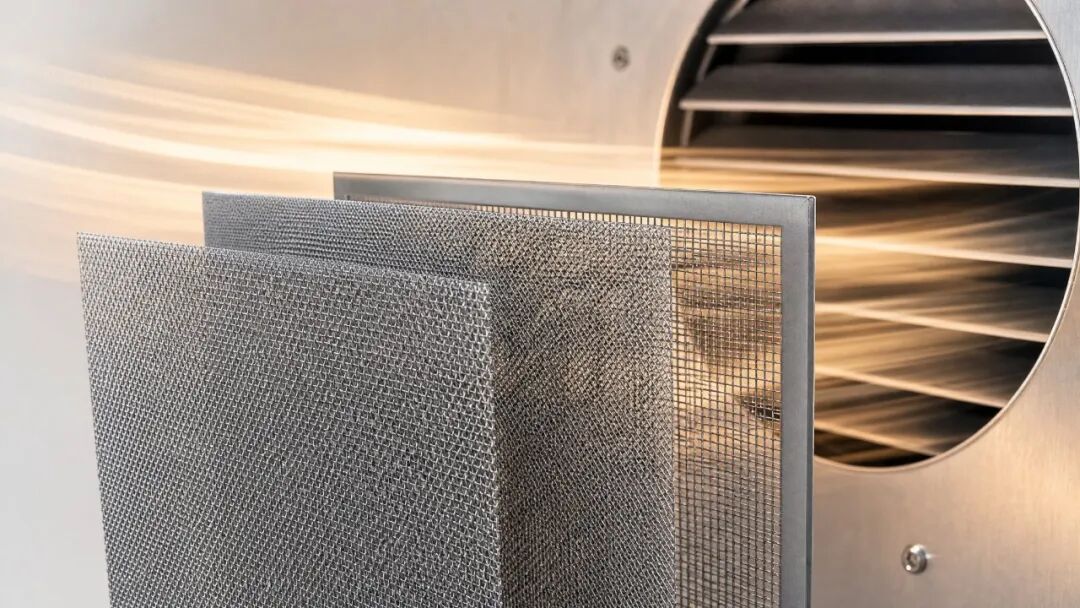
Metal filtration materials include stainless steel mesh, aluminum mesh, and metal fiber felt. Their biggest advantages are temperature resistance, high strength, cleanability, and reusability.
In kitchen exhaust pre-filtration, industrial high-temperature airflow, equipment protection, spark arrest, and large particle pre-separation, metal mesh is extremely practical. It's not designed for fine particle efficiency, but rather to act as a "large particle barrier, impact-resistant, and serviceable" front end.
Metal's downside: using only standard metal mesh structures limits fine particle filtration efficiency. Also consider cost, weight, corrosion risks, and cleaning management. It's best as a durable front-end solution, not a replacement for medium/high-efficiency media.
Best for: High-temperature pre-filtration, oil mist front-end, large particle capture, and frequently washable equipment protection.
Avoid for: Low-resistance high-efficiency tasks, precision cleanroom terminals, or weight-sensitive lightweight cartridges.
8. Activated Carbon: Responsible for Odors and Gaseous Pollutants
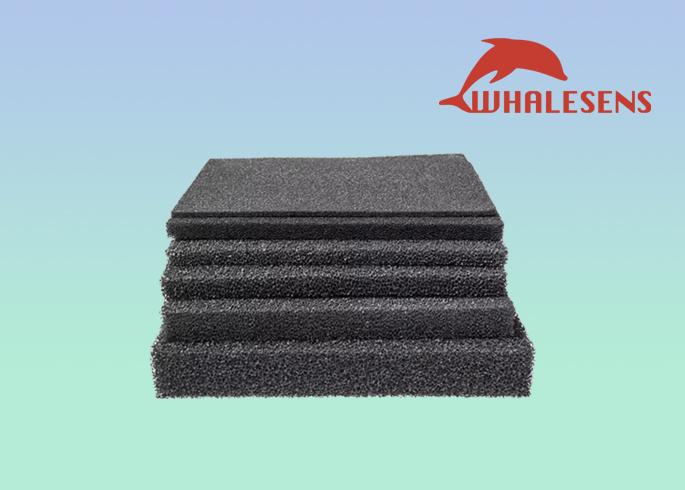
Activated carbon isn't a typical particulate filtration media—it's more specialized for adsorbing odors, some VOCs, and gaseous pollutants. It's often combined with particulate filters.
In commercial buildings, fresh air systems, laboratories, coating operations, waste stations, and public space odor control, activated carbon addresses the "smell" problem. However, it cannot replace high-efficiency filters for particulate capture.
Key factors for activated carbon performance: contact time, bed depth/volume, pore structure, and pollutant type. High velocity, insufficient carbon quantity, or mismatched pollutant types can drastically reduce adsorption efficiency. Saturation is also a concern—once saturated, carbon requires replacement or regeneration.
Best for: Odor removal, VOCs auxiliary control, commercial fresh air, and coating/lab auxiliary purification.
Avoid for: Standing alone as a high-efficiency particulate filter or as a "permanent odor filter" without scheduled replacement.
9. Composites: The Future is Multi-Layered Integration
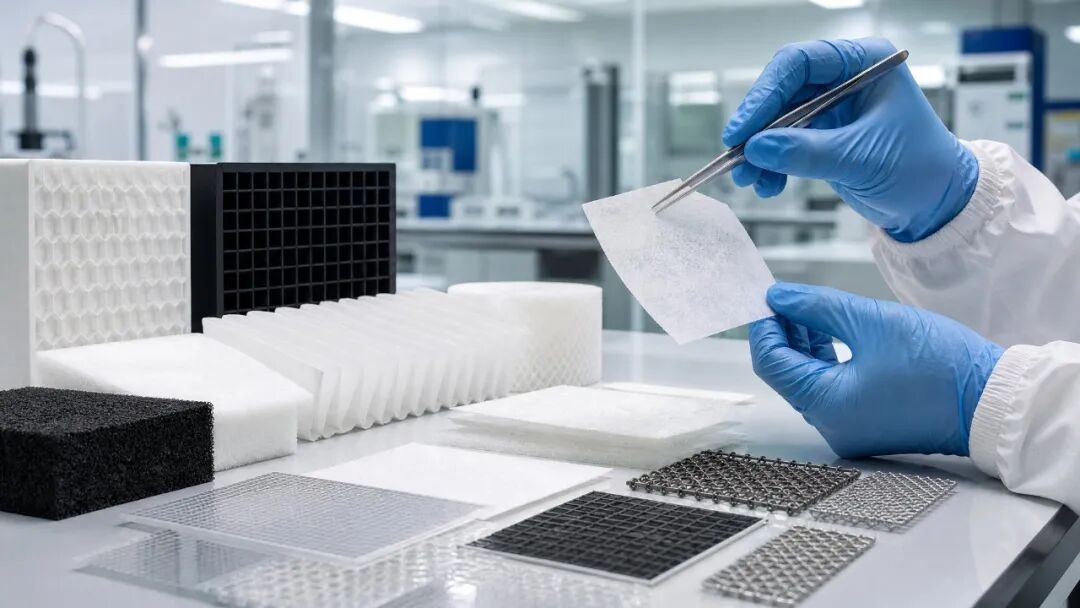
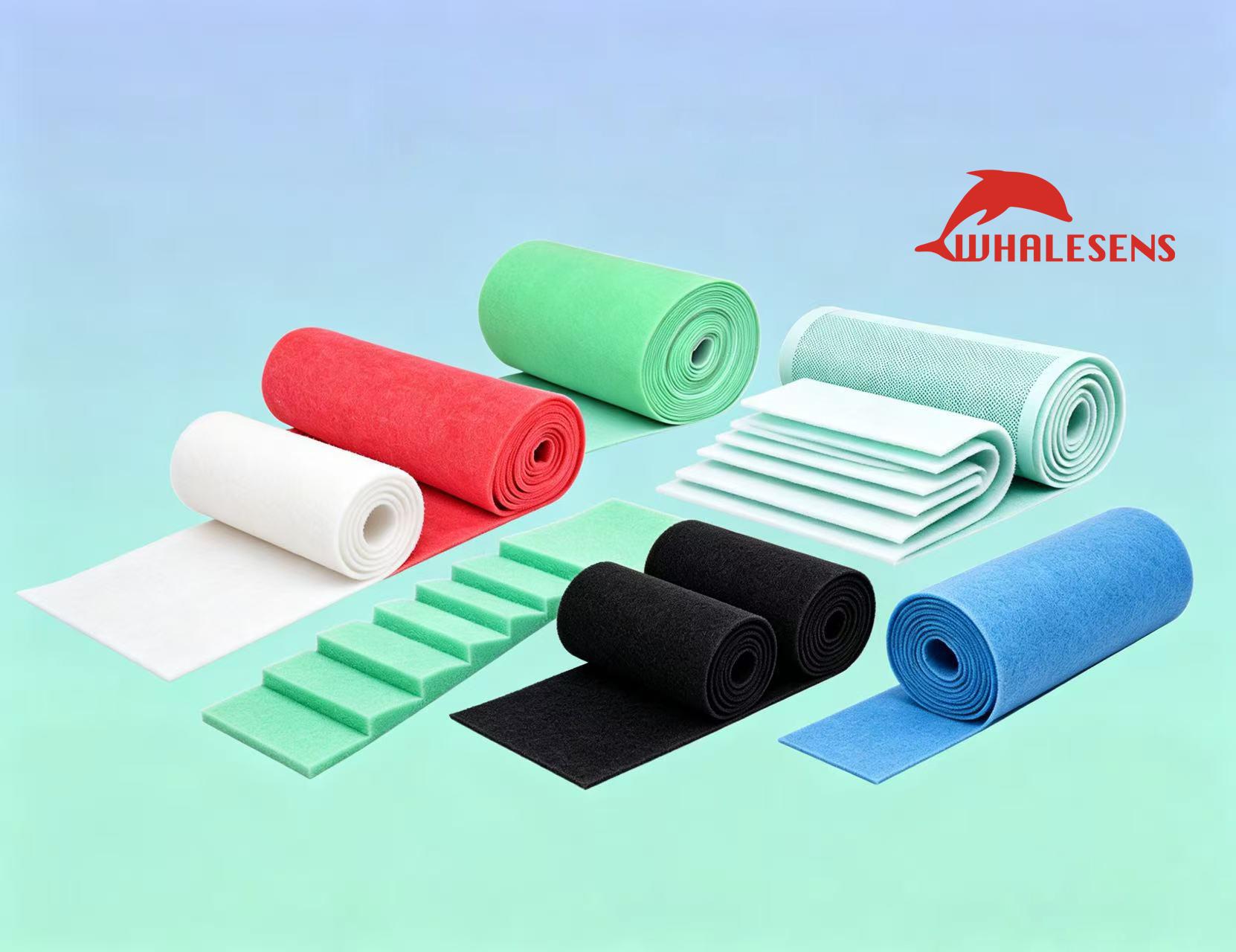
Increasingly, filters no longer rely on a single material—they adopt composite structures. Examples include: PP melt-blown with support layers, polyester substrates with PTFE membrane, fiberglass HEPA paper with stabilization layers, or activated carbon layers combined with particle filters.
The value of composite media is stacking the strengths of different materials: support layers for strength, fine fiber layers for efficiency, membrane layers for surface filtration, adsorbent layers for gaseous pollutants, and hydrophobic or flame-retardant treatments for special environments.
But composites also demand higher design sophistication: bond strength between layers, airflow distribution uniformity, thermal expansion compatibility, and added resistance all require validation.
Future media will likely evolve along three directions: low resistance with high efficiency, functional composites, and sustainability.
- Low resistance with high efficiency – driven by energy-saving pressure. Fan energy consumption is increasingly scrutinized; media can't just chase efficiency, it must also reduce system operating costs over the long term.
- Functional composites – combining particle filtration, antimicrobial, odor removal, flame retardancy, moisture resistance, and easy cleaning based on conditions—not using the same media for every scenario.
- Sustainability – driving recyclable materials, low-carbon manufacturing, replaceable modules, service life monitoring, and more precise maintenance strategies. The best future filter media isn't just "cleanly filtered"—it's "used efficiently, replaced precisely, and disposed responsibly."
10. Selecting by Application
Commercial HVAC focuses on overall balance. Use polyester, PP, nylon, or metal mesh for pre-filtration, bag or pleated media to improve dust-holding, and high-efficiency filters at the terminal as required. The key is balancing airflow, resistance, maintenance intervals, and overall cost.
Cleanrooms and precision manufacturing demand consistent efficiency. Fiberglass, PTFE membrane, or proven composite media are common—but testing, sealing, installation, and integrity verification are equally important. The media alone is necessary, but filter construction and field maintenance are equally critical.
Industrial dust environments prioritize heavy loading and cleaning. Polyester needle-felt, PTFE membrane, and temperature/anti-static treated media are more common. Don't focus only on initial efficiency—consider dust characteristics, humidity, temperature, cleaning method, and operating pressure drop.
High humidity requires caution around moisture absorption, mold, and efficiency stability. Some media show increased resistance or efficiency changes under wet conditions—look for hydrophobic treatment, edge sealing, and drainage provisions.
High temperature demands temperature ratings and structural stability. Metal mesh, fiberglass, special synthetic fibers, or high-temperature composites are more appropriate. Standard PP and certain adhesives require careful evaluation.
Corrosive or chemical environments require matching media type to the specific aggressor. PTFE offers strong chemical stability, but the complete filter includes frame, sealant, support mesh, and gaskets—don't evaluate media alone.
Washable/reusable scenarios require clarifying what "washable" actually means. Some media can be washed, some only vacuumed or air-blown, and some lose efficiency after cleaning. Washable filters require a holistic view of media, structure, sealing, and validation.
11. One Sentence to Remember
- Fiberglass – high-efficiency and precision
- PP – lightweight, general-purpose
- Polyester – durable, engineered
- PTFE – low surface energy, chemically resistant
- Nylon – coarse, washable
- Metal mesh – heat-resistant, maintainable
- Activated carbon – gas-phase adsorption
- Composites – the future, system-oriented
True selection isn't about finding a single "best" material—it's about validating material properties against your actual operating conditions.
If your system has high upfront dust loading, protect the downstream stages first. If operating energy is a priority, emphasize low resistance. If field conditions are humid or oily, watch for efficiency decay. If it's a cleanroom terminal, put testing, sealing, and integrity checks alongside material selection.
12. Conclusion
The future of filter media is moving from "single-media sales pitch" to "system performance validation." Whoever finds the best balance between lower resistance, longer service life, more stable efficiency, and clearer validation—will be closer to the next-generation filtration solution.
The most common challenge you face in selecting filter media – is it insufficient efficiency, high resistance, short service life, or complex field conditions?
13. About Whalesens
About Whalesens
Whalesens – From Filter Media to Finished Products, Your Full‑Process Air Filtration Solutions Expert
We are dedicated to the R&D, manufacturing, and application integration of air filtration. With full in‑house control from filter media to finished filters, our product range covers the entire efficiency spectrum, from coarse G2 to ultra‑high efficiency U17, and we support customised designs for diverse industrial needs.
We understand that what you truly need is not a list of specifications, but a practical solution that solves real‑world operating challenges. Whether it is cooling for wind turbine nacelles, outdoor protection for EV charging stations, PUE optimisation for data centres, or sterile environments for cleanrooms – Whalesens Technology offers end‑to‑end manufacturing from media to finished filters, combined with one‑stop services covering selection, system design, and maintenance. Our mission is to deliver clean, efficient, and reliable air environments for every application through our proprietary technologies.
Website:www.whalesens.com Email: whalesens@gmail.com WhalePower, Pure Performance.
Need a custom air filtration solution?
Contact the Whalesens engineering team for product selection and OEM/ODM support.
Email whalesens@gmail.com