


EV Charging Stations
Filtration for Power Equipment
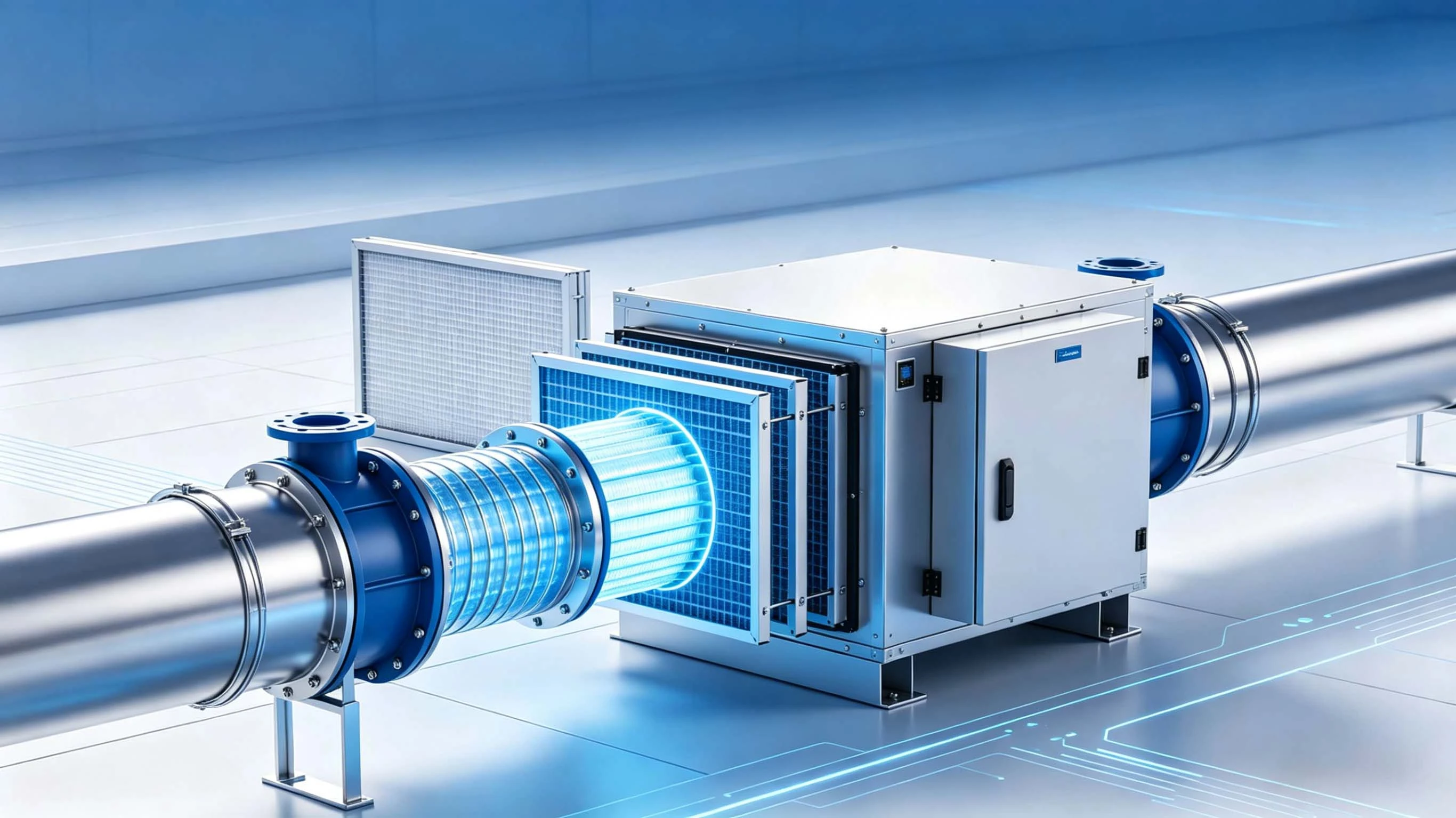
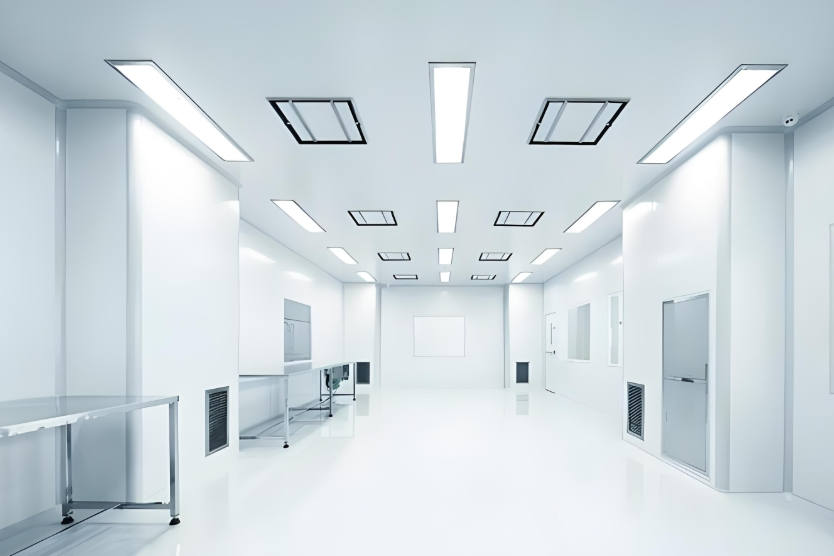
Cleanroom & Semiconductor
Ultra-High Cleanliness Filtration
Commercial HVAC
Central Air System Filtration
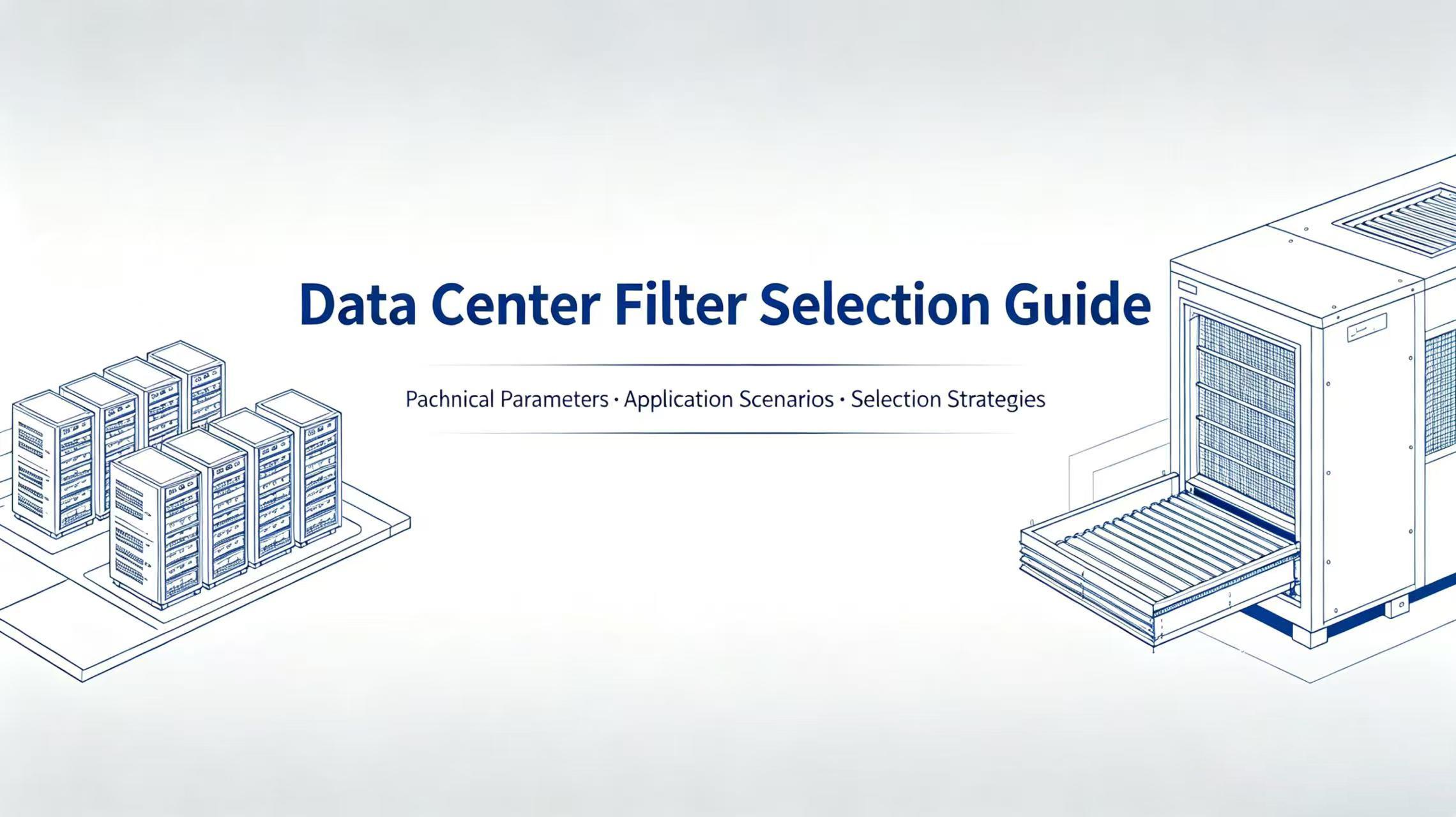
Data Centers
Precision Equipment Protection
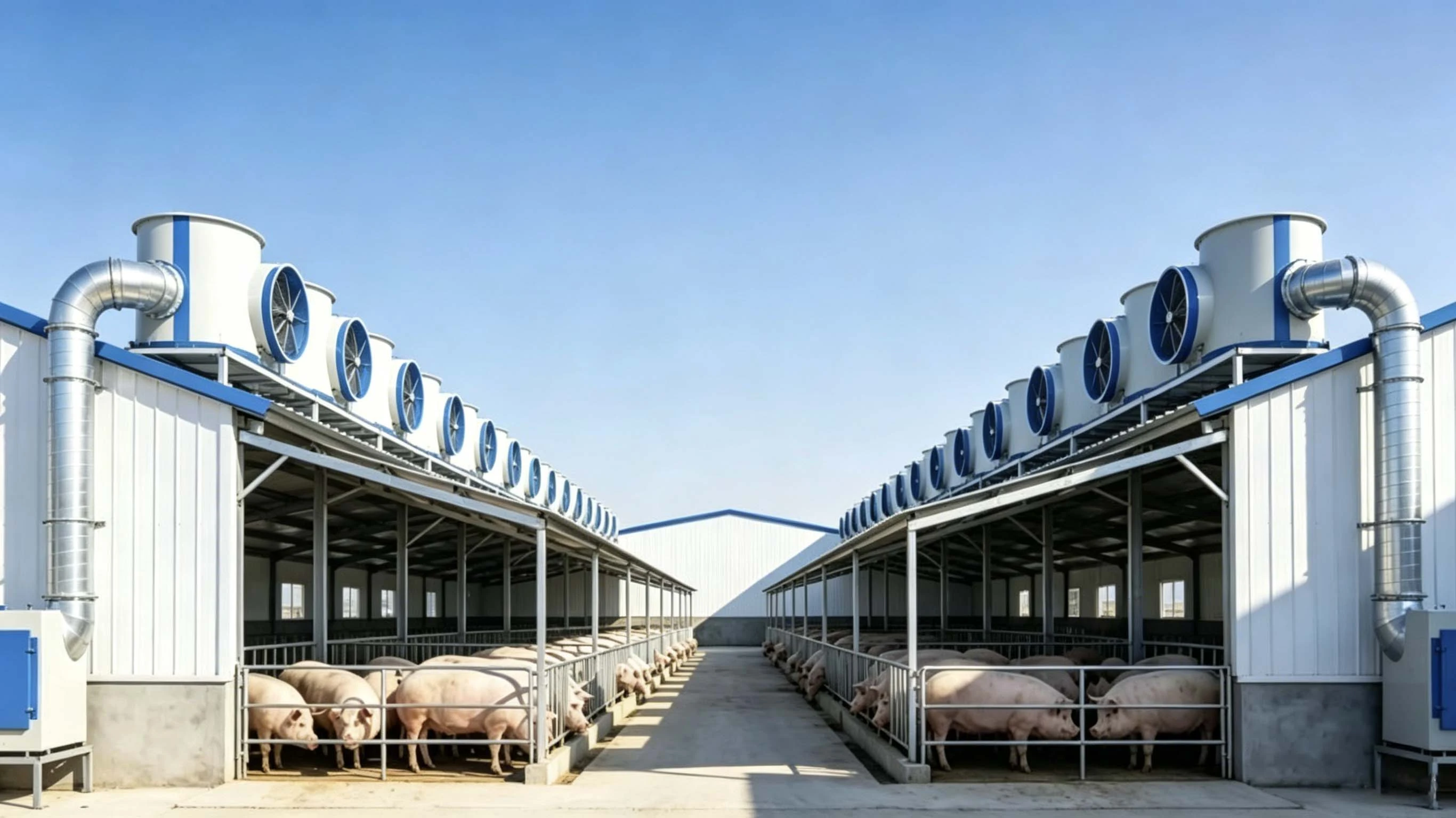
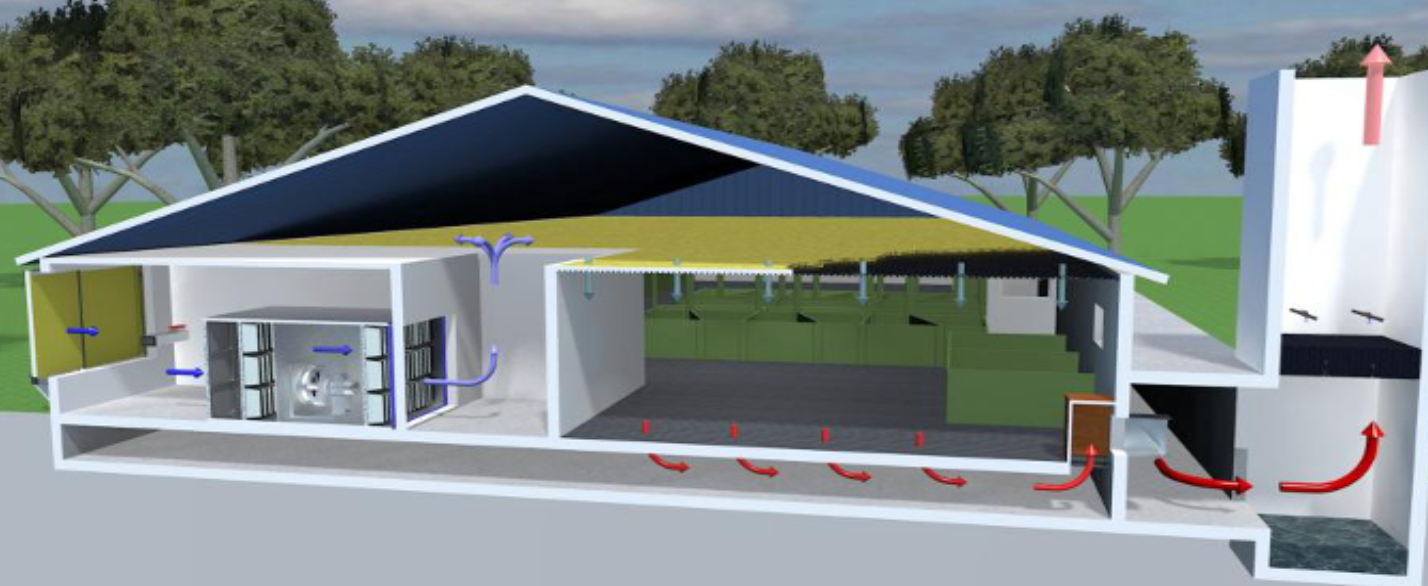
Livestock & Farming
Farming Environment Purification
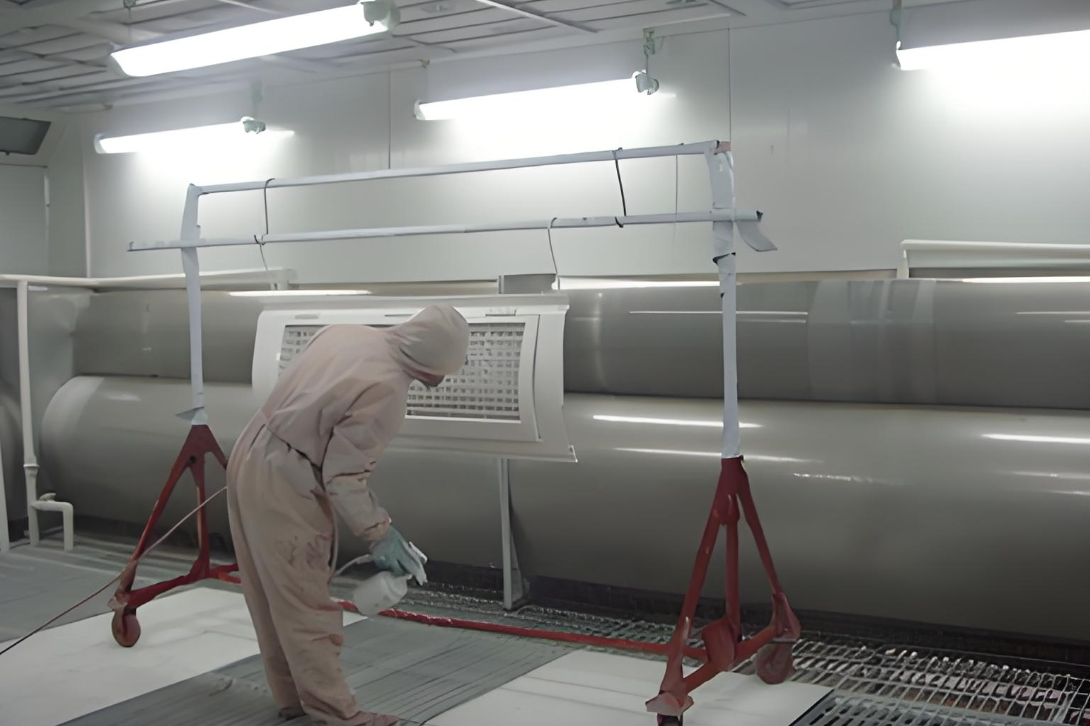
Spray Booths & Industrial Dust
Paint Mist & Dust Purification
Filtration for Power Equipment
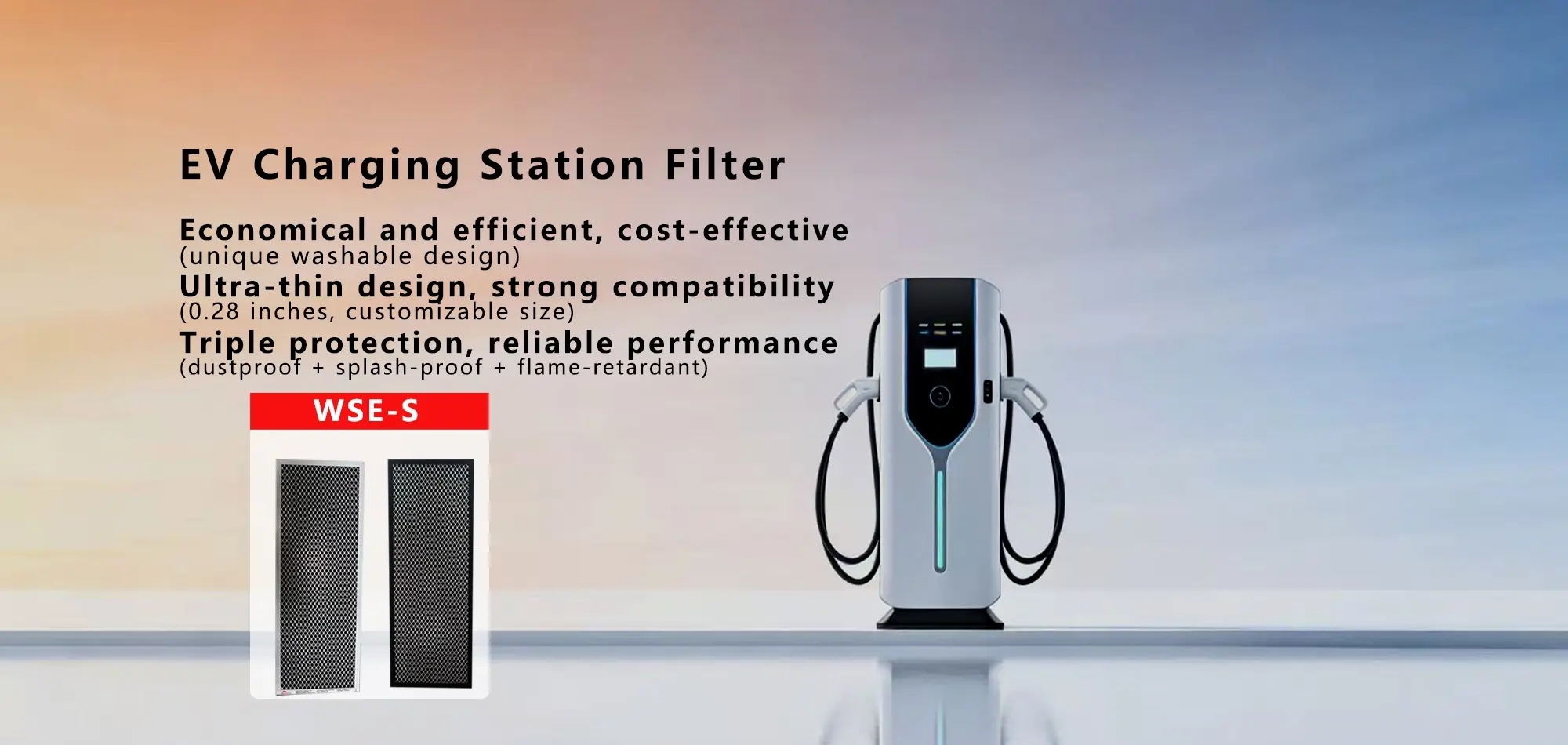
Professional air filtration for EV charging devices, protecting against dust and sand ingress to ensure stable, reliable operation of charging piles and station infrastructure.
View Related Products →Ultra-High Cleanliness Filtration
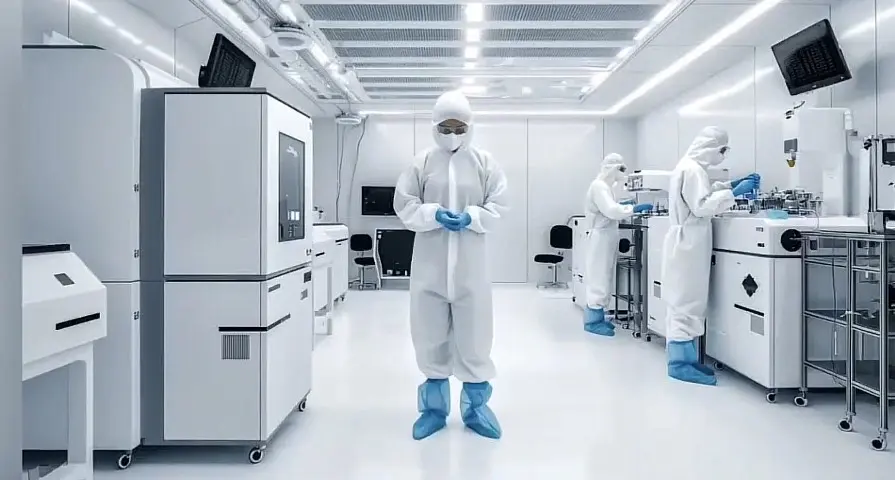
Ultra-high efficiency filtration for semiconductor wafer fabs and precision electronics cleanrooms, capturing nano-scale particles to meet ISO Class 1–3 standards and maximize product yield.
View Related Products →Central Air System Filtration
High-efficiency filtration for commercial building HVAC systems, improving indoor air quality, reducing energy consumption, and extending equipment service life.
View Related Products →Precision Equipment Protection
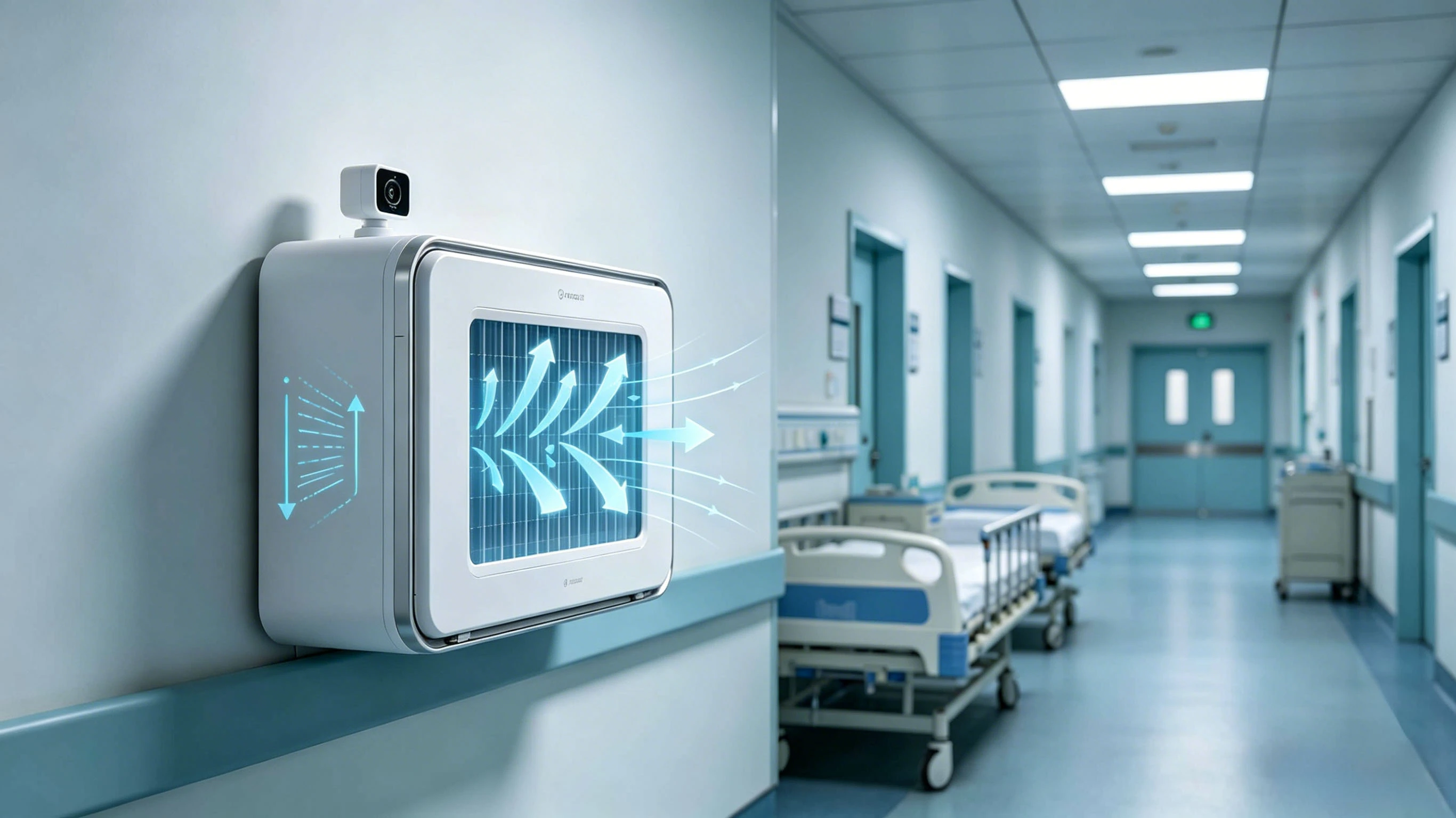
Precision air filtration for data centers, shielding servers and critical hardware from dust contamination to keep cooling systems running efficiently and reliably.
View Related Products →Farming Environment Purification
Dedicated filtration systems for farms and livestock facilities — capturing dust, adsorbing ammonia, and inhibiting pathogen spread to improve animal health and overall productivity.
View Related Products →Paint Mist & Dust Purification
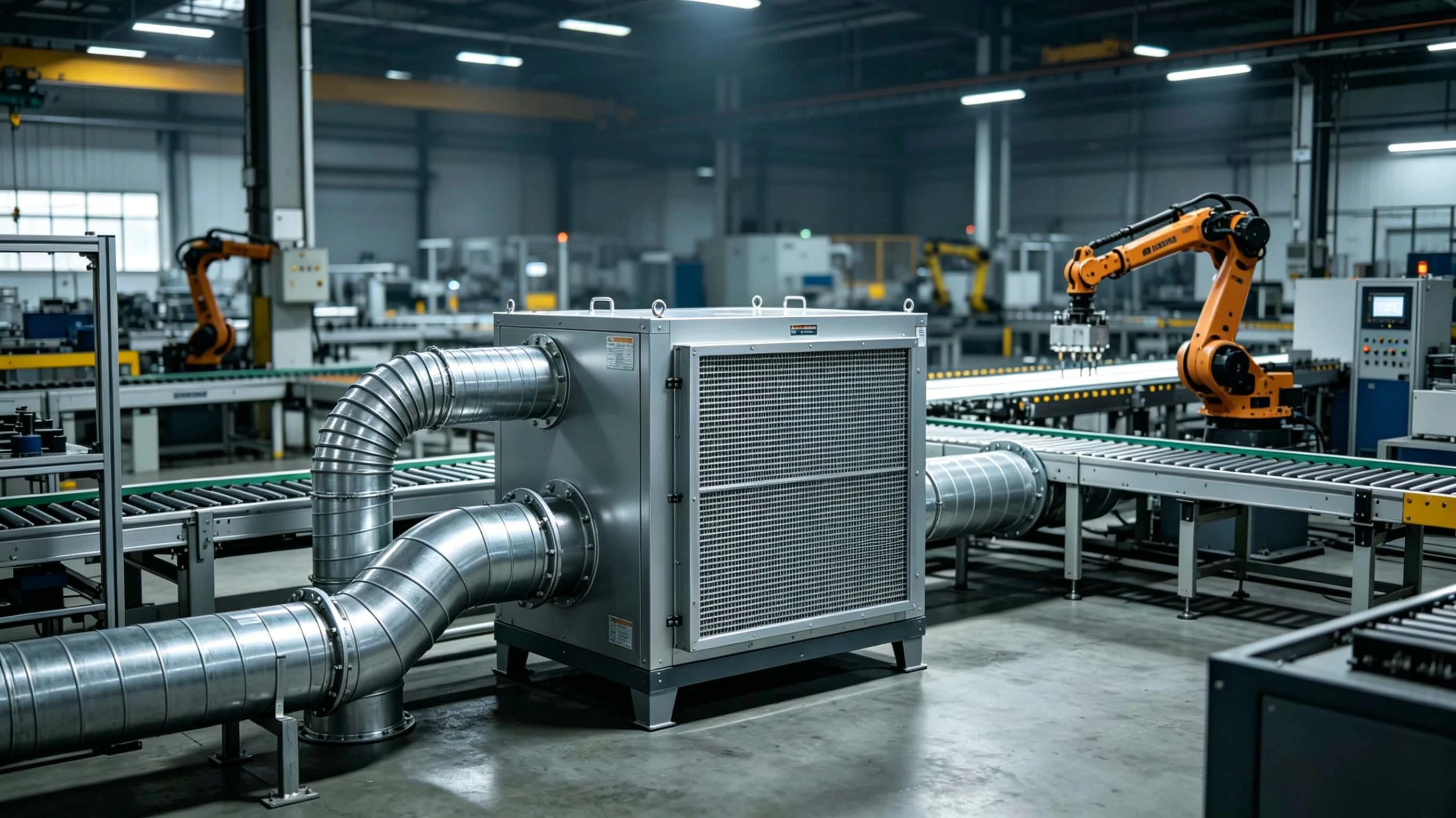
Designed for spray booths and grinding workshops, efficiently capturing paint mist, metal dust, and wood chips to meet emission standards while protecting finished surface quality.
View Related Products →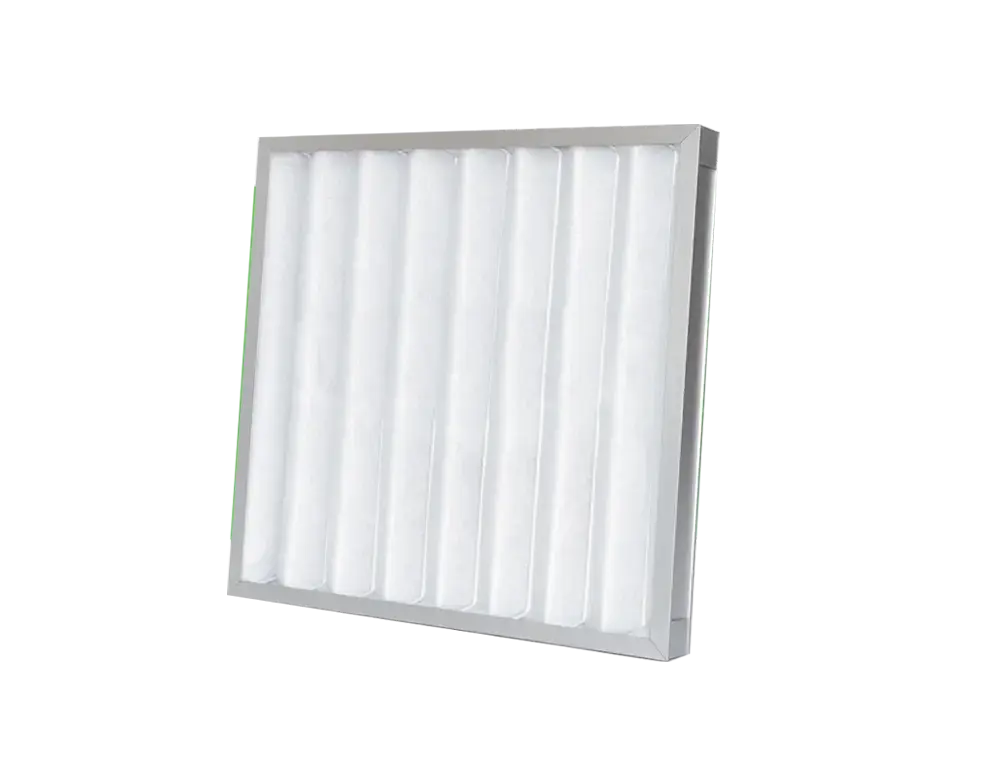
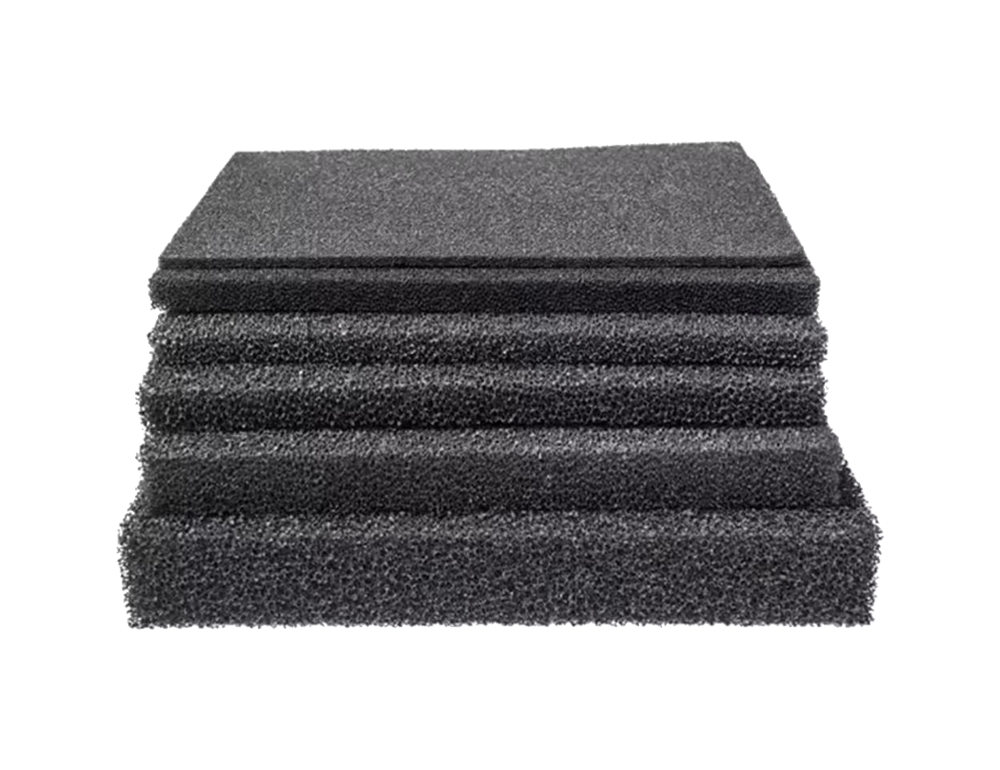
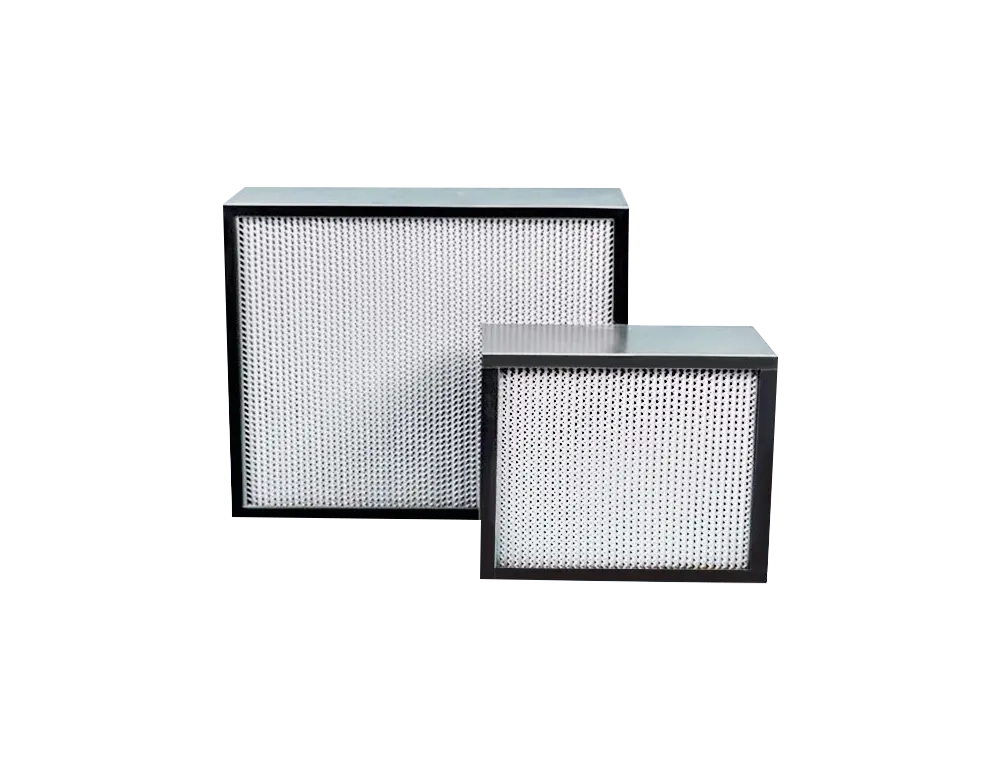
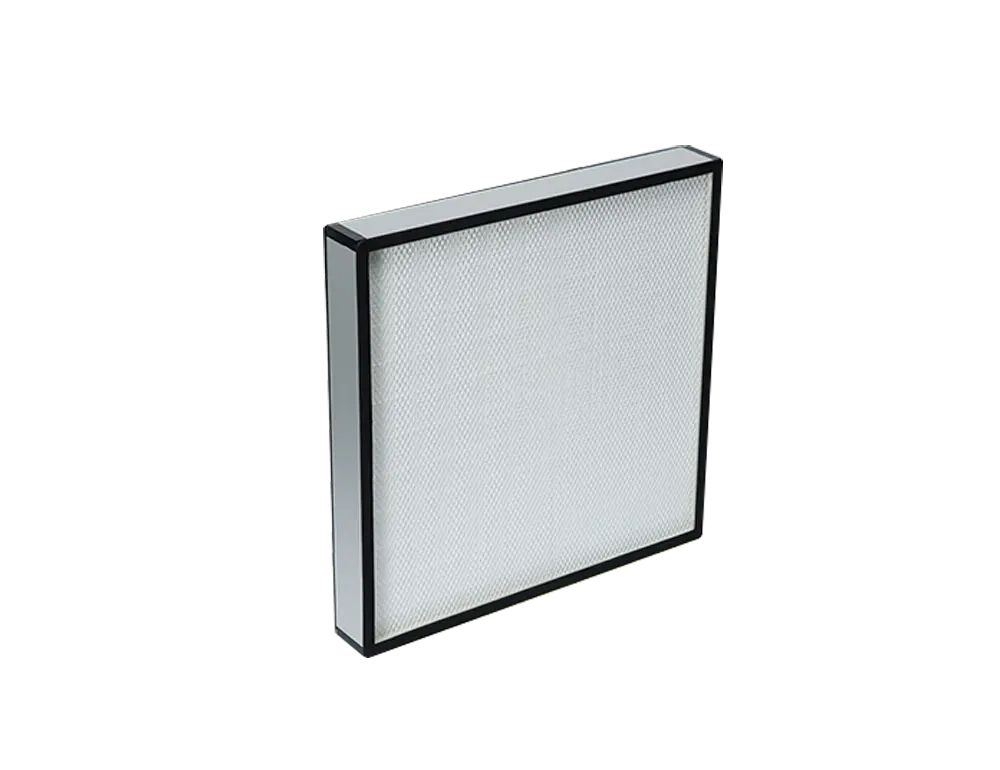
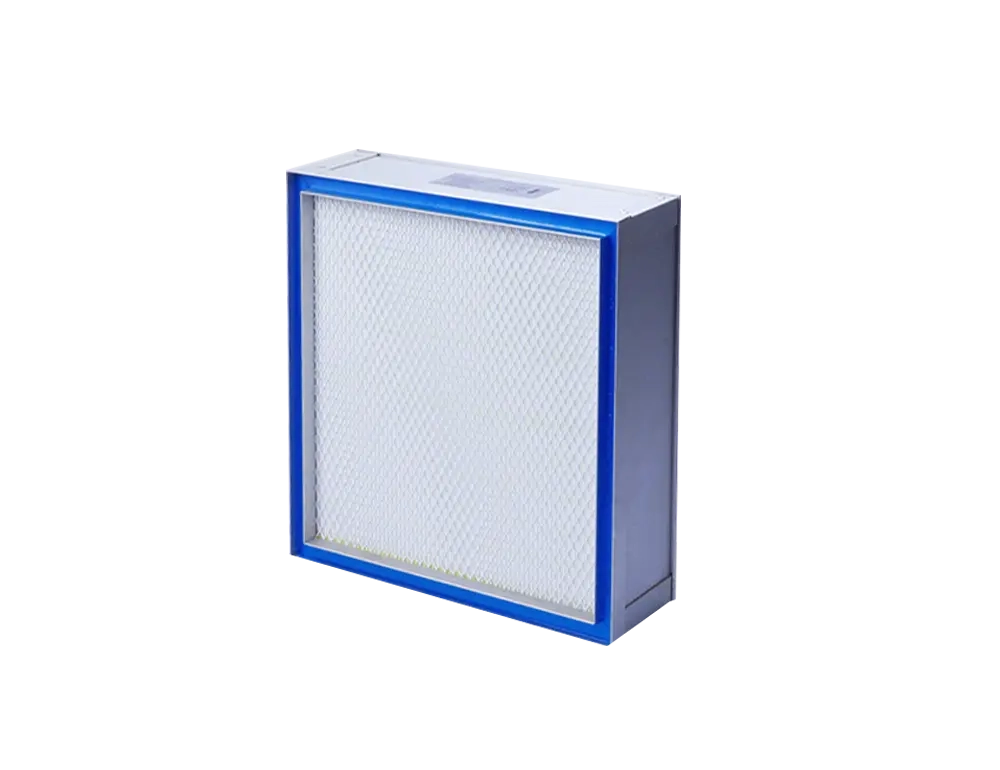
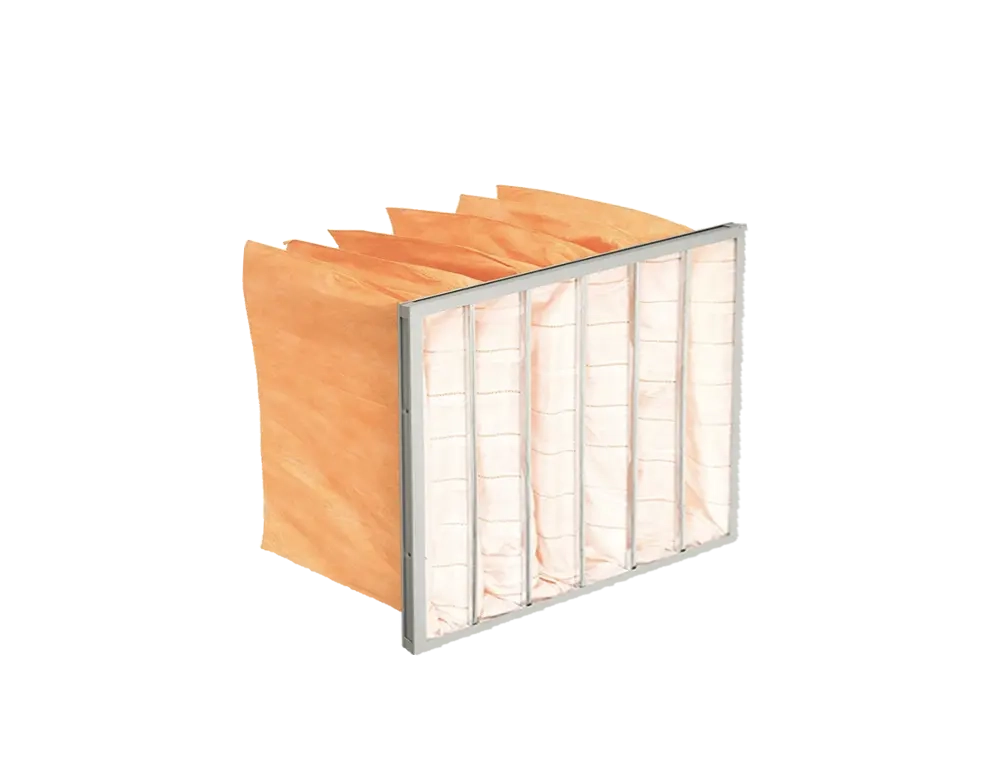
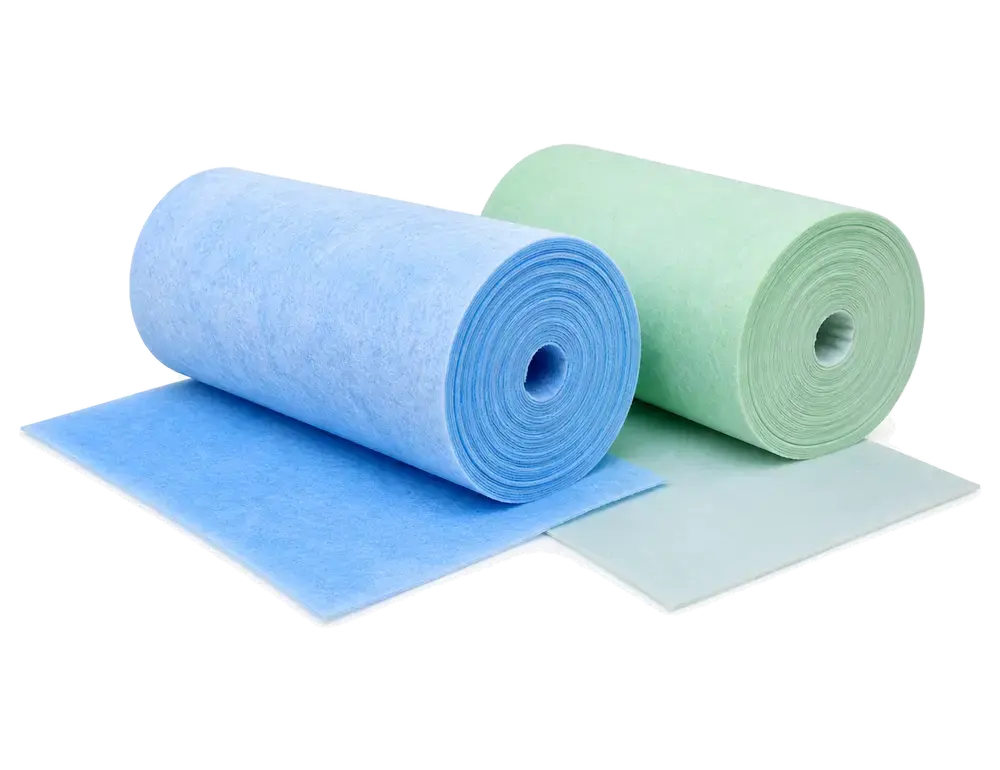
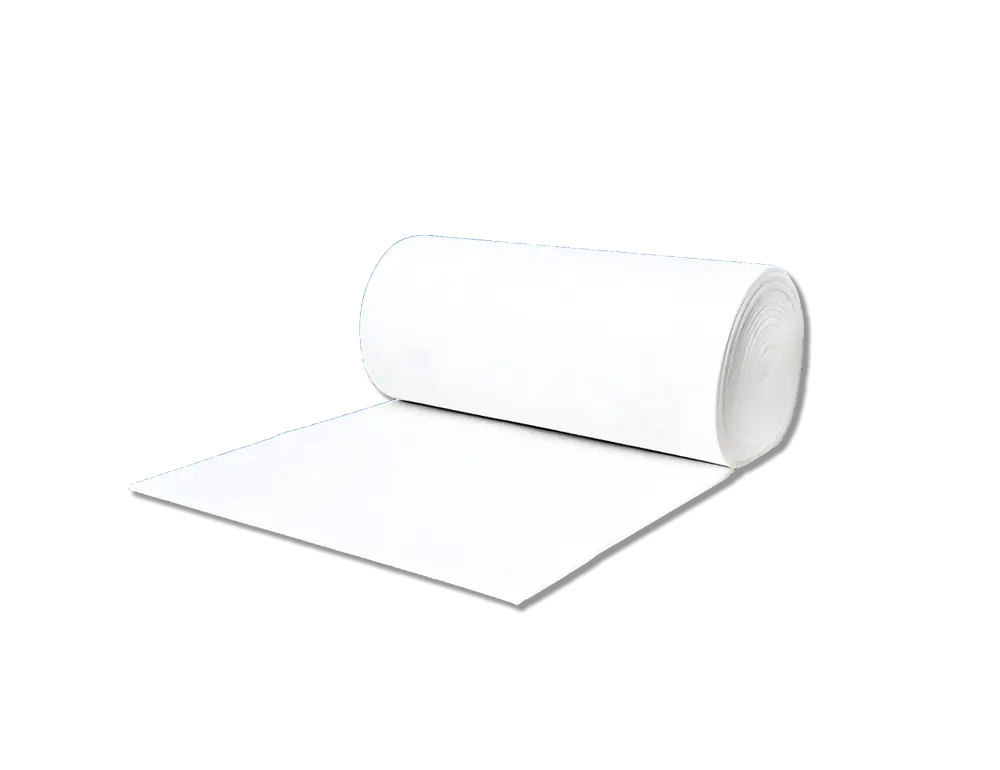
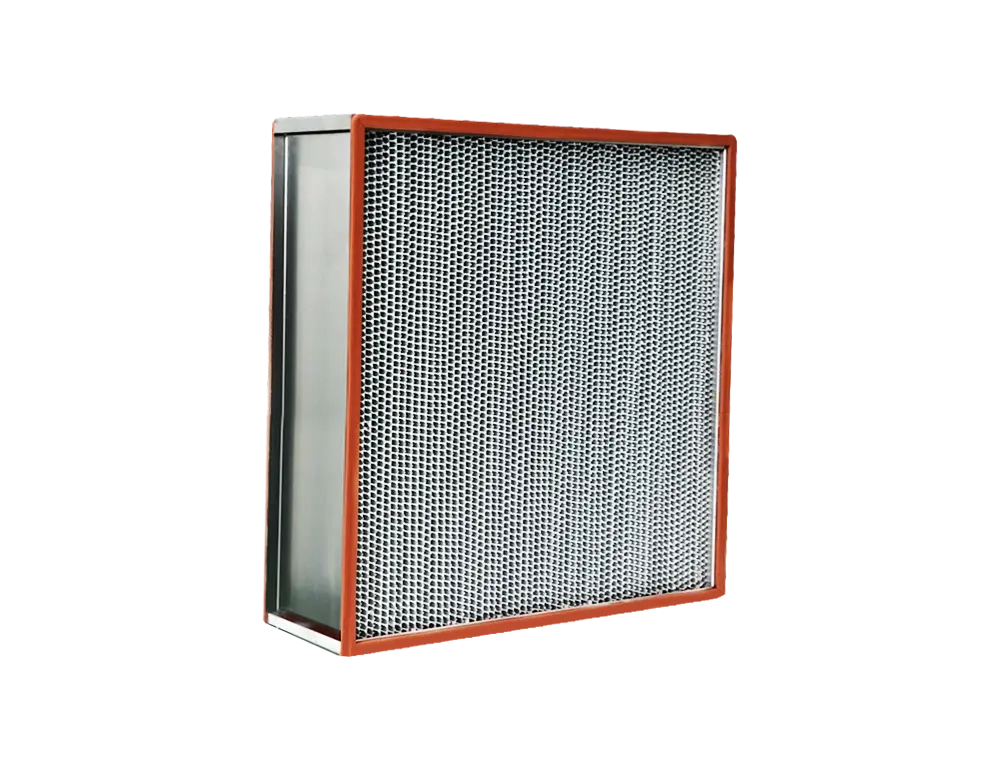
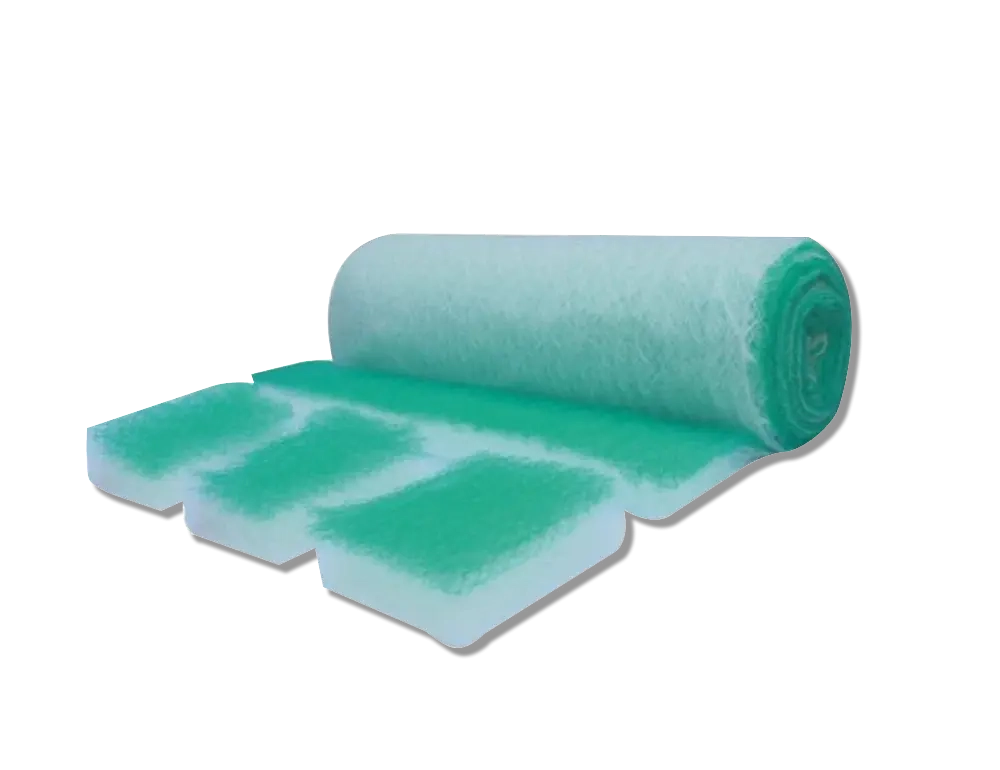
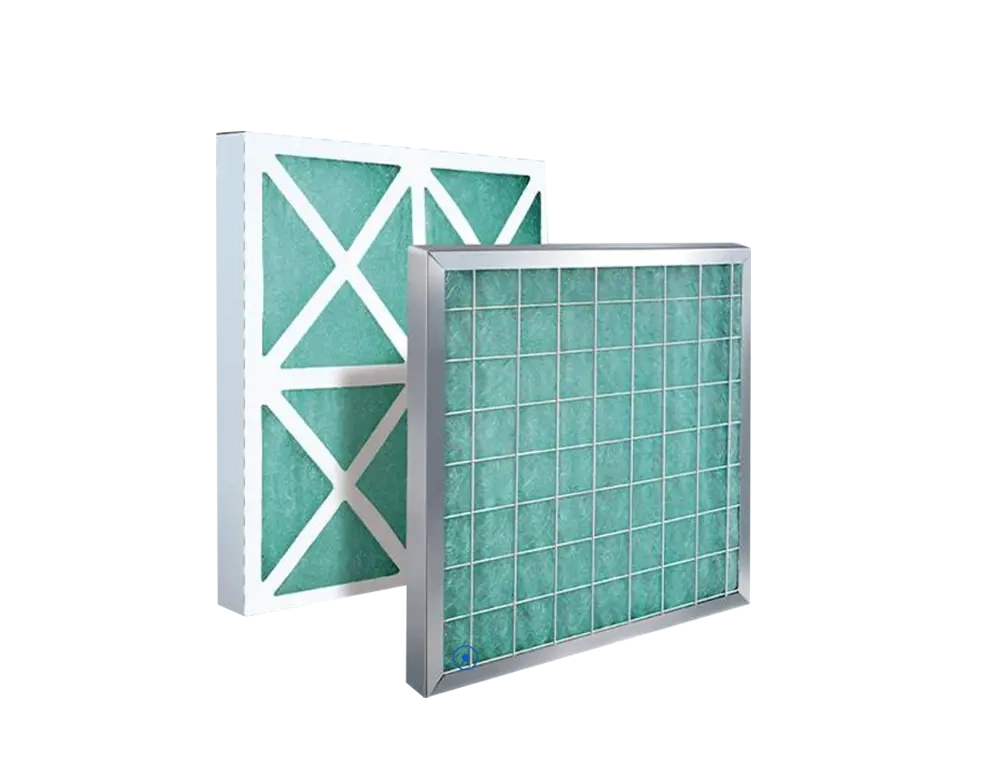
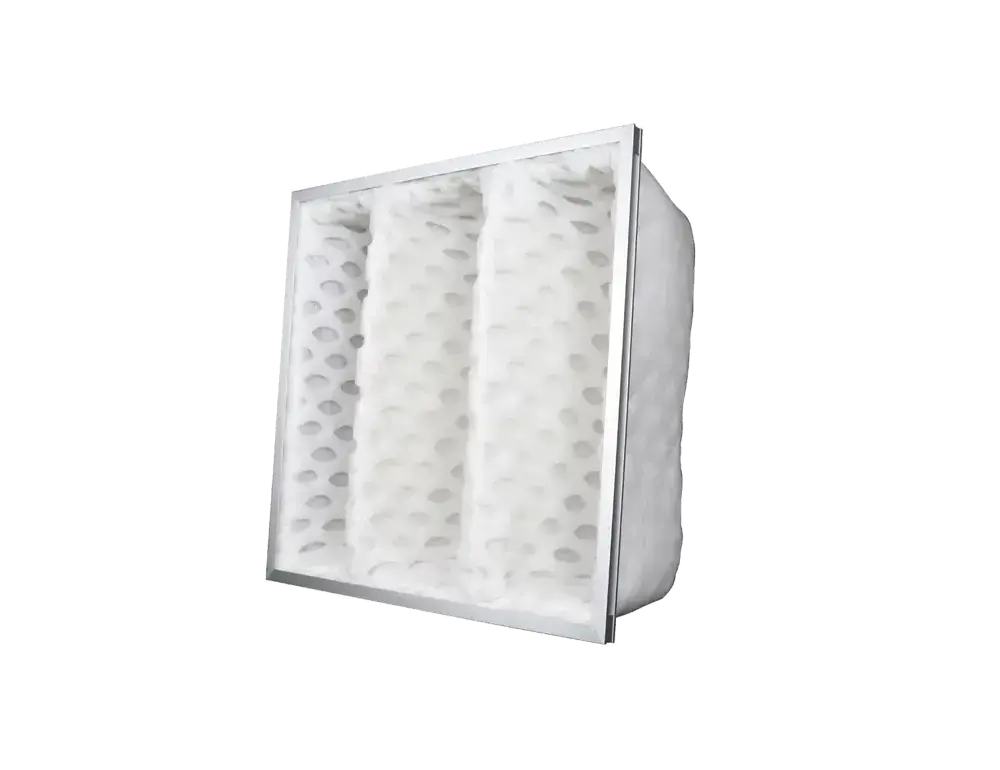
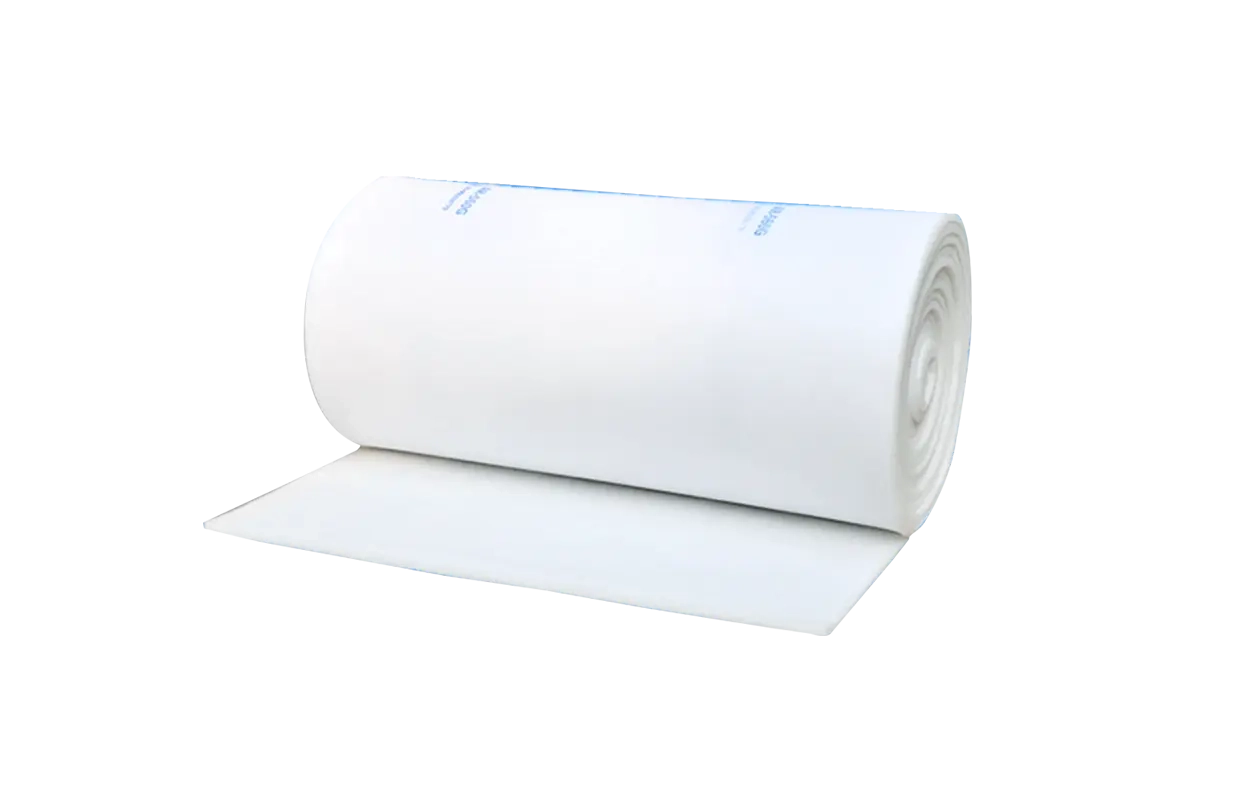
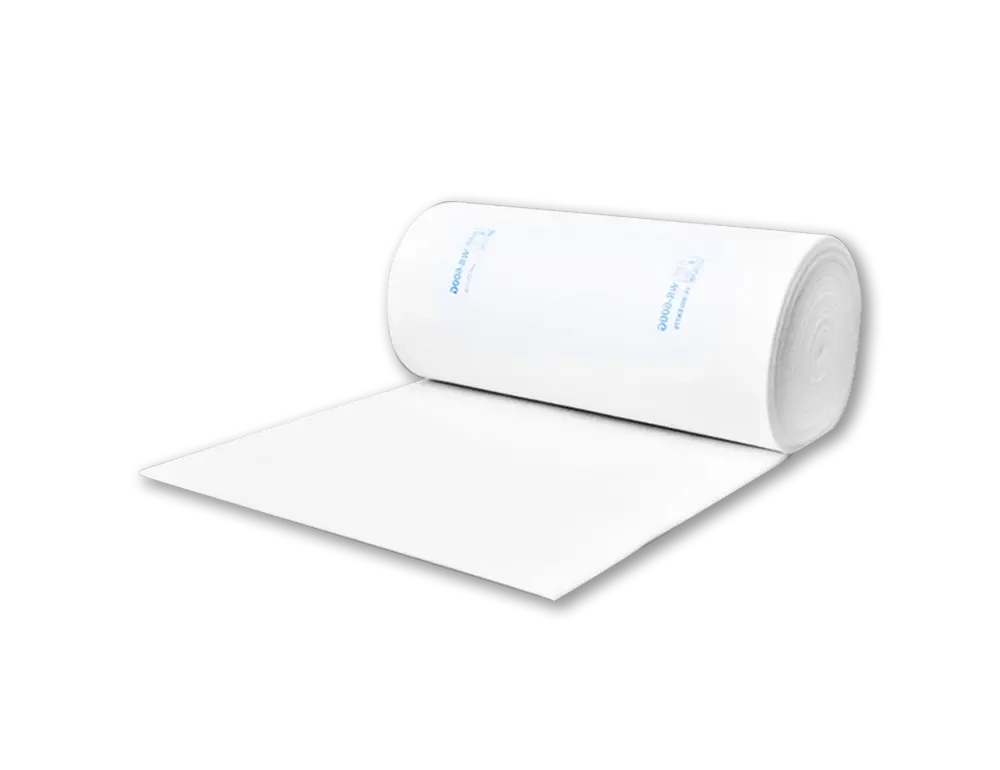
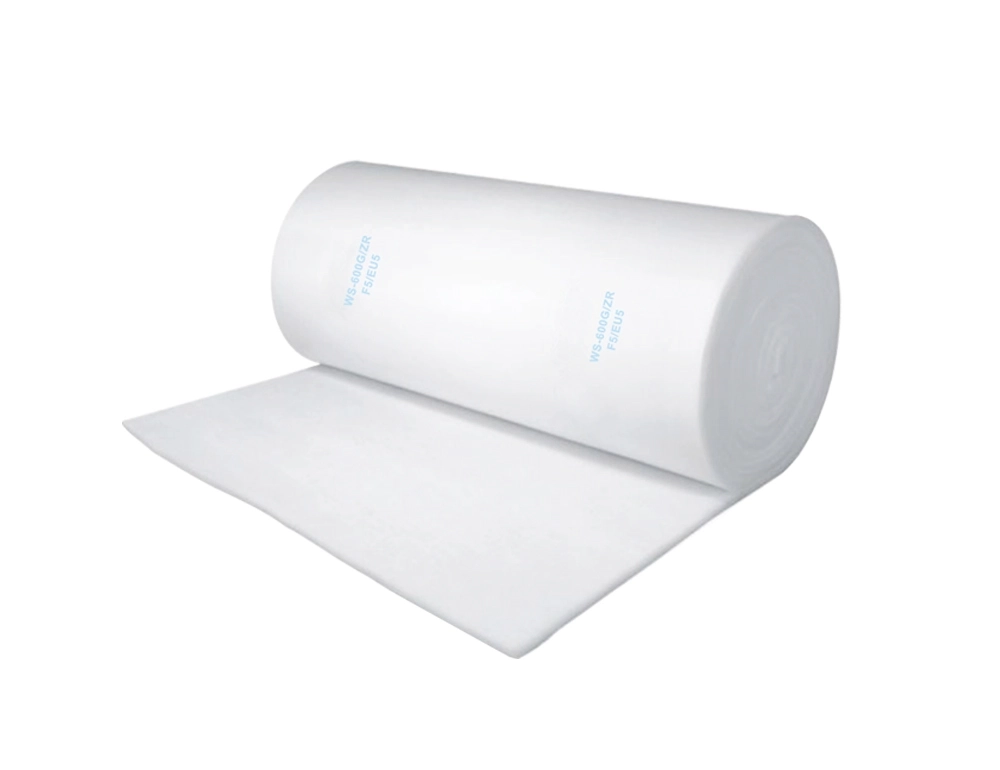
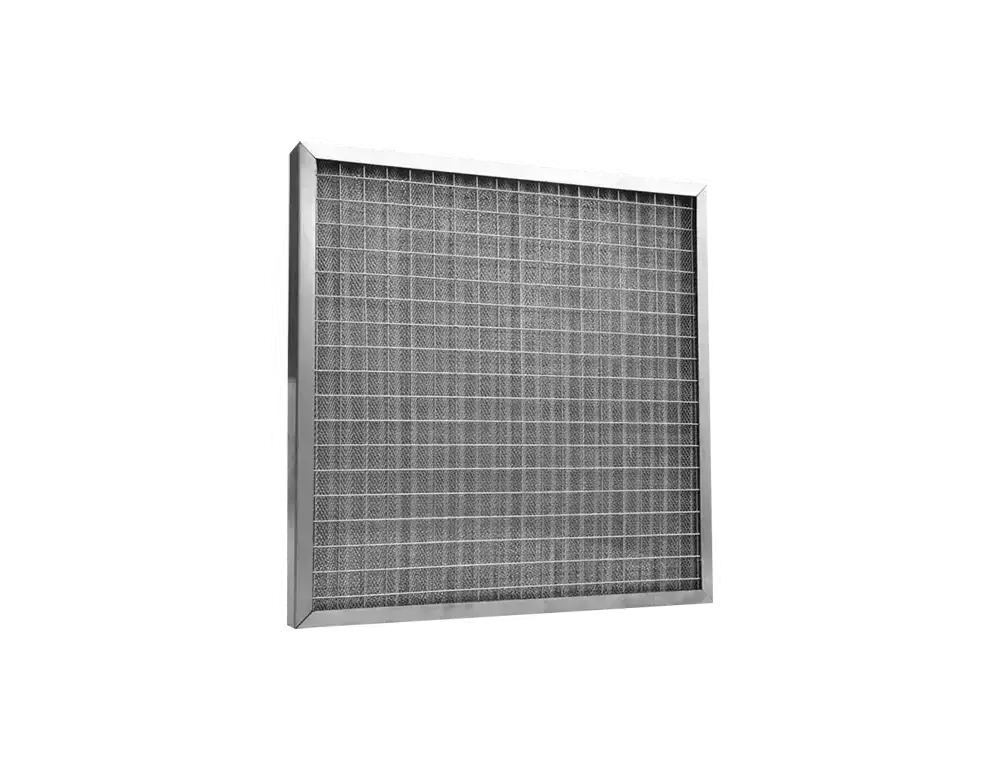
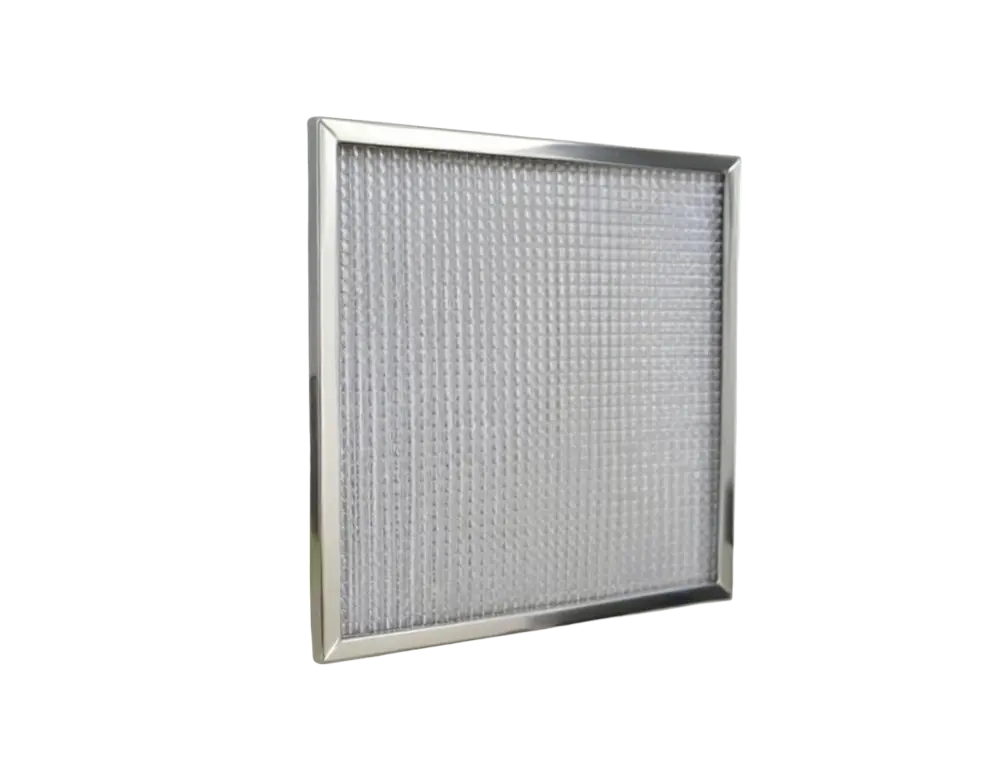
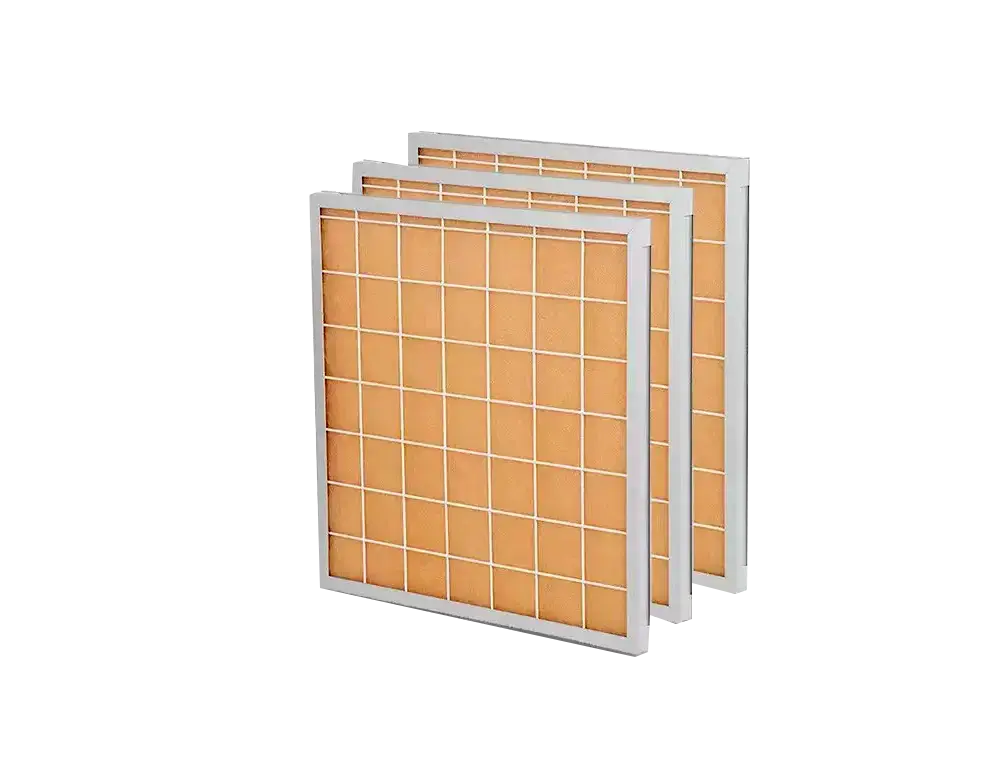
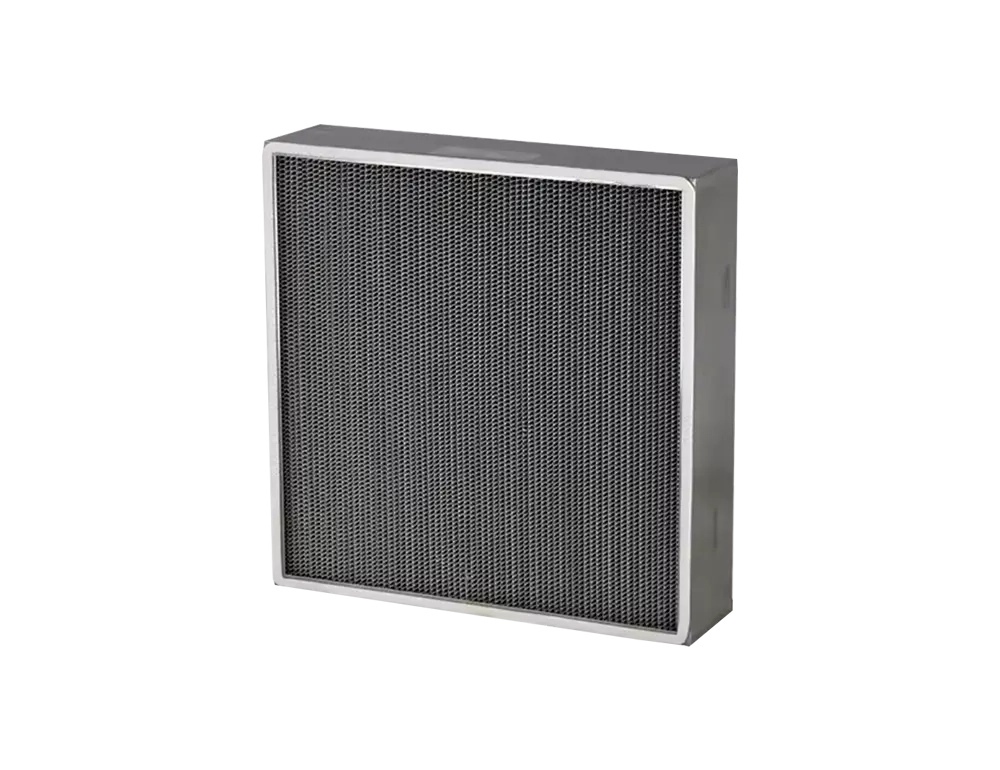
Pre-Filter (G1–G4)
First-Stage Large-Particle Capture
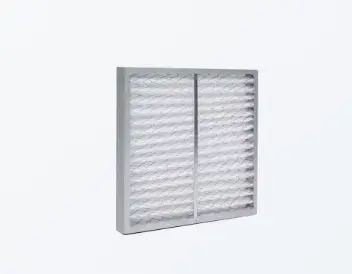
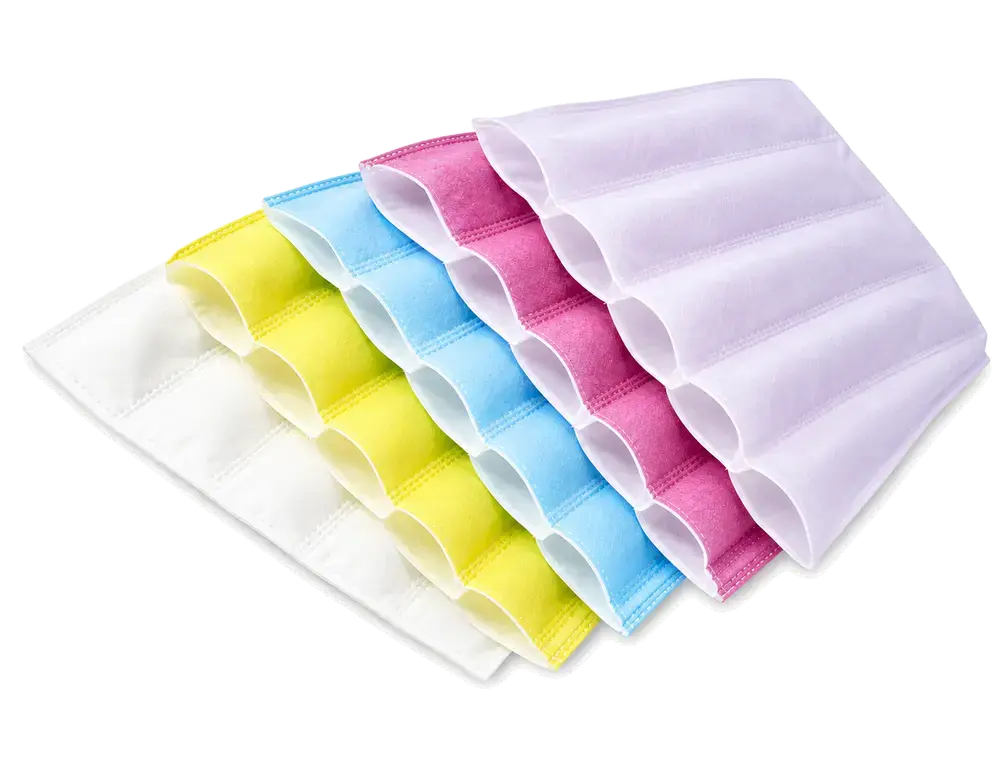
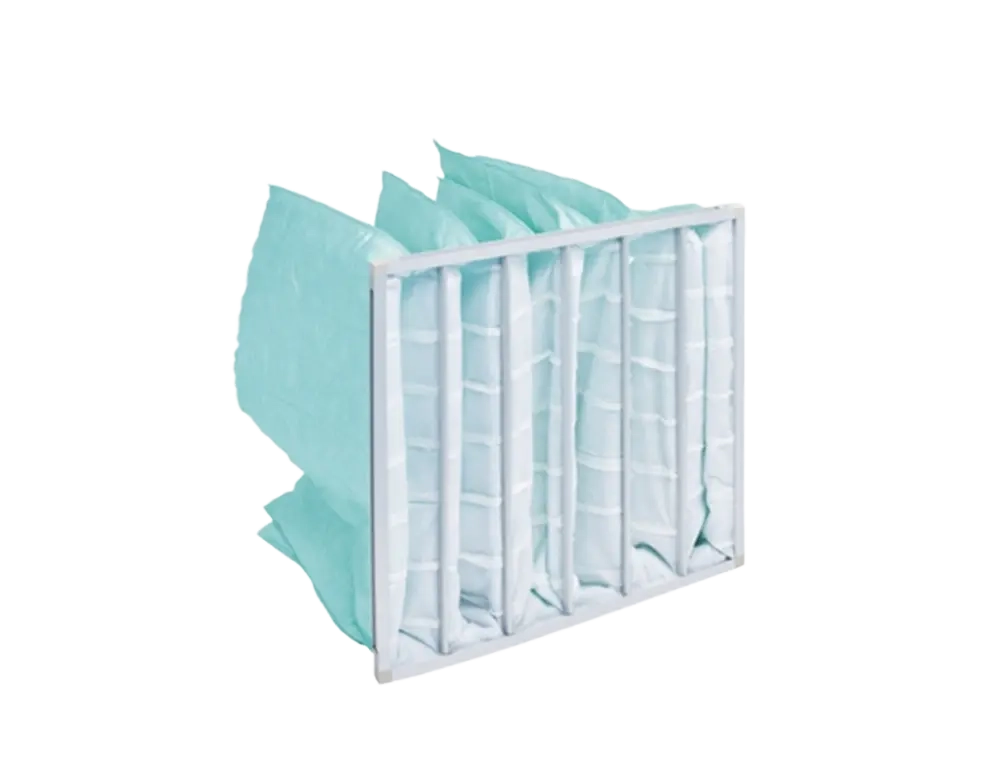
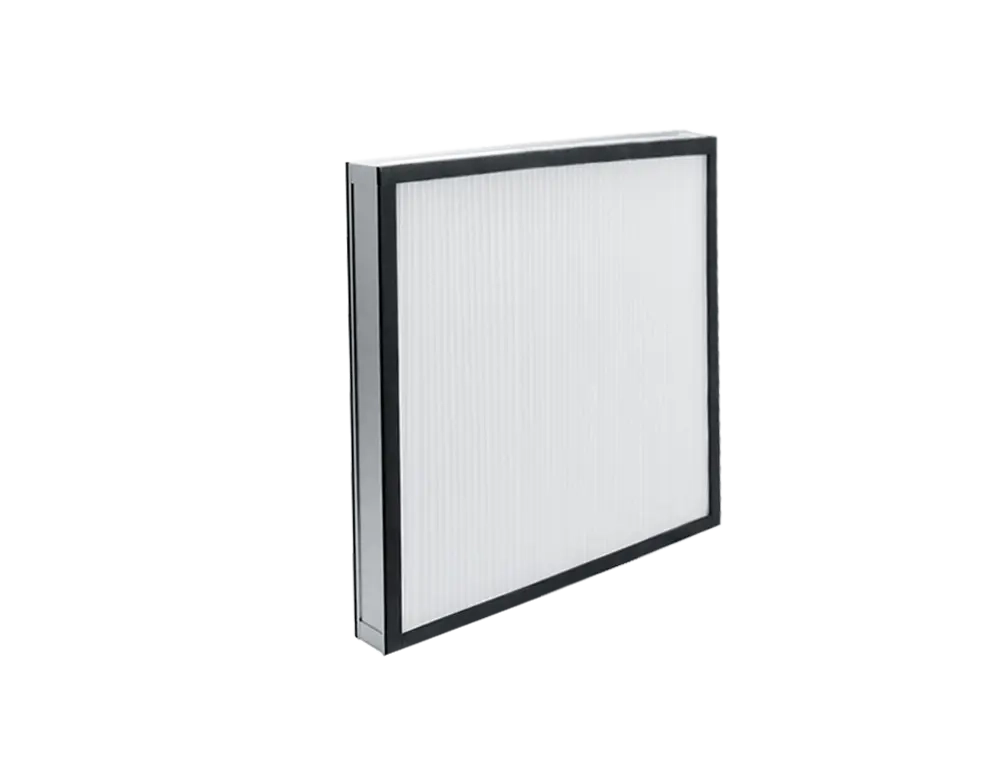
Medium-Efficiency Filter (F5–F9)
Precise PM2.5 Capture
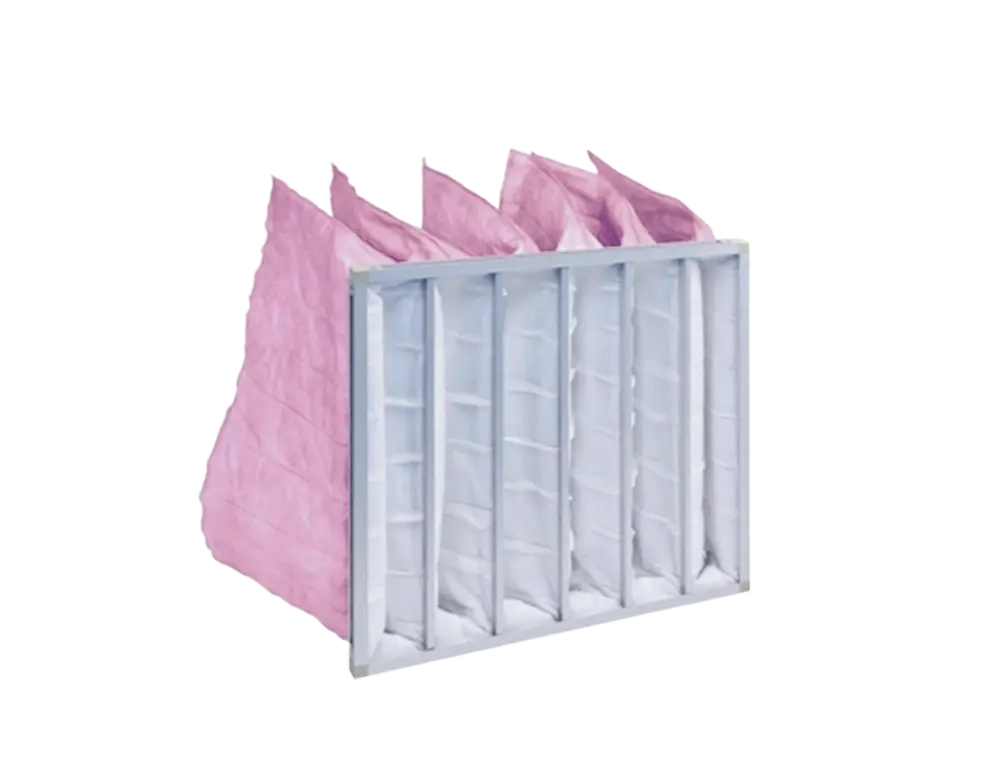
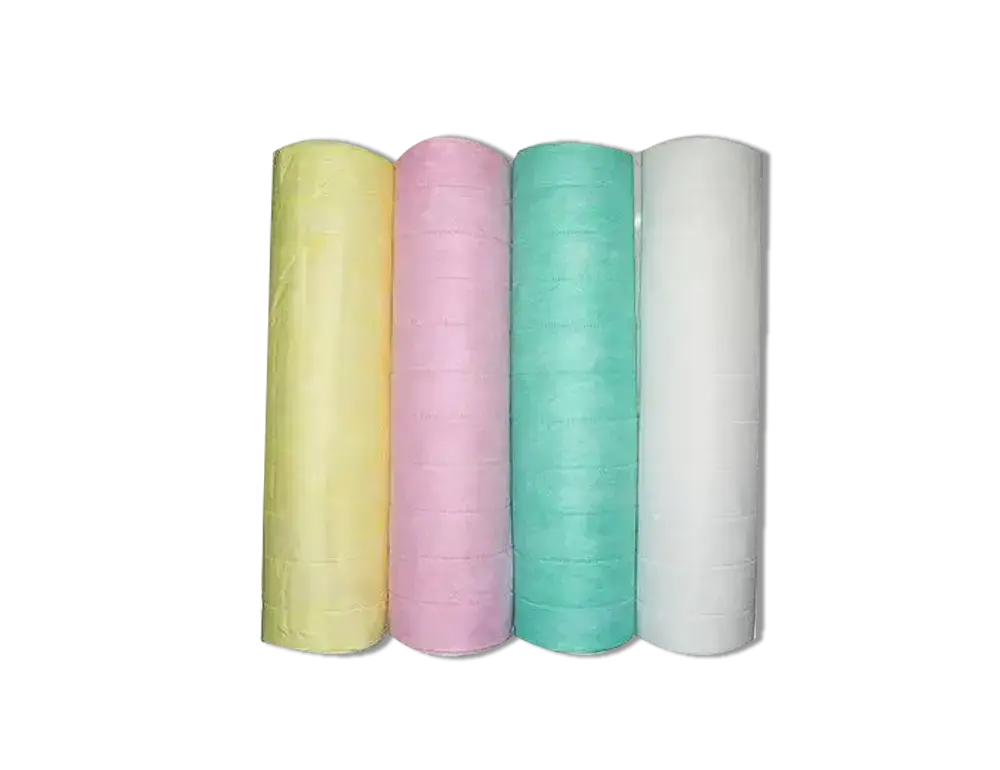
HEPA High-Efficiency Filter
Sterile-Grade Purification
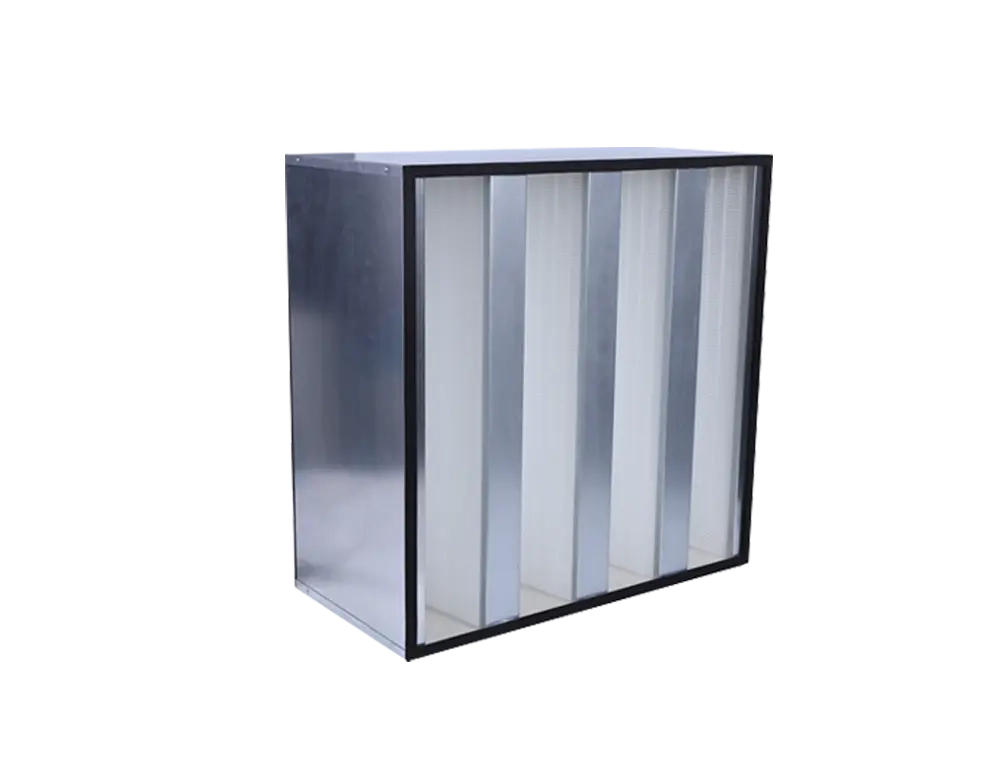
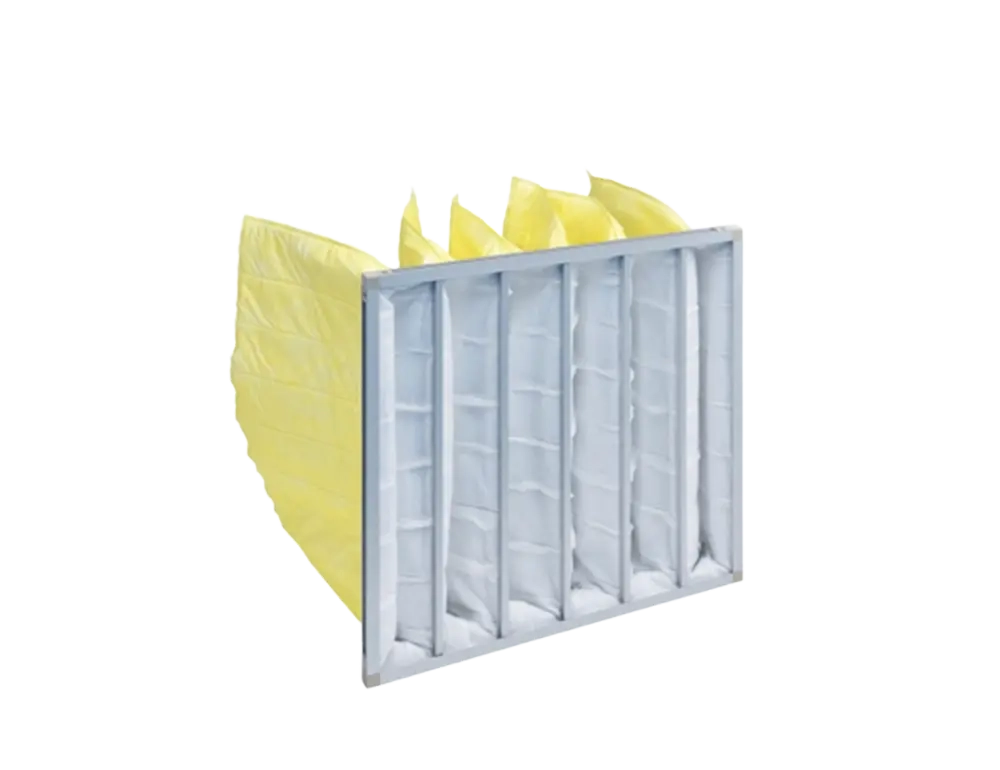
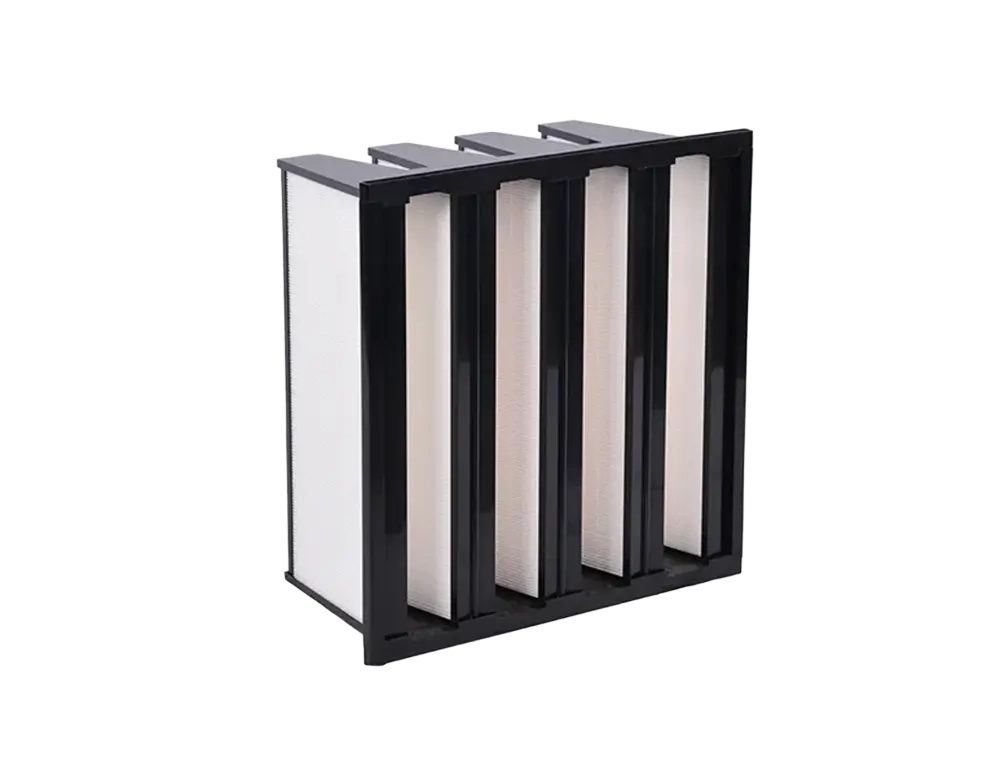
ULPA Ultra-High Efficiency Filter
Sub-Micron Particle Capture
First-Stage Large-Particle Capture
The first line of defense, capturing particles ≥5 μm such as dust, hair, and fibers to protect downstream filters and extend overall system service life.
View Related Products →Precise PM2.5 Capture
Captures fine particles of 1–5 μm including PM2.5, pollen, and mold spores, significantly improving indoor air quality for commercial HVAC and ventilation systems.
View Related Products →Sterile-Grade Purification
≥99.97% filtration efficiency for particles ≥0.3 μm, delivering sterile-grade clean air widely used in medical, pharmaceutical, and electronics manufacturing.
View Related Products →Sub-Micron Particle Capture
≥99.9995% efficiency for particles ≥0.12 μm, meeting the extreme cleanliness demands of semiconductor fabs, aerospace, and other ultra-precision applications.
View Related Products →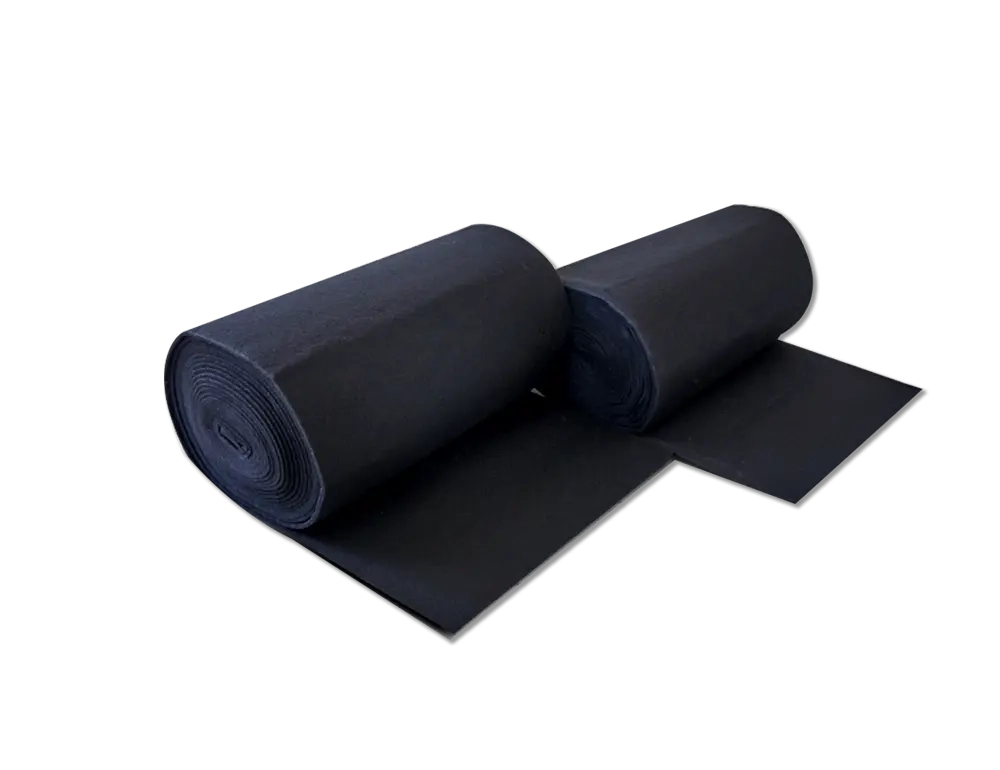
High-Temperature Resistant
Industrial-Grade Heat Tolerance
Washable & Reusable
Cut Costs, Reduce Waste
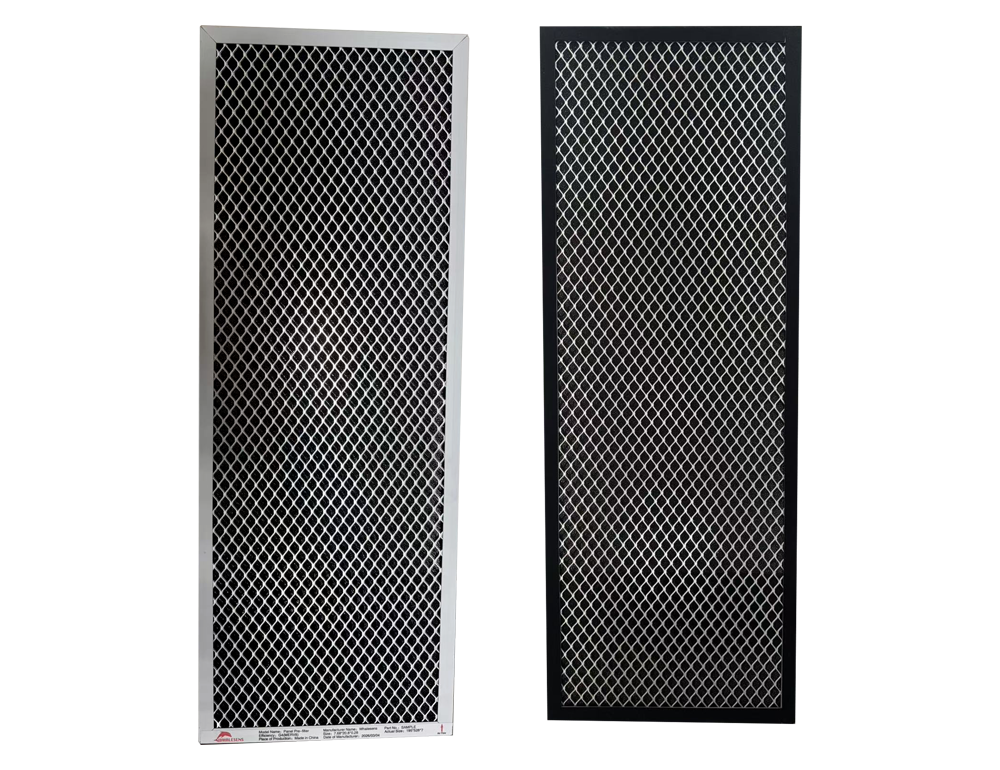
Activated Carbon
Odor & Harmful Gas Removal
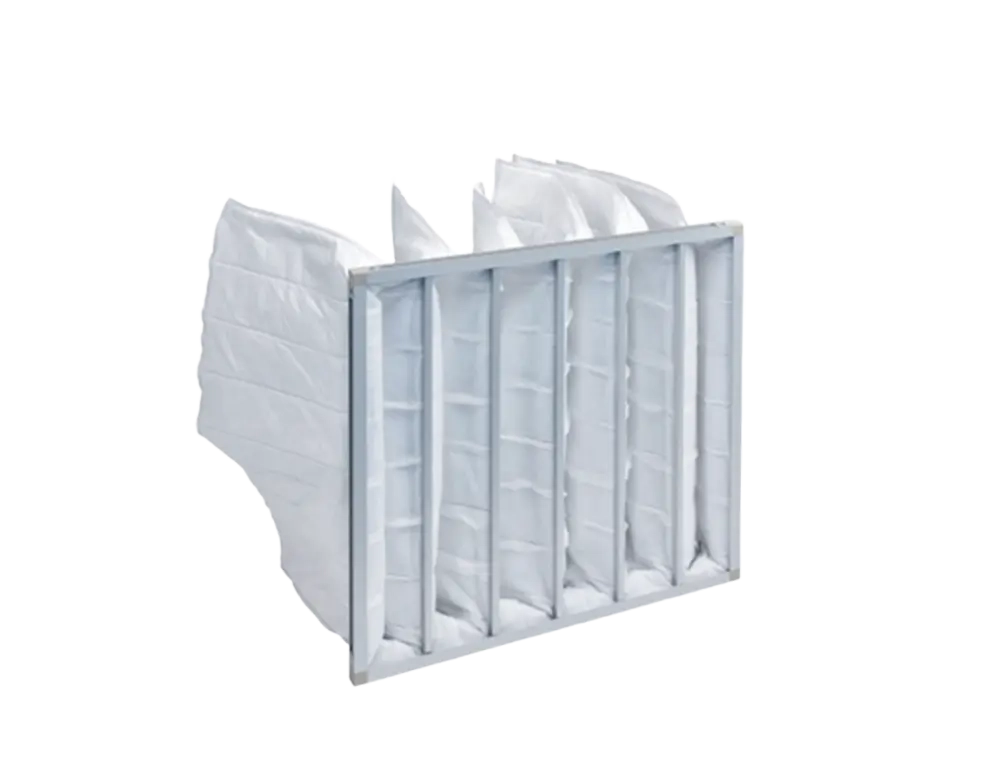
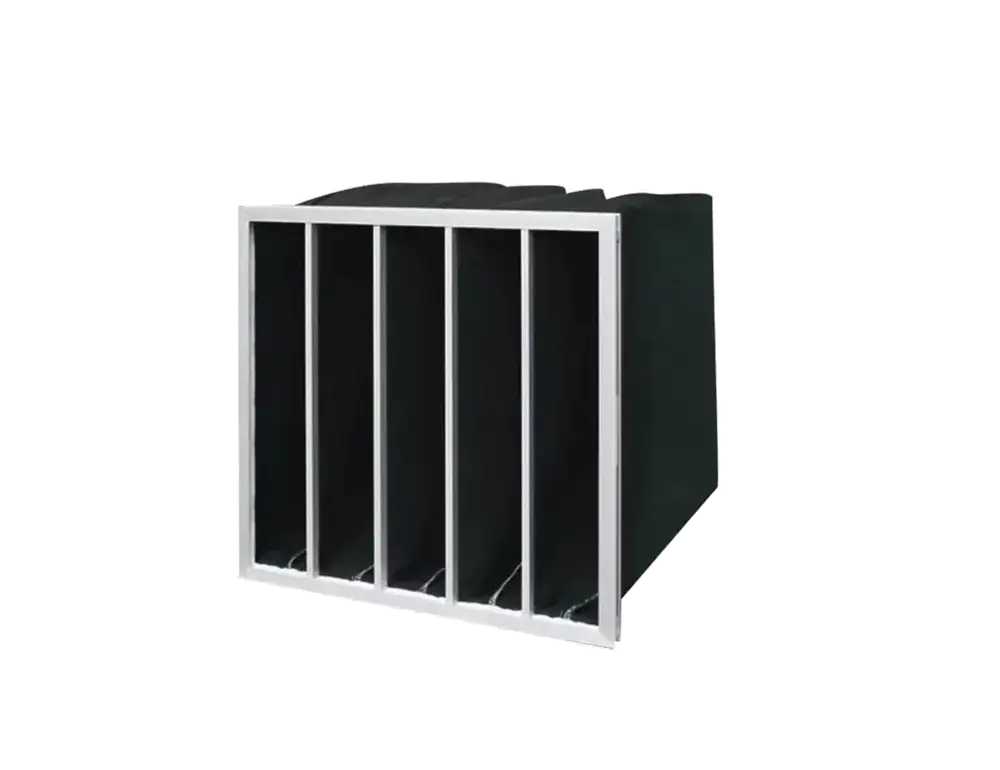
Bag Filter
High Dust-Holding, Long Life
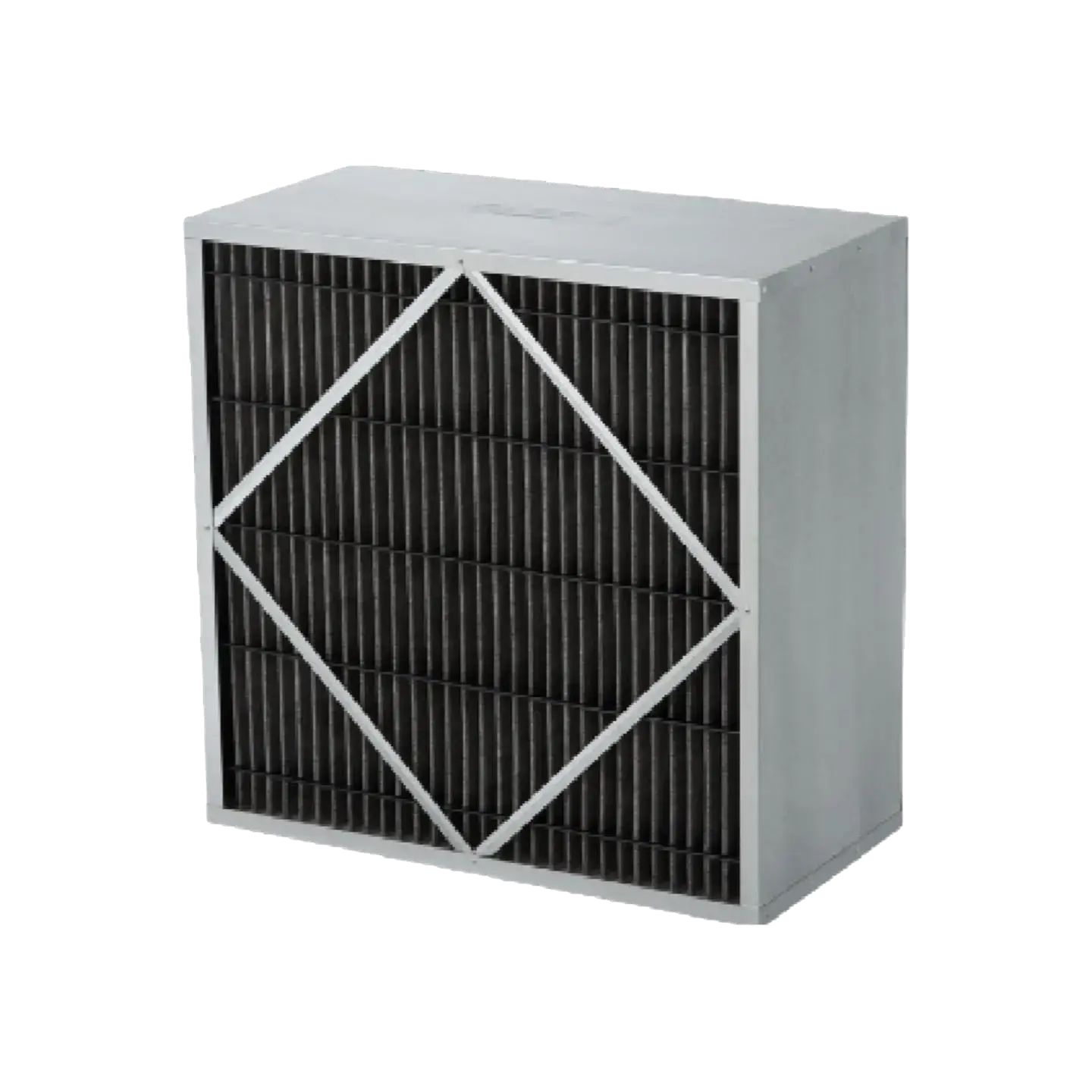
Panel / Pleated Filter
Compact Space-Saving Design
Low-Resistance Airflow
Energy-Saving Operation
Industrial-Grade Heat Tolerance
Built with specialized heat-resistant materials, operating stably up to 250°C for paint ovens, industrial dryers, and high-temperature process environments.
View Related Products →Cut Costs, Reduce Waste
Cleanable by water washing or air blowing, reusable multiple times to significantly reduce replacement frequency and O&M costs — an economical, eco-friendly choice.
View Related Products →Odor & Harmful Gas Removal
Leverages activated carbon's high adsorption capacity to eliminate odors, VOCs, and formaldehyde, ideal for newly renovated spaces and industrial exhaust treatment.
View Related Products →High Dust-Holding, Long Life
Bag-style construction delivers a larger filtration area, high dust-holding capacity, and extended service life — ideal for high-dust environments with reduced replacement frequency.
View Related Products →Compact Space-Saving Design
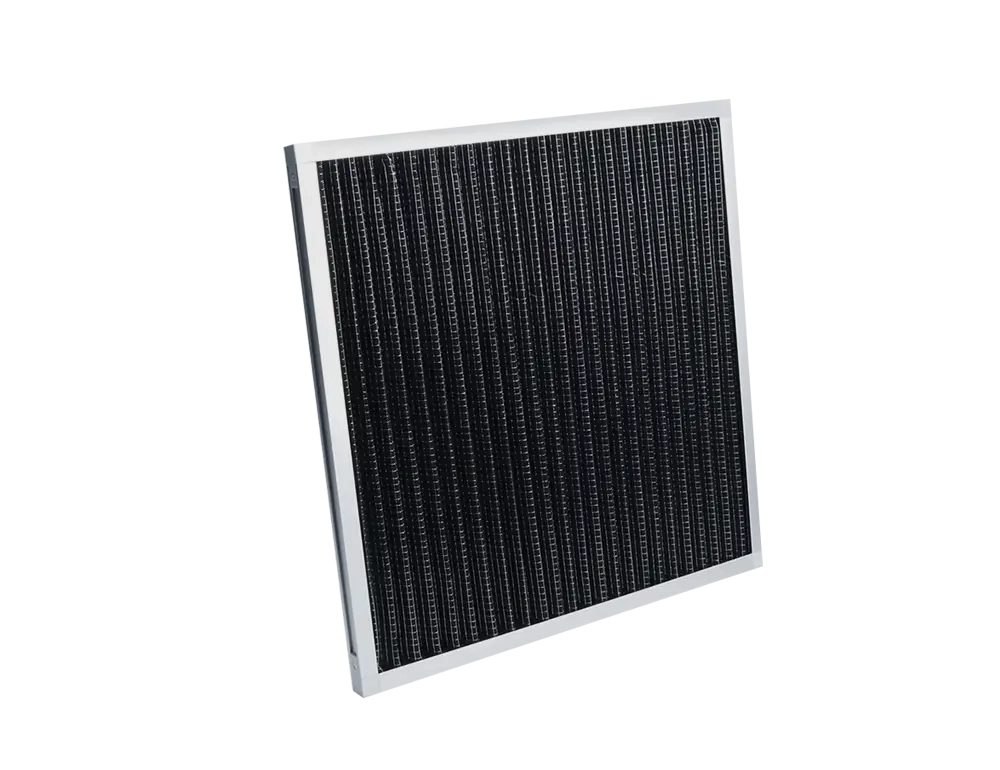
Compact form factor for easy installation and replacement; pleated structure maximizes filtration area within a small footprint for higher efficiency.
View Related Products →Energy-Saving Operation
Low-resistance design minimizes pressure drop while maintaining filtration performance, reducing fan energy consumption for cost-effective, eco-friendly operation.
View Related Products →
















 English(Global)
 简体中文
简体中文 Language




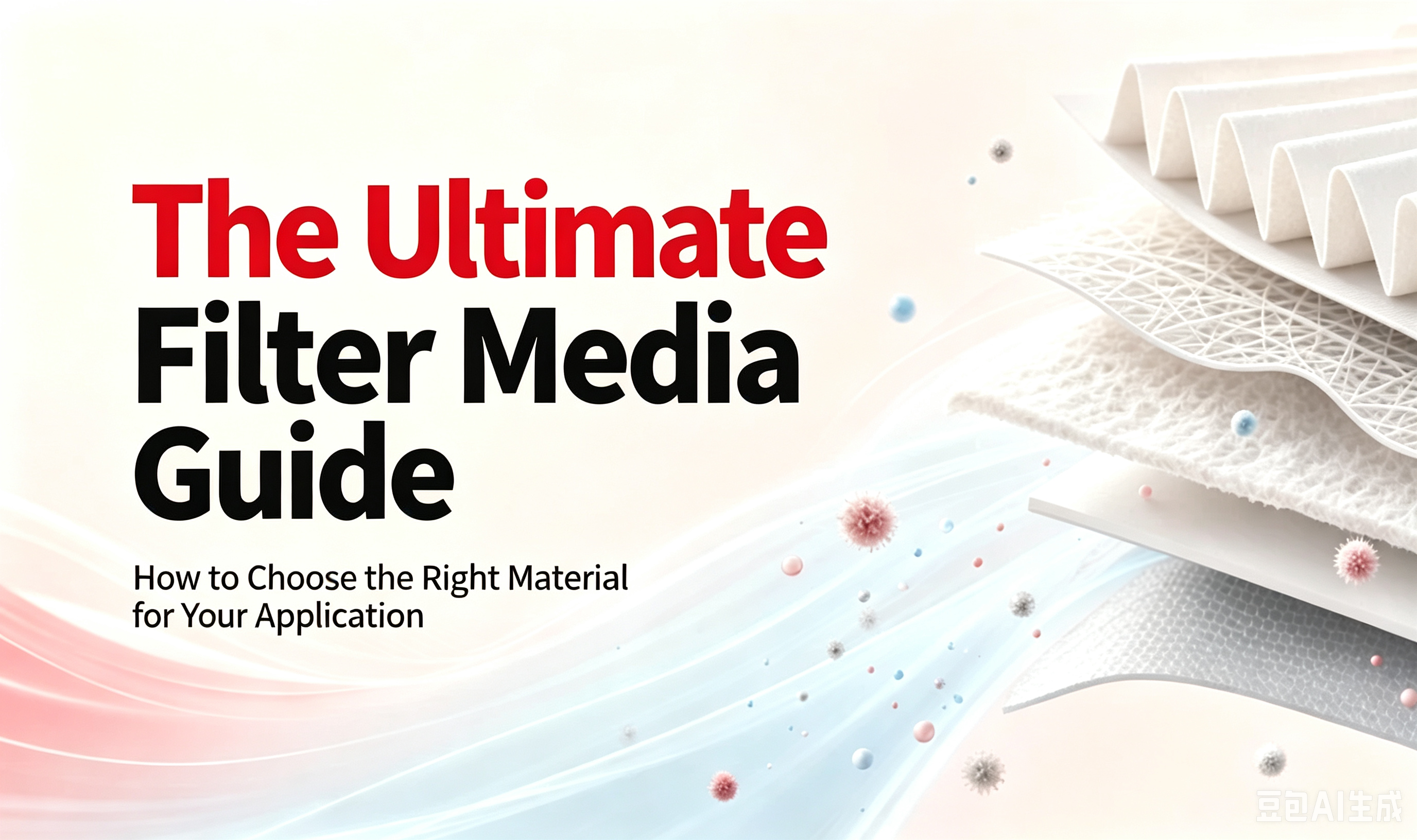
Complete Guide to Filter Media: From Coarse to HEPA – Everything You Need to Know
What exactly is the “filter media” in your HEPA air purifier, fresh air system, or industrial dust collector?
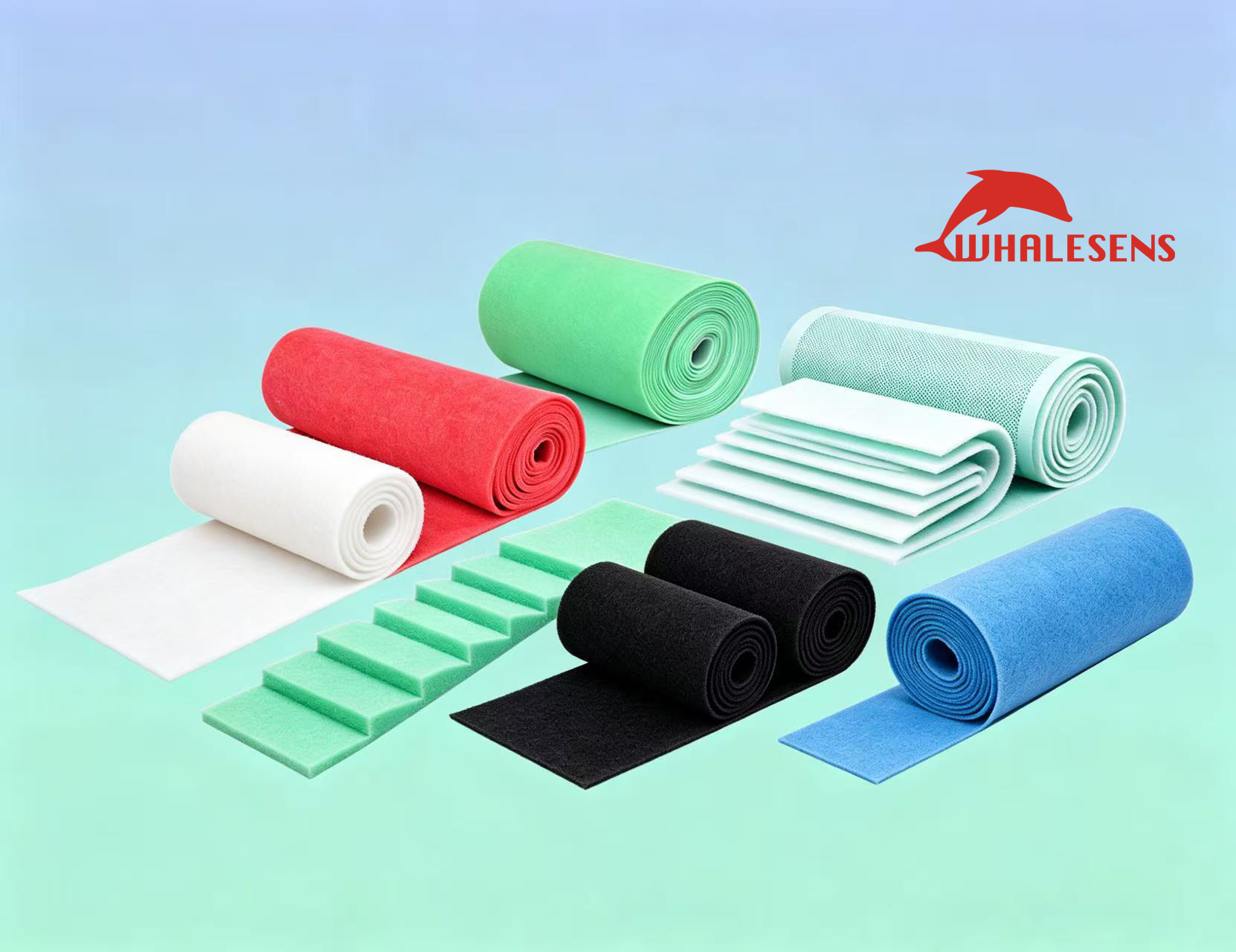
Abstract: Filter media is the most widely used basic filtration material in air handling systems. From the HEPA filter in a home air purifier to the coarse pre-filter in a fresh air system, to the paint arrestor in a spray booth – they come in different forms and serve different functions, but together they protect our respiratory health and production environments. This article systematically explains the classification of filter media (by efficiency, material, construction, and application), analyzes their working principles, key parameters, typical applications, and selection guidelines. It helps readers – from beginners to professionals – gain a comprehensive understanding of filter media and choose the right product for their home, office, or industrial facility.
1. What Is Filter Media?
1.1 Definition and Basic Function
Filter media refers to a material made of fibres (synthetic, glass, natural, etc.) that removes suspended particulate matter from air or gas through mechanisms such as physical interception, inertial impaction, and diffusion. It can be supplied as sheets, rolls, or pre-formed shapes, and is widely used in HVAC systems, air purifiers, industrial dust collection, automotive cabin air filters, paint spray booth protection, and many other applications.
1.2 Core Functions of Filter Media
Protect human health: Remove PM2.5, pollen, bacteria and other respirable particles.
Protect equipment: Prevent dust from entering machinery, reducing failure rates.
Protect processes: Ensure cleanliness in painting, pharmaceutical, and electronics manufacturing.
Protect the environment: Reduce particulate emissions from industrial sources.
2. Classification of Filter Media
Filter media can be classified by efficiency grade, material, construction, and application.
2.1 By Efficiency Grade
| Grade Category | Common Standards | Efficiency (for 0.3‑0.5 μm particles) | Typical Applications |
|---|---|---|---|
| Coarse (pre‑filter) | G1‑G4 (EN 779) / MERV 1‑8 | < 40% | AHU intakes, industrial pre‑filtration |
| Medium | F5‑F9 / MERV 9‑16 | 40‑95% | Commercial buildings, data centers, general hospital areas |
| Sub‑HEPA | E10‑E12 | 85‑99.5% | Pharmaceutical pre‑filtration, advanced cleanrooms |
| HEPA | H13‑H14 | ≥99.95% | Operating rooms, biosafety cabinets, electronics fabs |
| ULPA | U15‑U17 | ≥99.9995% | Semiconductor wafer fabs, nanotechnology |
Note: The “HEPA” commonly mentioned for home air purifiers is usually H11‑H13, sufficient for PM2.5, pollen, and bacteria.
2.2 By Filter Material
| Material | Characteristics | Typical Efficiency Range | Applications |
|---|---|---|---|
| Synthetic fibre (polyester/polypropylene) | High strength, moisture resistant, washable, good value | G3‑F9 | General HVAC, industrial dust collection |
| Glass fibre | High efficiency, temperature resistant, higher resistance | H13‑U17 | HEPA/ULPA filters |
| Activated carbon fibre or granules | Adsorbs gases and odours | — | Formaldehyde and odour removal |
| Nanofibre | Very high efficiency, very low resistance | F9‑H13 | Premium air purifiers |
| Natural fibre (cotton, wool) | Eco‑friendly, biodegradable | G1‑G3 | Simple, disposable applications |
| Metal fibre | High temperature resistant, washable | G1‑G4 | High‑temperature fumes, oil mist |
2.3 By Construction
| Construction | Description | Advantages | Disadvantages |
|---|---|---|---|
| Flat panel / sheet | Media laid flat, thin profile | Simple, low cost | Small filtration area, low dust‑holding capacity |
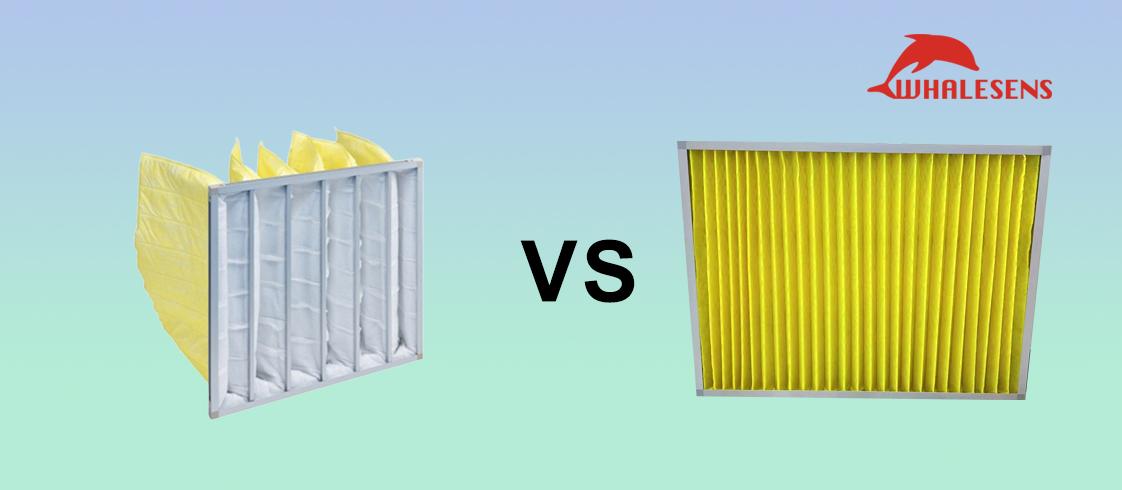
| Pleated | Media folded into pleats | Larger area, higher dust‑holding | Slightly higher resistance |
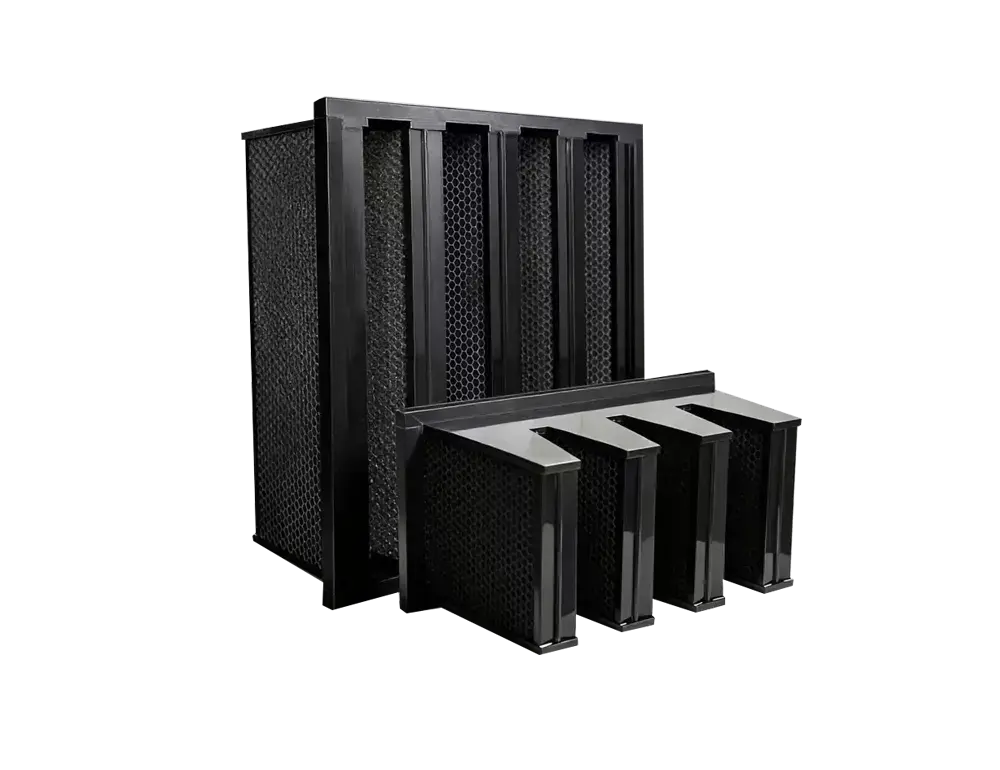
| Bag | Several bags in parallel | Very large area, long life | Bulky |
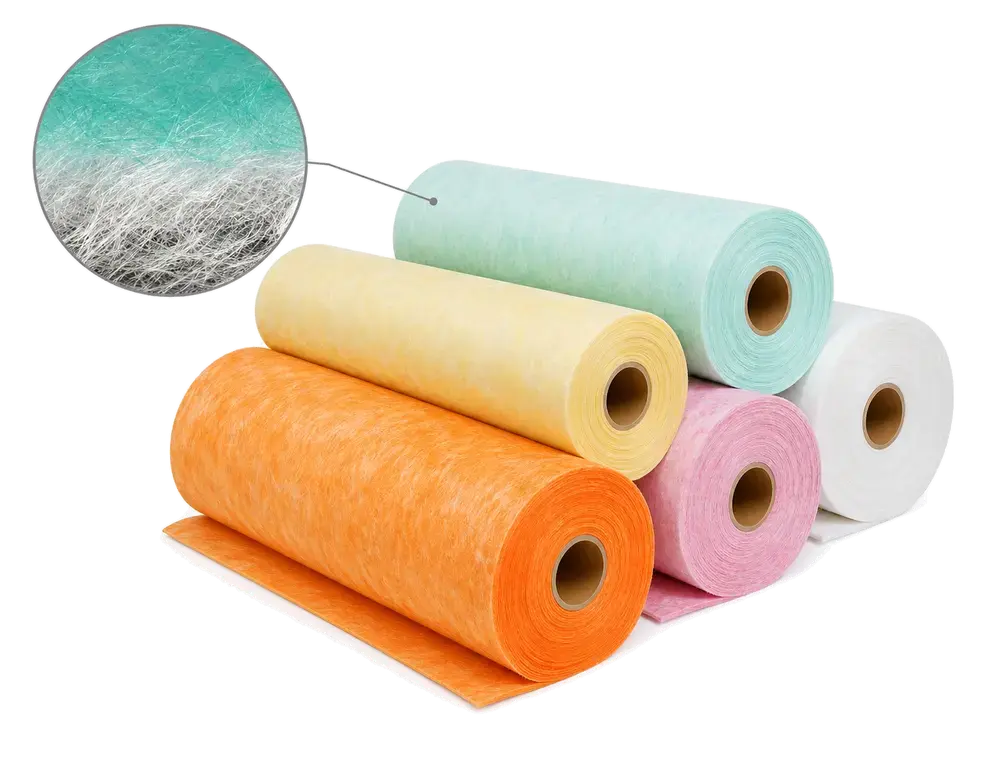
| Roll / roll media | Supplied as a roll, can be cut | Flexible for various sizes | Requires cutting and fixing |
| Moulded | Pre‑formed to shape | Precise fit | Higher custom cost |
2.4 By Application
| Category | Typical Products | Main Pollutants | Industries |
|---|---|---|---|
| HVAC filter media | Coarse panels, medium bags | Dust, pollen | Commercial buildings, airports, subways |
| Air purifier media | HEPA filters, activated carbon foam | PM2.5, formaldehyde, odours | Residential, automotive |
| Industrial dust collection | Cartridges, filter bags | Dust, fumes | Factories, mines |
| Spray booth filter media | Ceiling pads, floor pads, paint arrestors | Paint overspray, solvents | Automotive painting, furniture finishing |
| Agricultural / livestock media | Coarse filter media | Dust, microbes | Pig farms, poultry houses |
| EV charger / outdoor cabinet media | Dust‑prevention foam, flame‑retardant foam | Dust, salt spray | Outdoor enclosures, charging stations |
| Special function media | Flame‑retardant, antimicrobial, hydrophobic | Specific needs | Hospitals, laboratories |
3. Detailed Description of Common Filter Media Types
3.1 Coarse Filter Media (G1‑G4)
Materials: Synthetic fibres (polyester, polypropylene), non‑woven fabric, metal mesh, polyurethane foam.
Features:
Low filtration accuracy, mainly captures >5 μm coarse particles (dust, pollen, insects).
High dust‑holding capacity, low cost.
Washable types (metal mesh, some foams) can be reused.
Typical applications:
Fresh air intake pre‑filtration for AHUs.
Protective filtration for EV chargers and outdoor cabinets.
First stage in industrial ventilation systems.
Cleanroom pre‑filtration (protects downstream medium/high efficiency filters).
Selection tip: G4 is the best value for most commercial buildings. For dusty environments, choose bag‑type or washable media with higher dust‑holding capacity.
3.2 Medium Filter Media (F5‑F9)
Materials: Polyester, polypropylene, often with gradient density structure.
Features:
Good efficiency for 0.3‑5 μm particles (PM2.5 capture 50‑95%).
Moderate dust‑holding capacity, service life 6‑12 months.
Not washable – disposable.
Typical applications:
Main filtration in commercial building central HVAC.
Server protection in data centers.
General hospital wards, schools.
Pre‑filtration for pharmaceutical cleanrooms.
Selection tip: F7 for general commercial; F8‑F9 for higher requirements (e.g. hospitals).
3.3 HEPA Filter Media (H13‑H14)
Materials: Ultra‑fine glass fibre, PTFE membrane.
Features:
≥99.95% efficiency for 0.3 μm particles.
High resistance, high cost.
Usually pleated or box type.
Typical applications:
Operating rooms, ICUs.
Biosafety cabinets.
Sterile pharmaceutical production lines.
Semiconductor cleanrooms.
Selection tip: H13/H14 mandatory for medical and pharmaceutical use; for home air purifiers, H11‑H12 is sufficient.
3.4 Activated Carbon Filter Media
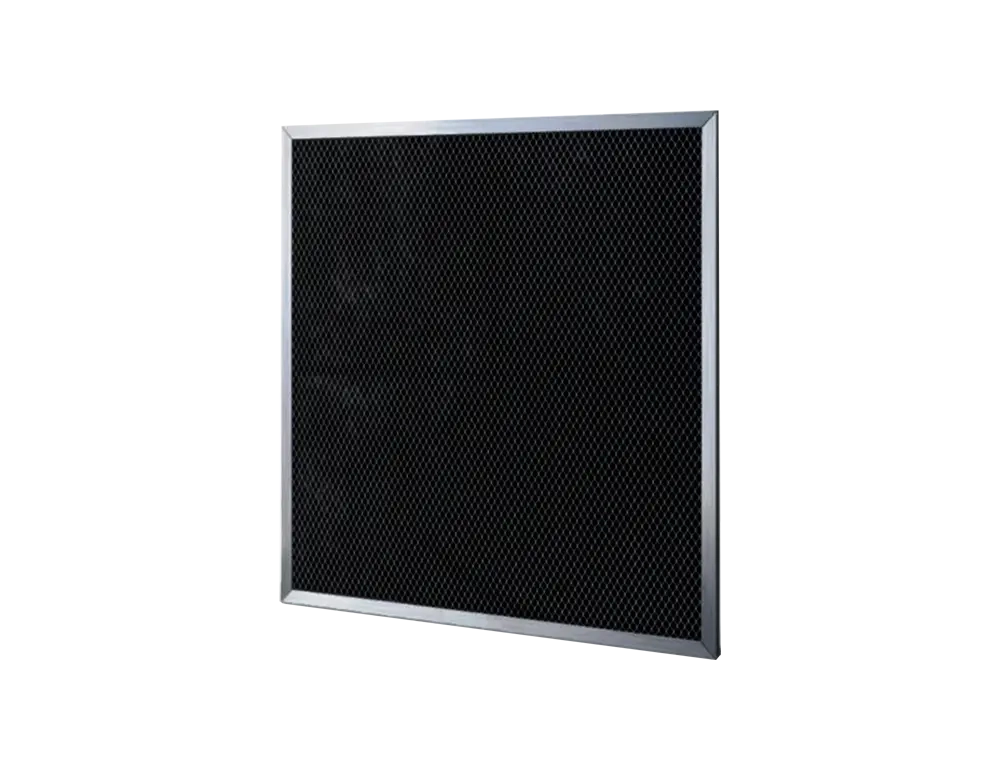
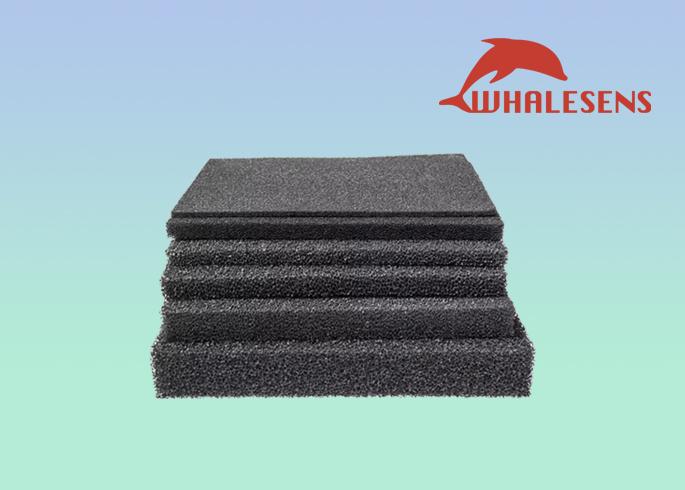
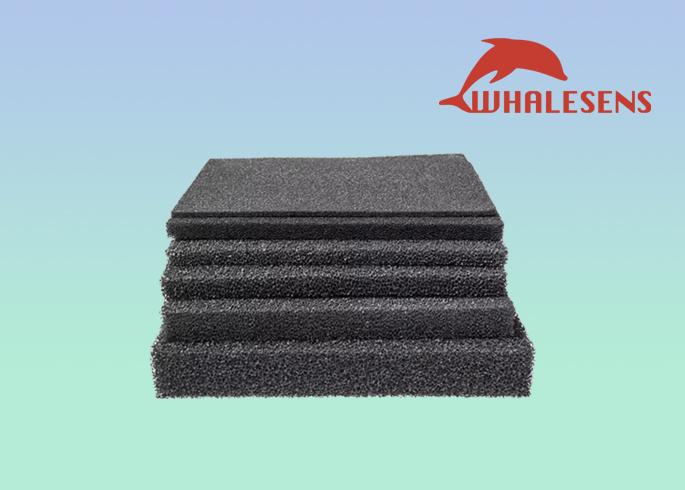
Materials: Polyurethane foam or synthetic fibre substrate loaded with coconut‑shell activated carbon granules.
Features:
Adsorbs formaldehyde, TVOC, odours, ozone, etc.
Does not remove particles (must be combined with HEPA).
Not washable – replace when saturated.
Applications: Air purifiers, fresh air systems, new home renovation odours, pet odour control.
Selection tip: Choose coconut‑shell carbon with iodine number ≥1000 mg/g. For targeted formaldehyde removal, select KMnO₄‑impregnated type.
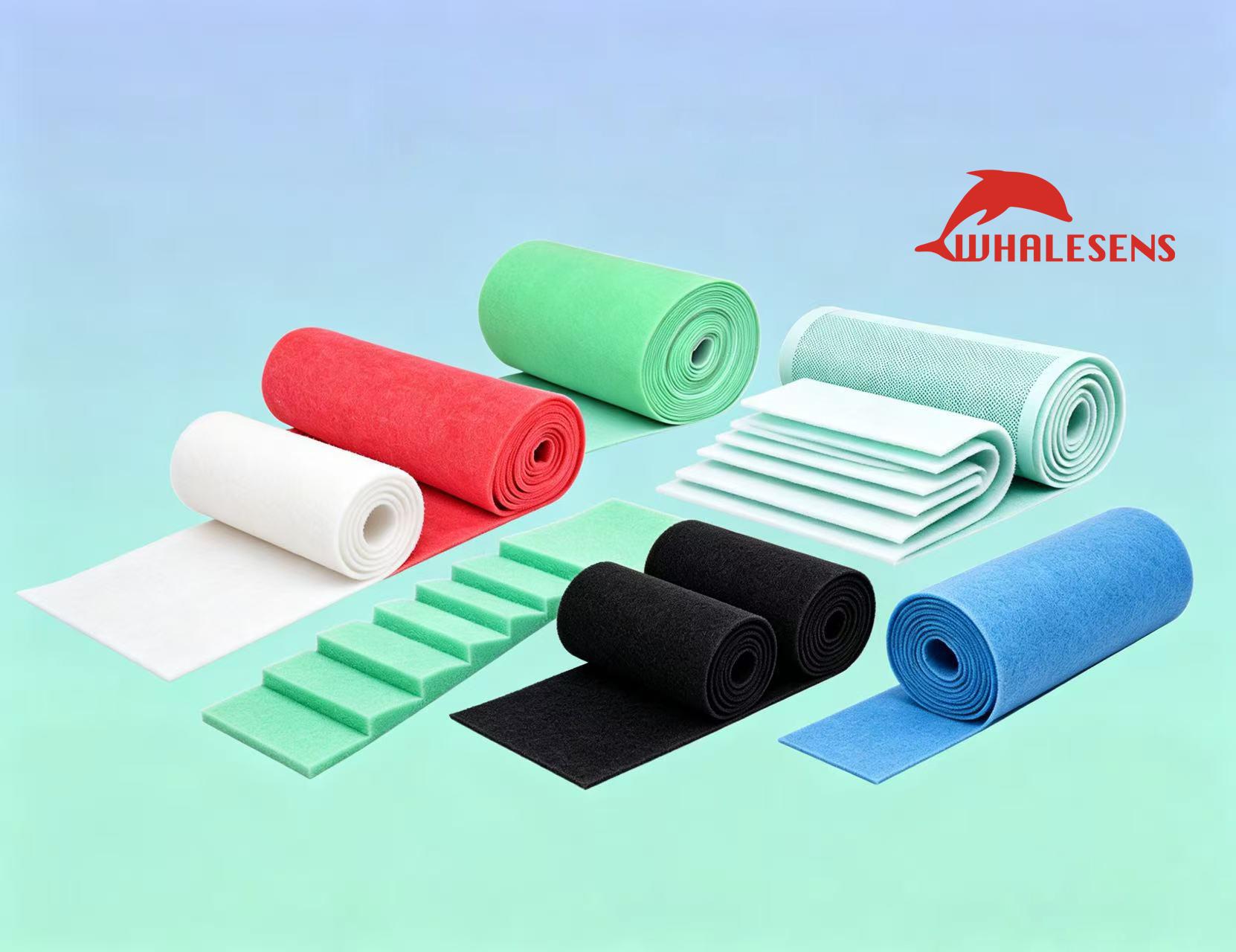
3.5 Spray Booth Filter Media (Paint Arrestor)
Materials: Dual‑layer structure – coarse upstream layer for large paint particles, fine downstream layer for fine particles.
Features:
High dust‑holding capacity, slow resistance rise.
Flame‑retardant (UL94 HF‑1 or UL900).
Usually supplied as rolls, cut to size.
Applications: Automotive painting, furniture finishing, industrial spray booths.
Selection tip: Choose thickness (typically 30‑50 mm) and efficiency based on booth airflow and paint load.
3.6 Flame‑Retardant Filter Media
Materials: Synthetic fibre or polyurethane foam with flame‑retardant additives.
Features:
Complies with UL94 HF‑1 or V‑0.
Self‑extinguishing, no melt drip.
Fire safety.
Applications: Data centers, EV chargers, hospitals, electronics factories, cleanrooms.
Selection tip: Always choose flame‑retardant types wherever electrical equipment is present or where people gather.
3.7 Washable Filter Media
Materials: Open‑cell polyurethane foam, metal mesh.
Features:
Can be cleaned by water rinse or vacuum, reusable.
Efficiency is usually low (G1‑G4).
Service life about 10‑20 wash cycles.
Applications: Industrial pre‑filtration, EV chargers, livestock farms, reusable applications.
Note: Must be completely dried after washing to prevent mould growth.
4. Key Performance Parameters of Filter Media
4.1 Filtration Efficiency
Arrestance (primarily for coarse filters): percentage of dust mass captured.
Counting efficiency (for medium and above): percentage of particles captured by count at a specified size.
MPPS efficiency (for HEPA/ULPA): efficiency at the Most Penetrating Particle Size, reflecting worst‑case performance.
4.2 Dust‑Holding Capacity (DHC)
The total mass of dust a filter can capture before reaching final resistance (grams). Higher DHC means longer service life.
| Type | Typical DHC (g/m²) | Reference replacement interval |
|---|---|---|
| Coarse panel G4 | 50‑100 | 1‑3 months |
| Coarse bag G4 | 400‑600 | 6‑12 months |
| Medium pleated F7 | 200‑300 | 6‑12 months |
| Medium bag F7 | 400‑600 | 12‑18 months |
| HEPA H13 | 100‑200 | 1‑3 years |
4.3 Initial Pressure Drop and Final Resistance
Initial pressure drop: Resistance of a clean filter (Pa) – lower is more energy‑efficient.
Final resistance: Recommended resistance at replacement – typically 2‑3× initial.
| Filter Type | Initial ΔP (Pa @ rated flow) |
|---|---|
| Coarse G4 panel | 30‑50 |
| Coarse G4 bag | 50‑80 |
| Medium F7 pleated | 60‑90 |
| Medium F7 bag | 80‑120 |
| HEPA H13 | 150‑300 |
4.4 Flame Retardancy Ratings
UL94 HF‑1: Flame retardancy for foam materials – applicable to filter media.
UL94 V‑0: Flame retardancy for rigid plastics.
UL900 Class 1: Highest flame‑retardant class for air filter units.
4.5 Other Parameters
Temperature resistance: Maximum continuous operating temperature (°C).
Humidity resistance: Maximum relative humidity (%).
Antimicrobial property: Whether treated to inhibit microbial growth.
Hydrophobicity: Water repellence for humid environments.
5. Filter Media Selection Guide
5.1 Selection Decision Tree
Start │ ├─ What is the main pollutant? │ ├─ Particles (dust, PM2.5, pollen) → continue │ └─ Gases (formaldehyde, odours) → choose activated carbon media │ ├─ End use environment? │ ├─ Home air purifier → H11‑H13 HEPA + activated carbon │ ├─ Commercial HVAC system → G4 coarse + F7 medium │ ├─ Industrial dust collection → cartridge/bag (high DHC) │ ├─ Spray booth → dedicated paint arrestor media │ ├─ Outdoor cabinet / EV charger → G4 washable or flame‑retardant foam │ └─ Hospital operating room → H13/H14 HEPA │ ├─ Special requirements? │ ├─ Flame retardancy → choose UL94 HF‑1 or UL900 certified │ ├─ Washable → choose polyurethane foam or metal mesh │ ├─ Water resistance → hydrophobic synthetic fibre │ └─ Antimicrobial → antimicrobial coated media │ └─ Installation space? ├─ Tight → choose pleated or panel └─ Ample → choose bag (highest DHC).
5.2 Recommended Configurations by Application
| Application | Recommended Media Type | Recommended Grade | Recommended Construction | Special Requirement |
|---|---|---|---|---|
| Home air purifier | HEPA + activated carbon | H11‑H13 | Pleated | Low noise |
| Fresh air system | Coarse + medium | G4+F7 | Panel/pleated | Low ΔP |
| Office central HVAC | Coarse + medium | G4+F7 | Bag | Long life |
| Data center | Medium | F7‑F8 | Pleated | Low ΔP, flame‑retardant |
| Hospital operating room | HEPA | H13‑H14 | Box | Scanning leak test |
| Automotive paint booth | Paint arrestor | — | Roll/sheet | Flame‑retardant, high DHC |
| EV charger / outdoor cabinet | Coarse | G4 | Washable foam | Flame‑retardant, water‑resistant |
| Pig farm | Coarse + medium | G4+F7 | Washable + bag | Ammonia‑corrosion resistant |
| Laboratory fume hood | HEPA | H13‑H14 | Box | Chemical‑resistant |
5.3 Common Selection Mistakes
| Misconception | Reality |
|---|---|
| More expensive is always better | Choose based on actual need; over‑filtration wastes energy. |
| Coarse filters are not important | They protect expensive downstream filters and extend system life. |
| HEPA does everything | HEPA does not remove formaldehyde or odours; combine with activated carbon. |
| Washable media lasts forever | Efficiency drops after 10‑20 wash cycles; eventually must be replaced. |
| Thicker is always better | Excess thickness adds resistance; must match fan capability. |
6. Maintenance and Replacement of Filter Media
6.1 Replacement Interval Reference
| Type | Environment | Recommended Replacement Interval |
|---|---|---|
| Coarse panel G4 | Urban office | 3‑6 months |
| Coarse bag G4 | Mall / hospital | 6‑12 months |
| Medium bag F7 | Office building | 12‑18 months |
| HEPA H13 | Cleanroom | 1‑3 years (based on ΔP) |
| Activated carbon media | Newly renovated home | 3‑6 months |
| Paint arrestor | Auto paint booth | 1‑3 months |
6.2 How to Judge When to Replace
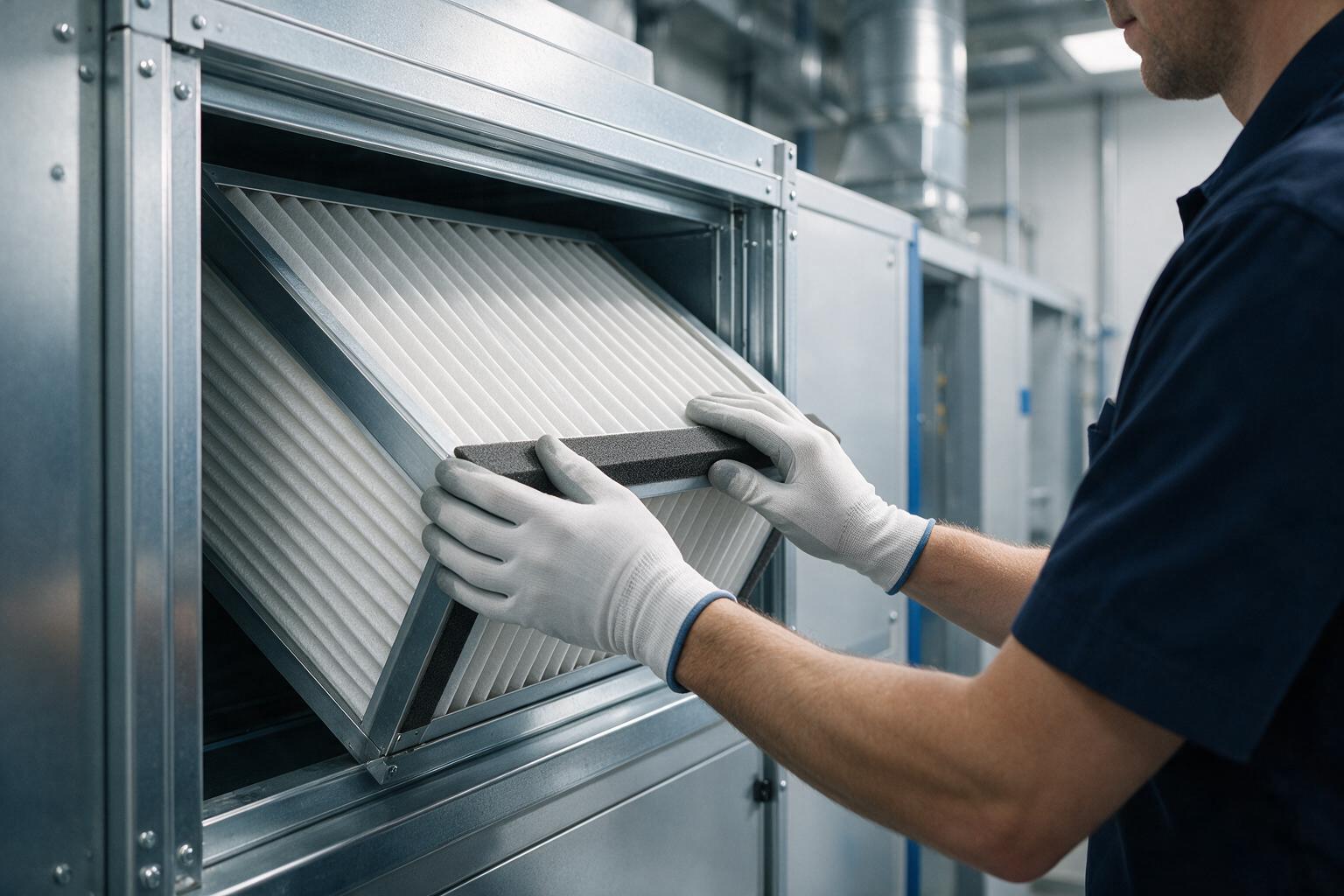
Most scientific: Install a pressure gauge; replace when ΔP reaches 2‑3× initial.
Most visual: Heavy dust loading, discolouration, or damage.
Sensory: Odour breakthrough (activated carbon), noticeable airflow reduction.
6.3 Maintenance of Washable Media
Cleaning: Low‑pressure water rinse or vacuum; do not use high‑pressure washer or brush.
Drying: Allow to dry completely before reinstalling; wet media promotes mould.
Number of washes: Replace after about 20 washes; efficiency degrades significantly.
6.4 Replacement Precautions
Turn off power and stop the equipment.
Record initial pressure drop of the new media.
Check that the gasket is intact and seals properly.
Dispose of used media according to local environmental regulations.
7. Quick Reference of Industry Standards
| Standard | Title | Scope |
|---|---|---|
| ISO 16890 | Air filters for general ventilation | International standard for G4‑F9 |
| EN 1822 | HEPA/ULPA filters | European standard for H10‑U17 |
| ASHRAE 52.2 | General ventilation air‑cleaning devices | North America, MERV 1‑16 |
| GB/T 14295 | Air filters | Chinese national standard |
| UL94 | Flammability of plastic materials | Flame ratings |
| UL900 | Flame resistance of air filter units | Filter flame rating |
Tip: When purchasing filter media, ask the supplier for test reports from accredited laboratories to confirm the claimed efficiency grade.
8. Future Trends in Filter Media Technology
Nanofibre media: Electrospun nanofibres achieve high efficiency at very low pressure drop.
Biodegradable eco‑media: Natural fibres and biodegradable polymers to reduce waste.
Smart filter media: Integrated sensors to monitor pressure drop, temperature, humidity, and connect to IoT.
Multi‑functional composites: Particle filtration + gas adsorption + antimicrobial coating in one layer.
Long‑life washable media: Advanced polyurethane foams that maintain efficiency after many wash cycles.
9. Frequently Asked Questions (FAQ)
Q1: Can HEPA filter media be washed? A: Most HEPA media cannot be washed – water destroys the fibre structure, causing a drastic drop in efficiency. Only products explicitly labelled “washable” may be cleaned.
Q2: How do I know when activated carbon media is saturated? A: When you can smell odours at the outlet, or when a formaldehyde meter shows rising levels again, the carbon is saturated and must be replaced.
Q3: Can coarse filter media replace medium media? A: No. Coarse media has almost no effect on PM2.5; it only captures large particles. Multi‑stage filtration must be used as designed.
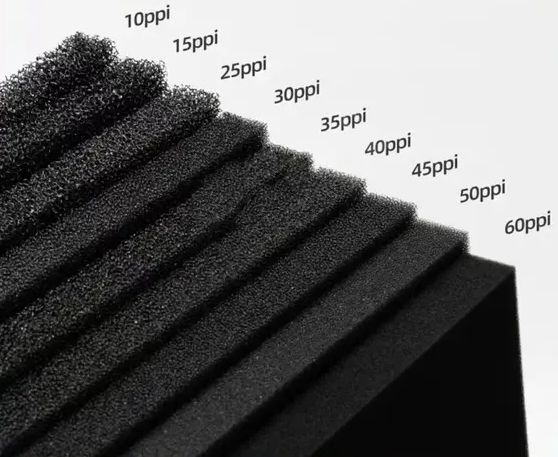
Q4: What does PPI mean for foam media? A: PPI stands for Pores Per Inch. Higher PPI means finer pores, higher efficiency, but also higher airflow resistance.
Q5: Why do two similar filter media products have very different prices? A: Differences can come from: carbon type and iodine value, fibre fineness, substrate quality, flame‑retardant certification, brand, and antimicrobial treatments.
Q6: Can I cut filter media myself? A: Yes. Use a sharp utility knife and a straight edge. Avoid squeezing too hard to prevent fibre damage. Seal cut edges with tape if needed to prevent shedding.
Q7: How often should I replace the HEPA filter in my home air purifier? A: Typically every 6‑12 months, or when the purifier gives a replacement alert. It depends on usage frequency and local air pollution level.
Q8: Can I replace the filter media in my fresh air system myself? A: Yes. Most fresh air systems are designed for user‑replaceable filters. Be sure to buy the same size and efficiency grade.
10. Conclusion
Filter media may seem small, but it is the first line of defence for air quality. From homes to factories, from data centers to operating rooms, every piece of filter media works silently to intercept invisible threats. Understanding the classification, parameters, and selection methods will help you buy the right product and scientifically enjoy the health and peace of mind that clean air brings.
Action checklist:
- ✅ Determine the required efficiency grade based on your application (coarse / medium / HEPA / activated carbon).
- ✅ Pay attention to key parameters: efficiency, dust‑holding capacity, pressure drop, flame rating.
- ✅ Prefer products with accredited test reports.
- ✅ Establish a regular replacement schedule – don’t try to use it forever.
- ✅ Consult professional suppliers for selection assistance when needed.
About WhaleSense Technology
Whalesens Technology Co., Ltd. (Whalesens) is a research‑driven, manufacturing‑based company integrating R&D, production, and sales of filter media and air filters. As an innovator in the air purification industry, we produce filter media and filters across the entire value chain, offering professional and reliable air filtration solutions for data centers, new energy vehicle charging infrastructure (Whalesense WSE‑S Series), spray booths and industrial dust collection, medical and healthcare, and general industrial applications.
Our Core Strengths
✅ Original factory, quality controlled – From raw media to finished products, in‑house production ensures consistency and quality.
✅ Full product portfolio – Coarse/medium/HEPA filter media; coarse/medium/HEPA air filters; V‑bank compact filters; HEPA/ULPA ultra‑high efficiency filters; activated carbon filter media and filters; and custom non‑standard products.
✅ Scenario‑specific solutions – Low‑pressure drop and corrosion control for data centers; WSE‑S series for EV chargers; paint arrestors for spray booths; high‑dust‑holding media for industrial dust collection; HEPA/ULPA for medical cleanrooms.
✅ Flexible customisation – PPI (10‑60), thickness (5‑20 mm or custom), size, impregnation treatments all customisable.
✅ Certified performance – Products tested to ISO 16890, EN 1822, UL94 HF‑1, UL900, and other international standards.
Contact Us
Website: www.whalesens.com
Email: whalesens@gmail.com
WhatsApp: +86 131 1918 9886
We welcome your inquiries and offer selection consulting and sample testing.
Need a custom air filtration solution?
Contact the Whalesens engineering team for product selection and OEM/ODM support.
Email whalesens@gmail.com