


EV Charging Stations
Filtration for Power Equipment
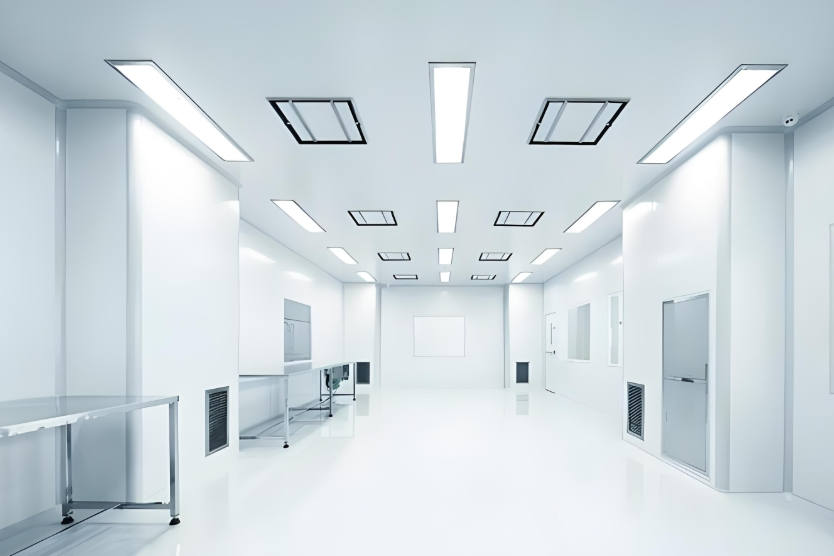
Cleanroom & Semiconductor
Ultra-High Cleanliness Filtration
Commercial HVAC
Central Air System Filtration
Data Centers
Precision Equipment Protection
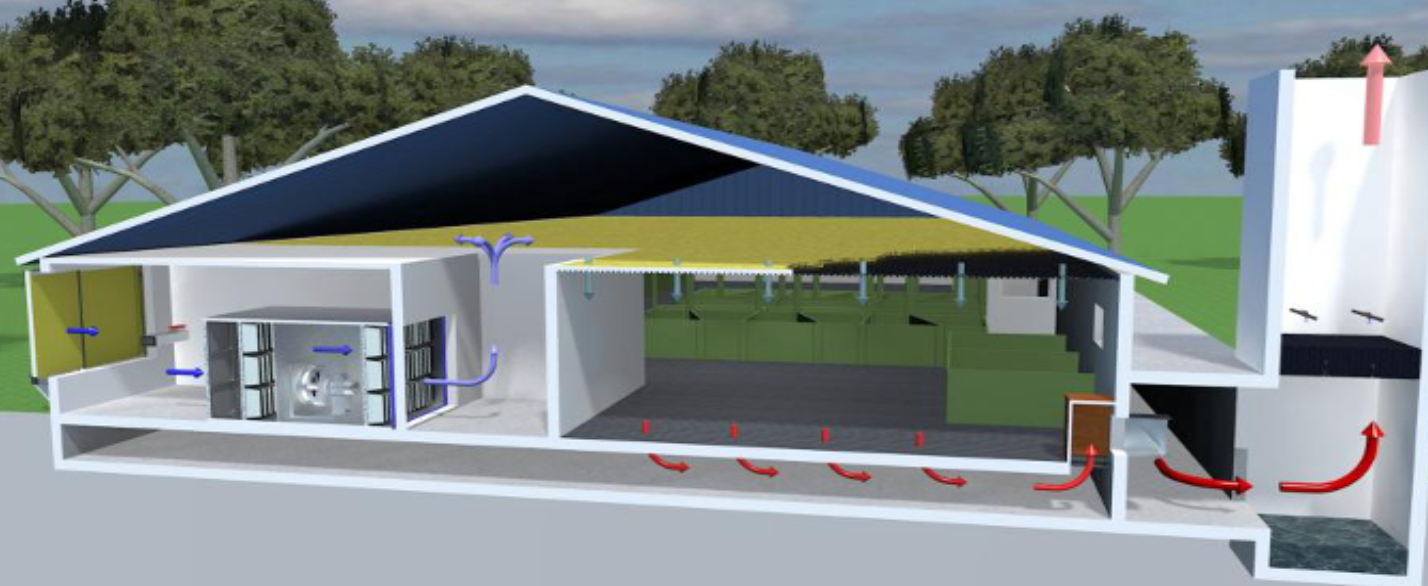
Livestock & Farming
Farming Environment Purification
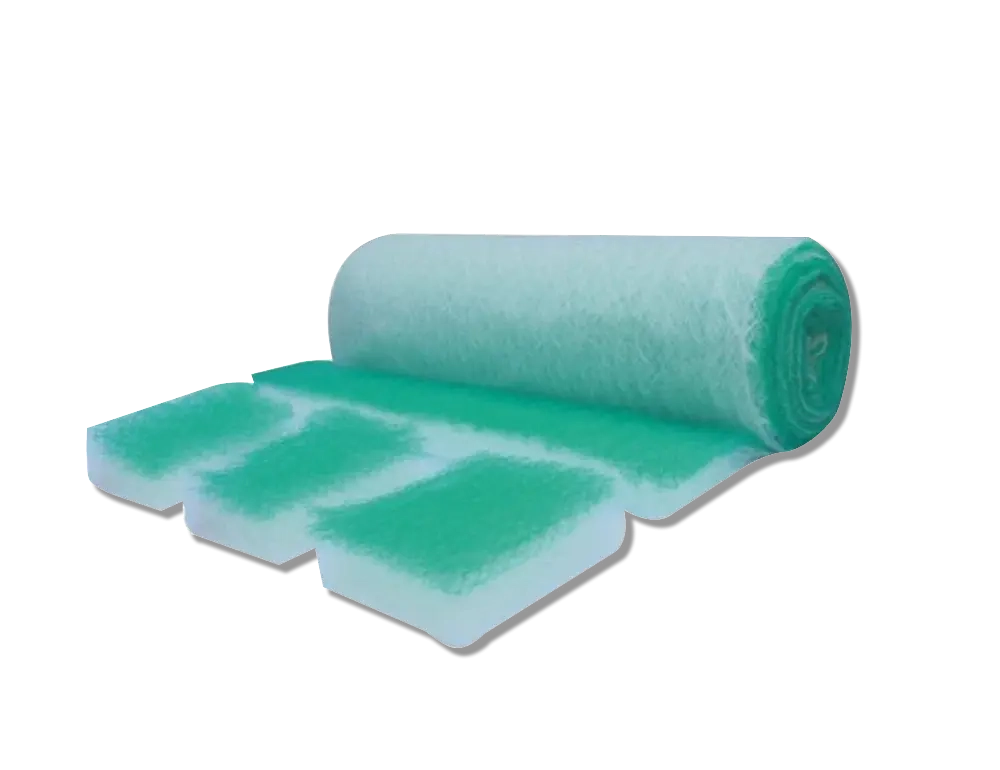
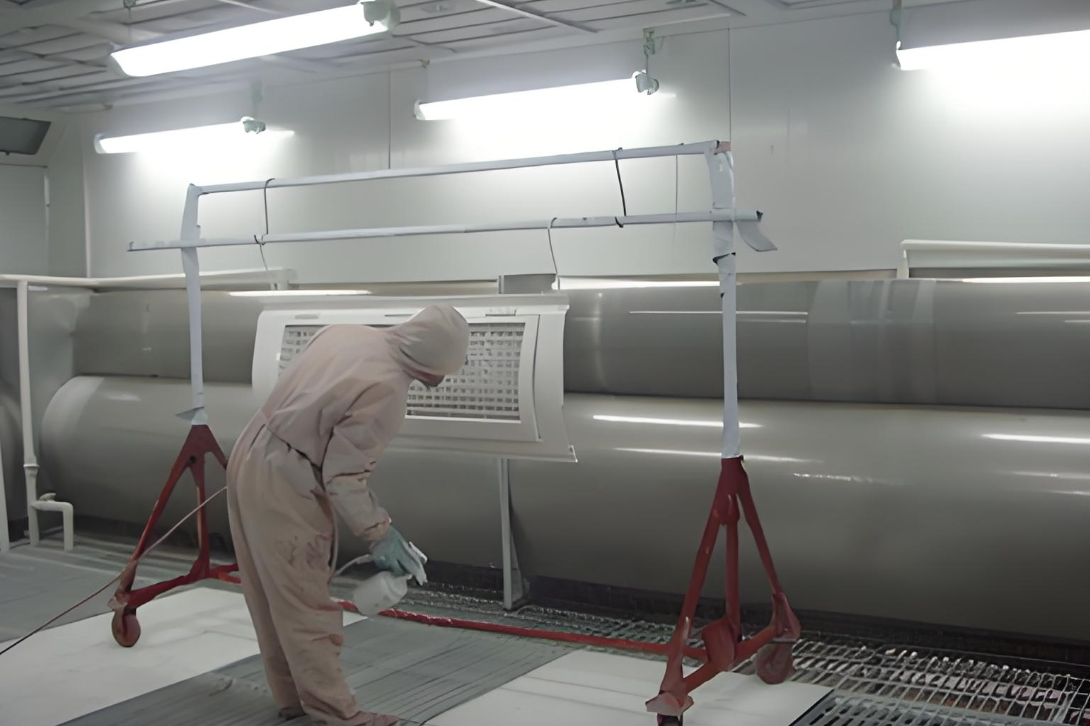
Spray Booths & Industrial Dust
Paint Mist & Dust Purification
Filtration for Power Equipment
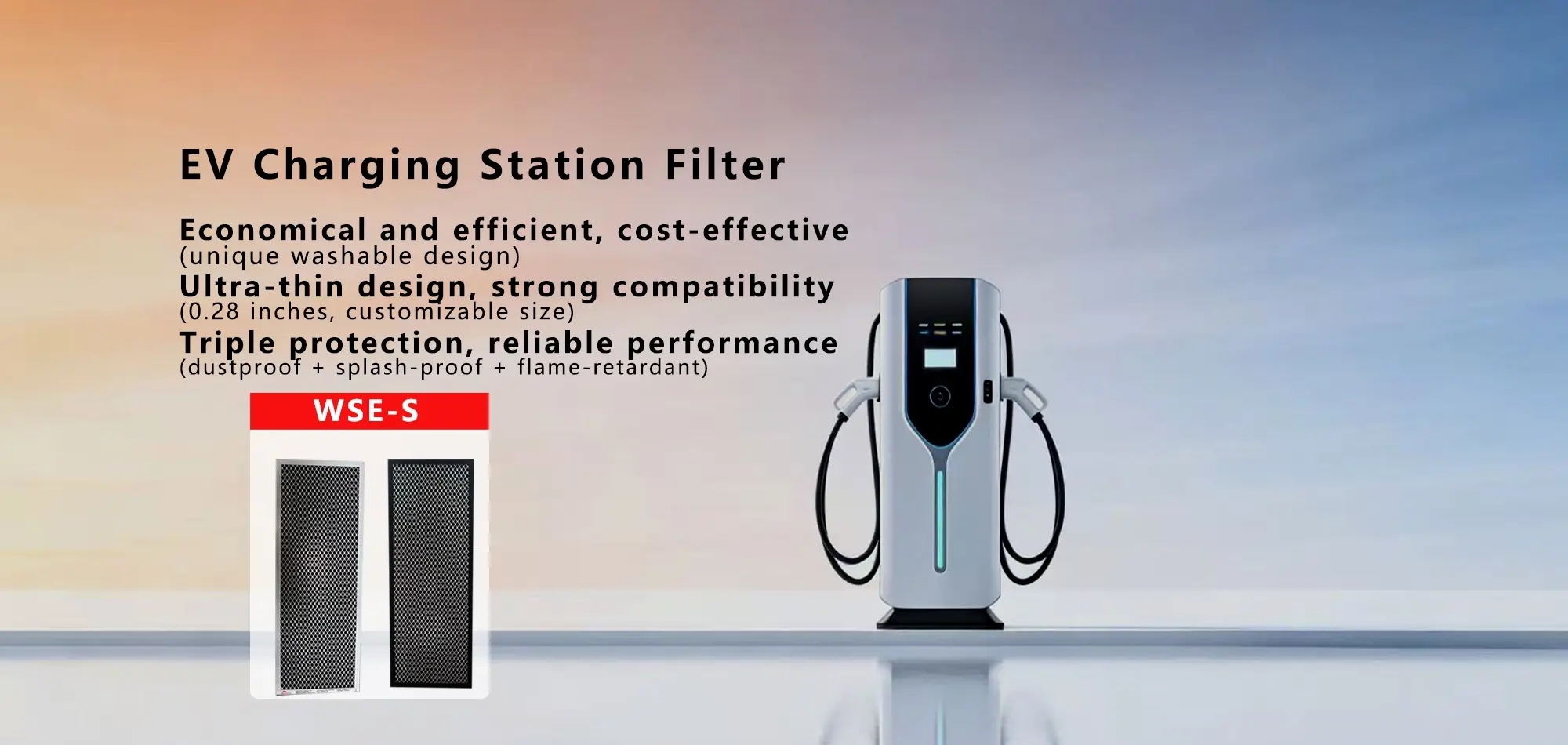
Professional air filtration for EV charging devices, protecting against dust and sand ingress to ensure stable, reliable operation of charging piles and station infrastructure.
View Related Products →Ultra-High Cleanliness Filtration
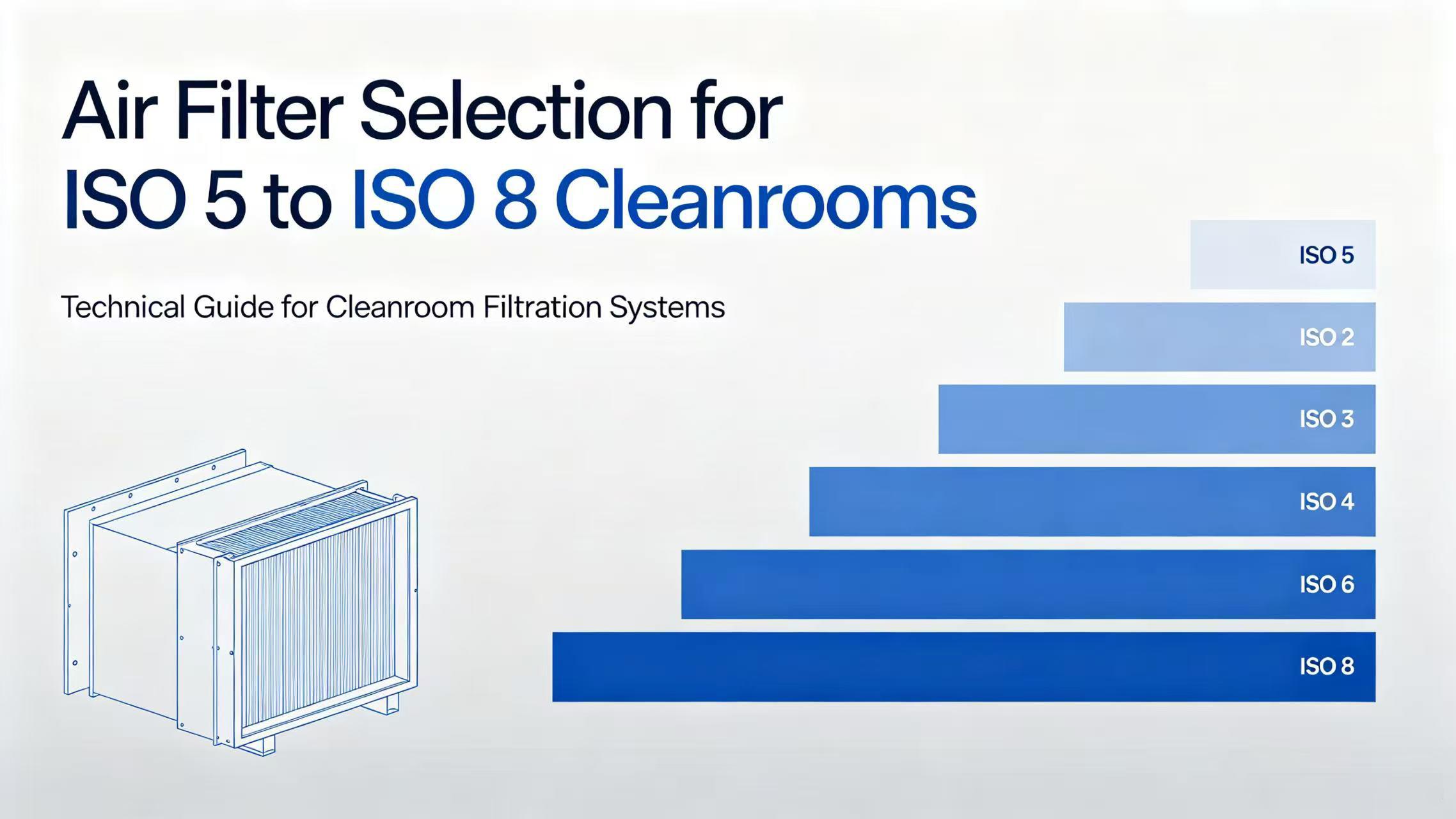
Ultra-high efficiency filtration for semiconductor wafer fabs and precision electronics cleanrooms, capturing nano-scale particles to meet ISO Class 1–3 standards and maximize product yield.
View Related Products →Central Air System Filtration
High-efficiency filtration for commercial building HVAC systems, improving indoor air quality, reducing energy consumption, and extending equipment service life.
View Related Products →Precision Equipment Protection
Precision air filtration for data centers, shielding servers and critical hardware from dust contamination to keep cooling systems running efficiently and reliably.
View Related Products →Farming Environment Purification
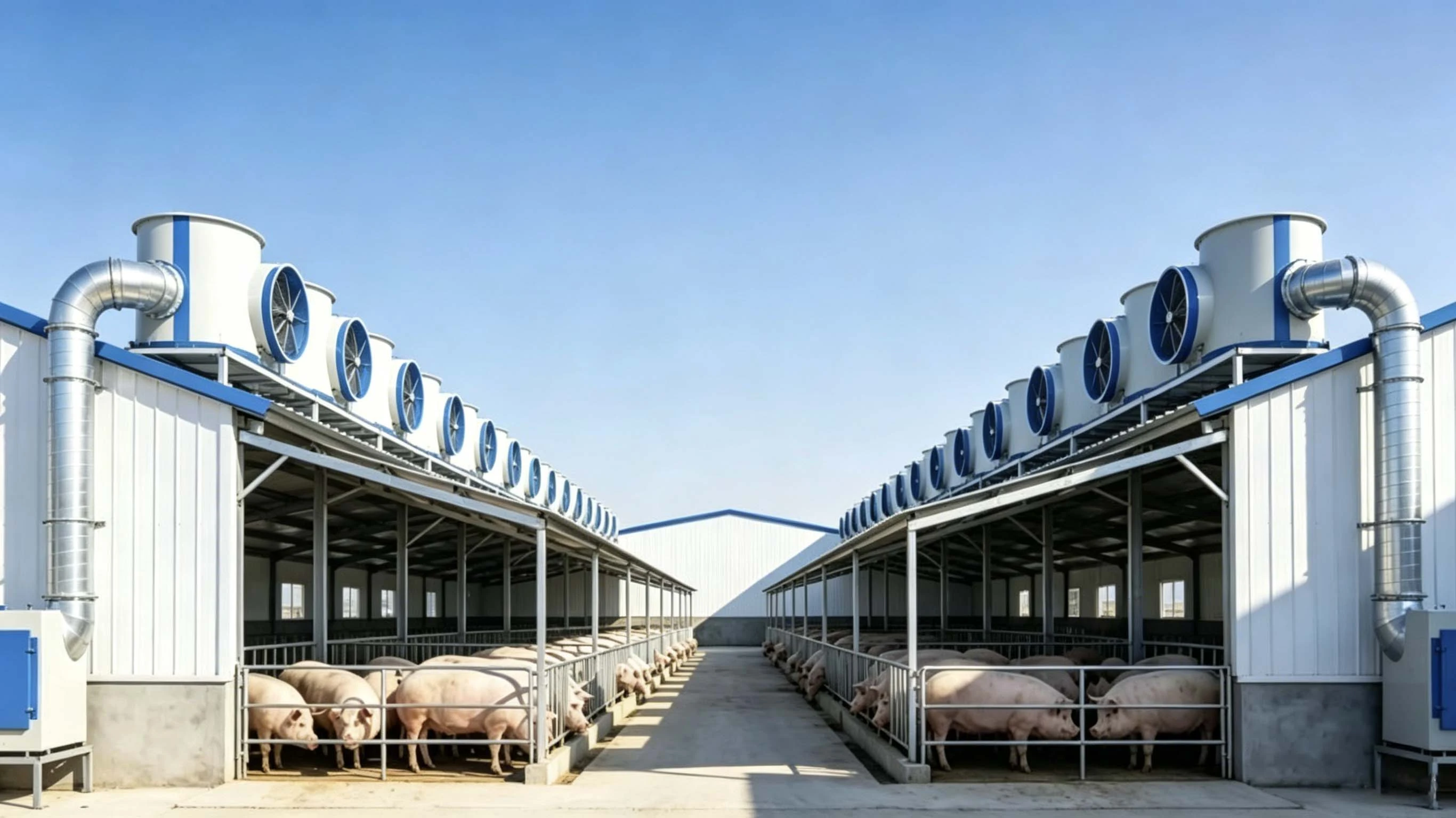
Dedicated filtration systems for farms and livestock facilities — capturing dust, adsorbing ammonia, and inhibiting pathogen spread to improve animal health and overall productivity.
View Related Products →Paint Mist & Dust Purification
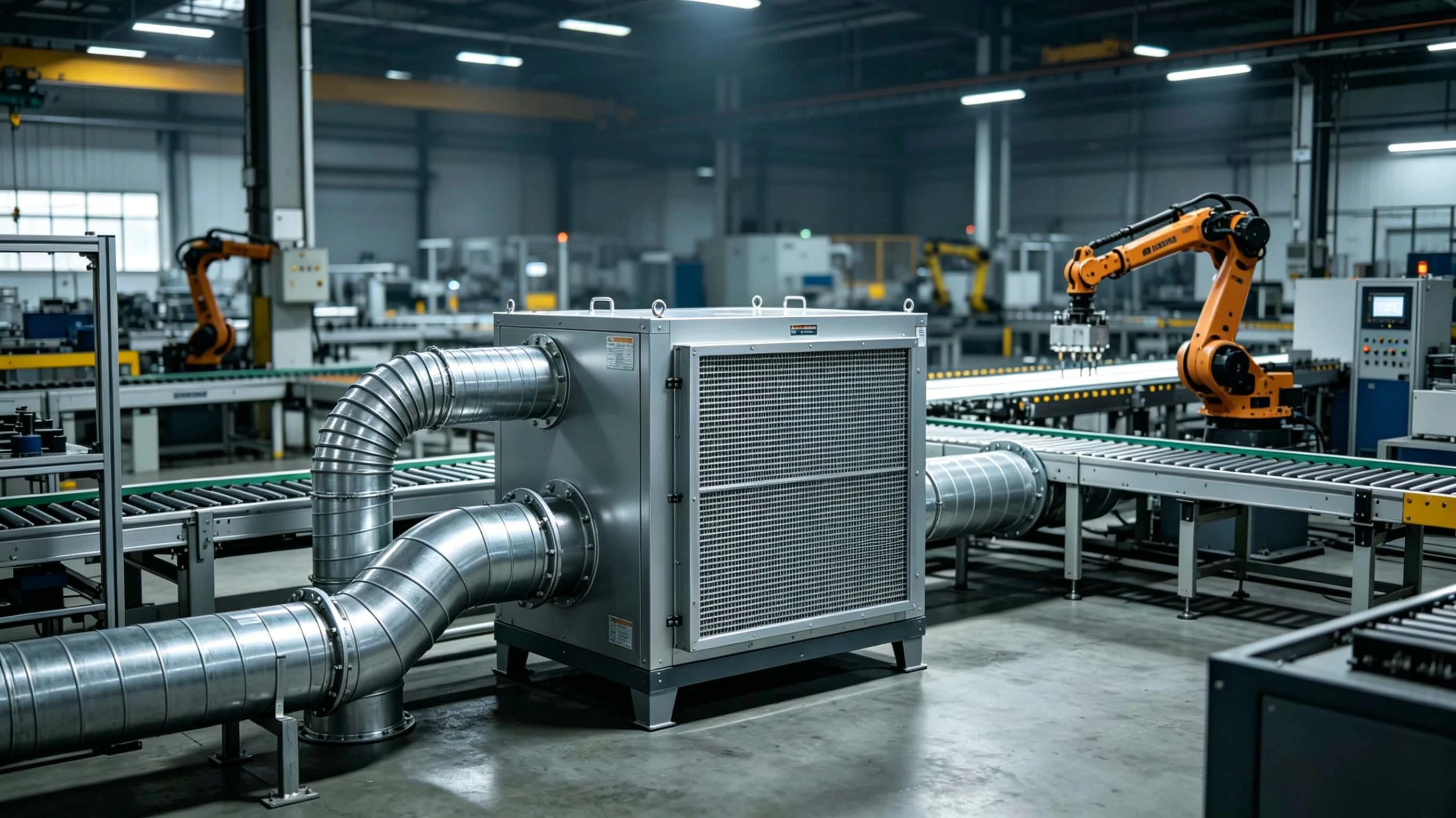
Designed for spray booths and grinding workshops, efficiently capturing paint mist, metal dust, and wood chips to meet emission standards while protecting finished surface quality.
View Related Products →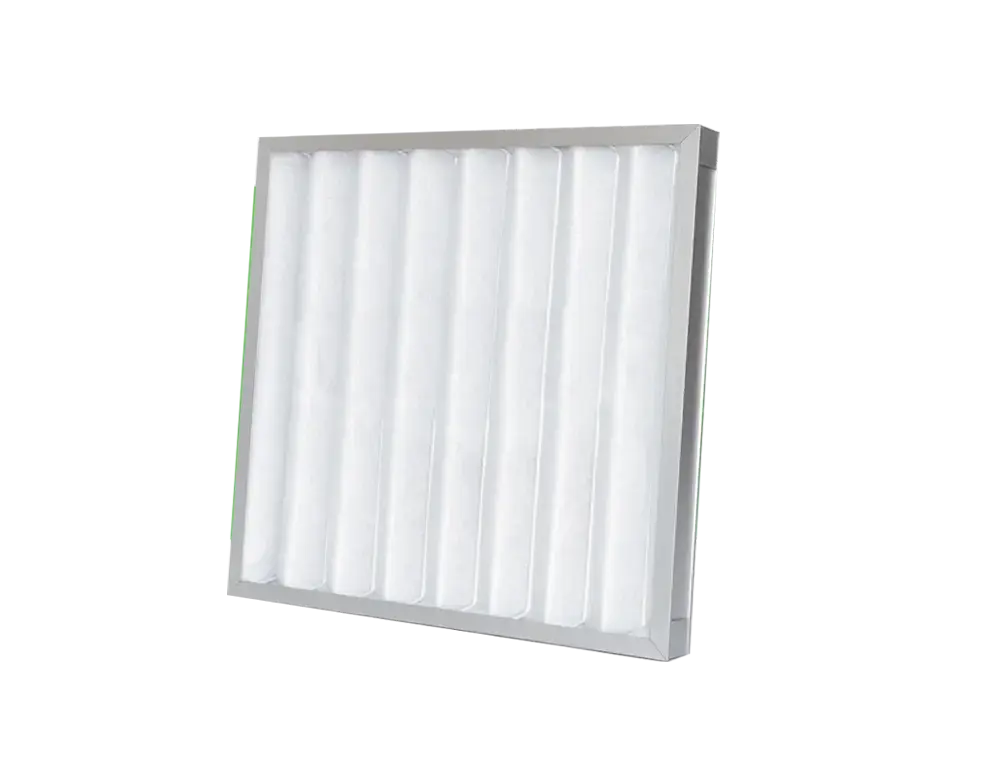
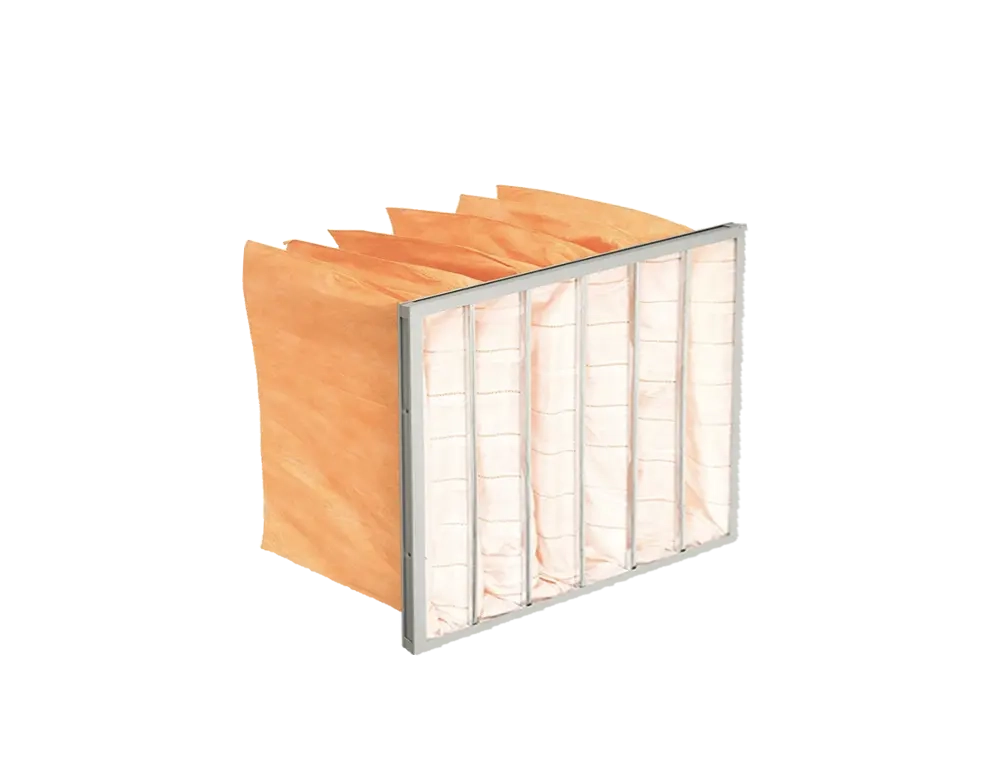
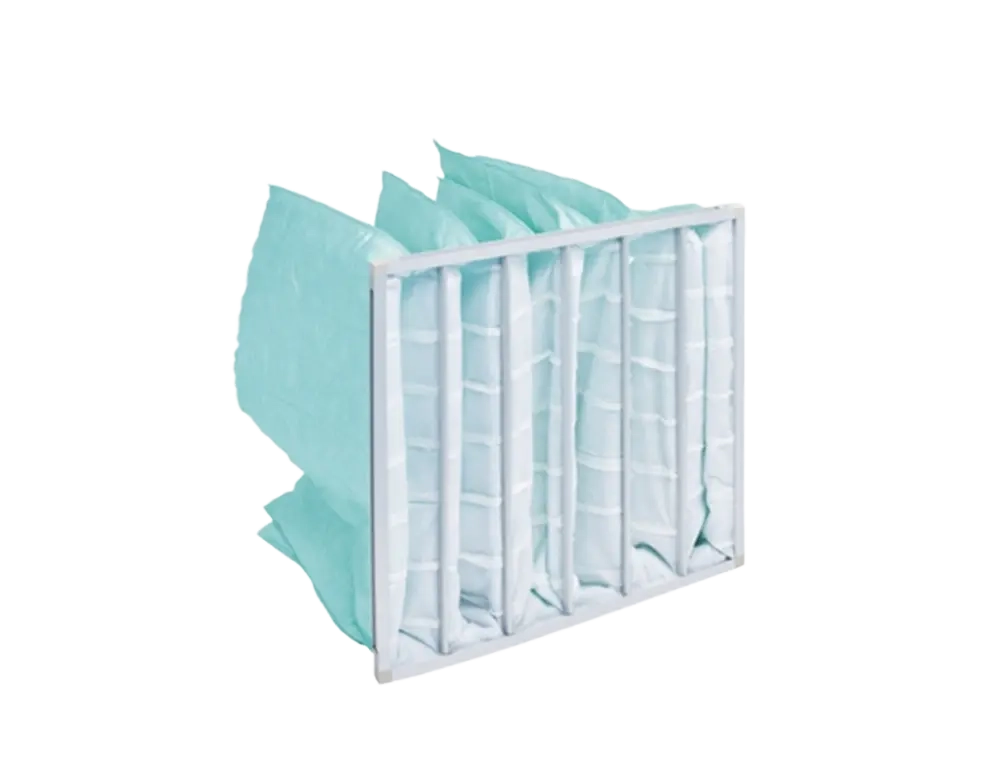
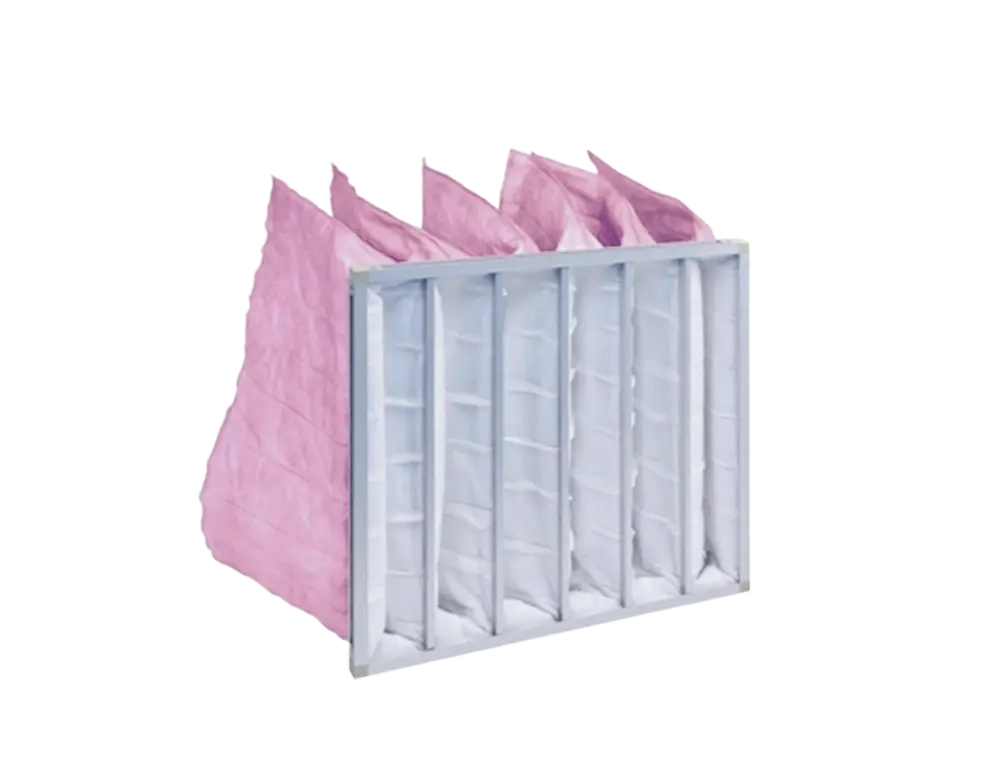
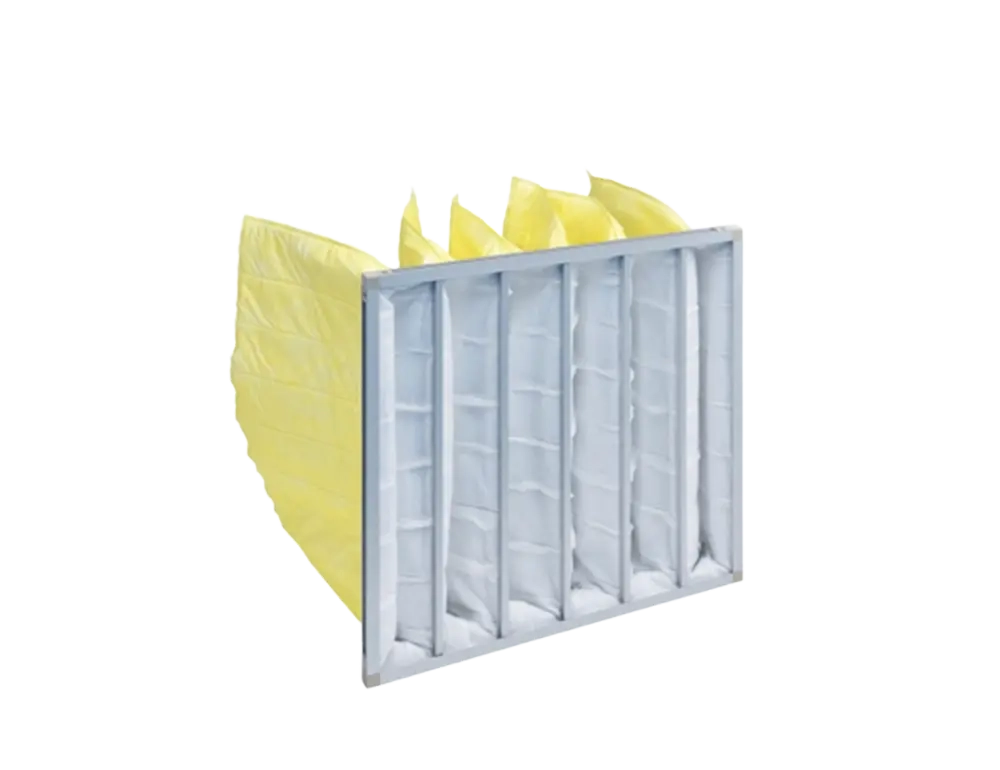

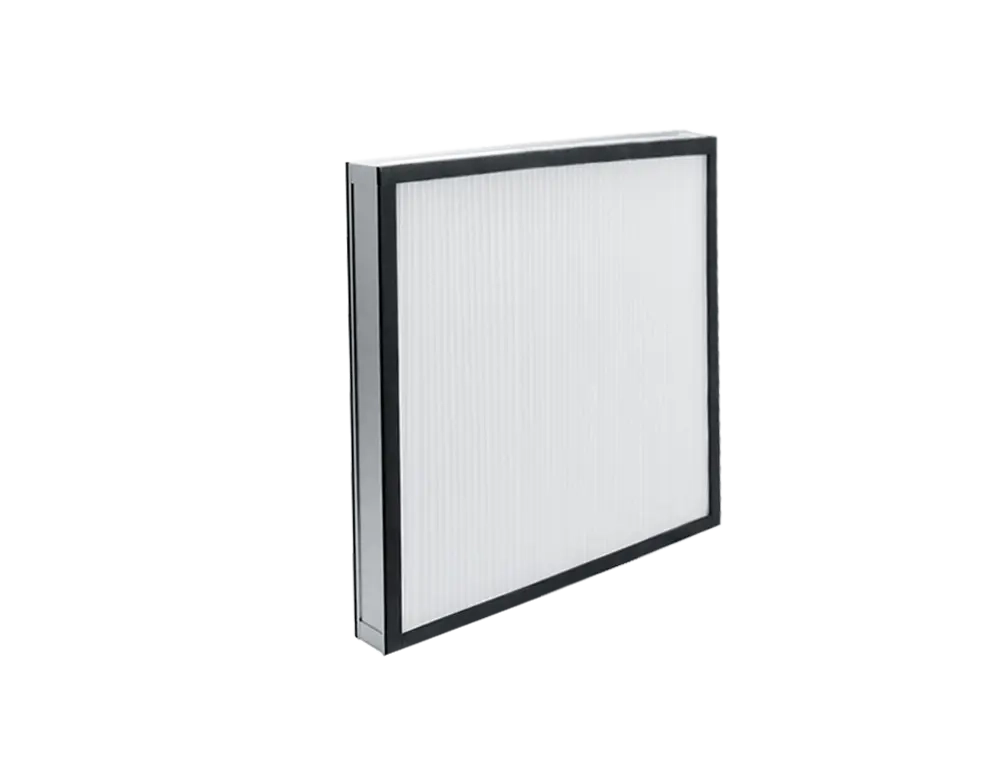
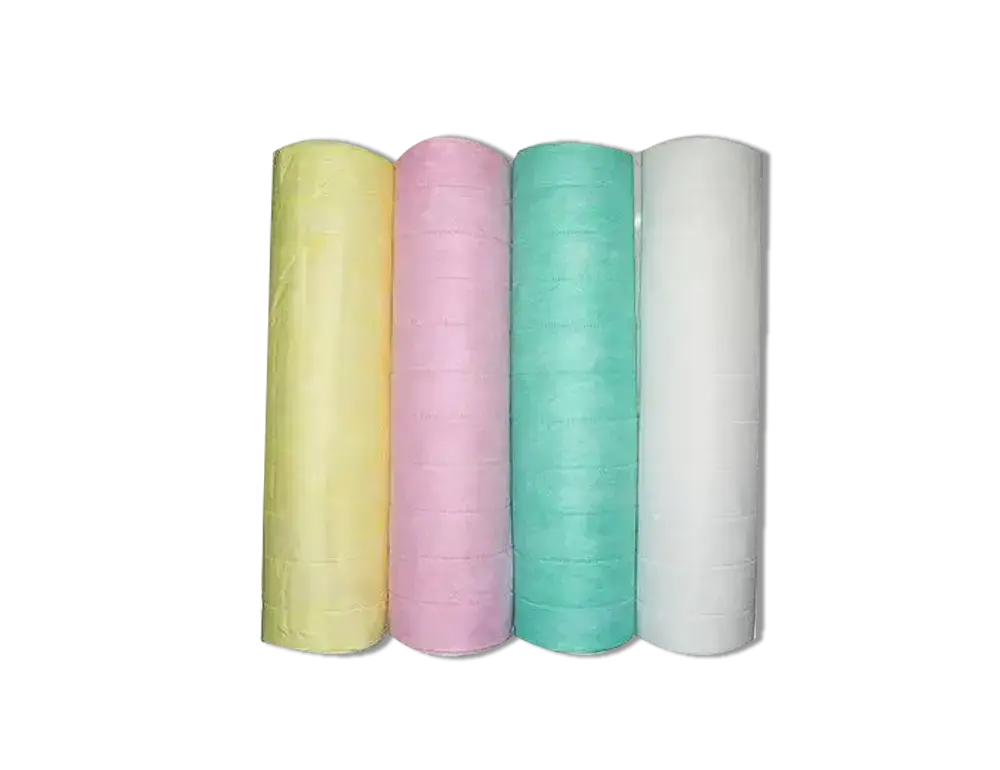
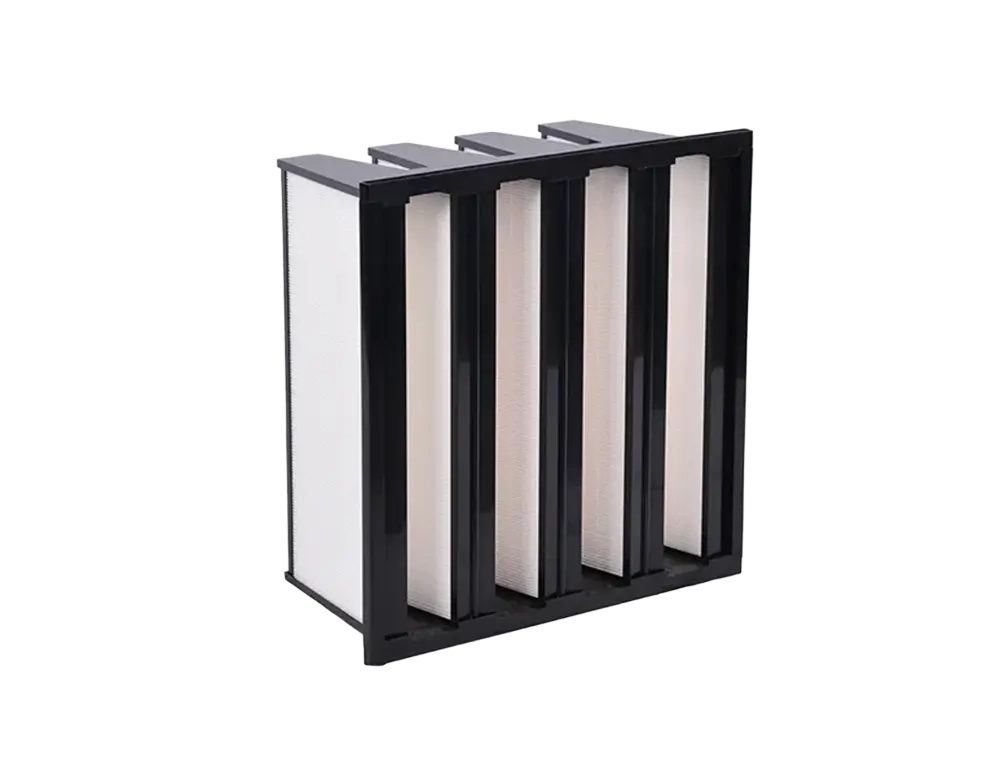
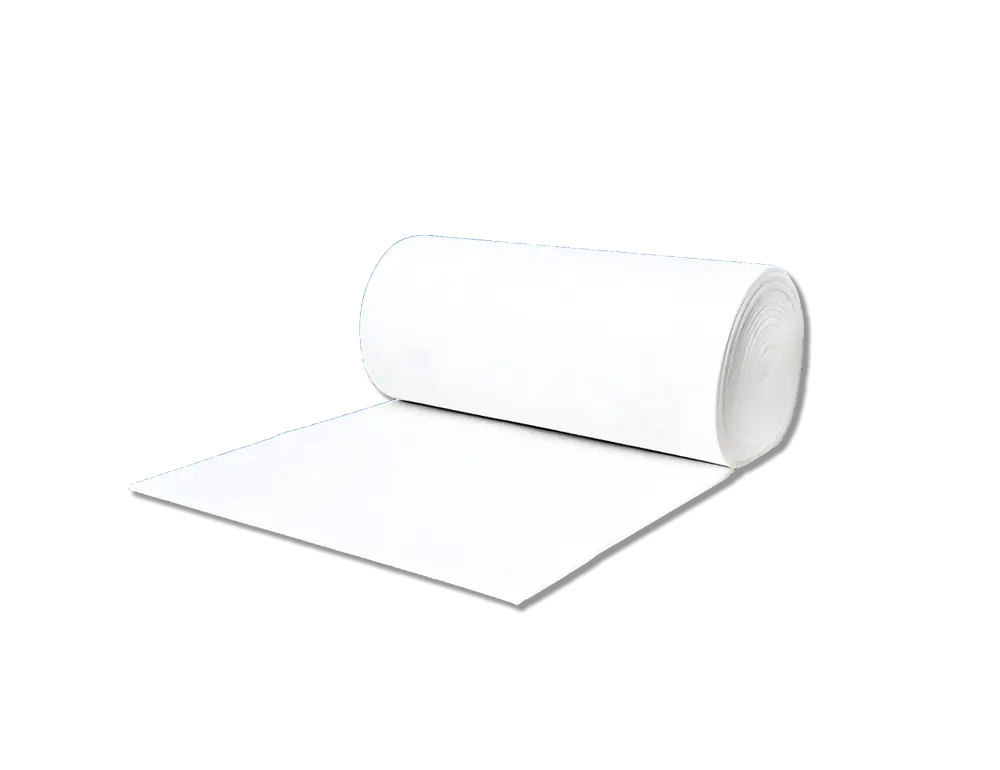
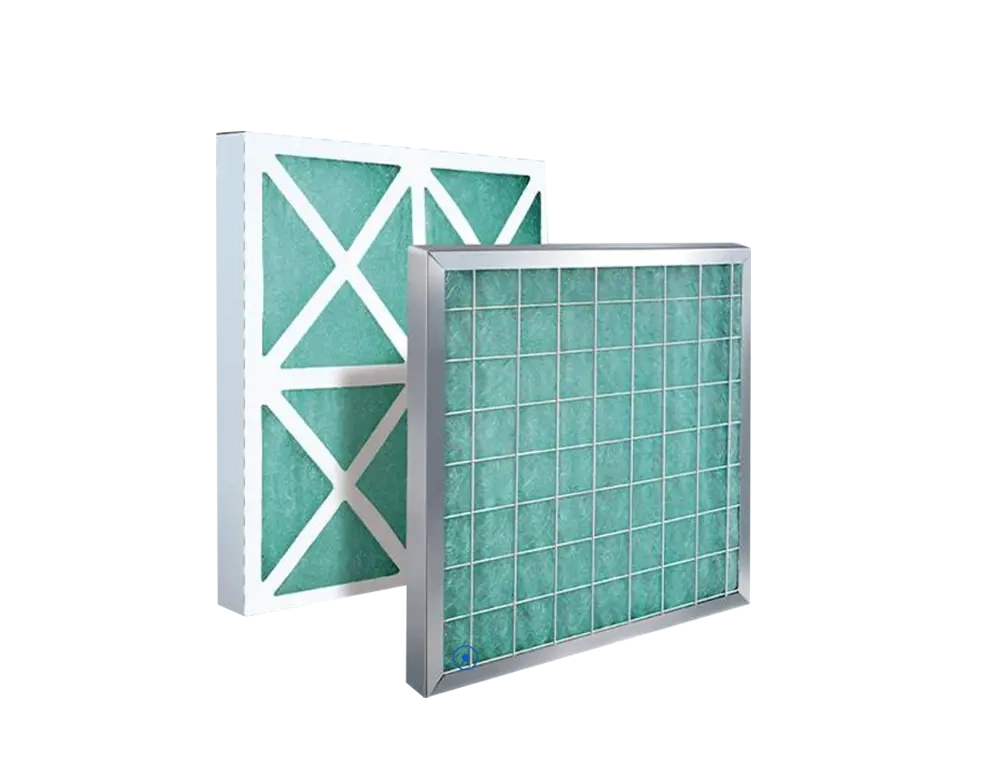
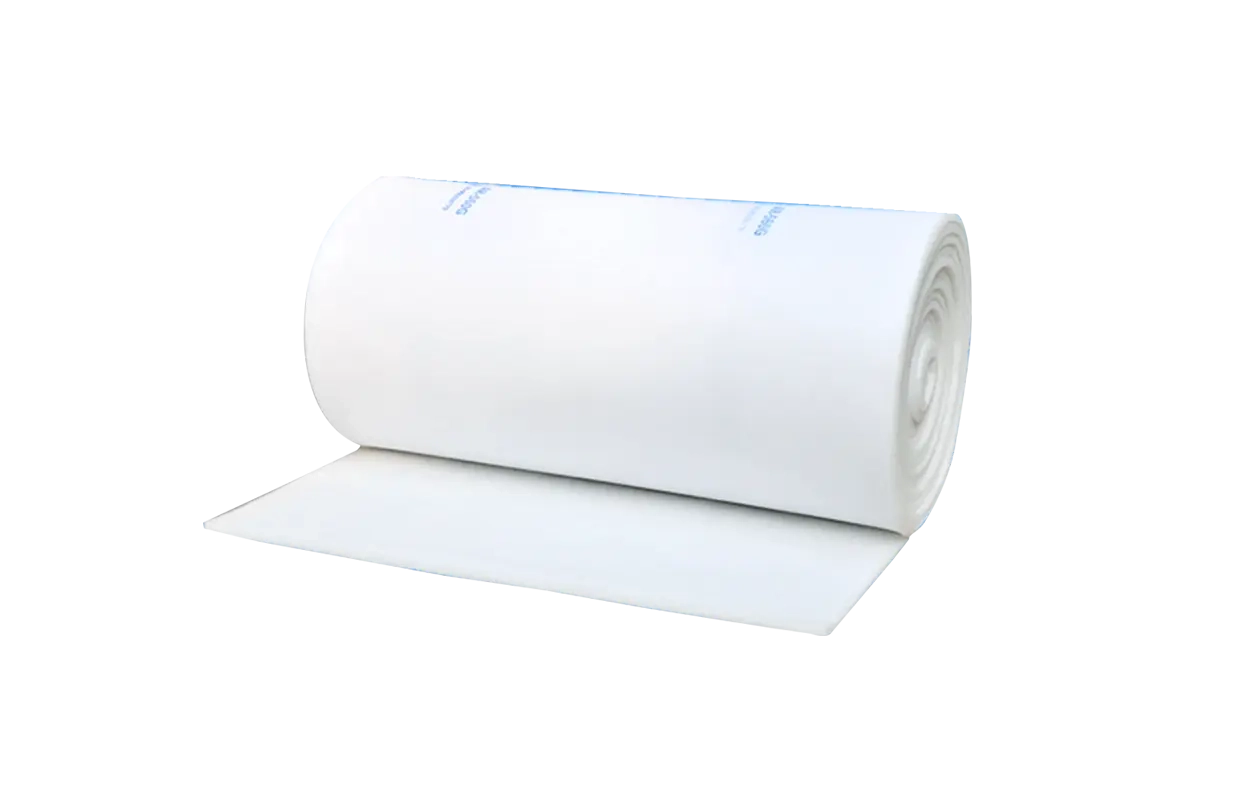
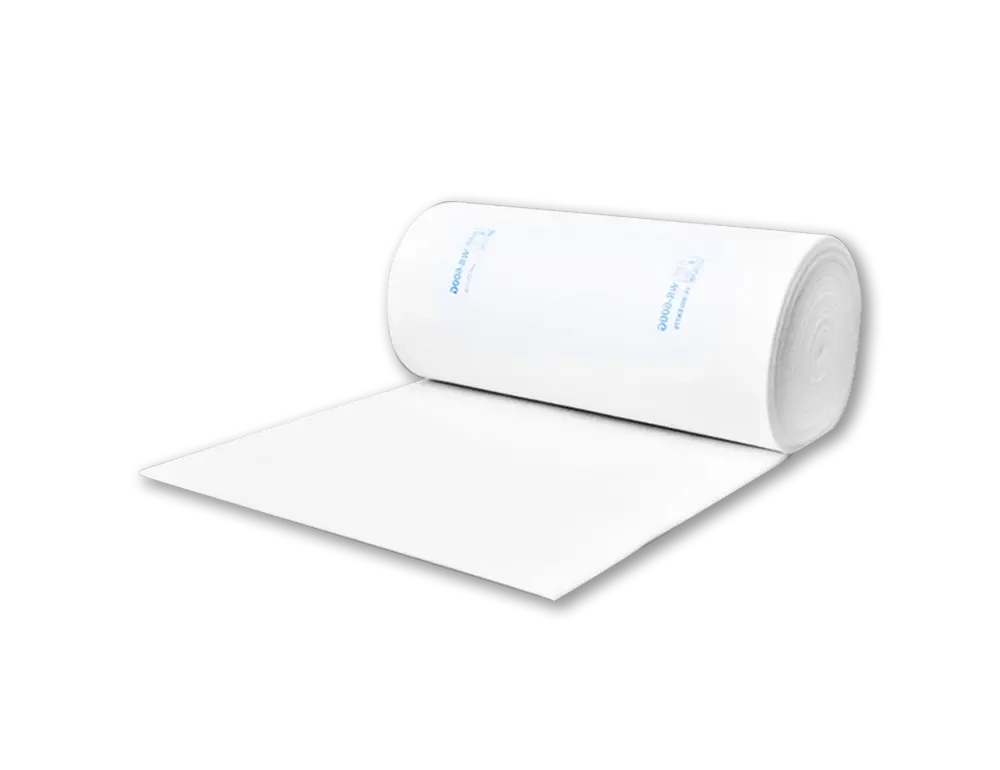
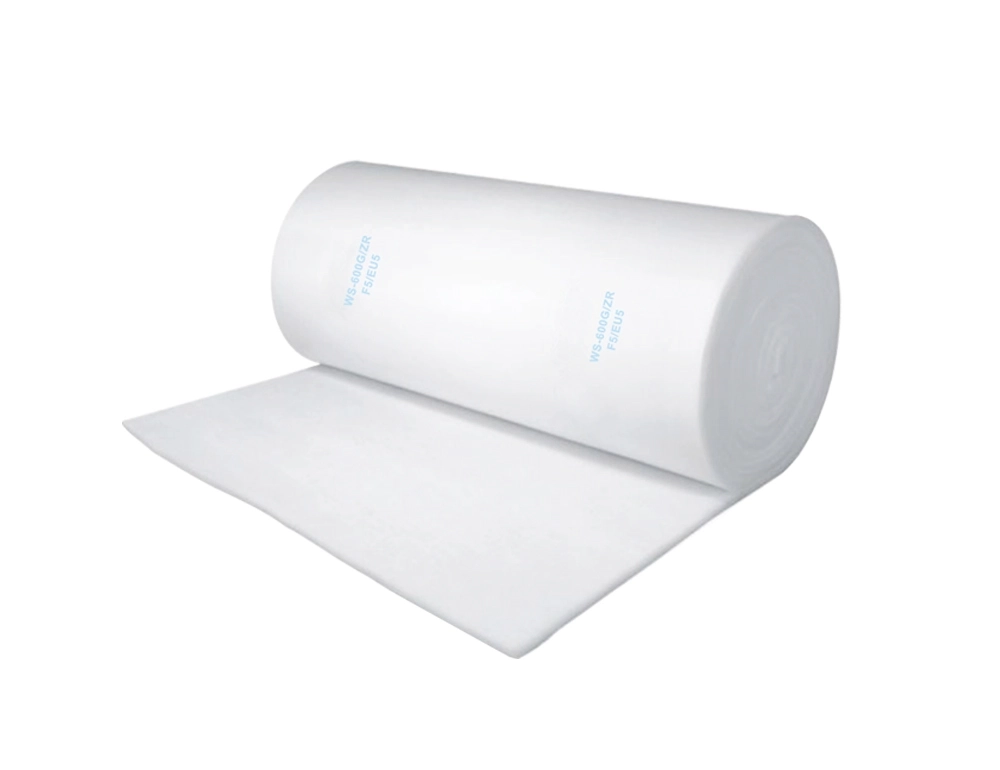
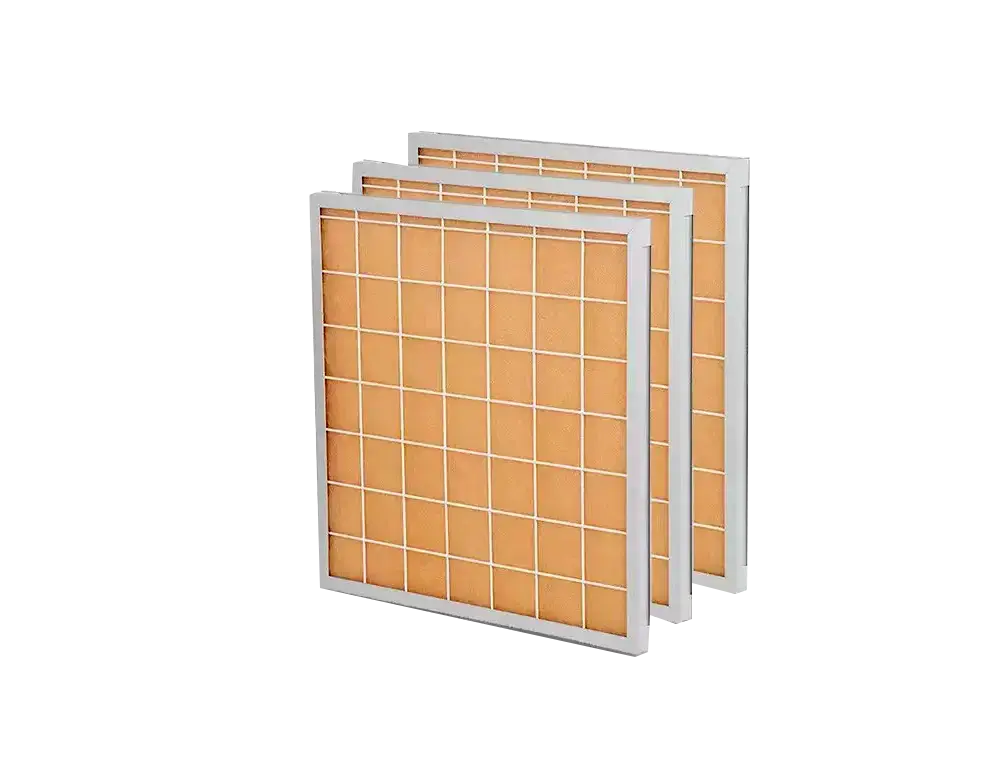
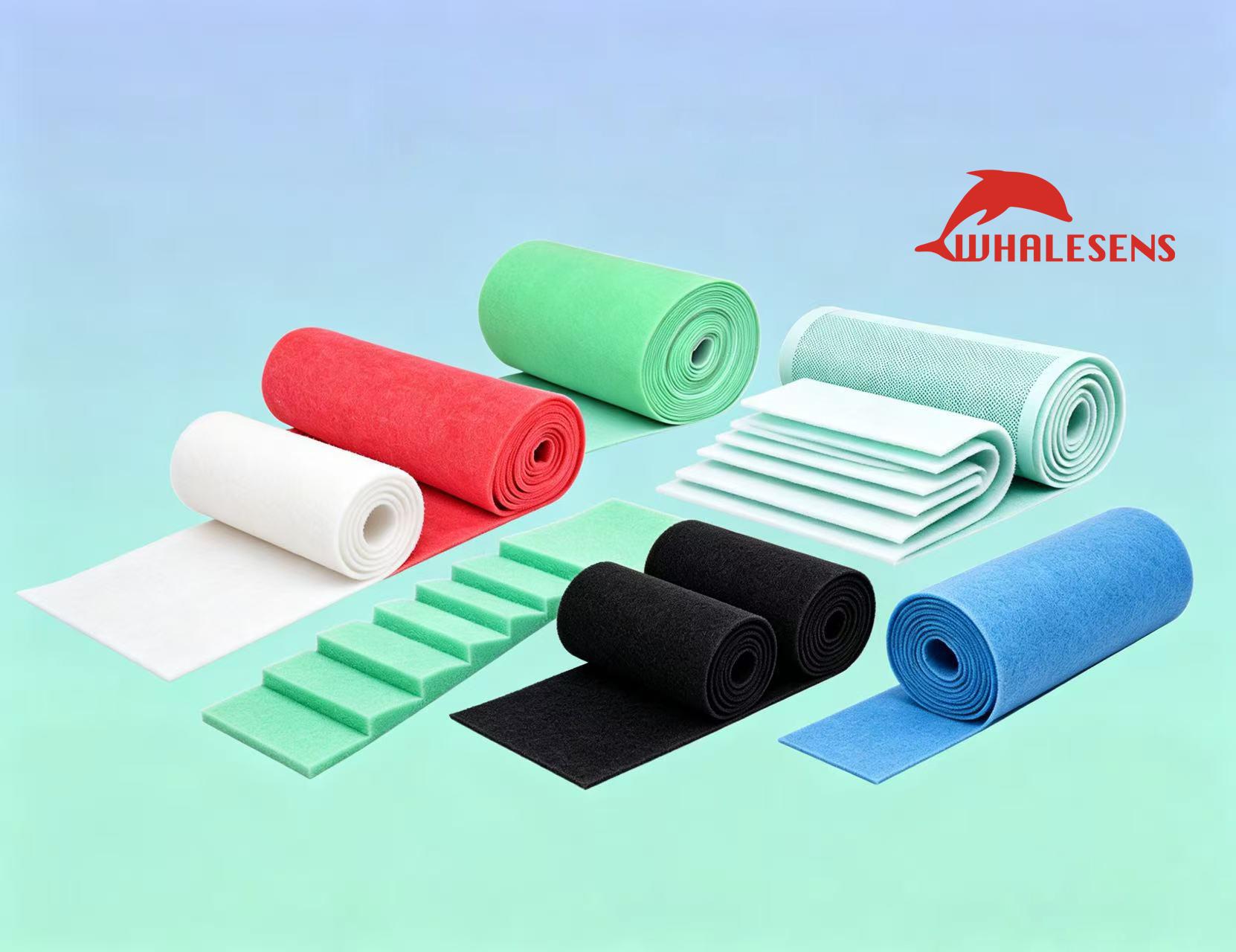
Pre-Filter (G1–G4)
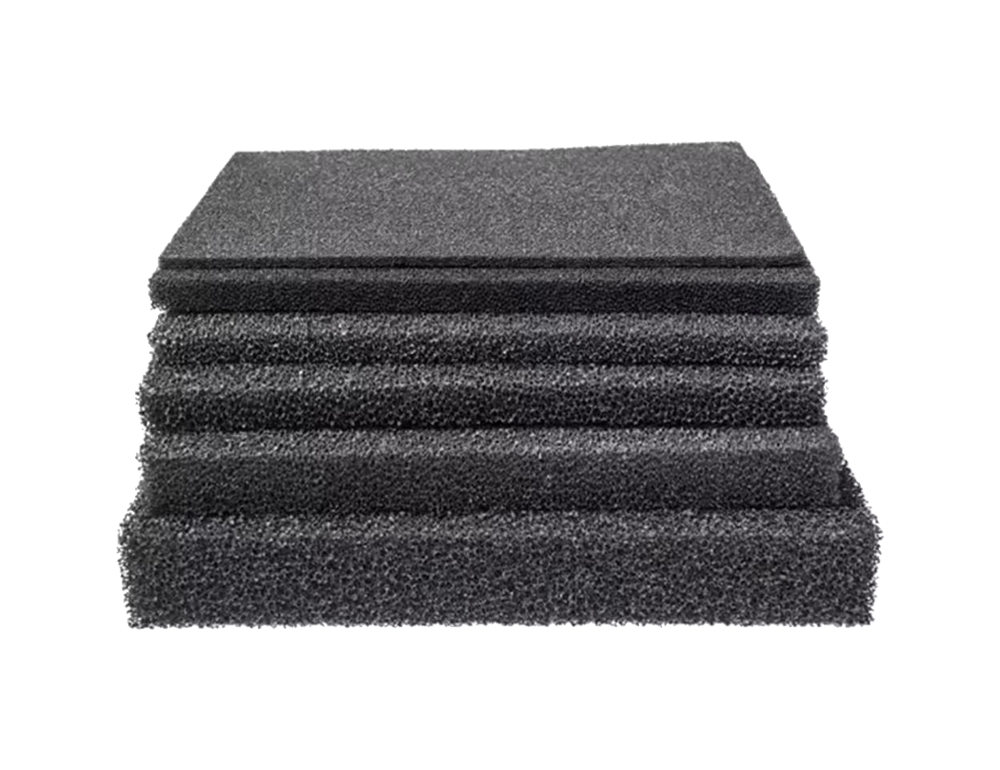
First-Stage Large-Particle Capture
Medium-Efficiency Filter (F5–F9)
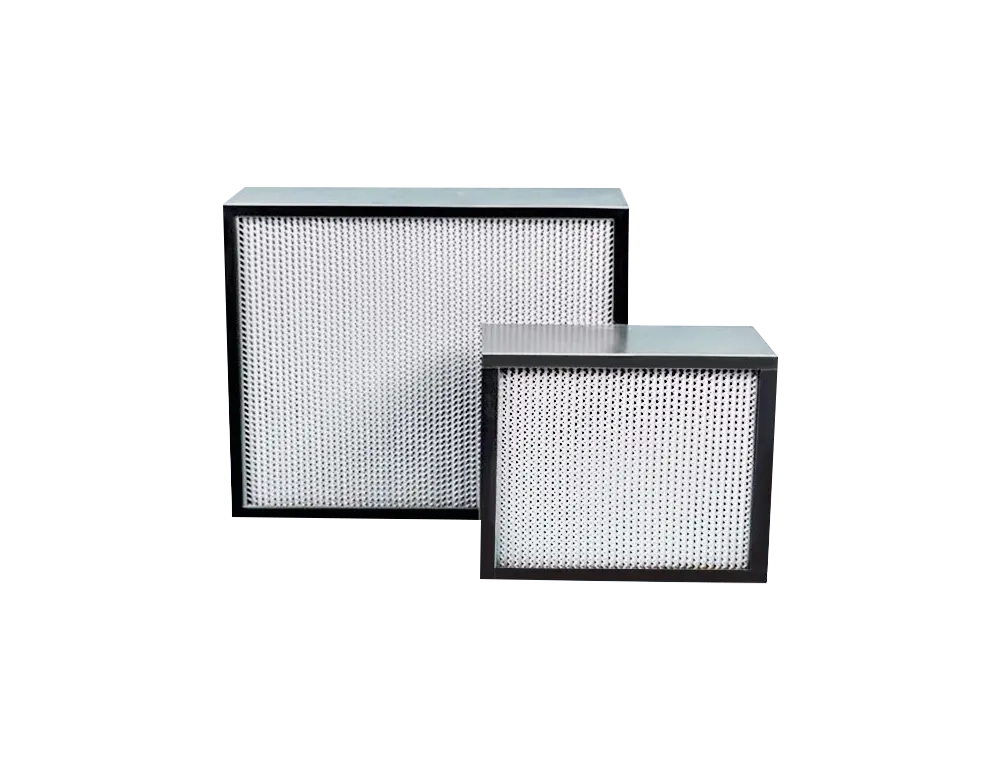
Precise PM2.5 Capture
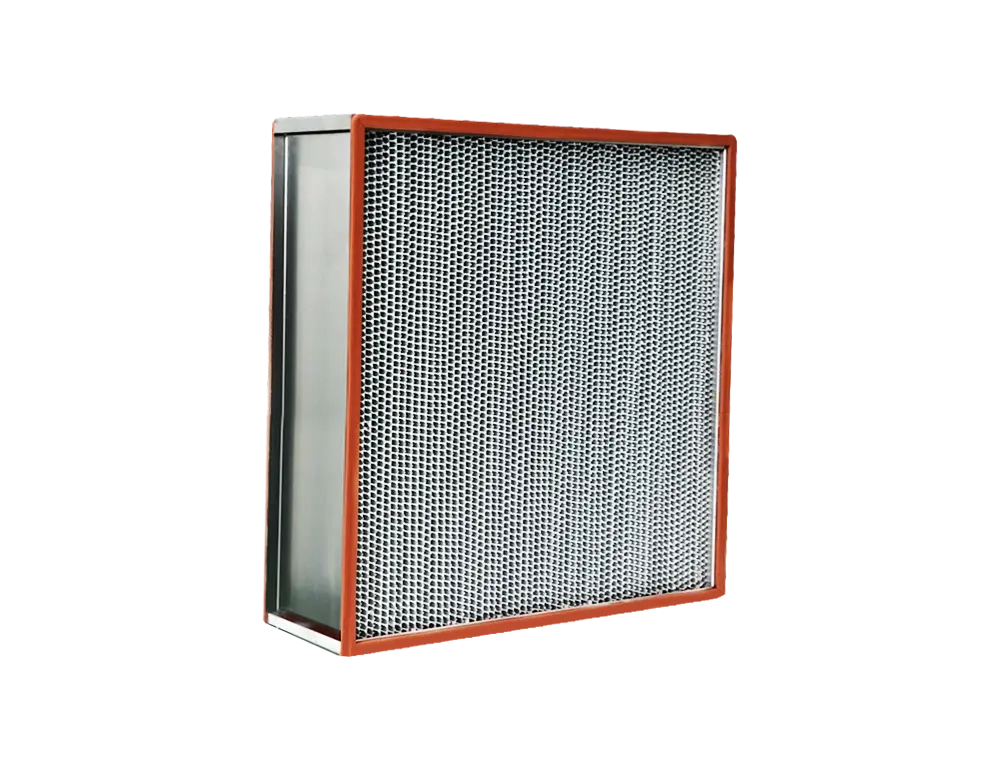
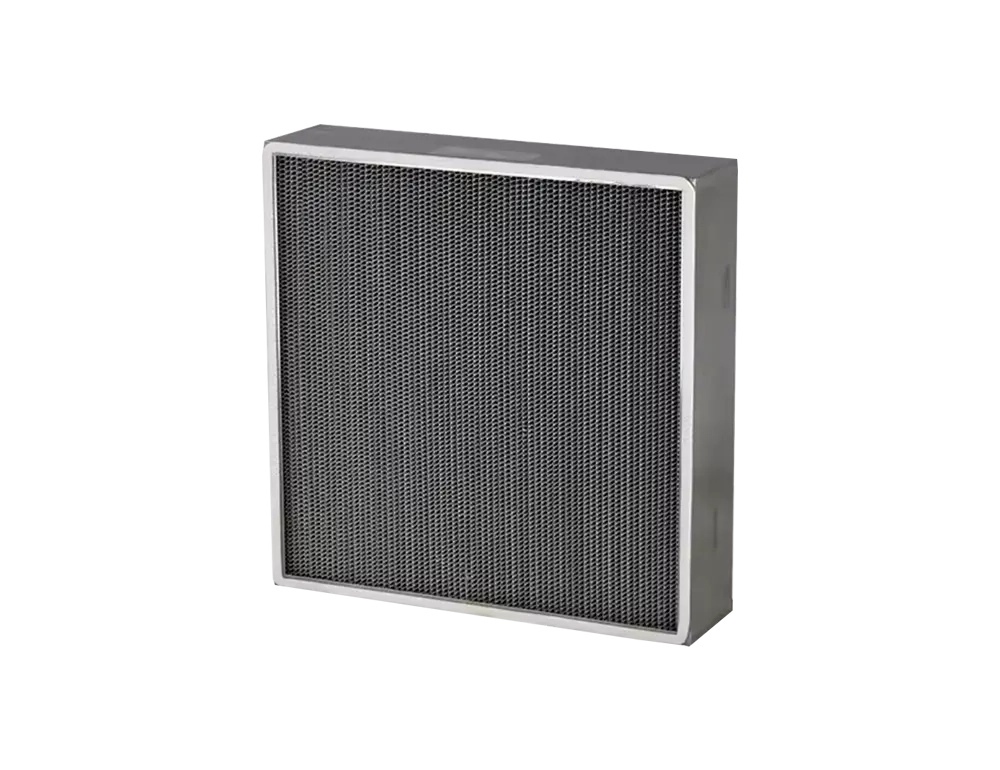
HEPA High-Efficiency Filter
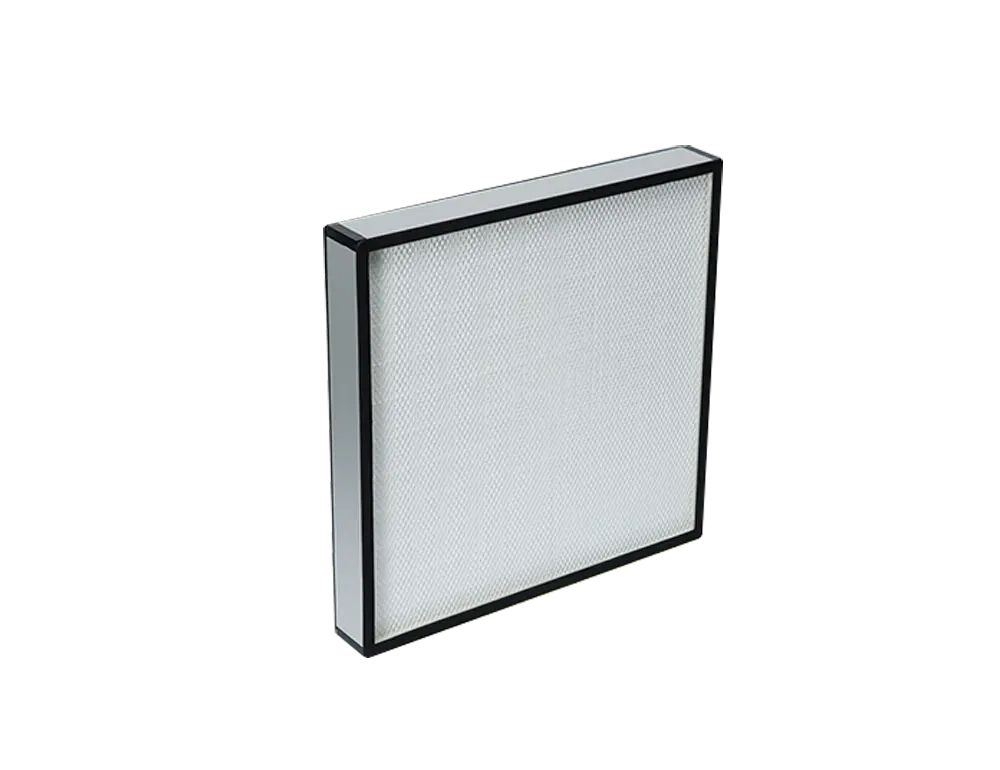
Sterile-Grade Purification
ULPA Ultra-High Efficiency Filter
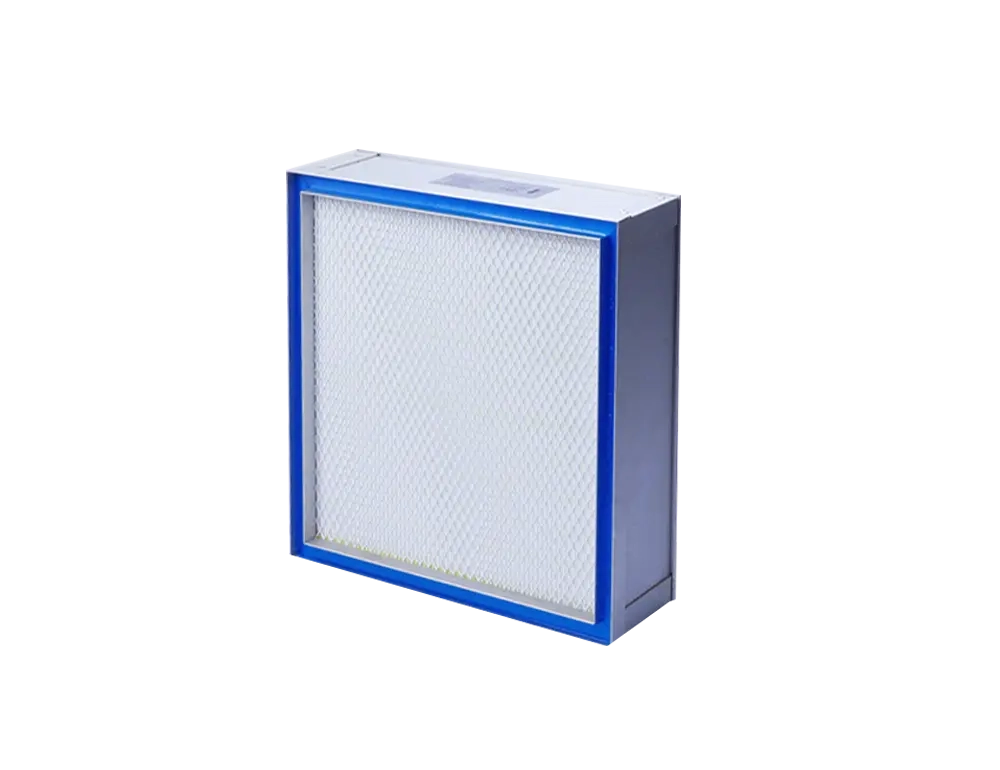
Sub-Micron Particle Capture
First-Stage Large-Particle Capture
The first line of defense, capturing particles ≥5 μm such as dust, hair, and fibers to protect downstream filters and extend overall system service life.
View Related Products →Precise PM2.5 Capture
Captures fine particles of 1–5 μm including PM2.5, pollen, and mold spores, significantly improving indoor air quality for commercial HVAC and ventilation systems.
View Related Products →Sterile-Grade Purification
≥99.97% filtration efficiency for particles ≥0.3 μm, delivering sterile-grade clean air widely used in medical, pharmaceutical, and electronics manufacturing.
View Related Products →Sub-Micron Particle Capture
≥99.9995% efficiency for particles ≥0.12 μm, meeting the extreme cleanliness demands of semiconductor fabs, aerospace, and other ultra-precision applications.
View Related Products →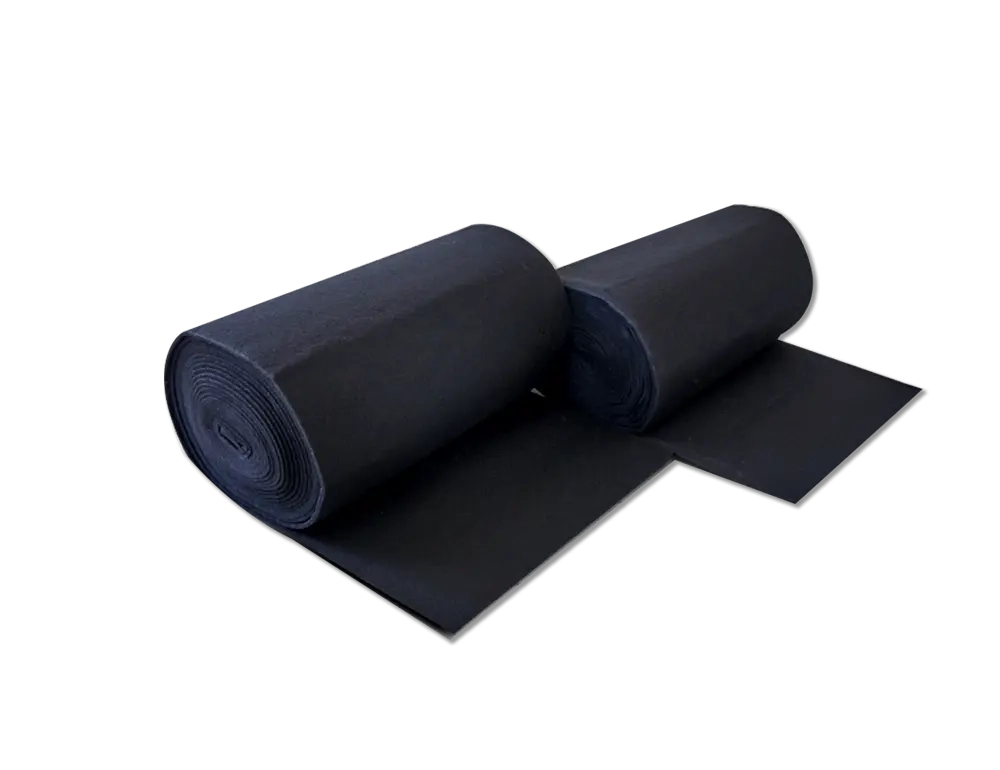
High-Temperature Resistant
Industrial-Grade Heat Tolerance
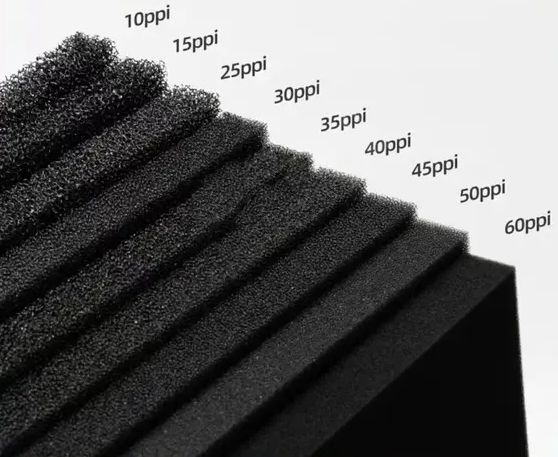
Washable & Reusable
Cut Costs, Reduce Waste
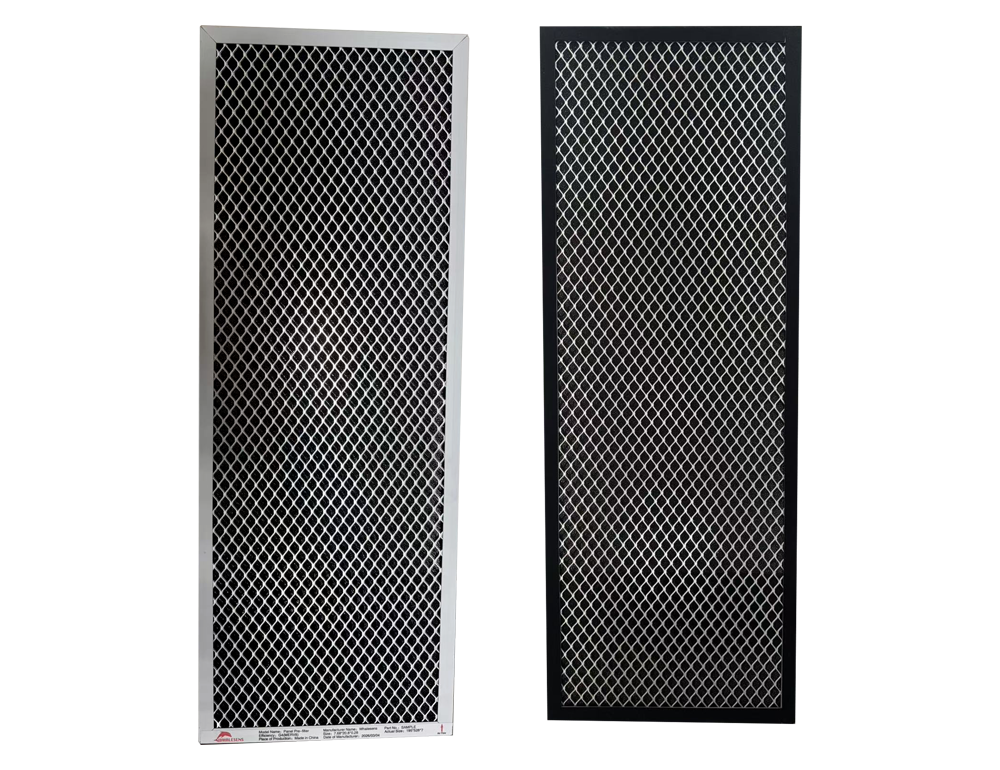
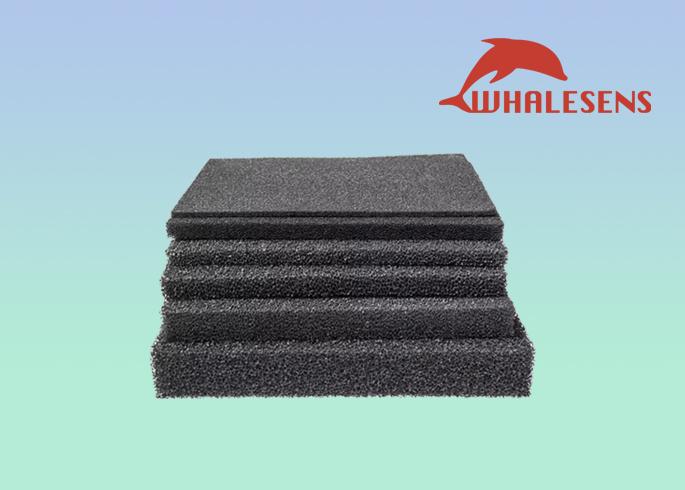
Activated Carbon
Odor & Harmful Gas Removal
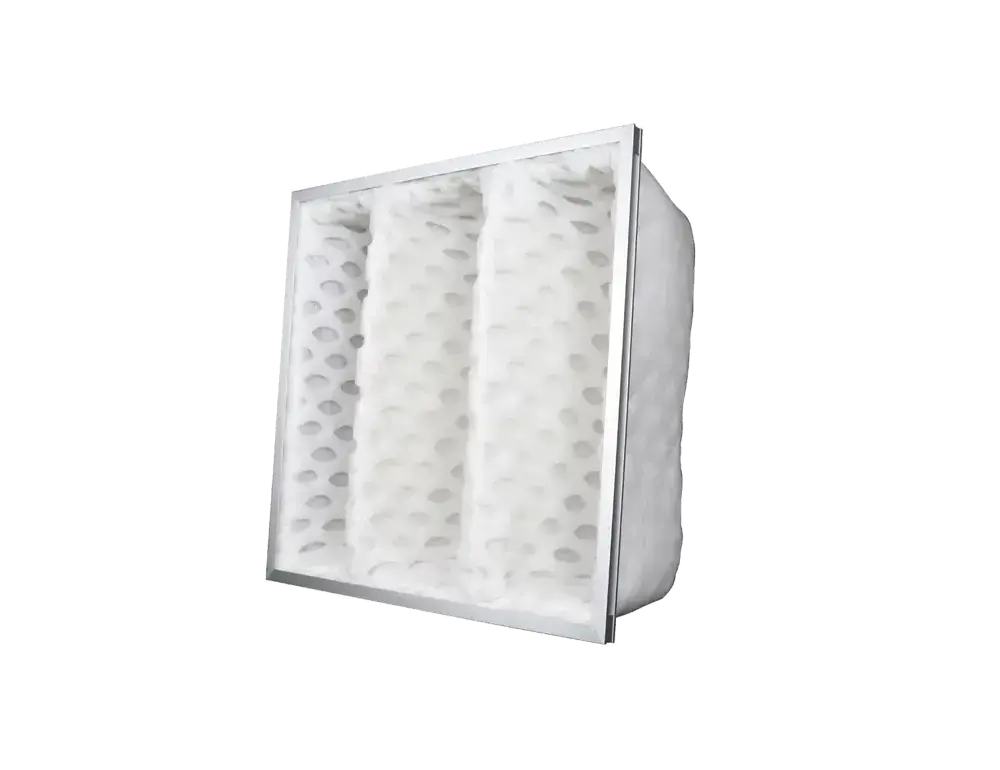
Bag Filter
High Dust-Holding, Long Life
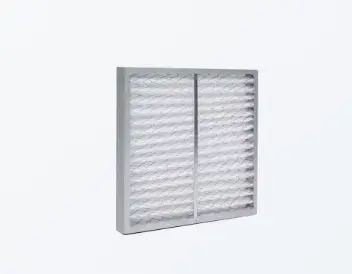
Panel / Pleated Filter
Compact Space-Saving Design
Low-Resistance Airflow
Energy-Saving Operation
Industrial-Grade Heat Tolerance
Built with specialized heat-resistant materials, operating stably up to 250°C for paint ovens, industrial dryers, and high-temperature process environments.
View Related Products →Cut Costs, Reduce Waste
Cleanable by water washing or air blowing, reusable multiple times to significantly reduce replacement frequency and O&M costs — an economical, eco-friendly choice.
View Related Products →Odor & Harmful Gas Removal
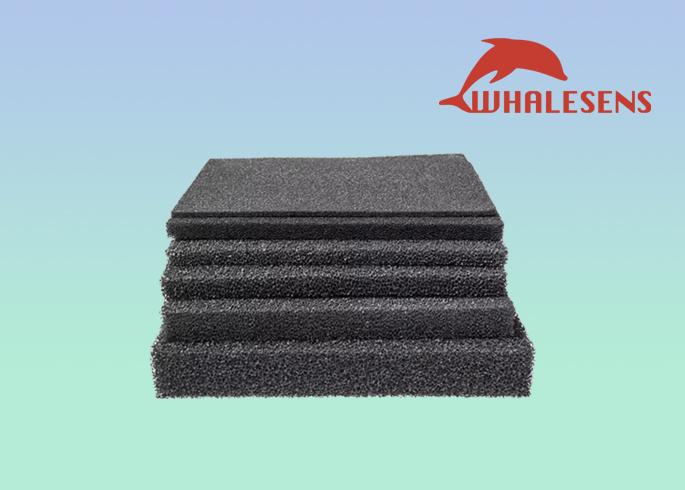
Leverages activated carbon's high adsorption capacity to eliminate odors, VOCs, and formaldehyde, ideal for newly renovated spaces and industrial exhaust treatment.
View Related Products →High Dust-Holding, Long Life
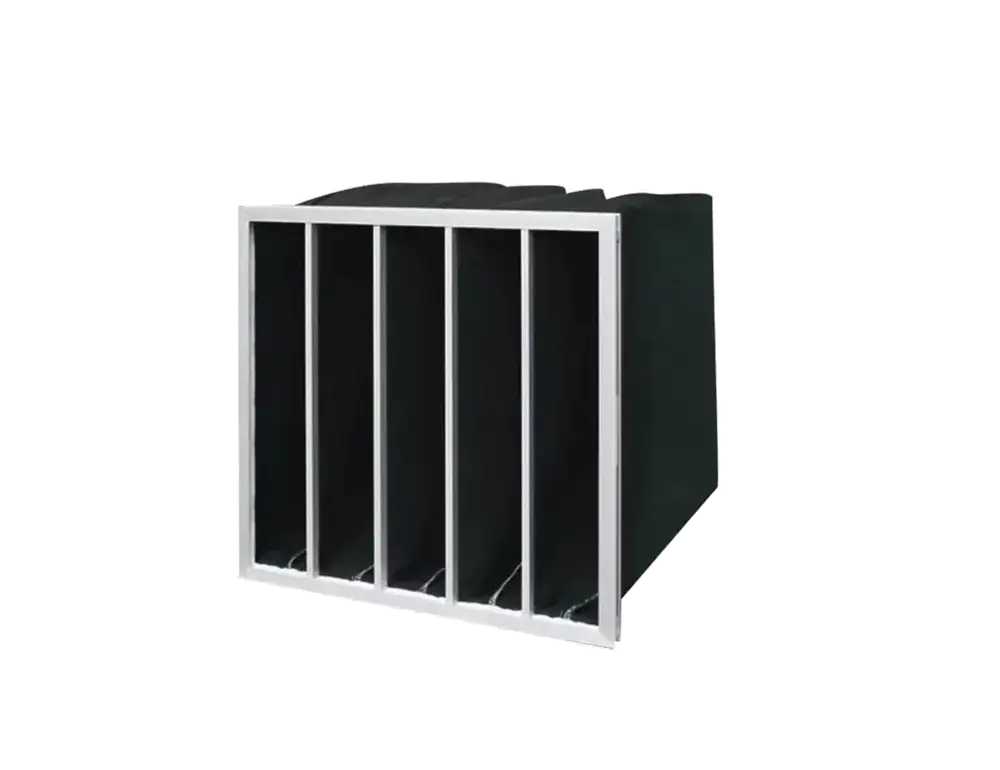
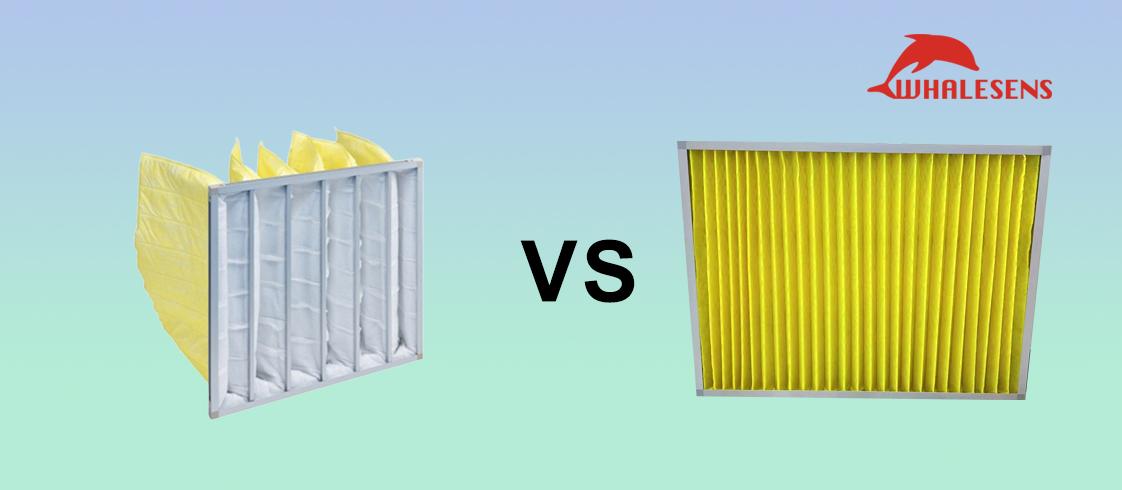
Bag-style construction delivers a larger filtration area, high dust-holding capacity, and extended service life — ideal for high-dust environments with reduced replacement frequency.
View Related Products →Compact Space-Saving Design
Compact form factor for easy installation and replacement; pleated structure maximizes filtration area within a small footprint for higher efficiency.
View Related Products →Energy-Saving Operation
Low-resistance design minimizes pressure drop while maintaining filtration performance, reducing fan energy consumption for cost-effective, eco-friendly operation.
View Related Products →

























 English(Global)
 简体中文
简体中文 Language




Air Filter Installation: Airflow, Sealing and Commissioning
Air filter installation is where a factory-tested element either keeps its rated efficiency or quietly loses it. A filter can leave the plant with a clean scan report and still pass unfiltered air on site, because the bypass is created by the frame, the gasket and the mounting track rather than by the media. Air filter installation is therefore a sealing and orientation job first, and a handling job second.
Every figure on a datasheet assumes the element is sealed into its housing. Initial resistance, arrestance, dust holding capacity and service life are all measured on a rig where air has no route but through the media. On site the routes multiply: a gasket that never compressed, a track still holding the old seal, a frame fitted the wrong way round, a panel a few millimetres undersized. None of that reads as a filter defect, and all of it reads as a failed air filter installation. When site readings disagree with the datasheet, suspect the air filter installation before the filter.
Why air filter installation decides the result
Bypass is a geometry problem before it is a filtration problem. A continuous 1 mm gap around a 592 × 592 mm frame is 2,368 mm² of untreated opening: the frame perimeter multiplied by the gap. Because a gap has almost no resistance next to a media pack, it carries a disproportionate share of the airflow. The gauge still shows a pressure drop, the fan still delivers volume, and downstream performance drifts with no obvious cause.
The cost is double. Air that bypasses the media is air the fan still paid for, and it is also air that the next stage has to clean. A small sealing fault at the first stage therefore shows up as a shortened service life three stages later. Read as energy, the same air filter installation fault appears as an unexplained rise in fan power at a fixed set point.
Correct air filter installation is measurable, and that is what makes it reviewable. A pressure drop reading taken after fit-out and compared with the datasheet value is the cheapest proof that the seal is doing its work, and every air filter installation should end with that number written down. If the reading comes in lower than expected, suspect bypass before celebrating an efficient filter.
Reading the airflow direction before the filter goes in
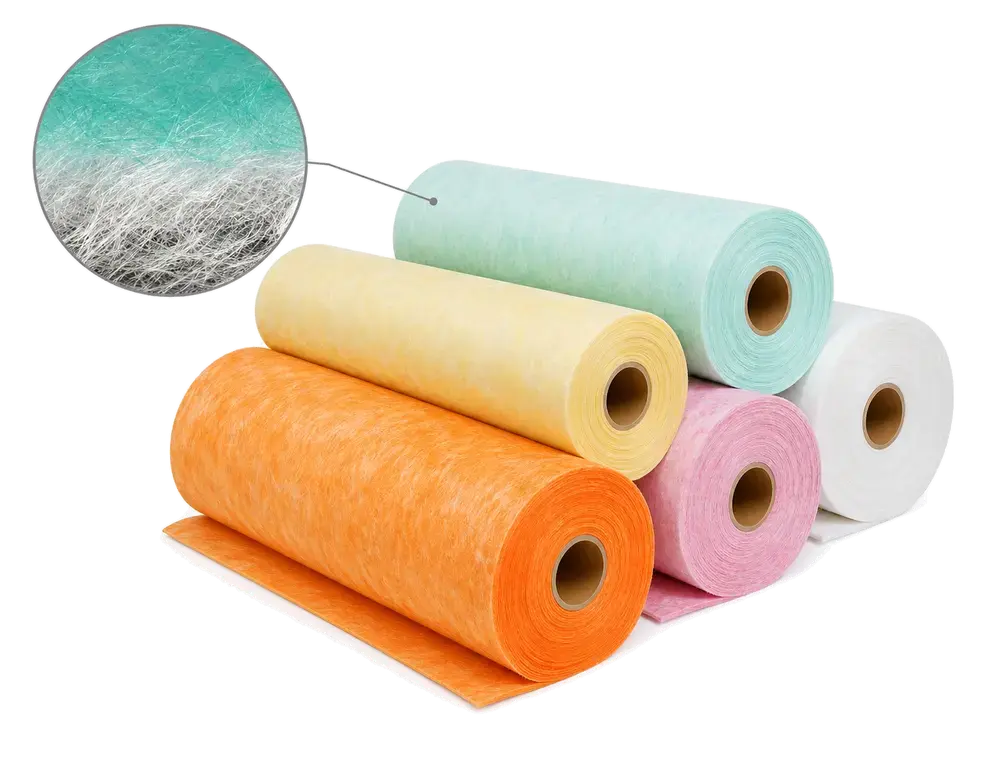
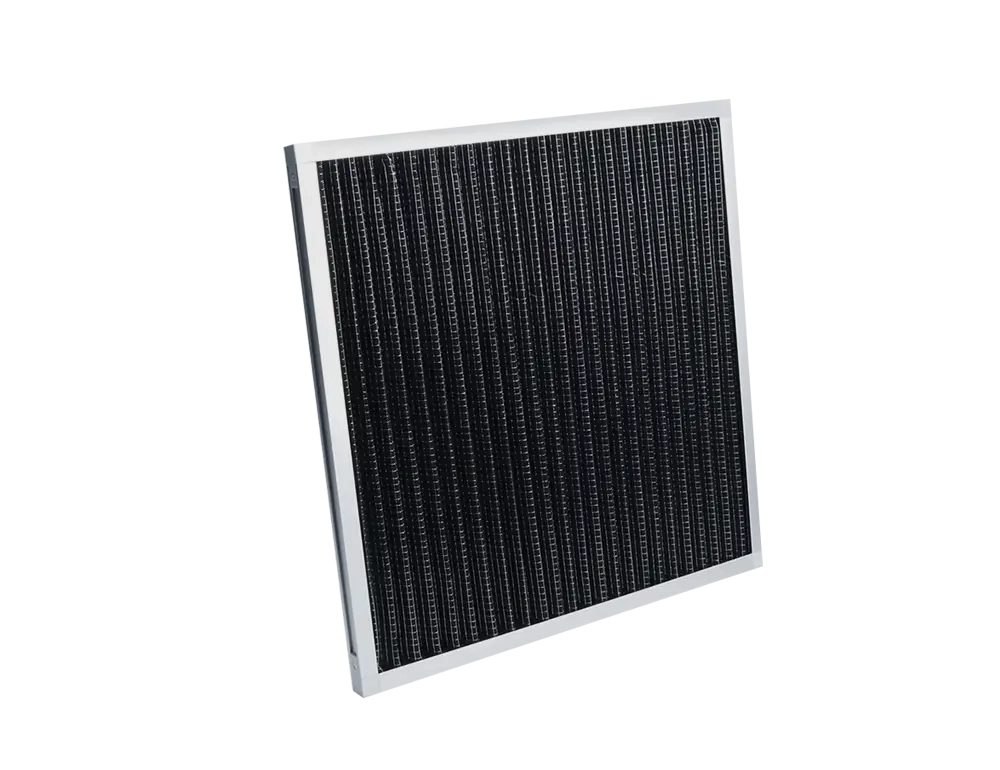
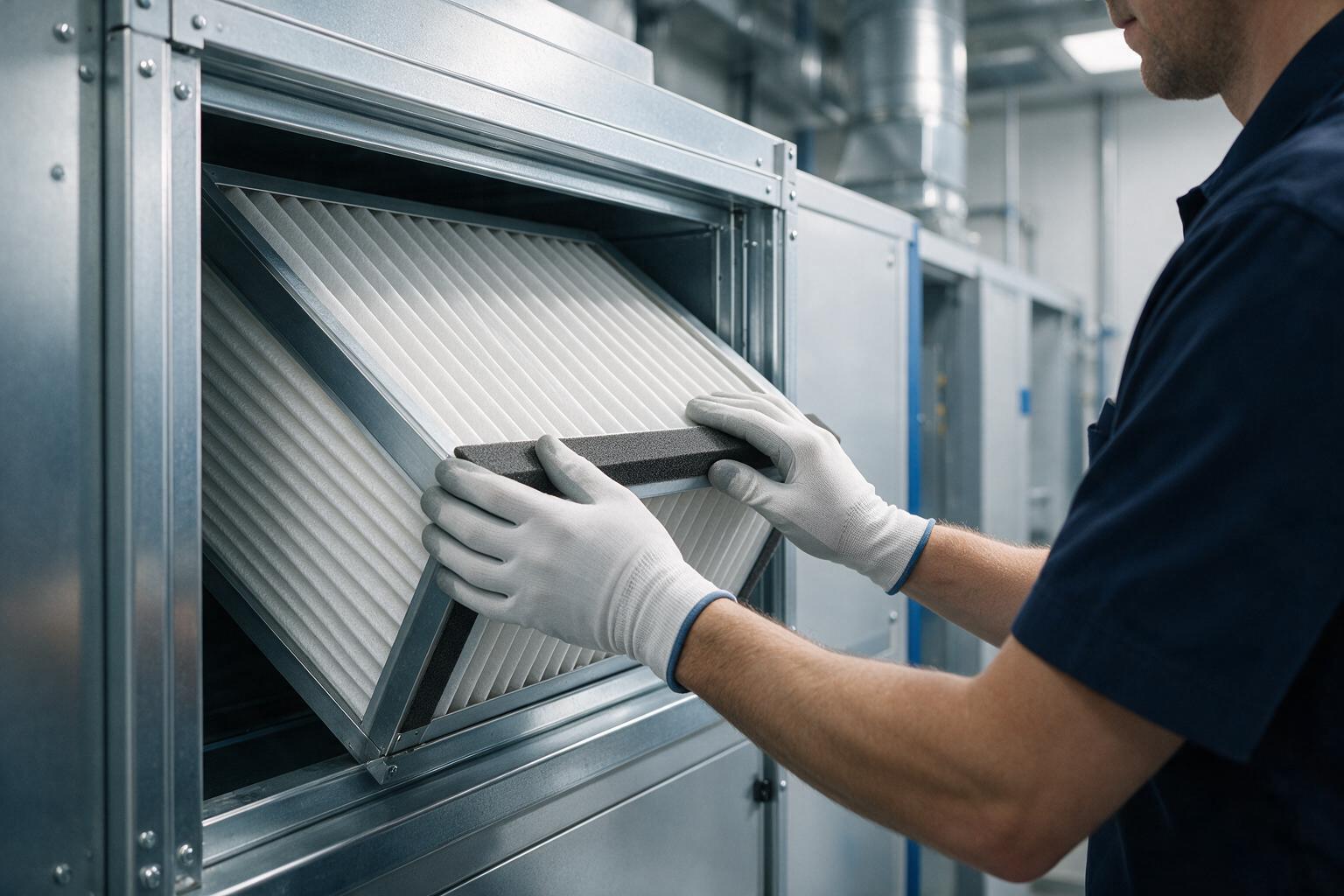
Air filter installation begins with orientation, because it is the one decision that cannot be corrected from outside the access panel. Every element carries an airflow arrow on the frame, and the safe rule when a mark is obscured is that the protective mesh and the stiffer face belong on the downstream side, where the media needs support. A pleated panel pre-filter, such as the G4 pleated panel pre filter, is built so the pleats open towards the clean side.
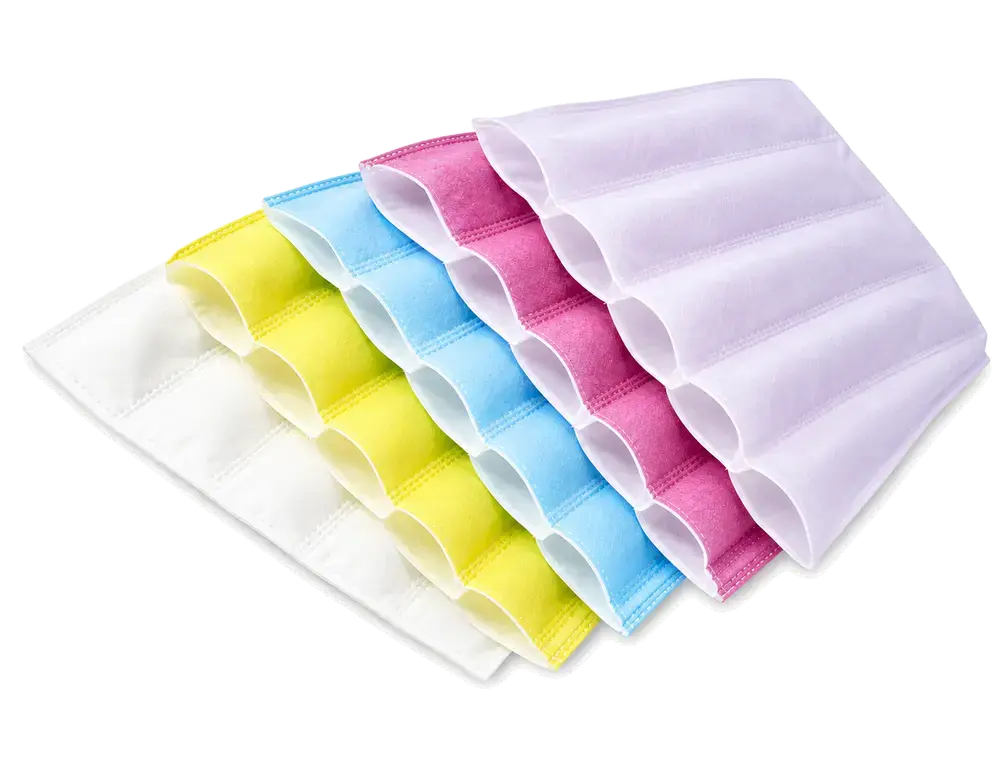
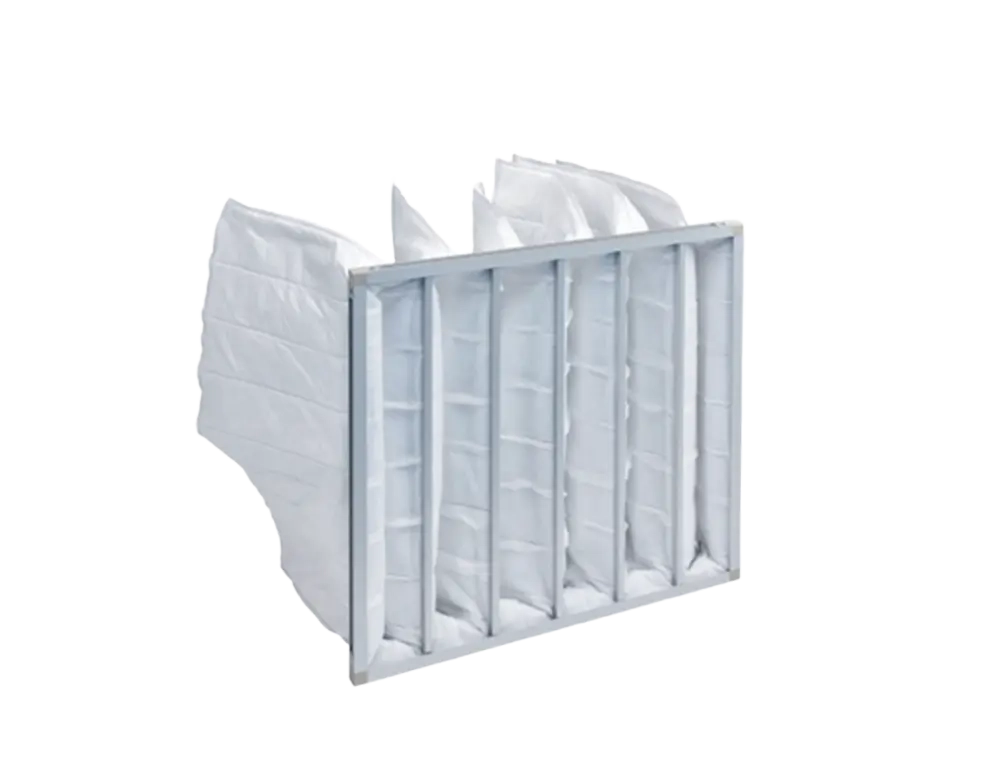
Pocket and bag filters add a second decision: the pockets must run downstream so they inflate with the airflow. Fitted backwards they collapse, the media area that produced the low resistance disappears, and pressure drop climbs within days. The F6 medium efficiency bag filter is rated at 50–65 Pa initial resistance across 2.12–5.68 m² of media, and that figure only holds while the pockets stay open — a property of the air filter installation rather than of the element.
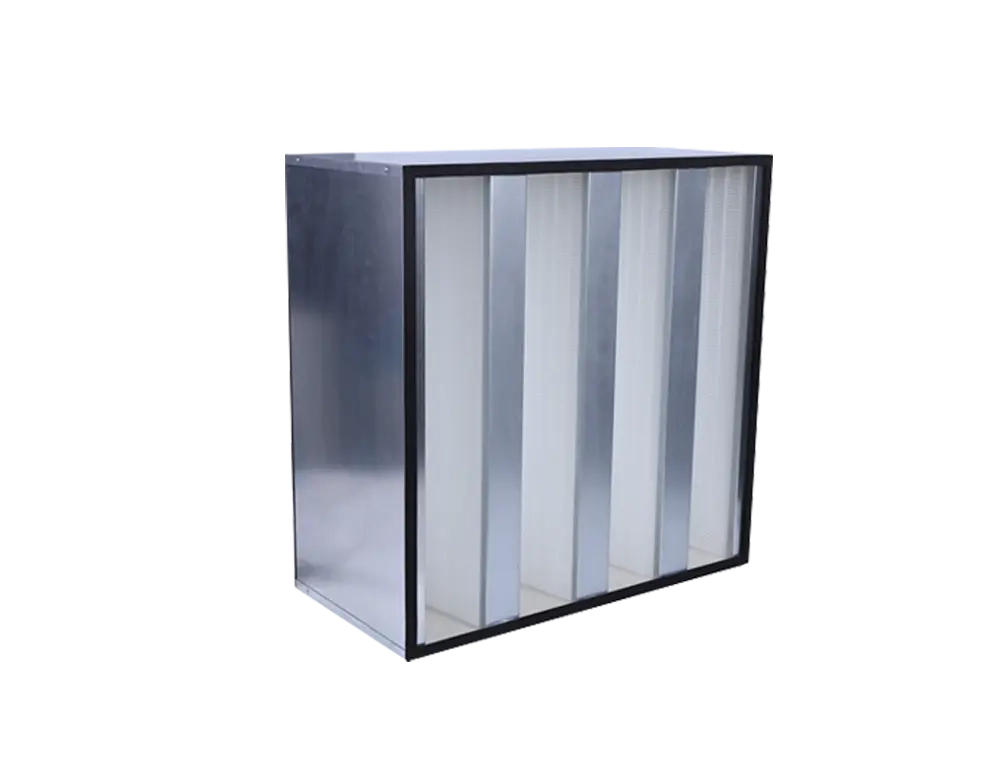
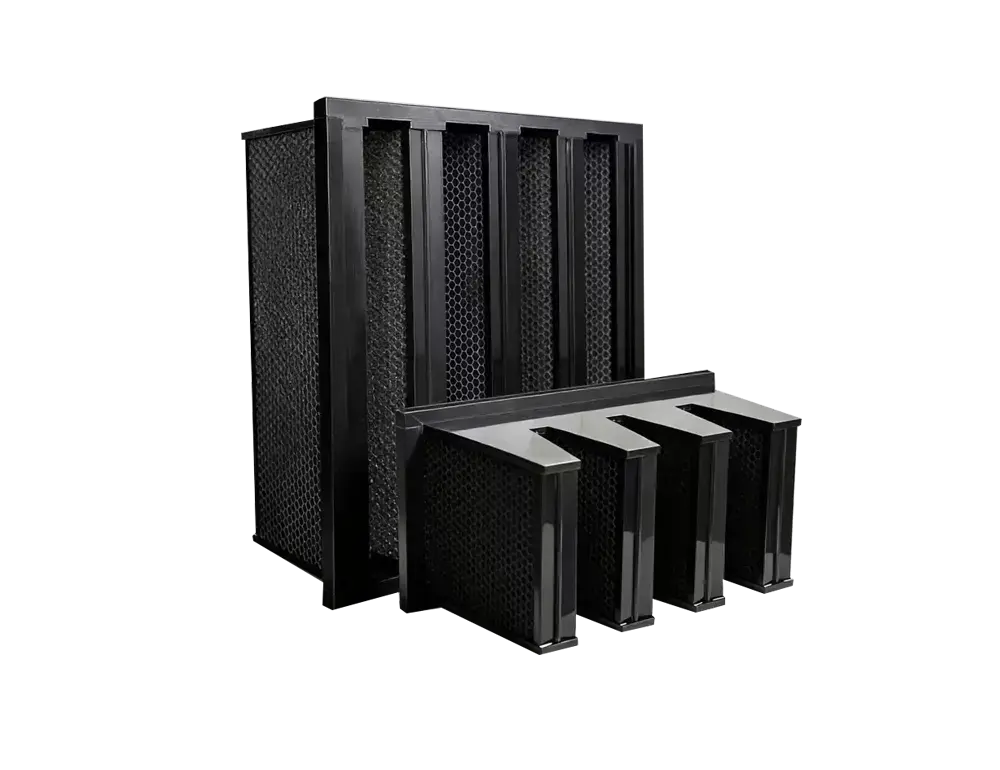
Compact V-bank elements follow the same logic in a shallower frame. The V-bank medium efficiency filter packs up to 19.83 m² of media into a 292 mm frame, and the V-shaped headers have to be aligned with the airflow or the depth advantage is lost. In all three cases the check costs seconds and the correction costs a shutdown. None of that is decided by the element; it is decided by the air filter installation.

Sealing: gasket, gel channel and clamping force
Sealing is the part of air filter installation that decides whether the bypass stays closed for the life of the element. Three methods hold a filter against its housing, and each fails differently: a gasket strip compressed between frame and track, a gel channel closed by a knife edge, and a reusable metal frame that relies on the media pad seating flat. Knowing which one is in front of you determines what to inspect.
Gasket-sealed frames
- EVA, EPDM or PU strip bonded to the frame
- Compression taken up by the clamping mechanism
- Reusable while the strip stays resilient
- Suited to panel, bag and V-bank elements
Gel-channel frames
- Knife edge presses into a liquid gel channel
- Perimeter closes along the full knife edge
- Gel must be clean and unwrinkled
- Suited to terminal HEPA and high-integrity work
Clamping force is the variable operators control, and it is the one most often got wrong in both directions. Too little and the gasket never reaches its working compression, so a continuous bypass remains. Too much and the frame distorts, the gasket takes a permanent set, and the next air filter installation has nothing left to compress. The practical rule for air filter installation is to compress the seal rather than the frame: bring the clamps down evenly, in a cross pattern, and stop when the gasket has visibly taken up the gap.
The liquid tank HEPA filter is the clearest case. Its knife edge closes the seal only when it meets the channel around the whole perimeter at uniform depth, which is why the liquid tank HEPA filter depends on the mounting frame as much as on its own construction. Debris in the gel, or a knife edge that misses the channel on one side, leaves a leak that no amount of clamping will fix. Cleaning the mounting face — flat, dry, free of old gasket and loose sealant — is part of air filter installation, not preparation for it.

The air filter installation sequence, step by step
The sequence matters more than the technique. Almost every fault traced back to air filter installation is a step that was skipped while the plant waited to restart.
Commissioning checks that close the job
A filter that is fitted is not yet a filter that is verified, and an air filter installation is not finished until a number has been written against it. The checks below take minutes and produce the record that makes the next maintenance decision possible.
Post-installation checks
- Is the pressure drop within the expected range for the grade and the airflow?
- Does the frame sit square in the track, with no visible gap along any edge?
- Has the airflow arrow been confirmed against the duct direction?
- Has the initial pressure drop been written down with the date and the filter reference?
- Has the gauge alarm point been set to the final resistance of the grade?
- Have the old elements been bagged and removed from the plant room?
Installation points by filter type
Every family carries its own air filter installation detail, and the detail is where the faults concentrate.
| Filter type | How it is held | What to watch |
|---|---|---|
| Coarse pleated panel, G2–G4 | Frame in a track or holding frame | Face size tolerance and the condition of the track |
| Medium efficiency bag, F5–F9 | Header frame in a holding frame | Pocket orientation downstream and even inflation |
| V-bank compact | 292 mm frame in a housing | V-header alignment and gasket compression |
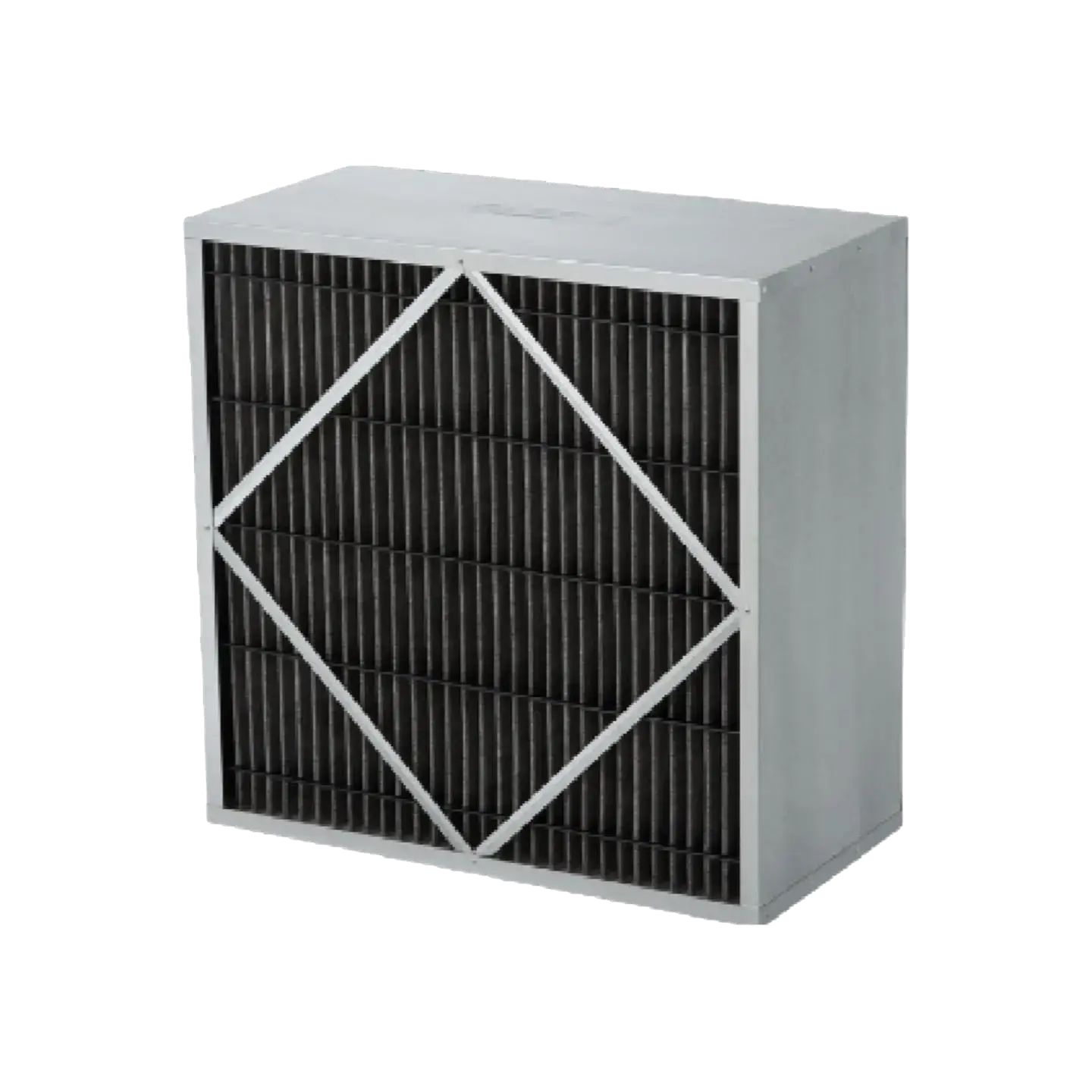
| Activated carbon panel or pocket | Frame with a gasket strip | Seated before the fan starts, so carbon is not shaken loose |
| Terminal HEPA, gel seal | Knife edge into a gel channel | Clean gel, uniform knife-edge depth, full-perimeter contact |
| High temperature panel | Metal frame in an oven track | Grade matched to the duty temperature, not reused from a cooler line |
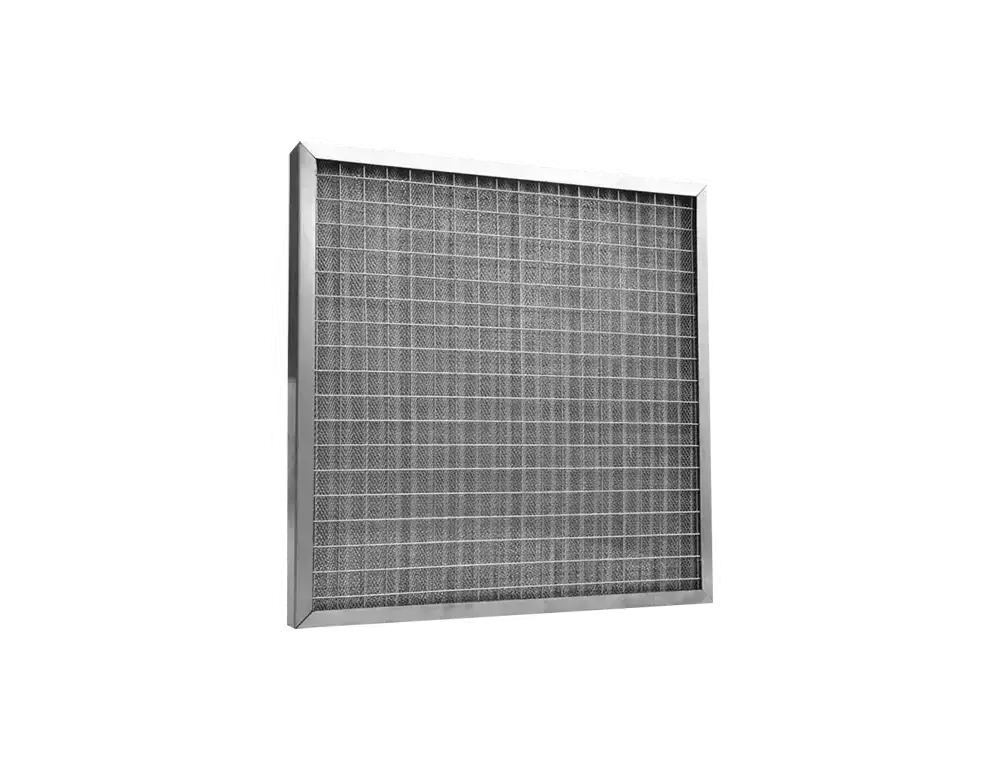
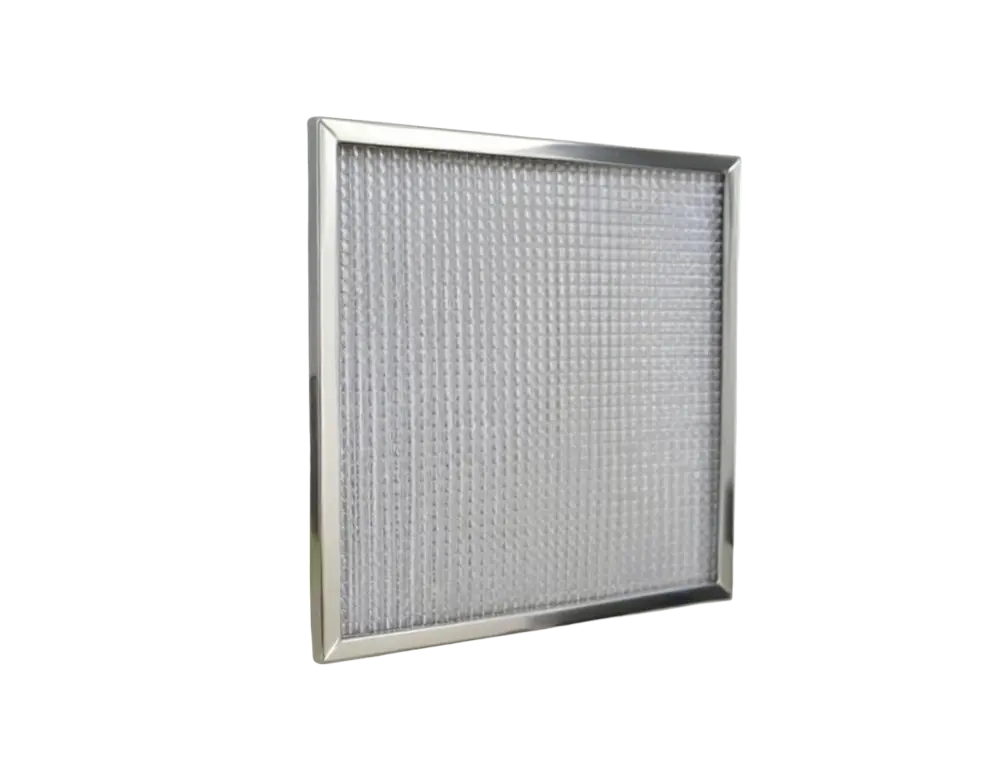
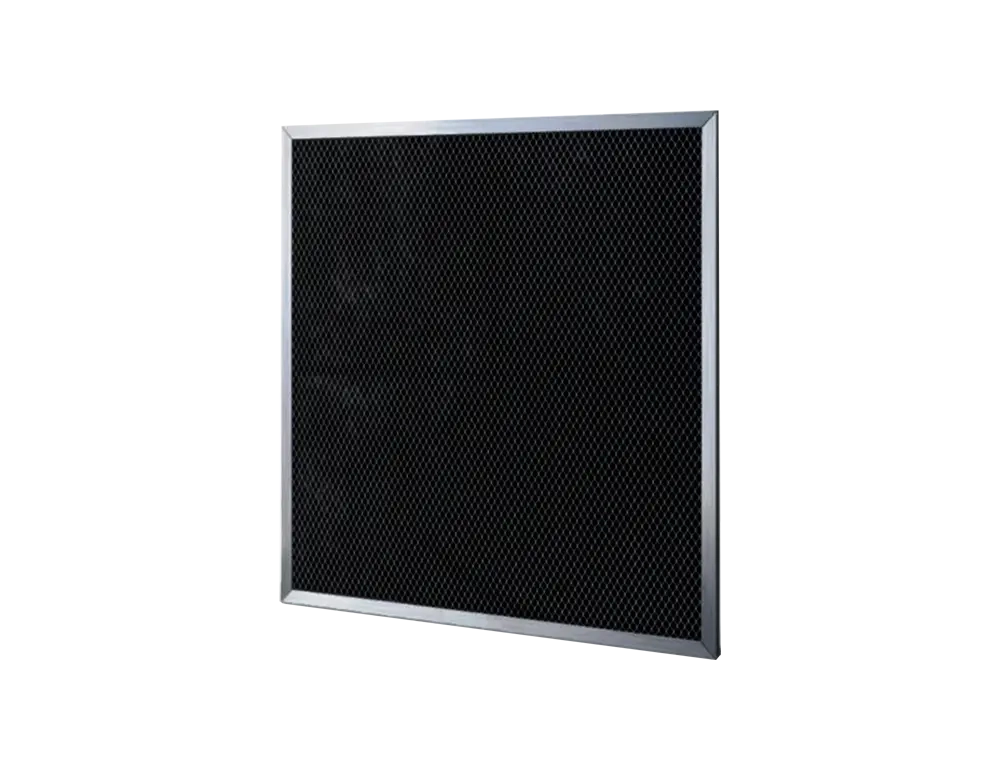
| Washable metal mesh panel | Reusable frame in a track | Media pad refitted the same way round after cleaning |
Two rows deserve more than a glance. High temperature work is where air filter installation is most often treated casually: a 240 °C high temperature panel filter is rated at 50 Pa initial and 250 Pa final at 1.0 m/s, and fitting a standard panel into the same track removes the margin that rating provides. Washable elements carry the opposite risk — a washable plank air filter only performs to grade when the media pad goes back the way it came out.
Mistakes that undermine an air filter installation
Most faults traced back to air filter installation are procedural rather than technical, and most of them are invisible from the access door.
- Old gasket left in the track. The new frame sits on compressed residue, the seal never contacts the mounting face, and a continuous bypass opens along that edge.
- Face size assumed rather than measured. A few millimetres of slack is enough to open a gap that the gasket cannot take up.
- Element changed with the fan running. Dust is driven straight past the opening and downstream particle counts spike for hours afterwards.
- Arrow read after the panel is seated. By then the frame is already in the track, and reversing it means repeating the whole air filter installation.
- Grade mixed within one bank. Elements of different resistance share the airflow unevenly, some load faster than others, and the pressure drop reading stops meaning anything.
- Pre-filter stage skipped. A missing G4 stage shortens medium efficiency life sharply and is then recorded as a filter quality problem.
- Elements stored in a damp room. Media that takes up moisture before it is fitted begins its service life already restricted.
- Gauge not re-zeroed after the work. The baseline is wrong, so every later reading carries the same offset.
- No record kept. Without the commissioning reading, no later air filter installation on that housing has anything to compare against.
Turning the sequence into a record
Getting air filter installation right is less about technique than about sequence and record. The element, the housing and the seal are all simple; what fails is the step skipped when the plant is under pressure to restart. Recording the pressure drop at commissioning turns that sequence into something a maintenance team can audit, and it is the point at which an installed filter becomes a filter you can trust.
The verification step that follows a high-integrity air filter installation is covered in the HEPA filter leak test guide, which sets out the scan methods and acceptance limits used after a gel-sealed element is fitted. Buyers still comparing elements before they reach the housing will find the bag filter selection guide and the HEPA filter selection guide useful alongside it. For custom face sizes, non-standard depths or elements matched to an existing holding frame, send the frame dimensions and the duty conditions through the contact page.
Need a custom air filtration solution?
Contact the Whalesens engineering team for product selection and OEM/ODM support.
Email whalesens@gmail.com
Related Products
These products cover the filtration stages discussed above; see each product page for full specifications.
ProductLiquid Tank HEPA FilterThe knife edge must meet the gel channel at uniform depth around the whole perimeter, so seal quality is an installation outcomeView product details → ProductF6 Medium Efficiency Bag FilterPockets have to run downstream to inflate; fitted backwards, resistance climbs within daysView product details →ProductPleated Panel Pre FilterPleats open towards the clean side, and face size tolerance in the track is where this stage usually losesView product details →
 ProductV-Bank Medium Efficiency Filter292 mm depth with V-shaped headers that must align with the airflow, or the shallow-frame advantage is lostView product details →
 ProductHigh Temperature Panel FilterOven duty requires a matched temperature grade; a standard panel in the same track gives up that marginView product details →
Frequently Asked Questions
The questions our engineering team receives most often on this topic.
What happens if a filter is installed backwards?
Pockets collapse when a bag filter is reversed, so the media area that produced the low resistance disappears and pressure drop climbs within days. A panel fitted the wrong way round loses the support on its downstream face and can distort in service. Check the arrow against the duct direction before the element goes in; it cannot be judged from outside the access door.
Is it better to clamp a filter as tightly as possible?
No. Too little clamping leaves the gasket short of its working compression, so a continuous bypass remains. Too much distorts the frame and takes a permanent set out of the gasket, leaving nothing to compress at the next installation. Bring the clamps down evenly in a cross pattern and stop when the gasket has visibly taken up the gap.
Should pressure drop be measured after every installation?
Yes, and it is the cheapest proof the job is right. The reading taken after fit-out is compared with the datasheet value for the grade and airflow; if it comes in low, suspect bypass before assuming an efficient filter. The same number becomes the baseline for deciding later whether the element needs replacing.
What goes wrong most often with liquid tank HEPA filters?
A knife edge that never meets the gel channel at uniform depth around the whole perimeter. Debris in the gel, a wrinkled surface or one side missing the channel leaves a leak that clamping cannot fix. Cleaning the mounting face and inspecting the knife edge before fitting is worth more than adjusting clamping force afterwards.
What should be checked when a washable filter goes back in?
The media pad has to go back the same way round, with the protective mesh facing the same side, or the efficiency grade does not hold. The pad should also be fully dry before refitting; moisture carried back into the duct raises initial resistance and creates problems in service.