


EV Charging Stations
Filtration for Power Equipment
Cleanroom & Semiconductor
Ultra-High Cleanliness Filtration
Commercial HVAC
Central Air System Filtration
Data Centers
Precision Equipment Protection
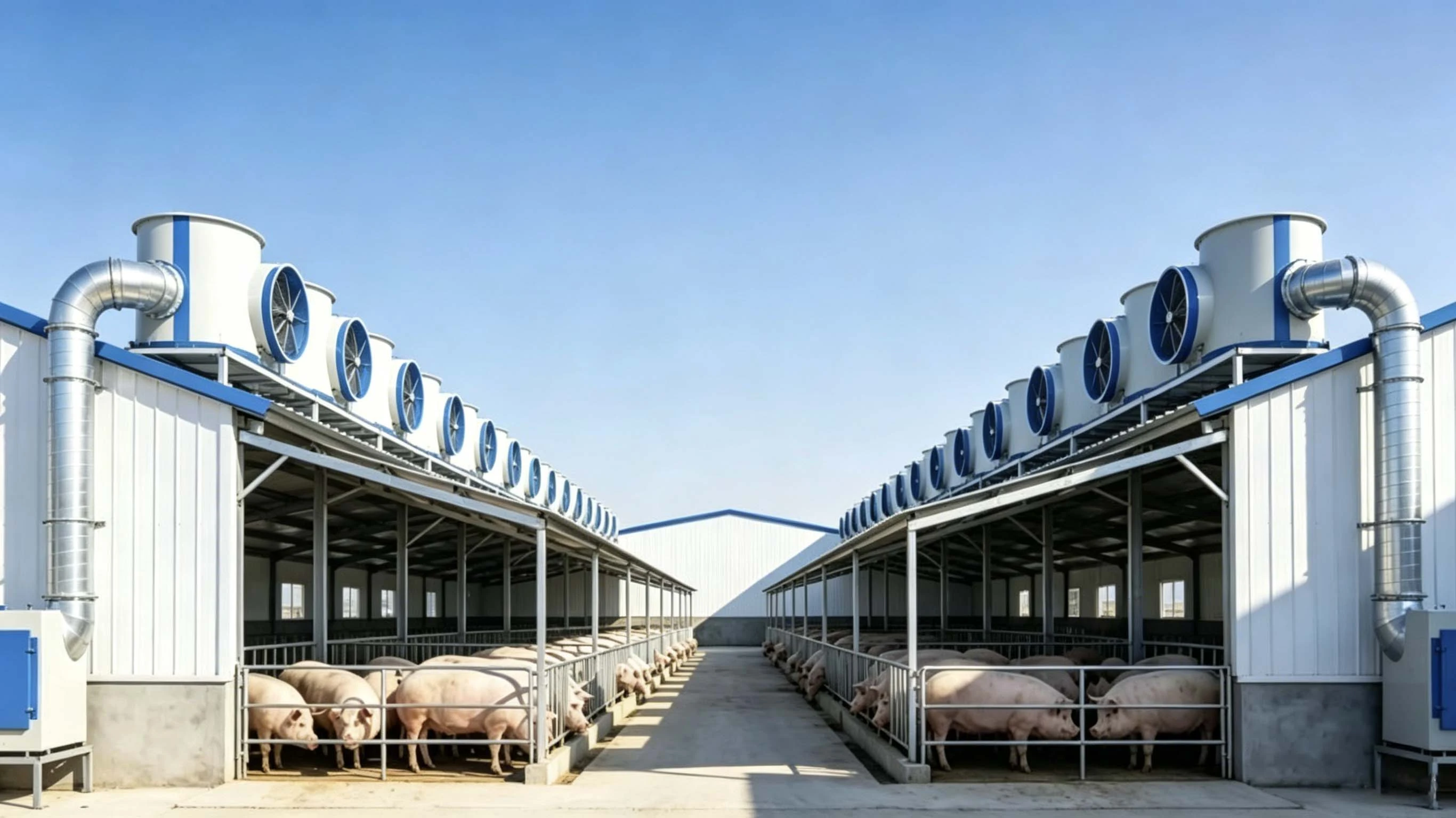
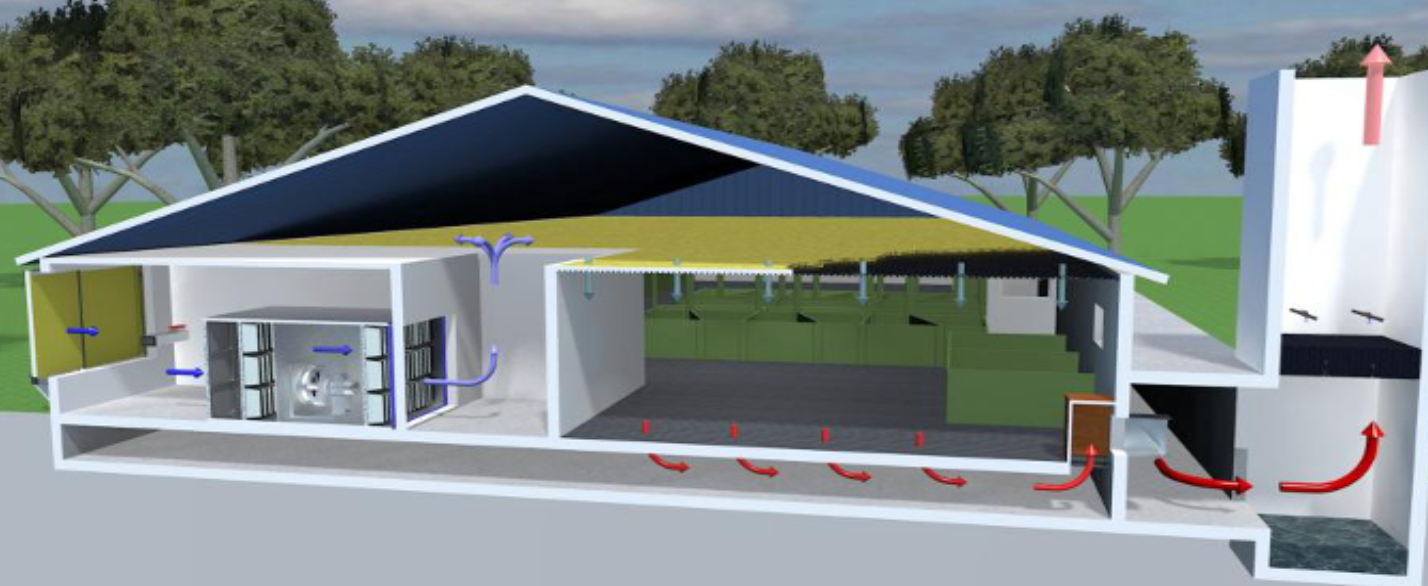
Livestock & Farming
Farming Environment Purification
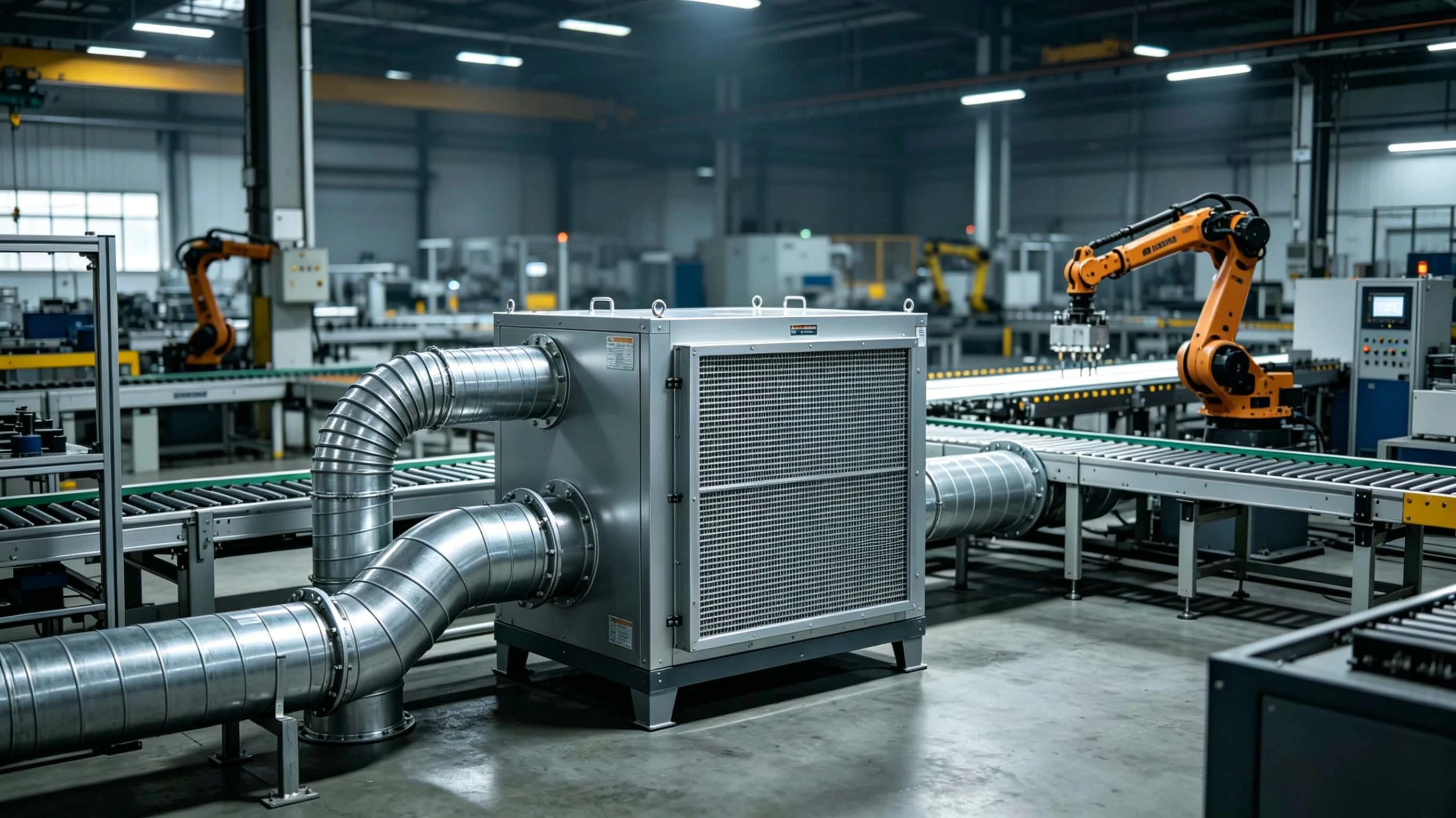
Spray Booths & Industrial Dust
Paint Mist & Dust Purification
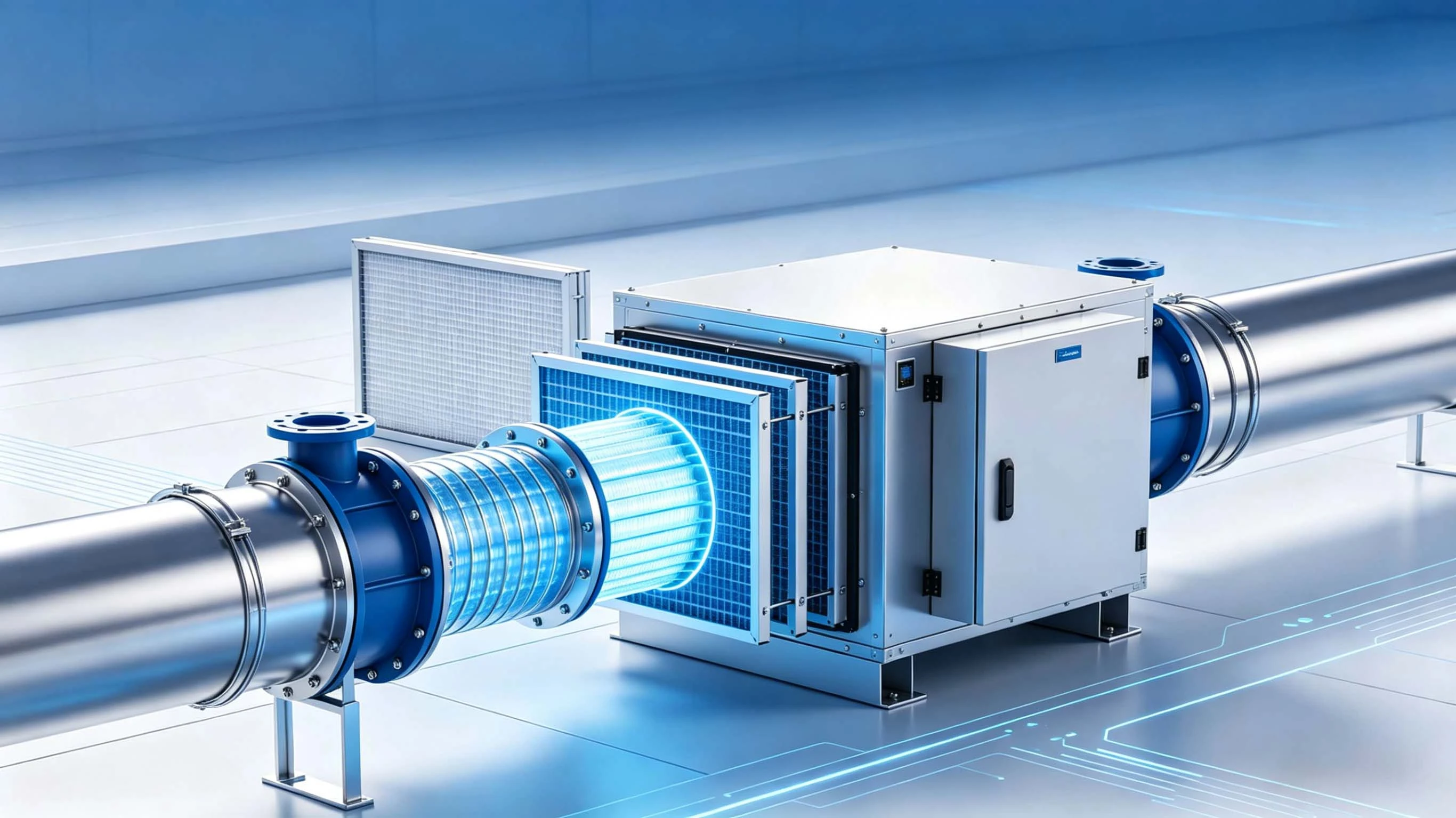
Filtration for Power Equipment
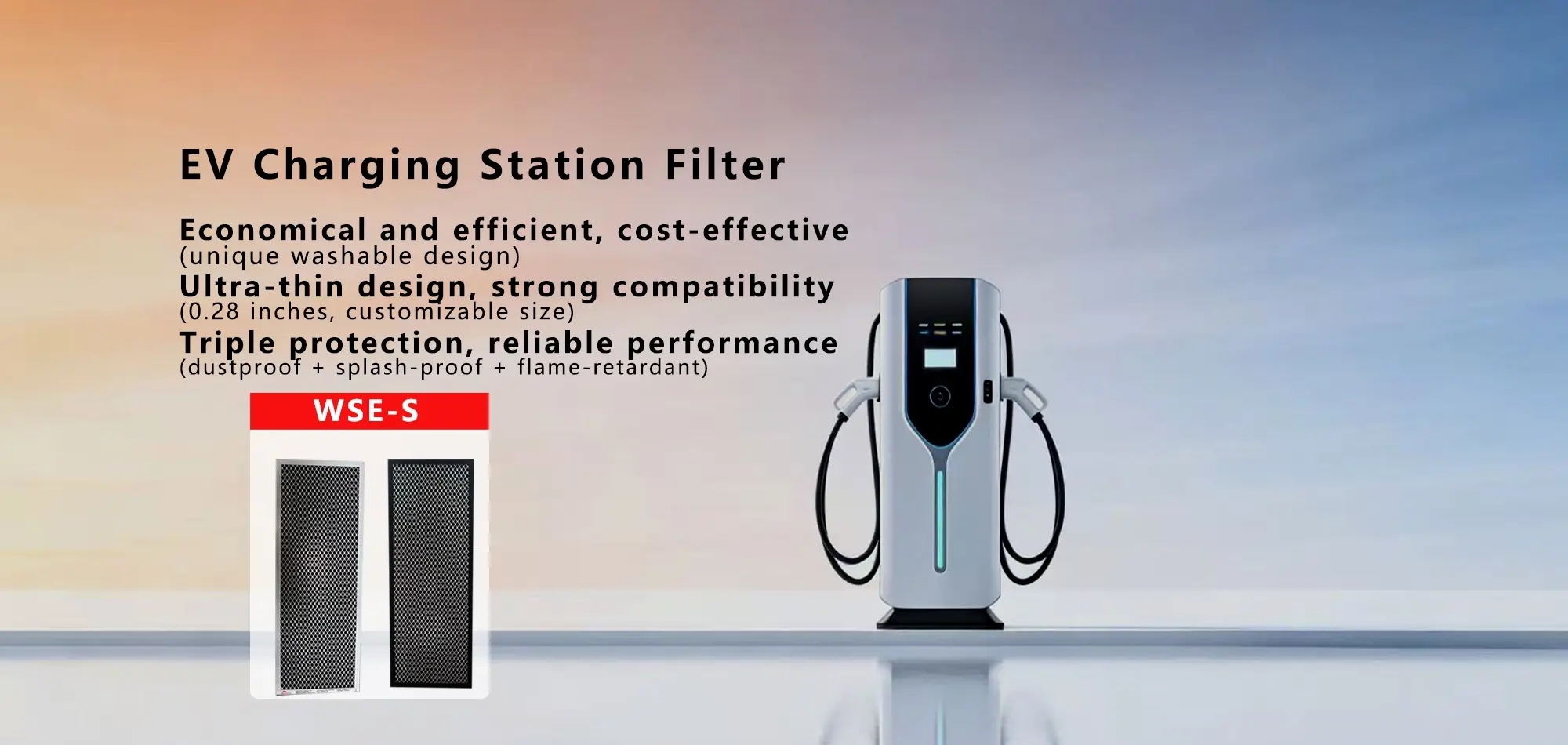
Professional air filtration for EV charging devices, protecting against dust and sand ingress to ensure stable, reliable operation of charging piles and station infrastructure.
View Related Products →Ultra-High Cleanliness Filtration
Ultra-high efficiency filtration for semiconductor wafer fabs and precision electronics cleanrooms, capturing nano-scale particles to meet ISO Class 1–3 standards and maximize product yield.
View Related Products →Central Air System Filtration
High-efficiency filtration for commercial building HVAC systems, improving indoor air quality, reducing energy consumption, and extending equipment service life.
View Related Products →Precision Equipment Protection
Precision air filtration for data centers, shielding servers and critical hardware from dust contamination to keep cooling systems running efficiently and reliably.
View Related Products →Farming Environment Purification
Dedicated filtration systems for farms and livestock facilities — capturing dust, adsorbing ammonia, and inhibiting pathogen spread to improve animal health and overall productivity.
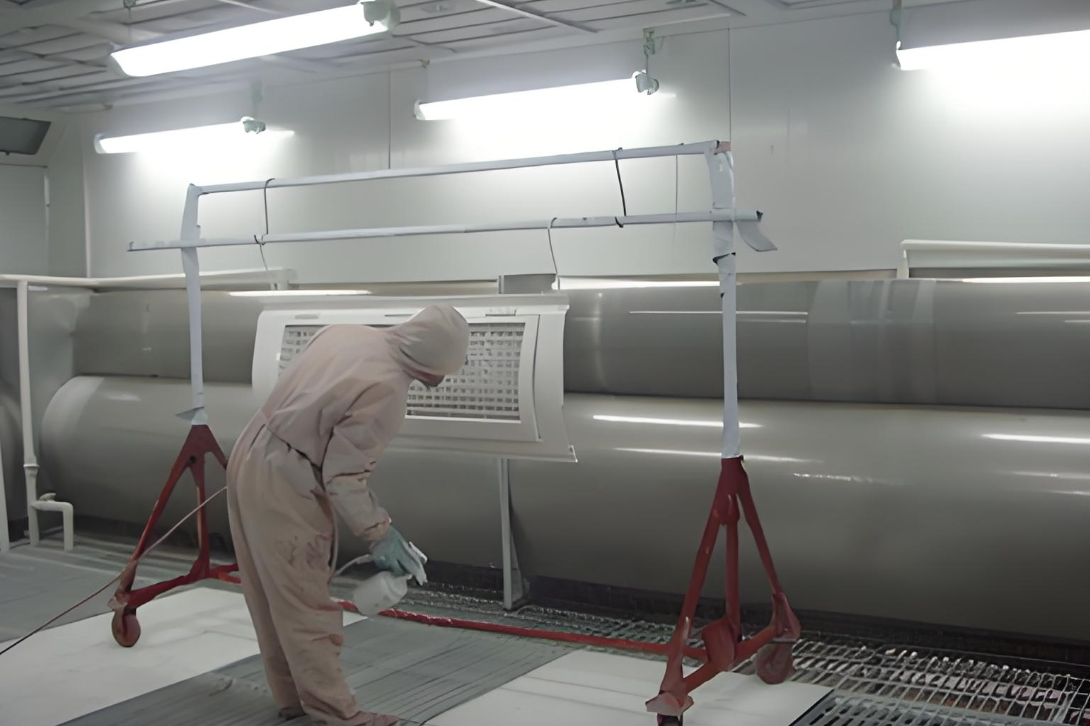
View Related Products →Paint Mist & Dust Purification
Designed for spray booths and grinding workshops, efficiently capturing paint mist, metal dust, and wood chips to meet emission standards while protecting finished surface quality.
View Related Products →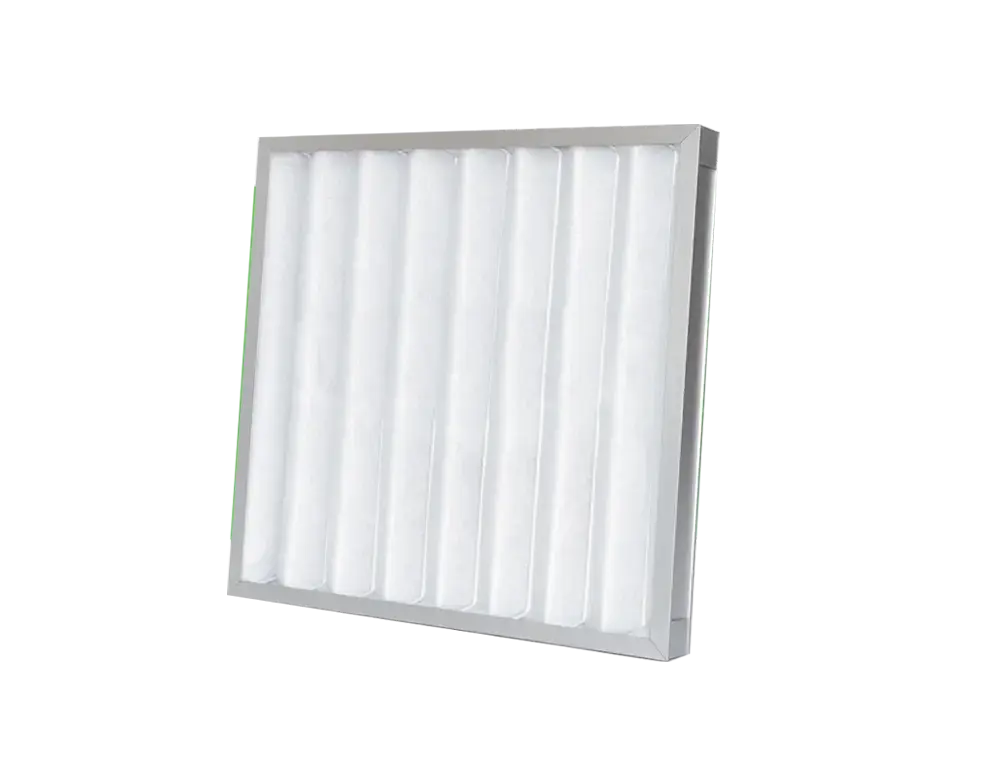
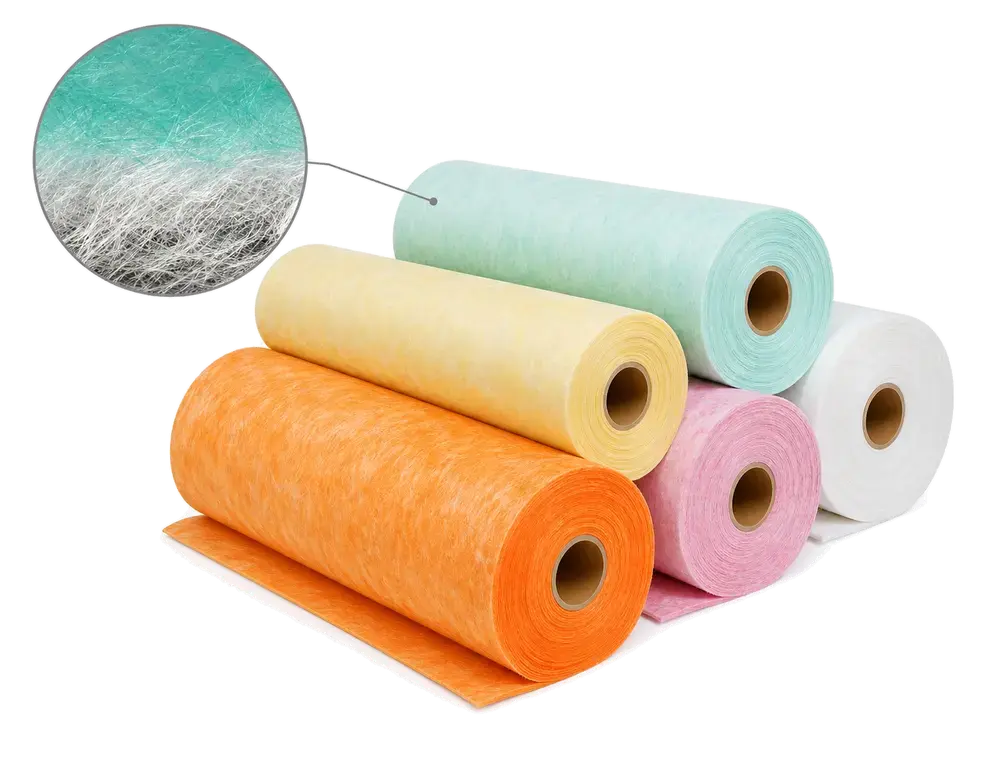
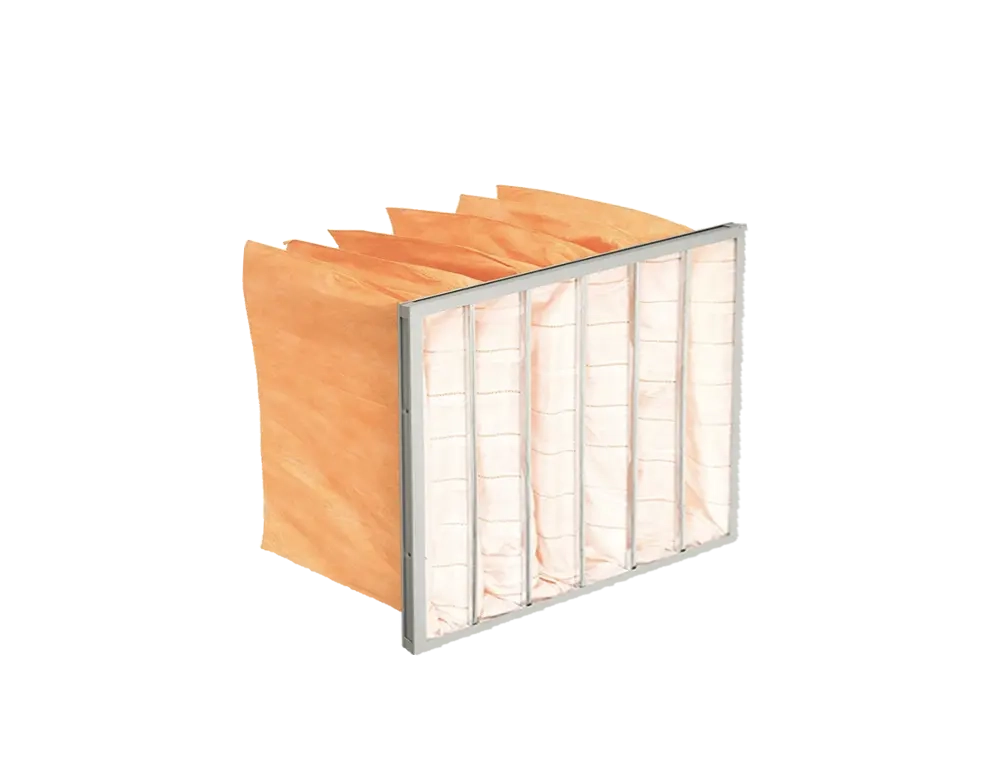
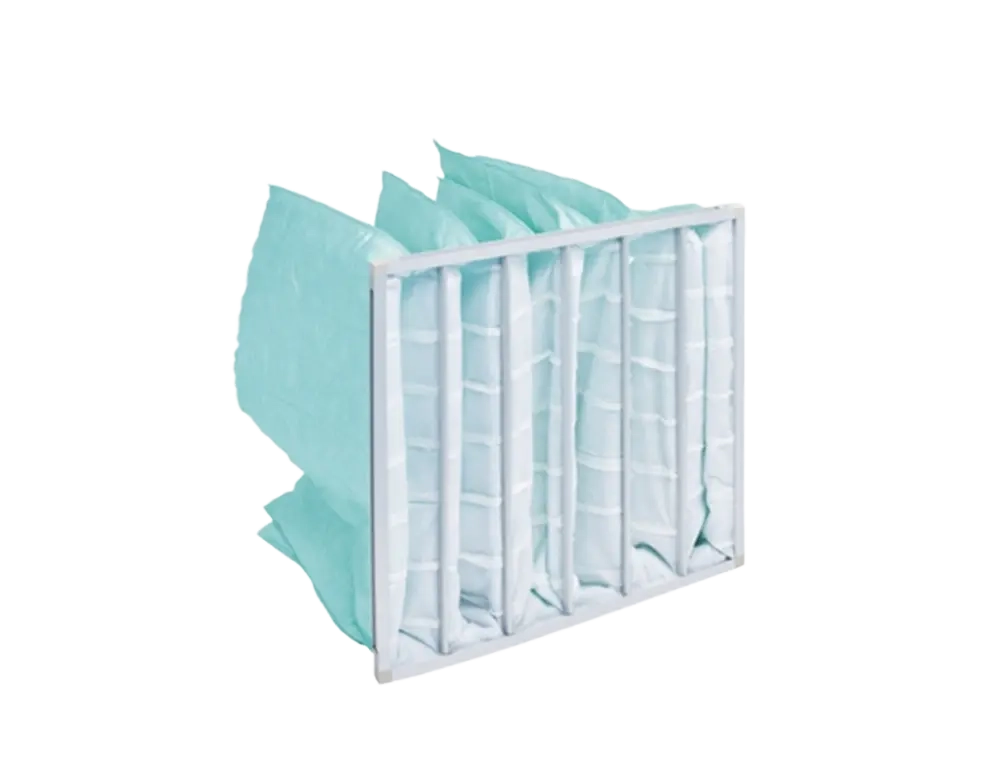
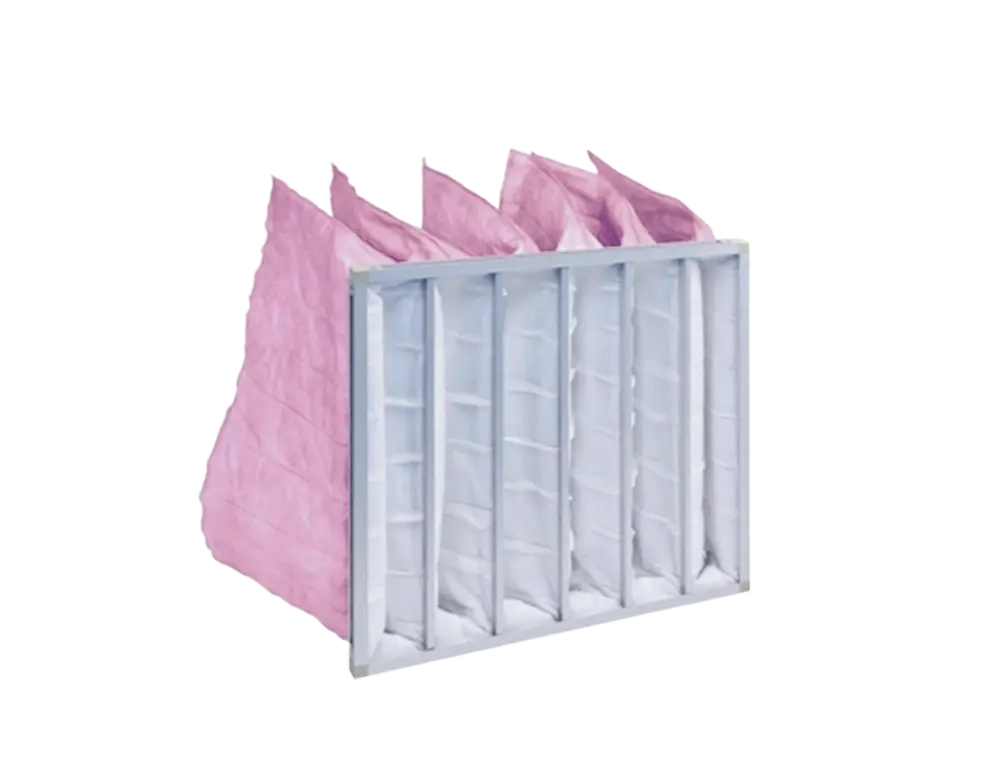
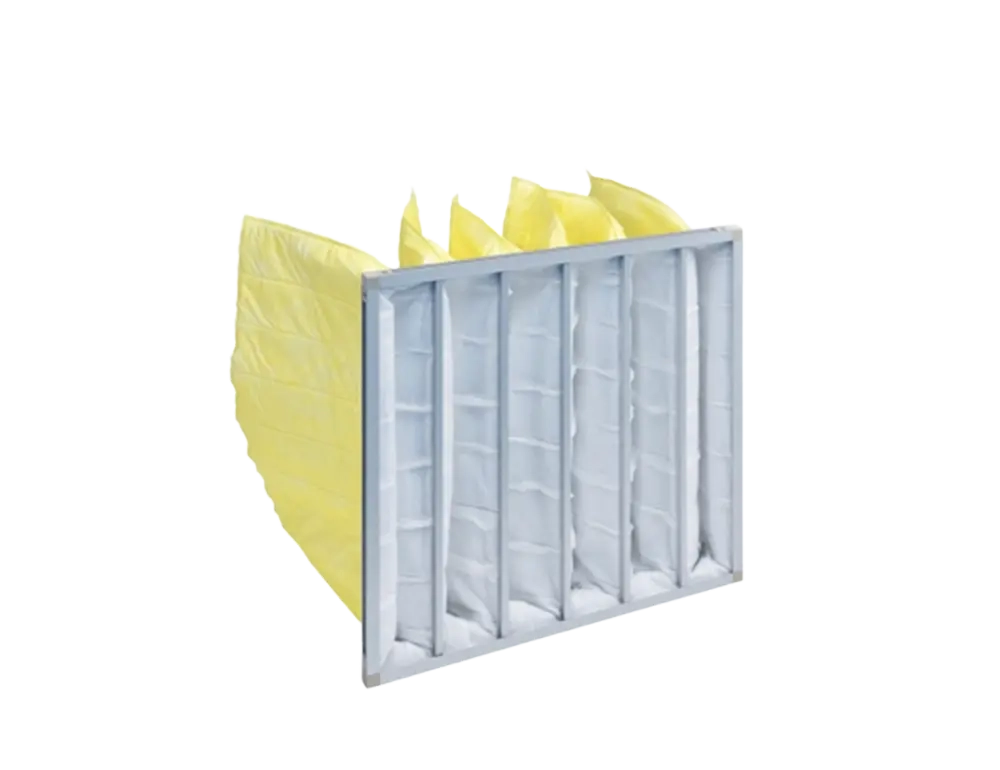
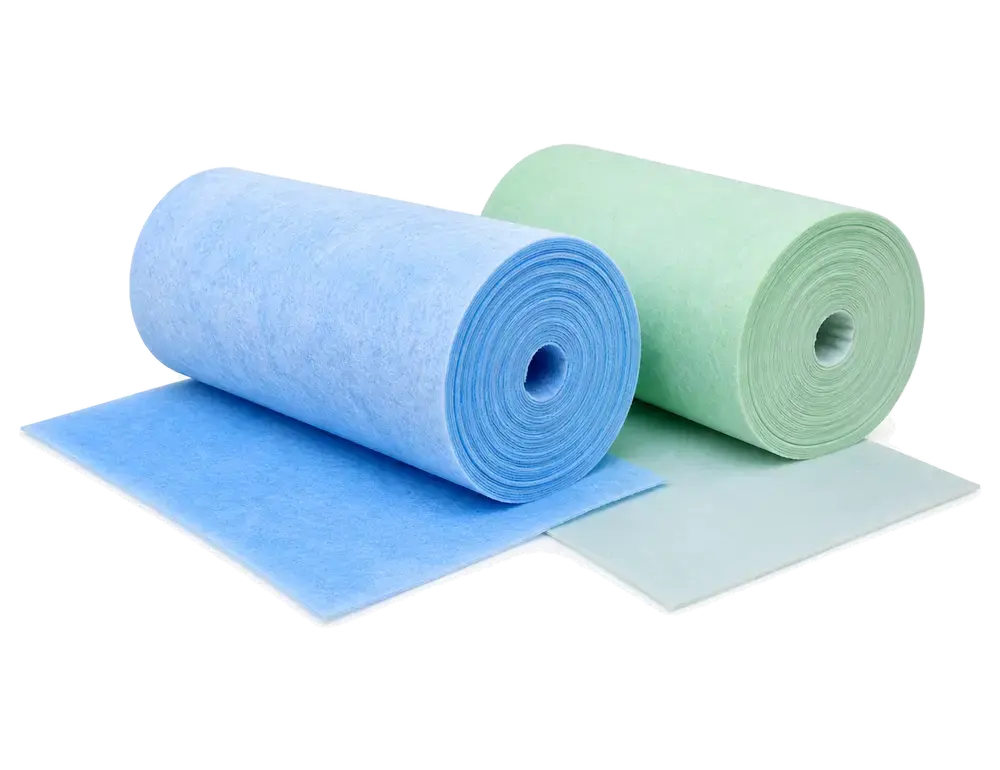
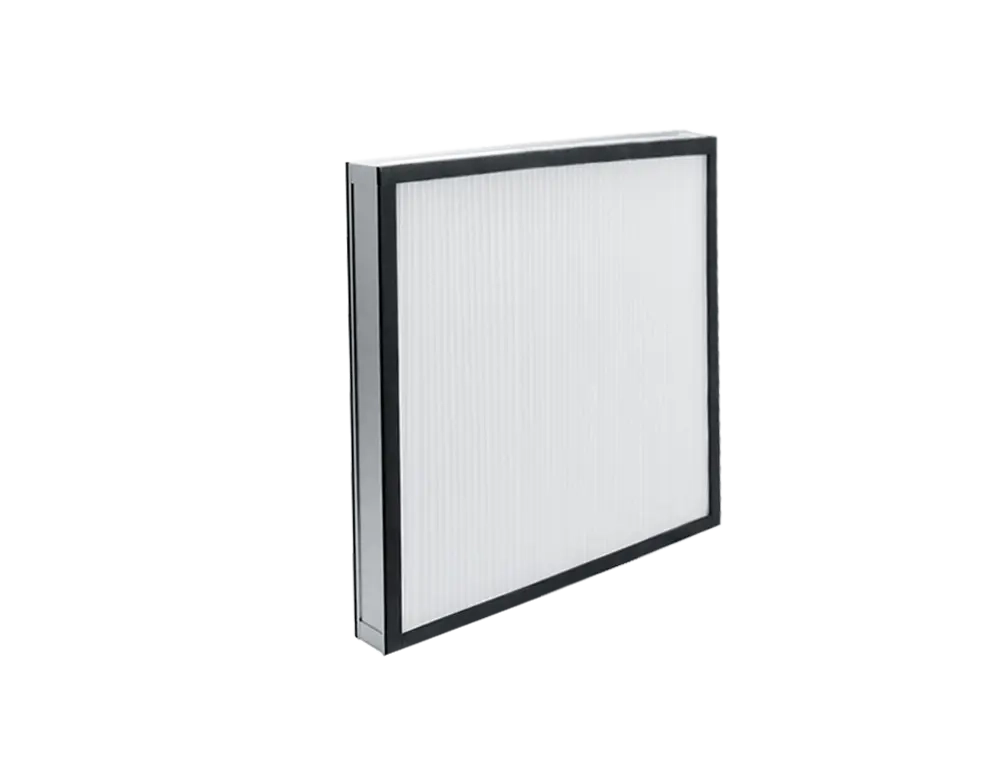
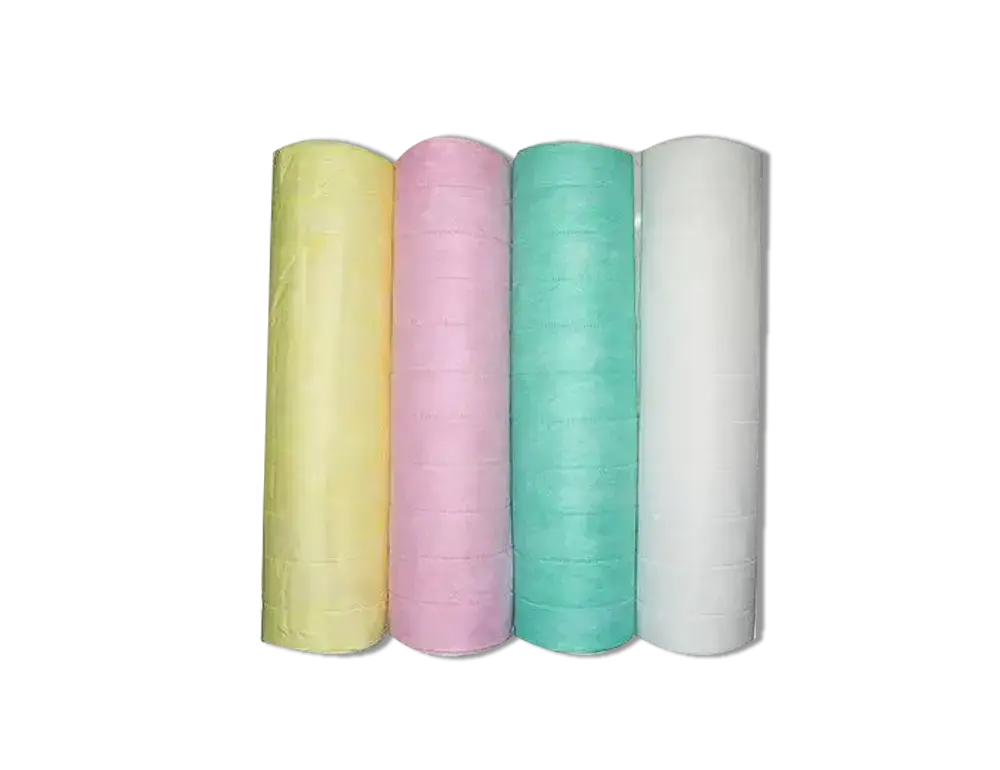
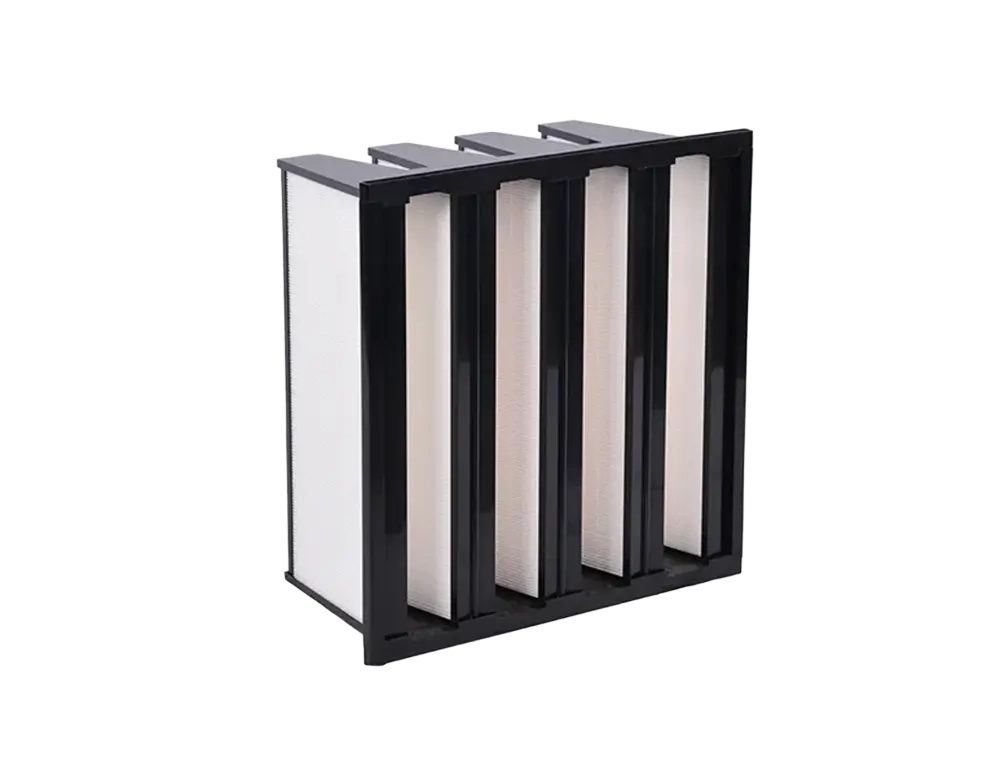
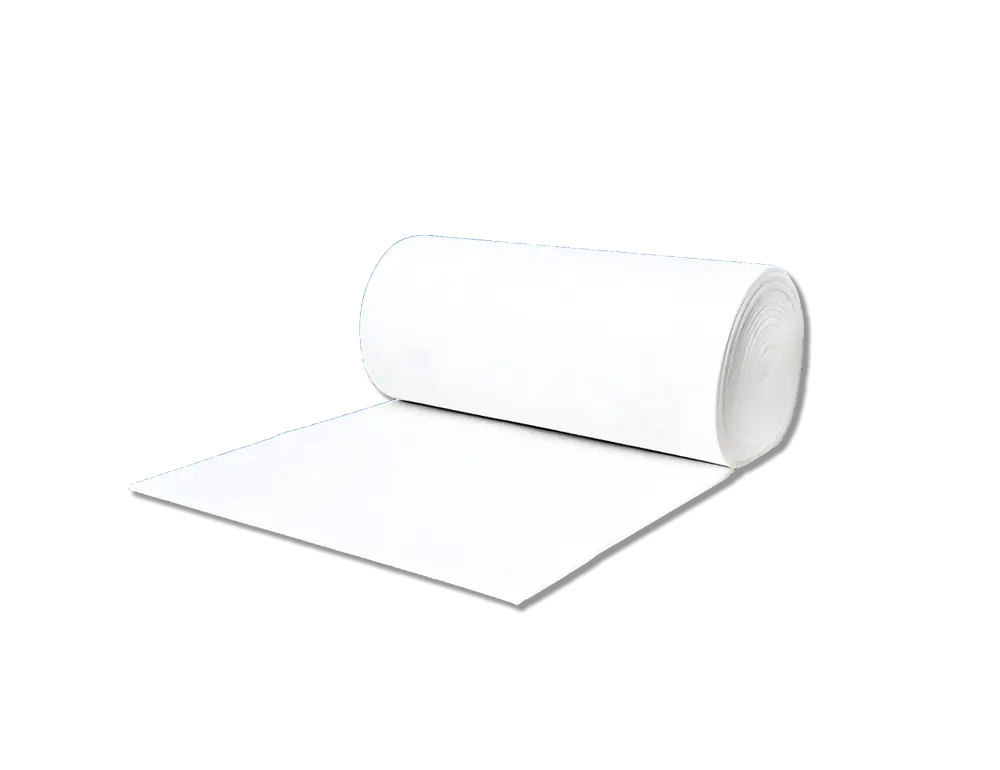
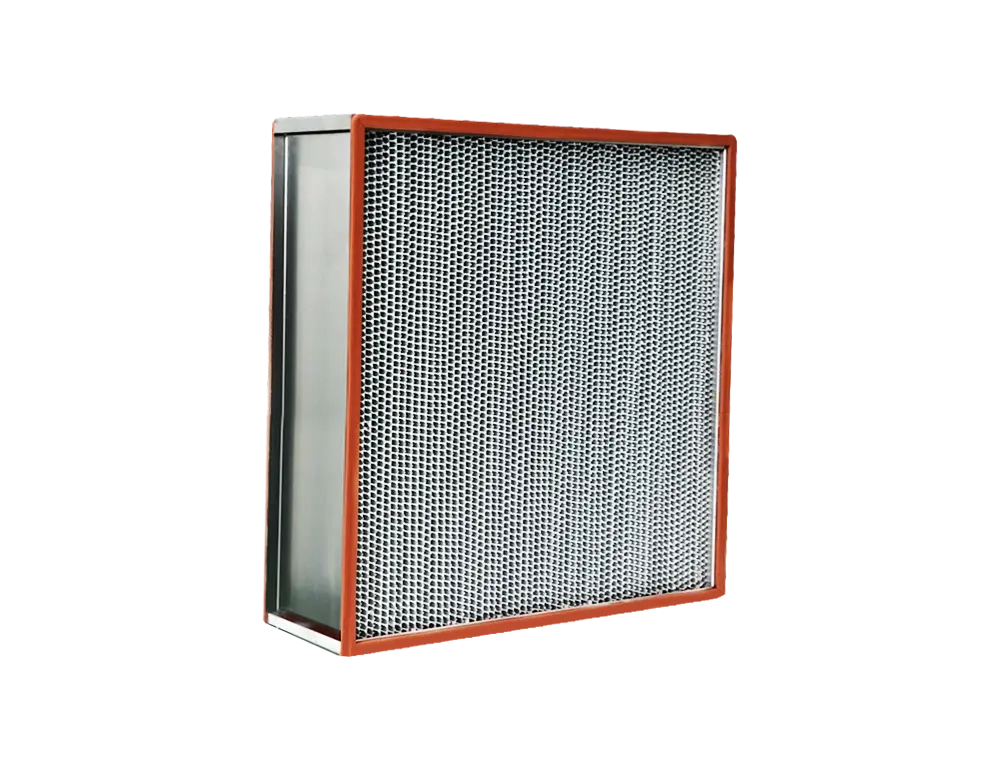
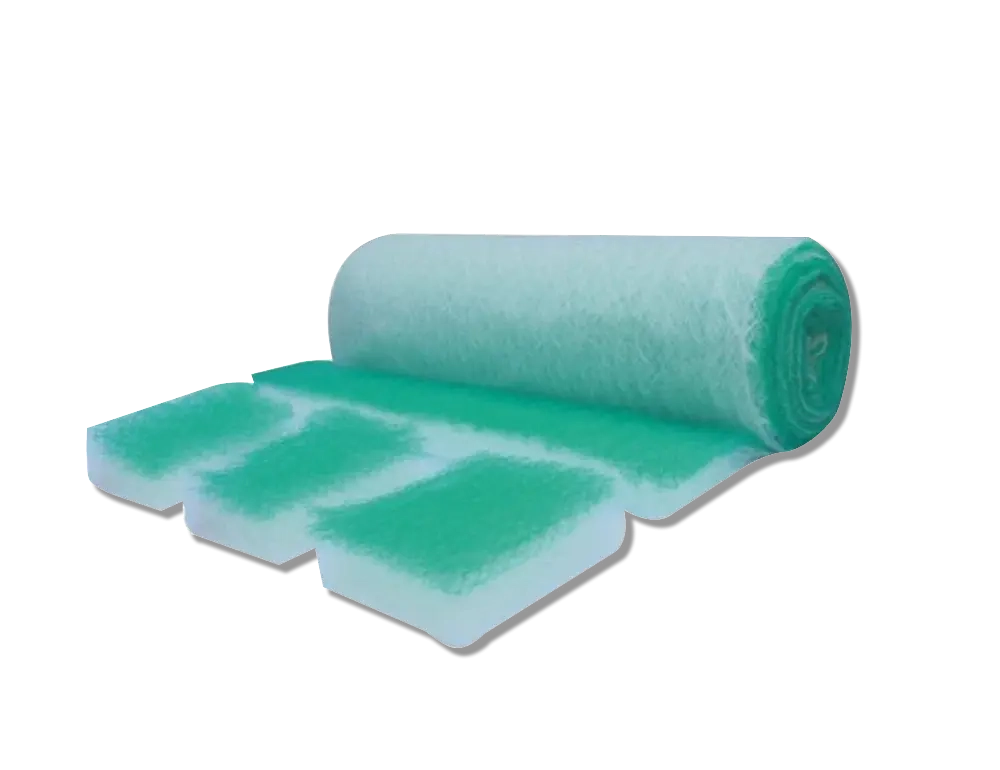
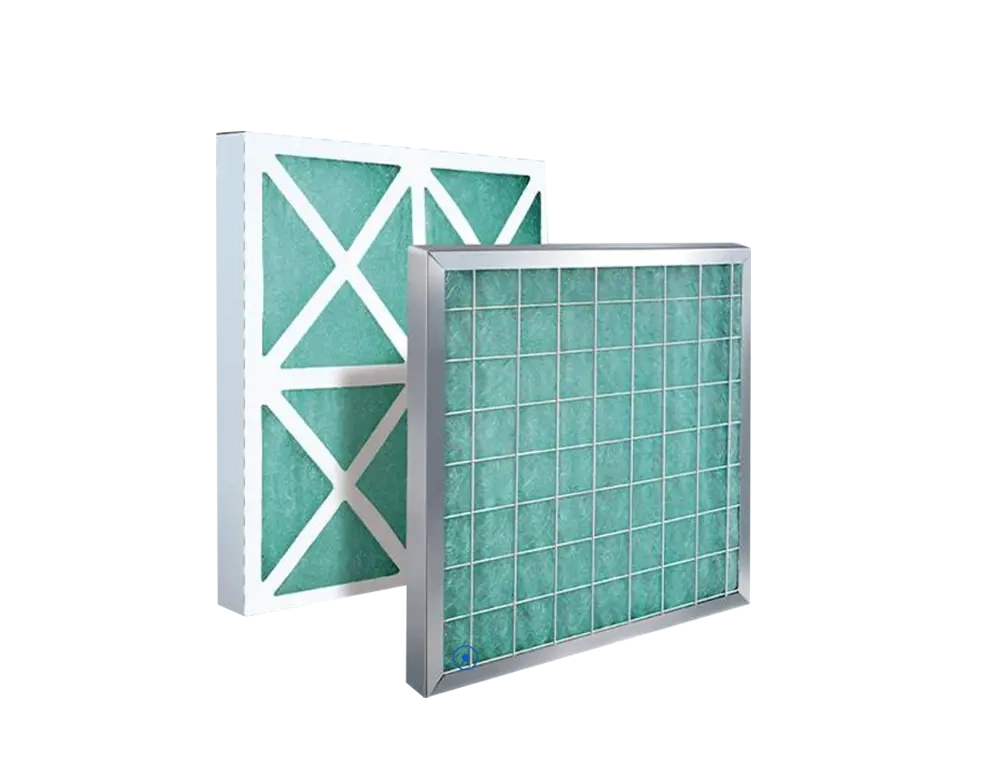
Pre-Filter (G1–G4)
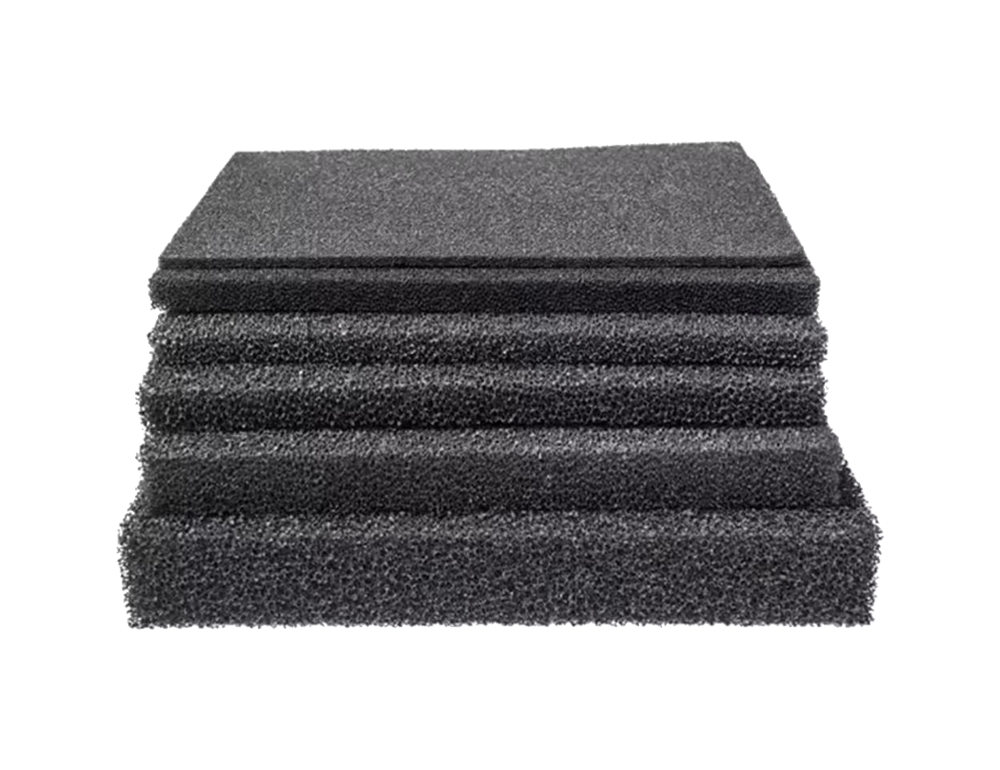
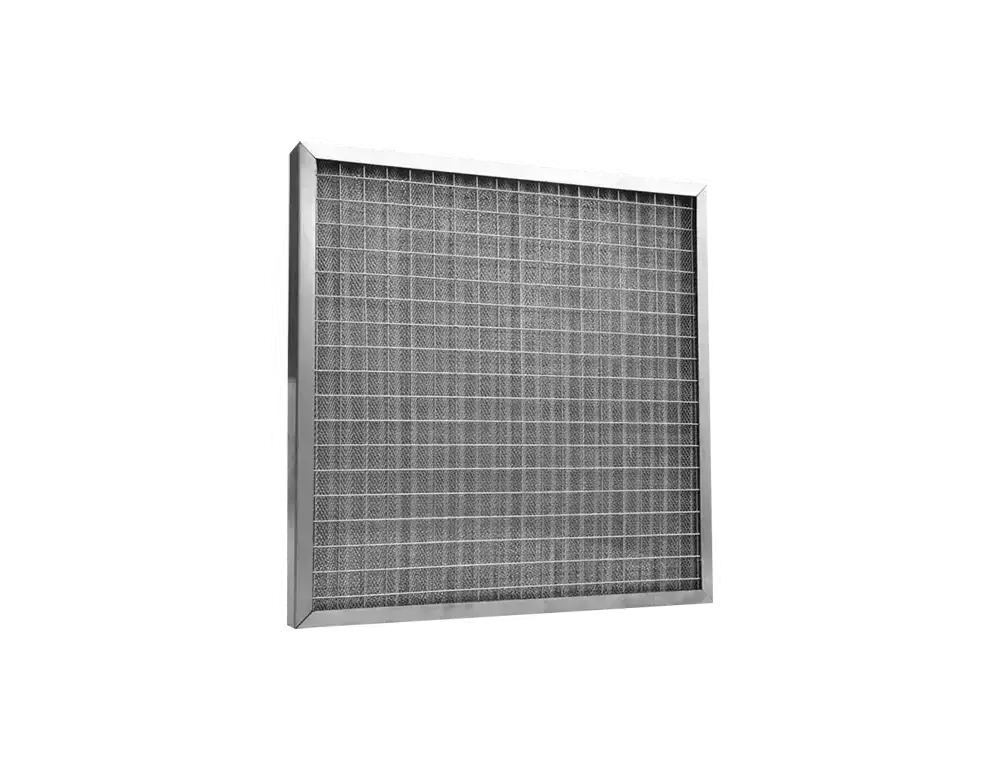
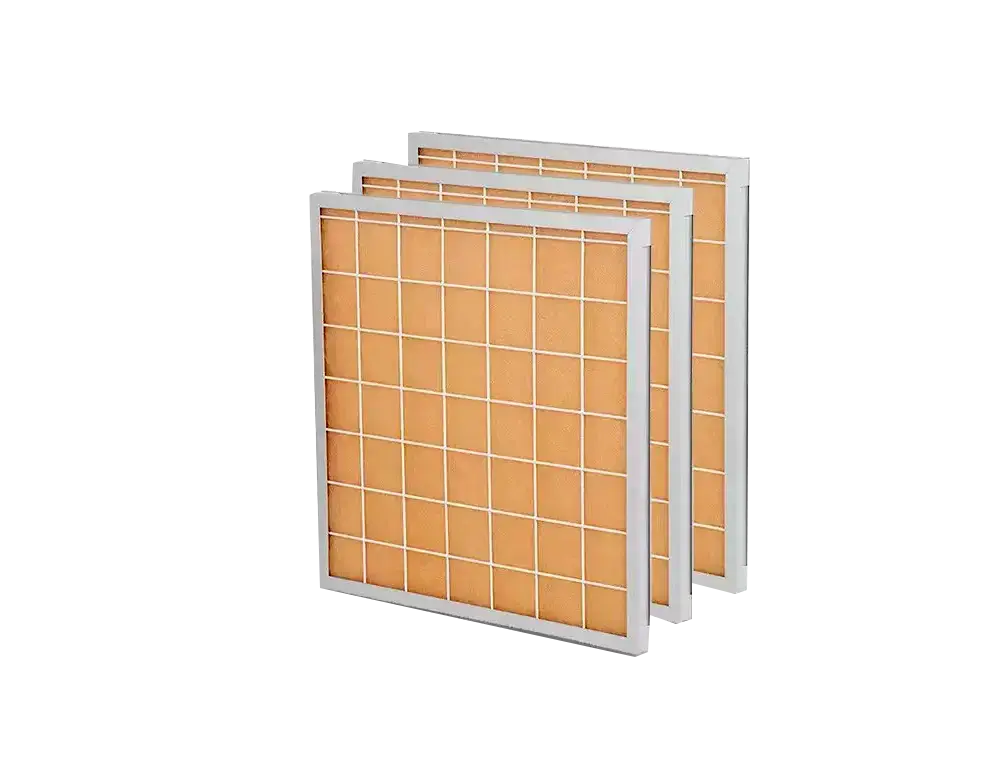
First-Stage Large-Particle Capture
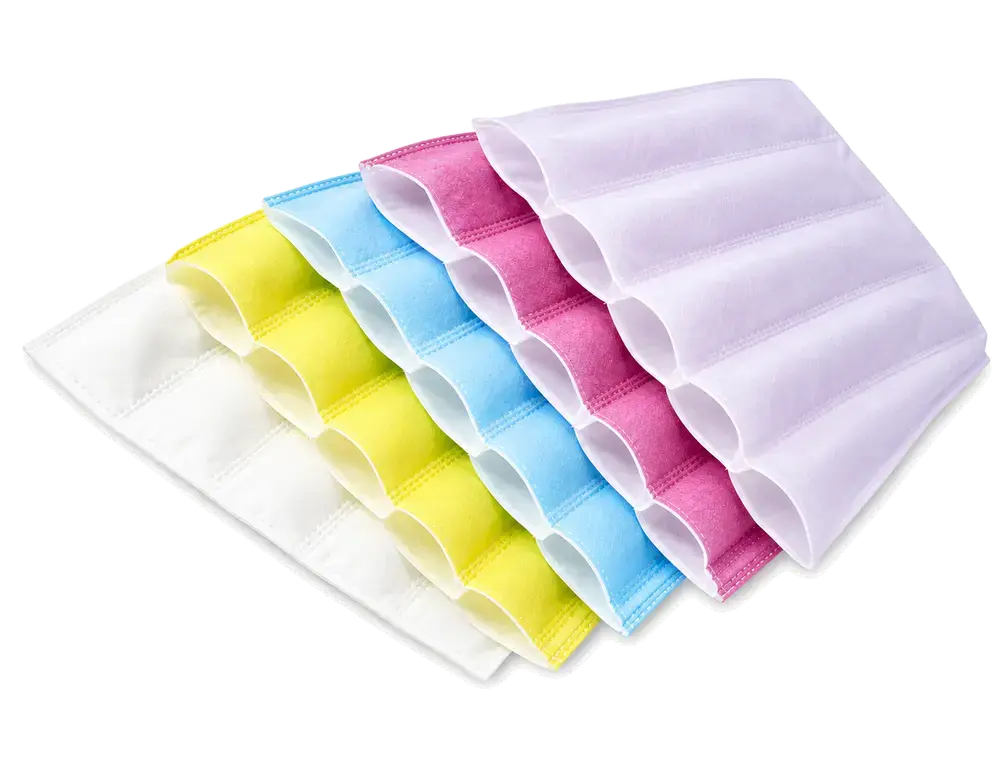
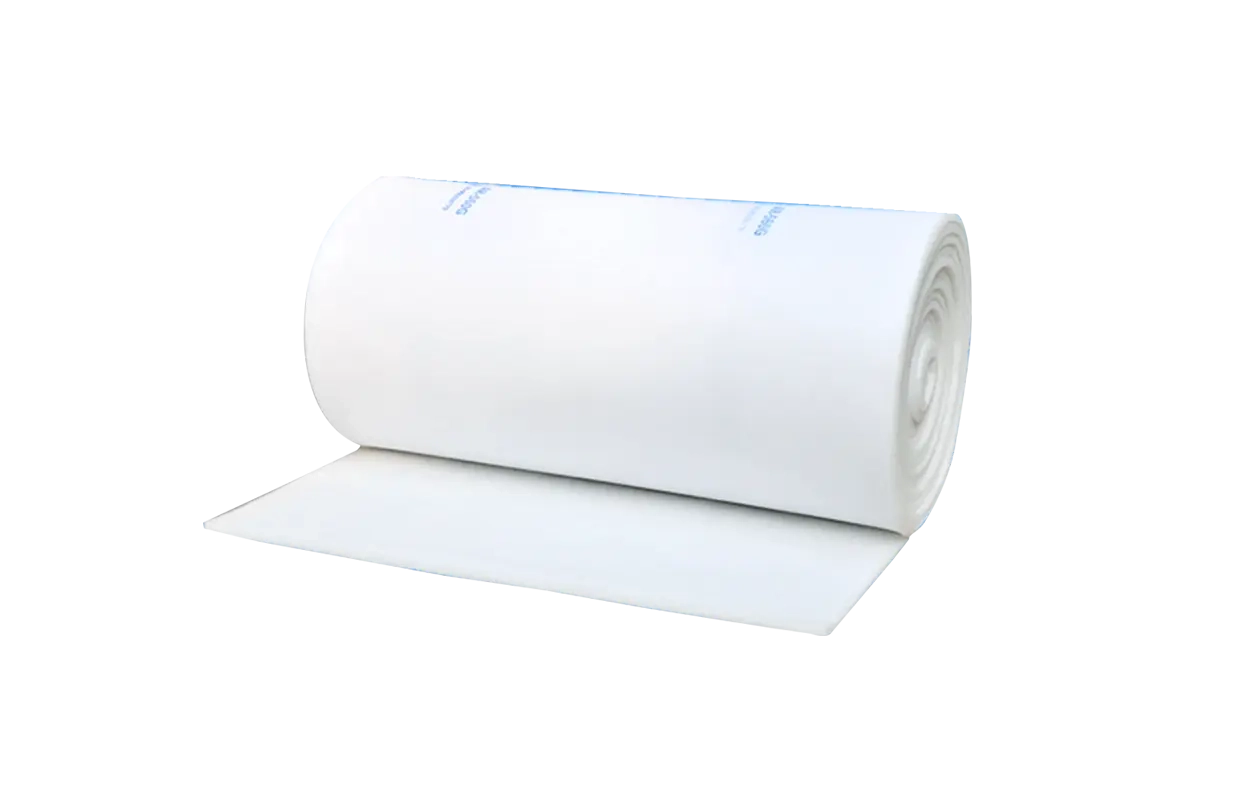
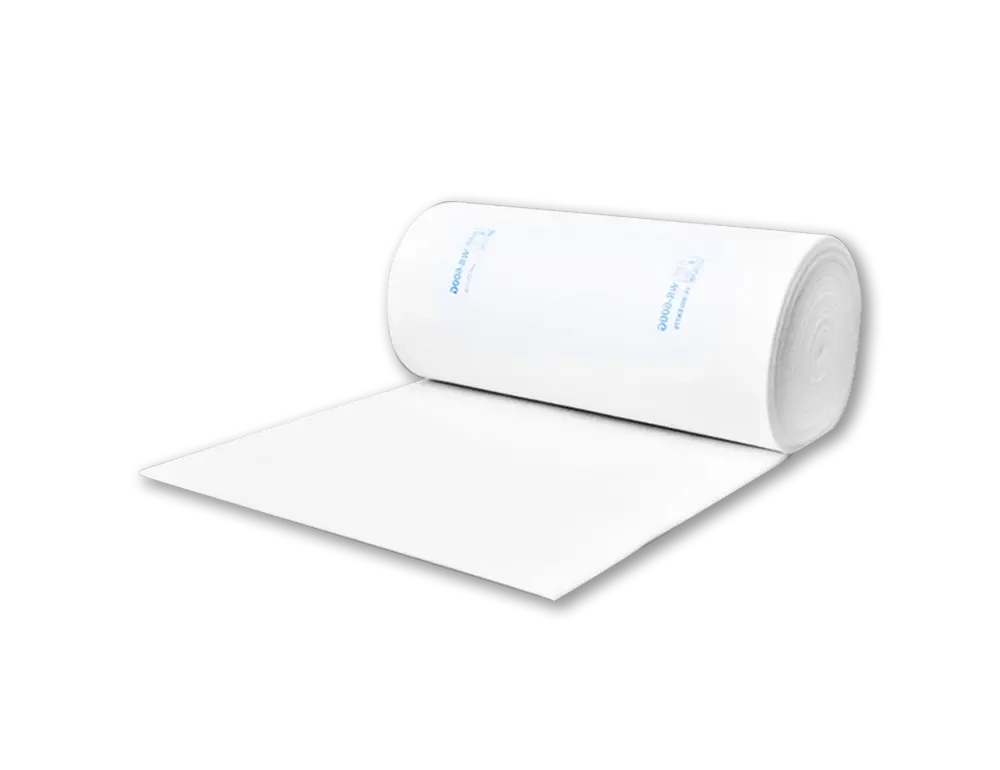
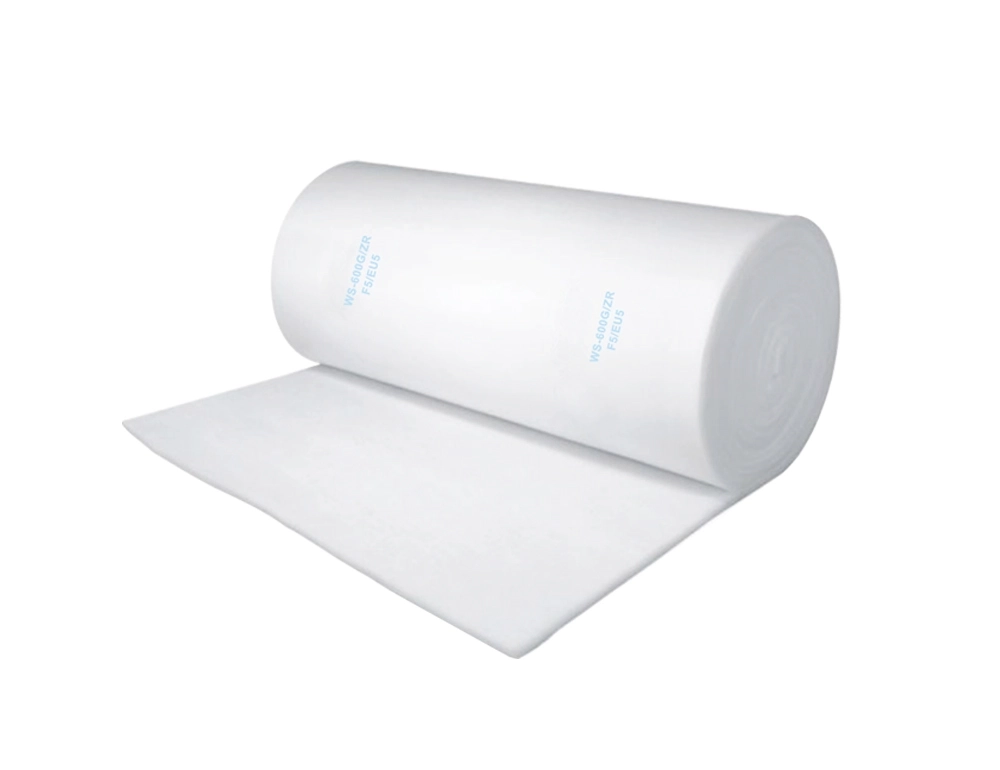
Medium-Efficiency Filter (F5–F9)
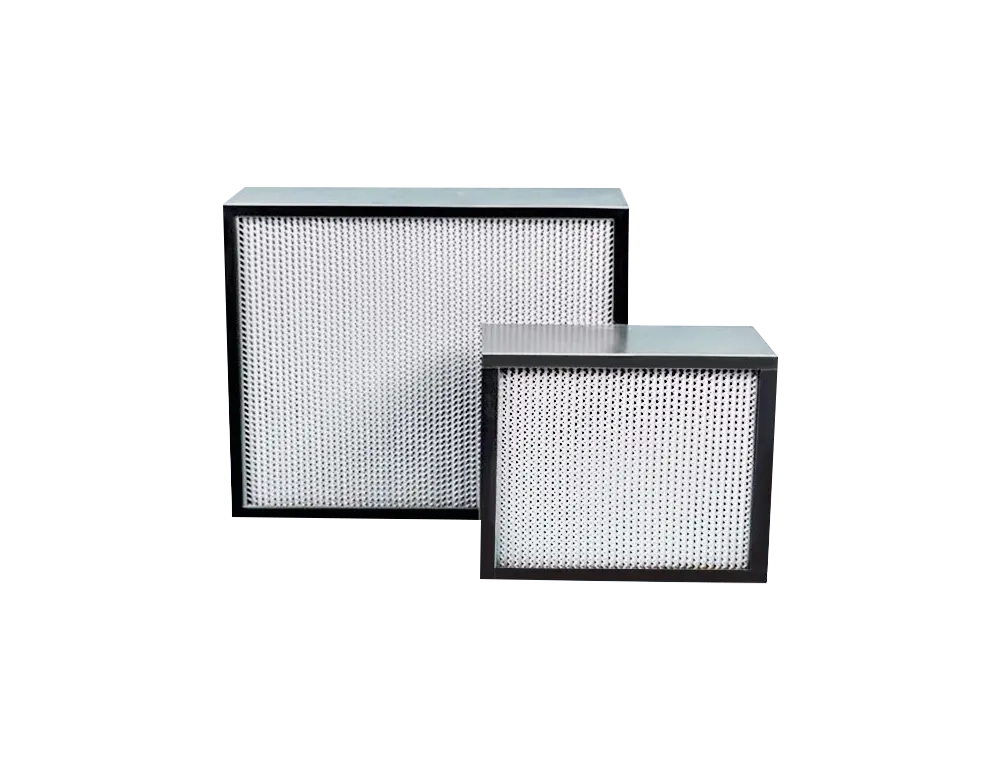
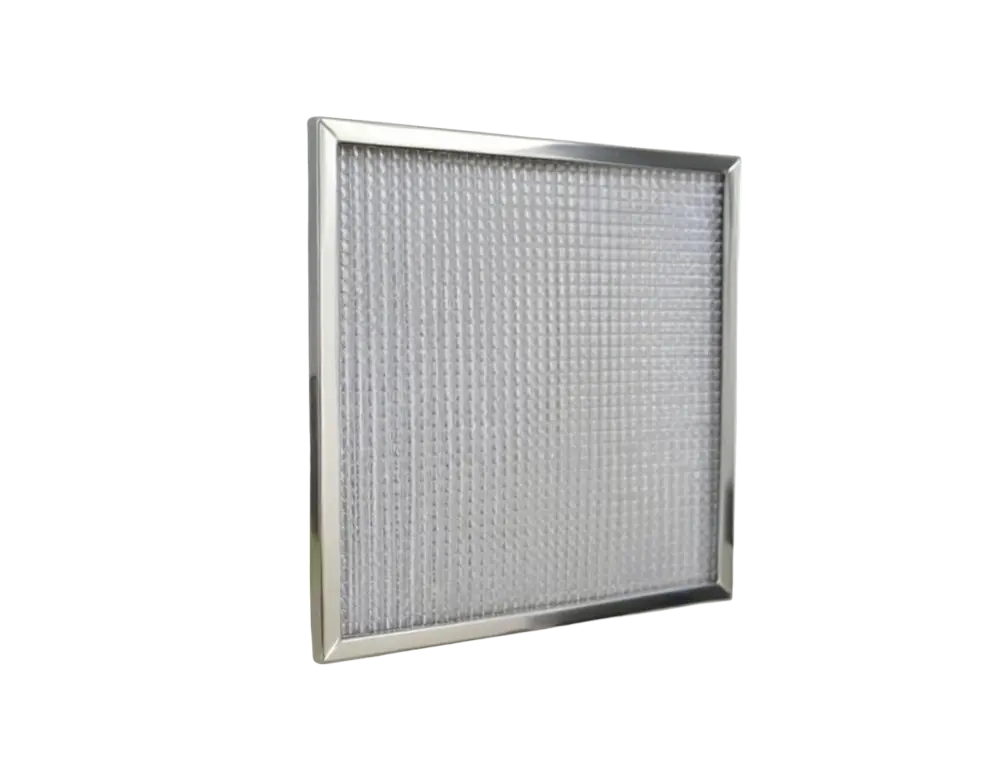
Precise PM2.5 Capture
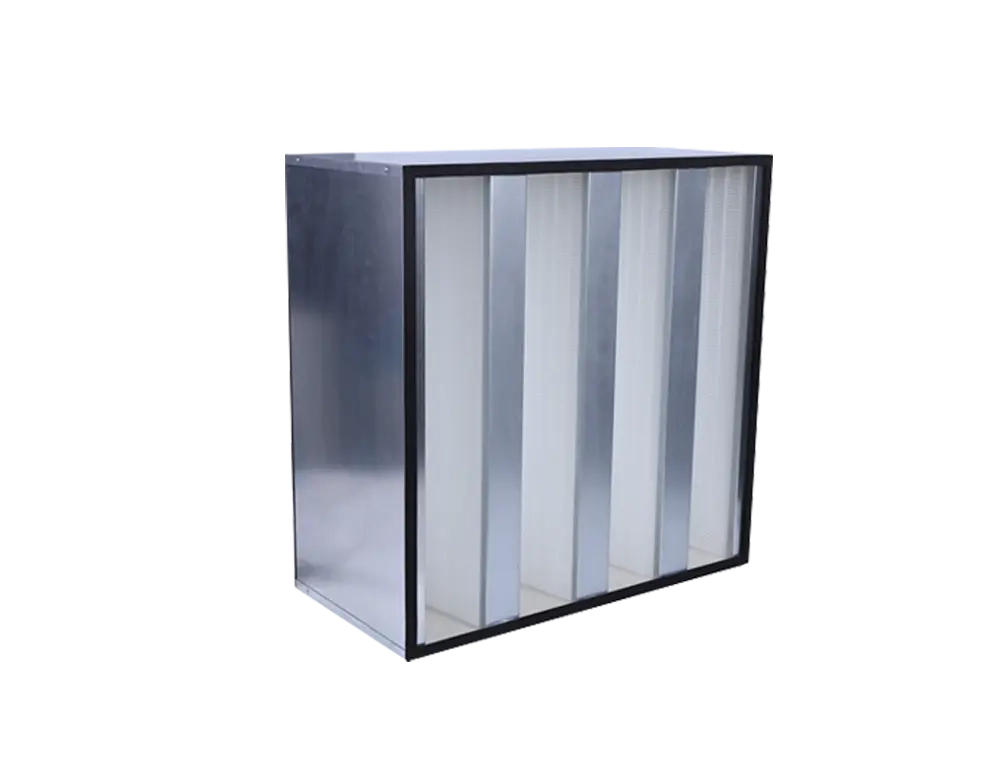
HEPA High-Efficiency Filter
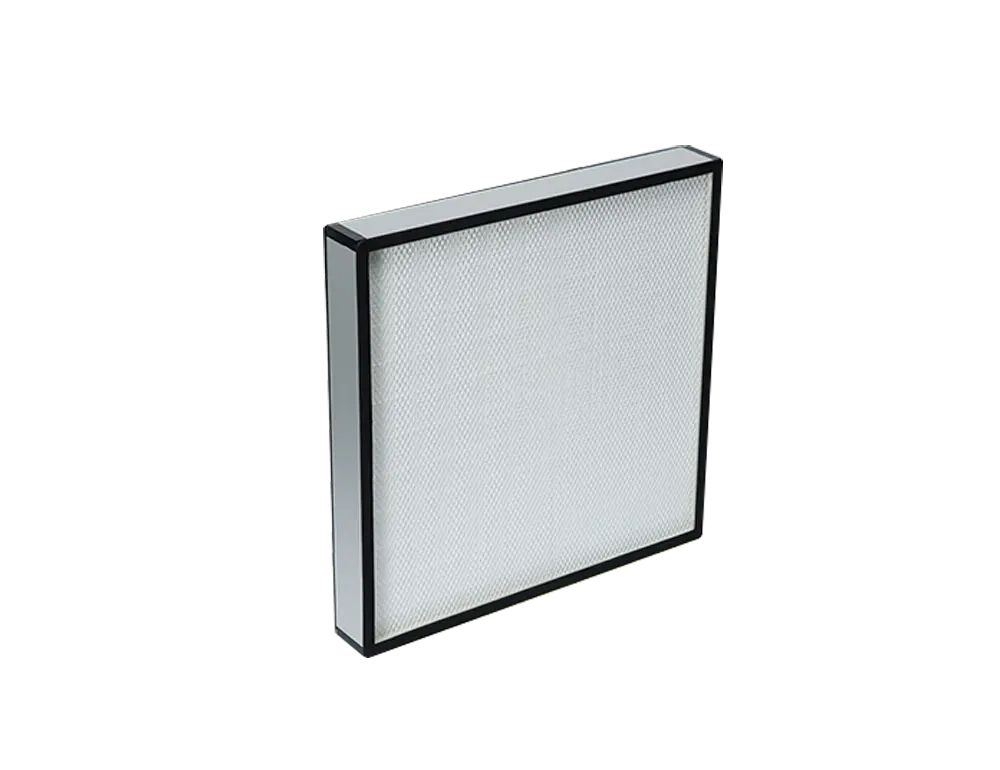
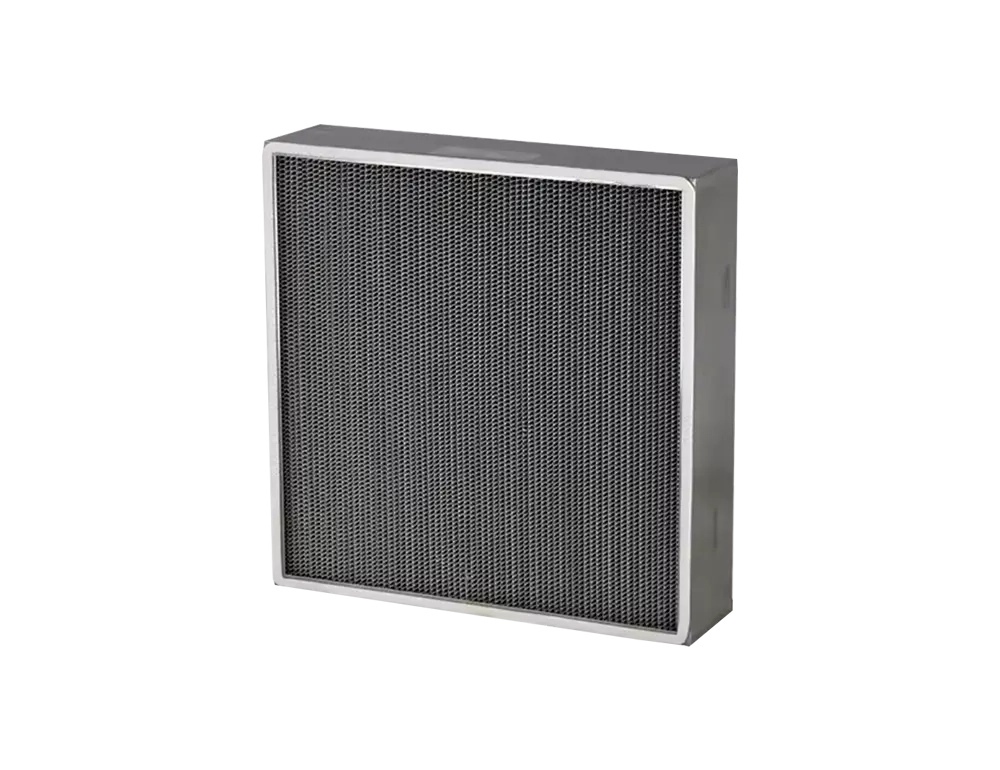
Sterile-Grade Purification
ULPA Ultra-High Efficiency Filter
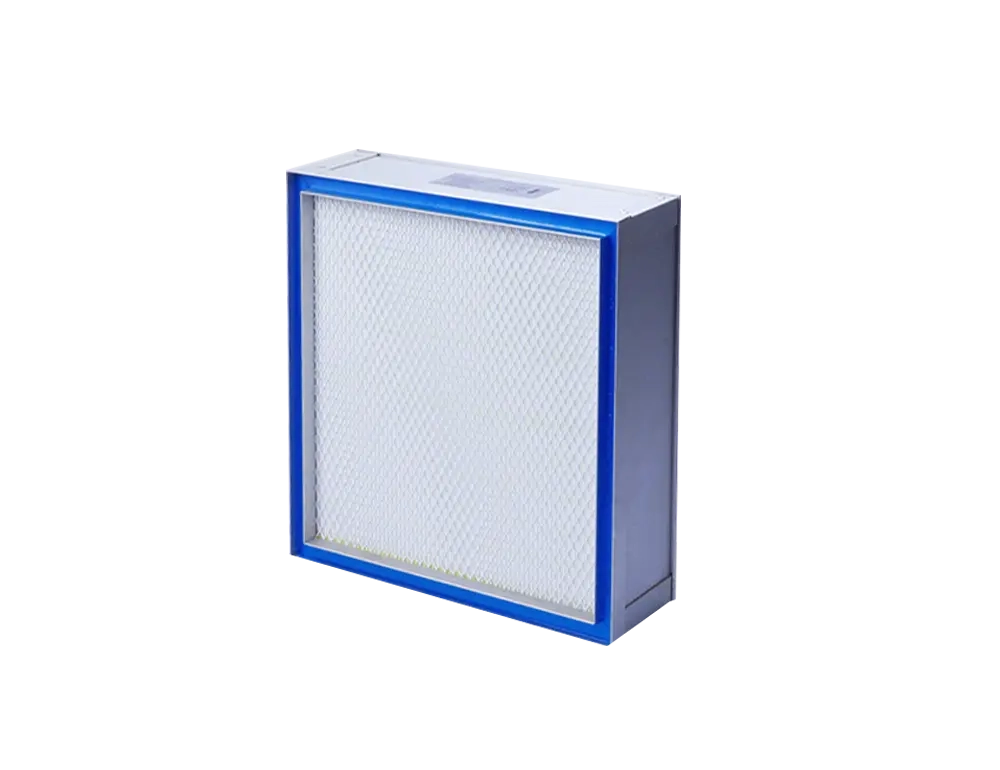
Sub-Micron Particle Capture
First-Stage Large-Particle Capture
The first line of defense, capturing particles ≥5 μm such as dust, hair, and fibers to protect downstream filters and extend overall system service life.
View Related Products →Precise PM2.5 Capture
Captures fine particles of 1–5 μm including PM2.5, pollen, and mold spores, significantly improving indoor air quality for commercial HVAC and ventilation systems.
View Related Products →Sterile-Grade Purification
≥99.97% filtration efficiency for particles ≥0.3 μm, delivering sterile-grade clean air widely used in medical, pharmaceutical, and electronics manufacturing.
View Related Products →Sub-Micron Particle Capture
≥99.9995% efficiency for particles ≥0.12 μm, meeting the extreme cleanliness demands of semiconductor fabs, aerospace, and other ultra-precision applications.
View Related Products →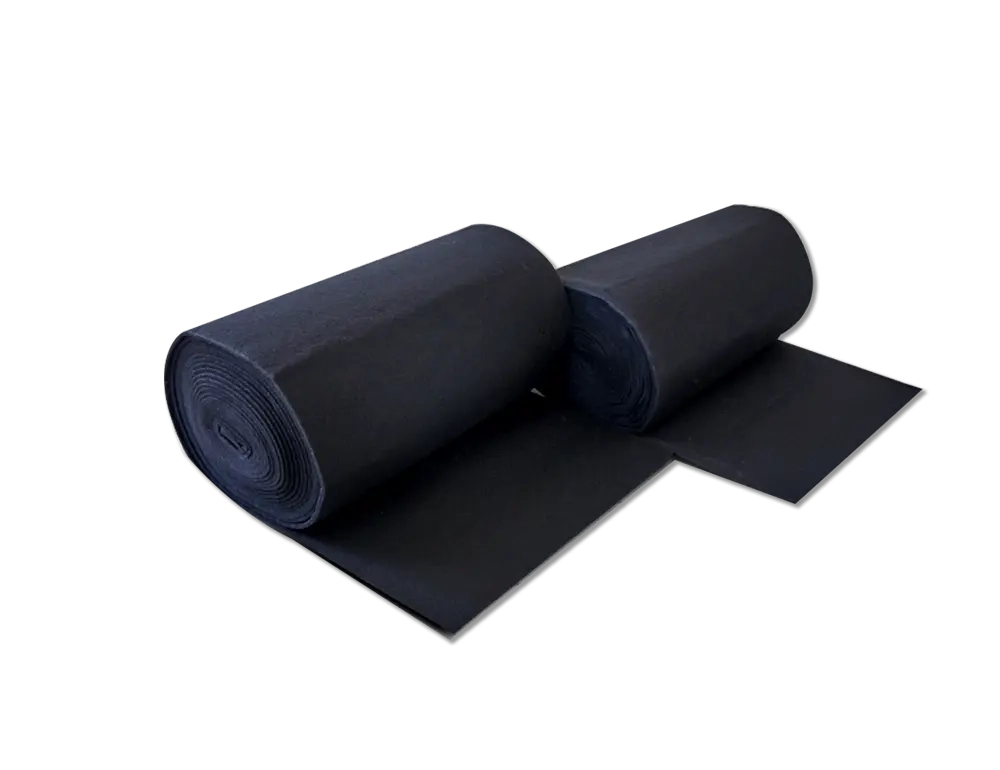
High-Temperature Resistant
Industrial-Grade Heat Tolerance
Washable & Reusable
Cut Costs, Reduce Waste
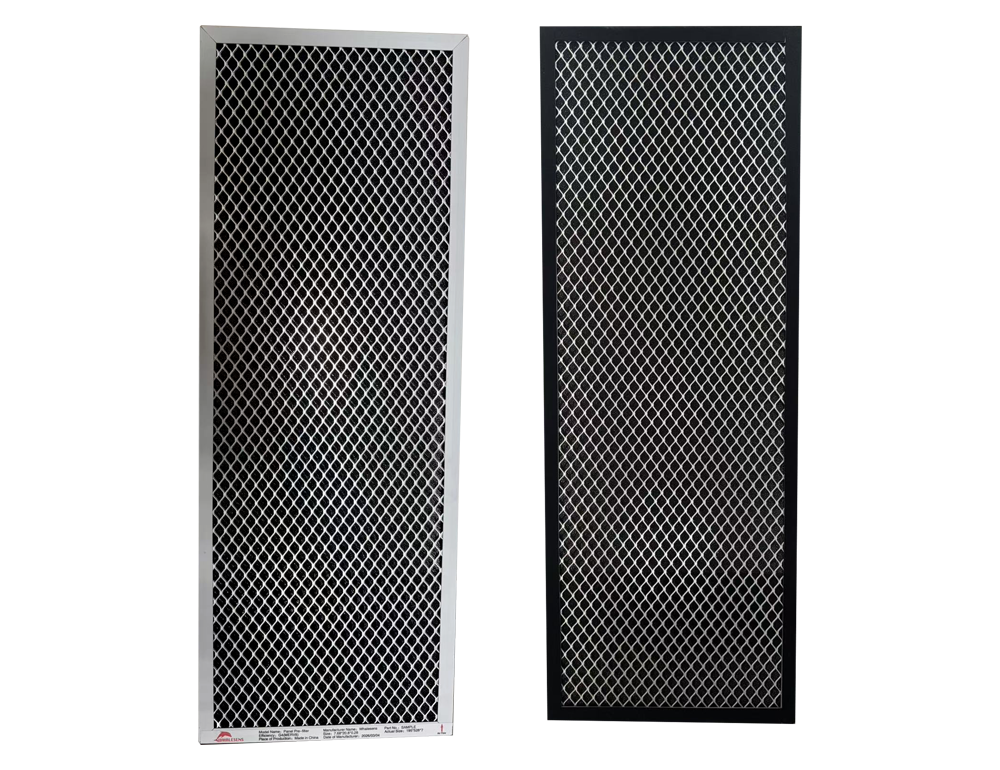
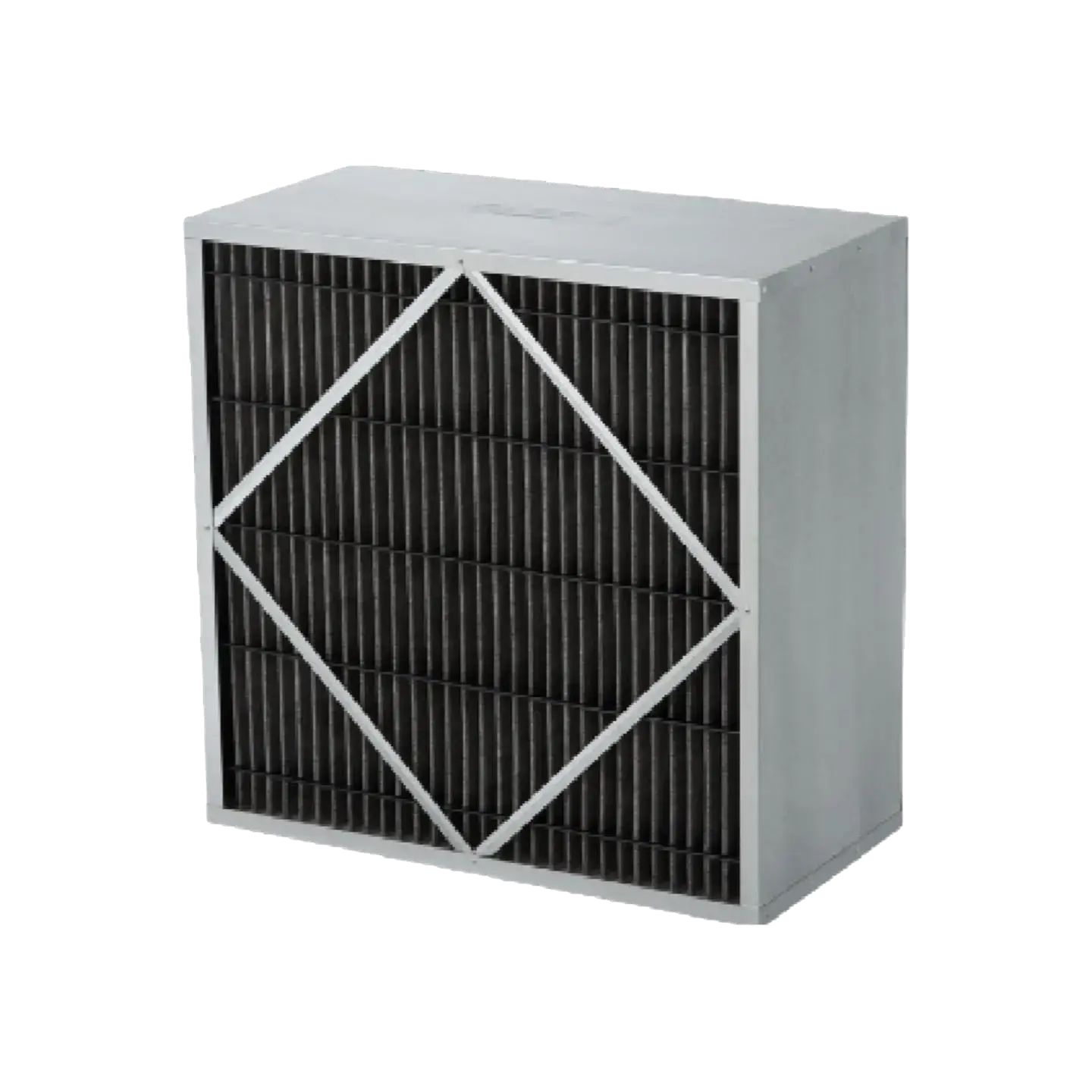
Activated Carbon
Odor & Harmful Gas Removal
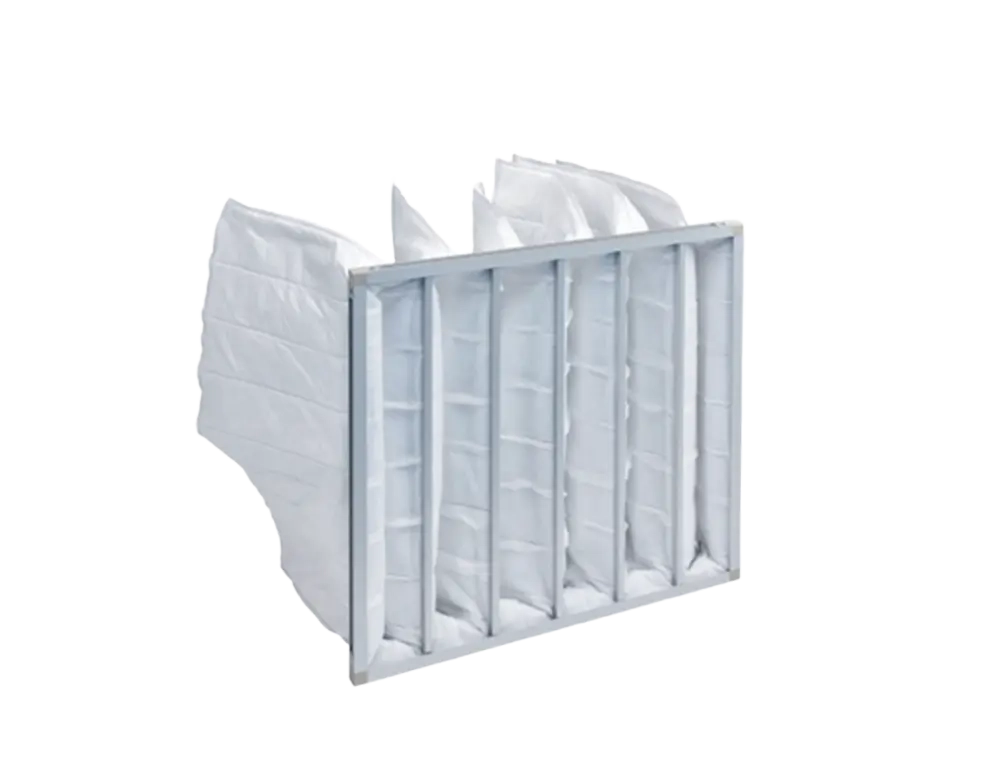
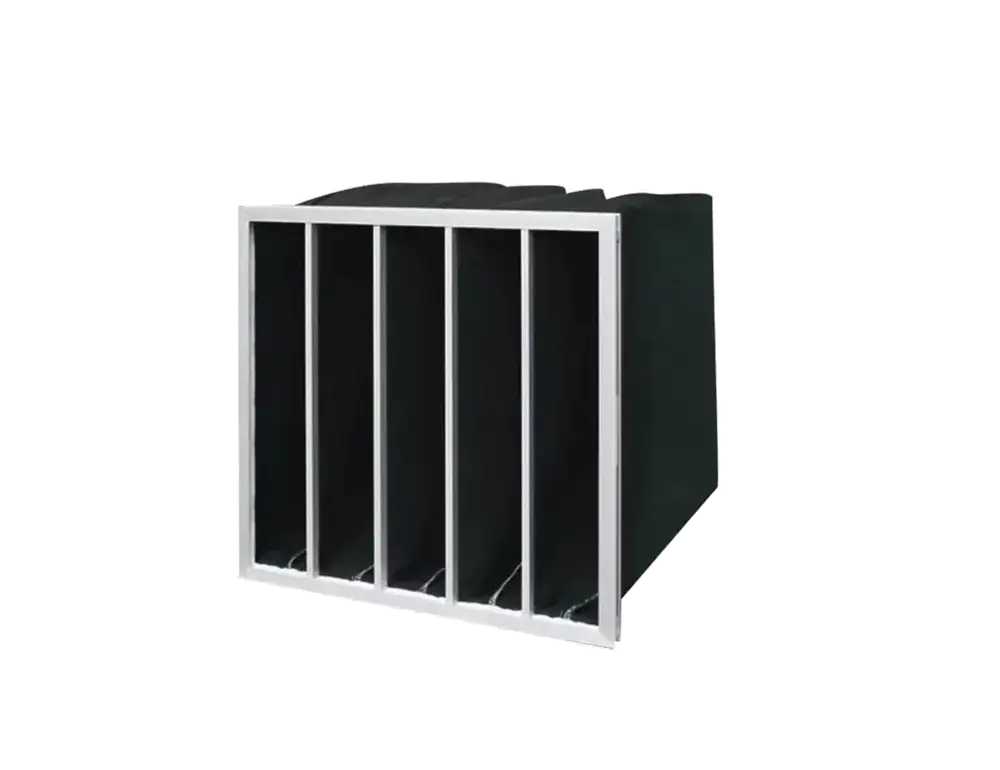
Bag Filter
High Dust-Holding, Long Life
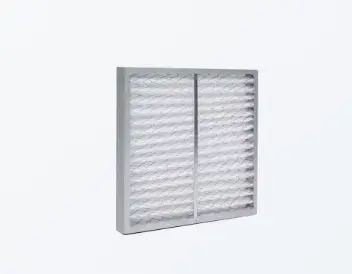
Panel / Pleated Filter
Compact Space-Saving Design
Low-Resistance Airflow
Energy-Saving Operation
Industrial-Grade Heat Tolerance
Built with specialized heat-resistant materials, operating stably up to 250°C for paint ovens, industrial dryers, and high-temperature process environments.
View Related Products →Cut Costs, Reduce Waste
Cleanable by water washing or air blowing, reusable multiple times to significantly reduce replacement frequency and O&M costs — an economical, eco-friendly choice.
View Related Products →Odor & Harmful Gas Removal
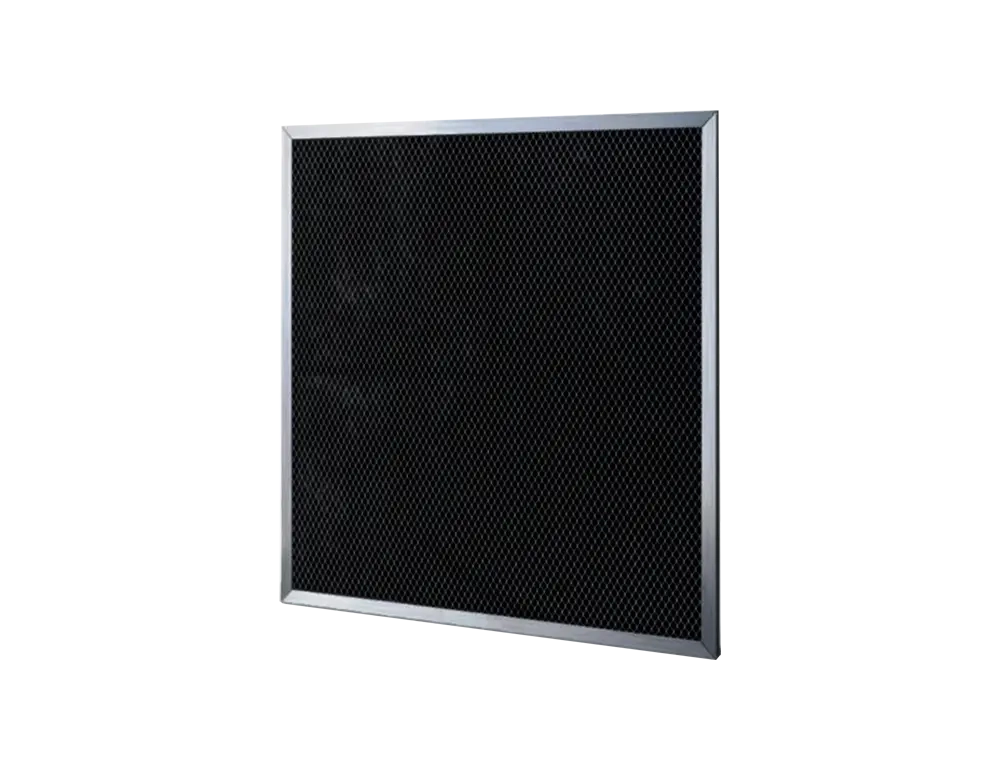
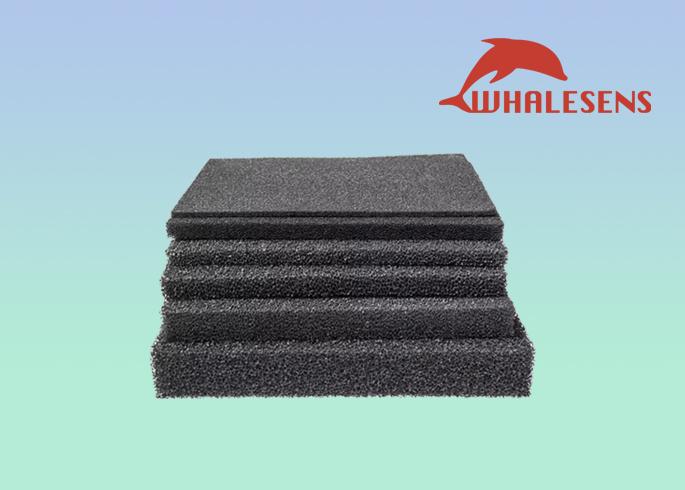
Leverages activated carbon's high adsorption capacity to eliminate odors, VOCs, and formaldehyde, ideal for newly renovated spaces and industrial exhaust treatment.
View Related Products →High Dust-Holding, Long Life
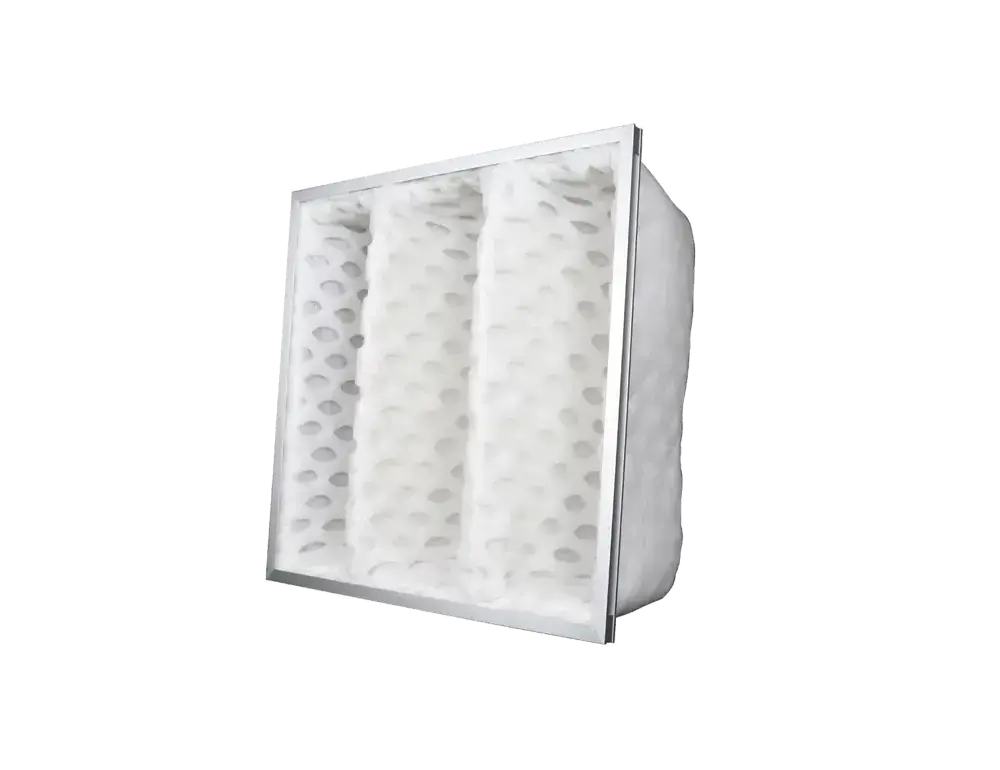
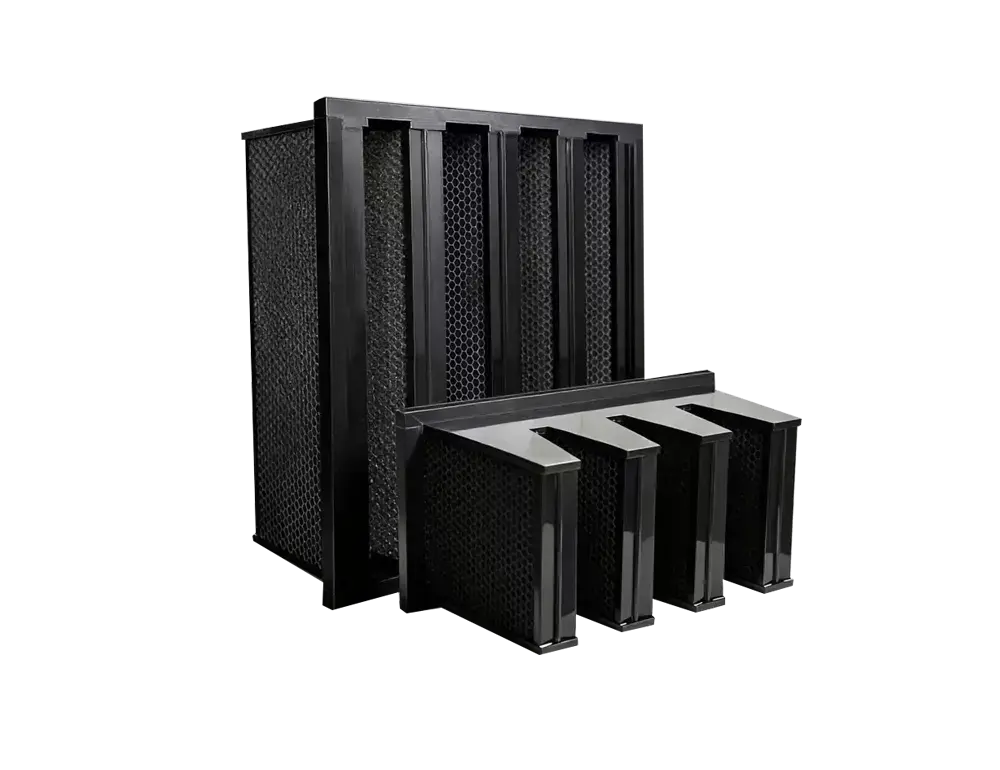
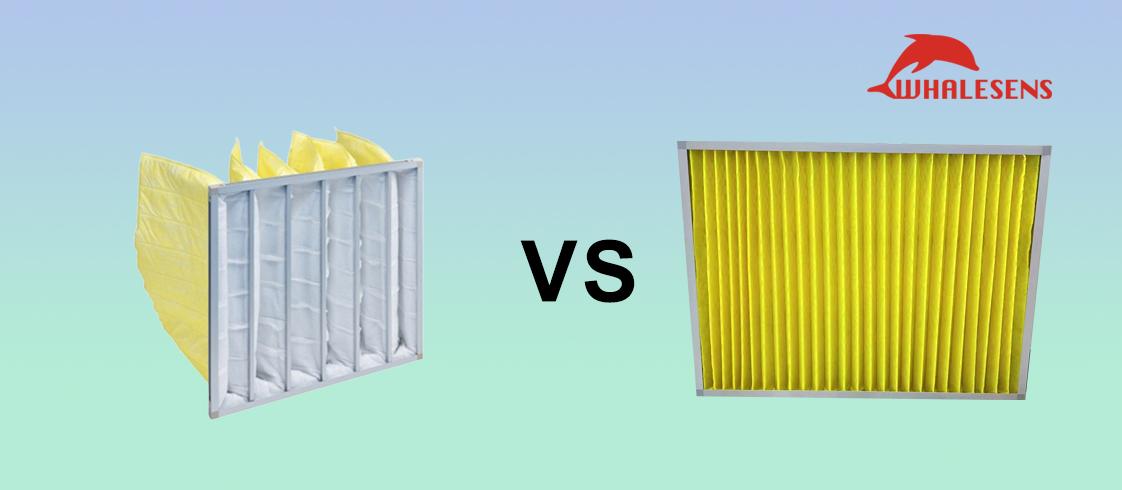
Bag-style construction delivers a larger filtration area, high dust-holding capacity, and extended service life — ideal for high-dust environments with reduced replacement frequency.
View Related Products →Compact Space-Saving Design
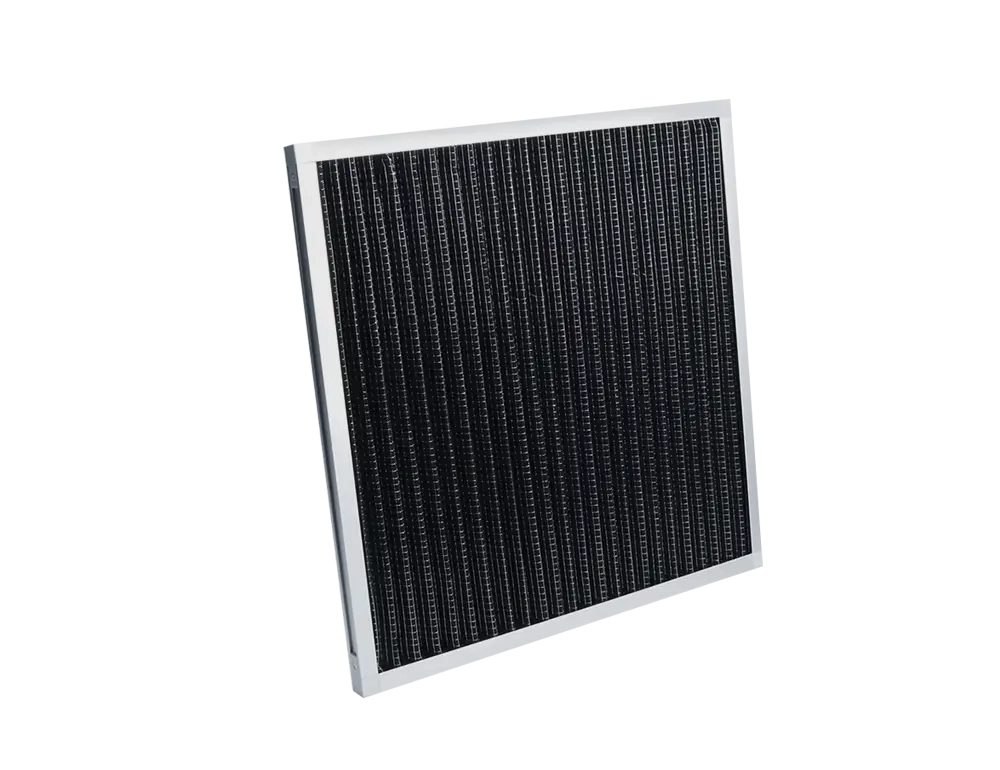
Compact form factor for easy installation and replacement; pleated structure maximizes filtration area within a small footprint for higher efficiency.
View Related Products →Energy-Saving Operation
Low-resistance design minimizes pressure drop while maintaining filtration performance, reducing fan energy consumption for cost-effective, eco-friendly operation.
View Related Products →






















 English(Global)
 简体中文
简体中文 Language




High Temperature Air Filter Selection: Avoid These 5 Mistakes
High Temperature Air Filter Failures Start With Misread Temperature Specs
Industrial high temperature air filter selection usually goes wrong when you fixate on peak temperature ratings. The failures that matter show up in continuous thermal load, thermal shock, media chemistry, frame expansion, and pressure drop. Before you commit to a high temperature filter, read the thermal contract, not just the headline number.
If you're new to this product class, the industrial air filter guide covers the broader selection framework, including airflow sizing and filter classes. For now, let's stay with the heat-specific traps.
The core of a high temperature filter is not "how hot it can get," but "how long it stays stable at that temperature."
Whalesens Technology
Here's the thing: most "burned" filter media I've seen didn't fail because the temperature exceeded the spec. It failed because the spec was the wrong metric. You ask for the maximum operating temperature, but you rarely get the three numbers that actually predict survival.
Ask your supplier these three questions before you order:
- Continuous operating temperature at your maximum airflow
- Peak temperature duration the filter can absorb without damage
- Maximum temperature ramp rate during startup
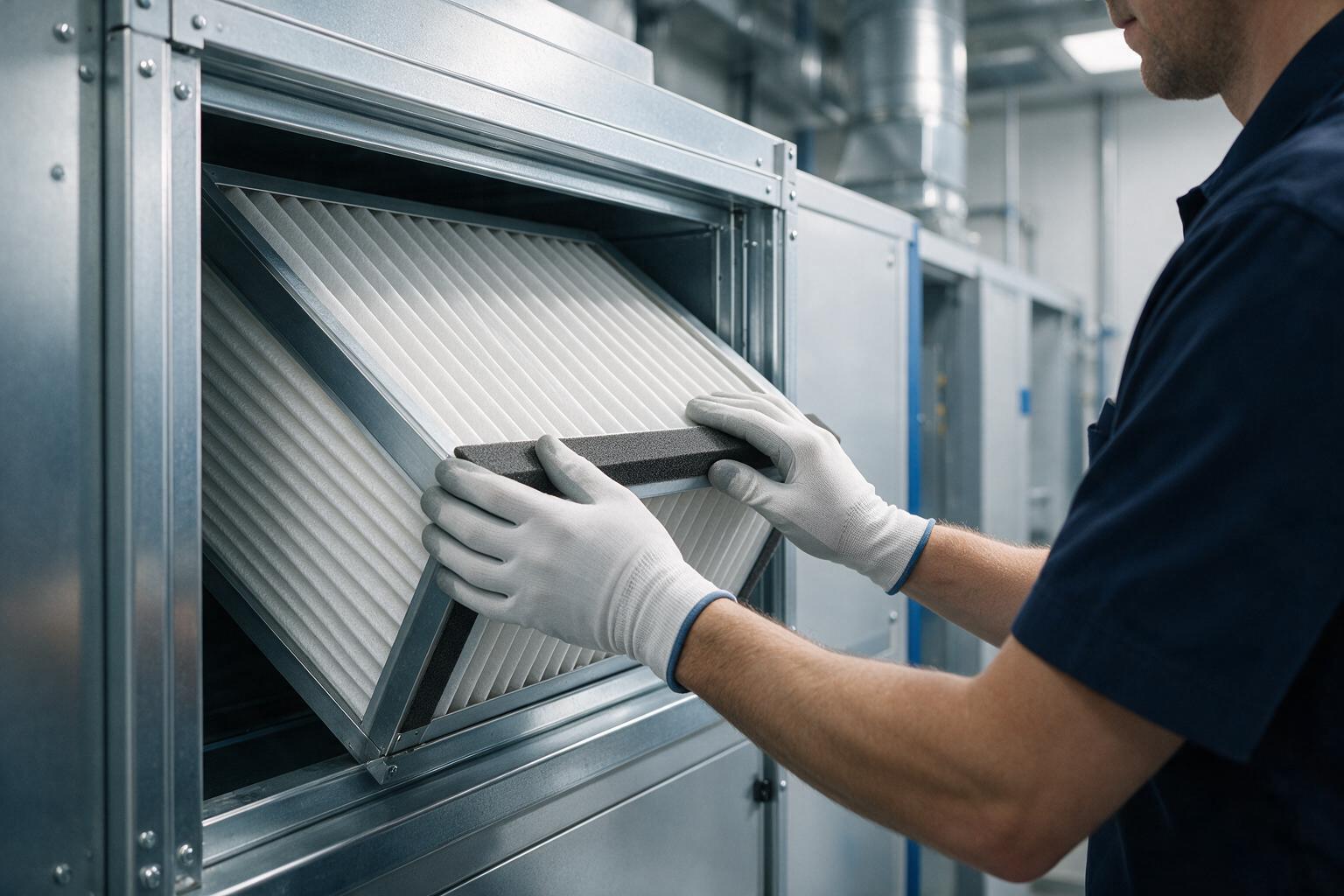
If you can't get all three data points, hold the purchase order. That's not being difficult. That's protecting a process where downtime costs more than the filter.
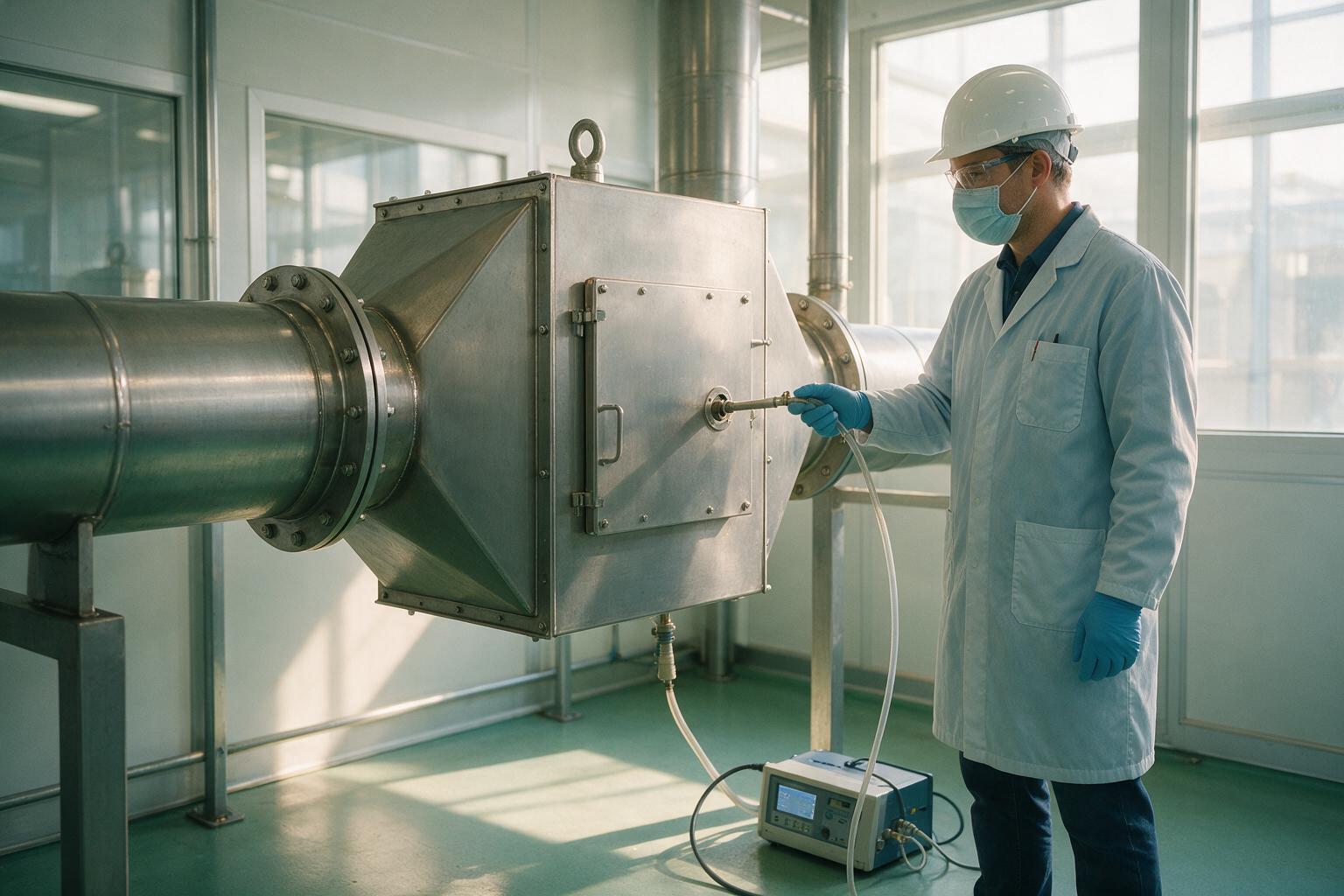
Continuous temperature is where most procurement mistakes start: confusing peak ratings with continuous duty.
Peak Ratings Don't Equal Continuous Duty
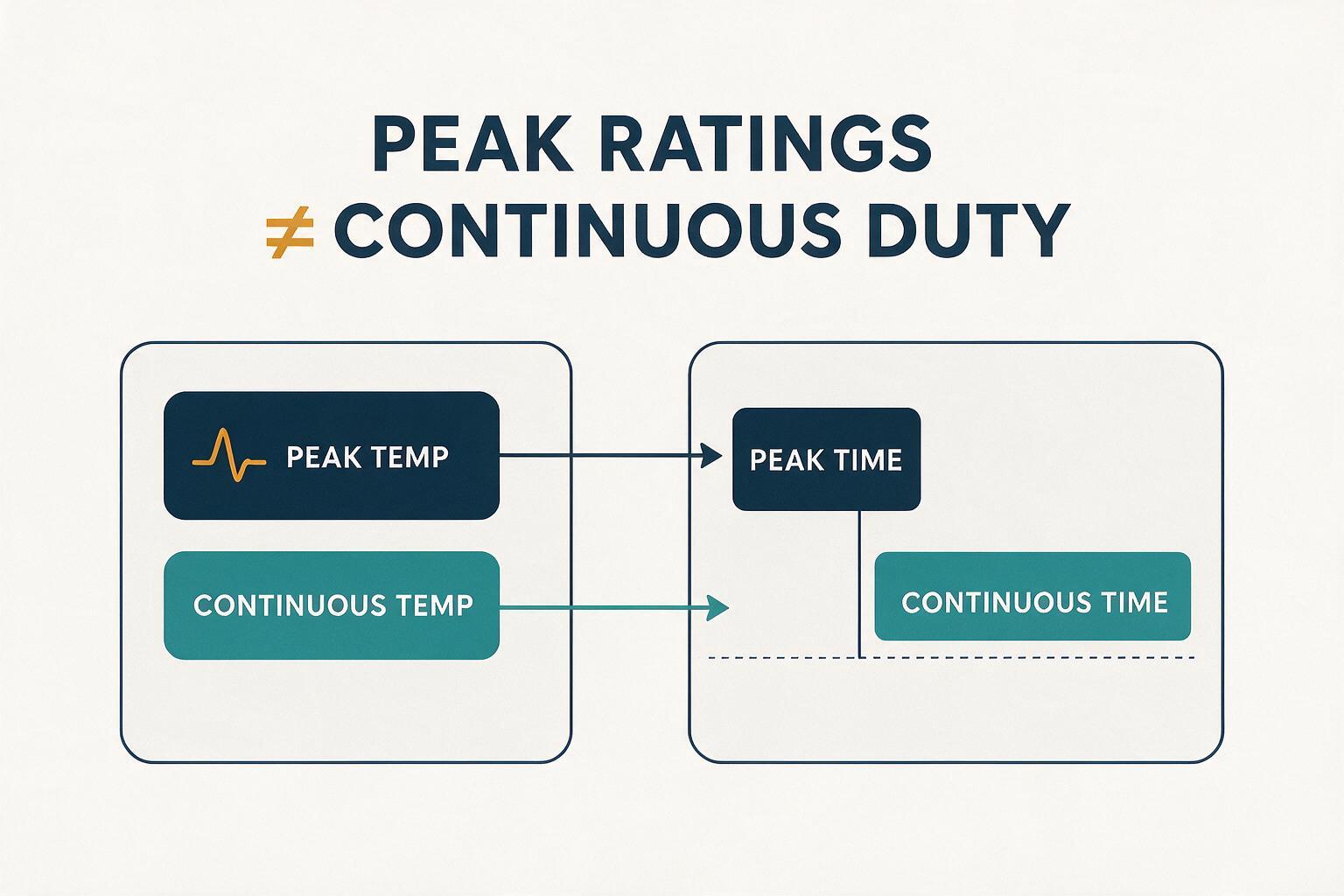
A high temperature air filter marked "240°C" usually means short-term peak tolerance, not continuous service. Glass fiber media rated at 240°C peak may only be safe for continuous operation below 200°C. If your drying line runs at 190–210°C all day, selecting on the peak number creates a hidden thermal aging problem.
Real process temperatures swing. A powder coating oven may surge to 280°C during startup, settle at 220°C during production, and idle at 150°C overnight. Thermal aging is not linear. A rough rule: every 10°C above the continuous limit can shorten media life by 20–30%.
That's why continuous operating temperature matters more than the peak rating. High temperature air filter media aged at 210°C for 8,000 hours may lose half its tensile strength. The same media at 195°C could last twice as long. The difference looks small on a spec sheet.
Coatings and drying lines often exhaust at 180–220°C. In that band, you might combine a high temperature filter with a pre-filter to extend the expensive final stage. The same three-stage interception logic used in spray booth exhaust applies: separate intake, ceiling, and exhaust filters by temperature zone.
Thermal Shock: The Fastest Way to Crack a High Temperature Filter
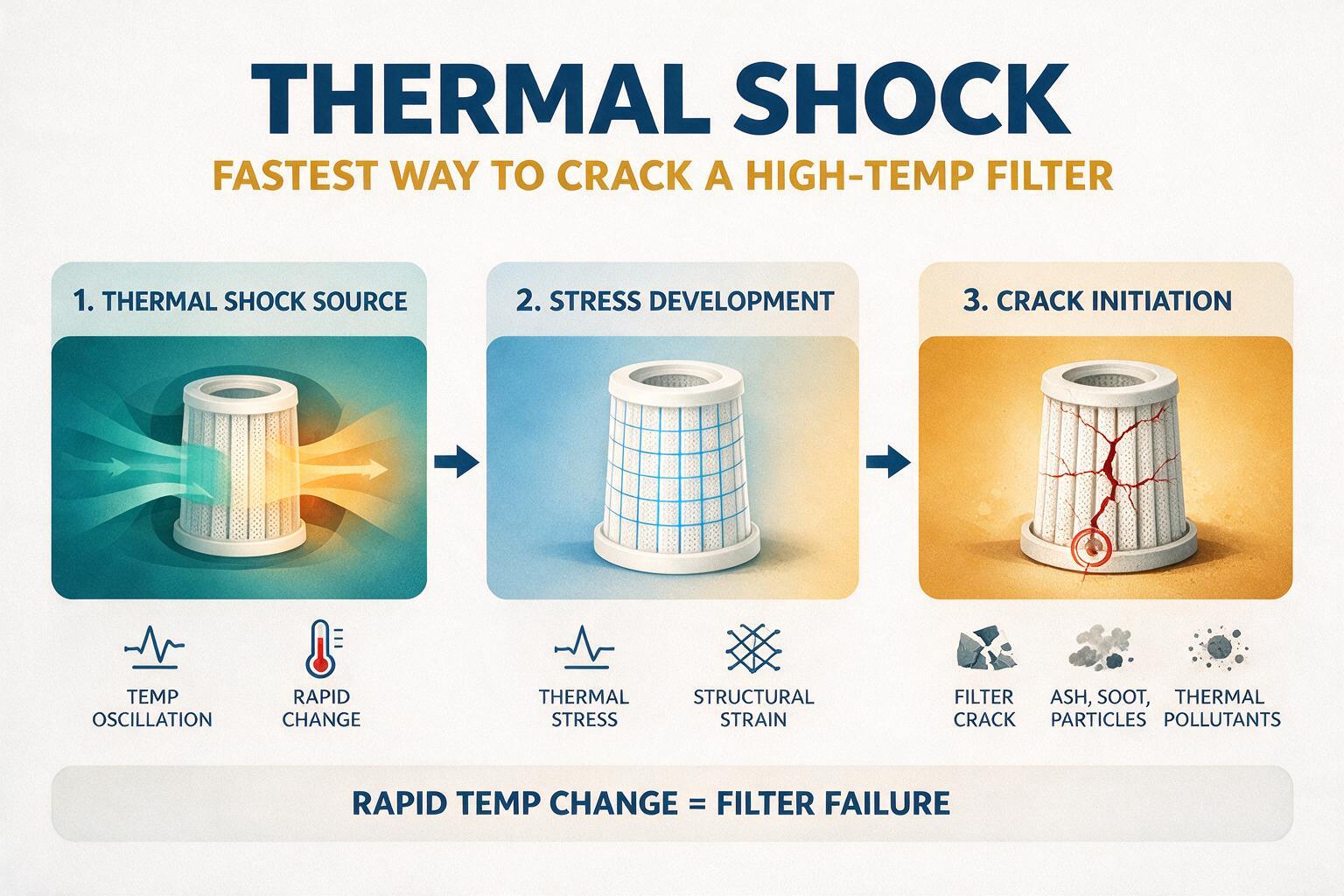
Thermal shock is the most common "non-normal death" I see in high temperature air filter installations. Filter media, adhesive, and metal frames expand at different rates. When temperature climbs too fast, the seal line fractures first, then hot air tears the media edges. A new filter cartridge can fail within minutes if the startup sequence ignores ramp rate.
One plant installed fresh high temperature filter cartridges and started the oven from room temperature to 250°C in under ten minutes. The seal ring deformed, dust bypassed the filter, and the clean side was anything but clean. I've seen this mistake too many times.
The fix is procedural, not material. After installing a high temperature filter, run the system at low airflow and low temperature for 15–30 minutes. Then increase temperature at no more than 5°C per minute. When shutting down, keep the fan running for another 10 minutes after the heater stops. This pulls residual heat away and prevents local hot spots.
Similar thermal cycling problems show up in wind turbine filter selection. Nacelle temperatures swing from freezing morning to hot afternoon, and filter media that can't handle thermal shock fails the same way.
If your process demands rapid cycling, specify a high temperature filter with a metal frame and ceramic or graphite gaskets. These tolerate thermal expansion better than polymer seals. Design margins still matter, though. A bypass damper or two-stage startup is worth the extra cost when cycle times are short.
Filter Media Boundaries: Glass Fiber, PTFE, Metal, and Ceramic
High temperature air filter media is not a one-size-fits-all decision. Temperature and contaminant chemistry together define the right material. If you pick the most expensive media, you often waste budget. Pick the cheapest and you may pay for it in downtime.
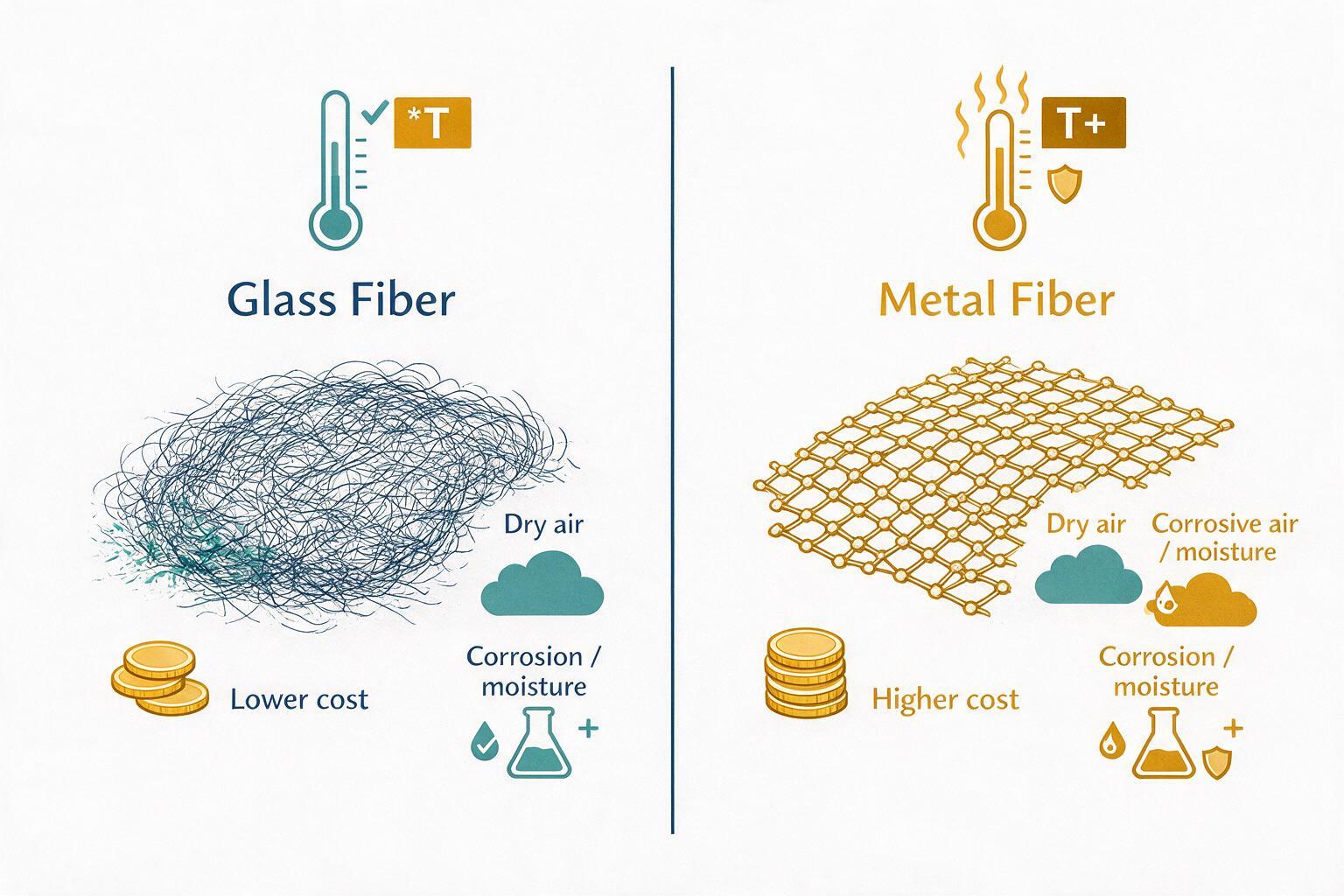
Glass fiber is the workhorse. It handles continuous temperatures up to about 240°C in dry, non-corrosive air, which covers many coating lines and drying rooms. It offers low initial resistance and moderate cost. But it hates moisture and oil.
PTFE membrane adds surface filtration and water/oil repellency. Continuous service to about 260°C, with peaks to 350°C. The membrane is vulnerable to mechanical abrasion, so handle it carefully during installation.
Nomex (aramid) works up to about 200°C continuous. It tolerates many dust types, but it degrades in alkaline environments. Cement and asphalt exhaust are bad candidates.
Metal fiber felt pushes continuous service to 400°C and beyond. It handles sparks and corrosive gases better than polymer or glass fiber media. The trade-off is higher initial pressure drop and higher price.
Ceramic fiber reaches 1000°C continuous, but it is brittle. Shipping and installation require extra care.
Glass Fiber Media
- Continuous ~240°C
- Low initial resistance
- Lower cost
- Poor water/oil tolerance
Metal Fiber Felt Media
- Continuous ~400°C
- Higher initial resistance
- Corrosion and spark resistance
- Higher cost
When the application demands HEPA-level capture in a hot environment, the media choice interacts with efficiency class. You can compare filtration grades in the HEPA filter guide before layering high-temperature media with final filtration.
A practical trick: if budget is tight, use a lower-efficiency pre-filter upstream to catch large particles. That extends the life of the high temperature final filter. For drying line exhaust, this combination often delivers the lowest total filtration cost.
Frames, Seals, and Housings Matter More Than You Think
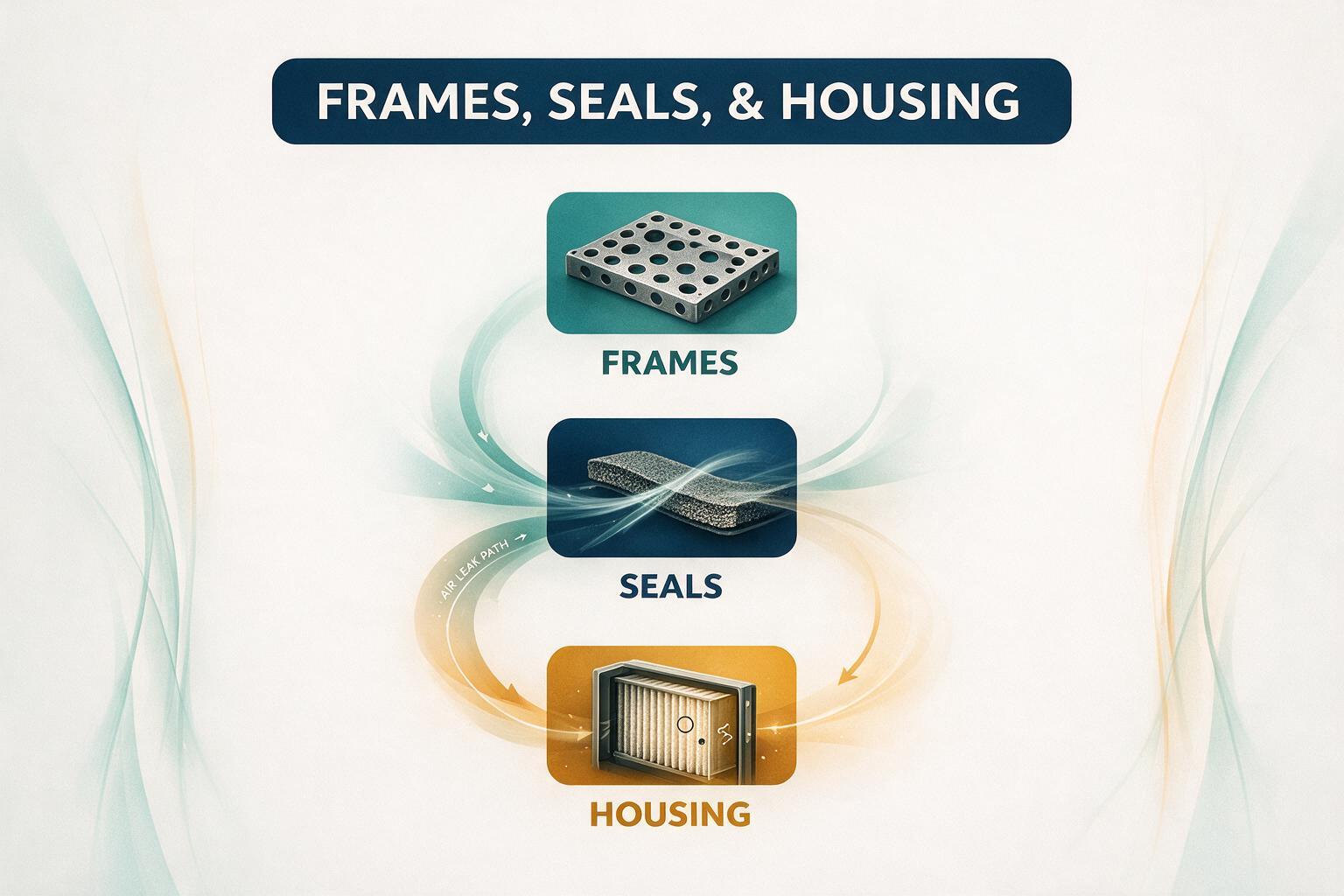
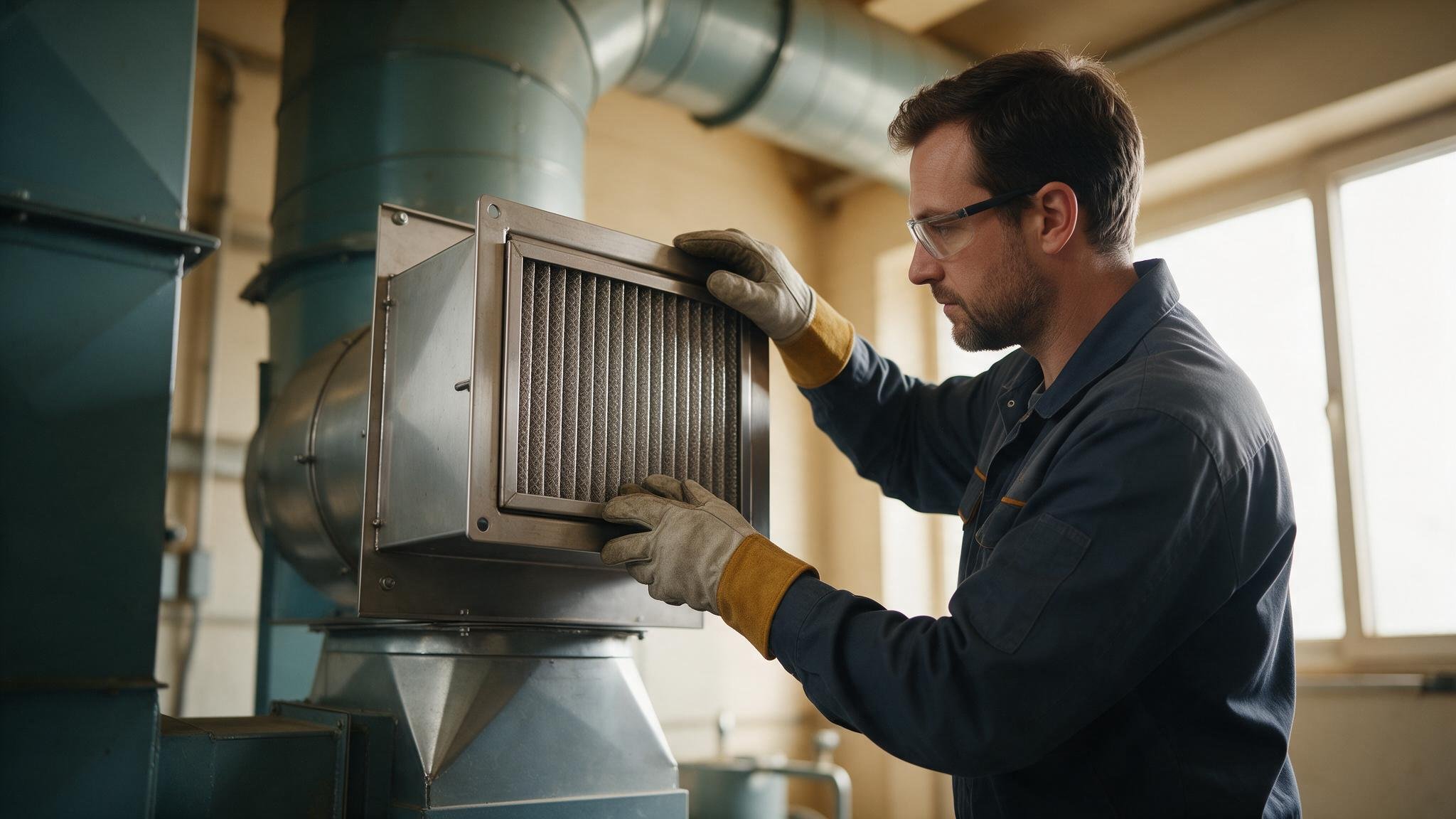
Truth is, high temperature air filter media can be perfect and still leak if the frame or seal fails first. Aluminum frames soften above 200°C. Standard polyurethane sealant loses strength around 180°C. A filter cartridge can be rated for 300°C, but the assembly leaks at 190°C because the sealant gave up.
Specify galvanized steel or stainless steel frames for continuous high temperature duty. Sealants should be silicone or fluoroelastomer rated above 250°C. Gaskets are not a place for standard rubber. Use ceramic fiber or graphite gaskets.
The housing itself is another common blind spot. If the housing lacks insulation, hot air condenses on cold surfaces. Dust cakes on the filter surface, and you blame the media when the real problem is the cold bridge in the housing.
High Temperature Filter Frame and Seal Checks
- Frame material covers continuous operating temperature plus 30°C margin
- Sealant and gasket temperature ratings match the media
- Housing has no cold bridges that cause condensation
- Flanges and clamping allow thermal expansion without leaks
That's exactly why the bag filter housing you choose determines whether the filter performs or leaks. The housing selection article I wrote earlier covers flange alignment, sealing pressure, and thermal expansion in detail.
If your process involves heavy dust loads, a bag filter system may be a better primary stage than a high temperature air filter cartridge. Bags handle high grain loading, and the high temperature air filter becomes the final polish. The two stages together often cost less than one oversized cartridge.
Pressure Drop Decides True Operating Cost
Here's the deal: the biggest cost of a high temperature air filter is rarely the purchase price. It's the electricity to push air through it and the downtime to replace it. Initial pressure drop shapes both.
A rough rule: every 50 Pa of initial pressure drop costs about 3–5% more fan power at the same airflow. If the filter media is heat-tolerant but restrictive, the fan speeds up to hold flow. That raises system temperature slightly and accelerates media aging. The result is a filter that appears to work until it clogs early and forces a change.
To be honest, I'd rather pay more for low initial resistance than save a few dollars on the filter. One customer used a cheap high-temperature cartridge with high initial pressure drop. It clogged badly in six months. After switching to a low-resistance media, the same application ran almost three years before replacement. The purchase price difference was minor compared with the downtime and labor saved.
Pressure drop also interacts with temperature control. A clogged high temperature filter forces the fan to work harder, which adds heat to the air stream. In a closed loop drying system, that can push temperatures beyond the design point and damage other components downstream.
When evaluating quotes, ask for the clean-filter pressure drop at your actual flow rate. Then ask what happens at the end of life. A filter that starts low but rises steeply is worse than one that starts slightly higher but stays predictable. The pressure drop curve is part of the thermal contract.
Run the checklist against your next quote. Ask the supplier for continuous operating temperature, thermal cycling limits, and initial resistance at operating flow. That's where the real filter cost sits.
Need a custom air filtration solution?
Contact the Whalesens engineering team for product selection and OEM/ODM support.
Email whalesens@gmail.com