

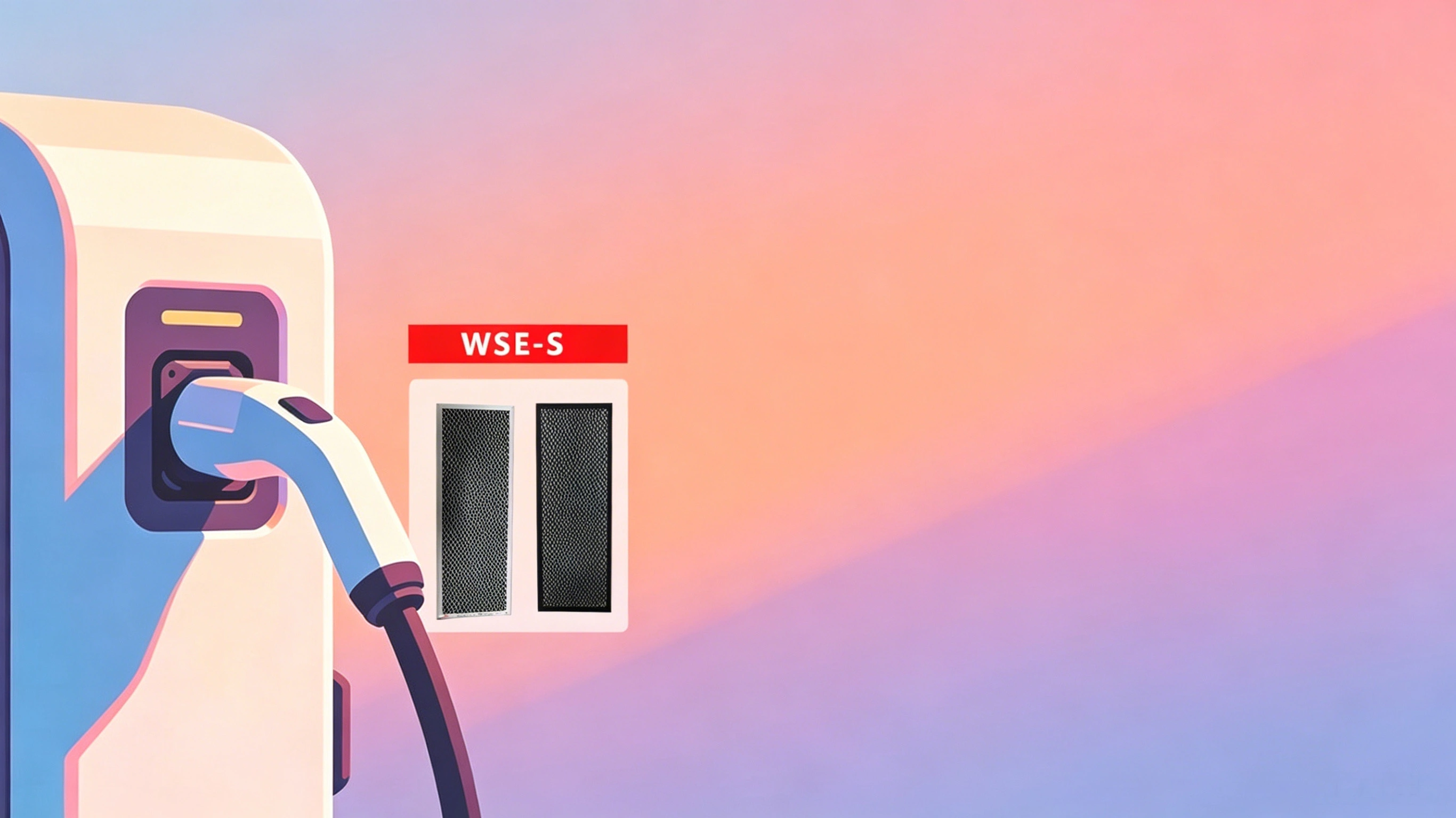
EV Charging Stations
Filtration for Power Equipment
Cleanroom & Semiconductor
Ultra-High Cleanliness Filtration
Commercial HVAC
Central Air System Filtration
Data Centers
Precision Equipment Protection
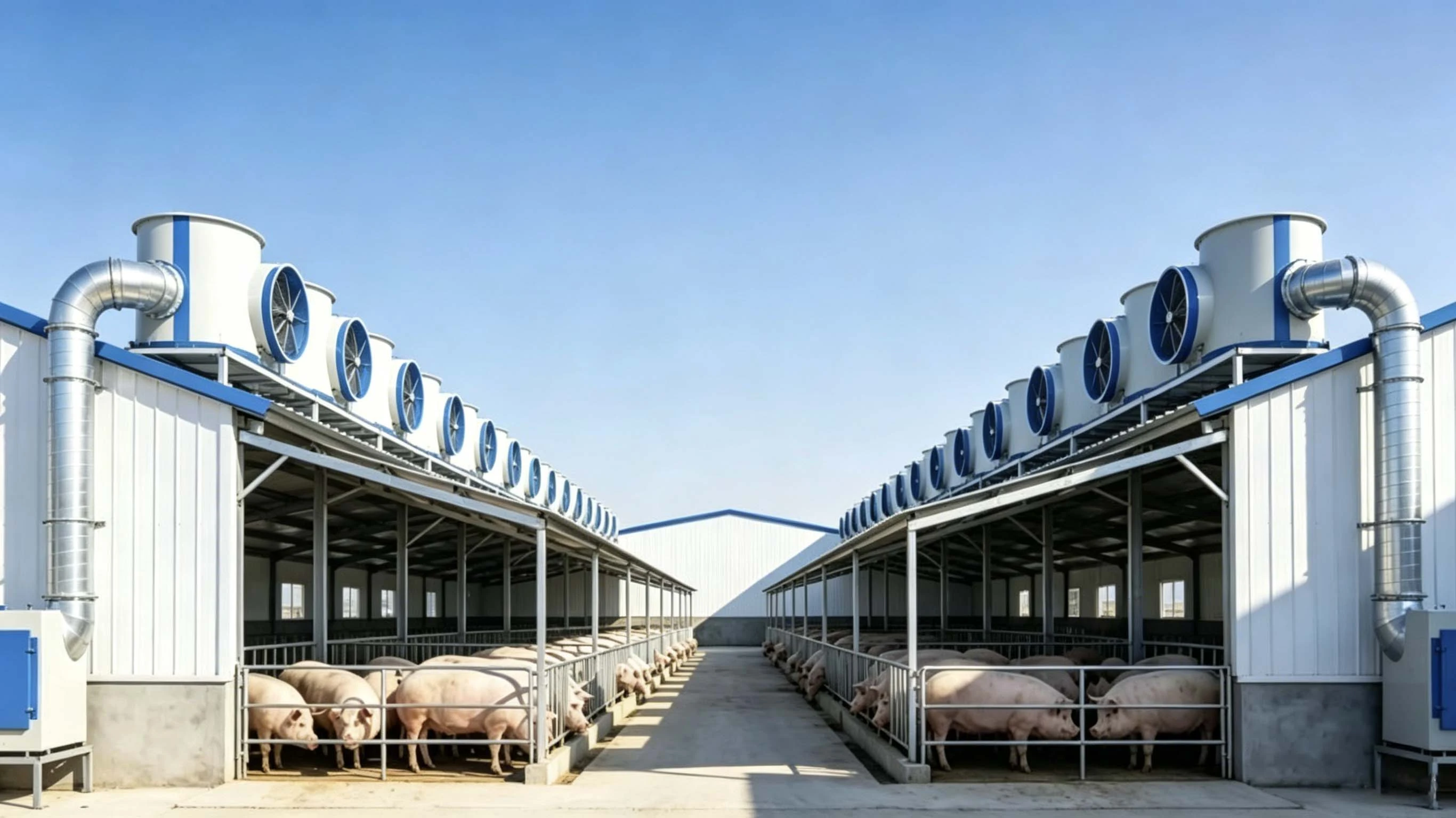
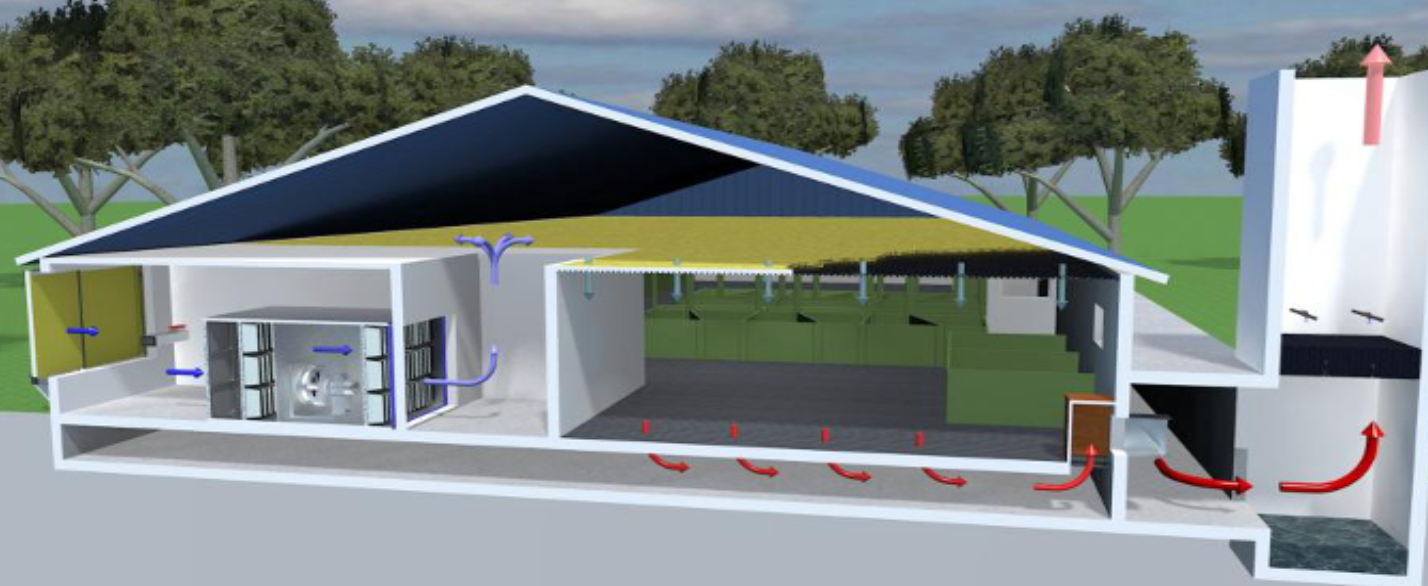
Livestock & Farming
Farming Environment Purification
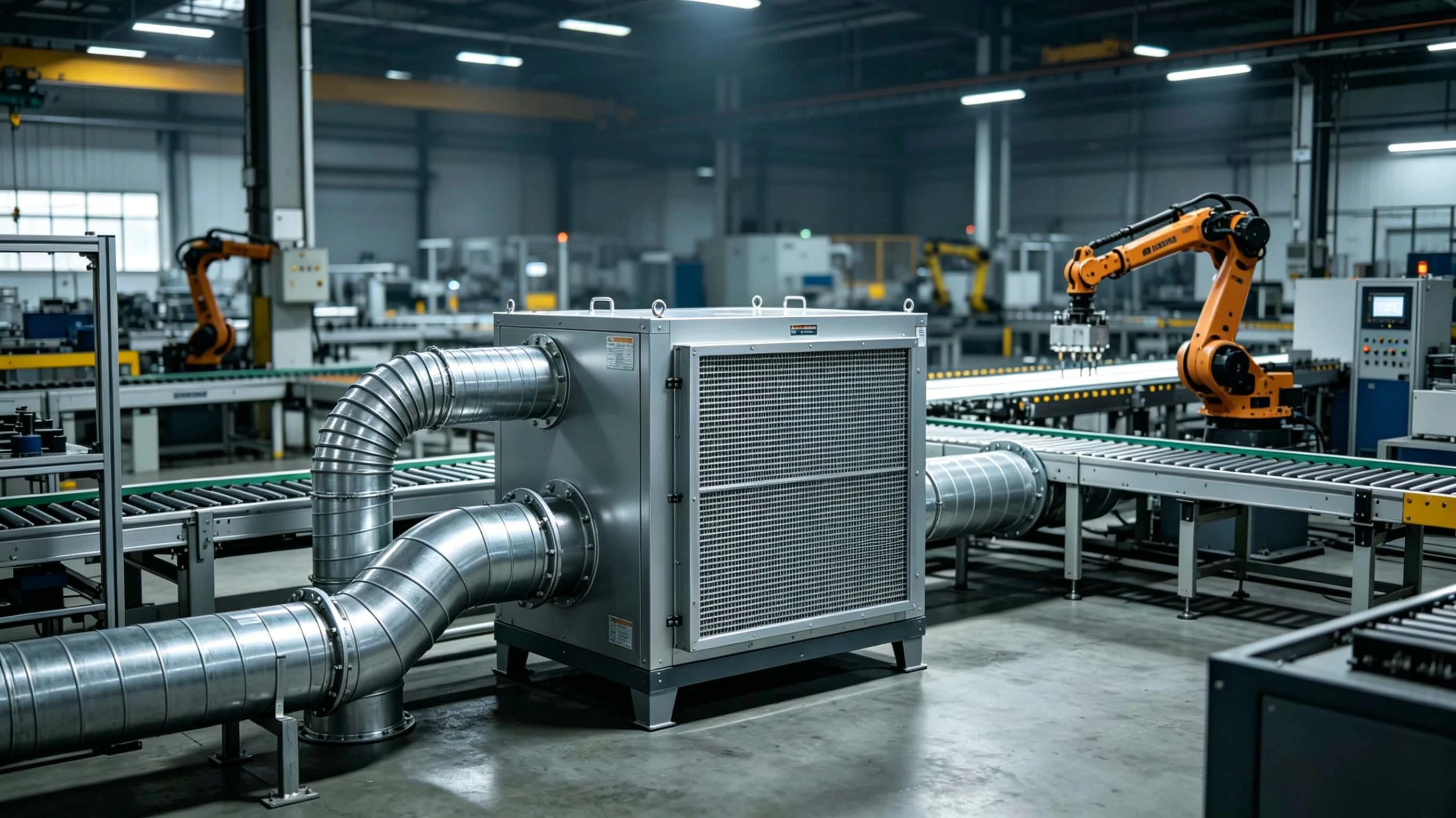
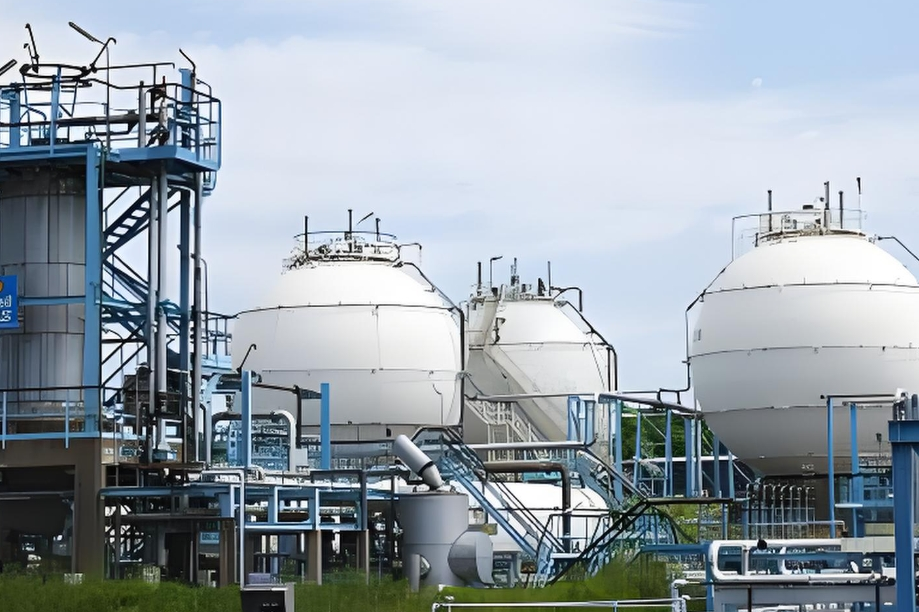
Spray Booths & Industrial Dust
Paint Mist & Dust Purification
Filtration for Power Equipment
Professional air filtration for EV charging devices, protecting against dust and sand ingress to ensure stable, reliable operation of charging piles and station infrastructure.
View Related Products →Ultra-High Cleanliness Filtration
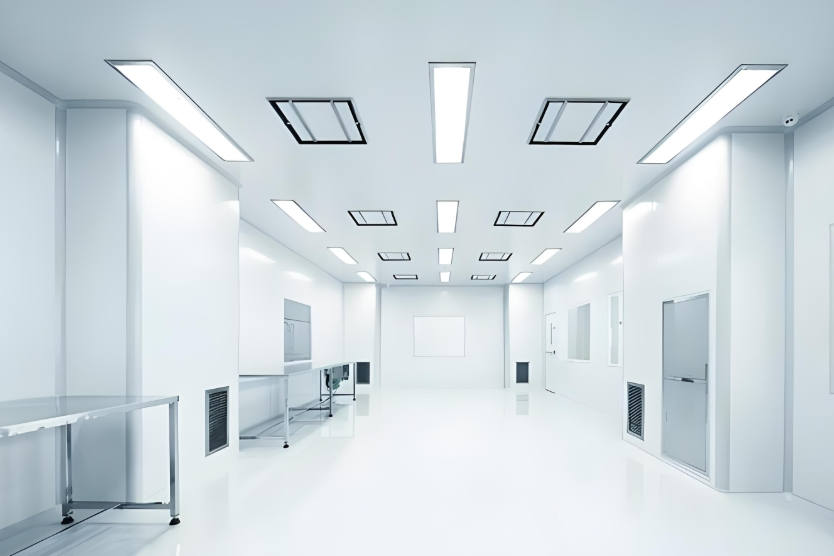
Ultra-high efficiency filtration for semiconductor wafer fabs and precision electronics cleanrooms, capturing nano-scale particles to meet ISO Class 1–3 standards and maximize product yield.
View Related Products →Central Air System Filtration
High-efficiency filtration for commercial building HVAC systems, improving indoor air quality, reducing energy consumption, and extending equipment service life.
View Related Products →Precision Equipment Protection
Precision air filtration for data centers, shielding servers and critical hardware from dust contamination to keep cooling systems running efficiently and reliably.
View Related Products →Farming Environment Purification
Dedicated filtration systems for farms and livestock facilities — capturing dust, adsorbing ammonia, and inhibiting pathogen spread to improve animal health and overall productivity.
View Related Products →Paint Mist & Dust Purification
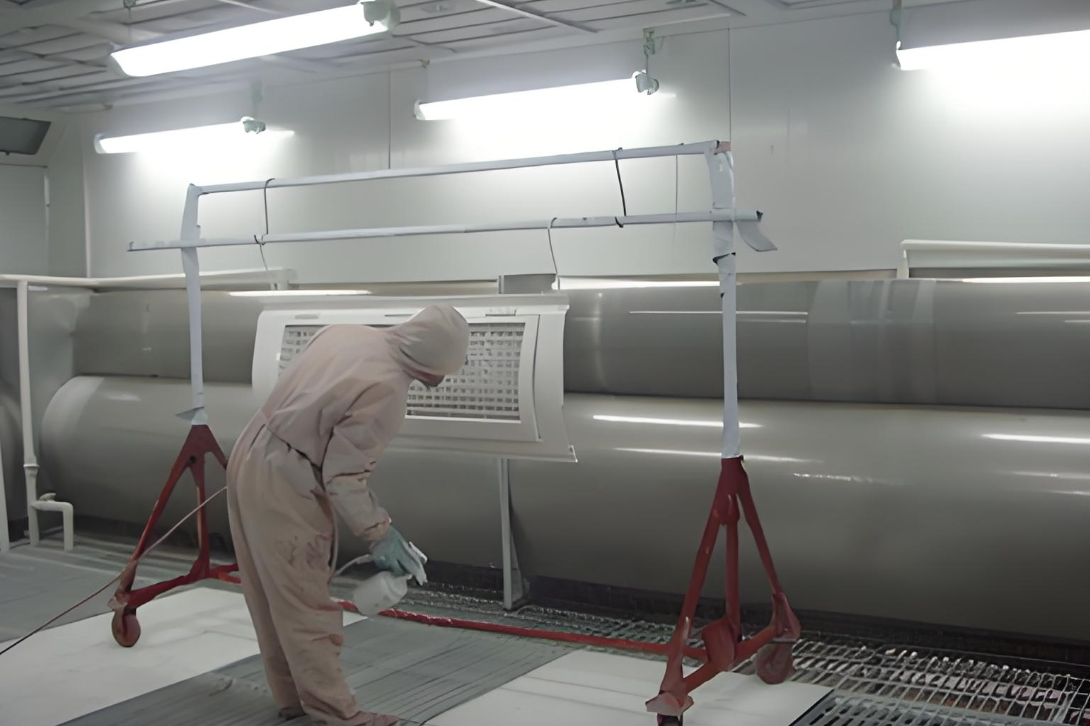
Designed for spray booths and grinding workshops, efficiently capturing paint mist, metal dust, and wood chips to meet emission standards while protecting finished surface quality.
View Related Products →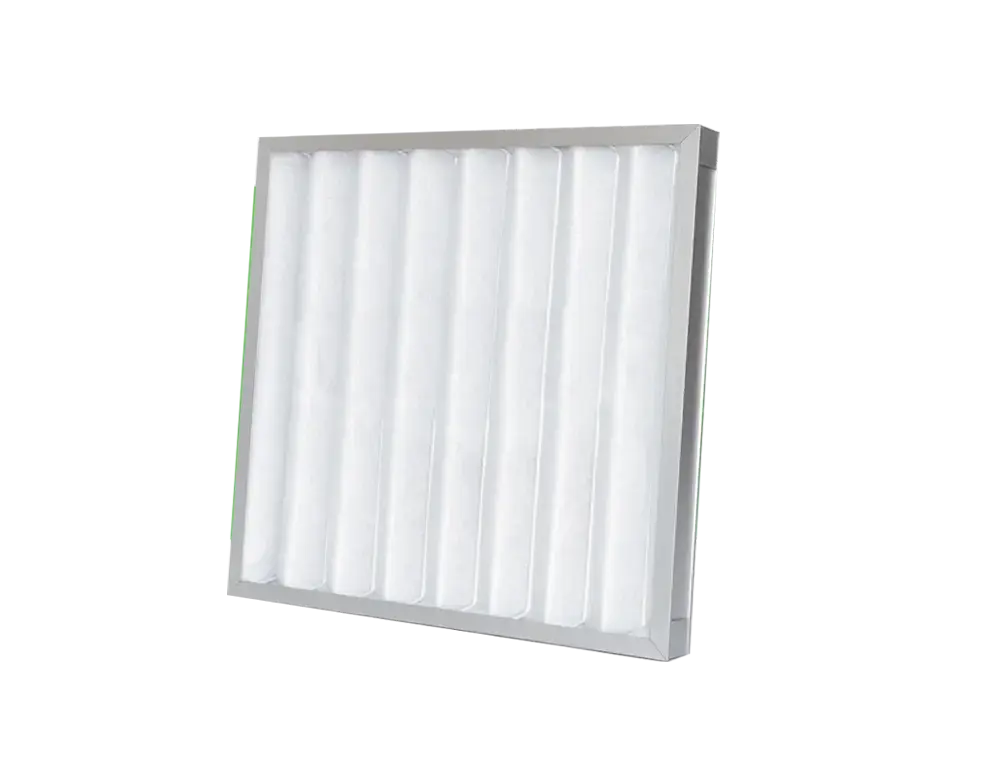
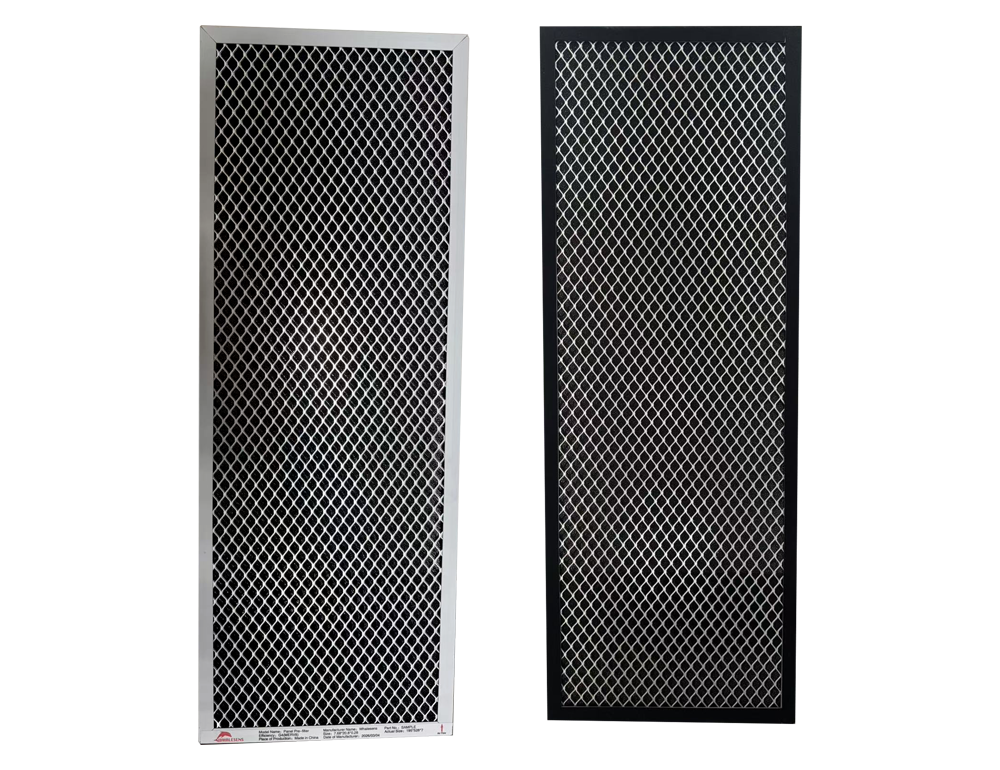
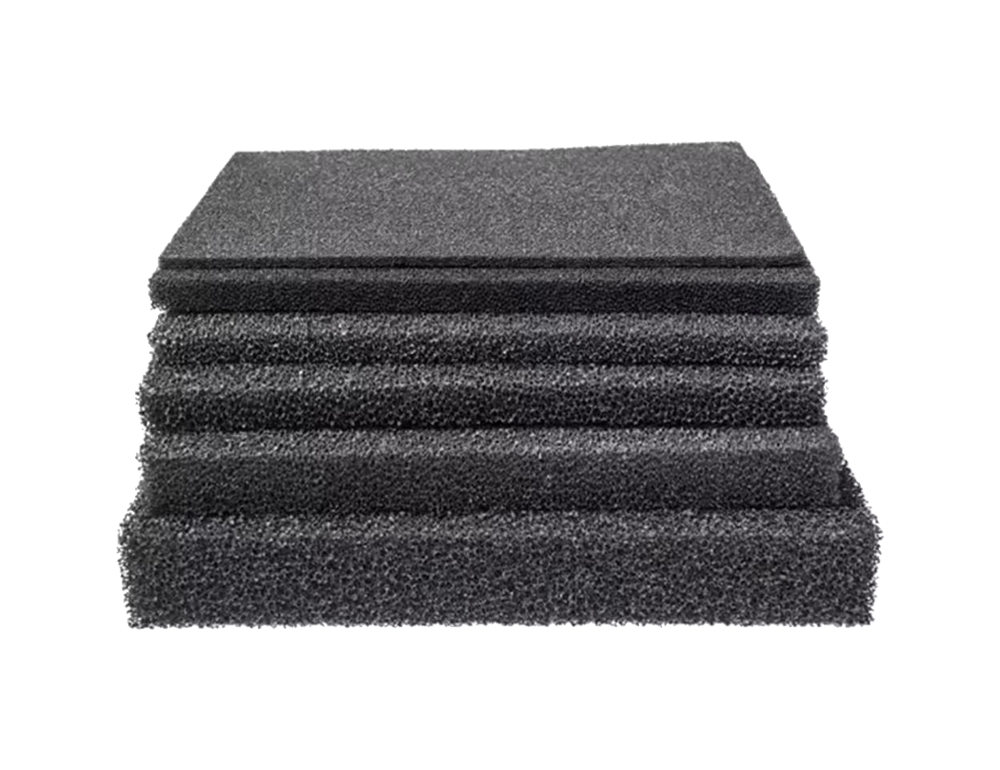
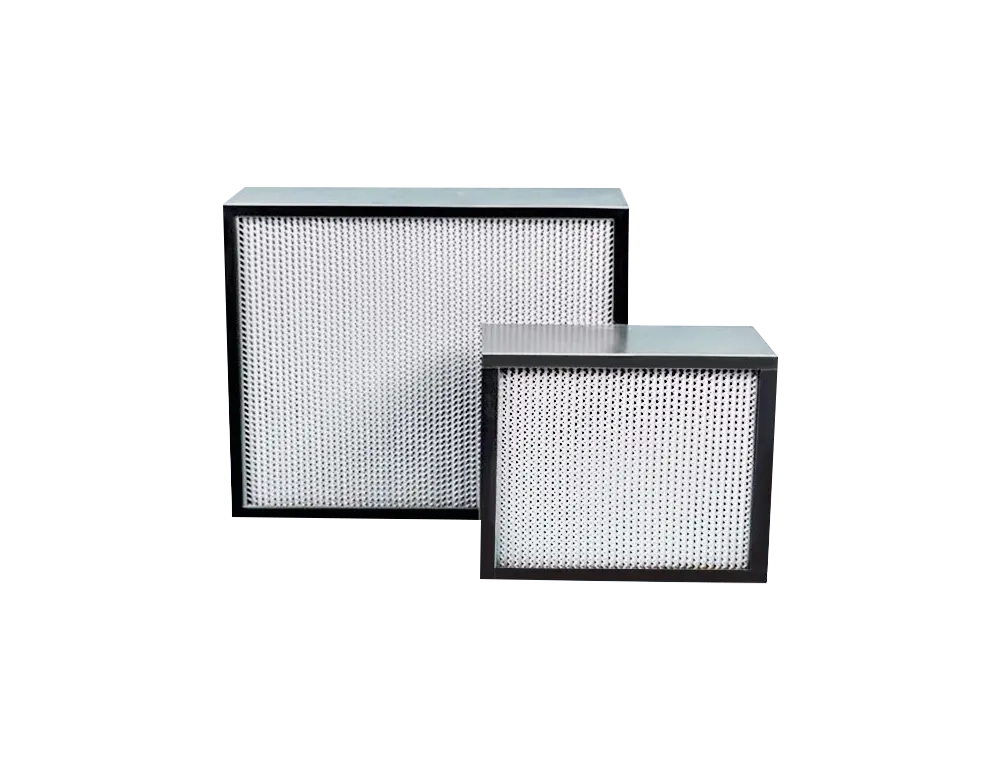
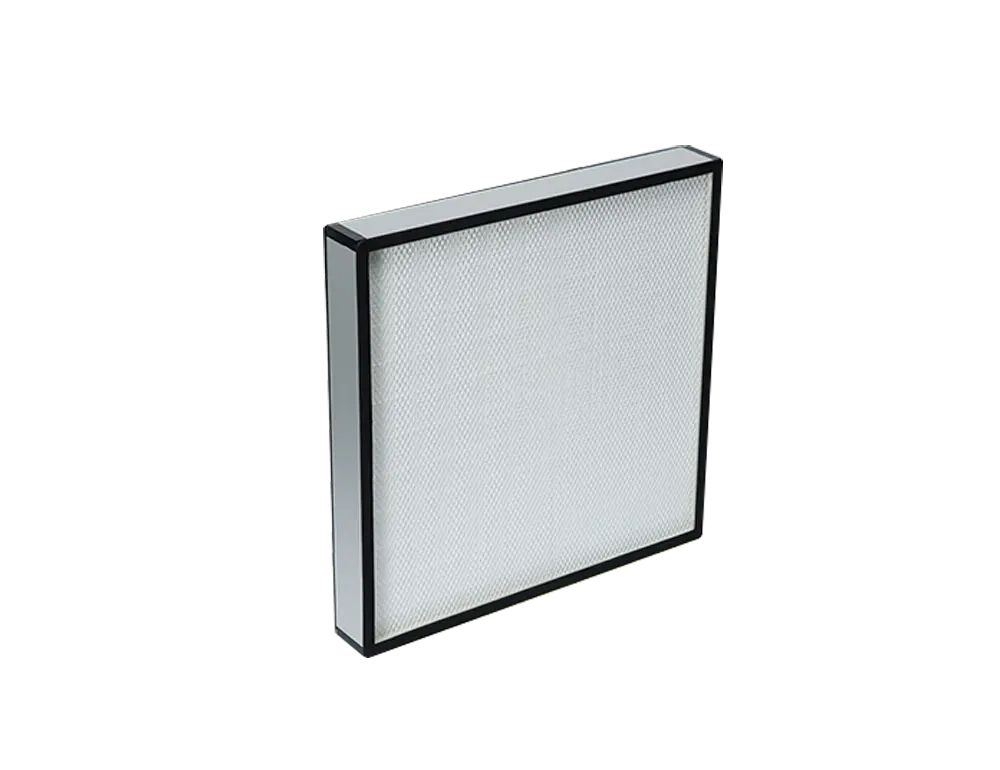
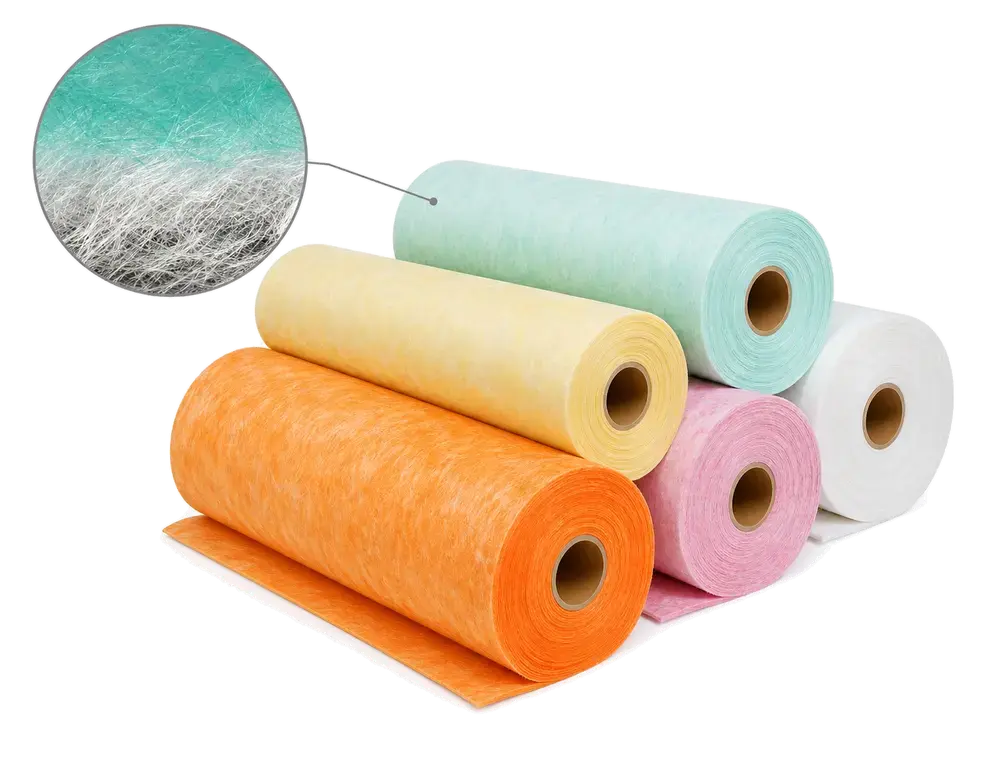
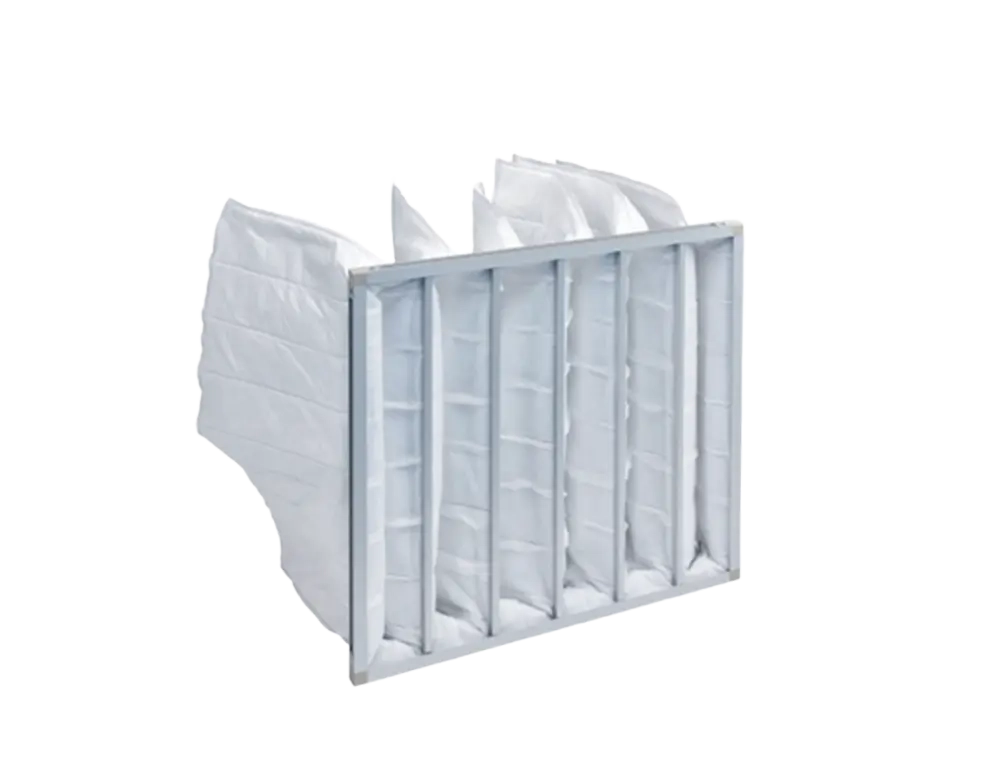
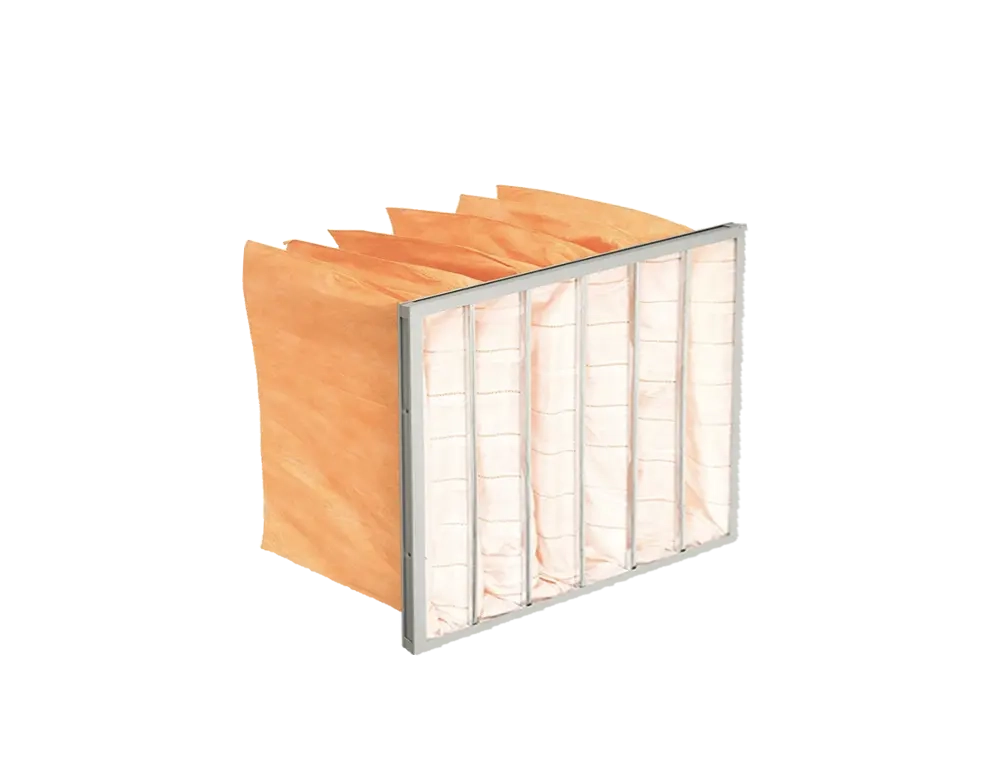
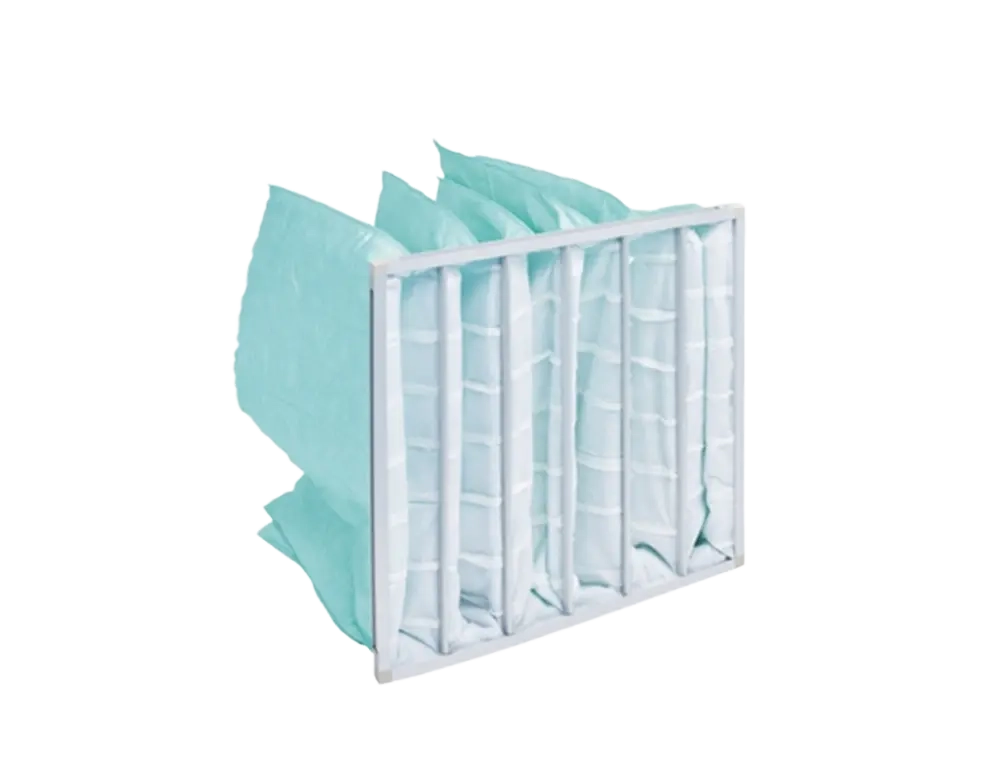
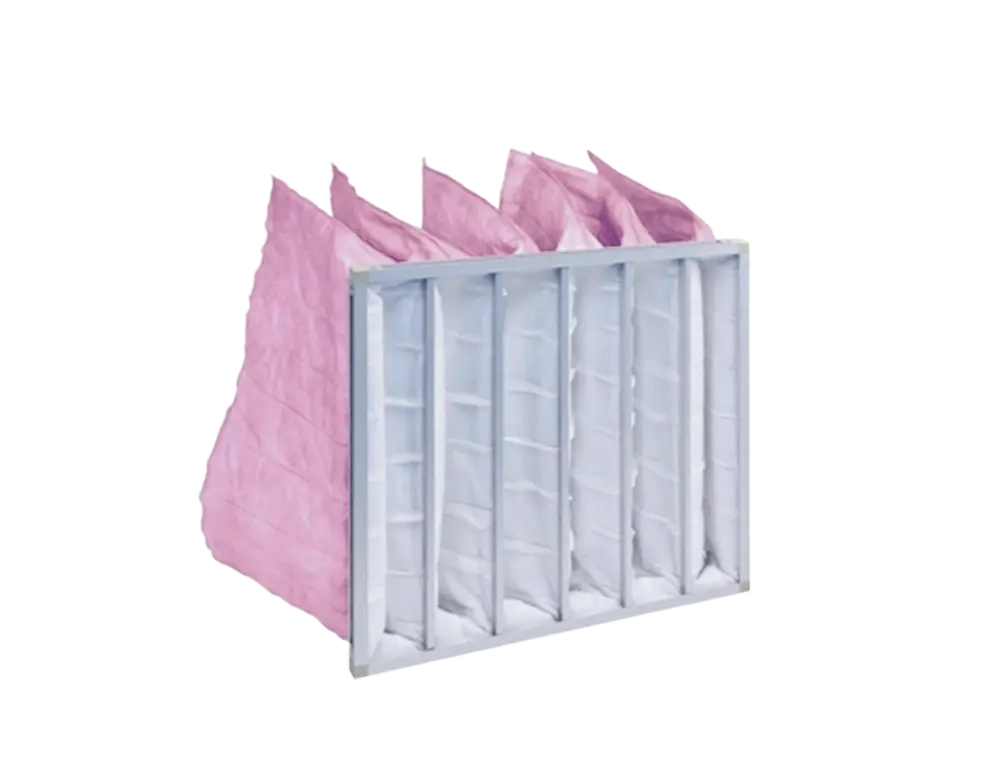
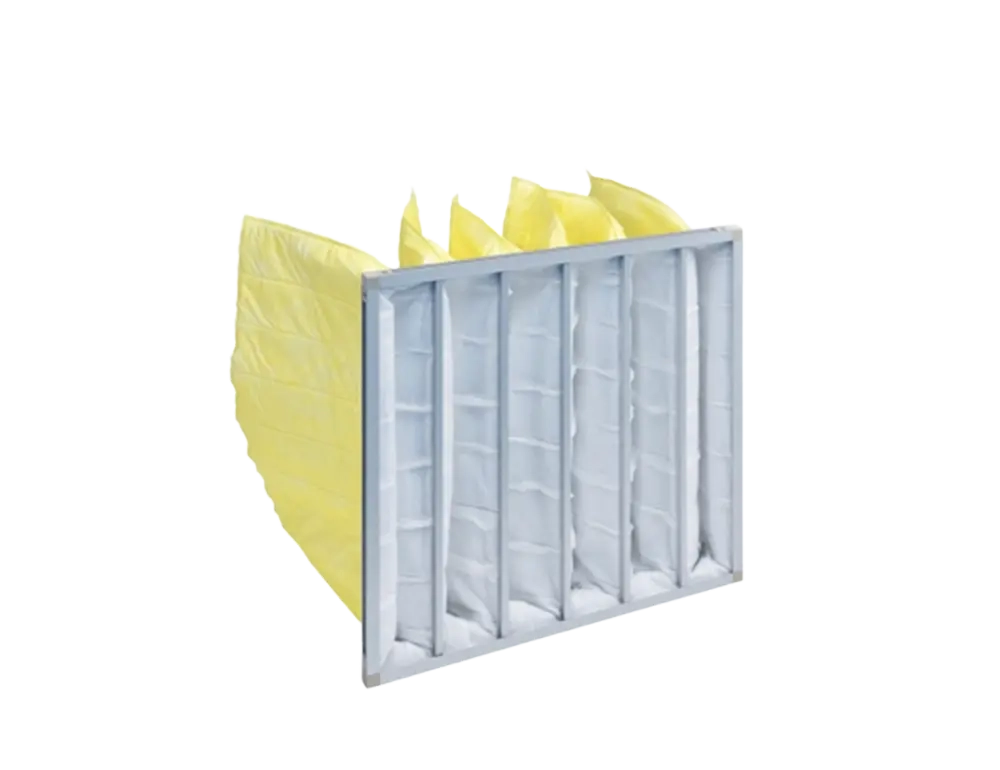
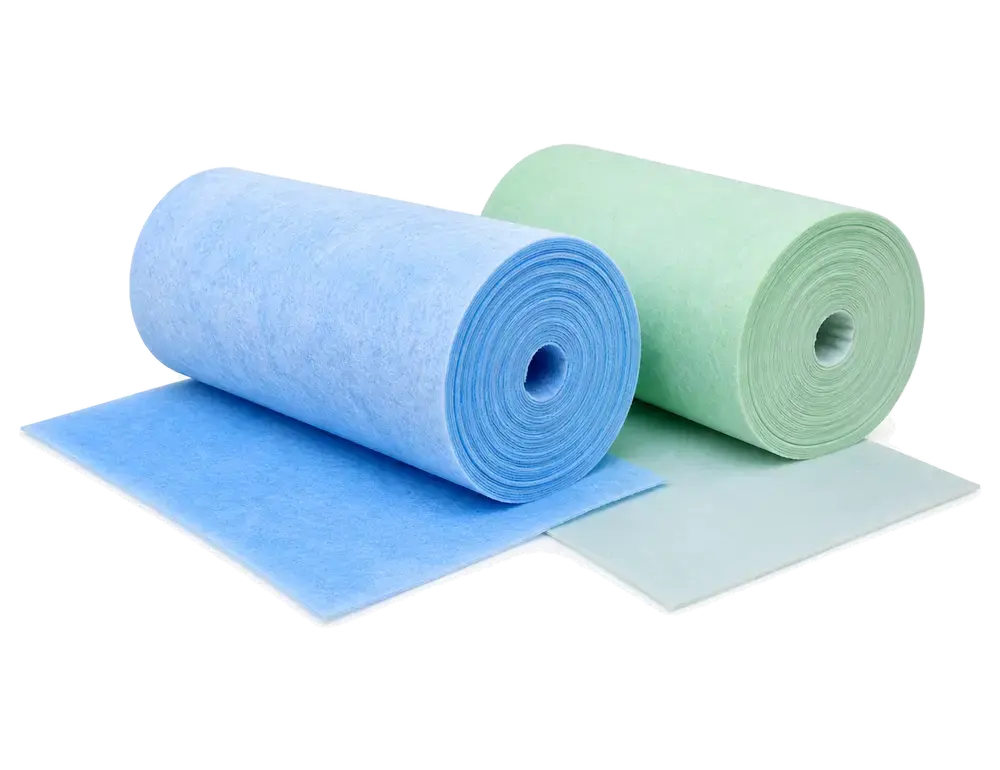
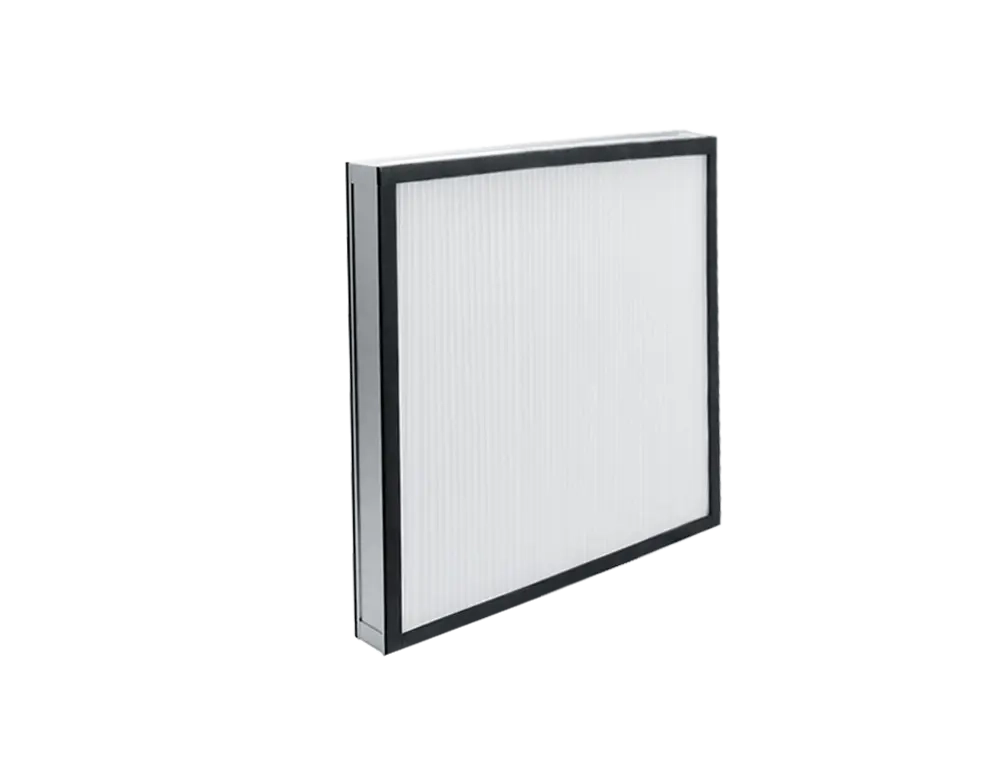
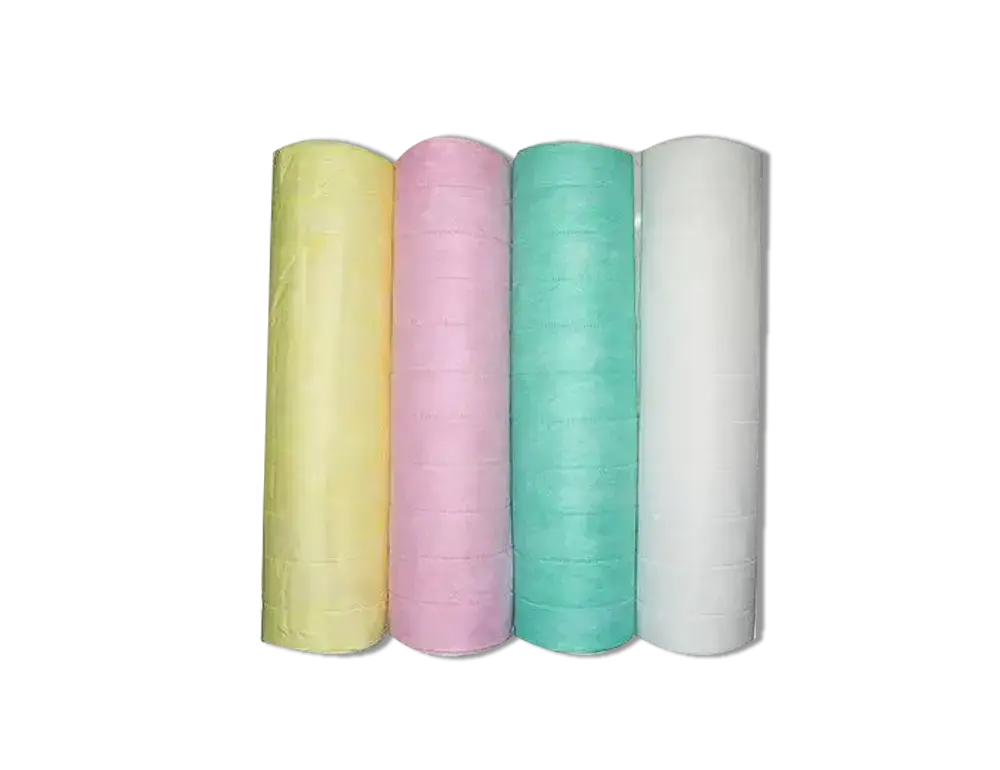
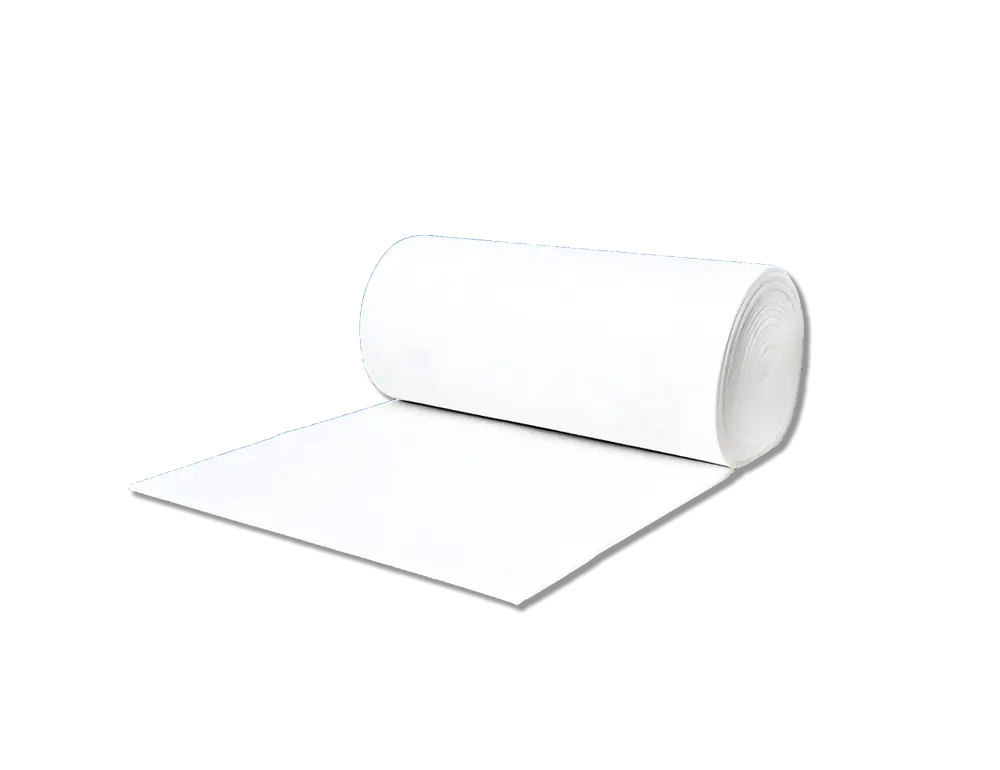
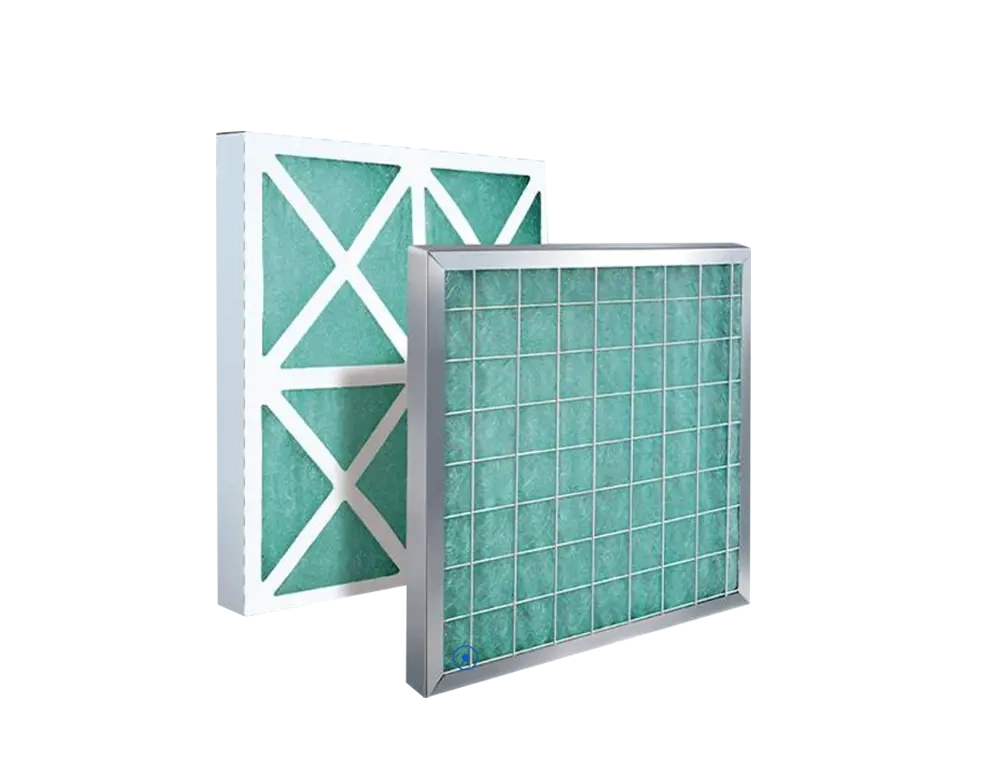
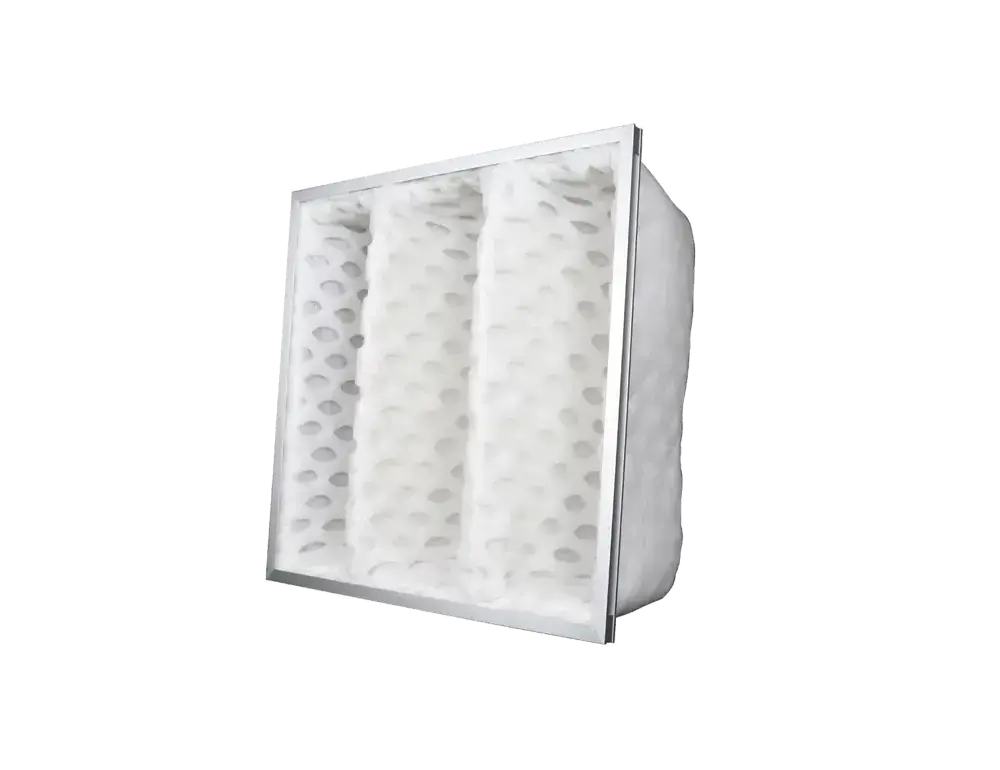
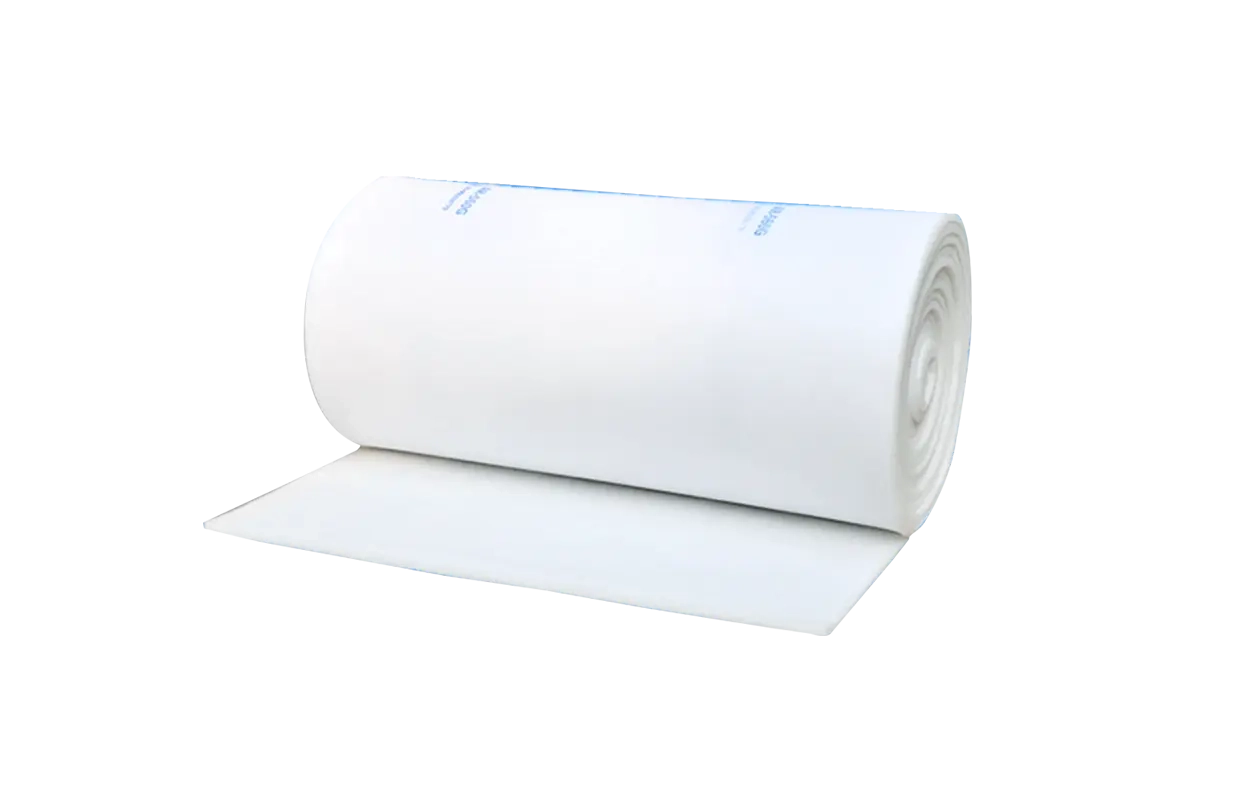
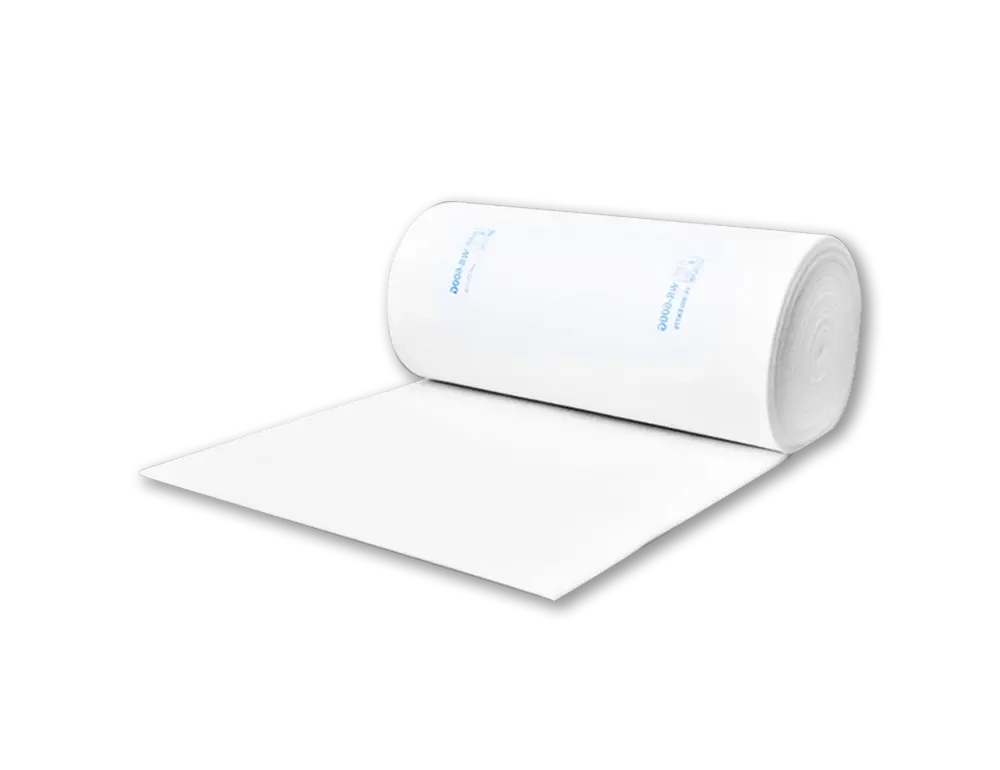
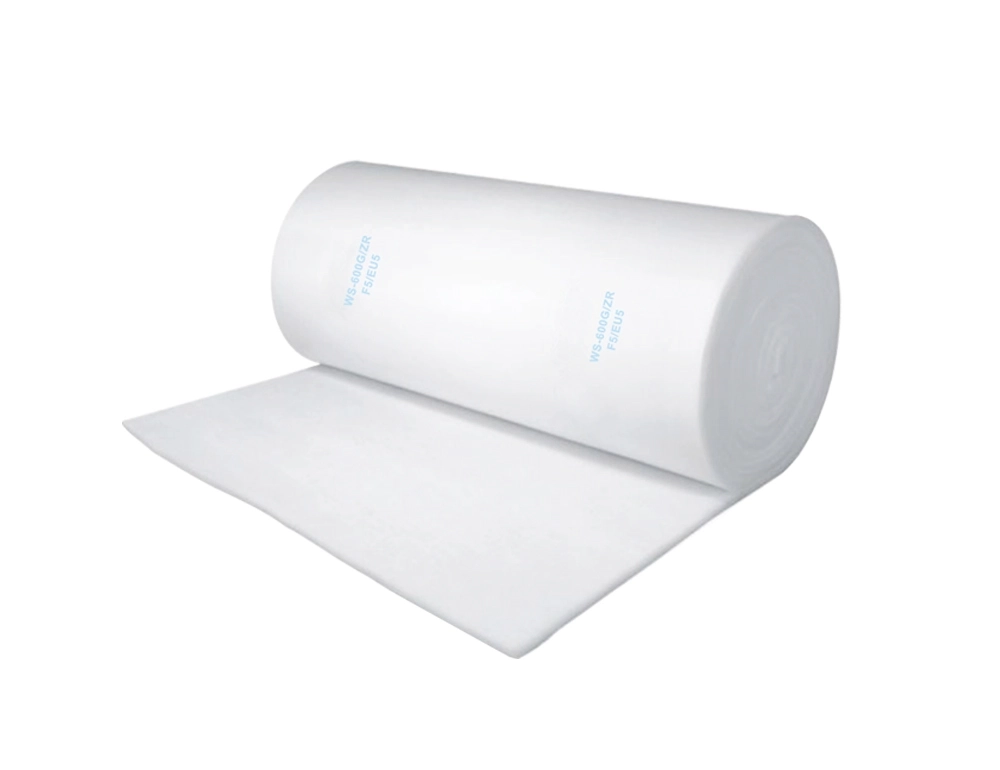
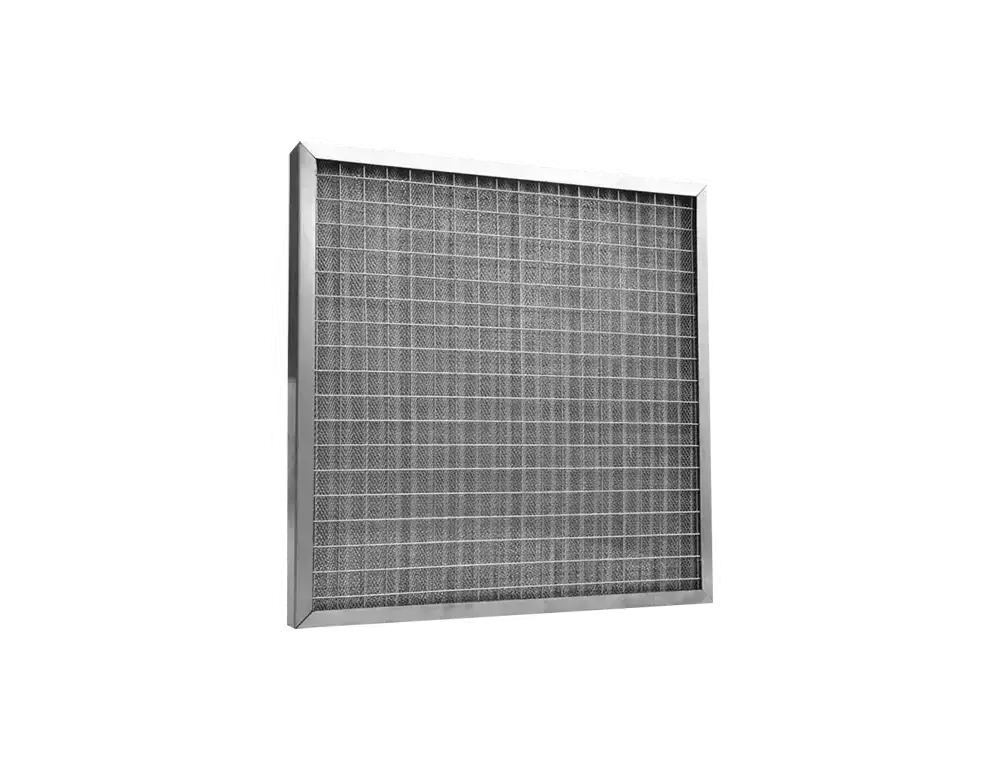
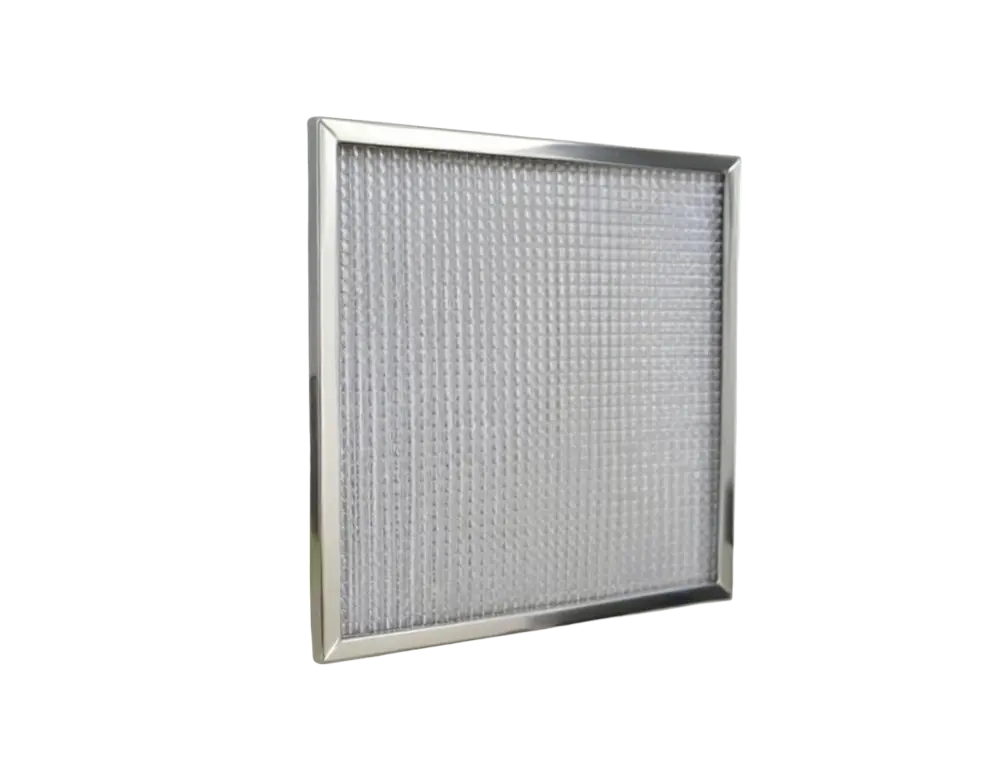
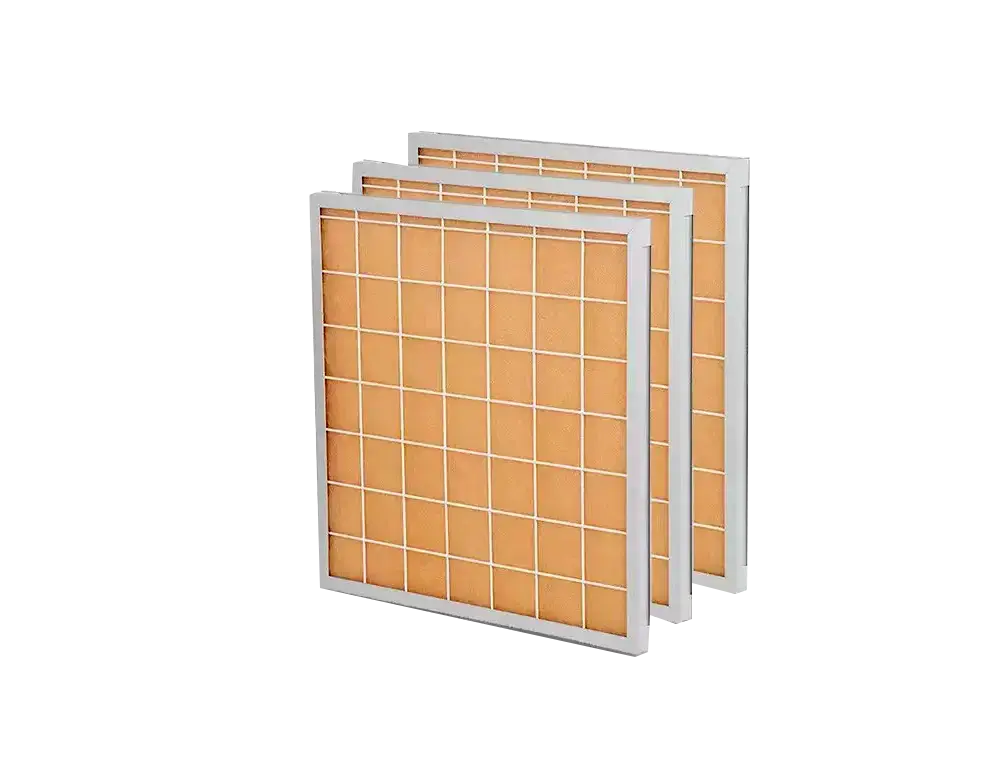
Pre-Filter (G1–G4)
First-Stage Large-Particle Capture
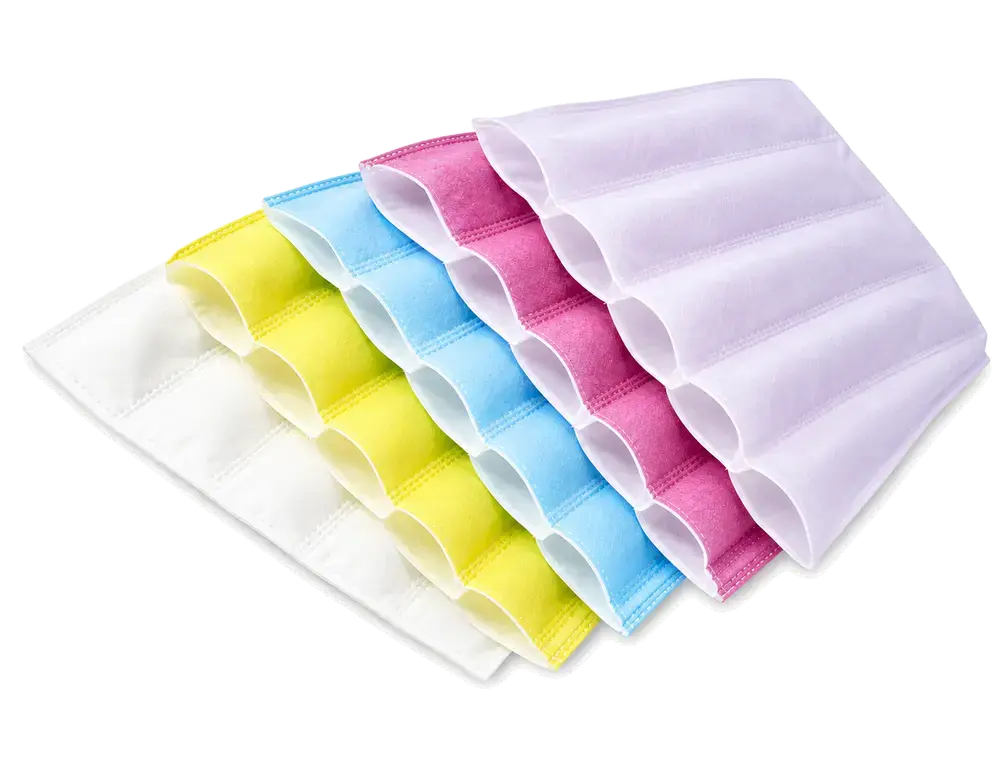
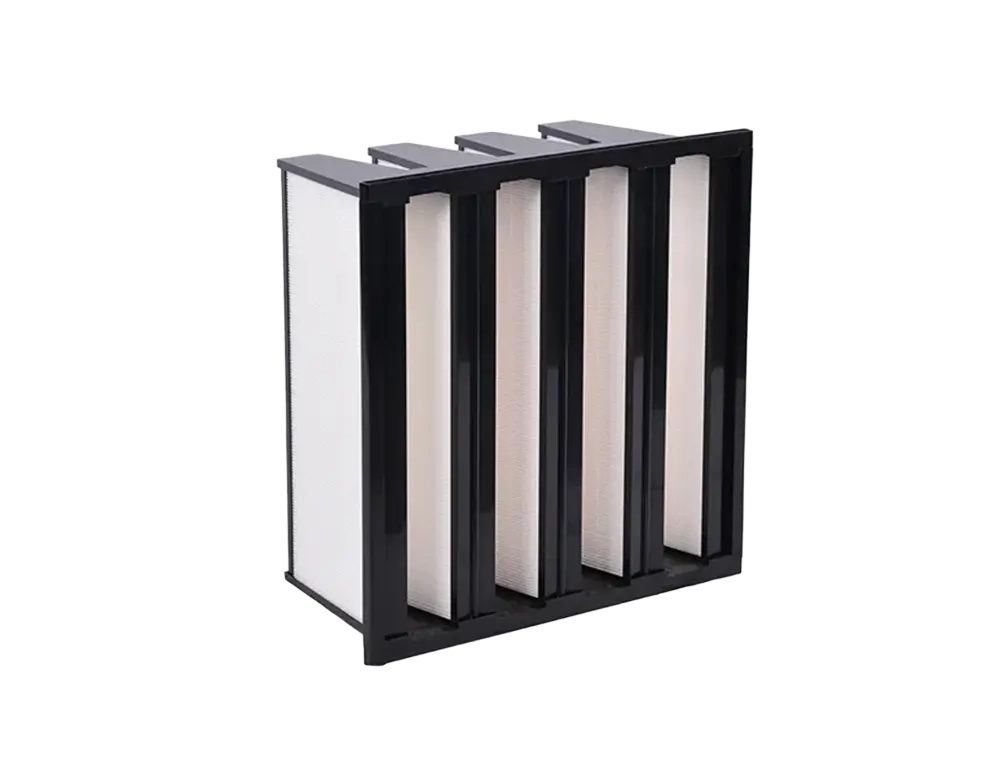
Medium-Efficiency Filter (F5–F9)
Precise PM2.5 Capture
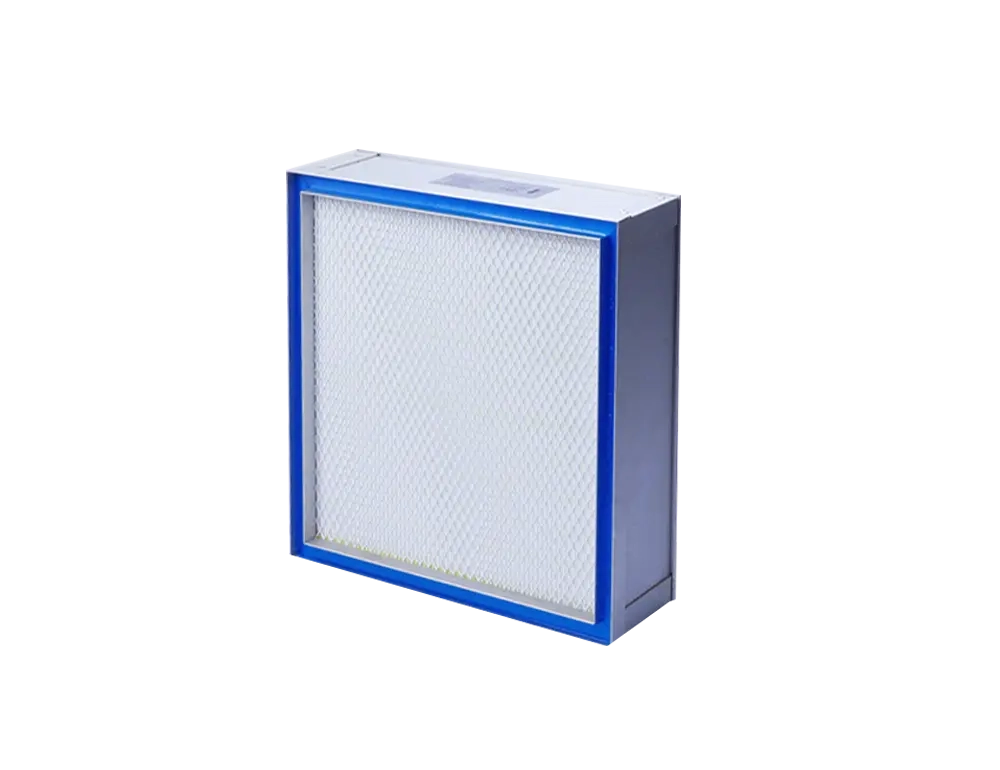
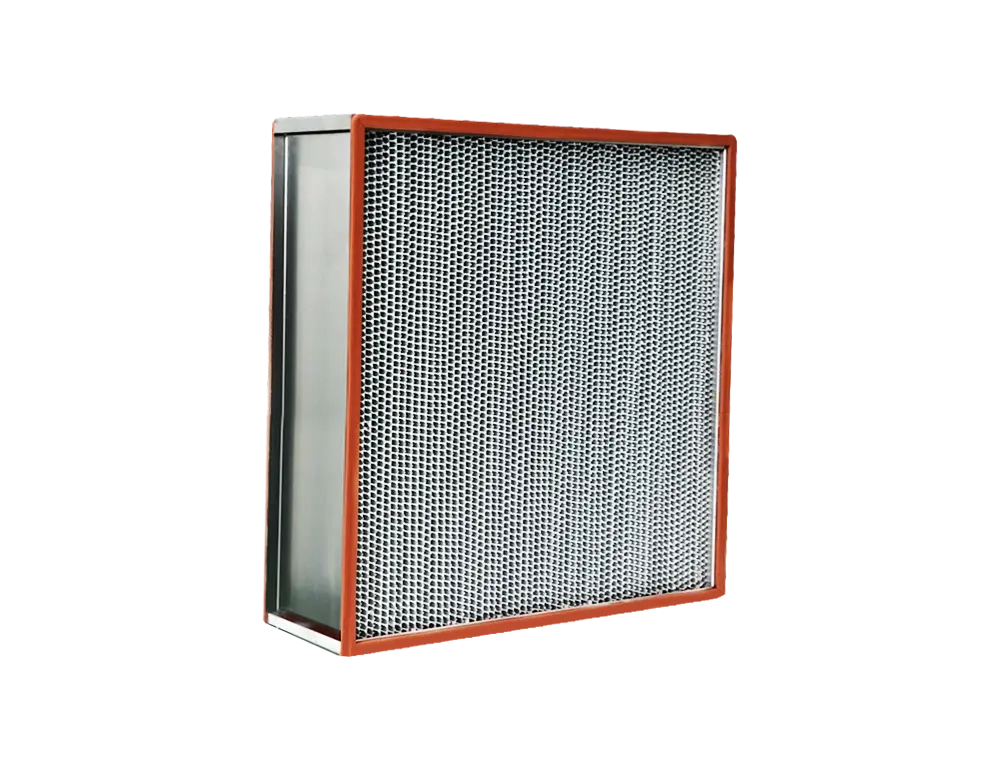
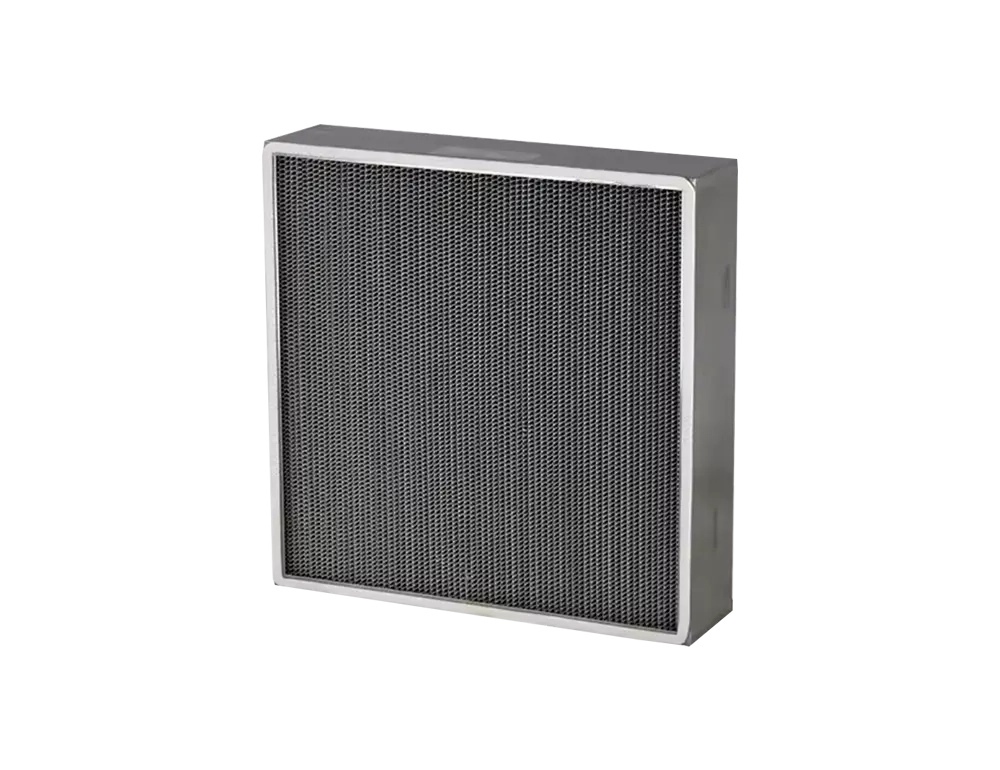
HEPA High-Efficiency Filter
Sterile-Grade Purification
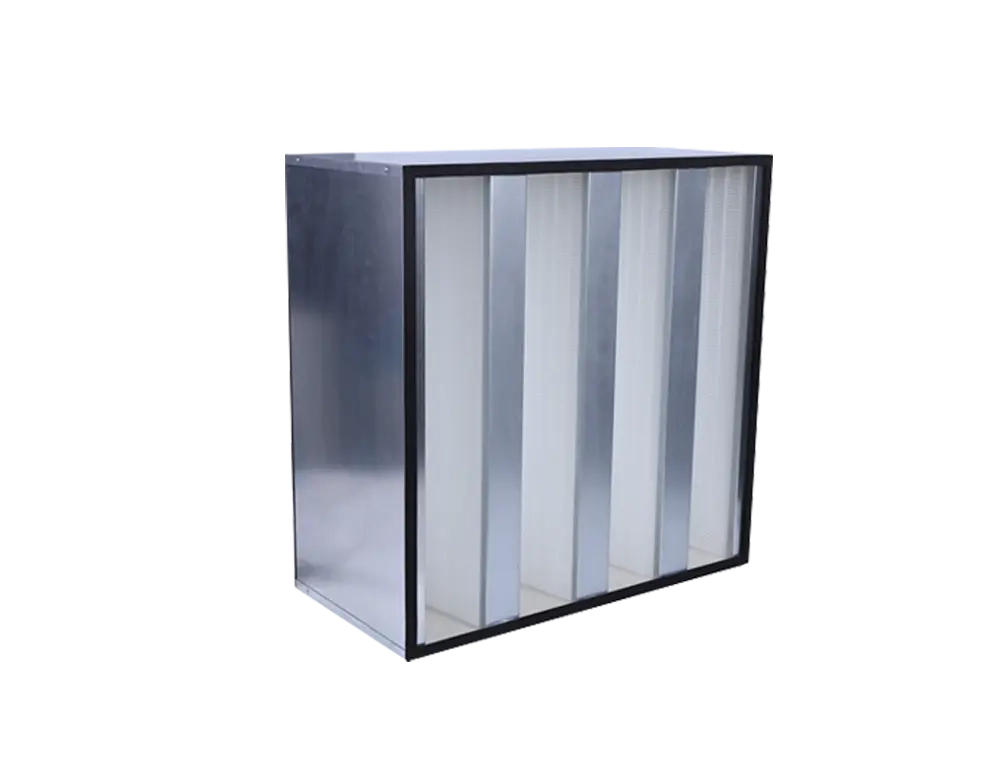
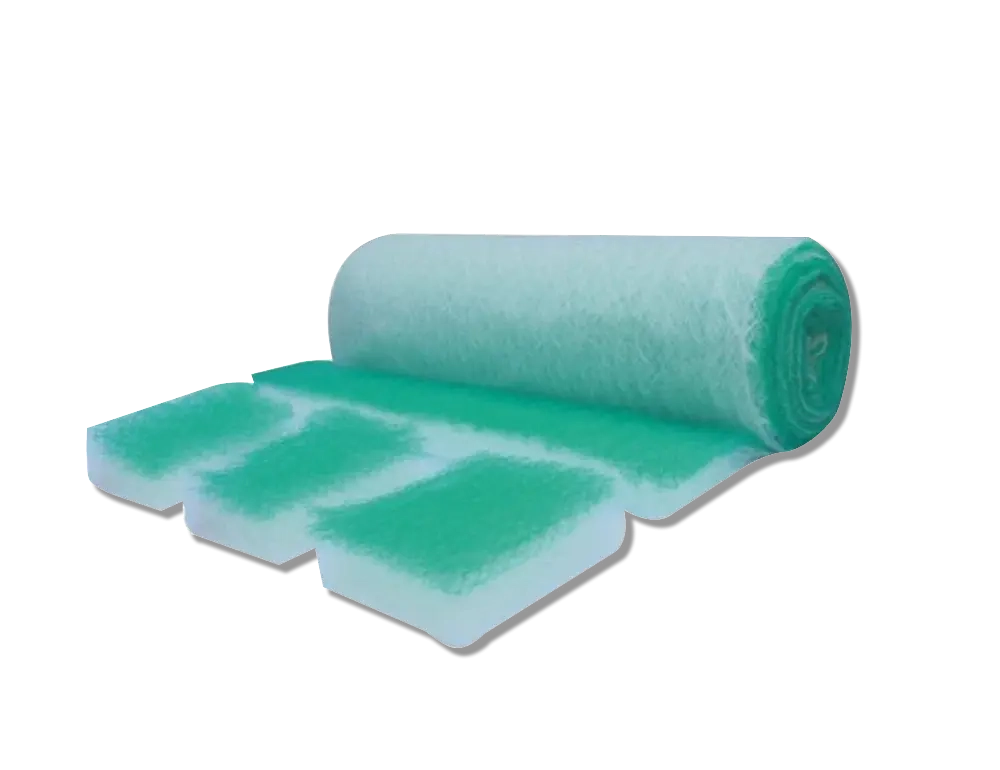
ULPA Ultra-High Efficiency Filter
Sub-Micron Particle Capture
First-Stage Large-Particle Capture
The first line of defense, capturing particles ≥5 μm such as dust, hair, and fibers to protect downstream filters and extend overall system service life.
View Related Products →Precise PM2.5 Capture
Captures fine particles of 1–5 μm including PM2.5, pollen, and mold spores, significantly improving indoor air quality for commercial HVAC and ventilation systems.
View Related Products →Sterile-Grade Purification
≥99.97% filtration efficiency for particles ≥0.3 μm, delivering sterile-grade clean air widely used in medical, pharmaceutical, and electronics manufacturing.
View Related Products →Sub-Micron Particle Capture
≥99.9995% efficiency for particles ≥0.12 μm, meeting the extreme cleanliness demands of semiconductor fabs, aerospace, and other ultra-precision applications.
View Related Products →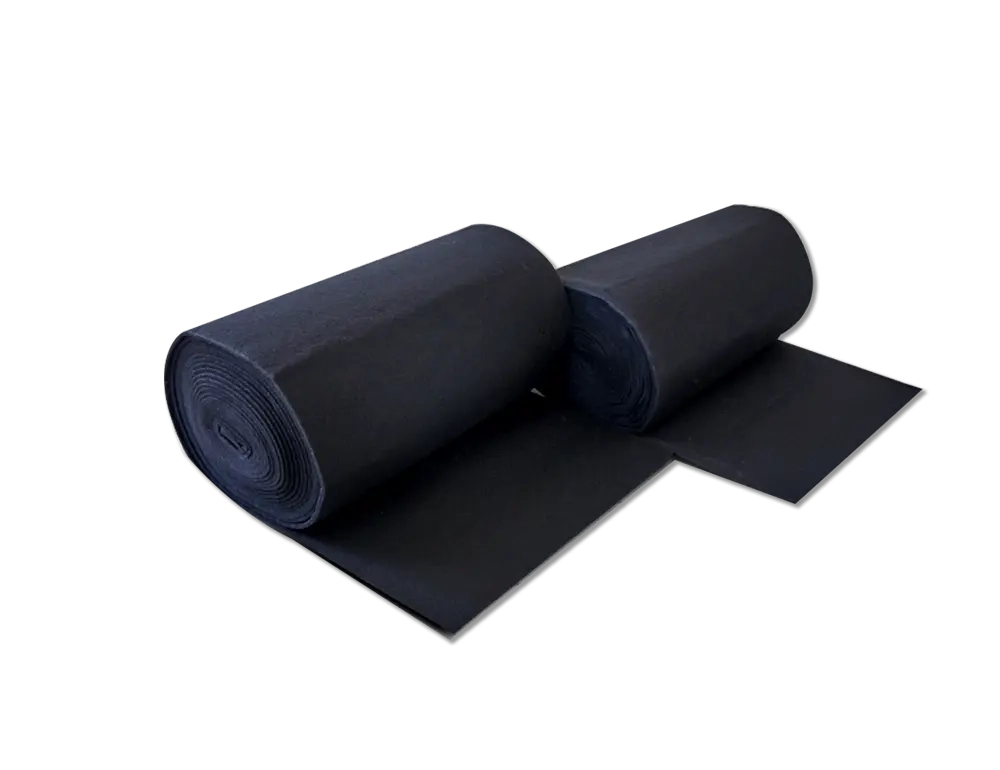
High-Temperature Resistant
Industrial-Grade Heat Tolerance
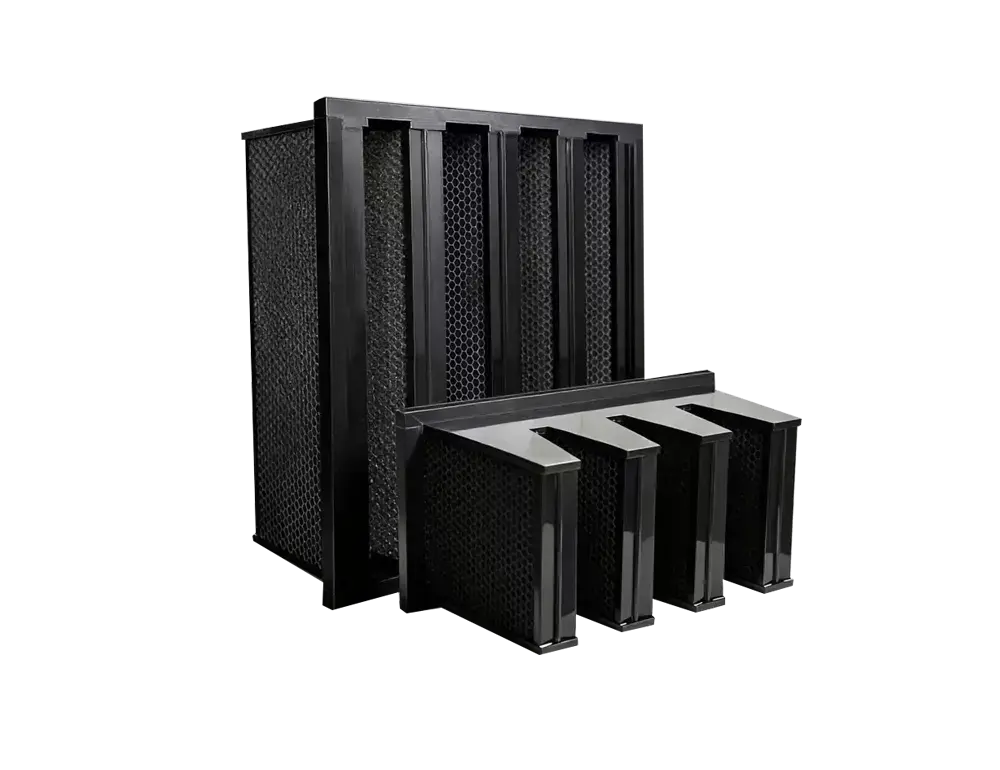
Washable & Reusable
Cut Costs, Reduce Waste
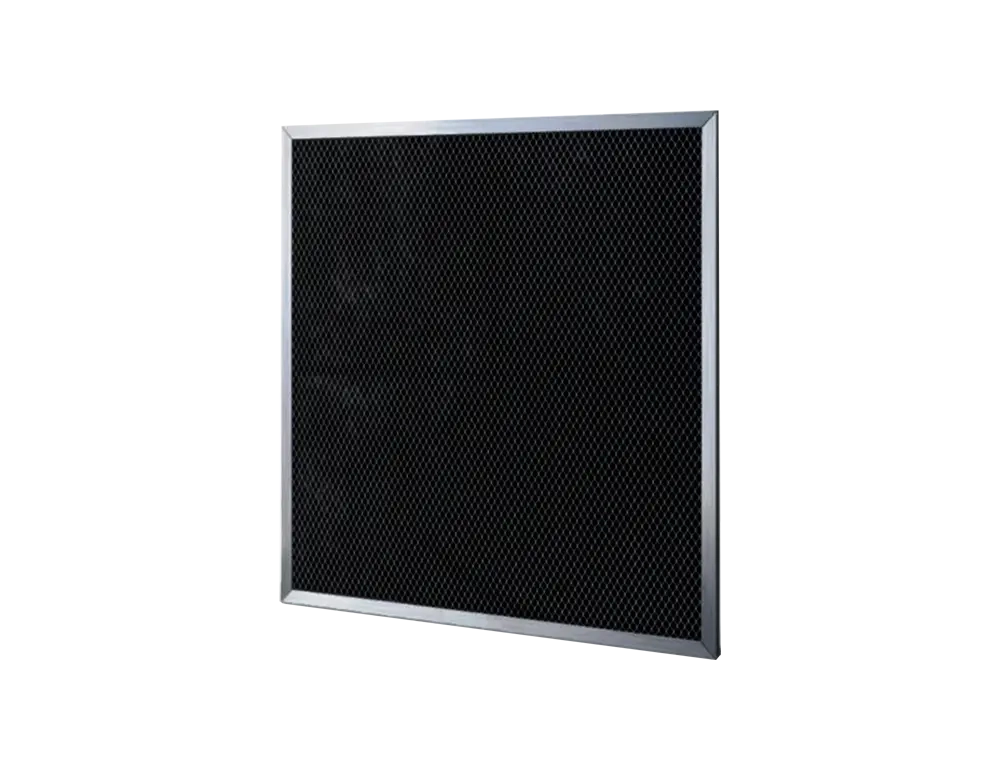
Activated Carbon
Odor & Harmful Gas Removal
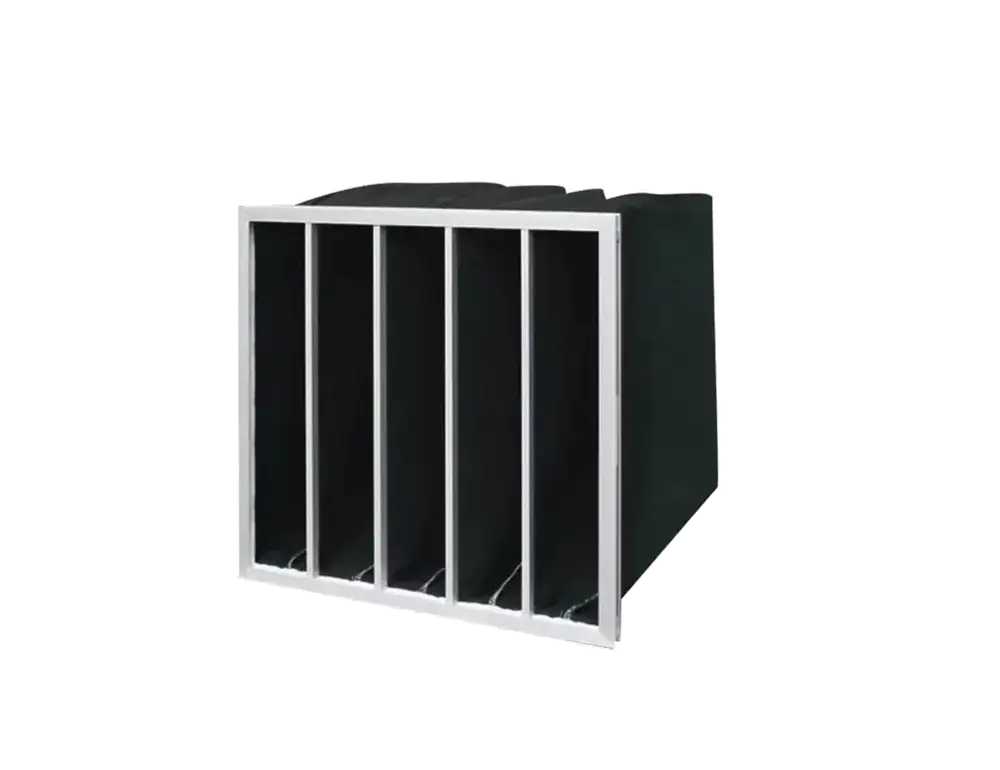
Bag Filter
High Dust-Holding, Long Life
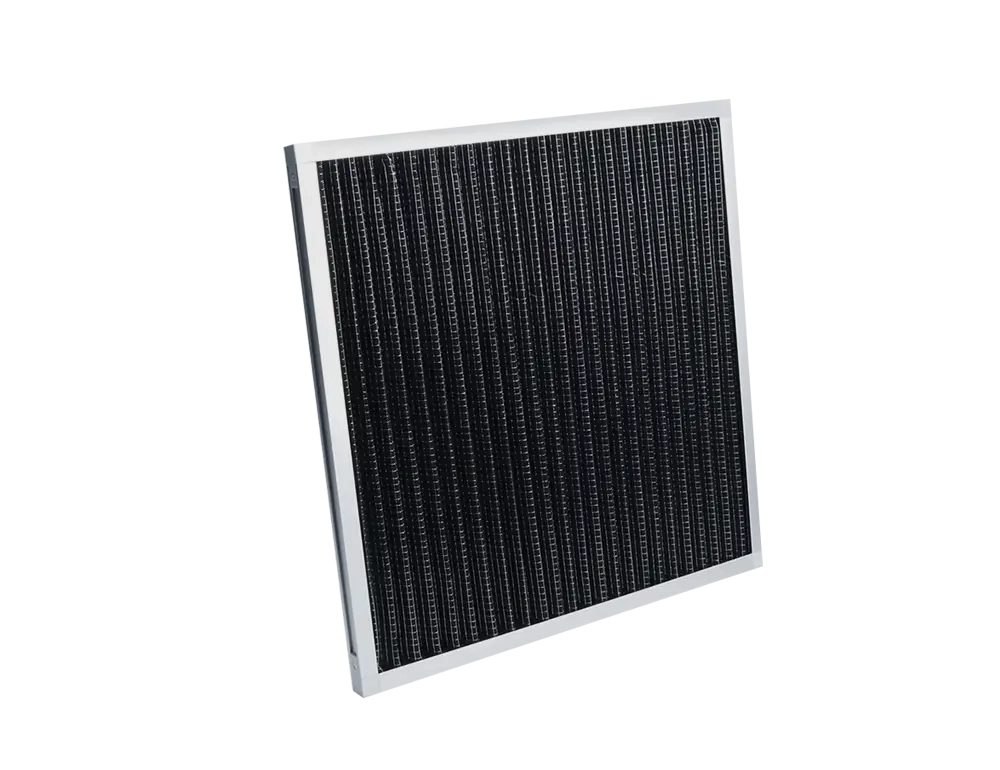
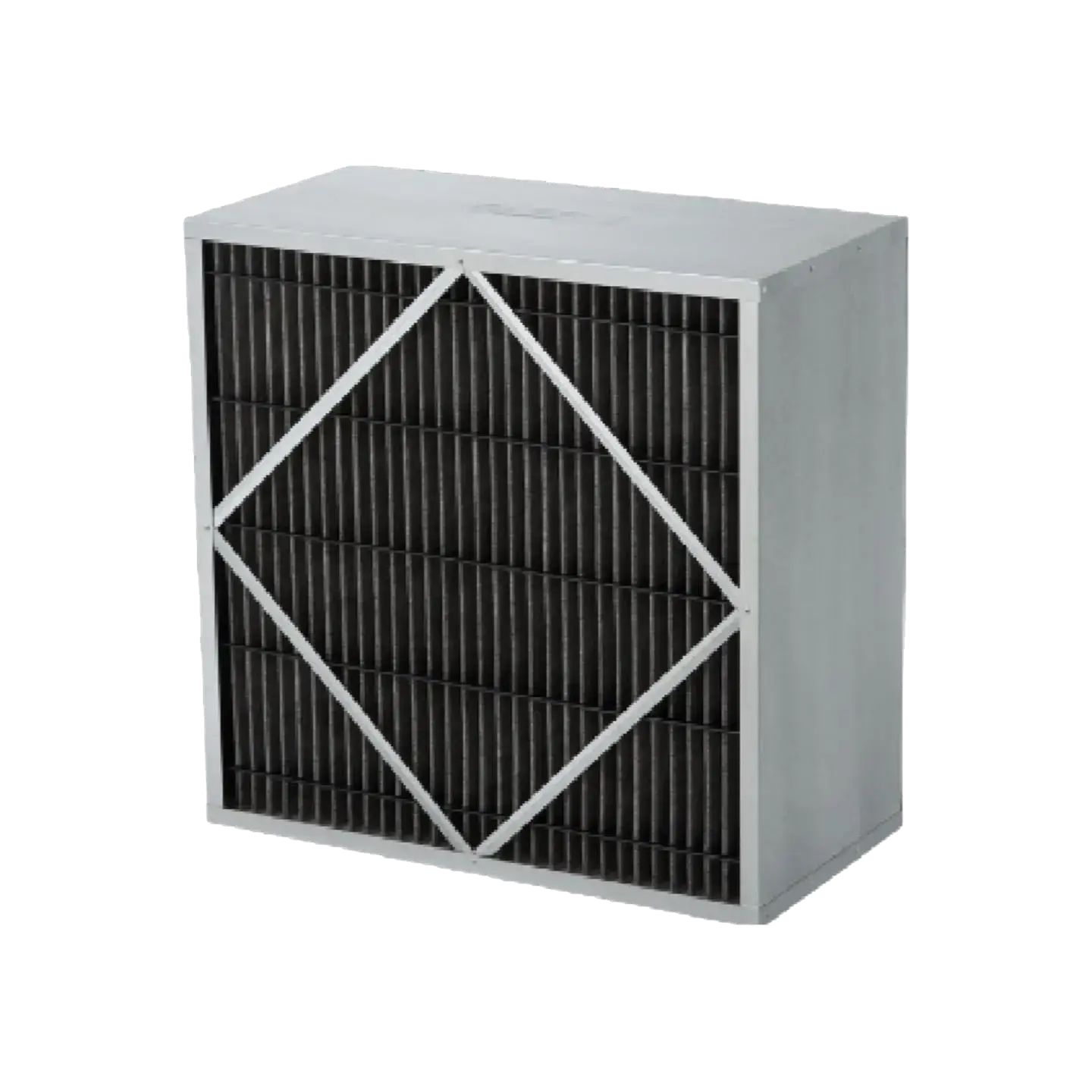
Panel / Pleated Filter
Compact Space-Saving Design
Low-Resistance Airflow
Energy-Saving Operation
Industrial-Grade Heat Tolerance
Built with specialized heat-resistant materials, operating stably up to 250°C for paint ovens, industrial dryers, and high-temperature process environments.
View Related Products →Cut Costs, Reduce Waste
Cleanable by water washing or air blowing, reusable multiple times to significantly reduce replacement frequency and O&M costs — an economical, eco-friendly choice.
View Related Products →Odor & Harmful Gas Removal
Leverages activated carbon's high adsorption capacity to eliminate odors, VOCs, and formaldehyde, ideal for newly renovated spaces and industrial exhaust treatment.
View Related Products →High Dust-Holding, Long Life
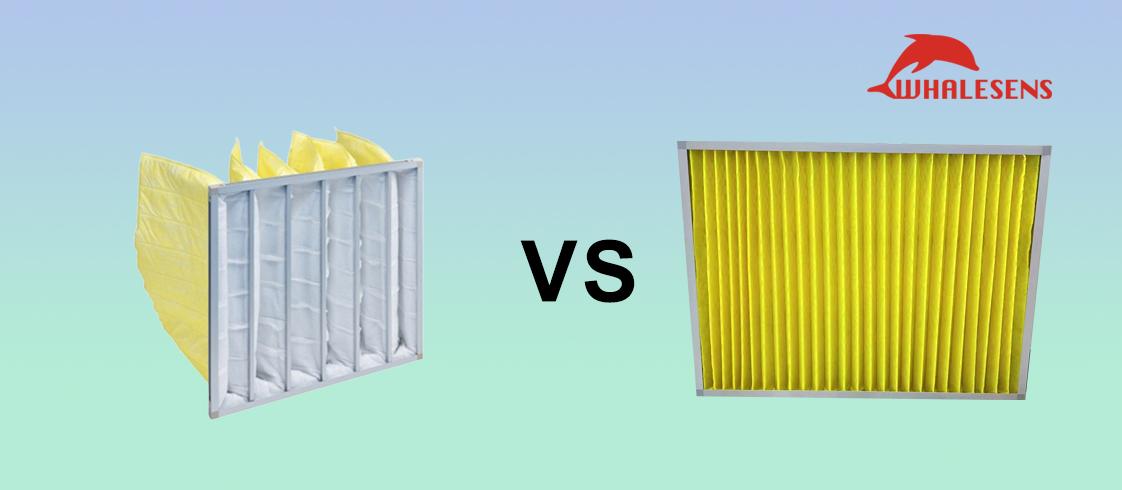
Bag-style construction delivers a larger filtration area, high dust-holding capacity, and extended service life — ideal for high-dust environments with reduced replacement frequency.
View Related Products →Compact Space-Saving Design
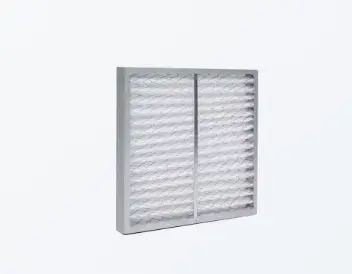
Compact form factor for easy installation and replacement; pleated structure maximizes filtration area within a small footprint for higher efficiency.
View Related Products →Energy-Saving Operation
Low-resistance design minimizes pressure drop while maintaining filtration performance, reducing fan energy consumption for cost-effective, eco-friendly operation.
View Related Products →












 English(Global)
 简体中文
简体中文 Language




Outdoor Protection for EV Charging Piles Whitepaper: Dust, Rain, Condensation and WSE-S Filter Solutions
As of March 2026, China's electric vehicle charging infrastructure reached a total of 21.48 million units, a 46.9% increase year-on-year, with 4.863 million being public charging stations. By the end of 2027, it's expected that the nation will have 28 million charging facilities.
However, with this growth comes significant environmental challenges. In 2024, there were 127 charging pile-related accidents nationwide, a 45% increase, with electrical fires accounting for 68%. Further statistics show that 65% of outdoor equipment failures are due to environmental erosion.
The IGBT modules, capacitors, and control boards inside charging piles are highly sensitive to dust, salt spray, and moisture. Facing the triple threats of dust, rain, and condensation, traditional protective measures are falling short.
This whitepaper aims to systematically analyze the mechanisms of these environmental threats and industry response trends, introducing Whalesens WSE-S ultra-thin washable air filters' engineering design logic and solutions.
Chapter 1: The Triple Environmental Threat—Chronic Dust Erosion
Charging piles are high-power electrical devices. A 60kW DC fast-charging pile has a module heat dissipation of up to 3000W, three times that of a communication outdoor cabinet of the same volume. Therefore, forced air cooling is the standard cooling method for most charging piles: fans continuously draw external air into the cabinet to dissipate heat.
But the fans bring in more than just air.
Typical installation scenarios for charging piles—alongside city roads, highway service areas, and industrial parks—are high dust concentration areas. Major sources include:
- Rubber particles and mineral dust from tire and road friction
- Construction dust (silicate particles)
- Industrial emissions (metal particles, soot)
- Seasonal pollen and fluff
Dust composition varies significantly between scenarios: urban areas have road dust, industrial zones contain conductive metal particles, and coastal areas have added salt spray crystals.
The dust accumulation process has a chain effect:
- Deterioration of Heat Dissipation and Temperature Control: Dust forms an insulating layer on heat sinks and electronic components, reducing heat dissipation efficiency by 20%-30%. To compensate, fan speed increases to over 3000rpm, with air flow surging to 300-800m³/h, accelerating fine dust intrusion. In high-temperature and humidity environments, dust absorbs moisture and hardens, further reducing heat dissipation efficiency by 40%.
- Accelerated Aging of the IGBT Module: Tests show that the failure rate of IGBT modules at 85°C is three times higher than at 60°C. The additional temperature rise caused by dust consistently pushes charging modules towards the failure threshold.
- Risk of Electrical Short Circuit: Conductive industrial dust (metal particles, carbon powder) on circuit boards and connectors may cause electrical shorts in high voltage environments. Maintenance data shows that dust accumulation at some site’s charging pile interfaces has severely affected contact sensitivity, causing charging interruptions and device errors.
A brand's field test showed that a 30kW air-cooled module without regular cleaning had a heat sink thermal resistance increase of 2.3 times after two years of operation. This means that under the same heat generation power, the actual temperature of components will far exceed the safe design threshold.
Chapter 2: The Triple Environmental Threat—Instant Impact of Rain
Outdoor charging piles frequently fail or shut down during rainy days—operating normally in sunny conditions but showing alarms, startup failures, sudden trips, and abnormal power drops in the rain. Upon disassembly, it’s often discovered that the real water ingress channel is not a sealing issue of the outer shell, but the cooling fan.
In forced-air cooling systems, the fan operates as an “air intake,” drawing in not just air, but also rain, mist, and moisture during rainy days.
Industry standard NB/T 33002-2010 requires outdoor charging piles to have a protection level not lower than IP54, while GB/T 39752-2024 further demands that outdoor equipment meet IP55. However, industry experience indicates that IP54 is only effective against “splashing water” and not enough to resist the real impact of wind-driven rain, suggesting that outdoor DC charging piles should have additional rain shelters installed.
The 2026 edition of the safety technical specifications has upgraded the protection level requirement for outdoor charging piles from IP54 to IP65—this upgrade in standards itself indicates that traditional protection levels cannot meet the real outdoor conditions.
Real Case: A basement parking lot in Guangdong saw charging piles short-circuit and catch fire due to flooding after heavy rain, destroying three electric vehicles. Concurrently, a coastal city charging station experienced a leakage incident during a typhoon, with 50 charging modules in five piles shorting due to moisture, resulting in nearly 200,000 RMB in replacement costs.
Many operators opt for “upgrading to IP68 waterproof fans.” However, IP68 fans can only protect their own motors and bearings, and are tested under static immersion conditions. The real outdoor environment involves dynamic water flow, high wind pressure rain and snow, and even high-pressure water gun cleaning—scenarios far beyond the design parameters of IP68. If the duct design is unreasonable or the interfaces are not sealed, water can still enter the pile through these weak points.
Chapter 3: The Triple Environmental Threat—Covert Damage from Condensation
The real culprit for frequent tripping during rainy days is often not external water ingress but internal condensation.
Mechanism: High-humidity air enters the cabinet through the fan → The temperature gradient exists inside the cabinet due to electronic component heating → Water vapor condenses into droplets upon cooling → Droplets adhere to PCB boards, connectors, and power module surfaces → Insulation resistance drops → Short circuits, leaks, or trips occur.
This isn't about “water ingress” but “internal water formation.”
Coastal or high-humidity areas face more severe salt spray and condensation risks. Humid air containing salt enters the equipment, accelerating electrochemical corrosion of metal components, severely affecting the stability of charging piles. Studies show that over 70% of coastal area charging pile failures are related to salt spray corrosion.
Traditional sealing solutions explored by the industry, such as potting sealants and positive pressure cabinets, have either high costs (liquid cooling solutions increase module costs by 45%) or are ineffective against forced air cooling structures—as long as there is airflow, there is a path for moisture entry.
Chapter 4: Industry Trends—Standards Upgrade Driving Protection Evolution
Mandatory 3C Certification: Effective August 1, 2025, equipment not certified by August 1, 2026, cannot be sold, and entire charging piles are included in the CCC compulsory certification scope. In terms of fire protection and flame retardancy, shell materials must pass UL94 V-0 certification.
Safety Technical Specifications 2026 Edition: The protection level of outdoor charging piles has been upgraded to IP65.
GB/T 39752-2024: Operating temperature range extended to -25°C to +50°C, requiring salt spray and light aging tests, and 850°C for 30 seconds glow-wire tests without material combustion.
The impact of CCC certification on supporting parts: Starting August 1, 2026, entire charging piles will require CCC certification, and as a supporting part, air filters' UL94 HF-1 flame retardant certification can assist the whole machine in passing glow-wire tests and fire evaluations.
The charging pile industry is shifting from pursuing construction quantity to focusing on operational quality and equipment longevity. Industry trends clearly show: extending equipment lifespan and reducing OPEX have become core concerns for operators. A professional air filter can extend equipment lifespan by over 30%.
Chapter 5: Whalesens WSE-S Solutions
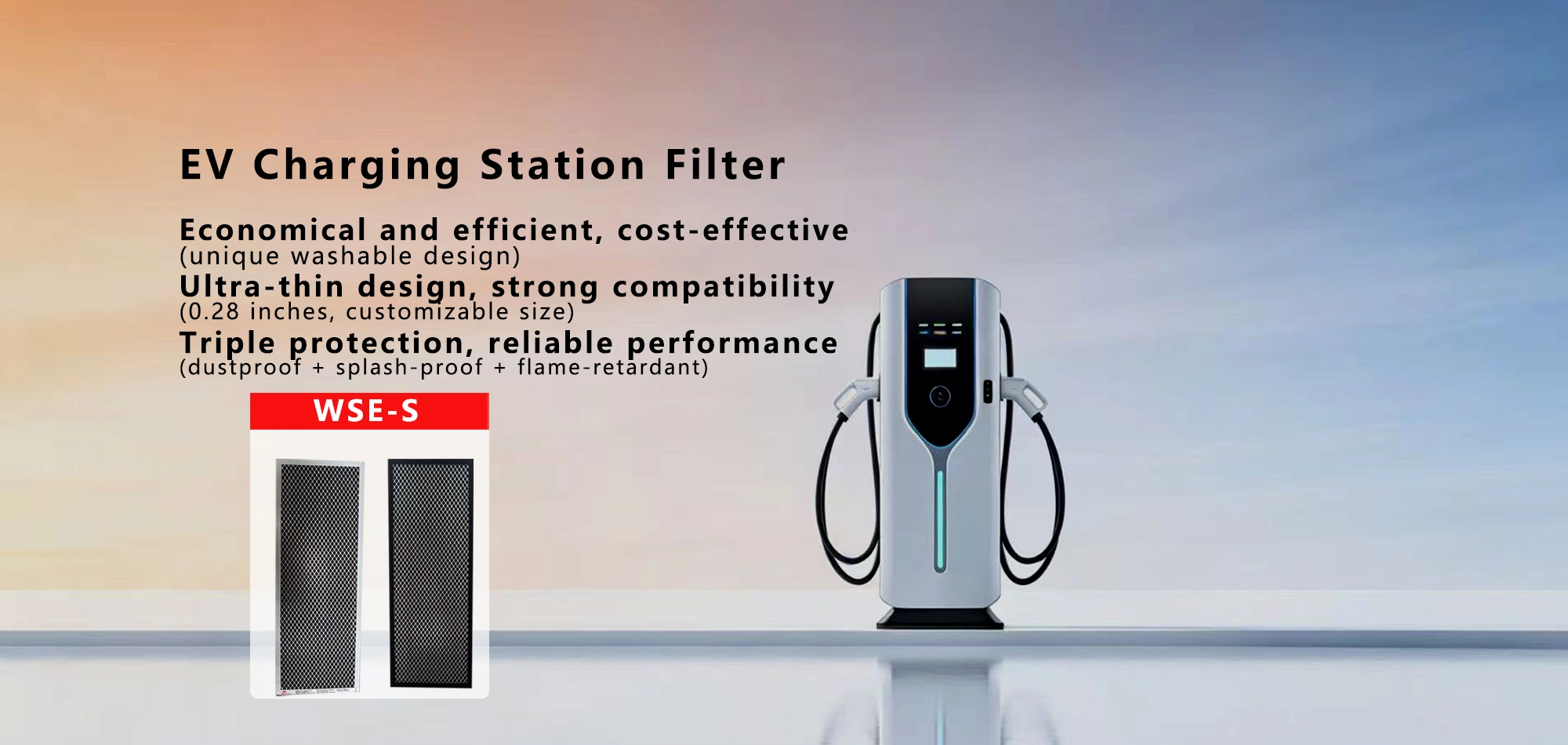
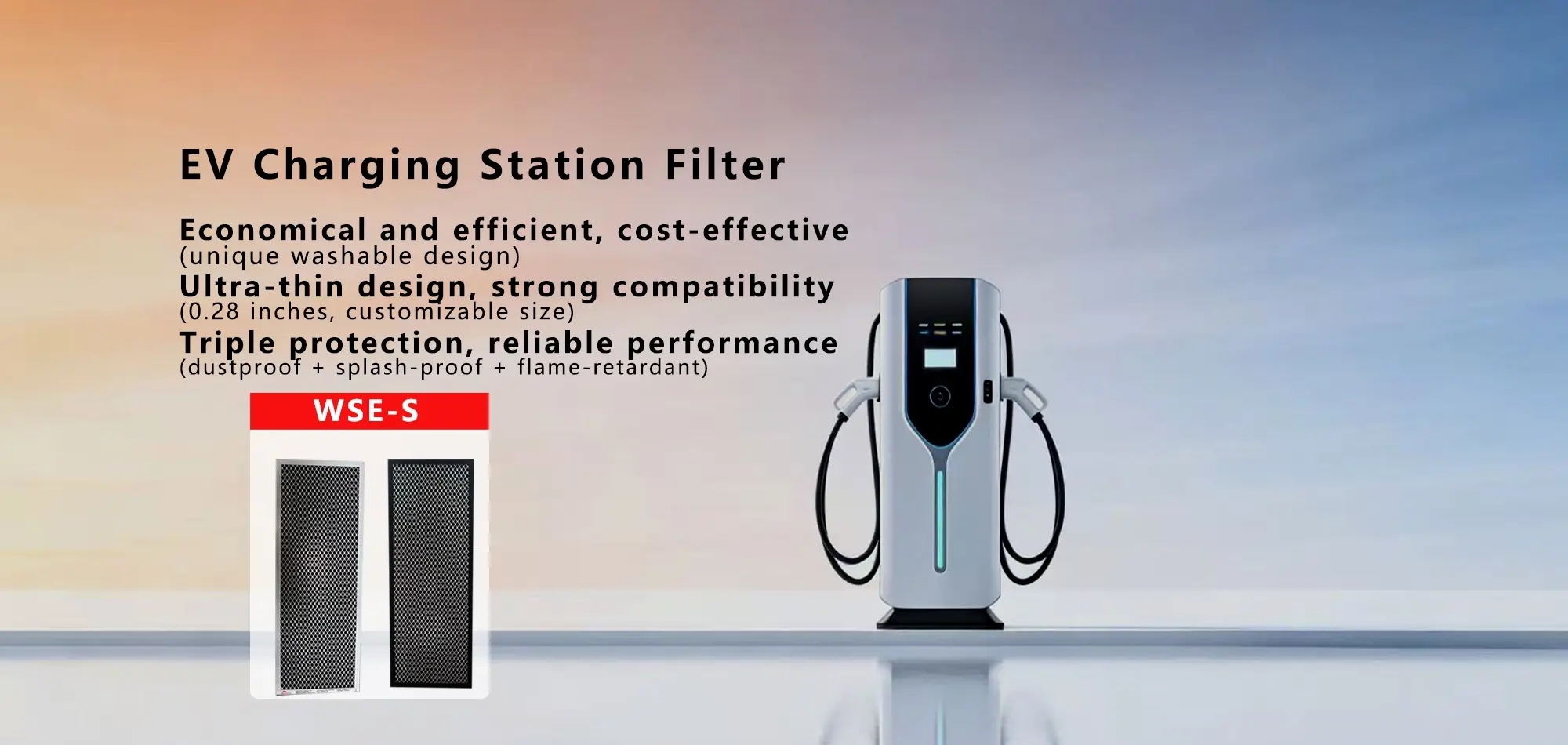
Whalesens WSE-S ultra-thin washable air filters are specially designed for outdoor conditions of new energy vehicle charging piles. The design is deduced from three dimensions: charging pile heat dissipation duct, dust type, and condensation risk, rather than simply downsizing general filters.
Dual Structure Protection
First Layer: Perforated Foam Interception Layer
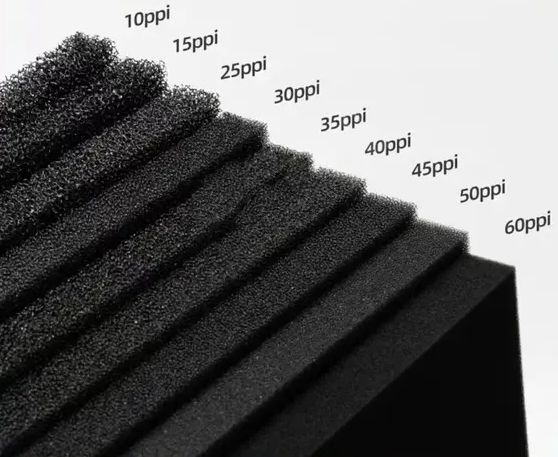
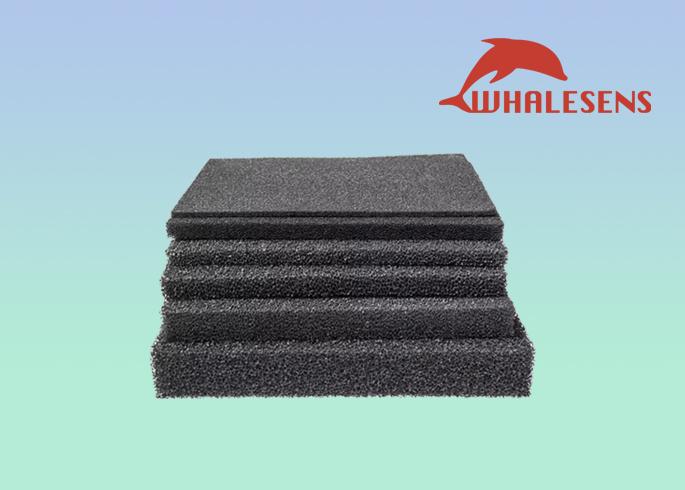
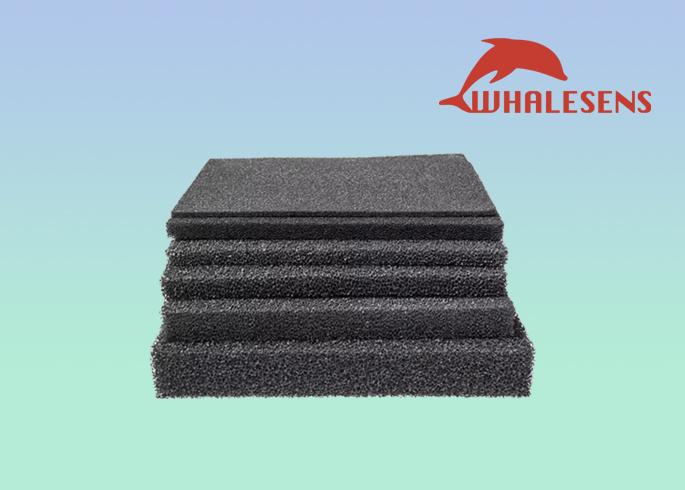
Utilizes polyurethane open-cell mesh filter cotton, offering 10PPI to 100PPI pore options. Advantages include: effectively intercepting particles larger than 5μm (dust, pollen, flying insects); open-pore structure ensures ventilation efficiency without affecting heat dissipation; polyurethane material does not absorb water, supports repeated washing.
Second Layer: Moisture-Proof Layer
Innovatively combines a high-efficiency moisture-proof layer to block rainwater splashes and moisture intrusion. During rainfall or spray environments, the moisture-proof layer prevents liquid water entry while allowing water vapor molecules to pass through, avoiding internal condensation. This aligns with the industry-recommended "waterproof breathable membrane" principle—discharge moisture, prevent water entry.
After stacking the two layers, it achieves: effective interception of particles larger than 5μm, resistance to all-directional rainwater splashes, and reduced internal condensation risk.
Washable Cost Reduction
Whalesens WSE-S series filter elements can be restored to performance after clogging by washing with low-pressure water flow or vacuuming, supporting repeated washing under normal use. The built-in 10-60PPI high-dust-capacity net can accommodate more impurities, extending maintenance cycles. Viewed over the entire life cycle, the total cost of the washable solution can be reduced to about 1/3 of disposable filters.
For detailed economic calculations, please refer to the article "Lifetime Cost Calculation of Washable Filters" on the Whalesens website.
Ultra-Thin Design
To address the pain points of compact charging pile cabinets and limited installation space, WSE-S adopts an aluminum alloy one-piece frame, with a total thickness of only 7mm (0.28 inches). Adaptation methods include: matching the existing installation slots of common cabinets of mainstream charging pile brands, completely customized according to customer-provided length × width × depth dimensions, or sending old samples for reverse engineering by the engineering team (customization cycle is typically 5-7 working days).
Flame Retardancy
Charging piles are high-voltage, high-power electrical equipment, and non-flame-retardant filter materials can become combustibles under high temperature or arc fault conditions. WSE-S ensures that even when exposed to instantaneous high temperatures, it will not sustain combustion or produce molten droplets, providing a passive fire barrier for the equipment. WSE-S filter material's flame retardancy is completely above the UL94 HF-1 flame retardant level. Higher flame retardancy, better performance. Ensures better protection of charging pile equipment.
Source Manufacturer Customization Service
Whalesens offers flexible customization of sizes, efficiency grades (G4 to high grades), frame materials (aluminum alloy/galvanized sheet/stainless steel), and structural forms, supporting automated cutting and special composite process treatment according to drawings. Minimum order quantity is flexible, with a regular customization cycle of 5-7 working days.
On-Site Installation and Maintenance Frequency Recommendations
| Maintenance Action | Frequency |
|---|---|
| Observe filter dust accumulation during routine inspections | Every 2-4 weeks |
| Clean with low-pressure water flow or industrial vacuum cleaner | Every 3-6 months (general urban environments); every 1-3 months (construction sites or high dust areas) |
| Annual inspection of filter material's appearance and necessary replacement | Annually |
Common Issues and Solutions (FAQ)
Q: My charging pile already meets IP54/IP65 protection level, why do I still need an additional filter?
A: The IP protection level tests the outer shell's ability to protect against solid foreign objects and water. However, when the charging pile operates, the cooling fan must continuously draw in external air—this air flow path is not within the shell's sealed protection scope. IP65 can prevent water spray from entering the shell, but it cannot stop water vapor from entering with the air flow. The air filter sets protection on this "necessary open channel." They are complementary, not substitute, relationships.
Q: Why won't ordinary sponges or screens work?
A: Ordinary sponges have pores that are too large or unevenly distributed to effectively intercept fine dust below 5μm. Metal screens are basically ineffective against particles. Additionally, ordinary sponges do not have flame retardant properties and do not comply with the new national standard UL94 for charging pile material compliance requirements.
Q: Will adding a filter affect charging pile heat dissipation?
A: A well-designed filter has its wind resistance included within the cooling system tolerance. The WSE-S series uses an adjustable porosity design (10-100PPI) to match different pile type heat dissipation flow requirements. The presence of the filter actually helps maintain the heat sink’s surface cleanliness over the long term—without a filter, the increase in wind resistance due to dust accumulation on the heat sink is far greater than the filter’s own wind resistance.
Q: Is "washable" really reliable? How does it compare to disposable filters?
A: Each has its applicable scenarios. Disposable filters are suitable for indoor environments with extremely high cleanliness requirements (such as clean rooms), where washing would damage the fiber structure of fiberglass or PP melt-blown filter paper. The WSE-S series uses polyurethane open-cell foam, which is structurally stable and does not absorb water, specifically designed for "outdoor + repeat maintenance" scenarios. From a life cycle cost perspective, cleaning requires only low-pressure water flow (≤0.3MPa) or an industrial vacuum cleaner, drying, and reinstallation, with a total cost about 1/3 of disposable filters.
Conclusion
21.48 million charging piles are operating day and night on roads, coasts, plateaus, and cities. Each one is "breathing"—inhaling air and expelling heat. And the dust, rain, and moisture in the air are eroding these devices' internal components in three distinct ways.
Dust is a slow accumulation, rain is an instant impact, and condensation is a covert erosion. The result of these three threats combined is higher failure rates, shorter equipment life, and more operational expenses.
Whalesens WSE-S series starts from finding a balance between these three threats: precise interception with low resistance; efficient protection with washable cost reduction; achieving multiple functions within an ultra-thin 7mm space, without changing the existing cabinet structure during installation.
From a piece of polyurethane open-cell foam to a moisture-proof layer, to a 7mm aluminum alloy frame, every design step aims at one goal: making each "breath" of the charging pile safer.
About Whalesens
Whalesens Co., Ltd. specializes in all-scenario air filtration solutions, serving industries such as pharmaceutical clean rooms, semiconductor factories, data centers, new energy charging piles, commercial buildings, livestock farming, and industrial painting. Full series of filters are available in stock, supporting non-standard customization, technical solution connection, and sample delivery testing.
Website: www.whalesens.com Email: whalesens@gmail.com
Feel free to consult on industry filtration solutions, filter material sample testing, and project renovation evaluation services!
Need a custom air filtration solution?
Contact the Whalesens engineering team for product selection and OEM/ODM support.
Email whalesens@gmail.com