


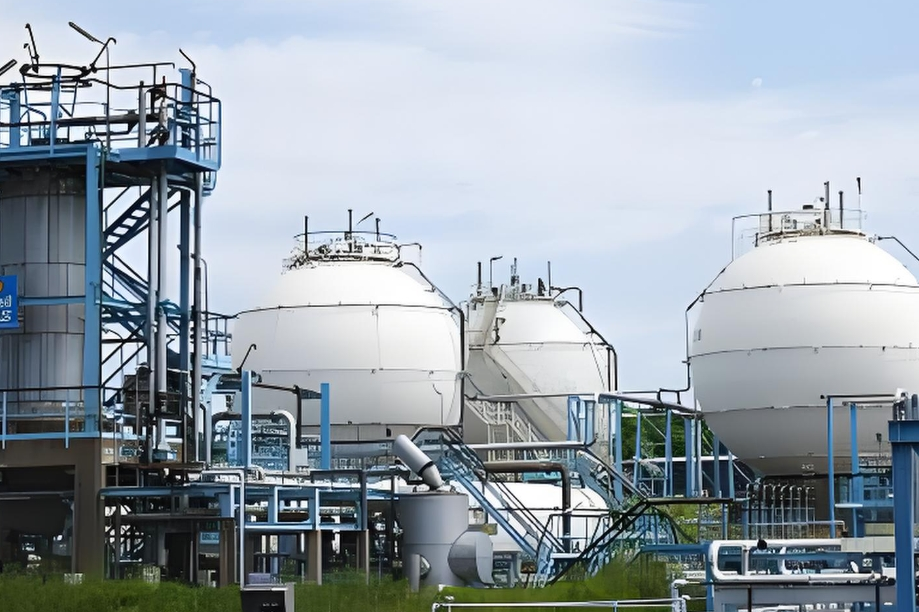
EV Charging Stations
Filtration for Power Equipment
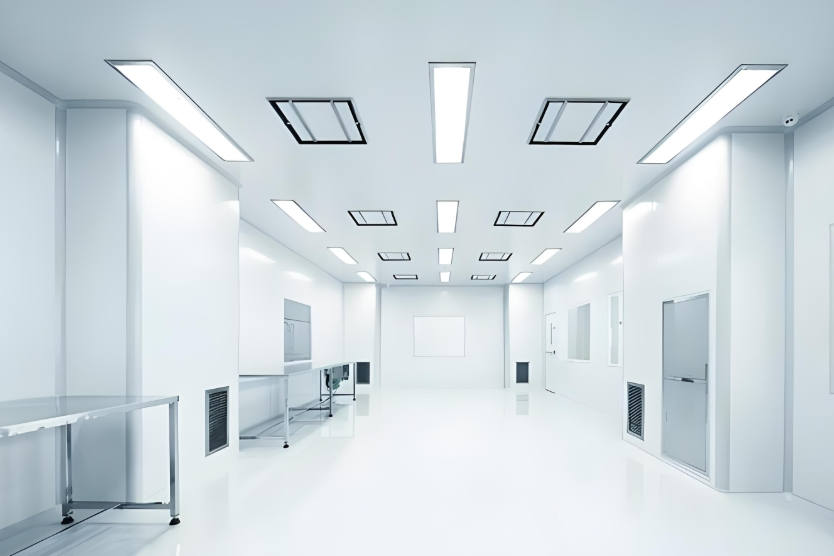
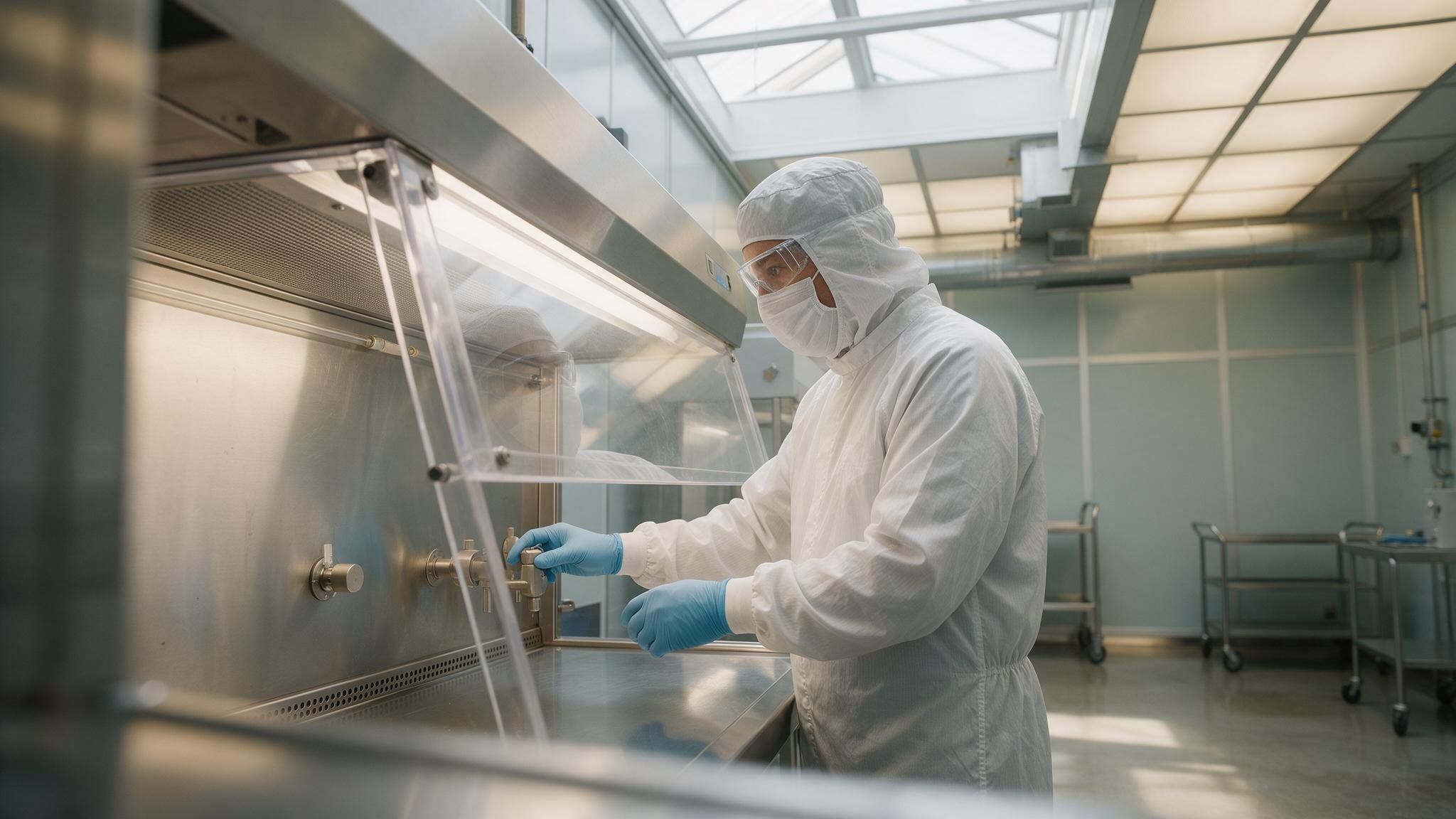
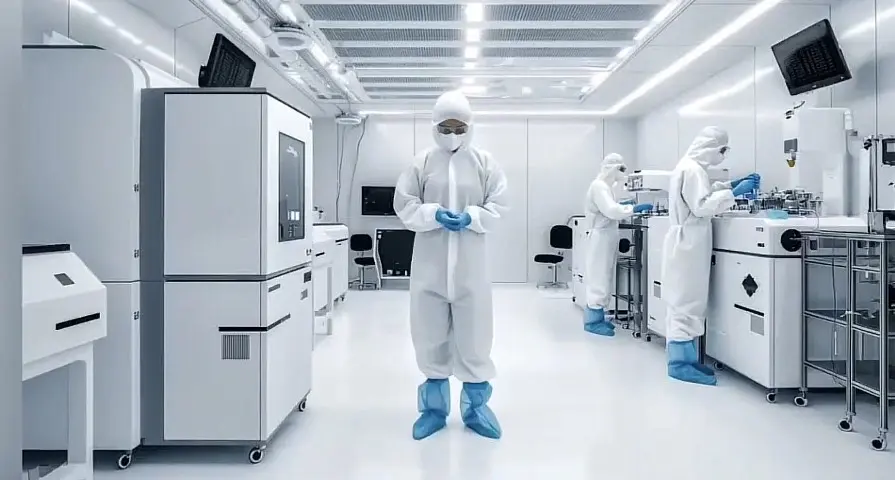
Cleanroom & Semiconductor
Ultra-High Cleanliness Filtration
Commercial HVAC
Central Air System Filtration
Data Centers
Precision Equipment Protection
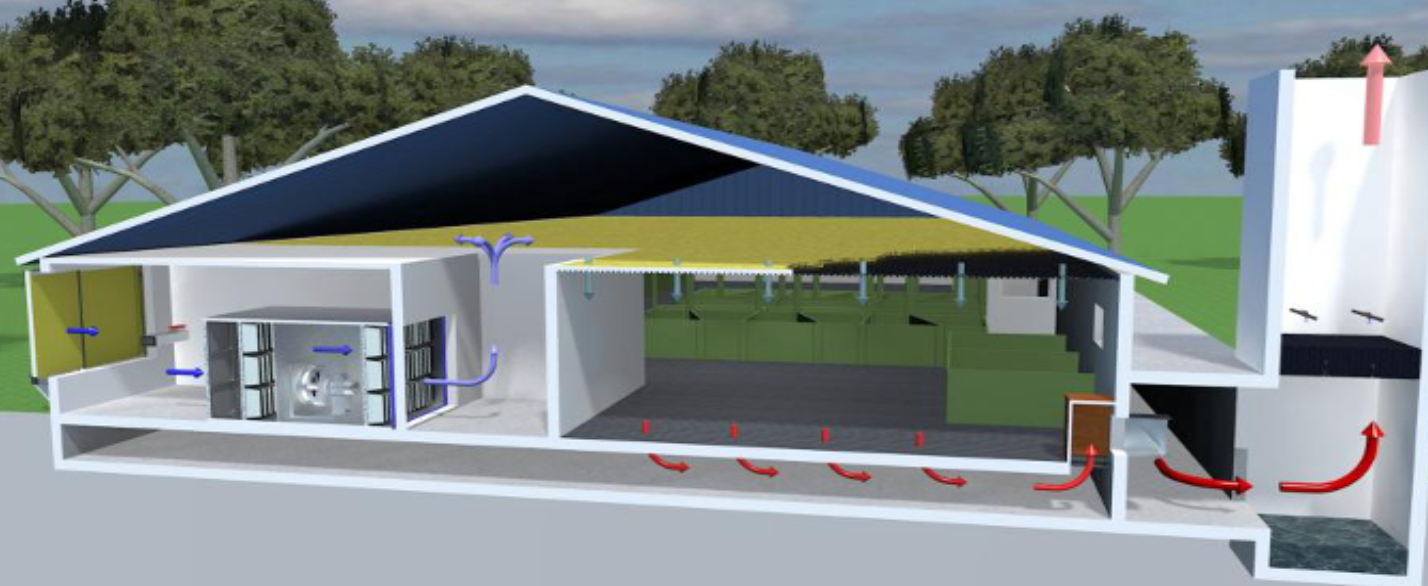
Livestock & Farming
Farming Environment Purification
Spray Booths & Industrial Dust
Paint Mist & Dust Purification
Filtration for Power Equipment
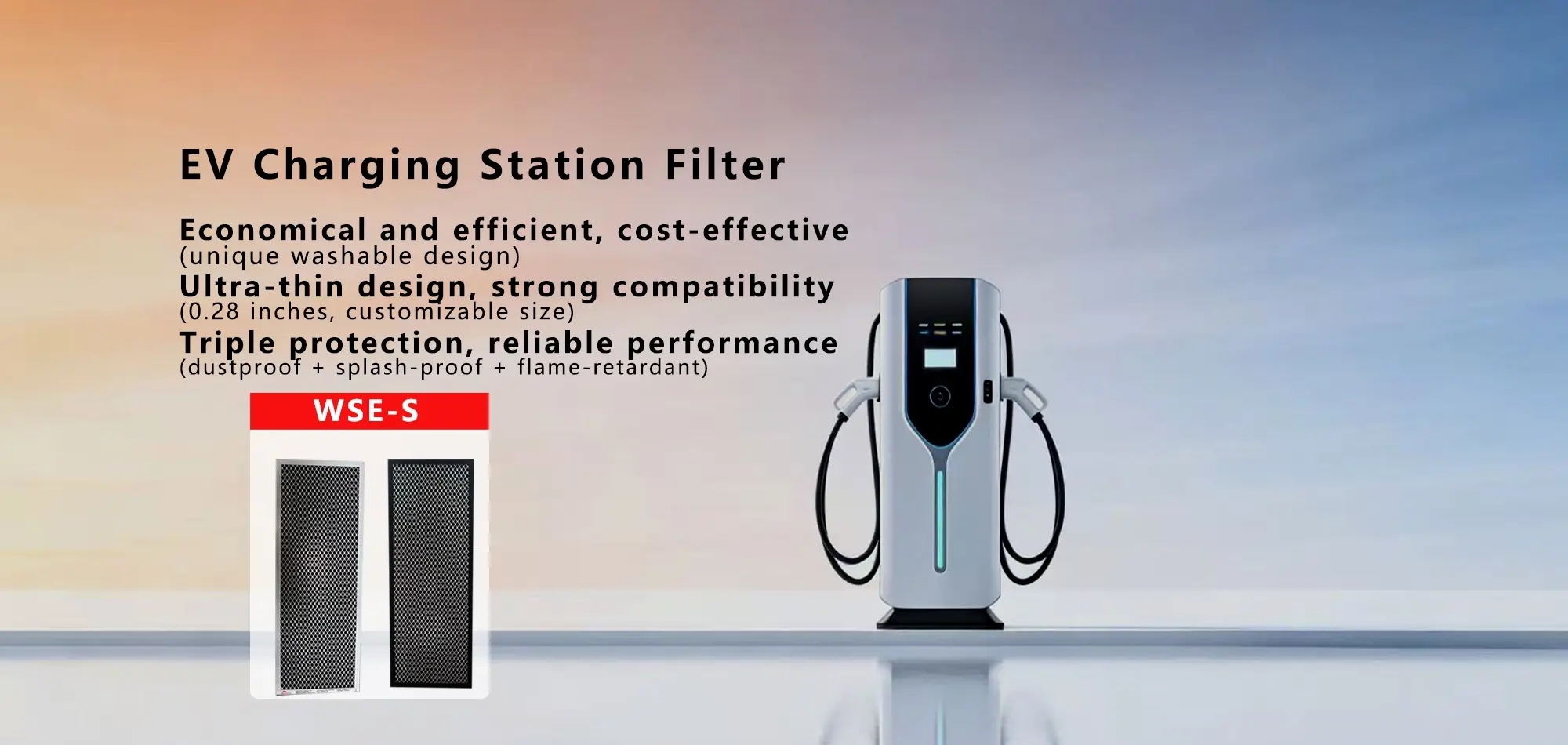
Professional air filtration for EV charging devices, protecting against dust and sand ingress to ensure stable, reliable operation of charging piles and station infrastructure.
View Related Products →Ultra-High Cleanliness Filtration
Ultra-high efficiency filtration for semiconductor wafer fabs and precision electronics cleanrooms, capturing nano-scale particles to meet ISO Class 1–3 standards and maximize product yield.
View Related Products →Central Air System Filtration
High-efficiency filtration for commercial building HVAC systems, improving indoor air quality, reducing energy consumption, and extending equipment service life.
View Related Products →Precision Equipment Protection
Precision air filtration for data centers, shielding servers and critical hardware from dust contamination to keep cooling systems running efficiently and reliably.
View Related Products →Farming Environment Purification
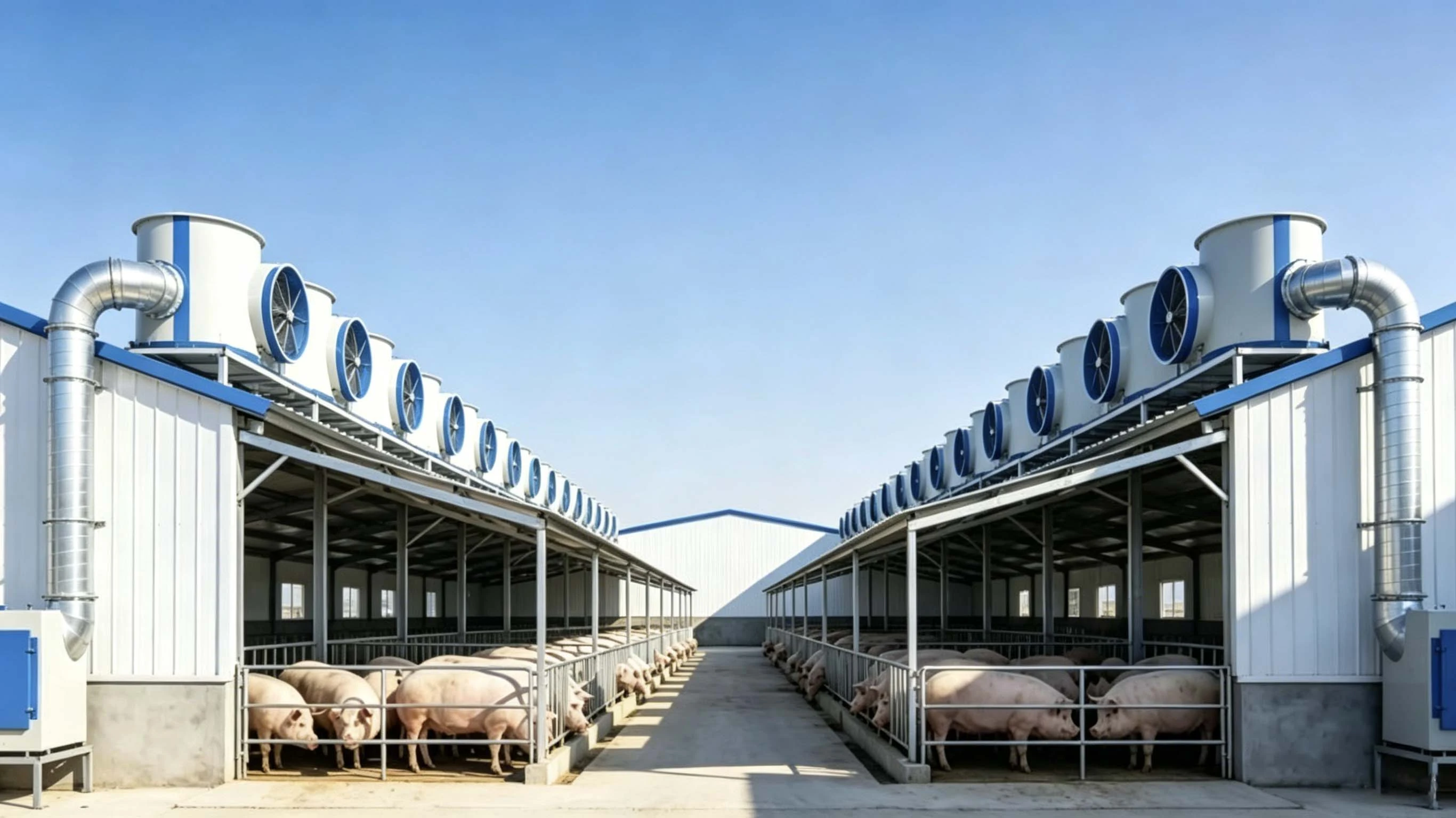
Dedicated filtration systems for farms and livestock facilities — capturing dust, adsorbing ammonia, and inhibiting pathogen spread to improve animal health and overall productivity.
View Related Products →Paint Mist & Dust Purification
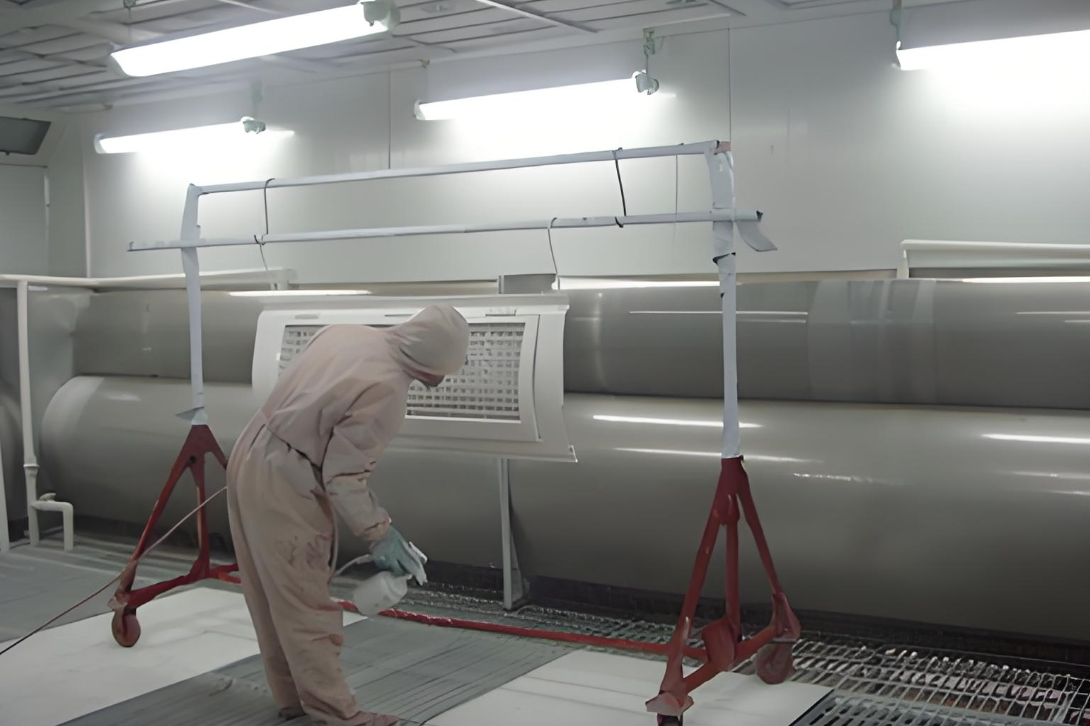
Designed for spray booths and grinding workshops, efficiently capturing paint mist, metal dust, and wood chips to meet emission standards while protecting finished surface quality.
View Related Products →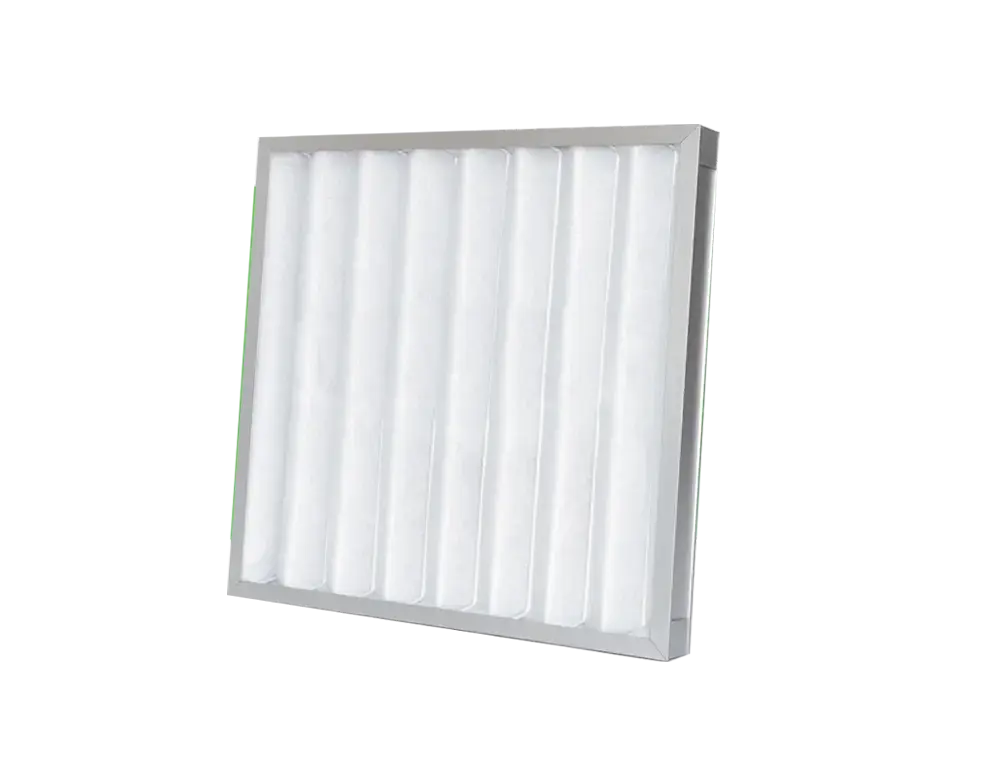
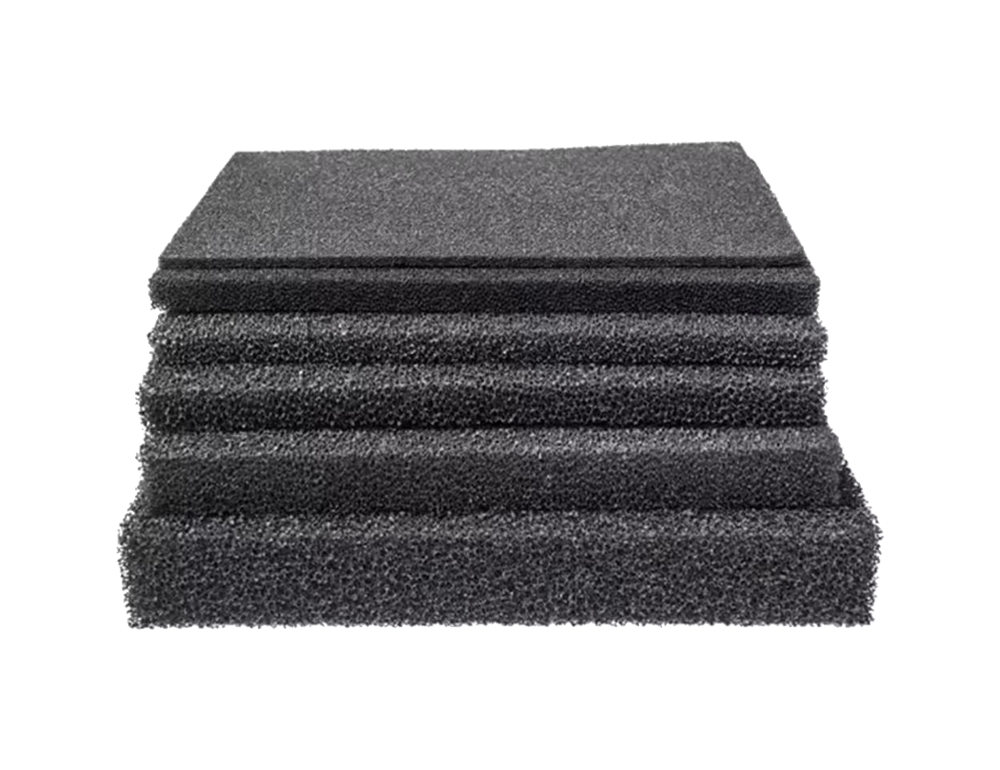
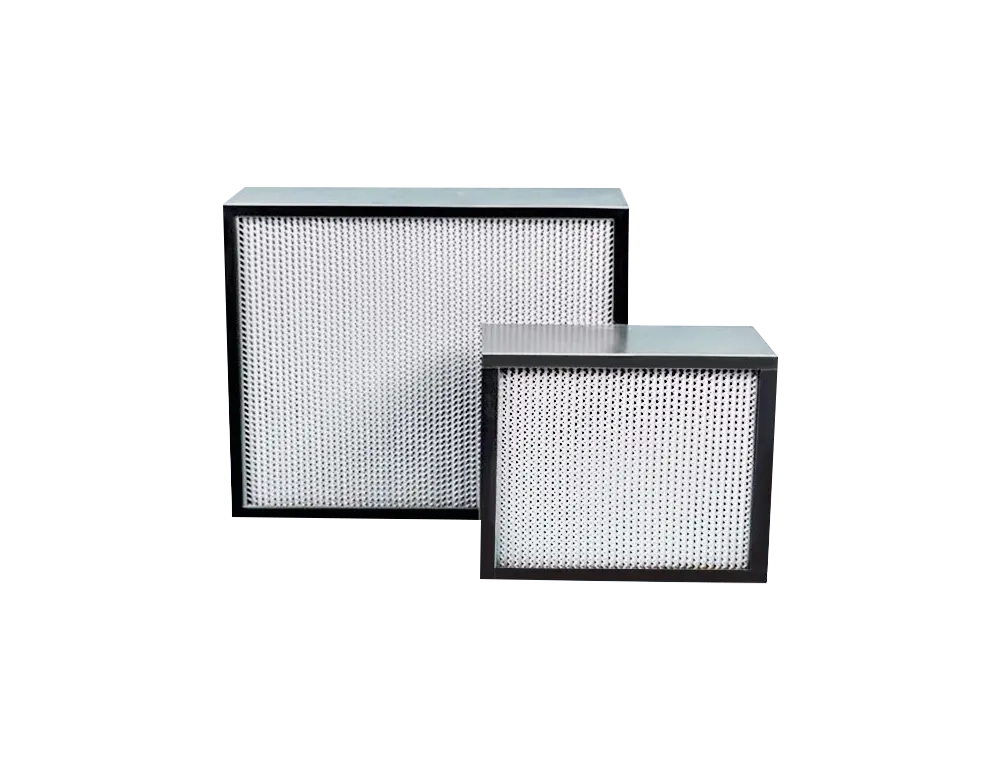
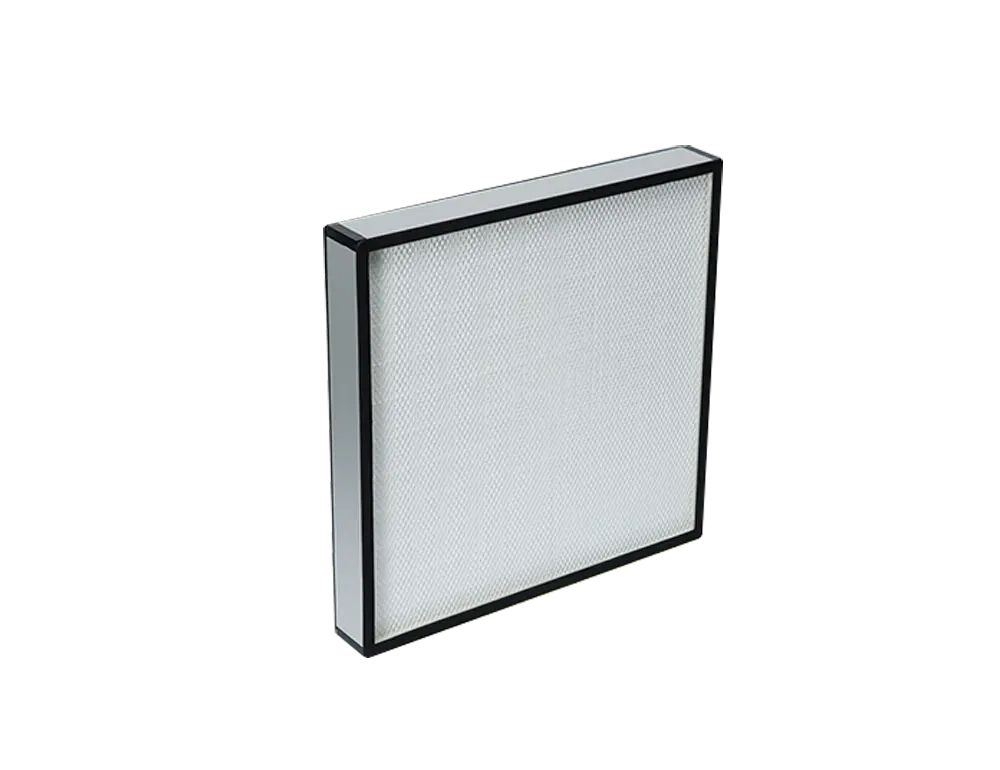
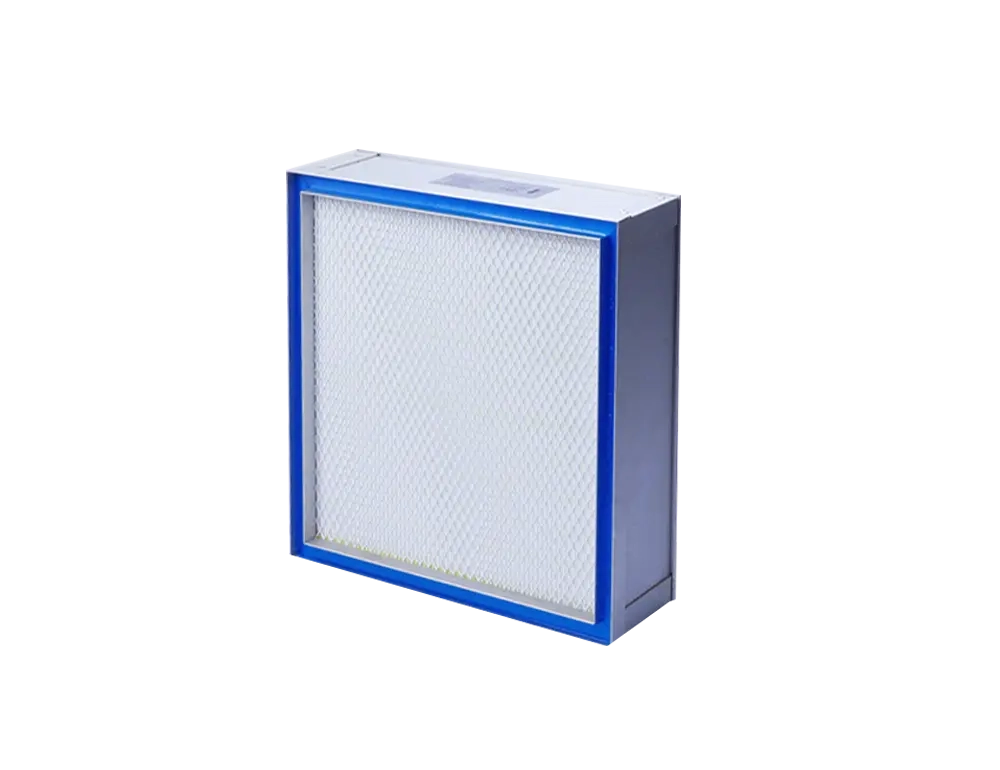
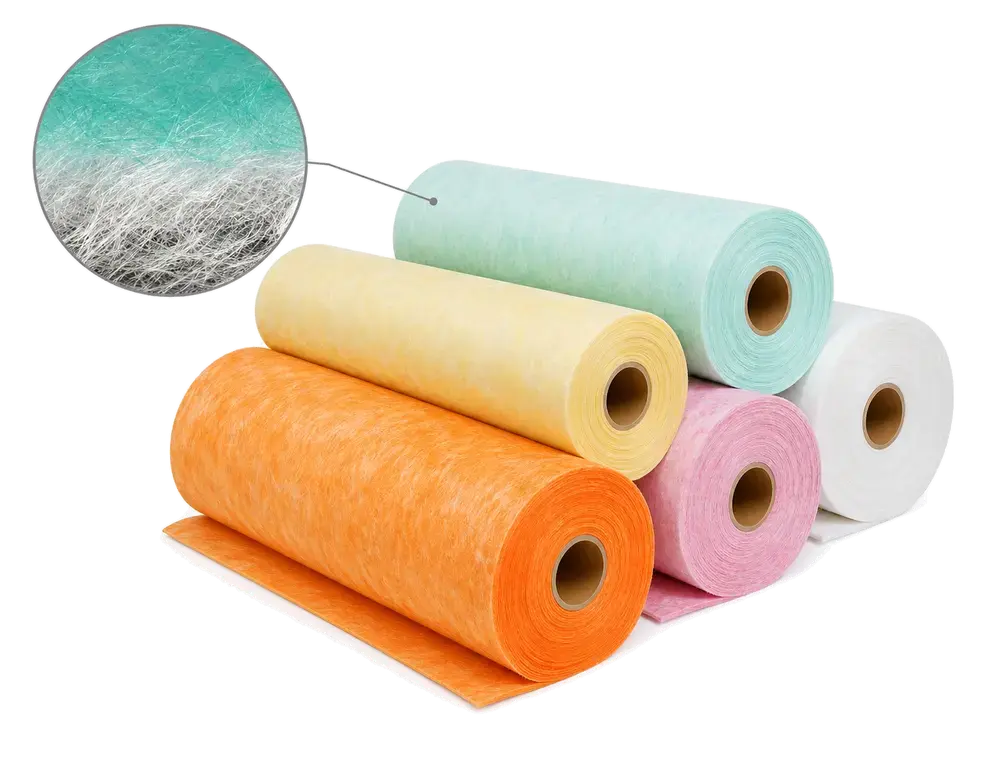
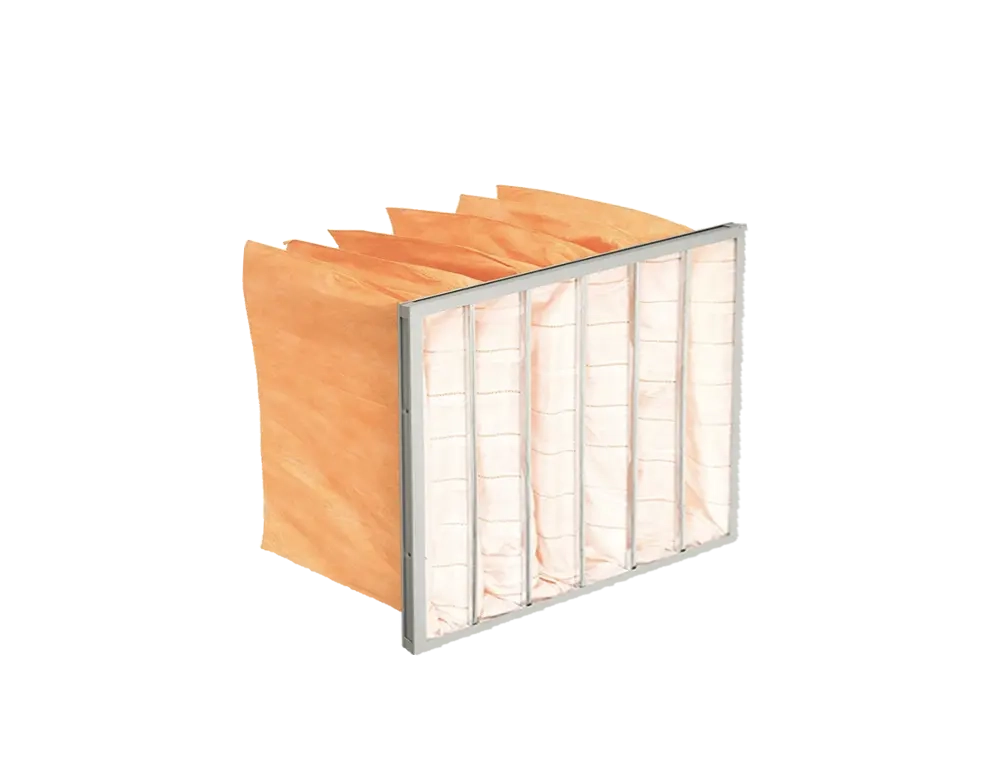
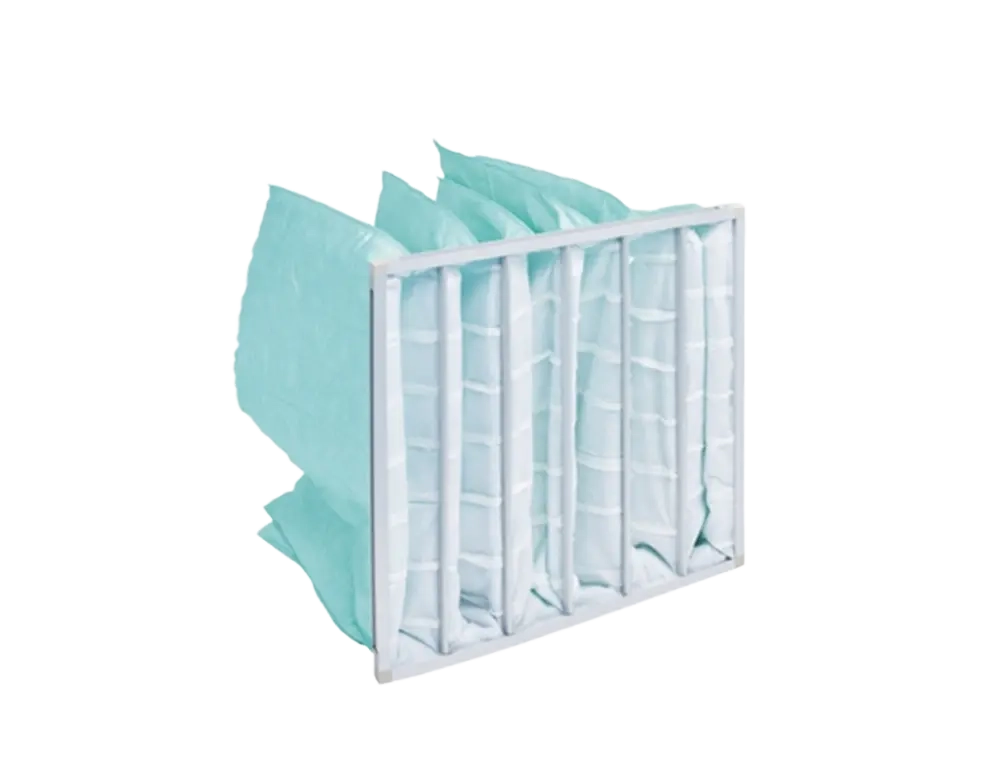
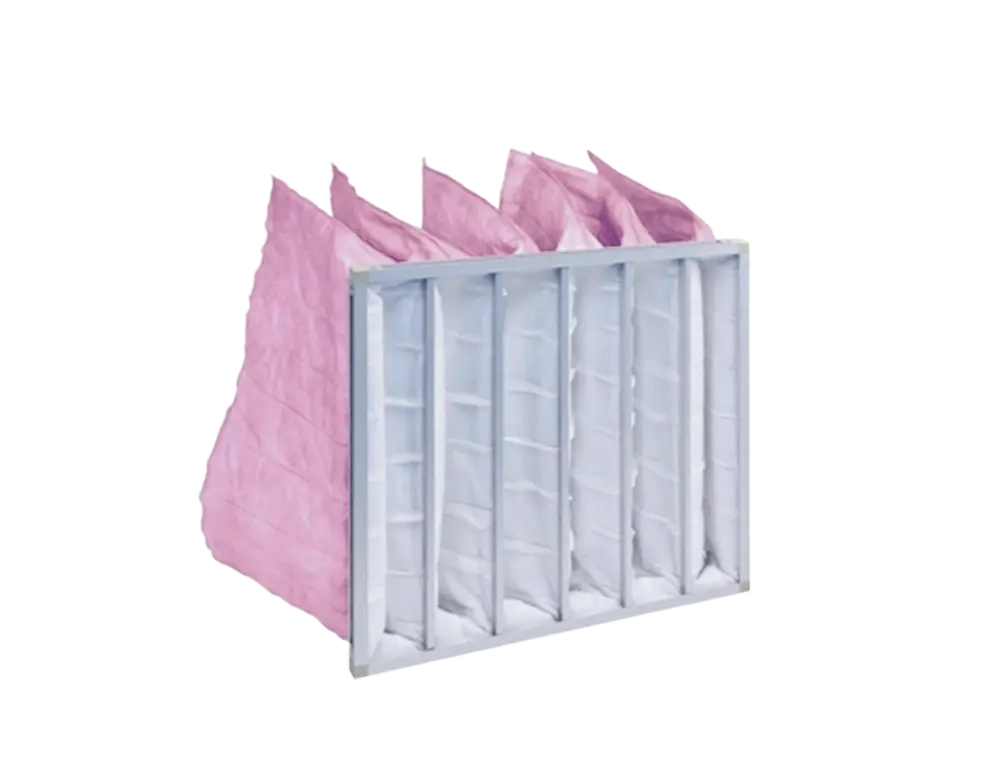
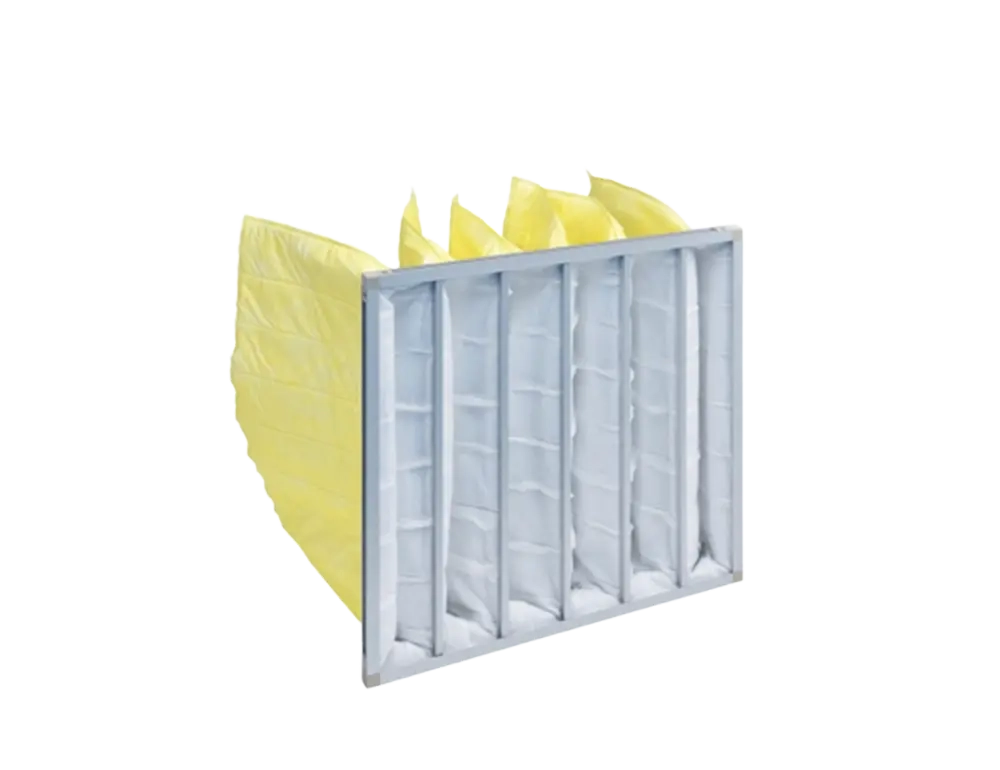
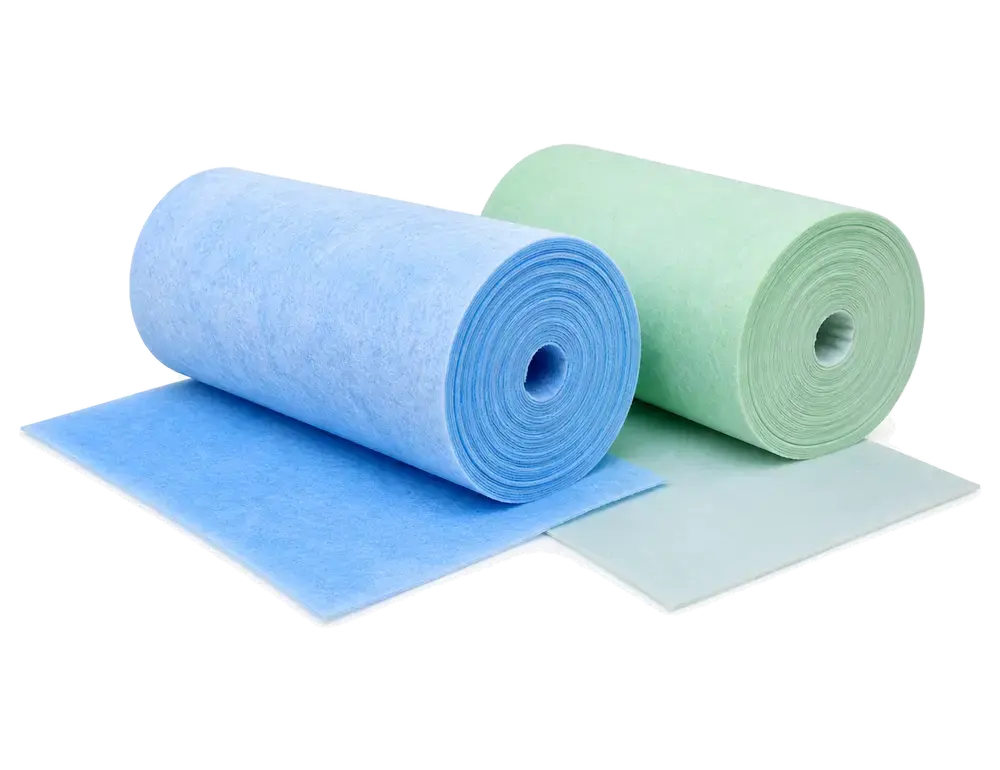
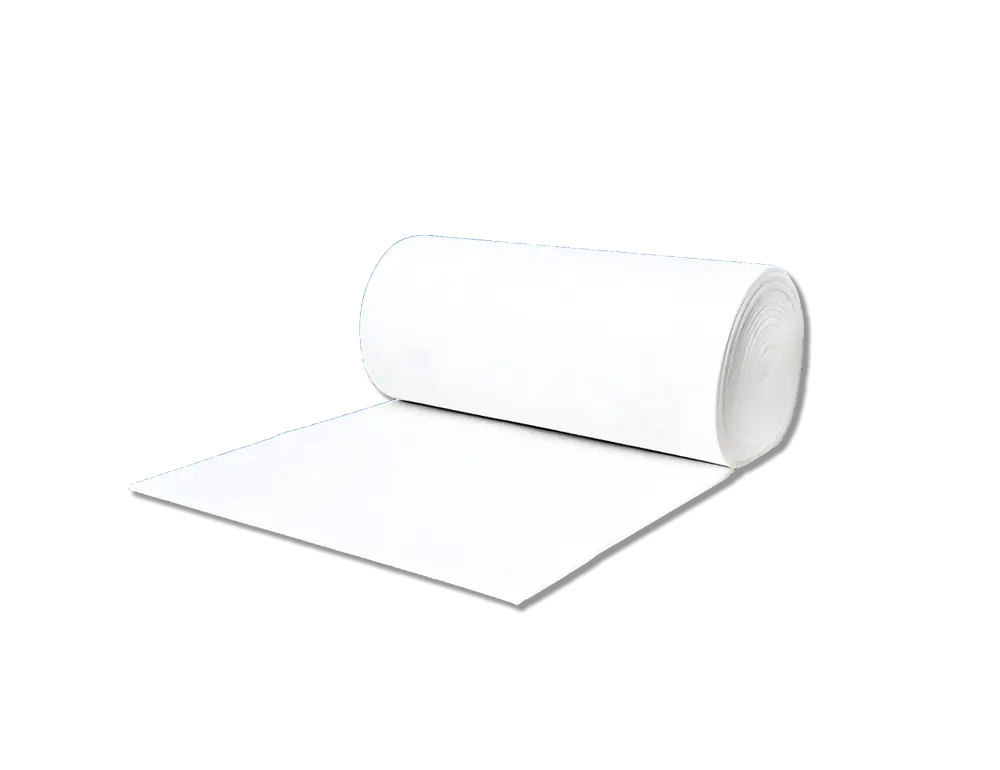
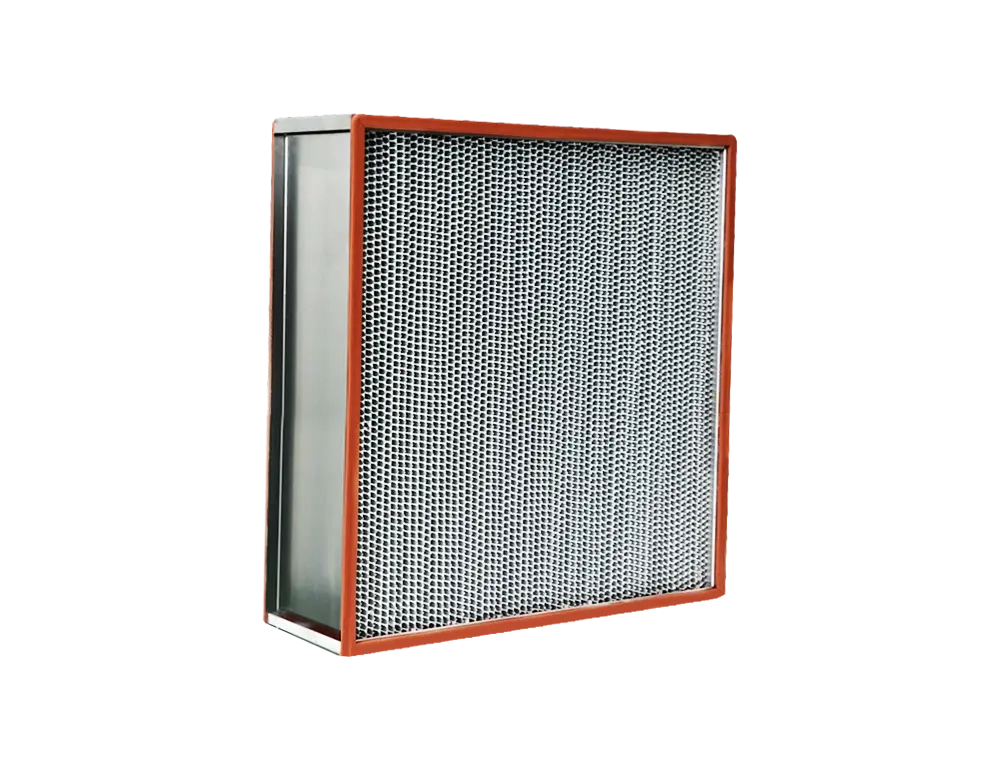
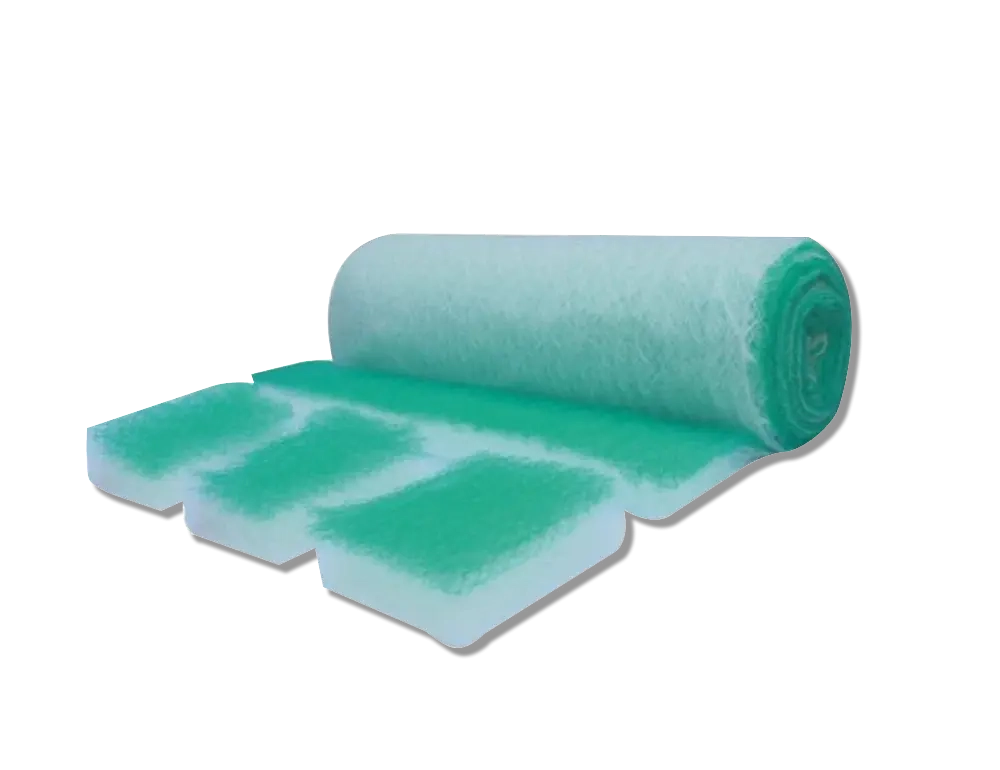
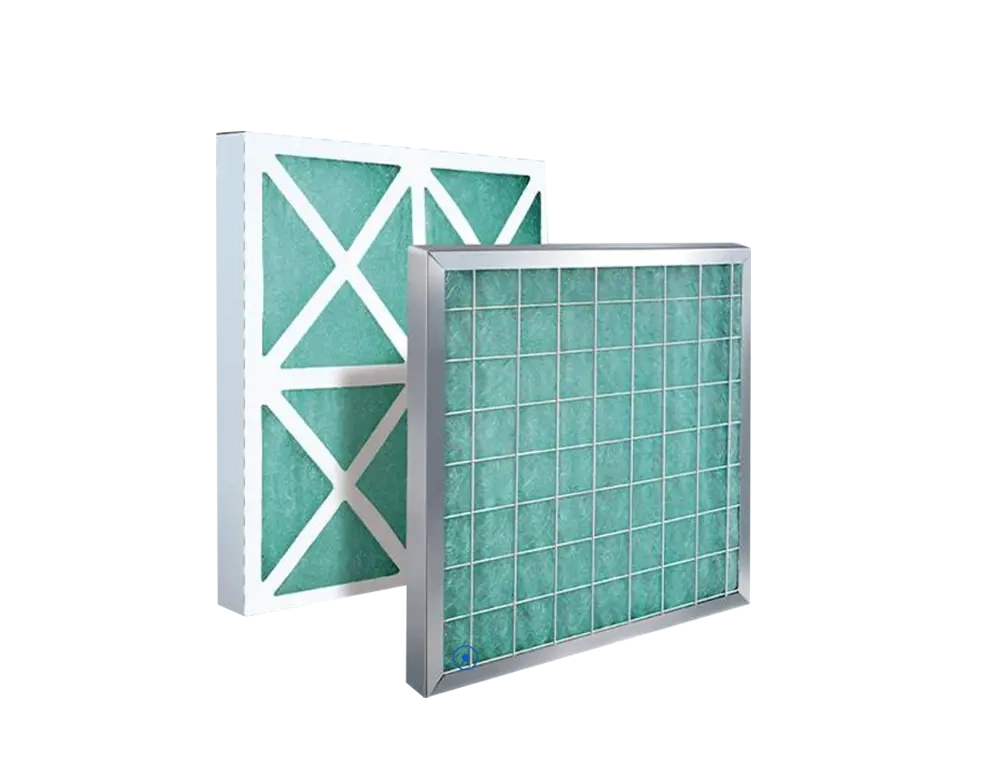
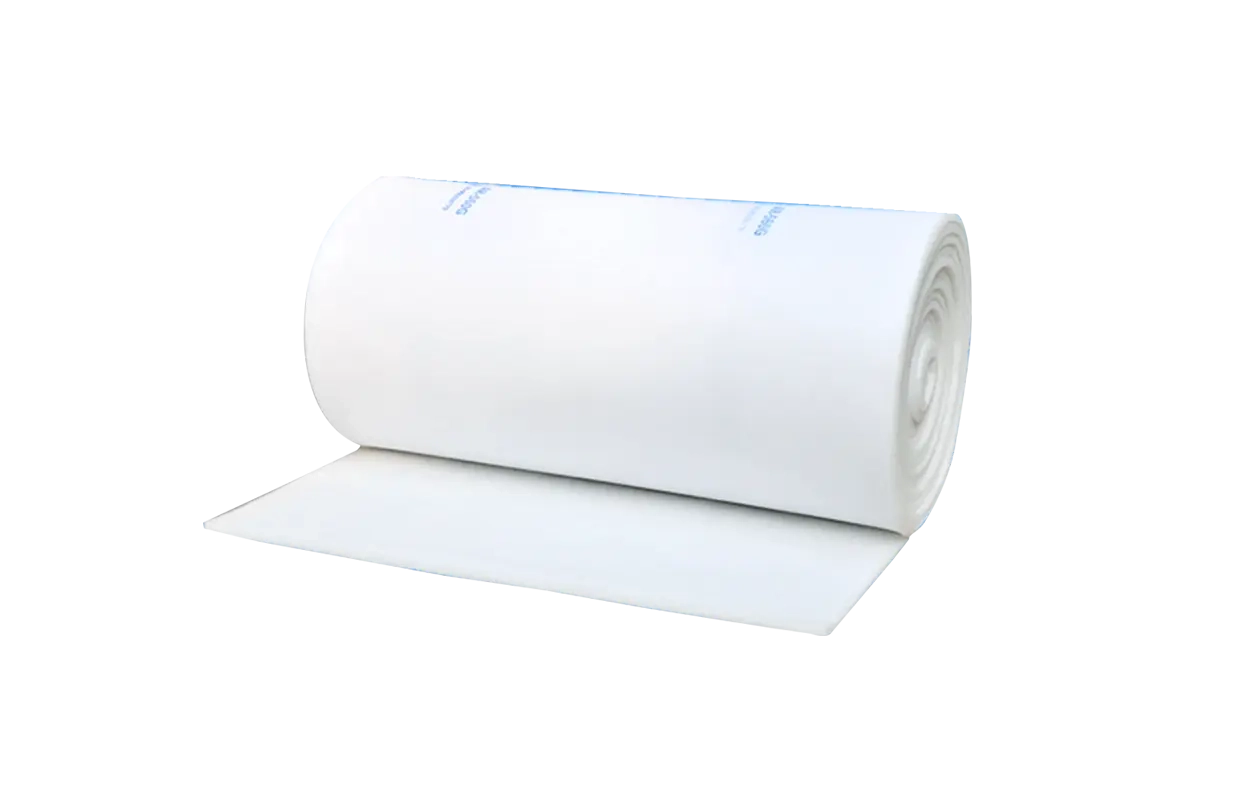
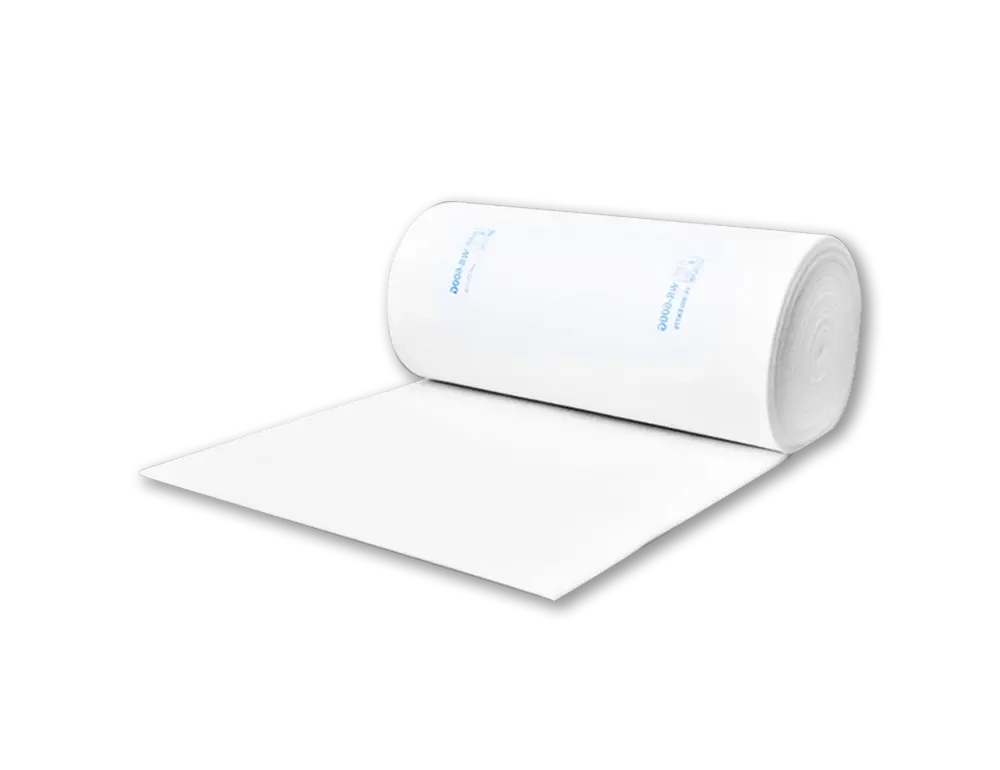
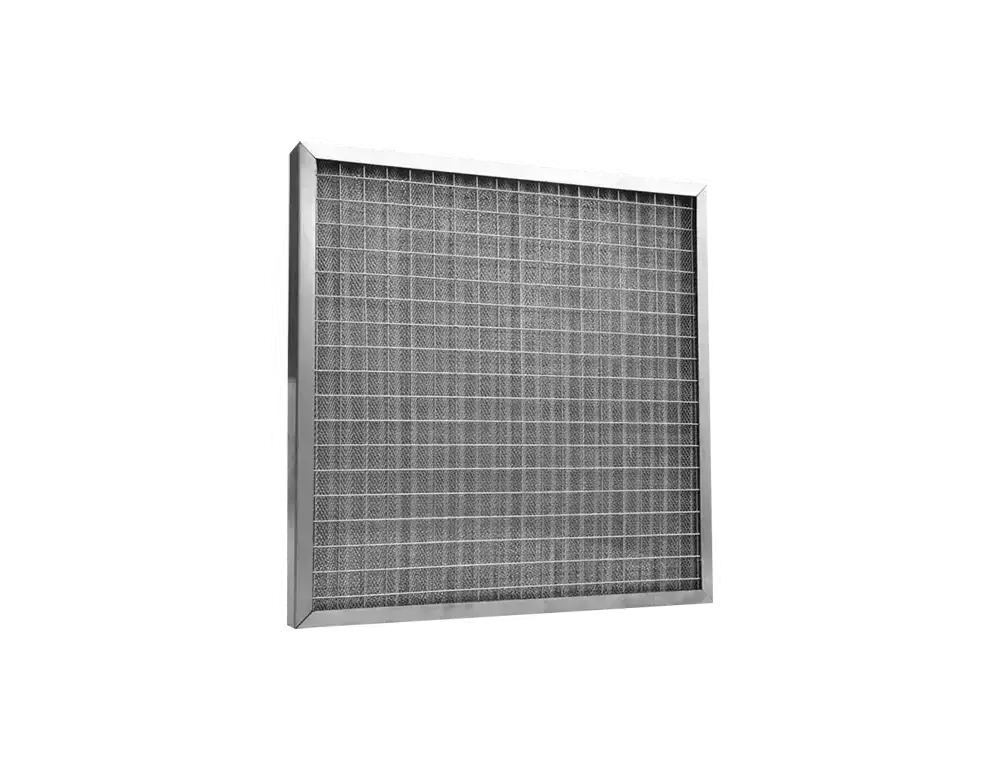
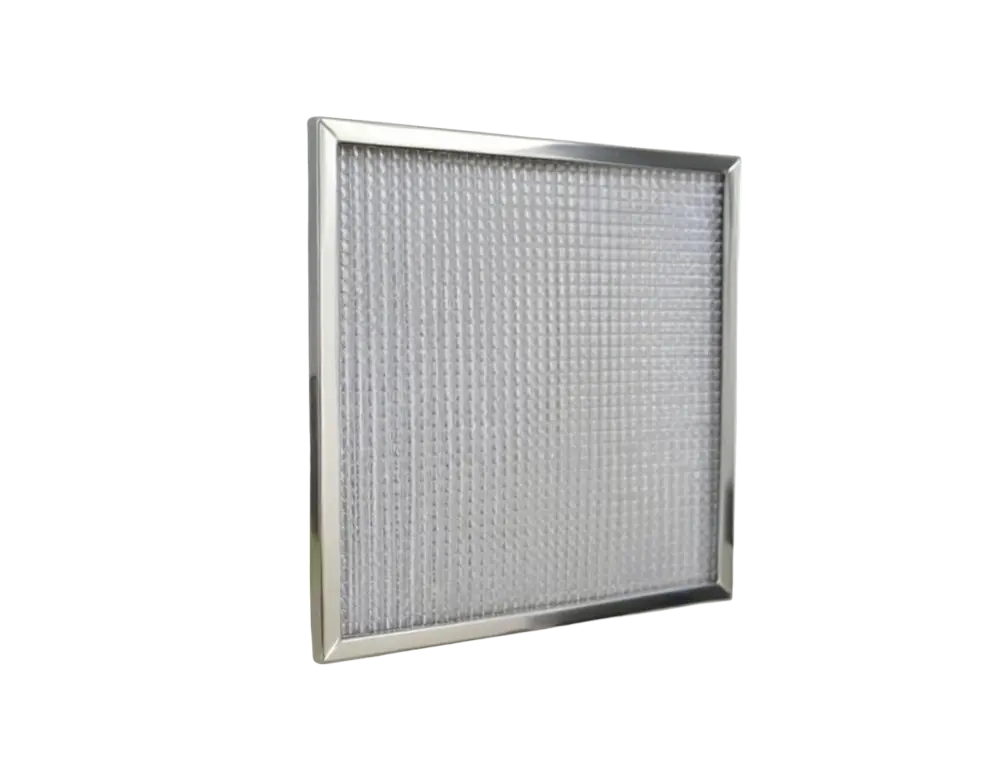
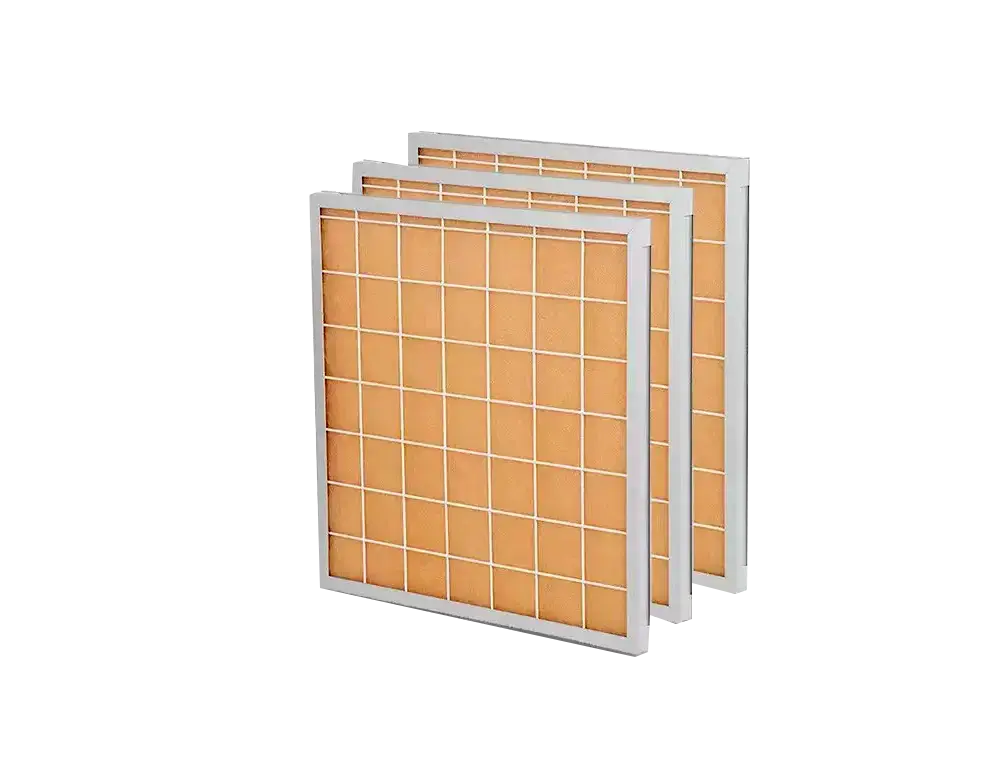
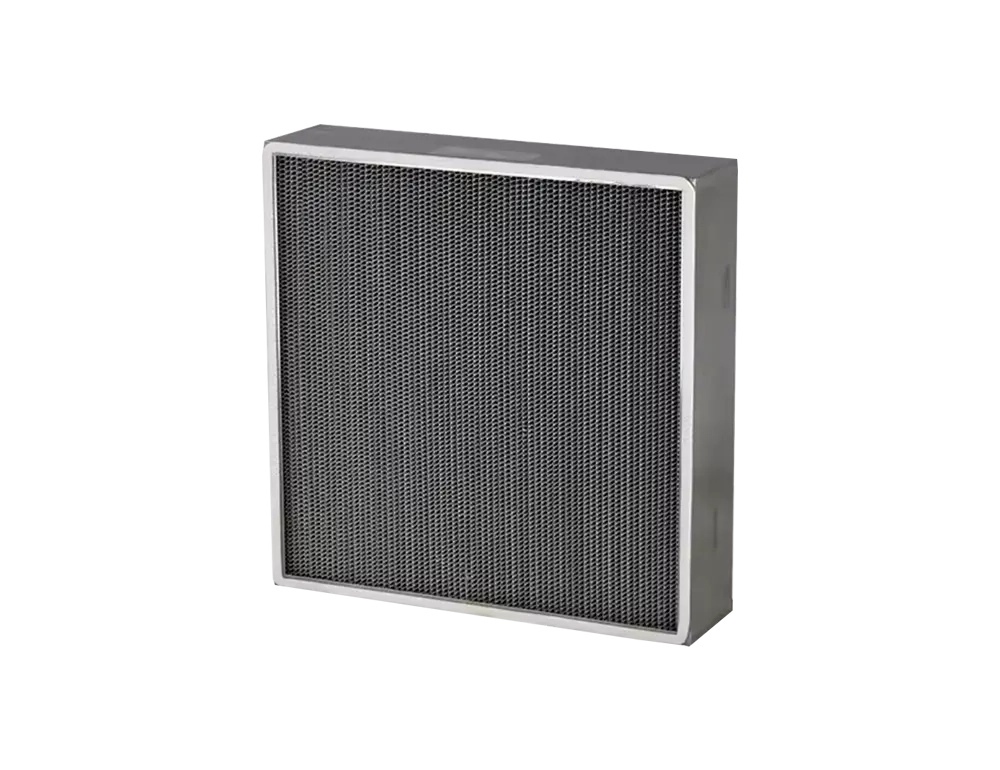
Pre-Filter (G1–G4)
First-Stage Large-Particle Capture
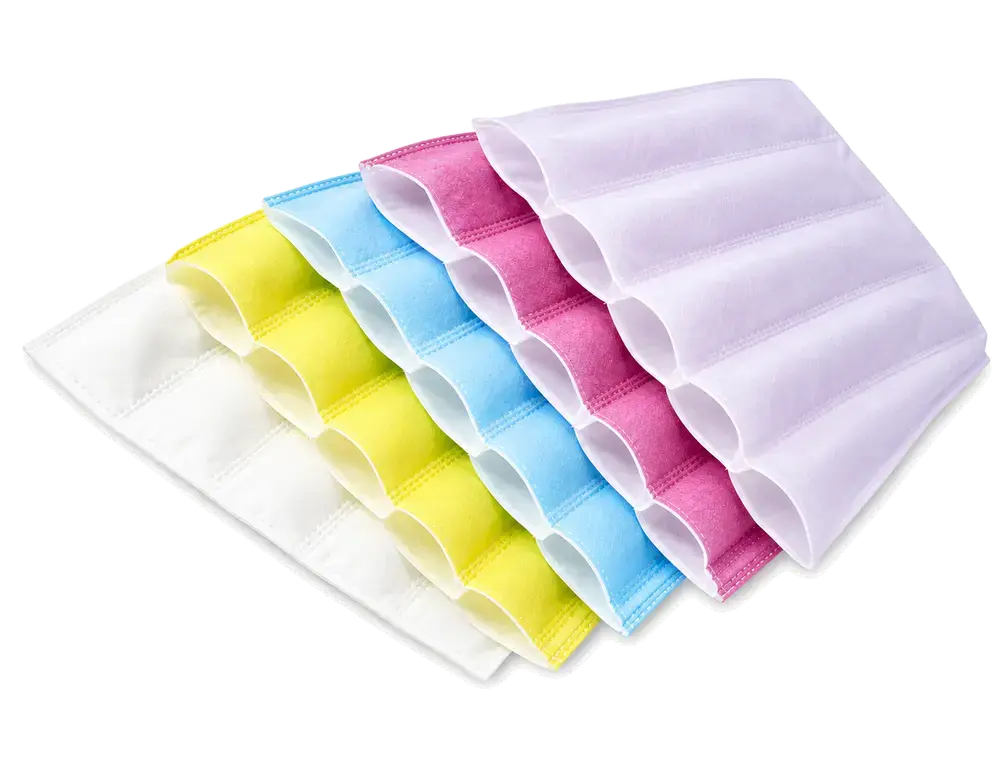
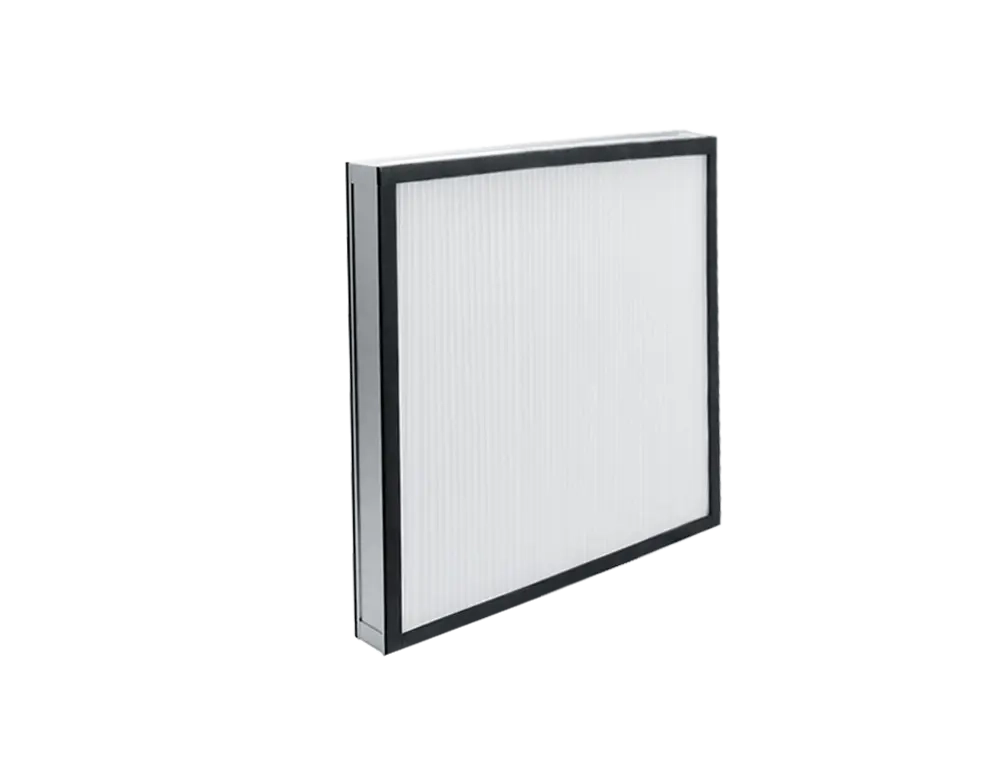
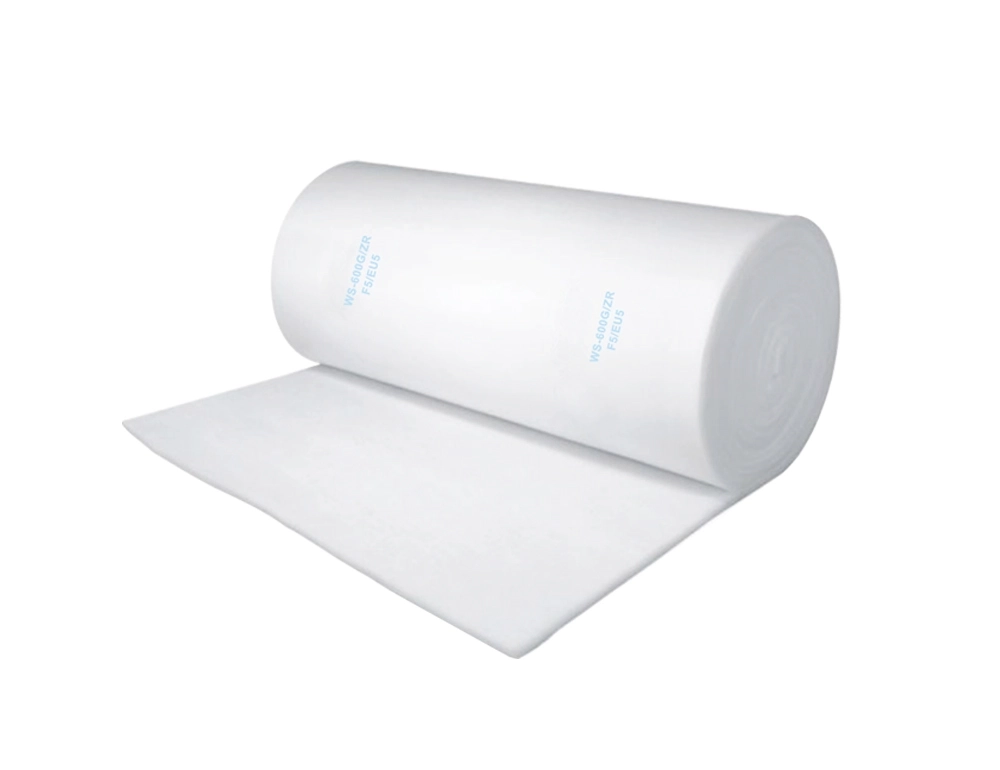
Medium-Efficiency Filter (F5–F9)
Precise PM2.5 Capture
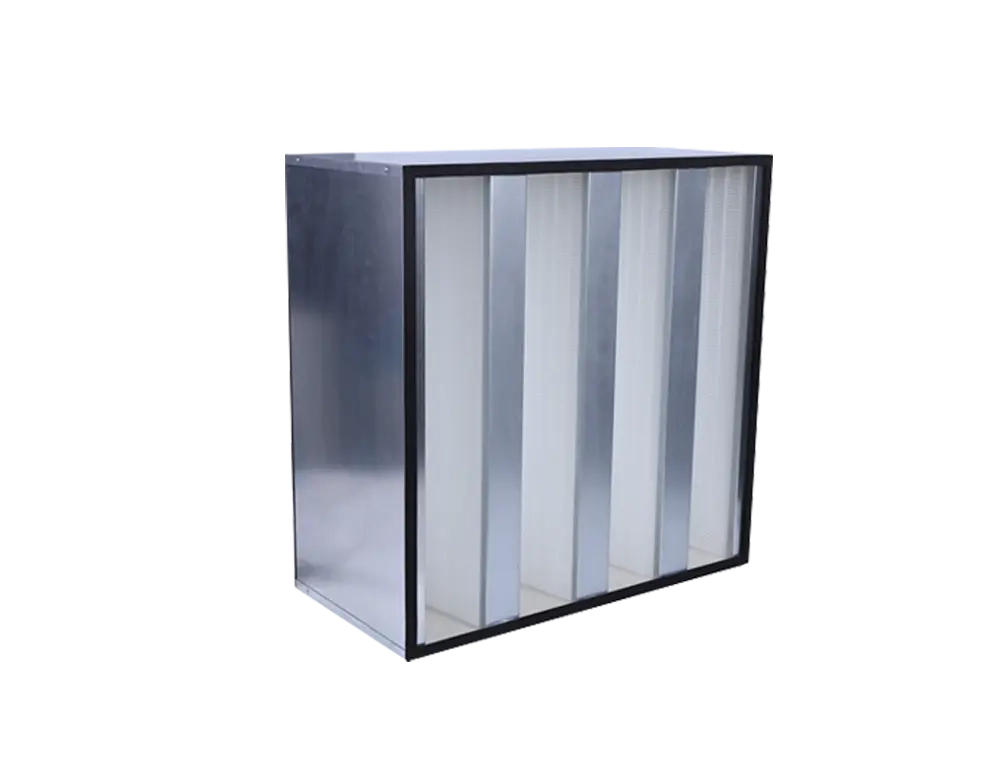
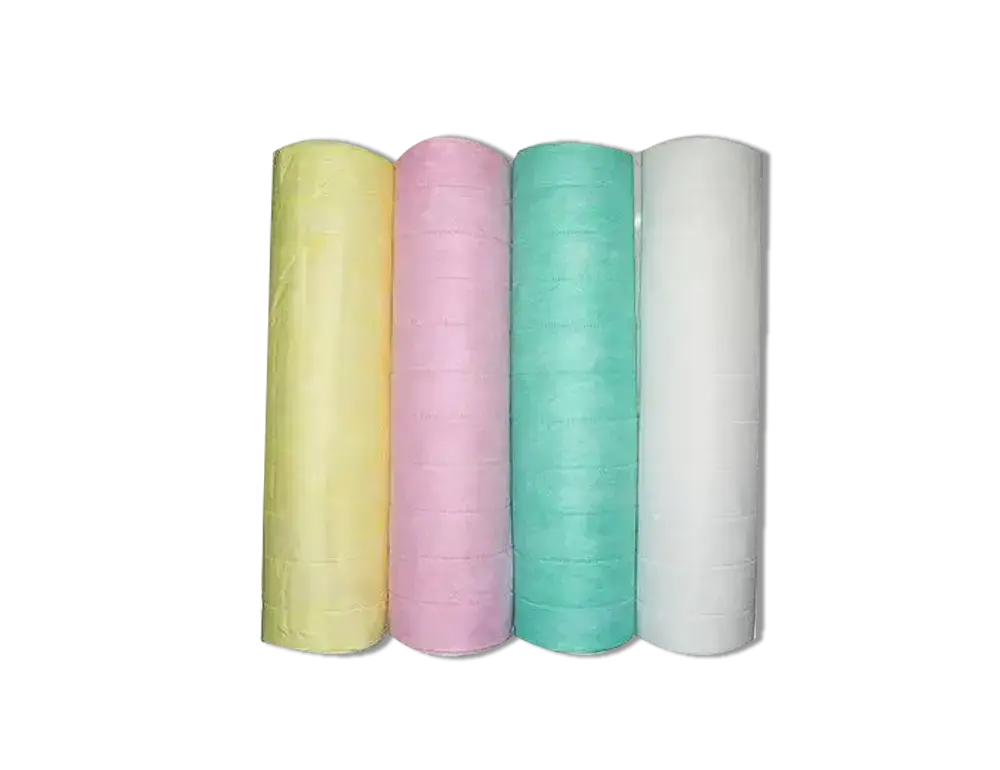
HEPA High-Efficiency Filter
Sterile-Grade Purification
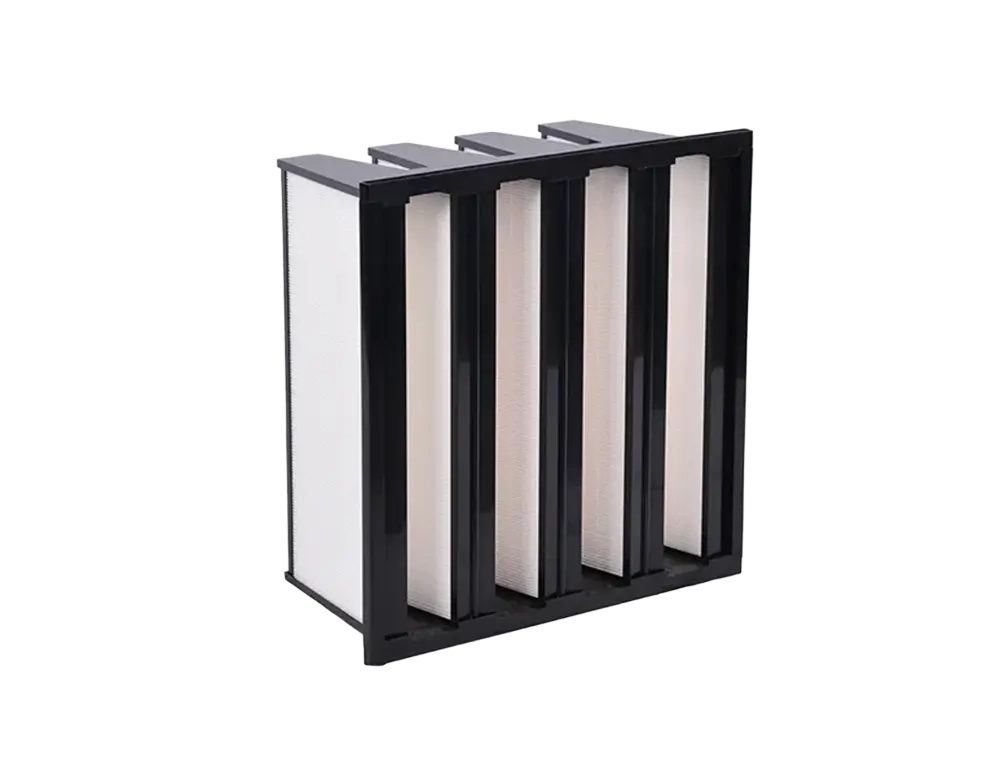
ULPA Ultra-High Efficiency Filter
Sub-Micron Particle Capture
First-Stage Large-Particle Capture
The first line of defense, capturing particles ≥5 μm such as dust, hair, and fibers to protect downstream filters and extend overall system service life.
View Related Products →Precise PM2.5 Capture
Captures fine particles of 1–5 μm including PM2.5, pollen, and mold spores, significantly improving indoor air quality for commercial HVAC and ventilation systems.
View Related Products →Sterile-Grade Purification
≥99.97% filtration efficiency for particles ≥0.3 μm, delivering sterile-grade clean air widely used in medical, pharmaceutical, and electronics manufacturing.
View Related Products →Sub-Micron Particle Capture
≥99.9995% efficiency for particles ≥0.12 μm, meeting the extreme cleanliness demands of semiconductor fabs, aerospace, and other ultra-precision applications.
View Related Products →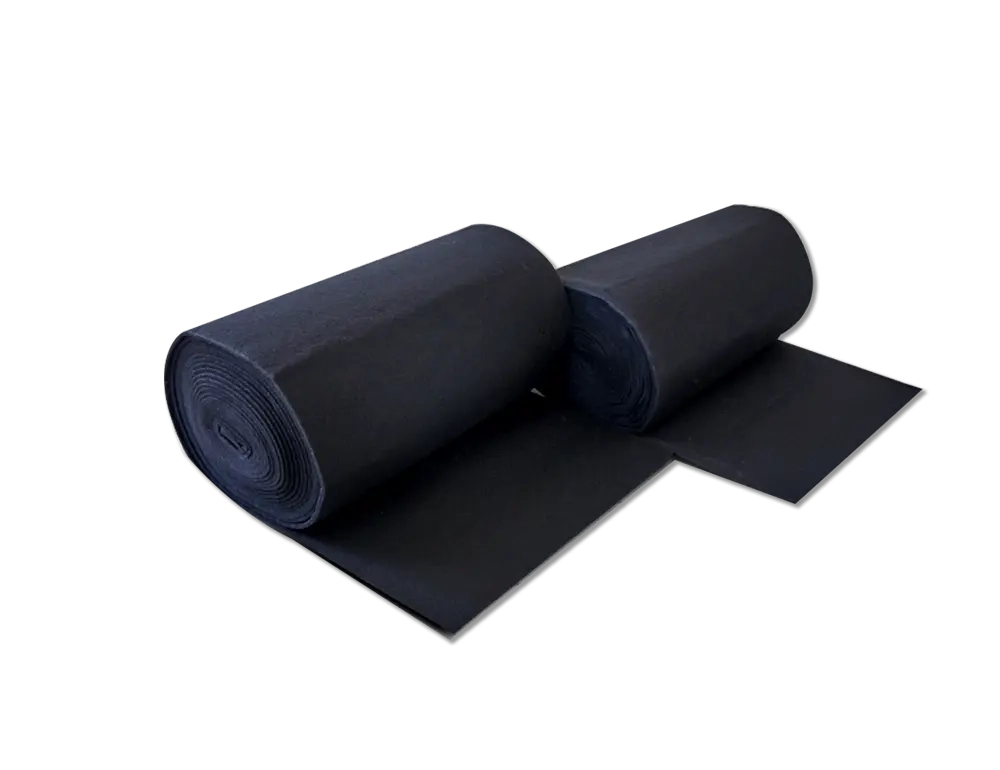
High-Temperature Resistant
Industrial-Grade Heat Tolerance
Washable & Reusable
Cut Costs, Reduce Waste
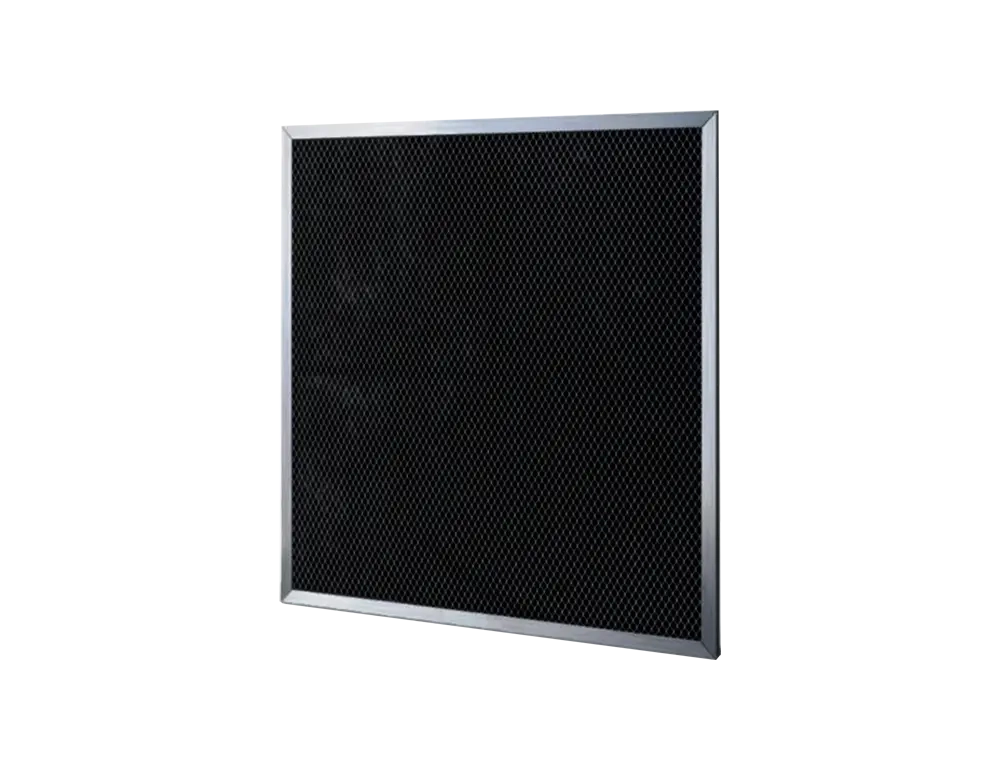
Activated Carbon
Odor & Harmful Gas Removal
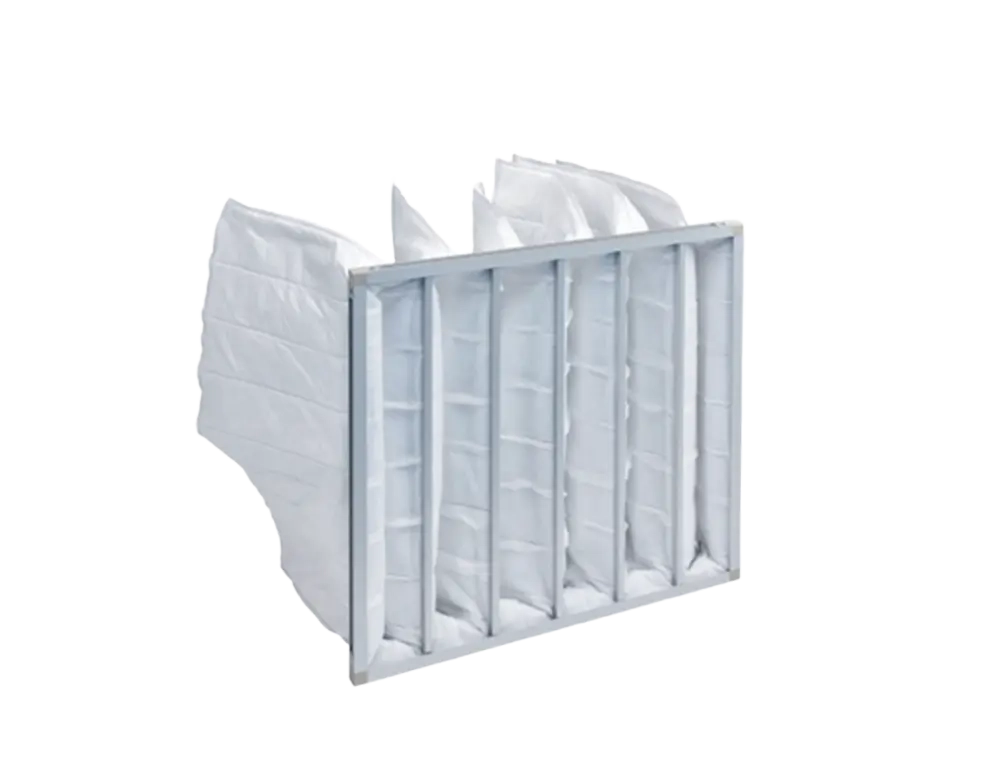
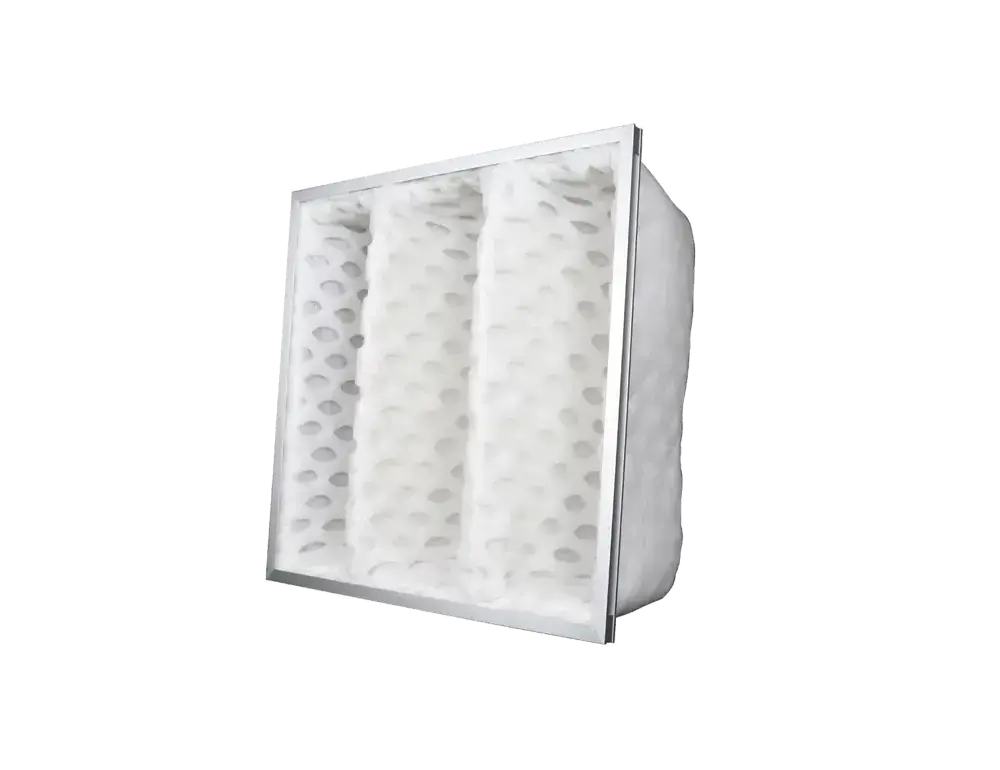
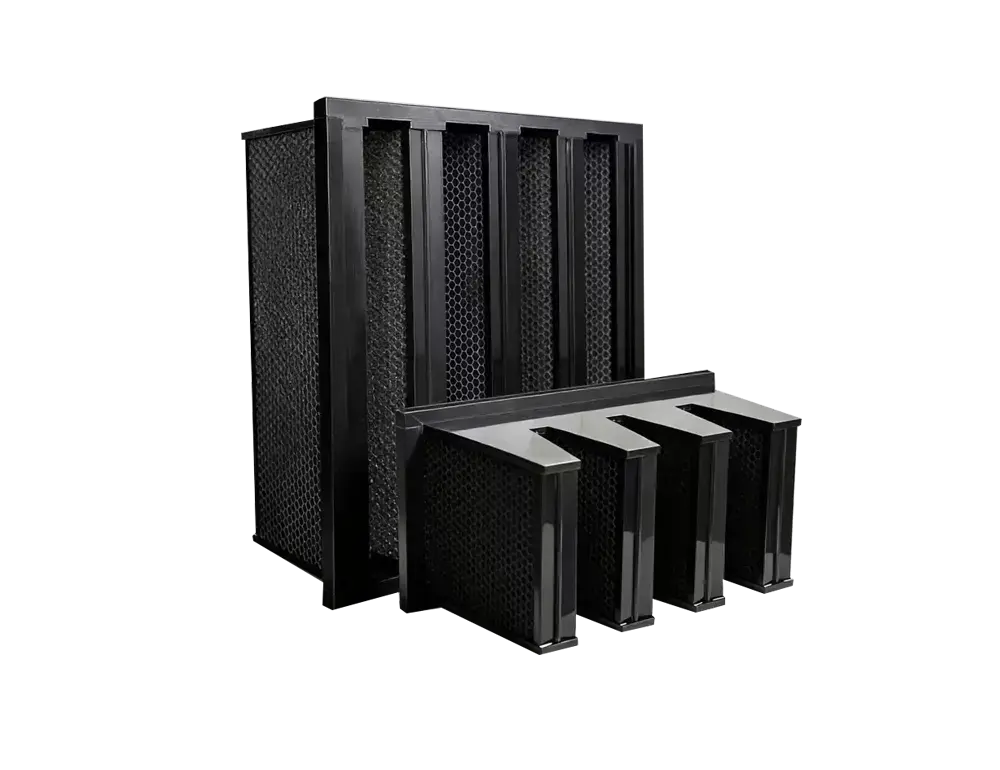
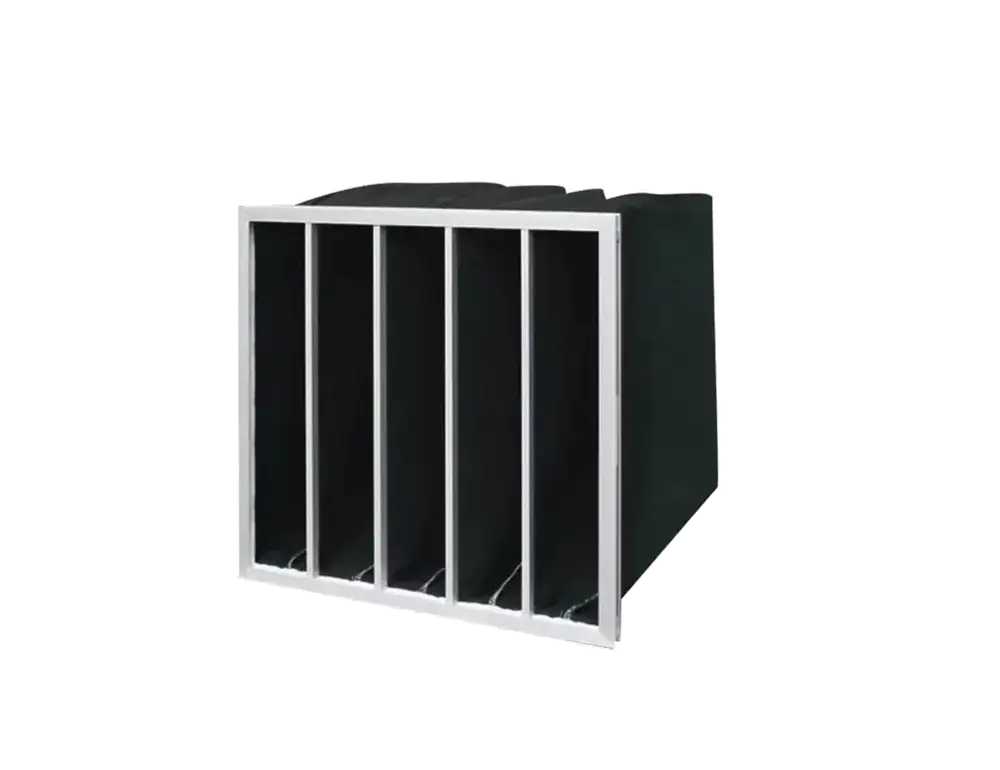
Bag Filter
High Dust-Holding, Long Life
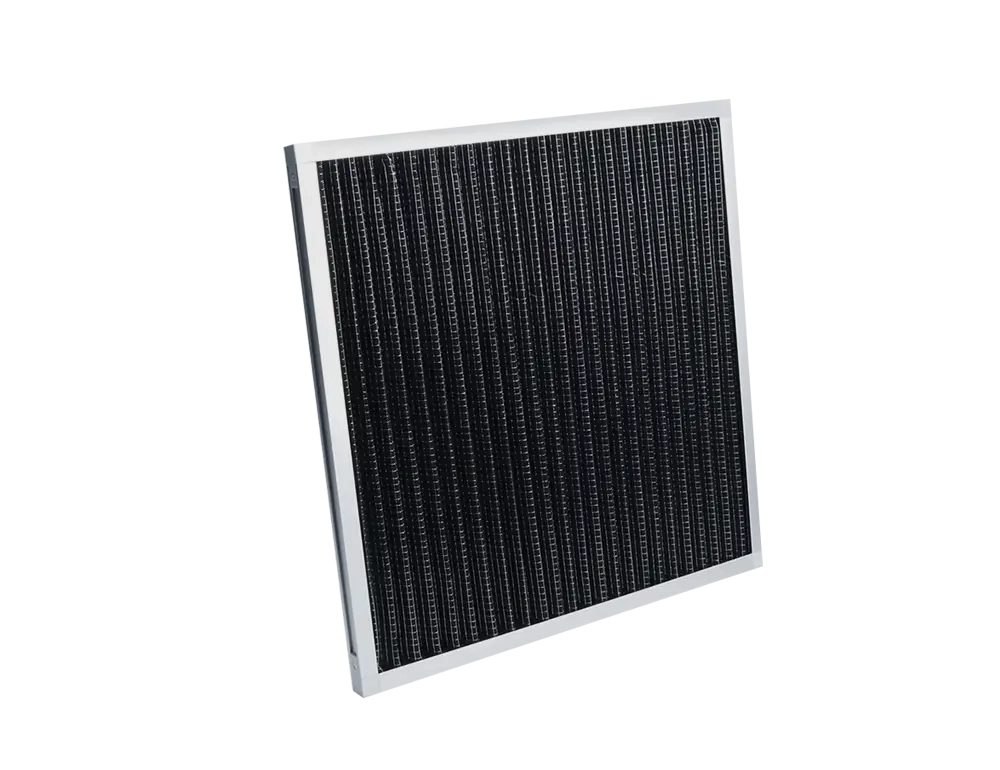
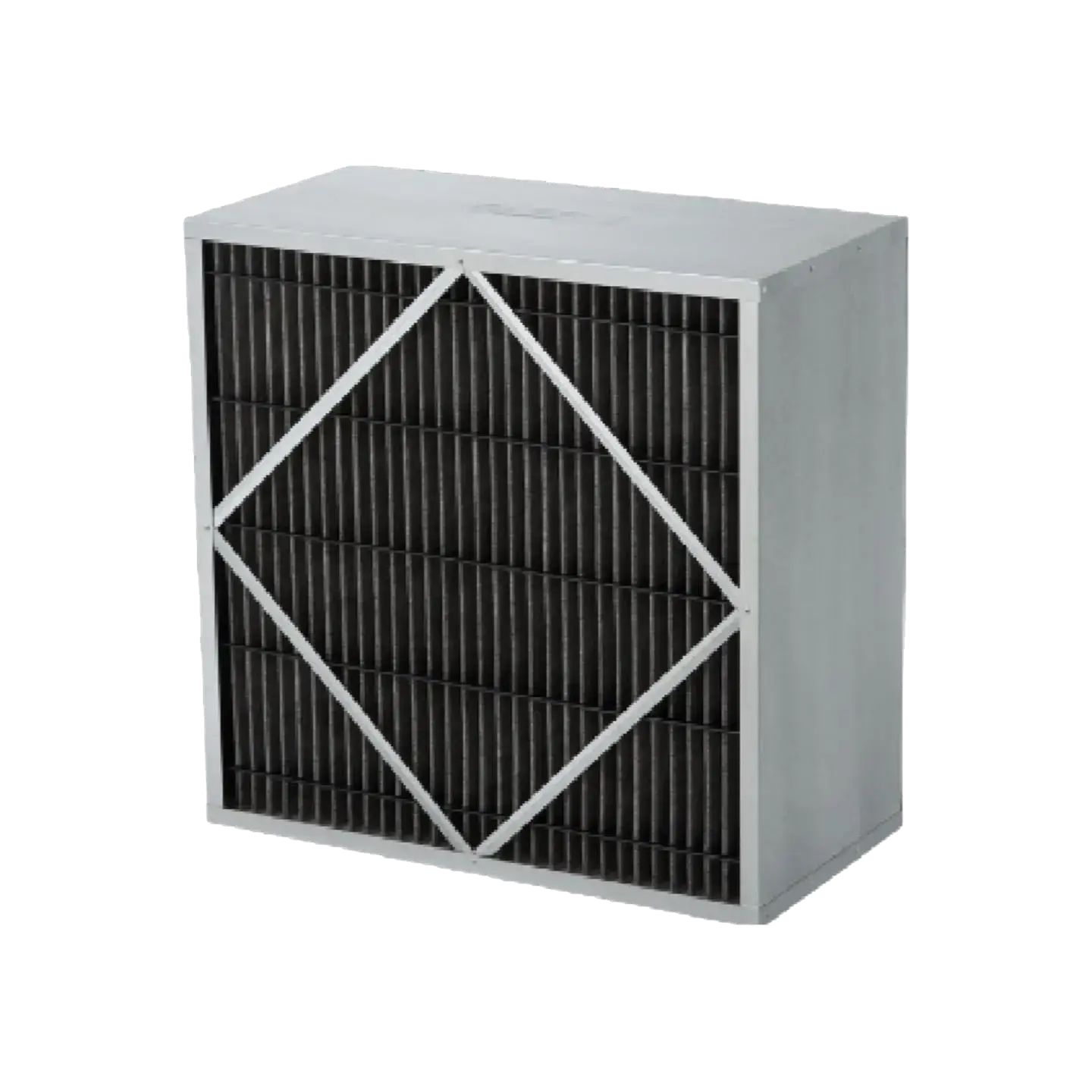
Panel / Pleated Filter
Compact Space-Saving Design
Low-Resistance Airflow
Energy-Saving Operation
Industrial-Grade Heat Tolerance
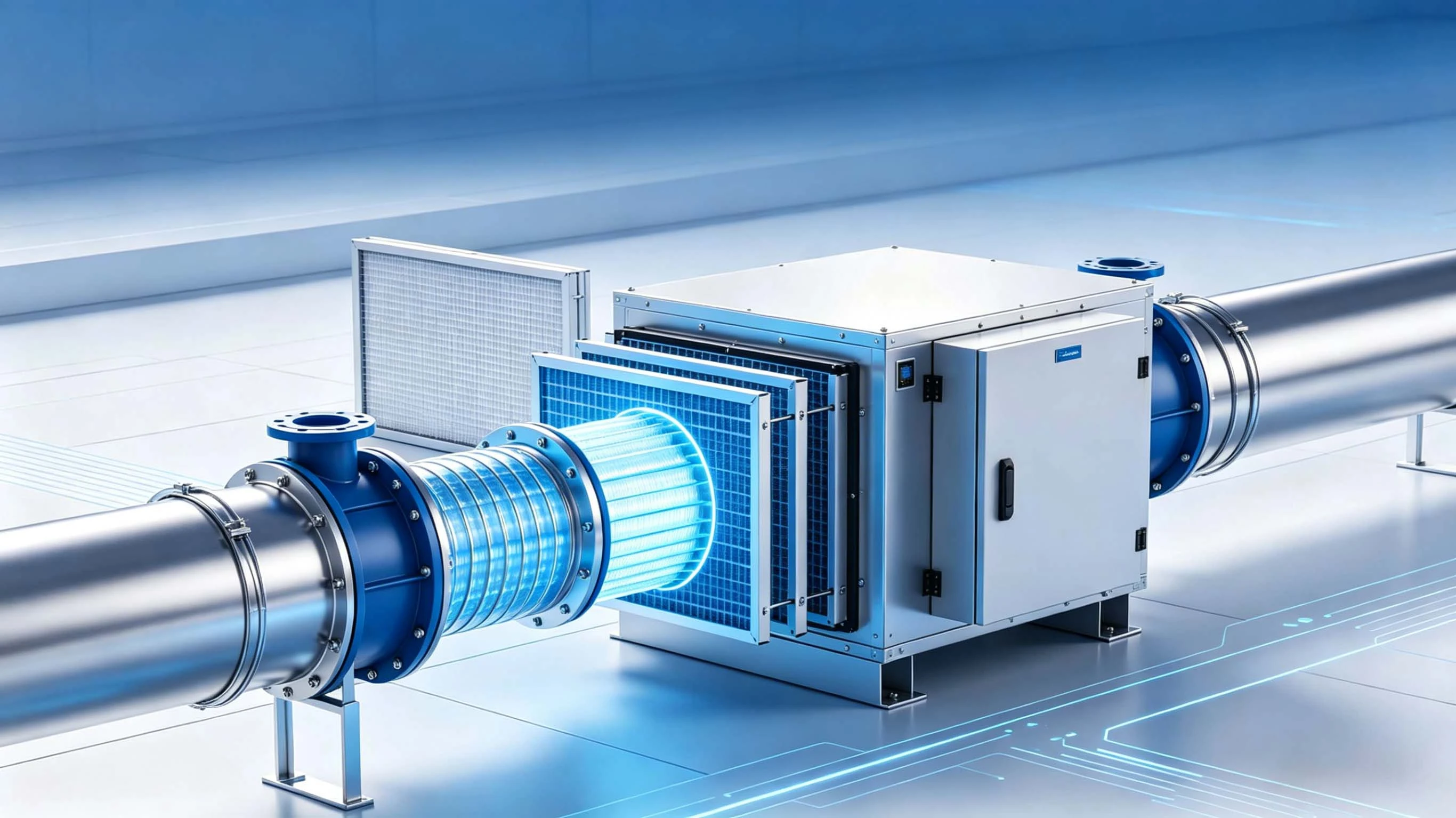
Built with specialized heat-resistant materials, operating stably up to 250°C for paint ovens, industrial dryers, and high-temperature process environments.
View Related Products →Cut Costs, Reduce Waste
Cleanable by water washing or air blowing, reusable multiple times to significantly reduce replacement frequency and O&M costs — an economical, eco-friendly choice.
View Related Products →Odor & Harmful Gas Removal
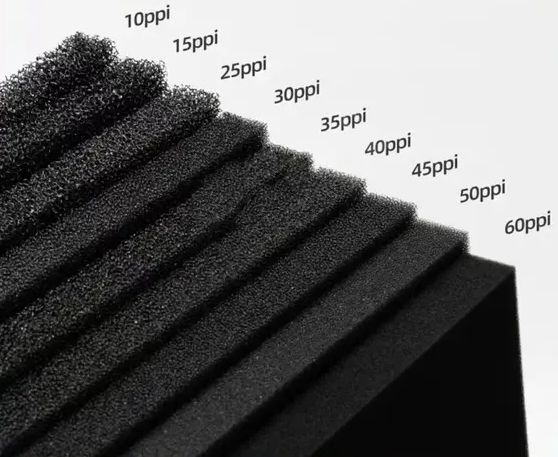
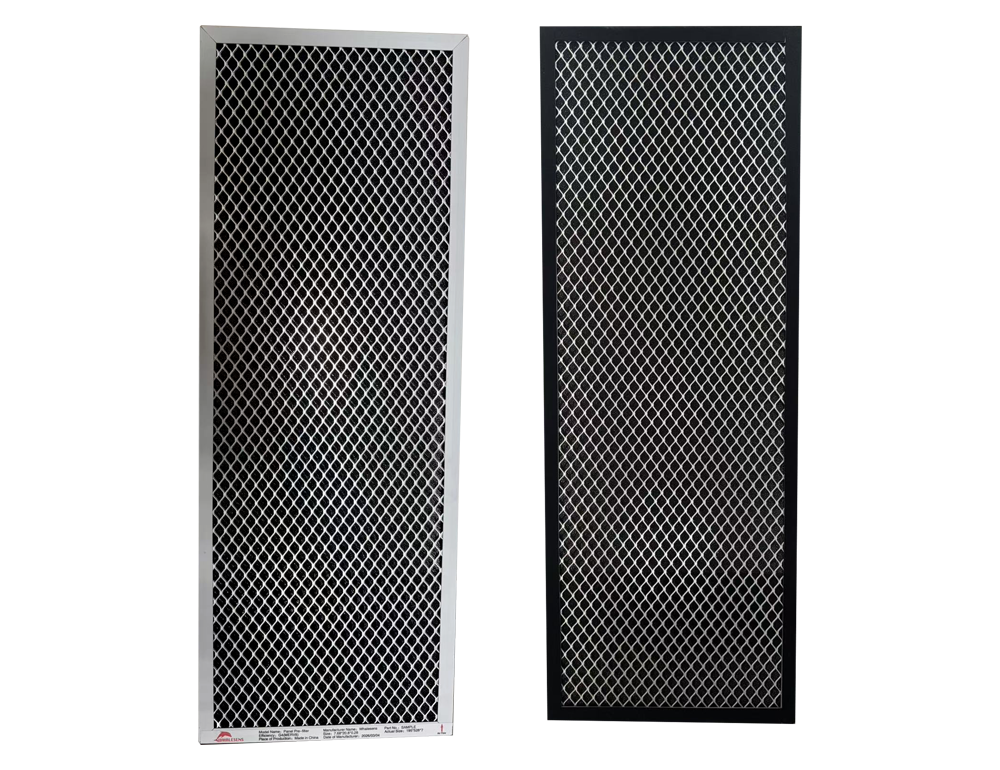
Leverages activated carbon's high adsorption capacity to eliminate odors, VOCs, and formaldehyde, ideal for newly renovated spaces and industrial exhaust treatment.
View Related Products →High Dust-Holding, Long Life
Bag-style construction delivers a larger filtration area, high dust-holding capacity, and extended service life — ideal for high-dust environments with reduced replacement frequency.
View Related Products →Compact Space-Saving Design
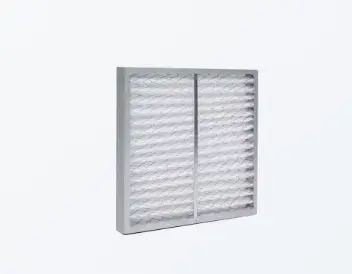
Compact form factor for easy installation and replacement; pleated structure maximizes filtration area within a small footprint for higher efficiency.
View Related Products →Energy-Saving Operation
Low-resistance design minimizes pressure drop while maintaining filtration performance, reducing fan energy consumption for cost-effective, eco-friendly operation.
View Related Products →














 English(Global)
 简体中文
简体中文 Language




HEPA Filter Price: Why Cheap Filters Cost More
Why HEPA Filter Price Can Differ by 300% or More
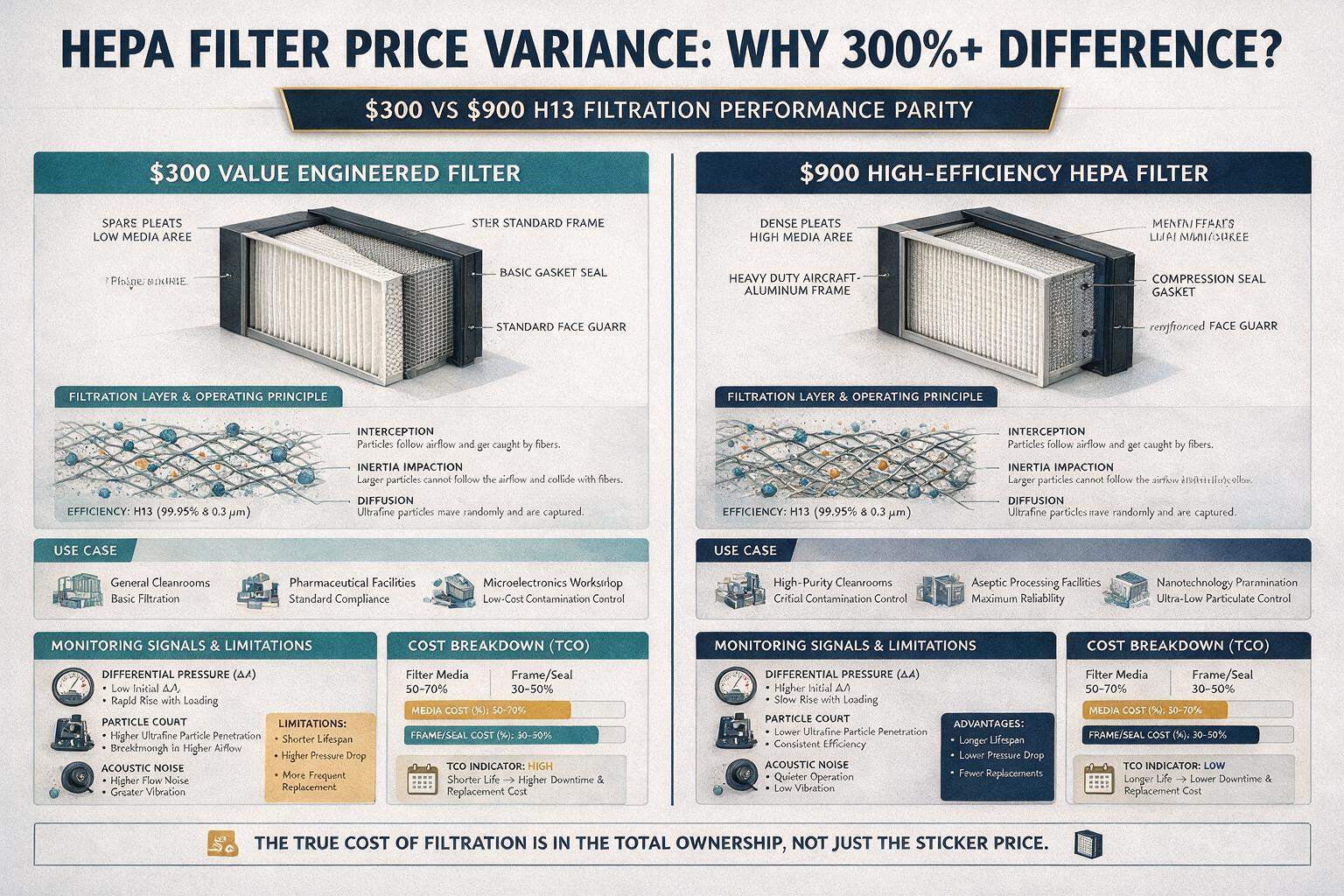
A HEPA filter priced at $300 and another at $900 can carry the same H13 label. The HEPA filter price gap isn't markup; it's material. Filter media accounts for 50–70% of manufacturing cost. Frames, sealants, and face guards make up the remaining 30–50%.
Here's the thing: if you buy on unit price alone, the cheaper filter often becomes the more expensive choice. A customer once said our cartridges were 20% more expensive. But when you factor in lifespan and downtime, they were 40% cheaper.
That pattern repeats across cleanrooms, pharmaceutical plants, and microelectronics facilities. To be blunt, the industrial filtration market has more spec fluff than most. Many filters look great on paper until you measure pressure drop growth after six months.
Glass fiber and PP meltblown are the two main material families. Glass fiber costs more to make, but it delivers stability that cheap alternatives can't match. That's why two H13 filters can vary 300% in price.
A lower HEPA filter price may reflect lower media basis weight, recycled fiber content, or a completely different polymer. These are not trivial substitutions. They change how the filter behaves under load, humidity, and time.
The Real Cost Driver: Glass Fiber vs. PP Meltblown Media
Most H13 and higher efficiency filters rely on glass fiber media. Fiber diameter can drop below 0.5 microns—200 times thinner than a human hair. These ultra-fine fibers create a high-porosity structure that captures 0.3-micron particles at 99.97% efficiency while keeping resistance low.
Cheap HEPA filters usually cut corners on media. Some suppliers replace glass fiber with PP meltblown. Initial efficiency may pass a lab test, but dust holding capacity, moisture resistance, and lifespan all suffer.
PP meltblown fibers are coarser and less uniform. They rely on electrostatic charge to boost initial efficiency. That charge decays with temperature, humidity, and particle loading. Once it fades, efficiency drops below the rated grade.
Glass fiber does not depend on electrostatic charge. Mechanical interception and diffusion do the work. That's why efficiency stays stable over years, not months.
Our measurements show PP meltblown pressure loss increases more than 30% faster than glass fiber at the same airflow. That's not a lab artifact; it's what happens in real dust-loading conditions.
Typical PP Meltblown Media
- Initial efficiency may pass
- Low dust holding capacity
- Sensitive to moisture and tears
- Service life 1–2 years
High-Quality Glass Fiber Media
- Stable efficiency decline
- 2–3x dust holding capacity
- High moisture and tensile resistance
- Service life 3–5 years
PP meltblown isn't worthless. In less critical pre-filtration or general HVAC, it can work. But in a cleanroom or high-end manufacturing process, choosing PP for a final HEPA stage is gambling with product quality.
H13 and Above: Material Thresholds That Define Performance
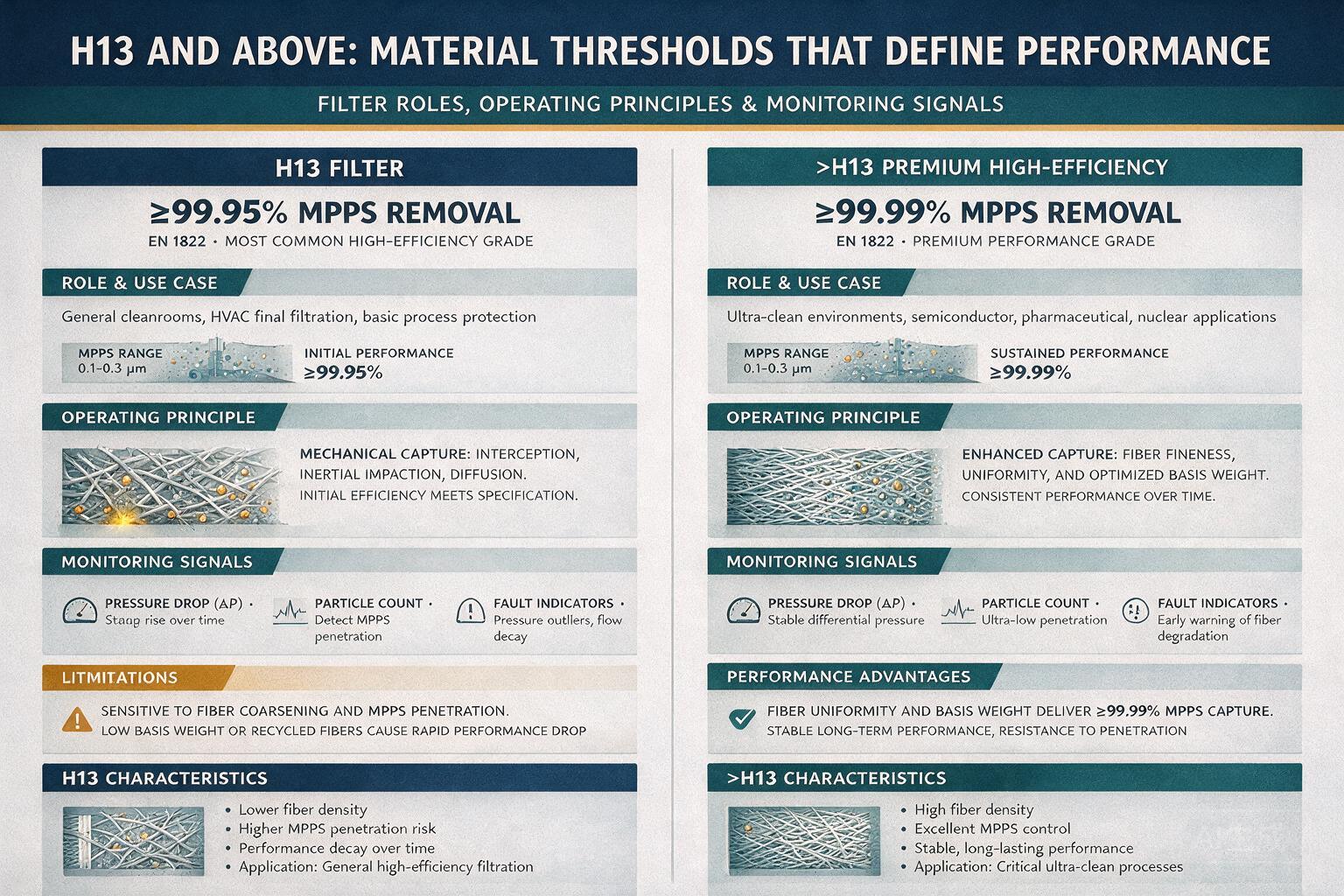
H13 is the most common high-efficiency grade. Under EN 1822, an H13 filter must remove at least 99.95% of MPPS (most penetrating particle size) particles. That performance demands strict fiber fineness, uniformity, and basis weight.
Many products labeled H13 don't actually hold that efficiency over time. Low basis weight glass fiber or recycled fibers may pass an initial test, then drop sharply within months. The material quality sets the floor for long-term performance.
Why does MPPS matter? A filter is most vulnerable to particles in the 0.1–0.3 micron range. Media with uneven fiber distribution lets more of those particles through. Cheap media often has weak spots that aren't visible to the naked eye.
For the full breakdown of HEPA filter specifications, grades, and selection criteria, see HEPA Filter: The Ultimate Guide for Industrial & Commercial Buyers.
Chemical contamination control in cleanrooms also depends on media. Glass fiber is chemically inert and does not release organic pollutants. Some low-end media carry a risk of outgassing that can affect sensitive processes like semiconductor fabrication or pharmaceutical aseptic filling.
That's another reason HEPA filter price shouldn't be the only variable in a purchase decision. A filter that outgasses solvents or binders can contaminate an entire batch. The cost of rejected product dwarfs the price difference between quality and cheap media.
The Hidden Cost Trap: Pressure Drop, Energy, and Short Lifespan
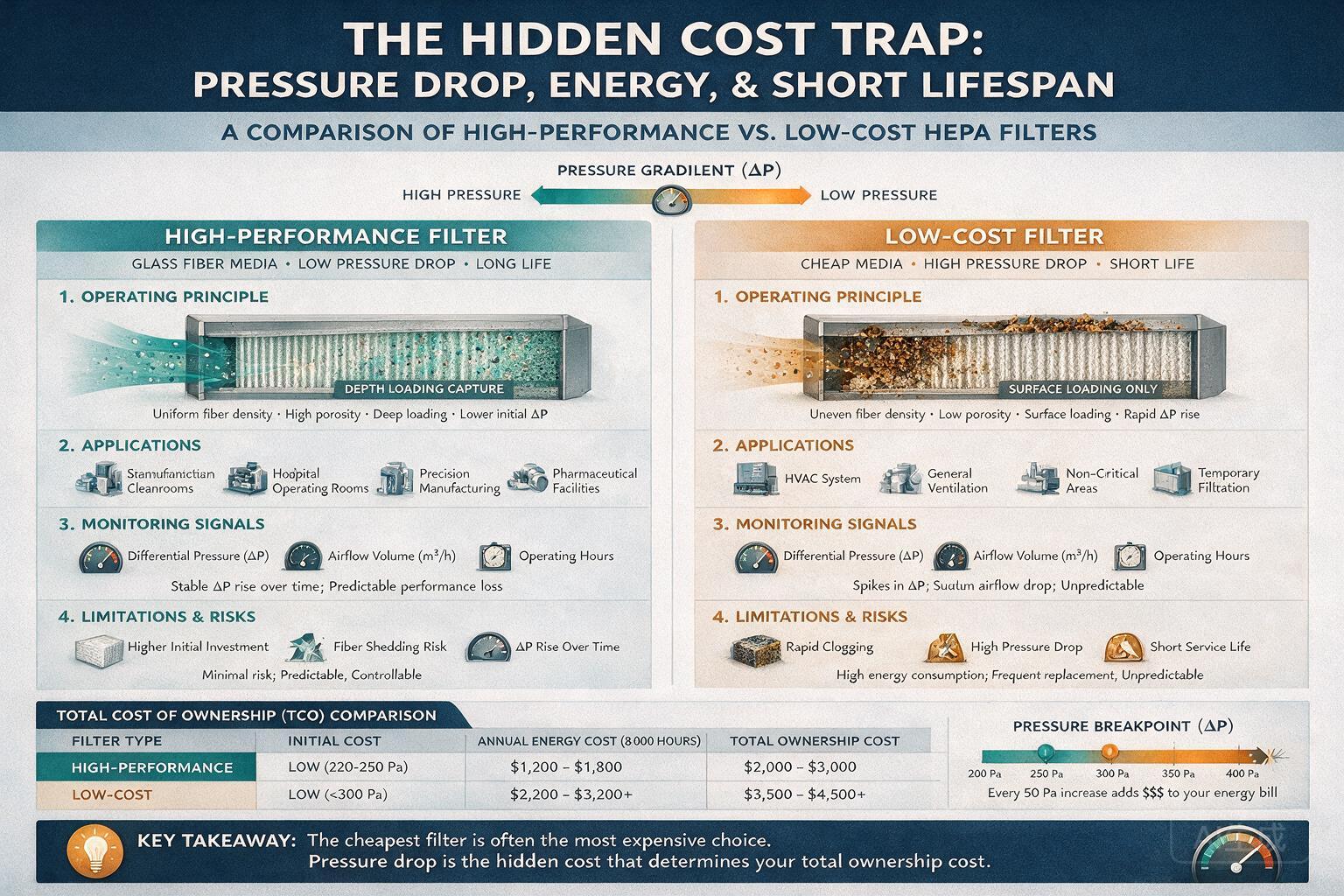
A cheap HEPA filter looks attractive on the purchase order. Once installed, your electricity bill tells a different story. HEPA filter price is not the same as total filtration cost. Pressure drop is the real long-term expense.
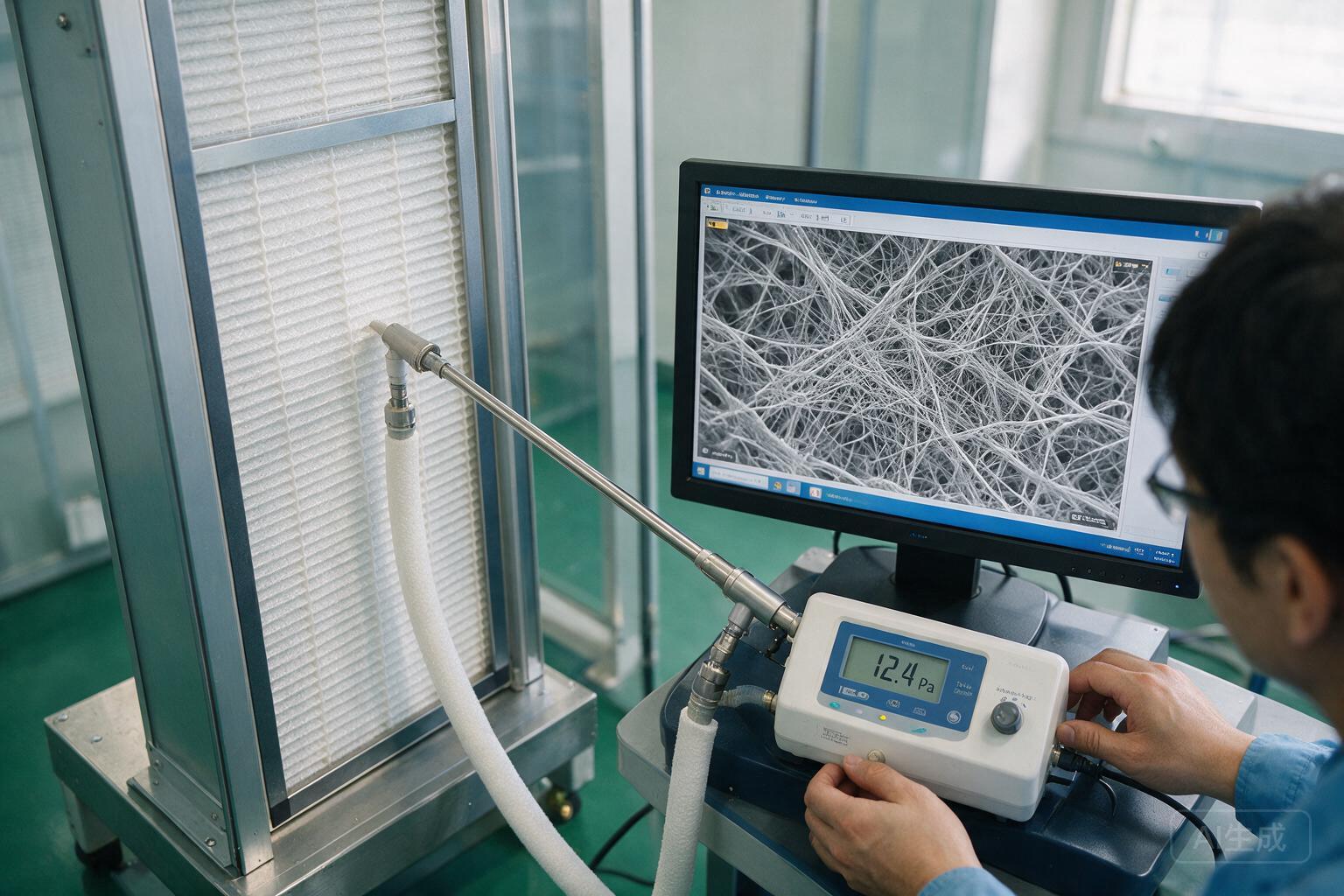
At rated airflow, quality glass fiber media typically starts at 220–250 Pa. Inferior media often exceeds 300 Pa. That extra 50 Pa doesn't sound like much, but fan energy consumption scales with pressure drop. Over 8,000 operating hours per year, each 50 Pa increase can add hundreds to over a thousand dollars in annual energy costs per filter.
Typical fan systems operate at 60–70% total efficiency. The power increase from higher pressure drop is linear. For a large air handling unit moving 10,000 m³/h, an extra 50 Pa can add 0.5–0.7 kW. At $0.12/kWh, that's $480–$670 per year.
Now multiply that by the number of filters in the system. A cleanroom may have dozens of terminal HEPA units. The energy penalty of cheap media compounds quickly.
2–3x
Lifespan Extension
vs. PP media
15–20%
Initial Pressure Drop Reduction
at same airflow
30%
Lifecycle Energy Savings
based on measured data
40%
Downtime Loss Reduction
over 3-year cycle
We once walked into a cleanroom where the pressure differential had dropped 30% and production was still running. The team suspected a faulty gauge. The filter cartridge had actually caked solid—like cement. The media had torn, and dust was bypassing downstream. Replacing it with quality glass fiber media earlier would have prevented the whole failure.
That's not an isolated incident. I've seen this mistake too many times: operators trust the nameplate, ignore pressure drop trends, and then wonder why product defects spike. A filter that loads too fast forces the fan to work harder or the cleanroom to fall out of compliance.
Total Cost of Ownership: Don't Let Unit Price Fool You
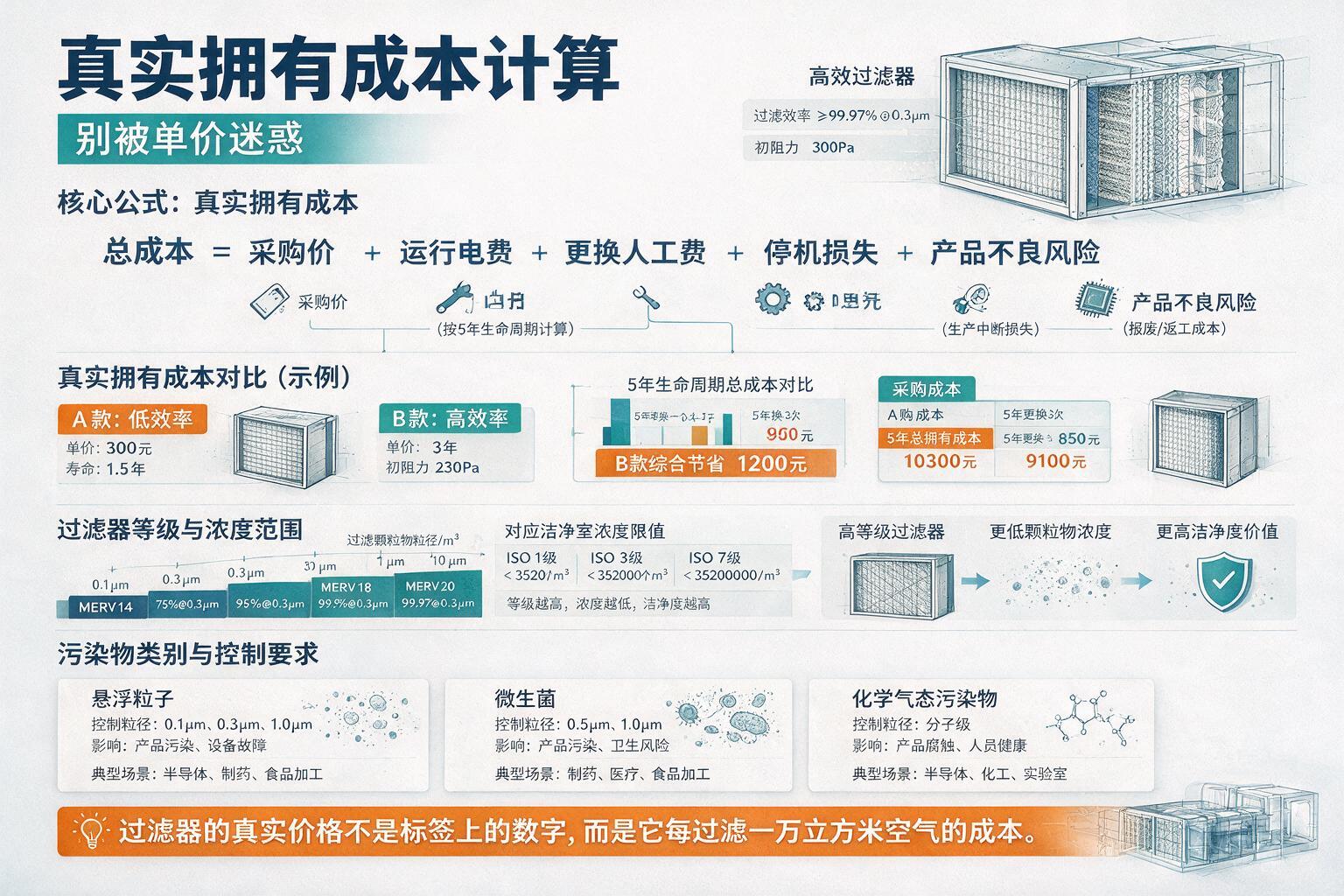
You need to calculate total cost, not sticker price. Total cost equals purchase price plus energy consumption plus replacement labor plus downtime plus product defect risk. The HEPA filter price is only the tip of the iceberg.
Here's a real example. Filter A costs $300, lasts 1.5 years, and starts at 300 Pa. Filter B costs $500, lasts 3 years, and starts at 230 Pa. Over a 5-year cycle, Filter A needs three replacements ($900). Filter B needs about 1.7 replacements ($850). Add the energy difference, and Filter B saves more than $1,000 over the period.
The math gets better when you include labor. Each filter change requires shutting down the cleanroom or isolating the air handling unit. Production stoppage costs thousands per hour in pharmaceutical or semiconductor facilities.
Filter A also requires more frequent pre-filter changes. When the final filter loads faster, the pre-filter sees higher static pressure and may collapse or bypass. That cascades into even more maintenance.
This is why lowest-bid purchasing rarely works for high-efficiency filters. The purchase price saved evaporates in operating costs. I'd write lifecycle cost into tender documents as a weighted evaluation criterion.
For a broader look at industrial air filtration categories and how different filter types fit into a system, read Industrial Air Filter: The Ultimate Guide for Industrial & Commercial Buyers.
The real price of a filter isn't the number on the tag. It's the cost to filter 10,000 cubic meters of air.
Final HEPA filters don't operate alone. Pre-filtration protects them from coarse dust and extends their service life. Bag filters are a common pre-filter choice in industrial systems. If the pre-filter media is too coarse or poorly fitted, the HEPA stage loads prematurely and you pay for early replacement.
Bag filter housing design also matters. Leakage around the bag seal forces the final filter to handle more particulate. That's another hidden cost factor that never shows up in the HEPA filter price.
For proper pre-filter selection, review Bag Filter: The Ultimate Guide for Industrial & Commercial Buyers and Bag Filter Housing: The Ultimate Guide for Selection and Installation.
Matching pre-filter efficiency to final stage requirements reduces total system cost. A well-sized G4 or F7 pre-filter can double the life of an H13 final filter. Skipping that step is a classic mistake I've seen too many times.
Consider the particle load in your facility. If the pre-filter has a large open area and a low pressure drop, it protects the HEPA stage without adding excessive fan energy. But a cheap pre-filter with poor sealing lets dust bypass and defeats the purpose.
The best systems are designed as a series of stages: pre-filter, intermediate filter, final HEPA. Each stage has a specific particle size range. The material quality of every stage affects the next one downstream.
HEPA Filter Selection Checklist: Avoid Material Traps
When you ask for quotes, don't just ask "how much?" Ask what media, what basis weight, what initial pressure drop, and what dust holding capacity. HEPA filter price differences are meaningless without material parameters.
📋 HEPA Filter Selection Checklist
- ✔ Confirm filter grade: H13 or H14, based on cleanliness class
- ✔ Require media documentation: glass fiber vs PP, basis weight
- ✔ Check initial pressure drop at rated airflow
- ✔ Request dust holding capacity test report
- ✔ Compare 3-year or 5-year total cost of ownership
- ✔ Inspect sealant and frame materials to prevent bypass leakage
Let me be upfront: many suppliers won't volunteer dust holding capacity data. Poor media often can't produce good results. If a vendor gets vague about media specifications, that's a warning sign.
Truth is, the more expensive equipment doesn't always mean higher total filtration cost. Often it's the opposite. When you compare glass fiber and PP meltblown side by side, the choice becomes clear for any critical process.
Ask for test reports under ISO 29463 or EN 1822. These standards define how filters are tested for efficiency and pressure drop. A supplier that refuses to share test data is not worth your time.
Also verify the filter construction. The best glass fiber media can still fail if the sealant cracks or the frame warps. Look for polyurethane sealant that maintains a gas-tight bond. Check that the frame material matches your cleanroom's chemical compatibility requirements.
Looking for reliable industrial air filtration solutions? Contact Whalesens Technology for customized proposals and quotes.
Need a custom air filtration solution?
Contact the Whalesens engineering team for product selection and OEM/ODM support.
Email whalesens@gmail.com
Get a free consultation →
Need a custom air filtration solution?
Contact the Whalesens engineering team for product selection and OEM/ODM support.
Email whalesens@gmail.com
