


EV Charging Stations
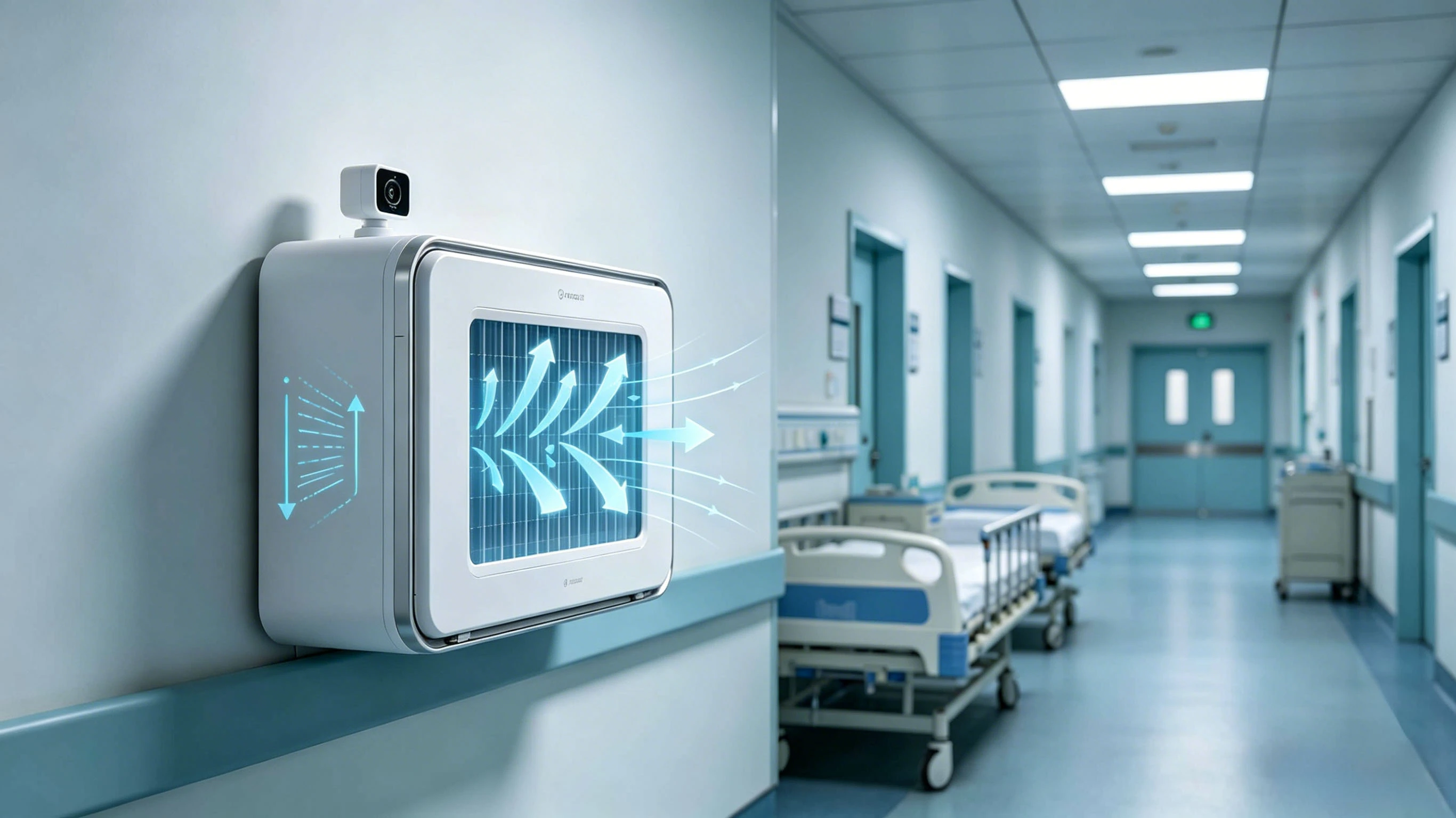
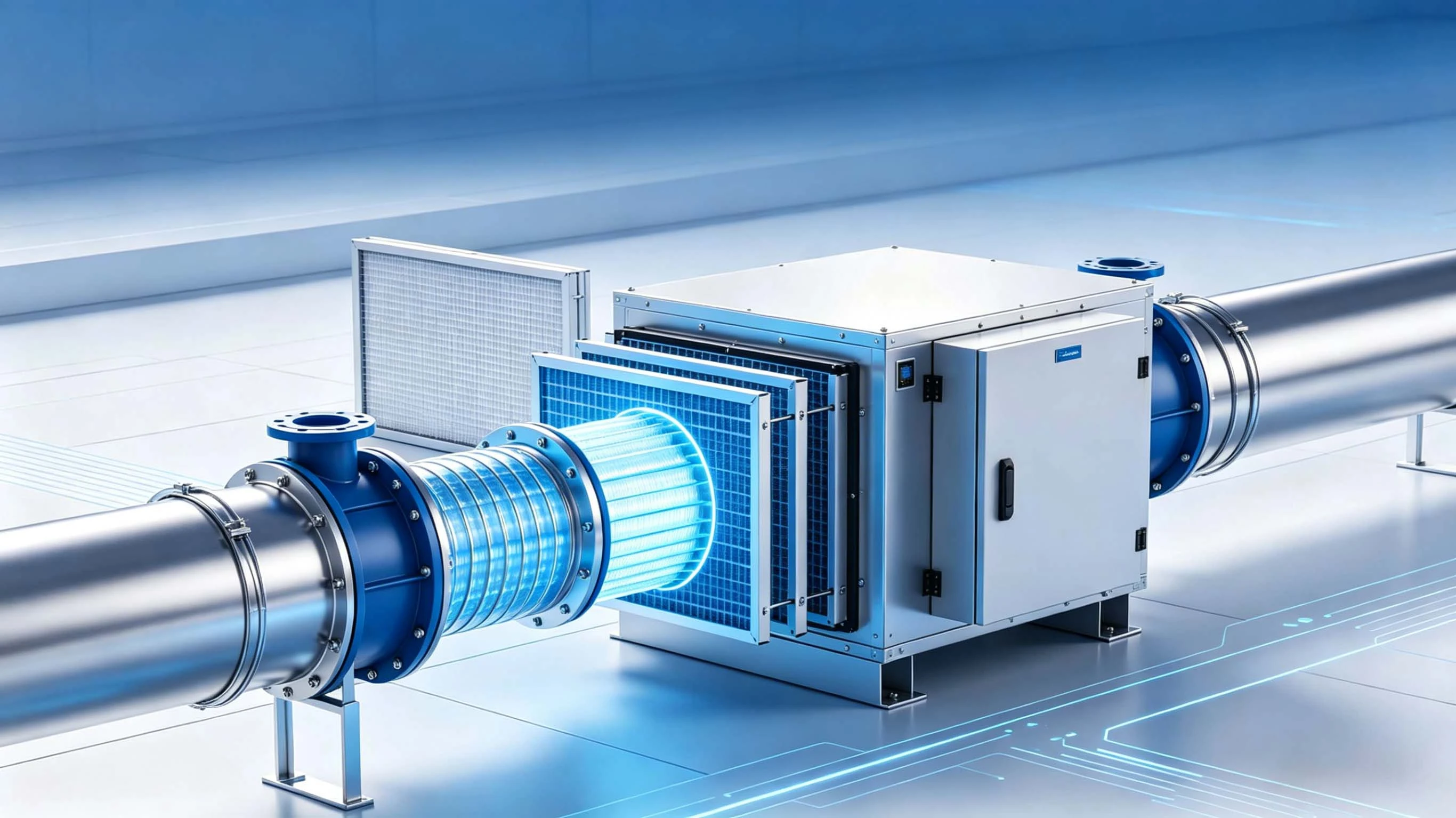
Filtration for Power Equipment
Cleanroom & Semiconductor
Ultra-High Cleanliness Filtration
Commercial HVAC
Central Air System Filtration
Data Centers
Precision Equipment Protection
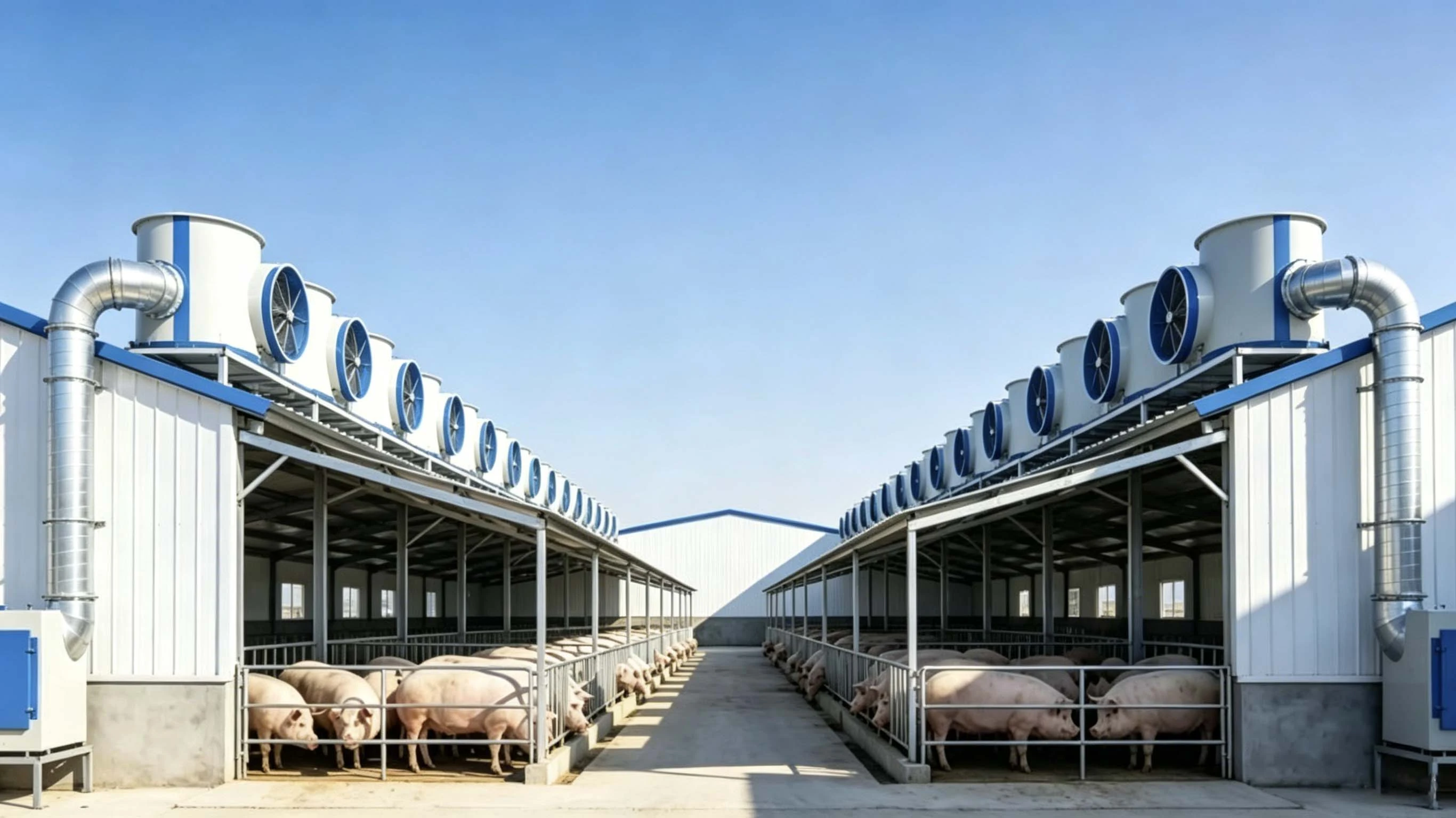
Livestock & Farming
Farming Environment Purification
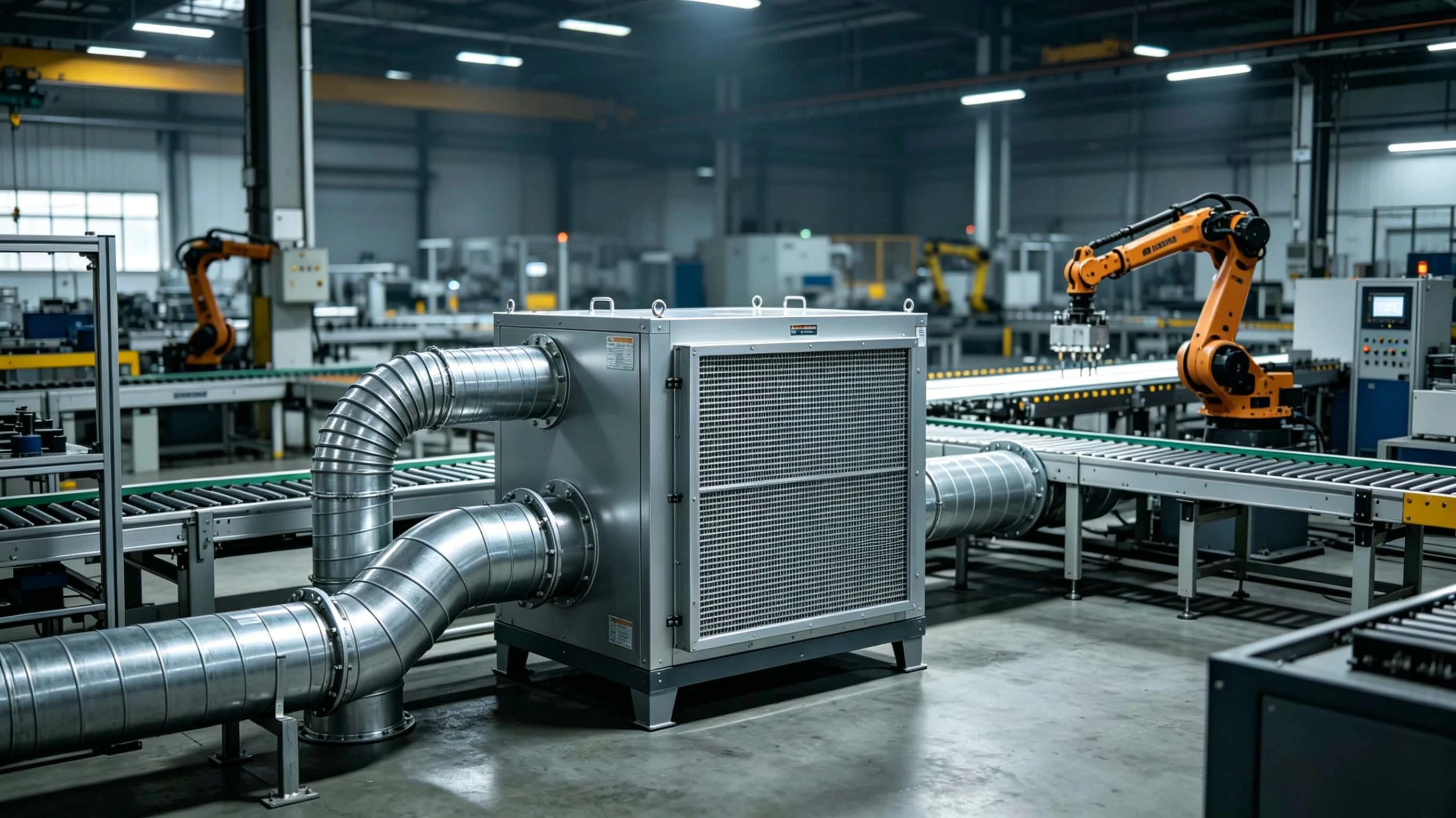
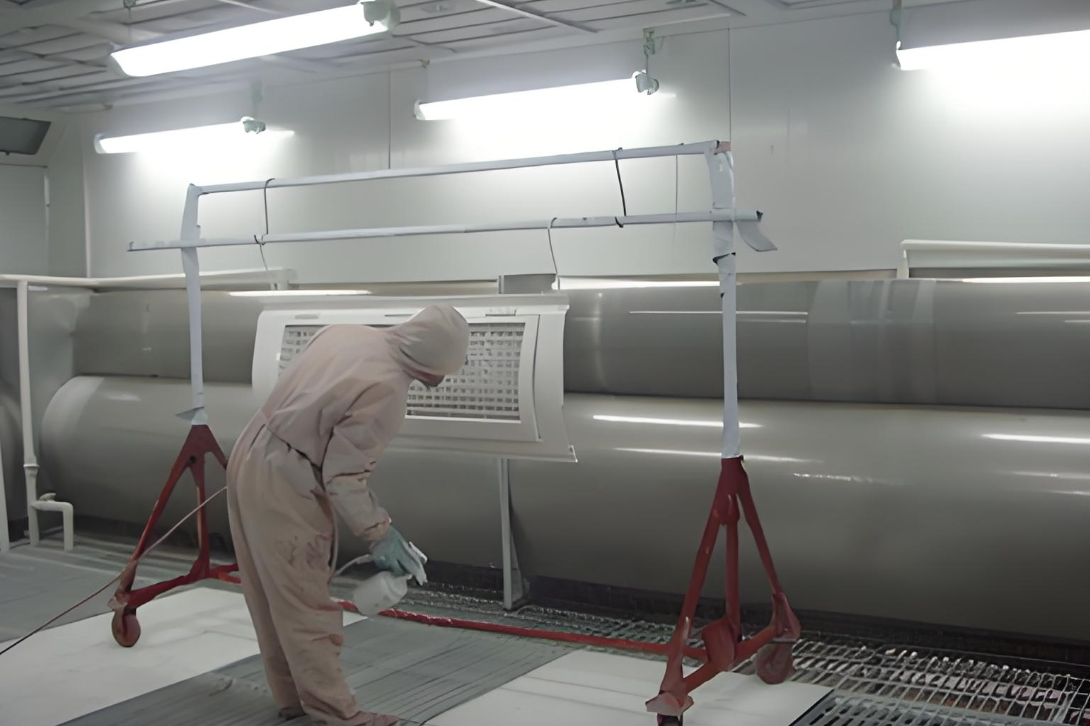
Spray Booths & Industrial Dust
Paint Mist & Dust Purification
Filtration for Power Equipment
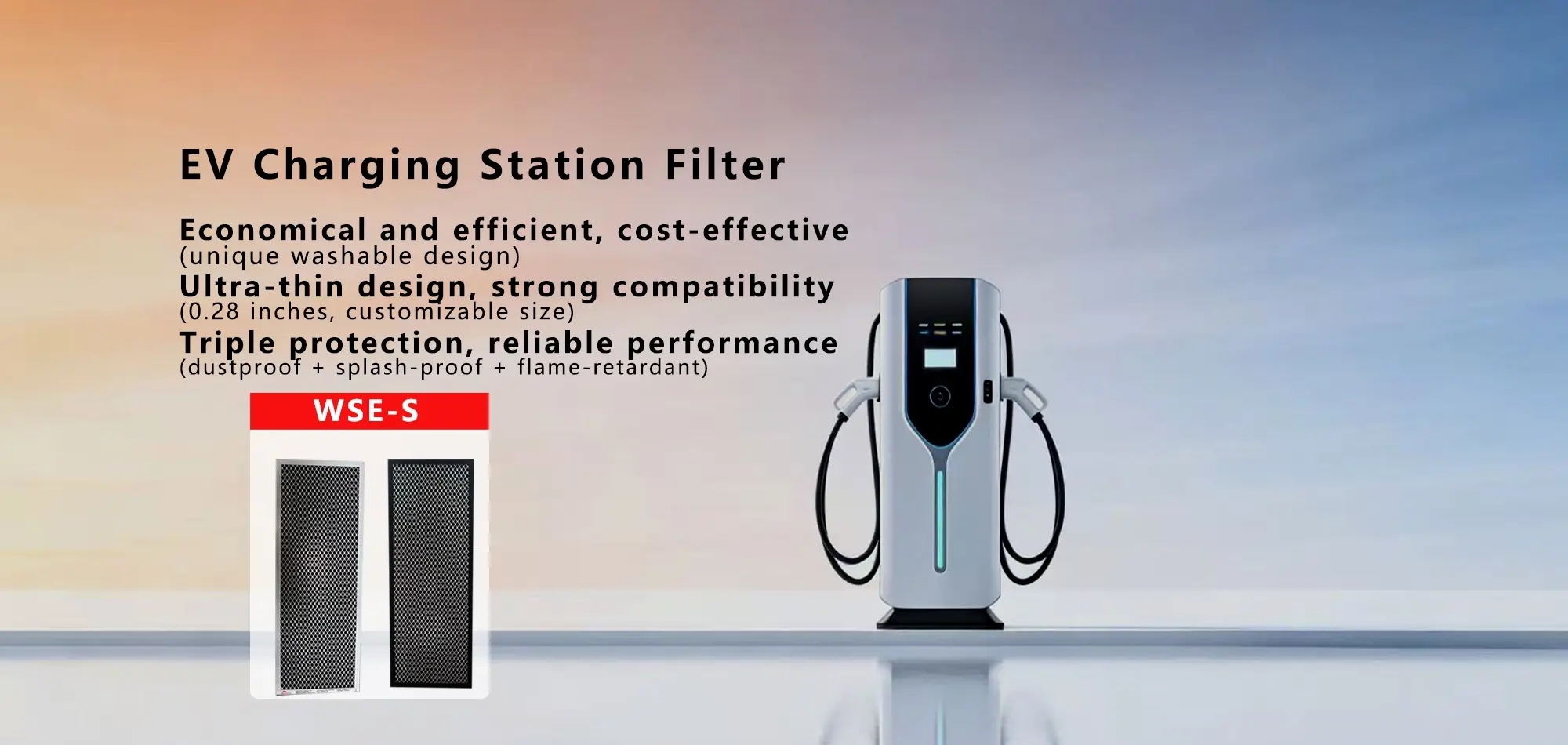
Professional air filtration for EV charging devices, protecting against dust and sand ingress to ensure stable, reliable operation of charging piles and station infrastructure.
View Related Products →Ultra-High Cleanliness Filtration
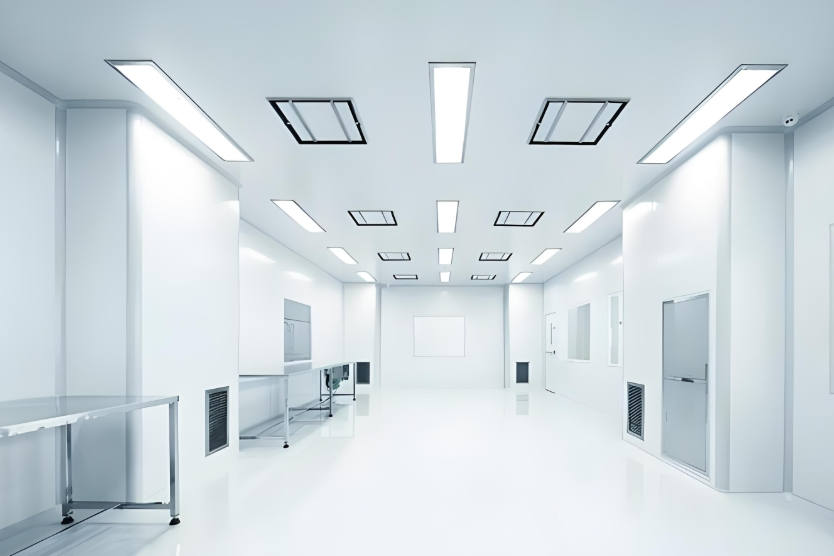
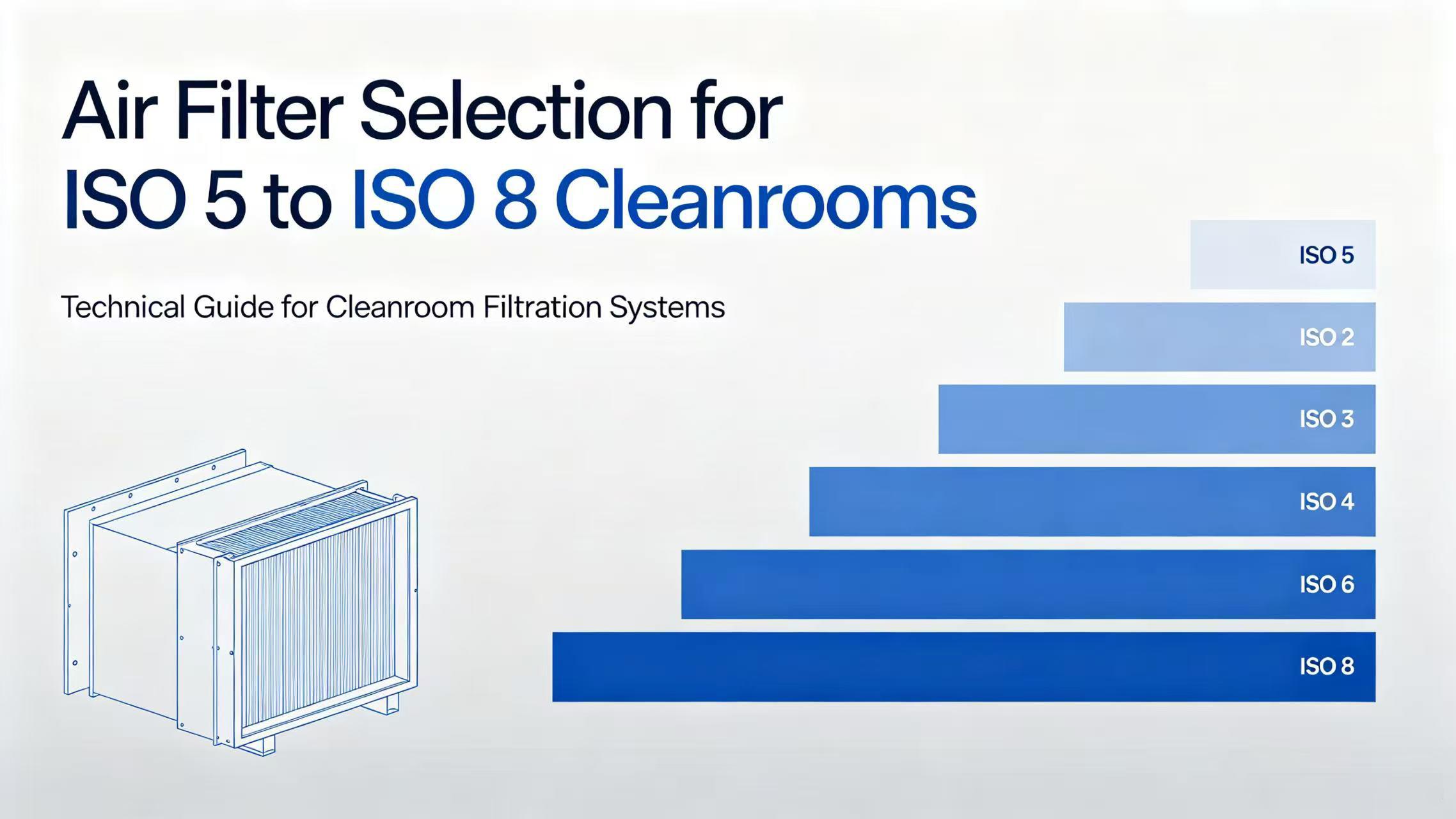
Ultra-high efficiency filtration for semiconductor wafer fabs and precision electronics cleanrooms, capturing nano-scale particles to meet ISO Class 1–3 standards and maximize product yield.
View Related Products →Central Air System Filtration
High-efficiency filtration for commercial building HVAC systems, improving indoor air quality, reducing energy consumption, and extending equipment service life.
View Related Products →Precision Equipment Protection
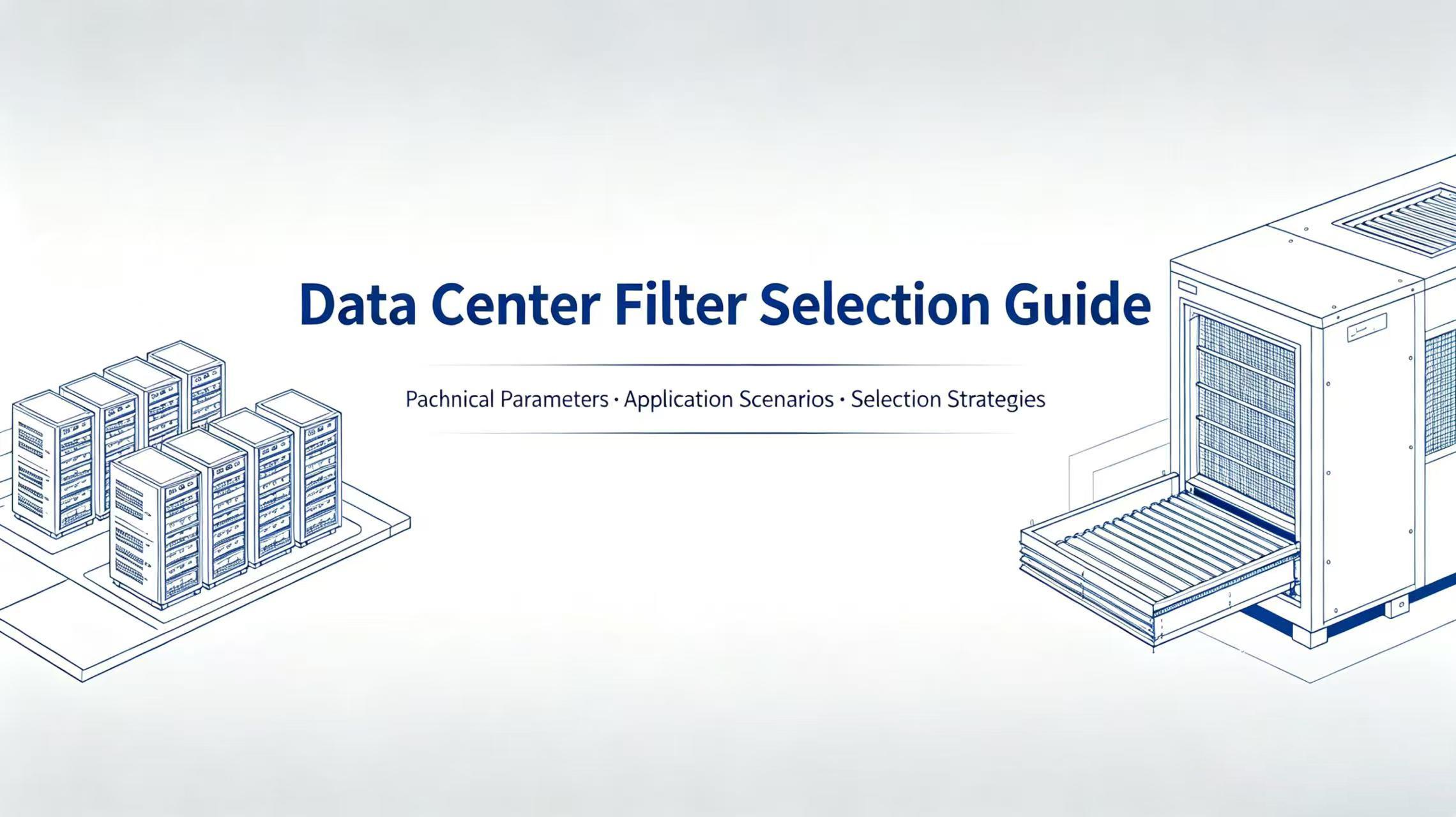
Precision air filtration for data centers, shielding servers and critical hardware from dust contamination to keep cooling systems running efficiently and reliably.
View Related Products →Farming Environment Purification
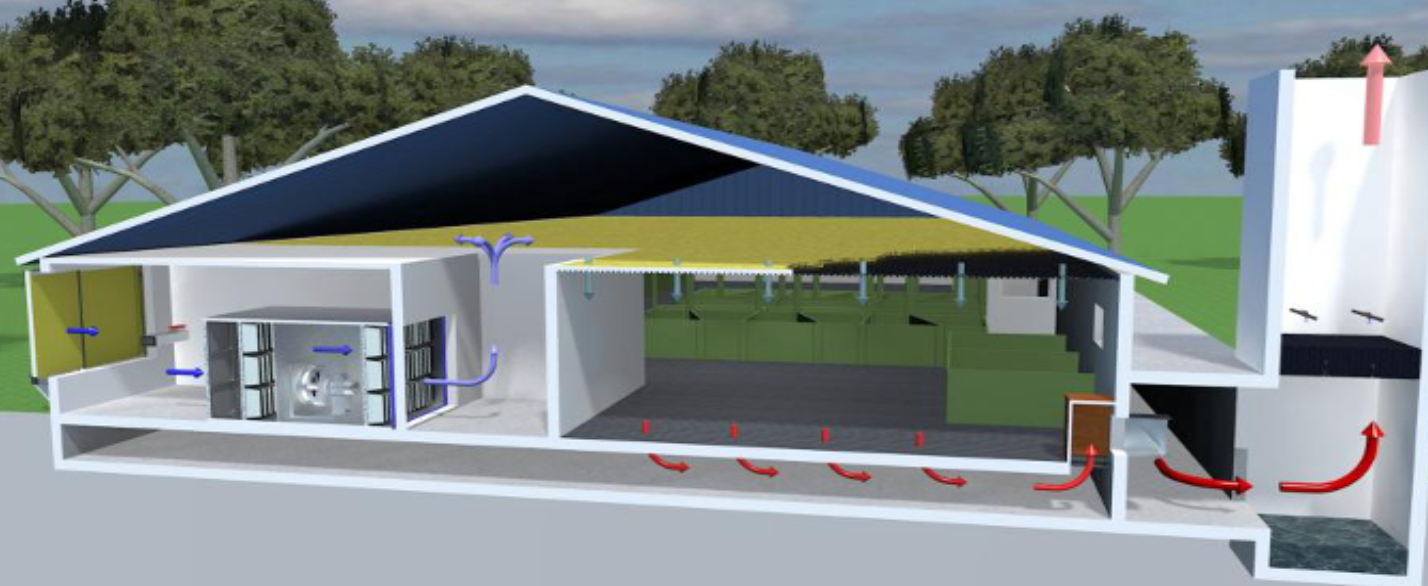
Dedicated filtration systems for farms and livestock facilities — capturing dust, adsorbing ammonia, and inhibiting pathogen spread to improve animal health and overall productivity.
View Related Products →Paint Mist & Dust Purification
Designed for spray booths and grinding workshops, efficiently capturing paint mist, metal dust, and wood chips to meet emission standards while protecting finished surface quality.
View Related Products →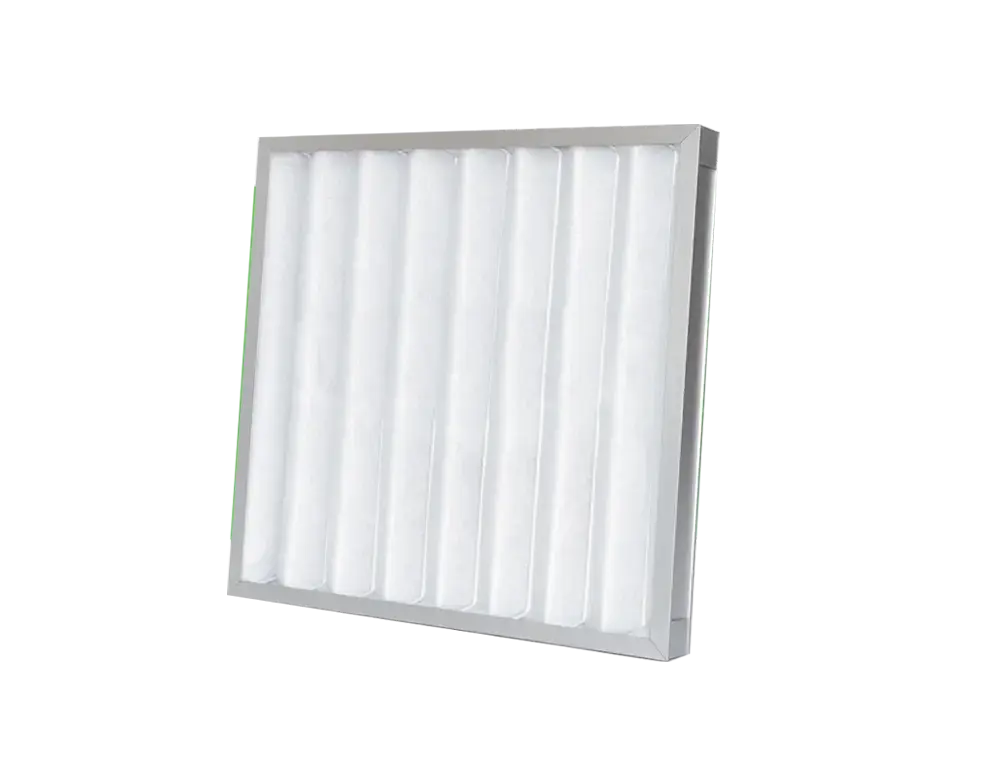
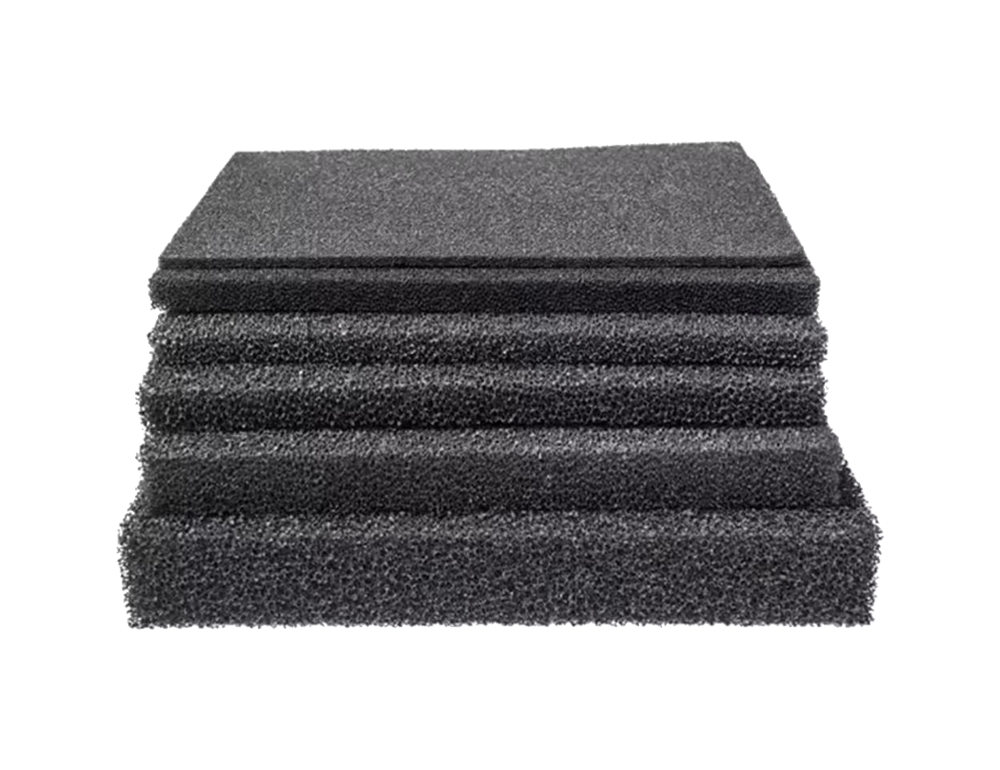
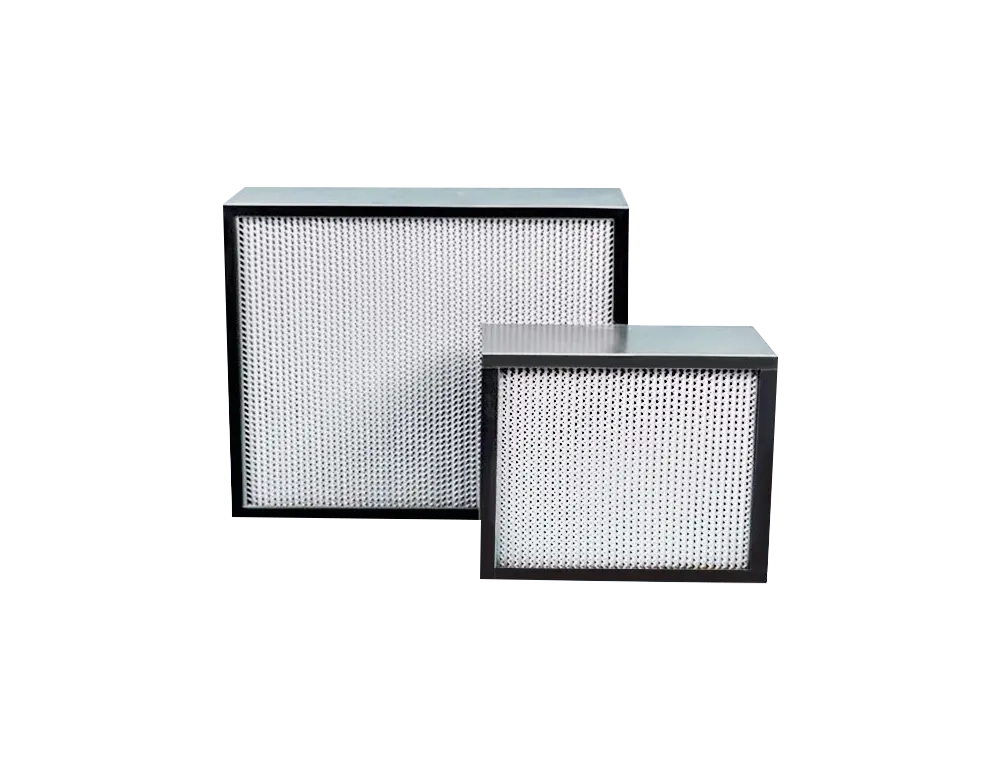
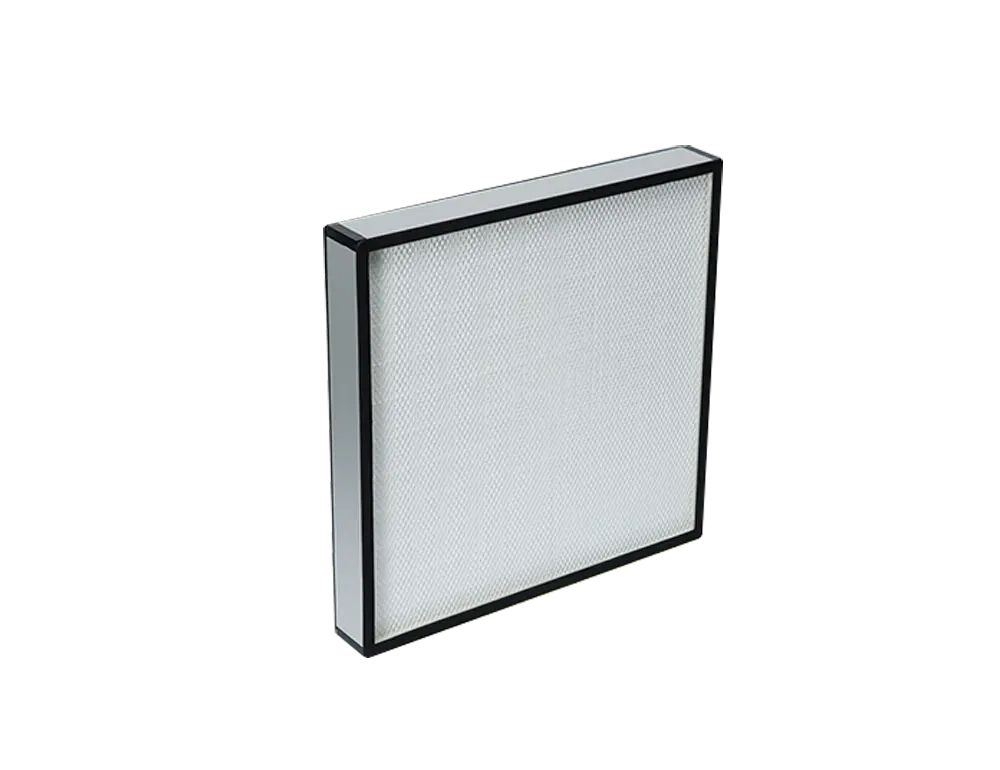
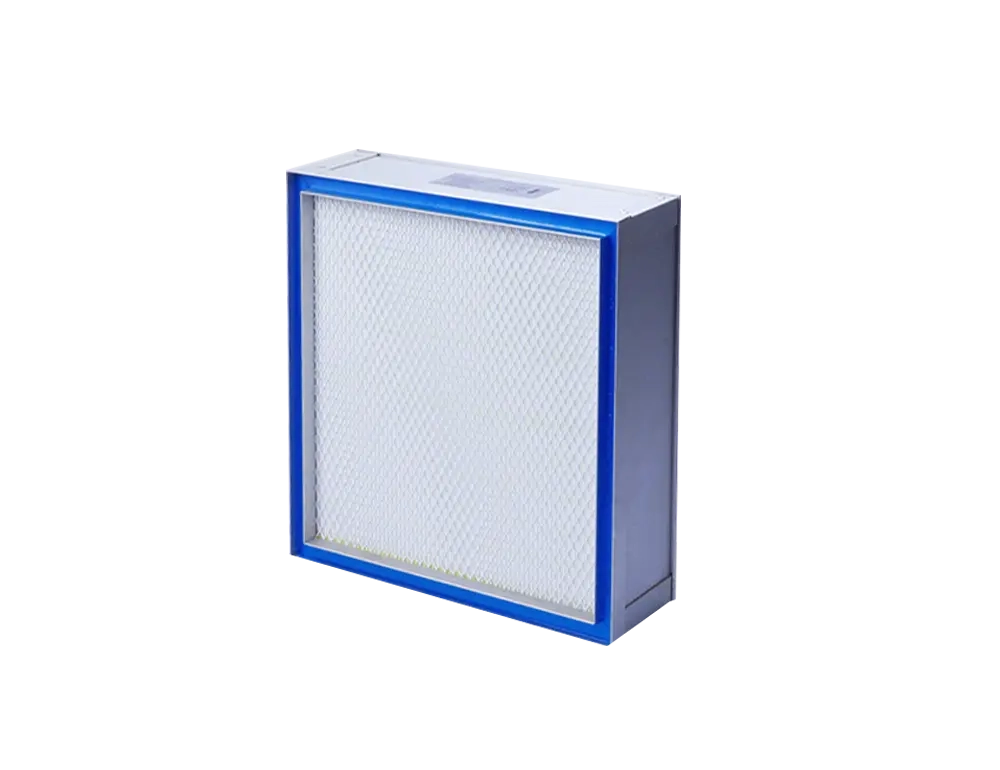
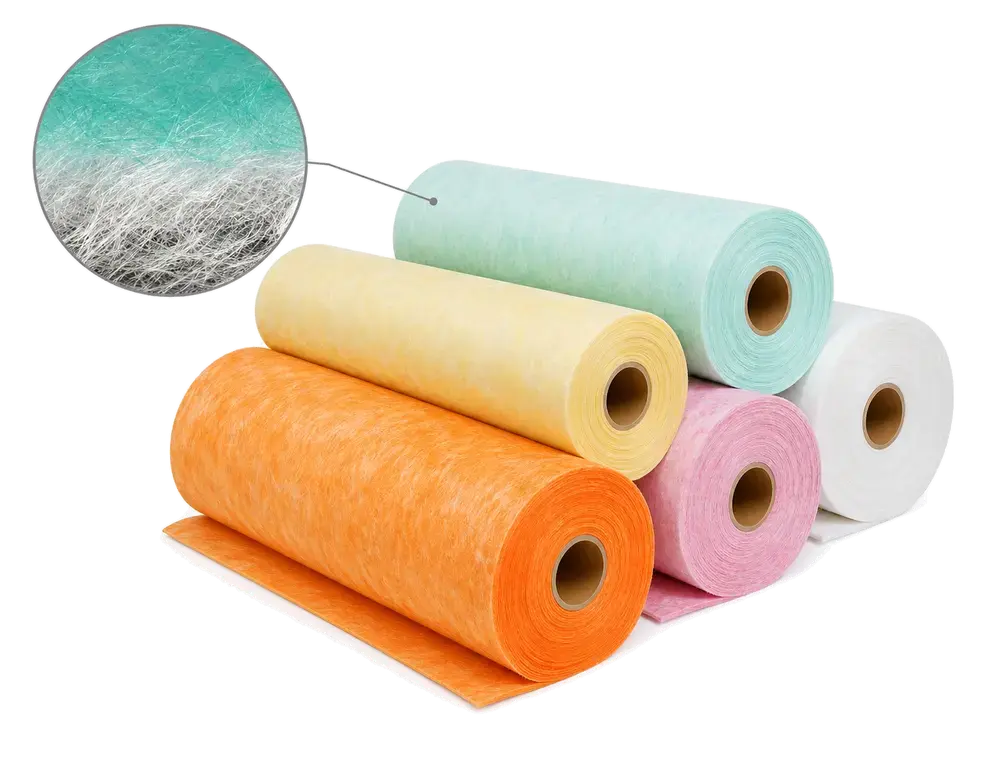
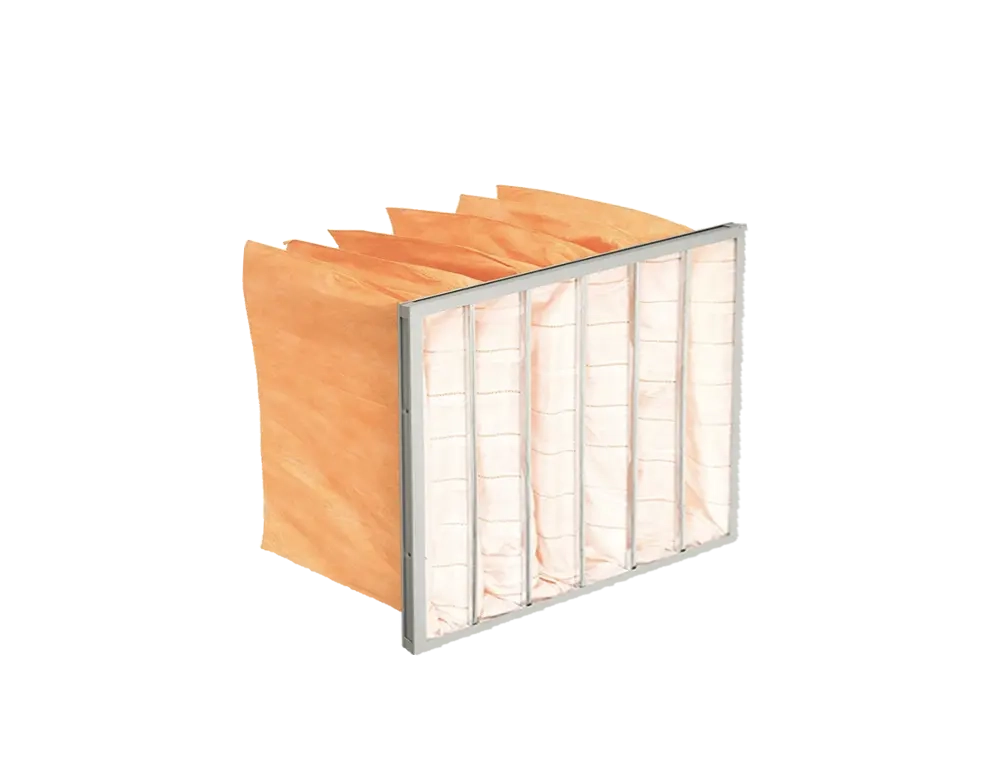
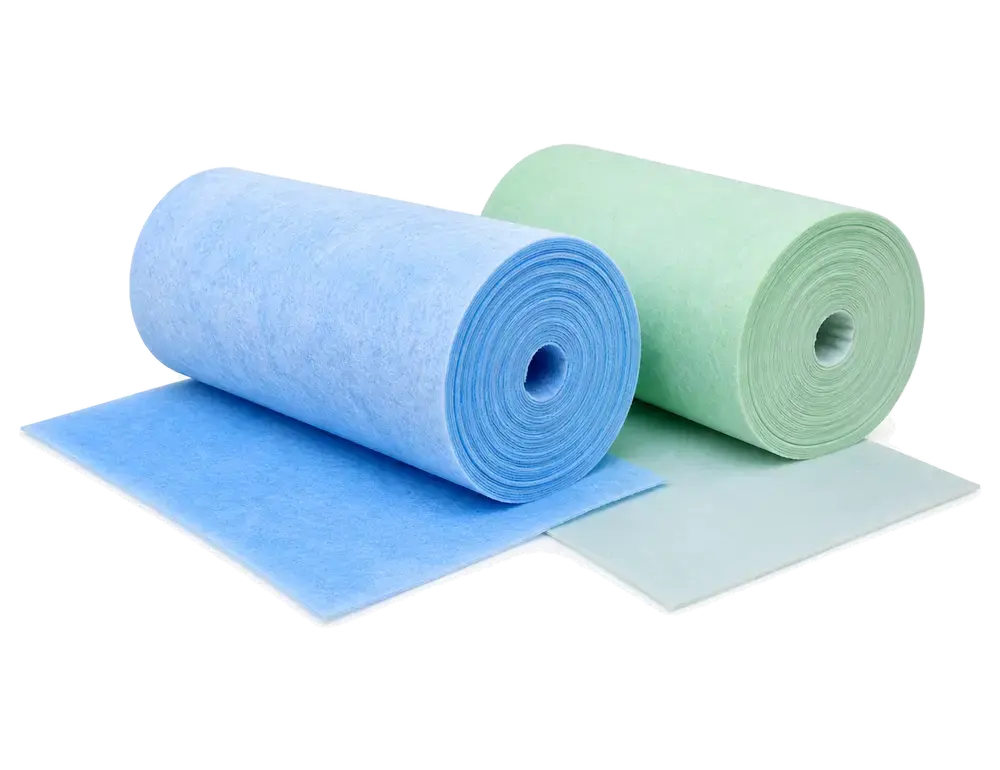
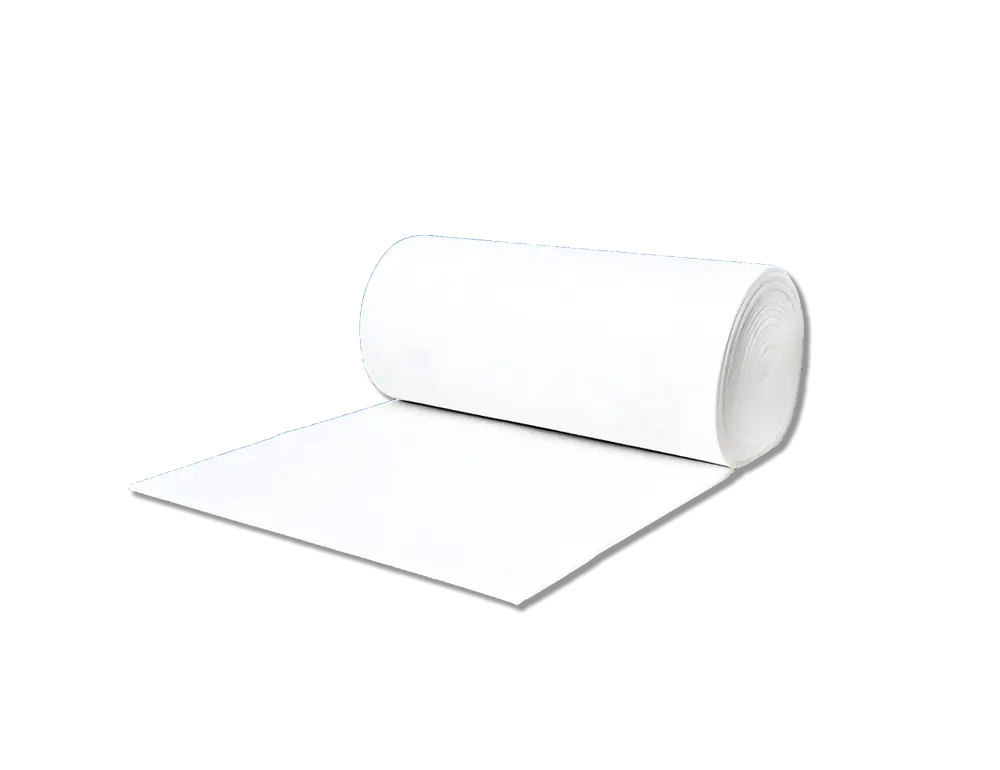
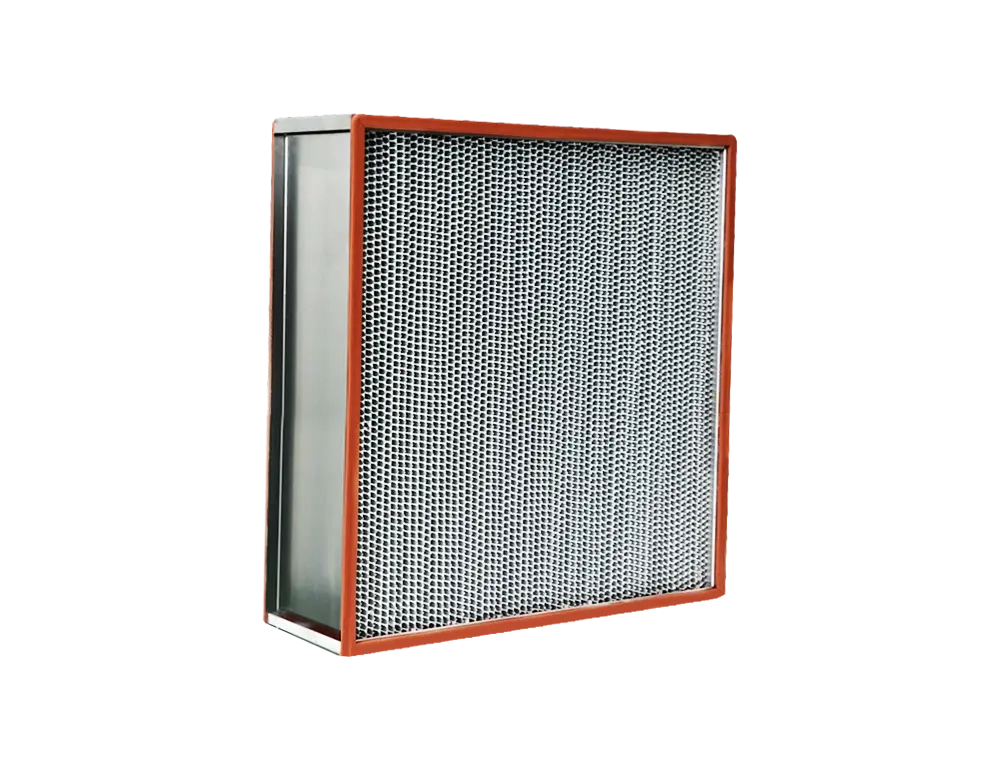
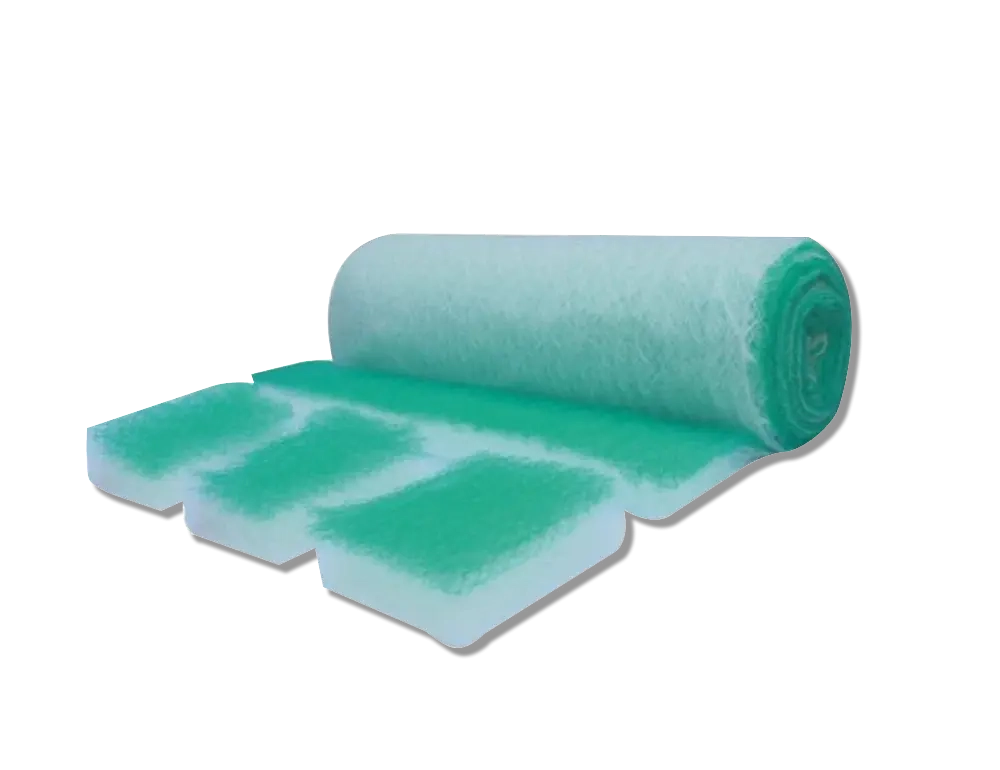
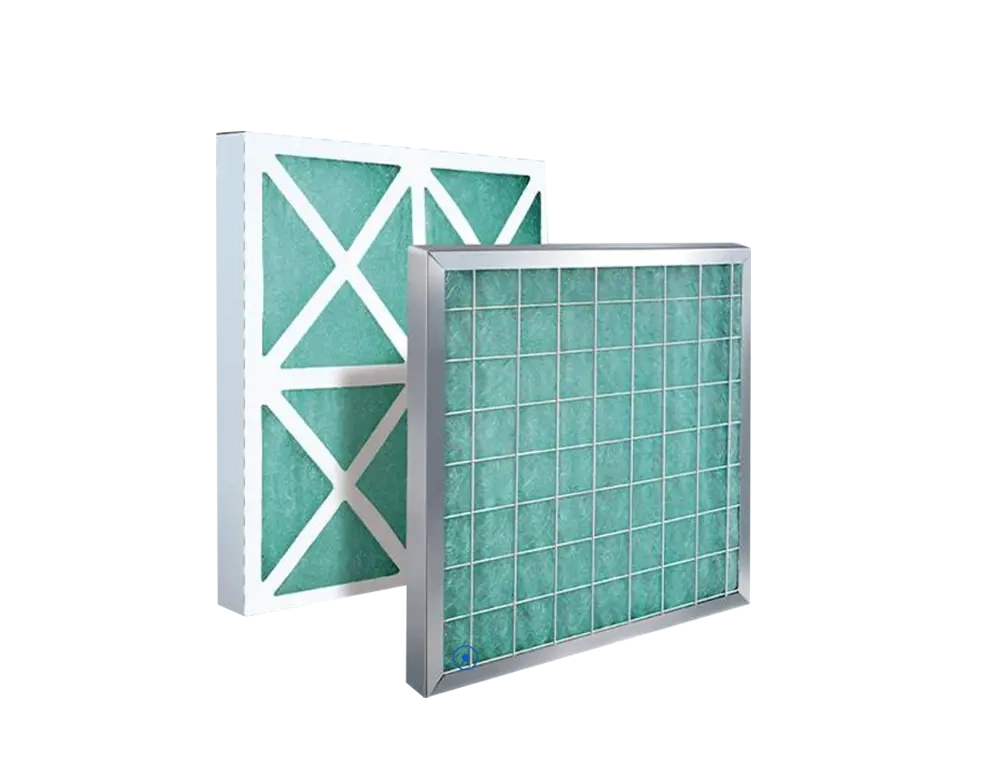
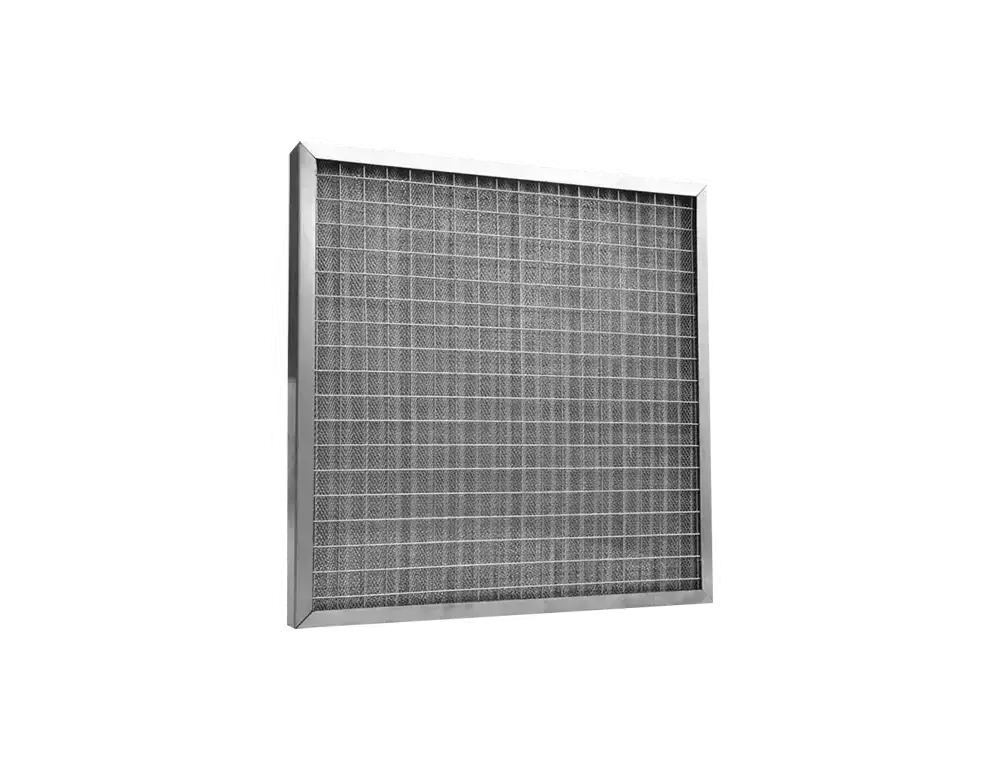
Pre-Filter (G1–G4)
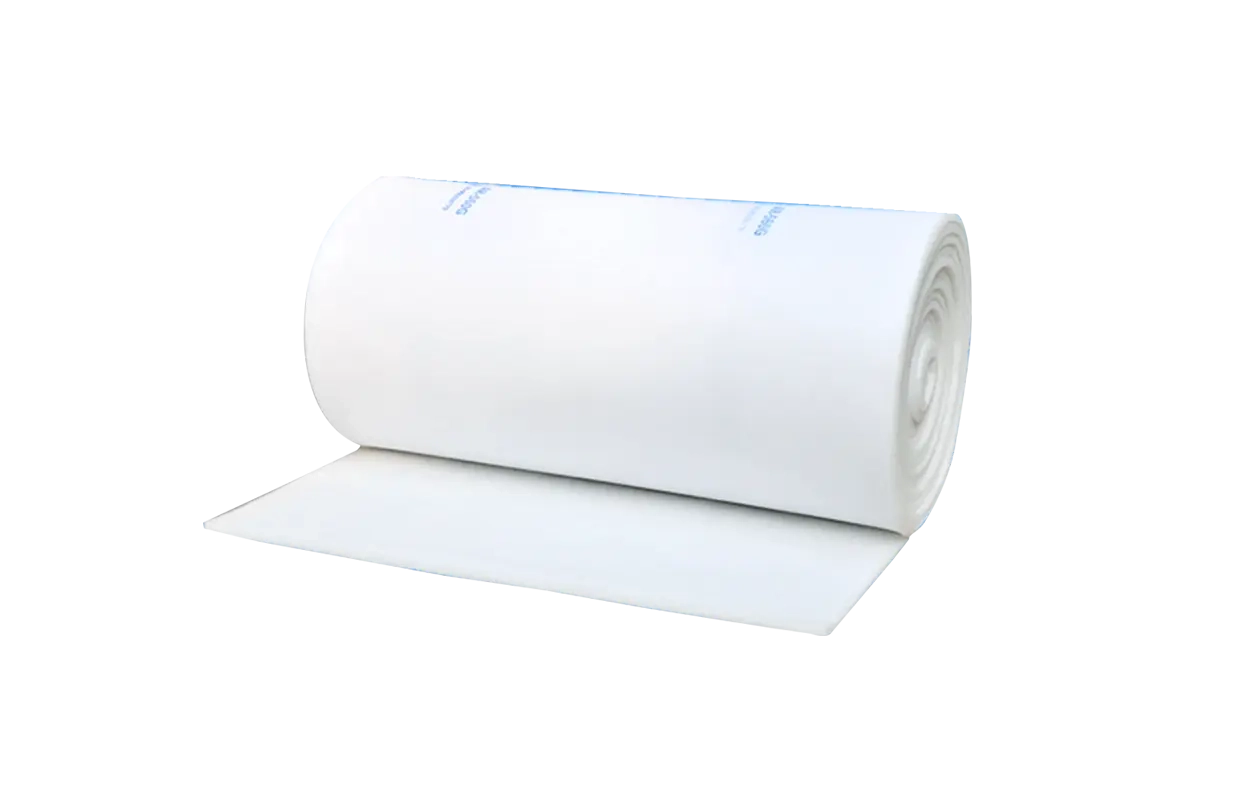
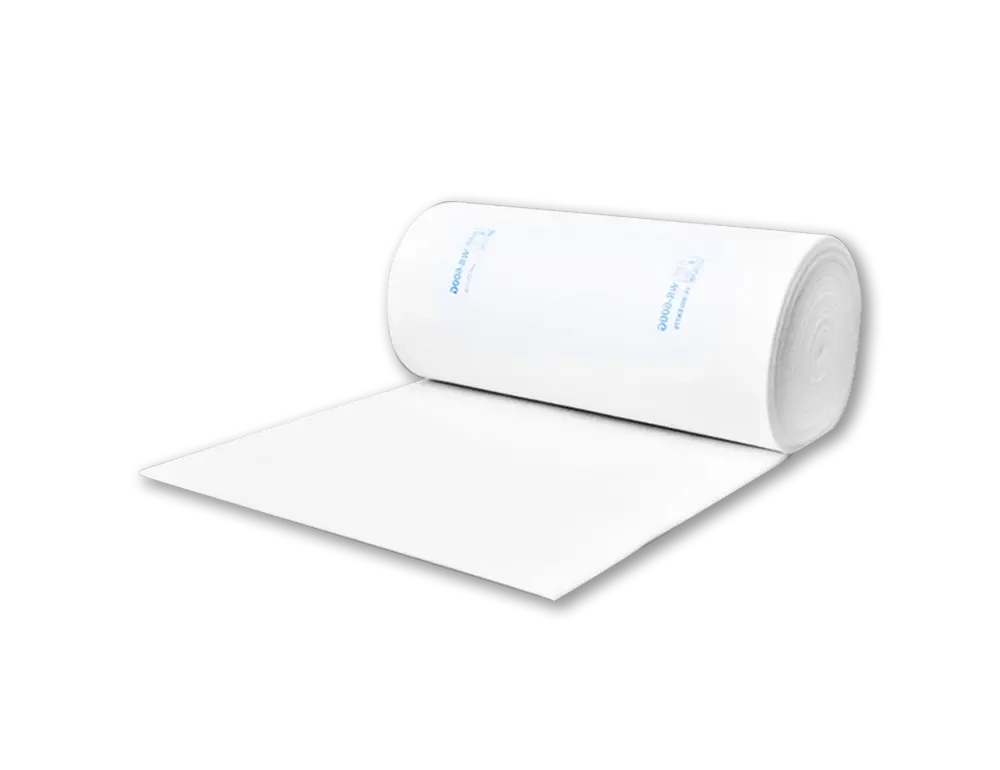
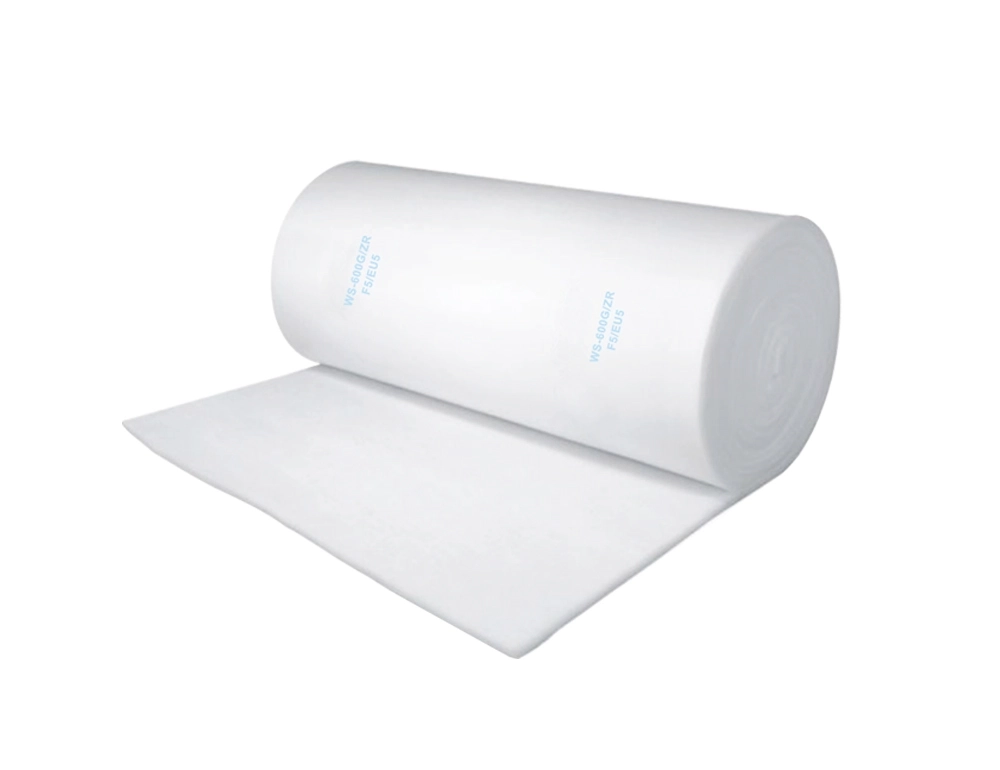
First-Stage Large-Particle Capture
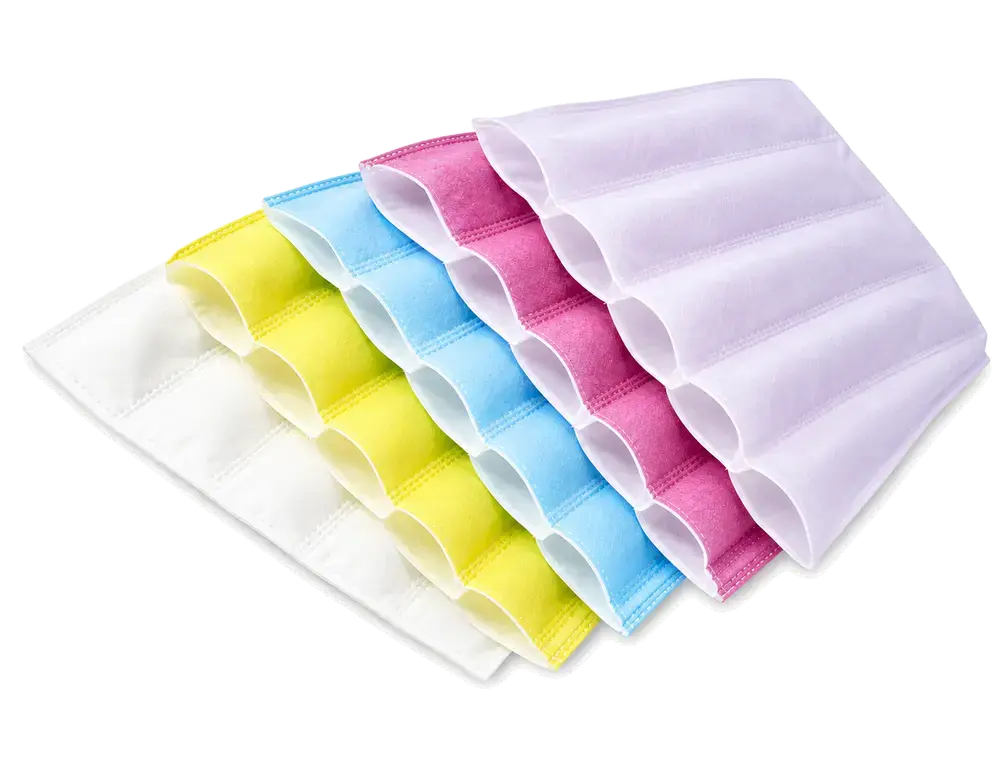
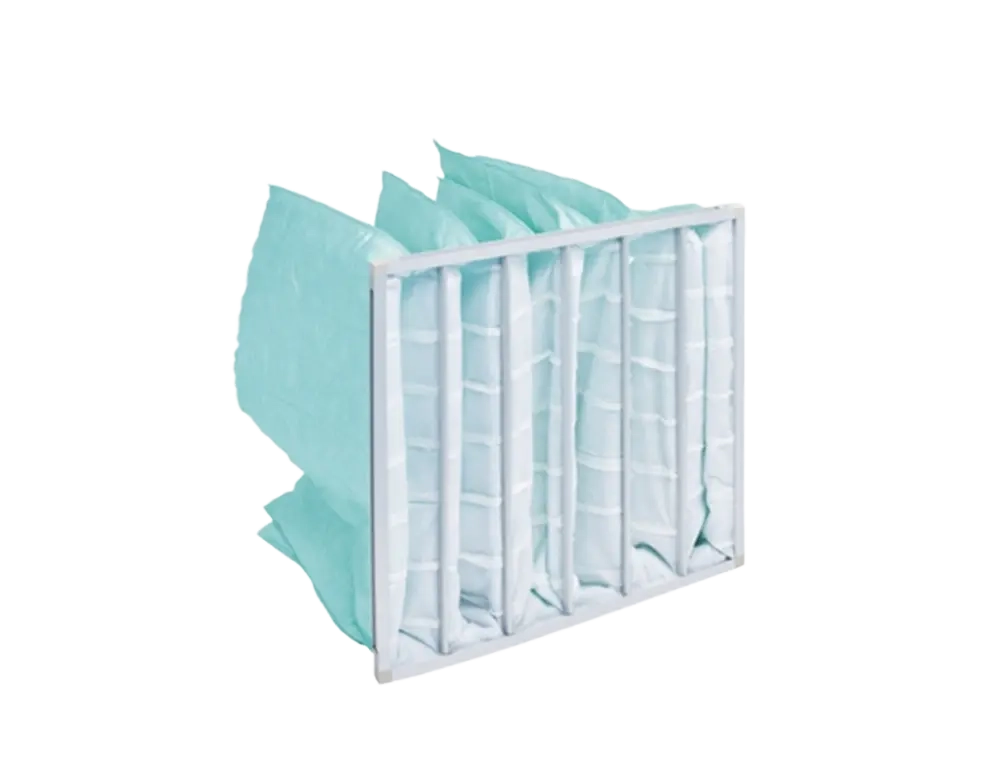
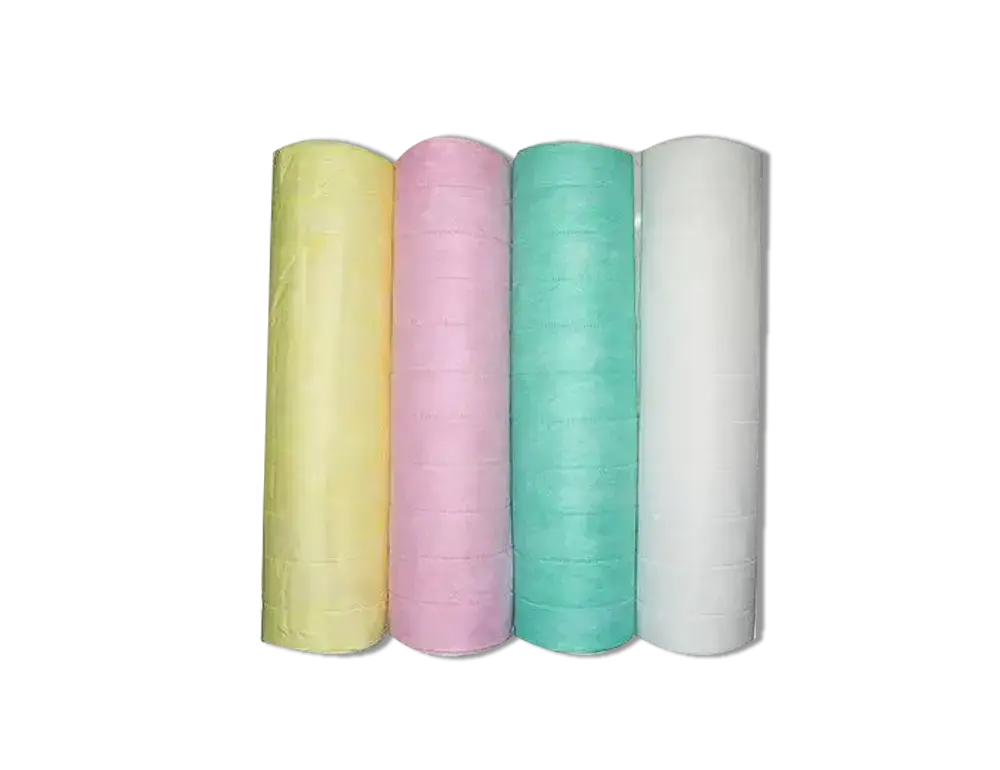
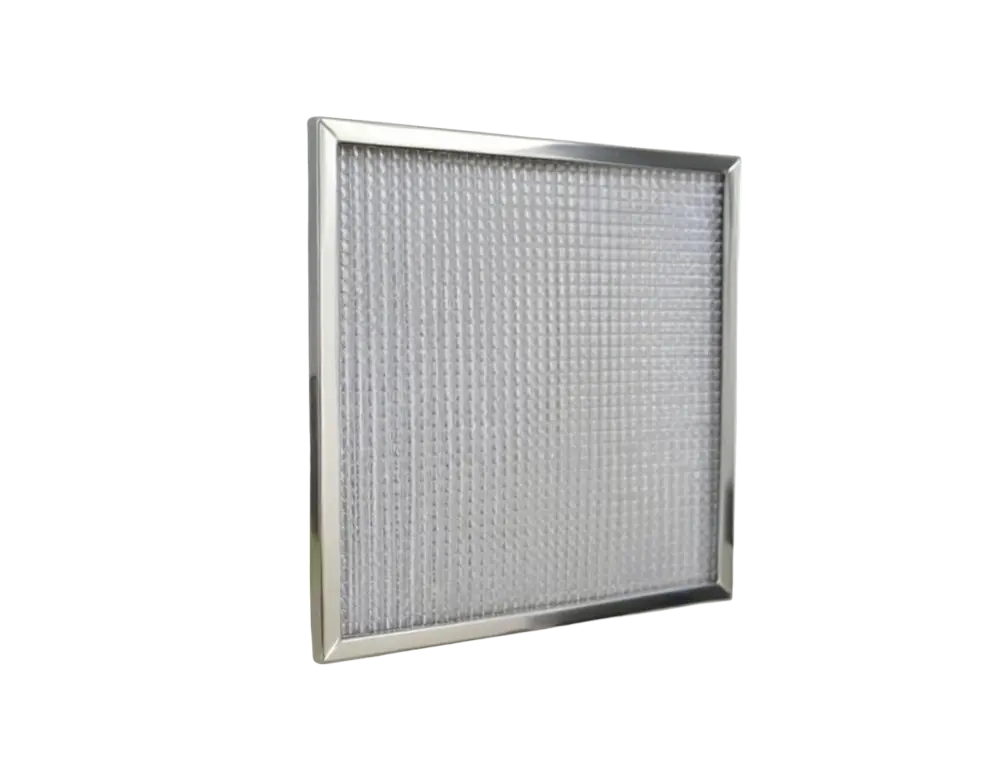
Medium-Efficiency Filter (F5–F9)
Precise PM2.5 Capture
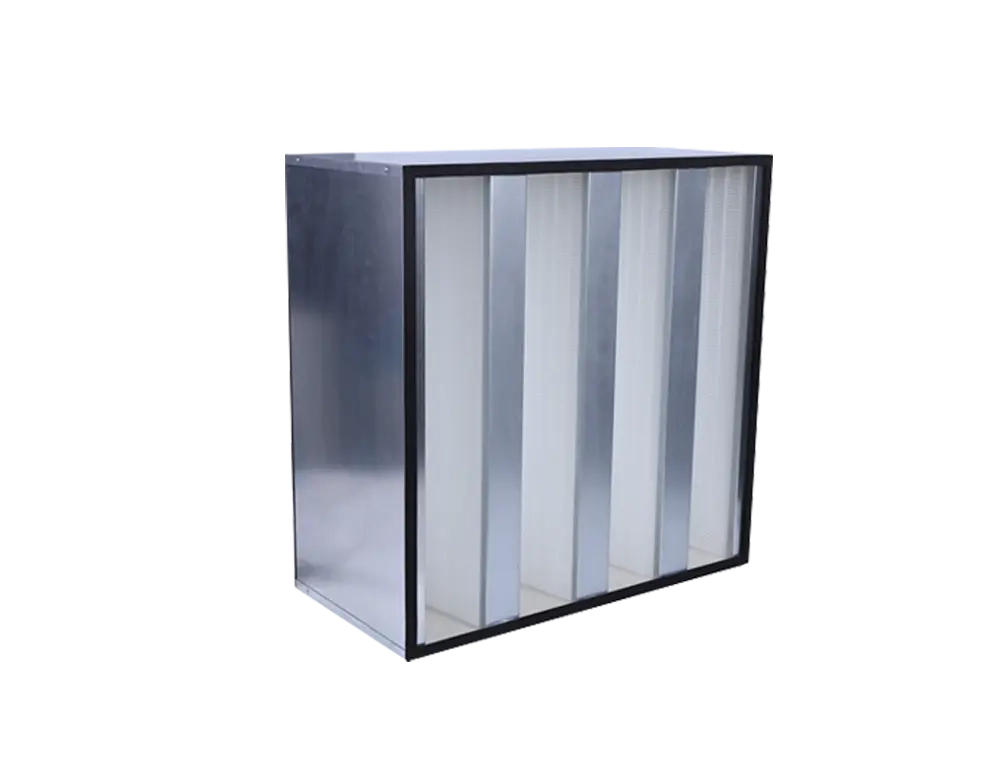
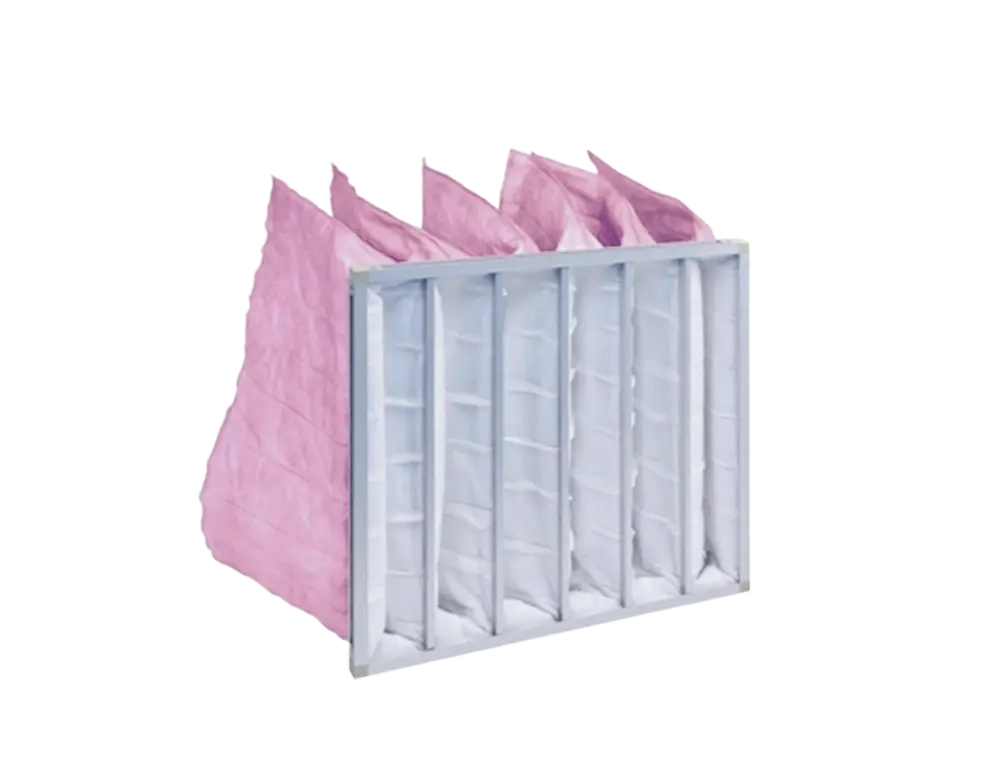
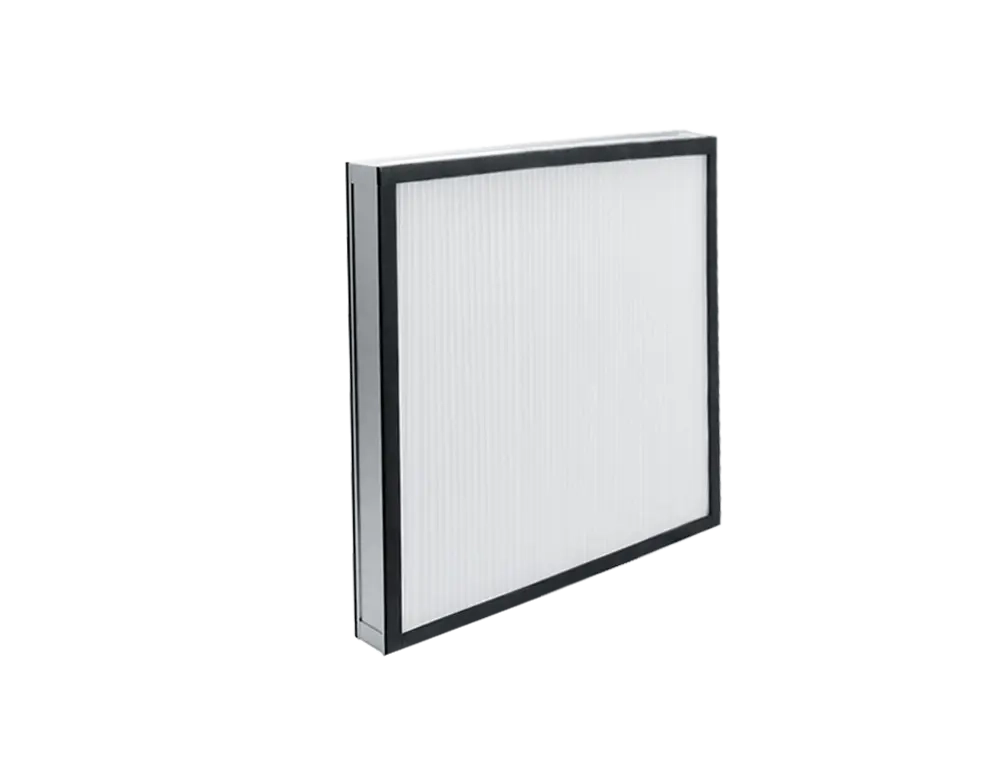
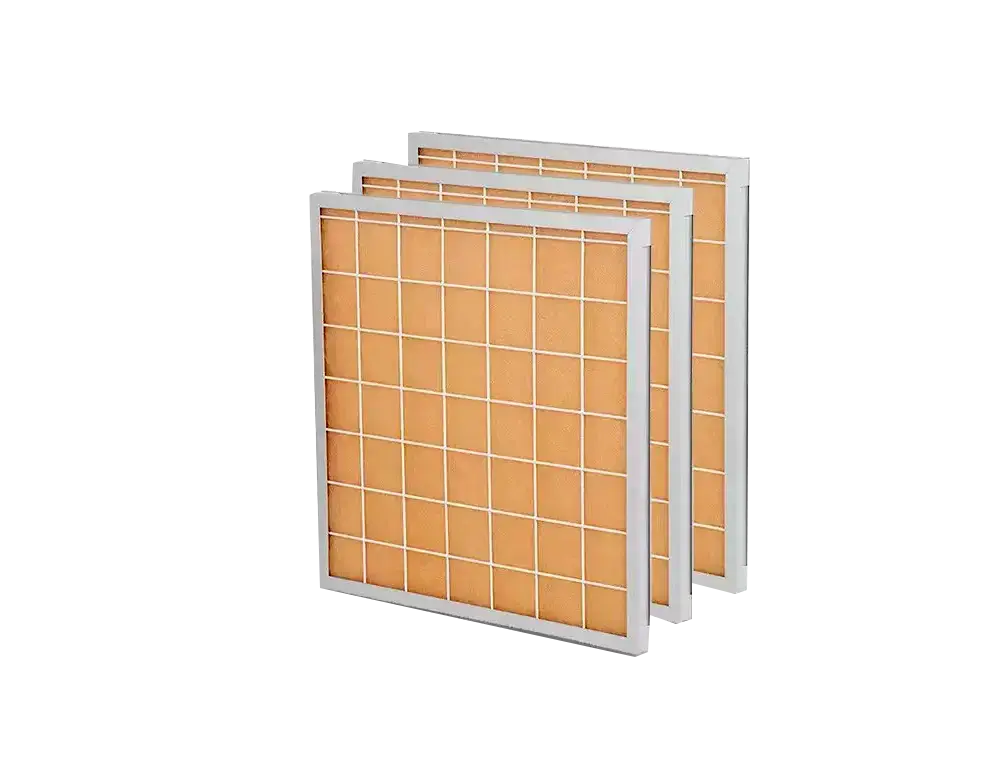
HEPA High-Efficiency Filter
Sterile-Grade Purification
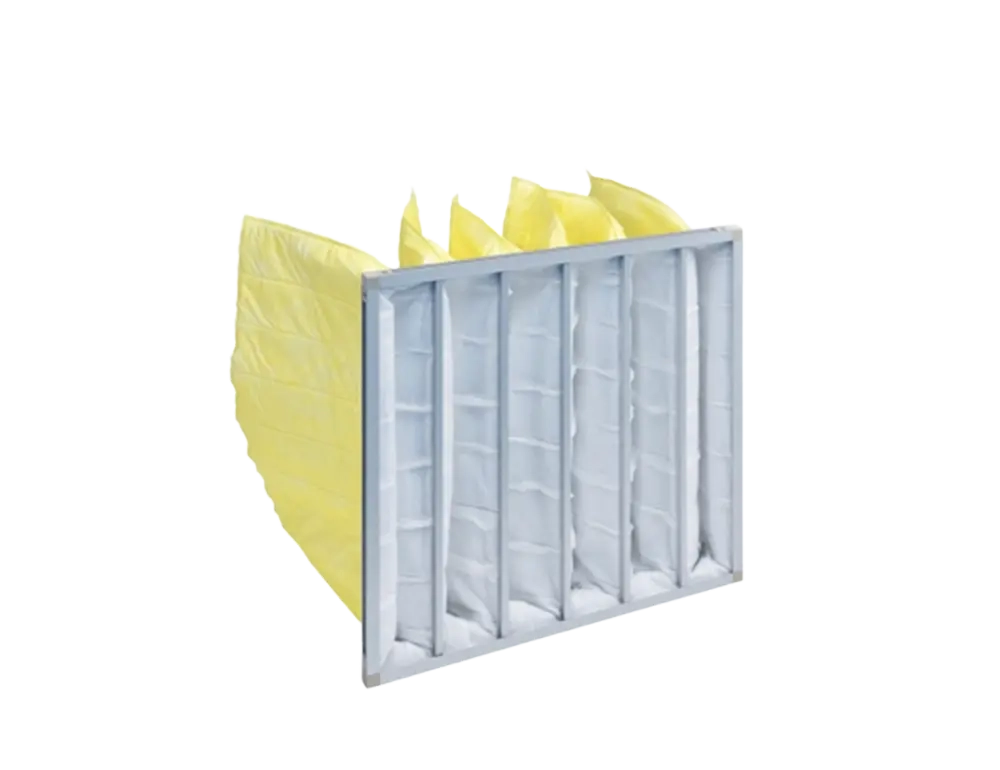
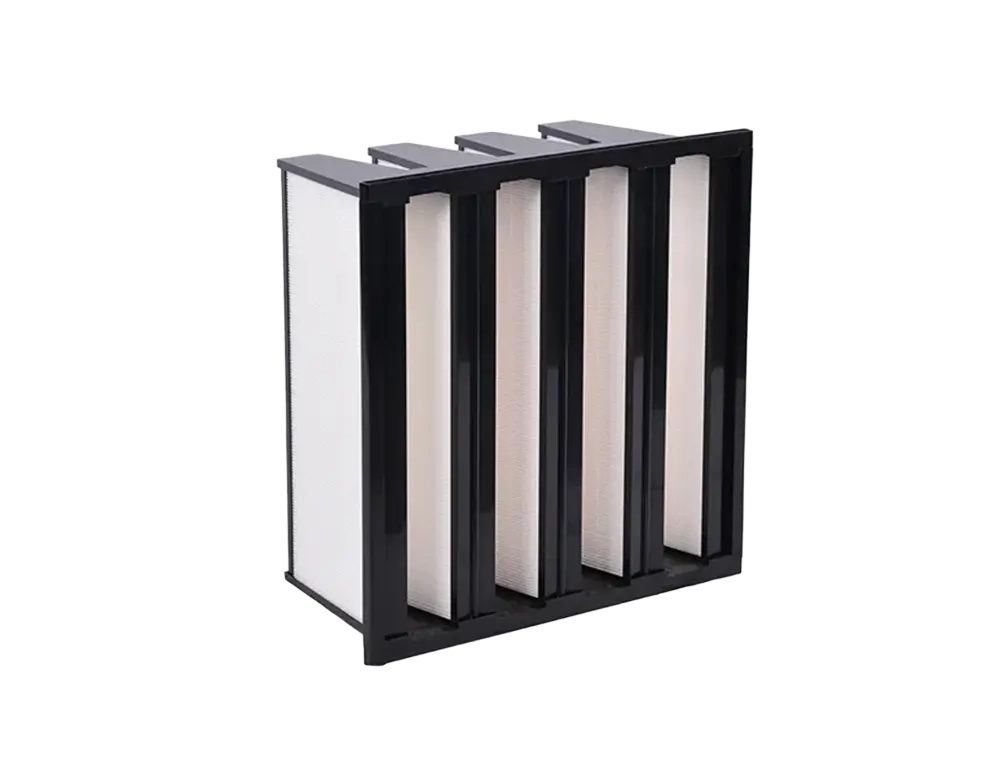
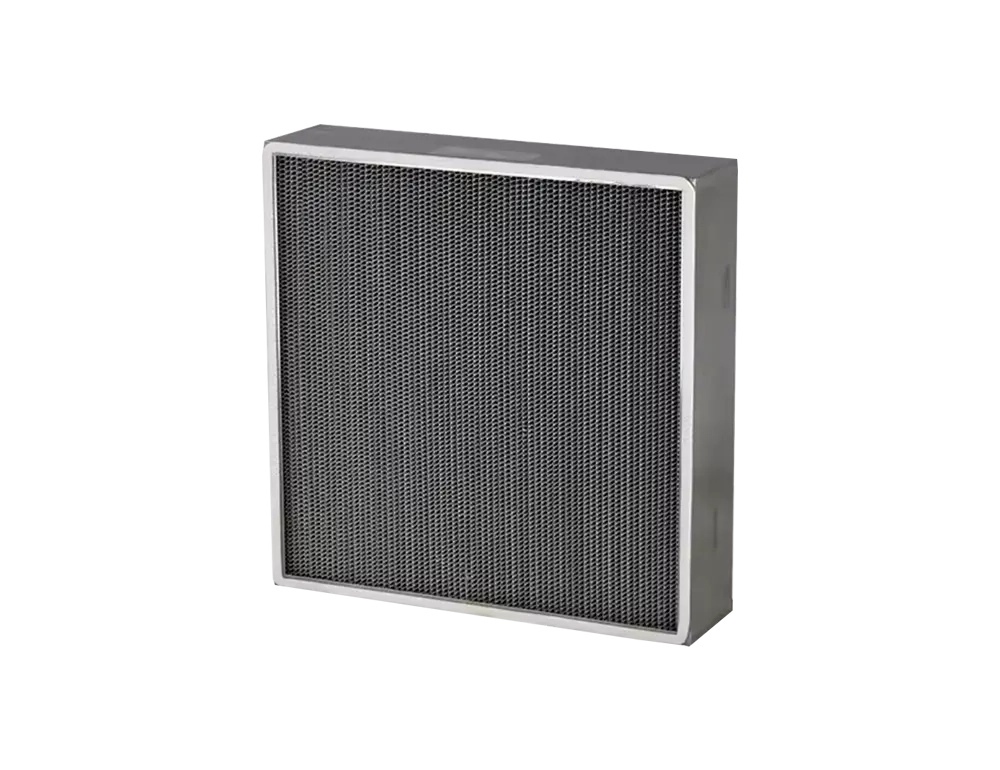
ULPA Ultra-High Efficiency Filter
Sub-Micron Particle Capture
First-Stage Large-Particle Capture
The first line of defense, capturing particles ≥5 μm such as dust, hair, and fibers to protect downstream filters and extend overall system service life.
View Related Products →Precise PM2.5 Capture
Captures fine particles of 1–5 μm including PM2.5, pollen, and mold spores, significantly improving indoor air quality for commercial HVAC and ventilation systems.
View Related Products →Sterile-Grade Purification
≥99.97% filtration efficiency for particles ≥0.3 μm, delivering sterile-grade clean air widely used in medical, pharmaceutical, and electronics manufacturing.
View Related Products →Sub-Micron Particle Capture
≥99.9995% efficiency for particles ≥0.12 μm, meeting the extreme cleanliness demands of semiconductor fabs, aerospace, and other ultra-precision applications.
View Related Products →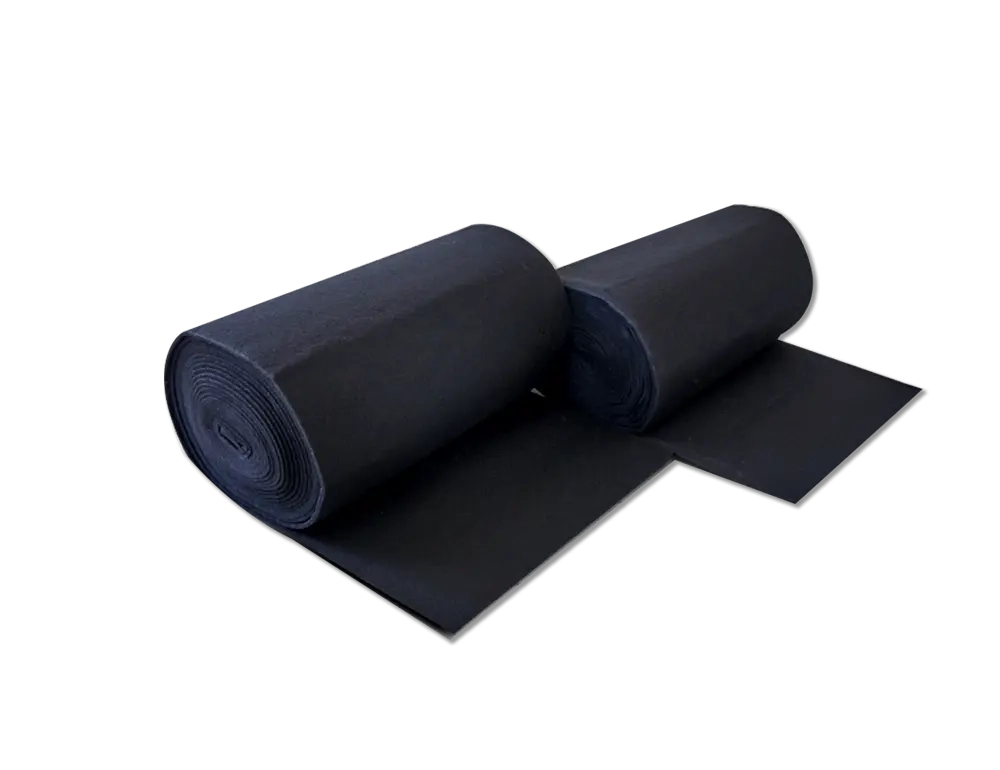
High-Temperature Resistant
Industrial-Grade Heat Tolerance
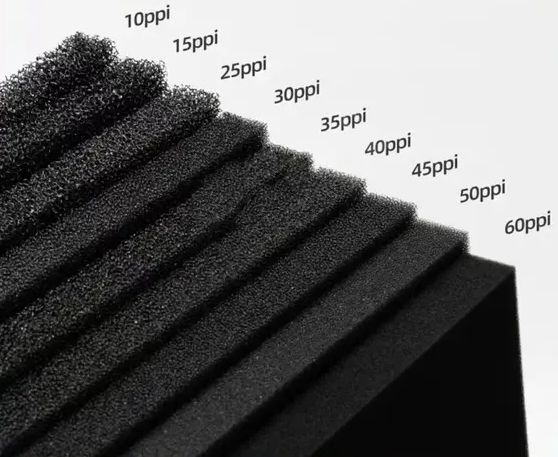
Washable & Reusable
Cut Costs, Reduce Waste
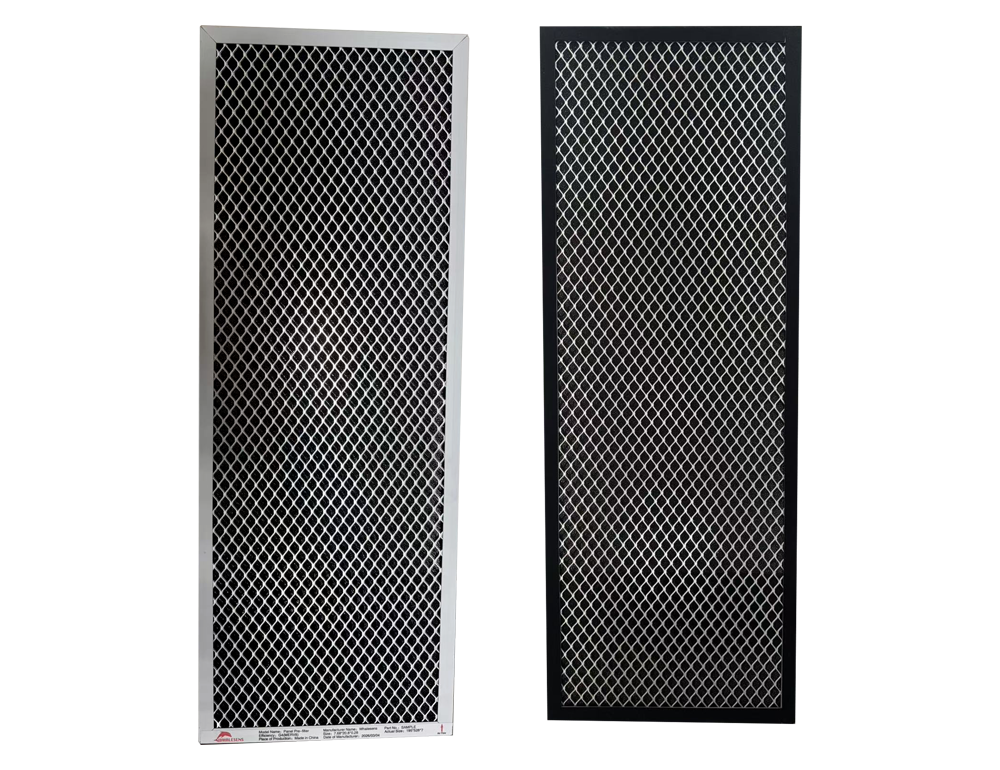
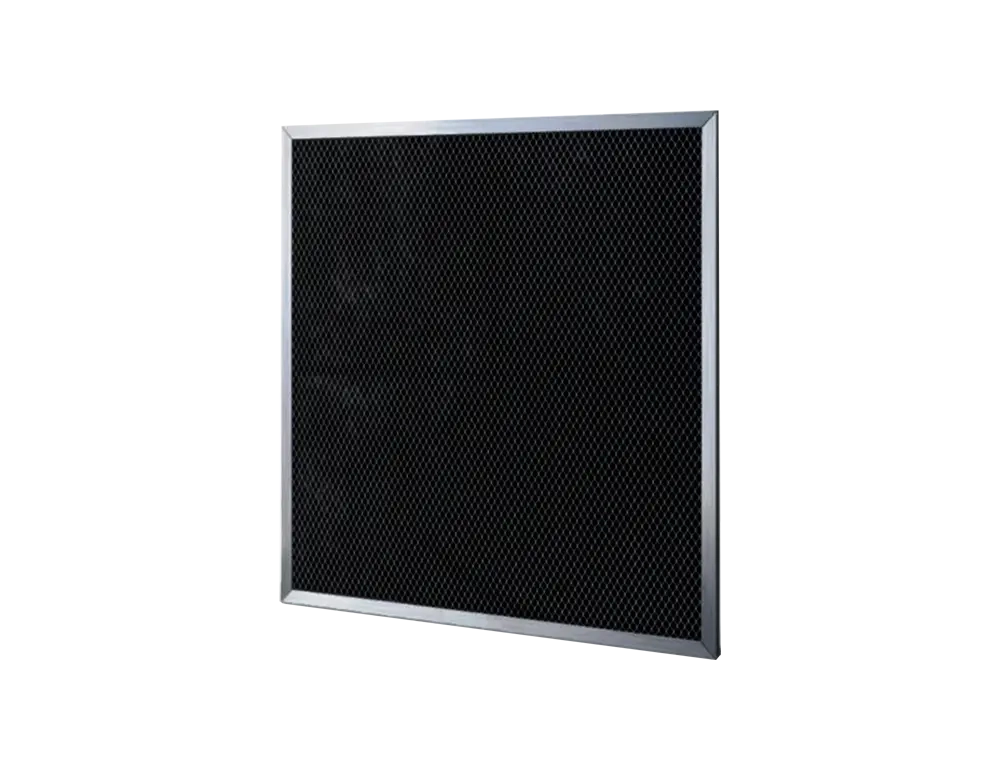
Activated Carbon
Odor & Harmful Gas Removal
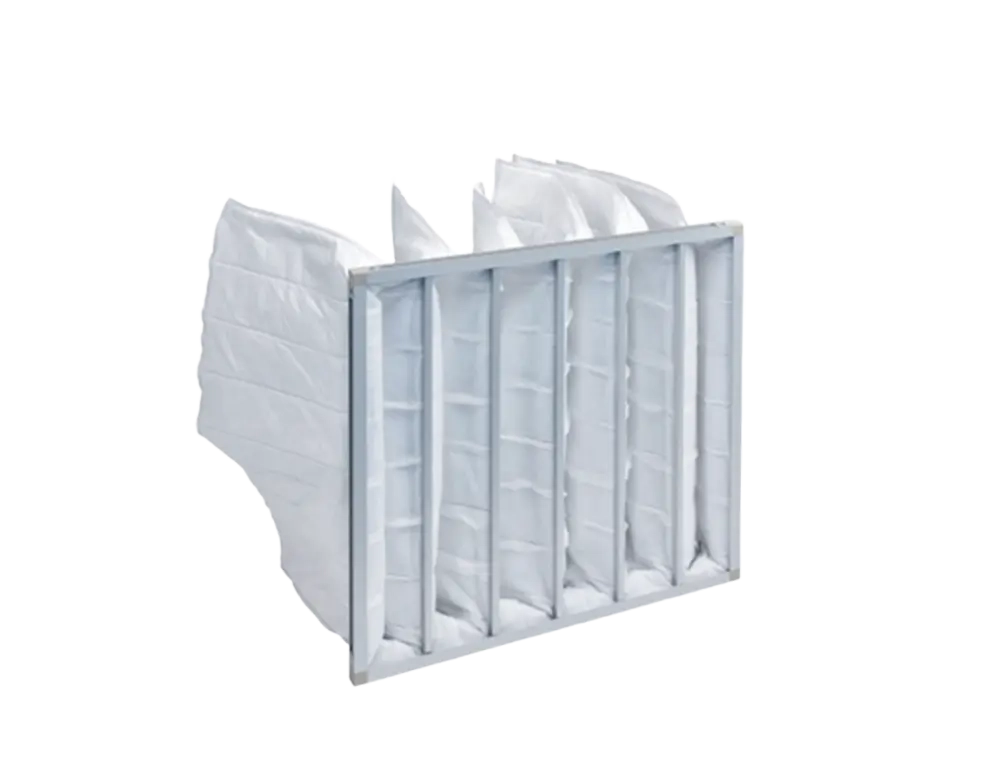
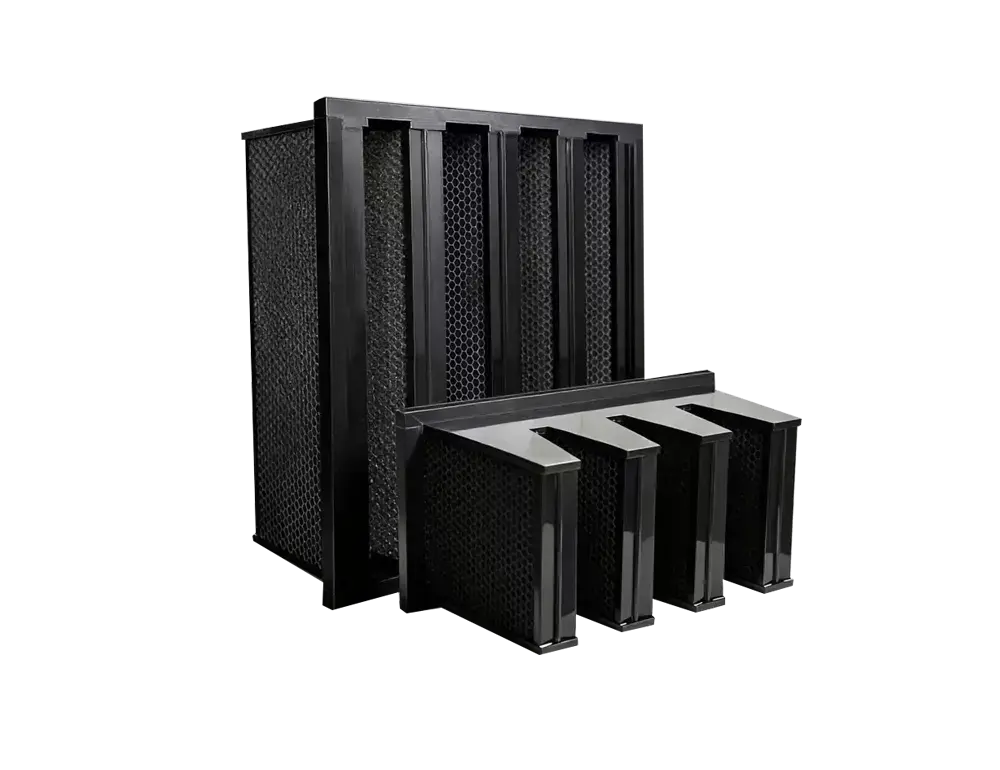
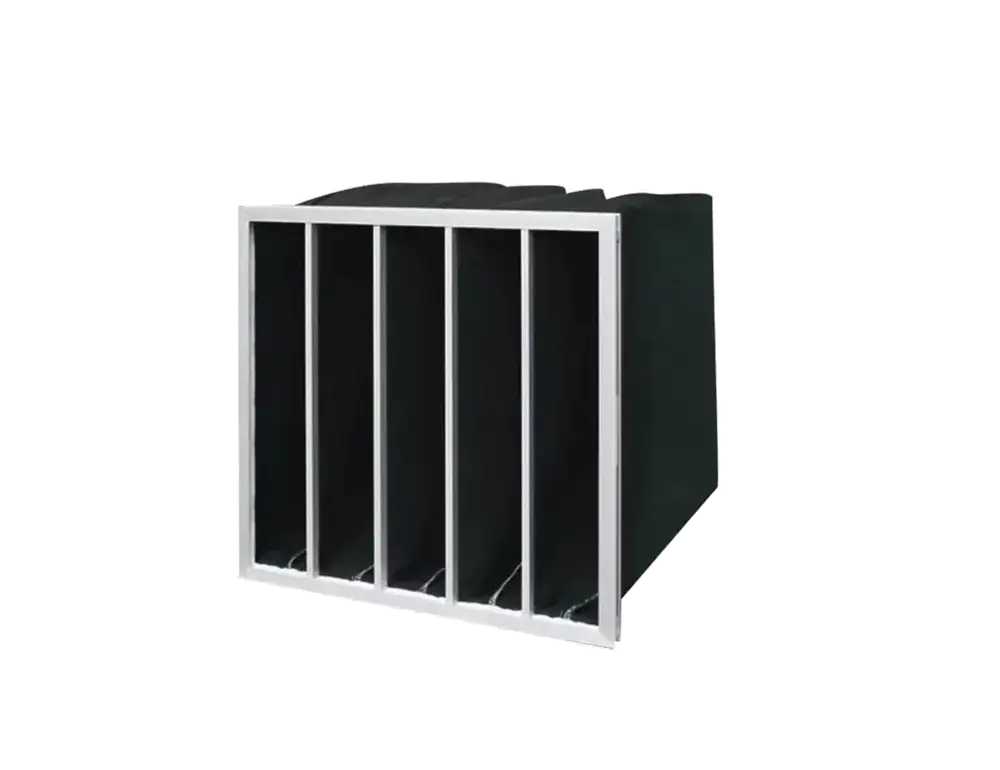
Bag Filter
High Dust-Holding, Long Life
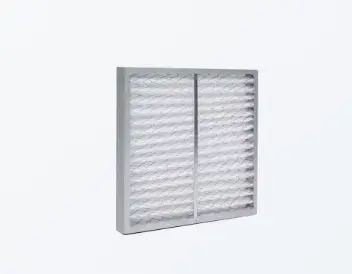
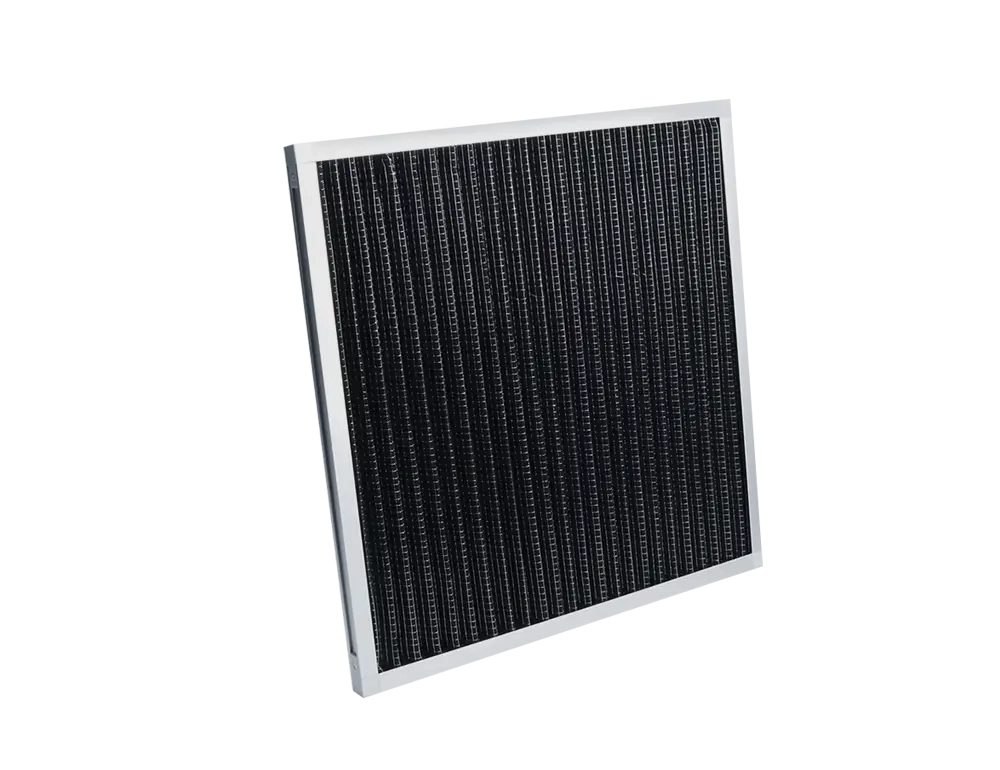
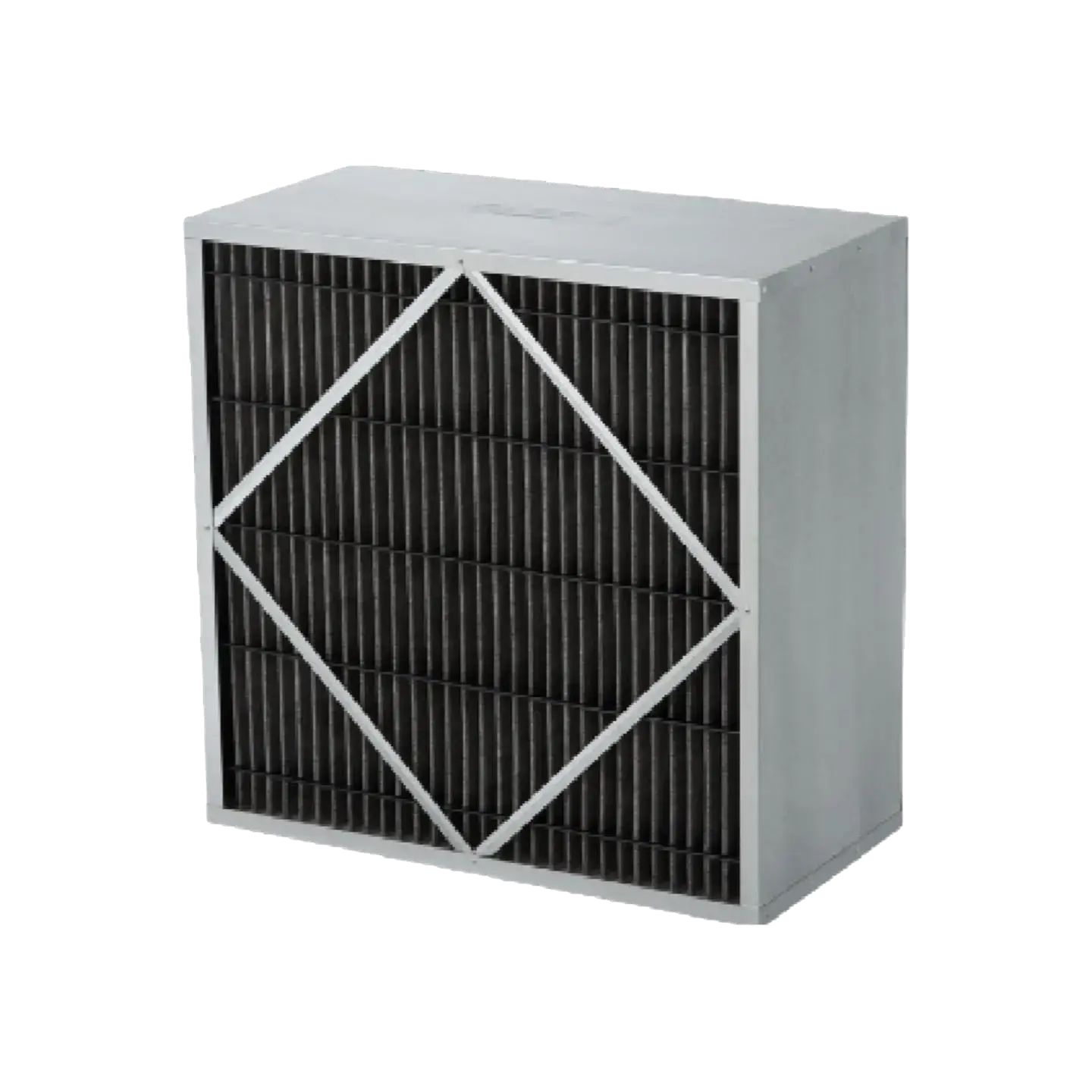
Panel / Pleated Filter
Compact Space-Saving Design
Low-Resistance Airflow
Energy-Saving Operation
Industrial-Grade Heat Tolerance
Built with specialized heat-resistant materials, operating stably up to 250°C for paint ovens, industrial dryers, and high-temperature process environments.
View Related Products →Cut Costs, Reduce Waste
Cleanable by water washing or air blowing, reusable multiple times to significantly reduce replacement frequency and O&M costs — an economical, eco-friendly choice.
View Related Products →Odor & Harmful Gas Removal
Leverages activated carbon's high adsorption capacity to eliminate odors, VOCs, and formaldehyde, ideal for newly renovated spaces and industrial exhaust treatment.
View Related Products →High Dust-Holding, Long Life
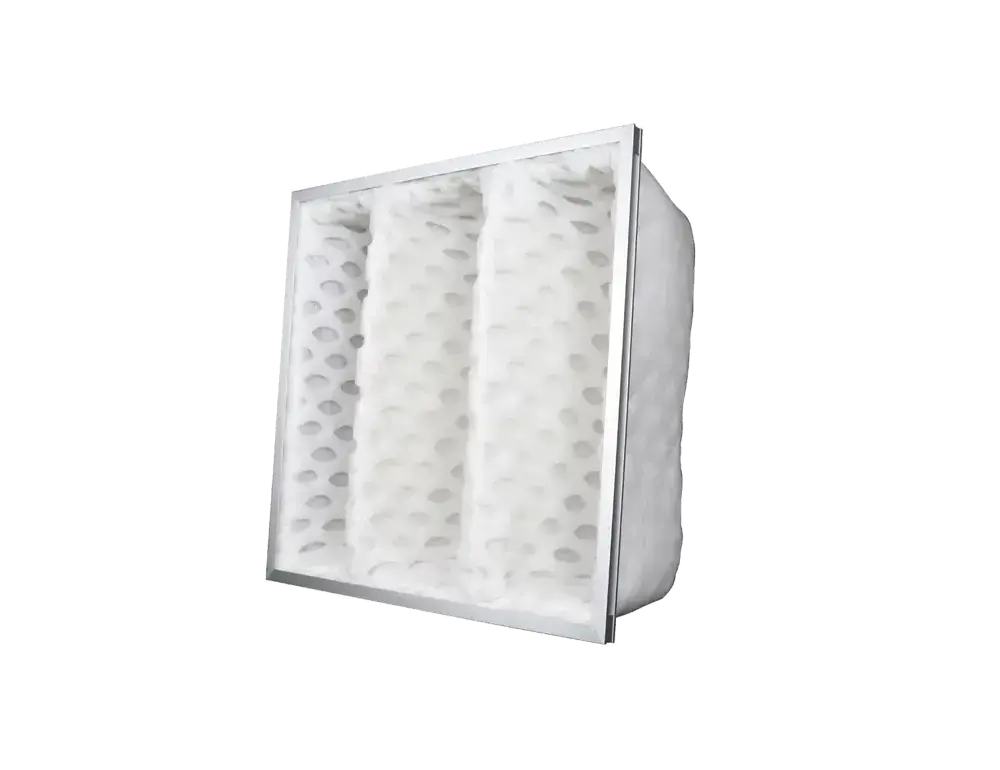
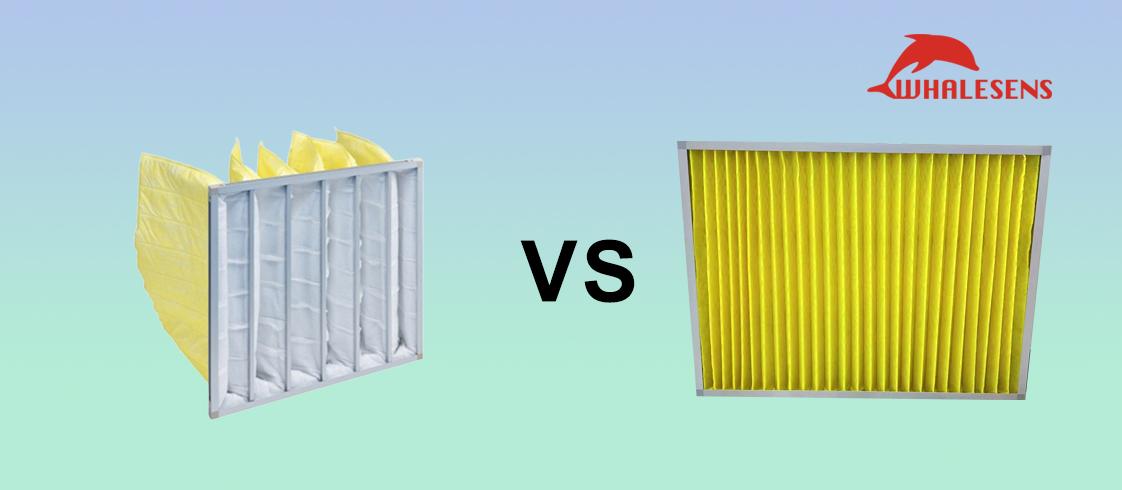
Bag-style construction delivers a larger filtration area, high dust-holding capacity, and extended service life — ideal for high-dust environments with reduced replacement frequency.
View Related Products →Compact Space-Saving Design
Compact form factor for easy installation and replacement; pleated structure maximizes filtration area within a small footprint for higher efficiency.
View Related Products →Energy-Saving Operation
Low-resistance design minimizes pressure drop while maintaining filtration performance, reducing fan energy consumption for cost-effective, eco-friendly operation.
View Related Products →

















 English(Global)
 简体中文
简体中文 Language




Bag Filter Buying Guide: Industrial & Commercial Selection
Start with Your Operating Data, Not the Price Tag
A bag filter is one of the most common filtration elements in industrial dust collection, liquid filtration, and commercial HVAC systems. If you are selecting a unit for a cement plant, power station, paint booth, or welding fume extraction line, stop comparing unit prices first. The filters that look cheapest often cost the most over two or three years.
We have seen too many buyers choose a low-cost filter bag based on initial quote, then pay several times more in downtime, energy, and replacements. The better starting point is not "how much per bag?" but "what are my flow rate, particle size, temperature, and chemical load?"
A bag filter works by passing dirty gas or liquid through a fabric bag. Particles collect on the surface or inside the media, and clean fluid exits downstream. That sounds simple. But a cement mill bag filter and a paint booth bag filter are not interchangeable. Your operating data decides material, construction, and efficiency rating.
For example, a cement plant may need high-temperature, abrasion-resistant media. A chemical liquid line may need polypropylene filter bag material for acid compatibility. A commercial building might only need a low-resistance hvac bag filter. Without those data points, you are guessing.
So before you request quotes, gather flow rate in m³/h or gpm, inlet dust load, particle size distribution, operating temperature, moisture level, and chemical exposure. This step takes an hour and saves weeks of wrong samples.
Core Bag Filter Parameters That Matter More Than Price
Commercial buyers often ask "what's the price per bag?" first. Here's the thing: that question can lead you into a trap. Four parameters decide whether a bag filter will actually perform, and any mismatch turns a low price into high cost.
- Filtration rating is the smallest particle size the media can capture, usually expressed in microns. A G4 pre-filter captures 10 μm and larger particles. An F7 fine filter handles 3 μm and larger. An H13 HEPA-grade media reaches 0.3 μm at 99.97% efficiency.
- Filtration efficiency is the percentage of particles of a given size that the media removes. For example, F7-rated media removes more than 98% of 3 μm particles, while H13 removes 99.97% of 0.3 μm particles.
- Pressure drop is the differential pressure across the filter in pascals. Higher pressure drop means your fan or pump works harder and burns more energy.
- Dust holding capacity is the total mass of particles the bag can hold before pressure drop reaches its terminal value. This directly sets replacement frequency.
Pressure drop and efficiency usually pull against each other. Higher efficiency media tends to have higher initial resistance. But well-engineered media can keep pressure drop in check through gradient fiber structures. In field tests, a quality bag filter with the same efficiency can run 20% to 30% lower pressure drop than a cheap alternative. That gap can save enough electricity in one year to pay for another set of bags.
For example, a polyester felt bag with gradient density can start at around 80 Pa at 1.5 m/min face velocity, while a low-cost flat felt bag might start at 120 Pa and climb faster. That 40 Pa difference might seem small, but on a 20,000 m³/h system, it adds up to hundreds of dollars per year in fan energy.
So when you compare quotes, ask for the pressure drop curve at your actual airflow, not just the clean filter number. A bag that starts at 120 Pa and climbs to 350 Pa in three months costs more than one that starts at 100 Pa and stays below 200 Pa for a year.
Bag Filter Applications: Dust Collection, Liquid Filtration, and HVAC
A bag filter appears in many industries, but each application demands a different media and design. Here is a quick breakdown.
Industrial dust collection: cement plants, welding fume, paint booth exhaust
Liquid filtration: chemical process fluids, coatings, inks, water treatment
HVAC air filtration: commercial building supply and return air
Special conditions: high temperature, anti-static, corrosion resistance
Industrial dust collection covers cement plants, power generation, welding fume extraction, and paint booth exhaust. These streams carry high dust loads and a wide particle size range. The filter bag must resist mechanical stress during pulse cleaning, tolerate temperature spikes, or conduct static electricity safely. Common media include polyester, aramid, and P84.
A cement mill is a good example. Dust concentration can exceed 50 g/m³ at the inlet, and temperature may hover around 120°C to 180°C. A standard polyester bag softens at high temperature. You need a material that can handle the heat and repeated pulse-jet cleaning, or the bags fail early.
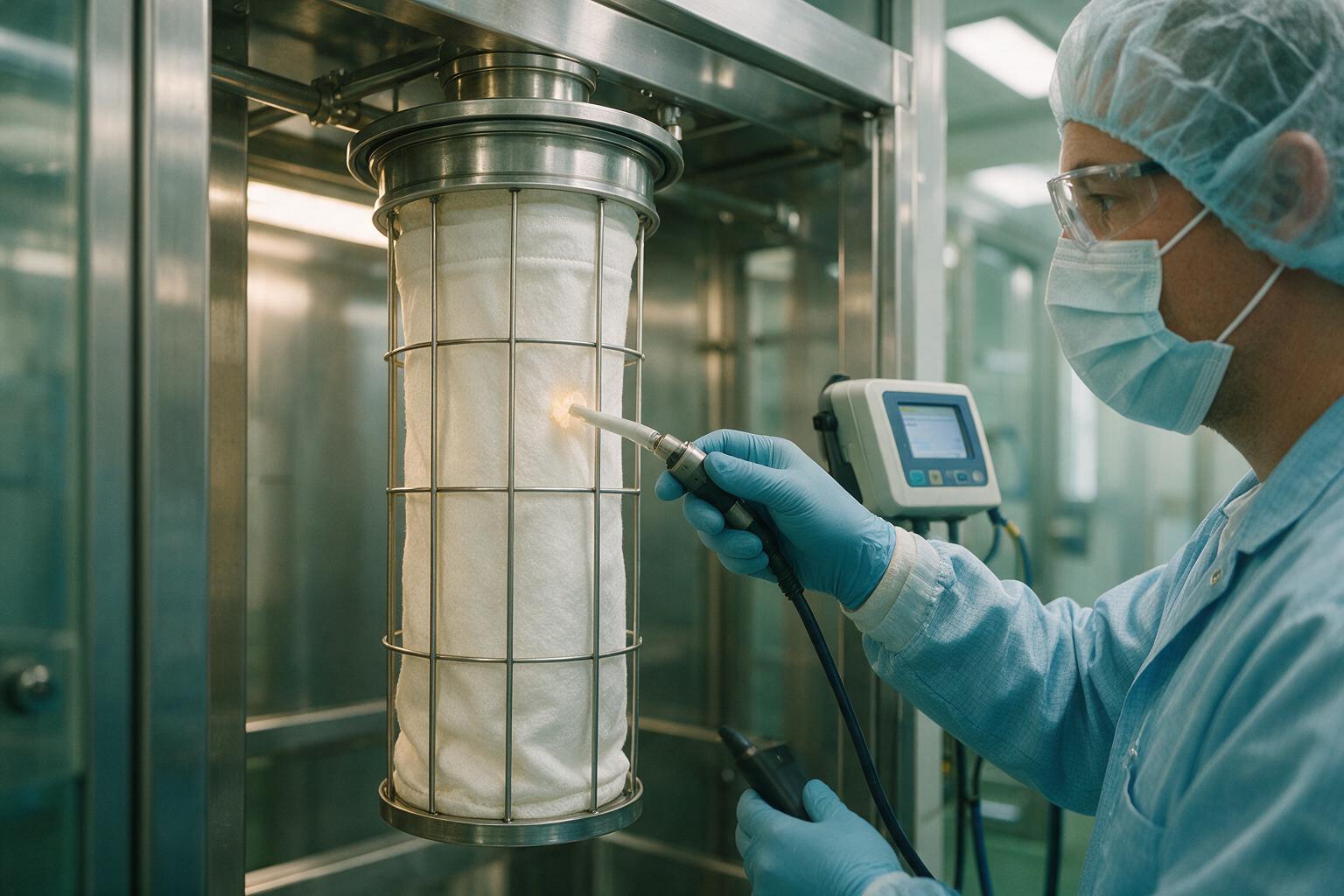
Liquid filtration uses a different kind of bag filter. Here chemical compatibility and solids loading dominate. A polypropylene filter bag works well for many acids and alkalis, nylon covers solvents, and PTFE handles aggressive chemicals. The bag acts as a depth filter, trapping particles inside the media instead of only on the surface.
If you run a coating or ink line, a 25 μm or 50 μm polypropylene filter bag can remove oversize pigments and prevent nozzle clogging. But if the fluid is hot or strongly acidic, polypropylene may fail. Check the chemical resistance chart before ordering.
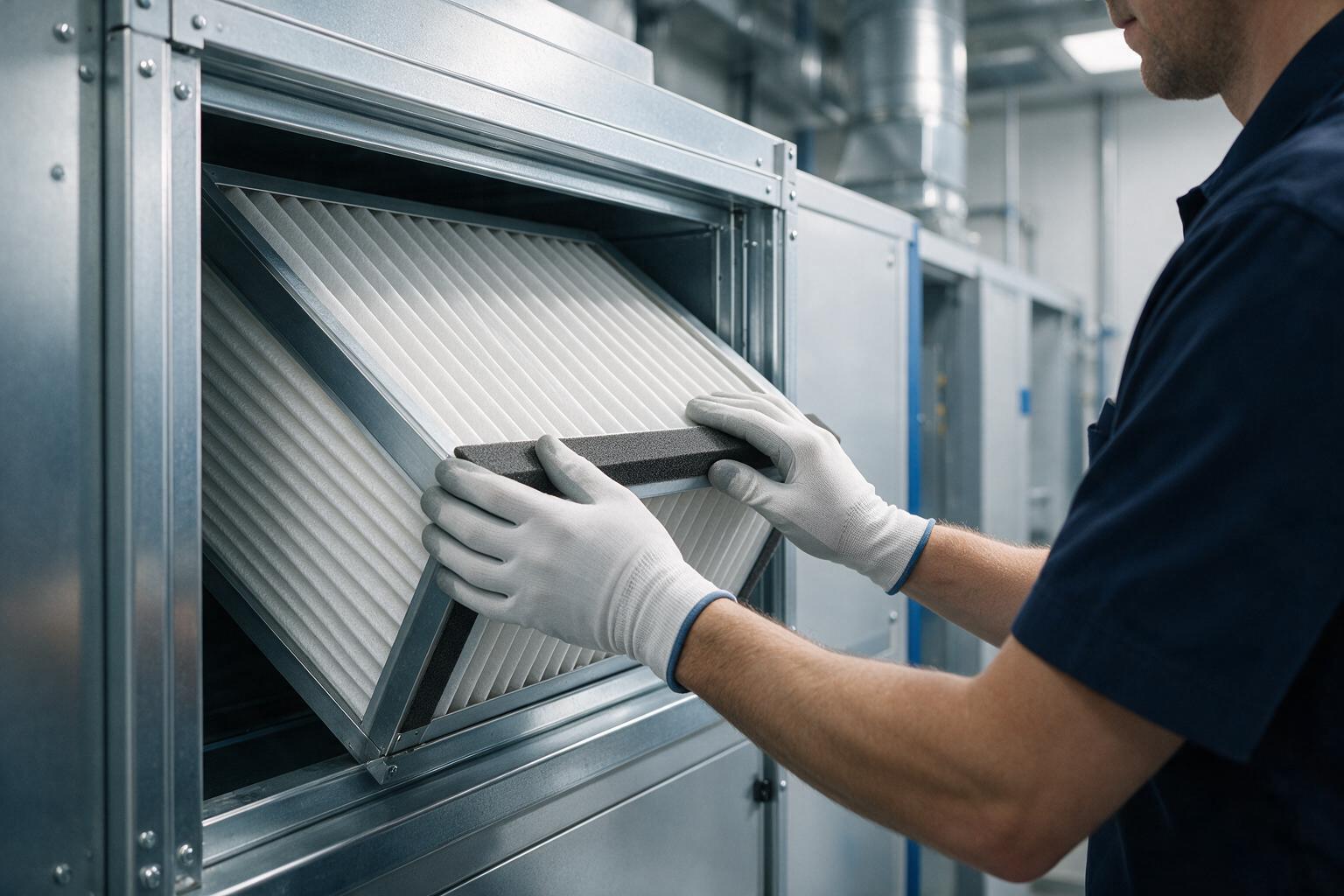
HVAC air filtration in commercial buildings uses an hvac bag filter with a lightweight frame and low initial resistance. These units are often installed in air handling units to protect coils and improve indoor air quality. They are not designed for heavy dust loads. You want high efficiency at low pressure drop, plus easy replacement for maintenance crews.
One common mistake is using an industrial dust bag in an HVAC system. The extra strength and high temperature rating are unnecessary, and the higher pressure drop wastes fan energy. Match the bag to the application, not to a generic "industrial" label.
Also consider multi-stage systems. A cement plant typically uses a cyclone pre-cleaner followed by a bag filter as final stage. A paint booth may pair a bag filter with activated carbon for VOC control. Isolating one filter without looking at the whole system leads to repeated failures.
Special conditions deserve their own mention. High-temperature flue gas from a boiler may need aramid or P84 bags rated above 200°C. Explosive dust such as aluminum or flour requires antistatic treatment and grounding. Corrosive acid mists demand PTFE or other chemically inert media. Do not assume a standard polyester bag can handle these conditions.
A Real Cost Lesson: Cheap Bags Clogged in Six Months, Premium Bags Lasted Three Years
Let me share a case we saw on a cement mill dust collection system. The customer had been buying low-cost filter bags. Within six months, the bags clogged like a sieve. Airflow dropped sharply, and workshop dust levels exceeded the limit. The team suspected the fan, but when they opened the housing, the bag surface had a hard crust almost like a cement board.
Dust had worked deep into the coarse fibers. Pulse cleaning could not dislodge it. Pressure drop rose until the system could not move enough air.
After switching to our high-efficiency bag filter, the same system ran for three years without replacement. The difference was in the media. Cheap bags used coarse fibers without surface treatment. Our bags have a PTFE membrane on the surface, so dust stays on top and pulse cleaning removes it easily. Pressure drop stays stable, and the bag lasts much longer.
Low-Cost Standard Filter Bag
- Pressure drop rises quickly
- Replacement around 6 months
- Dust cleaning difficult
Whalesens High-Efficiency Filter Bag
- Stable low pressure drop
- Service life over 3 years
- Easy surface cleaning with pulse jet
This mistake appears too often. A buyer saves a few dollars per bag, then spends thousands on downtime, labor, and excess energy. The real unit price is not the invoice line; it is the total cost over the bag's service life.
Another pattern we have noticed: the more expensive equipment does not always mean higher total filtration cost. Often it is lower. One customer told us, "Your bags are 20% more expensive." But when you include lifespan and downtime, they came out 40% cheaper over three years. That is not a sales line — it is arithmetic.
When to Replace a Bag Filter and Why Pressure Drop Is Your Best Signal
A bag filter does not need to be torn or completely blind before you replace it. The decision point is when pressure drop and efficiency no longer support your process. Differential pressure is the clearest signal.
As a rule of thumb, plan replacement when pressure drop reaches two to three times the initial clean value. If your clean bag starts at 120 Pa and now reads 300 Pa, it is time. Also watch for airflow decline above 15% or dust concentration exceeding your permit, even if the pressure gauge has not reached the threshold.
In liquid filtration, watch pressure drop increase and flow rate decay. If flow has dropped by 20% or more at the same pump speed, the bag is saturated and should be changed.
Sometimes you can inspect the bag surface. Look for tears, hardened dust cake that no longer cleans off, or fiber shedding. In high-temperature gas streams, media can become brittle and crack. In corrosive chemical service, polypropylene filter bag material can swell or weaken, so change it before a rupture.
Bag Filter Replacement Checklist
- Differential pressure reaches 2x initial clean value
- System airflow drops more than 15%
- Outlet dust concentration or particle emission exceeds limit
- Bag surface shows tears, hardening, or irreversible dust cake
- Service life recommended by manufacturer is reached
Honestly, too many plants do not install differential pressure gauges, or they install them and never look. That is riskier than it seems. A clogged bag filter forces the fan to work at full load with little airflow. You pay for electricity that produces no ventilation. Check pressure drop at least quarterly. For critical lines, online monitoring with alarms is worth the investment.
One more point: liquid bag filters often have a bypass risk if installed incorrectly. A torn seal or misaligned basket can let unfiltered fluid slip past the bag. Visually inspect the seal seat and basket support during every bag change.
Total Cost of Ownership and Next Steps
Commercial buyers often anchor on the purchase price of a bag filter. The real cost spans three to five years and includes initial purchase, replacement frequency, energy loss from pressure drop, downtime, and labor.
We have seen a consistent pattern: lower-priced filter bags often lead to higher total cost. Let me make it concrete with a simplified three-year comparison for a 1,000-bag dust collection system. The low-cost option starts cheap but needs replacement every six months. The premium option costs more upfront but lasts three years with stable pressure drop.
The low-cost plan triggers six replacements in three years. Each replacement involves half a day of downtime, plus higher fan energy from rising pressure drop. The total cost climbs. The premium plan replaces once and runs at lower resistance, so total cost stays lower.
A customer summarized it well: "Your bags are 20% more expensive, but factoring lifespan and downtime, they are 40% cheaper." That is the math that matters.
Bag filter selection has no universal answer. Dust characteristics, temperature, humidity, and airflow differ in every workshop. Instead of spending three days searching online, send us your operating data. We will recommend a configuration and run a cost estimate.
Need a custom air filtration solution?
Contact the Whalesens engineering team for product selection and OEM/ODM support.
Email whalesens@gmail.com
