


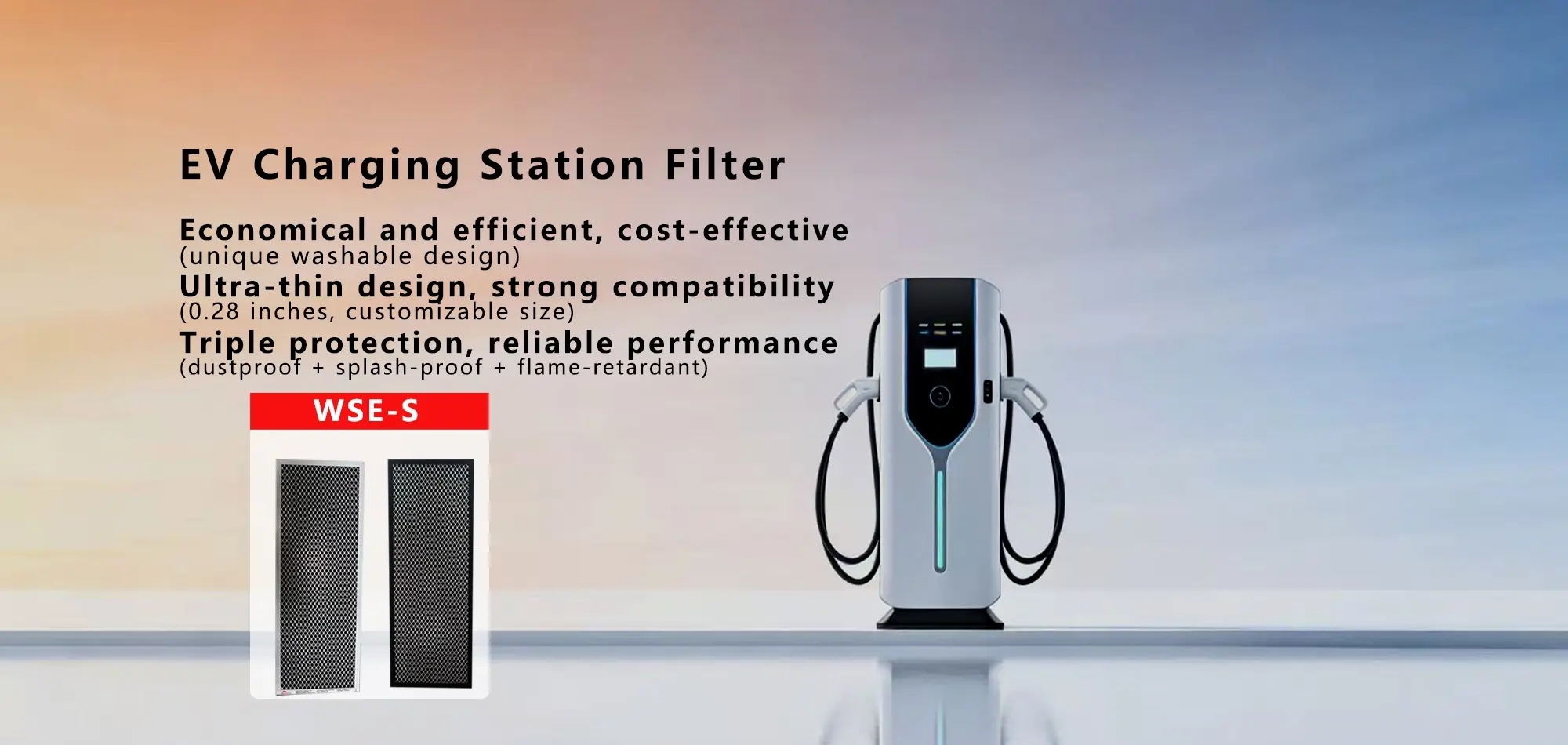
EV Charging Stations
Filtration for Power Equipment
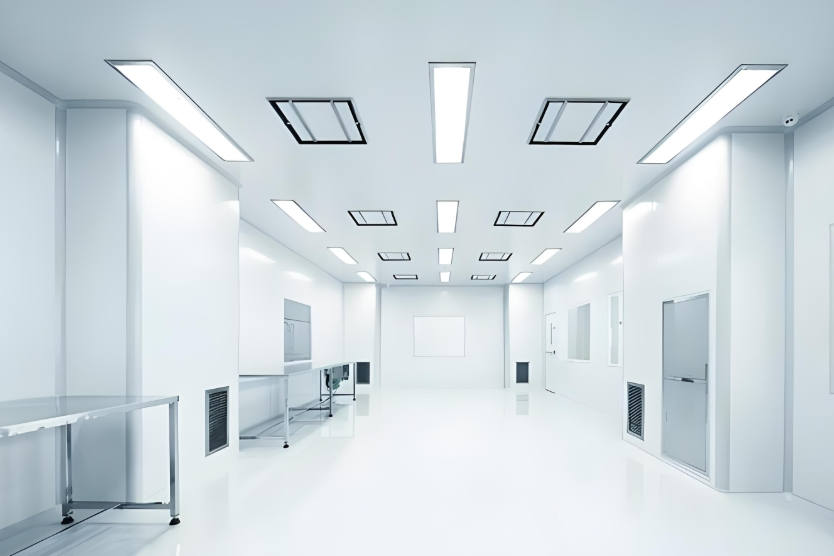
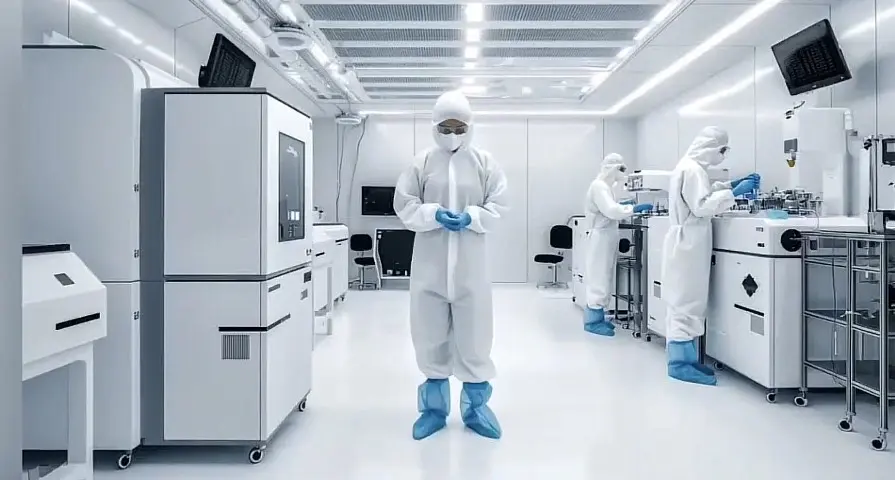
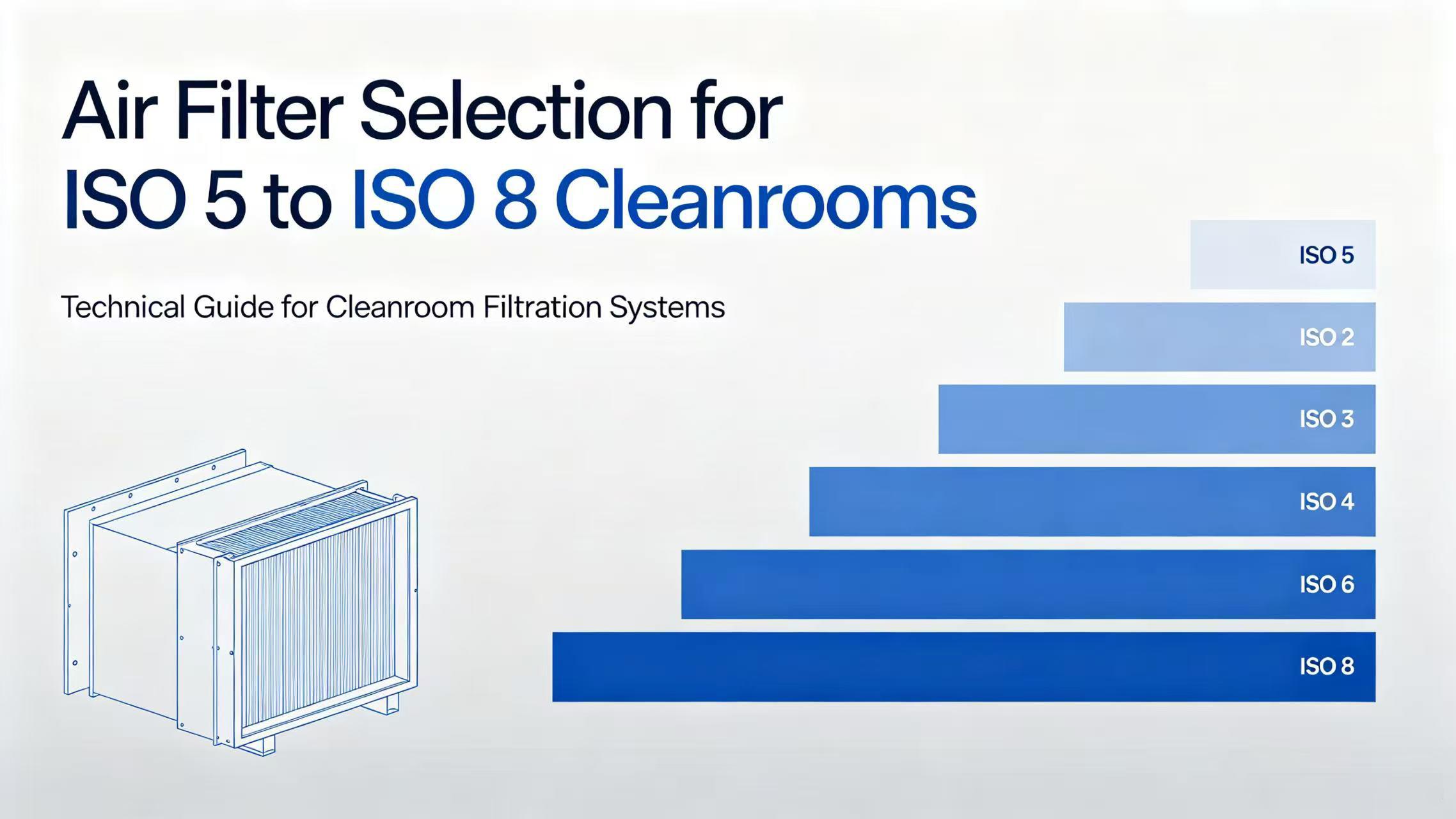
Cleanroom & Semiconductor
Ultra-High Cleanliness Filtration
Commercial HVAC
Central Air System Filtration
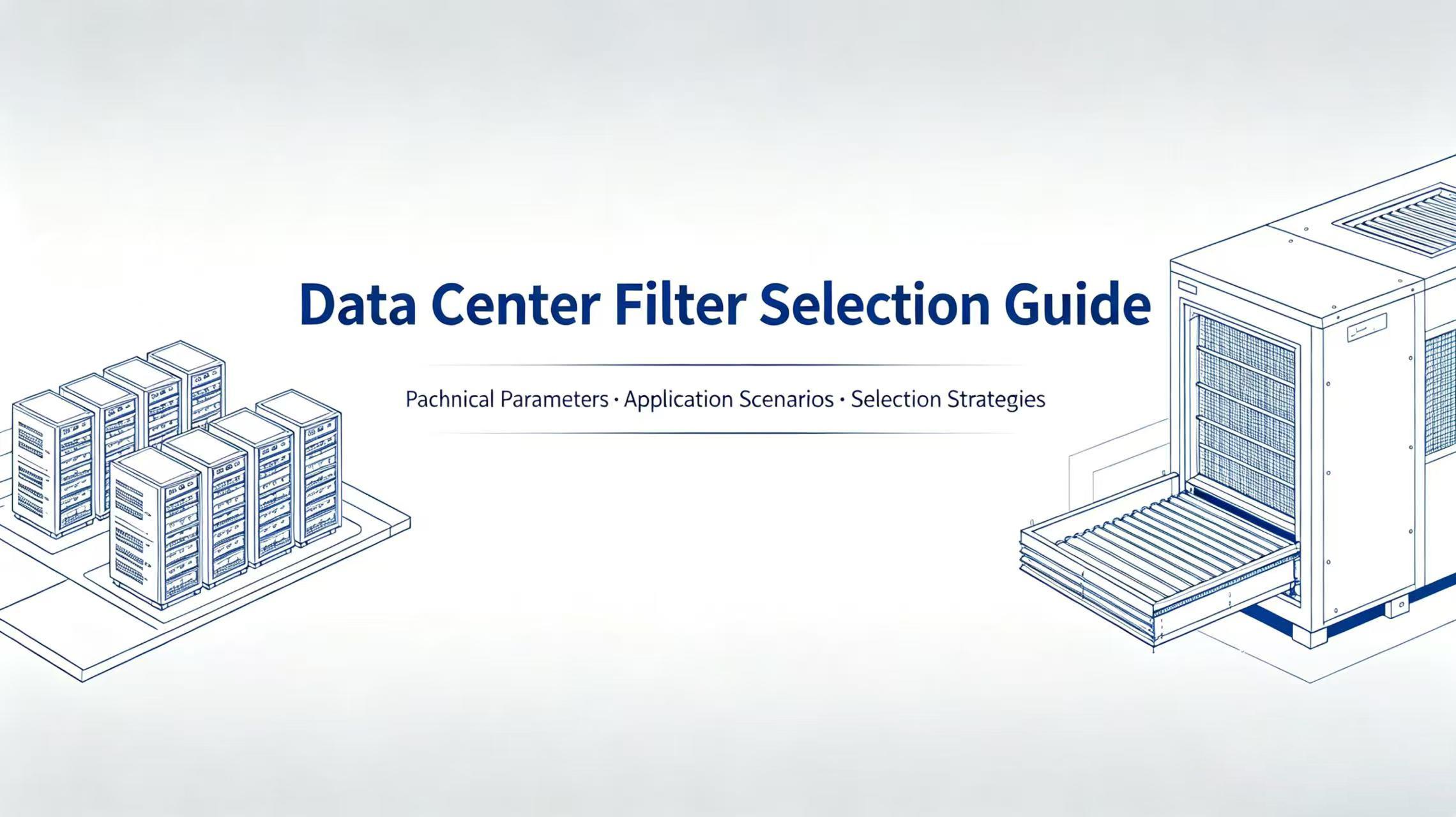
Data Centers
Precision Equipment Protection
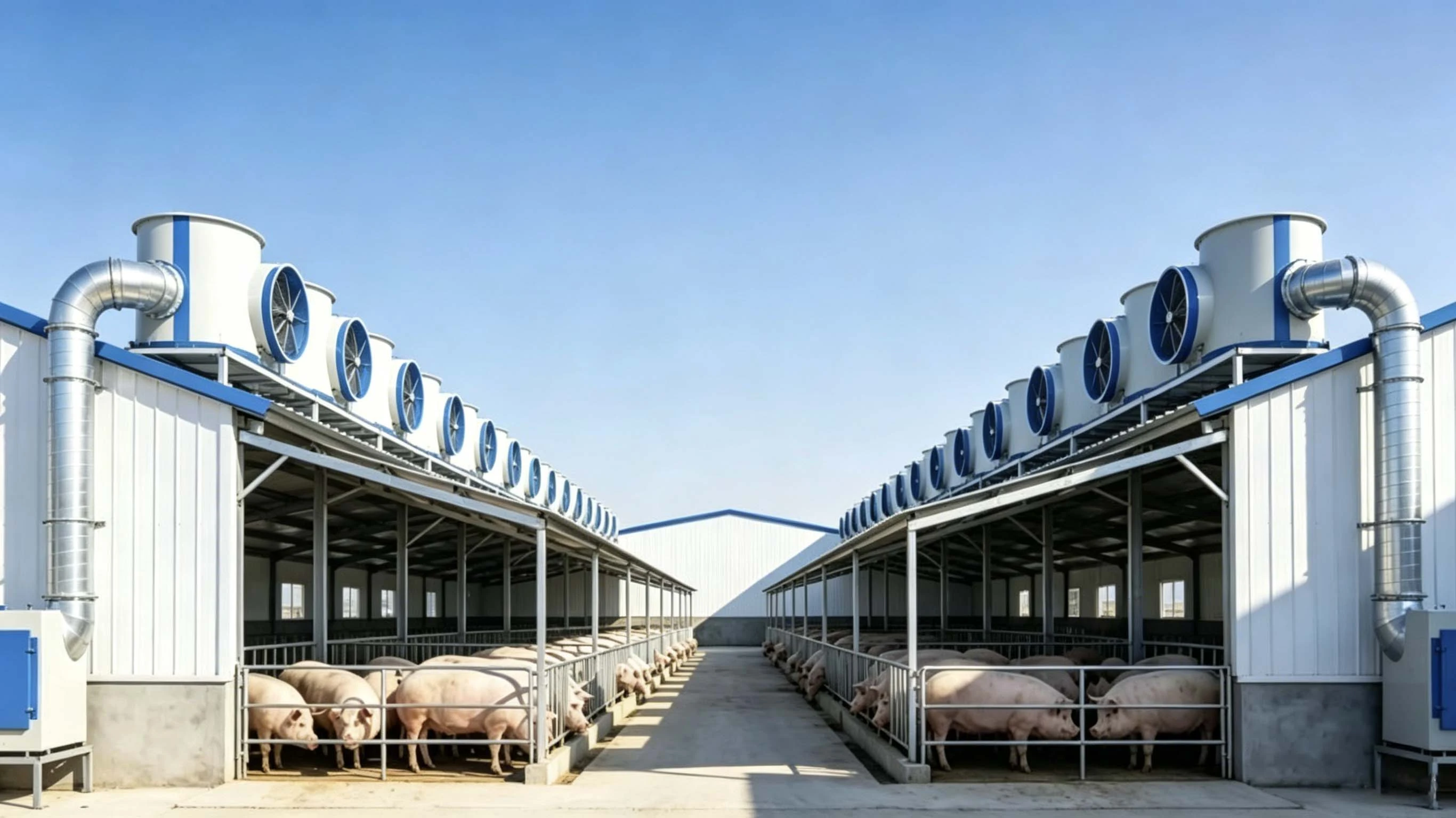
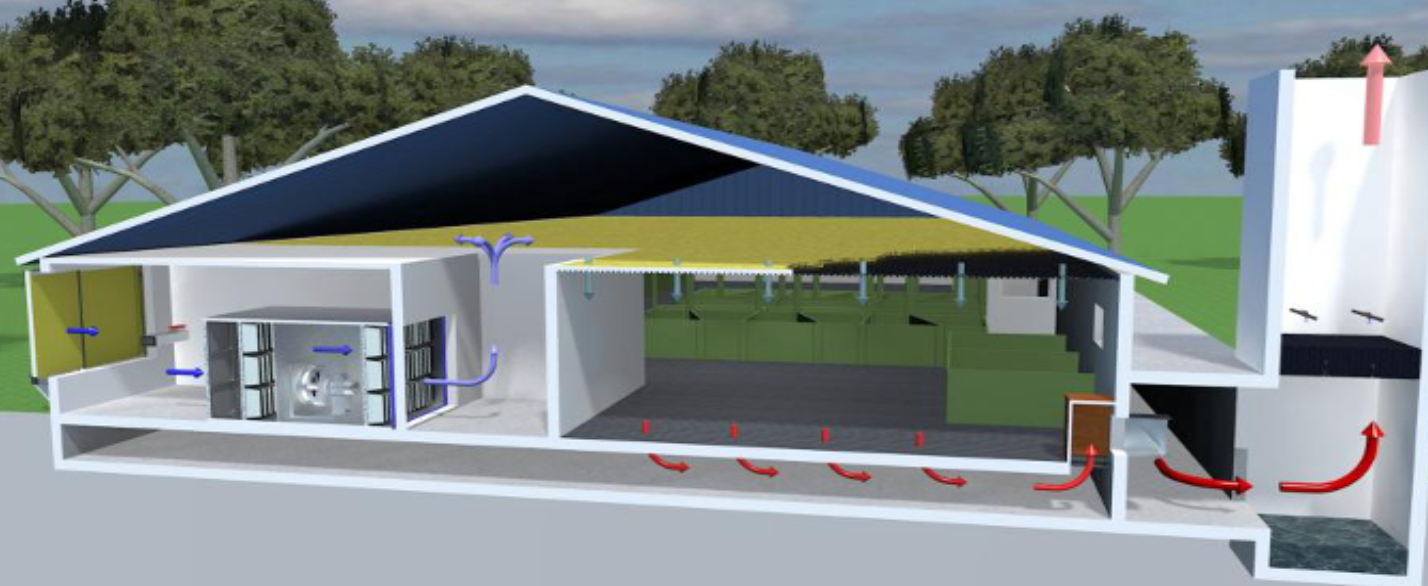
Livestock & Farming
Farming Environment Purification
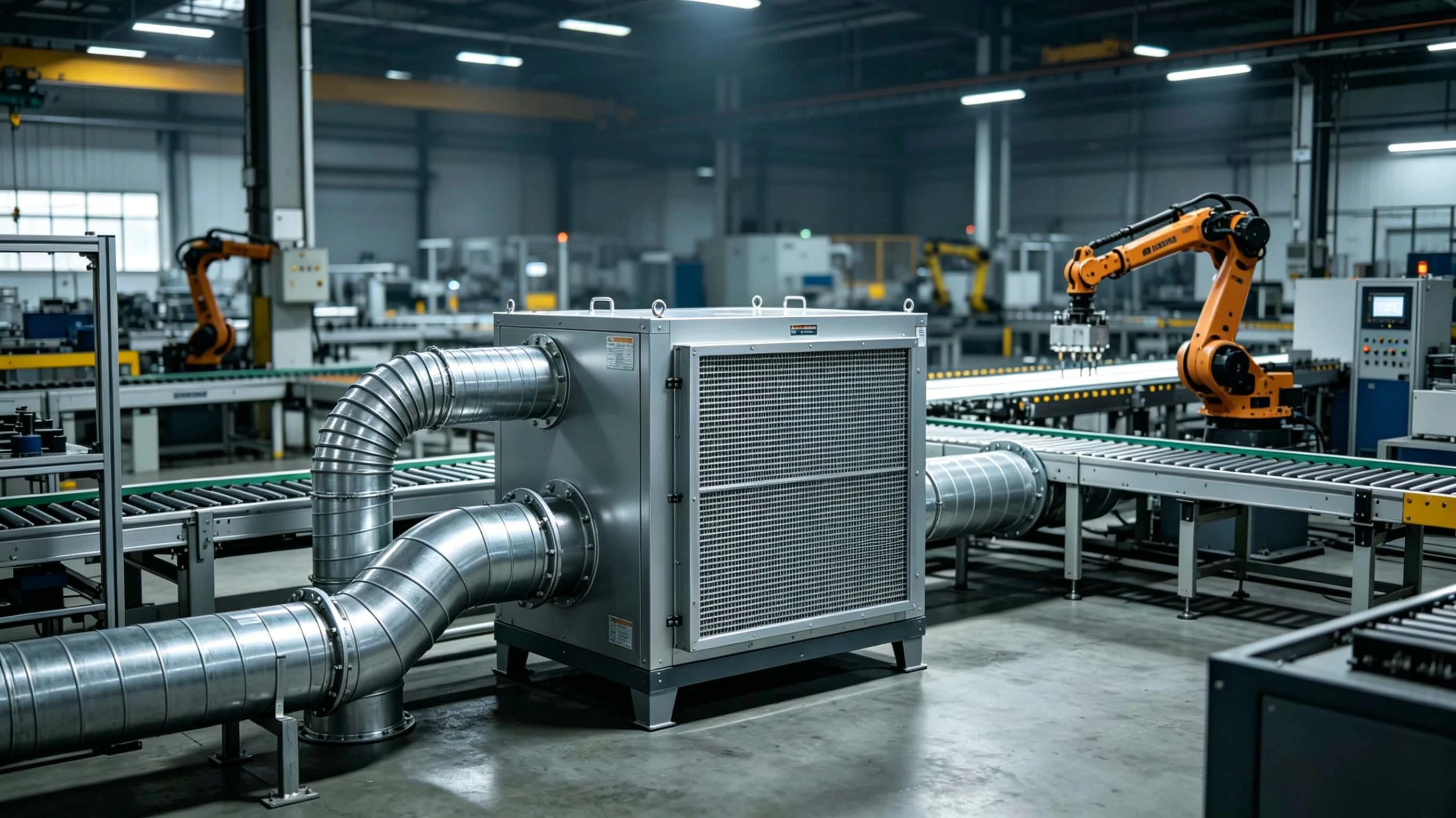
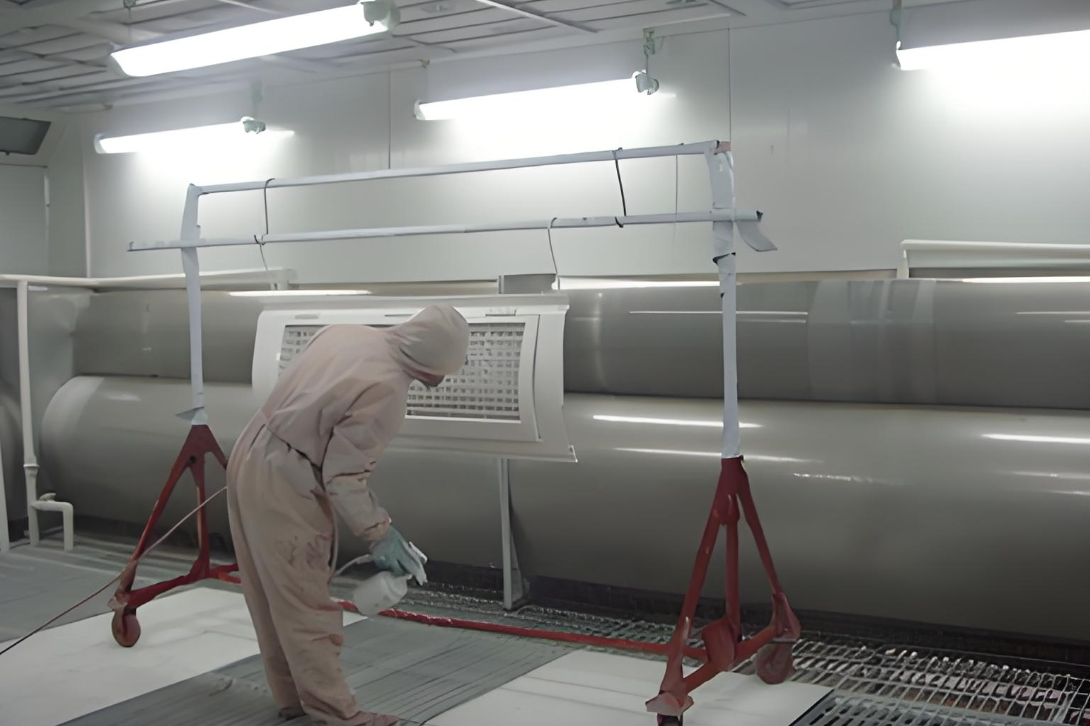
Spray Booths & Industrial Dust
Paint Mist & Dust Purification
Filtration for Power Equipment
Professional air filtration for EV charging devices, protecting against dust and sand ingress to ensure stable, reliable operation of charging piles and station infrastructure.
View Related Products →Ultra-High Cleanliness Filtration
Ultra-high efficiency filtration for semiconductor wafer fabs and precision electronics cleanrooms, capturing nano-scale particles to meet ISO Class 1–3 standards and maximize product yield.
View Related Products →Central Air System Filtration
High-efficiency filtration for commercial building HVAC systems, improving indoor air quality, reducing energy consumption, and extending equipment service life.
View Related Products →Precision Equipment Protection
Precision air filtration for data centers, shielding servers and critical hardware from dust contamination to keep cooling systems running efficiently and reliably.
View Related Products →Farming Environment Purification
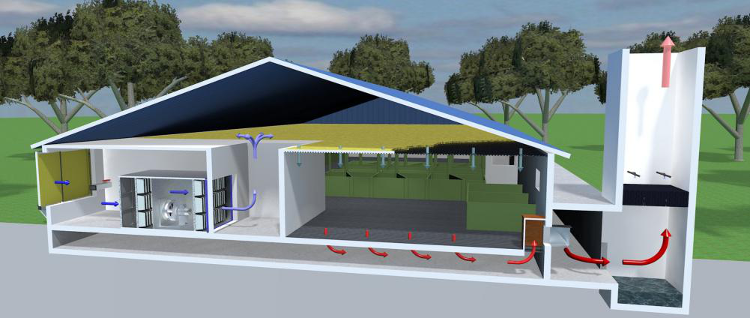
Dedicated filtration systems for farms and livestock facilities — capturing dust, adsorbing ammonia, and inhibiting pathogen spread to improve animal health and overall productivity.
View Related Products →Paint Mist & Dust Purification
Designed for spray booths and grinding workshops, efficiently capturing paint mist, metal dust, and wood chips to meet emission standards while protecting finished surface quality.
View Related Products →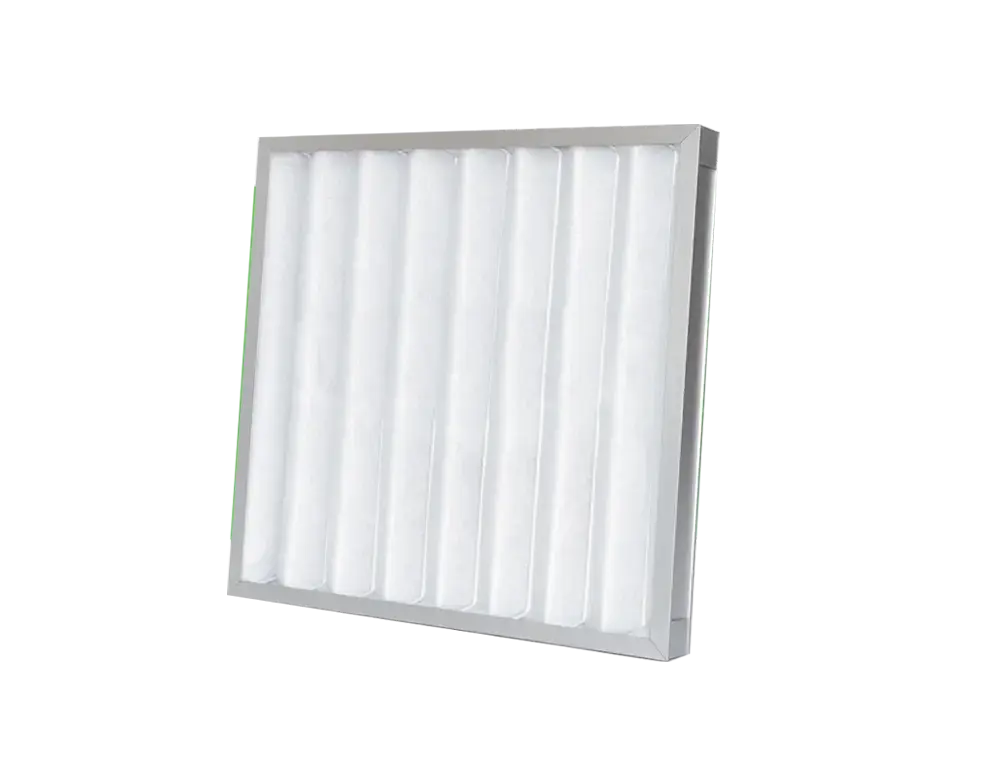
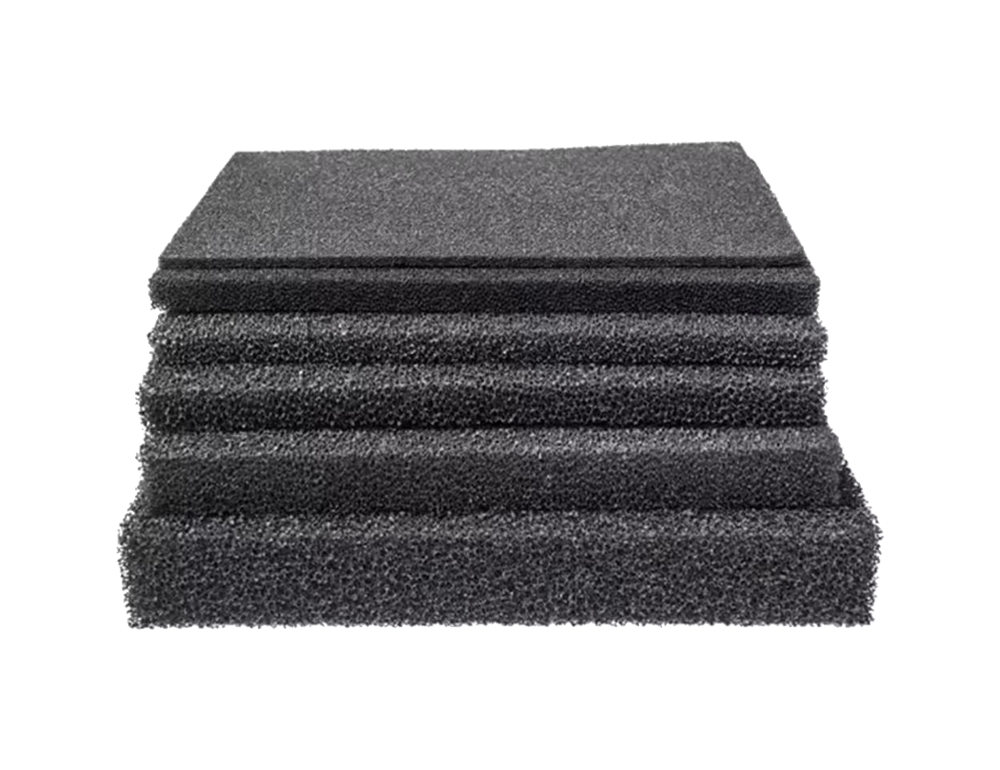
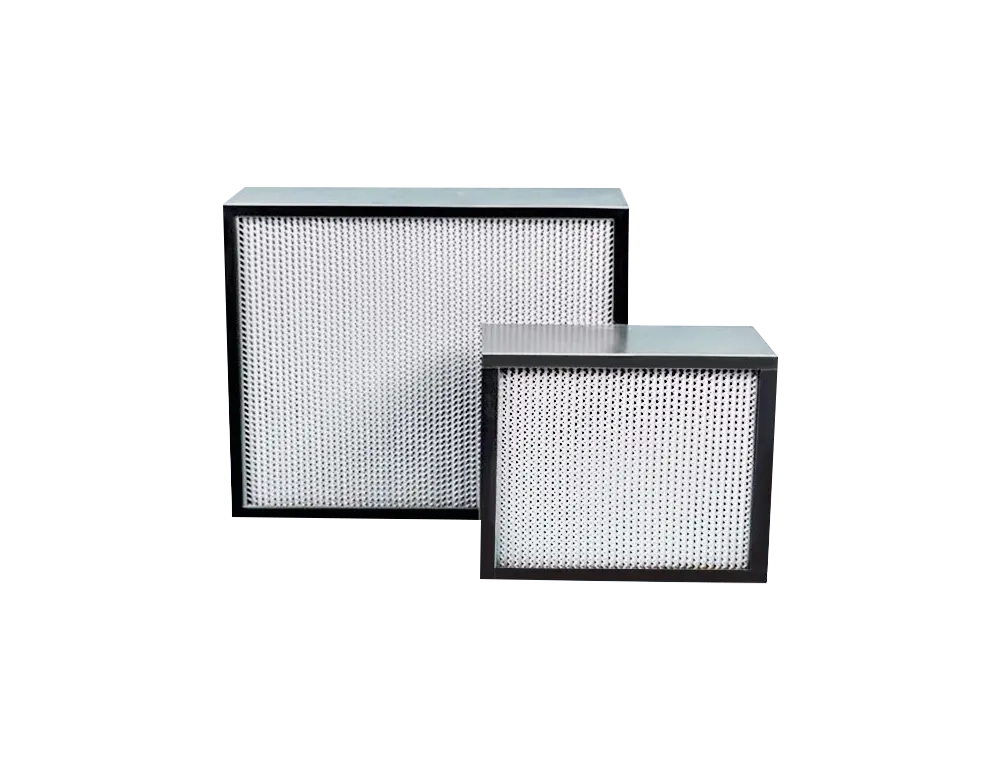
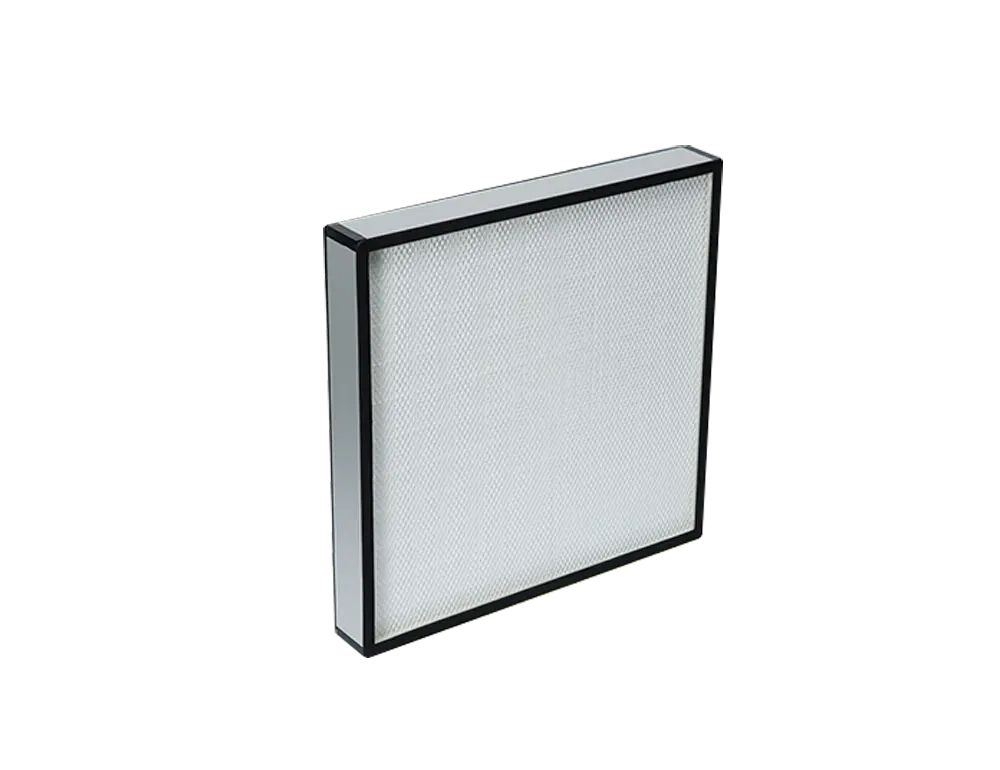
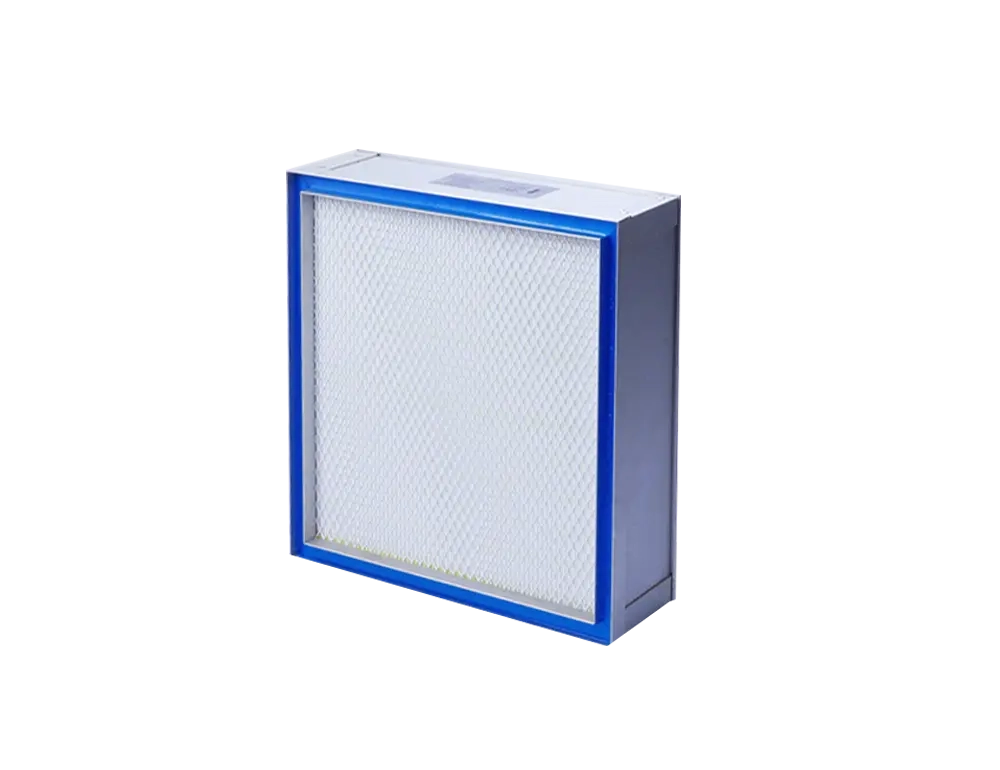


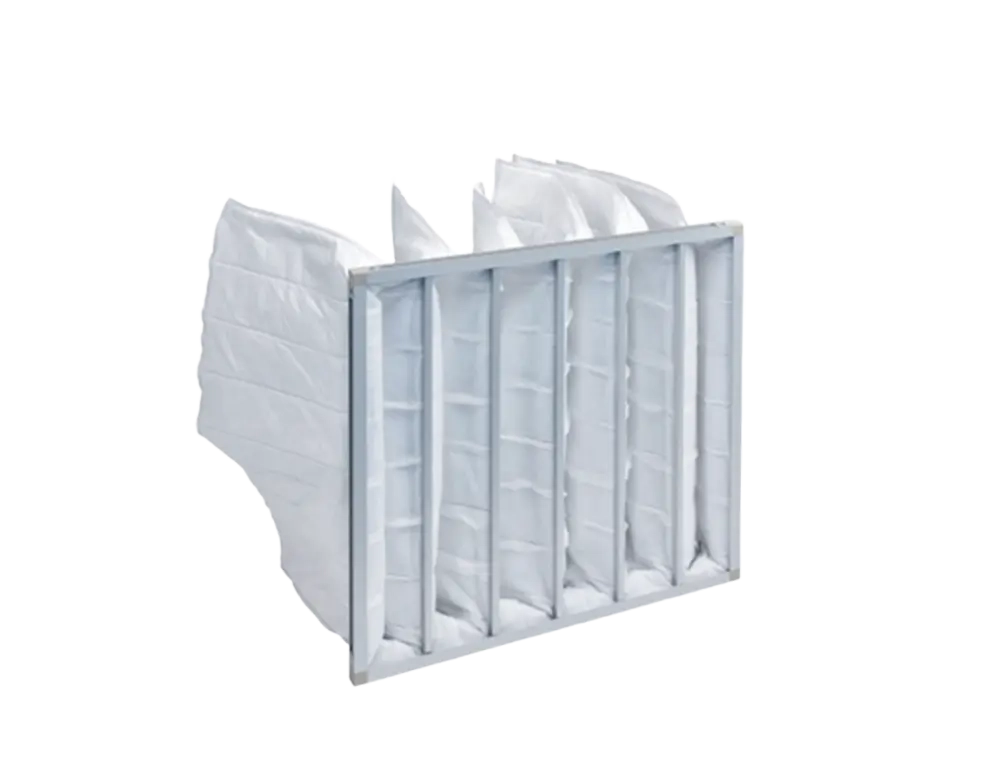
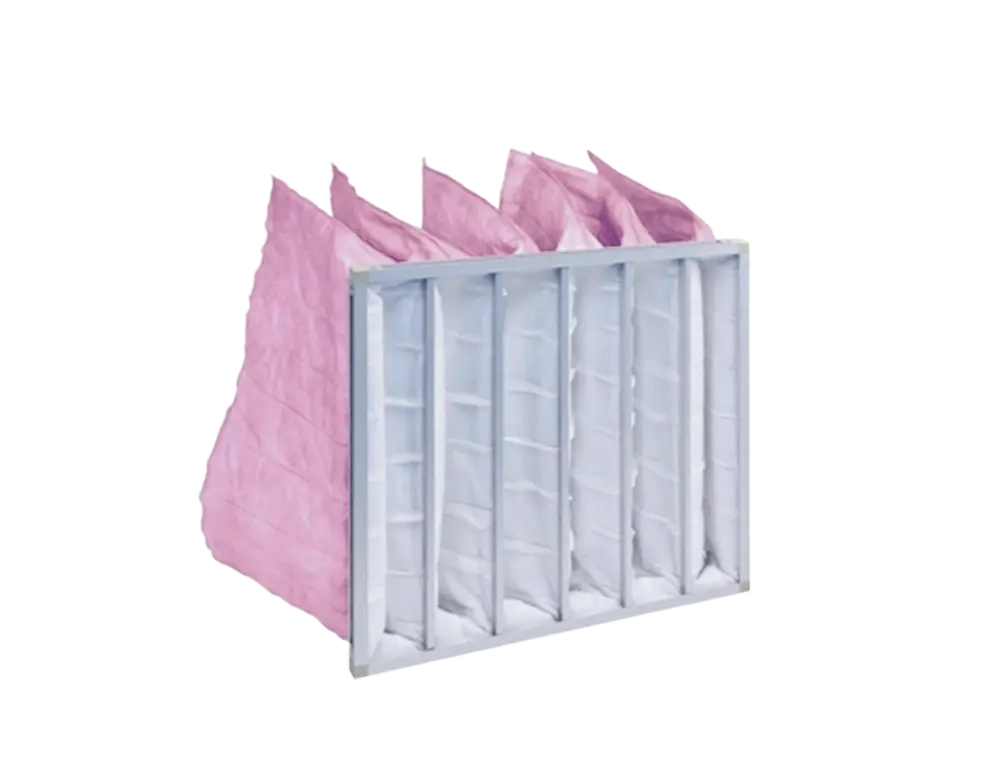


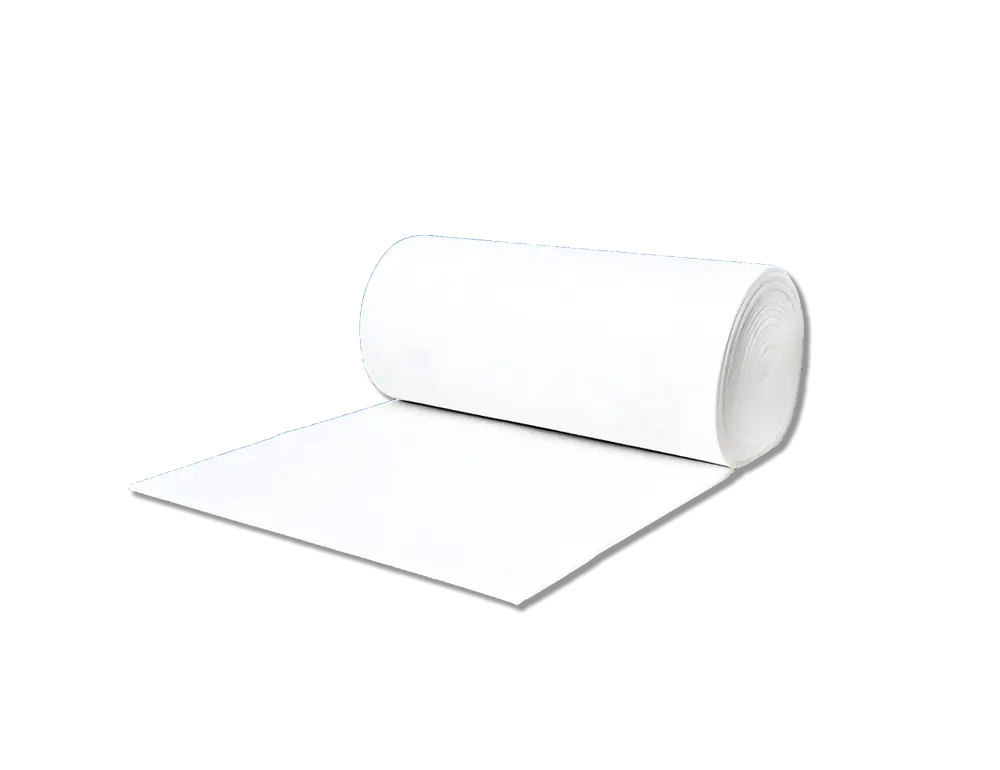
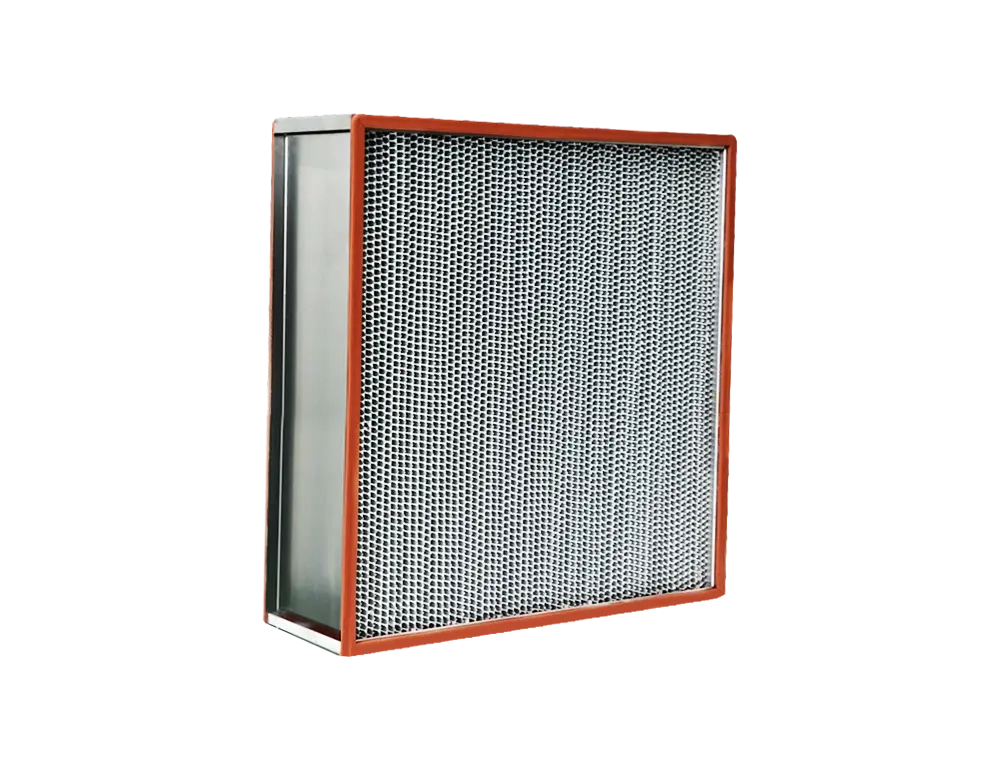
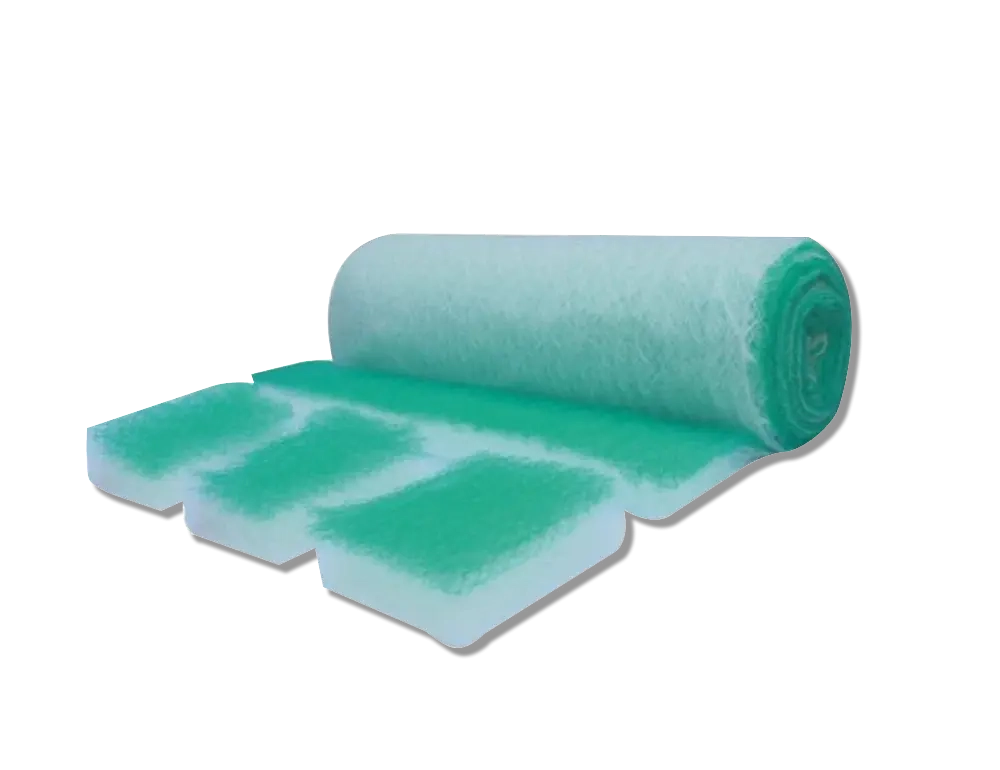
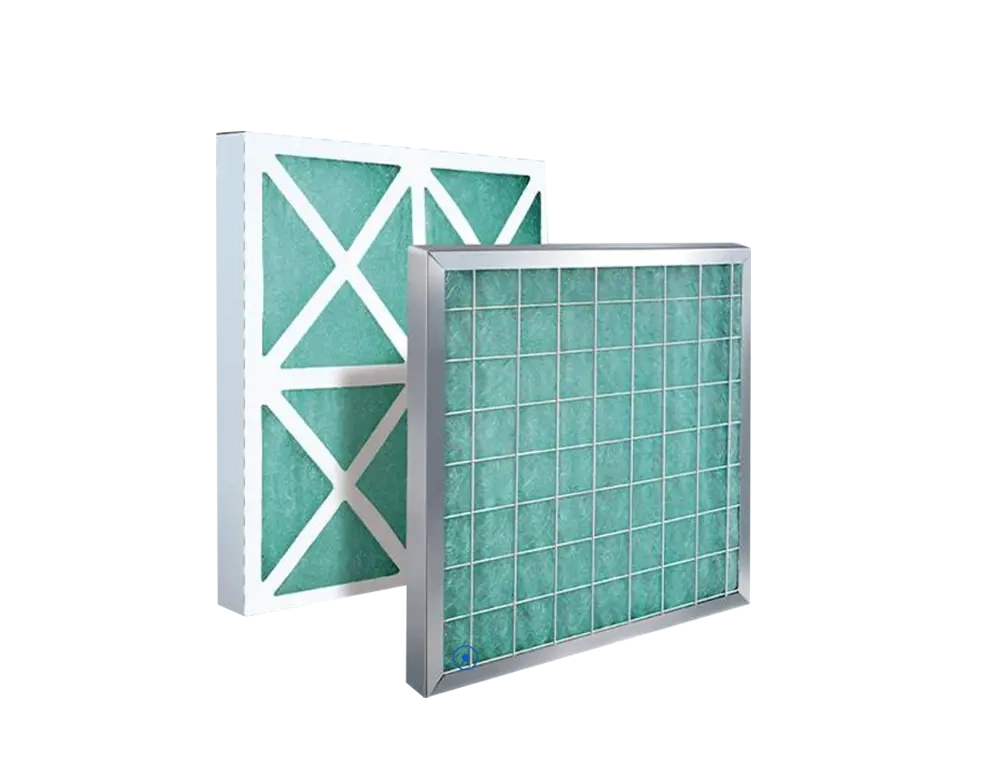
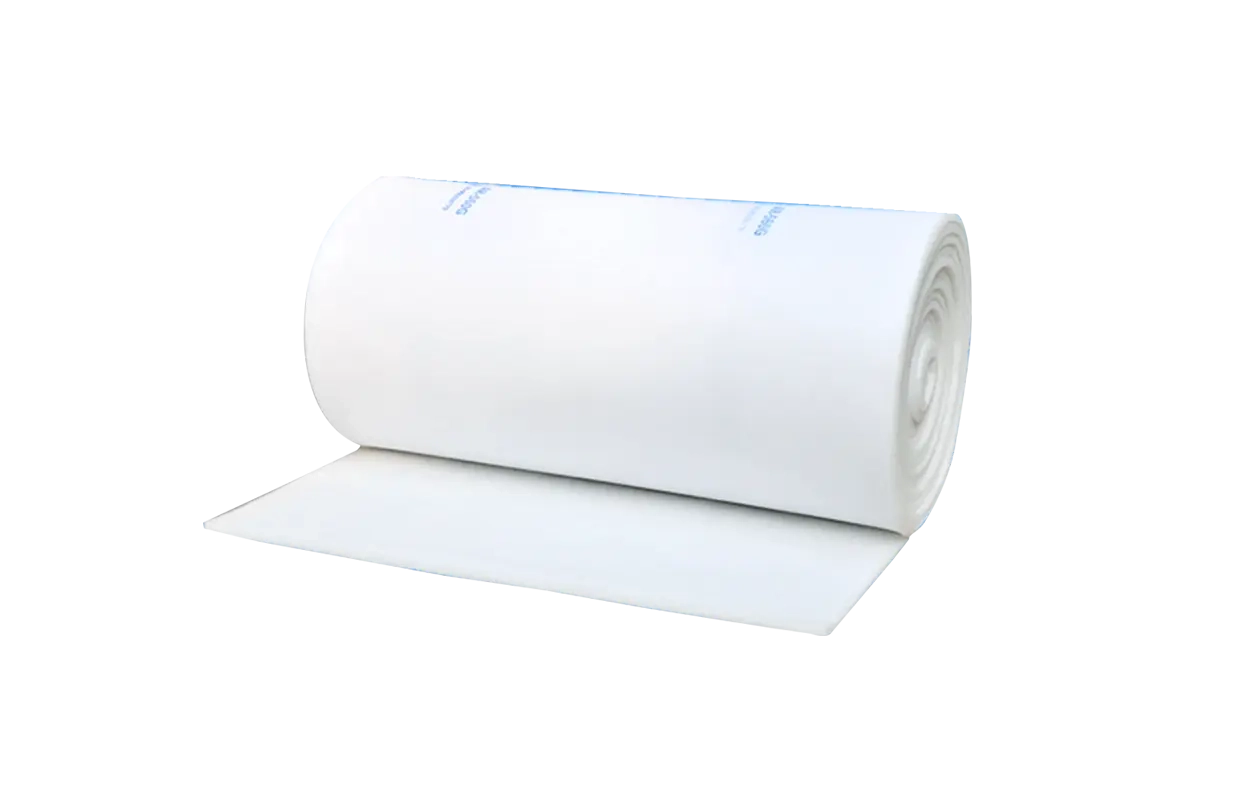
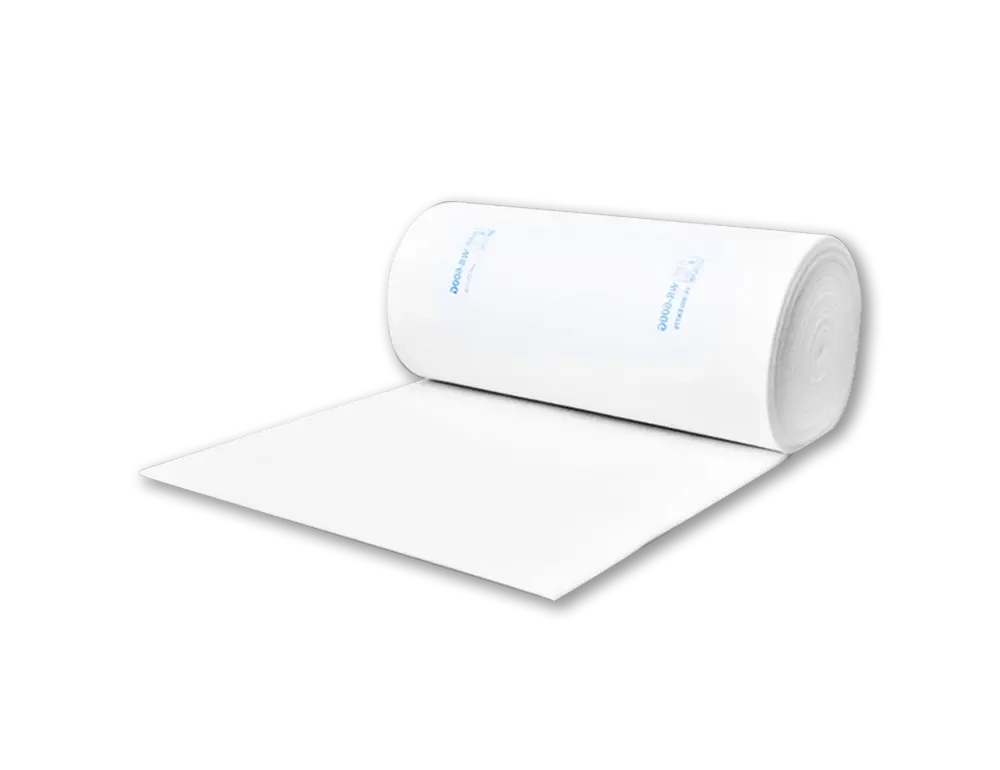
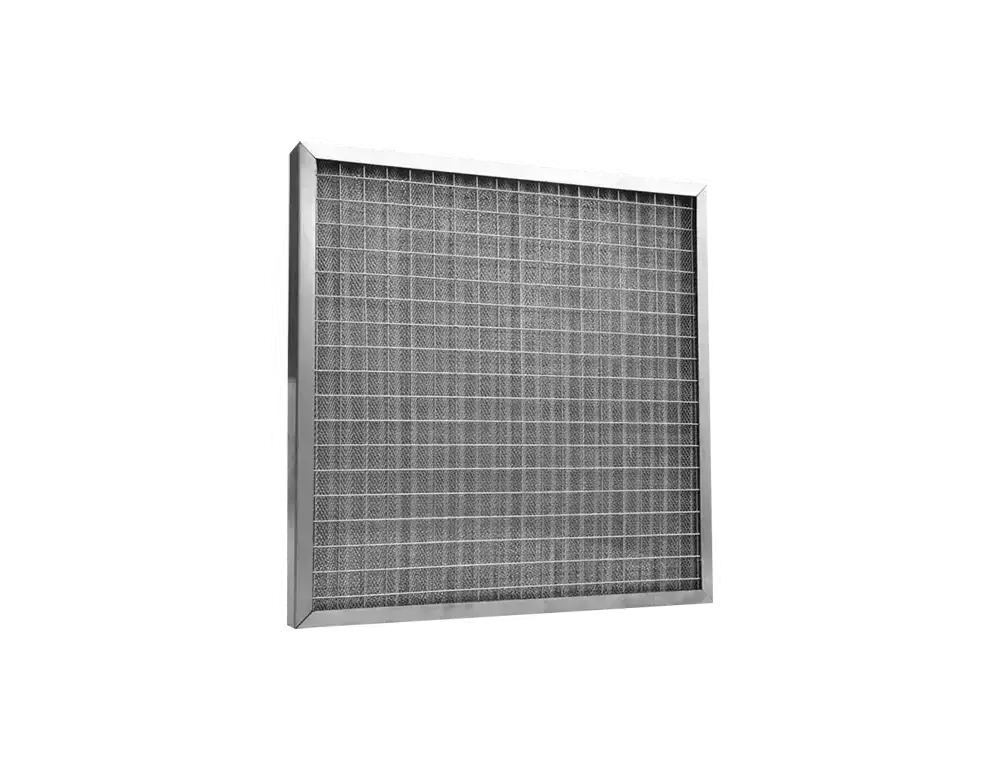
Pre-Filter (G1–G4)
First-Stage Large-Particle Capture
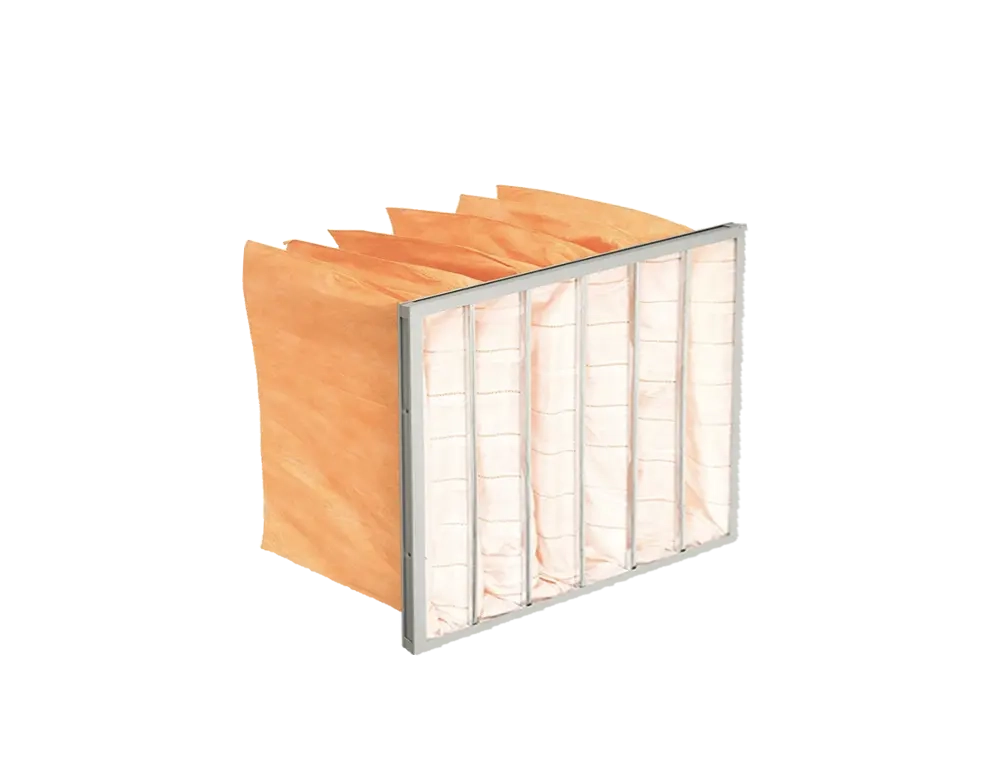
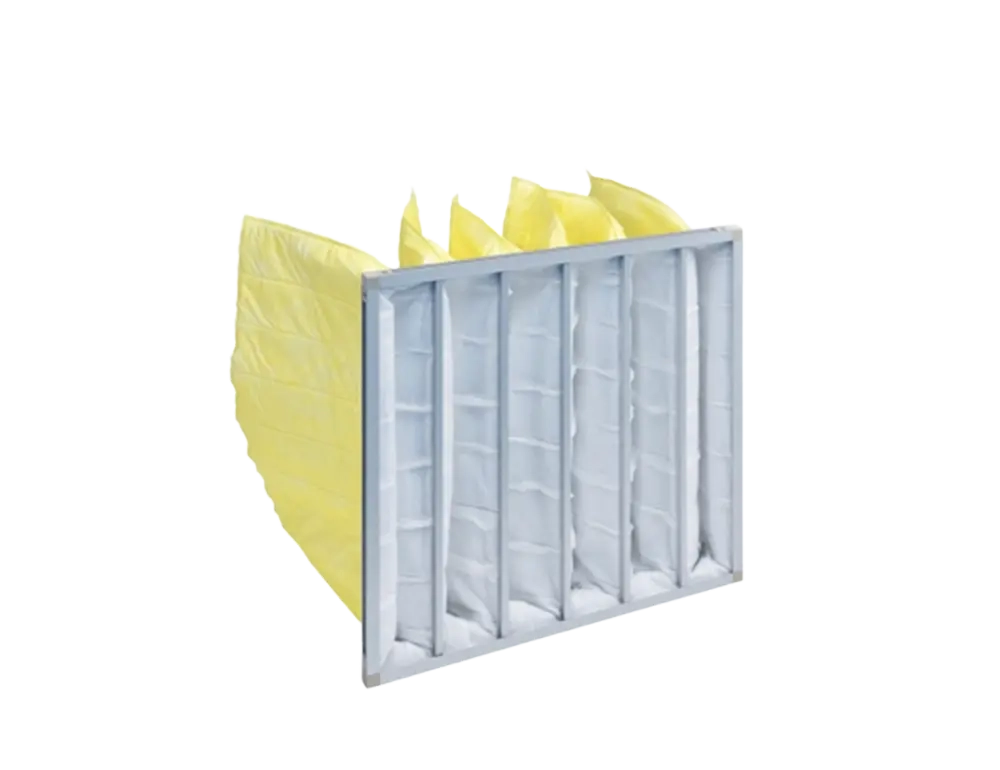
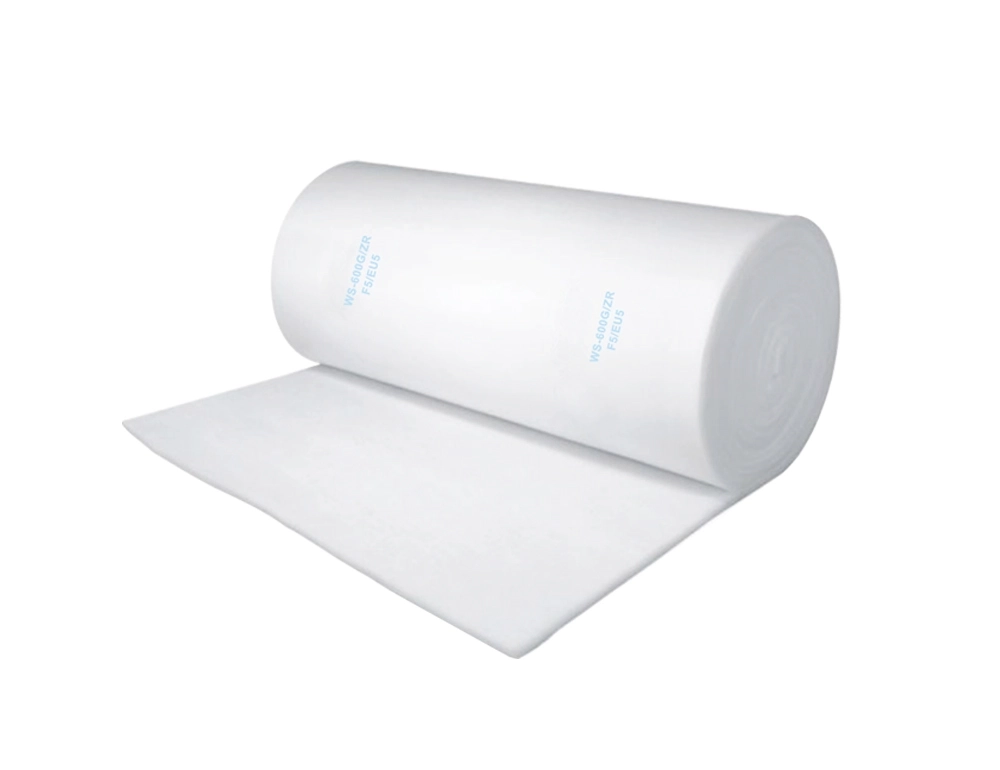
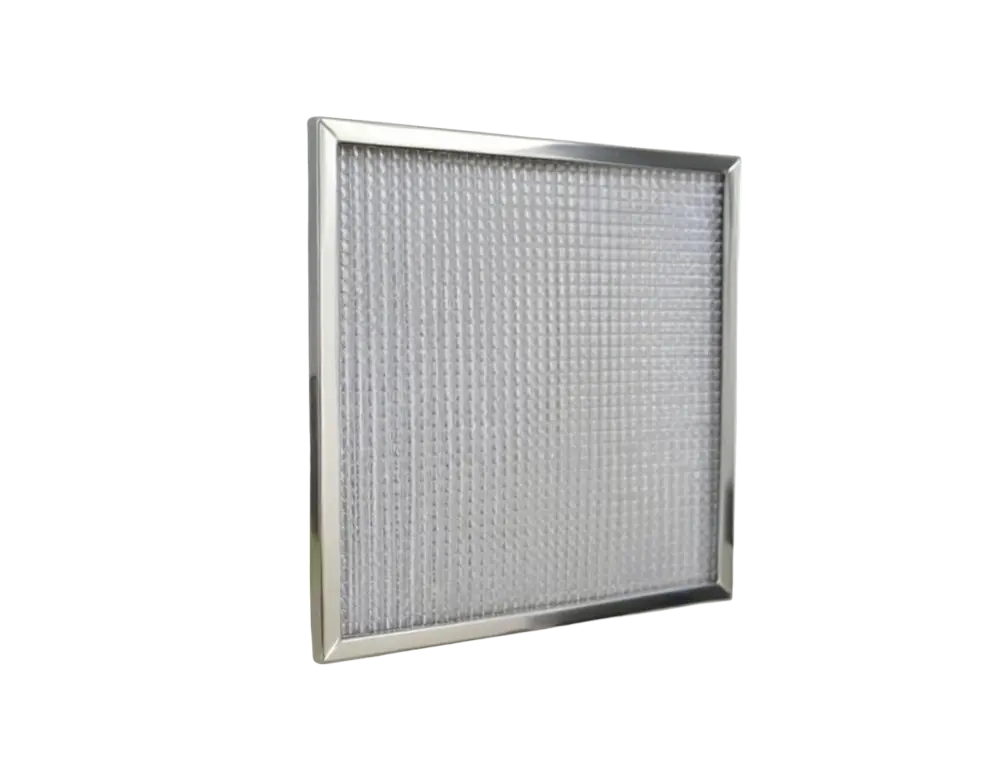
Medium-Efficiency Filter (F5–F9)
Precise PM2.5 Capture
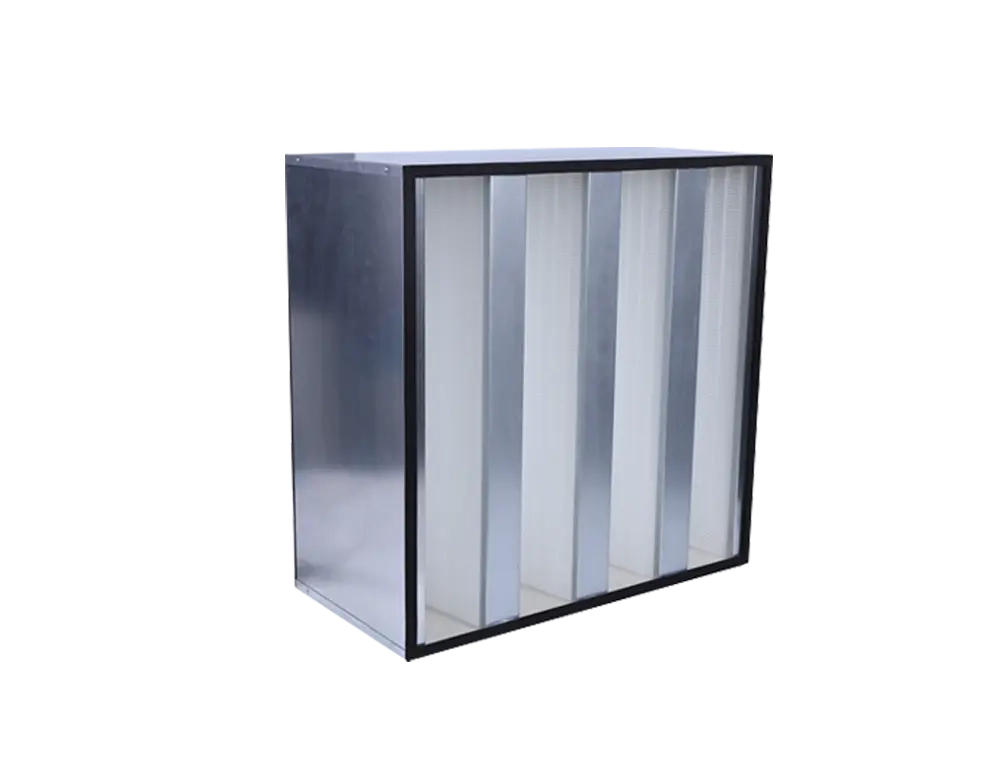
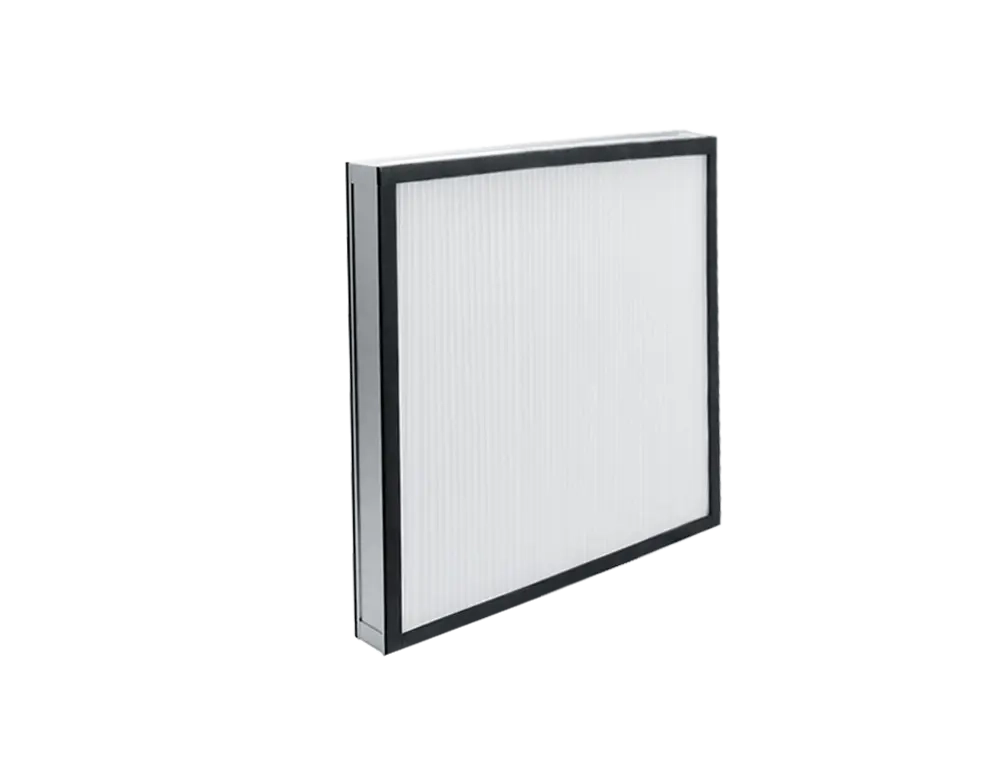
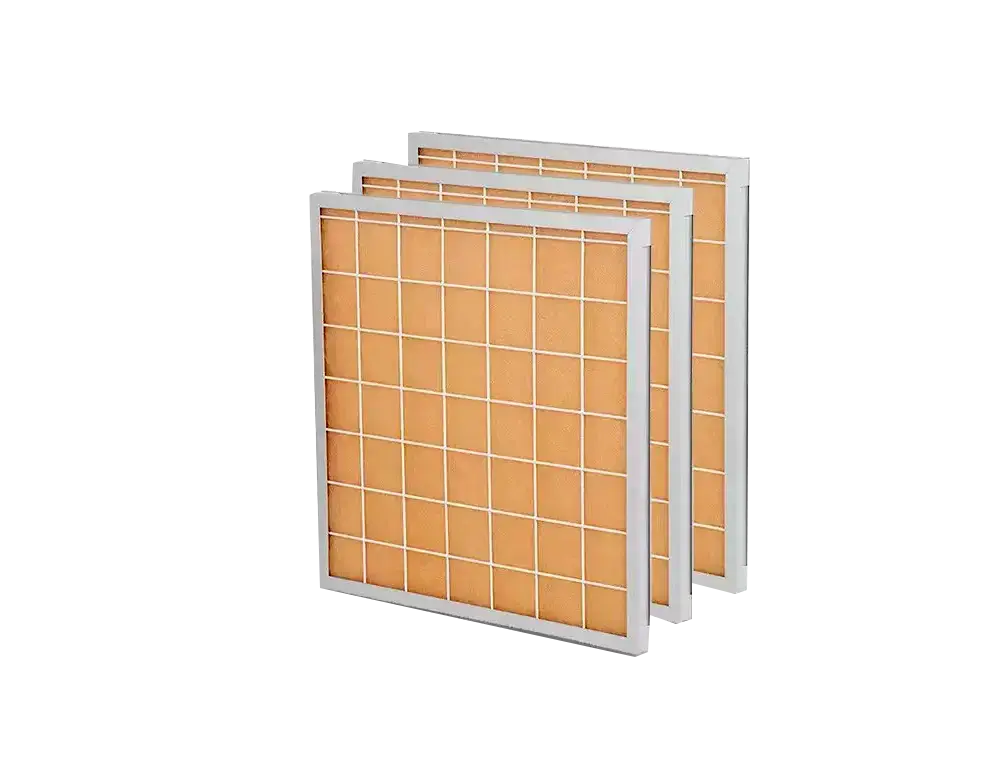
HEPA High-Efficiency Filter
Sterile-Grade Purification
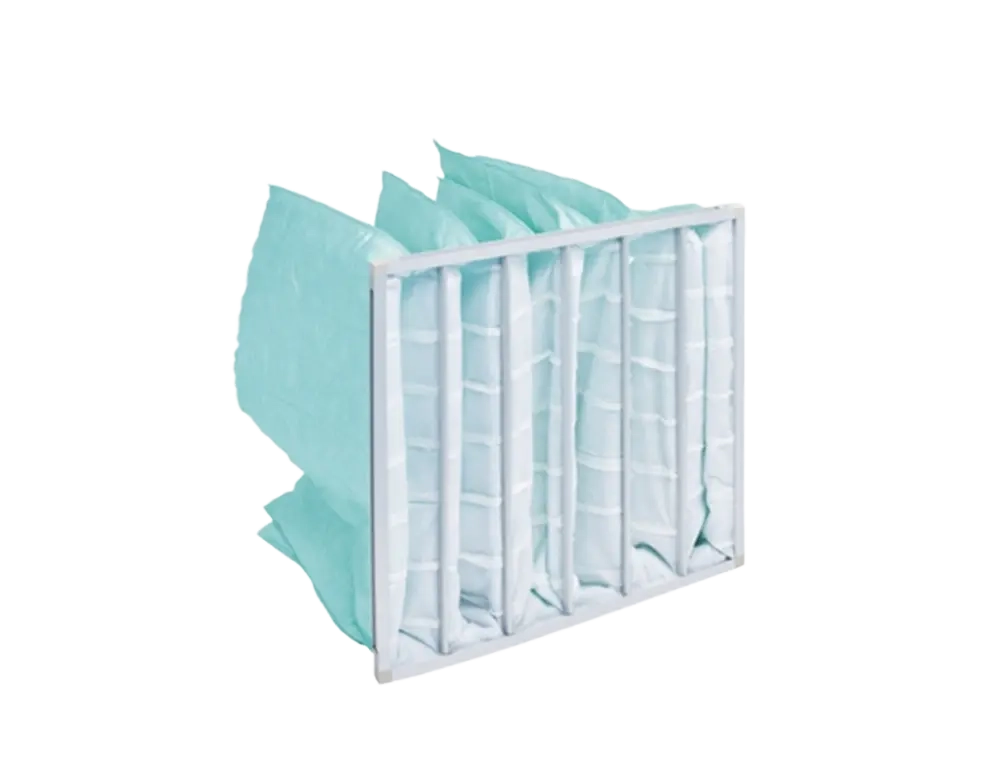
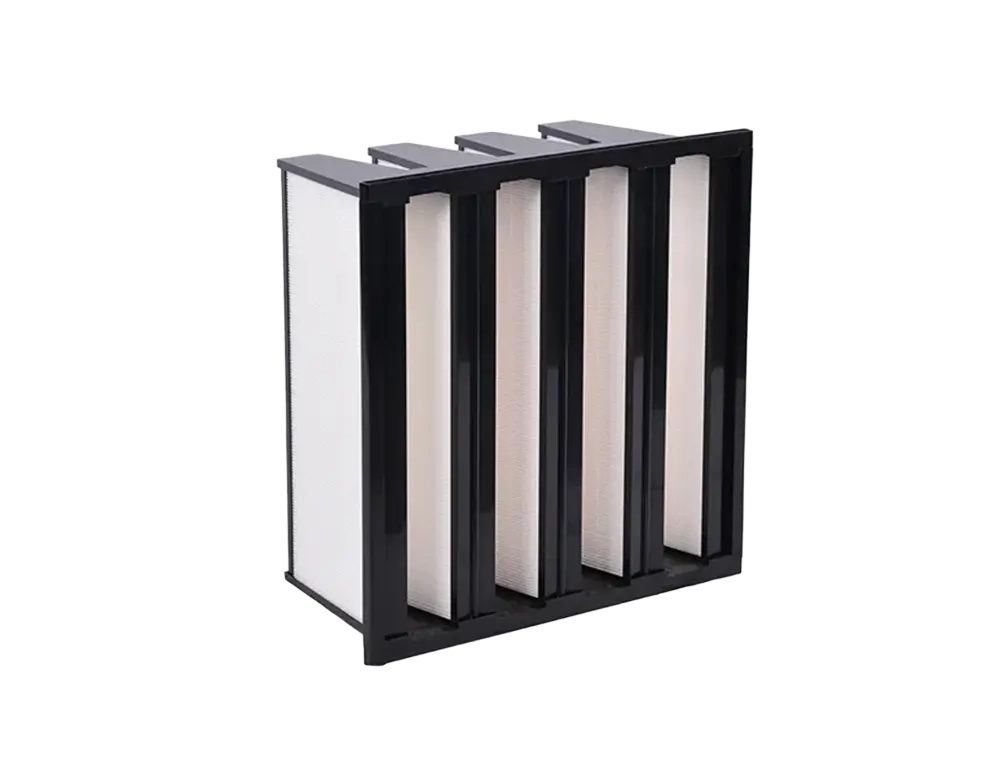
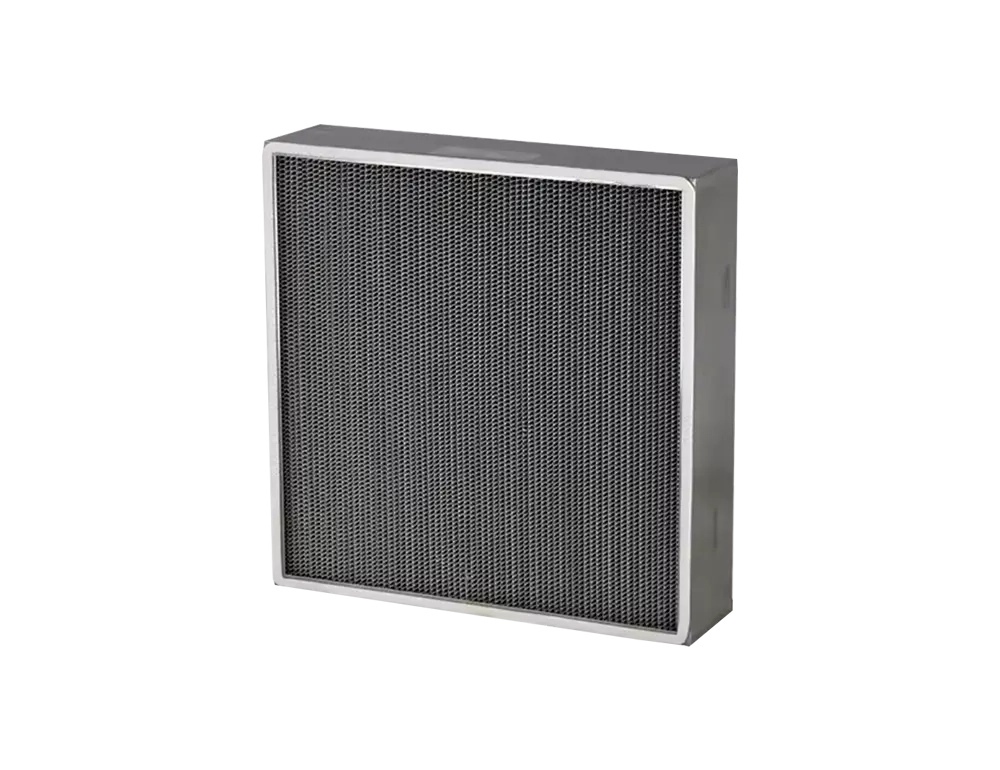
ULPA Ultra-High Efficiency Filter
Sub-Micron Particle Capture
First-Stage Large-Particle Capture
The first line of defense, capturing particles ≥5 μm such as dust, hair, and fibers to protect downstream filters and extend overall system service life.
View Related Products →Precise PM2.5 Capture
Captures fine particles of 1–5 μm including PM2.5, pollen, and mold spores, significantly improving indoor air quality for commercial HVAC and ventilation systems.
View Related Products →Sterile-Grade Purification
≥99.97% filtration efficiency for particles ≥0.3 μm, delivering sterile-grade clean air widely used in medical, pharmaceutical, and electronics manufacturing.
View Related Products →Sub-Micron Particle Capture
≥99.9995% efficiency for particles ≥0.12 μm, meeting the extreme cleanliness demands of semiconductor fabs, aerospace, and other ultra-precision applications.
View Related Products →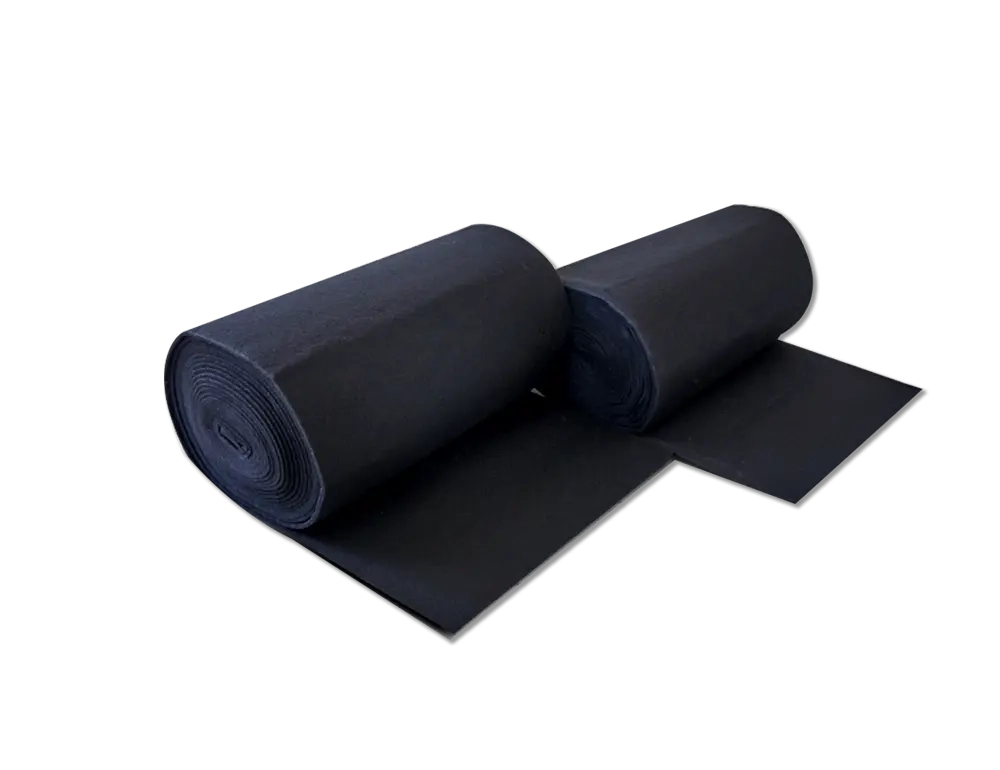
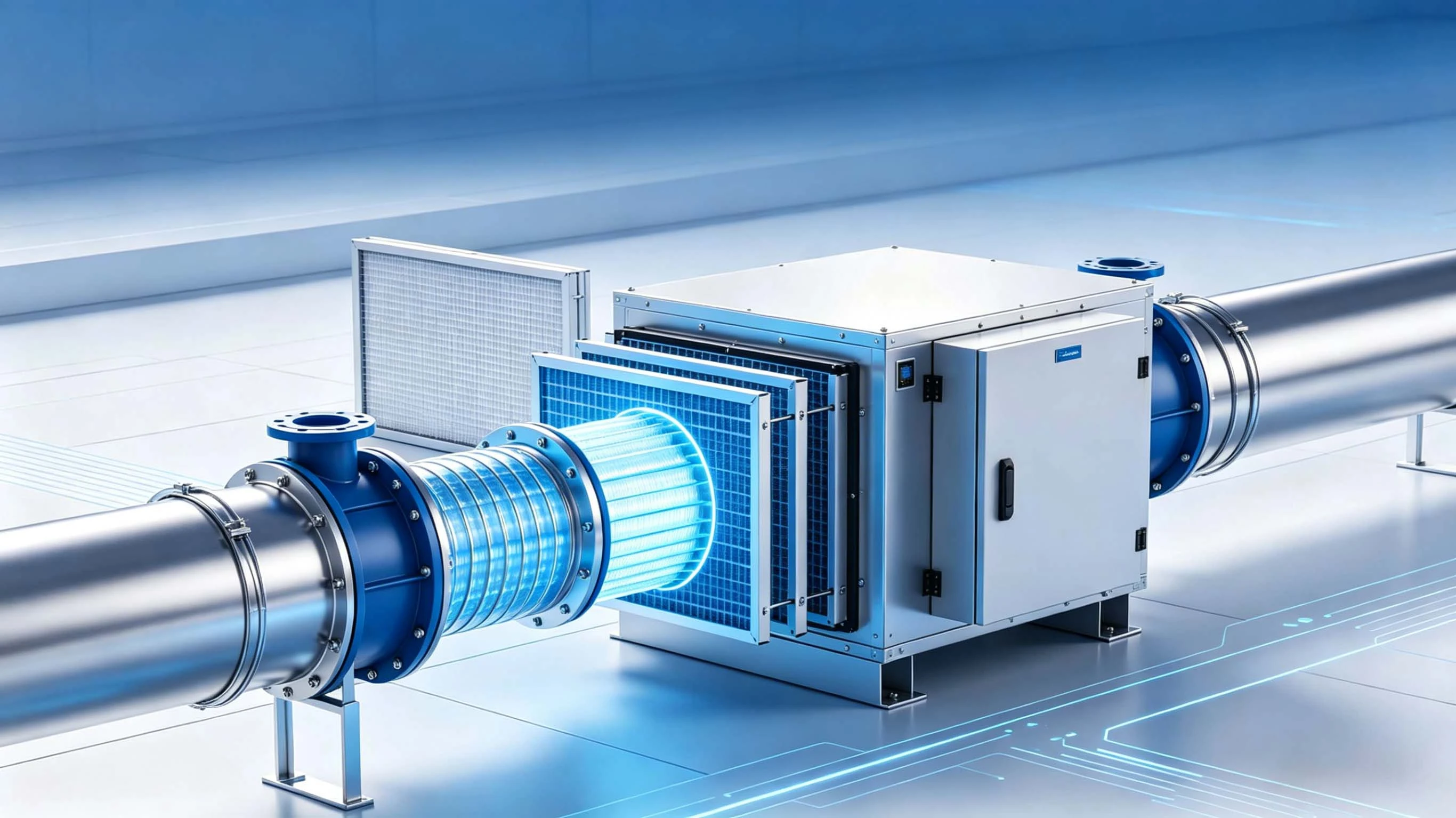
High-Temperature Resistant
Industrial-Grade Heat Tolerance
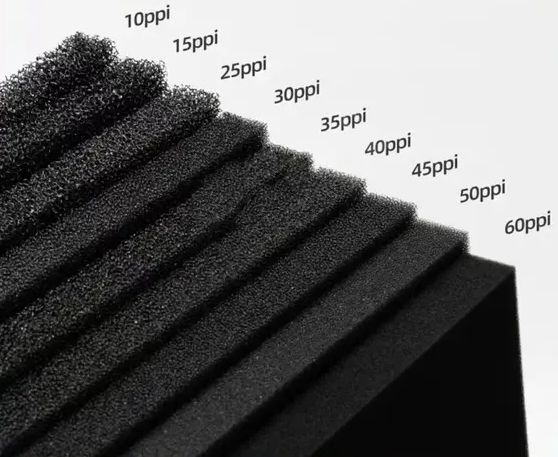
Washable & Reusable
Cut Costs, Reduce Waste
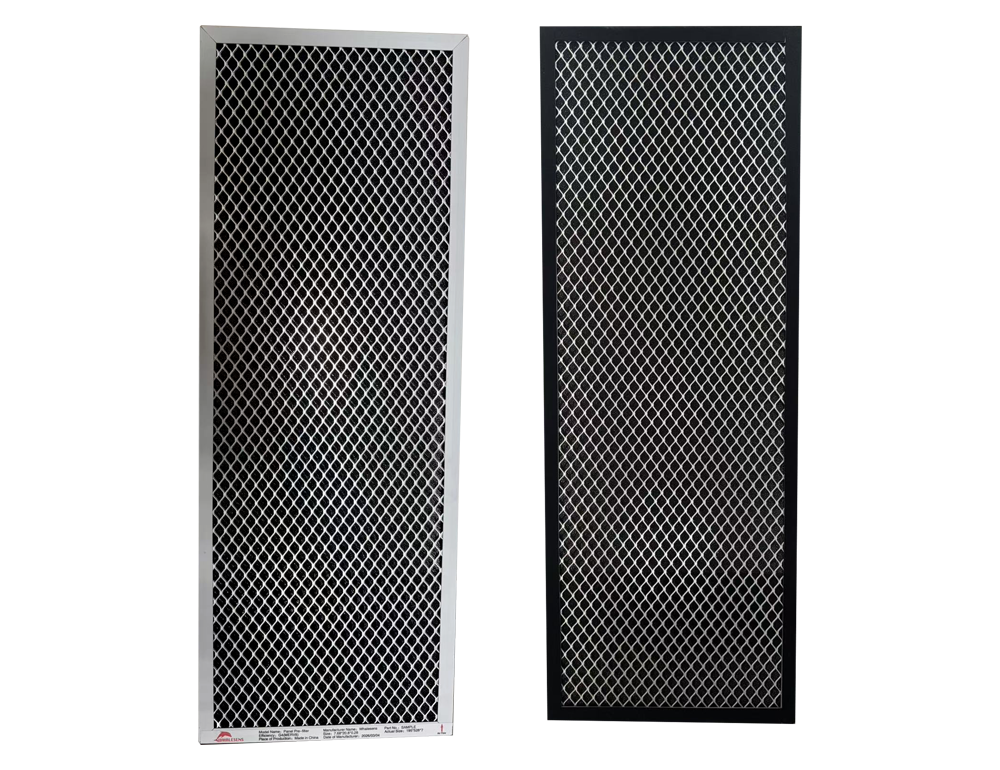
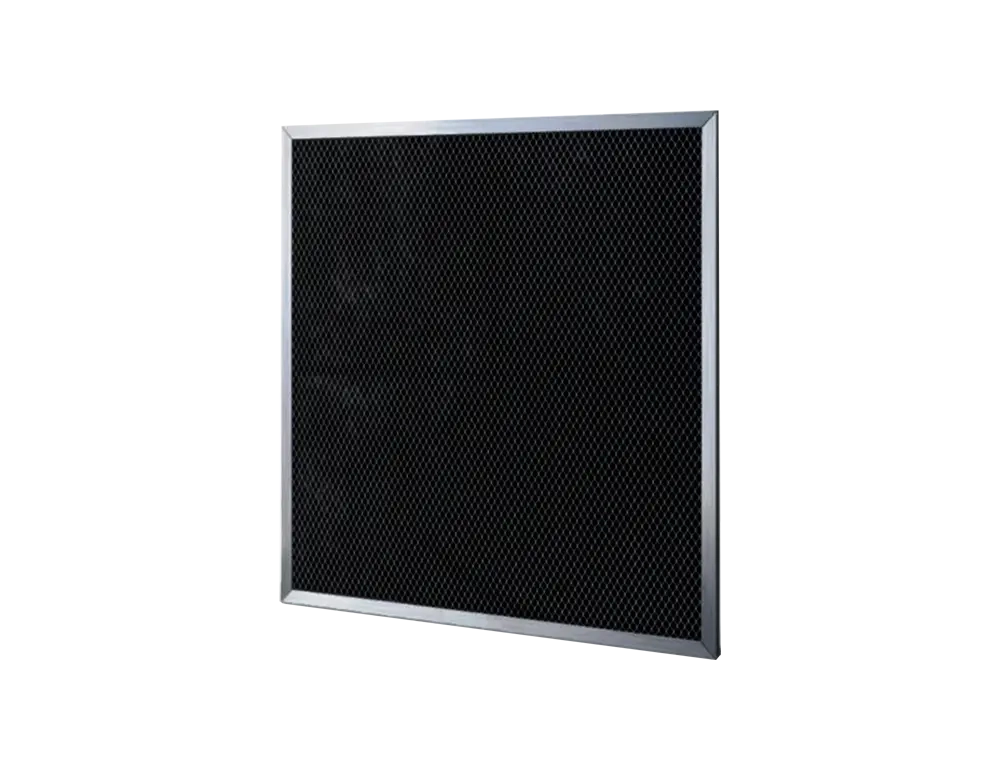
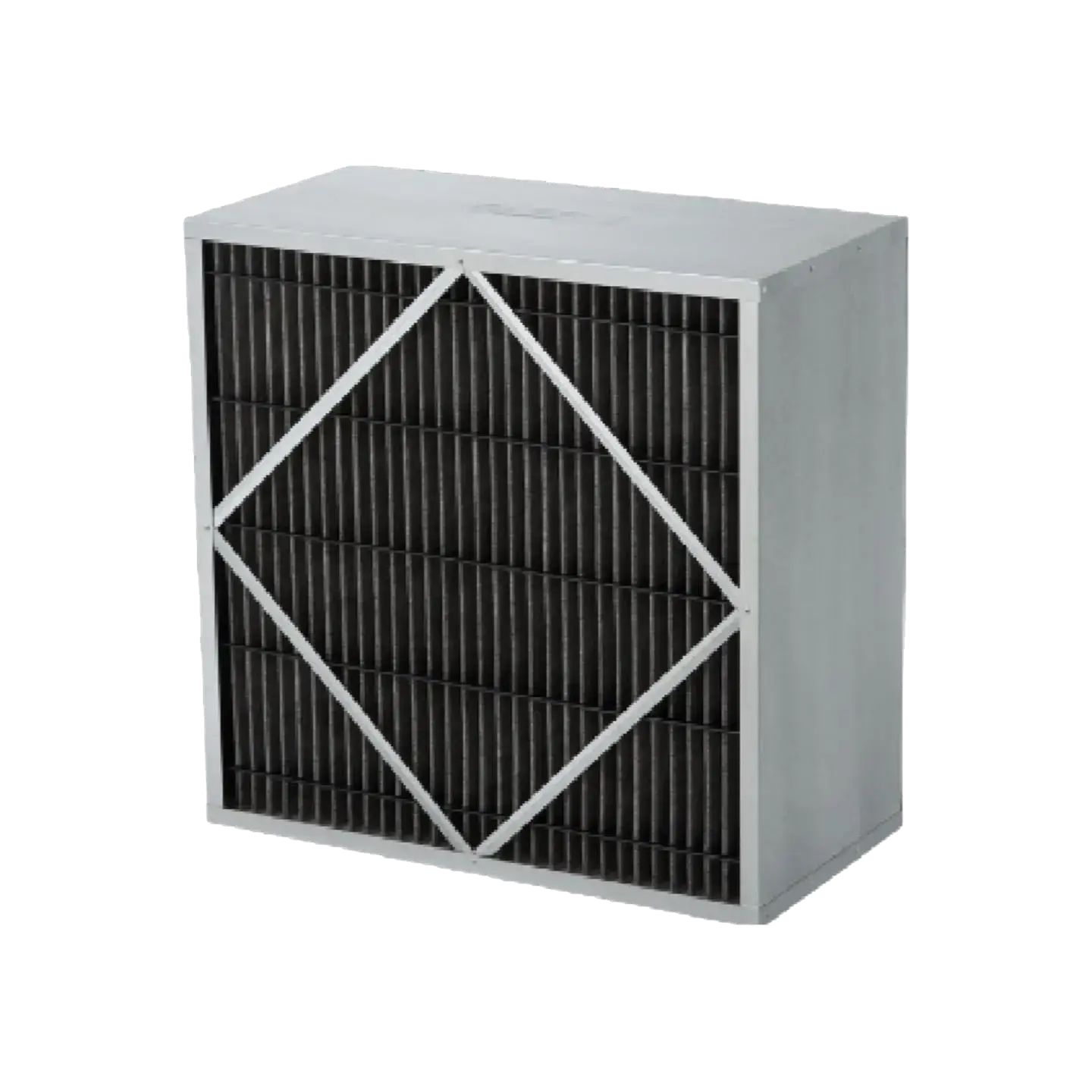
Activated Carbon
Odor & Harmful Gas Removal
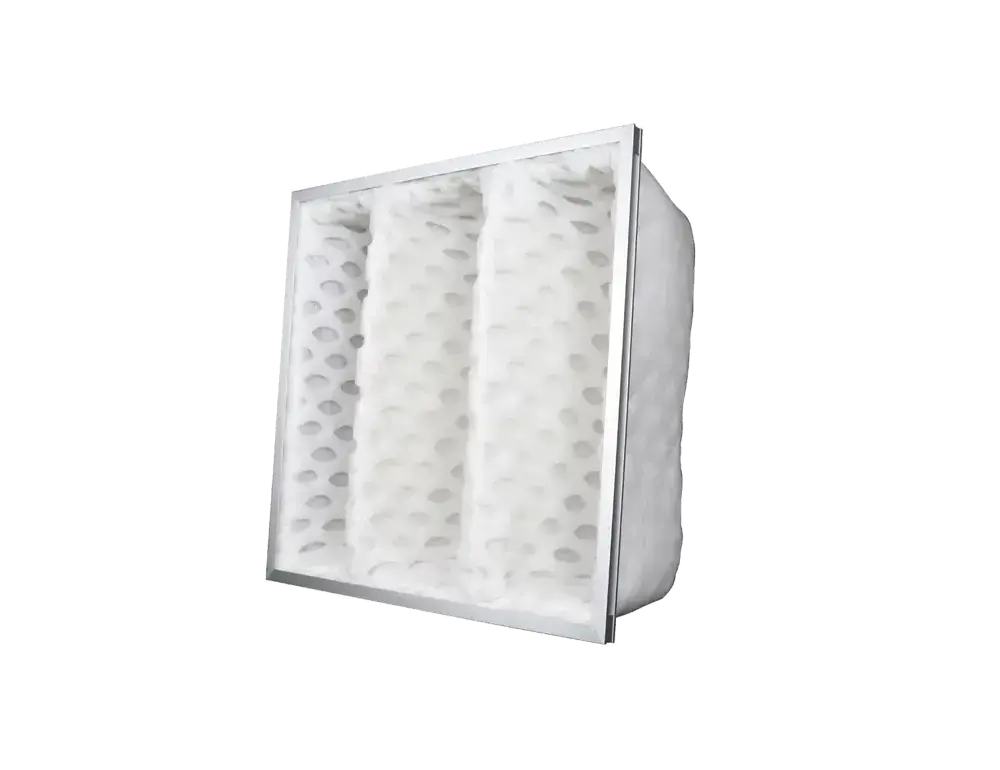
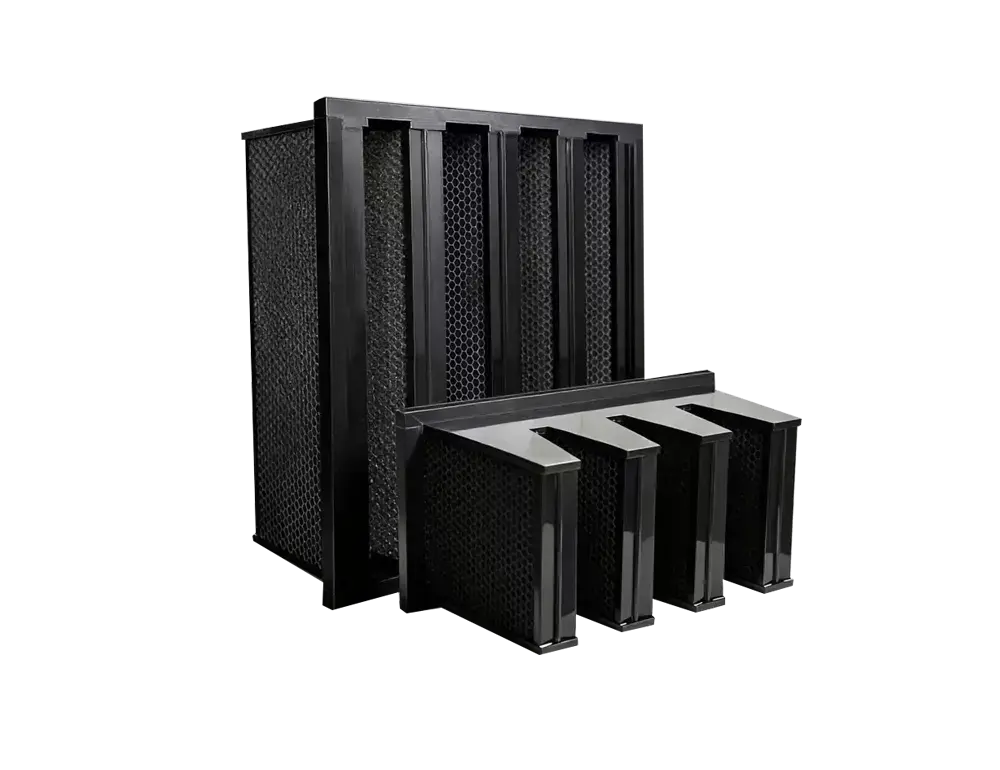
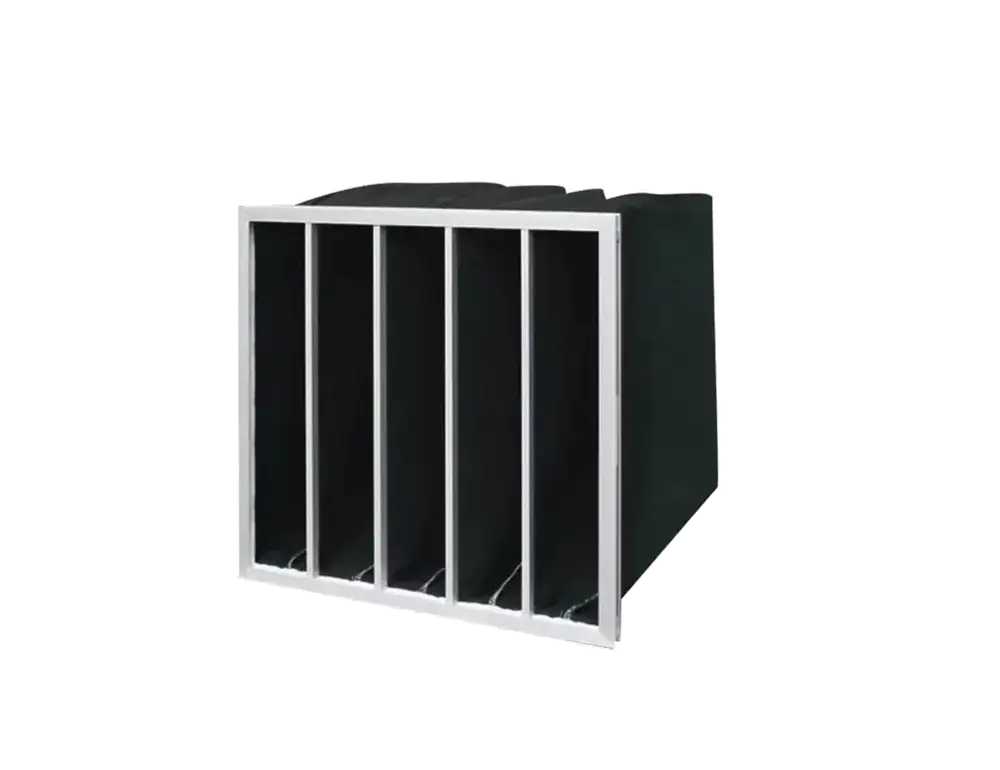
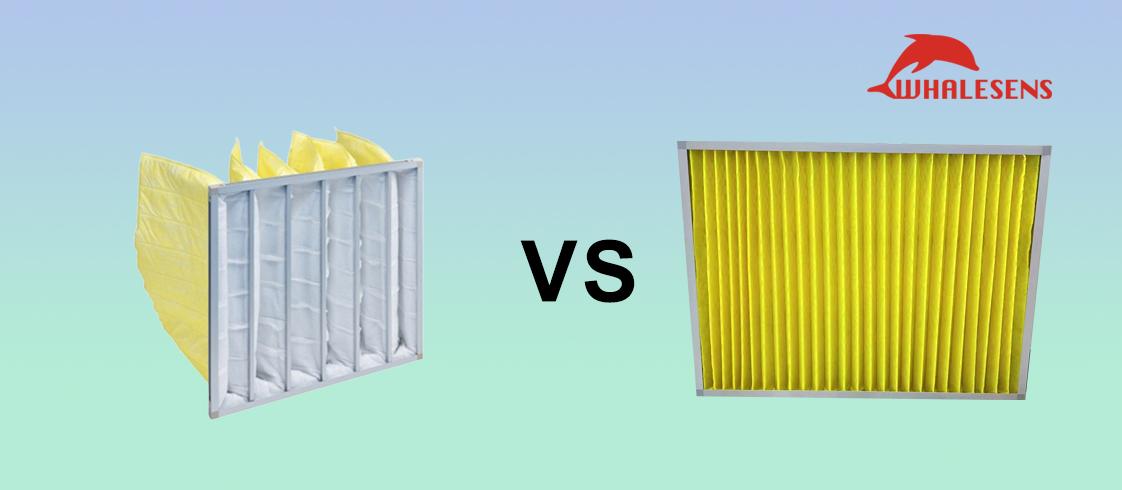
Bag Filter
High Dust-Holding, Long Life
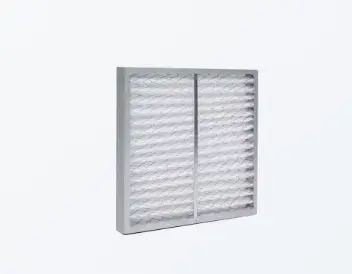
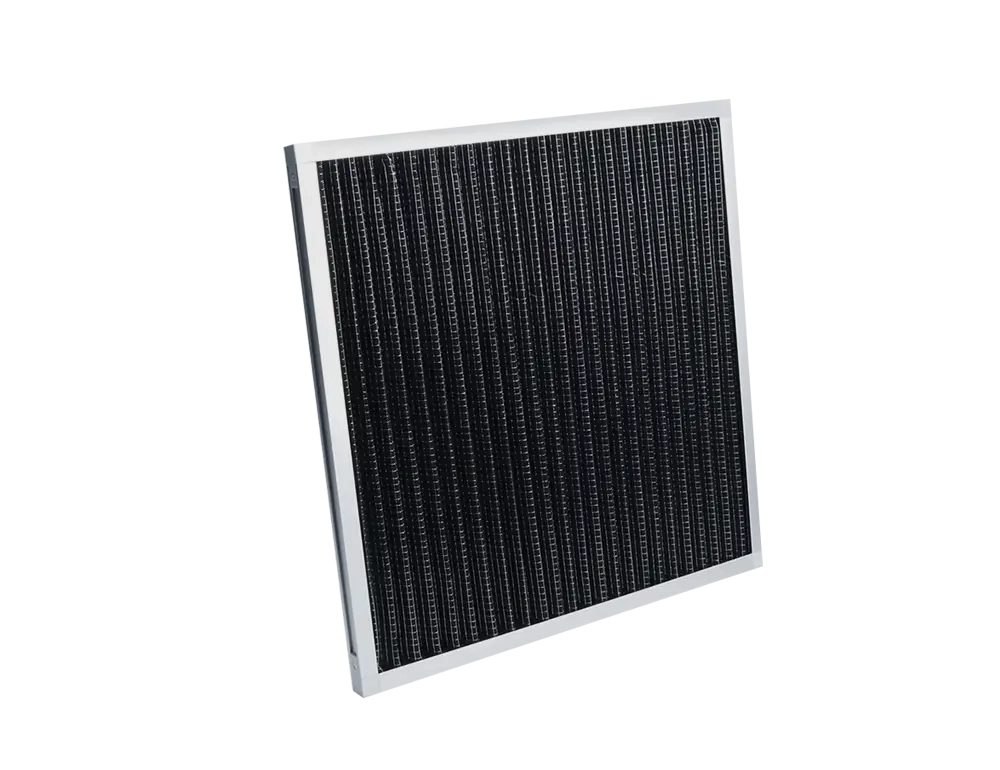
Panel / Pleated Filter
Compact Space-Saving Design
Low-Resistance Airflow
Energy-Saving Operation
Industrial-Grade Heat Tolerance
Built with specialized heat-resistant materials, operating stably up to 250°C for paint ovens, industrial dryers, and high-temperature process environments.
View Related Products →Cut Costs, Reduce Waste
Cleanable by water washing or air blowing, reusable multiple times to significantly reduce replacement frequency and O&M costs — an economical, eco-friendly choice.
View Related Products →Odor & Harmful Gas Removal
Leverages activated carbon's high adsorption capacity to eliminate odors, VOCs, and formaldehyde, ideal for newly renovated spaces and industrial exhaust treatment.
View Related Products →High Dust-Holding, Long Life
Bag-style construction delivers a larger filtration area, high dust-holding capacity, and extended service life — ideal for high-dust environments with reduced replacement frequency.
View Related Products →Compact Space-Saving Design
Compact form factor for easy installation and replacement; pleated structure maximizes filtration area within a small footprint for higher efficiency.
View Related Products →Energy-Saving Operation
Low-resistance design minimizes pressure drop while maintaining filtration performance, reducing fan energy consumption for cost-effective, eco-friendly operation.
View Related Products →
















 English(Global)
 简体中文
简体中文 Language




2026 CES Insights and Future Outlook: Air Filtration Technology Reconstructs the B2B Space Health Management Ecosystem
At the 2026 Consumer Electronics Show (CES), technological innovations in the air filtration sector have revealed distinct momentum — the dimensional upgrade from passive filtration to active management has ushered in a new paradigm for air solutions in commercial spaces such as offices, healthcare facilities, education institutions, and industrial sites. Standing at the 2026 juncture and looking ahead to 2027-2030, this transformation will accelerate into an industry-wide revolution dominated by "health value orientation, service model restructuring, and humanistic care implementation." For corporate clients, this represents not merely the iteration and upgrading of air treatment equipment, but a complete resolution to the three long-standing core pain points: "invisible effectiveness, uncontrollable costs, and mismatched experiences," driving commercial spaces to fully transition from "meeting basic standards" to "creating health value."
Technological Breakthroughs in Air Filtration: Addressing Clients' Immediate Pain Points Through CES Insights
The cutting-edge technologies showcased at this year's CES have precisely targeted the core pain points of corporate clients, offering clear solutions to current air treatment challenges:
1. Full-Range Airflow Management: Solving the Industry Dilemma of "Uneven Purification in Large Spaces"
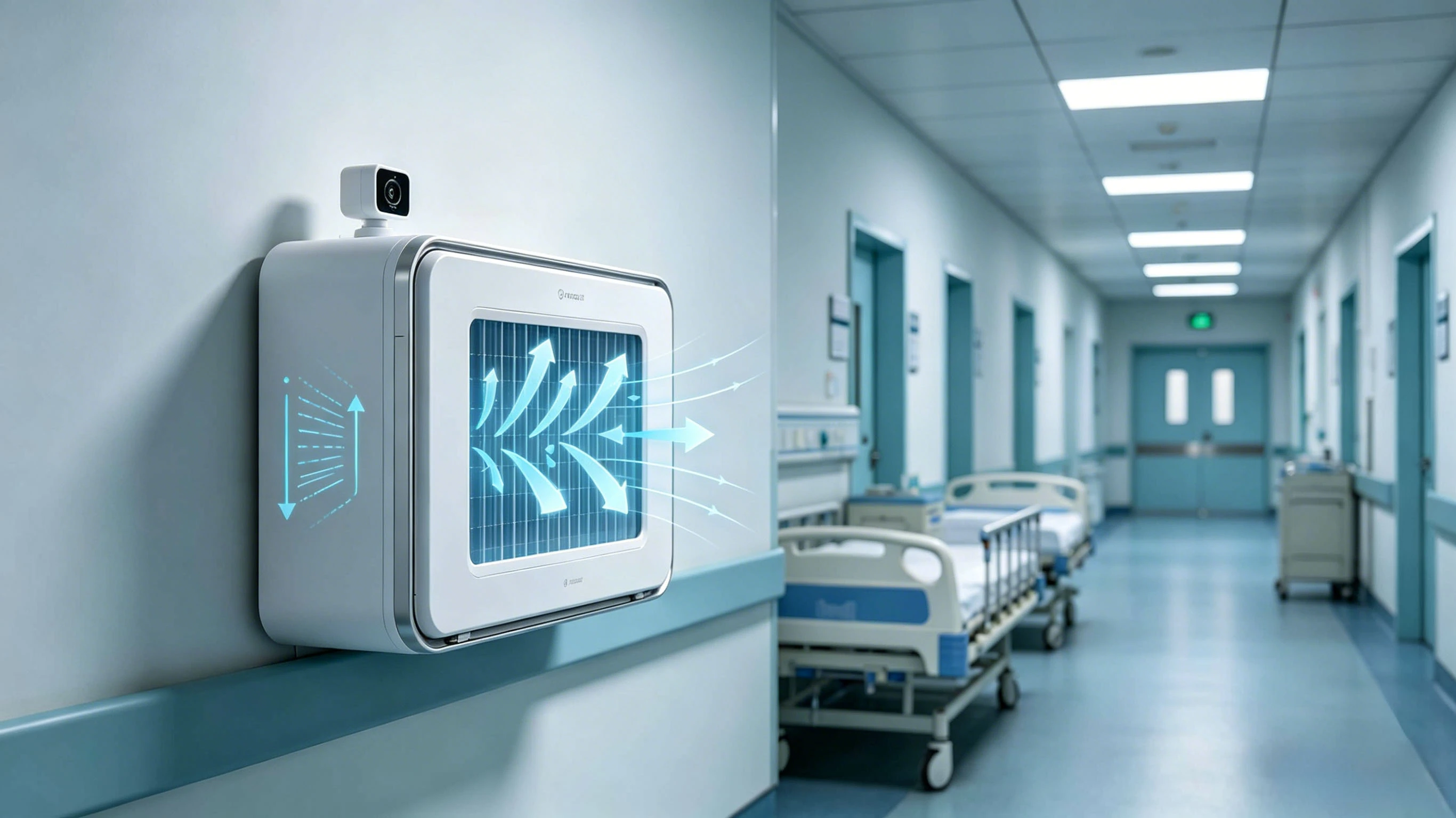
"Achieving standards around equipment but failing in distant areas" is a common predicament in large commercial spaces (e.g., large offices, exhibition halls, and hospital wards). Traditional equipment, limited by airflow coverage, results in a disconnect between purification effectiveness and spatial requirements. The 350° full-range air swing and intelligent human-sensing technology launched by MOVA Omphalos at CES directly addresses this issue — through dynamic adjustments of "air following people, avoiding direct blows, and stopping when unoccupied," purified air accurately covers areas with human activity while eliminating discomfort caused by direct airflow. For clients, this means achieving uniform purification across entire floors without additional equipment purchases, reducing initial investment costs while resolving the awkward situation of "spending money without achieving expected results."
2. Visualized Interaction: Ending the Trust Dilemma of "Unverifiable Purification Effectiveness"
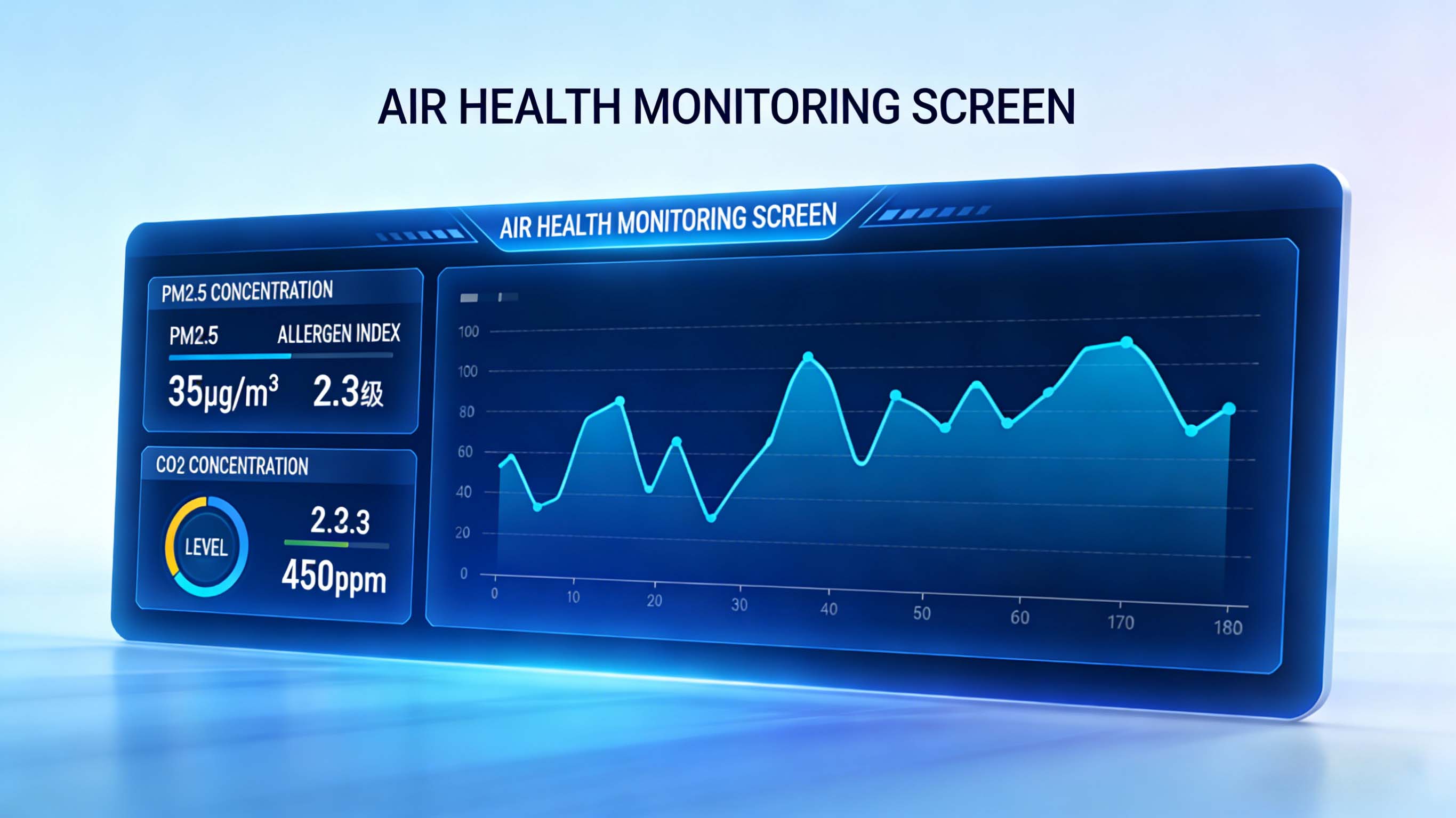
Corporate clients invest in air filtration equipment but struggle to demonstrate the value of purification to employees and customers — this constitutes a core trust barrier in B2B collaborations. The 3D immersive visualization technology of MOVA Stellar X20 converts key data such as PM2.5 concentration, allergen levels, and purification progress into intuitive dynamic visuals, enabling managers to monitor real-time status and allowing space users to clearly perceive health value. For instance, high-end hotels can convey differentiated services of "safe room air" to guests through public display screens, while medical institutions can meet the strict regulatory requirements for operating rooms through data traceability, completely resolving the pain point of "invisible purification effects and indistinct customer value."
3. Scenario-Specific Customization: Moving Beyond the Inefficient "One-Size-Fits-All" Equipment Model
Air quality challenges vary significantly across industries: pet hospitals face combined issues of floating fur and odors, food processing plants require strict microbial contamination control, and office buildings grapple with reduced employee alertness due to high CO₂ concentrations. Scenario-specific technologies exhibited at CES (e.g., pet-specific filter screens and medical-grade sterilization systems) have transformed air filtration from "one-size-fits-all" to "precision matching." Clients no longer pay for unnecessary functions or endure inefficient "equipment mismatched to scenarios." For example, educational institutions can opt for allergy-resistant solutions targeting pollen and dust mites, while industrial workshops can customize composite filtration systems for dust and VOCs, achieving "on-demand customization and precision treatment."
Future Outlook (2027-2030): Reconstructing the B2B Air Health Ecosystem Through Three Core Dimensions
Looking ahead to the next 3-5 years from 2026, air filtration technology will evolve from "equipment upgrading" to "ecosystem reconstruction," creating deeper value for clients around three core pillars: new health concepts, corporate development needs, and humanistic care.
I. New Health Concepts: From "Pollution Control" to "Active Enhancement" — Building a New Engine for Productivity Improvement
Future air health management will completely transcend the basic logic of "purifying pollutants" and shift toward a new dimension of "enhancing human conditions through air quality" — a concept supported by research data: improving indoor air quality can reduce absenteeism by over 30% and enhance cognitive performance by up to 50%. For corporate clients, air equipment will transform from a "cost center" to a "productivity enhancement tool."
By 2027, this concept will be realized through three technological advancements:
- Physiologically Adaptive Purification: Equipment will integrate human sensors and AI algorithms to dynamically adjust purification intensity and airflow patterns based on personnel density and activity status in the space — automatically increasing CO₂ replacement efficiency during meetings with multiple participants and enhancing oxygen supply during afternoon office hours to address "afternoon drowsiness," directly improving employee productivity;
- Health Data Management: Air systems will integrate with corporate HR and building management systems to generate "space health reports," quantifying the impact of air quality on employee health and work efficiency, and providing clients with clear data support for "health investment-value return";
- Ultra-Micro Pollution Prevention: High-efficiency filter materials with 99.99% filtration efficiency for ultra-fine pollutants such as PM0.3, viral aerosols, and new VOCs will become standard in commercial equipment, meeting the "zero pollution" requirements of high-end scenarios such as healthcare and electronics manufacturing, and helping clients comply with stricter industry standards.
II. Corporate Development Perspective: From "Equipment Sales" to "Service Closed Loop" — Reducing Clients' Total Lifecycle Costs
In the next 3-5 years, industry competition will shift from "product price wars" to "service value wars," aligning with corporate clients' core needs of "controlling long-term costs and improving operational efficiency." According to industry forecasts, the ecosystem model of "equipment + services" will become mainstream by 2030, with value-added service revenue accounting for over 35%.
Targeting the operational pain points of corporate clients, three major service closed loops will be formed in the future:
- Intelligent Operation and Maintenance Services: By 2027, AI-enabled environment-aware equipment will account for over 60% of the market. Devices can real-time monitor filter wear and operational status through the Internet of Things (IoT), automatically send replacement reminders to clients, and coordinate with service providers for on-site replacements — completely resolving the operational black hole of "opaque filter replacements and soaring long-term costs," allowing clients to achieve "zero manpower investment" in management;
- Green and Low-Carbon Adaptation: Against the backdrop of carbon neutrality, equipment driven by renewable energy and featuring low-energy designs will become mainstream, with an expected market share of 30% by 2030. Choosing such equipment not only reduces electricity costs for clients but also aligns with green building certifications (LEED, BREEAM), improving corporate ESG ratings and enhancing brand value;
- Customized Consumable Supply: Service providers will customize long-lasting, high-adaptability filters based on the pollution characteristics of clients' scenarios, such as "dust-clogging resistant filters" for industrial workshops and "long-acting deodorization filters" for hotels, extending filter replacement cycles from 3 months to 6-12 months, significantly reducing clients' consumable procurement costs and replacement frequency.
III. Humanistic Care: From "Function Satisfaction" to "Emotional Adaptation" — Covering the Needs of All Groups
Future air filtration technology will place greater emphasis on "human feelings," avoiding technological coldness and ensuring that every space user feels valued — a key differentiator for clients in industries such as education, healthcare, and hospitality that prioritize user experience.
After 2027, humanistic care will be implemented through three key directions:
- Specialized Solutions for Sensitive Groups: Targeting children, the elderly, and individuals with allergies, equipment will integrate features such as "low-noise operation," "temperature-humidity linkage," and "allergen-targeted filtration." For example, classroom equipment can reduce operating noise to below 30 decibels to avoid interfering with student learning, while hospital ward systems can link with temperature adjustments to prevent cold air from irritating respiratory-sensitive patients, helping clients build a "humanized space" image;
- Invisible Design Upgrades: Equipment will shift from "independent placement" to "building integration," such as window-type fresh air systems and ceiling-mounted purification modules, which do not occupy space and maintain consistent interior design — resolving clients' hidden pain point of "equipment affecting spatial aesthetics";
- Autonomous Control Rights: End users such as employees and hotel guests can independently adjust the air environment around them (e.g., local air volume, purification mode) through mobile apps, realizing "my air, my control." This function enhances space user satisfaction — for instance, corporate employees can adjust office air quality according to personal needs, and hotel guests can customize room purification plans, helping clients improve service reputation.
Client Perspective: How Will We Solve Your Core Problems in the Next 3-5 Years?
| Core Client Pain Points | Current Solutions | 2027+ Upgraded Solutions | Client Value Return |
|---|---|---|---|
| Uneven purification and poor effectiveness in large spaces | Full-range airflow management technology for precise coverage of activity areas | AI dynamic adaptation system that adjusts in real-time based on personnel distribution, increasing purification efficiency by 40% | Reduce equipment procurement quantity and lower initial investment by 30% |
| Complex operation and maintenance, high long-term costs | Visual filter wear reminders | Automatic operation and maintenance + on-site replacement services, doubling filter lifespan | Reduce labor costs to zero and cut consumable costs by 50% |
| Unverifiable and unquantifiable purification effects | 3D visualized data display | Health value reports quantifying specific outcomes in productivity improvement and absenteeism reduction | Convey health value to employees and clients, enhancing brand image |
| Equipment mismatched to scenario-specific needs | Scenario-customized filters and functions | Industry-specific solutions integrating pollution control + health enhancement features | Avoid ineffective investment and achieve "pay-as-you-need" |
| Conflict between spatial aesthetics and user experience | Invisible equipment design | Building-integrated modules + end-user autonomous control | Improve space user satisfaction and create differentiated advantages |
Conclusion: 2027+, The "Value Revolution" in Air Health Management
From the technological breakthroughs at CES 2026 to the ecosystem reconstruction expected in 2027-2030, the air filtration industry is undergoing a "value revolution" — for B2B clients, air equipment is no longer merely a "pollution control tool" but a core asset for improving productivity, reducing operational costs, and building brand value.
In the future, we will focus on "solving clients' actual problems," providing full-lifecycle "equipment + technology + services + data" solutions around the three core dimensions of new health concepts, corporate development needs, and humanistic care. In the short term, we will help you address immediate pain points such as uneven purification and complex operation and maintenance; in the long term, we will build a spatial ecosystem characterized by "health value addition, controllable costs, and excellent experiences." Amid this transformation, choosing an air health partner that aligns with trends will not only help you avoid the risk of obsolete existing equipment due to technological iteration but also enable you to seize opportunities in the "healthy space" competition and become a "humanistic care benchmark" in your industry.
👉 Whalesens Technology — Experience the Future of Air Purification
✅ Free Technical Consultation: Expert guidance on the latest technologies and applicability.
✅ Customized Solutions: Tailored filter systems designed for your specific needs.
🔍 Common Air Filter Types
- Bag Filters: Remove medium to large particles such as dust and pollen; ideal for livestock farms, industrial facilities, and schools.
- Panel Filters: Serve as primary or medium-efficiency filters to protect equipment and extend the life of high-efficiency filters.
- HEPA Filters: Capture PM2.5, pollen, bacteria, and most airborne particulates; perfect for classrooms, laboratories, and medical environments.
- Activated Carbon Filters: Remove gaseous pollutants, odors, and volatile organic compounds; suitable for food processing, livestock, and enclosed spaces.
🔍 Explore More Articles
- Application of Air Filters in Modern Pig Farms
- Air Filtration in Schools: A Comprehensive Guide
- Case Study: Air Filtration Solutions for Semiconductor Cleanrooms
Learn more about our innovative technologies:
🌐 Official Website: www.whalesens.com
📞 WhatsApp: (+86) 13119189886
📧 Email: whalesens@gmail.com
Need a custom air filtration solution?
Contact the Whalesens engineering team for product selection and OEM/ODM support.
Email whalesens@gmail.com