


EV Charging Stations
Filtration for Power Equipment
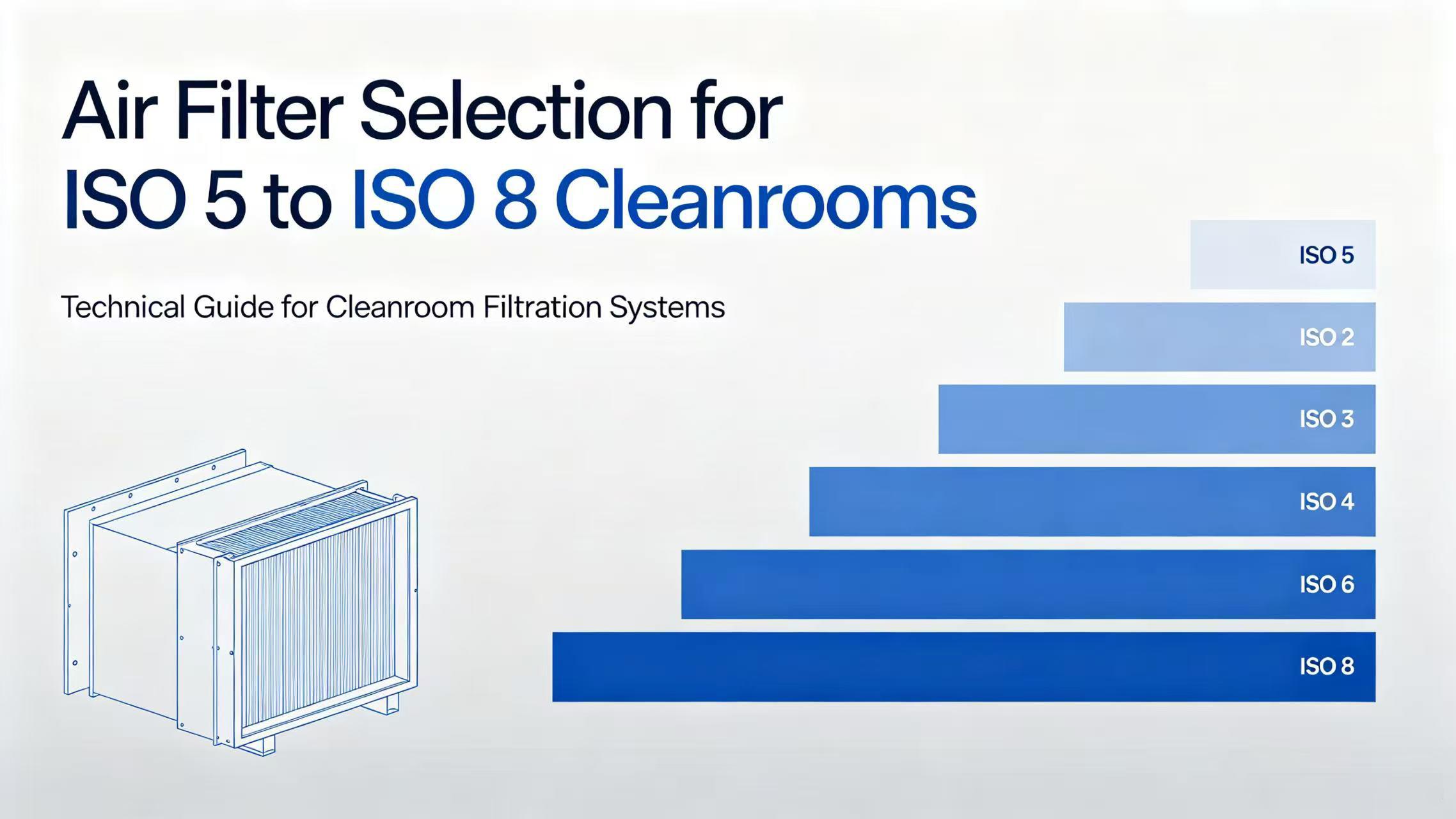
Cleanroom & Semiconductor
Ultra-High Cleanliness Filtration
Commercial HVAC
Central Air System Filtration
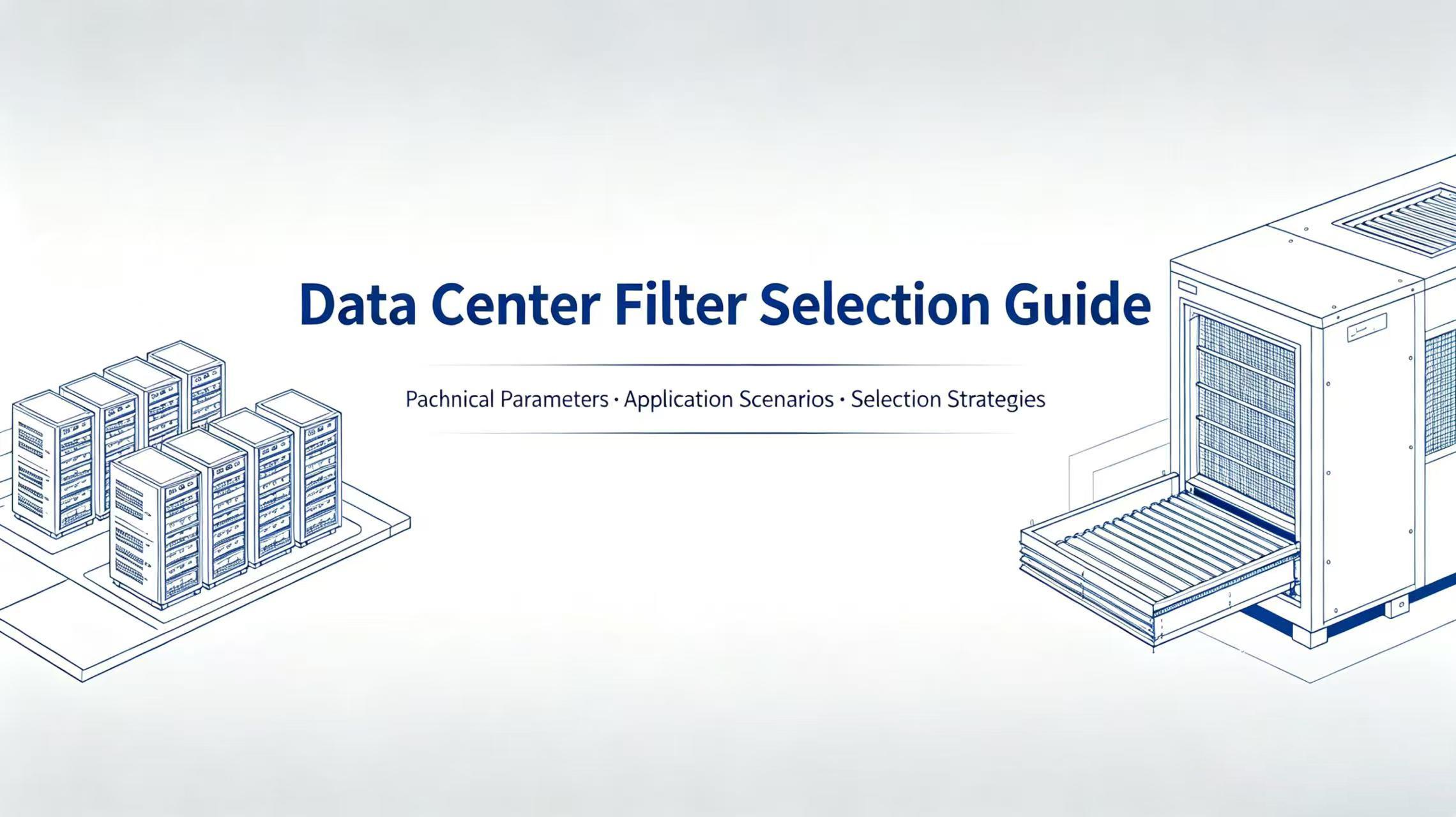
Data Centers
Precision Equipment Protection
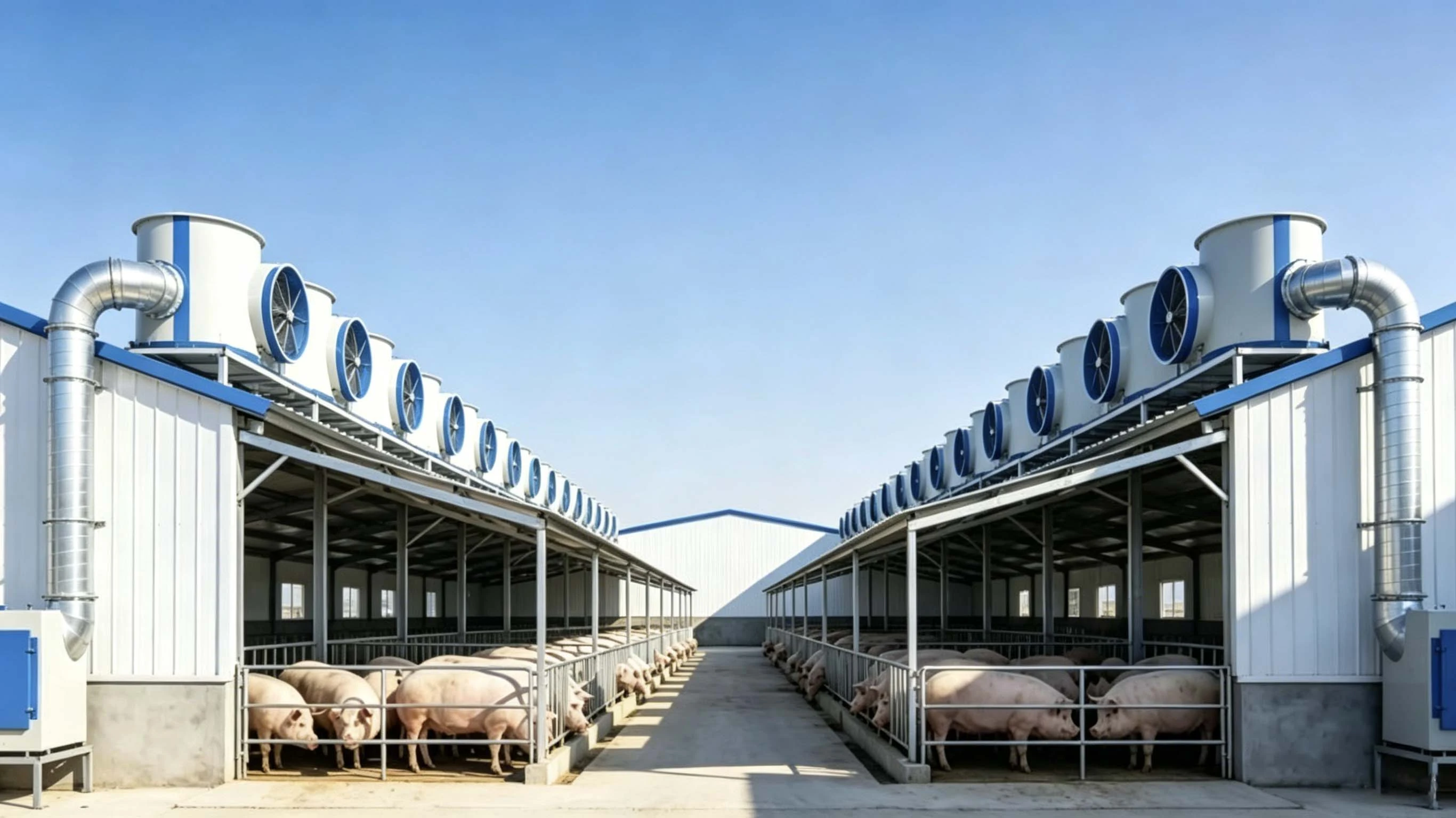
Livestock & Farming
Farming Environment Purification
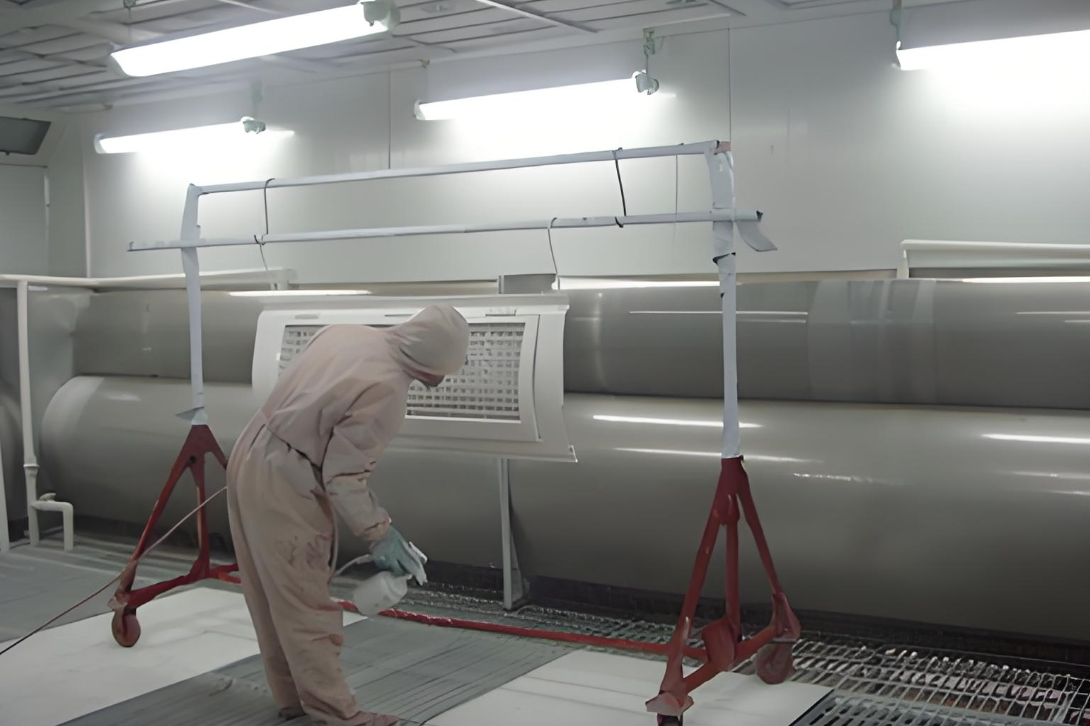
Spray Booths & Industrial Dust
Paint Mist & Dust Purification
Filtration for Power Equipment
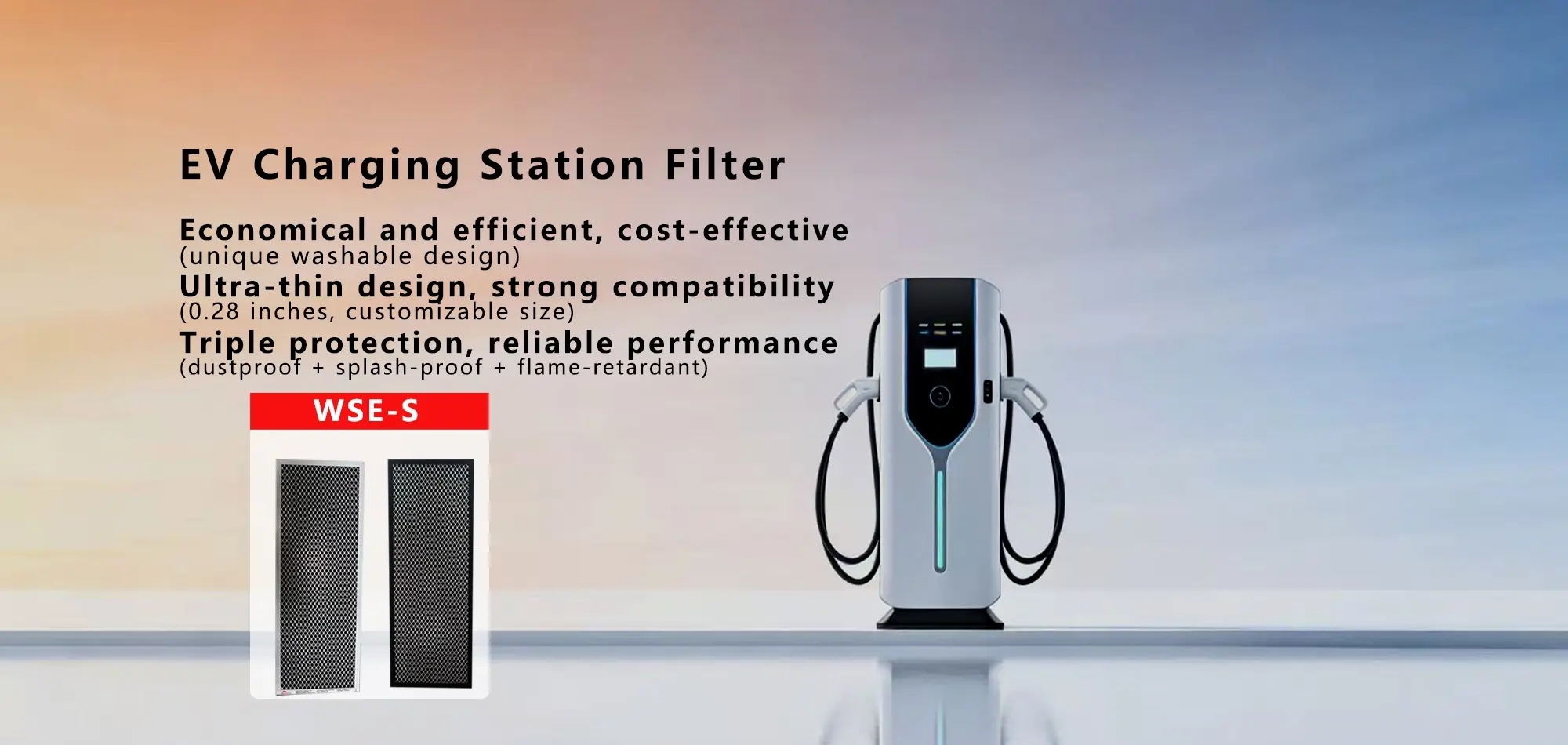
Professional air filtration for EV charging devices, protecting against dust and sand ingress to ensure stable, reliable operation of charging piles and station infrastructure.
View Related Products →Ultra-High Cleanliness Filtration
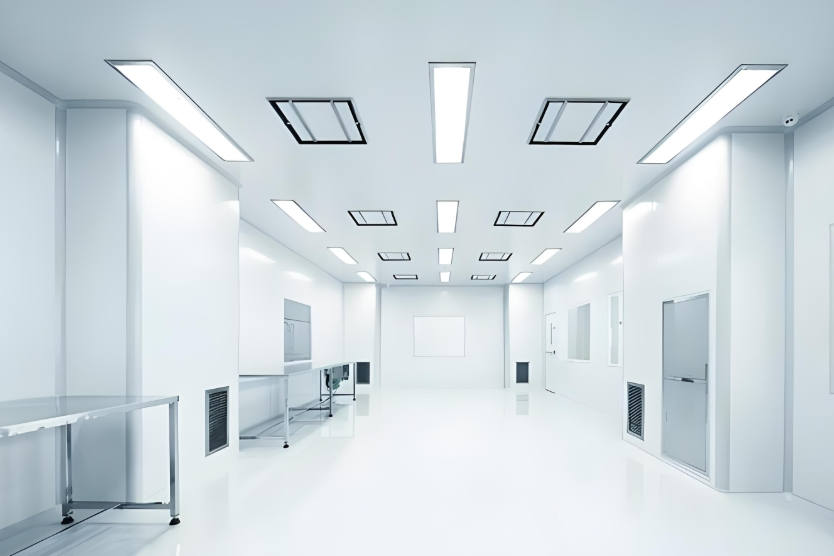
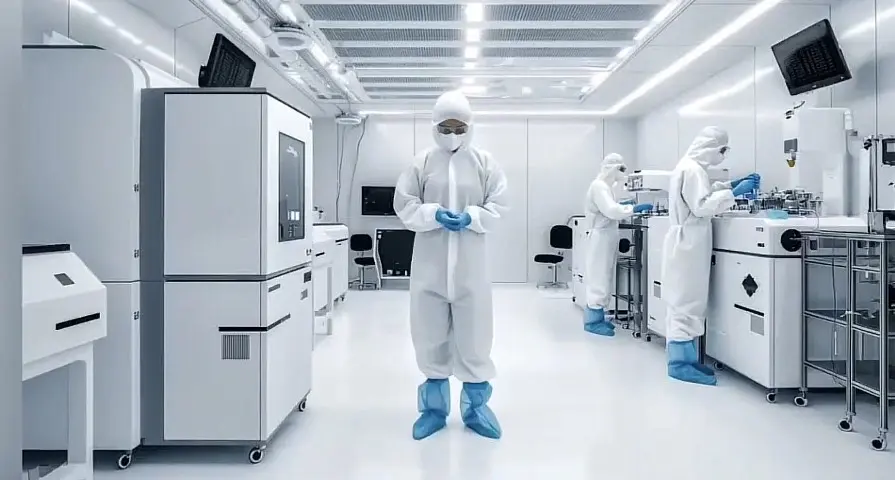
Ultra-high efficiency filtration for semiconductor wafer fabs and precision electronics cleanrooms, capturing nano-scale particles to meet ISO Class 1–3 standards and maximize product yield.
View Related Products →Central Air System Filtration
High-efficiency filtration for commercial building HVAC systems, improving indoor air quality, reducing energy consumption, and extending equipment service life.
View Related Products →Precision Equipment Protection
Precision air filtration for data centers, shielding servers and critical hardware from dust contamination to keep cooling systems running efficiently and reliably.
View Related Products →Farming Environment Purification
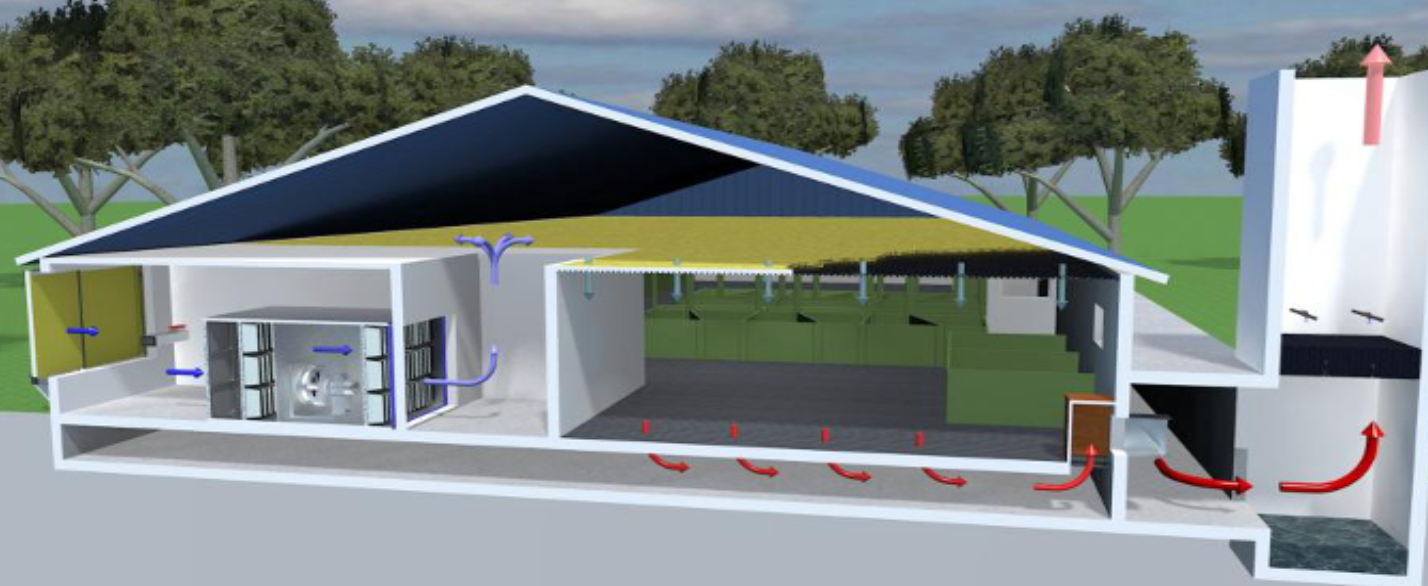
Dedicated filtration systems for farms and livestock facilities — capturing dust, adsorbing ammonia, and inhibiting pathogen spread to improve animal health and overall productivity.
View Related Products →Paint Mist & Dust Purification
Designed for spray booths and grinding workshops, efficiently capturing paint mist, metal dust, and wood chips to meet emission standards while protecting finished surface quality.
View Related Products →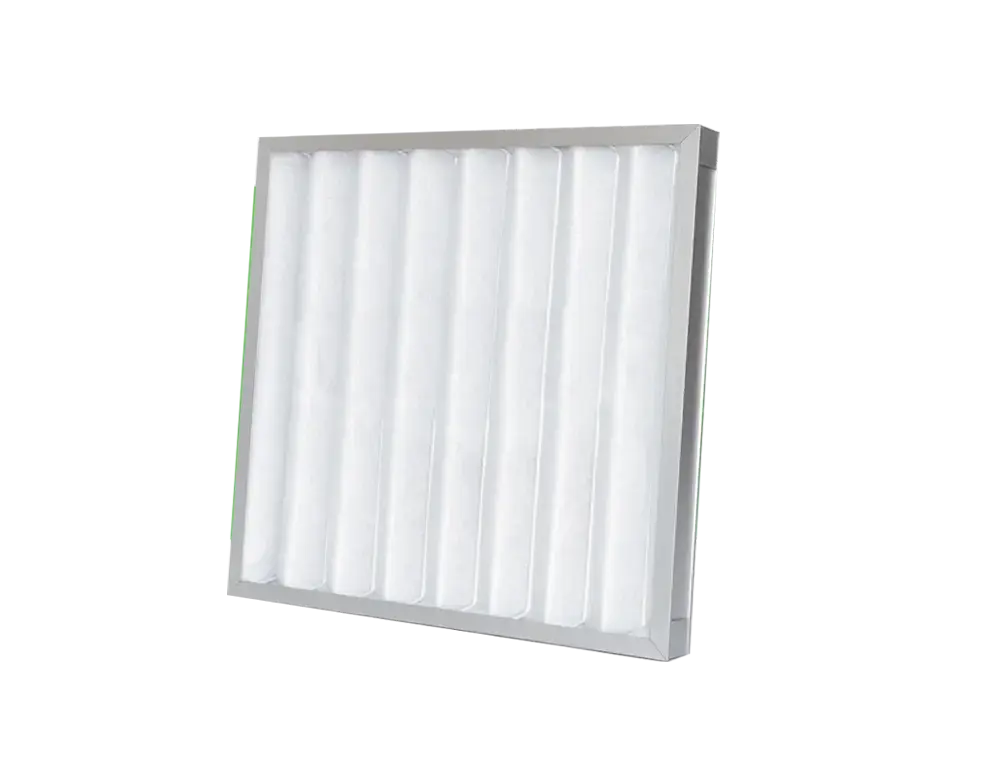
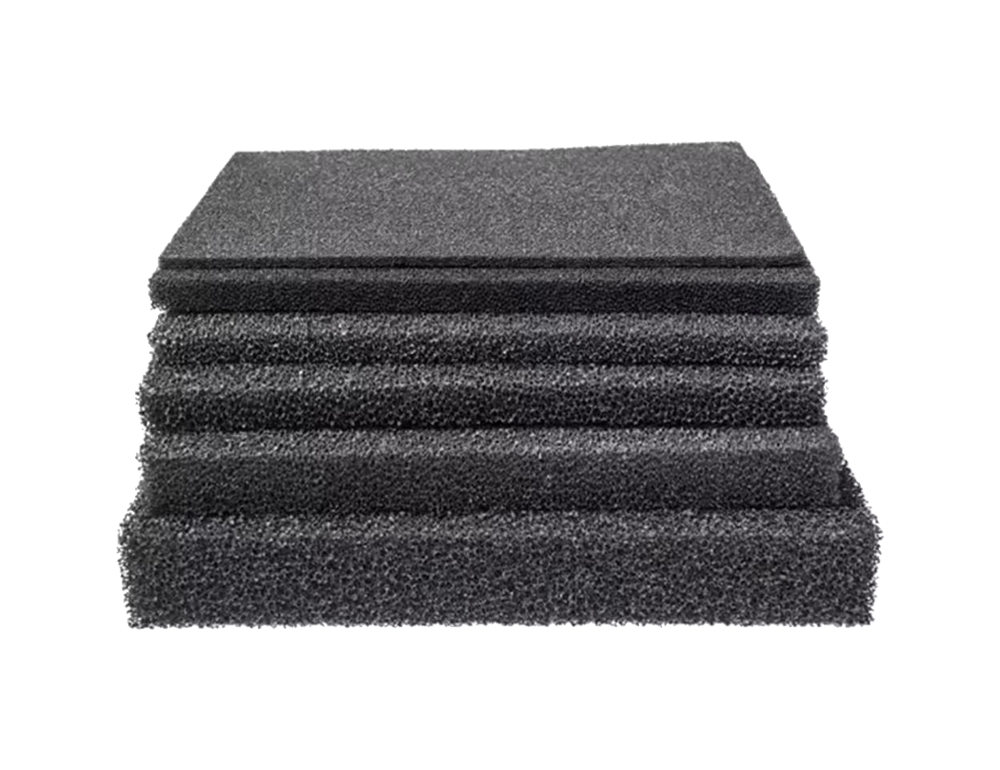
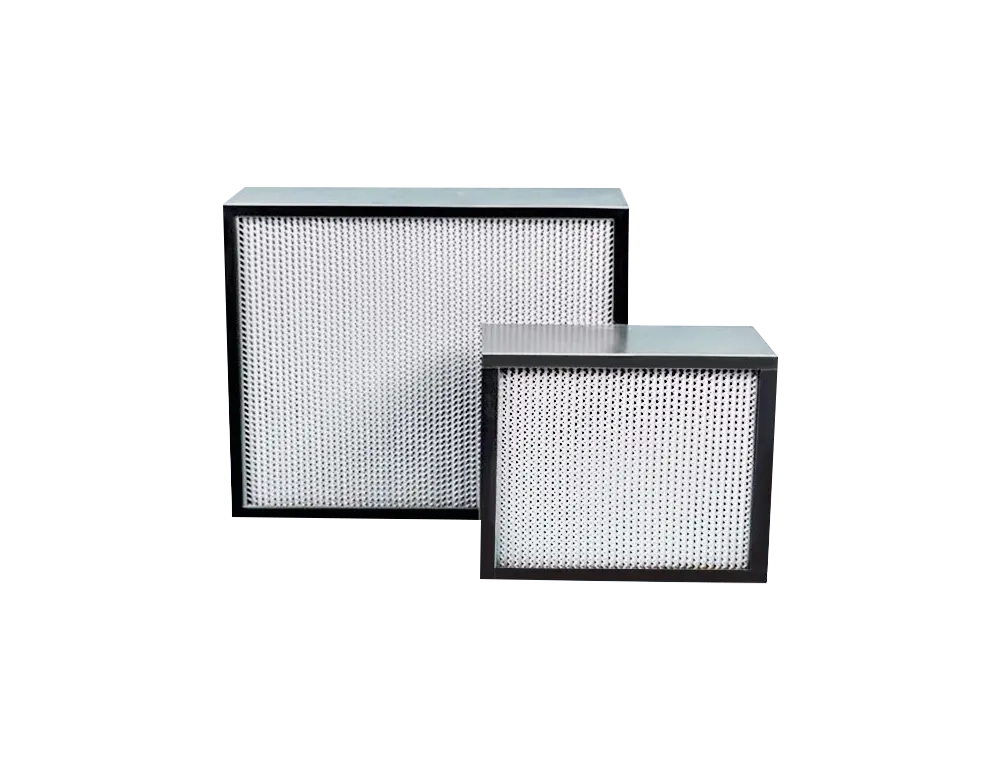
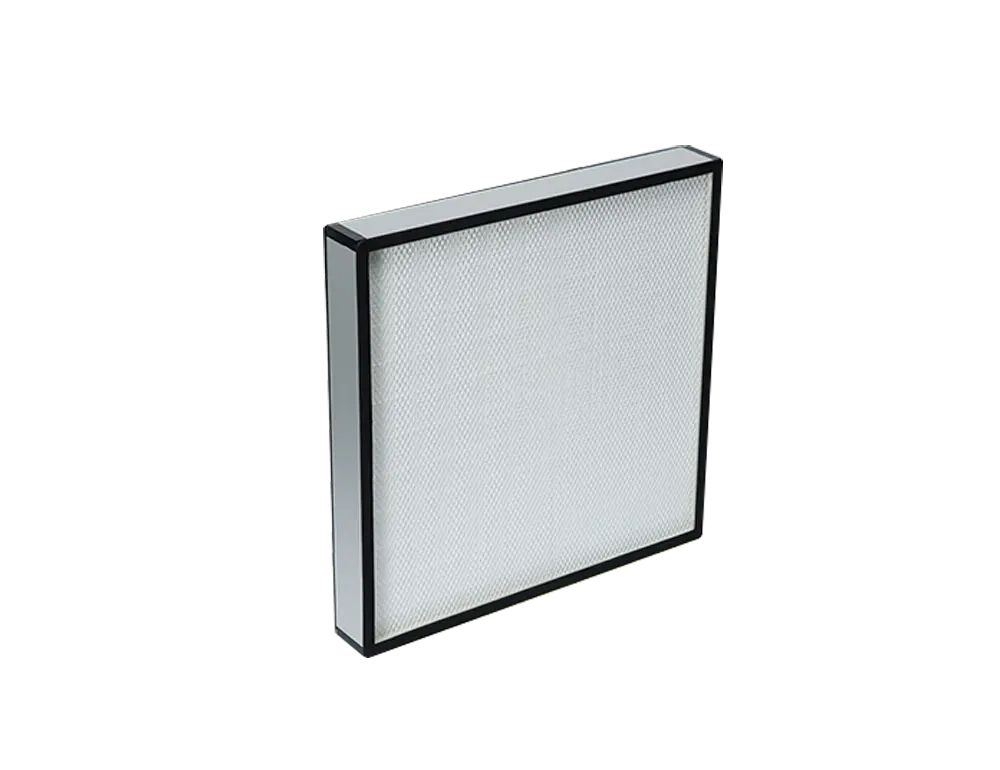
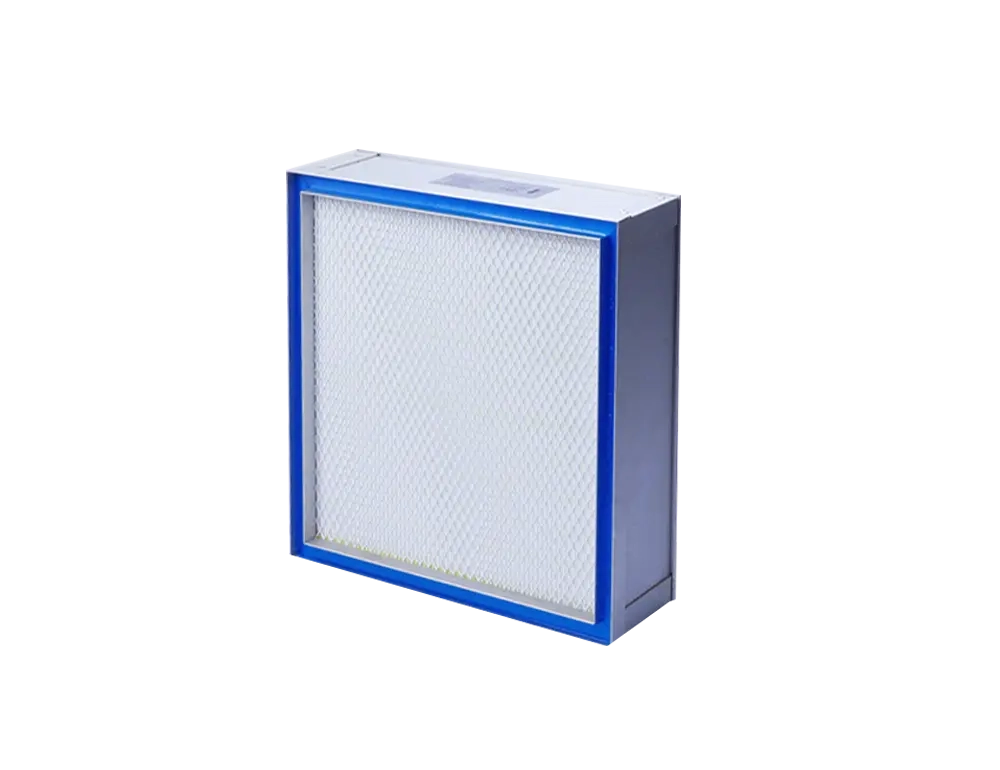
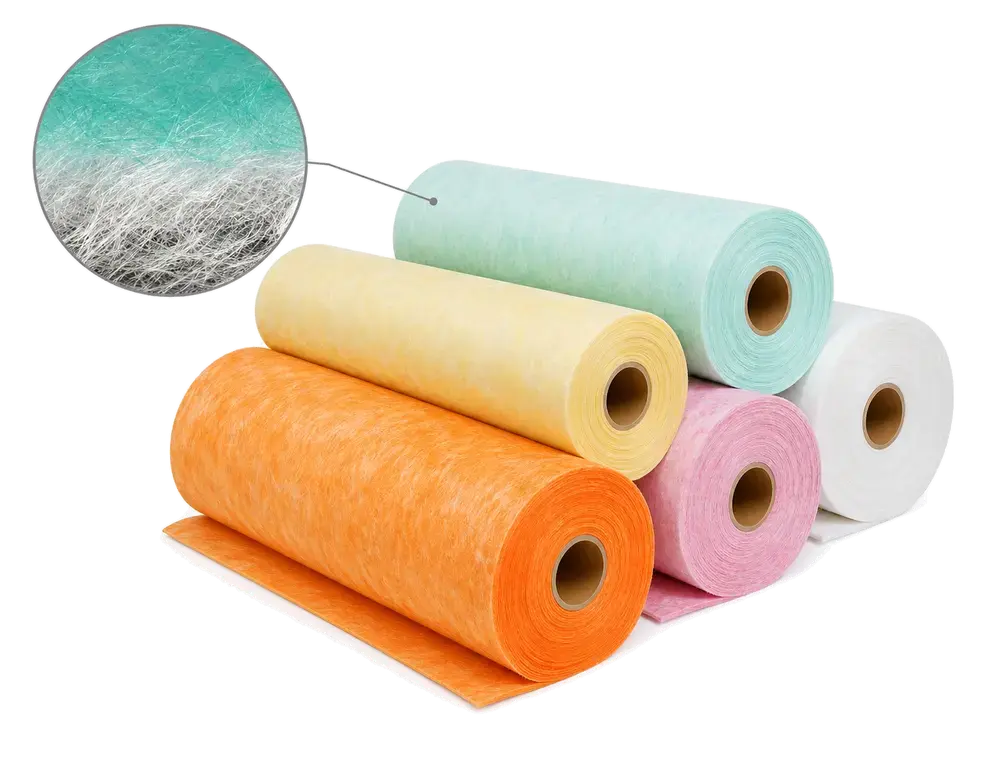
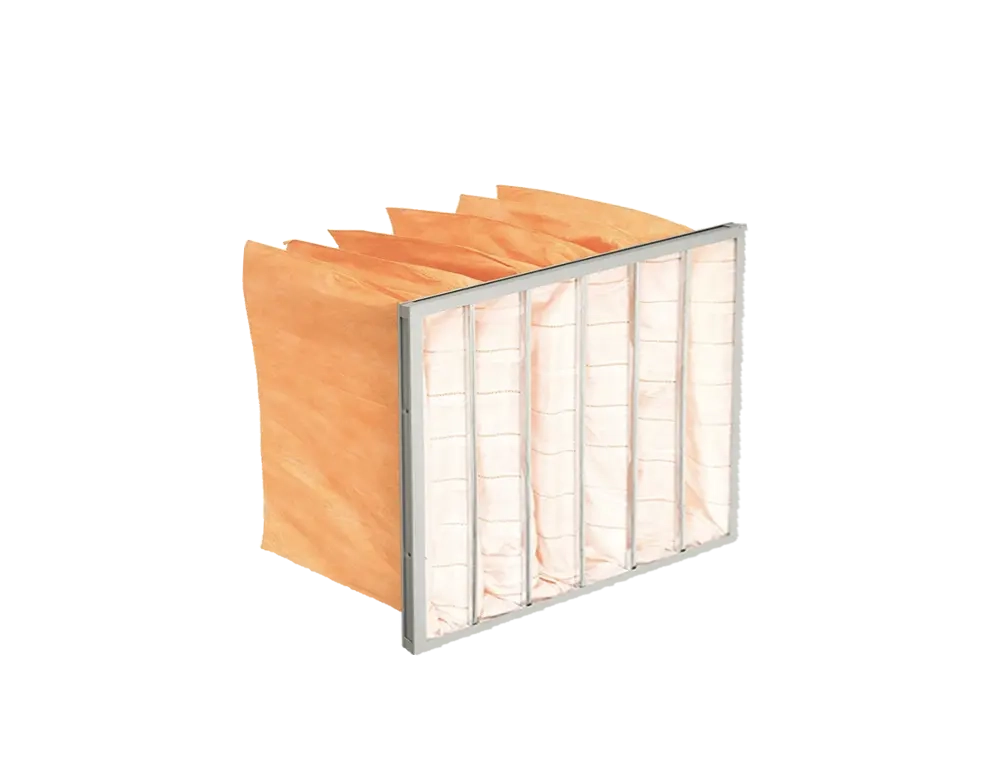
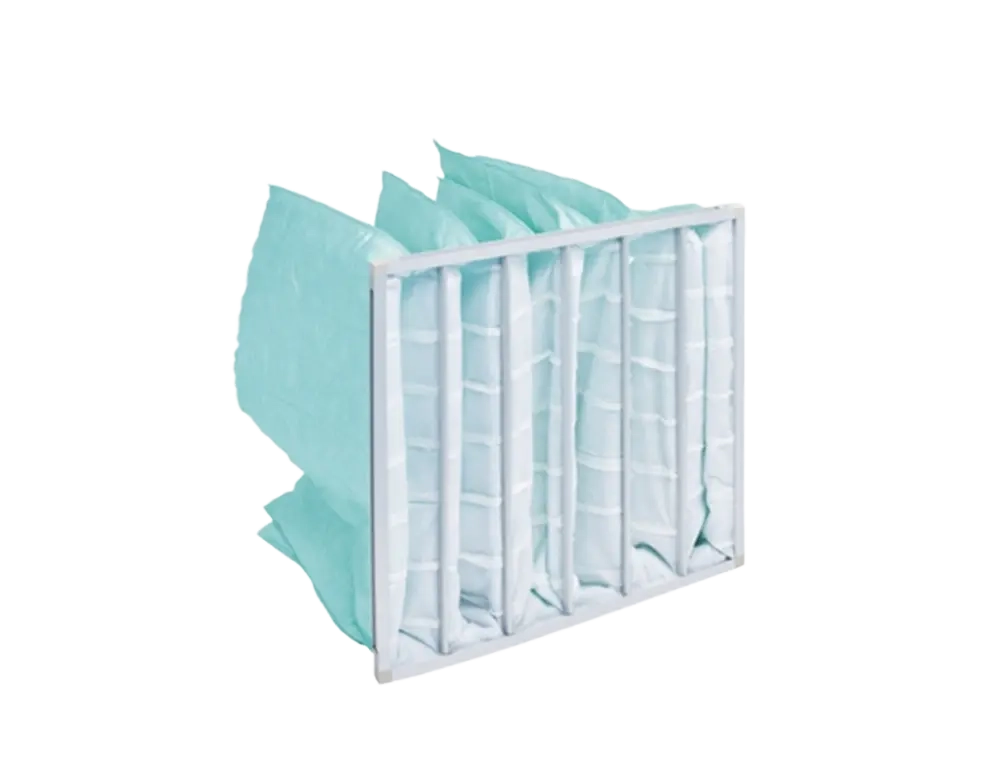
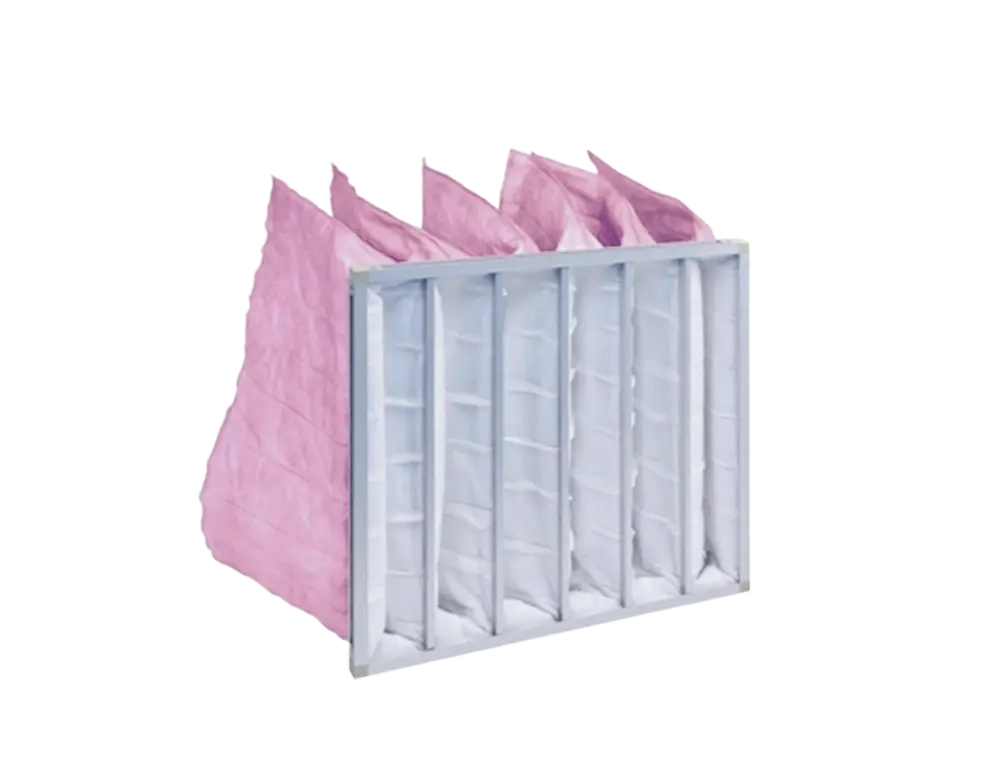
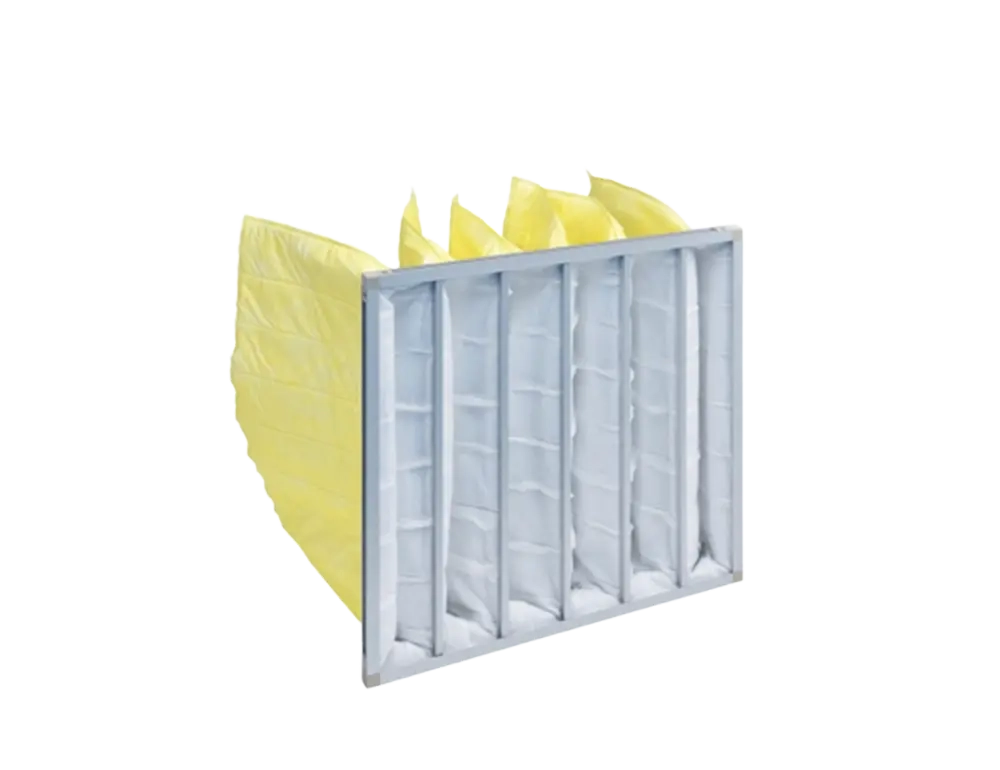
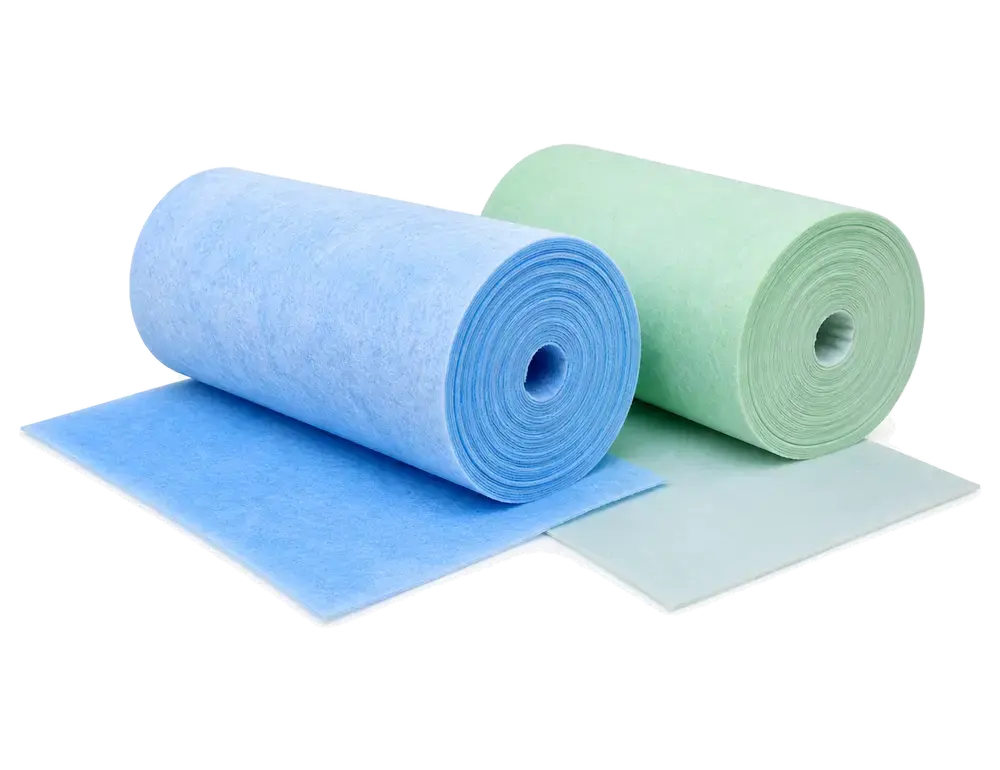
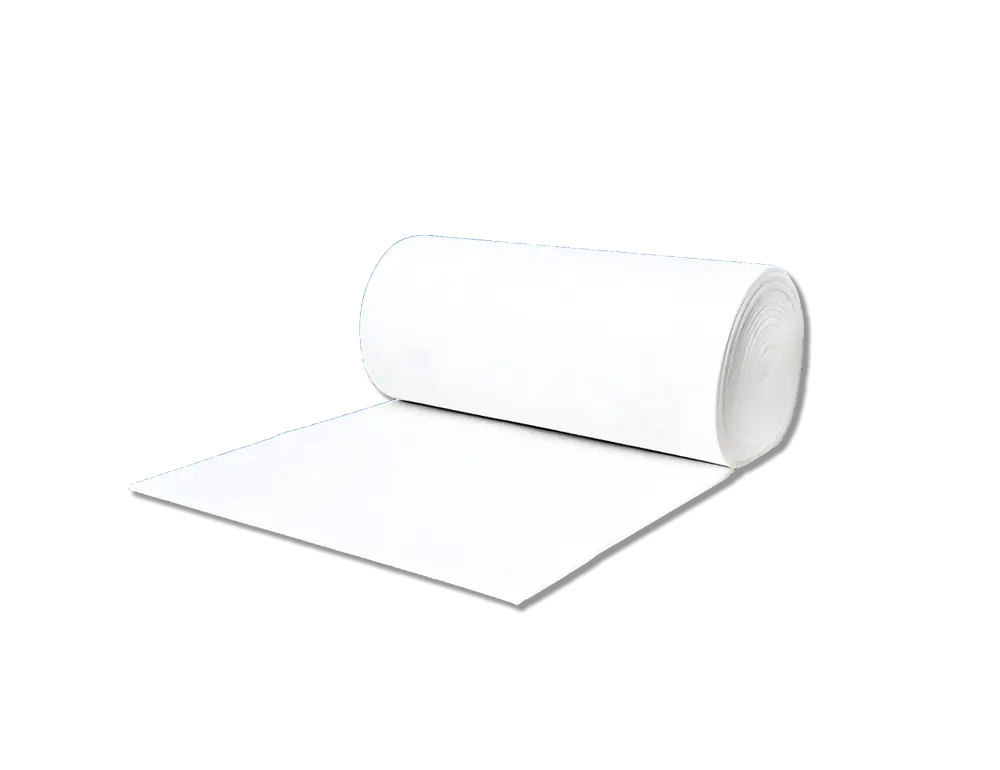
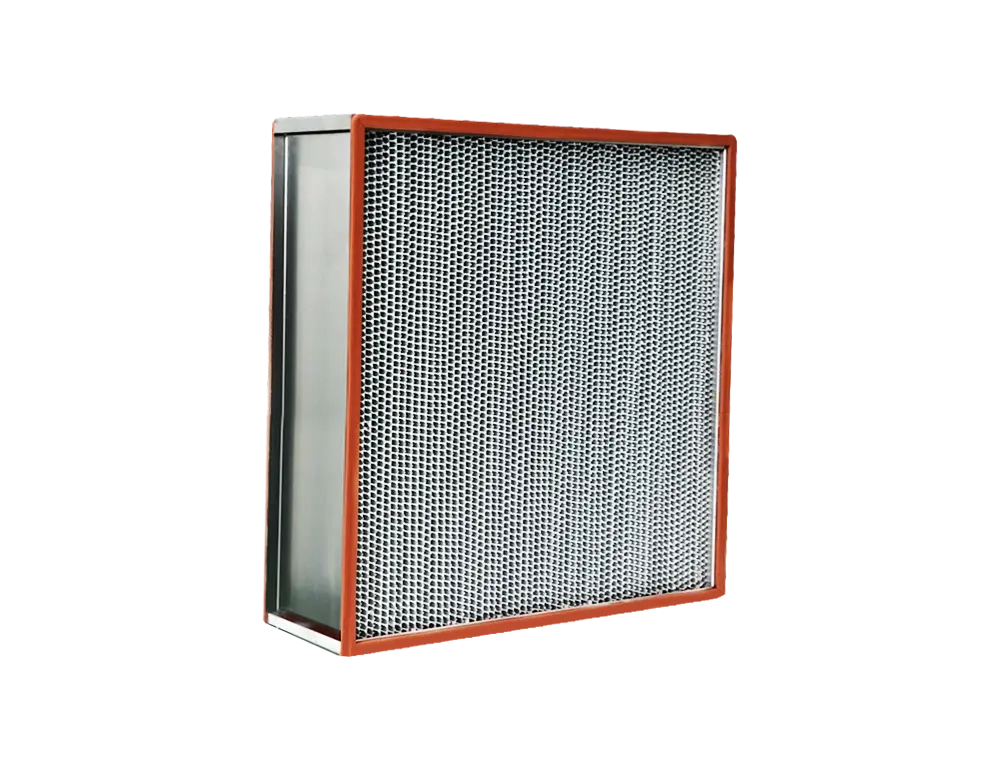
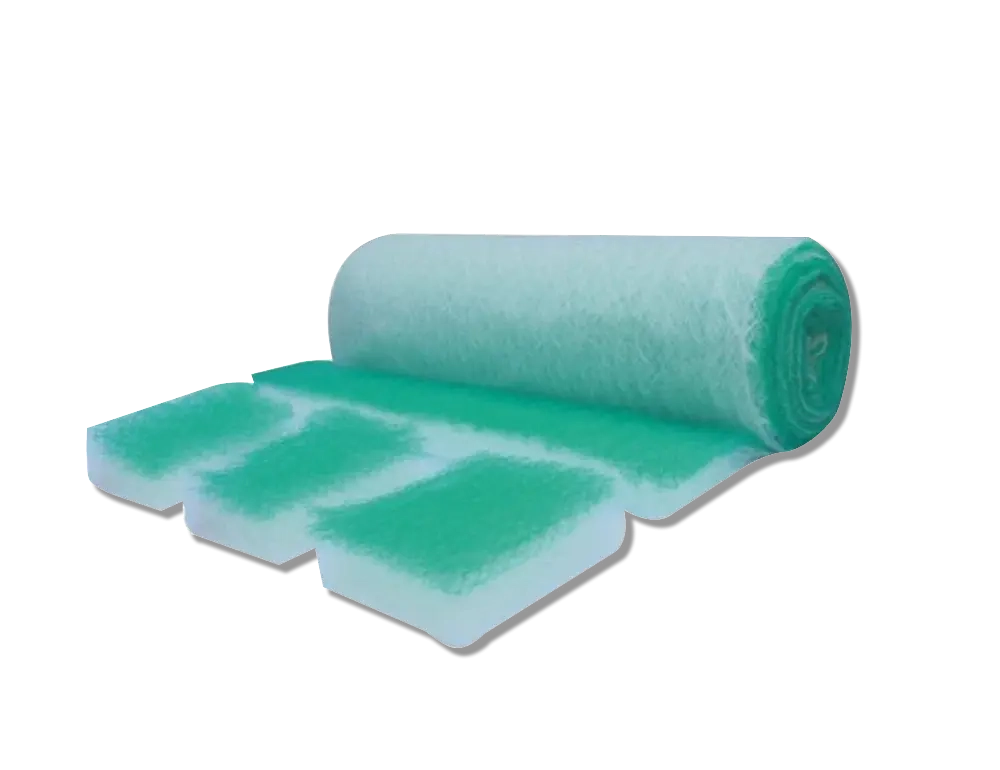
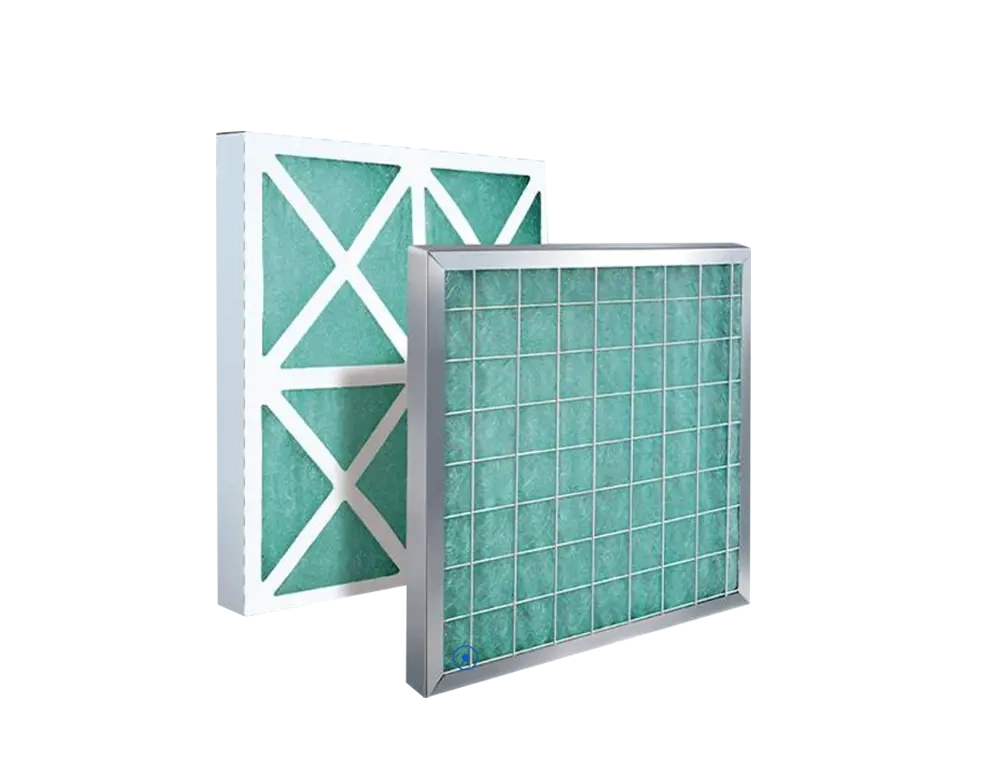
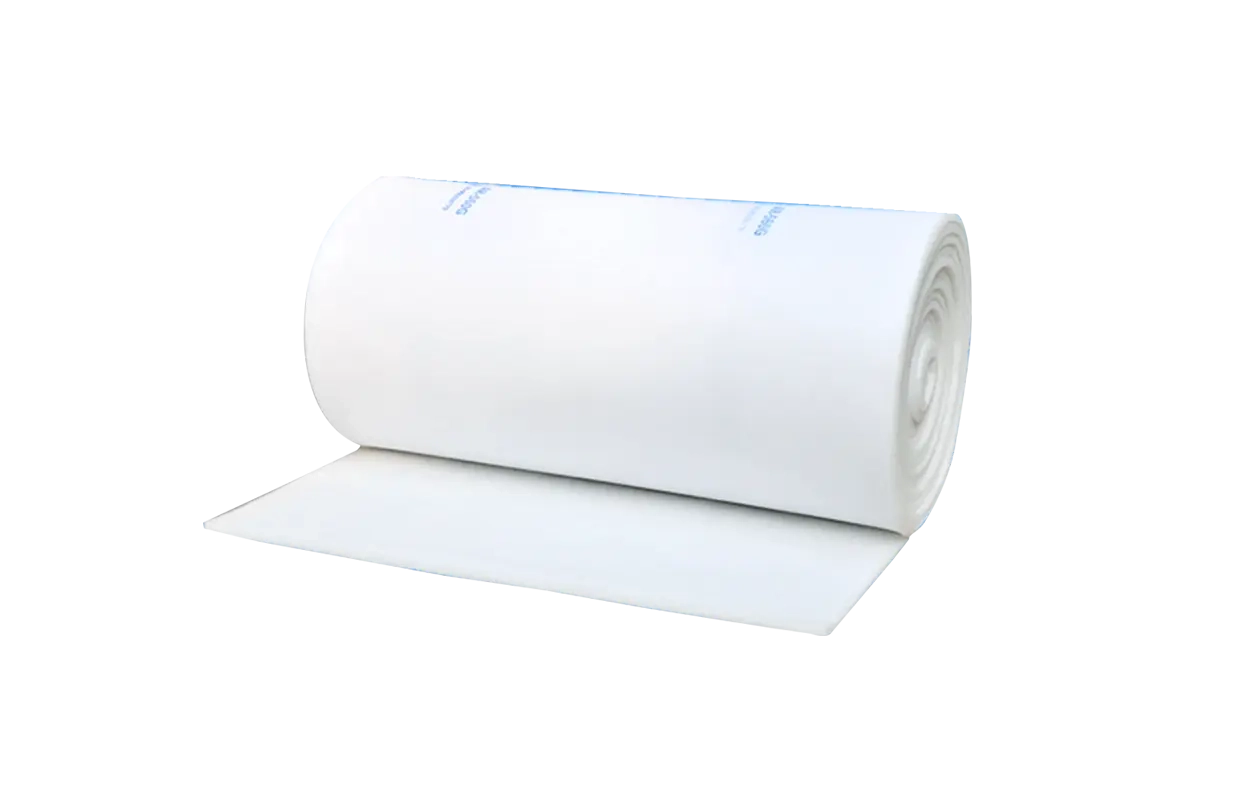
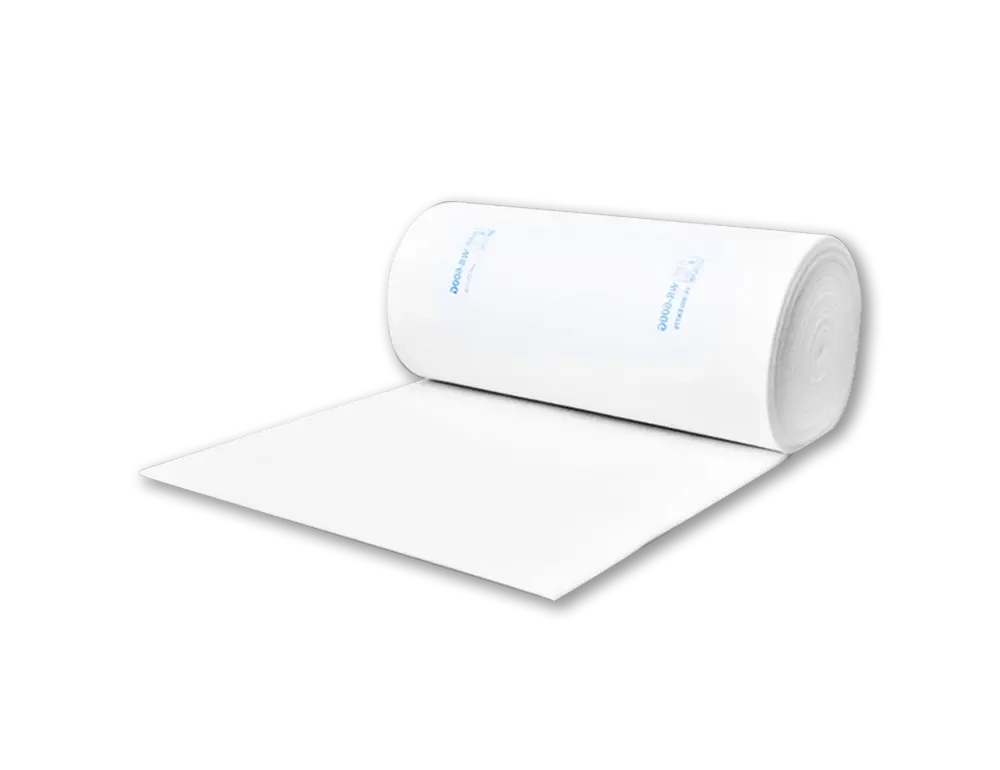
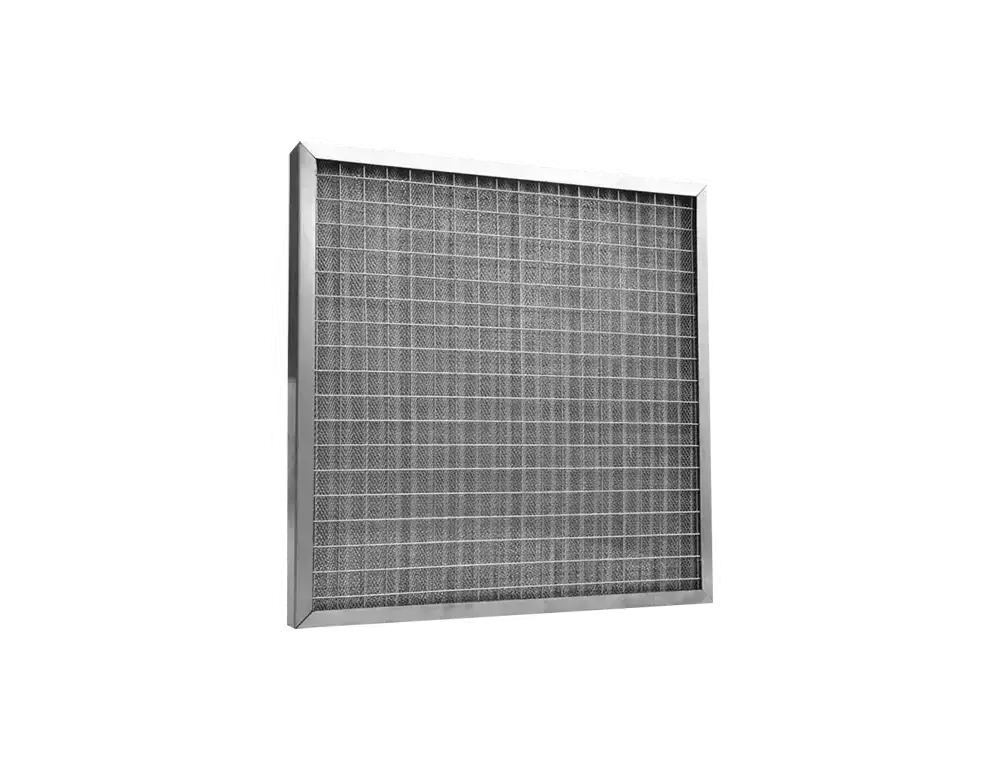
Pre-Filter (G1–G4)
First-Stage Large-Particle Capture
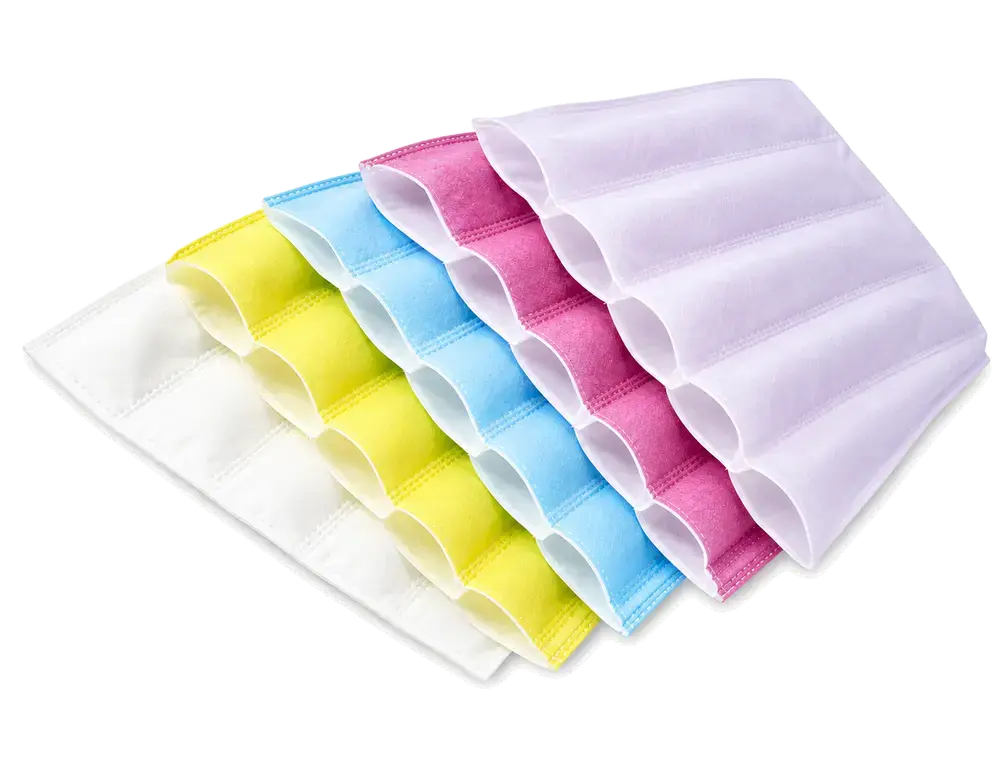
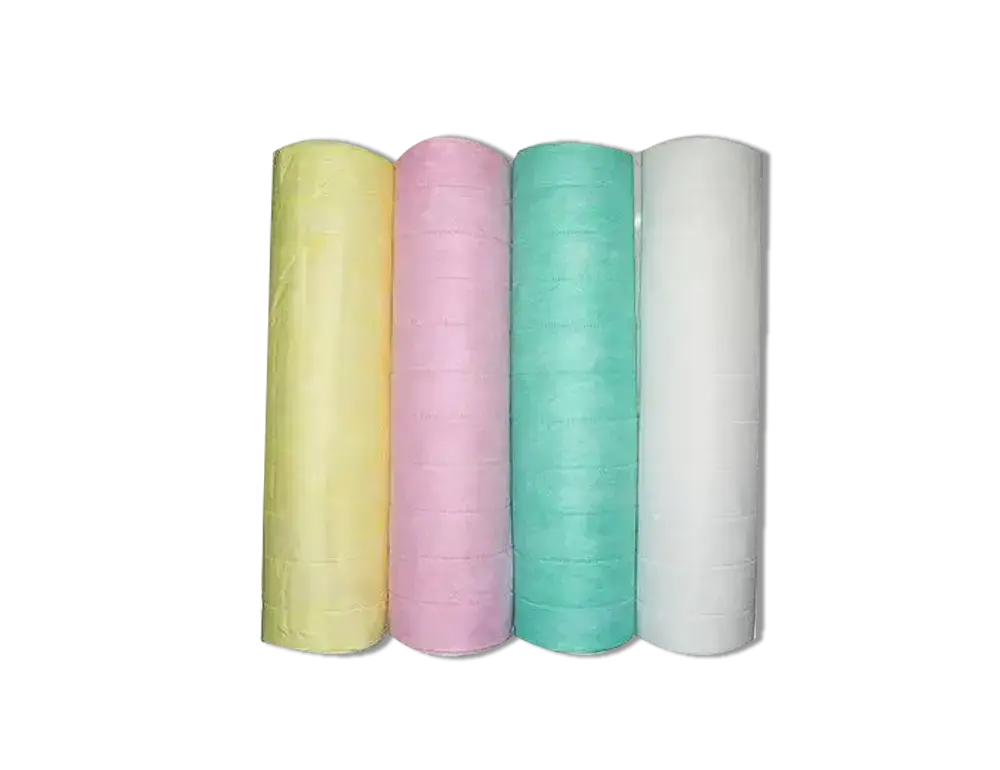
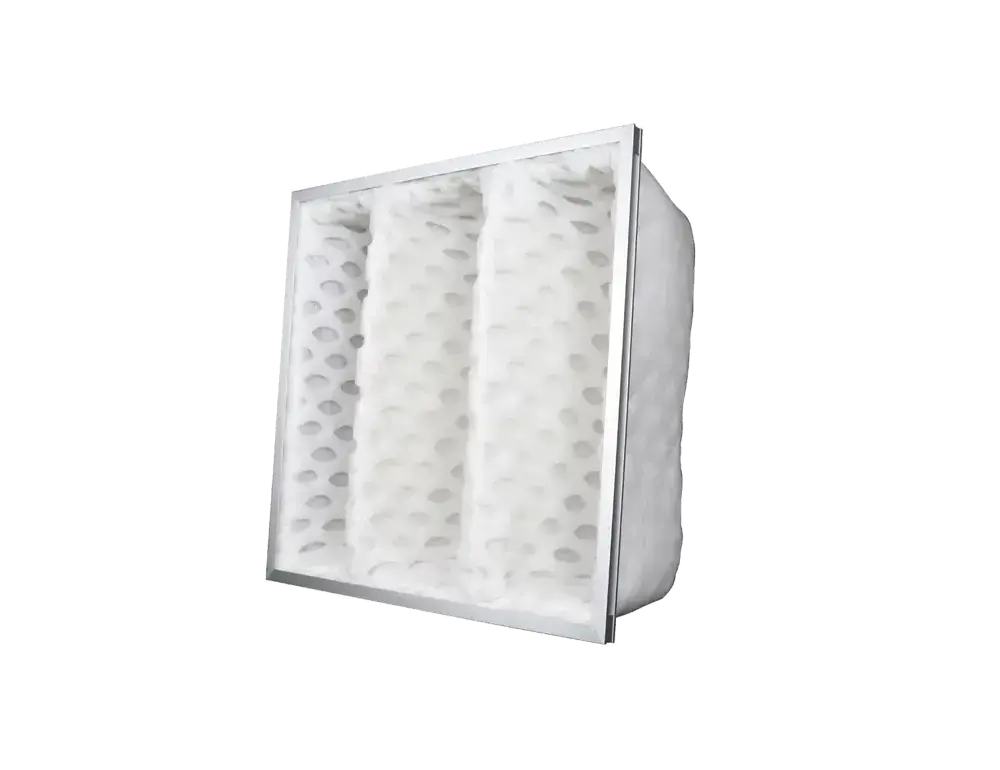
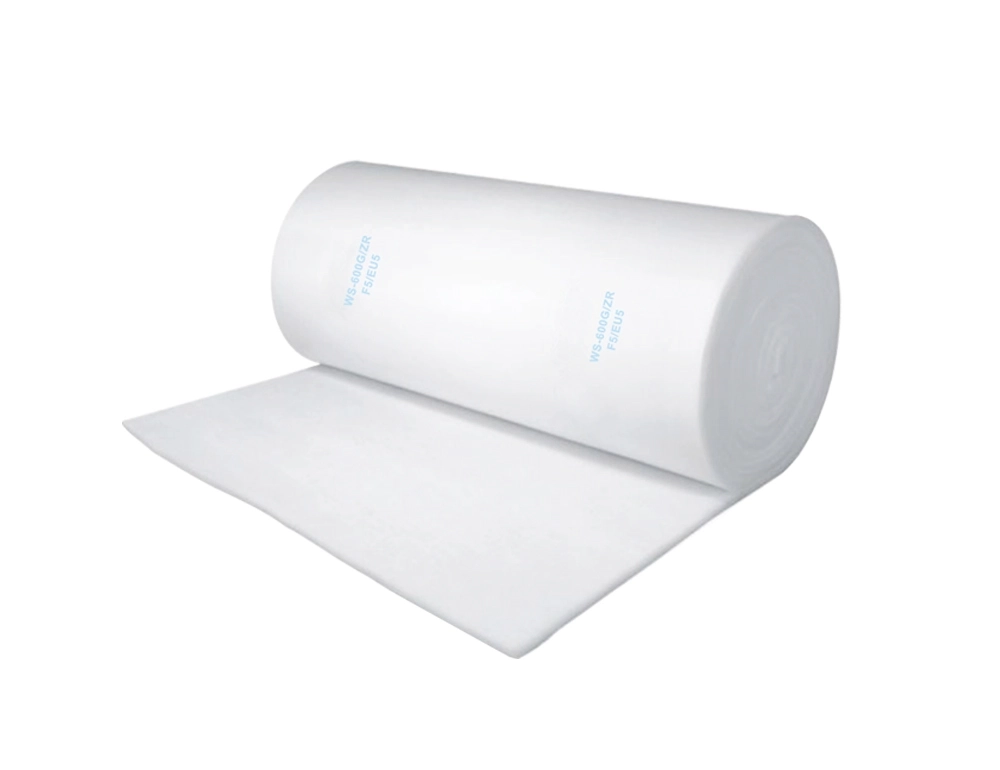
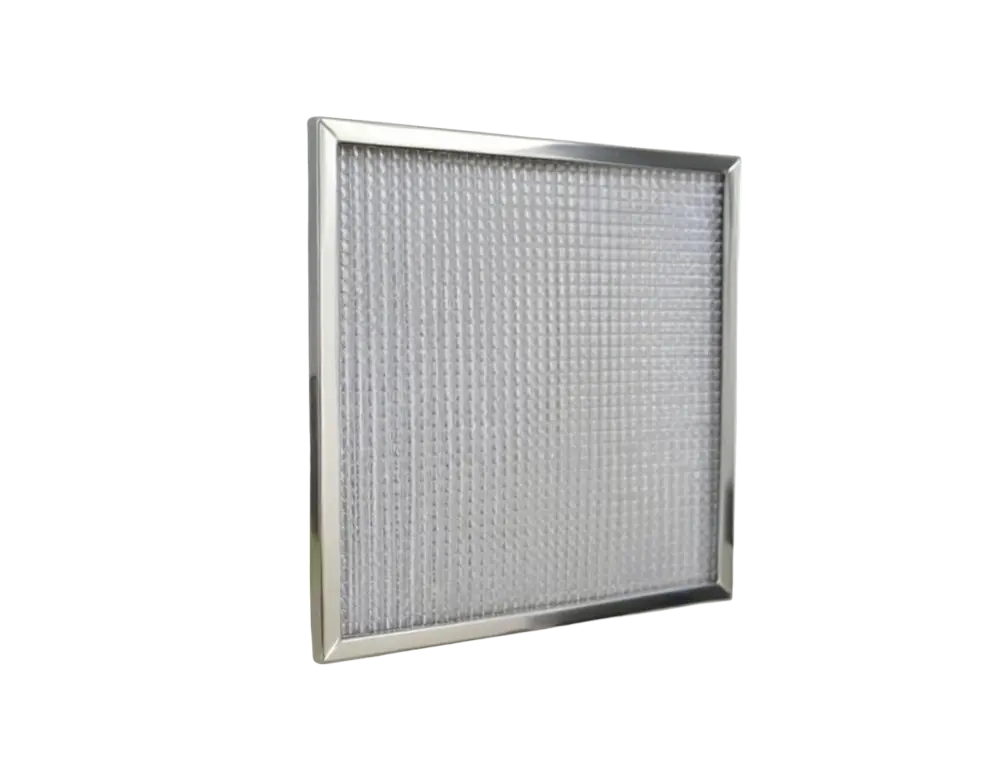
Medium-Efficiency Filter (F5–F9)
Precise PM2.5 Capture
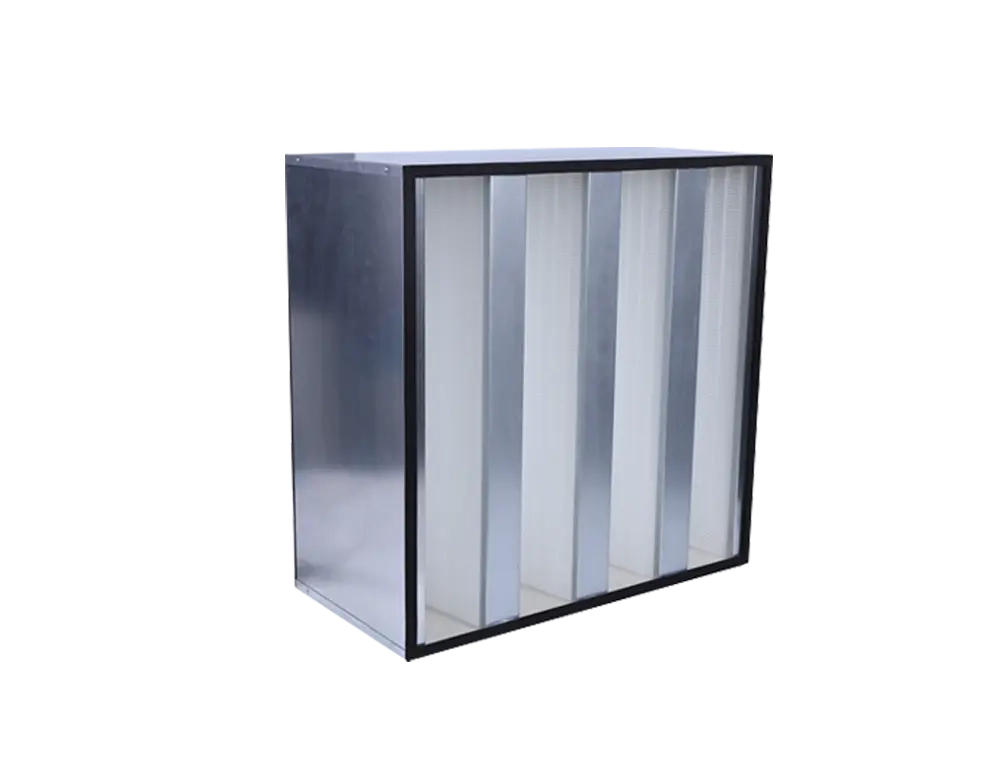
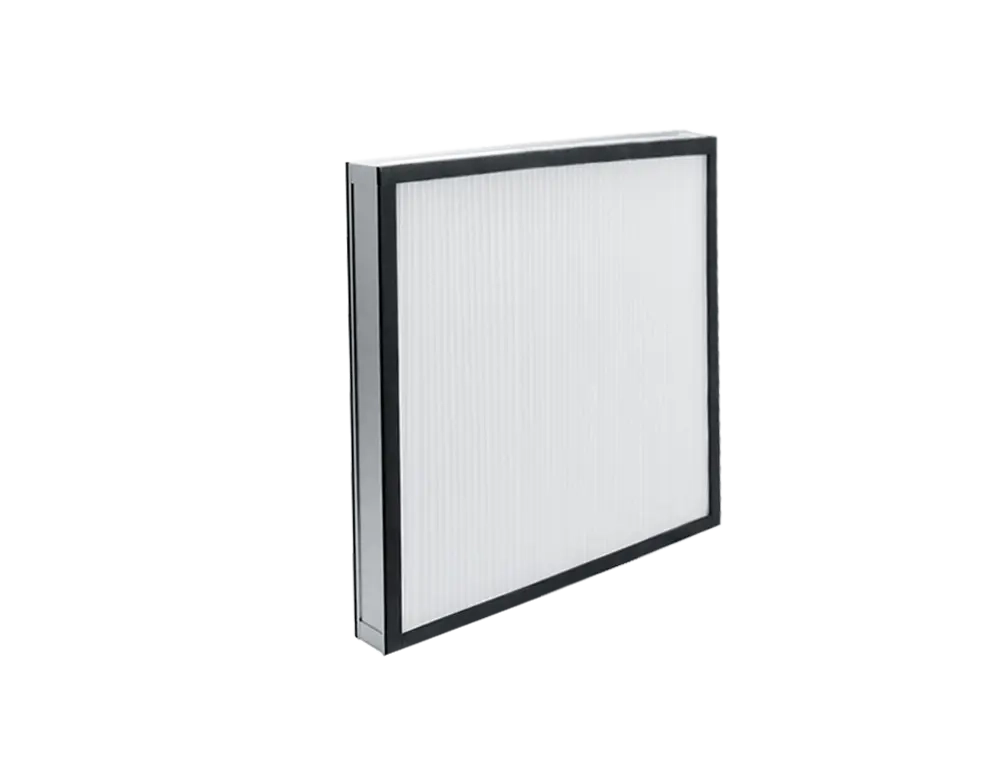
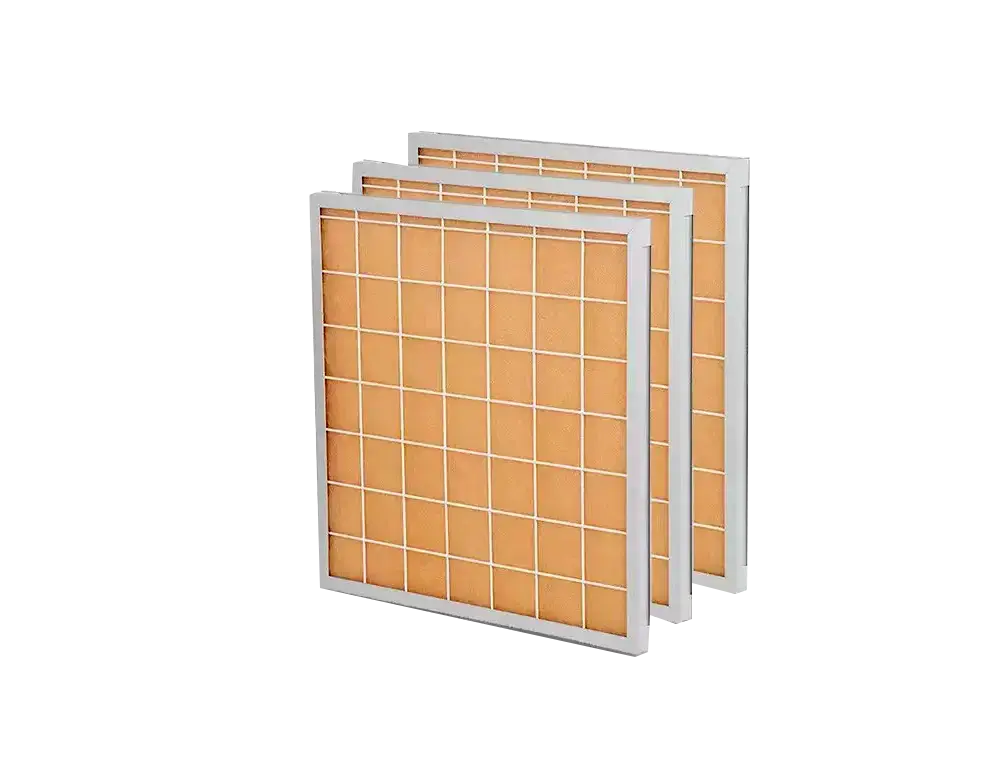
HEPA High-Efficiency Filter
Sterile-Grade Purification
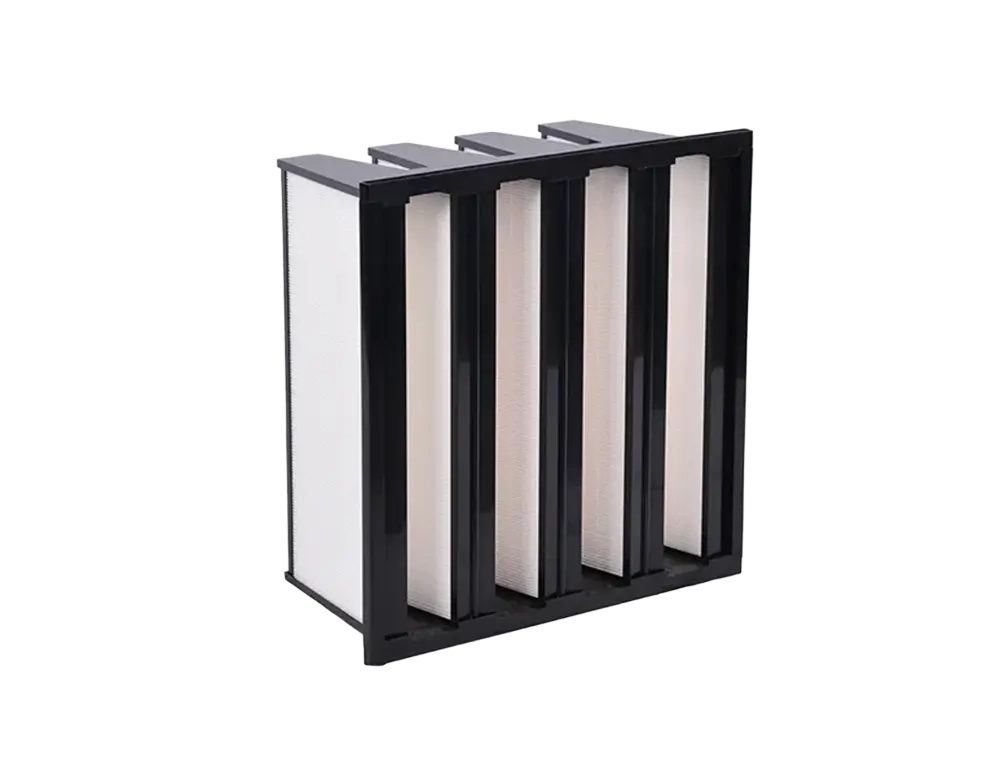
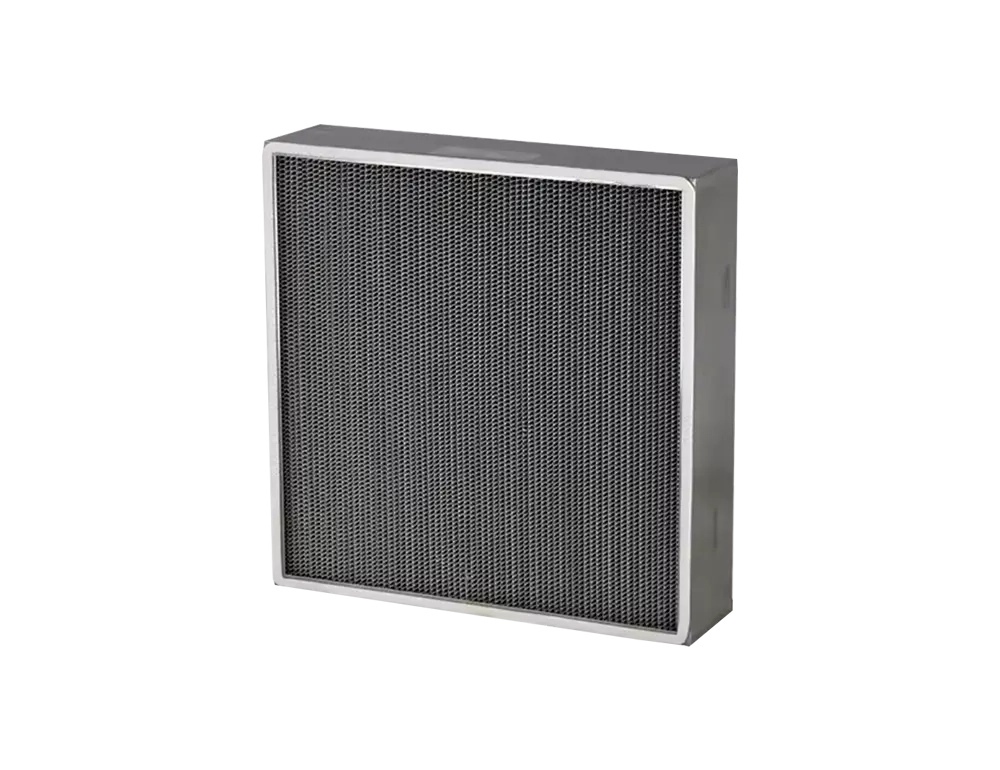
ULPA Ultra-High Efficiency Filter
Sub-Micron Particle Capture
First-Stage Large-Particle Capture
The first line of defense, capturing particles ≥5 μm such as dust, hair, and fibers to protect downstream filters and extend overall system service life.
View Related Products →Precise PM2.5 Capture
Captures fine particles of 1–5 μm including PM2.5, pollen, and mold spores, significantly improving indoor air quality for commercial HVAC and ventilation systems.
View Related Products →Sterile-Grade Purification
≥99.97% filtration efficiency for particles ≥0.3 μm, delivering sterile-grade clean air widely used in medical, pharmaceutical, and electronics manufacturing.
View Related Products →Sub-Micron Particle Capture
≥99.9995% efficiency for particles ≥0.12 μm, meeting the extreme cleanliness demands of semiconductor fabs, aerospace, and other ultra-precision applications.
View Related Products →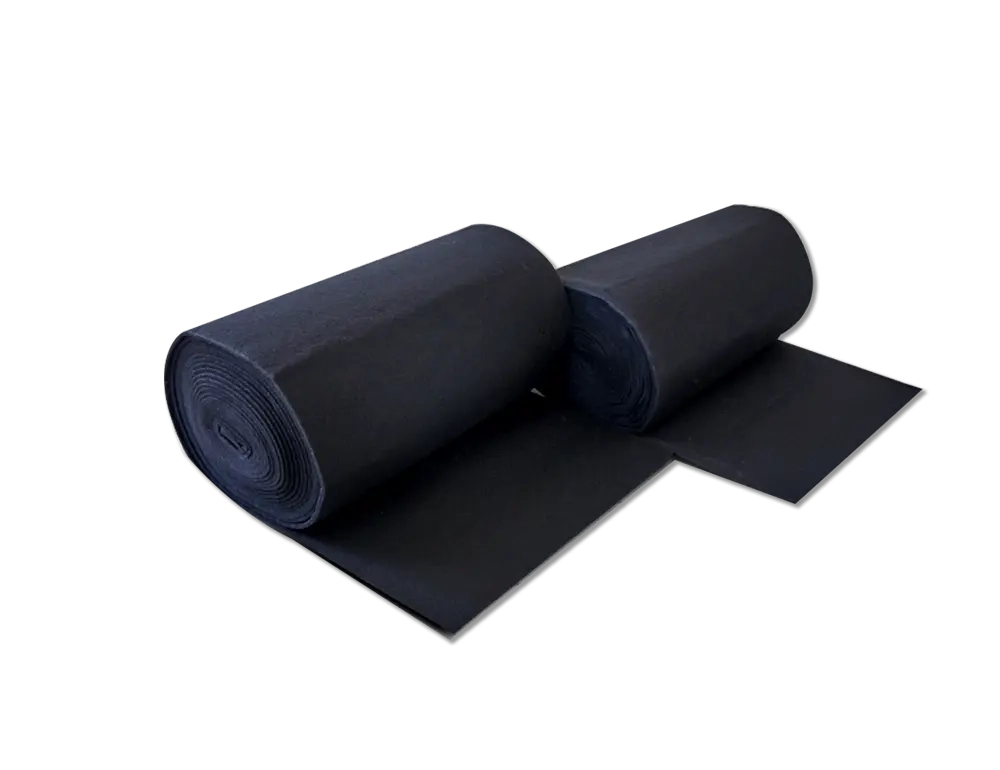
High-Temperature Resistant
Industrial-Grade Heat Tolerance
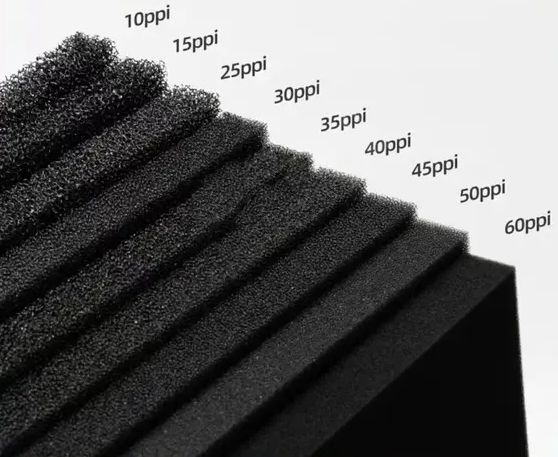
Washable & Reusable
Cut Costs, Reduce Waste
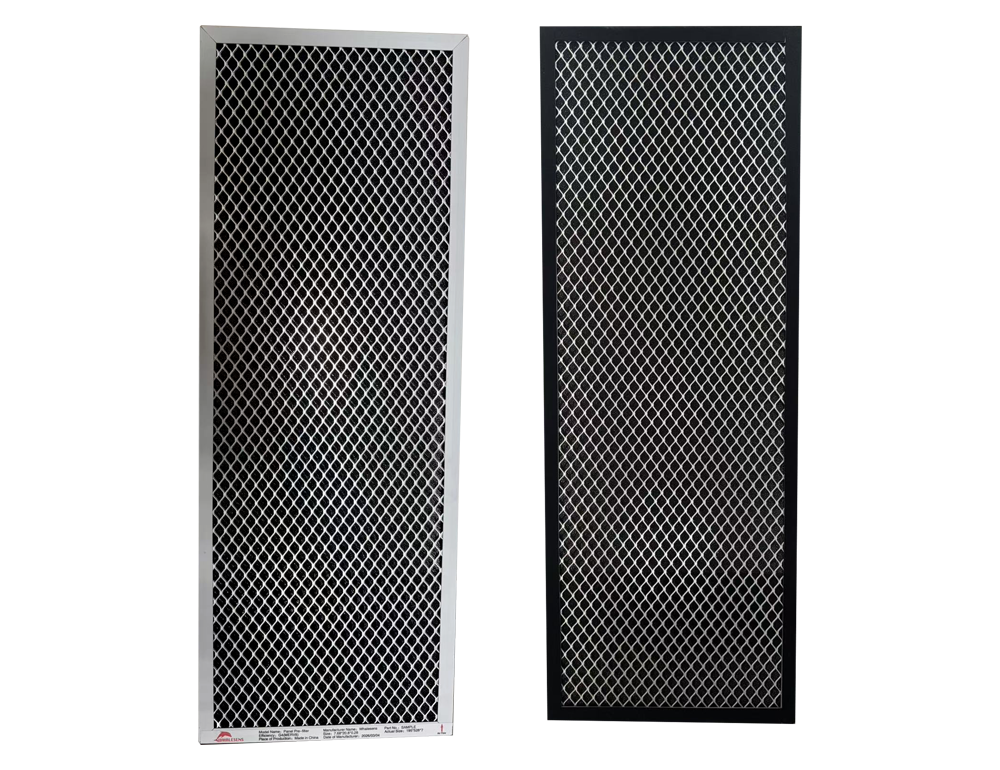
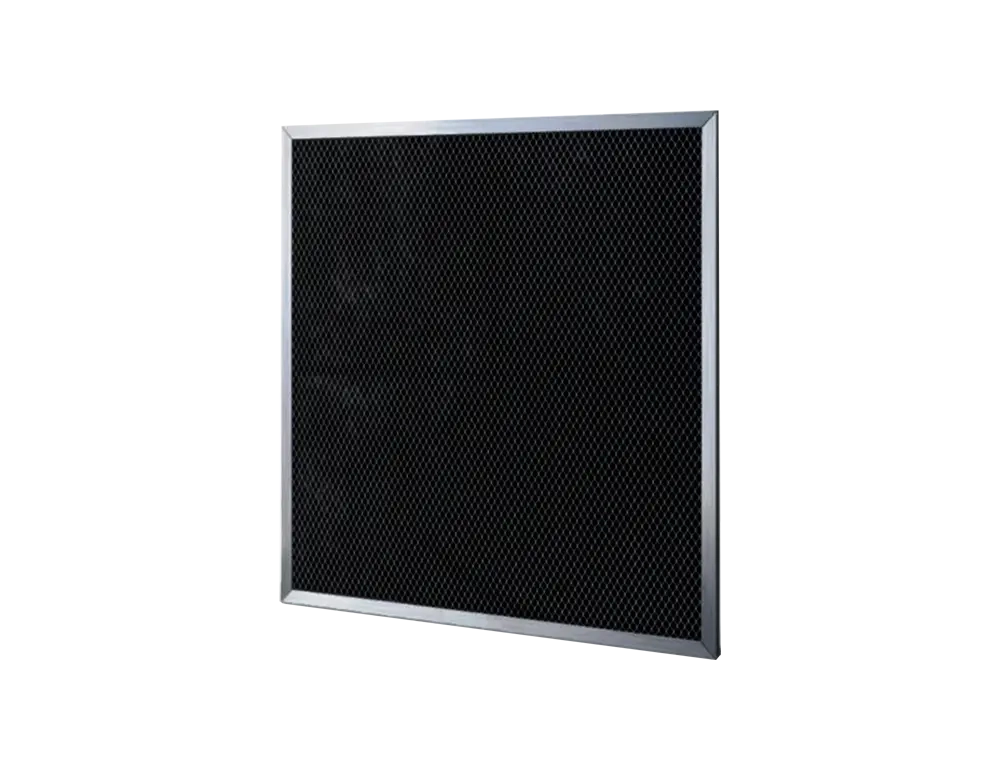
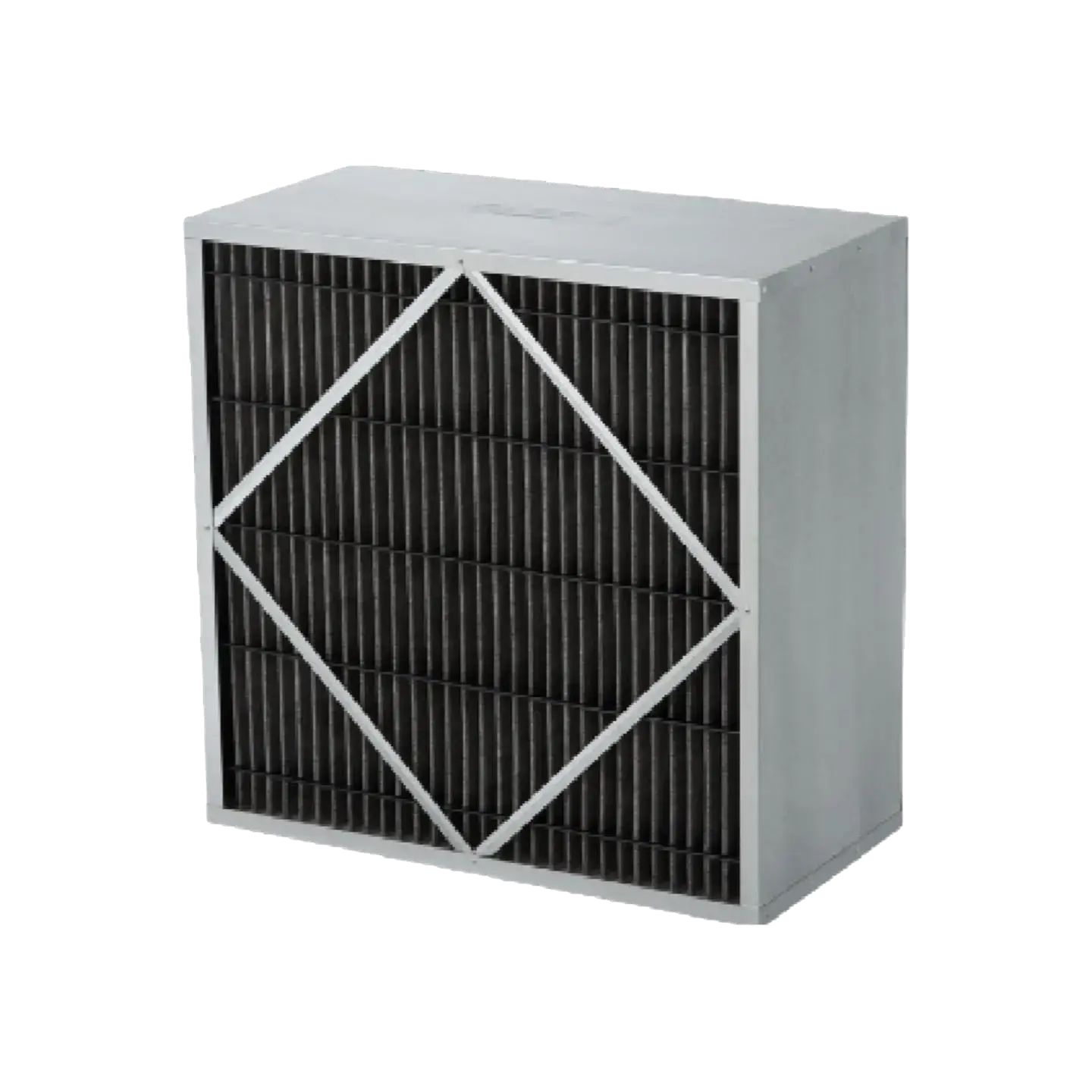
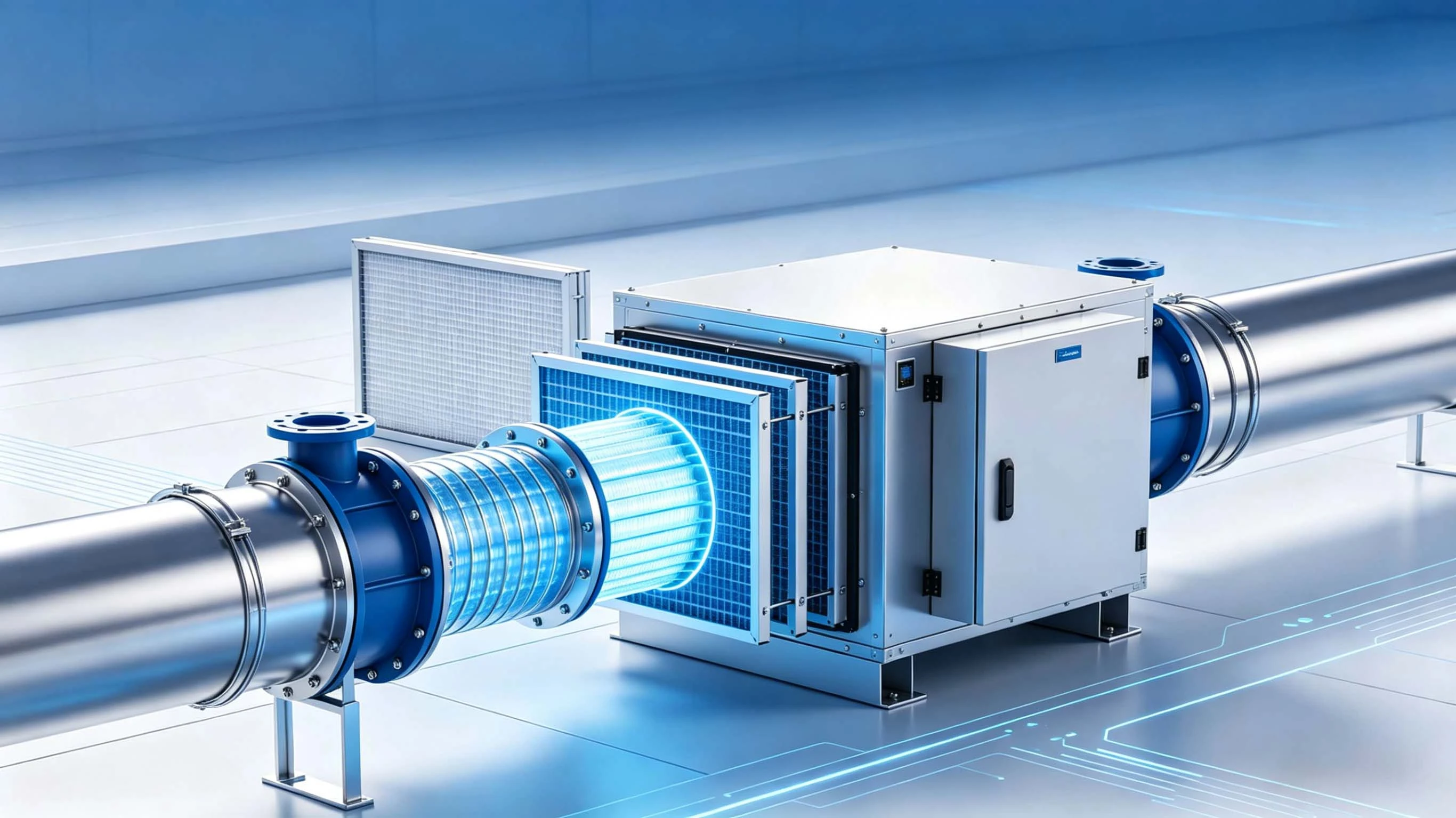
Activated Carbon
Odor & Harmful Gas Removal
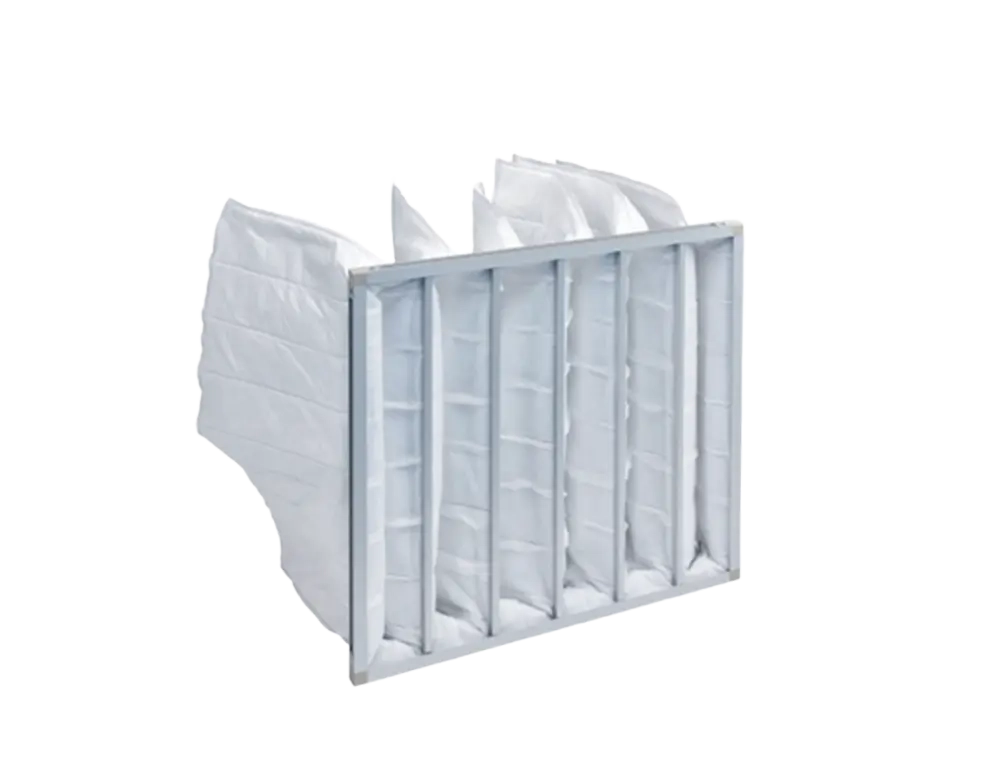
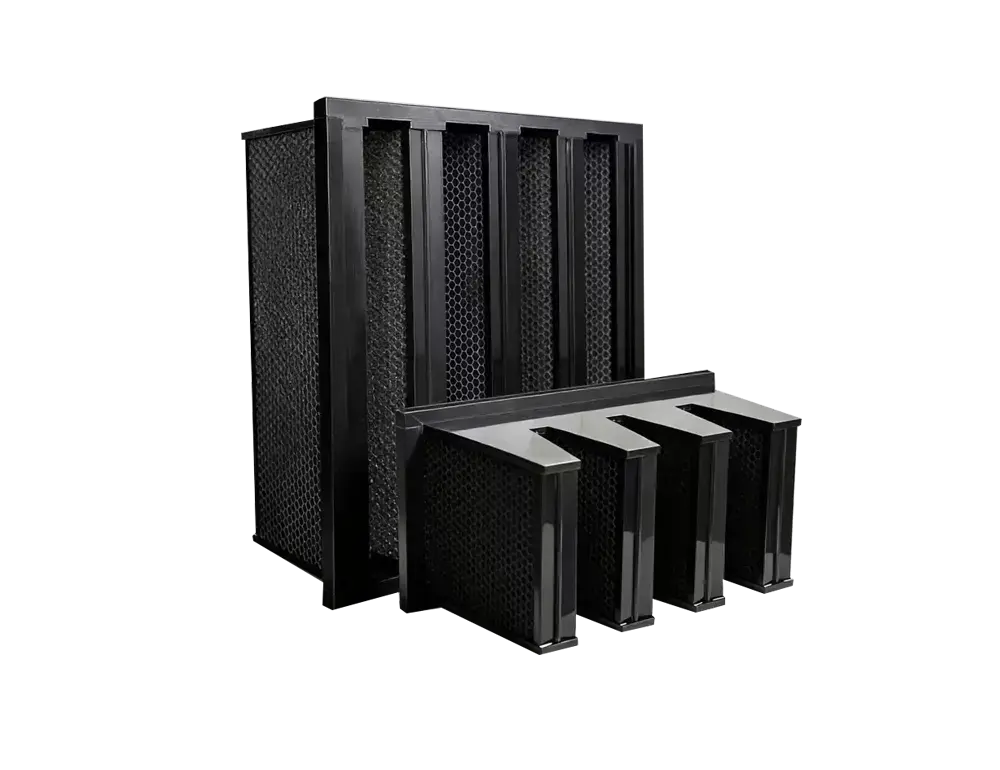
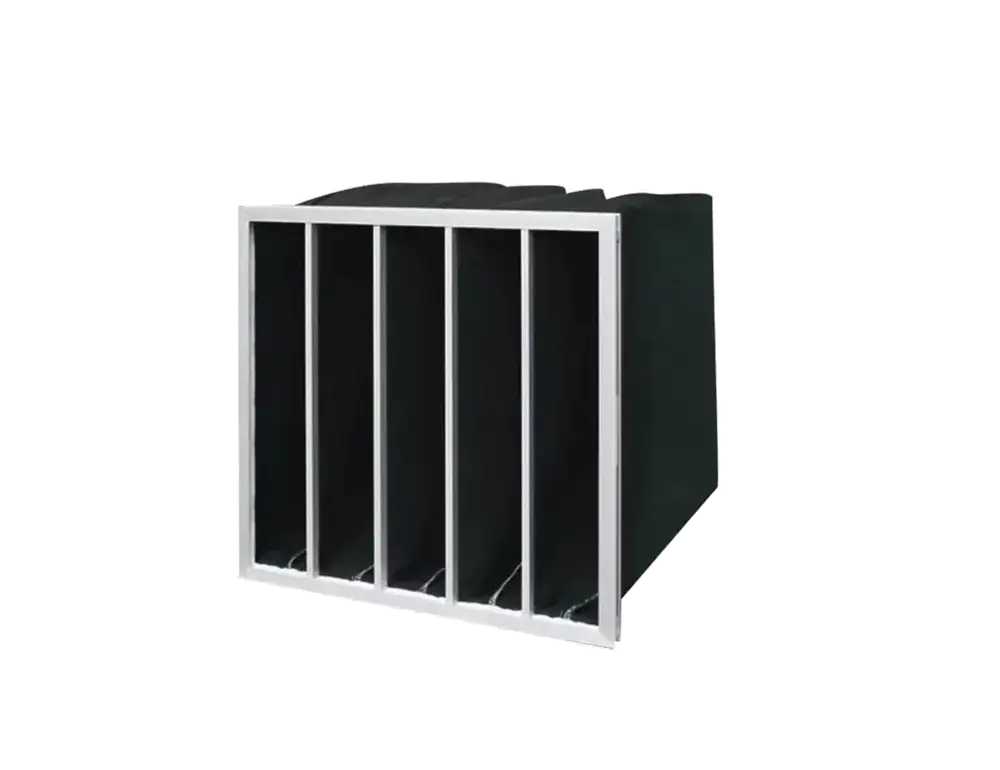
Bag Filter
High Dust-Holding, Long Life
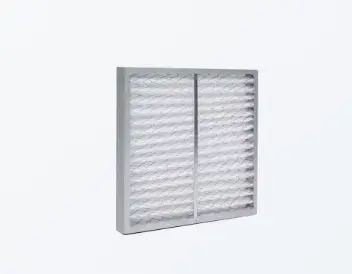
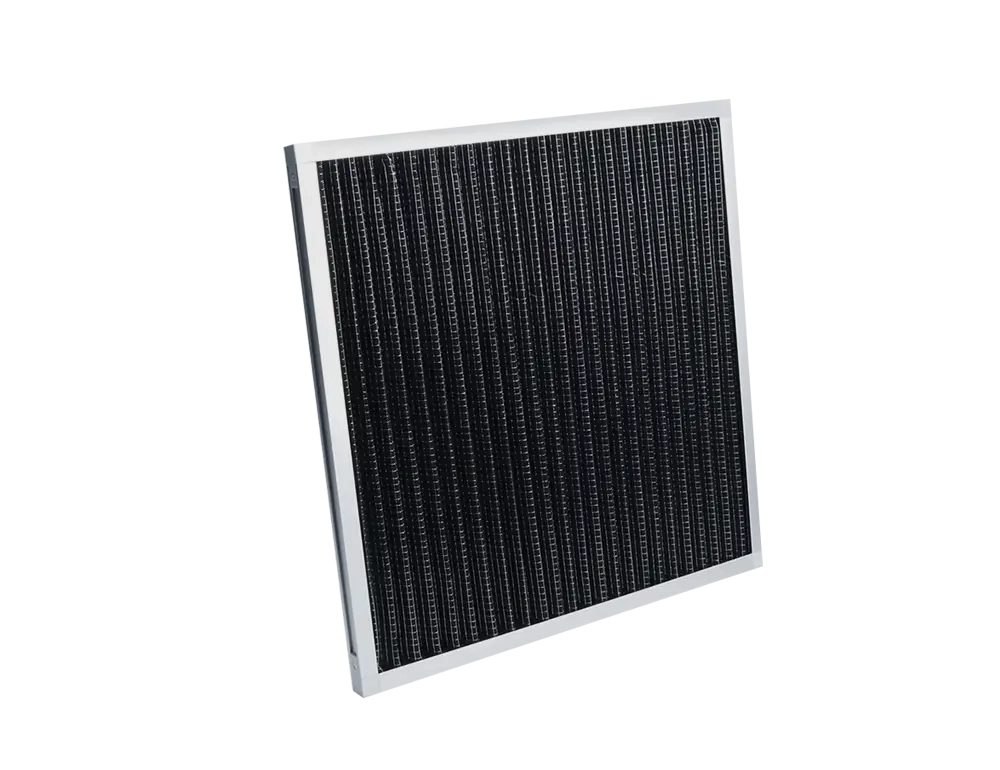
Panel / Pleated Filter
Compact Space-Saving Design
Low-Resistance Airflow
Energy-Saving Operation
Industrial-Grade Heat Tolerance
Built with specialized heat-resistant materials, operating stably up to 250°C for paint ovens, industrial dryers, and high-temperature process environments.
View Related Products →Cut Costs, Reduce Waste
Cleanable by water washing or air blowing, reusable multiple times to significantly reduce replacement frequency and O&M costs — an economical, eco-friendly choice.
View Related Products →Odor & Harmful Gas Removal
Leverages activated carbon's high adsorption capacity to eliminate odors, VOCs, and formaldehyde, ideal for newly renovated spaces and industrial exhaust treatment.
View Related Products →High Dust-Holding, Long Life
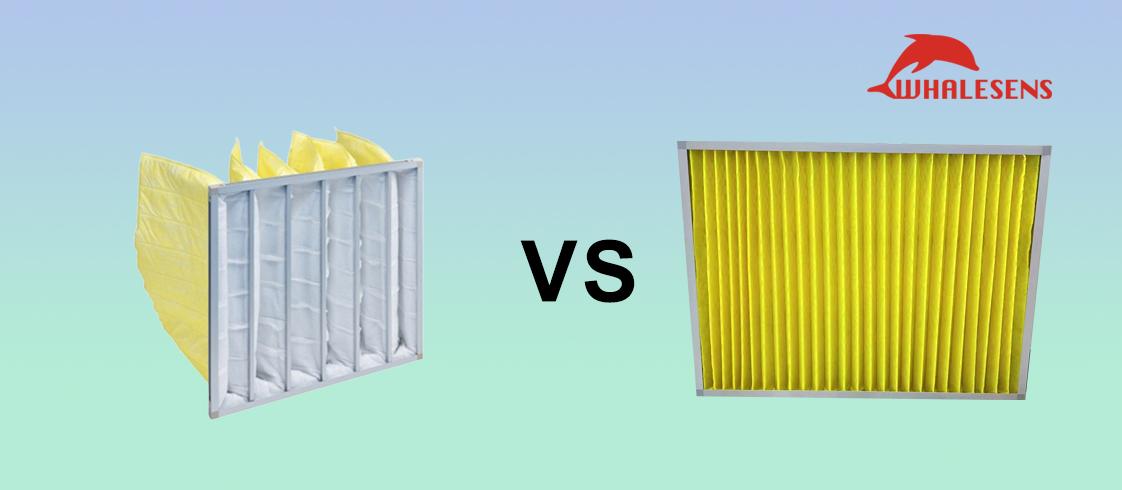
Bag-style construction delivers a larger filtration area, high dust-holding capacity, and extended service life — ideal for high-dust environments with reduced replacement frequency.
View Related Products →Compact Space-Saving Design
Compact form factor for easy installation and replacement; pleated structure maximizes filtration area within a small footprint for higher efficiency.
View Related Products →Energy-Saving Operation
Low-resistance design minimizes pressure drop while maintaining filtration performance, reducing fan energy consumption for cost-effective, eco-friendly operation.
View Related Products →

















 English(Global)
 简体中文
简体中文 Language




GMP Cleanroom Terminal HEPA Filter Selection for Aseptic Filling Lines
Selecting a terminal HEPA filter for a GMP cleanroom is not simply a question of choosing H14 or U15. In an aseptic filling line, the real risk is whether the filter supports the correct cleanroom grade, maintains stable airflow protection, can be integrity tested after installation, and remains traceable throughout its service life.
For sterile manufacturing, terminal HEPA filters should be evaluated as part of the site contamination control strategy. EU GMP Annex 1 emphasizes a combined approach across facility design, equipment, process control and monitoring. FDA aseptic processing guidance also makes a clear distinction between filter efficiency testing and in-place leak testing: a certified filter can still leak after transport, installation or poor sealing.
The practical selection path is straightforward: define the process risk first, confirm the cleanroom grade and airflow requirements, then specify efficiency, pressure drop, sealing method, leak-test access and maintenance documentation.
Selection logic: Risk location -> filter efficiency -> airflow and pressure -> seal design -> in-place leak testing -> airflow uniformity -> lifecycle documentation.
1. Start With The Process Location
Common risk points in a filling suite include filling needles, open containers, stopper bowls, aseptic connection points, temporary storage before capping and operator intervention areas. Each location may require a different terminal filter configuration.
Grade A critical zones usually focus on stable unidirectional flow, low turbulence, airflow uniformity and complete in-place scanning. Grade B background areas focus more on pressure cascade, air-change performance, particle trends and microbiological monitoring. Grade C and D preparation areas may place more weight on system stability, maintainability and operating cost.
A useful URS should therefore go beyond “install H14 HEPA filters.” It should define the served area, cleanroom grade, rated airflow, initial and final resistance, seal type, scan-test requirement, disinfectant compatibility and replacement method.
2. Higher Efficiency Is Not Always Better
H14 is a mature and widely used choice for many pharmaceutical terminal HEPA applications. It balances filtration efficiency, pressure drop, supply availability and field-testability. Moving to a higher grade should be based on process risk, fan reserve pressure, total system resistance, maintenance cost and validation strategy.
A higher-efficiency filter can bring higher resistance. If the fan does not have enough reserve pressure, airflow may drop after a period of operation, room pressure may fluctuate, and the intended airflow pattern may shift. For an aseptic filling line, unstable airflow can be a larger practical risk than a one-level difference in nominal efficiency.
At minimum, check four values: initial resistance at rated airflow, recommended final resistance, effective media area, and the combined resistance of the filter and terminal housing.
3. Airflow Must Return To The Process
Terminal HEPA airflow should not be sized only by filter face area. In a filling suite, the question is whether clean air can protect the critical process points under real operating conditions.
EU GMP Annex 1 requires airflow patterns in cleanrooms and clean zones to be visualized, proving that air does not flow from lower-grade areas into higher-grade areas or from operators, equipment or floor-level sources toward the critical zone. Where needed, this should be demonstrated under both at-rest and operational conditions.
For filter selection, airflow should be checked together with room recovery, unidirectional-flow coverage, pressure cascade and return-air layout. Retrofit projects should also verify existing fan pressure, plenum uniformity and return-air paths before upgrading filter grade.
4. Choose The Seal Design Carefully
Common terminal HEPA seal designs include gasket seals and gel seals. Gasket seals are simple and service-friendly, but they require good housing flatness and uniform compression. Gel seals provide more continuous sealing performance and are often preferred in higher-risk areas, but the gel material, disinfectant compatibility, transport protection and replacement process must be reviewed.
For Grade A and related Grade B protection zones, prioritize a sealing solution that can be verified and maintained consistently. For Grade C and D support areas, the choice can be balanced against risk assessment, budget and maintenance frequency.
The technical agreement should specify the filter-to-housing seal, seal material, upstream aerosol injection point, scan-test accessibility, and whether both the media face and frame joint are included in leak testing.
5. Design For In-Place Leak Testing
Factory certification does not guarantee field integrity. Transport vibration, installation pressure, housing deformation or seal discontinuity can all create leakage after delivery.
FDA guidance recommends leak testing HEPA filters upon installation and at appropriate intervals afterward. For aseptic processing rooms, semiannual testing may be considered. Additional testing may also be needed after facility modification, abnormal environmental trends or sterility investigation.
For terminal HEPA selection, confirm whether the housing provides an upstream aerosol inlet, upstream concentration sampling point, full scan access across the media and frame, and a record system that links test results to the filter serial number and room location.
6. Do Not Ignore Airflow Uniformity
A non-leaking filter does not automatically mean a compliant airflow pattern. FDA guidance also notes that HEPA leak testing alone is not sufficient for ongoing performance monitoring; airflow velocity uniformity should be checked periodically.
A filling line can pass a leak test but still fail smoke visualization if air bypasses equipment, rolls toward operator hands, or creates recirculation near filling needles. The cause may be terminal layout, diffuser design, equipment blockage, return-air location or local heat sources rather than filter efficiency.
During selection, review filter size, coverage area, return-air location, lockable balancing dampers and pre-filter configuration as part of the overall air protection process.
7. Close The Lifecycle Loop
GMP projects care not only about initial qualification but also about continued control. A terminal HEPA filter should have a lifecycle record covering serial number, size, efficiency grade, installation location, factory report, installation leak-test record, initial pressure drop, operating pressure drop, alarm limits, periodic test plan and replacement triggers.
Replacement should not be based only on final resistance. Leakage, airflow non-uniformity, failed smoke study, abnormal cleanliness trends, facility disturbance, disinfectant exposure or VHP material concerns can all trigger assessment and requalification.
Supplier questions: Can each filter be supplied with a factory test report? Is the serial number traceable? Are leak-test ports and pressure taps integrated? Is the seal compatible with site disinfectants? Are common sizes available with stable lead time? Can the supplier support DQ/IQ/OQ documentation?
Related HEPA Filter Options
A compact option for cleanrooms, terminal boxes and low-resistance high-efficiency airflow systems.
Final Selection Checklist
- Served area and cleanroom grade
- Efficiency grade and test standard
- Rated airflow, initial pressure drop and final pressure drop
- Filter size, housing and seal design
- Leak-test ports and scan accessibility
- Airflow uniformity and visualization requirements
- Disinfectant, VHP or cleaning-chemical compatibility
- Documentation, traceability, maintenance and requalification plan
The right terminal HEPA filter is not the one with the highest paper specification. It is the one that keeps the critical zone protected over time: no leaks, stable airflow, enough pressure margin, clean test access, serviceable replacement and clear documentation.
Need a Custom Cleanroom Filtration Solution?
Contact the Whalesens engineering team for terminal HEPA filter selection, leak-test configuration and OEM/ODM support.
whalesens@gmail.com
Need a custom air filtration solution?
Contact the Whalesens engineering team for product selection and OEM/ODM support.
Email whalesens@gmail.com