


EV Charging Stations
Filtration for Power Equipment
Cleanroom & Semiconductor
Ultra-High Cleanliness Filtration
Commercial HVAC
Central Air System Filtration
Data Centers
Precision Equipment Protection
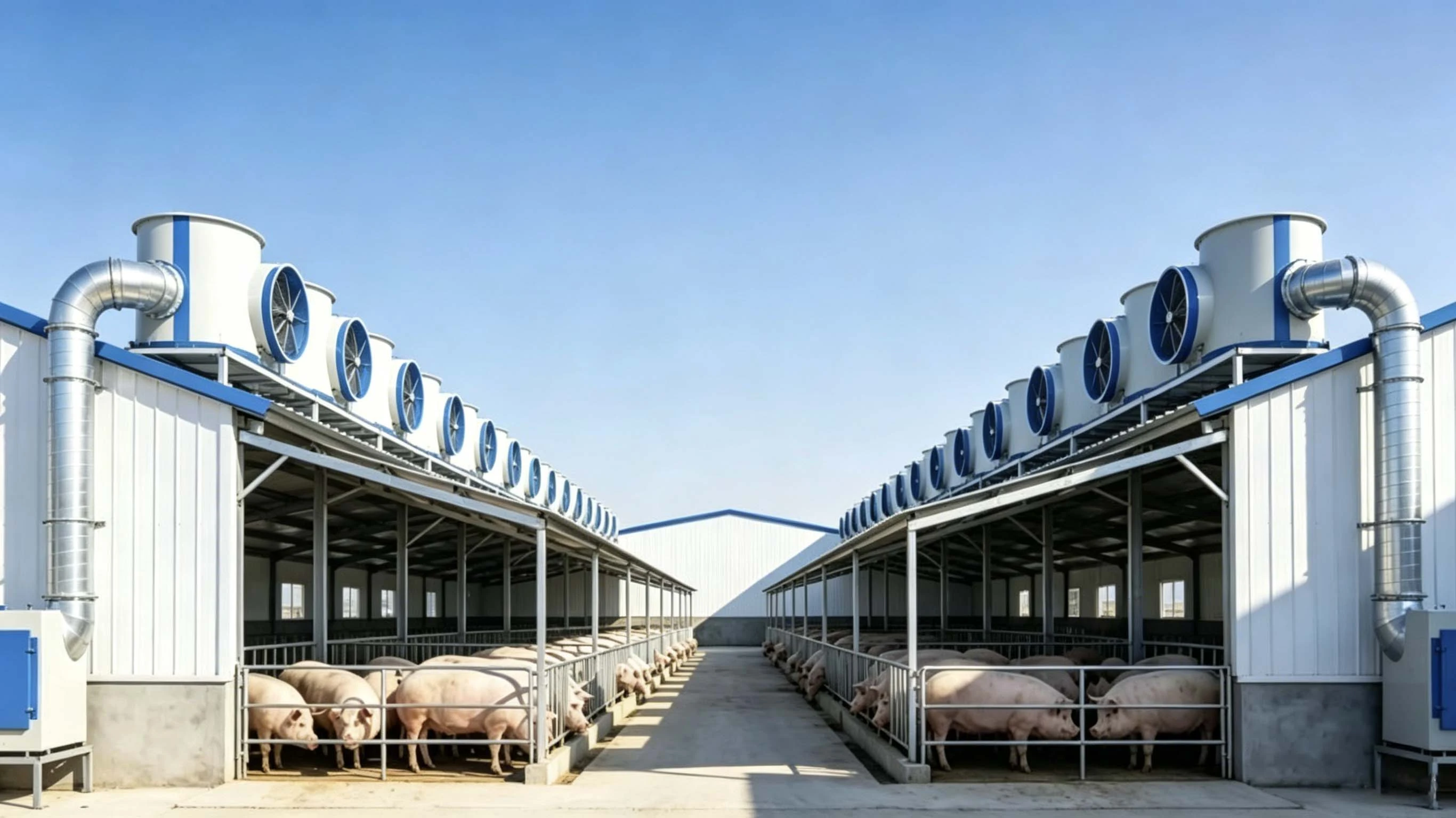
Livestock & Farming
Farming Environment Purification
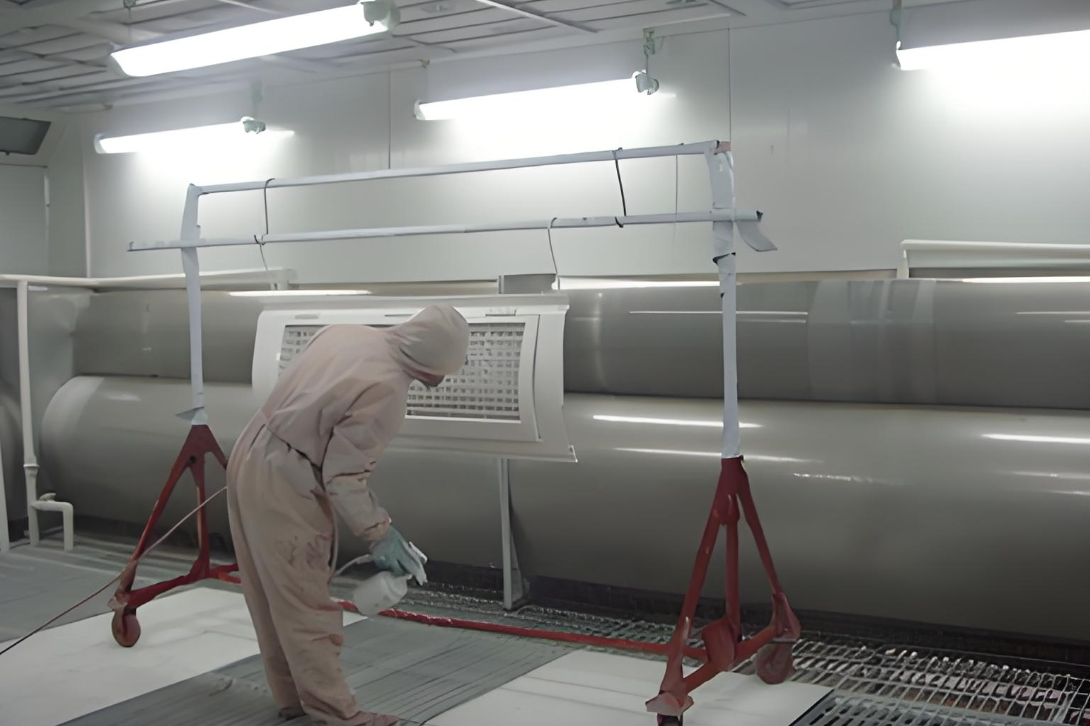
Spray Booths & Industrial Dust
Paint Mist & Dust Purification
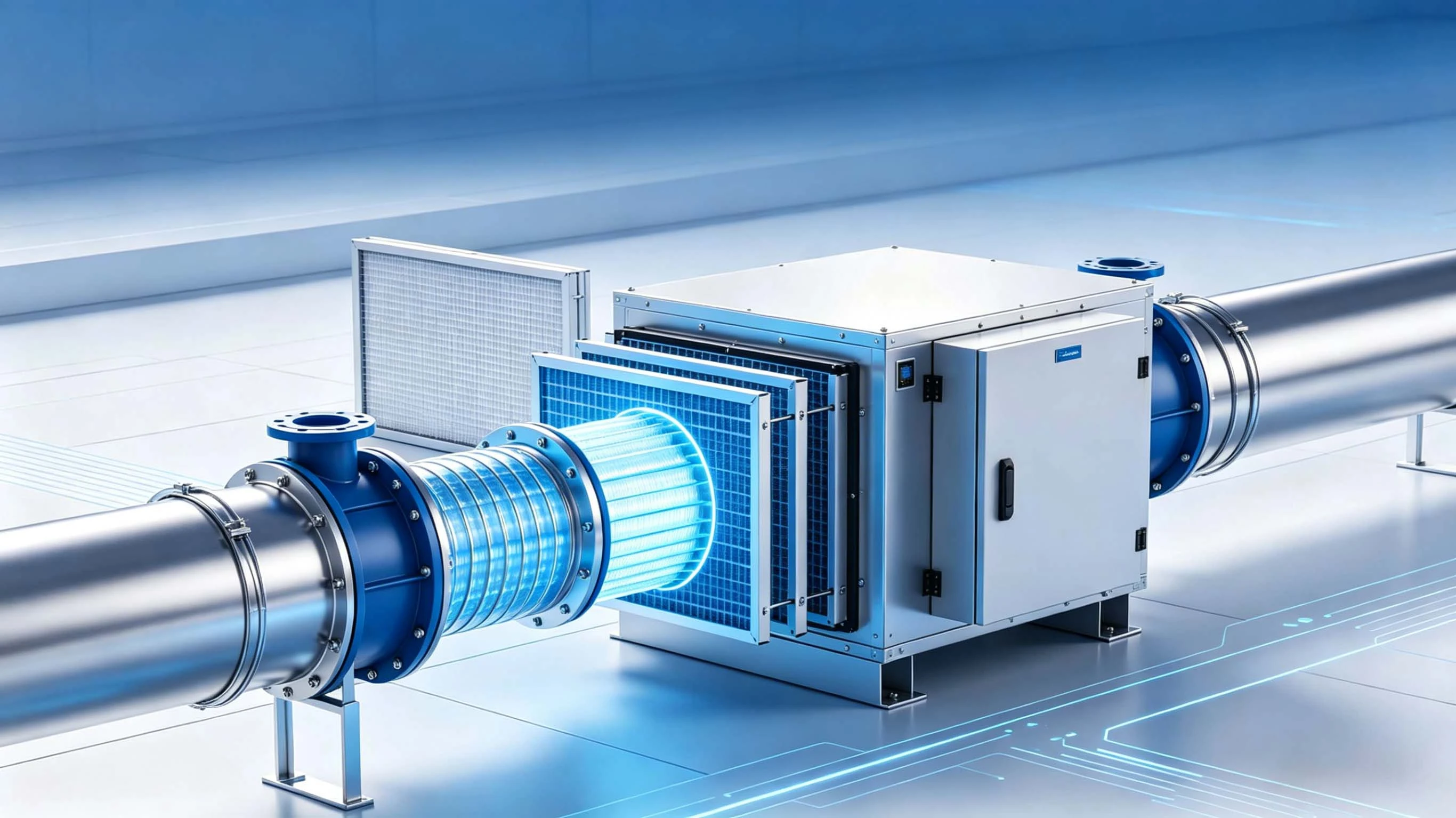
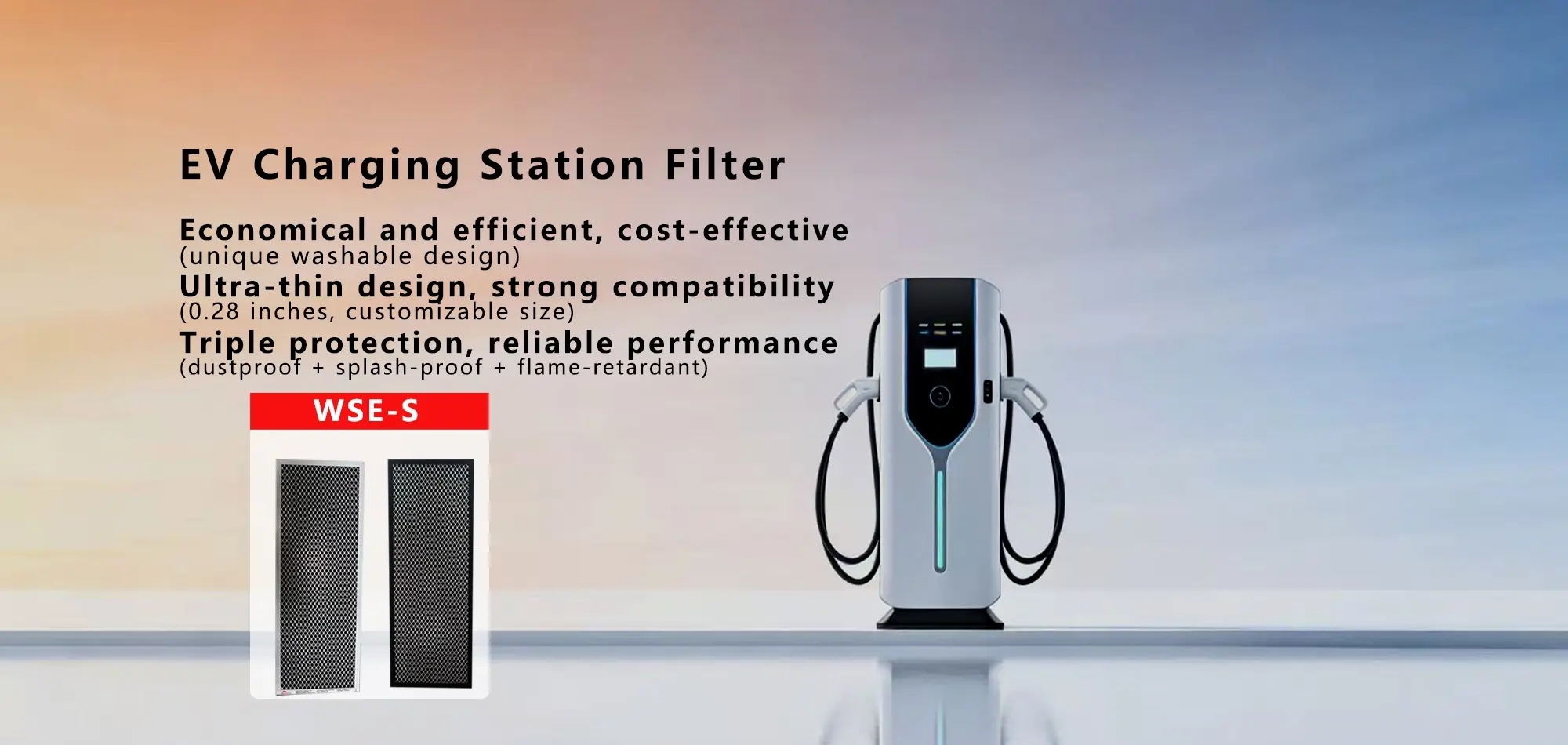
Filtration for Power Equipment
Professional air filtration for EV charging devices, protecting against dust and sand ingress to ensure stable, reliable operation of charging piles and station infrastructure.
View Related Products →Ultra-High Cleanliness Filtration
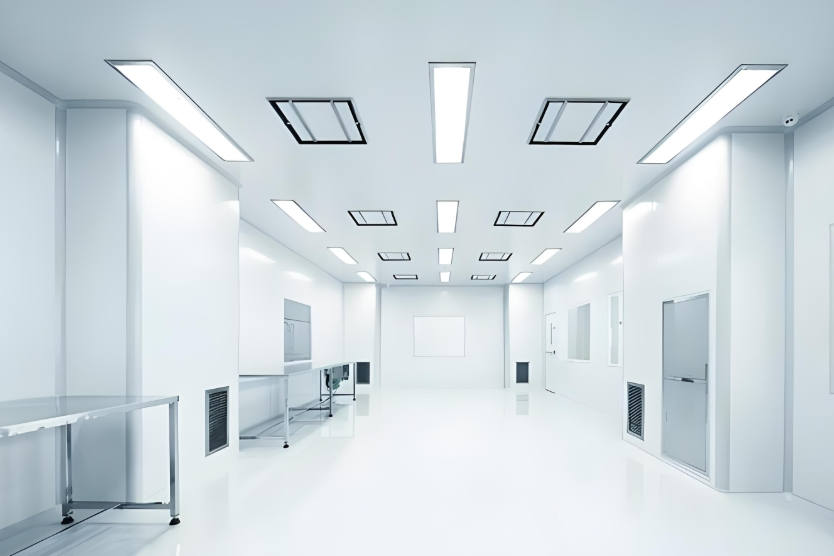
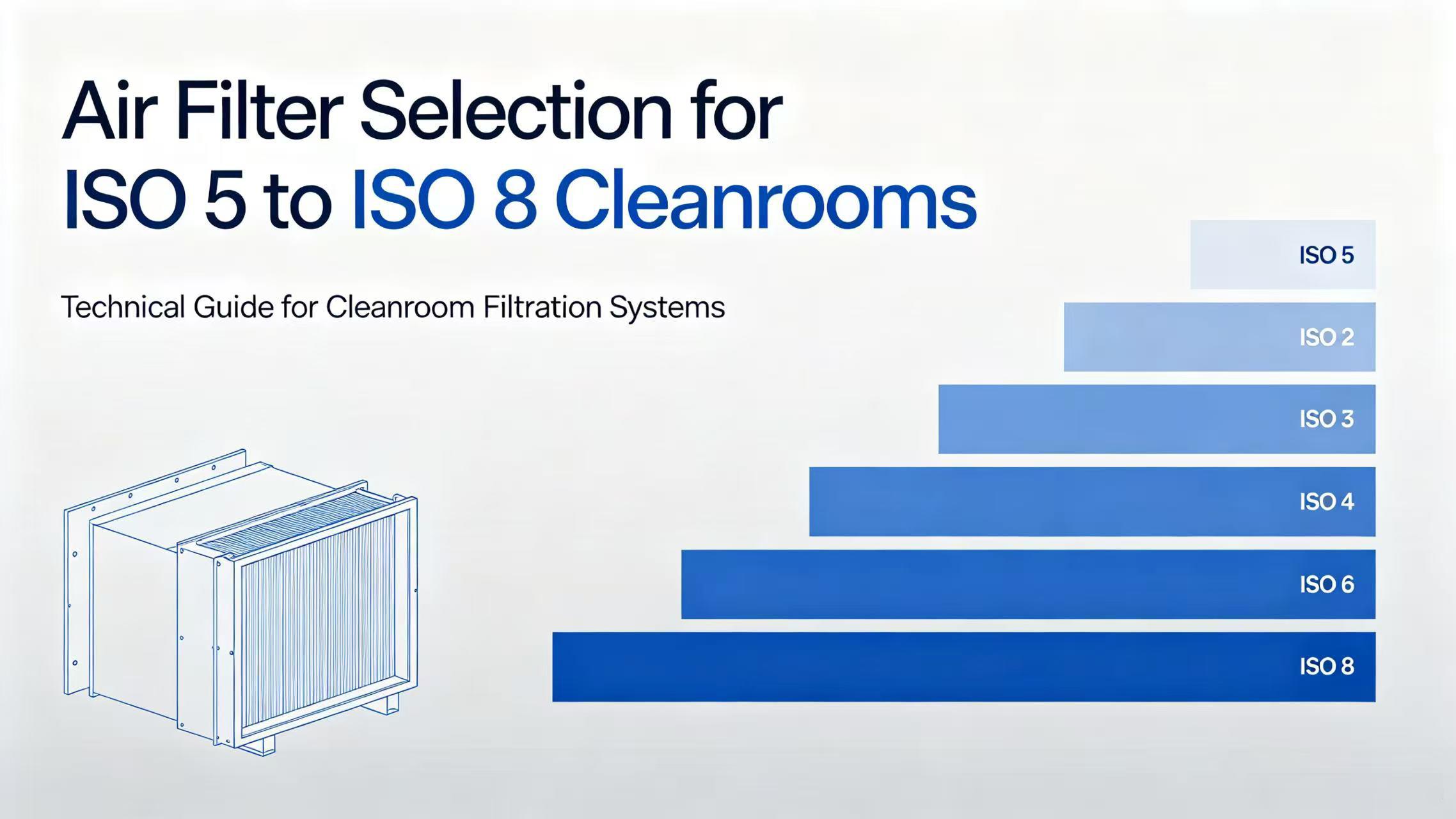
Ultra-high efficiency filtration for semiconductor wafer fabs and precision electronics cleanrooms, capturing nano-scale particles to meet ISO Class 1–3 standards and maximize product yield.
View Related Products →Central Air System Filtration
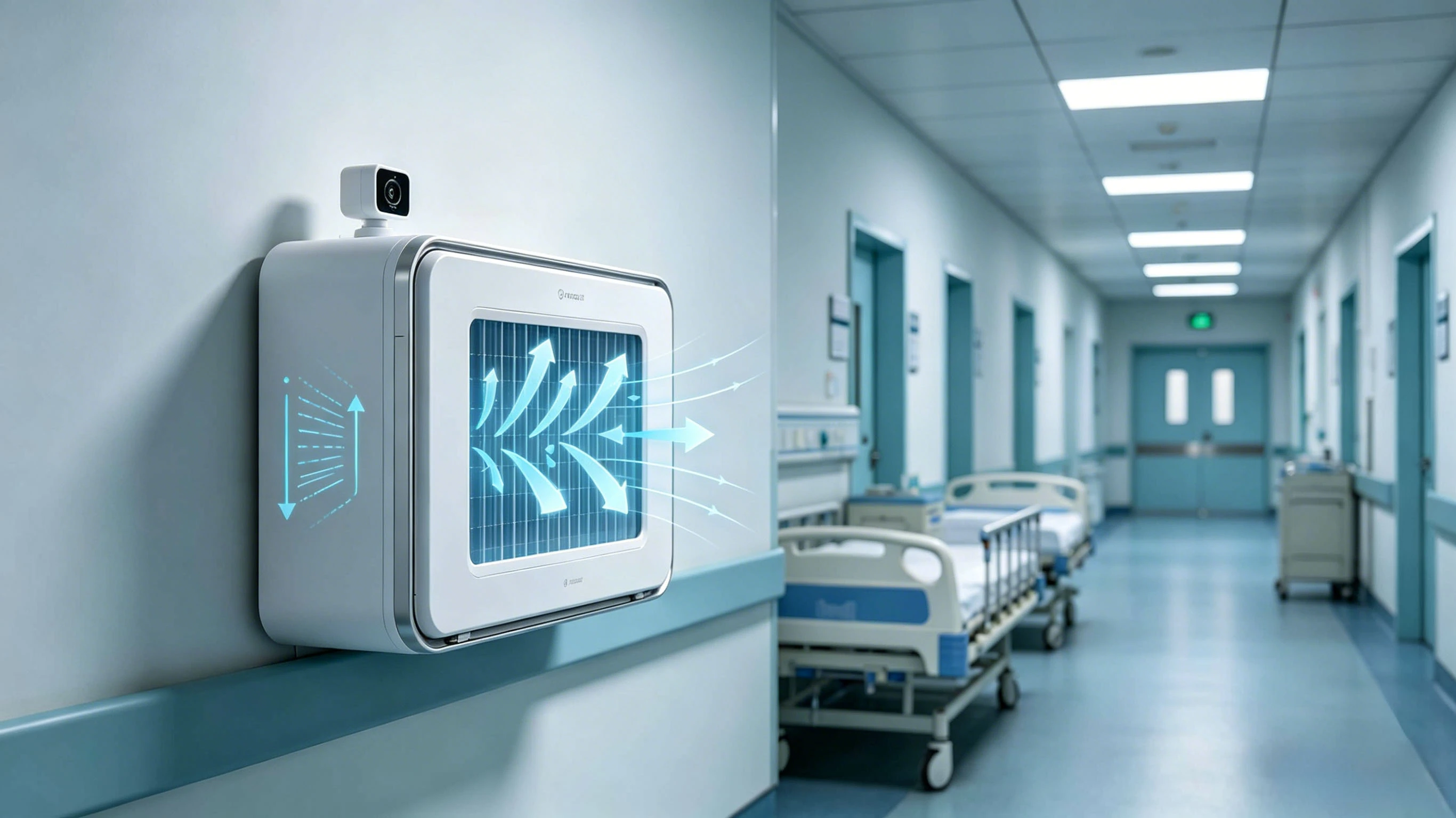
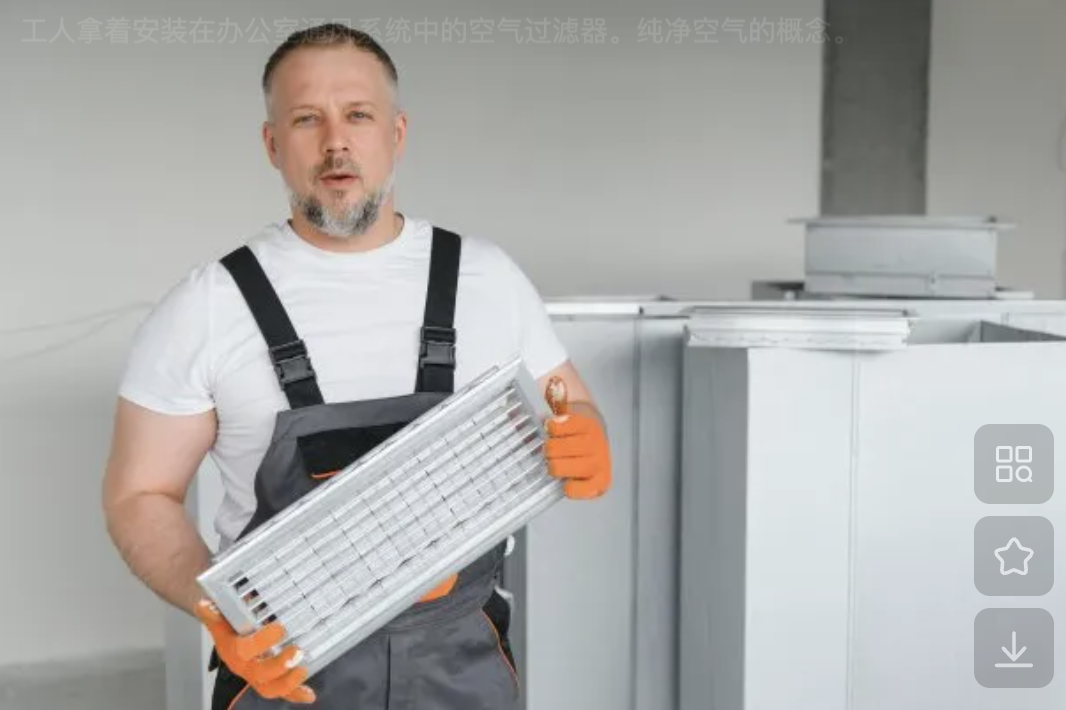
High-efficiency filtration for commercial building HVAC systems, improving indoor air quality, reducing energy consumption, and extending equipment service life.
View Related Products →Precision Equipment Protection
Precision air filtration for data centers, shielding servers and critical hardware from dust contamination to keep cooling systems running efficiently and reliably.
View Related Products →Farming Environment Purification
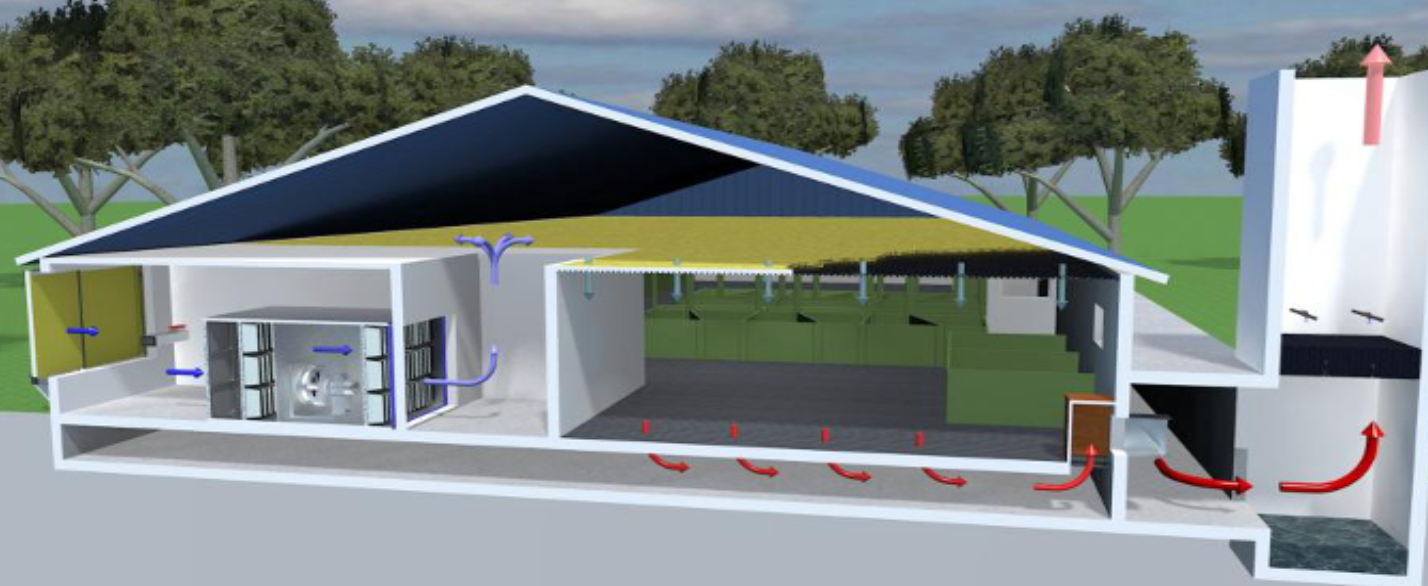
Dedicated filtration systems for farms and livestock facilities — capturing dust, adsorbing ammonia, and inhibiting pathogen spread to improve animal health and overall productivity.
View Related Products →Paint Mist & Dust Purification
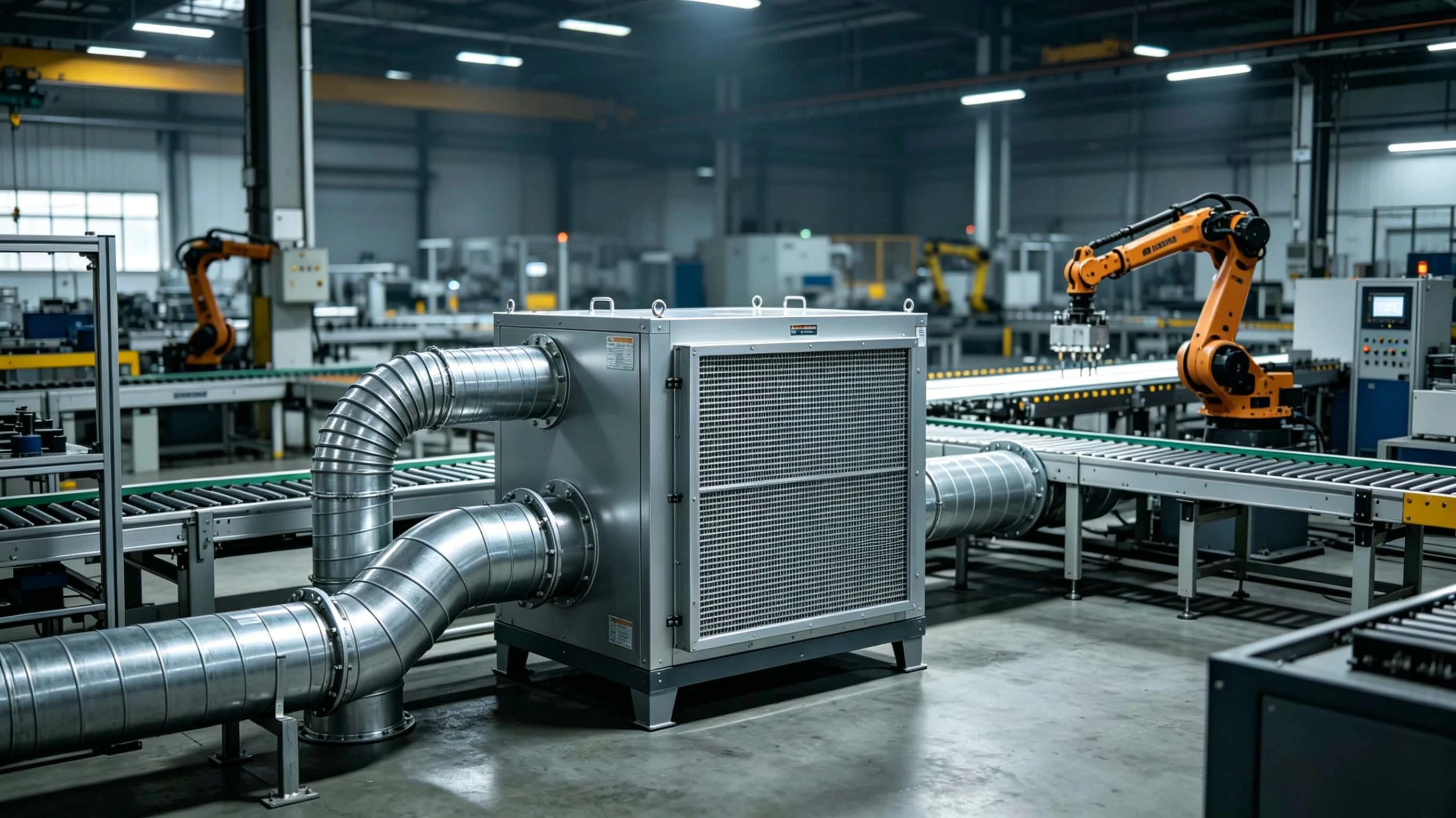
Designed for spray booths and grinding workshops, efficiently capturing paint mist, metal dust, and wood chips to meet emission standards while protecting finished surface quality.
View Related Products →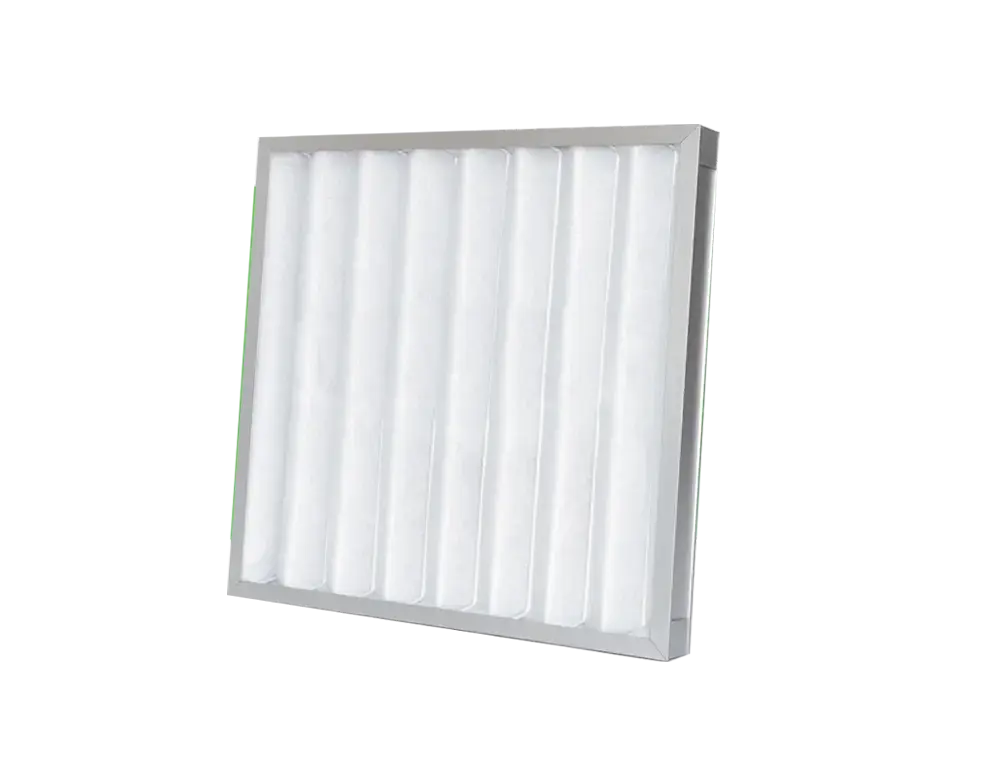
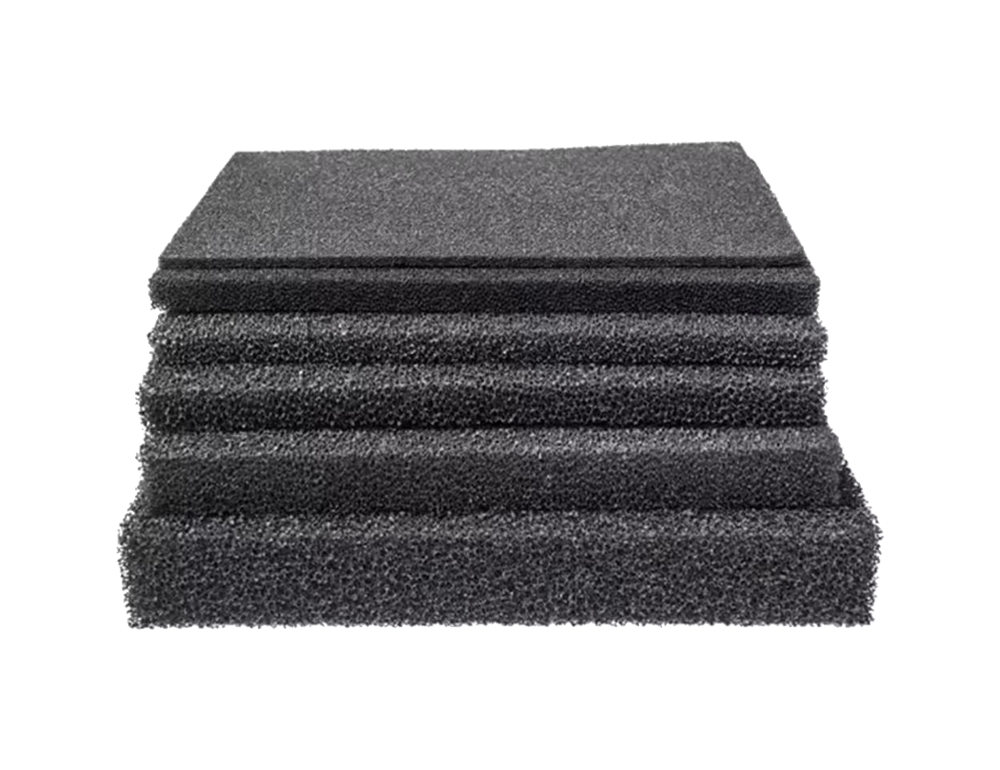
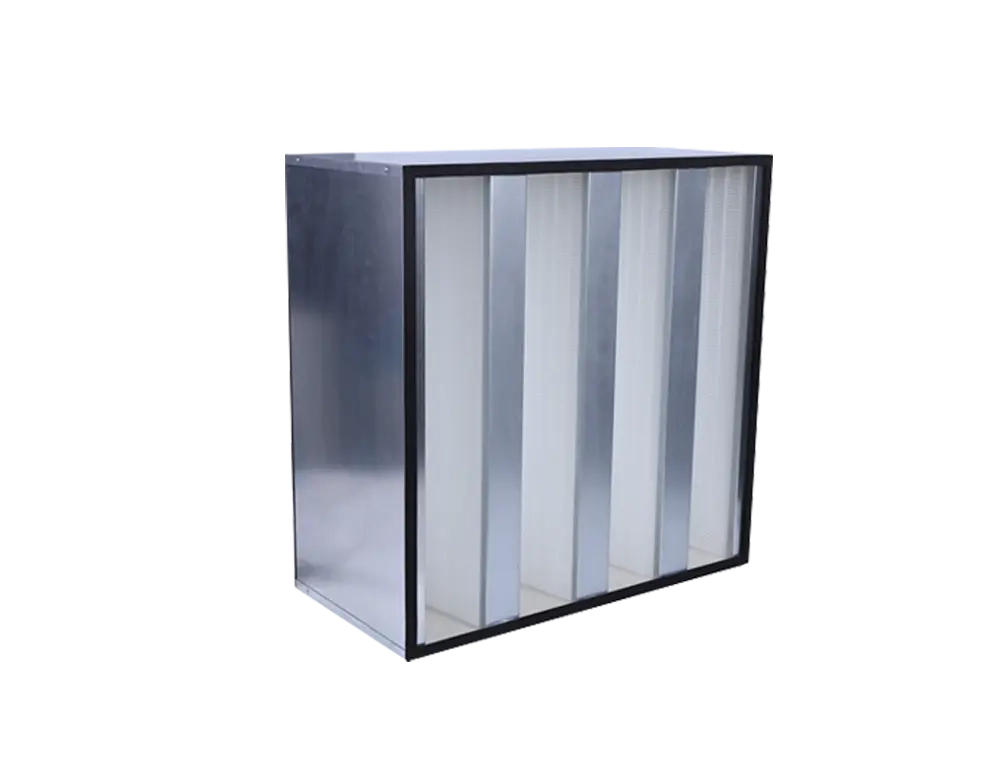
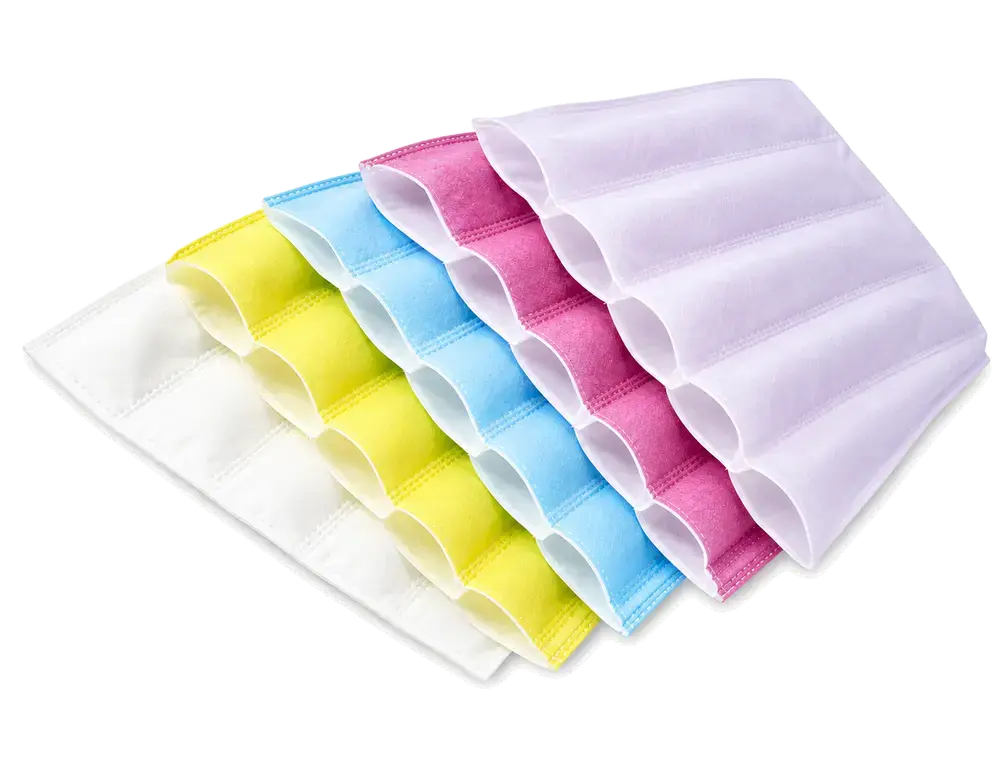
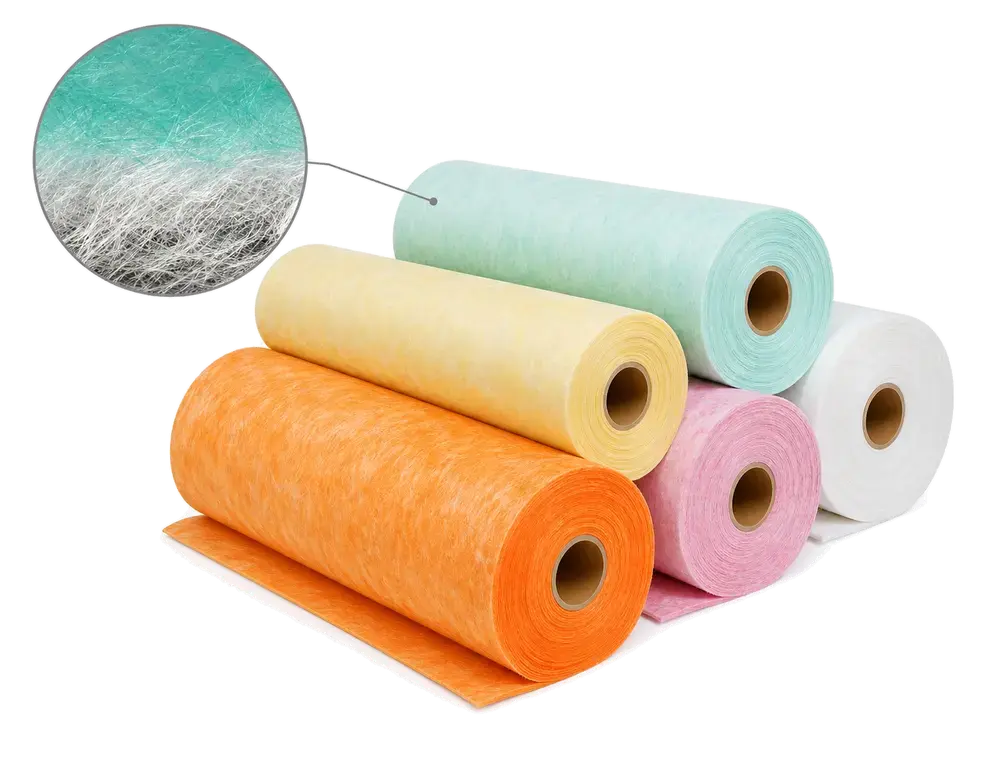
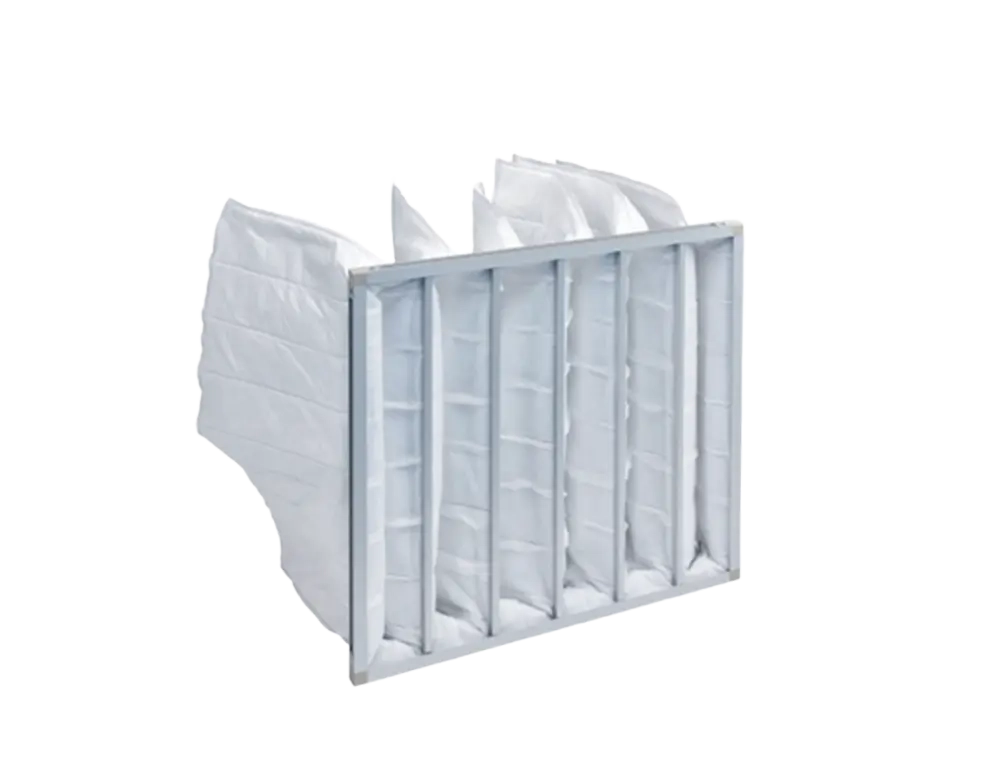
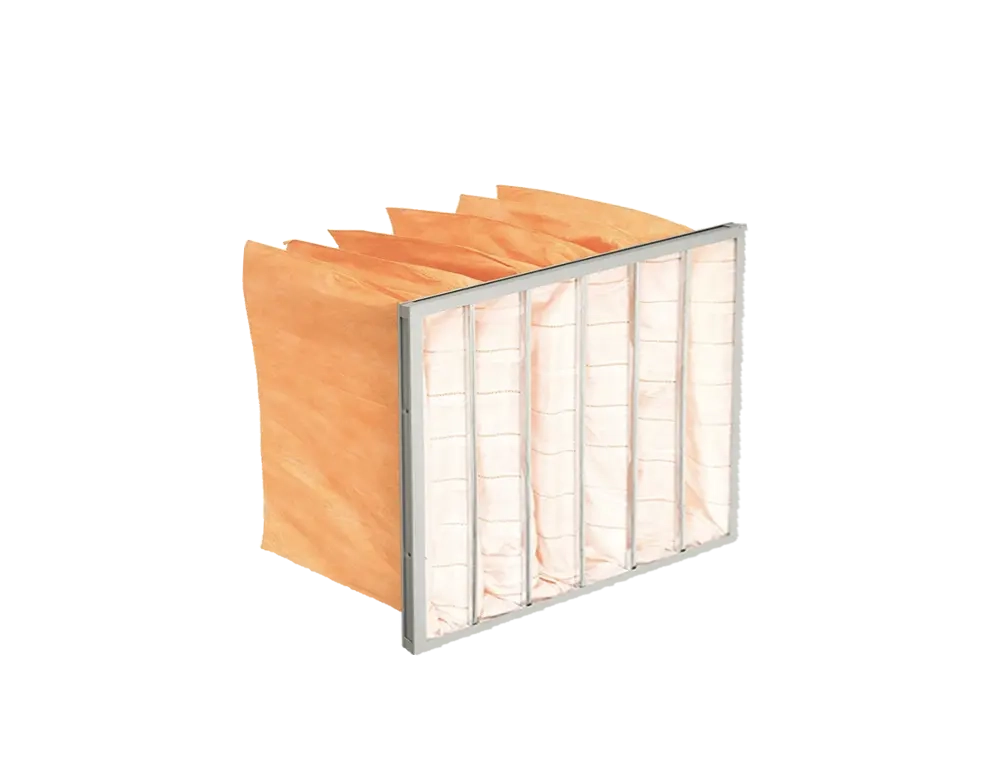
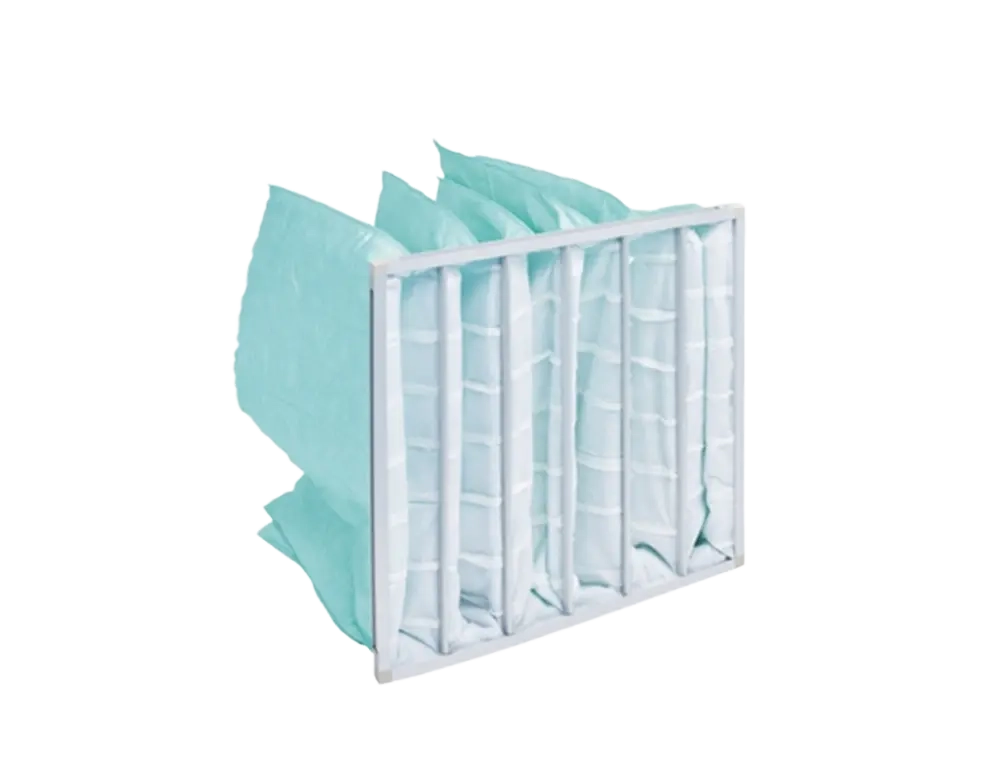
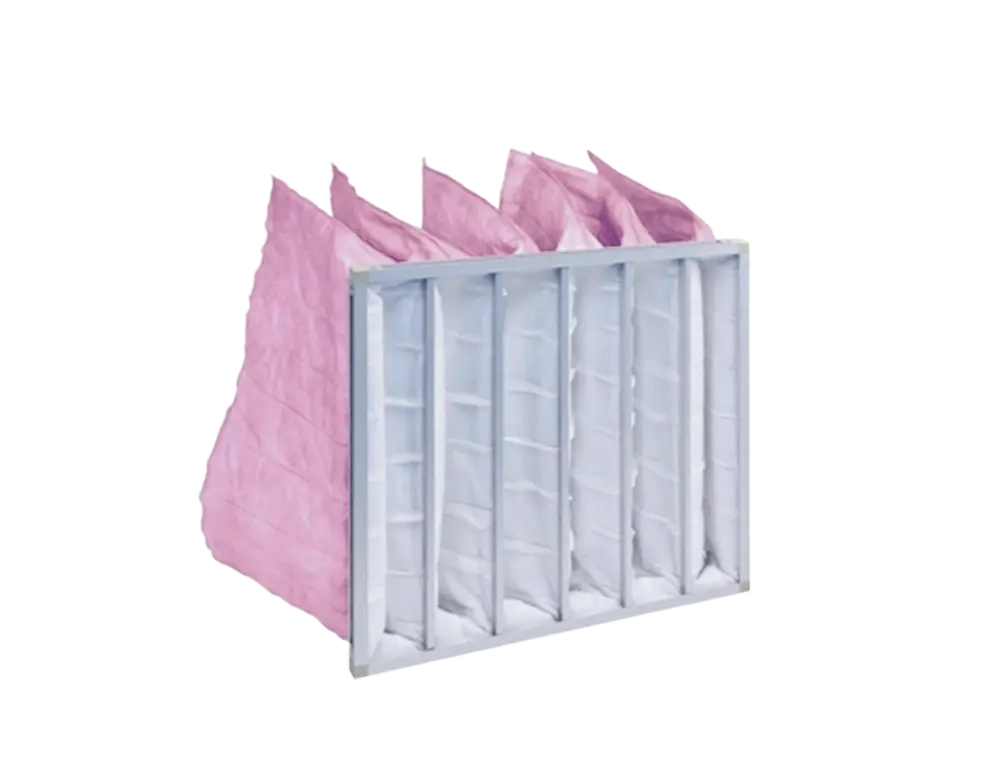
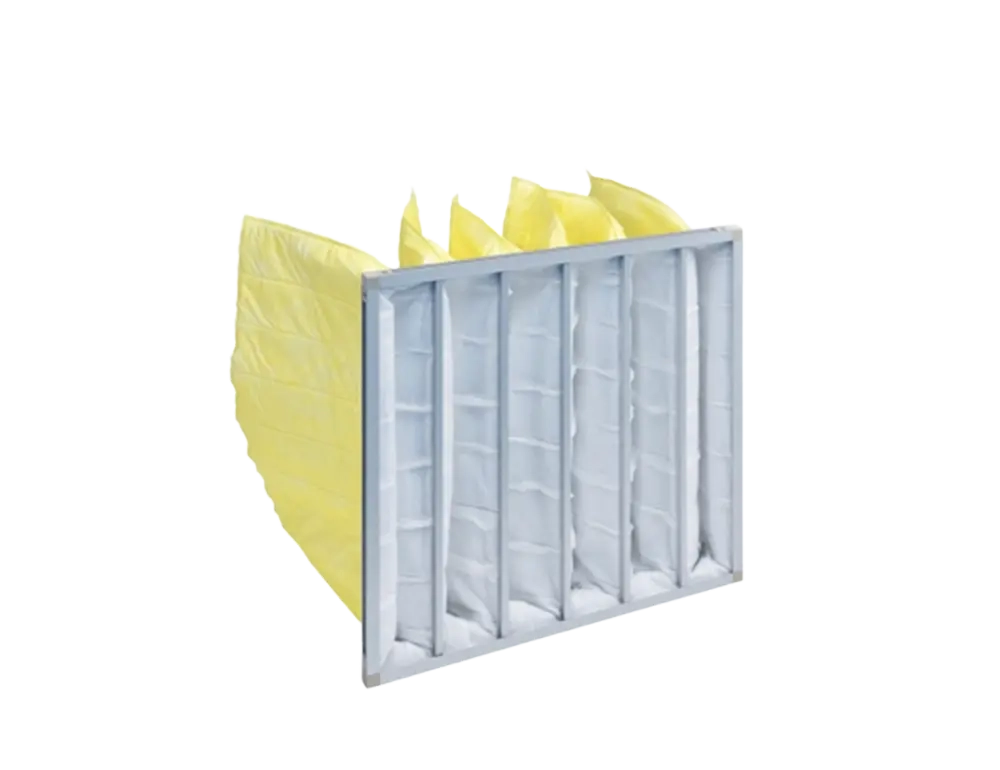
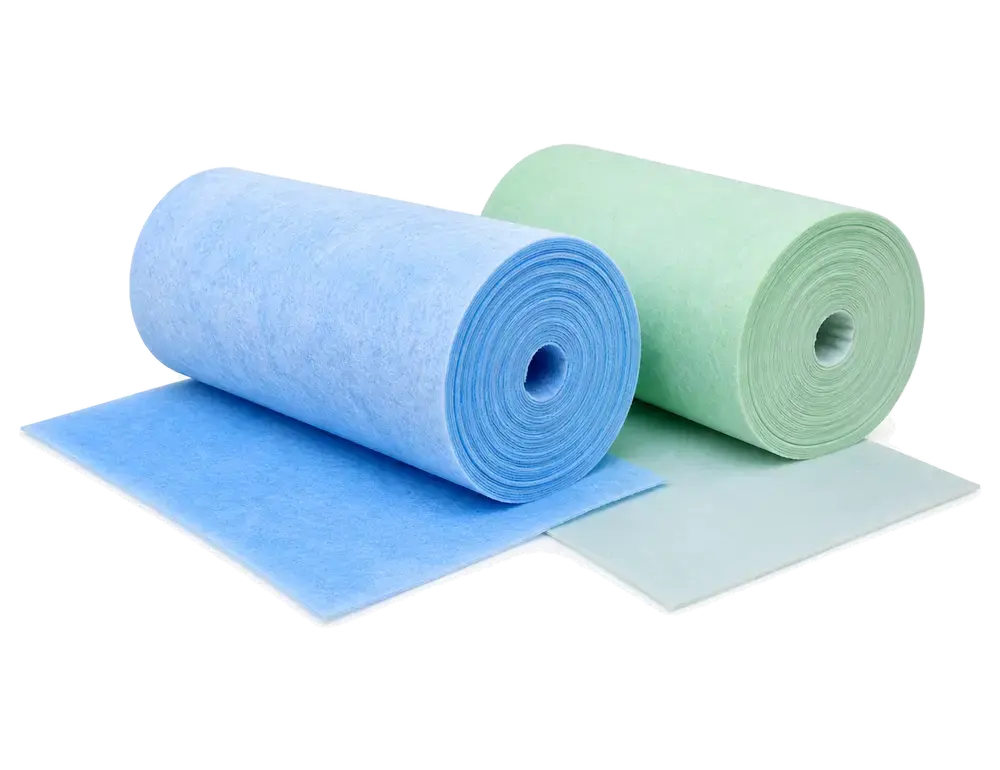
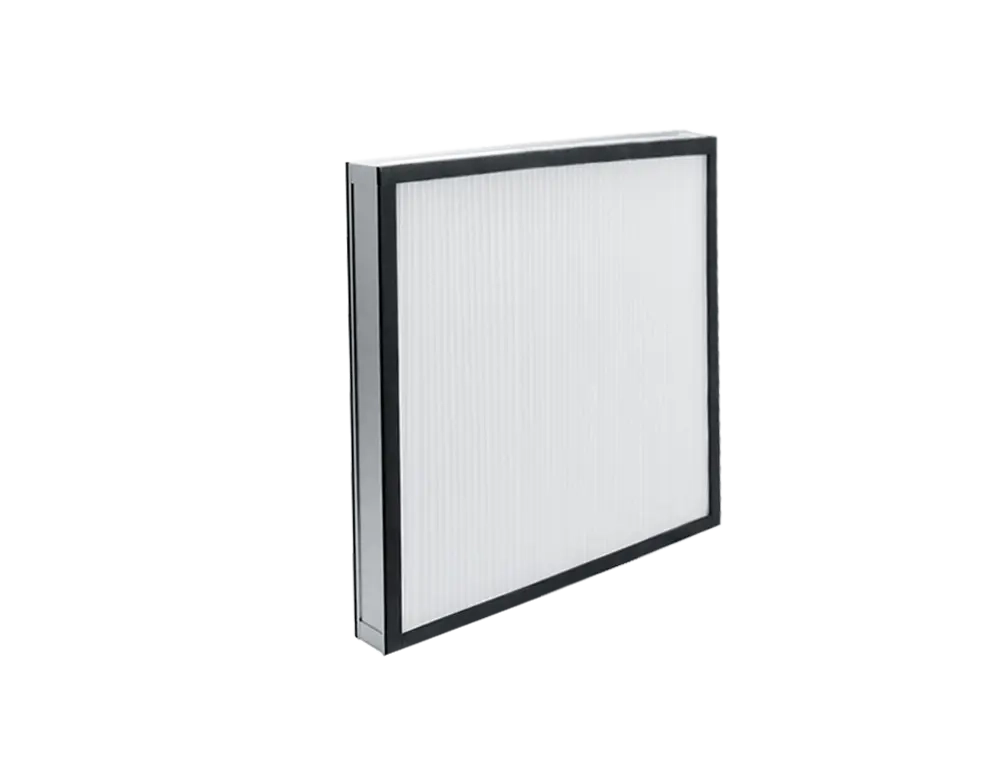
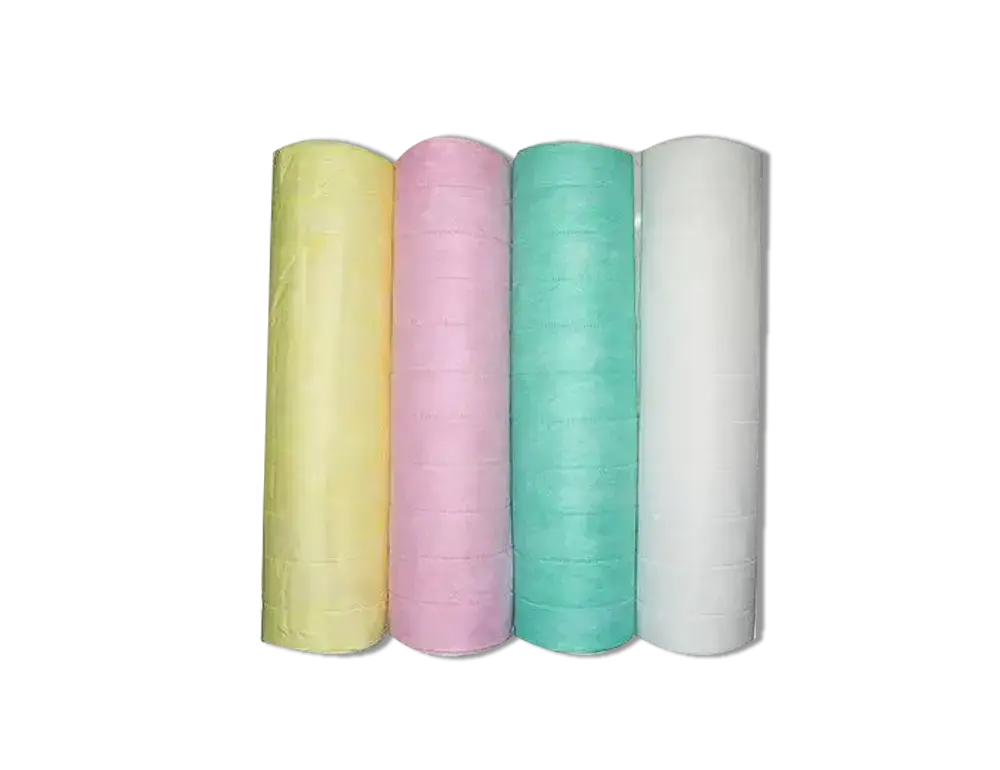
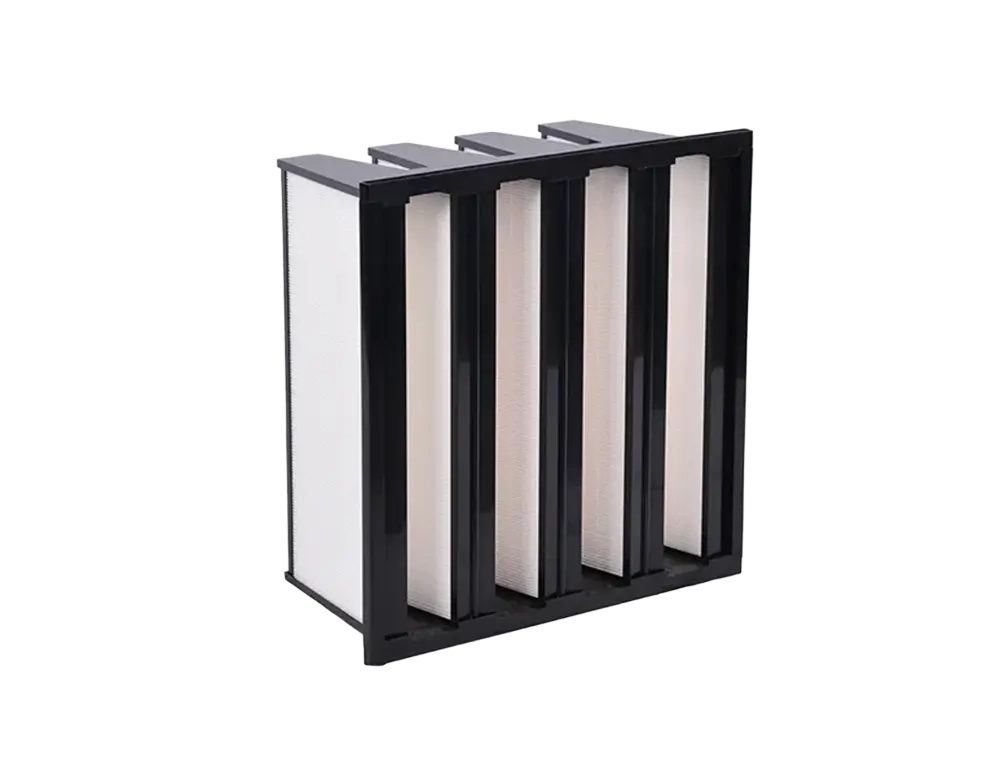
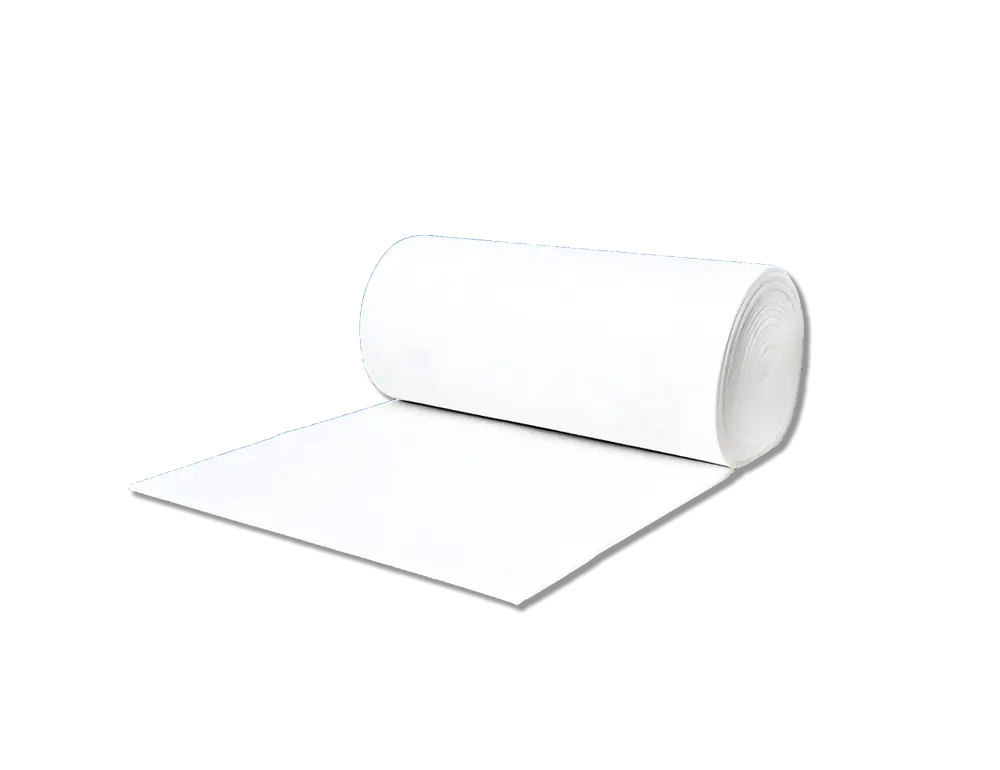
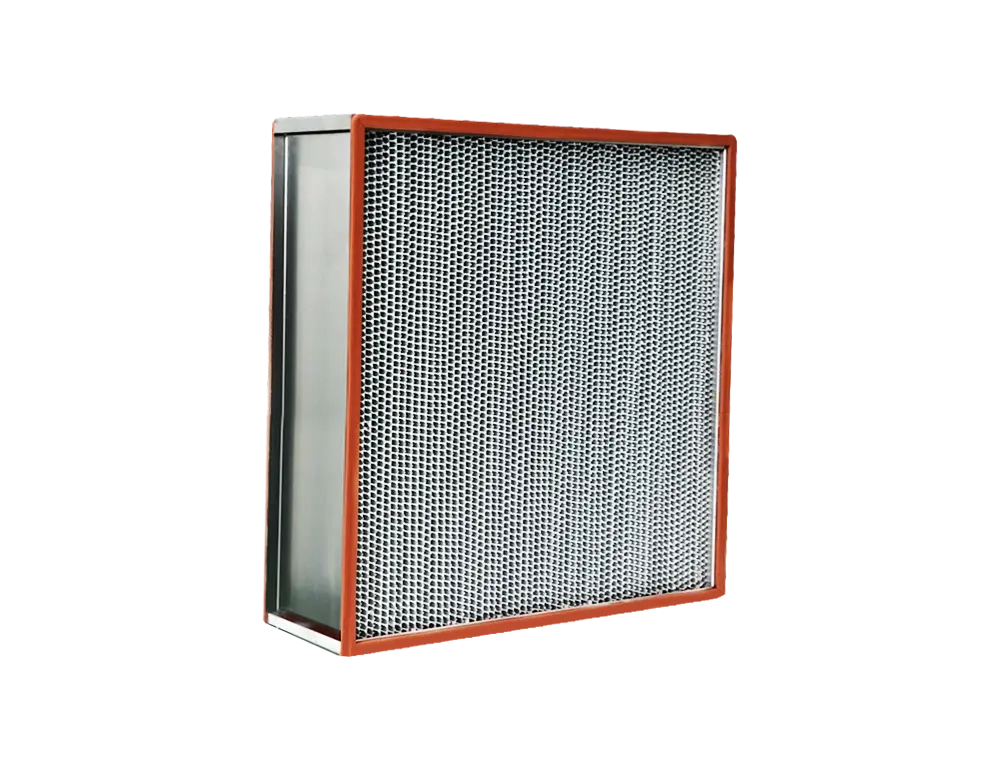
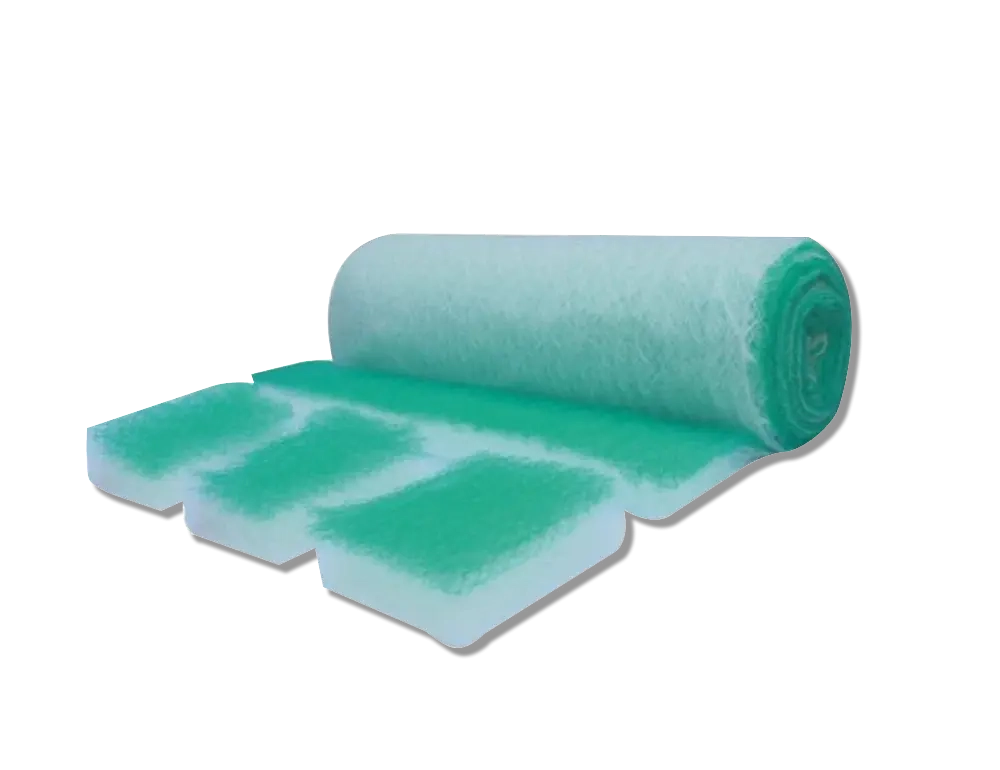
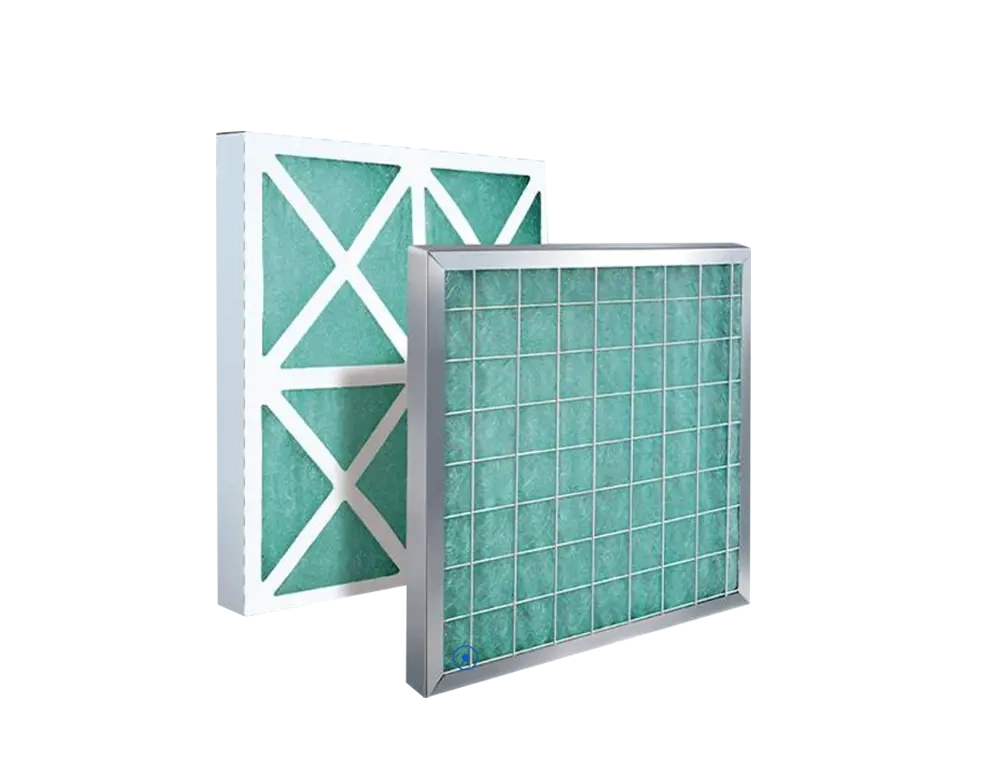
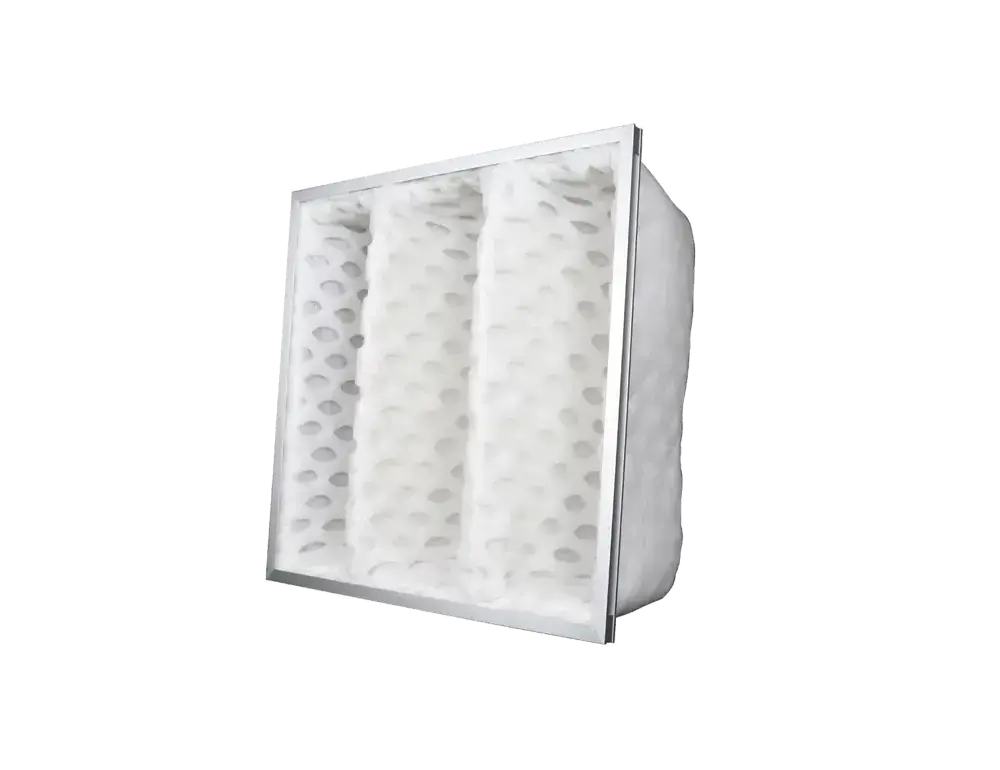
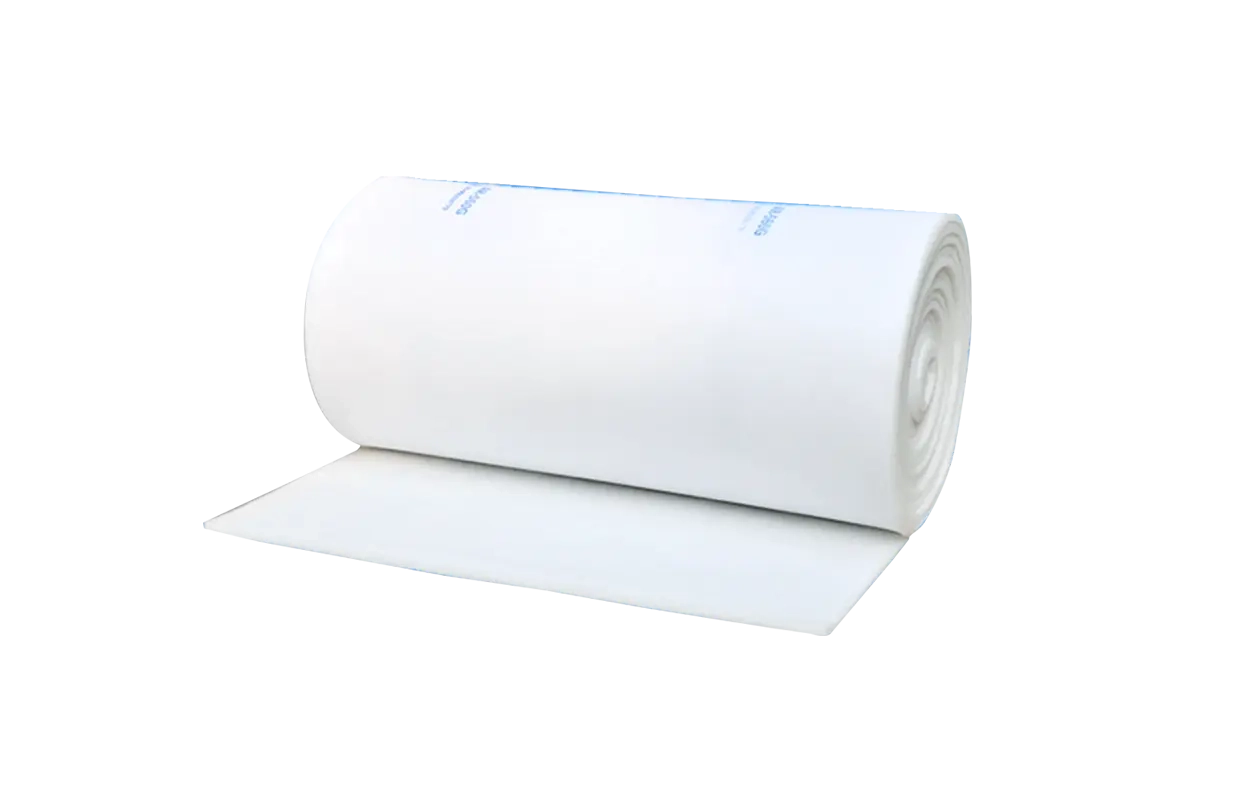
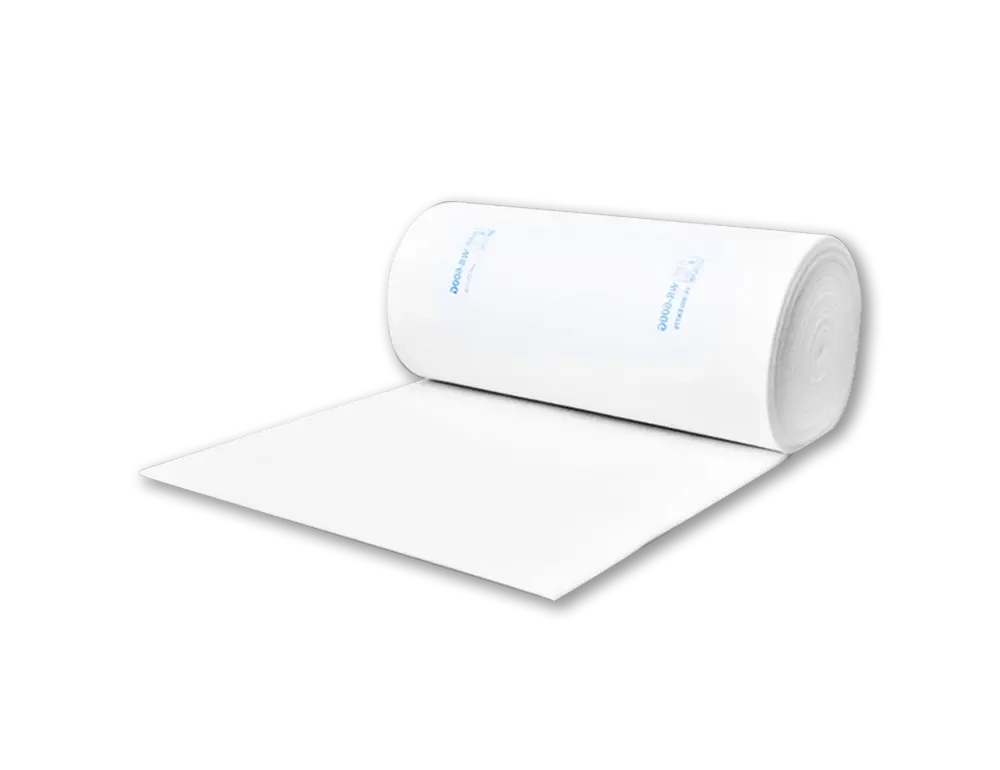
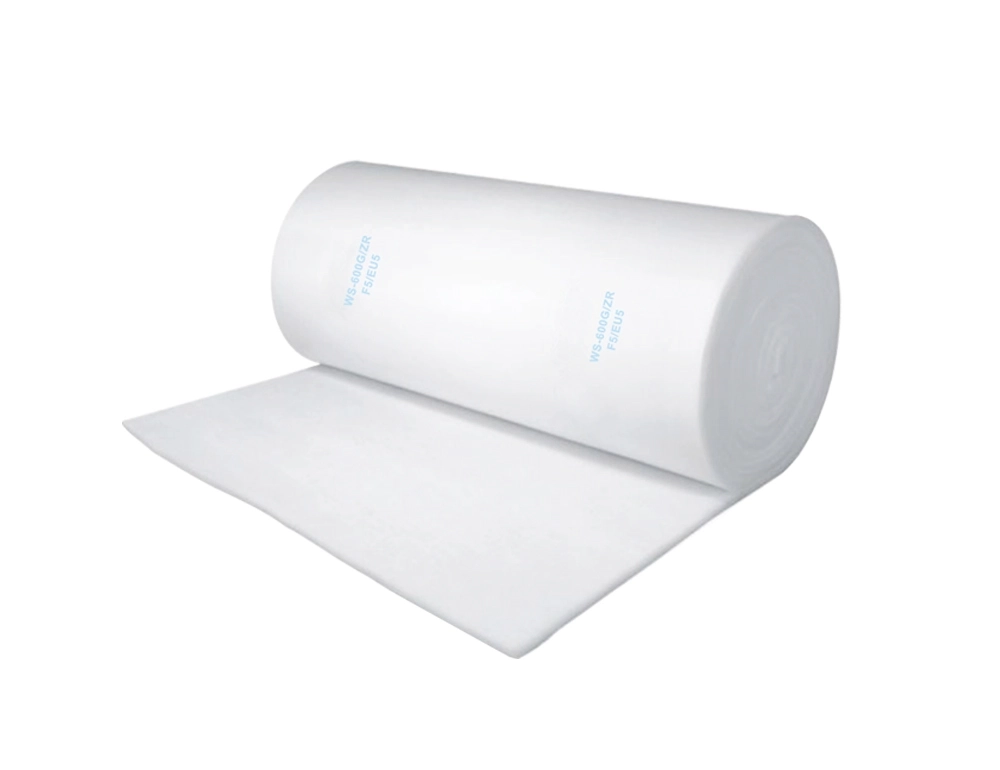
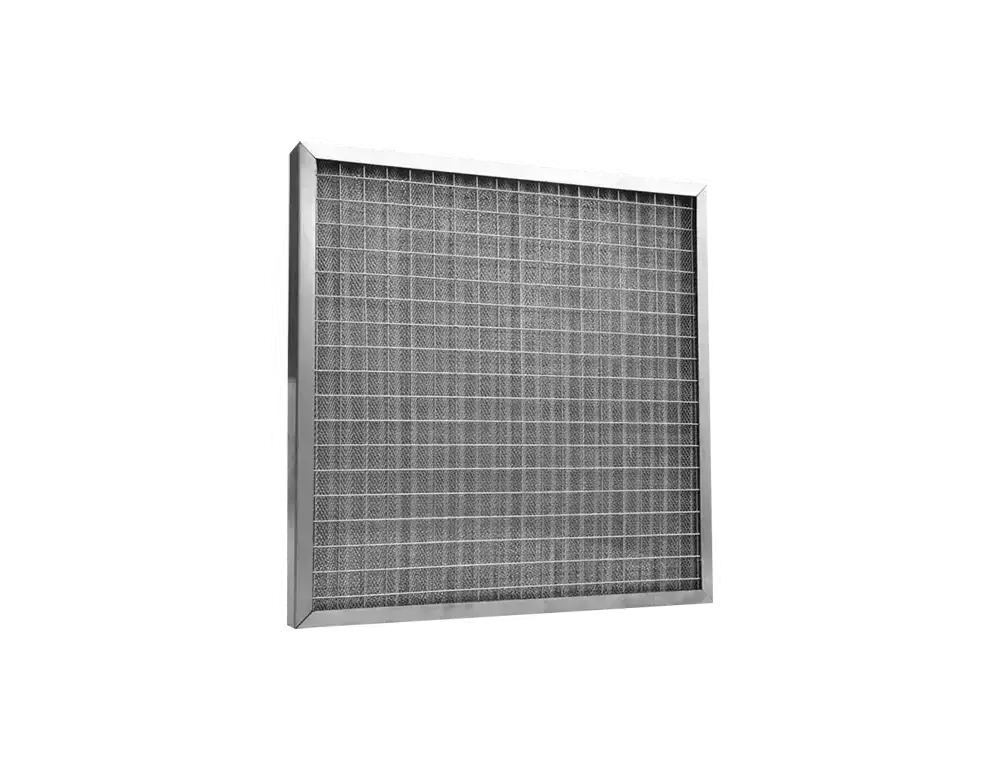
Pre-Filter (G1–G4)
First-Stage Large-Particle Capture
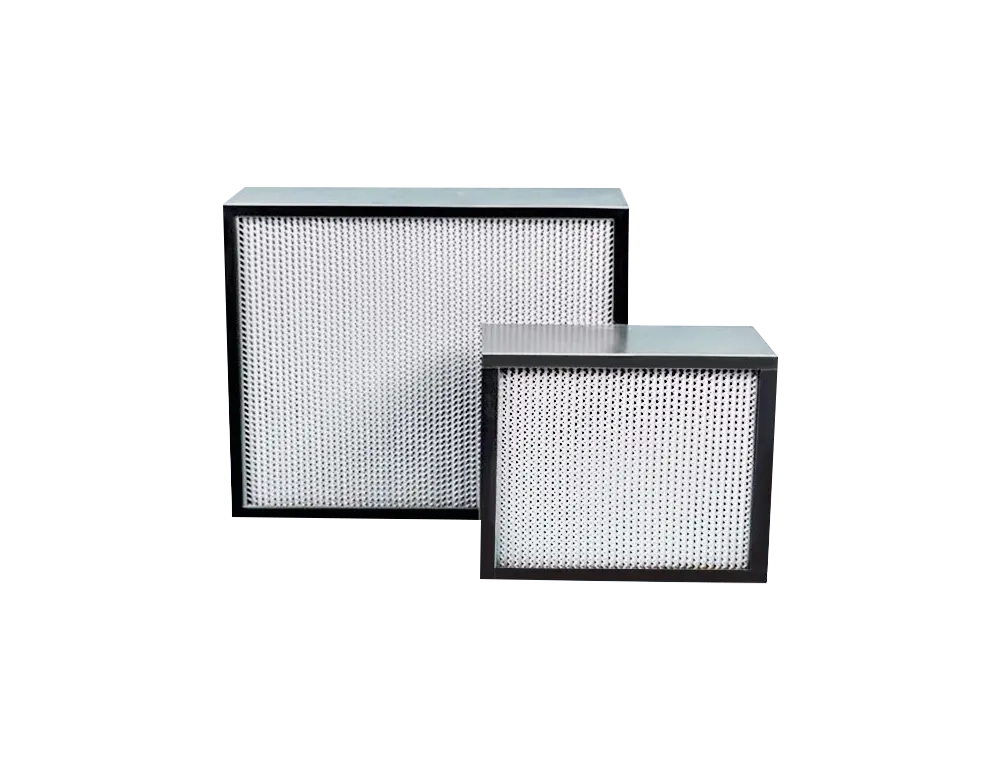
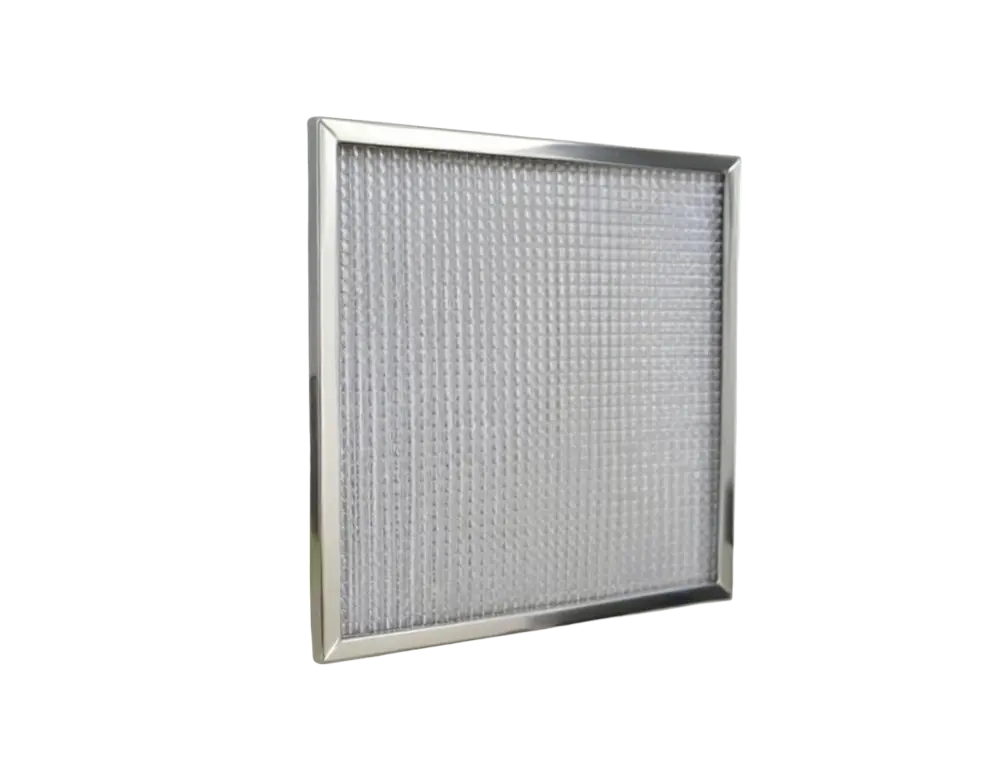
Medium-Efficiency Filter (F5–F9)
Precise PM2.5 Capture
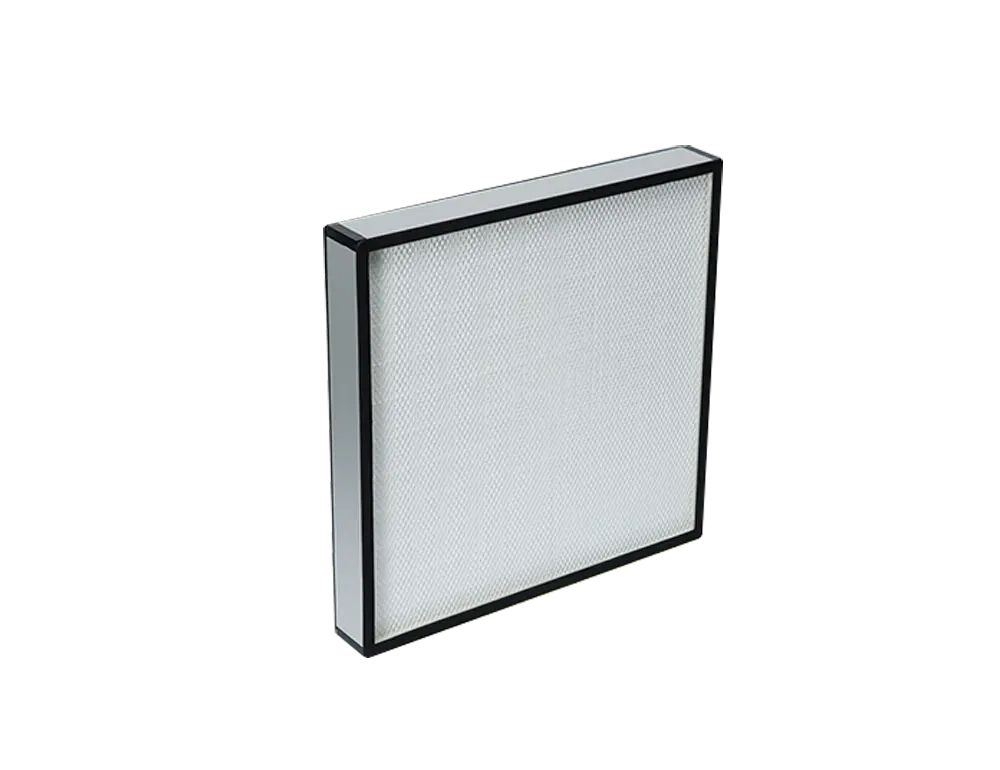
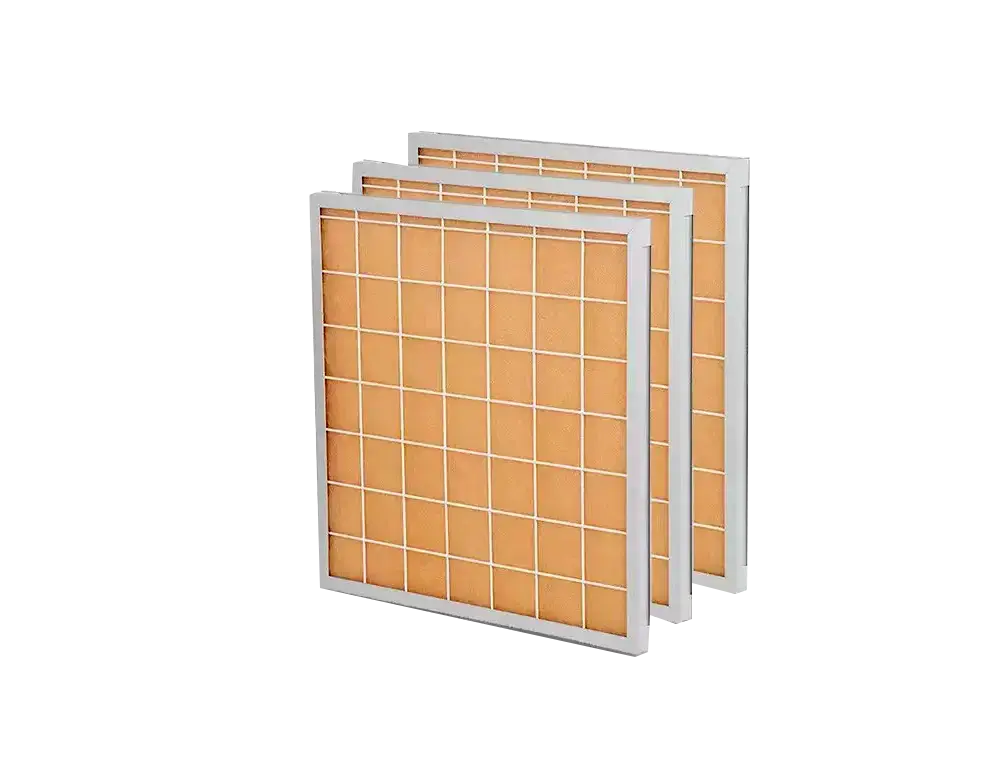
HEPA High-Efficiency Filter
Sterile-Grade Purification
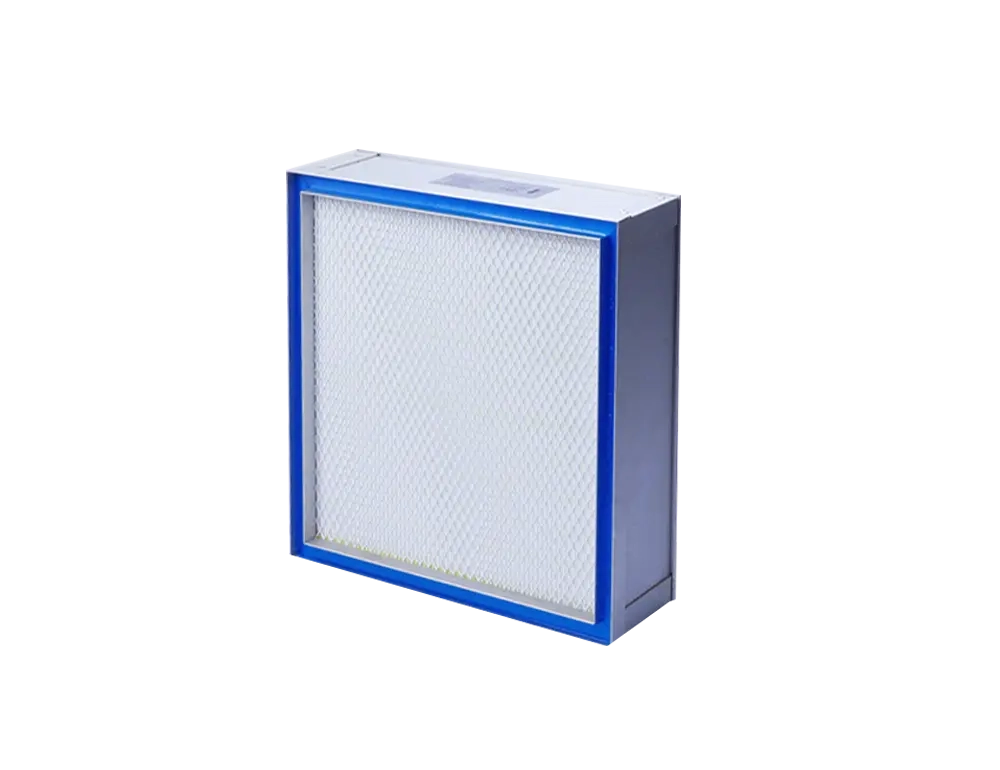
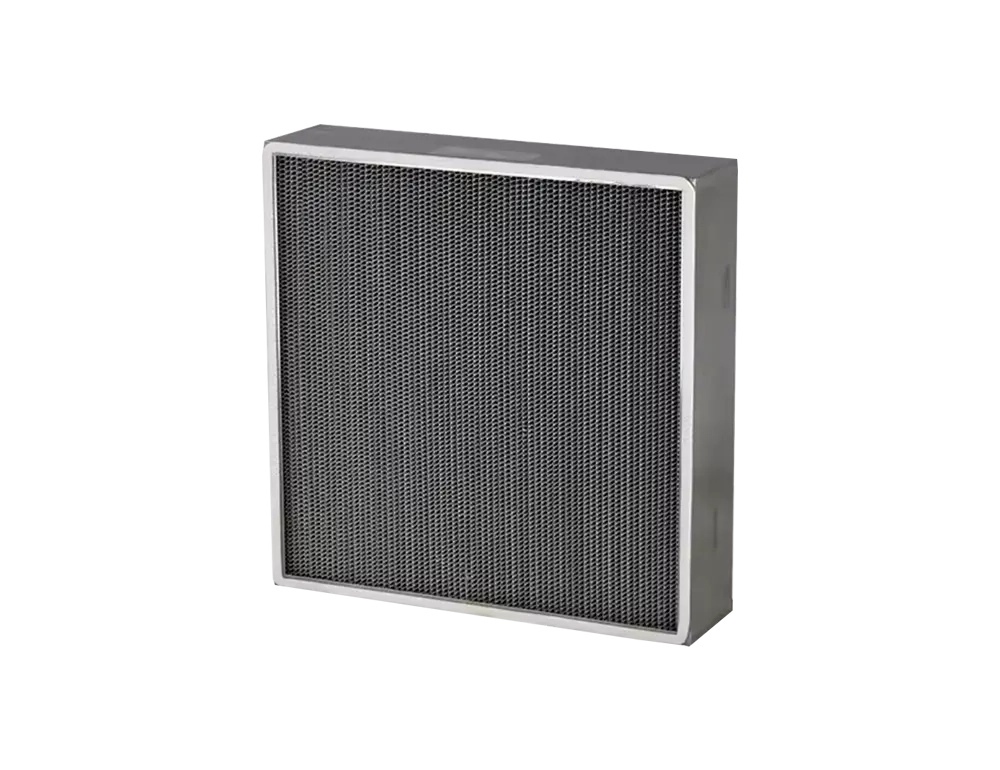
ULPA Ultra-High Efficiency Filter
Sub-Micron Particle Capture
First-Stage Large-Particle Capture
The first line of defense, capturing particles ≥5 μm such as dust, hair, and fibers to protect downstream filters and extend overall system service life.
View Related Products →Precise PM2.5 Capture
Captures fine particles of 1–5 μm including PM2.5, pollen, and mold spores, significantly improving indoor air quality for commercial HVAC and ventilation systems.
View Related Products →Sterile-Grade Purification
≥99.97% filtration efficiency for particles ≥0.3 μm, delivering sterile-grade clean air widely used in medical, pharmaceutical, and electronics manufacturing.
View Related Products →Sub-Micron Particle Capture
≥99.9995% efficiency for particles ≥0.12 μm, meeting the extreme cleanliness demands of semiconductor fabs, aerospace, and other ultra-precision applications.
View Related Products →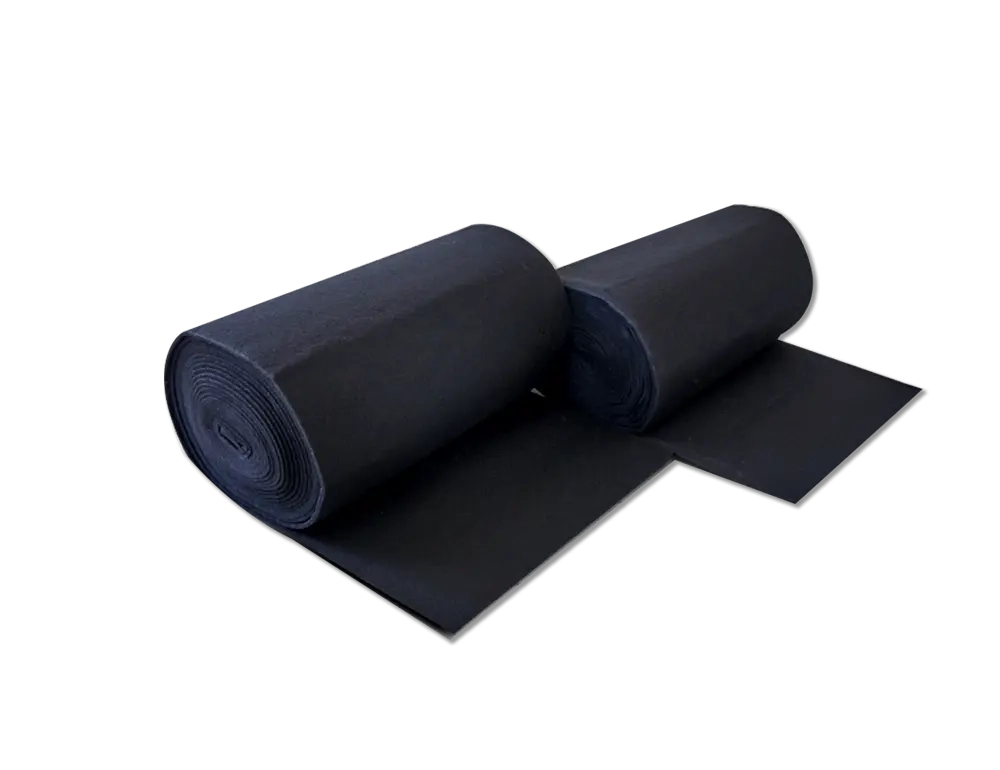
High-Temperature Resistant
Industrial-Grade Heat Tolerance
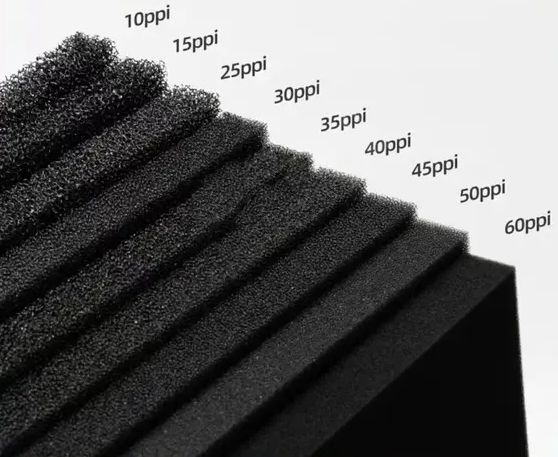
Washable & Reusable
Cut Costs, Reduce Waste
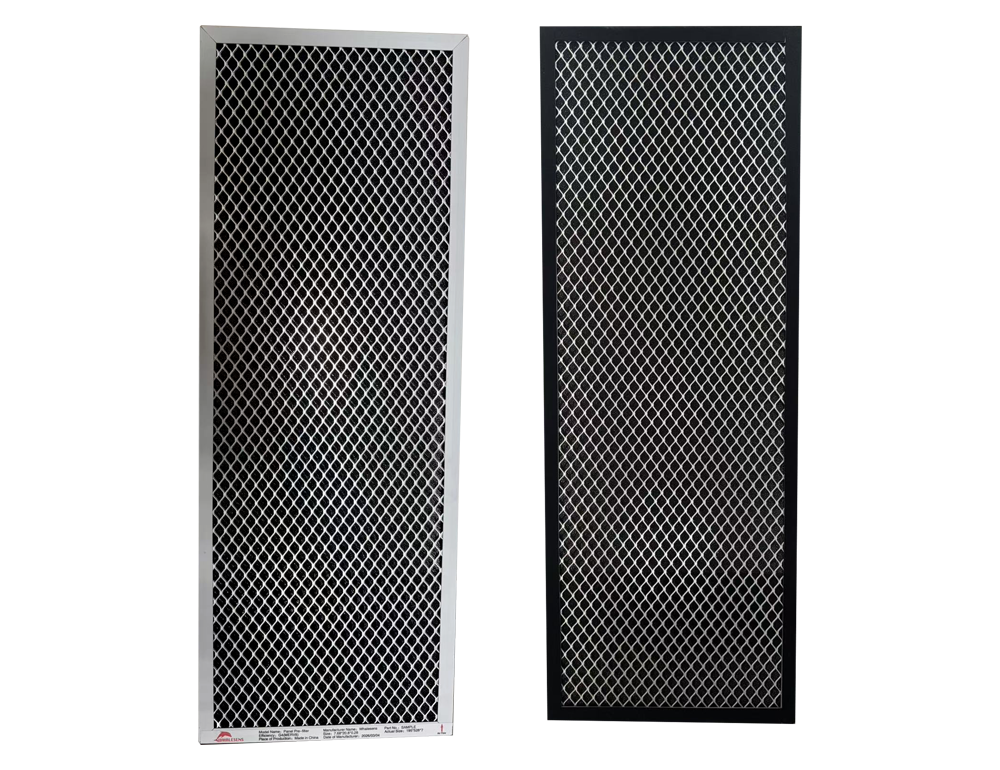
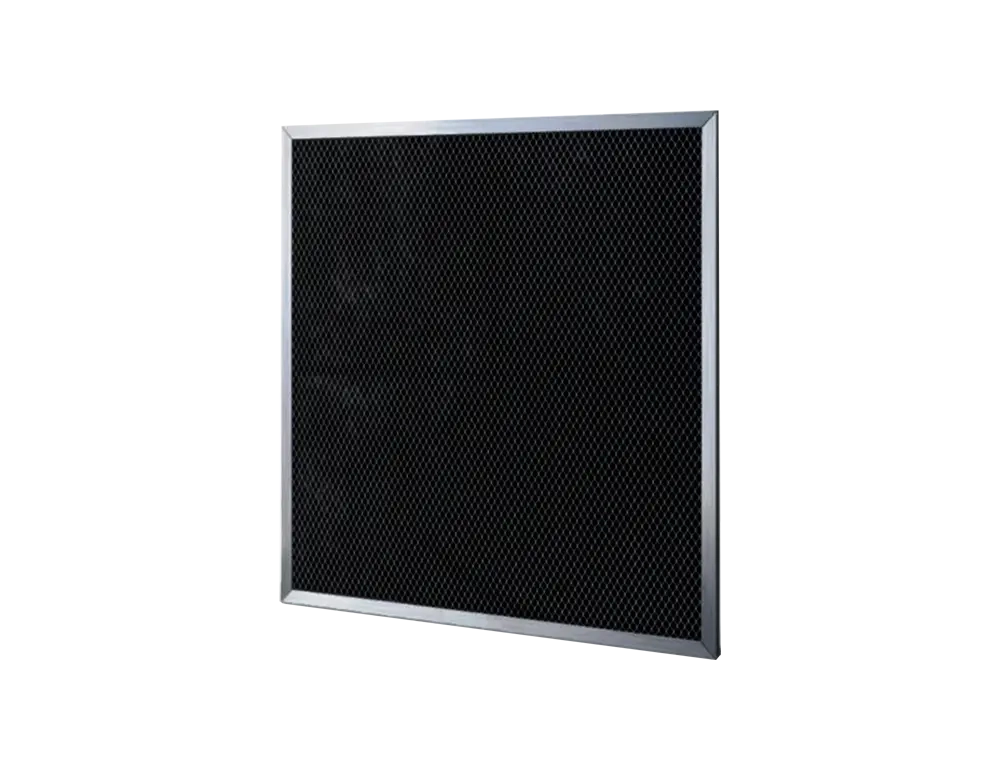
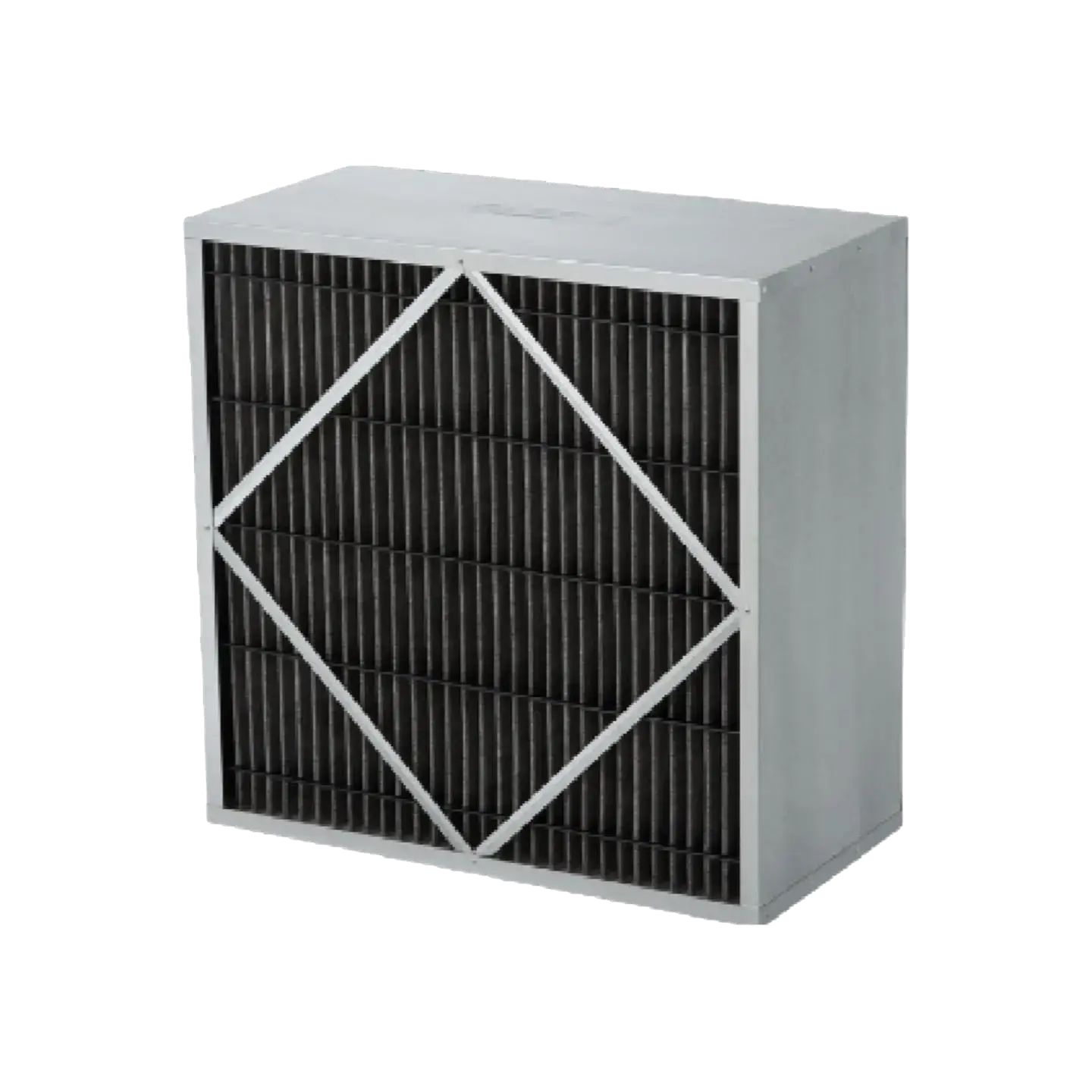
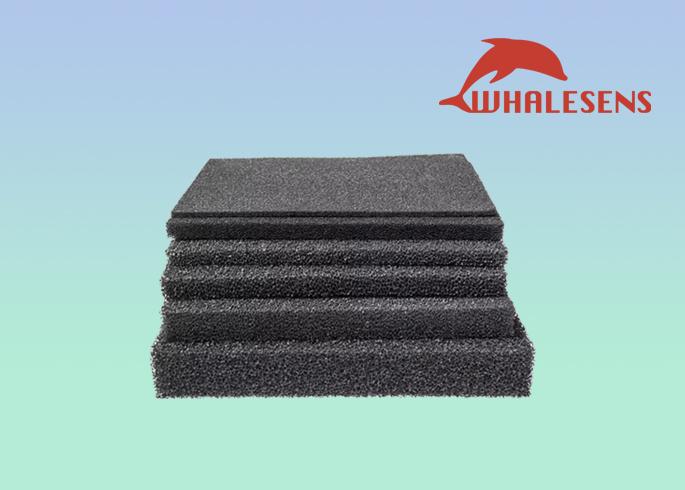
Activated Carbon
Odor & Harmful Gas Removal
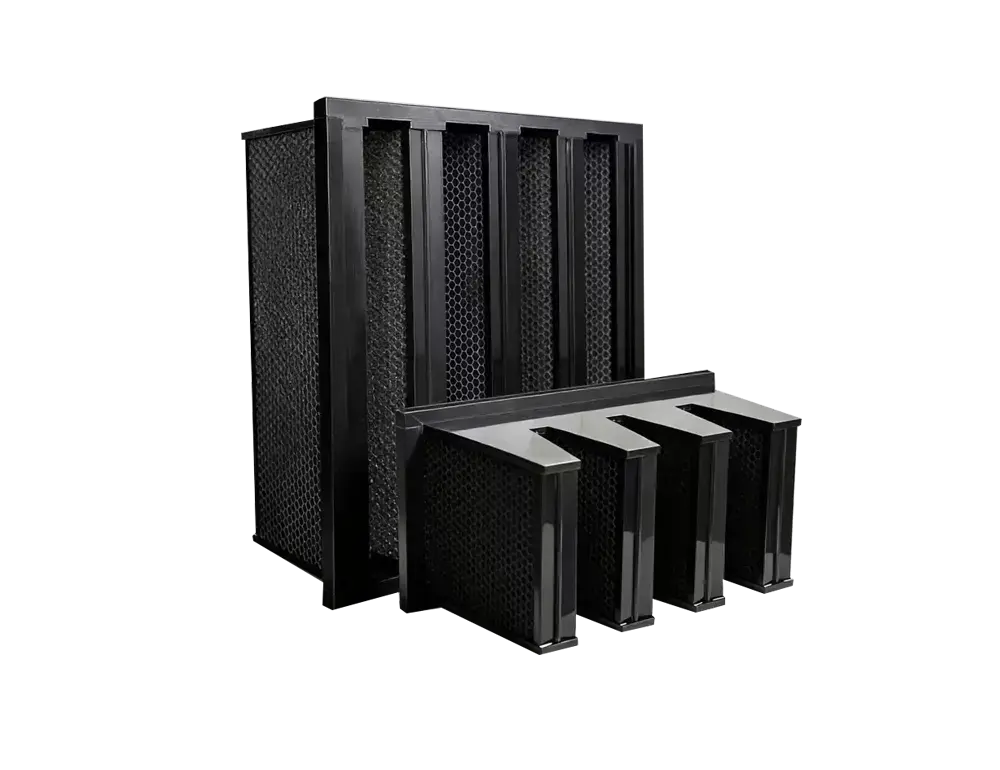
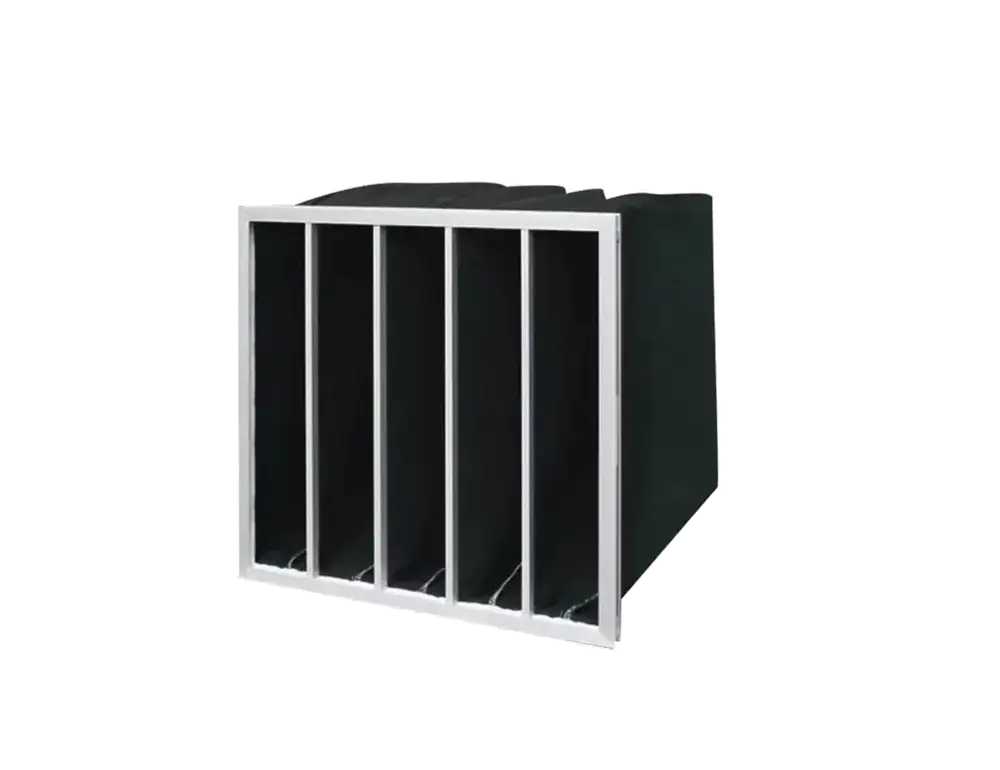
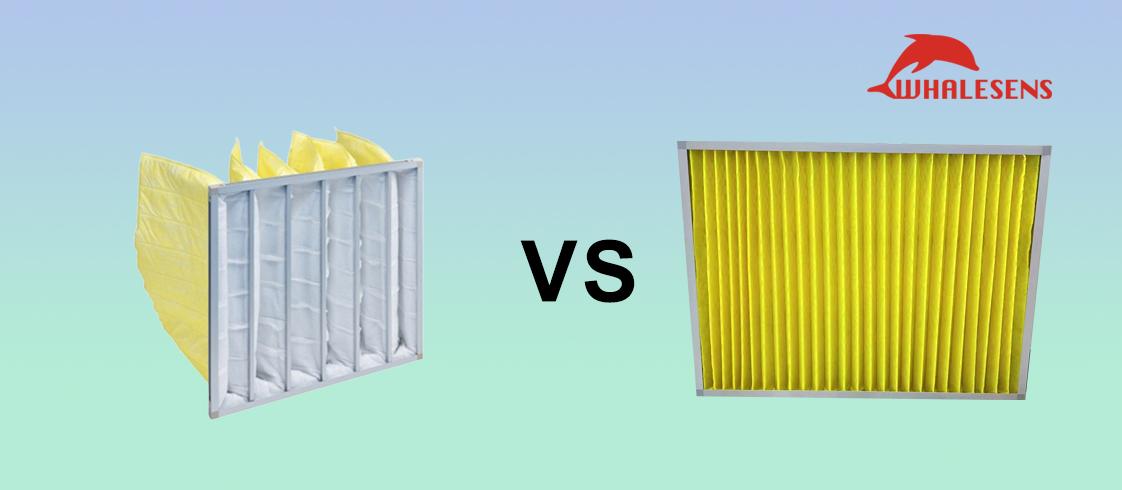
Bag Filter
High Dust-Holding, Long Life
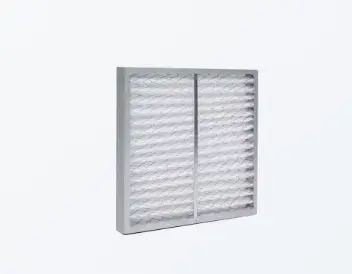
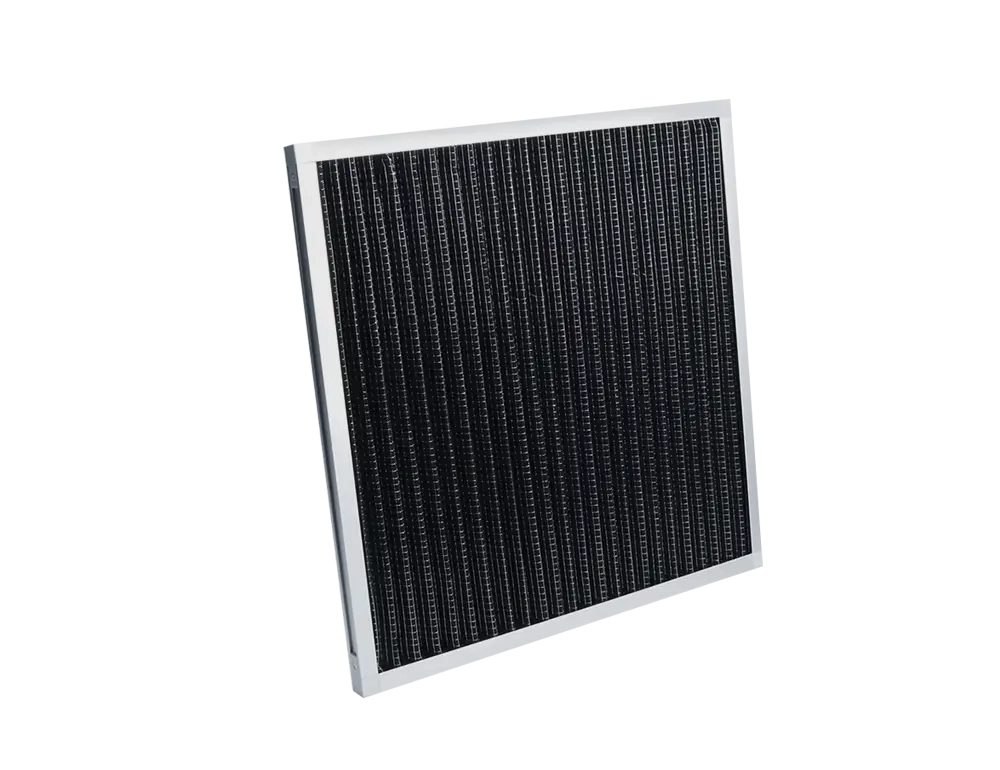
Panel / Pleated Filter
Compact Space-Saving Design
Low-Resistance Airflow
Energy-Saving Operation
Industrial-Grade Heat Tolerance
Built with specialized heat-resistant materials, operating stably up to 250°C for paint ovens, industrial dryers, and high-temperature process environments.
View Related Products →Cut Costs, Reduce Waste
Cleanable by water washing or air blowing, reusable multiple times to significantly reduce replacement frequency and O&M costs — an economical, eco-friendly choice.
View Related Products →Odor & Harmful Gas Removal
Leverages activated carbon's high adsorption capacity to eliminate odors, VOCs, and formaldehyde, ideal for newly renovated spaces and industrial exhaust treatment.
View Related Products →High Dust-Holding, Long Life
Bag-style construction delivers a larger filtration area, high dust-holding capacity, and extended service life — ideal for high-dust environments with reduced replacement frequency.
View Related Products →Compact Space-Saving Design
Compact form factor for easy installation and replacement; pleated structure maximizes filtration area within a small footprint for higher efficiency.
View Related Products →Energy-Saving Operation
Low-resistance design minimizes pressure drop while maintaining filtration performance, reducing fan energy consumption for cost-effective, eco-friendly operation.
View Related Products →






















 English(Global)
 简体中文
简体中文 Language




Air Filter Housing Selection: 5 Costly Mistakes to Avoid
Why Air Filter Housing Selection Sits at the Top of the Specification List
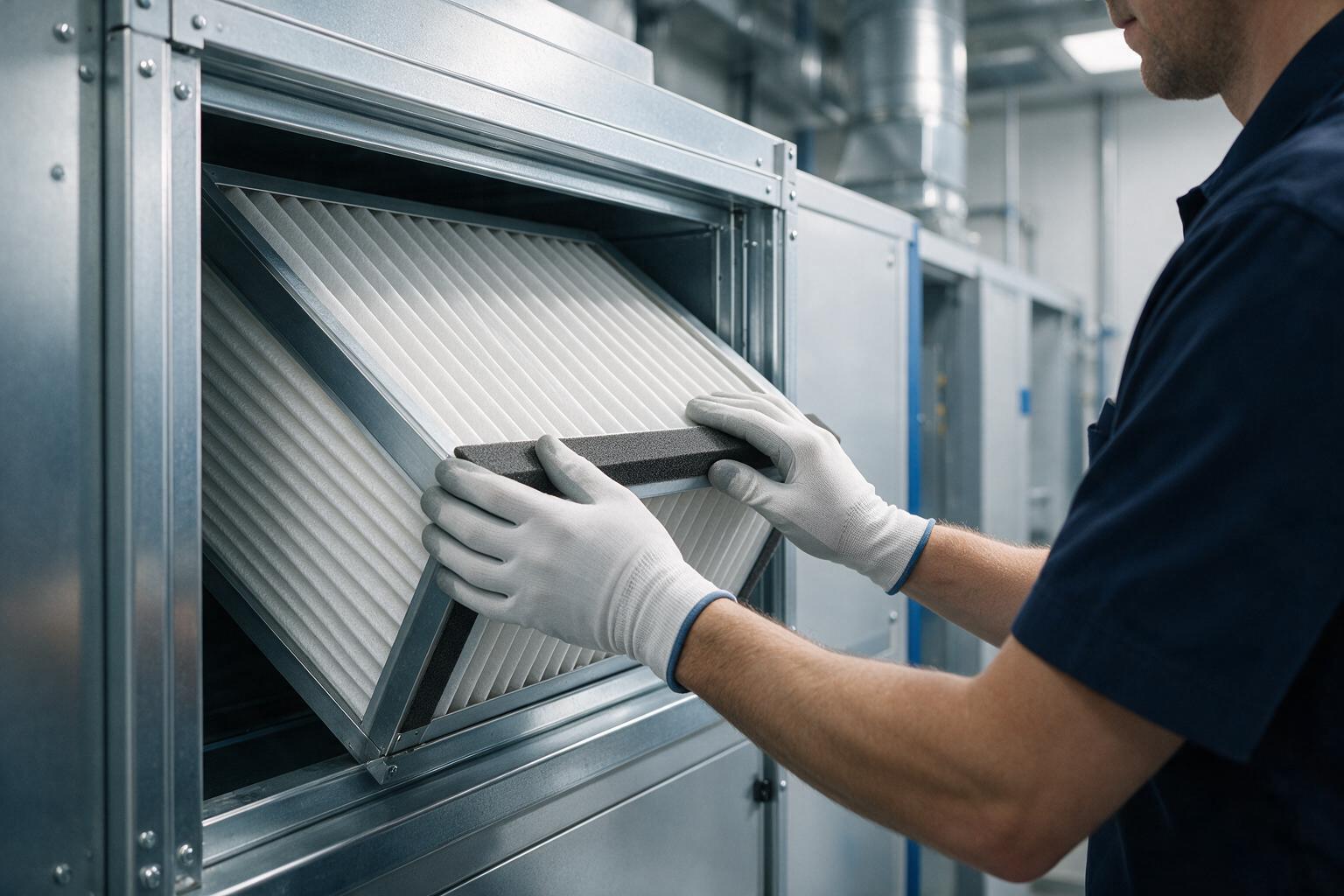
Air filter housing selection often comes after the filter media is chosen, but the housing decides whether that media can do its job. A housing with weak seals, thin walls, or poor internal geometry leaks airflow, deforms under negative pressure, and adds pressure drop that the fan pays for every hour. We have measured leakage above 5% on budget housings, while a well-built air filter housing stays below 0.5%.
That difference is not academic. Leakage bypasses the filter entirely, wasting filter area and letting contaminants through. A deformed air filter housing breaks the seal and causes pressure fluctuations that confuse building management systems. Think of an air filter housing as the foundation under a precision machine—if it shifts, every downstream adjustment fails.
Before comparing housing models, define what the air filter housing must handle: maximum positive and negative pressure, temperature, humidity, chemical exposure, and access frequency. These factors drive material, seal, and structural choices. The industrial air filter guide covers how the housing fits into a complete filtration train, from pre-filters to final filters.
The numbers below show why the housing is not a commodity part:
These values come from our field audits and standard test methods. If you measure leakage above 1%, do not blame the filter first—check the housing seal and flange.
Pitfall 1: Confusing Dimensions with Seal Integrity
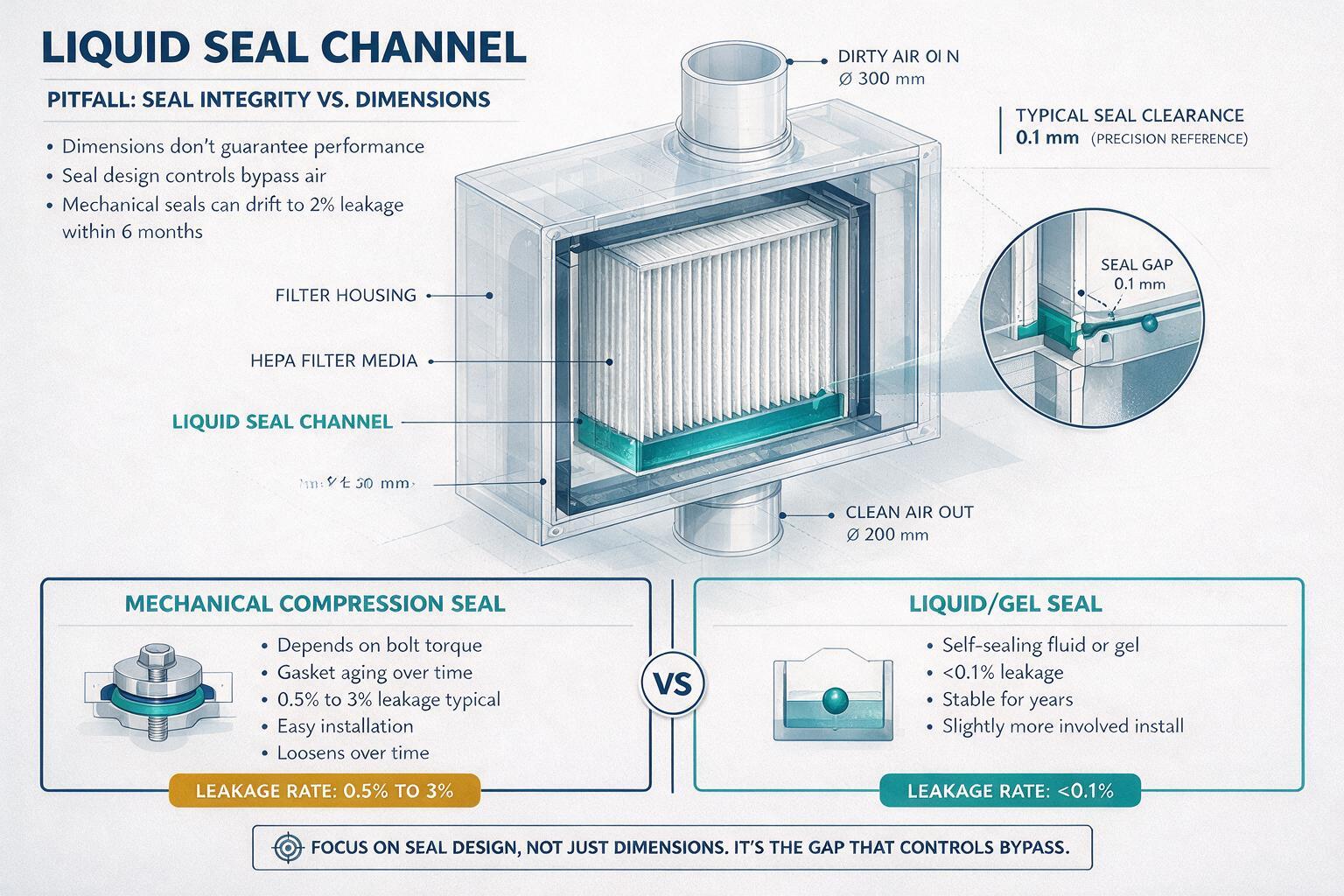
Most procurement specifications list flange dimensions, overall size, and filter compatibility. That’s necessary, but it tells you nothing about how well the air filter housing seals the filter. The seal design controls bypass air—unfiltered air that slips around the filter instead of through it. Two common seal approaches differ by an order of magnitude in leakage:
Mechanical Compression Seal
- Depends on bolt torque and gasket aging
- 0.5% to 3% leakage typical
- Easy installation
- Loosens over time
Liquid/Gel Seal
- Self-sealing fluid or gel
- <0.1% leakage
- Slightly more involved install
- Stable for years
We have seen H13 HEPA filters installed in mechanically sealed housings drift to 2% leakage within six months. The cleanroom pressure dropped 30 Pa, and the maintenance team blamed the pressure gauge. The real cause was a deformed flange on the air filter housing. After switching to a liquid seal housing, the leakage returned below 0.1% and stayed there.
For ISO Class 5 or stricter cleanrooms, liquid seal or gel seal housings are the only reliable choice. If your application is less critical, mechanical seals can work, but you must verify gasket condition and bolt torque at every filter change. The HEPA filter ultimate guide explains how filter efficiency and housing sealing interact in cleanroom performance.
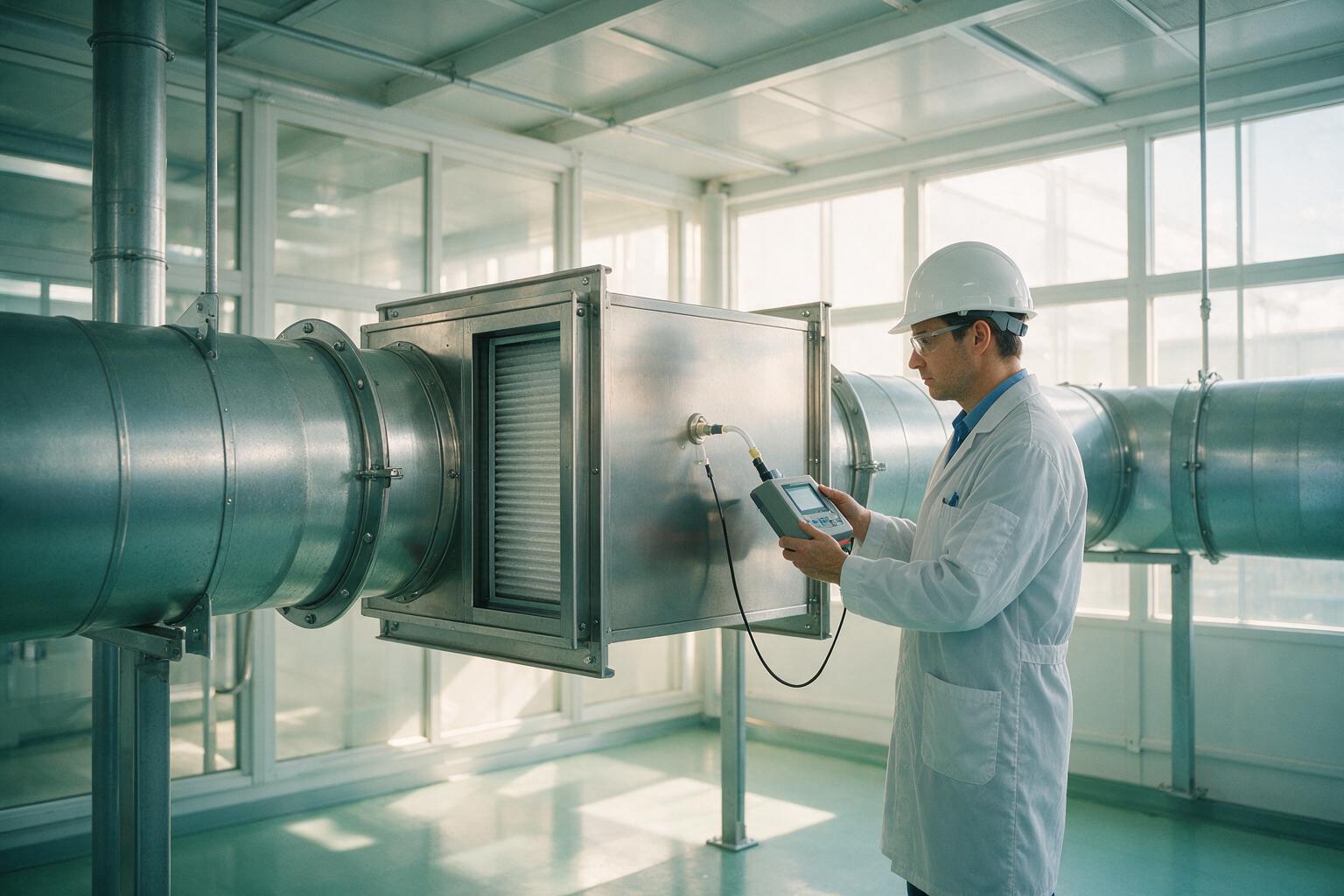
When you compare housings from different vendors, ask for leakage test data under both negative and positive pressure. A housing that passes a positive pressure bubble test may still leak under negative pressure in operation.
Pitfall 2: Under-Specifying Wall Thickness for Negative Pressure
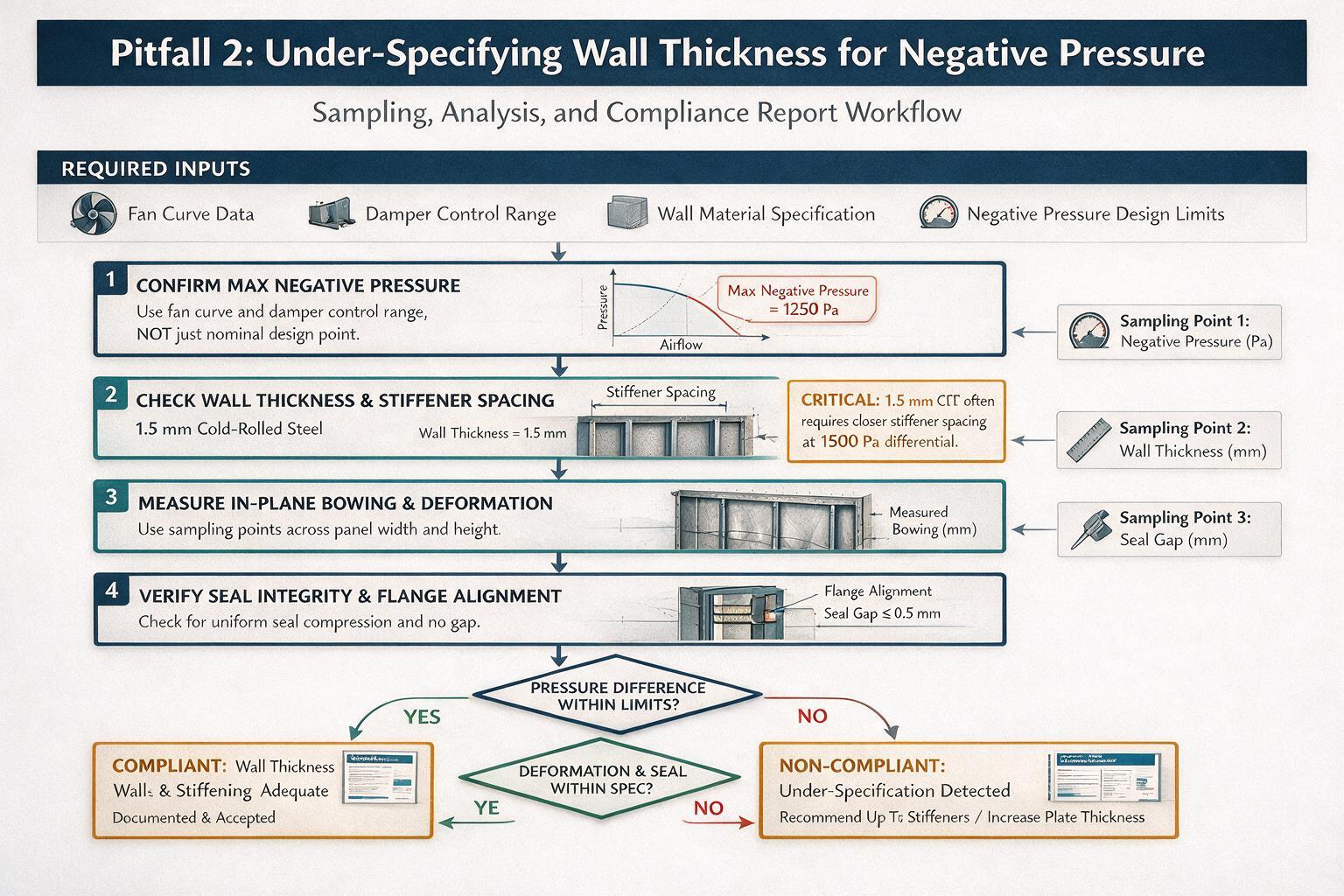
Industrial HVAC systems often operate sections under negative pressure between 500 and 1500 Pa. When the wall of an air filter housing is too thin or the stiffener ribs are too far apart, the panels bow inward. That deformation distorts the flange and breaks the filter seal—without leaving a visible crack or tear.
We have come across a cleanroom that lost 30% of its pressure for weeks. The maintenance team suspected the sensor, then the filter. It turned out the housing had bowed inward just enough to open a bypass gap. The cartridges were also loaded, but the deformed housing was the silent failure.
Cheap air filter housing units may use 1.0 mm or 1.2 mm sheet to cut material cost, but they invite bowing within the first season. When comparing housing suppliers, ask for the finite element analysis (FEA) or at least the tested maximum pressure rating. If the supplier cannot provide that, treat the housing as unverified. The industrial air filter ultimate guide includes construction checks that apply to housings just as much as to filter frames.
Stiffener design matters as much as wall thickness. A 1.5 mm panel with sparse stiffeners can bow more than a 1.2 mm panel with tight ribs. The best approach is to review the supplier's maximum deflection at the specified negative pressure, not just the sheet gauge.
Pitfall 3: Ignoring Corrosion Protection in Cleanroom and Corrosive Environments
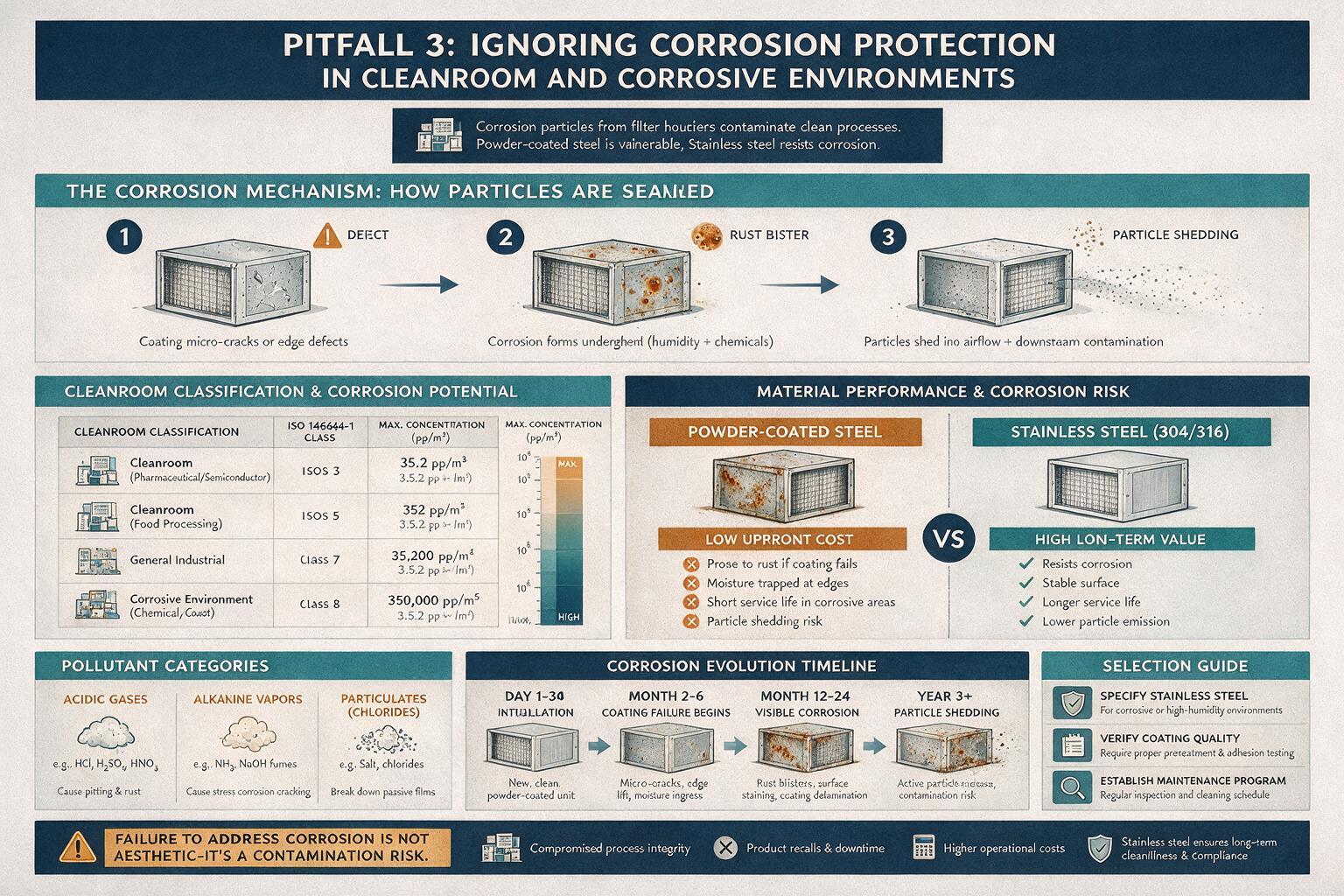
Pharmaceutical, semiconductor, and food plants cannot tolerate rust particles or coating flakes downstream of the filter. A powder-coated steel air filter housing looks clean in the catalog, but poor pretreatment lets rust spots appear within two years. In humid or chemically aggressive air, that housing becomes a particle source that contaminates the very cleanroom it is supposed to protect.
Powder-Coated Steel Housing
- Lower initial cost
- Moderate corrosion resistance
- Possible particle shedding as coating ages
- OK for standard HVAC
Stainless Steel Housing
- Higher initial cost
- Excellent corrosion resistance
- Nearly zero particle shedding
- Required for cleanrooms and corrosive duties
For cleanroom applications, stainless steel housings cost more up front but avoid contamination risks that can spoil a batch and trigger a deviation investigation. If your environment includes acid vapors, salt spray, or frequent washdowns, specify 304 or 316 stainless depending on the chemical load.
Corrosive dust environments also need material upgrades. If you are evaluating filter media for a dust collector, the bag filter guide covers media and housing material selection for harsh conditions. And if you are sizing a bag filter housing specifically, the bag filter housing selection guide includes structural and coating considerations that overlap with general air filter housing practice.
Also consider gasket material compatibility with cleaning chemicals. EPDM, silicone, and fluorocarbon gaskets each handle different solvents and temperatures. A housing with the right metal but wrong gasket can still fail.
Pitfall 4: Handicapping Filter Access and Replacement Speed
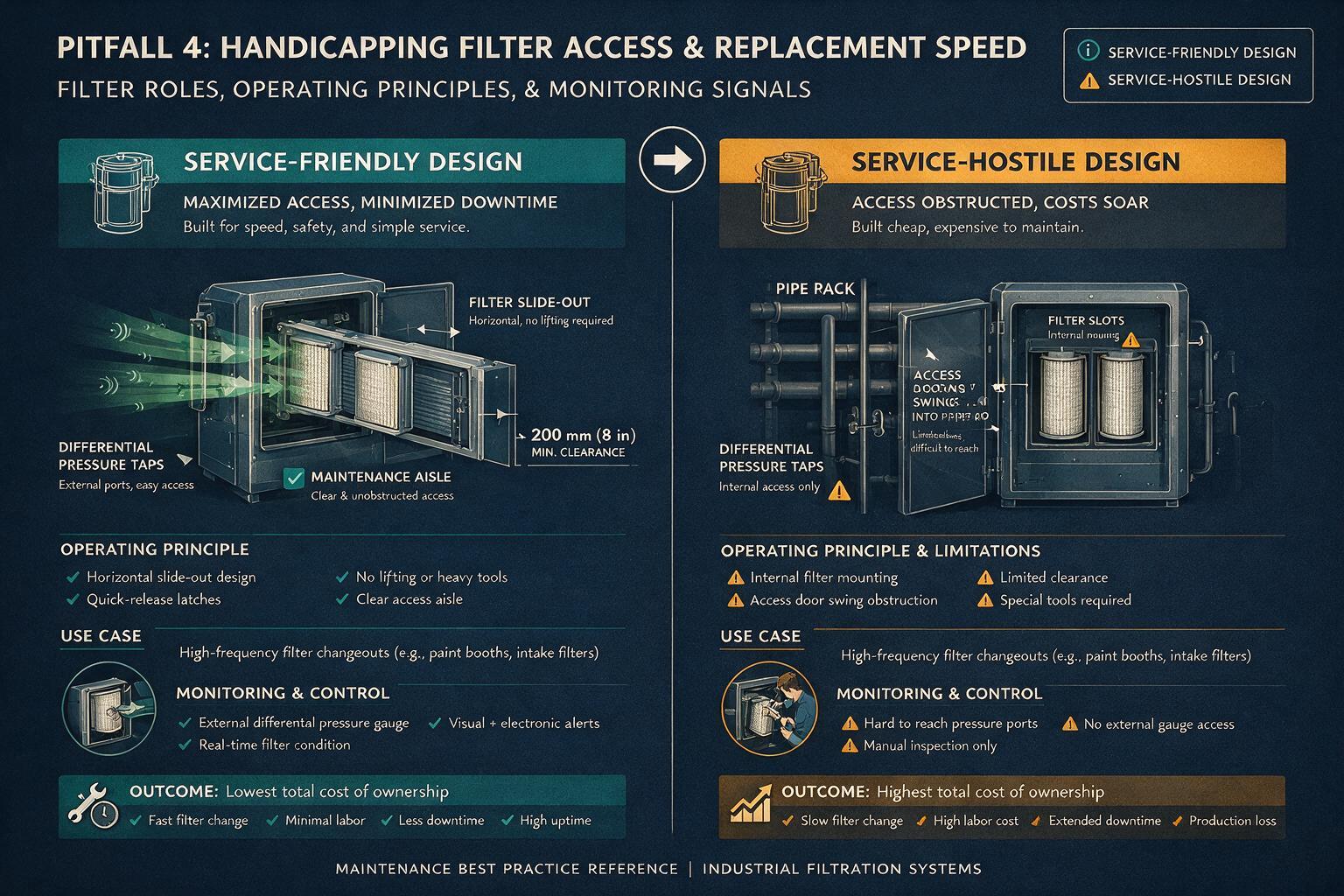
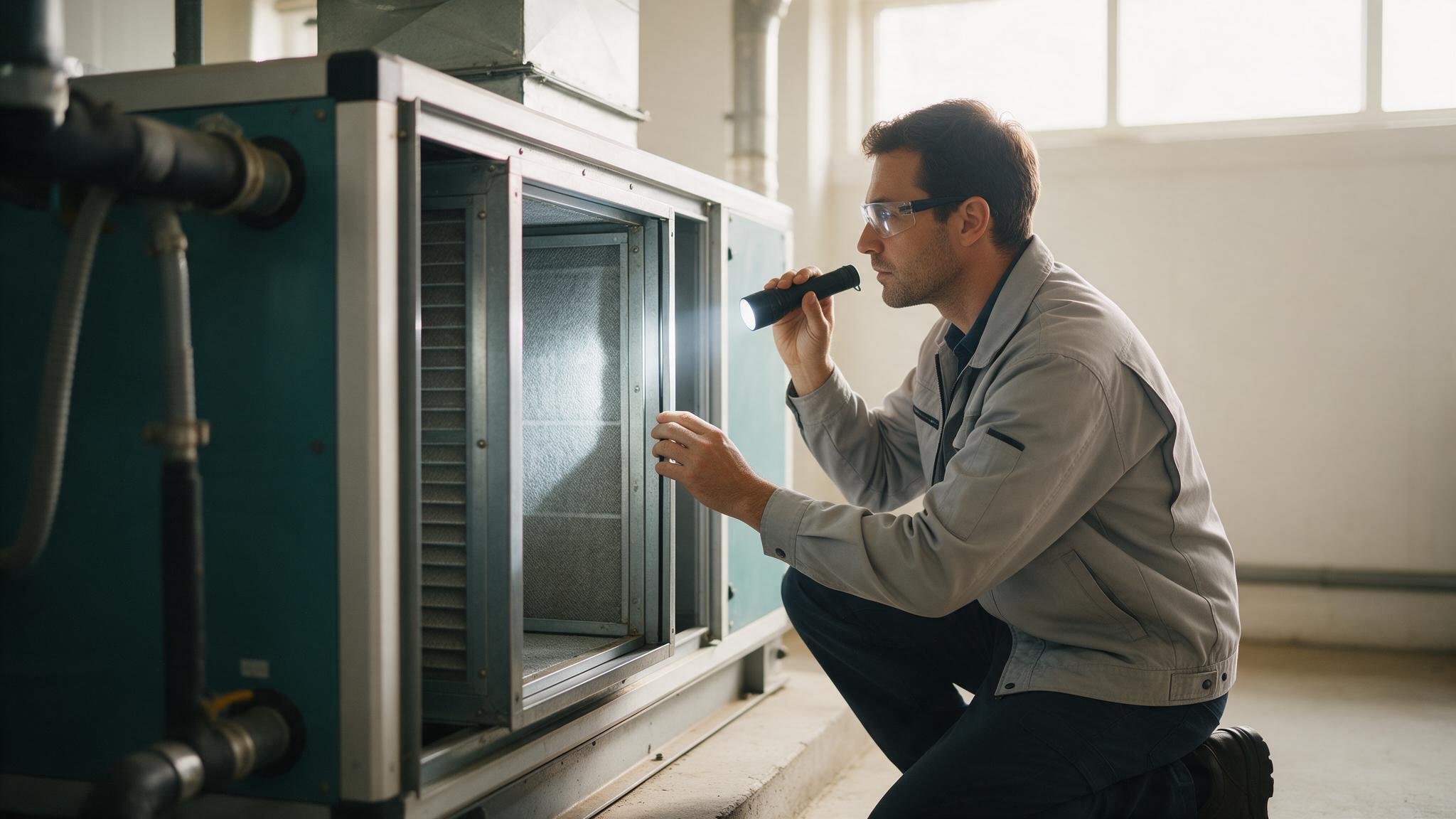
A housing that is cheap to buy but expensive to service is a false economy. If the filter removal direction doesn’t match the maintenance aisle, or the access door swings into a pipe rack, every filter change becomes an exercise in frustration. Paint booths, for example, need frequent filter replacement. If the air filter housing traps the filter, labor costs can exceed the filter cost within a year.
Maintenance Access Check
- Filter removal direction aligns with the actual walkway and clearance
- Open door leaves at least 200 mm clearance beyond the filter length
- Multi-stage housings allow tool-free access to each stage
In paint booth applications, a three-stage filter train is common: pre-filter, mid filter, final filter. A well-designed air filter housing lets a technician swap all three in minutes without removing ducts or disconnecting sensors. A poorly designed housing turns the same job into a half-day shutdown.
We have seen maintenance managers accept a lower upfront housing price only to discover that every filter replacement takes twice as long. The labor cost difference often erases the small capital saving within months. The bag filter housing guide also discusses door swing, clearance, and installation details that apply to many industrial housings, not just bag filters.
Some applications benefit from side-access or reverse-flow housings that let filters be pulled from the clean side. Confirm the direction that makes sense for your layout before the ductwork is fabricated.
Pitfall 5: Letting Housing Geometry Add Unnecessary Pressure Drop
Internal baffles, sharp transitions, and poorly shaped inlet sections create turbulence and local acceleration. That added pressure drop is paid for by the fan 24/7. The following chart shows typical added pressure drop from different air filter housing shapes at the same airflow:
Every 100 Pa of extra pressure drop raises fan energy use by roughly 8–10%. For a 55 kW fan running 8,000 hours per year at industrial electricity rates, that extra 100 Pa can cost over $2,000 per year. A cheap air filter housing saves a few hundred dollars at purchase, then gives it back in energy within months.
Wind turbine nacelles are even more sensitive to pressure drop because the fan power is limited by the turbine’s own load. The wind turbine filter selection article explains why low restriction matters in mobile and remote applications. The same principle applies to fixed industrial systems: a housing with smoother airflow reduces operating cost for the life of the system.
You can reduce housing pressure drop by specifying radiused inlets, turning vanes, or longer transitions. These details add little cost but reduce energy use for decades.
Air filter housing selection is not a secondary decision. The housing determines whether your filters seal, stay flat, resist corrosion, remain accessible, and avoid adding energy-sapping pressure drop. Before your next procurement, audit the housing parameters with the same rigor as the filter efficiency rating. When the air filter housing is right, the filter can actually deliver the clean air you paid for. Check the seal, wall, coating, access, and pressure drop—those five points cover most failures we see in the field.
Need a custom air filtration solution?
Contact the Whalesens engineering team for product selection and OEM/ODM support.
Email whalesens@gmail.com
