


EV Charging Stations
Filtration for Power Equipment
Cleanroom & Semiconductor
Ultra-High Cleanliness Filtration
Commercial HVAC
Central Air System Filtration
Data Centers
Precision Equipment Protection
Livestock & Farming
Farming Environment Purification
Spray Booths & Industrial Dust
Paint Mist & Dust Purification
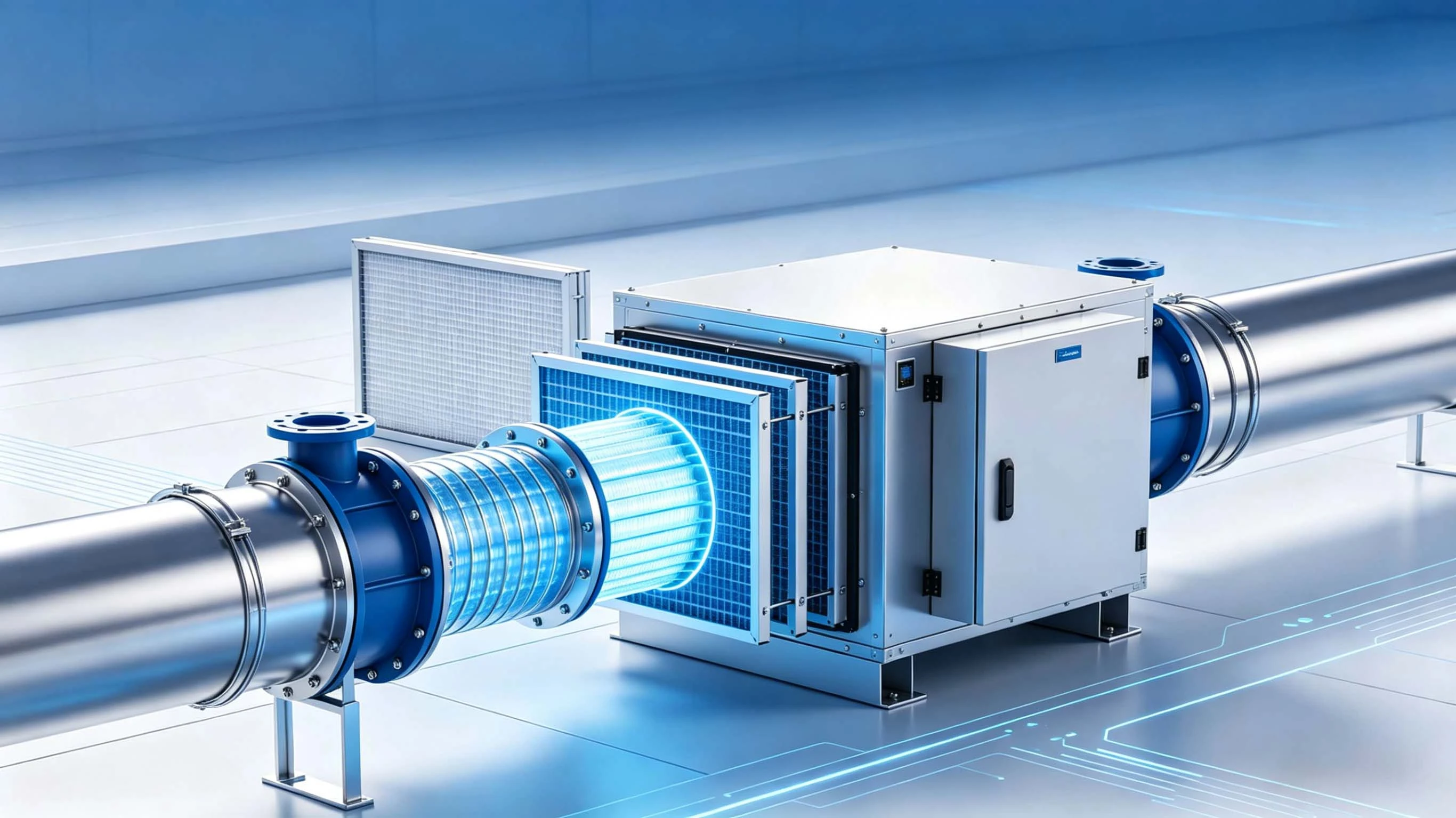
Filtration for Power Equipment
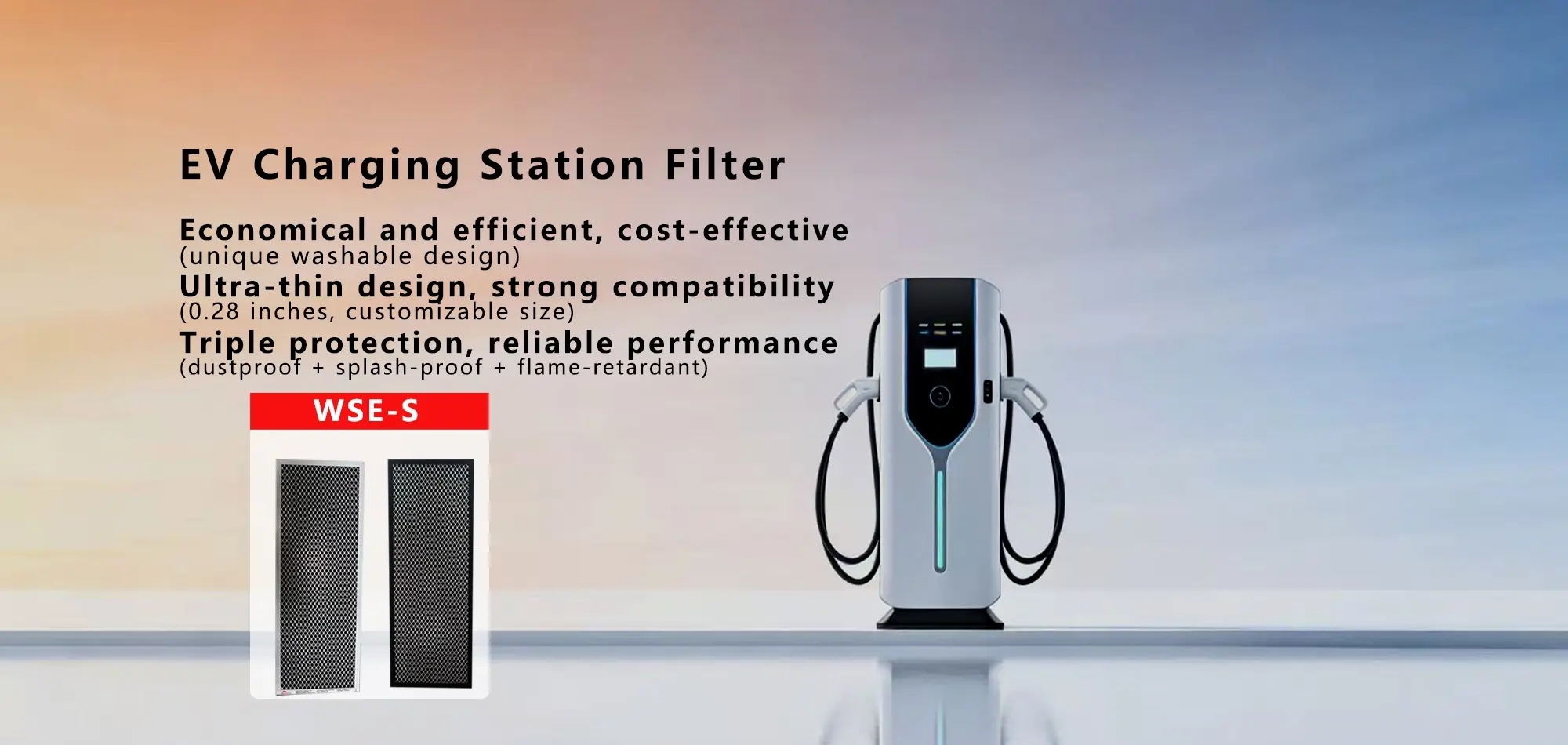
Professional air filtration for EV charging devices, protecting against dust and sand ingress to ensure stable, reliable operation of charging piles and station infrastructure.
View Related Products →Ultra-High Cleanliness Filtration
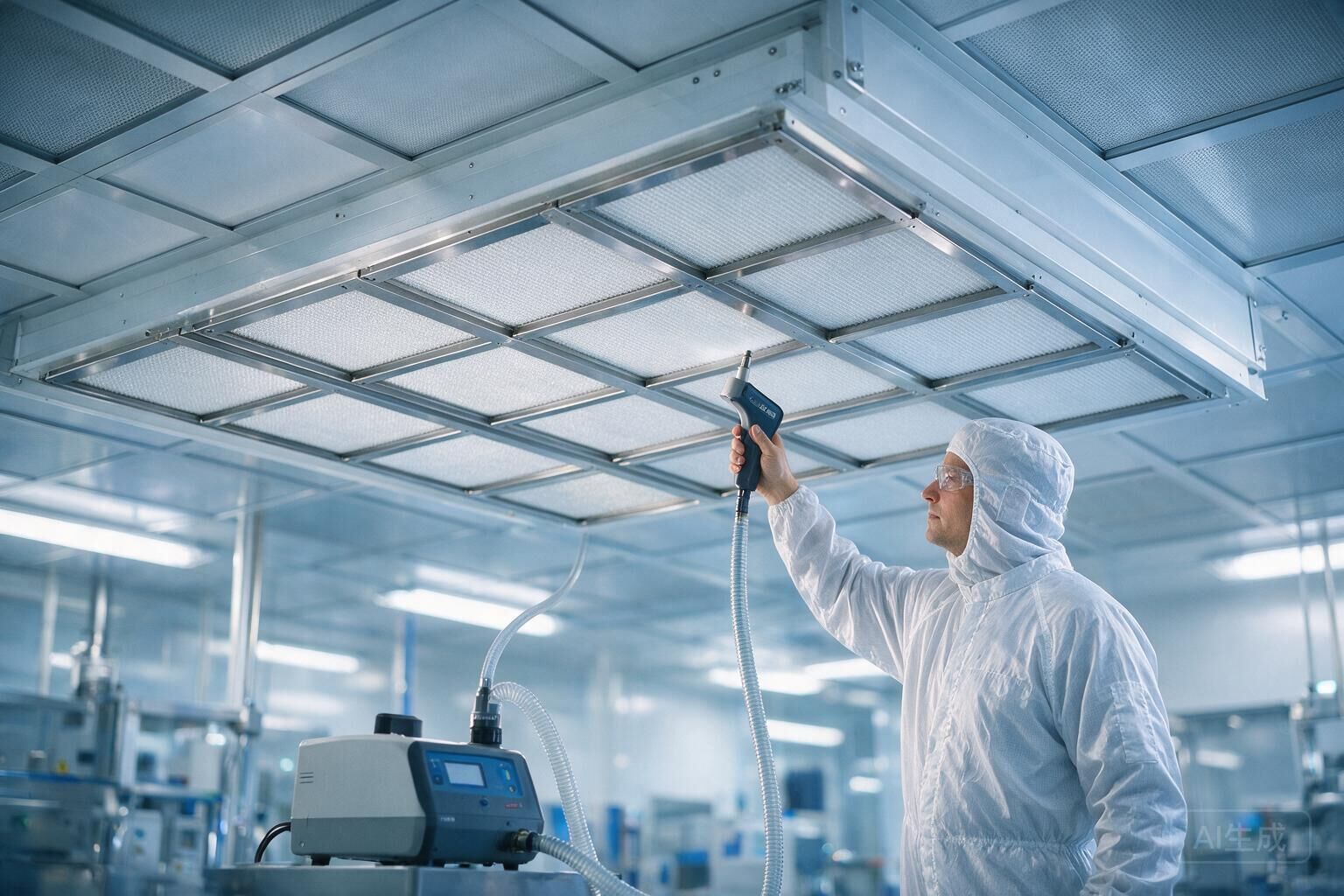
Ultra-high efficiency filtration for semiconductor wafer fabs and precision electronics cleanrooms, capturing nano-scale particles to meet ISO Class 1–3 standards and maximize product yield.
View Related Products →Central Air System Filtration
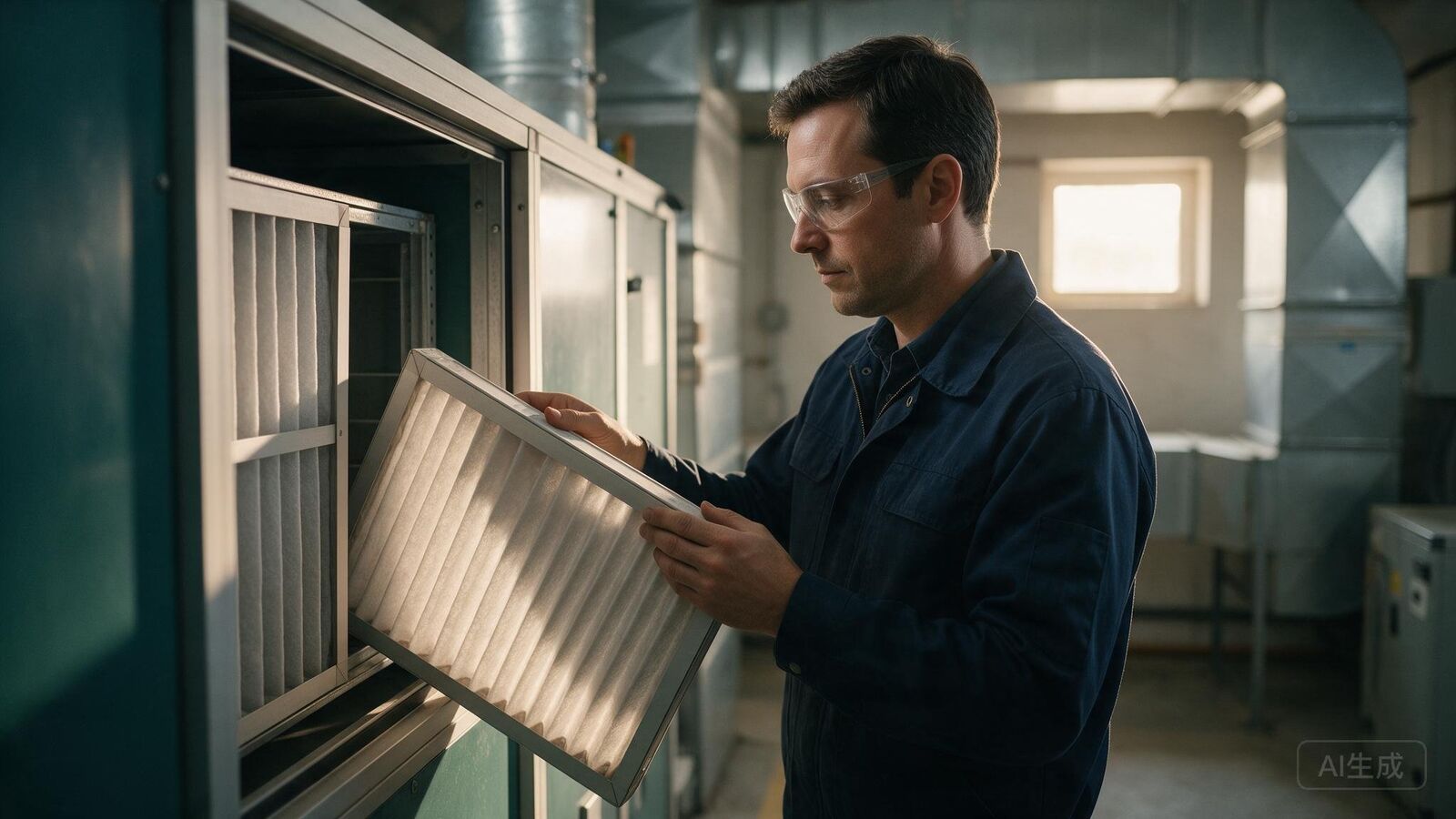
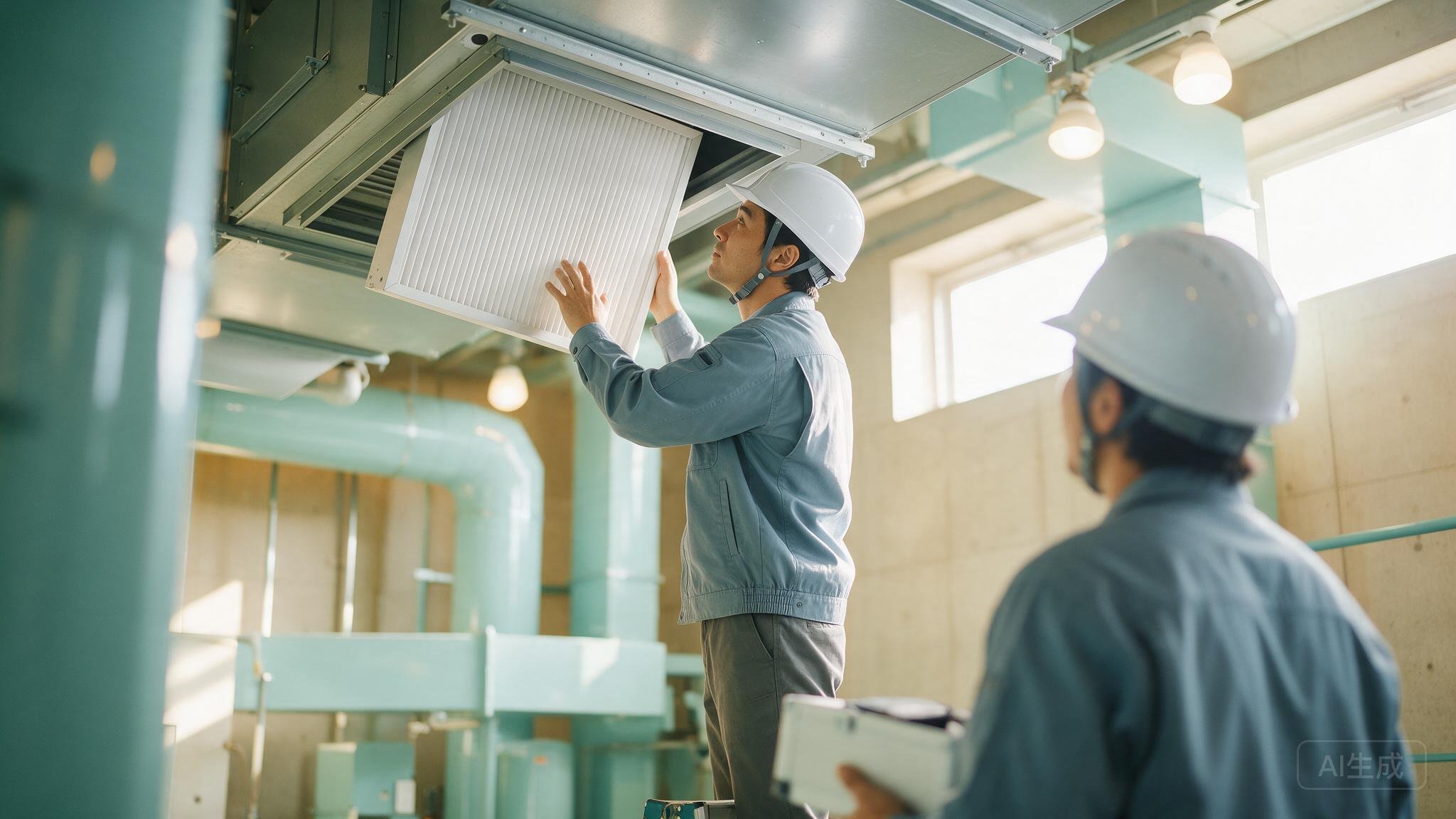
High-efficiency filtration for commercial building HVAC systems, improving indoor air quality, reducing energy consumption, and extending equipment service life.
View Related Products →Precision Equipment Protection
Precision air filtration for data centers, shielding servers and critical hardware from dust contamination to keep cooling systems running efficiently and reliably.
View Related Products →Farming Environment Purification
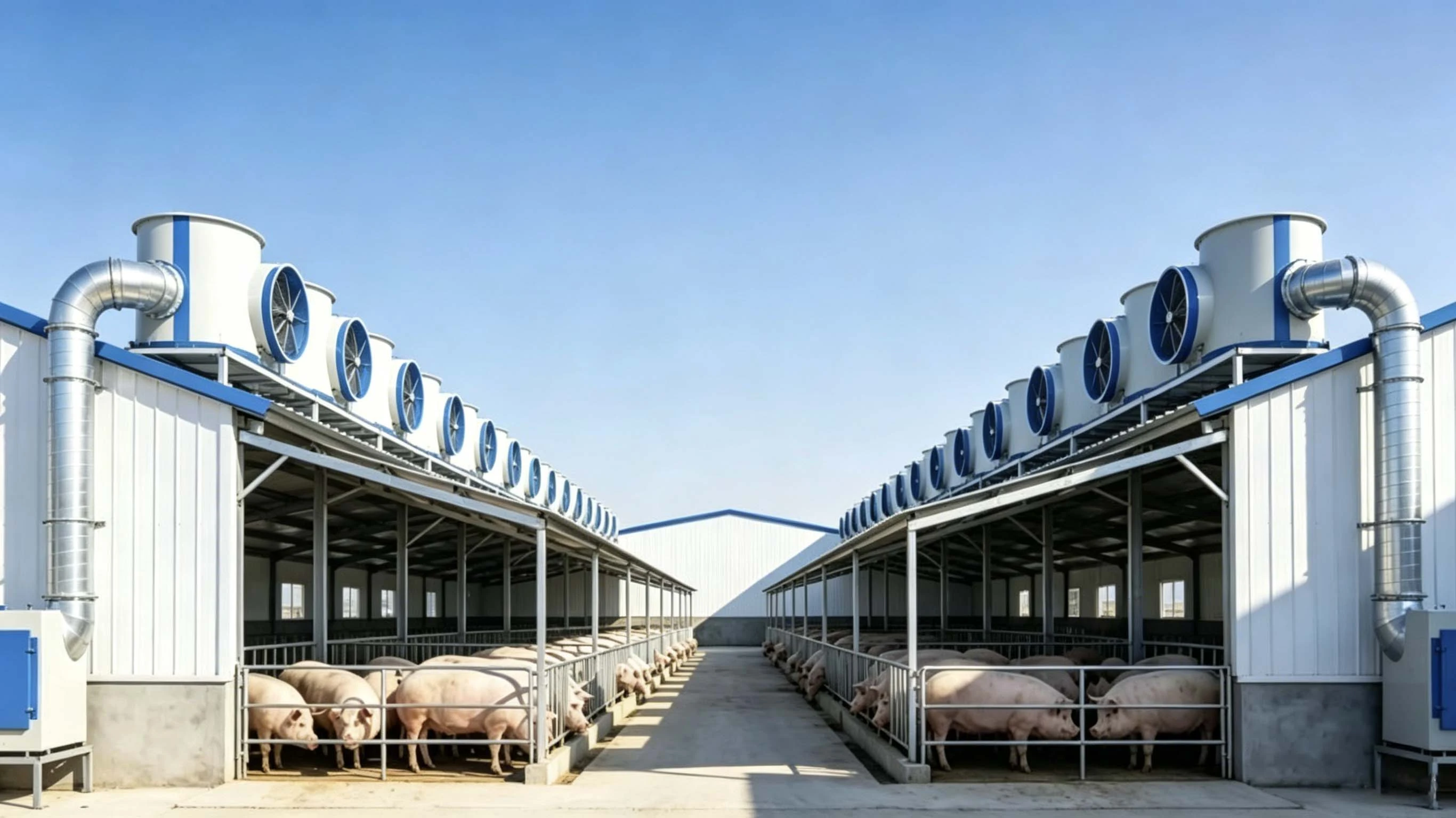
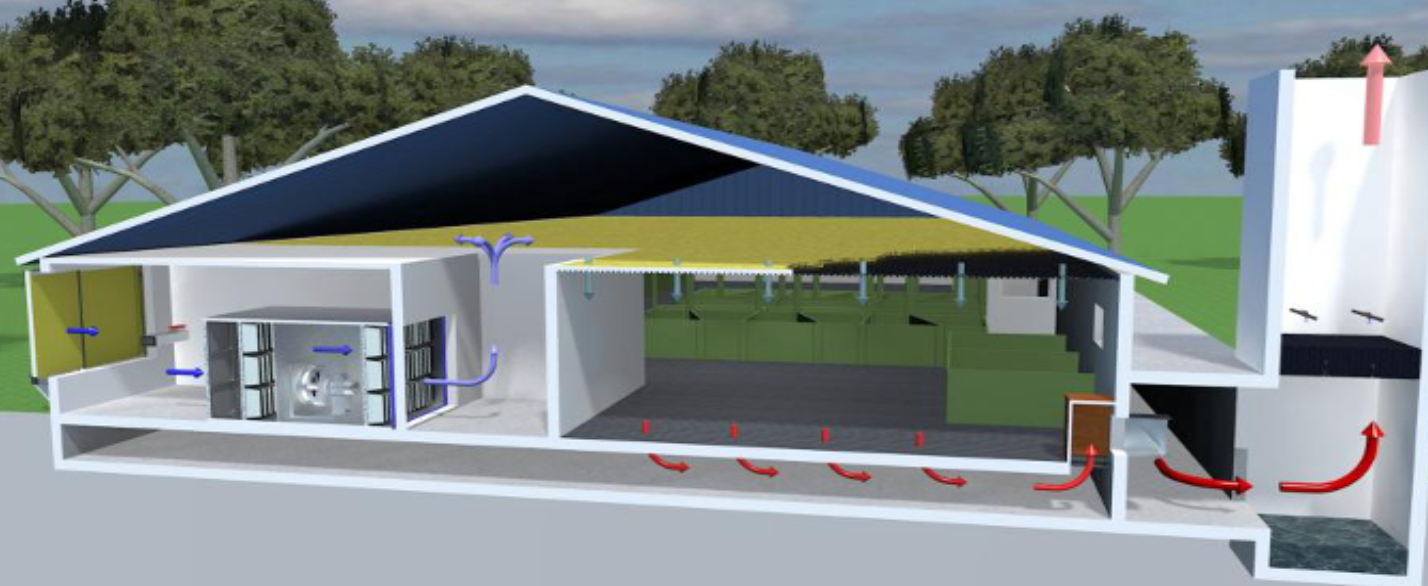
Dedicated filtration systems for farms and livestock facilities — capturing dust, adsorbing ammonia, and inhibiting pathogen spread to improve animal health and overall productivity.
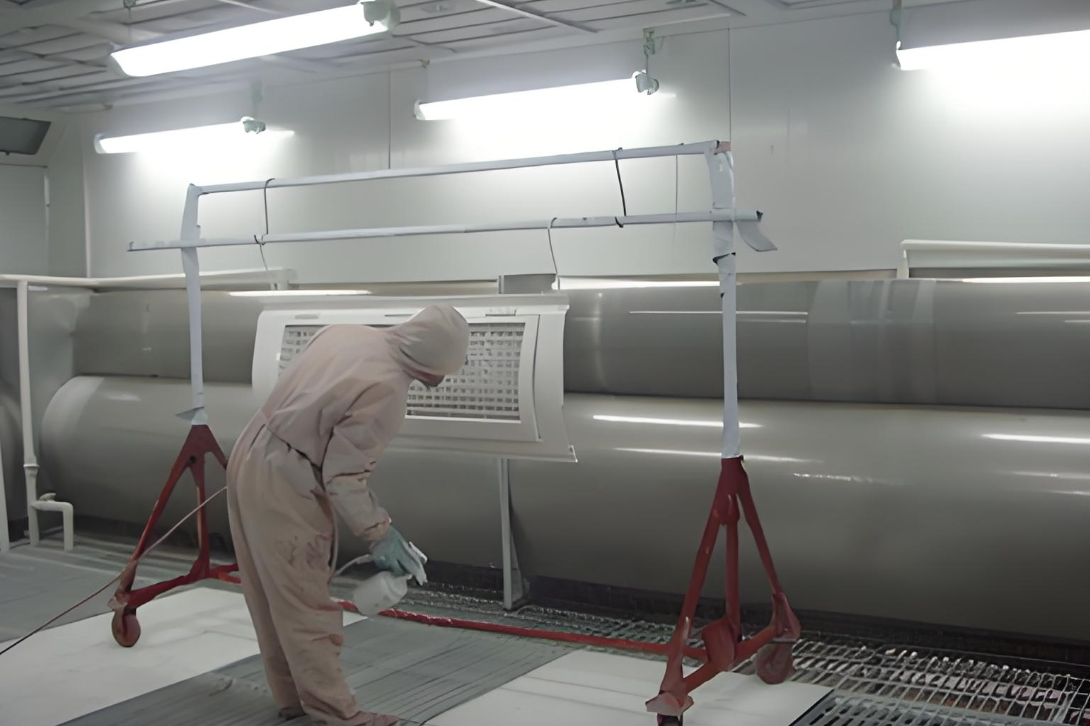
View Related Products →Paint Mist & Dust Purification
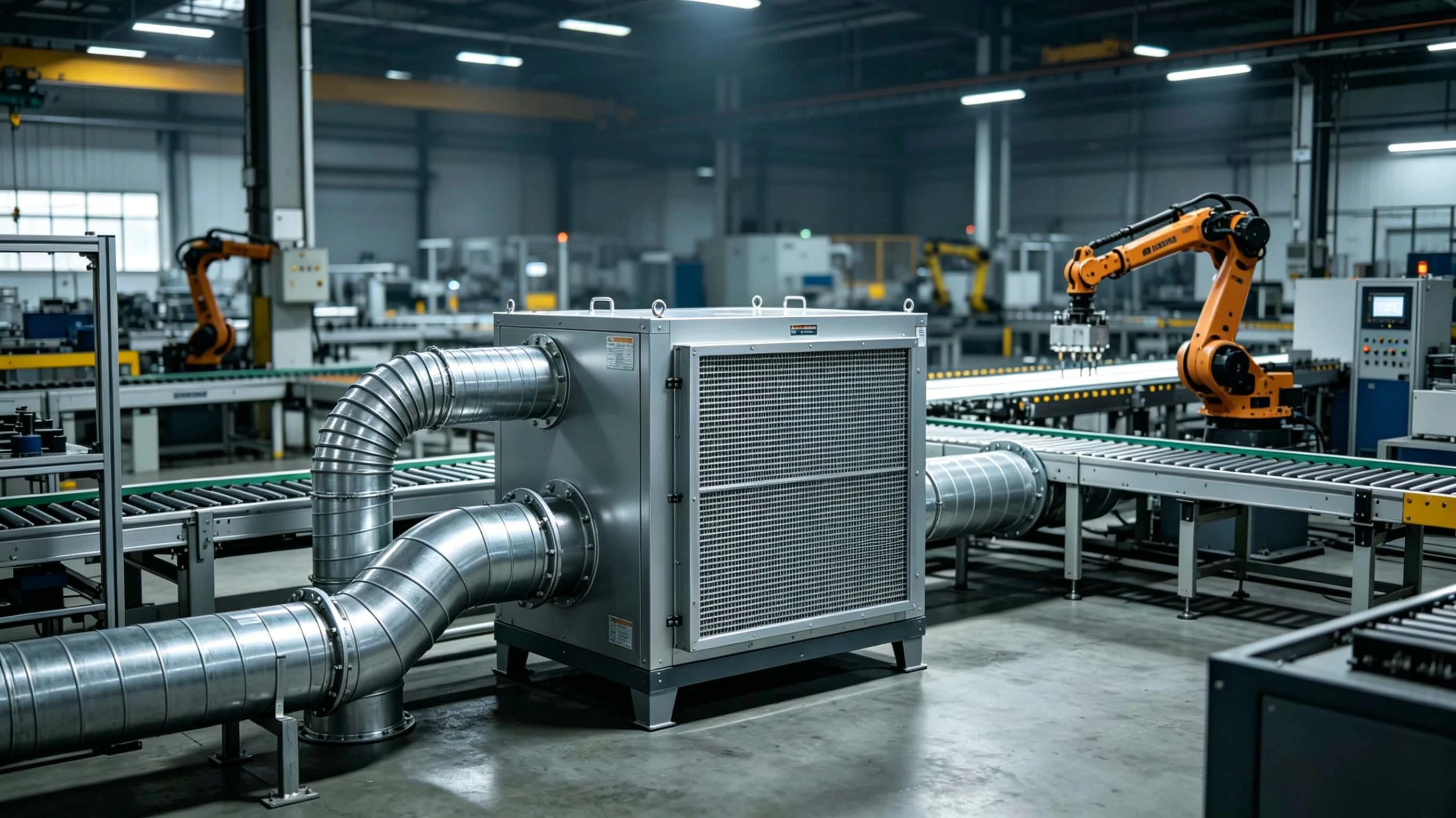
Designed for spray booths and grinding workshops, efficiently capturing paint mist, metal dust, and wood chips to meet emission standards while protecting finished surface quality.
View Related Products →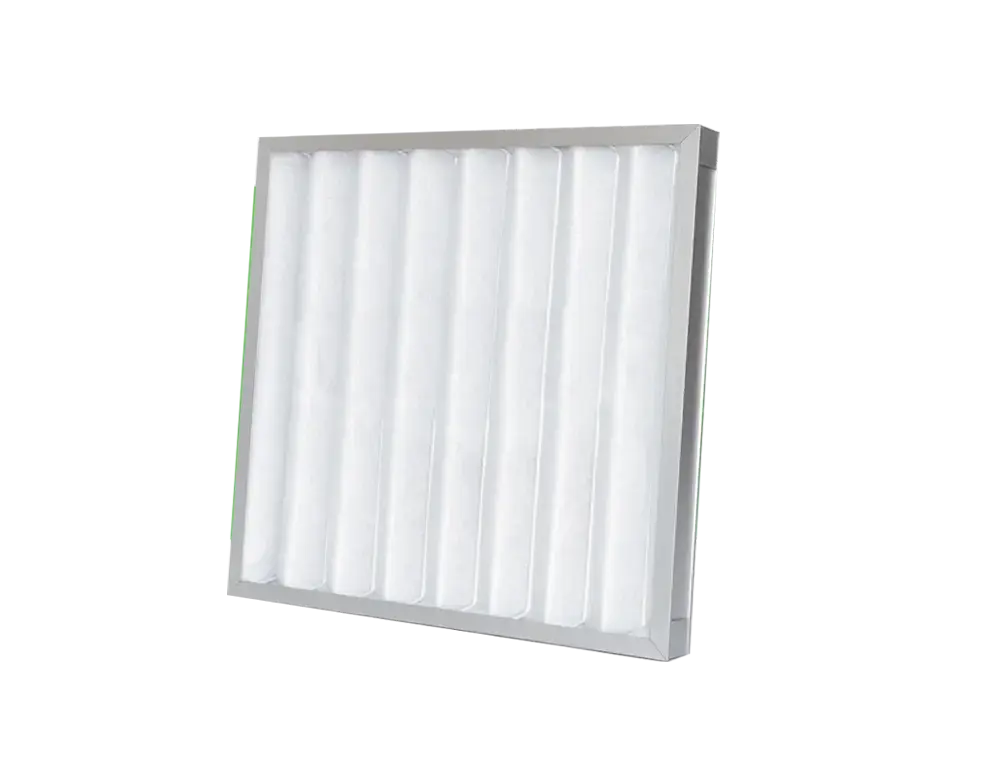
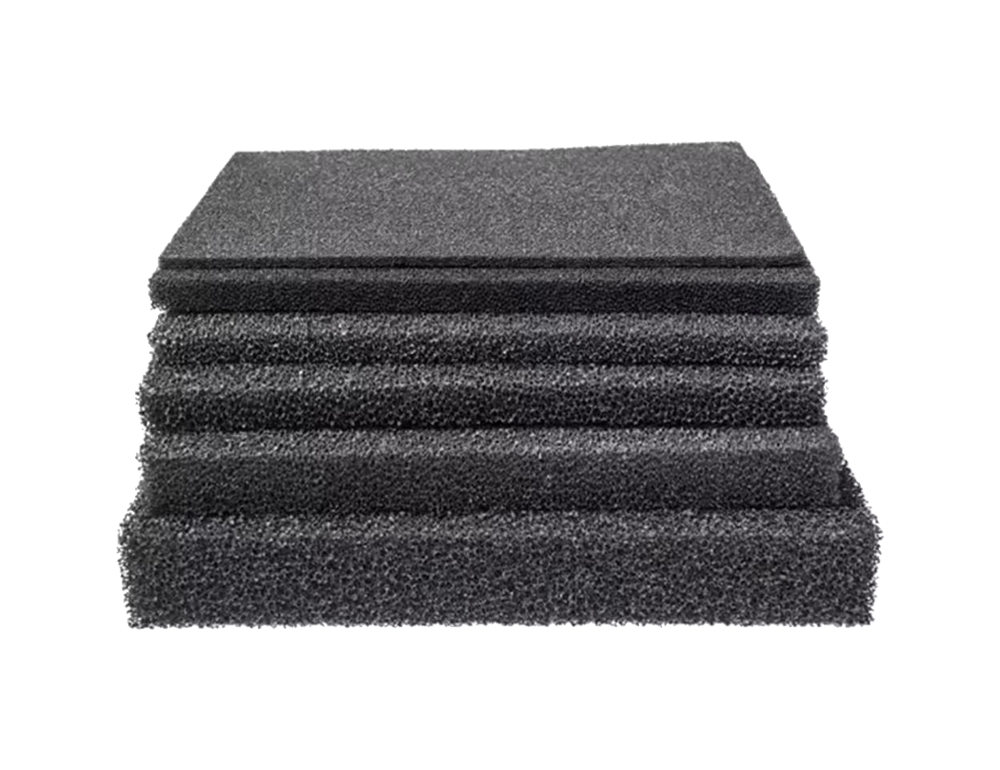
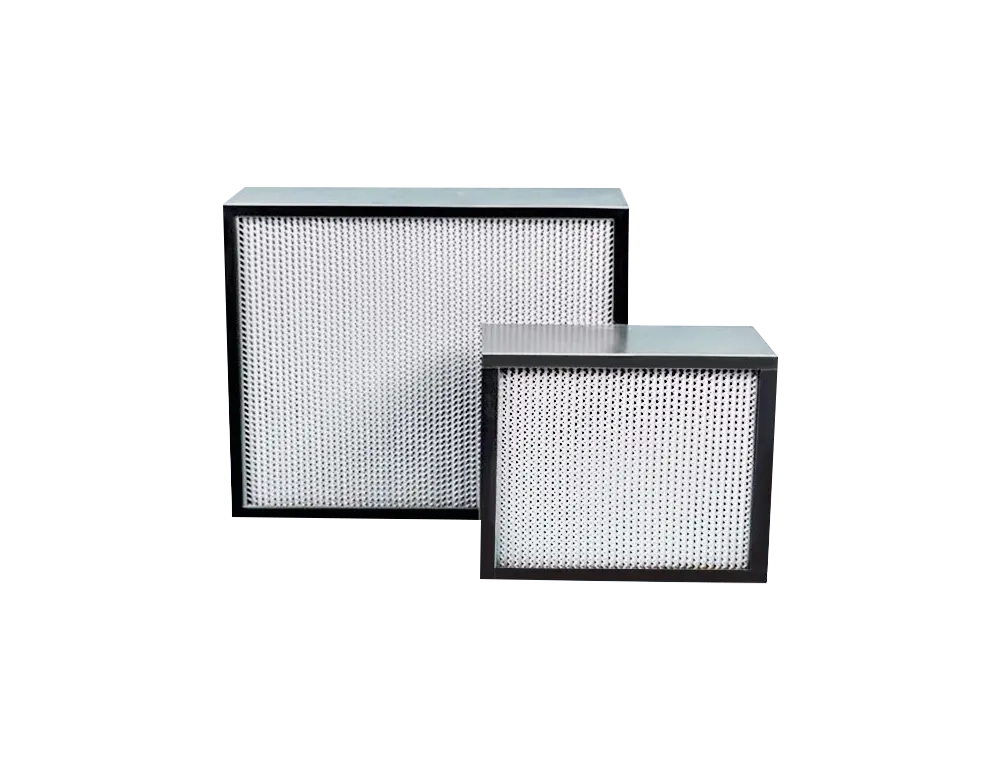
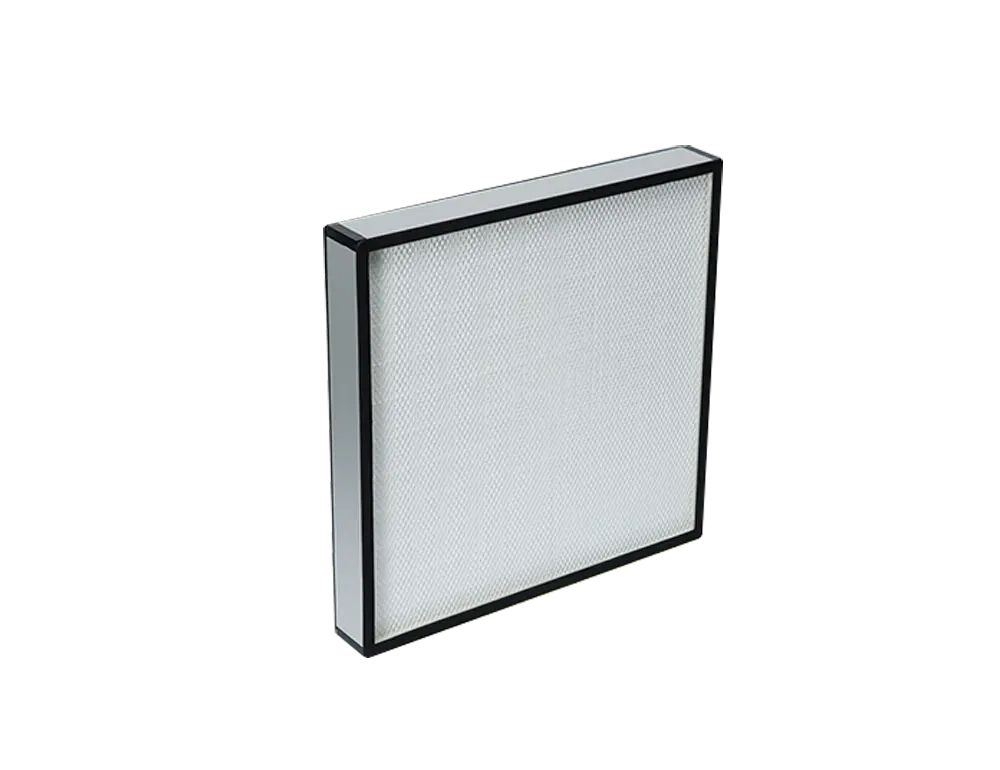
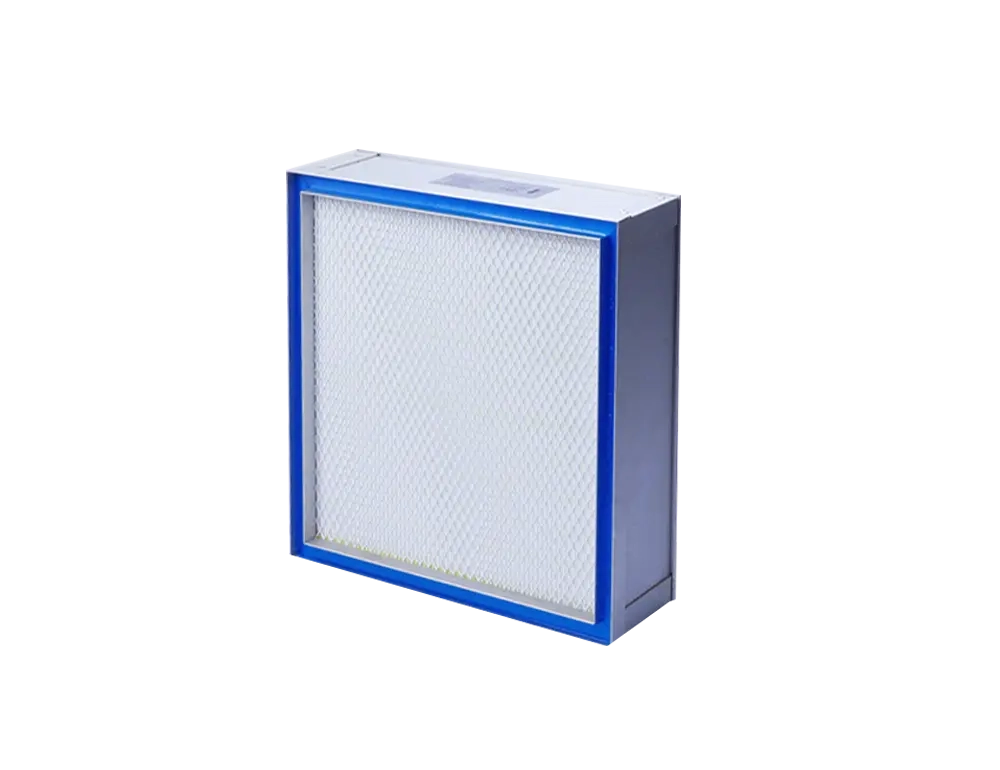
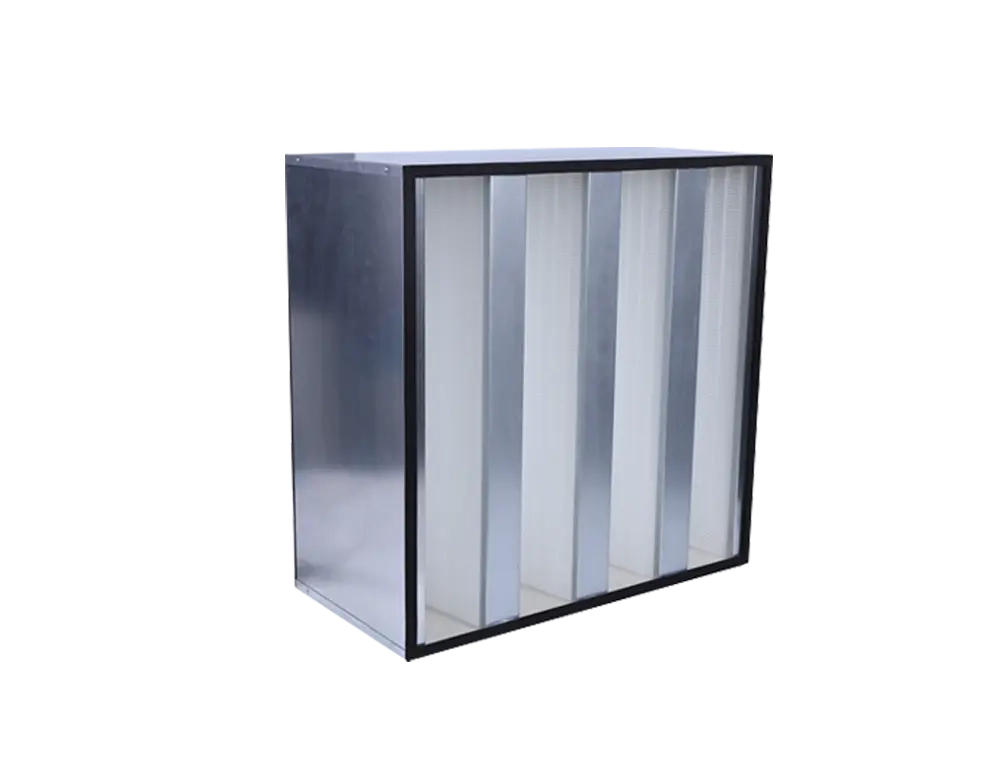
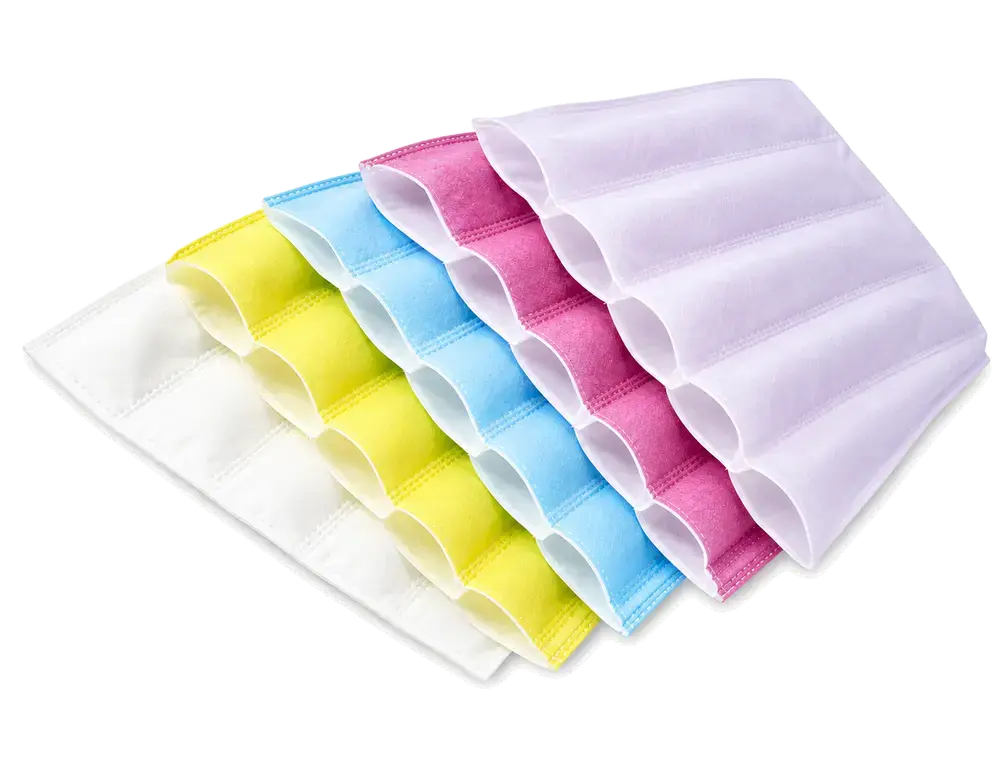
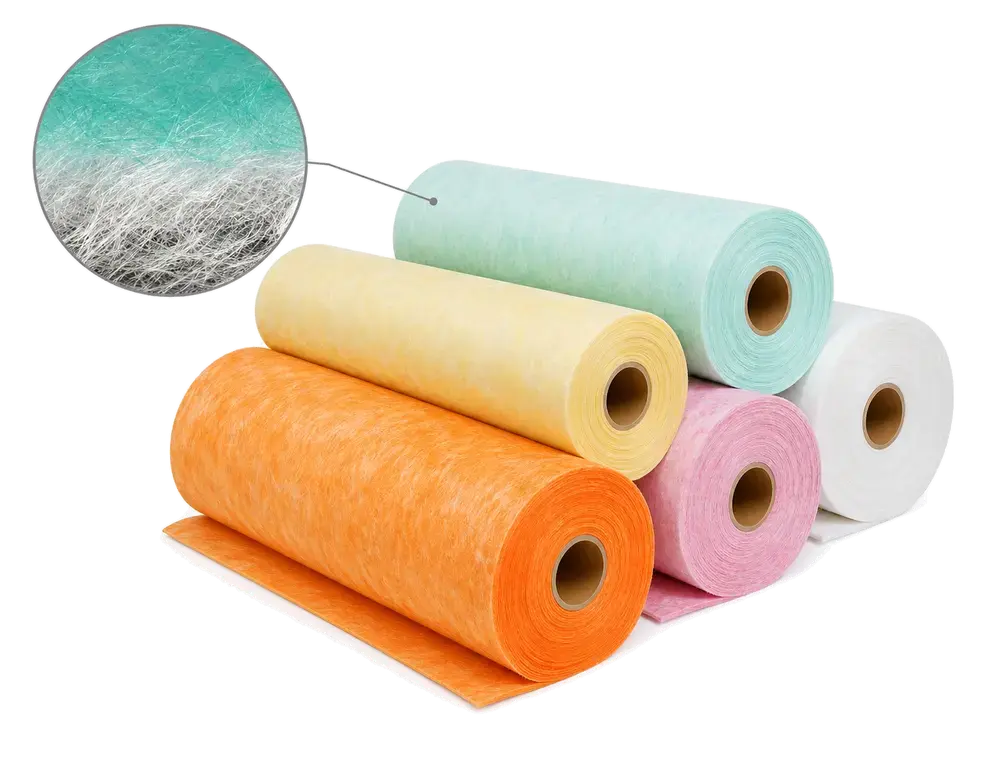
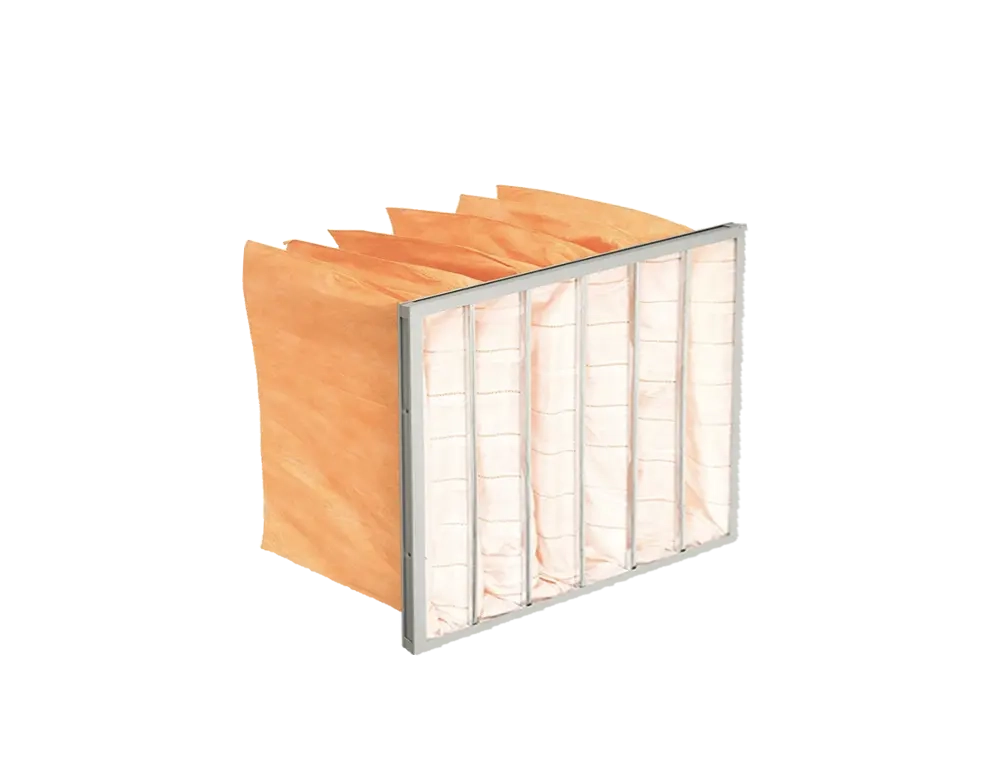
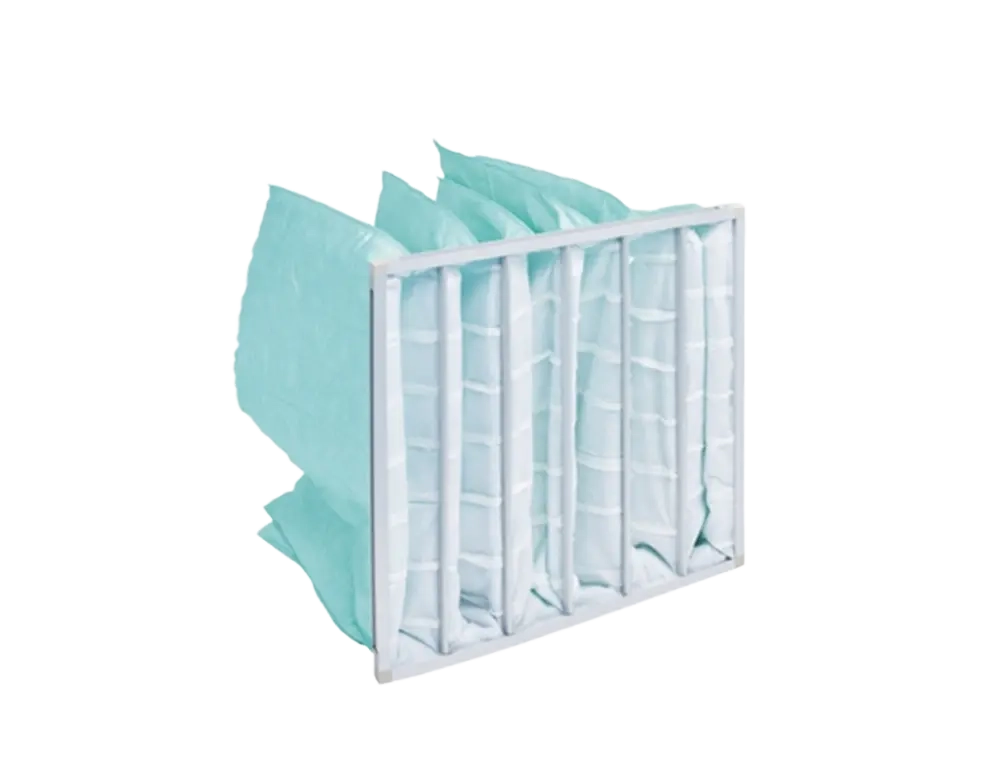
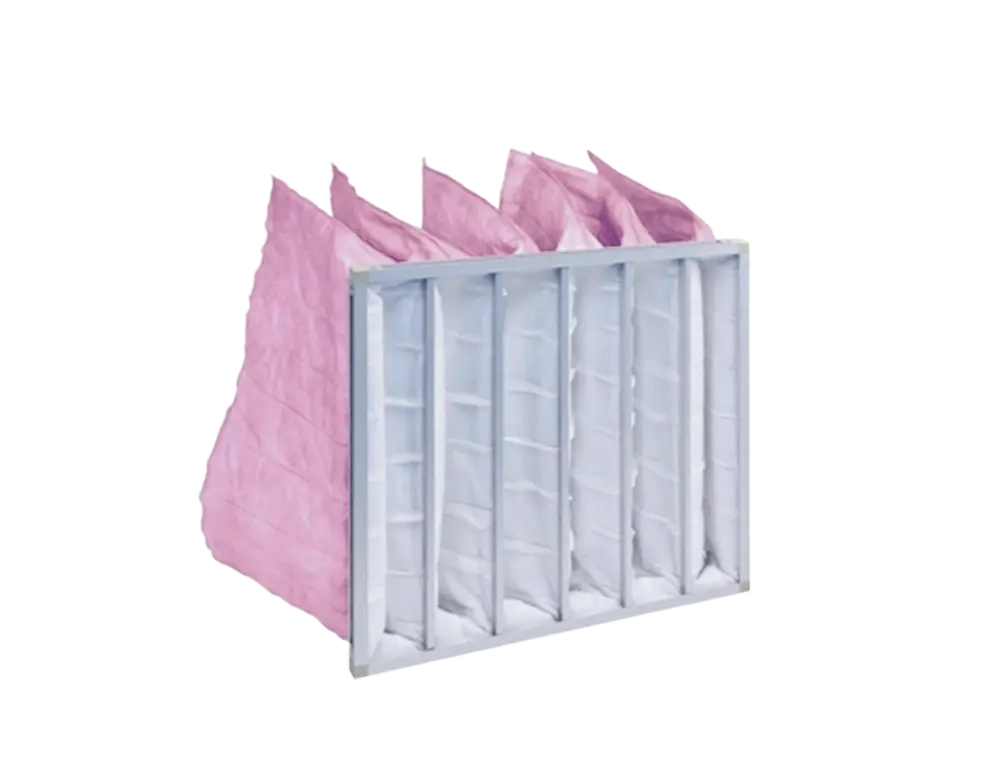
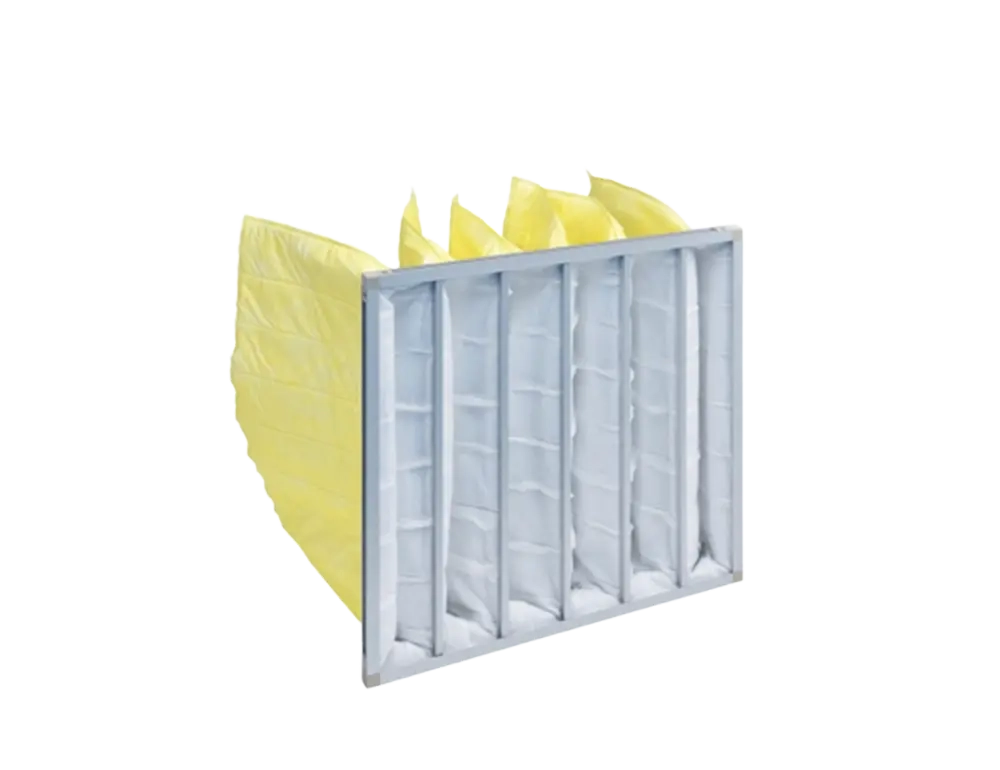
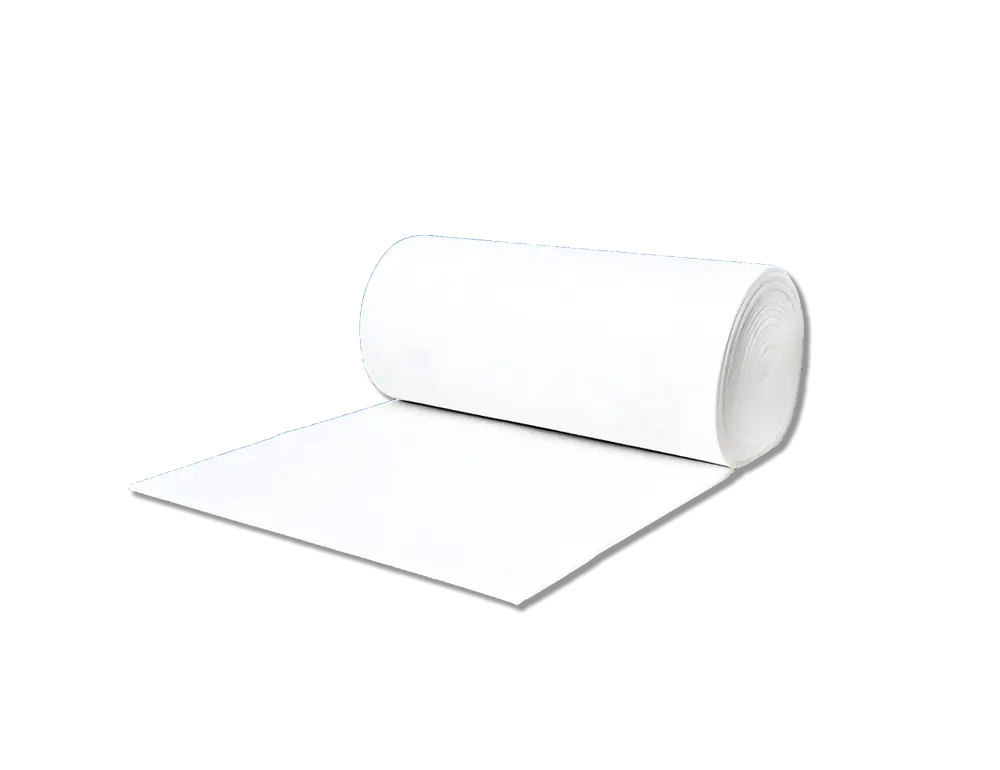
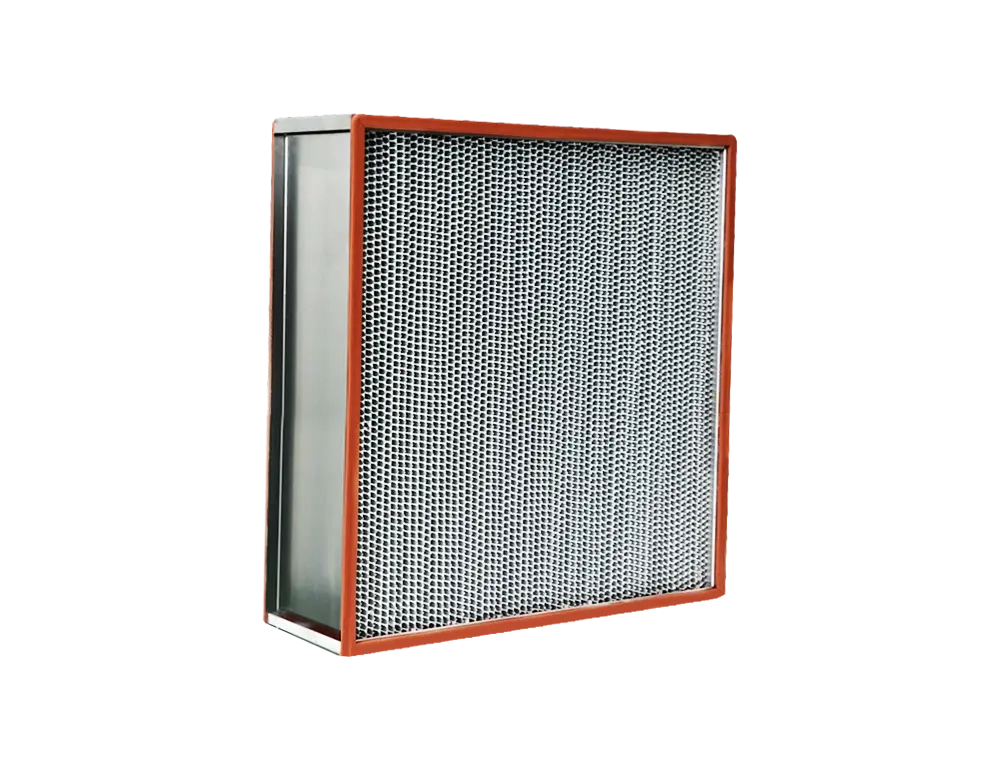
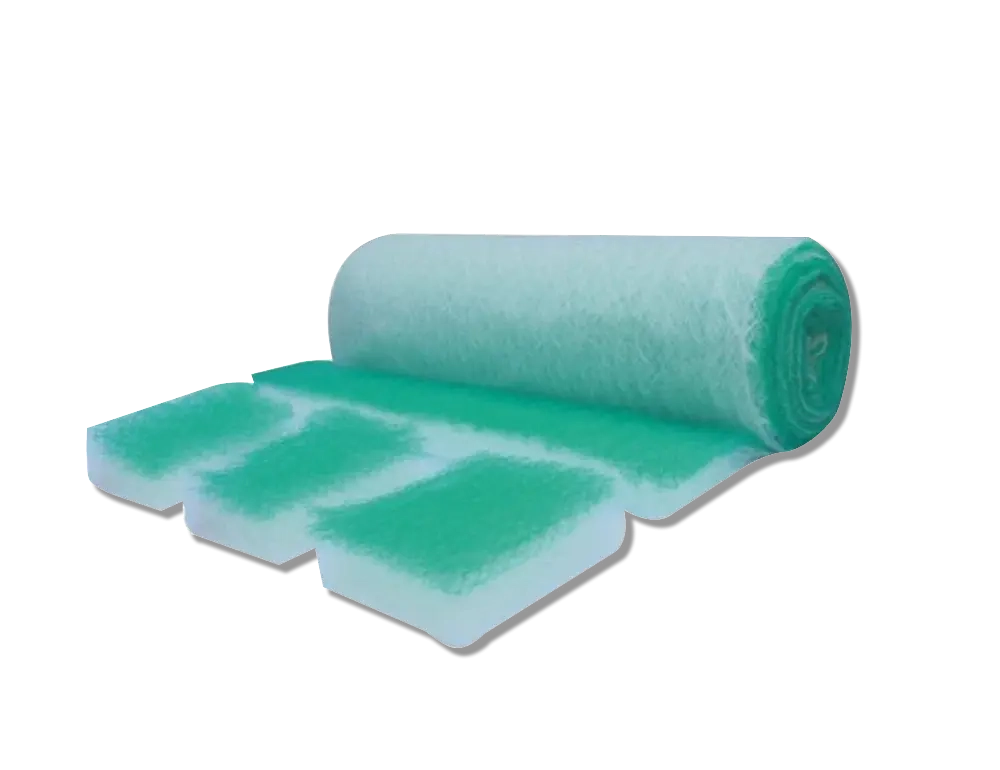
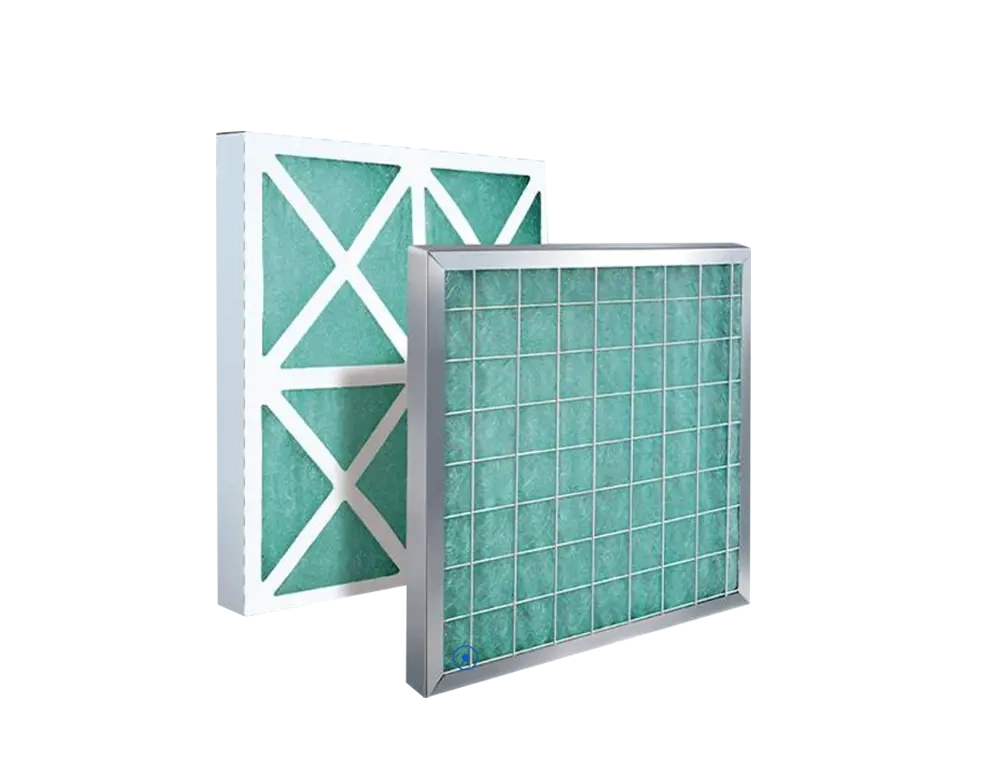
Pre-Filter (G1–G4)
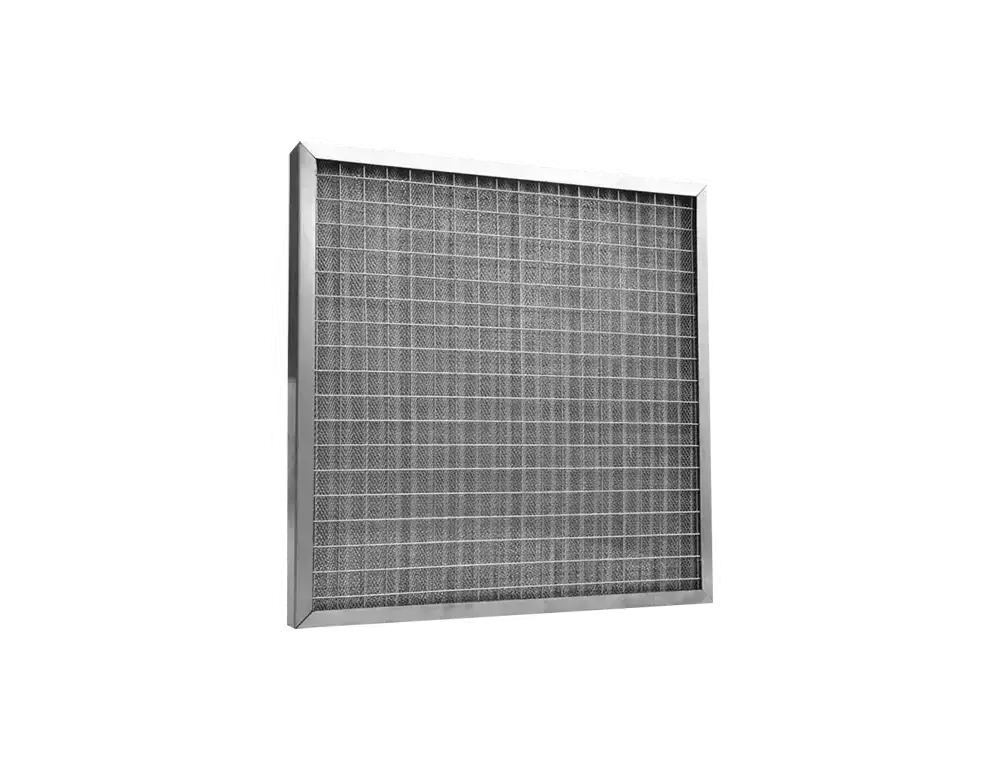
First-Stage Large-Particle Capture
Medium-Efficiency Filter (F5–F9)
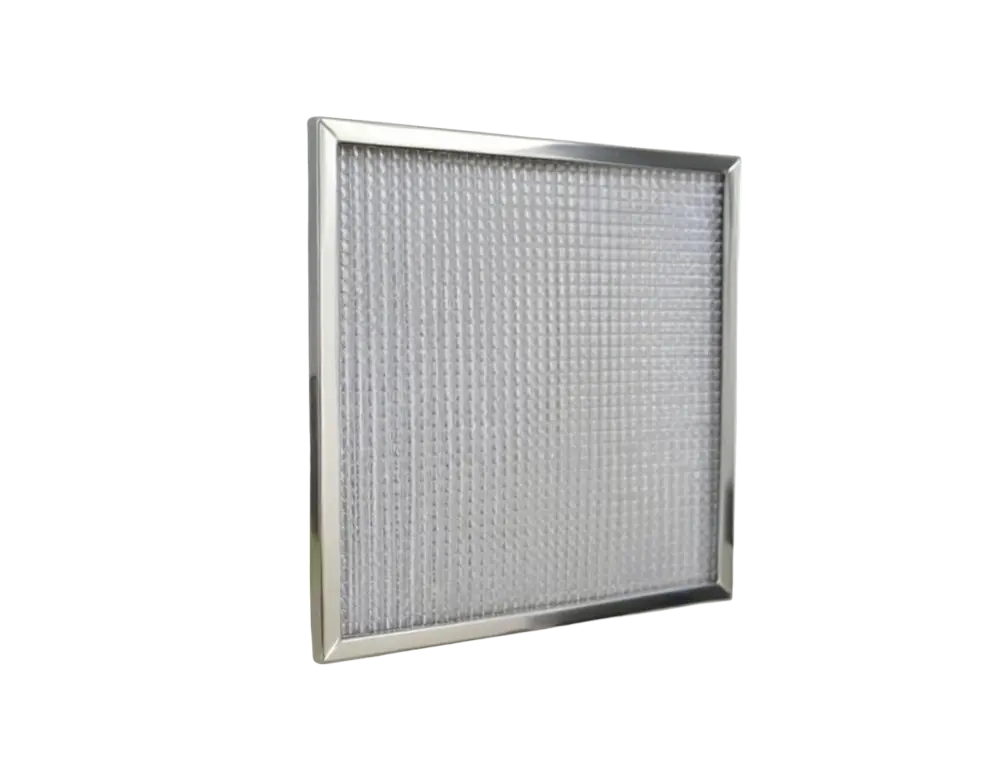
Precise PM2.5 Capture
HEPA High-Efficiency Filter
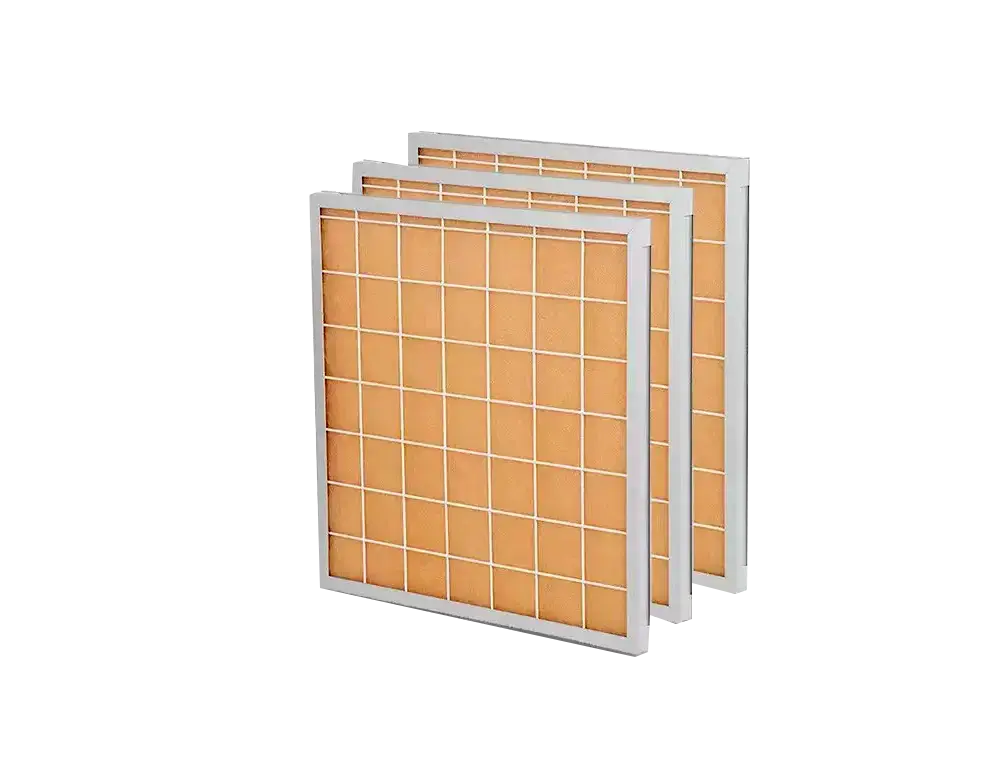
Sterile-Grade Purification
ULPA Ultra-High Efficiency Filter
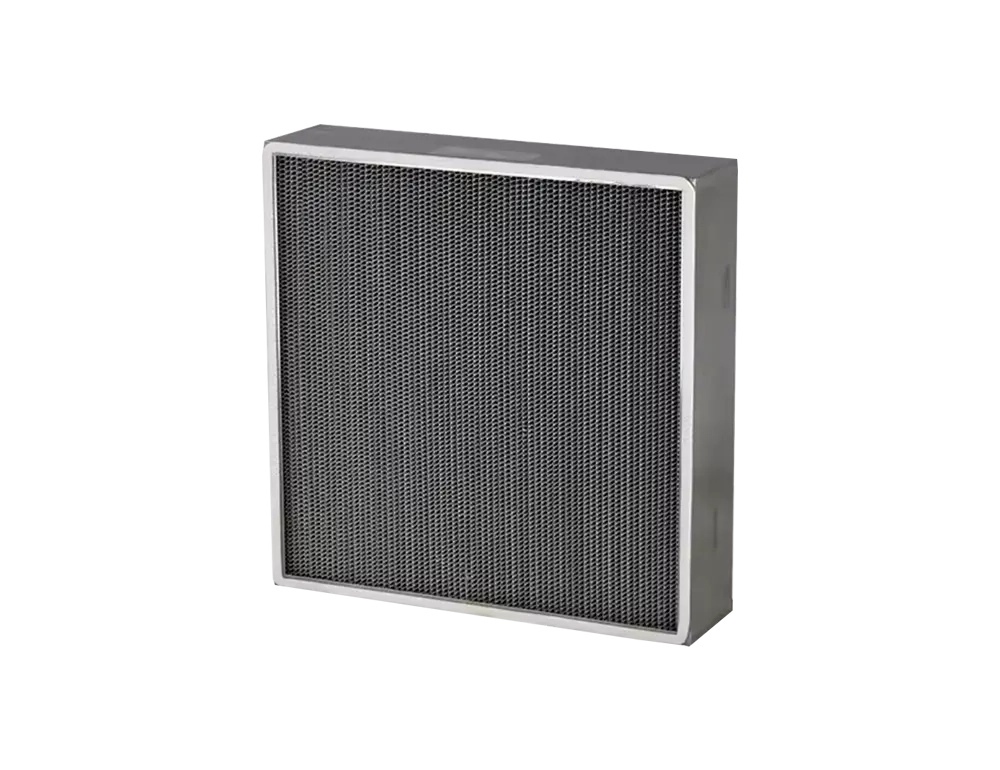
Sub-Micron Particle Capture
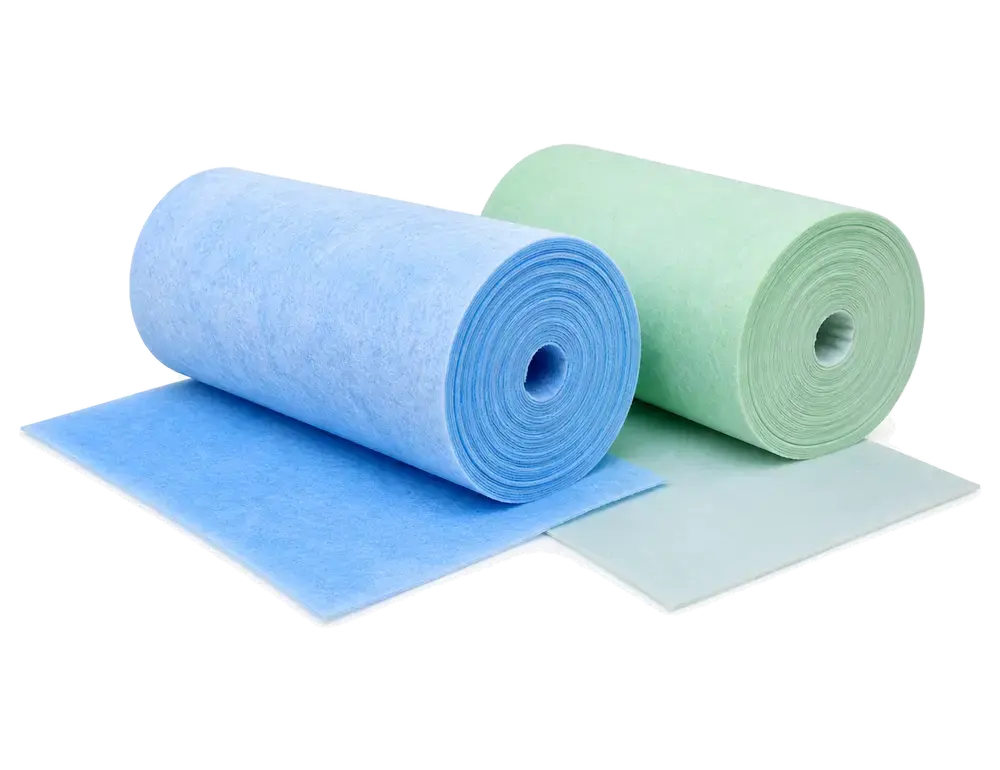
First-Stage Large-Particle Capture
The first line of defense, capturing particles ≥5 μm such as dust, hair, and fibers to protect downstream filters and extend overall system service life.
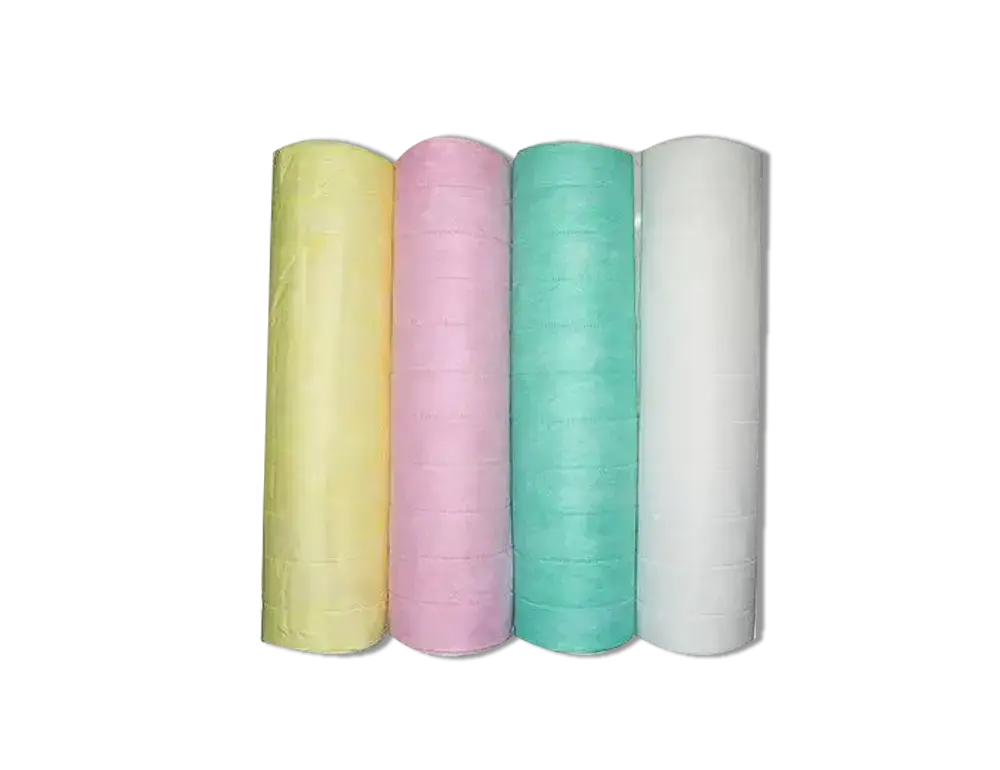
View Related Products →Precise PM2.5 Capture
Captures fine particles of 1–5 μm including PM2.5, pollen, and mold spores, significantly improving indoor air quality for commercial HVAC and ventilation systems.
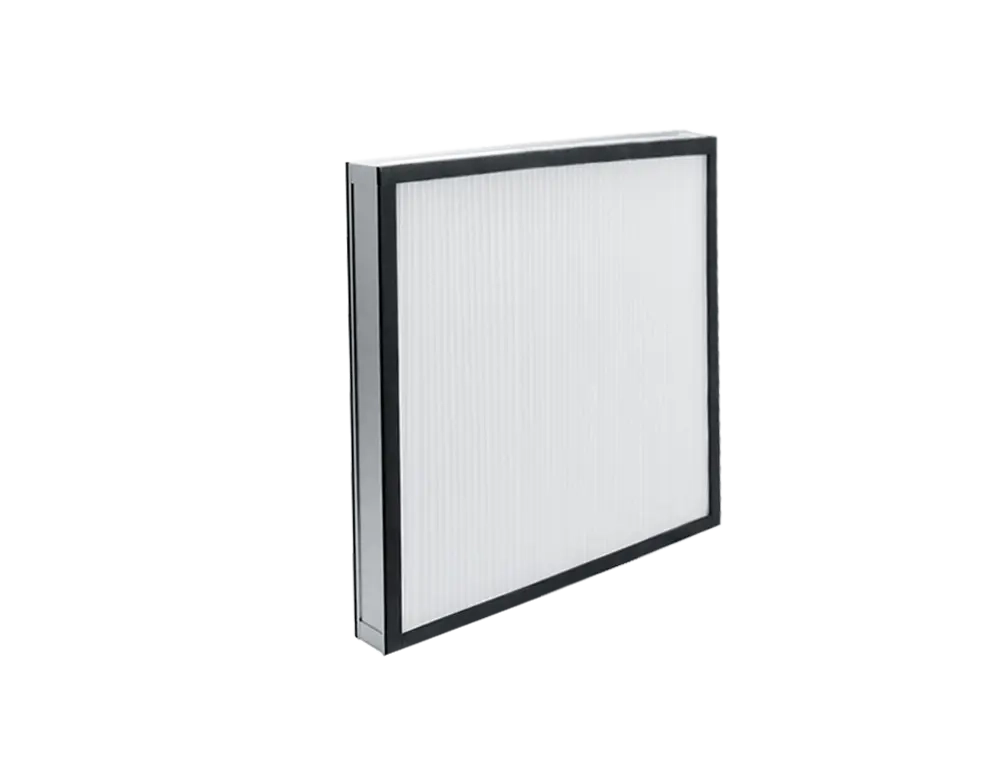
View Related Products →Sterile-Grade Purification
≥99.97% filtration efficiency for particles ≥0.3 μm, delivering sterile-grade clean air widely used in medical, pharmaceutical, and electronics manufacturing.
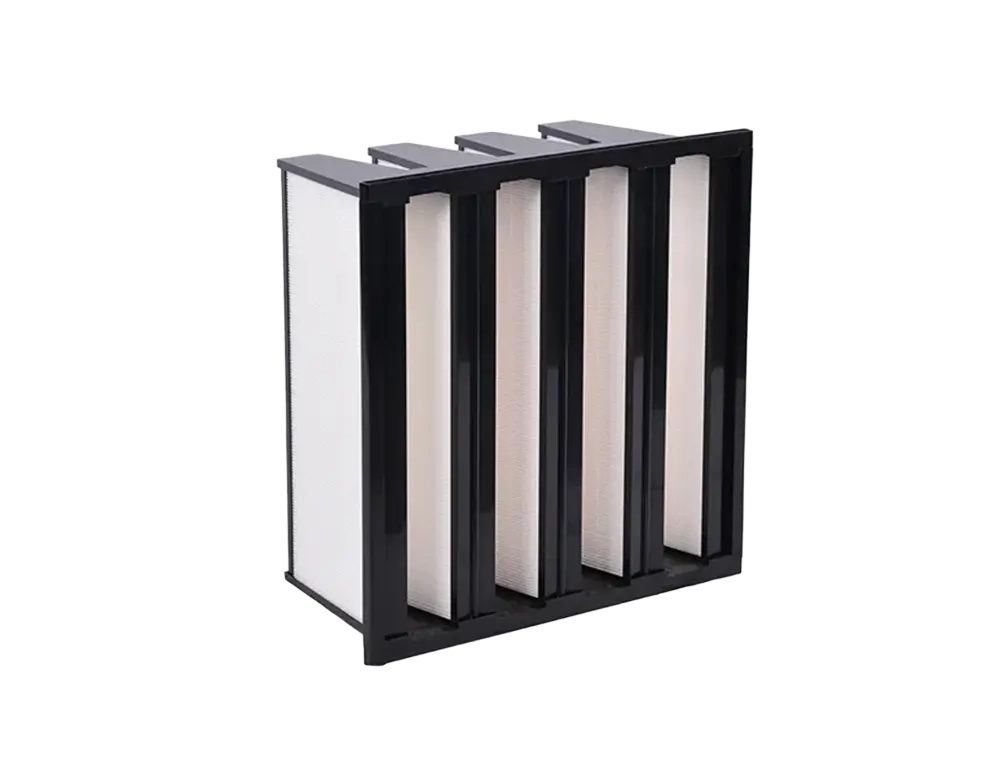
View Related Products →Sub-Micron Particle Capture
≥99.9995% efficiency for particles ≥0.12 μm, meeting the extreme cleanliness demands of semiconductor fabs, aerospace, and other ultra-precision applications.
View Related Products →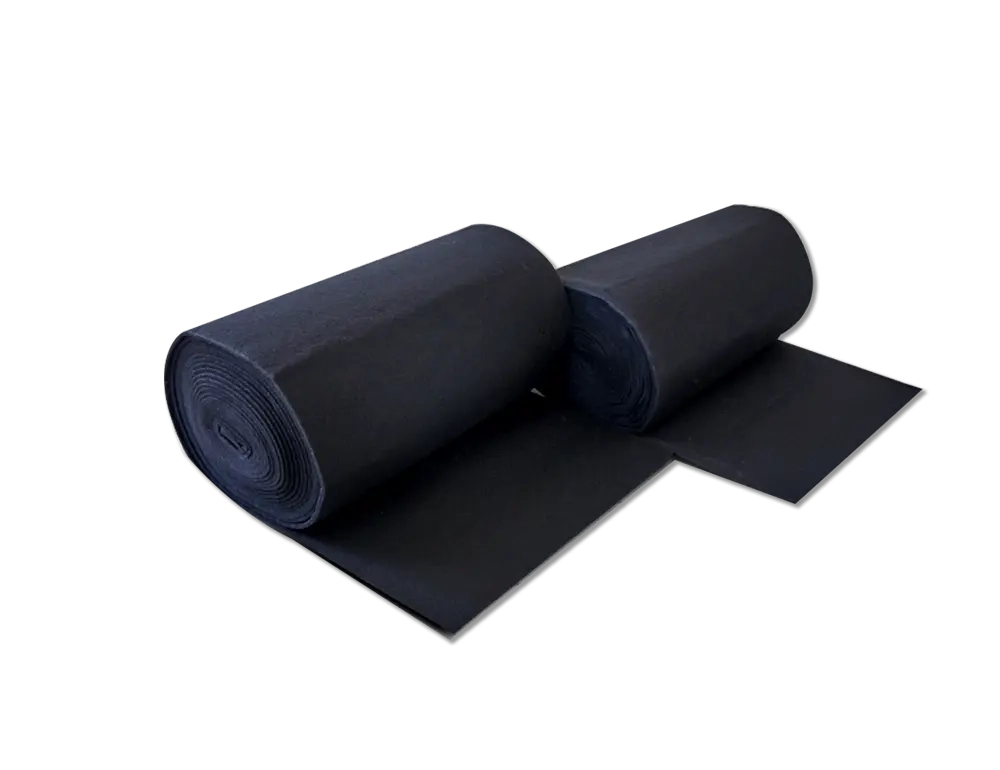
High-Temperature Resistant
Industrial-Grade Heat Tolerance
Washable & Reusable
Cut Costs, Reduce Waste
Activated Carbon
Odor & Harmful Gas Removal
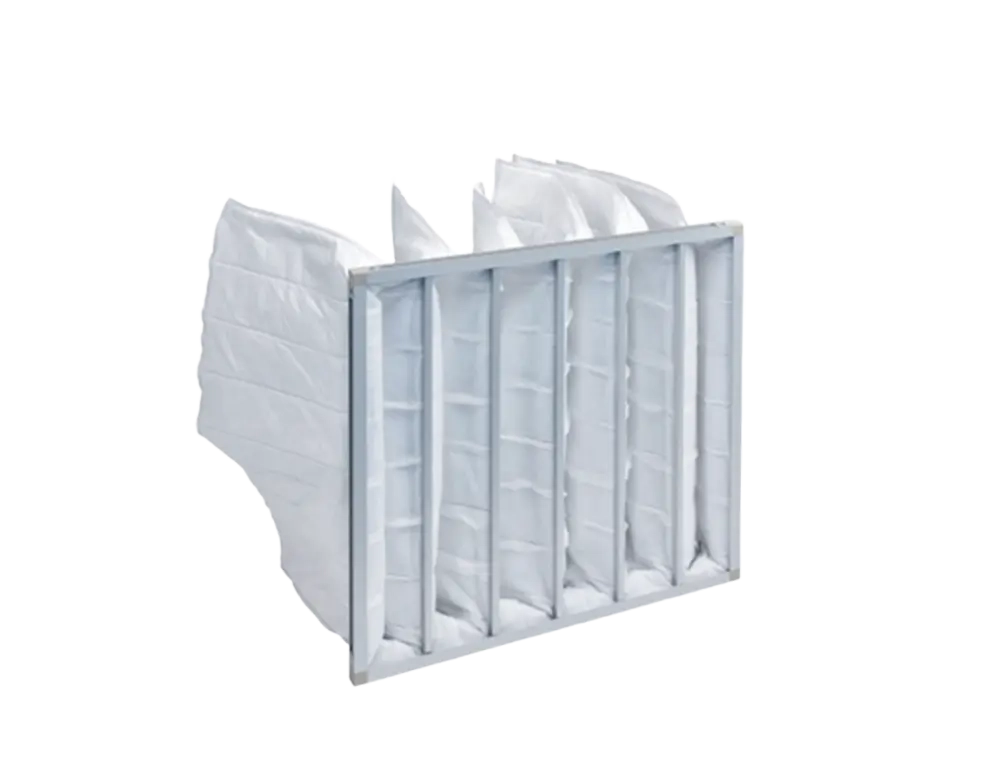
Bag Filter
High Dust-Holding, Long Life
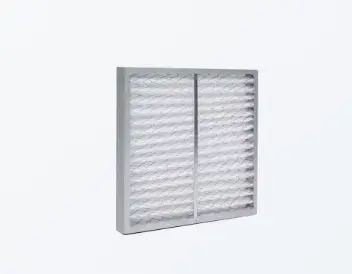
Panel / Pleated Filter
Compact Space-Saving Design
Low-Resistance Airflow
Energy-Saving Operation
Industrial-Grade Heat Tolerance
Built with specialized heat-resistant materials, operating stably up to 250°C for paint ovens, industrial dryers, and high-temperature process environments.
View Related Products →Cut Costs, Reduce Waste
Cleanable by water washing or air blowing, reusable multiple times to significantly reduce replacement frequency and O&M costs — an economical, eco-friendly choice.
View Related Products →Odor & Harmful Gas Removal
Leverages activated carbon's high adsorption capacity to eliminate odors, VOCs, and formaldehyde, ideal for newly renovated spaces and industrial exhaust treatment.
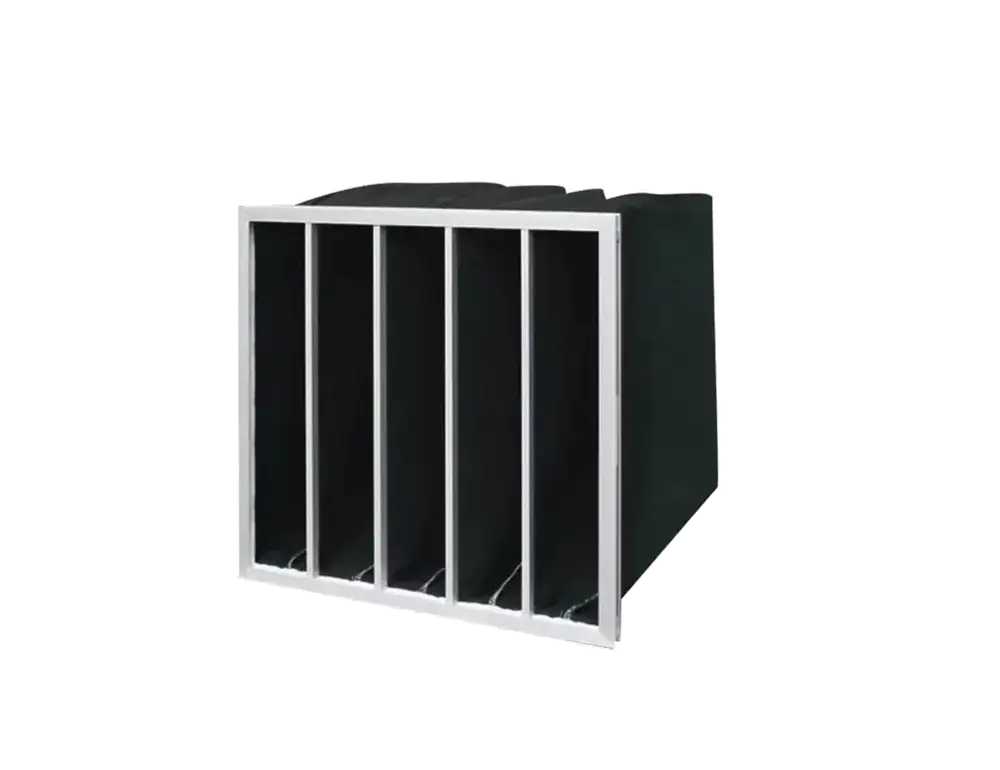
View Related Products →High Dust-Holding, Long Life
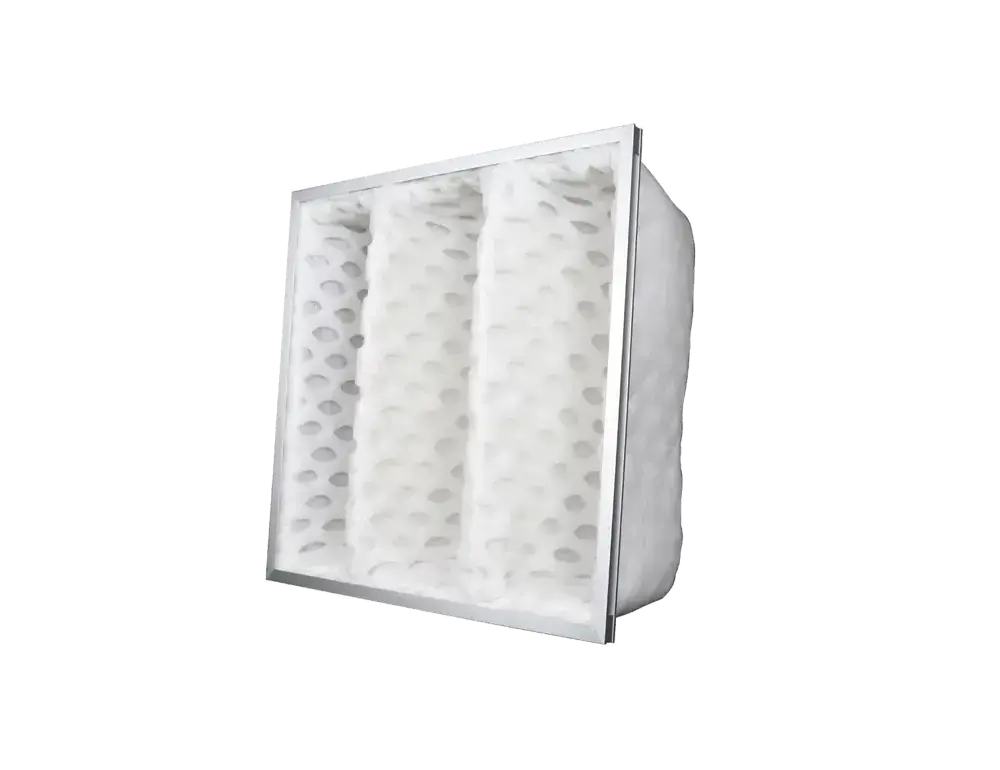
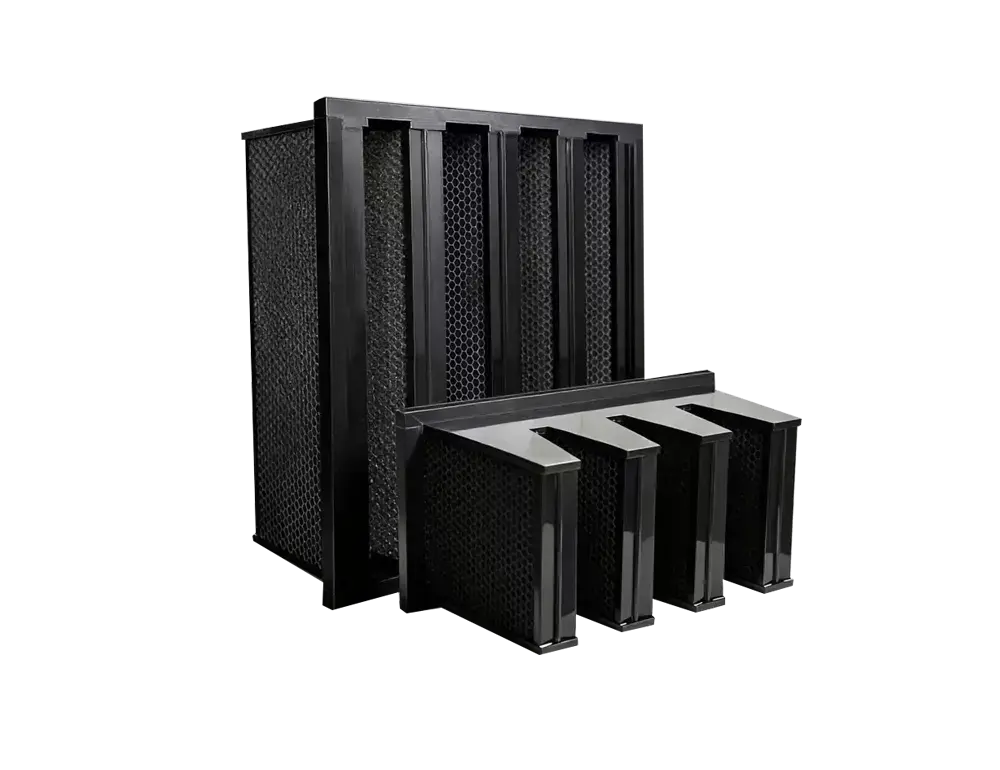
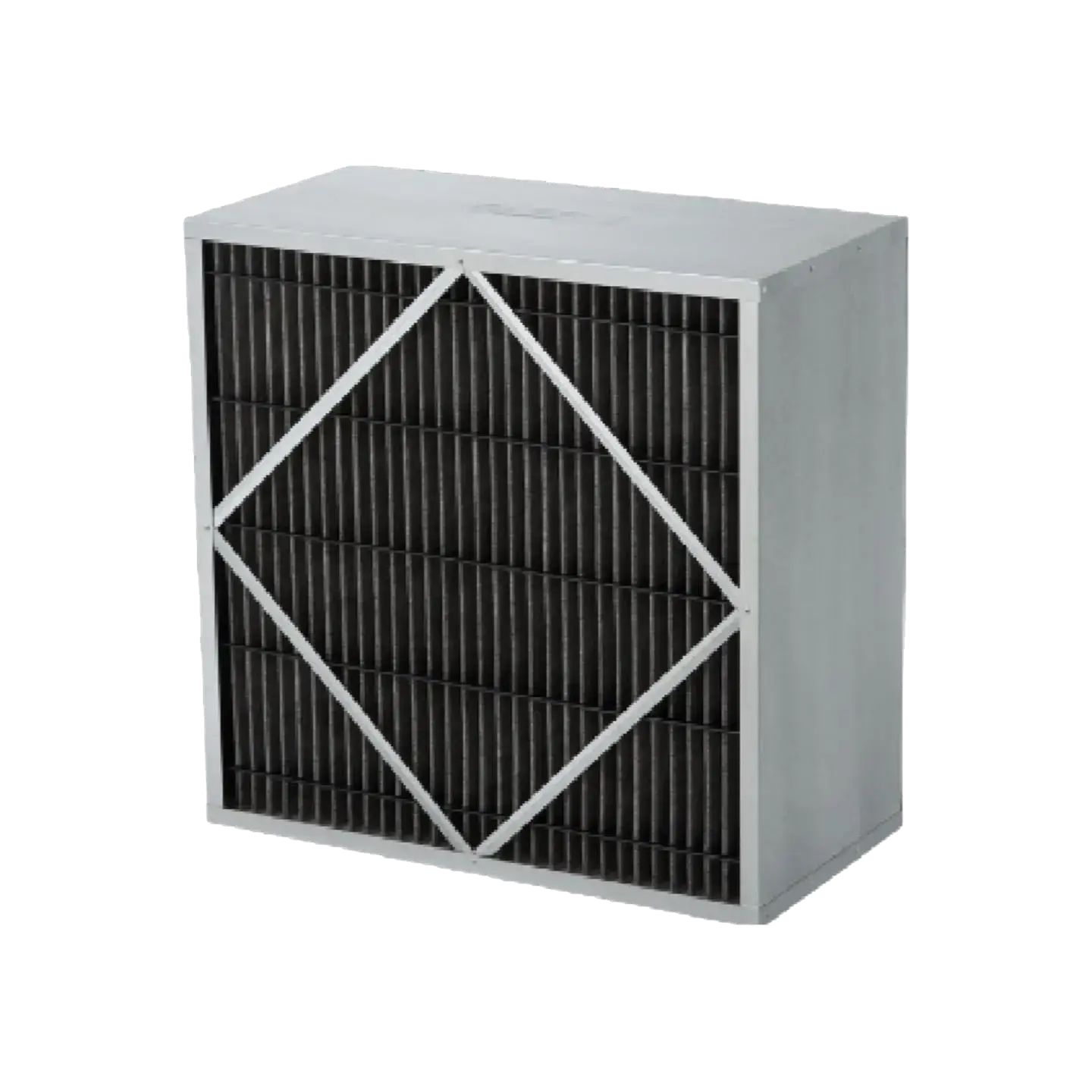
Bag-style construction delivers a larger filtration area, high dust-holding capacity, and extended service life — ideal for high-dust environments with reduced replacement frequency.
View Related Products →Compact Space-Saving Design
Compact form factor for easy installation and replacement; pleated structure maximizes filtration area within a small footprint for higher efficiency.
View Related Products →Energy-Saving Operation
Low-resistance design minimizes pressure drop while maintaining filtration performance, reducing fan energy consumption for cost-effective, eco-friendly operation.
View Related Products →






















 English(Global)
 简体中文
简体中文 Language




Dust Collector Filter Media: Matching Media to Dust, Temperature and Duty
A dust collector filter and the bag inside an HVAC air handling unit look similar and are often quoted under the same words, but they are designed against different numbers. An HVAC bag filter handles air that has already passed pre-filtration, so its job is to hold an efficiency class at a low clean pressure drop. A dust collector filter sits directly behind a process, where inlet loading can be hundreds of times higher, and its job is to hold dust while surviving repeated pulse cleaning. Buying one for the other produces a predictable outcome: fan energy climbs in the air handling unit, or the filter bank blinds within days.
HVAC bag filter
- Handles lightly loaded air
- Selected by efficiency class (G4 / F5–F9)
- Judged on clean pressure drop and fan energy
- Changed on system differential pressure
Dust collector filter (bag or cartridge)
- Handles raw process gas
- Selected by dust chemistry and gas temperature
- Judged on dust holding capacity and cleaning life
- Changed on running hours and bag condition
A dust collector filter is not an HVAC bag filter
The difference comes down to three numbers. Inlet loading is typically a few mg/m³ in an air handling unit and can reach tens or hundreds of g/m³ ahead of a dust collector filter. Filtration velocity is set by face velocity in HVAC, but by the air-to-cloth ratio on a dust collector; for a pulse-jet felt that ratio is usually 0.8–1.2 m/min, and lower again for fibreglass. Cleaning method separates them completely: an HVAC filter is simply replaced, while a dust collector filter is expected to take tens of thousands of pulse cycles over two to four years.
Set the air-to-cloth ratio high when you specify a dust collector filter and the housing gets smaller and cheaper, at the cost of bag life and fan power. Set it low and capital cost rises while cleaning intervals lengthen and bags last longer. This is a total-cost calculation, not a unit-price comparison. The same trade-off between efficiency, resistance and energy, which decides the cost of every dust collector filter you run, is covered in why filter selection is a balancing act.
Four process variables decide which dust collector filter you can use
Before comparing media for a dust collector filter, get the process described properly. Four variables set the shortlist; everything else is fine-tuning inside it. Give the same four answers to every supplier you ask, or the quotations will not be comparable.
Temperature is the variable most often understated, and it is the one that most often rules a dust collector filter out. A plant will report its steady-state operating temperature, while start-up, feed upsets and combustion swings all produce short peaks. Size the media against the peak temperature and its duration, not against the routine reading.
Media options and where each one stops
Most dust collector filter selections come down to synthetic needle felt or fibreglass, with a surface treatment layered on top. The table below is a starting point for the shortlist of a dust collector filter media; confirm the final choice against the supplier's continuous temperature curve and chemical resistance data.
| Media | Continuous rating (typical) | Strengths | Main limits |
|---|---|---|---|
| Polyester needle felt | ~130 °C | Good value, abrasion resistant, easy to clean | Hydrolyses in hot wet gas, poor against strong alkali |
| Homopolymer acrylic | ~125 °C | Better hydrolysis resistance than polyester | Temperature ceiling still low |
| PPS | ~190 °C | Acid, alkali and hydrolysis resistance; common on coal boilers | Oxidises and embrittles in oxygen-rich gas |
| P84 polyimide | ~240 °C | Irregular fibre shape catches fine dust well | Clear hydrolysis risk in wet duty |
| PTFE | ~250 °C | Broadest chemical resistance | Expensive, moderate mechanical strength, careful cleaning needed |
| Fibreglass | ~260 °C | Highest temperature capability, dimensionally stable | Poor flex and abrasion resistance, sensitive to HF and strong alkali |
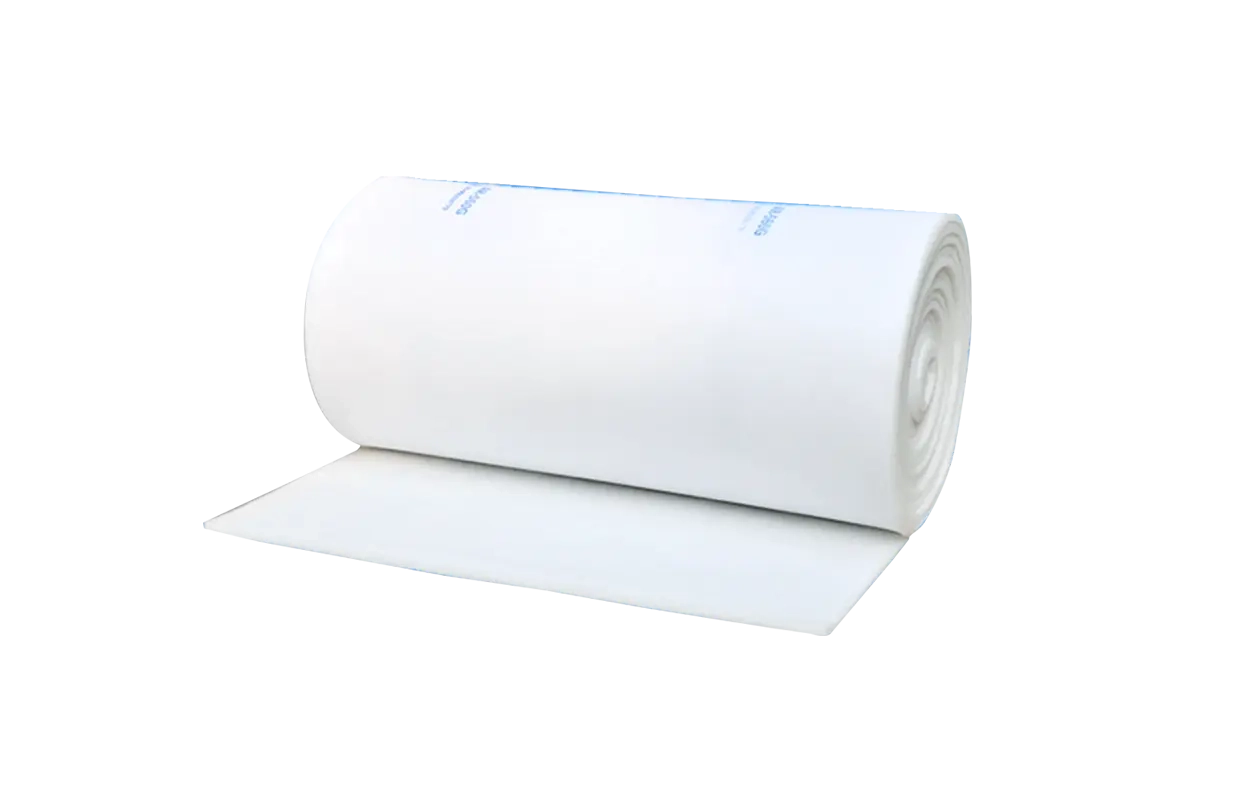
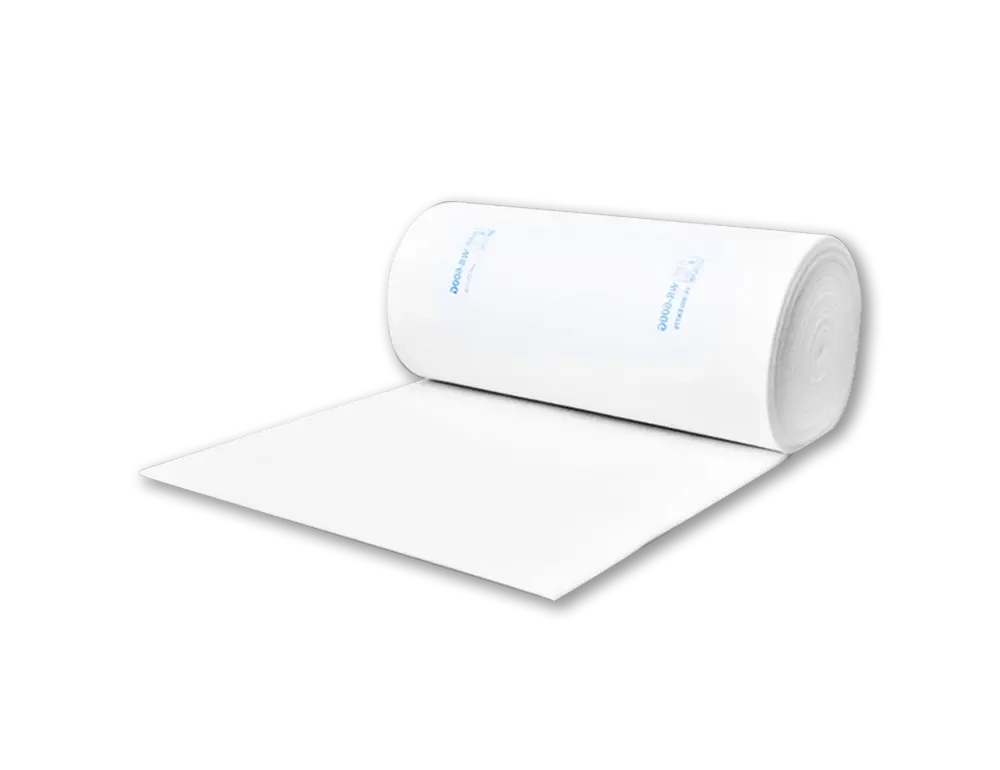
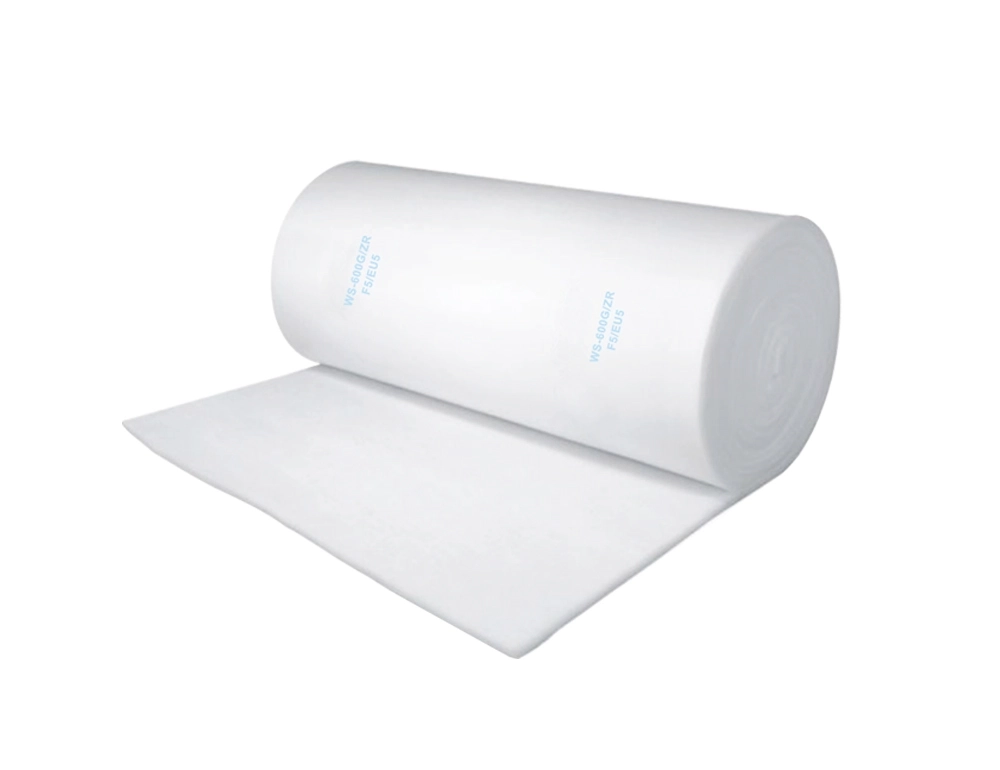
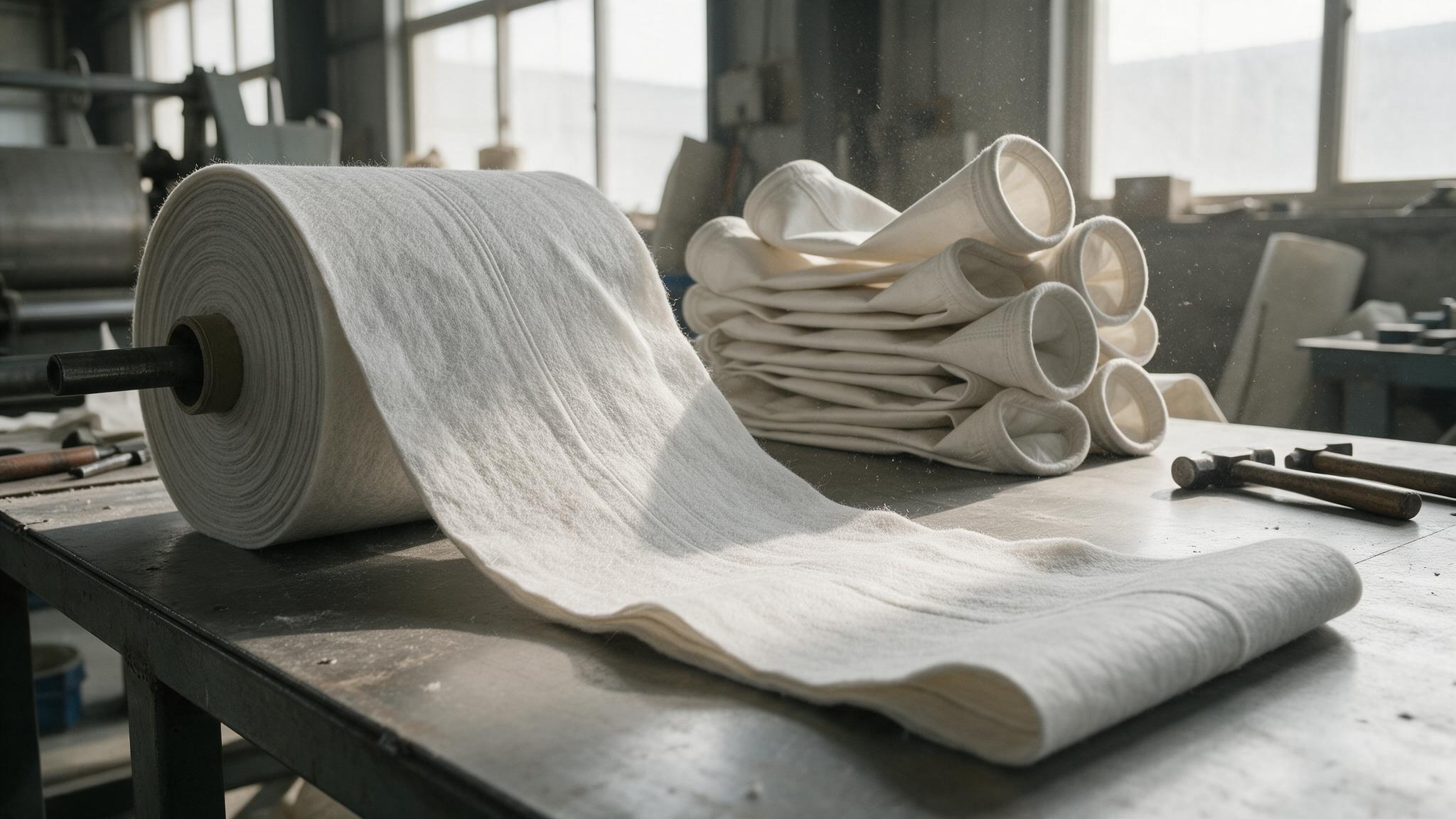
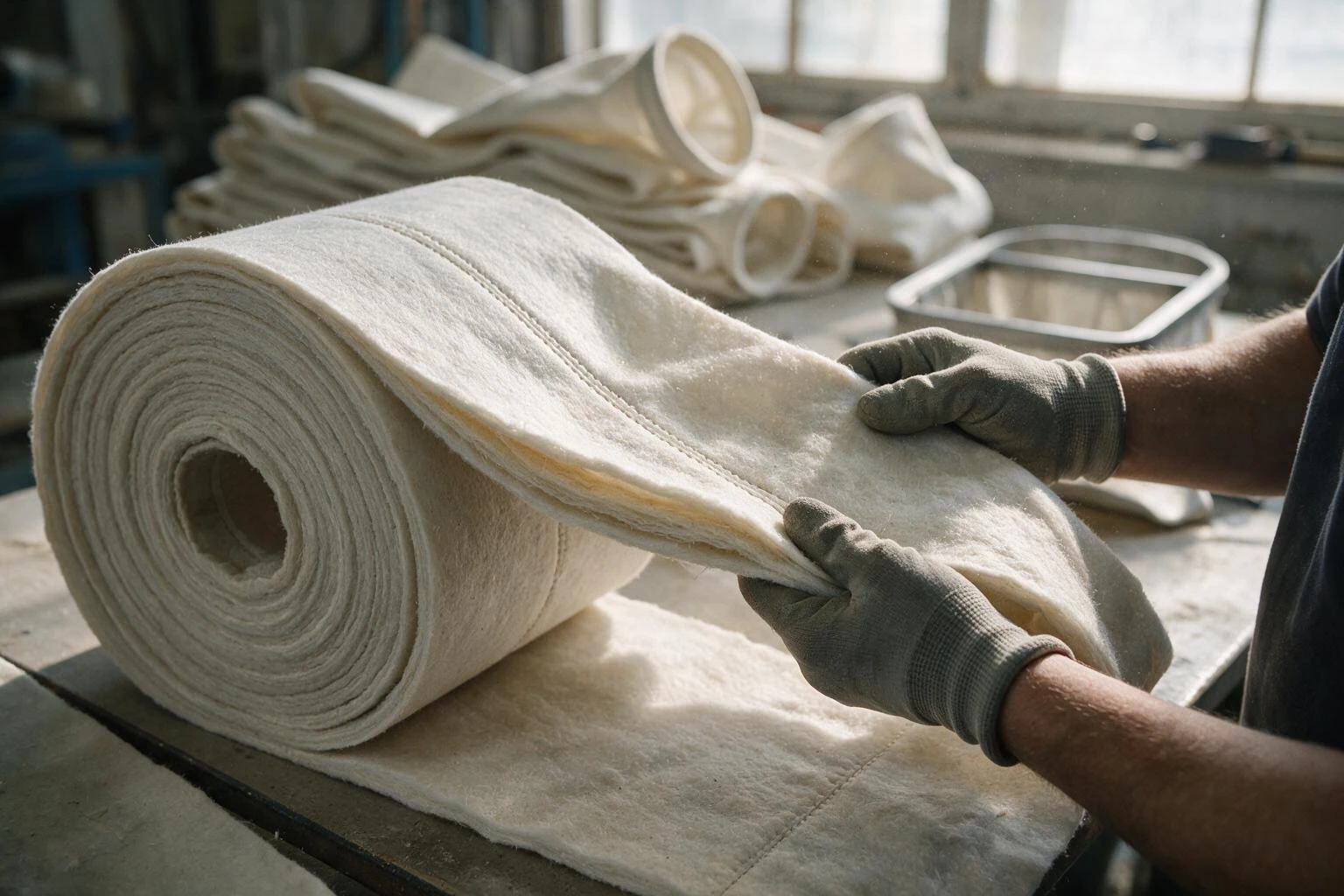
At product level, fibreglass bag filter media suits hotter, drier processes, while dust-heavy duty where the priority is a longer change-out interval usually points to high dust holding media such as high dust holding bag filter media roll. Where the aim is simply to knock down coarse carry-over ahead of the main dust collector filter, pre air filter media is the cheaper place to do it.
Dust loading, pressure drop and change-out intervals
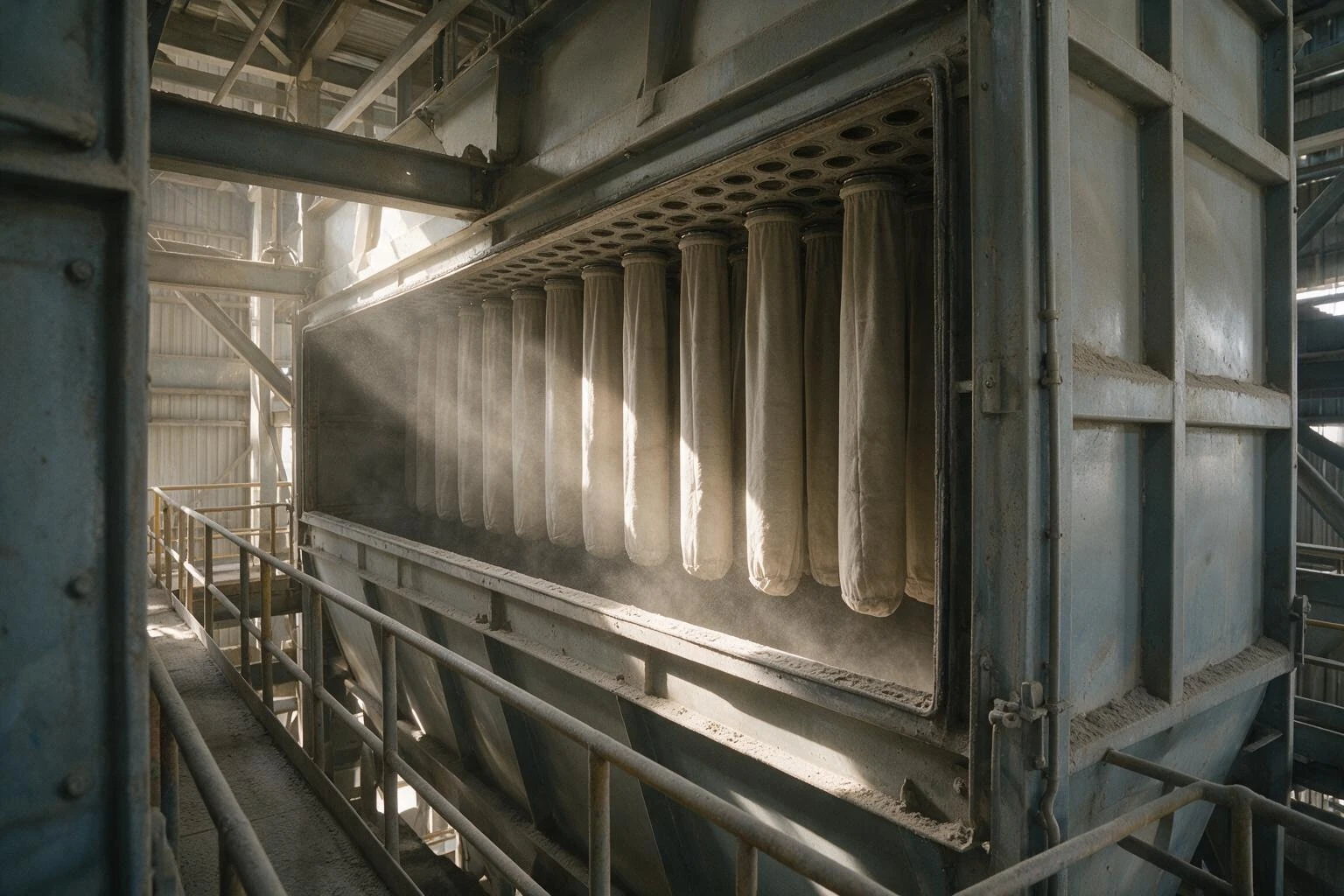
A dust collector filter travels along a pressure drop curve over its whole life. A new bag starts at its clean resistance, rises slowly as the dust cake builds, and falls back to a stable value after each cleaning cycle. The value that tells you a dust collector filter is finished is not today's absolute reading but the trend of the residual drop after cleaning. When residual drop climbs quarter after quarter and no longer returns to its old stable level, the media has blinded internally, and running on only trades fan energy for time.
Estimate the change-out interval for a dust collector filter as the shortest of three numbers: the media supplier's temperature and chemistry life, the observed life in the same duty, and the inflection point in the differential pressure trend. Planning purely on a two-year rule of thumb is optimistic wherever dust is sticky or the gas is wet.
The four failure modes you will actually see
Most complaints that a dust collector filter "did not last" resolve into one of four causes. They look different on site and need different fixes; misdiagnose the mechanism and a more expensive media will fail just as fast.
- Blinding: dust sticks to the surface and will not release, even at full cleaning pressure. Condensation, oil carry-over, hygroscopic dust or wet cleaning air are the usual causes. Fix the inlet temperature relative to the acid dew point before considering a smoother media.
- Abrasion: holes appear in the first row of dust collector filter bags facing the inlet, at tube sheet holes and where bags touch the cage. Abrasive dust, poor gas distribution and a high air-to-cloth ratio all accelerate it. Add baffling and reduce local velocity rather than buying thicker media.
- Hydrolysis and acid attack: polyester and P84 degrade quickly in hot wet gas, and sulphur-bearing gas adds acid attack. Failure tends to appear across a whole compartment at once, which points to the media system rather than the supplier.
- Oxidative embrittlement: PPS turns brittle in oxygen-rich, continuously hot duty and snaps when flexed. Judge it from tensile strength testing rather than appearance; a sample sent to the lab beats a visual inspection.
Half of bag life is set by the process and half by the cleaning system. Choosing the right media only settles the first half.
Field experience, dust collection systems
What to confirm before you buy a dust collector filter
Put these questions to the supplier at quotation stage, before a dust collector filter is ordered, and most of the rework disappears.
Dust collector filter enquiry checklist
- What are the continuous and peak gas temperatures, and how long does the peak last?
- Do you have measured data for particle size, stickiness, hygroscopicity and abrasiveness?
- Are acid gases, alkalis or oxidisers present, and what is the moisture content?
- Is cleaning by pulse jet, shaking or reverse air, and what air-to-cloth ratio is designed?
- Which surface treatment is required: singed, calendered, PTFE membrane, anti-static or water and oil repellent?
- Are bag dimensions, top fixing, cage fit and tube sheet tolerances confirmed?
- What change-out interval and pressure drop band are acceptable?
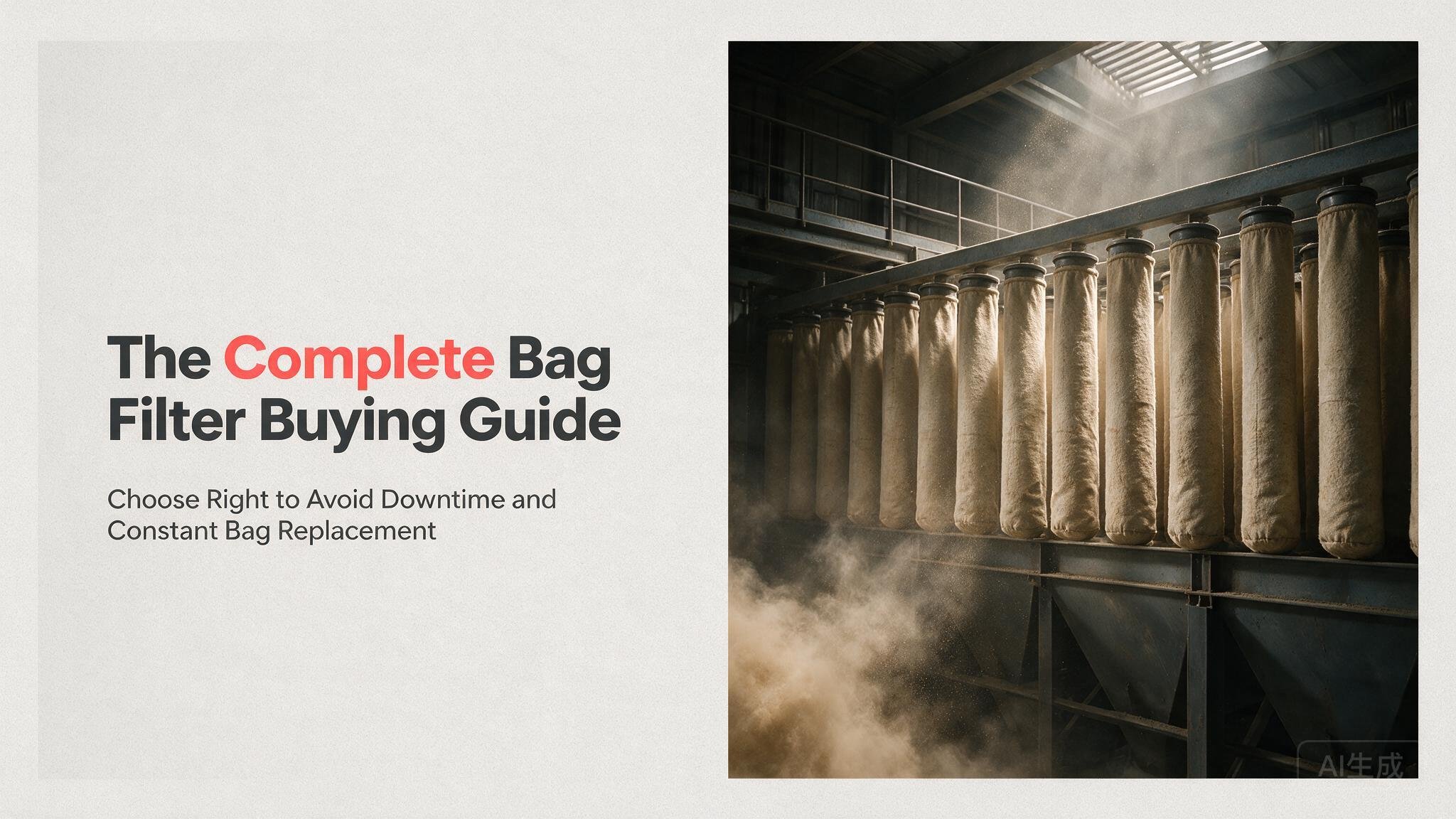
One option is routinely overlooked: if the plant needs media for a dust collector filter rather than finished bags, rolls let the workshop cut and stitch its own sizes, cut waste from mismatched specifications and keep a spare reserve on the shelf. Buyers who are still separating HVAC bag filters from dust collection duty can start with the bag filter buying guide, then return to the process variables above and compare parameters from there.
Need a custom air filtration solution?
Contact the Whalesens engineering team for product selection and OEM/ODM support.
Email whalesens@gmail.com
Related Products
These products cover the filtration stages discussed above; see each product page for full specifications.
 ProductHigh Dust Holding Bag Filter Media RollDust-heavy duty where dust holding capacity drives a longer change-out intervalView product details →
 ProductFiberglass Bag Filter MediaHotter, drier process gas where a high temperature ceiling and dimensional stability matterView product details →
 ProductBag Air Filter Media RollRoll supply so the workshop can cut and stitch its own bag sizes and hold sparesView product details →
 ProductPre Air Filter MediaCoarse carry-over protection ahead of the main dust collector filter bankView product details →
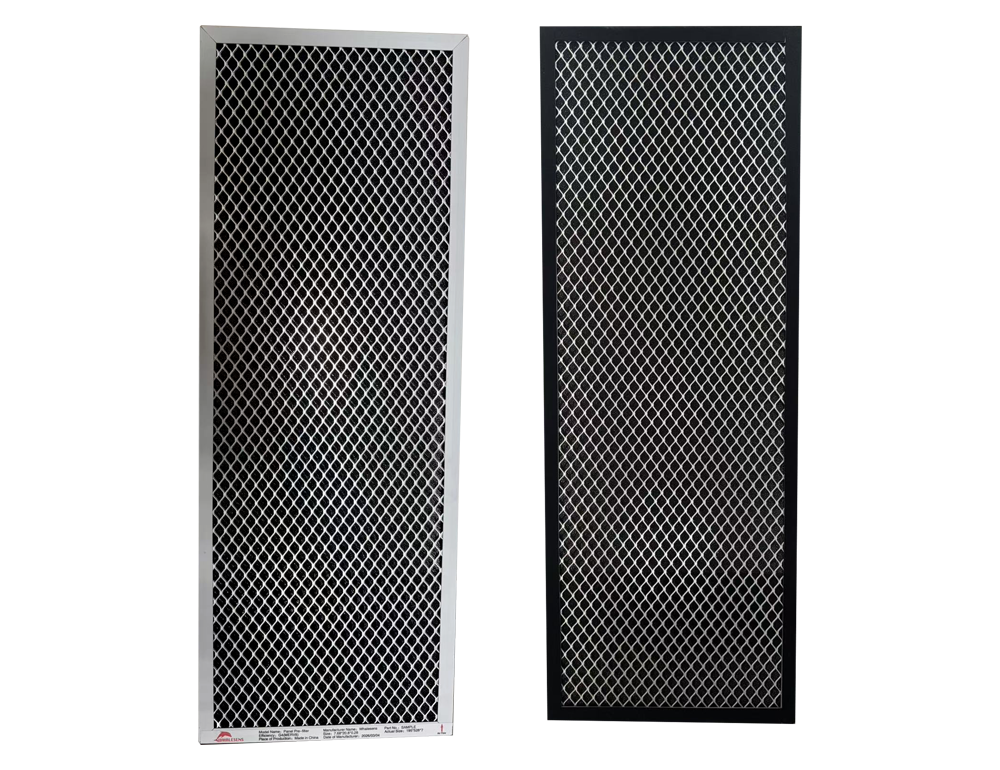
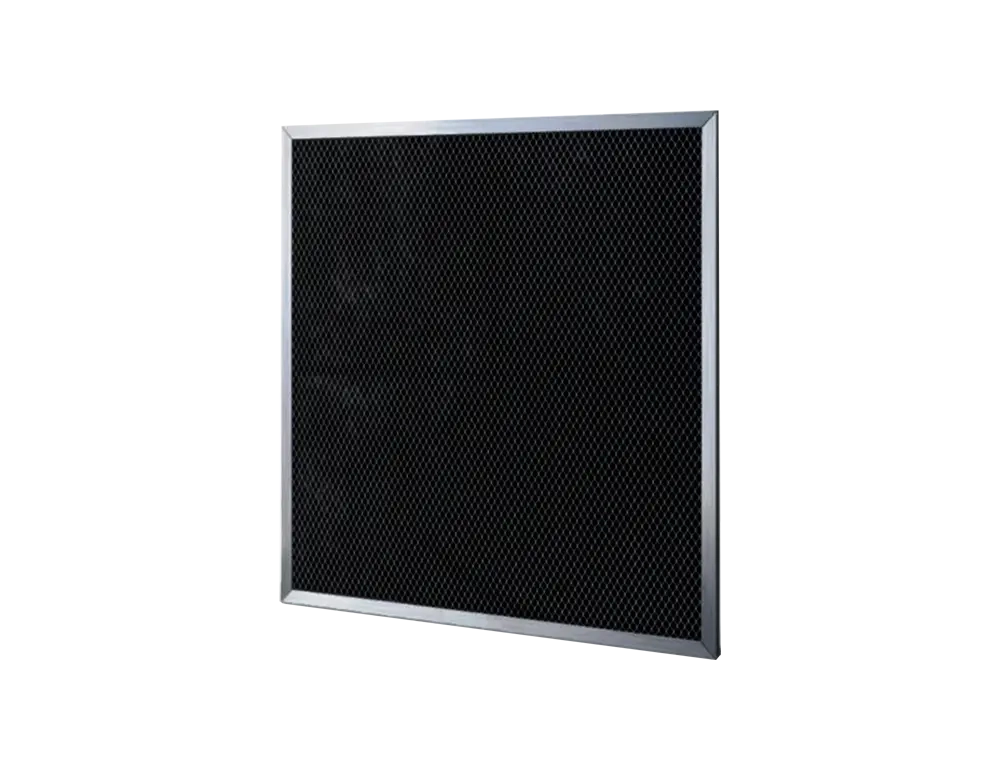
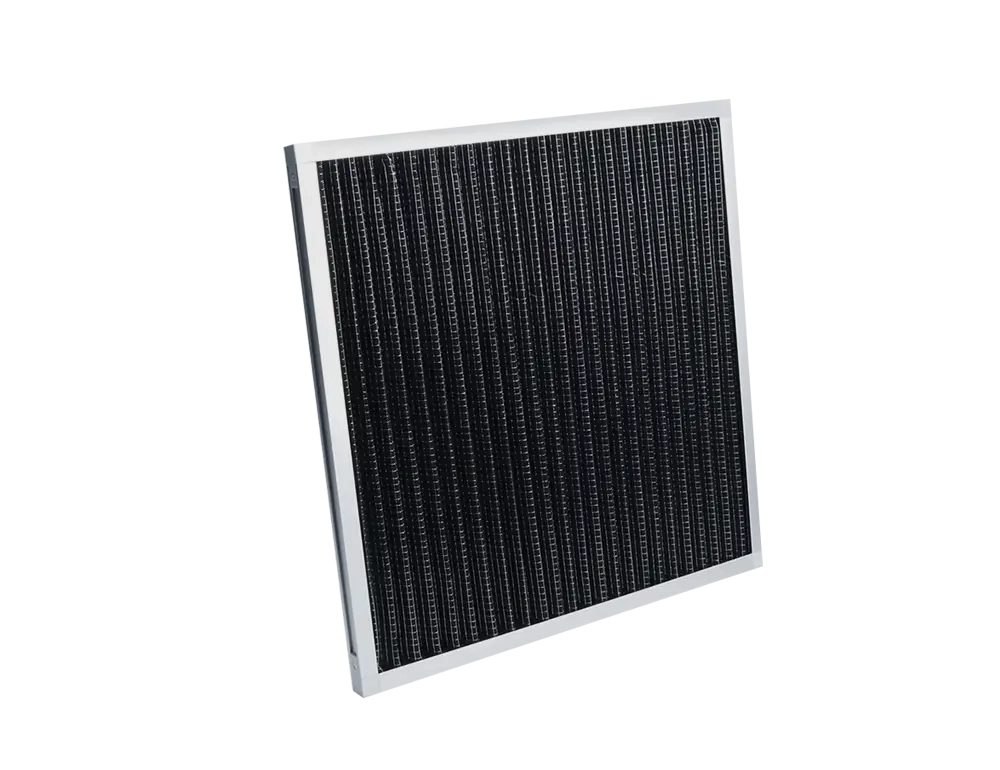
 ProductMetal Plank Air Filter Mesh FilterWashable, high temperature pre-filter protection for coating and industrial dust dutyView product details →
Frequently Asked Questions
The questions our engineering team receives most often on this topic.
Can an HVAC bag filter be used as a dust collector filter?
No. HVAC bag filters are designed by efficiency class for lightly loaded air and are judged on clean pressure drop and fan energy. A dust collector filter has to hold a much higher dust load and survive repeated pulse cleaning, so it is judged on dust holding capacity and residual pressure drop. Swapping them raises resistance in the air handling unit or blinds the filter bank in days.
Is bag service life a matter of hours run?
Only for planning purchases. The decisive signal is the trend of residual pressure drop after cleaning. If that value climbs quarter after quarter and no longer returns to its stable level, the media has blinded internally and further running only trades fan energy for time. Peak temperature, moisture and dust stickiness all shorten life well below rule-of-thumb figures.
PPS or P84?
Both have a high temperature ceiling but different limits. PPS resists acid, alkali and hydrolysis and is common on coal-fired duty, but embrittles in oxygen-rich gas. P84 runs hotter and catches fine dust better, but carries a clear hydrolysis risk in wet duty. Decide which condition is actually the binding constraint.
Do I need a PTFE membrane?
Not always. A membrane improves fine dust capture and cleaning, but costs more and demands better flex and abrasion resistance. It pays where dust is fine, emission limits are tight and cleaning is frequent. With coarse, abrasive dust, fixing gas distribution and abrasion first is the better investment.
Should I buy media in rolls or finished bags?
It depends on the workshop. For fixed specifications and bulk replacement, finished bags let the supplier guarantee dimensions and top fixings. Where sizes vary, batches are small, or the plant wants to cut, stitch and stock spares itself, roll media is more flexible and avoids waste from mismatched specifications.
