


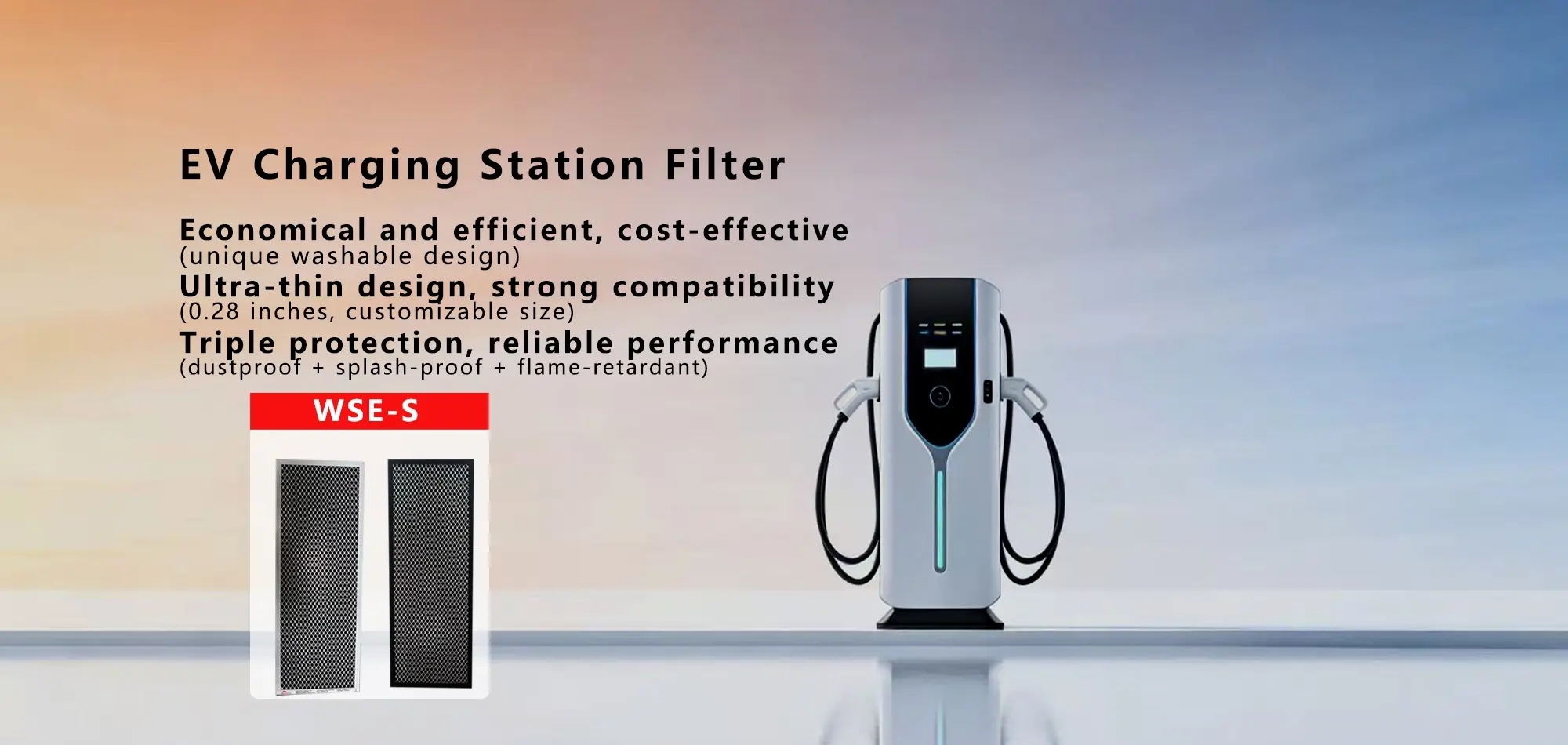
EV Charging Stations
Filtration for Power Equipment
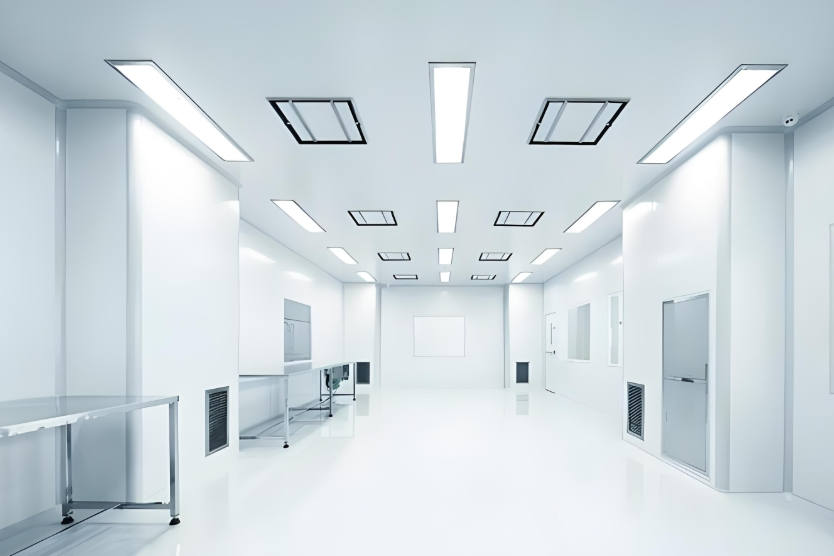
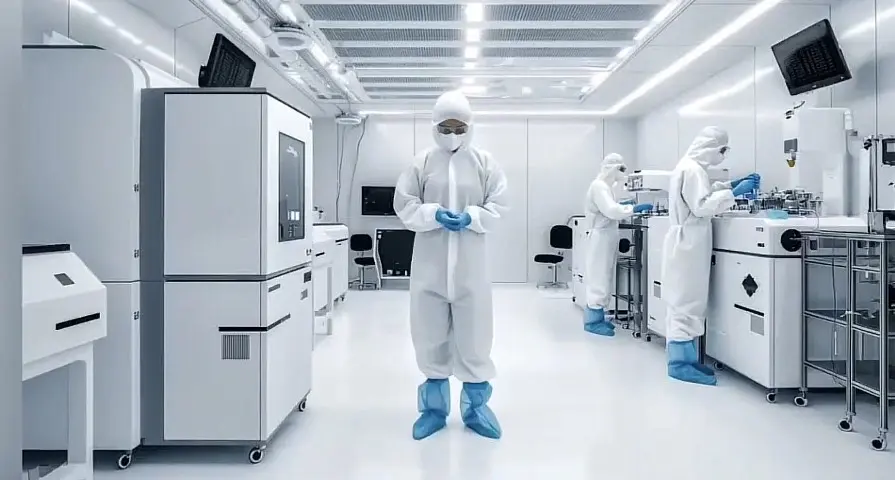
Cleanroom & Semiconductor
Ultra-High Cleanliness Filtration
Commercial HVAC
Central Air System Filtration
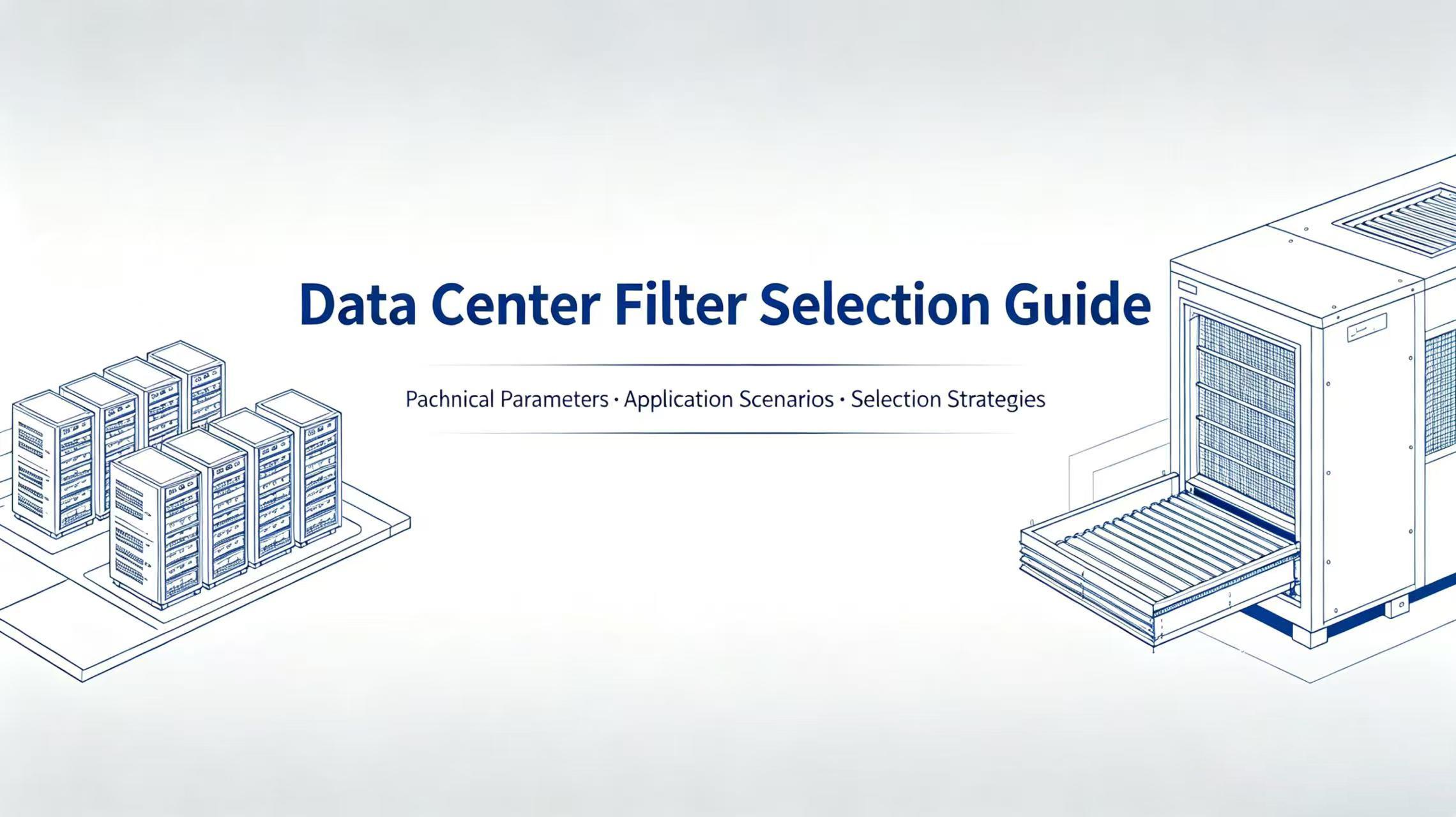
Data Centers
Precision Equipment Protection
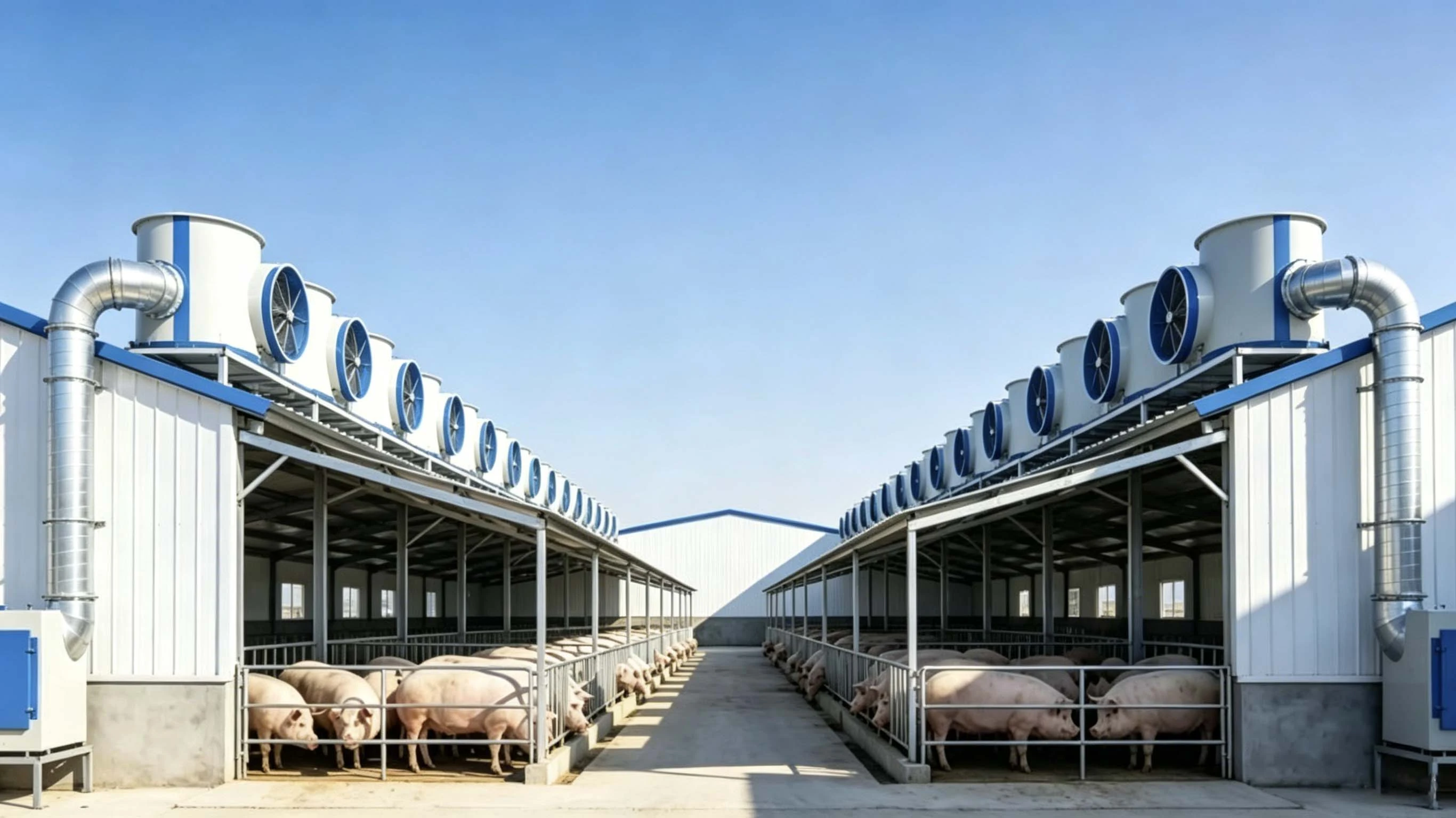
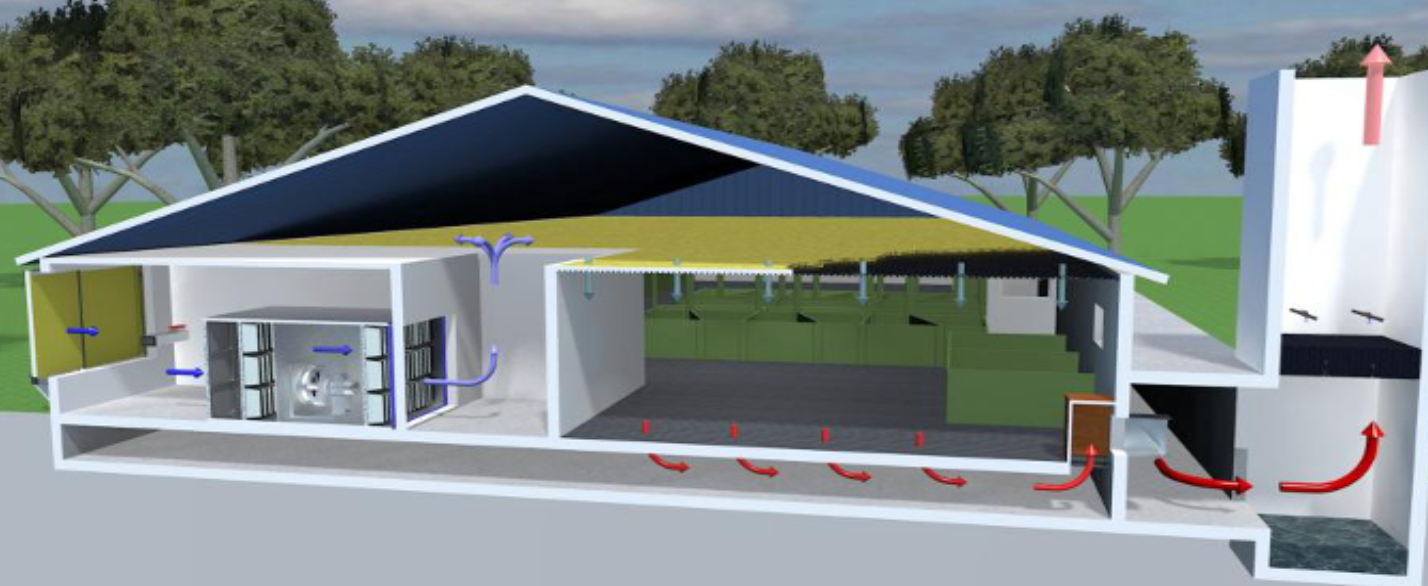
Livestock & Farming
Farming Environment Purification
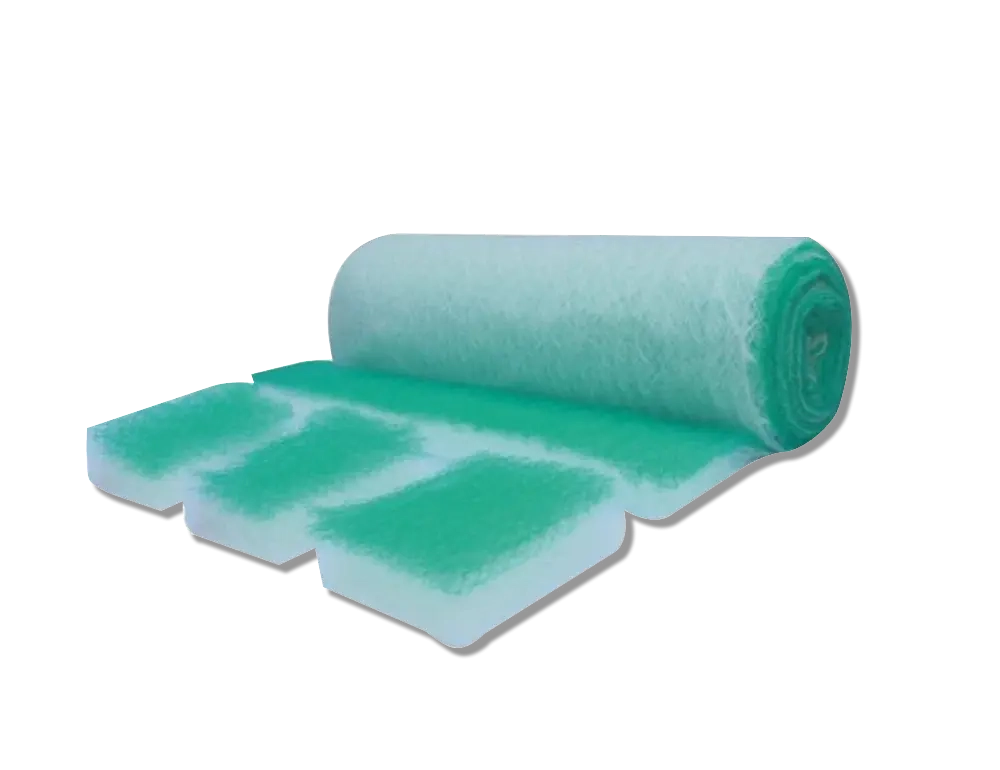
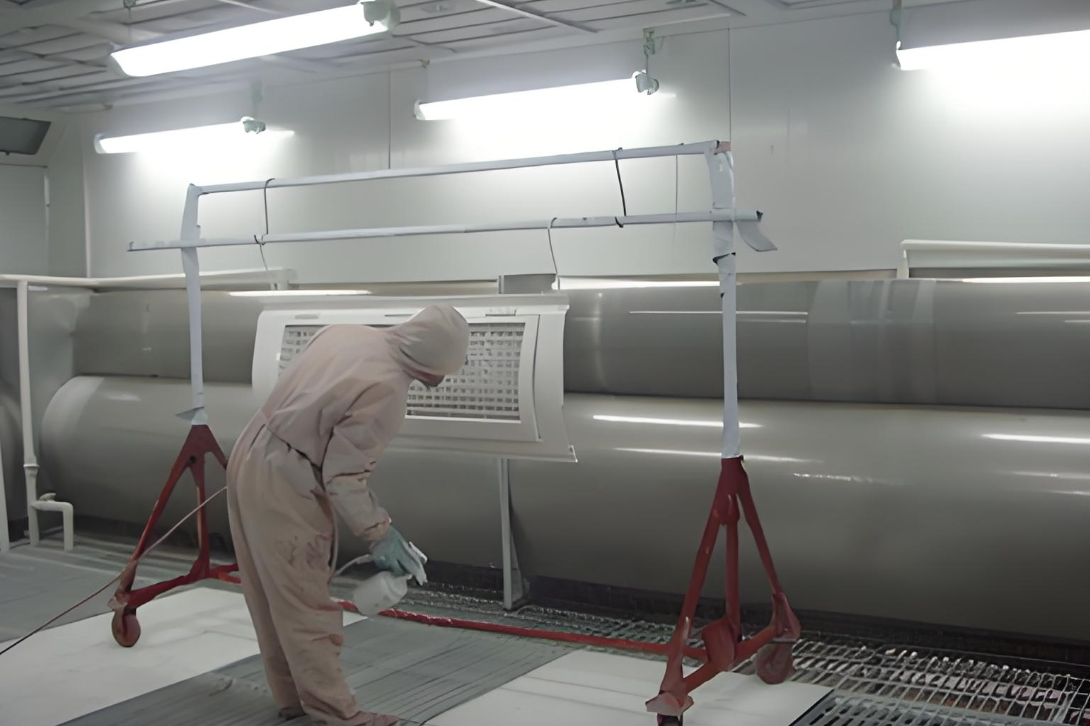
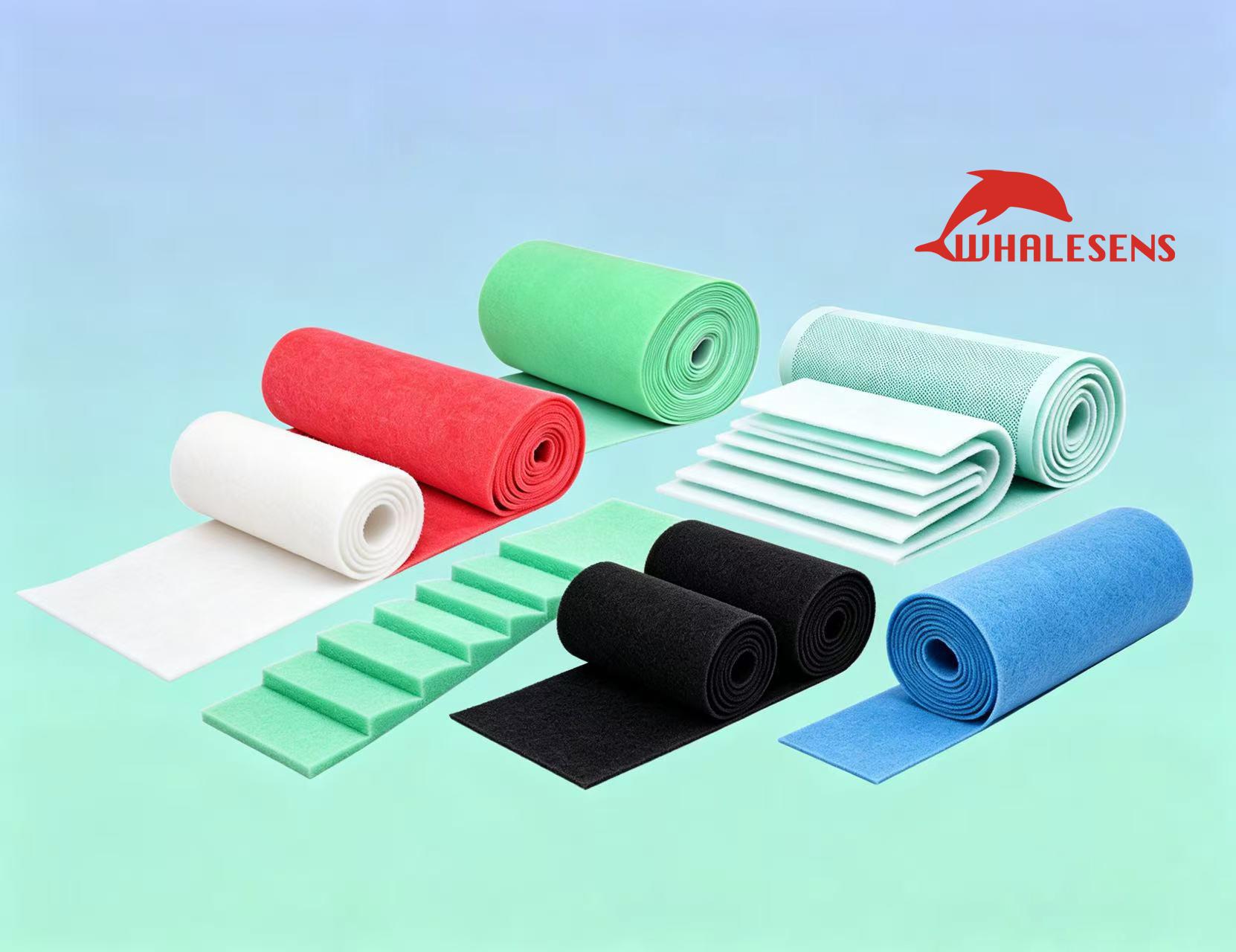
Spray Booths & Industrial Dust
Paint Mist & Dust Purification
Filtration for Power Equipment
Professional air filtration for EV charging devices, protecting against dust and sand ingress to ensure stable, reliable operation of charging piles and station infrastructure.
View Related Products →Ultra-High Cleanliness Filtration
Ultra-high efficiency filtration for semiconductor wafer fabs and precision electronics cleanrooms, capturing nano-scale particles to meet ISO Class 1–3 standards and maximize product yield.
View Related Products →Central Air System Filtration
High-efficiency filtration for commercial building HVAC systems, improving indoor air quality, reducing energy consumption, and extending equipment service life.
View Related Products →Precision Equipment Protection
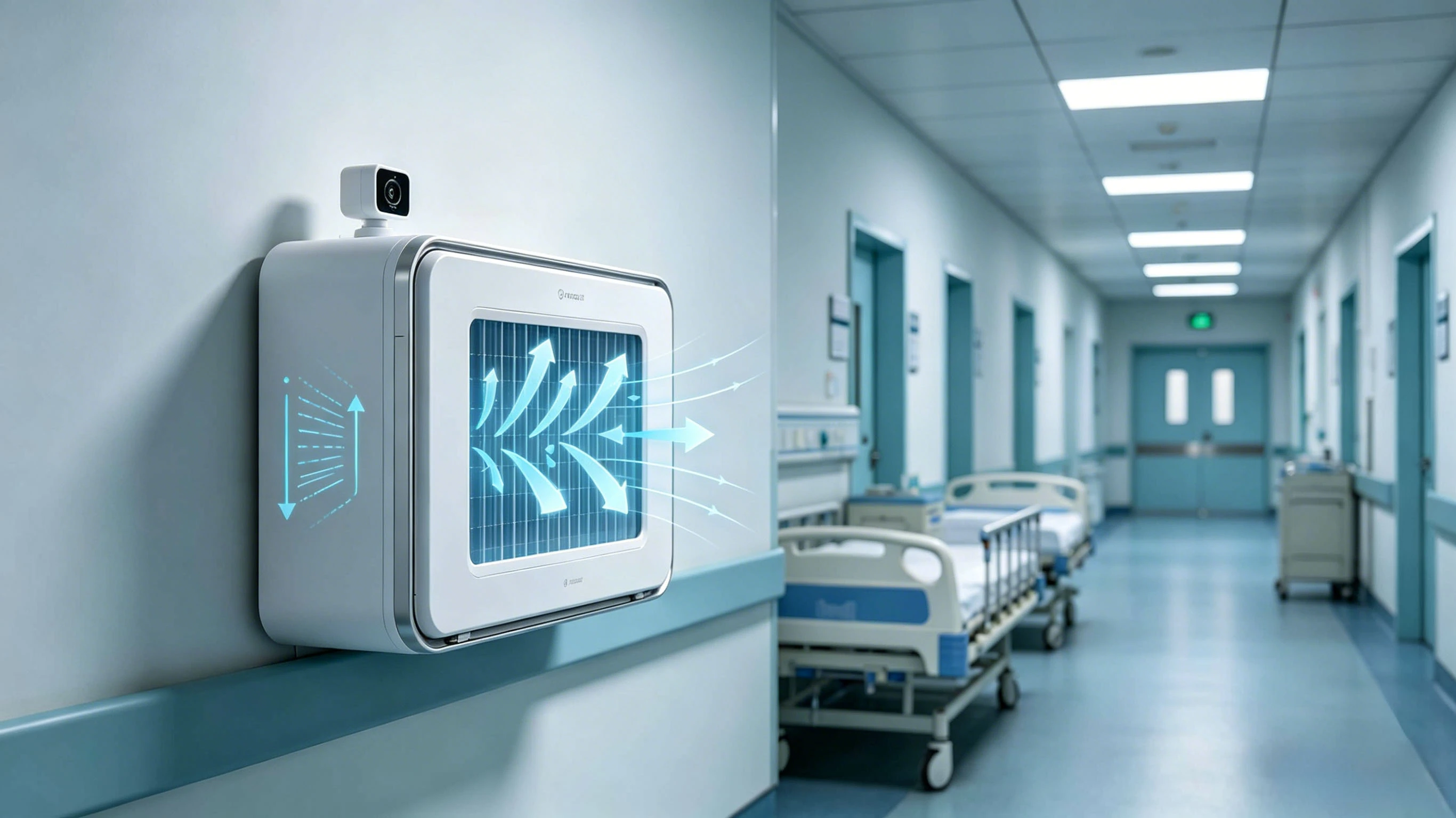
Precision air filtration for data centers, shielding servers and critical hardware from dust contamination to keep cooling systems running efficiently and reliably.
View Related Products →Farming Environment Purification
Dedicated filtration systems for farms and livestock facilities — capturing dust, adsorbing ammonia, and inhibiting pathogen spread to improve animal health and overall productivity.
View Related Products →Paint Mist & Dust Purification
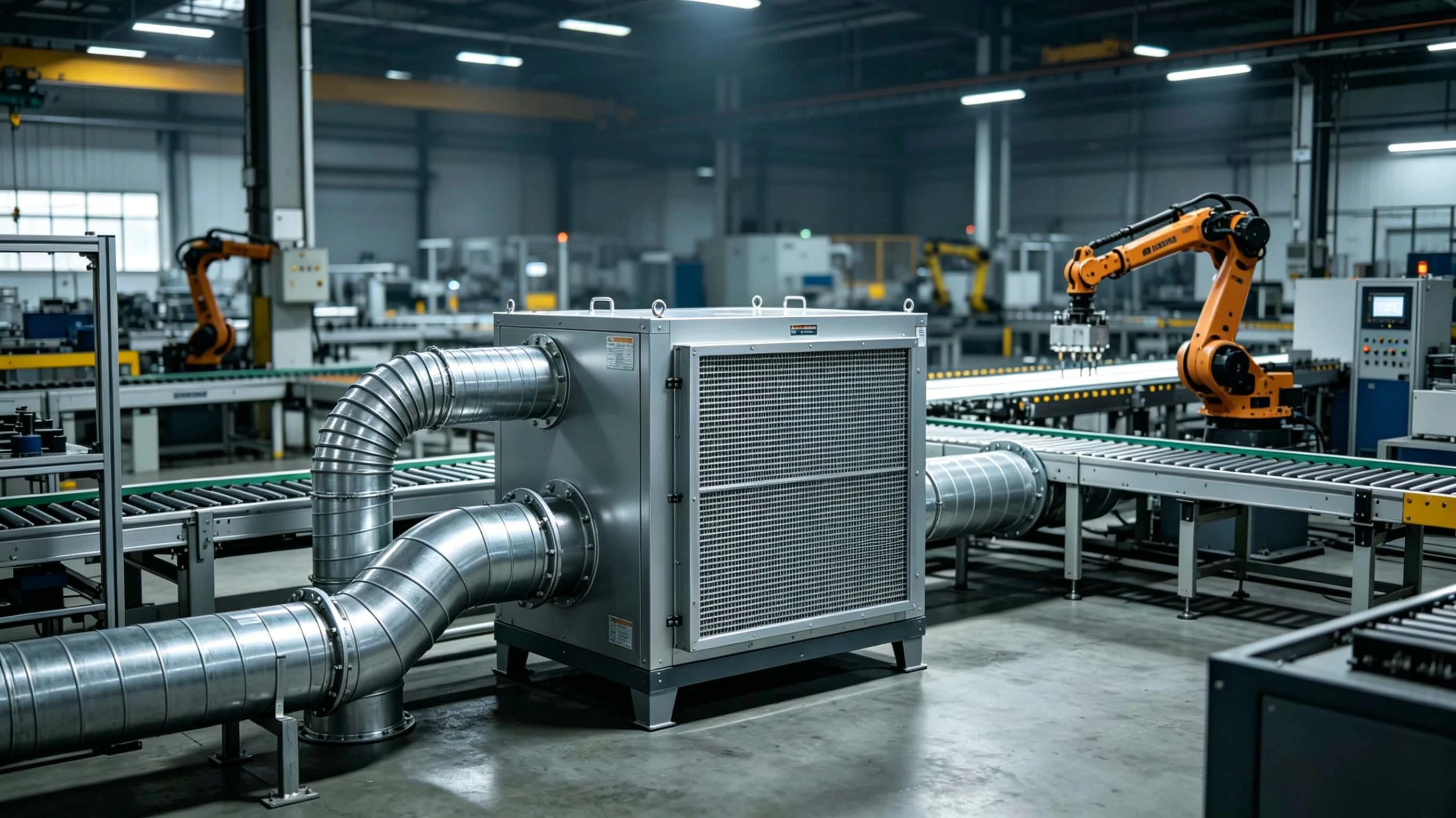
Designed for spray booths and grinding workshops, efficiently capturing paint mist, metal dust, and wood chips to meet emission standards while protecting finished surface quality.
View Related Products →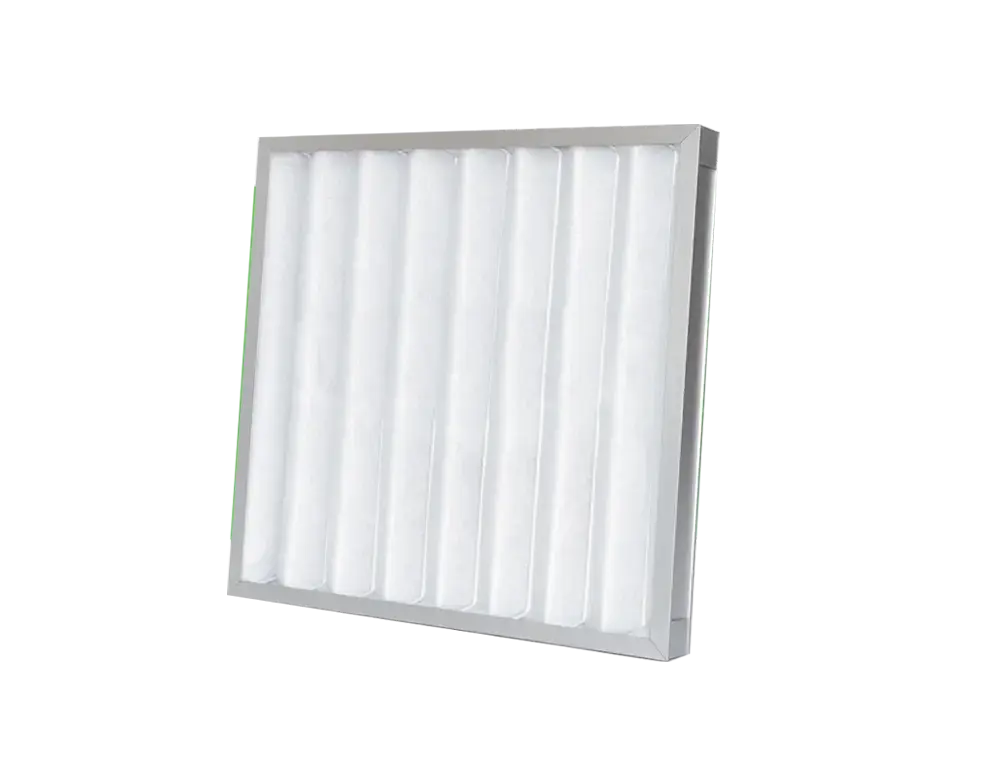
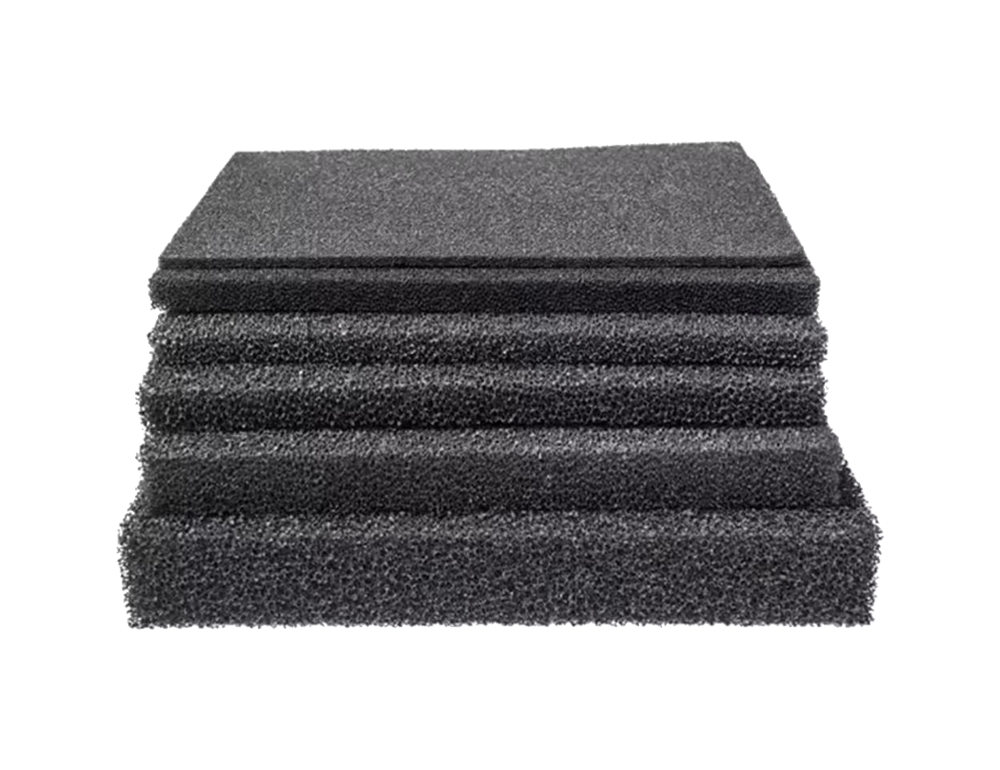
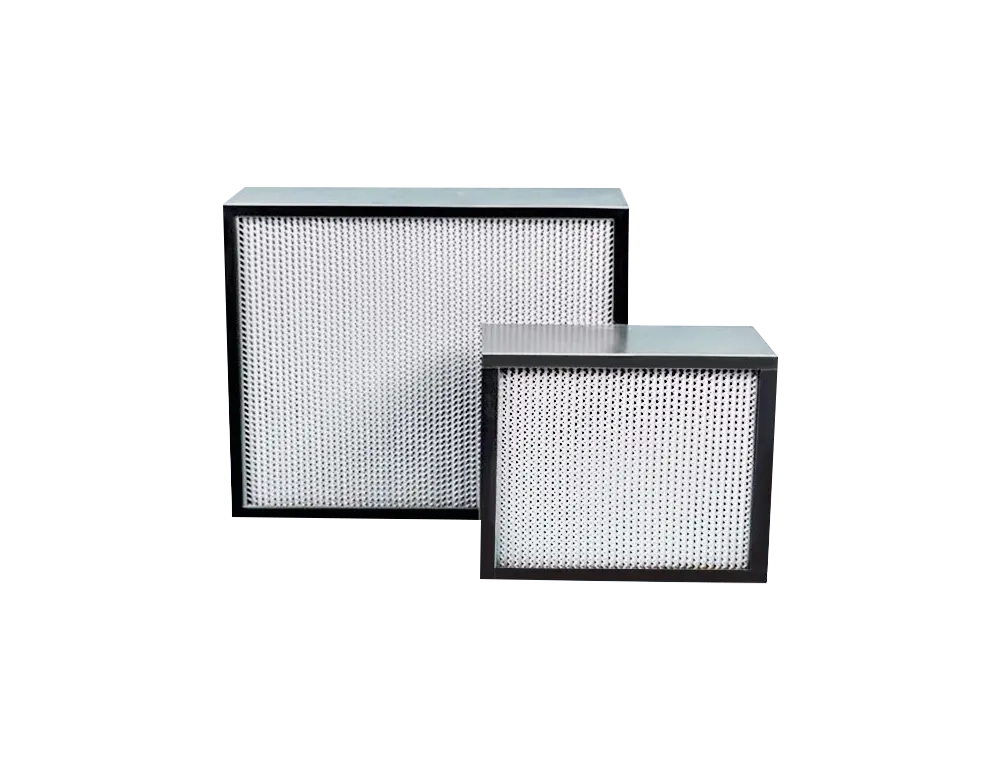
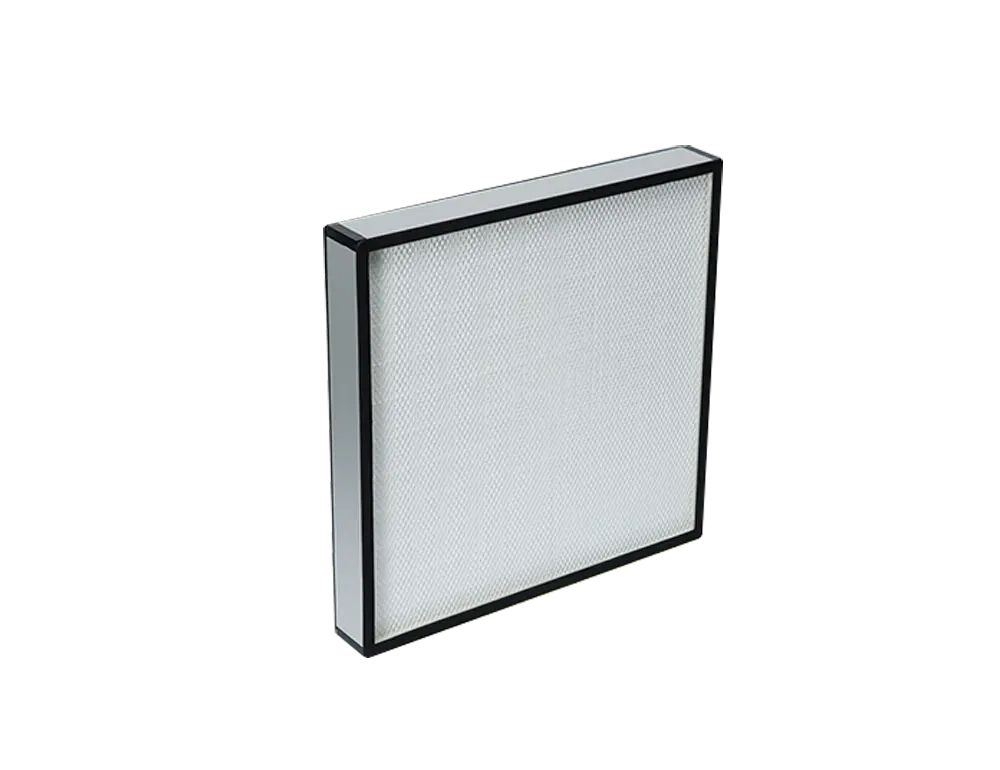
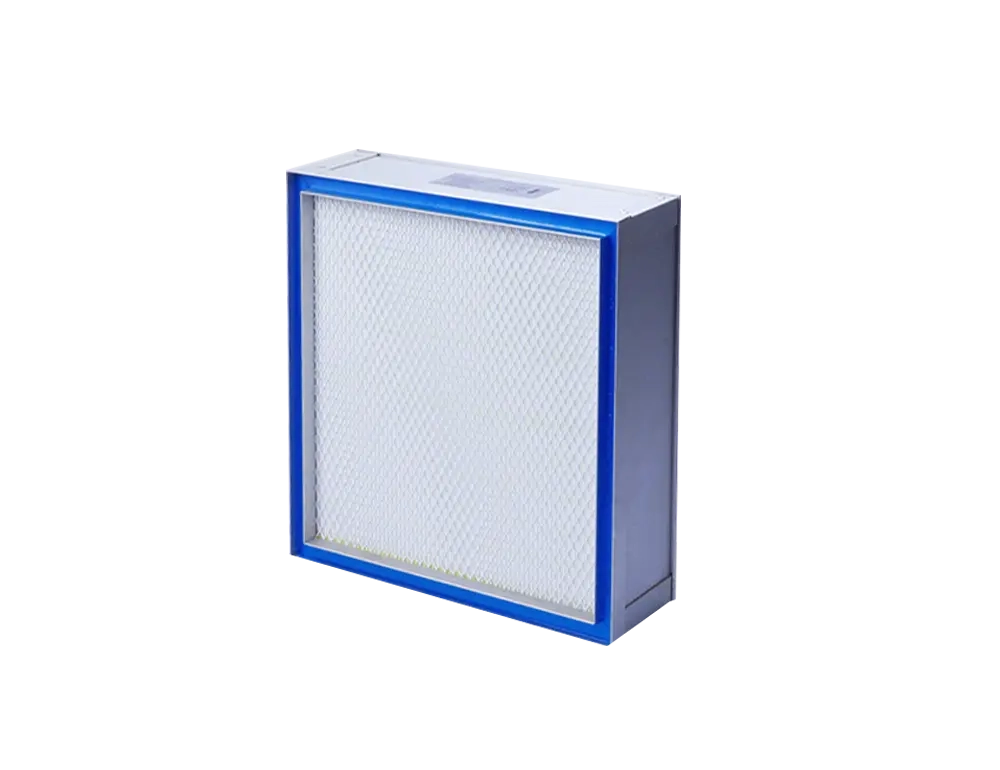
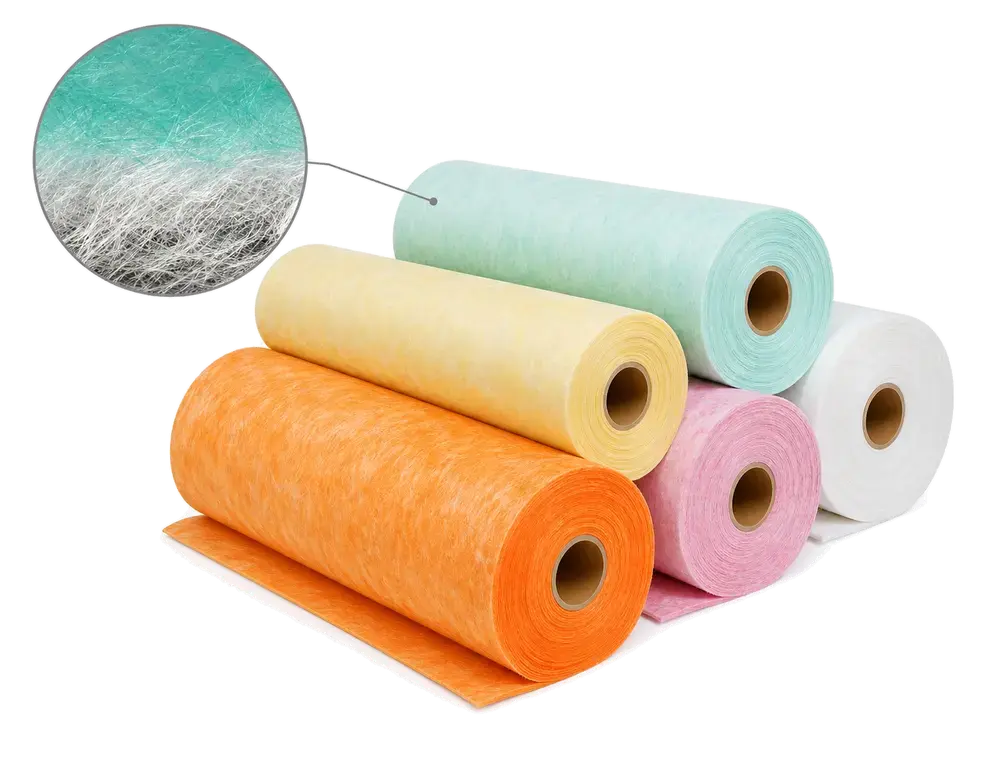
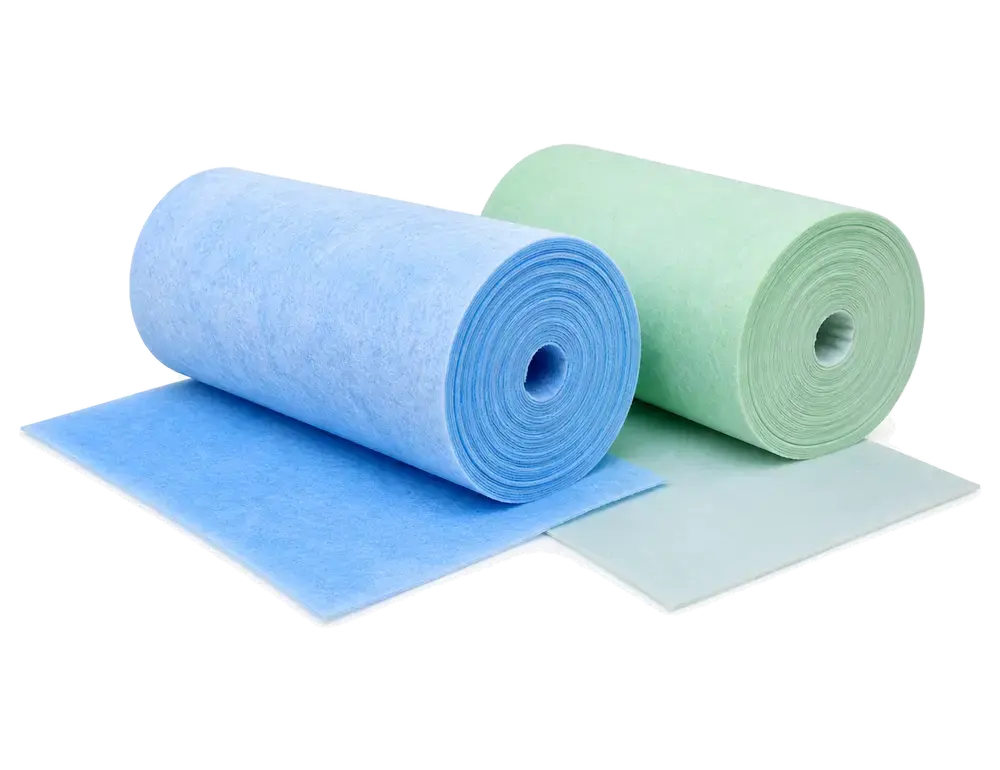
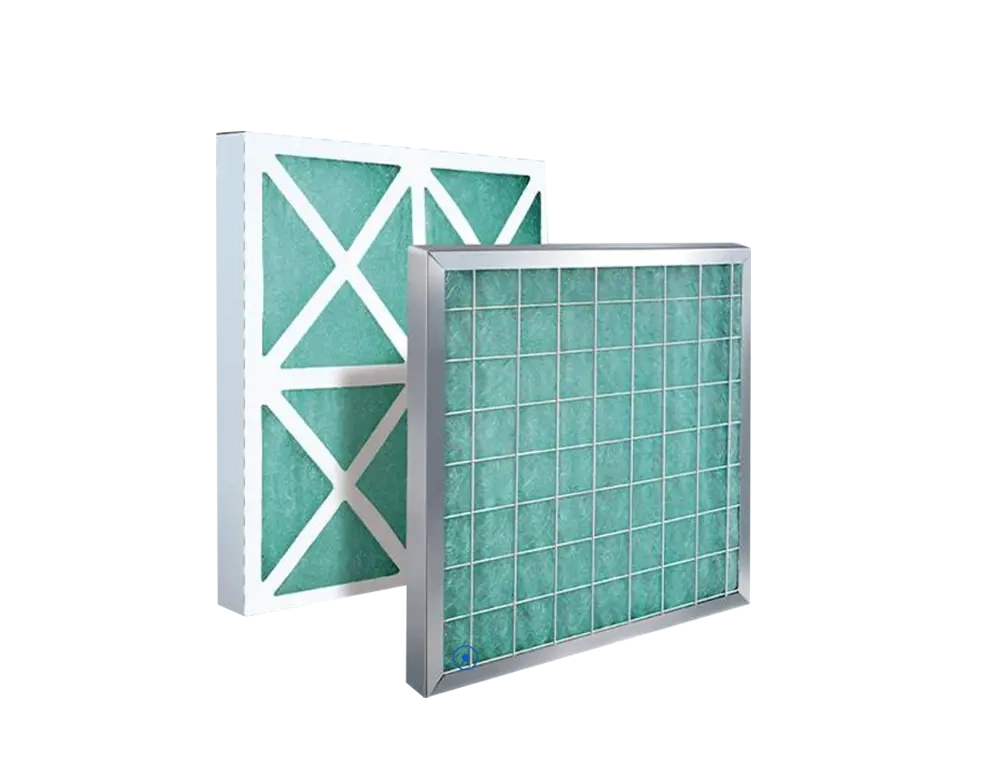
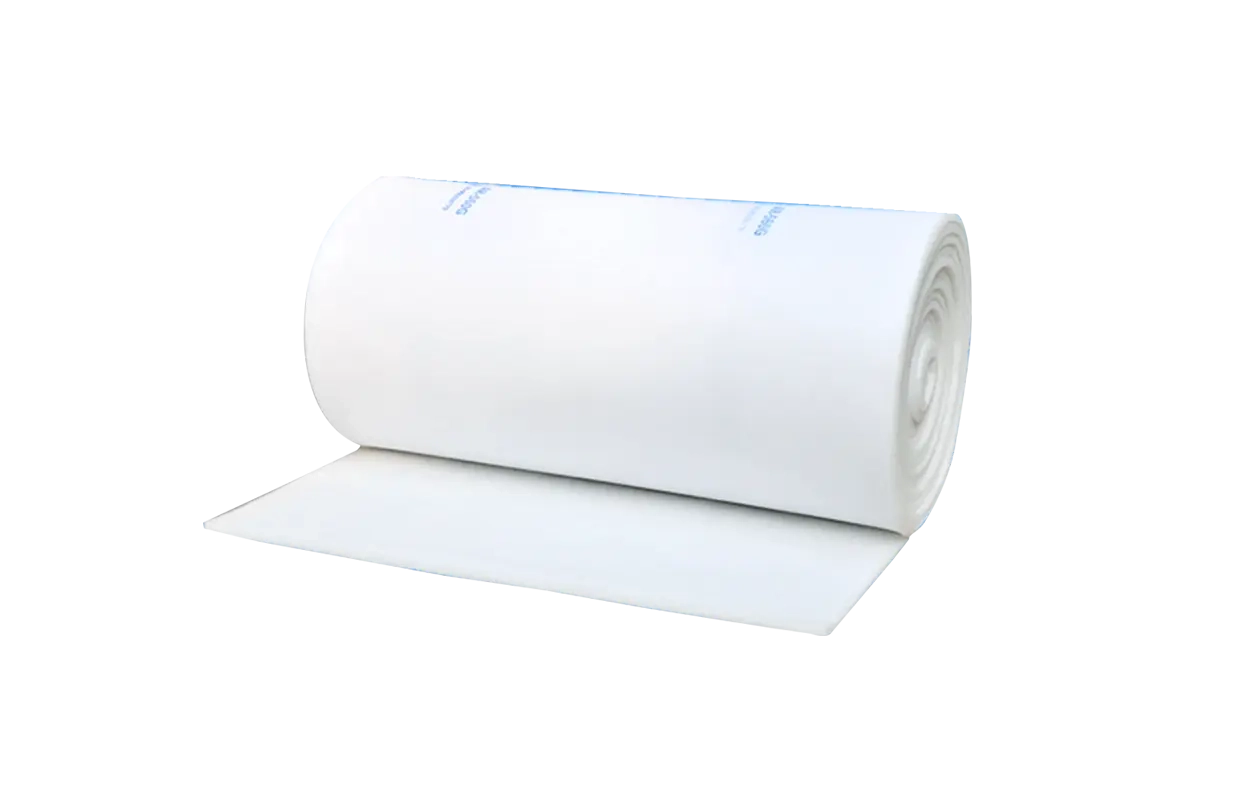
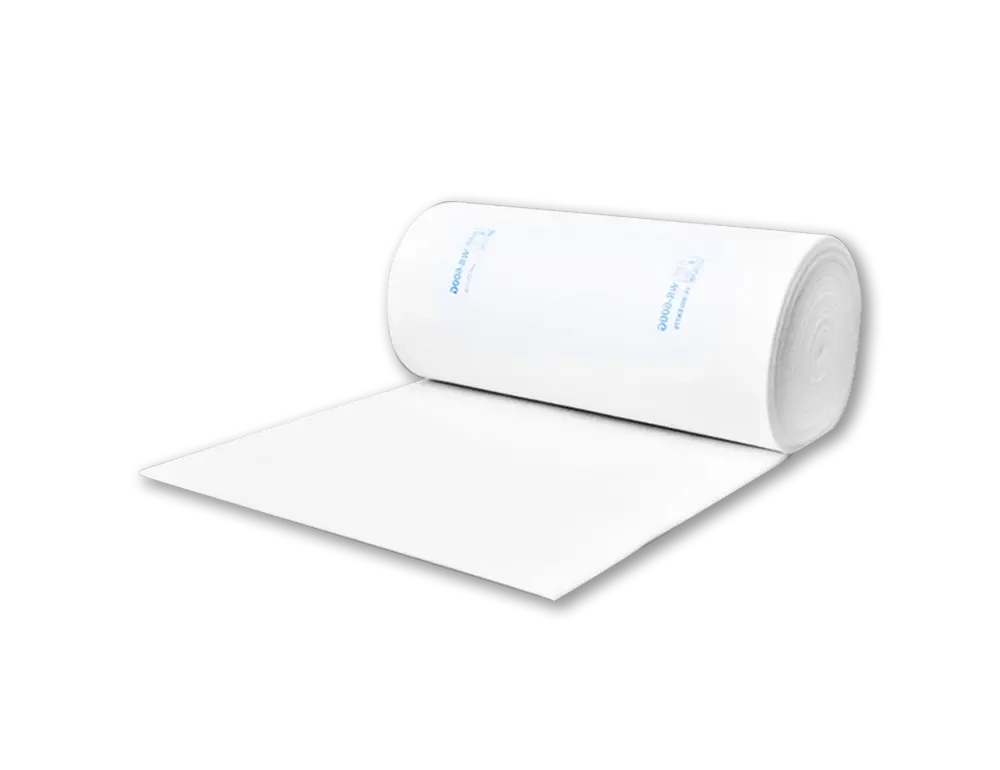
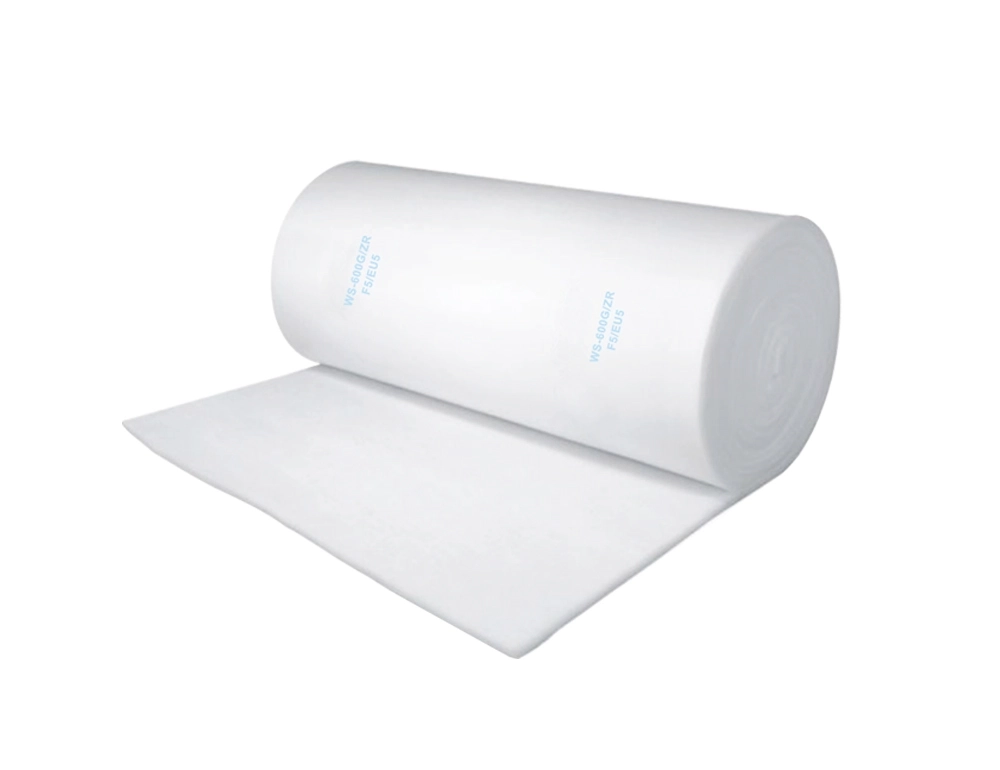
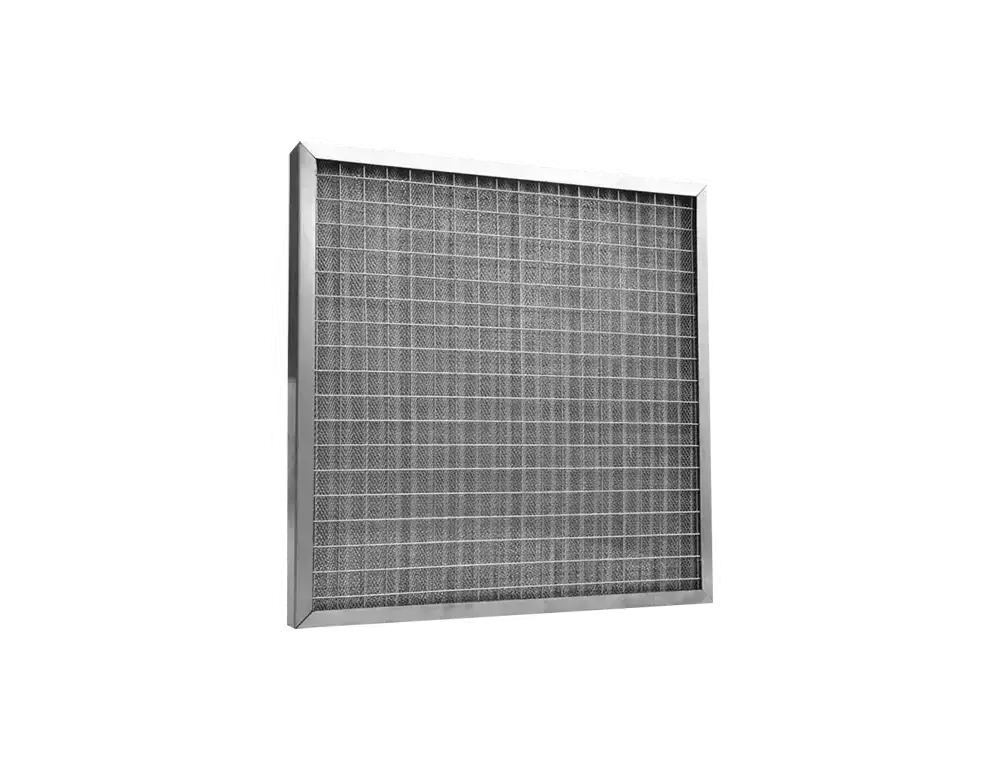
Pre-Filter (G1–G4)
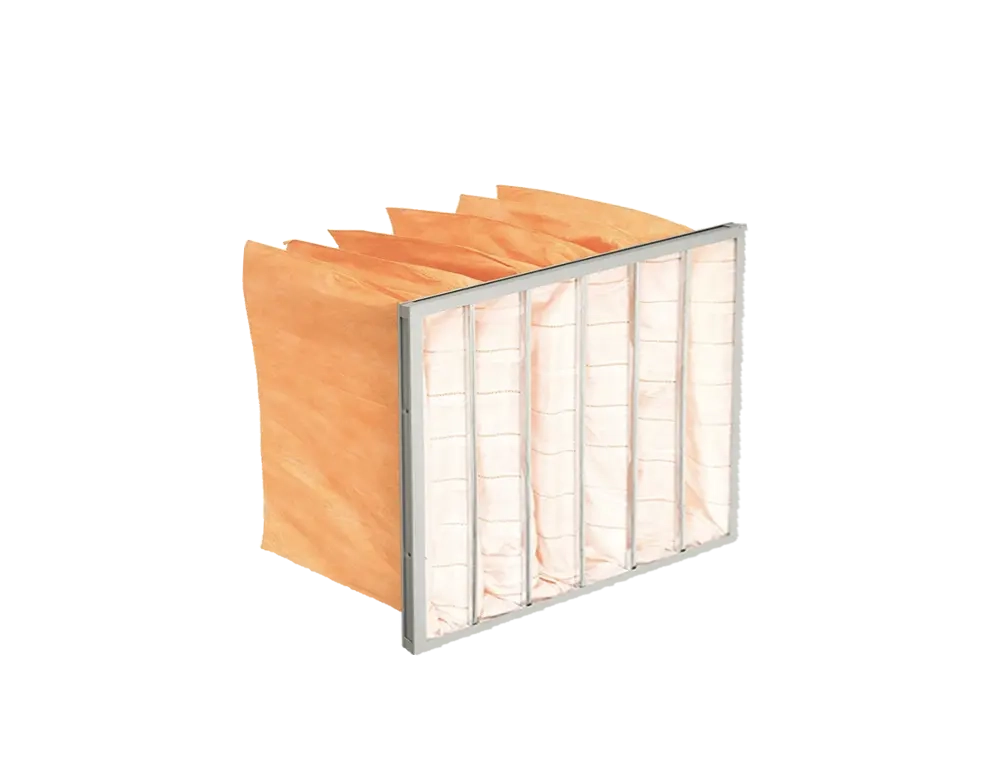
First-Stage Large-Particle Capture
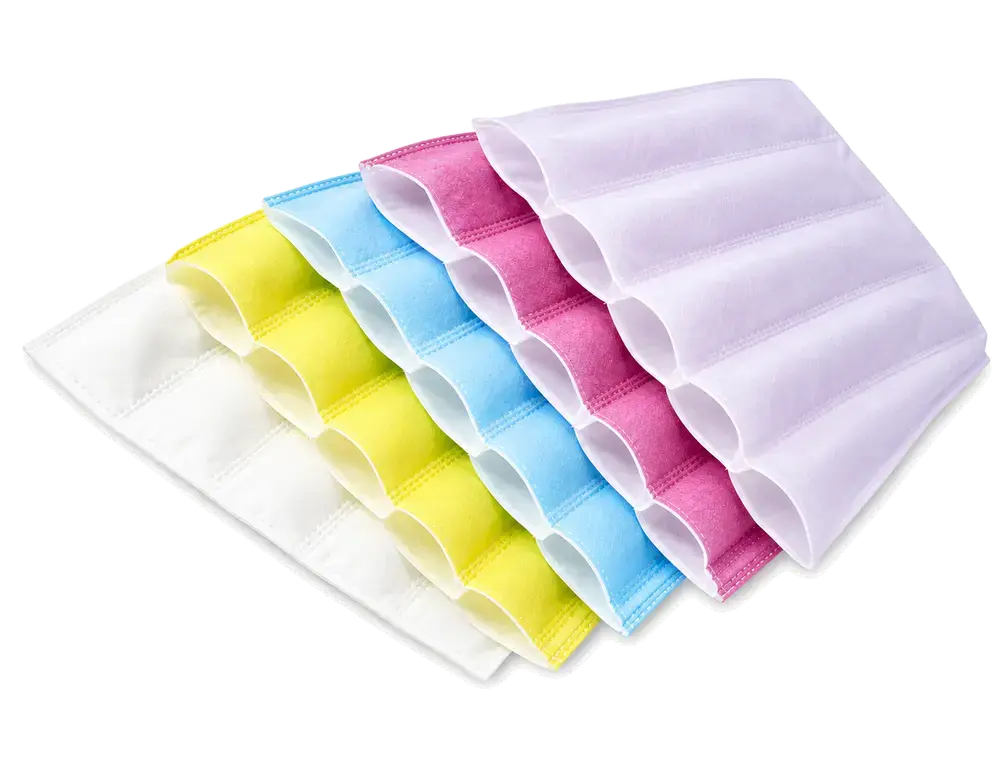
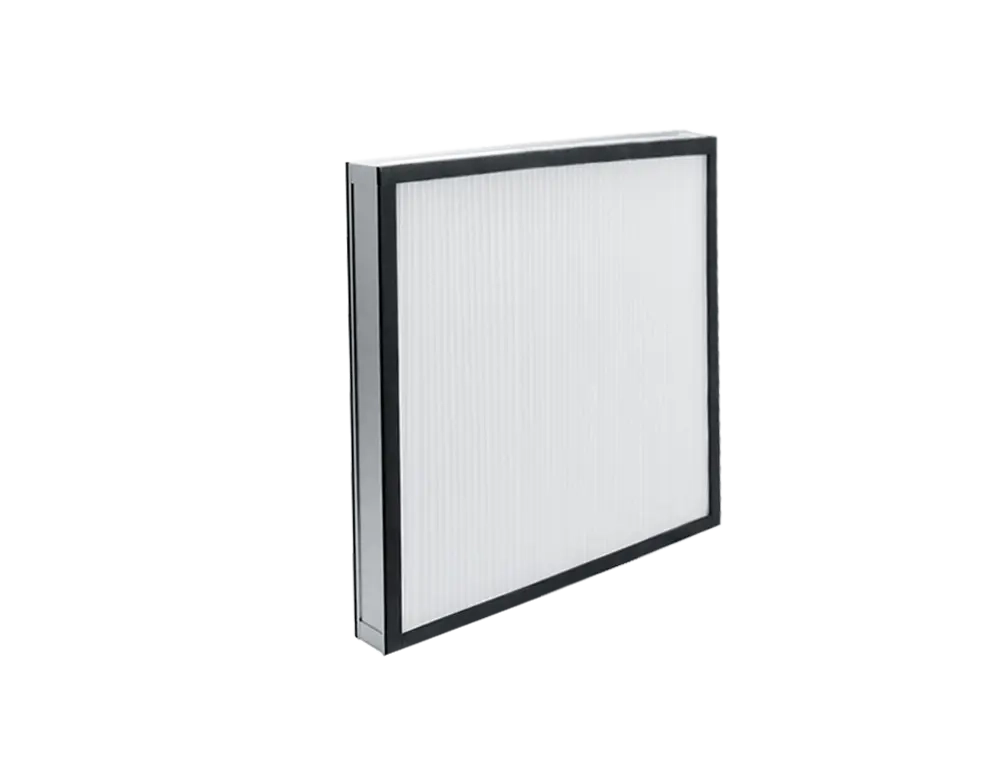
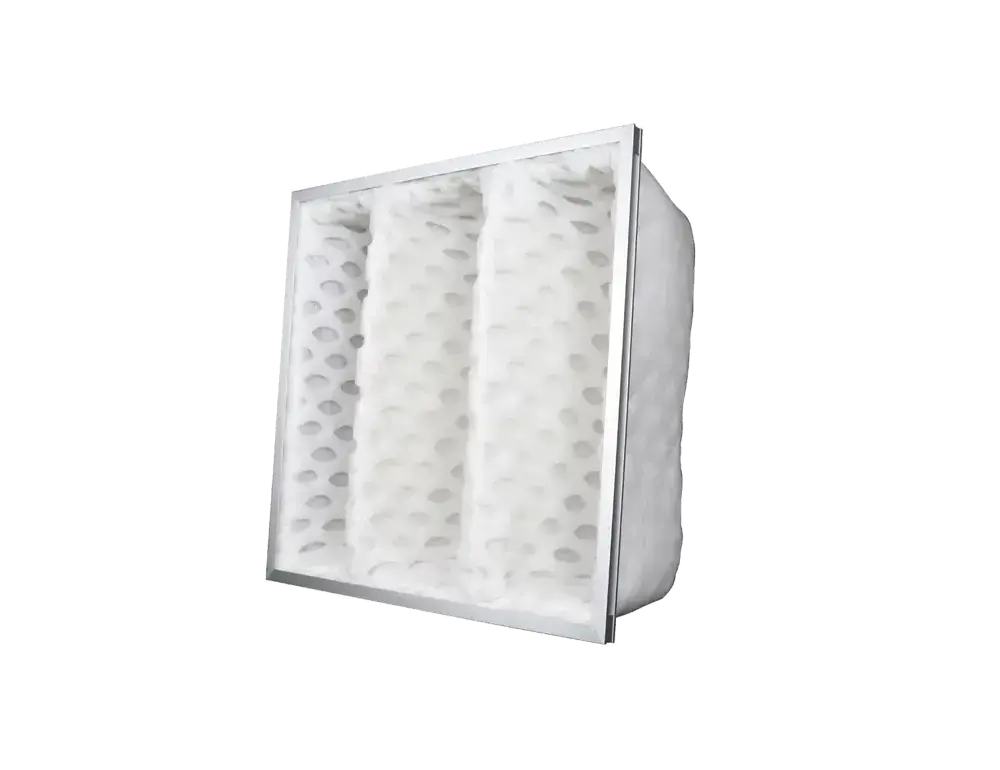
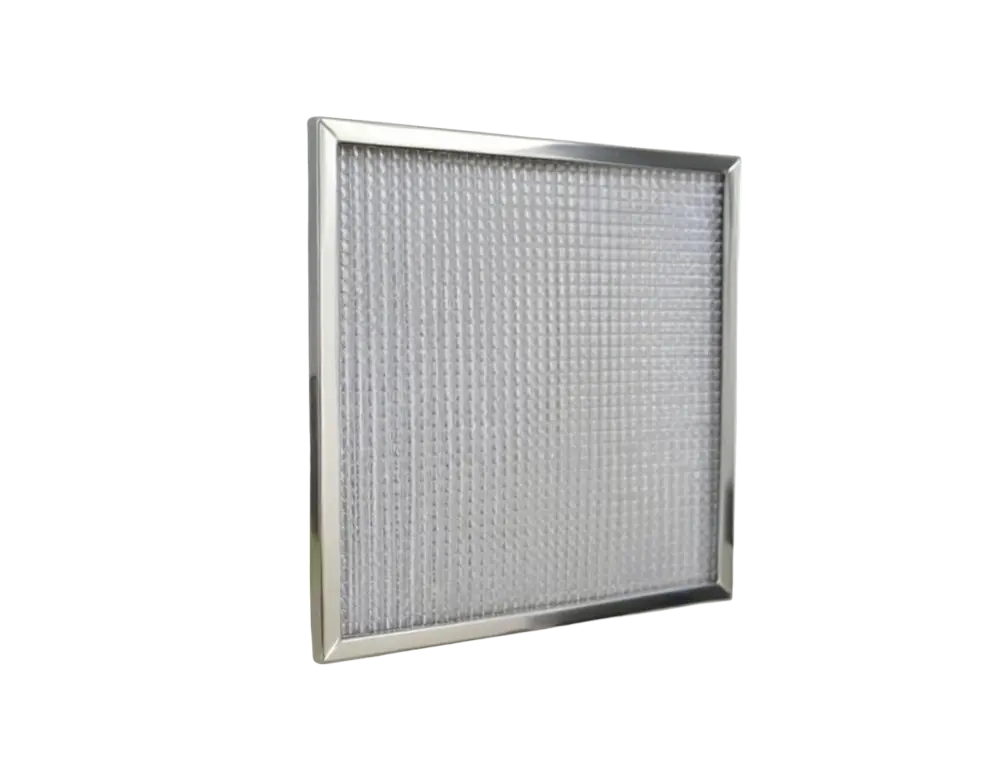
Medium-Efficiency Filter (F5–F9)
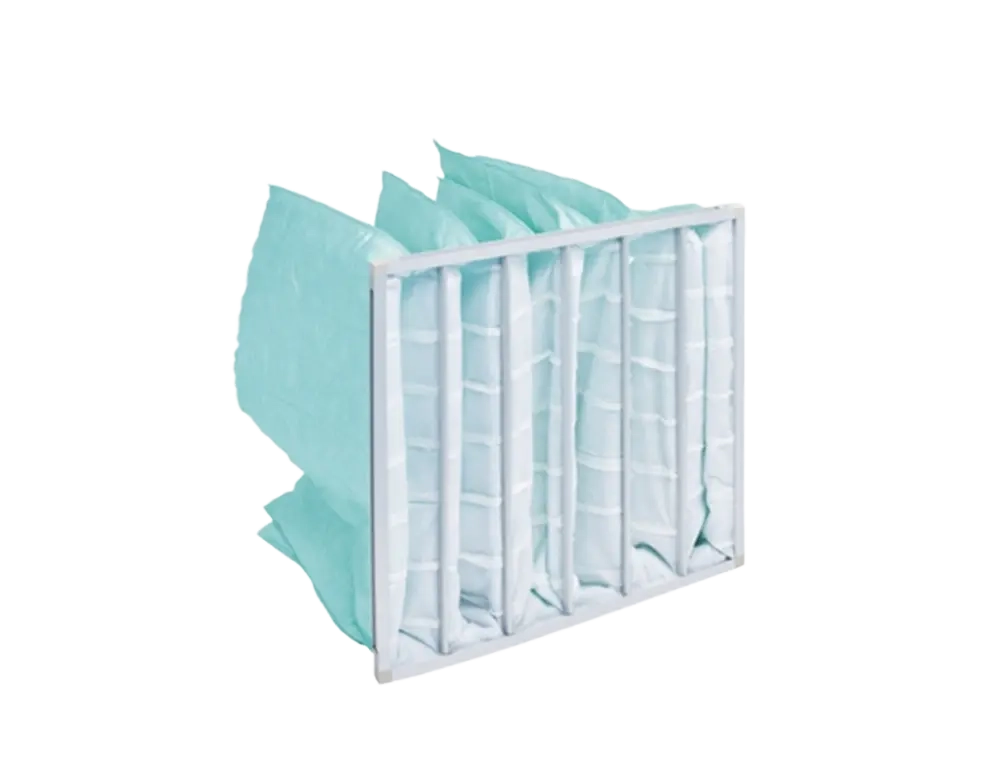
Precise PM2.5 Capture
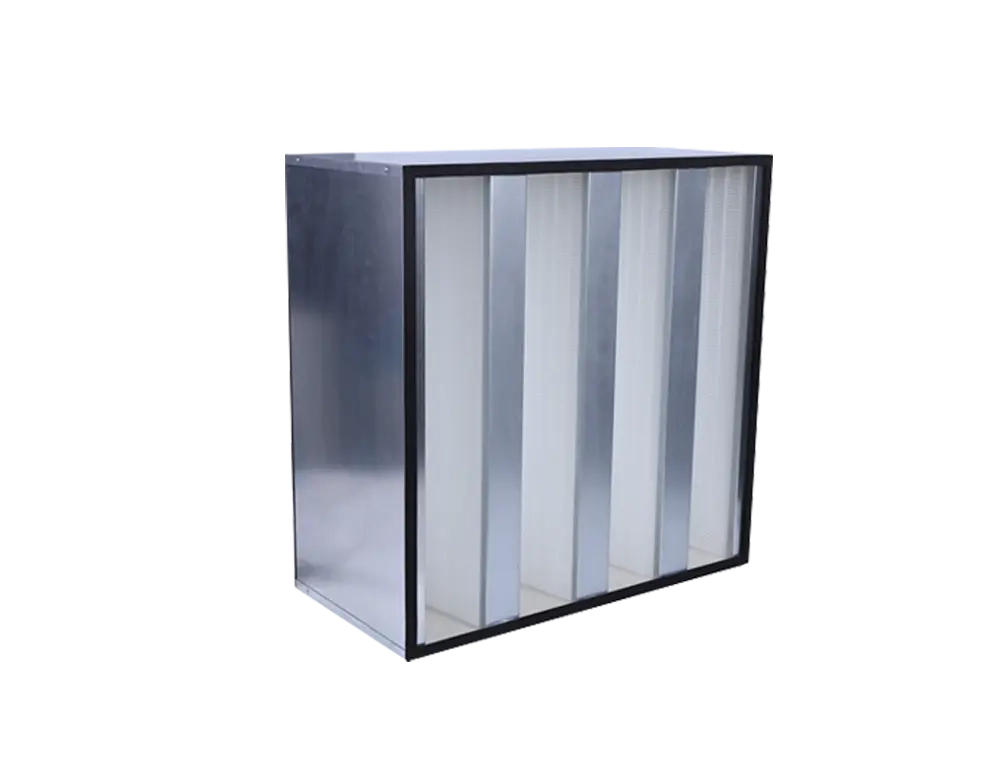
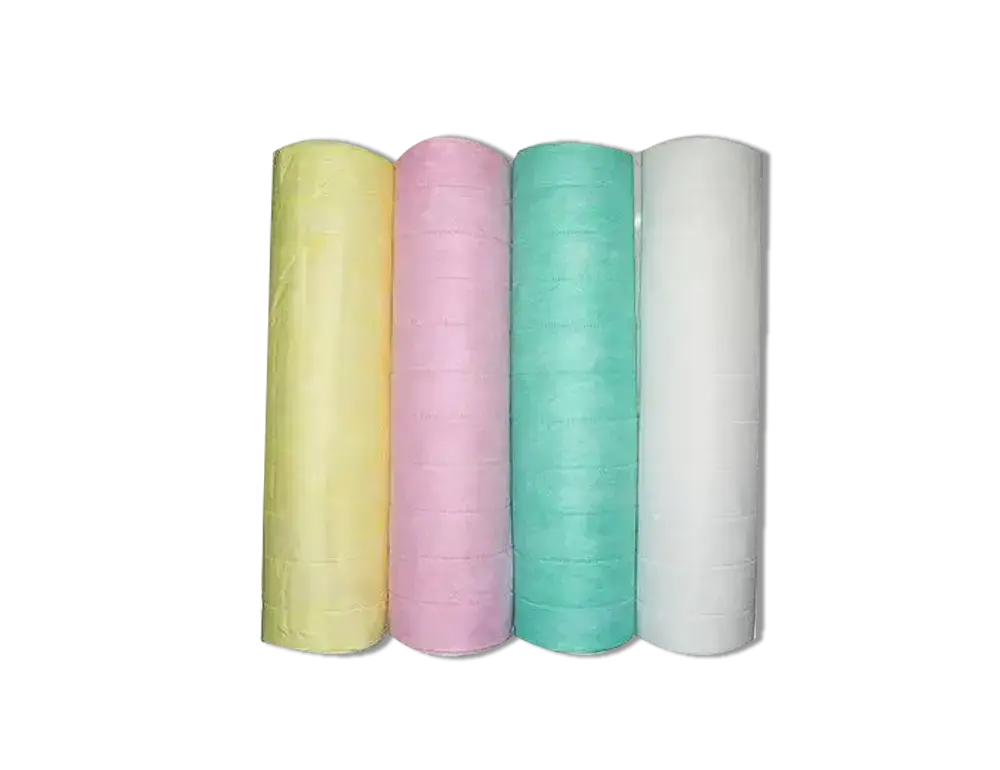
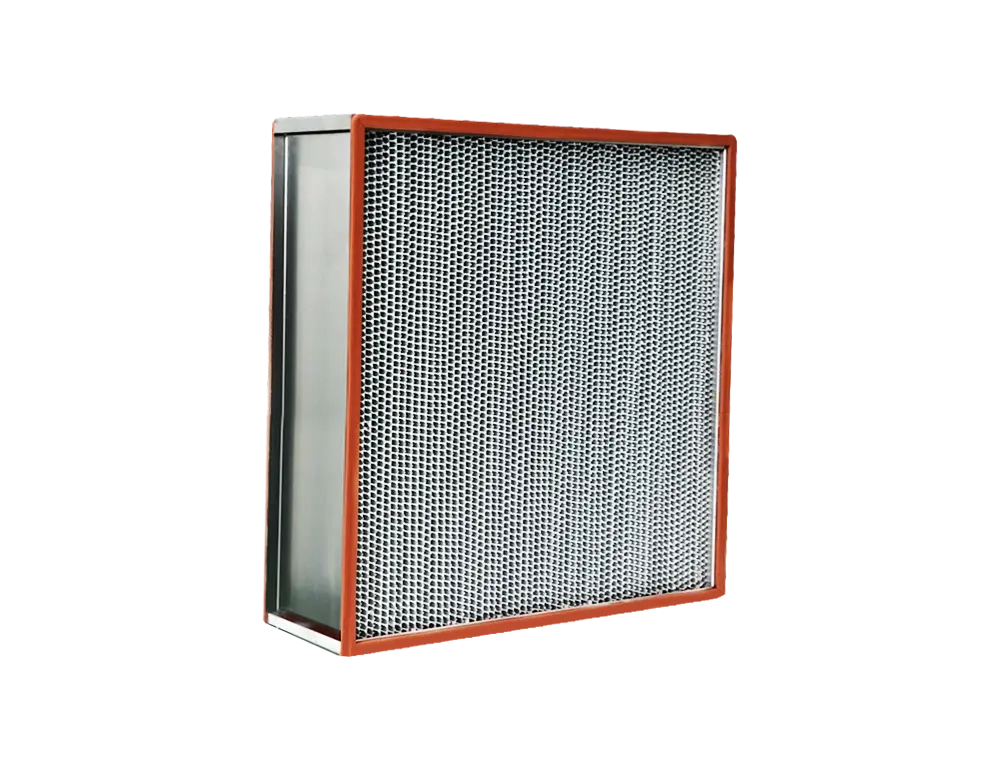
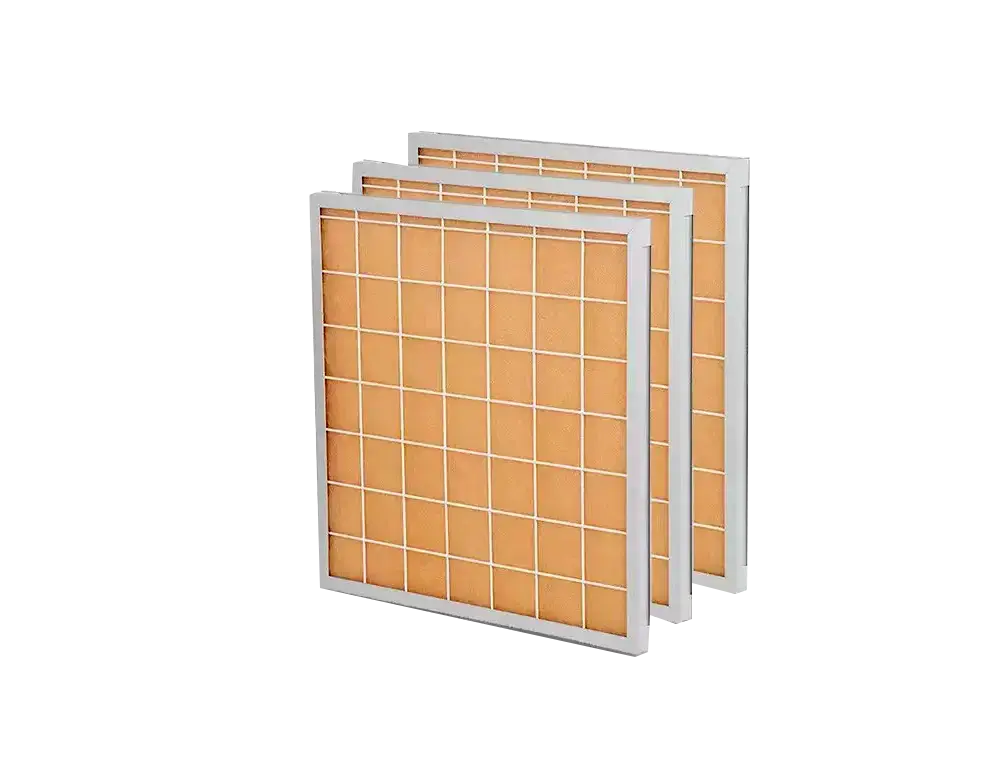
HEPA High-Efficiency Filter
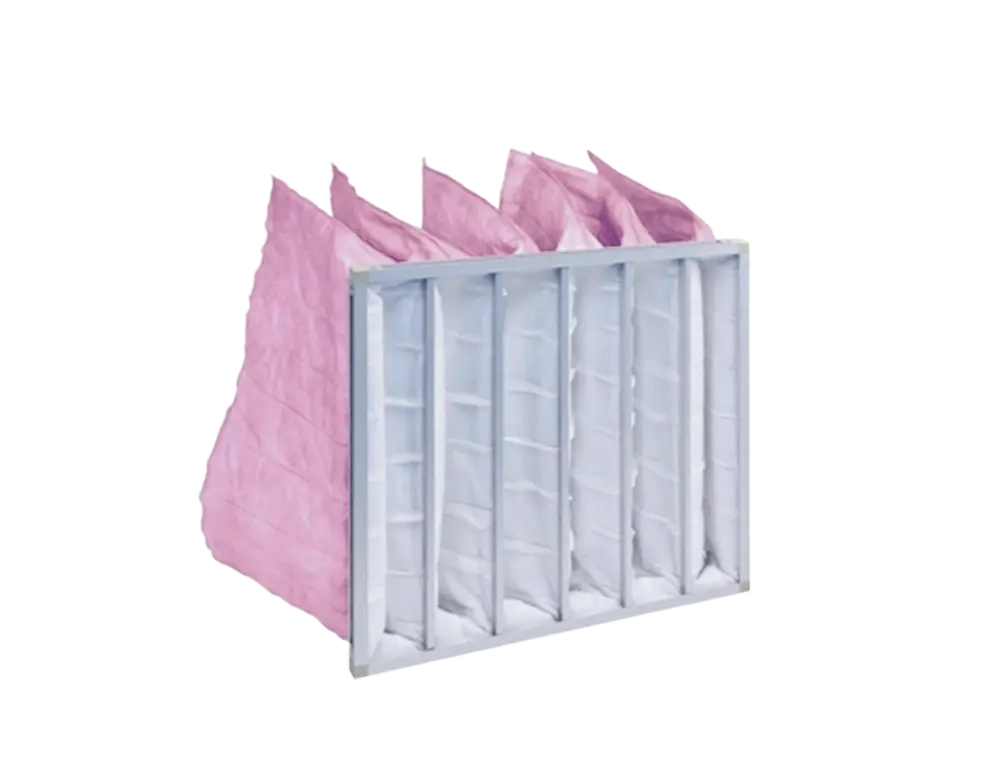
Sterile-Grade Purification
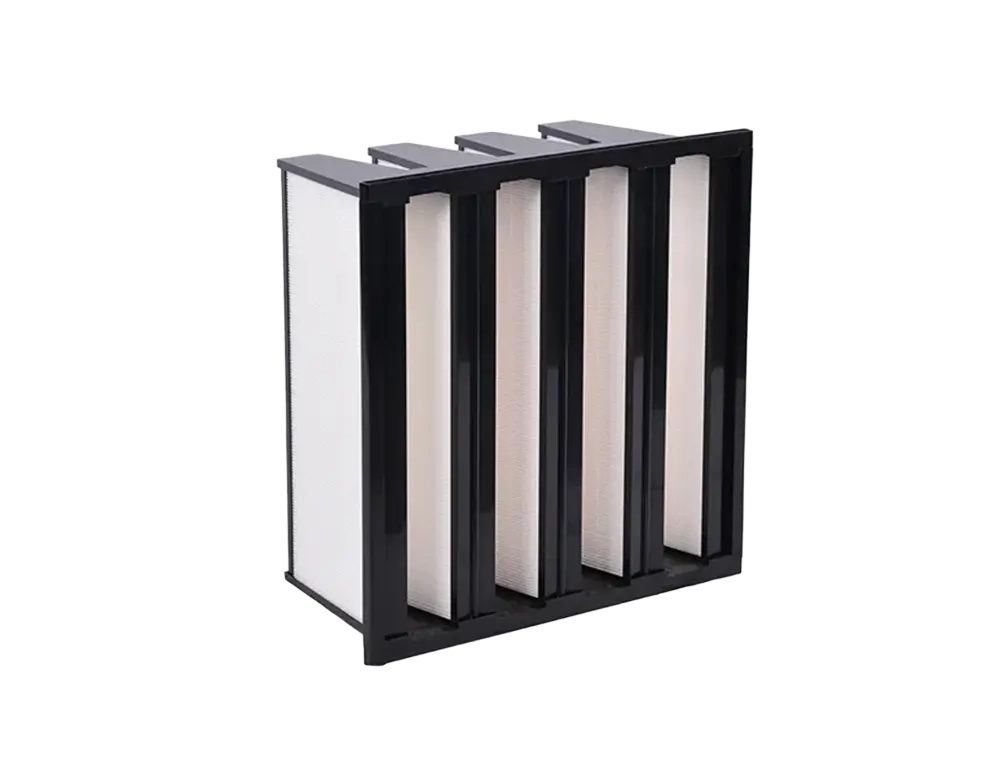
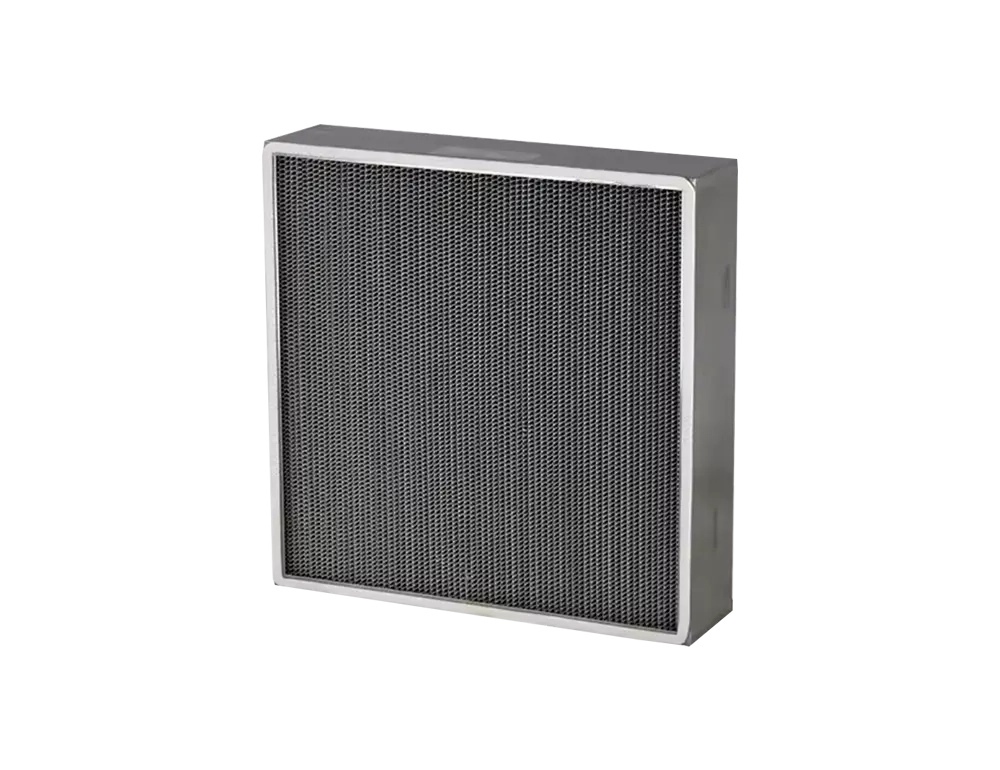
ULPA Ultra-High Efficiency Filter
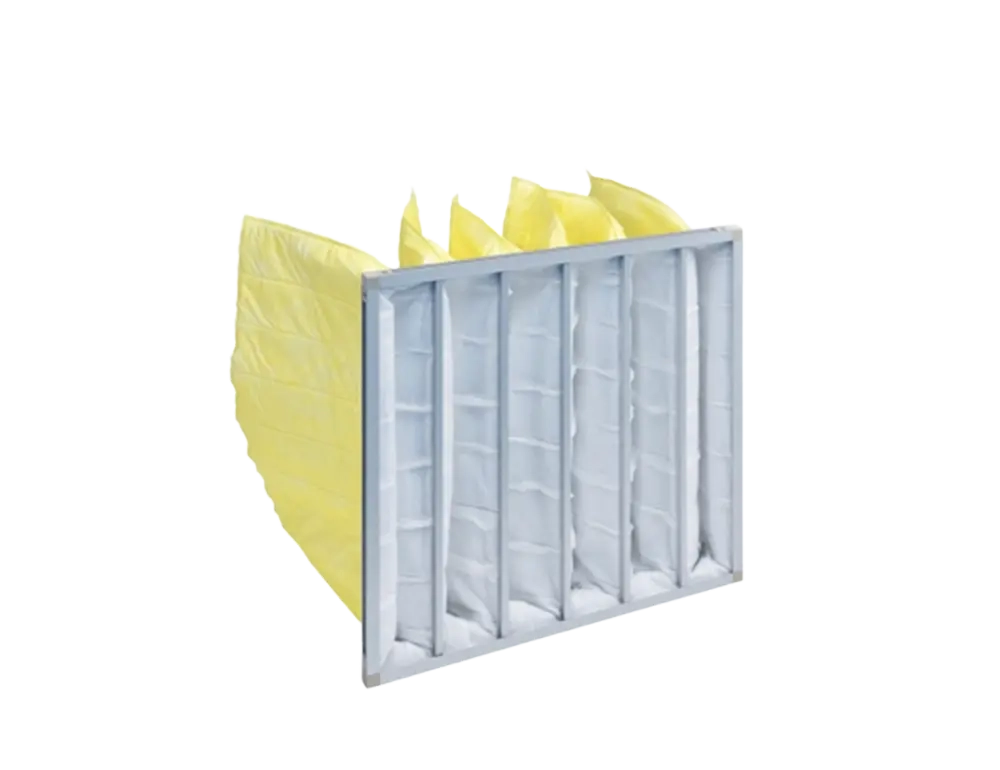
Sub-Micron Particle Capture
First-Stage Large-Particle Capture
The first line of defense, capturing particles ≥5 μm such as dust, hair, and fibers to protect downstream filters and extend overall system service life.
View Related Products →Precise PM2.5 Capture
Captures fine particles of 1–5 μm including PM2.5, pollen, and mold spores, significantly improving indoor air quality for commercial HVAC and ventilation systems.
View Related Products →Sterile-Grade Purification
≥99.97% filtration efficiency for particles ≥0.3 μm, delivering sterile-grade clean air widely used in medical, pharmaceutical, and electronics manufacturing.
View Related Products →Sub-Micron Particle Capture
≥99.9995% efficiency for particles ≥0.12 μm, meeting the extreme cleanliness demands of semiconductor fabs, aerospace, and other ultra-precision applications.
View Related Products →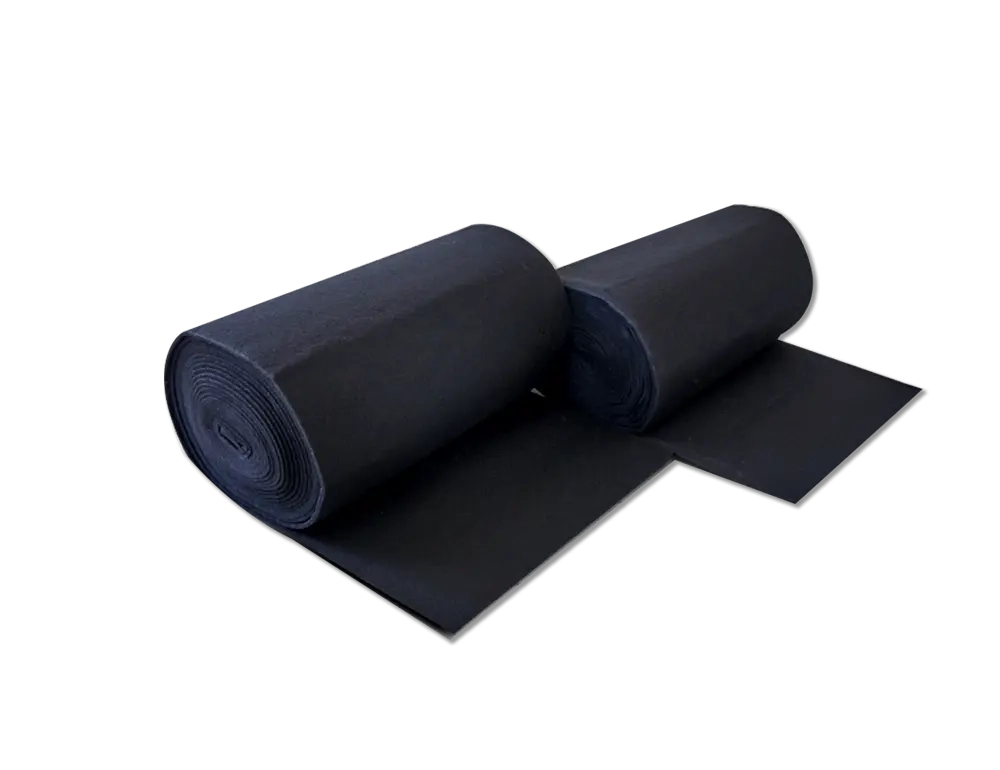
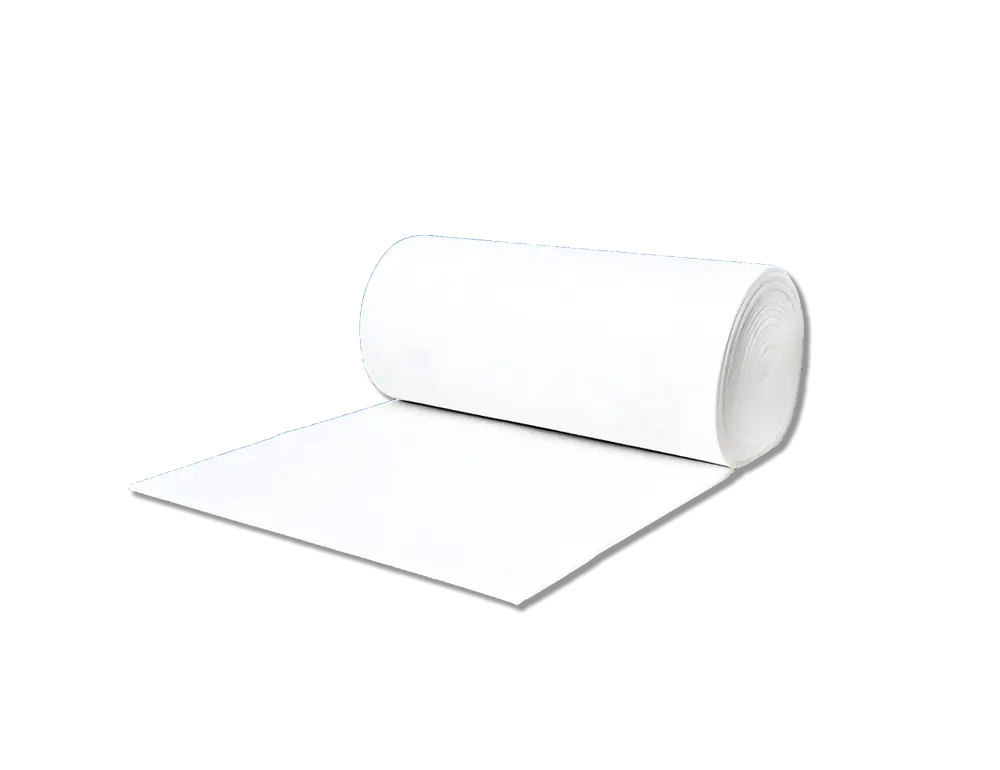
High-Temperature Resistant
Industrial-Grade Heat Tolerance
Washable & Reusable
Cut Costs, Reduce Waste
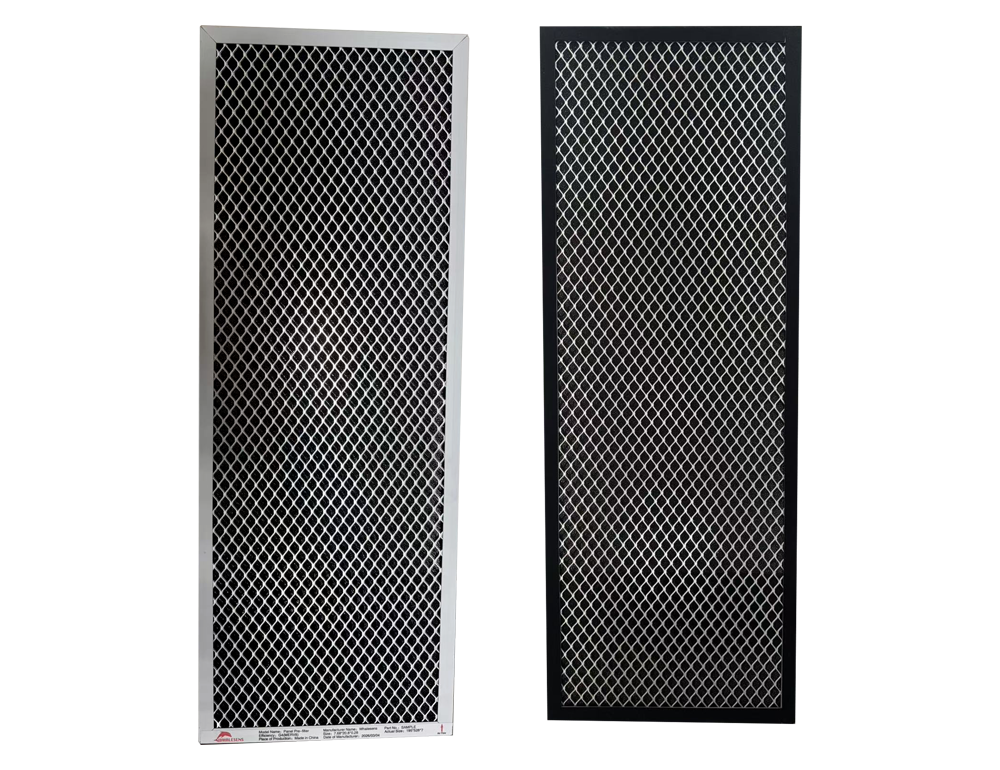
Activated Carbon
Odor & Harmful Gas Removal
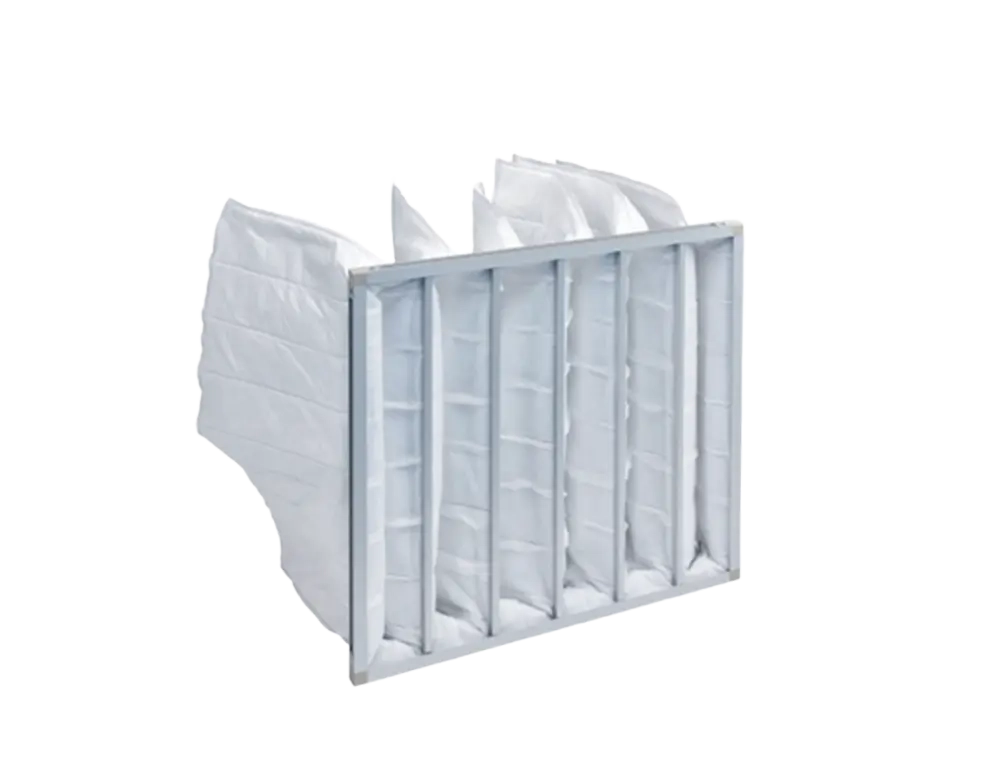
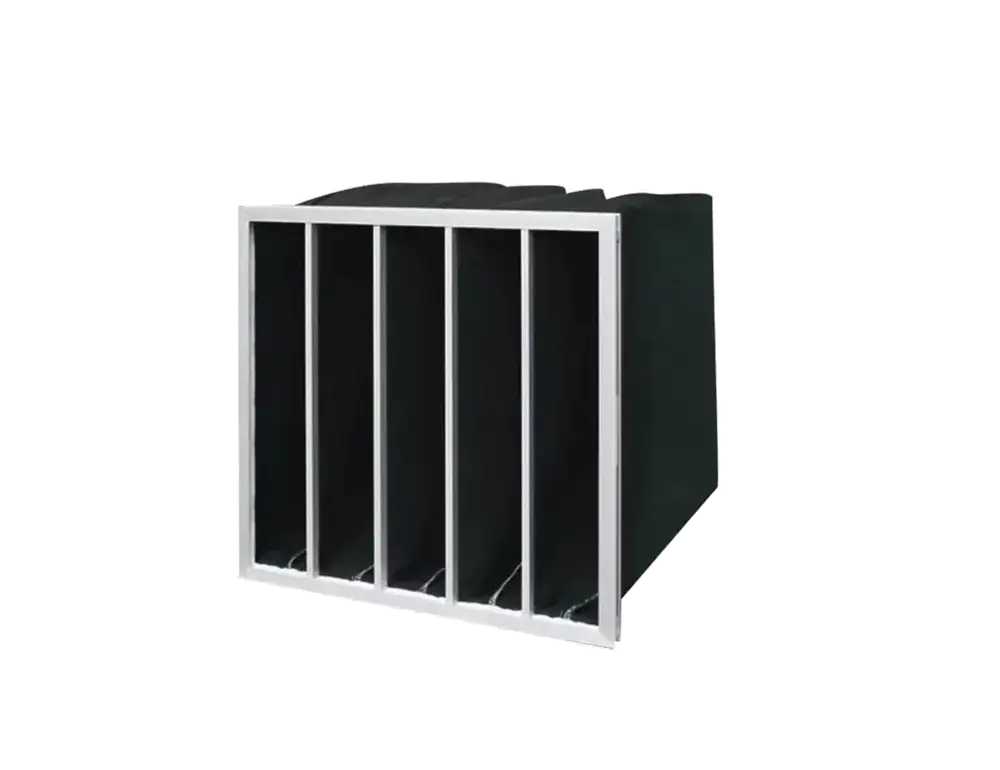
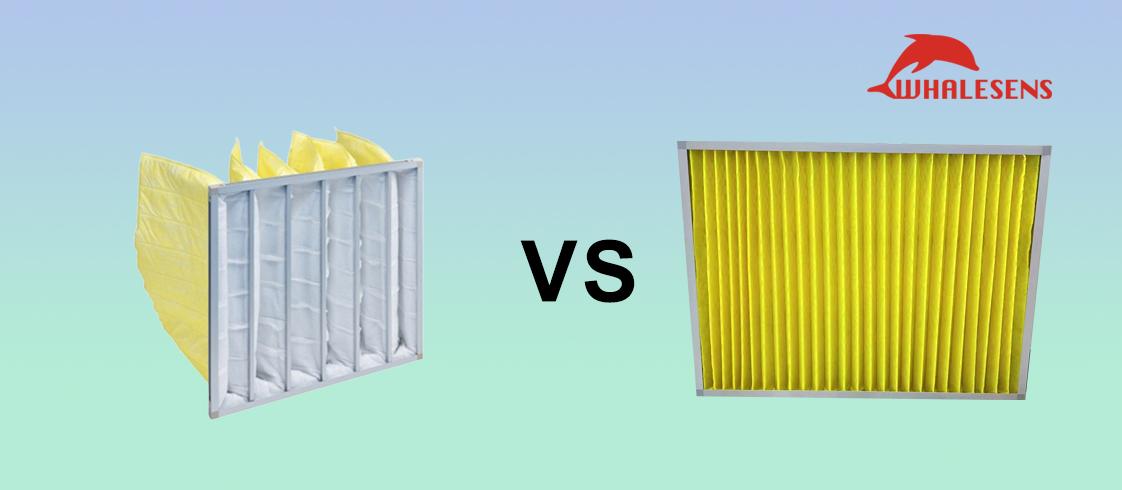
Bag Filter
High Dust-Holding, Long Life
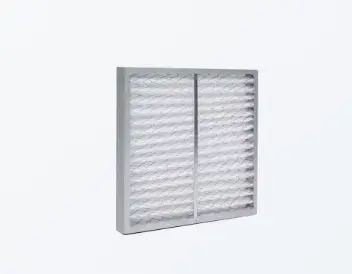
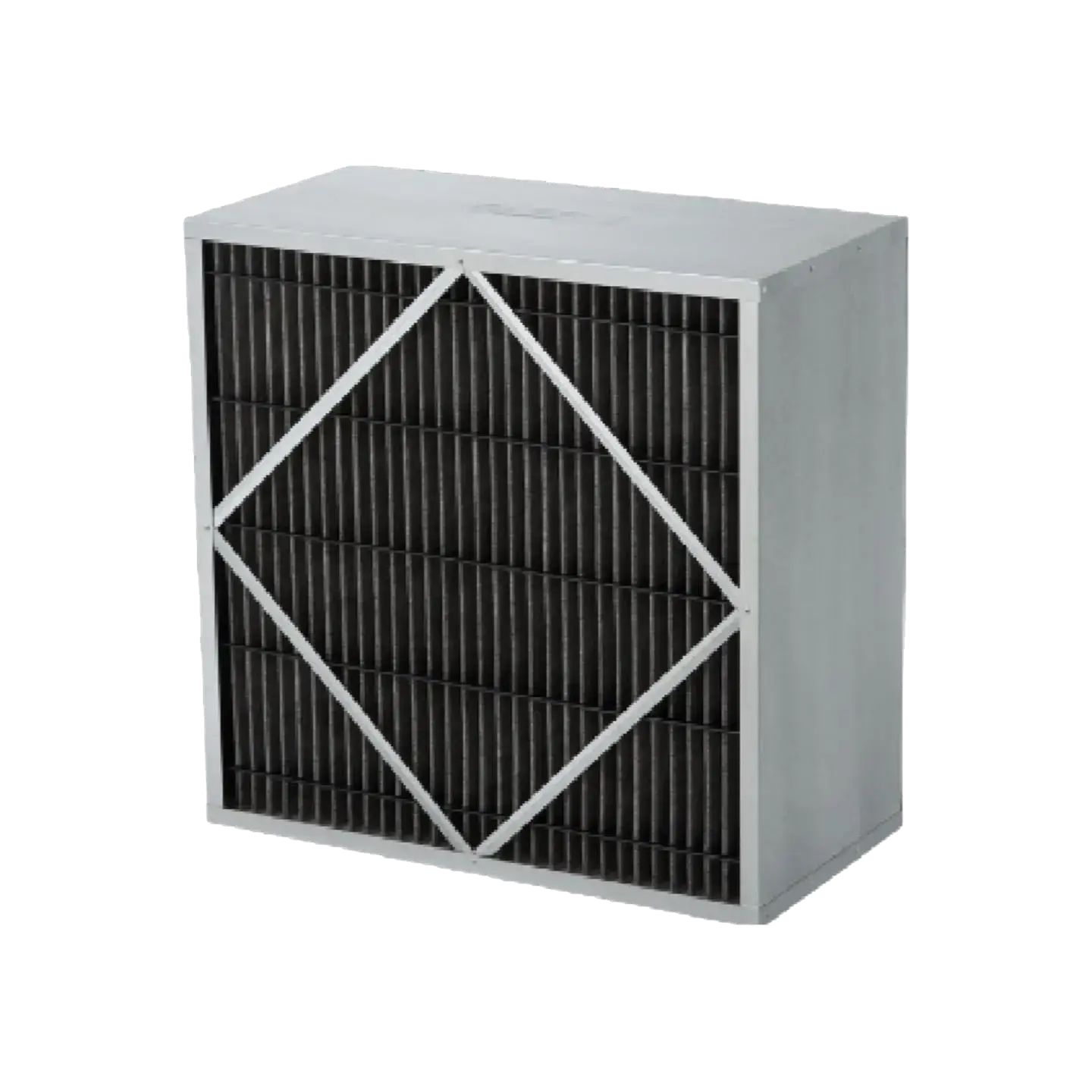
Panel / Pleated Filter
Compact Space-Saving Design
Low-Resistance Airflow
Energy-Saving Operation
Industrial-Grade Heat Tolerance
Built with specialized heat-resistant materials, operating stably up to 250°C for paint ovens, industrial dryers, and high-temperature process environments.
View Related Products →Cut Costs, Reduce Waste
Cleanable by water washing or air blowing, reusable multiple times to significantly reduce replacement frequency and O&M costs — an economical, eco-friendly choice.
View Related Products →Odor & Harmful Gas Removal
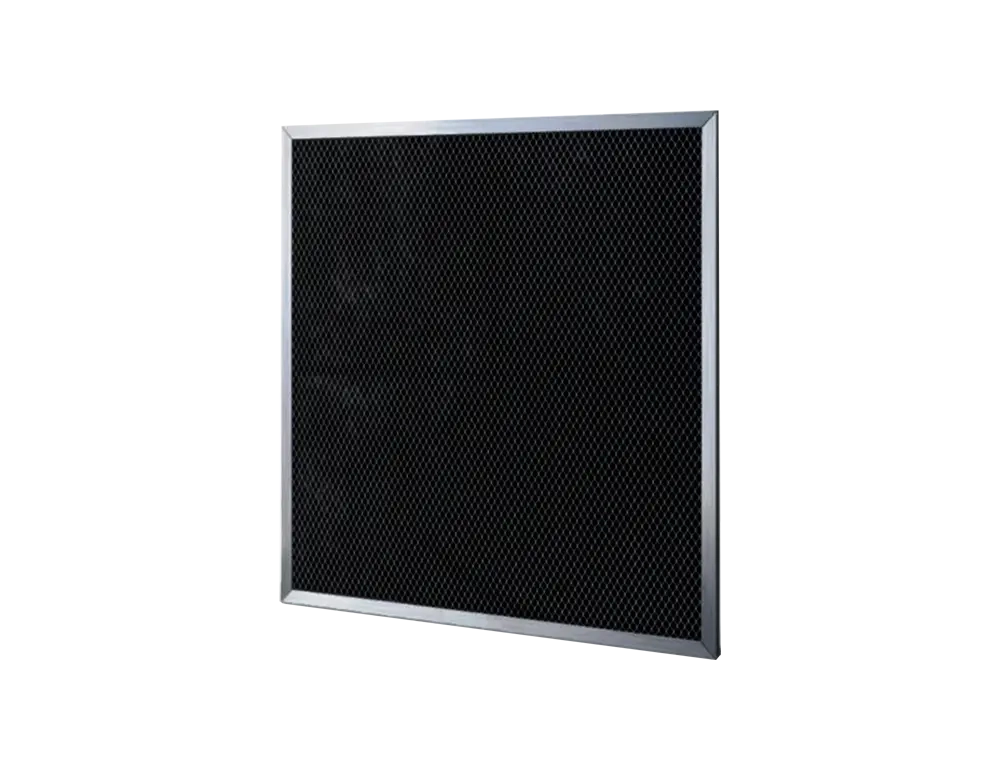
Leverages activated carbon's high adsorption capacity to eliminate odors, VOCs, and formaldehyde, ideal for newly renovated spaces and industrial exhaust treatment.
View Related Products →High Dust-Holding, Long Life
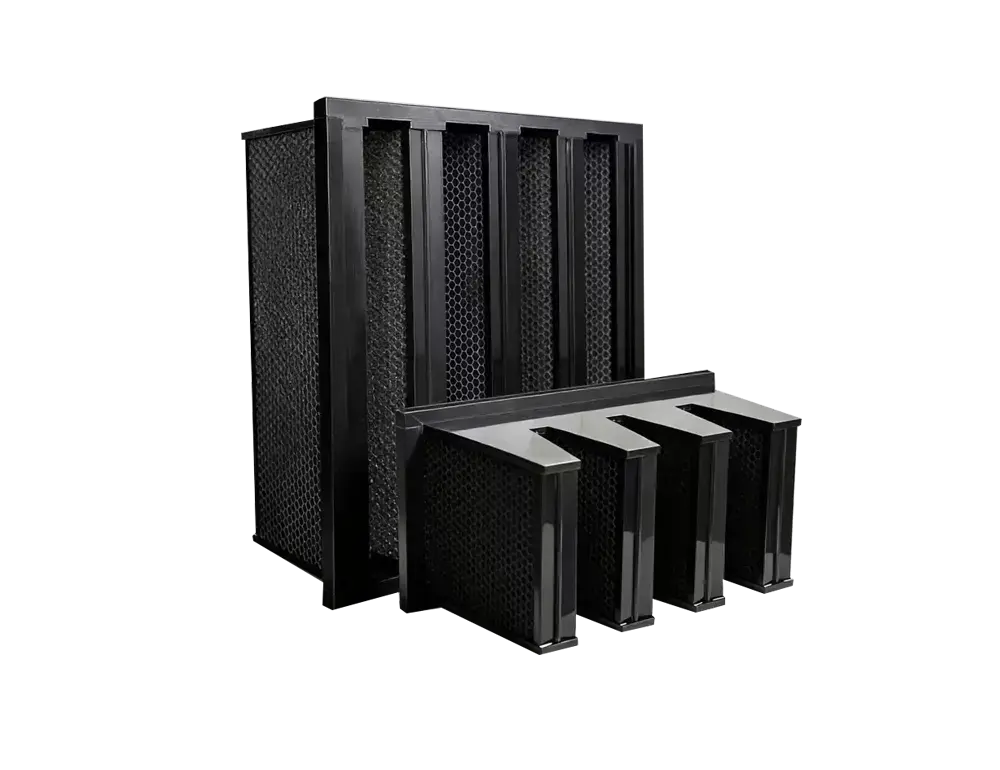
Bag-style construction delivers a larger filtration area, high dust-holding capacity, and extended service life — ideal for high-dust environments with reduced replacement frequency.
View Related Products →Compact Space-Saving Design
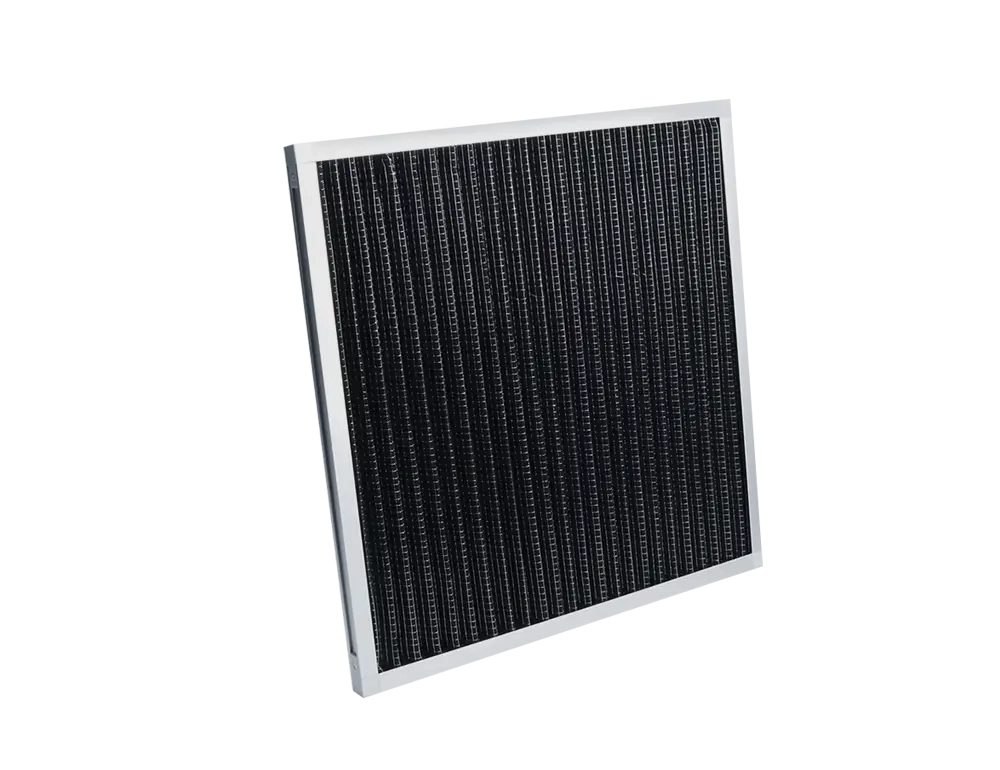
Compact form factor for easy installation and replacement; pleated structure maximizes filtration area within a small footprint for higher efficiency.
View Related Products →Energy-Saving Operation
Low-resistance design minimizes pressure drop while maintaining filtration performance, reducing fan energy consumption for cost-effective, eco-friendly operation.
View Related Products →
















 English(Global)
 简体中文
简体中文 Language




HEPA Filter Cassette: Specs, Selection & Industrial Applications
What Is a HEPA Filter Cassette?
Choosing a HEPA filter cassette for cleanroom end use trips up more projects than any other single filter decision. Wrong dimensions mean the cassette won't seal; high pressure drop means energy bills climb; inflated efficiency claims mean failed validation. This guide fixes that.
Before you open another catalog, check the broader industrial air filter selection principles. The end-of-line cassette only works if the upstream stages are sized correctly.
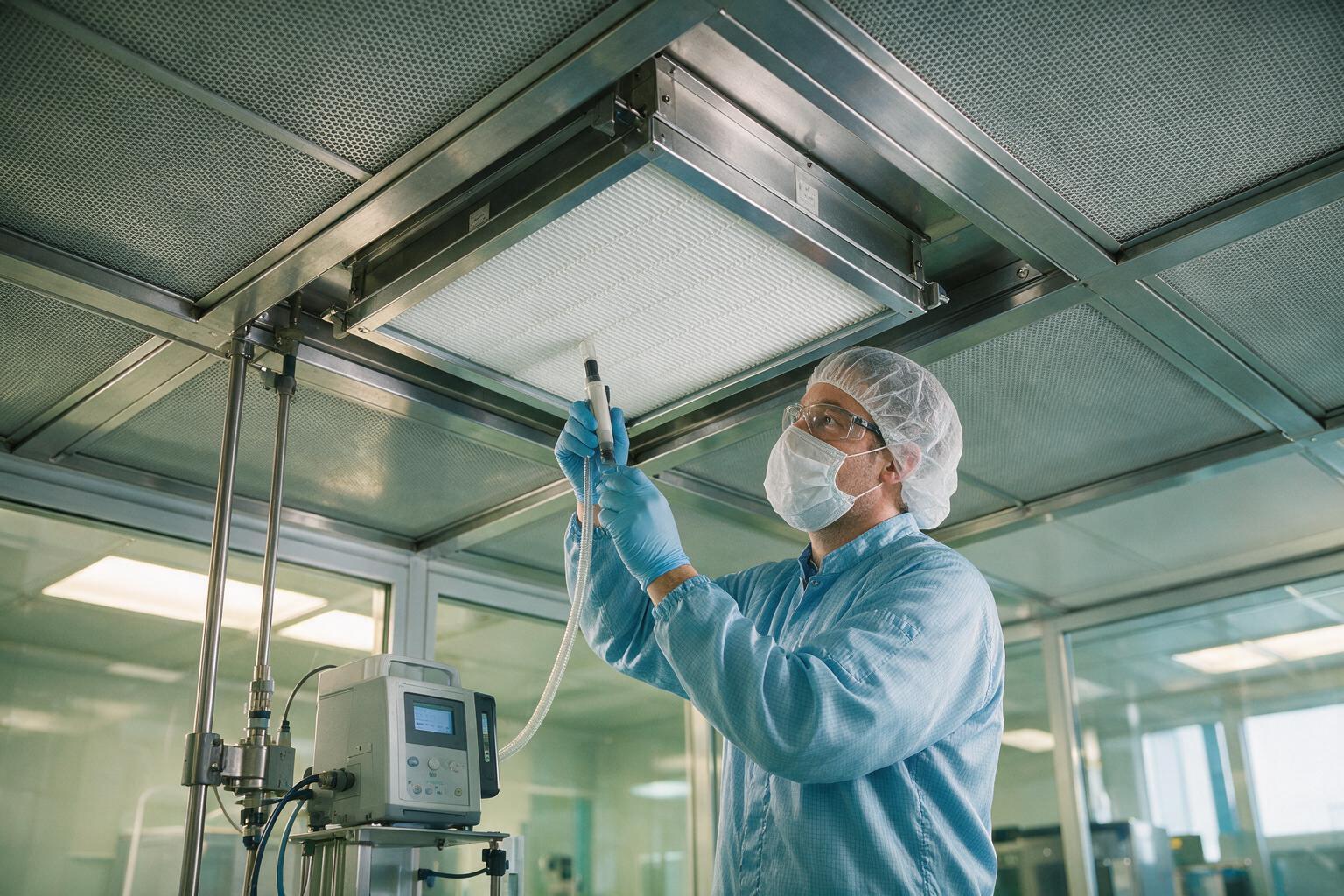
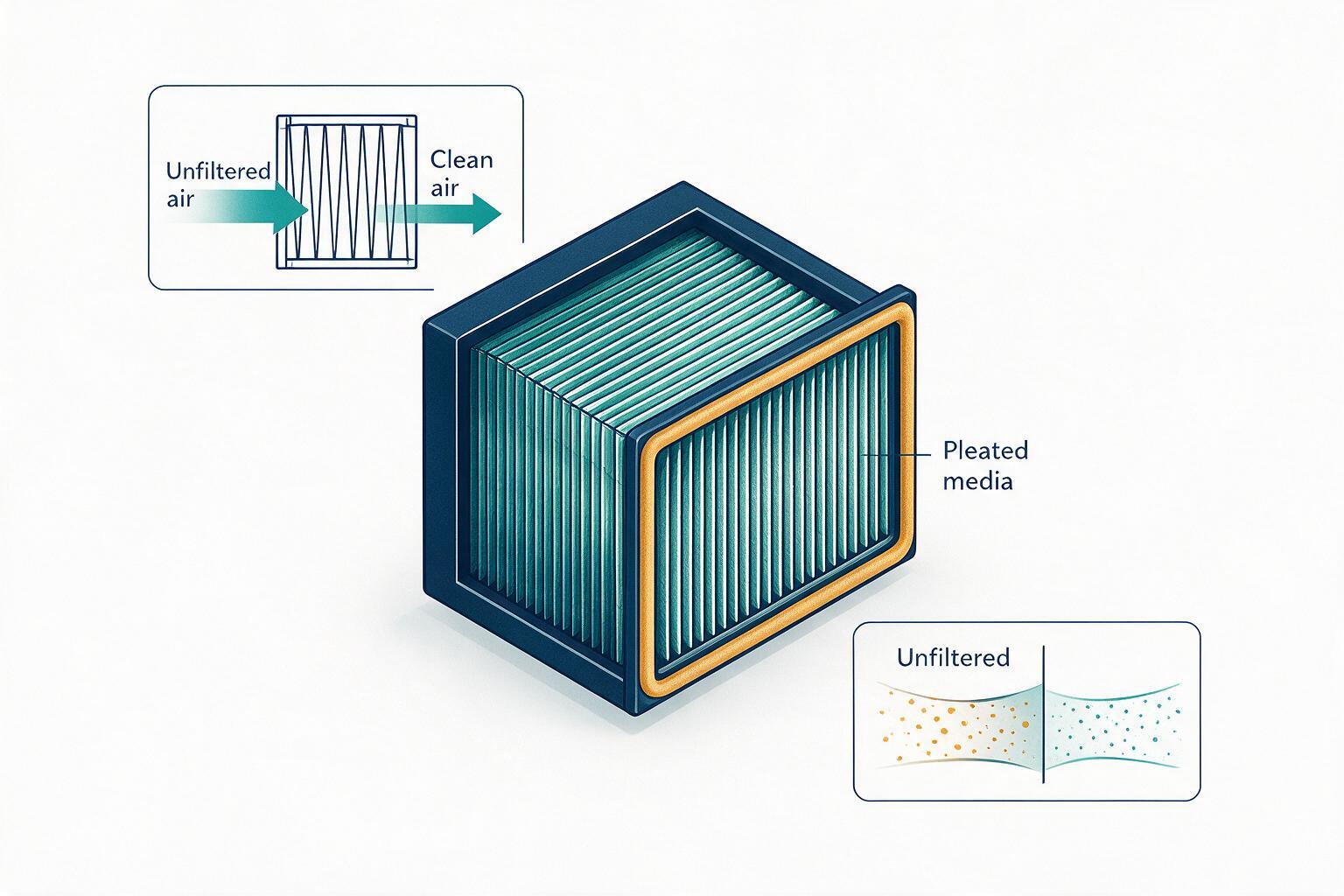
Let's be specific: a HEPA filter cassette is a boxed high-efficiency filter element designed for terminal installation in cleanroom air supply outlets. It packs pleated HEPA media—usually glass fiber or PTFE—into a rigid metal or plastic frame, with a sealing gasket that locks into the ceiling or duct.
Compared with loose filter panels, the cassette design seals more reliably and swaps out faster. Leaks are the enemy in cleanrooms, and a cassette minimizes the seal path.
Efficiency grades for these units usually start at H13: 99.97% removal of 0.3 μm particles. H14 jumps to 99.995%. For some semiconductor or pharmaceutical lines, ULPA U15/U16 filters handle even finer control. But don't buy efficiency on paper—ask for the scan test report that shows the whole filter face passes.
For most cleanrooms, a H13 HEPA filter cassette does the job and costs less to run than H14. Higher efficiency adds pressure drop, and that pressure drop shows up on your energy bill every hour.
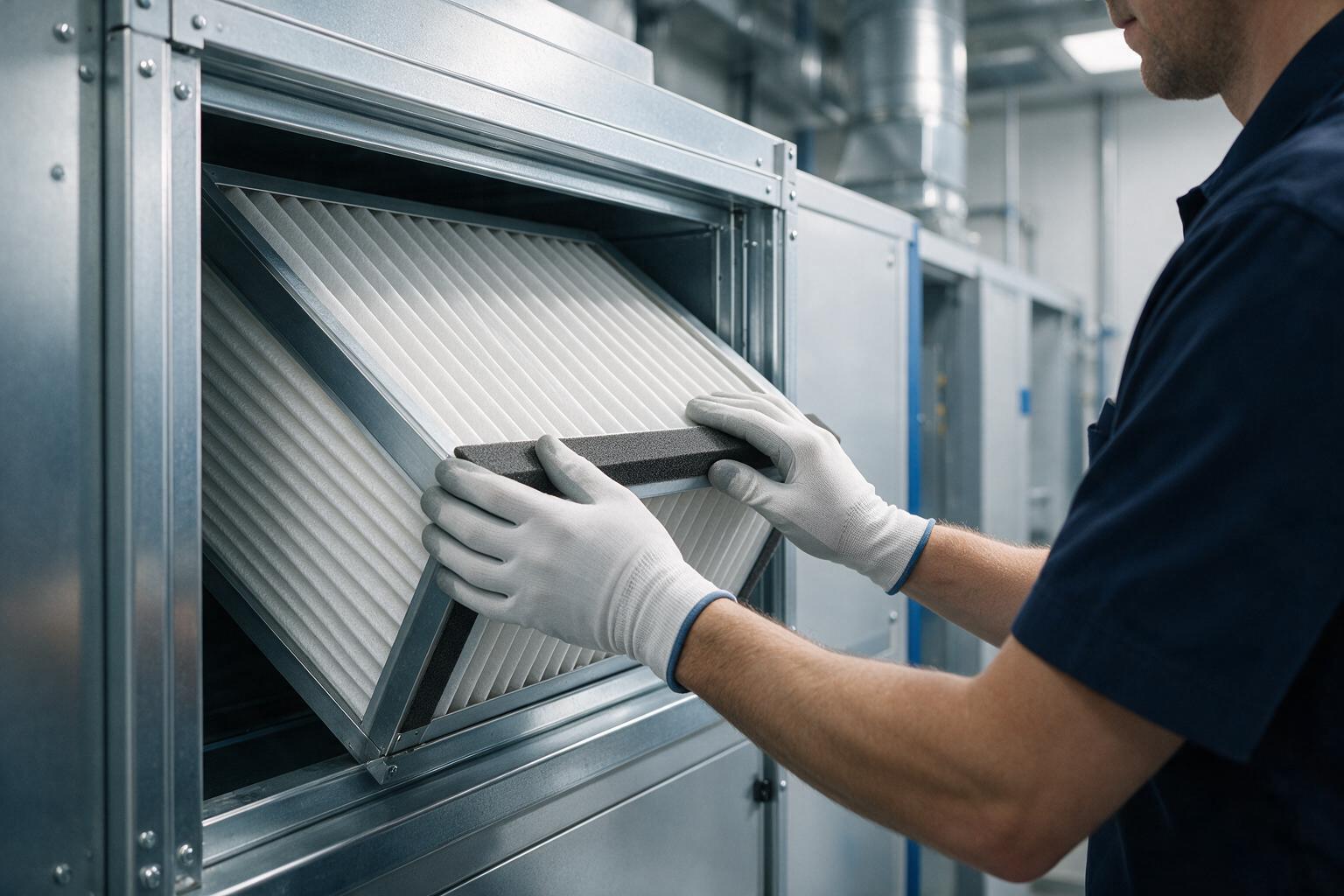
A HEPA filter cassette is not the same as a panel air filter. Panel filters are pre-filters or medium-efficiency stages in air handling units. They cannot replace terminal HEPA filtration. The two often work together, with panels upstream protecting the cassette.
HEPA Filter Cassette Specifications That Matter
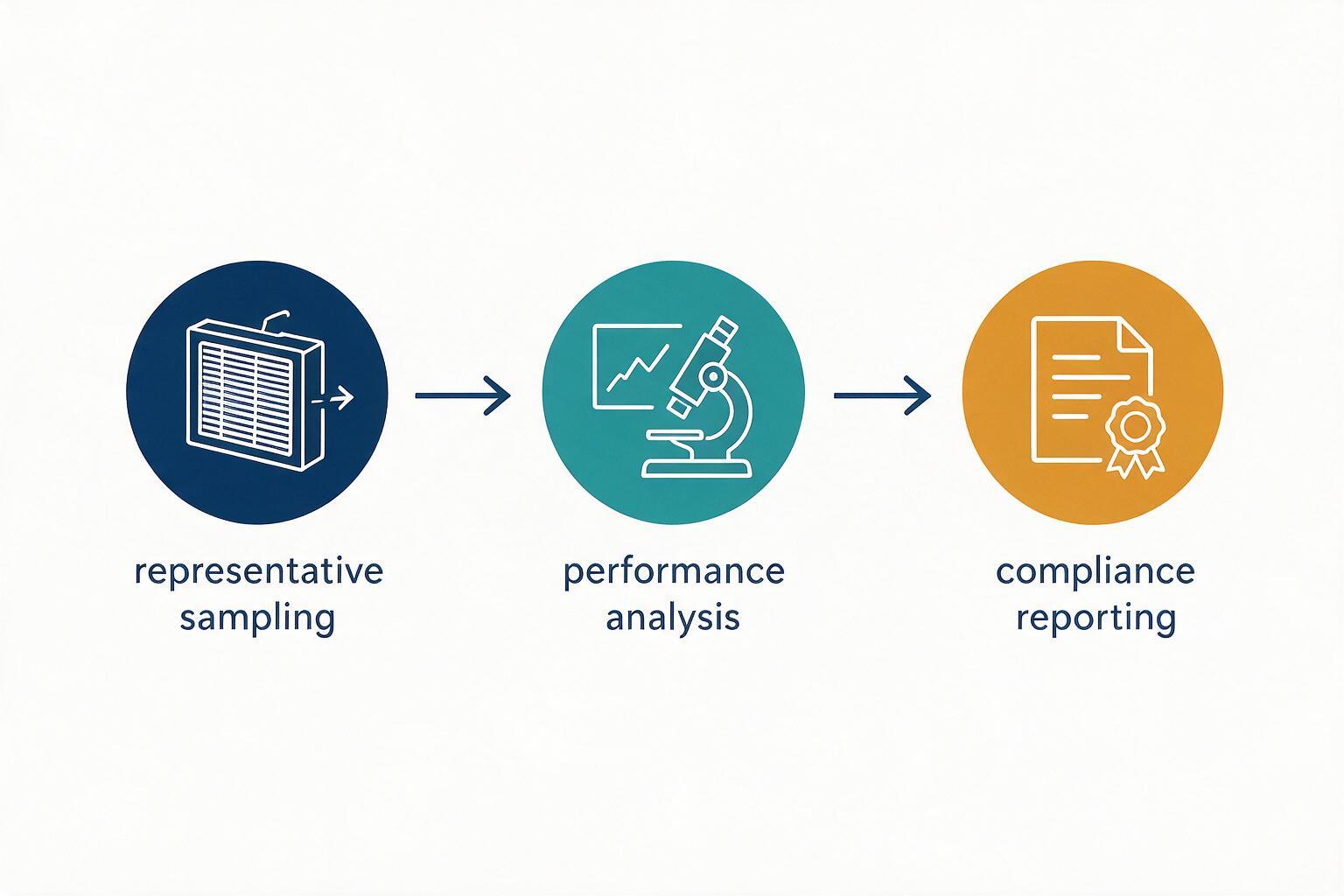
Focus only on efficiency and you'll miss the numbers that determine real cost. Size, airflow, and pressure drop shape energy use, service life, and whether the cassette even fits.
Typical baseline for industrial cleanroom cassettes:
Efficiency should match the process. A pharmaceutical Grade B area may need H14, while electronics cleanrooms often demand ULPA for 0.1 μm control. But pushing to H14 "just to be safe" is a mistake I've seen too many times. One customer insisted on H14 for an ISO Class 8 line. The initial pressure drop rose 30%, the fan had to be upsized, the whole investment jumped 15%, and the particle counts were identical to H13. Don't do that.
Size is where projects collapse. A HEPA filter cassette must fit the terminal housing precisely. A few millimeters off means the gasket won't seal, or the cassette won't seat at all. Always measure the actual opening, not just the drawing. Request a dimensional confirmation from the supplier before production.
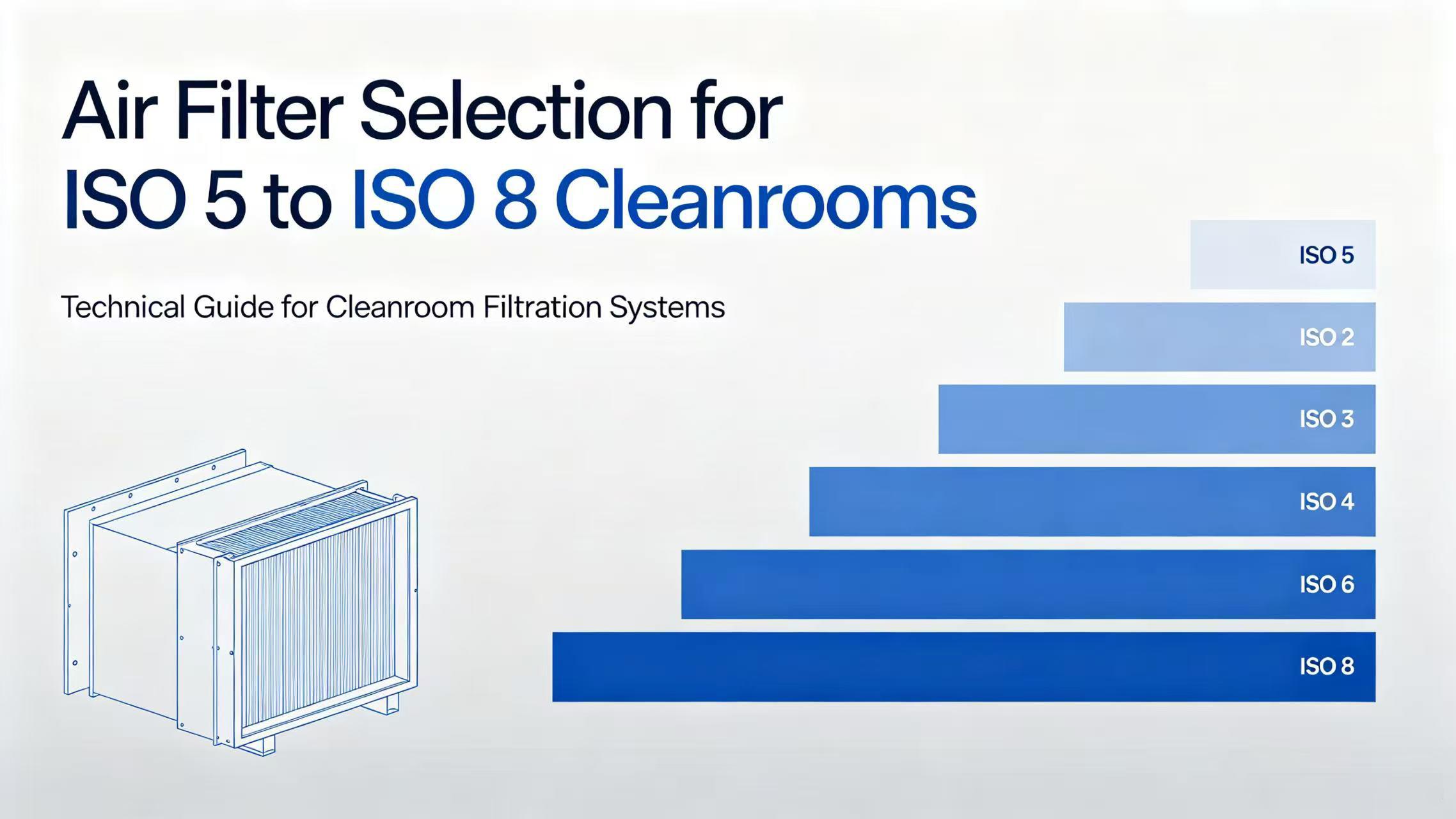
Common cassette sizes follow ISO 14644 terminal housing patterns: 610×610 mm, 610×305 mm, and 305×305 mm are the workhorses in pharma and electronics. Depth varies from 150 mm to 292 mm depending on media area and airflow. Deeper cassettes hold more media and run at lower face velocity, which extends life but requires more ceiling space. Balance that against the available plenum depth.
Airflow and pressure drop fight each other. Run a cassette above rated airflow and face velocity climbs, pressure drop accelerates, and media life shortens. Run too low and the cleanroom may not reach its cleanliness target. Aim for 80–100% of rated airflow, and keep operating pressure below twice the initial value.
I saw one cleanroom with new H13 cassettes at 250 Pa initial. Six months later, differential pressure hit 600 Pa, and fan energy was 40% higher than startup. Switching to low-resistance media dropped initial pressure to 180 Pa at the same airflow. The annual energy saving was roughly $1,400 per cassette. That's real money.
HEPA Filter Cassette
- H13/H14 efficiency
- Terminal supply
- Higher pressure drop
- Longer service life
Panel Air Filter
- G4-F9 efficiency
- Pre-filter or AHU
- Lower pressure drop
- More frequent change
In most cleanrooms, the sensible setup is a panel or bag pre-filter upstream and a HEPA filter cassette at the terminal. The pre-filter catches coarse dust and extends cassette life, while the cassette delivers the final cleanliness class.
For the pre-filter stage, a bag filter handles high dust loading better than a panel. And the bag filter housing must provide even airflow and easy changeout—otherwise the cassette inherits uneven loading and turbulence.
Filter media also matters. Glass fiber is stable and efficient but has higher resistance. PTFE offers lower resistance and better chemical tolerance but costs more. Frame material—galvanized steel, aluminum, or stainless steel—depends on the environment's corrosiveness. Don't skip the gasket material; silicone or polyurethane seals last longer than cheap foam.
One thing to keep in mind: always request a full-face scan test report with the cassette. The report should show no leak larger than the class threshold across the entire media pack, not just a spot check. Some suppliers ship a single-point efficiency number and call it certification—that's not the same. For any cleanroom that must pass ISO 14644 validation, a proper scan report is non-negotiable.
How to Select a HEPA Filter Cassette (Five Steps)
Selection doesn't need to be complicated, but let's be honest: skipping these steps costs money later. Work through them in order.
Start here: don't default to the highest grade. An ISO Class 8 cleanroom needs H13, not H14. The extra pressure drop from H14 delivers no measurable cleanliness benefit and forces a larger fan. That's the "safe" choice that quietly drains the budget.
Then measure the field opening yourself. Drawings drift during construction. Confirm whether the cassette mounts from the side, top, or into a gel-seal channel. Gel seals offer the best leak protection but are harder to replace; reserve them for Grade A/B or critical zones.
Next, ask the supplier for the pressure drop curve, not just one number. Match it to your fan's operating point. If the fan lacks spare static pressure, a high-resistance cassette will reduce airflow and the cleanroom will fail validation. For reference, every 50 Pa of added resistance can raise fan power by 3–5%. Over 8,000 hours a year, that adds up.
After that, humidity and chemicals dictate media. Glass fiber can absorb moisture and lose efficiency in damp processes; PTFE handles moisture and corrosive gases better. For high-temperature processes above 120°C, standard cassettes can char or fail. You'll need high-temperature media and metal frames—an entirely different selection path.
Last point: lifecycle cost is where procurement goes wrong. We've seen buyers choose a cassette that was 20% cheaper upfront. It lasted half as long and doubled changeout labor. Over a three-year cycle, the premium cassette actually cost 40% less in total.
Industrial Applications and Total Cost of Ownership

HEPA filter cassettes appear wherever terminal cleanliness matters: pharmaceutical cleanrooms, biotech labs, semiconductor fabs, food and beverage filling lines, and hospital isolation rooms. The cassette's job is the same in each: deliver the rated air cleanliness with zero leaks and predictable pressure drop.
But not every industrial environment calls for a cassette. Wind turbine nacelles, for example, face different contaminant challenges and rarely need HEPA filtration. If you're sizing filtration for that duty, see wind turbine filter selection.
In cleanroom applications, the cassette is the last link in a chain. Pre-filters, bag filters, and housing design all influence how long the cassette lasts. A properly staged system might look like this:
Pre-filter: G4 panel, catches 10 μm+ dust
Mid-stage: F7 bag filter, catches 3 μm+ particles
Terminal: H13 HEPA filter cassette, captures 0.3 μm at 99.97%
That setup keeps the cassette from loading too fast. Without adequate pre-filtration, coarse dust clogs the HEPA media in weeks, pressure drop spikes, and you're replacing a $200 cassette every quarter instead of once a year.
Let's put numbers on that. Suppose a cassette costs $200, lasts 12 months with good pre-filtration, and carries a $100 changeout labor cost. If poor pre-filtration shortens life to 3 months, annual cost jumps from $300 to $1,200 per position. Multiply by fifty positions and the difference is $45,000 a year. That's not just dust—it's budget erosion.
One more thing: the more expensive equipment doesn't always mean higher total filtration cost. A customer once told us our cassettes were 20% more expensive. But when we factored lifespan and downtime, the cheaper option was 40% more expensive overall. That pattern holds in most cleanrooms we audit.
Maintenance extends cassette life. Monitor differential pressure weekly. Change the cassette when pressure reaches twice the initial value, not on a calendar. Check gasket compression during installation. A gasket that's overcompressed or undercompressed leaks, and a leak in a cleanroom means product contamination.
Pre-Installation Verification
- Measure actual terminal opening dimensions
- Confirm fan static pressure reserve
- Check gasket material for process compatibility
- Verify scan test report matches efficiency grade
Installation and Maintenance: Where Performance Holds or Fails
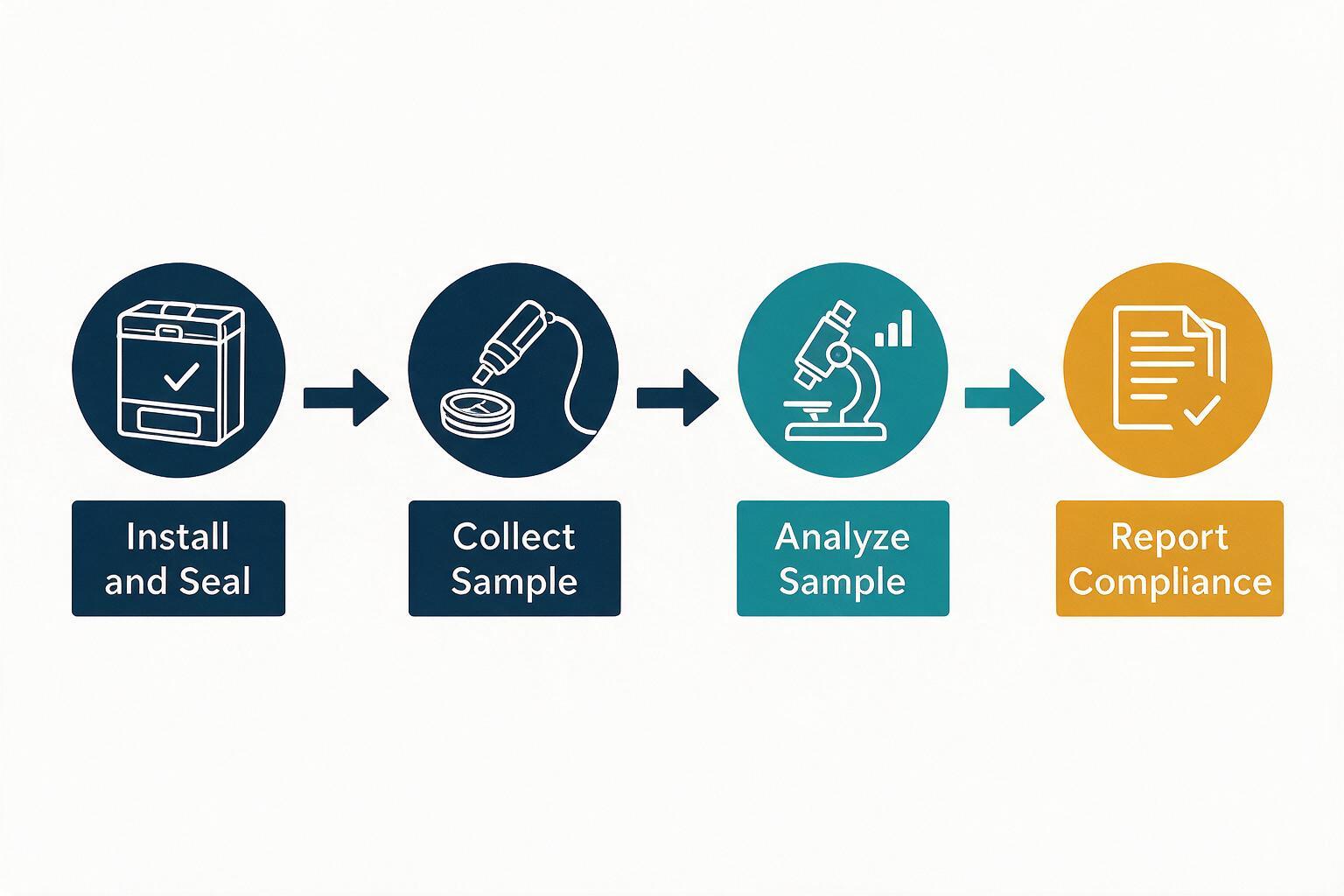
A HEPA filter cassette only performs if it's installed and maintained correctly. The best filter in a poorly sealed terminal will leak, and a leaked terminal fails the cleanroom validation.
Installation details matter more than most people think. Gel-seal channels offer the tightest seal but require careful knife-edge insertion. Gasket seals are simpler but need the right compression. Under-tighten and bypass air flows around the filter; over-tighten and the gasket deforms, creating a leak path.
After installation, always run a particle scan or aerosol challenge at the filter face. That confirms the seal, not just the media efficiency. A cassette can have a perfect scan report from the factory and still leak at the gasket after mounting.
Maintenance follows a simple rhythm:
That timeline keeps you ahead of failures. Differential pressure is the single best indicator of filter loading. When it doubles from the initial value, the cassette is doing its job but nearing the end of economic life.
Let me be upfront: I've seen cleanrooms run cassettes for years without checking ΔP. One facility lost 30% of airflow before anyone noticed—they blamed the gauge, but the filter was caked solid. By then, product contamination risk was high and energy costs had quietly jumped.
Replacement itself is straightforward but requires care. Shut down airflow to the terminal, remove the old cassette without damaging the housing, clean the sealing surface, install the new cassette, and verify ΔP returns to baseline. That process usually takes less than 30 minutes per terminal.
After replacement, requalify the cleanroom. Particle counts, airflow velocity, and room pressure all need verification. For regulated industries, document everything. An unwritten filter change is a compliance gap.
Start by measuring the actual opening, not the drawing. Then ask for the pressure drop curve. If those two numbers don't match your fan, nothing else matters.
Need a custom air filtration solution?
Contact the Whalesens engineering team for product selection and OEM/ODM support.
Email whalesens@gmail.com
