


EV Charging Stations
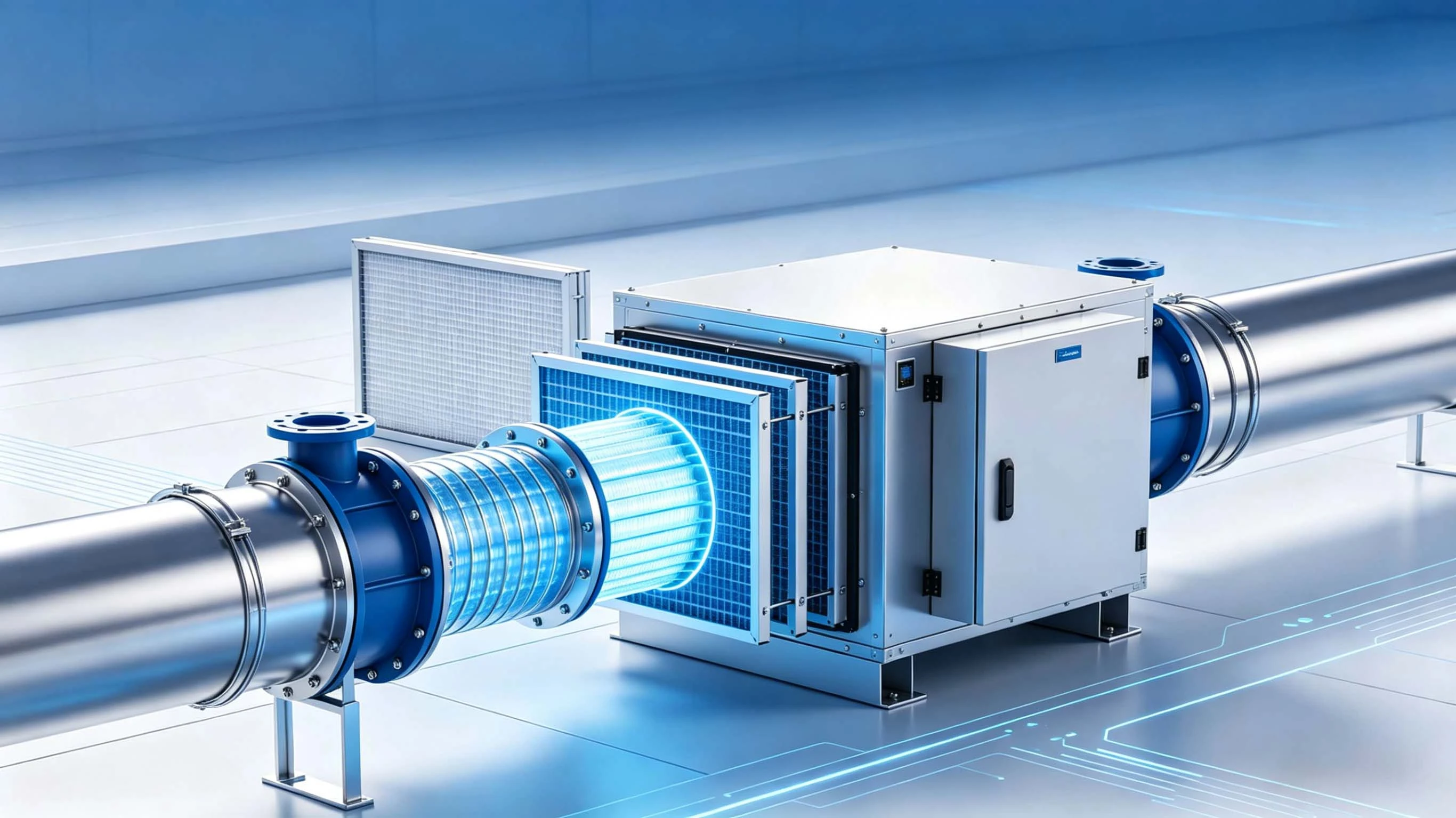
Filtration for Power Equipment
Cleanroom & Semiconductor
Ultra-High Cleanliness Filtration
Commercial HVAC
Central Air System Filtration
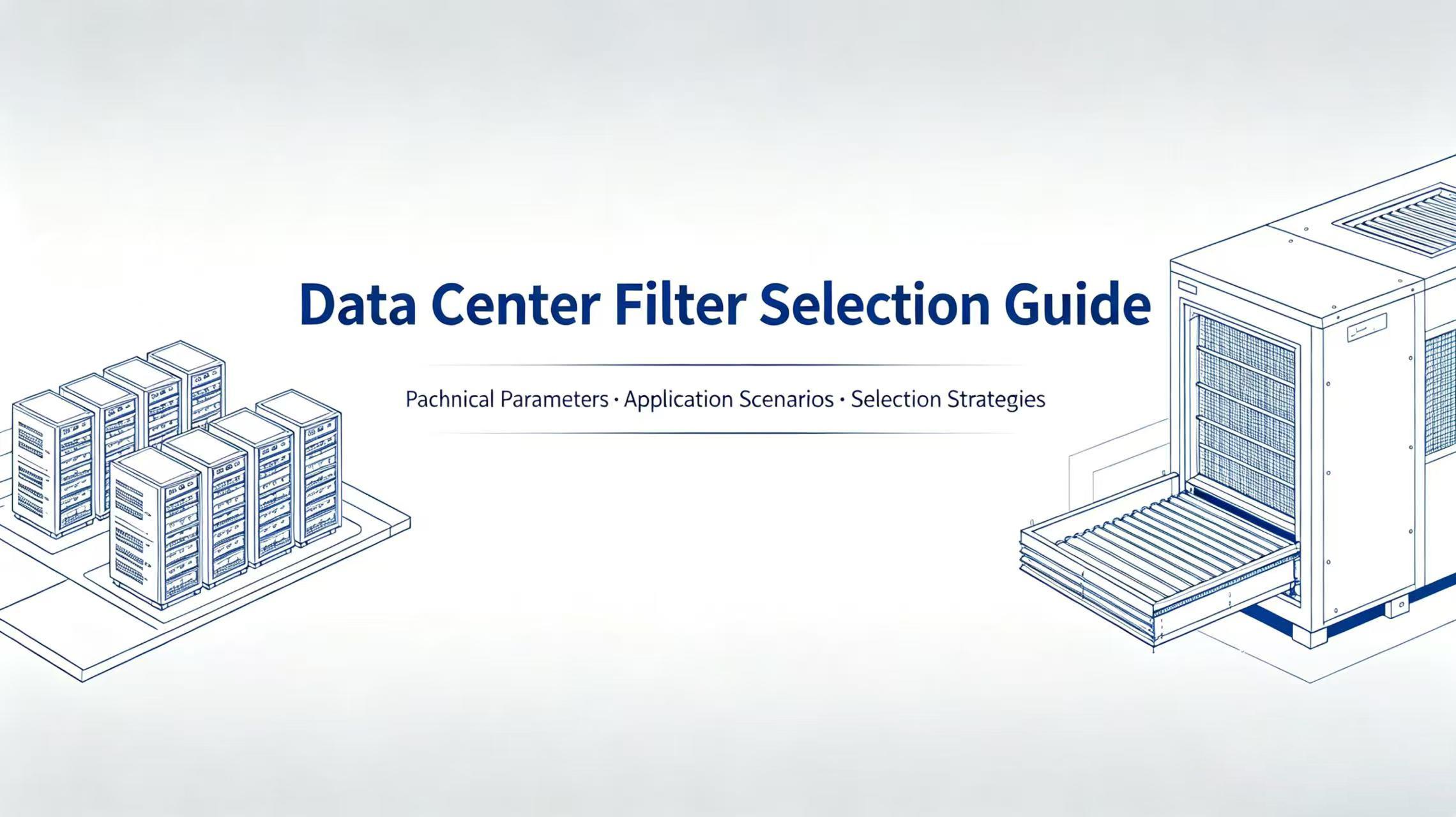
Data Centers
Precision Equipment Protection
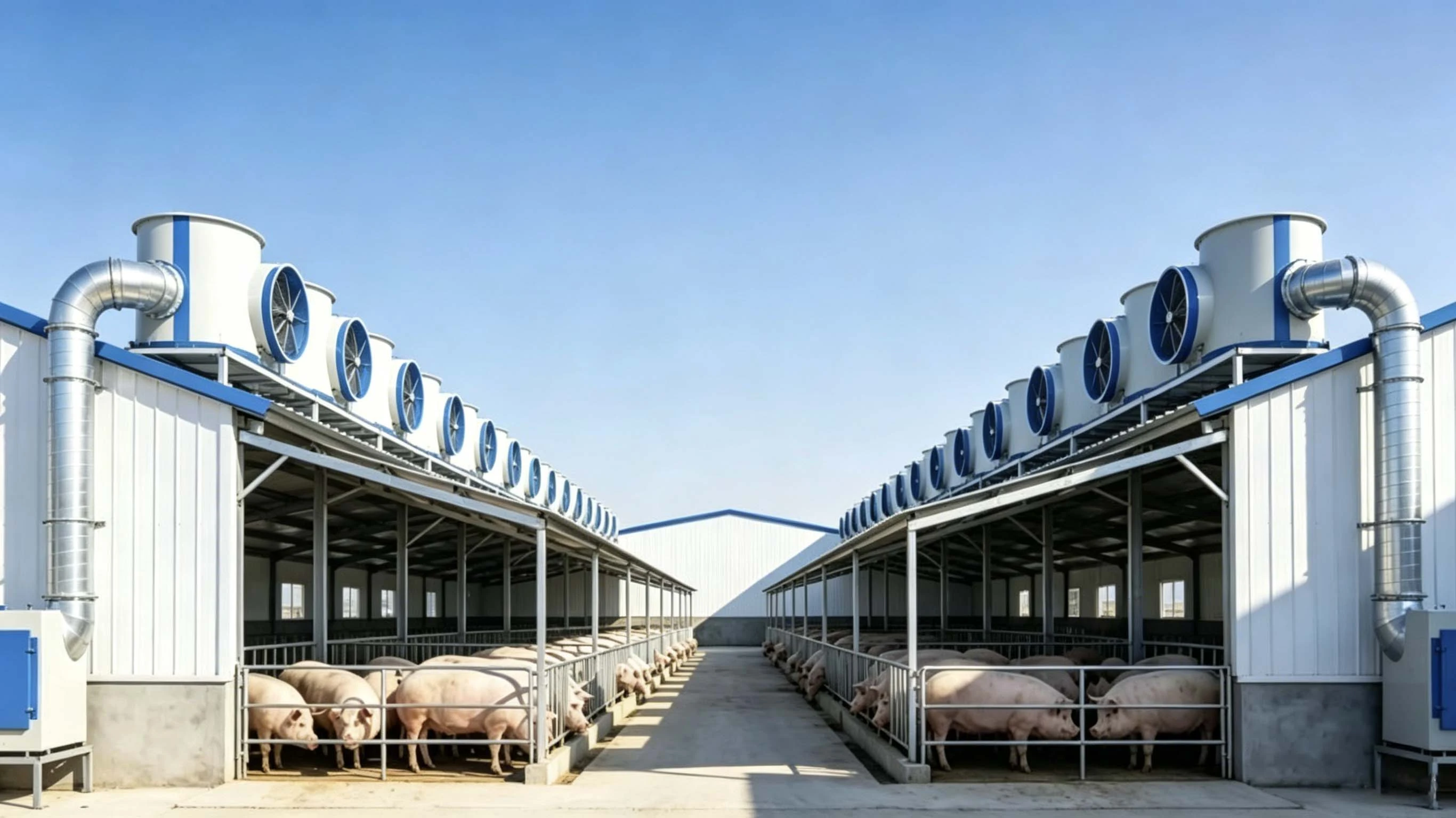
Livestock & Farming
Farming Environment Purification
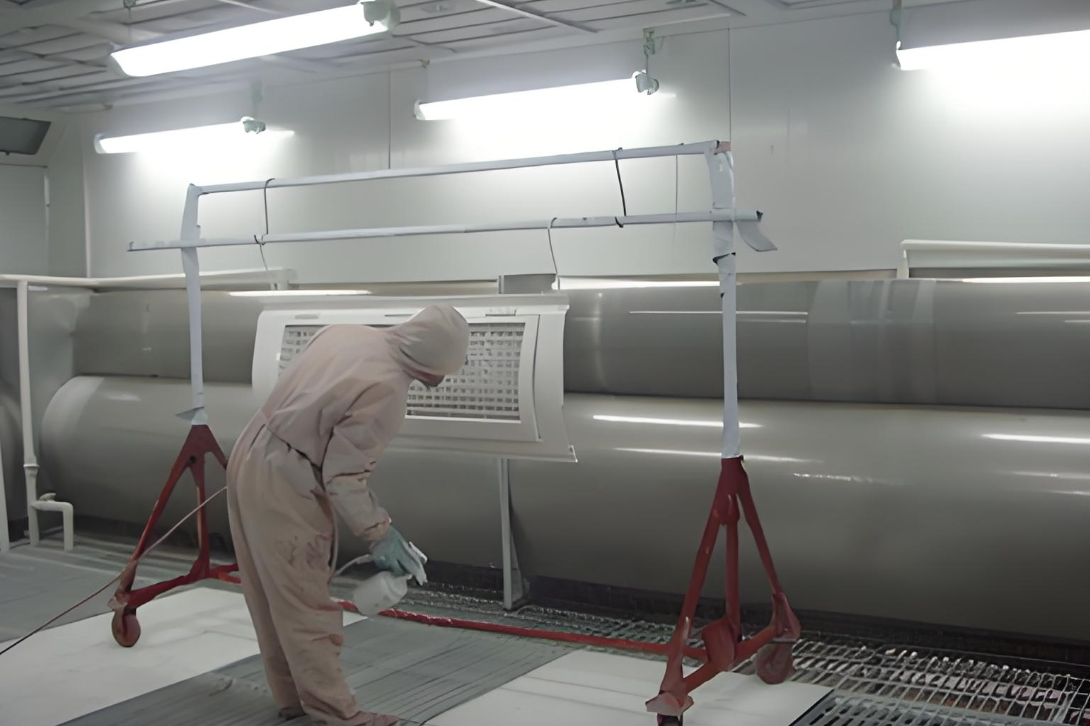
Spray Booths & Industrial Dust
Paint Mist & Dust Purification
Filtration for Power Equipment
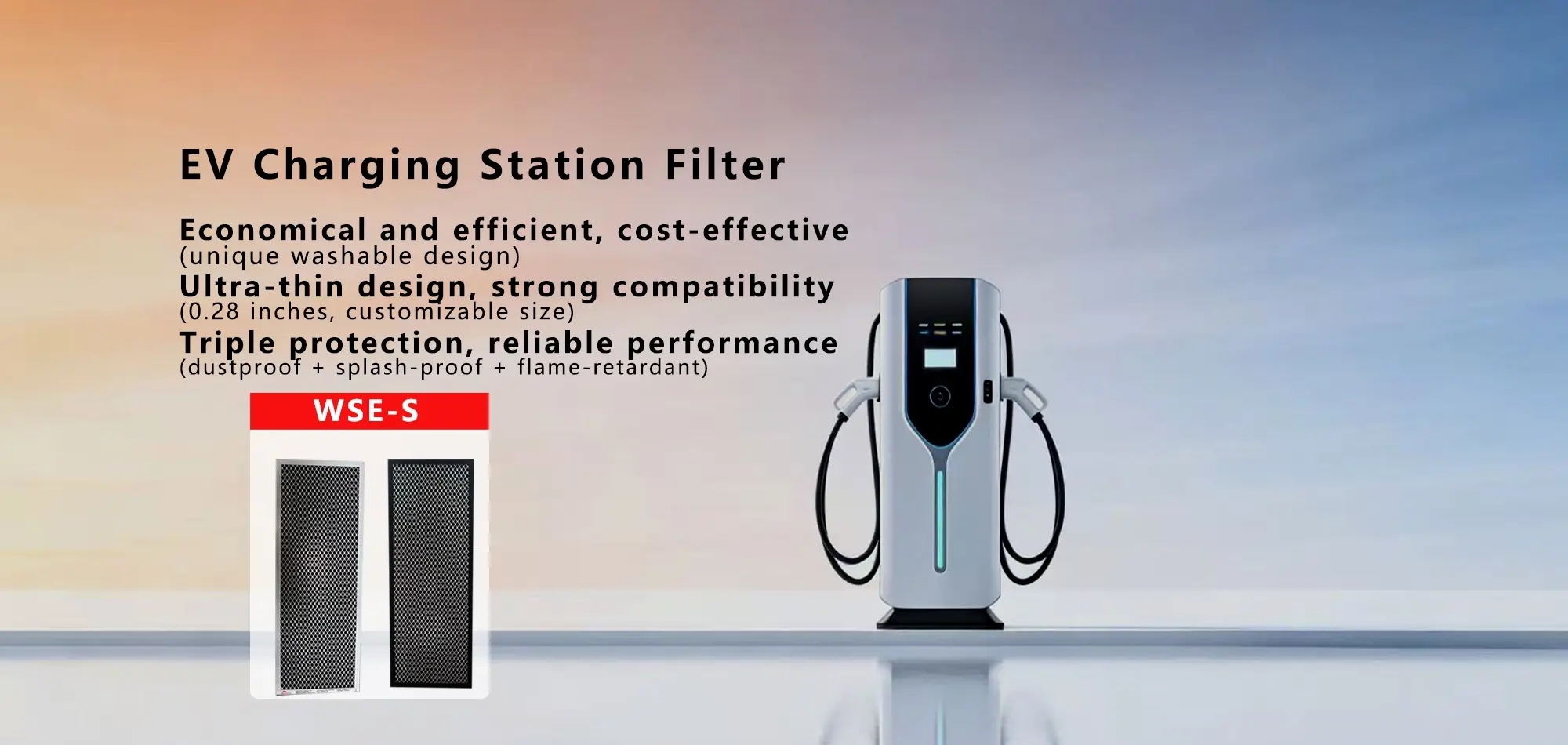
Professional air filtration for EV charging devices, protecting against dust and sand ingress to ensure stable, reliable operation of charging piles and station infrastructure.
View Related Products →Ultra-High Cleanliness Filtration
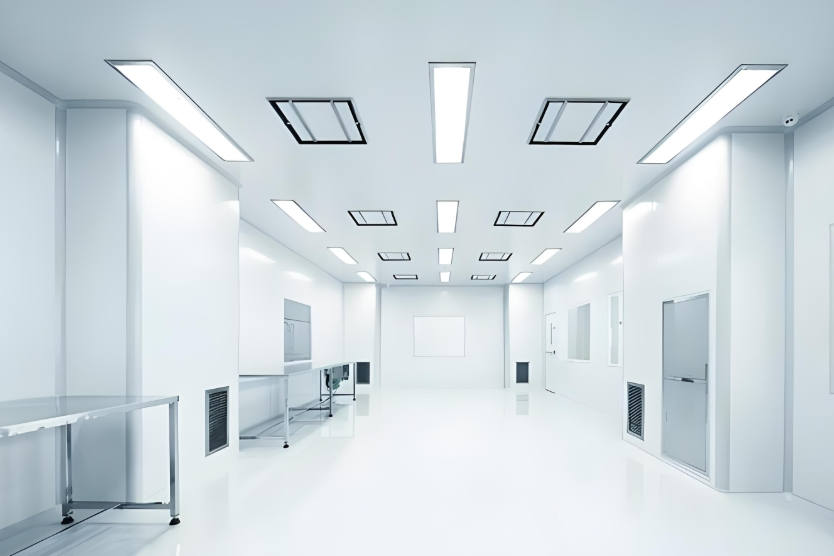
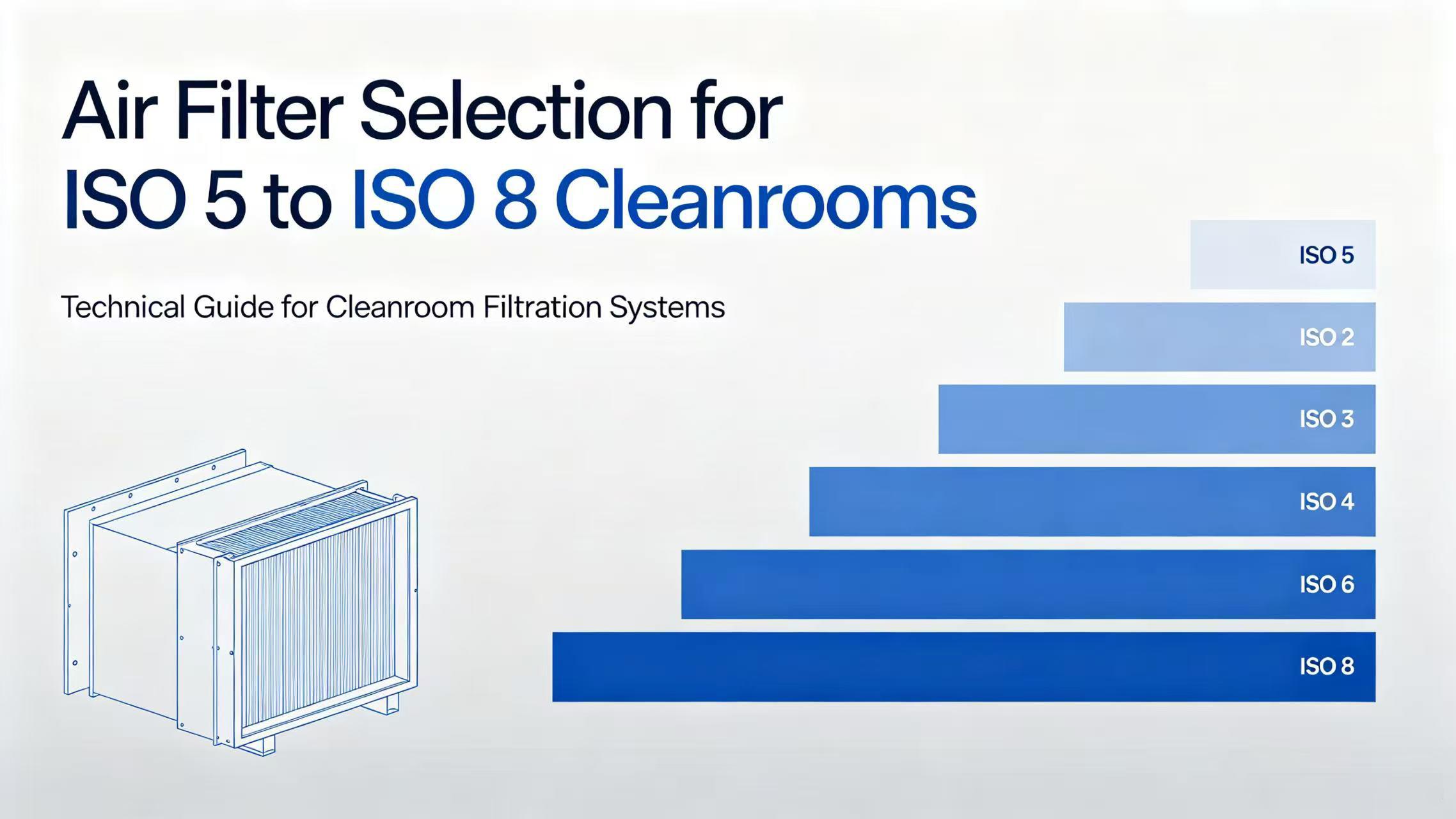
Ultra-high efficiency filtration for semiconductor wafer fabs and precision electronics cleanrooms, capturing nano-scale particles to meet ISO Class 1–3 standards and maximize product yield.
View Related Products →Central Air System Filtration
High-efficiency filtration for commercial building HVAC systems, improving indoor air quality, reducing energy consumption, and extending equipment service life.
View Related Products →Precision Equipment Protection
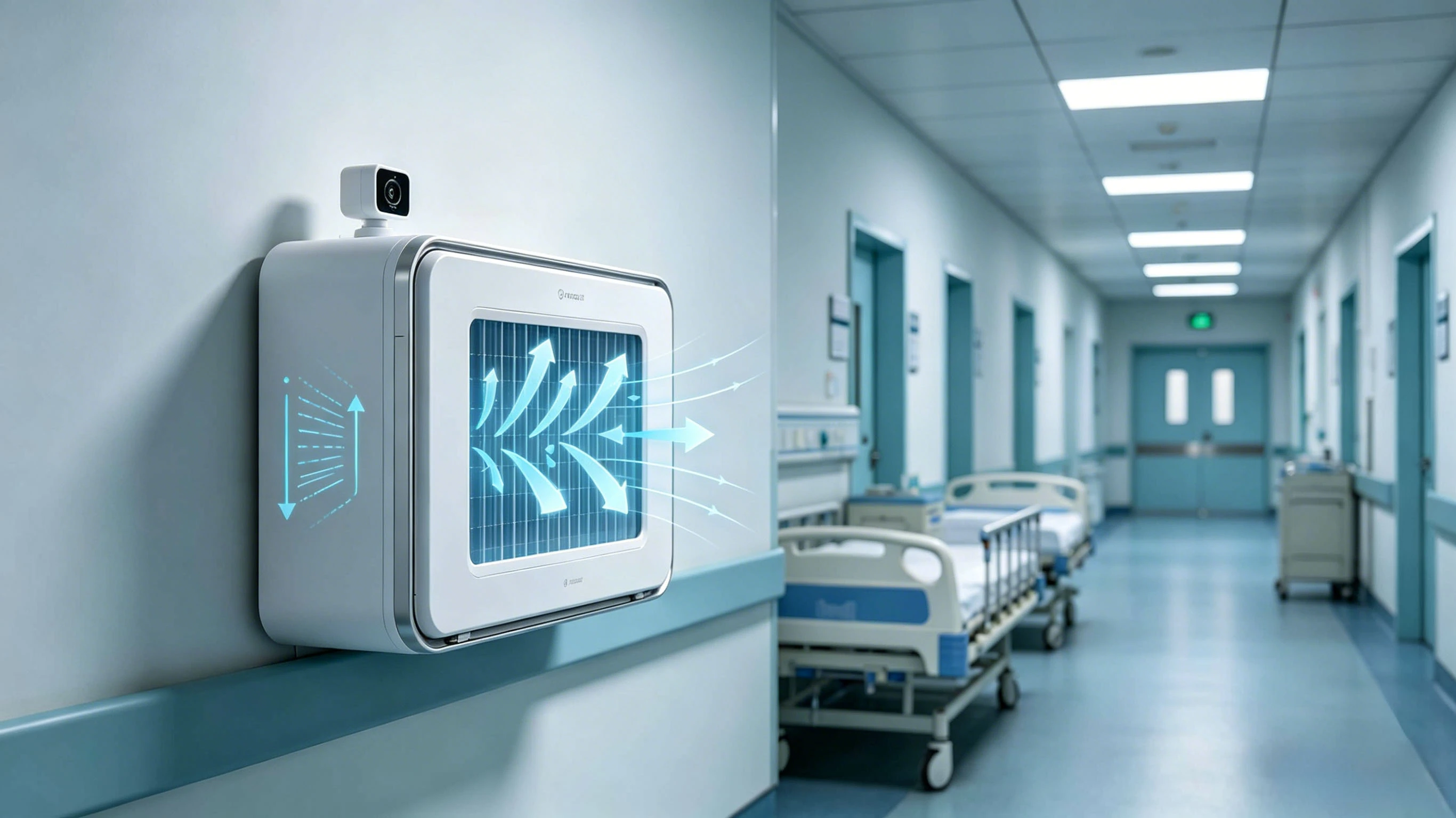
Precision air filtration for data centers, shielding servers and critical hardware from dust contamination to keep cooling systems running efficiently and reliably.
View Related Products →Farming Environment Purification
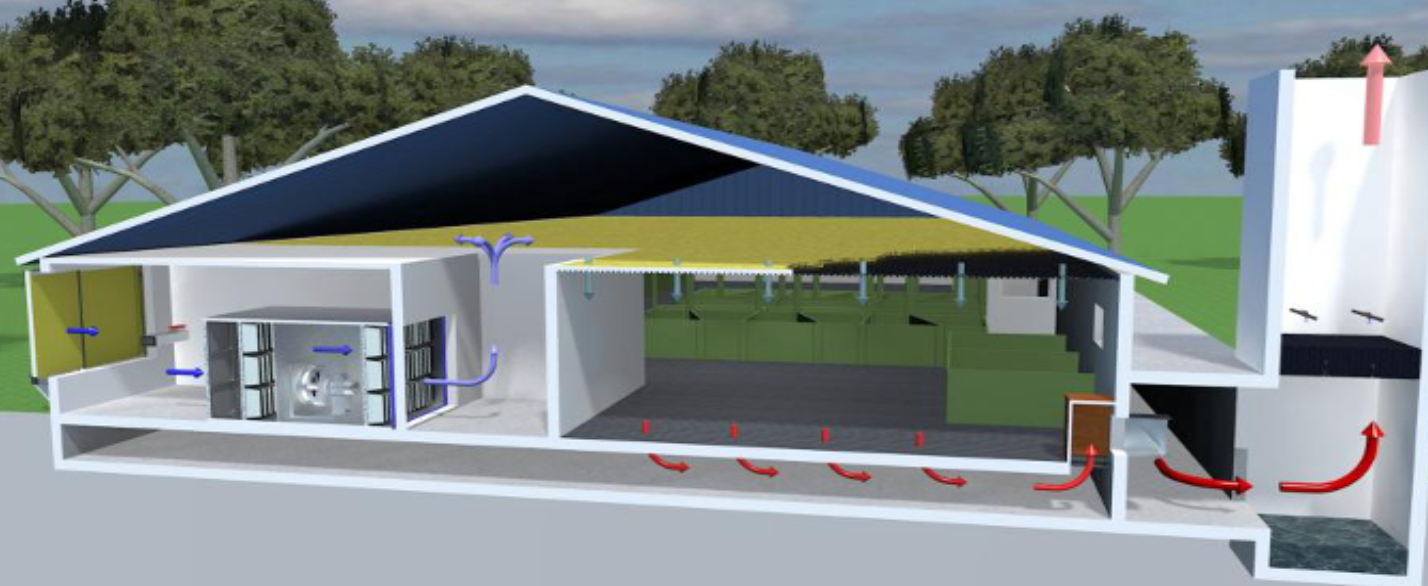
Dedicated filtration systems for farms and livestock facilities — capturing dust, adsorbing ammonia, and inhibiting pathogen spread to improve animal health and overall productivity.
View Related Products →Paint Mist & Dust Purification
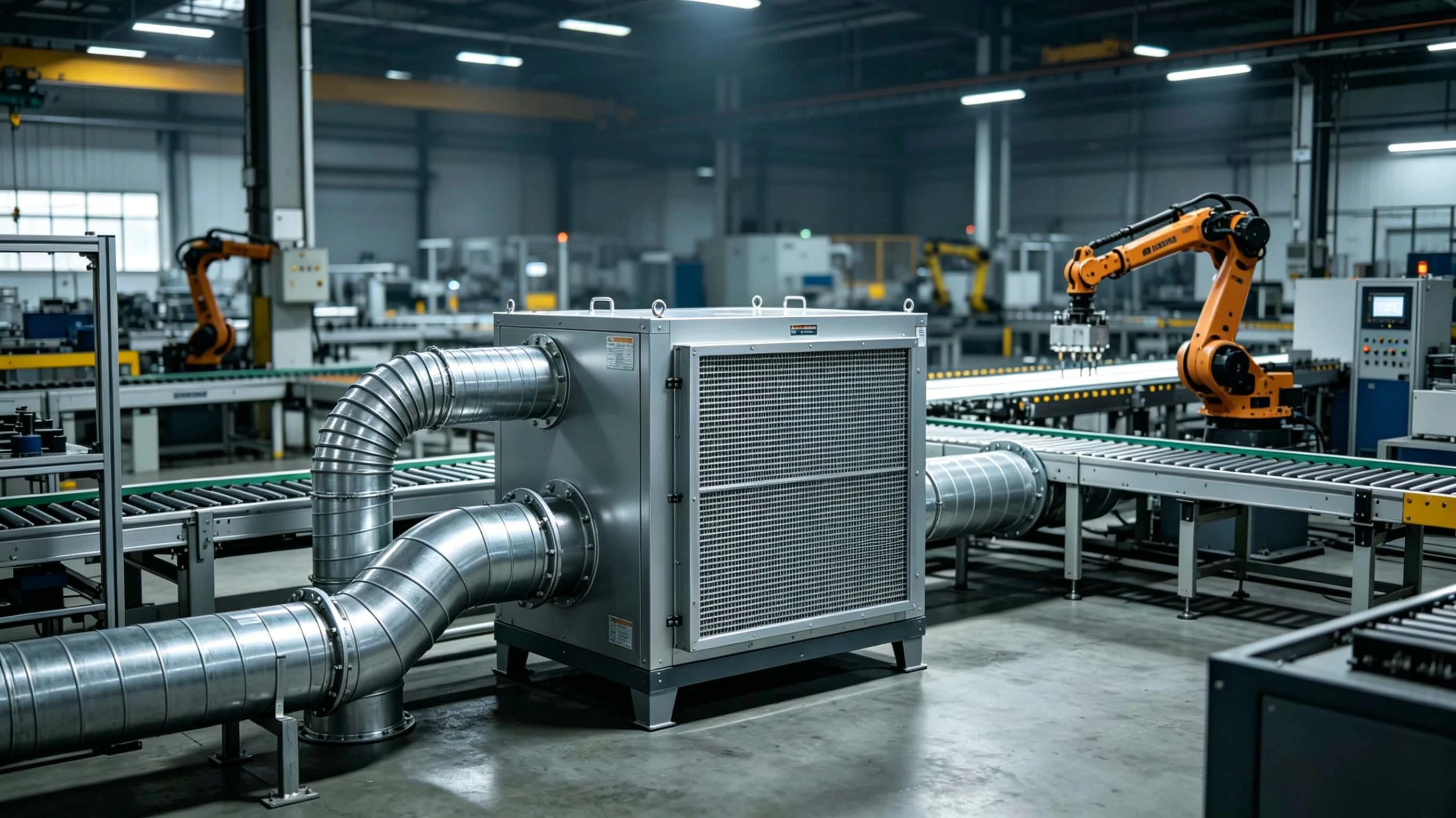
Designed for spray booths and grinding workshops, efficiently capturing paint mist, metal dust, and wood chips to meet emission standards while protecting finished surface quality.
View Related Products →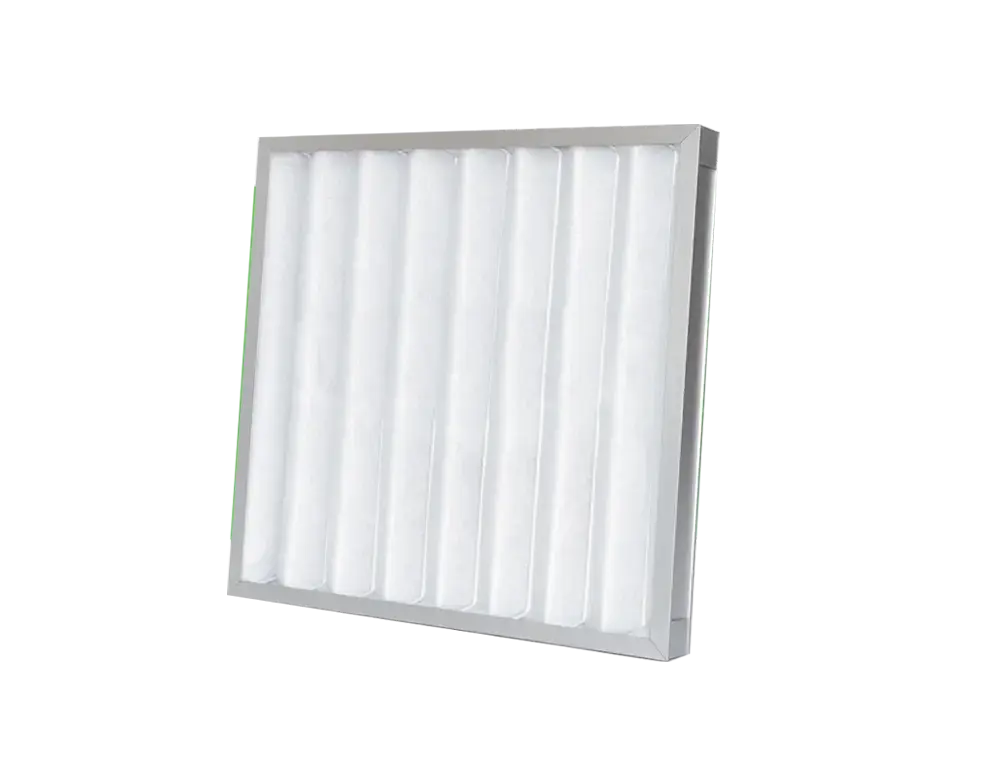
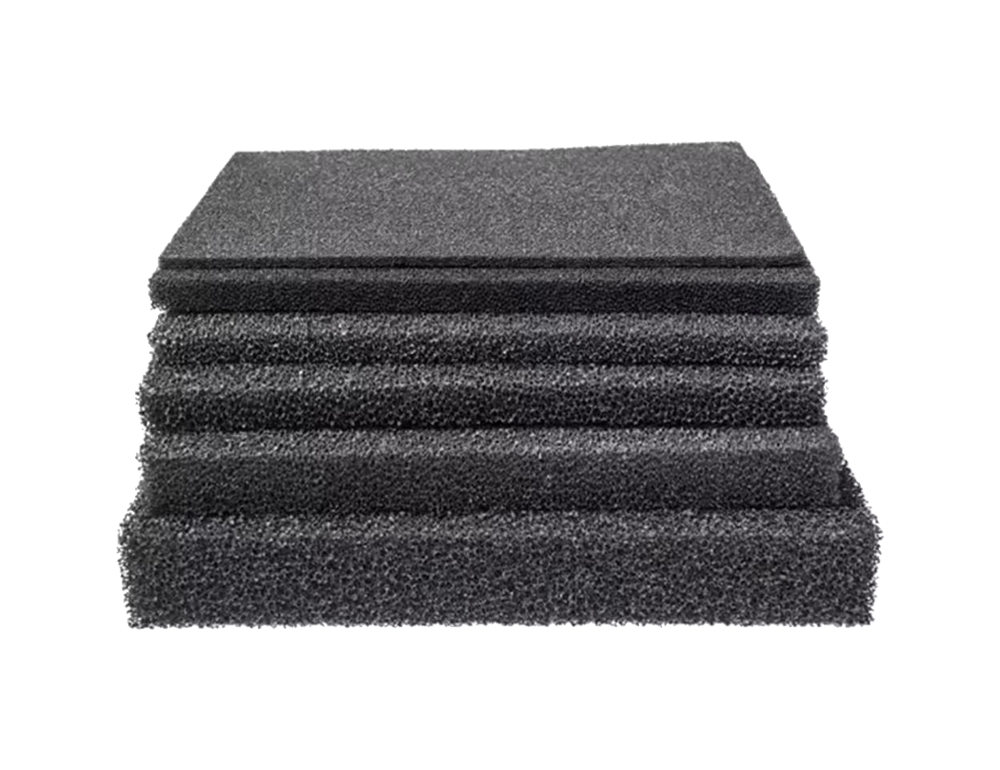
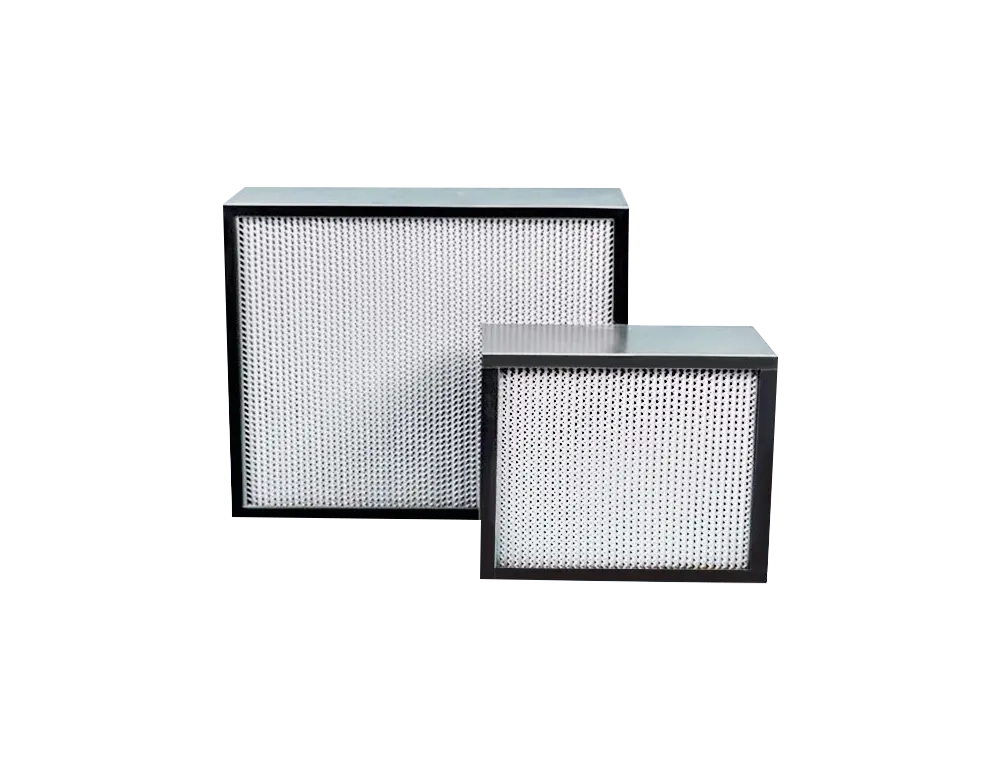
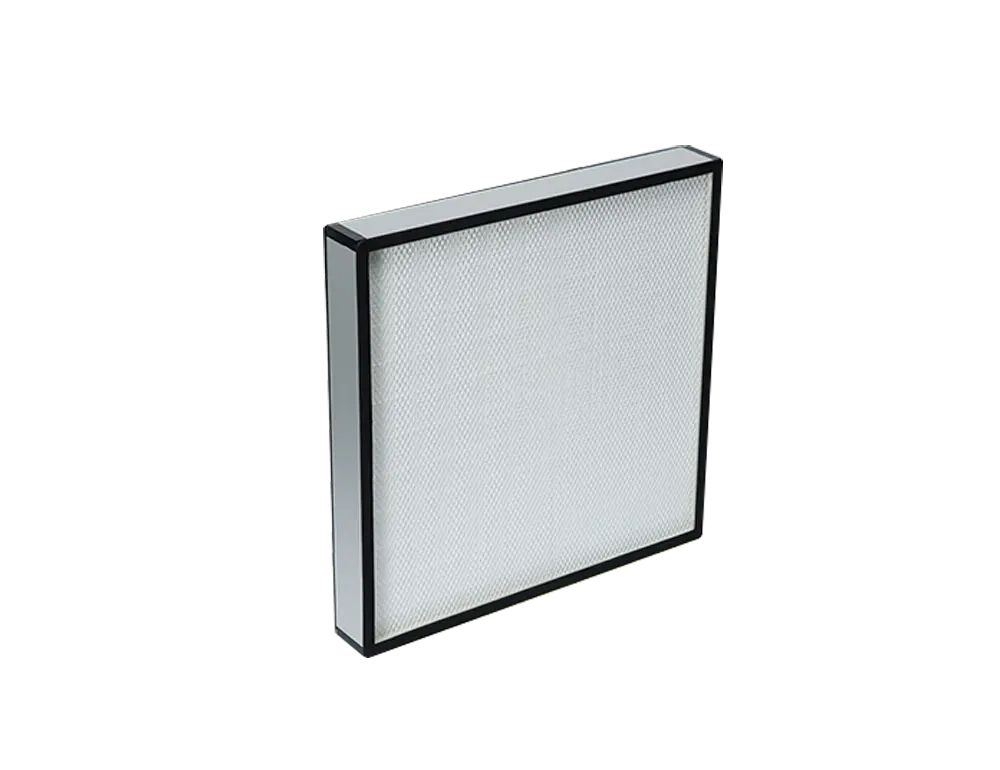
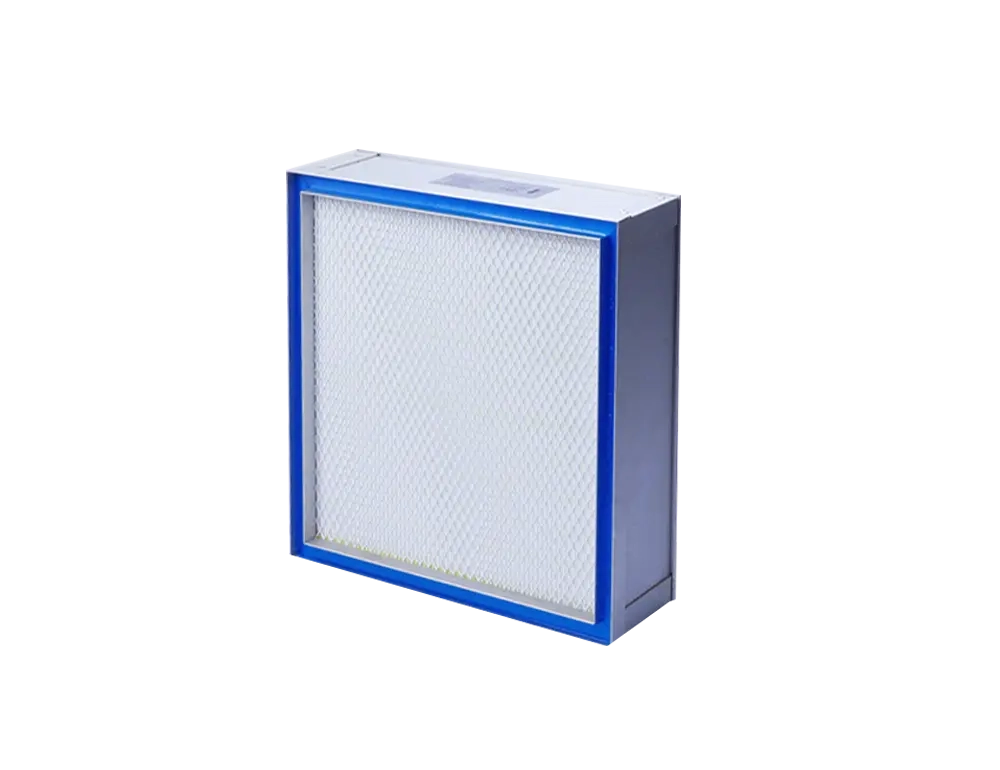
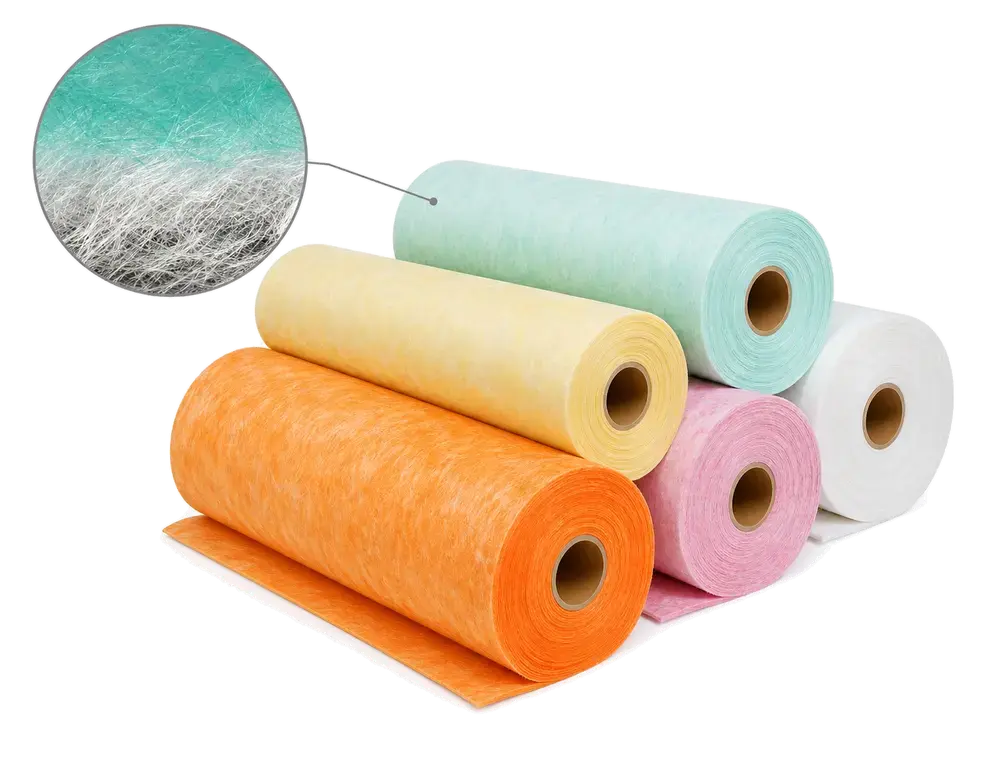
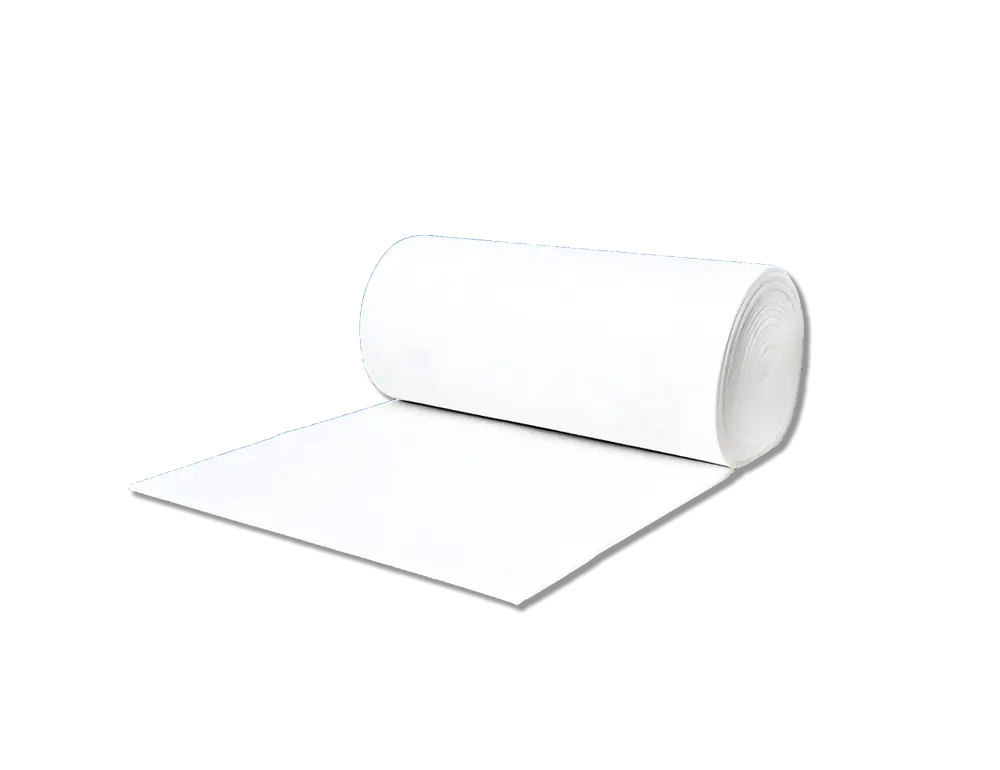
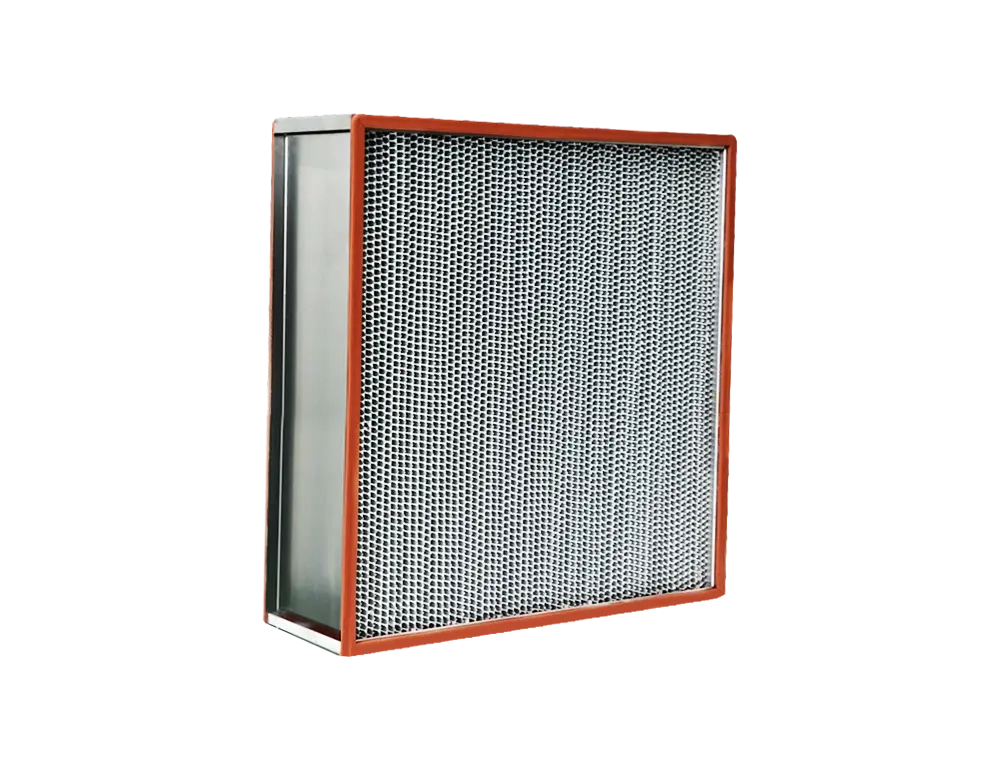
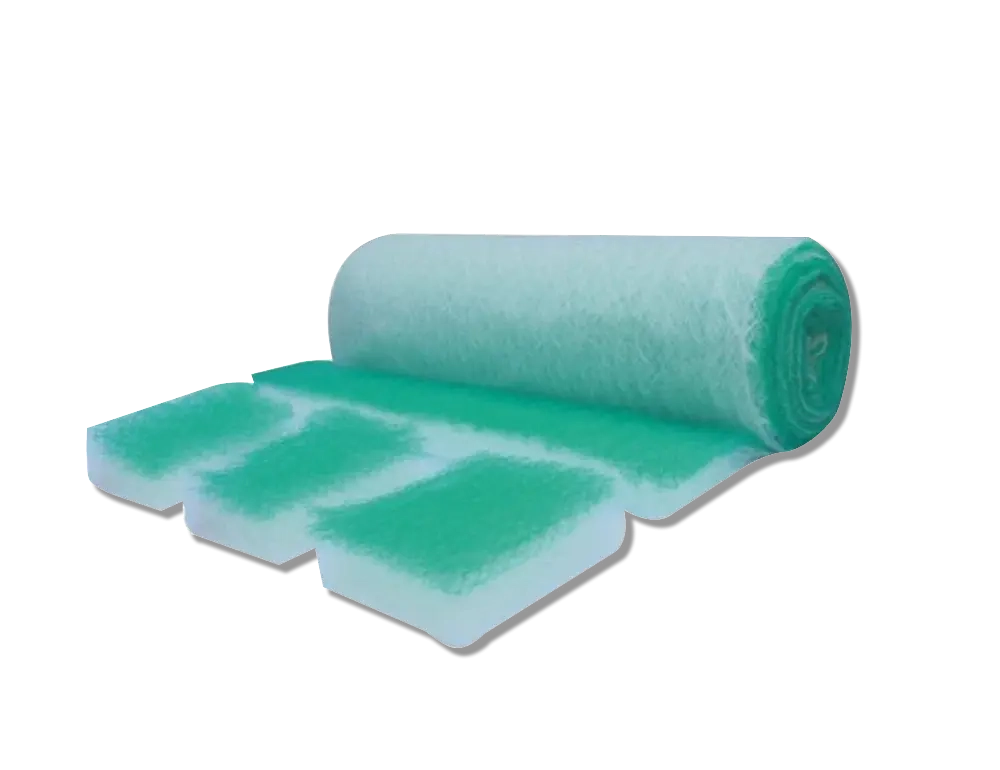
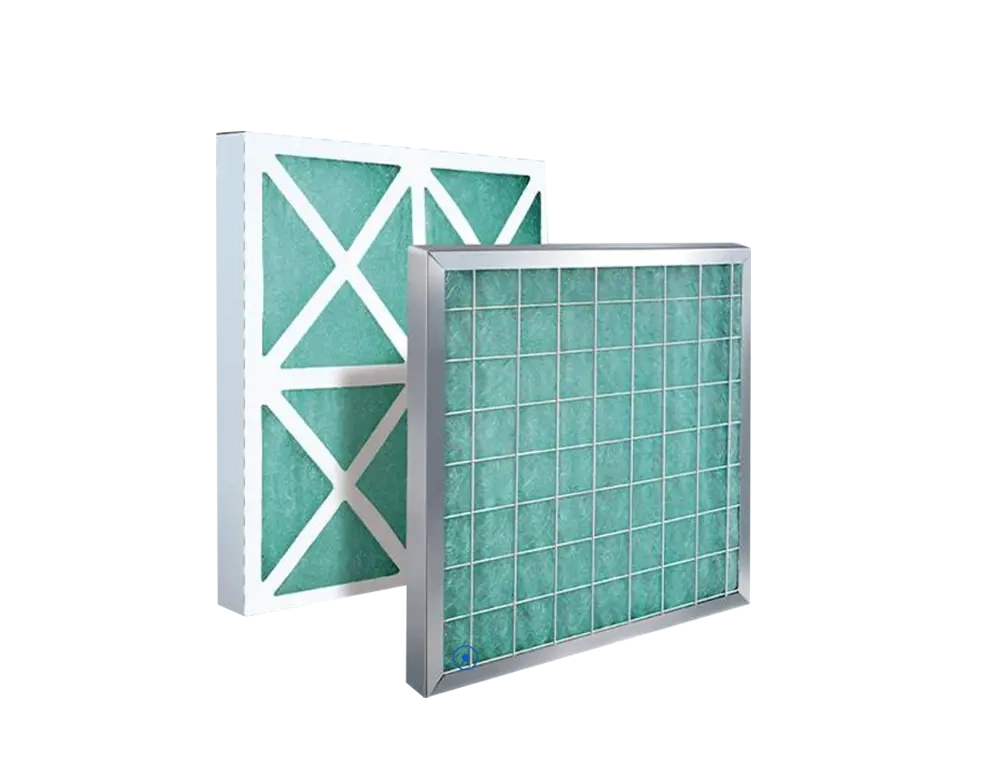
Pre-Filter (G1–G4)
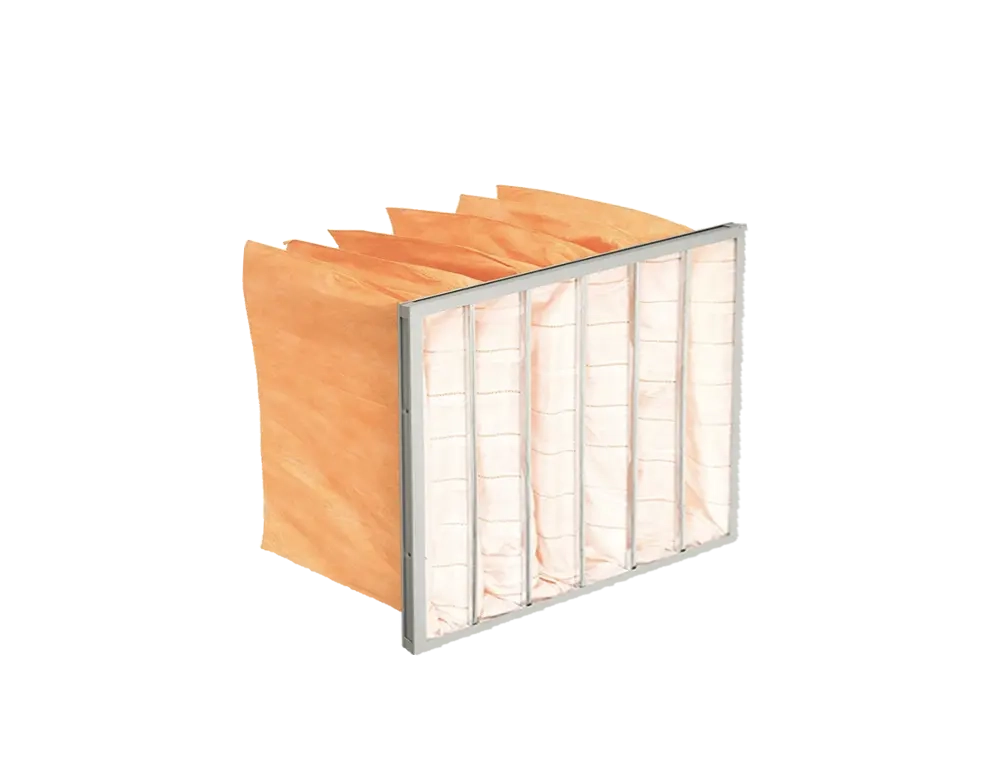
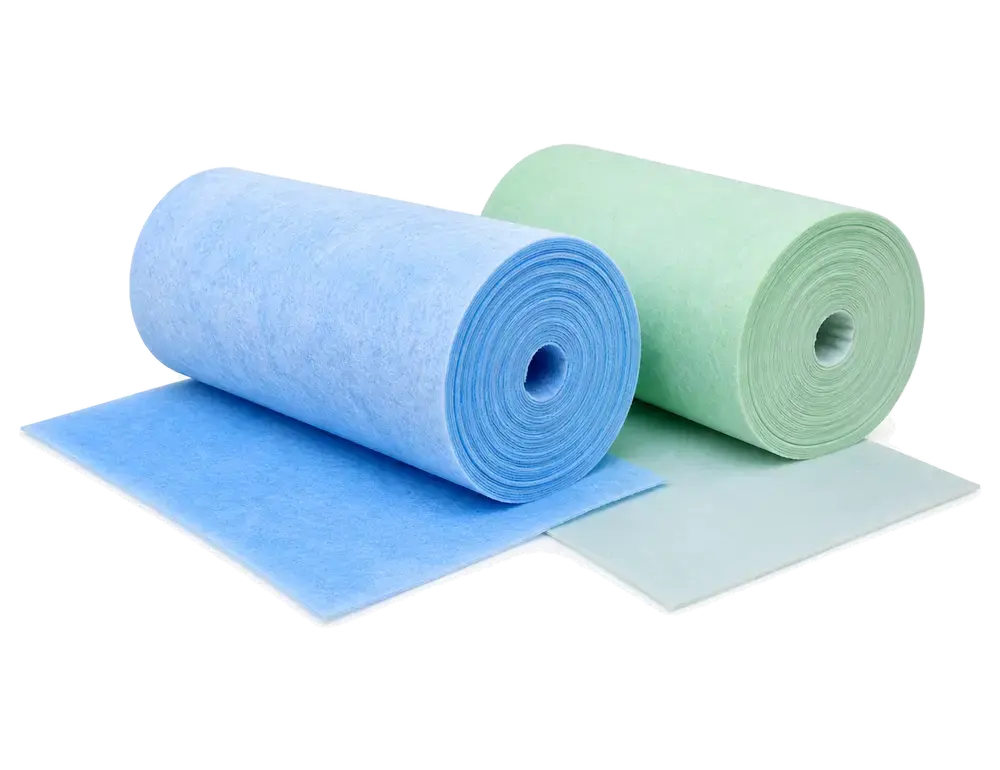
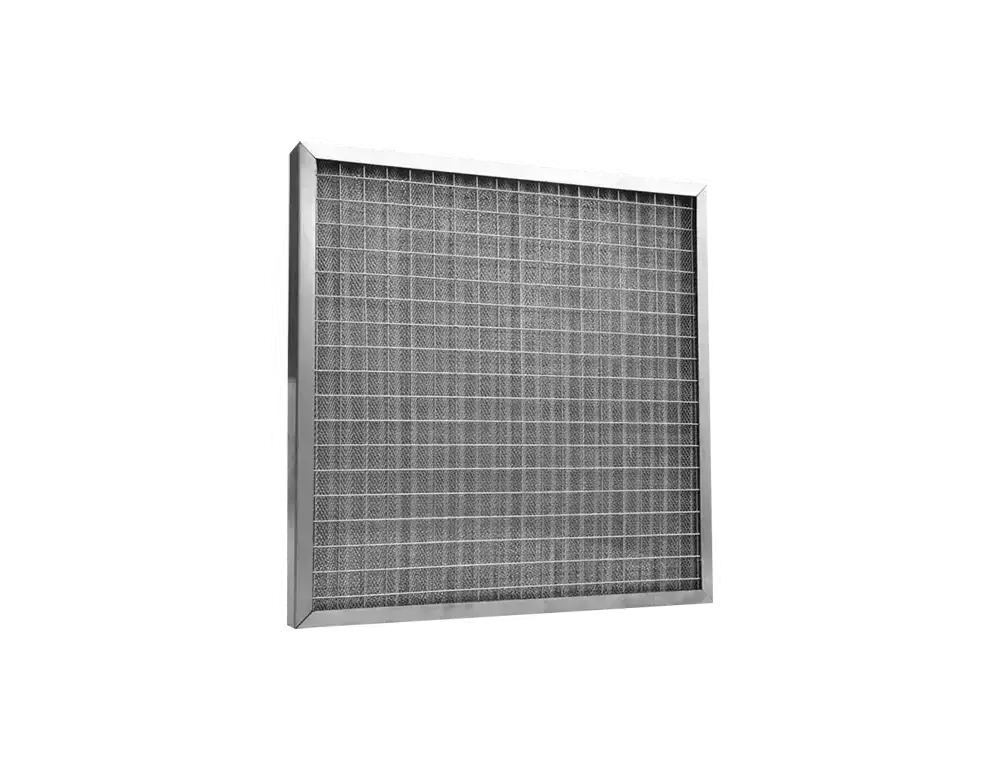
First-Stage Large-Particle Capture
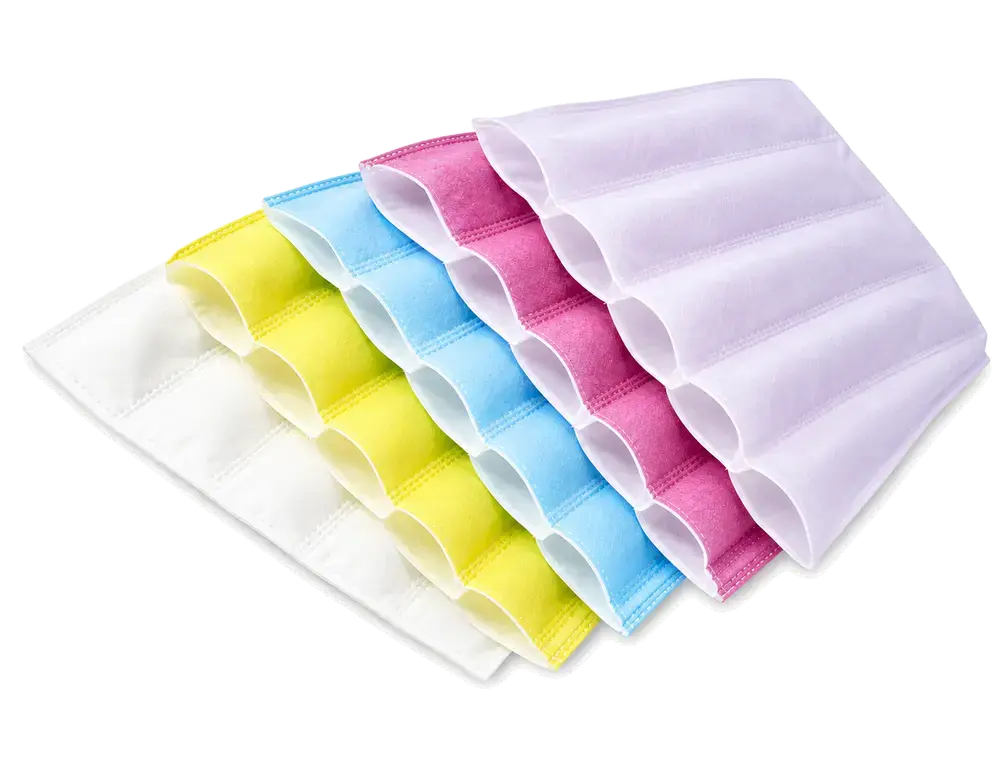
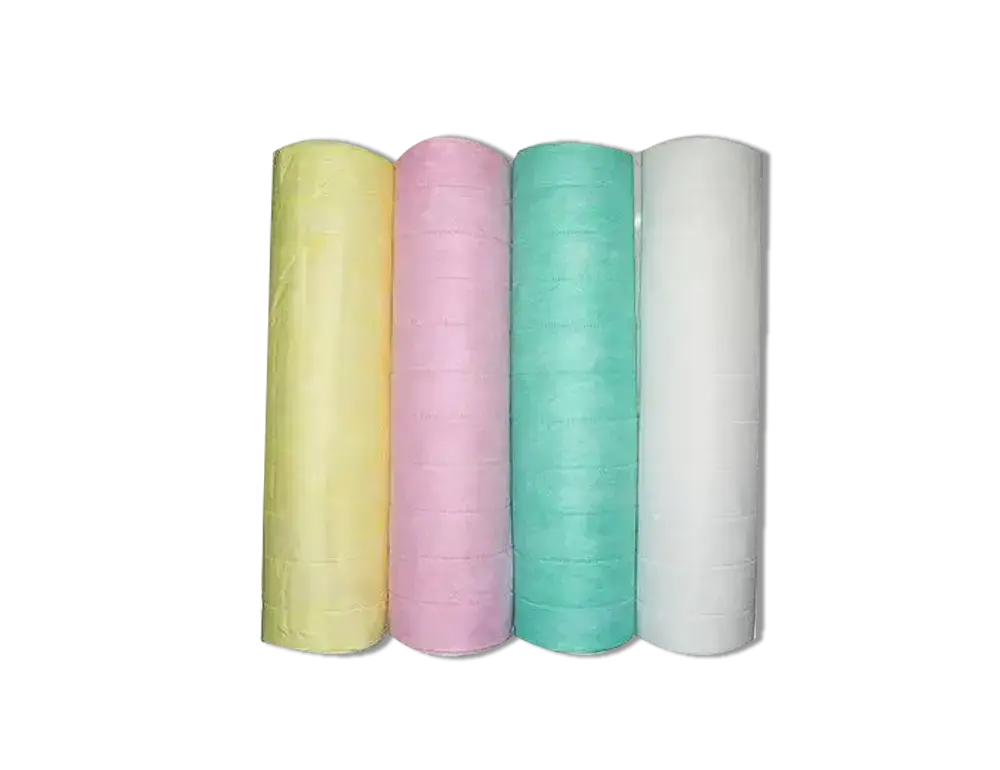
Medium-Efficiency Filter (F5–F9)
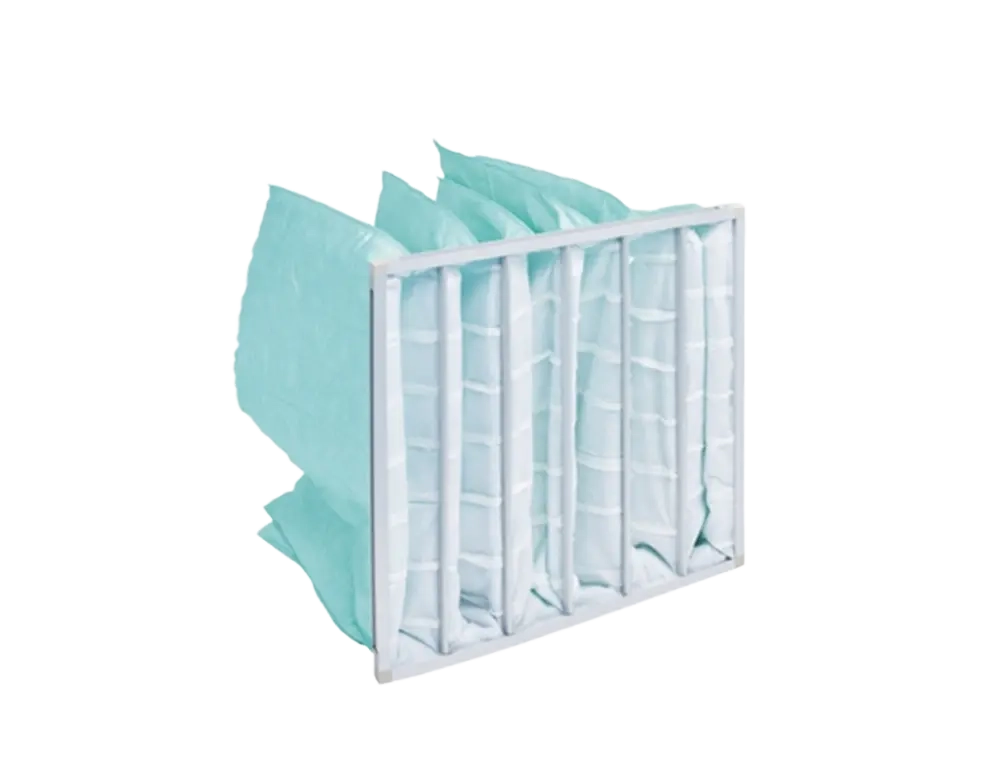
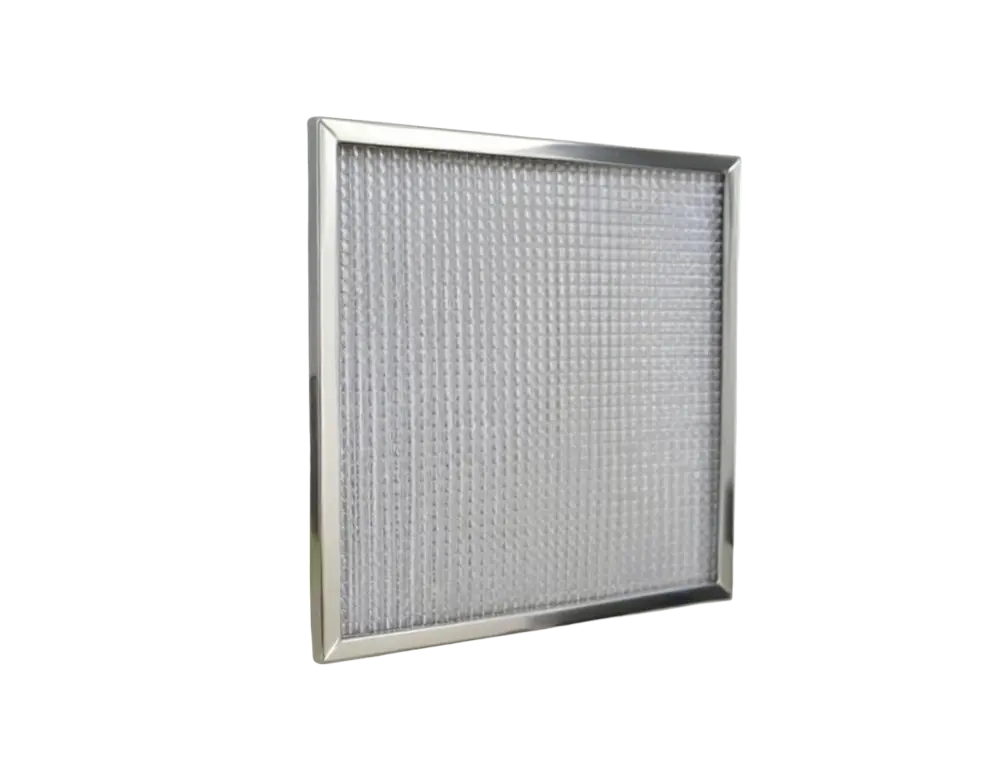
Precise PM2.5 Capture
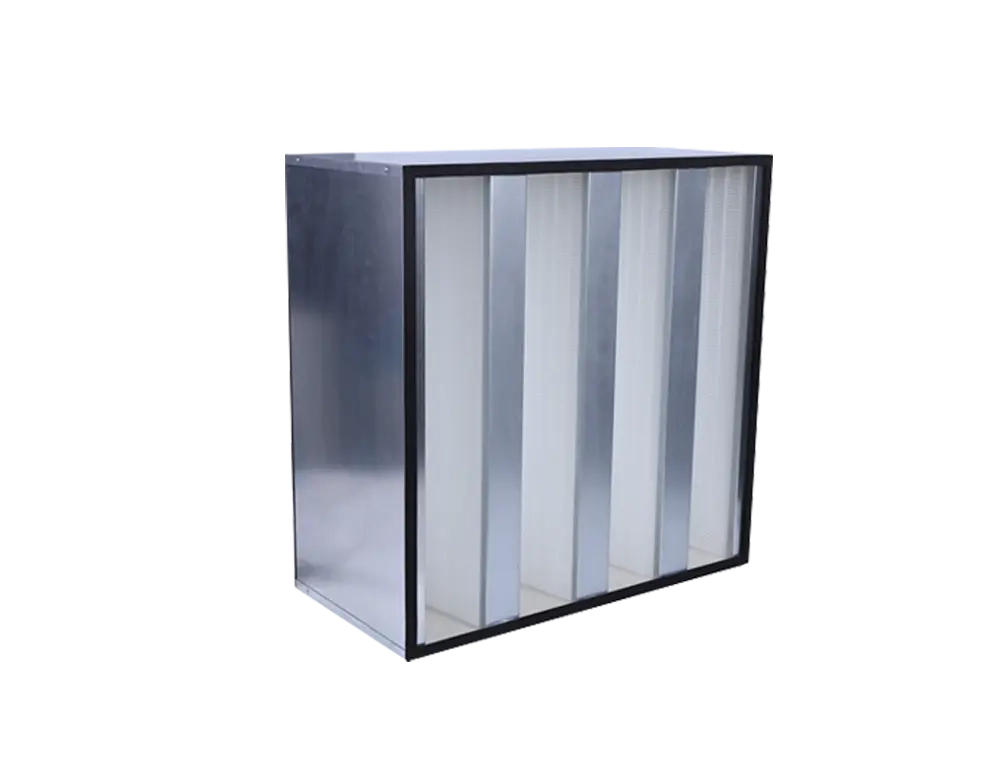
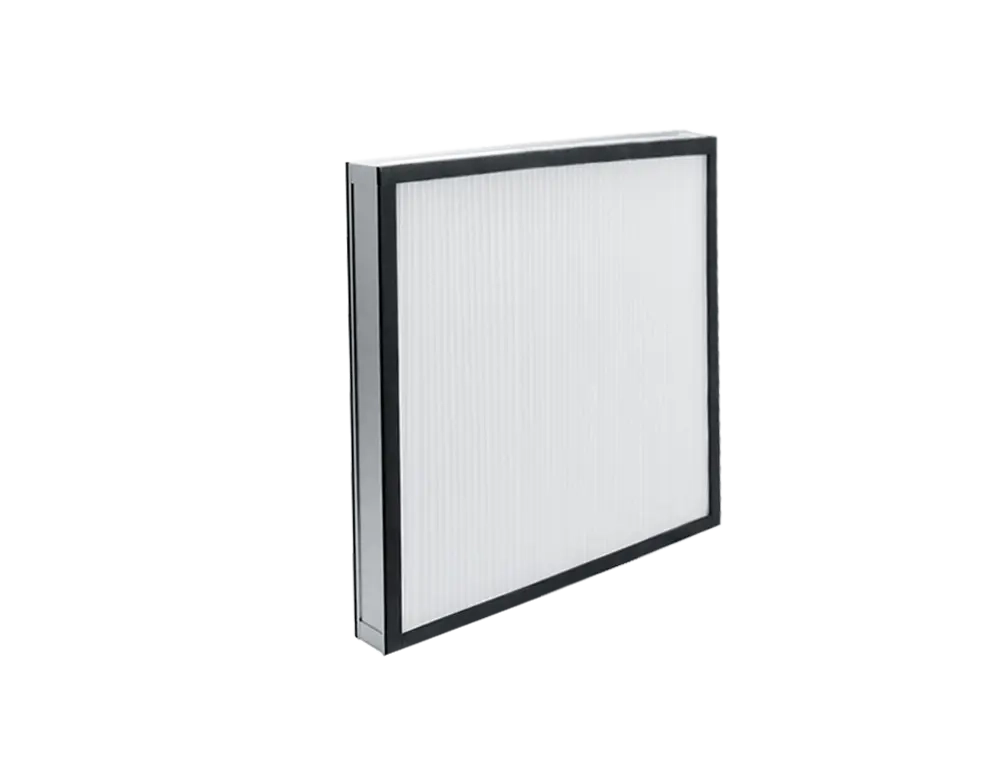
HEPA High-Efficiency Filter
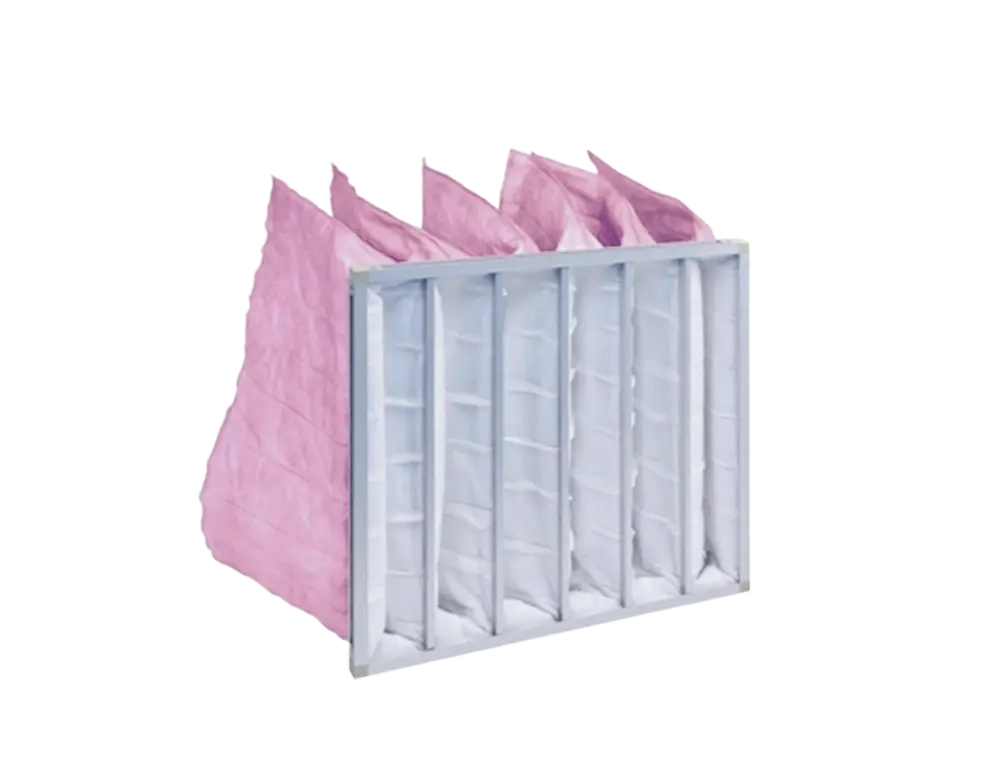
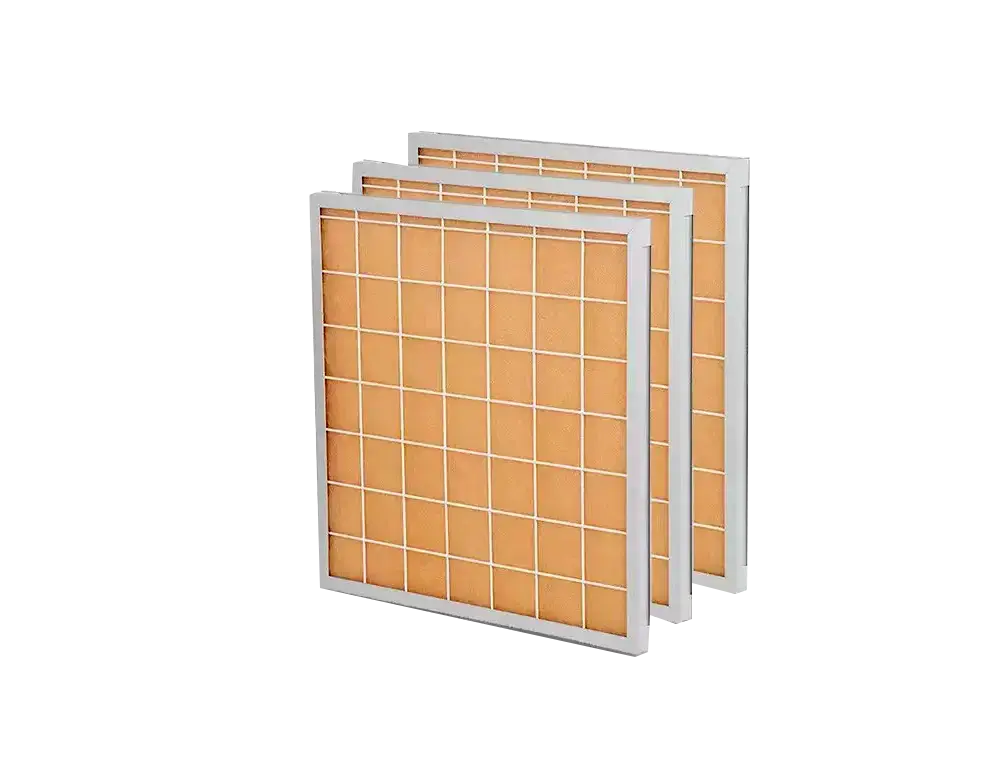
Sterile-Grade Purification
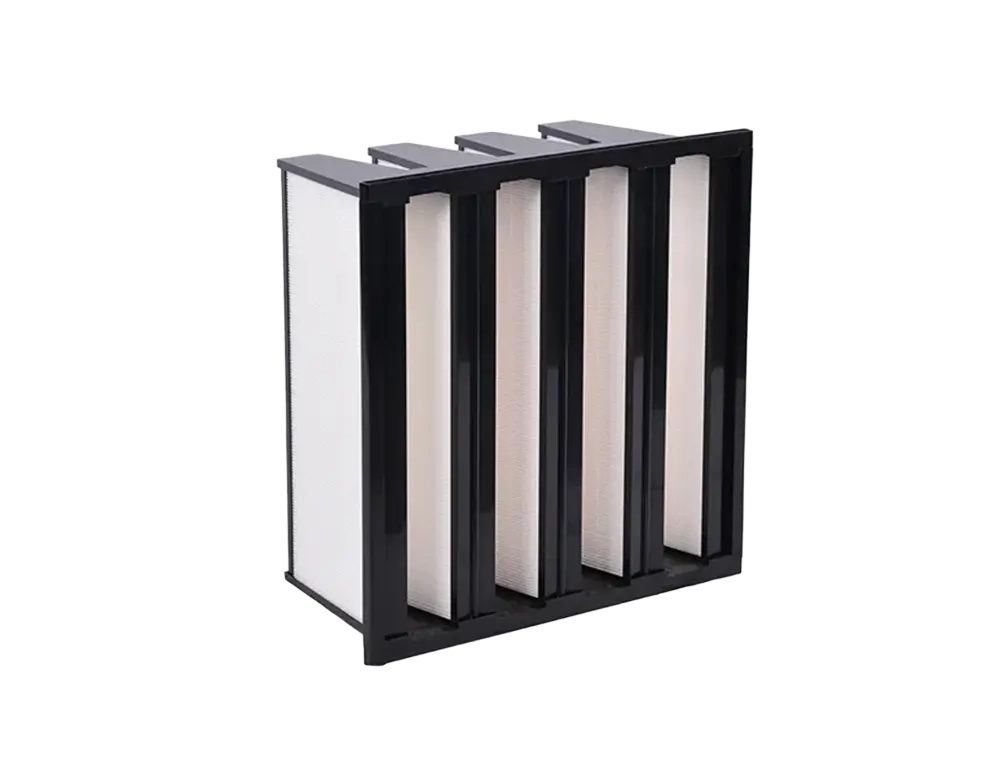
ULPA Ultra-High Efficiency Filter
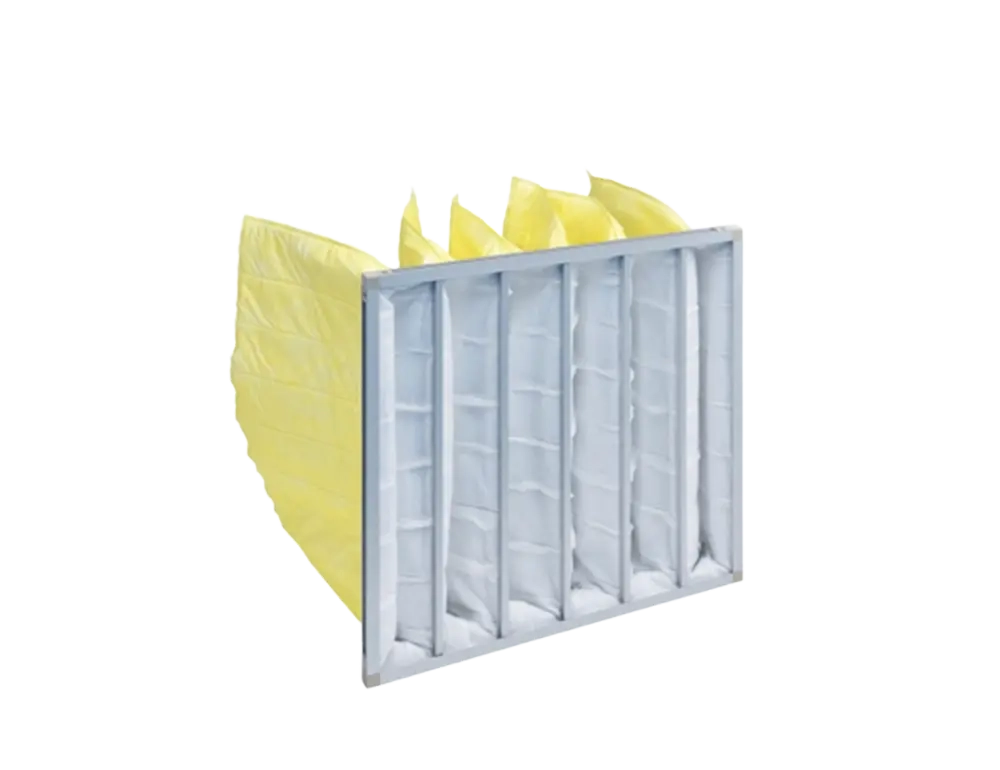
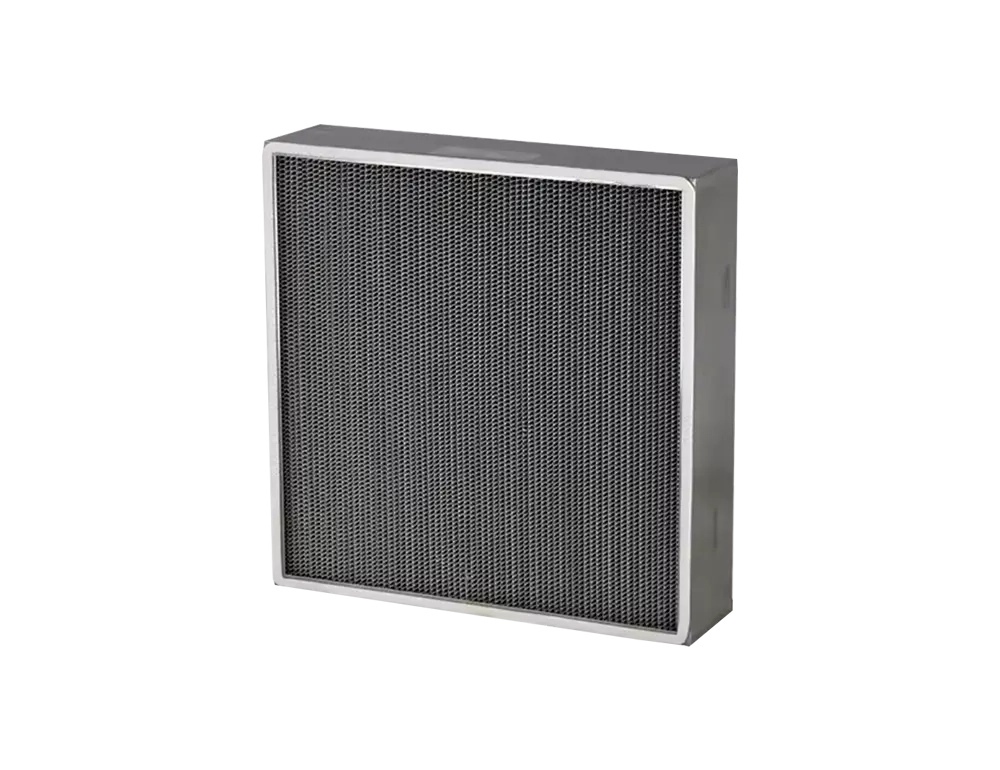
Sub-Micron Particle Capture
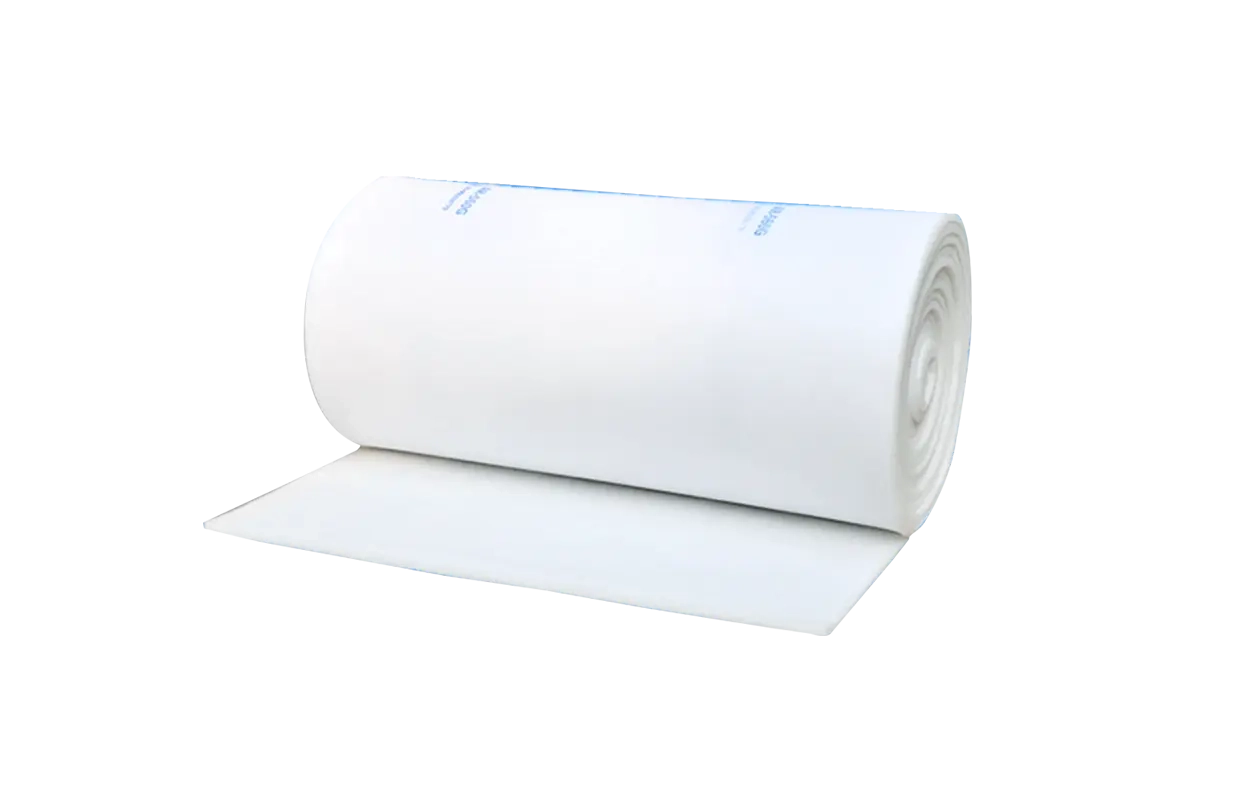
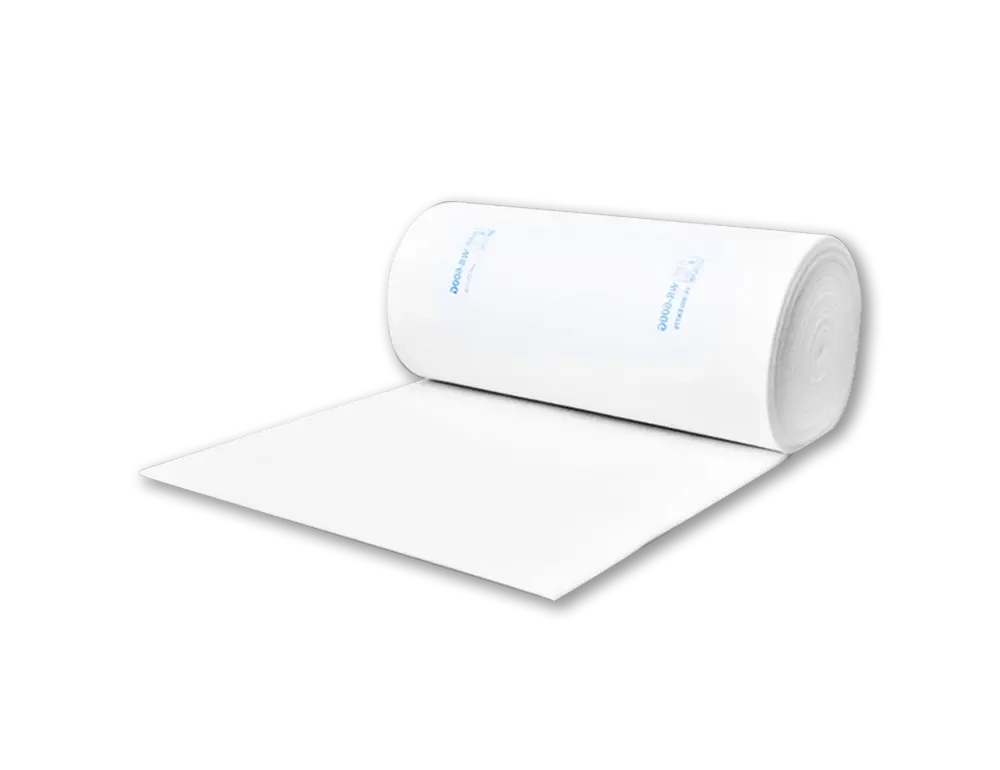
First-Stage Large-Particle Capture
The first line of defense, capturing particles ≥5 μm such as dust, hair, and fibers to protect downstream filters and extend overall system service life.
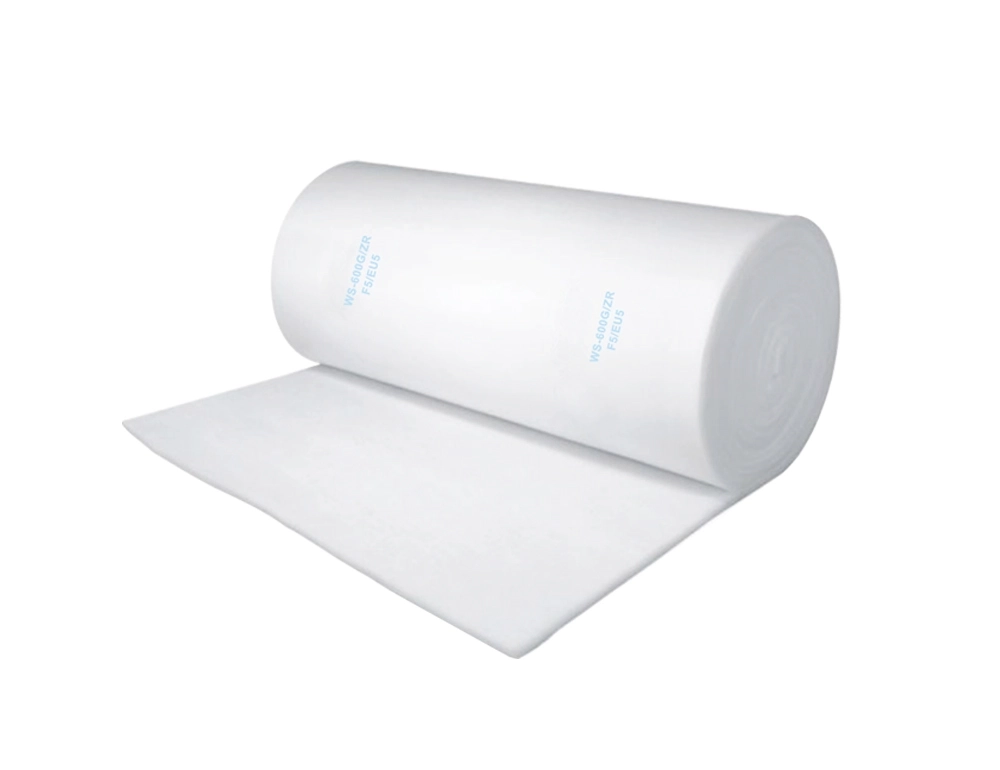
View Related Products →Precise PM2.5 Capture
Captures fine particles of 1–5 μm including PM2.5, pollen, and mold spores, significantly improving indoor air quality for commercial HVAC and ventilation systems.
View Related Products →Sterile-Grade Purification
≥99.97% filtration efficiency for particles ≥0.3 μm, delivering sterile-grade clean air widely used in medical, pharmaceutical, and electronics manufacturing.
View Related Products →Sub-Micron Particle Capture
≥99.9995% efficiency for particles ≥0.12 μm, meeting the extreme cleanliness demands of semiconductor fabs, aerospace, and other ultra-precision applications.
View Related Products →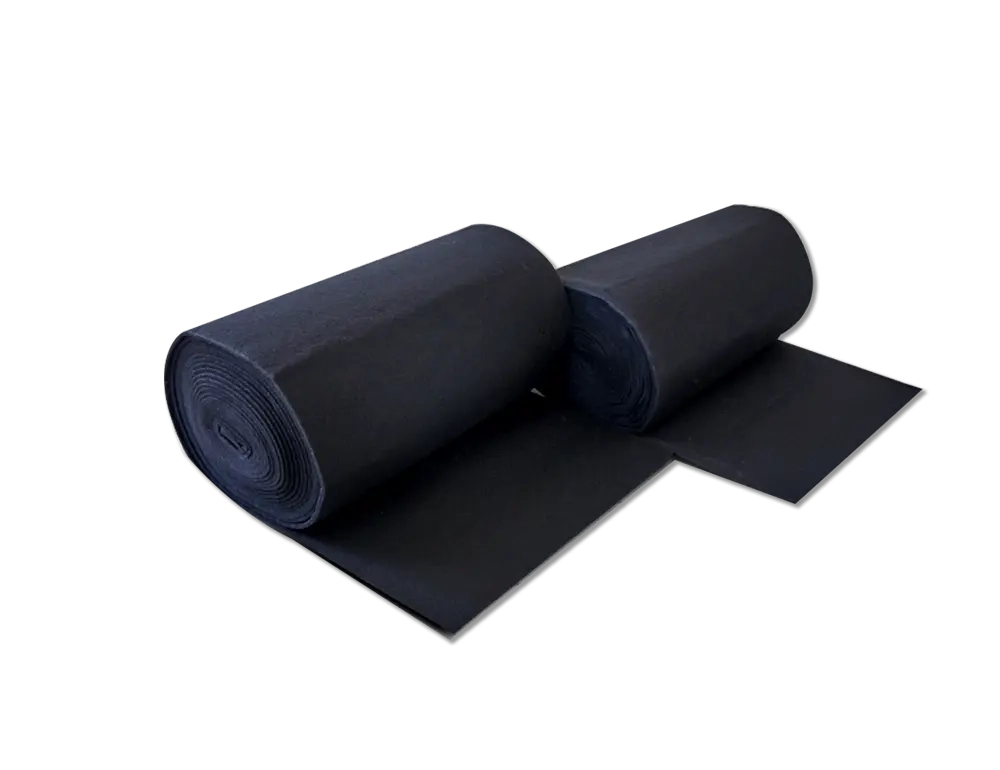
High-Temperature Resistant
Industrial-Grade Heat Tolerance
Washable & Reusable
Cut Costs, Reduce Waste
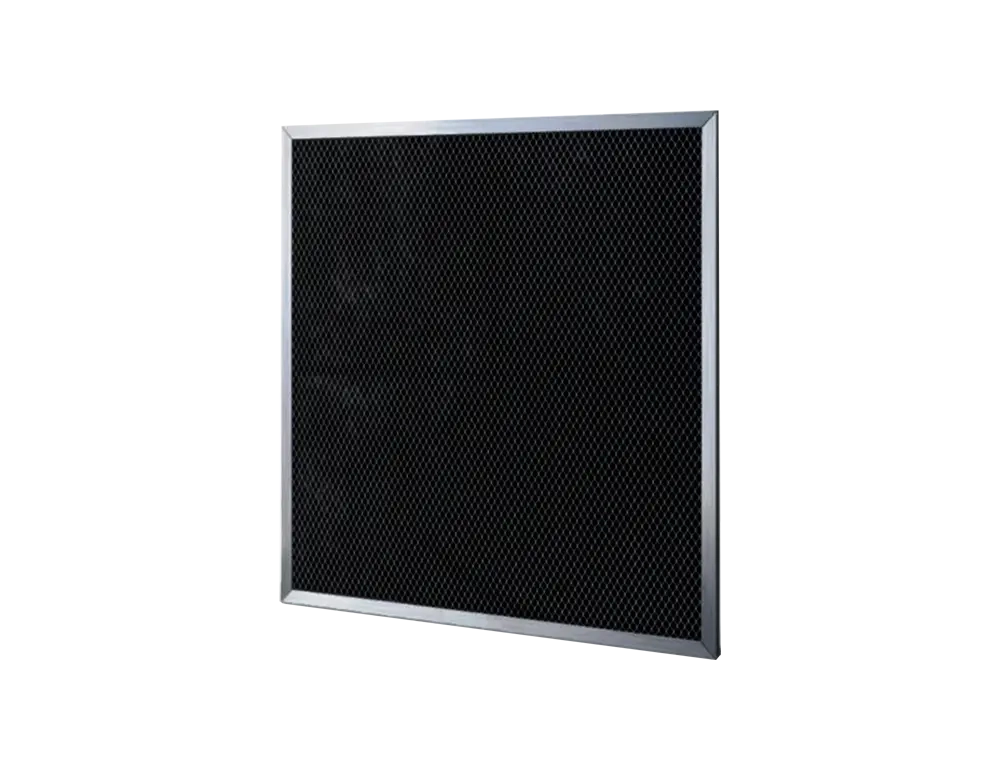
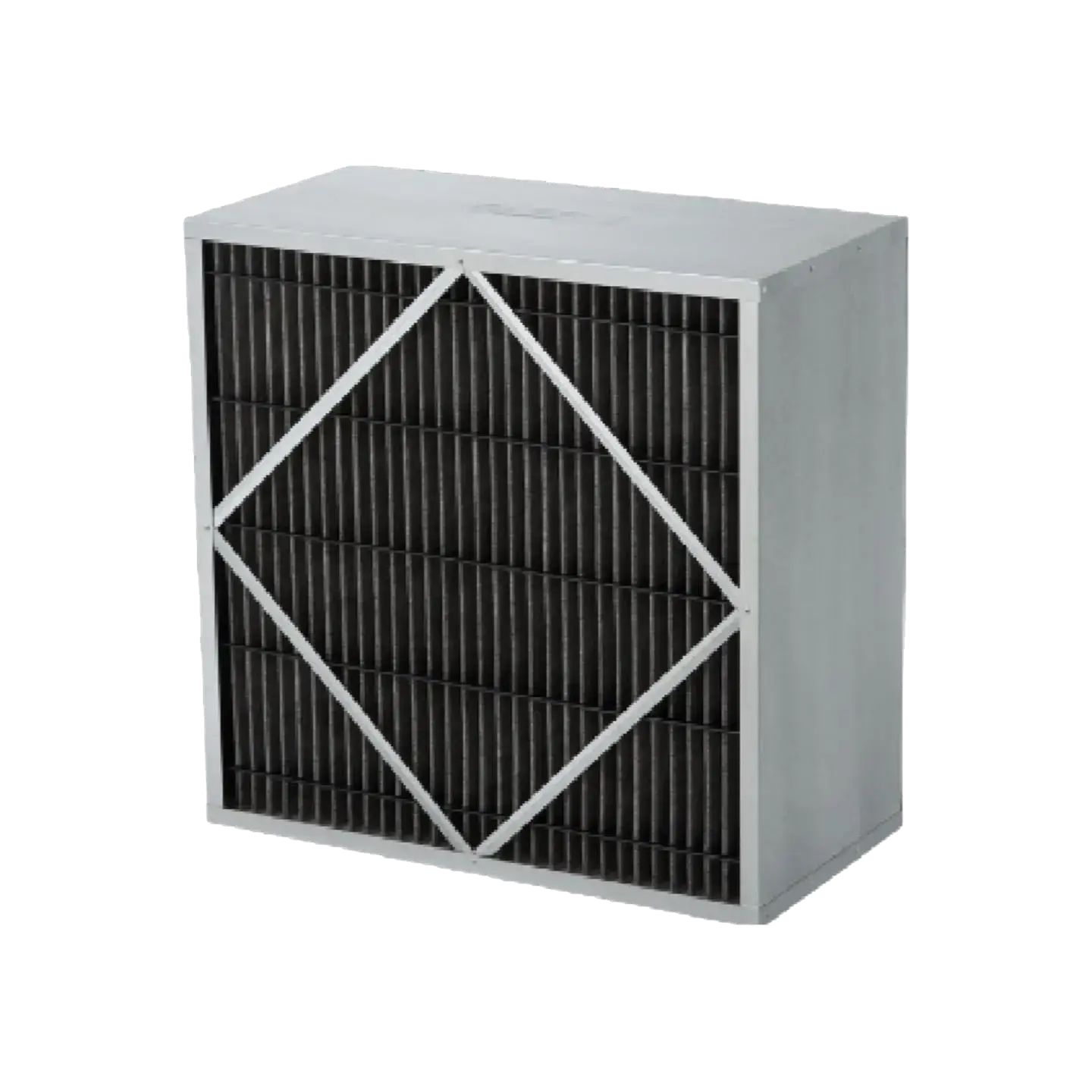
Activated Carbon
Odor & Harmful Gas Removal
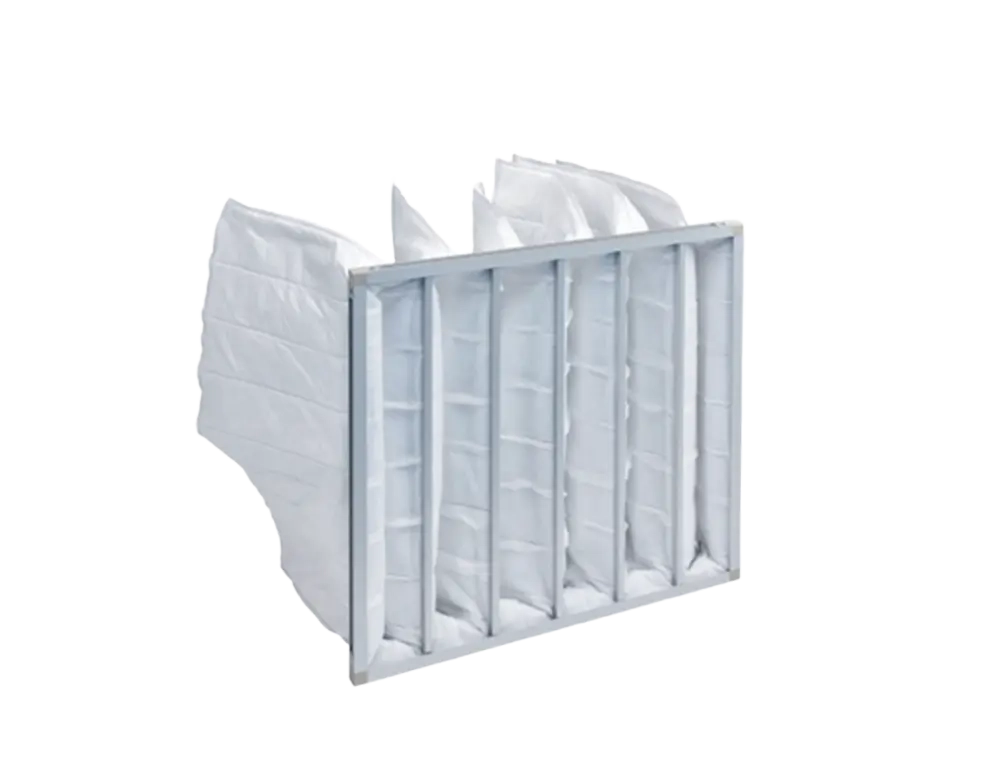
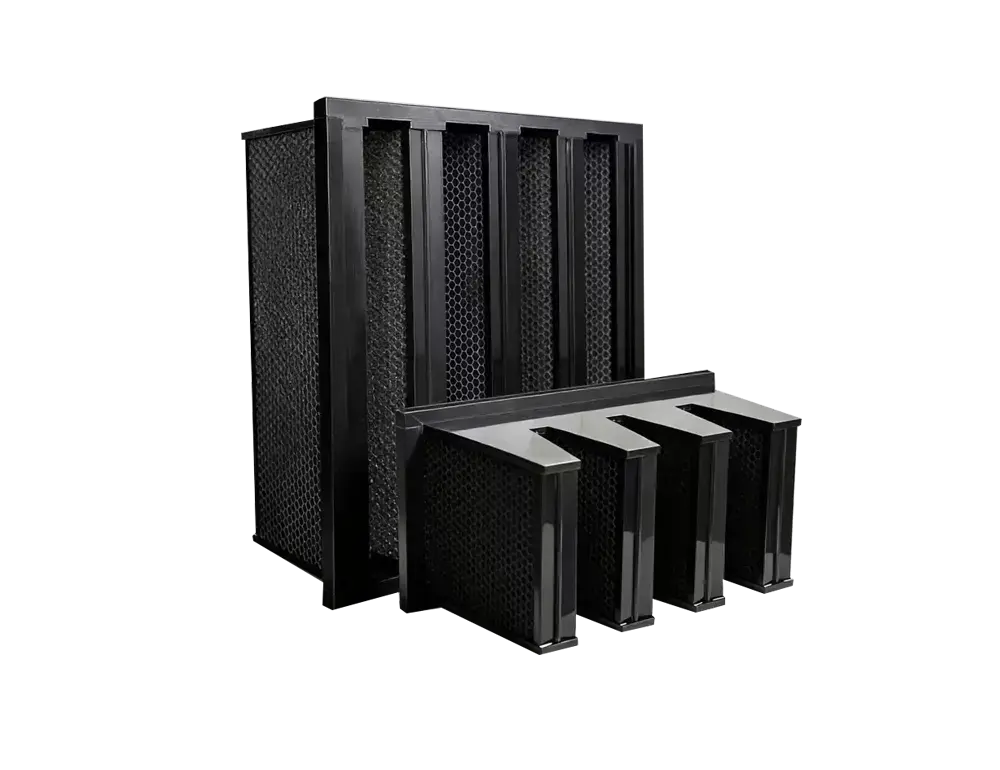
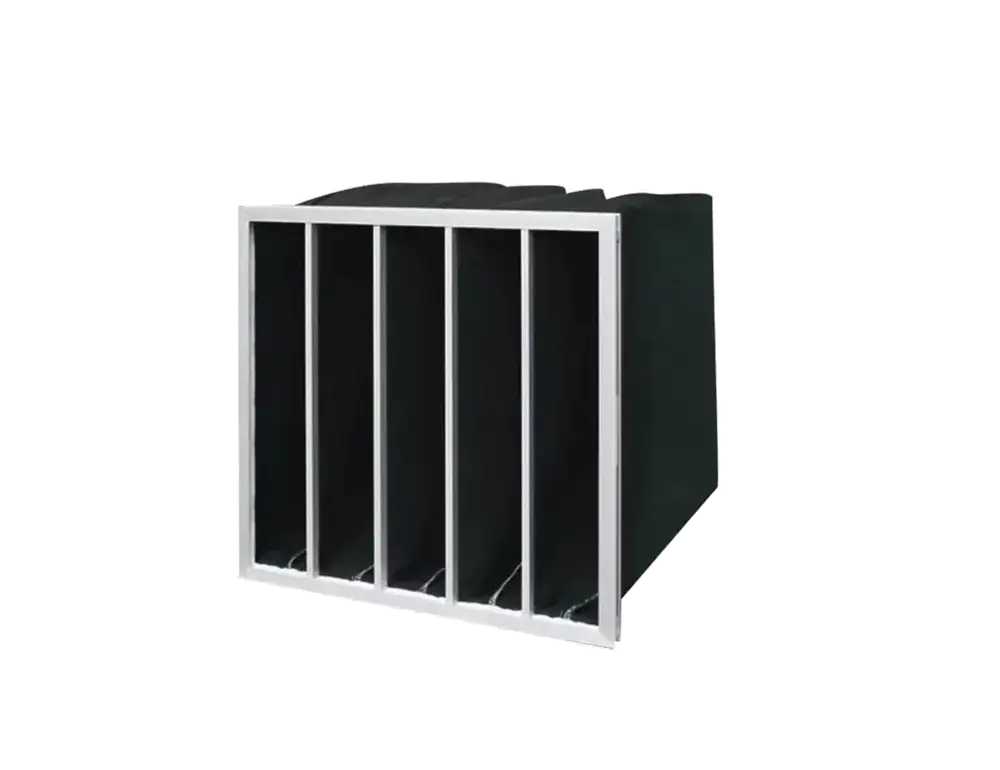
Bag Filter
High Dust-Holding, Long Life
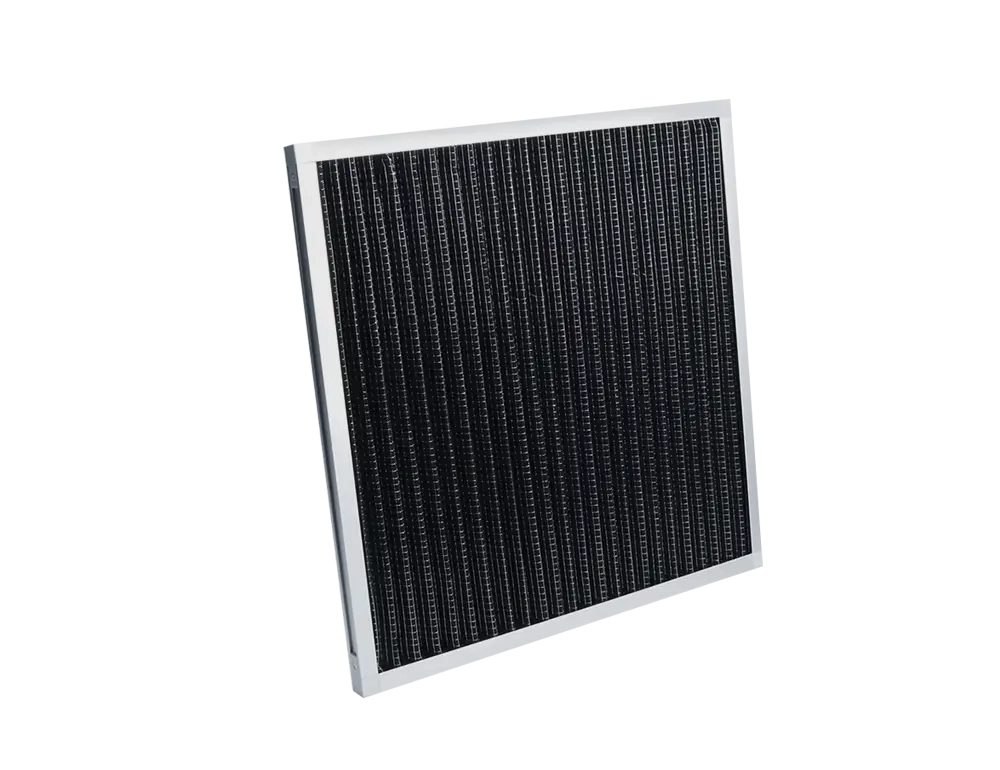
Panel / Pleated Filter
Compact Space-Saving Design
Low-Resistance Airflow
Energy-Saving Operation
Industrial-Grade Heat Tolerance
Built with specialized heat-resistant materials, operating stably up to 250°C for paint ovens, industrial dryers, and high-temperature process environments.
View Related Products →Cut Costs, Reduce Waste
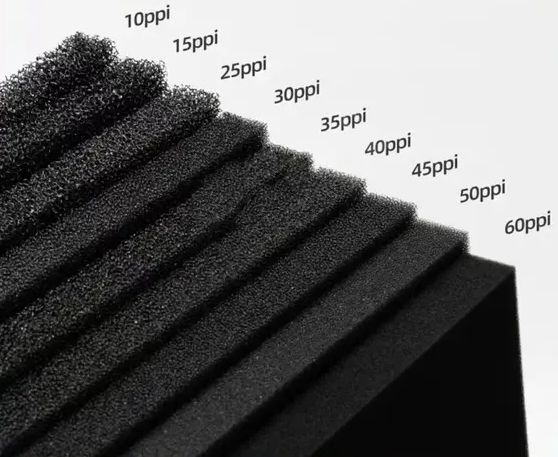
Cleanable by water washing or air blowing, reusable multiple times to significantly reduce replacement frequency and O&M costs — an economical, eco-friendly choice.
View Related Products →Odor & Harmful Gas Removal
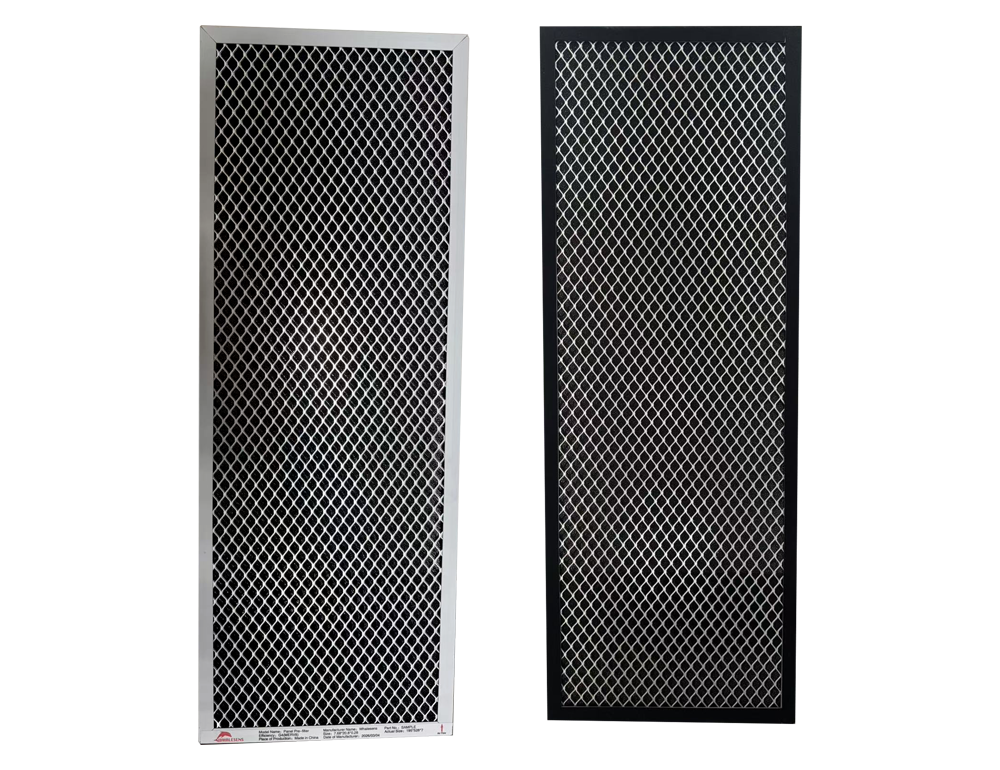
Leverages activated carbon's high adsorption capacity to eliminate odors, VOCs, and formaldehyde, ideal for newly renovated spaces and industrial exhaust treatment.
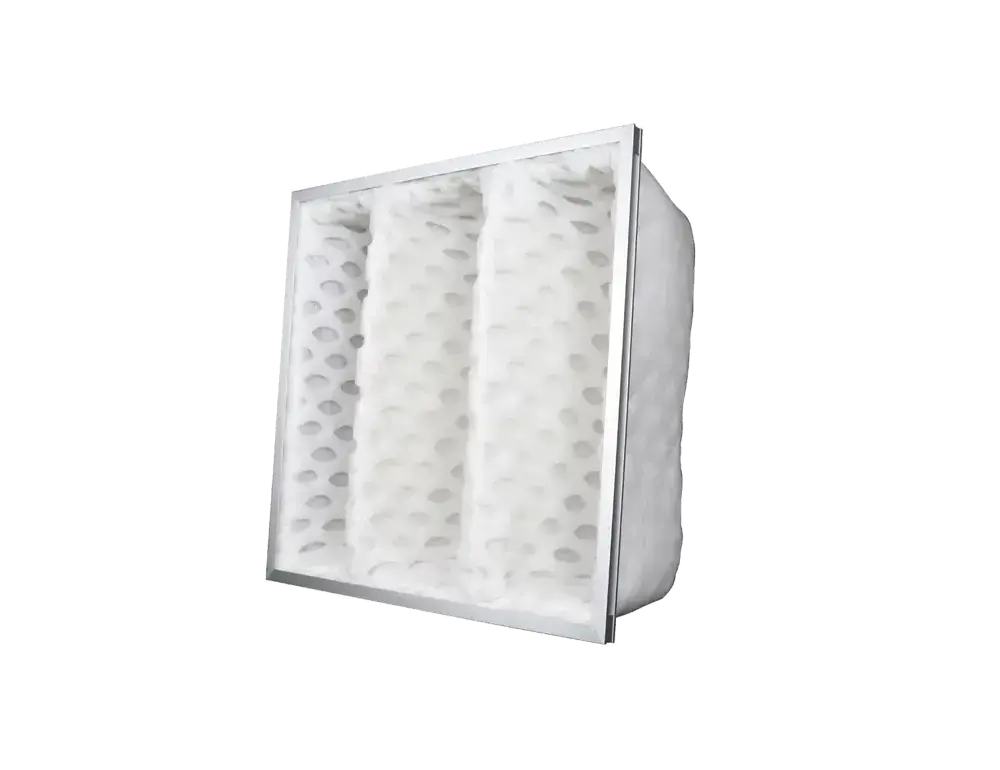
View Related Products →High Dust-Holding, Long Life
Bag-style construction delivers a larger filtration area, high dust-holding capacity, and extended service life — ideal for high-dust environments with reduced replacement frequency.
View Related Products →Compact Space-Saving Design
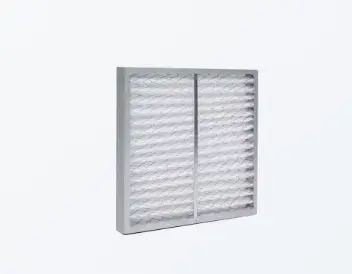
Compact form factor for easy installation and replacement; pleated structure maximizes filtration area within a small footprint for higher efficiency.
View Related Products →Energy-Saving Operation
Low-resistance design minimizes pressure drop while maintaining filtration performance, reducing fan energy consumption for cost-effective, eco-friendly operation.
View Related Products →



















 English(Global)
 简体中文
简体中文 Language




Bag Filter Housing: Ultimate Guide for Industrial Buyers
What a Bag Filter Housing Does
A bag filter housing is a pressure vessel that holds filter bags and removes particles from liquid. It may sound simple, but a wrong material or seal choice can stop an entire line. I once saw a customer buy a low-cost carbon steel housing for a mildly acidic stream. Within three months, the shell corroded through and forced a shutdown.
These vessels are common in chemical processing, water treatment, food and beverage, coatings, pharmaceuticals, and other liquid filtration operations. The housing supports the filter bag, seals the fluid path, and withstands system pressure. It should also make bag changeout easy for operators.
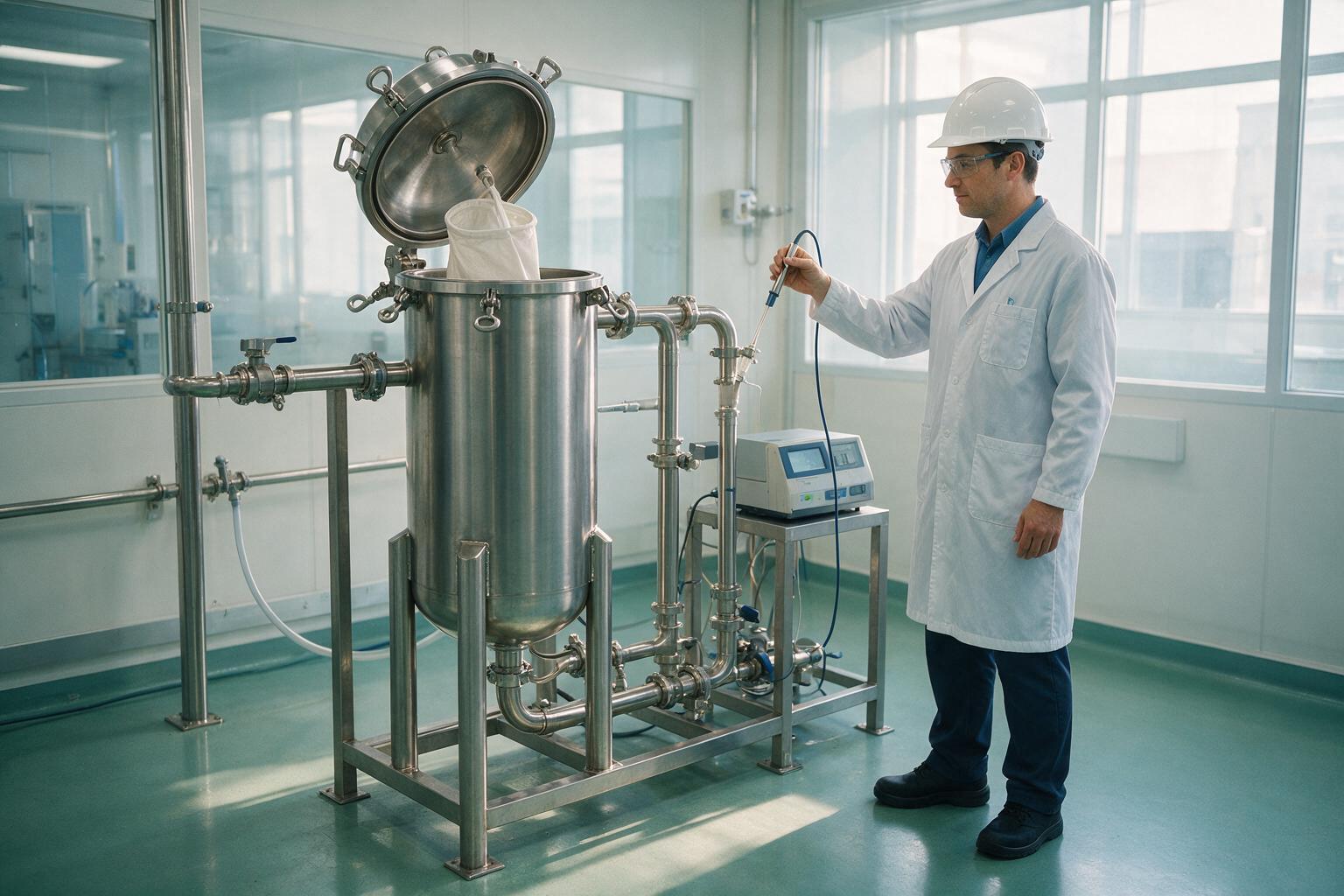
The filter bag is the consumable, not the housing. But the housing design influences how often you replace bags, how safely you operate, and how long the system survives. If you only compare purchase price, you miss the real costs.
A typical bag filter housing includes the shell, lid, filter basket, seal, and inlet/outlet ports. The basket supports the bag and prevents it from collapsing under flow. The seal between lid and shell determines whether liquid stays inside. The inlet/outlet locations affect piping layout and maintenance access.
Top-Entry vs Side-Entry Design
The two most common bag filter housing configurations are top-entry and side-entry. Top-entry units load bags from the top. You open the lid, lift out the used bag, drop in a fresh one, and close. Side-entry housings bring liquid in from the side, which suits facilities with low ceilings or crowded pipe racks.
Top-Entry Bag Filter Housing
- Easy bag changeout
- Needs overhead room
- Good for frequent bag replacement
Side-Entry Bag Filter Housing
- Side inlet/outlet
- Low vertical clearance
- Handles high flow systems
Which one should you choose? If your mezzanine or platform provides enough headroom, top-entry is easier to maintain. If the unit sits under a low ceiling or inside a skid, side-entry saves space. Here's the thing: measure your available clearance before you commit. A top-entry unit in a low room turns routine bag changes into a struggle.
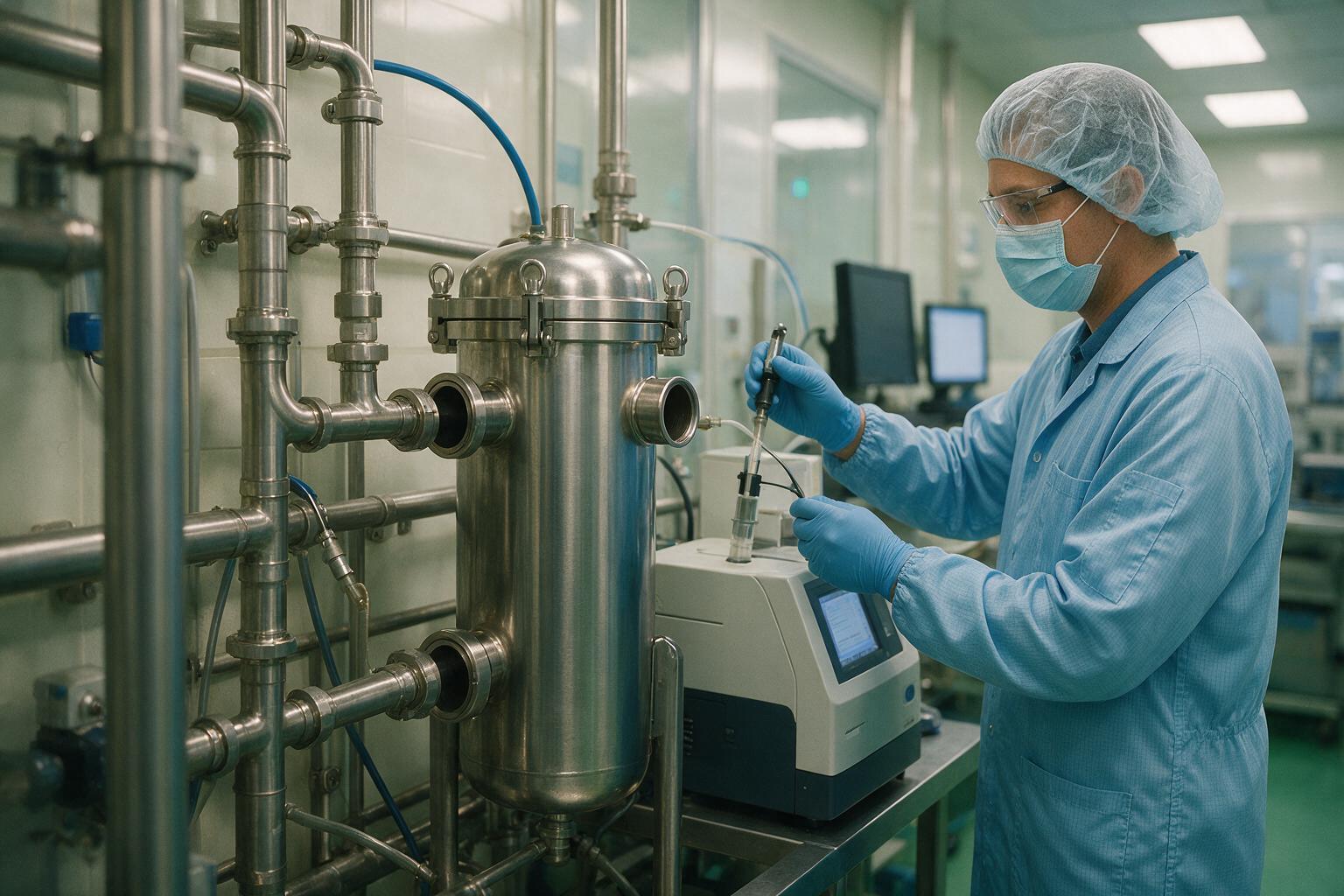
Multi-bag housings follow the same logic. A 4-bag or 6-bag shell handles higher flow, but you need enough room to open the lid or swing out the basket. Think about operator access during a filter change, not just the footprint.
Side-entry designs often pair with lower profile baskets and horizontal flow paths. This can reduce overall height by 30–50% compared to an equivalent top-entry unit. For skid builders, that height saving can be the difference between a standard container fit and a custom frame.
Material Selection: Stainless Steel, Carbon Steel, or PP
The housing material determines service life and fluid cleanliness. Common options include 304 stainless steel, 316 stainless steel, carbon steel with rubber or plastic lining, and polypropylene. Stainless steel resists corrosion and cleans easily, which makes it the default for food and pharmaceutical processes. Carbon steel costs less but needs an intact liner. PP suits low-temperature, mildly corrosive fluids.
Surface finish matters too. Food and pharmaceutical applications often need polished internal surfaces to reduce bacteria attachment and simplify cleaning. A rough cast surface traps product residue and makes validation harder.
One customer used a low-cost carbon steel shell with a rubber lining. The liner detached after a few months, rust entered the filtrate, and the batch was scrapped. Switching to stainless steel solved the contamination permanently. To be honest, money saved on materials often comes back as downtime losses.
If your process has any chance of chloride exposure, go with 316L. The upfront delta is small relative to a corroded shell. PP is fine for ambient temperatures and mild acids, but it cannot handle high pressure or thermal cycling. Carbon steel is acceptable only when the liner is inspected regularly and the process chemistry is well understood.
Seal Design and Why Leaks Happen
A bag filter housing's seal performance affects safety and product quality. Standard seal designs include O-ring grooves, quick-opening clamps, and flanged connections. O-ring seals are simple but demand precise machining on the sealing face. Clamp closures allow fast opening for frequent bag changes. Flanged joints handle high pressure but take longer to disassemble.
The seal itself is rarely the root cause of a leak. I've seen too many cases where the O-ring is fine, but the groove has a scratch or the flange is warped. Operators replace the ring, the leak returns, and they blame the supplier. Check the sealing surface every time you change a bag. Look for dents, corrosion, or uneven contact.
High-pressure systems may need a self-energizing seal design. These seals use system pressure to tighten the contact, so they handle pressure spikes better than plain O-rings. When comparing vendors, ask how they control sealing face flatness. A polished, machined groove is more reliable than a rough cast surface.
Flanged connections follow ASME or DIN standards. The gasket material must match the fluid temperature and chemical exposure. For example, EPDM suits many water and mild chemical applications, while FKM handles higher temperatures and more aggressive solvents. Mismatching gasket and process fluid leads to swelling, hardening, or chemical attack.
Sizing: Pressure, Temperature, Flow, Micron Rating
Four parameters drive bag filter housing selection: pressure, temperature, flow, and micron rating. Get these right and the system runs predictably.
Pressure comes first. Design pressure should sit above the maximum operating pressure, usually with a 1.5 safety factor. Standard bag filter housings often carry a 0.6 MPa design pressure. If your process exceeds that, specify a high-pressure version. Underspecifying here is dangerous.
Temperature mainly affects seal material. Nitrile rubber (NBR) typically handles up to 80°C. Fluorocarbon rubber (FKM) reaches 150°C. PTFE goes higher. If the fluid runs hot and you pick NBR, the seal hardens and leaks early. Confirm both continuous and peak temperatures before choosing elastomers.
Flow determines bag quantity and size. A No. 1 bag handles roughly 20 m³/h of water. A No. 2 bag handles about 40 m³/h. Need more? Use a multi-bag housing with 4, 6, or 12 bags in parallel. Higher flow also increases pressure drop, so pipe size and connection ports must match.
Micron rating should match the real particle removal target. Finer ratings create higher pressure drop and shorter bag life. Run a pilot test to find the coarsest rating that still captures the target particles. Over-filtering wastes bags and energy.
Bag Filter Housing Sizing Checklist
- Fluid properties: corrosivity, viscosity, solids content
- Operating pressure: maximum pressure plus safety margin
- Operating temperature: determines seal and gasket material
- Flow rate: calculate hourly volume, choose single-bag or multi-bag
- Micron rating: based on process requirement and pilot test
- Installation space: top clearance or side access
Use this checklist before requesting a quote. It keeps suppliers honest and prevents oversizing.
Connection size also matters. A 2-inch inlet on a housing rated for 40 m³/h creates excessive velocity and pressure drop. Match the nozzle size to the expected flow range. For multi-bag systems, consider a manifold design to distribute flow evenly across all bags.
Maintenance, Changeout, and Total Cost of Ownership
A bag filter housing lasts a long time, but filter bags are consumables. The key maintenance task is differential pressure monitoring. I've seen a cleanroom operation lose 30% of its pressure and keep running because the operator thought the gauge was broken. The filter bag had caked into a solid block. The housing pressure climbed dangerously before someone caught it.
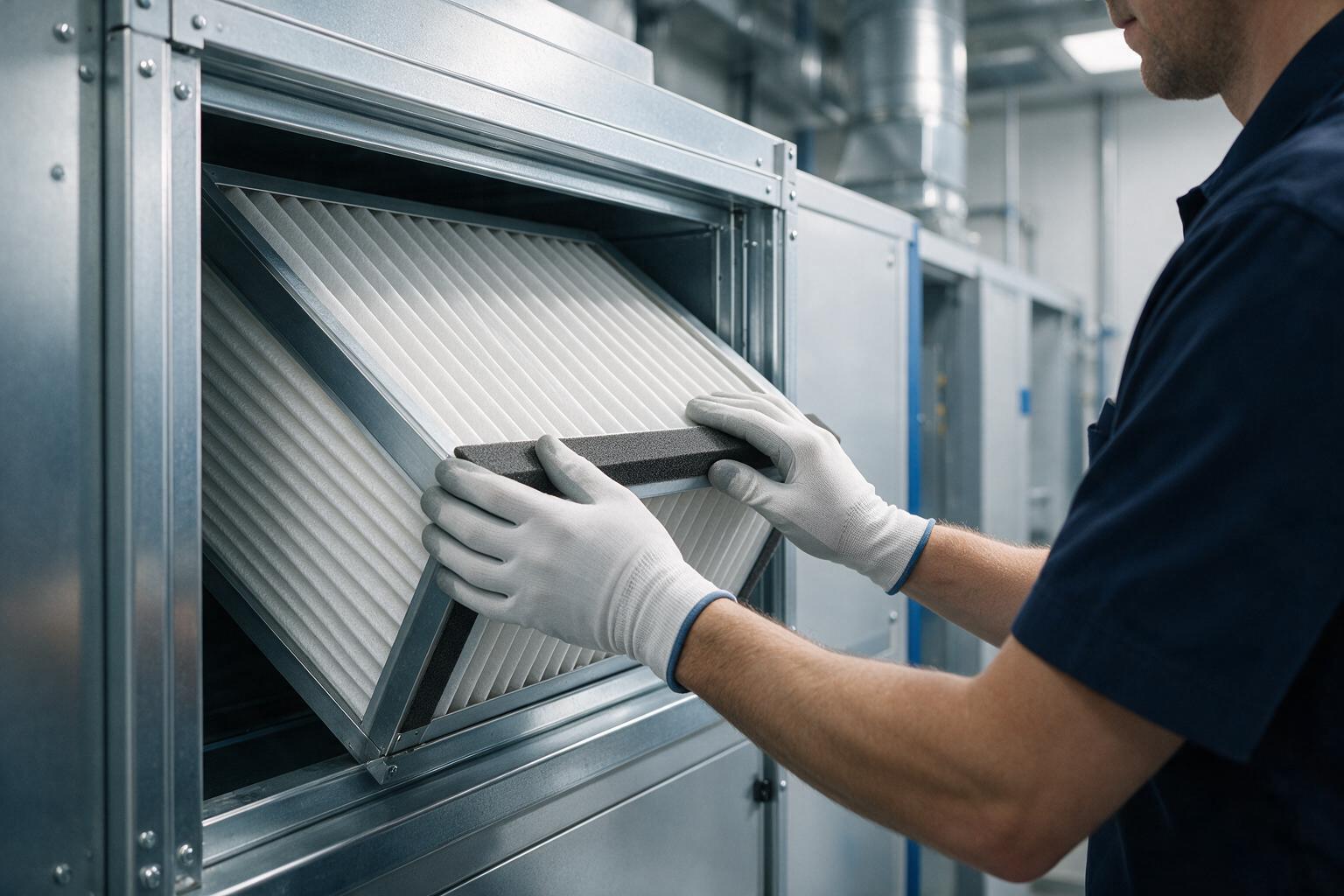
Don't wait for failure. Record inlet and outlet pressure weekly. Change the bag when differential pressure climbs 0.1 MPa above the initial clean value. Inspect seals at every changeout. Replace any O-ring that is deformed or hardened. Open the housing quarterly to check internal walls for corrosion or coating damage.
Filter bag media also affects changeout frequency. Polypropylene bags suit many acids and alkalis. Polyester bags handle higher temperatures and some solvents. Nylon bags resist abrasion and work well in water-based systems. Choosing the wrong media leads to premature bag failure and product contamination.
Then there's the price question. Two bag filter housings with the same flange size can differ in cost by two or three times. The difference hides in plate thickness, weld finishing, surface treatment, and seal face quality. Cheap units use thin plate and rough welds. Better units use thicker plate, polished internals, and flat seal faces.
I've noticed that more expensive equipment does not always mean higher filtration cost. Often the opposite is true. A customer once told me, "Your housing is 20% more expensive." But when we added up longer service life and avoided downtime, the total cost was about 40% lower.
If you replace a cheap housing every three years and a quality housing every ten, the math becomes obvious. Downtime, lost product, and maintenance labor often exceed the price difference.
Need a custom air filtration solution?
Contact the Whalesens engineering team for product selection and OEM/ODM support.
Email whalesens@gmail.com
