


EV Charging Stations
Filtration for Power Equipment
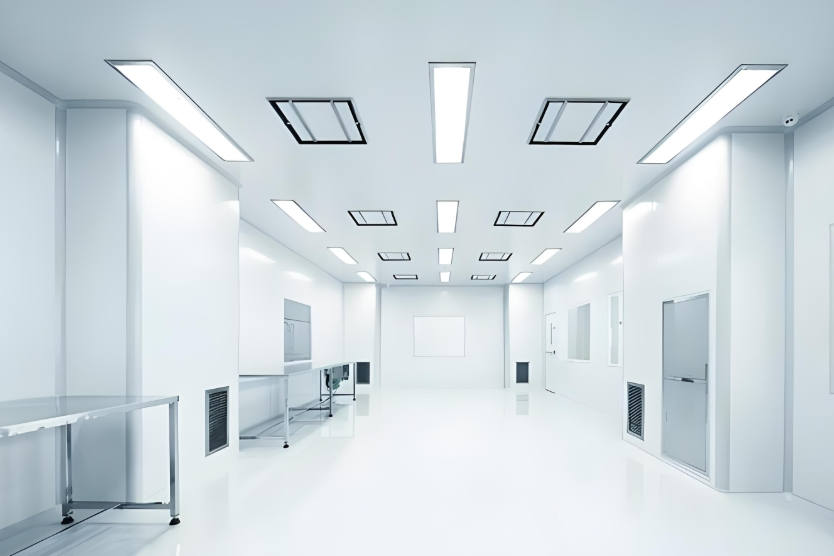
Cleanroom & Semiconductor
Ultra-High Cleanliness Filtration
Commercial HVAC
Central Air System Filtration
Data Centers
Precision Equipment Protection
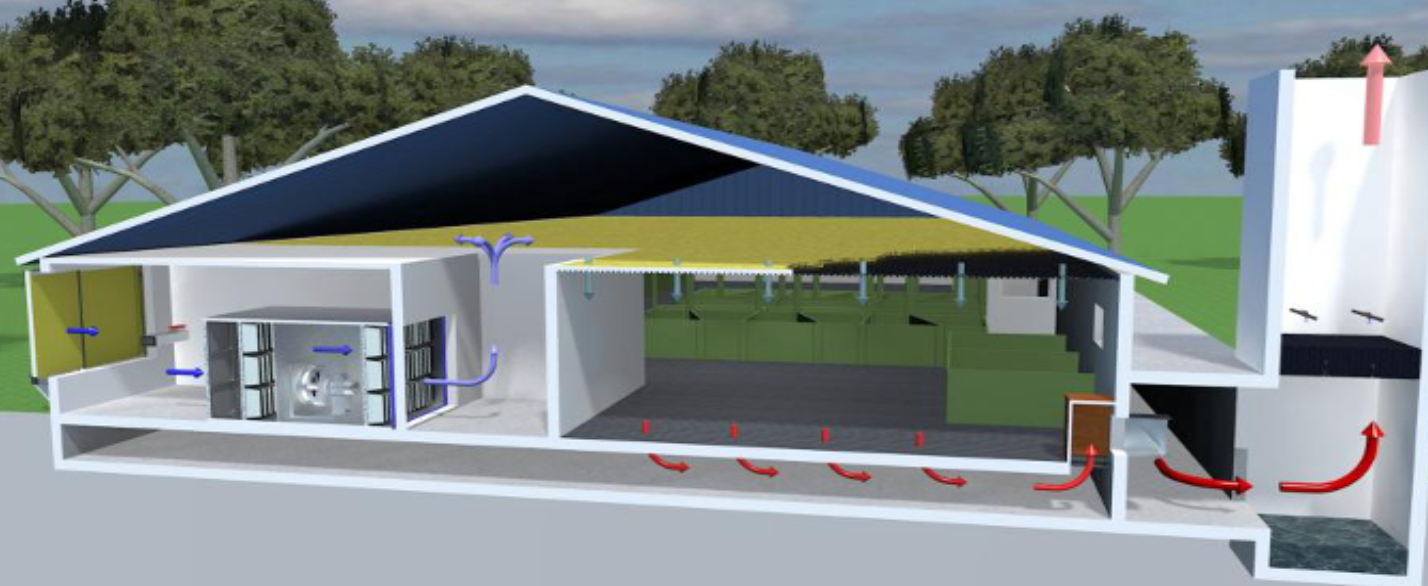
Livestock & Farming
Farming Environment Purification
Spray Booths & Industrial Dust
Paint Mist & Dust Purification
Filtration for Power Equipment
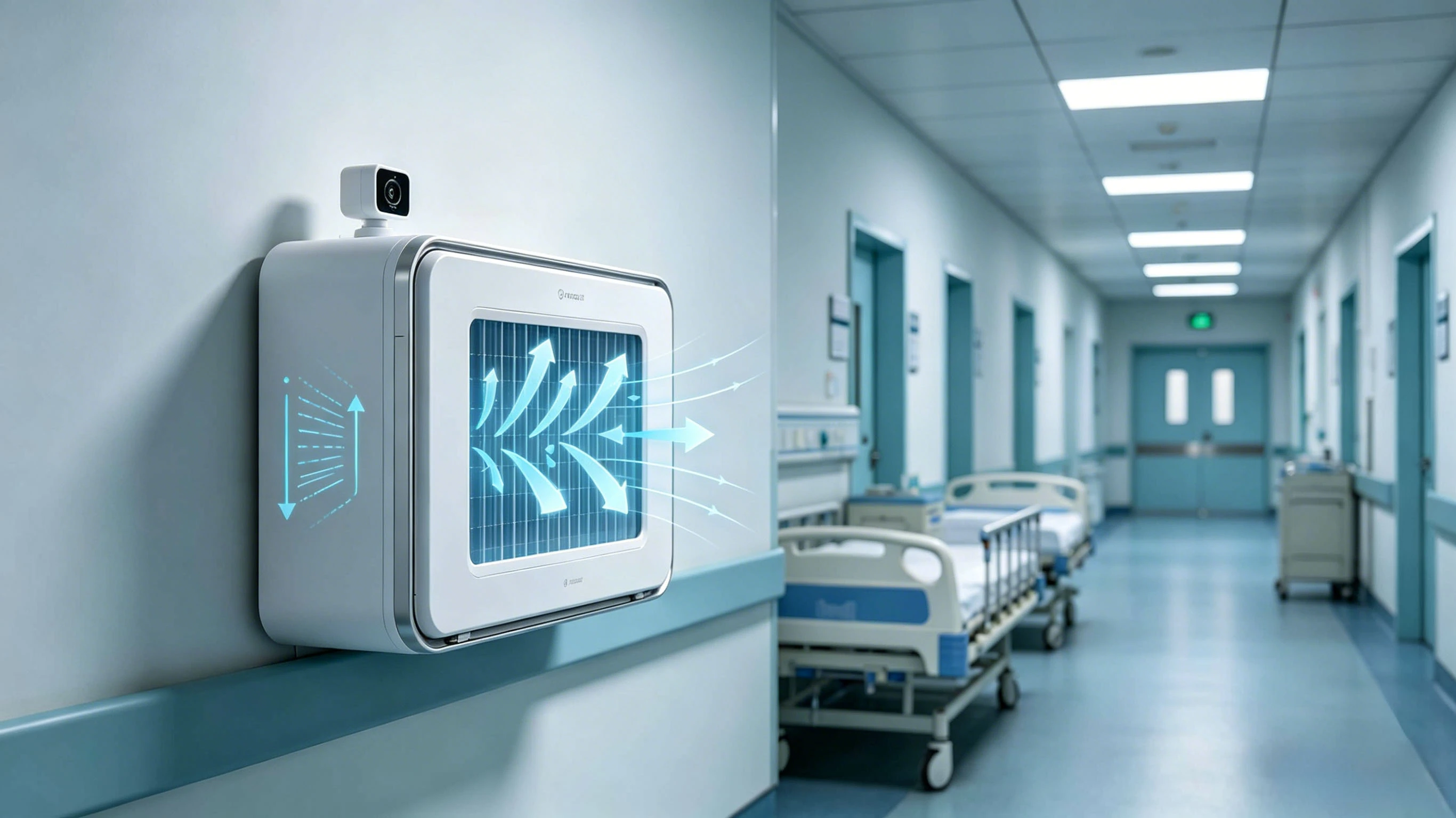
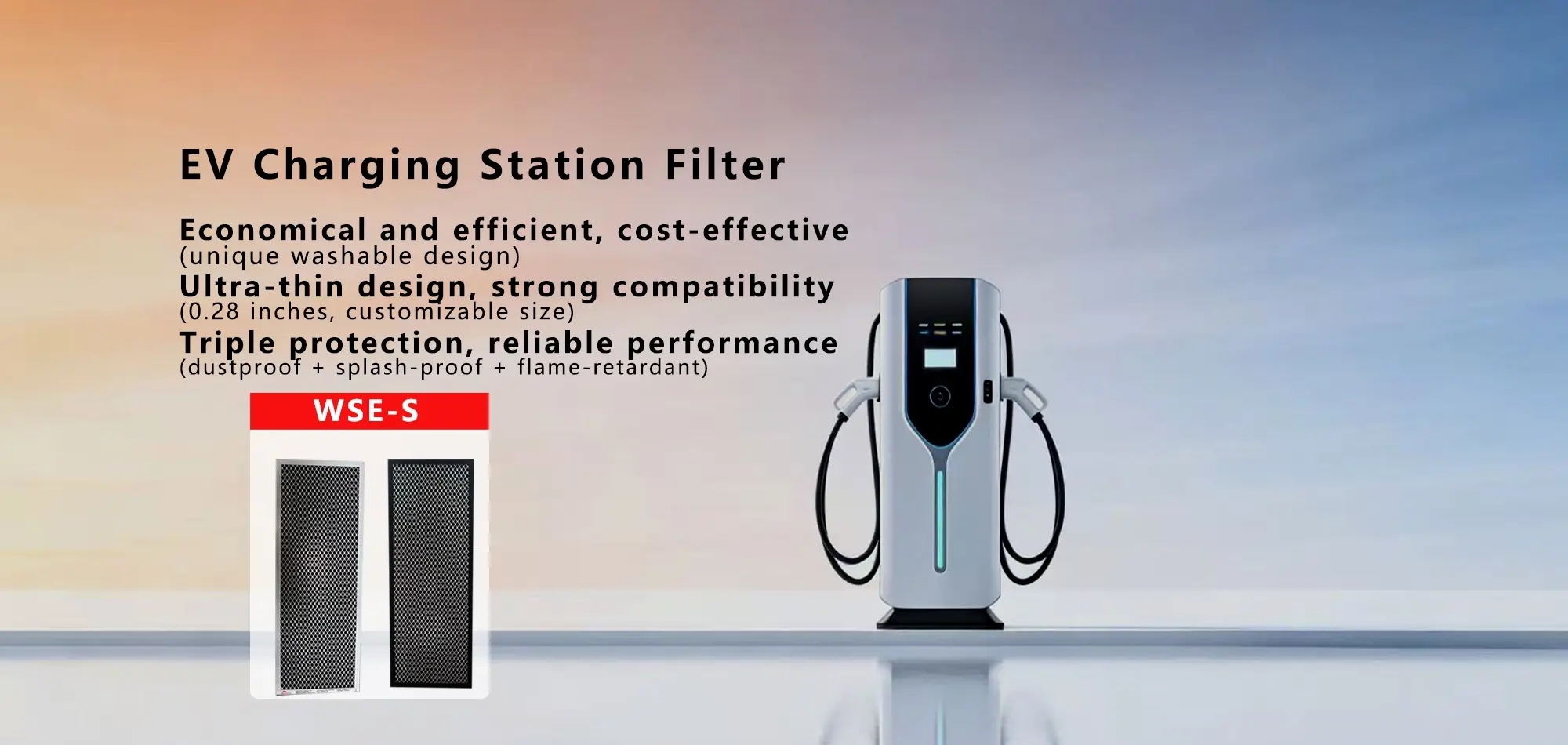
Professional air filtration for EV charging devices, protecting against dust and sand ingress to ensure stable, reliable operation of charging piles and station infrastructure.
View Related Products →Ultra-High Cleanliness Filtration
Ultra-high efficiency filtration for semiconductor wafer fabs and precision electronics cleanrooms, capturing nano-scale particles to meet ISO Class 1–3 standards and maximize product yield.
View Related Products →Central Air System Filtration
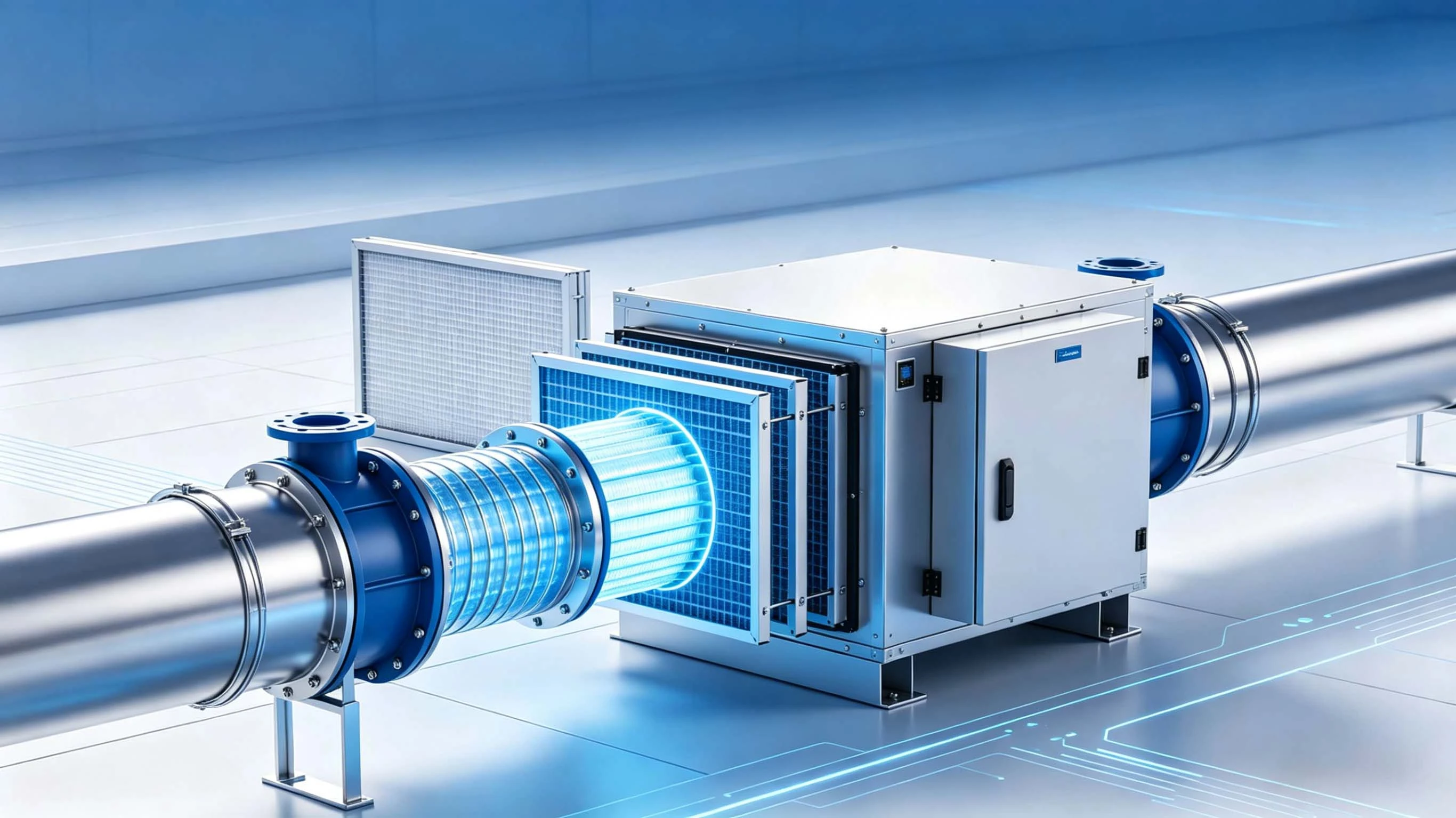
High-efficiency filtration for commercial building HVAC systems, improving indoor air quality, reducing energy consumption, and extending equipment service life.
View Related Products →Precision Equipment Protection
Precision air filtration for data centers, shielding servers and critical hardware from dust contamination to keep cooling systems running efficiently and reliably.
View Related Products →Farming Environment Purification
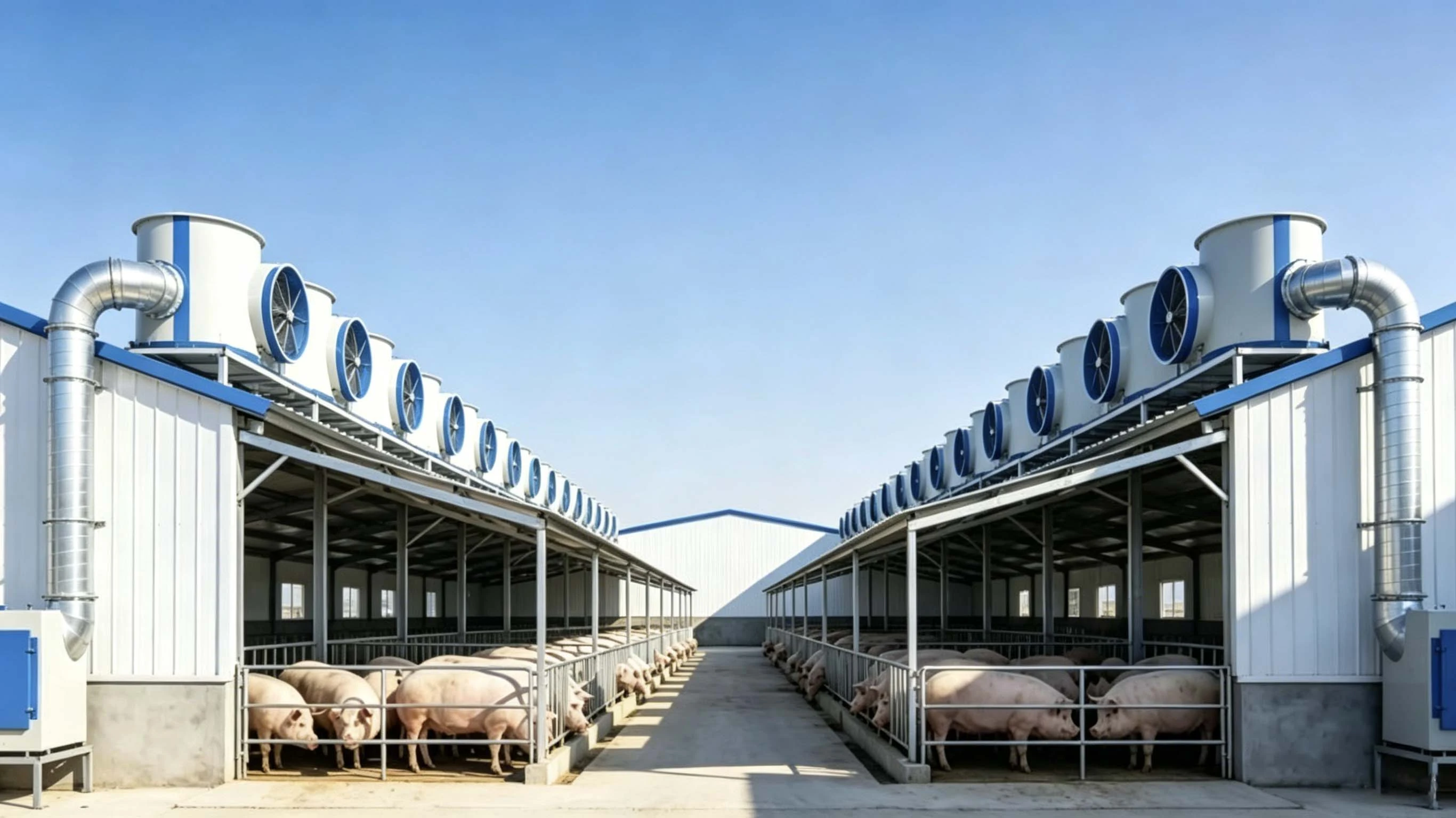
Dedicated filtration systems for farms and livestock facilities — capturing dust, adsorbing ammonia, and inhibiting pathogen spread to improve animal health and overall productivity.
View Related Products →Paint Mist & Dust Purification
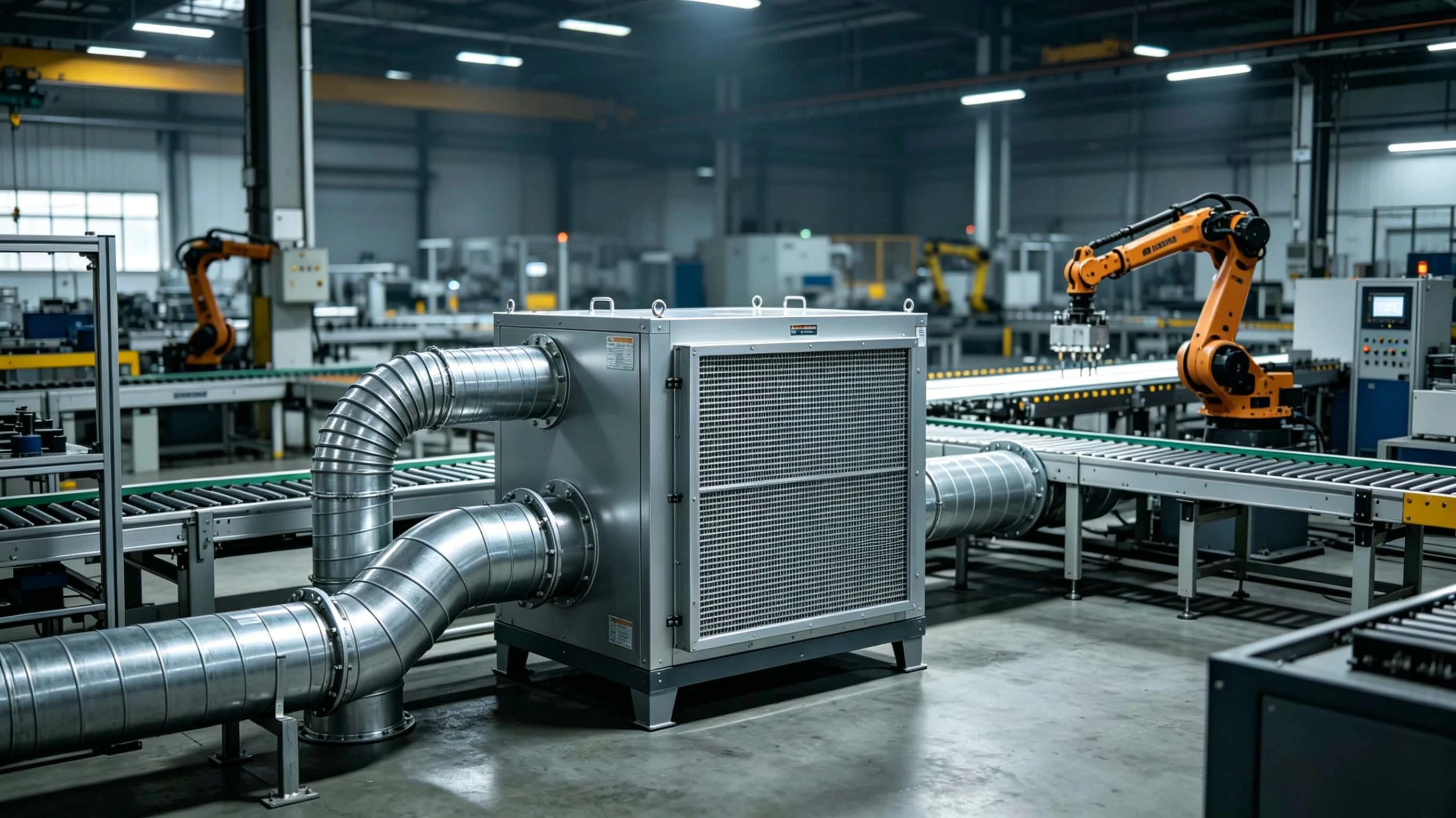
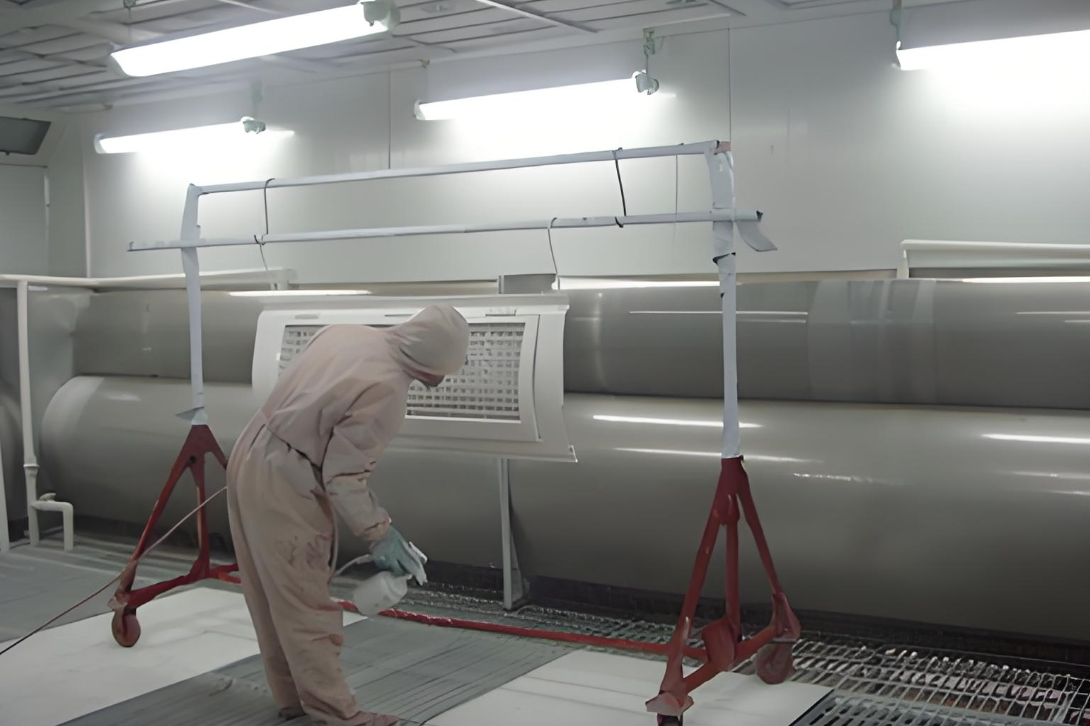
Designed for spray booths and grinding workshops, efficiently capturing paint mist, metal dust, and wood chips to meet emission standards while protecting finished surface quality.
View Related Products →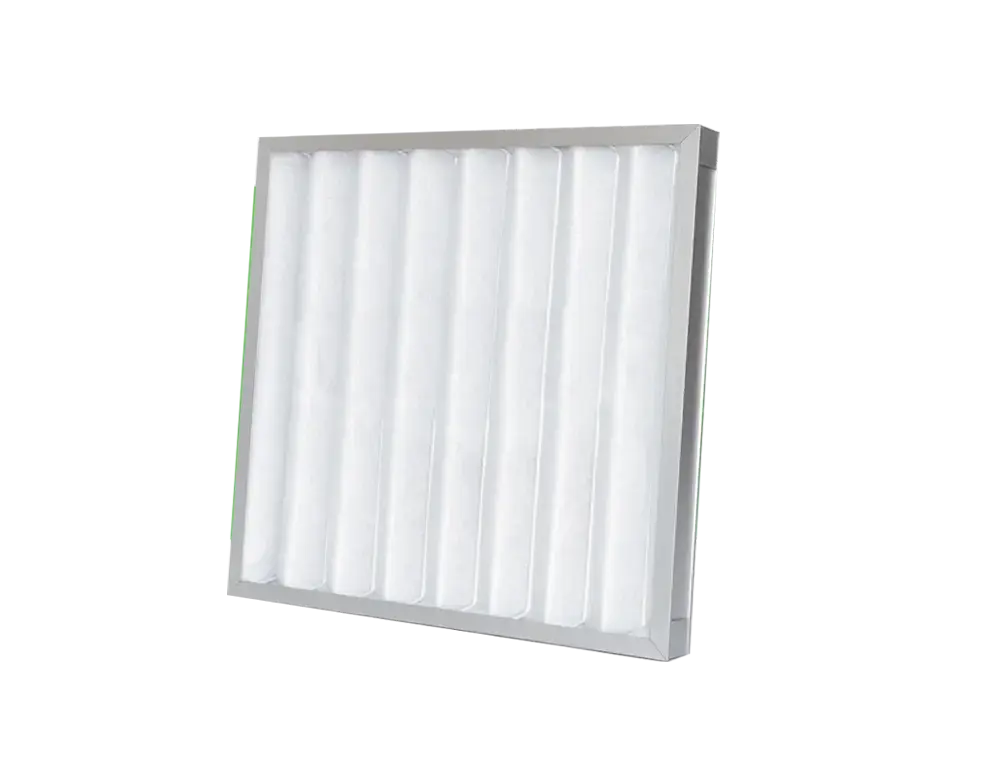
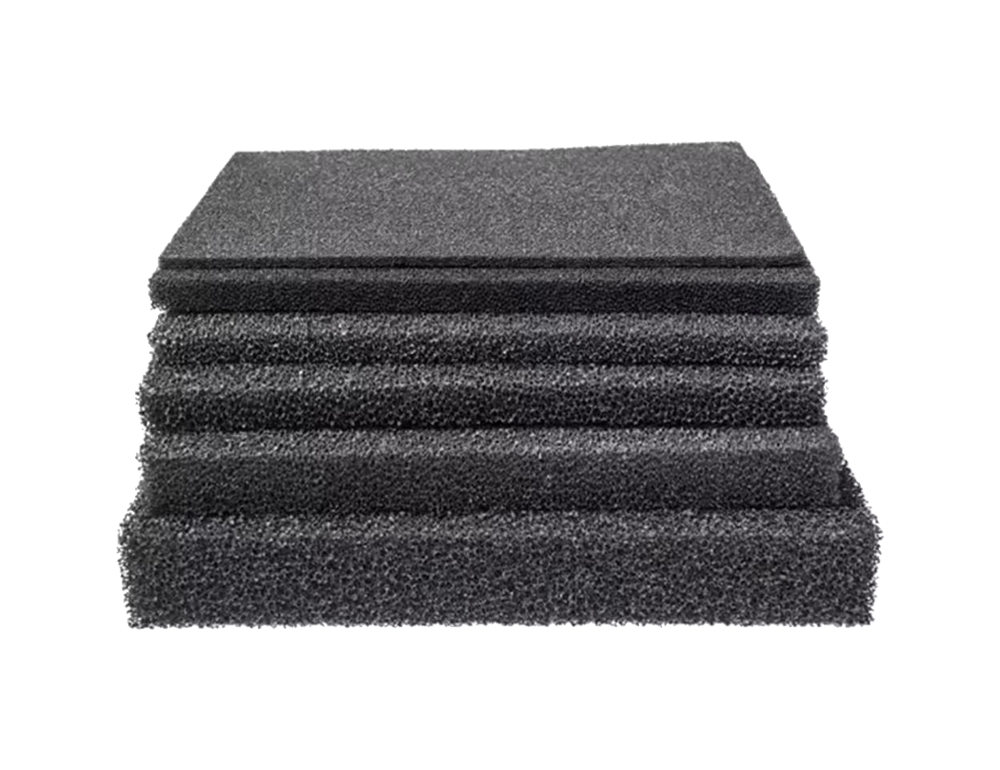
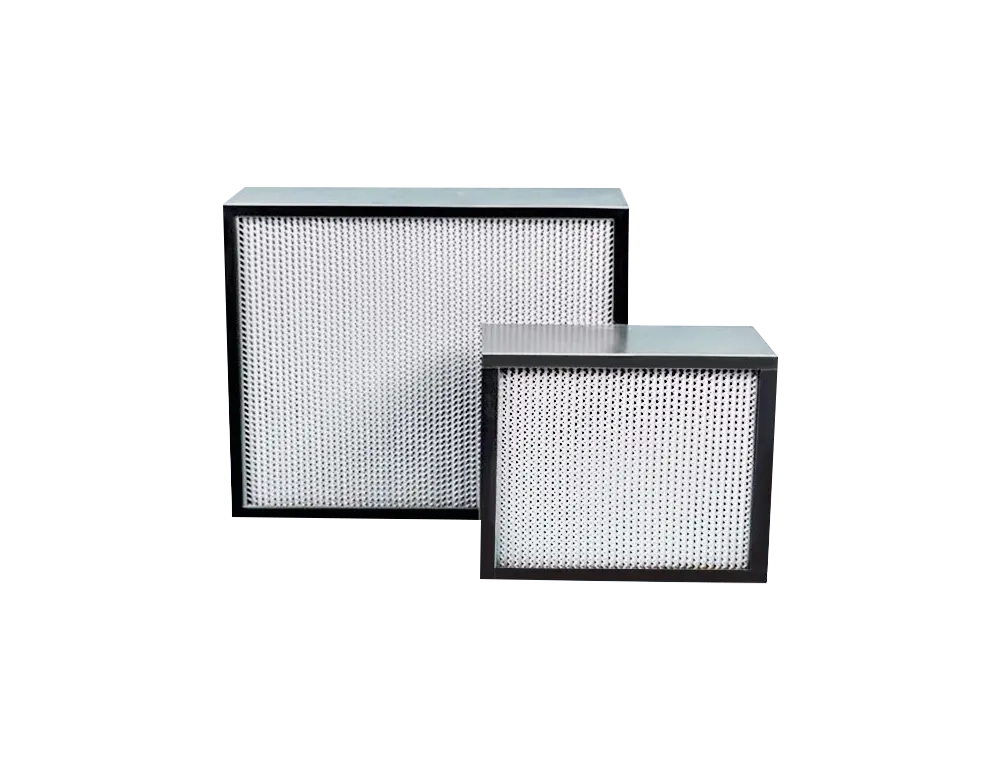
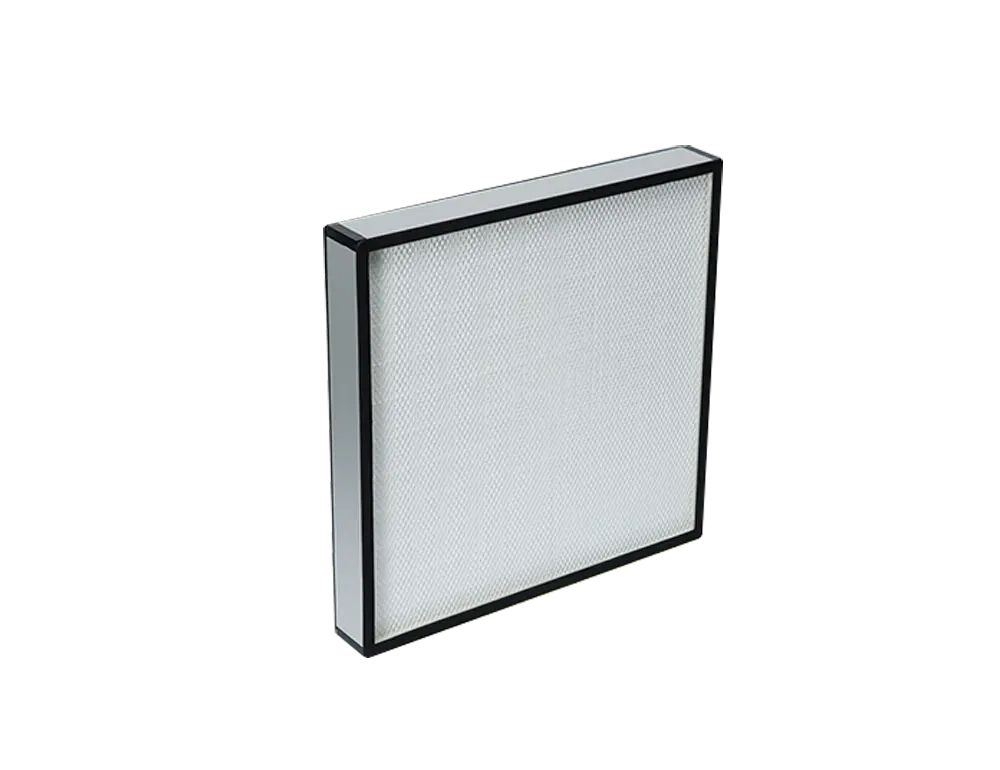
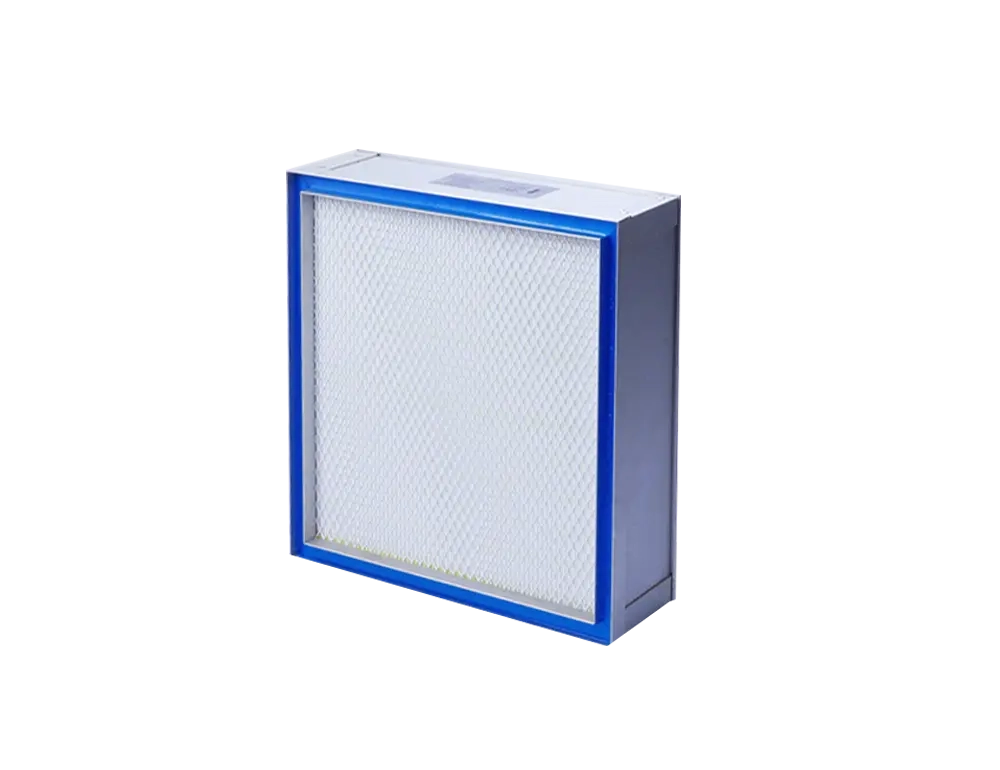
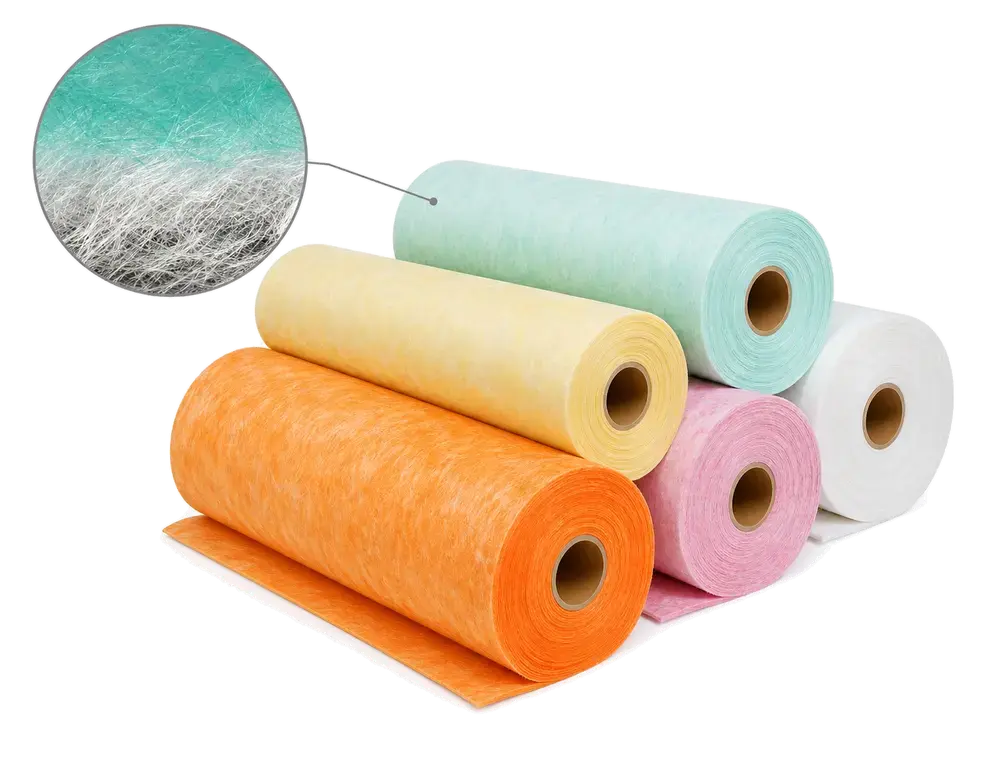
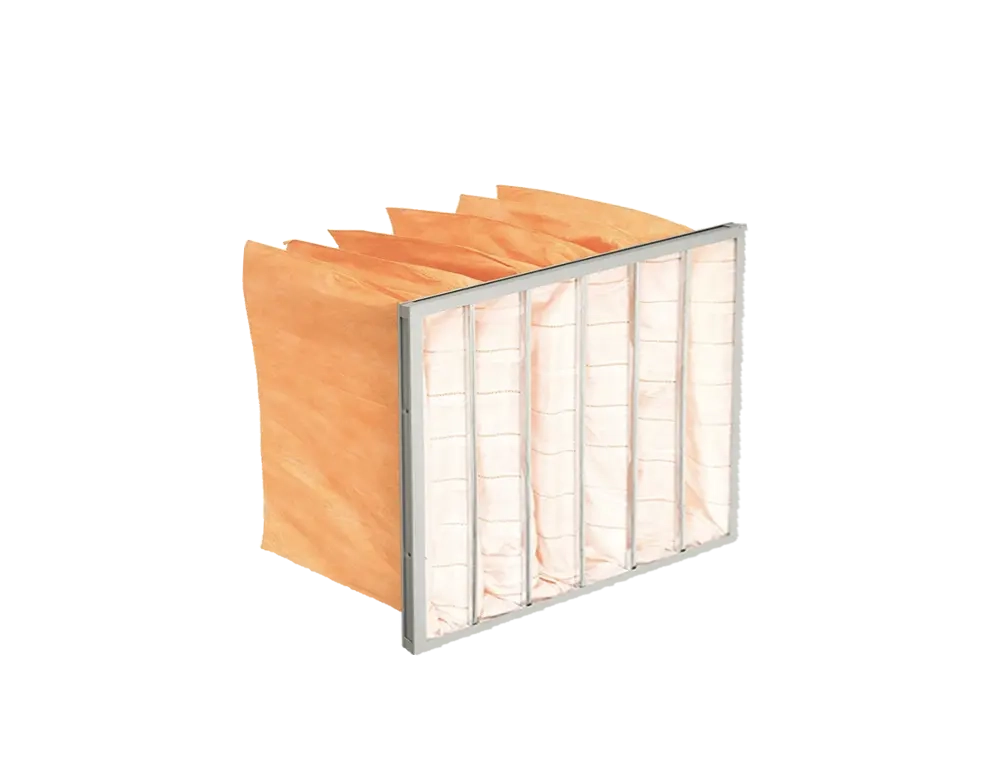
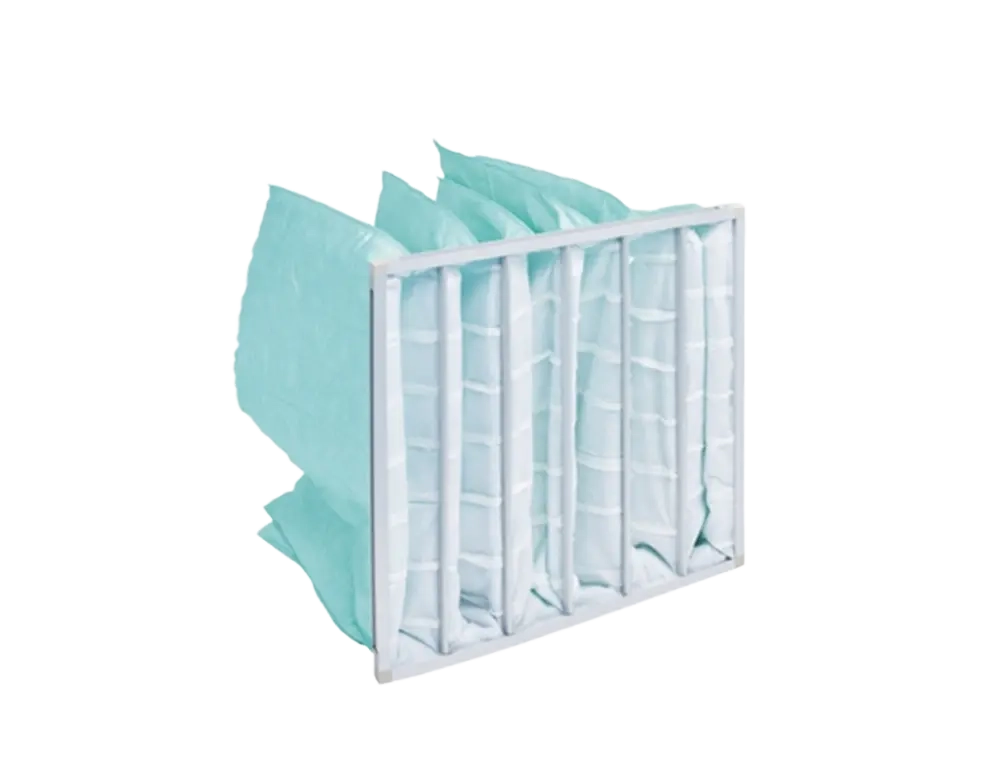
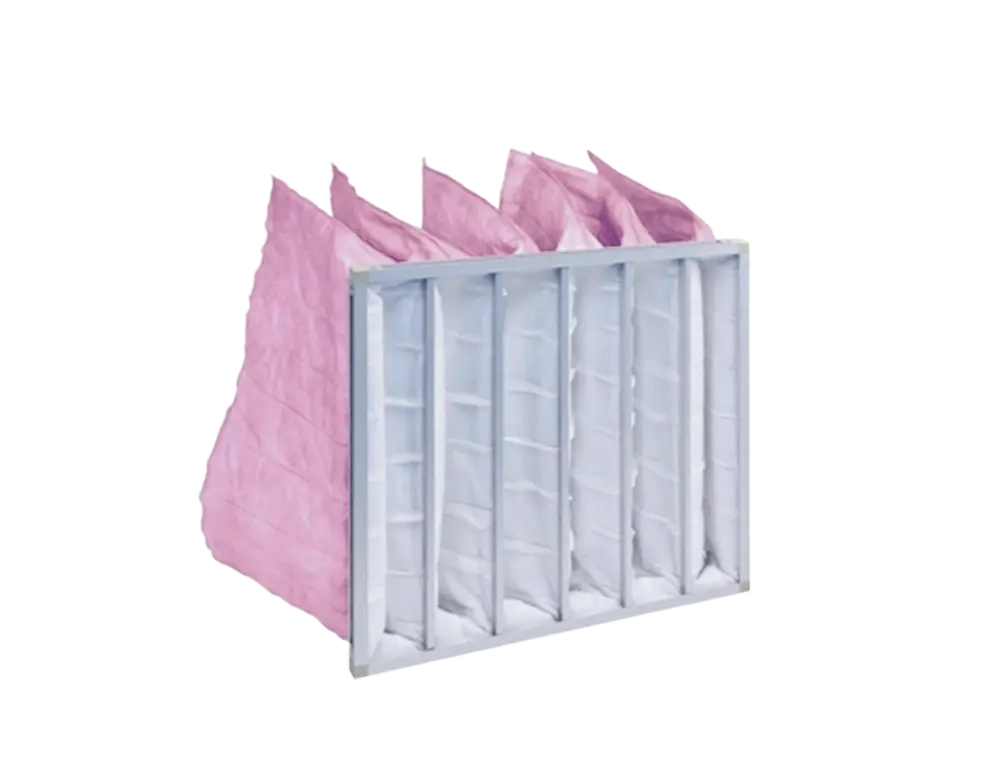
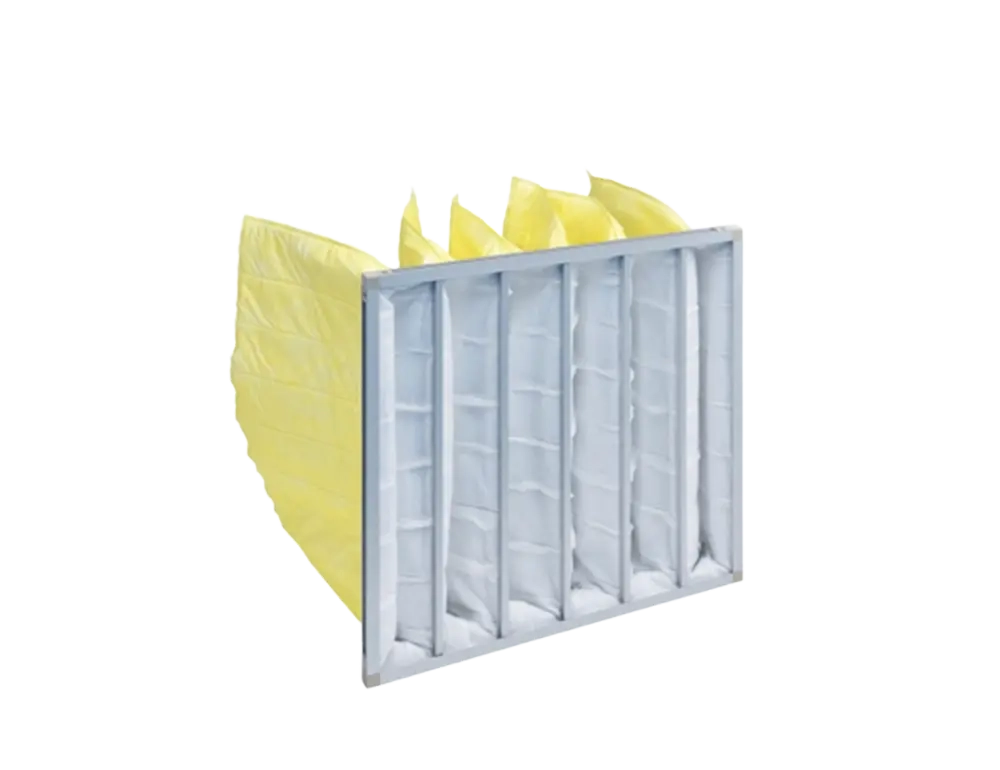
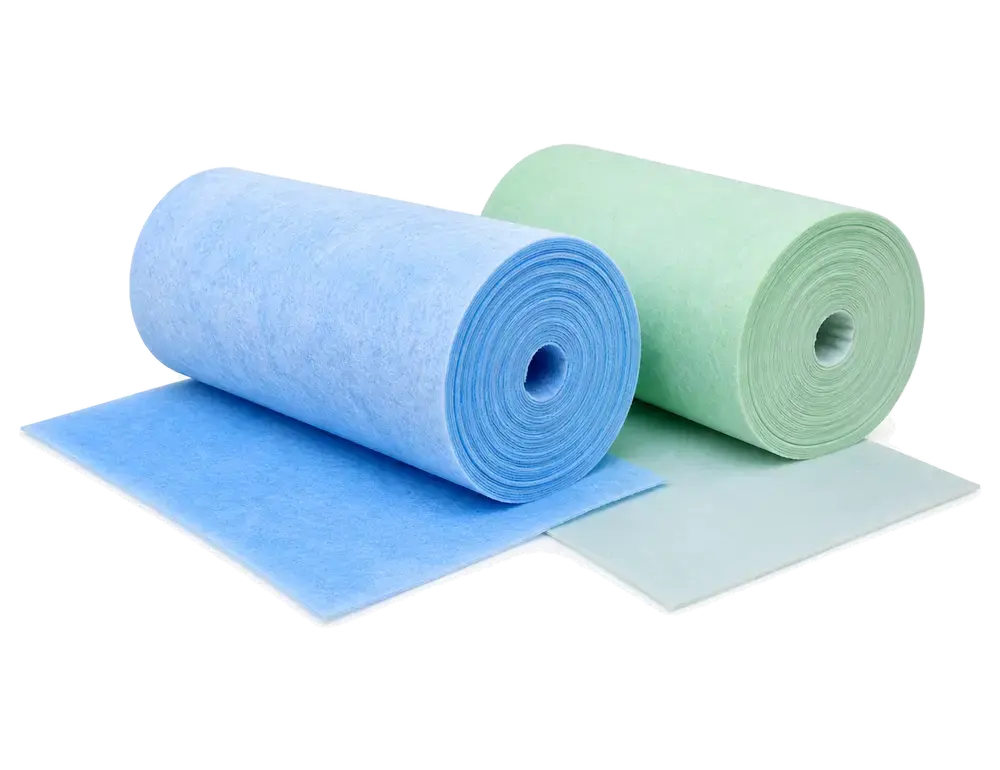
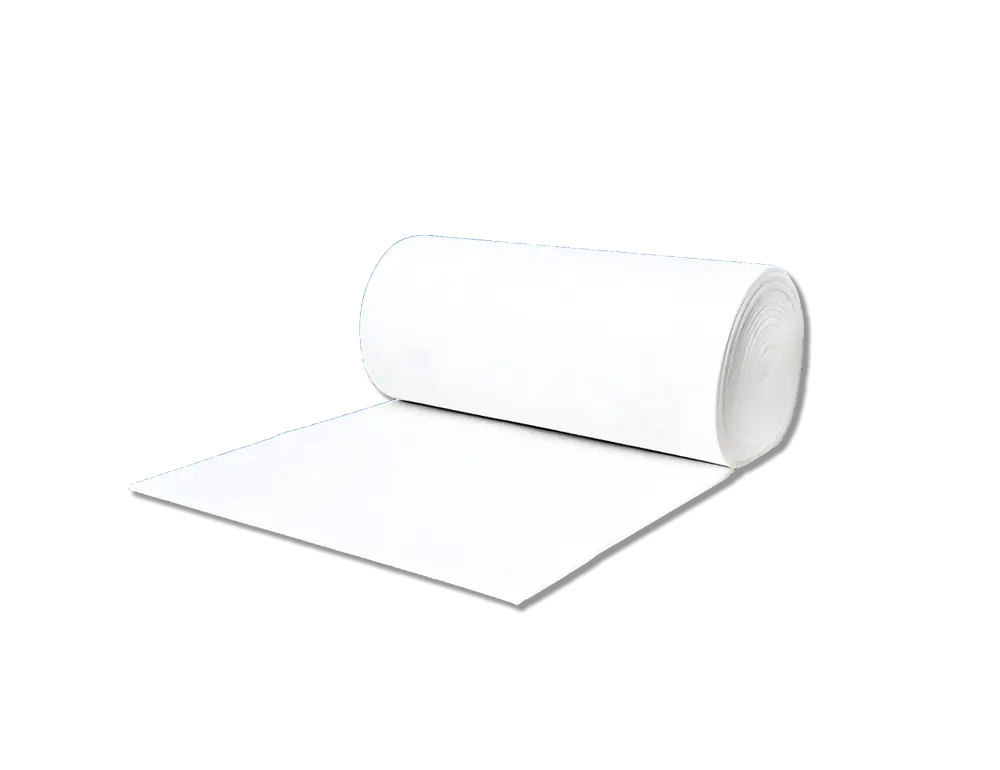
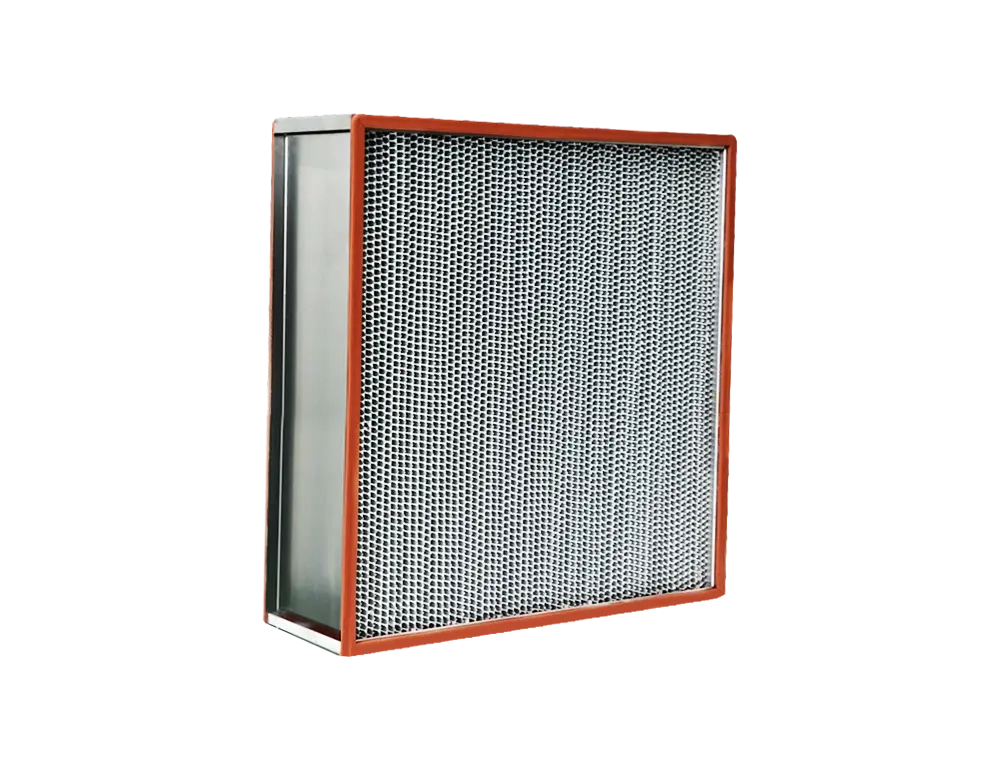
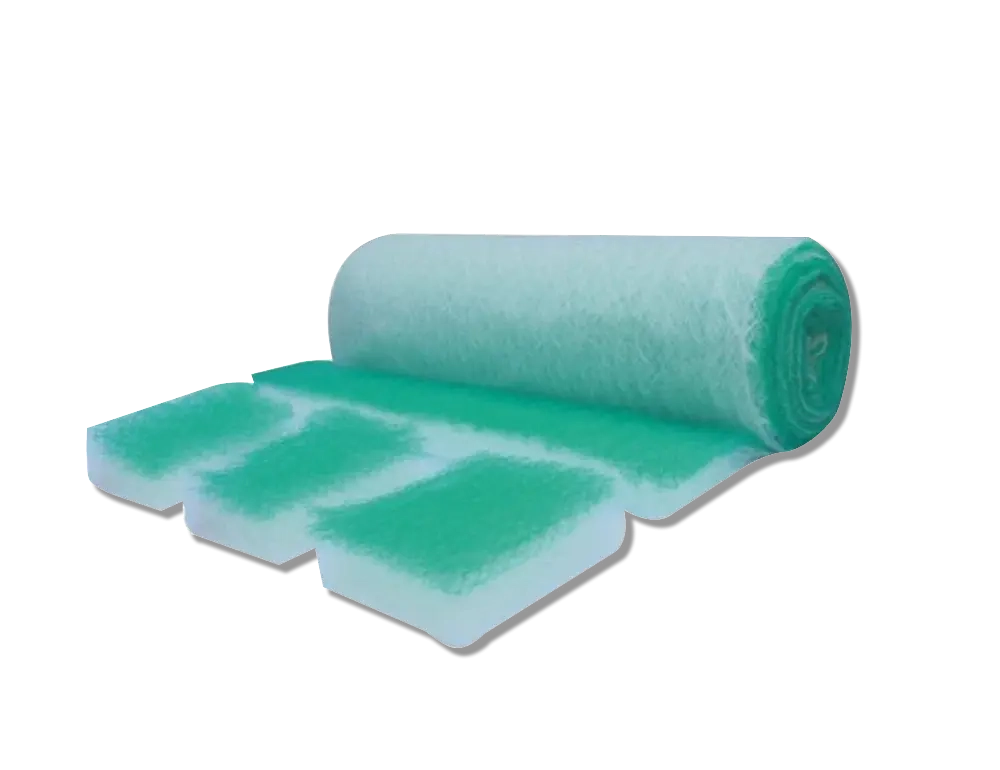
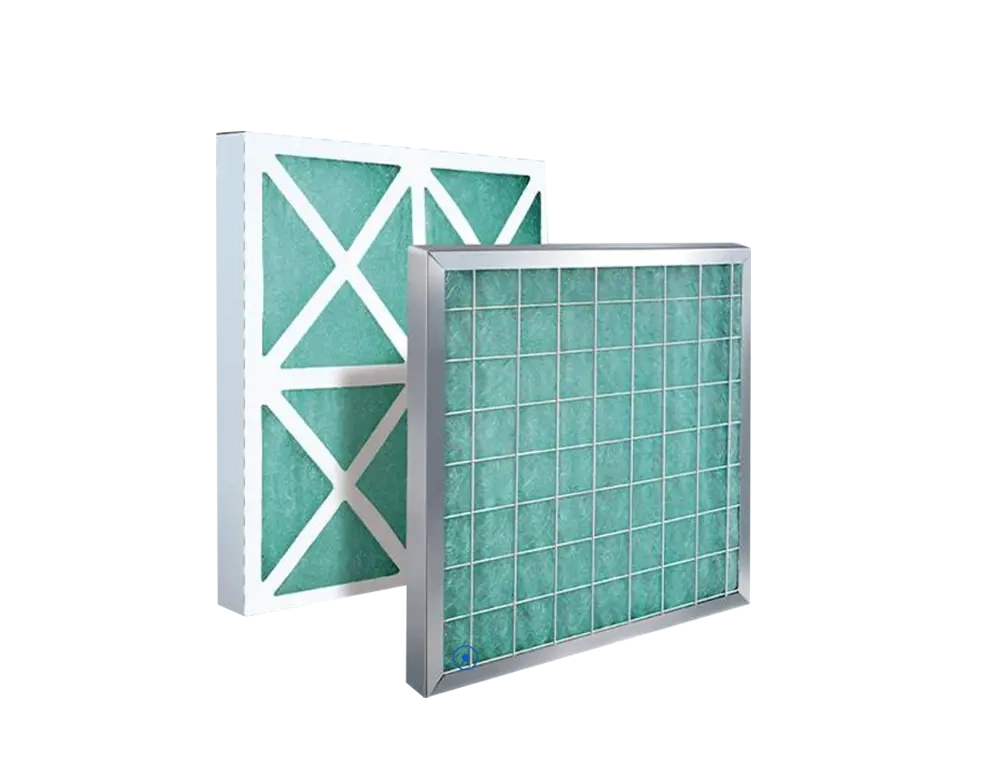
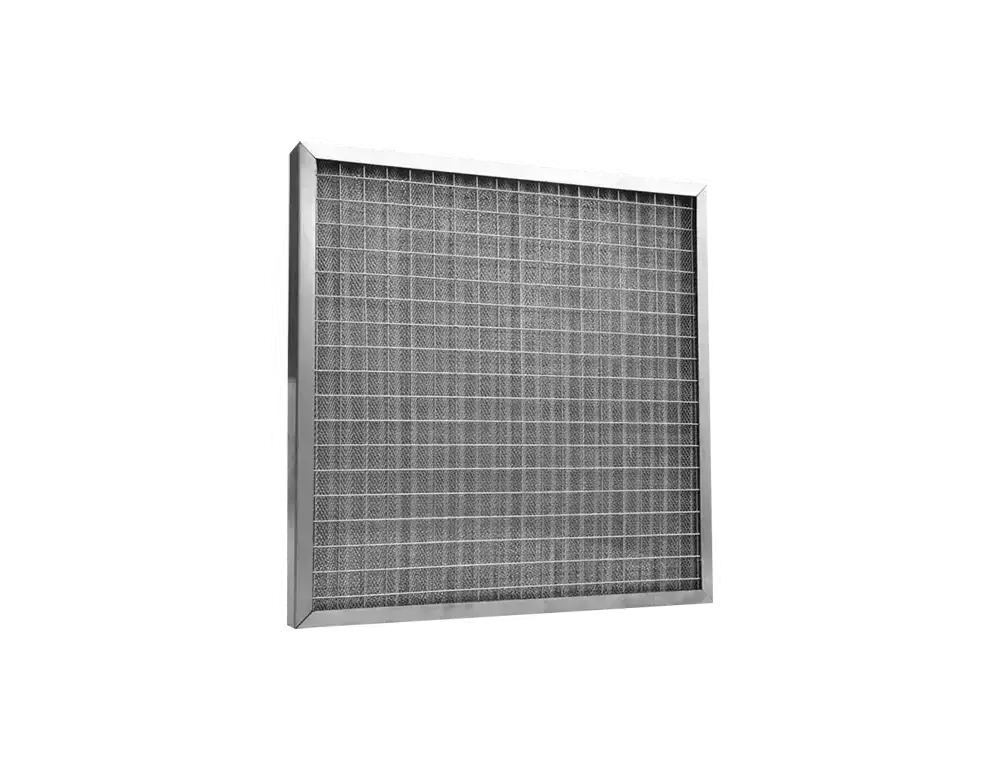
Pre-Filter (G1–G4)
First-Stage Large-Particle Capture
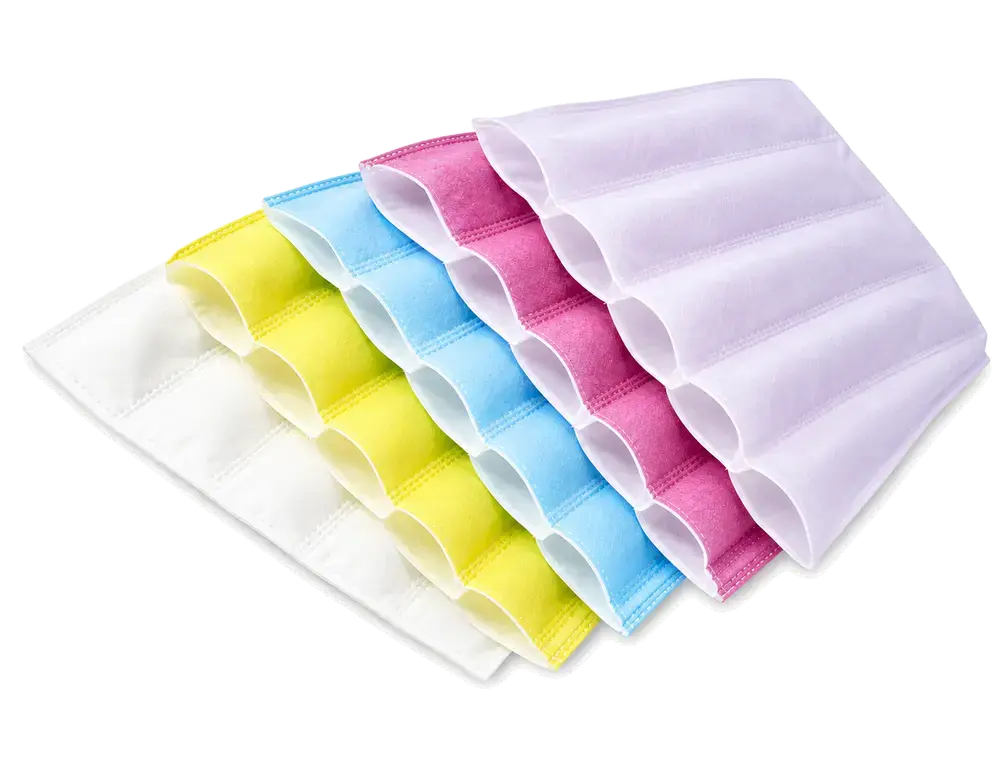
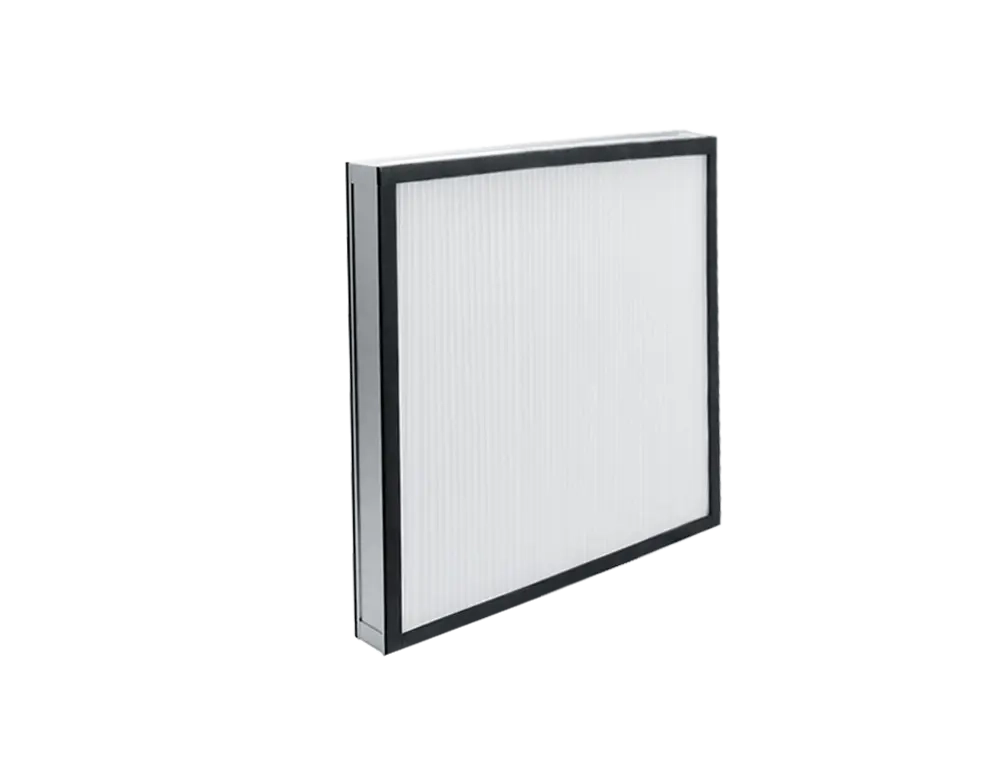
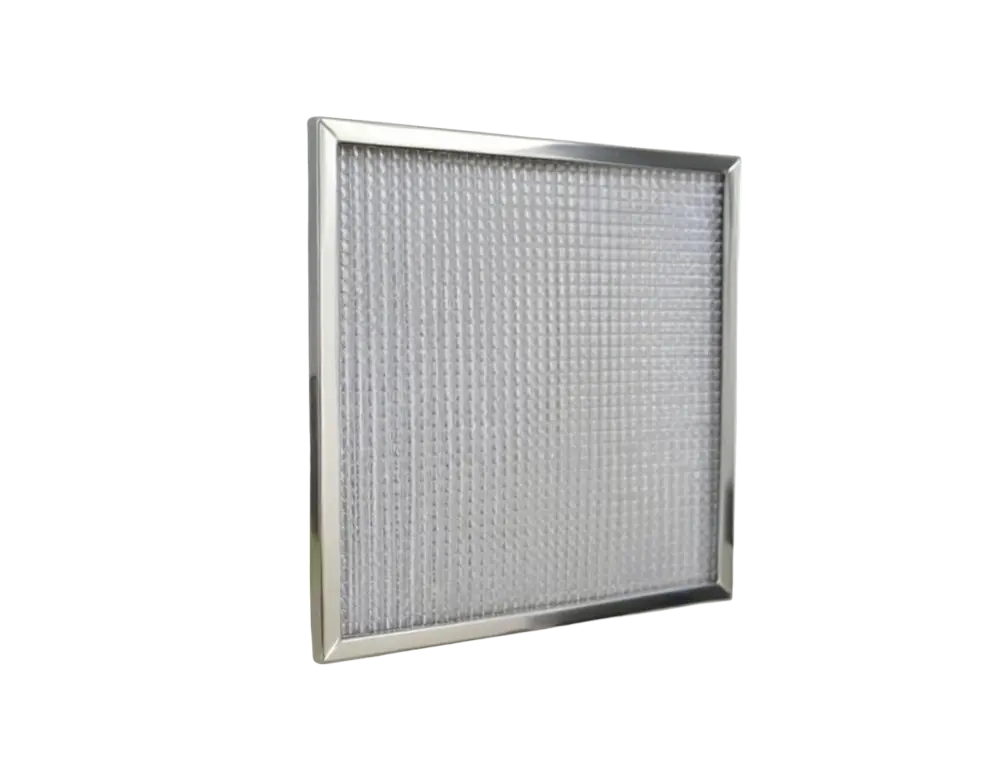
Medium-Efficiency Filter (F5–F9)
Precise PM2.5 Capture
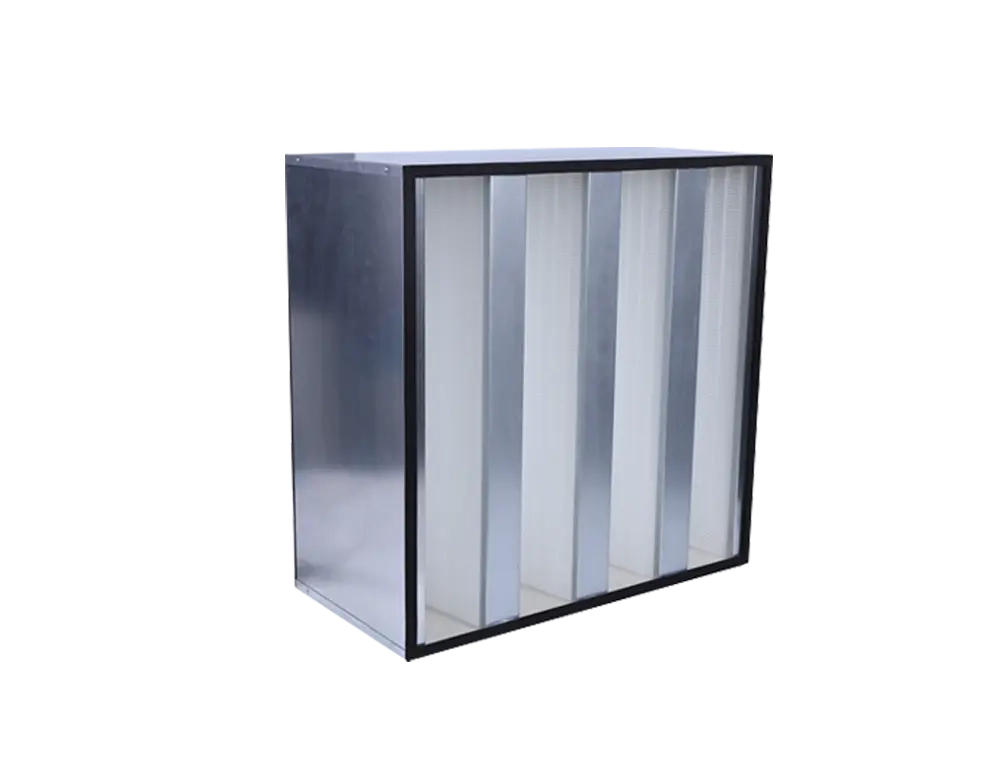
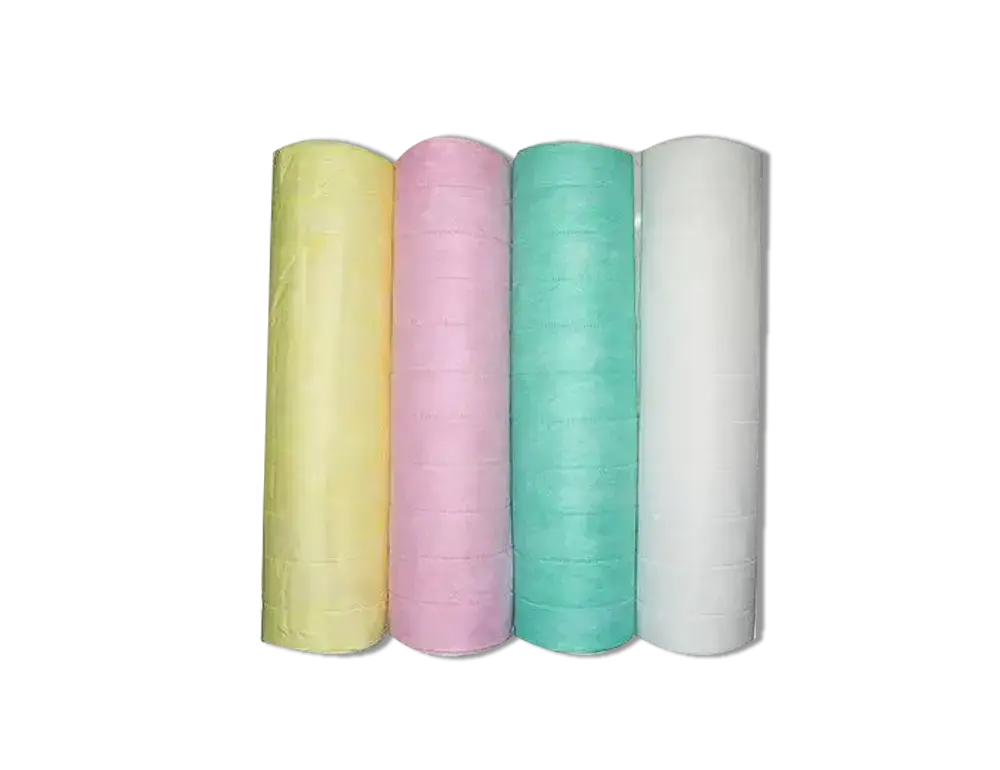
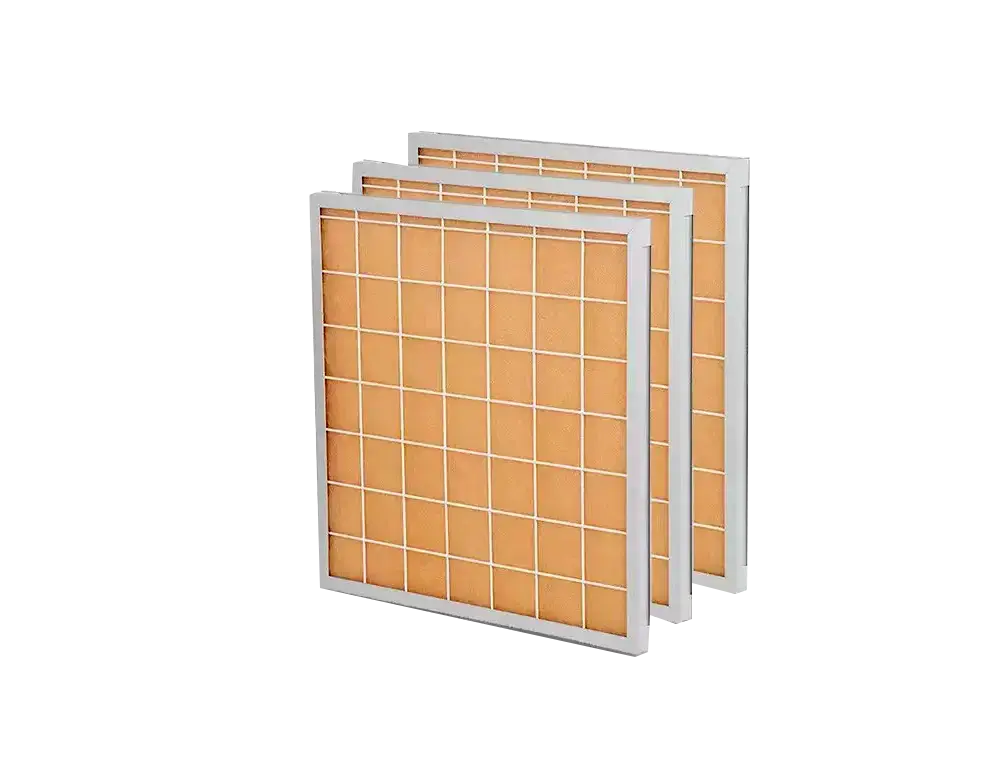
HEPA High-Efficiency Filter
Sterile-Grade Purification
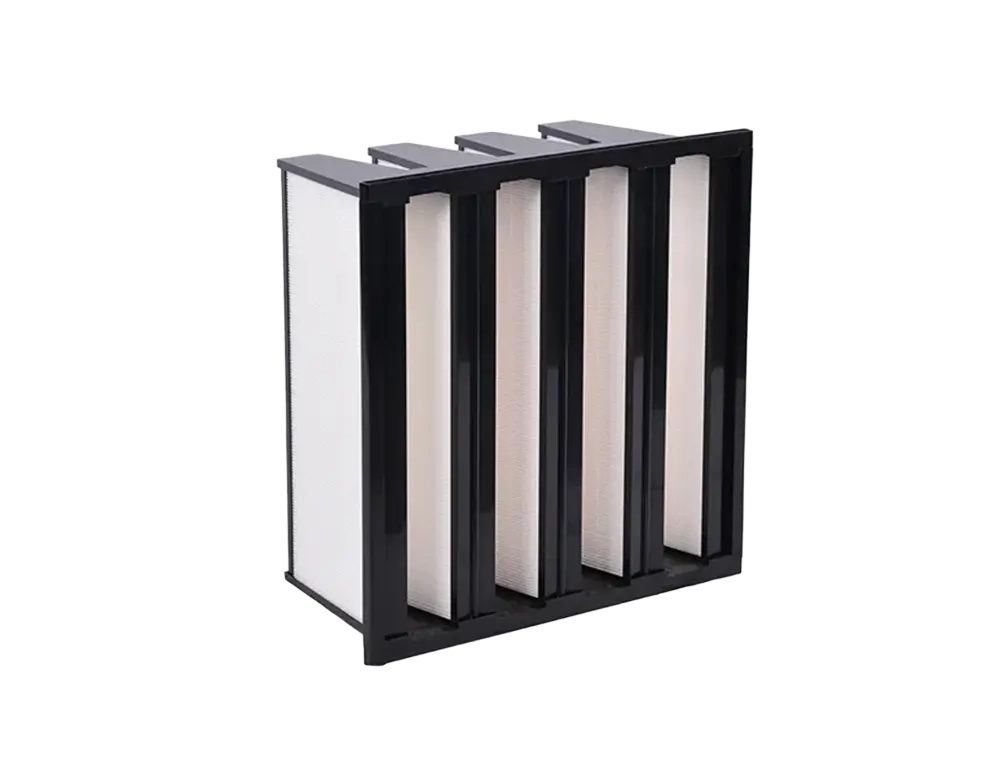
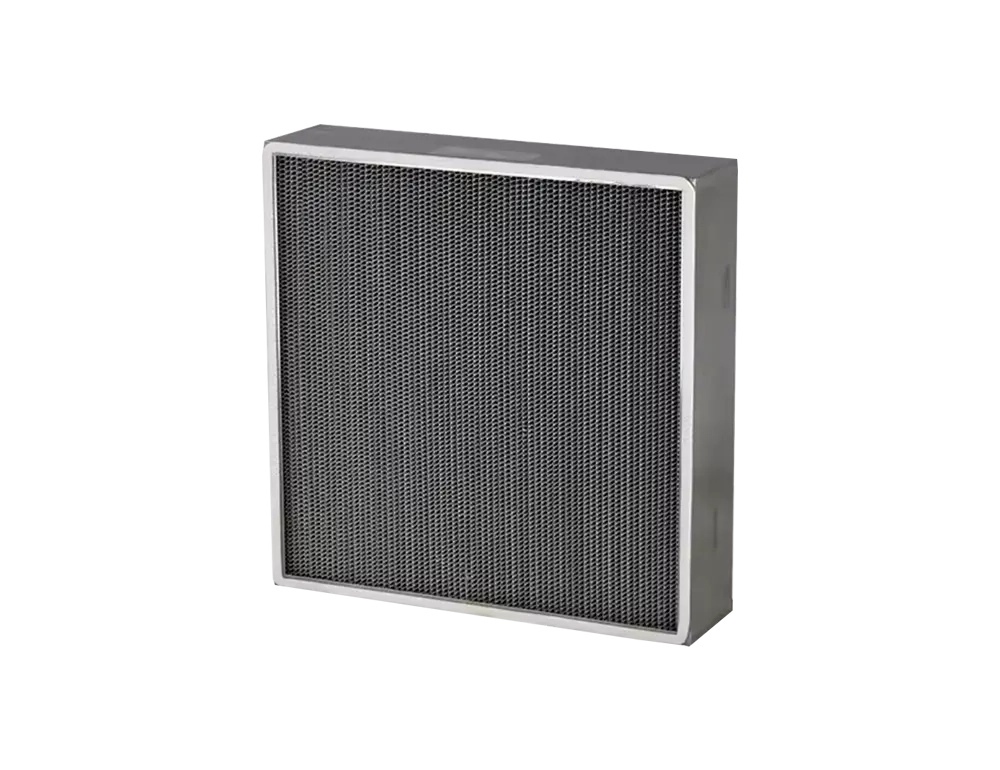
ULPA Ultra-High Efficiency Filter
Sub-Micron Particle Capture
First-Stage Large-Particle Capture
The first line of defense, capturing particles ≥5 μm such as dust, hair, and fibers to protect downstream filters and extend overall system service life.
View Related Products →Precise PM2.5 Capture
Captures fine particles of 1–5 μm including PM2.5, pollen, and mold spores, significantly improving indoor air quality for commercial HVAC and ventilation systems.
View Related Products →Sterile-Grade Purification
≥99.97% filtration efficiency for particles ≥0.3 μm, delivering sterile-grade clean air widely used in medical, pharmaceutical, and electronics manufacturing.
View Related Products →Sub-Micron Particle Capture
≥99.9995% efficiency for particles ≥0.12 μm, meeting the extreme cleanliness demands of semiconductor fabs, aerospace, and other ultra-precision applications.
View Related Products →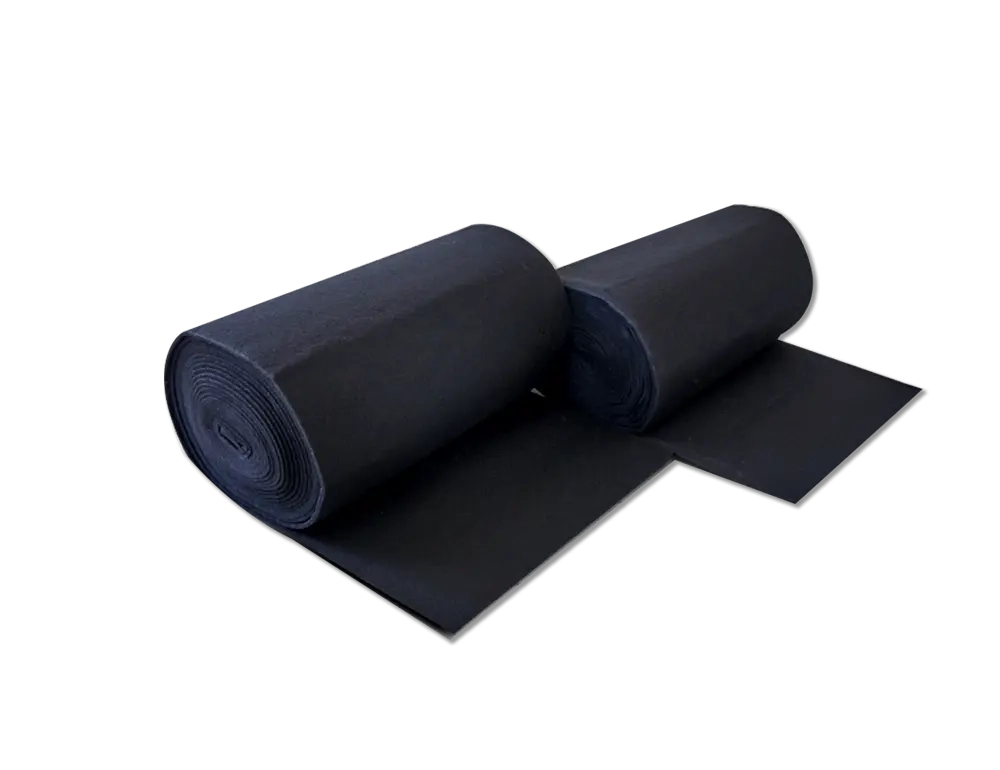
High-Temperature Resistant
Industrial-Grade Heat Tolerance
Washable & Reusable
Cut Costs, Reduce Waste
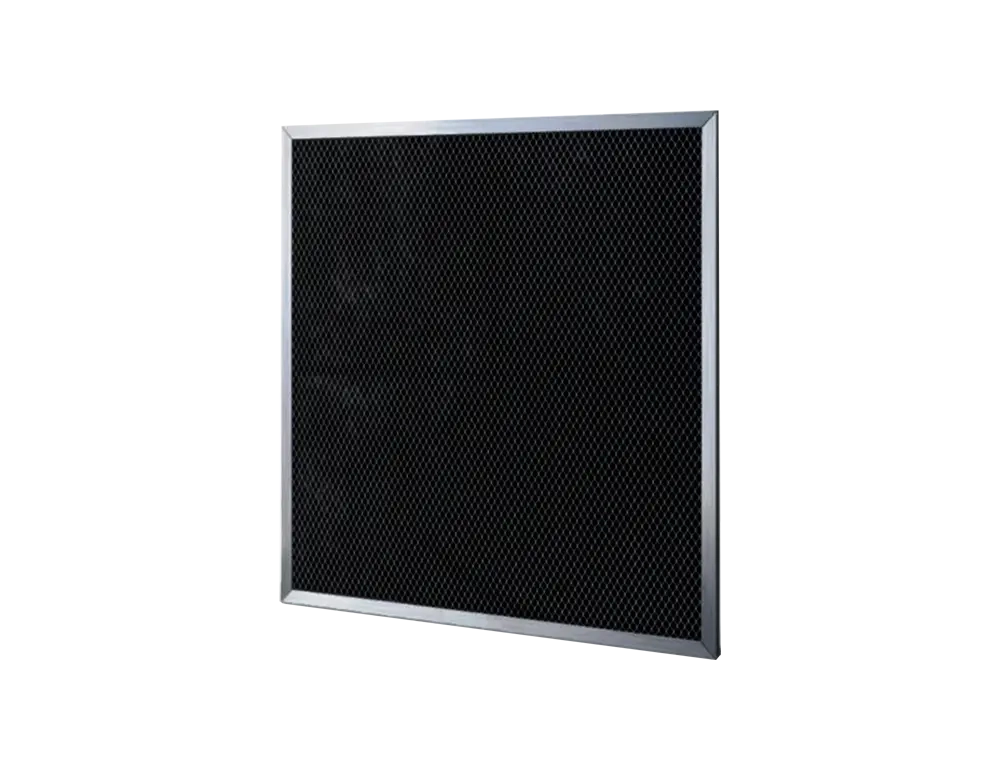
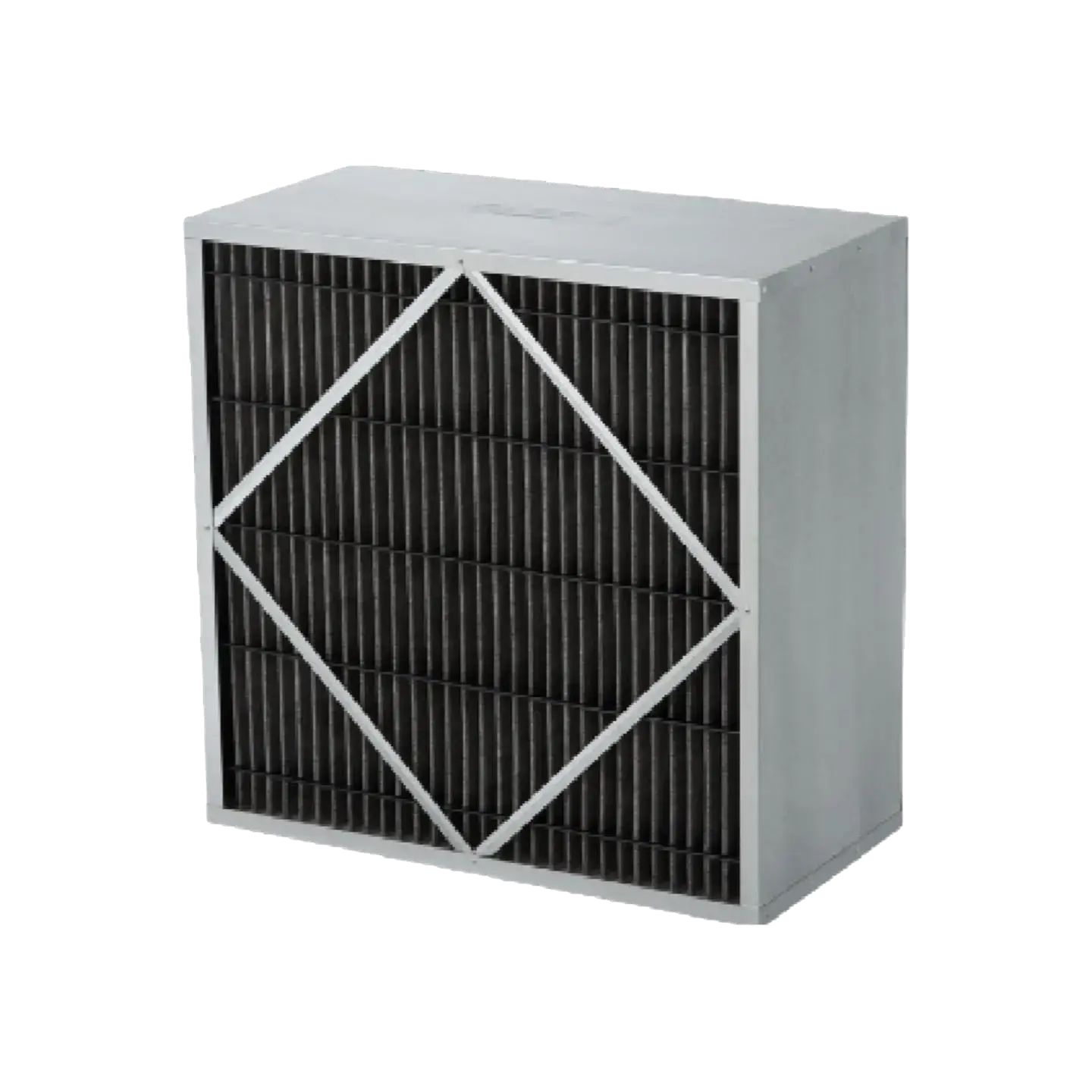
Activated Carbon
Odor & Harmful Gas Removal
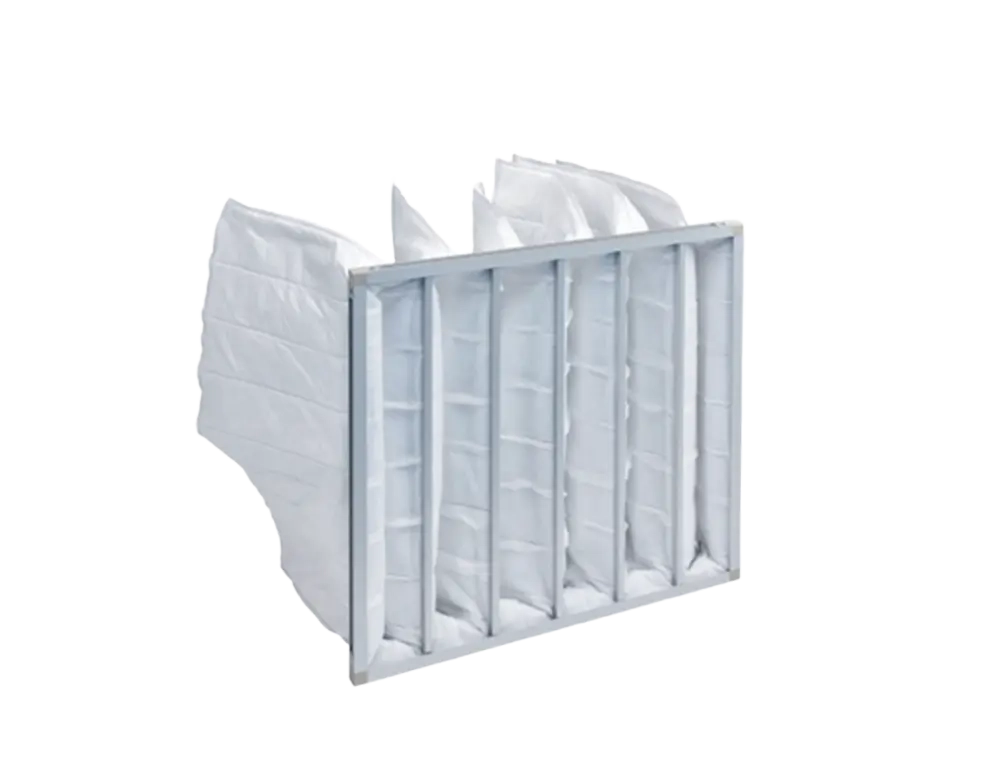
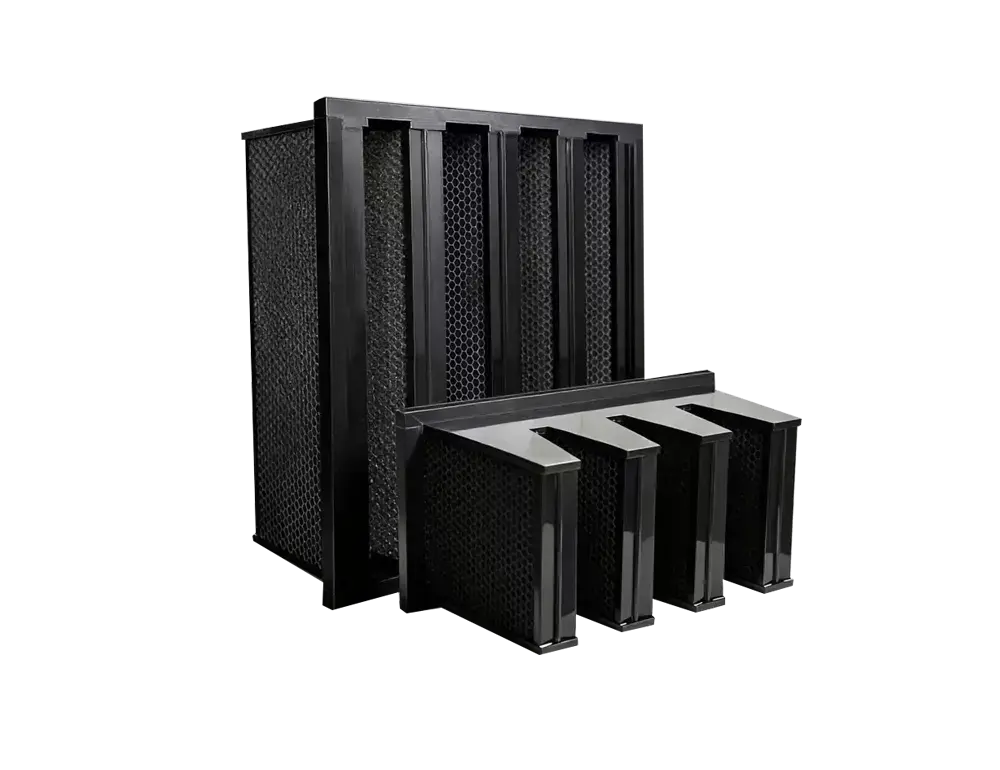
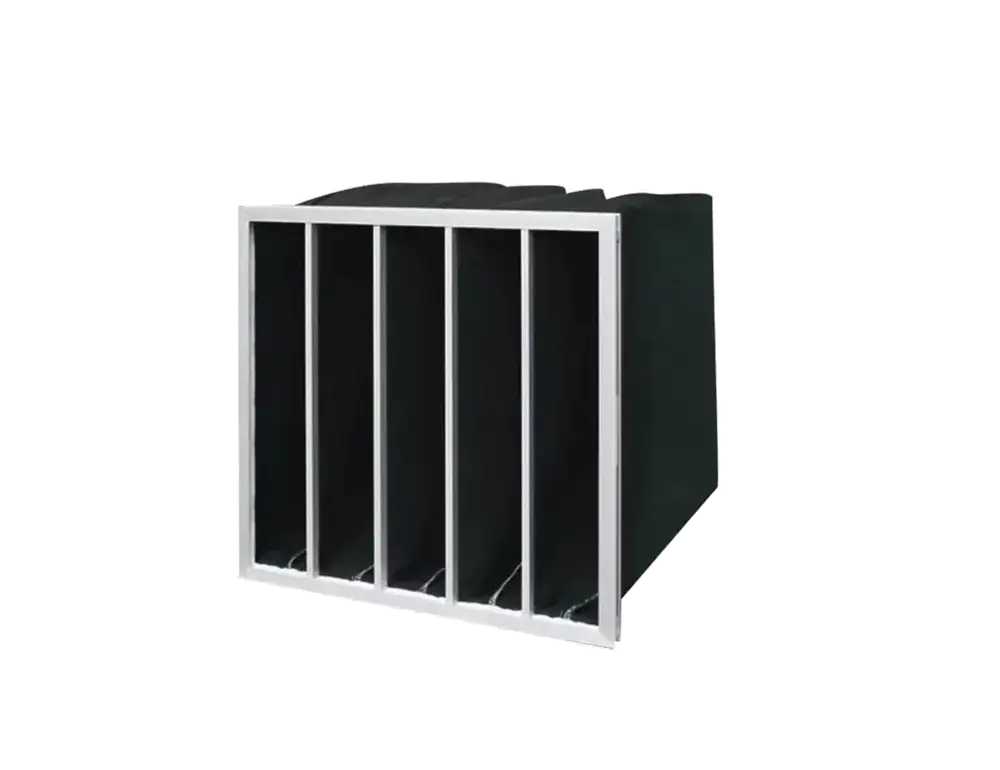
Bag Filter
High Dust-Holding, Long Life
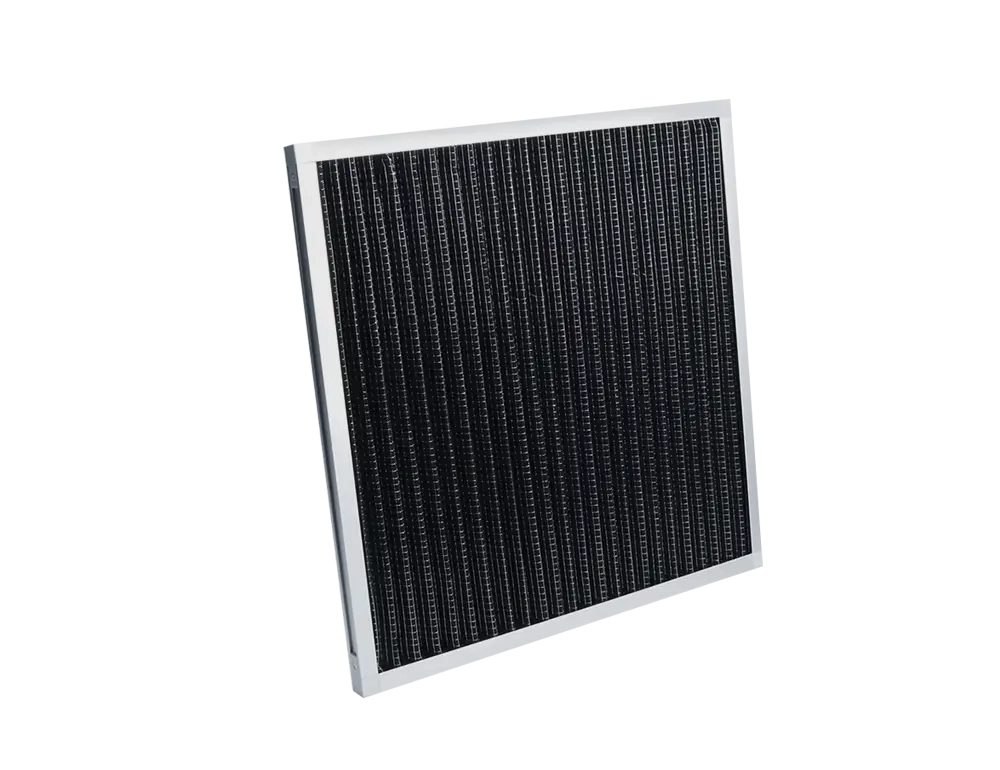
Panel / Pleated Filter
Compact Space-Saving Design
Low-Resistance Airflow
Energy-Saving Operation
Industrial-Grade Heat Tolerance
Built with specialized heat-resistant materials, operating stably up to 250°C for paint ovens, industrial dryers, and high-temperature process environments.
View Related Products →Cut Costs, Reduce Waste
Cleanable by water washing or air blowing, reusable multiple times to significantly reduce replacement frequency and O&M costs — an economical, eco-friendly choice.
View Related Products →Odor & Harmful Gas Removal
Leverages activated carbon's high adsorption capacity to eliminate odors, VOCs, and formaldehyde, ideal for newly renovated spaces and industrial exhaust treatment.
View Related Products →High Dust-Holding, Long Life
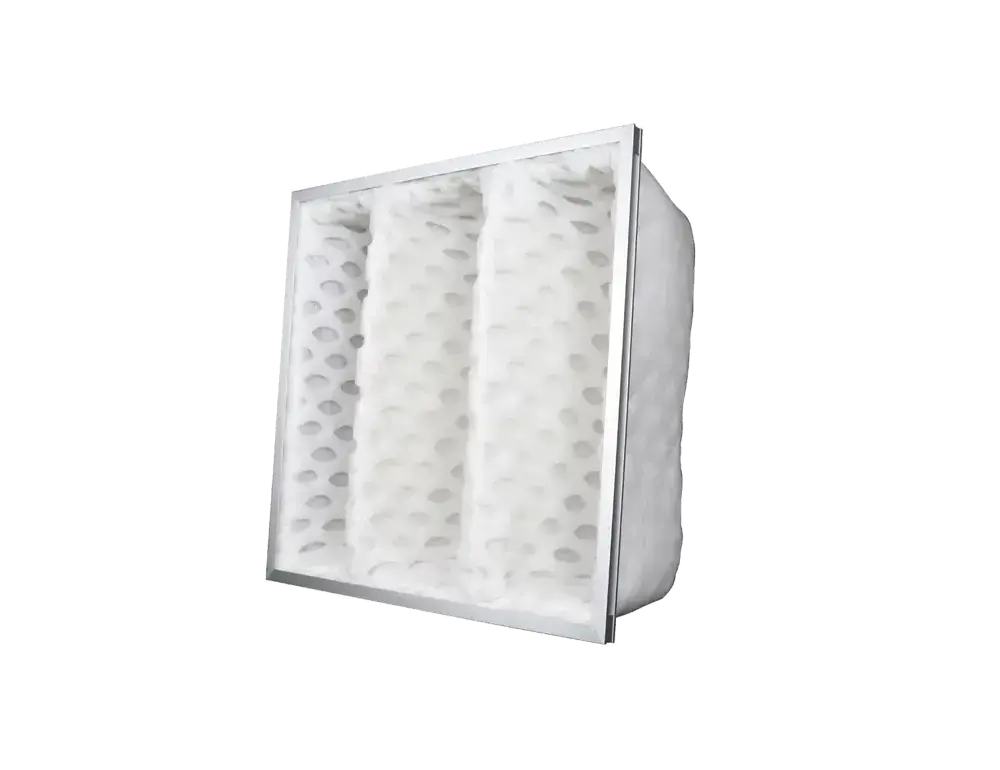
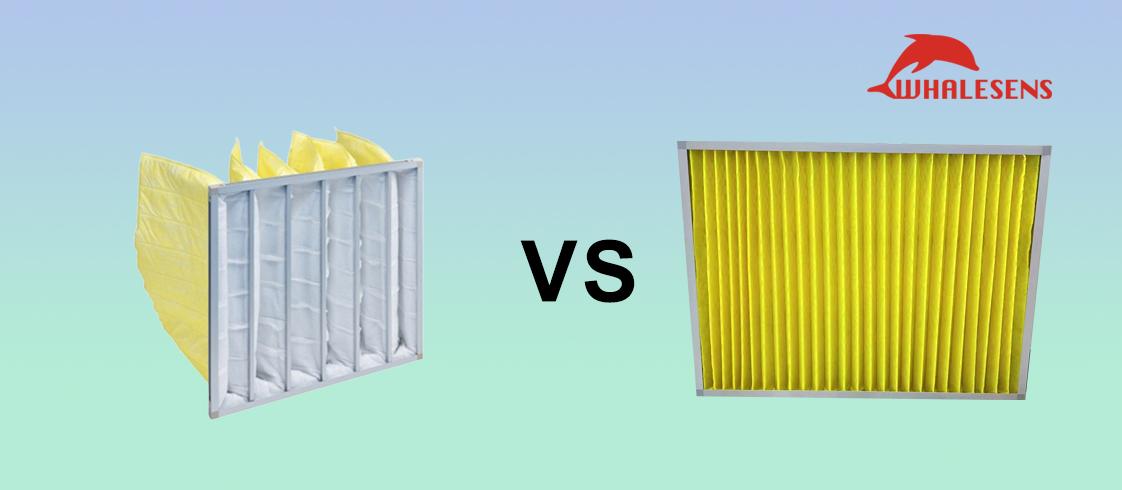
Bag-style construction delivers a larger filtration area, high dust-holding capacity, and extended service life — ideal for high-dust environments with reduced replacement frequency.
View Related Products →Compact Space-Saving Design
Compact form factor for easy installation and replacement; pleated structure maximizes filtration area within a small footprint for higher efficiency.
View Related Products →Energy-Saving Operation
Low-resistance design minimizes pressure drop while maintaining filtration performance, reducing fan energy consumption for cost-effective, eco-friendly operation.
View Related Products →















 English(Global)
 简体中文
简体中文 Language




Paint Booth Filter Selection: Intake, Ceiling, Exhaust
Where Paint Booth Filtration Actually Fails
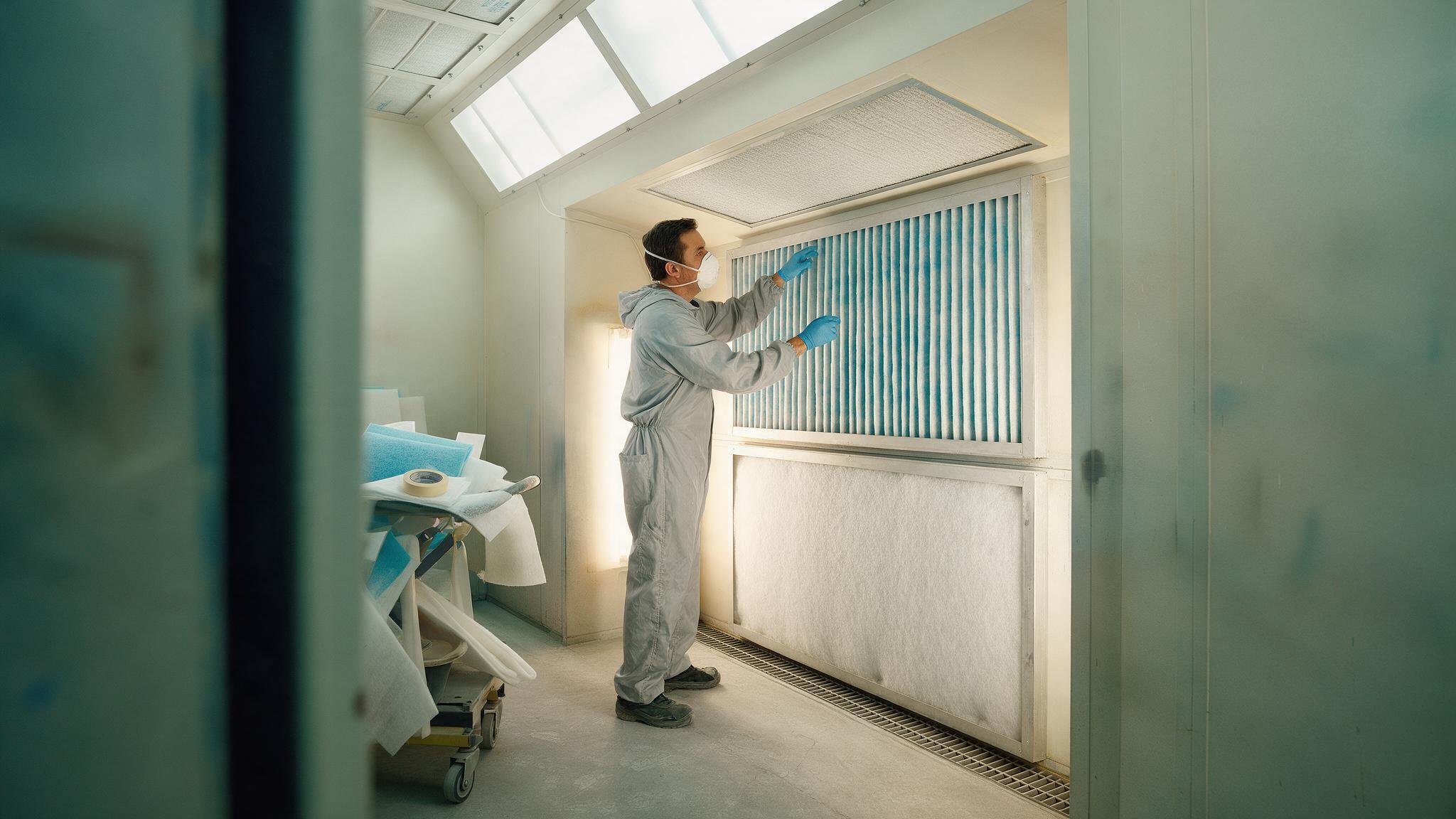
Most paint booth filter selection starts with a quick decision: buy thicker ceiling media. But real operation doesn't work that way. The intake stage, ceiling stage, and exhaust stage each handle a different contaminant load. Miss one and the other two simply load up faster.
You might not see the failure until a customer rejects a painted part for dust specks or the local environmental authority flags the exhaust stack. That is why paint booth filter selection must be treated as a three-stage system, not a single purchase.
A broad industrial air filter selection works the same way: you match each stage to the particle size and airflow, then calculate total cost. The intake side stops large outdoor particles. The ceiling media captures overspray. The exhaust train removes what remains and controls emissions.
Three failure paths are most common. Intake dust scratches the wet film. Overspray from undersized ceiling media loads the exhaust stage early. And a blocked exhaust train forces the fan to work harder while booth pressure drifts. Each of these can be traced back to a stage-level sizing error.
Intake Filtration: Control the Source Before It Reaches the Booth
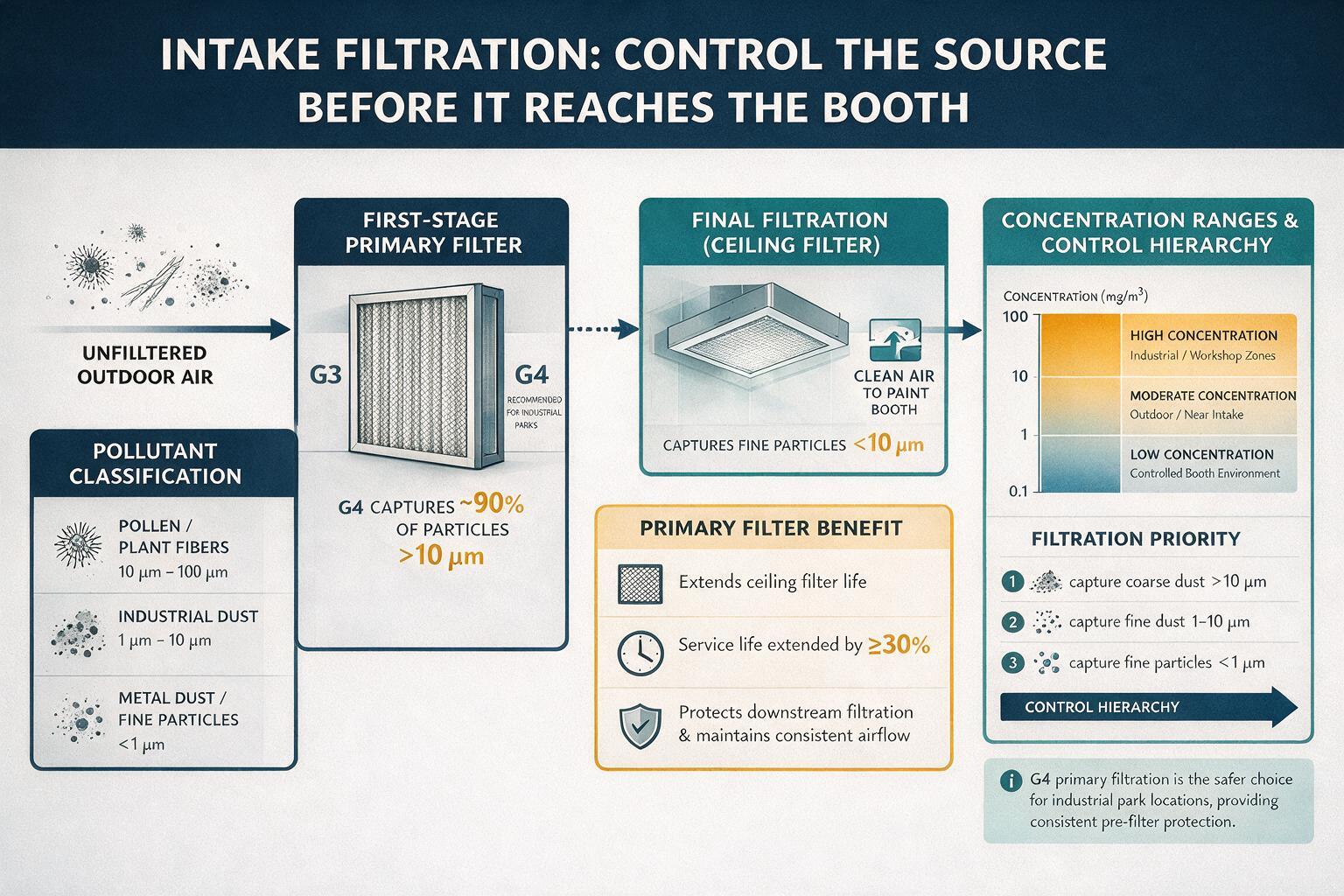
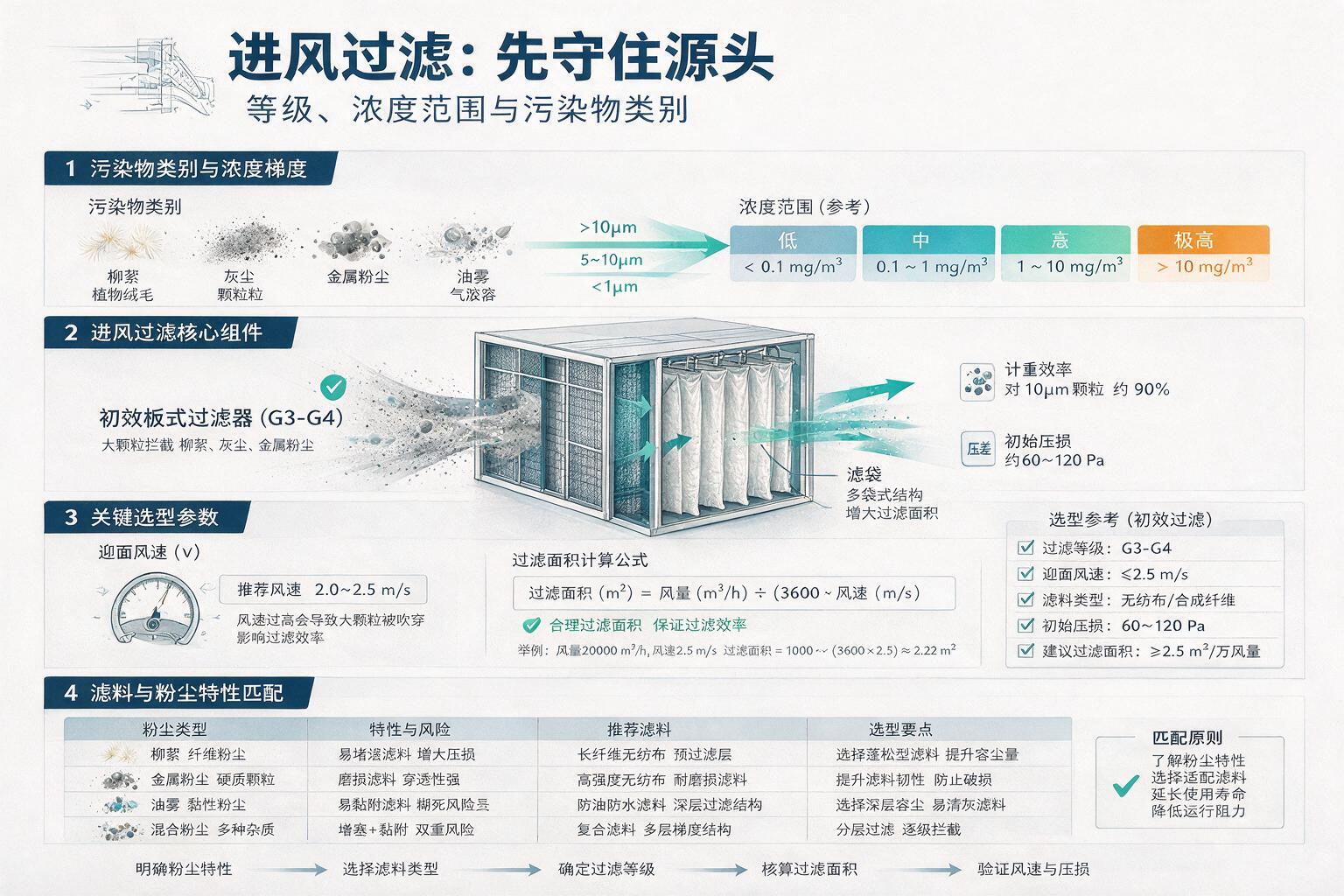
The intake stage has one clear job: stop outdoor dust, pollen, cottonwood fibers, and metal dust before they enter the paint booth. In many workshops, cutting and grinding operations near the intake raise dust concentration by several times. Paint booth intake filters usually start with a G3 or G4 panel filter.
For a plant in an industrial park or next to woodworking and metal fabrication shops, G4 is safer than G3. G4 catches about 90% of particles above 10 μm. It also extends the life of the ceiling paint booth filter by at least 30% in most booths.
Face velocity is the key sizing number. If the filter area is too small for the airflow, velocity rises and large particles can get pushed straight through. Keep face velocity between 2.0 and 2.5 m/s for panel intake filters.
Sizing is simple: filter area = airflow ÷ (3600 × face velocity). For 20,000 m³/h at 2.2 m/s, you need roughly 2.5 m² of media area. For larger booths, add more filters instead of squeezing the same area.
Panel filters are cheap, but they are not all the same. Pleated synthetic panels typically hold more dust than flat fiberglass mats. If your intake sees frequent cottonwood or coarse sand, a bag filter housing with a pocket element can extend the service interval from weeks to months.
If the dust is sticky or oily, standard nonwoven media will plug quickly. The same logic applies to any bag filter system. Know the dust characteristics before choosing the media, or the pressure drop will climb faster than the maintenance schedule.
Paint Booth Ceiling Filter: Stop Buying by Weight Alone
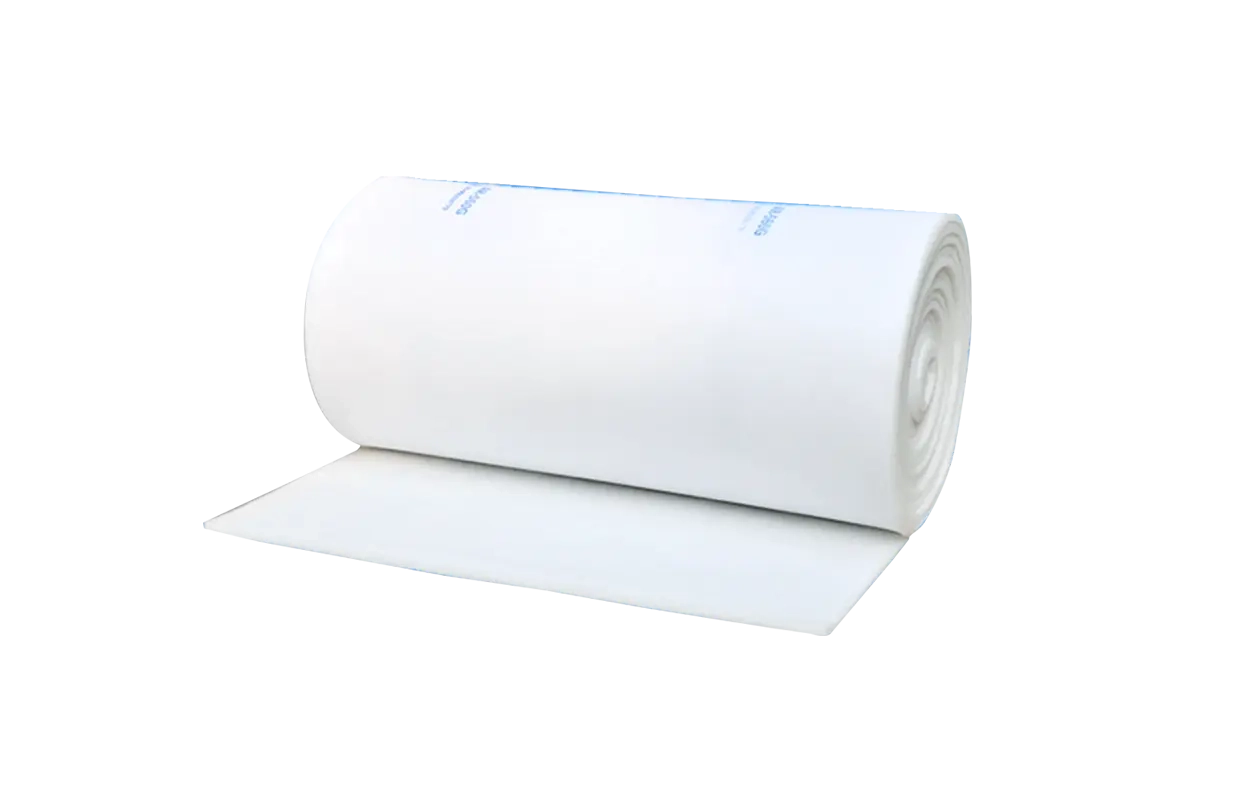
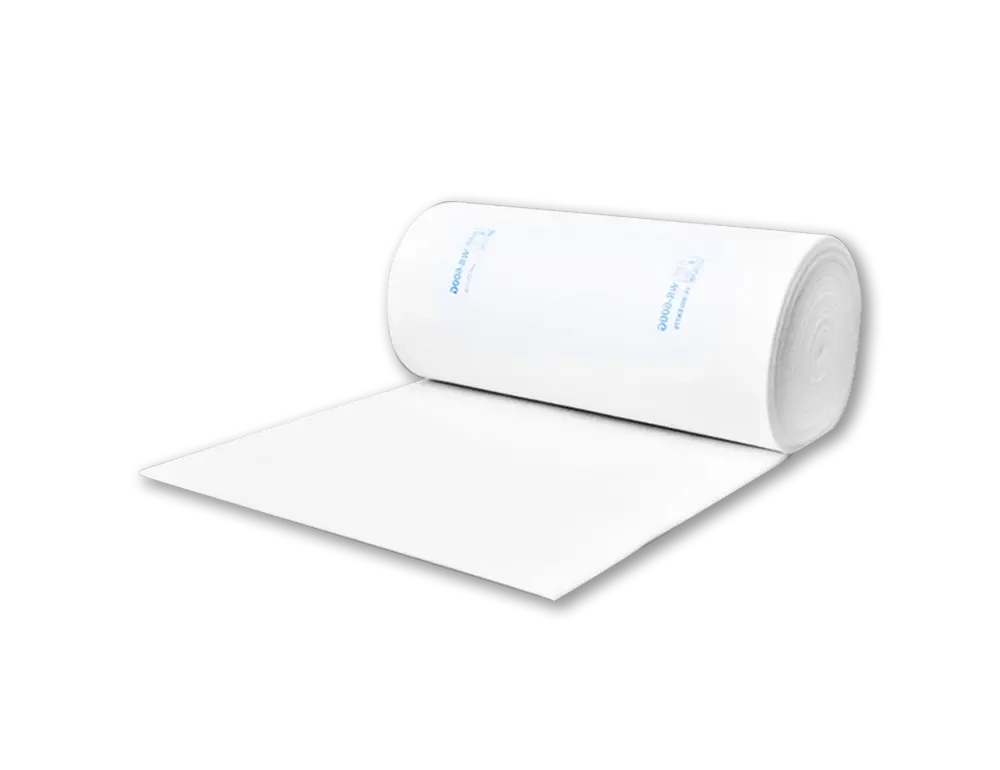
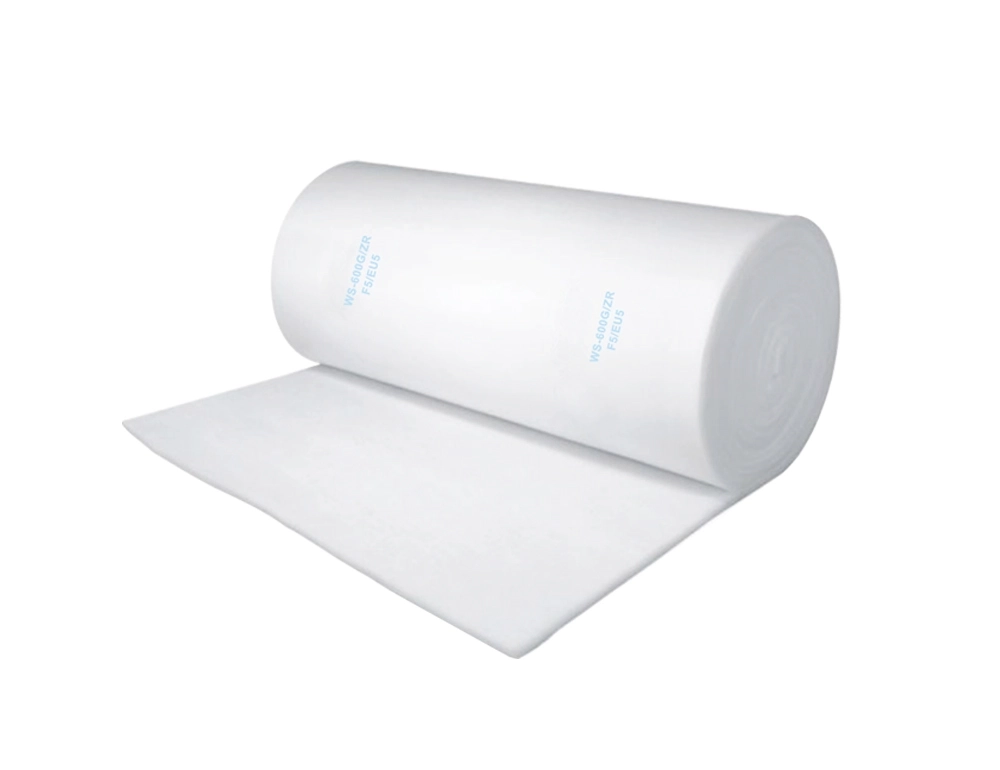
Ceiling media is the core interception layer for paint overspray and mist particles. Yet many buyers ask only for gram weight. Higher gram weight does not mean higher dust holding capacity. Fiber structure and adhesive distribution matter more.
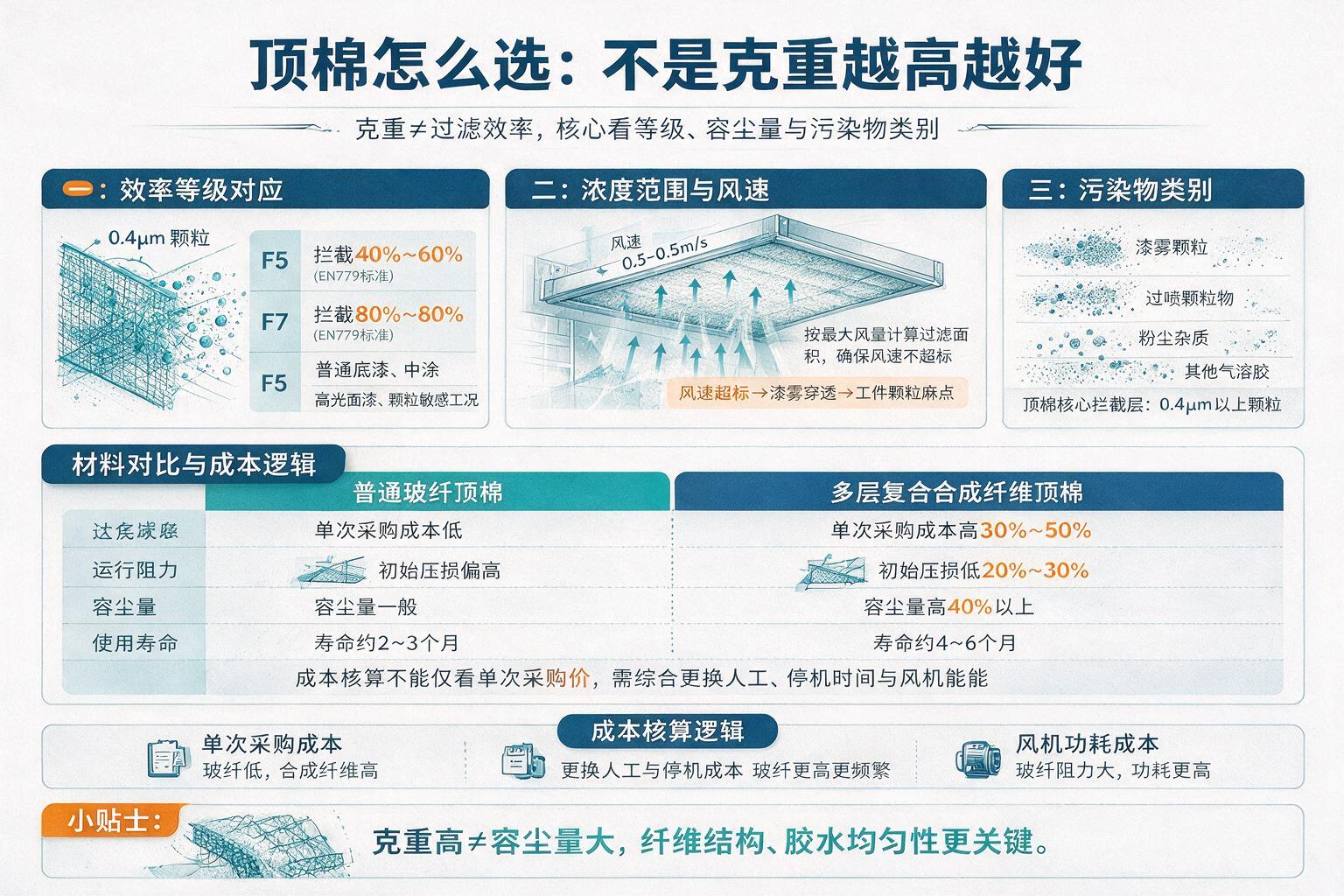
A paint booth ceiling filter rated F5 captures about 40-60% of particles above 0.4 μm under EN779. F7 captures 80-90%. If you spray high-gloss topcoats or finish sensitive parts, F7 is the floor. For primer and mid-coat work, F5-F6 can be acceptable if dust holding capacity is adequate.
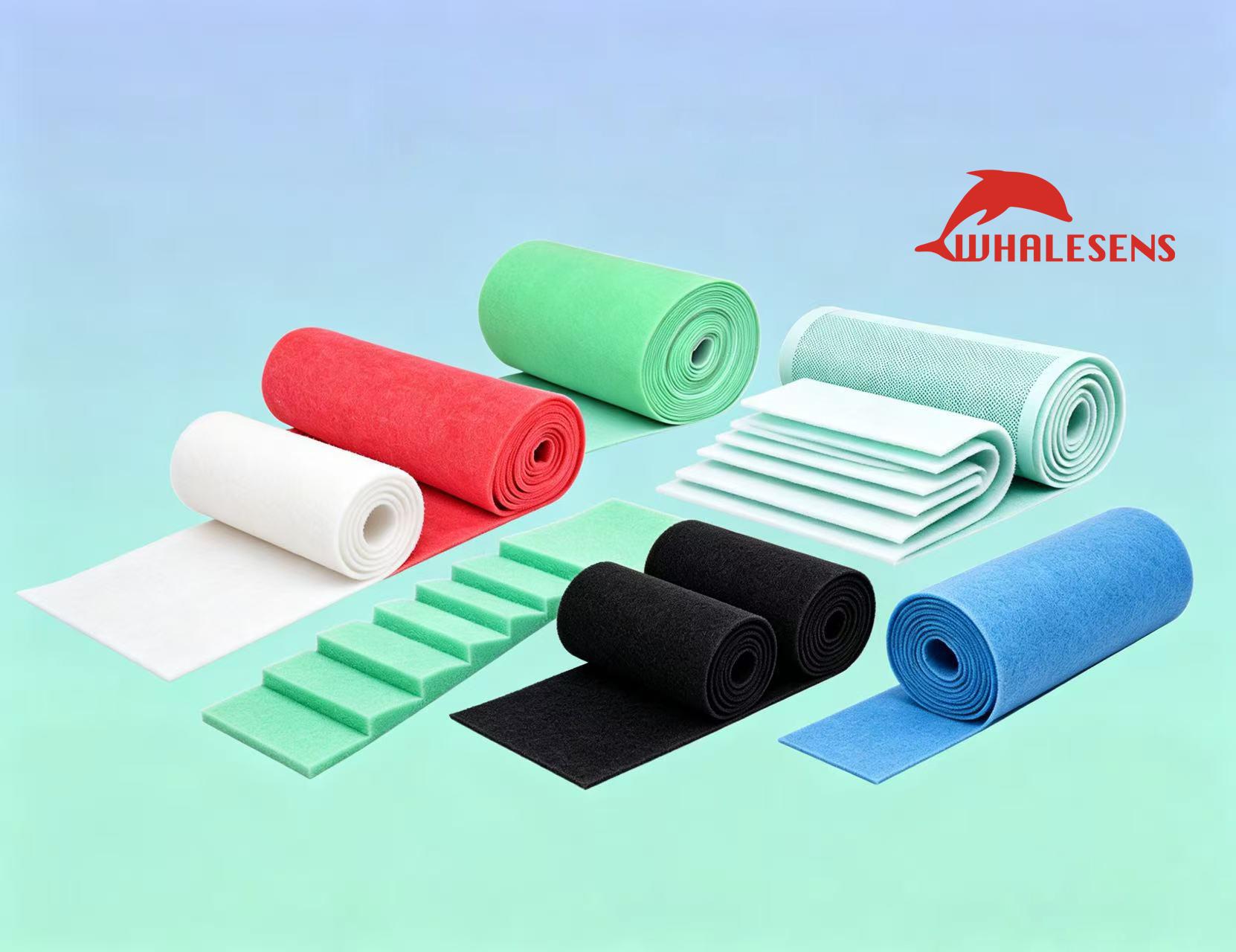
Dust holding capacity is the real spec. It tells you how much paint mist the media can hold before reaching the terminal pressure drop. Fiberglass media is cheaper per roll. Synthetic multi-layer media costs 30-50% more, but its initial pressure drop is lower and dust holding capacity often doubles.
Fiberglass Ceiling Media
- Lower unit price
- Higher initial pressure drop
- Lower dust holding
- 2-3 month service life
Multi-layer Synthetic Media
- 30%-50% higher unit price
- 20%-30% lower initial pressure drop
- 40%+ higher dust holding
- 4-6 month service life
Here's the thing: the unit price is the cheap illusion. Factor in labor and booth downtime, and synthetic media usually costs less per operating hour. I've seen this mistake too many times—buyers save 30% on media, then lose a full day every month for change-outs.
Let me be upfront: a customer once compared two ceiling media rolls. The cheaper fiberglass needed replacement every 2 months. A synthetic multi-layer roll lasted 5 months under the same workload. The labor savings paid back the price difference in the first quarter.
Ceiling face velocity should stay between 0.3 and 0.5 m/s. Size the ceiling filter area for the maximum airflow, not the average. If the area is undersized, overspray will punch through and land on the workpiece as visible nibs.
Most suppliers recommend replacing ceiling media at a terminal pressure drop around 250-300 Pa. Running beyond that wastes fan energy and increases bypass risk. Ask for the pressure drop curve at your specific face velocity, not a catalog number at an ideal condition.
Exhaust Filtration: Compliance Is Not Optional
The exhaust stage is where paint booth filter systems run into trouble. Dry booth exhaust usually starts with a paint arrestor mat to capture heavy overspray, followed by activated carbon for VOCs. If you spray waterborne coatings, you may also need a high-efficiency final filter because waterborne mist is finer and travels farther.
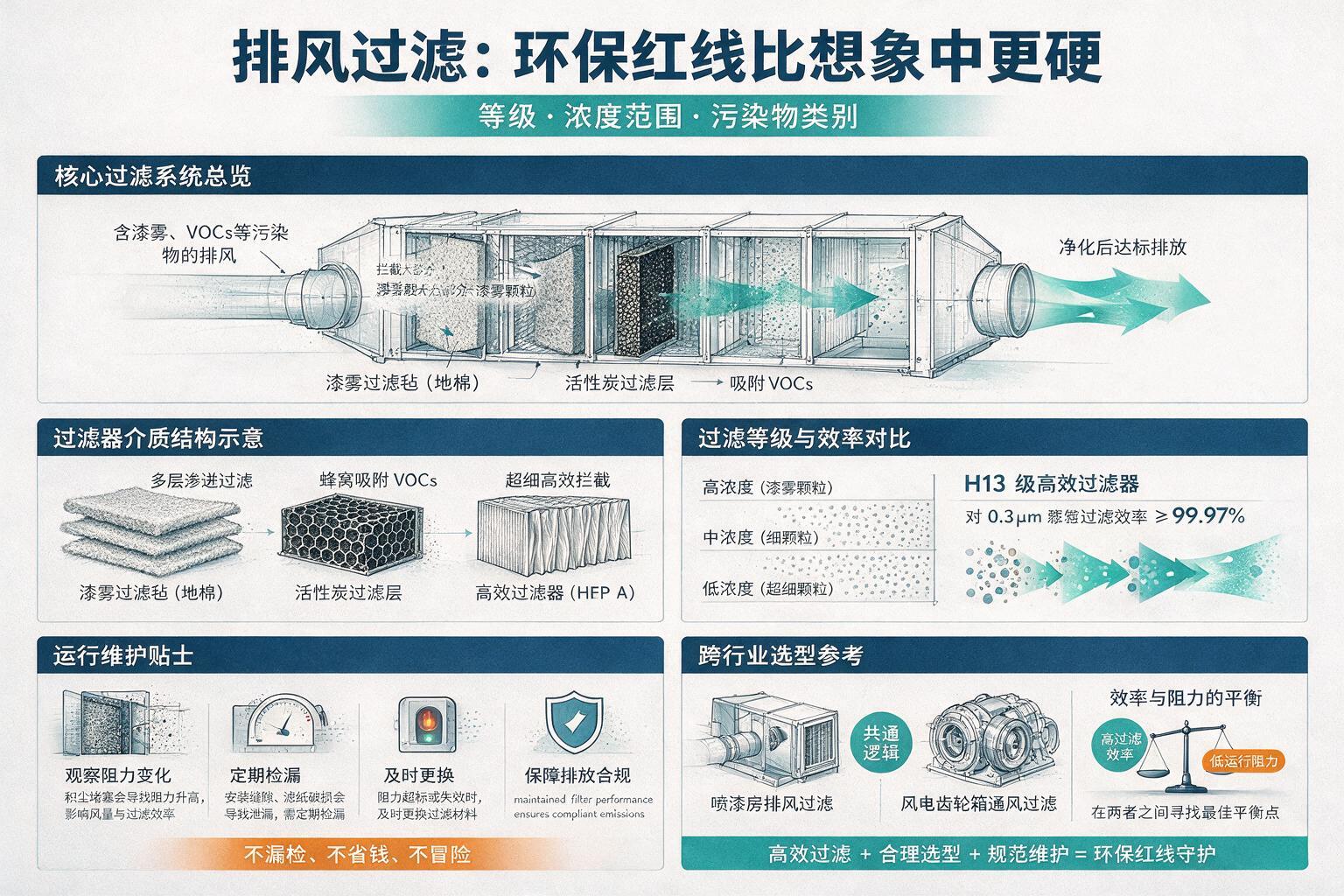
Many regions set specific limits for particulate and VOC emissions. Exceeding them triggers fines or forced shutdown. So paint booth exhaust filters cannot be downgraded to save money.
Paint arrestor mats are not all equal. Open-weave mats handle high overspray volume but let finer particles through. Denser mats capture more but load faster. Match the mat to the coating transfer efficiency at your booth. If transfer efficiency is below 50%, you need higher arrestor capacity and more frequent change-outs.
For the final high-efficiency stage, H13 is common. It removes 99.97% of 0.3 μm particles. But installing a HEPA filter is not a set-and-forget solution. Installation gaps and damaged media cause leaks. A scheduled leak test is mandatory, not optional.
The price difference between H13 filters is real. Recycled glass fiber paper can cut cost by half, but service life and stability drop even faster. A few hundred dollars saved on a cheap exhaust filter can turn into an emission violation.
There is a cross-industry lesson here. The balance between high efficiency and low resistance in paint booth exhaust mirrors the same trade-off in wind turbine cabin air filtration. The article on wind turbine filter selection shows how pressure drop drives energy use, and the math transfers directly.
Paint Booth Filter Total Cost: The Cheapest Illusion
Paint booth filter selection is a math problem. Many workshops compare only purchase price. They ignore change-out labor, downtime, rework, and fan energy. The result? They keep buying the cheapest filter and paying more every year.
Start with the total cost equation: total filtration cost = purchase cost + change-out labor + downtime + fan energy. Energy and downtime are often the largest hidden items. If one system runs 150 Pa higher initial pressure drop than another, the fan works harder every hour.
For 20,000 m³/h airflow and 60% fan efficiency, an extra 150 Pa adds roughly 20-30 kWh per day. Over a year, that is several thousand kWh. It can easily exceed the cost of several complete filter change-outs.
To estimate fan energy, use this formula: fan power (kW) = (airflow m³/h × pressure drop Pa) ÷ (3600 × 1000 × fan efficiency). At 20,000 m³/h, 150 Pa, and 60% efficiency, that is roughly 1.39 kW. Run 8 hours a day, 300 days a year, and the extra energy is about 3,336 kWh. At $0.12/kWh, that is $400 per year—just for 150 Pa.
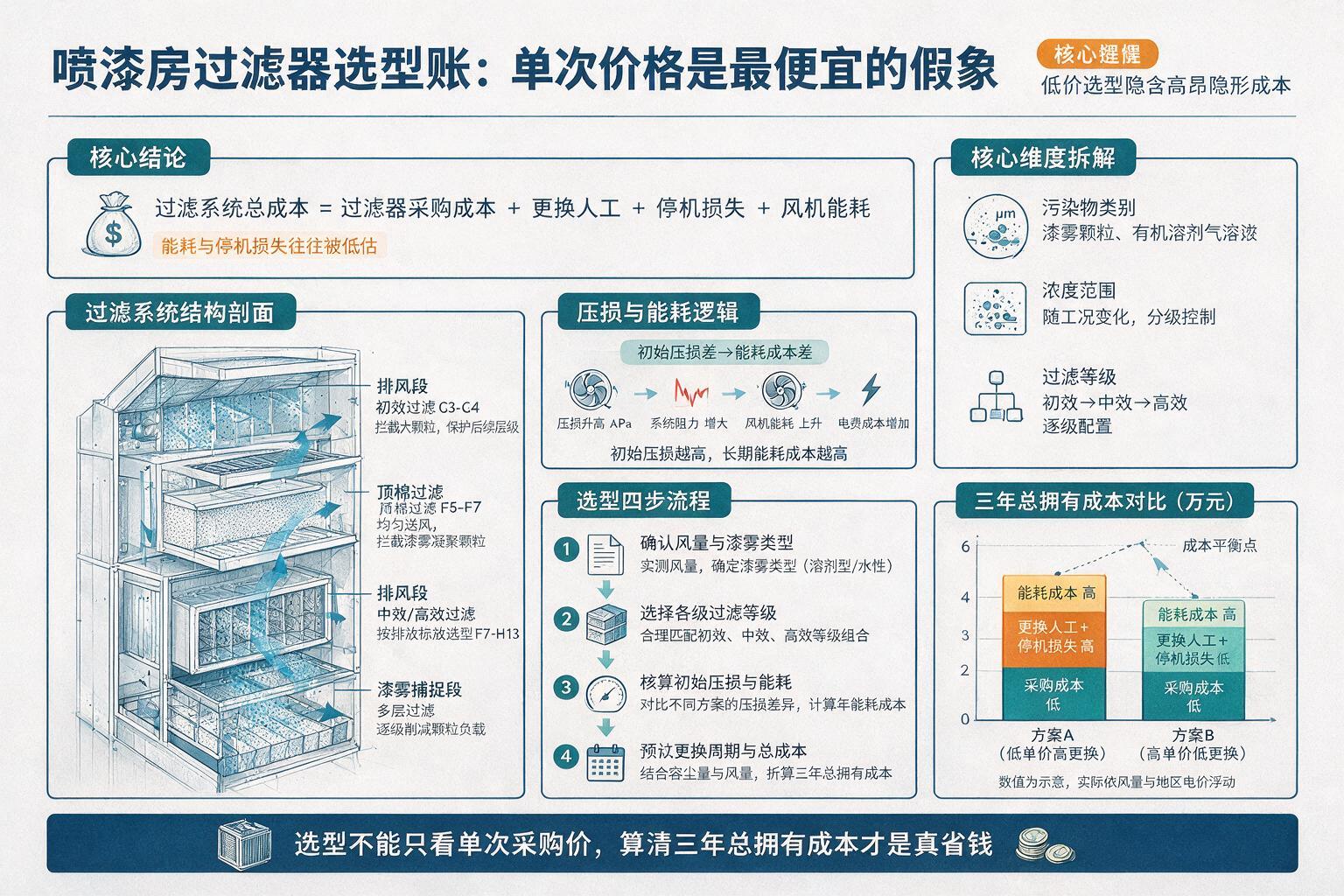
Here's how to work through the numbers.
A bag filter upgrade often shows up in this math. A larger bag filter housing with more media area reduces face velocity and pressure drop. The housing cost is higher, but the energy savings recover the difference within the first filter cycle.
Sizing and Verification Checklist
Before you accept any paint booth filter quote, run through this checklist. It misses the common failure points that later become expensive surprises.
Paint Booth Filter Sizing Checklist
- Confirm shop air quality requirement or ISO cleanliness class
- Measure actual airflow in m³/h or CFM
- Calculate face velocity for intake and ceiling stages
- Check paint type: solvent-based or waterborne
- Verify exhaust emission limits for particulate and VOCs
- Request dust holding capacity and initial pressure drop from suppliers
One more pattern worth noting: more expensive equipment does not always mean higher total filtration cost. It often means lower cost over two or three years. A customer once told me our media were 20% more expensive. But after factoring in lifespan and downtime, the total cost was 40% lower.
Let me be upfront: the industrial filtration market has more marketing fluff than most. Many spec sheets look great on paper but do not deliver in a real booth. The only way to cut through that is to ask for pressure drop curves and dust holding data at your actual airflow.
Run the numbers for your booth. The answer usually shows up in the energy bill and the rework rate before it shows up in the purchase order.
Need a custom air filtration solution?
Contact the Whalesens engineering team for product selection and OEM/ODM support.
Email whalesens@gmail.com
