


EV Charging Stations
Filtration for Power Equipment
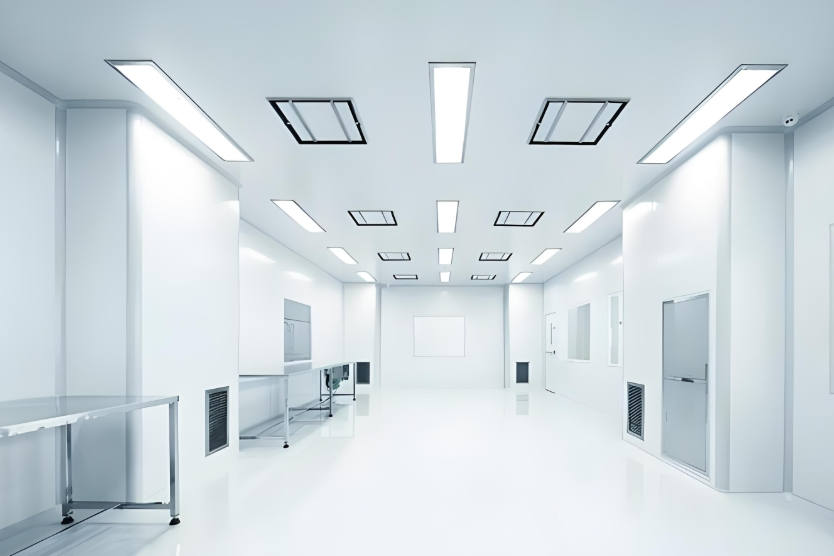
Cleanroom & Semiconductor
Ultra-High Cleanliness Filtration
Commercial HVAC
Central Air System Filtration
Data Centers
Precision Equipment Protection
Livestock & Farming
Farming Environment Purification
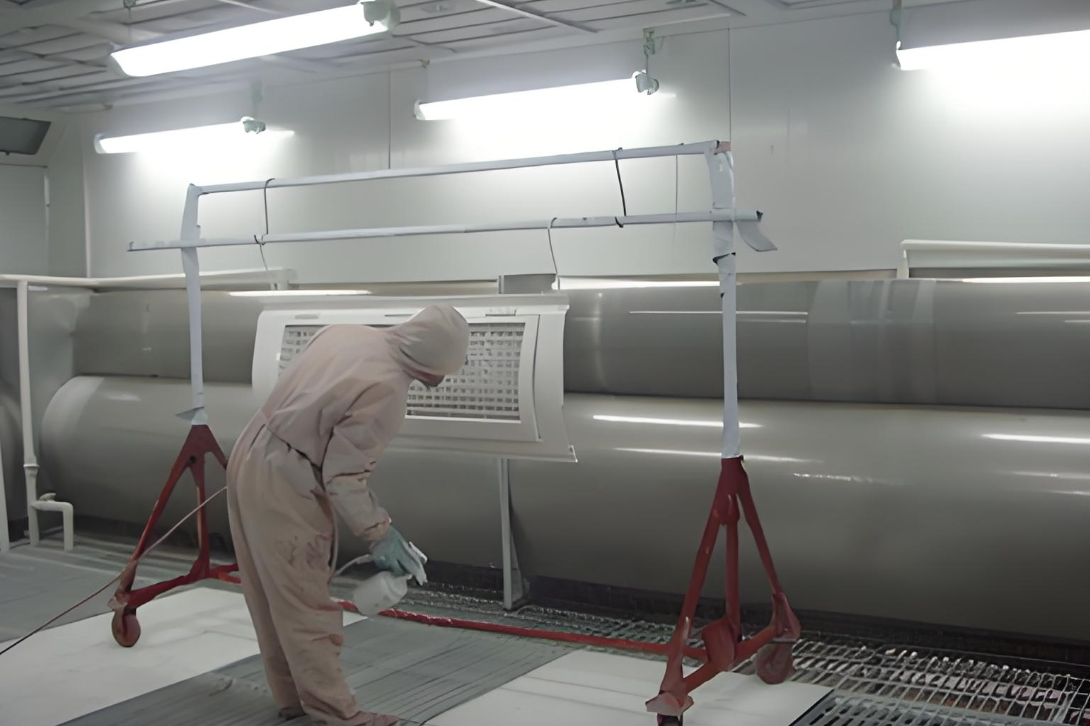
Spray Booths & Industrial Dust
Paint Mist & Dust Purification
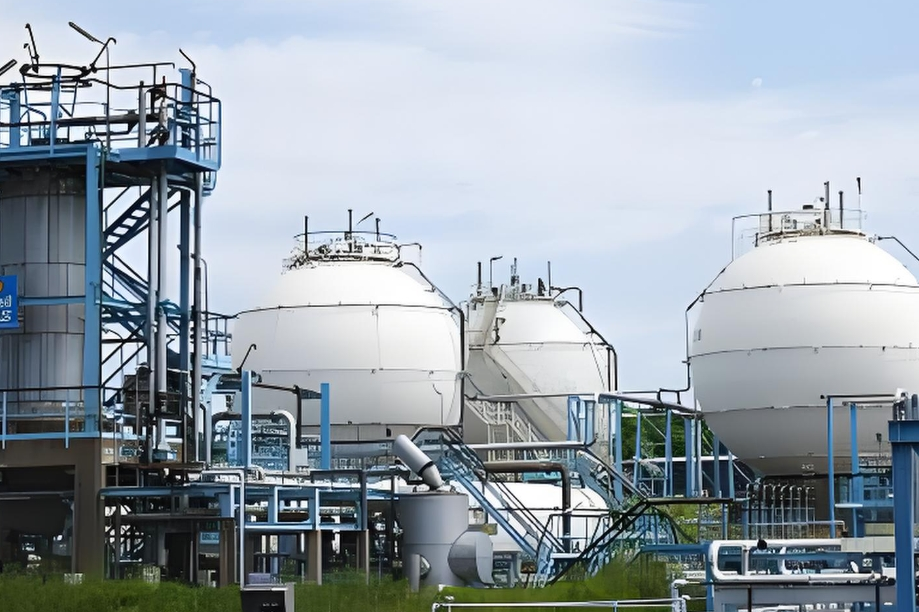
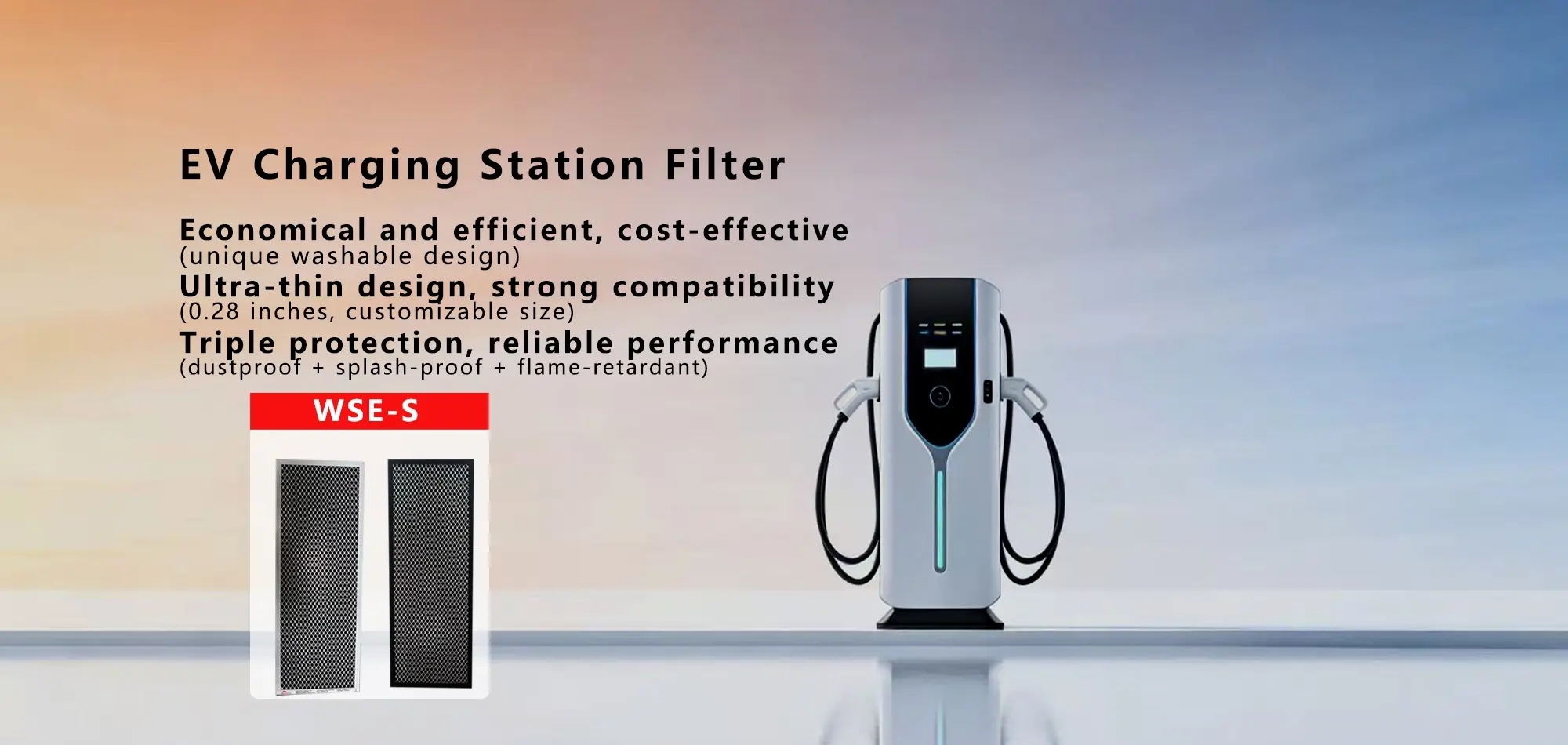
Filtration for Power Equipment
Professional air filtration for EV charging devices, protecting against dust and sand ingress to ensure stable, reliable operation of charging piles and station infrastructure.
View Related Products →Ultra-High Cleanliness Filtration
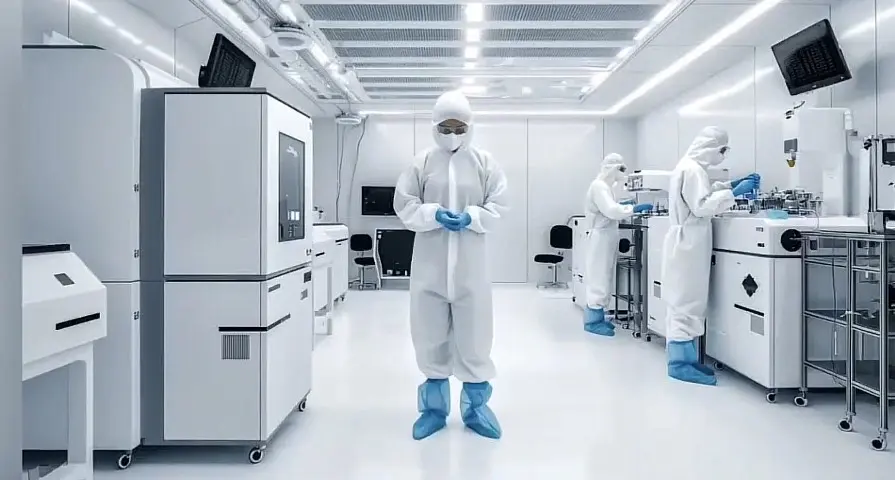
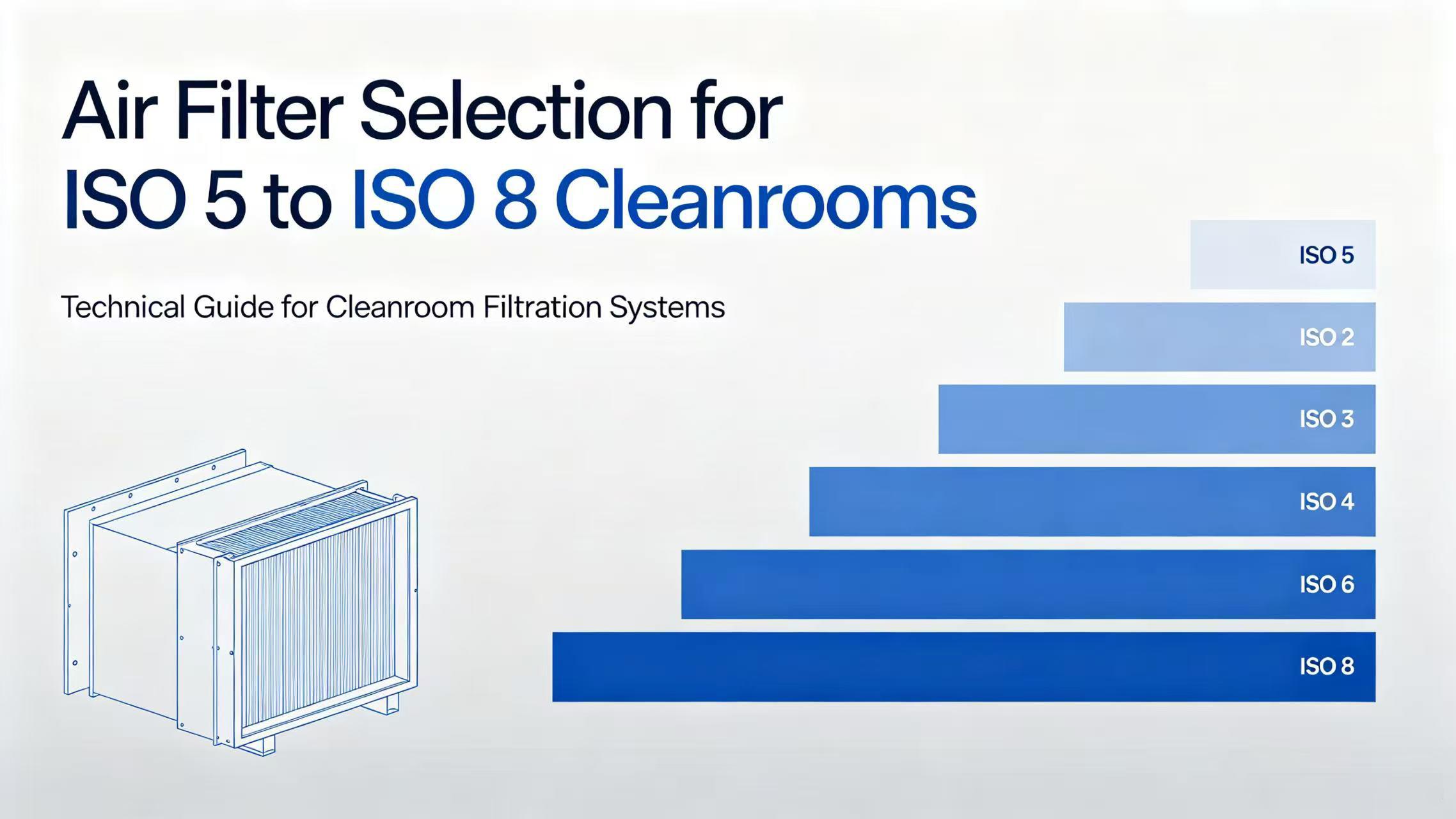
Ultra-high efficiency filtration for semiconductor wafer fabs and precision electronics cleanrooms, capturing nano-scale particles to meet ISO Class 1–3 standards and maximize product yield.
View Related Products →Central Air System Filtration
High-efficiency filtration for commercial building HVAC systems, improving indoor air quality, reducing energy consumption, and extending equipment service life.
View Related Products →Precision Equipment Protection
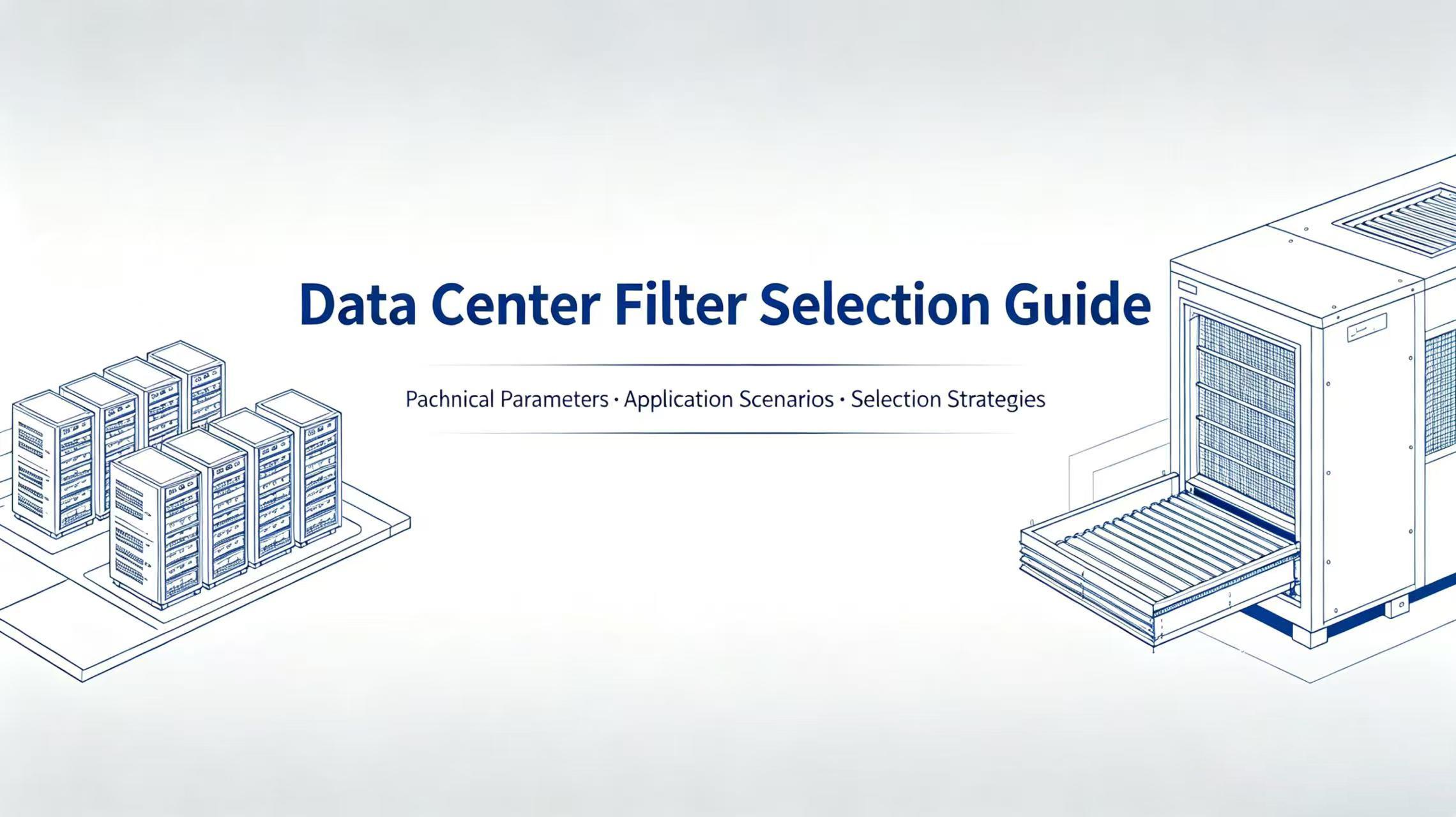
Precision air filtration for data centers, shielding servers and critical hardware from dust contamination to keep cooling systems running efficiently and reliably.
View Related Products →Farming Environment Purification
Dedicated filtration systems for farms and livestock facilities — capturing dust, adsorbing ammonia, and inhibiting pathogen spread to improve animal health and overall productivity.
View Related Products →Paint Mist & Dust Purification
Designed for spray booths and grinding workshops, efficiently capturing paint mist, metal dust, and wood chips to meet emission standards while protecting finished surface quality.
View Related Products →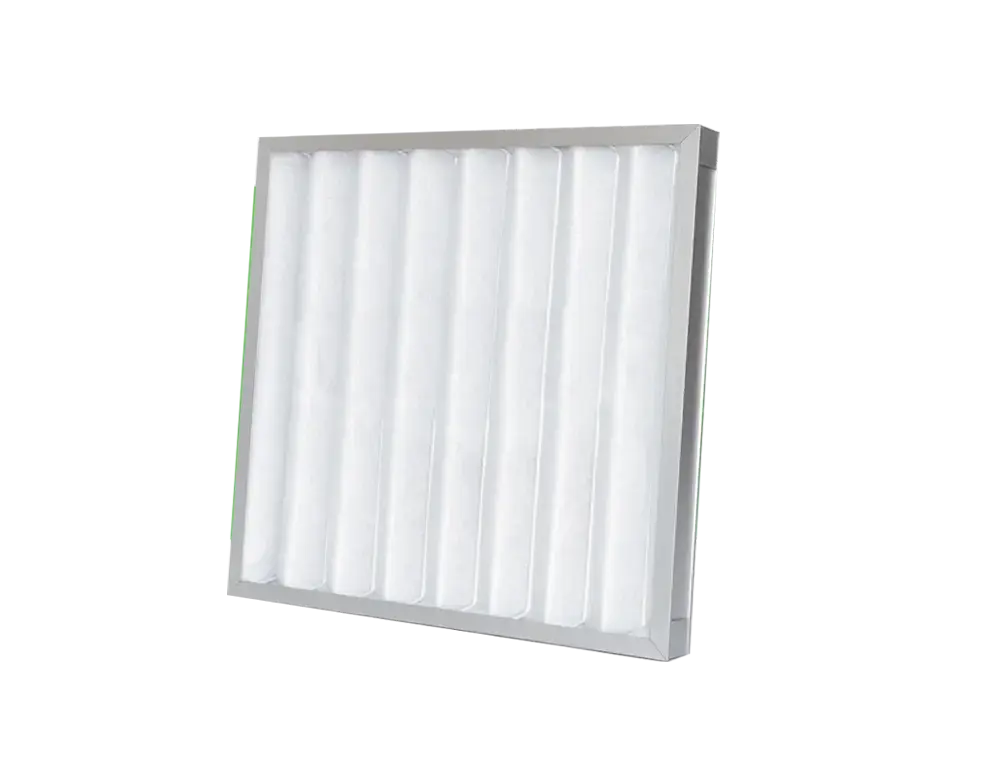
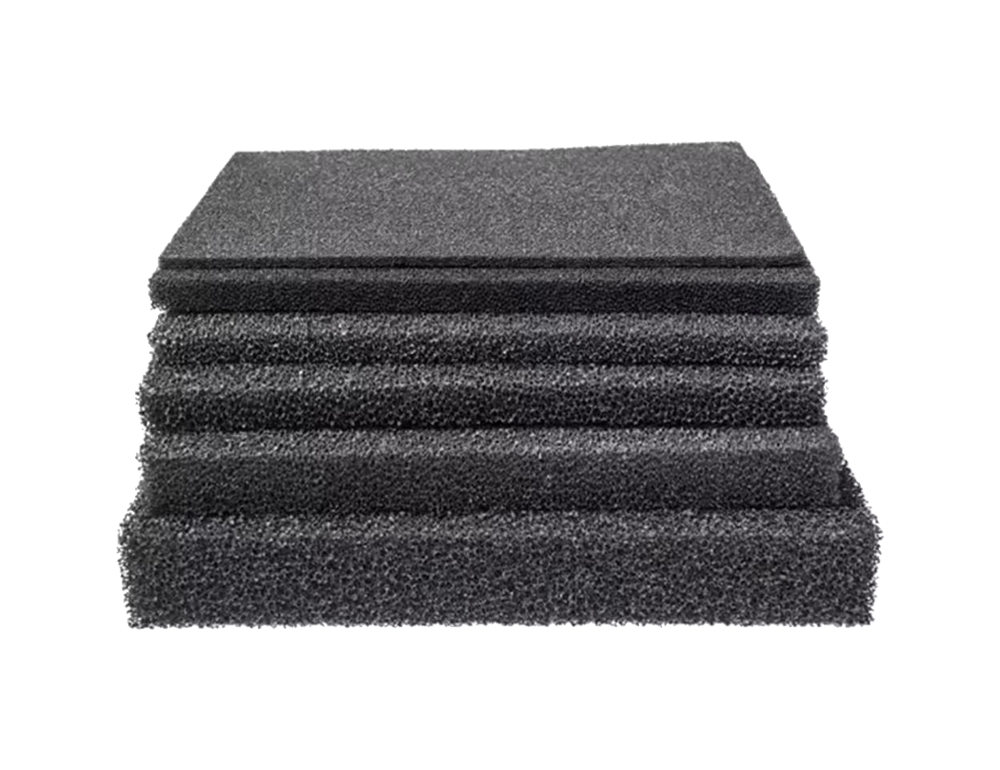
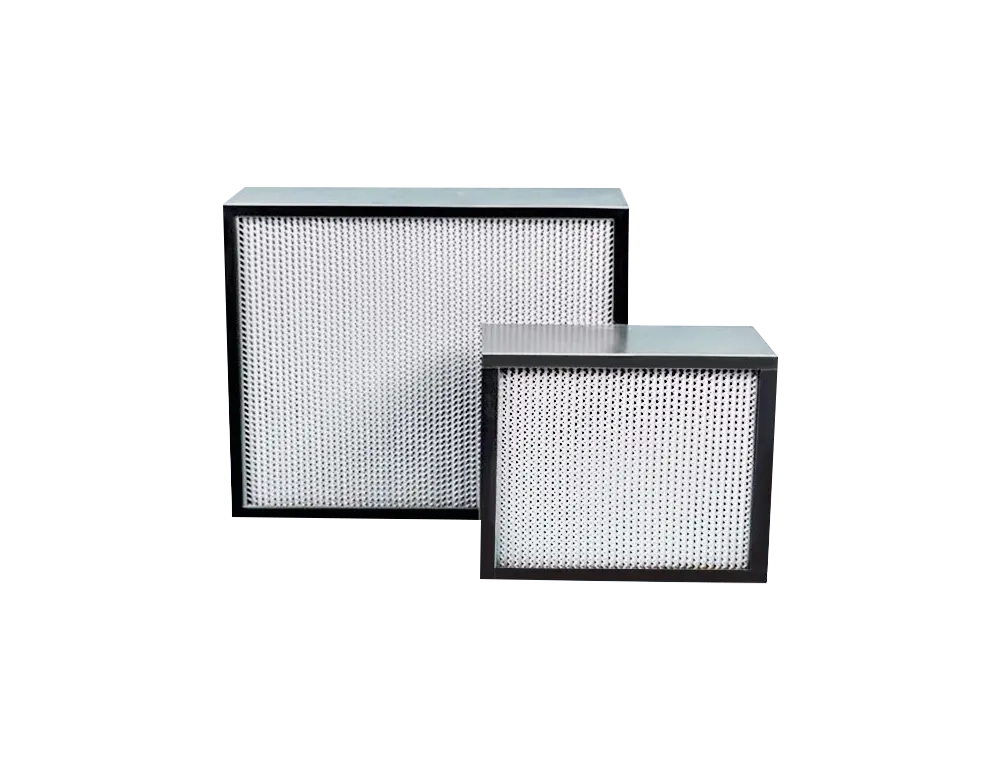
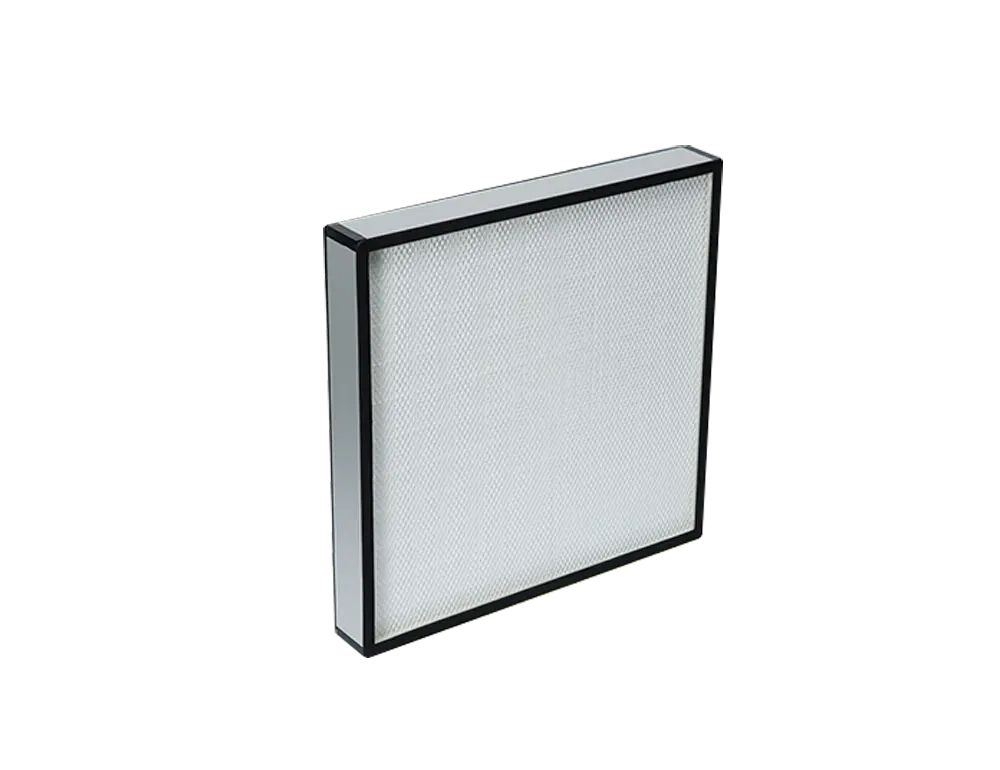
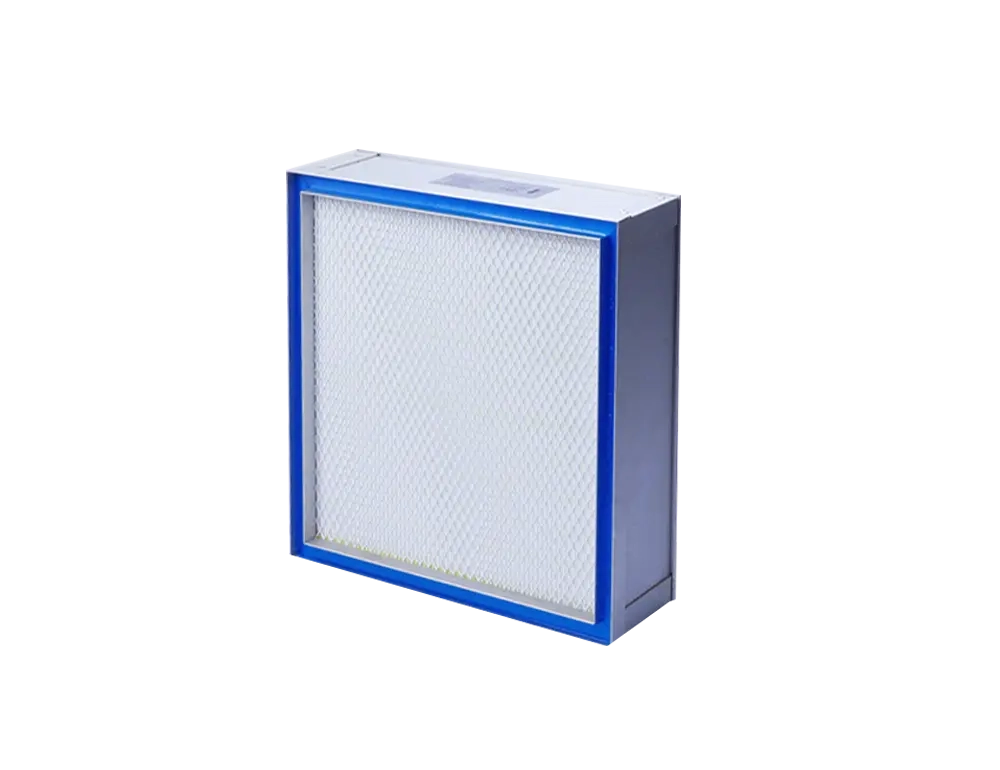
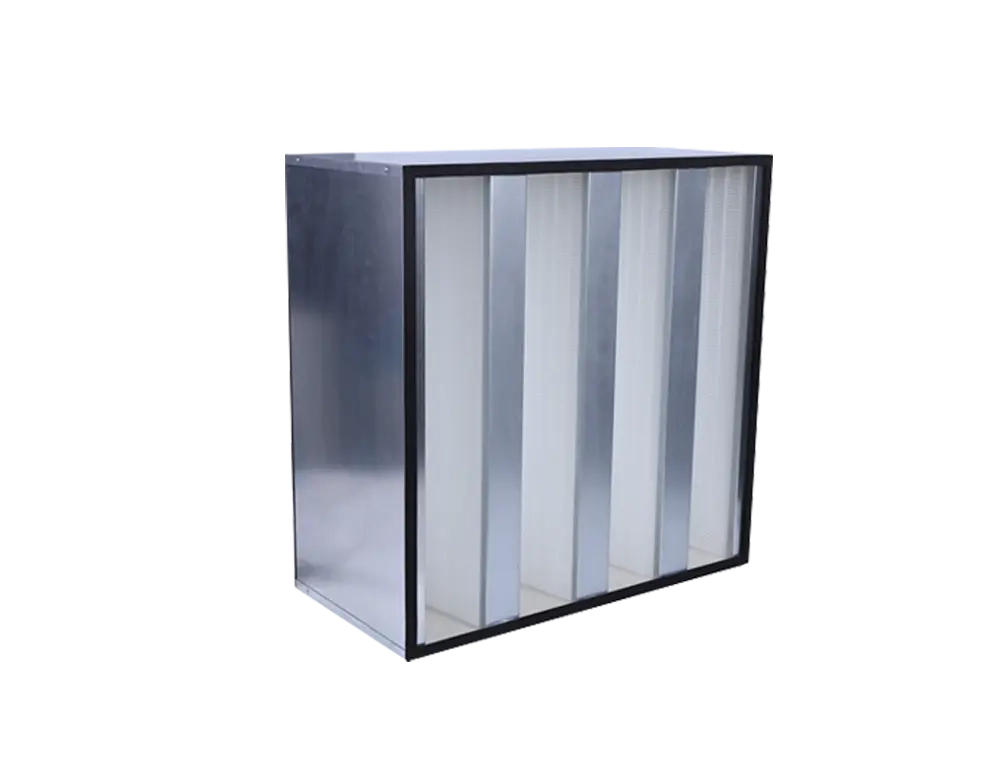

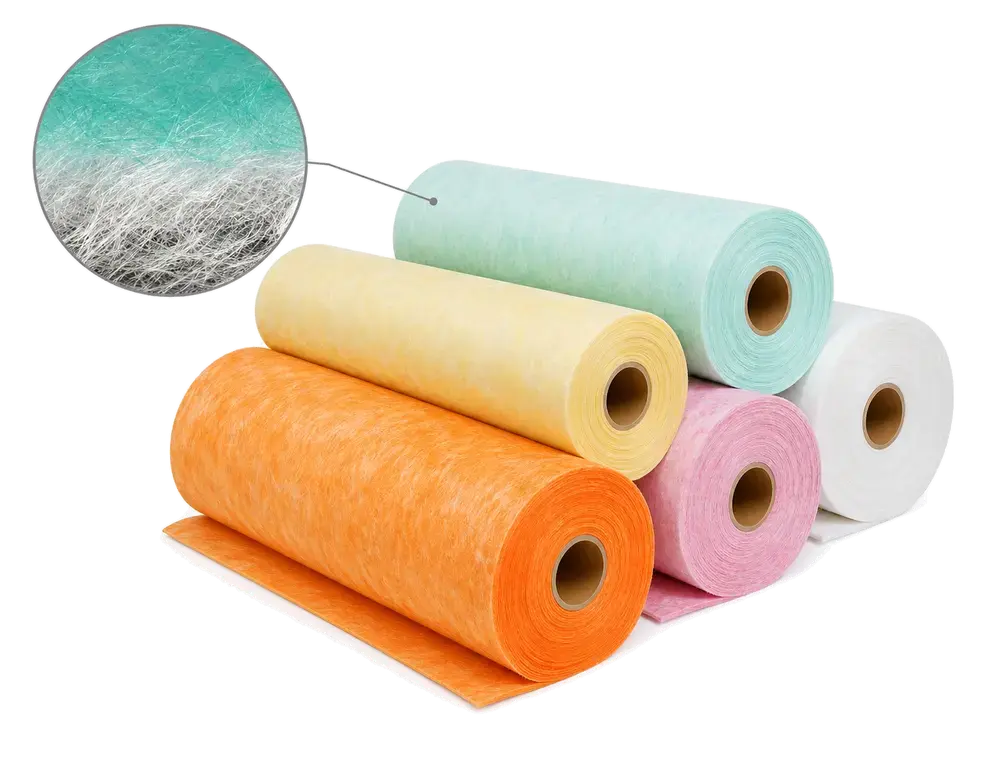
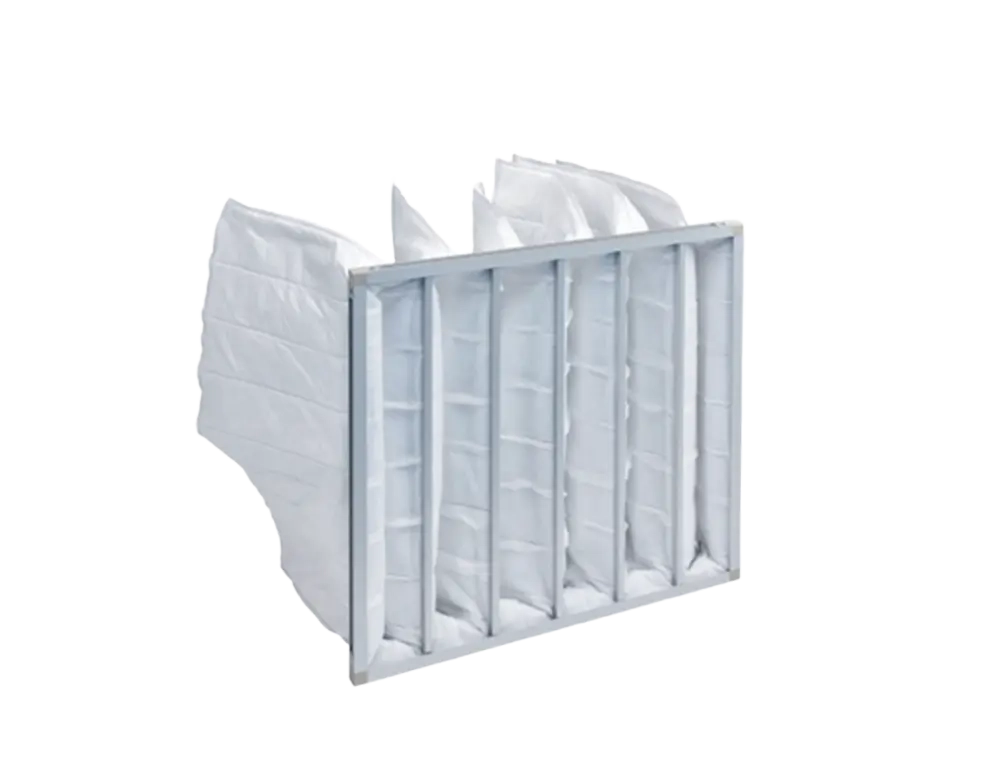
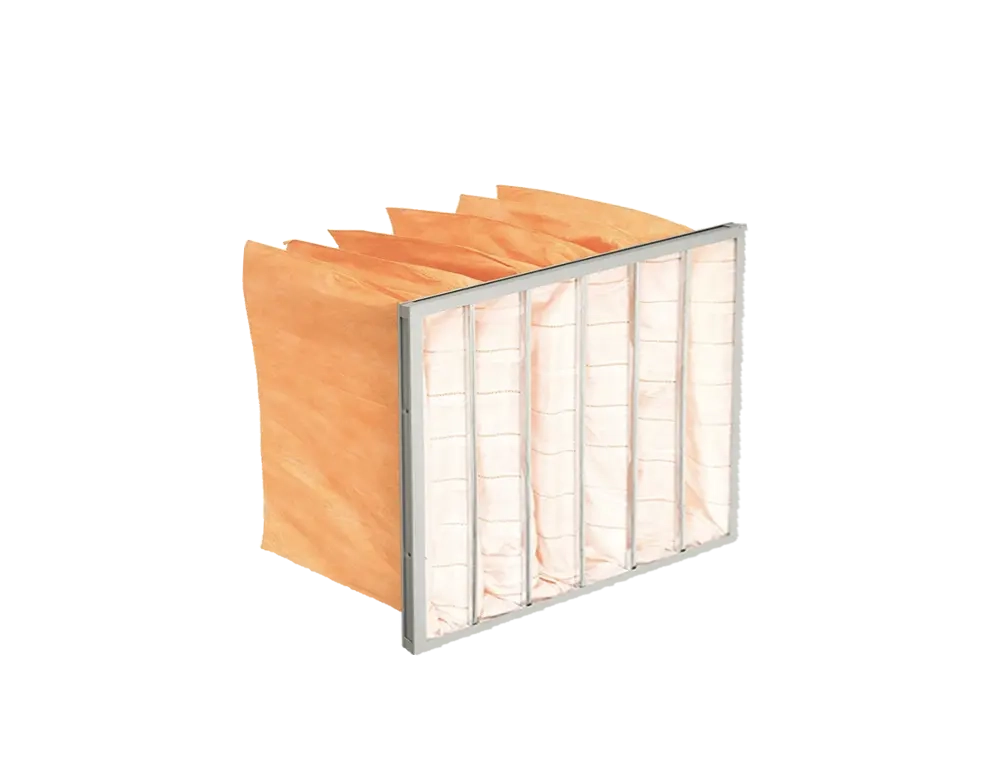
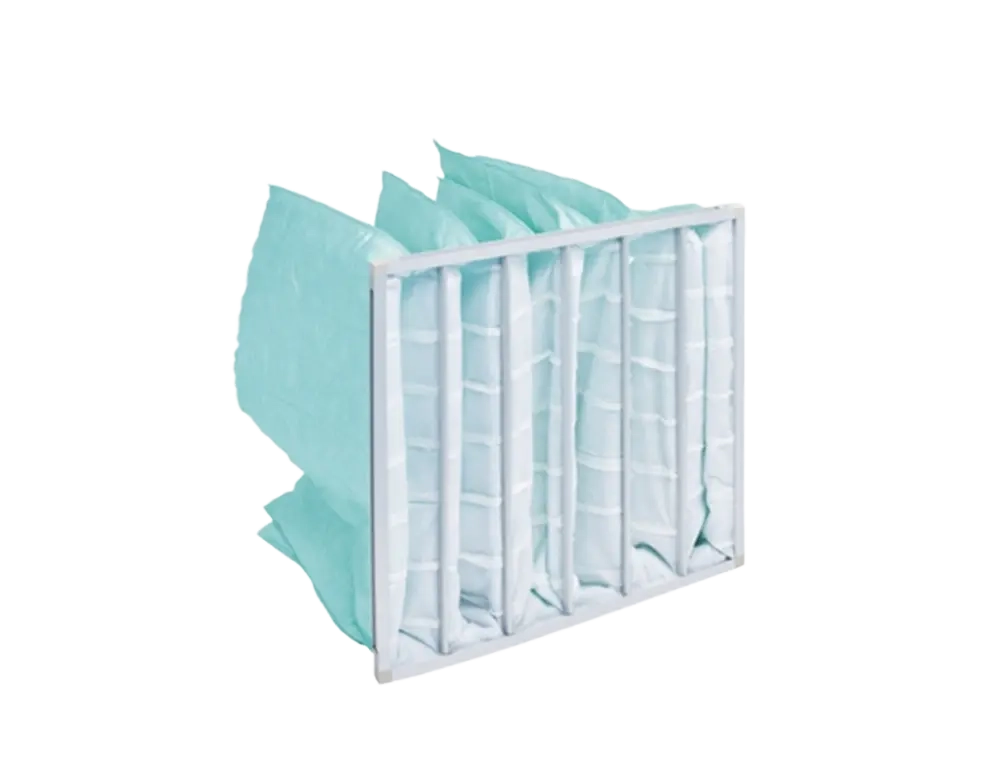

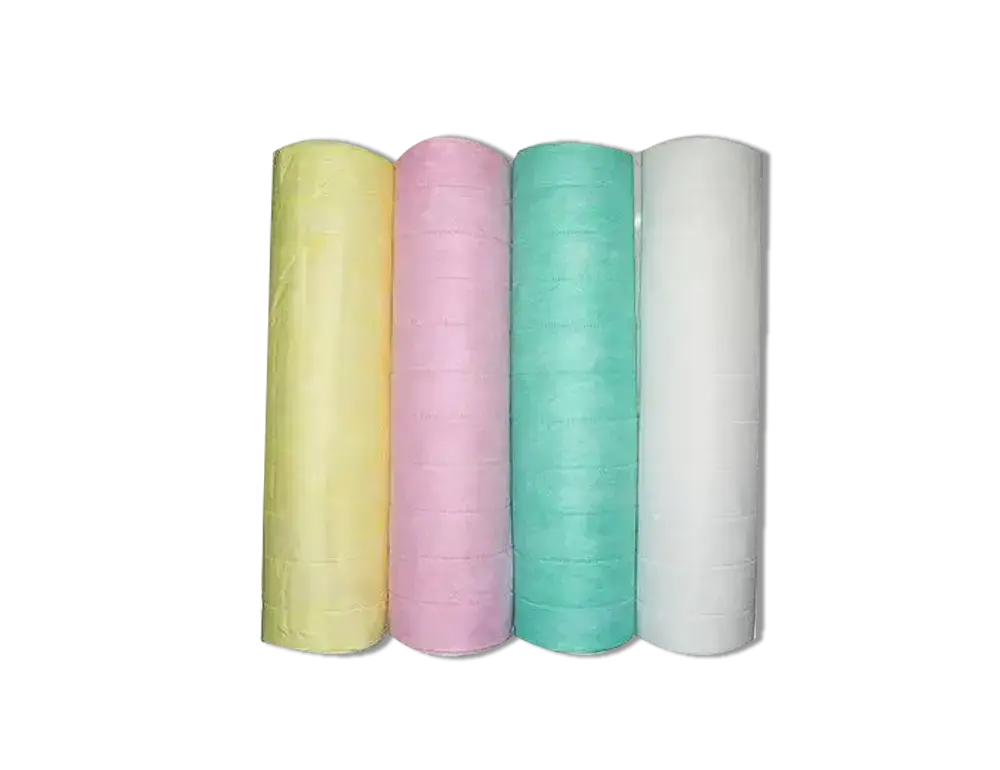
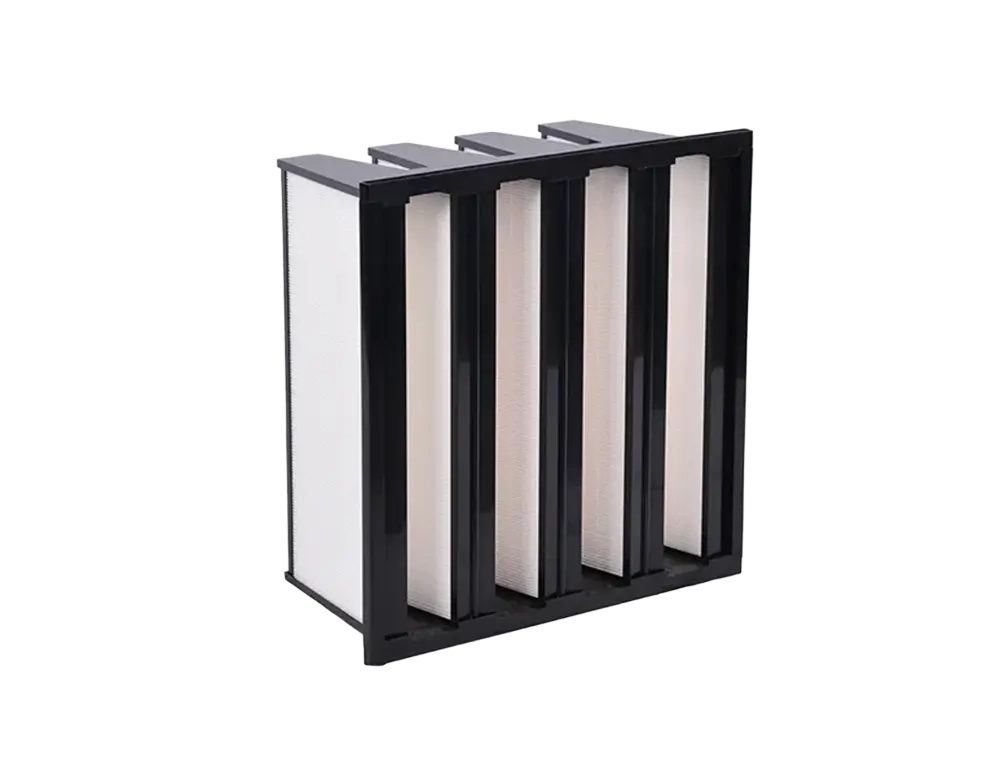
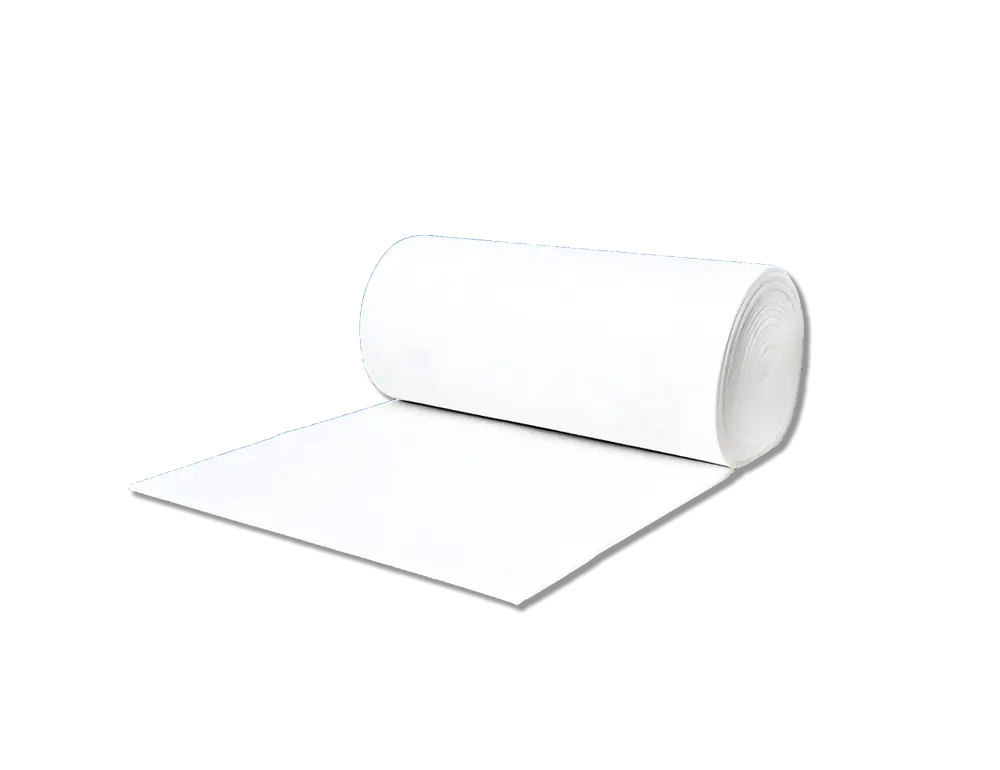
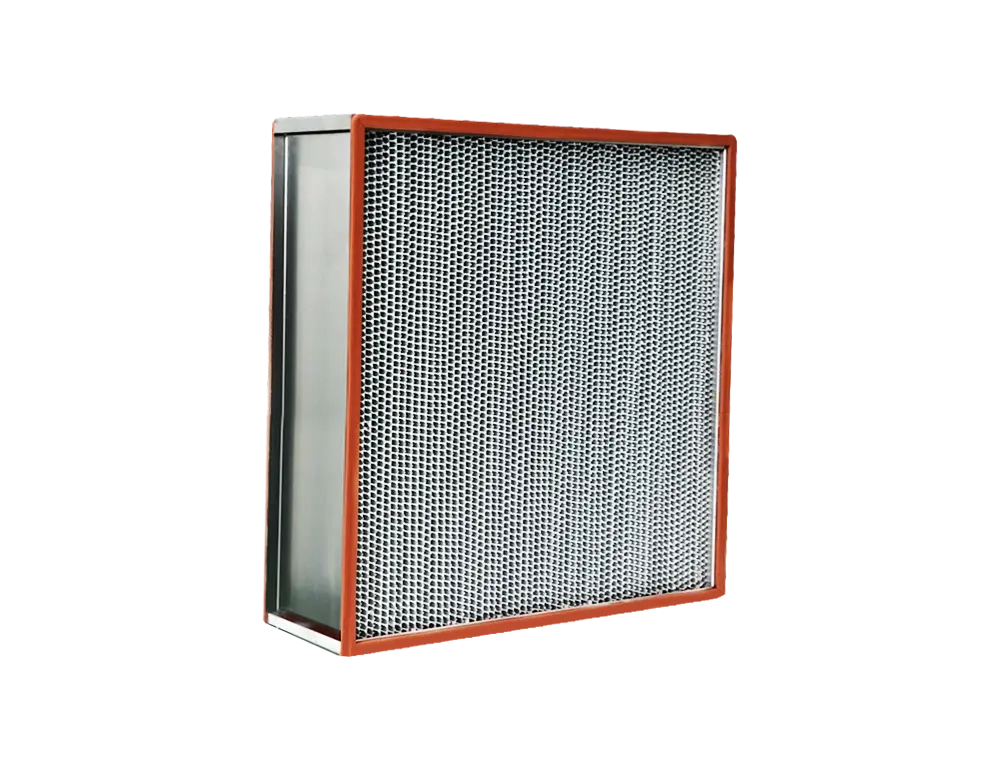
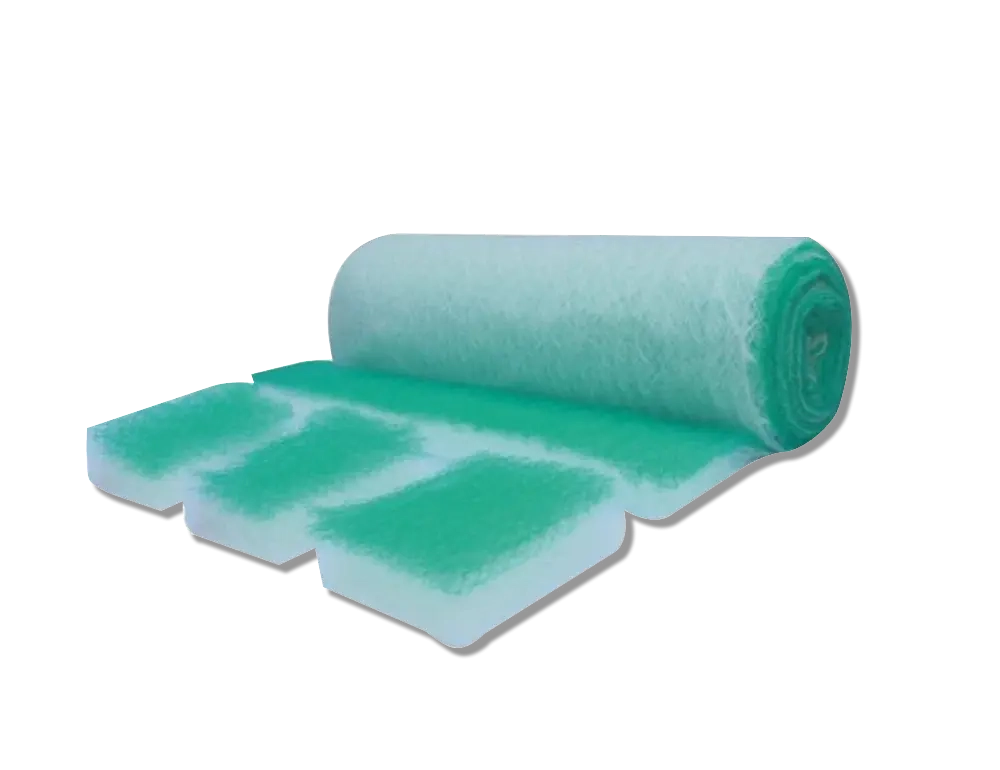
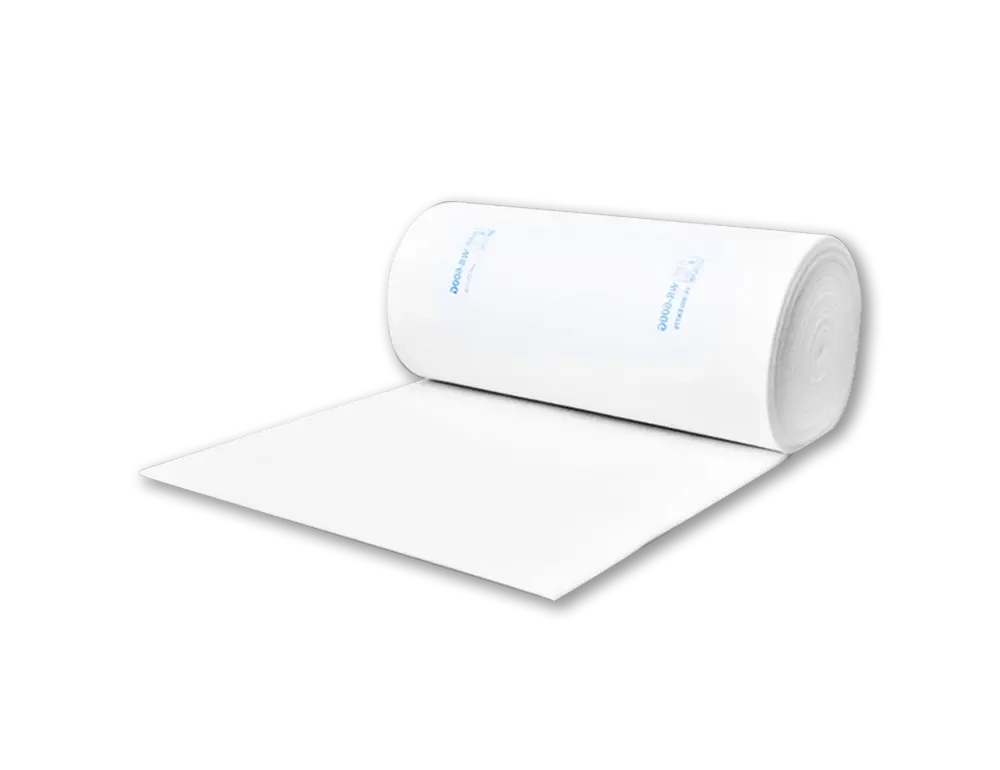
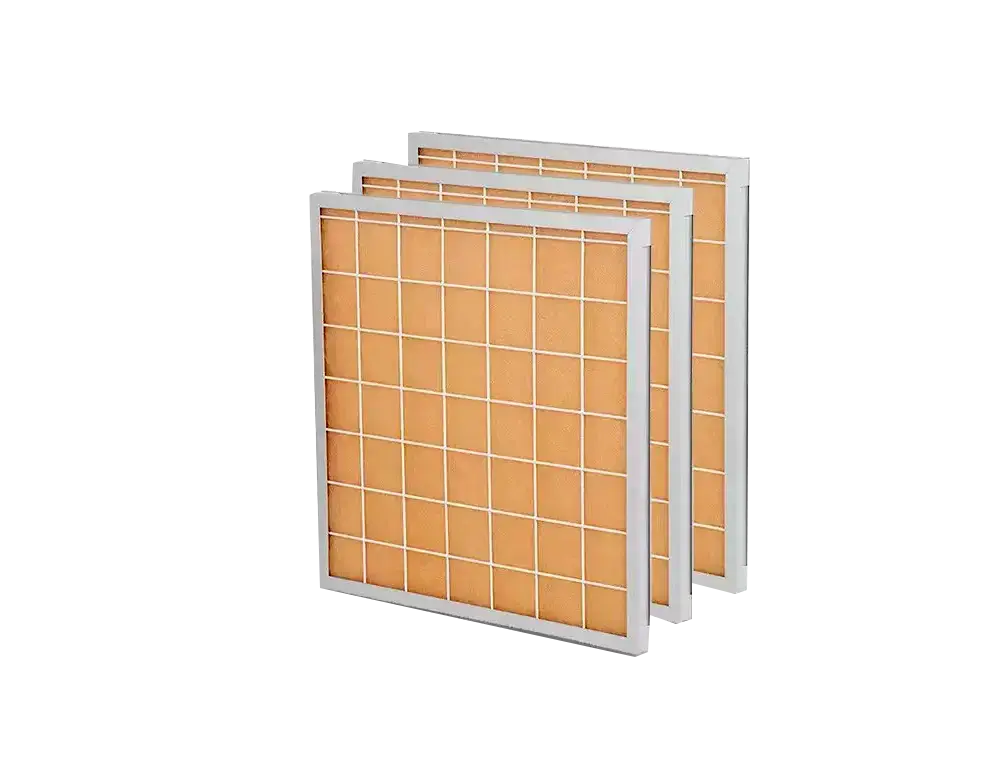
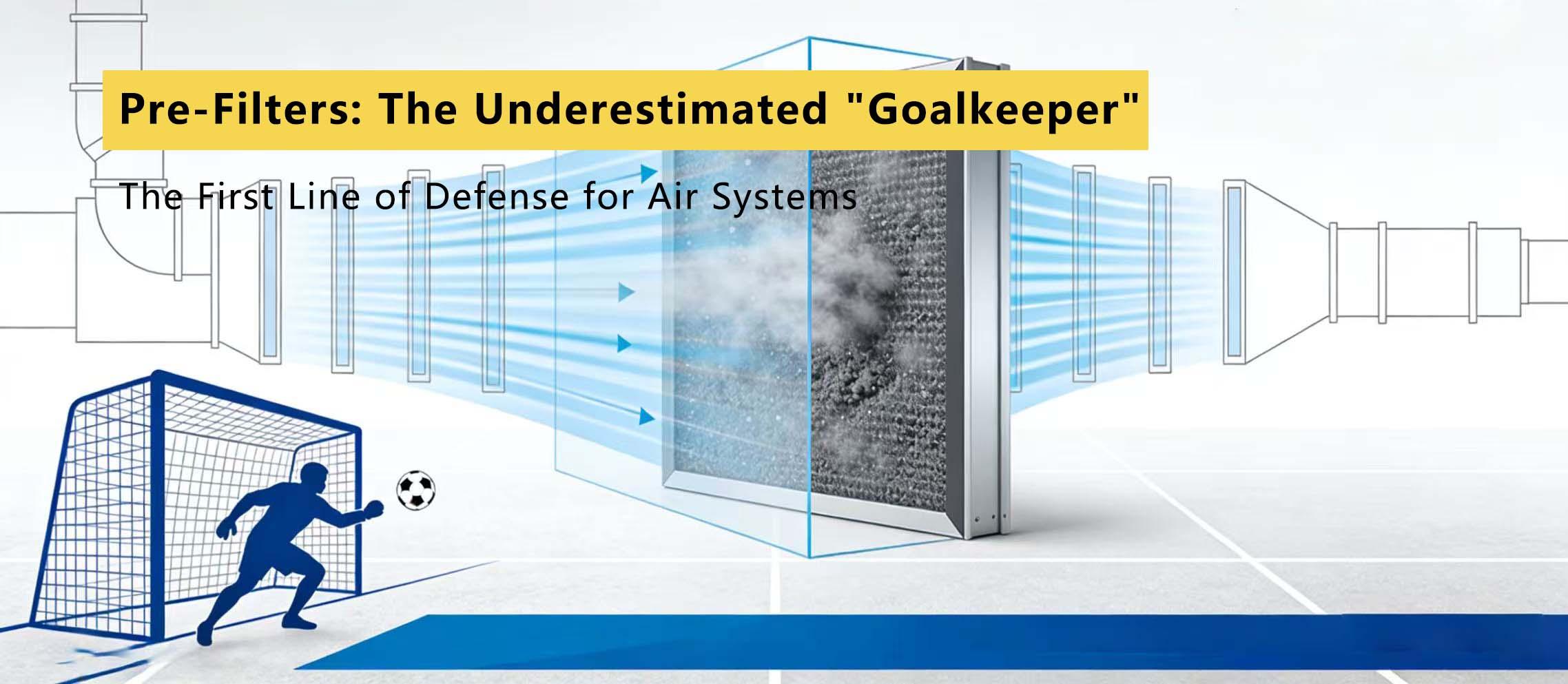
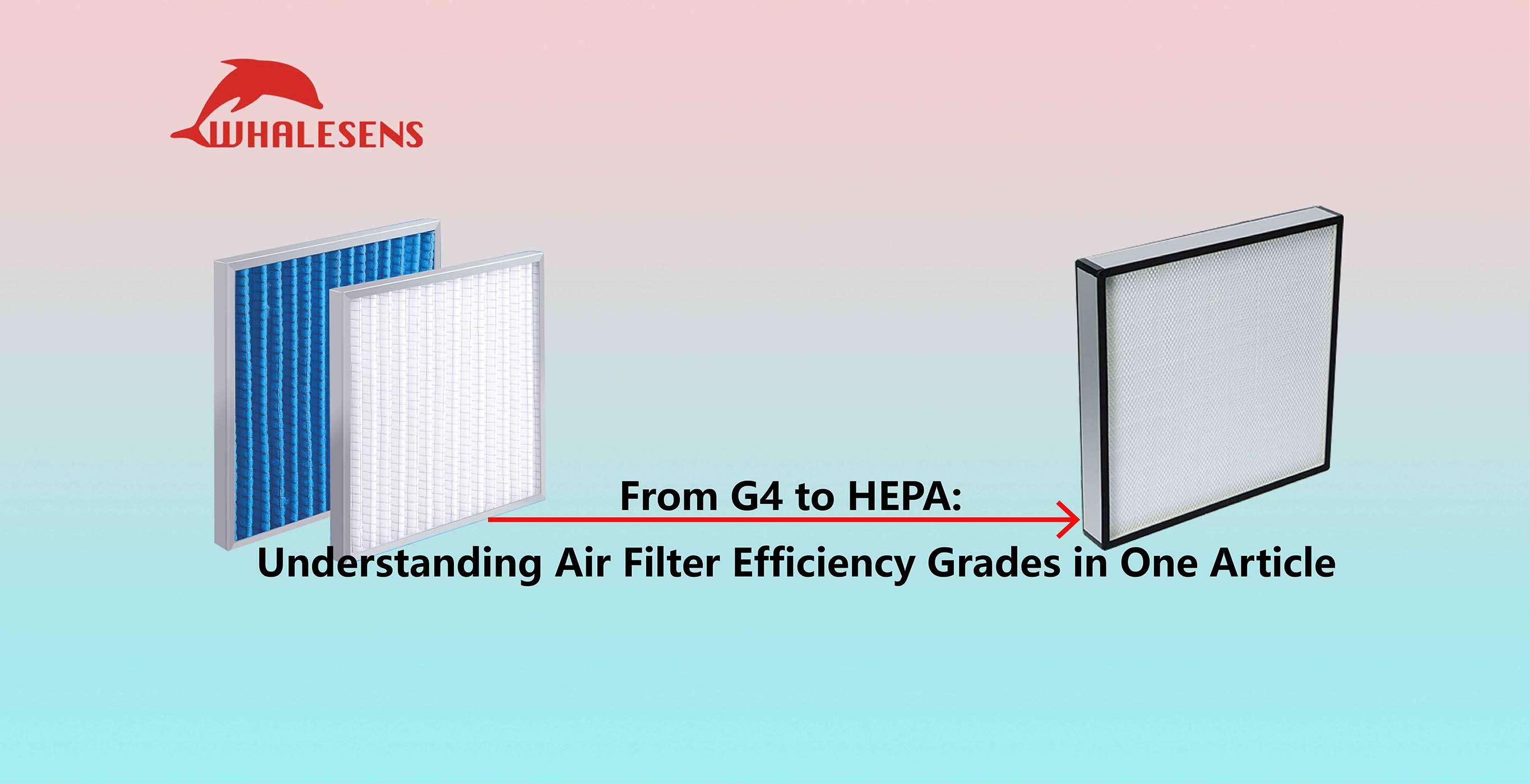
Pre-Filter (G1–G4)
First-Stage Large-Particle Capture
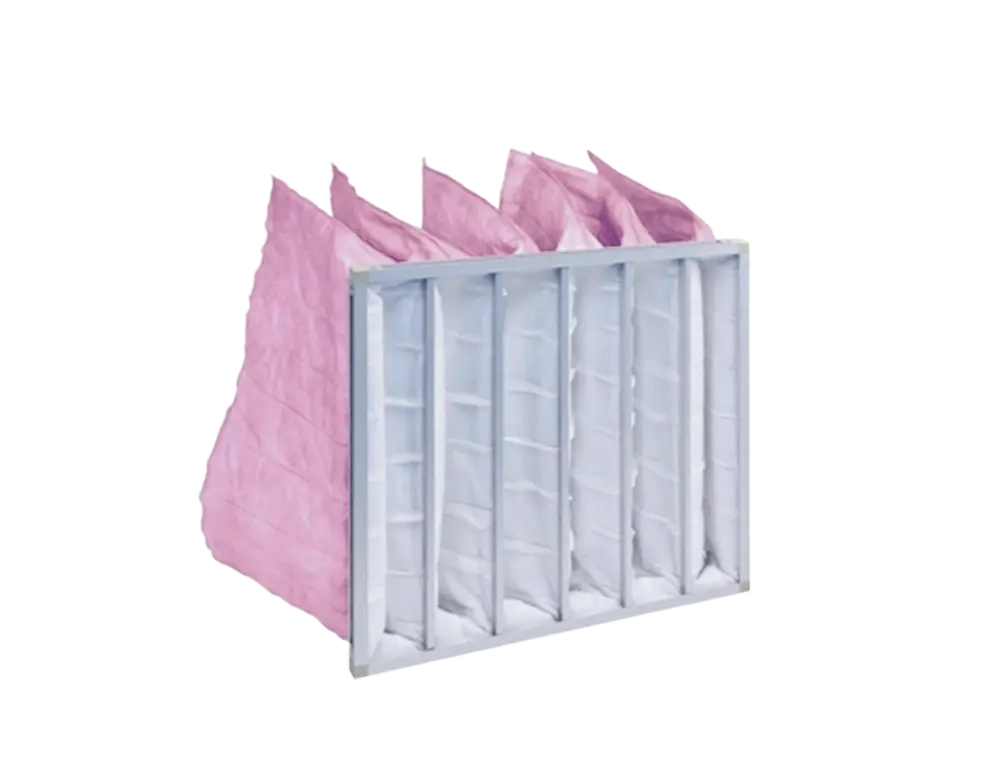
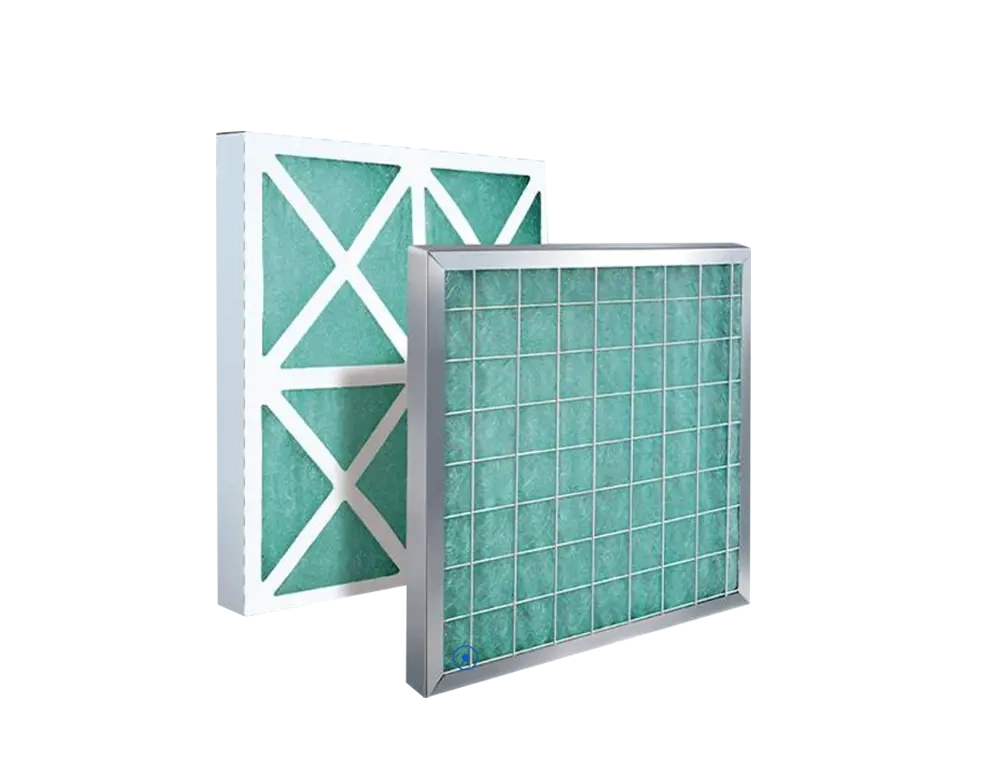
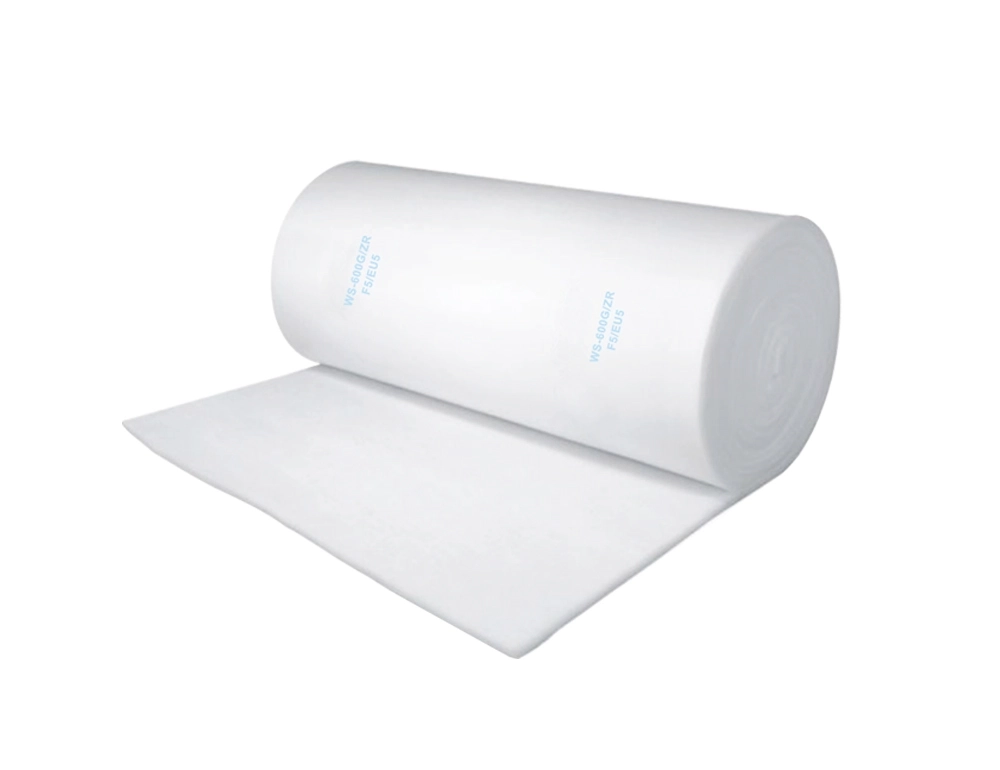
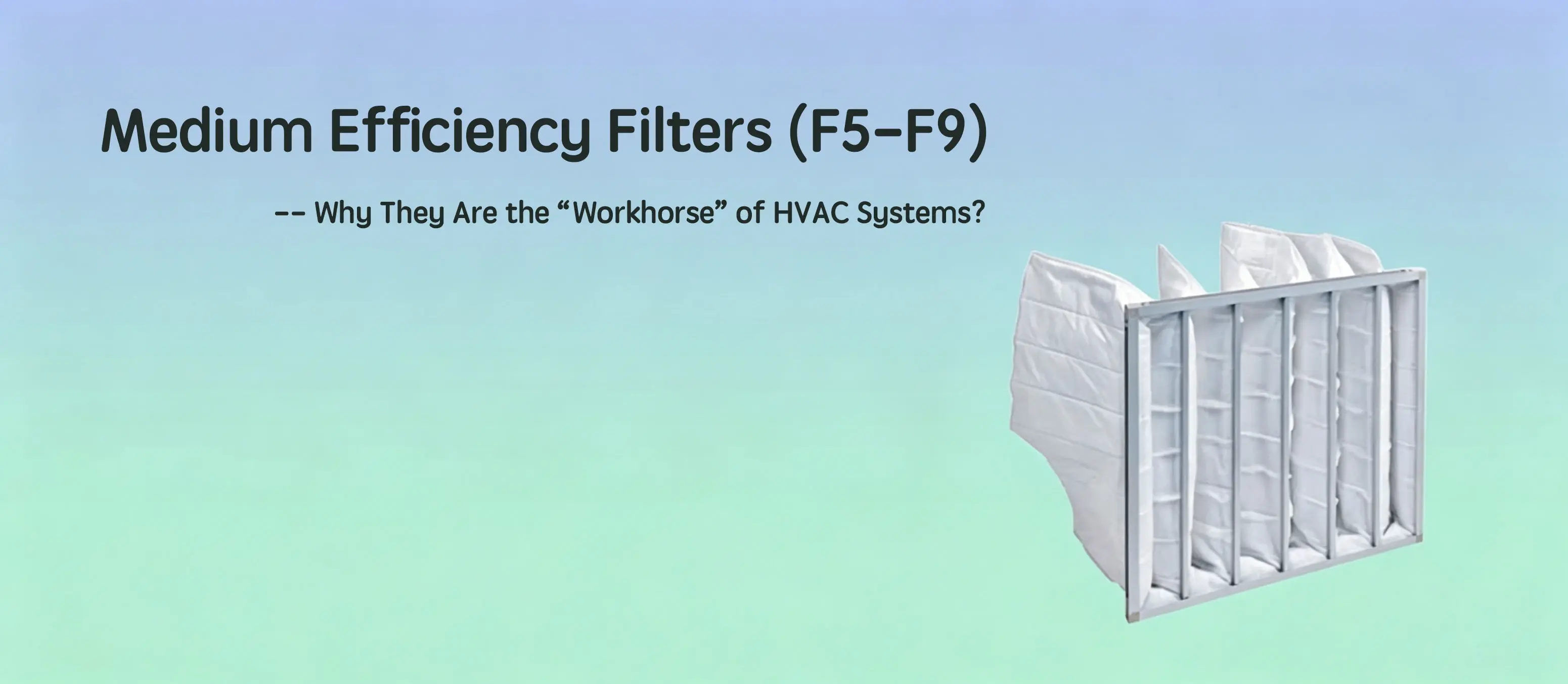
Medium-Efficiency Filter (F5–F9)
Precise PM2.5 Capture
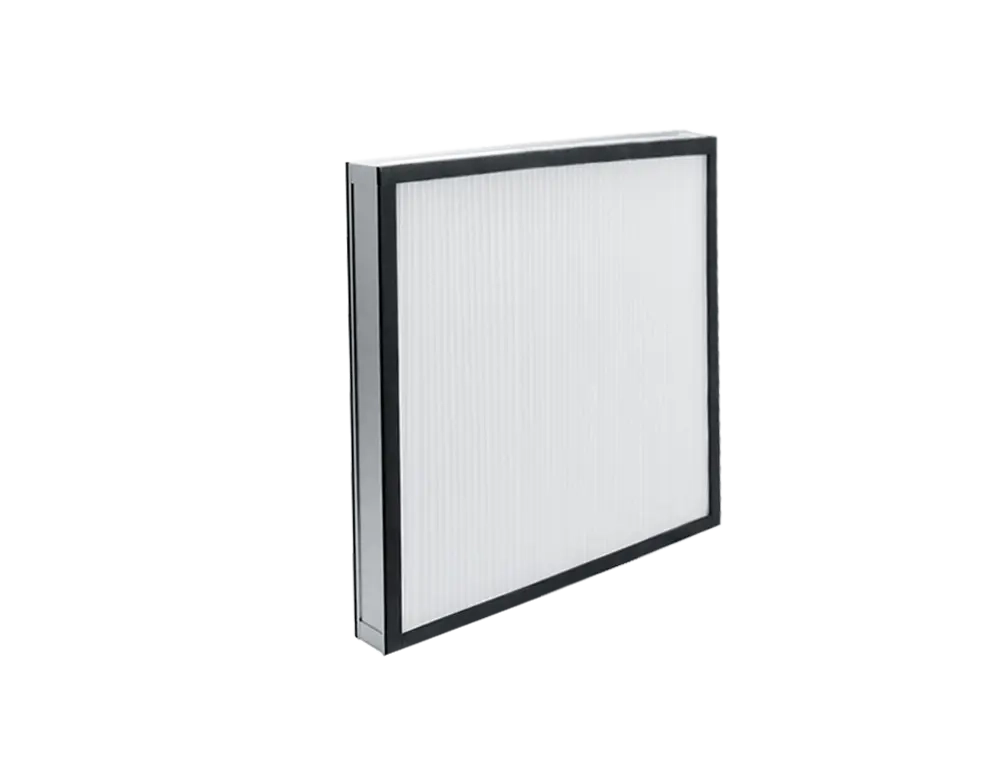
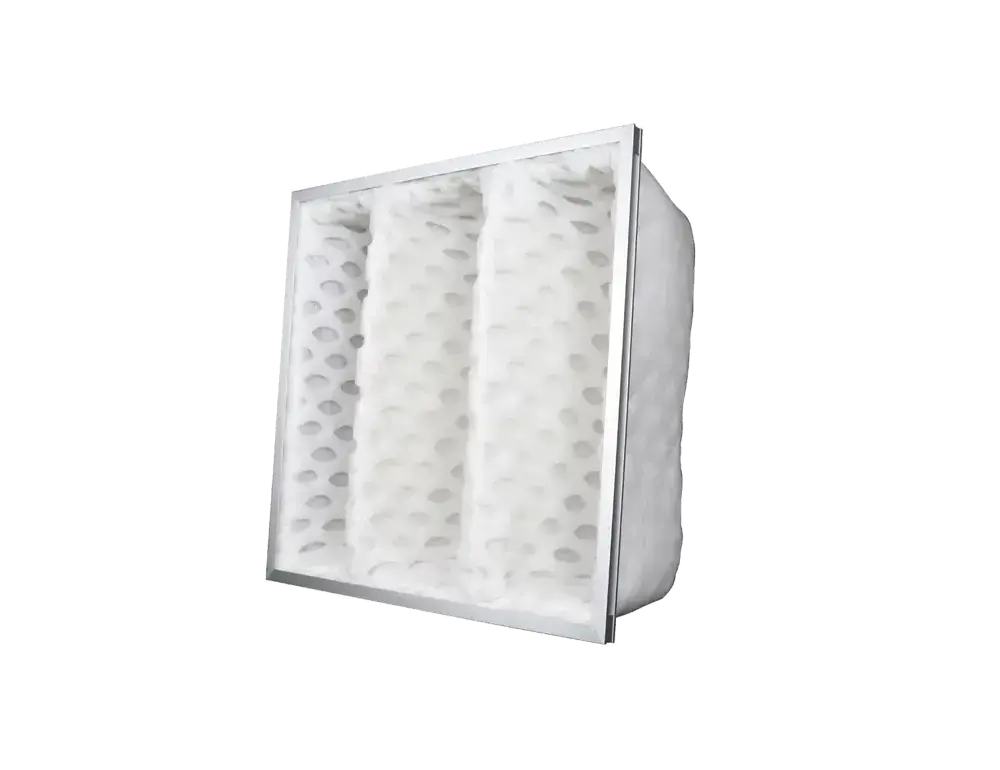
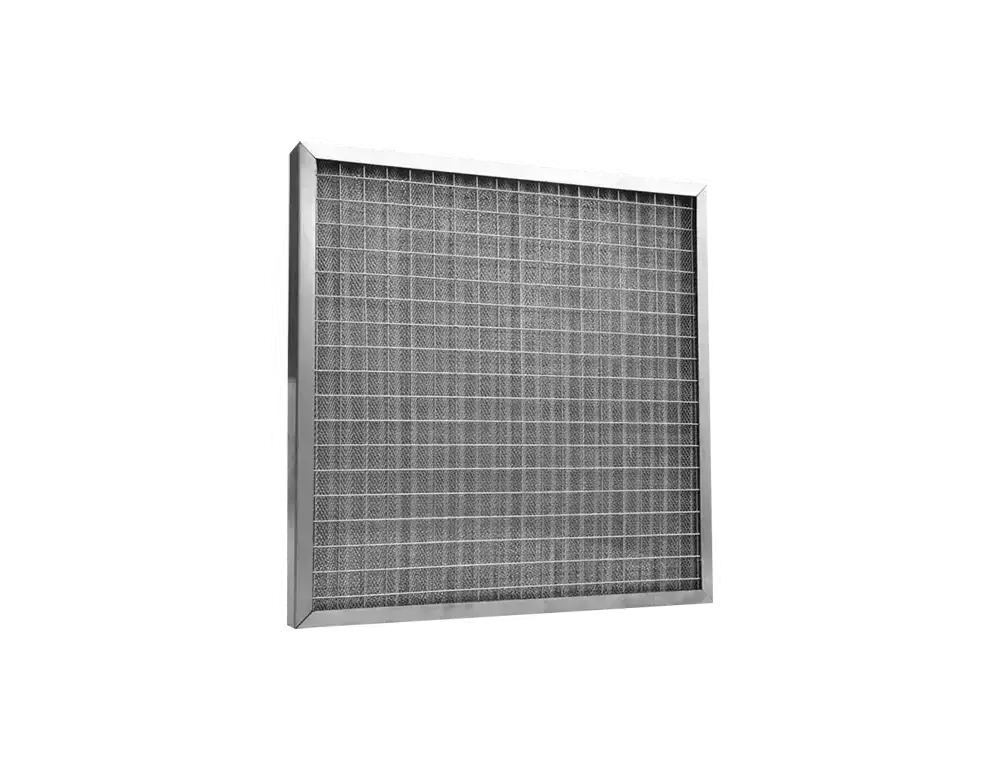
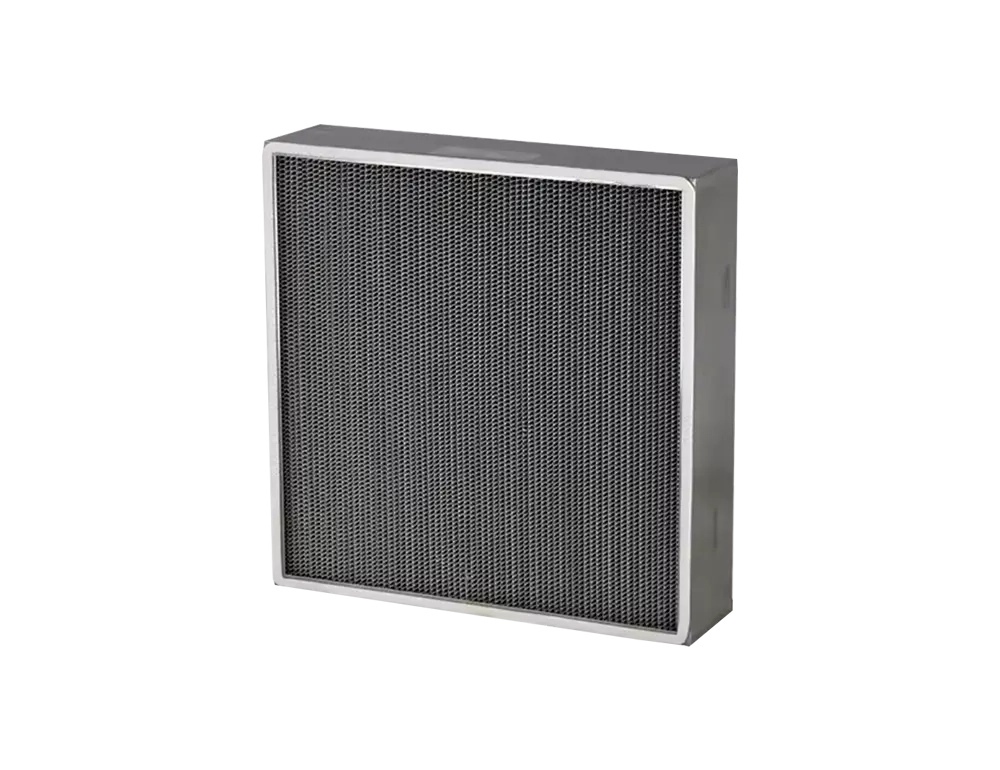
HEPA High-Efficiency Filter
Sterile-Grade Purification
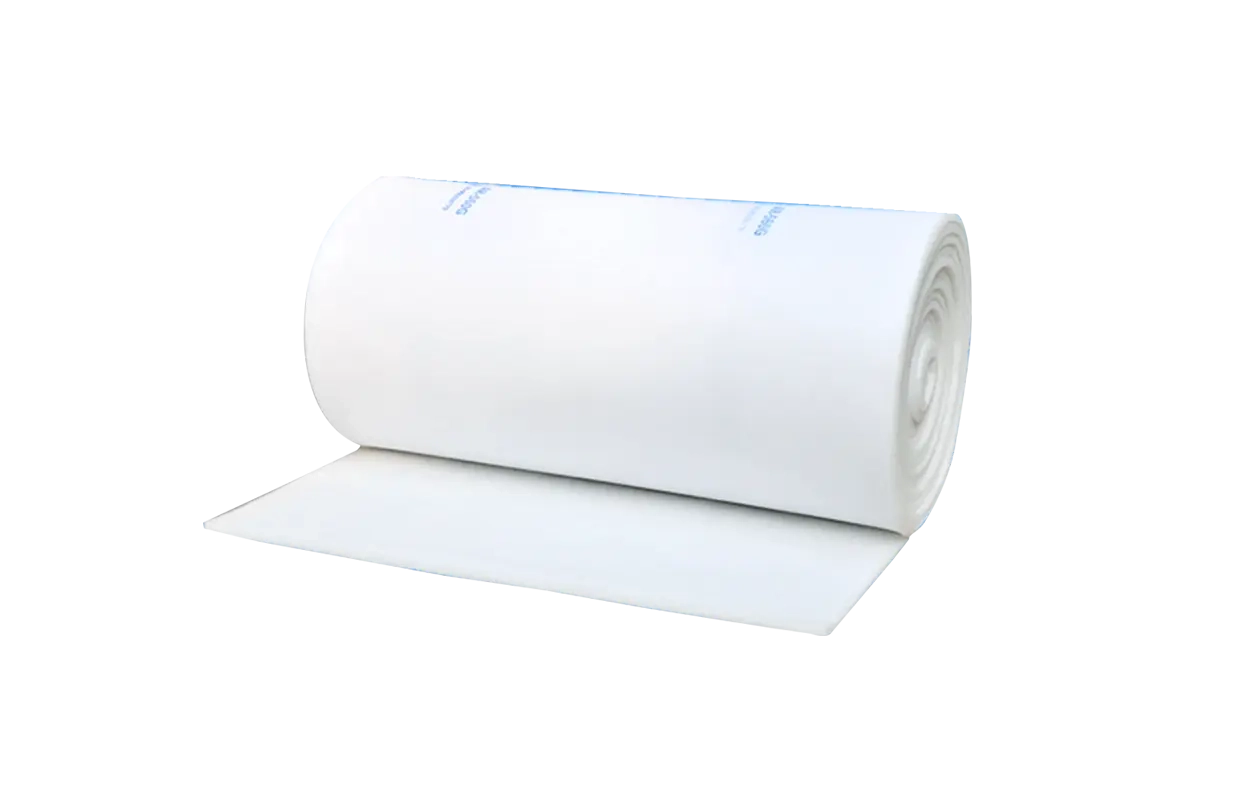
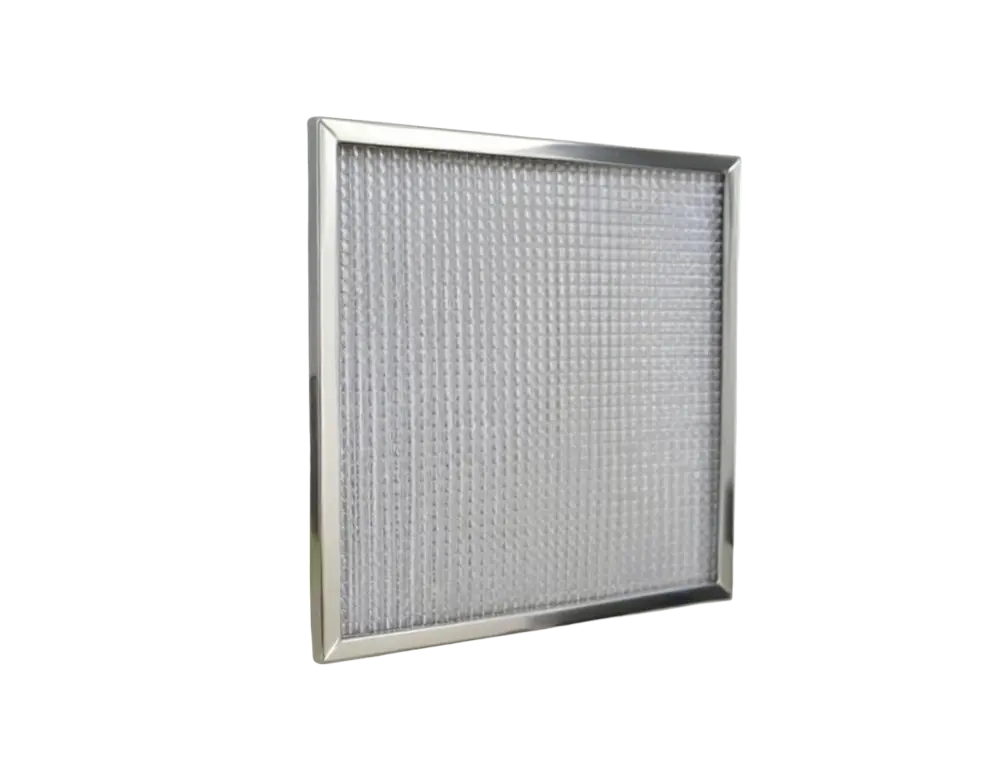
ULPA Ultra-High Efficiency Filter
Sub-Micron Particle Capture
First-Stage Large-Particle Capture
The first line of defense, capturing particles ≥5 μm such as dust, hair, and fibers to protect downstream filters and extend overall system service life.
View Related Products →Precise PM2.5 Capture
Captures fine particles of 1–5 μm including PM2.5, pollen, and mold spores, significantly improving indoor air quality for commercial HVAC and ventilation systems.
View Related Products →Sterile-Grade Purification
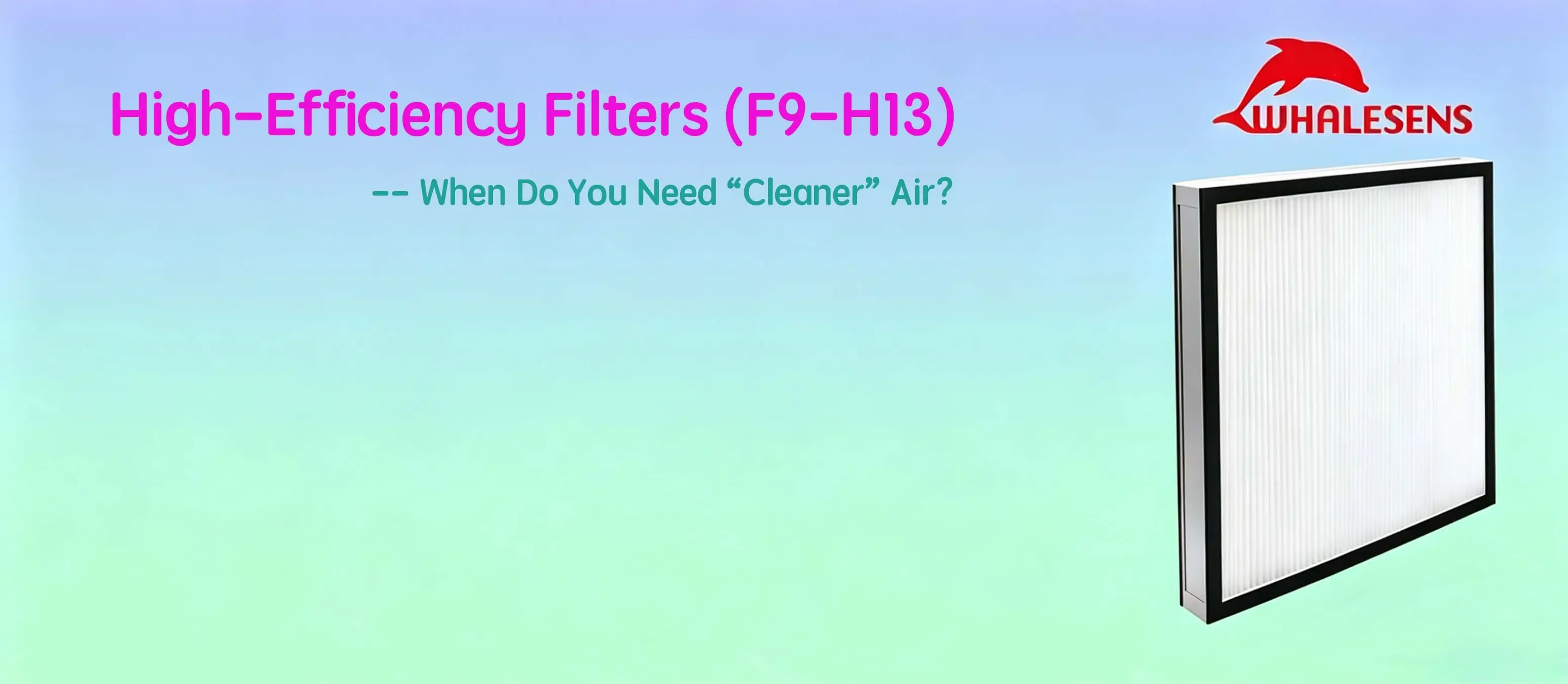
≥99.97% filtration efficiency for particles ≥0.3 μm, delivering sterile-grade clean air widely used in medical, pharmaceutical, and electronics manufacturing.
View Related Products →Sub-Micron Particle Capture
≥99.9995% efficiency for particles ≥0.12 μm, meeting the extreme cleanliness demands of semiconductor fabs, aerospace, and other ultra-precision applications.
View Related Products →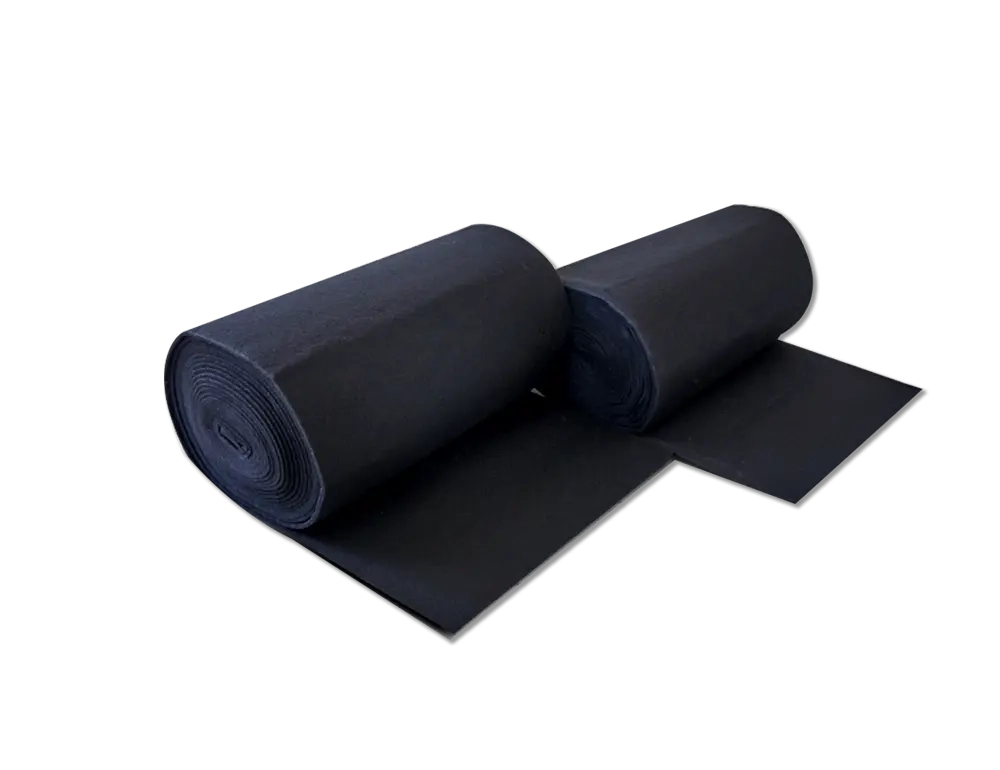
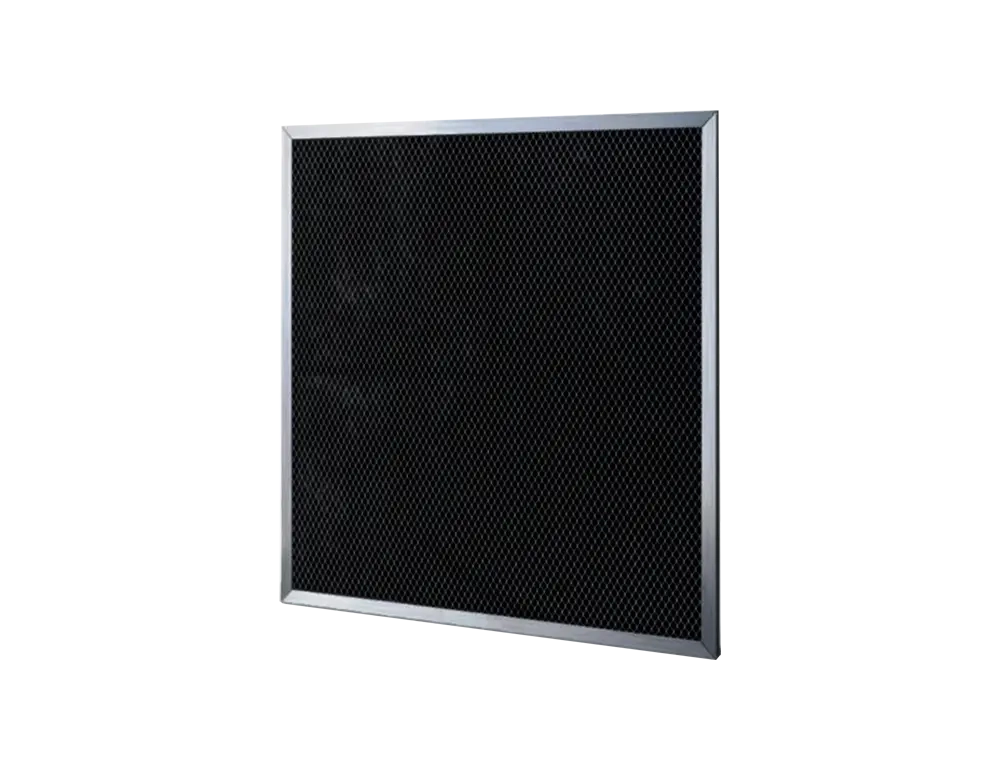
High-Temperature Resistant
Industrial-Grade Heat Tolerance
Washable & Reusable
Cut Costs, Reduce Waste
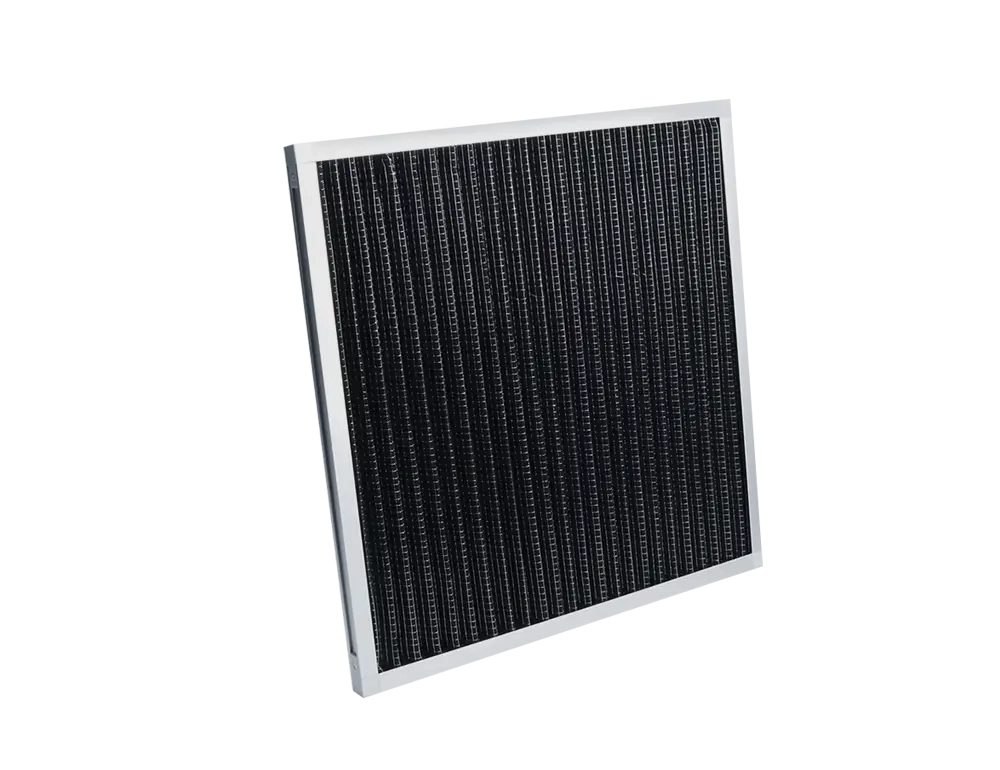
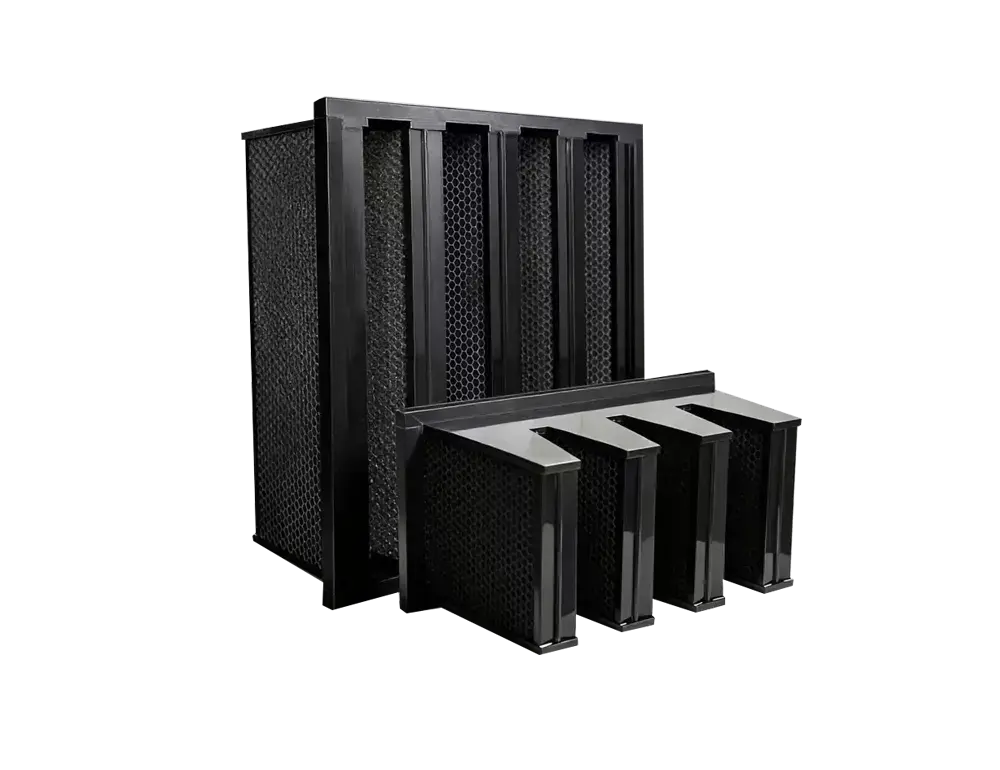
Activated Carbon
Odor & Harmful Gas Removal
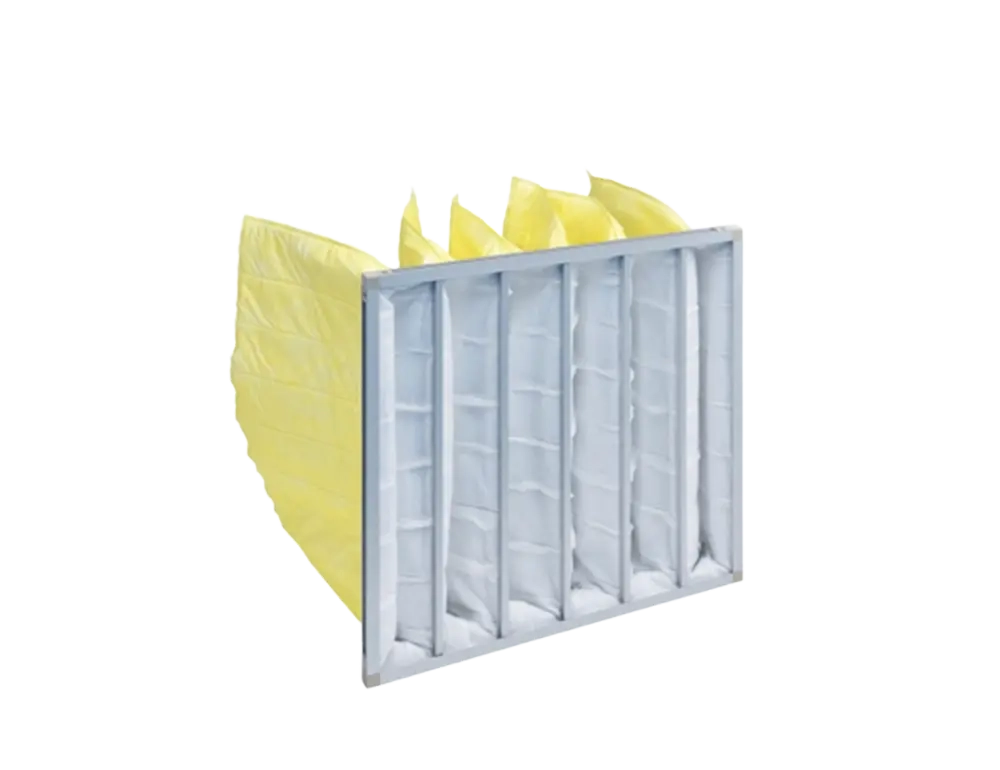
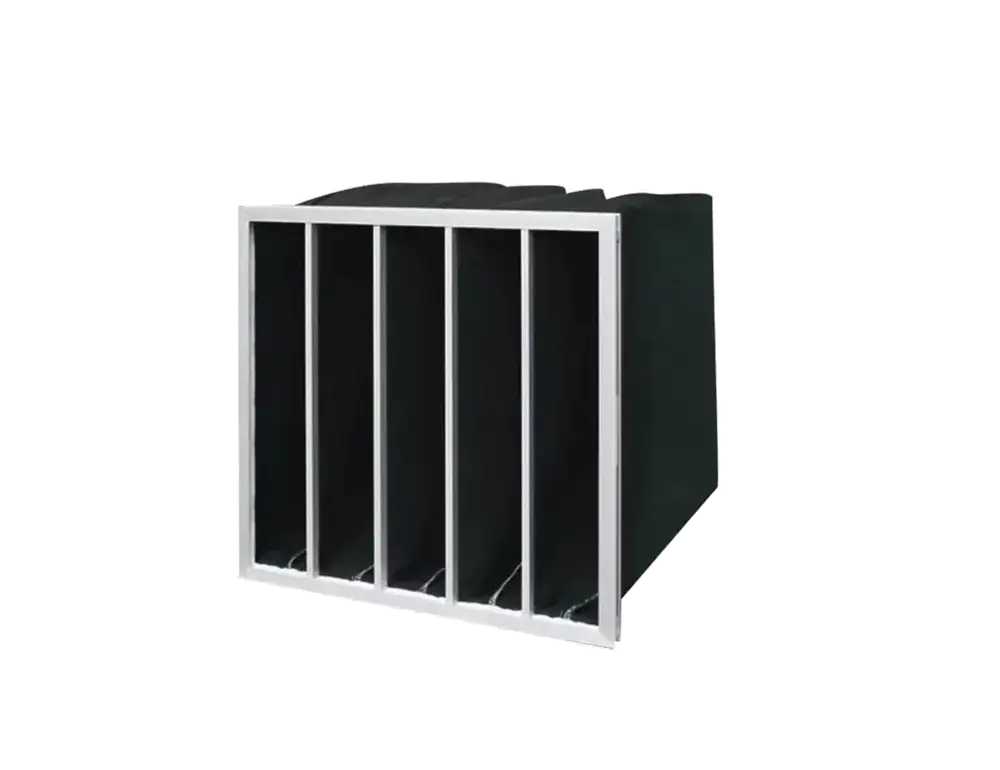
Bag Filter
High Dust-Holding, Long Life
Panel / Pleated Filter
Compact Space-Saving Design
Low-Resistance Airflow
Energy-Saving Operation
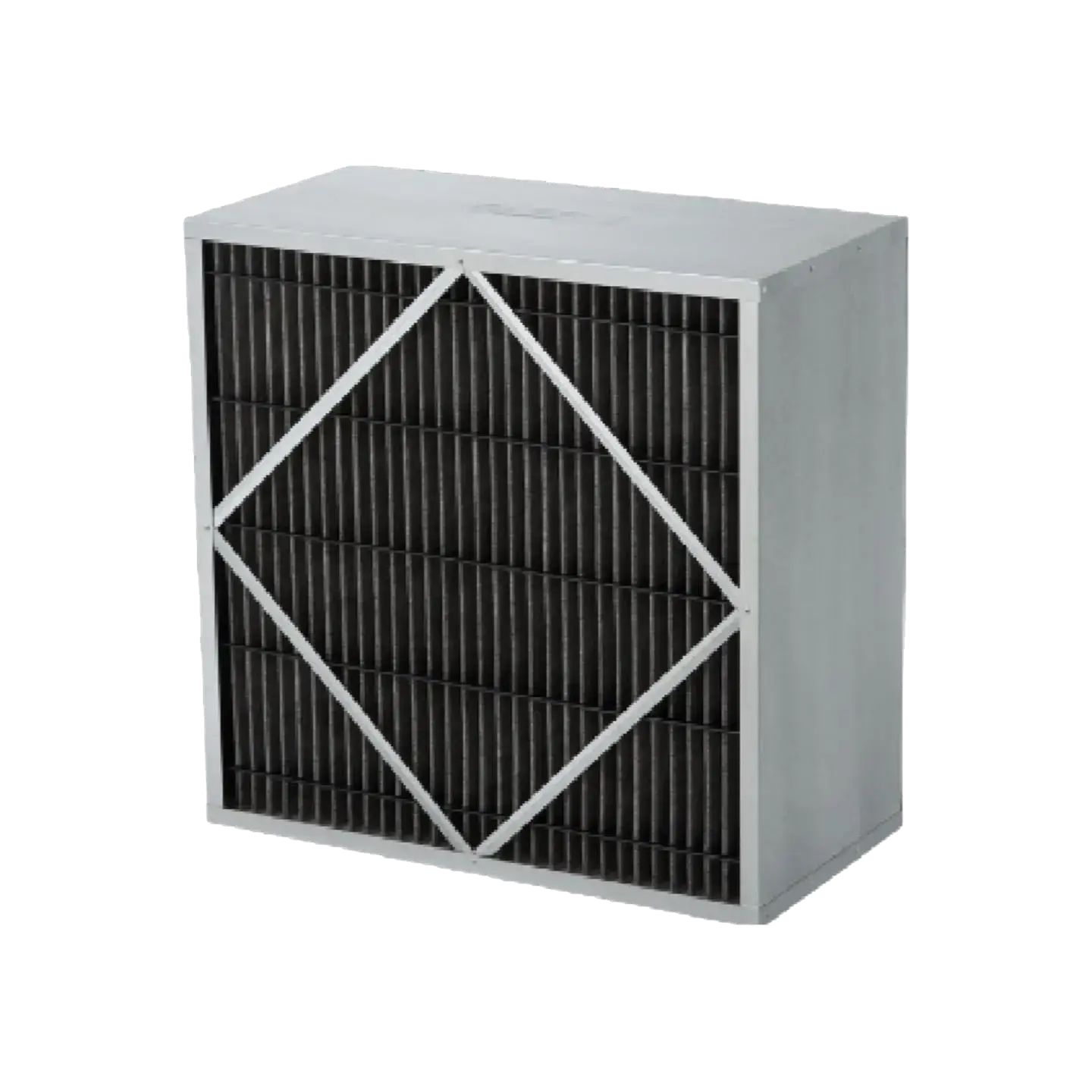
Industrial-Grade Heat Tolerance
Built with specialized heat-resistant materials, operating stably up to 250°C for paint ovens, industrial dryers, and high-temperature process environments.
View Related Products →Cut Costs, Reduce Waste
Cleanable by water washing or air blowing, reusable multiple times to significantly reduce replacement frequency and O&M costs — an economical, eco-friendly choice.
View Related Products →Odor & Harmful Gas Removal
Leverages activated carbon's high adsorption capacity to eliminate odors, VOCs, and formaldehyde, ideal for newly renovated spaces and industrial exhaust treatment.
View Related Products →High Dust-Holding, Long Life
Bag-style construction delivers a larger filtration area, high dust-holding capacity, and extended service life — ideal for high-dust environments with reduced replacement frequency.
View Related Products →Compact Space-Saving Design
Compact form factor for easy installation and replacement; pleated structure maximizes filtration area within a small footprint for higher efficiency.
View Related Products →Energy-Saving Operation
Low-resistance design minimizes pressure drop while maintaining filtration performance, reducing fan energy consumption for cost-effective, eco-friendly operation.
View Related Products →















 English(Global)
 简体中文
简体中文 Language


44% of Data Centers Are Slowly Dying—The $2 Million Mistake You Can Avoid

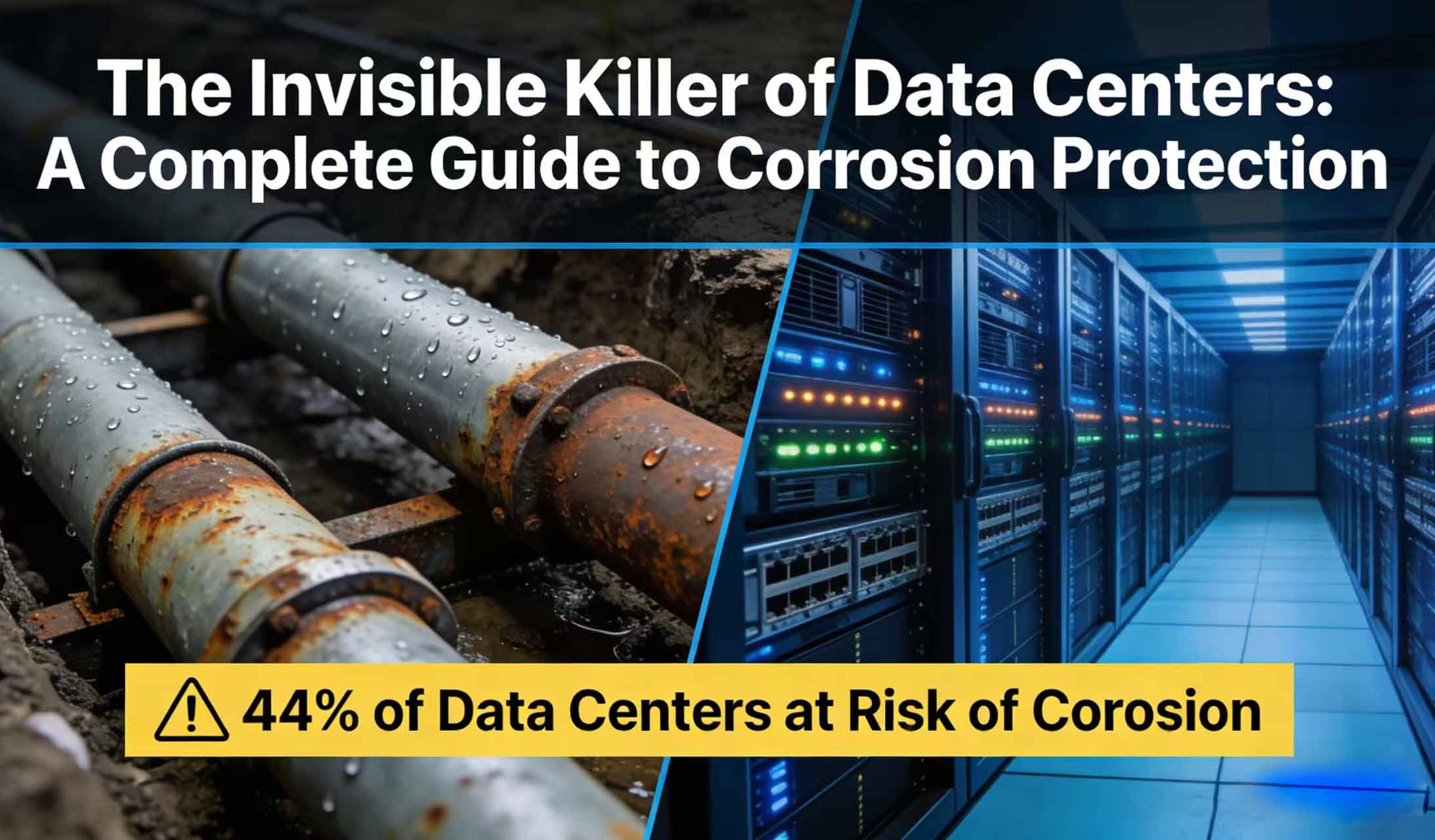
- •Environmental complexity: Data centers are often located in urban centers or transportation hubs where air contains high concentrations of corrosive gases.
- •Changing operating conditions: In pursuit of energy efficiency, many data centers raise operating temperatures—research shows that every 10°C temperature increase doubles corrosion rates.
- •Humidity synergy: High-humidity environments accelerate electrochemical corrosion, creating a "perfect storm".
| Pollutant | Common Sources | Hazards |
|---|---|---|
| Sulfur Dioxide (SO₂) | Fossil fuel combustion, industrial emissions | Forms sulfuric acid, corrodes circuit boards |
| Nitrogen Oxides (NOx) | Vehicle exhaust, power plants | Forms nitric acid, accelerates metal oxidation |
| Hydrogen Sulfide (H₂S) | Wastewater treatment plants, landfills | Highly corrosive to copper, silver |
| Chlorine/Chlorides | Industrial activity, coastal salt spray | Pitting corrosion, stress corrosion cracking |
| Ammonia (NH₃) | Agricultural activity, refrigerant leaks | Corrodes copper alloys |
- •Landfills or wastewater treatment plants (H₂S risk)
- •High-density traffic zones (NOx/SO₂ risk)
- •Coastal regions (salt spray risk)
- •Industrial parks (combined pollution risk)
- •Temporary solution: Renting truck-mounted cooling towers and rubber hoses—monthly equipment rental alone exceeded $100,000.
- •Final replacement: Emergency replacement of 24-inch steel chilled water pipes, total cost exceeding $2 million.
- •All losses could have been entirely avoided with early prevention.
- •Business interruption risk: Once cooling failed, complete shutdown within 15-20 minutes.
- •Reputation damage: Loss of customer trust.
- •Management drain: Emergency response consumed extensive management resources.
- •Physical adsorption: Using porous materials like activated carbon to capture gas molecules.
- •Chemisorption: Impregnated chemicals react with target gases, fixing them chemically.
- •Absorption: Dissolving gaseous pollutants into the adsorbent.
| Technology Type | Working Principle | Application Scenarios |
|---|---|---|
| Granular Chemical Media | Porous media adsorption/reaction | General corrosive gas removal |
| Honeycomb Modules | Structured media, low pressure drop | High airflow, demanding applications |
| Multi-stage Filtration | Particulate + chemical filtration combined | Comprehensive air purification |
| Real-time Monitoring | Copper-silver sensors track corrosion levels | Predictive maintenance |
- •Continuous real-time air quality data.
- •Classification by corrosion level (G1-Gx).
- •Early intervention and proactive protection.
- •Detailed analysis with IoT integration.
| Level | Corrosivity | Copper Corrosion Rate (Å/month) | Silver Corrosion Rate (Å/month) |
|---|---|---|---|
| G1 | Mild | ||
| G2 | Moderate | ||
| G3 | Harsh | ||
| Gx | Severe | ≥2000 | ≥2000 |
- •Rooftop cooling equipment.
- •External generators.
- •Pumps and piping systems.
- •Site selection assessment: Avoid high-pollution areas.
- •Building sealing: Minimize infiltration of unfiltered air.
- •Particulate filtration: Remove dust and particles.
- •Gas phase filtration: Remove corrosive gases.
- •Humidity control: Maintain optimal range (40-60%).
- •Control rooms.
- •Equipment halls.
- •Sensitive areas.
- •Deploy corrosion monitoring systems to track:
- •Air corrosivity levels.
- •Critical equipment corrosion rates.
- •Filtration system performance.
- •Utility areas exposed to external environments.
- •More complex piping systems.
- •Increased maintenance difficulty.
- •Conduct air corrosivity testing.
- •Inspect buried pipes and critical equipment.
- •Review maintenance records for corrosion indicators.
- •Deploy copper-silver sensors to track corrosion levels.
- •Integrate data into facility monitoring systems.
- •Set alert thresholds.
- •Evaluate whether gas phase filtration is needed.
- •Consider multi-stage filtration combinations.
- •Plan phased implementation.
- •Address corrosion control from the design stage for new projects.
- •Specify corrosion level targets (e.g., G1 level).
- •Incorporate relevant standards (e.g., ISO 12944 C5 class).
- •Collaborate with corrosion engineering experts.
- •Choose experienced filtration system suppliers.
- •Regularly review protection effectiveness.
Whalesens Technology provides comprehensive data center corrosion control solutions, including gas phase filtration systems, real-time monitoring equipment, and professional engineering consulting. Contact us for a free corrosion risk assessment.
👉 Whalesens Technology — WhalePower, Pure Performance.
✅ Free Technical Consultation: Expert guidance on the latest technologies and applicability.
✅ Customized Solutions: Tailored filter systems designed for your specific needs.
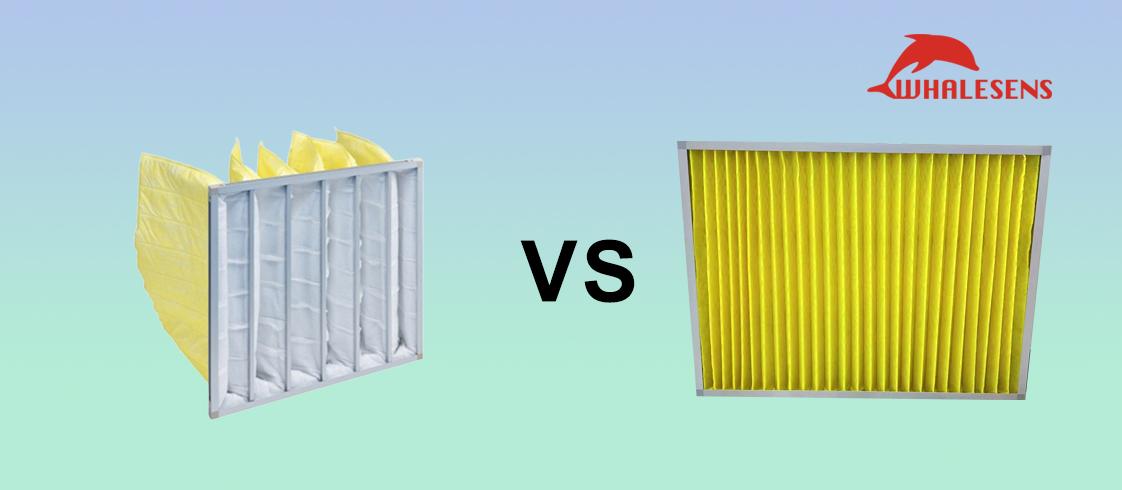
Get Consultation →- •Bag Filters: Remove medium to large particles such as dust and pollen; ideal for livestock farms, industrial facilities, and schools.
- •Panel Filters: Serve as primary or medium-efficiency filters to protect equipment and extend the life of high-efficiency filters.
- •HEPA Filters: Capture PM2.5, pollen, bacteria, and most airborne particulates; perfect for classrooms, laboratories, and medical environments.
- •Activated Carbon Filters: Remove gaseous pollutants, odors, and volatile organic compounds; suitable for food processing, livestock, and enclosed spaces.
- •Application of Air Filters in Modern Pig Farms
- •Air Filtration in Schools: A Comprehensive Guide
- •Case Study: Air Filtration Solutions for Semiconductor Cleanrooms