


EV Charging Stations
Filtration for Power Equipment
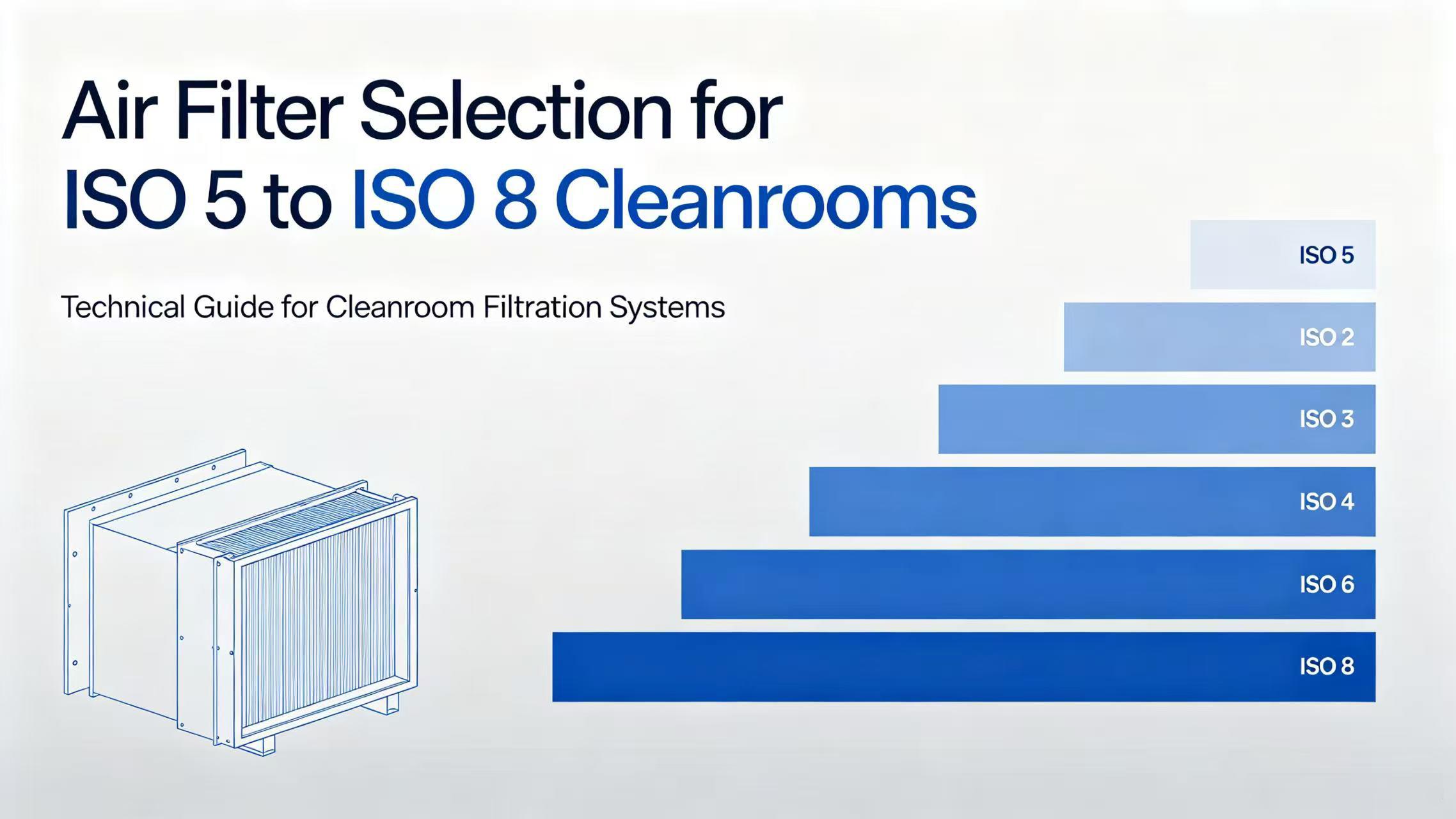
Cleanroom & Semiconductor
Ultra-High Cleanliness Filtration
Commercial HVAC
Central Air System Filtration
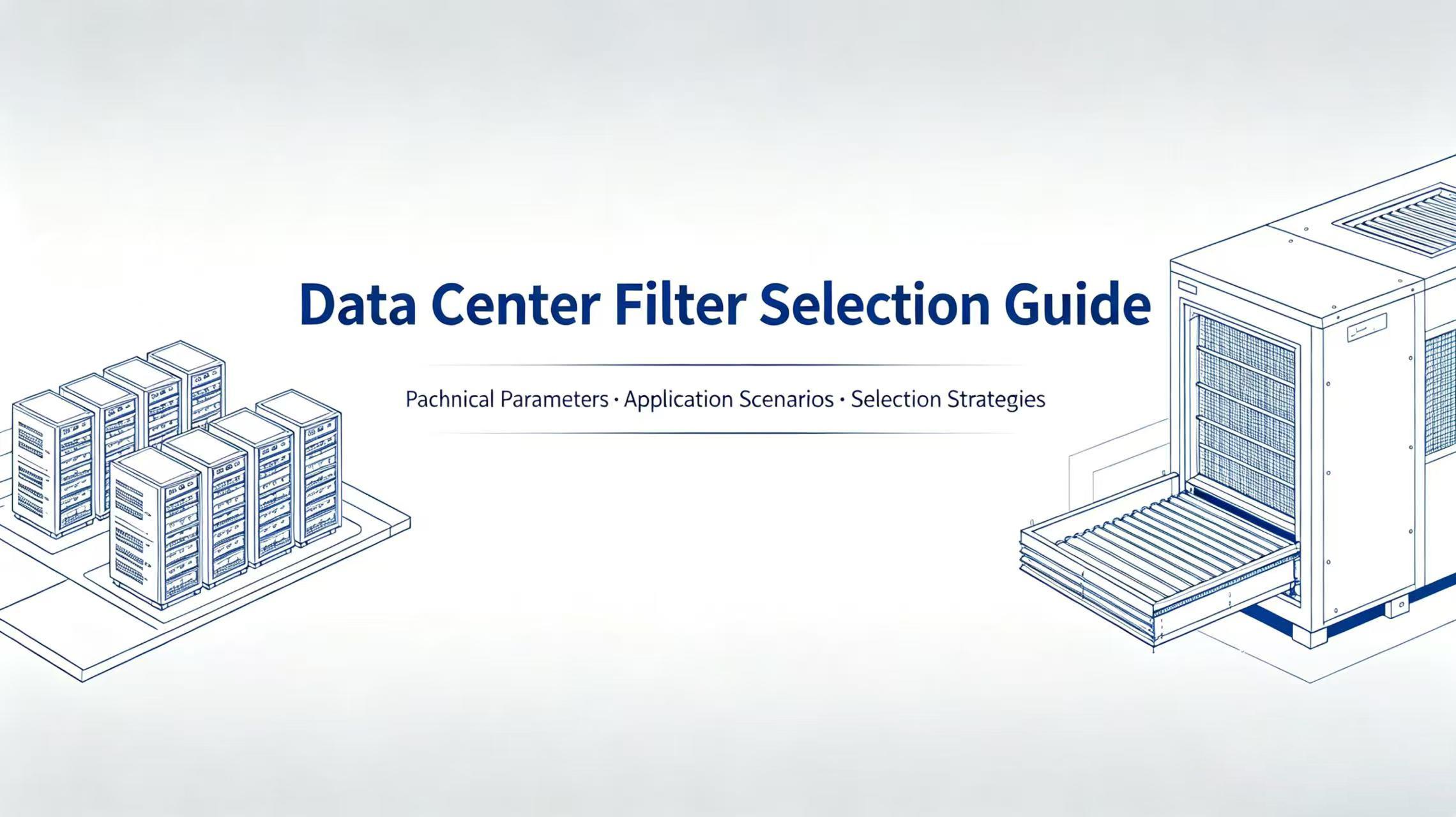
Data Centers
Precision Equipment Protection
Livestock & Farming
Farming Environment Purification
Spray Booths & Industrial Dust
Paint Mist & Dust Purification
Filtration for Power Equipment
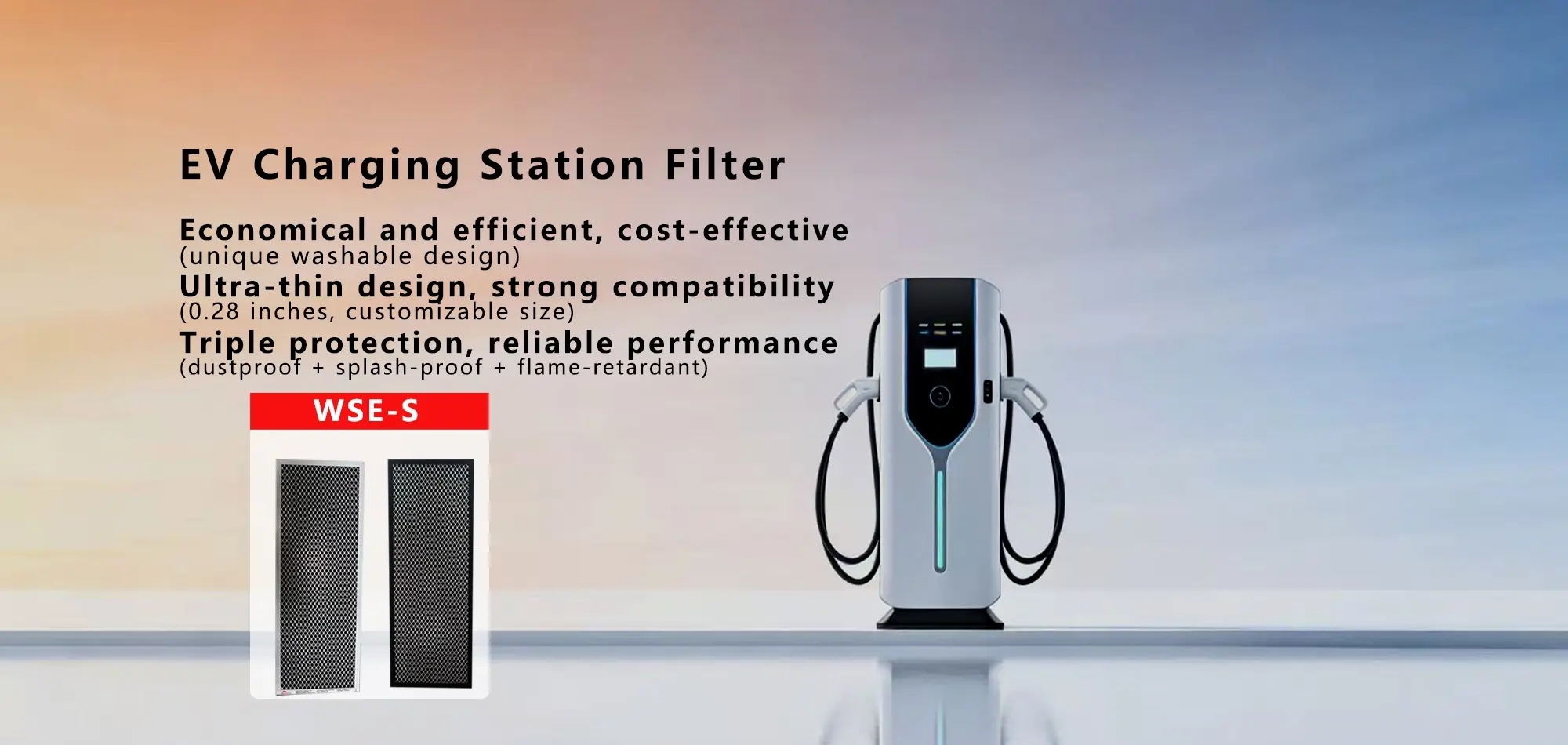
Professional air filtration for EV charging devices, protecting against dust and sand ingress to ensure stable, reliable operation of charging piles and station infrastructure.
View Related Products →Ultra-High Cleanliness Filtration
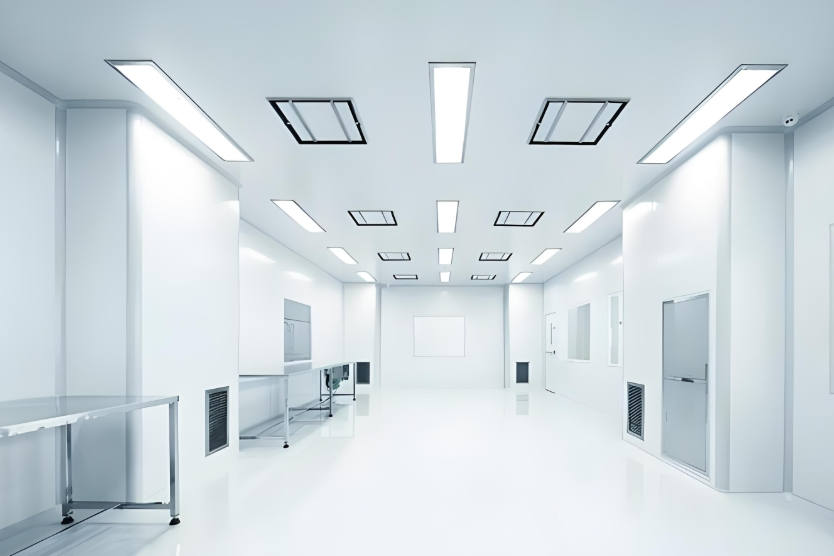
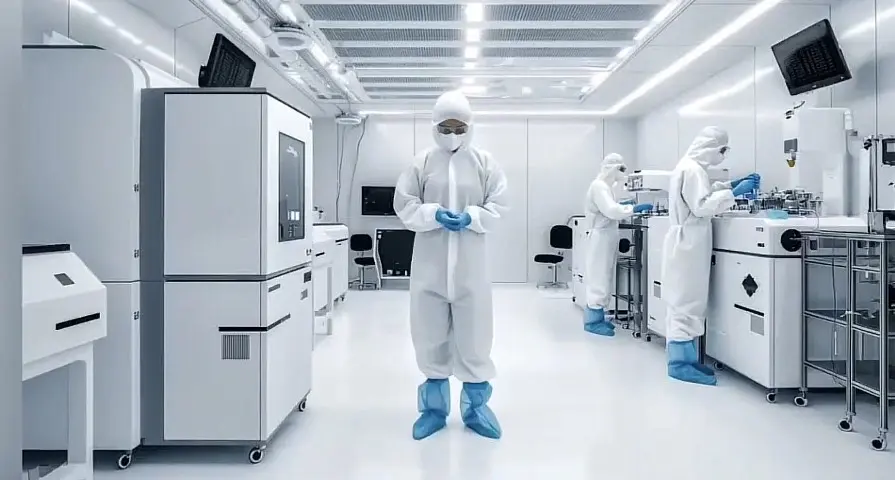
Ultra-high efficiency filtration for semiconductor wafer fabs and precision electronics cleanrooms, capturing nano-scale particles to meet ISO Class 1–3 standards and maximize product yield.
View Related Products →Central Air System Filtration
High-efficiency filtration for commercial building HVAC systems, improving indoor air quality, reducing energy consumption, and extending equipment service life.
View Related Products →Precision Equipment Protection
Precision air filtration for data centers, shielding servers and critical hardware from dust contamination to keep cooling systems running efficiently and reliably.
View Related Products →Farming Environment Purification
Dedicated filtration systems for farms and livestock facilities — capturing dust, adsorbing ammonia, and inhibiting pathogen spread to improve animal health and overall productivity.
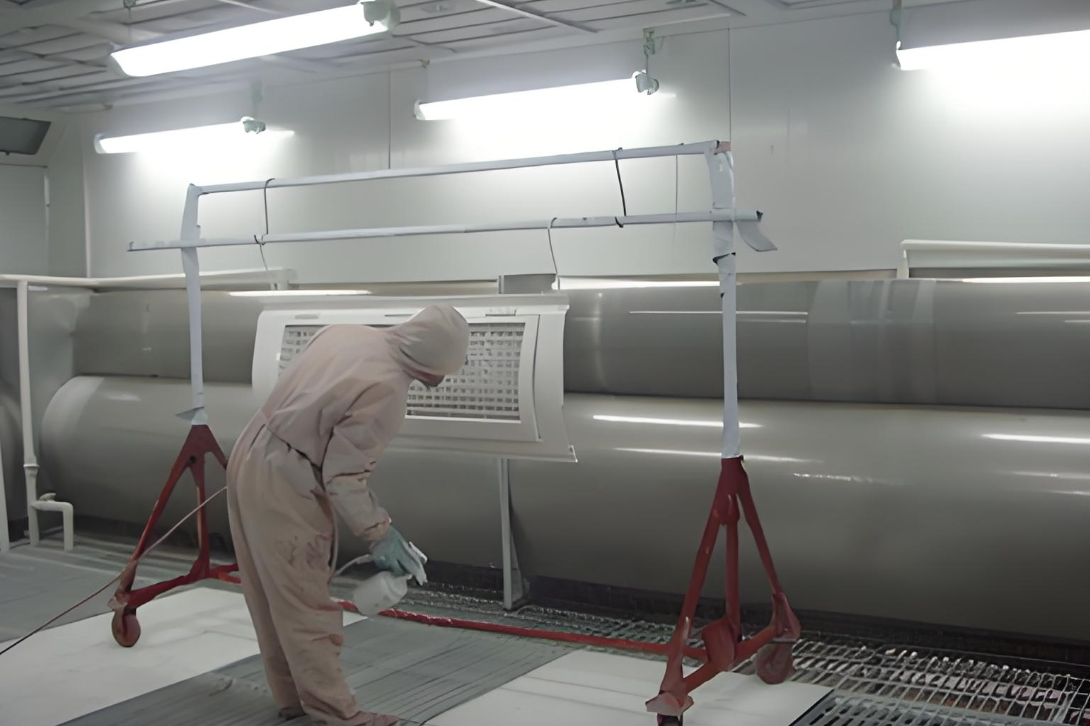
View Related Products →Paint Mist & Dust Purification
Designed for spray booths and grinding workshops, efficiently capturing paint mist, metal dust, and wood chips to meet emission standards while protecting finished surface quality.
View Related Products →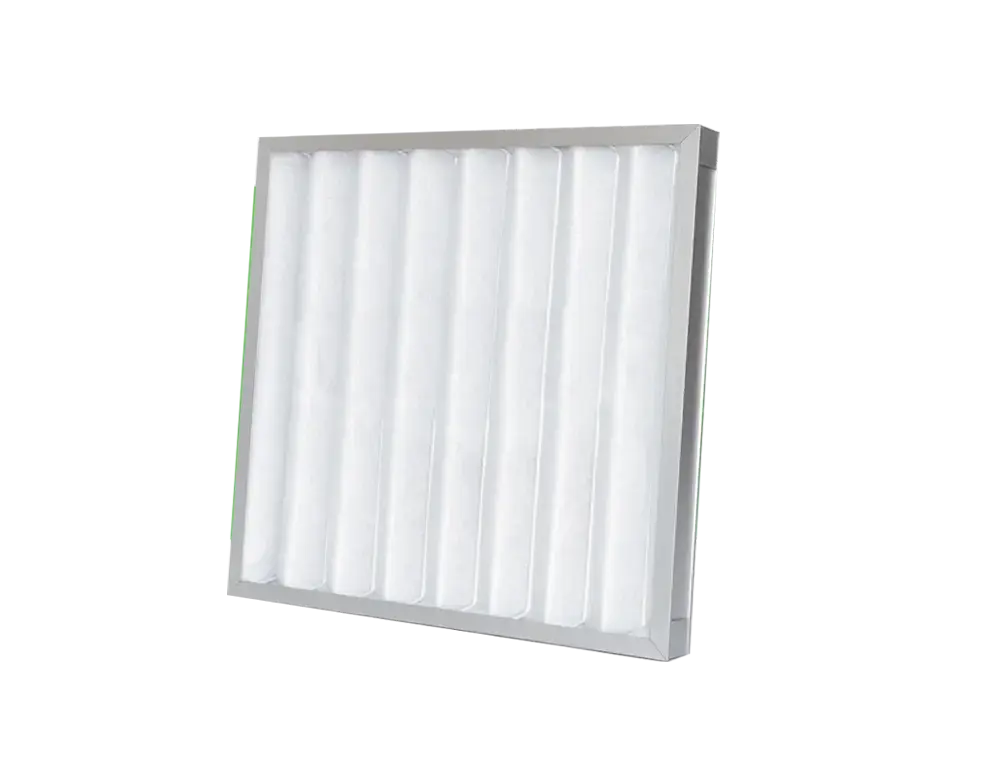
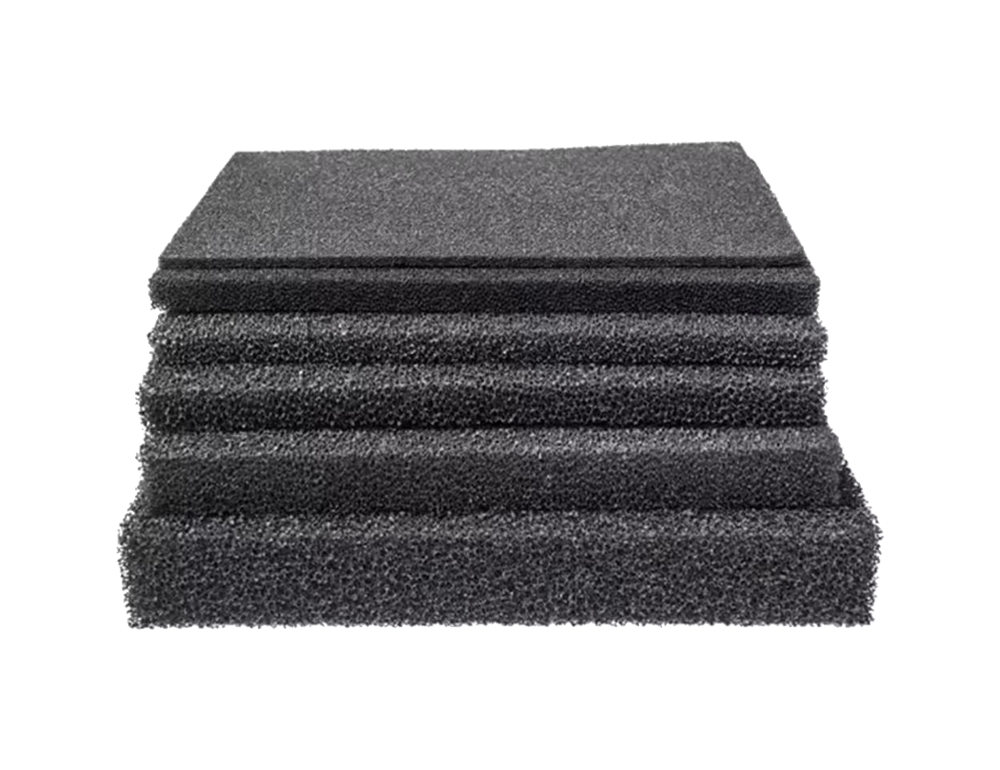
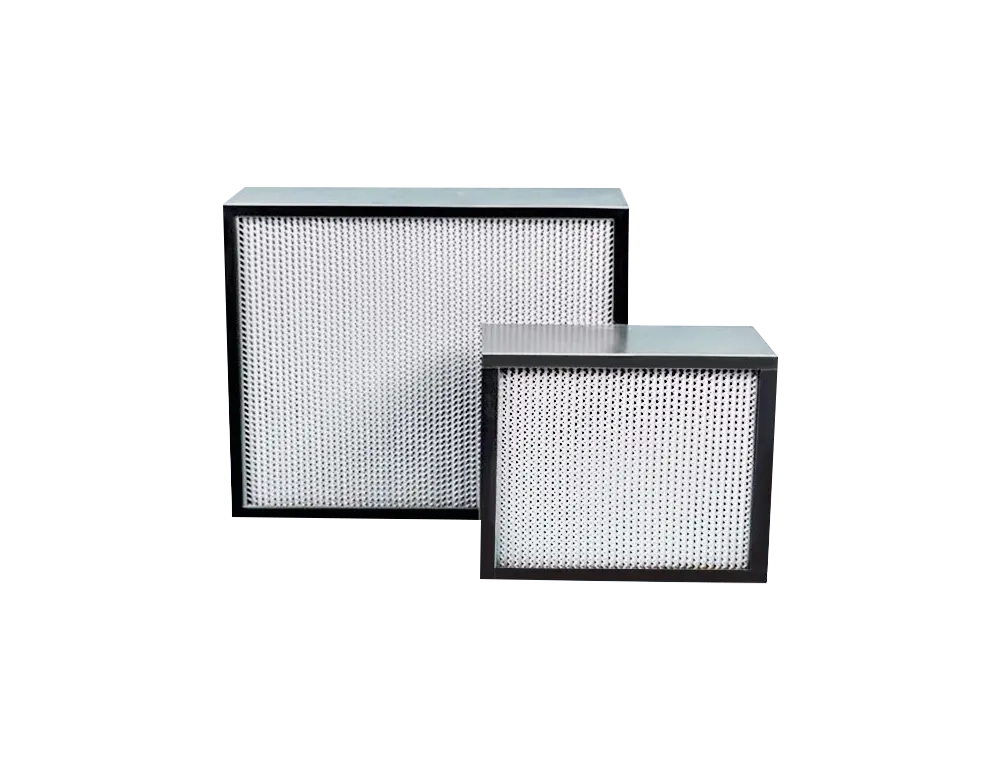
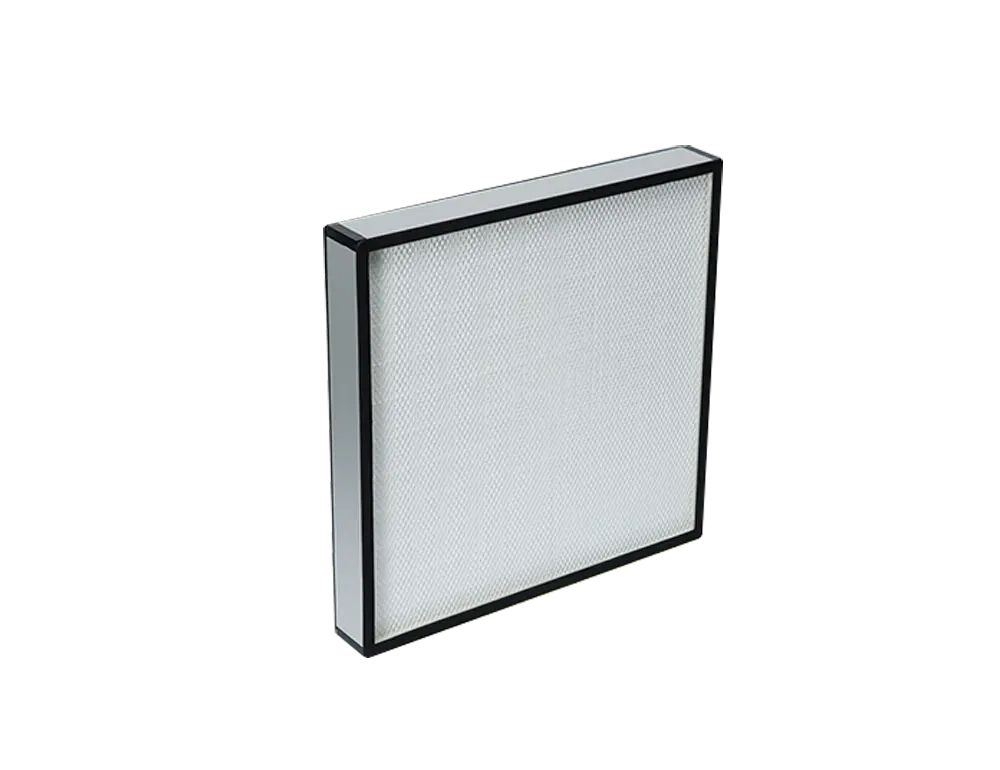
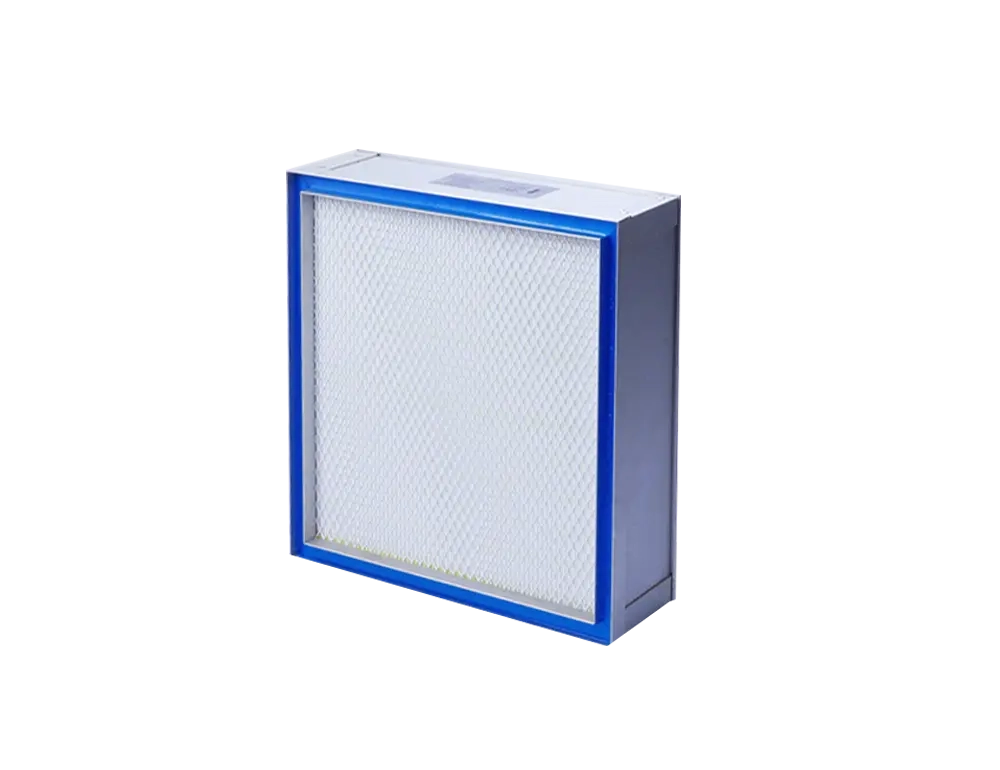
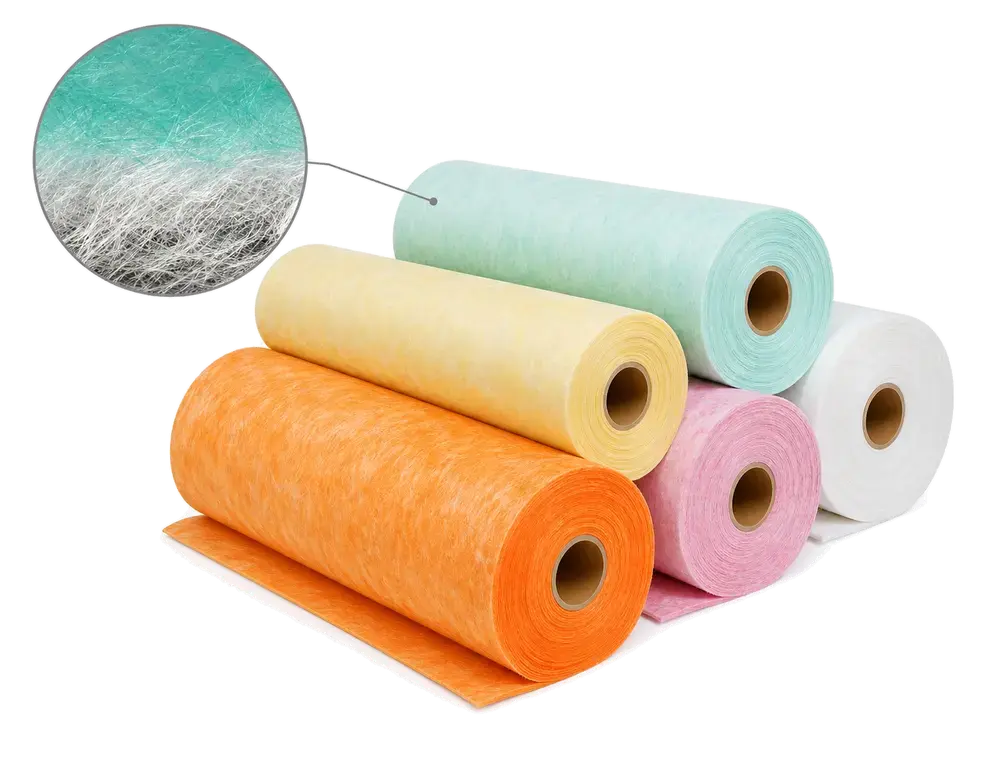
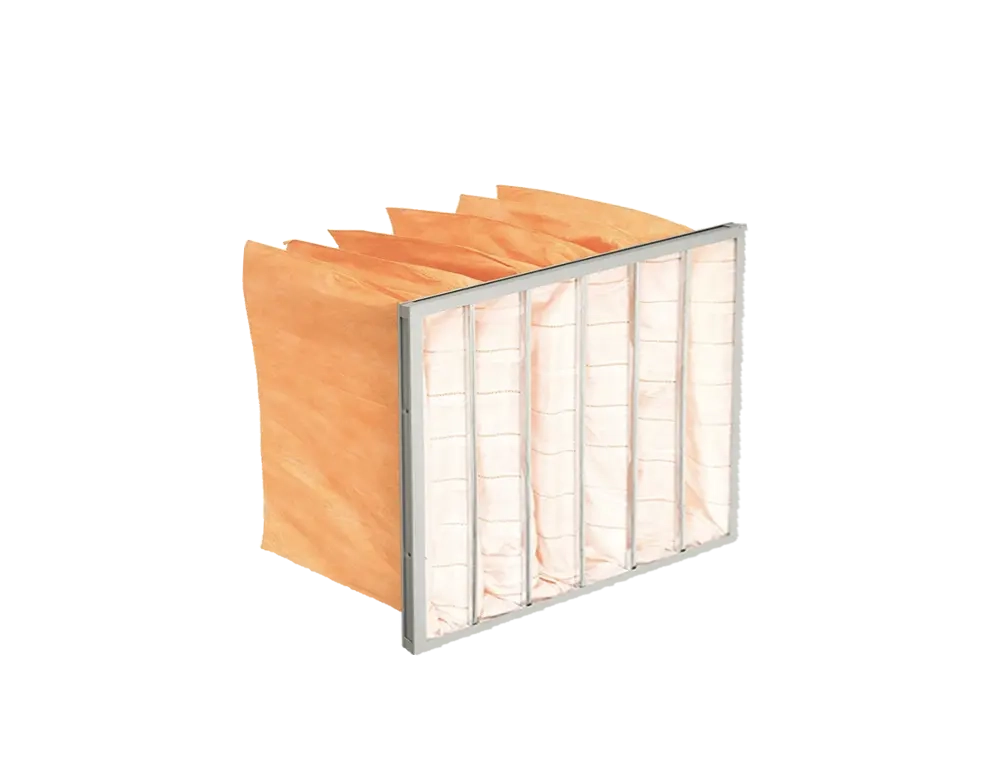
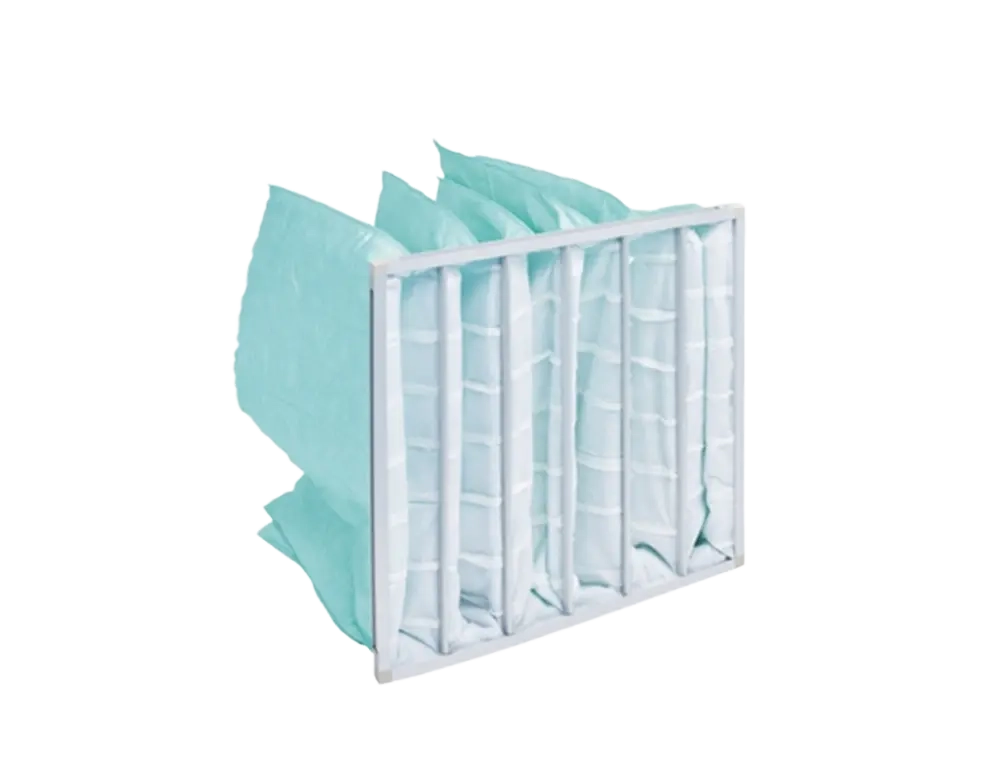
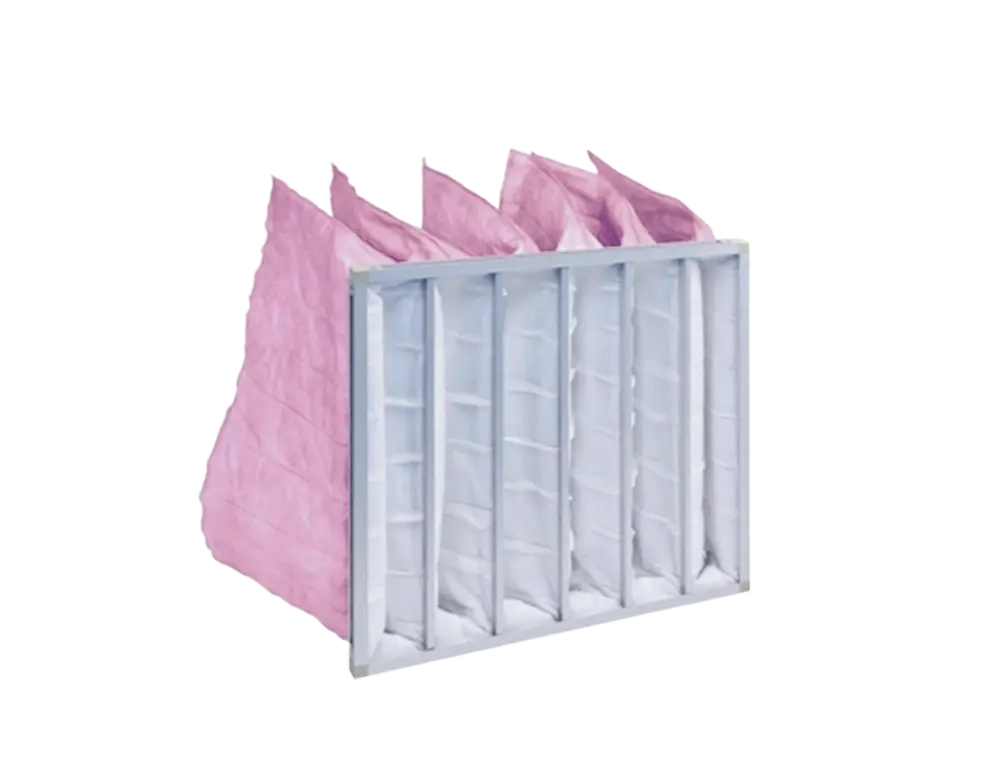
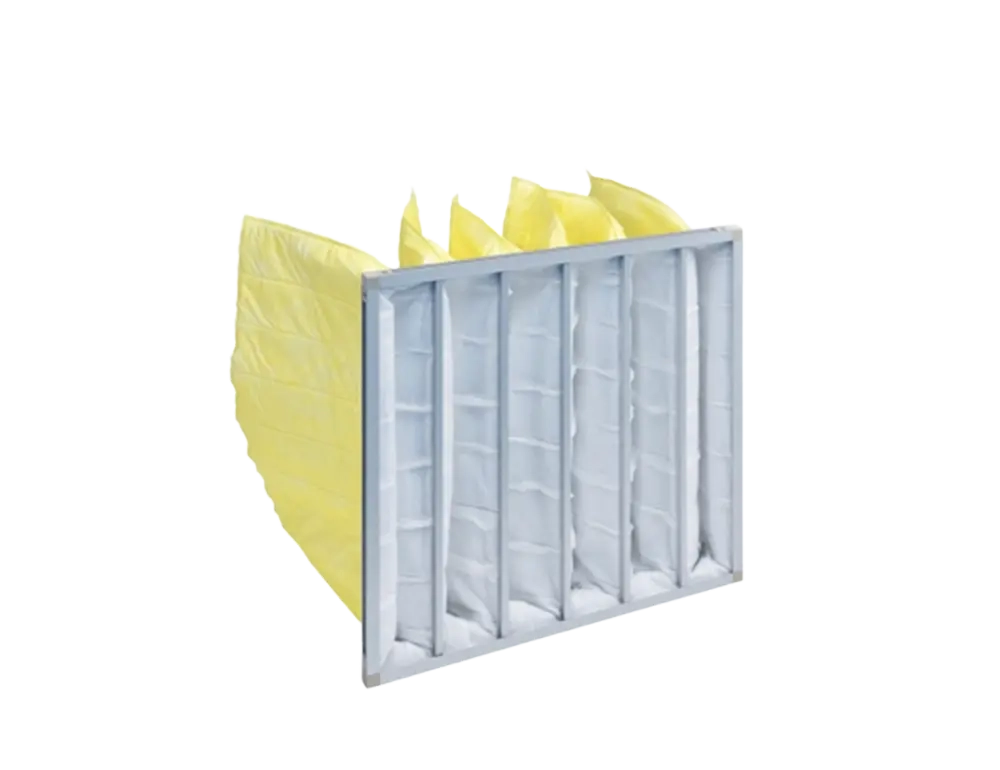
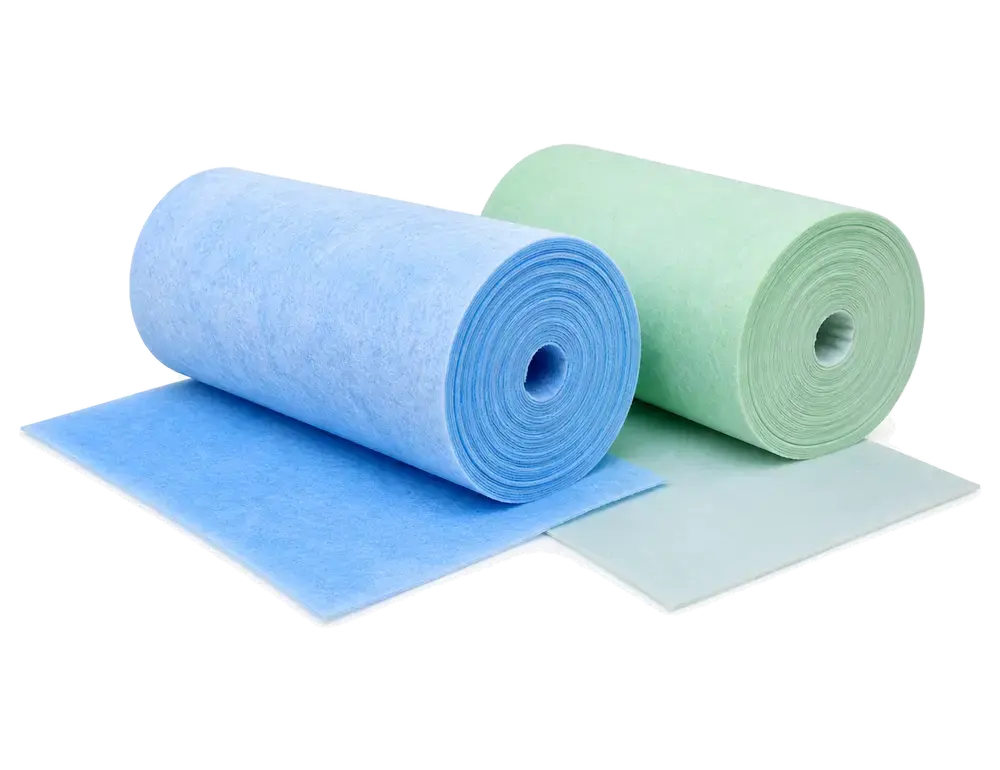
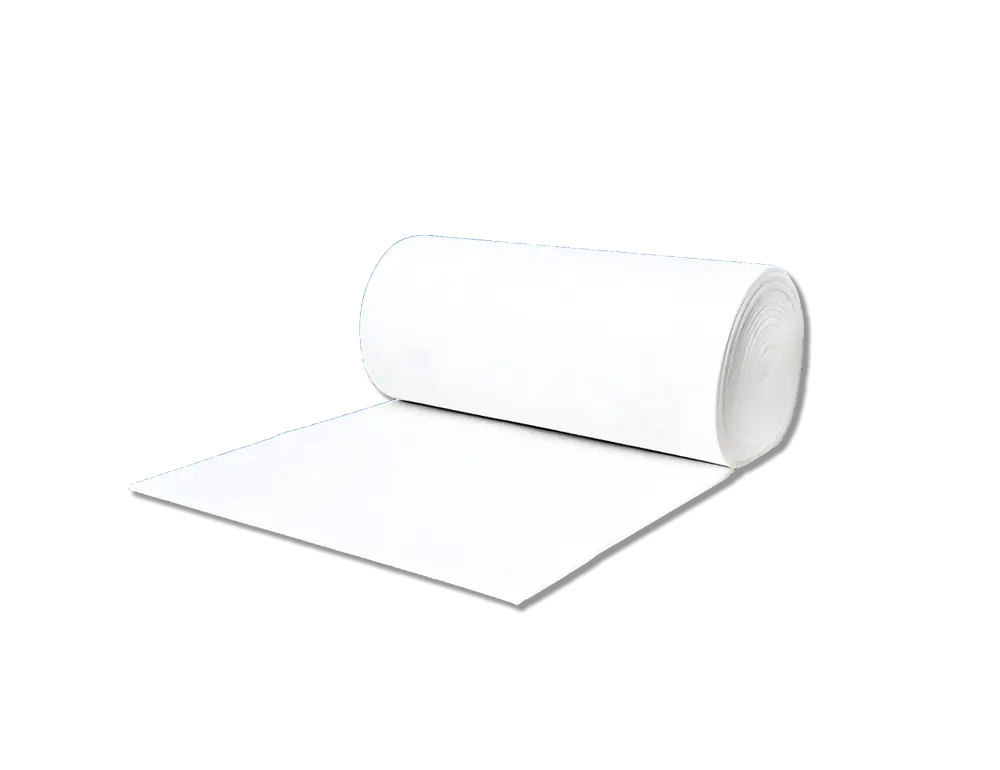
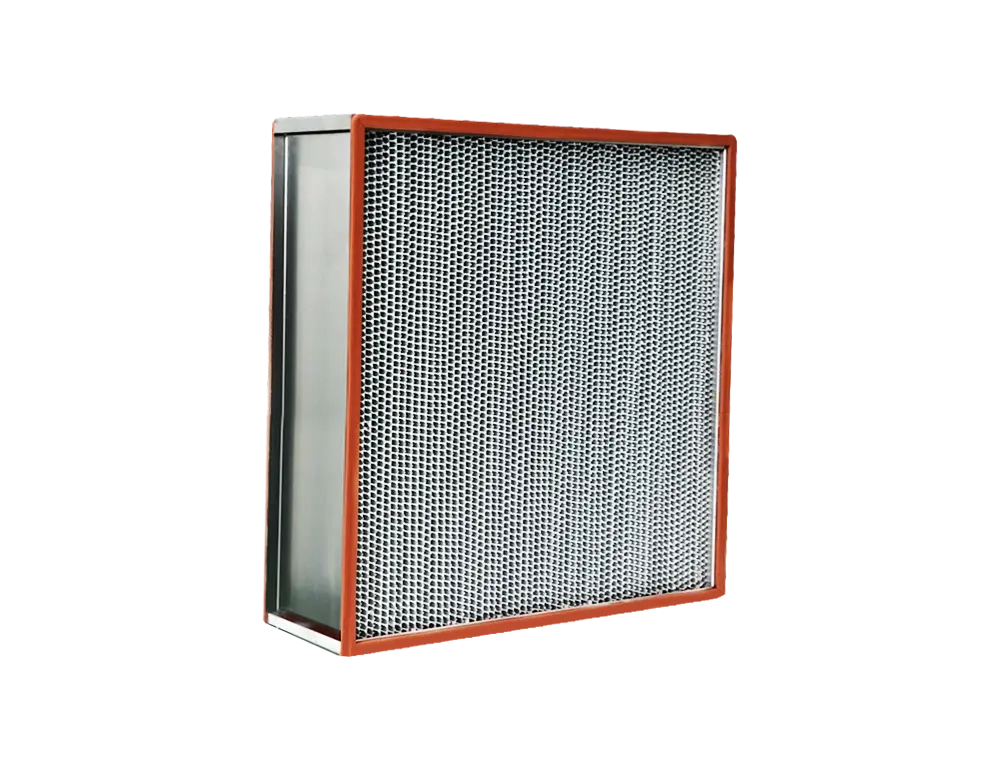
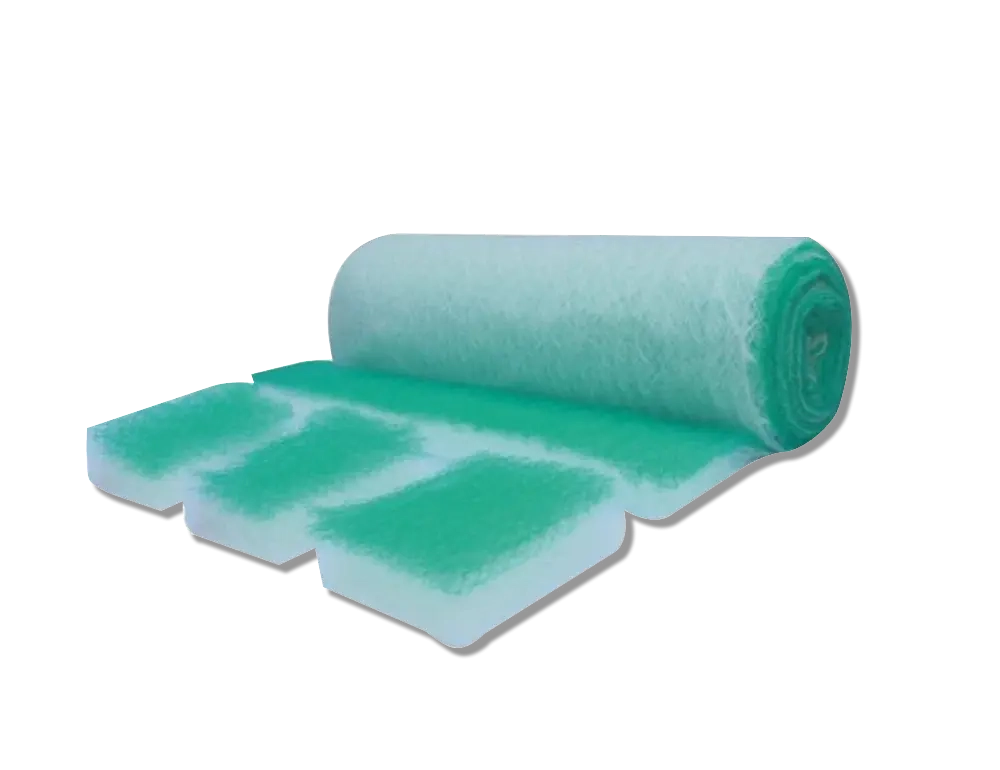
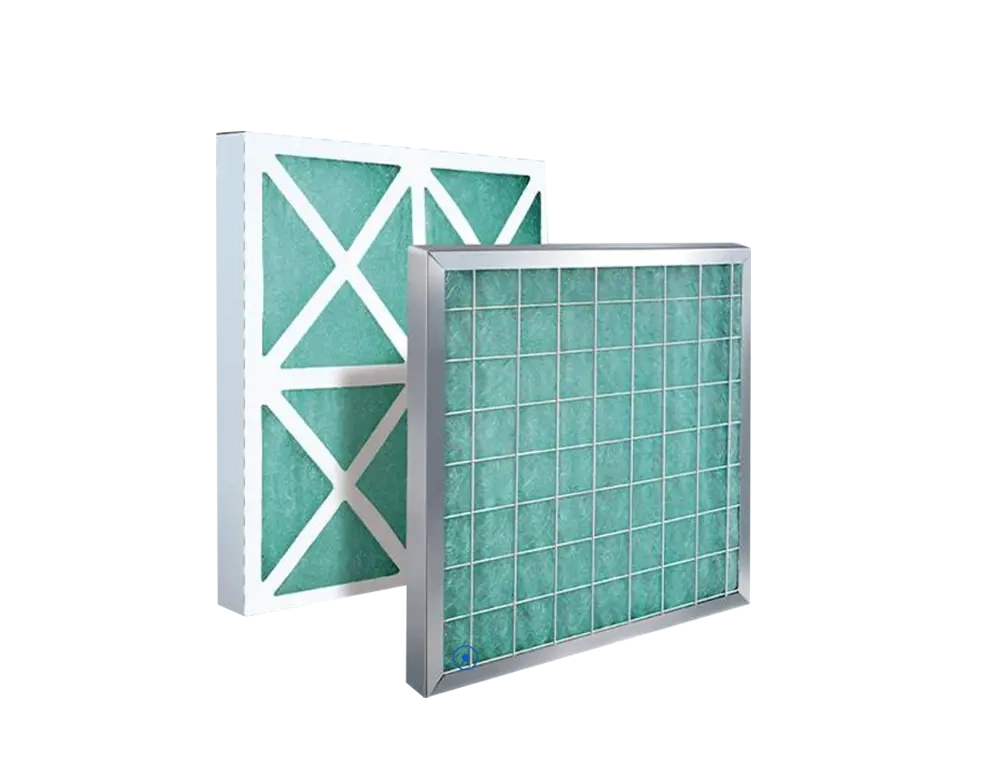
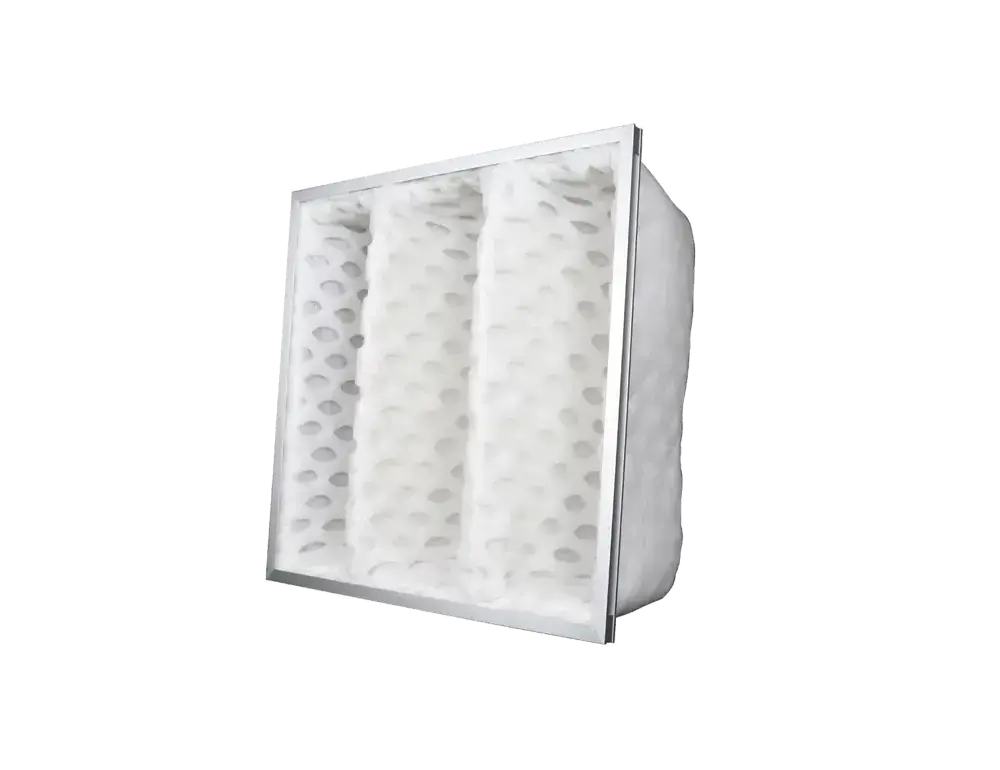
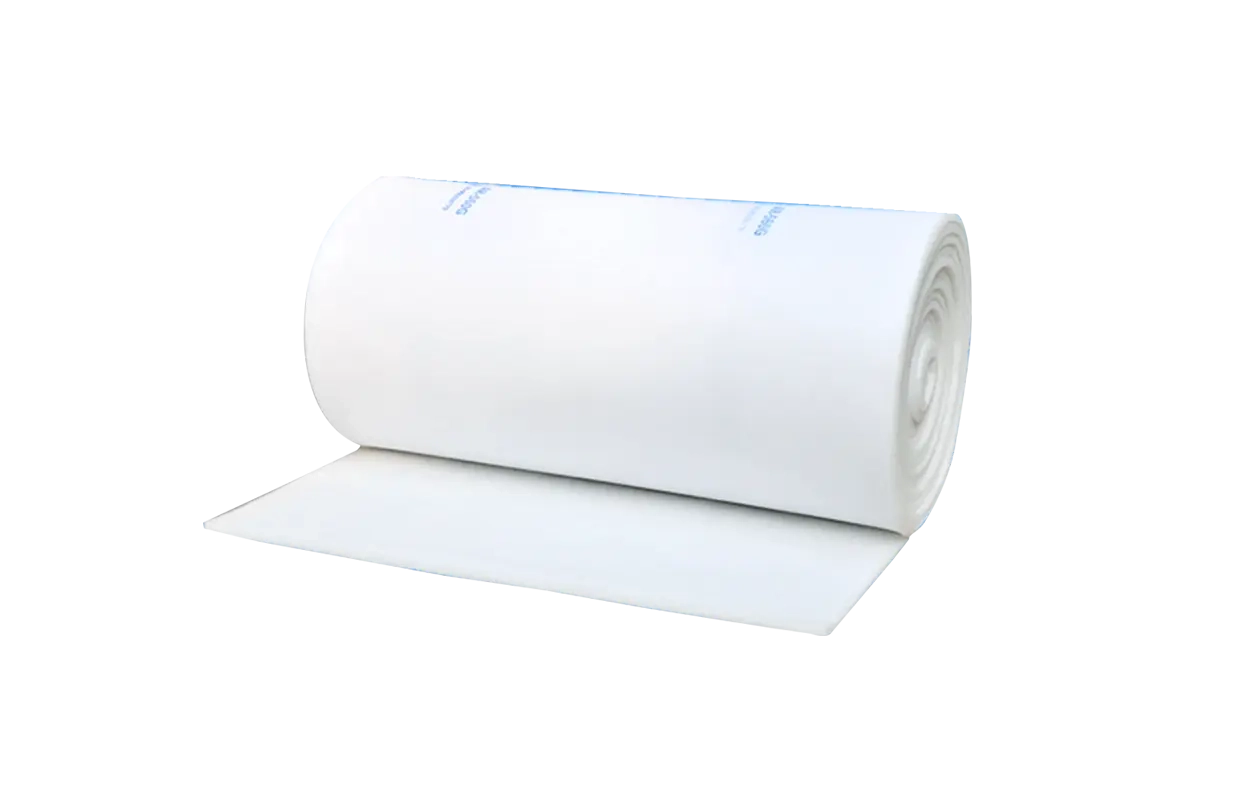
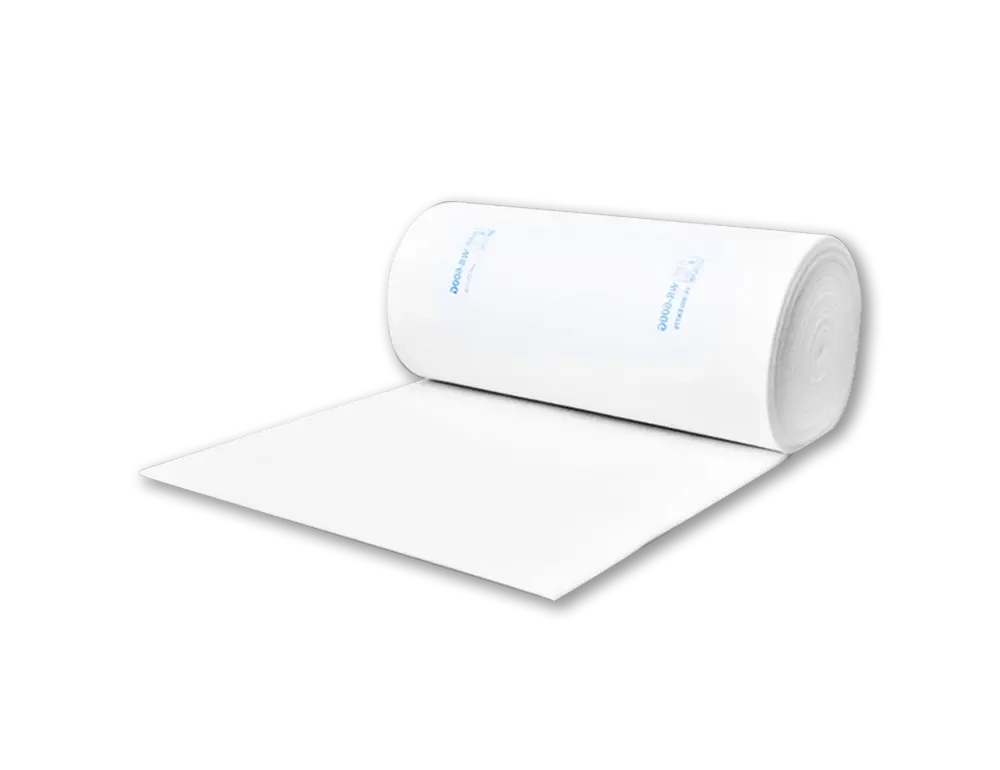
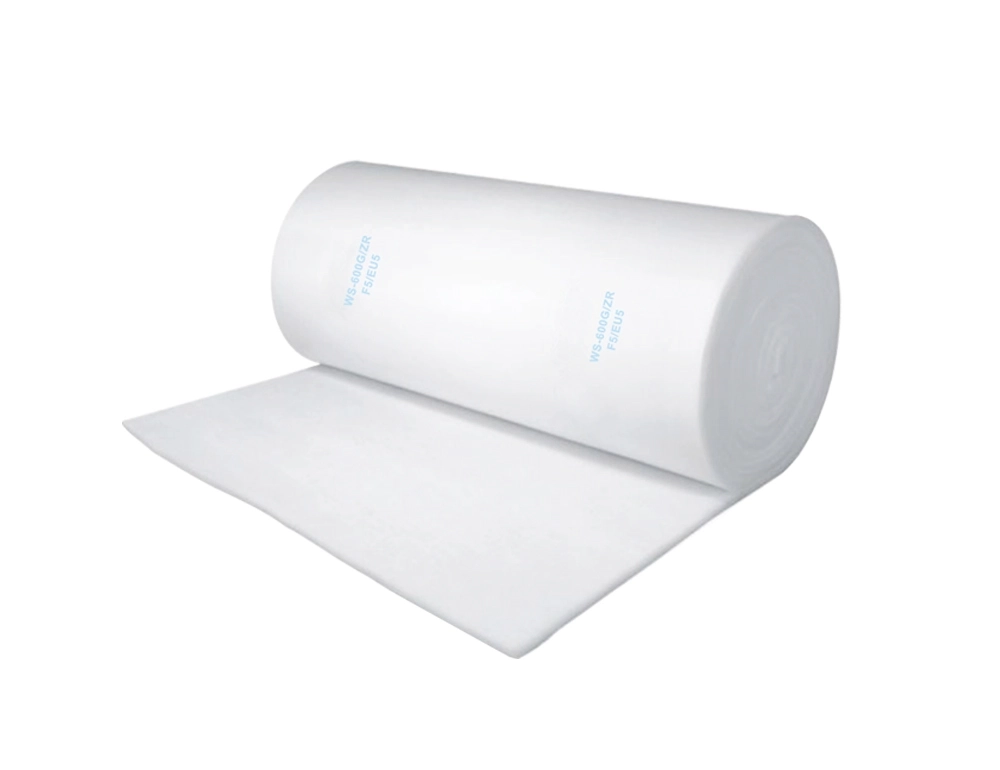
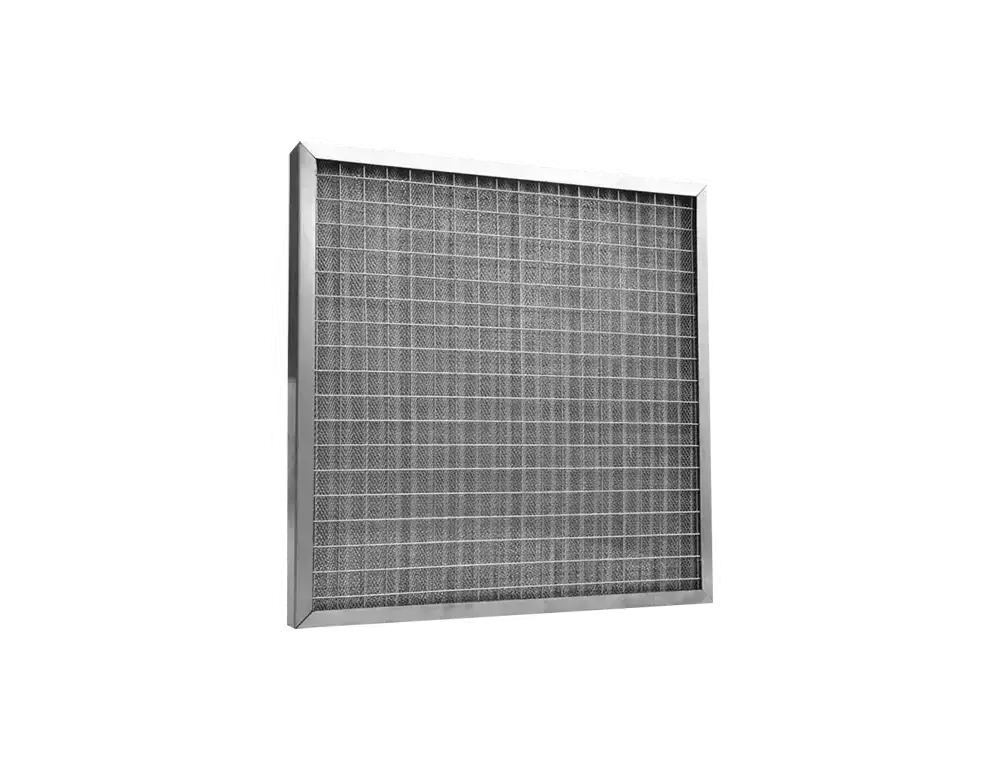
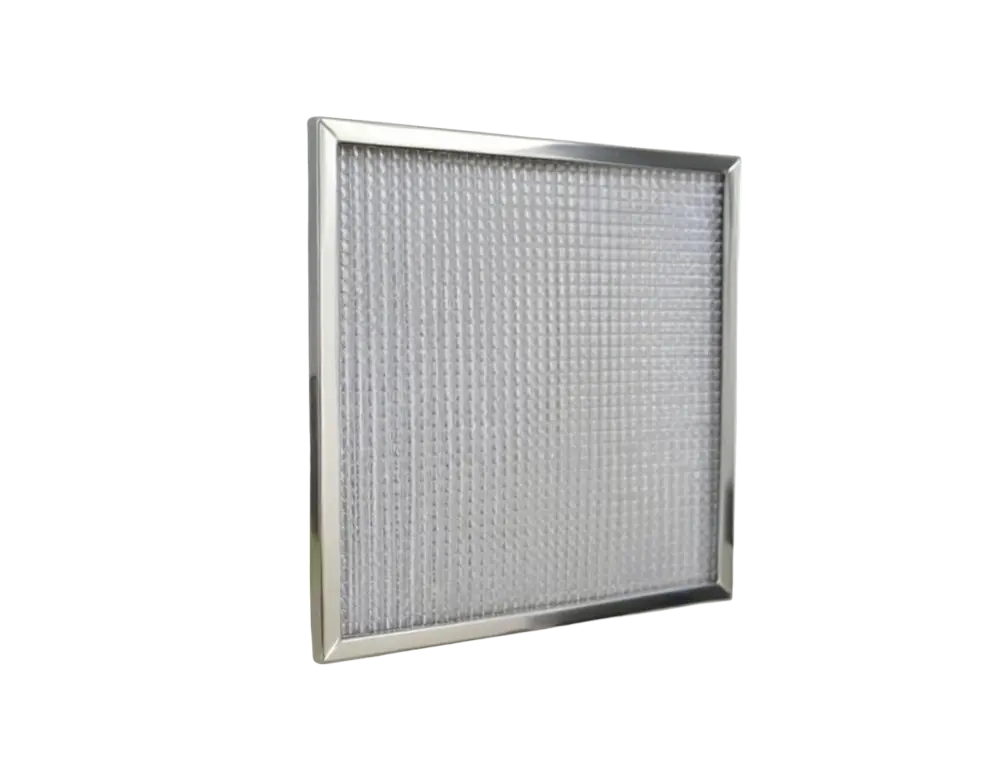
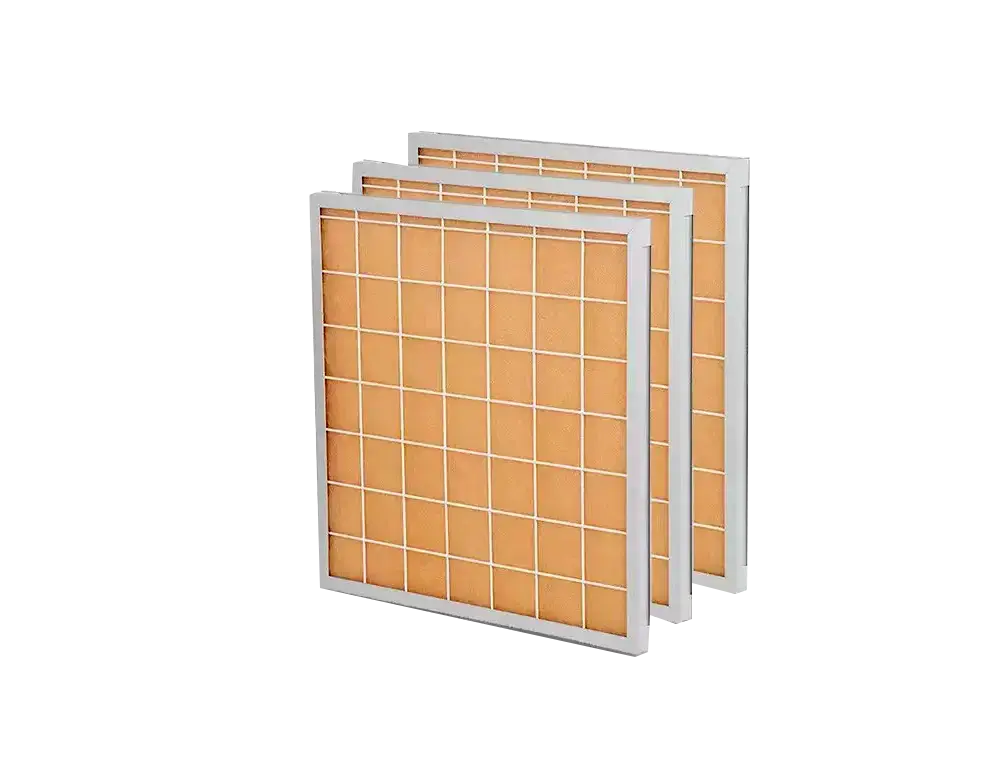
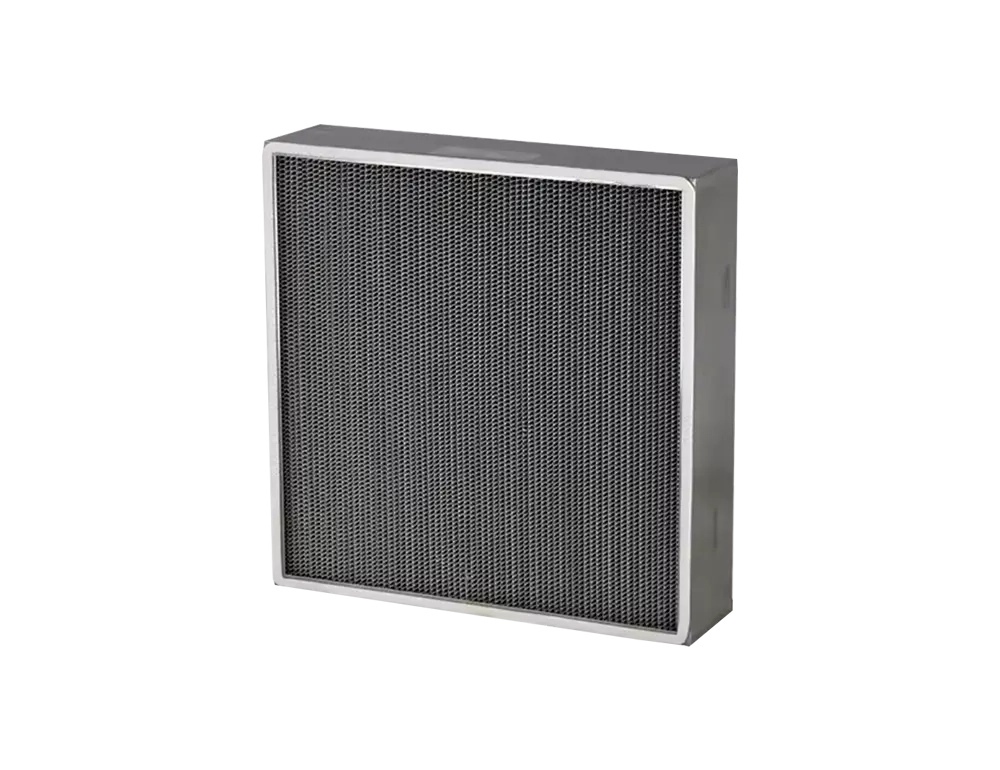
Pre-Filter (G1–G4)
First-Stage Large-Particle Capture
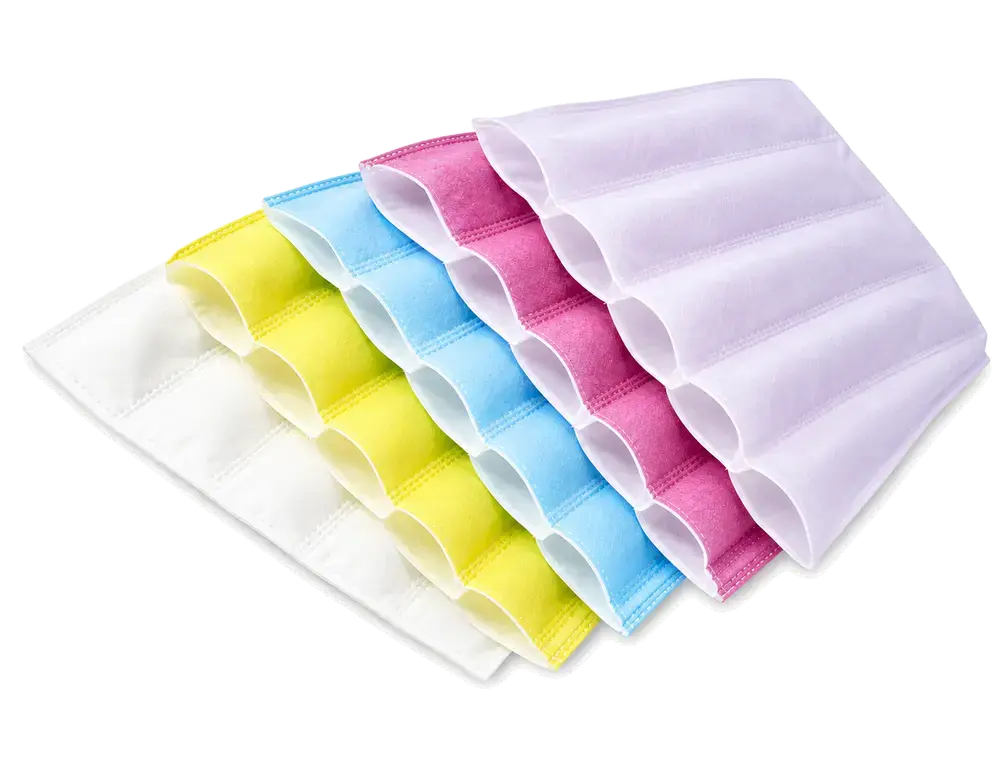
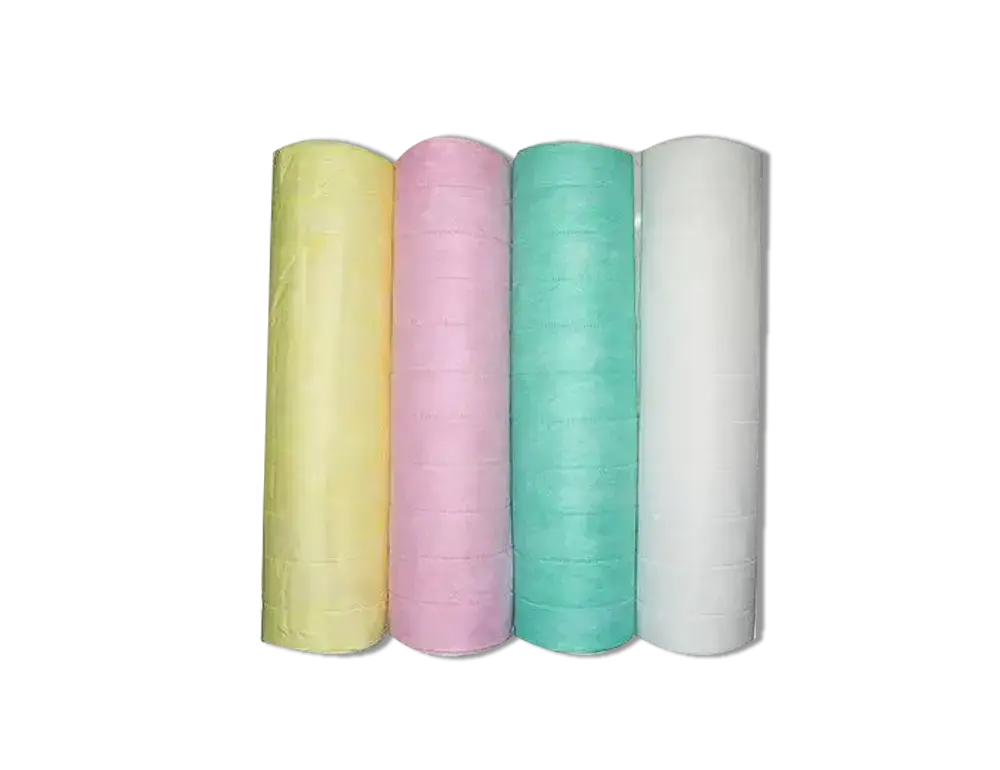
Medium-Efficiency Filter (F5–F9)
Precise PM2.5 Capture
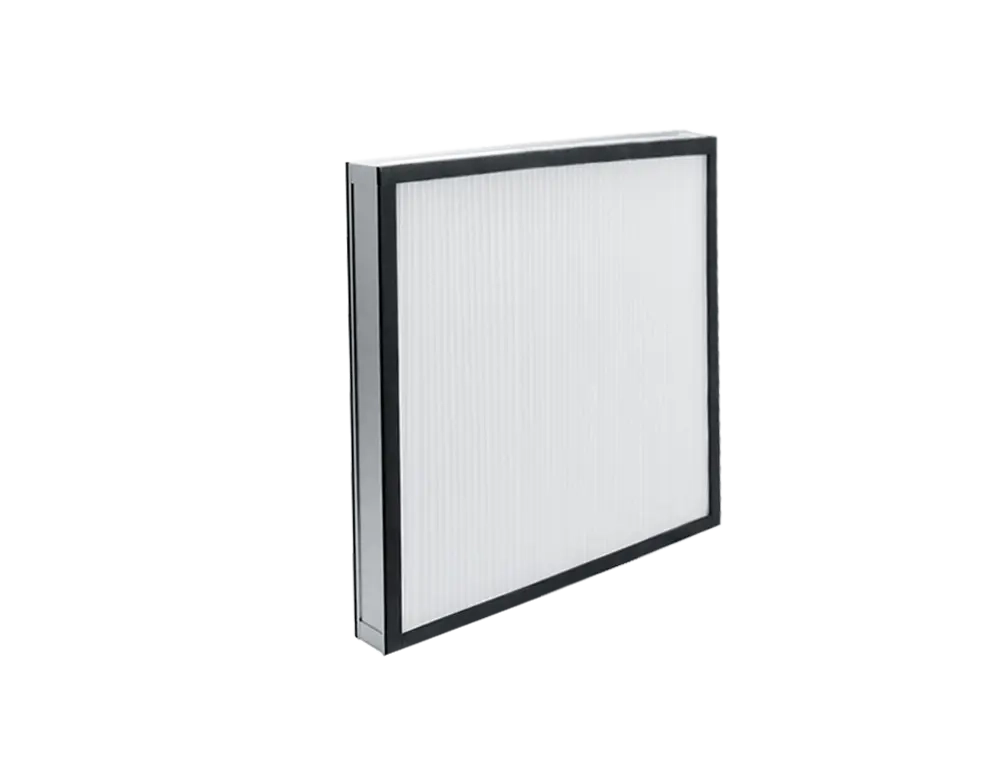
HEPA High-Efficiency Filter
Sterile-Grade Purification
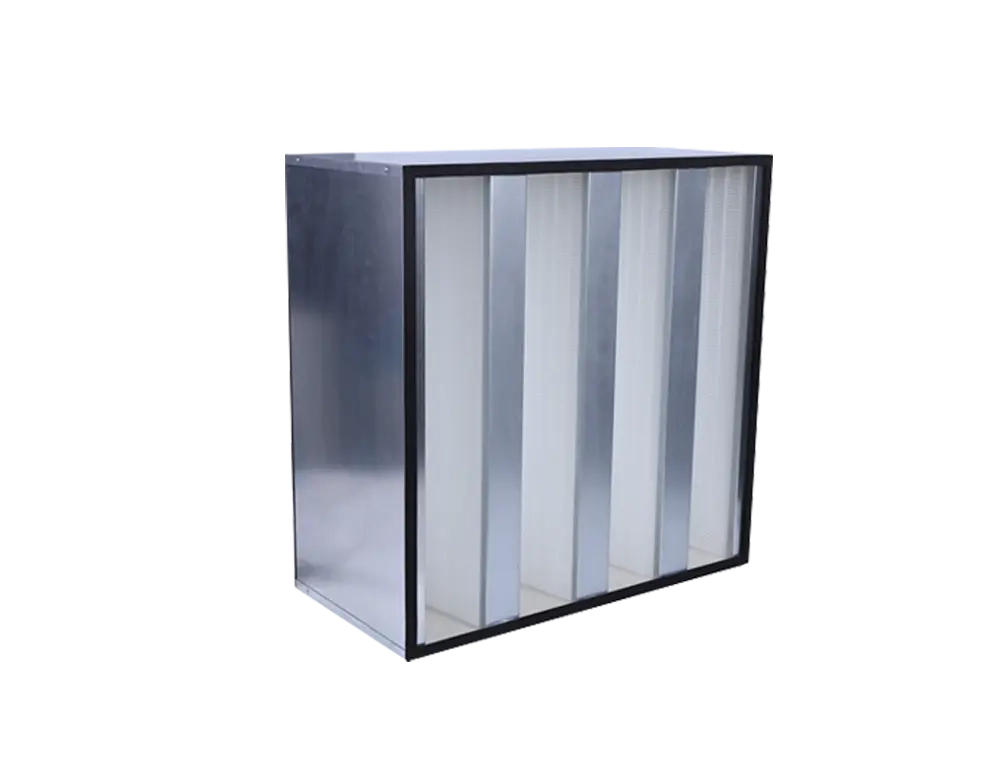
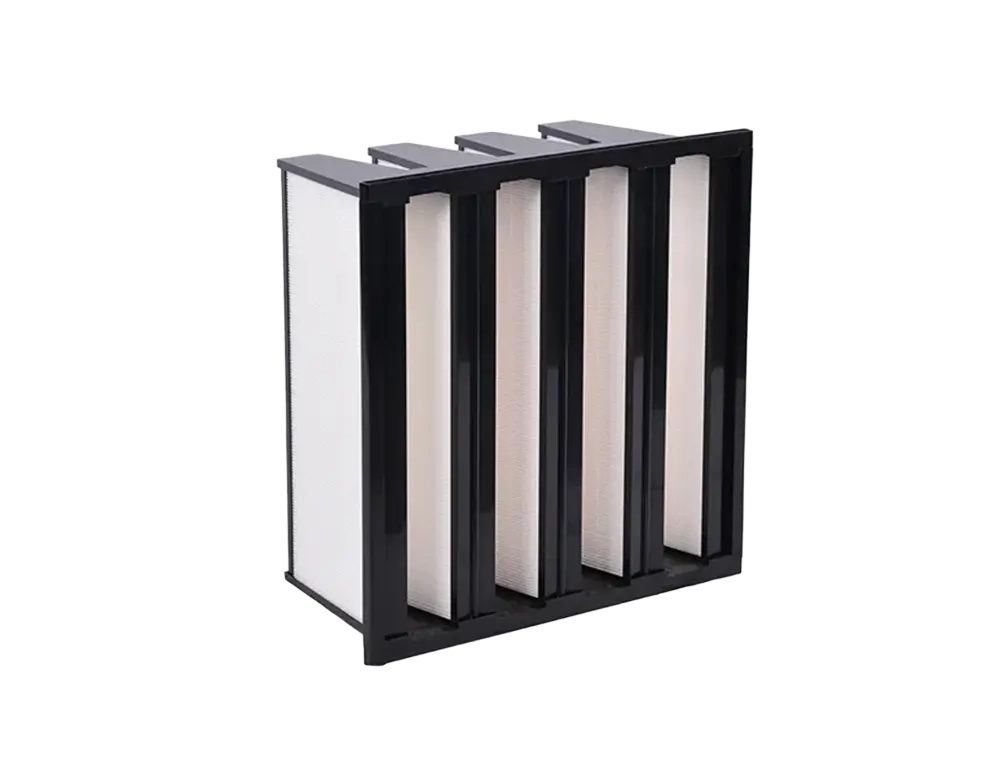
ULPA Ultra-High Efficiency Filter
Sub-Micron Particle Capture
First-Stage Large-Particle Capture
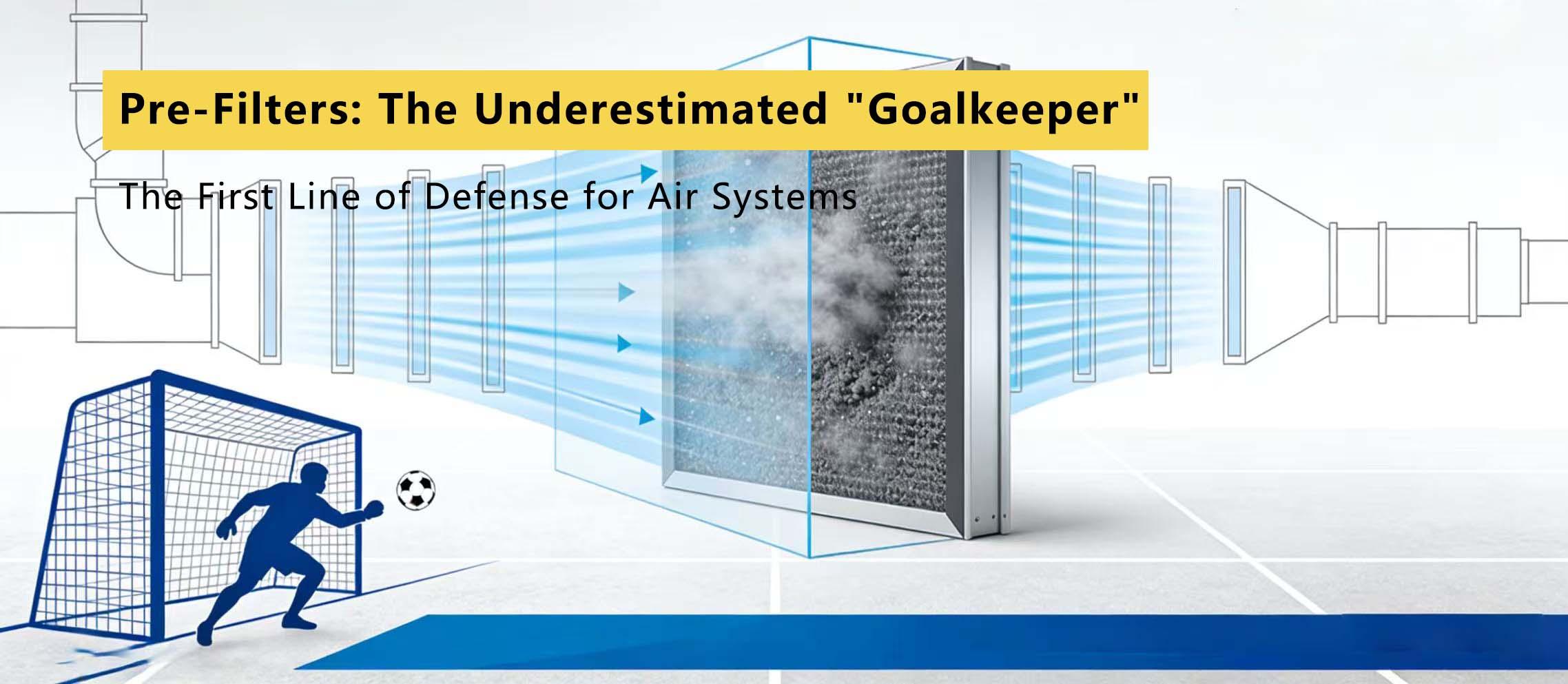
The first line of defense, capturing particles ≥5 μm such as dust, hair, and fibers to protect downstream filters and extend overall system service life.
View Related Products →Precise PM2.5 Capture
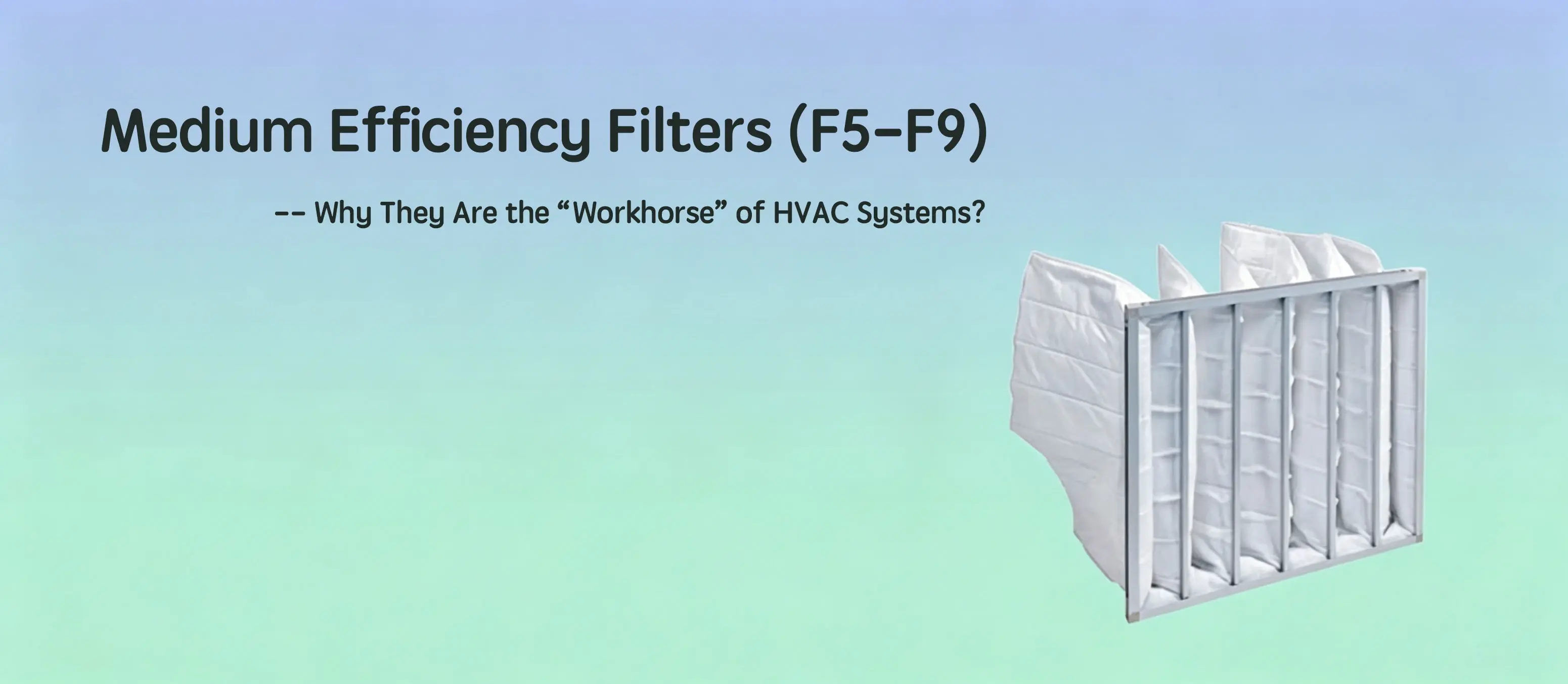
Captures fine particles of 1–5 μm including PM2.5, pollen, and mold spores, significantly improving indoor air quality for commercial HVAC and ventilation systems.
View Related Products →Sterile-Grade Purification
≥99.97% filtration efficiency for particles ≥0.3 μm, delivering sterile-grade clean air widely used in medical, pharmaceutical, and electronics manufacturing.
View Related Products →Sub-Micron Particle Capture
≥99.9995% efficiency for particles ≥0.12 μm, meeting the extreme cleanliness demands of semiconductor fabs, aerospace, and other ultra-precision applications.
View Related Products →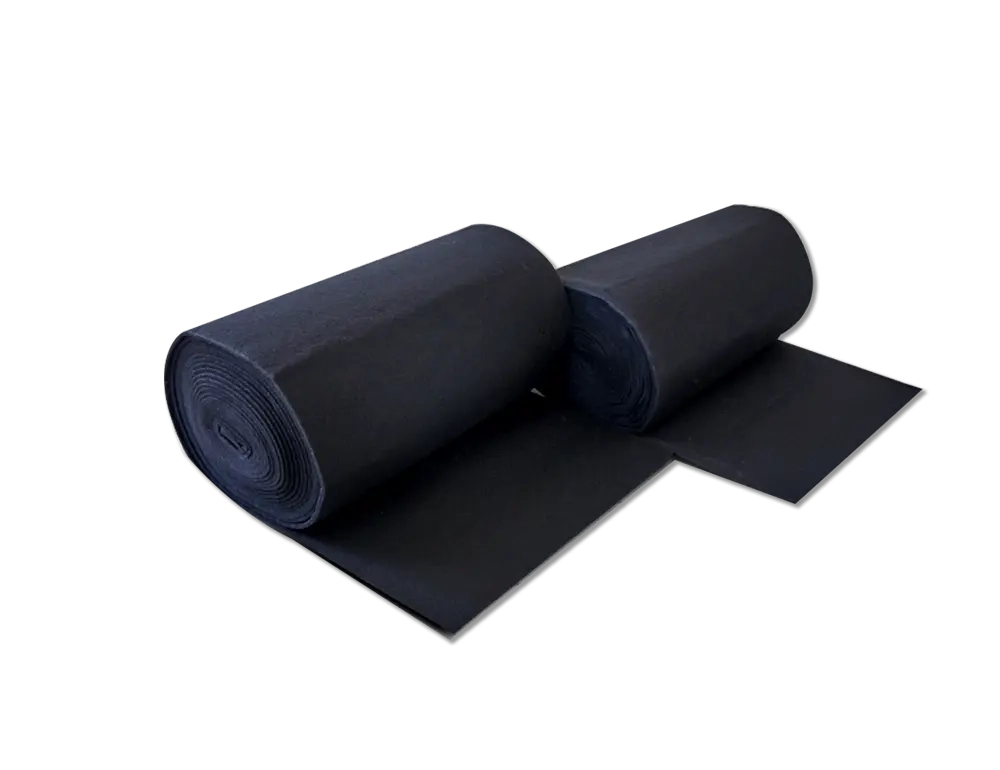
High-Temperature Resistant
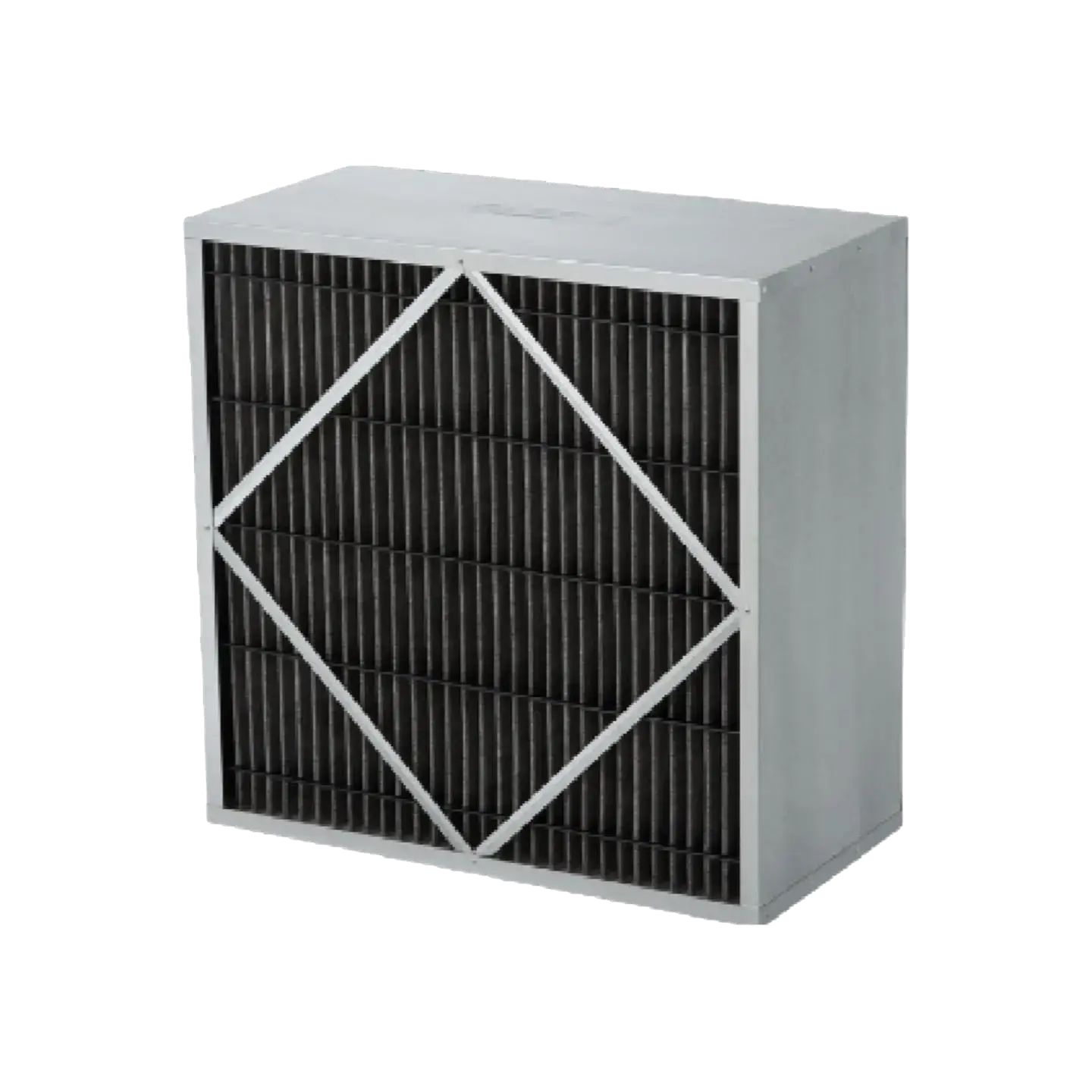
Industrial-Grade Heat Tolerance
Washable & Reusable
Cut Costs, Reduce Waste
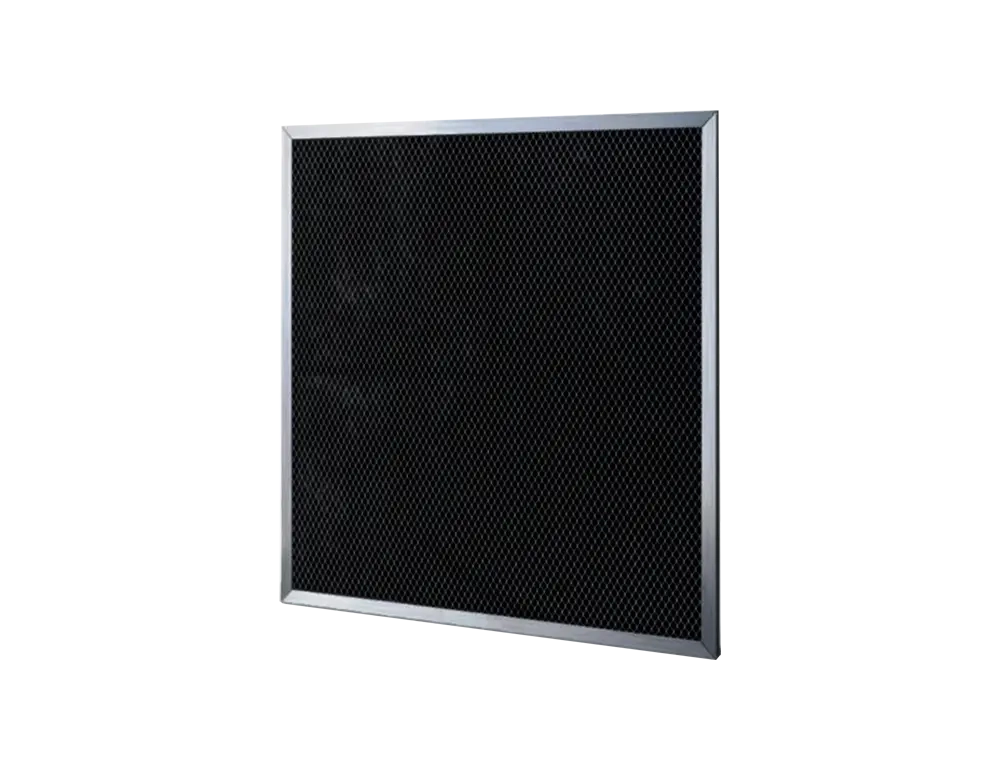
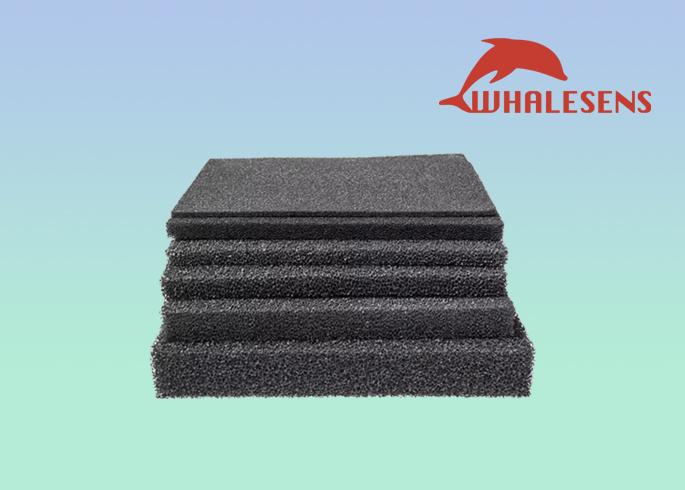
Activated Carbon
Odor & Harmful Gas Removal
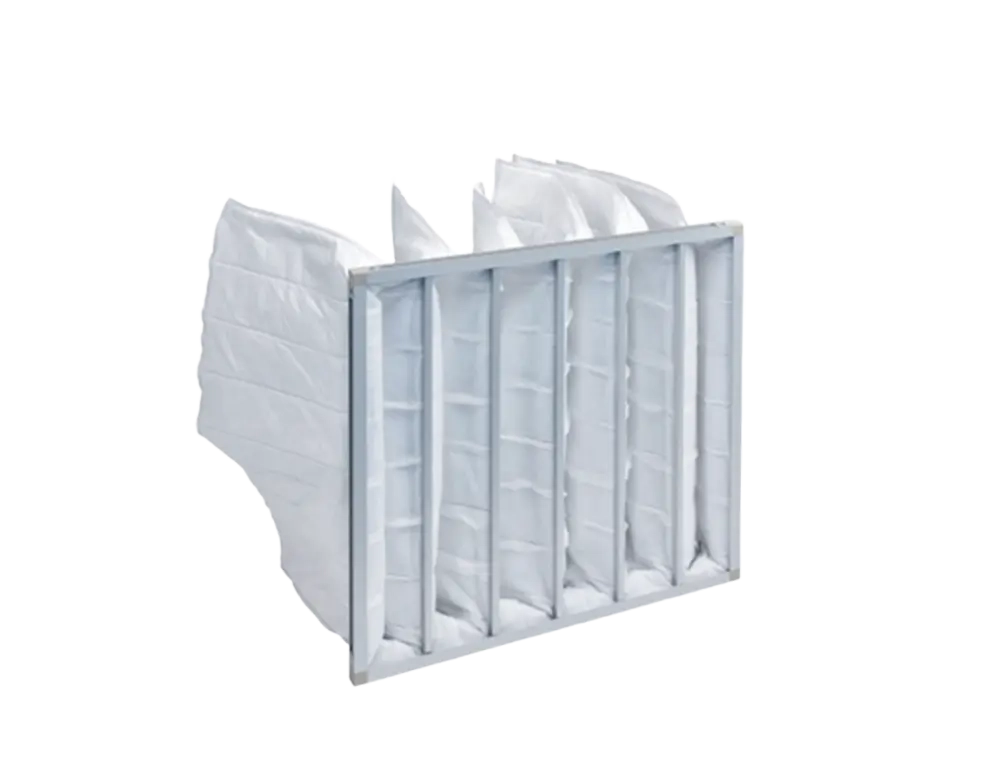
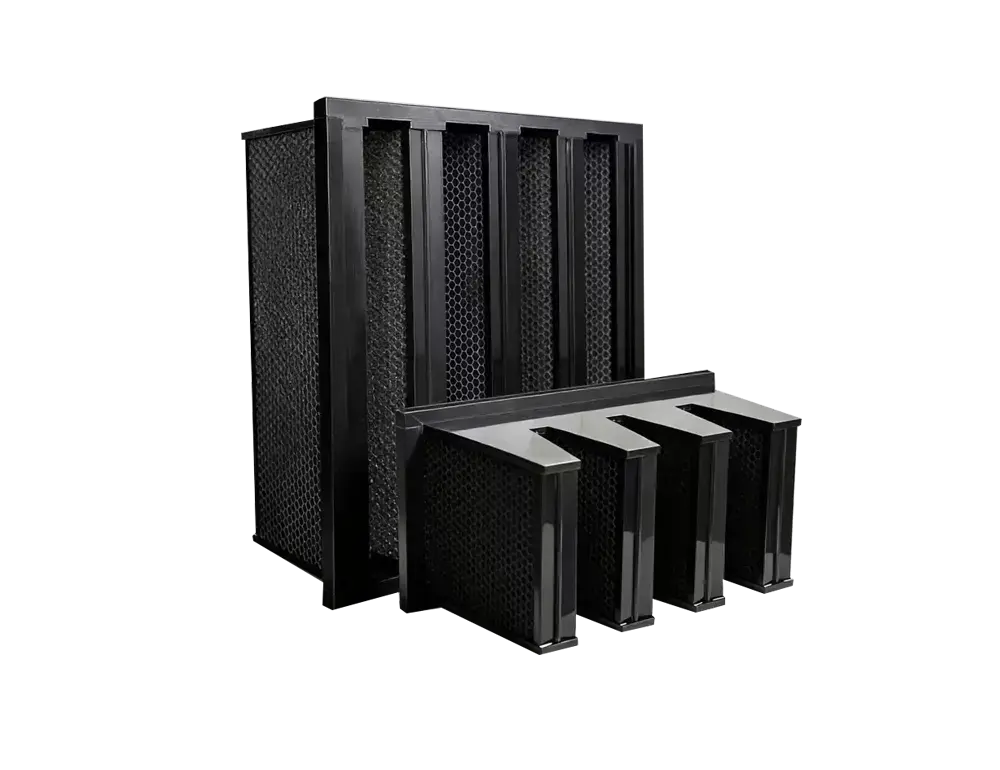
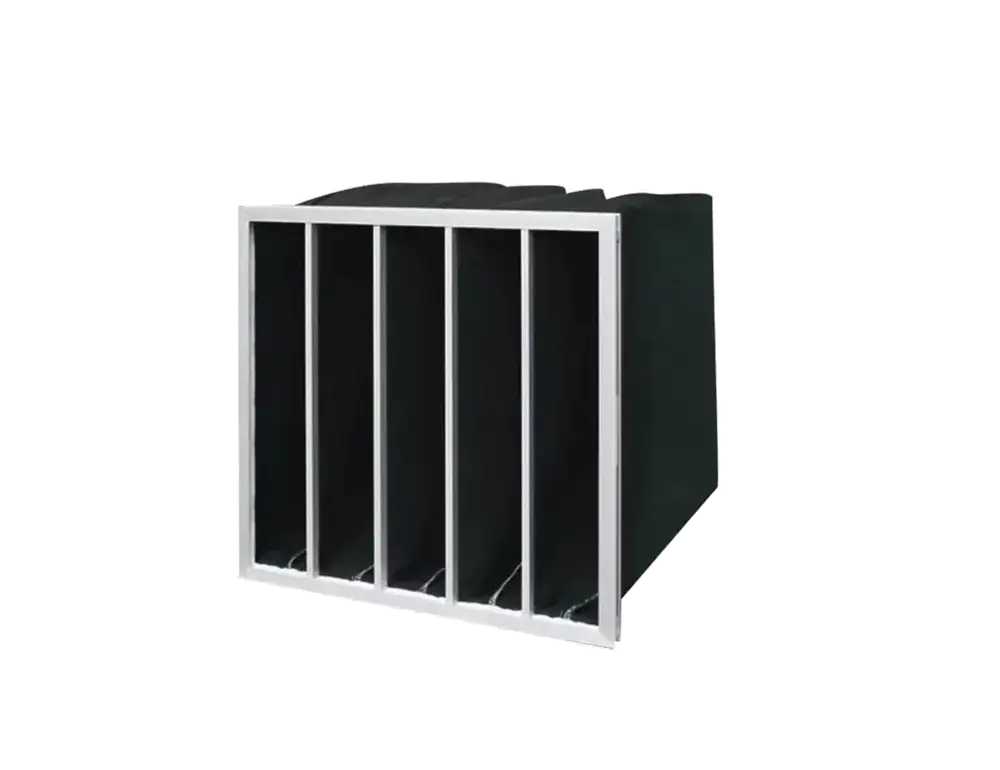
Bag Filter
High Dust-Holding, Long Life
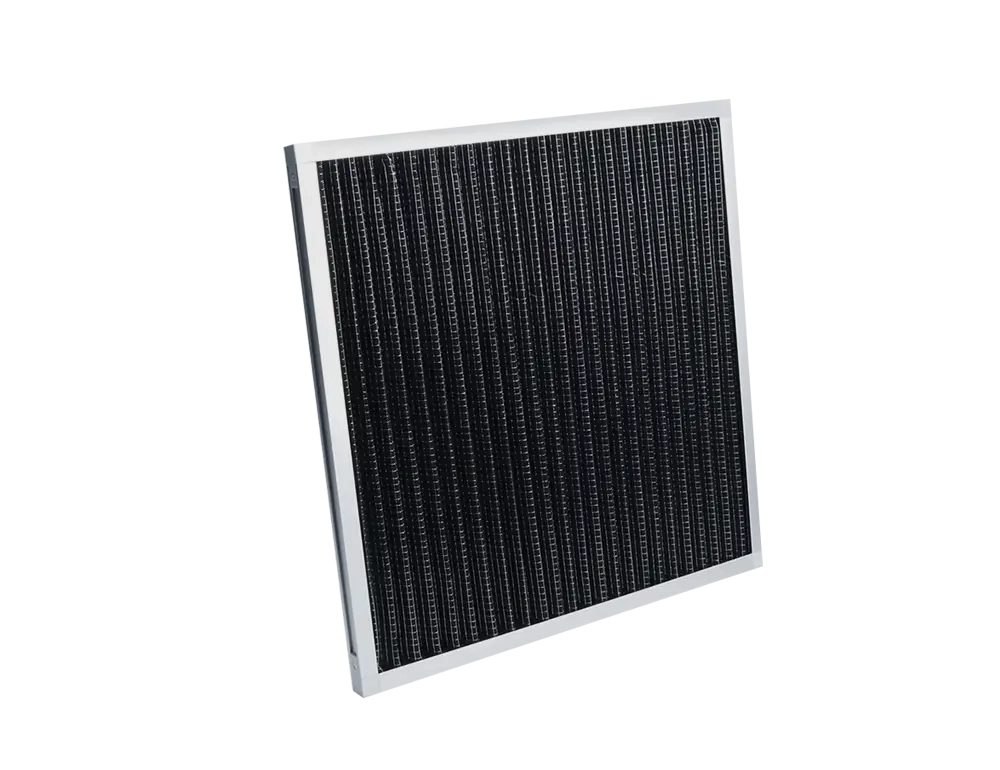
Panel / Pleated Filter
Compact Space-Saving Design
Low-Resistance Airflow
Energy-Saving Operation
Industrial-Grade Heat Tolerance
Built with specialized heat-resistant materials, operating stably up to 250°C for paint ovens, industrial dryers, and high-temperature process environments.
View Related Products →Cut Costs, Reduce Waste
Cleanable by water washing or air blowing, reusable multiple times to significantly reduce replacement frequency and O&M costs — an economical, eco-friendly choice.
View Related Products →Odor & Harmful Gas Removal
Leverages activated carbon's high adsorption capacity to eliminate odors, VOCs, and formaldehyde, ideal for newly renovated spaces and industrial exhaust treatment.
View Related Products →High Dust-Holding, Long Life
Bag-style construction delivers a larger filtration area, high dust-holding capacity, and extended service life — ideal for high-dust environments with reduced replacement frequency.
View Related Products →Compact Space-Saving Design
Compact form factor for easy installation and replacement; pleated structure maximizes filtration area within a small footprint for higher efficiency.
View Related Products →Energy-Saving Operation
Low-resistance design minimizes pressure drop while maintaining filtration performance, reducing fan energy consumption for cost-effective, eco-friendly operation.
View Related Products →














 English(Global)
 简体中文
简体中文 Language




Pre-Filters: The Underestimated "Goalkeeper" – Why They Are More Critical Than You Think

Abstract

1. Definition and Role of Pre-Filters
1.1 What Is a Pre-Filter?
| Standard | Grade Range | Typical Efficiency |
|---|---|---|
| EN 779 (withdrawn) | G1-G4 | Efficiency for 5μm particles < 90% |
| ASHRAE 52.2 | MERV 1-8 | Efficiency for 3-10μm particles < 70% |
| ISO 16890 | ePM10 < 70% | Efficiency for 10μm particles below 70% |
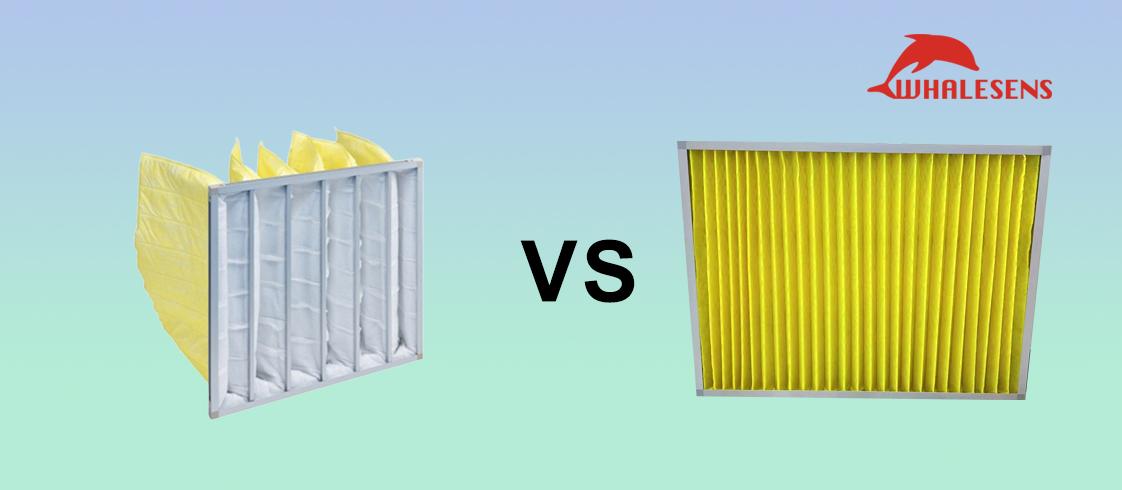
- Panel type: Simplest structure, lowest cost, suitable for space-constrained applications
- Pleated type: Larger filtration area, higher dust-holding capacity, longer service life
- Bag type: Largest filtration area, ideal for high dust-load environments
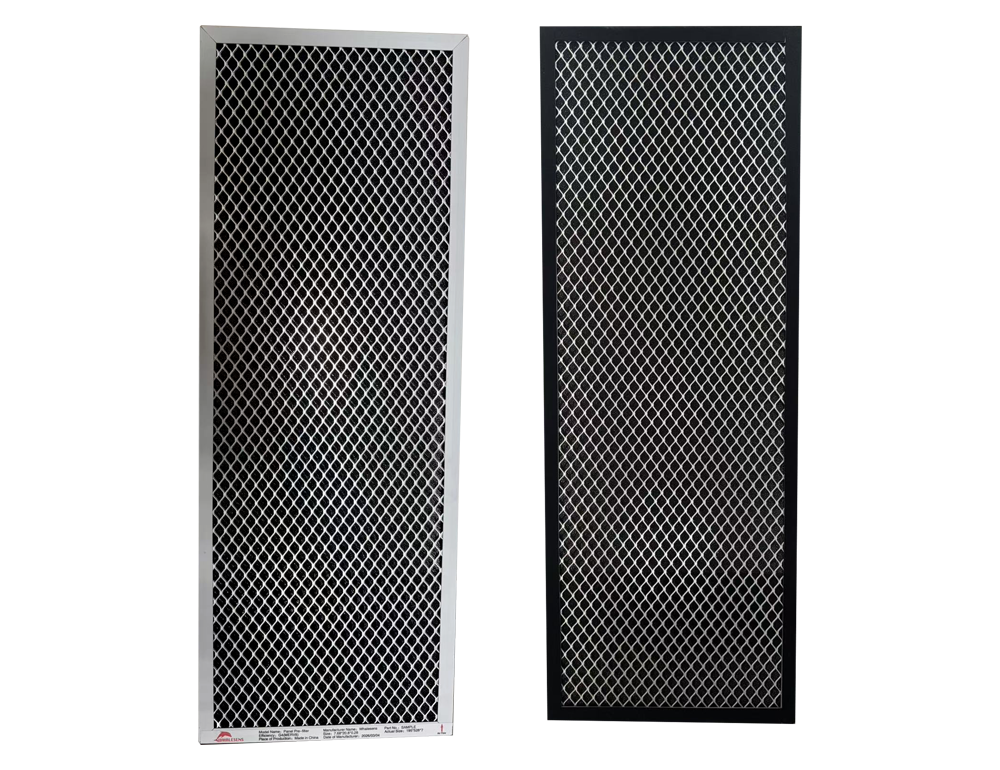
- Washable type: Metal mesh or synthetic fiber, reusable
1.2 System Positioning of Pre-Filters
2. Why Pre-Filters Are More Critical Than You Think
2.1 Protecting Downstream Equipment, Extending System Life
- Medium filters clog quickly: Large particles directly impact the medium filter media, rapidly exhausting its dust-holding capacity, shortening replacement intervals from 6-12 months to 1-3 months.
- HEPA filters fail prematurely: Once the medium filter fails, particles penetrate to the HEPA filter, causing surface clogging or internal damage; replacement costs can be thousands of dollars.
- Coil fouling: In HVAC systems, without a pre-filter or when it fails, the chilled/hot water coils in the AHU quickly accumulate dust, reducing heat transfer efficiency and increasing energy consumption.
2.2 Reducing System Energy Consumption, Saving Operating Costs
| Condition | Pre-filter Pressure Drop | Annual Fan Energy | Extra Electricity Cost (per year) |
|---|---|---|---|
| Clean pre-filter | 50 Pa | Baseline | — |
| Clogged pre-filter (3× pressure drop) | 150 Pa | +12% | ~$1,100 |
2.3 Improving Indoor Air Quality, Protecting Occupant Health
- Pollen: 10-100μm → Pre-filter captures >80%
- Dust mite feces: 10-40μm → Pre-filter captures 60-90%
- Mold spores: 5-30μm → Pre-filter captures 50-80%
2.4 Protecting Fans and Ductwork, Reducing Maintenance Frequency
3. Key Performance Parameters of Pre-Filters
3.1 Filtration Efficiency
| Grade | Arrestance (ASHRAE) | ePM10 Efficiency (ISO 16890) | Typical Applications |
|---|---|---|---|
| G3 | 80-90% | < 40% | Residential, light commercial |
| G4 | 90-95% | 40-70% | Commercial buildings, industrial pre-filtration |
| MERV 8 | 80-90% | ≈ 50% | Data centers, general hospital areas |
3.2 Dust-Holding Capacity
- Media area: Pleated > panel
- Media thickness: Gradient density media offers higher capacity
- Dust characteristics: Higher proportion of fine particles reduces capacity
- Panel G4 (0.5m² area): Capacity ~50-80g
- Pleated G4 (2m² area): Capacity ~200-300g
- Bag G4 (4m² area): Capacity ~400-600g
3.3 Initial Pressure Drop and Final Resistance
3.4 Structural Strength and Seal Integrity
4. Application Scenarios and Selection Guide for Pre-Filters
4.1 Typical Applications
| Scenario | Recommended Grade | Recommended Type | Replacement Cycle | Key Considerations |
|---|---|---|---|---|
| Residential fresh air | G3-G4 | Panel / pleated | 3-6 months | Low noise, easy replacement |
| Commercial office | G4 | Pleated | 6-12 months | Balance efficiency & energy |
| General hospital areas | G4 | Pleated / bag | 6 months | Flame retardancy requirements |
| Data centers | G4 | Pleated | 6-12 months | Low pressure drop, corrosion resistance |
| Industrial plants | G4 | Bag / washable metal mesh | 1-3 months | High dust-holding, washable |
| Cleanroom pre-filtration | G4 | Bag | 3-6 months | Low particle shedding, silicone-free |
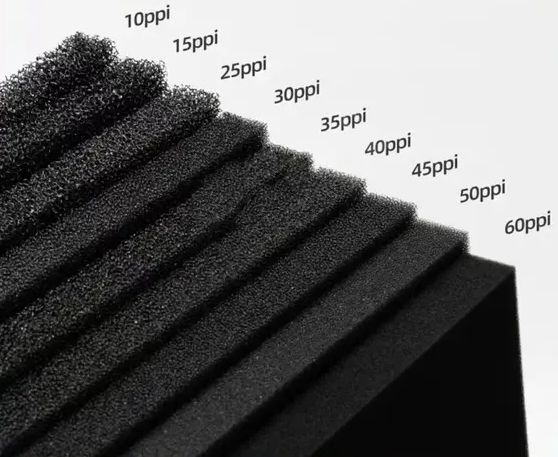
| EV chargers / outdoor enclosures | G4 | Washable metal mesh / foam | 3-6 months | Weather resistance, water protection |
4.2 Selection Decision Matrix
- Low (office, mall) → Panel or pleated, G3-G4
- Medium (factory, near road) → Pleated or bag, G4
- High (mine, construction site) → Bag or washable metal mesh, G4; consider adding a coarse pre-screen
- Tight (small AHU mixing box) → Panel or slim pleated
- Ample → Bag (maximum dust-holding)
- Ample maintenance staff → Washable type (low long-term cost)
- Low maintenance frequency → High-holding pleated or bag
- Flame retardancy (hospitals, electronics) → Require UL94 HF-1 or UL900
- Silicone-free (paint booths) → Use silicone-free media
- Antimicrobial (food plants, hospitals) → Use antimicrobial treated media
5. Maintenance and Replacement of Pre-Filters
5.1 Scientific Replacement Judgement
- Fixed interval replacement (“change every 3 months”) regardless of actual loading
- Visual inspection (“looks clean, so don’t change”), ignoring fine particle clogging
| Pressure Drop Condition | Action |
|---|---|
| Initial +20% | Normal operation |
| Initial +50% | Monitor closely, schedule replacement |
| 2× initial | Replace soon |
| 3× initial | Replace immediately – energy impact already severe |
5.2 Replacement Interval Guidelines by Environment
| Environment Type | Panel G4 | Pleated G4 | Bag G4 | Washable Metal Mesh |
|---|---|---|---|---|
| Urban office | 2-3 months | 6-9 months | 9-12 months | Clean monthly |
| Mall / hospital | 1-2 months | 3-6 months | 6-9 months | Clean bi-weekly |
| Factory / warehouse | 0.5-1 month | 1-3 months | 3-6 months | Clean weekly |
| Data center | 2-3 months | 6-12 months | — | — |
5.3 Proper Maintenance of Washable Pre-Filters
- Cleaning method: Use low-pressure water rinse or vacuum; do not use high-pressure washer or brushes, which can damage media structure.
- Drying: Allow to dry completely before reinstalling; wet media promotes mold growth.
- Lifespan: Typically 10-20 wash cycles, after which efficiency declines and replacement is needed.
5.4 Common Maintenance Mistakes
| Misconception | Consequence | Correct Practice |
|---|---|---|
| “Pressure gauge is useless; I can rely on experience” | Premature replacement wastes media; late replacement wastes energy | Install pressure gauge; use data-driven decisions |
| “I can just wash and reuse pre-filters indefinitely” | After many washes, efficiency drops, protection fails | Track wash cycles; replace when limit reached |
| “Only change pre-filters, not medium filters” | Clogged medium filters waste energy | Replace all stages based on pressure drop |
6. Common Misconceptions About Pre-Filters
7. Synergy Between Pre-Filters, Medium Filters, and HEPA Filters
7.1 Matching Principles for Multi-Stage Filtration
| Stage | Recommended Grade | Primary Task | Dust-Holding Requirement | Pressure Drop Requirement |
|---|---|---|---|---|
| Pre-filter | G4 | Capture >5μm particles | High | Low |
| Medium filter | F7-F9 | Capture 0.3-5μm particles | Medium | Medium |
| HEPA filter | H13-H14 | Capture >0.3μm particles | Low | High |
- Pre-filter dust-holding capacity should be high enough so its replacement interval coordinates with medium filter (e.g., change pre-filter twice for each medium filter change)
- Pre-filter pressure drop should be much lower than medium filter to avoid becoming the system bottleneck
- Pre-filter efficiency should not be too high to prevent premature clogging
7.2 Optimization Case: A Pharmaceutical Cleanroom
8. Future Trends in Pre-Filter Technology
- Gradient density media: Open on the upstream side, denser on the downstream side; dust-holding capacity increases 2-3 times
- Antimicrobial/antiviral coatings: Inhibit microbial growth on filter surfaces; suitable for hospitals, food plants
- Smart pressure monitoring: Integrated IoT sensors upload pressure drop data in real time for predictive maintenance
- Eco-friendly materials: Biodegradable media, recyclable frames to reduce environmental impact
- Modular design: Tool‑free quick‑change structures improve maintenance efficiency
9. Summary and Action Recommendations
- Extend medium and HEPA filter life by 2-3 times
- Reduce system energy consumption by 5-15%
- Lower maintenance labor costs by 30-50%
- Improve indoor air quality and reduce allergens
- Check whether the grade of your existing pre-filter matches the environment (G4 is optimal for most scenarios)
- Install pressure gauges and establish replacement protocols based on pressure drop
- For high-dust environments, consider upgrading to pleated or bag-type pre-filters
- Evaluate the economics of washable filters and avoid over-washing
- Work with a supplier to perform regular system assessments and optimization