


EV Charging Stations
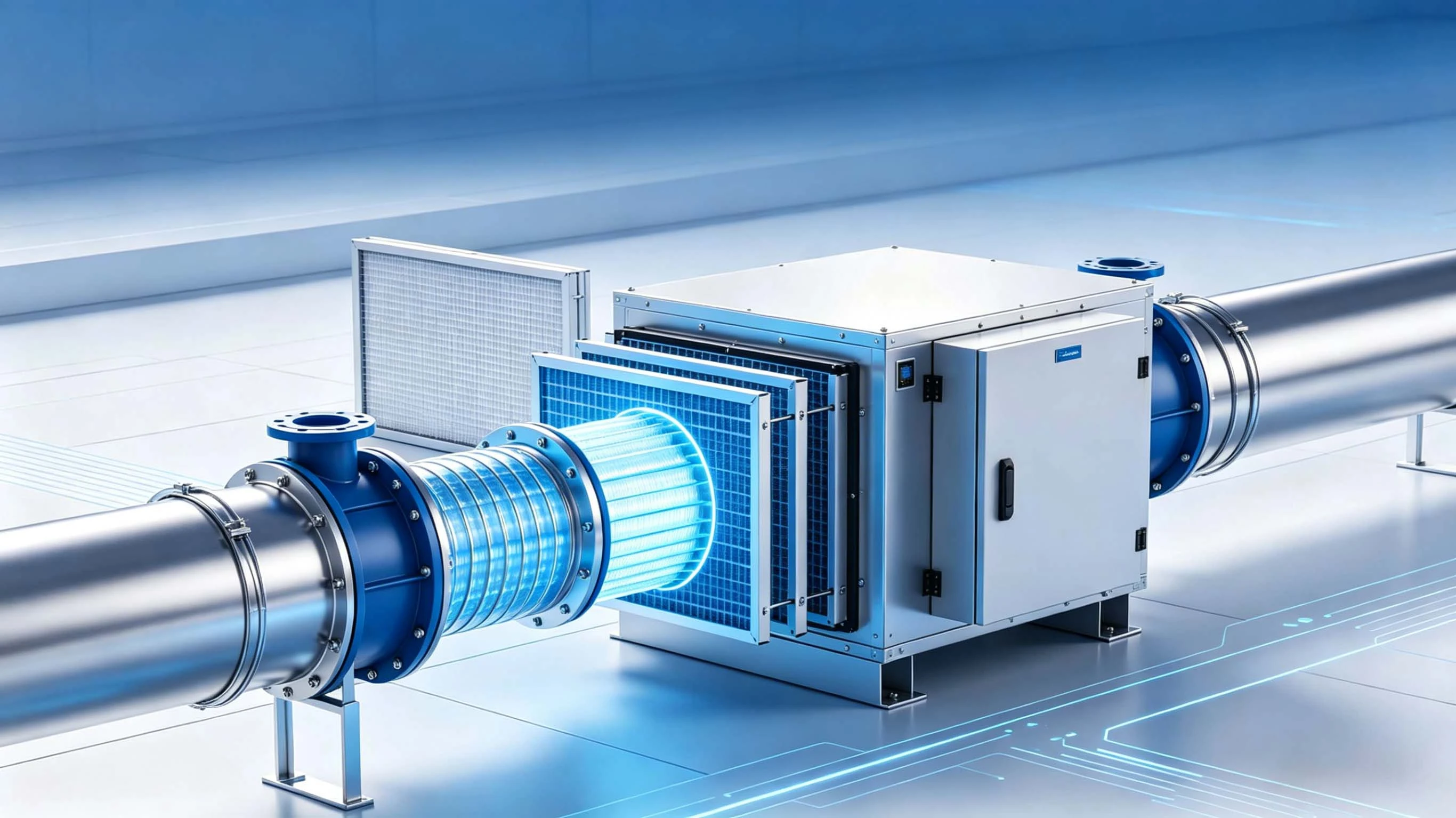
Filtration for Power Equipment
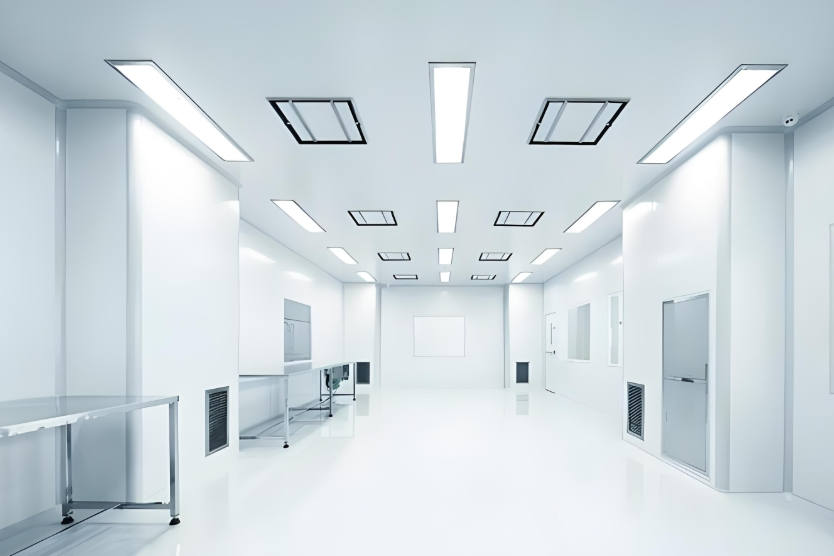
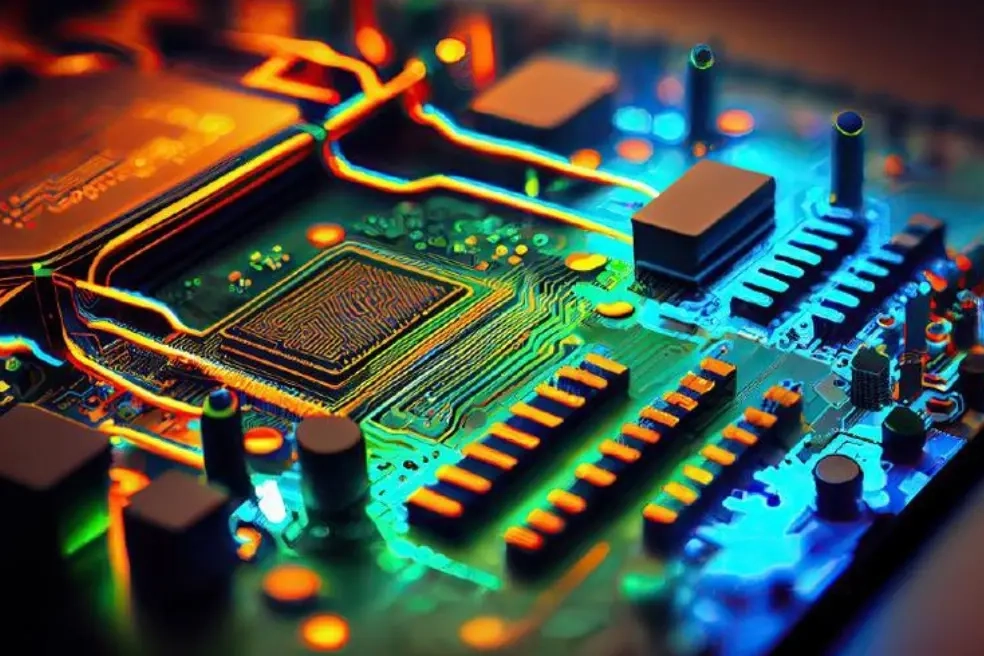
Cleanroom & Semiconductor
Ultra-High Cleanliness Filtration
Commercial HVAC
Central Air System Filtration
Data Centers
Precision Equipment Protection
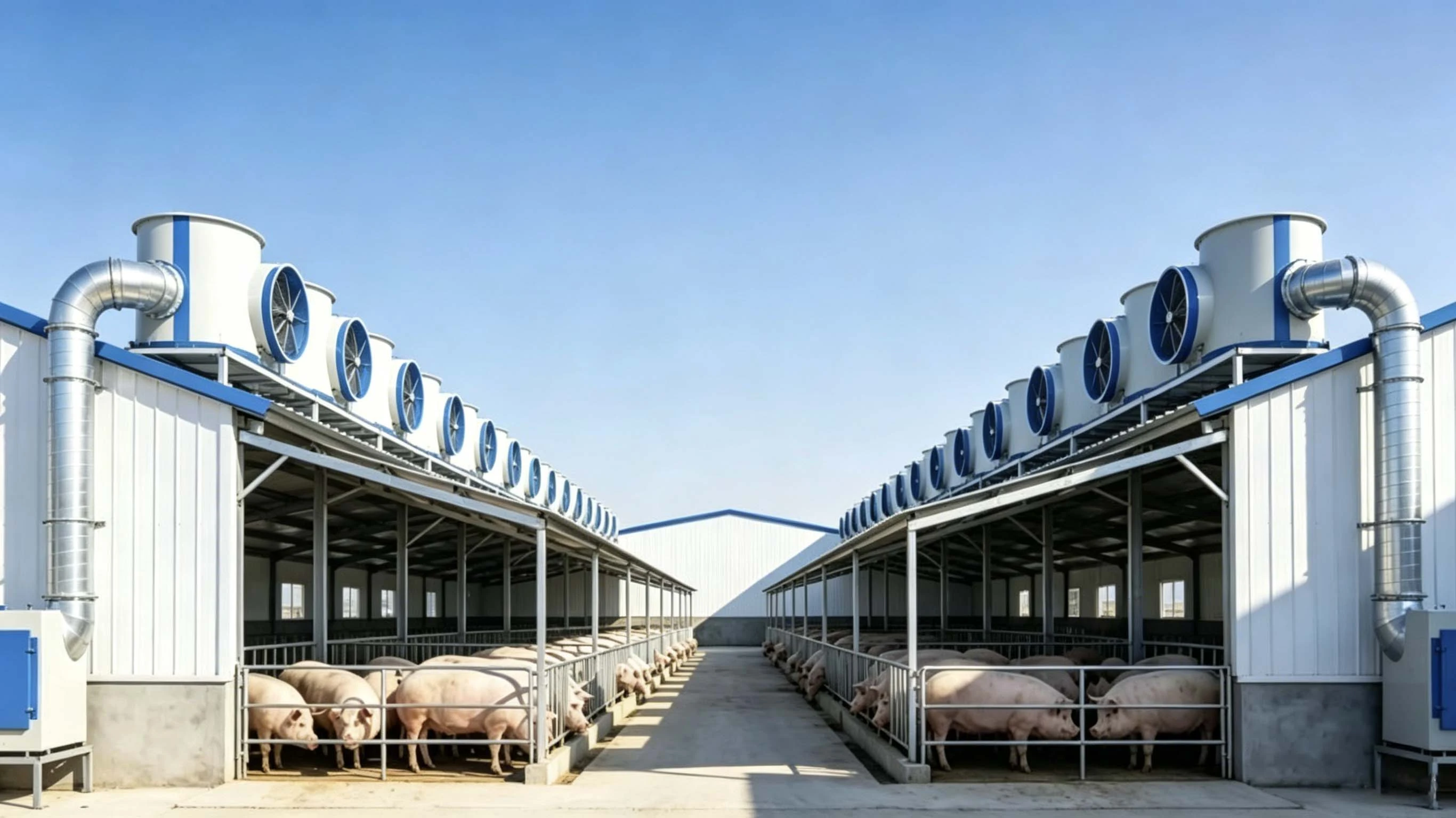
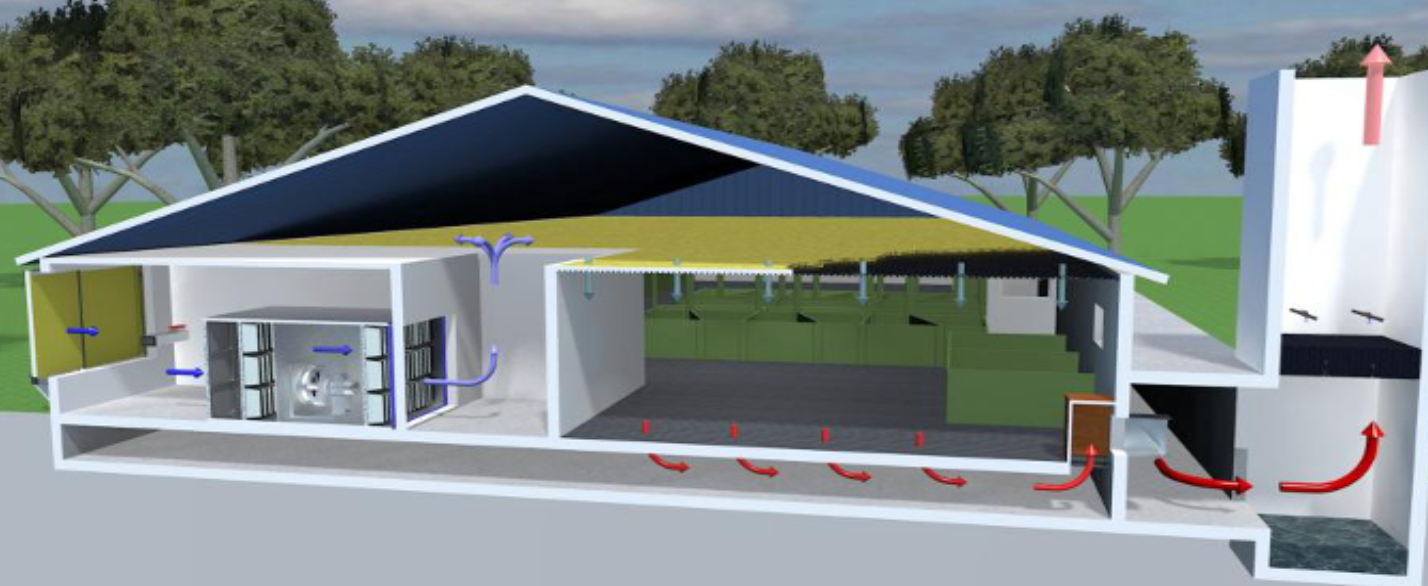
Livestock & Farming
Farming Environment Purification
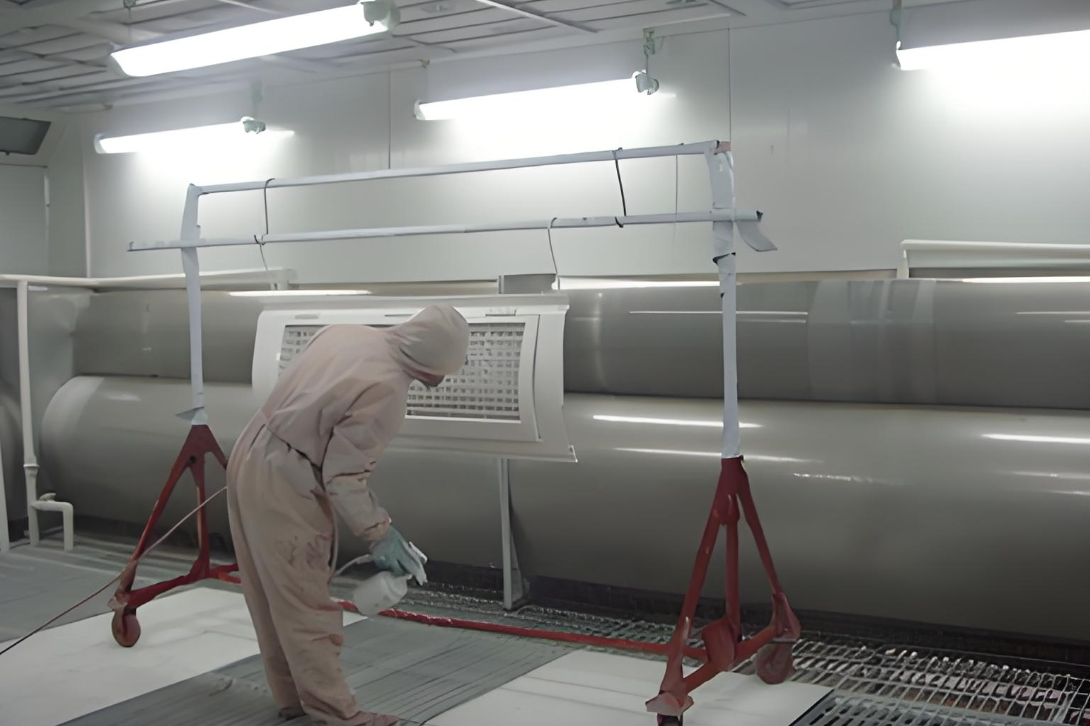
Spray Booths & Industrial Dust
Paint Mist & Dust Purification
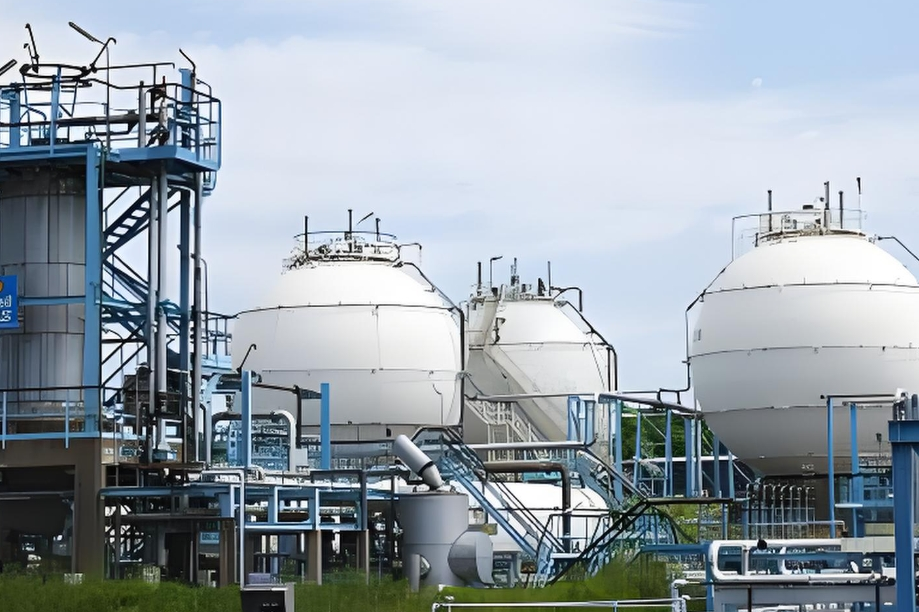
Filtration for Power Equipment
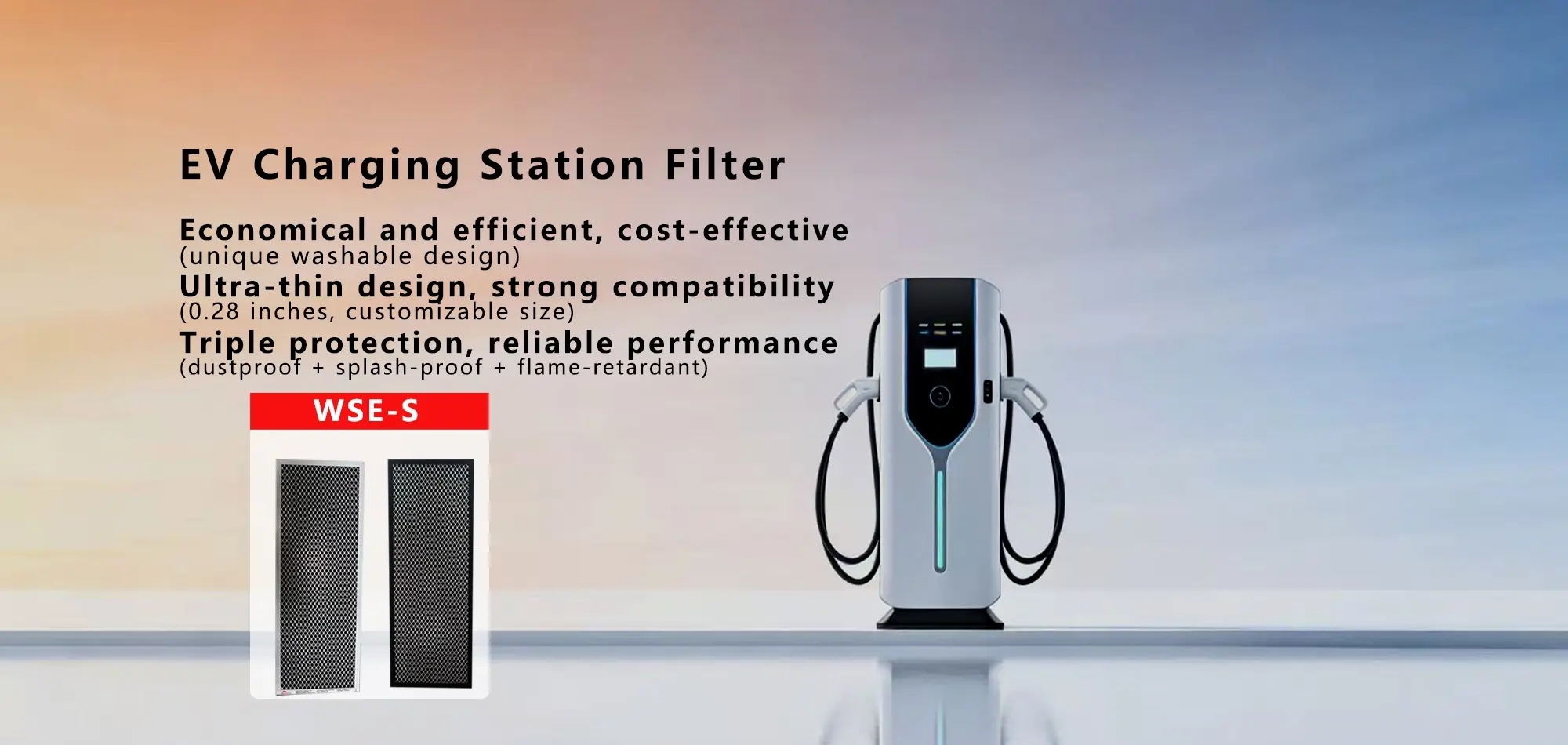
Professional air filtration for EV charging devices, protecting against dust and sand ingress to ensure stable, reliable operation of charging piles and station infrastructure.
View Related Products →Ultra-High Cleanliness Filtration
Ultra-high efficiency filtration for semiconductor wafer fabs and precision electronics cleanrooms, capturing nano-scale particles to meet ISO Class 1–3 standards and maximize product yield.
View Related Products →Central Air System Filtration
High-efficiency filtration for commercial building HVAC systems, improving indoor air quality, reducing energy consumption, and extending equipment service life.
View Related Products →Precision Equipment Protection
Precision air filtration for data centers, shielding servers and critical hardware from dust contamination to keep cooling systems running efficiently and reliably.
View Related Products →Farming Environment Purification
Dedicated filtration systems for farms and livestock facilities — capturing dust, adsorbing ammonia, and inhibiting pathogen spread to improve animal health and overall productivity.
View Related Products →Paint Mist & Dust Purification
Designed for spray booths and grinding workshops, efficiently capturing paint mist, metal dust, and wood chips to meet emission standards while protecting finished surface quality.
View Related Products →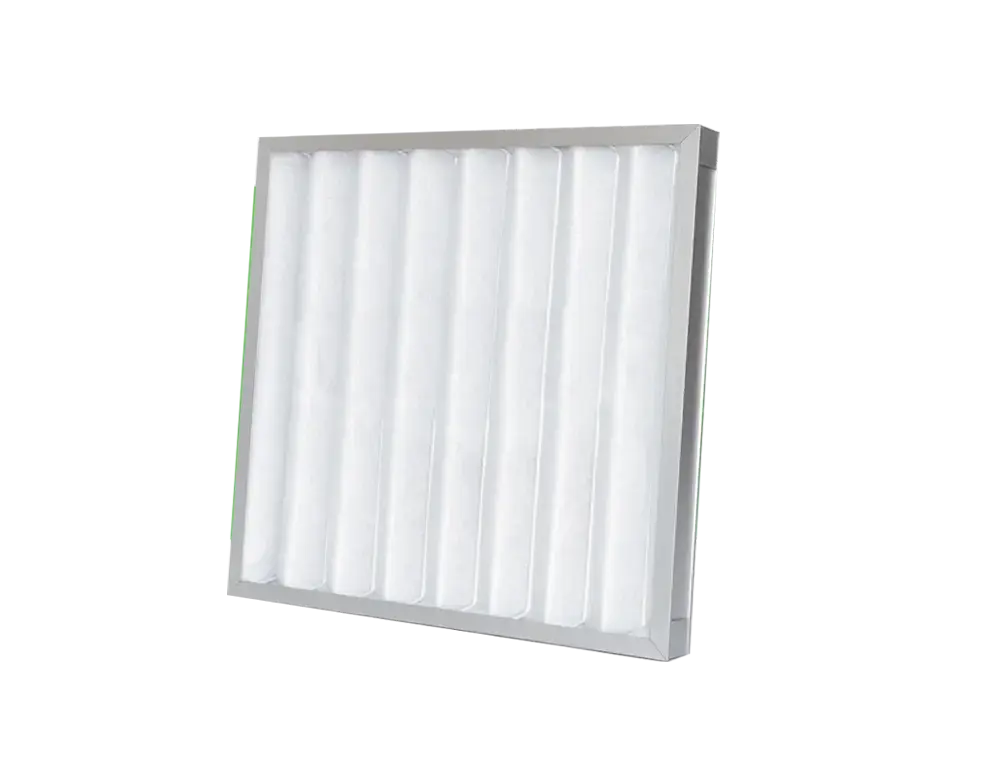
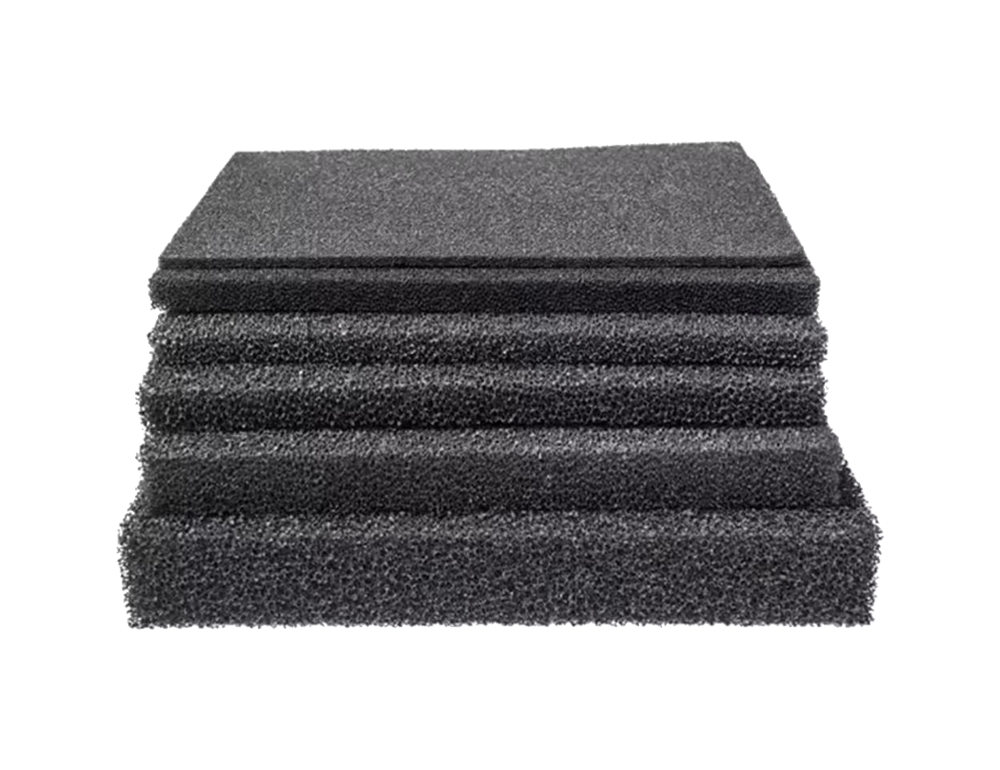
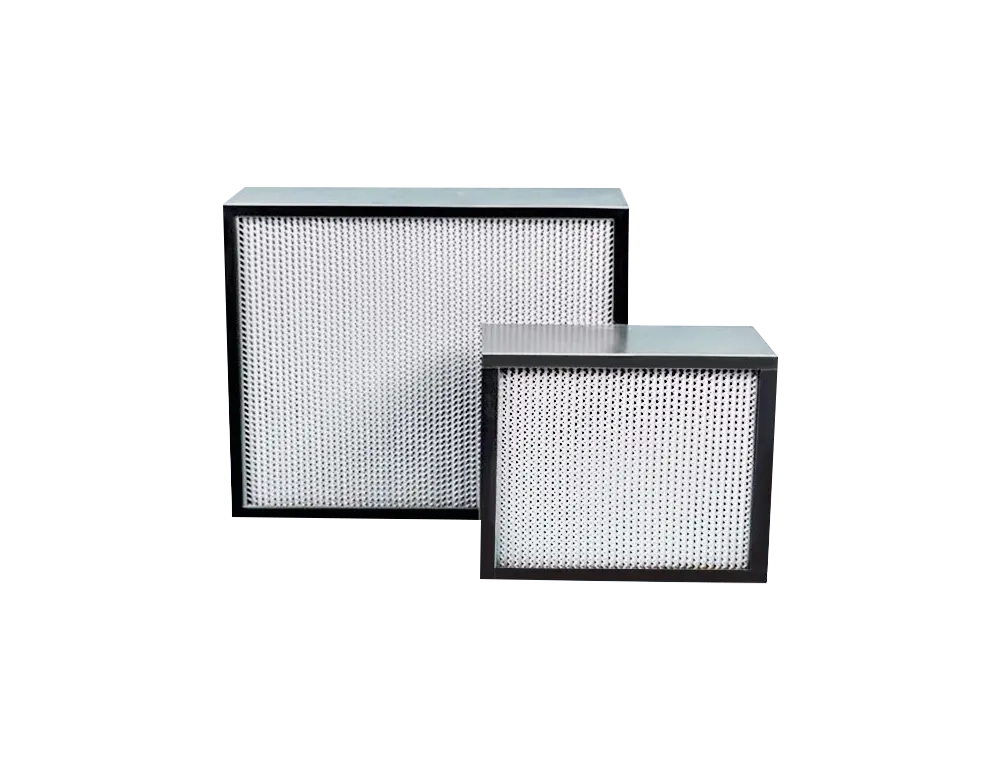
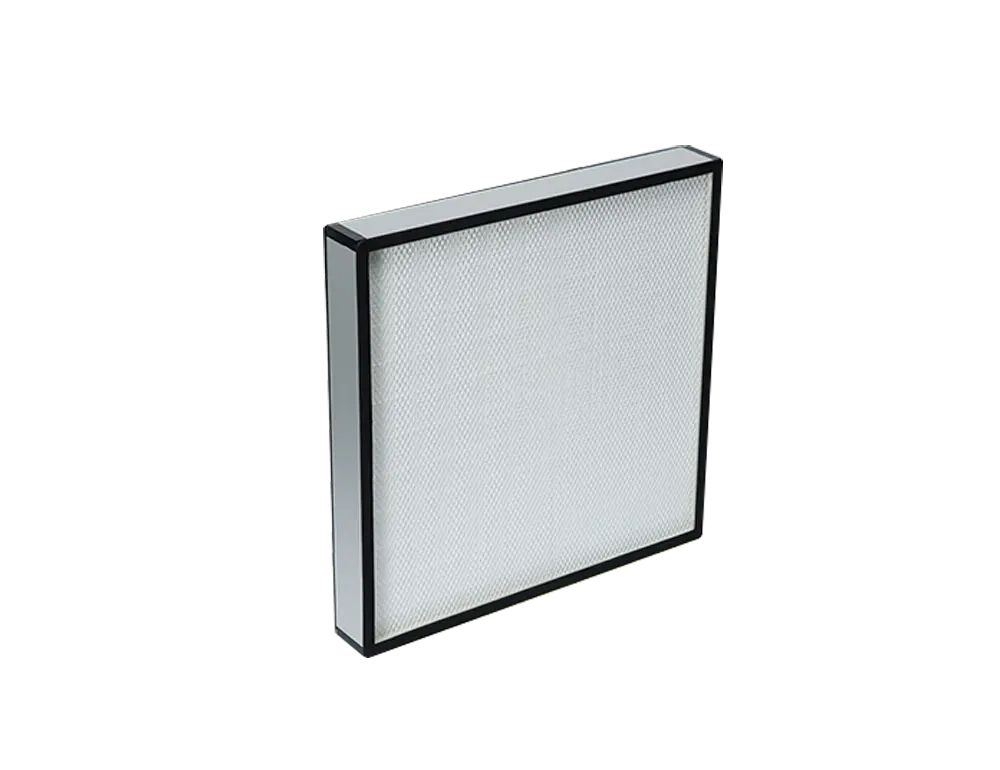
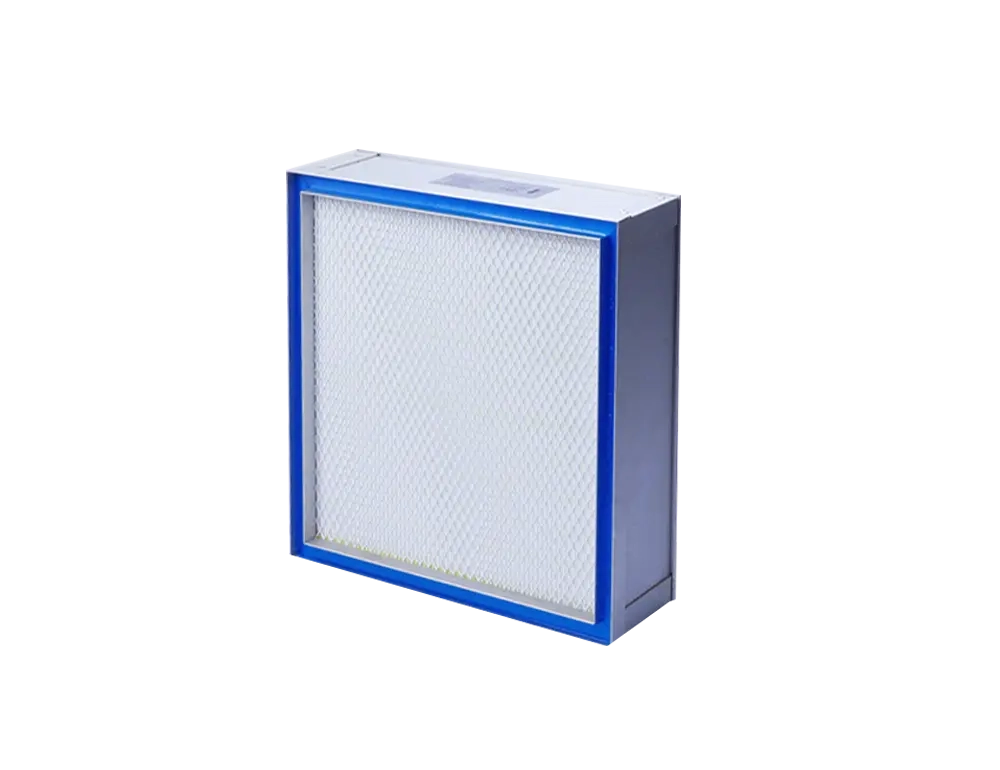
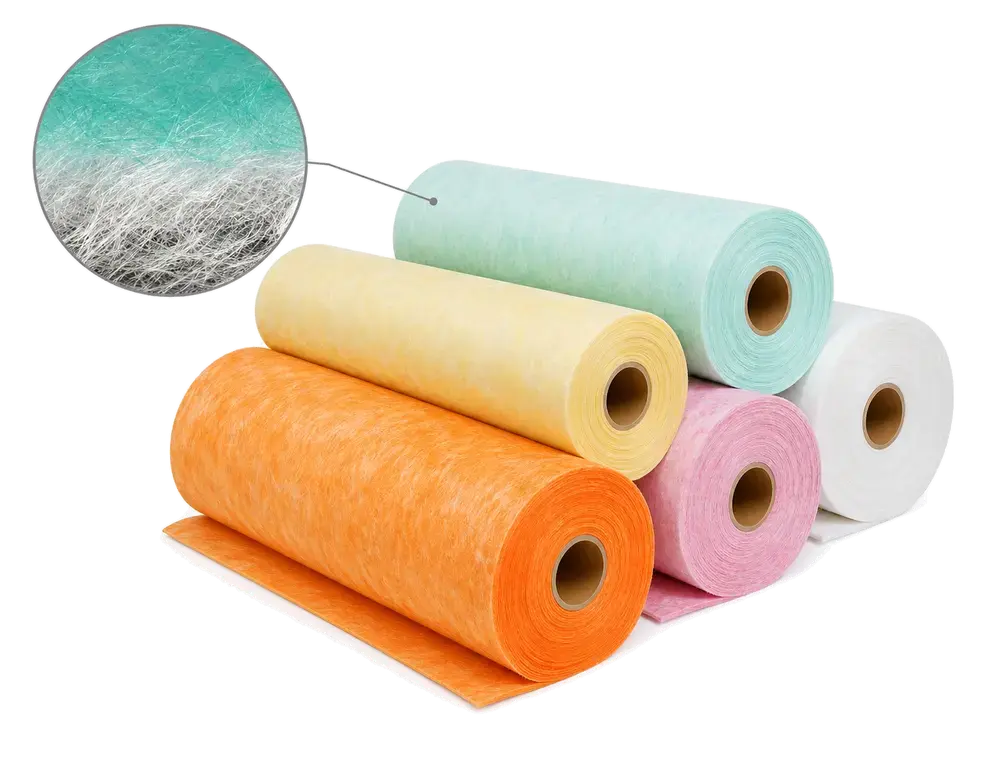
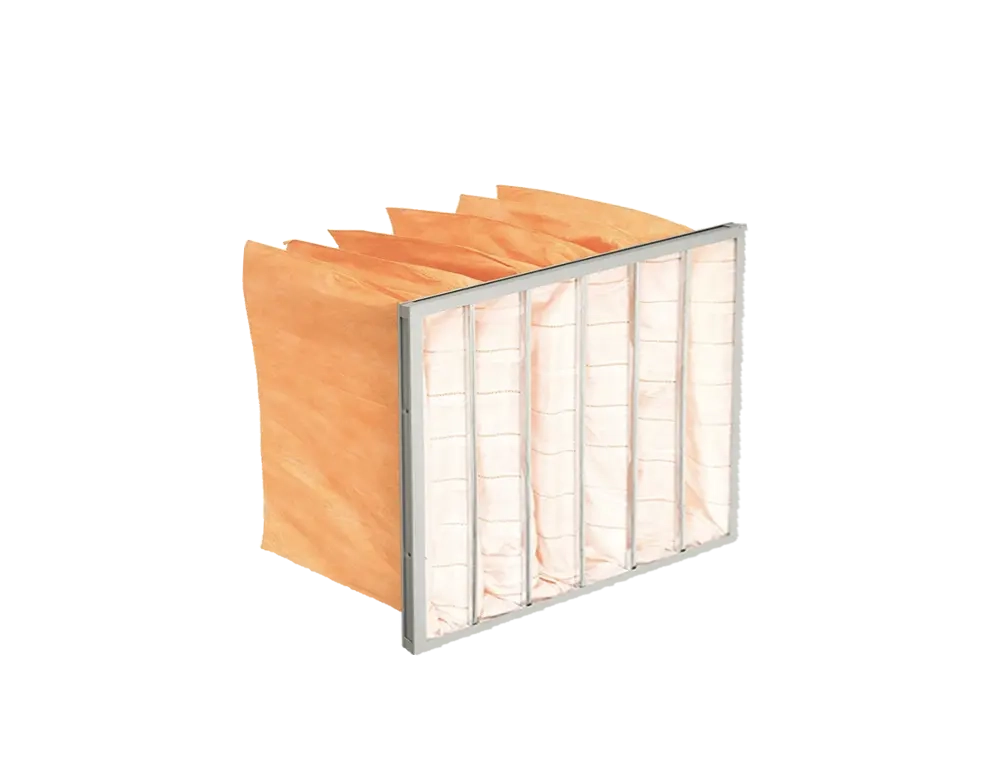
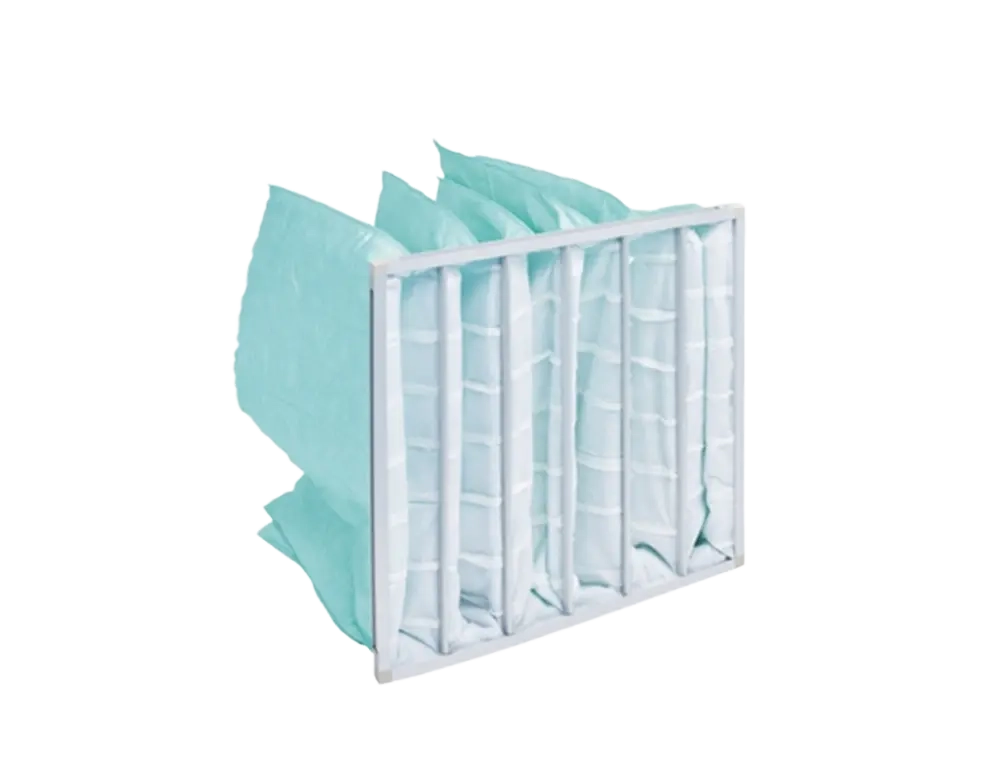
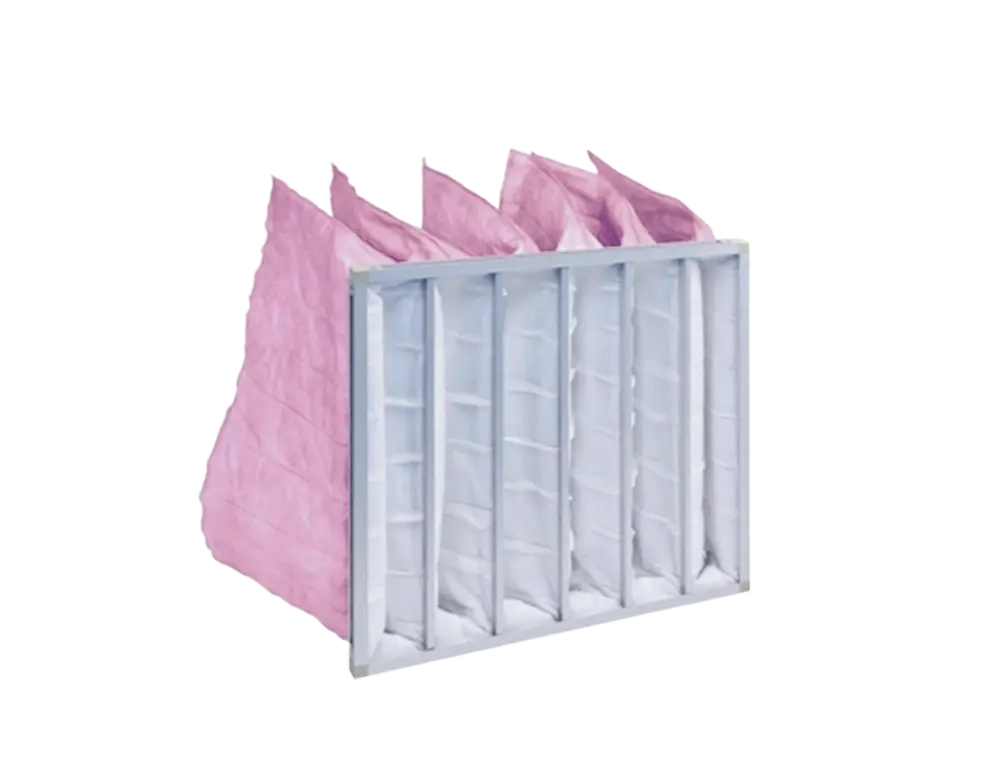
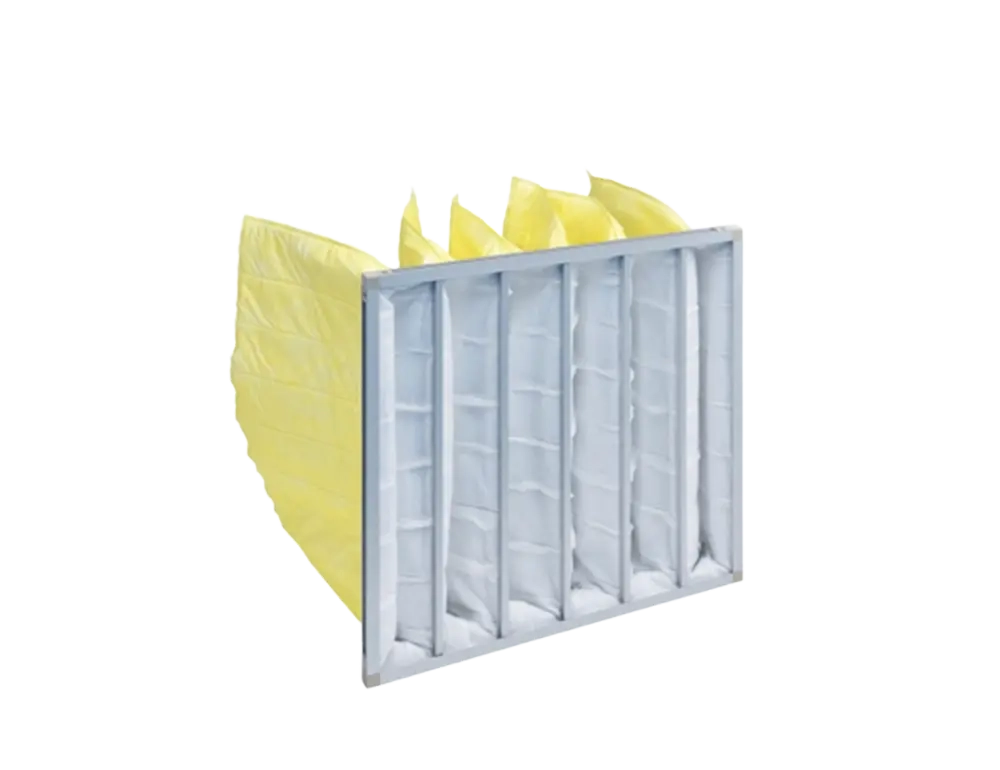
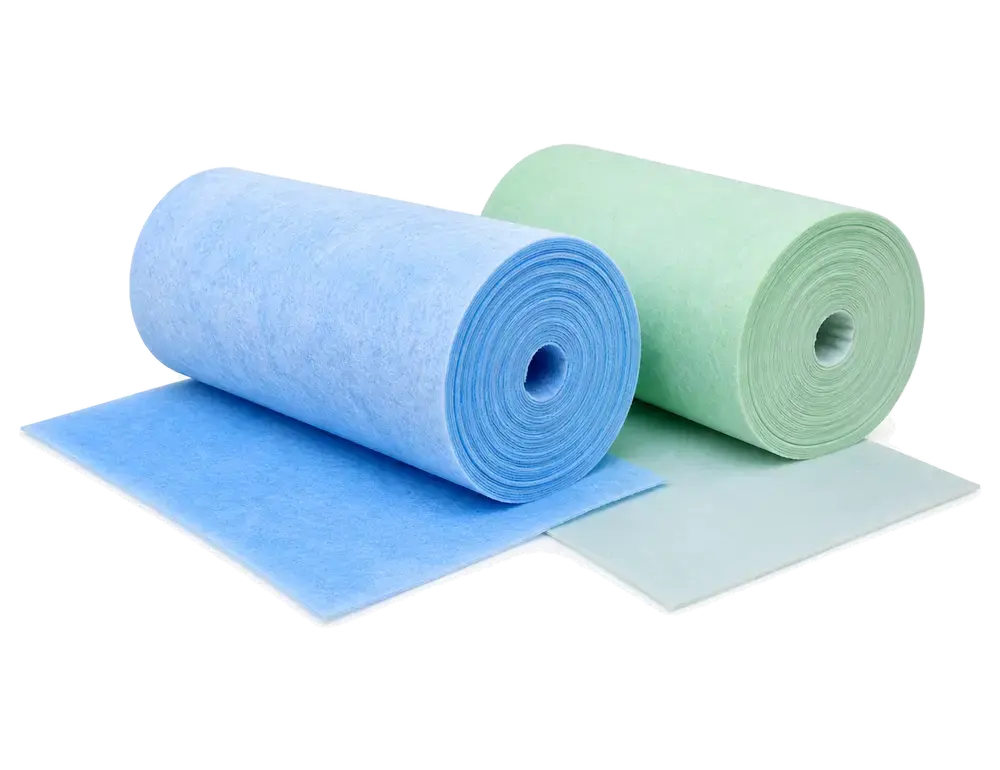
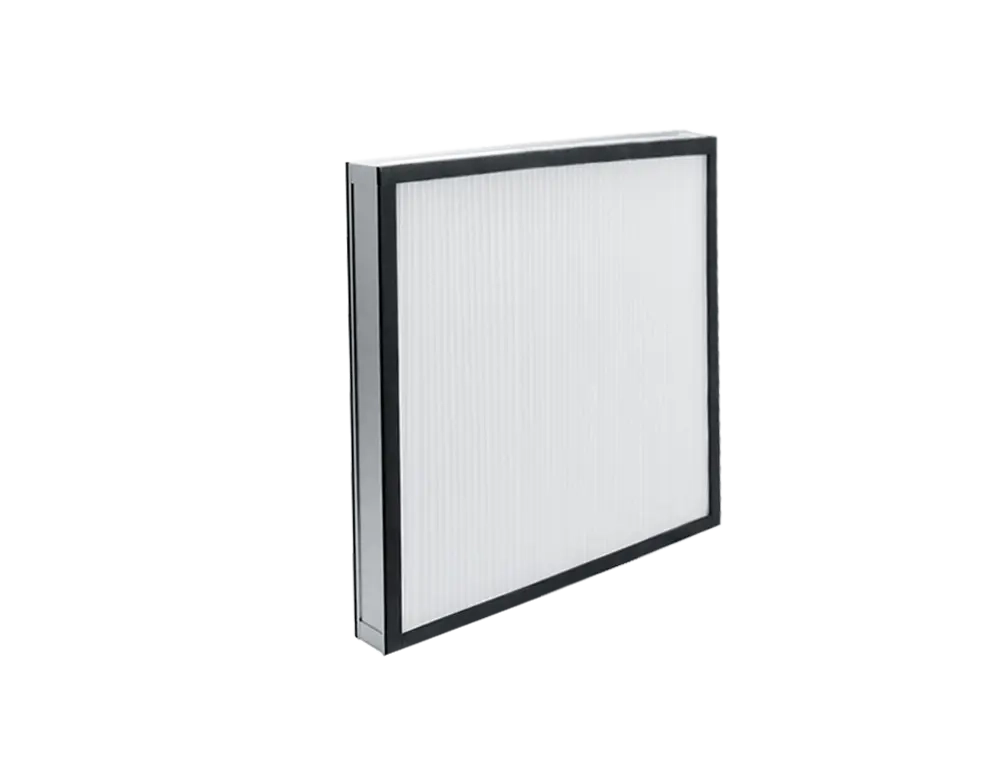
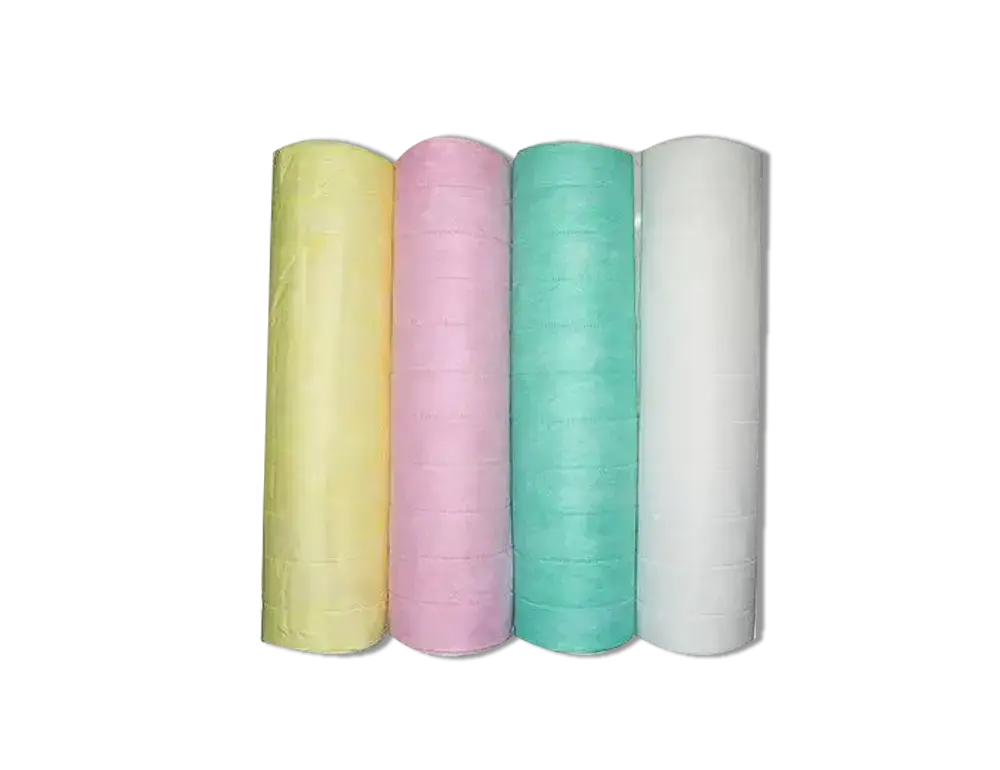
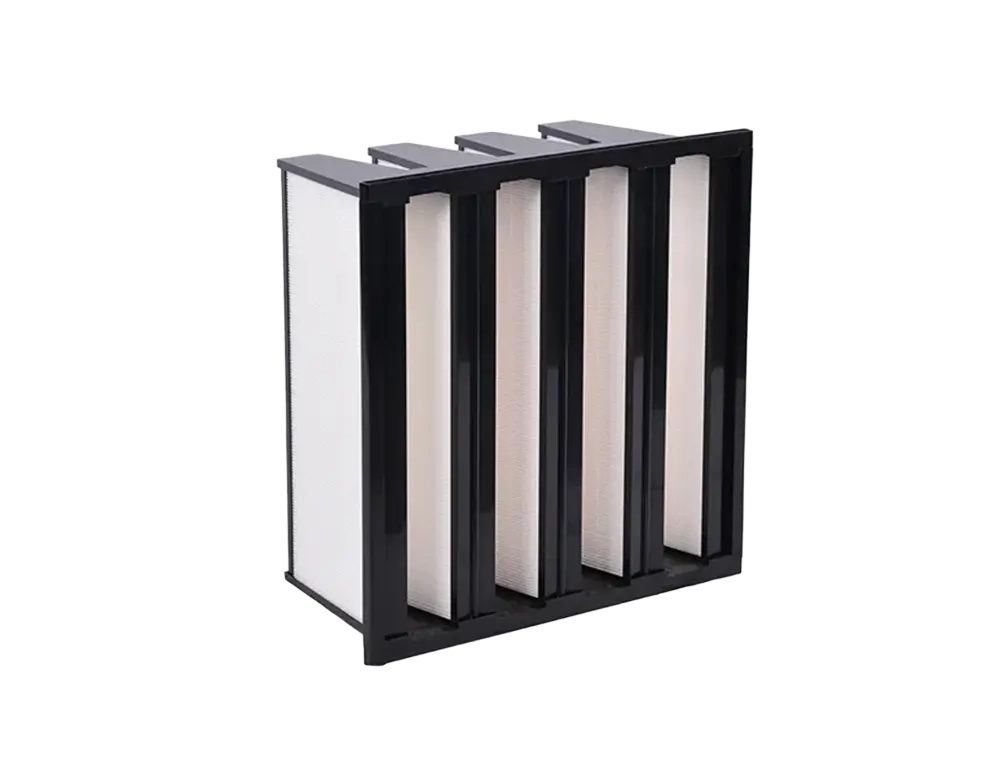
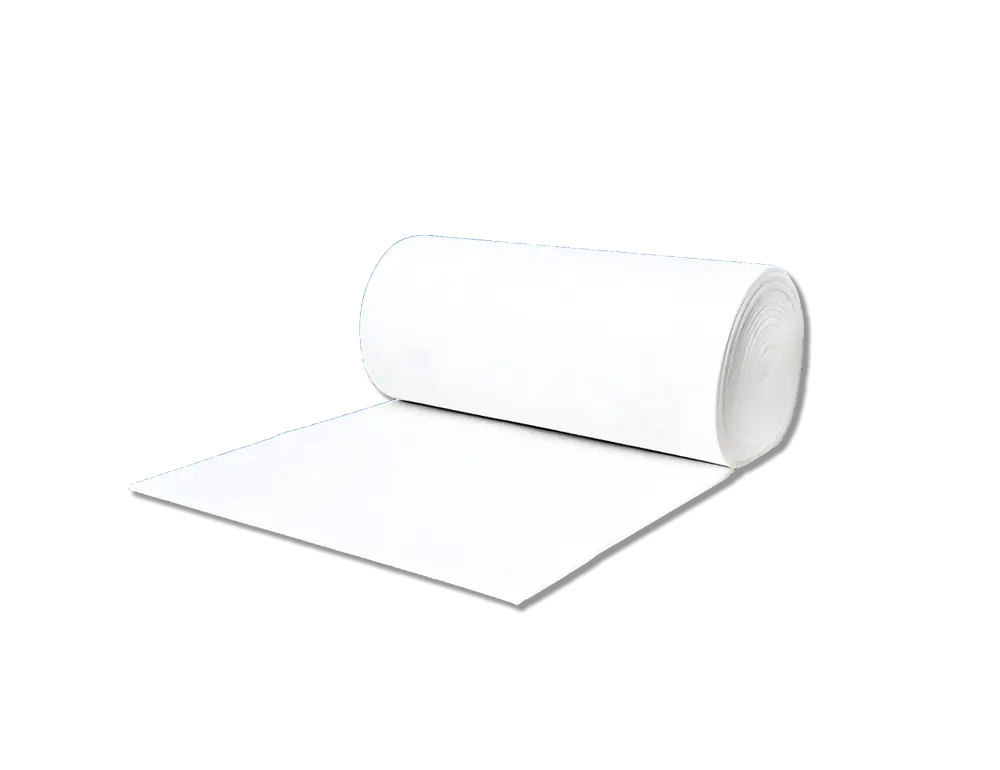
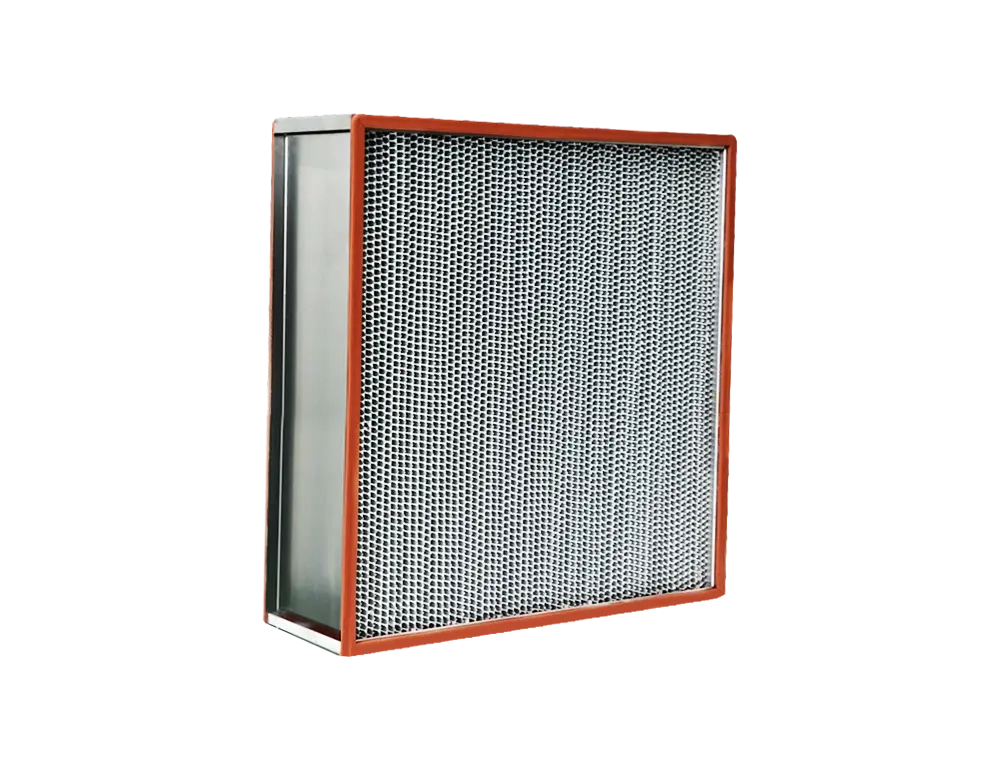
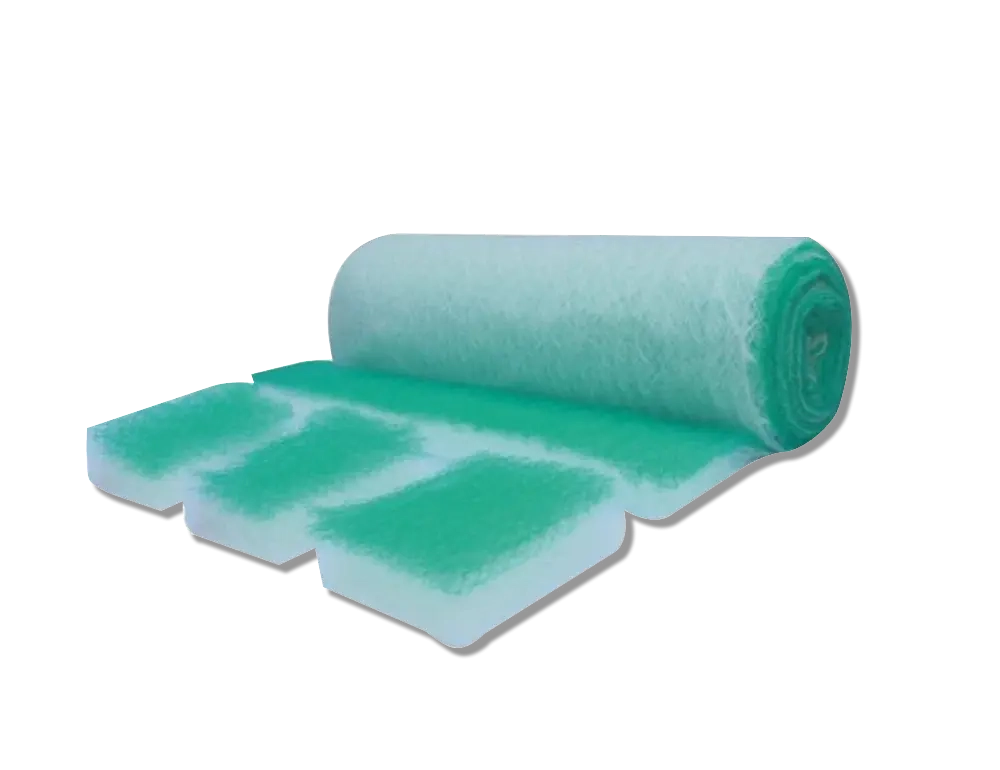
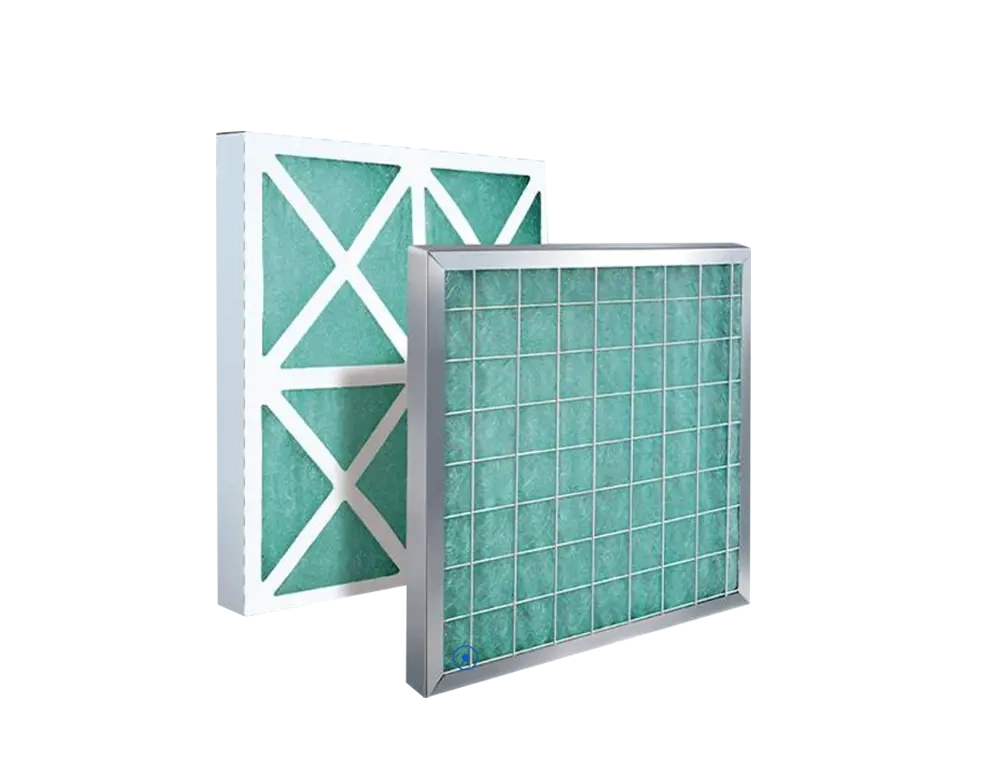
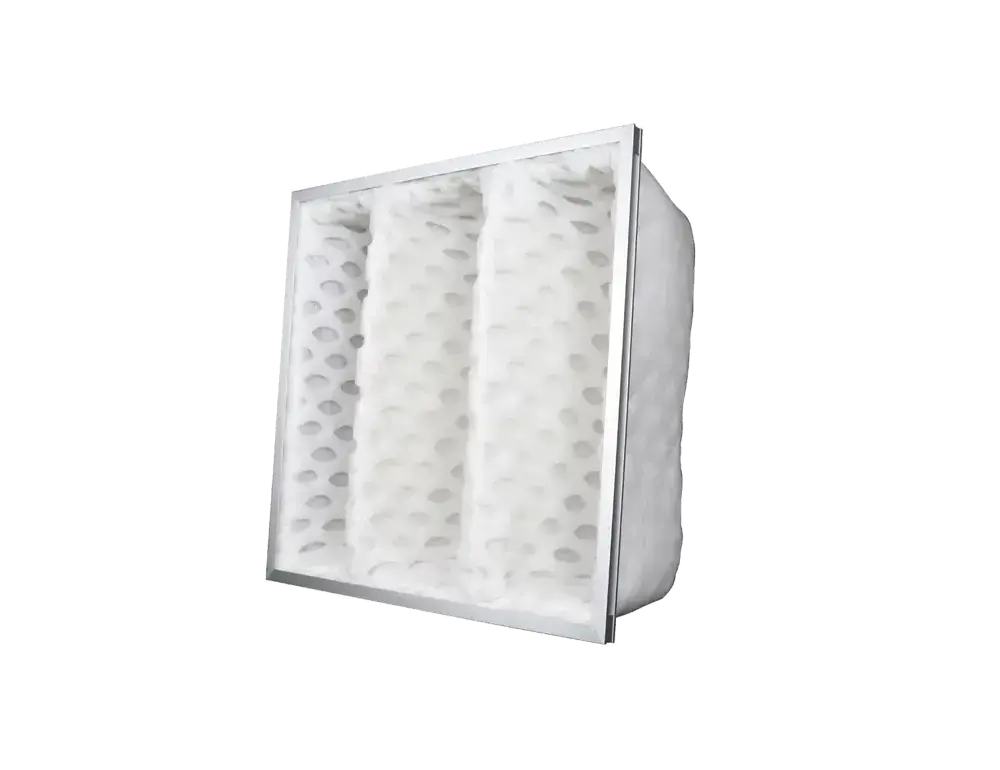
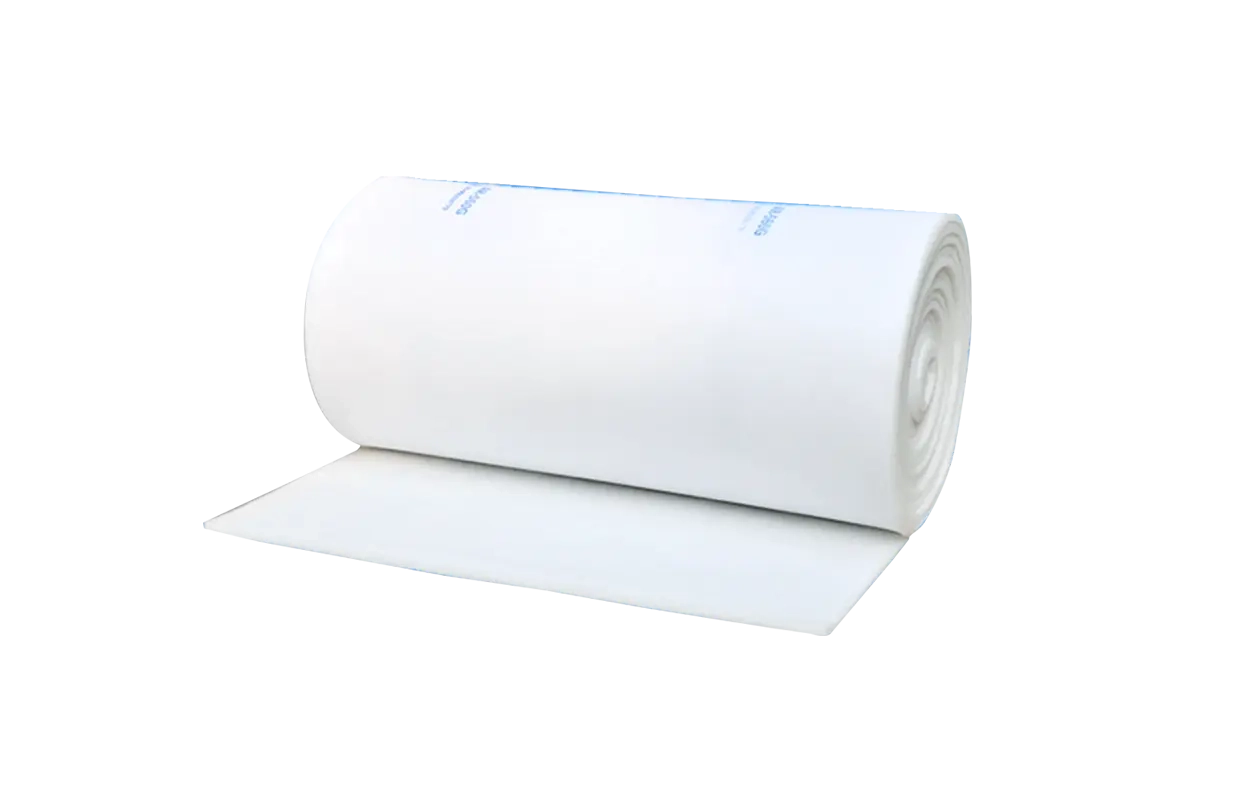
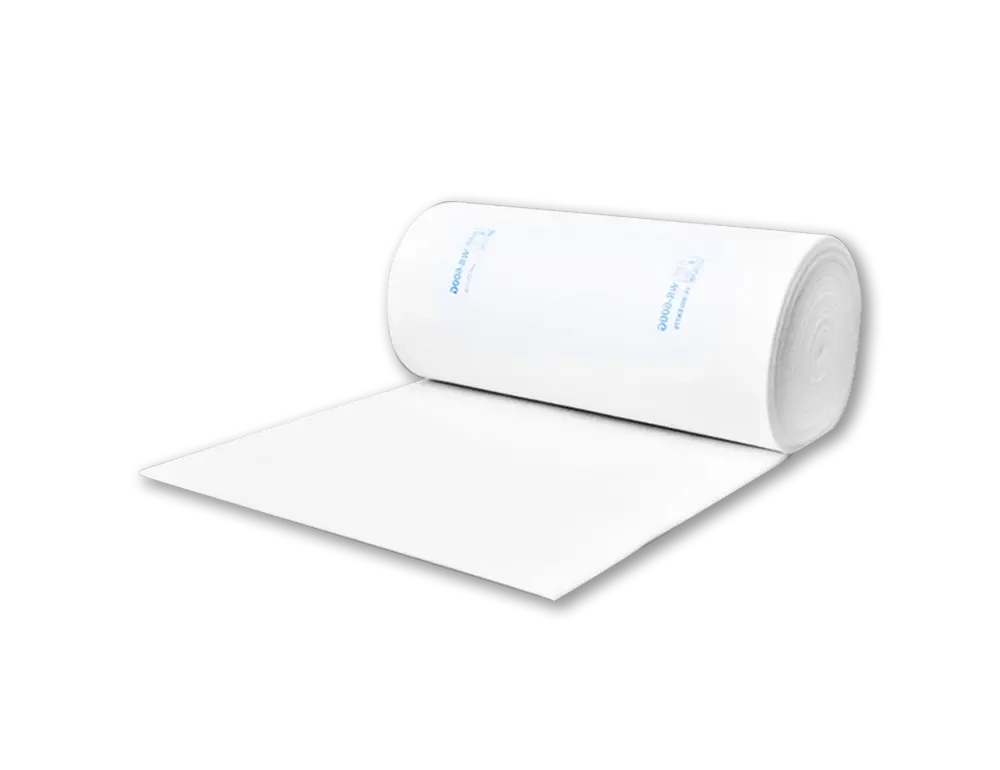
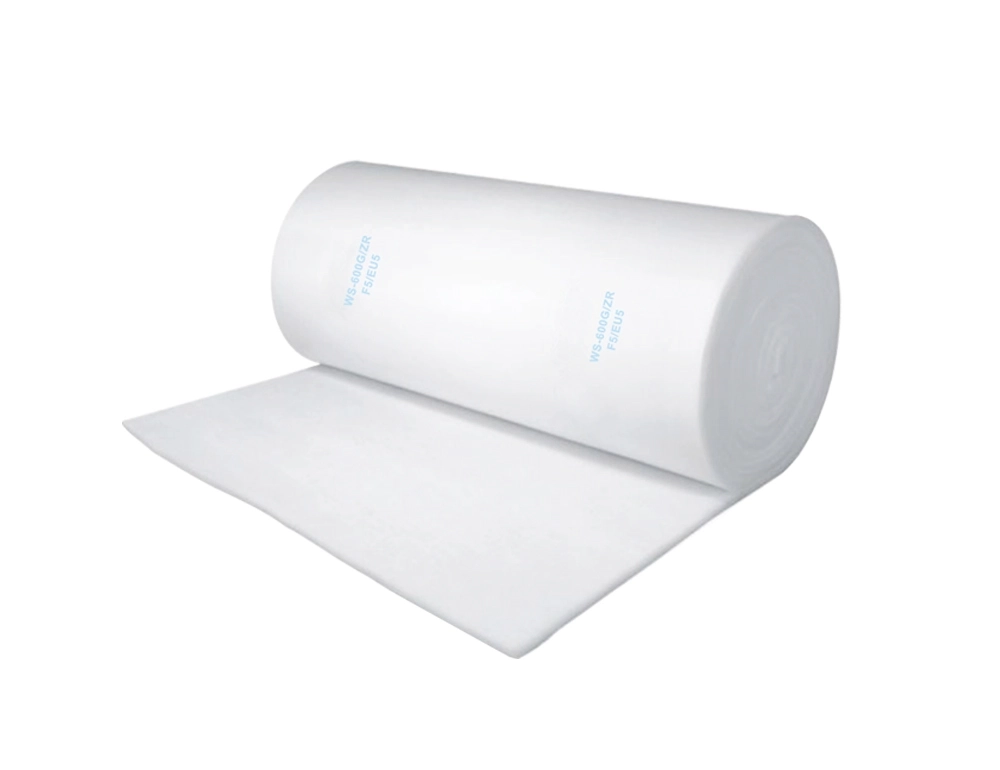
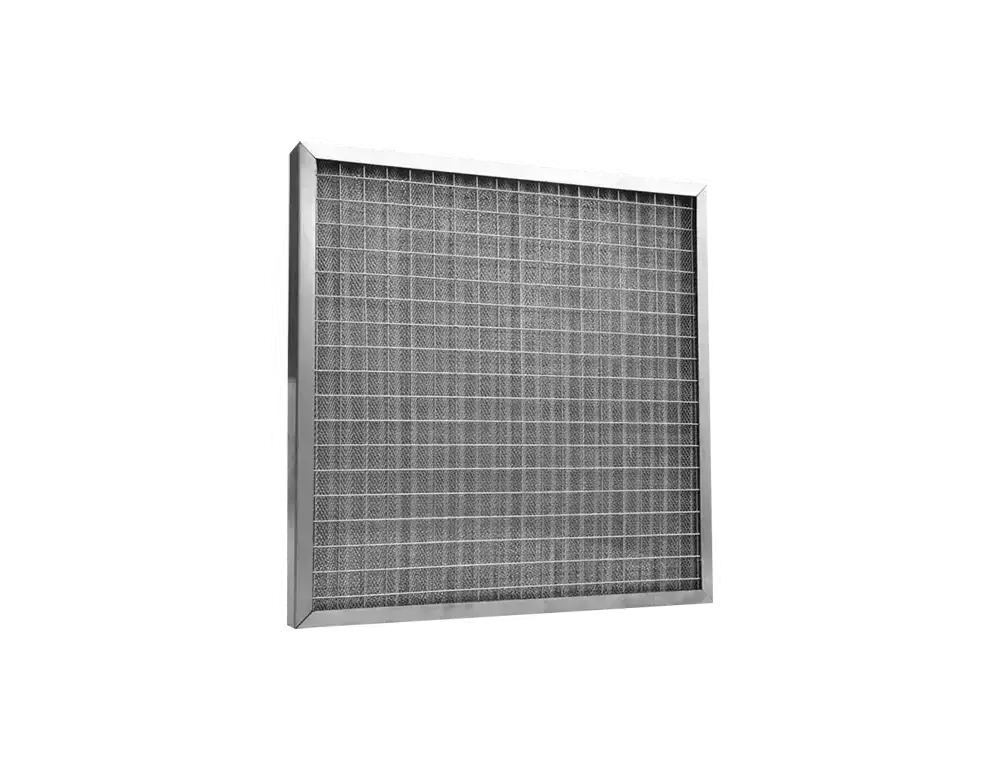
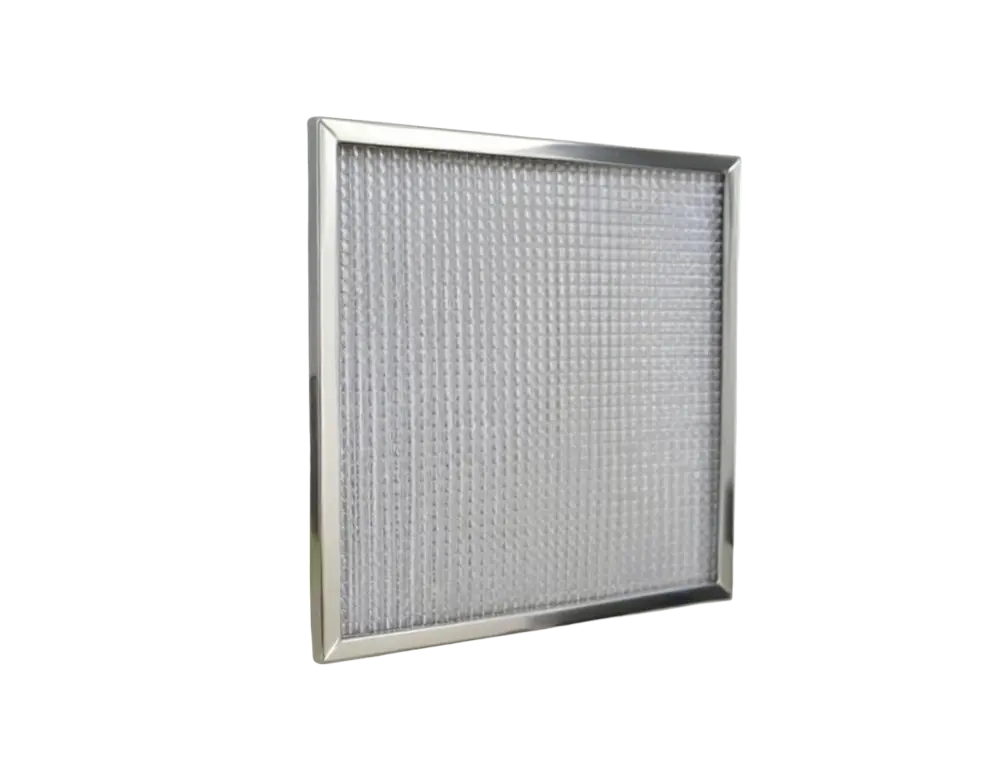
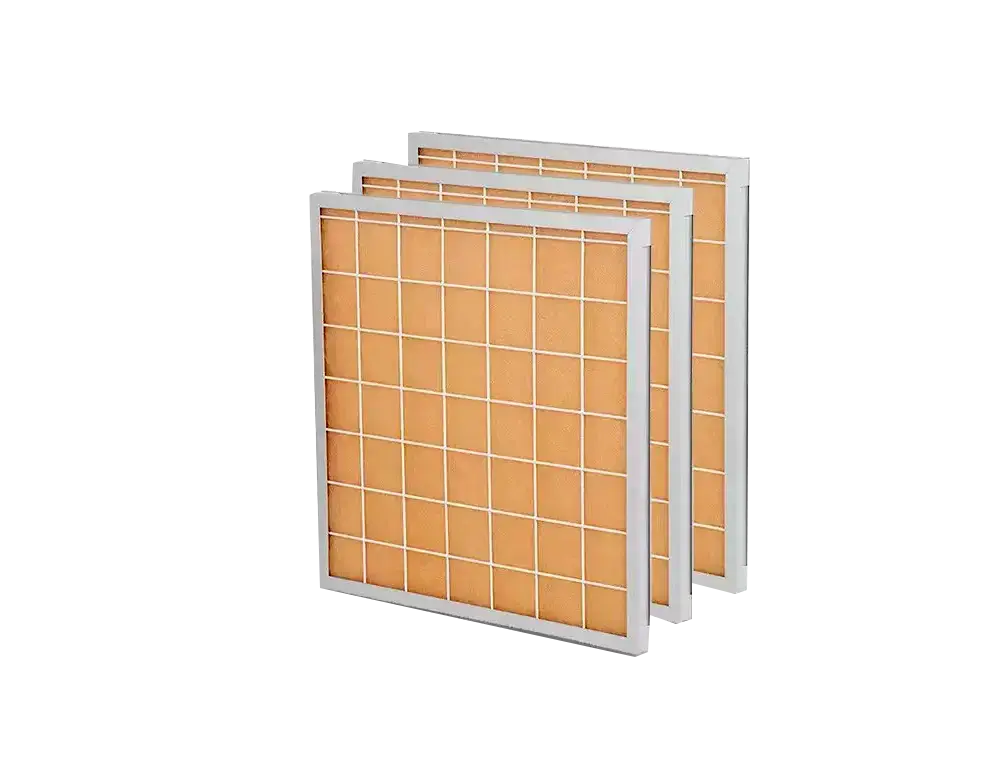
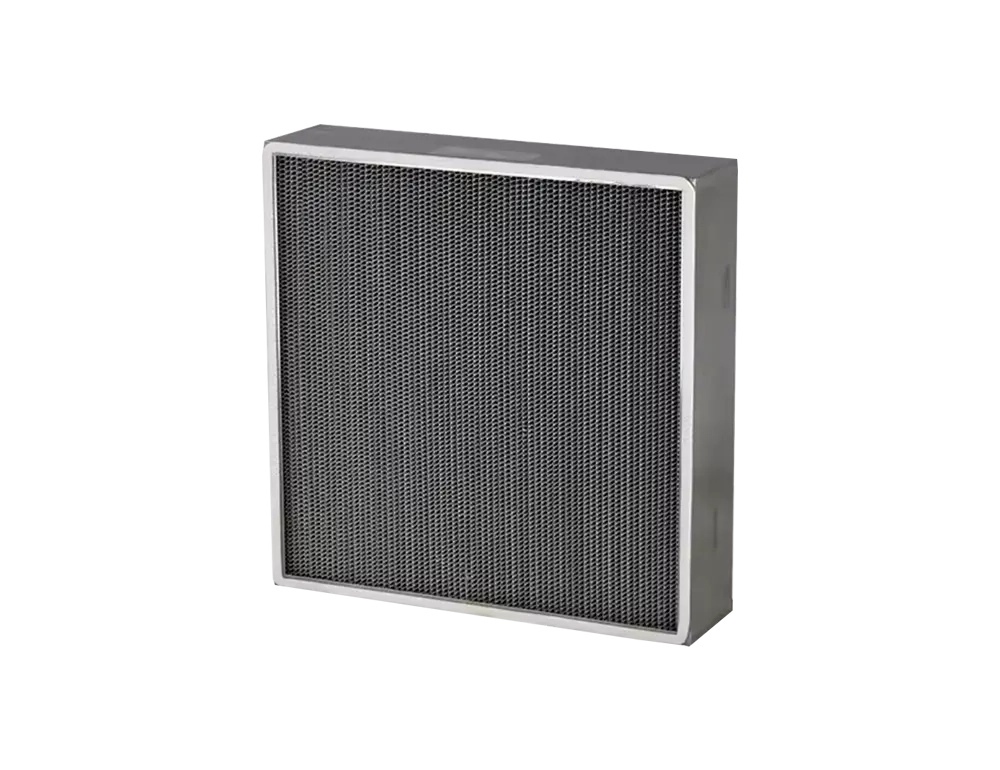
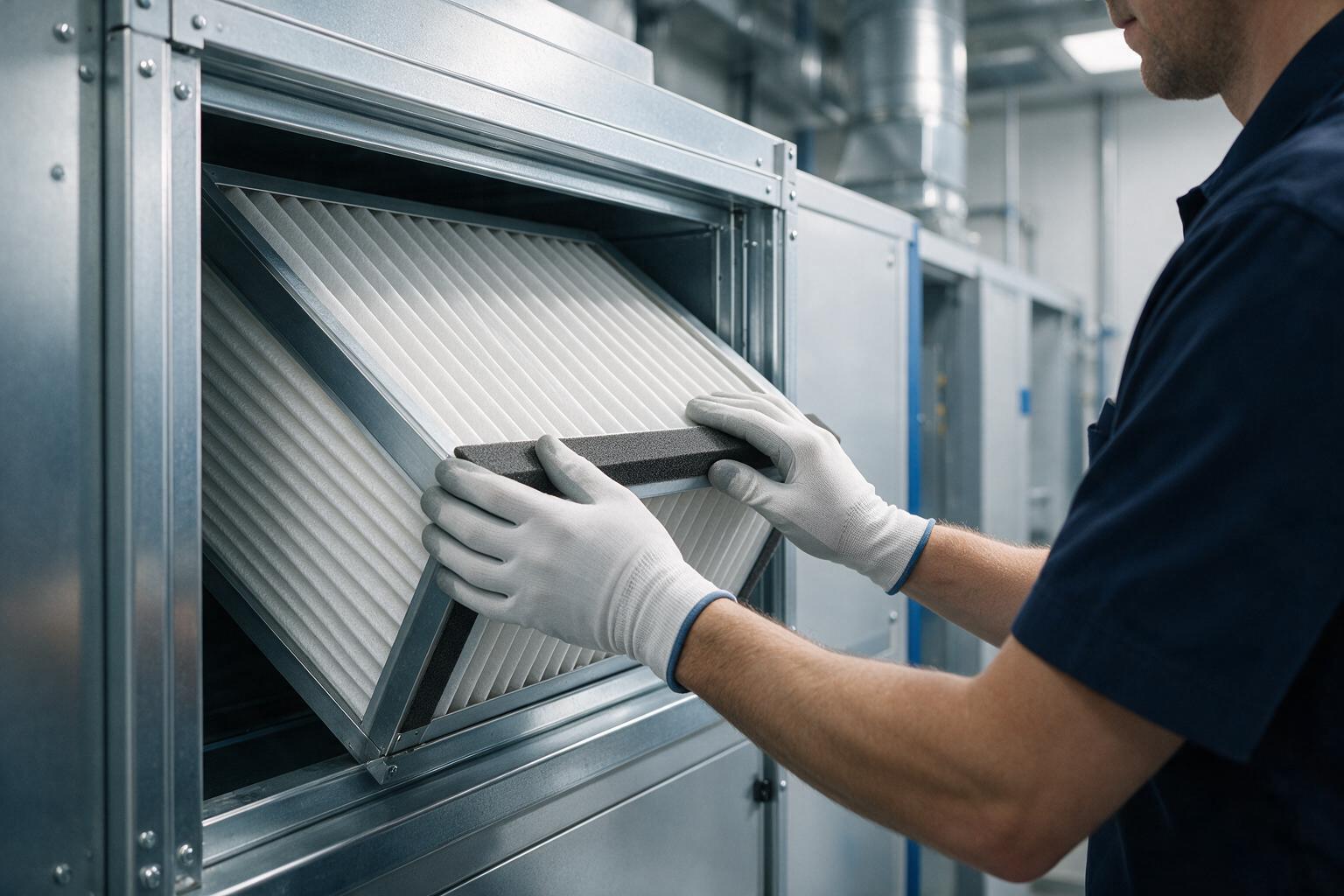
Pre-Filter (G1–G4)
First-Stage Large-Particle Capture
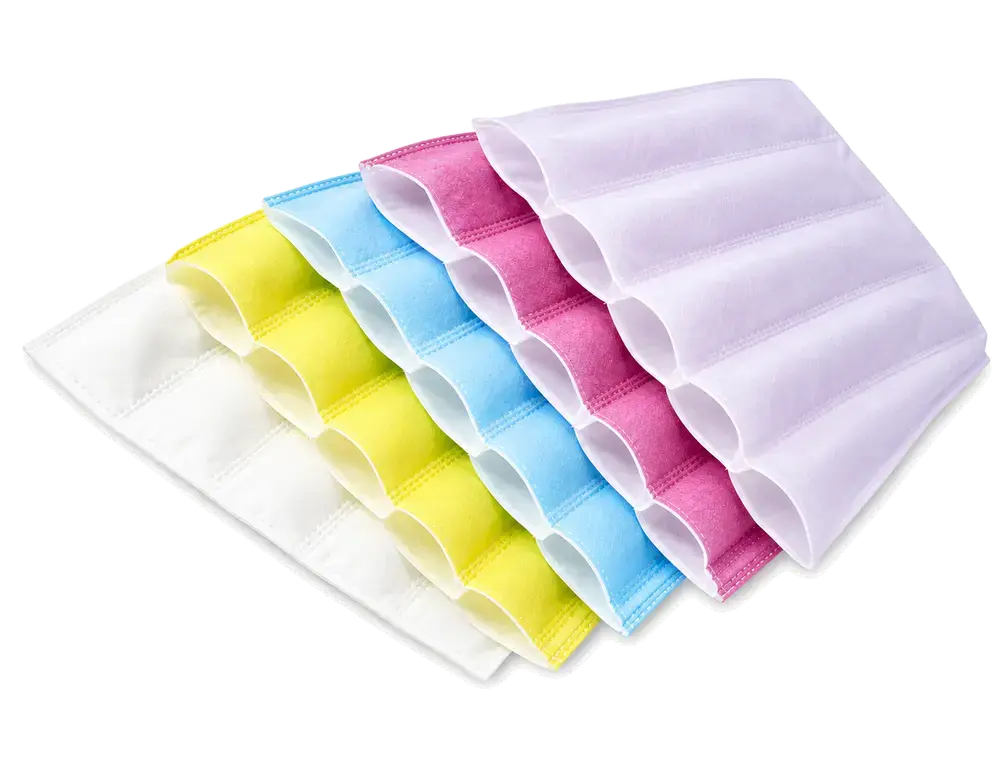
Medium-Efficiency Filter (F5–F9)
Precise PM2.5 Capture
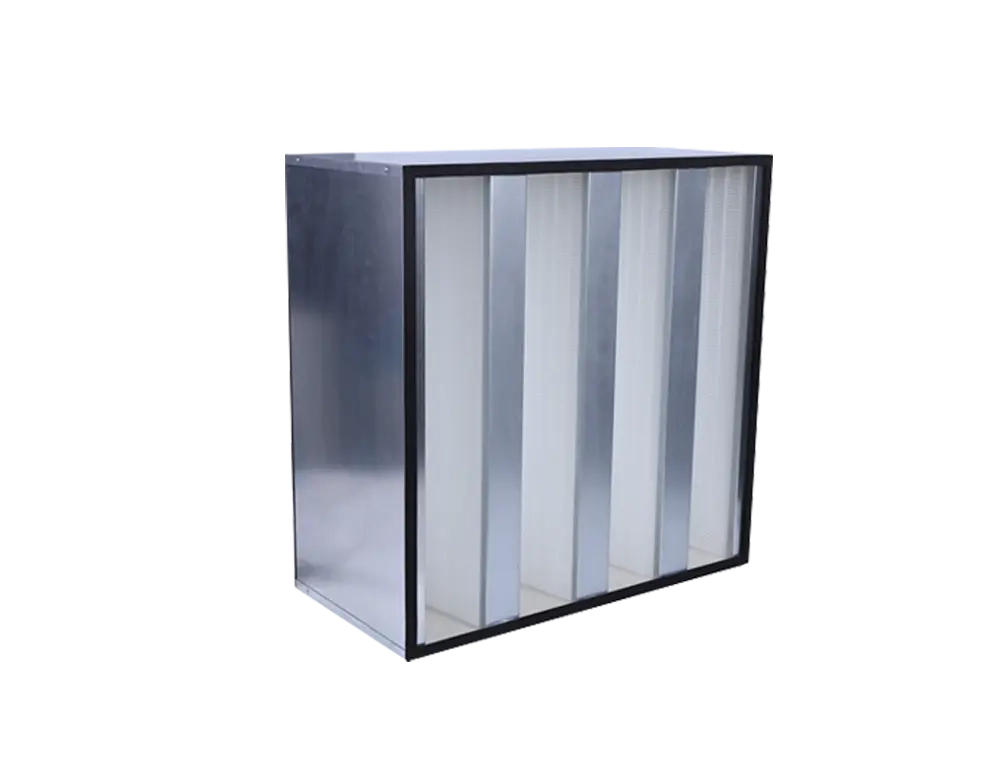
HEPA High-Efficiency Filter
Sterile-Grade Purification
ULPA Ultra-High Efficiency Filter
Sub-Micron Particle Capture
First-Stage Large-Particle Capture
The first line of defense, capturing particles ≥5 μm such as dust, hair, and fibers to protect downstream filters and extend overall system service life.
View Related Products →Precise PM2.5 Capture
Captures fine particles of 1–5 μm including PM2.5, pollen, and mold spores, significantly improving indoor air quality for commercial HVAC and ventilation systems.
View Related Products →Sterile-Grade Purification
≥99.97% filtration efficiency for particles ≥0.3 μm, delivering sterile-grade clean air widely used in medical, pharmaceutical, and electronics manufacturing.
View Related Products →Sub-Micron Particle Capture
≥99.9995% efficiency for particles ≥0.12 μm, meeting the extreme cleanliness demands of semiconductor fabs, aerospace, and other ultra-precision applications.
View Related Products →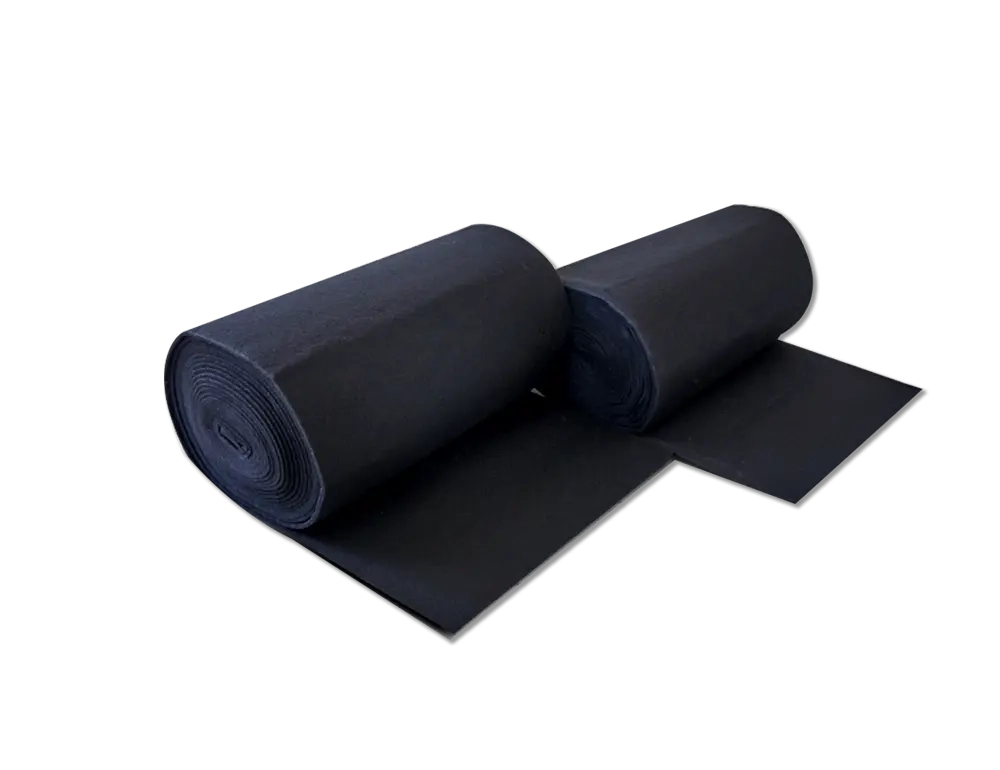
High-Temperature Resistant
Industrial-Grade Heat Tolerance
Washable & Reusable
Cut Costs, Reduce Waste
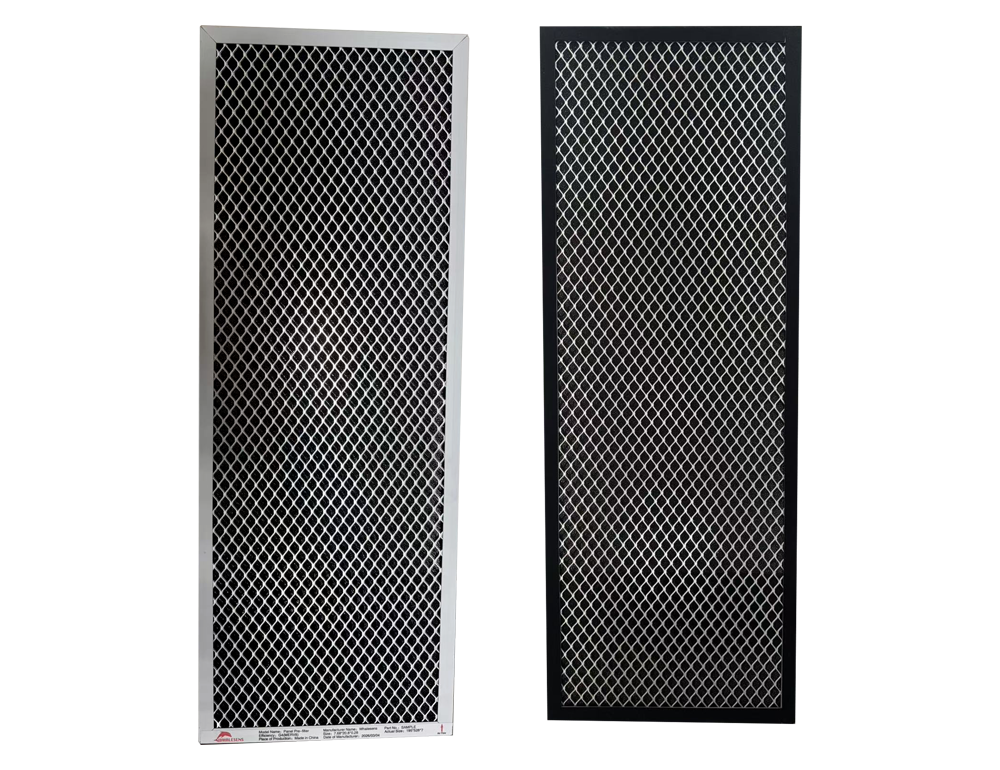
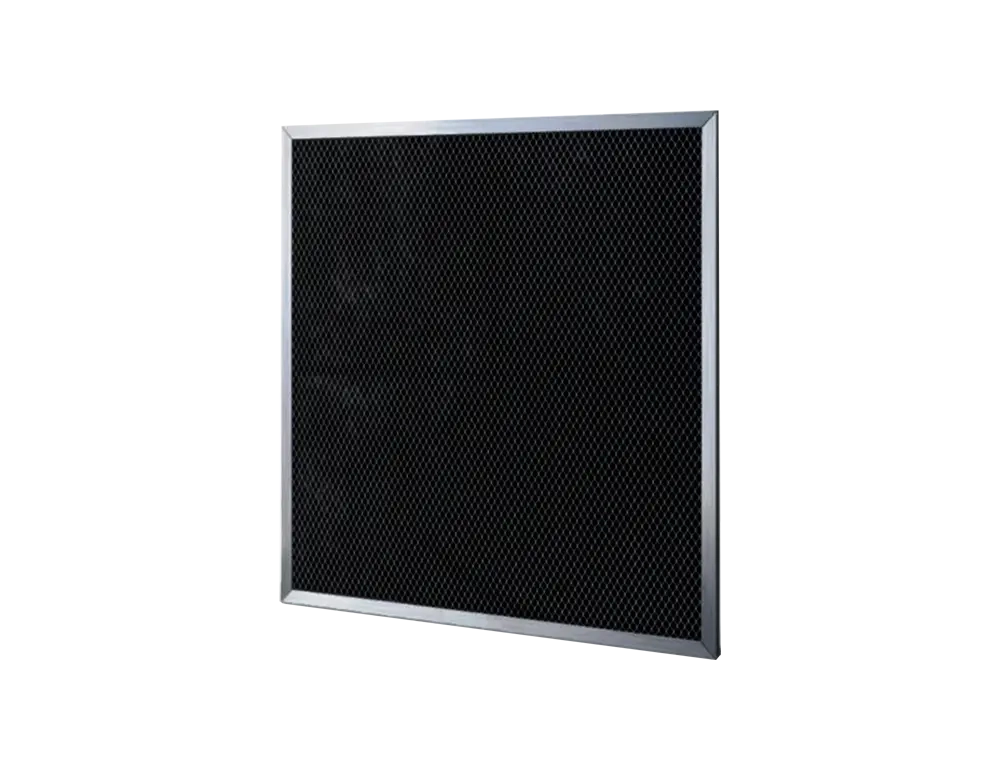
Activated Carbon
Odor & Harmful Gas Removal
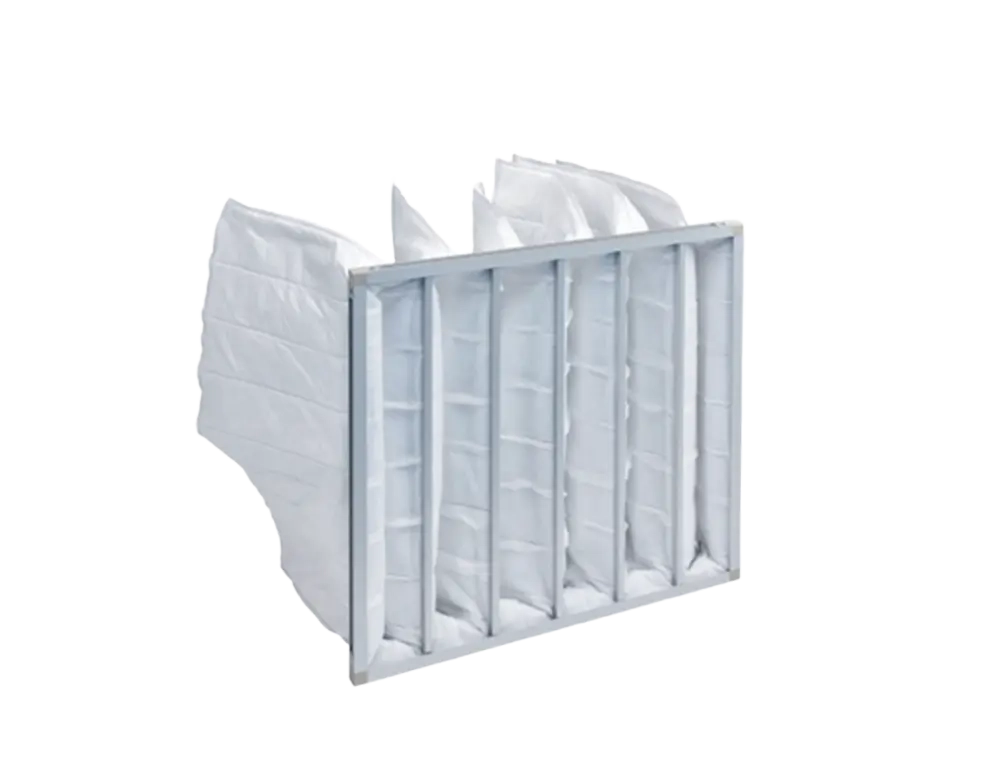
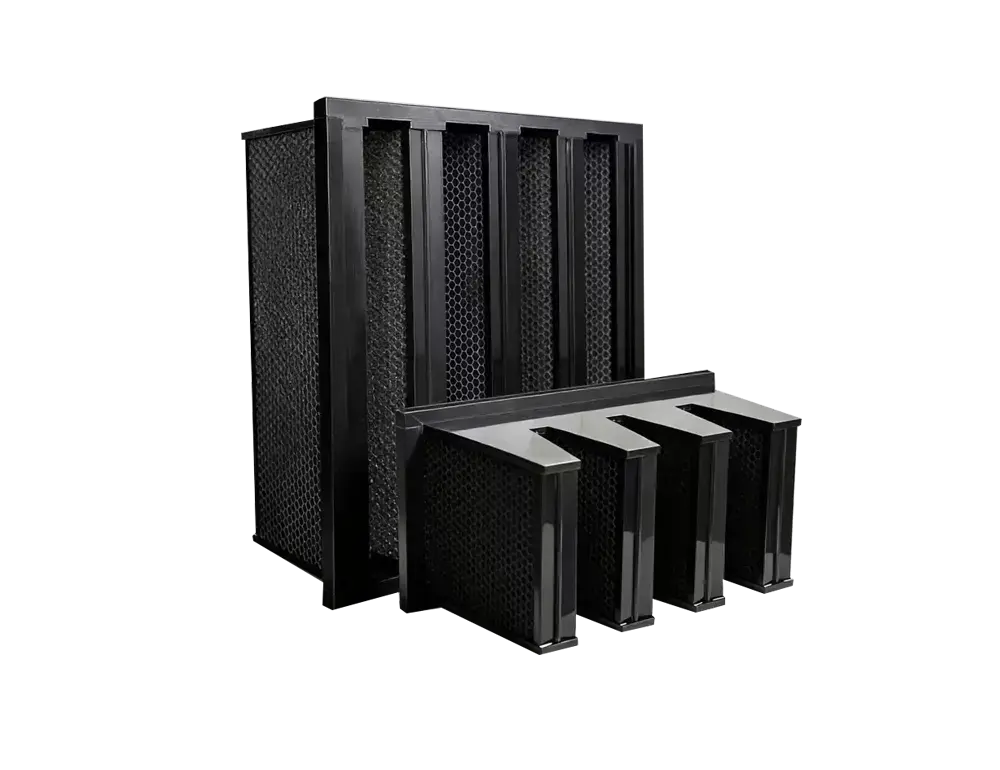
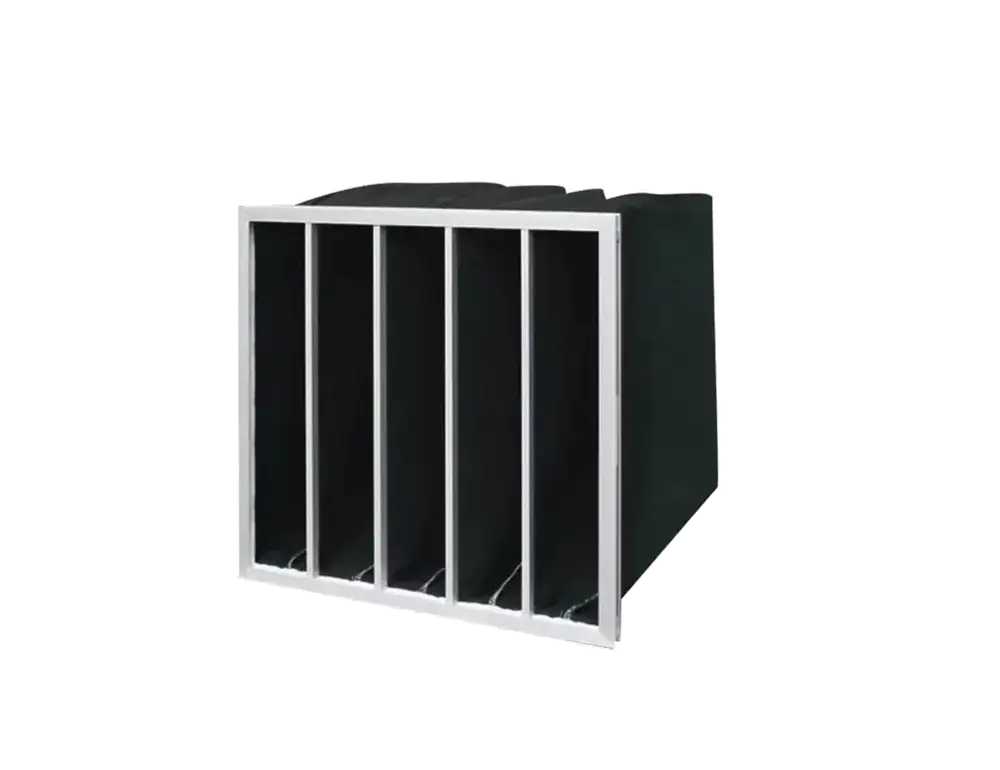
Bag Filter
High Dust-Holding, Long Life
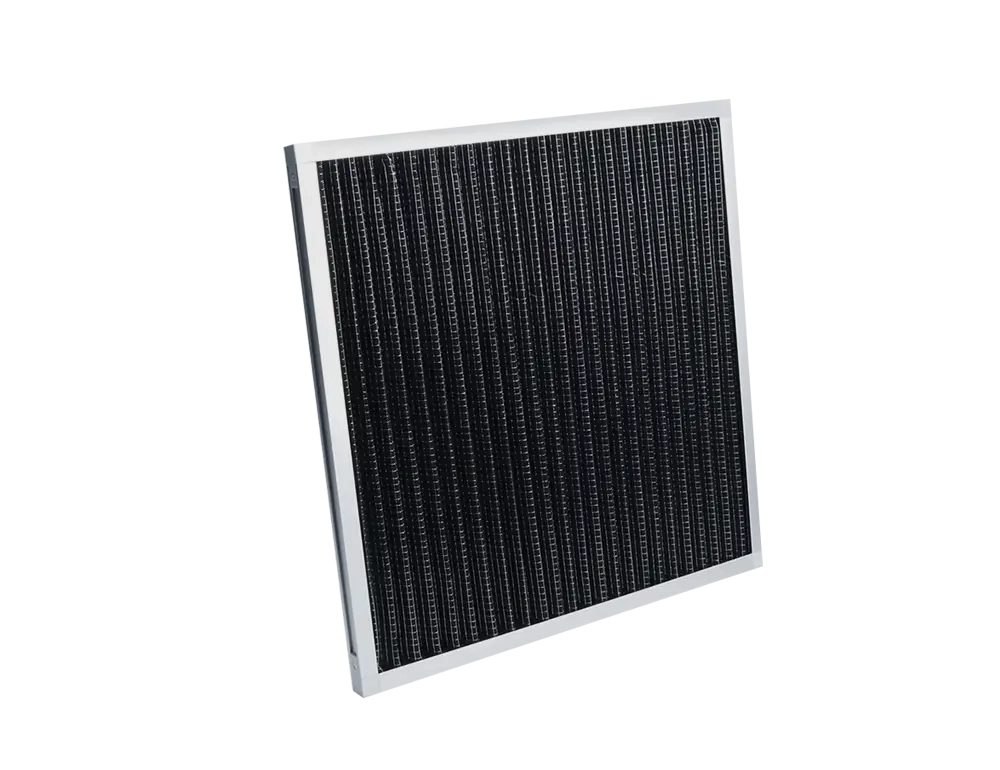
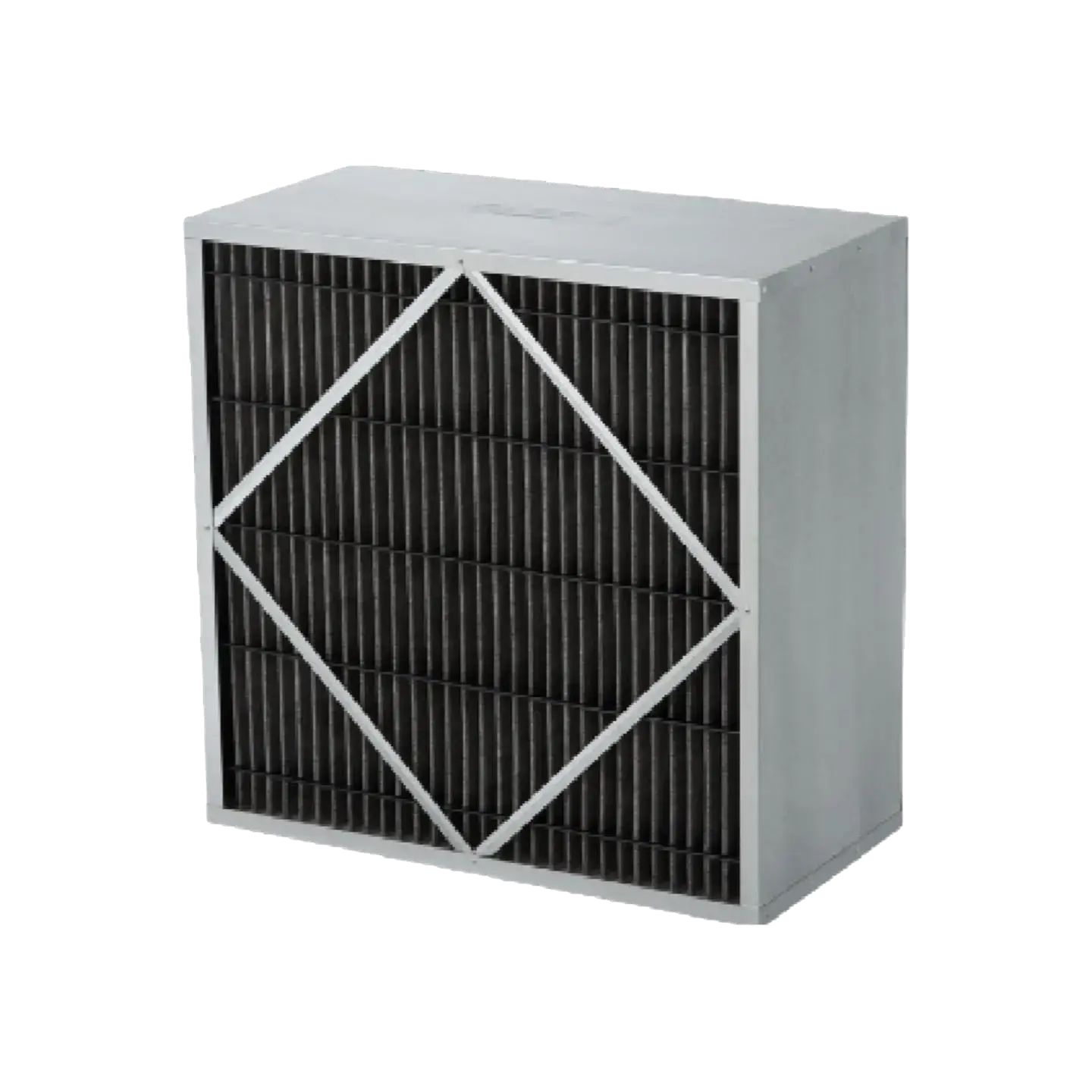
Panel / Pleated Filter
Compact Space-Saving Design
Low-Resistance Airflow
Energy-Saving Operation
Industrial-Grade Heat Tolerance
Built with specialized heat-resistant materials, operating stably up to 250°C for paint ovens, industrial dryers, and high-temperature process environments.
View Related Products →Cut Costs, Reduce Waste
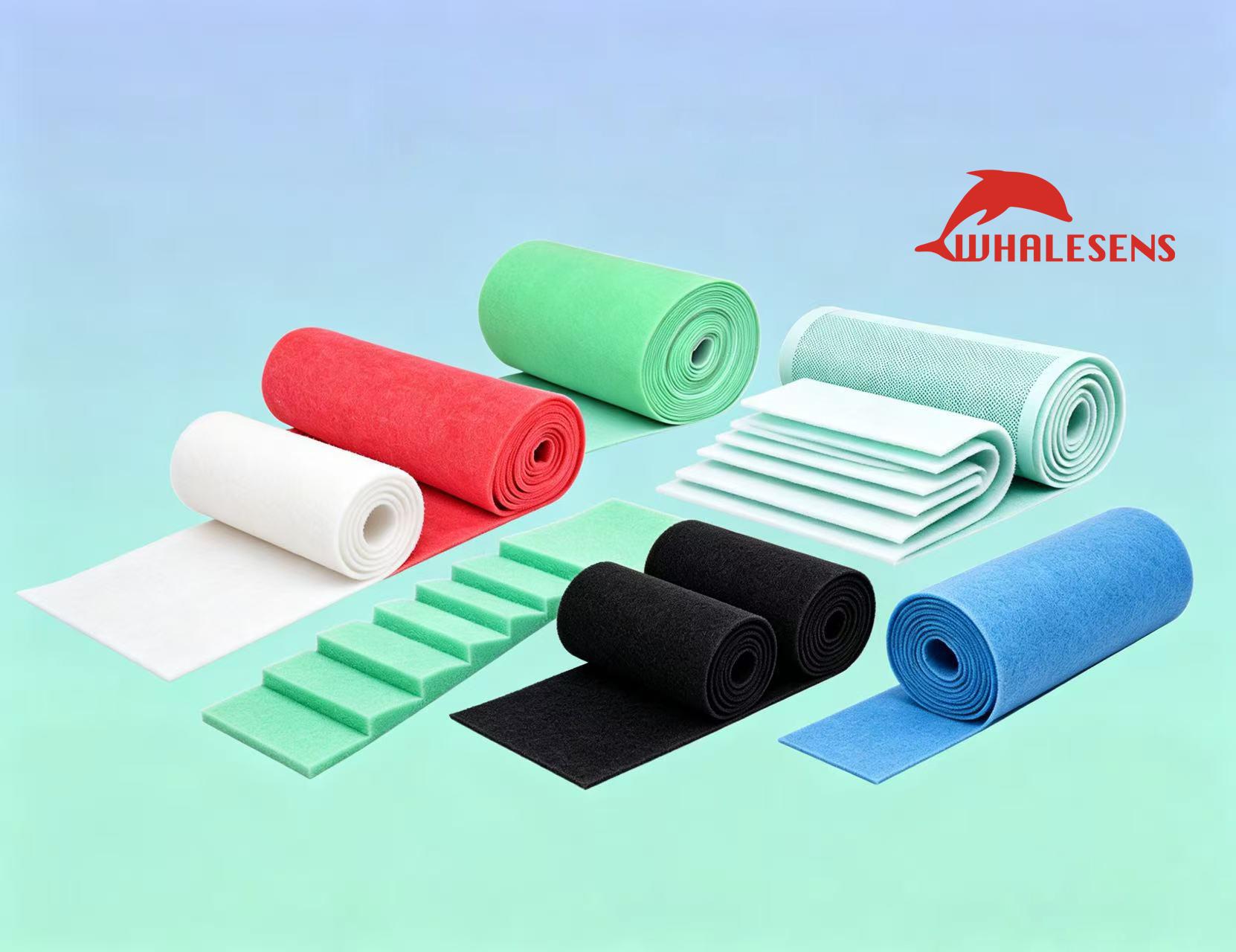
Cleanable by water washing or air blowing, reusable multiple times to significantly reduce replacement frequency and O&M costs — an economical, eco-friendly choice.
View Related Products →Odor & Harmful Gas Removal
Leverages activated carbon's high adsorption capacity to eliminate odors, VOCs, and formaldehyde, ideal for newly renovated spaces and industrial exhaust treatment.
View Related Products →High Dust-Holding, Long Life
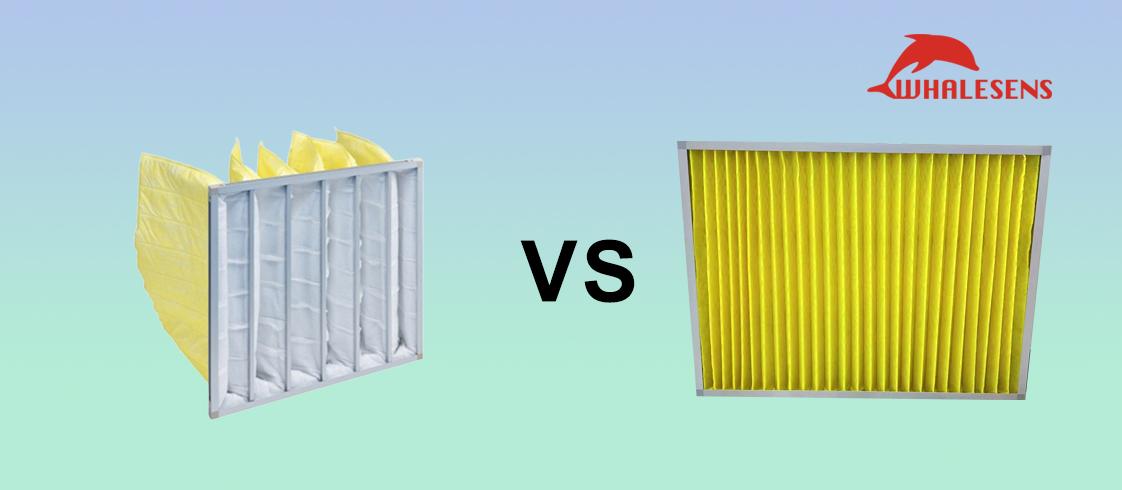
Bag-style construction delivers a larger filtration area, high dust-holding capacity, and extended service life — ideal for high-dust environments with reduced replacement frequency.
View Related Products →Compact Space-Saving Design
Compact form factor for easy installation and replacement; pleated structure maximizes filtration area within a small footprint for higher efficiency.
View Related Products →Energy-Saving Operation
Low-resistance design minimizes pressure drop while maintaining filtration performance, reducing fan energy consumption for cost-effective, eco-friendly operation.
View Related Products →














 English(Global)
 简体中文
简体中文 Language


Application of Air Filters in Chip Manufacturing Facilities
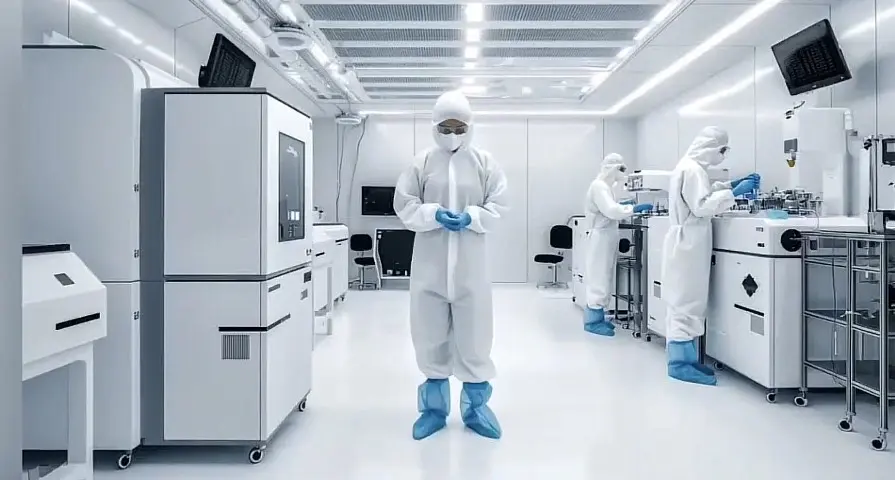
The semiconductor manufacturing industry operates under the most stringent semiconductor cleanroom standards in modern manufacturing, where even nanometer-scale particulate contamination can render multi-million dollar wafer batches defective. As an HVAC engineer with fifteen years of experience designing air filtration systems for chip manufacturing facilities, I've witnessed firsthand how properly engineered filtration infrastructure directly correlates with fab yield rates and equipment uptime. This comprehensive guide explores the critical role of industrial air filters in semiconductor cleanrooms, detailing contamination challenges, filtration solutions, and quantifiable operational improvements.
Executive Summary: Semiconductor fabs require ISO Class 3-5 cleanrooms with HEPA/ULPA filtration achieving ≥99.9995% efficiency at 0.12μm. Properly designed air filtration systems can reduce equipment failure rates by 15-20% while cutting airborne molecular contamination (AMC) by over 70%.
Table of Contents
- Contamination Challenges in Chip Fabs
- Air Filtration Requirements and Standards
- Comprehensive Filtration Solutions
- Real-World Implementation Results
- Frequently Asked Questions
Contamination Challenges in Semiconductor Manufacturing Environments
Chip fabrication facilities face unique environmental control challenges that distinguish them from other semiconductor cleanroom applications. The manufacturing process involves photolithography with sub-7nm feature sizes, chemical vapor deposition, and ion implantation—all extremely vulnerable to contamination.
Critical Contaminant Categories
| Contaminant Type | Size Range | Impact on Production | Filtration Requirement |
|---|---|---|---|
| Airborne Particles (PM2.5) | 0.1-2.5 μm | Physical defects, yield loss | HEPA H14 (99.995%) |
| Ultrafine Particles (UFP) | < 0.1 μm | Critical layer contamination | ULPA U15 (99.9995%) |
| Volatile Organic Compounds | Molecular | Chemical contamination, corrosion | Activated carbon filters |
| Airborne Molecular Contaminants | < 1 nm | Oxide layer damage, haze | Chemical filters + chemisorption |
Even a single 0.3-micron particle landing on a silicon wafer during photolithography can create fatal defects across multiple die. Modern 3nm process nodes demand ISO Class 3 environments with particle counts below 10 particles/m³ (≥0.1μm), achievable only through multi-stage HEPA/ULPA filtration systems.
Equipment Vulnerability to Contamination
The advanced lithography systems, plasma etchers, and metrology tools used in semiconductor fabs represent capital investments exceeding $150 million per tool. These precision instruments operate with tolerances measured in angstroms:
- EUV Lithography Systems: Require ultra-clean environments as contamination on reflective optics causes catastrophic throughput loss
- Chemical Mechanical Planarization: Particulate contamination creates scratch defects requiring full wafer scrapping
- Ion Implanters: AMC contamination alters doping profiles, compromising transistor performance
- Metrology Equipment: Particle deposition on measurement optics causes false defect readings and yield miscalculation
⚠️ Critical Cost Impact
A single contamination event in a 300mm wafer fab can result in $2-5 million in scrap costs, plus 48-72 hours of production downtime. Inadequate air filtration is the root cause in approximately 35% of yield excursions according to SEMI E132 incident analysis.
ISO 14644 Cleanroom Classification and Filter Requirements
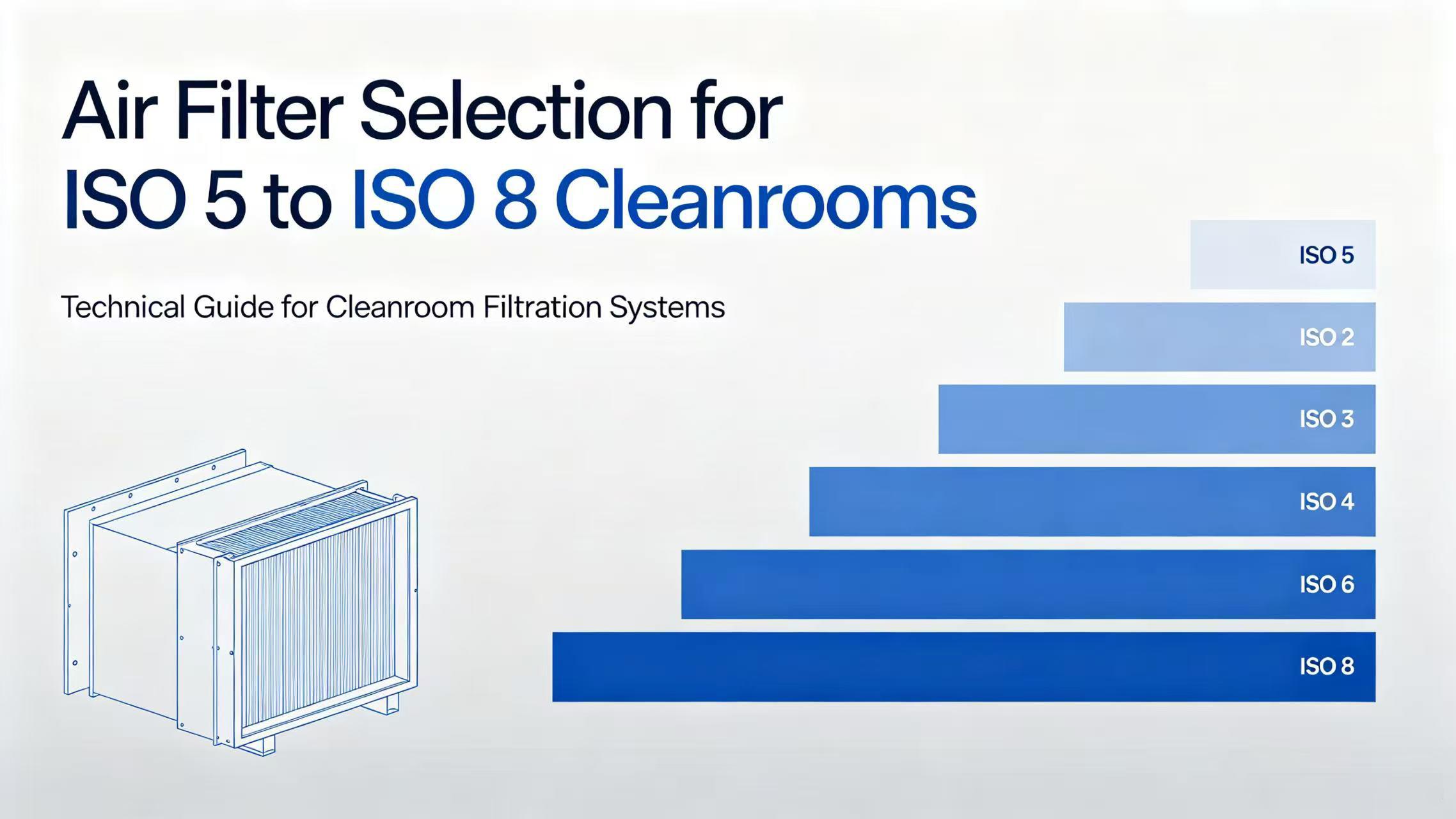
Semiconductor manufacturing cleanrooms must meet stringent ISO 14644-1 classifications, with different process areas requiring varying levels of cleanliness:
| ISO Class | Particle Limit (≥0.1μm)/m³ | Typical Application | Filter Specification |
|---|---|---|---|
| ISO 3 | ≤ 10 | Critical photolithography bays | ULPA U15-U17 (terminal) |
| ISO 4 | ≤ 100 | Process tool environments | HEPA H14 (99.995%) |
| ISO 5 | ≤ 1,000 | General cleanroom corridors | HEPA H13 (99.95%) |
| ISO 6-7 | ≤ 10,000-100,000 | Support areas, gowning rooms | HEPA H13 + F9 pre-filters |
Multi-Stage Filtration Architecture
Modern semiconductor fabs employ cascaded filtration systems to maximize filter life while maintaining cleanroom classification:
Stage 1: Pre-Filtration
G4-F7 bag filters capture 80-95% of outdoor particles, protecting downstream HEPA filters
Stage 2: Fine Filtration
F8-F9 mini-pleat filters remove 95-99.5% of submicron particles before terminal filters
Stage 3: Terminal HEPA/ULPA
H14-U17 filters installed in ceiling fan filter units, achieving ISO 3-5 classification
Stage 4: Chemical Filtration
Activated carbon + potassium permanganate media remove VOCs and AMCs to < 1 ppb
Comprehensive Air Filtration Solutions for Chip Fabs
Implementing effective air filtration in semiconductor facilities requires integrated system design addressing both particulate and molecular contamination:
1. Fan Filter Unit (FFU) Systems with HEPA/ULPA Filters
FFU systems are the backbone of semiconductor cleanroom airflow, providing unidirectional laminar flow that constantly sweeps particles away from critical process zones. Each FFU typically contains:
- EC Motor with Variable Speed Control: Maintains 0.45 m/s face velocity (±10%) across entire filter life
- H14 HEPA or U15 ULPA Filter: 610×1220mm or 610×610mm gel-sealed construction
- Differential Pressure Monitoring: Real-time tracking for predictive maintenance (typical replacement at 250-300 Pa)
- Ionization Integration: Built-in static eliminators prevent electrostatic particle attraction
Engineering Best Practice: FFU coverage should be 80-100% of cleanroom ceiling area for ISO 4-5 classification. Critical tool minienvironments may use 100% FFU coverage with 0.55-0.65 m/s velocities for ISO 3 performance.
2. Chemical Filtration for Airborne Molecular Contamination
While HEPA filters excel at particulate removal, they cannot capture molecular contaminants. Semiconductor fabs require dedicated chemical filtration systems:
| AMC Category | Target Contaminants | Filter Media | Removal Efficiency |
|---|---|---|---|
| Acids (Ma) | HCl, HNO₃, SO₂, HF | Activated alumina + KOH | 95-99% |
| Bases (Mb) | NH₃, amines | Phosphoric acid impregnated carbon | 90-98% |
| Condensables (Mc) | Siloxanes, phthalates, DOP | Granular activated carbon | 85-95% |
| Dopants (Md) | B, P, As organometallics | KMnO₄ impregnated media | 99.9% (critical) |
3. Recirculation Air Handling System Design
Semiconductor cleanrooms typically recirculate 85-95% of conditioned air to optimize energy efficiency while maintaining cleanliness. The typical air handling flow includes:
- Makeup Air Unit (MAU): Introduces 5-15% fresh outdoor air, filtered through G4→F7→F9 stages, then conditioned to cleanroom setpoint (21°C ±0.5°C, 42% ±3% RH)
- Dry Cooling Coils: Maintain dew point control to prevent condensation on wafer surfaces (typical -40°C dew point for critical layers)
- Chemical Filtration Bank: Parallel acid/base scrubbers treating 100% of recirculation air, with 18-24 month media life
- Final HEPA/ULPA: Terminal H14-U17 filters in FFU arrays, with 3-5 year replacement cycles
- Raised Floor Return Plenum: Low-velocity return air (< 1.5 m/s) prevents particle resuspension from floor grilles
4. Equipment-Specific Filtration Requirements
Critical process tools often require dedicated filtration beyond the general cleanroom system:
- Photolithography Steppers: Minienvironment ISO 2-3 enclosures with U17 ULPA filters + molecular filtration for optics protection
- CMP Tools: Exhaust filtration with mist eliminators + activated carbon to prevent slurry aerosol contamination of cleanroom
- Wet Benches: Acid/solvent exhaust scrubbers with HEPA-filtered make-up air to maintain negative pressure containment
- Metrology Equipment: Vibration-isolated platforms with dedicated FFU arrays preventing external particle intrusion during measurement
Real-World Implementation: 300mm Fab Filtration Upgrade
A global Tier-1 semiconductor manufacturer faced persistent yield issues in their 28nm CMOS logic fab due to inadequate AMC control. The engineering team implemented a comprehensive filtration system upgrade:
Problem Assessment and Baseline Data
| Metric | Before Upgrade | Industry Target | Gap |
|---|---|---|---|
| Particle Count (≥0.1μm)/m³ | 185 | < 100 (ISO 4) | 85% over target |
| AMC - Acids (ppb) | 8.3 | < 2.0 | 315% over limit |
| Tool Downtime (hrs/month) | 42 | < 25 | 68% excess |
| Defect Density (defects/cm²) | 0.28 | < 0.15 | 87% over spec |
Solution Implementation Strategy
The filtration system upgrade was executed in three phases over 18 months:
1
FFU Array Expansion + ULPA Upgrade
Increased ceiling coverage from 65% to 95% in critical bays, replaced H13 with U15 filters in photolithography areas
2
Chemical Filtration Integration
Installed dual-stage chemical filter banks (KMnO₄ + activated carbon) treating 35,000 m³/hr recirculation air
3
Predictive Monitoring System
Deployed IoT differential pressure sensors + particle counters with AI-based filter life prediction
Quantified Performance Improvements
After 12 months of operation with the upgraded filtration system, the facility documented significant improvements across all key performance indicators:
18.3%
Reduction in Equipment Failures
From contamination-related causes
73%
AMC Concentration Decrease
Now < 2 ppb across all categories
$4.2M
Annual Cost Avoidance
Reduced scrap + downtime
47%
Decrease in Defect Density
From 0.28 to 0.15 defects/cm²
Additional Benefits: The facility also reported a 22% reduction in employee respiratory complaints and improved operator comfort due to better air quality and more consistent temperature/humidity control.
Return on Investment Analysis
| Investment Category | Cost (USD) | Notes |
|---|---|---|
| FFU Units + ULPA Filters | $1,850,000 | 325 FFU units |
| Chemical Filter Systems | $420,000 | Dual-stage scrubbers |
| Controls + Monitoring | $185,000 | IoT sensors + software |
| Installation + Commissioning | $310,000 | Phased rollout |
| Total Capital Investment | $2,765,000 | - |
| Annual Savings (Year 1) | $4,200,000 | Scrap reduction + uptime |
| Payback Period | 7.9 months | Industry leading ROI |
Frequently Asked Questions About Semiconductor Cleanroom Filtration
Q: What is the difference between HEPA H14 and ULPA U15 filters for semiconductor applications?
A: HEPA H14 filters achieve 99.995% efficiency at MPPS (typically 0.1-0.2 microns), suitable for ISO Class 4-5 cleanrooms. ULPA U15 filters provide 99.9995% efficiency at MPPS, required for ISO Class 3 critical process areas like advanced lithography. The additional 0.9995% efficiency translates to 10x fewer particles penetrating the filter—critical when single particle events can cause wafer defects.
Q: How often should HEPA filters be replaced in a semiconductor fab?
A: Typical replacement intervals depend on pre-filtration effectiveness and outdoor air quality: 3-5 years for terminal HEPA filters in well-designed systems with F9 pre-filters, 2-3 years in facilities with inadequate pre-filtration. Replacement should be triggered by differential pressure exceeding 250-300 Pa or airflow velocity dropping below 0.40 m/s, whichever occurs first. Predictive monitoring systems using IoT sensors can optimize replacement timing and reduce costs by 15-20%.
Q: Can chemical filters remove all types of airborne molecular contamination in chip fabs?
A: No single chemical filter removes all AMC categories. Effective semiconductor cleanroom chemical filtration requires multi-media systems: activated alumina with KOH for acids (HCl, HF, NOx), phosphoric acid-impregnated carbon for bases (NH₃, amines), granular activated carbon for condensables (siloxanes, phthalates), and potassium permanganate media for dopants and reactive gases. These are typically deployed in parallel banks or sequential stages to address the four SEMI F21 AMC categories (Ma, Mb, Mc, Md).
Q: What are the energy consumption implications of upgrading to ULPA filtration?
A: ULPA filters have higher initial pressure drop (150-200 Pa vs 120-150 Pa for HEPA), increasing fan energy by approximately 15-20%. However, this is offset by: (1) reduced equipment downtime energy losses, (2) improved chiller efficiency from lower particle loading on cooling coils, and (3) extended filter life reducing disposal and replacement labor. Net energy impact is typically +8-12% for HVAC systems, but total fab energy consumption increases only 2-3% due to HVAC representing 25-30% of total facility load.
Q: How do you validate that a new filtration system meets ISO 14644 cleanroom classification?
A: Validation follows ISO 14644-1 and ISO 14644-2 protocols: (1) Filter integrity testing via aerosol photometry scanning for HEPA/ULPA leaks, (2) Airflow visualization with smoke tests to verify unidirectional flow patterns, (3) Particle count certification using optical particle counters at minimum 9 sampling points per 1000 m² at operational state, (4) Recovery testing measuring time to return to classification after contamination event, and (5) AMC monitoring via sorbent tube sampling analyzed by GC-MS. Full qualification typically requires 48-72 hours of continuous monitoring to demonstrate sustained compliance.
Key Takeaways: Air Filtration System Design for Semiconductor Facilities
- Chip manufacturing requires ISO Class 3-5 cleanrooms achievable only through multi-stage HEPA/ULPA filtration with 80-100% ceiling coverage
- Particulate filtration alone is insufficient— chemical filtration for AMC control is mandatory for advanced process nodes below 28nm
- Properly engineered air filtration systems reduce equipment failures by 15-20% while cutting contamination-related scrap by 40-50%
- System validation must follow ISO 14644 protocols with continuous particle monitoring and quarterly filter integrity testing
- ROI typically achieved in 6-12 months through reduced downtime, lower defect rates, and extended equipment life
Ready to Optimize Your Cleanroom Filtration?
Whalesens engineering team provides comprehensive filtration system design, ISO validation, and performance optimization for semiconductor manufacturing facilities worldwide.
Request Technical Consultation →
Need a custom air filtration solution?
Contact the Whalesens engineering team for product selection and OEM/ODM support.
Email whalesens@gmail.com