


EV Charging Stations
Filtration for Power Equipment
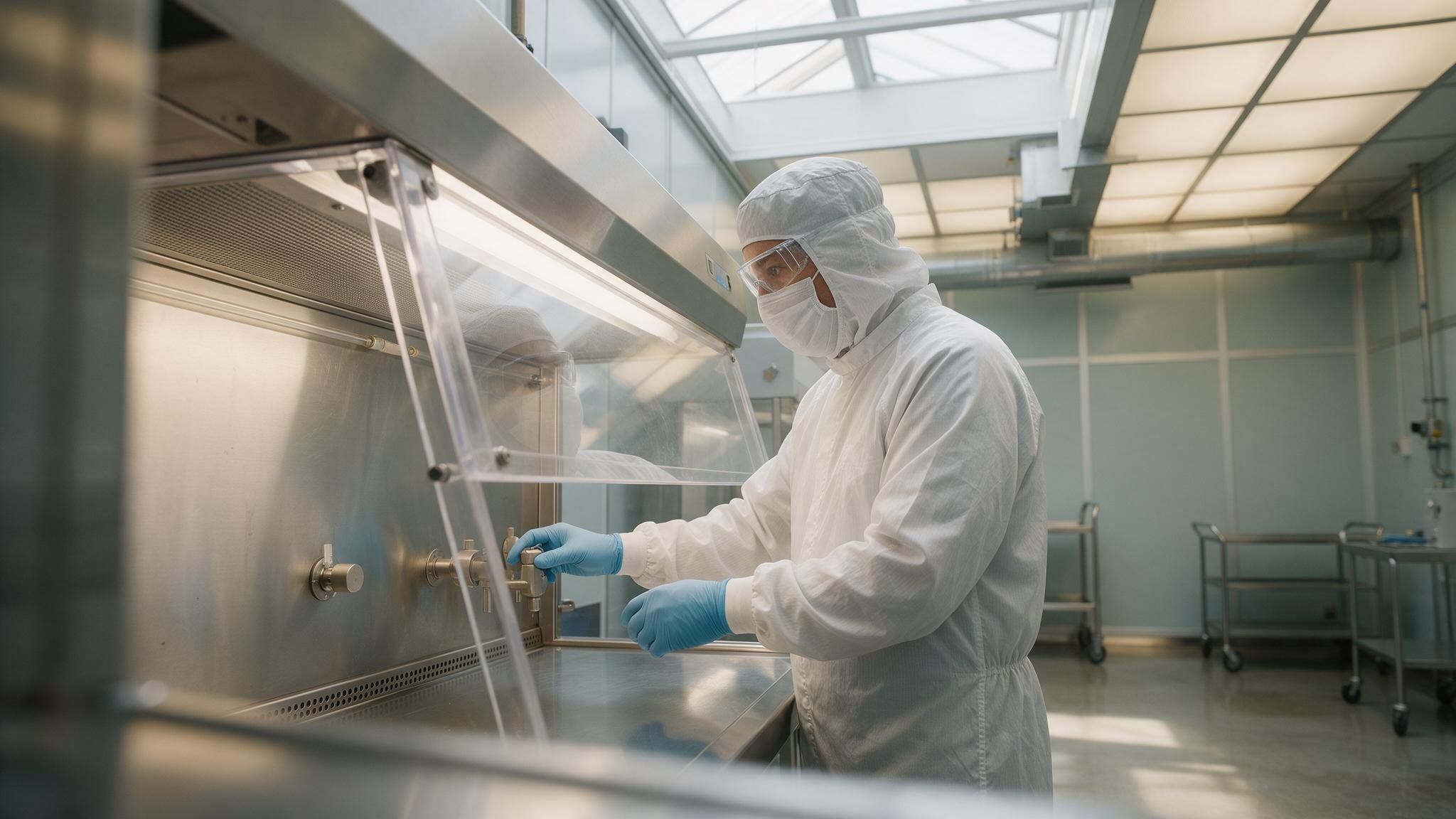
Cleanroom & Semiconductor
Ultra-High Cleanliness Filtration
Commercial HVAC
Central Air System Filtration
Data Centers
Precision Equipment Protection
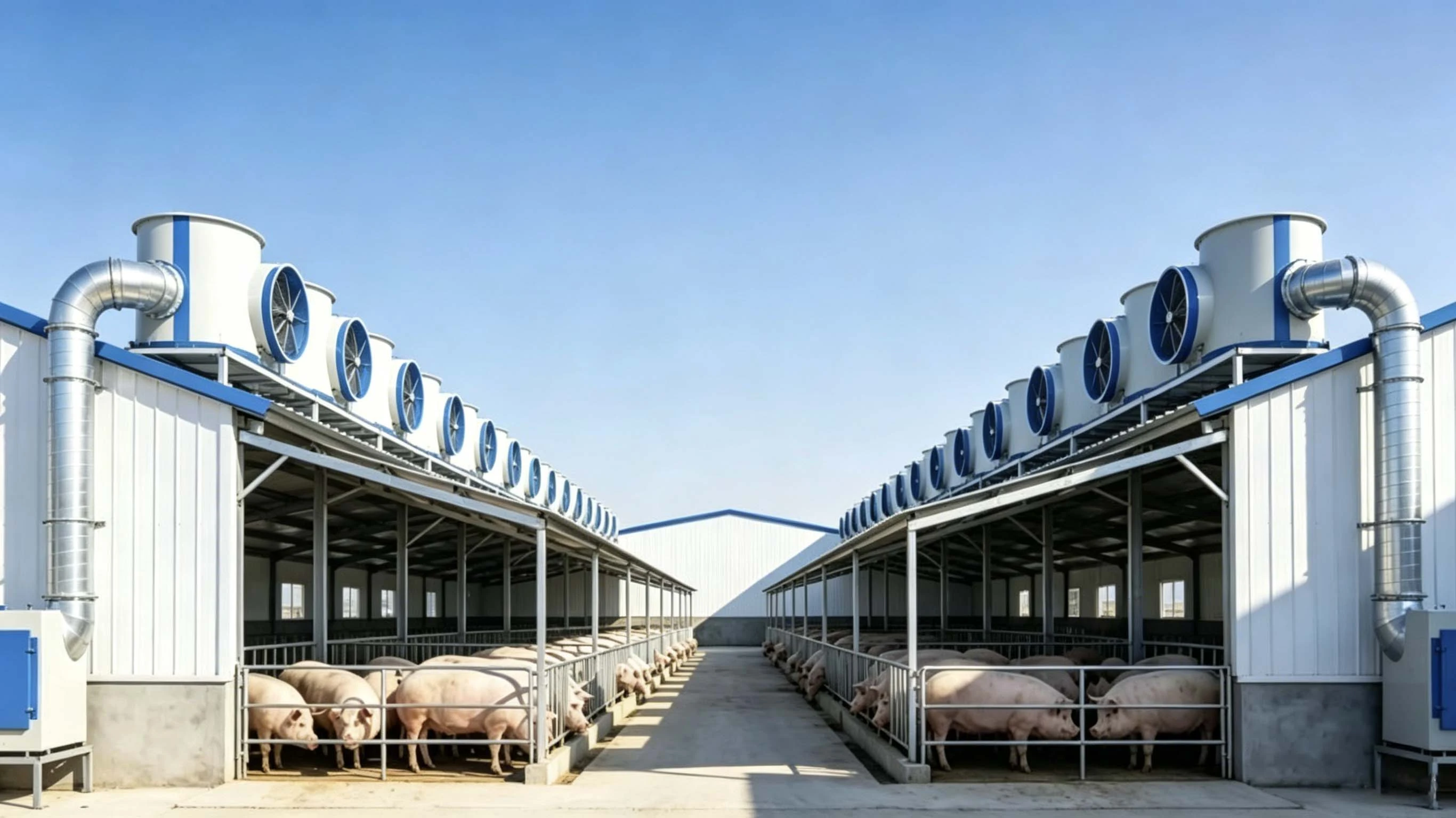
Livestock & Farming
Farming Environment Purification
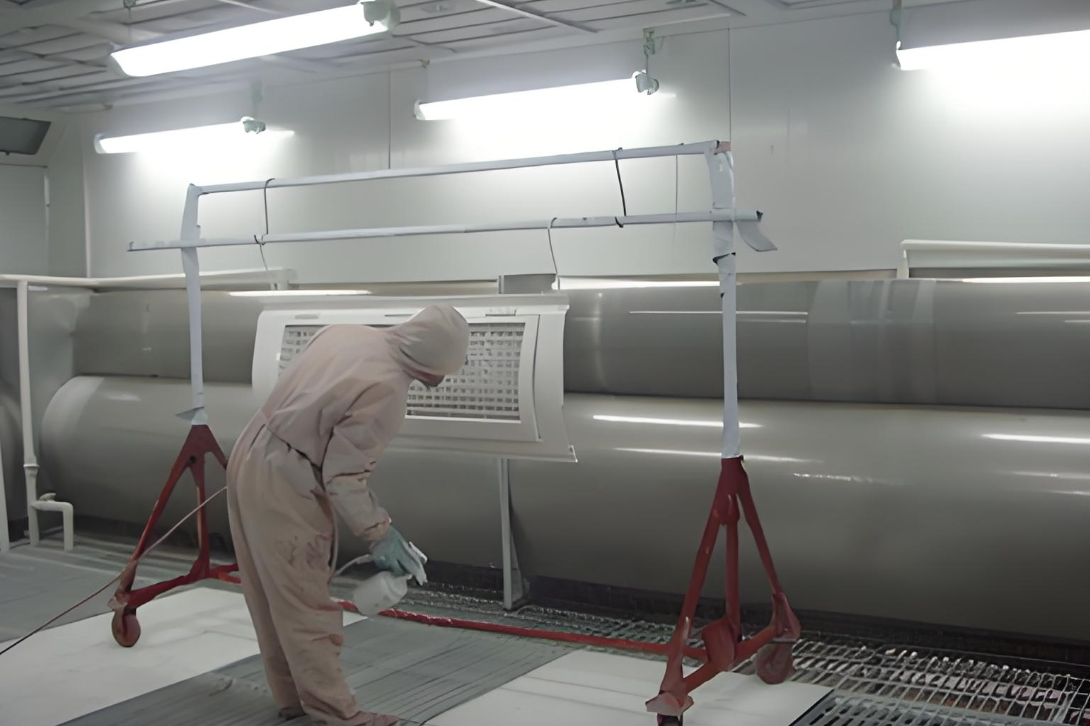
Spray Booths & Industrial Dust
Paint Mist & Dust Purification
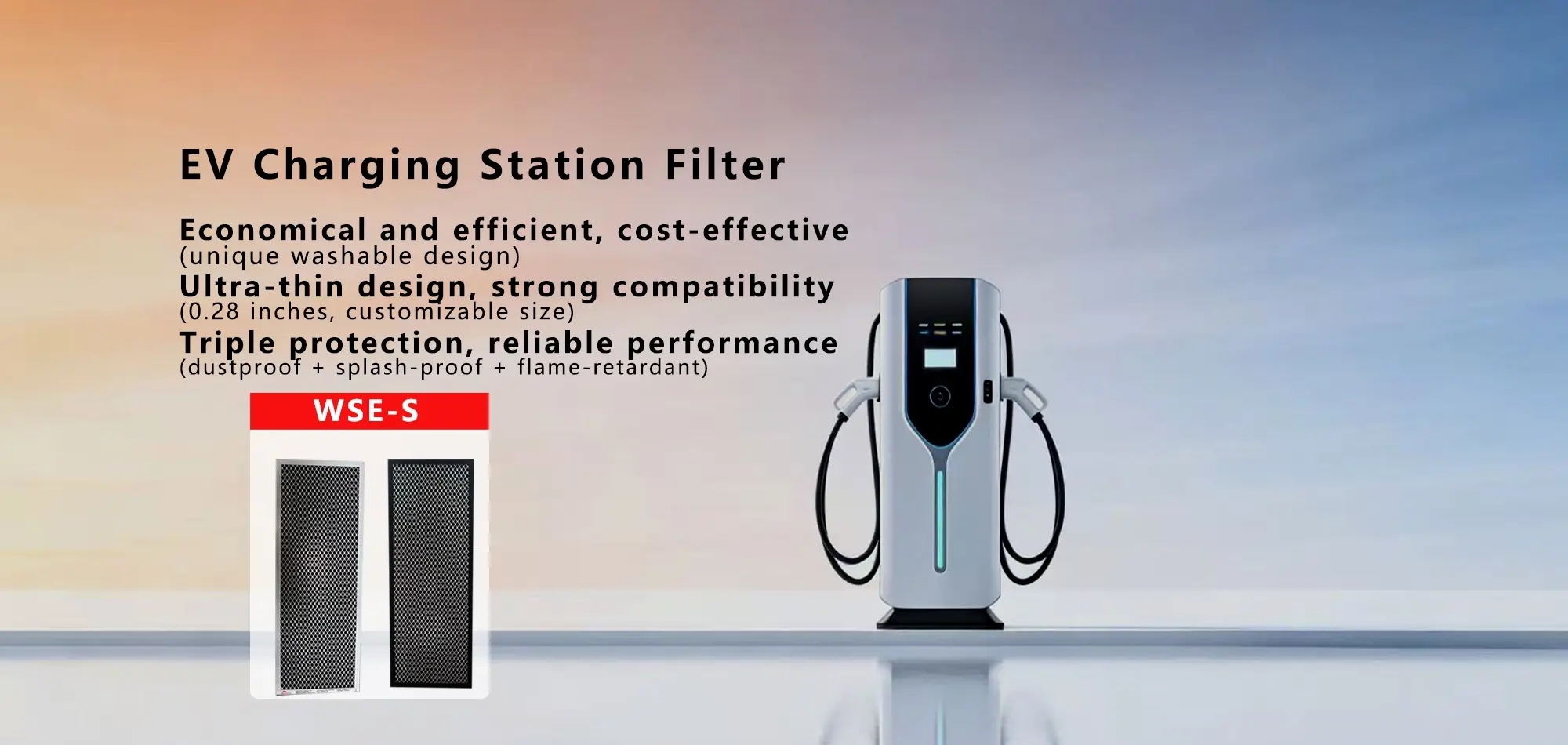
Filtration for Power Equipment
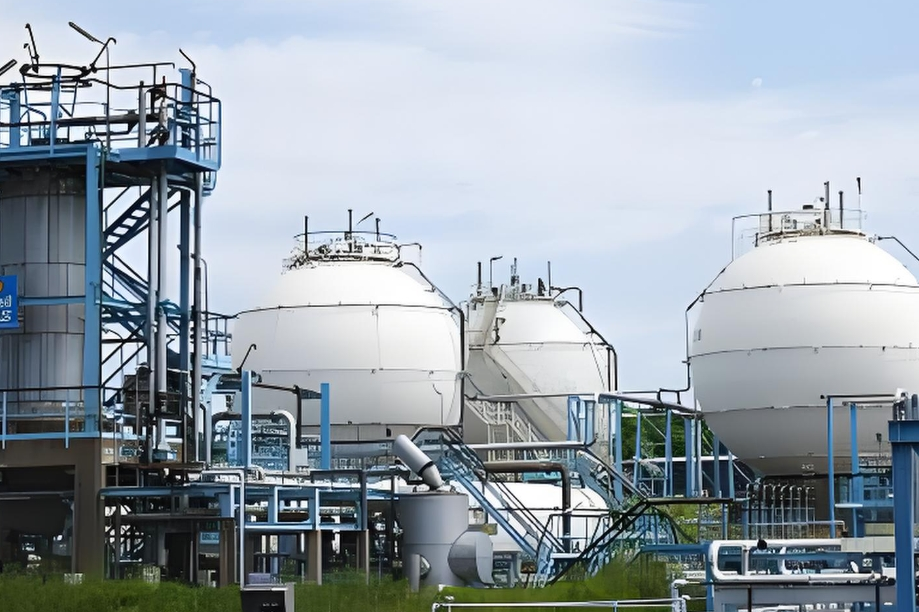
Professional air filtration for EV charging devices, protecting against dust and sand ingress to ensure stable, reliable operation of charging piles and station infrastructure.
View Related Products →Ultra-High Cleanliness Filtration
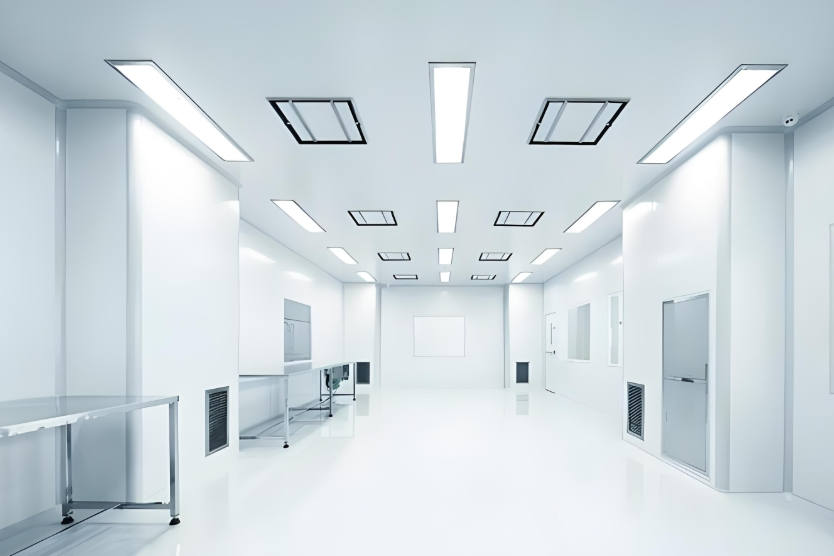
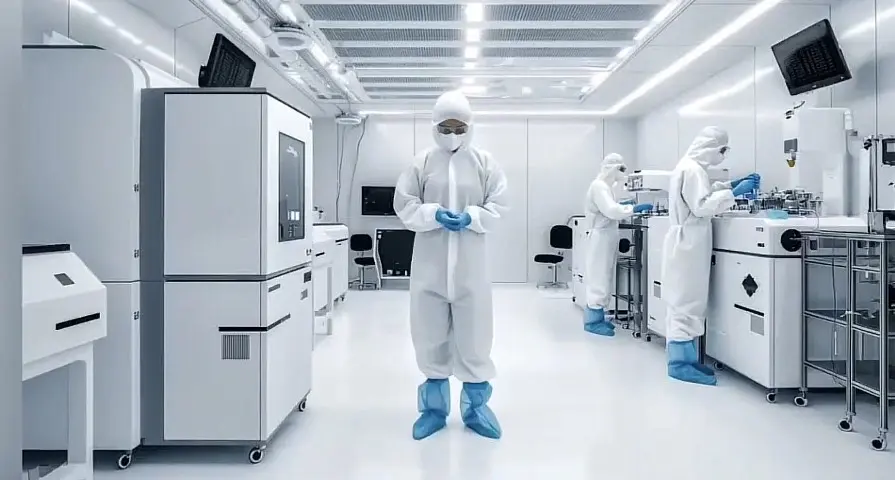
Ultra-high efficiency filtration for semiconductor wafer fabs and precision electronics cleanrooms, capturing nano-scale particles to meet ISO Class 1–3 standards and maximize product yield.
View Related Products →Central Air System Filtration
High-efficiency filtration for commercial building HVAC systems, improving indoor air quality, reducing energy consumption, and extending equipment service life.
View Related Products →Precision Equipment Protection
Precision air filtration for data centers, shielding servers and critical hardware from dust contamination to keep cooling systems running efficiently and reliably.
View Related Products →Farming Environment Purification
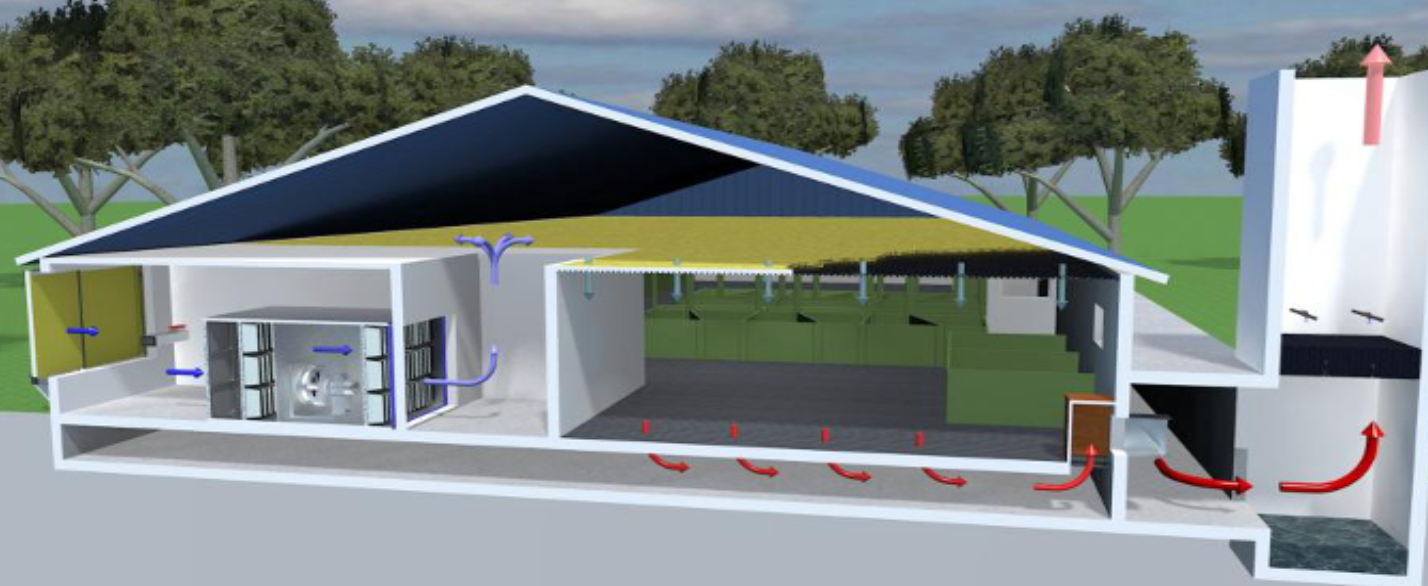
Dedicated filtration systems for farms and livestock facilities — capturing dust, adsorbing ammonia, and inhibiting pathogen spread to improve animal health and overall productivity.
View Related Products →Paint Mist & Dust Purification
Designed for spray booths and grinding workshops, efficiently capturing paint mist, metal dust, and wood chips to meet emission standards while protecting finished surface quality.
View Related Products →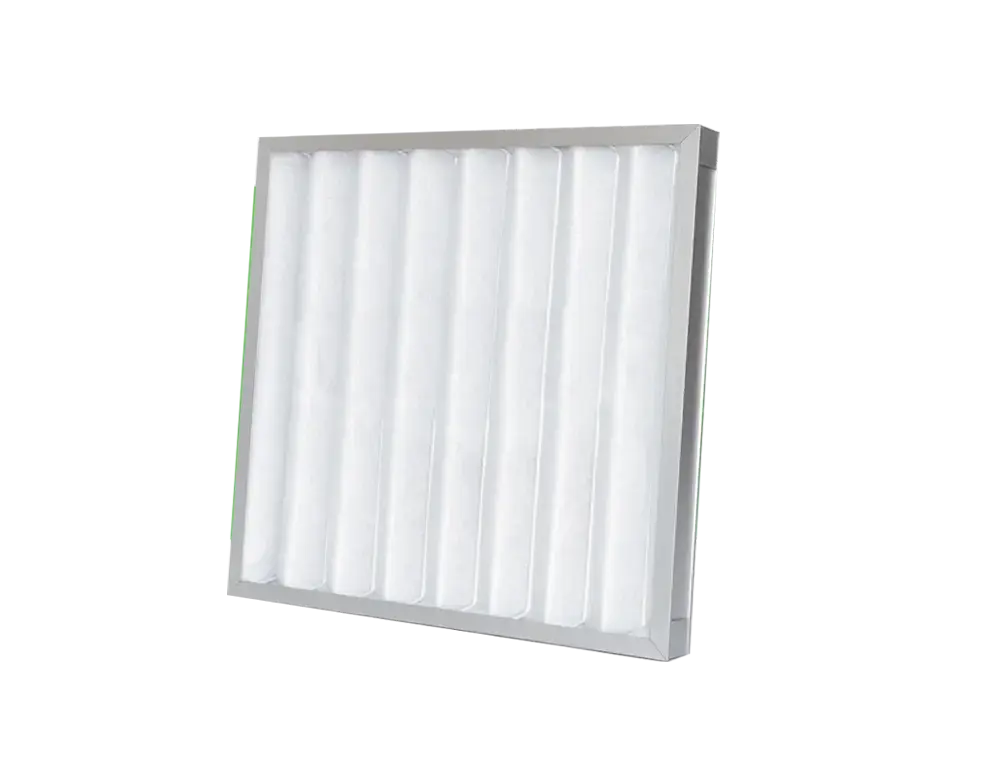
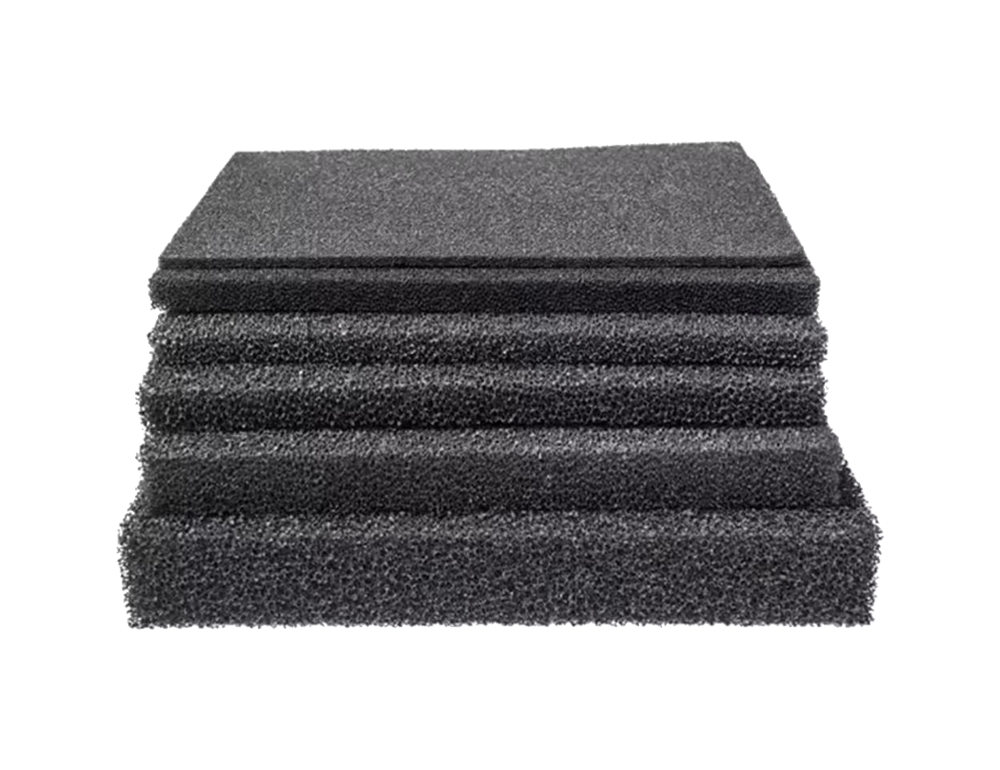
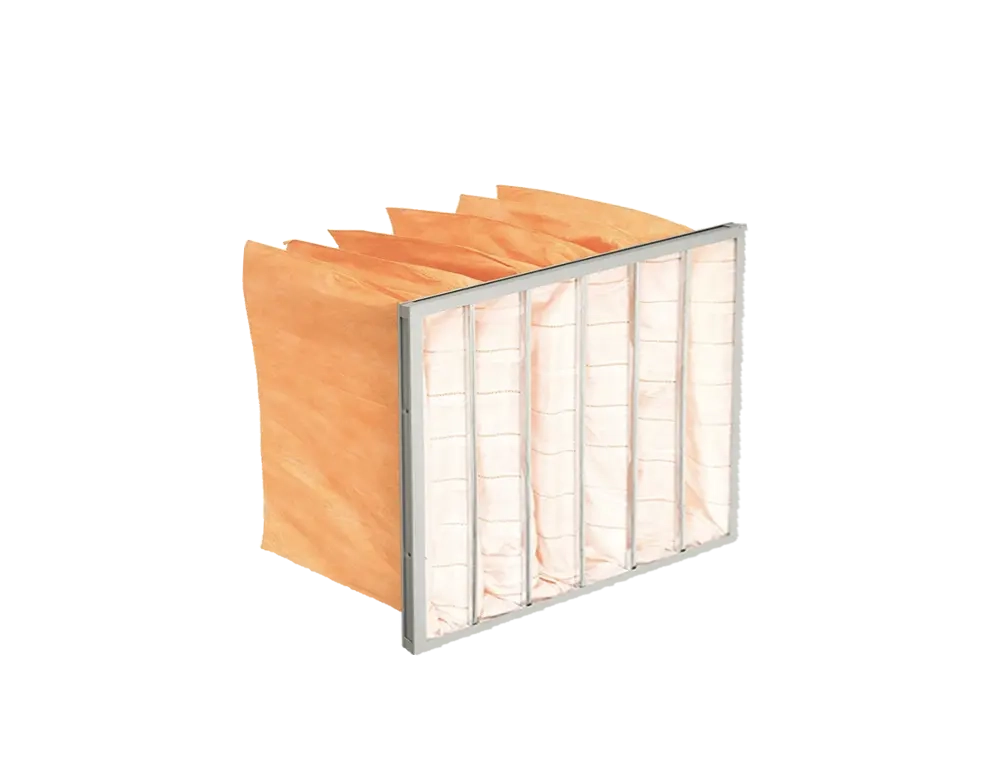
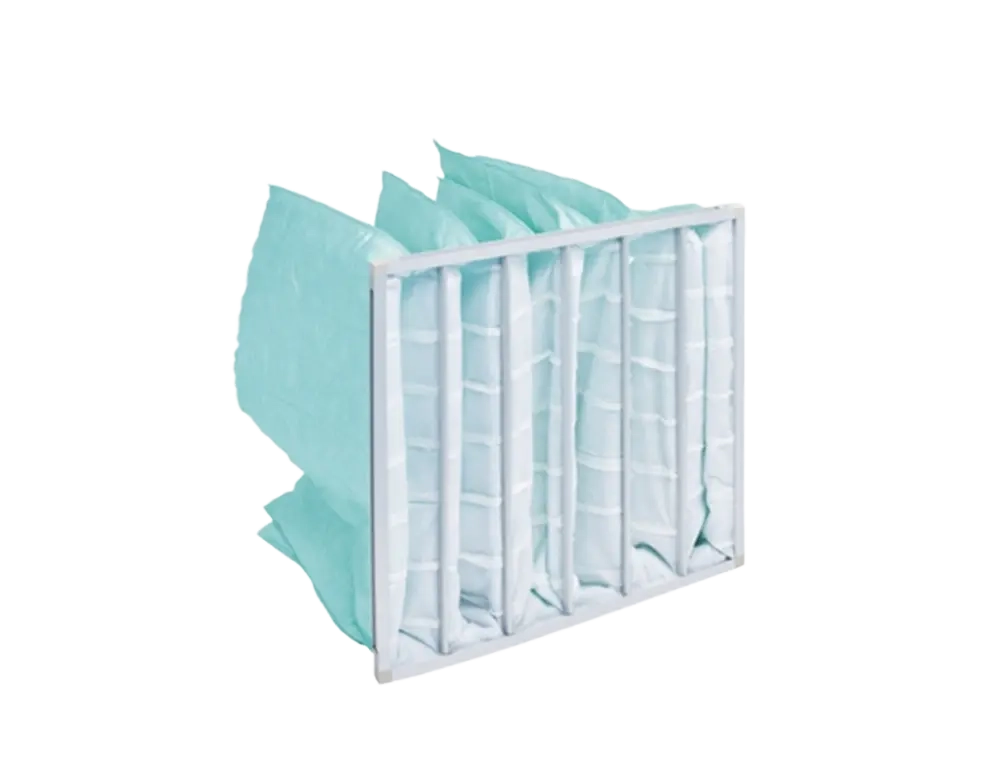
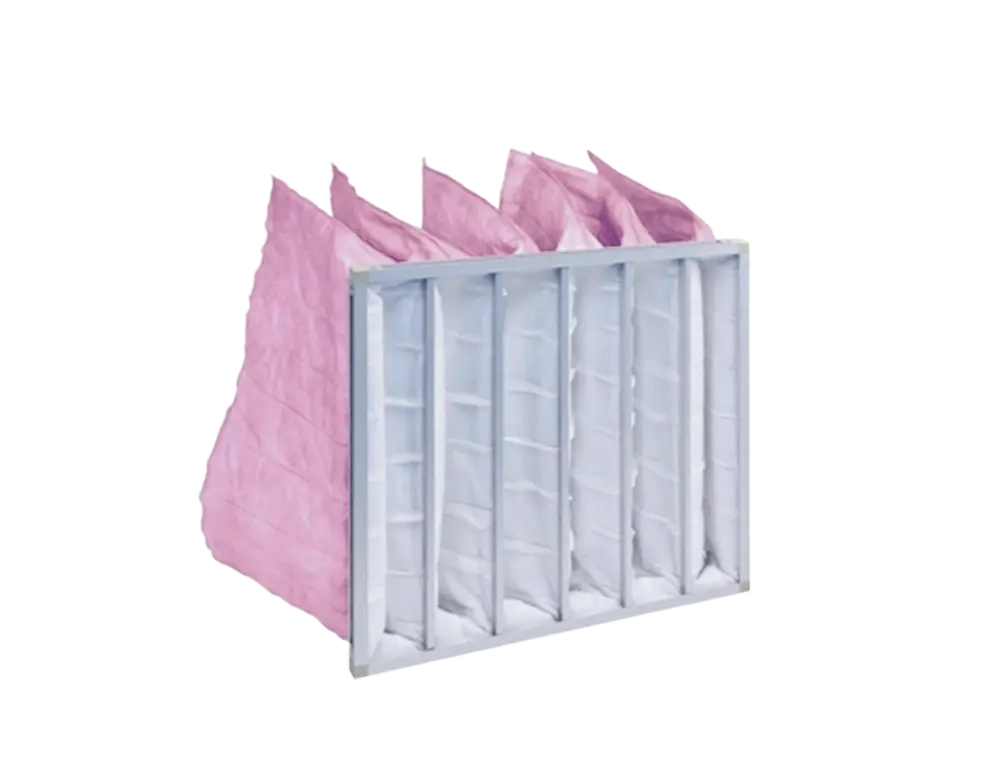
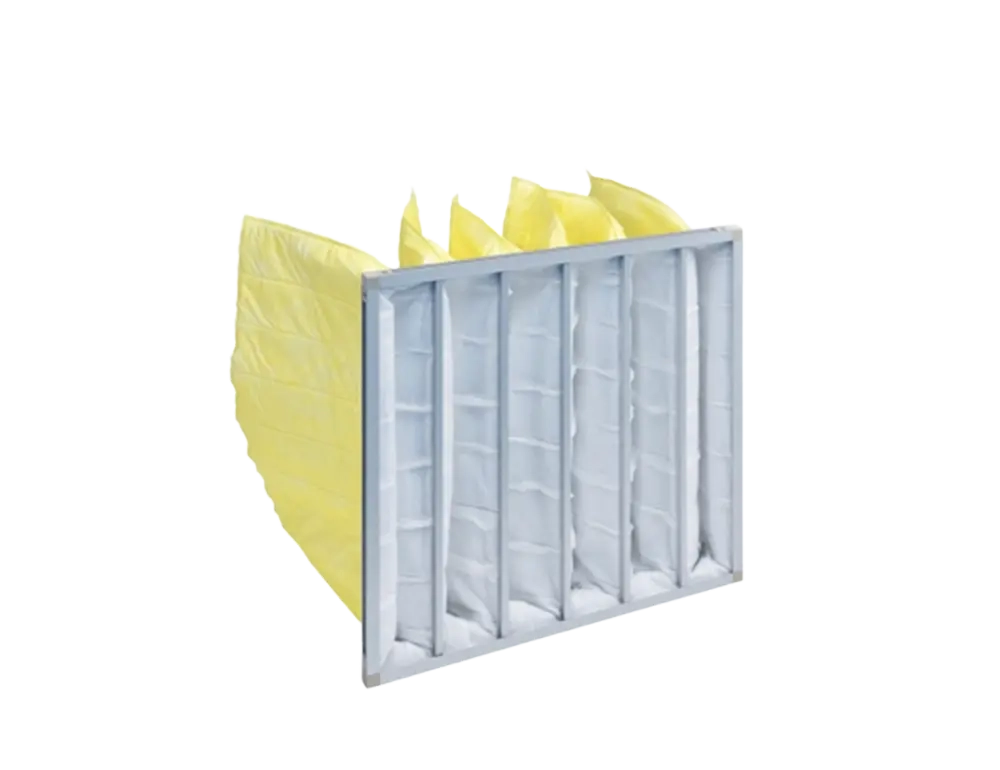
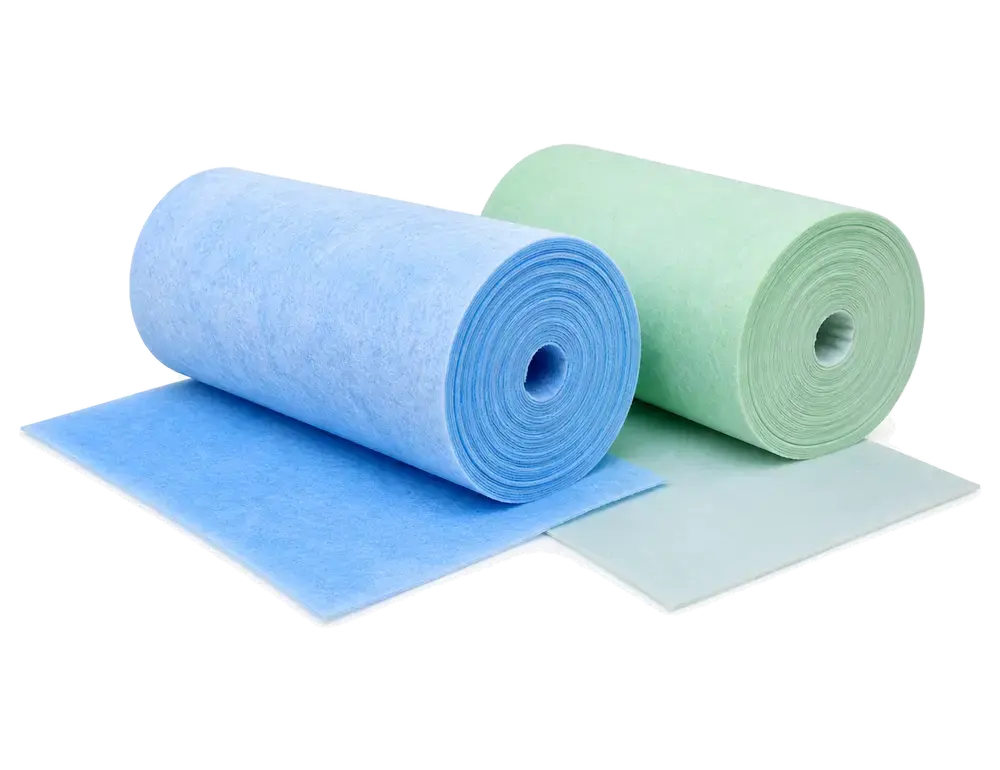
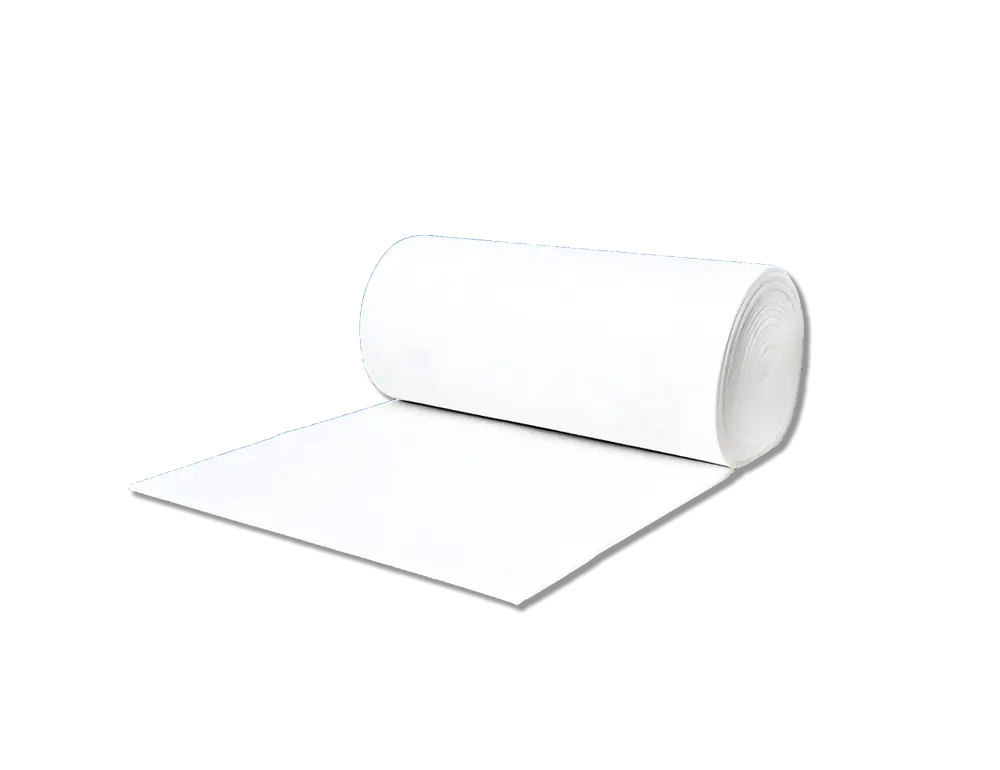
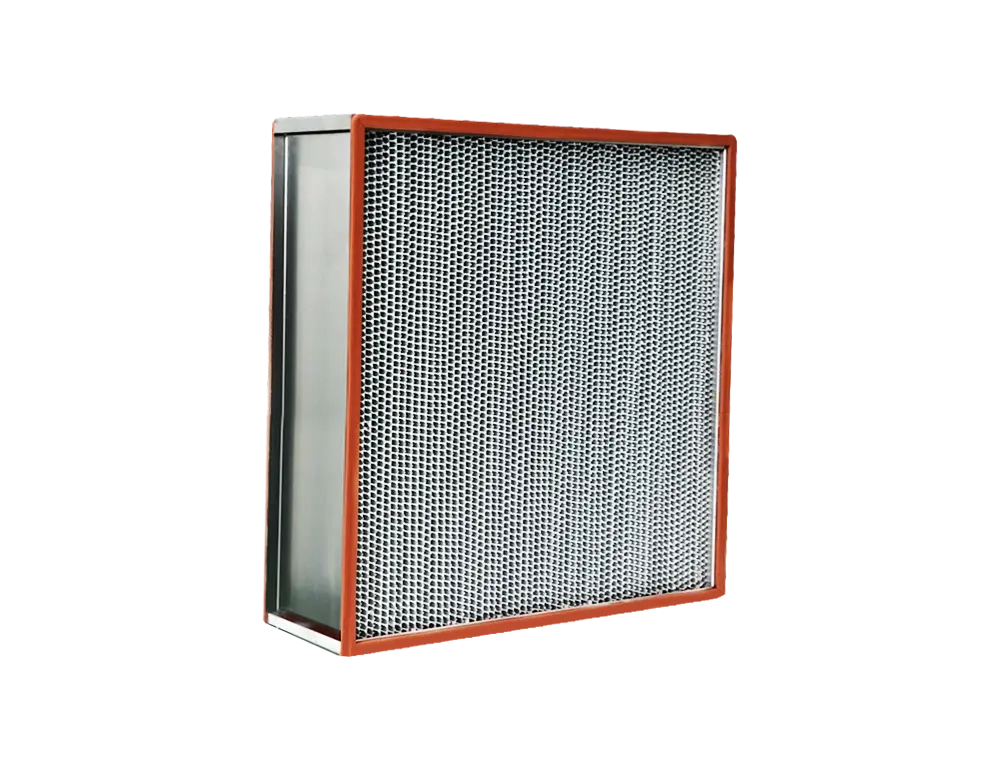
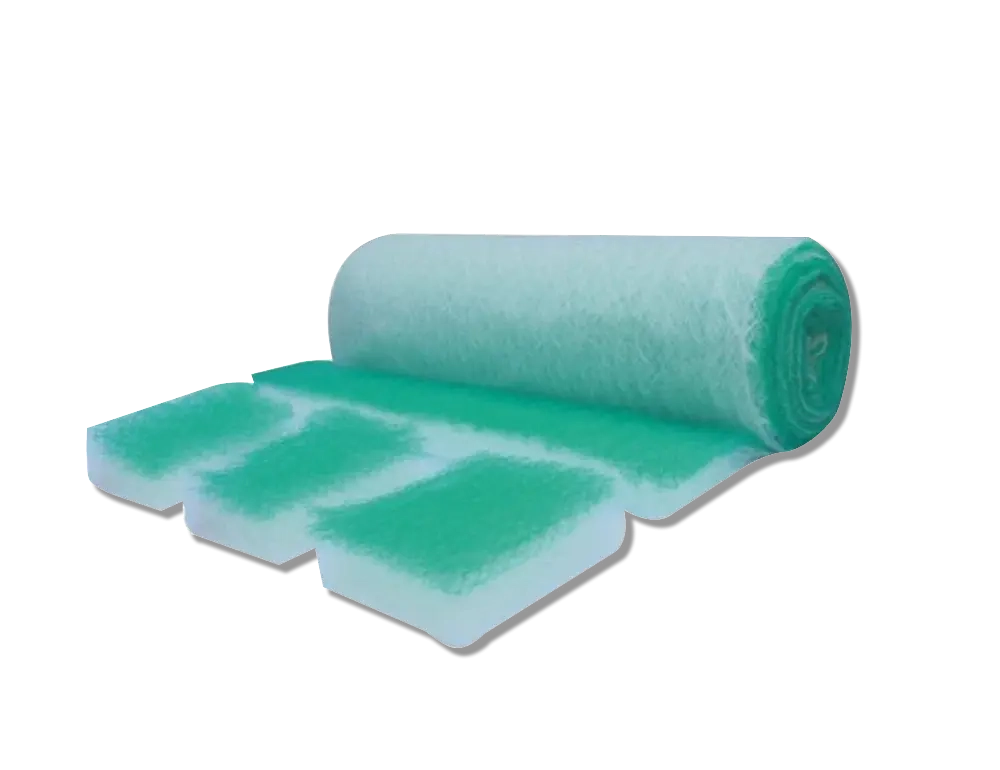
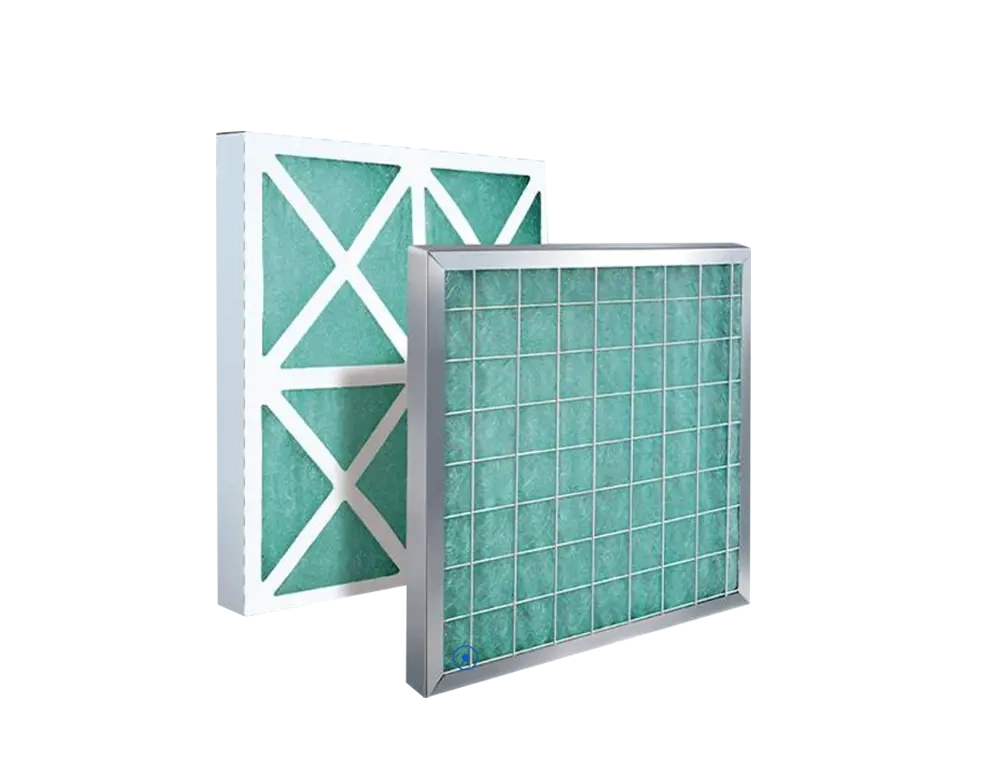
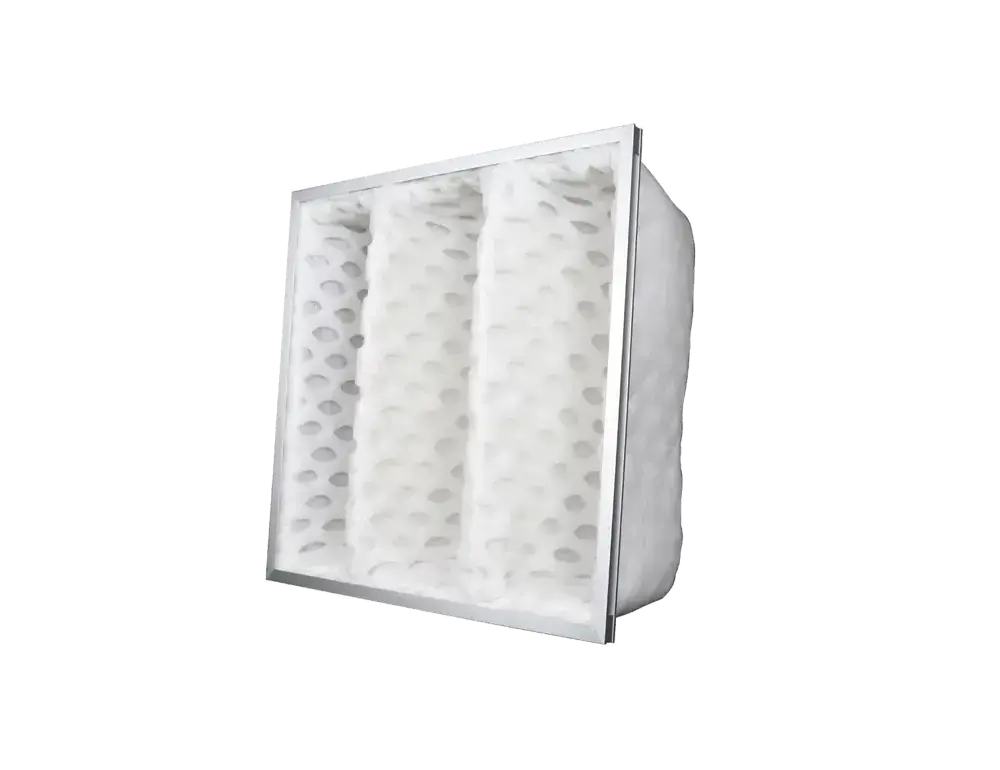
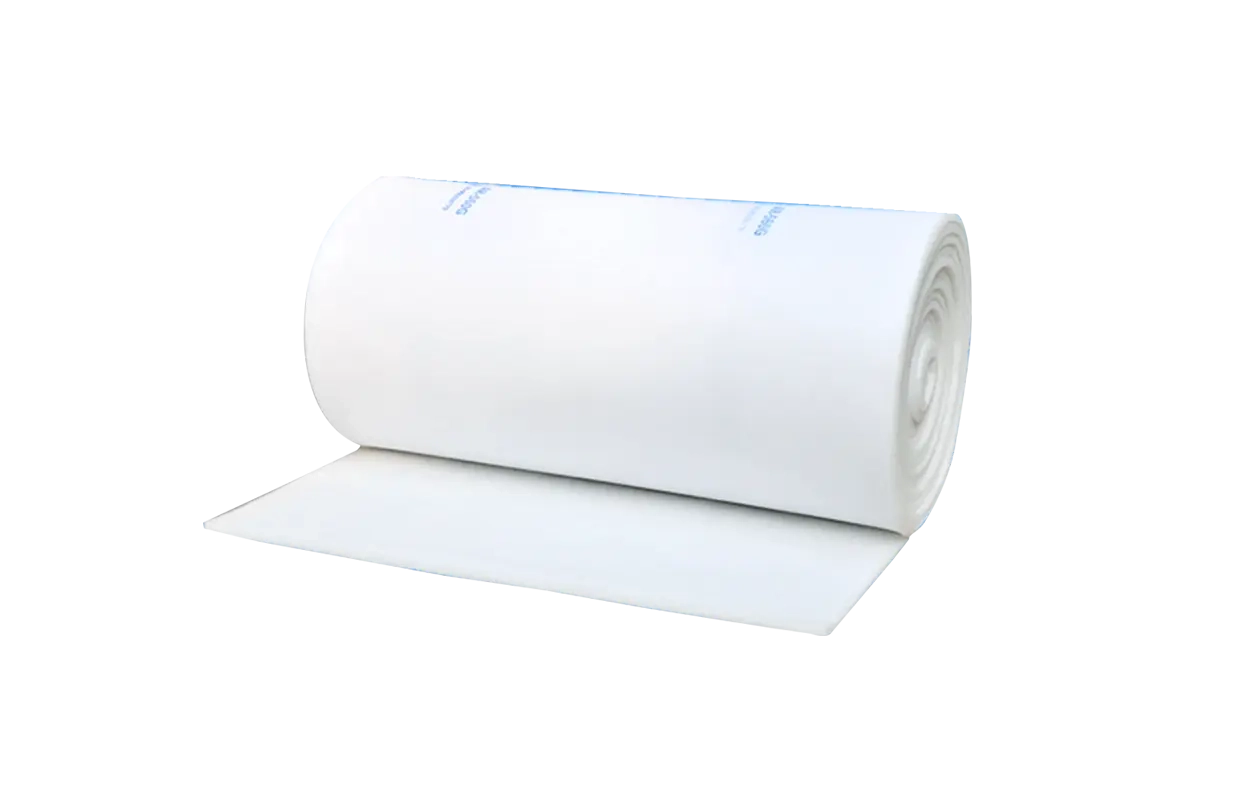
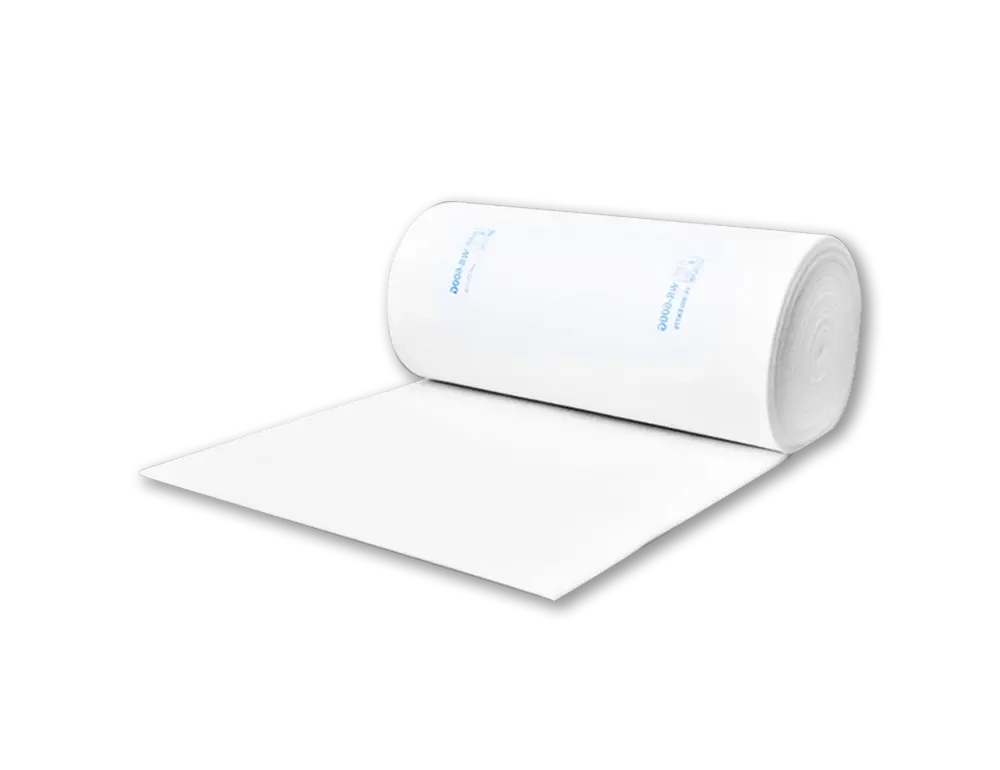
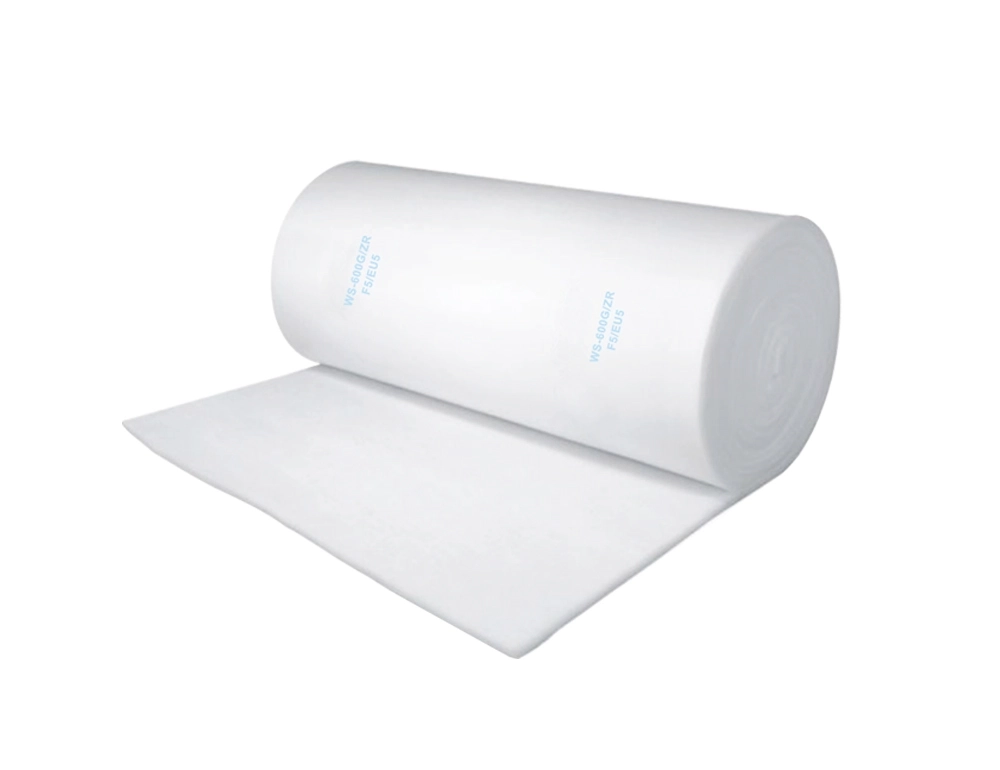
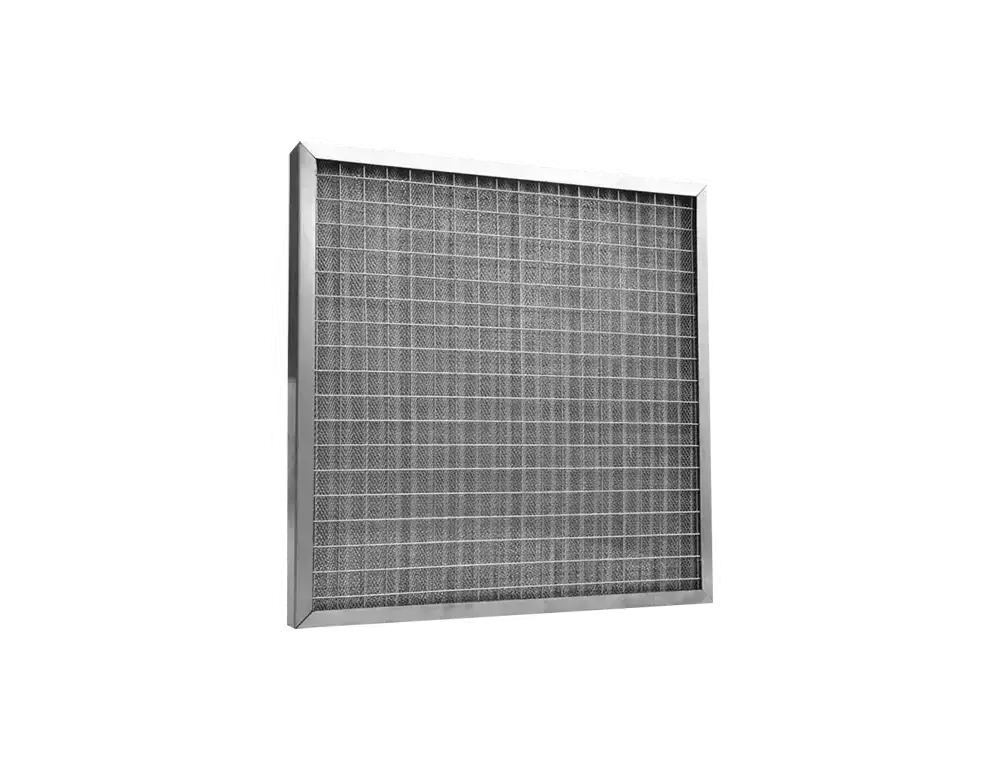
Pre-Filter (G1–G4)
First-Stage Large-Particle Capture
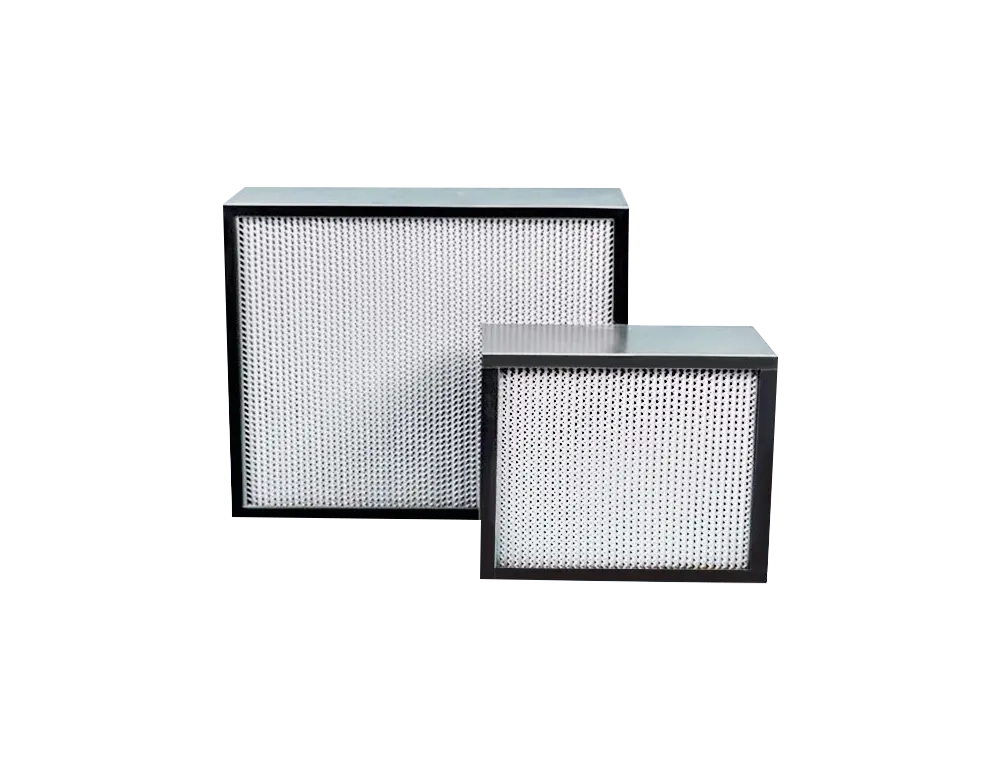
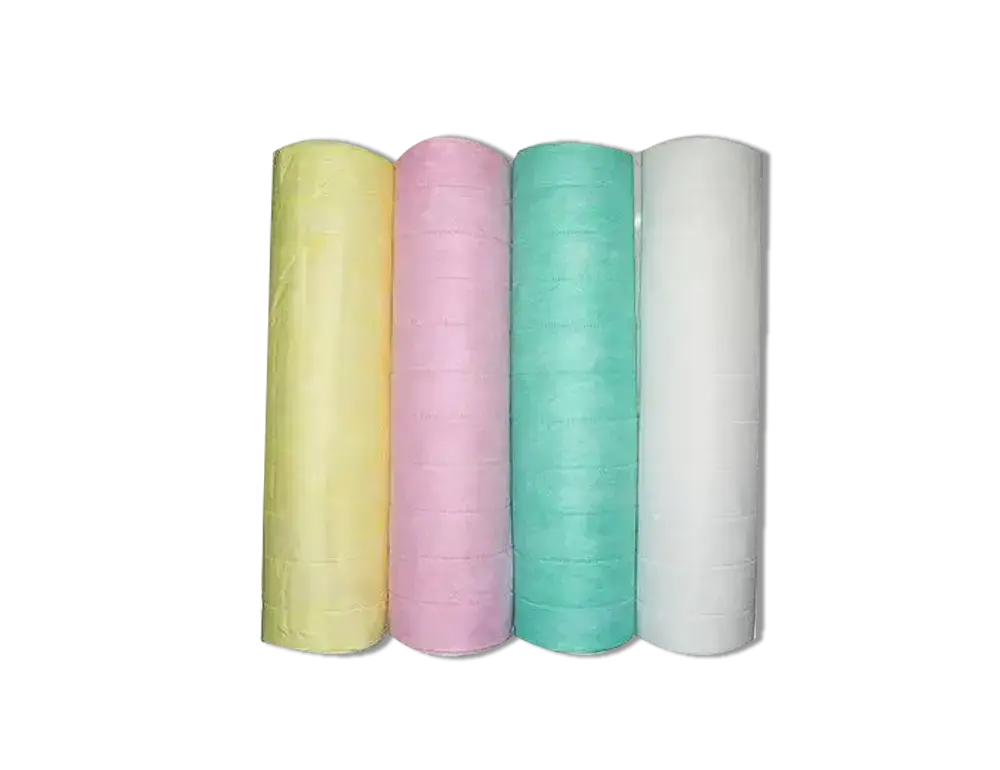
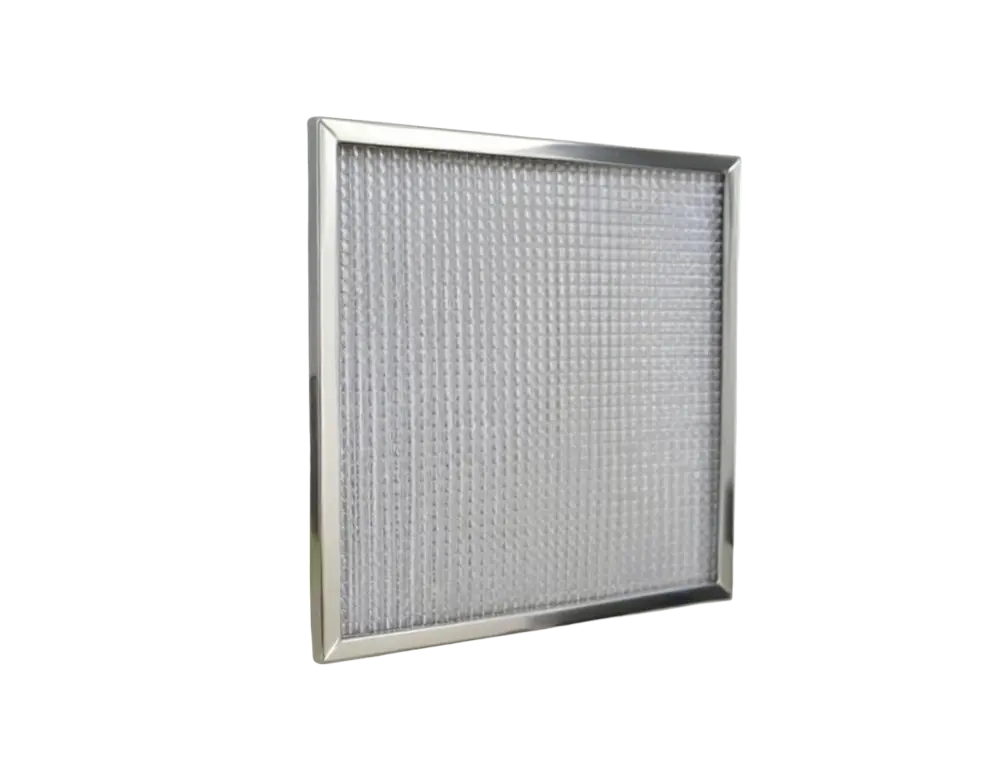
Medium-Efficiency Filter (F5–F9)
Precise PM2.5 Capture
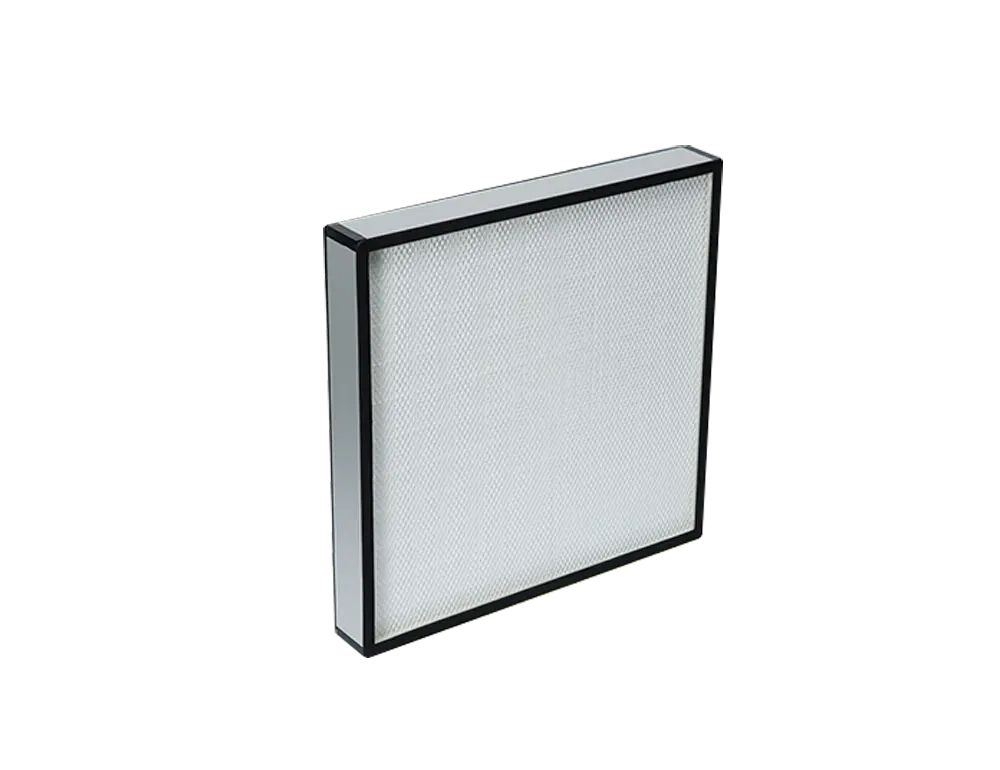
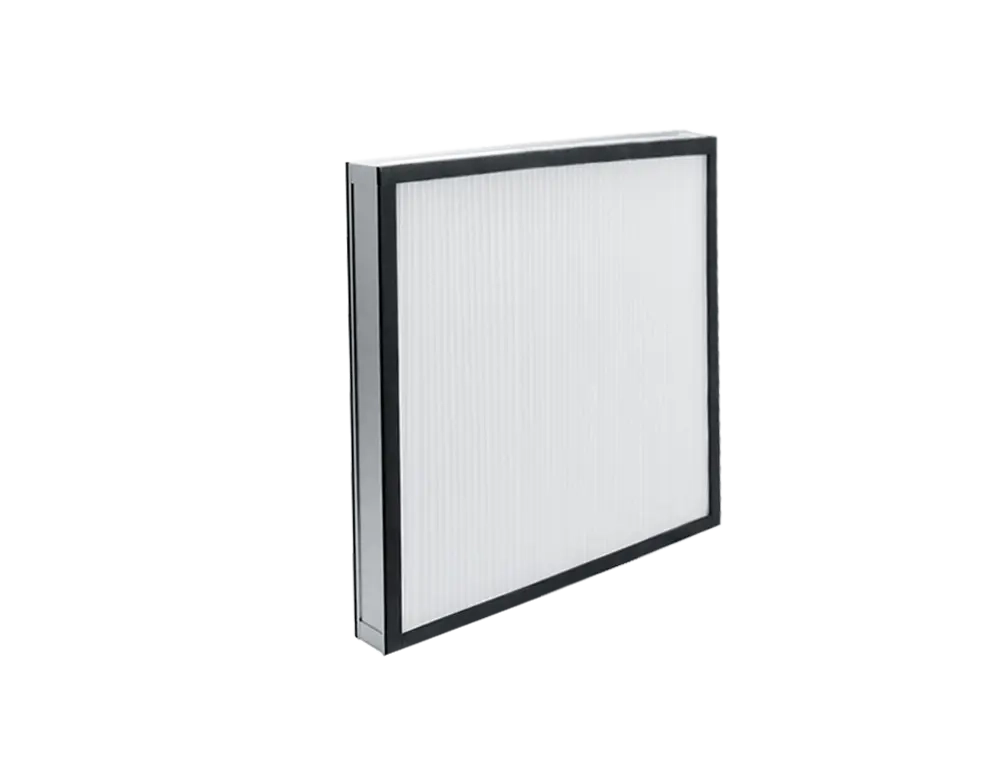
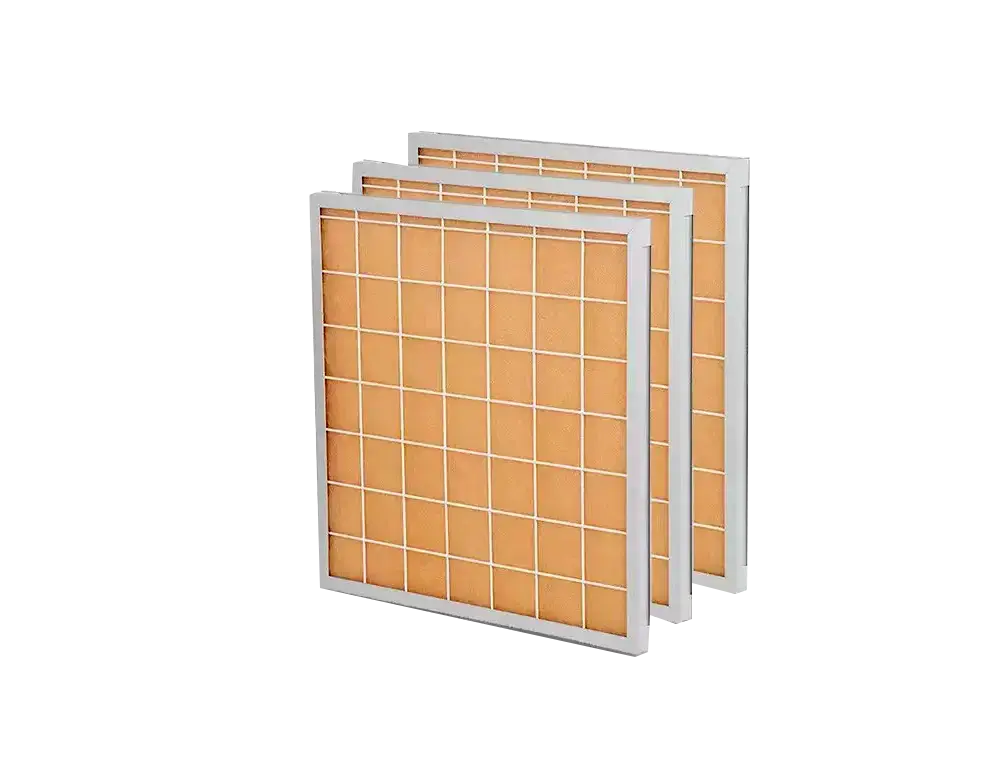
HEPA High-Efficiency Filter
Sterile-Grade Purification
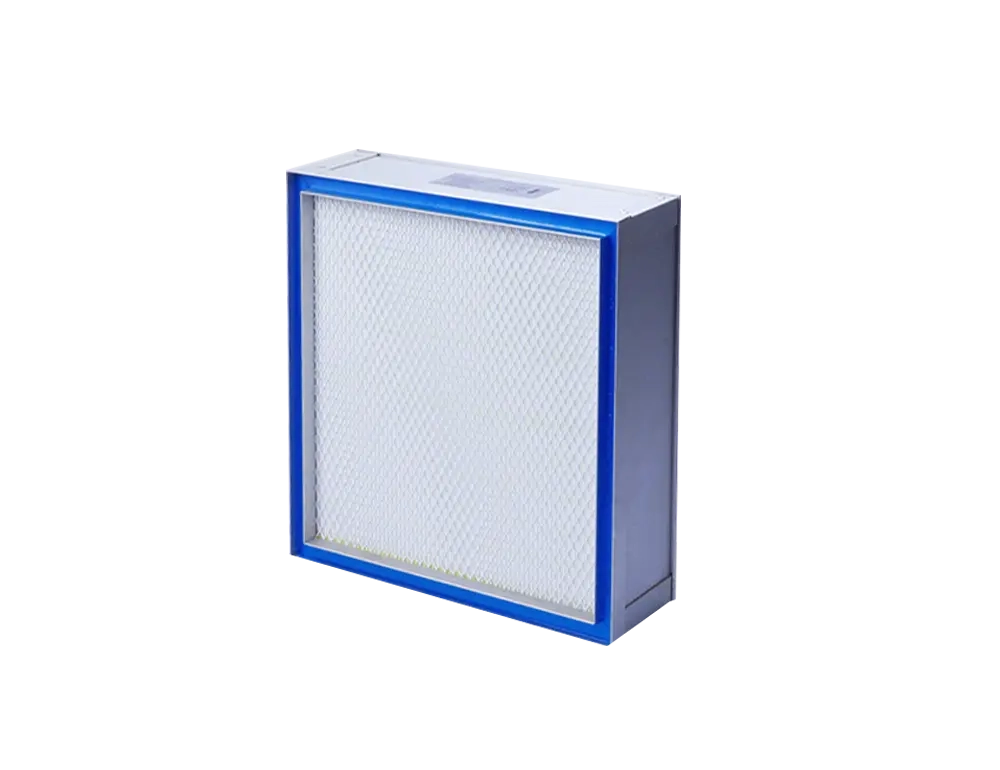
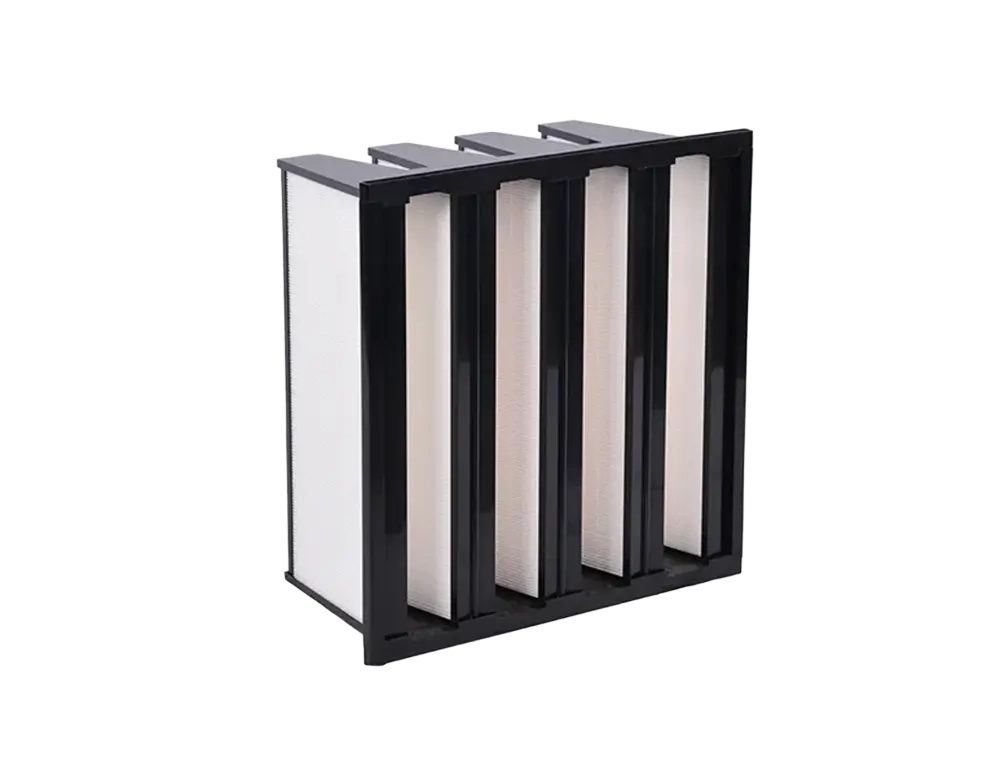
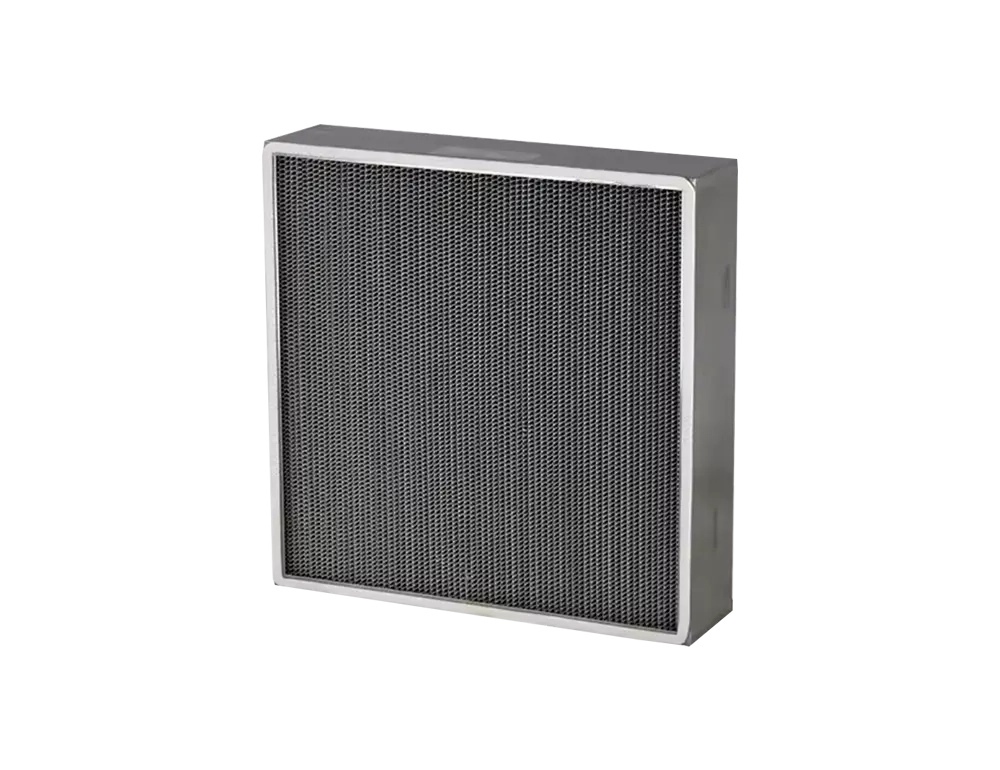
ULPA Ultra-High Efficiency Filter
Sub-Micron Particle Capture
First-Stage Large-Particle Capture
The first line of defense, capturing particles ≥5 μm such as dust, hair, and fibers to protect downstream filters and extend overall system service life.
View Related Products →Precise PM2.5 Capture
Captures fine particles of 1–5 μm including PM2.5, pollen, and mold spores, significantly improving indoor air quality for commercial HVAC and ventilation systems.
View Related Products →Sterile-Grade Purification
≥99.97% filtration efficiency for particles ≥0.3 μm, delivering sterile-grade clean air widely used in medical, pharmaceutical, and electronics manufacturing.
View Related Products →Sub-Micron Particle Capture
≥99.9995% efficiency for particles ≥0.12 μm, meeting the extreme cleanliness demands of semiconductor fabs, aerospace, and other ultra-precision applications.
View Related Products →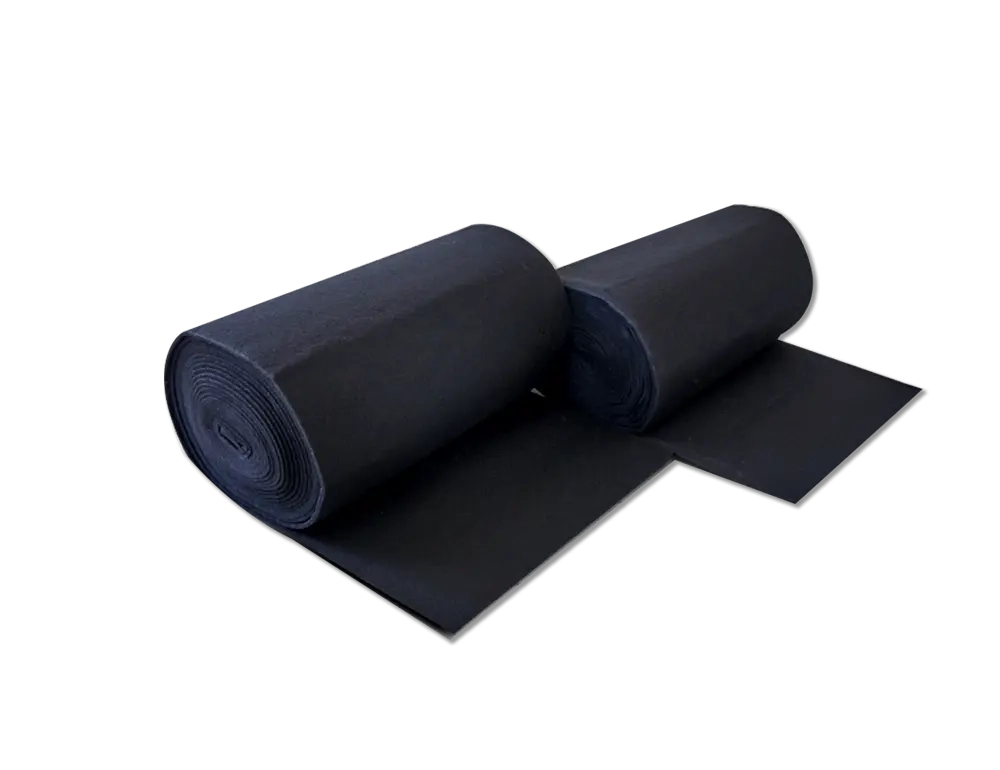
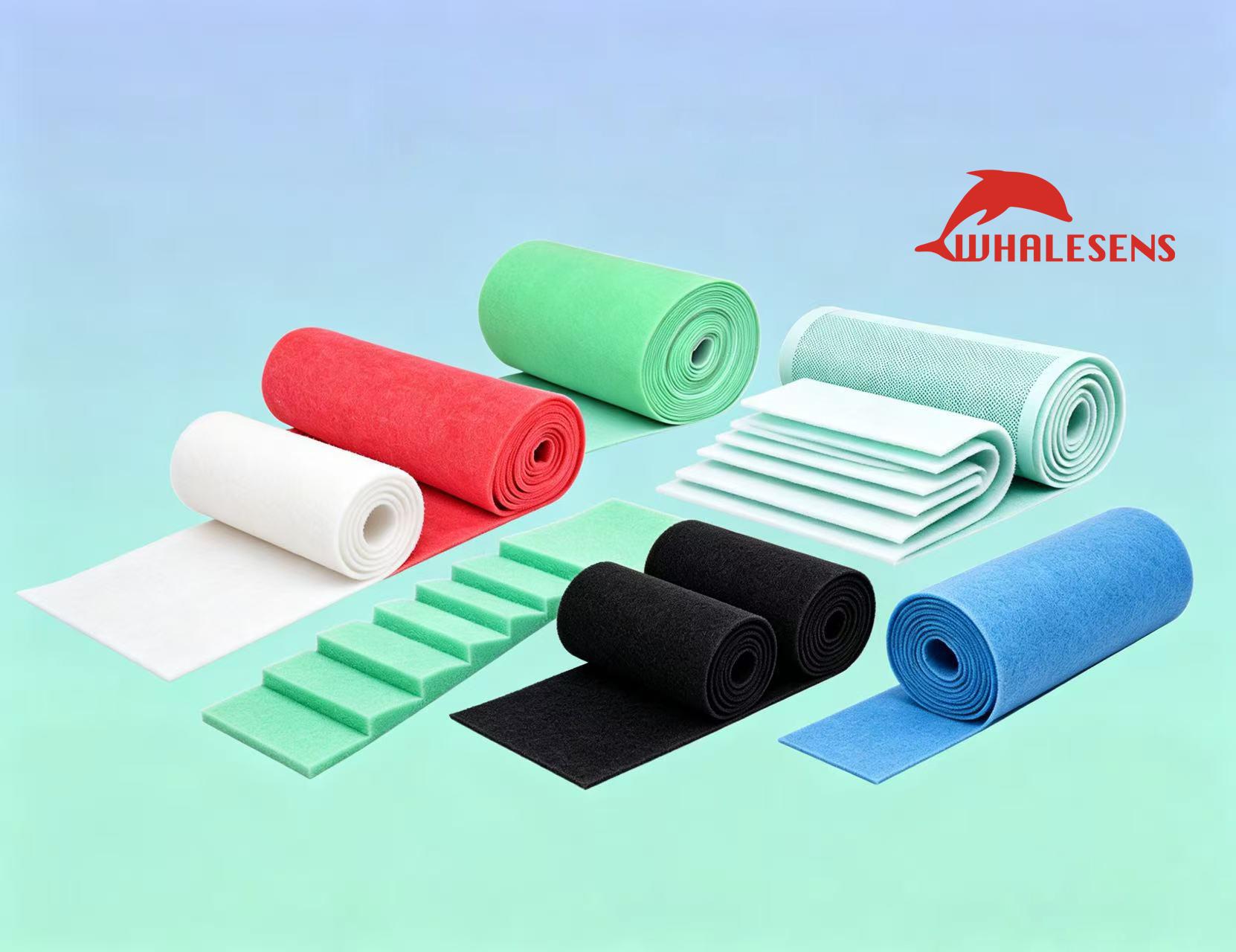
High-Temperature Resistant
Industrial-Grade Heat Tolerance
Washable & Reusable
Cut Costs, Reduce Waste
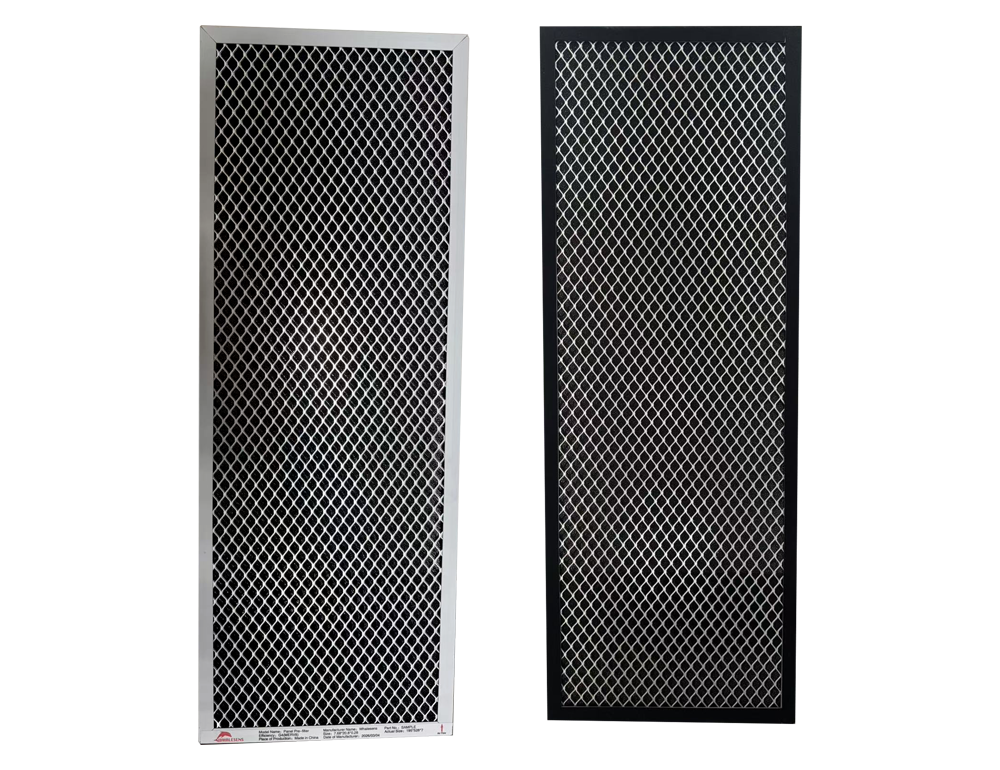
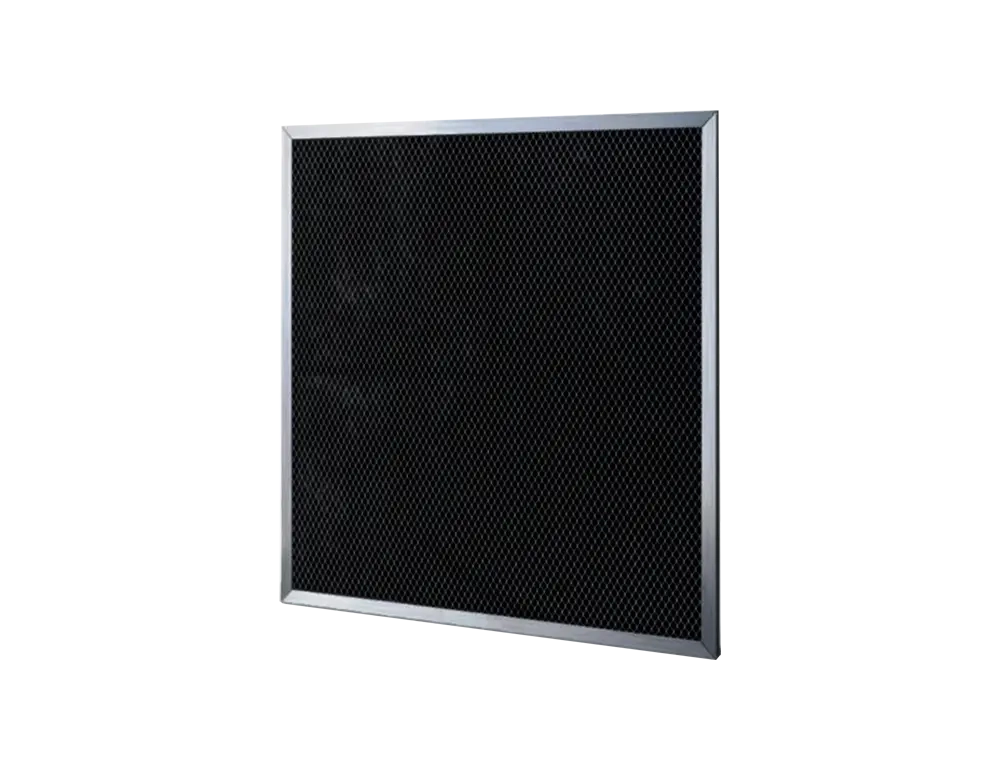
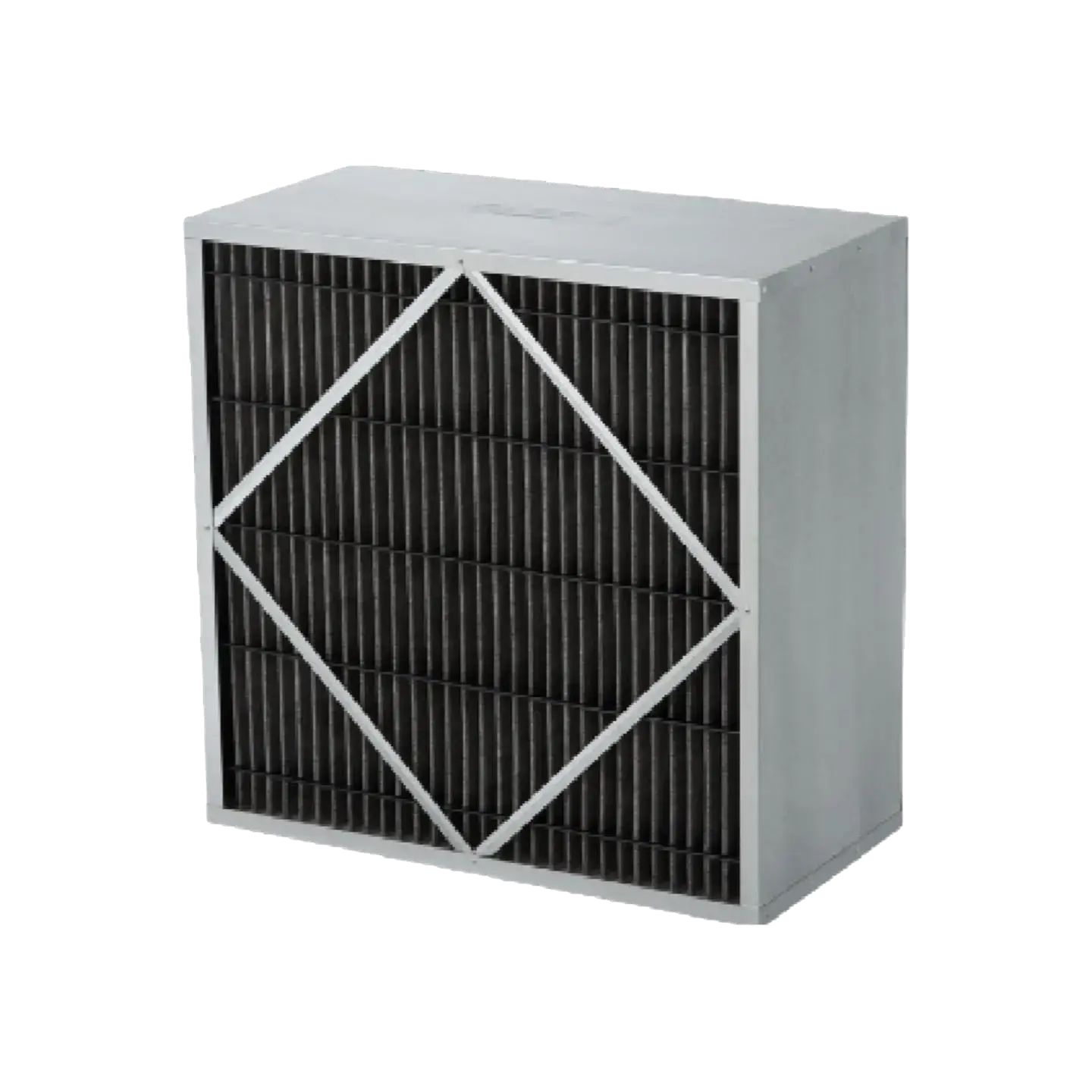
Activated Carbon
Odor & Harmful Gas Removal
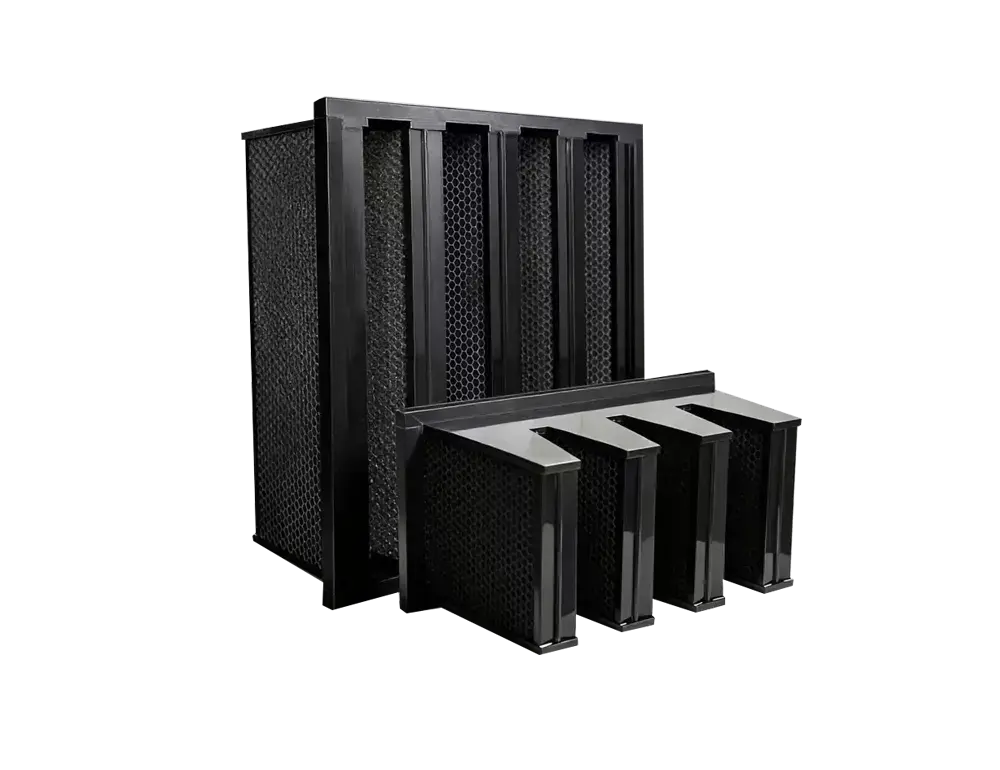
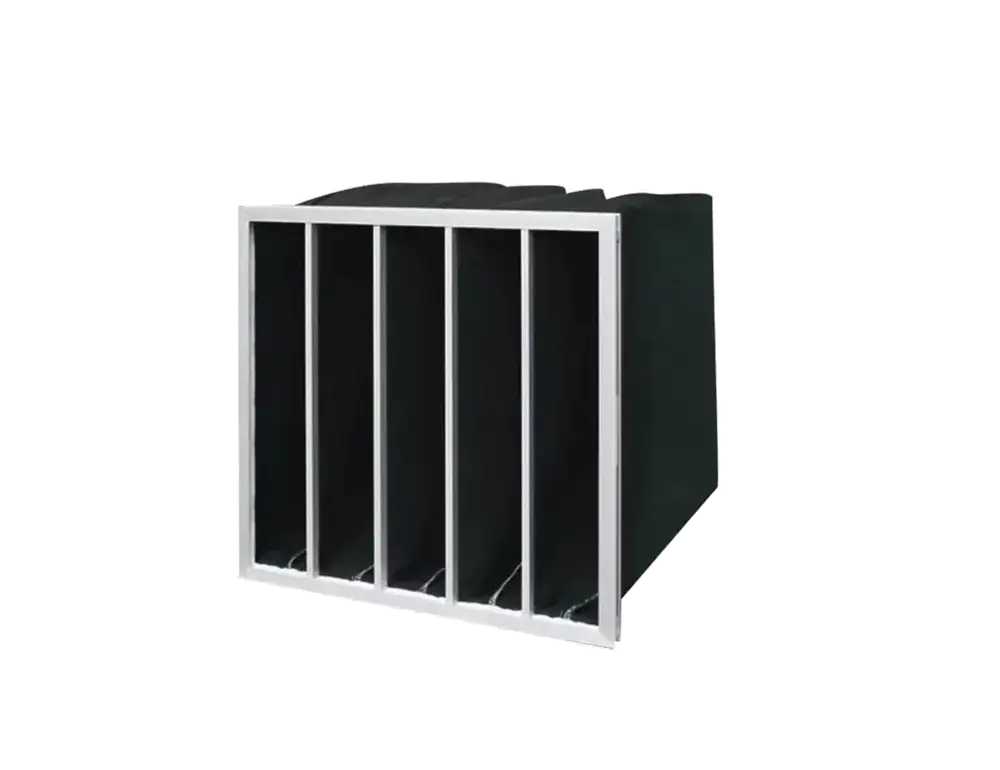
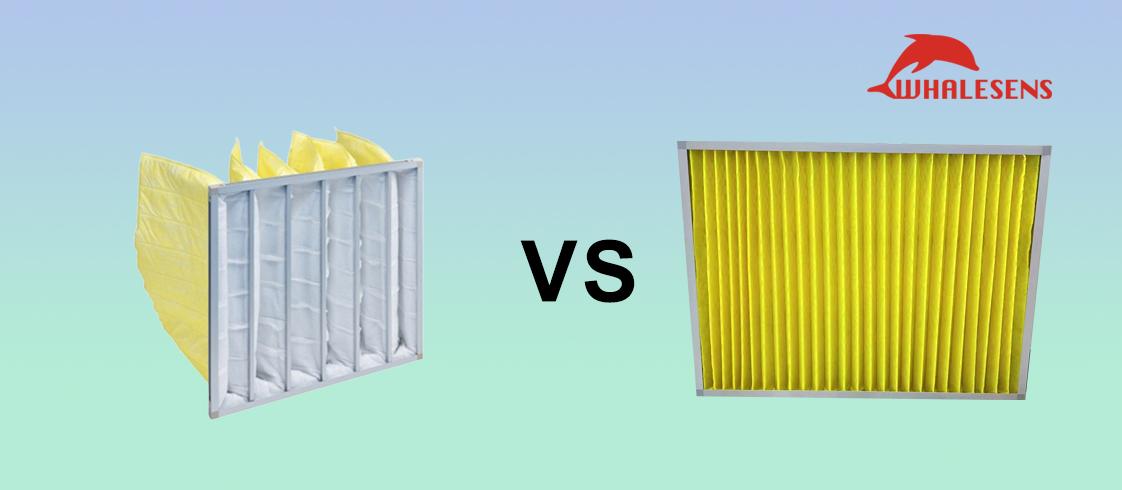
Bag Filter
High Dust-Holding, Long Life
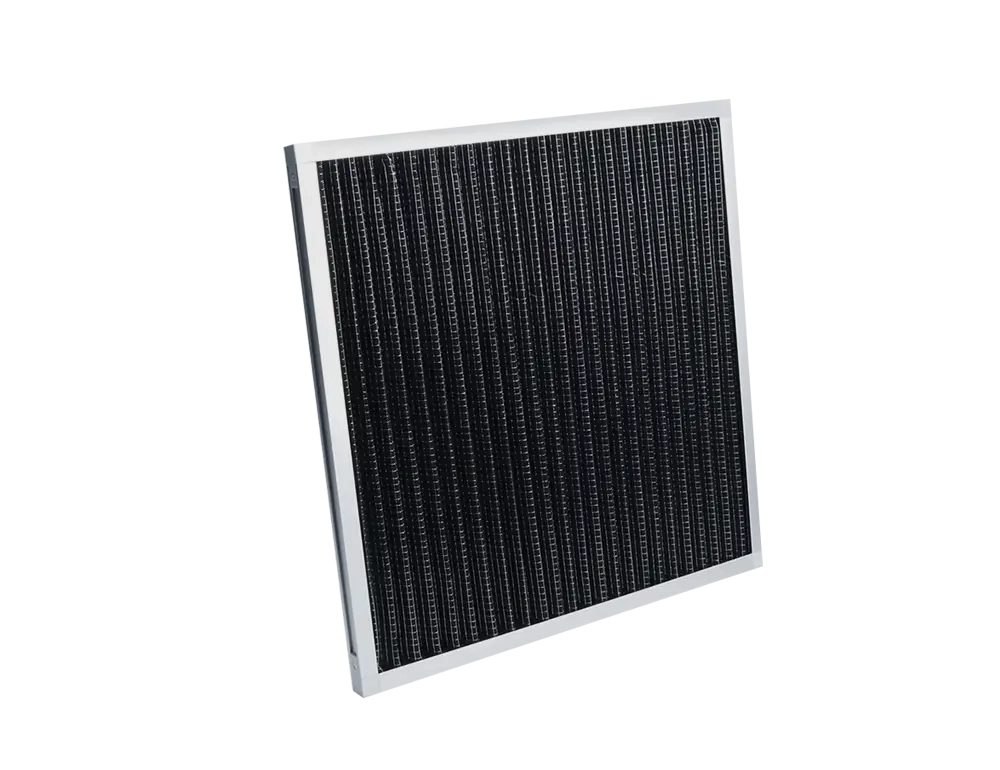
Panel / Pleated Filter
Compact Space-Saving Design
Low-Resistance Airflow
Energy-Saving Operation
Industrial-Grade Heat Tolerance
Built with specialized heat-resistant materials, operating stably up to 250°C for paint ovens, industrial dryers, and high-temperature process environments.
View Related Products →Cut Costs, Reduce Waste
Cleanable by water washing or air blowing, reusable multiple times to significantly reduce replacement frequency and O&M costs — an economical, eco-friendly choice.
View Related Products →Odor & Harmful Gas Removal
Leverages activated carbon's high adsorption capacity to eliminate odors, VOCs, and formaldehyde, ideal for newly renovated spaces and industrial exhaust treatment.
View Related Products →High Dust-Holding, Long Life
Bag-style construction delivers a larger filtration area, high dust-holding capacity, and extended service life — ideal for high-dust environments with reduced replacement frequency.
View Related Products →Compact Space-Saving Design
Compact form factor for easy installation and replacement; pleated structure maximizes filtration area within a small footprint for higher efficiency.
View Related Products →Energy-Saving Operation
Low-resistance design minimizes pressure drop while maintaining filtration performance, reducing fan energy consumption for cost-effective, eco-friendly operation.
View Related Products →














 English(Global)
 简体中文
简体中文 Language




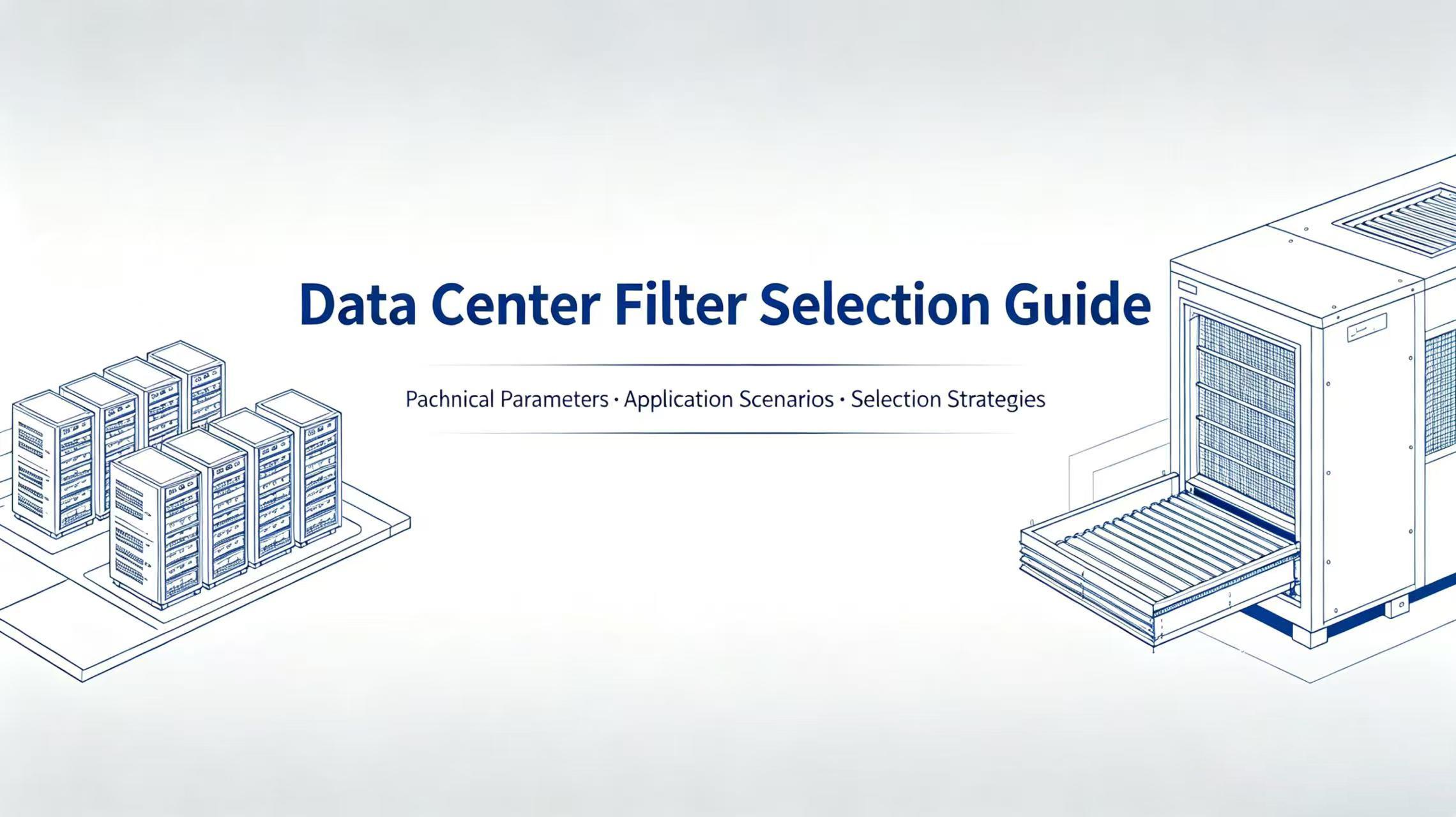
Complete Guide to Data Center Air Filter Selection
In data centers, air quality and filtration system performance under ISO 16890 directly affect the operational stability, energy efficiency and service life of core IT equipment. This complete data center air filter selection guide covers international mainstream standards including ISO 16890 and ASHRAE 52.2, focuses on key indicators such as filter pressure drop, dust holding capacity and total cost of ownership (TCO), provides targeted selection schemes for pre-filters, final filters, HEPA filters and chemical gas-phase filters, and helps data center managers optimize PUE performance, control equipment corrosion risks and formulate scientific filter replacement and maintenance strategies.
Overview: Why Filter Selection Matters
As the core infrastructure of the modern digital economy, data centers house vast numbers of servers, storage devices, and networking equipment. These precision electronic components are highly sensitive to airborne particles. Suspended particulates, dust, and corrosive gases can cause poor heat dissipation, circuit board corrosion, hardware failure, and even downtime – directly impacting data center reliability and performance.
With the continuous growth in data center scale and power density, the conflict between IT equipment cooling demand and air quality requirements has become more acute. HVAC systems account for a significant share of total data center operating costs, and air filters directly affect fan energy consumption, heat exchange efficiency, and maintenance expenses. Therefore, scientifically sound filter selection is not only a prerequisite for reliable equipment operation but also a key lever for reducing PUE (Power Usage Effectiveness).
However, the evolution of air filtration standards has introduced new challenges for specifiers. Since 2018, Europe has completely replaced the long‑used EN 779 standard with ISO 16890; ASHRAE 52.2 has also been continuously updated. Faced with multiple rating systems – MERV, ISO ePM, HEPA classes – engineers and facility managers need a systematic, clear selection guide.
This article provides a comprehensive technical reference for engineering designers, HVAC integrators, and data center O&M managers, covering core filtration standards, key selection parameters, energy efficiency evaluation methods, and configuration solutions for different scenarios.
Core Standards Explained: ISO 16890 and ASHRAE 52.2
Understanding the relevant standards is essential for proper filter selection. The most important standards for data center air filtration include ASHRAE 52.2 (U.S.), ISO 16890 (global standard), ISO 29463 (for high‑efficiency filters), and the now‑withdrawn EN 779 (Europe).
ASHRAE 52.2 and the MERV Rating System
ASHRAE Standard 52.2, developed by the American Society of Heating, Refrigerating and Air‑Conditioning Engineers, was first published in 1999, replacing the older ASHRAE 52.1 (which used atmospheric dust spot efficiency). The standard uses a fractional particle size efficiency test with artificial dust, more accurately reflecting a filter’s ability to capture particles of different sizes. The 2017 edition further refined test procedures and data processing to improve repeatability and international alignment.
MERV (Minimum Efficiency Reporting Value) is the core metric of ASHRAE 52.2. It represents the filter’s minimum efficiency across three particle size ranges (0.3–10 µm). MERV values range from 1 to 20; higher numbers indicate better filtration performance. The table below shows typical efficiency ranges and applications:
| MERV | Particle Size (µm) | Typical Efficiency (%) | Typical Application |
|---|---|---|---|
| 1–4 | >10 | Residential ventilation | |
| 5–8 | 3–10 | 20–70 | Commercial buildings, light industrial |
| 9–12 | 1–3 | 70–90 | Hospital corridors, lab support areas |
| 13–16 | 0.3–1 | 90–95 | Operating rooms, cleanroom pre‑filtration, data centers |
| 17–20 | 0.3 | >95 (HEPA‑class) | Bio‑safety labs, semiconductor fabs |
For data centers, MERV 8 through MERV 16 are the most commonly used range. The exact choice depends on the required cleanliness level, equipment sensitivity, and local outdoor air quality.
ISO 16890 – The New Global Standard
ISO 16890 is an international air filter test and classification standard first published by ISO in 2016. It completely replaced EN 779 in Europe by mid‑2018 and is increasingly adopted worldwide.
ISO 16890 introduces three major changes:
- 1 Upgraded test method. ISO 16890 uses a solid KCl (potassium chloride) aerosol covering the full 0.3–10 µm particle size range, and efficiency ratings are based on discharge‑treated (de‑staticized) samples. In contrast, EN 779 used a single‑size DEHS liquid aerosol (0.4 µm) without mandatory discharge treatment. ISO 16890 provides a more realistic picture of filter performance over its service life.
- 2 New classification system. ISO 16890 no longer uses the G/F grades (G1‑G4 coarse, F5‑F9 medium) of EN 779. Instead, it classifies filters based on their counting efficiency for three particle fractions – PM1, PM2.5 and PM10:
| Code | Definition | Relevance |
|---|---|---|
| ePM1 | Counting efficiency for particles ≤1 µm | Very fine particles, can reach alveoli |
| ePM2.5 | Counting efficiency for particles ≤2.5 µm | Fine particles, PM2.5 air pollution |
| ePM10 | Counting efficiency for particles ≤10 µm | Inhalable particles |
| Coarse | Gravimetric efficiency for particles >10 µm | Large dust particles |
ISO 16890 uses the same evaluation parameters as the World Health Organization and other environmental authorities, directly linking filter performance to air quality metrics.
Adjusted test end point. EN 779 fixed the test end point at 250 Pa, while actual change‑out pressure drop is often 450 Pa – a significant deviation. ISO 16890 uses a complete efficiency curve from clean resistance to final resistance, better matching real operating conditions.
ISO 29463 – EPA/HEPA/ULPA High‑Efficiency Standards
When a data center requires extremely high air quality, high‑efficiency or ultra‑low penetration filters are needed. ISO 29463 (and its predecessor EN 1822) is the international standard for such products.
| Group | Name | Efficiency range | Testing requirement |
|---|---|---|---|
| E (EPA) | Efficient Particulate Air | 85%–99.9% | Statistical sampling, no leak scan required |
| H (HEPA) | High Efficiency Particulate Air | ≥99.95% | 100% MPPS test, 5 leak detection methods allowed |
| U (ULPA) | Ultra‑Low Penetration Air | ≥99.999% | Mandatory scan leak detection |
MPPS (Most Penetrating Particle Size) is a key concept in high‑efficiency filter testing. The MPPS is usually in the 0.1–0.3 µm range – the particle size at which the filter shows its lowest efficiency. Rating filters by MPPS efficiency is the most rigorous approach.
Cross‑Reference and Conversion Guide
For international projects, engineers often need to convert between MERV, old EN 779 grades, and ISO 16890. The following table gives lab‑validated approximate equivalences:
| MERV (ASHRAE 52.2) | EN 779 (withdrawn) | ISO 16890 equivalent | Notes |
|---|---|---|---|
| 7–8 | G4 | ePM10≥50% or Coarse | Coarse, for large particles |
| 11 | F5/M5 | ePM10≥60%–80% | Entry‑level medium efficiency |
| 13 | F7 | ePM1≥60%–75% | Common for data centers |
| 14 | F8 | ePM1≥75%–80% | Higher efficiency |
| 15–16 | F9 | ePM1≥80%–90% | Near‑HEPA |
| — | H10–H11 | ~ePM1≥70%–75% | Sub‑HEPA / quasi‑HEPA |
Important: These correspondences are not strict mathematical equalities. Always refer to actual certified test data for a specific product. Also, ASHRAE Standard 241 explicitly requires mechanical filters (e.g., MERV 13A) and no longer accepts filters that rely on electrostatic charge, as charge decays over time and reduces efficiency.
Data Center Cleanliness Requirements and Filtration Goals
Understanding the cleanliness standards for data centers is essential for proper filter selection.
ISO 14644-1 Class 8 Cleanliness
ISO 14644-1 is the globally recognized standard for cleanrooms and controlled environments. It has been recommended by ASHRAE TC 9.9 as the cleanliness reference for data centers. According to this standard, data center air cleanliness must meet ISO Class 8.
ISO Class 8 requires: ≤3,520,000 particles ≥0.5 µm per cubic meter of air.
It is important to note that ISO Class 8 does not require the entire data center to operate like a semiconductor cleanroom. Rather, it applies to the supply air from the HVAC system. For data centers that do not use air‑side economizers, ISO Class 8 can typically be achieved by:
- ■ Using MERV 8 filters to continuously recirculate indoor air, OR
- ■ Using MERV 11 or higher (MERV 13 recommended) for outside air filtration.
For data centers using air‑side economizers, the filtration scheme must be specially designed based on local outdoor air quality.
Particulate and Chemical Contaminant Limits
In addition to particle concentration limits, data centers must also control corrosive gases. ASHRAE TC 9.9 recommends controlling gaseous corrosivity to ANSI/ISA 71.04‑2013 G1 level:
| Contaminant Type | Limit | Reference standard |
|---|---|---|
| Copper corrosion rate | ANSI/ISA 71.04‑2013 G1 | |
| Silver corrosion rate | ANSI/ISA 71.04‑2013 G1 | |
| PM10 concentration | GB/T 36370‑2018 | |
| PM2.5 concentration | GB/T 36370‑2018 |
Installing medium‑efficiency filters can reduce airborne particle concentrations inside a data center by about 60% or more, significantly lowering equipment failure rates.
Key Technical Parameters for Filter Selection
Scientific filter selection requires a thorough understanding of key technical parameters and their engineering implications.
Filtration Efficiency
Efficiency is the most intuitive selection metric. However, different standards define efficiency differently:
- ■ ASHRAE 52.2 / MERV: Efficiency is expressed as the Minimum Efficiency Reporting Value – the filter’s lowest efficiency across a given particle size range. For example, MERV 13 means minimum efficiency of ≥90% for 0.3–1.0 µm particles.
- ■ ISO 16890 / ePM: Efficiency is expressed as counting efficiency. For example, ISO ePM1 70% means the filter has a counting efficiency of 70% for 0.3–1.0 µm particles.
- ■ ISO 29463 / HEPA: Efficiency is expressed as MPPS efficiency. For example, HEPA H13 means overall efficiency ≥99.95% at MPPS.
Resistance (Initial and Final Pressure Drop)
Resistance (also called pressure drop) is a critical parameter affecting data center energy efficiency.
Initial resistance is the clean filter’s resistance at rated airflow. Final resistance is the upper limit at which the filter should be replaced. Typical ranges:
| Filter type | Typical initial resistance (Pa) | Recommended final resistance (Pa) |
|---|---|---|
| Coarse (MERV 8 / Coarse) | 30–80 | ≤150 |
| Medium (MERV 11 / ePM10) | 50–120 | ≤250 |
| High‑medium (MERV 13 / ePM1) | 80–150 | ≤300 |
| Sub‑HEPA (MERV 15‑16) | 120–200 | ≤350–400 |
| HEPA | 150–300 | ≤450–500 |
In data centers, HVAC energy consumption is a major operating cost. Low‑resistance filters reduce fan power and improve PUE. For large data centers, reducing initial resistance by just 10 Pa can save tens of thousands of yuan (or more) annually in electricity costs.
Dust Holding Capacity
Dust holding capacity (DHC) is the total amount of dust a filter can capture before reaching its final resistance, expressed in g/m² or g per filter. Higher DHC means longer filter life and fewer changeouts. Typical DHC for medium‑efficiency filters is 300–1000 g/m².
Key factors affecting DHC include media type, filter area, and pleat geometry. Nanofiber surface‑filtration products can achieve both high efficiency and high DHC with low resistance.
Media Types and Construction
Common media types and constructions for data center air filters:
Media types:
- ■ Glass fiber: High specific surface area, low resistance, high temperature resistance (up to 260 °C), good flame retardancy (UL 900 Class 1). The preferred material for high‑efficiency and HEPA/ULPA filters.
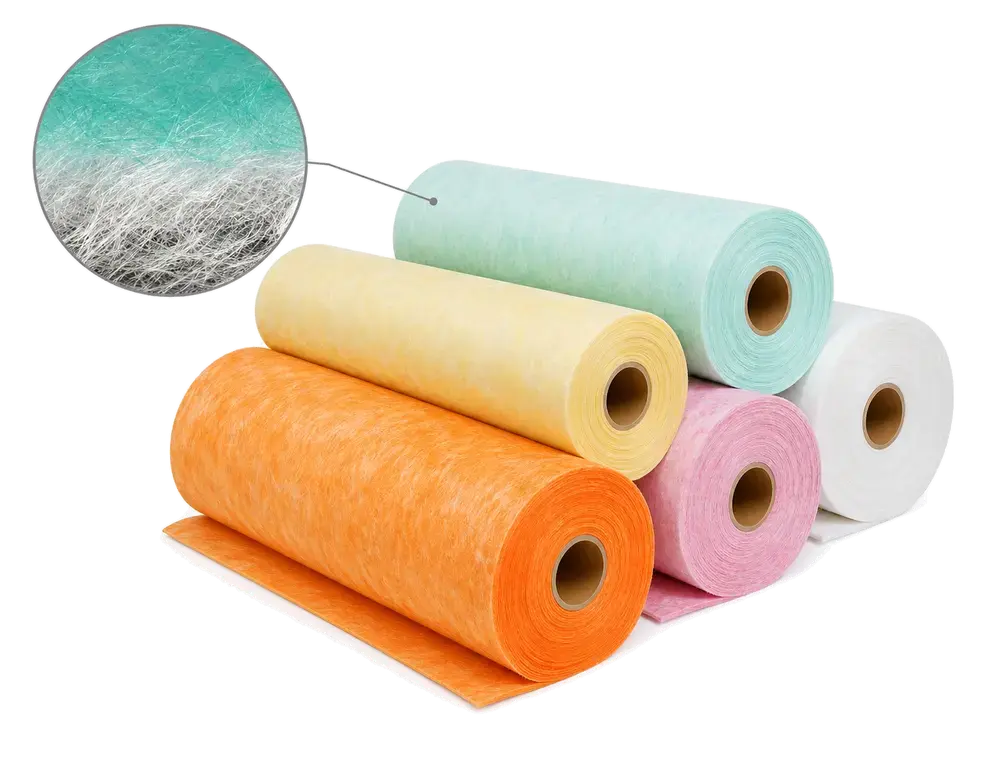
- ■ Synthetic fibers (polypropylene, polyester, etc.): Lower cost, suitable for low‑to‑medium efficiency applications. Some products use nanofiber surface treatment to achieve high efficiency at low resistance.
- ■ Electret media: Use electrostatic charge to enhance particle capture. However, ASHRAE 241 has explicitly noted that efficiency of charge‑dependent filters decays over time. For critical applications, mechanical filtration media should be preferred.
Constructions:
- ■ Panel / pleated panel: Simple construction, suitable for coarse and medium efficiency.
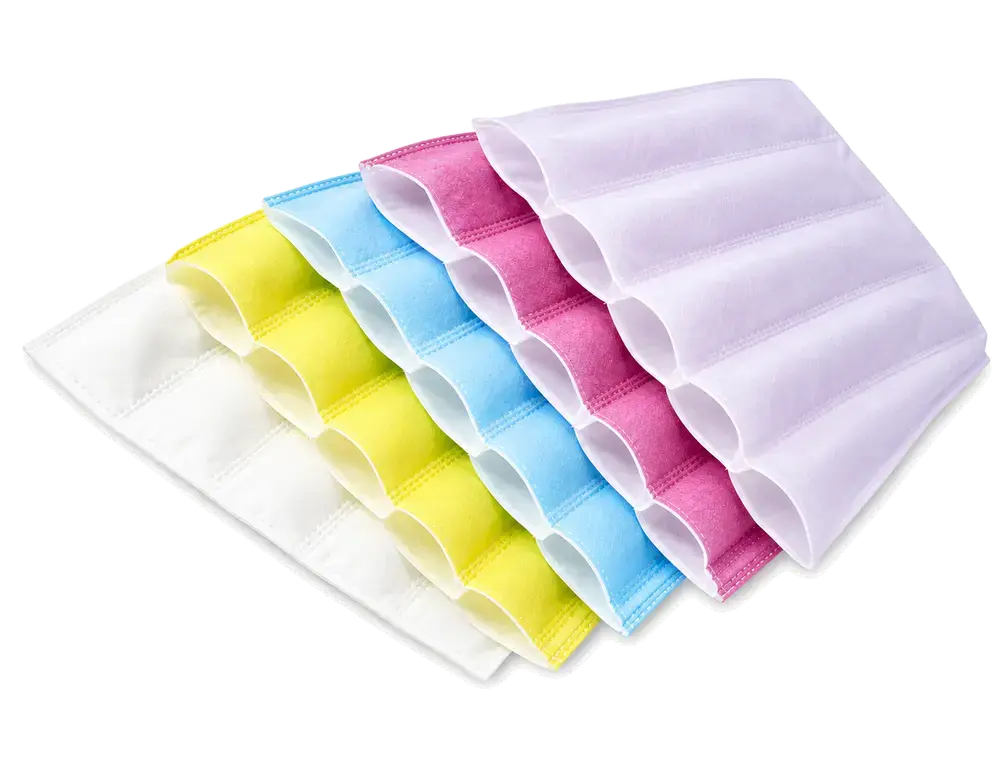
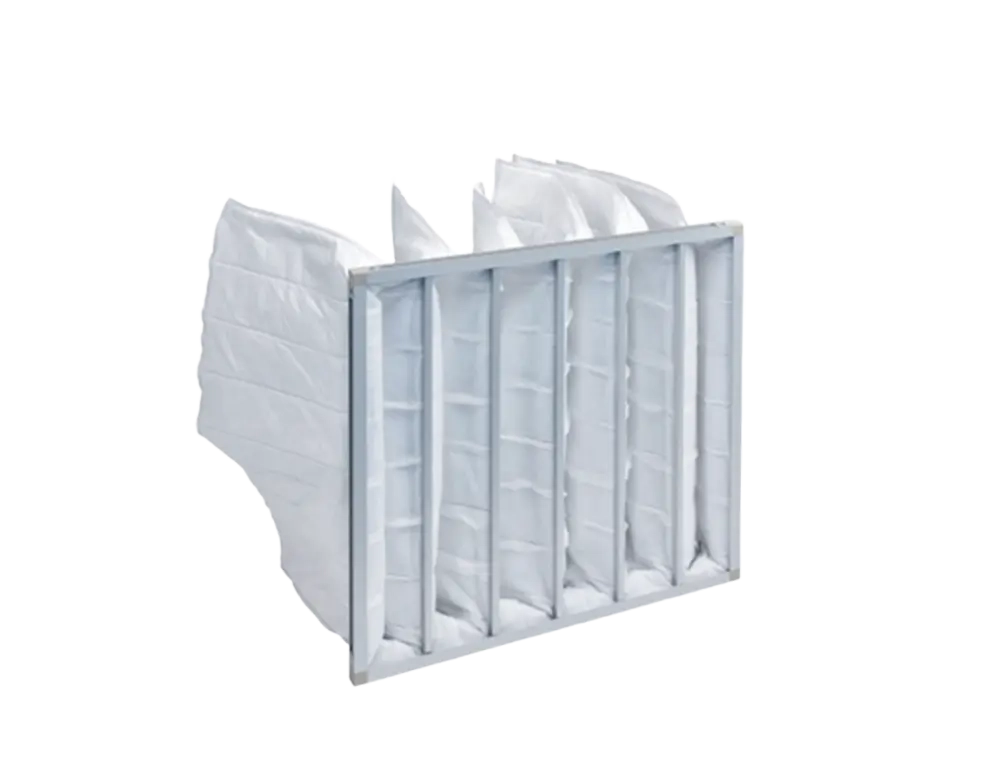
- ■ Bag / pocket filters: High DHC, low resistance, suitable for high‑airflow medium‑efficiency applications.
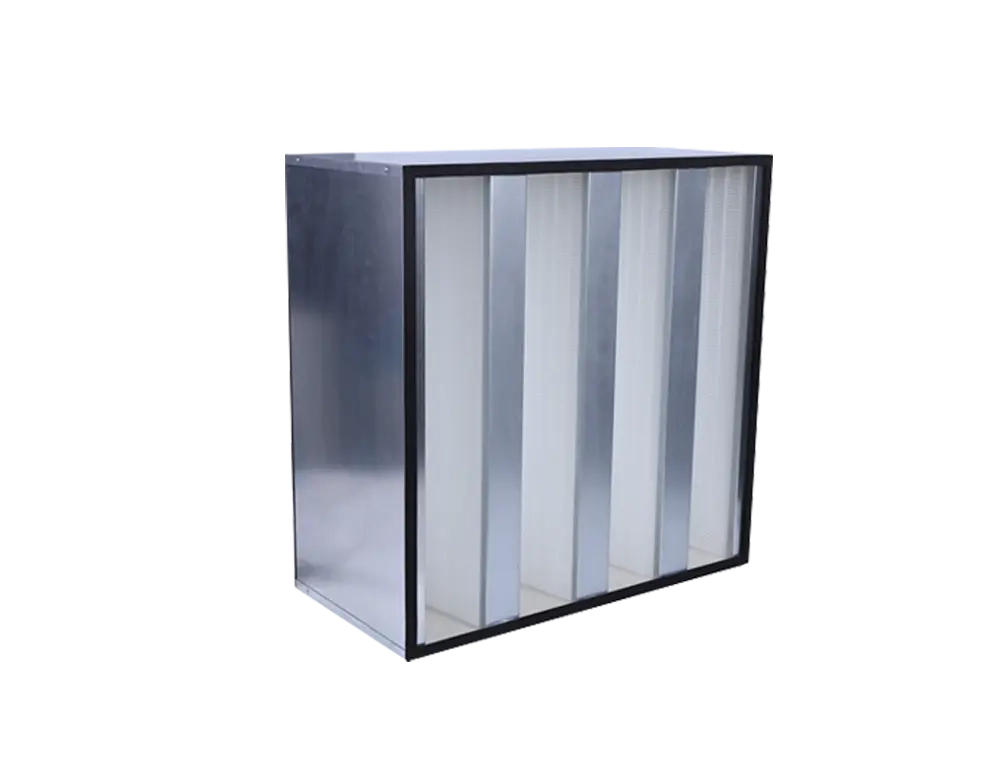
- ■ V‑bank / compact / rigifilter: W‑ or V‑shaped pleating increases filter area, reduces face velocity and resistance, ideal for large data center AHUs.
- ■ Mini‑pleat (no separator): No separators reduce resistance and improve space utilization, often used for high‑efficiency filters.
Data Center Filter Selection Matrix
Based on data center type, equipment class, and local environmental conditions, we recommend the following selection framework.
Configuration by Data Center Type
| Data center type | Recommended pre‑filter | Recommended main filter | Basis |
|---|---|---|---|
| Enterprise (corporate) | MERV 8 / ePM10≥50% | MERV 11–13 / ePM1≥60% | Standard configuration, balanced cost/performance |
| Colocation / hosting | MERV 8–11 | MERV 13–14 / ePM1≥70% | High SLA requirements, diverse equipment |
| Hyperscale | MERV 11–13 / ePM1≥60% | MERV 15–16 / ePM1≥85% | High‑density equipment, strict O&M standards |
| Edge / micro | MERV 8 | MERV 11 / ePM10≥70% | Space‑constrained, short maintenance cycles |
| Government / financial core | MERV 11–13 / ePM1≥70% | HEPA H10–H13 + chemical filtration | Highest reliability requirements |
Hyperscale data centers may have 5,000+ servers and 500+ racks, demanding extremely high air cleanliness and energy efficiency. High‑density racks (8–15 kW/rack) require higher levels of filtration protection.
Configuration by ASHRAE Equipment Class
ASHRAE classifies electronic equipment environments into Classes 1–4 plus NEBS. Different classes have different temperature/humidity control ranges and filtration recommendations:
| ASHRAE Class | Typical equipment | Recommended filtration |
|---|---|---|
| Class 1 | Enterprise servers, storage | MERV 11 (recirculated) / MERV 13 (outside air) |
| Class 2 | General IT equipment | MERV 11 |
| NEBS | Switching, transmission equipment | MERV 13 (more stringent) |
China’s Data Center Design Code (GB50174‑2017) classifies data centers as Grade A, B, or C. Grade A computer rooms (most stringent) recommend MERV 13 or higher.
Selection Decision Tree
Use this decision path as a reference:
- 1 Determine cleanliness target
- 2 Assess local outdoor air quality
- 3 Select main filter grade
- 4 Design pre‑filtration
- 5 Optimize based on resistance and TCO
Energy Efficiency and Total Cost of Ownership (TCO) Analysis
Impact of Filter Resistance on PUE
PUE (Power Usage Effectiveness) is the key metric for data center energy efficiency, defined as total facility power divided by IT equipment power. HVAC systems account for about 75% of non‑IT load, and fans represent a substantial portion of HVAC energy.
Filter resistance directly determines fan power consumption. Fan affinity laws show power is proportional to pressure drop (and cube of airflow). For a typical large data center AHU:
- ■ Airflow: 50,000 m³/h
- ■ Fan efficiency: 70%
- ■ Annual operation: 8,760 hours
- ■ Electricity price: ¥0.80/kWh
Reducing filter resistance from 200 Pa to 150 Pa saves approximately ¥5,000–8,000 per AHU per year. For a large data center with hundreds of AHUs, this can mean hundreds of thousands of yuan annually.
Low‑resistance high‑efficiency technologies (nanofiber media, V‑bank compact construction) are critical for reducing PUE. The use of EC fans can further cut fan energy by 30%–50%.
TCO Components and Optimization
The total cost of ownership (TCO) for filters consists of:
| TCO component | Approximate share | Optimization strategy |
|---|---|---|
| Energy cost (resistance‑related electricity) | 40–60% | Choose low‑resistance products, optimize final resistance setting |
| Filter purchase cost | 15–25% | Bulk purchasing, long‑term partnerships |
| Labor for changeouts | 10–20% | Extend replacement intervals, choose high‑DHC products |
| Downtime / disposal | 5–15% | Standardize changeout procedures, environmentally sound disposal |
For large‑scale clean environments, TCO can be significantly reduced through optimized filter selection. For example, one filter series reduced the number of changeouts by one over 3 years, saving over ¥3,000 per AHU. Other data show that optimized filtration can extend filter life from quarterly to annual replacement, delivering substantial labor and material savings.
TCO optimization tips:
- ■ Don’t base decisions solely on purchase price – a cheap but high‑resistance filter may incur higher long‑term energy costs.
- ■ Set final resistance appropriately – too low causes premature changeouts; too high increases energy use and may reduce airflow.
- ■ Consider two‑stage filtration – a coarse pre‑filter upstream of an expensive main filter greatly extends main filter life.
- ■ Use digital selection tools – life‑cycle cost analysis software can provide accurate TCO predictions based on actual operating data.
Filter Configurations for Different Data Center Scenarios
Scenario 1: Traditional enterprise data center (5–10 year life, medium density)
Configuration: MERV 11–13 on outside air intakes; MERV 8 on AHU return for recirculation. Change pre‑filters every 3–6 months; inspect/replace main filters every 6–12 months.
Scenario 2: Hyperscale cloud data center (10+ year life, high density)
Configuration: MERV 13–15 two‑stage filtration for outside air; V‑bank or compact filters (MERV 13–15) in AHUs. Deploy particle counters for online monitoring. MERV 13A filters with nanofiber media provide high efficiency with lower resistance and longer life.
Scenario 3: High‑sensitivity financial/government data center (highest reliability)
Configuration: In addition to MERV 13–15 main filters, deploy EFUs (equipment fan filter units) with H10–H13 HEPA filters in critical server rack areas. Design to ISO 14644‑1 Class 7 or higher for clean zones.
Scenario 4: Data center with air‑side economizers
Configuration: Use MERV 13–15 two‑stage filtration; pre‑filter should be at least MERV 11. Based on local air quality data, consider adding chemical filtration (activated carbon or chemisorbent media) to handle corrosive gases.
Operation, Maintenance and Monitoring
Determining Filter Change Intervals
Filter replacement intervals should be determined based on:
- ■ Pressure drop monitoring: Replace when resistance reaches the preset final resistance (typical setting 250–500 Pa, depending on system design).
- ■ Calendar time: Under stable ambient conditions, change coarse filters every 3–6 months, medium every 6–12 months, and HEPA every 12–24 months.
- ■ Air quality monitoring: If particle counter readings rise abnormally, inspect filters immediately.
The choice of final resistance directly affects filter service life, system airflow margin, and energy consumption. Optimize based on system design and energy goals.
Real‑Time Monitoring Technologies
Modern data centers should deploy:
- ■ Differential pressure sensors – monitor filter resistance trends in real time.
- ■ Particle counters – monitor particle concentrations on supply and return sides.
- ■ Corrosion coupons (copper/silver) – monitor chemical corrosion rates.
- ■ Gas sensors – specifically detect sulfides, chlorides, and other corrosive gases.
Common Misconceptions and Selection Pitfalls
Myth 1: Higher filter grade is always better. Higher‑grade filters have higher initial resistance and energy consumption. Choose based on actual cleanliness needs and local air quality; avoid over‑specification.
Myth 2: Only compare purchase prices. Energy costs often account for >40% of TCO. A cheap, high‑resistance filter can lead to higher long‑term costs.
Myth 3: Skipping pre‑filtration. Eliminating or downgrading pre‑filters reduces upfront cost but causes rapid loading of main filters, leading to frequent changeouts, higher maintenance costs, and potential operational disruption.
Myth 4: Relying on electrostatic filtration. ASHRAE 241 requires mechanical filters because electrostatic charge decays in service, reducing efficiency.
Myth 5: Mixing old and new standards without caution. Do not simply equate EN 779 F7 with ISO ePM1 65% – efficiency definitions differ. Always check actual certified data for the product.
Summary and Selection Checklist
Selecting air filters for data centers is a systematic engineering task involving cleanliness requirements, standards, energy efficiency, and cost control. This guide has reviewed the three core standards – ASHRAE 52.2, ISO 16890, and ISO 29463 – and provided a complete technical path from environmental requirements to configuration selection.
Final selection checklist:
- ■ Identify data center type (enterprise/colocation/hyperscale/edge) and equipment sensitivity level.
- ■ Determine cleanliness target (ISO 14644‑1 Class 8 or higher).
- ■ Assess local air quality and seasonal variations (especially if using air‑side economizers).
- ■ Select main filter grade (MERV 13 is ASHRAE’s recommended minimum starting point).
- ■ Specify appropriate pre‑filtration (MERV 8–11).
- ■ Compare resistance data of different products; evaluate impact on PUE.
- ■ Calculate TCO, balancing purchase cost, energy consumption, and maintenance expenses.
- ■ Confirm products comply with latest standards (ISO 16890, ASHRAE 241, etc.).
- ■ Develop a monitoring plan and replacement schedule.
- ■ Continuously verify actual performance during procurement and changeouts.
For specific design requirements or selection questions regarding data center air filtration systems, please contact the technical team at WhaleSense Technology for professional support and customized solutions.
This guide is based on the latest versions of ISO 16890, ASHRAE 52.2‑2017, ISO 29463‑1:2024, and other standards. Data current as of 2026. If standards are updated, please refer to the most recent editions.
Frequently Asked Questions (FAQ)
Q1: How do I accurately convert between MERV and ISO 16890 ePM ratings for data center filters? There is no strict mathematical conversion because test methods and classification logic differ. MERV is based on fractional minimum efficiency (ASHRAE 52.2), while ISO 16890 is based on counting efficiency for PM1/PM2.5/PM10 after discharge treatment. As a rough engineering guide: MERV 13 ≈ ISO ePM1 60%–70%, MERV 14 ≈ ePM1 75%–80%, MERV 15–16 ≈ ePM1 80%–90%. Always rely on third‑party test reports for specific products – never use a simple conversion table.
Q2: What filter grade is recommended as the main filter for a new data center? ASHRAE TC 9.9 clearly recommends: for data centers using air‑side economizers, outside air filtration should be at least MERV 13 or ISO ePM1 60%. For traditional data centers without economizers, MERV 8 can be used for recirculated air, but outside air should still be at least MERV 11. Considering reliability, energy efficiency, and long‑term O&M costs, current industry best practice is: main filter MERV 13 / ISO ePM1 ≥65% with a MERV 8 pre‑filter upstream.
Q3: How much additional fan energy does a MERV 13 filter consume? How much does it affect PUE? Compared to MERV 8, a typical MERV 13 filter adds about 50–80 Pa initial resistance. For an AHU with 50,000 m³/h, 8,760 hours/year, ¥0.80/kWh, the annual electricity increase is about ¥6,000–10,000 per AHU. In terms of PUE: if baseline PUE is 1.40, an extra 80 Pa increases PUE by roughly 0.005–0.010. Choose low‑resistance designs (V‑bank, nanofiber media) to keep the resistance increase within 30–50 Pa.
Q4: Can I skip the pre‑filter (coarse filter)? Strongly not recommended. A pre‑filter captures large dust and lint, protecting the more expensive main filter and extending its life by 2–4 times. Without a pre‑filter, a MERV 13 main filter may reach final resistance in 3–6 months, leading to frequent changeouts, higher maintenance costs, and increased risk of operational interruption. Standard configuration: MERV 8 (or ISO Coarse 50%–70%) as pre‑filter, MERV 13 or higher as main filter.
Q5: What does “discharge treatment” in ISO 16890 mean? Why does it matter for data center selection? Many synthetic filter media rely on electrostatic charge to enhance submicron particle capture. In service, dust and oil mist gradually neutralize the charge, causing efficiency to drop significantly. ISO 16890 requires isopropyl alcohol discharge treatment before testing to simulate the filter’s real efficiency after the middle of its service life. Therefore, a product certified as “ISO ePM1 xx%” will maintain its claimed efficiency even after charge decay. In contrast, some electrostatic electret filters that only meet ASHRAE 52.2 may lose 20%–40% of efficiency after 3–6 months of continuous operation in a data center. We recommend choosing mechanical‑filtration media (glass fiber, nanofiber) or products explicitly tested under ISO 16890 discharge conditions.
Q6: When does a data center need chemical filtration (activated carbon / chemisorbent media)? Consider chemical filtration when: ① the data center is located near industrial zones, major traffic arteries, chemical plants, or coastal high‑salt areas; ② copper corrosion rate exceeds 300 Å/month or silver exceeds 200 Å/month (per ANSI/ISA 71.04‑2013 G1); ③ equipment shows unexplained corrosion, increased contact resistance, or early failures. Chemical filters are typically placed downstream of particle filters and use activated carbon, chemisorbent media, or a combination. For data centers using air‑side economizers, chemical filtration is almost a necessity.
Q7: What should the final resistance setpoint be? What happens if it is set too low or too high? Typical recommended final resistance: MERV 8 pre‑filter ≤150 Pa, MERV 13 main filter ≤300 Pa, sub‑HEPA/HEPA ≤400–500 Pa. Too low: Filters are replaced before reaching their dust‑holding capacity, wasting service life, increasing maintenance frequency and disposal costs. Too high: Fan energy spikes, may exceed fan operating curve causing insufficient airflow and uneven cooling distribution, potentially triggering high‑temperature alarms or even downtime. Consider a dynamic final resistance strategy: based on online particle counter data and energy models, moderately increase final resistance (e.g., from 250 Pa to 300 Pa) to extend change intervals, but never exceed fan capability.
Q8: What new requirements does ASHRAE Standard 241 place on data center filter selection? ASHRAE 241‑2023 (Control of Infectious Aerosols) primarily targets building health, but its key requirement for filters – prohibiting filters that rely on electrostatic charge – has significant implications for data center selection. The standard requires mechanical filters (e.g., MERV 13A, where “A” means efficiency verified after discharge treatment) to ensure rated efficiency throughout the service life. Therefore, new or retrofitted data centers should explicitly require suppliers to provide certified reports for MERV 13A or ISO ePM1 xx% (after discharge treatment), avoiding conventional electrostatic electret media.
For any further questions or to request a customized filtration solution for your data center, please contact Whalesens Technology.
About Whalesens Technology
Whalesens Technology Co., Ltd. (Whalesens) is an innovator in the air filter industry, specializing in providing professional air filtration solutions for data centers, new energy vehicle charging infrastructure (Whalesense WSE-S Series dedicated EV charger filters), as well as medical and industrial sectors.
Product Range
- ■ Full range of coarse, medium and high-efficiency air filters
- ■ V-bank compact filters
- ■ HEPA/ULPA ultra-high efficiency filters
- ■ Activated carbon chemical filters
- ■ Customized non-standard products
Learn more about our innovative technologies:
🌐 Official Website: www.whalesens.com
📞 WhatsApp: +86 13119189886
📧 Email: whalesens@gmail.com
Need a custom air filtration solution?
Contact the Whalesens engineering team for product selection and OEM/ODM support.
Email whalesens@gmail.com