


EV Charging Stations
Filtration for Power Equipment
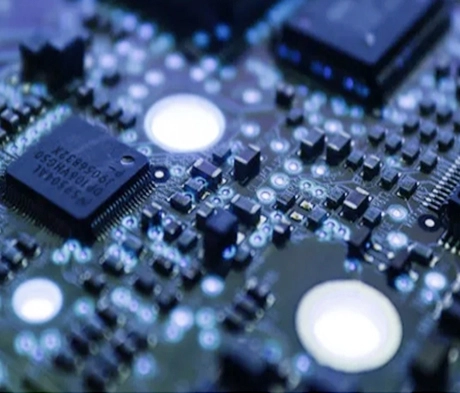
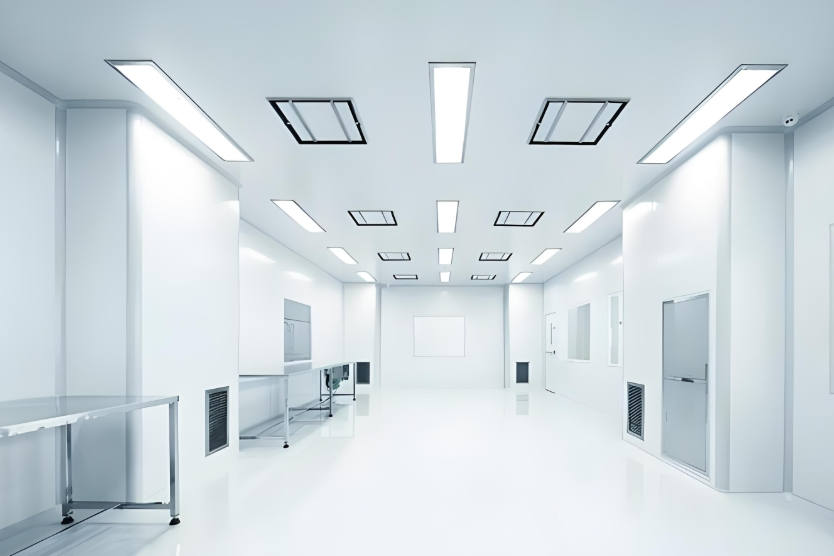
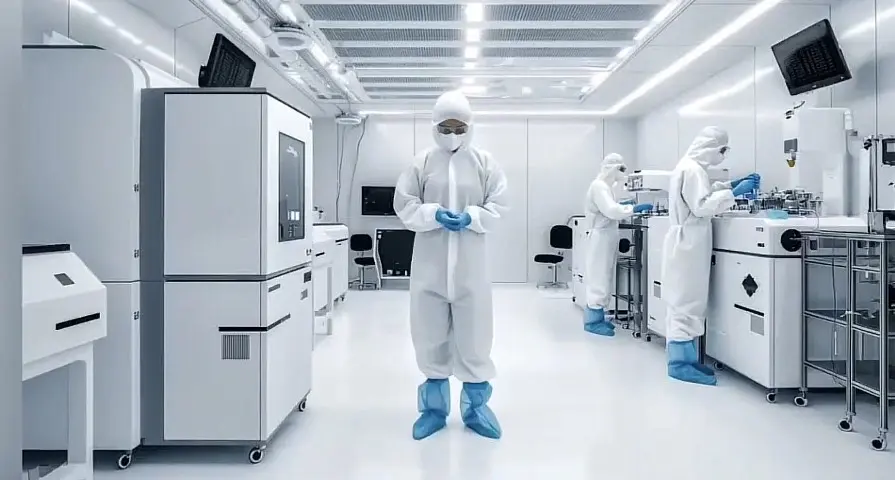
Cleanroom & Semiconductor
Ultra-High Cleanliness Filtration
Commercial HVAC
Central Air System Filtration
Data Centers
Precision Equipment Protection
Livestock & Farming
Farming Environment Purification
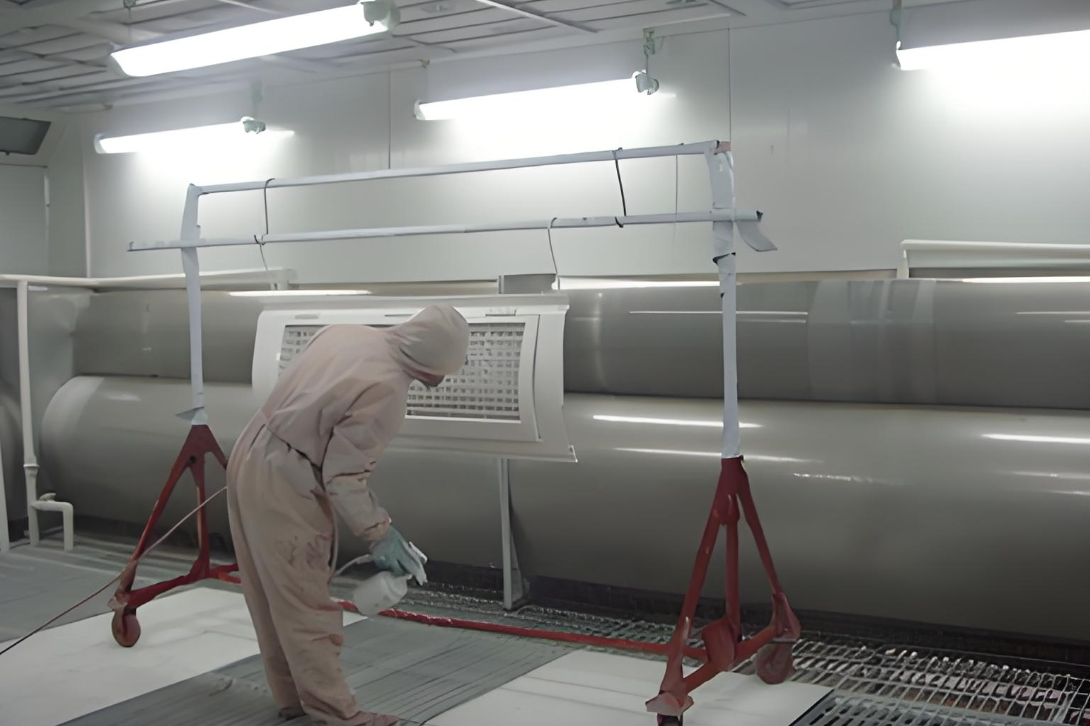
Spray Booths & Industrial Dust
Paint Mist & Dust Purification
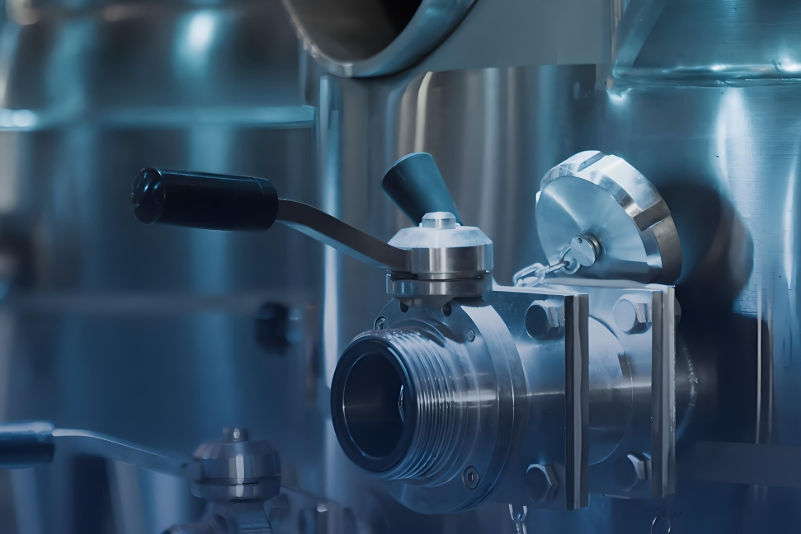
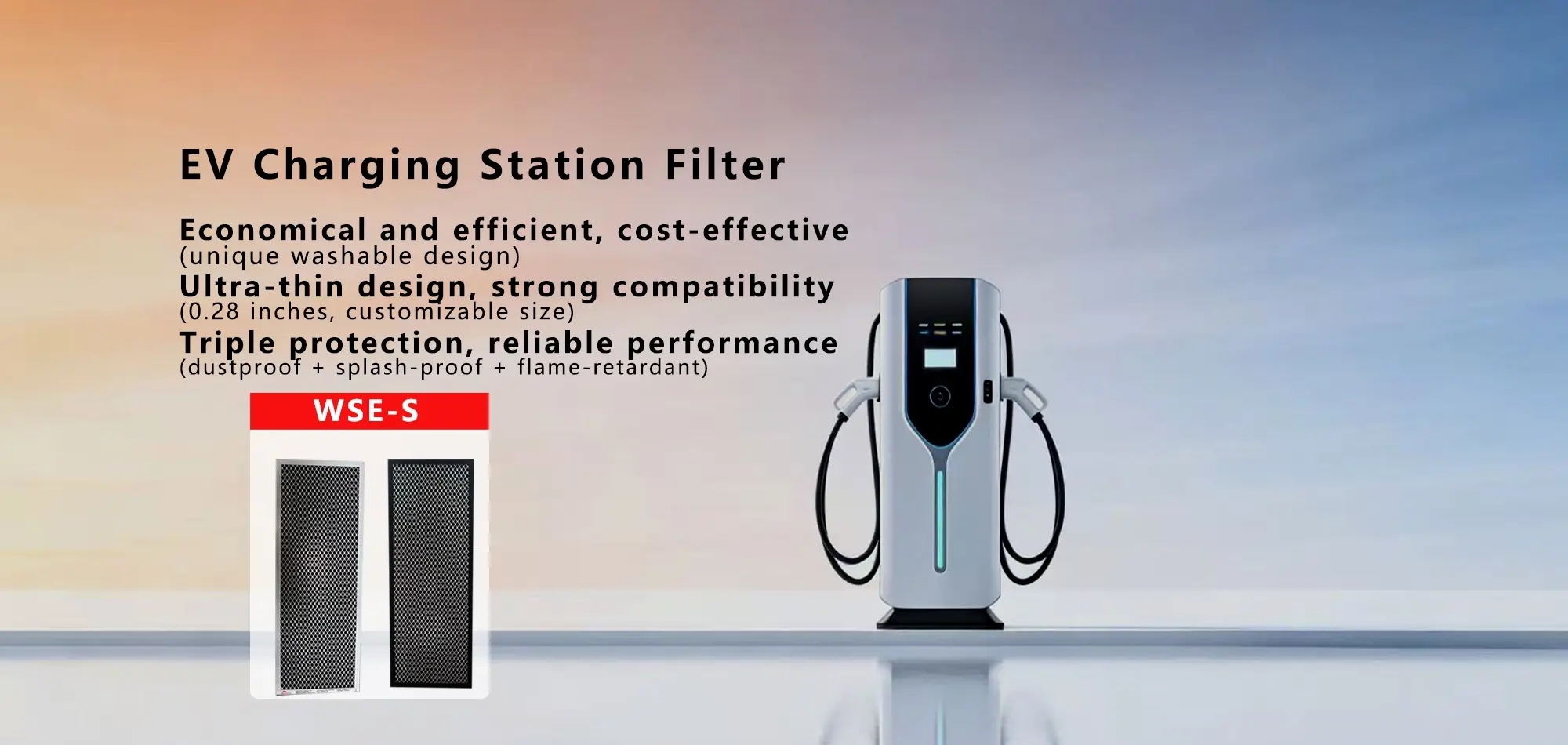
Filtration for Power Equipment
Professional air filtration for EV charging devices, protecting against dust and sand ingress to ensure stable, reliable operation of charging piles and station infrastructure.
View Related Products →Ultra-High Cleanliness Filtration
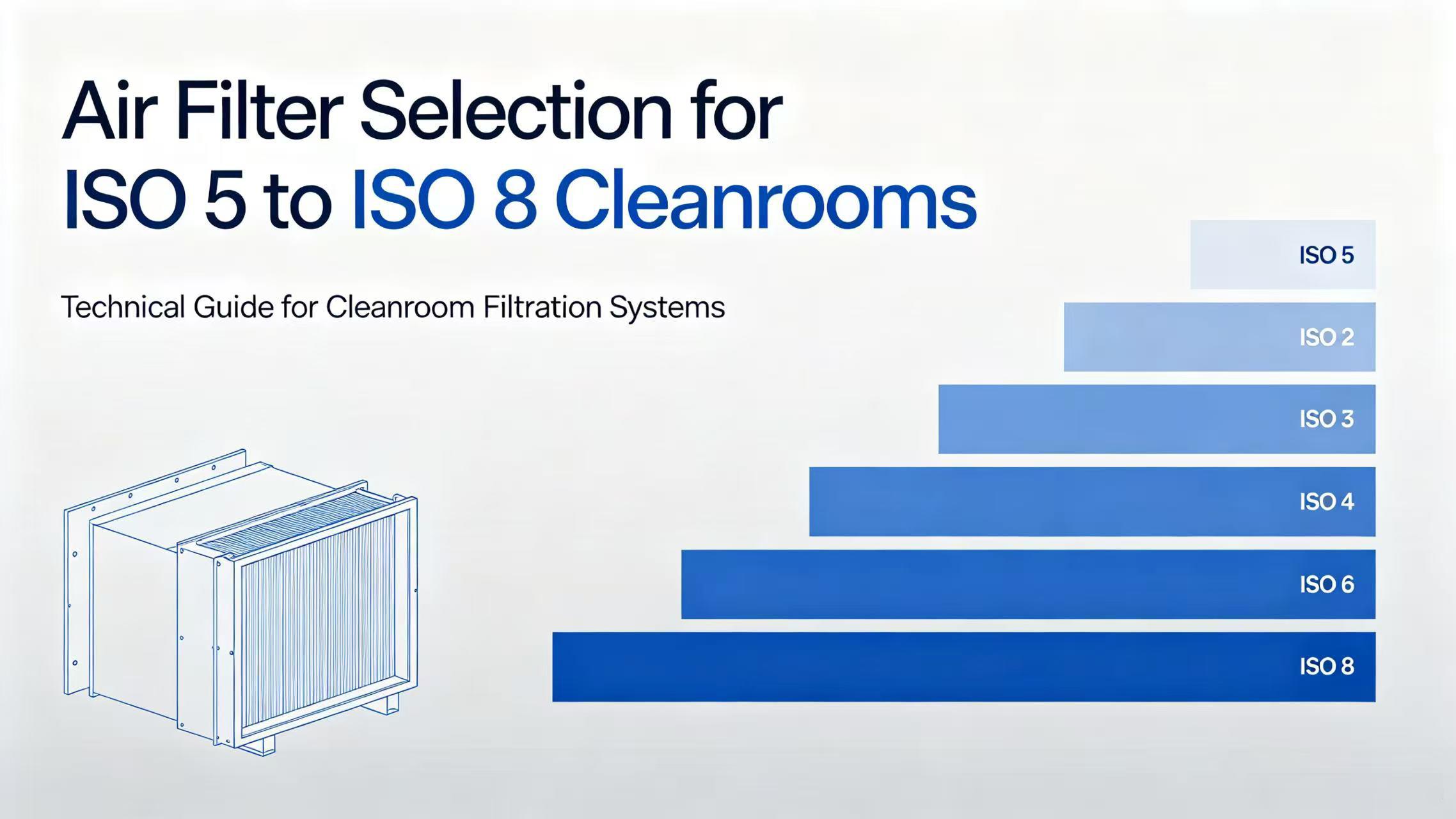
Ultra-high efficiency filtration for semiconductor wafer fabs and precision electronics cleanrooms, capturing nano-scale particles to meet ISO Class 1–3 standards and maximize product yield.
View Related Products →Central Air System Filtration
High-efficiency filtration for commercial building HVAC systems, improving indoor air quality, reducing energy consumption, and extending equipment service life.
View Related Products →Precision Equipment Protection
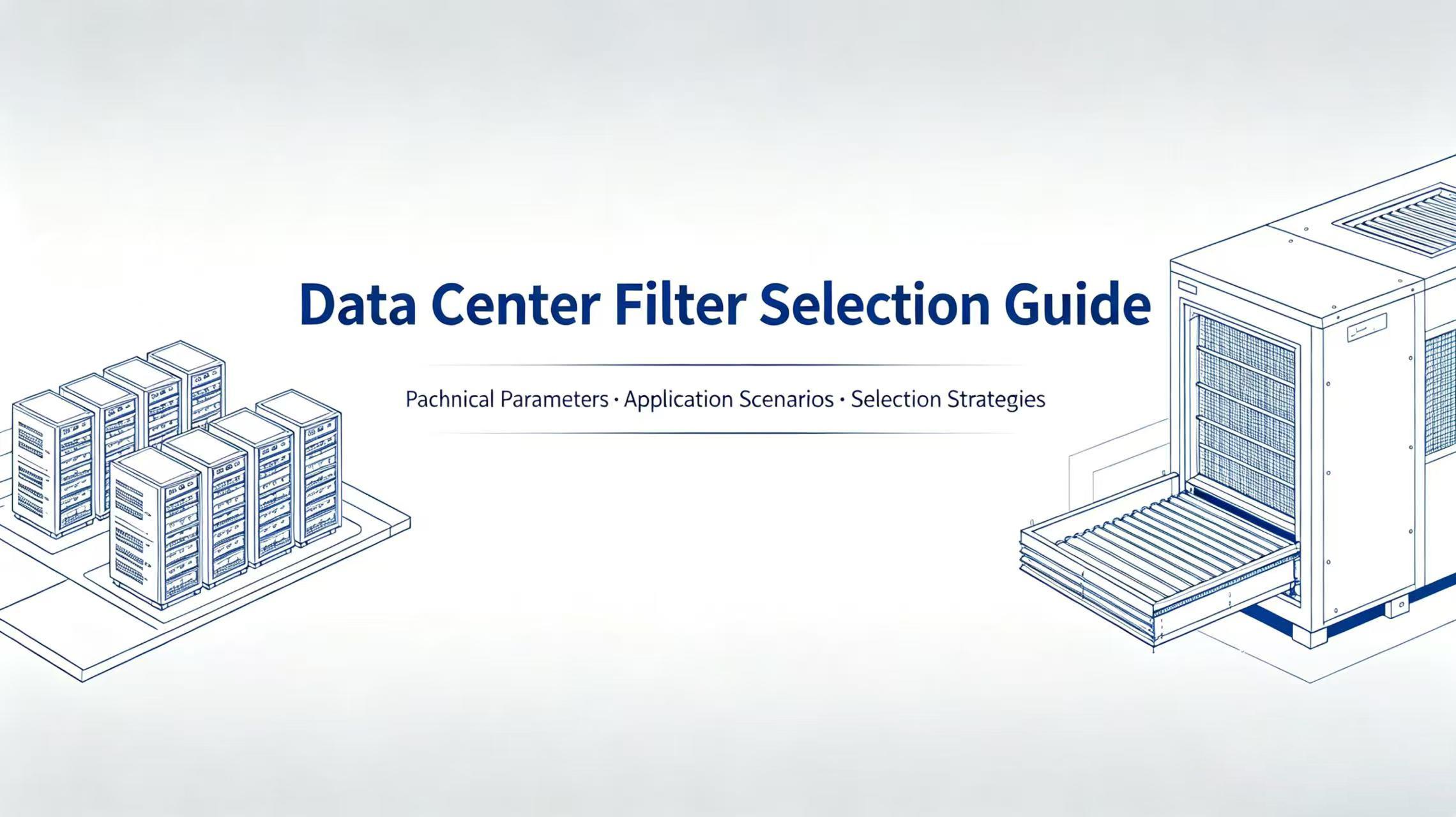
Precision air filtration for data centers, shielding servers and critical hardware from dust contamination to keep cooling systems running efficiently and reliably.
View Related Products →Farming Environment Purification
Dedicated filtration systems for farms and livestock facilities — capturing dust, adsorbing ammonia, and inhibiting pathogen spread to improve animal health and overall productivity.
View Related Products →Paint Mist & Dust Purification
Designed for spray booths and grinding workshops, efficiently capturing paint mist, metal dust, and wood chips to meet emission standards while protecting finished surface quality.
View Related Products →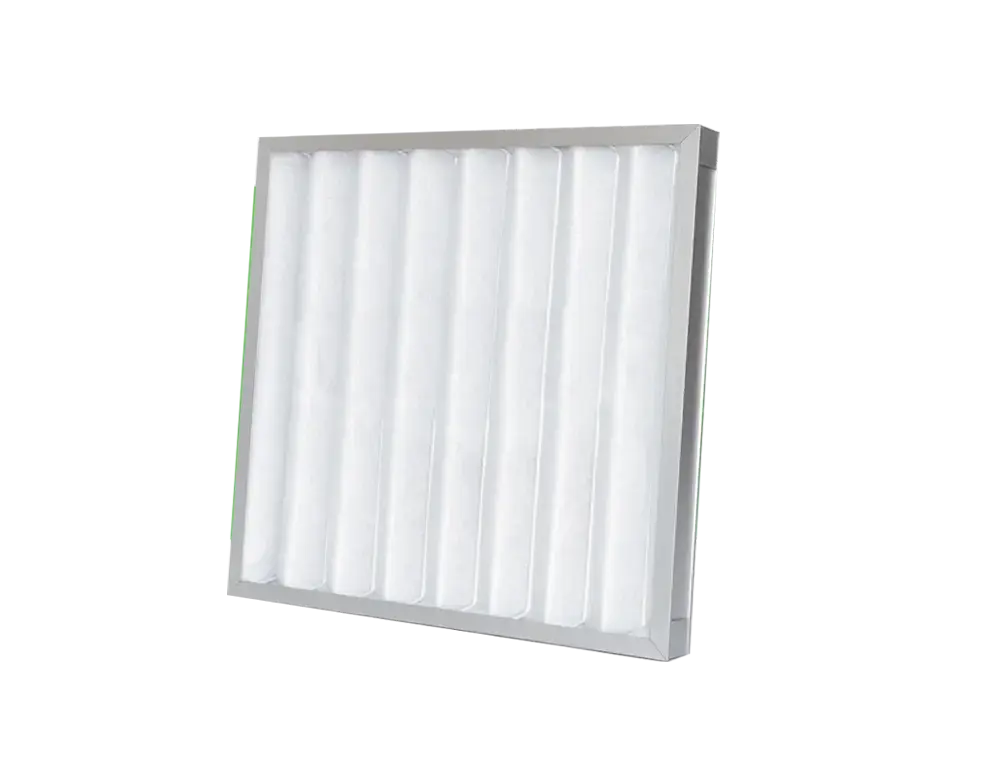
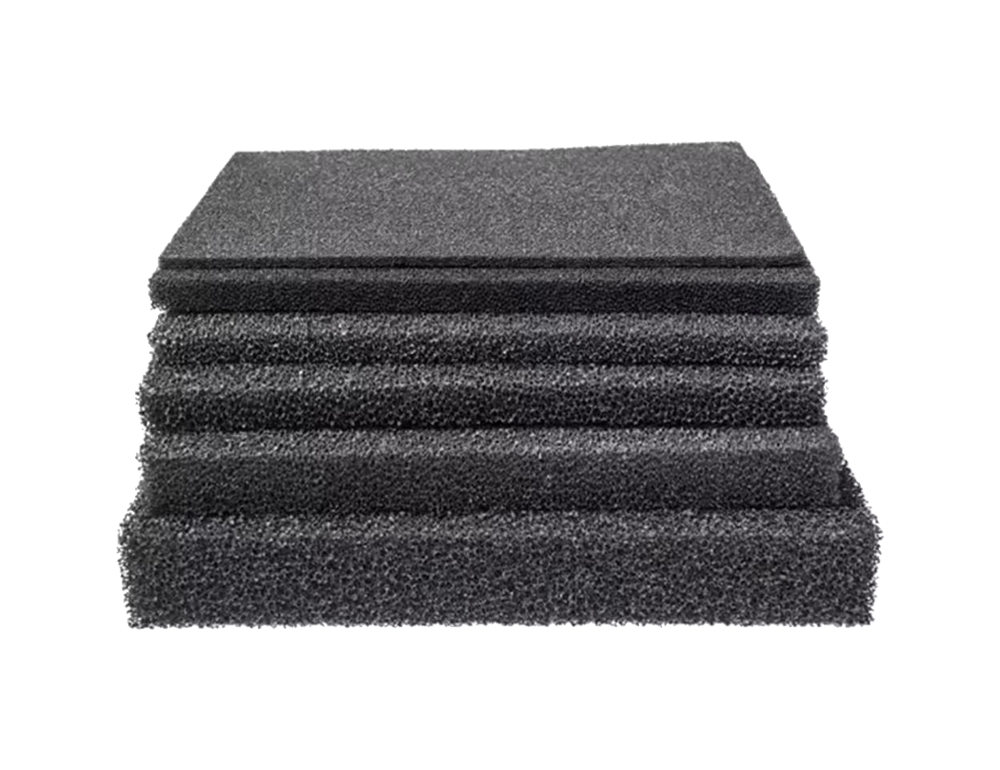
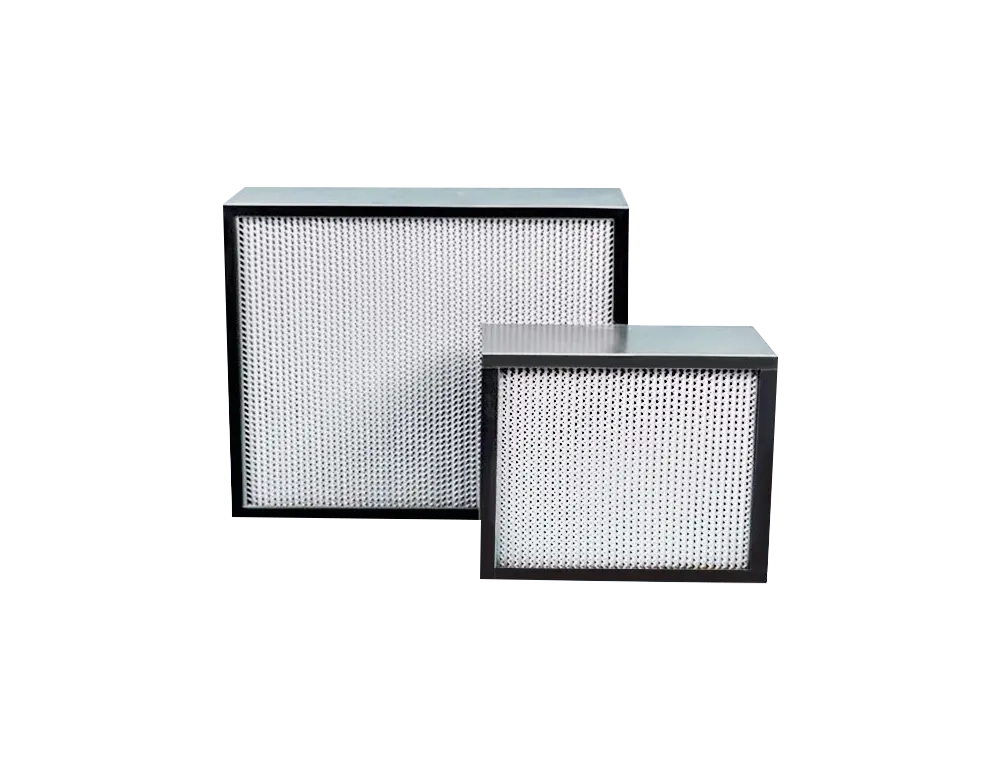
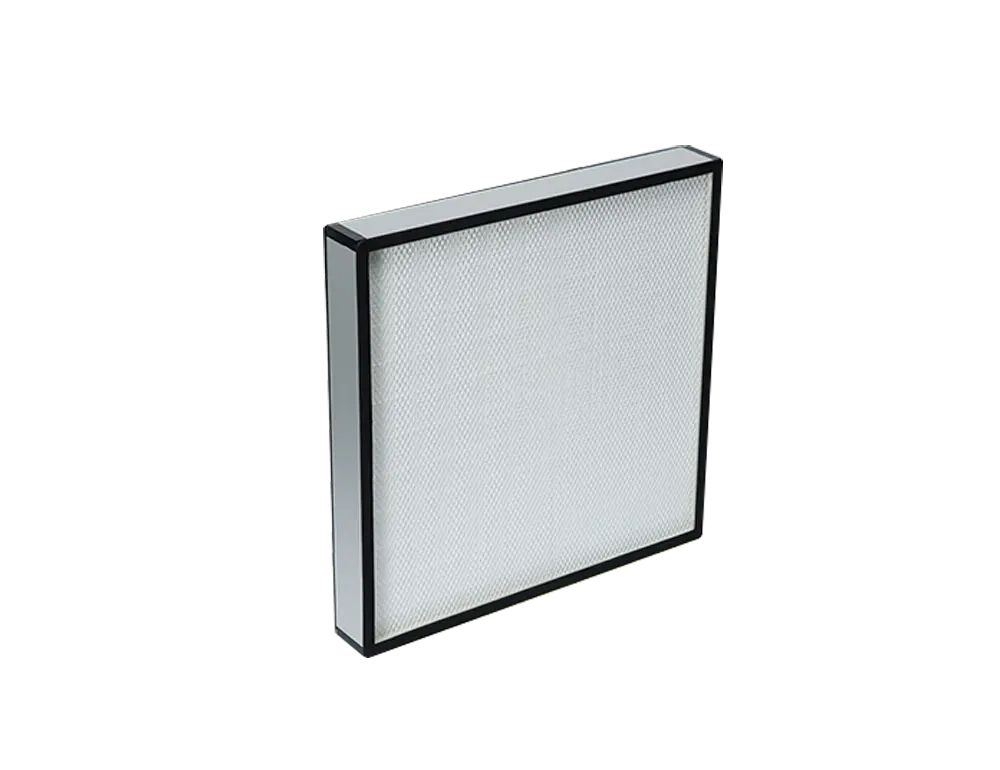
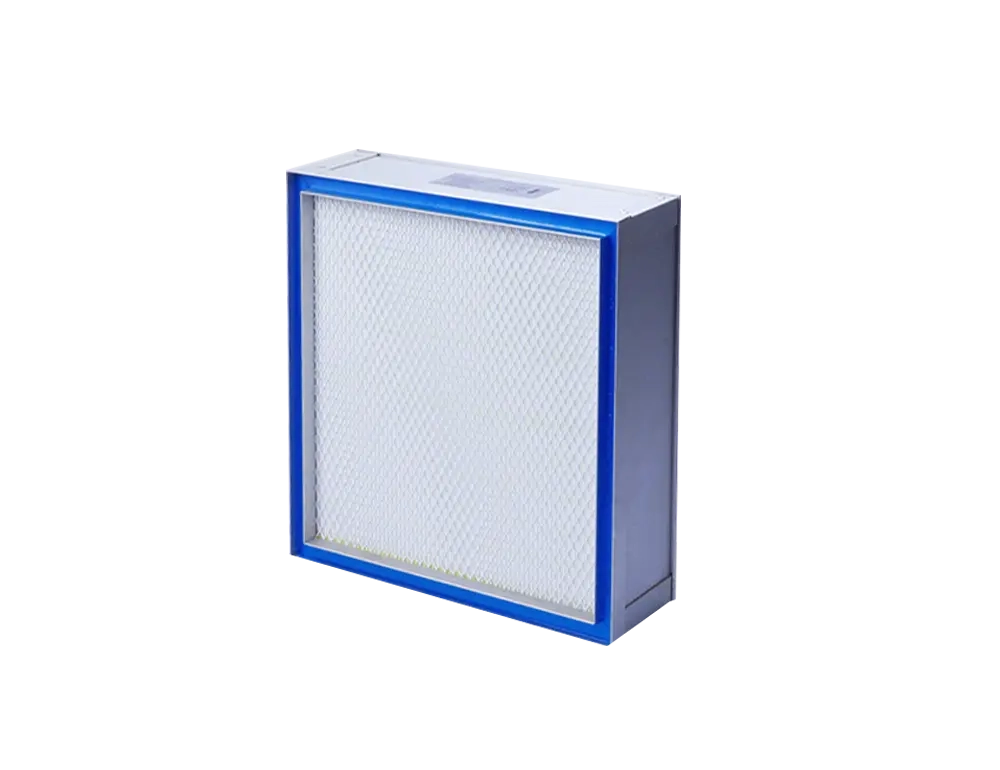
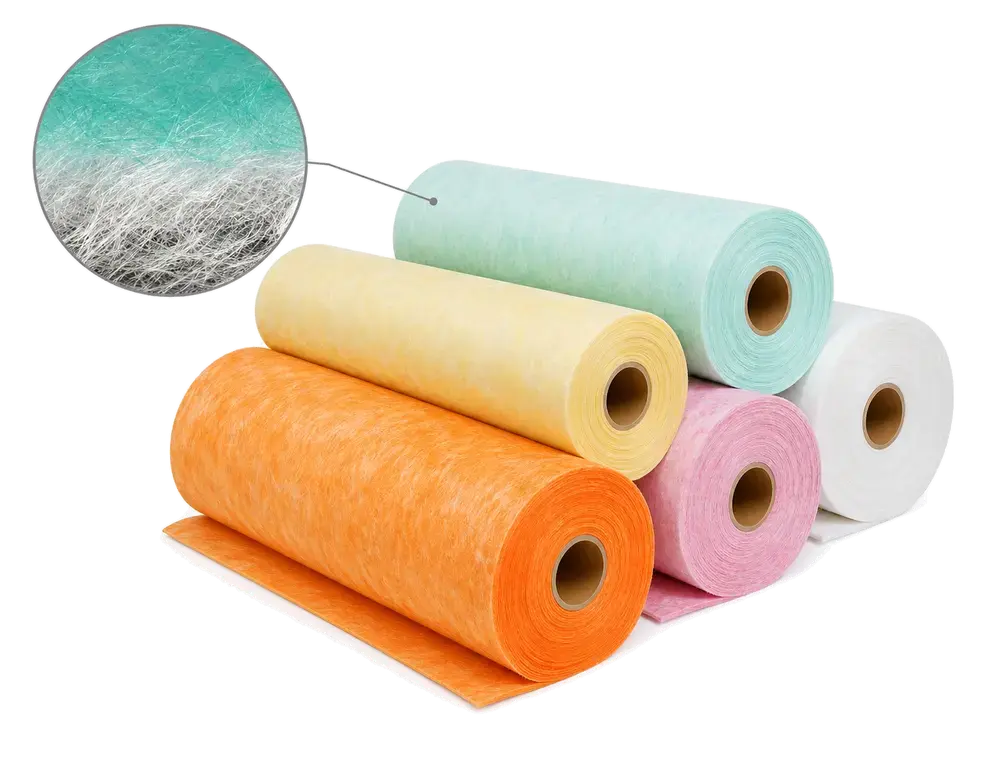
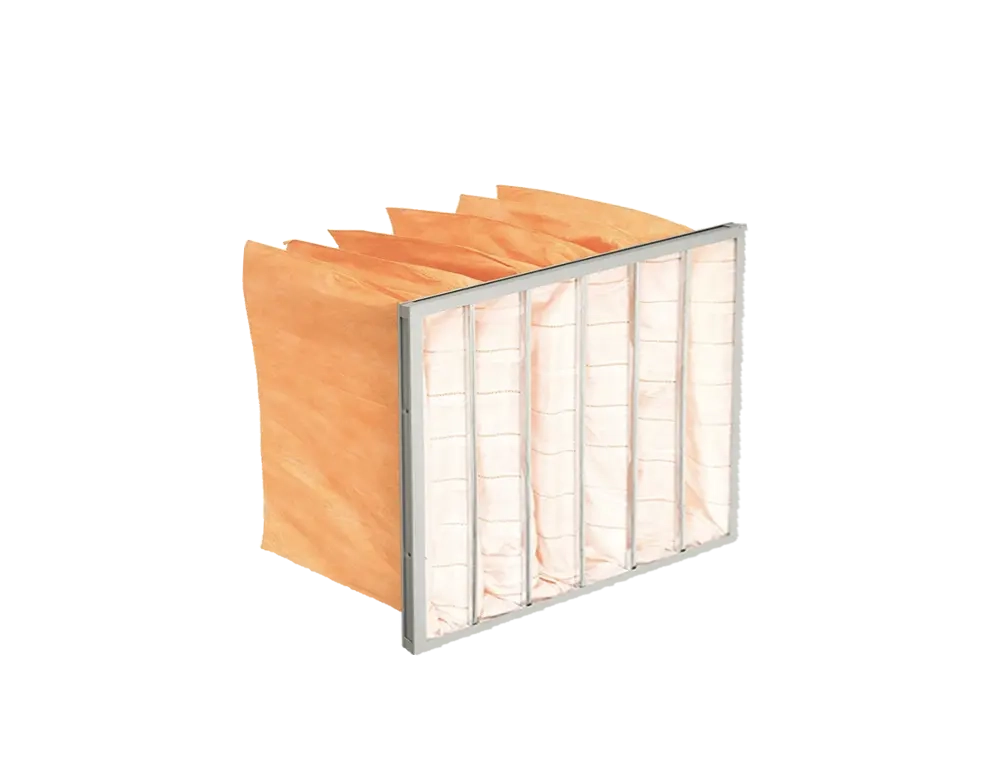
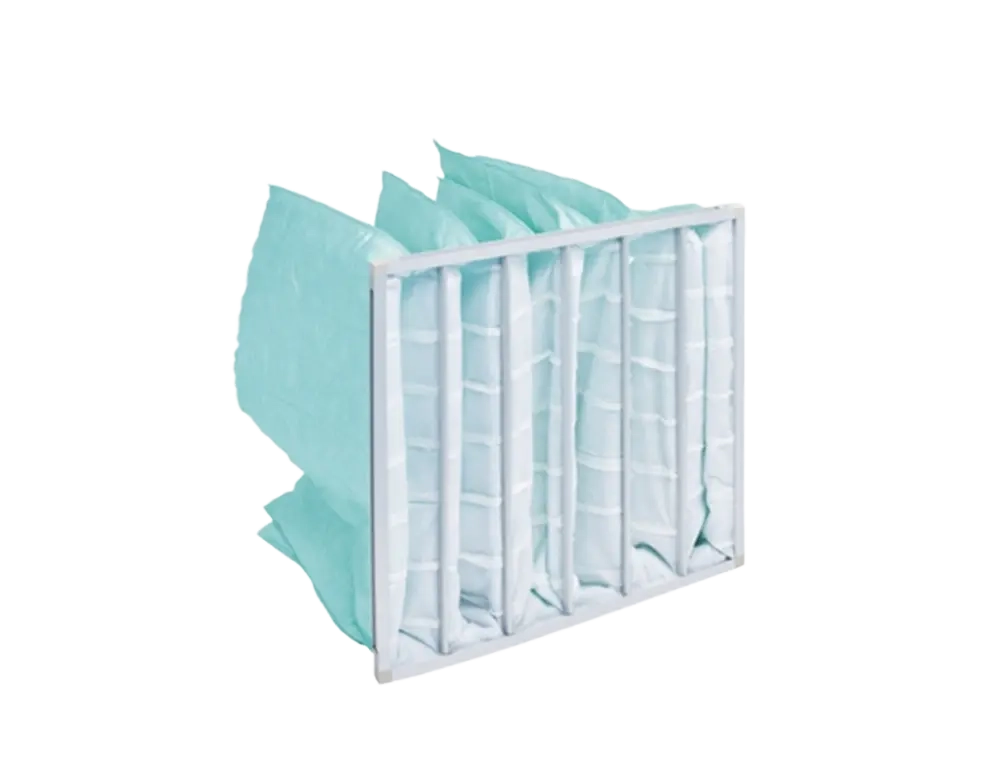
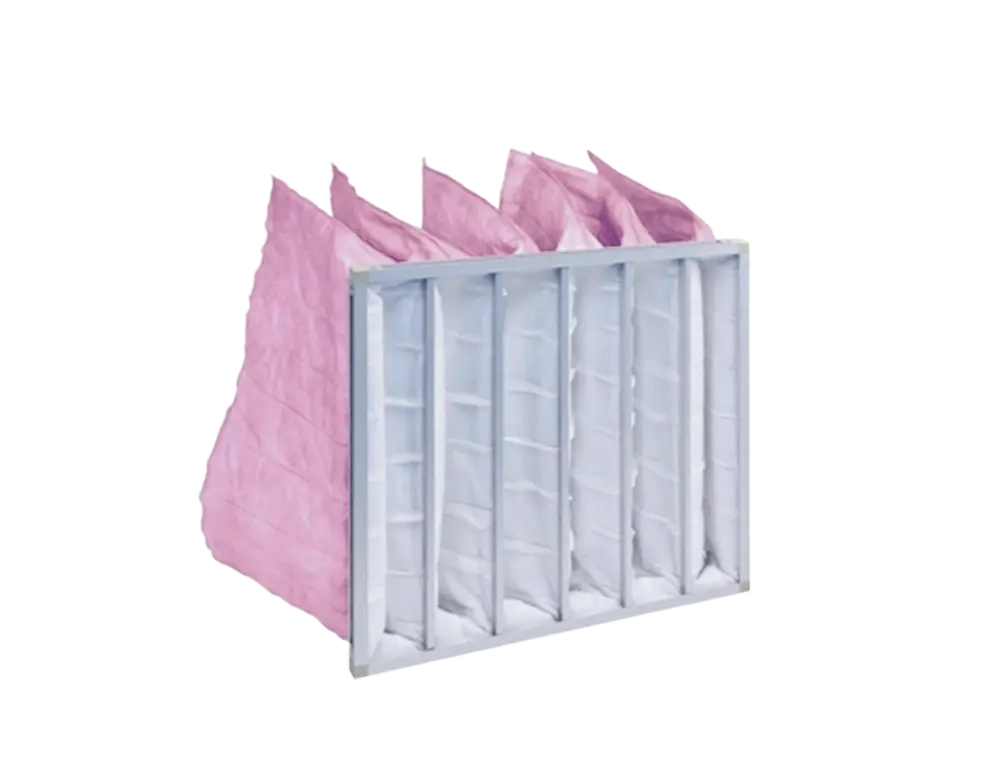
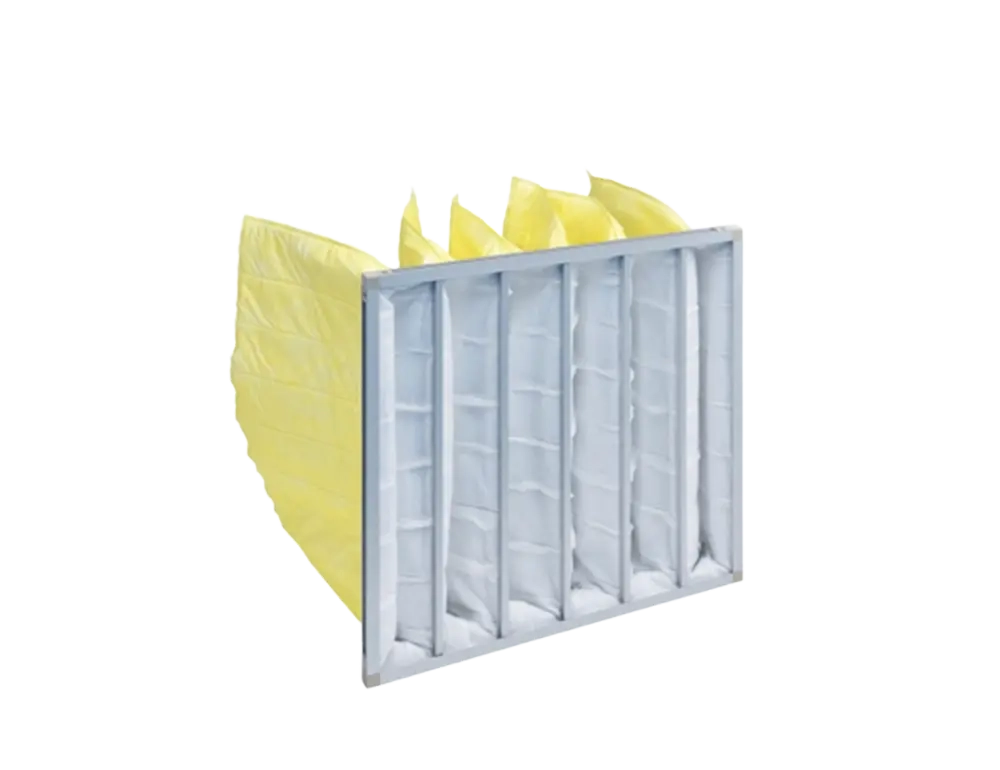

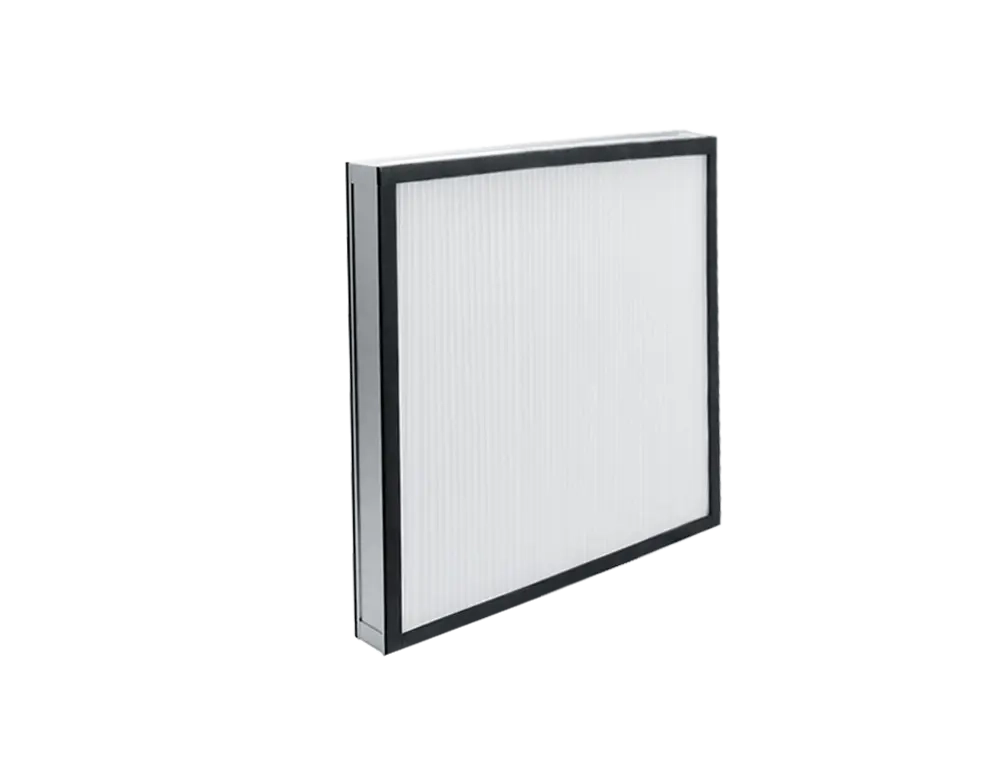
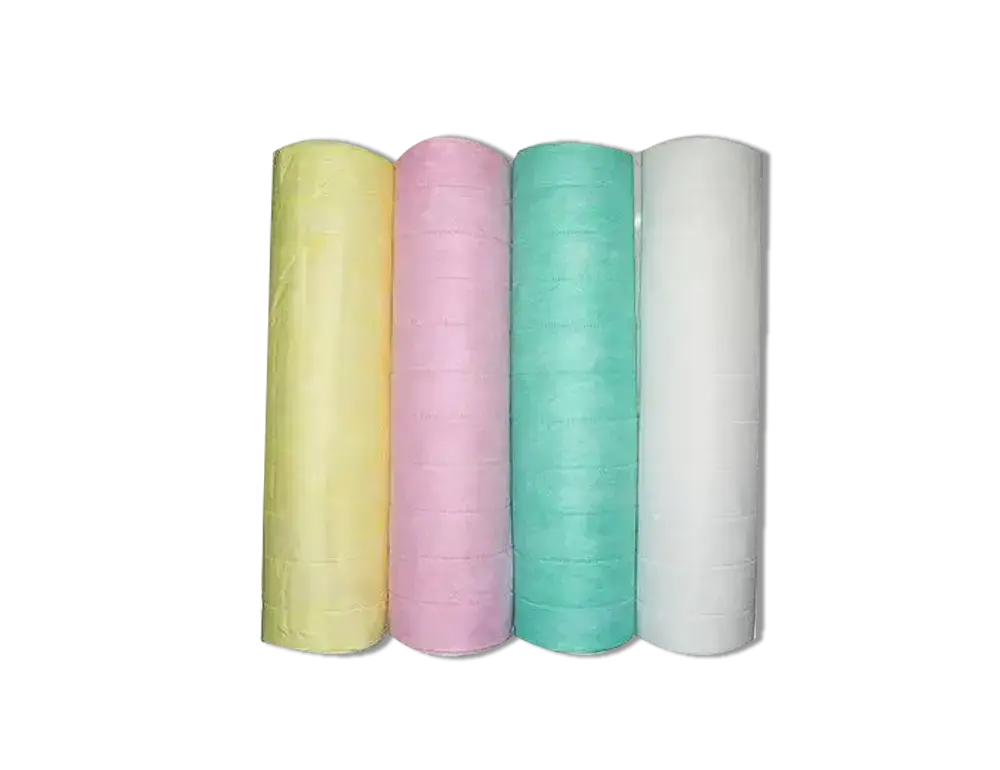
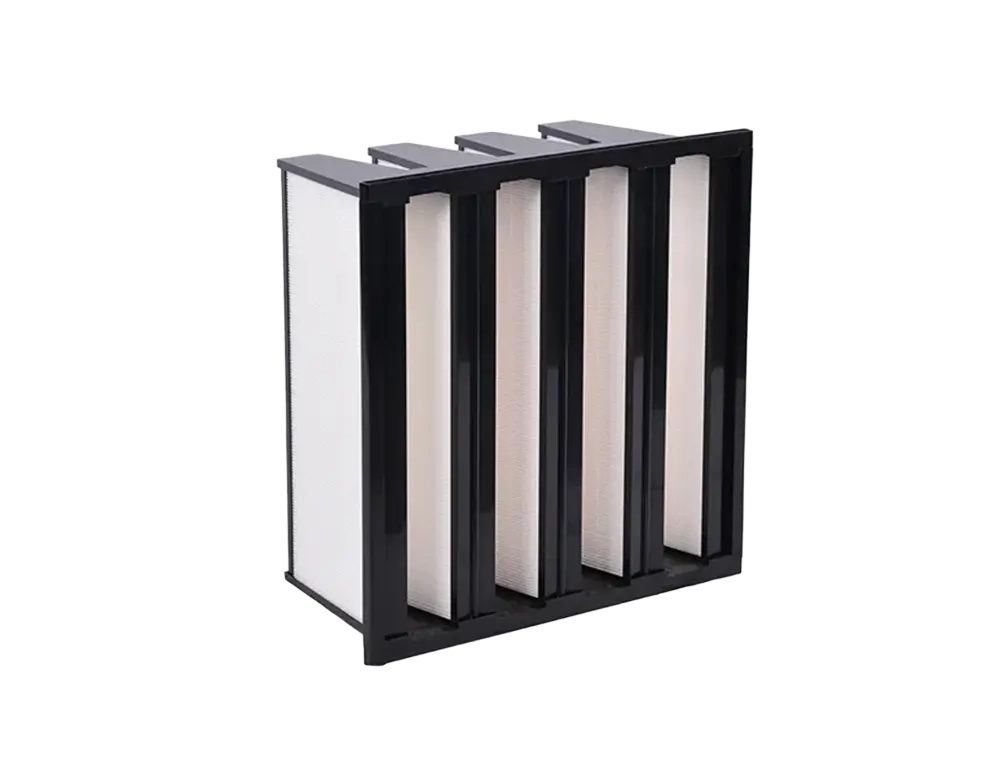
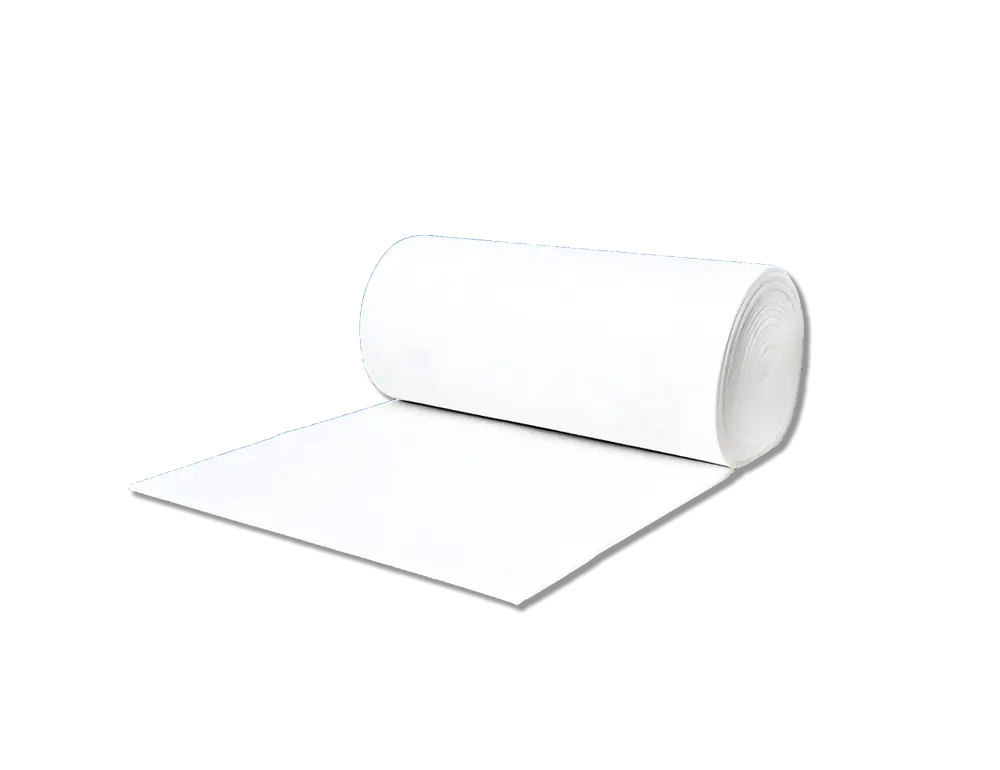
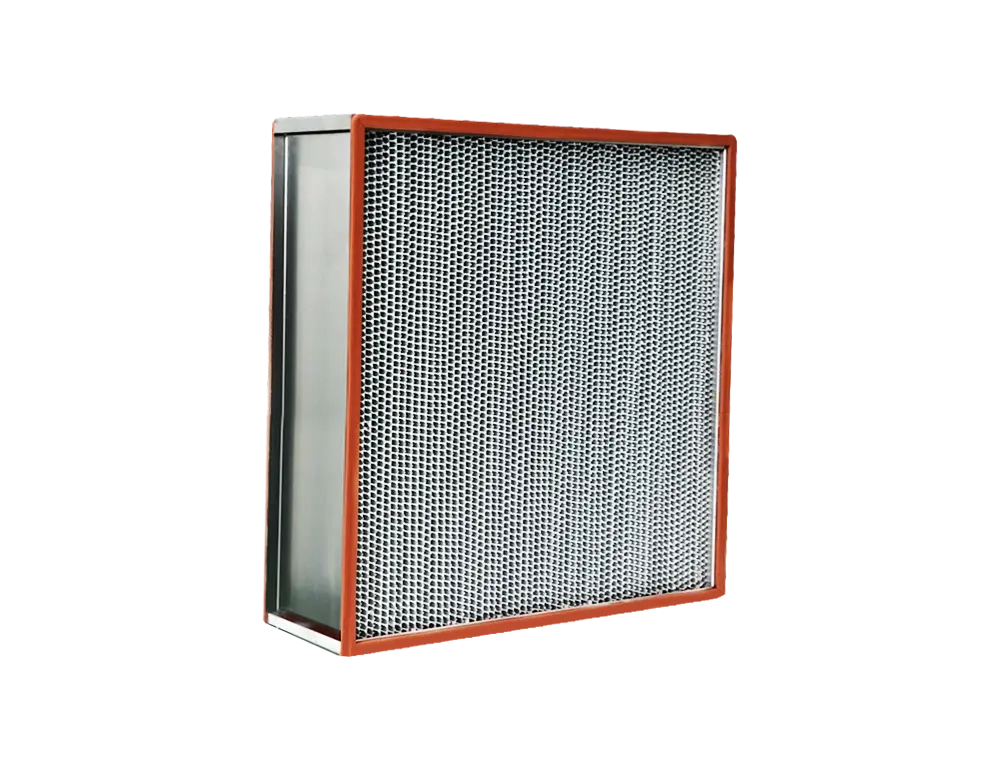
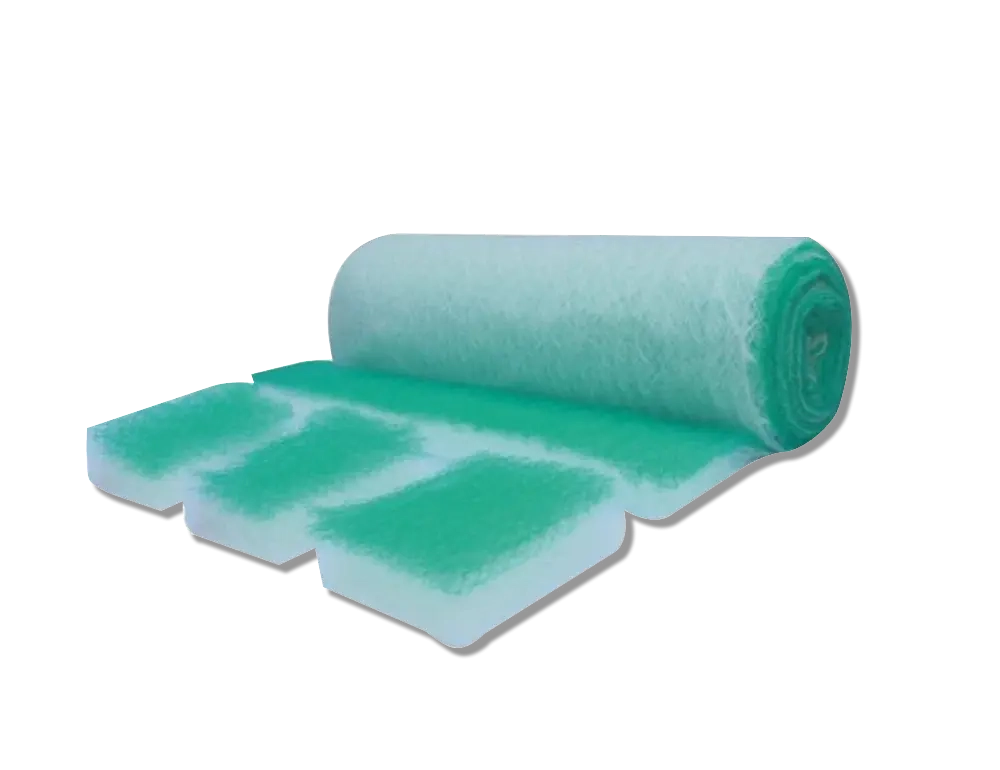
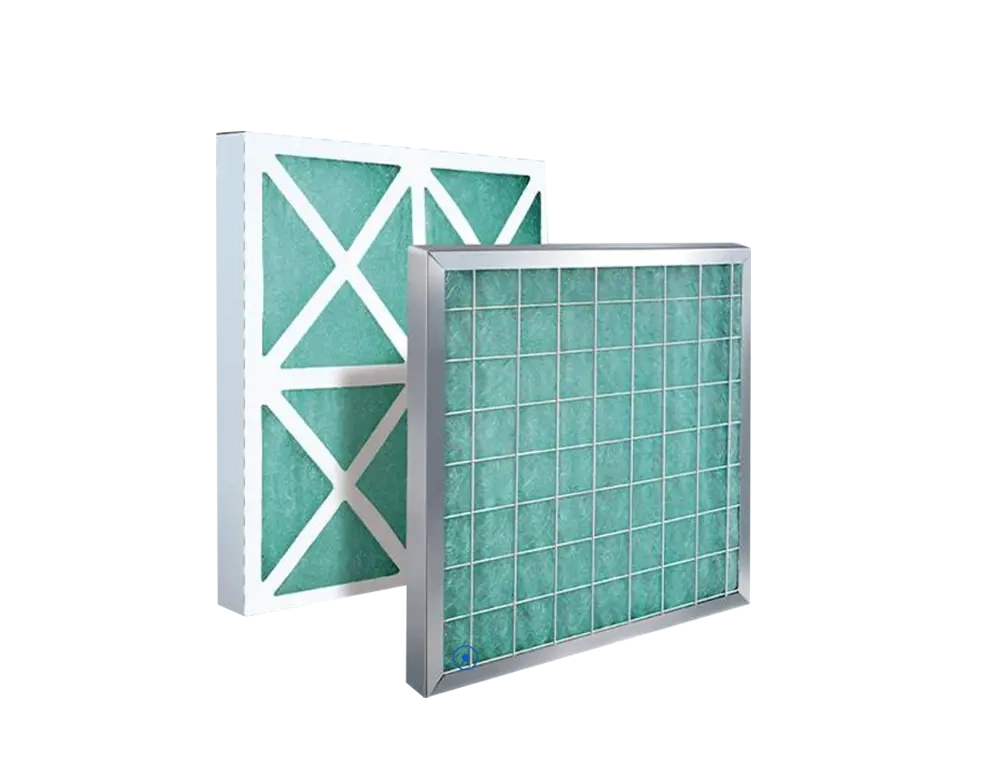
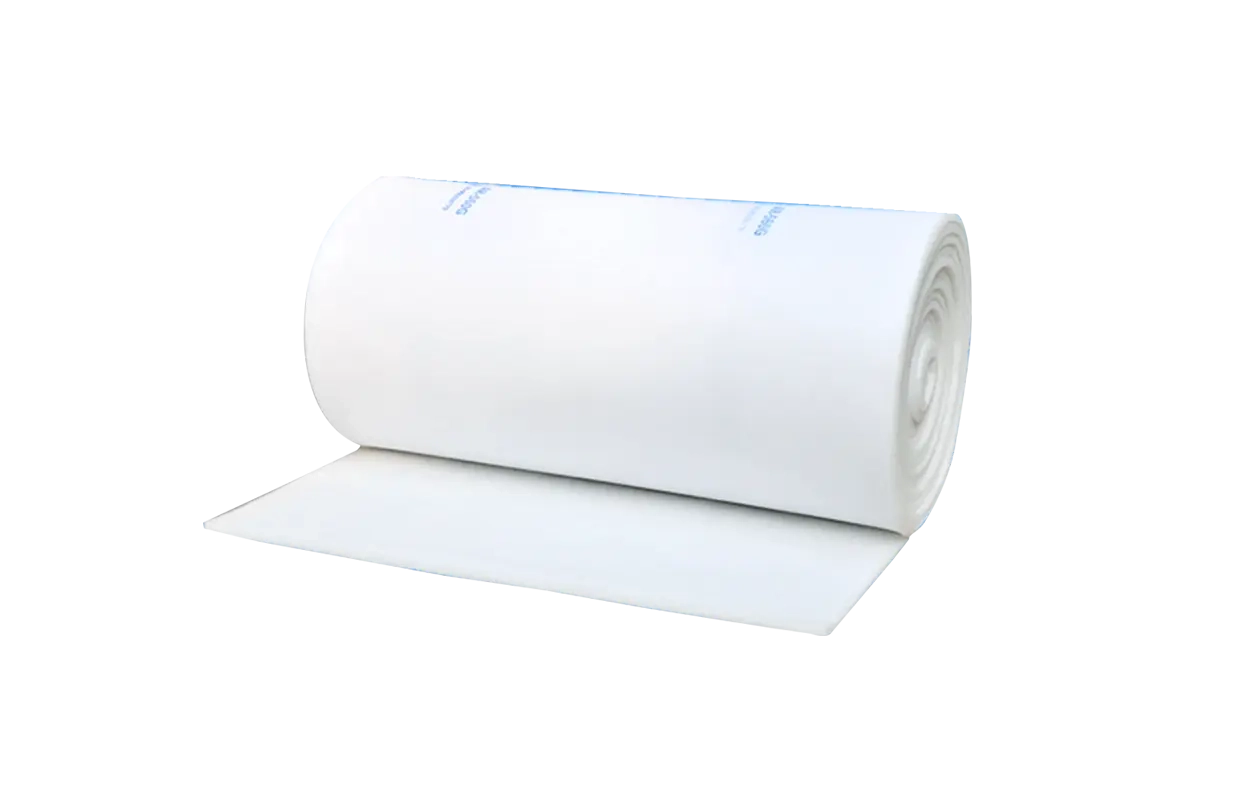
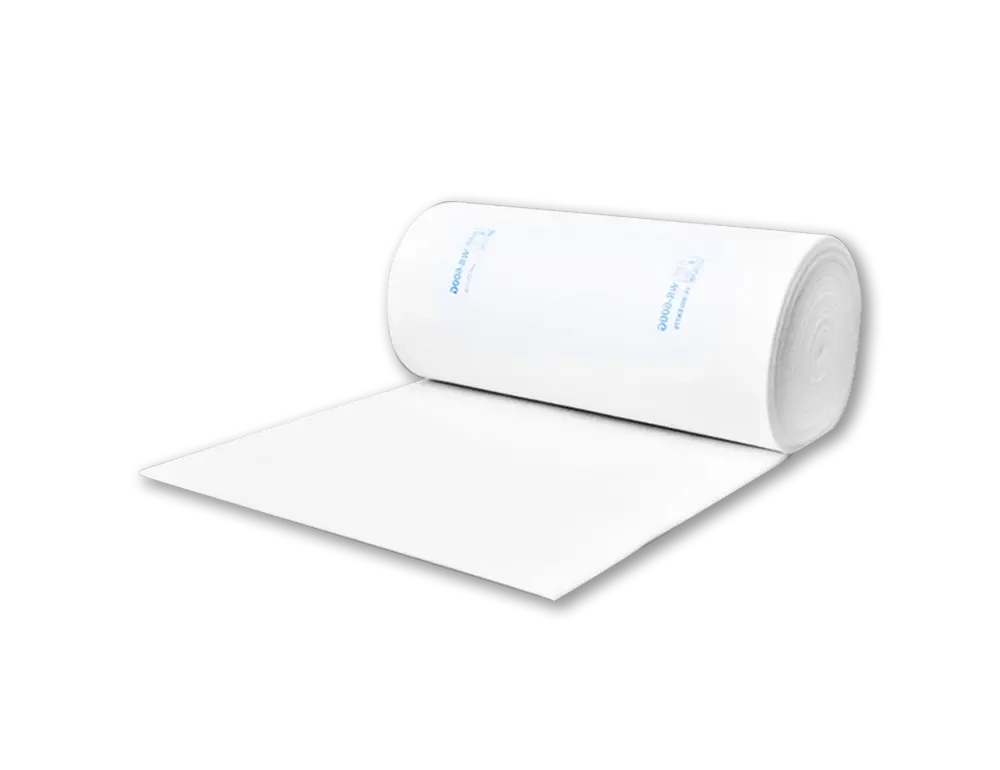
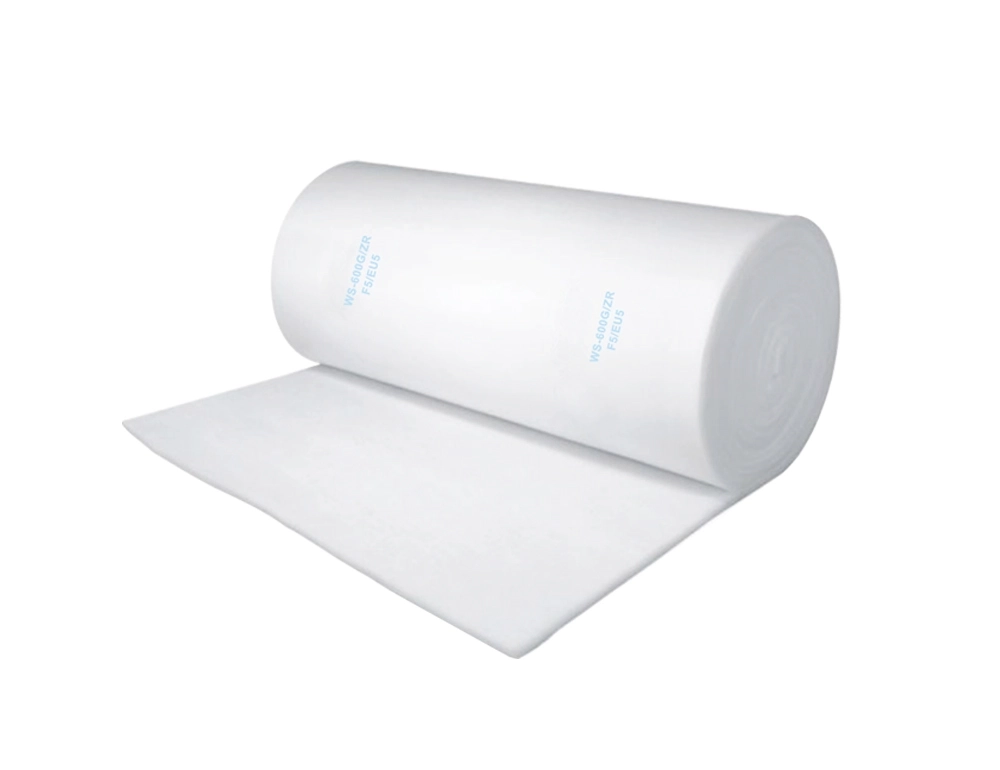
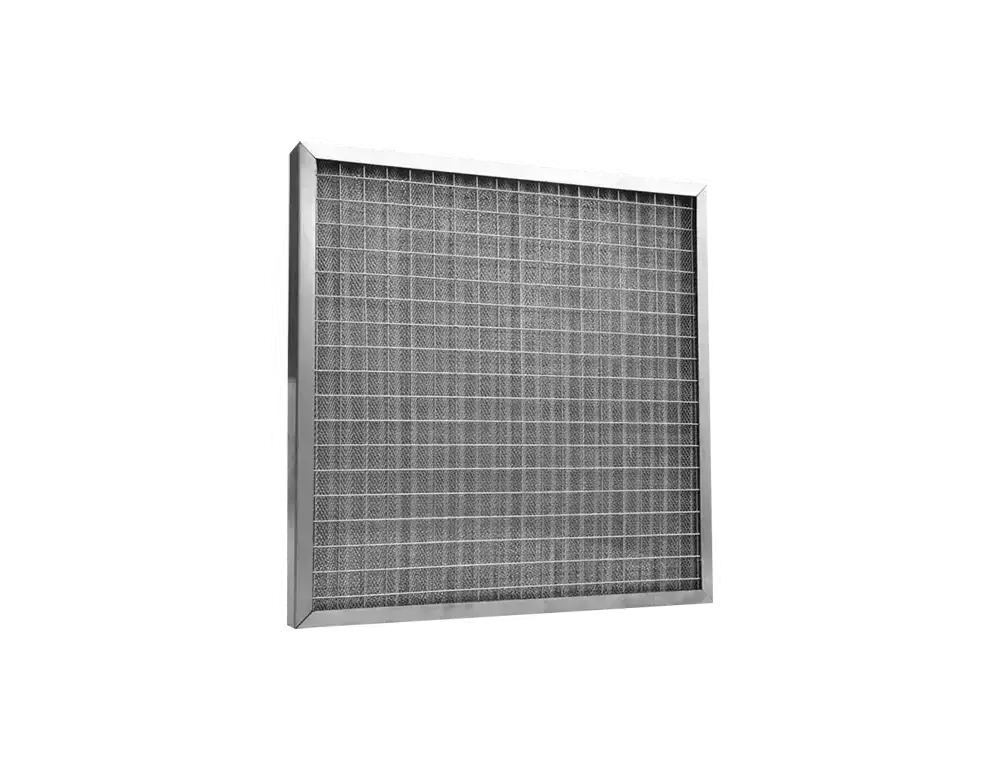
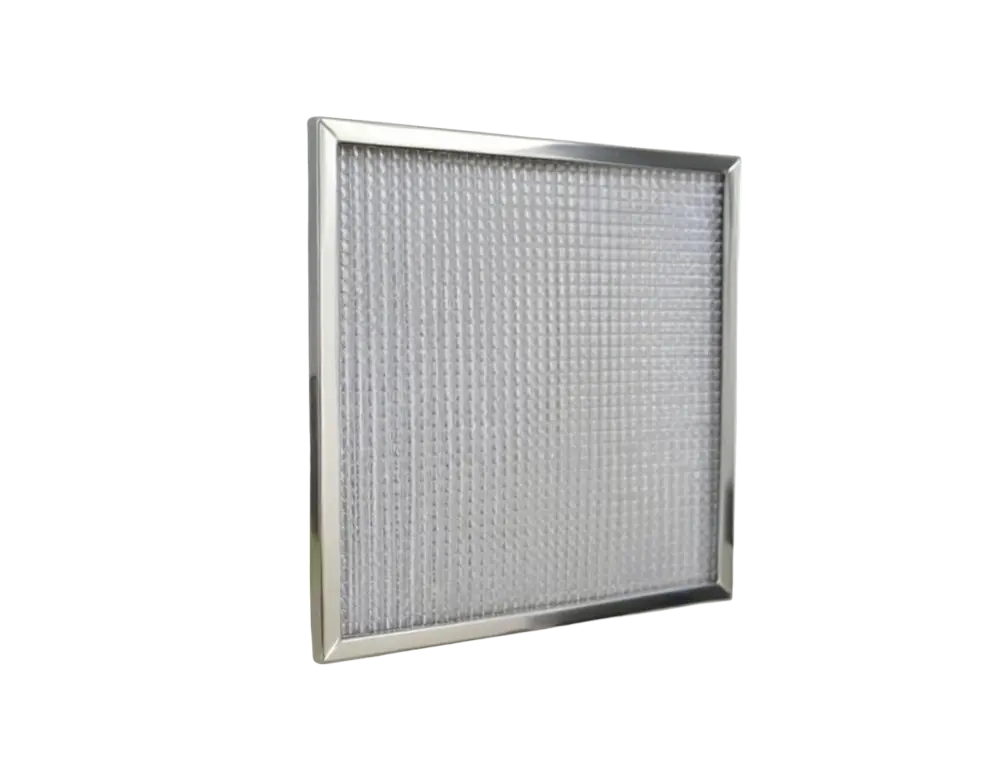
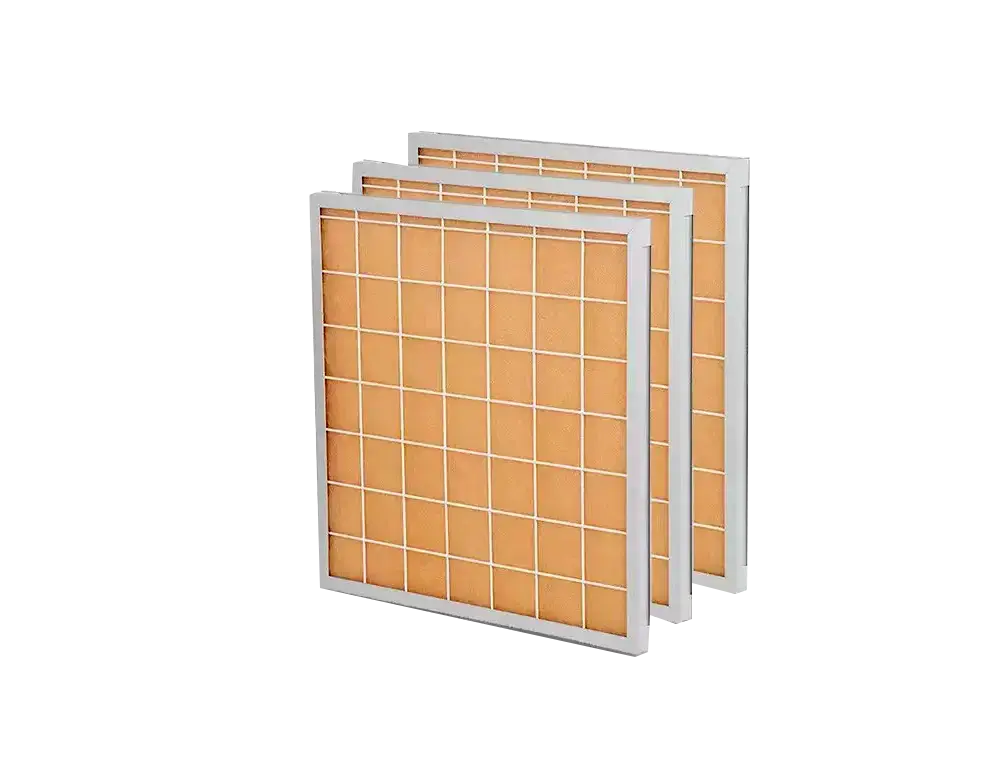
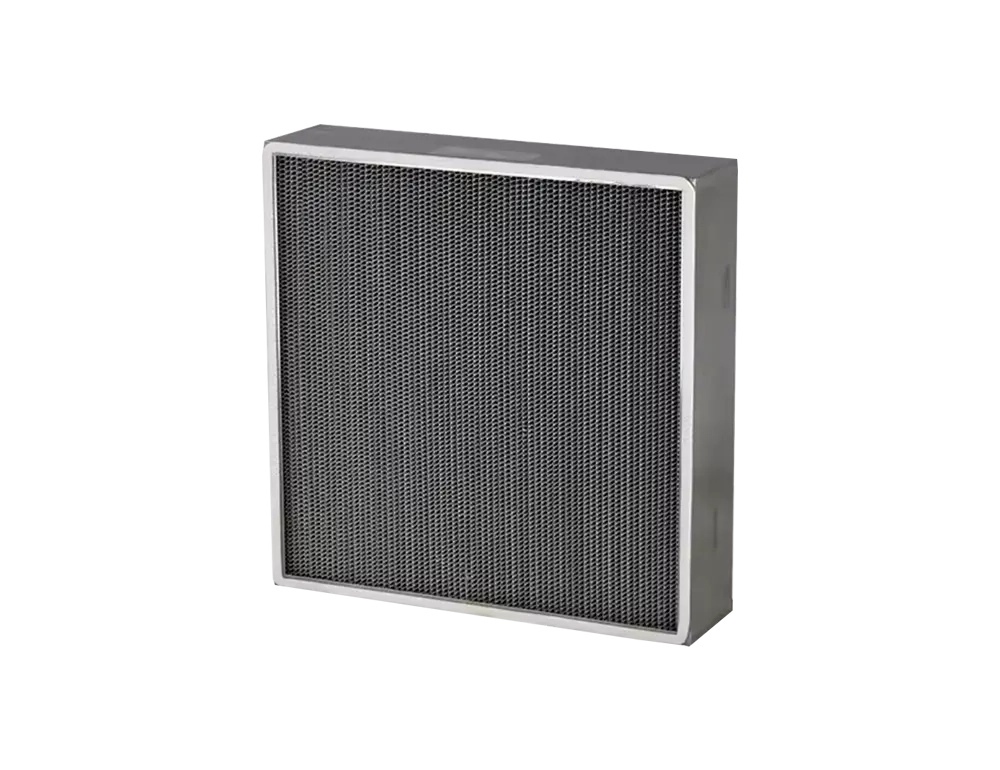
Pre-Filter (G1–G4)
First-Stage Large-Particle Capture
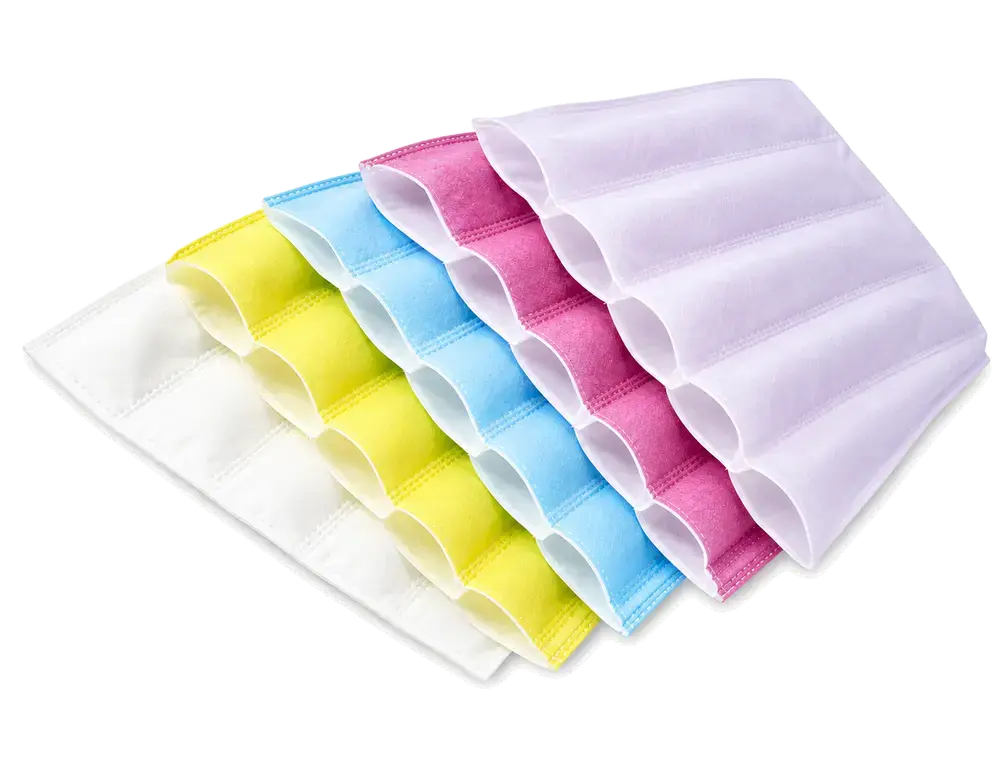
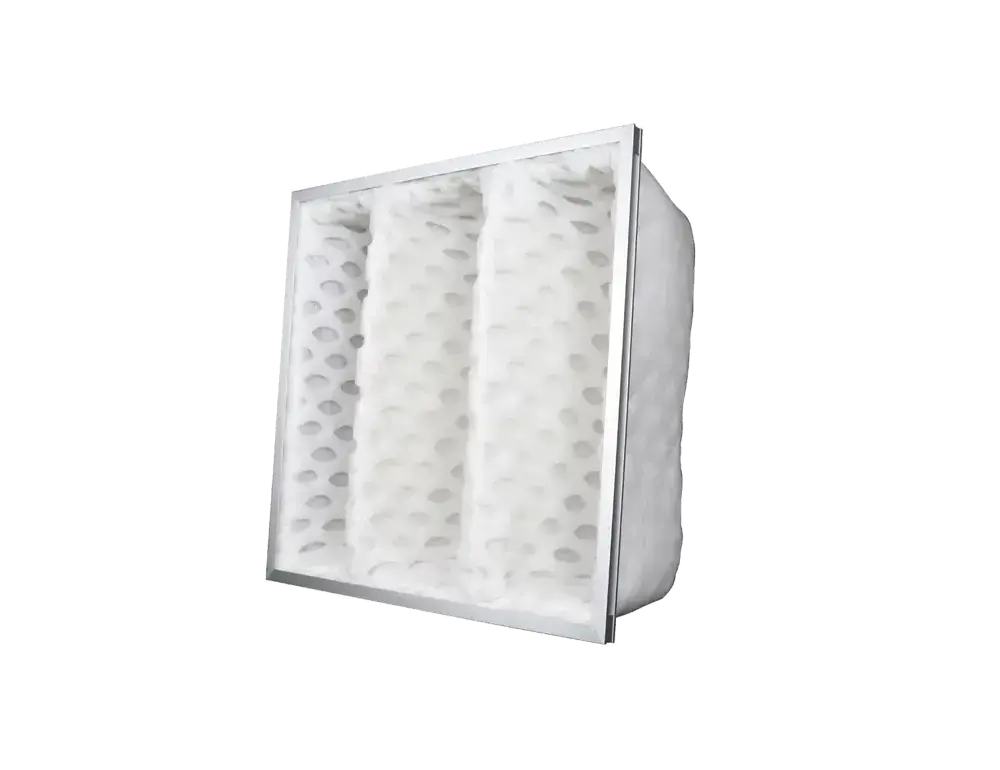
Medium-Efficiency Filter (F5–F9)
Precise PM2.5 Capture
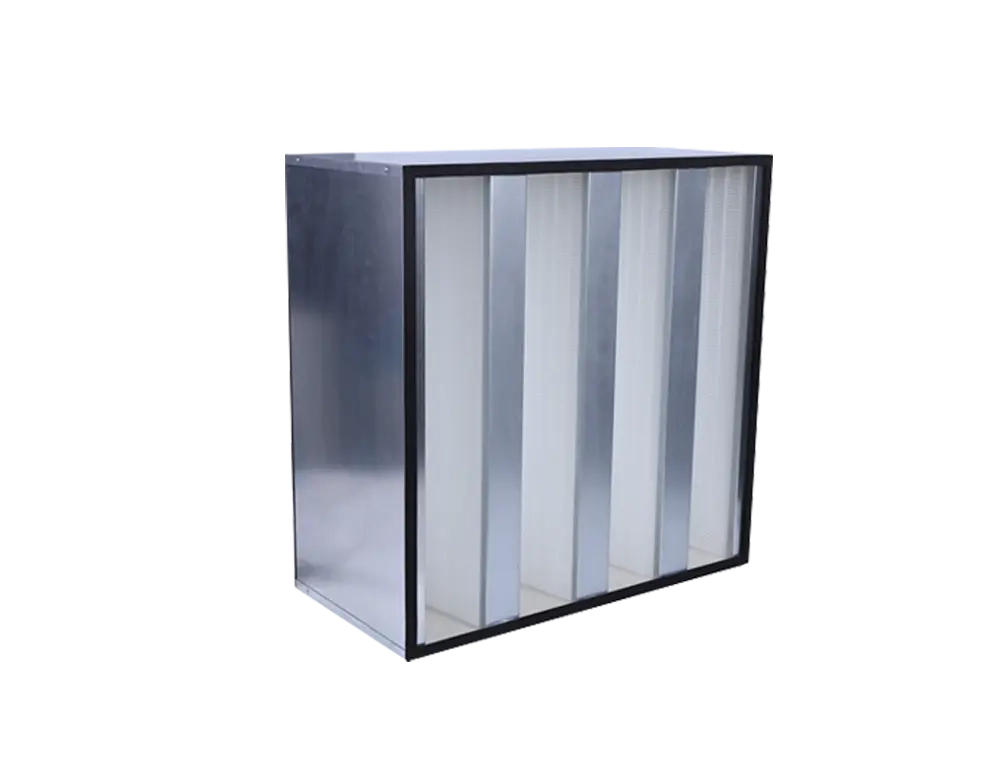
HEPA High-Efficiency Filter
Sterile-Grade Purification
ULPA Ultra-High Efficiency Filter
Sub-Micron Particle Capture
First-Stage Large-Particle Capture
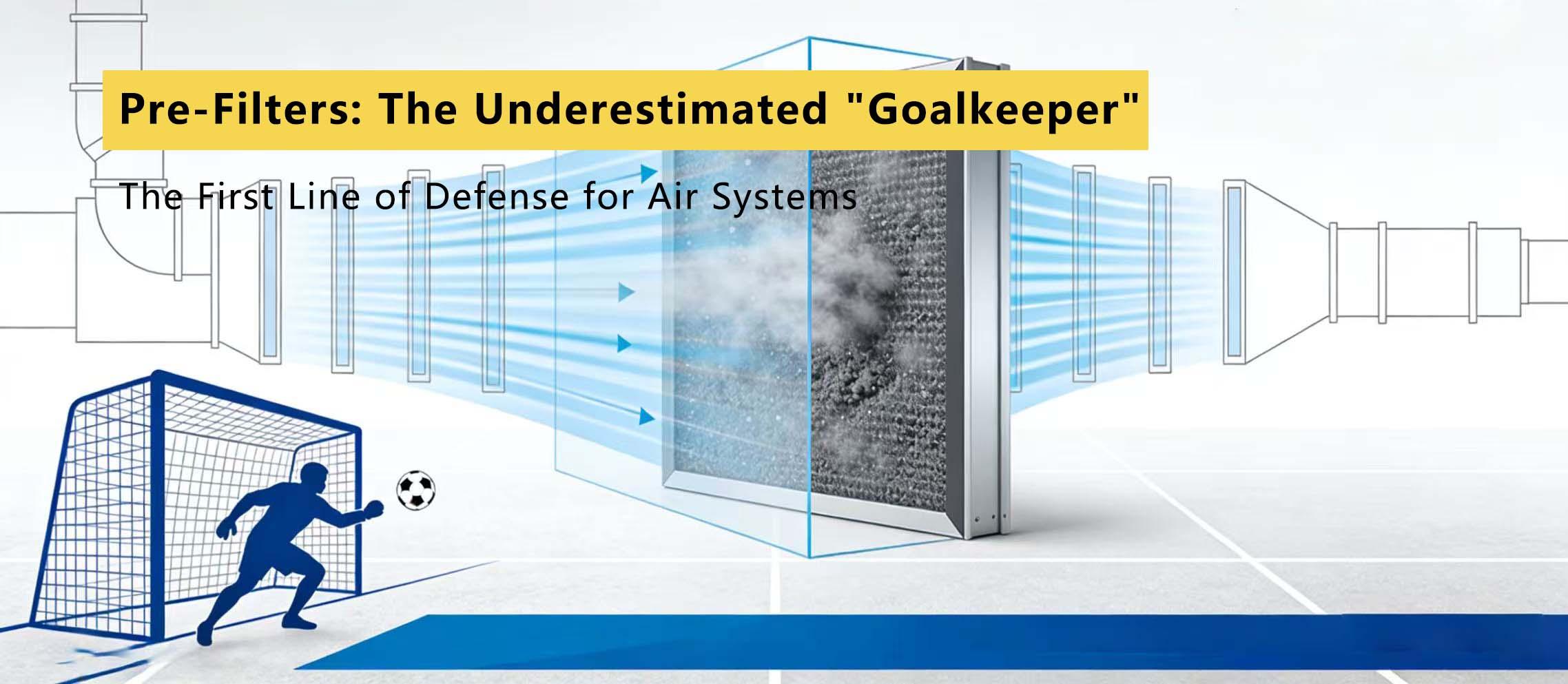
The first line of defense, capturing particles ≥5 μm such as dust, hair, and fibers to protect downstream filters and extend overall system service life.
View Related Products →Precise PM2.5 Capture
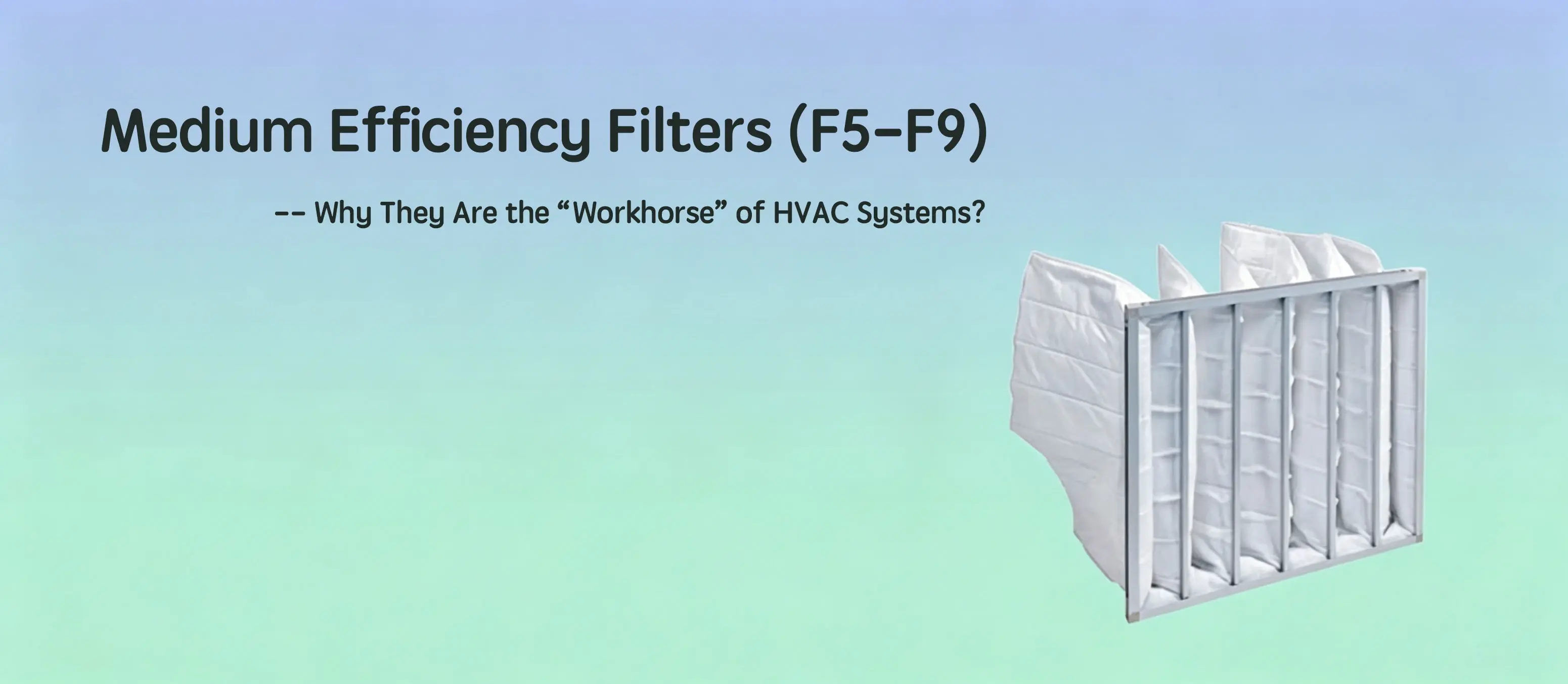
Captures fine particles of 1–5 μm including PM2.5, pollen, and mold spores, significantly improving indoor air quality for commercial HVAC and ventilation systems.
View Related Products →Sterile-Grade Purification
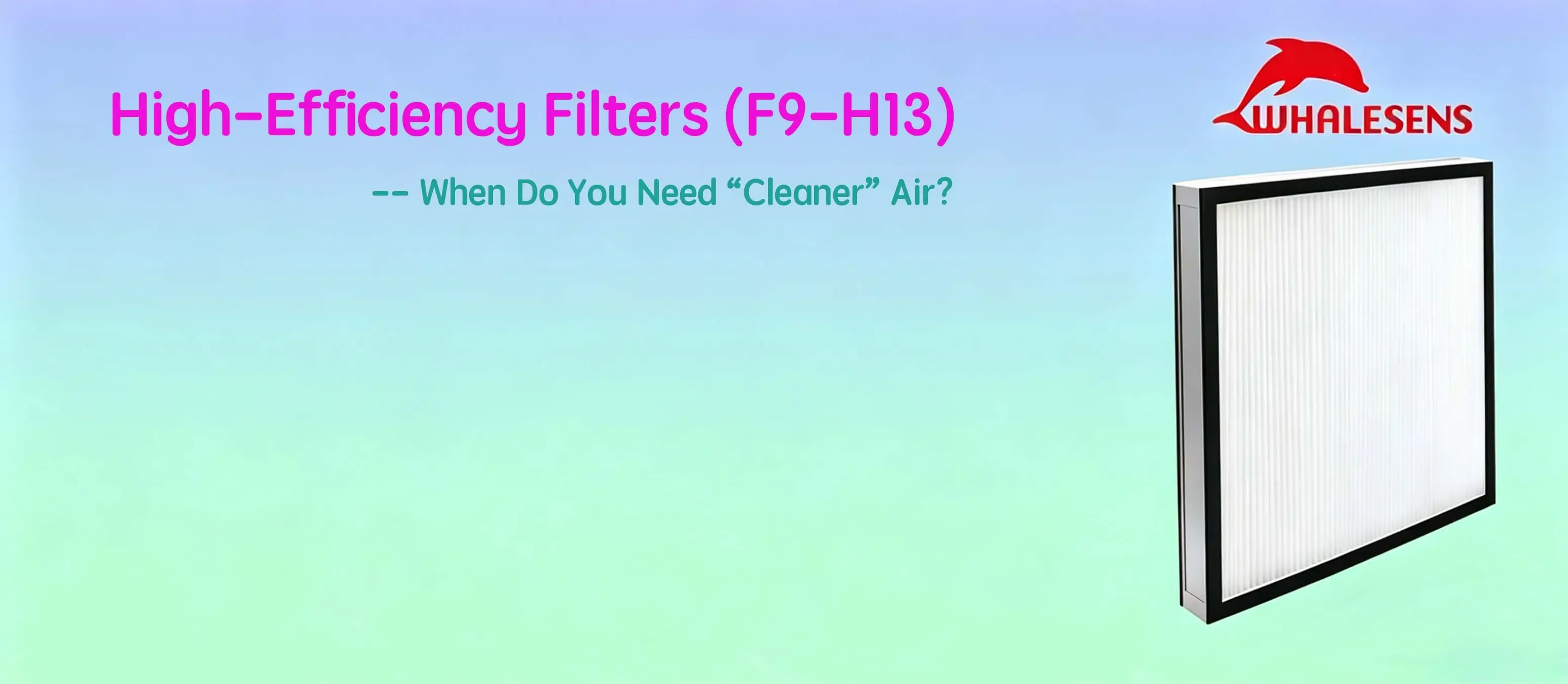
≥99.97% filtration efficiency for particles ≥0.3 μm, delivering sterile-grade clean air widely used in medical, pharmaceutical, and electronics manufacturing.
View Related Products →Sub-Micron Particle Capture
≥99.9995% efficiency for particles ≥0.12 μm, meeting the extreme cleanliness demands of semiconductor fabs, aerospace, and other ultra-precision applications.
View Related Products →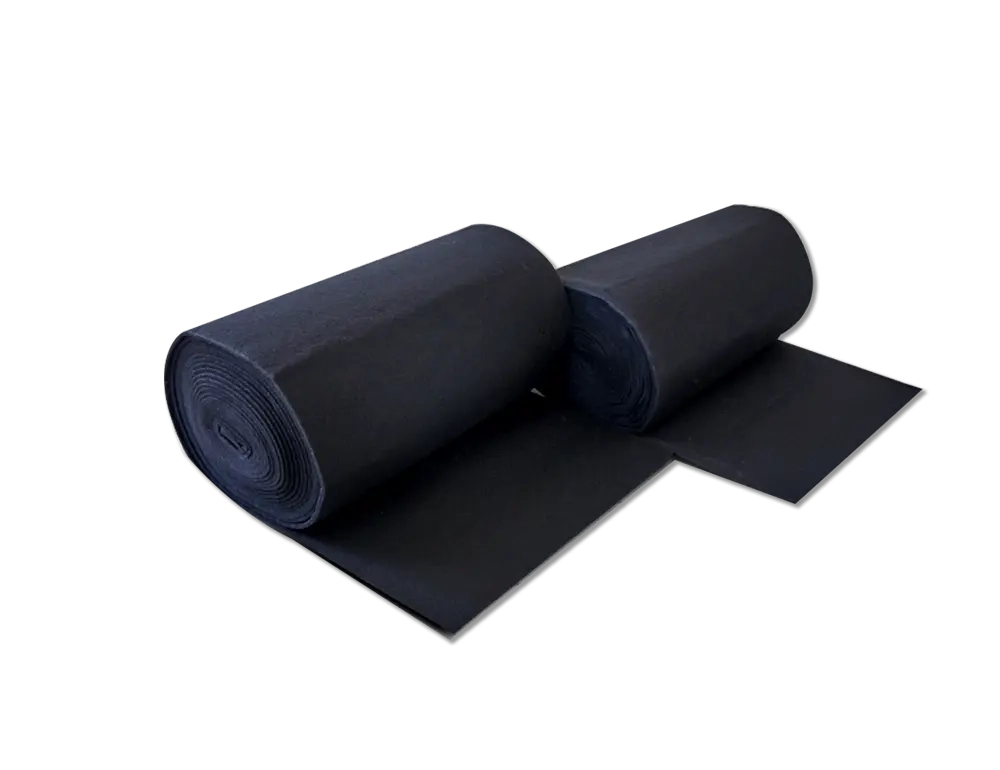
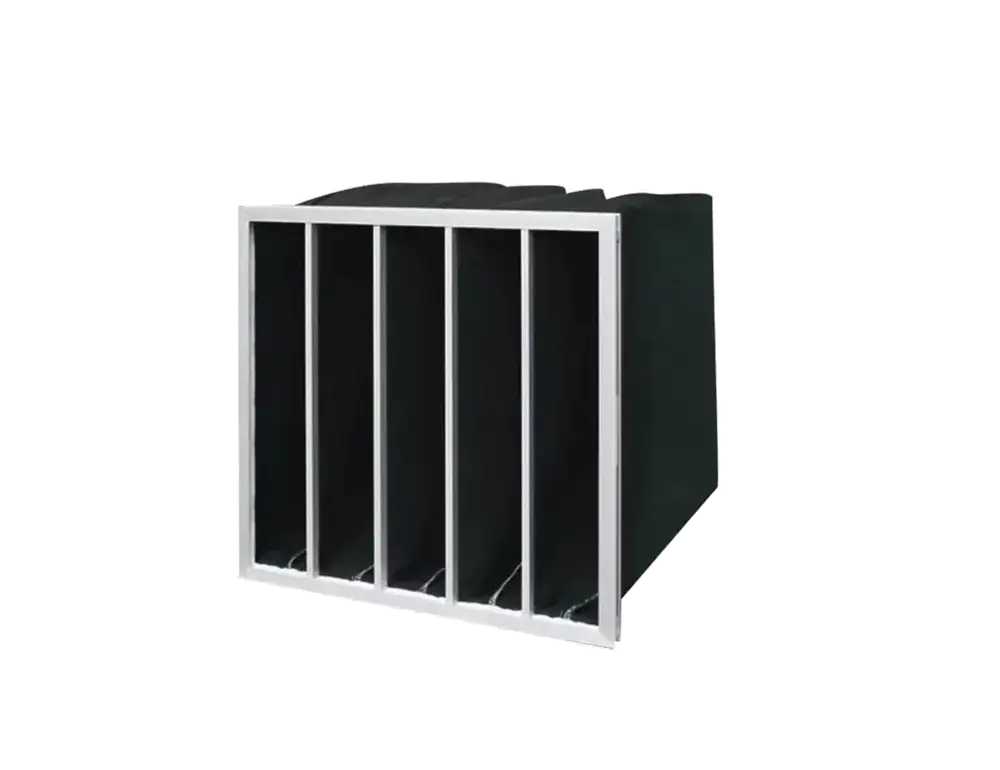
High-Temperature Resistant
Industrial-Grade Heat Tolerance
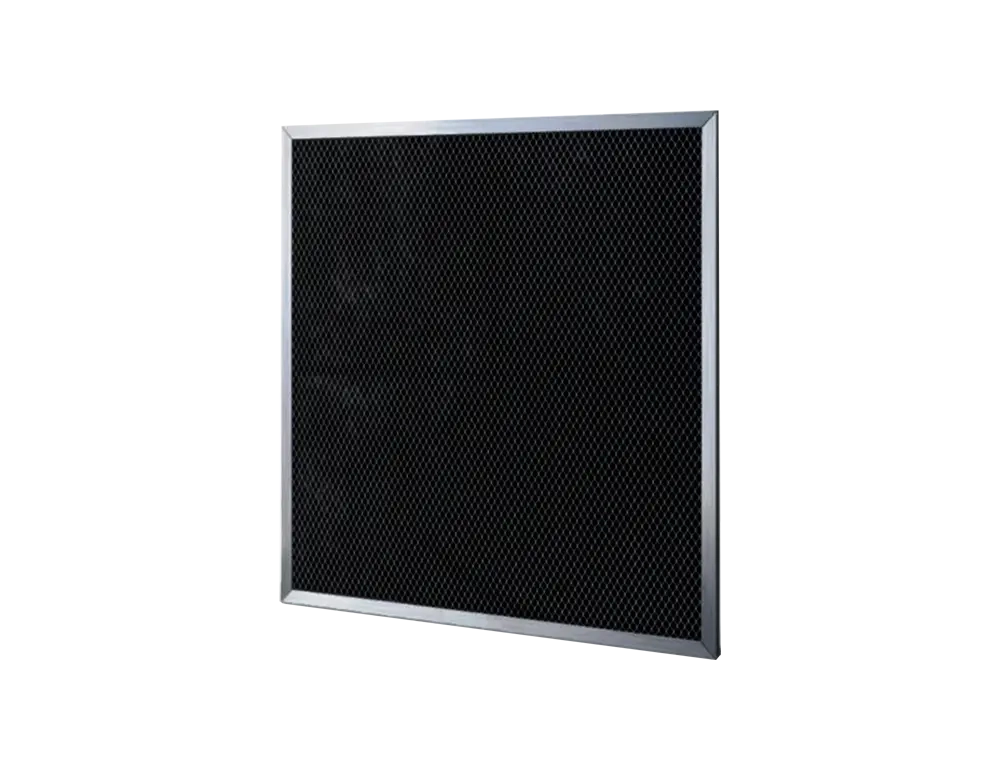
Washable & Reusable
Cut Costs, Reduce Waste
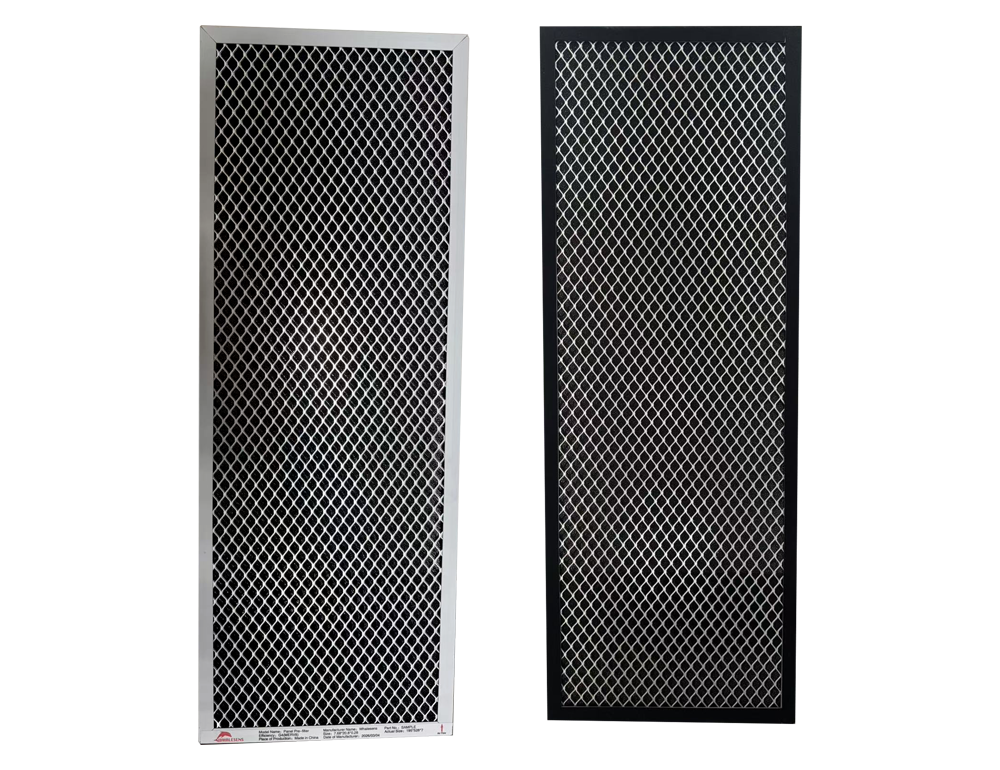
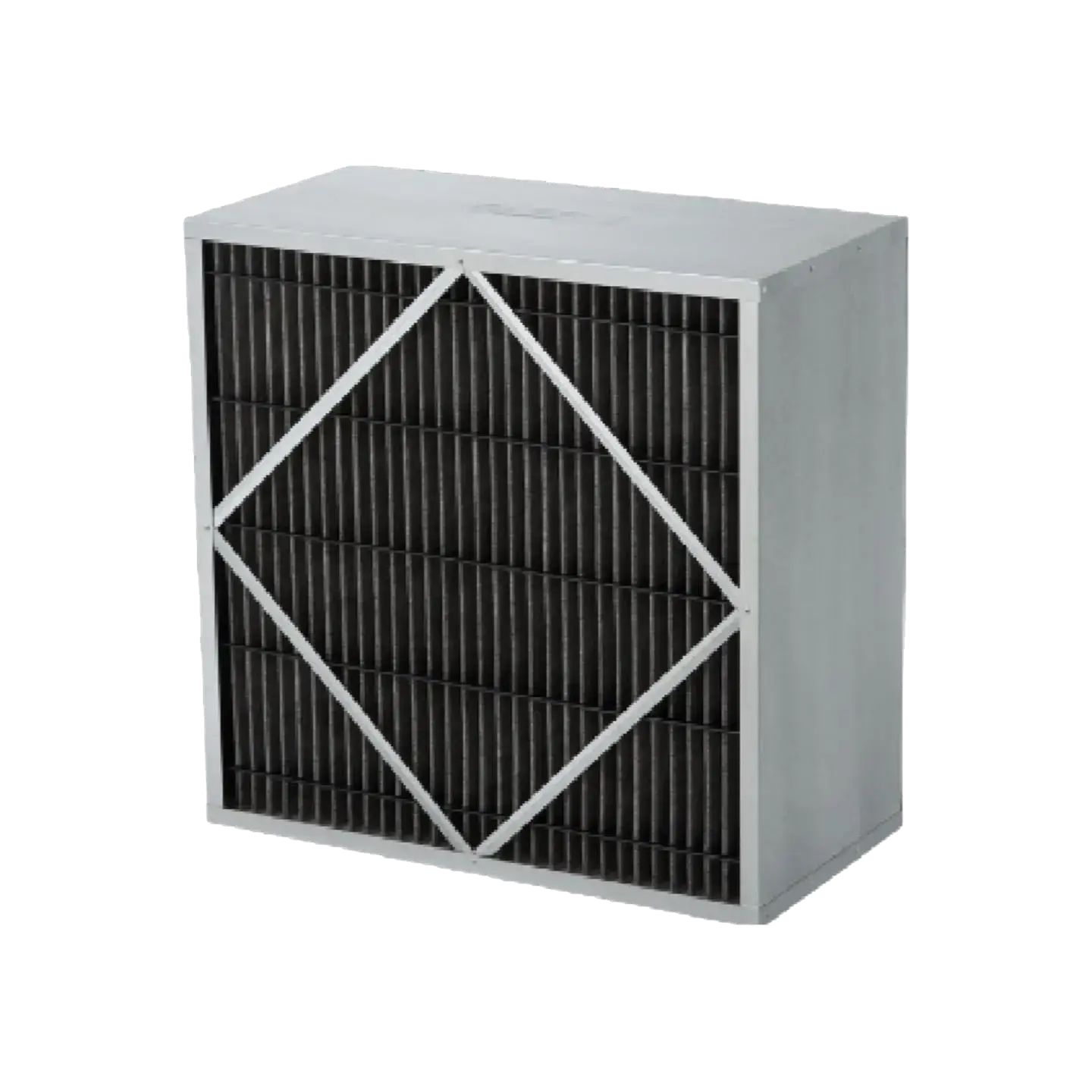
Activated Carbon
Odor & Harmful Gas Removal
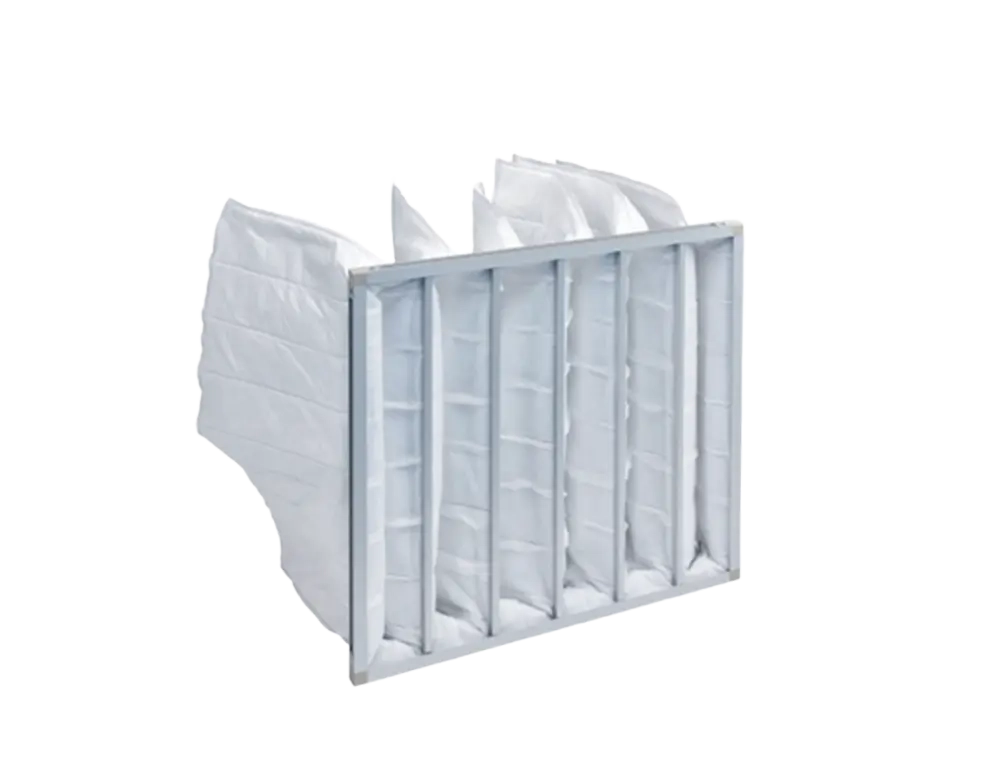
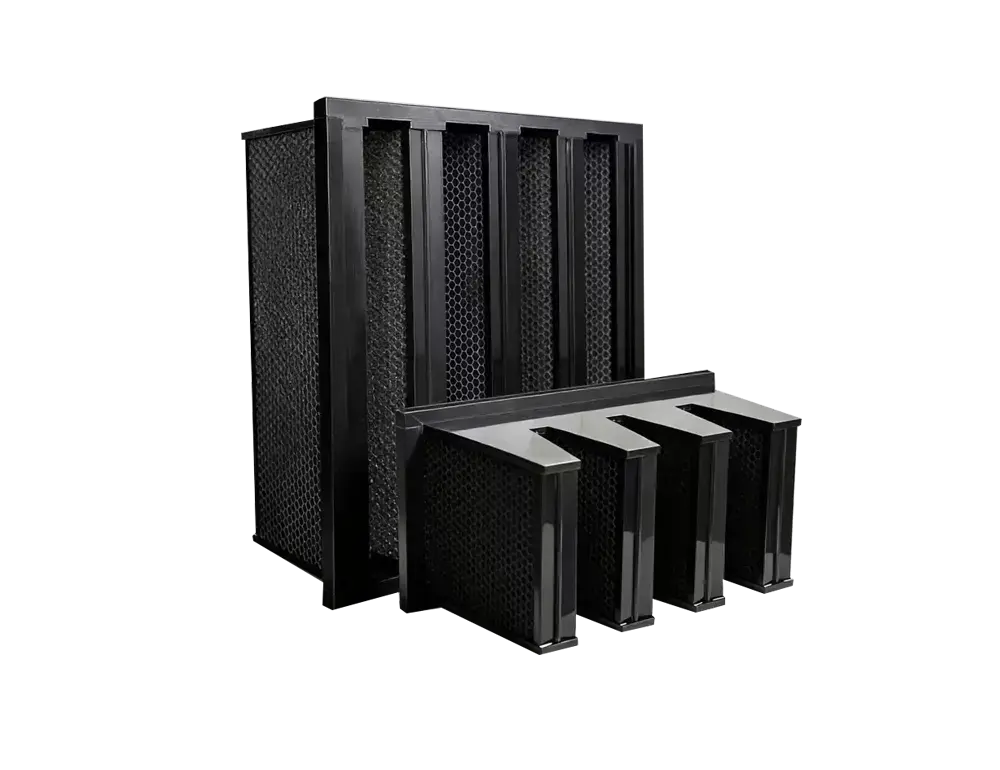
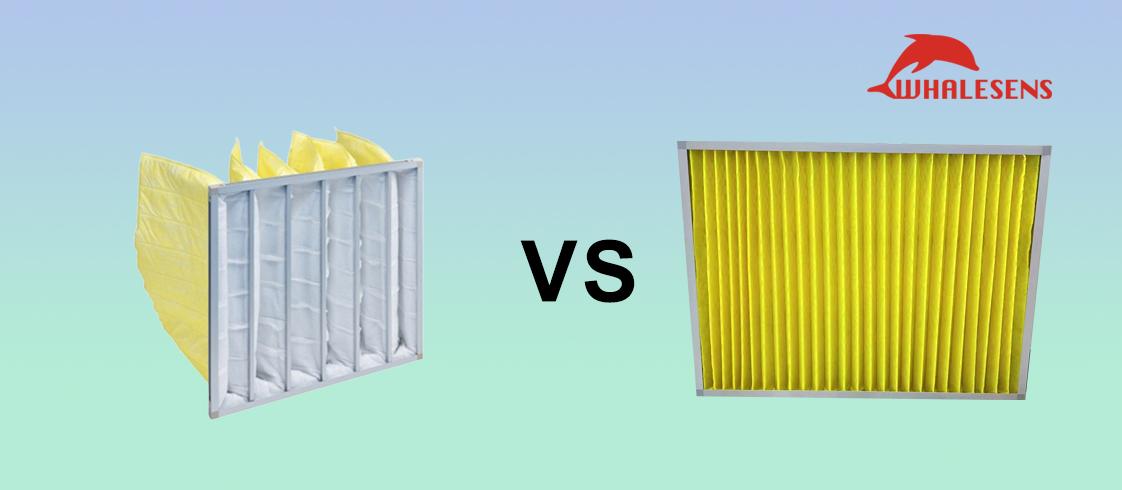
Bag Filter
High Dust-Holding, Long Life
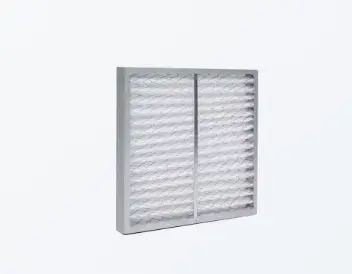
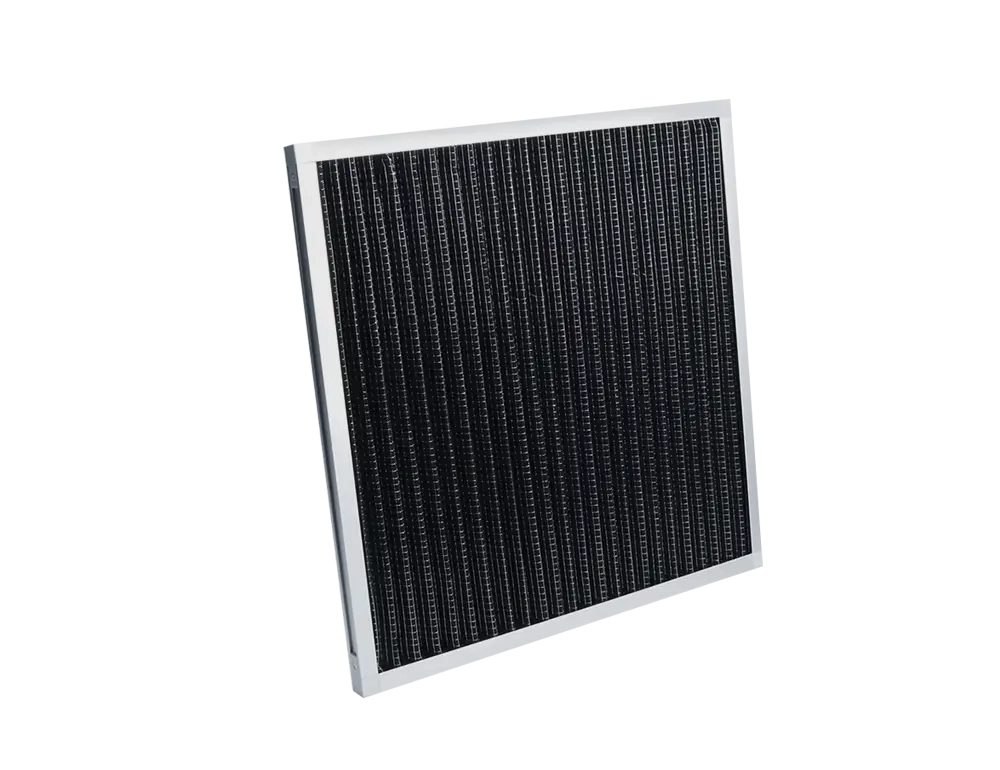
Panel / Pleated Filter
Compact Space-Saving Design
Low-Resistance Airflow
Energy-Saving Operation
Industrial-Grade Heat Tolerance
Built with specialized heat-resistant materials, operating stably up to 250°C for paint ovens, industrial dryers, and high-temperature process environments.
View Related Products →Cut Costs, Reduce Waste
Cleanable by water washing or air blowing, reusable multiple times to significantly reduce replacement frequency and O&M costs — an economical, eco-friendly choice.
View Related Products →Odor & Harmful Gas Removal
Leverages activated carbon's high adsorption capacity to eliminate odors, VOCs, and formaldehyde, ideal for newly renovated spaces and industrial exhaust treatment.
View Related Products →High Dust-Holding, Long Life
Bag-style construction delivers a larger filtration area, high dust-holding capacity, and extended service life — ideal for high-dust environments with reduced replacement frequency.
View Related Products →Compact Space-Saving Design
Compact form factor for easy installation and replacement; pleated structure maximizes filtration area within a small footprint for higher efficiency.
View Related Products →Energy-Saving Operation
Low-resistance design minimizes pressure drop while maintaining filtration performance, reducing fan energy consumption for cost-effective, eco-friendly operation.
View Related Products →













 English(Global)
 简体中文
简体中文 Language


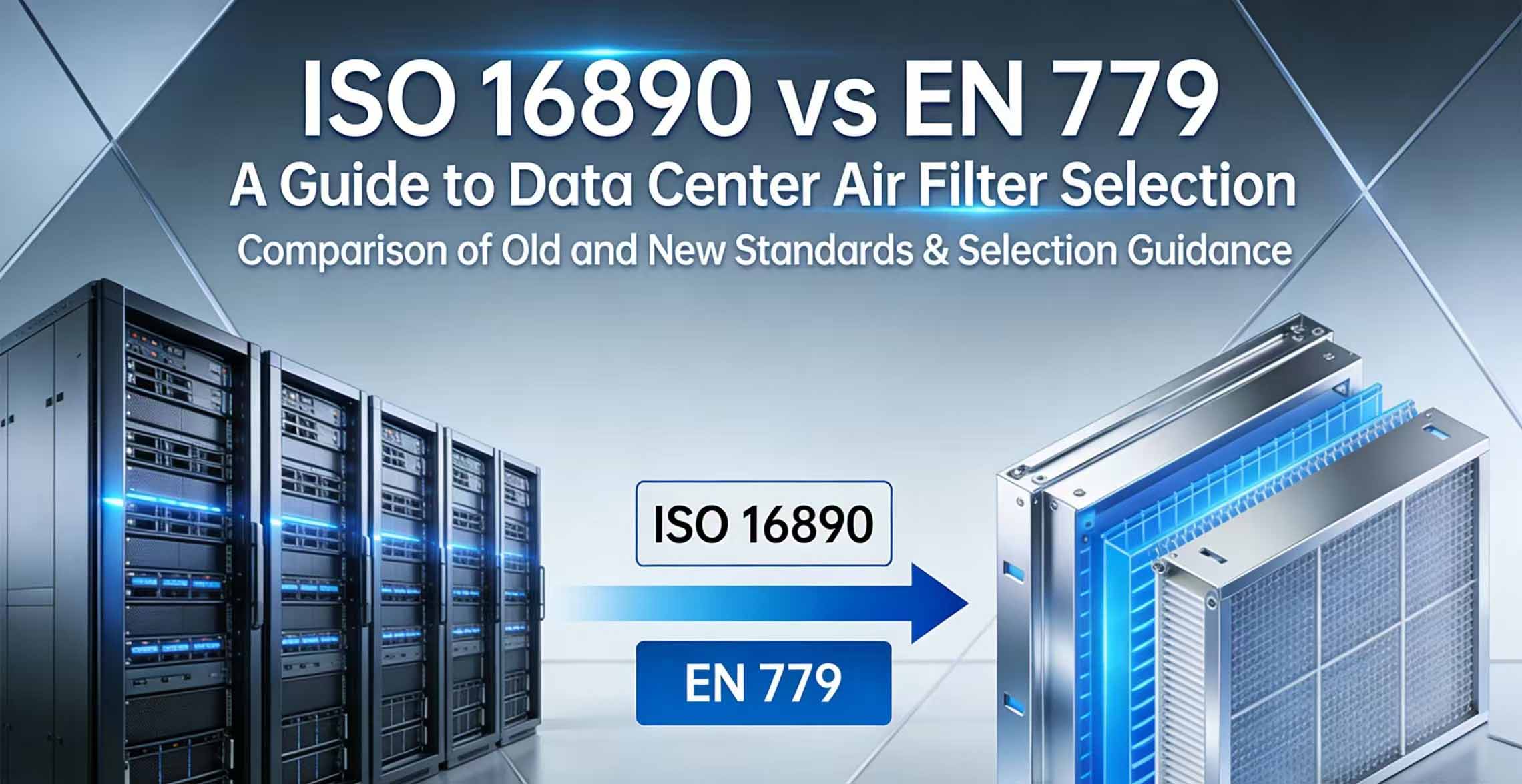
ISO 16890 vs EN 779: How to Correctly Select Data Center Filters Under the New Standard
From F7 to ePM1: The Comprehensive Upgrade of Data Center Filtration Standards—Has Your Selection Logic Kept Up?
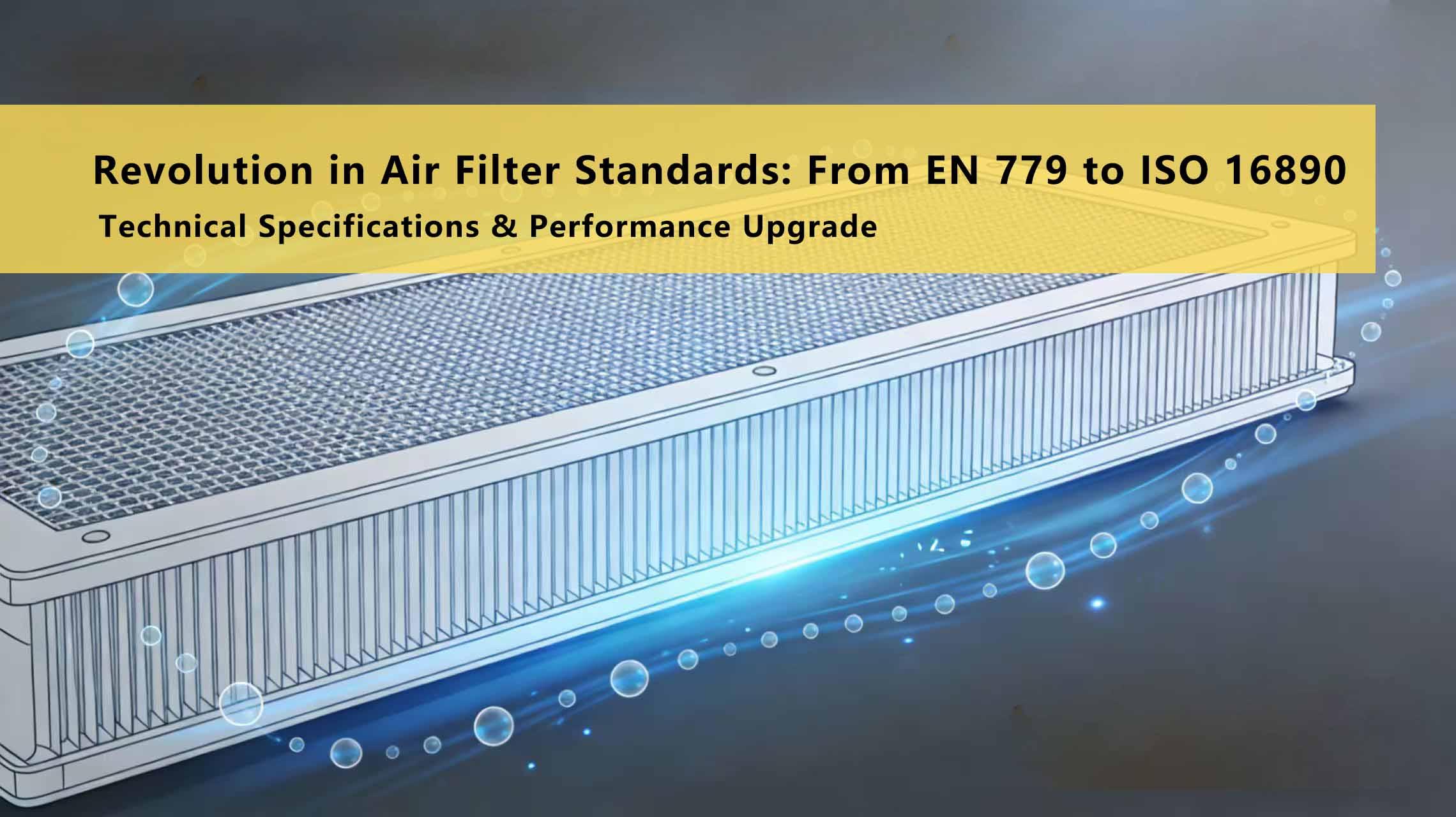
In 2022, the European Committee for Standardization officially withdrew the decades-old EN 779:2012 standard, replacing it with the new ISO 16890 series. This change has profoundly impacted filter selection for data centers, commercial buildings, and industrial facilities. ISO 16890 no longer uses the old F5-F9 classification system, but instead directly reflects a filter's ability to capture health-relevant particles through ePM1, ePM2.5, and ePM10 ratings. For data centers, what does this change mean? How should cooling system filters be selected under the new standard? This article provides an in-depth analysis of the differences between old and new standards and offers a practical guide for data center filter selection based on ISO 16890.
1. Why Was the Standard Update Necessary?
1.1 The Limitations of EN 779
EN 779:2012, "Particulate Air Filters for General Ventilation," had been Europe's standard for filter testing since the 1960s. It used 0.4μm liquid aerosol (DEHS) for testing and classified filters into G1-G4 (coarse) and F5-F9 (medium efficiency) grades. The classification for F5-F9 grades was based on average arrestance efficiency and average counting efficiency.
However, this method had significant limitations:
- The final test pressure drop was set at 250Pa, far from the actual replacement pressure drop (typically 450Pa) in real-world applications.
- Testing focused on a single particle size of 0.4μm, failing to comprehensively reflect filter performance across different particle size ranges.
- The classification system had low correlation with indoor air quality (IAQ), making it impossible to directly answer core questions like "How much PM2.5 can this filter remove?"
1.2 The Awakening of Health Awareness
With the World Health Organization classifying PM2.5 as a Group 1 carcinogen, public and industry attention to the health impacts of air pollution has reached unprecedented levels. EN 779's inability to intuitively express a filter's efficiency against health-relevant particles like PM2.5 and PM1 made the introduction of a new standard inevitable.
2. The Core Changes in ISO 16890
2.1 Comprehensive Upgrade in Test Methods
| Comparison Dimension | EN 779:2012 | ISO 16890 |
|---|---|---|
| Test Aerosol | 0.4μm DEHS liquid | Solid particles (KCl) with polydisperse distribution |
| Particle Size Range | Single particle size | Full particle size range covering 0.3-10μm |
| Test Endpoint | Fixed 250Pa | Clean resistance + efficiency curve at final pressure drop |
| Electrostatic Discharge Treatment | No requirement | Mandatory anti-static treatment to reflect real-world performance |
ISO 16890 uses solid potassium chloride (KCl) aerosol, covering the complete particle size range of 0.3-10μm. By immersing filters in isopropyl alcohol to eliminate electrostatic effects, it measures the filter's minimum efficiency—which better represents real-world performance throughout the filter's lifecycle compared to the "average efficiency" measured by EN 779.
2.2 A New Classification System
| Classification Code | Definition | Health Relevance |
|---|---|---|
| ePM1 | Counting efficiency for particles 0.3-1.0μm | Ultrafine particles inhalable into lungs, virus carriers |
| ePM2.5 | Counting efficiency for particles 0.3-2.5μm | PM2.5, bacteria, mold spores |
| ePM10 | Counting efficiency for particles 0.3-10μm | Pollen, dust mites, coarse particles |
Each level is marked with specific efficiency values, for example:
- ISO ePM1 70%: Indicates the filter's counting efficiency for 0.3-1.0μm particles is not less than 70%.
- ISO ePM2.5 65%: Indicates capture efficiency for PM2.5 particles is not less than 65%.
2.3 Correspondence Between EN 779 and ISO 16890
Although there is no strict mathematical conversion formula, based on extensive test data, the industry has developed the following reference correspondence:
| EN 779 Grade | Corresponding ISO 16890 Level | Typical Efficiency Range |
|---|---|---|
| G4 | ePM10 < 50% | Coarse filtration |
| F5 | ePM2.5 40-50% | Basic medium efficiency |
| F6 | ePM2.5 50-60% | Medium medium efficiency |
| F7 | ePM1 50-65% | High medium efficiency |
| F8 | ePM1 65-80% | Sub-HEPA |
| F9 | ePM1 > 80% | Approaching HEPA |
Important Note: Due to differences in test methods, direct "benchmarking" carries risks. For example, a filter tested as F7 under EN 779 might only achieve ePM1 55% under ISO 16890, or it might reach ePM1 65%. Therefore, procurement should be based on actual ISO 16890 test reports.
3. Special Challenges in Data Center Filtration
3.1 Server Sensitivity to Particulates
Precision electronic equipment inside data centers is extremely sensitive to particulate matter:
- Cooling Efficiency: Dust accumulation on heat sinks and fans reduces cooling efficiency by 20-30%.
- Electrical Failures: Conductive dust (e.g., metal particles) in humid environments can create short circuits.
- Mechanical Wear: The gap between hard drive read/write heads and platters is measured in nanometers; even microscopic dust can cause failures.
3.2 Balancing Efficiency and Energy Consumption
Data center operators face a fundamental contradiction: Higher filtration efficiency often means higher pressure drop, which increases fan energy consumption and raises PUE (Power Usage Effectiveness).
According to ASHRAE research, every 25Pa increase in filter pressure drop raises data center cooling energy consumption by approximately 2-3%. For a 10MW data center, this translates to hundreds of thousands of dollars in annual electricity cost differences.
3.3 The Threat of Corrosive Gases
Beyond particulates, data centers also face challenges from gaseous pollutants. Corrosive gases such as SO₂, NOx, and H₂S can cause circuit board corrosion and connector failure. ISO 16890 only covers particulate filtration; for gaseous contamination control, additional chemical filters are required.
4. ISO 16890-Based Data Center Filter Selection Guide
4.1 Determining Target Efficiency Levels
Based on ASHRAE's "Data Center Particulate and Gaseous Contamination Control Guide" and industry best practices, the following selection criteria are recommended:
| Data Center Type | Recommended ISO Level | Former EN 779 Equivalent | Description |
|---|---|---|---|
| Basic Level (Class 1) | ePM2.5 ≥ 50% | F6-F7 | General commercial colocation facilities |
| Standard Level (Class 2) | ePM1 ≥ 50% | F7 | Medium-sized enterprise data centers |
| High Level (Class 3) | ePM1 ≥ 65% | F8 | Financial services, cloud computing core nodes |
| Critical Level (Class 4) | ePM1 ≥ 80% + chemical filtration | F9 + activated carbon | High-performance computing, mission-critical applications |
Recommendation: For most modern data centers, ePM1 ≥ 65% (formerly F8) represents the optimal balance—effectively protecting servers while avoiding excessive energy burden.
4.2 Pressure Drop-First Selection Logic
Under the ISO 16890 standard, filter selection should focus not only on efficiency but also on initial pressure drop and average pressure drop:
| Performance Parameter | Recommended Value | Impact on PUE |
|---|---|---|
| Initial Pressure Drop | < 80 Pa @ 2.5 m/s | Direct contribution |
| Dust Holding Capacity | > 300 g/m² | Extends life, reduces replacement frequency |
| Average Pressure Drop | < 150 Pa @ rated airflow | Critical for long-term energy consumption |
Selection Formula: Prioritize products that meet the required ePM1 efficiency while having the lowest initial pressure drop. A filter with ePM1 70% but 20Pa lower pressure drop is more economically beneficial in the long run than one with ePM1 75% but 30Pa higher pressure drop.
4.3 Multi-Stage Filtration Configuration Strategy
Modern data centers should adopt a multi-stage filtration strategy to protect equipment while reducing total cost of ownership:
| Stage | Location | Recommended ISO Level | Function |
|---|---|---|---|
| First Stage (Pre-filter) | Fresh air intake/mixing chamber | ePM10 ≥ 50% | Intercepts large particles, protects main filter |
| Second Stage (Main Filter) | AHU discharge/CRAC supply | ePM1 ≥ 65% | Core protection, ensures air quality |
| Third Stage (Chemical Filter) | Precision control areas | Activated carbon/chemical media | Removes corrosive gases |
Key Principle: The higher the efficiency of the main filter, the more important the pre-filter protection becomes. Choose pre-filters with high dust-holding capacity to extend the life of expensive main filters.
4.4 Real-World Case Calculation
Scenario: A 10MW data center in Beijing originally used F7 filters (EN 779), replaced twice annually, with fan energy consumption accounting for 12% of total facility load.
Upgrade Solution: Replace with ISO ePM1 70% filters, reducing initial pressure drop from 95Pa to 75Pa.
Benefit Calculation:
- Annual fan energy savings: approximately 82,000 kWh
- Annual electricity cost reduction: approximately $13,500 (at $0.165/kWh)
- Filter service life: extended from 8 months to 12 months (due to higher dust-holding capacity)
- Overall TCO reduction: approximately 23%
5. Procurement and Verification Essentials
5.1 Require Complete ISO 16890 Test Reports
Procurement should not accept mere promises of "equivalent to F7/F8." Require suppliers to provide complete ISO 16890 test reports from ILAC-accredited laboratories. Reports should include:
- Specific efficiency values for ePM1, ePM2.5, and ePM10
- Initial pressure drop and efficiency-particle size curves
- Documentation of electrostatic discharge treatment
5.2 On-Site Verification and Monitoring
After installation, establish ongoing verification mechanisms:
- Install differential pressure gauges to monitor filter operating status
- Conduct regular particle counting tests (recommended semi-annually) to verify supply air quality
- Document filter replacement cycles to build localized databases
5.3 Common Procurement Misconceptions
| Misconception | Reality |
|---|---|
| "An F7 filter equals ePM1 50%" | It might be only 40%, or could reach 65%—actual test data is essential |
| "Higher efficiency is always better" | Excessively high efficiency increases pressure drop and PUE; balance is required |
| "All ISO reports are the same" | Different laboratories may have test variations; choose reports from authoritative institutions |
6. Future Trends: From Particulates to Gaseous Contamination
ISO 16890 addresses the standardization of particulate filtration, but the challenge of gaseous contamination in data centers is equally severe. Future trends include:
- ISO 10121 Series Standards: Test methods for gas-phase air purification equipment, currently under development.
- Composite Filtration Technology: Integrating particulate and chemical filtration within a single unit.
- Intelligent Monitoring Systems: Real-time monitoring of filter pressure drop and air quality to enable predictive maintenance.
7. Conclusion and Action Recommendations
The transition from EN 779 to ISO 16890 represents not just a change in standard numbers, but a fundamental shift in filtration philosophy. For data center operators, this means:
- Abandon Benchmarking Thinking: Stop asking "Is this F7 or F8?" Instead, ask "What is the ePM1 efficiency? What is the initial pressure drop?"
- Establish TCO Models: Integrate filter selection into data center energy management systems and calculate lifecycle costs.
- Prioritize Test Verification: For major procurements, require ISO 16890 test reports; consider prototype testing when conditions allow.
- Leverage Multi-Stage Protection: Properly configure pre-filtration + main filtration + chemical filtration to achieve optimal balance between protection and energy efficiency.
- Review ISO 16890 test reports for existing filters
- Measure current filter pressure drop and assess optimization needs
- Develop procurement technical specifications based on ISO standards
- Establish joint testing mechanisms with suppliers
Frequently Asked Questions
A: Yes. The Chinese national standard GB/T 14295-2019, "Air filters," has equivalently adopted the core technical content of ISO 16890. Additionally, ISO 16890 is the internationally accepted filter standard, suitable for global procurement.
A: Products labeled F7/F8 are still available on the market, but as a professional buyer, you should require suppliers to provide ISO 16890 test reports. EN 779 has been withdrawn and should only be used as a reference.
A: It depends on specific test data. Typically, ePM1 65% corresponds to the lower end of F8, while ePM1 75% corresponds to the lower end of F9. Actual test reports must be compared.
A: Choose products that meet the required ISO ePM1 efficiency while having the lowest initial pressure drop. Simultaneously optimize pre-filtration configuration to allow main filters to operate under lower load.
A: Initial procurement costs may be similar or slightly higher, but due to more scientific test methods, actual filter performance is more reliable, and TCO is typically lower.
🌐 Official Website: www.whalesens.com
📞 WhatsApp: +86 13119189886
📧 Email: whalesens@gmail.com