


EV Charging Stations
Filtration for Power Equipment
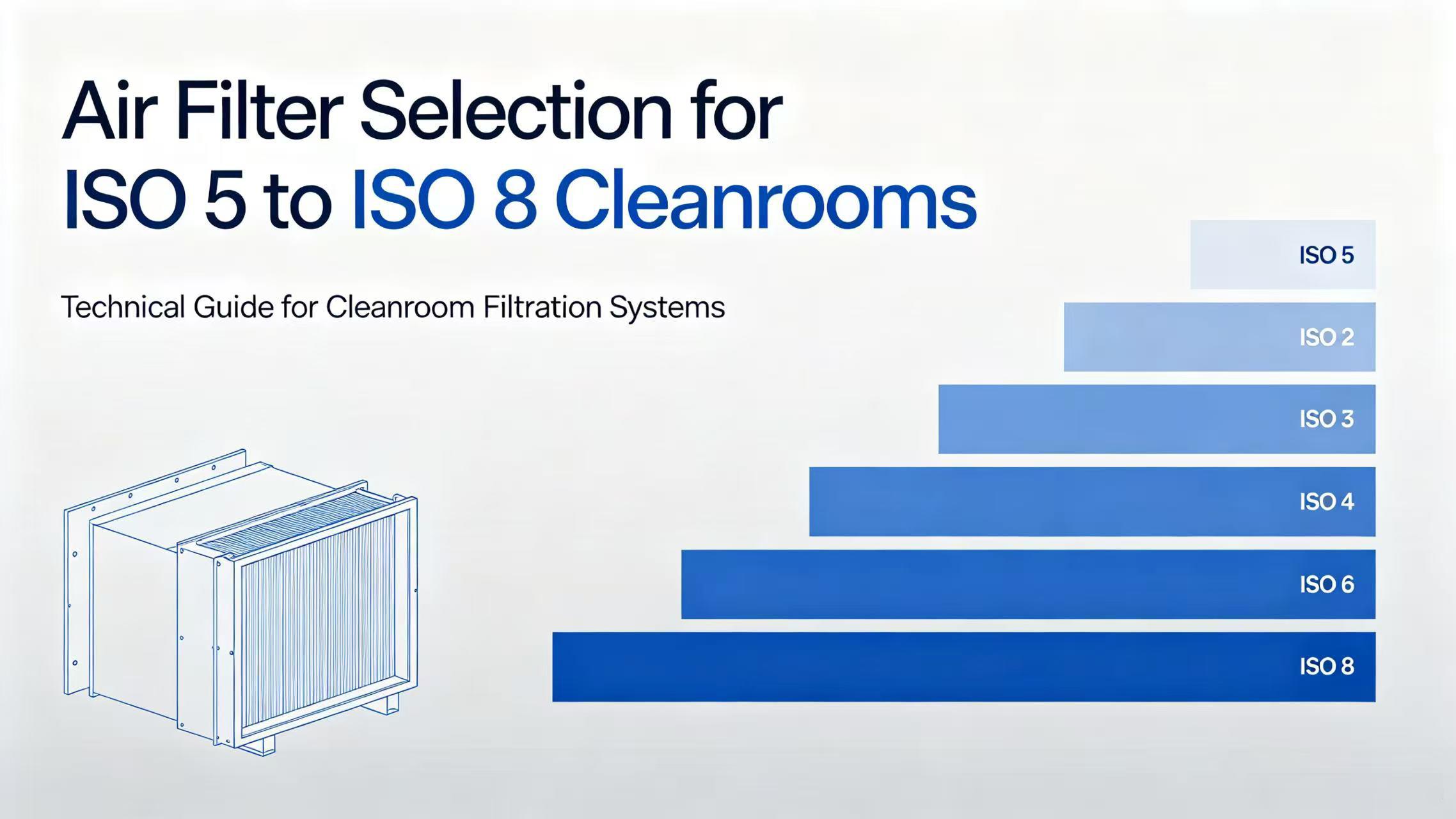
Cleanroom & Semiconductor
Ultra-High Cleanliness Filtration
Commercial HVAC
Central Air System Filtration
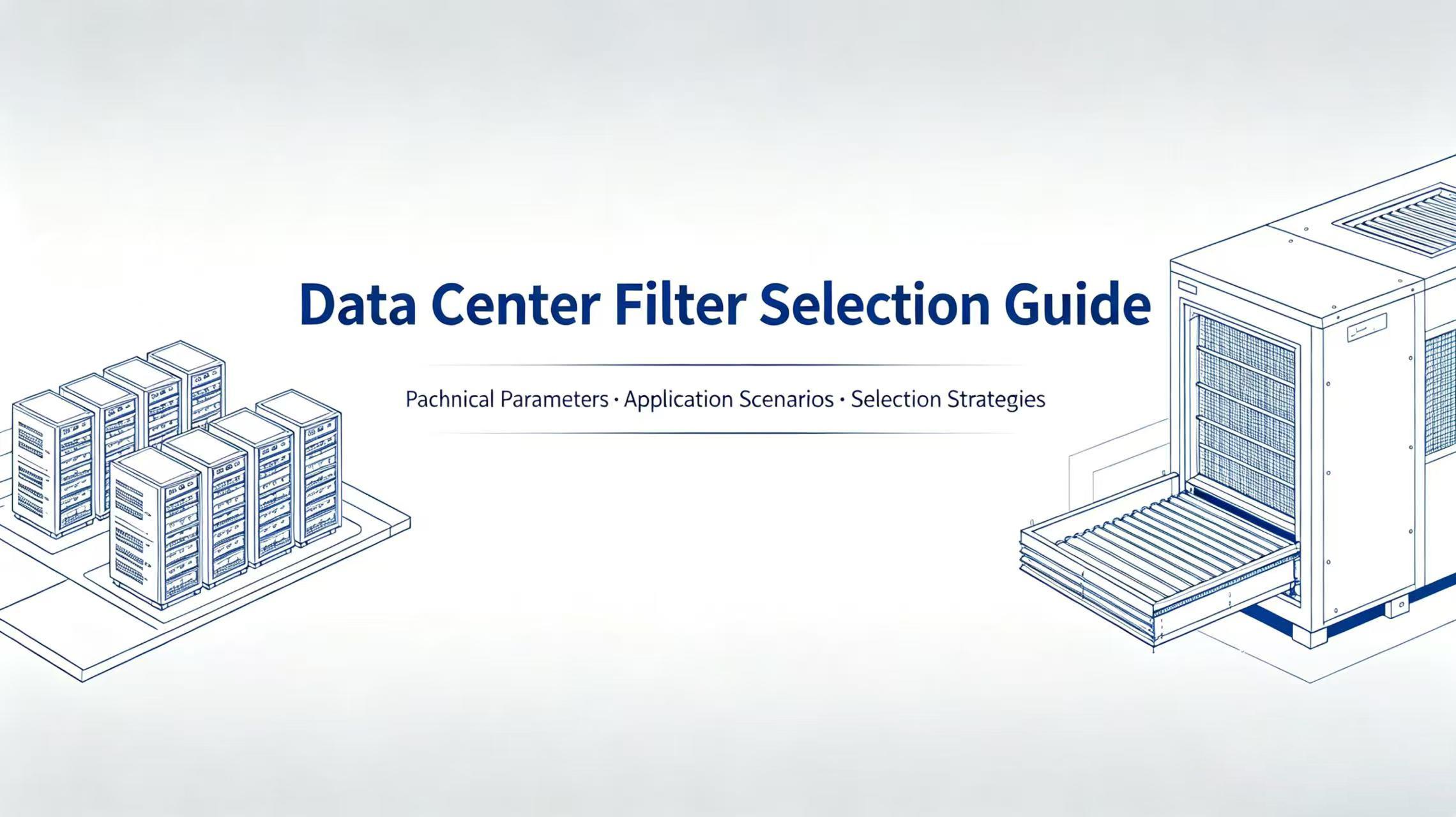
Data Centers
Precision Equipment Protection
Livestock & Farming
Farming Environment Purification
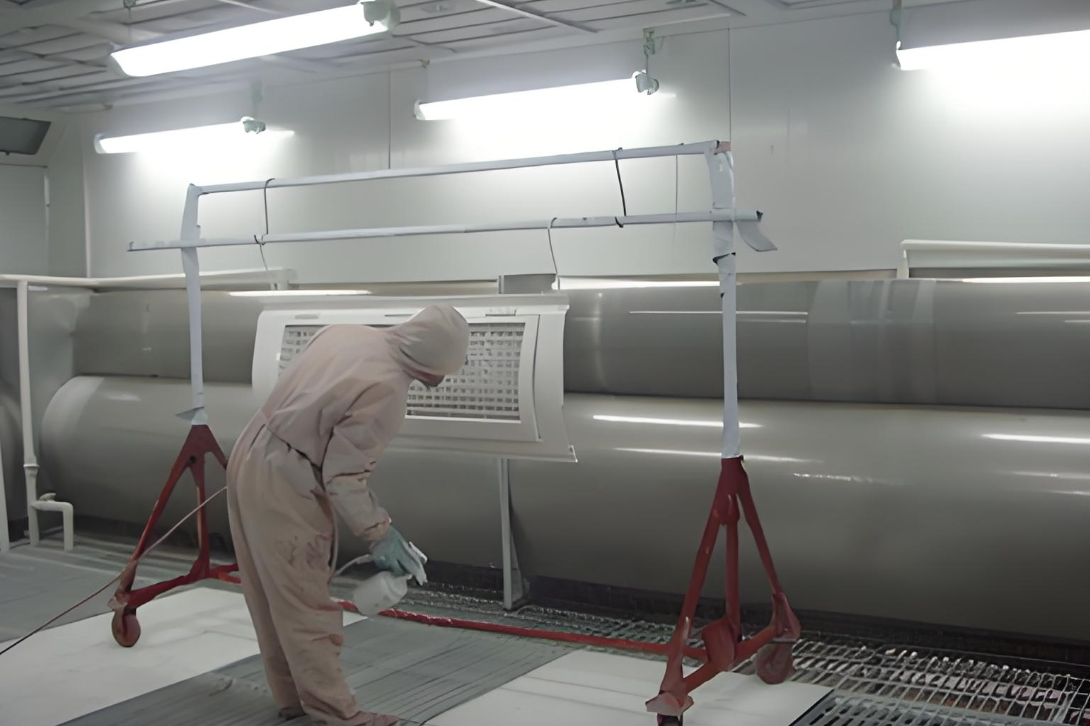
Spray Booths & Industrial Dust
Paint Mist & Dust Purification
Filtration for Power Equipment
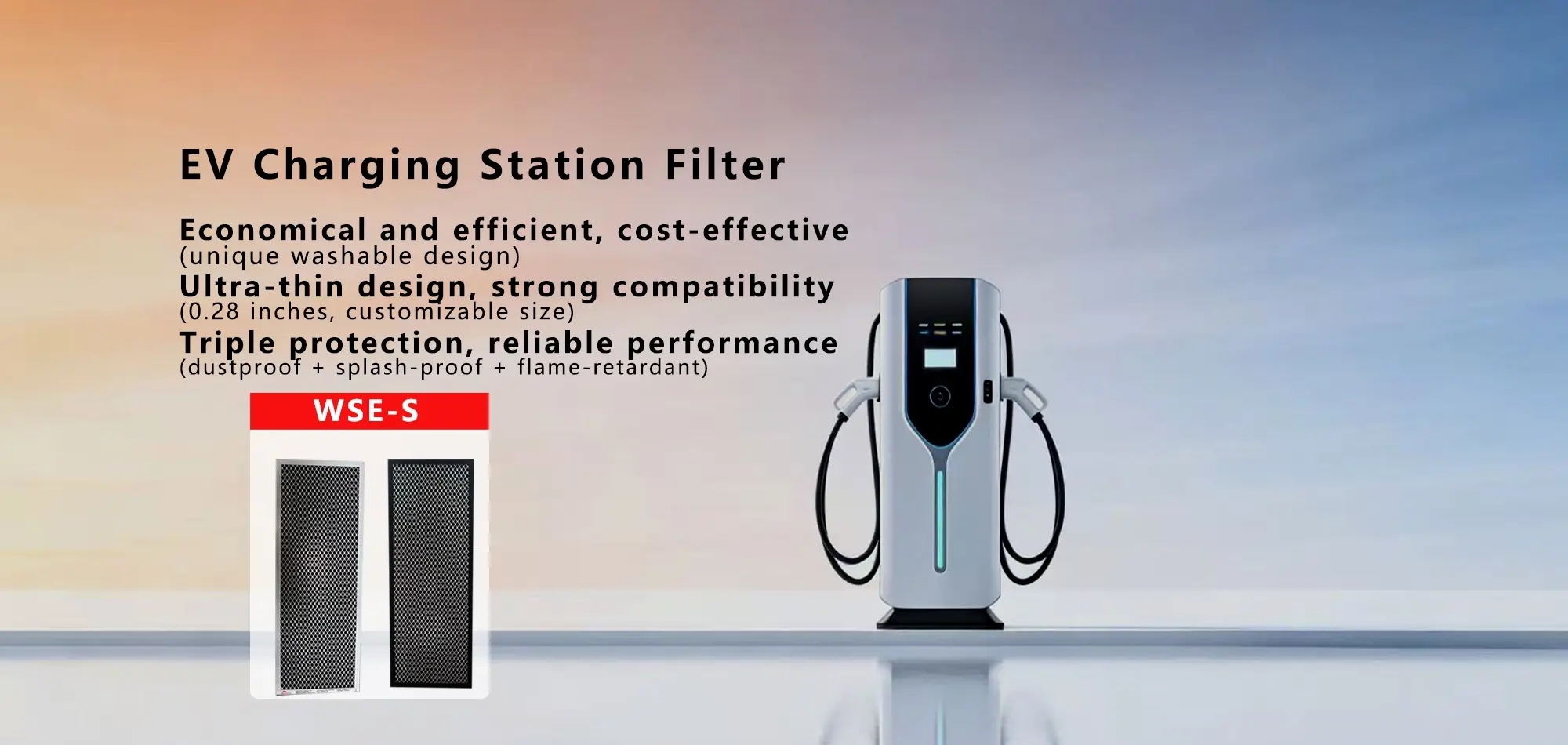
Professional air filtration for EV charging devices, protecting against dust and sand ingress to ensure stable, reliable operation of charging piles and station infrastructure.
View Related Products →Ultra-High Cleanliness Filtration
Ultra-high efficiency filtration for semiconductor wafer fabs and precision electronics cleanrooms, capturing nano-scale particles to meet ISO Class 1–3 standards and maximize product yield.
View Related Products →Central Air System Filtration
High-efficiency filtration for commercial building HVAC systems, improving indoor air quality, reducing energy consumption, and extending equipment service life.
View Related Products →Precision Equipment Protection
Precision air filtration for data centers, shielding servers and critical hardware from dust contamination to keep cooling systems running efficiently and reliably.
View Related Products →Farming Environment Purification
Dedicated filtration systems for farms and livestock facilities — capturing dust, adsorbing ammonia, and inhibiting pathogen spread to improve animal health and overall productivity.
View Related Products →Paint Mist & Dust Purification
Designed for spray booths and grinding workshops, efficiently capturing paint mist, metal dust, and wood chips to meet emission standards while protecting finished surface quality.
View Related Products →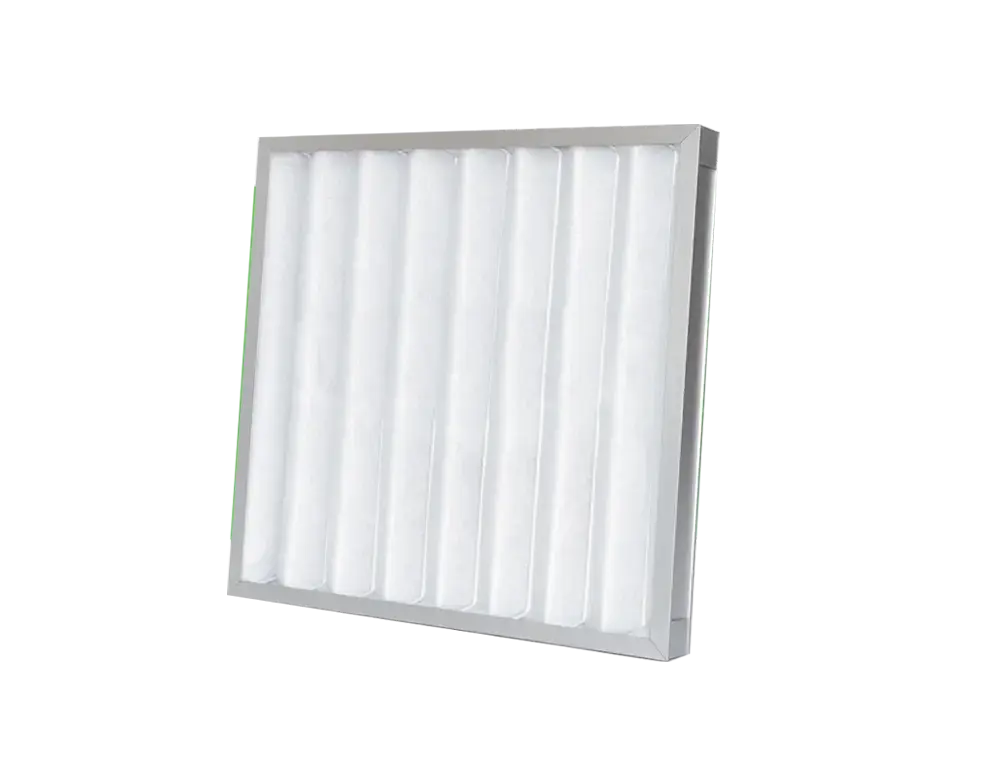

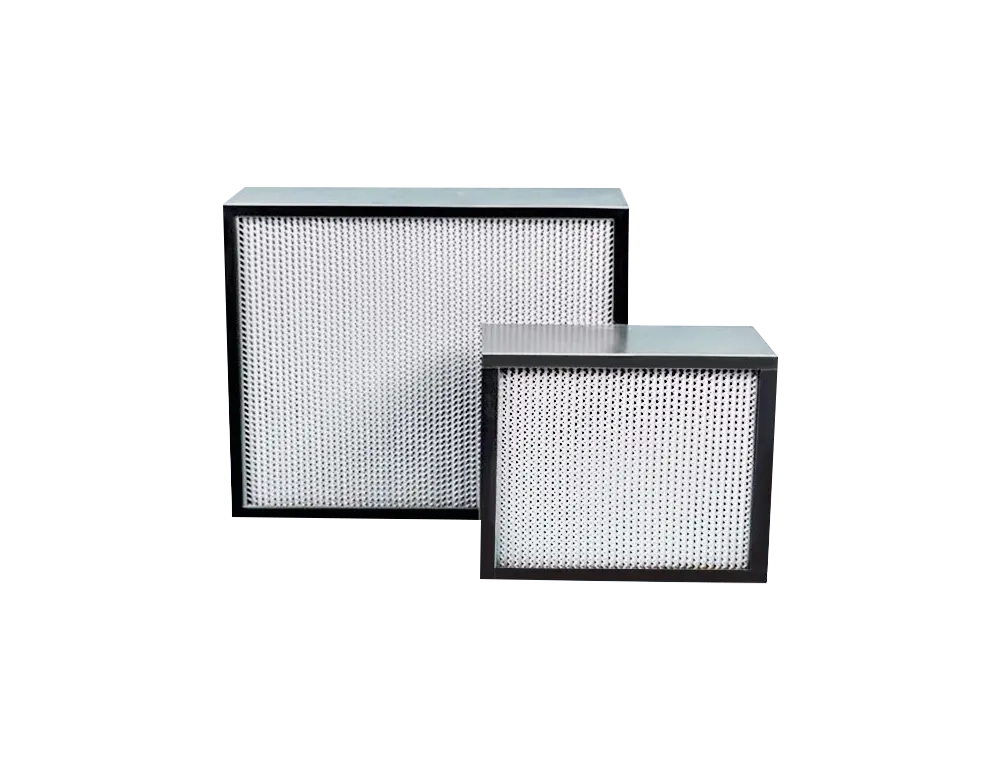


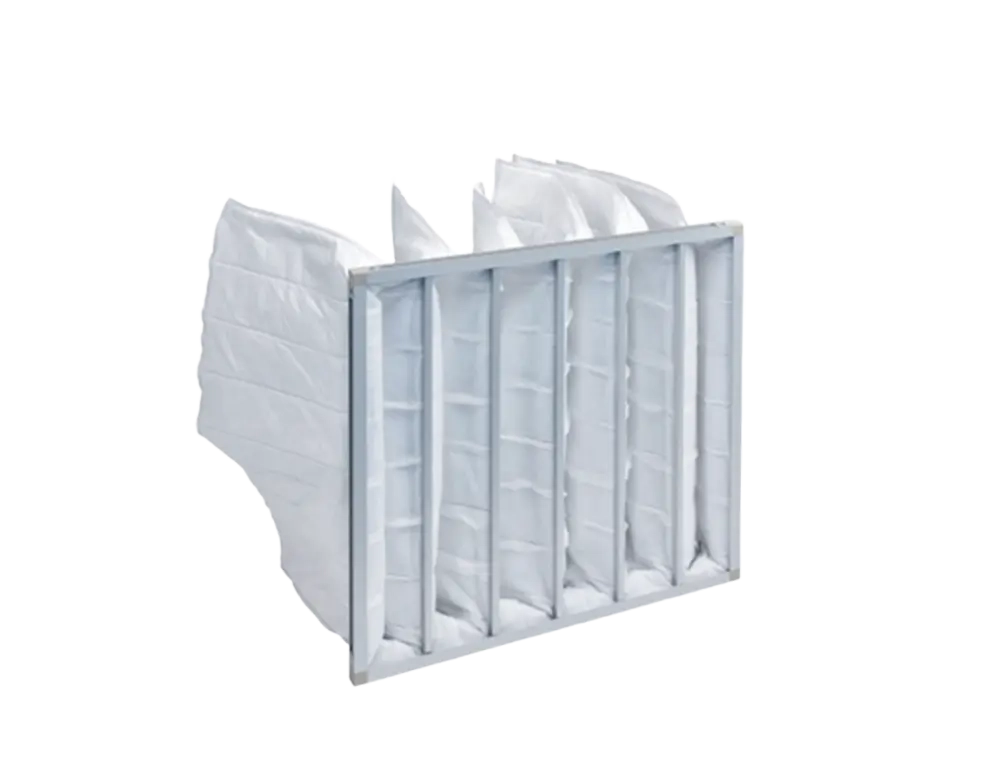
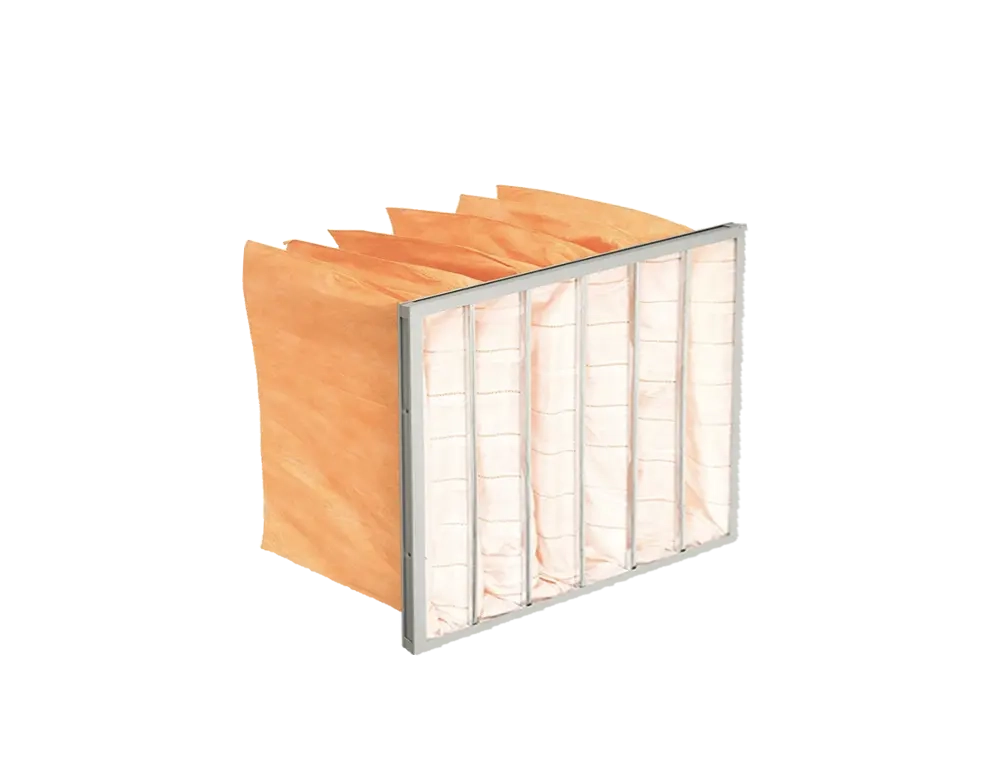
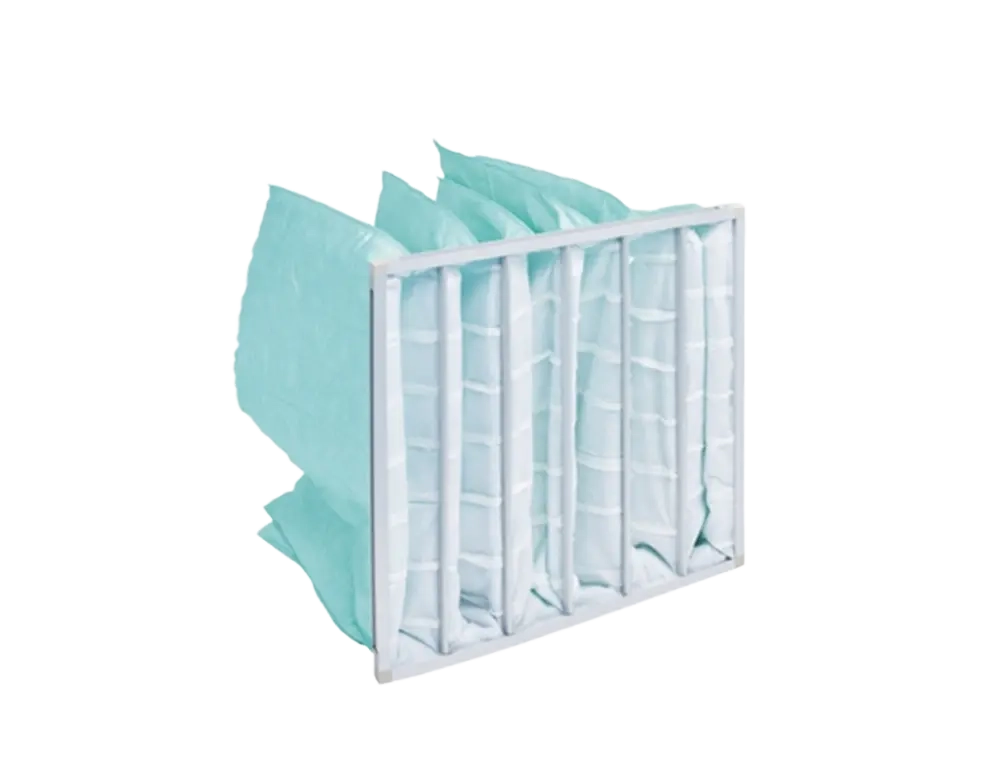
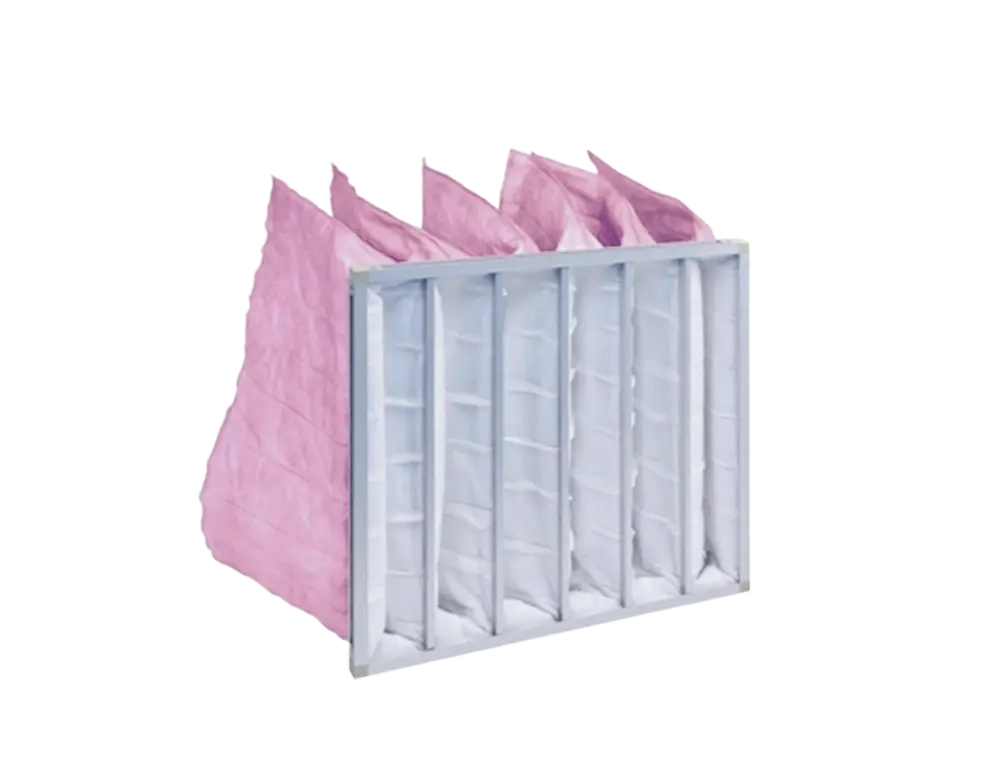
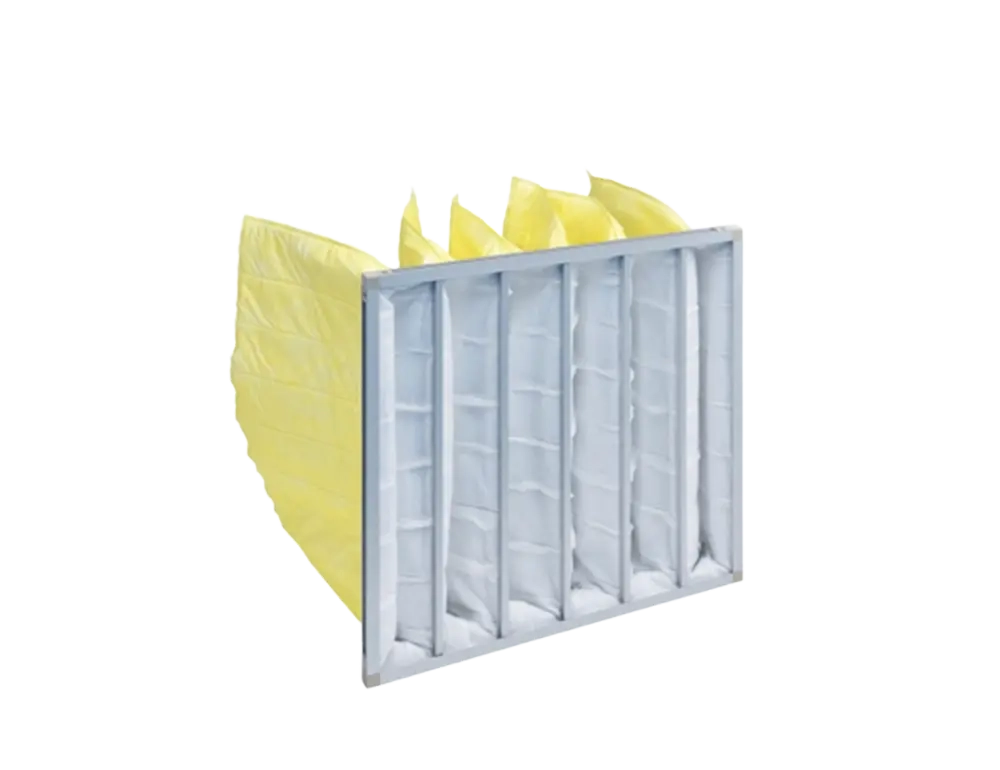

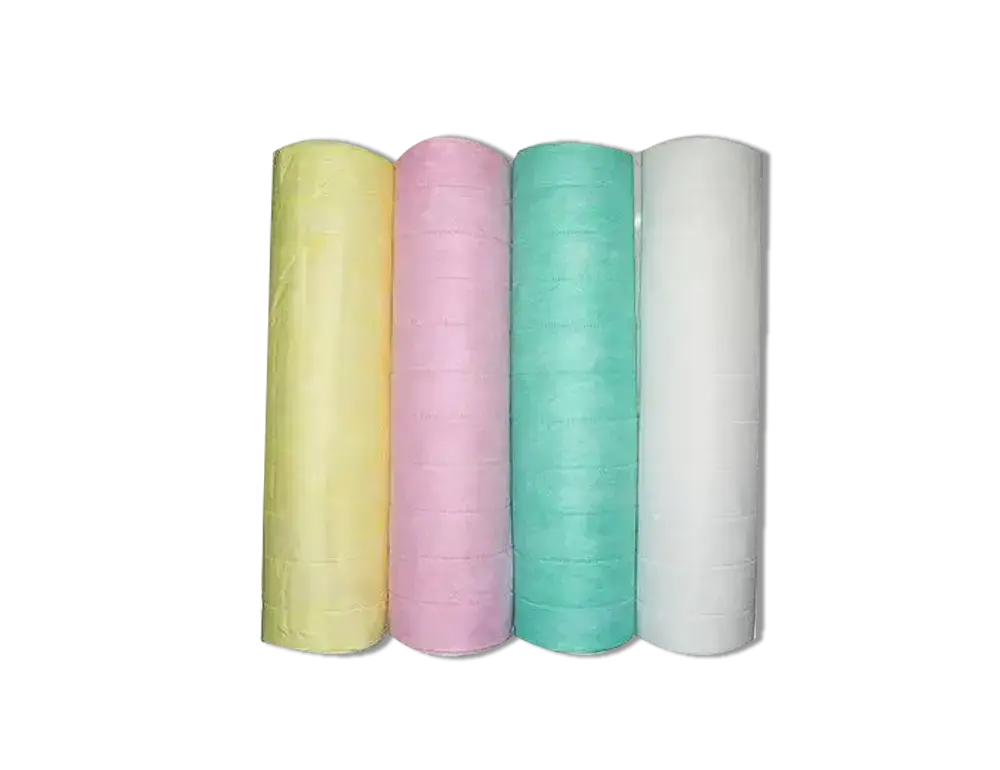
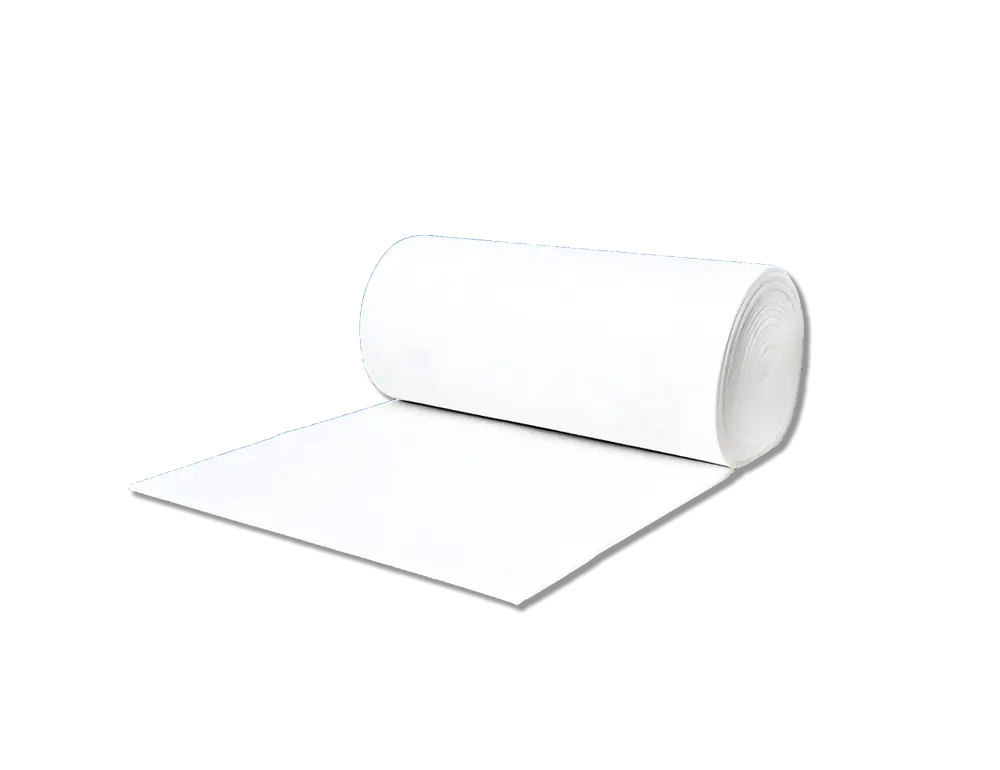
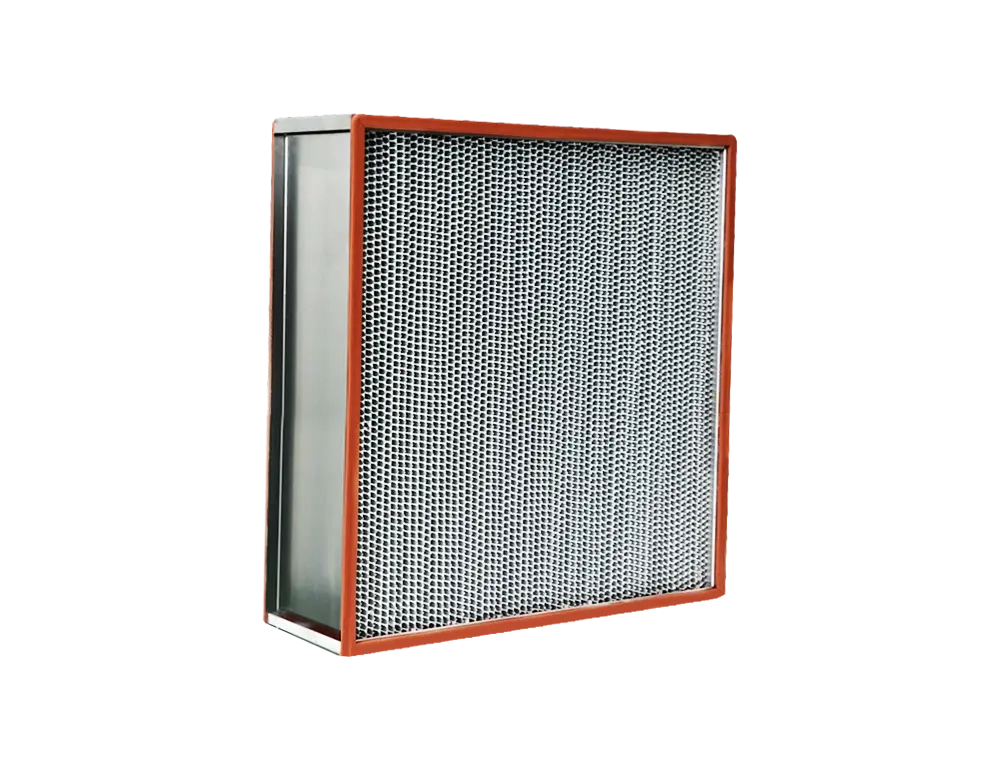
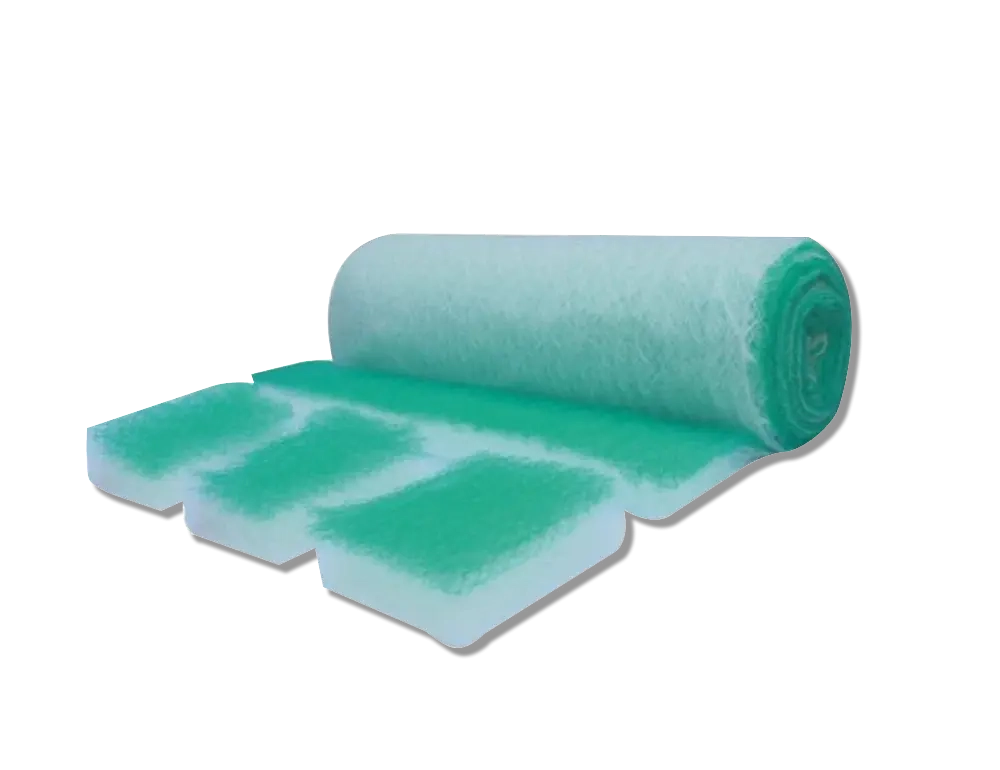
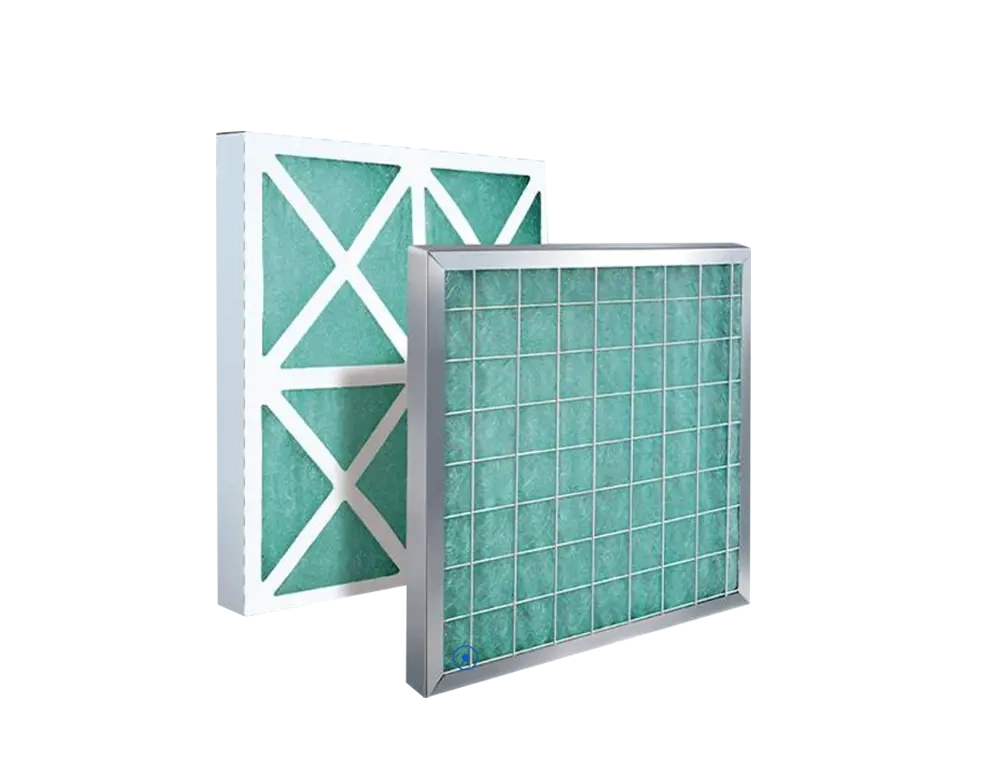
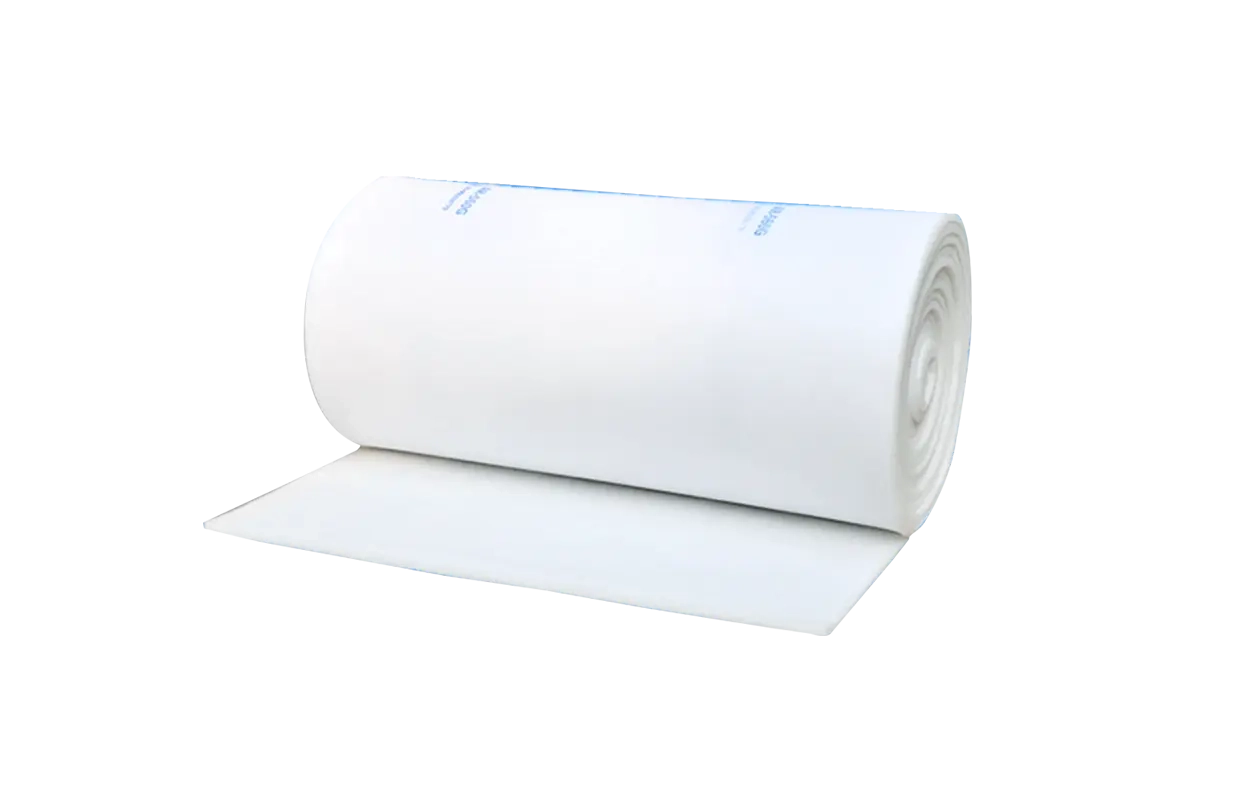
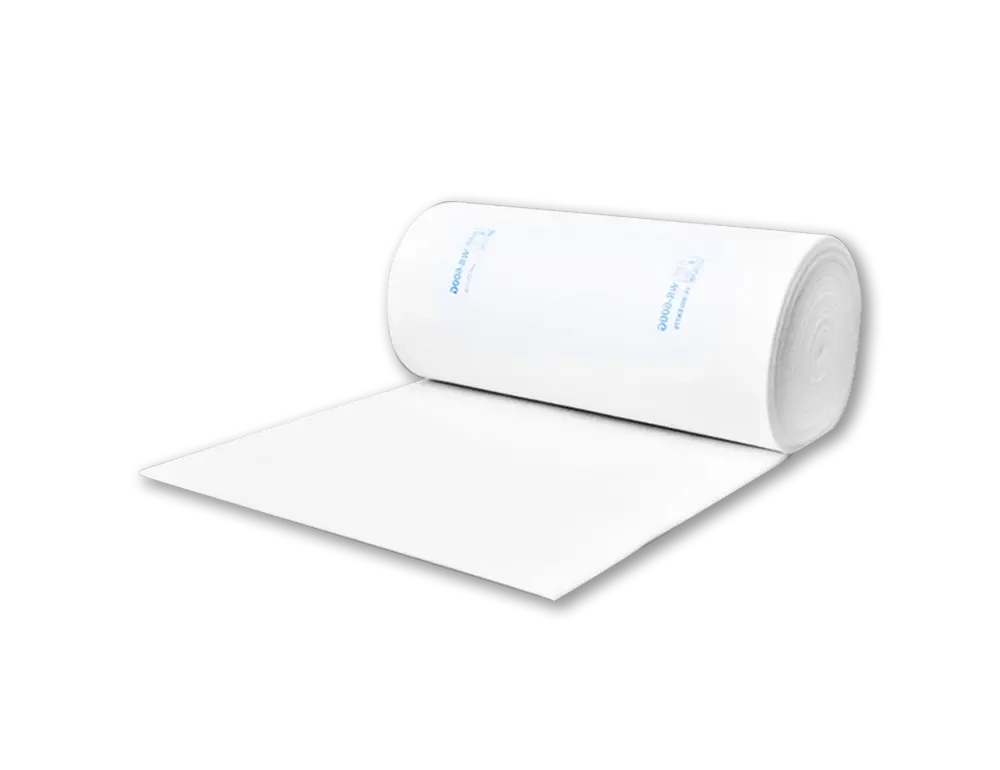
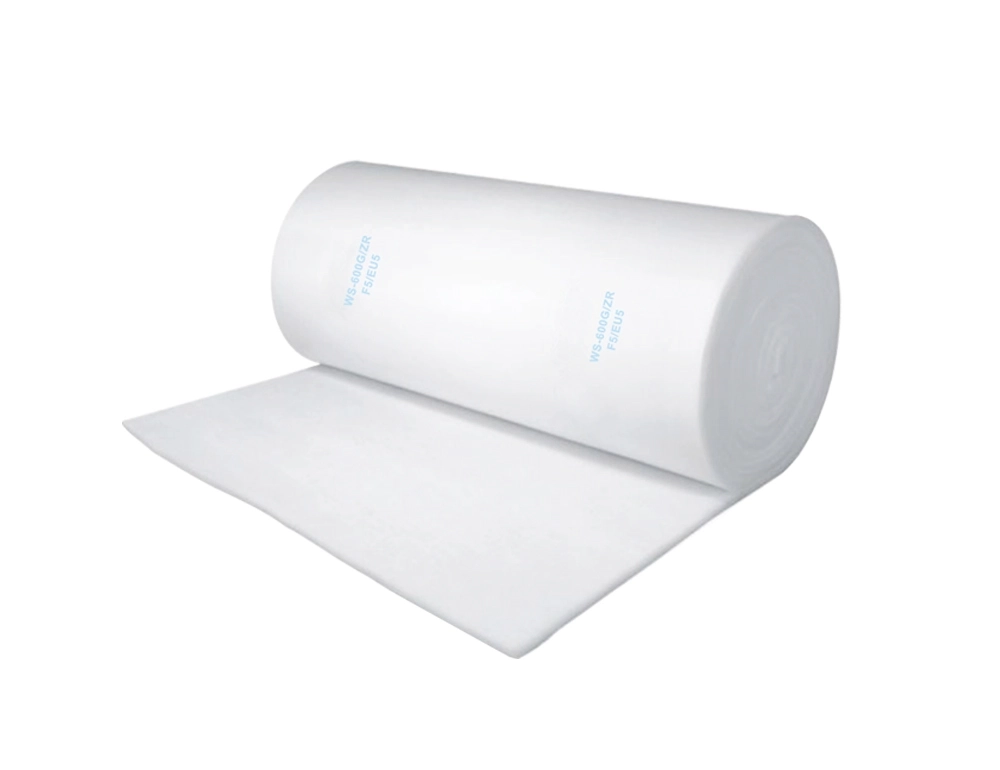
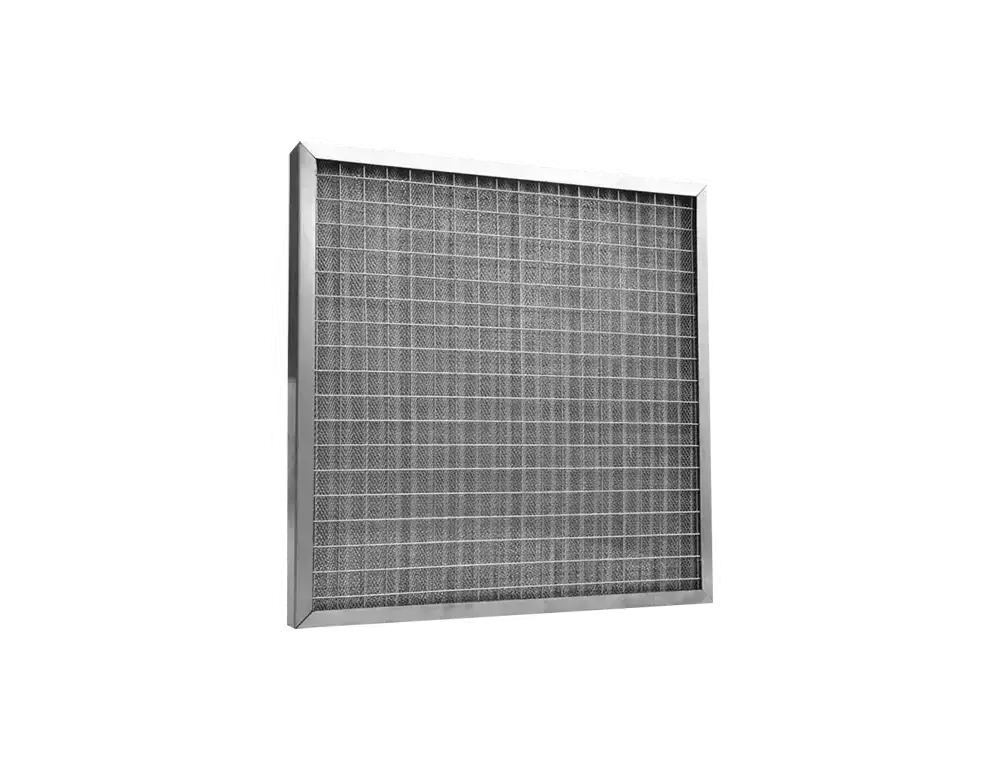
Pre-Filter (G1–G4)
First-Stage Large-Particle Capture
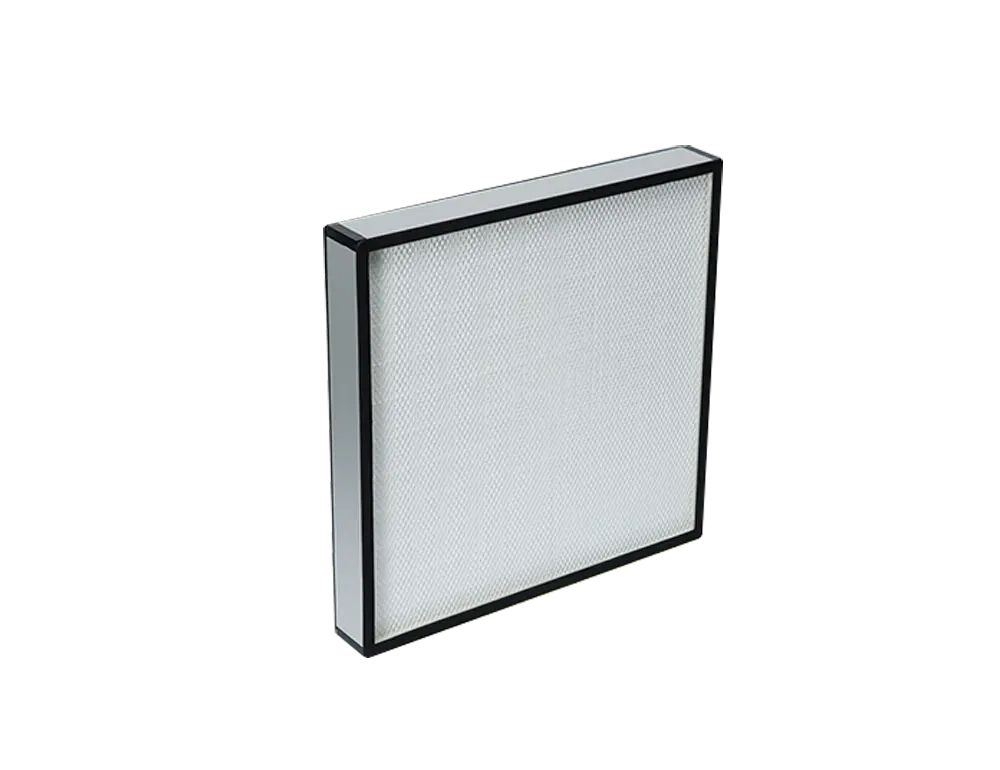
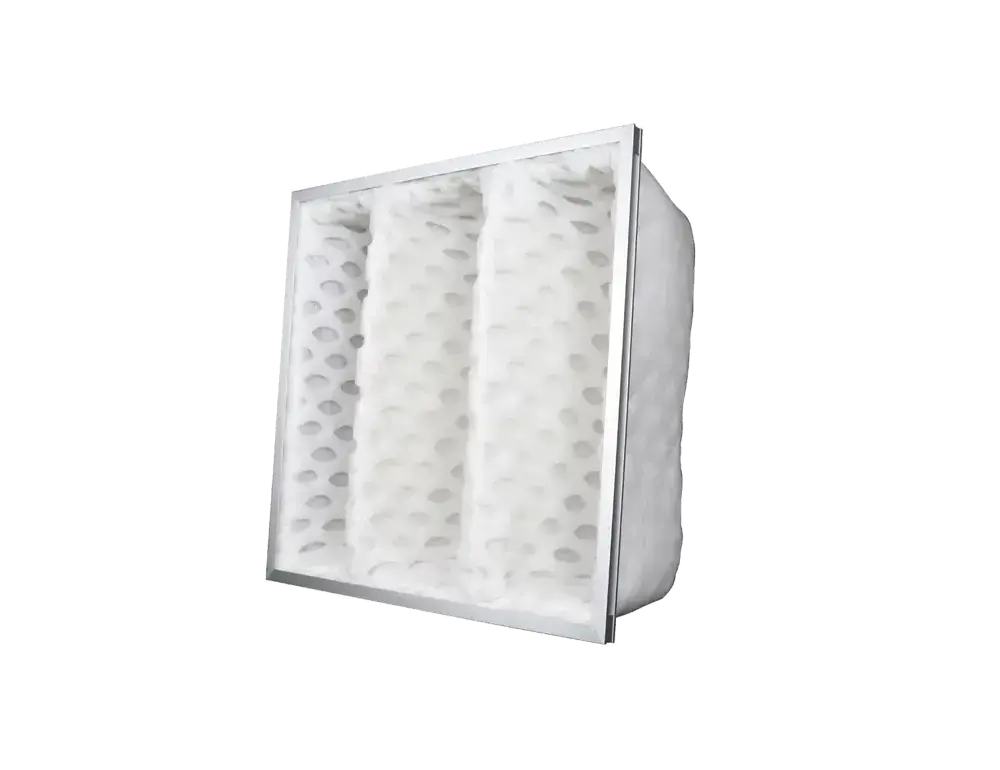
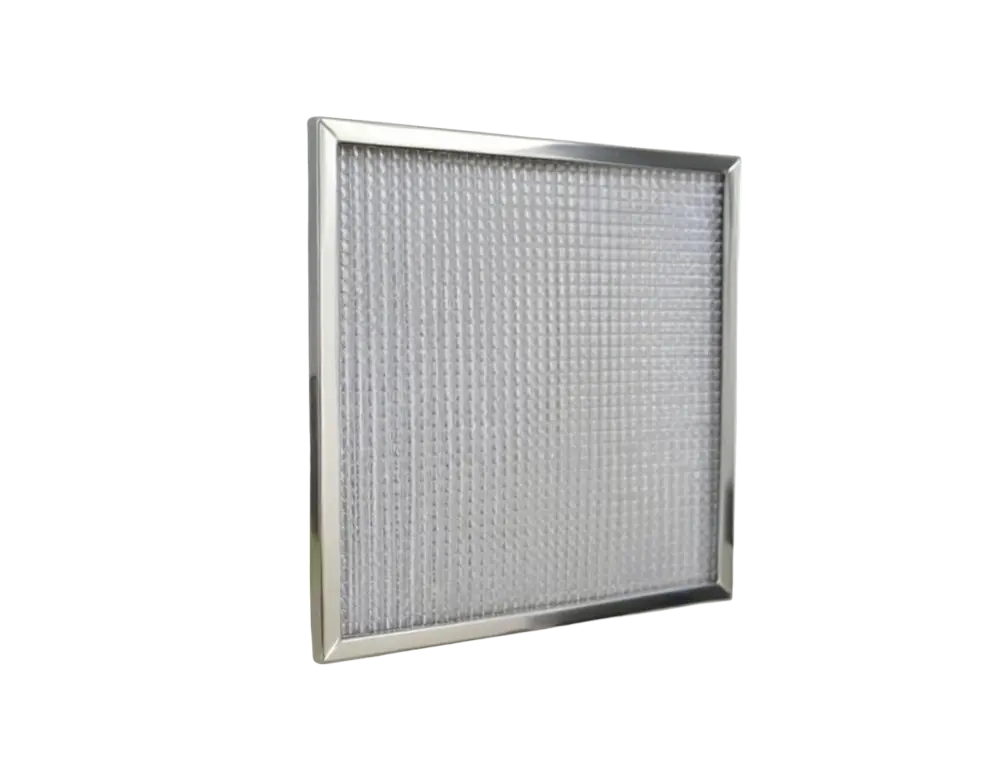
Medium-Efficiency Filter (F5–F9)
Precise PM2.5 Capture
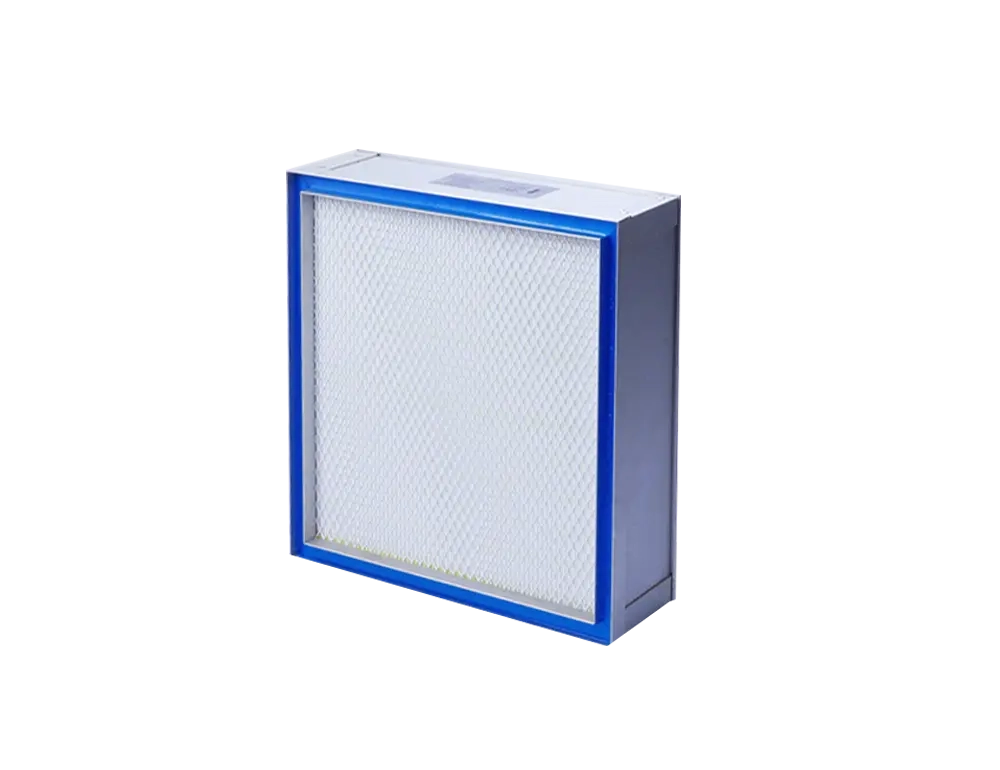
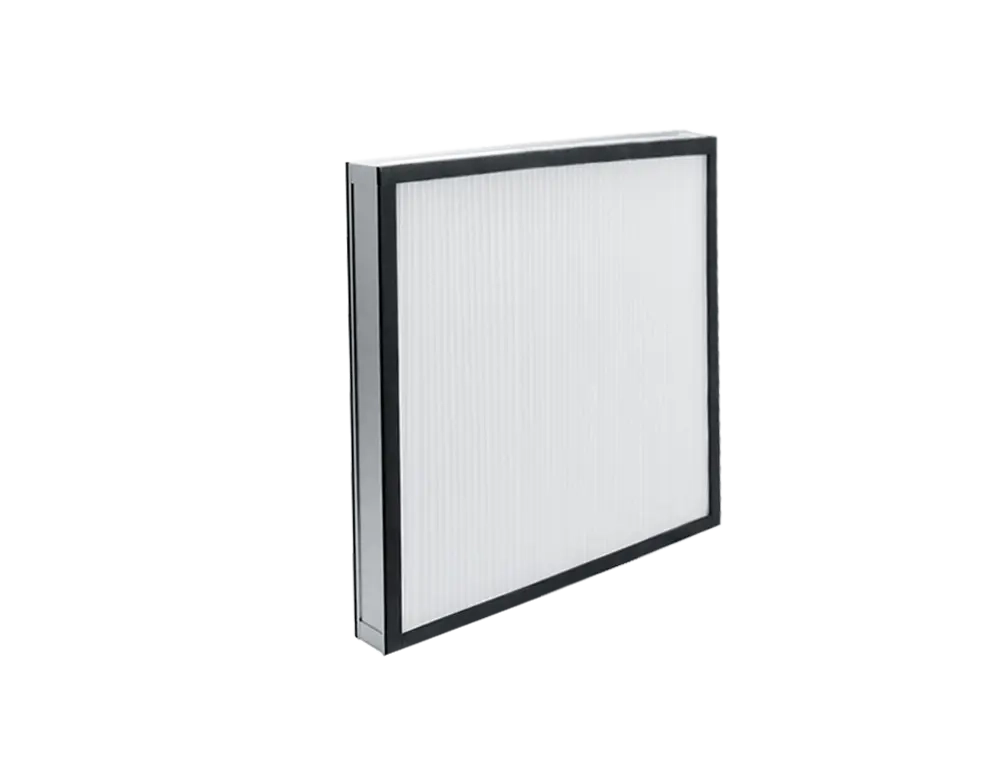
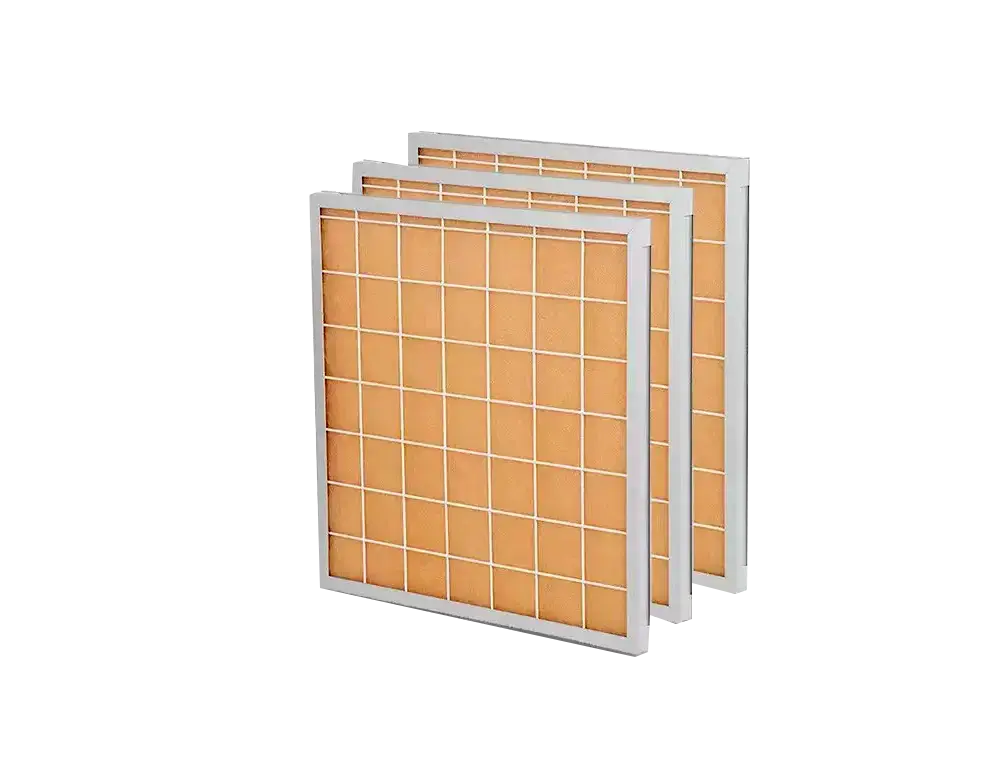
HEPA High-Efficiency Filter
Sterile-Grade Purification
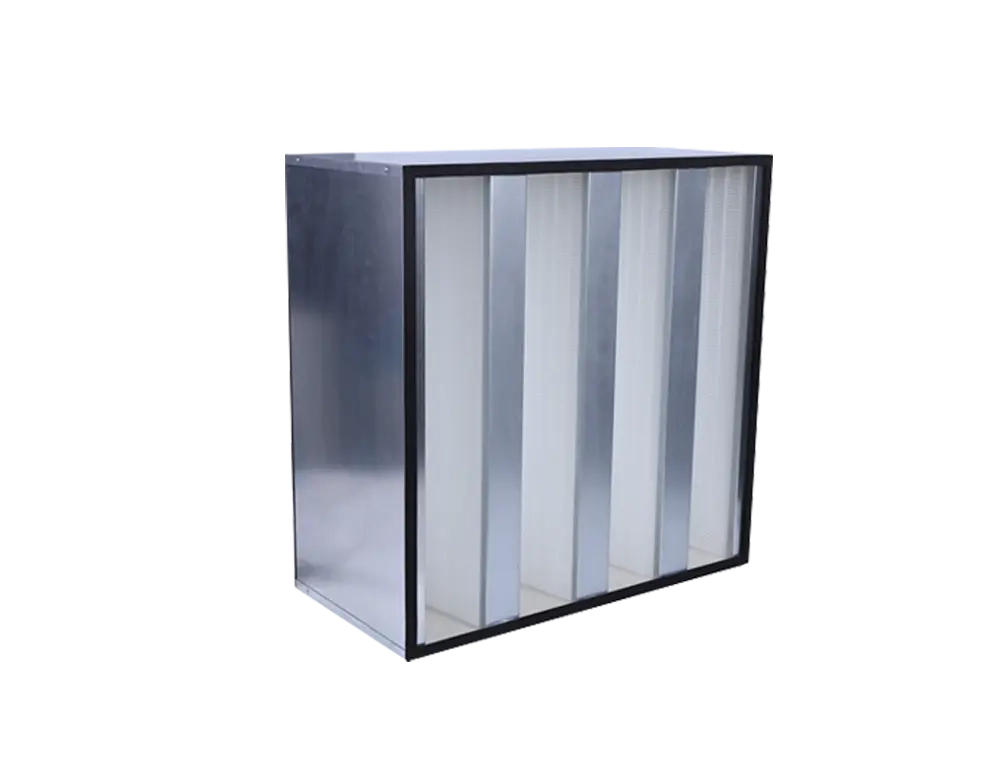
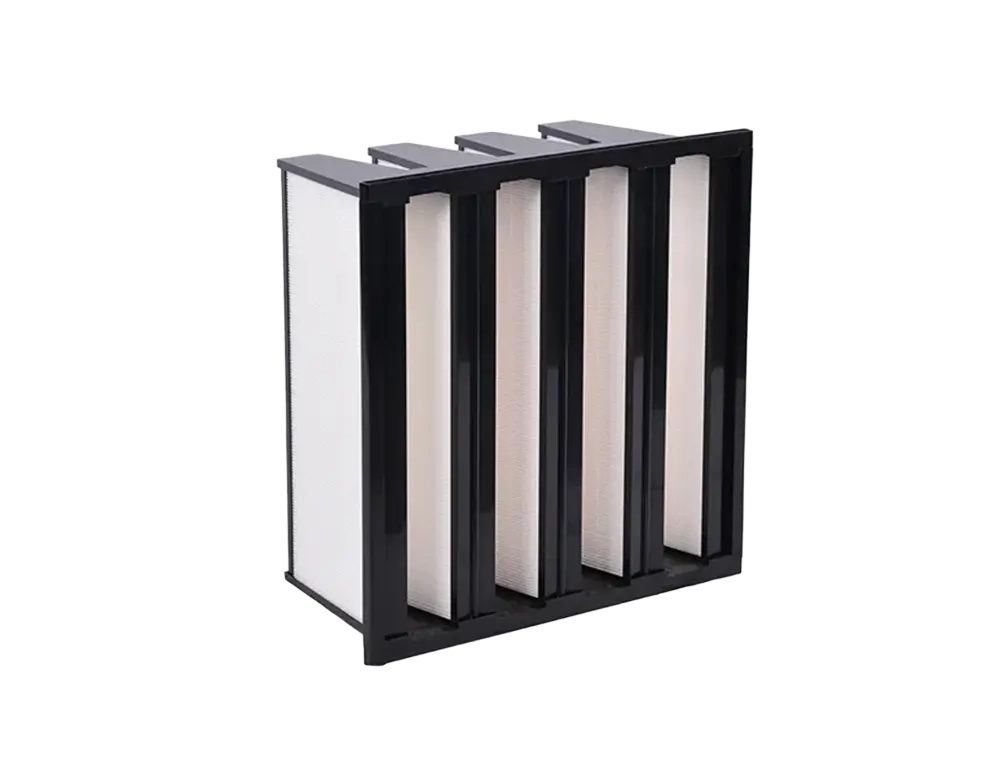
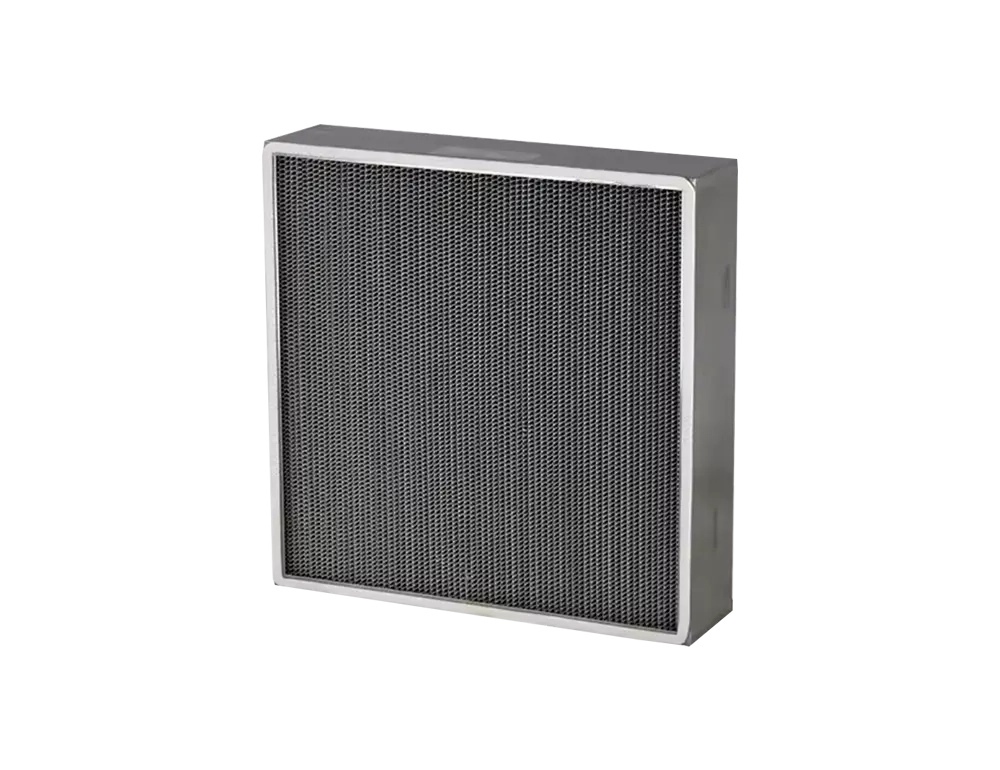
ULPA Ultra-High Efficiency Filter
Sub-Micron Particle Capture
First-Stage Large-Particle Capture
The first line of defense, capturing particles ≥5 μm such as dust, hair, and fibers to protect downstream filters and extend overall system service life.
View Related Products →Precise PM2.5 Capture
Captures fine particles of 1–5 μm including PM2.5, pollen, and mold spores, significantly improving indoor air quality for commercial HVAC and ventilation systems.
View Related Products →Sterile-Grade Purification
≥99.97% filtration efficiency for particles ≥0.3 μm, delivering sterile-grade clean air widely used in medical, pharmaceutical, and electronics manufacturing.
View Related Products →Sub-Micron Particle Capture
≥99.9995% efficiency for particles ≥0.12 μm, meeting the extreme cleanliness demands of semiconductor fabs, aerospace, and other ultra-precision applications.
View Related Products →
High-Temperature Resistant
Industrial-Grade Heat Tolerance
Washable & Reusable
Cut Costs, Reduce Waste
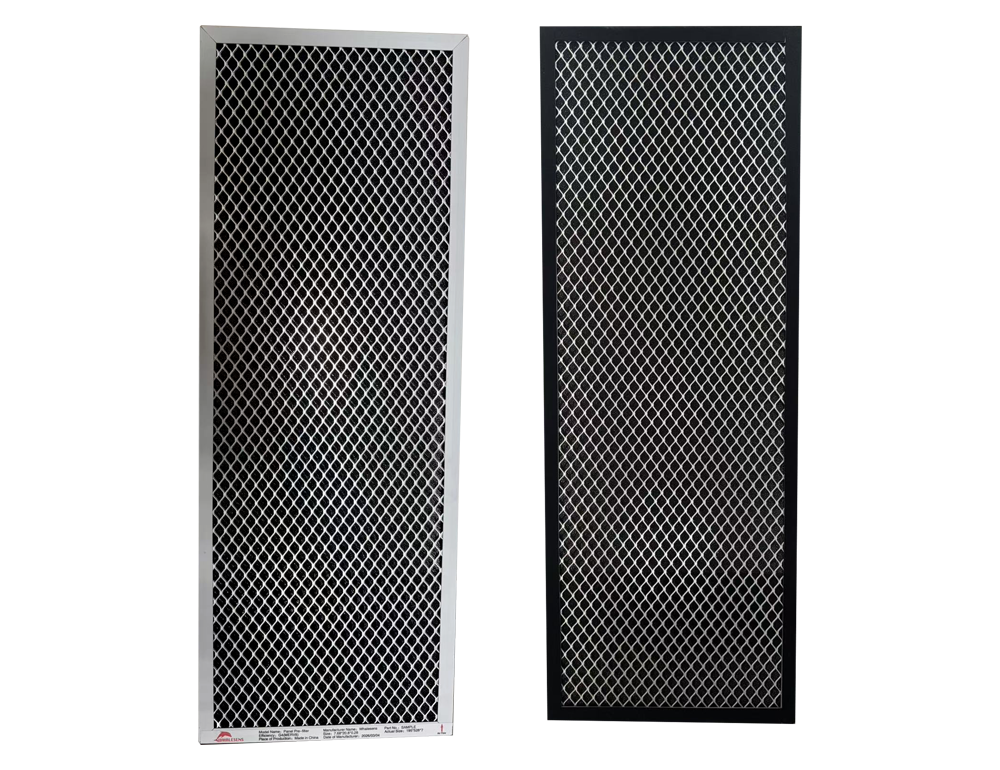
Activated Carbon
Odor & Harmful Gas Removal
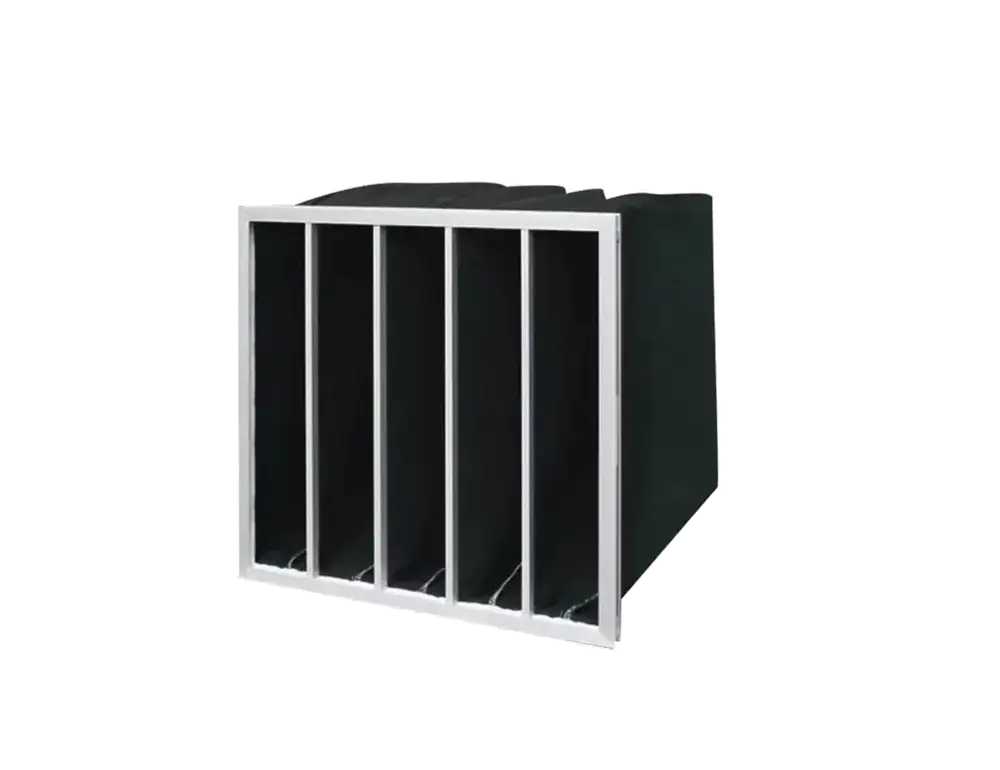
Bag Filter
High Dust-Holding, Long Life
Panel / Pleated Filter
Compact Space-Saving Design
Low-Resistance Airflow
Energy-Saving Operation
Industrial-Grade Heat Tolerance
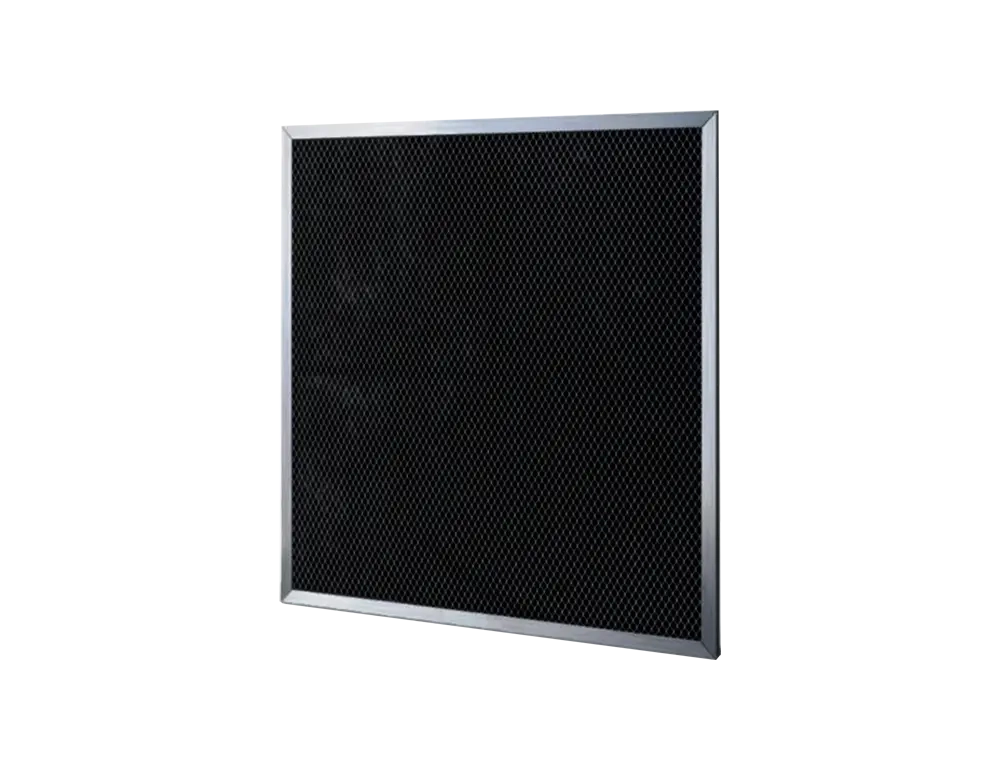
Built with specialized heat-resistant materials, operating stably up to 250°C for paint ovens, industrial dryers, and high-temperature process environments.
View Related Products →Cut Costs, Reduce Waste
Cleanable by water washing or air blowing, reusable multiple times to significantly reduce replacement frequency and O&M costs — an economical, eco-friendly choice.
View Related Products →Odor & Harmful Gas Removal
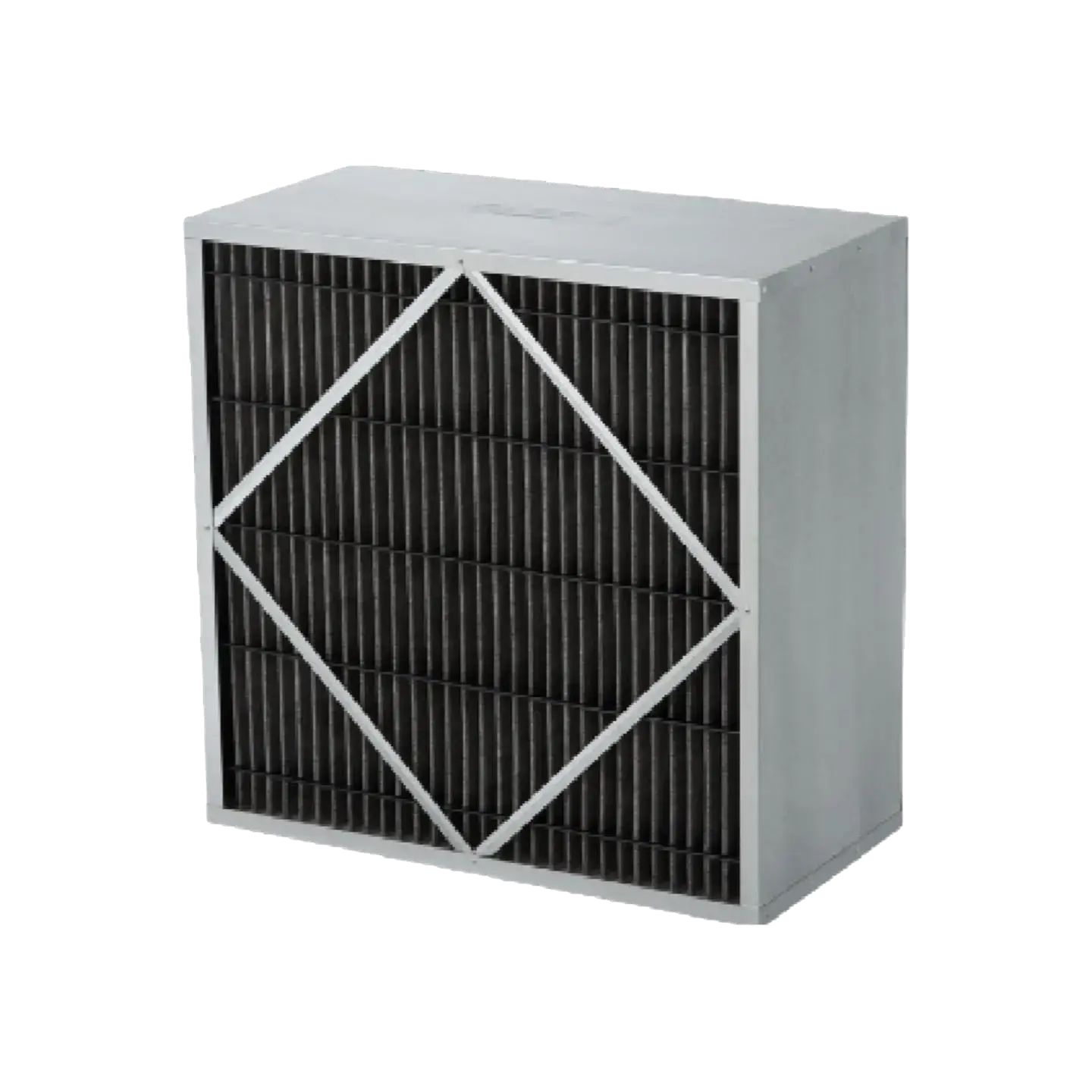
Leverages activated carbon's high adsorption capacity to eliminate odors, VOCs, and formaldehyde, ideal for newly renovated spaces and industrial exhaust treatment.
View Related Products →High Dust-Holding, Long Life
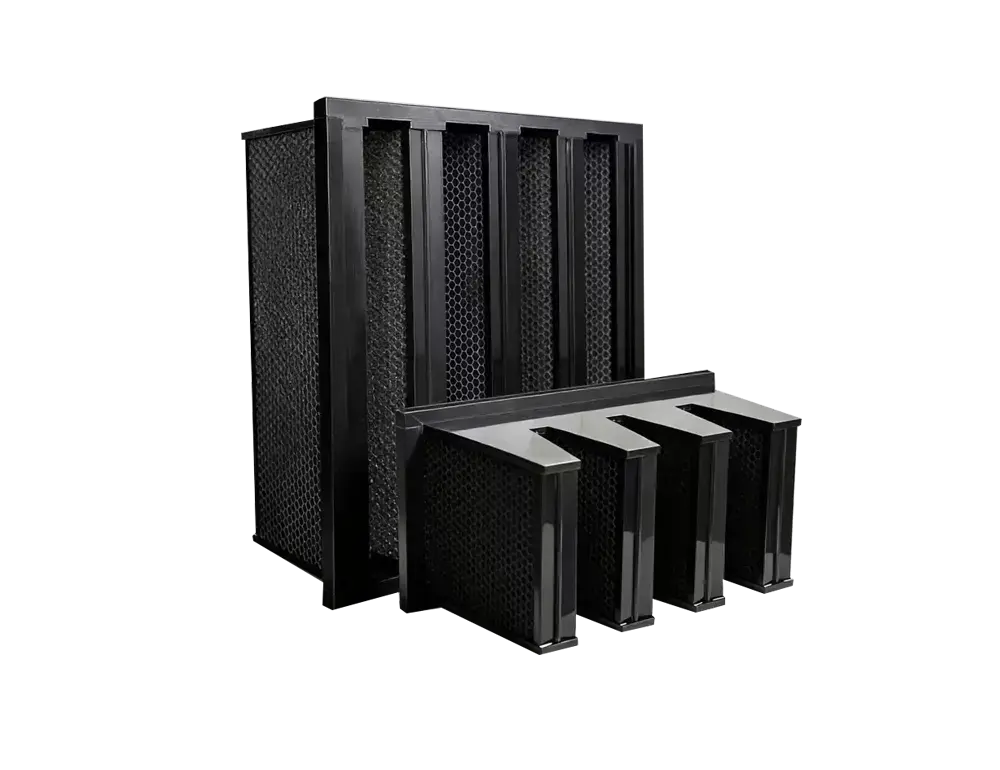
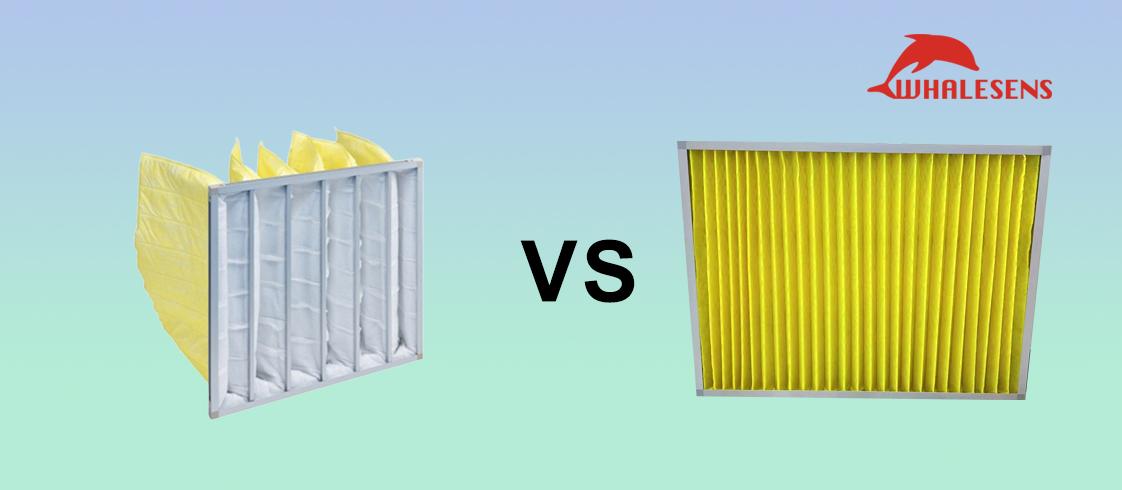
Bag-style construction delivers a larger filtration area, high dust-holding capacity, and extended service life — ideal for high-dust environments with reduced replacement frequency.
View Related Products →Compact Space-Saving Design
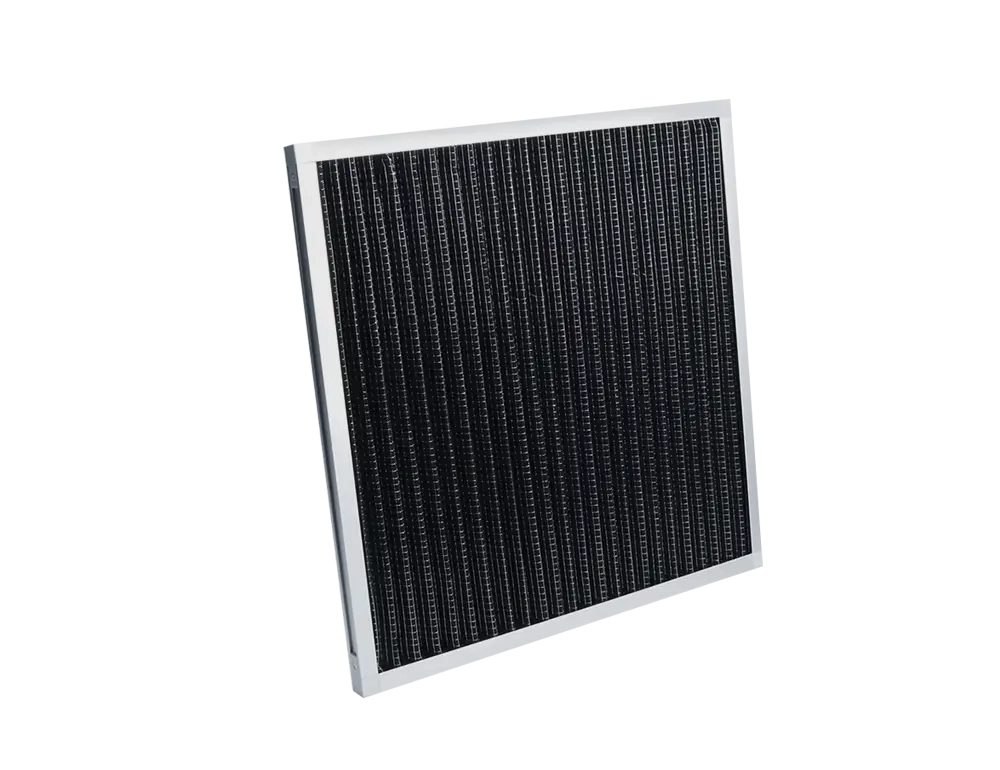
Compact form factor for easy installation and replacement; pleated structure maximizes filtration area within a small footprint for higher efficiency.
View Related Products →Energy-Saving Operation
Low-resistance design minimizes pressure drop while maintaining filtration performance, reducing fan energy consumption for cost-effective, eco-friendly operation.
View Related Products →






















 English(Global)
 简体中文
简体中文 Language




Annual White Paper: 2026 Air Filtration Technology Trends and Industry Outlook
From Passive Filtration to Active Management – A Paradigm Shift in Air Filtration Technology
Standing at the beginning of 2026, the air filtration industry is undergoing a profound transformation. From coarse G4 to HEPA H14, from EN 779 to ISO 16890, from single-stage particulate removal to multi-dimensional integration of gaseous pollutants, microorganisms, and intelligent monitoring – this is not merely technological iteration, but a fundamental reshaping of the industry’s value logic.
Based on global market data, cutting-edge technology trends, policy and standard dynamics, as well as WhaleSense’s frontline practice, this white paper provides a systematic annual review and forward-looking analysis for industry practitioners, equipment manufacturers, and end users.

1. Global Market Overview: Steady Growth, Structural Optimization
1.1 Market Size and Growth Trajectory
The global air filter market is on a steady growth path, with multiple research reports pointing to positive expectations:
- Fortune Business Insights reports that the global air filter market was valued at US$17.08 billion in 2025 and is projected to reach US$34.66 billion by 2034, growing at a CAGR of 8.30% from 2026 to 2034. North America held a 33.20% share in 2025, and the U.S. market alone is expected to reach US$7.31 billion by 2032.
- QYResearch estimates the global air filter market at approximately US$14.62 billion in 2025, reaching US$22.69 billion by 2032 at a CAGR of 6.6%. By product type, pre-filters are the largest segment, accounting for over 35% of the market. By application, commercial buildings lead, followed by automotive/rail transit and residential sectors.
- Research and Markets gives an even more optimistic forecast: the air filter market is expected to grow from US$26.06 billion in 2025 to US$28.17 billion in 2026, and further to US$49.58 billion by 2032, at a CAGR of 9.62%.
Key insight: Although absolute figures differ due to different statistical methodologies, the consensus is strong – the global air filter market is in a period of structural growth, with a healthy CAGR between 6% and 10%.
1.2 Segment Market Dynamics
| Segment | 2025 Value | 2026 Estimate | 2032/2034 Forecast | CAGR |
|---|---|---|---|---|
| Air filters (total) | US$17.08 B | US$18.29 B | US$34.66 B (2034) | 8.30% |
| Filter elements | US$16.24 B | — | US$26.25 B (2032) | 7.2% |
| Filter media | US$4.87 B | US$5.17 B | US$6.56 B (2030) | 6.2% |
| HVAC filters | US$9.32 B | US$10.0 B | US$13.35 B (2030) | 7.5% |
| Automotive air filters | US$5.10 B | US$5.43 B | US$7.44 B (2031) | 6.49% |
Key findings:
- HVAC filters are one of the fastest-growing segments, rising from US$9.32 billion in 2025 to US$10.0 billion in 2026, with a CAGR of 7.3%, and are expected to reach US$13.35 billion by 2030.
- Filter media market reached US$5.17 billion in 2026, CAGR 6.2%.
- Automotive air filters reached US$5.1 billion in 2025 and are projected to hit US$7.44 billion by 2031, CAGR 6.49%, driven by tighter emission standards and growing attention to in-cabin air quality.
1.3 Regional Landscape
North America: Largest regional market, holding a 33.20% share in 2025. The U.S. market is expected to reach US$7.31 billion by 2032, driven by growing demand for air purification in commercial and industrial buildings.
Asia-Pacific: Fastest-growing region. Rapid industrialization in China, India, and Southeast Asia is creating new growth poles. Global leaders such as Daikin are increasing investment in air filter manufacturing capacity in Southeast Asia.
Europe: Continued growth in high-efficiency filter deployment, driven by green building standards and sustainability regulations.
2. Key Market Drivers
2.1 Rising Health Awareness
In the post-pandemic era, public and industry attention to indoor air quality (IAQ) and respiratory health has reached unprecedented levels. WHO data show that air pollution causes up to 3.68 million premature deaths annually in low- and middle-income countries. China’s indoor environment monitoring center’s 2026 China Indoor Air Quality White Paper indicates that formaldehyde exceedance rates in newly renovated homes still stand at 78.3%.
Demand for HEPA and high-efficiency filtration systems continues to grow, expanding from industrial cleanrooms to commercial buildings, healthcare facilities, and educational institutions.
2.2 Green Building Standards
Widespread adoption of LEED and other environmental certifications is driving deployment of advanced filtration solutions in buildings. Growth of green infrastructure, especially in Europe and North America, promotes the use of high-efficiency air filters.
At the same time, the adoption rate of washable, reusable filters in green building designs is rising, reflecting the market’s preference for sustainable solutions.
2.3 Industrialization and Urbanization
Rapid urbanization is accelerating demand for cleaner indoor air across all building types. In Asia-Pacific, fast-paced industrialization in India, China, and Southeast Asia creates new demand nodes. The growing deployment of HEPA and cartridge filters in hospitals and biotech manufacturing creates long-term demand.
2.4 Tighter Regulations and Emission Standards
In 2026, global emission standards and air quality regulations continued to tighten:
- China’s GB 3095—2026 Ambient Air Quality Standards: Came into effect on March 1, 2026, imposing stricter PM2.5 emission controls for industrial dust – the emission limit in key regions tightened to ≤10 mg/Nm³.
- U.S. Tariff Framework: The potential shift in the U.S. tariff framework (2025) has triggered significant global supply chain volatility, profoundly affecting cross-border trade of air filter products.
3. Key Technology Trends
3.1 Smart Filtration: From “Device” to “System”
Intelligence and IoT are profoundly reshaping the air filtration industry. Key trends during the forecast period include: integration of IoT-based air quality monitoring solutions, application of AI-driven filtration performance optimization, and the rise of digitally managed industrial filtration systems.
Core value of smart filtration:
- Real-time monitoring: Next-generation devices with high-precision laser sensors can simultaneously monitor up to seven parameters including PM2.5, formaldehyde, TVOC, temperature, and humidity.
- Predictive maintenance: Data-driven analytics enable remote monitoring of filter status and change alerts.
- System coordination: IoT supports equipment interaction – for example, automatically activating fresh air coordination when indoor CO₂ concentration exceeds a threshold, forming a dynamic air management closed loop.
3.2 Nanofiber and Advanced Filter Media
Development of high-performance filter media is becoming a core competitive strategy. Nanofiber technology achieves higher filtration efficiency while maintaining lower airflow resistance – a key direction for future media development.
Illustrative example: Finnish filtration company Ahlstrom Oyj launched in 2023 a high-performance media series designed for HVAC systems, covering a wide efficiency range from ISO coarse 85% to ISO ePM1 80%. All products feature low airflow resistance, excellent dust-holding capacity, and high mechanical durability.
Sustainable filter media development is becoming an industry consensus, including research into biodegradable media and recyclable designs, reflecting the industry’s commitment to environmental protection.
3.3 Multi-functional Composite Integration
Modern air purification equipment has moved beyond traditional mechanical filtration to multi-technology synergy including physical adsorption, chemical decomposition, and biological inactivation. High-end products commonly adopt a “HEPA + activated carbon + photocatalyst + UV” combination, achieving >99.9% comprehensive removal of PM2.5, formaldehyde, viruses, and bacteria.
The shift from physical adsorption to chemical decomposition is especially evident in 2026 – purely physical adsorption can no longer satisfy consumer demands for “long-lasting, safe, thorough” performance. Chemical decomposition technologies, represented by manganese-based catalysis, are taking a dominant position.
3.4 Low Pressure Drop and Energy-Efficient Design
Filter energy efficiency is becoming a core selection criterion. Every 50 Pa increase in pressure drop raises fan energy consumption by approximately 5-8%. Driven by green building standards and carbon emission pressure, demand for low-pressure-drop filters continues to grow.
Industry reports show that widespread use of HEPA and MERV-rated media, along with expansion of the air purifier and HVAC markets, is driving demand for high-performance filtration solutions.
3.5 Antimicrobial/Antiviral Technologies
The latest update to ASHRAE Standard 52.2 added an optional method to determine filter efficiency in removing or inactivating airborne viruses and bacteria. The COVID-19 pandemic directly drove changes in ASHRAE 52.2 Supplement C, which helps collect data on filter efficiency against viruses and bacteria.
Additionally, the standard added PM (particulate matter) calculated filtration efficiency based on existing data points from the 52.2 test. These updates have significantly improved repeatability and reproducibility of test results across laboratories.
4. Standard System Evolution
4.1 ISO 16890: Global Unification of Standards
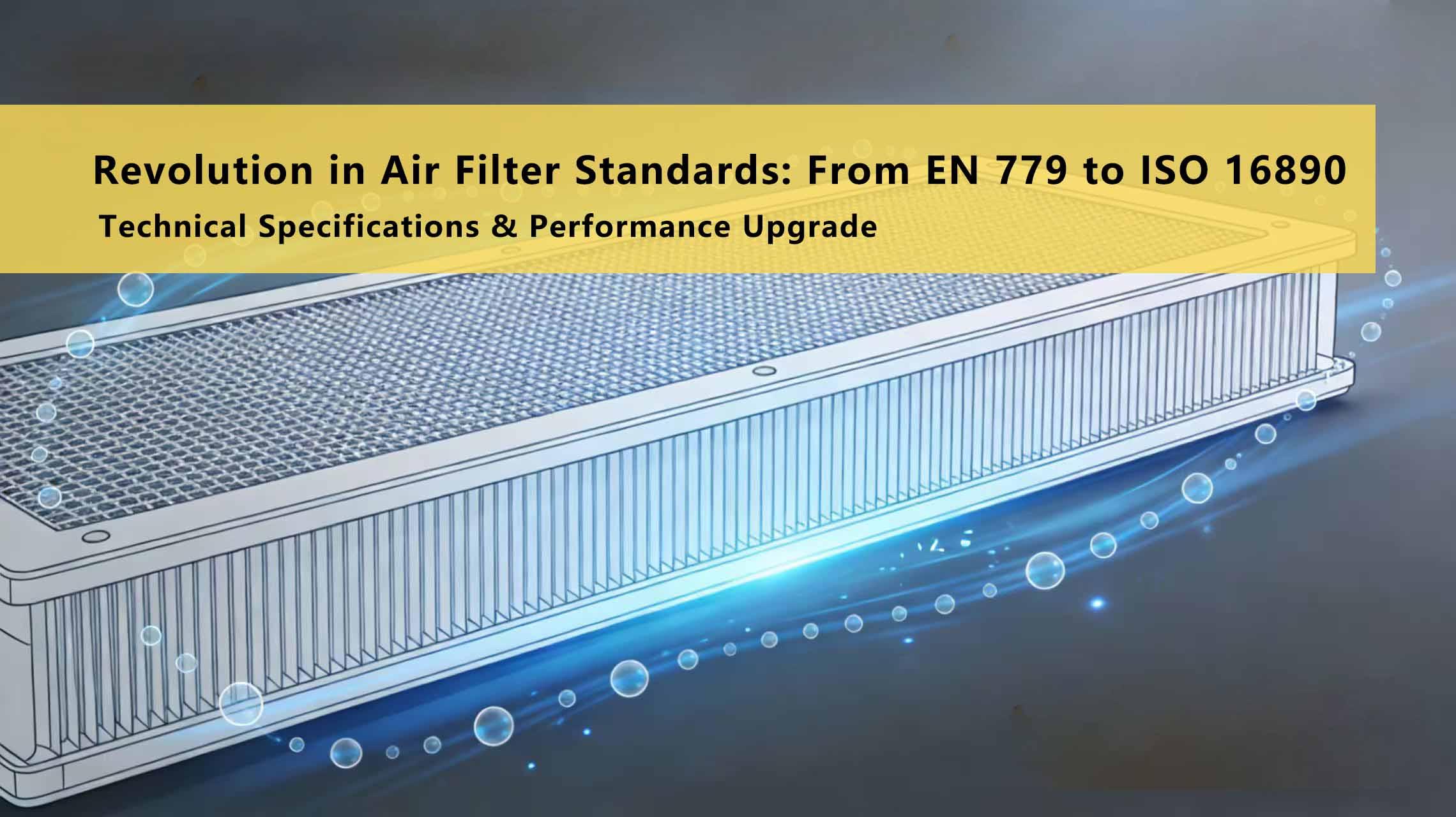
In 2022, the European Committee for Standardization officially withdrew the decades-old EN 779:2012 standard, replacing it with the new ISO 16890 series. Since July 1, 2018, ISO 16890 has become the internationally accepted standard for air filter classification and testing; after a successful 18-month parallel trial, EN 779 was formally superseded.
Core changes in ISO 16890:
- Revolution in classification: No longer uses the old F5-F9 grades, but directly reflects a filter’s ability to capture health-relevant particles through ePM1, ePM2.5, and ePM10.
- Test method upgrade: From single-size 0.4μm to full particle size range 0.3-10μm; from fixed 250Pa final resistance to clean resistance + efficiency-versus-pressure-drop curve; and added requirement for anti-static treatment.
- Global consistency: For the first time, this new standard offers an opportunity for global harmonization of air filter standards, gradually replacing the regional standards ASHRAE 52.2 and EN 779.
4.2 Latest Updates to ASHRAE 52.2
The ASHRAE 52.2-2025 version was released in 2025, introducing several improvements to the test method for general-ventilation air-cleaning devices. Main updates include: an optional method to determine efficiency against airborne viruses and bacteria; addition of PM-based calculated filtration efficiency; and removal of reference grades MERV 17 and above.
These updates significantly improve inter-laboratory repeatability and reproducibility of test results, reflecting the industry’s pursuit of ever-more-precise test standards.
4.3 Upgrades to Chinese National Standards
China’s air-filtration-related standards were intensively upgraded in 2026:
- GB 3095—2026 Ambient Air Quality Standards: Came into effect on March 1, 2026, with stricter PM2.5 emission controls for industrial dust.
- GB 18580-2025: To take effect on June 1, 2026, further tightening formaldehyde emission limits for wood-based panels.
- GB/T 18883-2022 Indoor Air Quality Standard: Fully implemented, specifying a maximum allowable formaldehyde concentration of 0.08 mg/m³ in residential air.
- GB/T 18801-2022 Air Purifiers: Remains the core evaluation standard for residential air purifiers, focusing on the synergy between CADR and CCM, as well as virus removal efficiency requirements.
5. Application Trends in Key Industries
5.1 Data Centers
Data center air filtration requirements are upgrading from “particulate control” to “combined particulate + gaseous contaminant control”. Under ISO 16890, recommended configurations have moved from F7/F8 to ePM1 50-80%.
Core challenge: PUE (Power Usage Effectiveness) pressure demands that filters maintain the lowest possible pressure drop while meeting efficiency targets. Every 25 Pa increase in pressure drop raises cooling energy consumption by about 2-3%.
Trend: Low pressure drop design is becoming the primary selection criterion for data center filters, while gas phase filtration (chemical filtration) continues to grow in corrosion control applications.
5.2 EV Charging Stations
Key drivers for the EV charger filtration market include: 800V platform penetration exceeds 35%, making 10-minute charging for 400 km range a reality, but higher power output generates 40-60% more heat than 400V systems; in coastal areas, salt spray corrosion accounts for >70% of charger failures.
Technology trends: Ultra-thin design (7-25mm) to fit compact spaces; hydrophobic treatment to prevent moisture absorption; UL94 HF-1 flame rating for safety.
5.3 Cleanrooms and Semiconductors
The semiconductor cleanroom air filter market was US$507 million in 2025 and is expected to reach US$823 million by 2032, CAGR 7.9%. Key drivers: extreme cleanliness requirements for advanced process nodes (0.1μm particles), growing demand for AMC control, and FFU energy efficiency optimization.
Technology trends: Increased use of ULPA (U15-U17) in advanced nodes; wider adoption of chemical filters for AMC control; optimization of FFU-HEPA/ULPA matching.
5.4 Commercial Buildings and HVAC
The HVAC filter market was US$9.32 billion in 2025, projected to reach US$13.35 billion by 2030, CAGR 7.5%. Drivers include increased residential HVAC installations, early adoption of commercial air filtration, and rising concern for indoor air quality.
Technology trends: Efficiency upgrade from G4+F7 to G4+F8/F9; widespread adoption of smart pressure-drop monitoring in facility management; promotion of washable filters in green buildings.
6. Competitive Landscape and Market Dynamics
6.1 Major Global Players
Leading companies in the global air filter market include Camfil, Mann+Hummel, DENSO, Daikin, Mahle, Freudenberg, BOSCH, UFI Filters, Donaldson, etc. The top five manufacturers together account for over 30% of the market.
6.2 Accelerating Industry Consolidation
M&A activity remains strong. In October 2023, the Mann+Hummel Group acquired a majority stake in Suzhou Youyuan Environmental Technology Co., Ltd., strengthening its position in the rapidly growing air filter markets of China and Southeast Asia. Suzhou Youyuan specializes in high-quality filters for precision manufacturing, semiconductors, residential, and other applications.
6.3 Regional Competitive Dynamics
North America: The U.S. market held the largest global share in 2025, continuing to be driven by demand for air purification in commercial and industrial buildings.
Europe: In August 2023, Camfil launched the CamCarb XG molecular filter, demonstrating significant improvements in gas and vapor removal efficiency, installation time, and airflow resistance.
Asia-Pacific: Daikin is increasing investment in air filter manufacturing capacity in Southeast Asia to meet rapidly growing regional demand.
7. Industry Challenges
7.1 Cost Pressure
High upfront cost: Installation and maintenance costs of high-efficiency filters remain a barrier for price-sensitive buyers.
Frequent replacement: Filters typically need replacement every 4-6 months, adding to operating expenses.
Low-cost alternatives: In some regions, end-users choose cheaper, lower-efficiency filters, affecting market penetration.
7.2 Supply Chain Volatility
The potential shift in the U.S. tariff framework (2025) has already triggered major global market fluctuations, profoundly affecting cross-border industrial footprints, capital allocation, regional economic interdependencies, and supply chain restructuring for air filter products.
7.3 Technology Barriers
Performance validation of high-efficiency filters requires specialized laboratories and expensive equipment.
Implementation of new standards such as ISO 16890 challenges the testing capabilities of small and medium-sized enterprises.
The transition to smart filtration demands higher R&D and talent resources.
8. Outlook 2026-2030
8.1 From “Equipment Upgrade” to “Ecosystem Reconstruction”
Over the next 3-5 years, air filtration technology will evolve around three core dimensions to achieve a leap from “equipment upgrade” to “ecosystem reconstruction”: new health concepts, enterprise development needs, and human-centric care.
8.2 AI-Driven Optimization
Application of AI-enhanced air quality monitoring technologies will continue to expand during the forecast period. AI-driven filtration performance optimization will shift from “reactive response” to “proactive prediction”.
8.3 Deepening Sustainability
Development of biodegradable filter media, recyclable materials, and low-energy designs will accelerate. Green building certifications such as LEED will further promote deployment of high-efficiency filters.
8.4 Whole-Home / Whole-Scene Purification
From single-room to whole-home air management systems, from stationary devices to portable personal purifiers, from generic products to scenario-specific solutions – the industry is transitioning from “selling equipment” to “selling air quality”.
8.5 Digital Management Platforms
Development of cloud-connected smart air purification platforms will become a new competitive arena. Data collection and analysis will enable fine-grained air quality management and continuous optimization.
9. Conclusion
In 2026, the air filtration industry stands at a critical turning point. Sustained market growth, accelerating technology iteration, global standard unification, and expanding application scenarios – together these factors shape an industry landscape full of opportunities and challenges.
For industry participants, the following strategic directions are crucial:
- Embrace ISO 16890: Make the new standard the core language for product development and marketing.
- Invest in intelligence: Integrate IoT, AI, and data analytics capabilities into product portfolios.
- Deepen sustainability: Build green competitiveness through recyclable materials and low-energy designs.
- Focus on scenario-based solutions: Move from generic products to precisely tailored vertical industry solutions.
- Optimize global supply chains: Respond to trade policy changes by building diversified production and supply networks.
At its heart, air filtration has never been just about “making air clean”. It is the first line of defense for health, a guarantee of equipment reliability, and a practice of sustainable development. In 2026 and beyond, this mission will become clearer and more urgent than ever.
Whalesens continuously monitors the frontiers of the air filtration industry, offering a full range of products and services – from G4 coarse filters to H14 HEPA, from standard products to custom solutions.
🌐 Official Website: www.whalesens.com
📞 WhatsApp: +86 13119189886
📧 Email: whalesens@gmail.com