


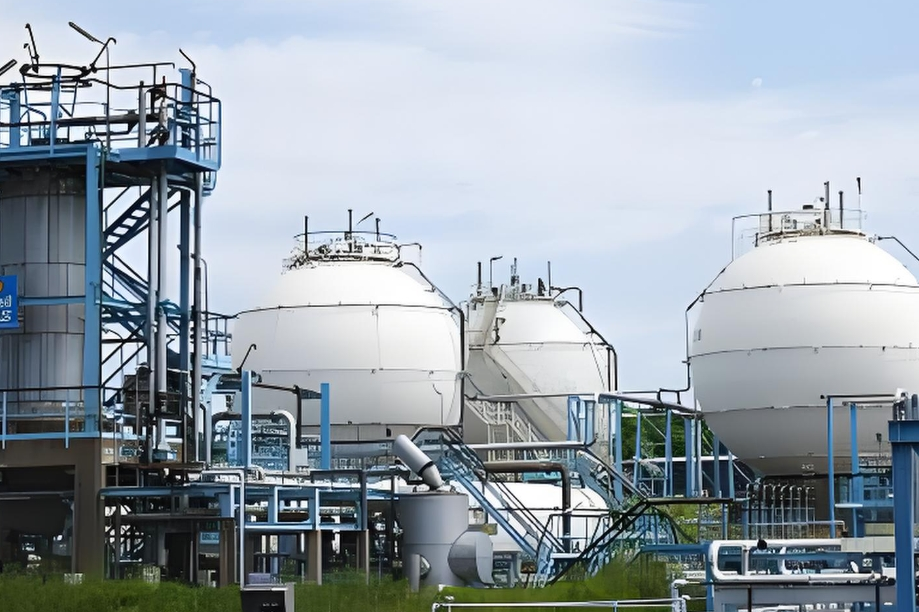
EV Charging Stations
Filtration for Power Equipment
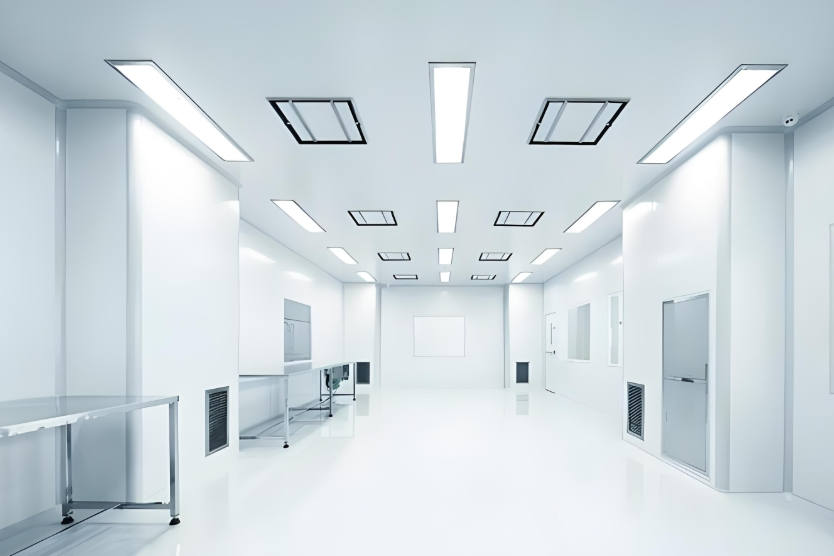
Cleanroom & Semiconductor
Ultra-High Cleanliness Filtration
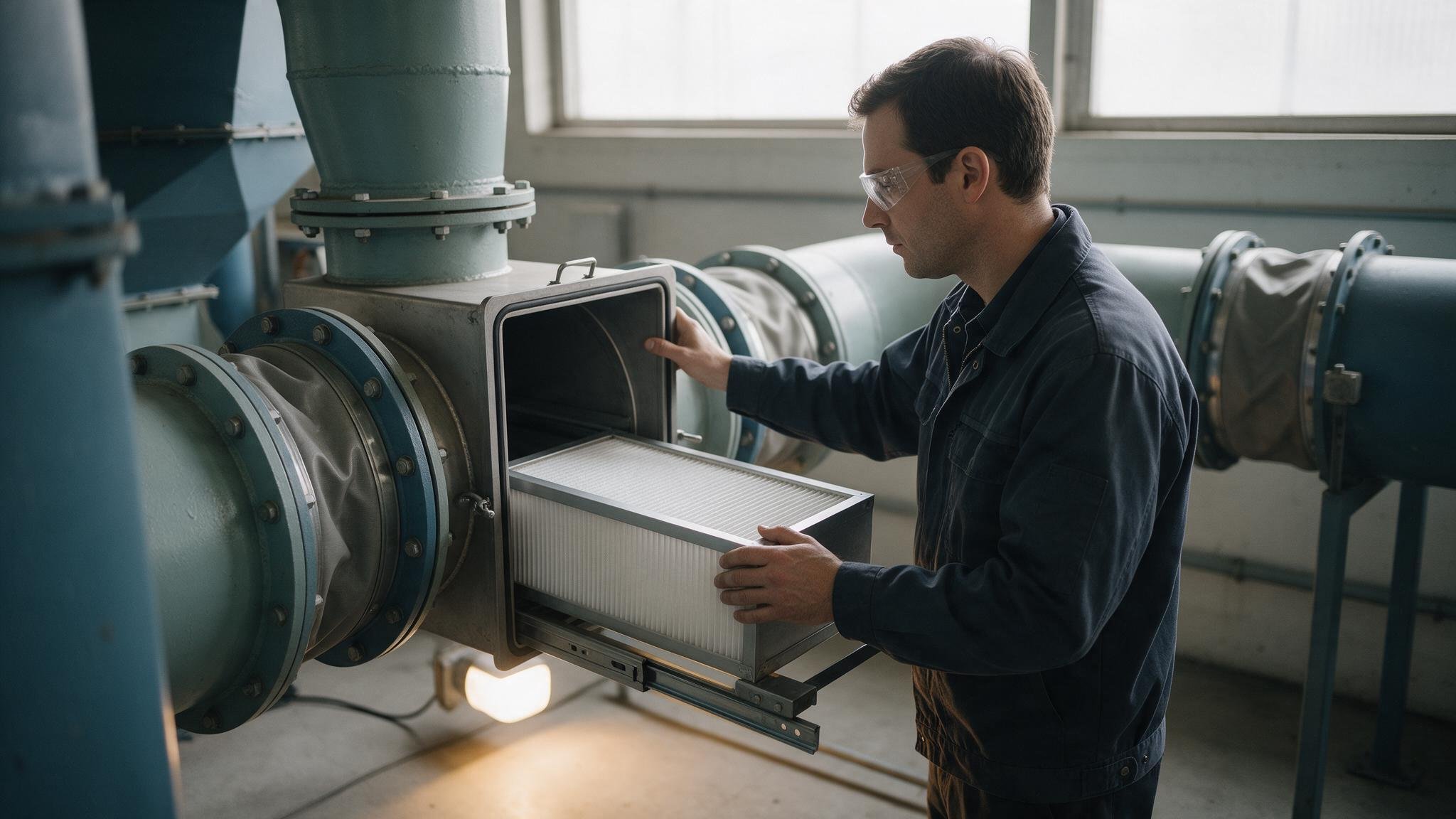
Commercial HVAC
Central Air System Filtration
Data Centers
Precision Equipment Protection
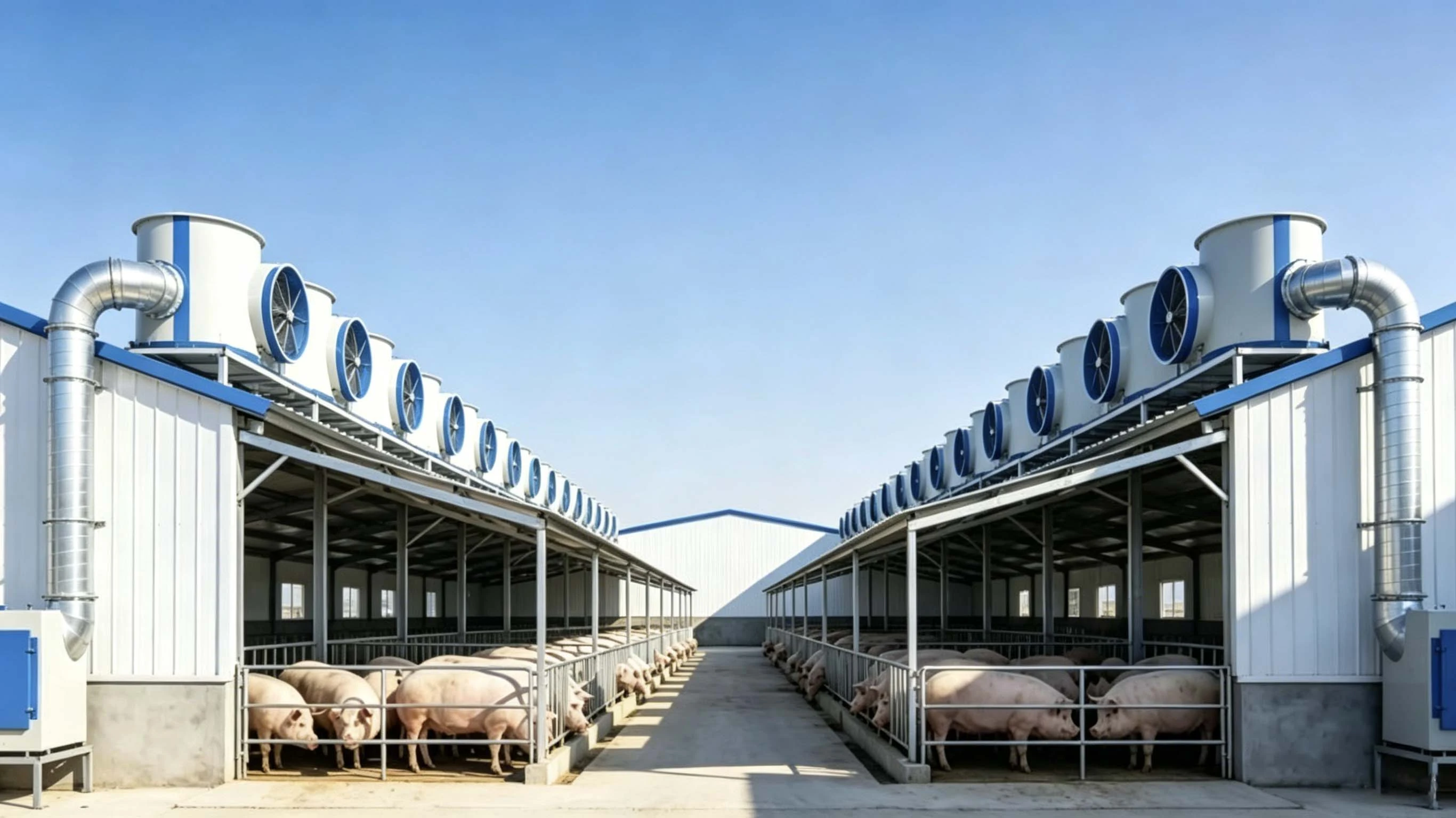
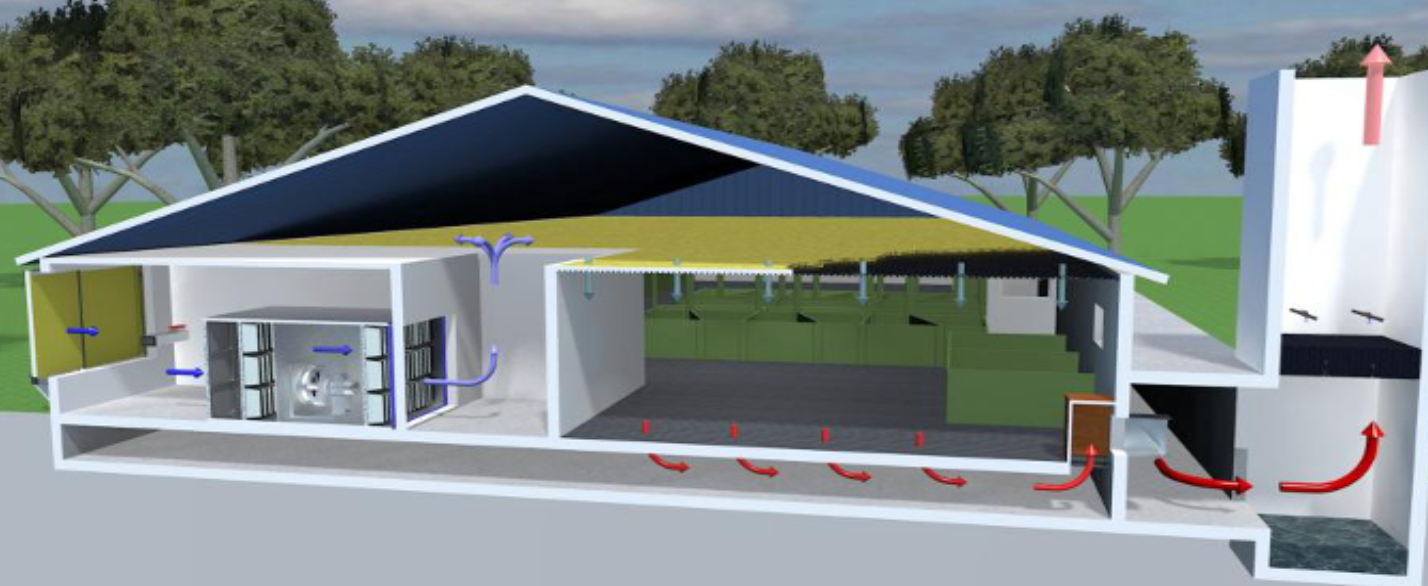
Livestock & Farming
Farming Environment Purification
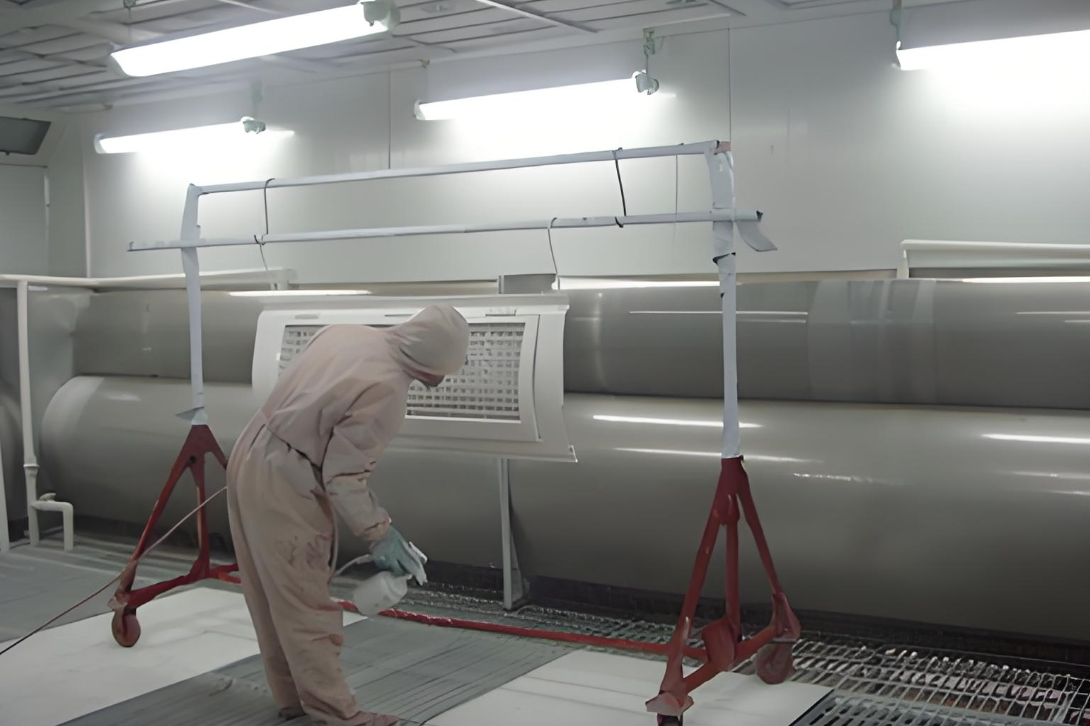
Spray Booths & Industrial Dust
Paint Mist & Dust Purification
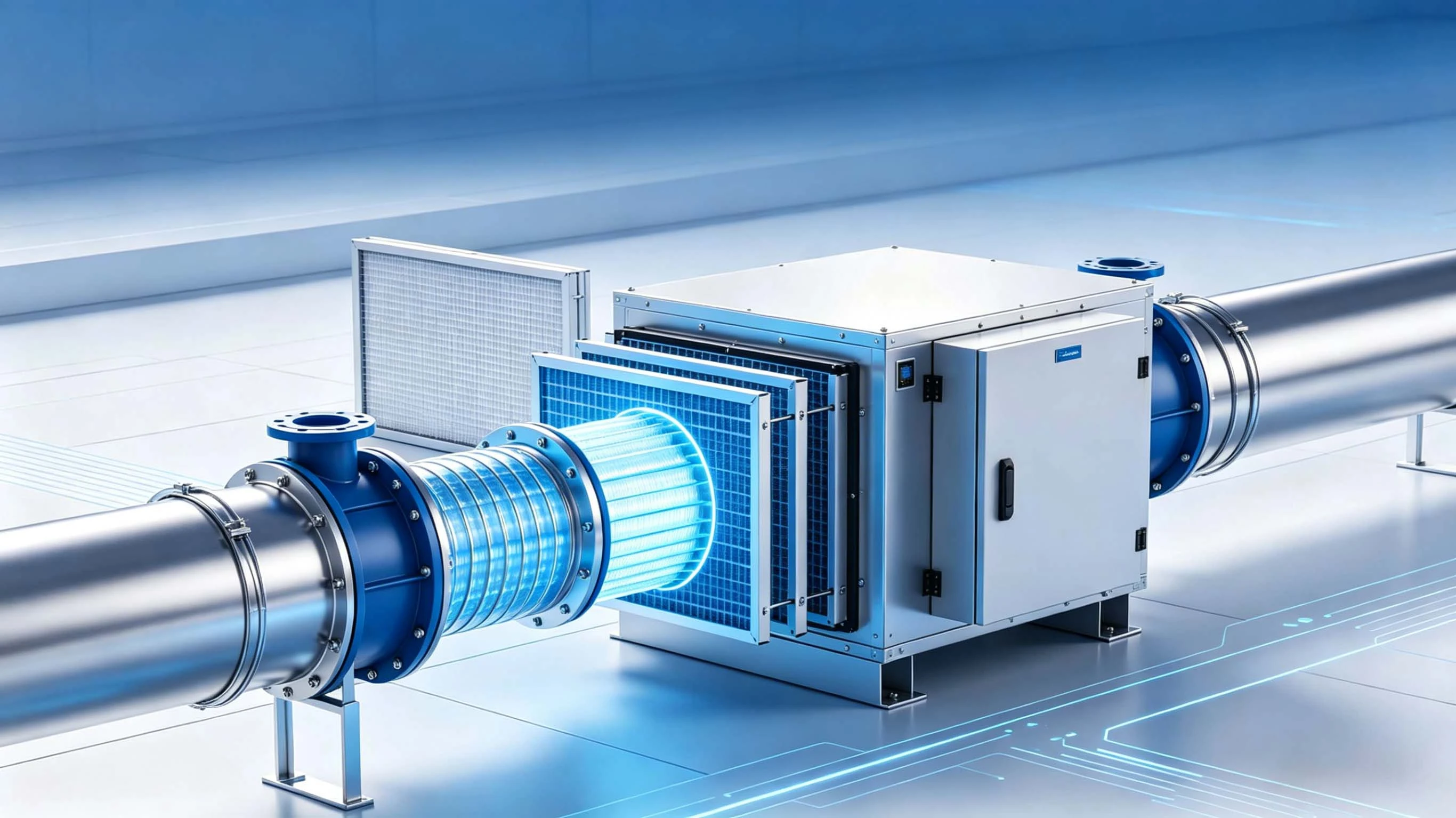
Filtration for Power Equipment
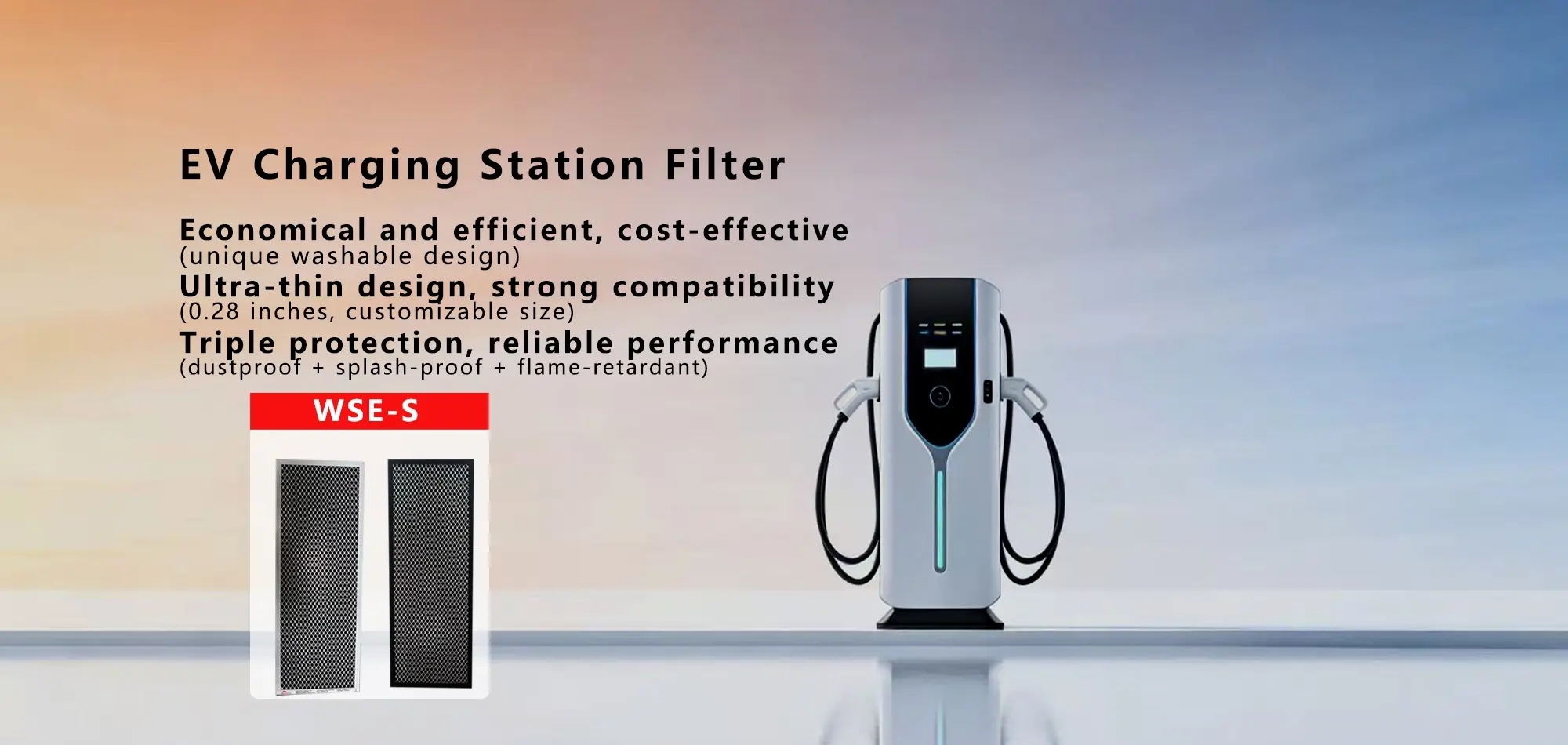
Professional air filtration for EV charging devices, protecting against dust and sand ingress to ensure stable, reliable operation of charging piles and station infrastructure.
View Related Products →Ultra-High Cleanliness Filtration
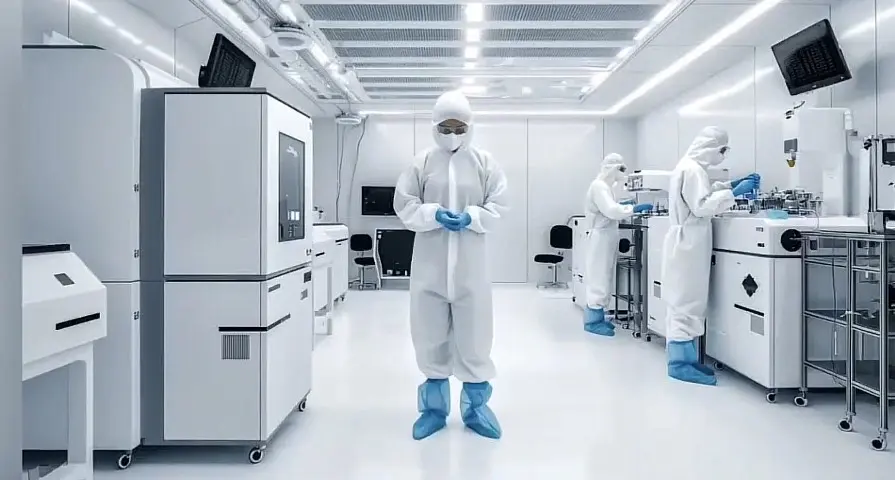
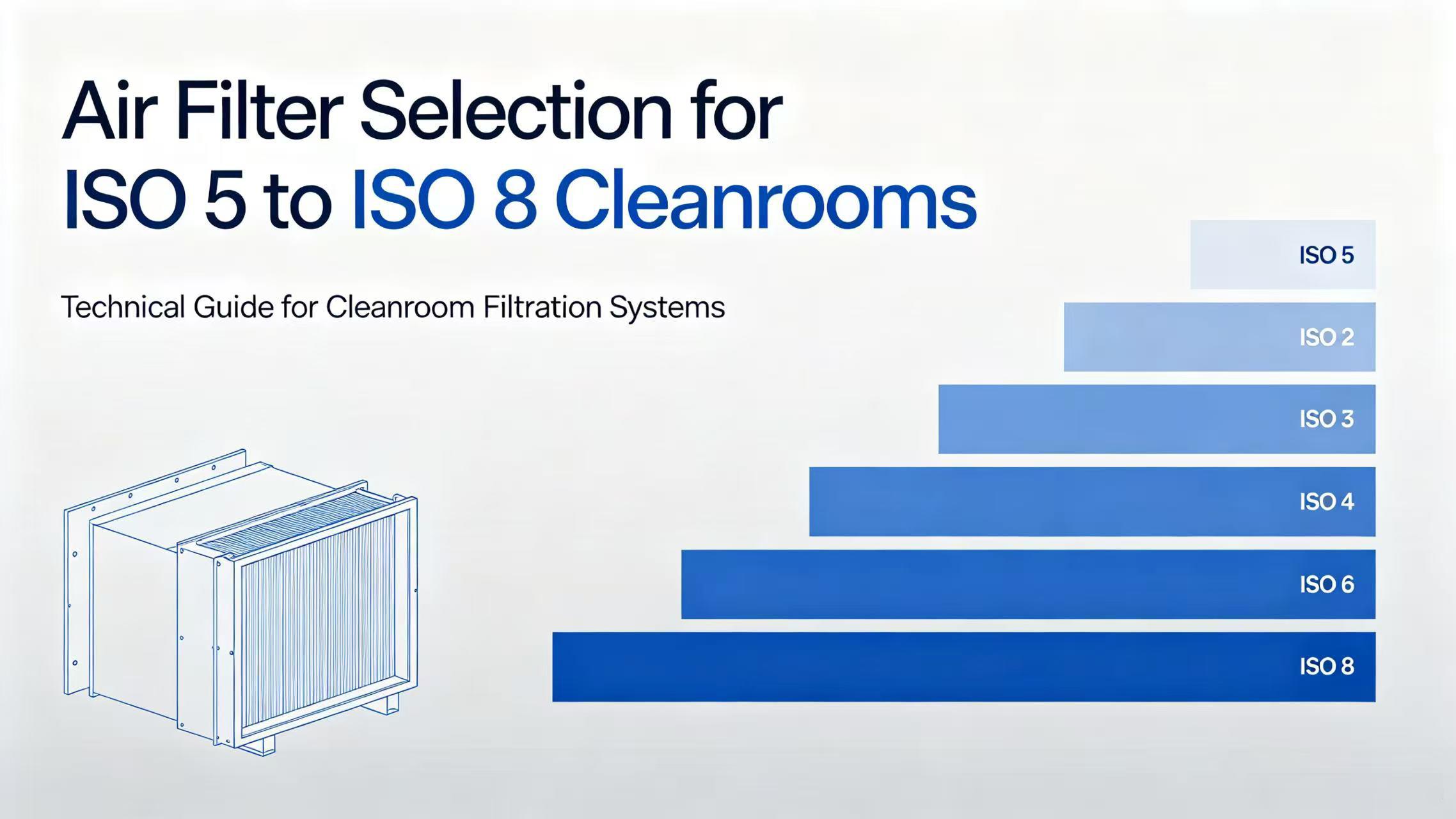
Ultra-high efficiency filtration for semiconductor wafer fabs and precision electronics cleanrooms, capturing nano-scale particles to meet ISO Class 1–3 standards and maximize product yield.
View Related Products →Central Air System Filtration
High-efficiency filtration for commercial building HVAC systems, improving indoor air quality, reducing energy consumption, and extending equipment service life.
View Related Products →Precision Equipment Protection
Precision air filtration for data centers, shielding servers and critical hardware from dust contamination to keep cooling systems running efficiently and reliably.
View Related Products →Farming Environment Purification
Dedicated filtration systems for farms and livestock facilities — capturing dust, adsorbing ammonia, and inhibiting pathogen spread to improve animal health and overall productivity.
View Related Products →Paint Mist & Dust Purification
Designed for spray booths and grinding workshops, efficiently capturing paint mist, metal dust, and wood chips to meet emission standards while protecting finished surface quality.
View Related Products →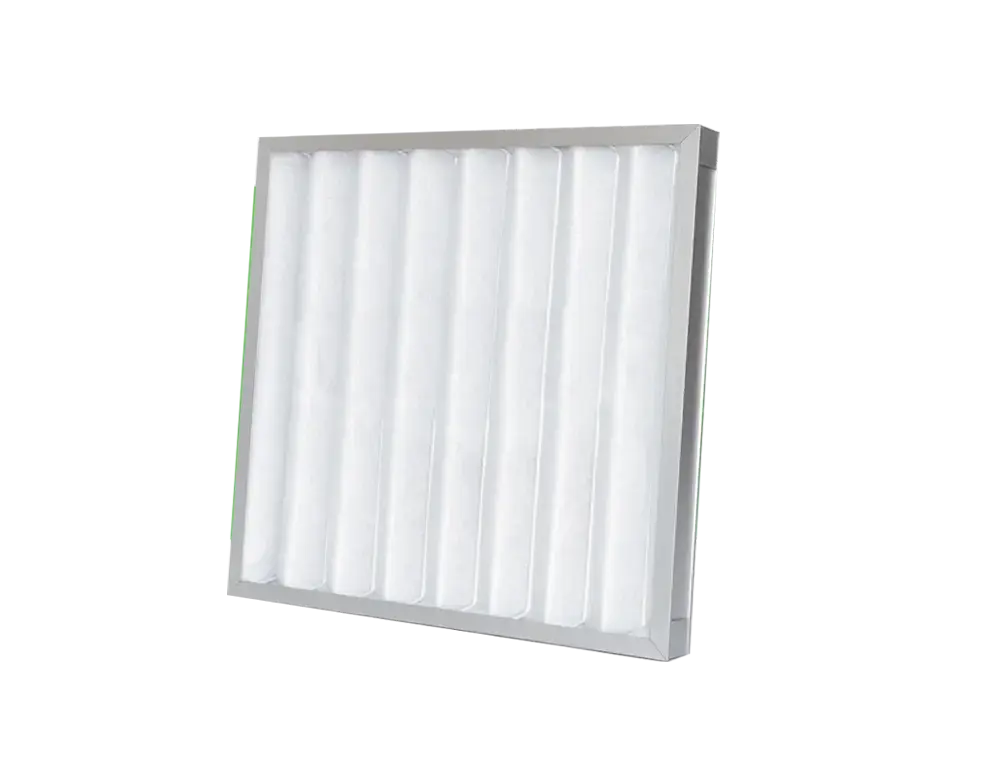
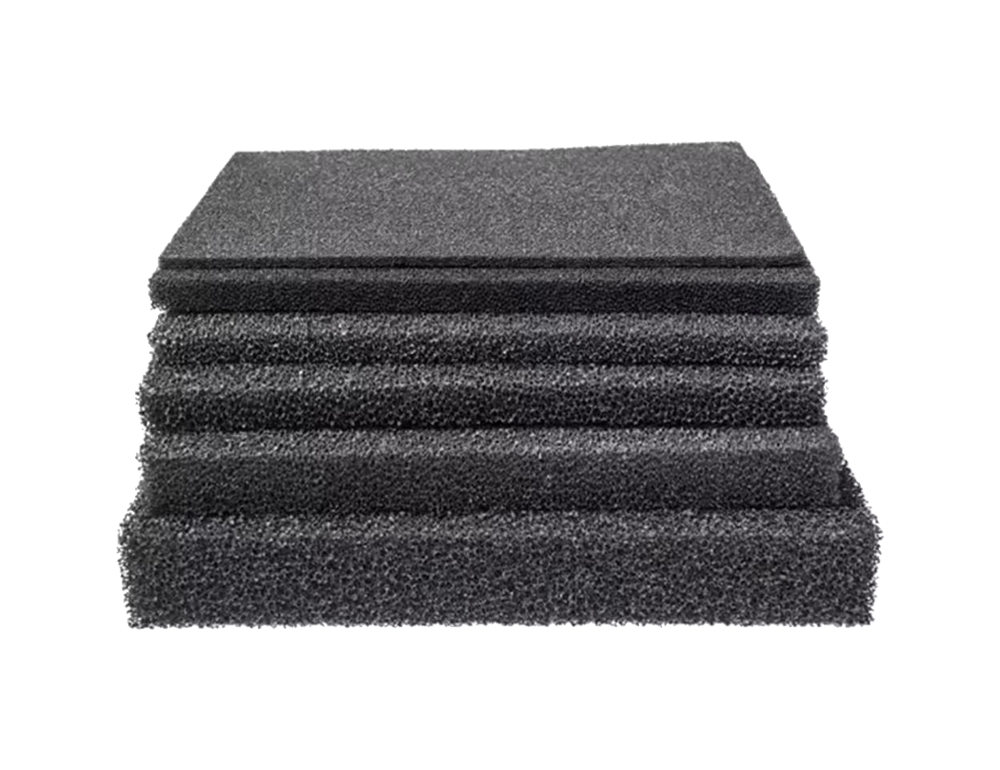
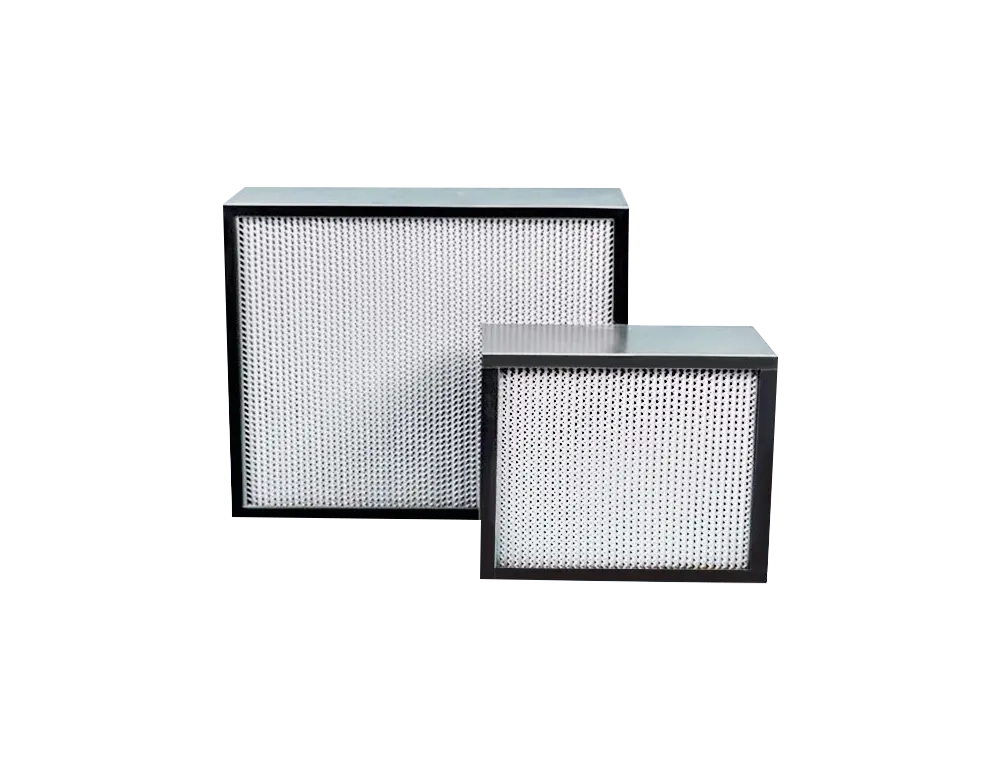
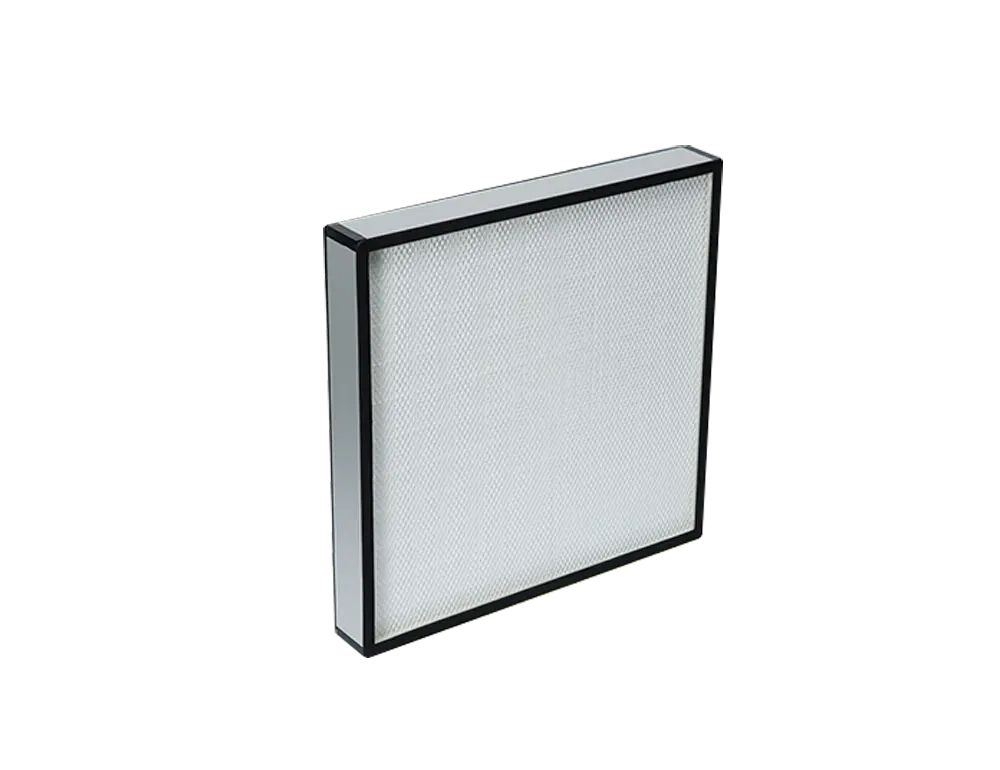
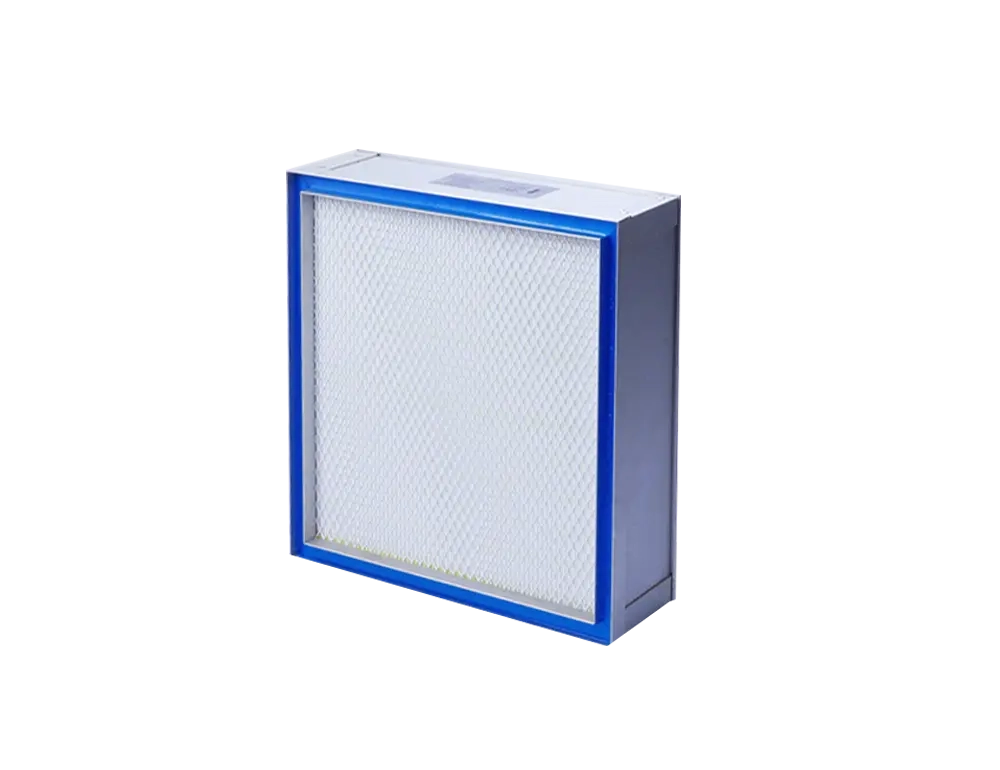
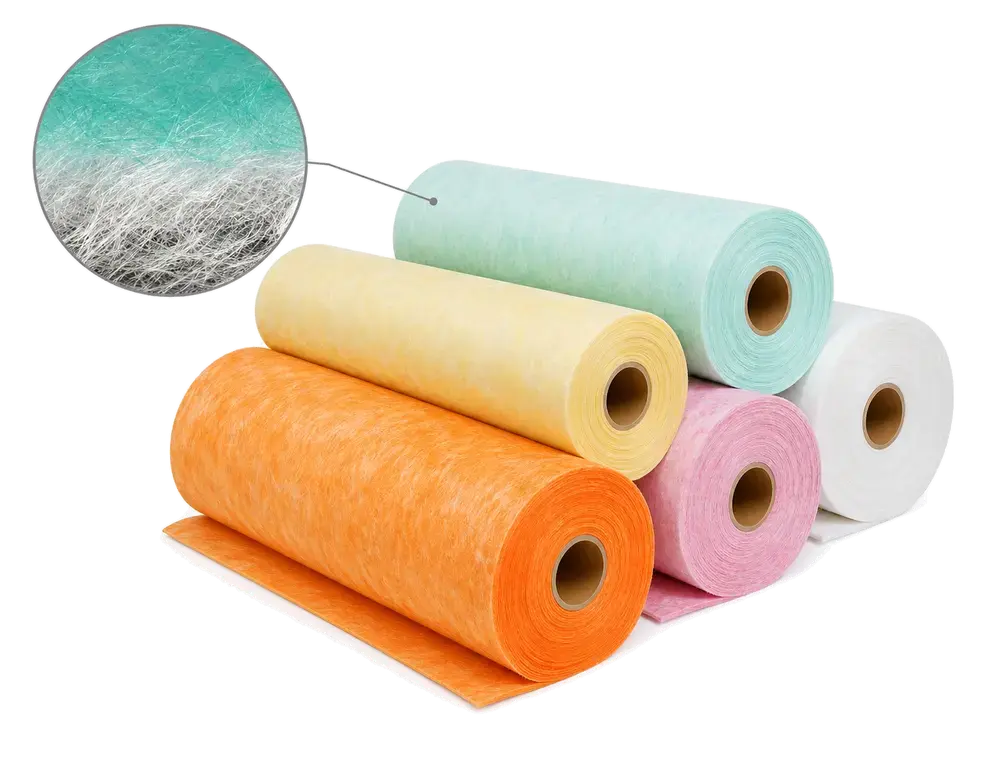
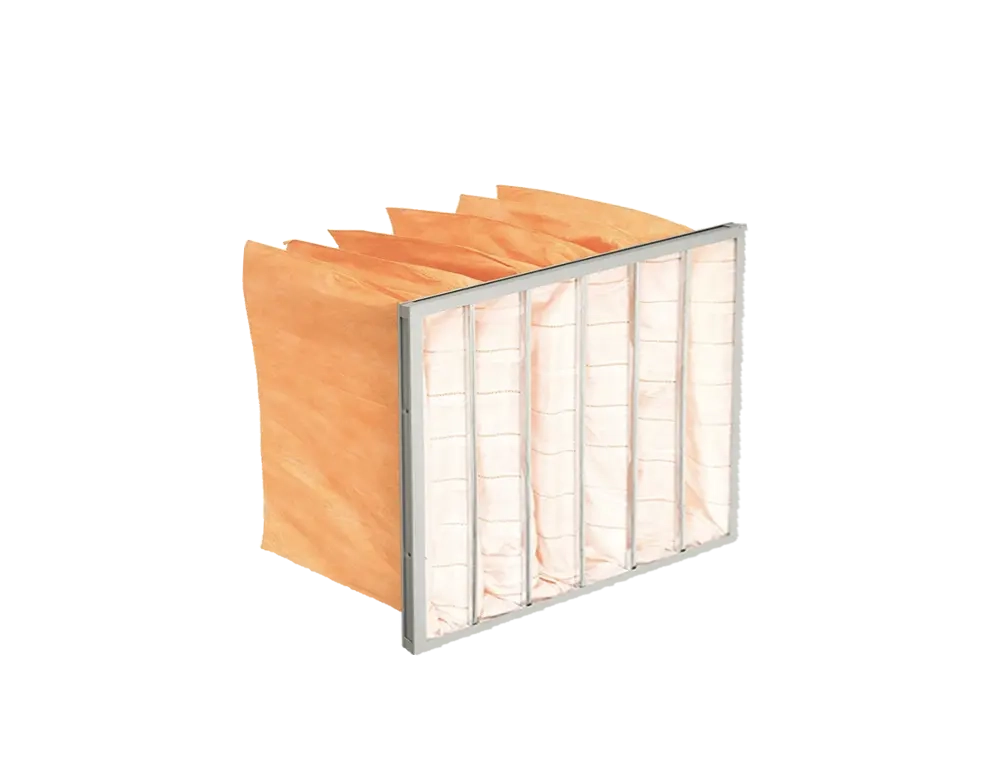
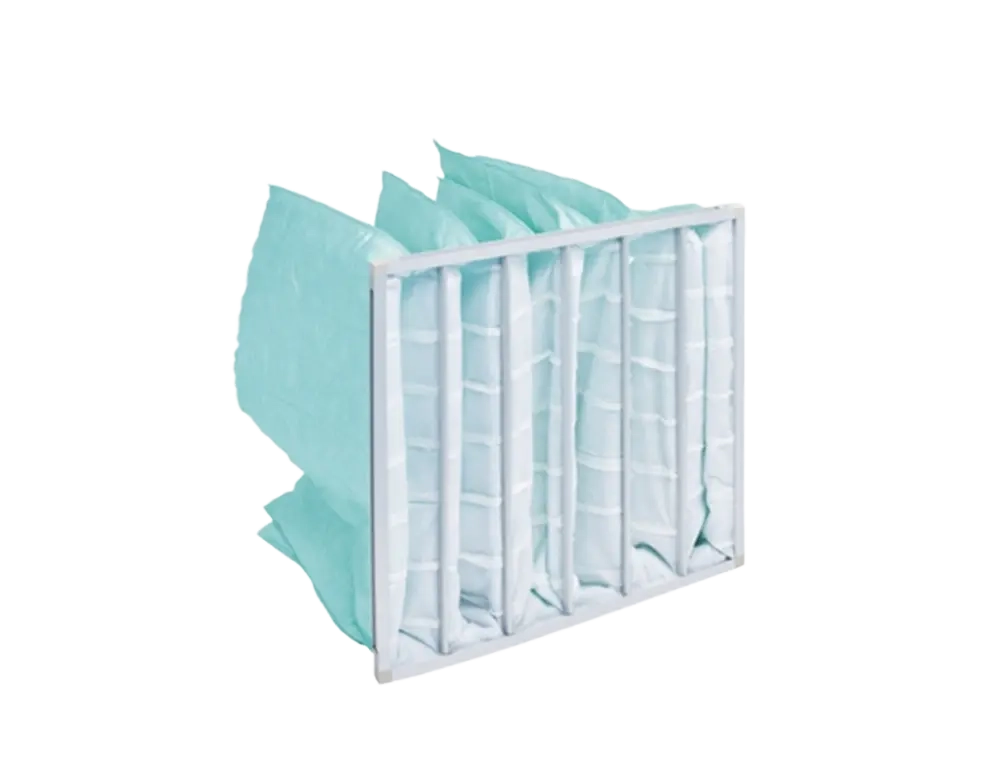
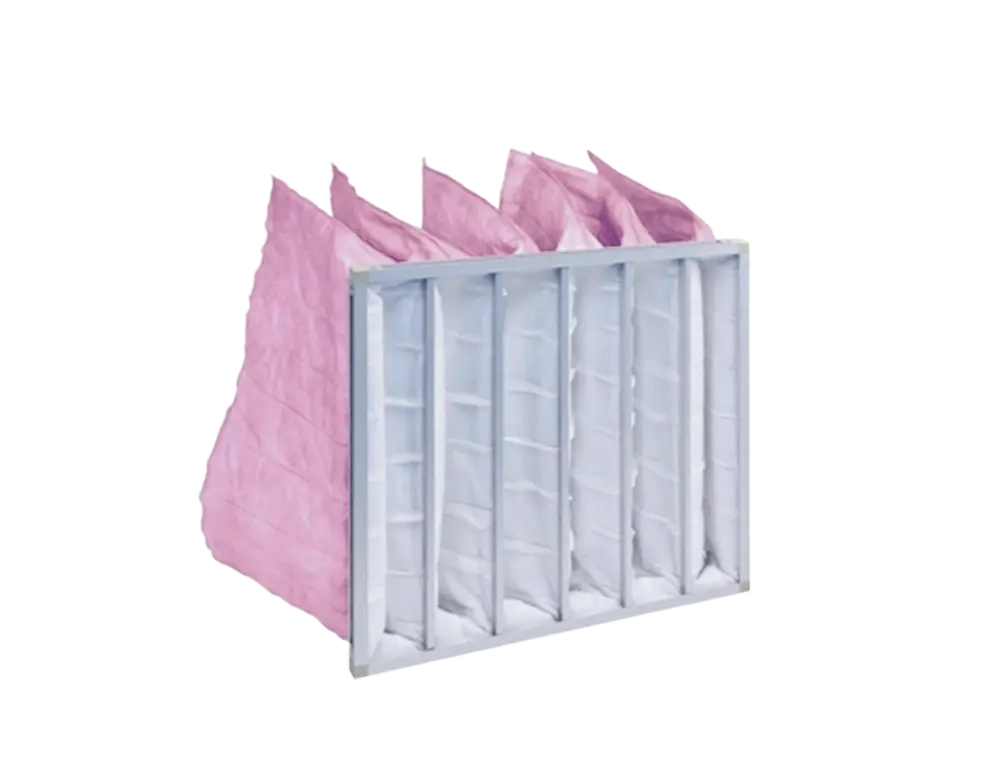
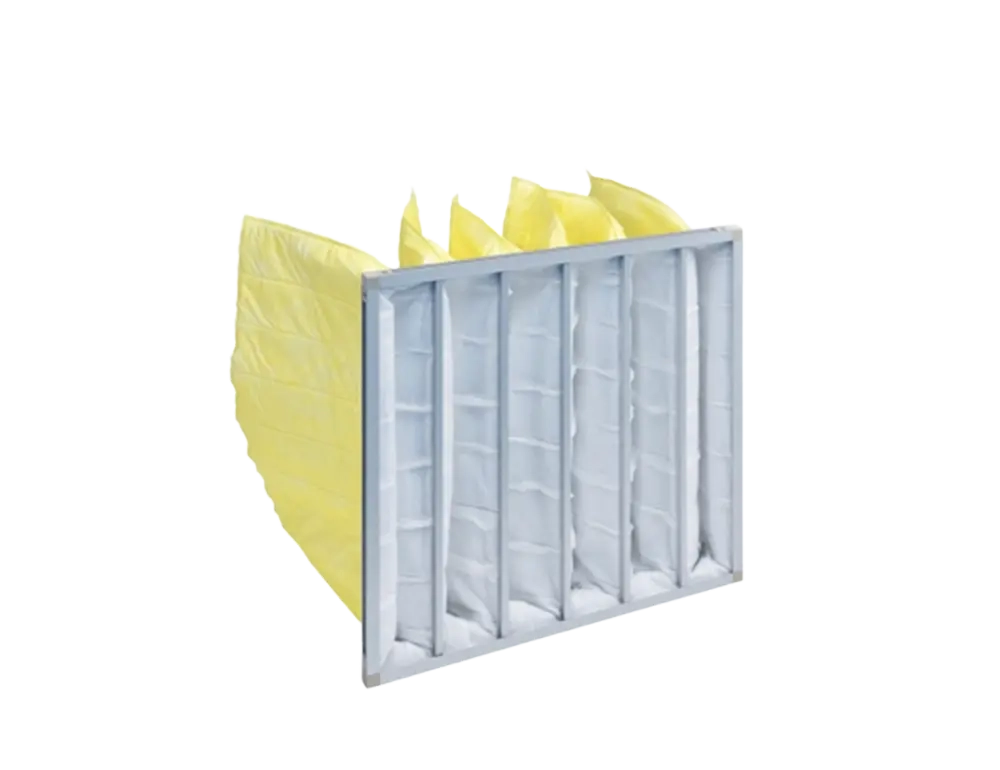
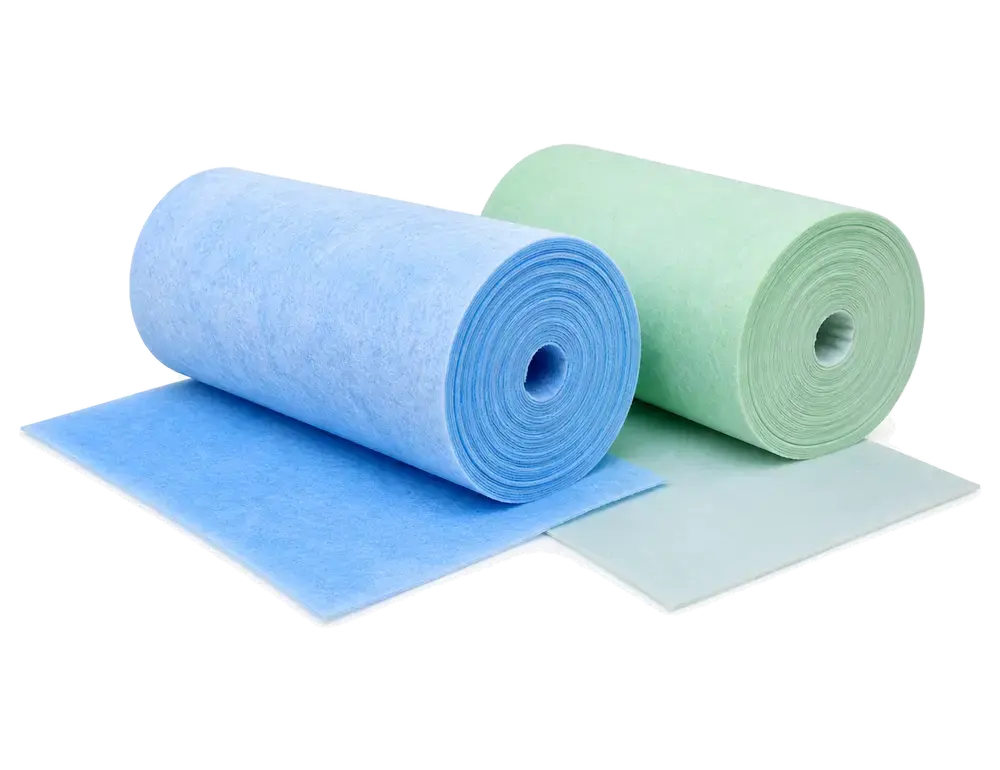
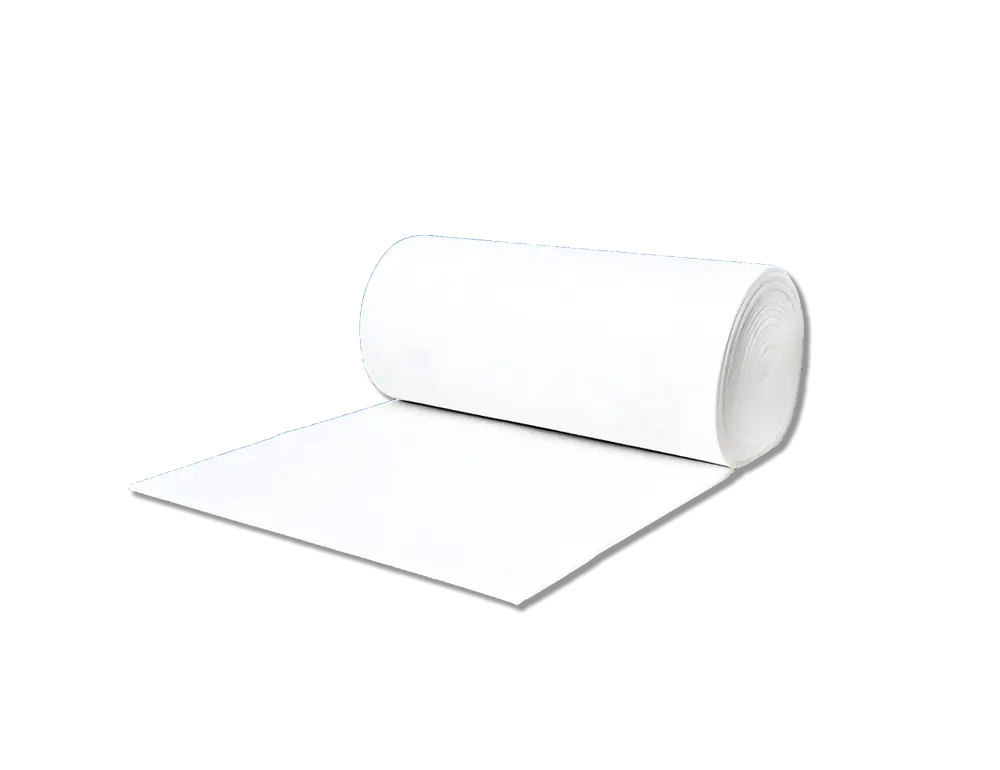
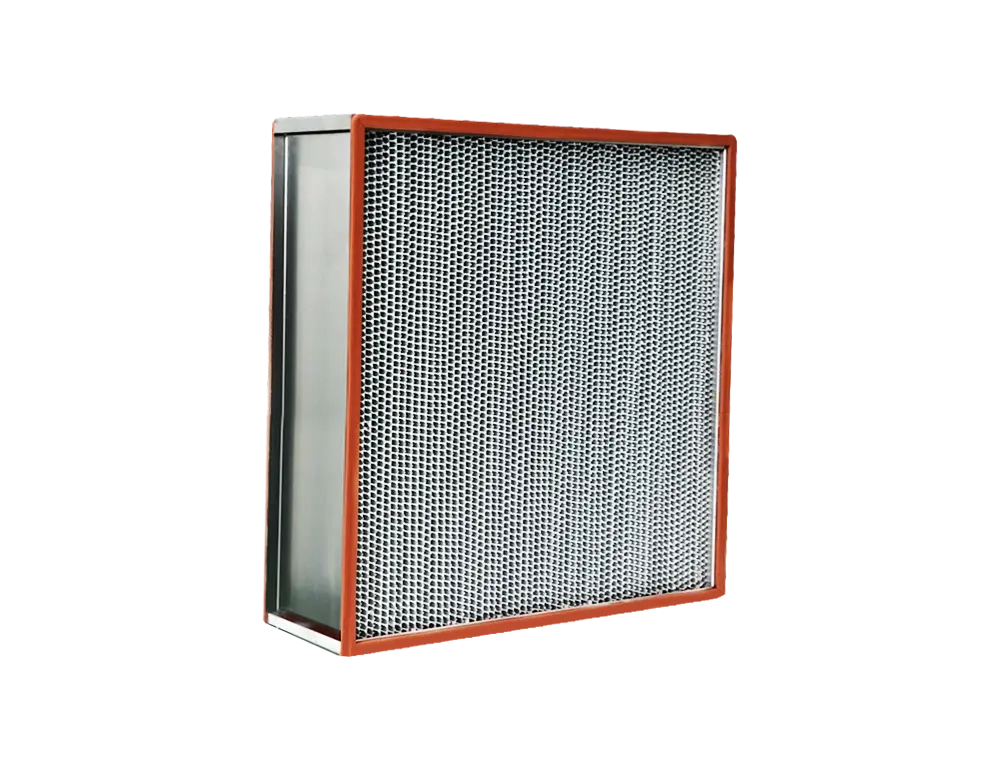
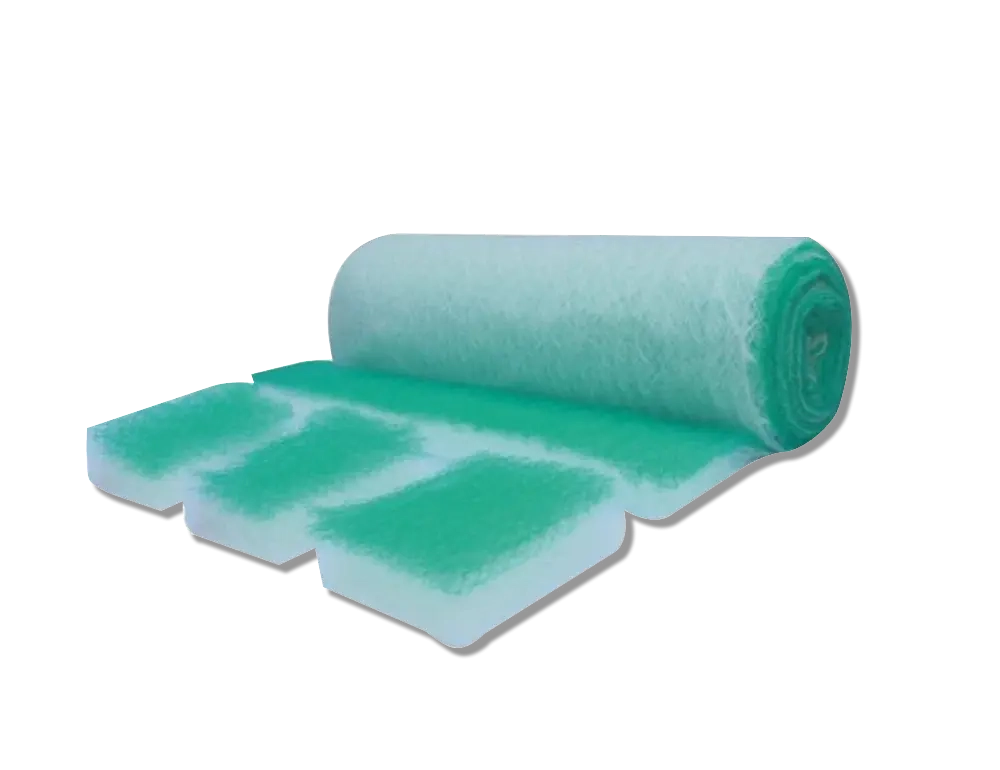
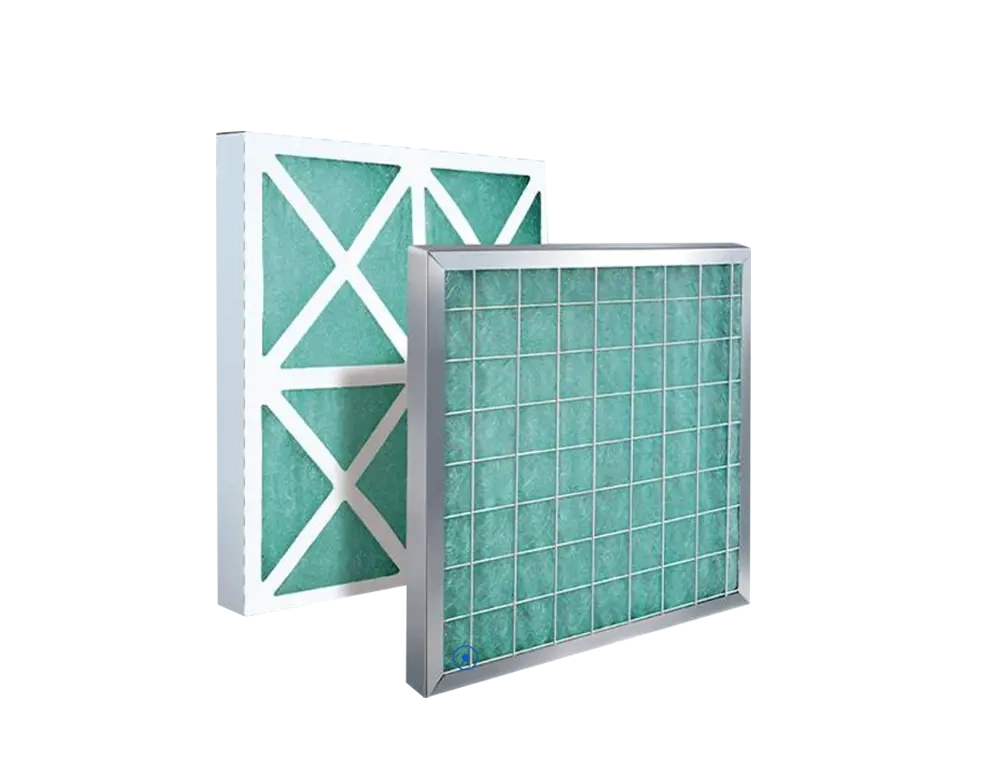
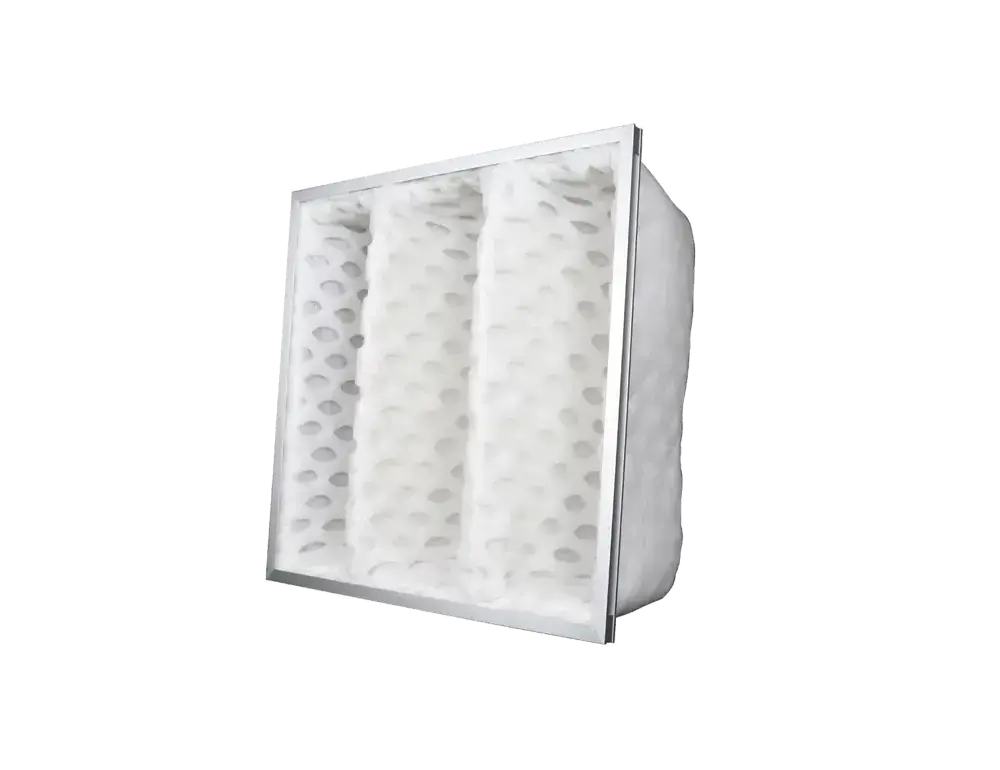
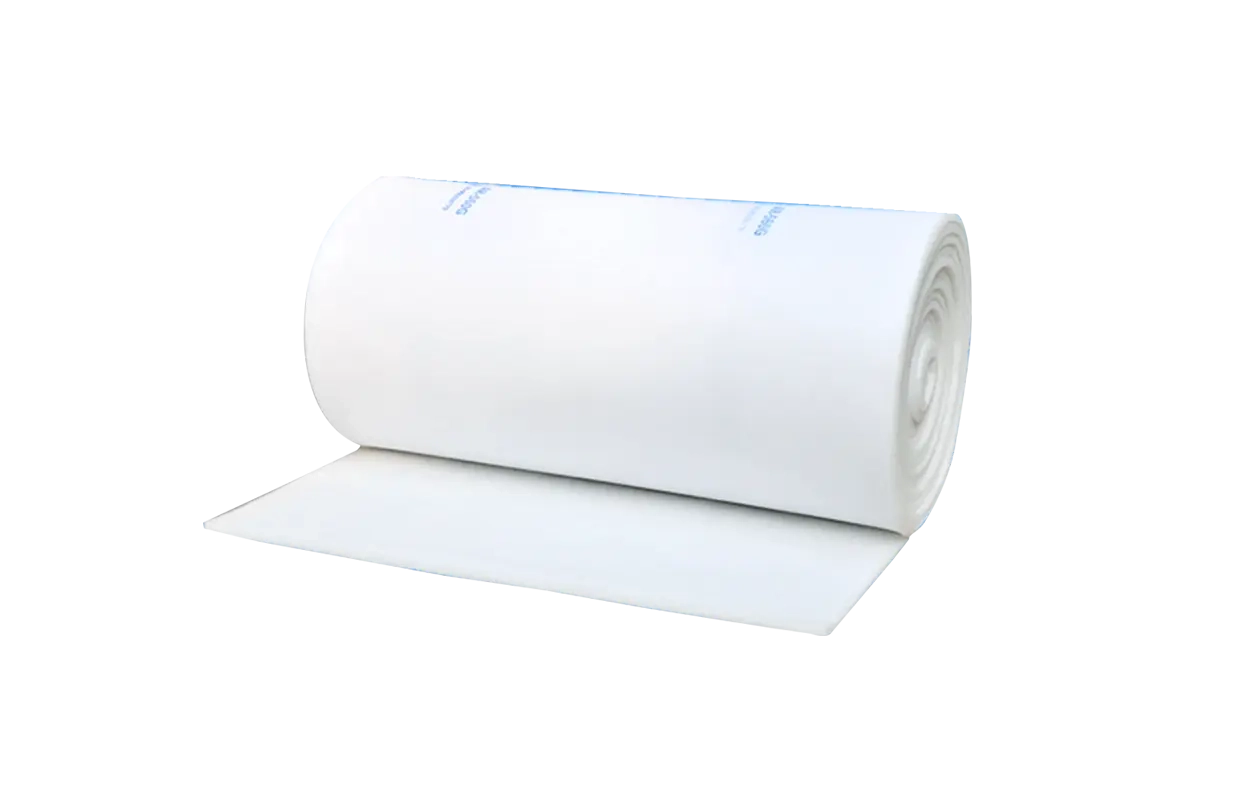
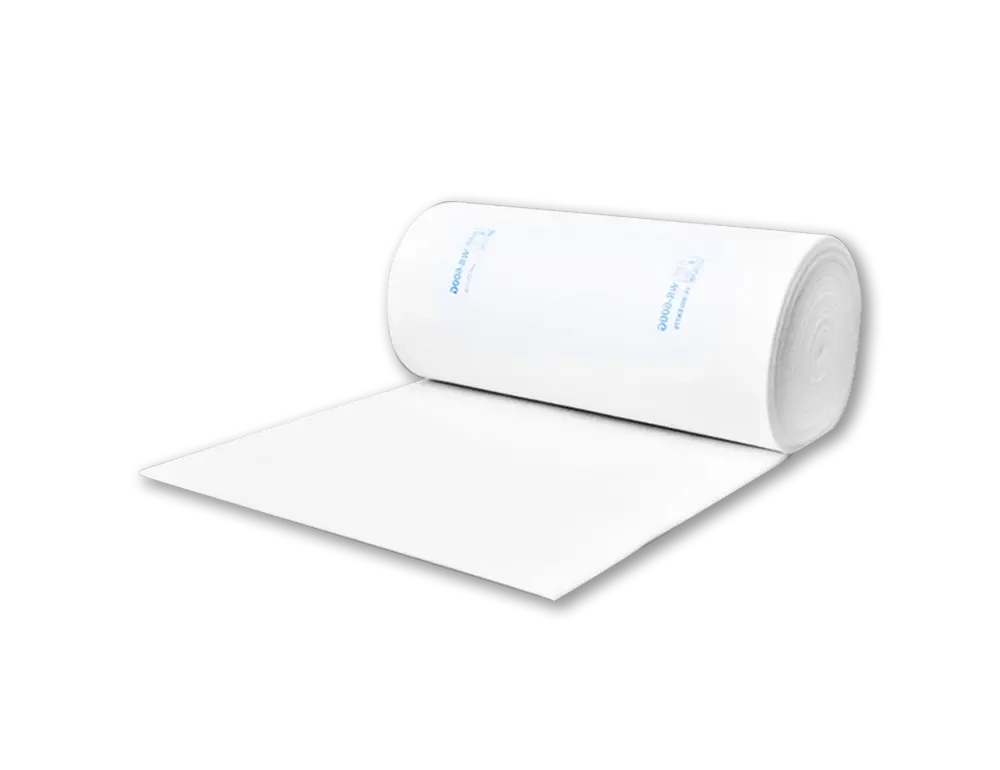
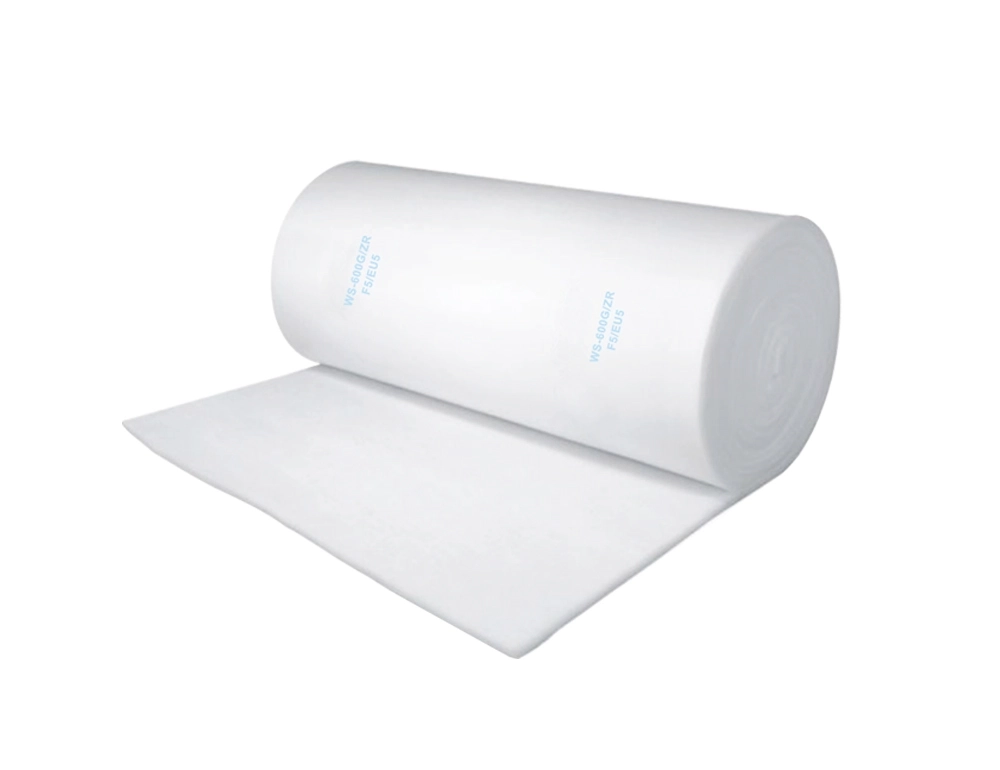
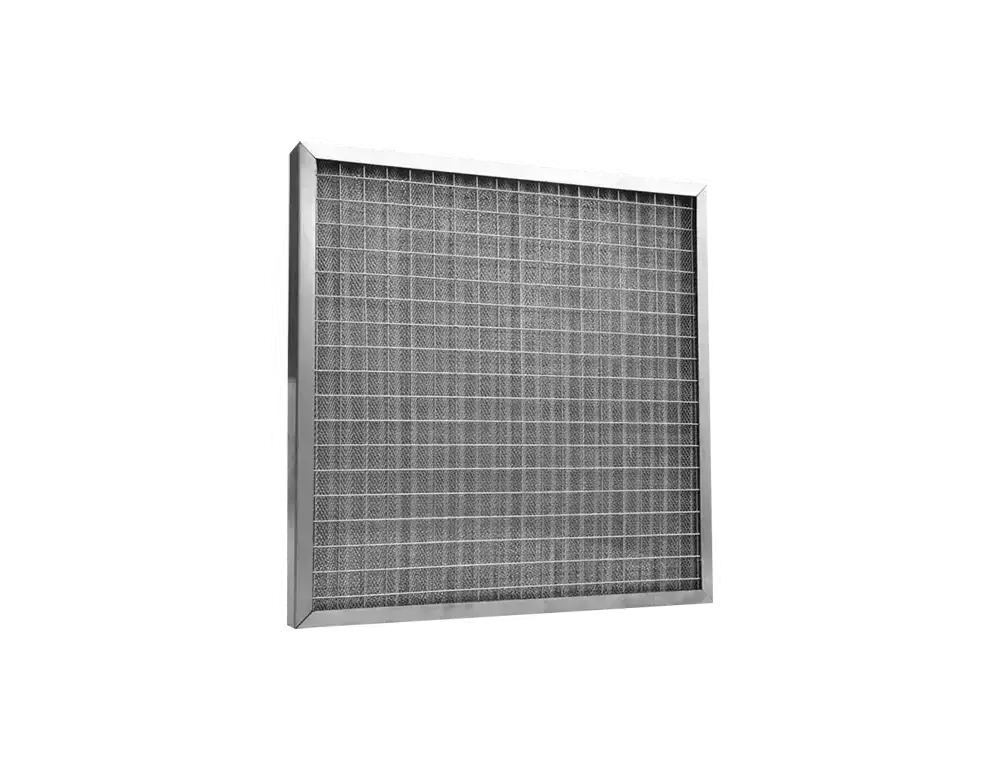
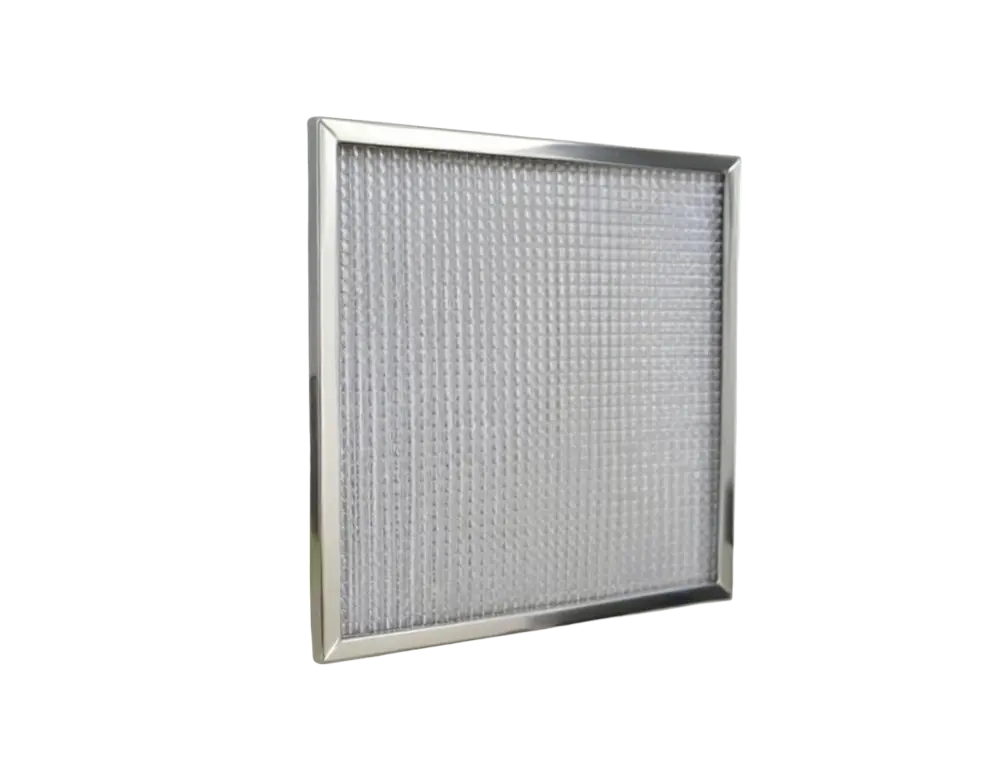
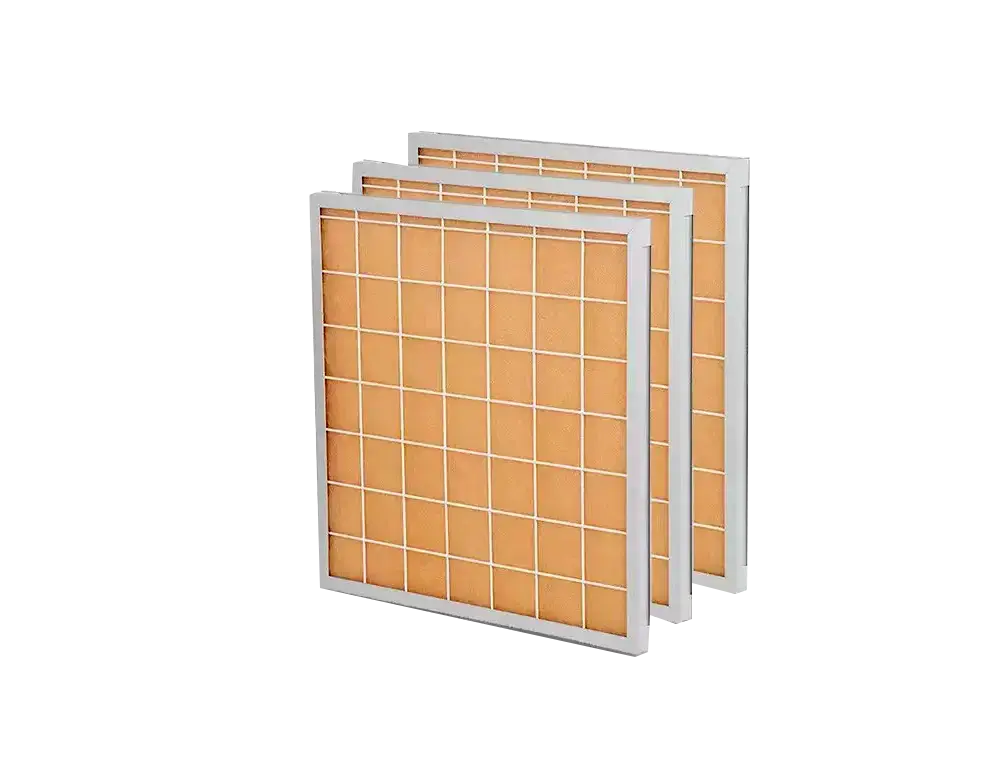
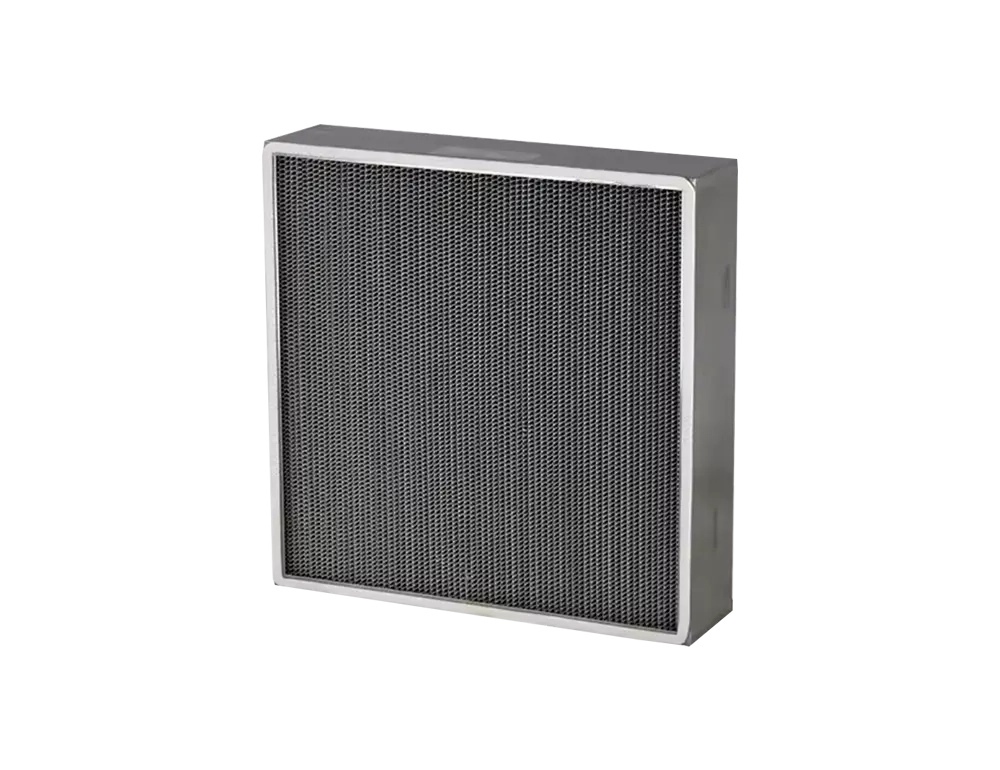
Pre-Filter (G1–G4)
First-Stage Large-Particle Capture
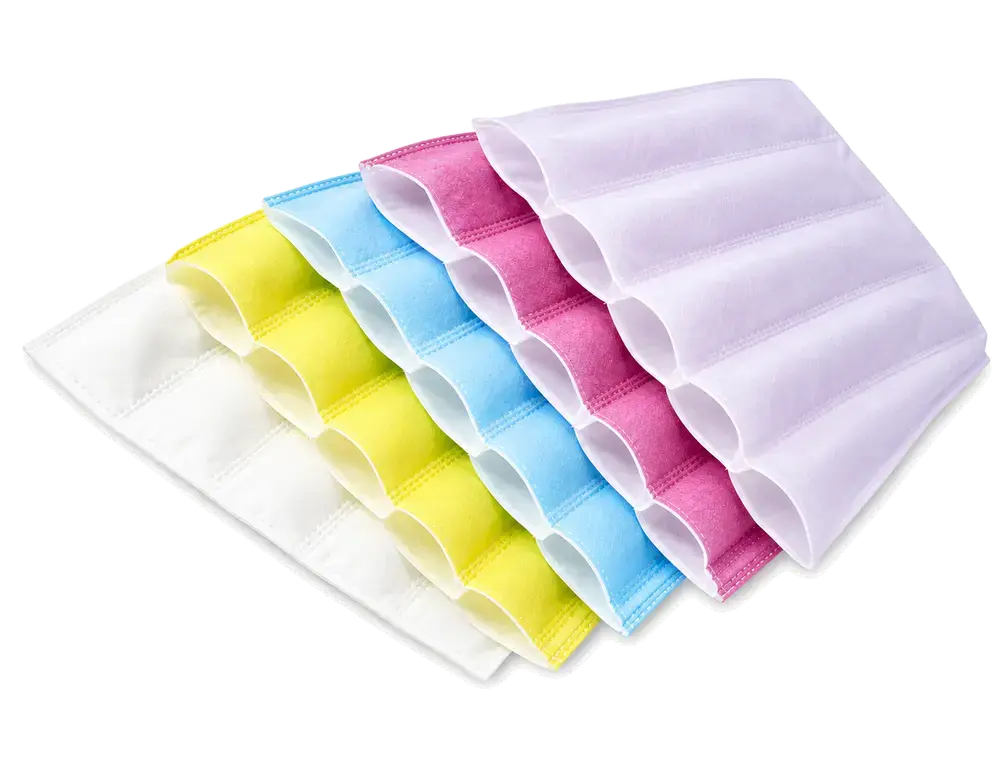
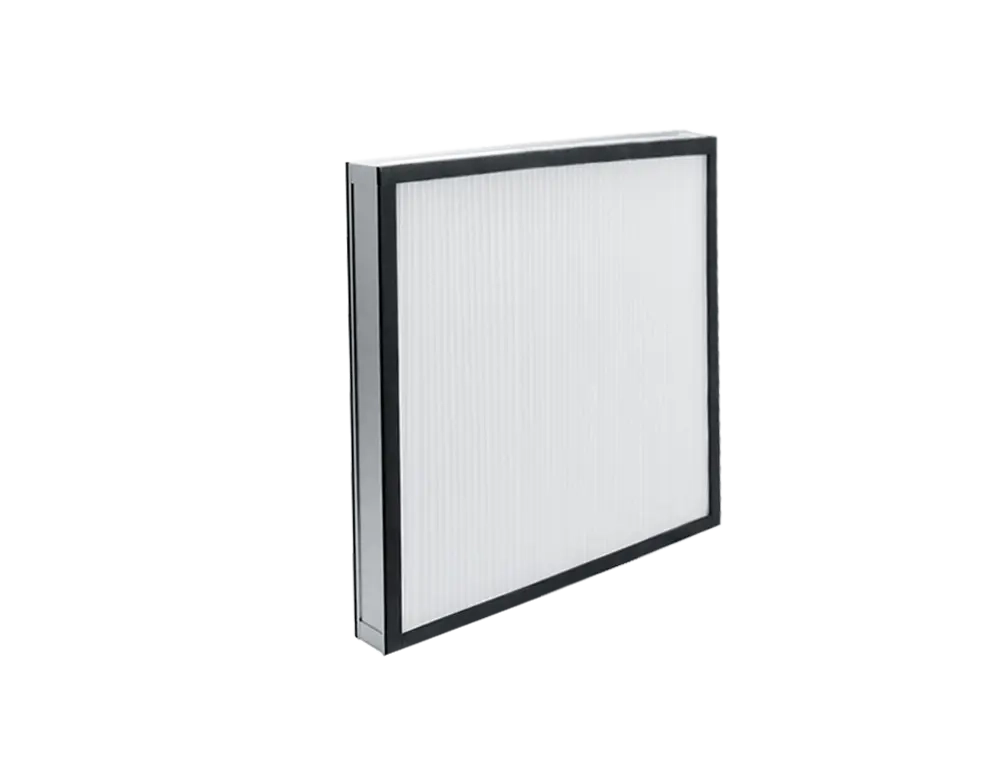
Medium-Efficiency Filter (F5–F9)
Precise PM2.5 Capture
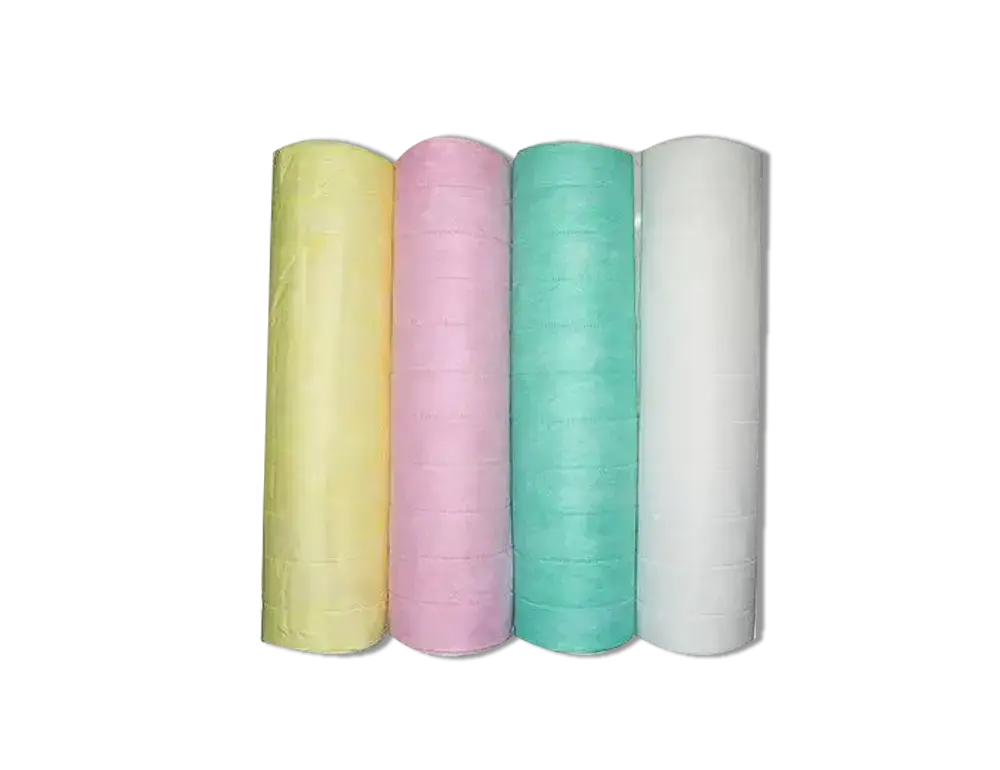
HEPA High-Efficiency Filter
Sterile-Grade Purification
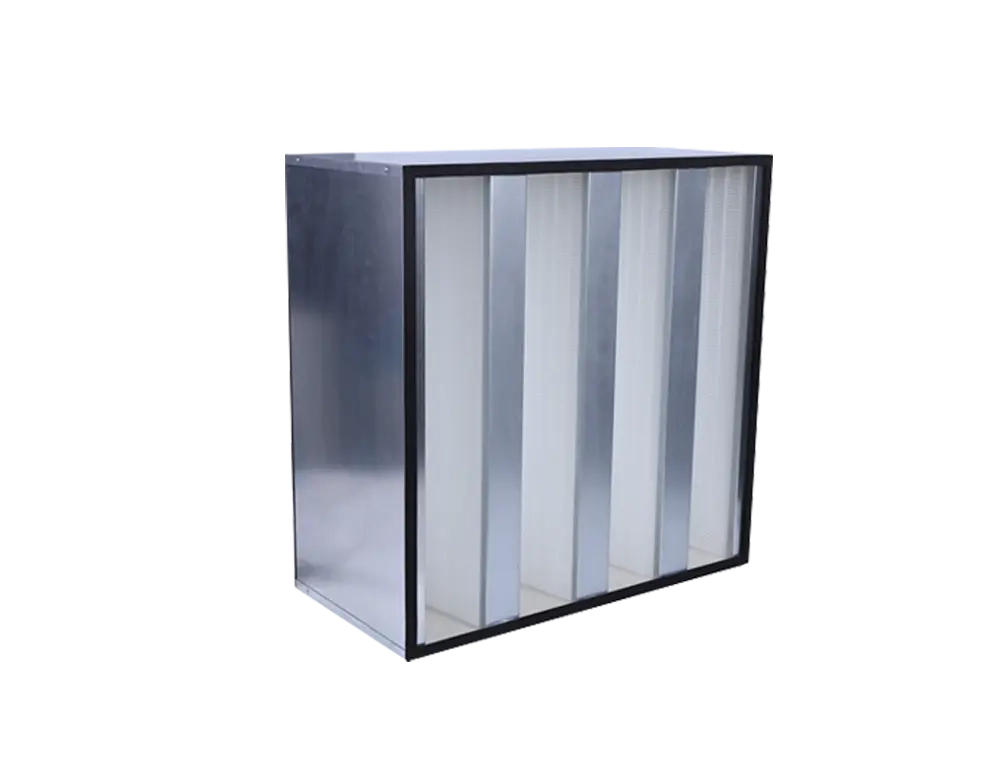
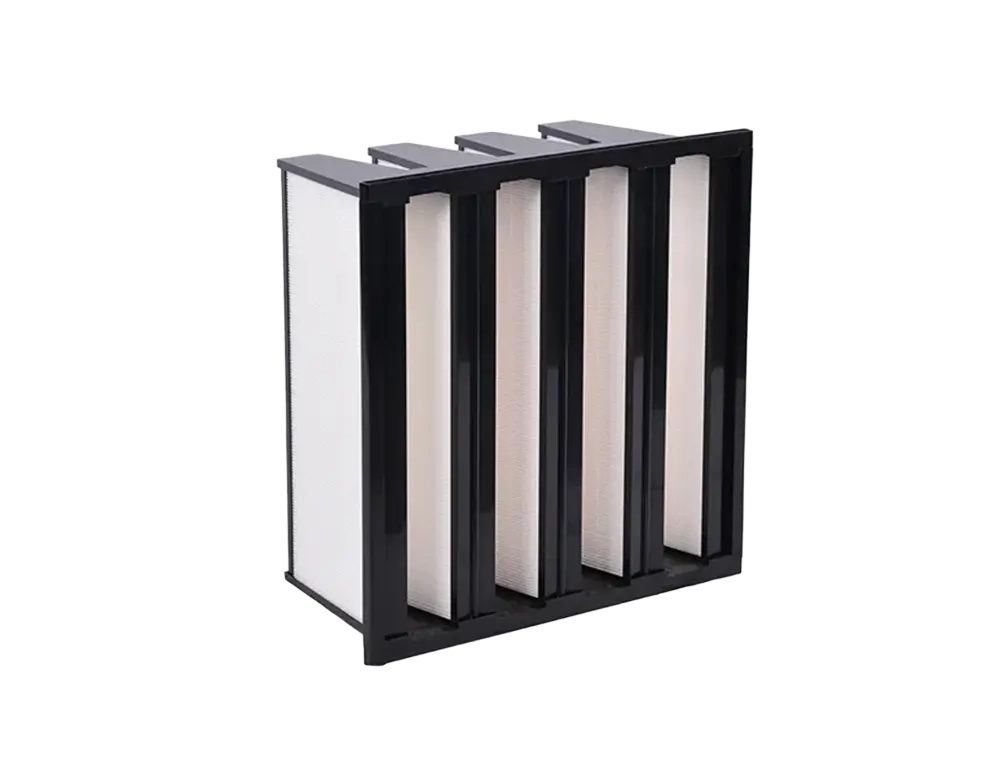
ULPA Ultra-High Efficiency Filter
Sub-Micron Particle Capture
First-Stage Large-Particle Capture
The first line of defense, capturing particles ≥5 μm such as dust, hair, and fibers to protect downstream filters and extend overall system service life.
View Related Products →Precise PM2.5 Capture
Captures fine particles of 1–5 μm including PM2.5, pollen, and mold spores, significantly improving indoor air quality for commercial HVAC and ventilation systems.
View Related Products →Sterile-Grade Purification
≥99.97% filtration efficiency for particles ≥0.3 μm, delivering sterile-grade clean air widely used in medical, pharmaceutical, and electronics manufacturing.
View Related Products →Sub-Micron Particle Capture
≥99.9995% efficiency for particles ≥0.12 μm, meeting the extreme cleanliness demands of semiconductor fabs, aerospace, and other ultra-precision applications.
View Related Products →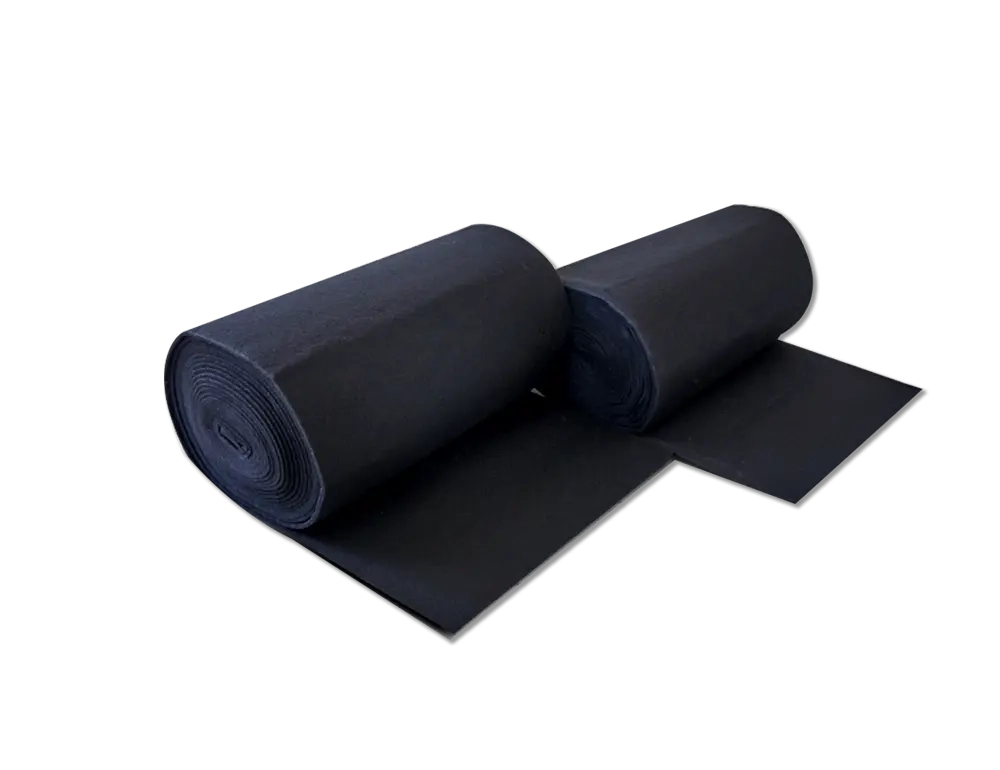
High-Temperature Resistant
Industrial-Grade Heat Tolerance
Washable & Reusable
Cut Costs, Reduce Waste
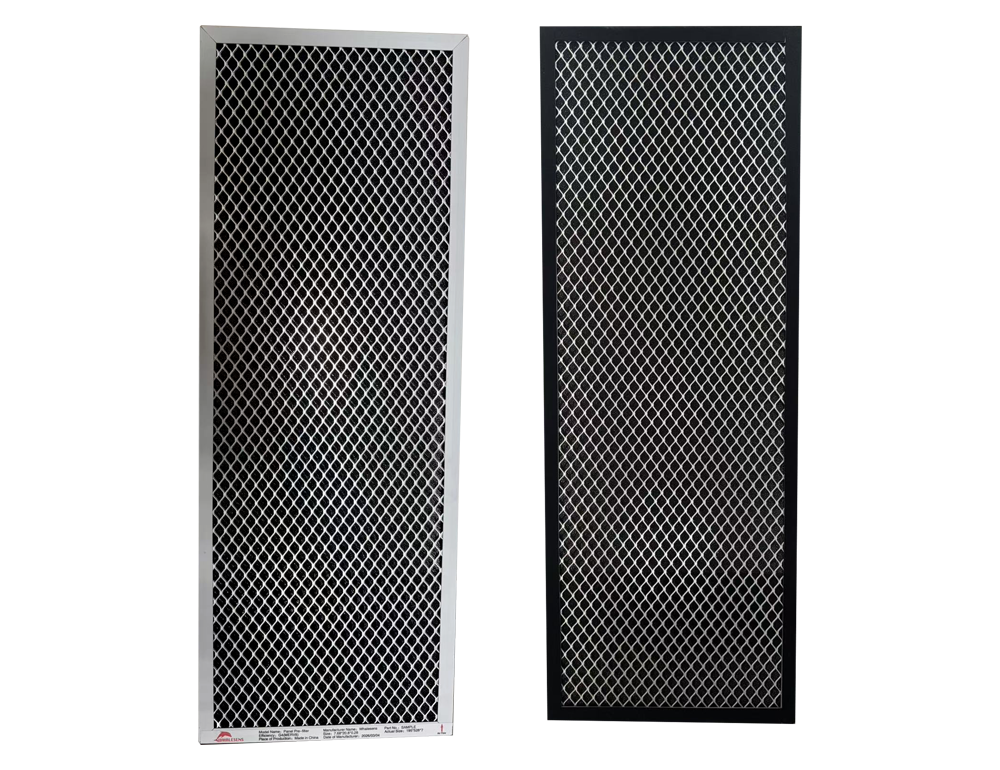
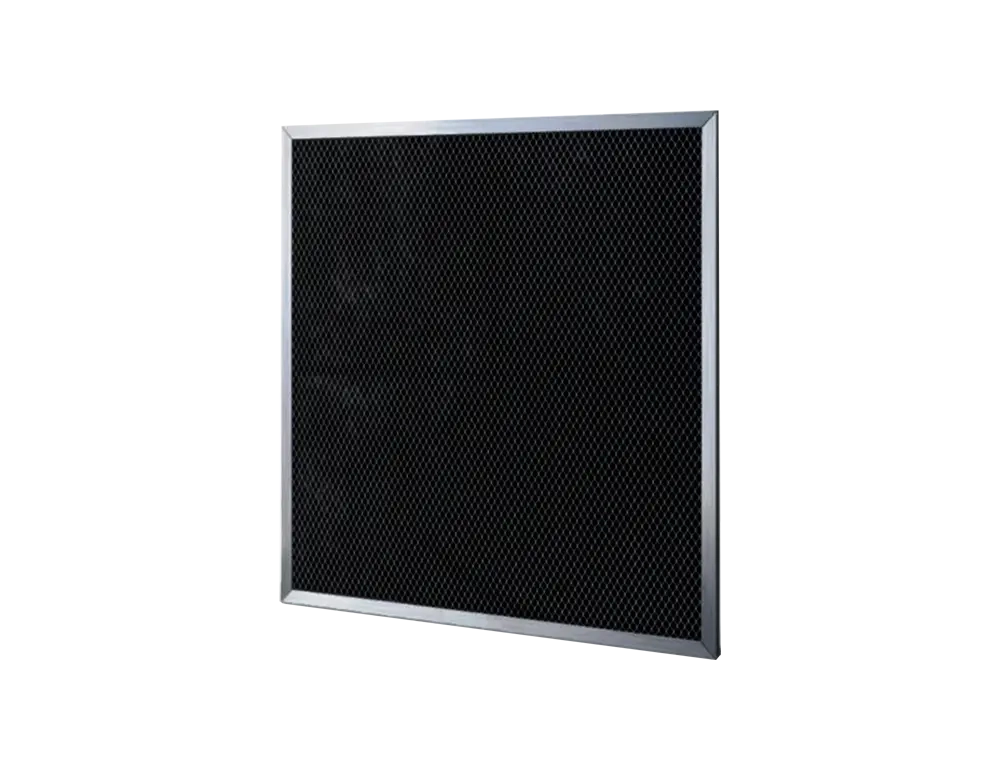
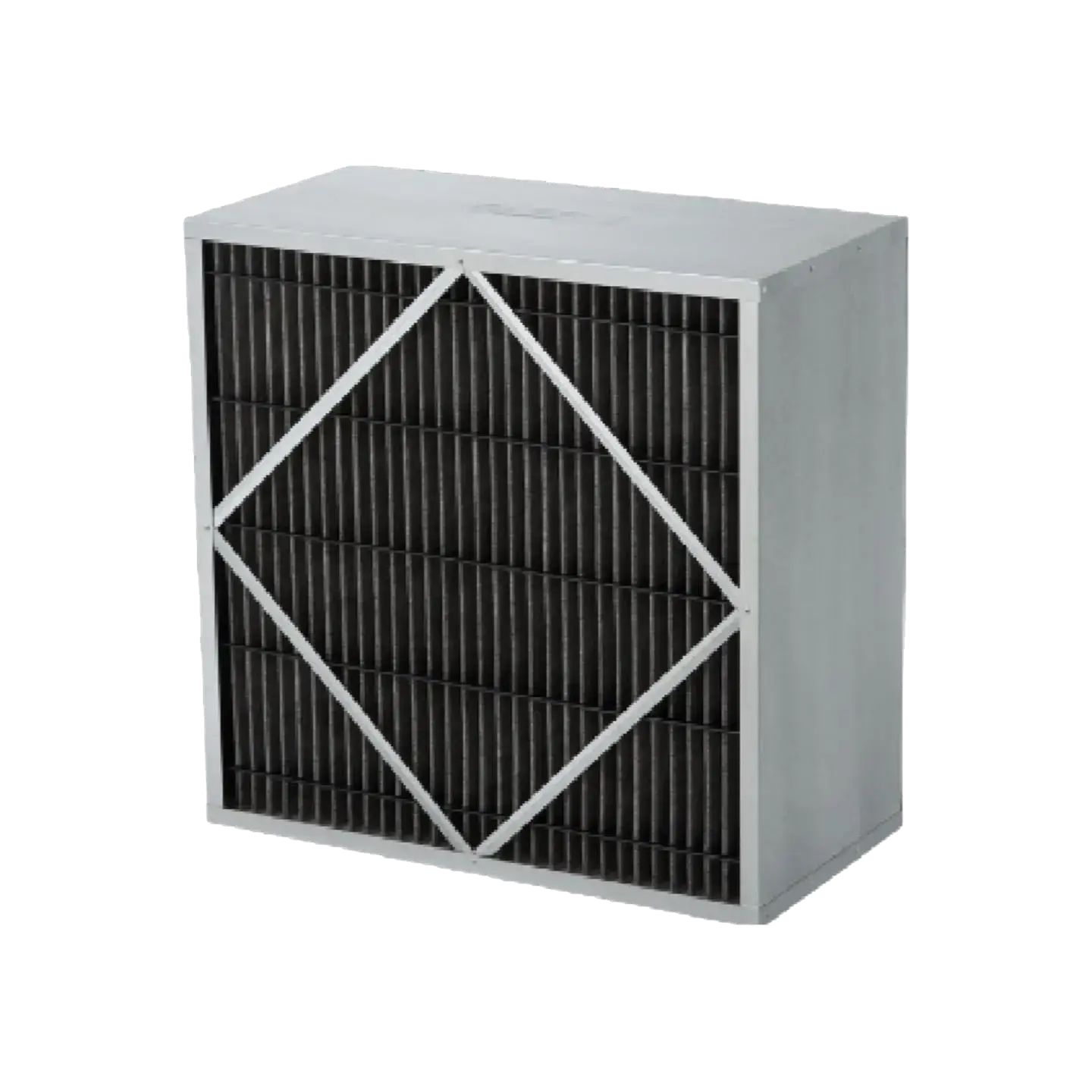
Activated Carbon
Odor & Harmful Gas Removal
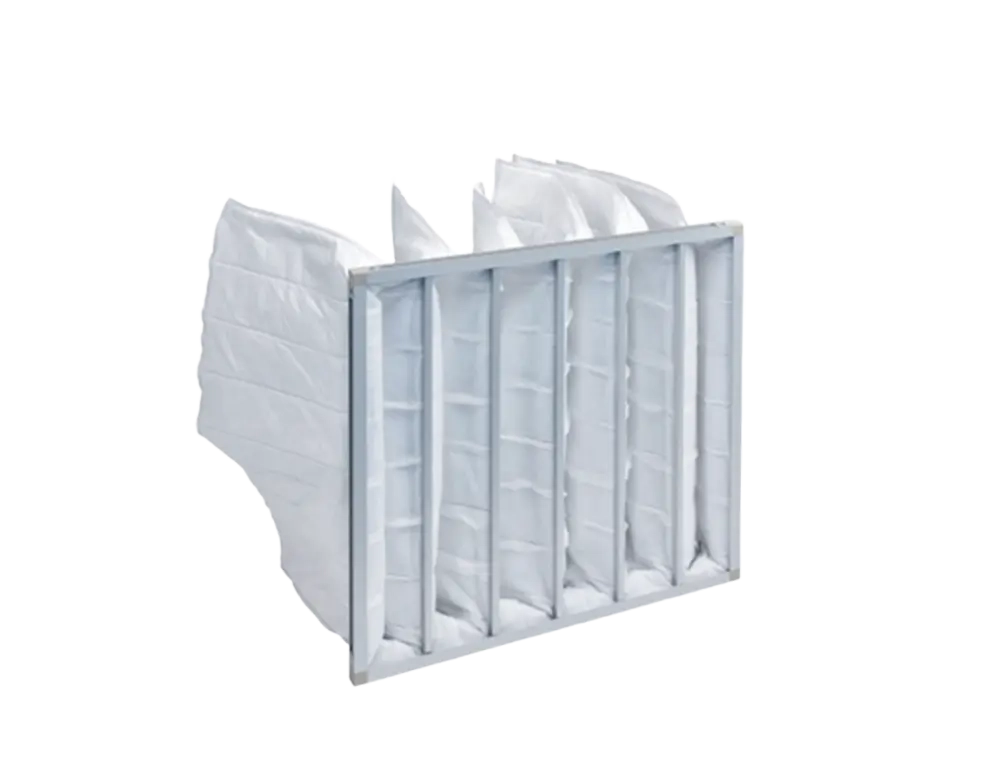
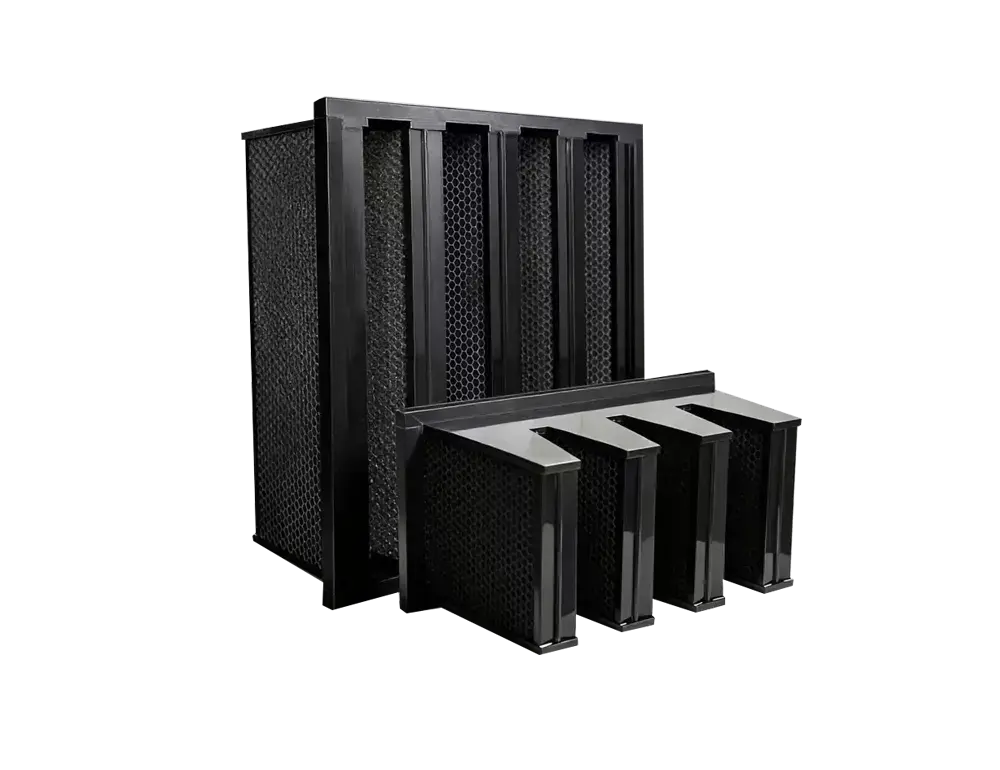
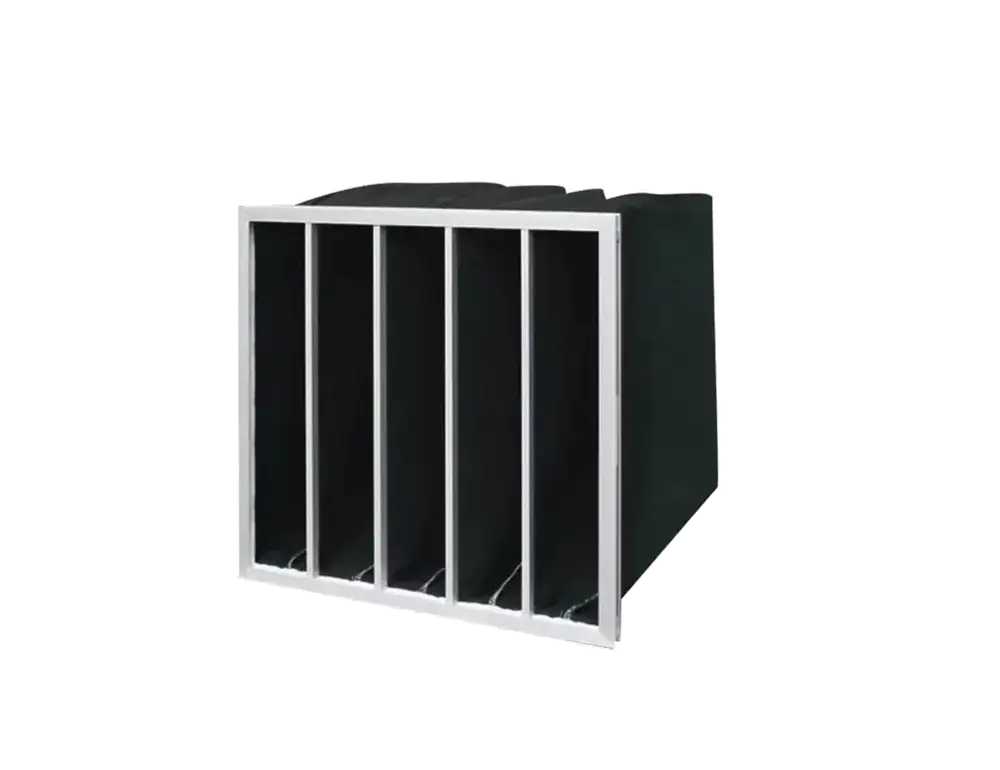
Bag Filter
High Dust-Holding, Long Life
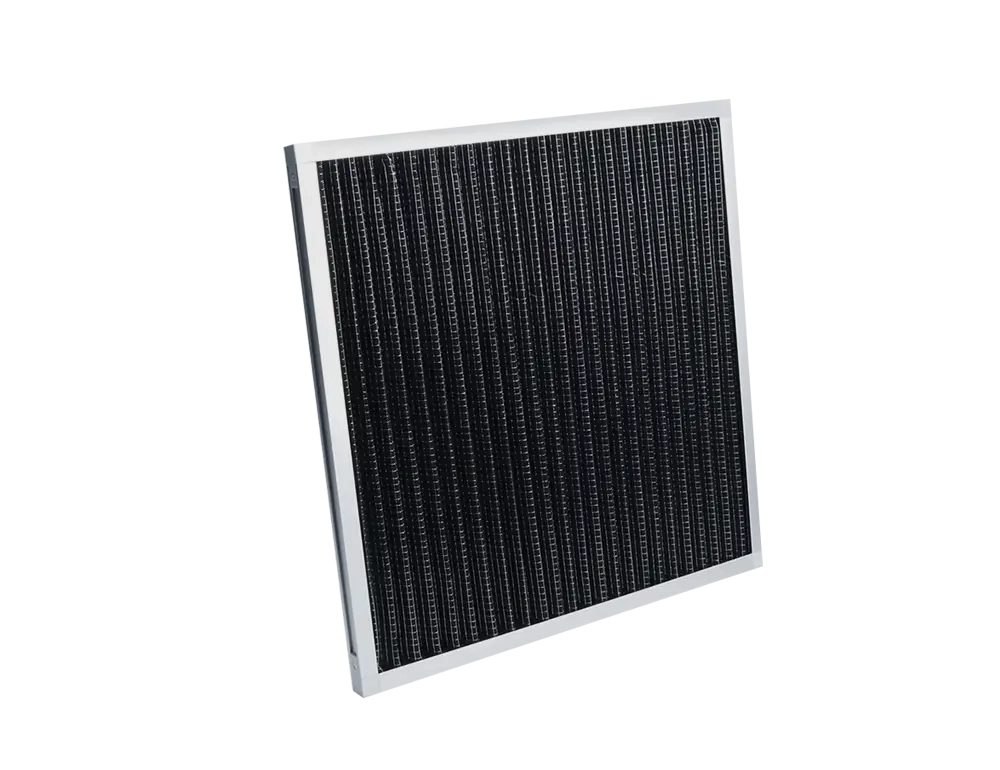
Panel / Pleated Filter
Compact Space-Saving Design
Low-Resistance Airflow
Energy-Saving Operation
Industrial-Grade Heat Tolerance
Built with specialized heat-resistant materials, operating stably up to 250°C for paint ovens, industrial dryers, and high-temperature process environments.
View Related Products →Cut Costs, Reduce Waste
Cleanable by water washing or air blowing, reusable multiple times to significantly reduce replacement frequency and O&M costs — an economical, eco-friendly choice.
View Related Products →Odor & Harmful Gas Removal
Leverages activated carbon's high adsorption capacity to eliminate odors, VOCs, and formaldehyde, ideal for newly renovated spaces and industrial exhaust treatment.
View Related Products →High Dust-Holding, Long Life
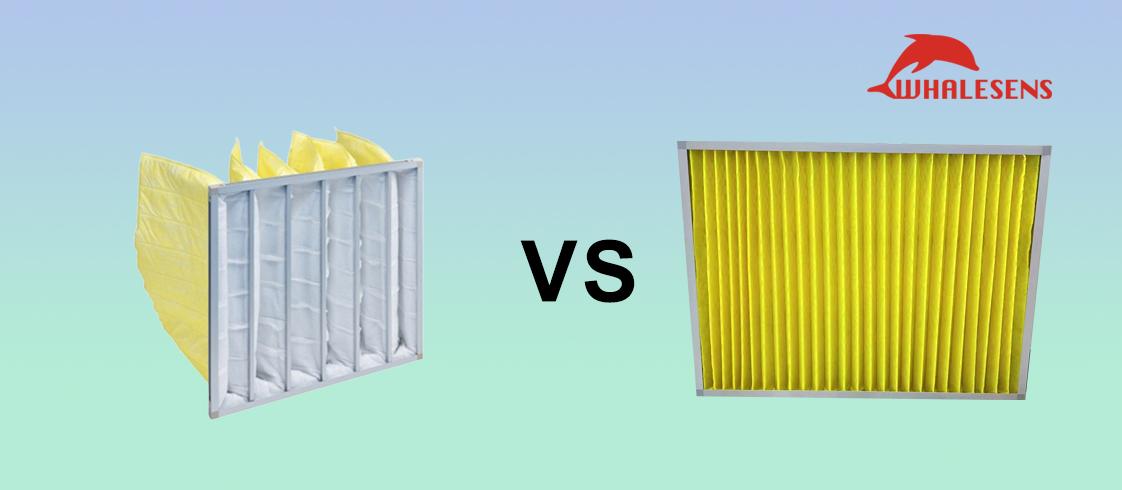
Bag-style construction delivers a larger filtration area, high dust-holding capacity, and extended service life — ideal for high-dust environments with reduced replacement frequency.
View Related Products →Compact Space-Saving Design
Compact form factor for easy installation and replacement; pleated structure maximizes filtration area within a small footprint for higher efficiency.
View Related Products →Energy-Saving Operation
Low-resistance design minimizes pressure drop while maintaining filtration performance, reducing fan energy consumption for cost-effective, eco-friendly operation.
View Related Products →















 English(Global)
 简体中文
简体中文 Language


Air Filtration in Schools: A Comprehensive Guide
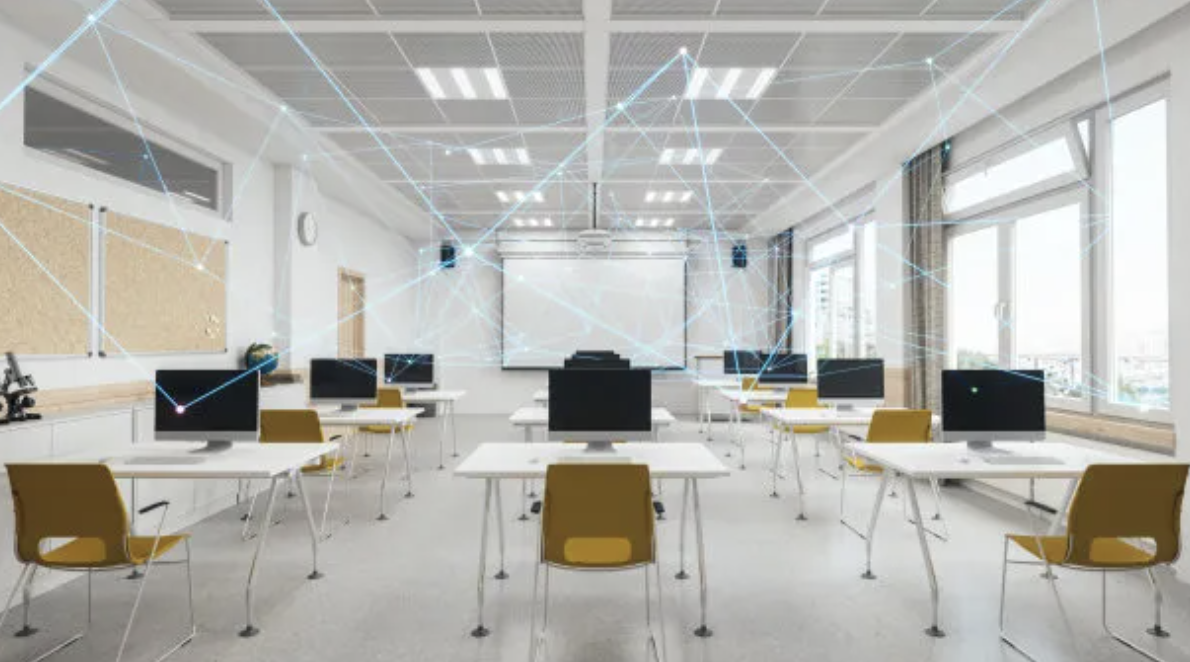
Schools are unique environments where students and staff spend long hours together. Children and adolescents are especially sensitive to air quality due to their developing respiratory and immune systems. Ensuring clean indoor air in schools is essential for their health, cognitive performance, and overall well-being.
Application Principles of Air Filtration in Schools
1. Protecting Respiratory Health
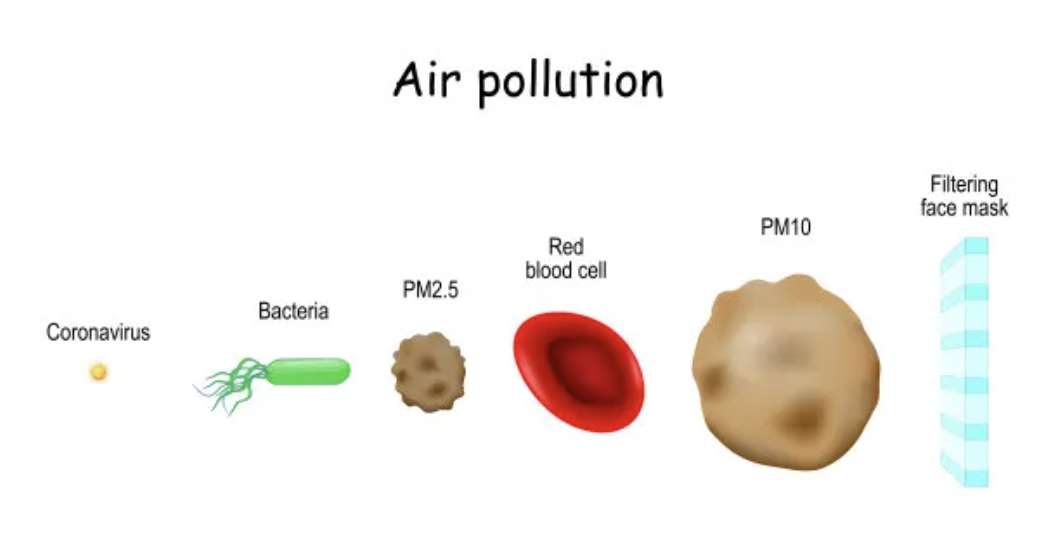
Children are more vulnerable to particulate matter (PM2.5, PM10), pollen, dust mites, mold spores, and allergens. Effective air filters reduce the risk of asthma, bronchitis, and allergic rhinitis.
2. Reducing Airborne Disease Transmission
Classrooms, libraries, and cafeterias are high-density environments. High-efficiency filters capture virus- and bacteria-carrying aerosols, lowering the spread of flu, colds, and COVID-19.
3. Improving Learning Performance
Poor indoor air quality (elevated CO₂ and particulates) reduces attention, memory, and learning efficiency. Clean air improves focus, reduces fatigue, and decreases absenteeism.
4. Coping with Outdoor Pollution
In regions like China, PM2.5 and sandstorms are major outdoor air pollution sources. Mechanical ventilation and filters create an indoor safe zone during outdoor pollution episodes.
5. Controlling Indoor Pollutants
Sources include furniture, cleaning products, and art/science activities that emit VOCs and formaldehyde. Activated carbon filters can provide partial removal in addition to source control.
6. Meeting Standards and Expectations
Governments set guidelines for school IAQ (indoor air quality). Parents expect schools to provide safe, healthy environments, driving adoption of filtration solutions.
Technologies and Implementation
(1) Mechanical Ventilation Systems
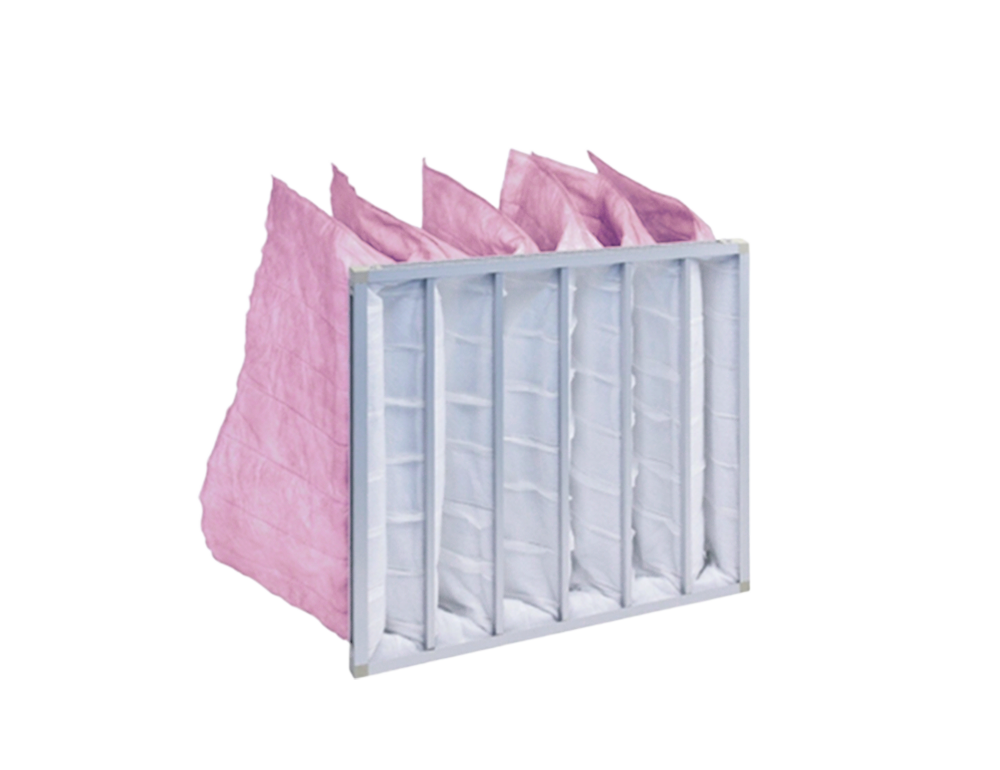
Central HVAC or decentralized fresh air systems with multi-stage filters.
- Pre-filters (G4/MERV8) protect equipment and extend main filter life.
- Primary filters (MERV13/F7–F9 or higher) achieve ≥65% PM2.5 removal efficiency.
- Energy recovery ventilation (ERV/HRV): reduces energy loss while introducing filtered outdoor air.
(2) Independent Classroom Air Purifiers
Widely used in China; each classroom may have multiple units. Must include True HEPA filters for PM2.5 and aerosol removal. CADR (Clean Air Delivery Rate) must match classroom size and occupancy to achieve 4–6 air changes per hour.
Challenges: frequent filter replacements, high maintenance workload, noise control, and limited ability to provide fresh air.
(3) Natural Ventilation
Traditional window ventilation reduces CO₂ and indoor pollutants. Limitation: during heavy PM2.5 or sandstorms, open windows worsen IAQ. Best practice: integrate with real-time outdoor air quality monitoring.
(4) Combined Strategy (Best Practice)
Mechanical ventilation + MERV13 or higher filters for fresh air. Classroom HEPA purifiers as supplementary local filtration. Smart IAQ monitoring and automated control for dynamic optimization.
Air Quality Risks in Schools
| Pollutant / Risk | Source | Impact on Students |
|---|---|---|
| PM2.5 / PM10 | Outdoor air, dust | Asthma, allergies, reduced lung function |
| Allergens (pollen, mold, mites) | Outdoor/indoor sources | Allergic rhinitis, asthma |
| VOCs & formaldehyde | Furniture, cleaning products | Irritation, long-term health risks |
| CO₂ buildup | High occupancy, poor ventilation | Fatigue, reduced cognition |
| Viruses & bacteria | Crowded indoor spaces | Flu, cold, COVID-19 spread |
Maintenance and Management
Responsibility: clear roles (school staff or outsourcing). Records: filter type, installation, replacement cycle. Budget planning: allocate costs for replacement filters and energy. Preventive maintenance: avoid filter saturation and secondary pollution.
Outcomes and Benefits
Improved IAQ: reduced PM2.5, allergens, and pathogens. Health benefits: fewer respiratory illnesses, reduced absenteeism. Better academic performance: improved focus and learning outcomes. Trust and satisfaction: transparent IAQ monitoring reassures parents and staff. Compliance: meets governmental health and education requirements.
Challenges and Considerations
High upfront and ongoing costs. Maintenance workload for large numbers of devices. Retrofitting limitations in older school buildings. Noise from purifiers and HVAC systems. Balancing ventilation (fresh air) and filtration (purification). Transparent IAQ data communication to stakeholders.
Conclusion
Air filtration in schools is essential for creating a healthy, safe, and productive environment for students and staff. In countries with severe PM2.5 and outdoor pollution, filtration is a necessity, not a luxury. Combining mechanical ventilation, high-efficiency filters, classroom purifiers, and smart IAQ monitoring ensures optimal results. Despite cost and maintenance challenges, investing in clean air is an investment in the next generation’s health and education quality.
Need Custom Solutions?
Contact Whalesens Engineering Team
Get Consultation →
Need a custom air filtration solution?
Contact the Whalesens engineering team for product selection and OEM/ODM support.
Email whalesens@gmail.com