


EV Charging Stations
Filtration for Power Equipment
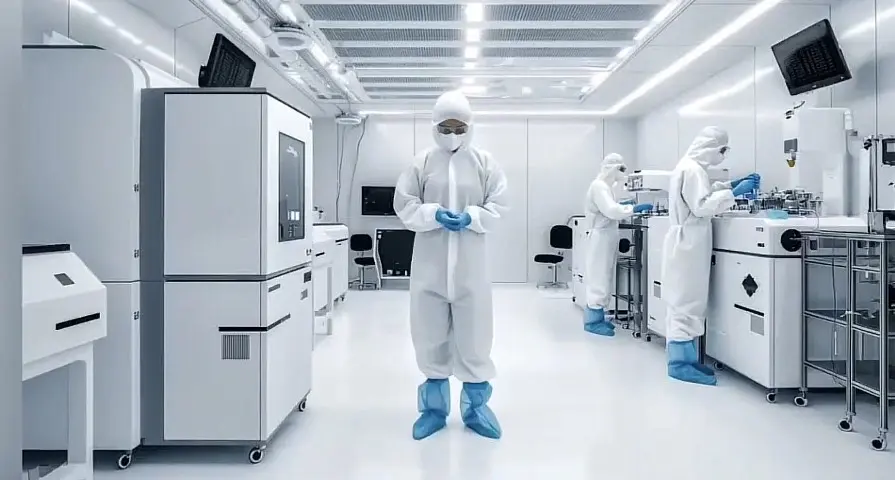
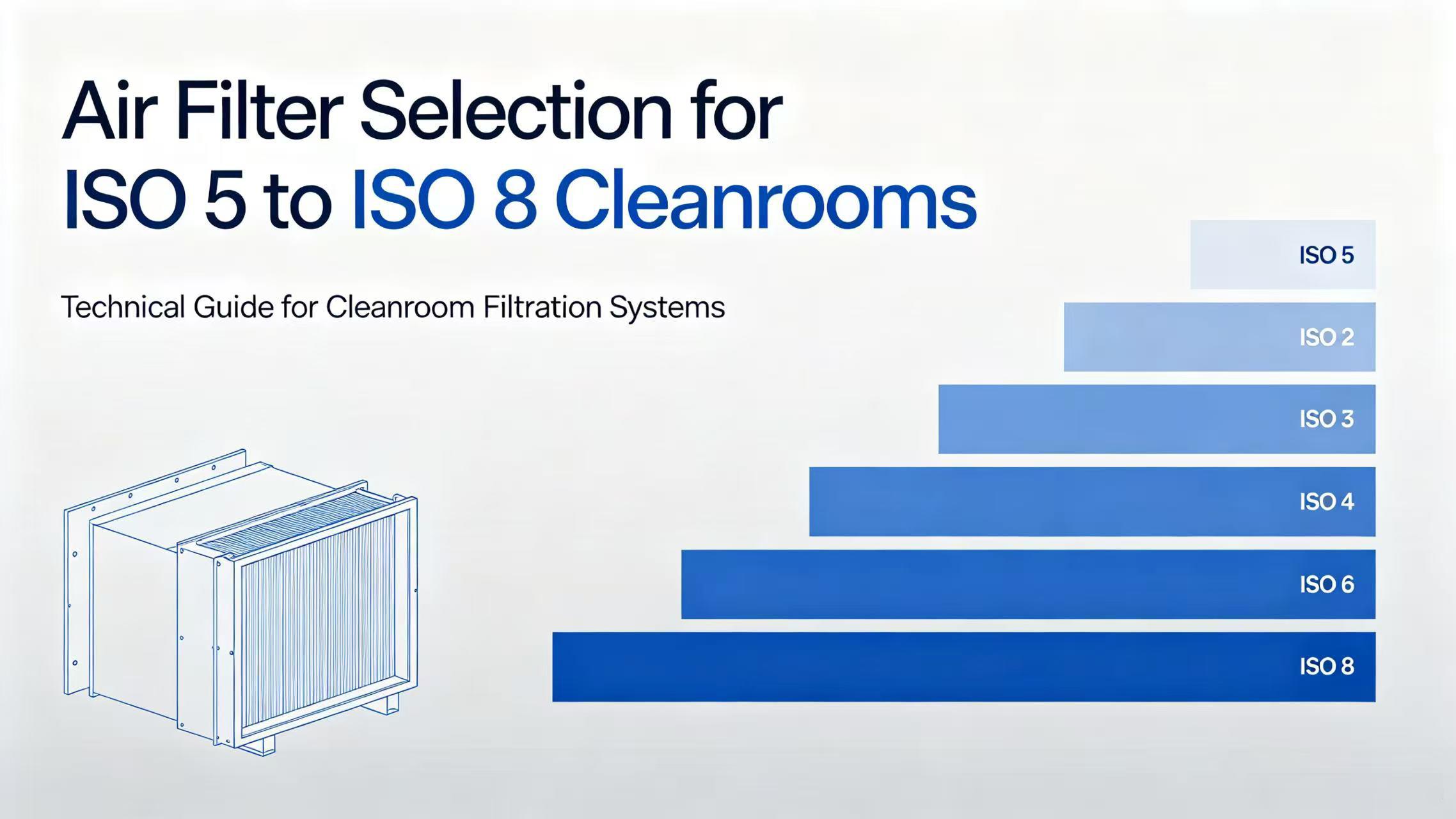
Cleanroom & Semiconductor
Ultra-High Cleanliness Filtration
Commercial HVAC
Central Air System Filtration
Data Centers
Precision Equipment Protection
Livestock & Farming
Farming Environment Purification
Spray Booths & Industrial Dust
Paint Mist & Dust Purification
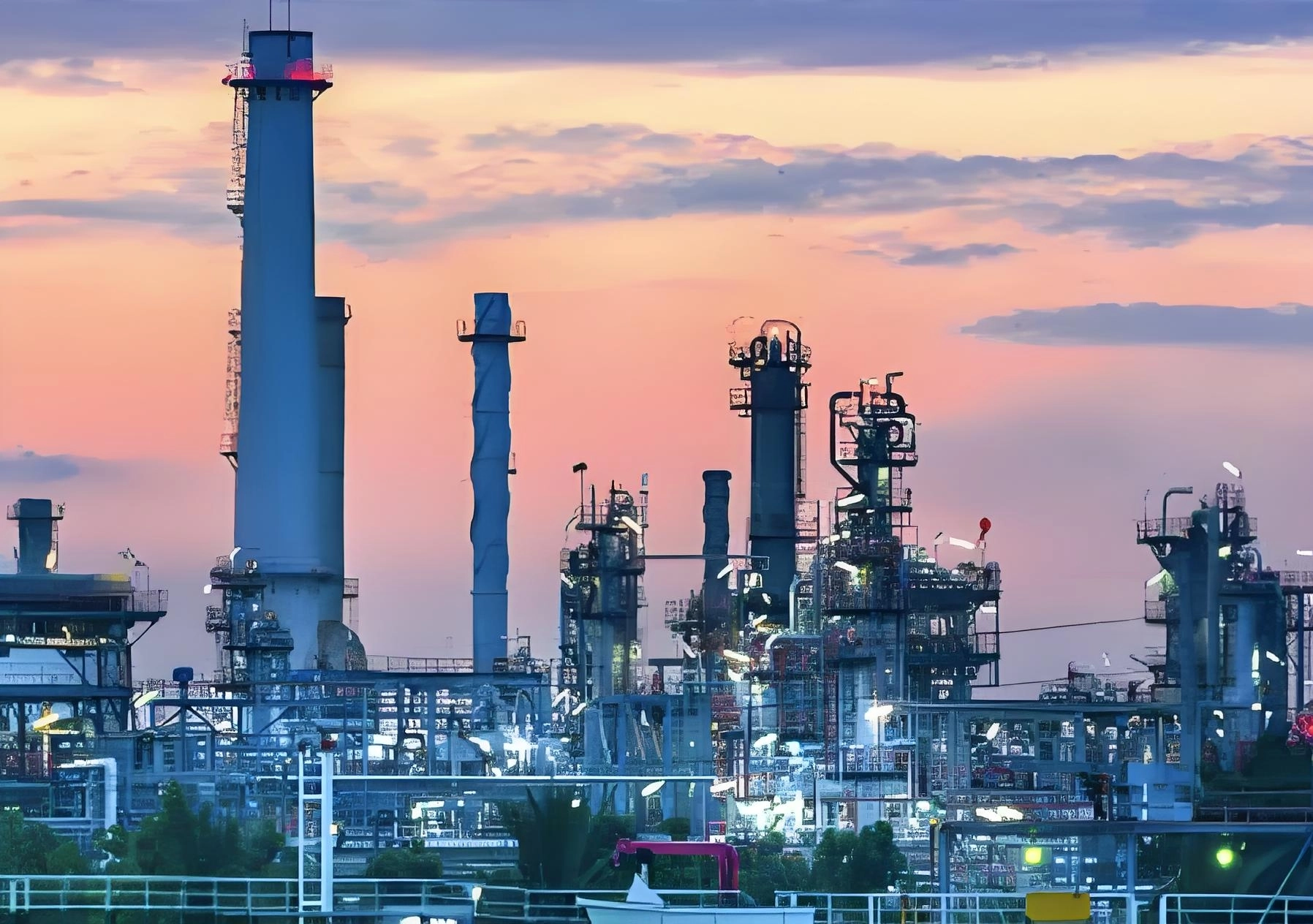
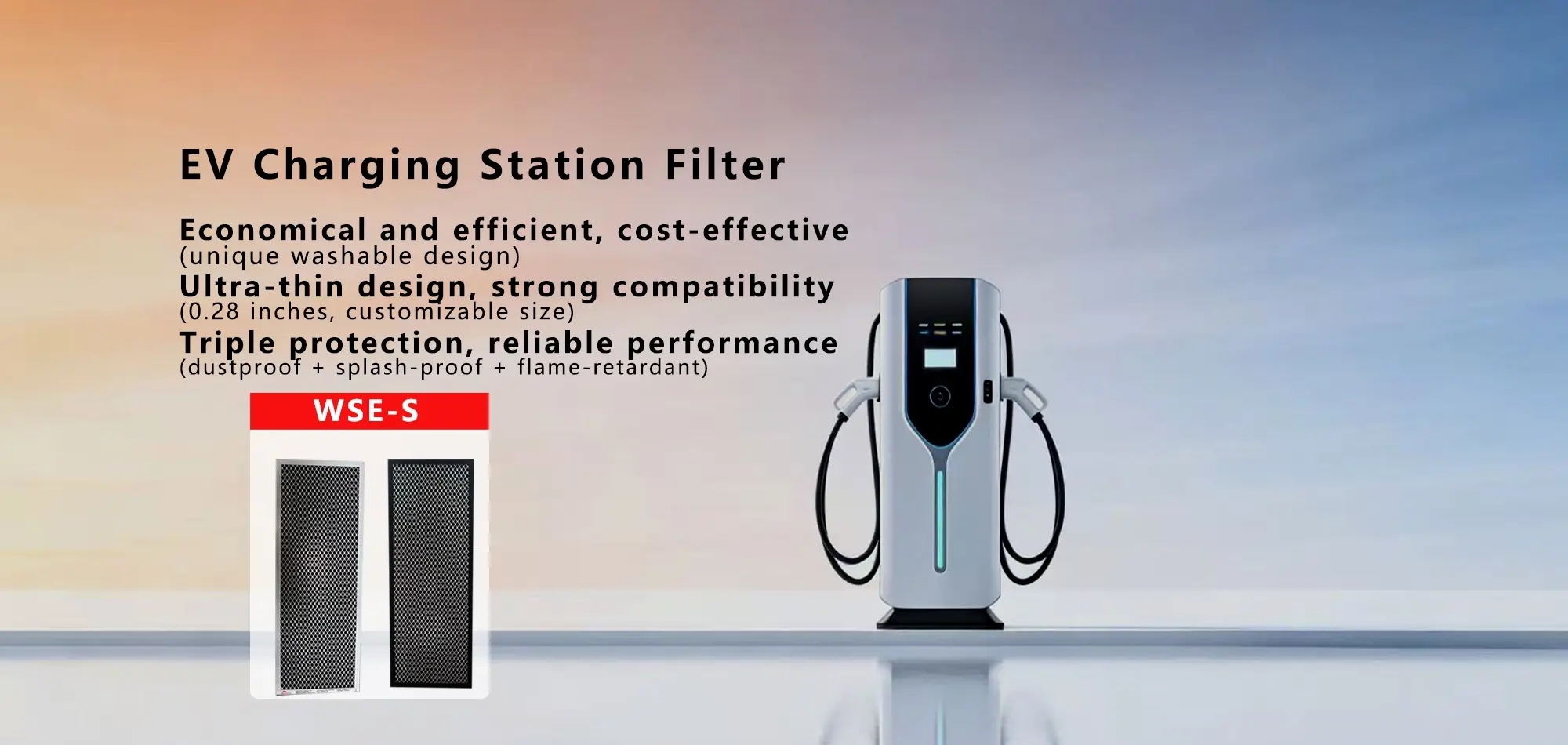
Filtration for Power Equipment
Professional air filtration for EV charging devices, protecting against dust and sand ingress to ensure stable, reliable operation of charging piles and station infrastructure.
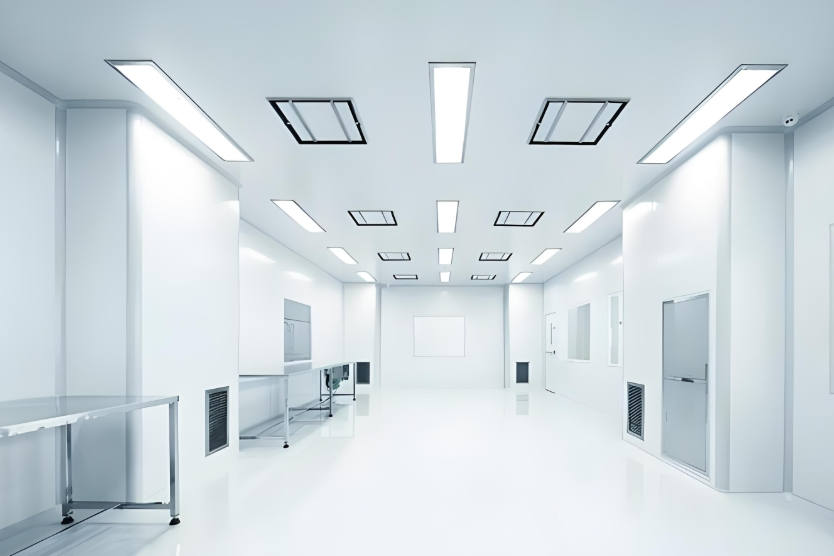
View Related Products →Ultra-High Cleanliness Filtration
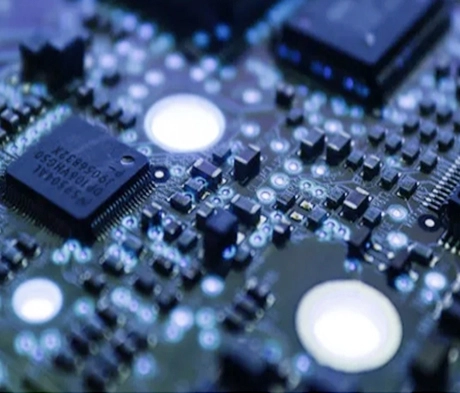
Ultra-high efficiency filtration for semiconductor wafer fabs and precision electronics cleanrooms, capturing nano-scale particles to meet ISO Class 1–3 standards and maximize product yield.
View Related Products →Central Air System Filtration
High-efficiency filtration for commercial building HVAC systems, improving indoor air quality, reducing energy consumption, and extending equipment service life.
View Related Products →Precision Equipment Protection
Precision air filtration for data centers, shielding servers and critical hardware from dust contamination to keep cooling systems running efficiently and reliably.
View Related Products →Farming Environment Purification
Dedicated filtration systems for farms and livestock facilities — capturing dust, adsorbing ammonia, and inhibiting pathogen spread to improve animal health and overall productivity.
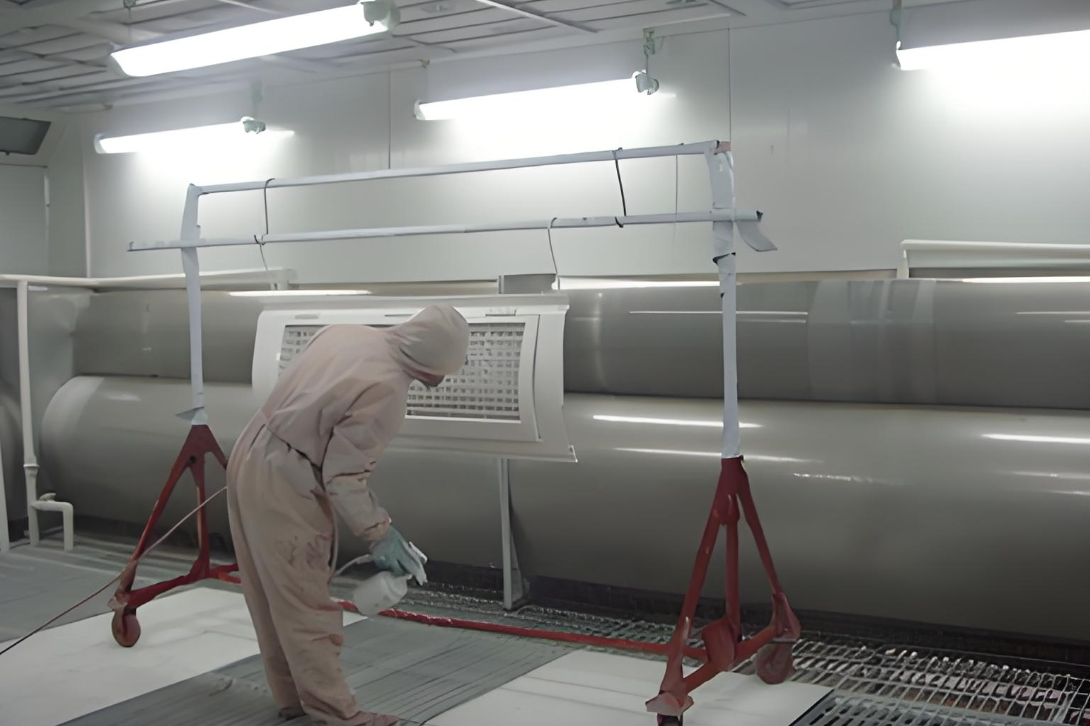
View Related Products →Paint Mist & Dust Purification
Designed for spray booths and grinding workshops, efficiently capturing paint mist, metal dust, and wood chips to meet emission standards while protecting finished surface quality.
View Related Products →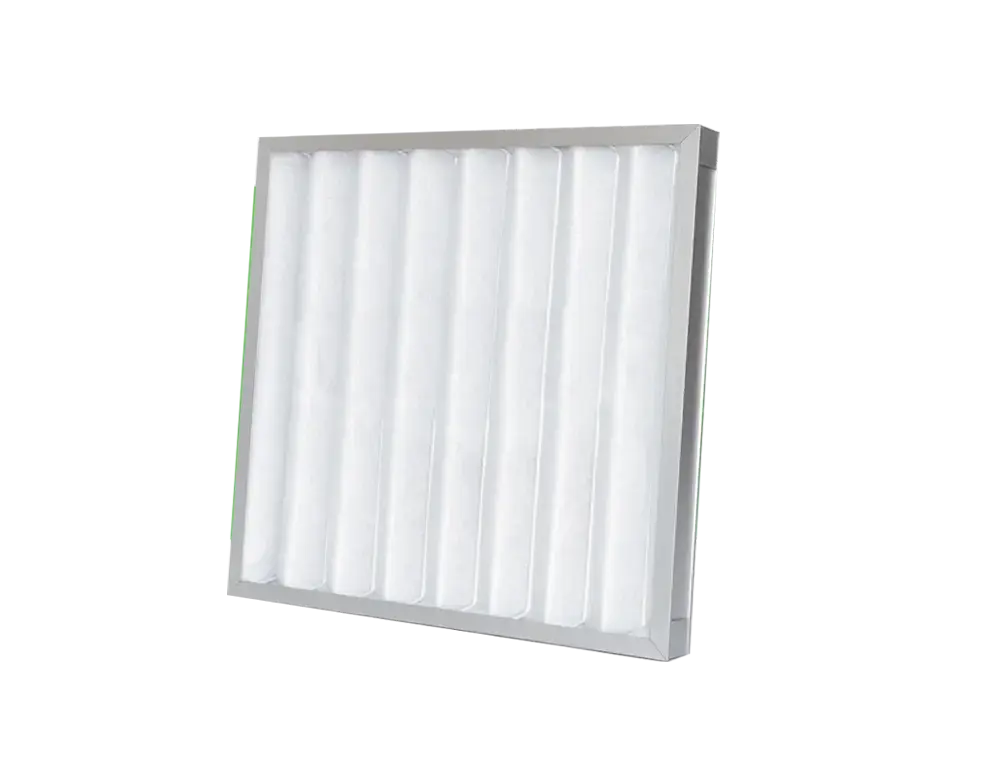
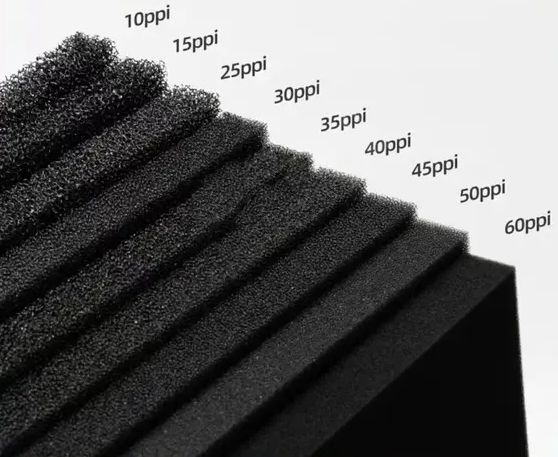
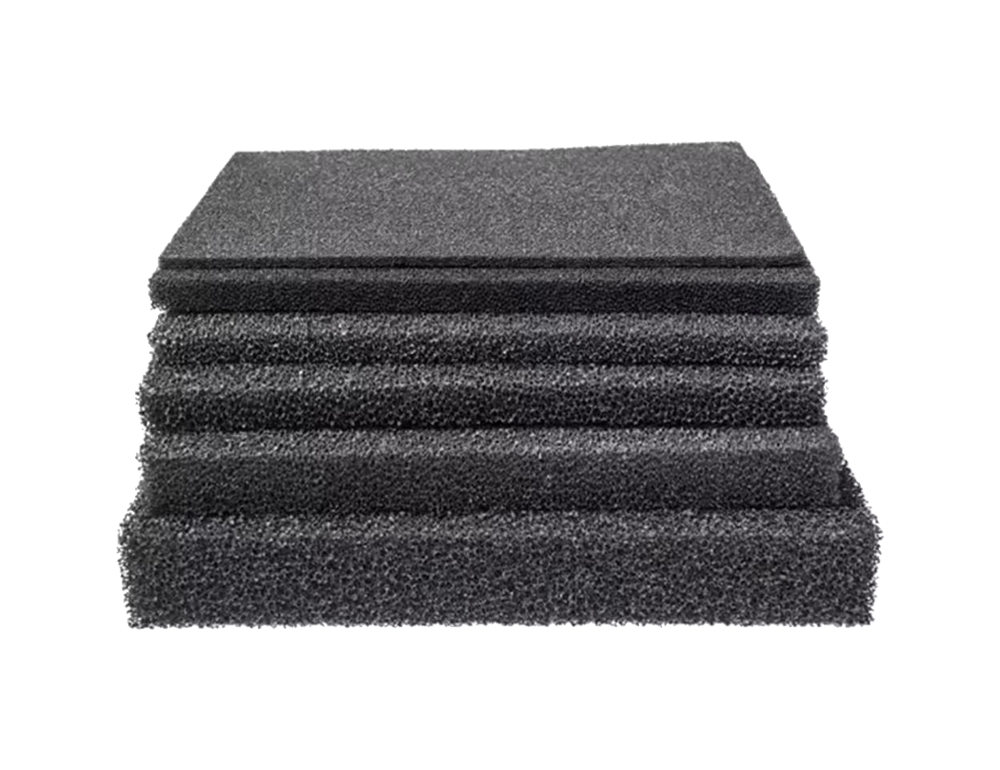
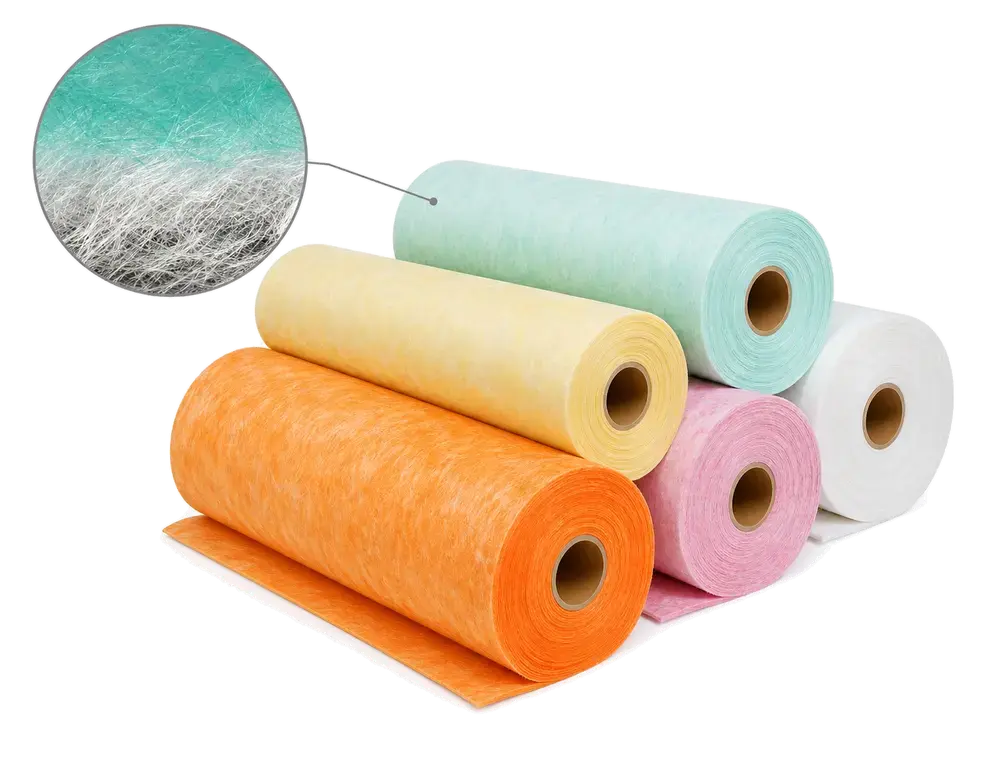
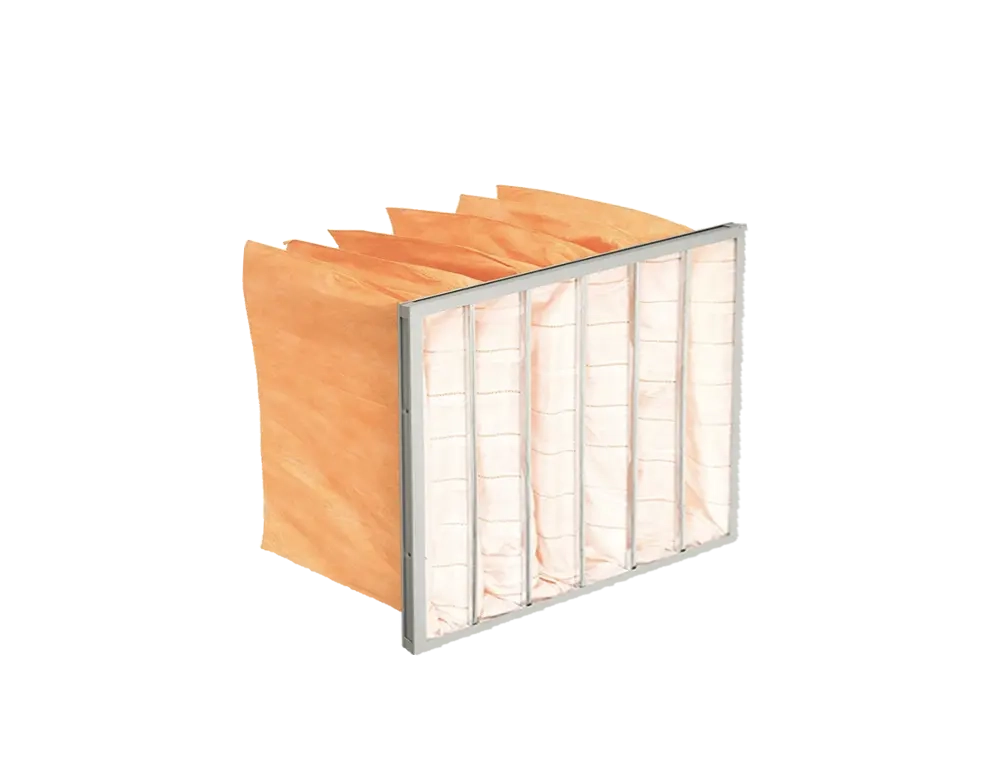
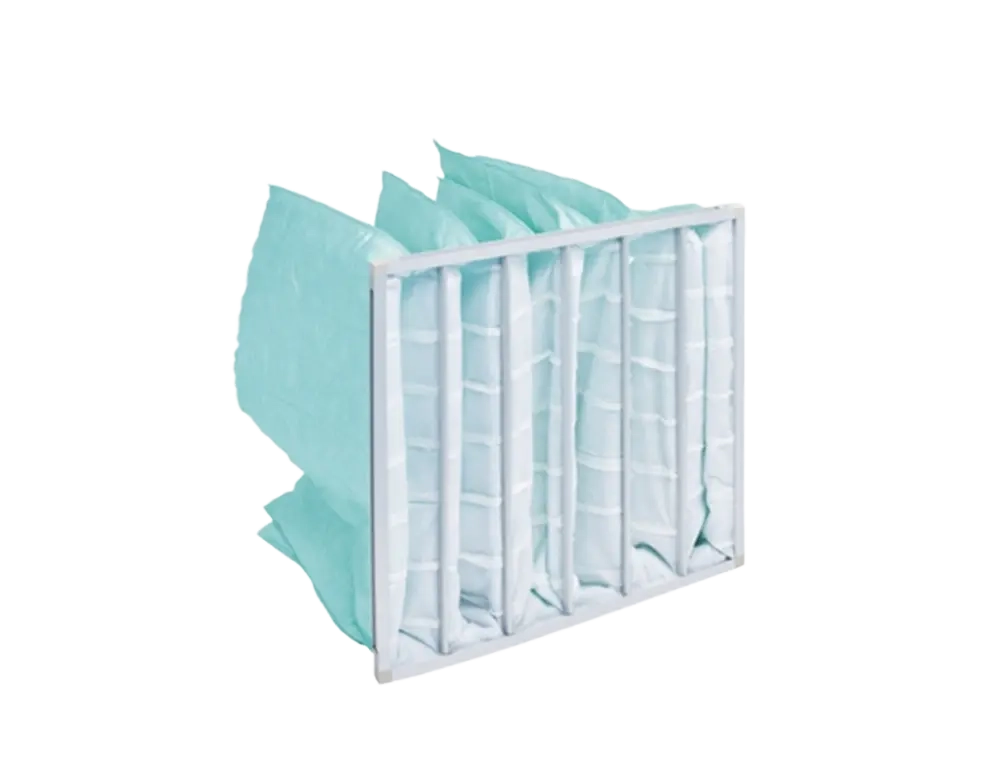
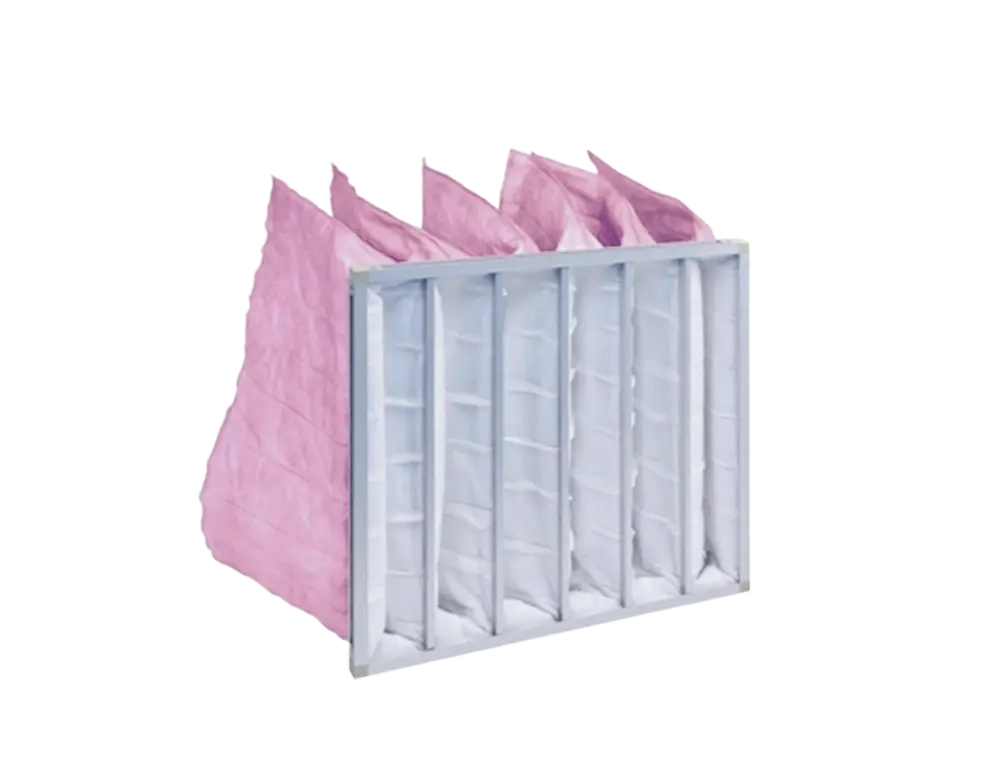
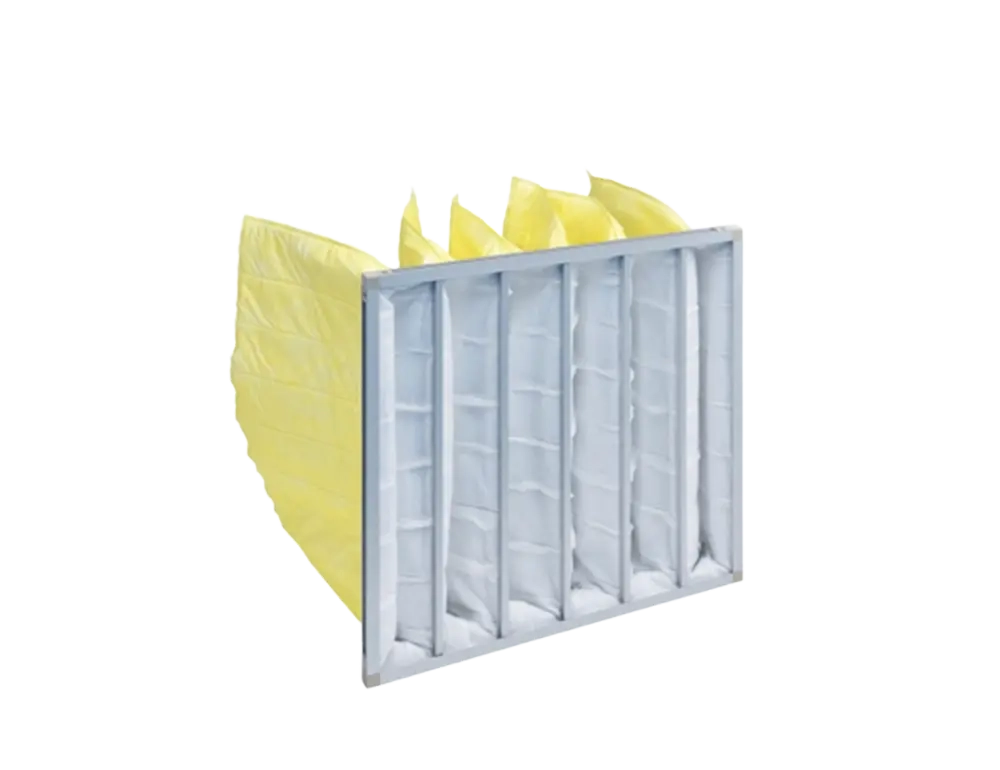
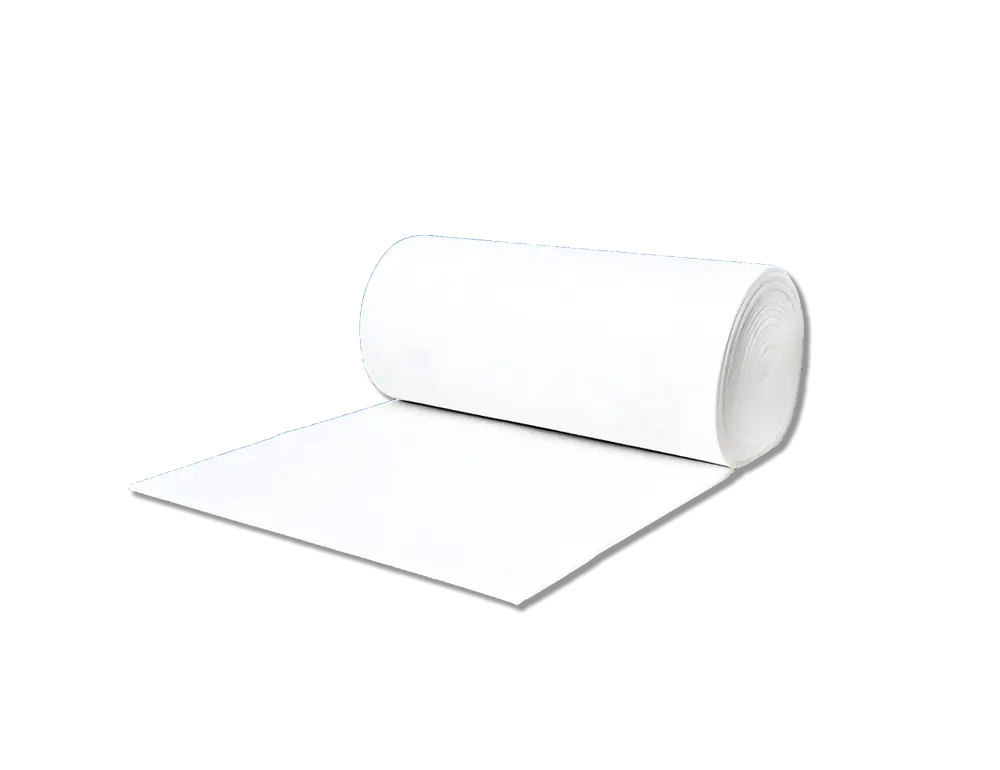
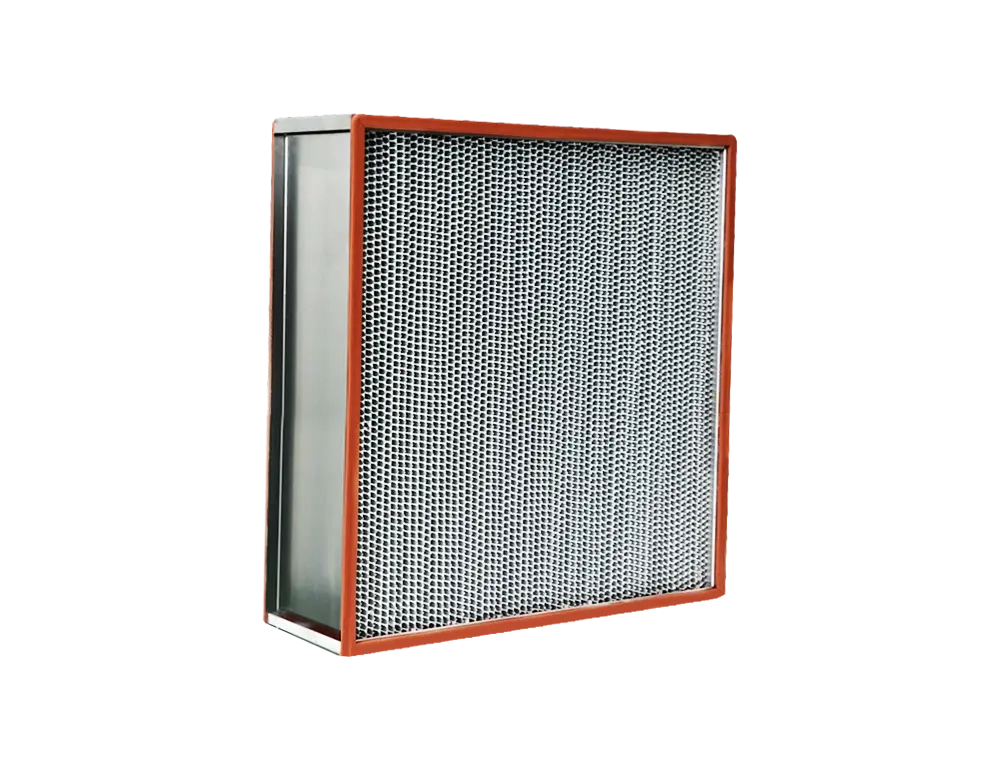
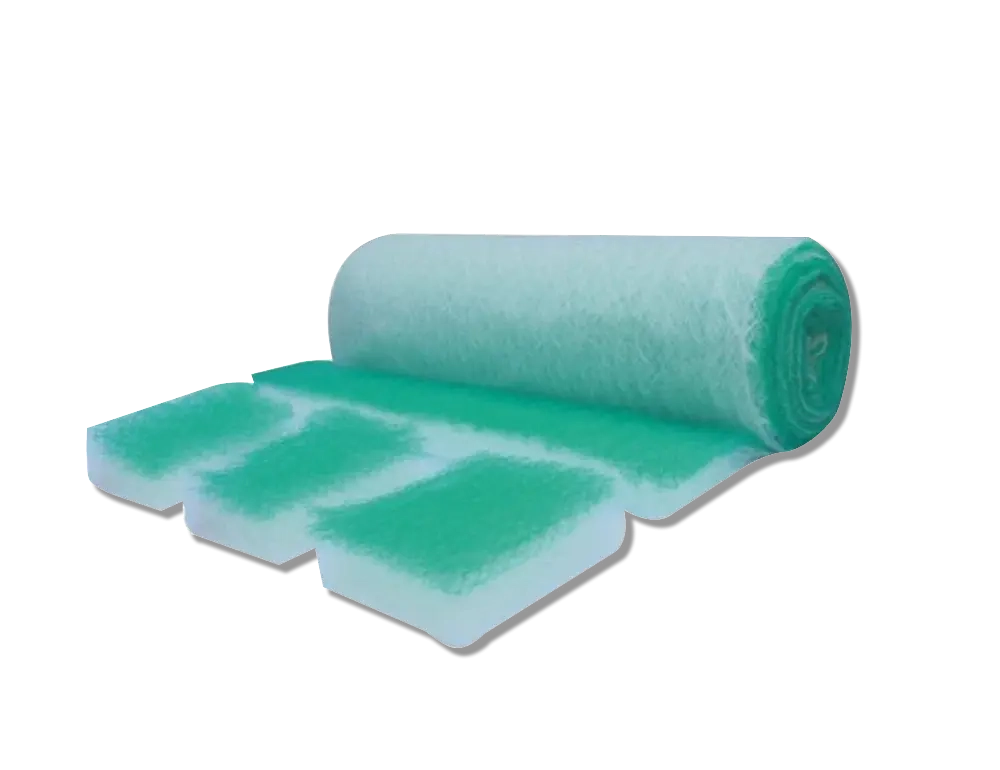
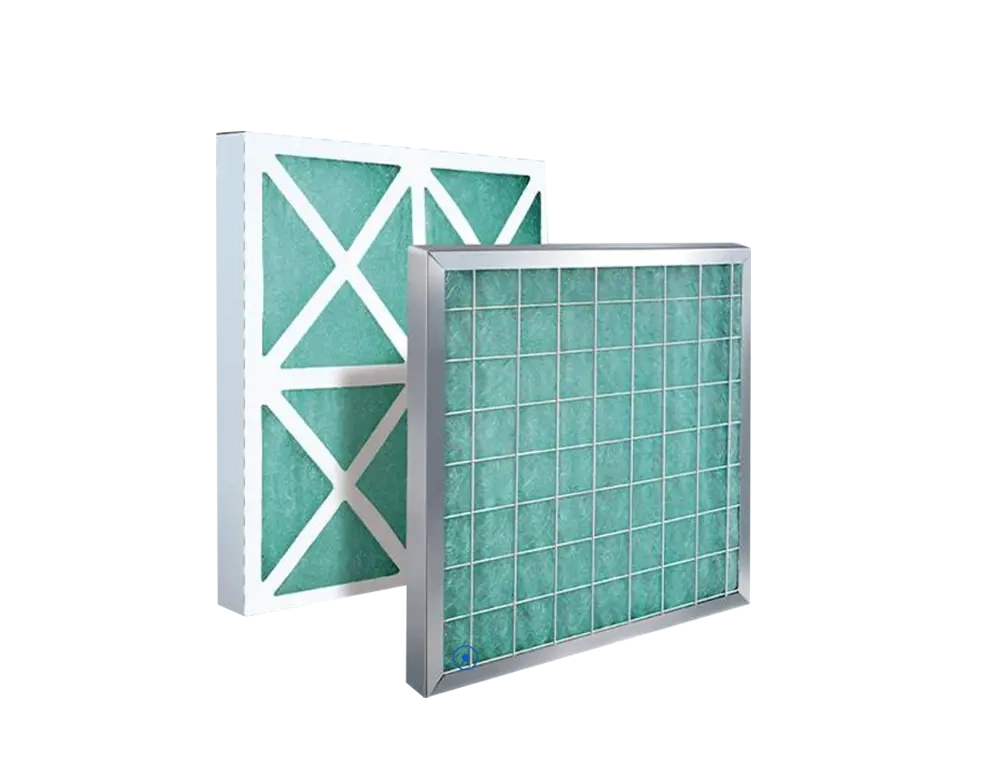
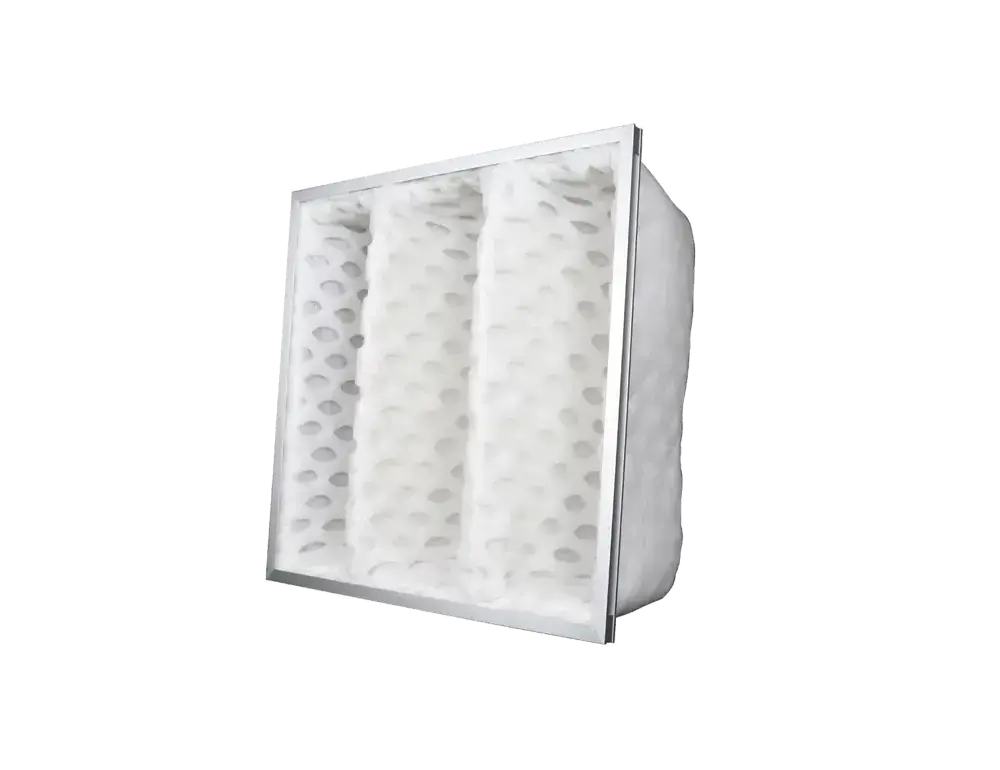
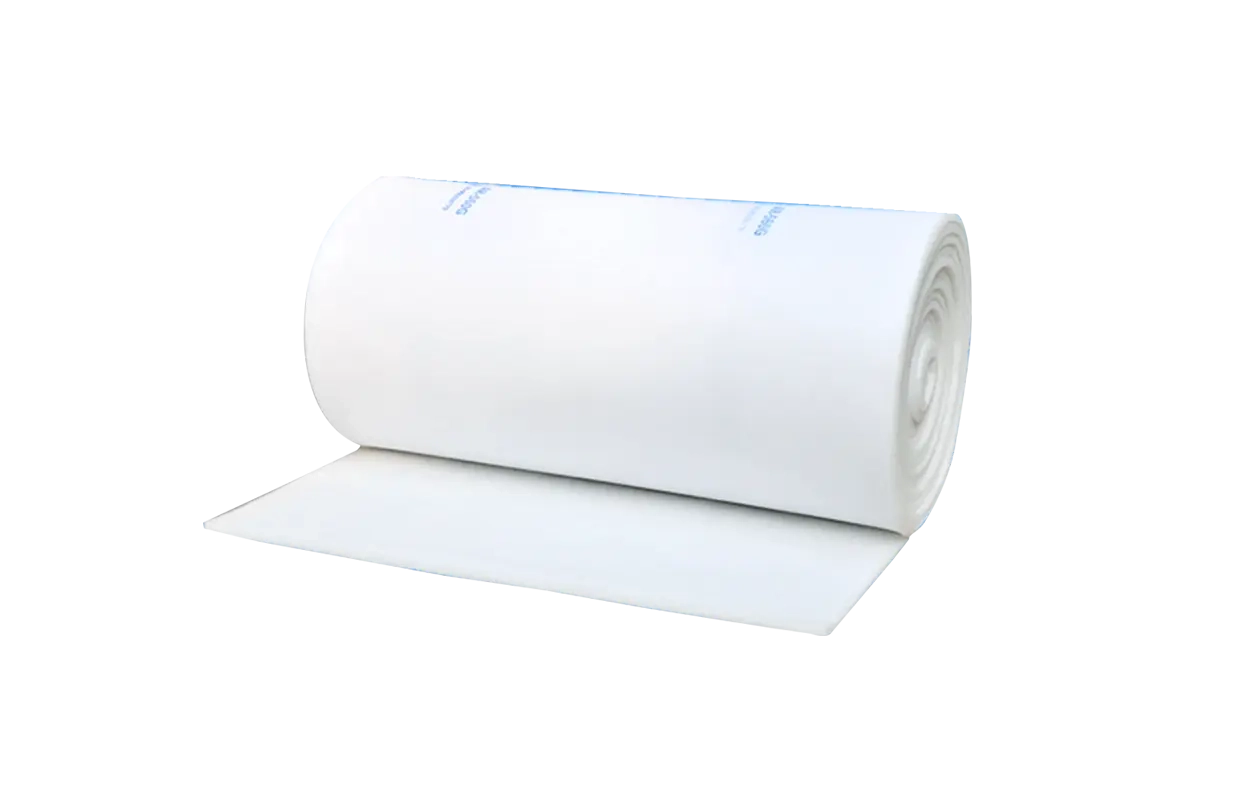
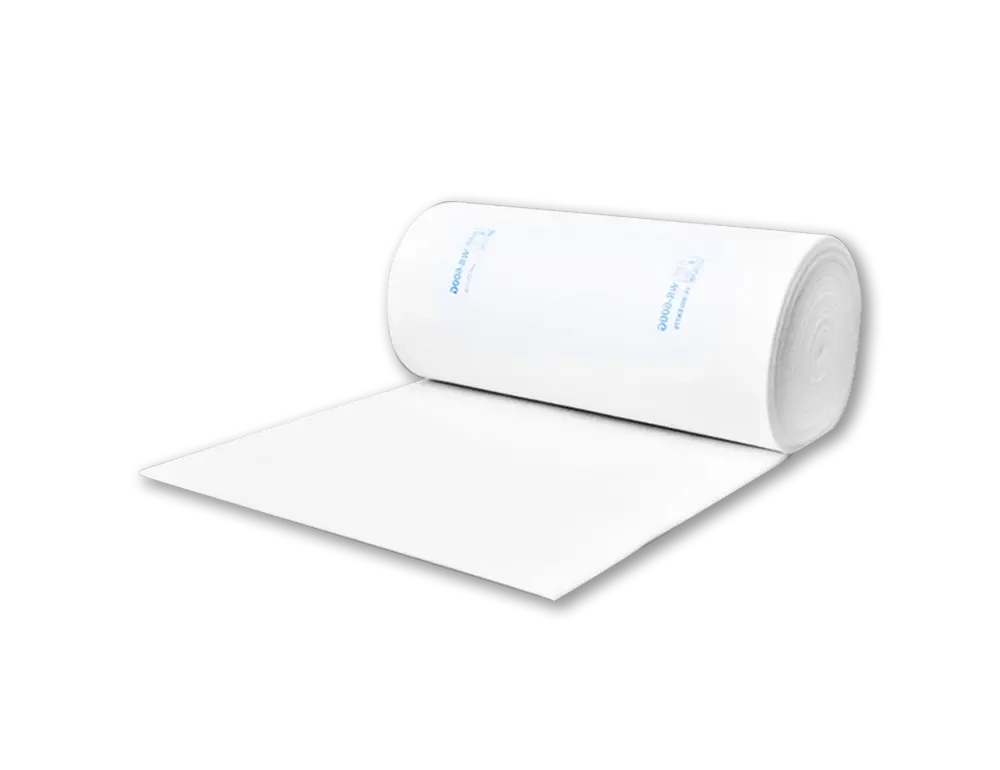
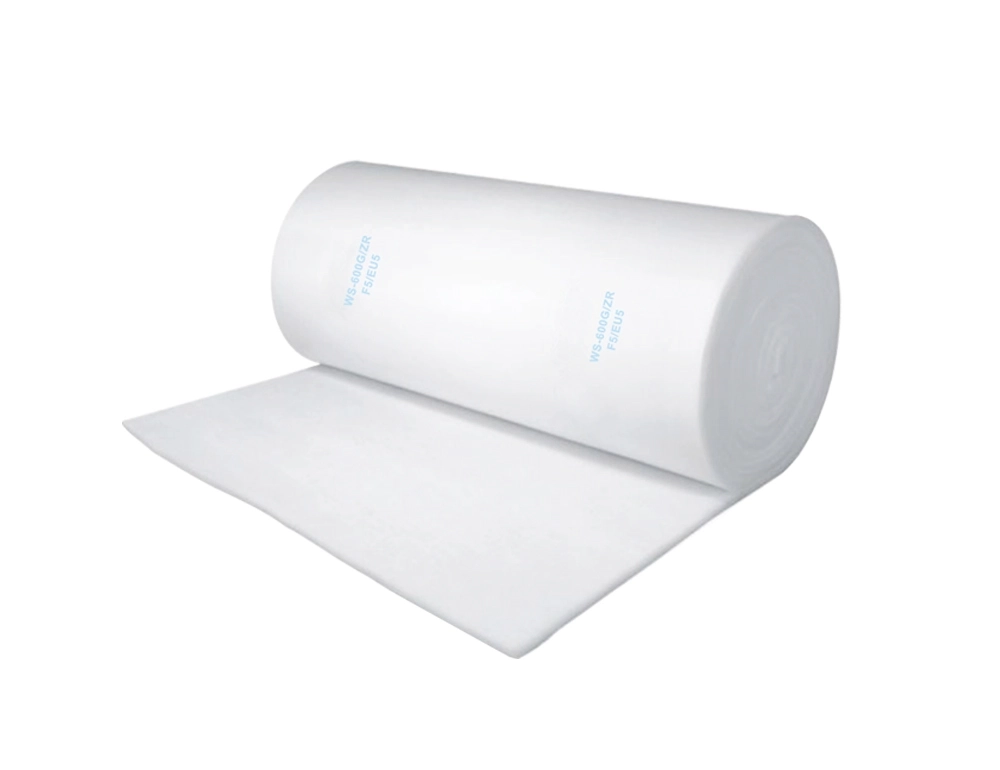
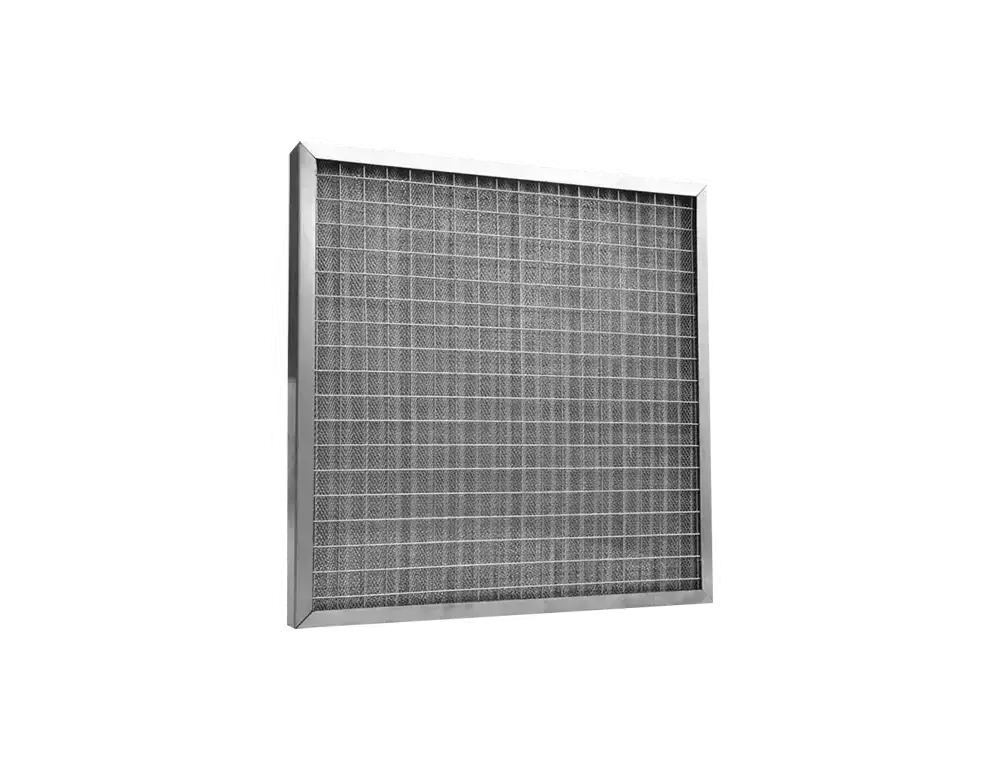
Pre-Filter (G1–G4)
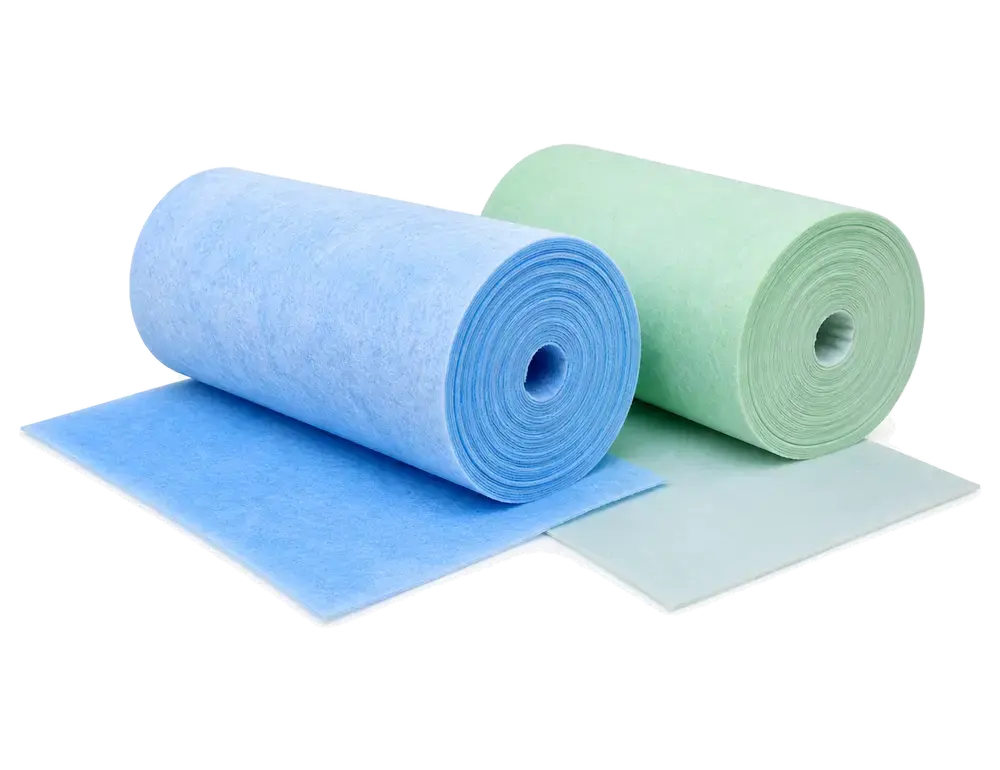
First-Stage Large-Particle Capture
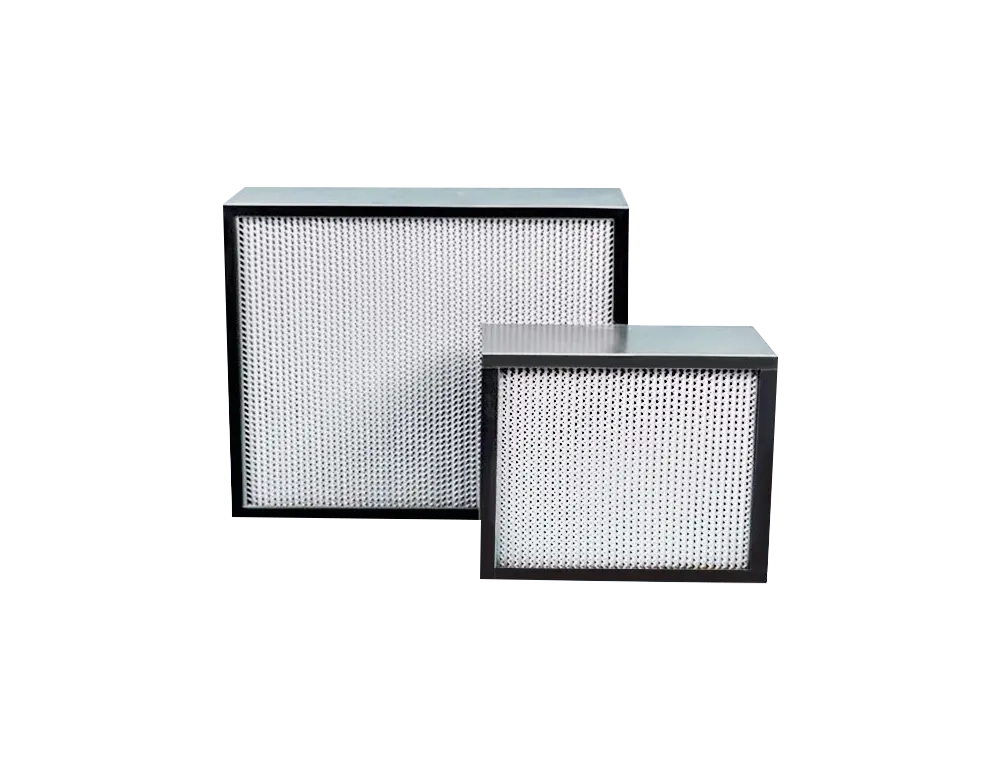
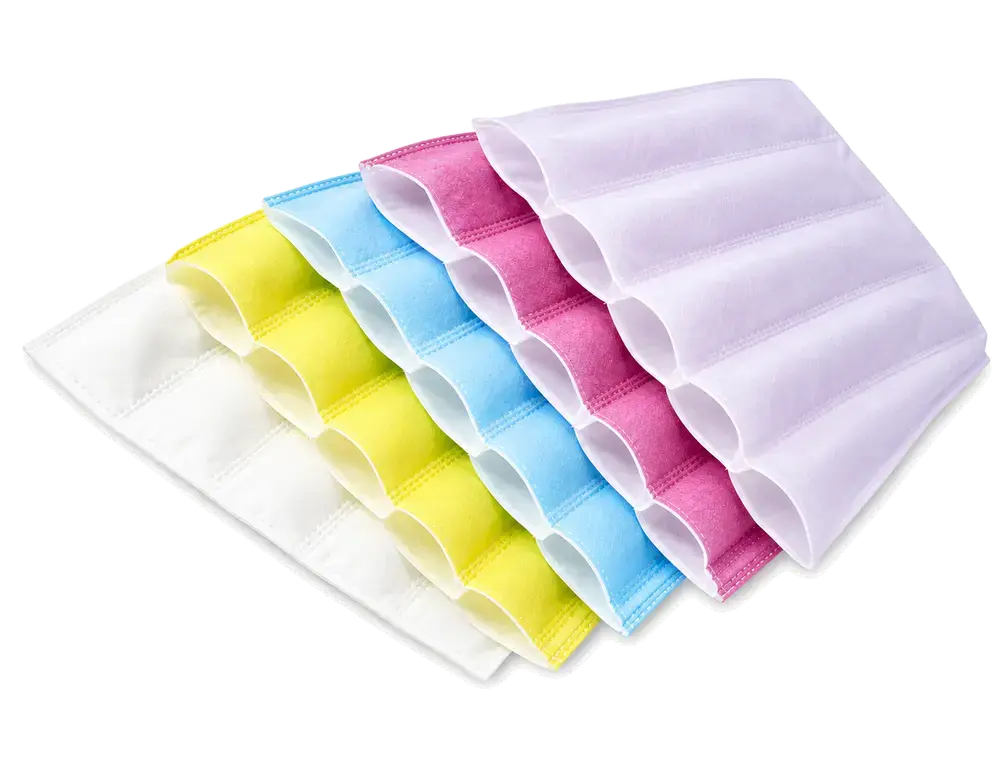
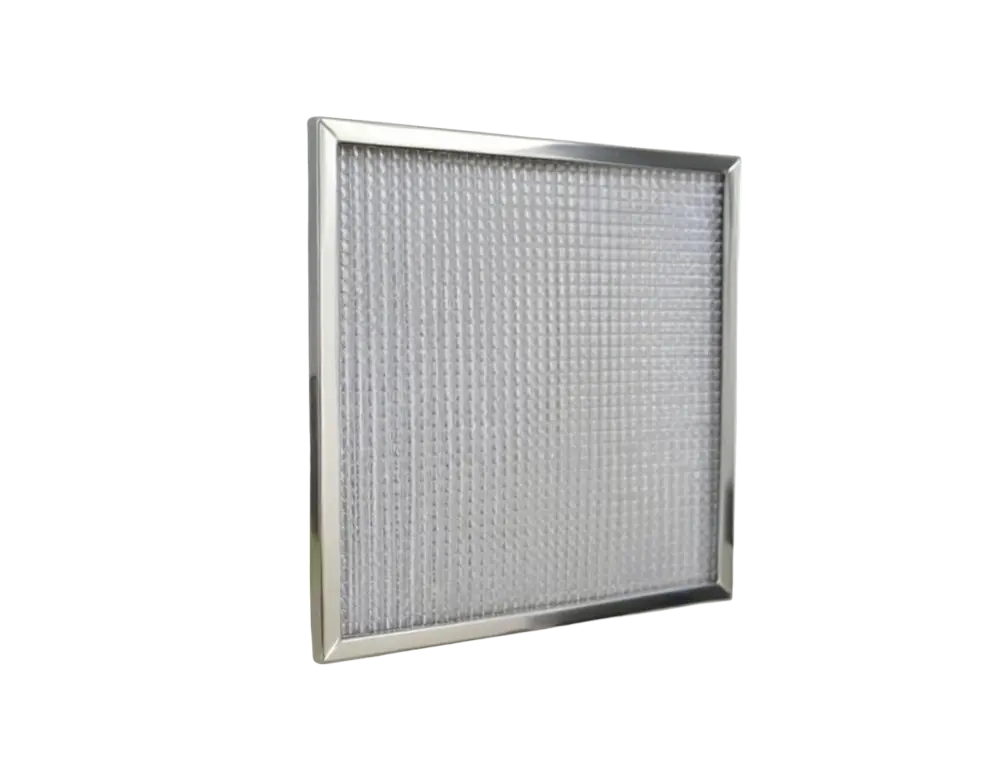
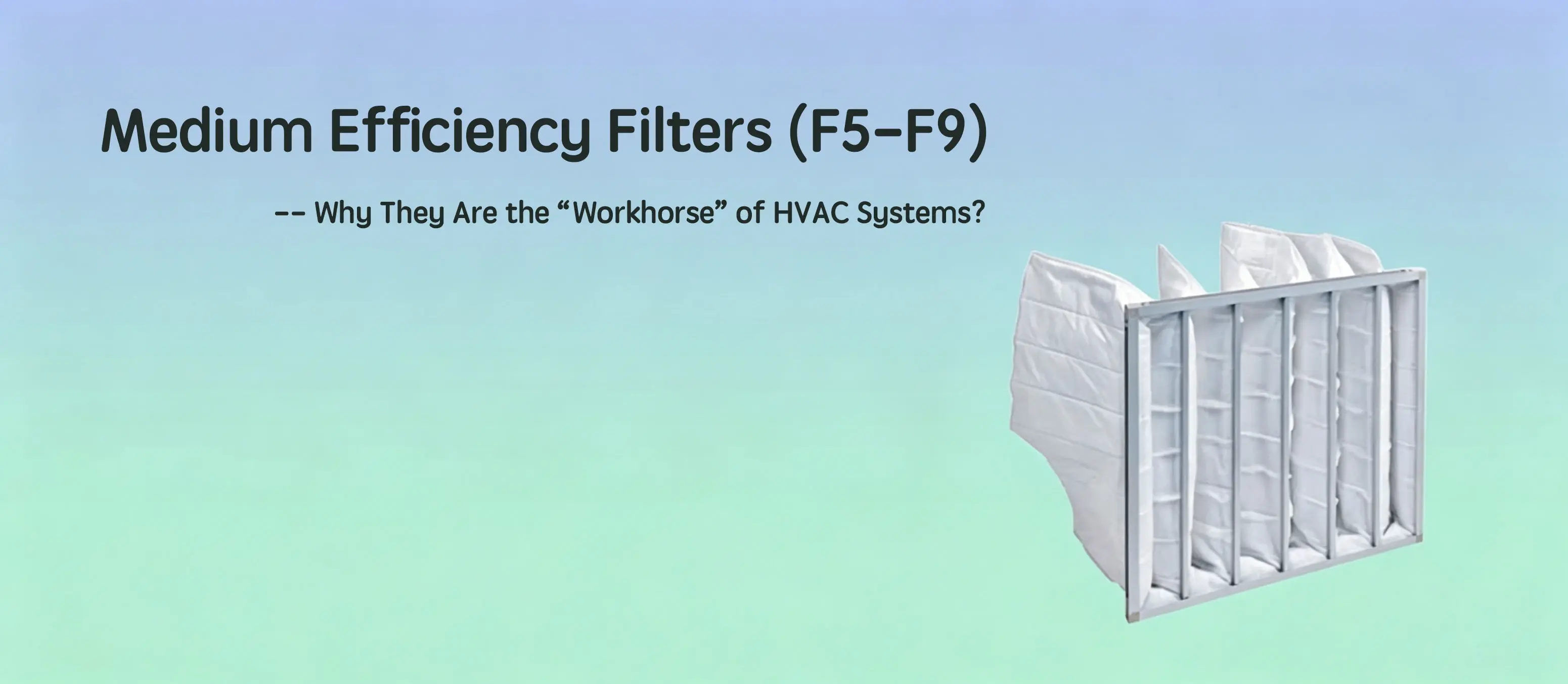
Medium-Efficiency Filter (F5–F9)
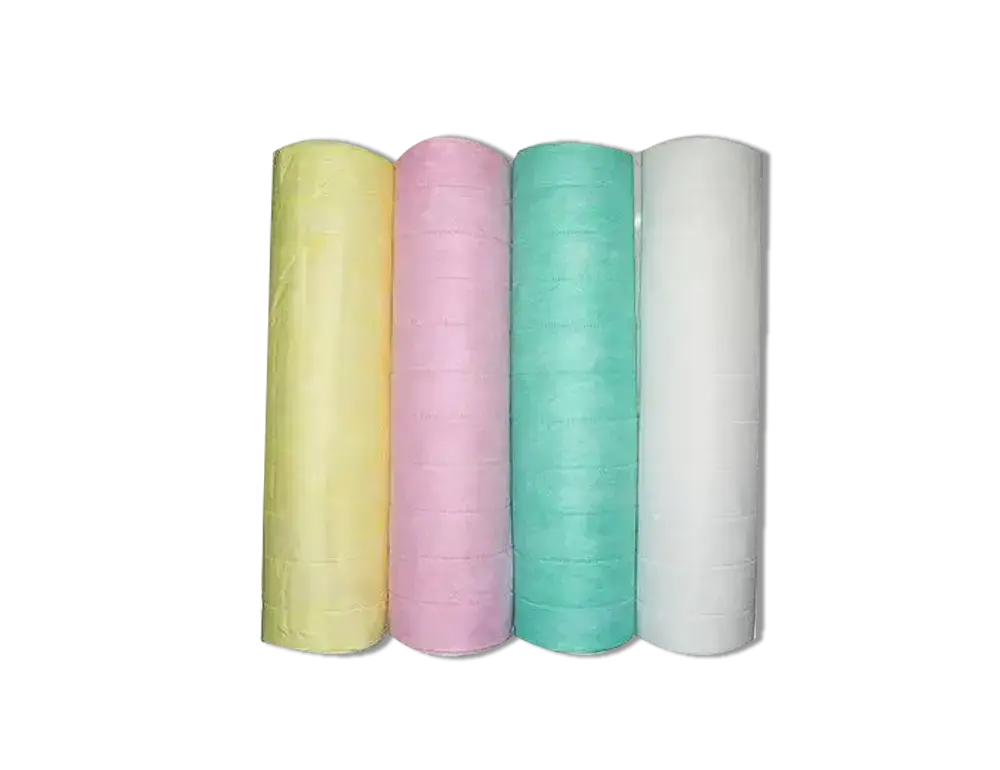
Precise PM2.5 Capture
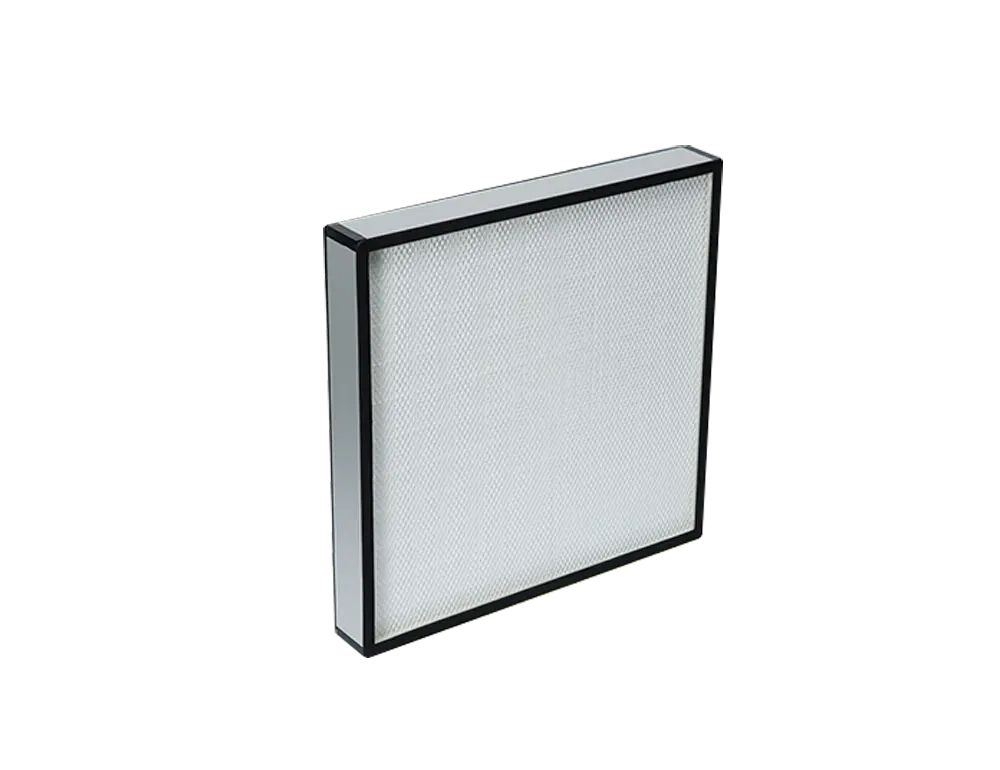
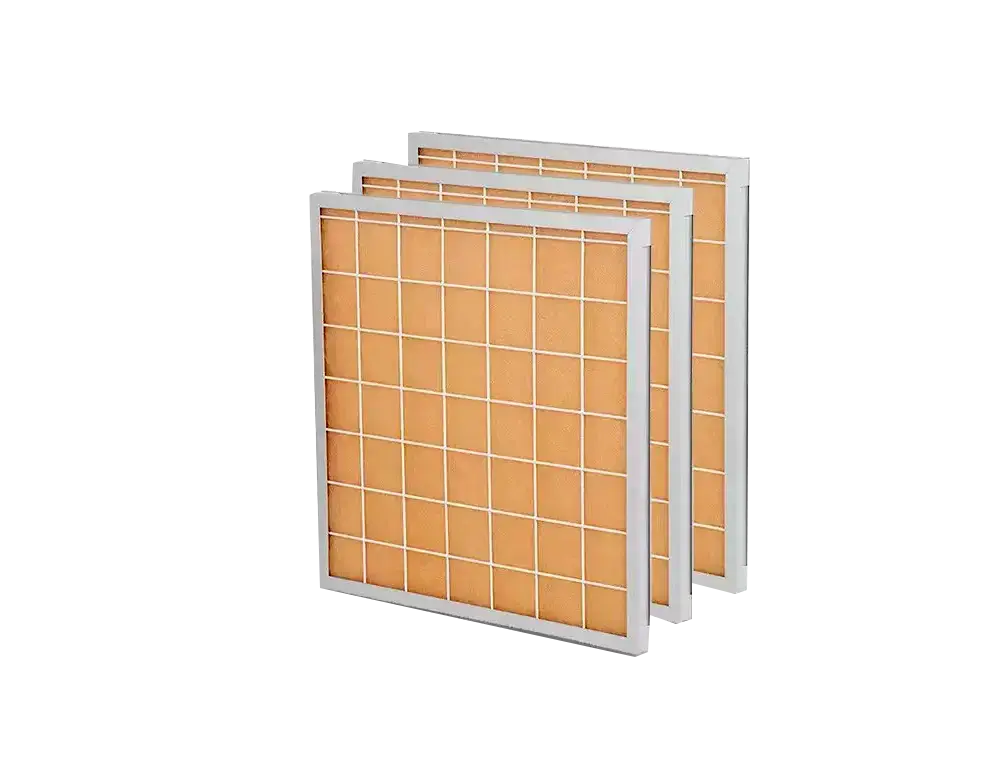
HEPA High-Efficiency Filter
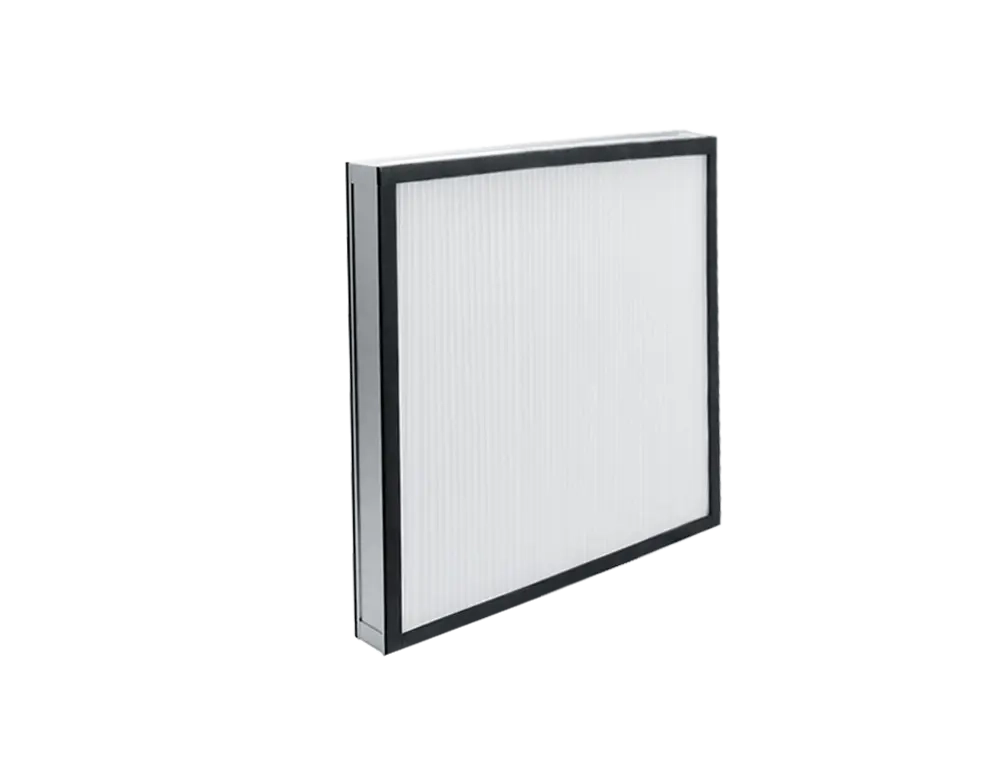
Sterile-Grade Purification
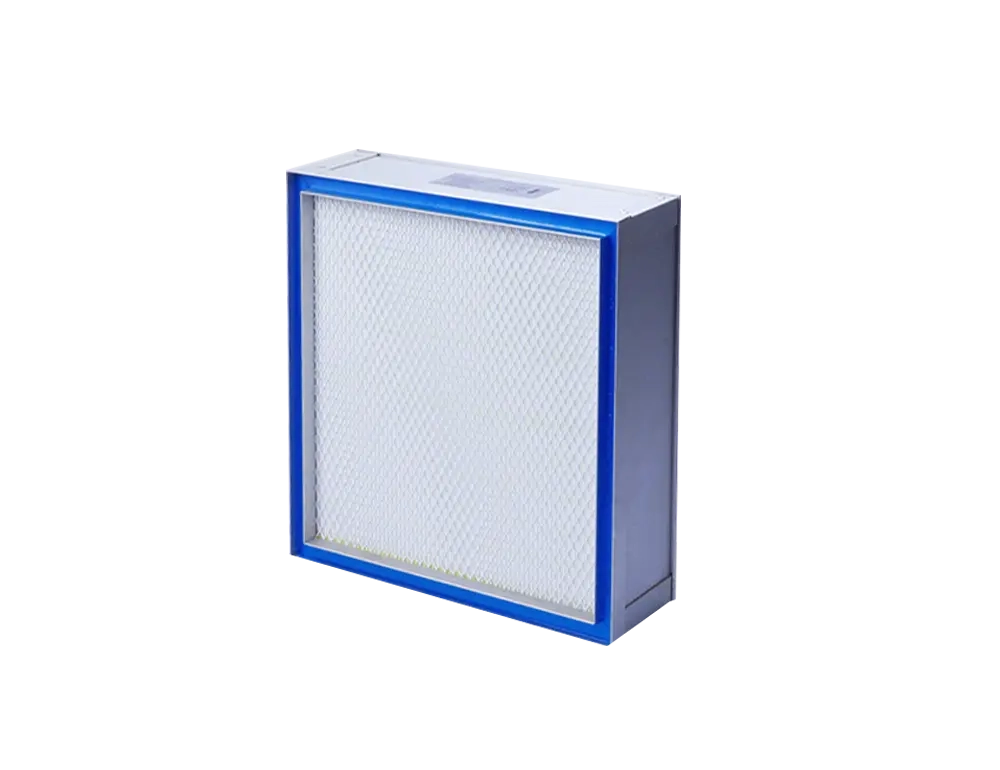
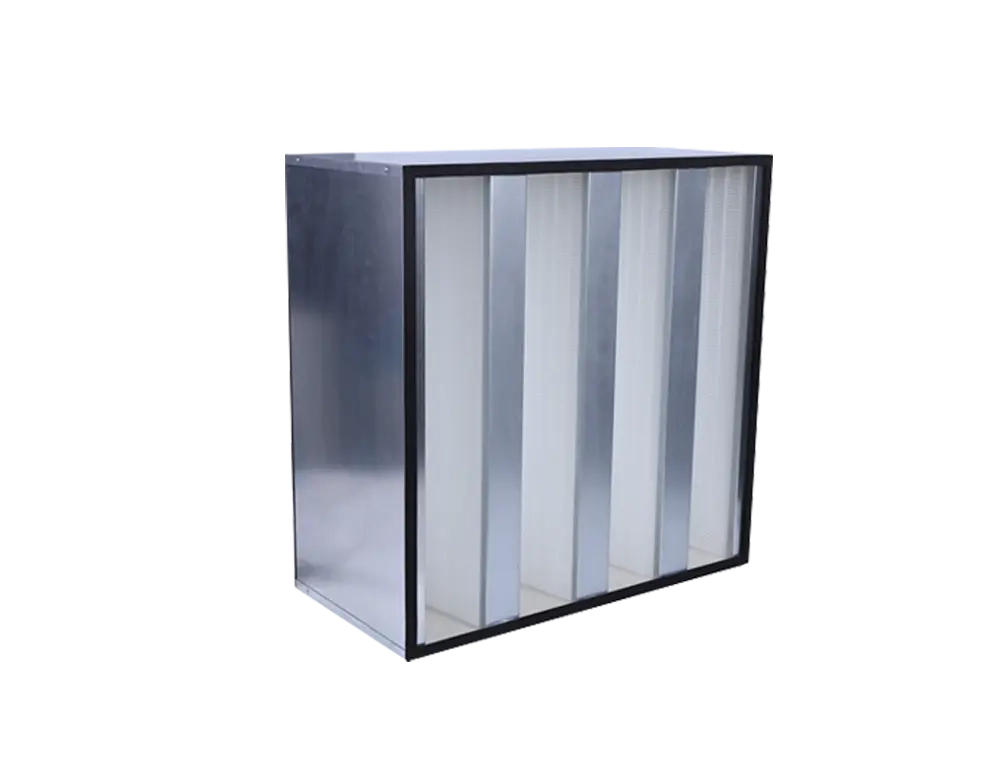
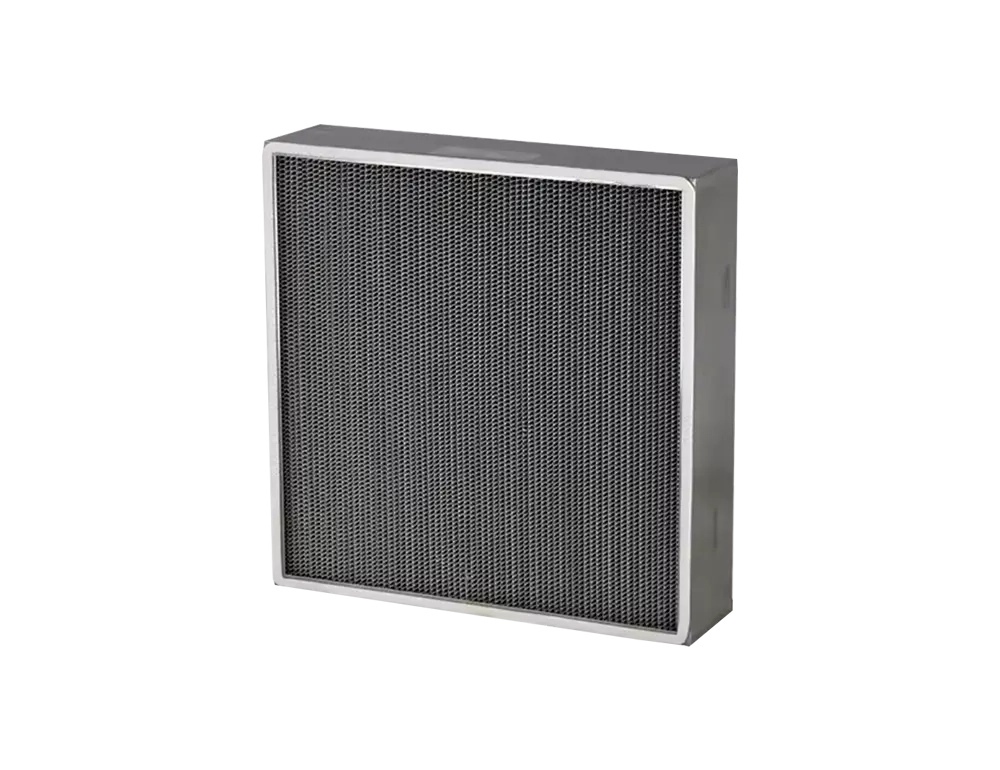
ULPA Ultra-High Efficiency Filter
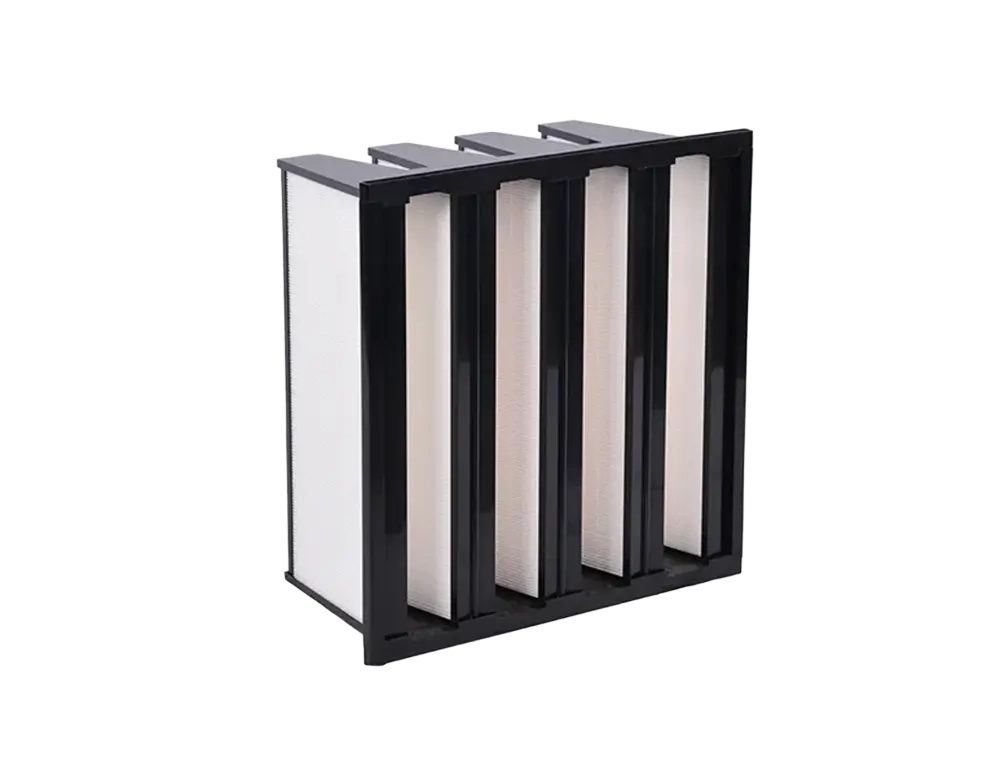
Sub-Micron Particle Capture
First-Stage Large-Particle Capture
The first line of defense, capturing particles ≥5 μm such as dust, hair, and fibers to protect downstream filters and extend overall system service life.
View Related Products →Precise PM2.5 Capture
Captures fine particles of 1–5 μm including PM2.5, pollen, and mold spores, significantly improving indoor air quality for commercial HVAC and ventilation systems.
View Related Products →Sterile-Grade Purification
≥99.97% filtration efficiency for particles ≥0.3 μm, delivering sterile-grade clean air widely used in medical, pharmaceutical, and electronics manufacturing.
View Related Products →Sub-Micron Particle Capture
≥99.9995% efficiency for particles ≥0.12 μm, meeting the extreme cleanliness demands of semiconductor fabs, aerospace, and other ultra-precision applications.
View Related Products →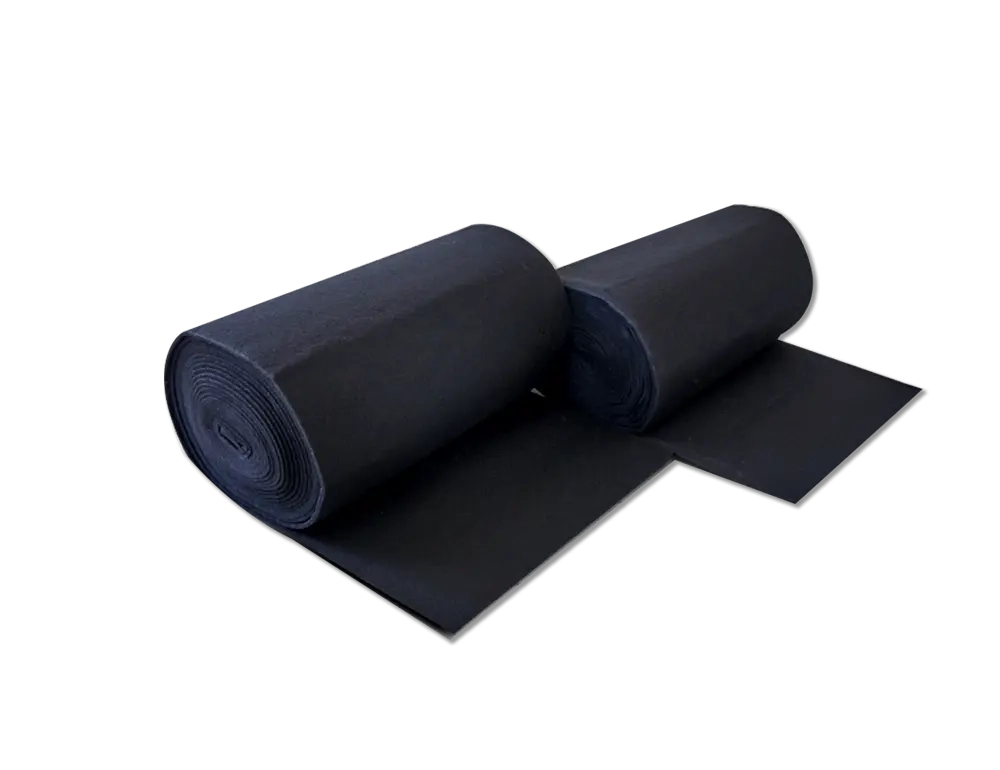
High-Temperature Resistant
Industrial-Grade Heat Tolerance
Washable & Reusable
Cut Costs, Reduce Waste
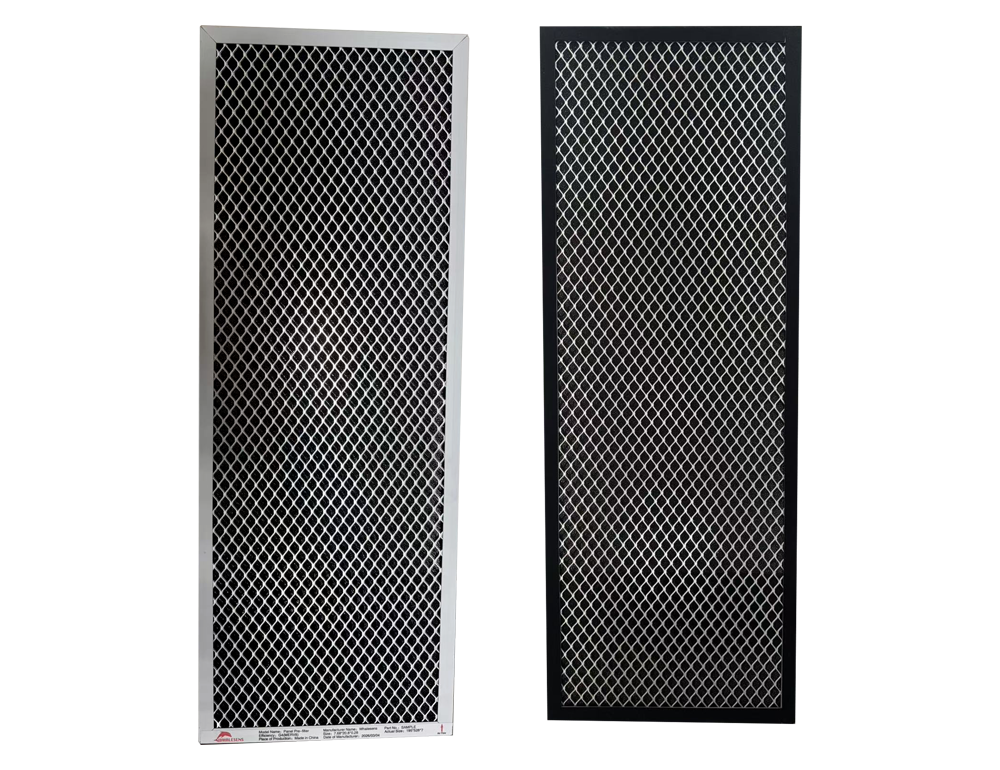
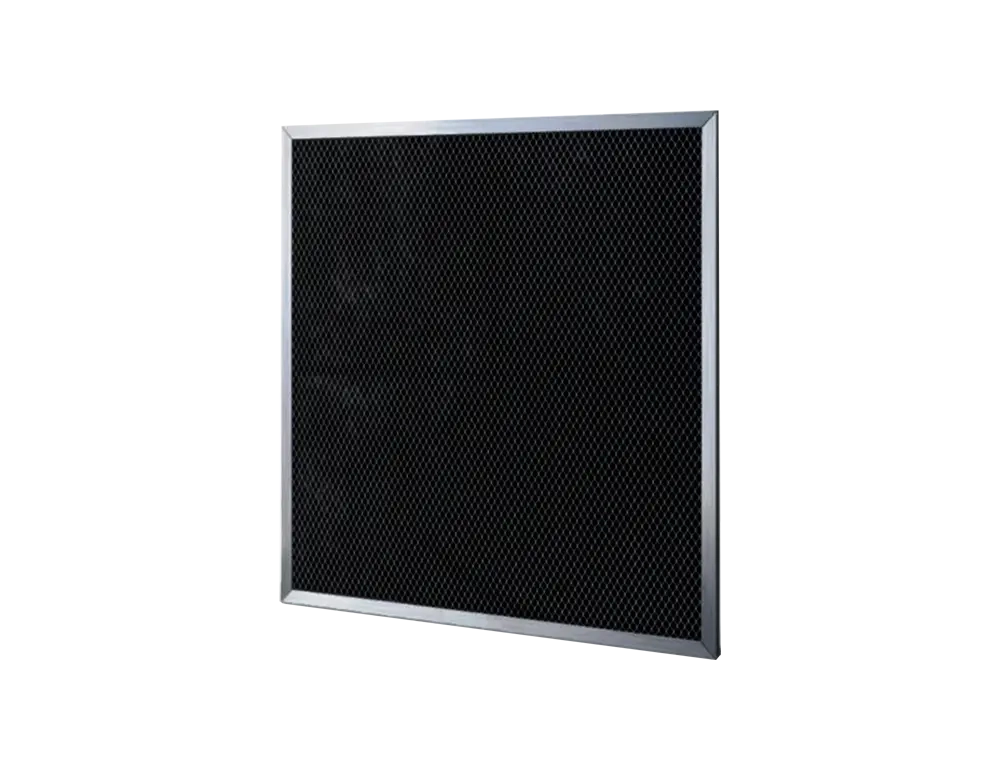
Activated Carbon
Odor & Harmful Gas Removal
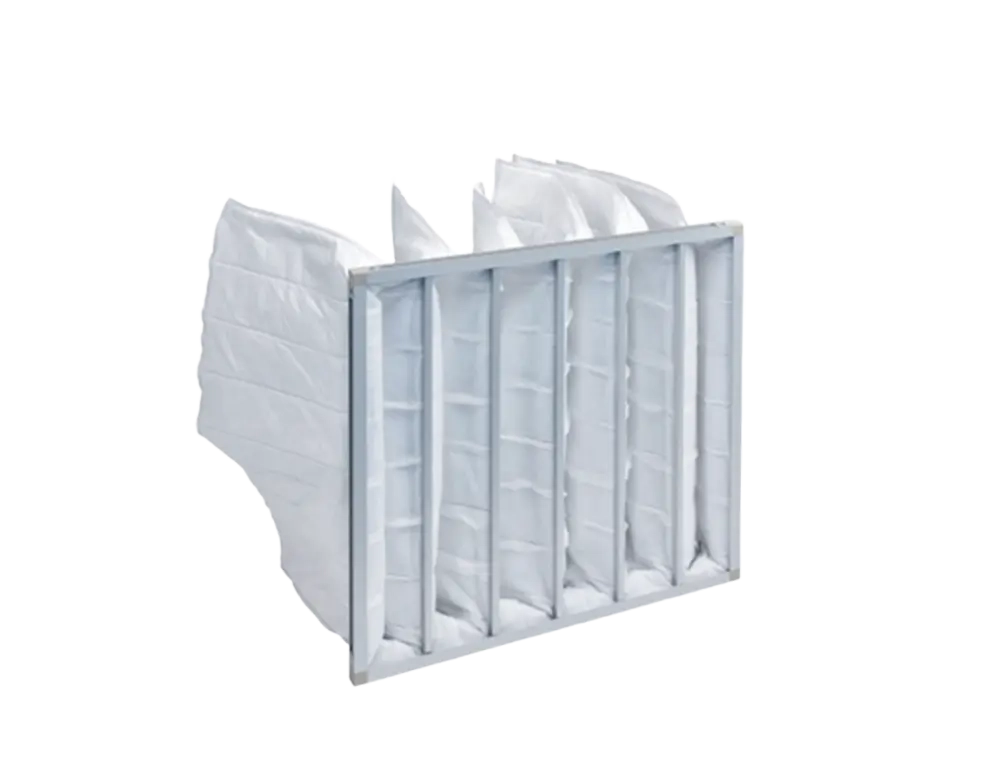
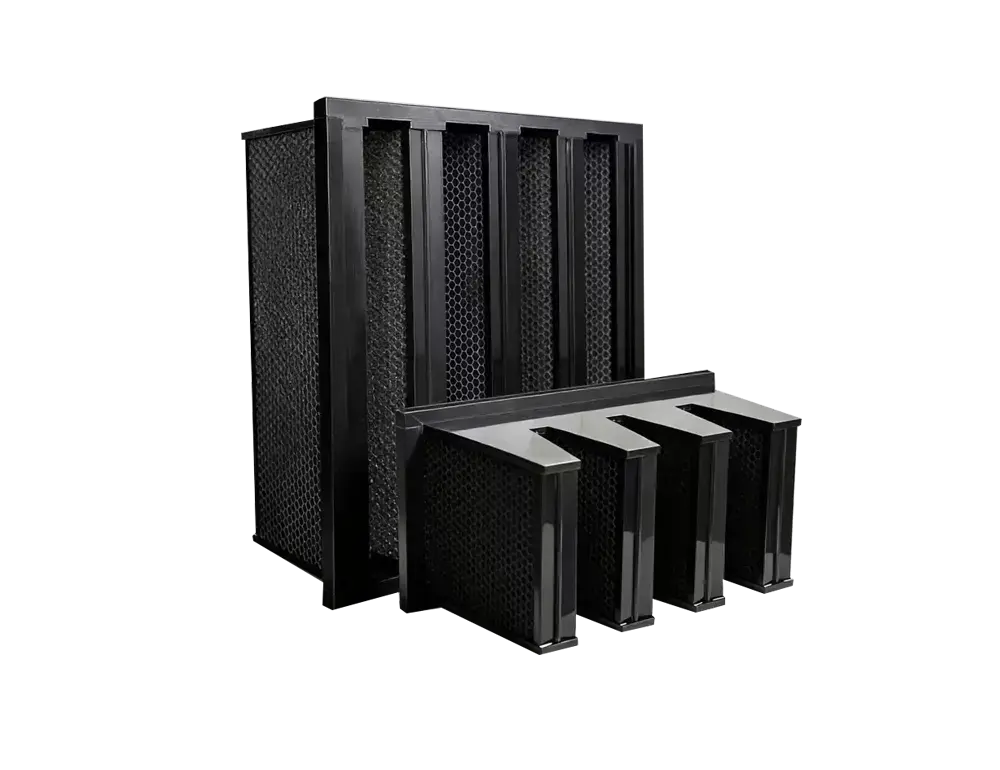
Bag Filter
High Dust-Holding, Long Life
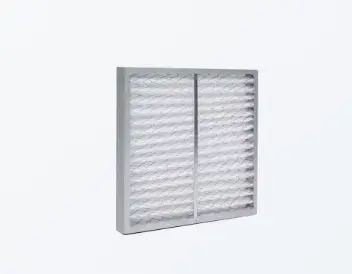
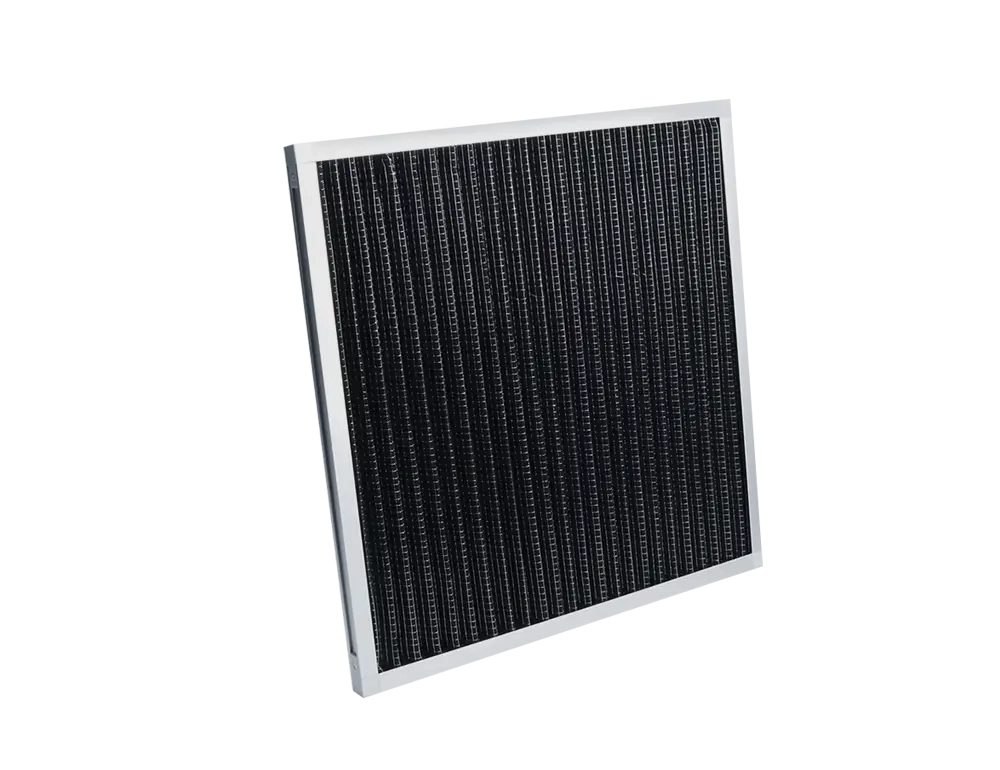
Panel / Pleated Filter
Compact Space-Saving Design
Low-Resistance Airflow
Energy-Saving Operation
Industrial-Grade Heat Tolerance
Built with specialized heat-resistant materials, operating stably up to 250°C for paint ovens, industrial dryers, and high-temperature process environments.
View Related Products →Cut Costs, Reduce Waste
Cleanable by water washing or air blowing, reusable multiple times to significantly reduce replacement frequency and O&M costs — an economical, eco-friendly choice.
View Related Products →Odor & Harmful Gas Removal
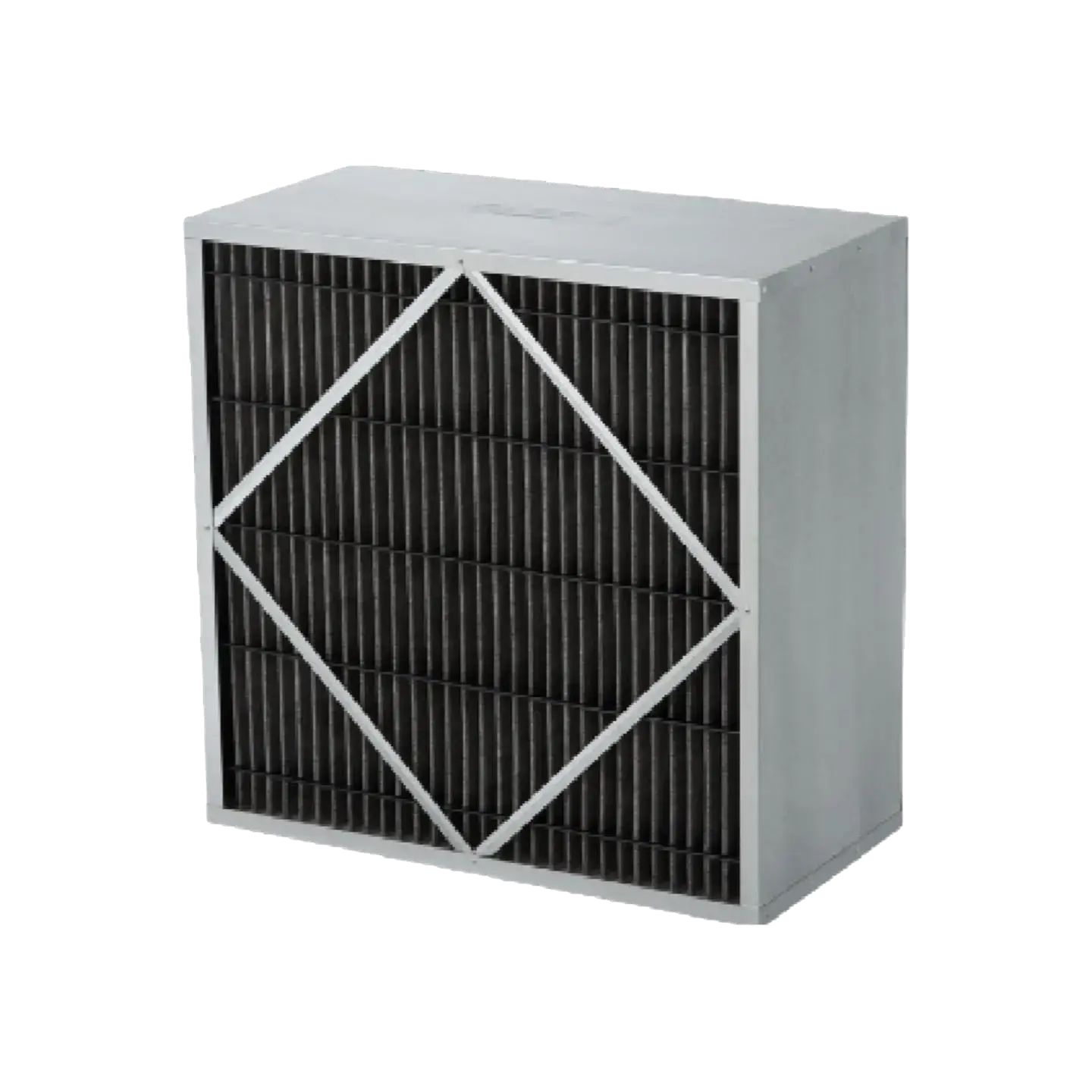
Leverages activated carbon's high adsorption capacity to eliminate odors, VOCs, and formaldehyde, ideal for newly renovated spaces and industrial exhaust treatment.
View Related Products →High Dust-Holding, Long Life
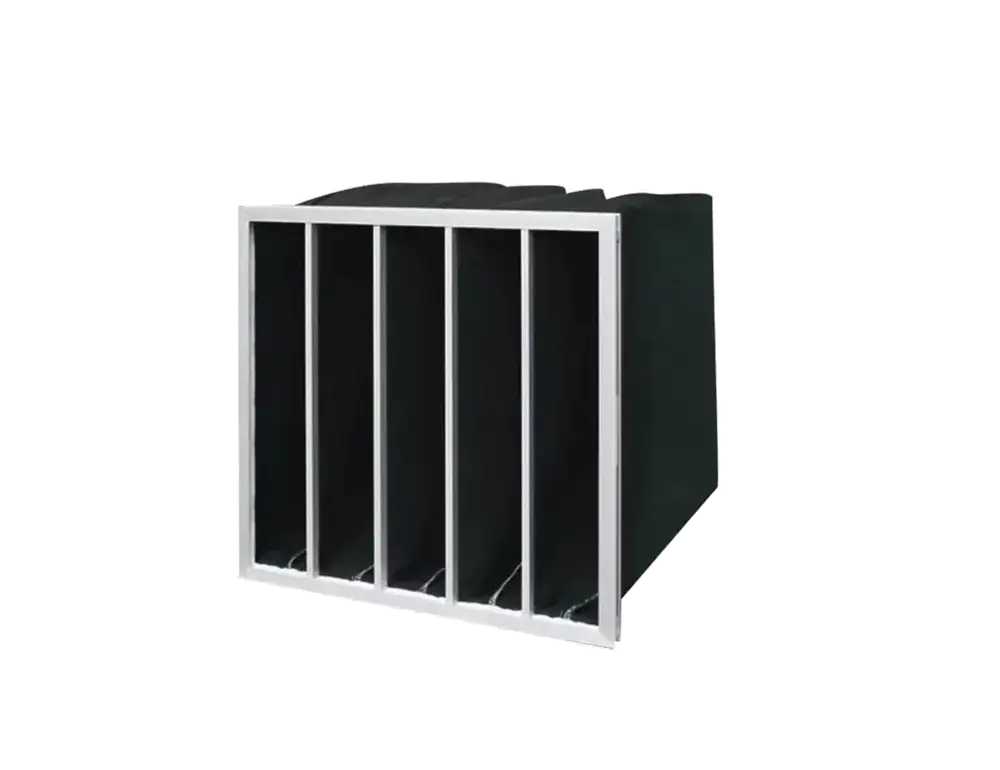
Bag-style construction delivers a larger filtration area, high dust-holding capacity, and extended service life — ideal for high-dust environments with reduced replacement frequency.
View Related Products →Compact Space-Saving Design
Compact form factor for easy installation and replacement; pleated structure maximizes filtration area within a small footprint for higher efficiency.
View Related Products →Energy-Saving Operation
Low-resistance design minimizes pressure drop while maintaining filtration performance, reducing fan energy consumption for cost-effective, eco-friendly operation.
View Related Products →











 English(Global)
 简体中文
简体中文 Language




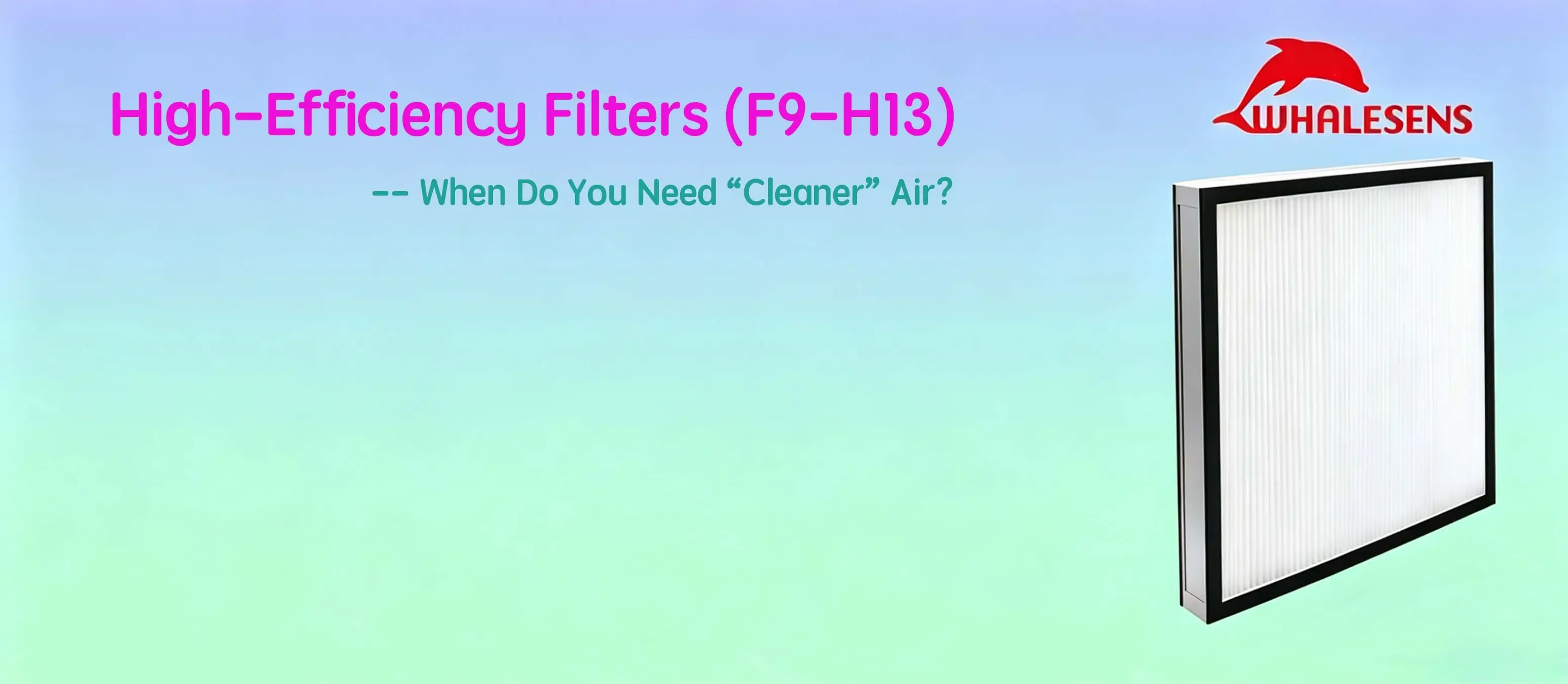
High-Efficiency Filters (F9-H13): When Do You Need “Cleaner” Air?

1. What Are High‑Efficiency Filters?
1.1 Definition and Scope
| Grade Range | Common Name | Approx. Efficiency @ 0.3μm | Typical Applications |
|---|---|---|---|
| F9 (ISO ePM1 80%) | Sub‑HEPA | ≥80% | Cleanroom pre‑filtration, advanced HVAC |
| E10 (ISO ePM1 85%) | Sub‑HEPA | ≥85% | Pharmaceutical, biosafety |
| E11 (ISO ePM1 95%) | Sub‑HEPA / HEPA | ≥95% | Hospital infection control |
| H12 | HEPA | ≥99.5% | Sterile production, laboratories |
| H13 | HEPA | ≥99.95% | Operating rooms, biosafety cabinets |
| H14 | HEPA | ≥99.995% | BSL‑3/4, sterile pharmaceutical |
1.2 Positioning vs. Medium and Coarse Filters
| Stage | Primary Task | Typical Particle Size | Efficiency Level |
|---|---|---|---|
| Coarse (G4) | Capture large particles, protect downstream | >5μm | Some effect on PM10 |
| Medium (F5‑F8) | Main filtration load | 0.3‑5μm | High efficiency for PM2.5 |
| High (F9-H13) | Terminal polishing, capture sub‑micron particles | 0.1‑0.3μm | High efficiency for viruses, bacteria, nano‑dust |
2. Efficiency Classification and Standards for High‑Efficiency Filters
2.1 ISO 16890 vs. EN 1822 / ISO 29463
| Grade | MPPS Efficiency (%) | Corresponding ISO 29463 | Penetration (1 – Efficiency) |
|---|---|---|---|
| E10 | ≥85 | — | ≤15% |
| E11 | ≥95 | — | ≤5% |
| H12 | ≥99.5 | — | ≤0.5% |
| H13 | ≥99.95 | ISO 35 H | ≤0.05% |
| H14 | ≥99.995 | ISO 40 H | ≤0.005% |
-
MPPS: The particle size that the filter captures least efficiently (typically 0.1‑0.3μm). The often‑cited “99.97% @ 0.3μm” for HEPA refers to performance near the MPPS.
-
Scanning leak test: After installation, HEPA filters must be scanned in‑situ. Any tiny leak can drastically reduce overall efficiency.
2.2 The “Sub‑HEPA” Role of F9
| Scenario | Need for F9 or above? | Reason |
|---|---|---|
| Typical office | Usually F7 is enough | PM2.5 below 25μg/m³ is acceptable |
| High‑end hotel / executive floors | F9 recommended | Reduce allergens, improve comfort |
| Data center | Optional F9 | When higher dust protection for servers is desired |
| Pharma Grade C cleanroom pre‑filter | Mandatory F9 | Protect terminal H14 |
| Hospital ICU pre‑filter | F9 recommended | Reduce microbial load |
2.3 Common Misconceptions
| Misconception | Reality |
|---|---|
| “F9 is HEPA” | F9 efficiency for 0.3μm is about 80‑90%, far below HEPA’s 99.95%+ |
| “All HEPA filters are the same” | H13 and H14 differ by an order of magnitude; H14 penetration is only 1/10 of H13 |
| “Higher efficiency is always better” | Higher efficiency means higher pressure drop, higher energy use, higher cost – choose based on need |
3. Working Principles of High‑Efficiency Filters
3.1 Four Capture Mechanisms
| Mechanism | Applicable Size | Principle |
|---|---|---|
| Inertial impaction | >0.5μm | Large particles hit fibres by inertia |
| Interception | 0.3‑0.5μm | Particles are mechanically intercepted by fibres |
| Diffusion | — | Very small particles diffuse (Brownian motion) to fibres |
| Electrostatic attraction | All (auxiliary) | Electrostatic forces between fibres and particles |
3.2 Filter Media and Construction
| Media Type | Characteristics | Suitable Grades |
|---|---|---|
| Ultra‑fine glass fibre | High efficiency, moderate cost, temperature resistant | H13‑H14, U15 |
| PTFE membrane | Lower pressure drop, chemically resistant, higher cost | H13‑H14 |
| Synthetic + electrostatic | Low initial ΔP, but efficiency declines over time | F9‑E11 |
-
Separator type: Aluminium or paper separators hold the pleats; robust, suitable for high airflow and humidity.
-
Mini‑pleat (separator‑free): Hot‑melt adhesive spacers; compact, low ΔP – now the mainstream design.
3.3 The Criticality of Seal Design
-
Gel seal: The filter frame sits into a gel channel; excellent sealing, used in demanding cleanrooms.
-
Knife‑edge seal: Uses a gasket; convenient installation, suitable for general clean environments.
-
One‑piece moulded frame: Reduces leak risk.
4. Which Scenarios Need “Cleaner” Air?
4.1 Healthcare and Biosafety
| Scenario | Recommended Grade | Reason |
|---|---|---|
| Operating room (Class I / 100‑class) | H13‑H14 | Prevent post‑operative infections; regulatory requirement |
| ICU, isolation rooms | H13 | Control airborne pathogens |
| Biosafety cabinet (BSC) | H13‑H14 | Protect personnel, samples, environment |
| Sterile pharmaceutical (Grade B/A) | H14 | GMP mandatory |
4.2 Semiconductor and Electronics Manufacturing
| Scenario | Recommended Grade | Reason |
|---|---|---|
| Wafer fab (ISO Class 5) | H13‑H14 | Particles cause chip defects |
| Hard disk drive manufacturing | H13‑H14 | Head‑disc clearance is only a few nanometres |
| LCD panel production | H13 | Pixel defect control |
| Advanced packaging | H14 | Micro‑dust causes shorts |
4.3 Pharmaceutical and Biotechnology
| Scenario | Recommended Grade | Reason |
|---|---|---|
| Sterile filling line | H14 | Product sterility assurance |
| Cell therapy suite | H13‑H14 | Prevent cross‑contamination |
| QC laboratory | H13 | Sample protection |
| Animal facility | H13 | Prevent allergen spread |
4.4 High‑End Residential and Commercial
| Scenario | Recommended Grade | Reason |
|---|---|---|
| High‑end residence / villa | F9‑H12 | Allergy sufferers, baby rooms |
| Hospital outpatient / emergency | F9 | Reduce infection risk |
| Luxury hotel suites | F9 | Improve comfort |
| Precision instrument room | F9‑E11 | Equipment protection |
4.5 Data Centers and Telecom
| Scenario | Recommended Grade | Reason |
|---|---|---|
| High‑grade data center | F9 | Extreme dust protection, reduce corrosion risk |
| Core network equipment room | F9 | Long‑term equipment stability |
5. High‑Efficiency Filter Selection Guide
5.1 Determining the Required Efficiency Grade
-
Follow industry regulations: e.g., operating rooms must use H13/H14; pharmaceutical Grade B/A must use H14.
-
Assess risk level: Impact on human life, product quality, equipment value.
-
Balance cost and energy: H14 is 30‑50% more expensive and has 20‑30% higher ΔP than H13; use only when necessary.
5.2 Key Selection Parameters
| Parameter | Recommended value / considerations |
|---|---|
| Rated airflow | Match the AHU or FFU airflow; avoid over‑ or under‑sizing |
| Initial pressure drop | Lower is better; H13 typically ≤220 Pa @ 0.5 m/s face velocity |
| Final resistance | Usually 2‑3× initial (300‑450 Pa) |
| Filtration area | Larger area gives higher dust‑holding capacity and longer life |
| Seal type | Gel seal for demanding cleanrooms; knife‑edge for general use |
| Frame material | Aluminium, stainless steel (corrosion‑resistant), galvanised steel |
| Temperature / humidity resistance | Customisable for special processes |
5.3 Installation and Validation Essentials
-
Pre‑installation check: Verify packaging is intact, no deformation or damage.
-
Seal integrity: After installation, must perform scanning leak test using a photometer or particle counter across the frame and media surface.
-
Pressure monitoring: Install a differential pressure gauge; record initial ΔP as baseline.
-
Replacement interval: Based on pressure drop (typically 2‑3× initial), not a fixed time.
6. Maintenance and Replacement of High‑Efficiency Filters
6.1 Scientific Replacement Based on ΔP
| ΔP Condition | Action |
|---|---|
| Initial +50% | Normal, record |
| 2× initial | Schedule replacement (within 1‑2 weeks) |
| 2.5× initial | Replace soon (within 1 week) |
| 3× initial | Replace immediately |
6.2 Typical Replacement Intervals (Reference)
| Application | Pre‑filter (G4‑F9) interval | HEPA interval |
|---|---|---|
| Hospital operating room | 3‑6 months | 1‑3 years (based on ΔP) |
| Pharmaceutical cleanroom | 6‑12 months | 2‑3 years |
| Semiconductor cleanroom | 3‑6 months | 2‑4 years |
| Biosafety cabinet | 12 months | 1‑2 years |
6.3 Replacement Precautions
-
Protection: Wear gloves and mask to avoid contaminating the filter or contact with biohazards.
-
BIBO (Bag‑In/Bag‑Out): When changing exhaust HEPA filters handling high‑risk biological agents (BSL‑3/4), a BIBO safe‑change housing is mandatory.
-
Records: Record ΔP, date, batch number for traceability at every change.
7. Cost and Benefit Analysis
7.1 Cost Components of High‑Efficiency Filters
| Cost Item | Typical Share |
|---|---|
| Filter purchase | 30‑40% |
| Fan energy (pressure drop) | 40‑50% |
| Replacement labour | 10‑20% |
| Testing / validation | 5‑10% |
7.2 Optimisation Suggestions
| Strategy | Effect |
|---|---|
| Choose the lowest efficiency grade that still meets regulations | Reduces purchase and energy costs |
| Prioritise low‑pressure‑drop products | Annual electricity cost saving of 10‑20% |
| Properly configure pre‑filtration (F7‑F9) | Extends HEPA life by 2‑3 times |
| Replace based on ΔP monitoring | Avoids premature or delayed replacement |
8. Frequently Asked Questions (FAQ)
9. Conclusion
-
Regulations first: Medical, pharmaceutical and similar applications must comply with standards.
-
Balance efficiency and cost: Choose the most economical grade and lowest‑ΔP product that still meets requirements.
-
Lifecycle management: From installation leak testing and ΔP monitoring to timely replacement – ensure the filter remains effective throughout its life.
-
Assess whether your application truly requires F9 or higher efficiency.
-
If HEPA is needed, specify the exact grade (H13 or H14) and plan for leak testing.
-
Install appropriate pre‑filters (F7‑F9) to extend HEPA life.
-
Implement ΔP‑based monitoring and replacement.
About Whalesens Technology
Product Range
-
Full range of coarse, medium and high-efficiency air filters
-
V-bank compact filters
-
HEPA/ULPA ultra-high efficiency filters
-
Activated carbon chemical filters
-
Customized non-standard products
- 🌐 Official Website: www.whalesens.com
- 📞 WhatsApp: +86 13119189886
- 📧 Email: whalesens@gmail.com