
PRODUCTS
🏭 Industry Applications
Product Performance
🔧 Product Features

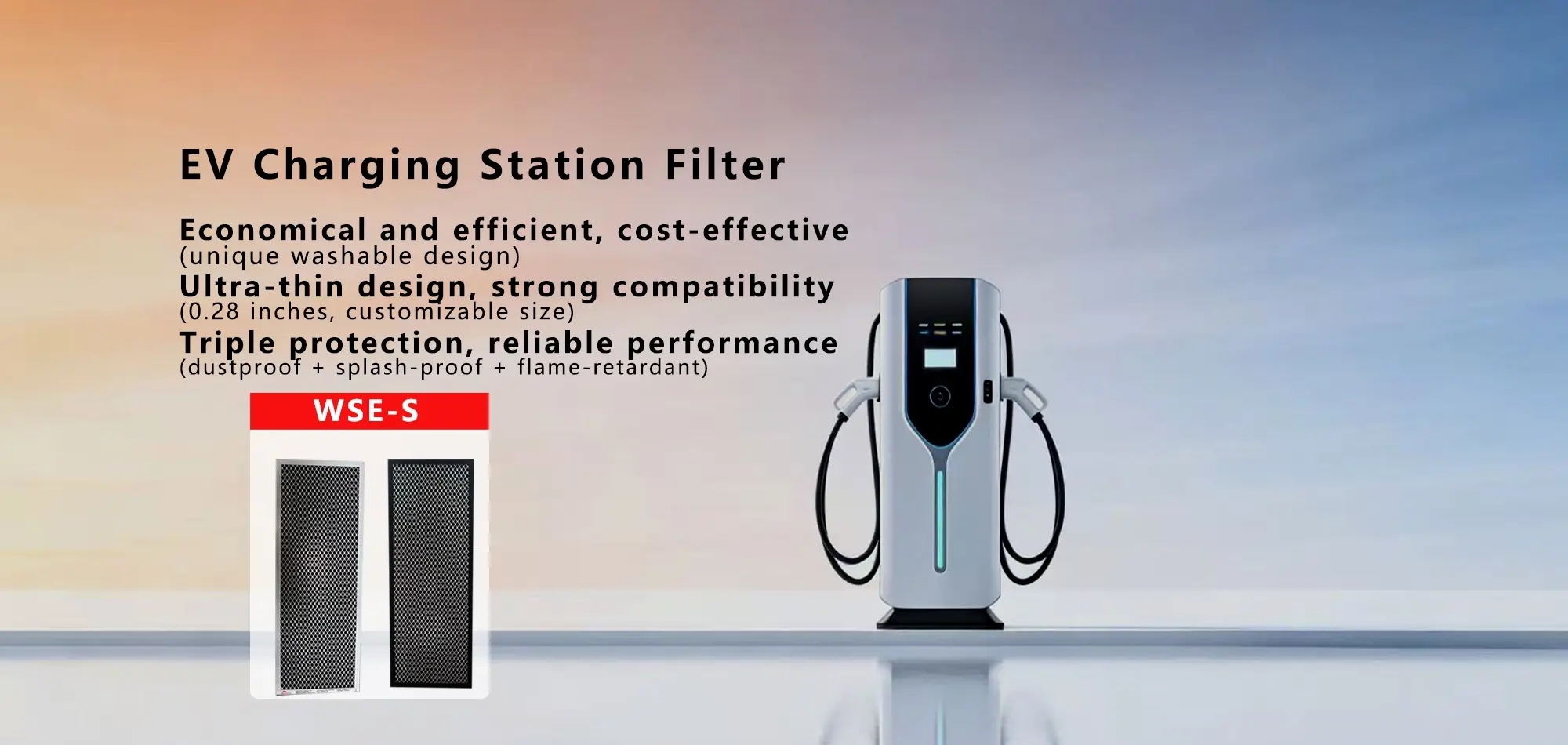
EV Charging Stations

Industry Applications

Filtration for Power Equipment

Professional air filtration for EV charging devices, protecting against dust and sand ingress to ensure stable, reliable operation of charging piles and station infrastructure.

View Related Products

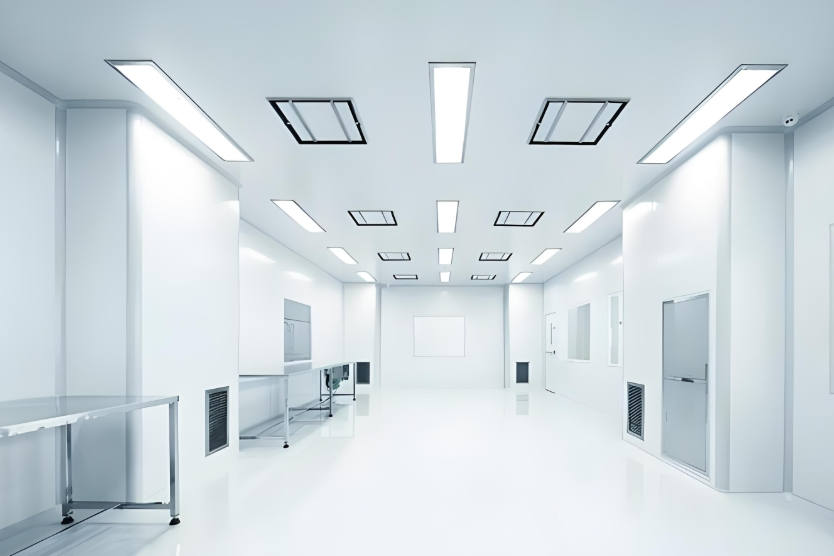
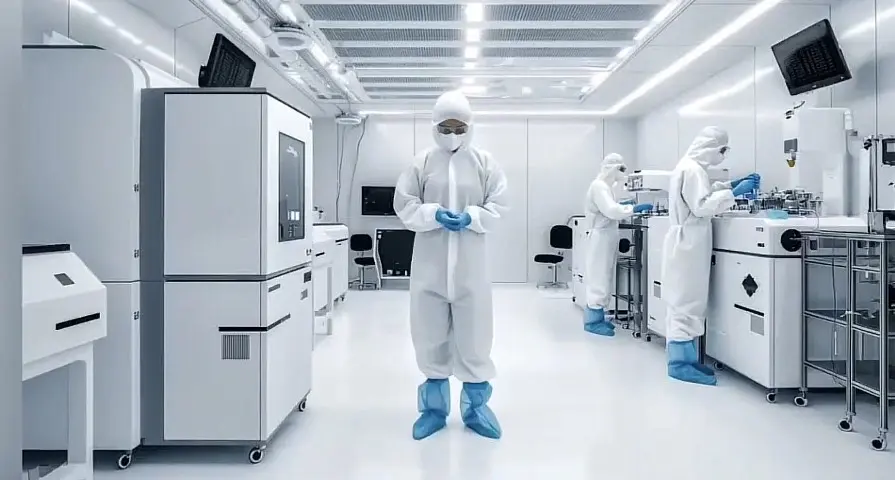
Cleanroom & Semiconductor

Industry Applications

Ultra-High Cleanliness Filtration

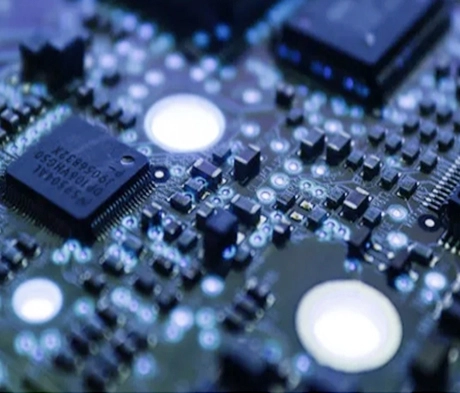
Ultra-high efficiency filtration for semiconductor wafer fabs and precision electronics cleanrooms, capturing nano-scale particles to meet ISO Class 1–3 standards and maximize product yield.

View Related Products

Commercial HVAC

Industry Applications

Central Air System Filtration

High-efficiency filtration for commercial building HVAC systems, improving indoor air quality, reducing energy consumption, and extending equipment service life.

View Related Products

Data Centers

Industry Applications

Precision Equipment Protection

Precision air filtration for data centers, shielding servers and critical hardware from dust contamination to keep cooling systems running efficiently and reliably.

View Related Products

Livestock & Farming

Industry Applications

Farming Environment Purification

Dedicated filtration systems for farms and livestock facilities — capturing dust, adsorbing ammonia, and inhibiting pathogen spread to improve animal health and overall productivity.

View Related Products

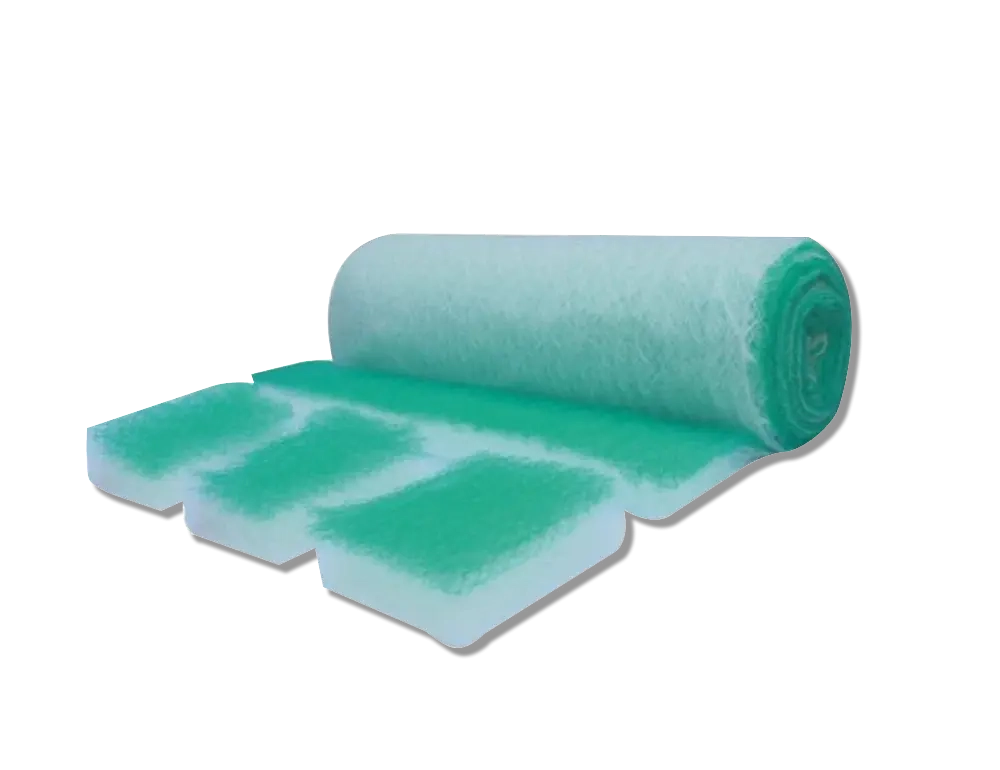
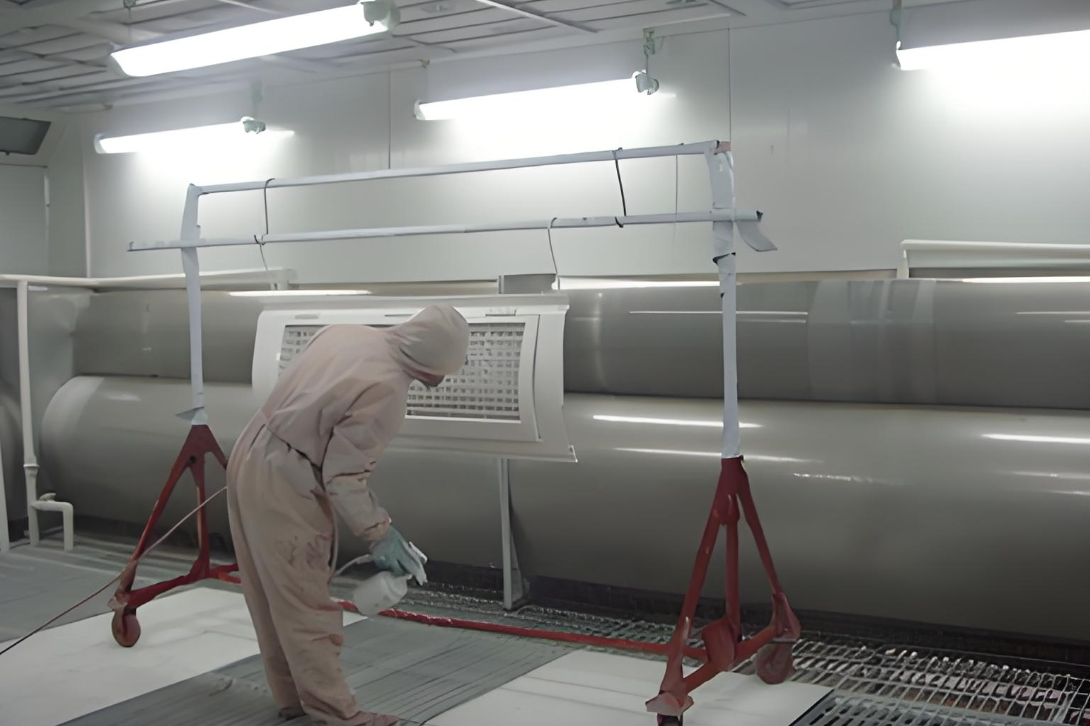
Spray Booths & Industrial Dust

Industry Applications

Paint Mist & Dust Purification

Designed for spray booths and grinding workshops, efficiently capturing paint mist, metal dust, and wood chips to meet emission standards while protecting finished surface quality.

View Related Products

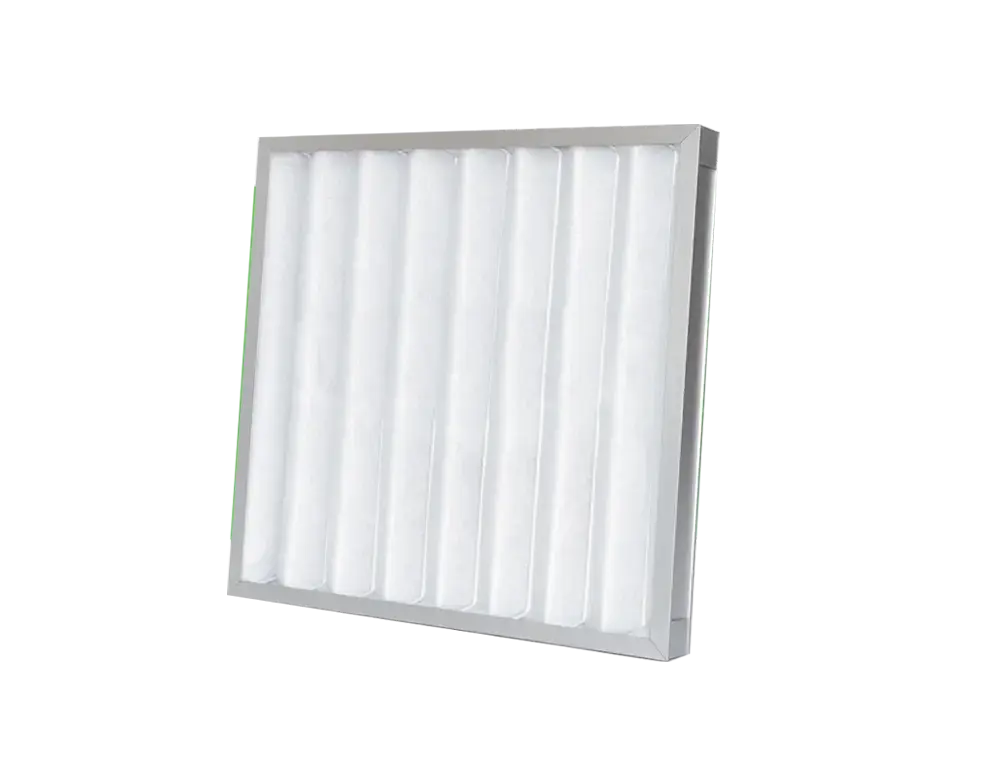
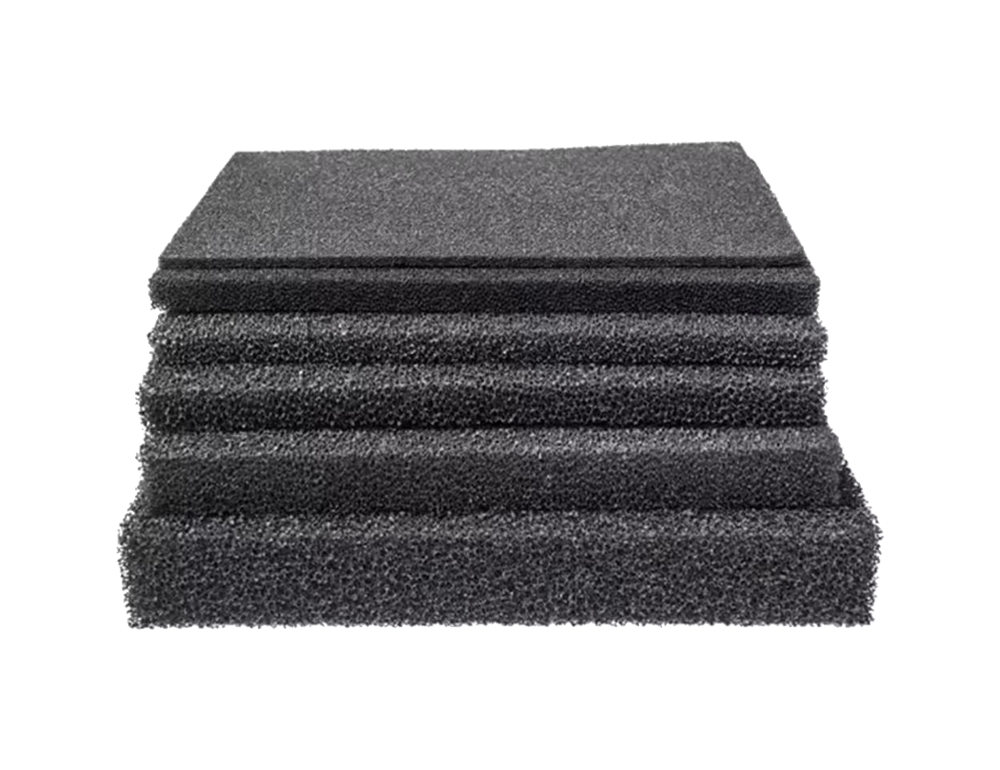
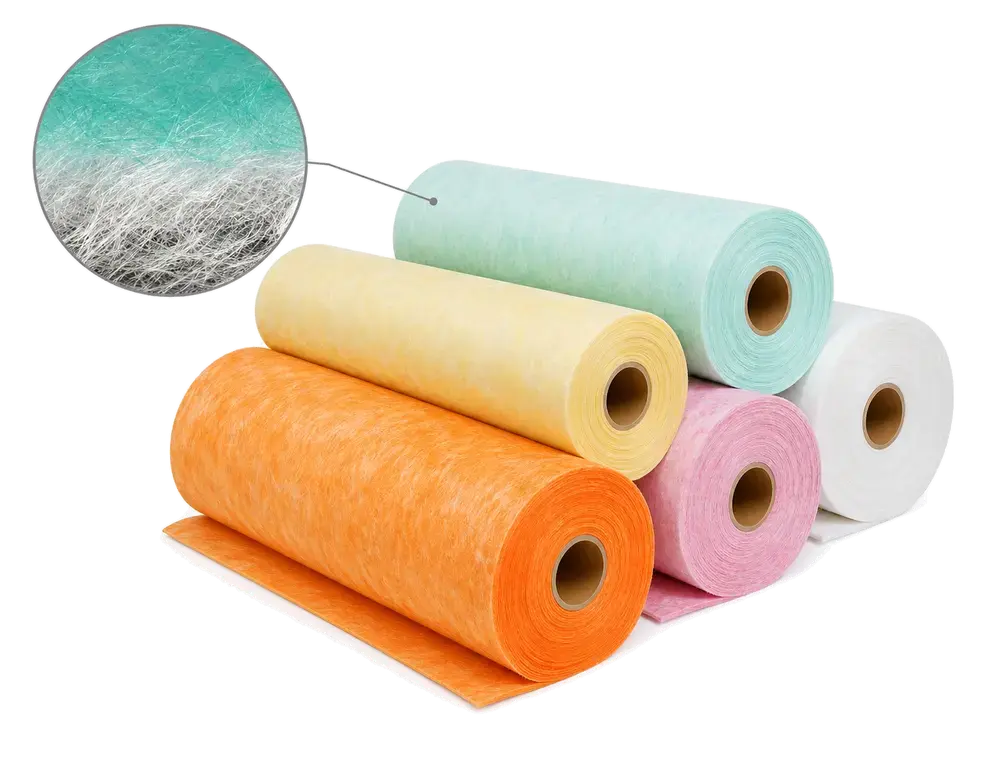
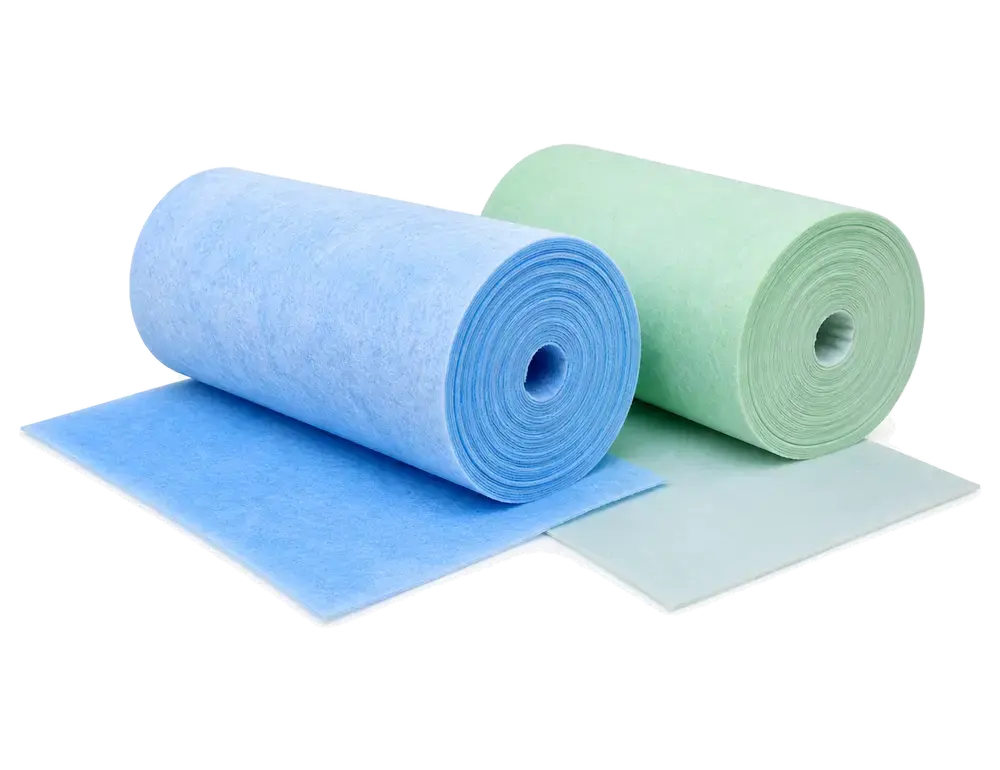
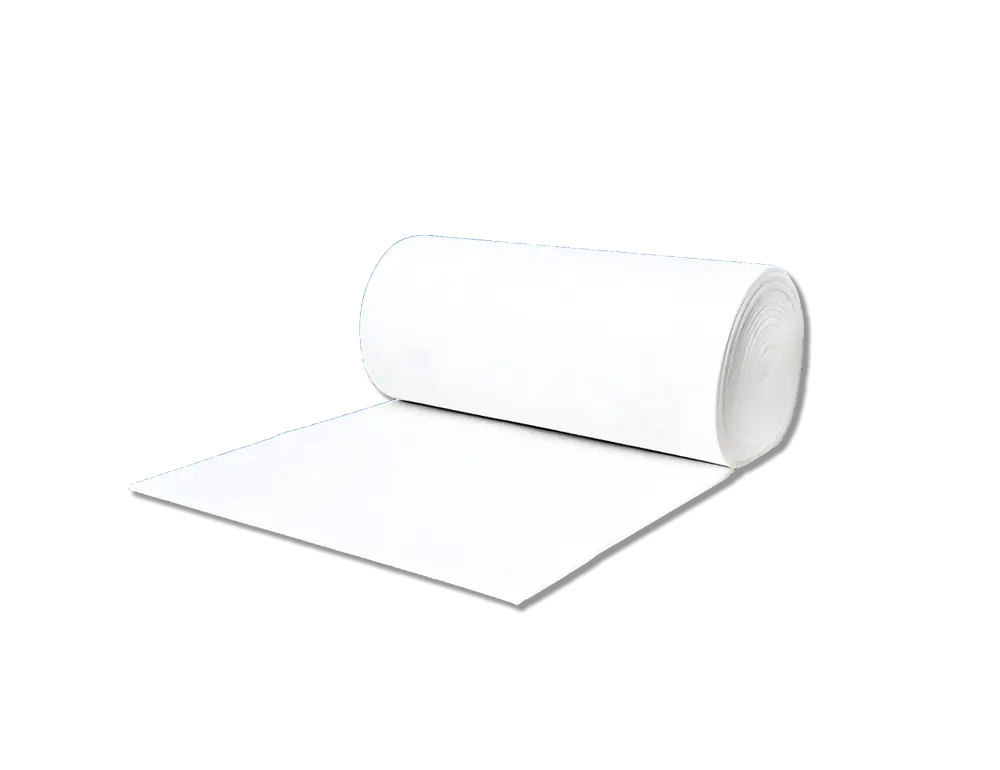
Pre-Filter (G1–G4)

Product Performance

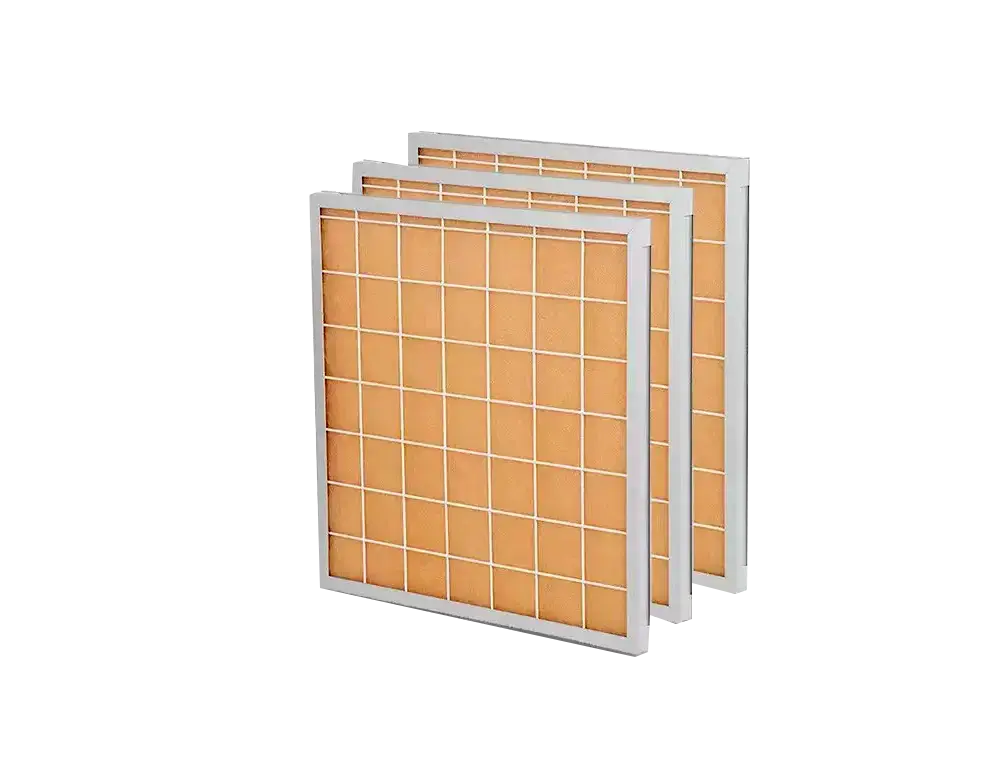
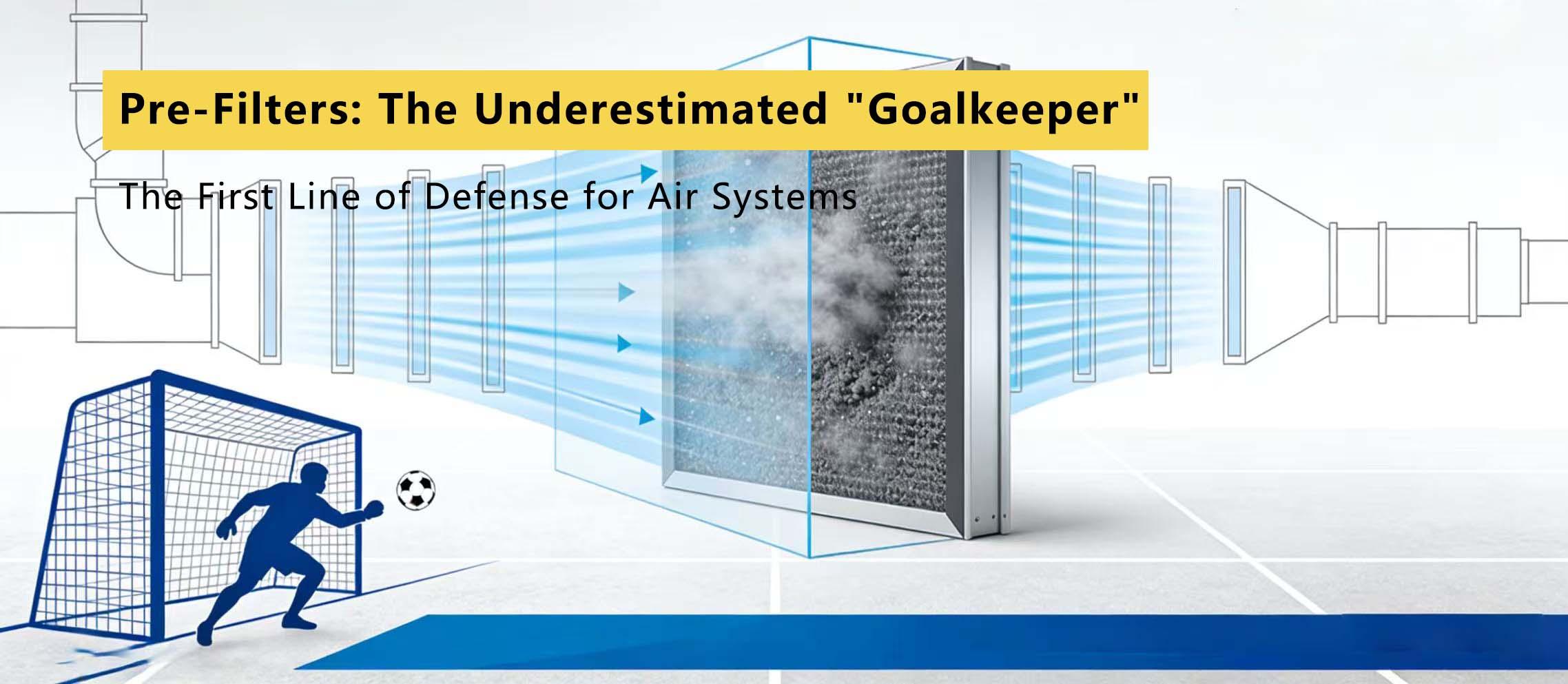
First-Stage Large-Particle Capture

The first line of defense, capturing particles ≥5 μm such as dust, hair, and fibers to protect downstream filters and extend overall system service life.

View Related Products

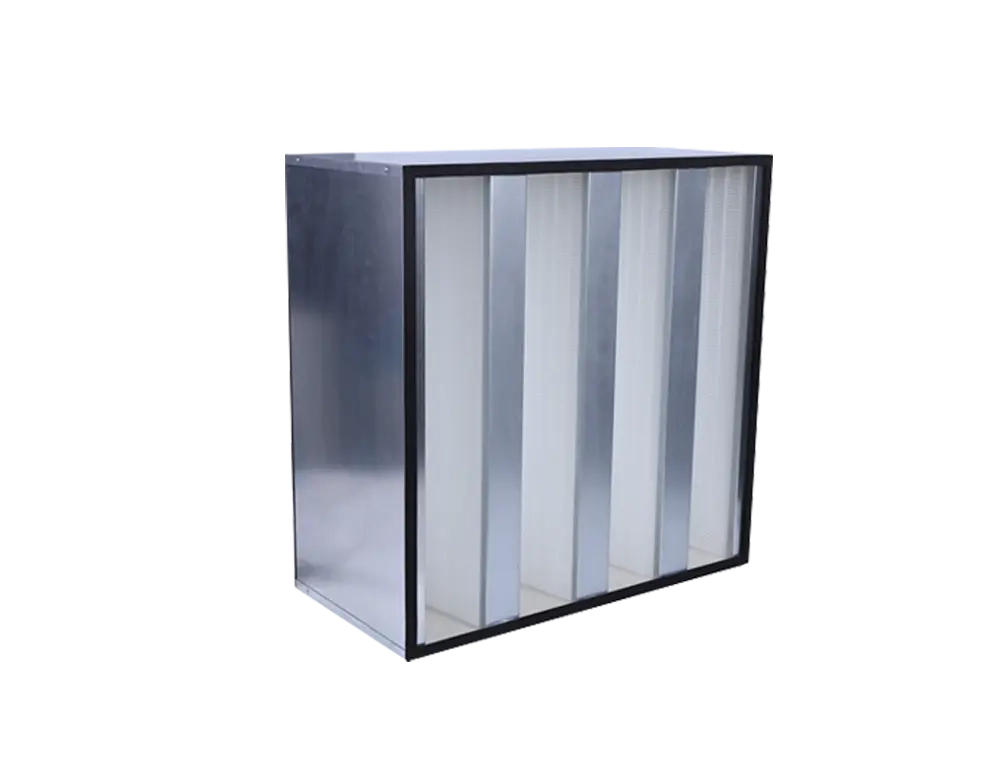
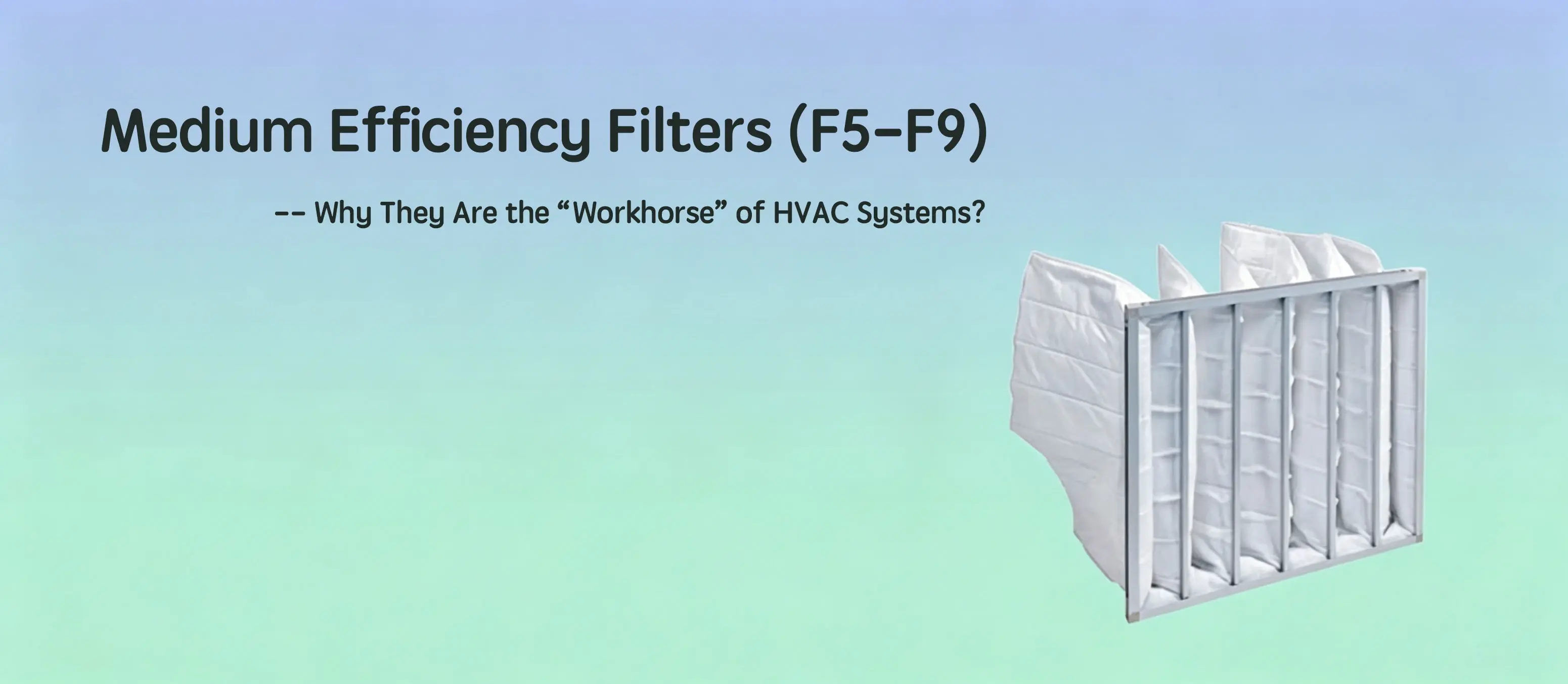
Medium-Efficiency Filter (F5–F9)

Product Performance

Precise PM2.5 Capture

Captures fine particles of 1–5 μm including PM2.5, pollen, and mold spores, significantly improving indoor air quality for commercial HVAC and ventilation systems.

View Related Products

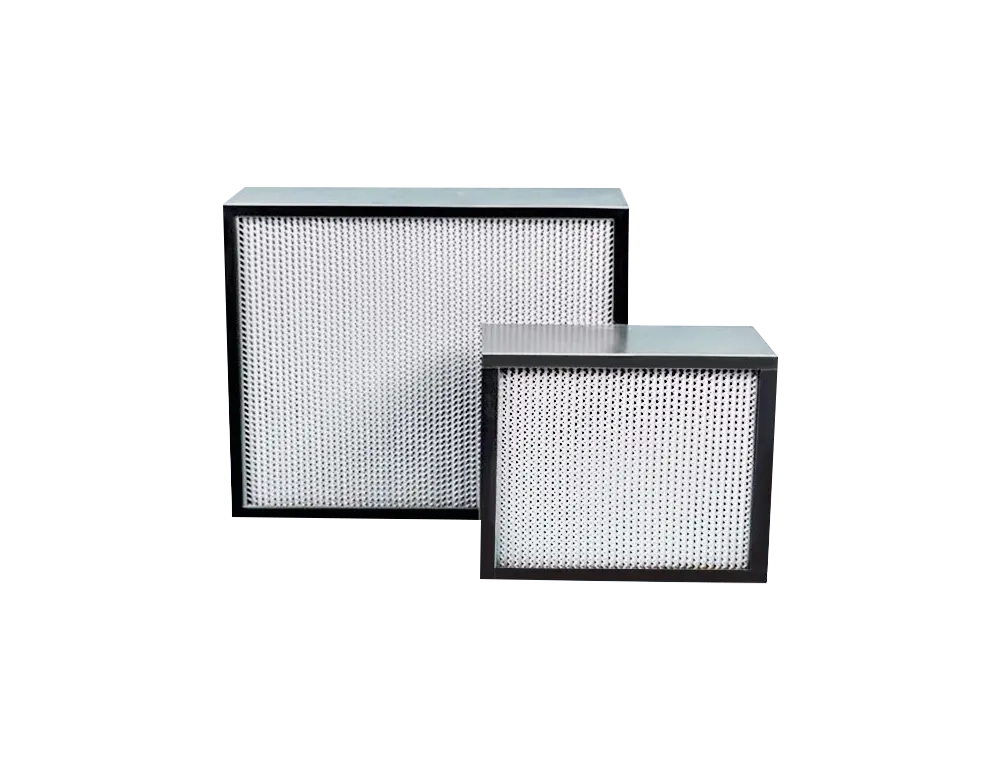
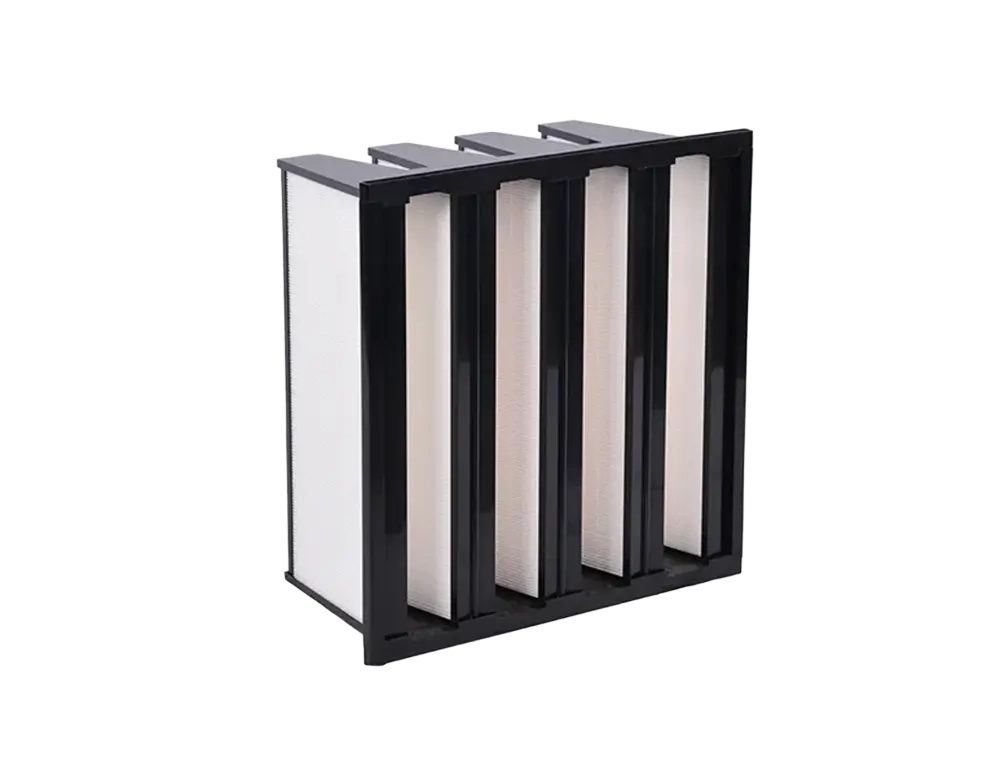
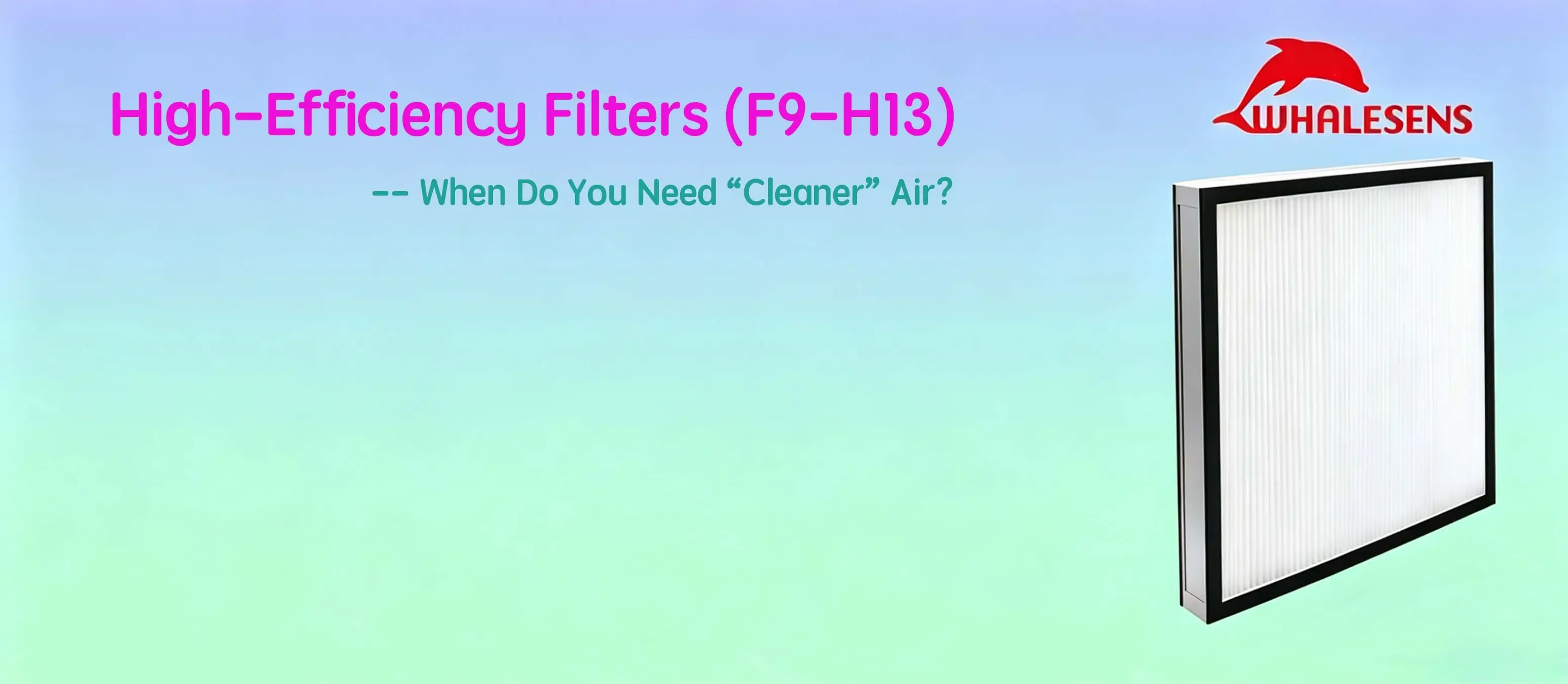
HEPA High-Efficiency Filter

Product Performance

Sterile-Grade Purification

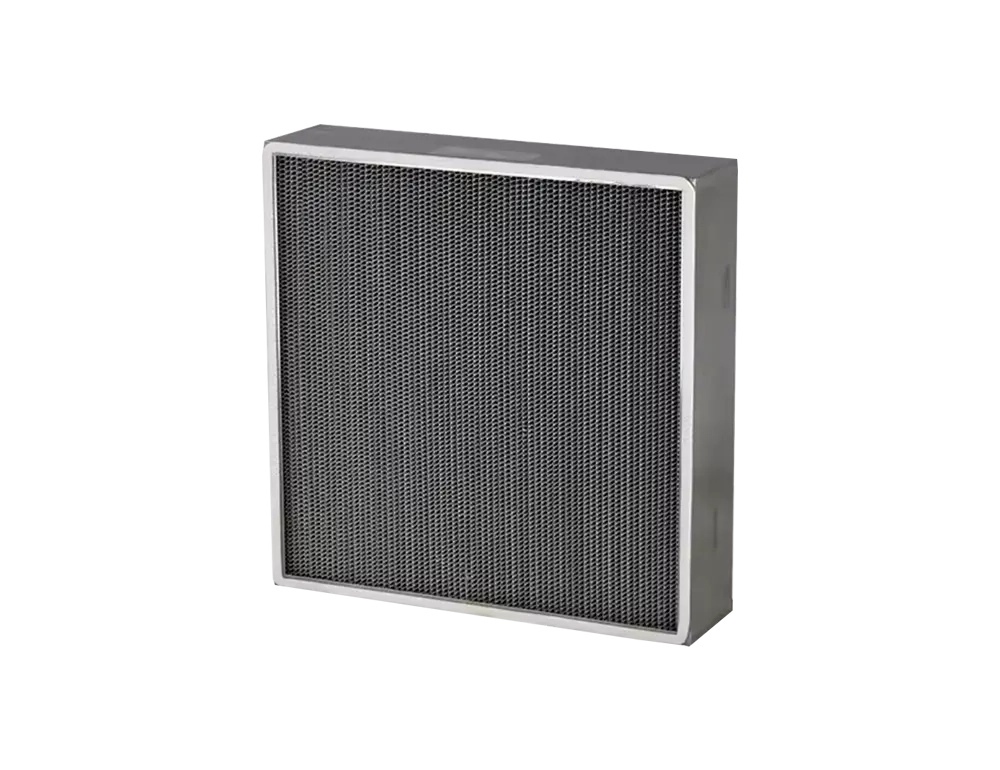
≥99.97% filtration efficiency for particles ≥0.3 μm, delivering sterile-grade clean air widely used in medical, pharmaceutical, and electronics manufacturing.

View Related Products

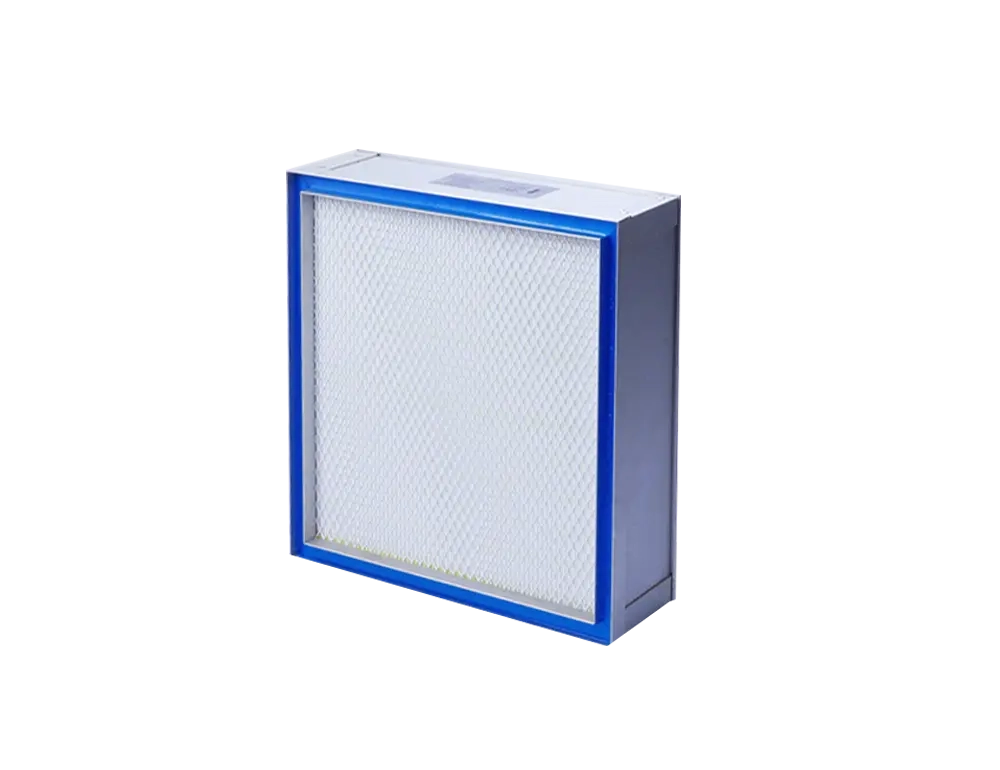
ULPA Ultra-High Efficiency Filter

Product Performance

Sub-Micron Particle Capture

≥99.9995% efficiency for particles ≥0.12 μm, meeting the extreme cleanliness demands of semiconductor fabs, aerospace, and other ultra-precision applications.

View Related Products

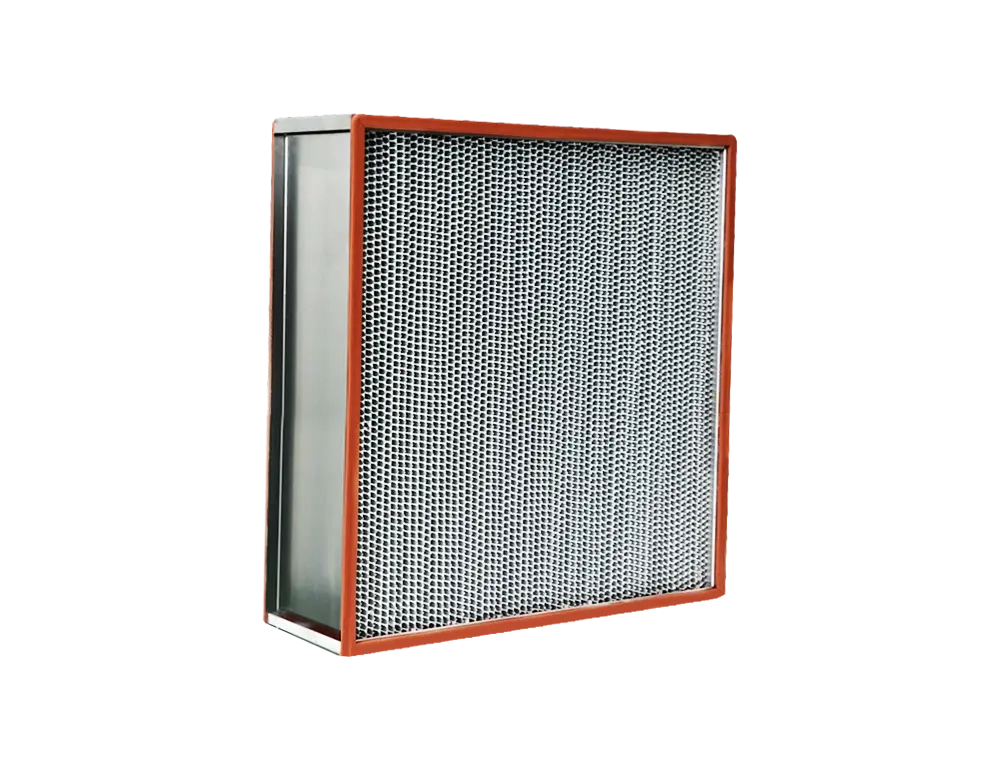
High-Temperature Resistant

Product Features

Industrial-Grade Heat Tolerance

Built with specialized heat-resistant materials, operating stably up to 250°C for paint ovens, industrial dryers, and high-temperature process environments.

View Related Products

Washable & Reusable

Product Features

Cut Costs, Reduce Waste

Cleanable by water washing or air blowing, reusable multiple times to significantly reduce replacement frequency and O&M costs — an economical, eco-friendly choice.

View Related Products

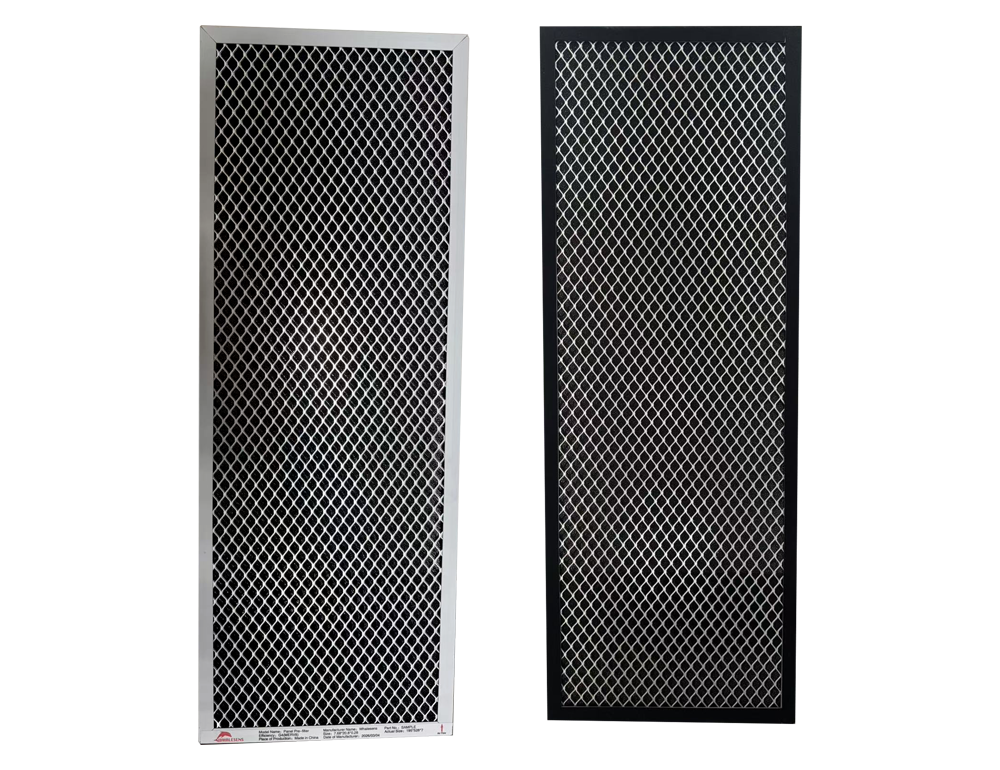
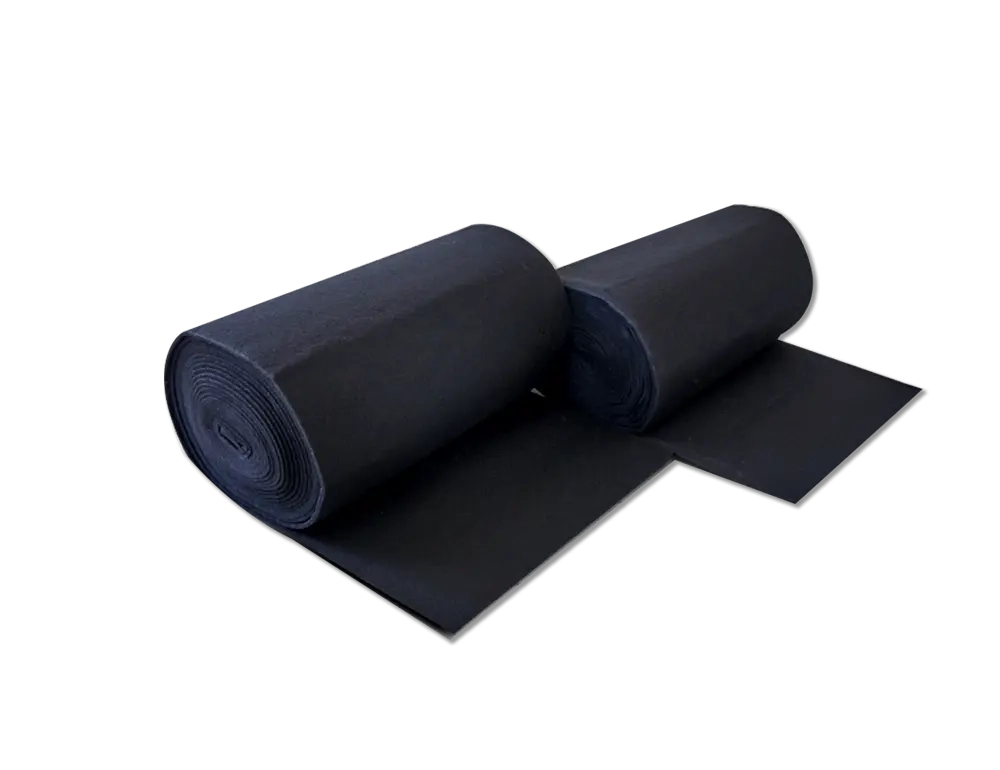
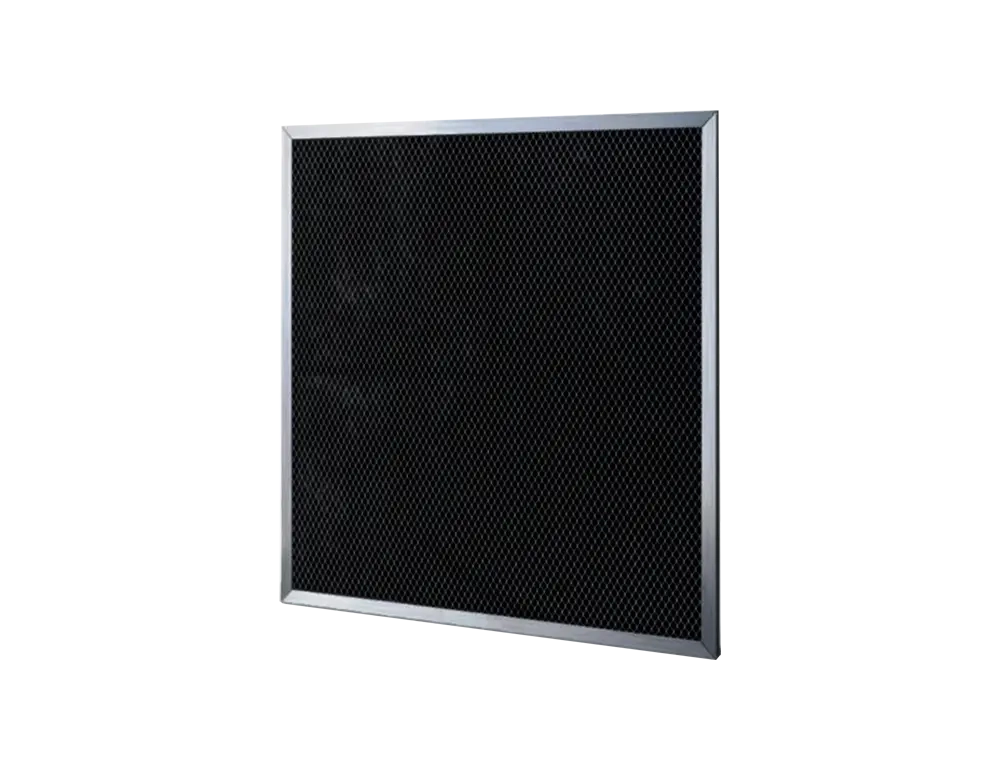
Activated Carbon

Product Features

Odor & Harmful Gas Removal

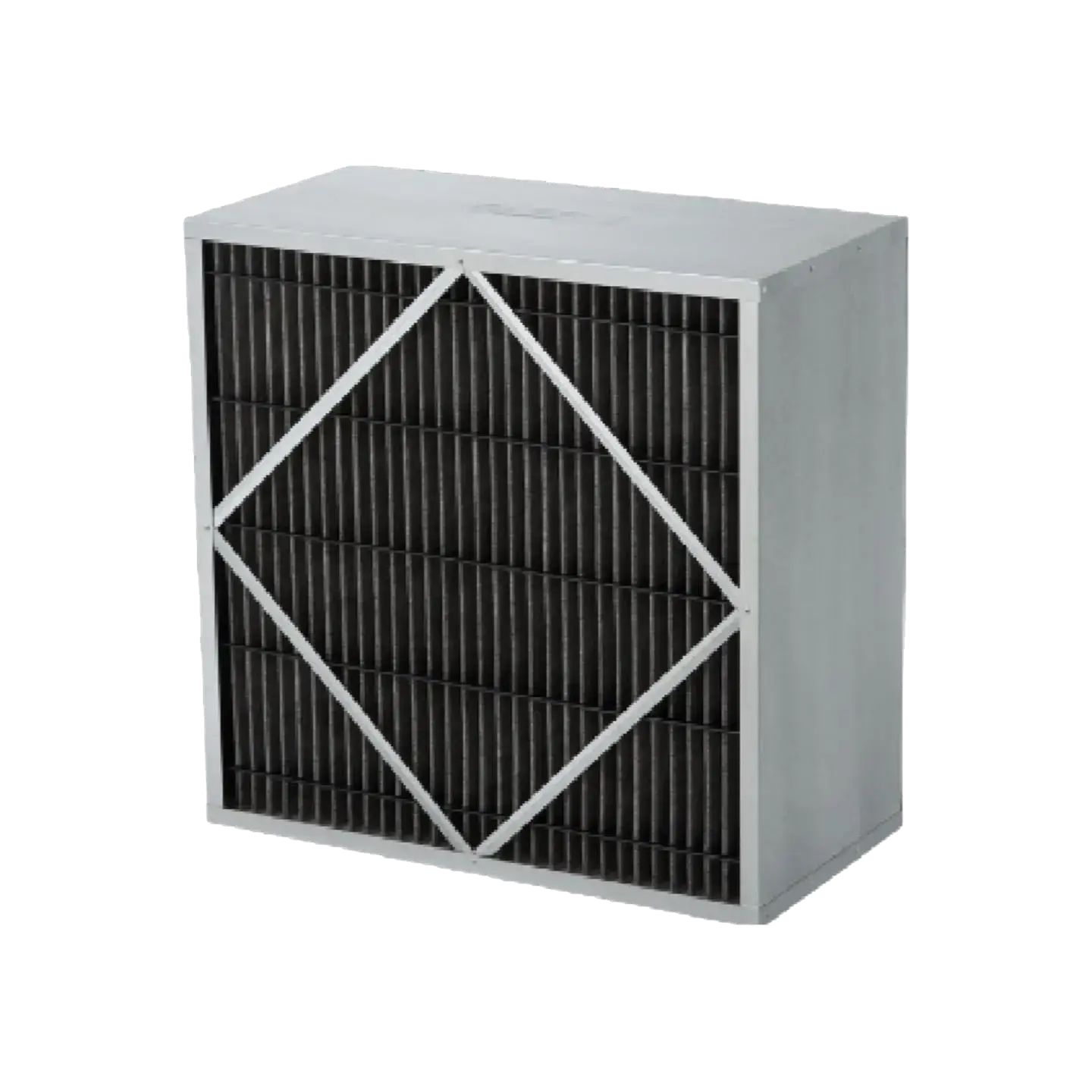
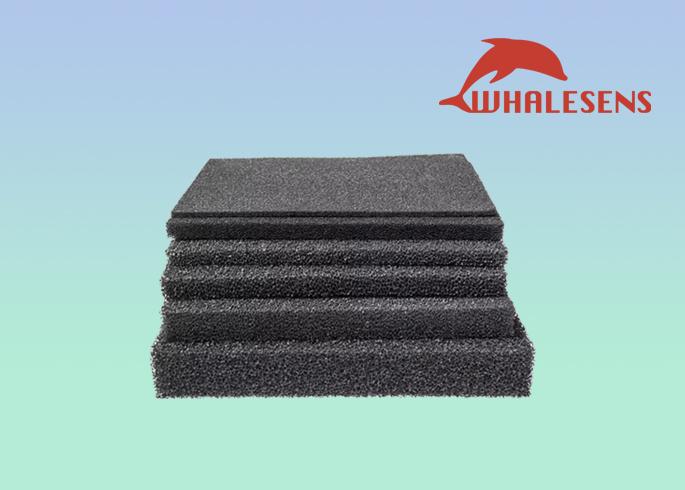
Leverages activated carbon's high adsorption capacity to eliminate odors, VOCs, and formaldehyde, ideal for newly renovated spaces and industrial exhaust treatment.

View Related Products

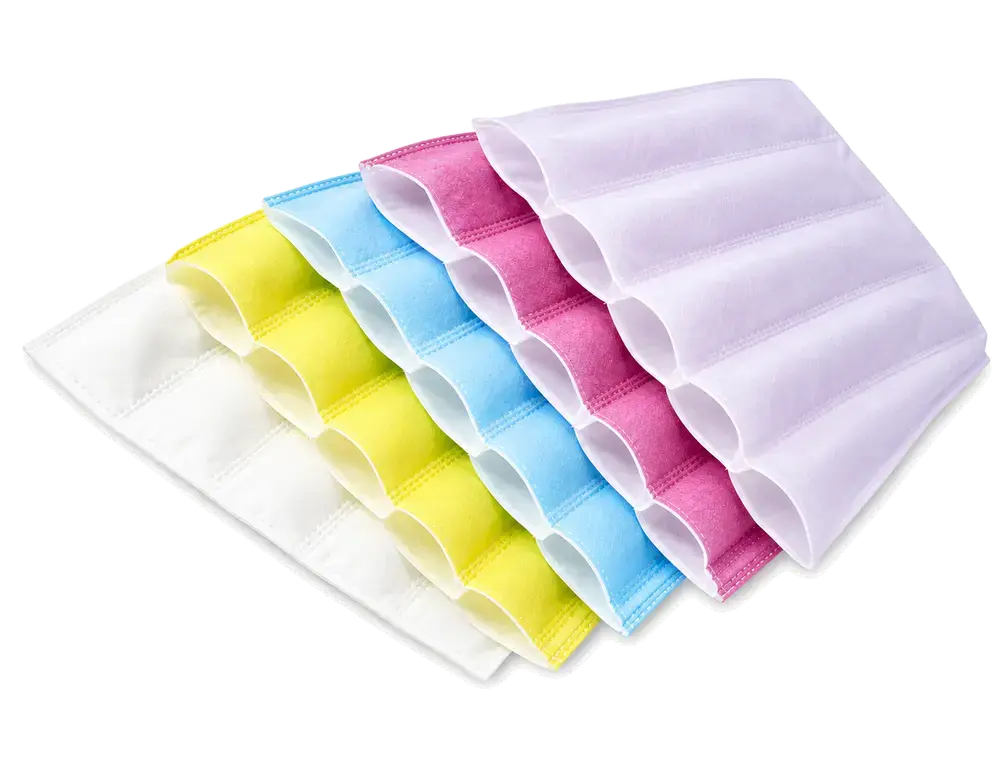
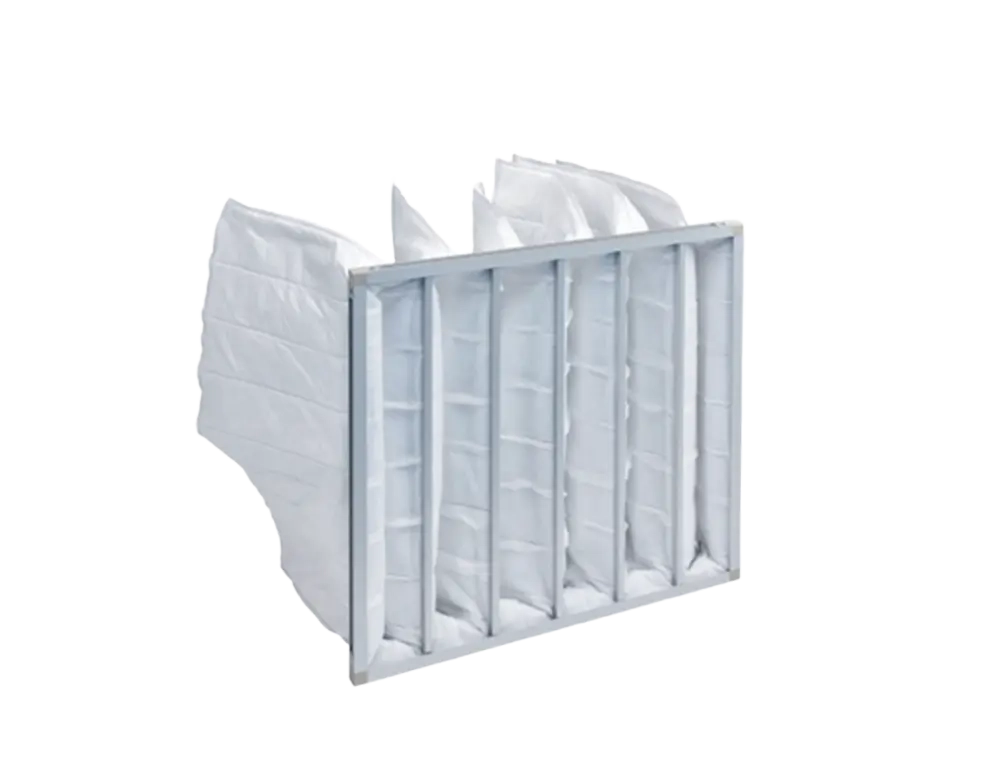
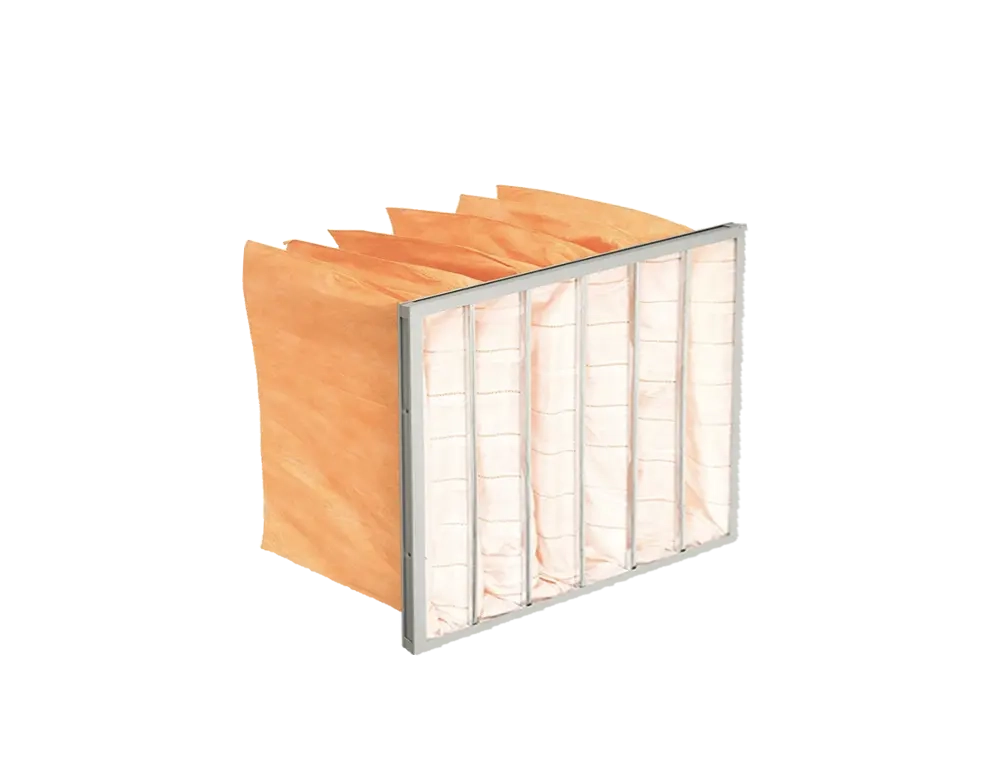
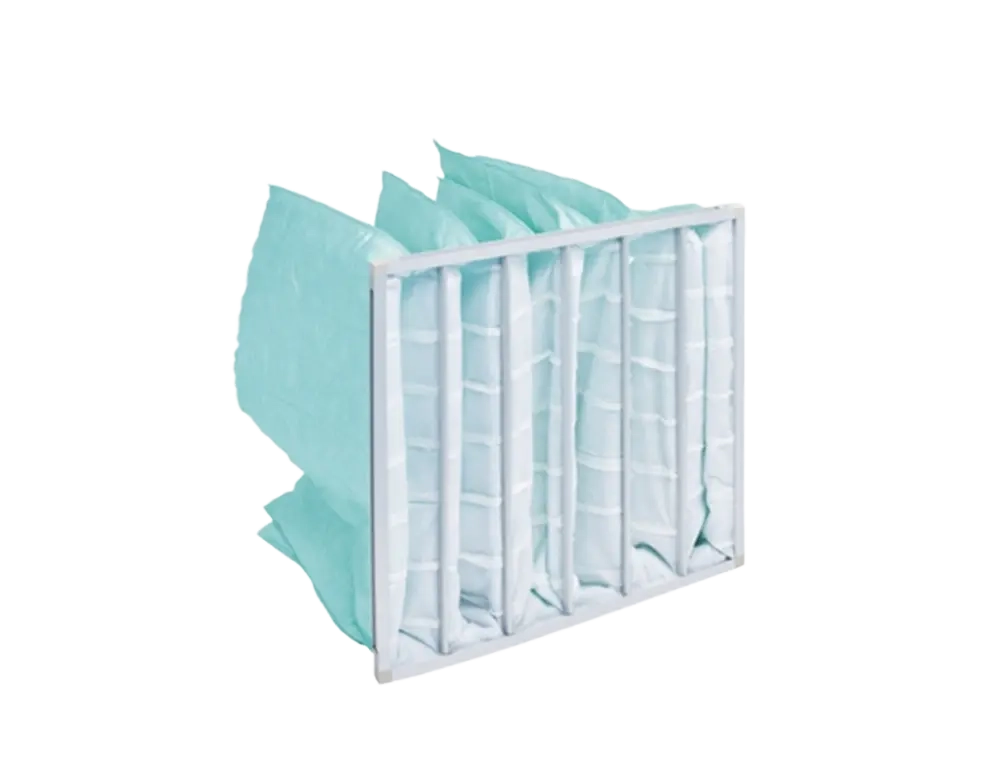
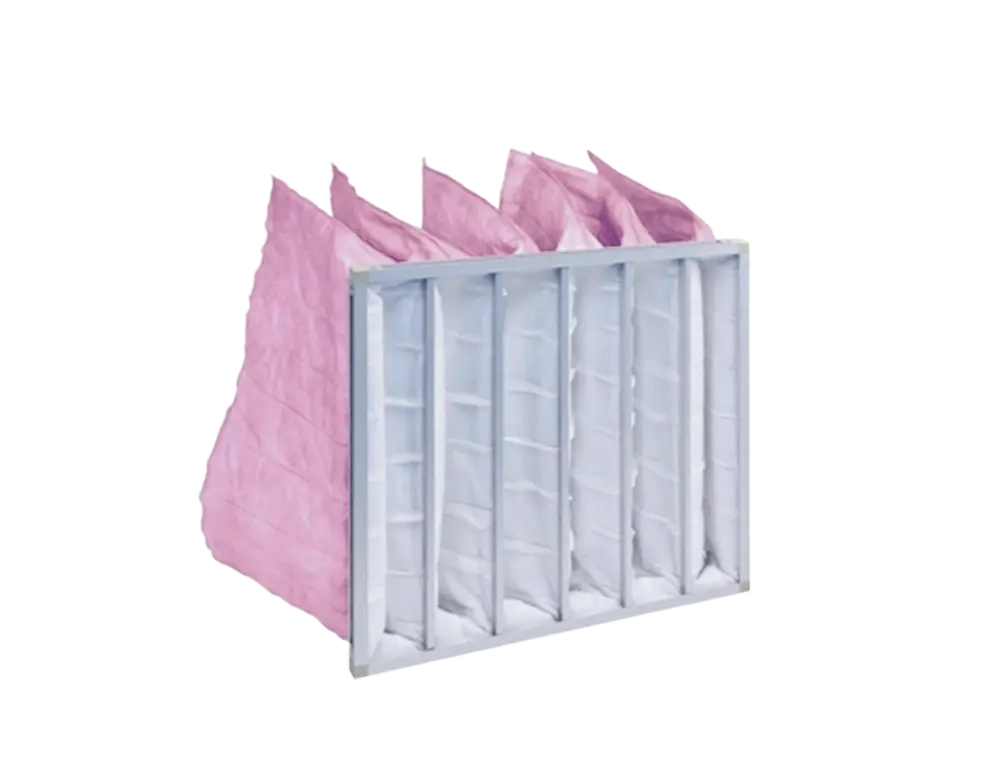
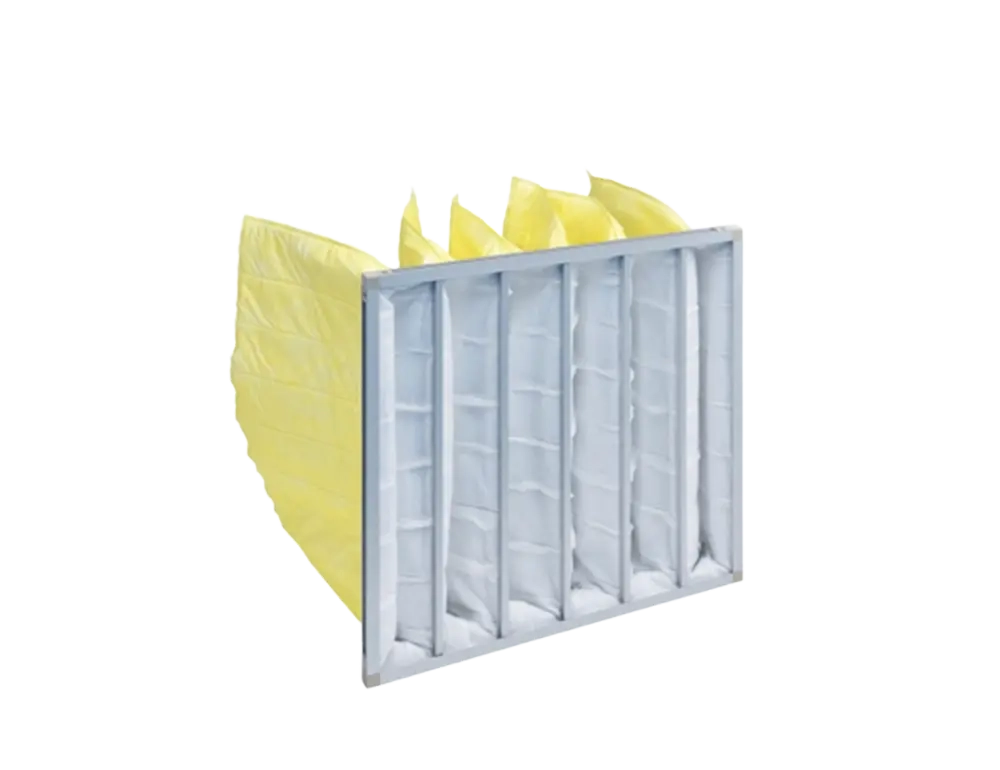
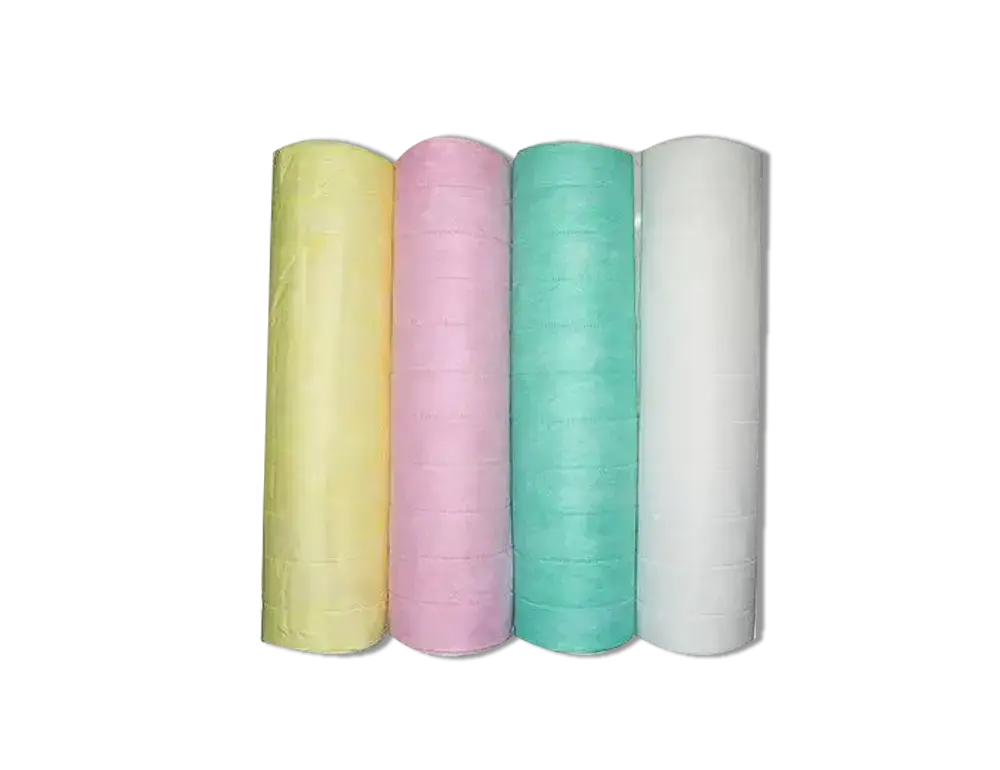
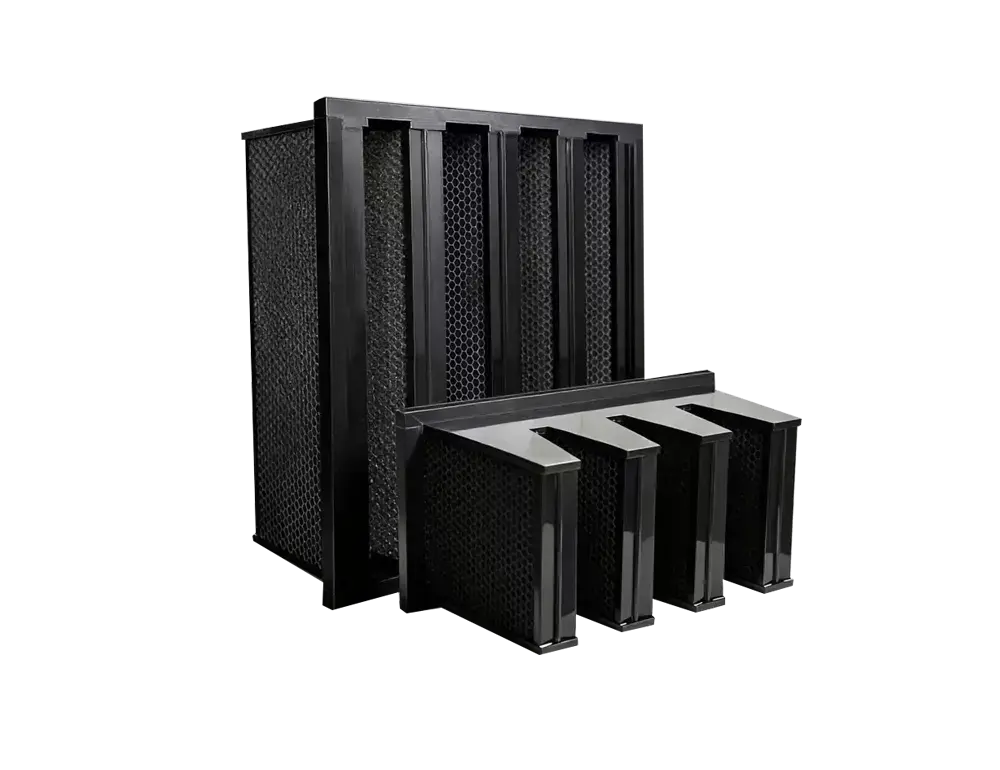
Bag Filter

Product Features

High Dust-Holding, Long Life

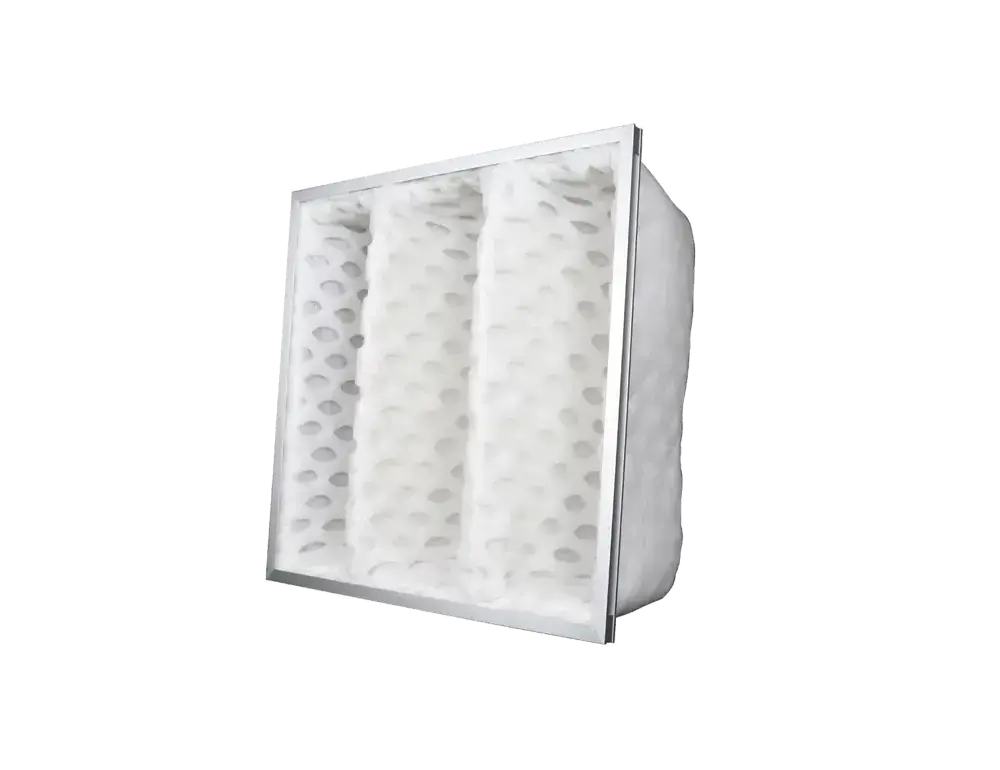
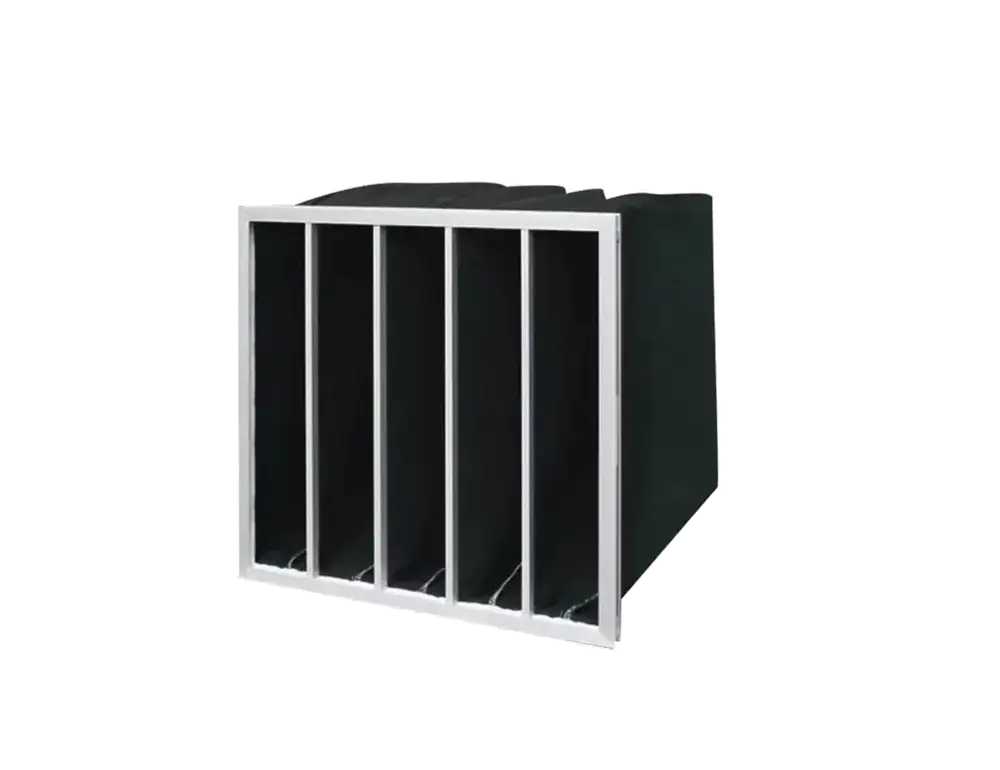
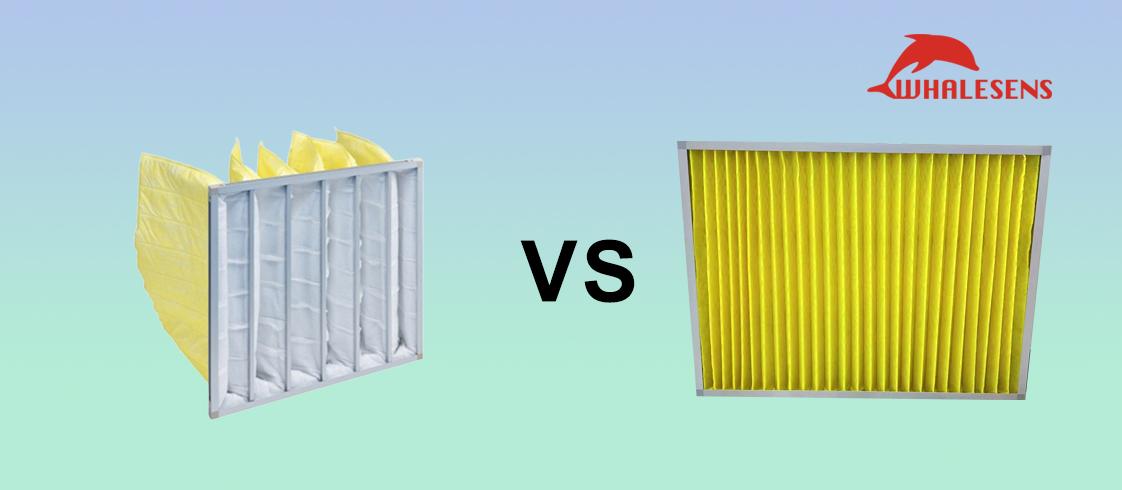
Bag-style construction delivers a larger filtration area, high dust-holding capacity, and extended service life — ideal for high-dust environments with reduced replacement frequency.

View Related Products

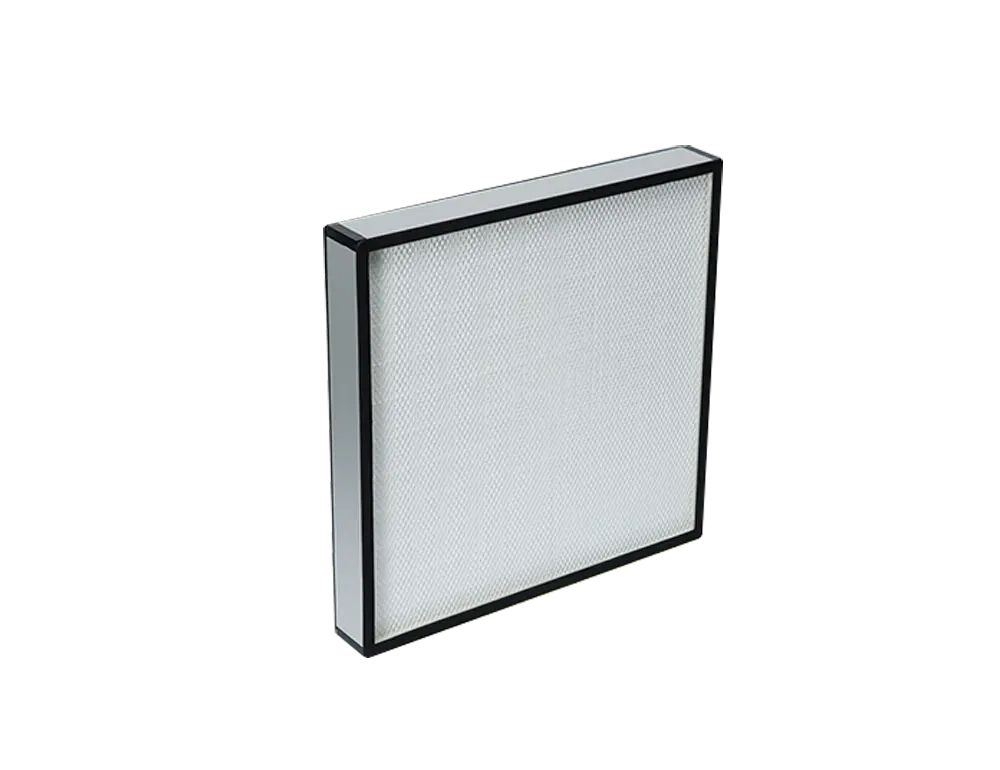
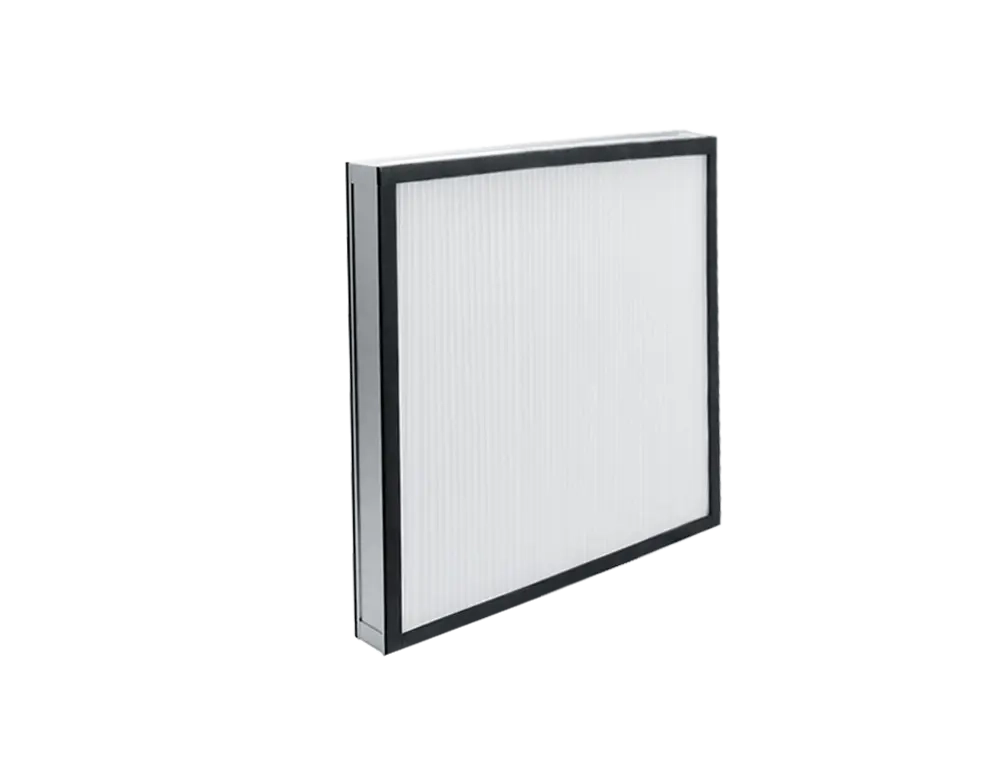
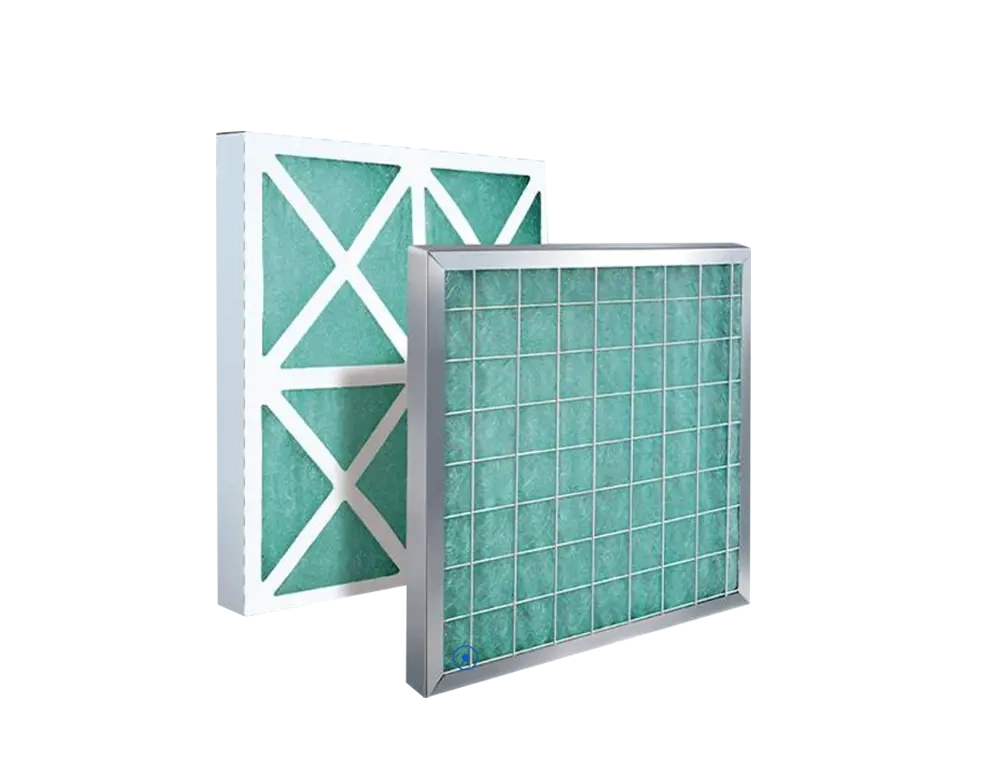
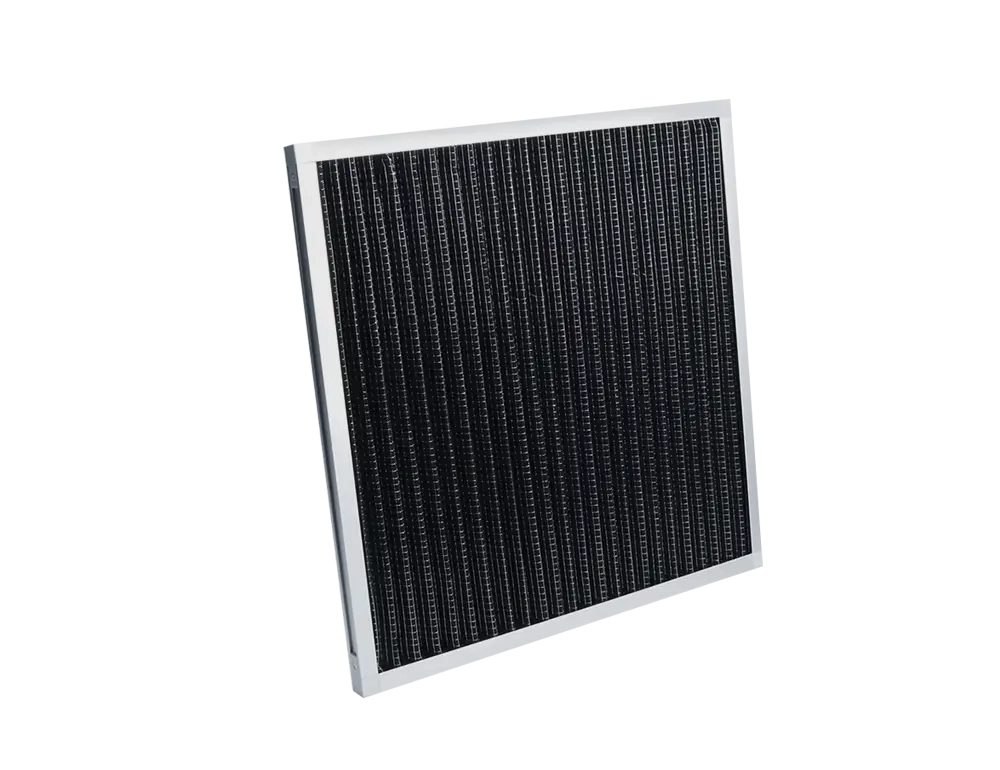
Panel / Pleated Filter

Product Features

Compact Space-Saving Design

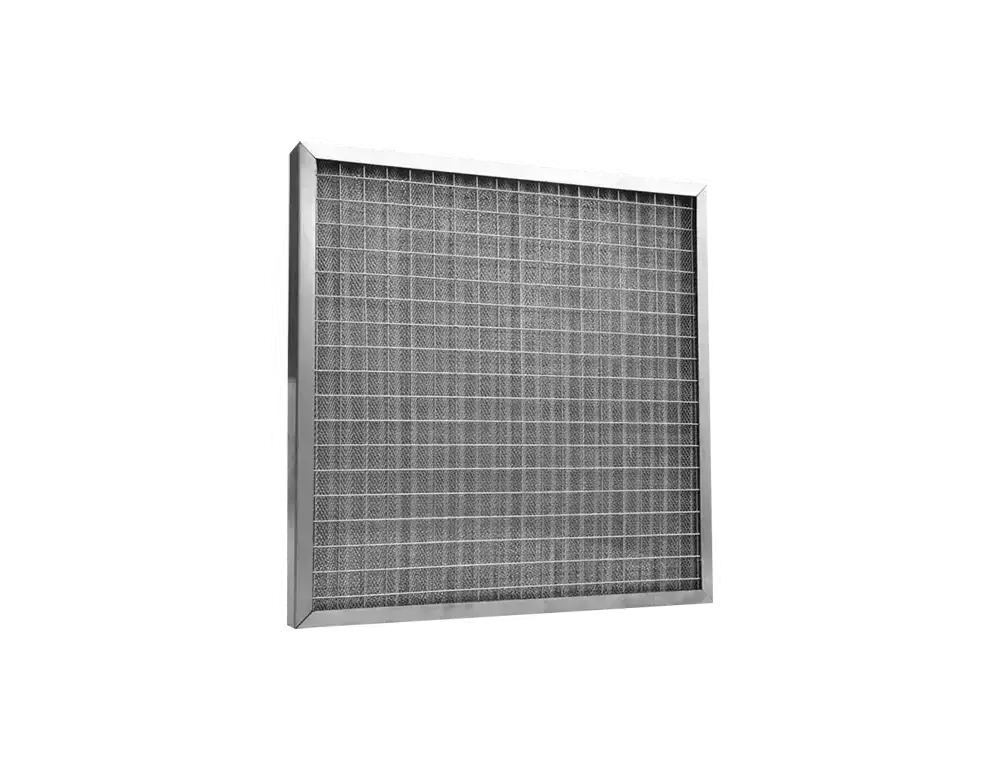
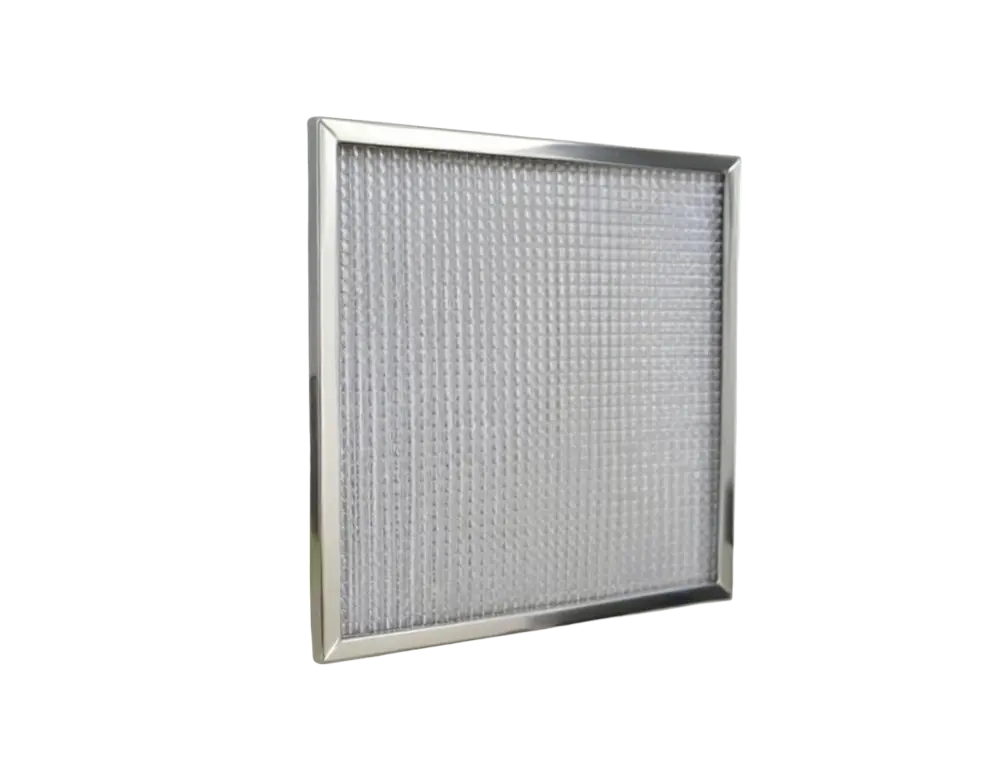
Compact form factor for easy installation and replacement; pleated structure maximizes filtration area within a small footprint for higher efficiency.

View Related Products

Low-Resistance Airflow

Product Features

Energy-Saving Operation

Low-resistance design minimizes pressure drop while maintaining filtration performance, reducing fan energy consumption for cost-effective, eco-friendly operation.

View Related Products
anli.jpg yingyonganli-shouji.jpg

2026-02-05

Electronics Manufacturing HEPA Filter Selection Guide: How Whalesens Boosts Cleanroom Yield & Energy Efficiency
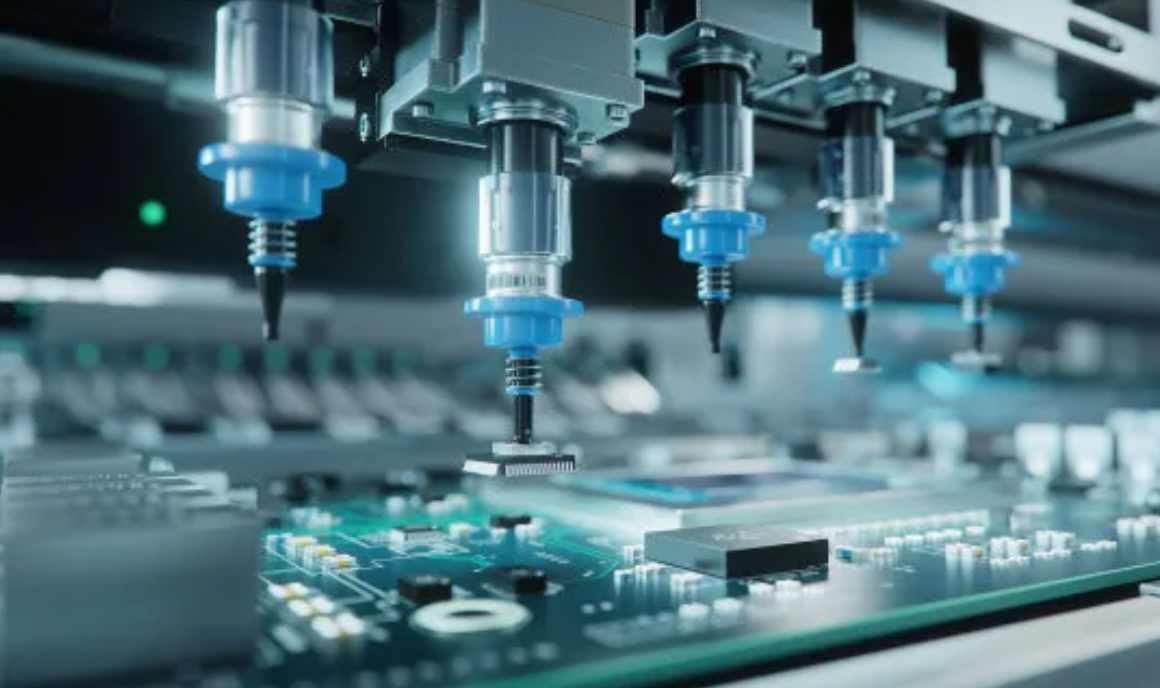
In the electronics manufacturing industry, microscopic particles as small as 0.3μm can cause chip short circuits and wafer scrapping—air cleanliness directly determines product yield and enterprise profitability. Industry data shows that using ill-suited HEPA filters can increase electronic workshop defect rates by 12%-18%, resulting in annual losses exceeding one million US dollars. 


This article combines Whalesens’ practical case of serving a large electronics enterprise in Chongqing, dissecting the core selection criteria for HEPA filters in electronics manufacturing cleanrooms, energy efficiency optimization solutions, and answers to key questions discussed in whalesens engineer communities.

ScreenShot_2026-03-03_160931_314.png


Beyond "High-Efficiency Filtration"


The high-precision nature of electronics manufacturing (such as semiconductor packaging and PCB production) imposes requirements on HEPA filters that go far beyond basic filtration functions. In addition to meeting ISO Class 5 or higher cleanliness standards (corresponding to H13-H14 grade filtration efficiency), three core pain points must be addressed:


  • Ultimate Cleanliness Assurance: Must achieve ≥99.99% filtration efficiency for 0.3μm particles while intercepting chemical pollutants like VOCs to avoid "particle adhesion" in lithography processes. The HEPA filters Whalesens provided to the Chongqing electronics enterprise are EN 1822 certified, and each unit undergoes DOP leakage testing before delivery to ensure no filtration blind spots.


  • Balance Between Low Resistance and Energy Savings: HVAC system energy consumption in cleanrooms accounts for 35%-45% of total workshop energy use. High-resistance filters can increase fan load by over 20%. Whalesens adopts a separator-less thermoplastic spacer design, controlling initial resistance within 120Pa and helping customers reduce air conditioning energy consumption by 15%.


  • Adaptability to Harsh Working Conditions: Fluctuations in temperature and humidity (22±2℃, humidity 45%±5%), chemical reagent volatilization, and other environmental factors in electronic workshops require filters to be mold-resistant, UV-resistant, and corrosion-resistant. An engineer in Whalesens community commented: "Ordinary HEPA filters deform due to moisture after 6 months, but the PET hydrophobic mesh paired with Whalesens effectively resists humid and hot environments."


Four-Step HEPA Filter Selection: Avoid Pitfalls 90% of Enterprises Fall Into


Selection errors are the main cause of filtration failure and cost waste. Combining Whalesens’ experience serving over 500 electronics enterprises and ISO 14644-1 standard requirements, we summarize a scientific selection process:


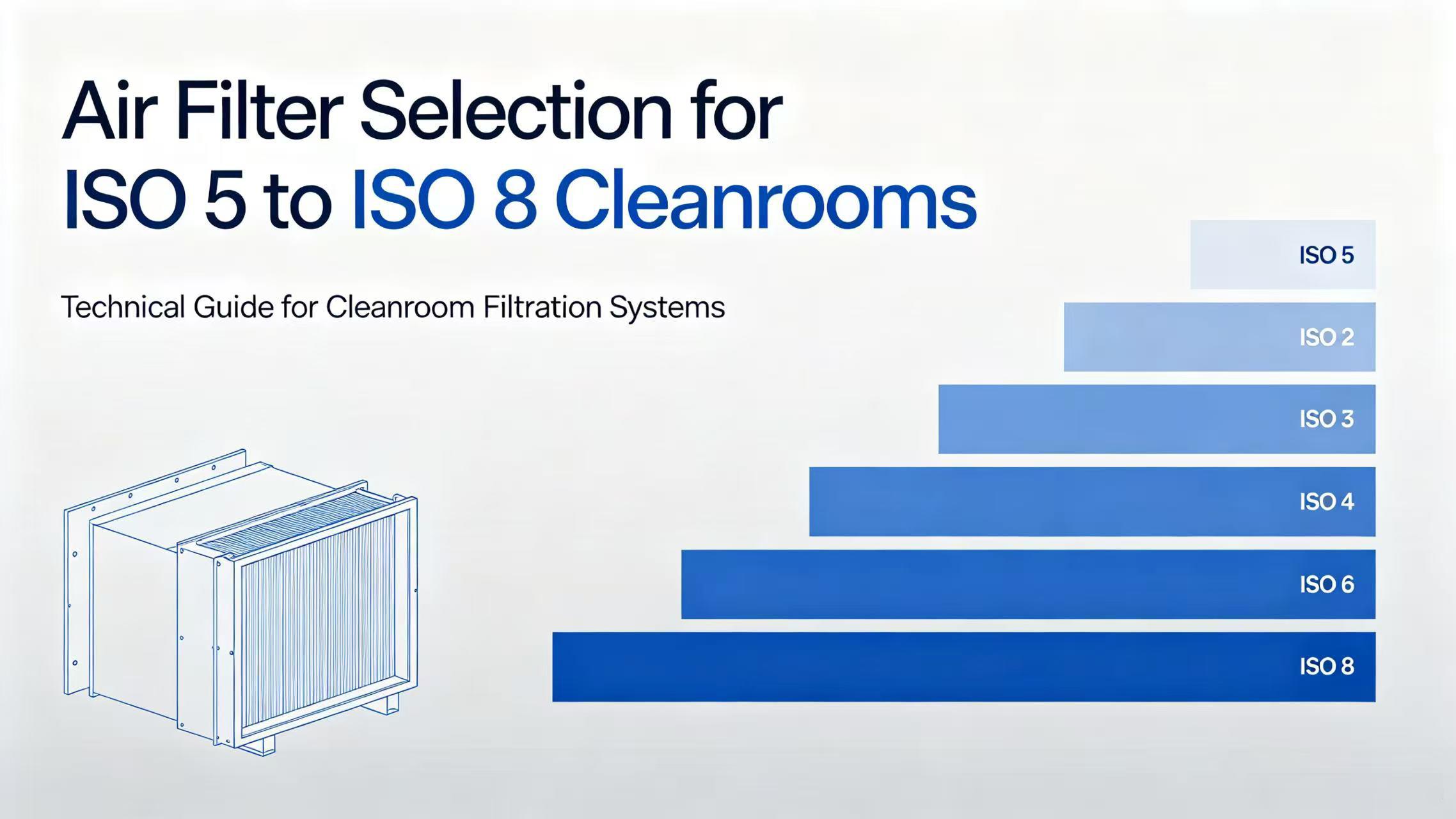
1. Reverse-Match Filtration Efficiency Based on Cleanliness Class


  • ISO Class 5 (Class 100) cleanrooms (e.g., chip lithography): Choose H14 grade HEPA or U15 grade ULPA filters to ensure ≥99.9995% filtration efficiency for 0.12μm particles;


  • ISO Class 6-7 (Class 1,000-10,000): H13 grade HEPA is sufficient—there’s no need to overpursue higher grades and double costs unnecessarily.


Other Manufacturer shared to us: "We once chose H12 grade filters to save costs, resulting in a 20% surge in PCB dust defect rates. Only after replacing with H13 grade did we return to normal—when selecting, it’s better to be slightly overqualified than underprepared."


2. Select Structural Type Based on Space and Air Volume


Workshops with limited space (e.g., old factory renovations): Prioritize separator-less HEPA filters. Whalesens’ products of this type are 30% smaller in volume and 40% lighter than traditional separator filters, requiring no modifications to existing air ducts during installation;


High air volume scenarios (e.g., FFU fan filter units): Choose modular designs that support multi-unit splicing, while ensuring air velocity uniformity of ±10% to avoid local airflow dead zones.


3. Focus on Sealing and Durability: Reduce Long-Term Maintenance Costs


Filter leakage is a "hidden killer" in cleanrooms—even if filtration efficiency meets standards, a 0.01% leakage rate can reduce cleanliness by one grade. Whalesens adopts a dual-sealing design: specialized sealant around the perimeter + 1/16-inch closed-cell foam gasket, completely eliminating unfiltered air leakage. Additionally, the high dust-holding capacity design (≥150g/m²) extends replacement cycles from 6 months to 9-12 months, reducing the number of shutdown maintenance sessions.


4. Verify Supplier Delivery and After-Sales Capabilities


Maintenance windows for electronics manufacturing equipment are usually only 48-72 hours. Delayed delivery can lead to production line shutdowns, with daily losses exceeding 50,000 US dollars. A large electronics enterprise in Chongqing once experienced a 3-day production line outage due to delayed delivery from a previous supplier—after choosing Whalesens, relying on the proximity deployment capabilities of its three production bases, it achieved on-demand delivery within 72 hours, perfectly matching the customer’s maintenance schedule.


Win-Win for Yield and Energy Efficiency at Chongqing Enterprise
ScreenShot_2026-02-06_181913_266 拷贝.jpg


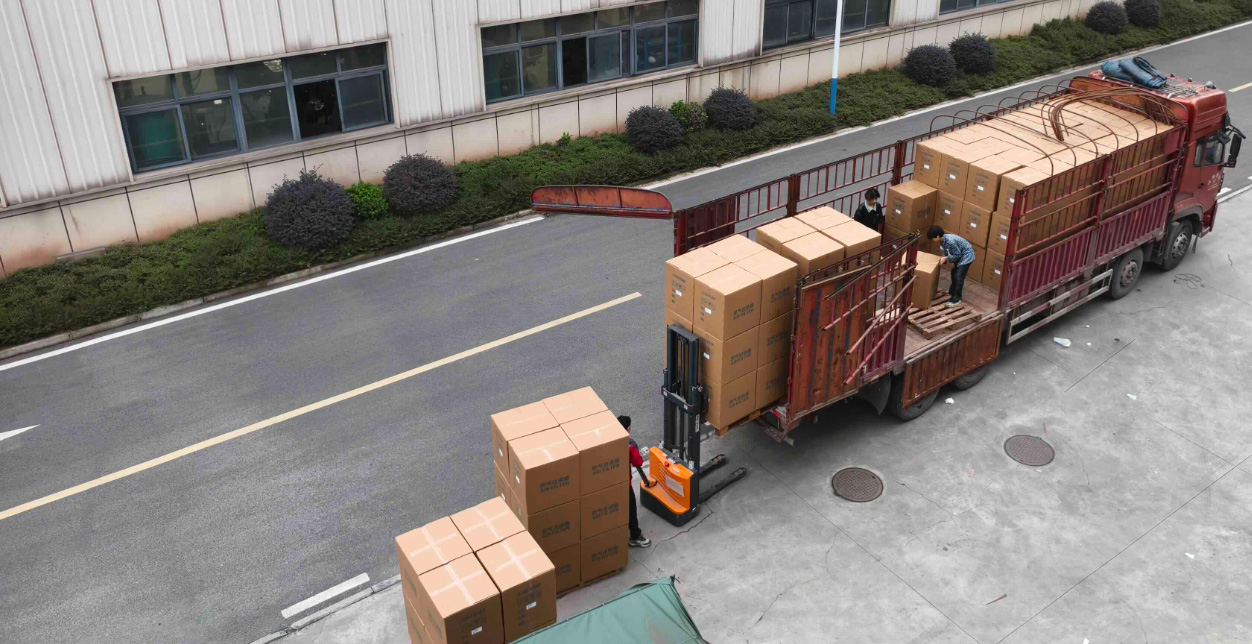
A large electronics manufacturing enterprise in Chongqing (specializing in new energy vehicle electronic components) faced three major challenges: subpar filtration efficiency of existing filters (yield only 85%), excessive energy consumption, and short replacement cycles (needing shutdowns every 5 months). Whalesens provided a targeted customized solution:


  • Product Adaptation: Based on its ISO Class 5 cleanroom requirements, configured H14 grade separator-less HEPA filters paired with PET-125 hydrophobic mesh and Uni-grid support structure, ensuring both filtration efficiency and preventing filter media deformation under high wind pressure;


  • Energy Efficiency Optimization: The low-resistance design reduced the workshop’s HVAC system energy consumption by 15%, saving 280,000 kWh of electricity annually, equivalent to reducing carbon emissions by 210 tons;


  • Result Delivery: After installation, the concentration of 0.3μm particles in the workshop dropped from 350 particles/m³ to below 10 particles/m³, product yield increased to 97.8%, replacement cycles extended by 30%, and annual comprehensive cost savings exceeded 1.2 million US dollars.


A community user commented on the case: "Our factory has similar production scenarios to this Chongqing enterprise. After replicating Whalesens’ selection plan, our yield increased from 83% to 96%, and we no longer have to work overtime to rectify ‘dust particle defects’."


Frequently Asked Questions About HEPA Filters in Electronics Manufacturing: Real Feedback from Engineer Communities


Q1: How Often Is the Most Cost-Effective Time to Replace HEPA Filters?


A: There’s no need to adhere to a fixed "annual replacement" cycle. The key is to monitor pressure difference—replace immediately when filter resistance reaches twice the initial value (usually 250-300Pa). Whalesens recommends pairing with a differential pressure sensor for real-time monitoring, combined with front-end primary/intermediate filter maintenance (replaced every 3 months), which can extend HEPA service life by 30%.


Q2: How to Avoid "Subpar Cleanliness" After HEPA Filter Installation?


A: Pay attention to three points during installation: ① Seal gap between frame and air duct ≤0.1mm; ② Avoid touching the filter media surface with hands (grease can cause filtration blind spots); ③ Conduct particle counter testing within 24 hours after installation. One of our client shared: "We once had edge leakage due to improper installation by workers. After switching to Whalesens’ pre-installed gaskets, the problem was completely resolved."


Q3: Do HEPA Filters Need to Be Paired with Chemical Filters in Electronics Manufacturing?


A: Yes. Processes like semiconductor manufacturing and lithography generate VOCs and acidic gases, which cannot be intercepted by HEPA alone—pairing with activated carbon chemical filters can increase product yield by an additional 3%-5%. Whalesens supports modular combinations and can customize filtration solutions based on pollutant types.


Conclusion: Choosing the Right HEPA Filter = Securing "Clean Profit" in Electronics Manufacturing


Competition in electronics manufacturing has entered the era of "micron-level precision". HEPA filters are no longer mere "auxiliary equipment" but core assets that ensure yield and control costs. With international certification qualifications, customized design capabilities, and a fast delivery system, Whalesens has become the preferred partner for numerous electronics enterprises.


If you’re facing challenges such as subpar cleanliness, excessive energy consumption, or tight delivery cycles, welcome to contact Whalesens’ technical team—we will provide free selection plans and sample testing services based on your workshop scenario and cleanliness grade requirements, turning your cleanroom into a "profit growth driver" rather than a "cost burden".


👉 Whalesens Technology —WhalePower, Pure Performance.


✅ Free Technical Consultation: Expert guidance on the latest technologies and applicability.

✅ Customized Solutions: Tailored filter systems designed for your specific needs.


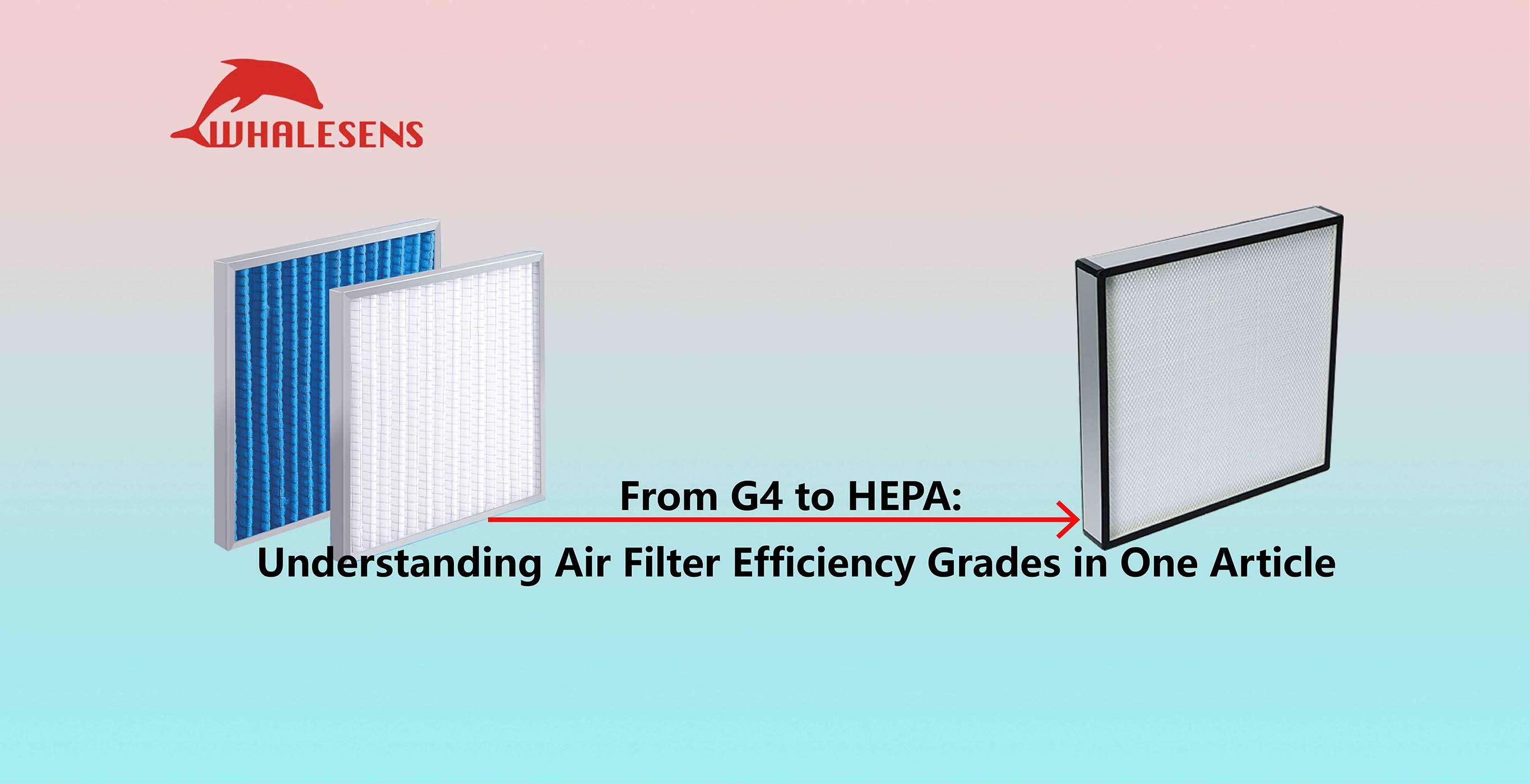
🔍 Common Air Filter Types

  • Bag Filters: Remove medium to large particles such as dust and pollen; ideal for livestock farms, industrial facilities, and schools.

  • Panel Filters: Serve as primary or medium-efficiency filters to protect equipment and extend the life of high-efficiency filters.

  • HEPA Filters: Capture PM2.5, pollen, bacteria, and most airborne particulates; perfect for classrooms, laboratories, and medical environments.

  • Activated Carbon Filters: Remove gaseous pollutants, odors, and volatile organic compounds; suitable for food processing, livestock, and enclosed spaces.


🔍 Explore More Articles


Learn more about our innovative technologies:


🌐 Official Websitewww.whalesens.com

📞 WhatsApp(+86) 13119189886

📧 Email: whalesens@gmail.com