


EV Charging Stations
Filtration for Power Equipment
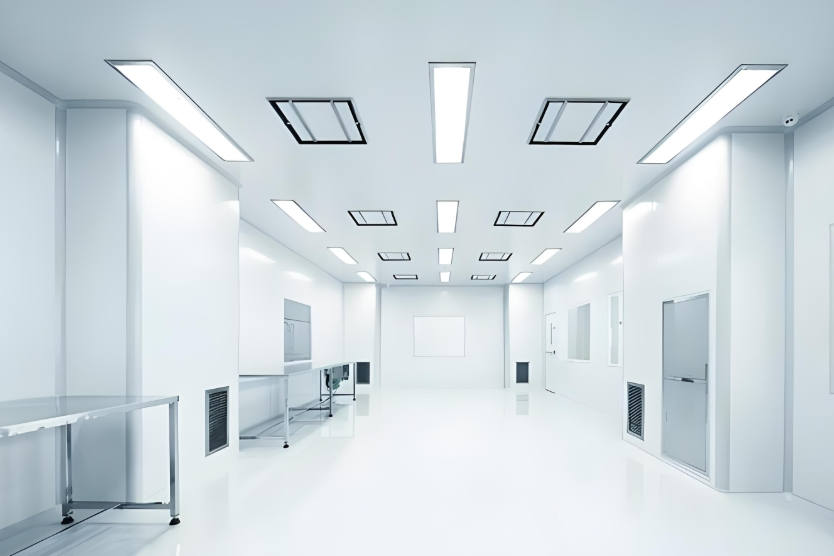
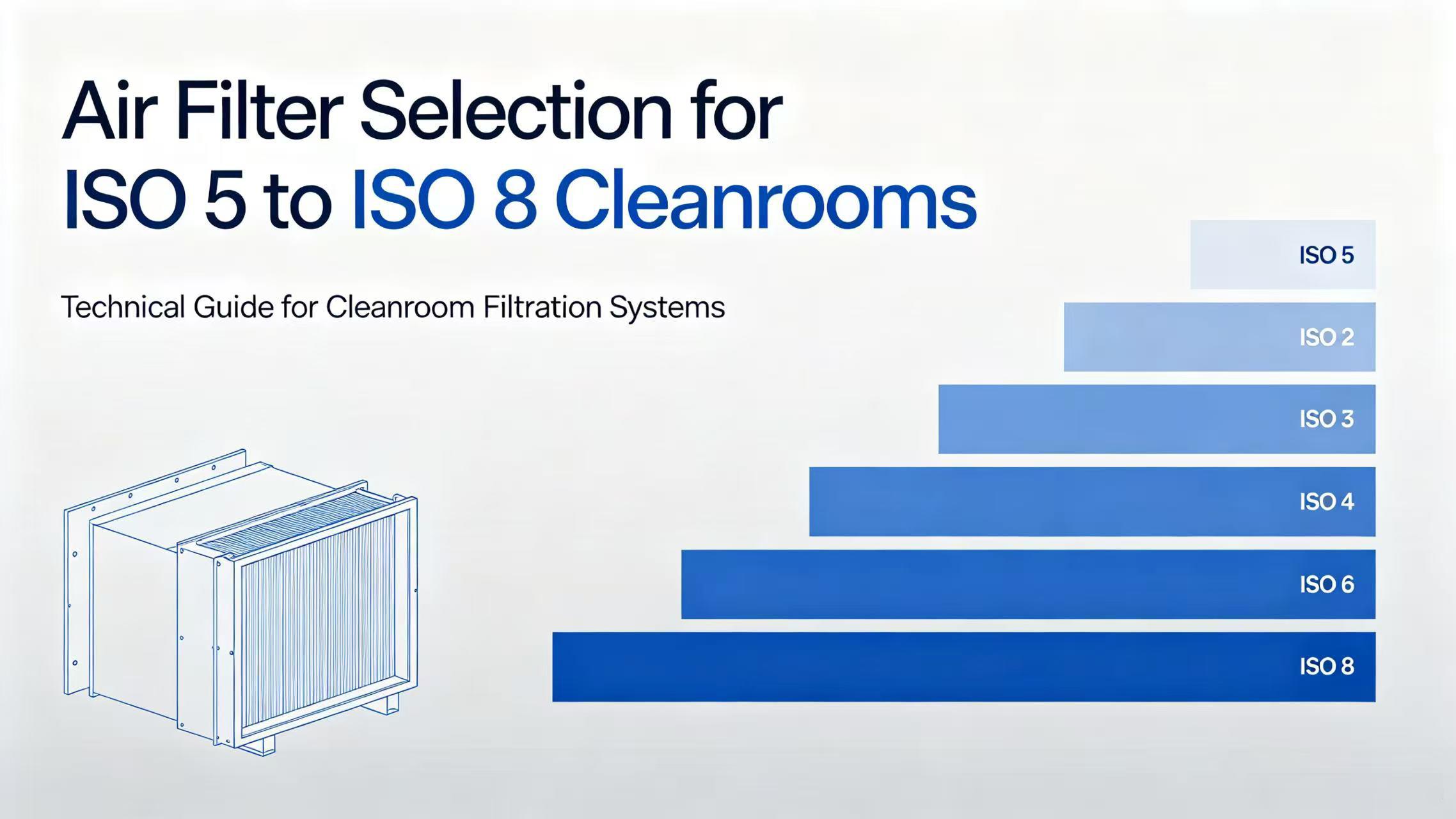
Cleanroom & Semiconductor
Ultra-High Cleanliness Filtration
Commercial HVAC
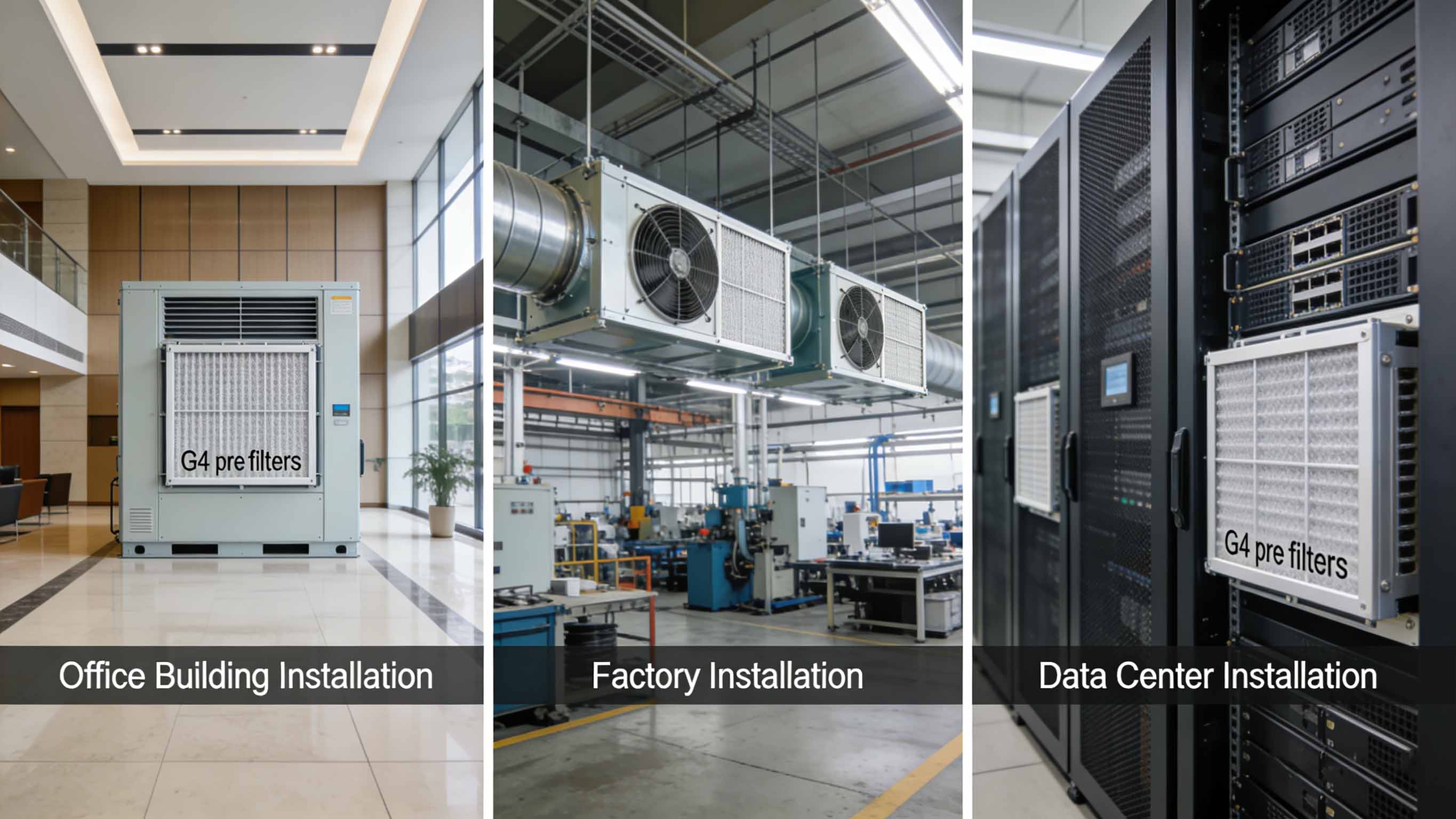
Central Air System Filtration
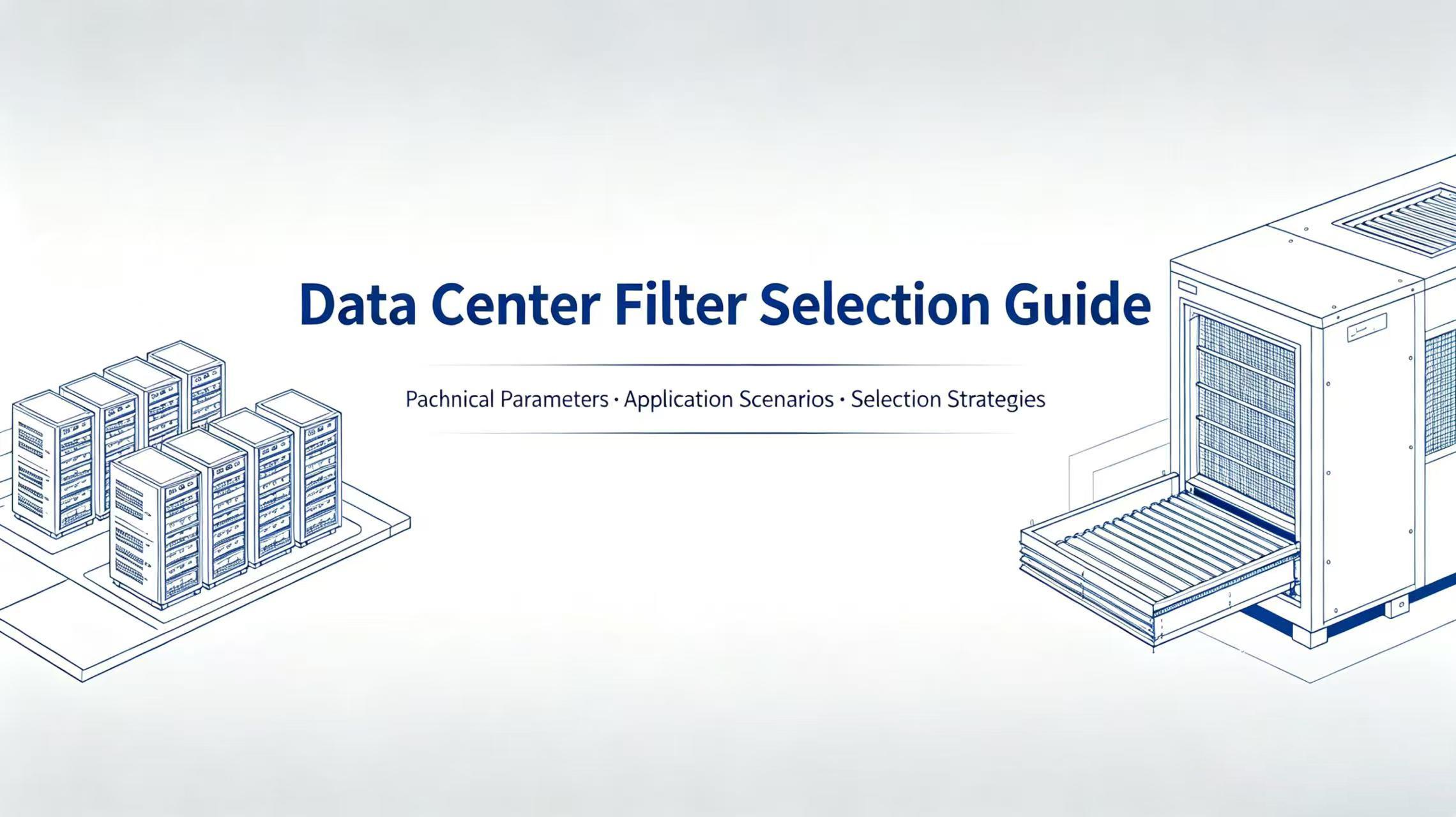
Data Centers
Precision Equipment Protection
Livestock & Farming
Farming Environment Purification
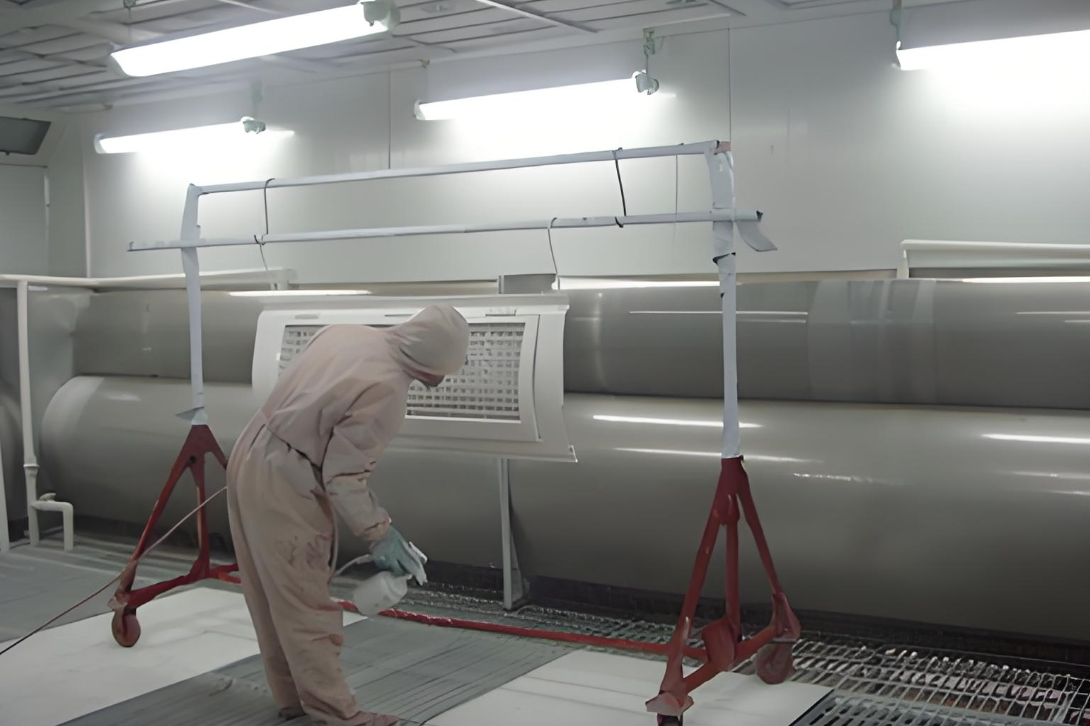
Spray Booths & Industrial Dust
Paint Mist & Dust Purification
Filtration for Power Equipment
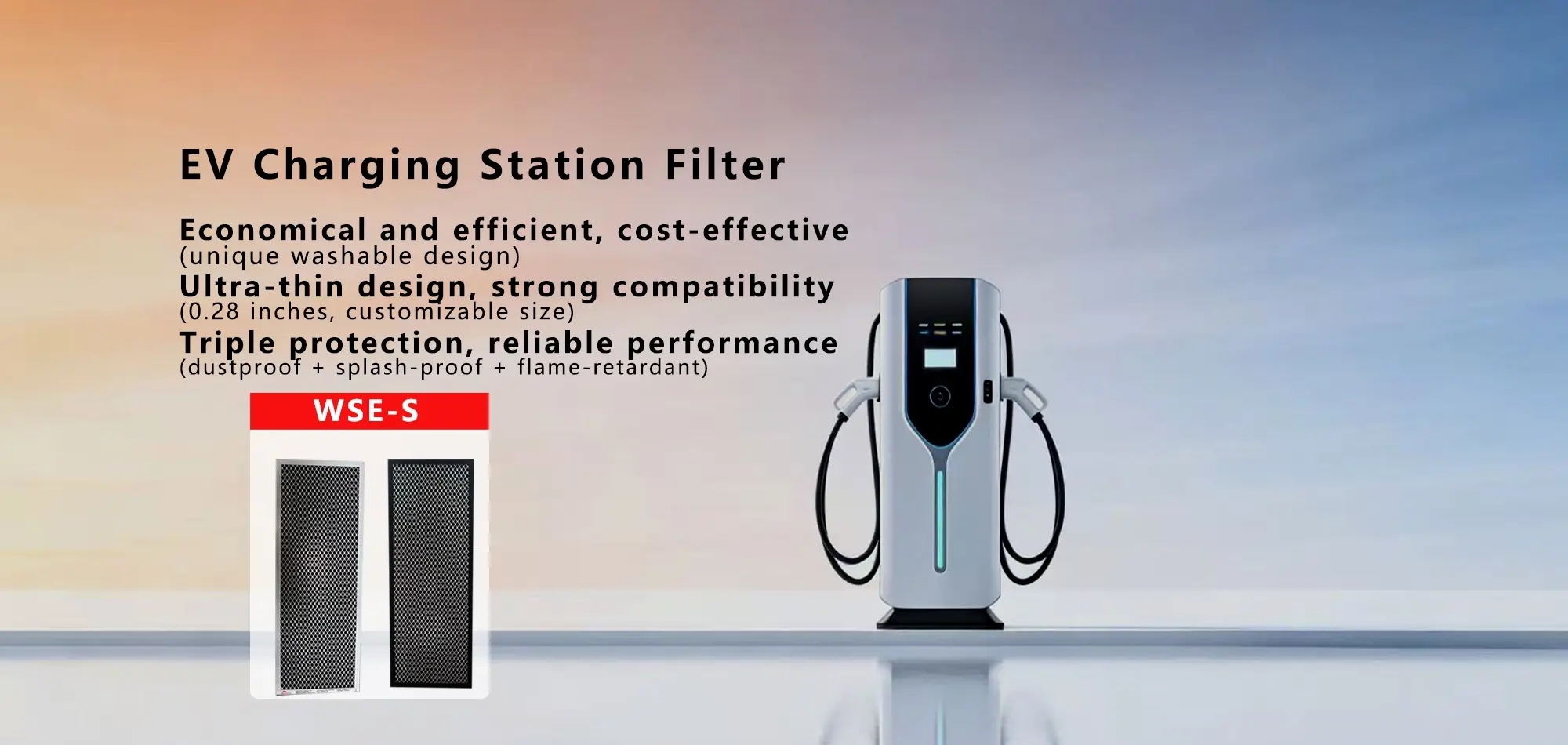
Professional air filtration for EV charging devices, protecting against dust and sand ingress to ensure stable, reliable operation of charging piles and station infrastructure.
View Related Products →Ultra-High Cleanliness Filtration
Ultra-high efficiency filtration for semiconductor wafer fabs and precision electronics cleanrooms, capturing nano-scale particles to meet ISO Class 1–3 standards and maximize product yield.
View Related Products →Central Air System Filtration
High-efficiency filtration for commercial building HVAC systems, improving indoor air quality, reducing energy consumption, and extending equipment service life.
View Related Products →Precision Equipment Protection
Precision air filtration for data centers, shielding servers and critical hardware from dust contamination to keep cooling systems running efficiently and reliably.
View Related Products →Farming Environment Purification
Dedicated filtration systems for farms and livestock facilities — capturing dust, adsorbing ammonia, and inhibiting pathogen spread to improve animal health and overall productivity.
View Related Products →Paint Mist & Dust Purification
Designed for spray booths and grinding workshops, efficiently capturing paint mist, metal dust, and wood chips to meet emission standards while protecting finished surface quality.
View Related Products →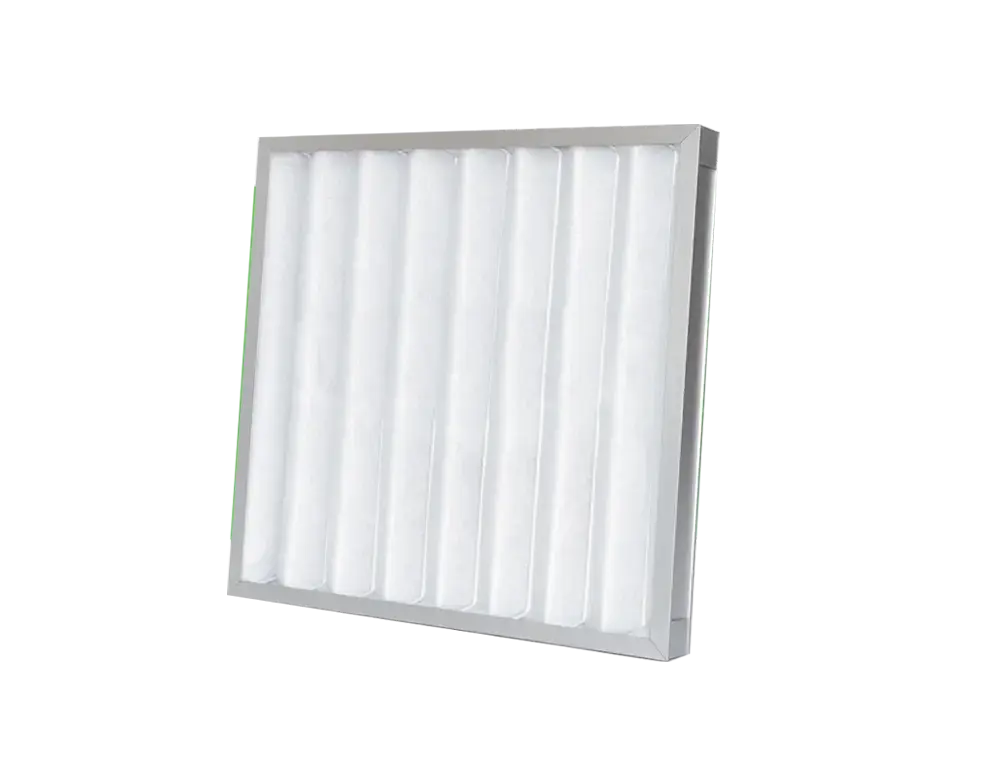
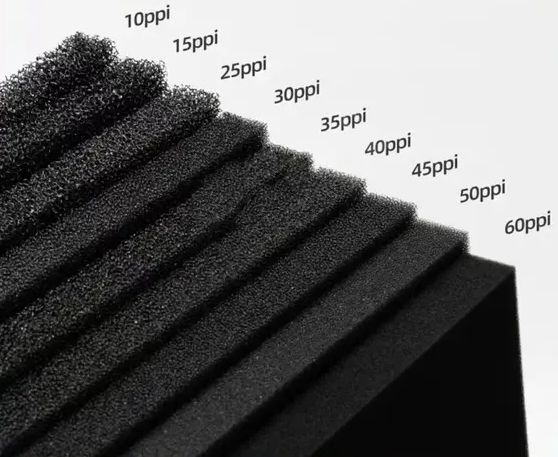
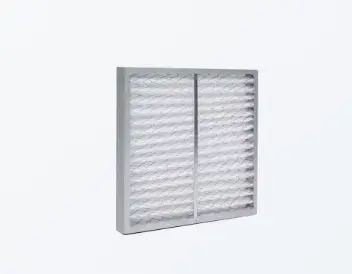
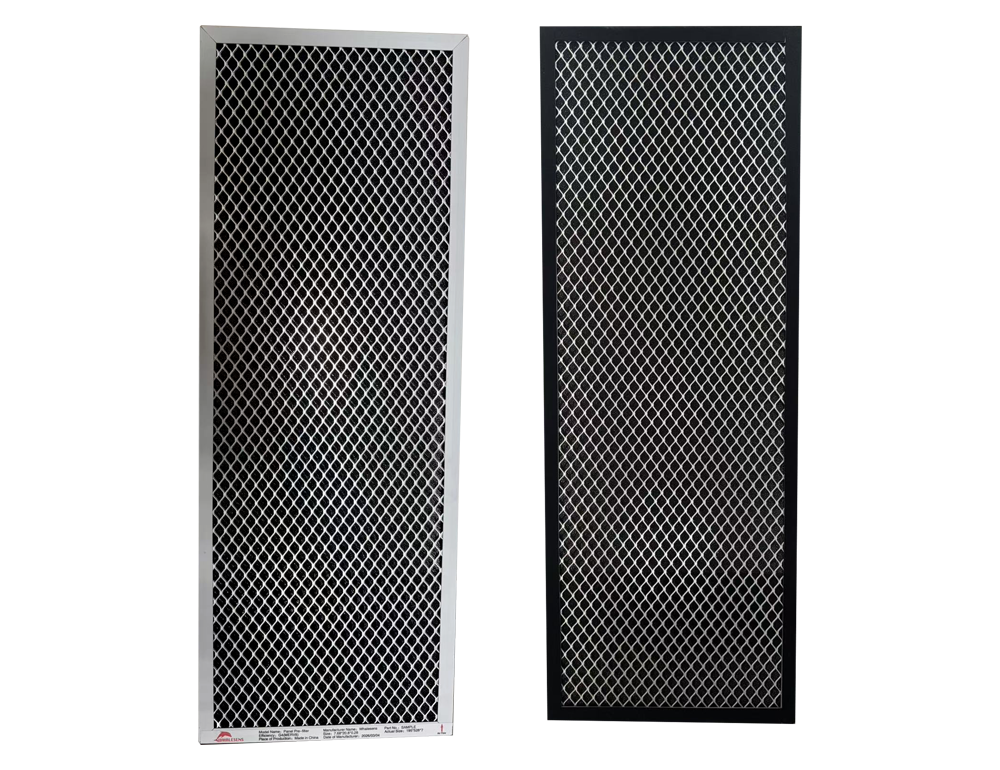
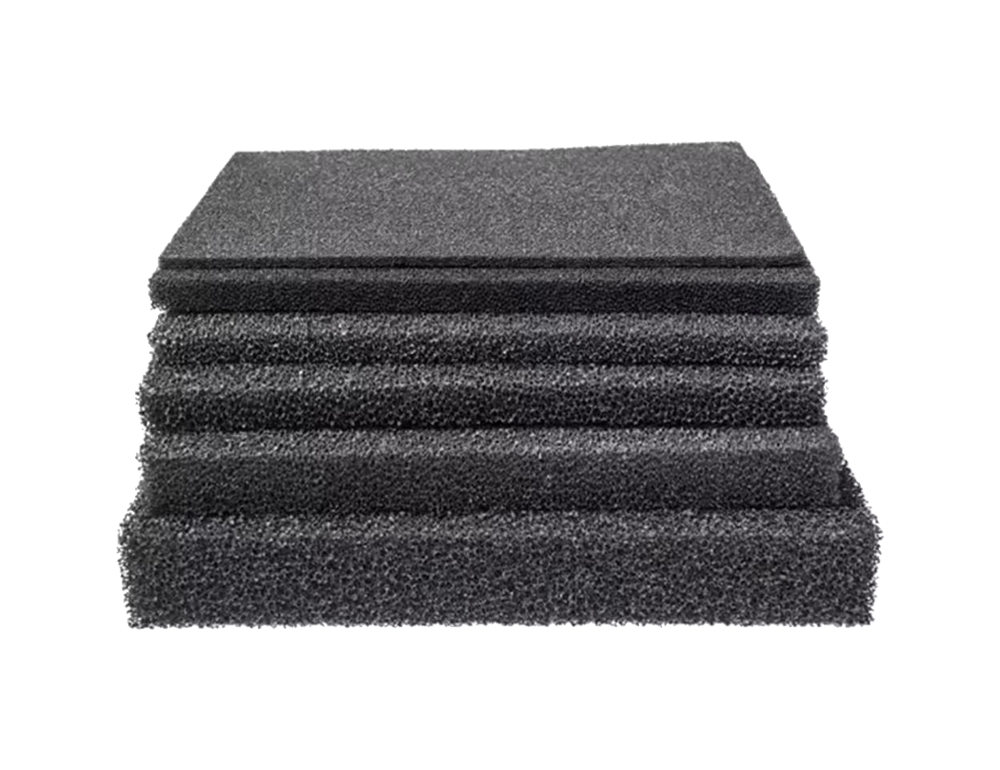
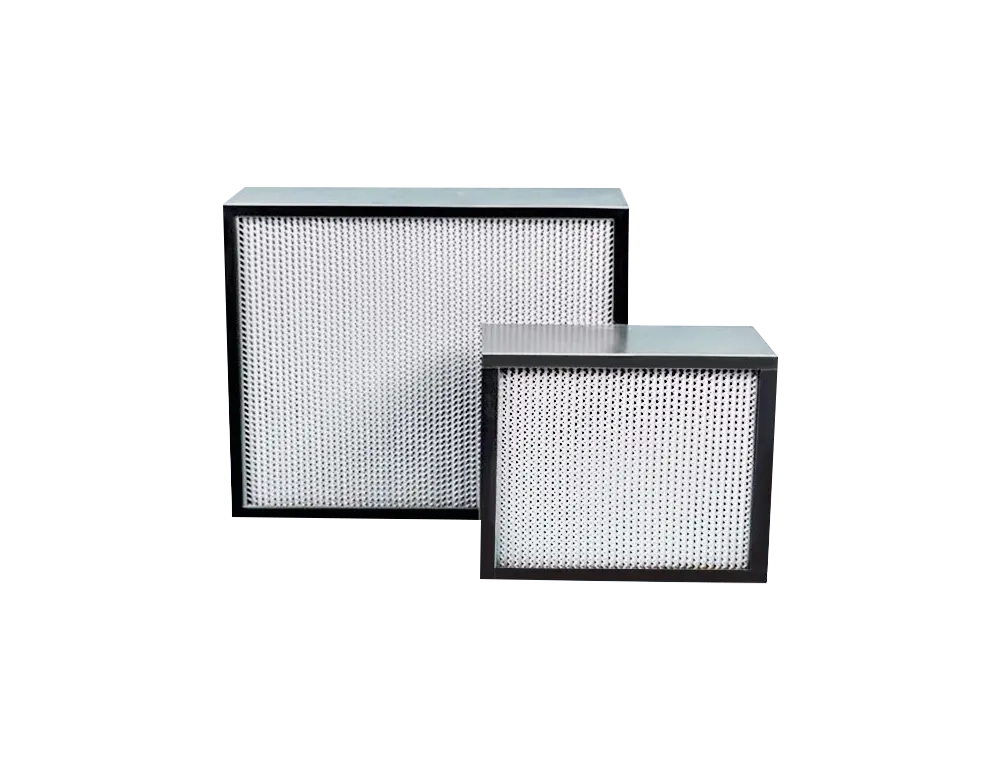
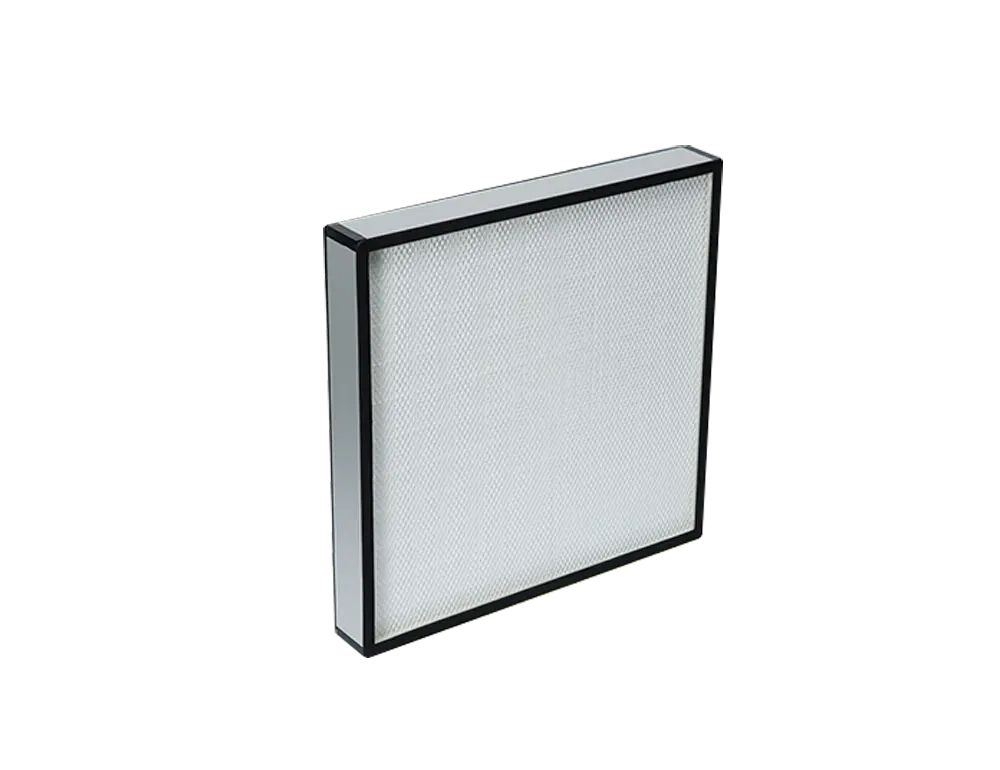
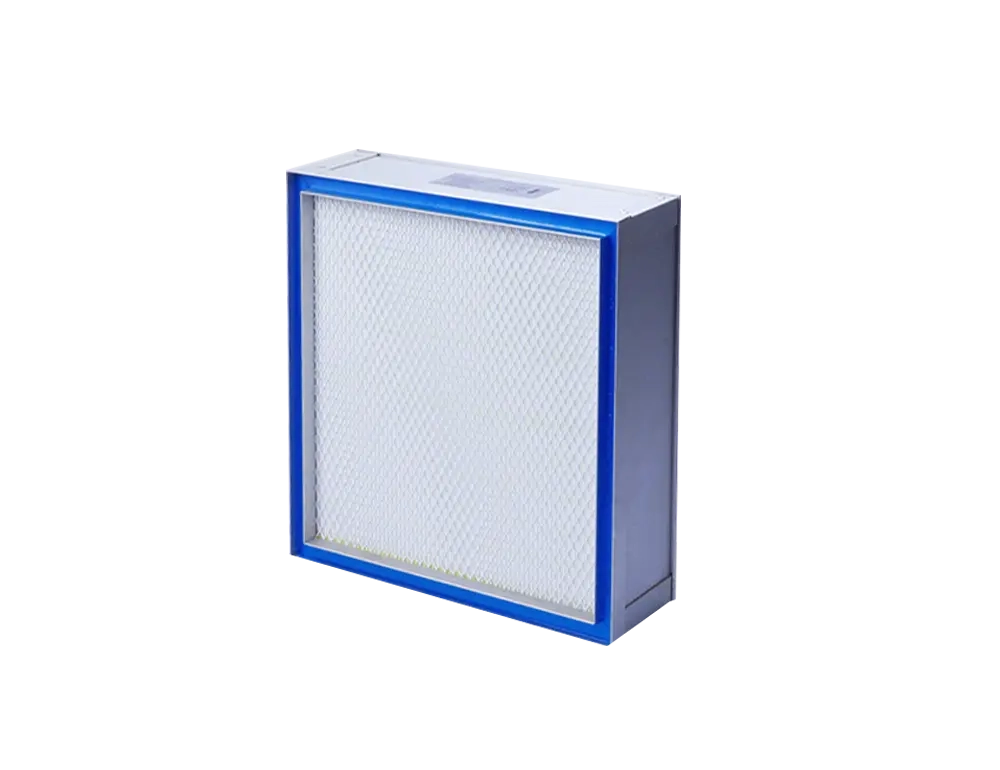
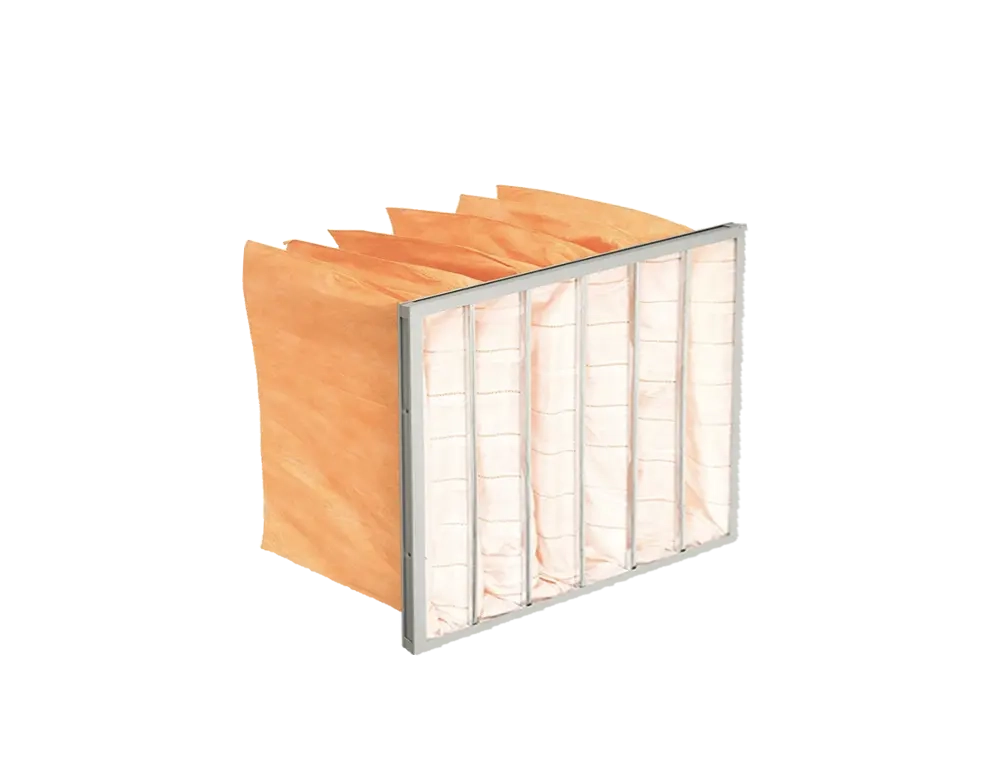
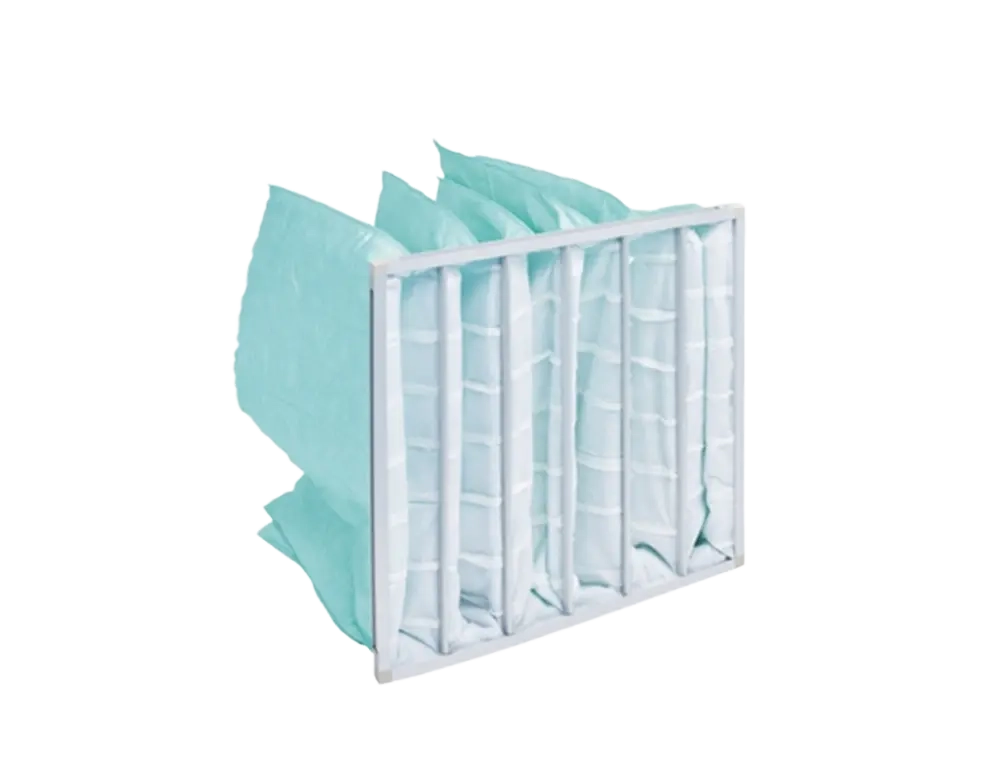
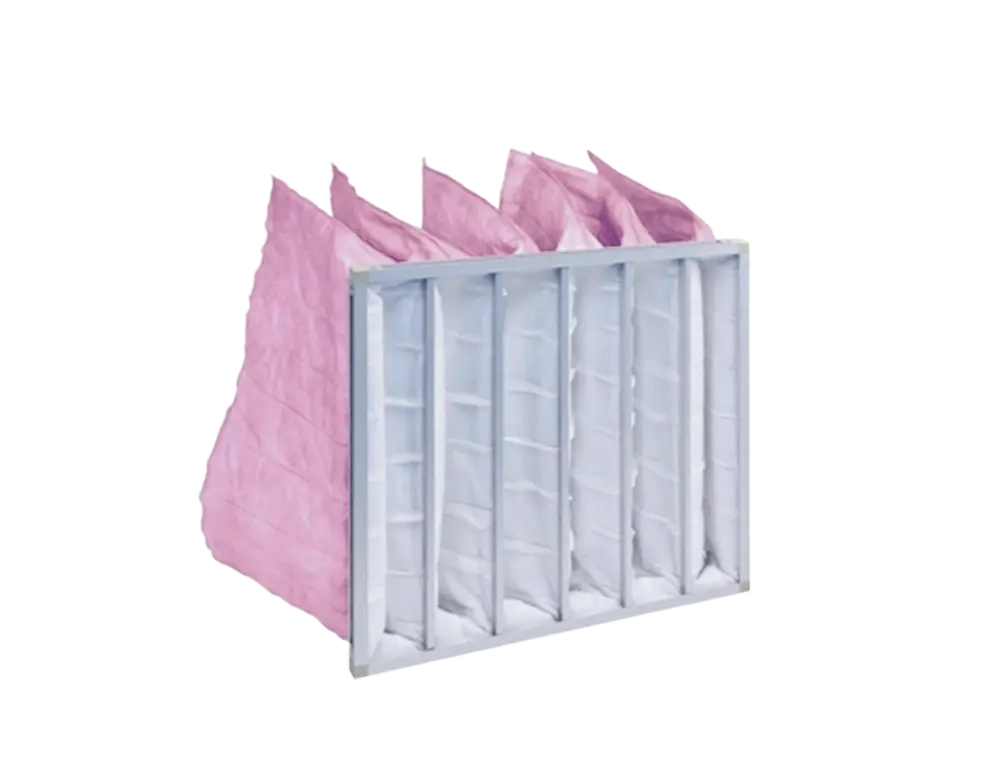
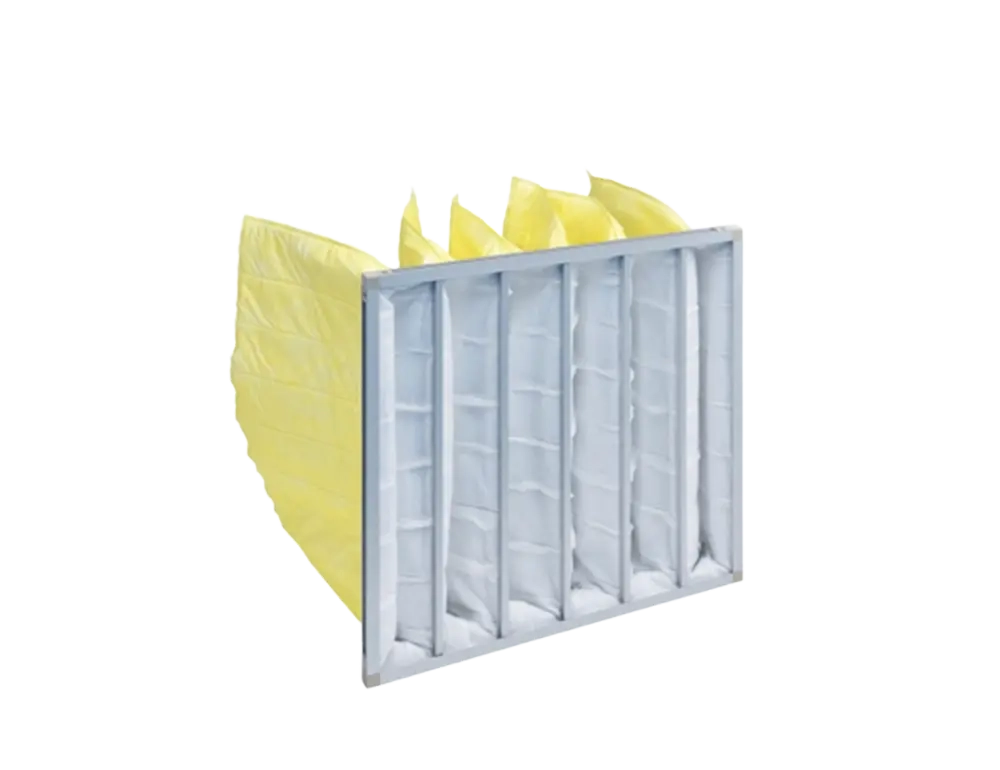
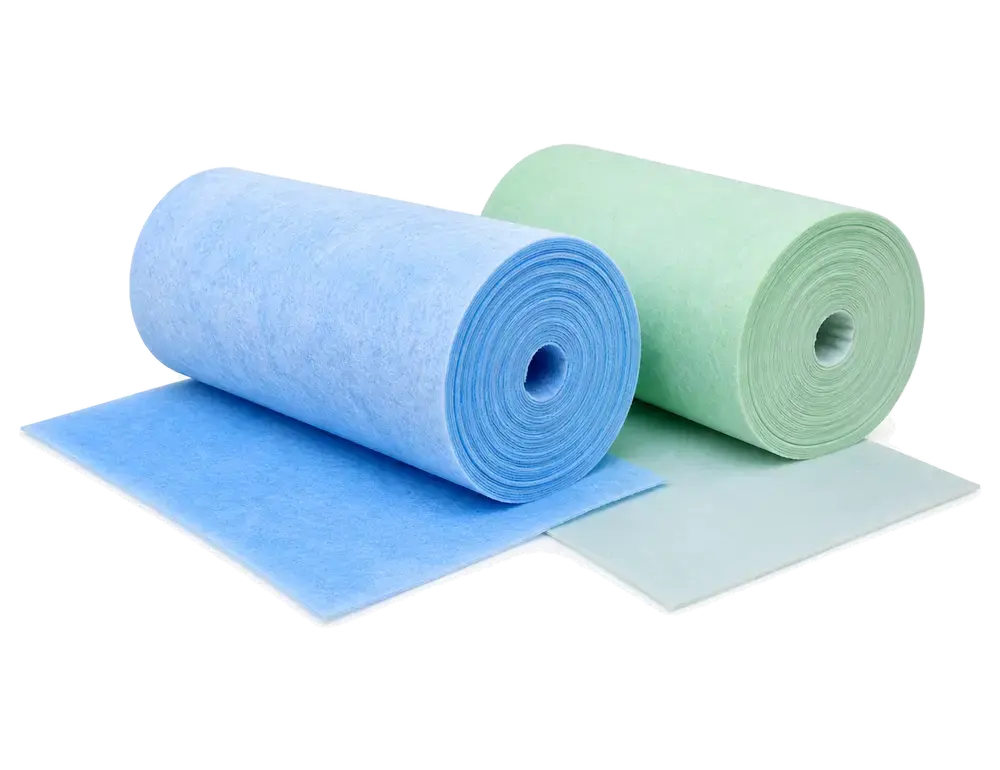
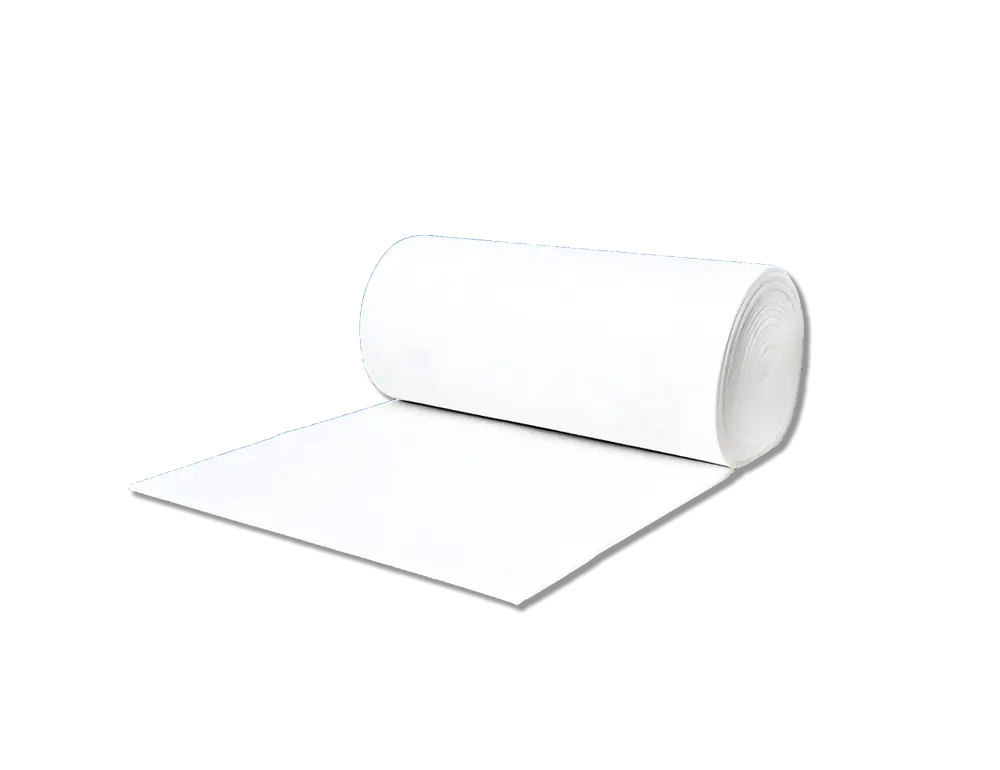
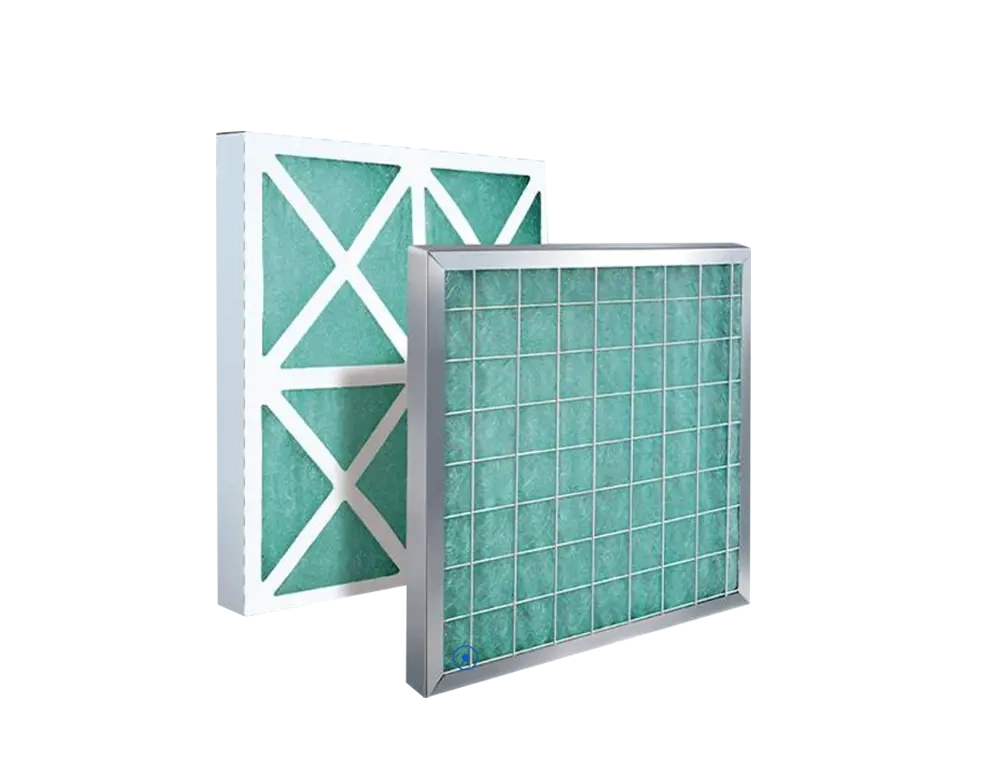
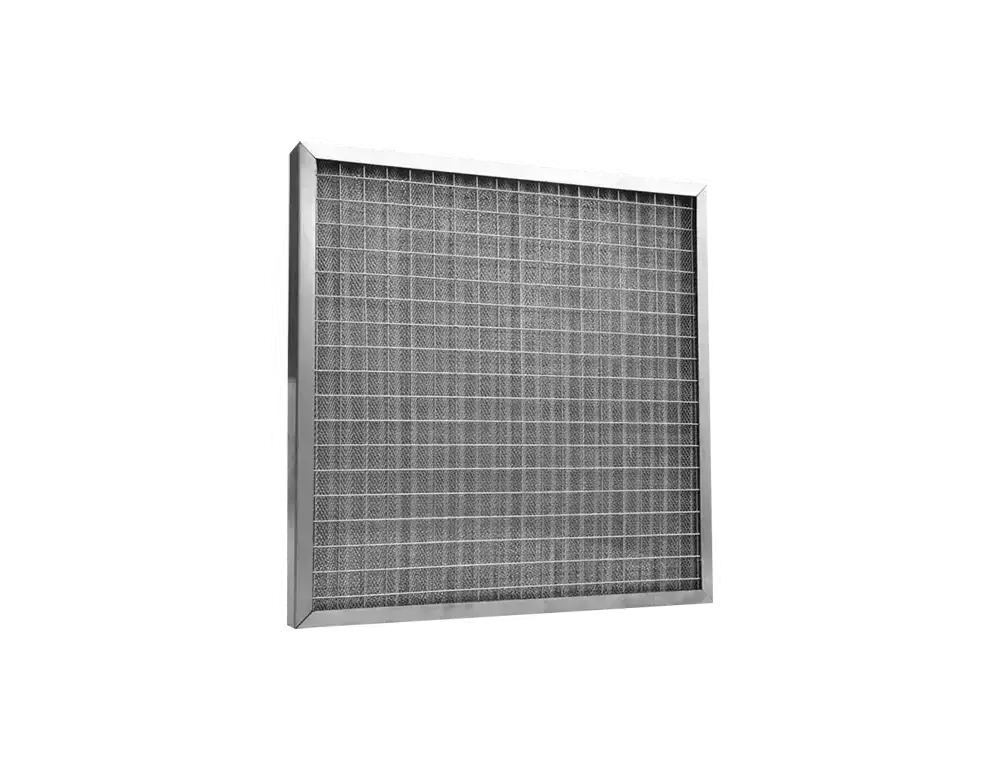
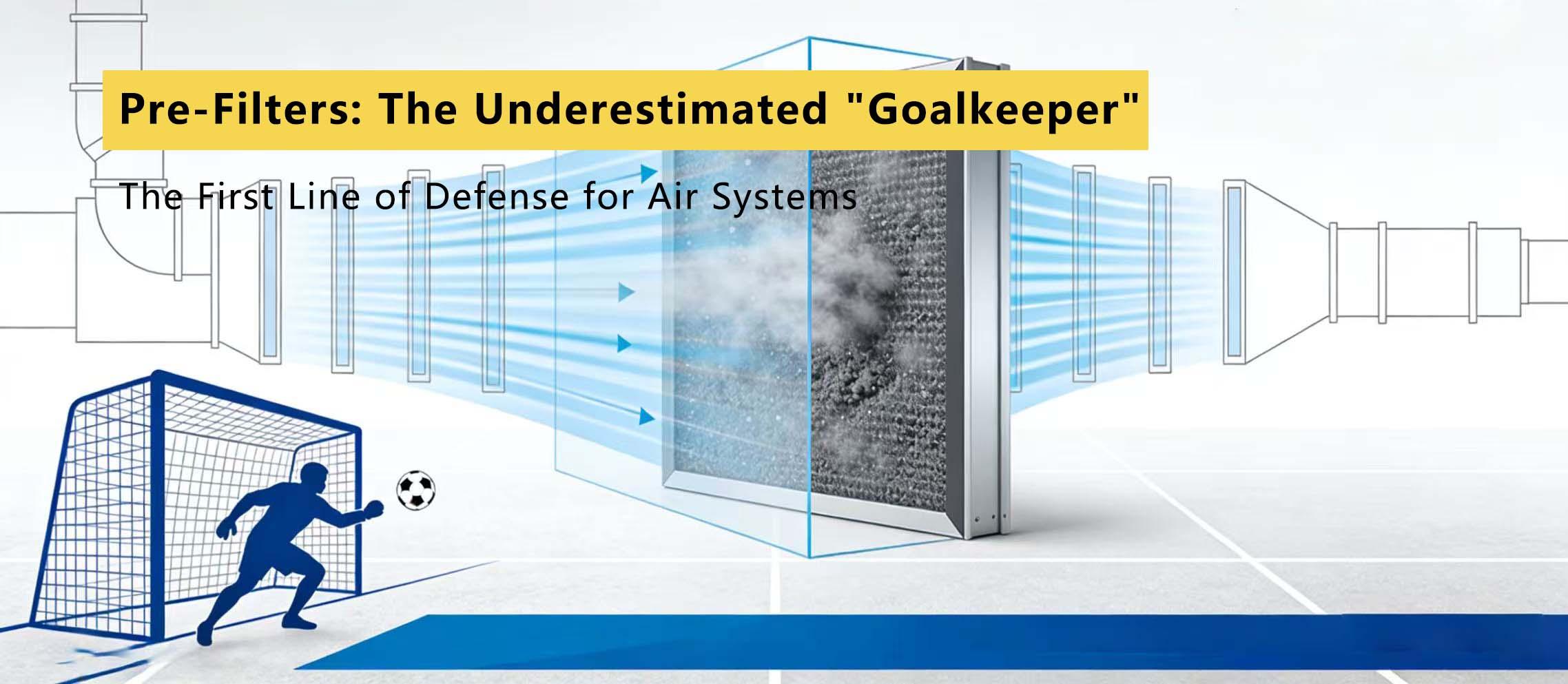
Pre-Filter (G1–G4)
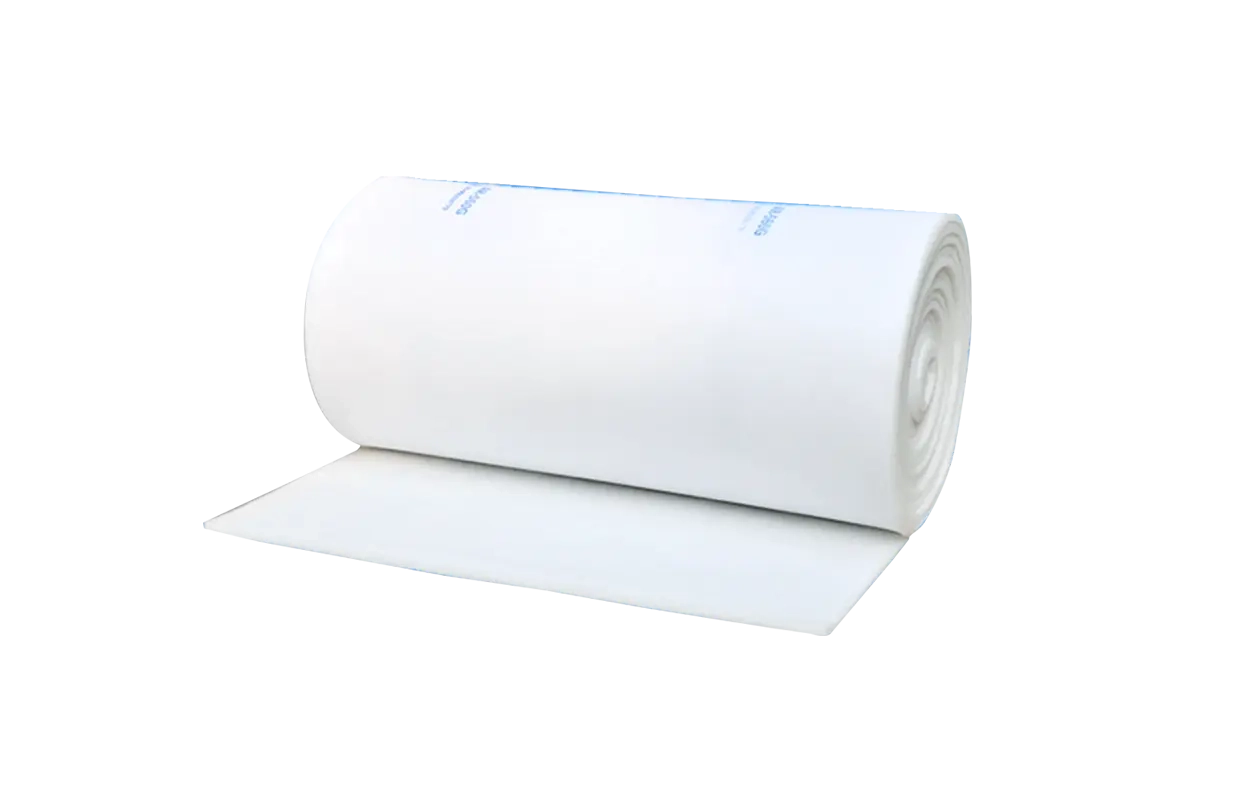
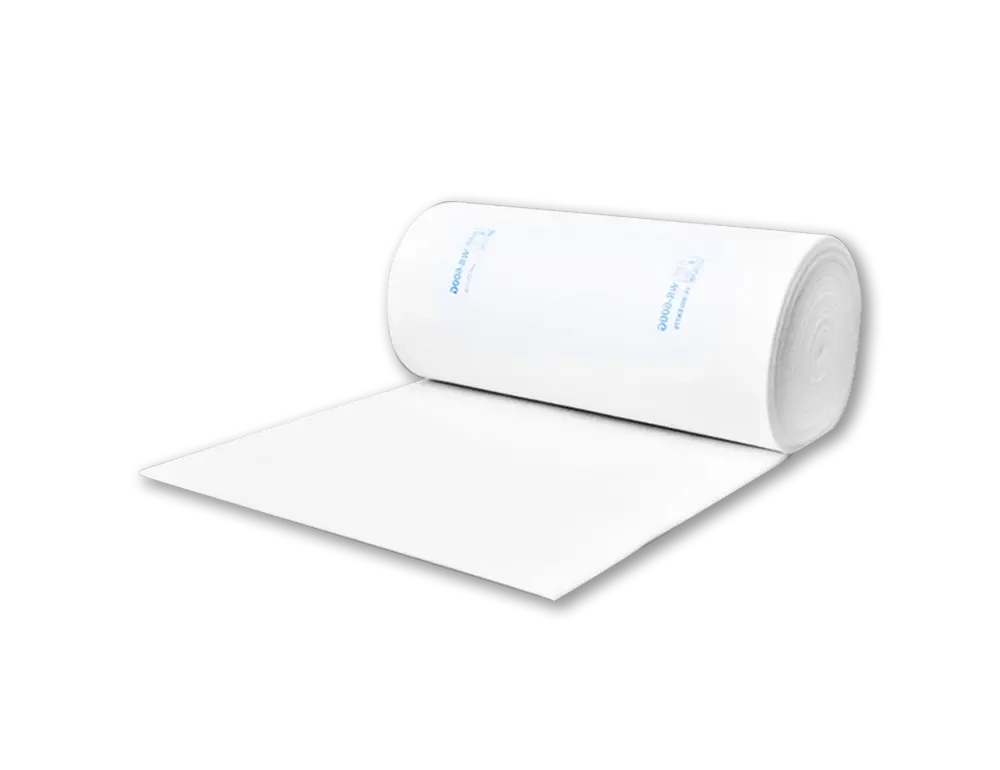
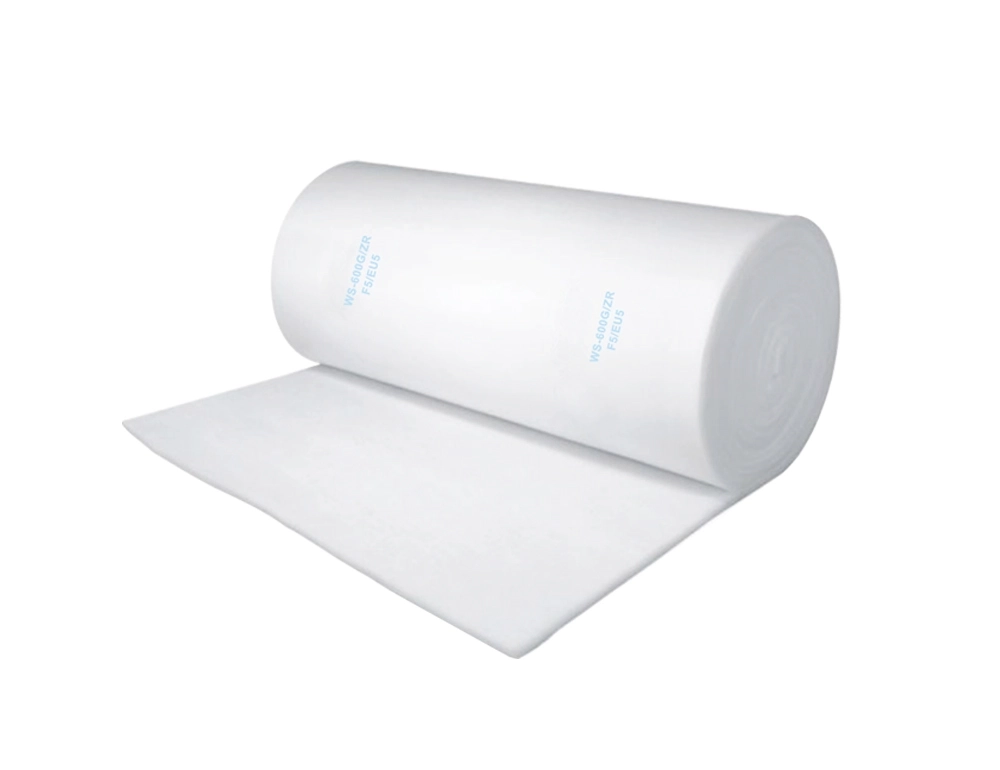
First-Stage Large-Particle Capture
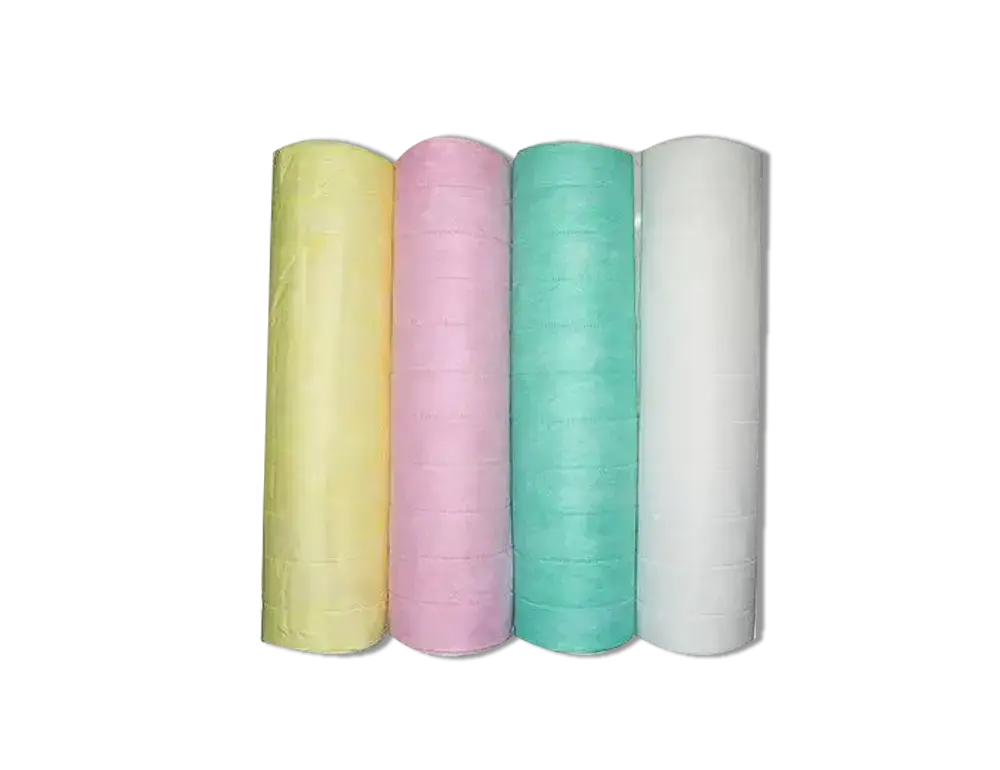
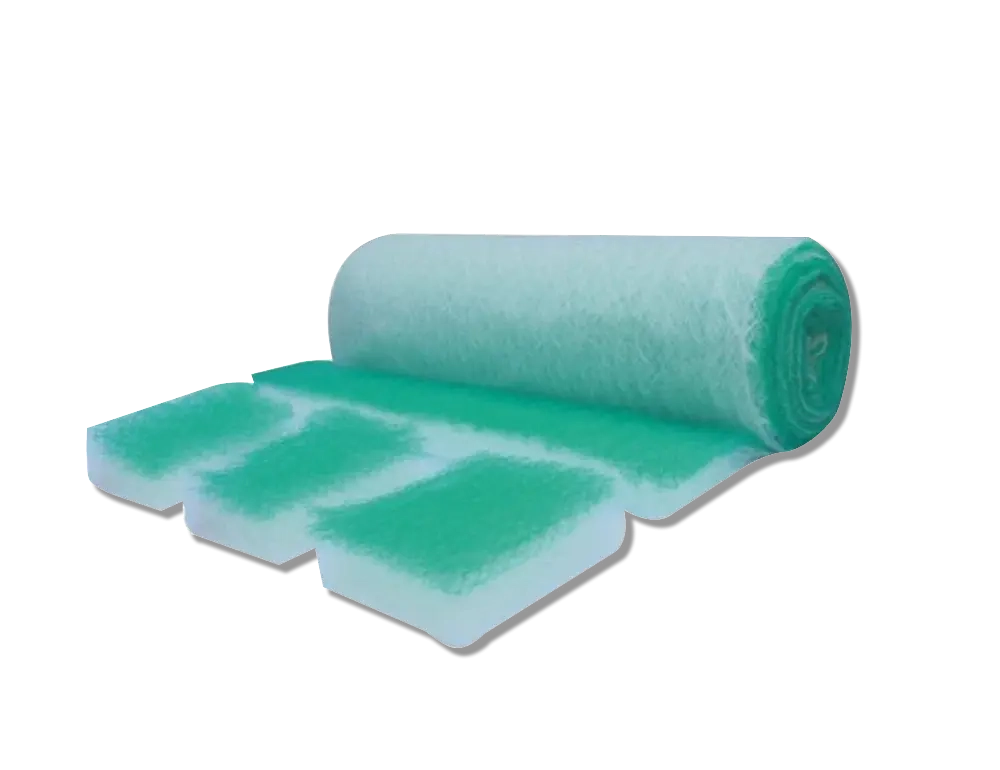
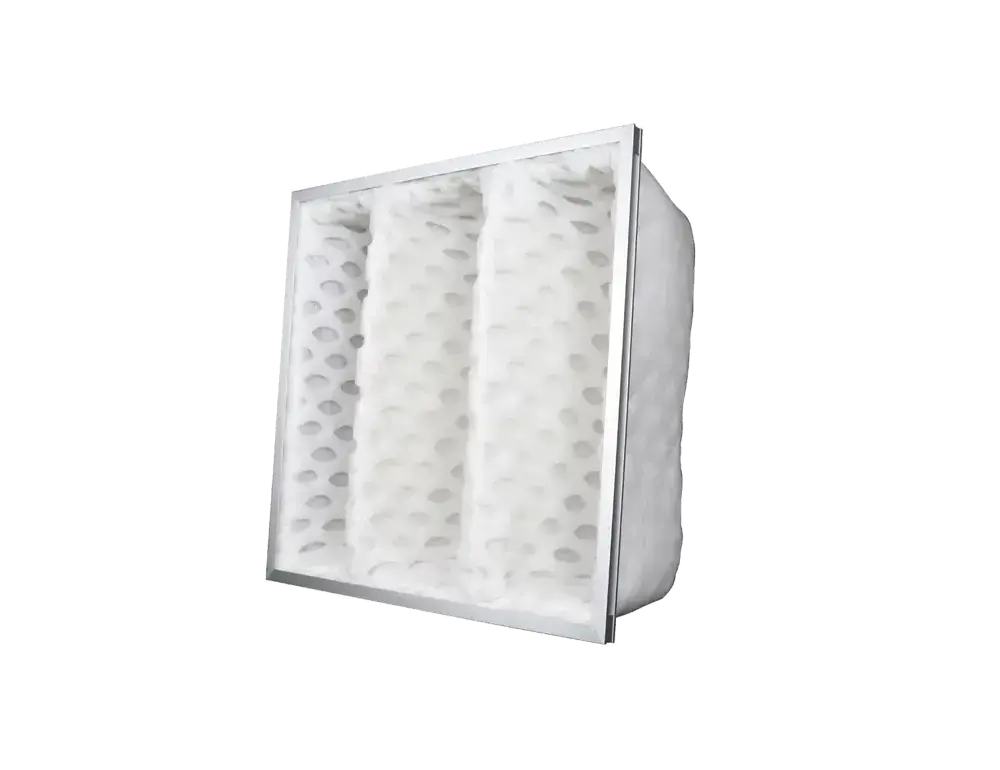
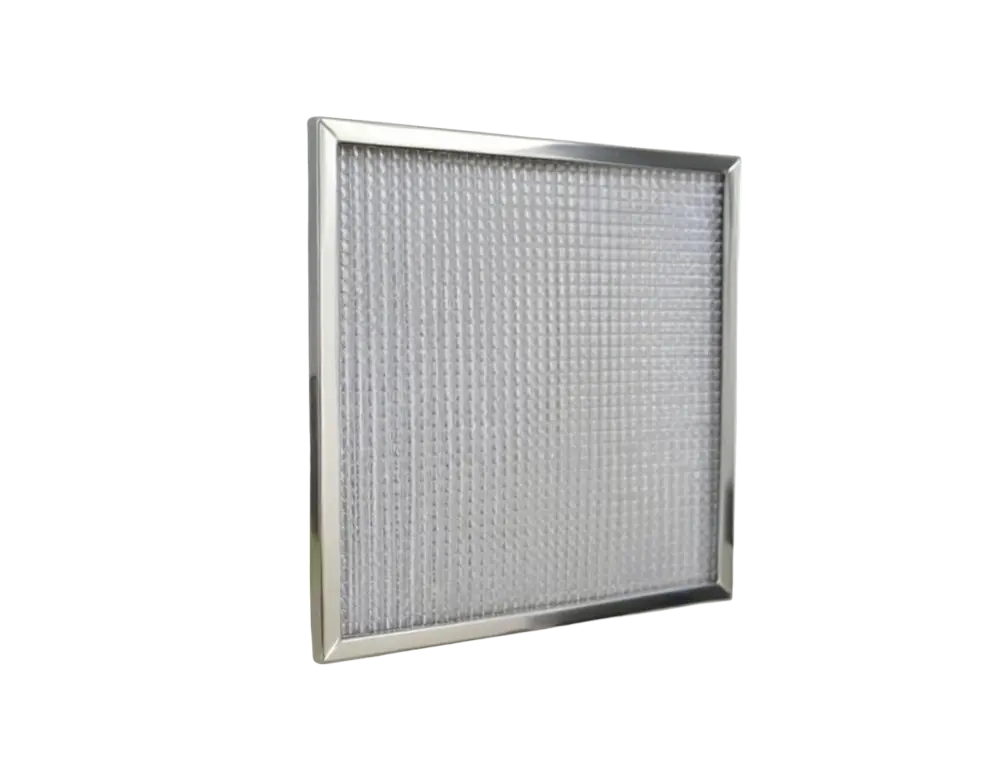
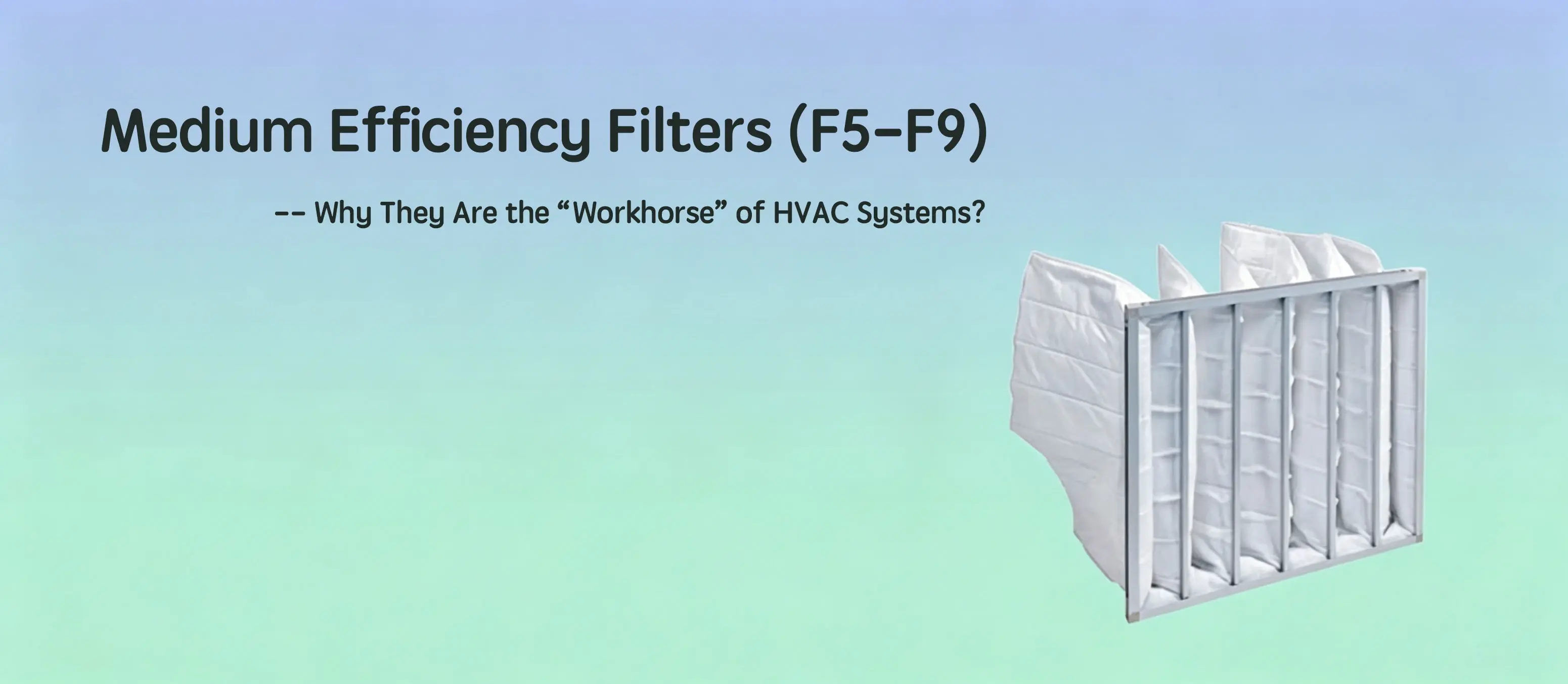
Medium-Efficiency Filter (F5–F9)
Precise PM2.5 Capture
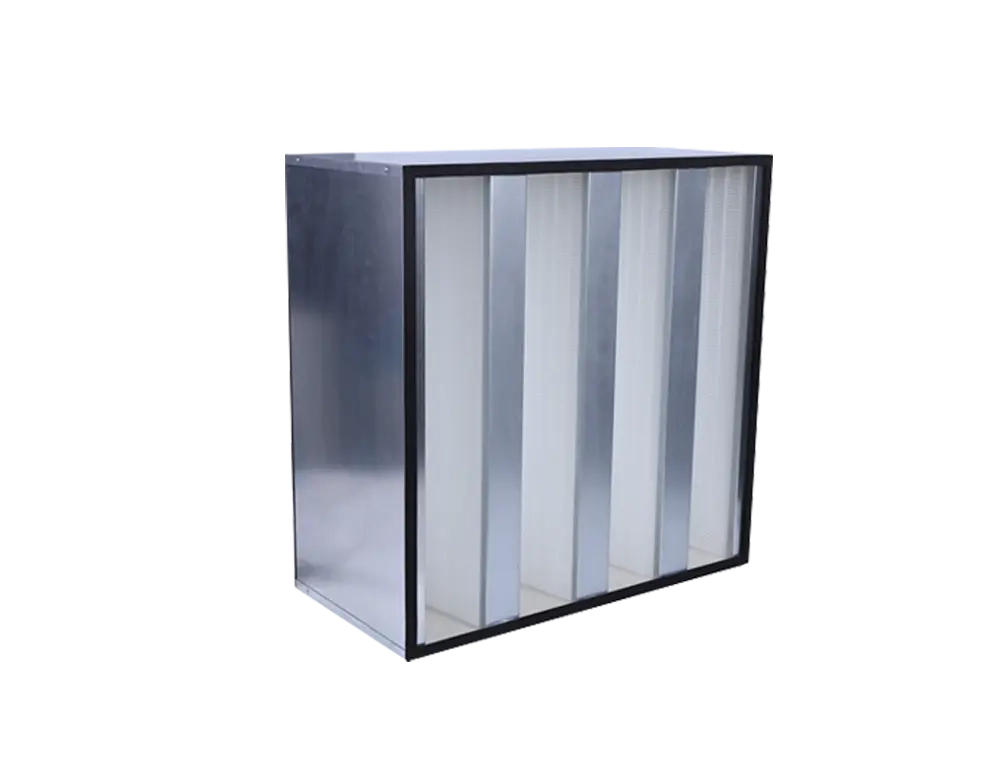
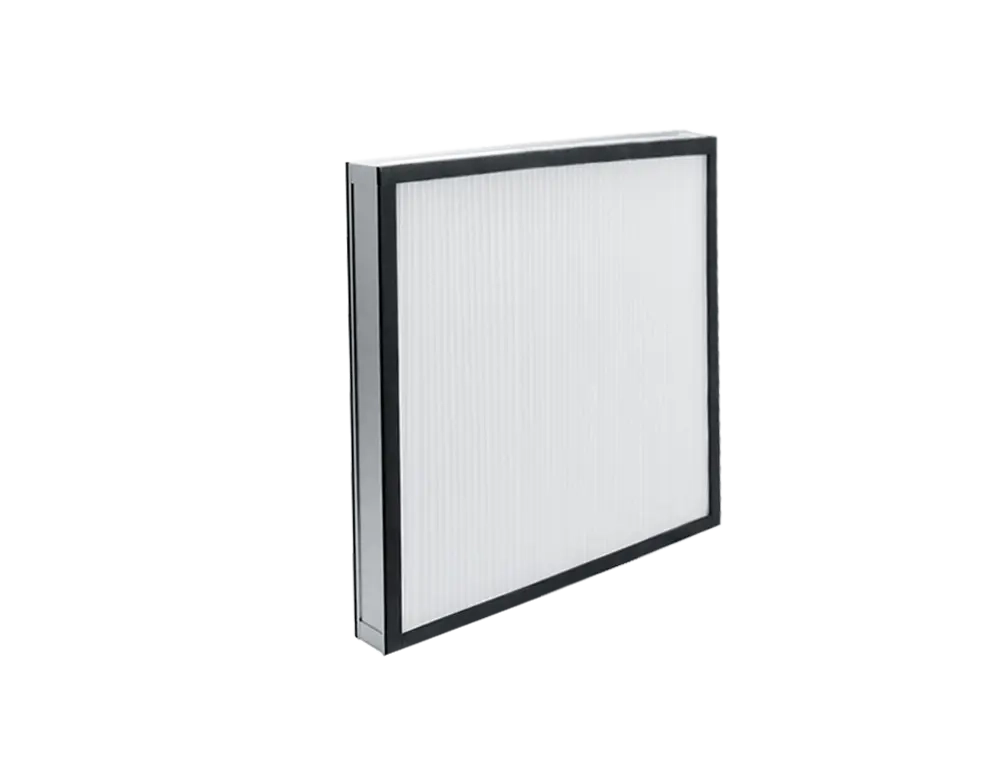
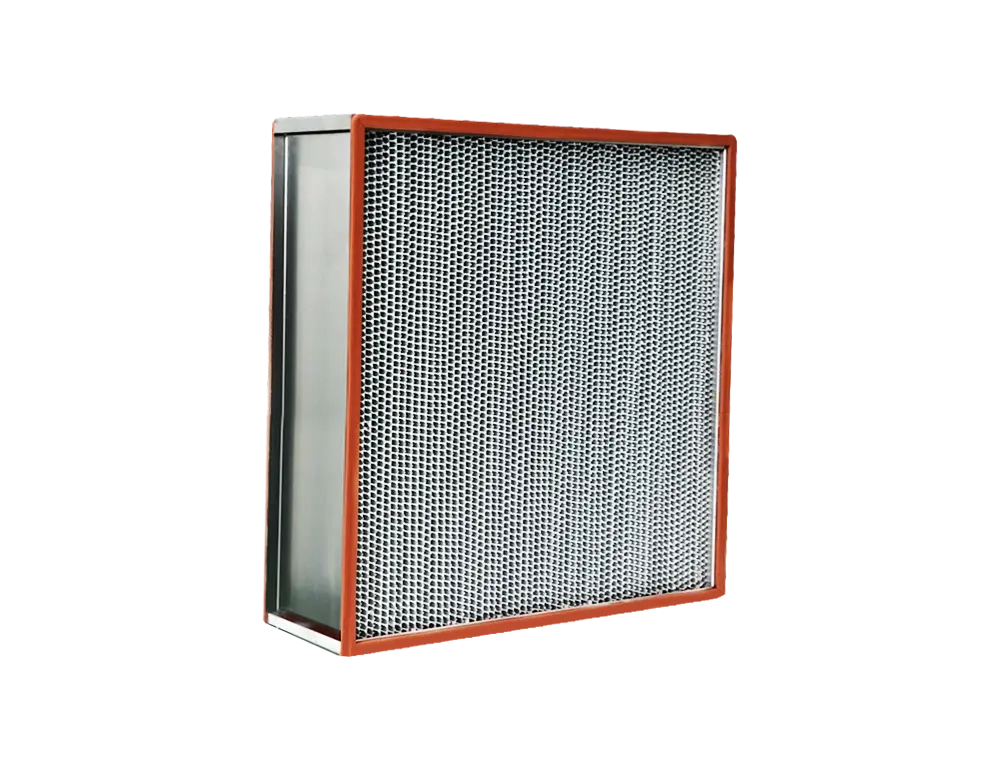
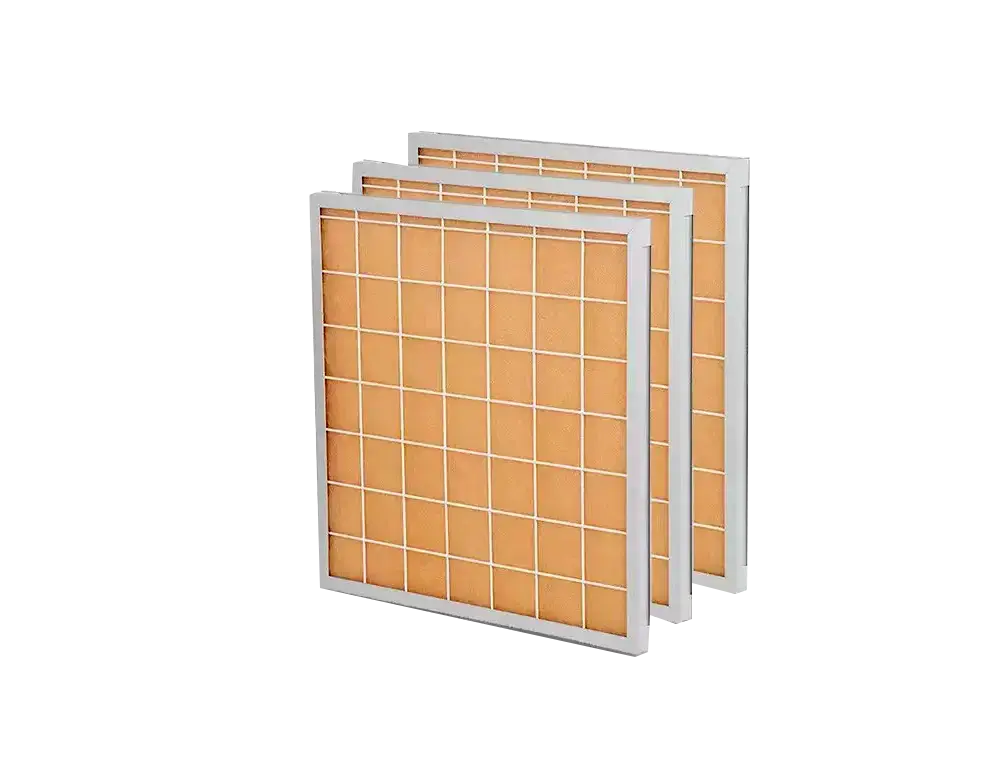
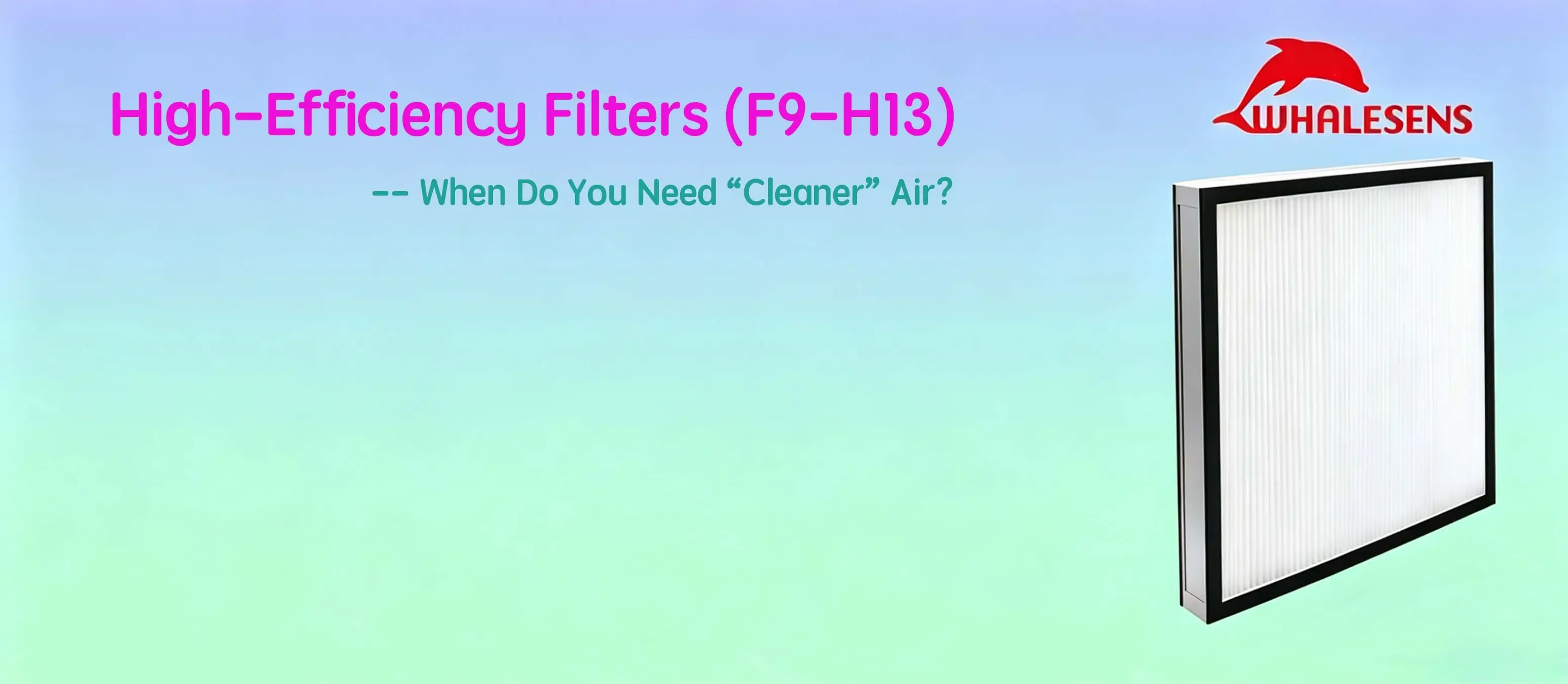
HEPA High-Efficiency Filter
Sterile-Grade Purification
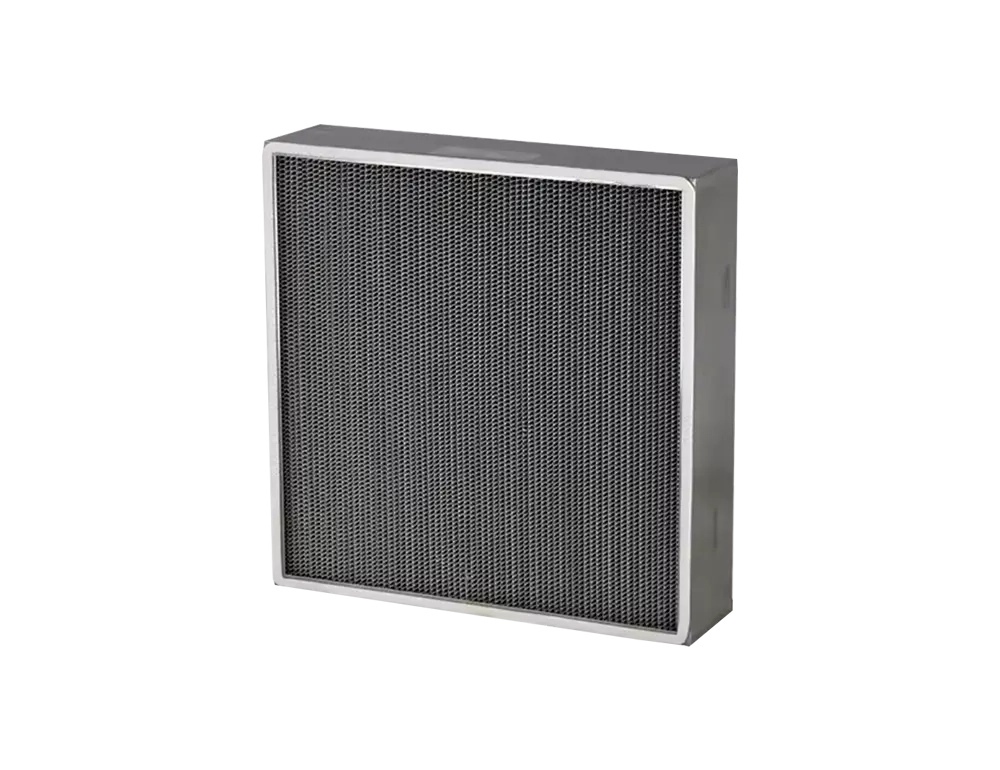
ULPA Ultra-High Efficiency Filter
Sub-Micron Particle Capture
First-Stage Large-Particle Capture
The first line of defense, capturing particles ≥5 μm such as dust, hair, and fibers to protect downstream filters and extend overall system service life.
View Related Products →Precise PM2.5 Capture
Captures fine particles of 1–5 μm including PM2.5, pollen, and mold spores, significantly improving indoor air quality for commercial HVAC and ventilation systems.
View Related Products →Sterile-Grade Purification
≥99.97% filtration efficiency for particles ≥0.3 μm, delivering sterile-grade clean air widely used in medical, pharmaceutical, and electronics manufacturing.
View Related Products →Sub-Micron Particle Capture
≥99.9995% efficiency for particles ≥0.12 μm, meeting the extreme cleanliness demands of semiconductor fabs, aerospace, and other ultra-precision applications.
View Related Products →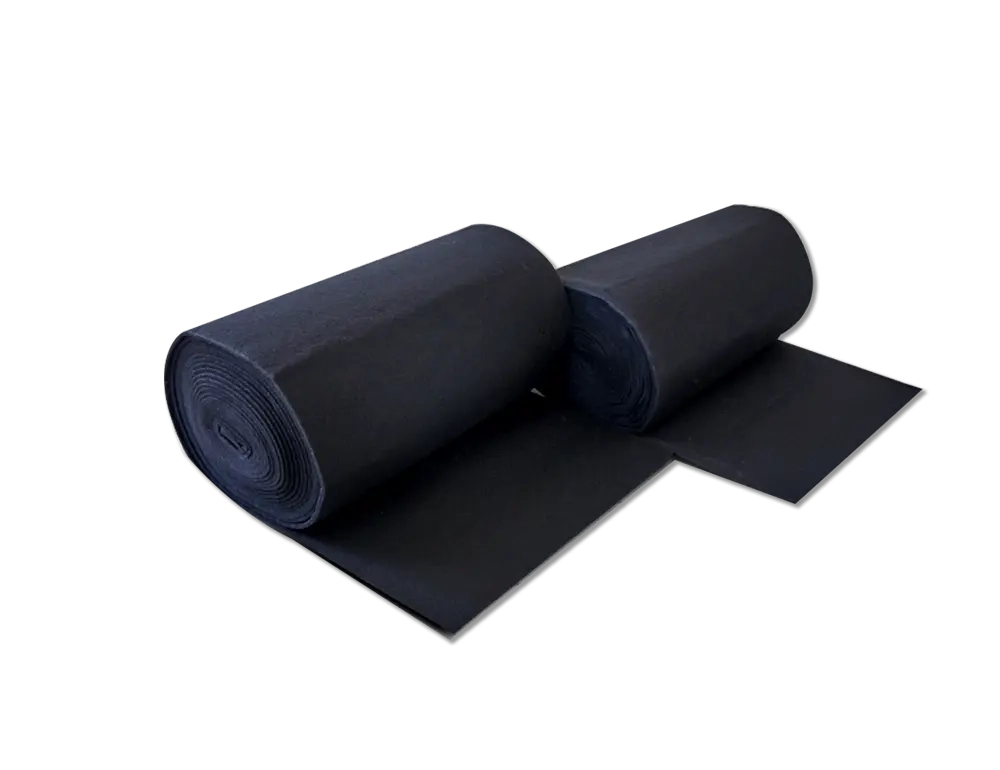
High-Temperature Resistant
Industrial-Grade Heat Tolerance
Washable & Reusable
Cut Costs, Reduce Waste
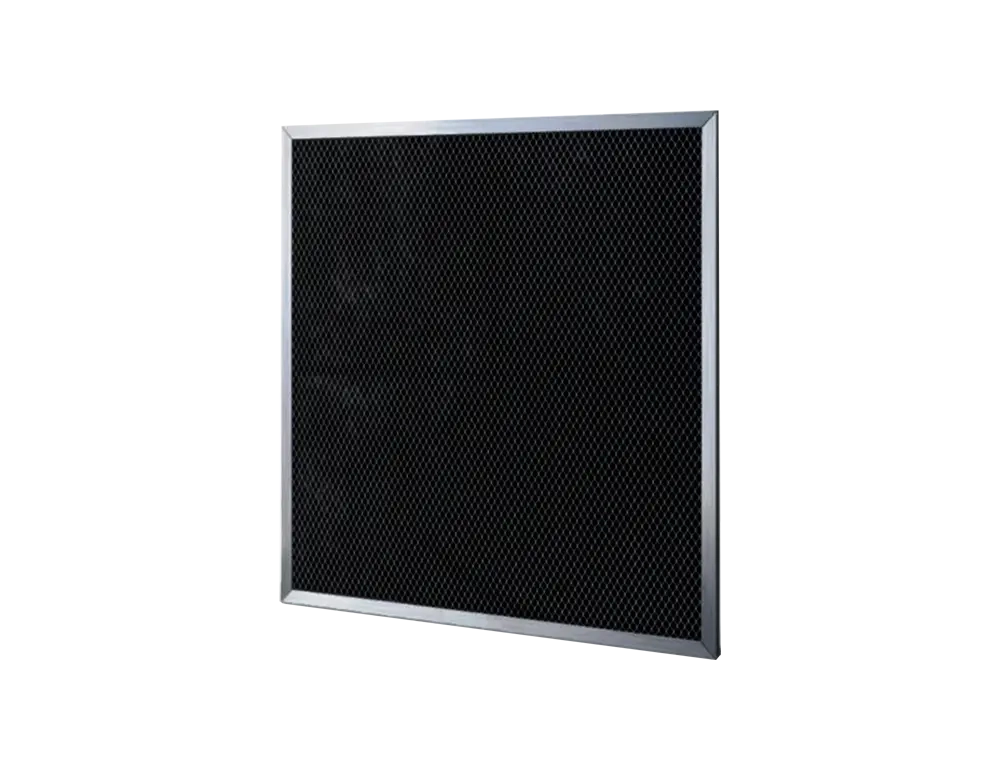
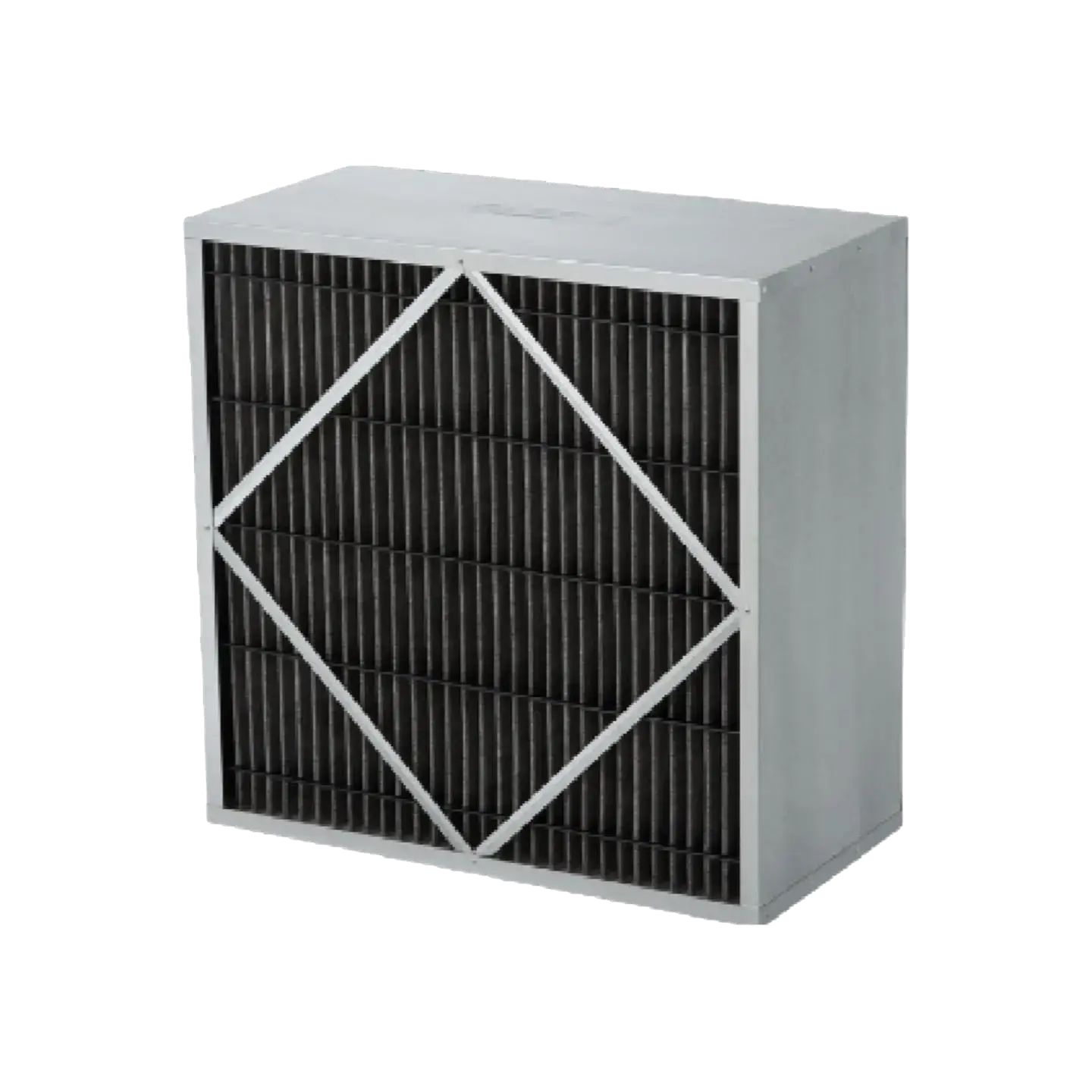
Activated Carbon
Odor & Harmful Gas Removal
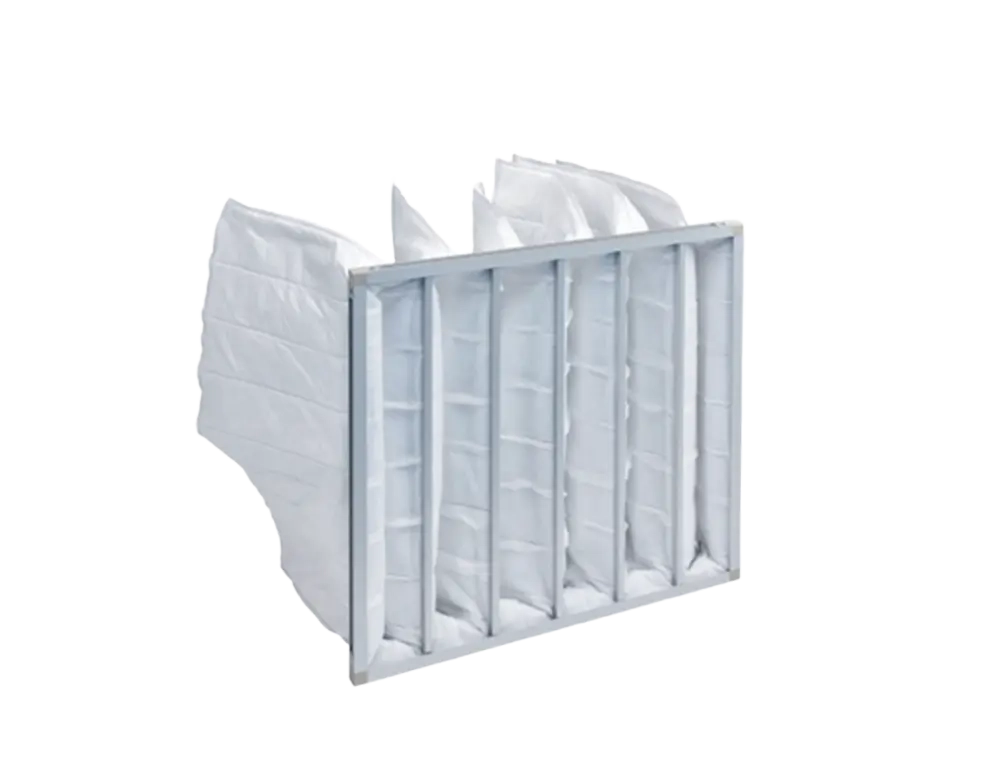
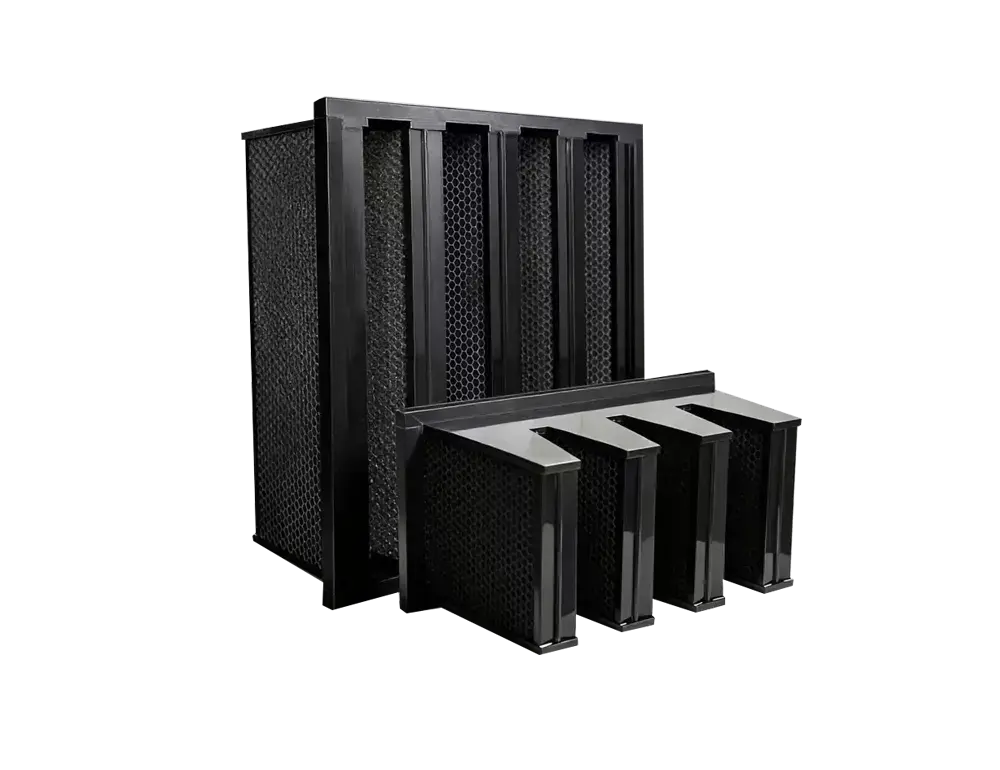
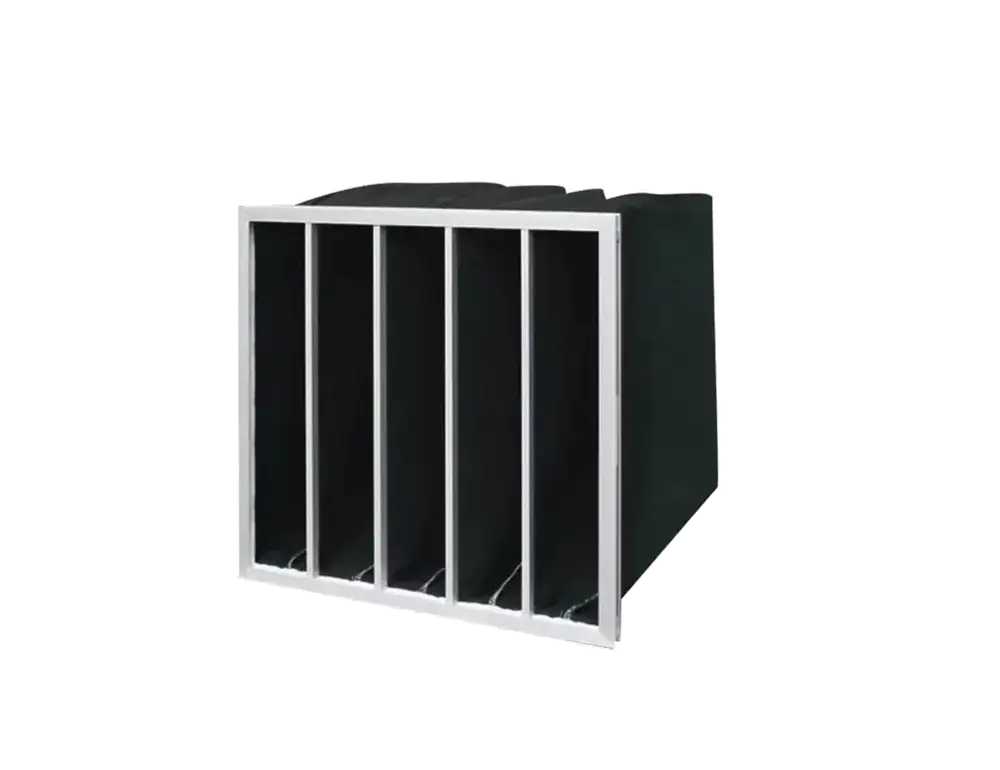
Bag Filter
High Dust-Holding, Long Life
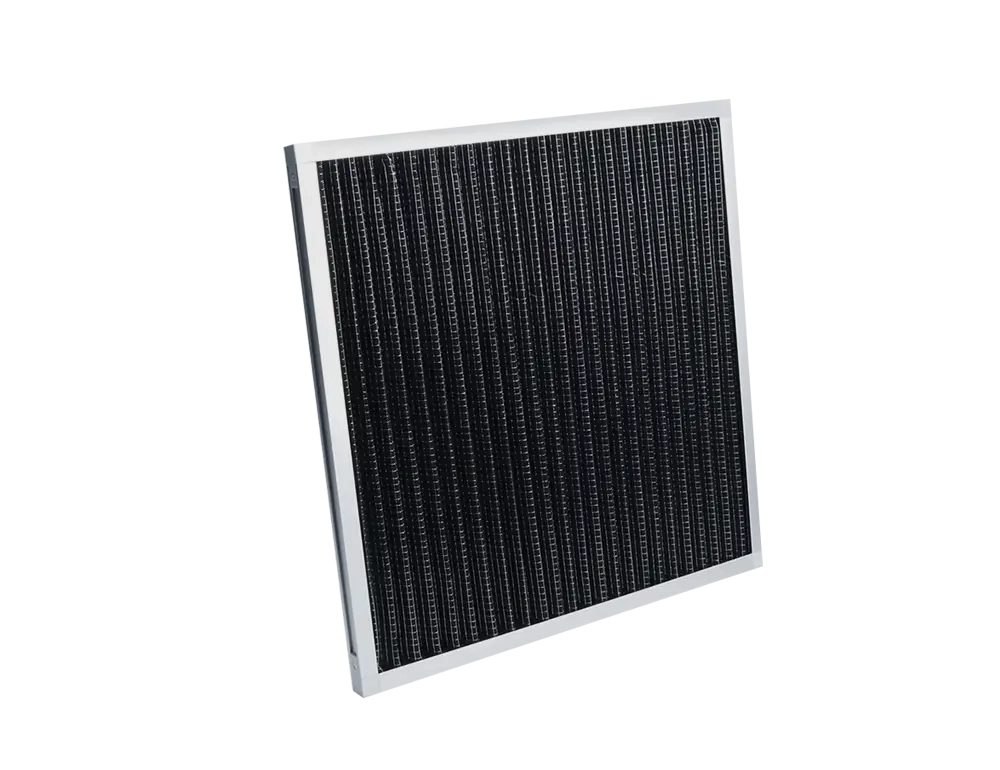
Panel / Pleated Filter
Compact Space-Saving Design
Low-Resistance Airflow
Energy-Saving Operation
Industrial-Grade Heat Tolerance
Built with specialized heat-resistant materials, operating stably up to 250°C for paint ovens, industrial dryers, and high-temperature process environments.
View Related Products →Cut Costs, Reduce Waste
Cleanable by water washing or air blowing, reusable multiple times to significantly reduce replacement frequency and O&M costs — an economical, eco-friendly choice.
View Related Products →Odor & Harmful Gas Removal
Leverages activated carbon's high adsorption capacity to eliminate odors, VOCs, and formaldehyde, ideal for newly renovated spaces and industrial exhaust treatment.
View Related Products →High Dust-Holding, Long Life
Bag-style construction delivers a larger filtration area, high dust-holding capacity, and extended service life — ideal for high-dust environments with reduced replacement frequency.
View Related Products →Compact Space-Saving Design
Compact form factor for easy installation and replacement; pleated structure maximizes filtration area within a small footprint for higher efficiency.
View Related Products →Energy-Saving Operation
Low-resistance design minimizes pressure drop while maintaining filtration performance, reducing fan energy consumption for cost-effective, eco-friendly operation.
View Related Products →














 English(Global)
 简体中文
简体中文 Language




Bag Filters vs. Pleated Filters: How to Make the Right Choice for Medium Efficiency Filtration
From structure to performance – an in‑depth analysis of the two workhorses of medium efficiency filtration
Abstract
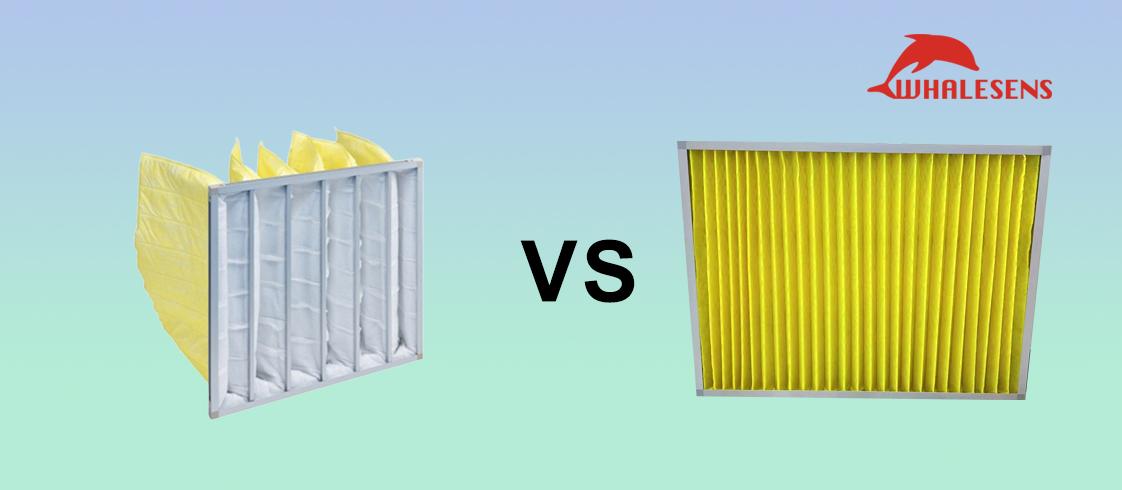
In HVAC systems for commercial buildings, data centers, hospitals, pharmaceutical plants, and many other applications, medium efficiency filters (F5‑F9) play the central role of capturing fine particles such as PM2.5, bacteria, and pollen. Among the various construction types for medium filters, bag filters and pleated filters dominate the market. Each has its own strengths: bag filters excel with extremely high dust‑holding capacity and long service life, while pleated filters are renowned for their compact design and low pressure drop. This article provides a comprehensive comparison of the two technologies – from filtration principles, structural characteristics, performance parameters, application scenarios, to maintenance costs. It also presents a selection decision tree and typical application recommendations to help engineers and facility managers make science‑based choices.
1. Role of Medium Filters and the Main Construction Types
1.1 Position of Medium Filters in HVAC Systems
In a multi‑stage filtration system, medium filters sit after coarse filters (G4) and before high‑efficiency filters (H10‑H14). They carry the main filtration load.
| Filtration Stage | Typical Grade | Primary Task | PM2.5 Capture Efficiency |
|---|---|---|---|
| Coarse | G4 | Capture large particles (>5μm) | <30% |
| Medium | F5‑F9 | Capture fine particles (0.3‑5μm) | 50‑95% |
| High‑efficiency | H13‑H14 | Capture sub‑micron particles (>0.3μm) | >99.95% |
In most commercial buildings, data centers and general hospital areas, medium filters are themselves terminal filters; their performance directly determines indoor air quality (IAQ) and equipment protection.
1.2 Two Main Construction Types for Medium Filters
| Construction Type | Visual Description | Typical Products |
|---|---|---|
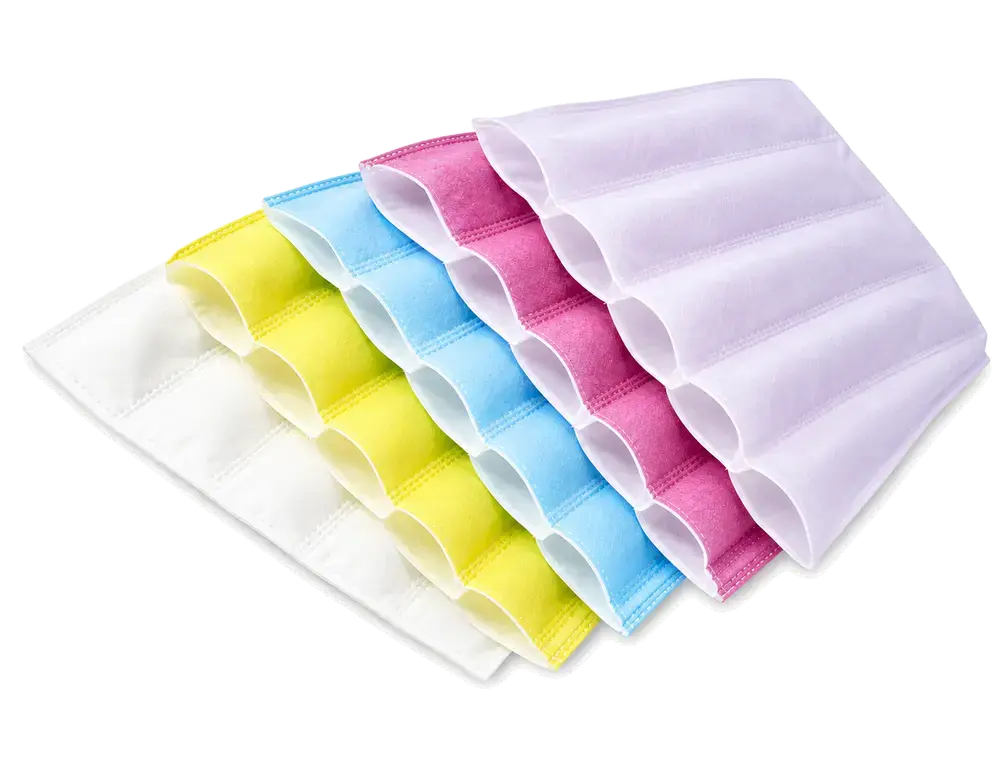
| Bag filter | Several long, narrow bags in parallel, like pockets | 6‑bag, 8‑bag, 10‑bag units |
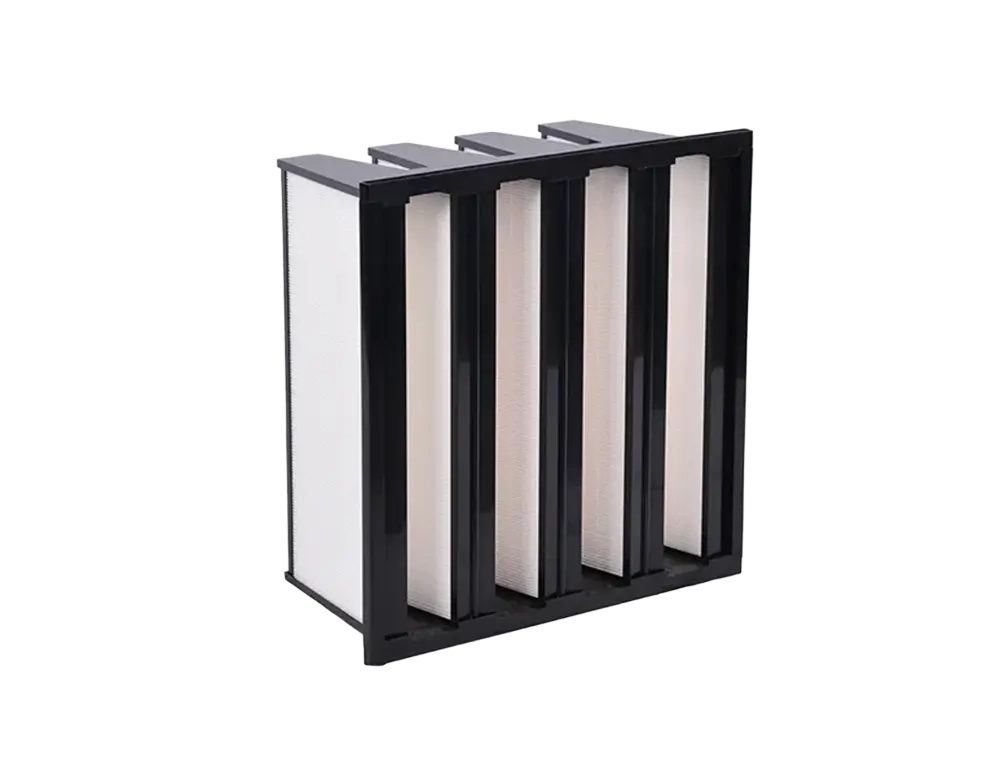
| Pleated filter | Media folded into tight pleats, slim profile | Mini‑pleat, V‑bank |
With the same outer frame dimensions, the two types differ significantly in filtration area, pressure drop characteristics, dust‑holding capacity, and space requirements.
2. Bag Filters: The “Long‑Distance Runner” with High Dust‑Holding Capacity
2.1 Structure and Principle
Bag filters consist of a frame (aluminium, galvanised steel or plastic) and multiple filter bags. The bags are usually made of graded density synthetic fibre (polyester or polypropylene), formed into bags by heat‑sealing or sewing. Each bag has internal support ribs to prevent over‑inflation and bag‑to‑bag contact under airflow.
Key features:
Very large filtration area: a standard 592×592 mm frame can hold 6‑10 bags, giving a filtration area of 4‑8 m² – more than ten times that of a flat panel.
Depth filtration mode: dust penetrates into the media, not only staying on the surface, giving very high dust‑holding capacity.
2.2 Typical Performance Parameters
| Parameter | F7 Bag | F8 Bag | F9 Bag |
|---|---|---|---|
| Initial pressure drop (Pa @ rated flow) | 80‑120 | 100‑140 | 120‑180 |
| Dust‑holding capacity (g) | 400‑600 | 500‑700 | 600‑800 |
| Filtration efficiency (ISO 16890) | ePM1 50‑65% | ePM1 65‑80% | ePM1 >80% |
| Recommended final resistance (Pa) | 200‑250 | 250‑300 | 300‑350 |
| Typical replacement interval | 12‑18 months | 12‑18 months | 12 months |
2.3 Advantages and Limitations
Advantages:
✅ Very high dust‑holding capacity – ideal for dusty environments (industrial plants, roadside buildings, shopping malls).
✅ Long service life – 30‑50% longer than pleated filters in the same environment.
✅ Slow pressure drop rise – depth filtration gives linear increase, providing a wide maintenance window.
✅ Good cost‑effectiveness – lowest cost per unit of dust‑holding capacity.
Limitations:
❌ Large space requirement – bag depth is typically 381mm, 534mm or even longer; not suitable for compact AHUs.
❌ Higher initial pressure drop – 20‑30 Pa higher than pleated filters at the same efficiency.
❌ Not washable – most bag filters are disposable; washing damages the media.
❌ Installation orientation sensitive – bags must be installed vertically; otherwise they touch each other and lose filtration area.
3. Pleated Filters: The Compact, Efficient “Flexible Player”
3.1 Structure and Principle
Pleated filters have media folded into tight pleats, fixed by hot‑melt adhesive or separators, and mounted in a slim frame. The mini‑pleat (separator‑free) design is now mainstream: hot‑melt adhesive lines separate the pleats, maximising the filtration area‑to‑volume ratio.
Key features:
Very thin profile: common thicknesses are 25mm, 47mm, 96mm; as thin as 15mm is possible.
Filtration area is smaller than bag filters but still much larger than flat panels.
3.2 Typical Performance Parameters
| Parameter | F7 Pleated | F8 Pleated | F9 Pleated |
|---|---|---|---|
| Initial pressure drop (Pa @ rated flow) | 60‑90 | 80‑110 | 100‑150 |
| Dust‑holding capacity (g) | 200‑300 | 250‑350 | 300‑400 |
| Filtration efficiency (ISO 16890) | ePM1 50‑65% | ePM1 65‑80% | ePM1 >80% |
| Recommended final resistance (Pa) | 180‑220 | 220‑260 | 260‑320 |
| Typical replacement interval | 9‑12 months | 9‑12 months | 9‑12 months |
3.3 Advantages and Limitations
Advantages:
✅ Compact design – thickness is 1/10 to 1/3 of bag filters; ideal for space‑constrained AHUs.
✅ Lower initial pressure drop – 20‑30 Pa lower than bags at the same efficiency, giving significant energy savings.
✅ Flexible installation – can be installed horizontally or vertically, not affected by gravity.
✅ Good sealing – one‑piece frame with integral gasket gives low risk of bypass.
✅ Neat appearance – suitable for applications where aesthetics matter (e.g., data centers).
Limitations:
❌ Lower dust‑holding capacity – about 50‑60% of bag filters for the same frame size.
❌ Shorter replacement interval – especially in dusty environments.
❌ Higher cost per unit dust‑holding capacity – unit price may be similar to bags, but life is shorter.
4. Comprehensive Comparison: Bag vs. Pleated
4.1 Core Performance Comparison Table
| Aspect | Bag Filter | Pleated Filter | Winner |
|---|---|---|---|
| Filtration area (592×592) | 4‑8 m² | 2‑3 m² | Bag |
| Initial pressure drop | Higher (+20‑30 Pa) | Lower | Pleated |
| Dust‑holding capacity | 400‑800 g | 200‑400 g | Bag |
| Typical replacement interval | 12‑18 months | 9‑12 months | Bag |
| Installation depth | 381‑600 mm | 25‑150 mm | Pleated |
| Orientation restriction | Must be vertical | Any direction | Pleated |
| Cost per unit dust‑holding | Low | High | Bag |
| Cost per change | Higher | Lower | Pleated |
| Annual TCO | Low (dusty environments) | Low (clean environments, high electricity cost) | Depends |
| Applicable airflow range | Medium to high | Low to high (multiple units) | Tie |
4.2 Quantified Difference: Pressure Drop and Energy
For a 50,000 m³/h AHU, operating 8,760 h/year, electricity cost 0.8 RMB/kWh:
| Filter Type | Average Operating ΔP | Annual Energy Cost | Difference |
|---|---|---|---|
| F7 bag | 160 Pa | ≈78,000 RMB | Baseline |
| F7 pleated | 120 Pa | ≈70,000 RMB | 8,000 RMB/year saving |
Conclusion: The lower pressure drop of pleated filters can save several thousand to over ten thousand RMB per year in electricity, especially valuable in data centers with high electricity tariffs and long running hours.
4.3 Quantified Difference: Dust‑Holding and Replacement Cost
Example: medium dust environment (commercial building), 592×592×381mm F7 bag (180 RMB) vs 592×592×47mm F7 pleated (140 RMB):
| Item | Bag | Pleated |
|---|---|---|
| Unit price | 180 RMB | 140 RMB |
| Replacement interval | 15 months | 10 months |
| Annual media cost | 144 RMB | 168 RMB |
| Annual labour (0.5 h/change, 100 RMB/h) | 40 RMB | 60 RMB |
| Annual energy cost (vs baseline) | Baseline | -800 RMB |
| Annual total cost | Baseline | ≈600 RMB lower |
Conclusion: Even though pleated filters need more frequent changes, their energy advantage can make them cheaper overall in high‑electricity‑cost scenarios.
5. How to Choose Based on Application
5.1 Selection Decision Tree
Start
  │
  ├─ Is installation space tight (AHU depth limited)?
  │    ├─ Yes → Prefer pleated
  │    └─ No → Continue
  │
  ├─ Ambient dust concentration?
  │    ├─ High (factory, roadside, sandy) → Prefer bag (high dust‑holding)
  │    ├─ Medium (shopping mall, hospital) → Both possible; compare TCO
  │    └─ Low (office, data center) → Prefer pleated (low ΔP)
  │
  ├─ Electricity price high (>0.8 RMB/kWh) or long running hours (>6000 h/year)?
  │    ├─ Yes → Pleated (energy saving advantage)
  │    └─ No → Bag (consumables cost advantage)
  │
  └─ Special requirements (e.g., horizontal installation, low noise)?
       ├─ Horizontal installation → Must use pleated
       └─ No → Follow above principles
5.2 Recommendations by Application
| Application | Environment | Recommended Type | Reason |
|---|---|---|---|
| Data center | Low dust, 24/7 operation, high electricity cost | Pleated | Low ΔP saves energy, compact |
| Commercial office | Medium dust, intermittent operation | Pleated | Flexible installation, moderate energy use |
| Large shopping mall | Higher dust, continuous operation | Bag | High dust‑holding, fewer changes |
| General hospital areas | Medium dust, continuous operation | Bag or pleated | Choose based on AHU space; bag gives longer life |
| Industrial plant | High dust, harsh environment | Bag | Dust‑holding advantage clear |
| Pharmaceutical cleanroom pre‑filter | Low dust, high air change rate | Pleated | Low ΔP reduces fan energy |
| School / kindergarten | Medium dust, intermittent | Pleated | Easy to maintain, simple replacement |
| Airport / subway | High dust, large airflow | Bag | High dust‑holding, fewer service visits |
5.3 Common Misconceptions
| Misconception | Reality |
|---|---|
| “Bag filters have higher efficiency” | At the same grade (e.g., F7), efficiency is the same. Bag’s advantage is dust‑holding, not efficiency. |
| “Pleated filters are always more expensive” | Initial purchase may be similar, but pleated need more frequent changes. Evaluate TCO. |
| “Bag filters can be washed and reused” | Most bag filters are not washable; washing destroys the fibre structure and efficiency drops sharply. |
| “Pleated filters are only for low airflow” | They can be used in parallel for high airflow – common in data centers. |
6. Maintenance and Replacement Essentials
6.1 Pressure Drop Monitoring
Regardless of type, install a differential pressure gauge and replace according to these guidelines:
| ΔP Condition | Action |
|---|---|
| Initial +50% | Normal, record |
| 2× initial | Schedule replacement (within 1‑2 weeks) |
| 2.5× initial | Replace soon (within 1 week) |
| 3× initial | Replace immediately |
6.2 Replacement Interval Reference
| Environment | Bag F7 | Pleated F7 |
|---|---|---|
| Urban office | 15‑18 months | 10‑12 months |
| Shopping mall / hospital | 12‑15 months | 8‑10 months |
| Data center | — | 12‑18 months |
| Industrial plant | 6‑9 months | 4‑6 months |
6.3 Installation Precautions
Bag filters:
Bags must be hung vertically; never tilted or horizontal.
Check for any damage or sticking before installation.
Ensure each bag is fully expanded, not compressed.
Pleated filters:
Pay attention to airflow direction arrows; do not reverse.
The gasket must seal tightly against the frame to prevent bypass.
For ultra‑thin models (≤25mm), ensure frame rigidity to avoid deformation.
7. Frequently Asked Questions (FAQ)
Q1: Which has higher filtration efficiency, bag or pleated?
A: At the same nominal grade (e.g., F7), their efficiency is essentially the same. The bag’s higher dust‑holding capacity does not affect single‑pass efficiency.
Q2: Why does a bag filter have a higher initial pressure drop than a pleated filter?
A: Air must travel through a thicker layer of fibres, and there is some local turbulence at the bag inlet, causing slightly higher resistance. The pleated structure allows smoother airflow.
Q3: Can bag filters be washed and reused?
A: The vast majority of bag filters (especially glass fibre or polyester) are not washable. Washing destroys the fibre structure, causing a drastic drop in efficiency. Only a few specially designed washable bags (e.g., metal mesh or polyurethane foam) can be cleaned, but they usually have lower efficiency.
Q4: Will pleated filters deform in humid environments?
A: Good quality pleated filters use hot‑melt adhesive to separate pleats and have moderate moisture resistance. However, if exposed to long‑term high humidity (>90% RH), choose water‑resistant media or metal‑separator types. Ordinary pleated filters may suffer media collapse.
Q5: Why do data centers almost always use pleated filters instead of bags?
A: Data centers demand high air quality and are extremely sensitive to energy consumption (PUE). The low pressure drop of pleated filters significantly reduces fan energy. Also, AHU space is often tight; bag depth is too large. A neat appearance is another factor.
Q6: How much longer does a bag filter last than a pleated filter in the same installation space?
A: In dusty environments, bag life is typically 1.5‑2 times that of pleated. For example, in a factory workshop, an F7 bag might last 6 months while an F7 pleated lasts only 3‑4 months. In low‑dust environments (e.g., office buildings), the gap narrows to 30‑50%.
Q7: How can I quickly determine whether my AHU suits bag or pleated filters?
A: Measure the depth of the AHU filter section. If depth ≥500mm, both types can be used. If depth is 200‑500mm, pleated is better. If depth <200mm, only pleated (or ultra‑slim bags, which are rare) can be used.
Q8: Is the sealing of pleated filters better than that of bag filters?
A: Generally, yes. Pleated filters typically have a one‑piece frame with a continuous gasket, giving low leak risk. For bag filters, the connection between bag mouth and frame may have pinholes (sewn type) or weak adhesion; choose ultrasonically welded products to ensure good sealing.
Q9: Is there any difference in disposal of the two types?
A: Bag filters are bulky and heavier, taking up more space in waste bags and costing slightly more to dispose of. Pleated filters are compact and easier to dispose of. Both are generally non‑hazardous industrial solid waste (unless filtering hazardous substances) and can be disposed of as ordinary waste.
Q10: Does WhaleSense offer samples of both filter types for trial?
A: Yes. WhaleSense provides free sample trials. You can provide your AHU dimensions and airflow parameters; we will recommend suitable models and send samples for on‑site testing to compare pressure drop and replacement intervals.
8. Whalesens Medium Filter Product Recommendations
WhaleSense offers a full range of medium filters, covering both bag and pleated types to meet different application needs.
8.1 Bag Filter Series
| Model | Efficiency Grade | Number of Bags | Bag Depth | Typical Applications |
|---|---|---|---|---|
| WS‑B‑F7‑5P | F7 (ePM1 55%) | 5 | 381mm | Shopping malls, hospitals |
| WS‑B‑F8‑6P | F8 (ePM1 70%) | 6 | 534mm | Pharmaceutical pre‑filtration |
| WS‑B‑F9‑8P | F9 (ePM1 85%) | 8 | 600mm | Cleanroom pre‑filtration |
Features: Graded density media, ultrasonic welding, aluminium frame
8.2 Pleated Filter Series
| Model | Efficiency Grade | Thickness | Typical Applications |
| WS‑P‑F7‑47 | F7 (ePM1 55%) | 47mm | Data centers, office buildings |
| WS‑P‑F8‑47 | F8 (ePM1 70%) | 47mm | Hospitals, laboratories |
| WS‑P‑F9‑96 | F9 (ePM1 85%) | 96mm | Pharmaceutical supply, high‑end commercial |
Features: Mini‑pleat (separator‑free) design, low pressure drop, one‑piece moulded frame, optional antimicrobial treatment.
9. Conclusion: No Absolute “Best” – Only the Most Suitable
Bag filters and pleated filters each have irreplaceable advantages:
Choose bag filters when you face a dusty environment, want fewer replacements, and have ample AHU space.
Choose pleated filters when space is tight, electricity prices are high, low energy consumption is critical, or installation orientation is restricted.
For real projects, we recommend performing a Total Cost of Ownership (TCO) analysis, considering initial purchase, energy consumption, replacement labour, and waste disposal. Also, regardless of the type chosen, always use effective coarse pre‑filtration (G4) and strictly follow pressure‑drop‑based replacement schedules.
Action checklist:
Measure AHU installation space to see if bag depth is acceptable.
Assess ambient dust concentration and annual operating hours.
Calculate TCO for both options (contact WhaleSense for a TCO calculator tool).
Consider future expansion and maintenance convenience.
Run a small‑scale trial to verify real performance.
Keywords: #BagFilter #PleatedFilter #MediumEfficiencyFilter #F7Filter #F8Filter #F9Filter #HVACFiltration #FilterSelection #PressureDropComparison #DustHoldingCapacity #TotalCostOfOwnership #DataCenterFiltration #CommercialBuildingFiltration #PharmaceuticalCleanroom #Whalesens
About Whalesens Technology
Whalesens Technology Co., Ltd. (Whalesens) is an innovator in the air filter industry, specializing in
providing professional air filtration solutions for data centers, new energy vehicle charging infrastructure
(Whalesense WSE-S Series dedicated EV charger filters), as well as medical and industrial sectors.
Product Range
· Full range of coarse, medium and high-efficiency air filters
· V-bank compact filters
· HEPA/ULPA ultra-high efficiency filters
· Activated carbon chemical filters
· Customized non-standard products
Learn more about our innovative technologies:
🌐 Official Website: www.whalesens.com
📞 WhatsApp: +86 13119189886
📧 Email: whalesens@gmail.com