


EV Charging Stations
Filtration for Power Equipment
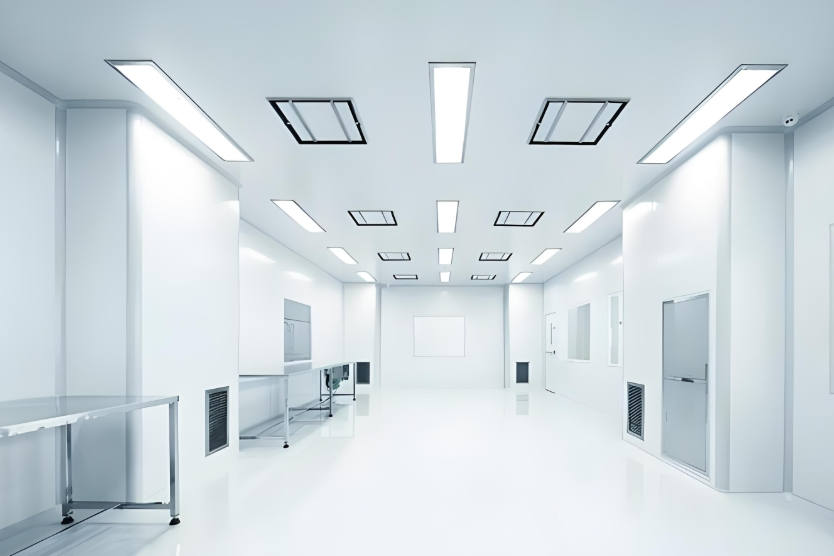
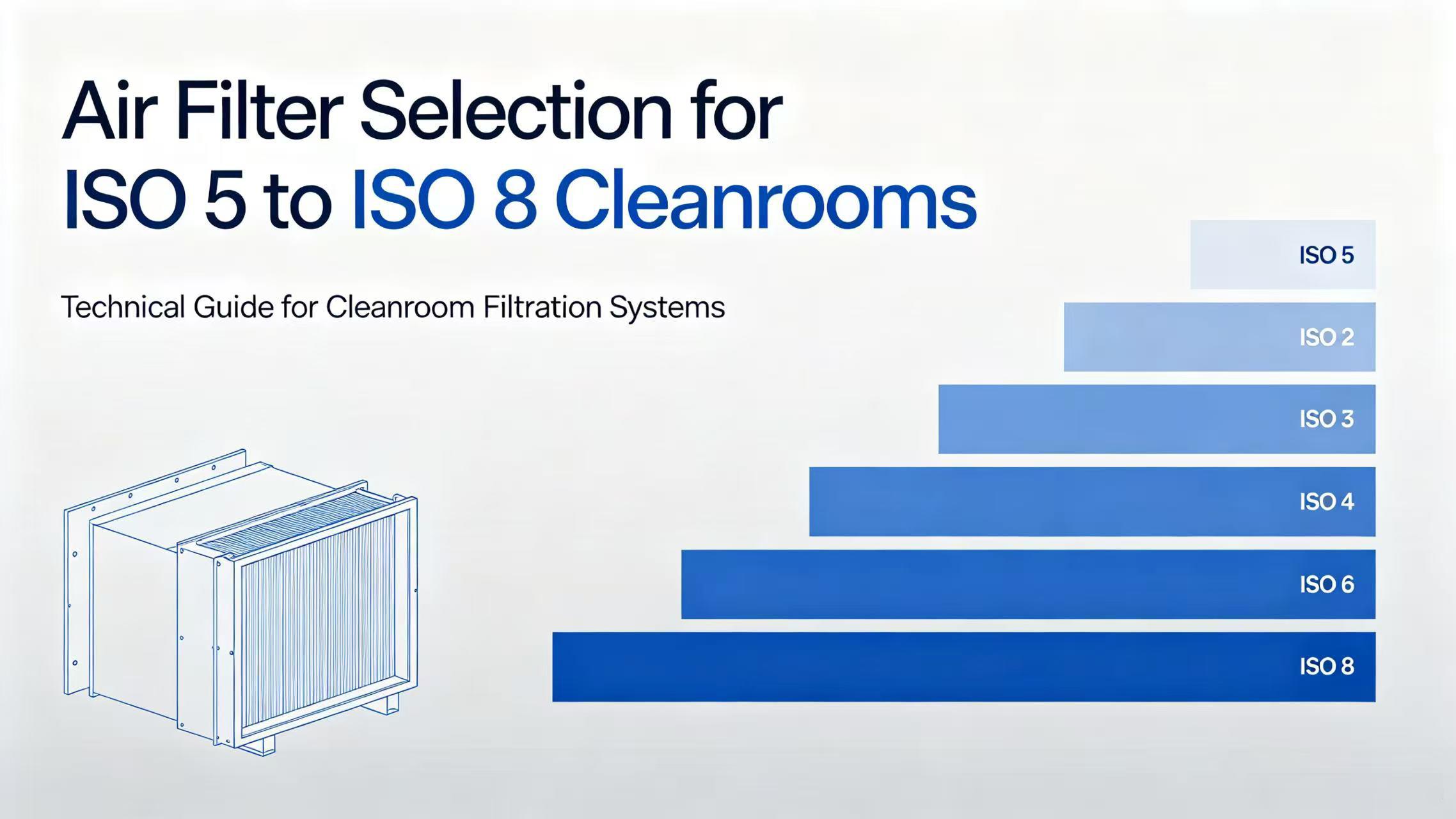
Cleanroom & Semiconductor
Ultra-High Cleanliness Filtration
Commercial HVAC
Central Air System Filtration
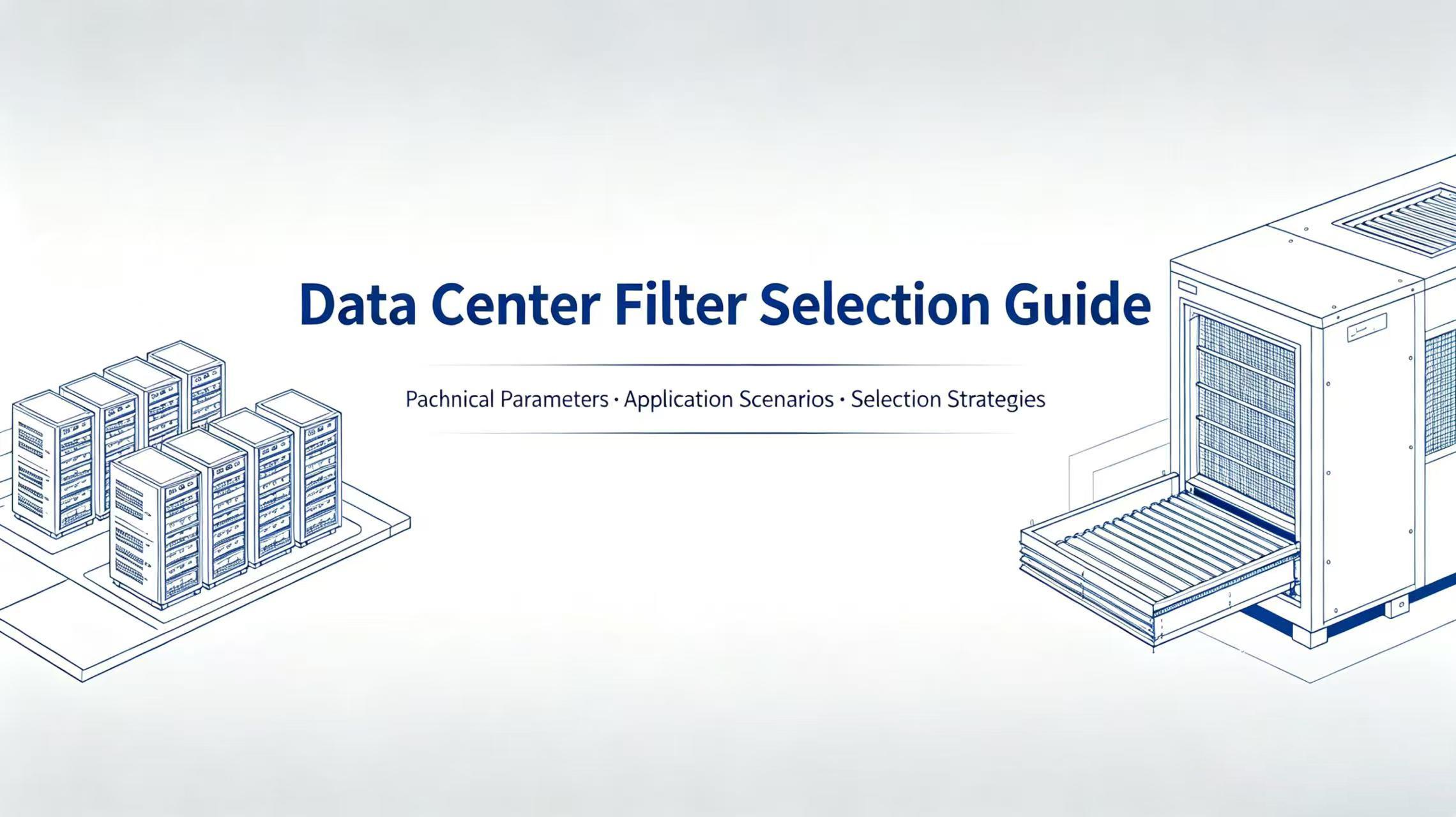
Data Centers
Precision Equipment Protection
Livestock & Farming
Farming Environment Purification
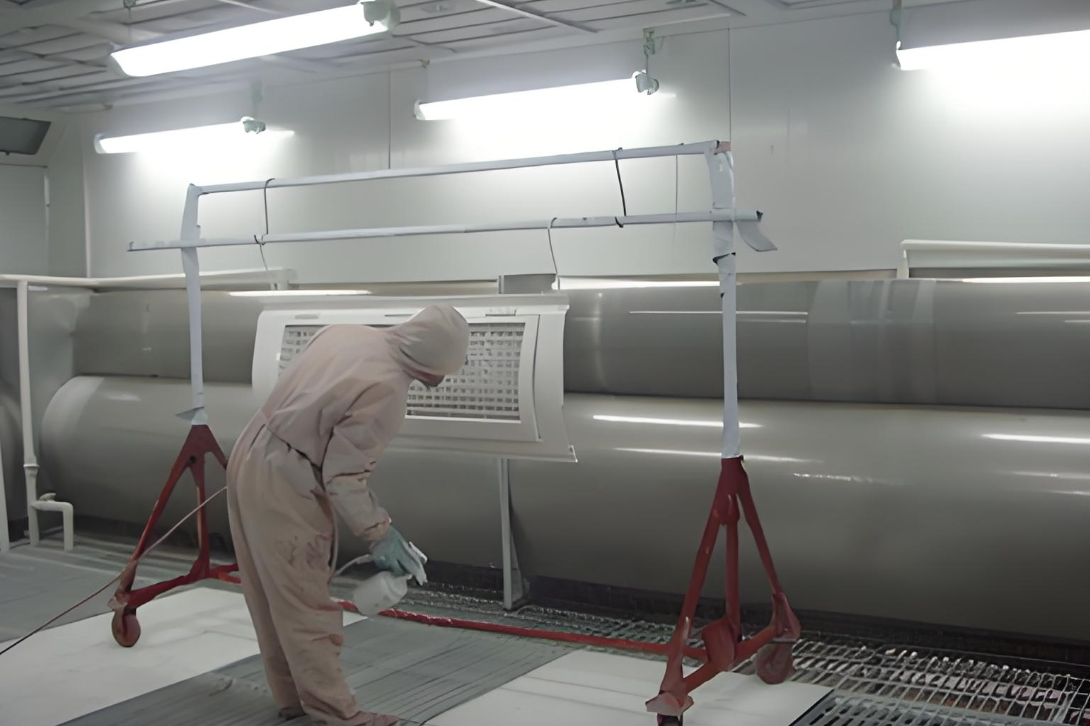
Spray Booths & Industrial Dust
Paint Mist & Dust Purification
Filtration for Power Equipment
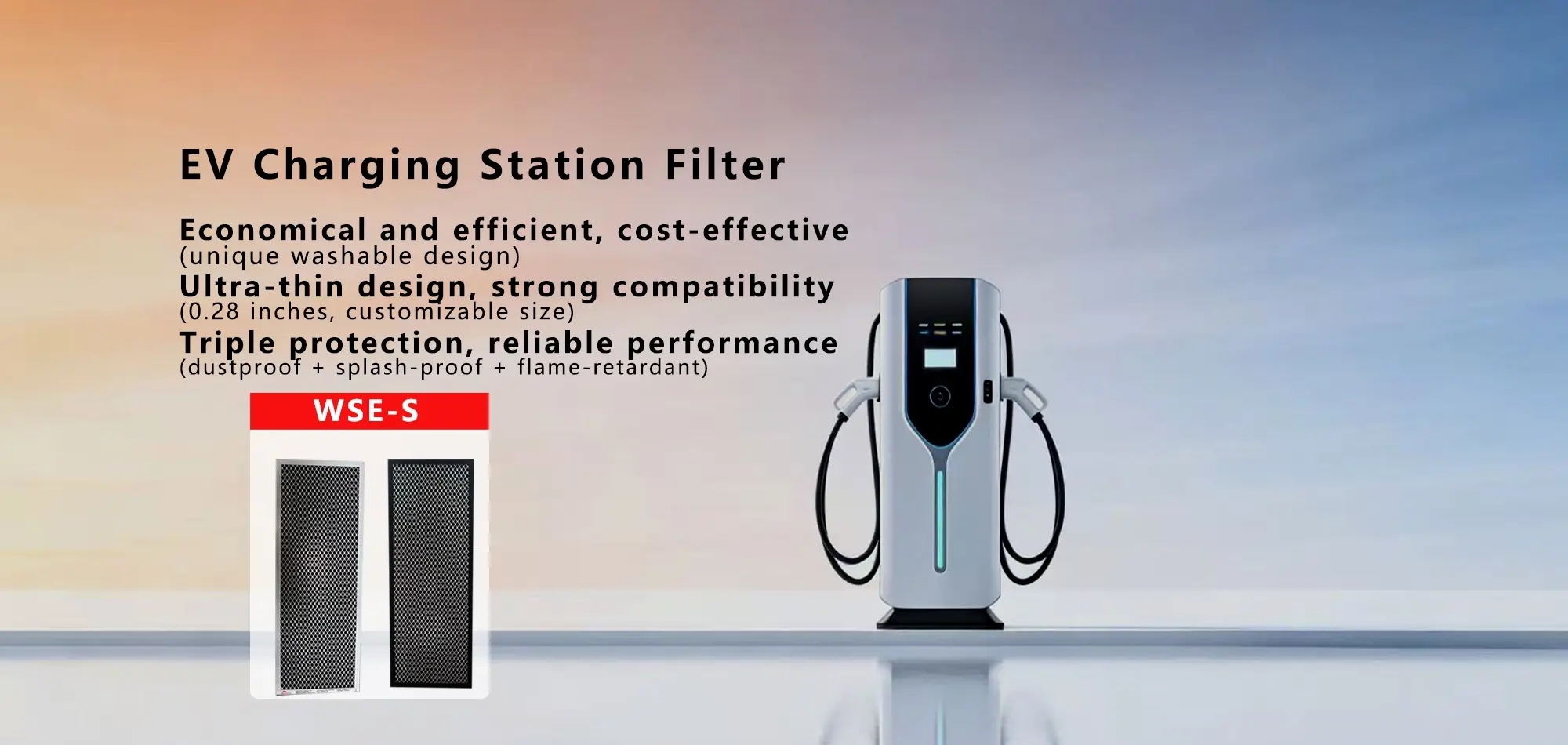
Professional air filtration for EV charging devices, protecting against dust and sand ingress to ensure stable, reliable operation of charging piles and station infrastructure.
View Related Products →Ultra-High Cleanliness Filtration
Ultra-high efficiency filtration for semiconductor wafer fabs and precision electronics cleanrooms, capturing nano-scale particles to meet ISO Class 1–3 standards and maximize product yield.
View Related Products →Central Air System Filtration
High-efficiency filtration for commercial building HVAC systems, improving indoor air quality, reducing energy consumption, and extending equipment service life.
View Related Products →Precision Equipment Protection
Precision air filtration for data centers, shielding servers and critical hardware from dust contamination to keep cooling systems running efficiently and reliably.
View Related Products →Farming Environment Purification
Dedicated filtration systems for farms and livestock facilities — capturing dust, adsorbing ammonia, and inhibiting pathogen spread to improve animal health and overall productivity.
View Related Products →Paint Mist & Dust Purification
Designed for spray booths and grinding workshops, efficiently capturing paint mist, metal dust, and wood chips to meet emission standards while protecting finished surface quality.
View Related Products →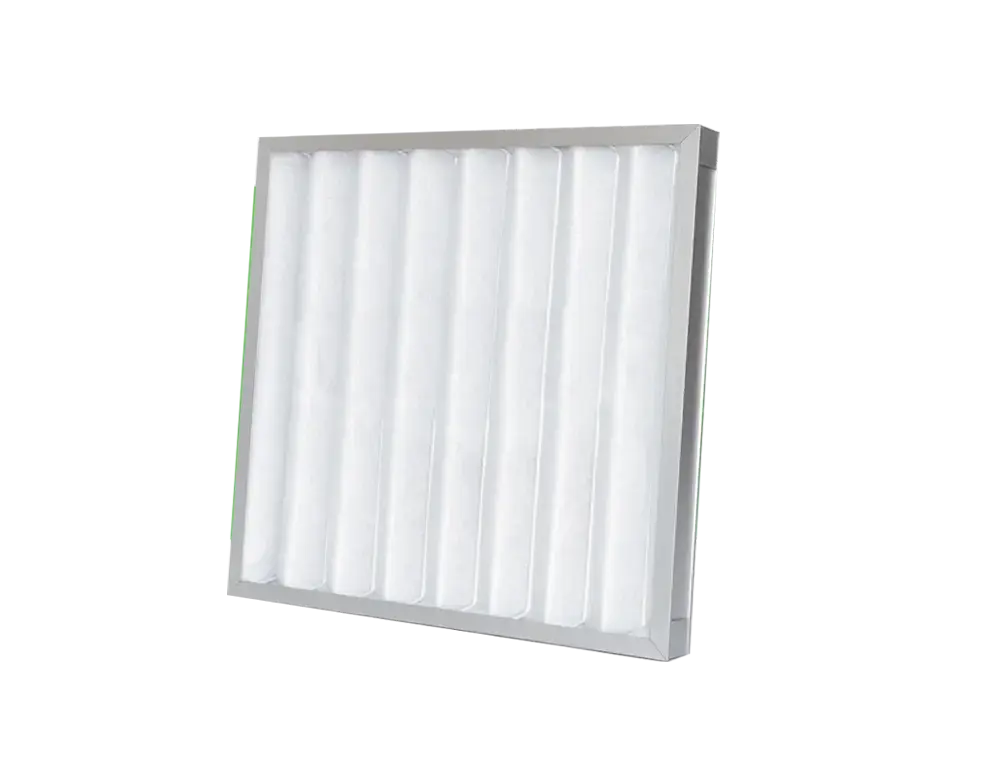
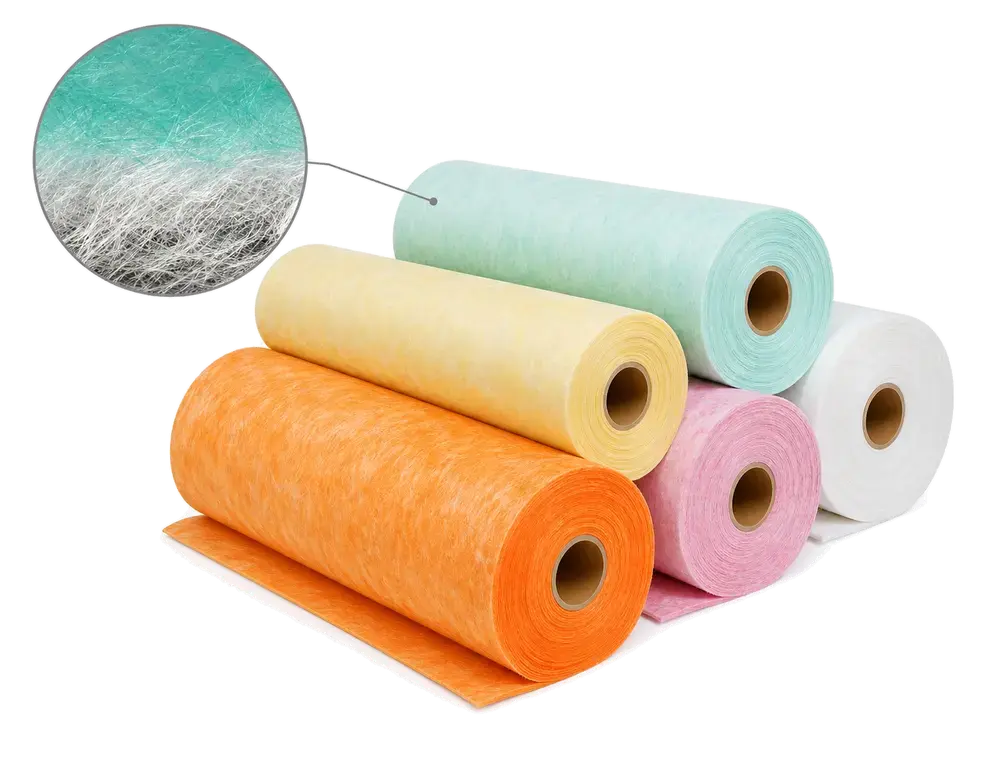
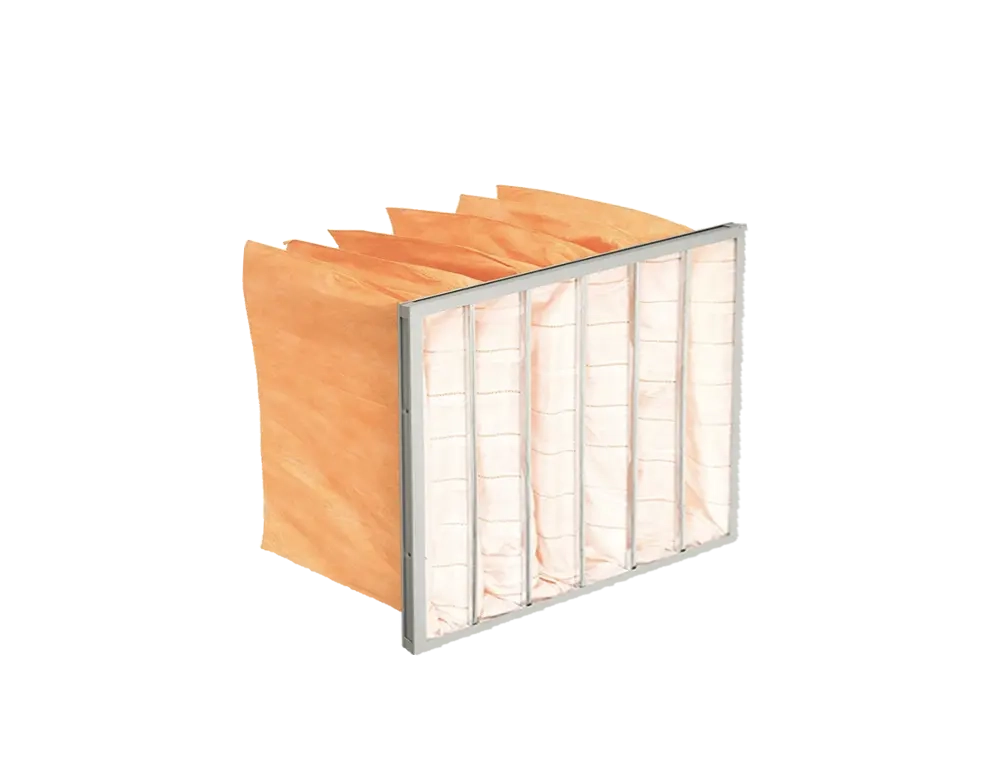
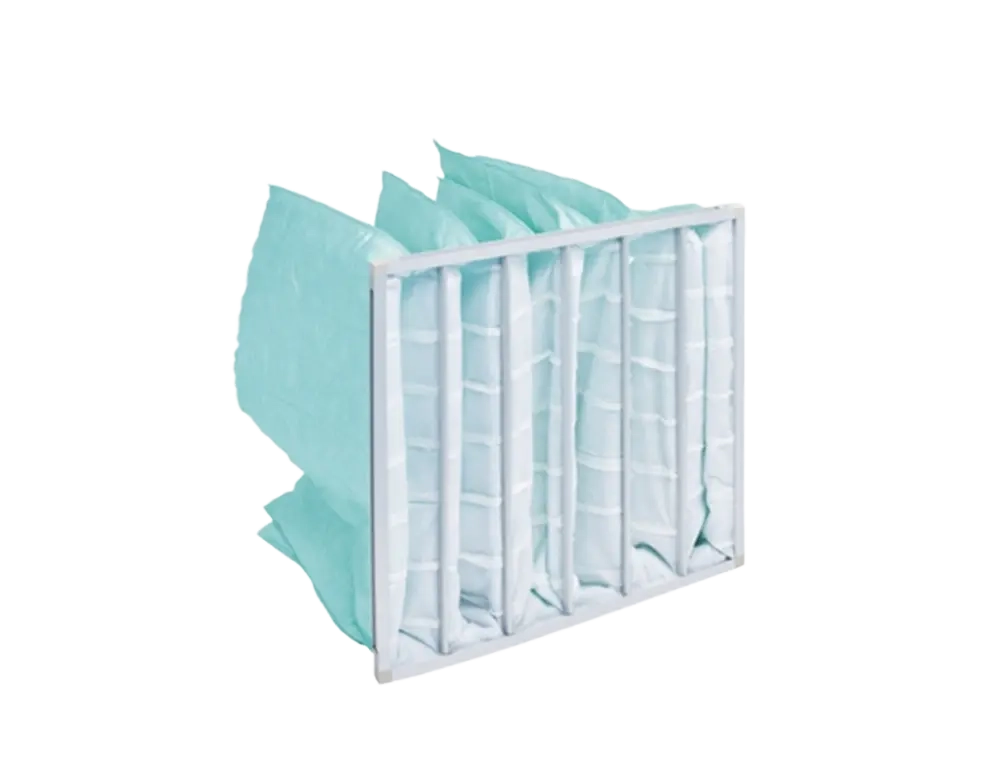
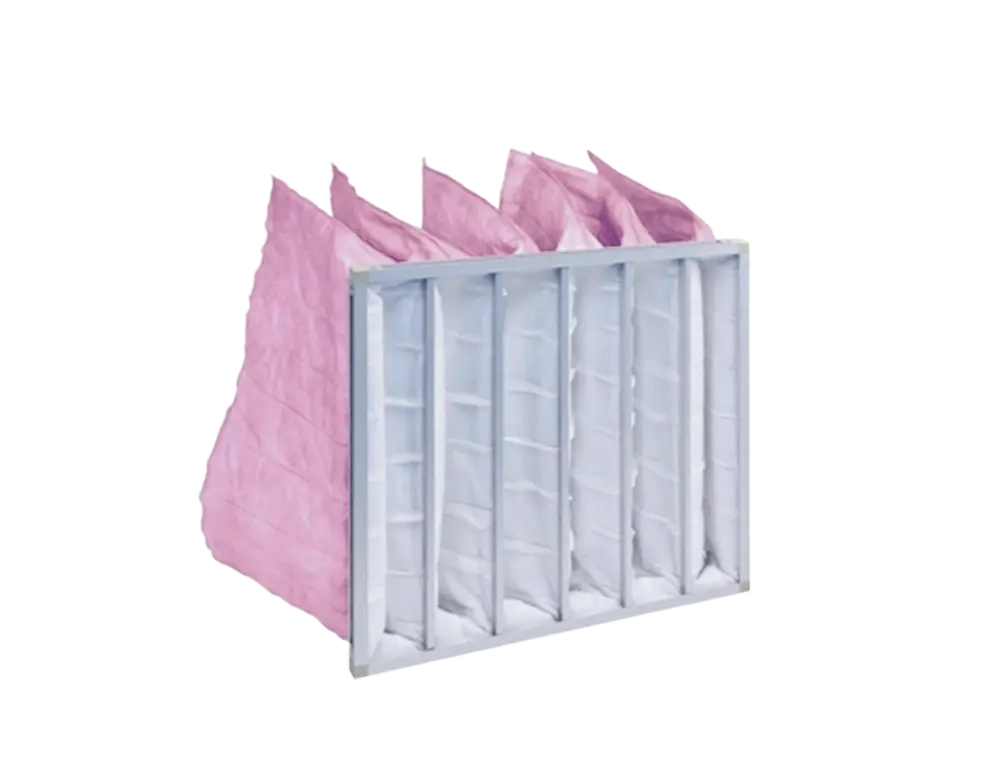
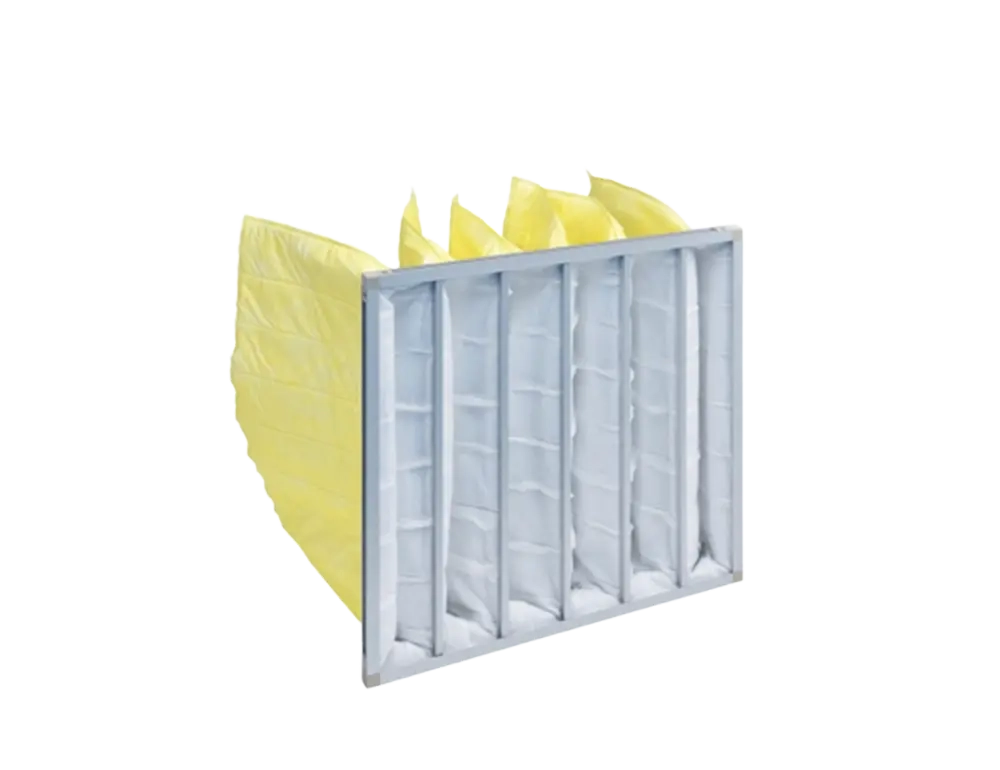
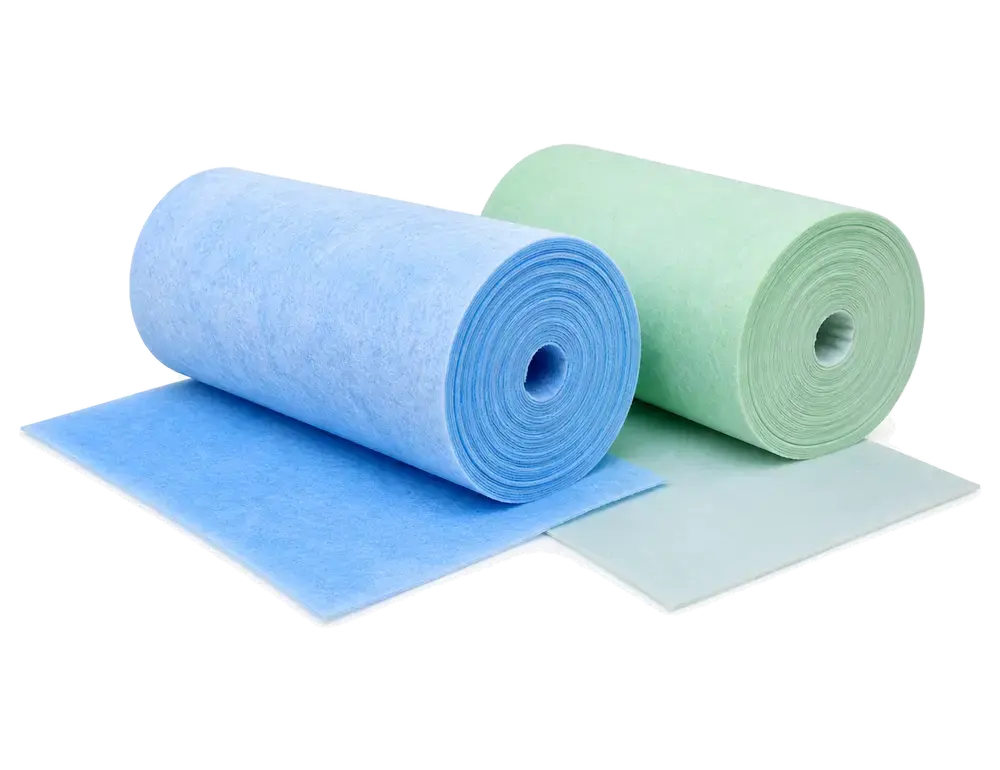
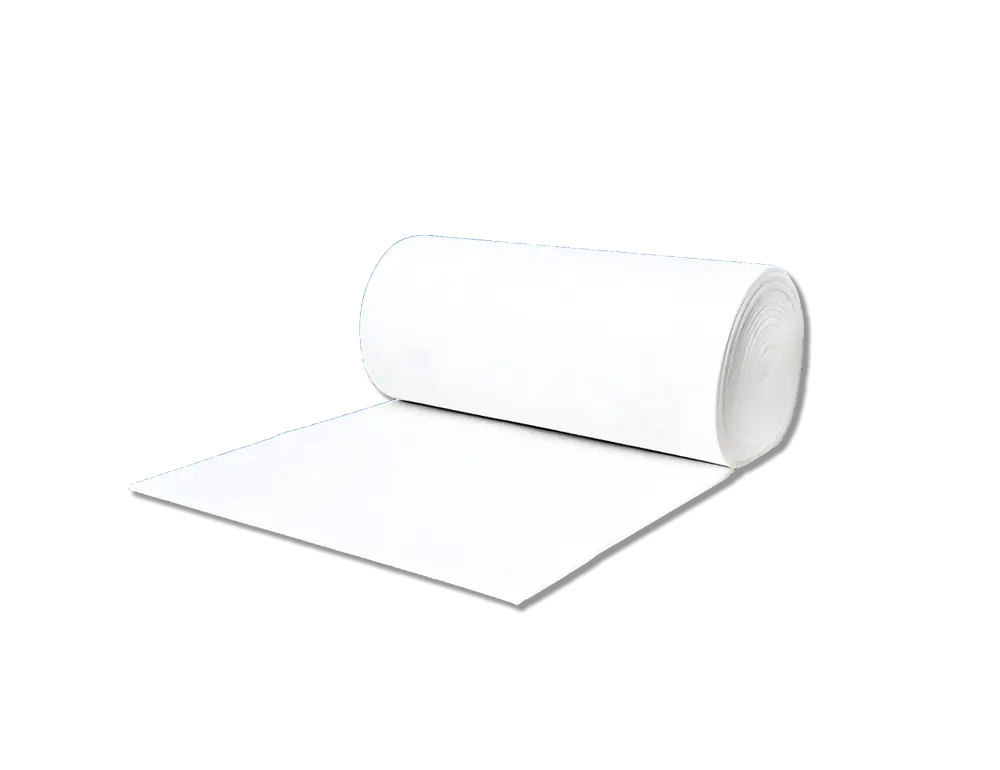
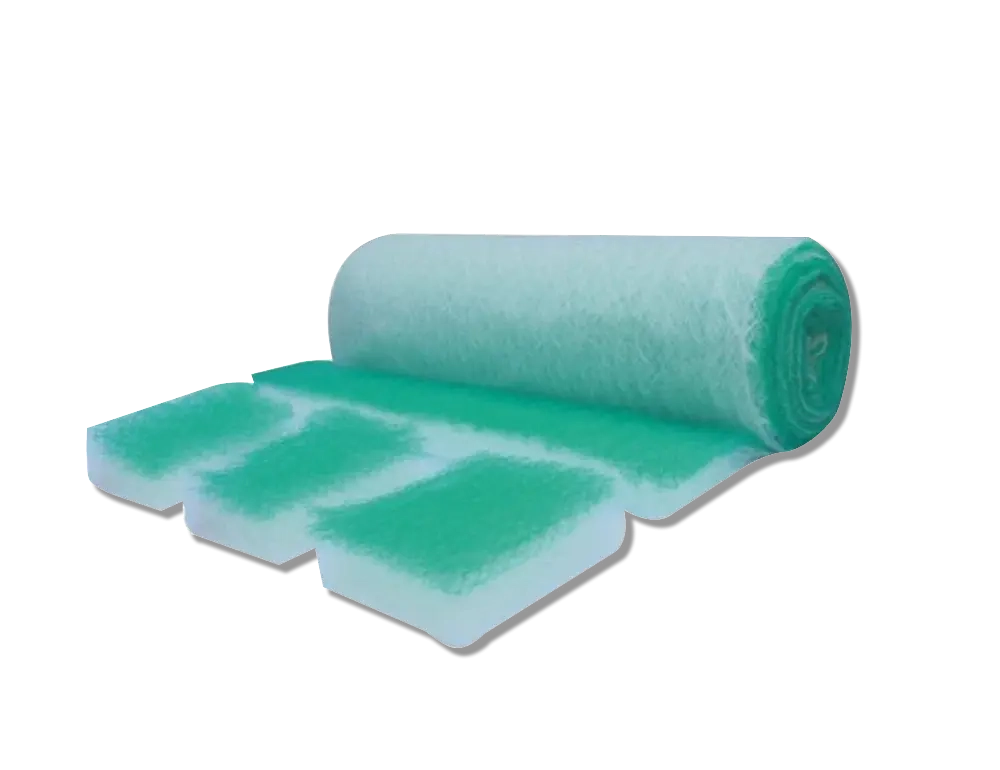
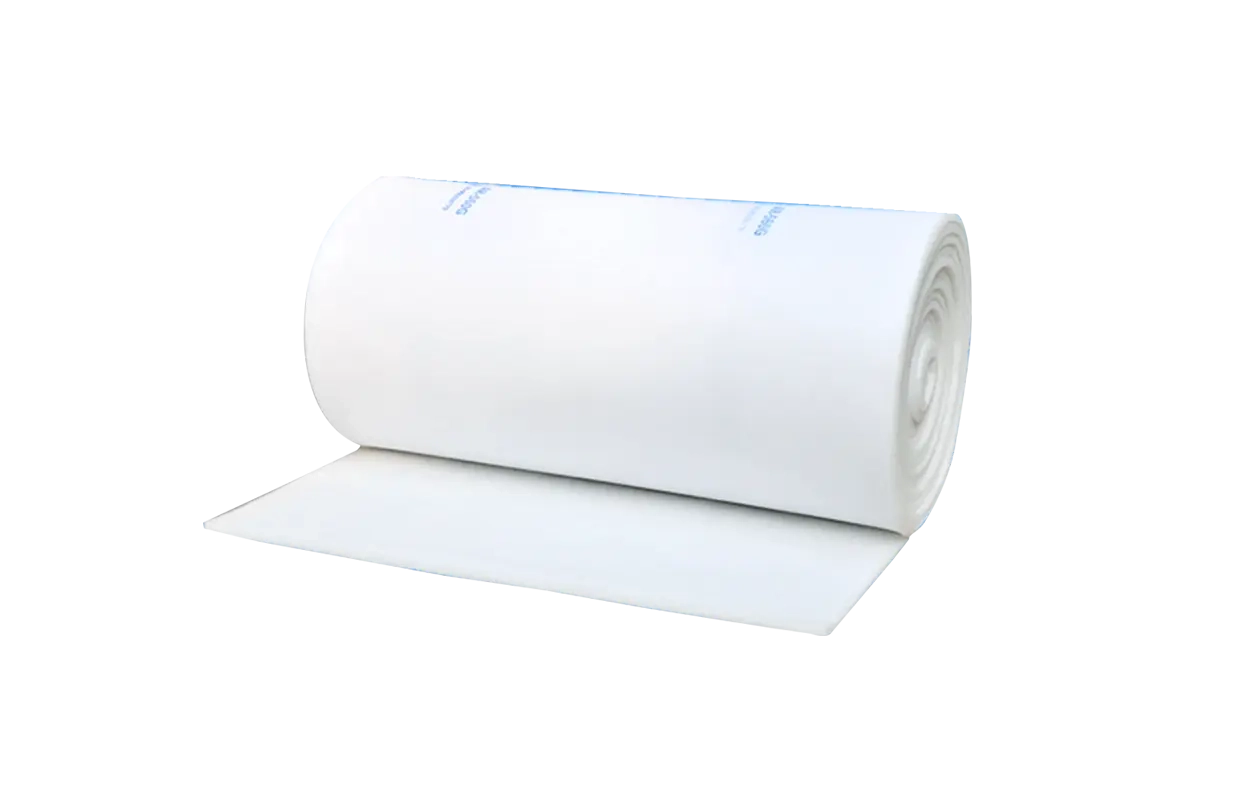
Pre-Filter (G1–G4)
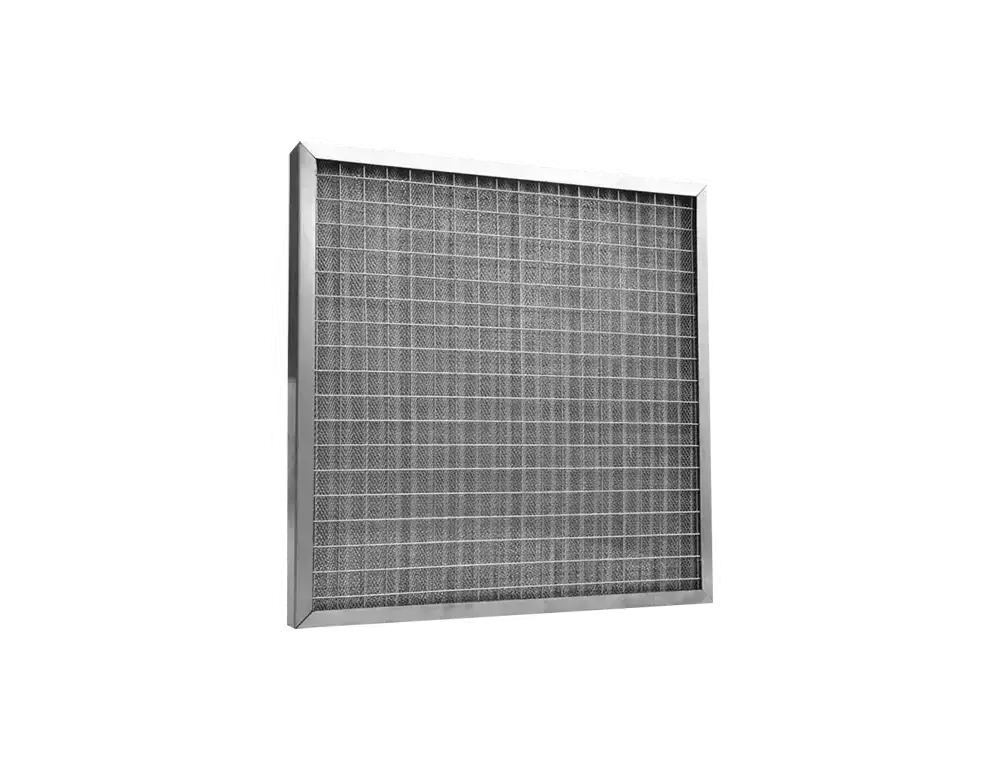
First-Stage Large-Particle Capture
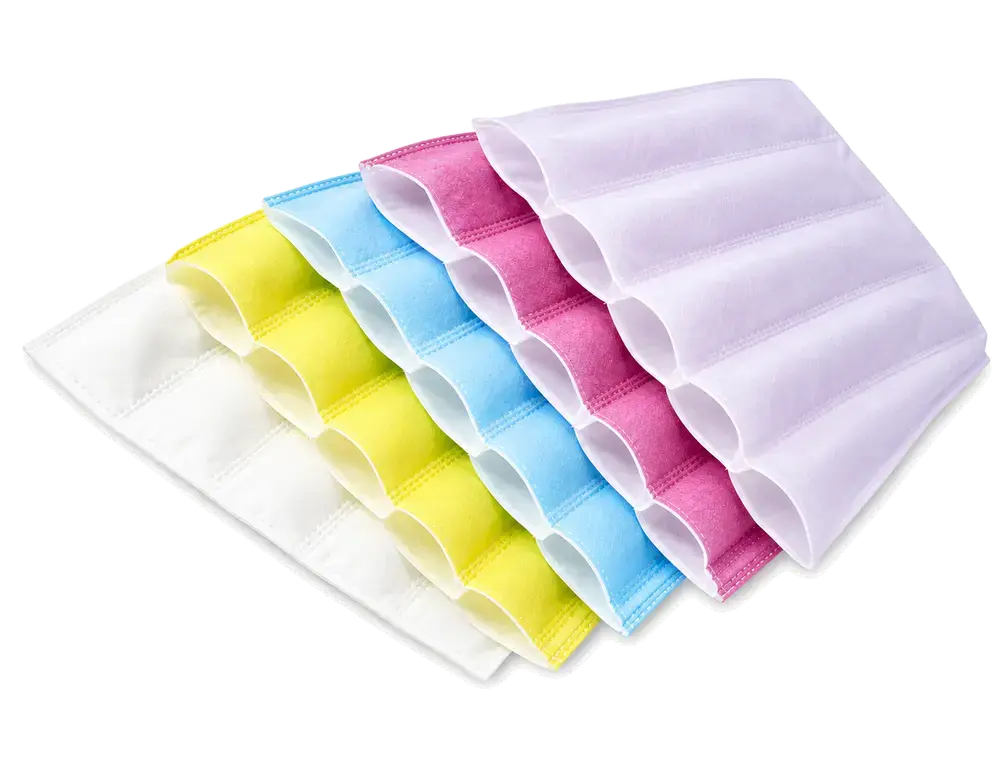
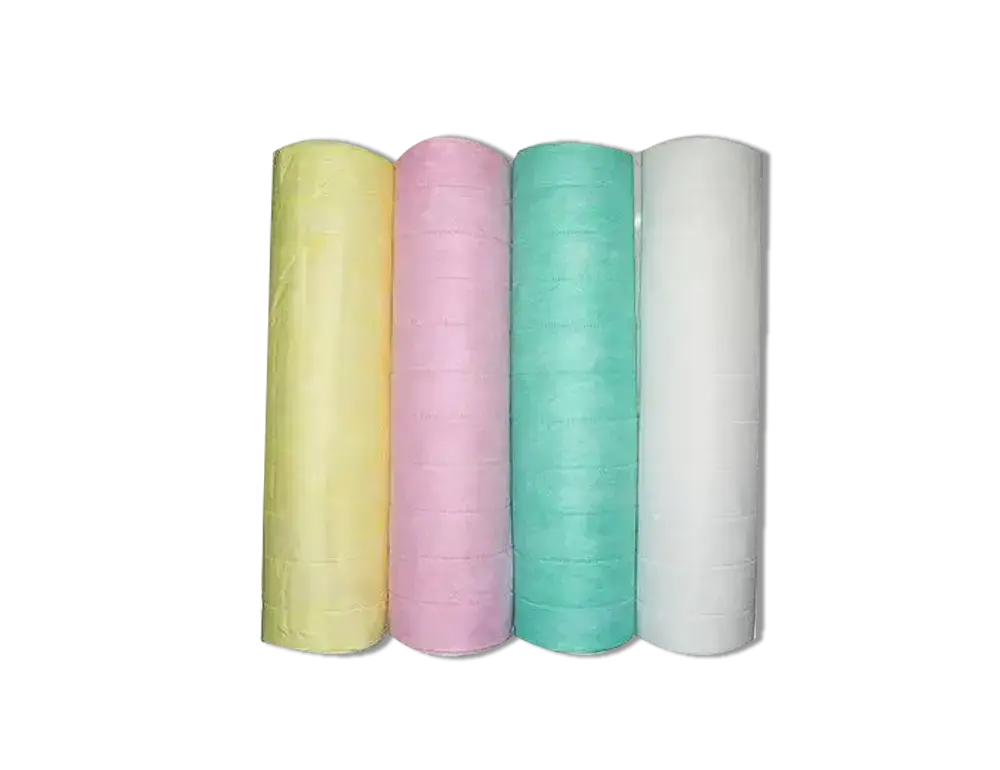
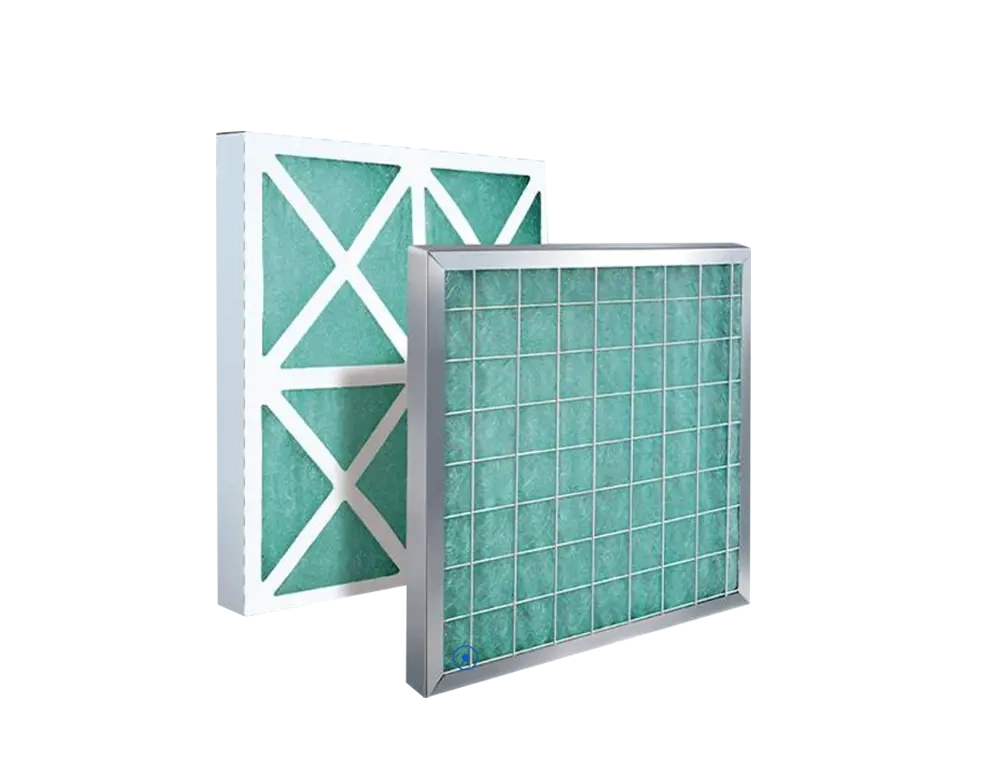
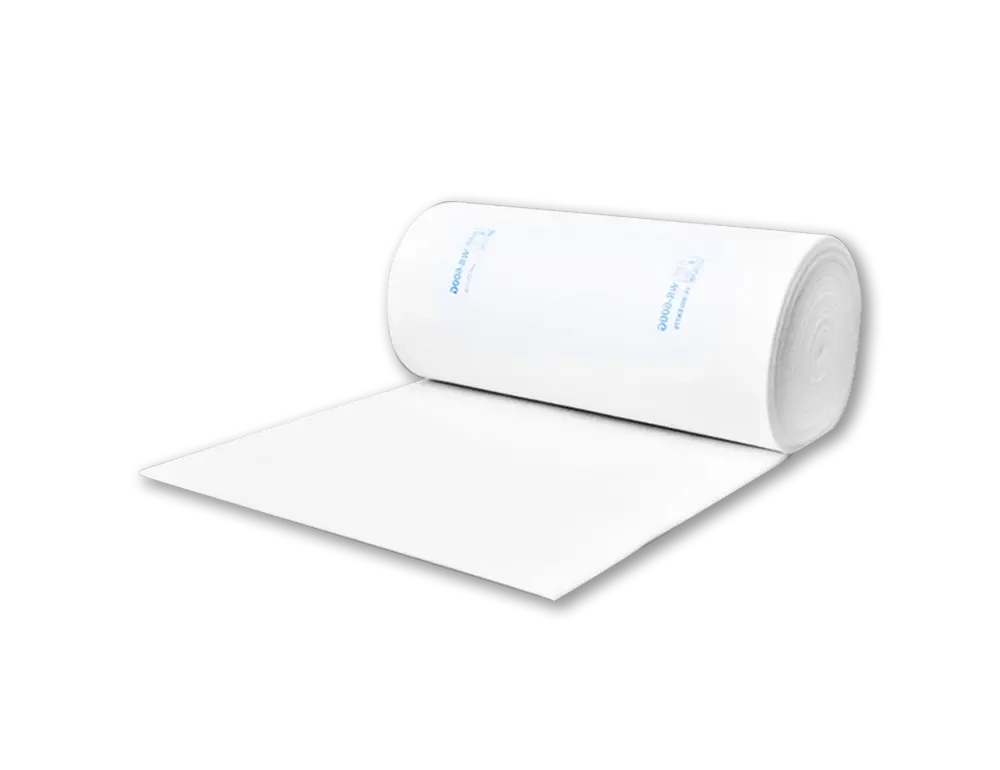
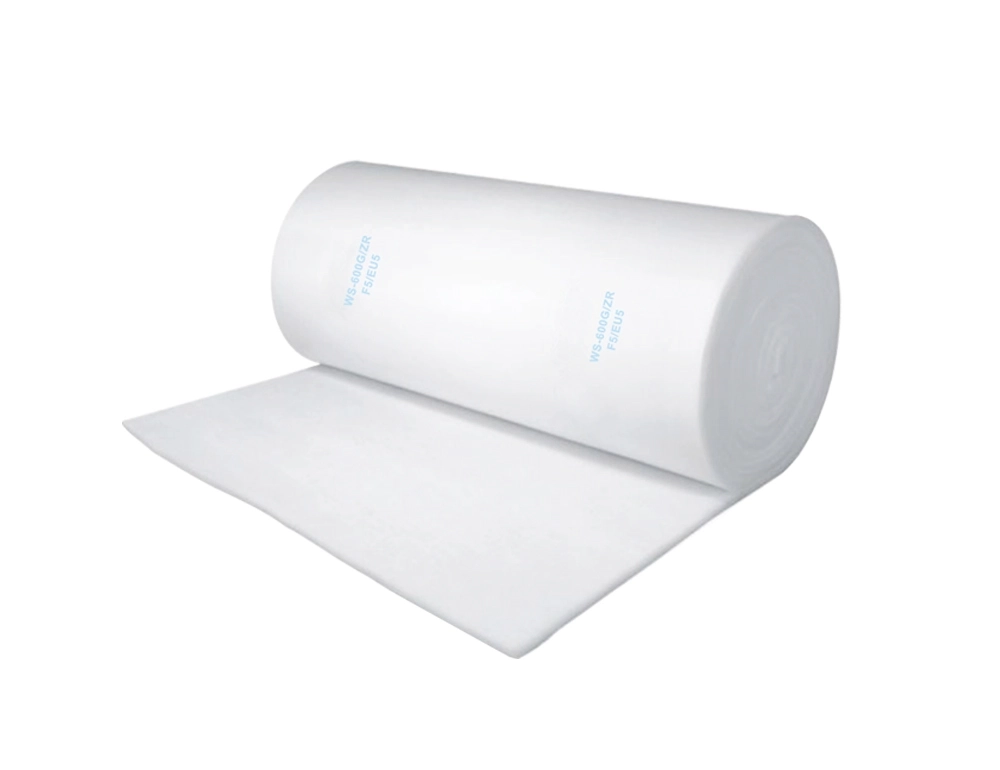
Medium-Efficiency Filter (F5–F9)
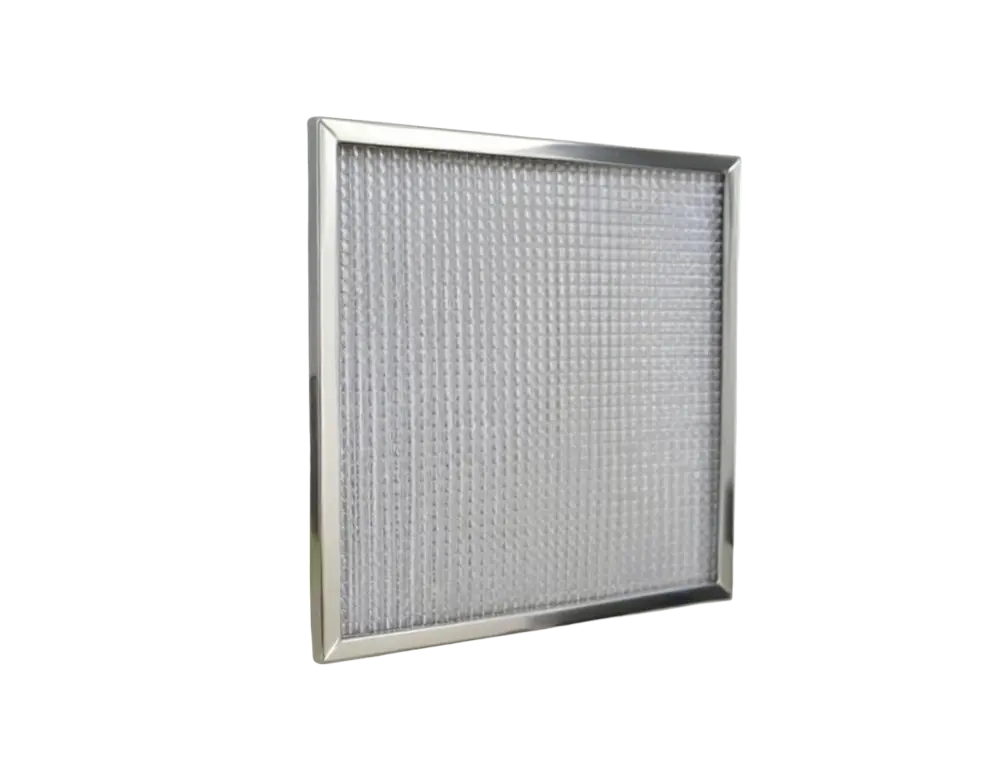
Precise PM2.5 Capture
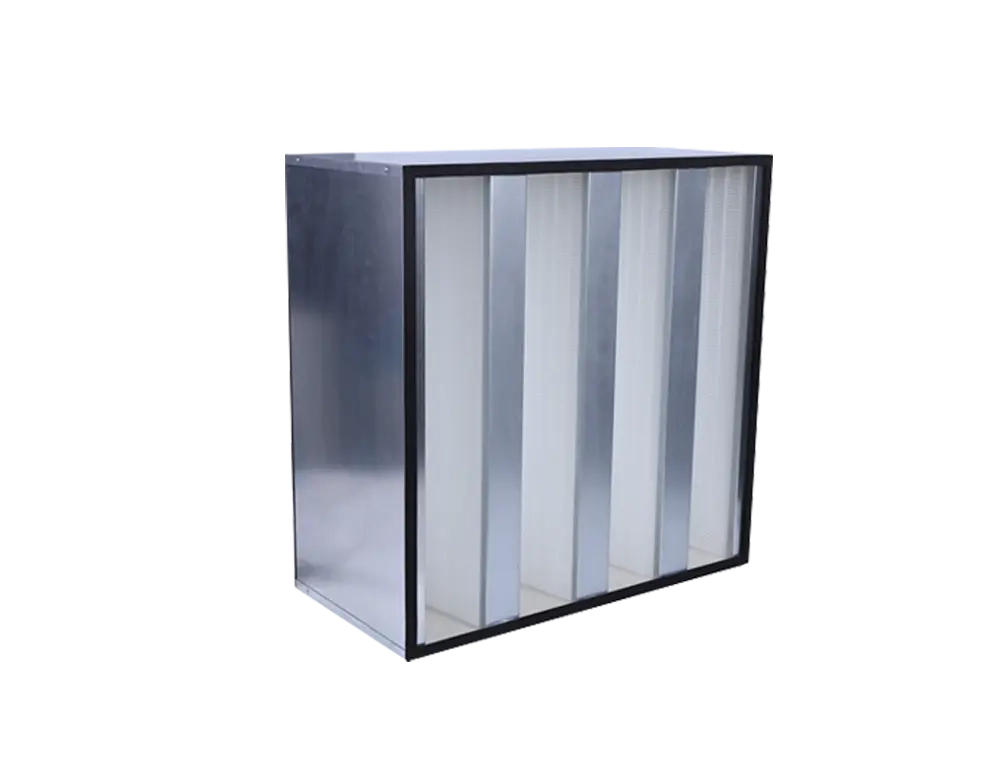
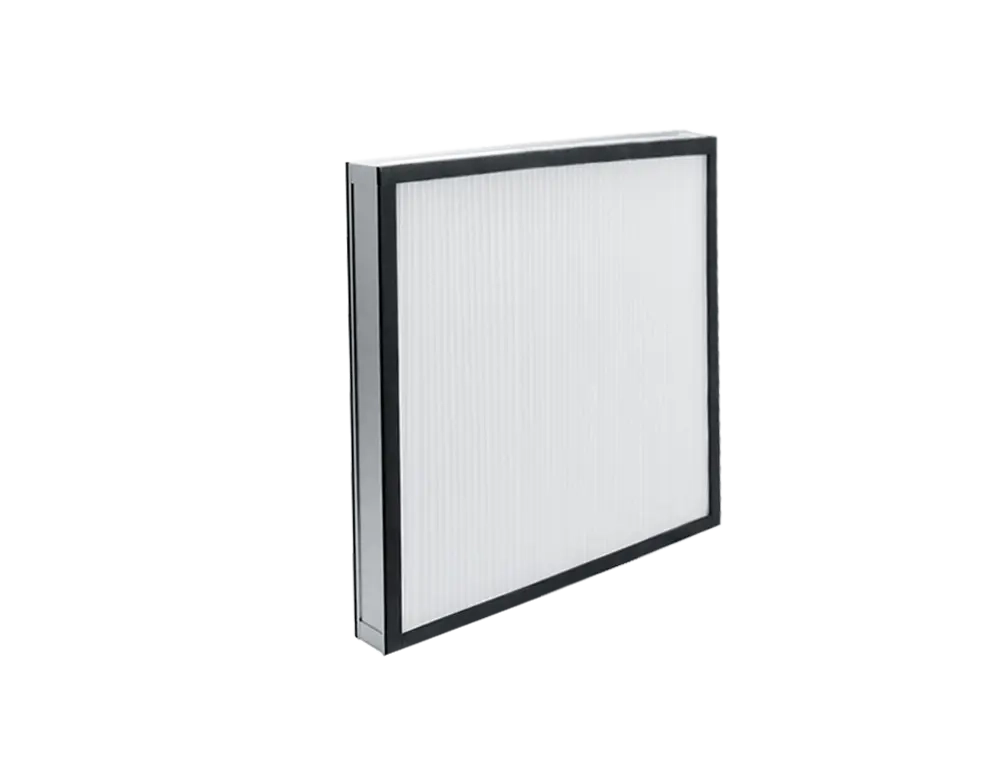
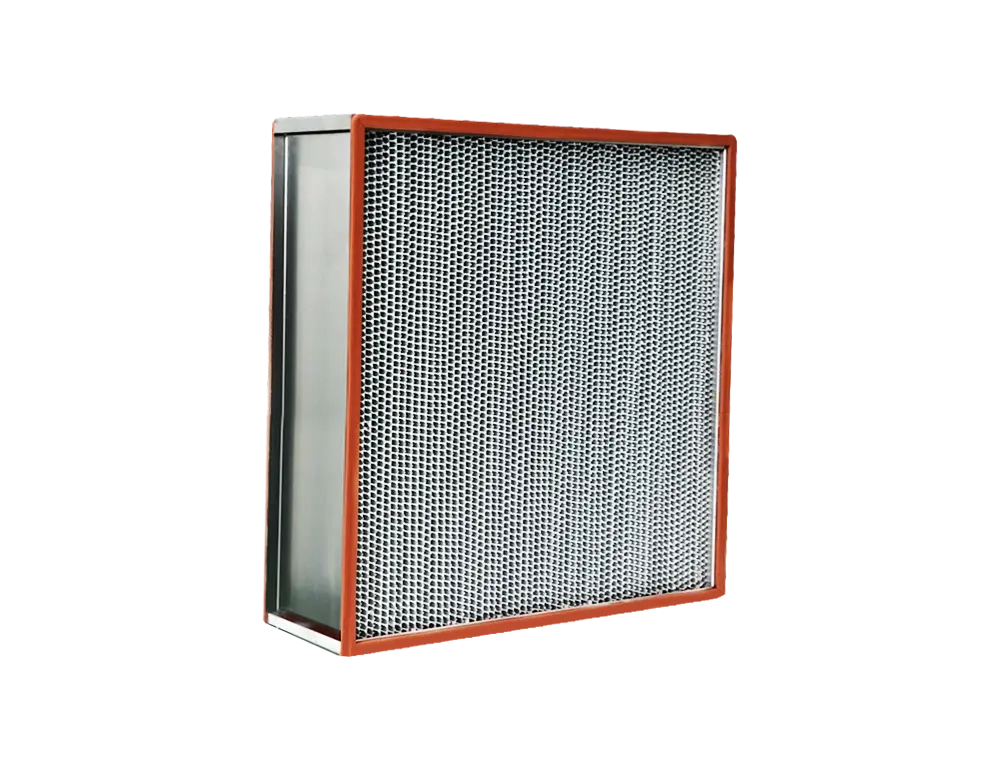
HEPA High-Efficiency Filter
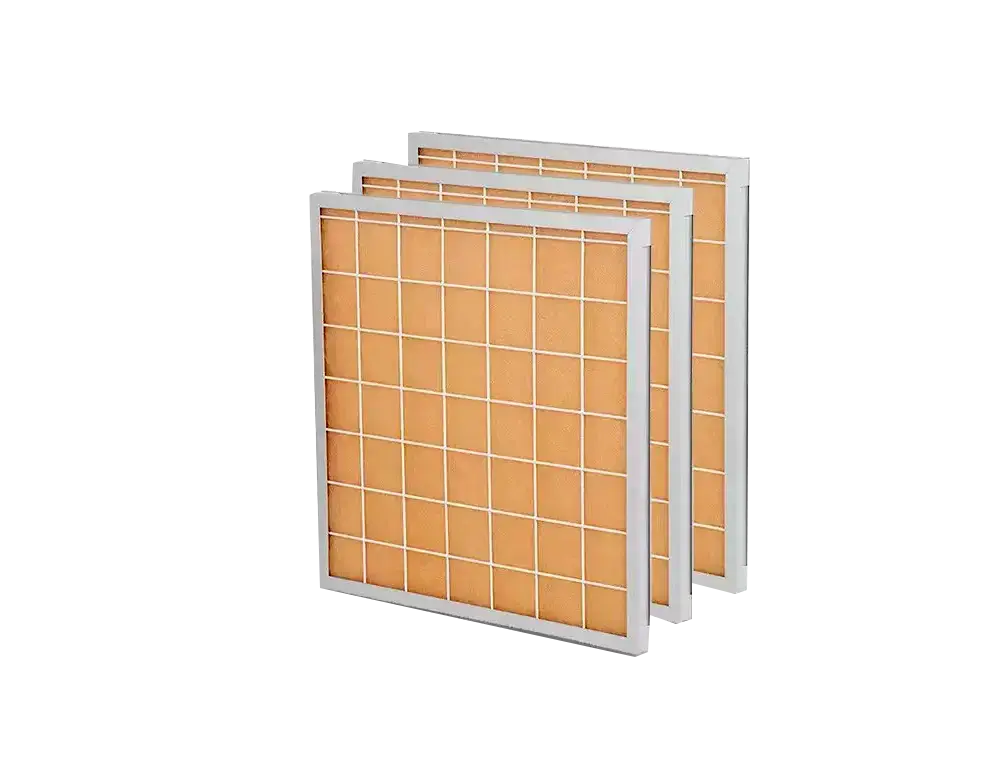
Sterile-Grade Purification
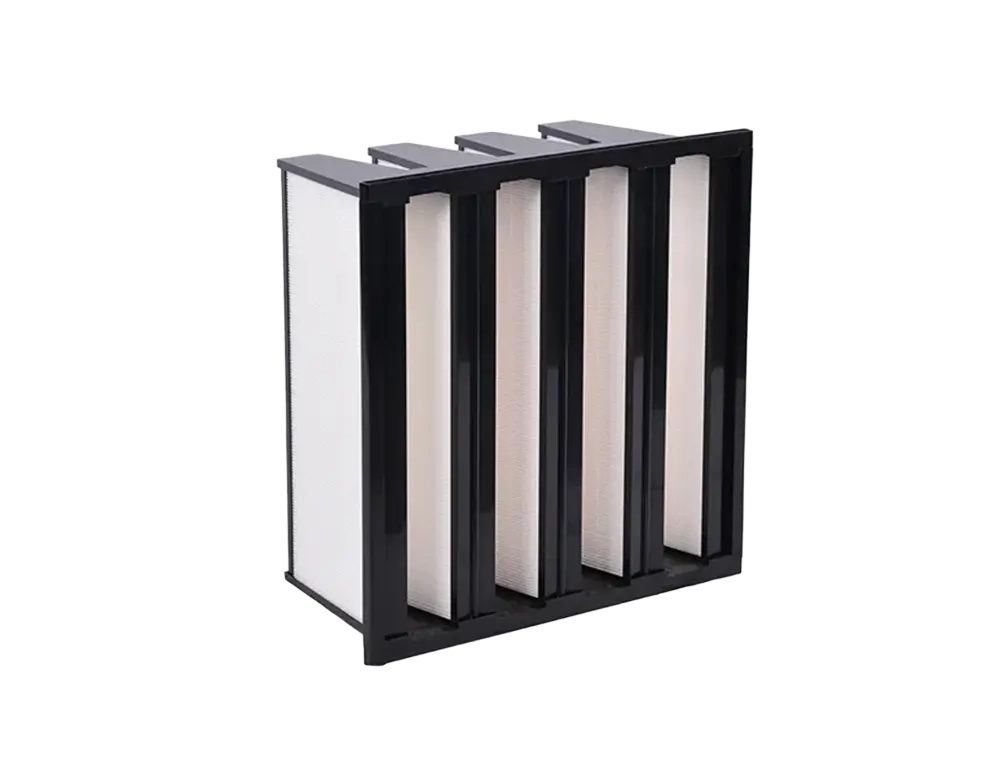
ULPA Ultra-High Efficiency Filter
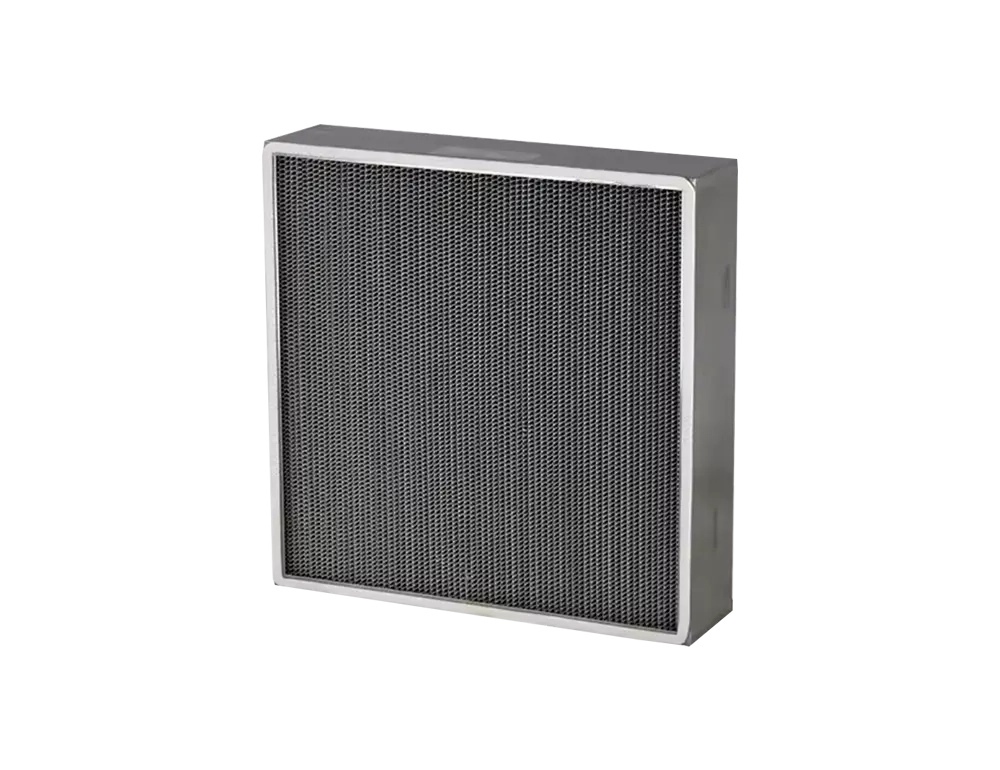
Sub-Micron Particle Capture
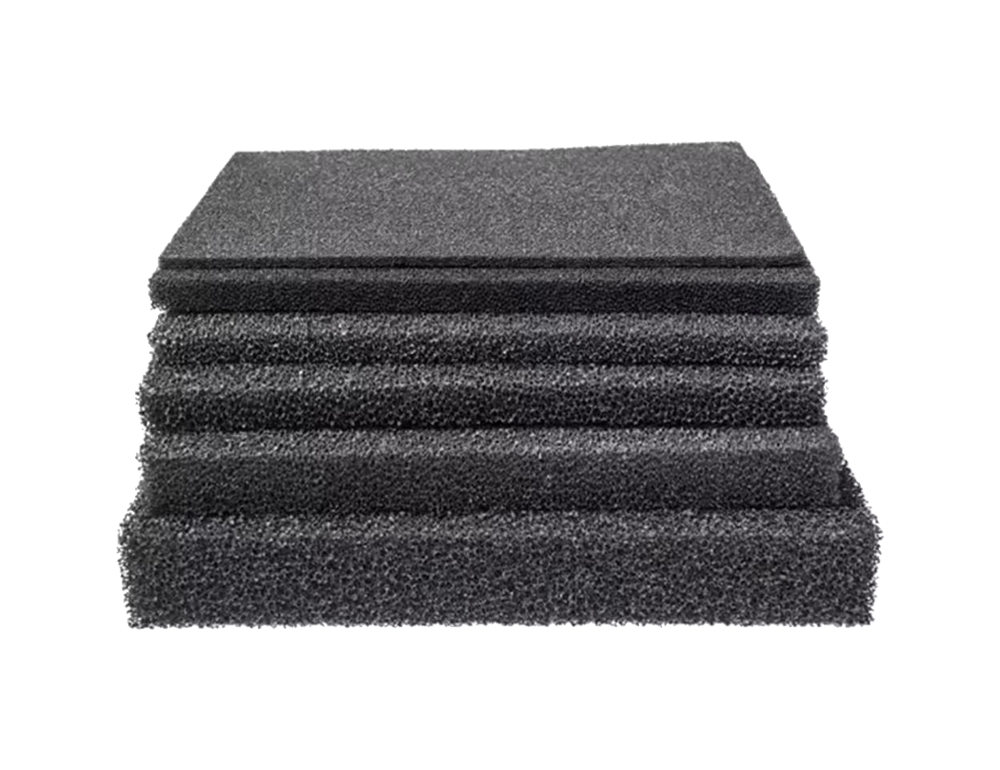
First-Stage Large-Particle Capture
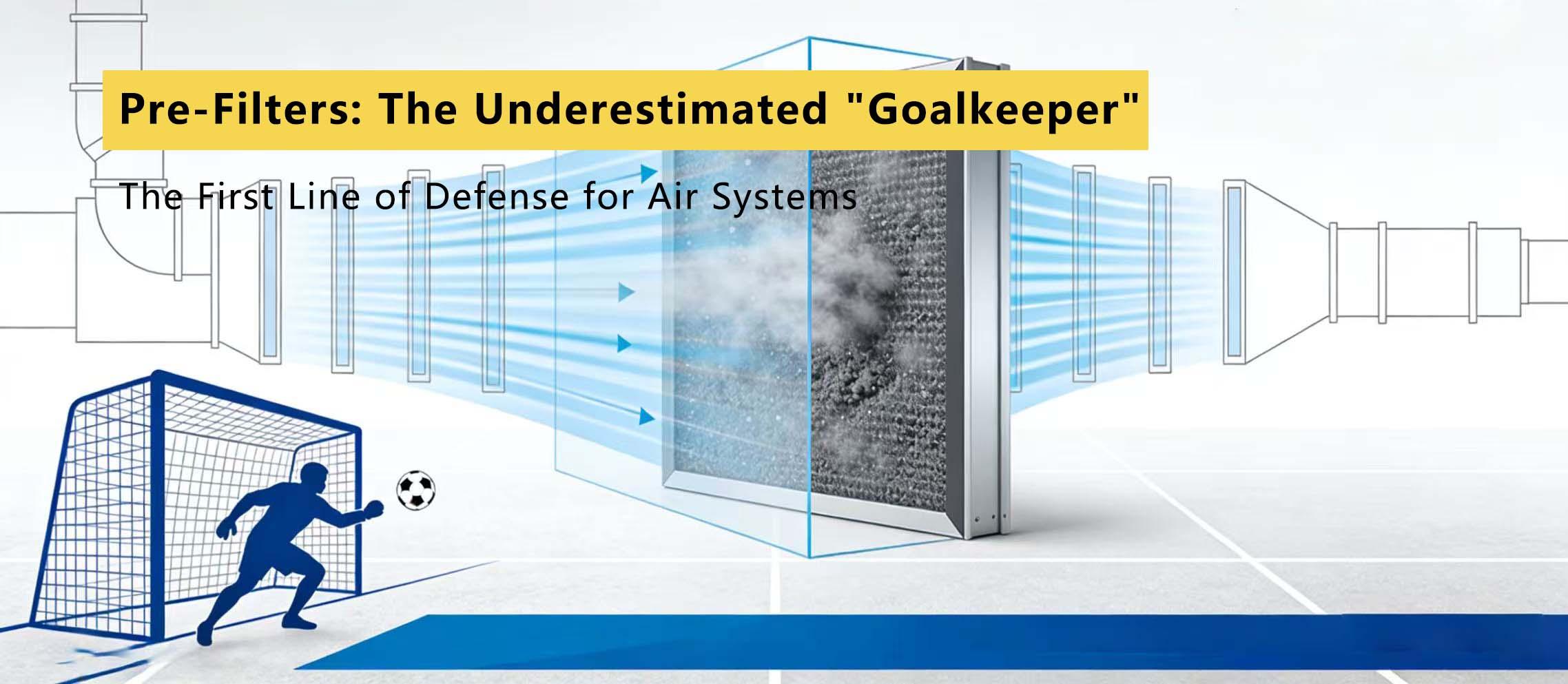
The first line of defense, capturing particles ≥5 μm such as dust, hair, and fibers to protect downstream filters and extend overall system service life.
View Related Products →Precise PM2.5 Capture
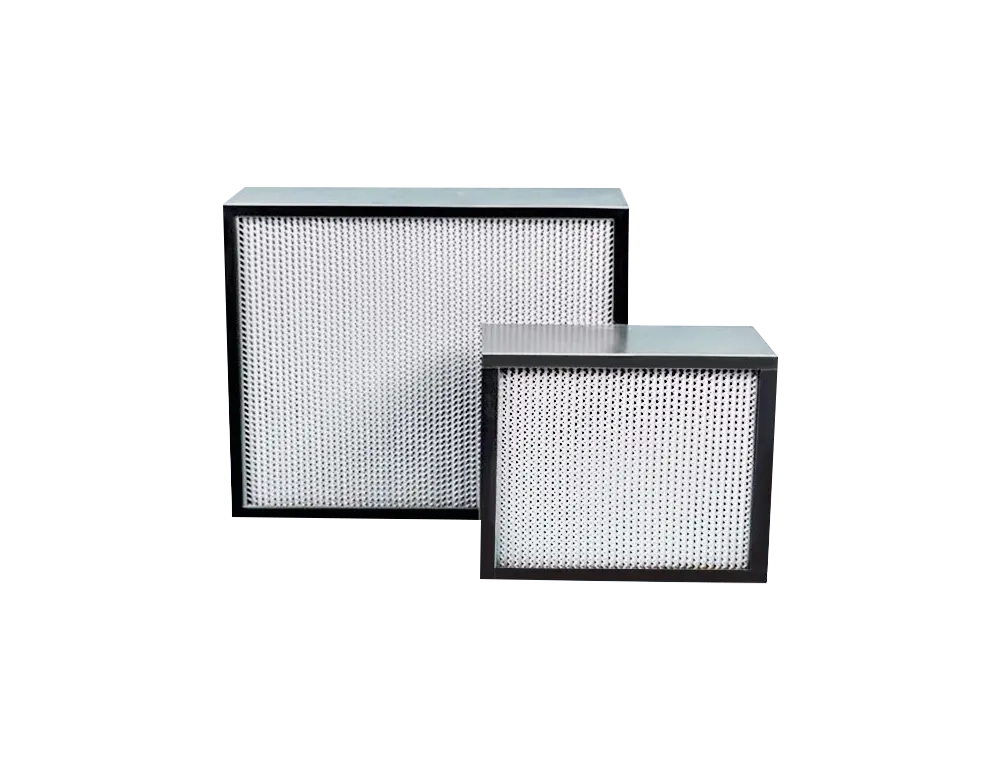
Captures fine particles of 1–5 μm including PM2.5, pollen, and mold spores, significantly improving indoor air quality for commercial HVAC and ventilation systems.
View Related Products →Sterile-Grade Purification
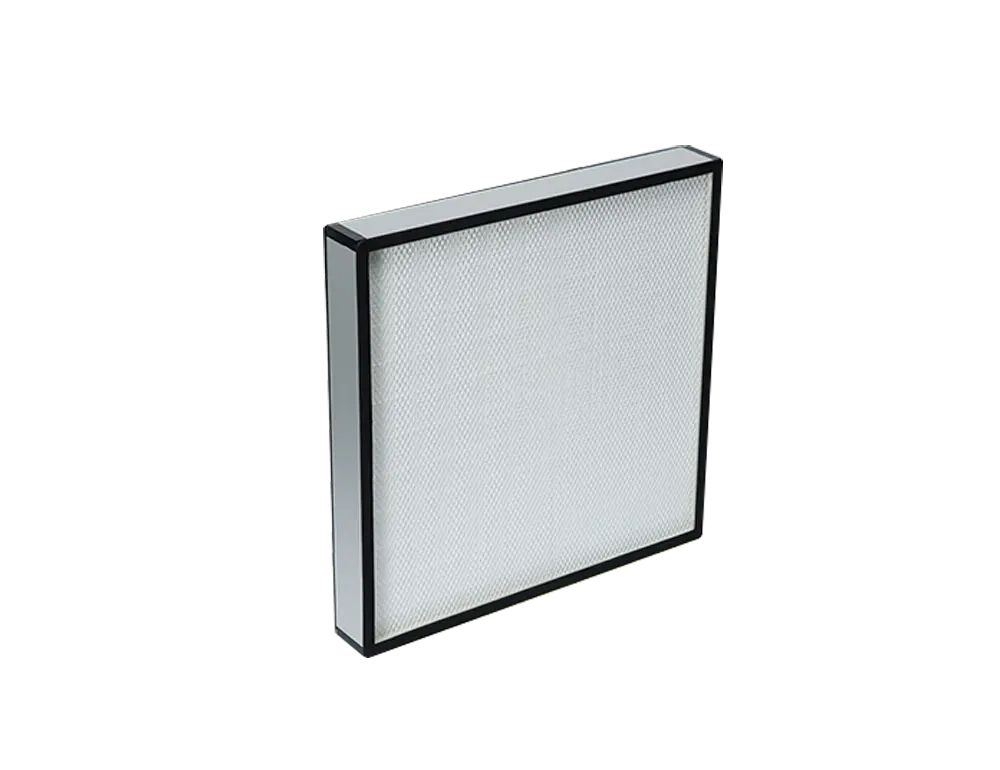
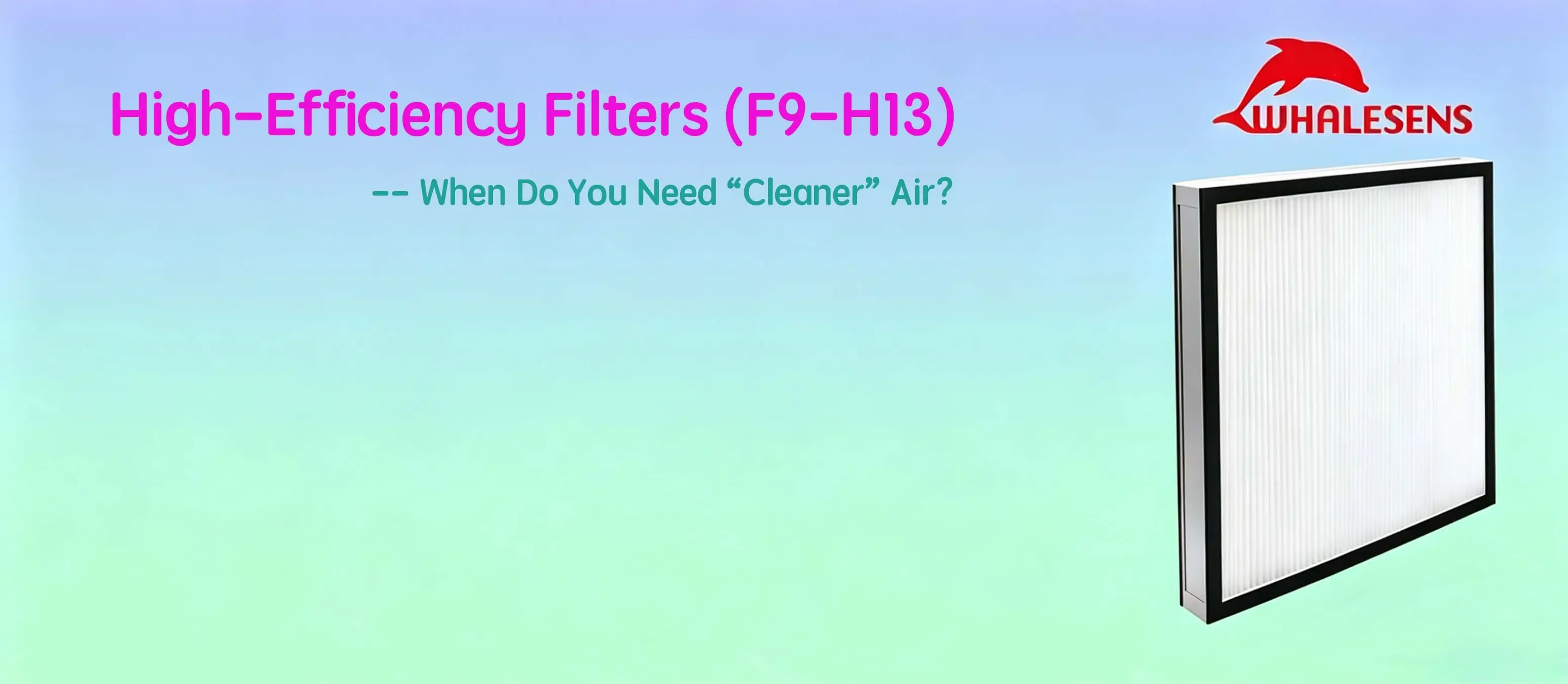
≥99.97% filtration efficiency for particles ≥0.3 μm, delivering sterile-grade clean air widely used in medical, pharmaceutical, and electronics manufacturing.
View Related Products →Sub-Micron Particle Capture
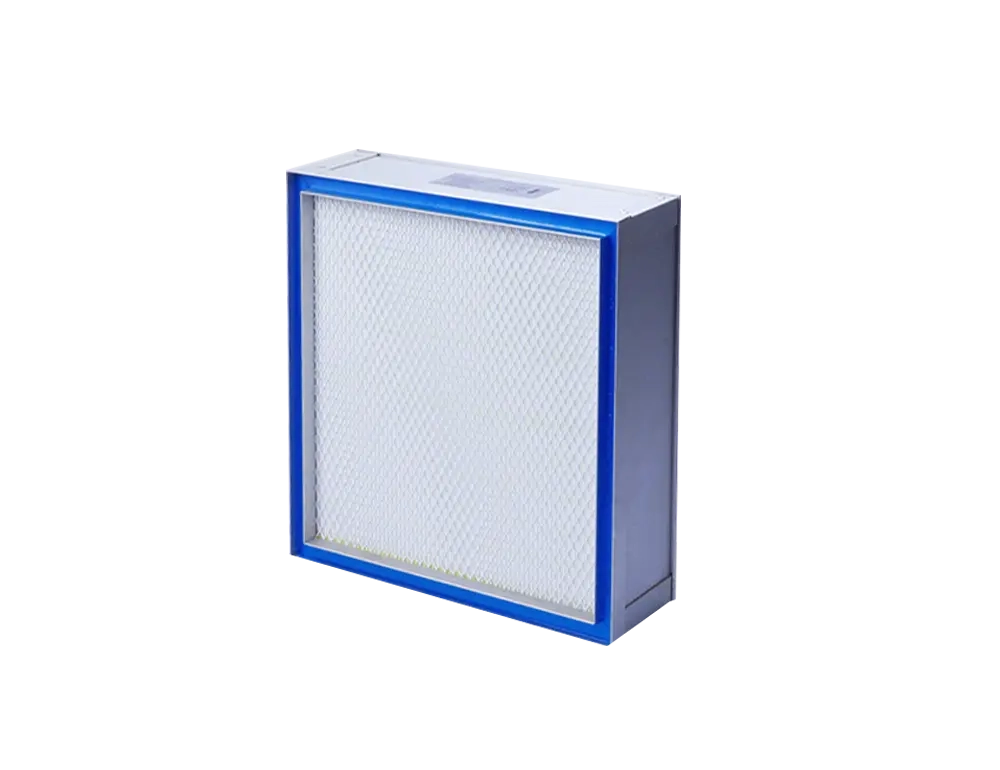
≥99.9995% efficiency for particles ≥0.12 μm, meeting the extreme cleanliness demands of semiconductor fabs, aerospace, and other ultra-precision applications.
View Related Products →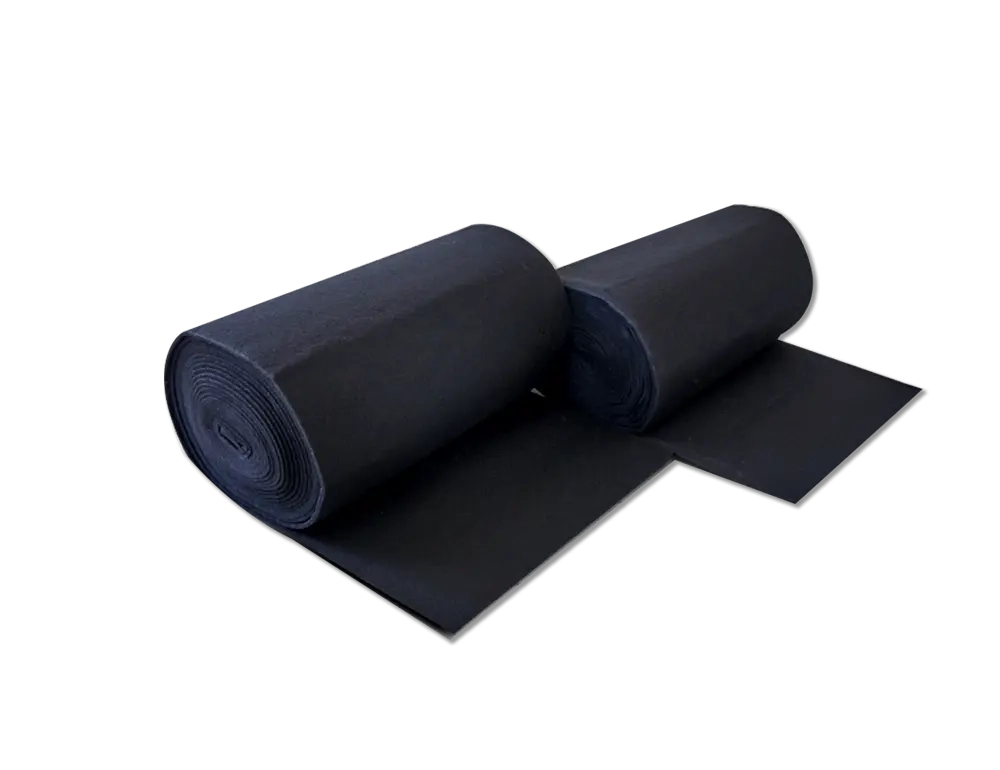
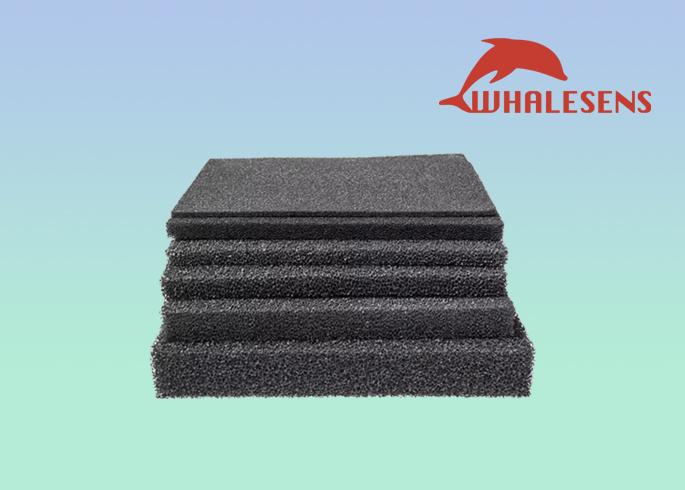
High-Temperature Resistant
Industrial-Grade Heat Tolerance
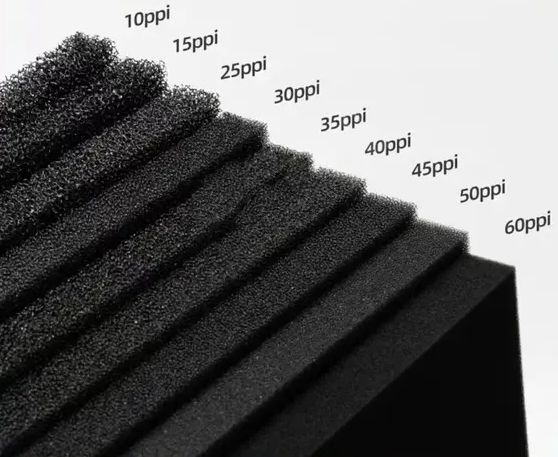
Washable & Reusable
Cut Costs, Reduce Waste
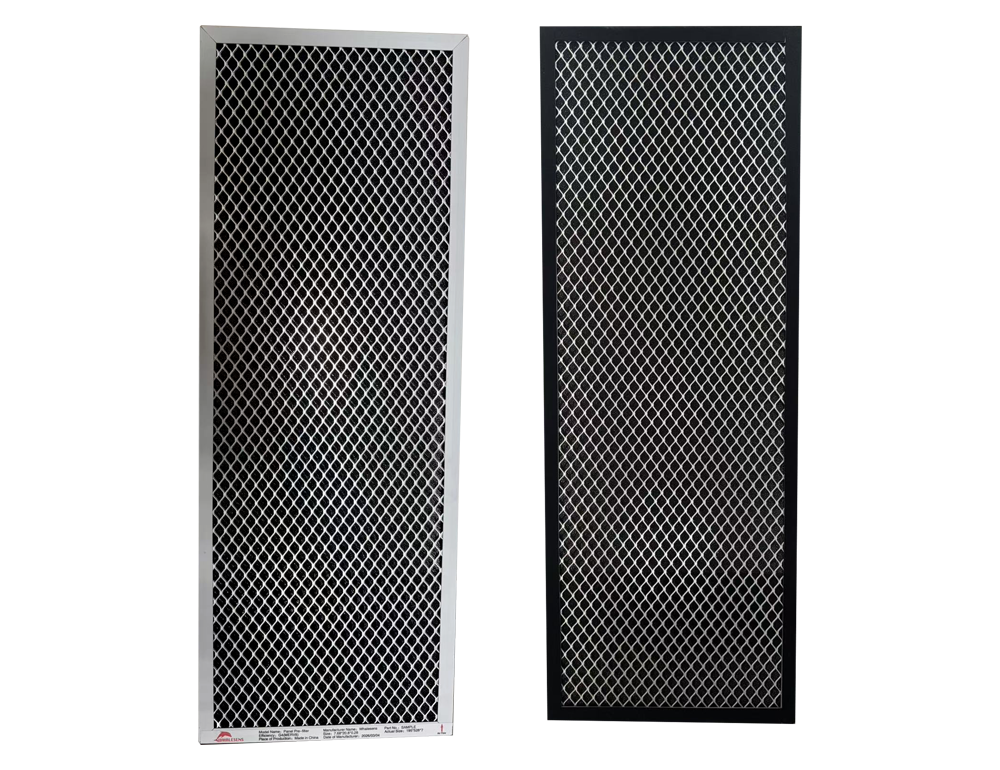
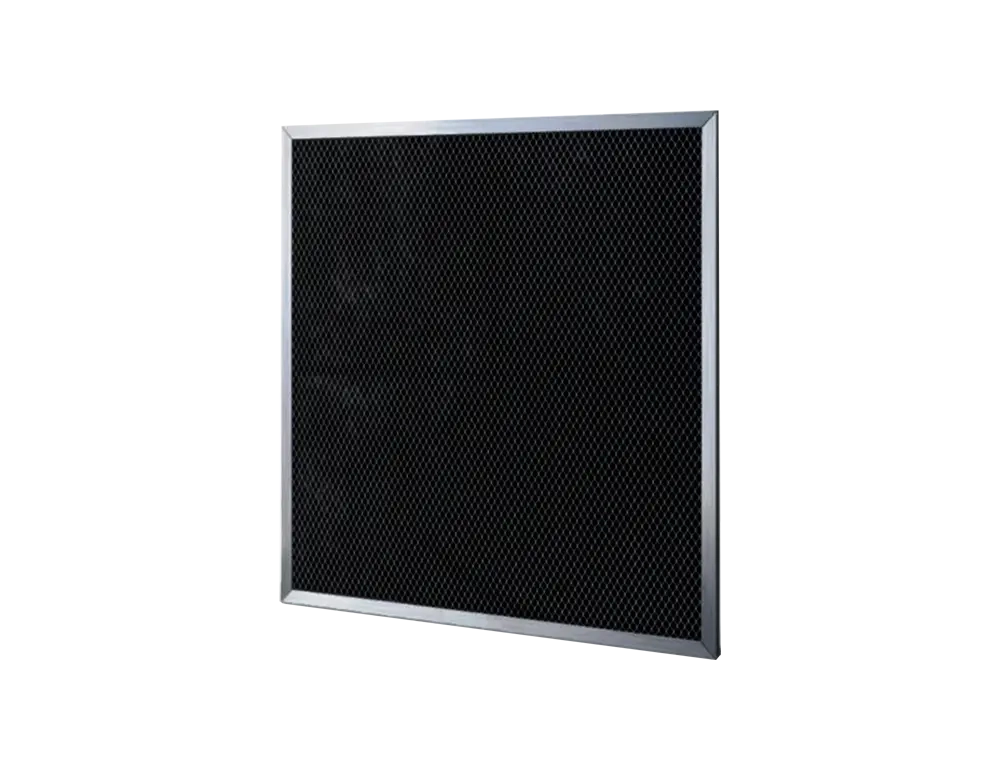
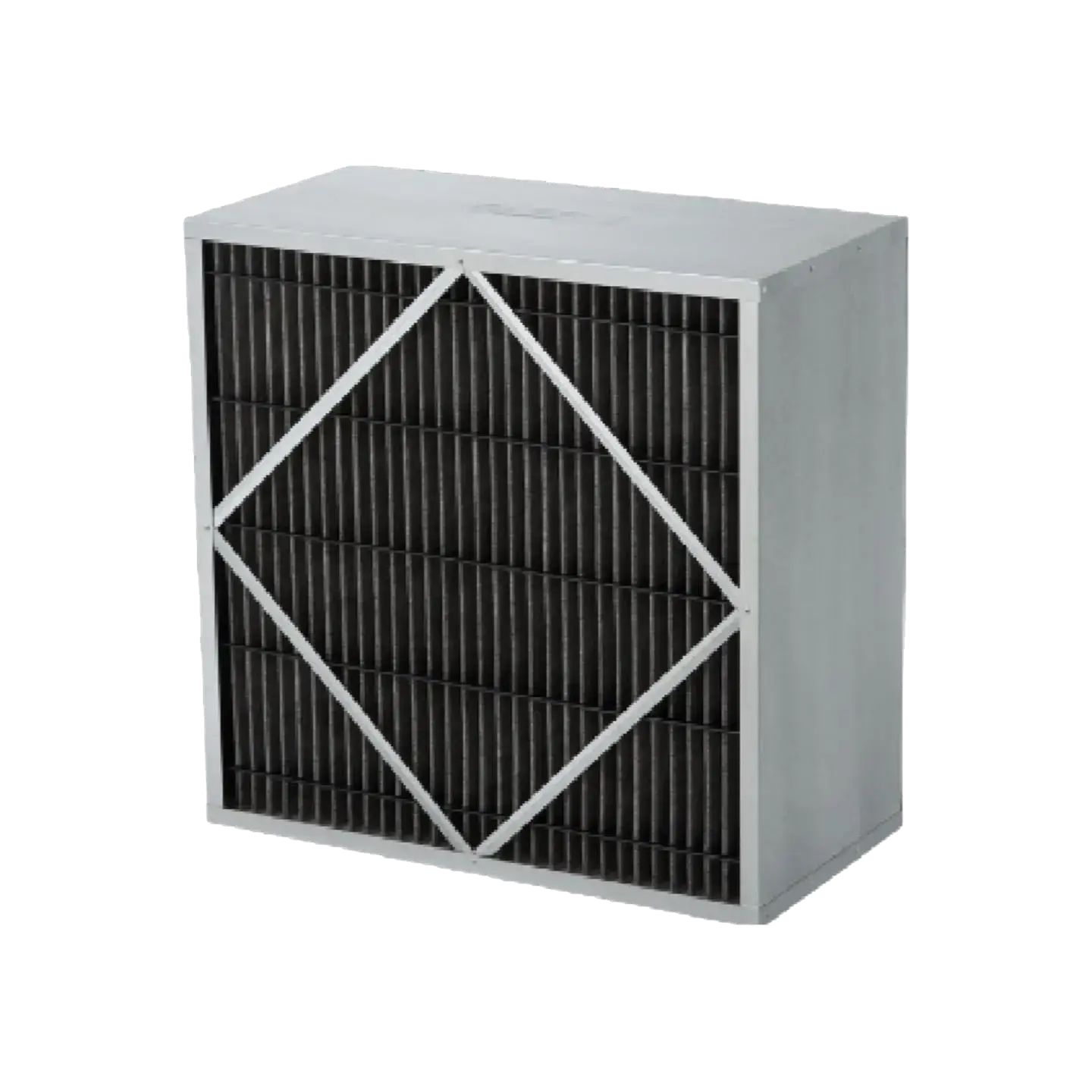
Activated Carbon
Odor & Harmful Gas Removal
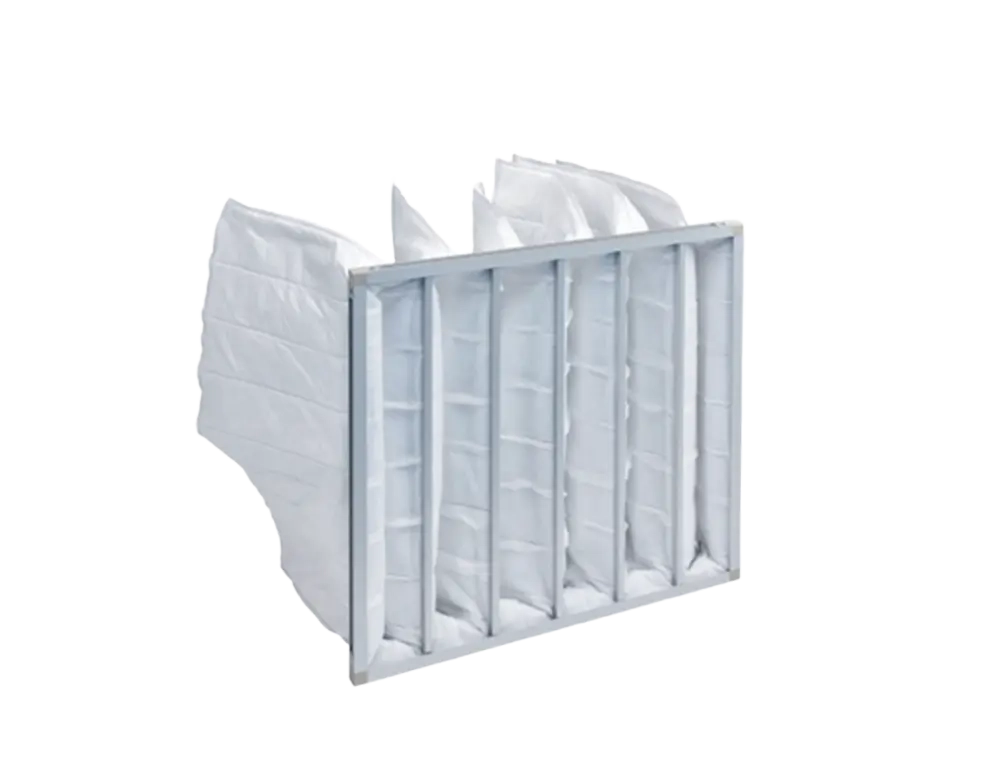
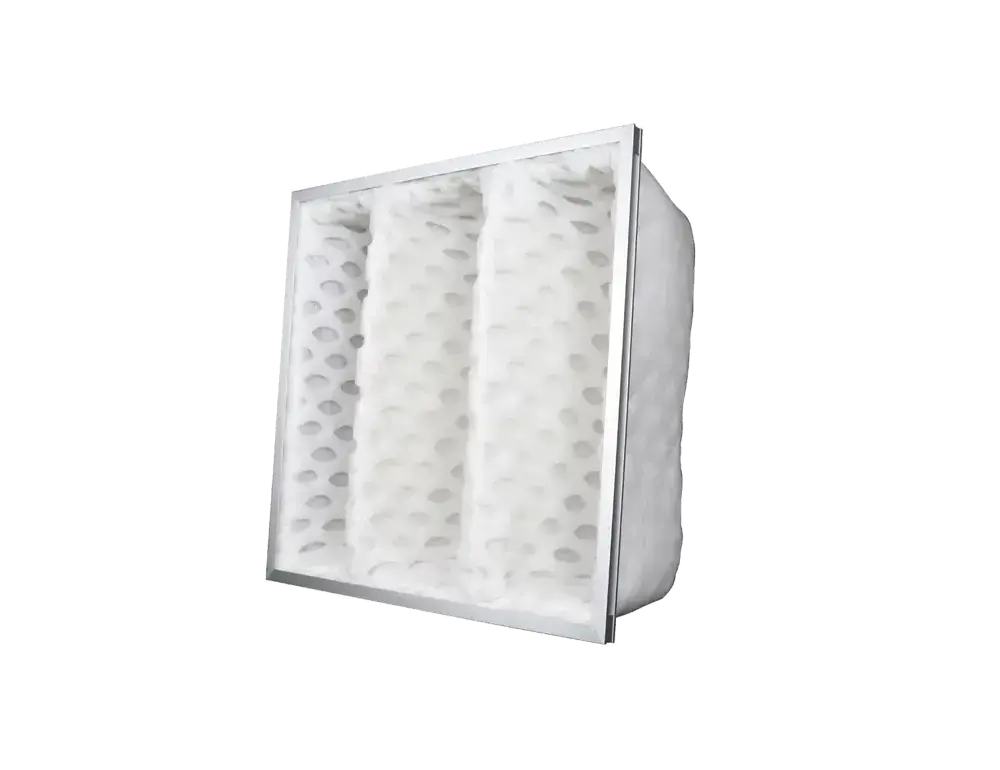
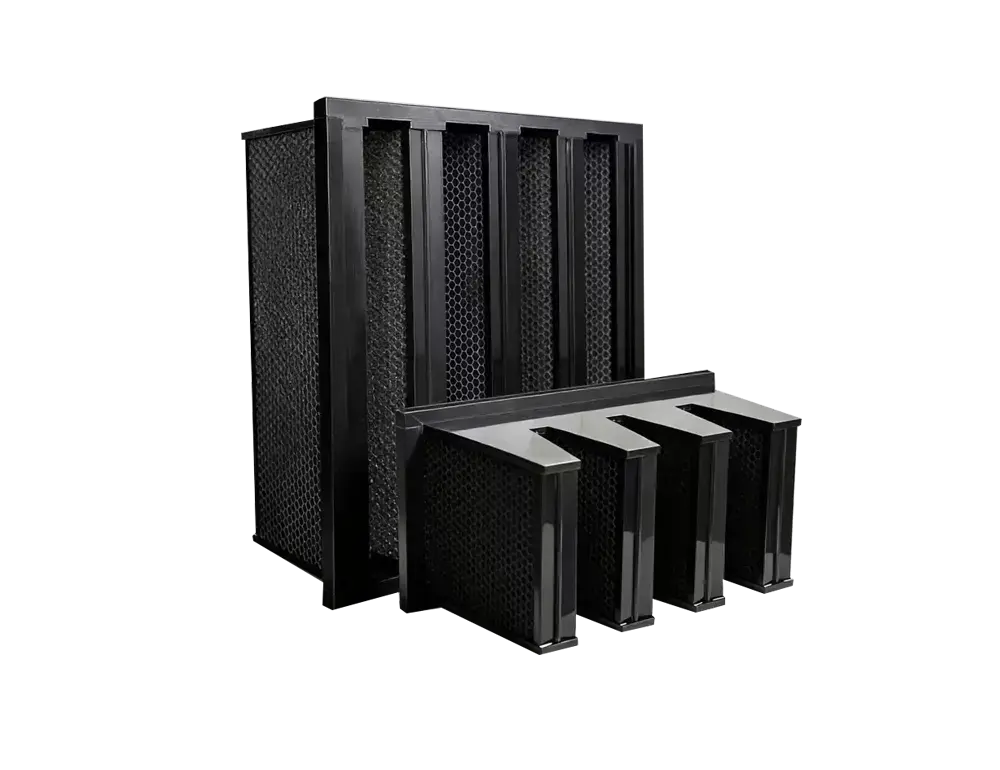
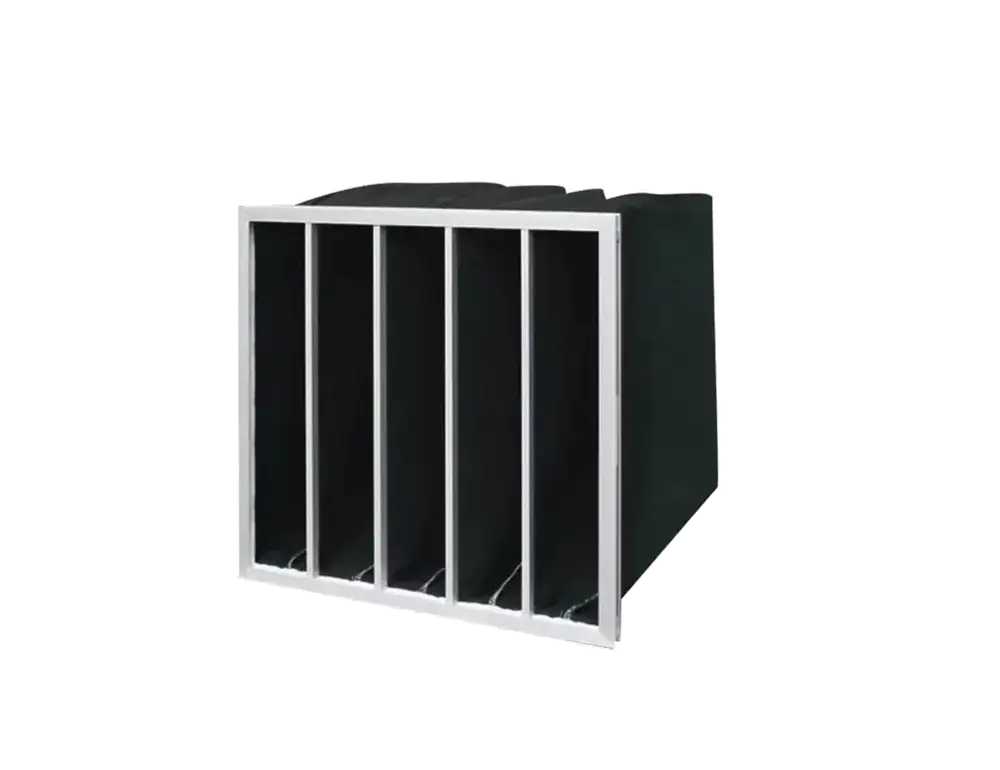
Bag Filter
High Dust-Holding, Long Life
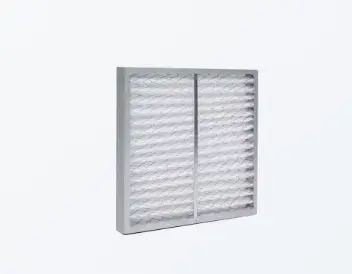
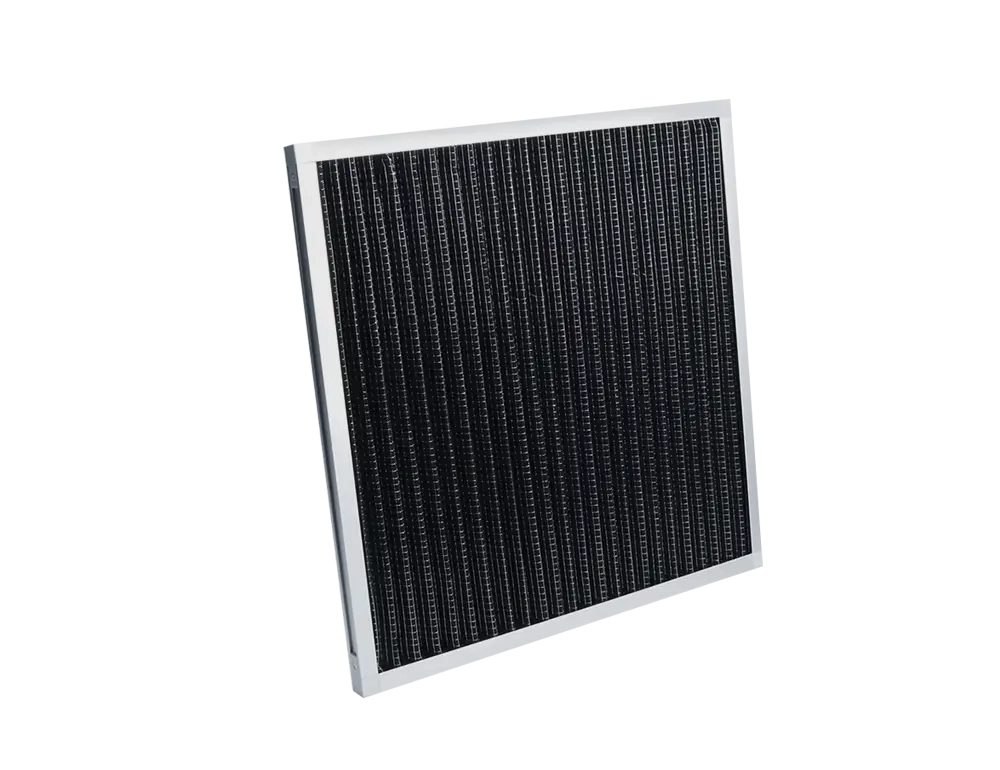
Panel / Pleated Filter
Compact Space-Saving Design
Low-Resistance Airflow
Energy-Saving Operation
Industrial-Grade Heat Tolerance
Built with specialized heat-resistant materials, operating stably up to 250°C for paint ovens, industrial dryers, and high-temperature process environments.
View Related Products →Cut Costs, Reduce Waste
Cleanable by water washing or air blowing, reusable multiple times to significantly reduce replacement frequency and O&M costs — an economical, eco-friendly choice.
View Related Products →Odor & Harmful Gas Removal
Leverages activated carbon's high adsorption capacity to eliminate odors, VOCs, and formaldehyde, ideal for newly renovated spaces and industrial exhaust treatment.
View Related Products →High Dust-Holding, Long Life
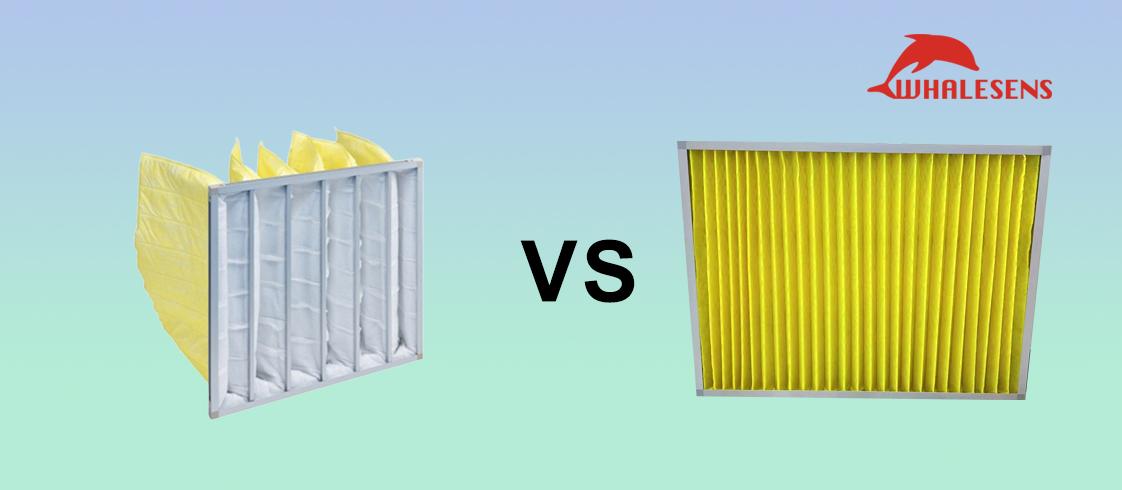
Bag-style construction delivers a larger filtration area, high dust-holding capacity, and extended service life — ideal for high-dust environments with reduced replacement frequency.
View Related Products →Compact Space-Saving Design
Compact form factor for easy installation and replacement; pleated structure maximizes filtration area within a small footprint for higher efficiency.
View Related Products →Energy-Saving Operation
Low-resistance design minimizes pressure drop while maintaining filtration performance, reducing fan energy consumption for cost-effective, eco-friendly operation.
View Related Products →














 English(Global)
 简体中文
简体中文 Language




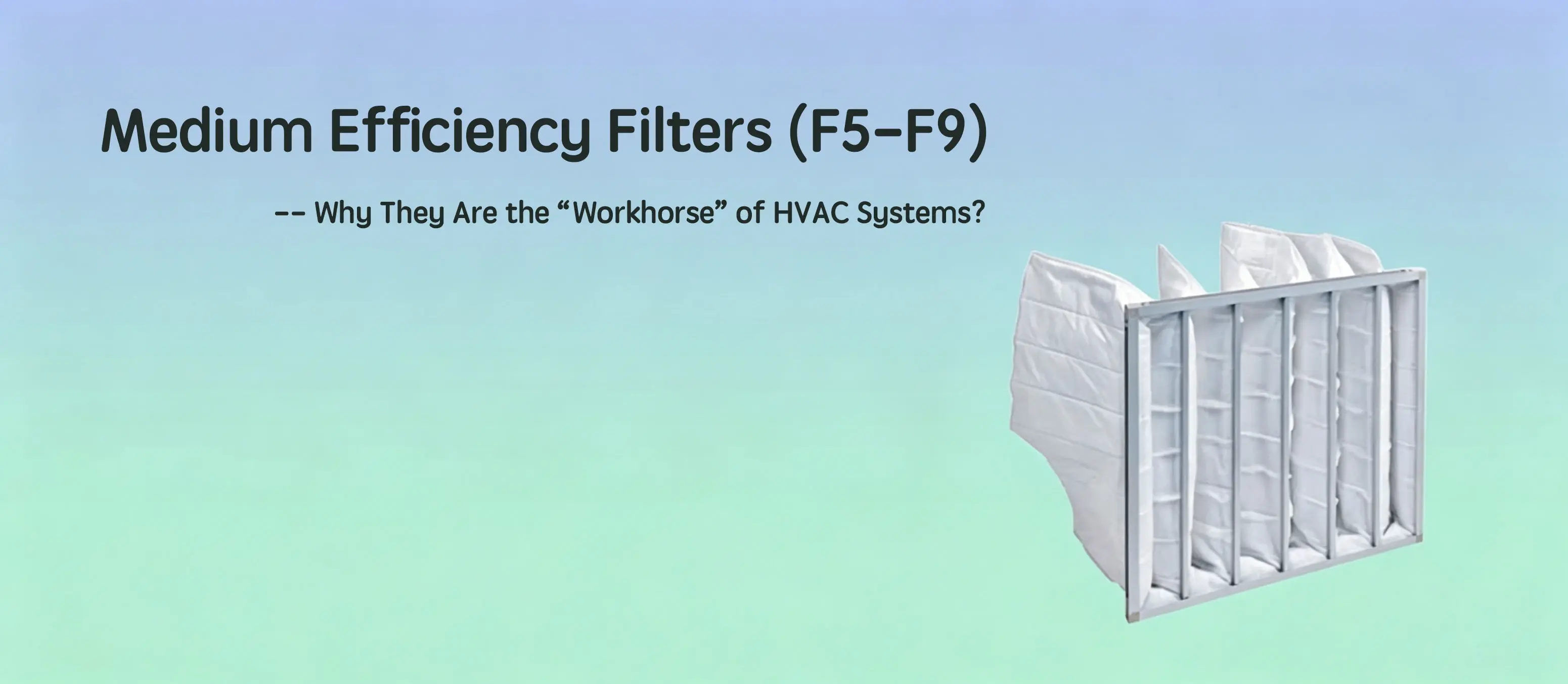
Medium Efficiency Filters (F5-F9): Why They Are the “Workhorse” of HVAC Systems
Abstract
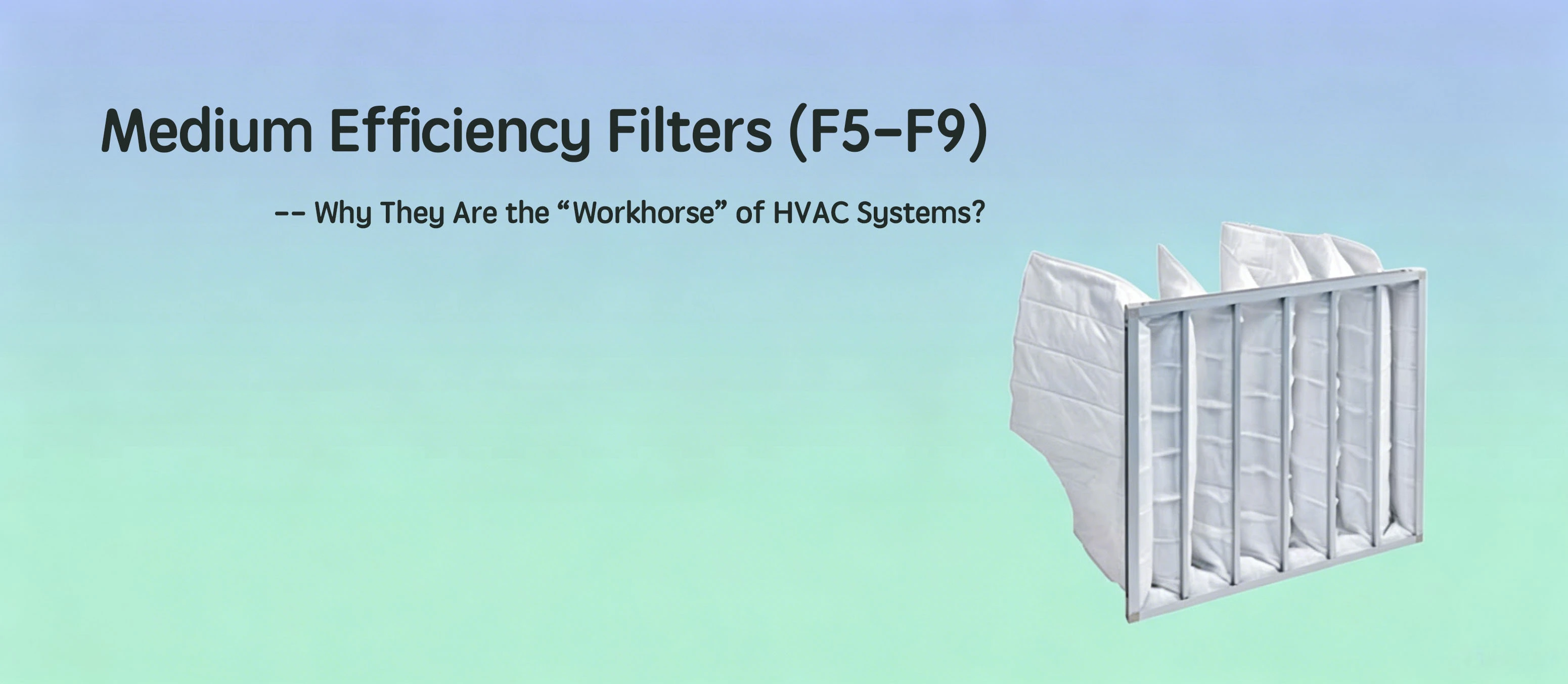
In a multi‑stage air filtration system, medium efficiency filters (F5‑F9) handle the heaviest filtration duty. They are neither as coarse as pre‑filters (which only capture large particles) nor as expensive and restrictive as HEPA filters. Instead, they offer a balanced combination of reasonable cost and moderate pressure drop while efficiently removing fine particles such as PM2.5, bacteria, and pollen – the very pollutants that are most harmful to human health and equipment operation. This article systematically explains the efficiency classification, construction types, key parameters, typical applications, and selection & maintenance guidelines for medium filters, helping engineers and facility managers fully understand and maximize the value of this “workhorse”.
1. Definition and Role of Medium Efficiency Filters
1.1 What Are Medium Efficiency Filters?
Medium efficiency filters sit between coarse (G1‑G4) and HEPA (H10‑H14) grades. According to international standards, they typically cover the following range:
| Standard System | Grade Range | Typical Efficiency Description |
|---|---|---|
| EN 779 (withdrawn) | F5‑F9 | Counting efficiency for 0.4μm particles: 40‑95% |
| ASHRAE 52.2 | MERV 9‑16 | Efficiency for 0.3‑10μm particles: 30‑95% |
| ISO 16890 | ePM2.5 40% – ePM1 >80% | Capture capability for PM2.5/PM1 |
1.2 The “Workhorse” Role in Multi‑Stage Filtration
In a typical HVAC multi‑stage filtration system, medium filters occupy the middle position:
Outdoor air → Pre‑filter (G4) → Medium filter (F5‑F9) → HEPA (optional) → Supply air
Why are they called the “workhorse”?
| Stage | Task | Load Share |
|---|---|---|
| Pre‑filter | Captures large particles (>5μm), protects downstream | About 30% of mass (mostly coarse dust) |
| Medium filter | Captures fine particles (0.3‑5μm), main purification task | About 70% of particle count load |
| HEPA | Captures sub‑micron particles for special cleanliness needs | When no HEPA is used, medium filter is the final filter |
In most commercial buildings, general hospital areas, data centers, etc., the medium filter is itself the terminal filter, directly determining the air quality delivered to the occupied space.
1.3 Core Value of Medium Filters
- Best price/performance ratio: Optimal balance between efficiency, initial cost, and operating energy
- Health protection: Effective removal of PM2.5, bacteria, pollen, and other health‑relevant particles
- Equipment protection: Prevents fine particles from entering ducts, coils, and fans, extending system life
- Energy contribution: 50‑70% lower pressure drop compared to HEPA filters, significantly reducing fan energy consumption
2. Efficiency Classification and Standards
2.1 EN 779 (Historical Reference)
Although EN 779 was withdrawn in 2022, many products on the market still use this labelling; understanding it is still useful:
| Grade | Average Arrestance | Average Counting Efficiency (0.4μm) | Typical Application |
|---|---|---|---|
| F5 | — | 40‑60% | Basic medium |
| F6 | — | 60‑80% | General medium |
| F7 | — | 80‑90% | High medium |
| F8 | — | 90‑95% | Sub‑HEPA |
| F9 | — | ≥95% | Near‑HEPA |
2.2 ISO 16890 (Current International Standard)
ISO 16890 is the most authoritative standard today, using ePM1, ePM2.5, and ePM10 to directly reflect a filter’s ability to capture health‑relevant particles:
| ISO Grade | ePM1 Efficiency | ePM2.5 Efficiency | Approx. EN 779 Equivalent | Typical Application |
|---|---|---|---|---|
| ePM2.5 50% | — | ≥50% | F5‑F6 | Basic medium |
| ePM1 50% | ≥50% | ≥65% | F7 | High medium |
| ePM1 65% | ≥65% | ≥80% | F8 | Sub‑HEPA |
| ePM1 80% | ≥80% | ≥90% | F9 | Near‑HEPA |
Important note: Because of different test methods, efficiency values measured by ISO 16890 are usually lower than those labelled under EN 779. A filter claimed to be F7 may only achieve ePM1 55% under ISO 16890. Procurement should always be based on an ISO 16890 test report.
2.3 Correspondence with ASHRAE MERV
| MERV | Efficiency 0.3‑1.0μm | Efficiency 1‑3μm | Efficiency 3‑10μm | Approx. ISO Grade |
|---|---|---|---|---|
| 9 | — | — | 50‑70% | ePM10 60% |
| 10 | — | 50‑65% | — | ePM2.5 55% |
| 11 | — | 65‑80% | — | ePM2.5 70% |
| 12 | — | 80‑90% | — | ePM1 50% |
| 13 | ≥90% | ≥90% | ≥90% | ePM1 55% |
| 14 | 75‑85% | ≥90% | ≥90% | ePM1 65% |
| 15 | 85‑95% | ≥90% | ≥90% | ePM1 75% |
| 16 | ≥95% | ≥95% | ≥95% | ePM1 85% |
3. Construction Types of Medium Filters
| Type | Principle | Advantages | Limitations | Typical Applications |
|---|---|---|---|---|
| Bag | Multiple bags in parallel, large filtration area | Very high dust‑holding capacity, long life, slow pressure‑drop rise | Bulky, not suitable for tight AHU spaces | High airflow, dusty environments; cleanroom pre‑filtration |
| Pleated (Mini‑pleat) | Media folded into compact pleats | Compact, low pressure drop, flexible installation | Lower dust‑holding capacity than bag | Data centers, commercial buildings, space‑constrained AHUs |
| Box (Mini‑pleat rigid) | Deep pleats, sturdy frame | High efficiency, robust construction | Higher cost | Pharmaceutical, hospitals, high‑cleanliness applications |
| Replaceable‑cartridge | Cartridge replaced, frame reused | Less waste, environmentally friendlier | Higher initial investment | Large central HVAC systems |
Comparison Table for Selection:
| Parameter | Bag F7 | Pleated F7 | Box F9 |
|---|---|---|---|
| Filter area (592×592) | ≈4‑6 m² | ≈2‑3 m² | ≈3‑4 m² |
| Initial pressure drop (Pa @ 2.5 m/s) | 80‑120 | 60‑100 | 100‑150 |
| Dust‑holding capacity (g @ 250 Pa) | 400‑600 | 200‑300 | 250‑400 |
| Recommended change interval (normal environment) | 12‑18 months | 9‑12 months | 12 months |
| Relative unit price (reference) | 1.0 | 0.8 | 1.3 |
4. Key Performance Parameters
4.1 Filtration Efficiency
Medium filter efficiency is usually expressed as counting efficiency (percentage of particles captured at a given size). For F7 and above, ePM1 efficiency (0.3‑1.0μm) is the key metric.
| Requirement | Recommended Minimum ISO Grade | Typical Efficiency |
|---|---|---|
| General PM2.5 control | ePM2.5 50% | ≥50% for PM2.5 |
| Commercial building IAQ | ePM1 50% | ≥65% for PM2.5 |
| Hospitals, data centers | ePM1 65% | ≥80% for PM2.5 |
| Cleanroom pre‑filtration | ePM1 80% | ≥90% for PM2.5 |
4.2 Initial Pressure Drop and Final Resistance
| Grade | Typical Initial ΔP (Pa @ rated flow) | Recommended Final Resistance (Pa) |
|---|---|---|
| F5 | 50‑70 | 150‑200 |
| F6 | 60‑80 | 180‑220 |
| F7 | 80‑120 | 200‑250 |
| F8 | 100‑150 | 250‑300 |
| F9 | 120‑180 | 300‑350 |
Impact of ΔP on energy: For a 50,000 m³/h AHU, every 50 Pa increase in pressure drop raises annual electricity cost by approximately 8,000‑12,000 RMB (at 0.8 RMB/kWh).
4.3 Dust‑Holding Capacity
Dust‑holding capacity determines replacement intervals. Medium filters typically have capacities of 200‑600 g (using standard dust).
| Ambient Dust Level | Recommended Capacity | Expected Change Interval |
|---|---|---|
| Low (office) | >200 g/m² | 12‑18 months |
| Medium (mall, hospital) | >300 g/m² | 9‑12 months |
| High (factory, roadside building) | >400 g/m² | 6‑9 months |
4.4 Flame Retardancy
For critical facilities such as hospitals and data centers, medium filters should meet flame‑retardant requirements:
| Standard | Class | Application |
|---|---|---|
| UL94 | HF‑1 | General commercial HVAC |
| UL94 | V‑0 | Hospitals, data centers |
| UL900 | Class 1 | Most stringent, critical facilities |
4.5 Other Parameters
- Temperature resistance: Typically ‑10°C to 70°C; customisable for special conditions
- Humidity resistance: Up to 90% relative humidity without condensation
- Microbial inhibition: Optional antimicrobial / anti‑mould treatment
5. Applications and Selection Guide
5.1 Typical Applications
| Application | Recommended Grade | Recommended Type | Key Requirements |
|---|---|---|---|
| Commercial office | F7 (ePM1 50%) | Bag / pleated | Low noise, low ΔP |
| Shopping mall | F7 (ePM1 50%) | Bag | High dust‑holding, long life |
| General hospital ward | F7‑F8 (ePM1 50‑65%) | Bag | Flame retardant, optional antimicrobial |
| Hospital operating room (pre‑filter) | F8‑F9 (ePM1 65‑80%) | Box | Low particle shedding, silicone‑free |
| Data center | F7‑F8 (ePM1 50‑65%) | Pleated | Very low ΔP |
| Pharmaceutical cleanroom (pre‑filter) | F9 (ePM1 80%) | Bag / box | Silicone‑free, chemical‑resistant |
| School, kindergarten | F7 (ePM1 50%) | Pleated | Low noise, antimicrobial |
| Industrial plant | F5‑F7 | Bag | High dust‑holding, washable option |
| Metro, airport | F7‑F8 | Bag | High dust‑holding, flame retardant |
5.2 Selection Decision Tree
Start → Required indoor PM2.5 target? → ≤35 μg/m³ → F5‑F6 (ePM2.5 50%) → ≤25 μg/m³ → F7 (ePM1 50%) → ≤15 μg/m³ → F8 (ePM1 65%) → ≤10 μg/m³ → F9 (ePM1 80%) + possibly HEPA → Is installation space tight? → Yes → Pleated → No → Bag (higher dust‑holding) → Flame retardancy required? → Yes → Specify UL94 HF‑1 or V‑0 → No → Standard product → Special requirements (silicone‑free, antimicrobial, chemical‑resistant)? → Yes → Custom → No → Standard product
5.3 Common Selection Mistakes
| Mistake | Consequence | Correct Practice |
|---|---|---|
| Choosing too high efficiency | High ΔP, high energy use, premature clogging | Select “right‑fit” efficiency based on actual cleanliness need |
| Ignoring pressure drop | Increased fan energy, higher PUE | Compare ΔP within same efficiency class; choose lowest |
| Only looking at purchase price, not lifetime | Frequent changes, high total cost | Calculate TCO; balance unit price and service life |
| Neglecting pre‑filtration | Medium filter clogs quickly | Install G4 pre‑filter upstream |
6. Maintenance and Replacement
6.1 Scientific Change Scheduling with ΔP
Install a differential pressure gauge and replace based on pressure drop:
| ΔP Condition | Action | Remarks |
|---|---|---|
| Initial +50% | Record, normal | — |
| 2× initial | Schedule replacement (1‑2 weeks) | Still usable, but energy already increased |
| 2.5× initial | Replace soon (within 1 week) | Energy increase significant |
| 3× initial | Replace immediately | Severe clogging, may affect airflow |
6.2 Replacement Interval Guidelines by Environment
| Environment | Pre‑filter (G4) | Medium (F7) | Medium (F9) |
|---|---|---|---|
| Urban office | 6 months | 12‑18 months | — |
| Mall / hospital | 3‑6 months | 9‑12 months | 12 months |
| Data center | 6‑12 months | 12‑18 months | — |
| Factory / workshop | 1‑3 months | 6‑9 months | 9‑12 months |
6.3 Maintenance Points
- Record initial ΔP immediately after installing a new filter as the reference baseline.
- Regular inspection: Read ΔP monthly and plot trend.
- Check seals: Inspect gaskets between filter and frame at every change.
- Clean surroundings: Remove dust from the filter housing during replacement.
7. Energy Saving Potential of Medium Filters
7.1 Benefit of Low‑Pressure‑Drop Products
For a 50,000 m³/h AHU, operating 8,760 h/year, electricity cost 0.8 RMB/kWh:
| Filter | Initial ΔP | Average Operating ΔP | Annual Electricity Cost (est.) | Saving vs. Baseline |
|---|---|---|---|---|
| Standard F7 bag | 120 Pa | 180 Pa | ≈85,000 RMB | — |
| Low‑ΔP F7 pleated | 80 Pa | 130 Pa | ≈72,000 RMB | 13,000 RMB/year |
Payback period: Low‑ΔP F7 pleated filters have about 30% higher unit cost, but the annual electricity saving recovers the difference in 6‑12 months.
7.2 Contribution of Pre‑Filters
Installing a G4 pre‑filter reduces the pressure‑drop rise rate of the medium filter by 40‑50%, extends its replacement interval by 30‑50%, and reduces the time the medium filter spends in high‑ΔP (high‑energy) condition.
8. Case Studies
Case 1: Commercial Complex in Shanghai
Background: 150,000 m² floor area, 4 AHUs, originally used F5 bag filters. Indoor PM2.5 often exceeded 50 μg/m³.
Problems: Insufficient filtration efficiency led to tenant complaints; also F5 pressure drop rose quickly, requiring replacement every 4‑6 months.
Optimisation: Upgraded to F7 bag filters (ePM1 55%) and changed from fixed‑interval to ΔP‑based replacement.
Results:
- Indoor PM2.5 reduced to below 25 μg/m³
- Medium filter replacement interval extended from 5 to 11 months
- Annual media cost slightly increased, but energy cost slightly decreased; overall TCO unchanged
Case 2: Data Center in North China
Background: 5MW IT load, AHUs used F7 bag filters without pre‑filtration.
Problems: Filters replaced every 6 months; rapid pressure‑drop rise caused high fan energy consumption.
Optimisation:
- Added G4 pleated pre‑filters upstream
- Replaced main filters with low‑ΔP F7 pleated filters (75 Pa vs original 120 Pa)
Results:
- Main filter replacement interval extended to 14 months
- Fan energy consumption reduced by 9%, saving ≈120,000 RMB/year in electricity
- Total annual O&M cost reduced by 25%