


EV Charging Stations
Filtration for Power Equipment
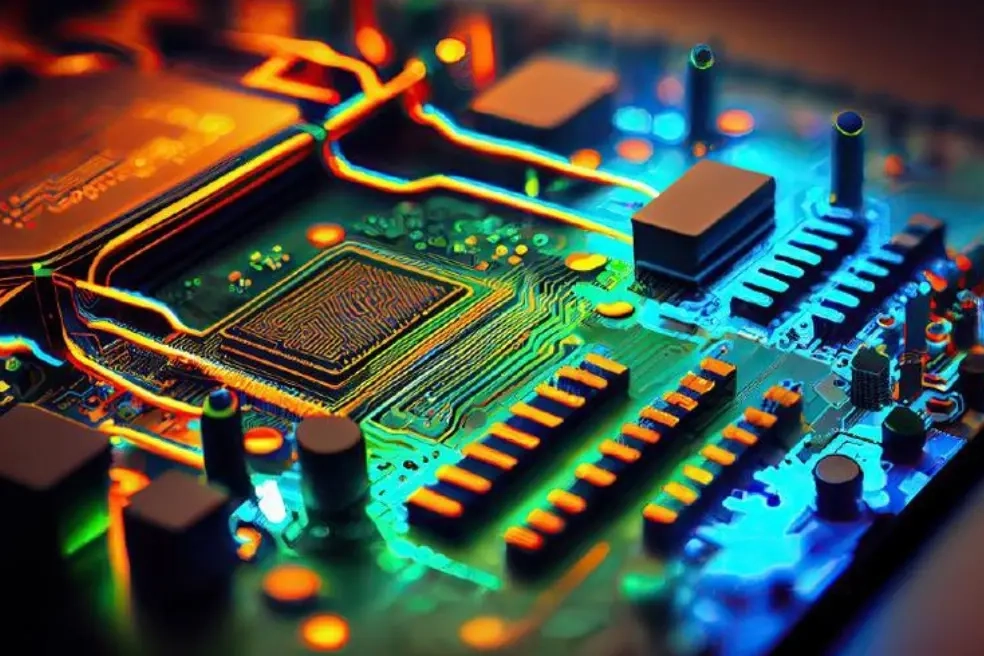
Cleanroom & Semiconductor
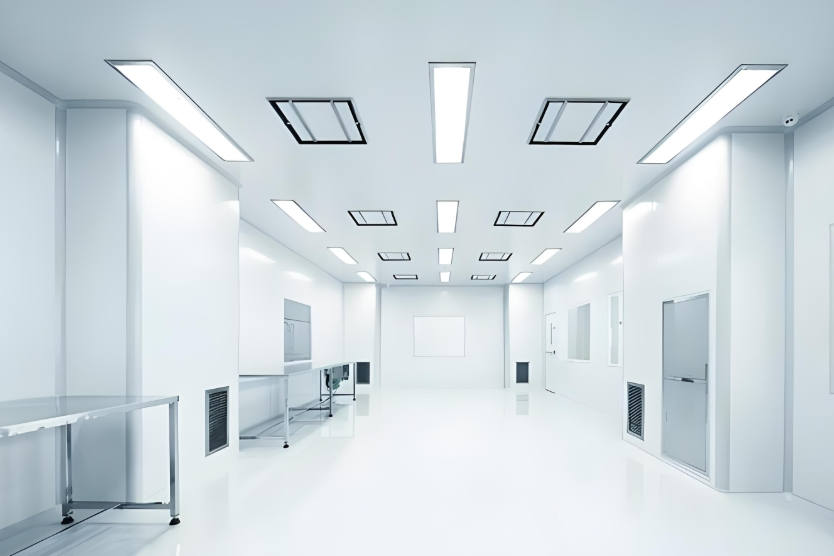
Ultra-High Cleanliness Filtration
Commercial HVAC
Central Air System Filtration
Data Centers
Precision Equipment Protection
Livestock & Farming
Farming Environment Purification
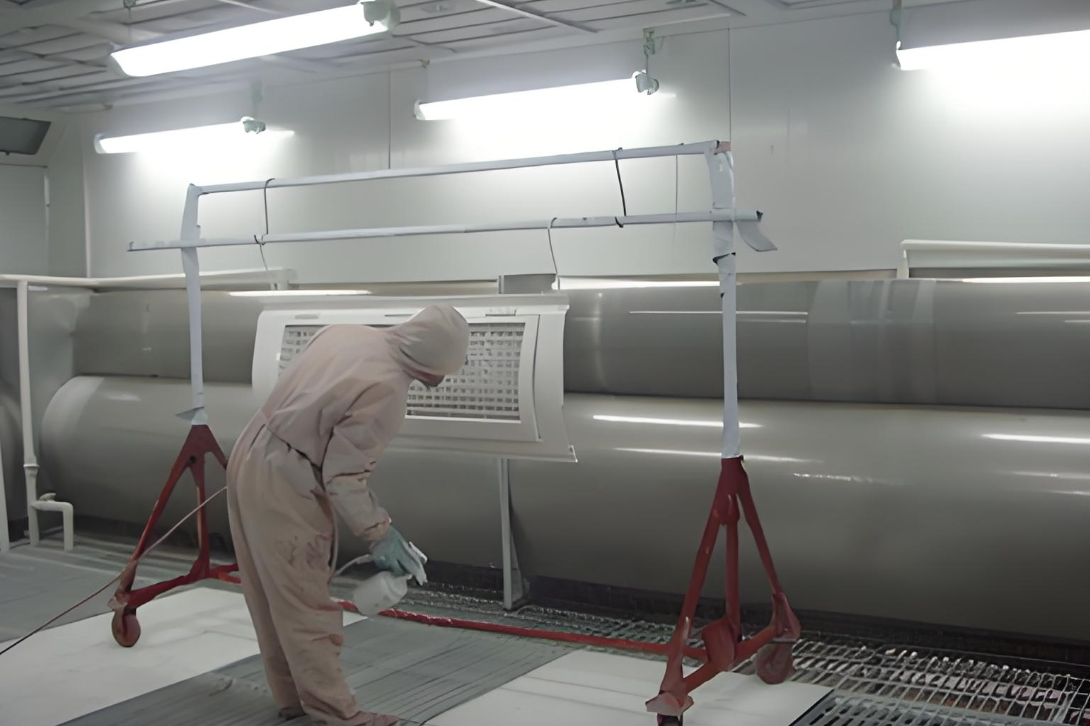
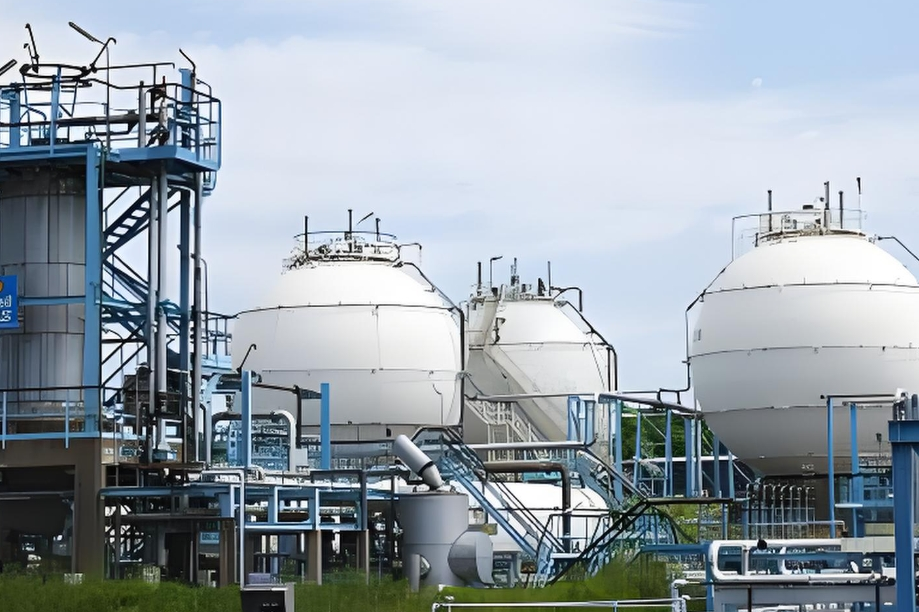
Spray Booths & Industrial Dust
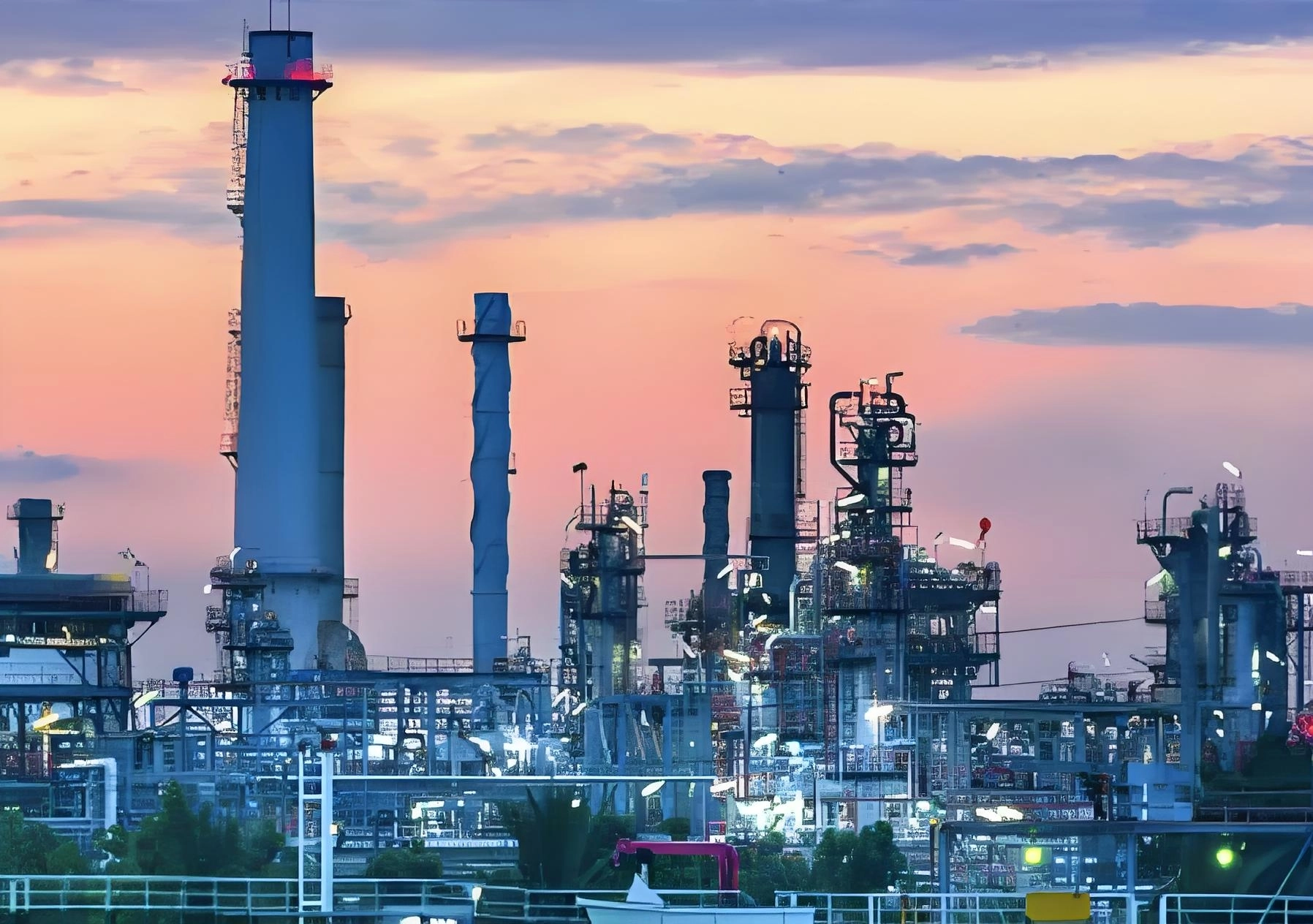
Paint Mist & Dust Purification
Filtration for Power Equipment
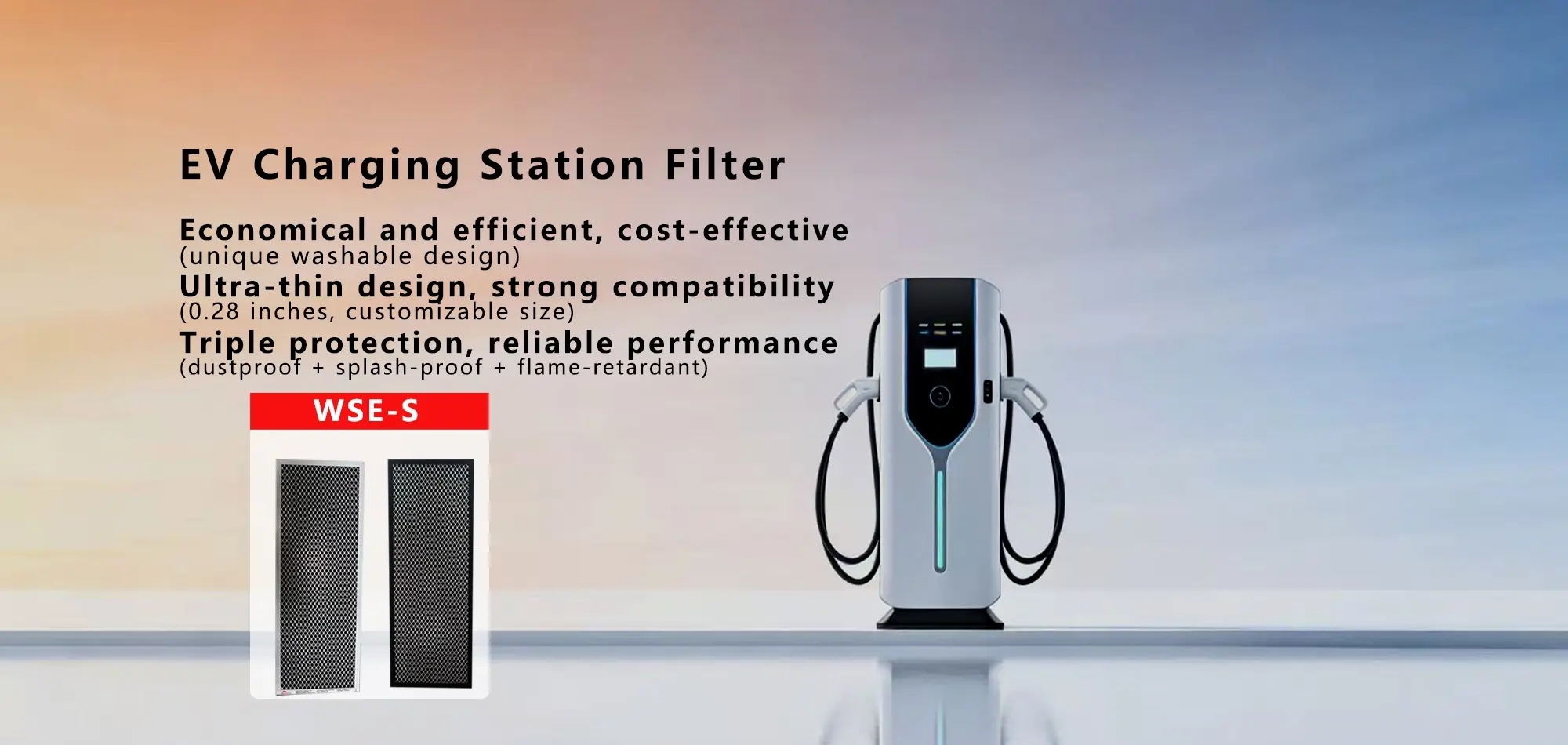
Professional air filtration for EV charging devices, protecting against dust and sand ingress to ensure stable, reliable operation of charging piles and station infrastructure.
View Related Products →Ultra-High Cleanliness Filtration
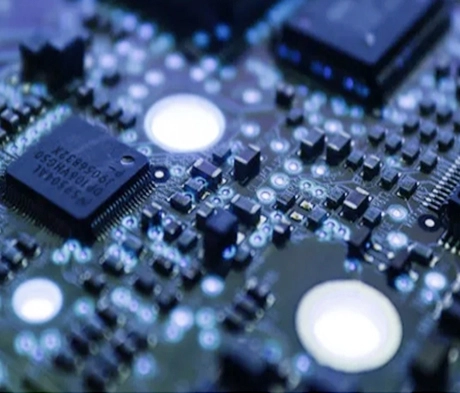
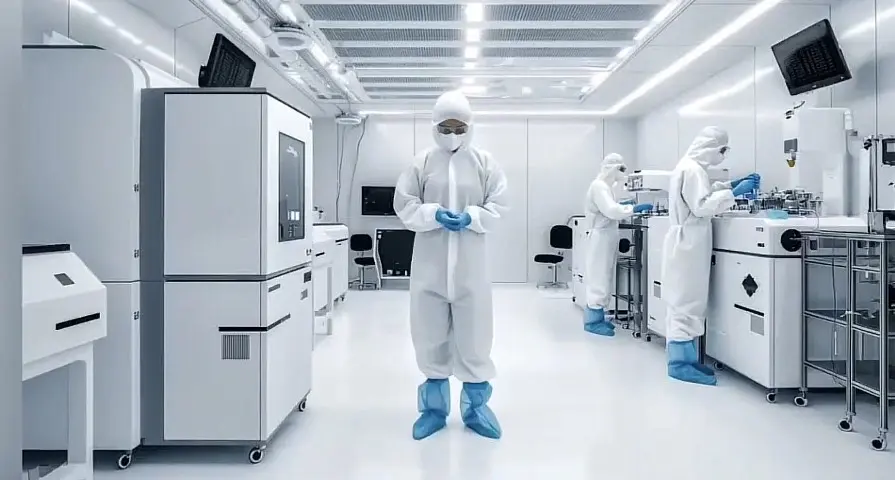
Ultra-high efficiency filtration for semiconductor wafer fabs and precision electronics cleanrooms, capturing nano-scale particles to meet ISO Class 1–3 standards and maximize product yield.
View Related Products →Central Air System Filtration
High-efficiency filtration for commercial building HVAC systems, improving indoor air quality, reducing energy consumption, and extending equipment service life.
View Related Products →Precision Equipment Protection
Precision air filtration for data centers, shielding servers and critical hardware from dust contamination to keep cooling systems running efficiently and reliably.
View Related Products →Farming Environment Purification
Dedicated filtration systems for farms and livestock facilities — capturing dust, adsorbing ammonia, and inhibiting pathogen spread to improve animal health and overall productivity.
View Related Products →Paint Mist & Dust Purification
Designed for spray booths and grinding workshops, efficiently capturing paint mist, metal dust, and wood chips to meet emission standards while protecting finished surface quality.
View Related Products →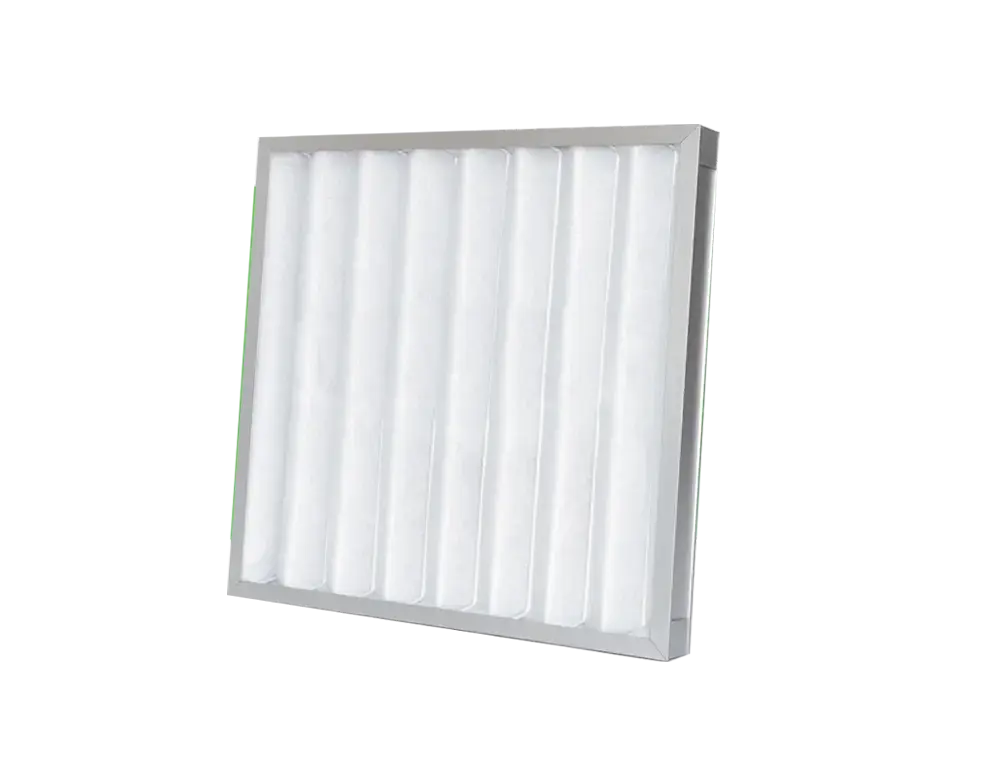
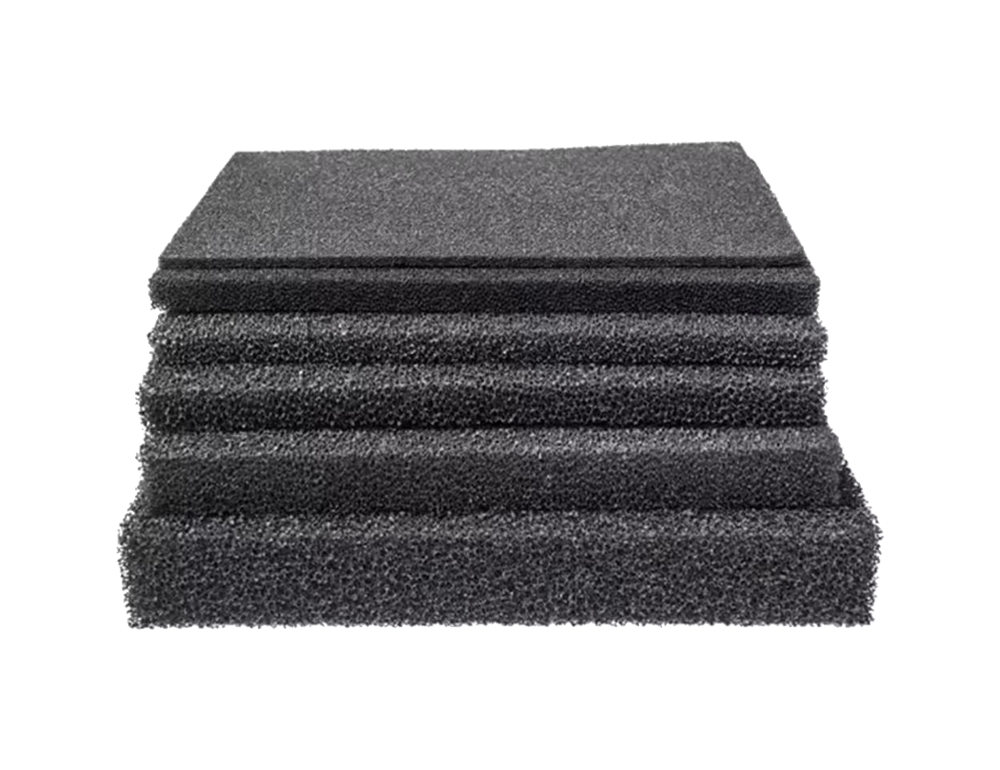
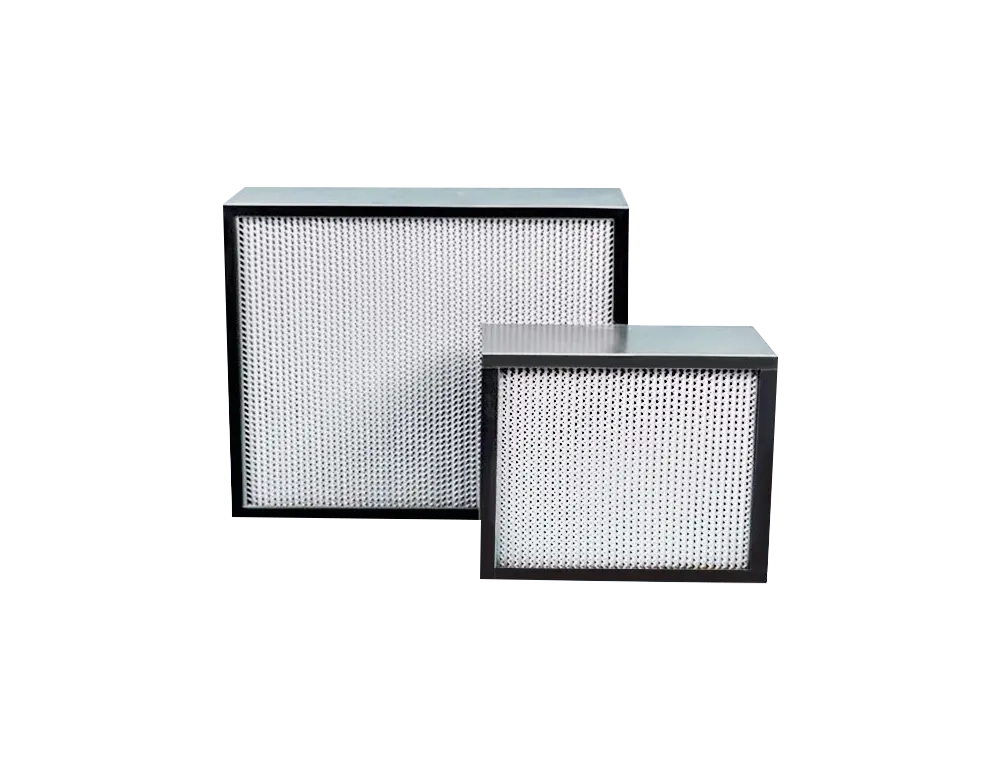
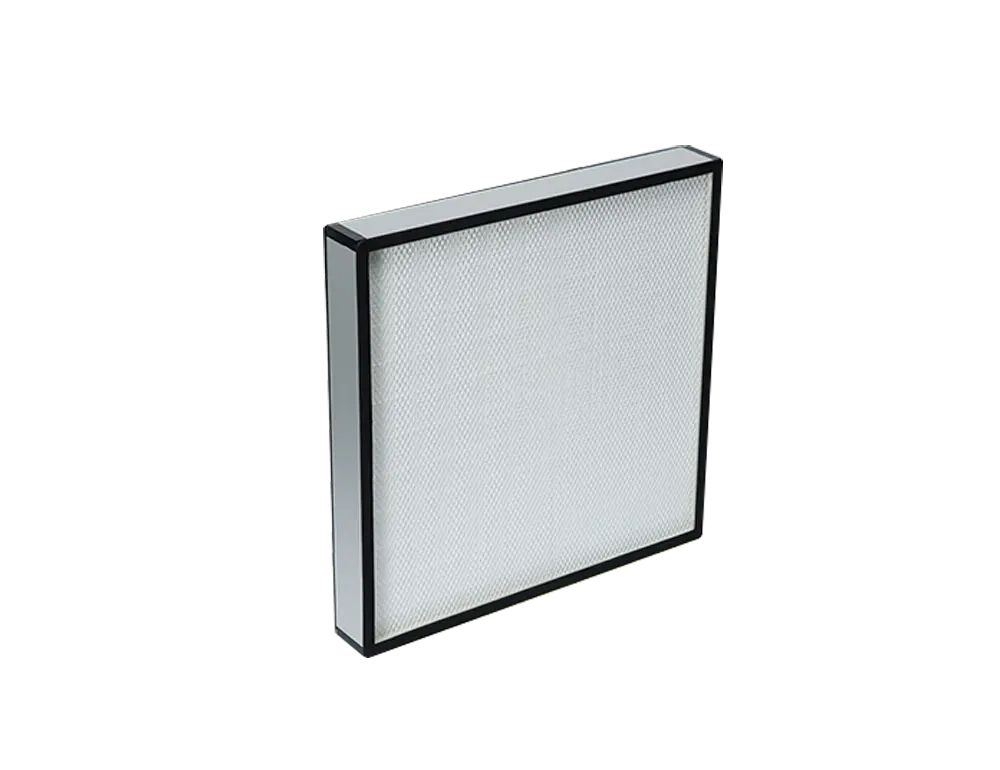
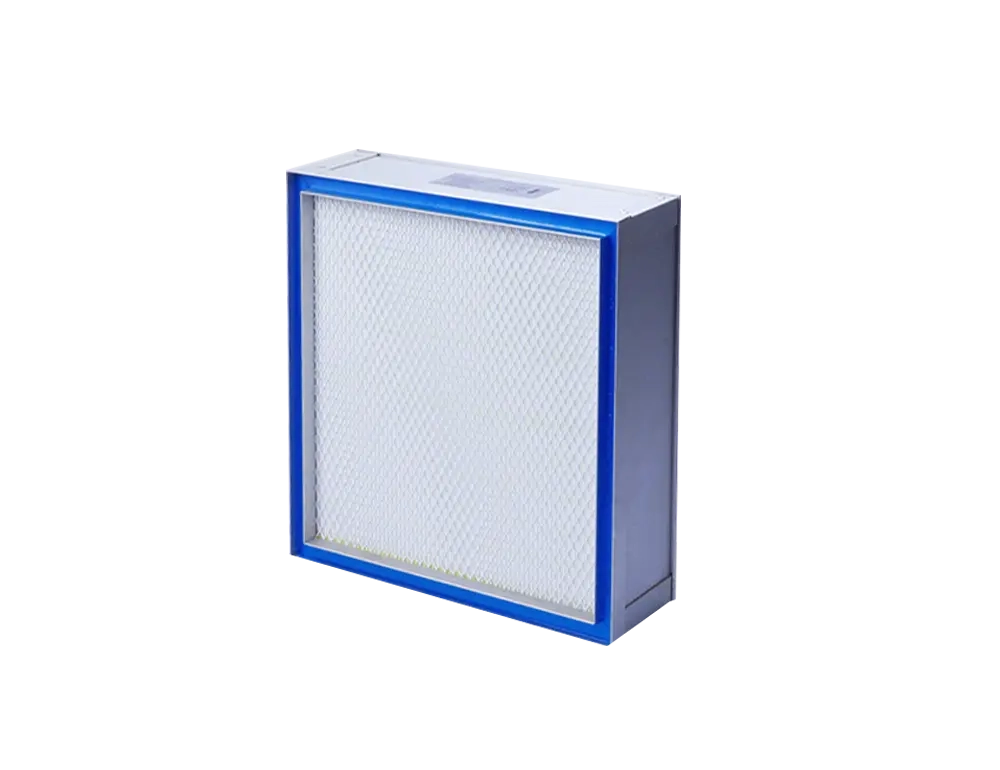
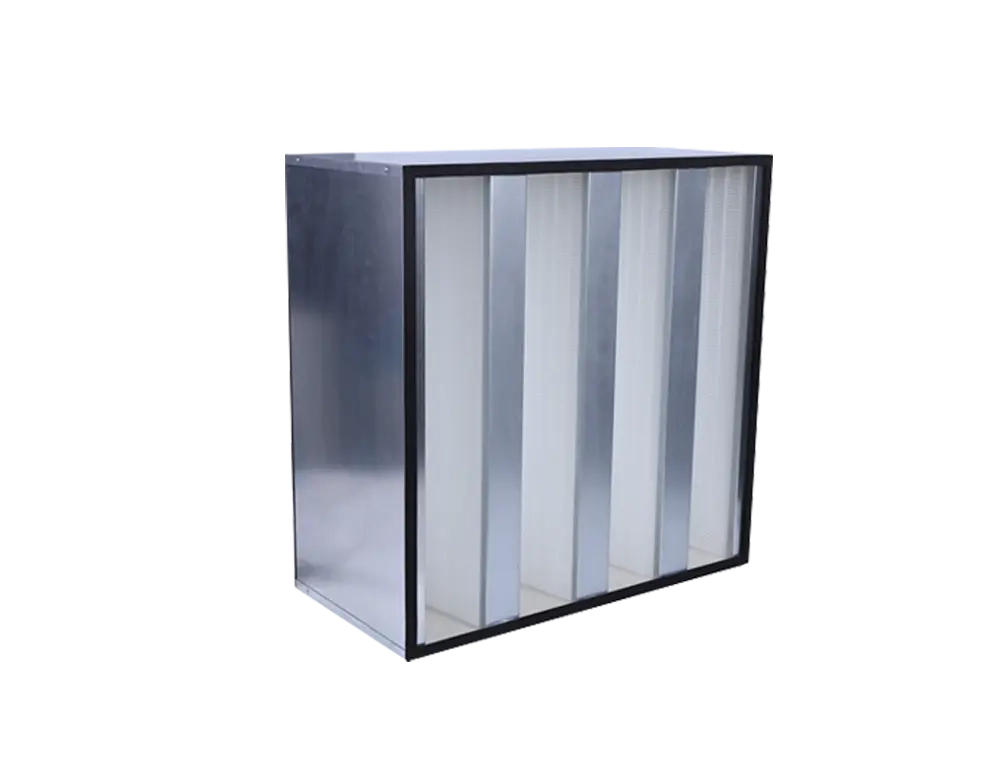
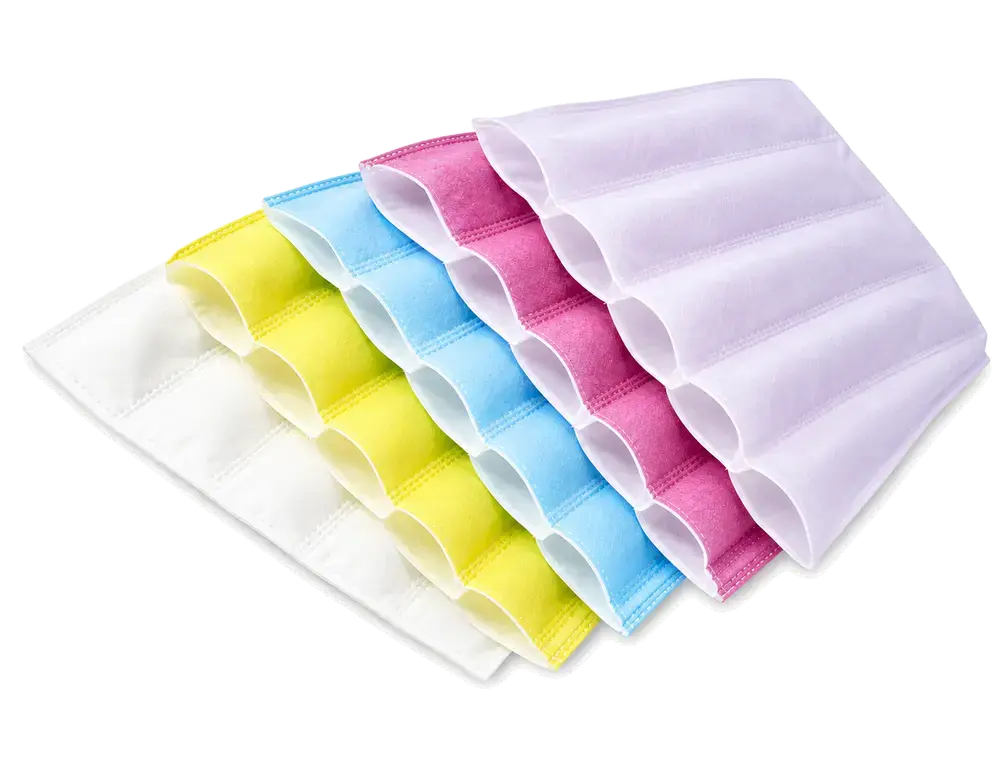
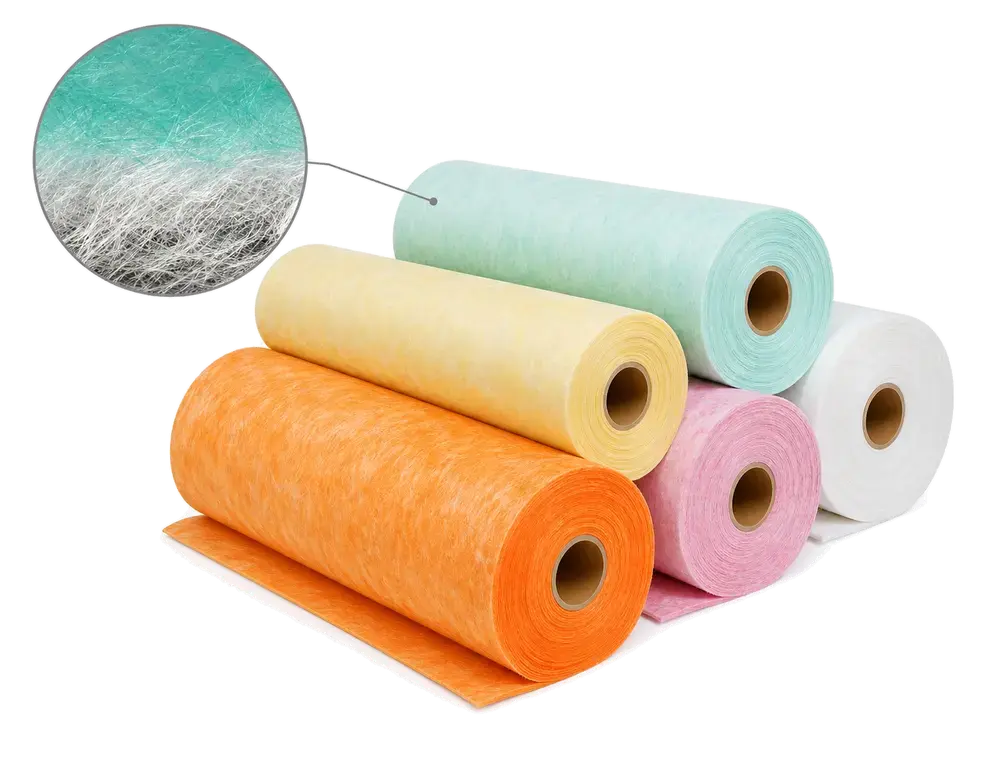
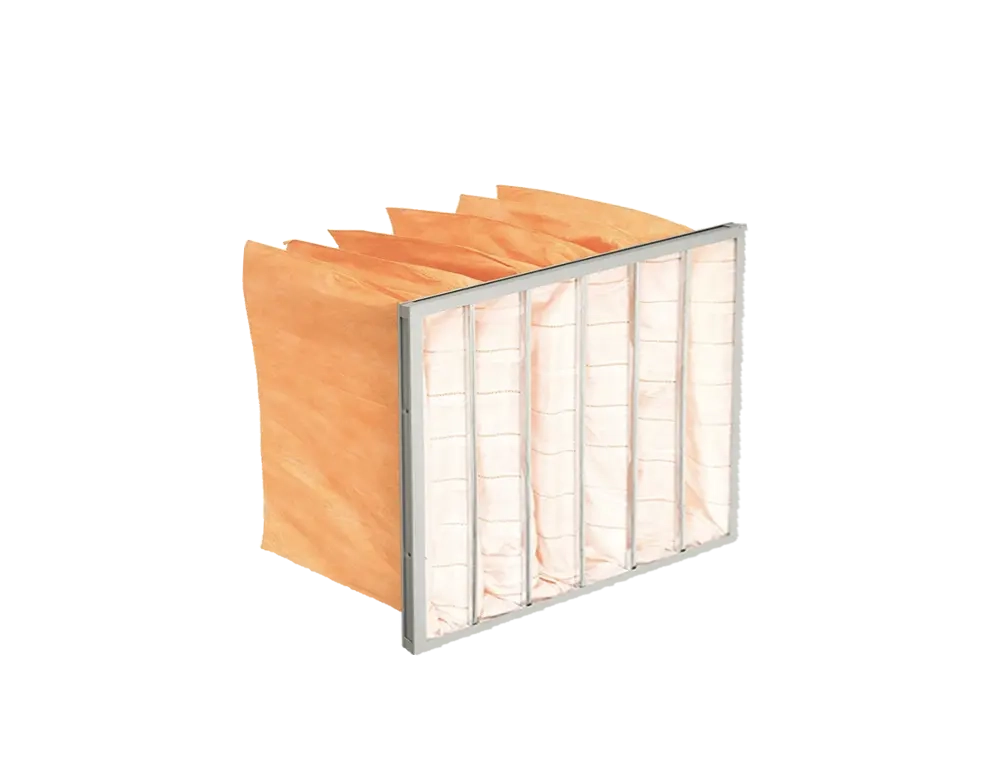
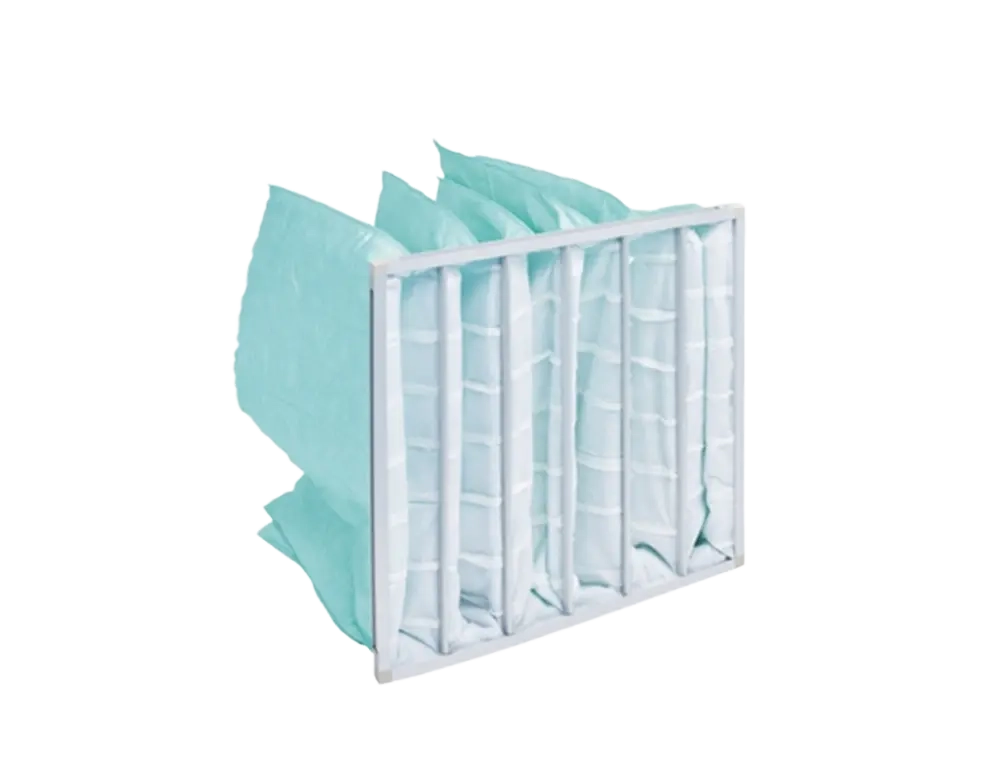
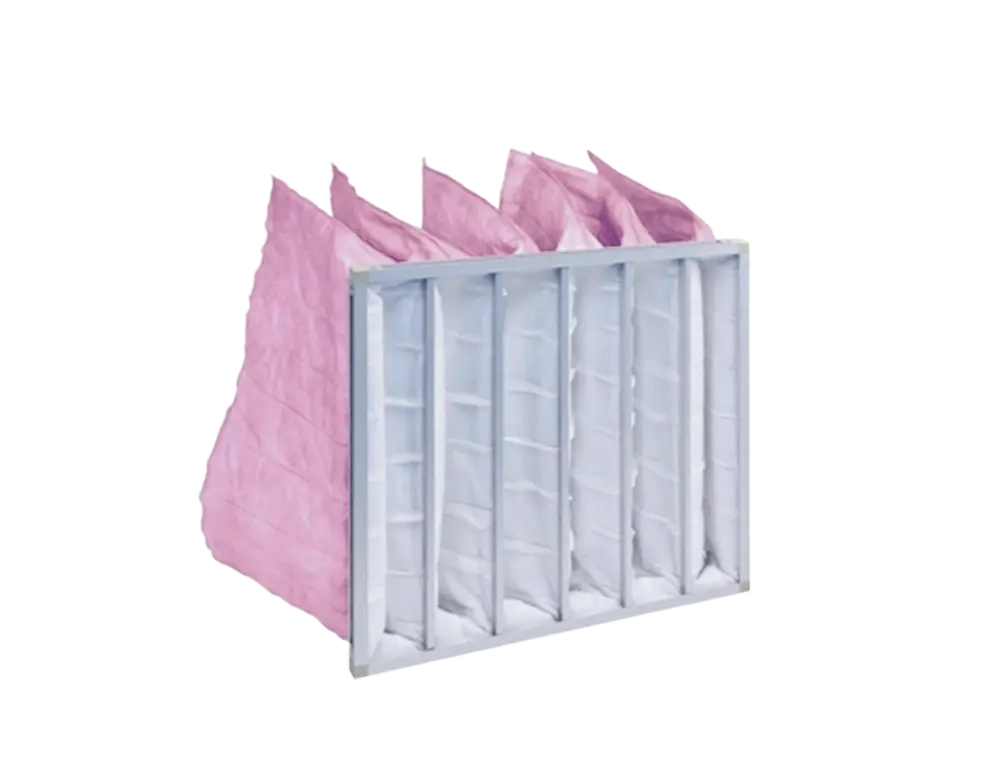
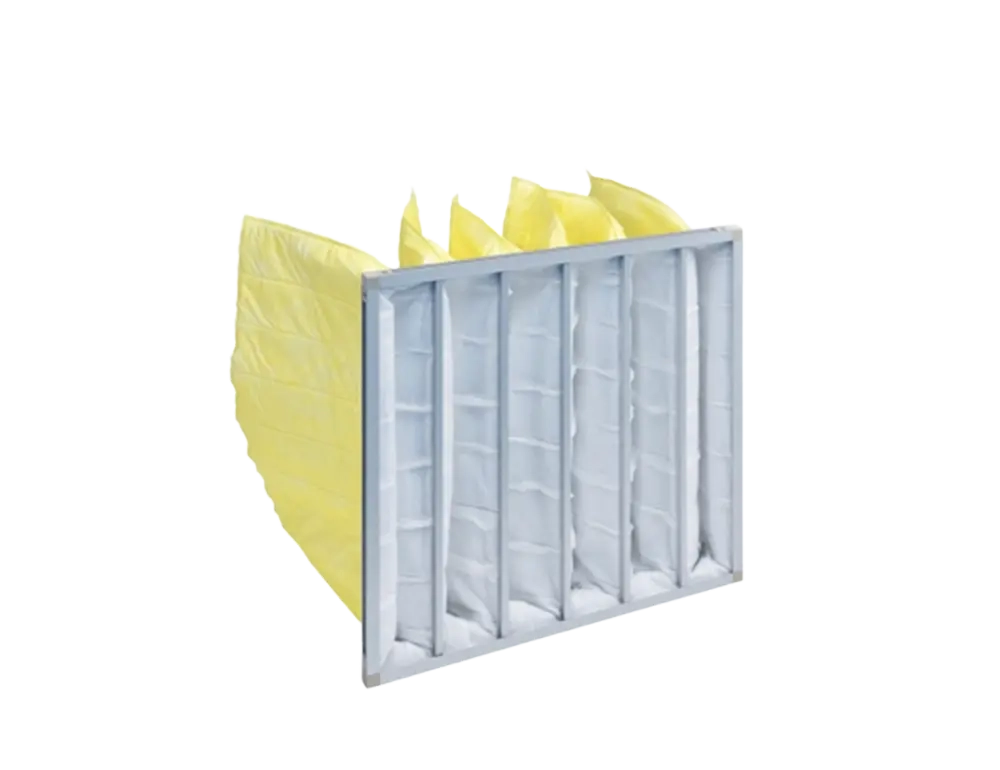
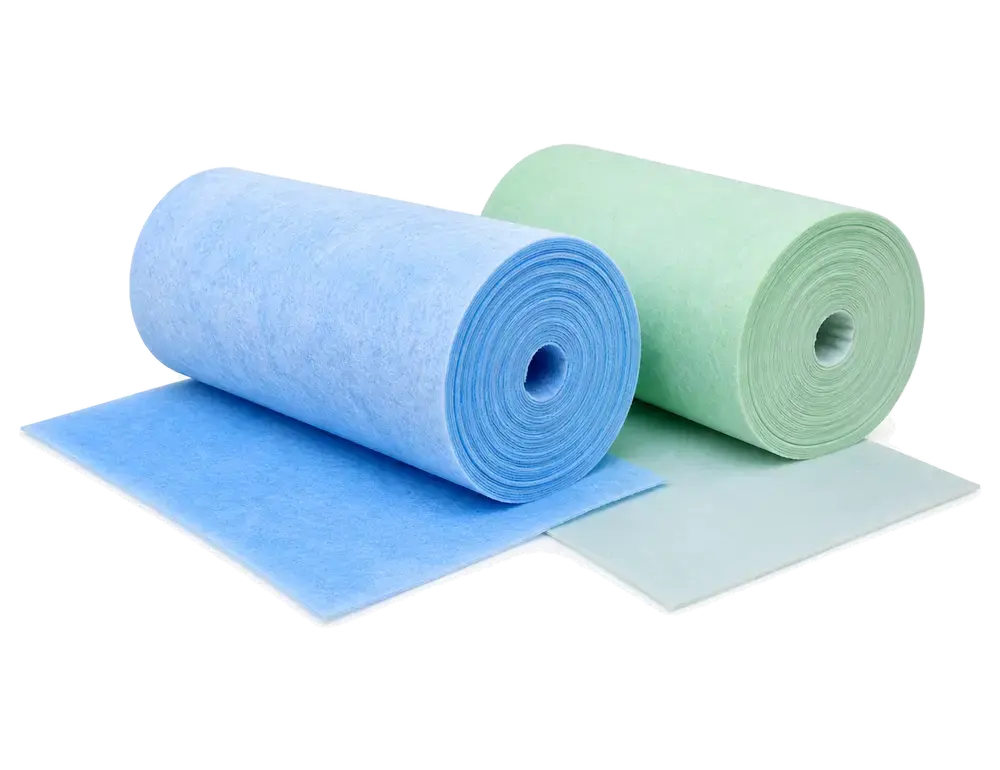
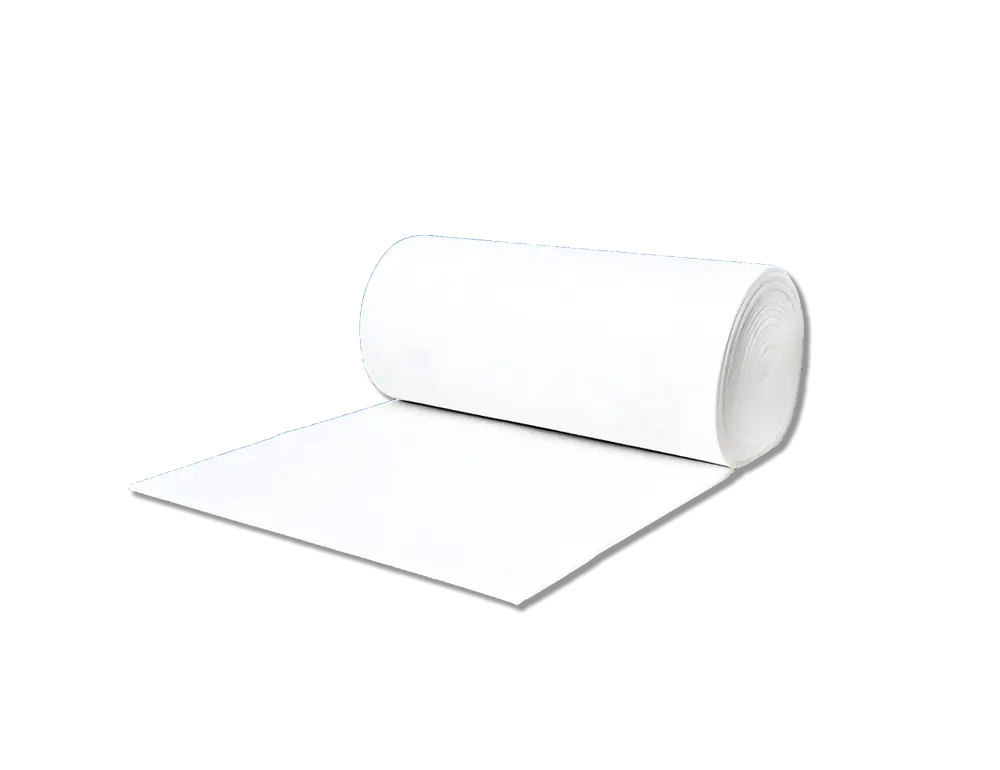
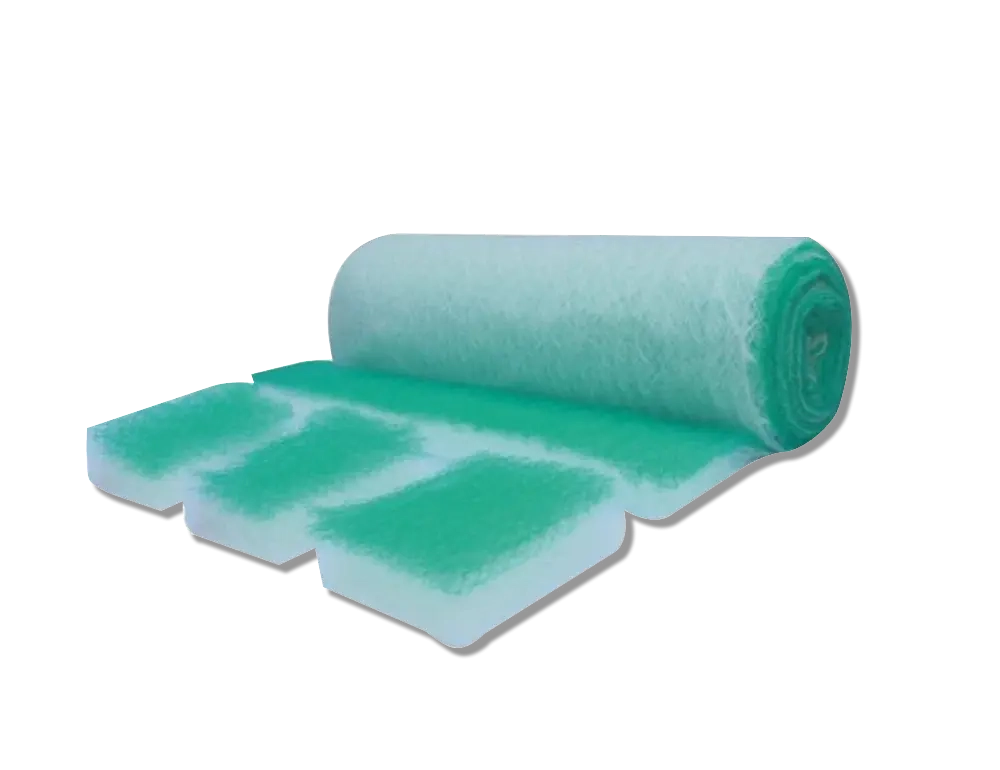
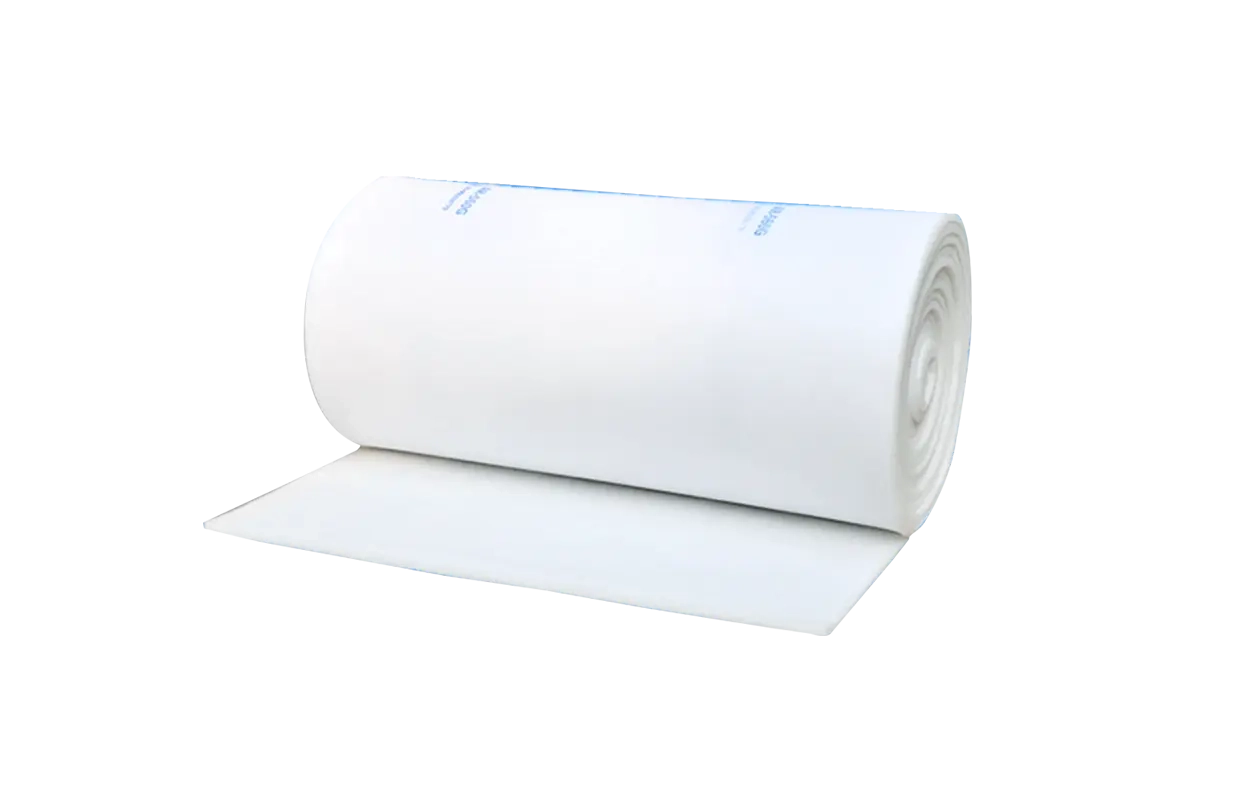
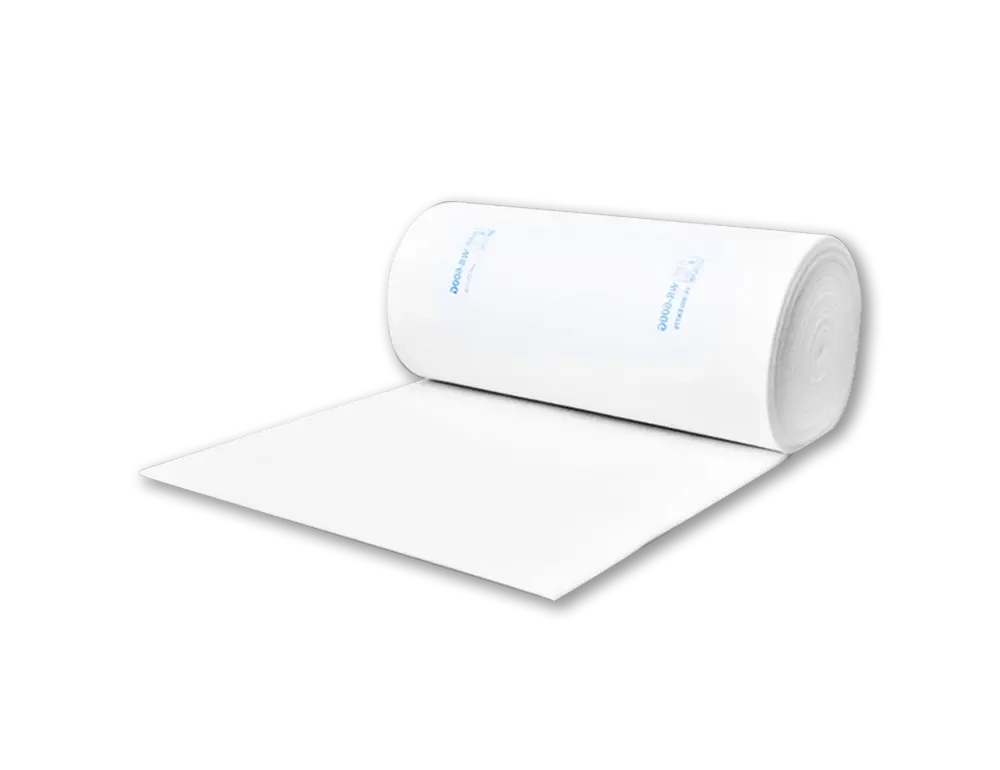
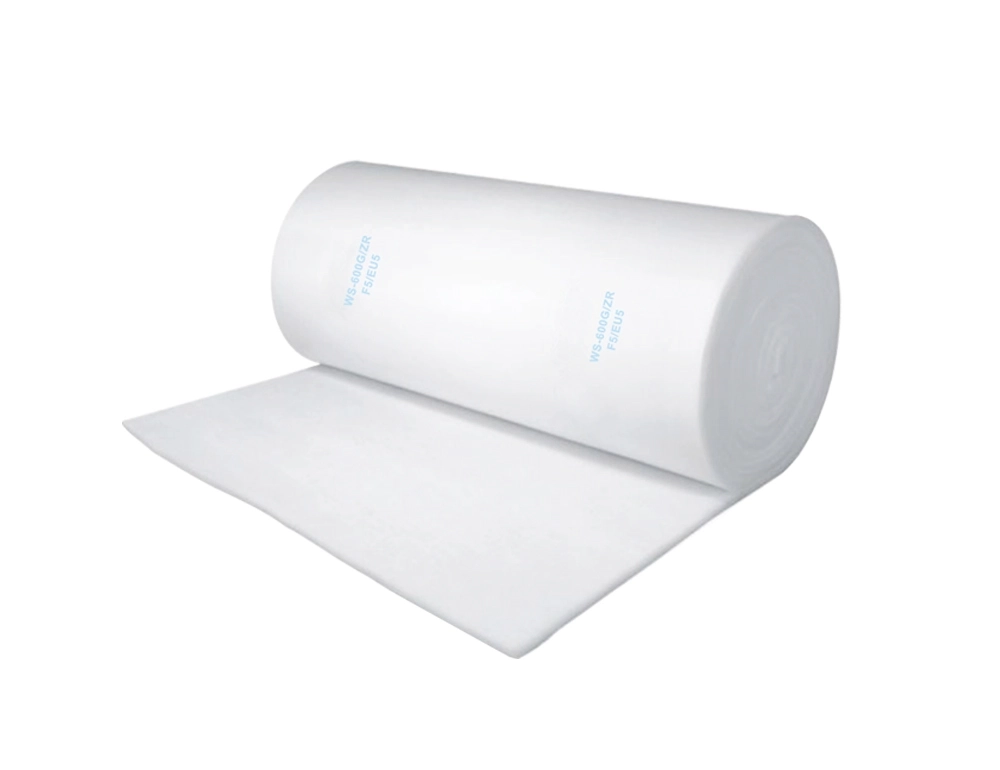
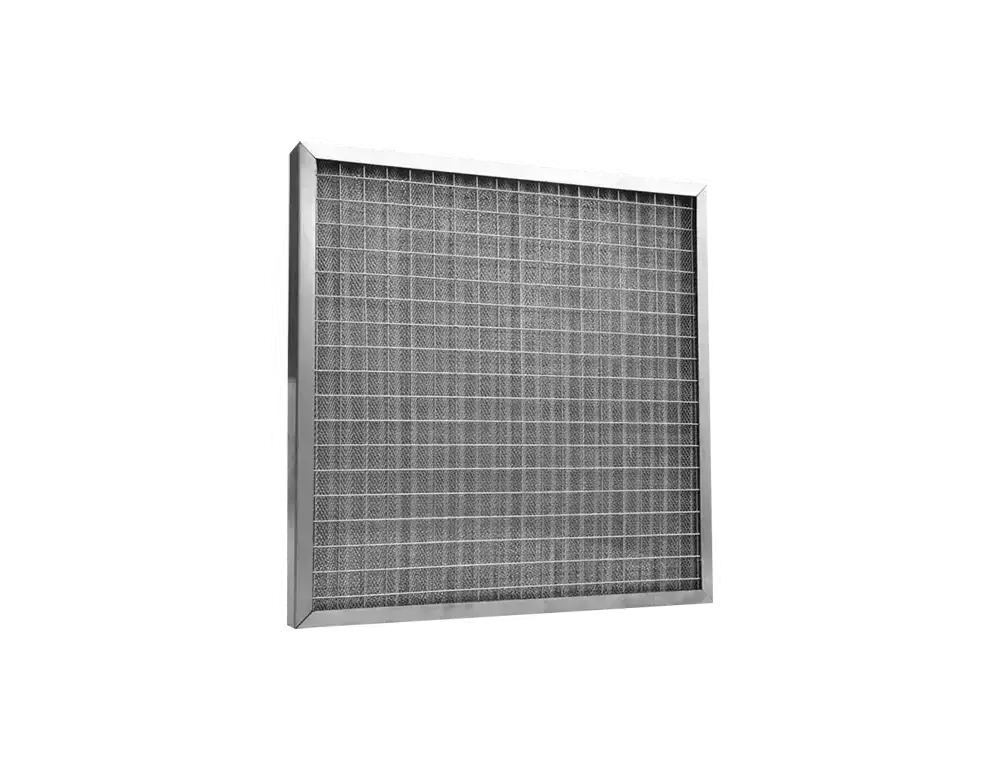
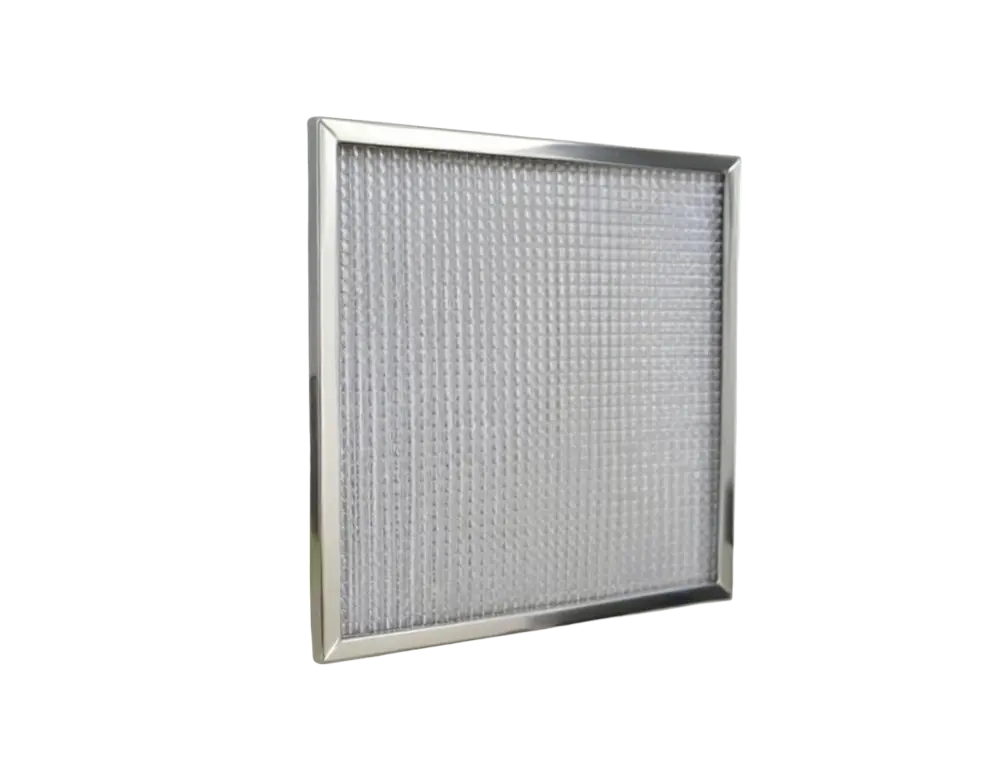
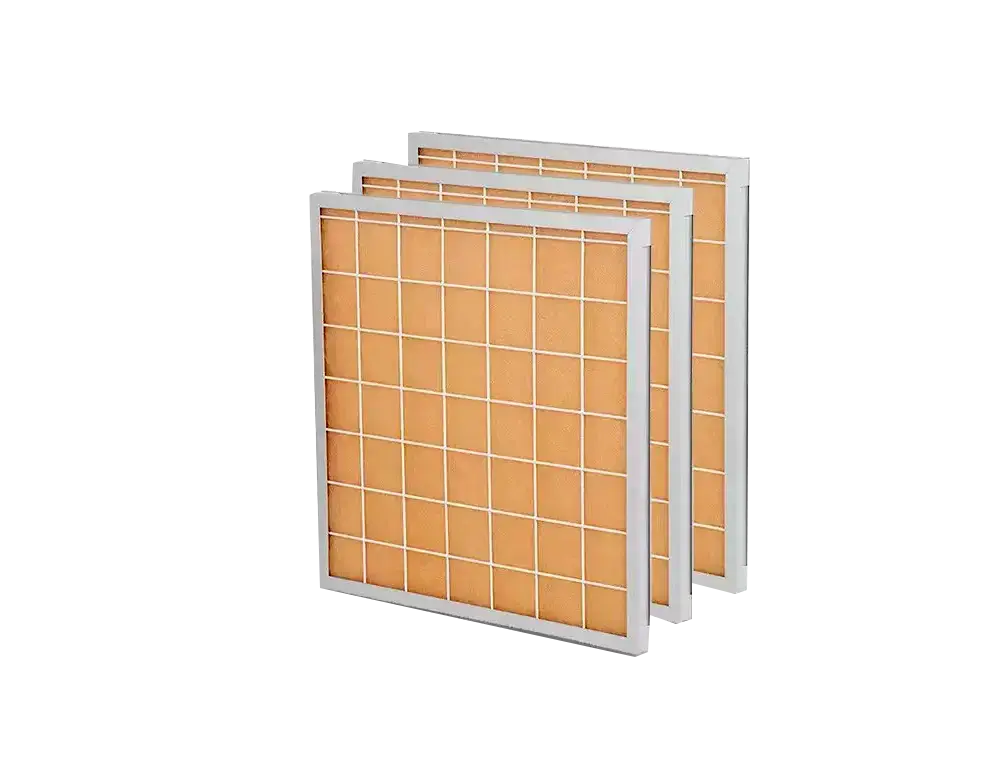
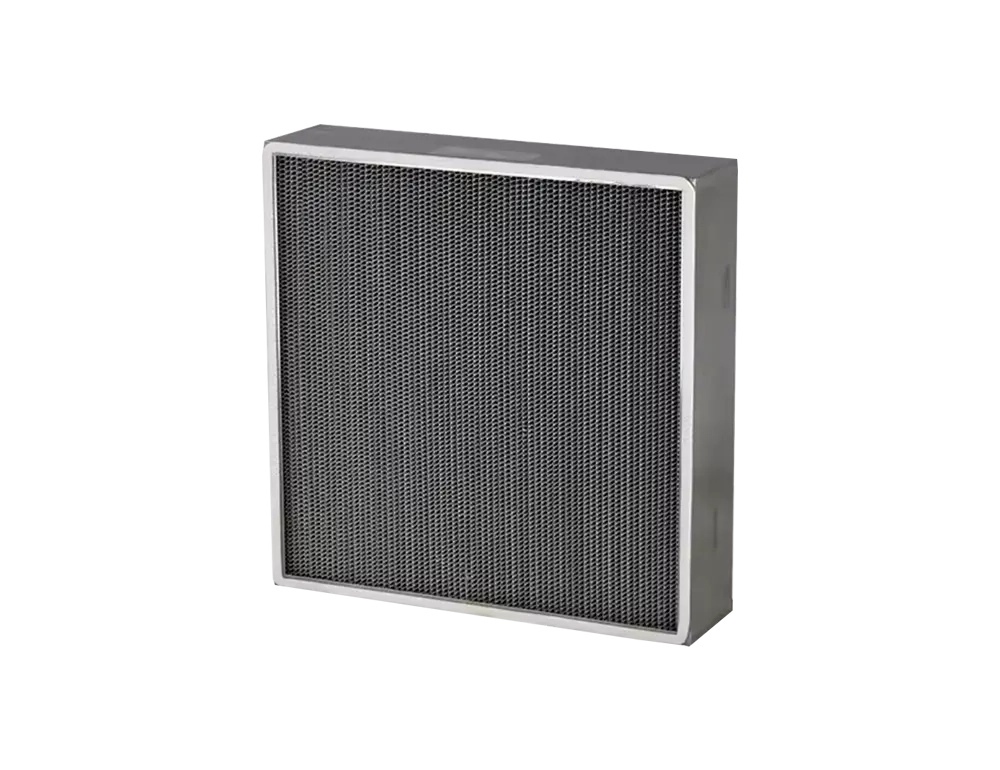
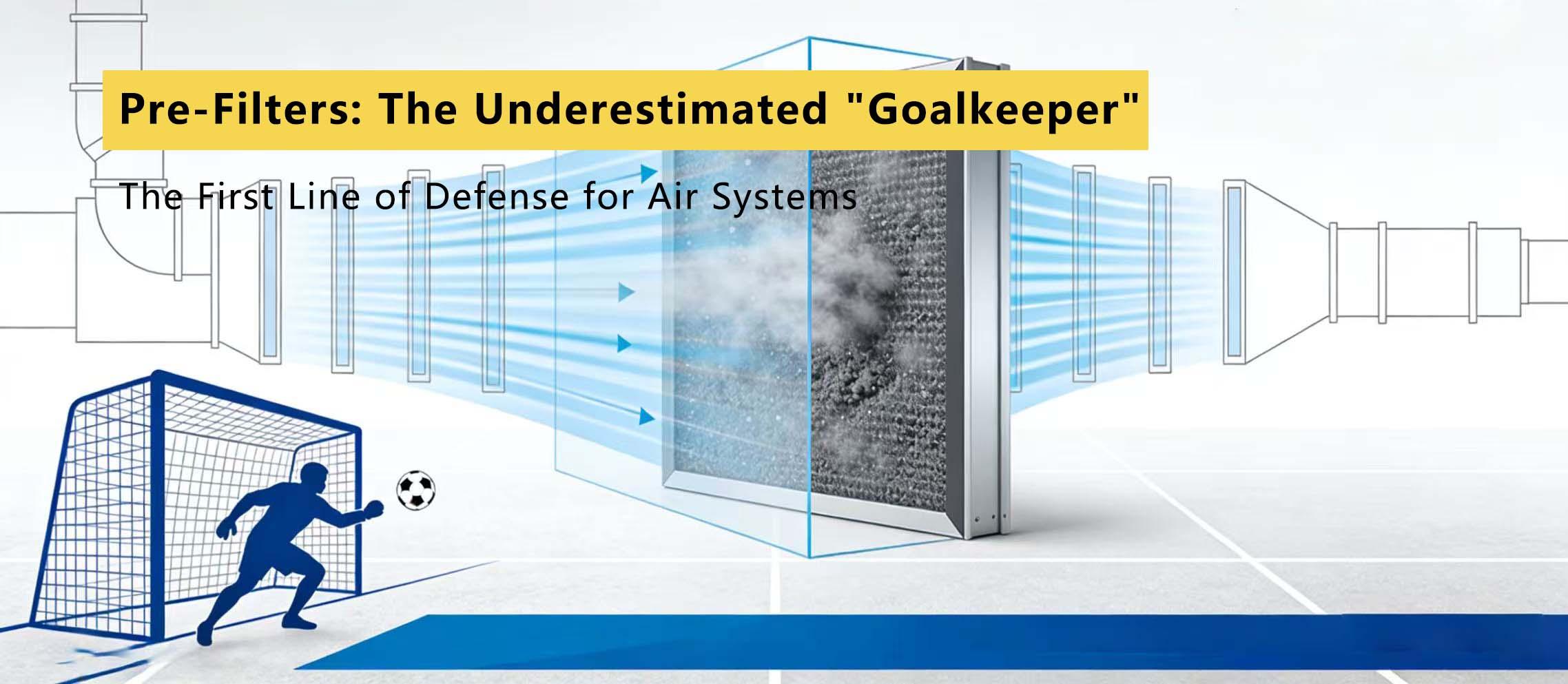
Pre-Filter (G1–G4)
First-Stage Large-Particle Capture
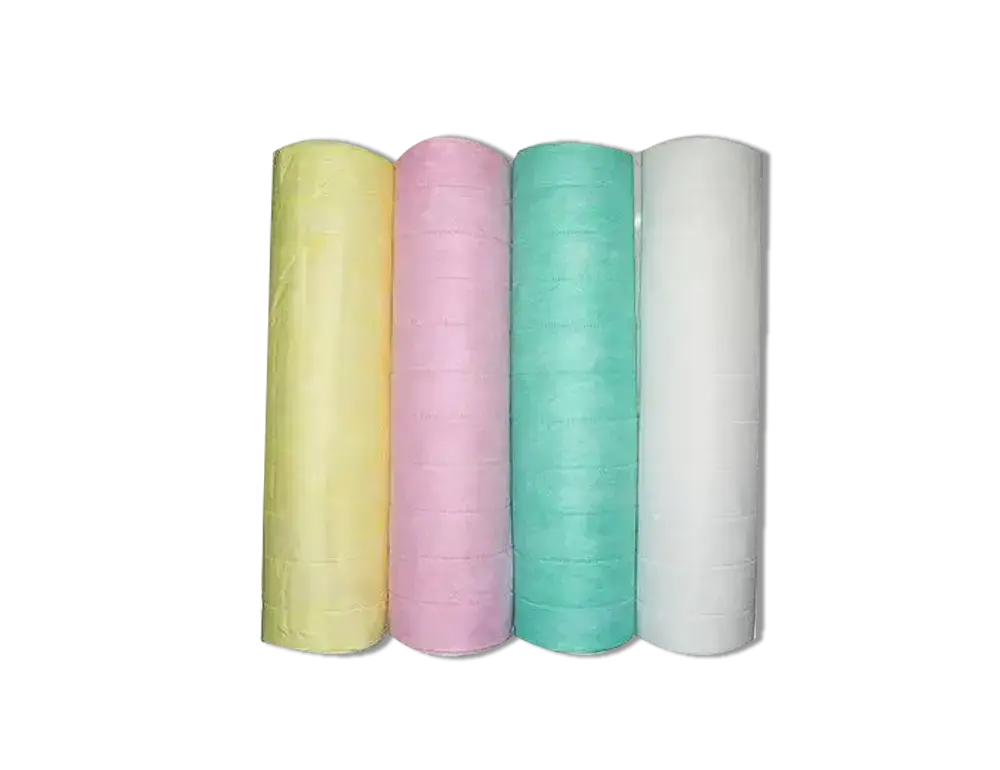
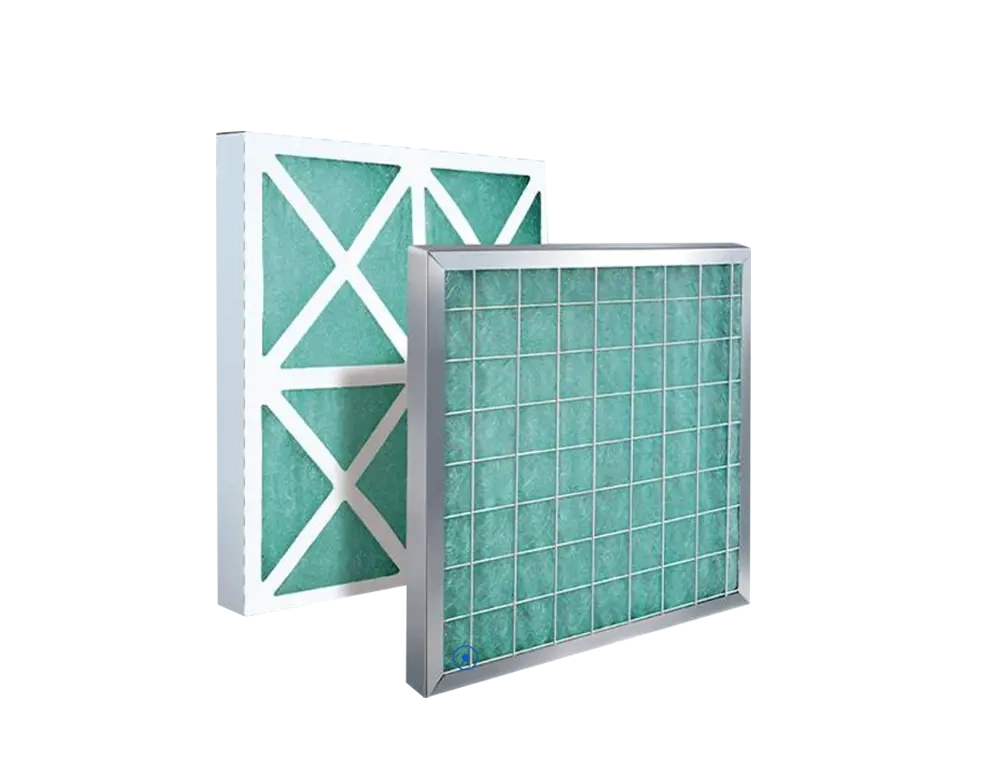
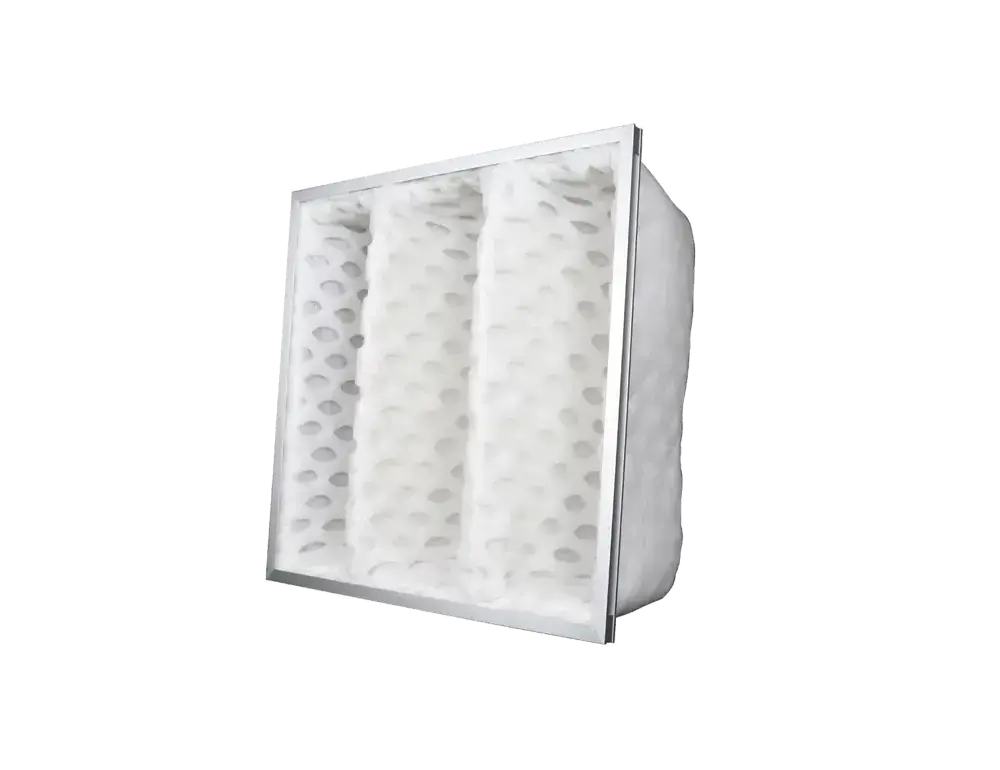
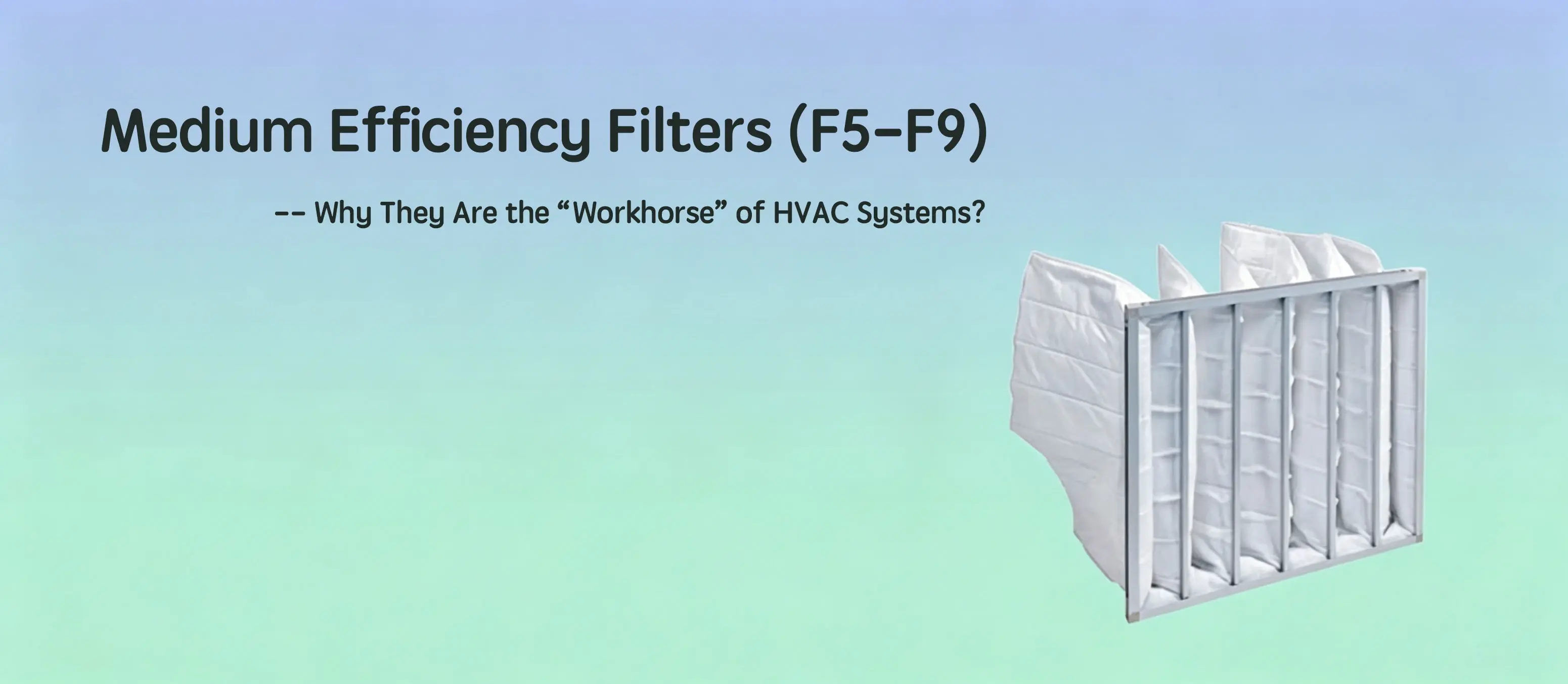
Medium-Efficiency Filter (F5–F9)
Precise PM2.5 Capture
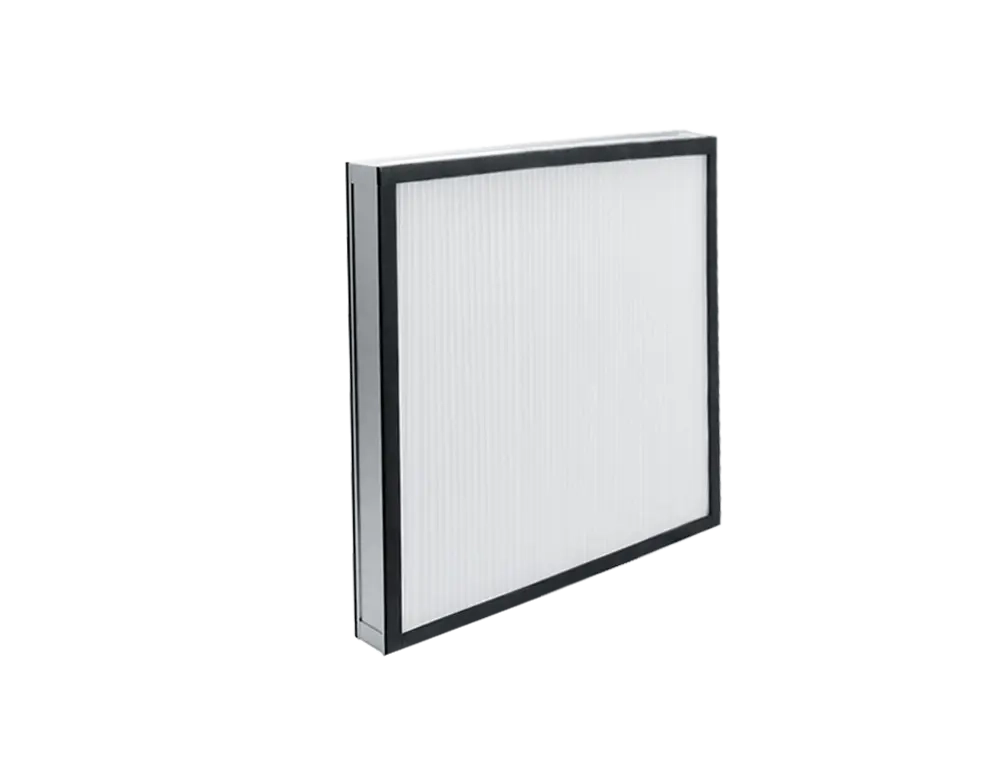
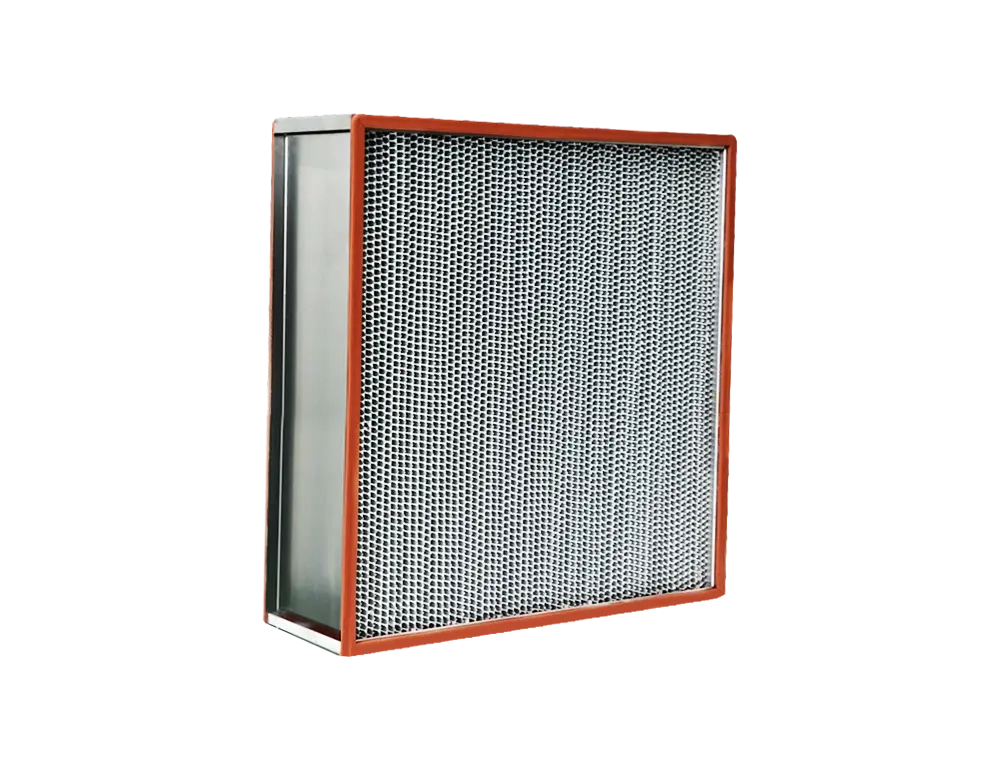
HEPA High-Efficiency Filter
Sterile-Grade Purification
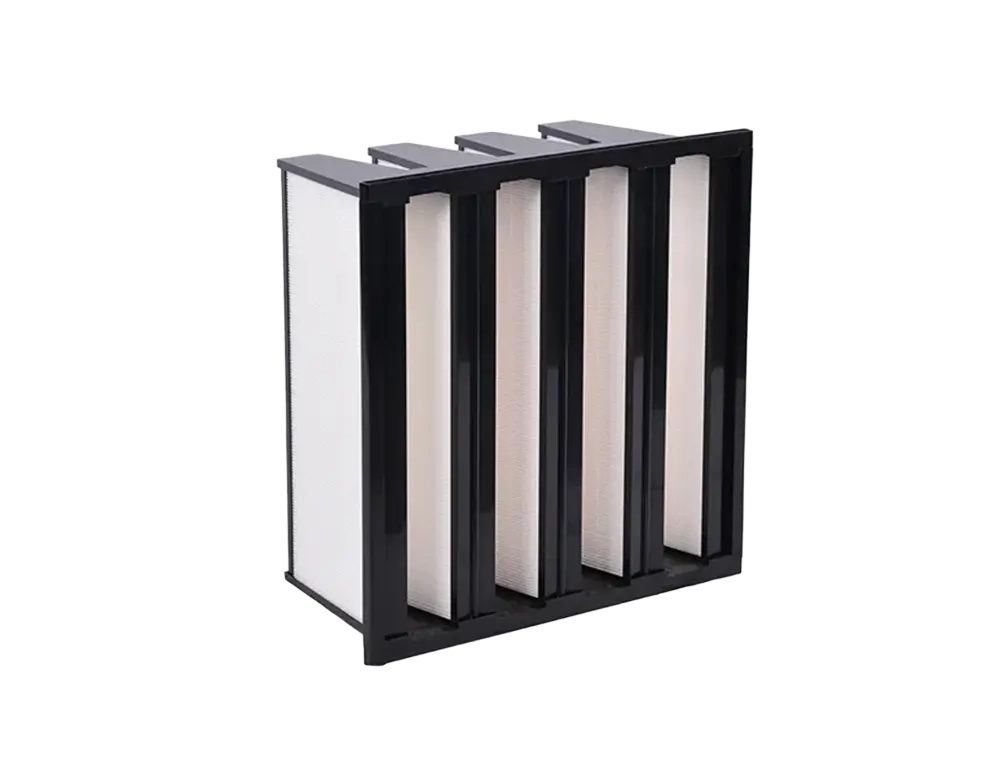
ULPA Ultra-High Efficiency Filter
Sub-Micron Particle Capture
First-Stage Large-Particle Capture
The first line of defense, capturing particles ≥5 μm such as dust, hair, and fibers to protect downstream filters and extend overall system service life.
View Related Products →Precise PM2.5 Capture
Captures fine particles of 1–5 μm including PM2.5, pollen, and mold spores, significantly improving indoor air quality for commercial HVAC and ventilation systems.
View Related Products →Sterile-Grade Purification
≥99.97% filtration efficiency for particles ≥0.3 μm, delivering sterile-grade clean air widely used in medical, pharmaceutical, and electronics manufacturing.
View Related Products →Sub-Micron Particle Capture
≥99.9995% efficiency for particles ≥0.12 μm, meeting the extreme cleanliness demands of semiconductor fabs, aerospace, and other ultra-precision applications.
View Related Products →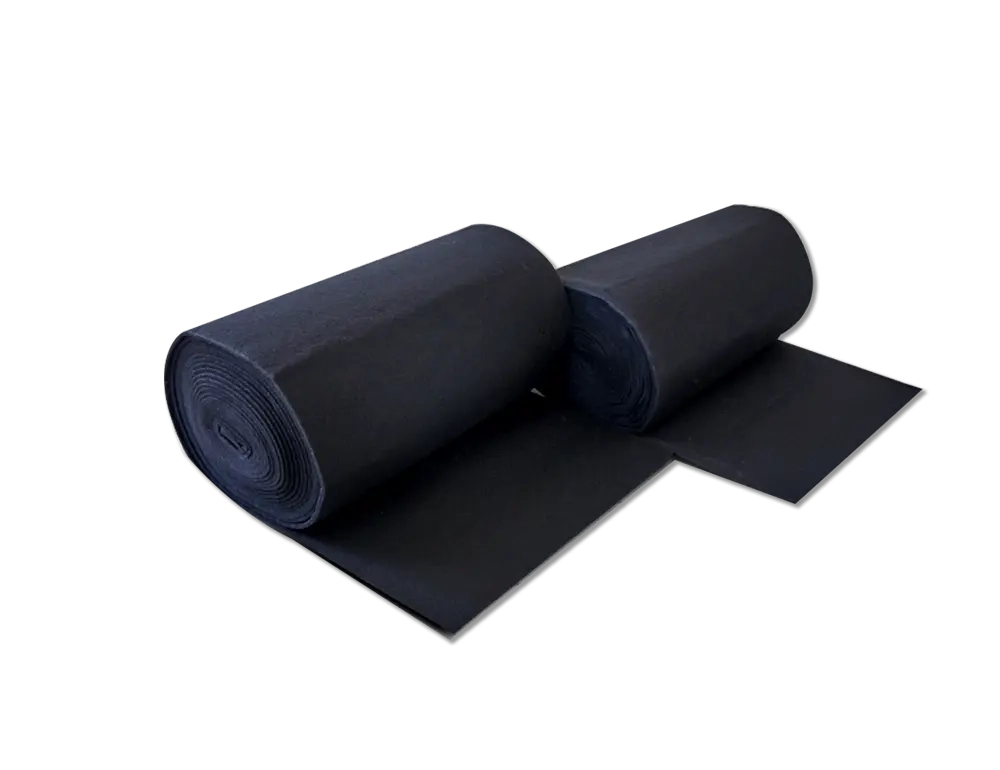
High-Temperature Resistant
Industrial-Grade Heat Tolerance
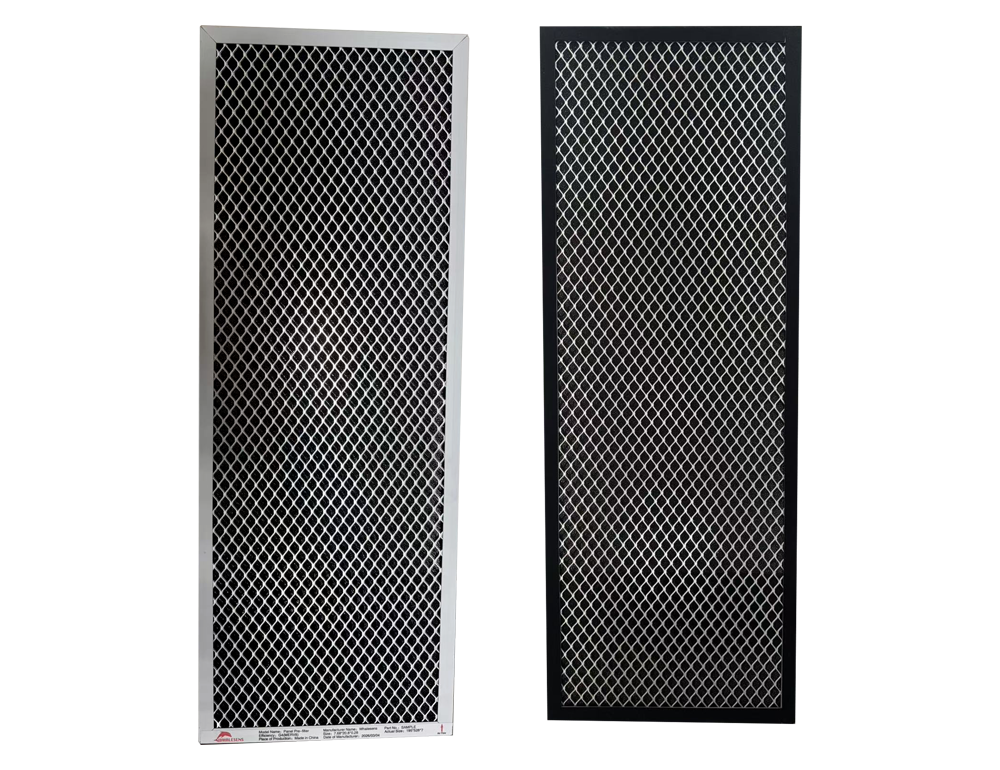
Washable & Reusable
Cut Costs, Reduce Waste
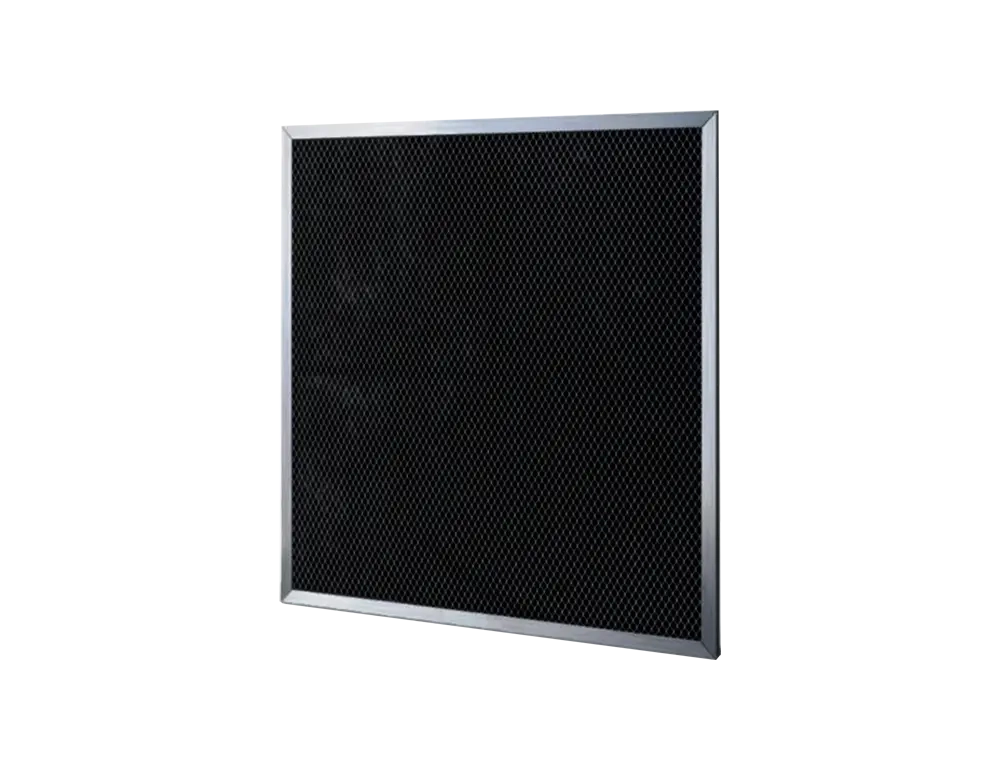
Activated Carbon
Odor & Harmful Gas Removal
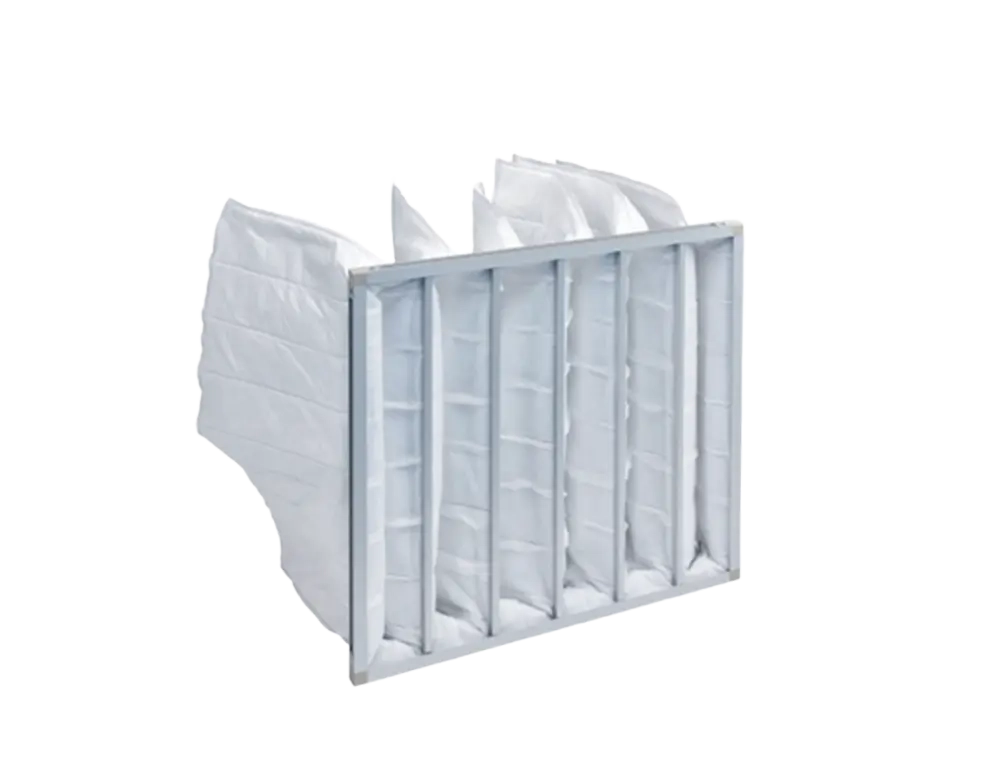
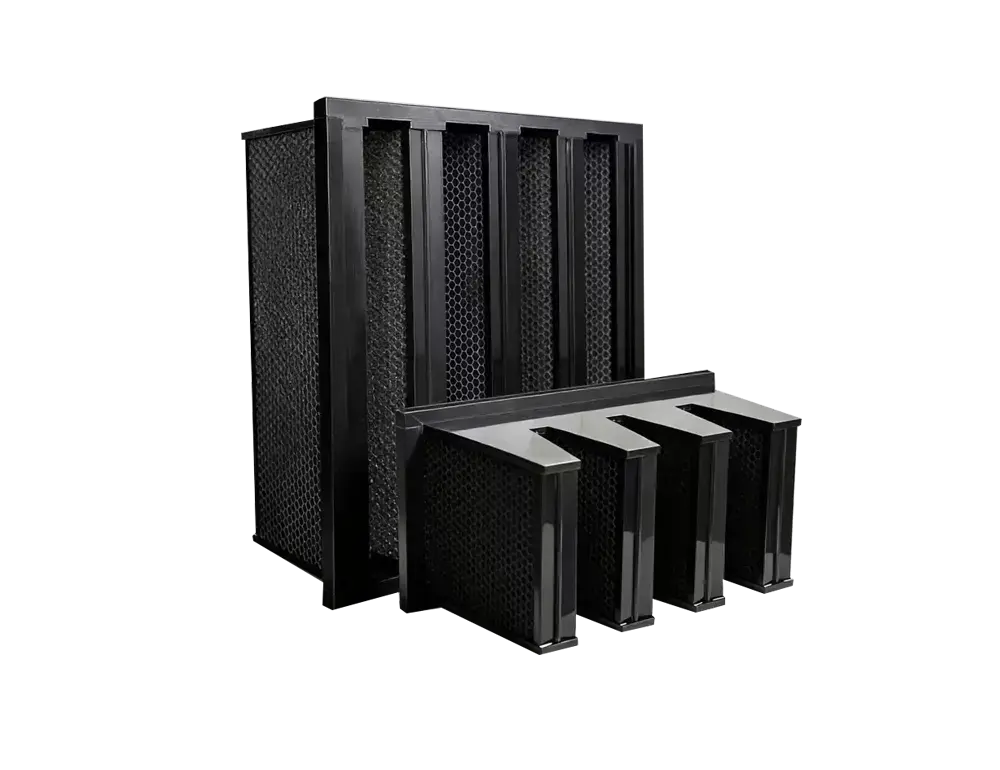
Bag Filter
High Dust-Holding, Long Life
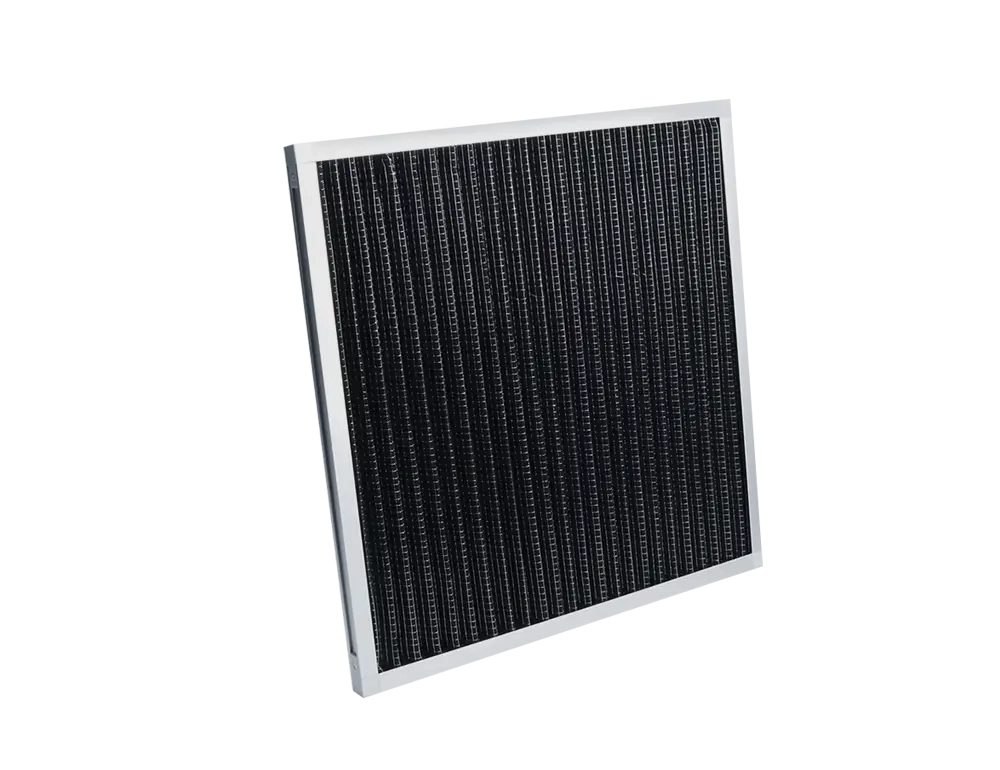
Panel / Pleated Filter
Compact Space-Saving Design
Low-Resistance Airflow
Energy-Saving Operation
Industrial-Grade Heat Tolerance
Built with specialized heat-resistant materials, operating stably up to 250°C for paint ovens, industrial dryers, and high-temperature process environments.
View Related Products →Cut Costs, Reduce Waste
Cleanable by water washing or air blowing, reusable multiple times to significantly reduce replacement frequency and O&M costs — an economical, eco-friendly choice.
View Related Products →Odor & Harmful Gas Removal
Leverages activated carbon's high adsorption capacity to eliminate odors, VOCs, and formaldehyde, ideal for newly renovated spaces and industrial exhaust treatment.
View Related Products →High Dust-Holding, Long Life
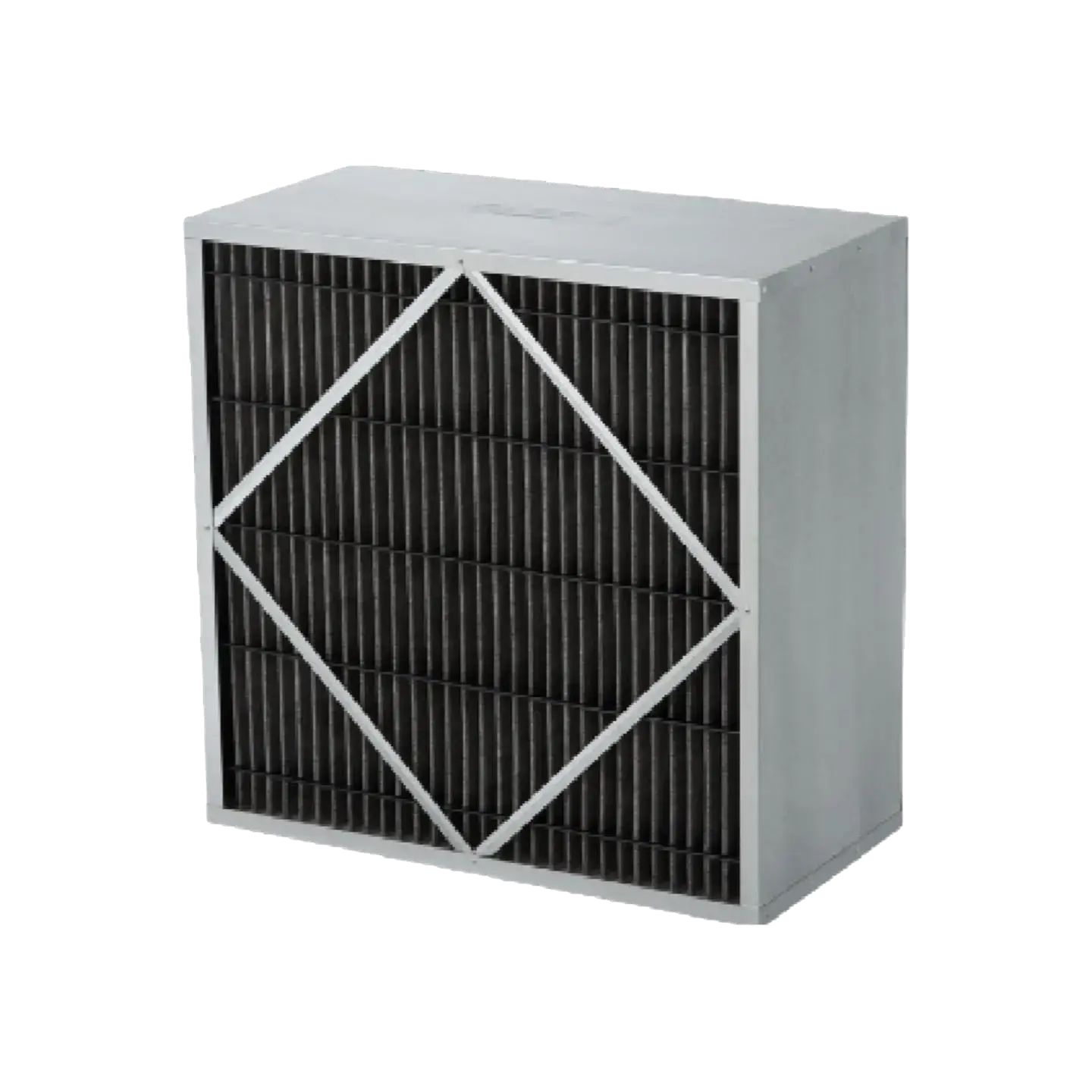
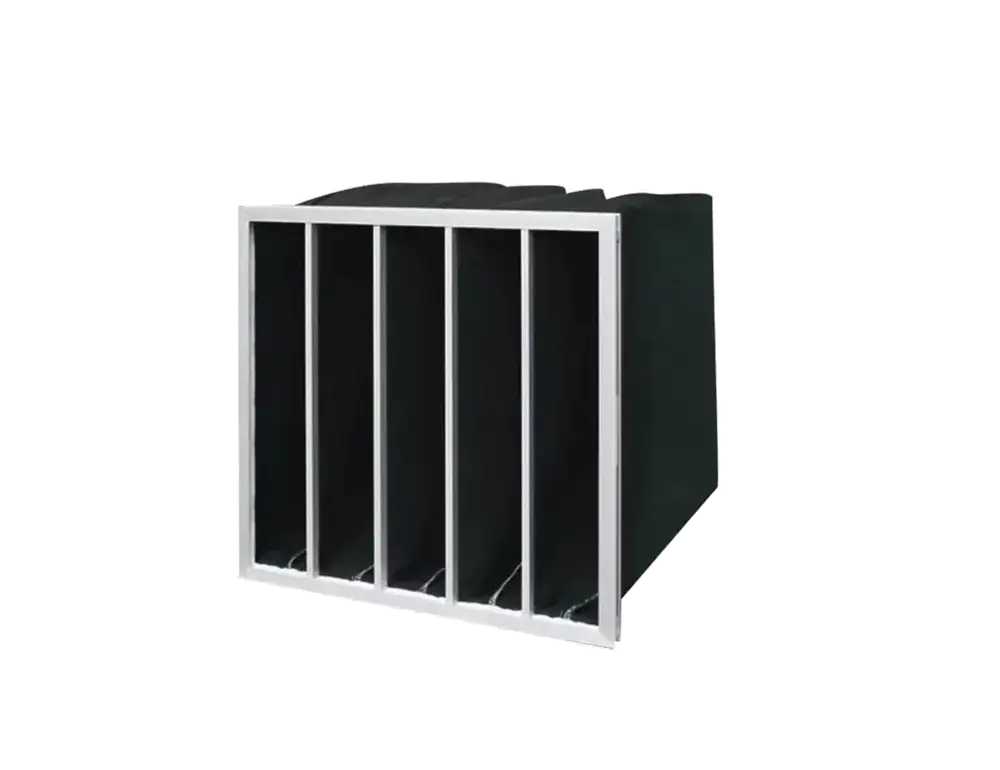
Bag-style construction delivers a larger filtration area, high dust-holding capacity, and extended service life — ideal for high-dust environments with reduced replacement frequency.
View Related Products →Compact Space-Saving Design
Compact form factor for easy installation and replacement; pleated structure maximizes filtration area within a small footprint for higher efficiency.
View Related Products →Energy-Saving Operation
Low-resistance design minimizes pressure drop while maintaining filtration performance, reducing fan energy consumption for cost-effective, eco-friendly operation.
View Related Products →










 English(Global)
 简体中文
简体中文 Language




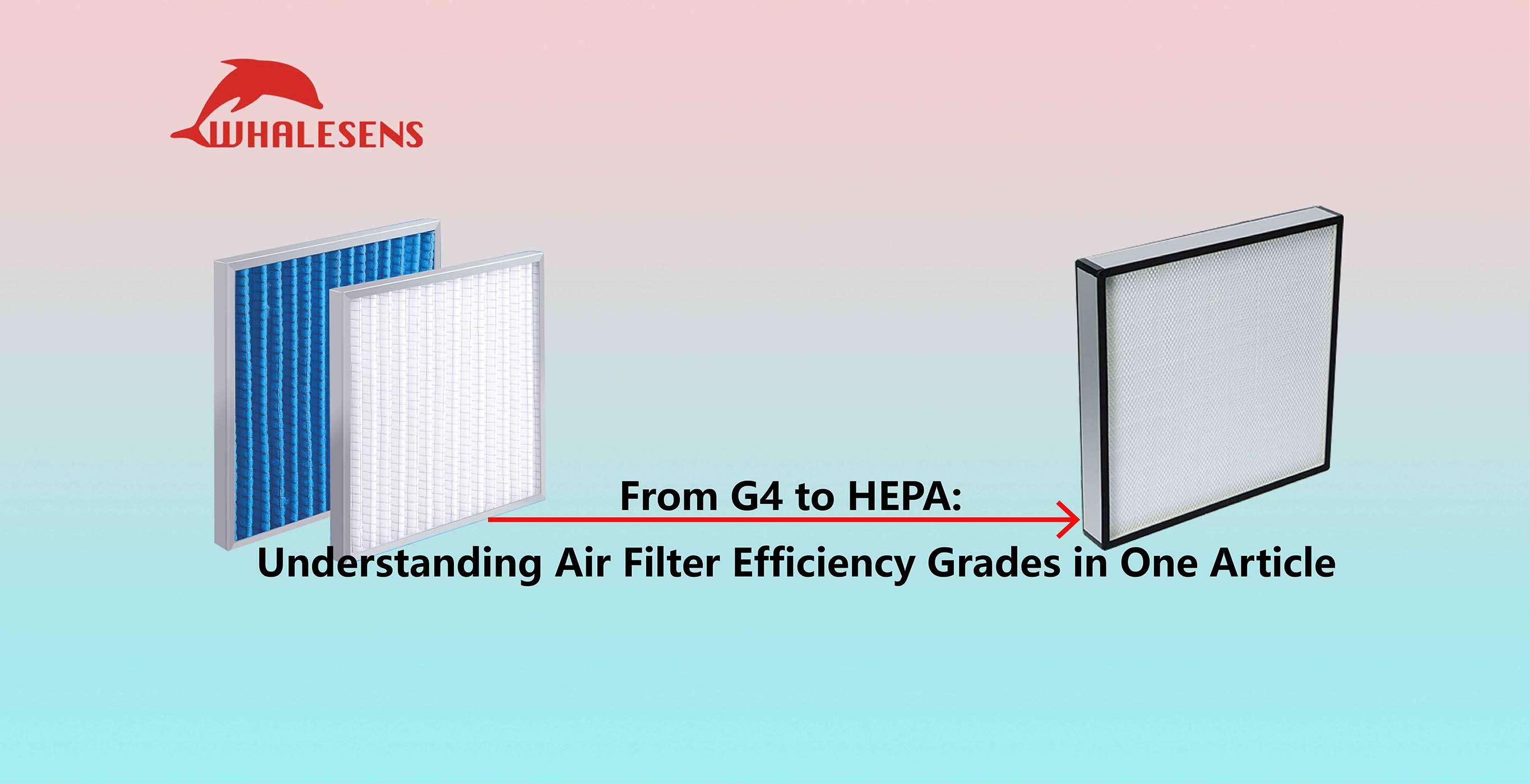
From G4 to HEPA: Understanding Air Filter Efficiency Grades in One Article
Coarse, Medium, High, Ultra-High – Who Should Guard Your Air?
Abstract
Air filters serve as the "first line of defense" for indoor air quality, precision equipment protection, and personnel health. However, professional terms like G4, F7, H13, U15, and international standards such as EN 779, ASHRAE, and ISO 16890 can be overwhelming. This article systematically explains air filter efficiency grading—from the most basic G4 coarse filters to the highest-grade ULPA ultra-high efficiency filters. Through comparison tables, application scenario analysis, and selection guides, it helps you quickly understand the core value of different filter grades, enabling you to choose the optimal filtration solution for your project or equipment.
1. Why Do We Need Filter Grading?
1.1 Different Scenarios Demand Different Cleanliness Levels
The air cleanliness requirements for a home air purifier, an operating room, and a wafer fab are vastly different:
| Application Scenario | Typical Pollutants | Required Filter Grade | Cleanliness Requirement |
|---|---|---|---|
| Residential | Pollen, dust, pet dander | G4-F7 | Basic comfort |
| Commercial Office Buildings | PM2.5, bacteria, odors | F7-F9 | Healthy breathing |
| Hospital Operating Rooms | Bacteria, viruses, aerosols | H13-H14 | Sterile environment |
| Semiconductor Wafer Fabs | 0.1μm particles, AMC | U15-U17 | Ultra-clean |
If all scenarios used HEPA filters, costs would be prohibitively high and fan energy consumption enormous. If only coarse filters were used, precision equipment would quickly become contaminated. A scientific filter grading system allows users to select the "right fit" product, balancing protection effectiveness with economic efficiency.
1.2 The Golden Rule of Multi-Stage Filtration
Modern air handling systems generally adopt a multi-stage filtration strategy:
Outdoor Air → Coarse Filter (G4) → Medium Filter (F7-F9) → HEPA/ULPA Filter (H13-U17) → Clean Air
- Coarse Filter: Intercepts large particles (pollen, dust, insects), protects downstream filters
- Medium Filter: Captures fine particles (PM2.5, bacteria), handles the main filtration load
- HEPA/ULPA Filter: Removes submicron particles (virus carriers, nano dust), achieves ultimate cleanliness
This "cascading protection" strategy both extends the life of expensive high-efficiency filters and reduces overall system energy consumption.
2. Major International Filter Grading Standards
Before diving into each filter grade, it's essential to understand the main international standards:
2.1 Comparison of the Three Major Standard Systems
| Standard System | Scope | Grading Method | Core Test Method | Current Status |
|---|---|---|---|---|
| EN 779 | Europe (withdrawn) | G1-G4, F5-F9 | 0.4μm DEHS, 250Pa final resistance | Withdrawn in 2022, replaced by ISO 16890 |
| ASHRAE 52.2 | North America | MERV 1-16 | 0.3-10μm particle size range, multi-stage testing | Currently valid |
| ISO 16890 | International | ePM1, ePM2.5, ePM10 + efficiency value | 0.3-10μm full particle size, anti-static treatment | Current standard, globally promoted |
2.2 The Revolutionary Changes in ISO 16890
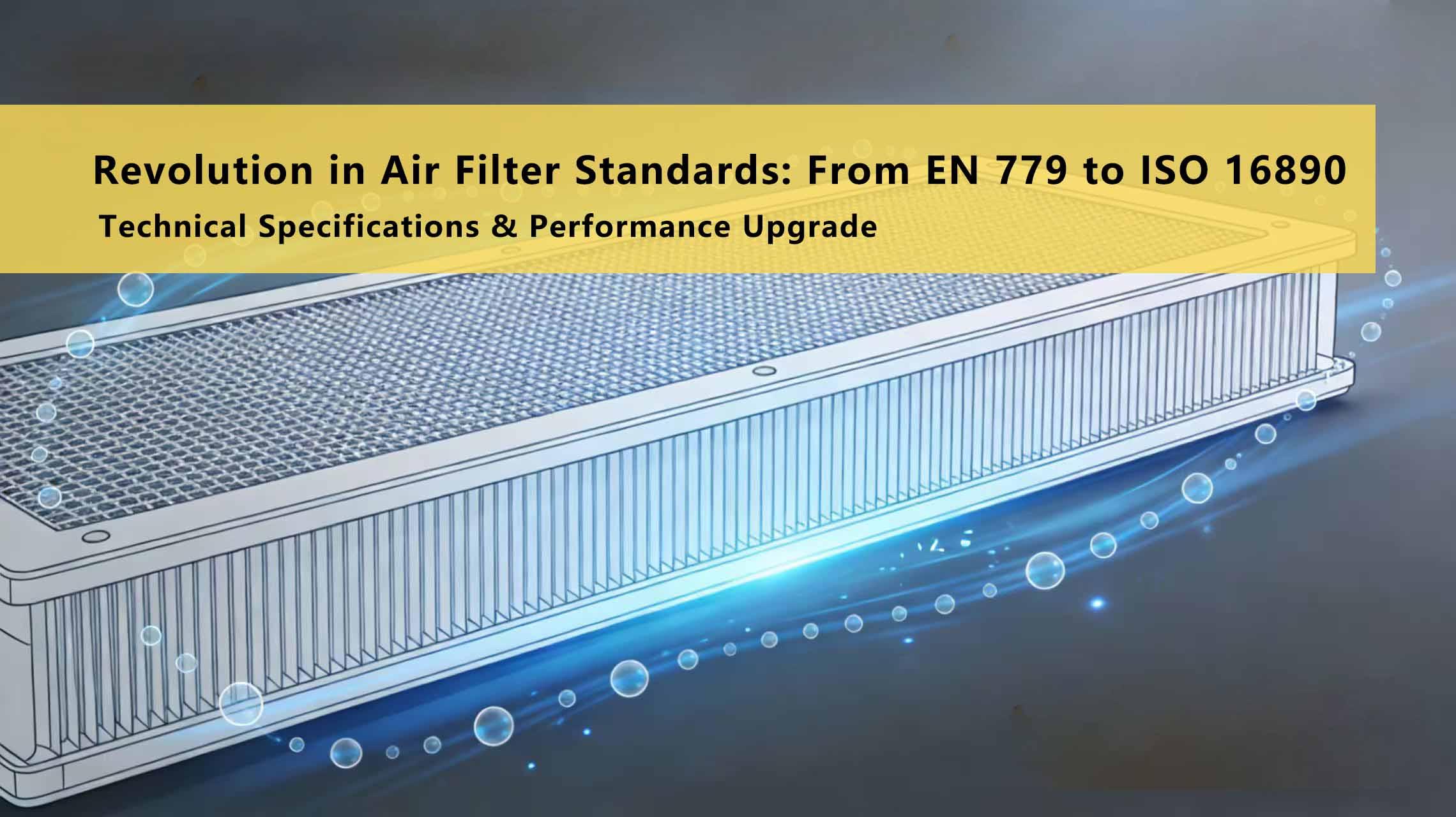
ISO 16890 replaced EN 779 as the mainstream international standard, with core changes including:
- From "Average Efficiency" to "Minimum Efficiency": Through anti-static treatment, it measures more conservative real-world performance
- From "Single Particle Size" to "Full Particle Size Coverage": Directly reflects capture capability for PM1, PM2.5, and PM10
- From "Vague Grading" to "Transparent Efficiency": "ePM1 65%" is more informative than "F8"
2.3 Standard Cross-Reference Table
| EN 779 | ASHRAE 52.2 (MERV) | ISO 16890 | Typical Efficiency Description |
|---|---|---|---|
| G1-G3 | MERV 1-4 | ePM10 < 50% | Coarse, captures >10μm particles |
| G4 | MERV 5-8 | ePM10 50-70% | Medium-coarse, captures >5μm particles |
| F5 | MERV 9-10 | ePM2.5 40-50% | Basic medium, captures PM10 |
| F6 | MERV 11-12 | ePM2.5 50-60% | Medium, captures most PM2.5 |
| F7 | MERV 13-14 | ePM1 50-65% | High-medium, captures PM2.5 and some PM1 |
| F8 | MERV 15 | ePM1 65-80% | Sub-HEPA, protection for HEPA filters |
| F9 | MERV 16 | ePM1 > 80% | Approaching HEPA, high efficiency for 0.3-1μm particles |
| H13-H14 | — | ISO 29463 | HEPA, efficiency ≥99.95% for 0.3μm particles |
| U15-U17 | — | ISO 29463 | ULPA, efficiency ≥99.9995% for 0.1-0.2μm particles |
3. Coarse Filters: The System's "First Line of Defense"
3.1 Definition and Standards
Coarse filters generally refer to products of grades G1-G4 (EN 779), MERV 1-8 (ASHRAE), or ePM10 < 70% (ISO 16890). They primarily capture large particles >5-10μm.
3.2 Typical Applications
| Scenario | Function |
|---|---|
| Commercial Building HVAC Systems | Installed at AHU fresh air intake, protects coils and fans |
| Industrial Ventilation Systems | Pre-filtration for workshop supply air, captures coarse dust |
| EV Chargers/Outdoor Enclosures | Inlet protection, intercepts leaves, insects, coarse dust |
| Cleanroom Pre-filtration | Protects medium and HEPA filters, extends their life |
3.3 Core Characteristics and Selection Tips
| Parameter | Typical Value | Selection Considerations |
|---|---|---|
| Filtration Efficiency | 50-90% for 5μm particles | Choose higher dust-holding capacity based on ambient dust concentration |
| Initial Pressure Drop | 30-80 Pa | Lower pressure drop reduces fan energy consumption |
| Configuration | Panel, pleated, washable metal mesh | Washable types suitable for dusty environments with easy maintenance access |
| Replacement Cycle | 3-12 months | Based on pressure drop monitoring; avoid over-maintenance |
Common Misconception: "Coarse filters aren't important; just buy the cheapest."
Reality: A quality coarse filter effectively protects expensive downstream filters, reducing overall TCO by 20-30%.
4. Medium Filters: Handling the "Primary Filtration Load"
4.1 Definition and Standards
Medium filters cover grades F5-F9 (EN 779), MERV 9-16 (ASHRAE), or ePM2.5 40% - ePM1 >80% (ISO 16890). They serve as the workhorse for HVAC systems and cleanroom pre-filtration, handling the majority of particulate load.
4.2 Typical Applications
| Scenario | Function |
|---|---|
| Commercial Building Central HVAC | Main filter, ensures indoor PM2.5 compliance |
| General Hospital Wards | Filters bacteria, mold spores |
| Data Centers | Protects servers from dust erosion |
| Pharmaceutical Manufacturing | Pre-filtration for HEPA filters |
| Automotive Paint Booths | Supply air filtration, ensures paint finish quality |
4.3 Core Characteristics and Selection Tips
| Parameter | Typical F7/F8 Values | Typical F9 Values | Selection Considerations |
|---|---|---|---|
| Filtration Efficiency | ePM1 50-65% | ePM1 > 80% | Choose based on PM2.5/PM1 requirements |
| Initial Pressure Drop | 80-150 Pa | 100-180 Pa | Balance efficiency and energy consumption |
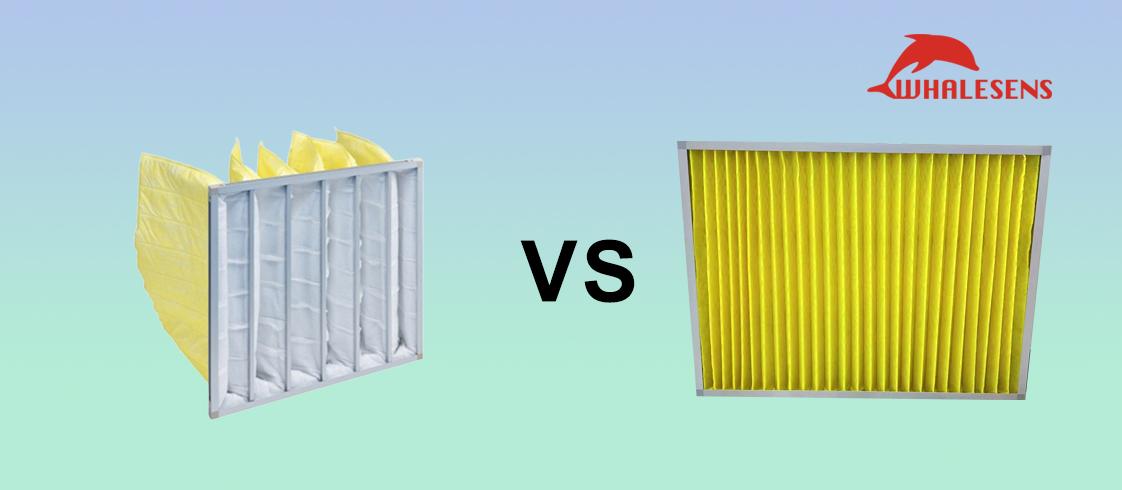
| Configuration | Bag, pleated | Bag, pleated | Bag filters have higher dust-holding capacity; pleated are more compact |
| Replacement Cycle | 6-12 months | 6-12 months | Based on pressure drop monitoring |
Common Misconception: "Higher efficiency medium filters are always better."
Reality: Excessive efficiency increases pressure drop and may raise fan energy consumption. Choose the "right-fit" efficiency based on actual cleanliness requirements.
5. HEPA/Sub-HEPA Filters: The Core Barrier for Cleanrooms
5.1 Definition and Standards
HEPA (High-Efficiency Particulate Air) filters generally refer to grades H10-H14, with filtration efficiency for 0.3μm particles ranging from ≥85% (H10) to ≥99.995% (H14). Sub-HEPA filters fall between F9 and HEPA, such as E10-E12.
Primary standards: EN 1822 (Europe), ISO 29463 (International), IEST-RP-CC001 (US).
5.2 Typical Applications
| Scenario | Recommended Grade | Function |
|---|---|---|
| Hospital Operating Rooms, ICUs | H13-H14 | Sterile environment, prevents post-operative infections |
| Biosafety Laboratories (BSL-3/4) | H14 | Absolute containment, prevents pathogen release |
| Pharmaceutical Cleanrooms (GMP Grade B/C) | H13-H14 | Ensures sterile production |
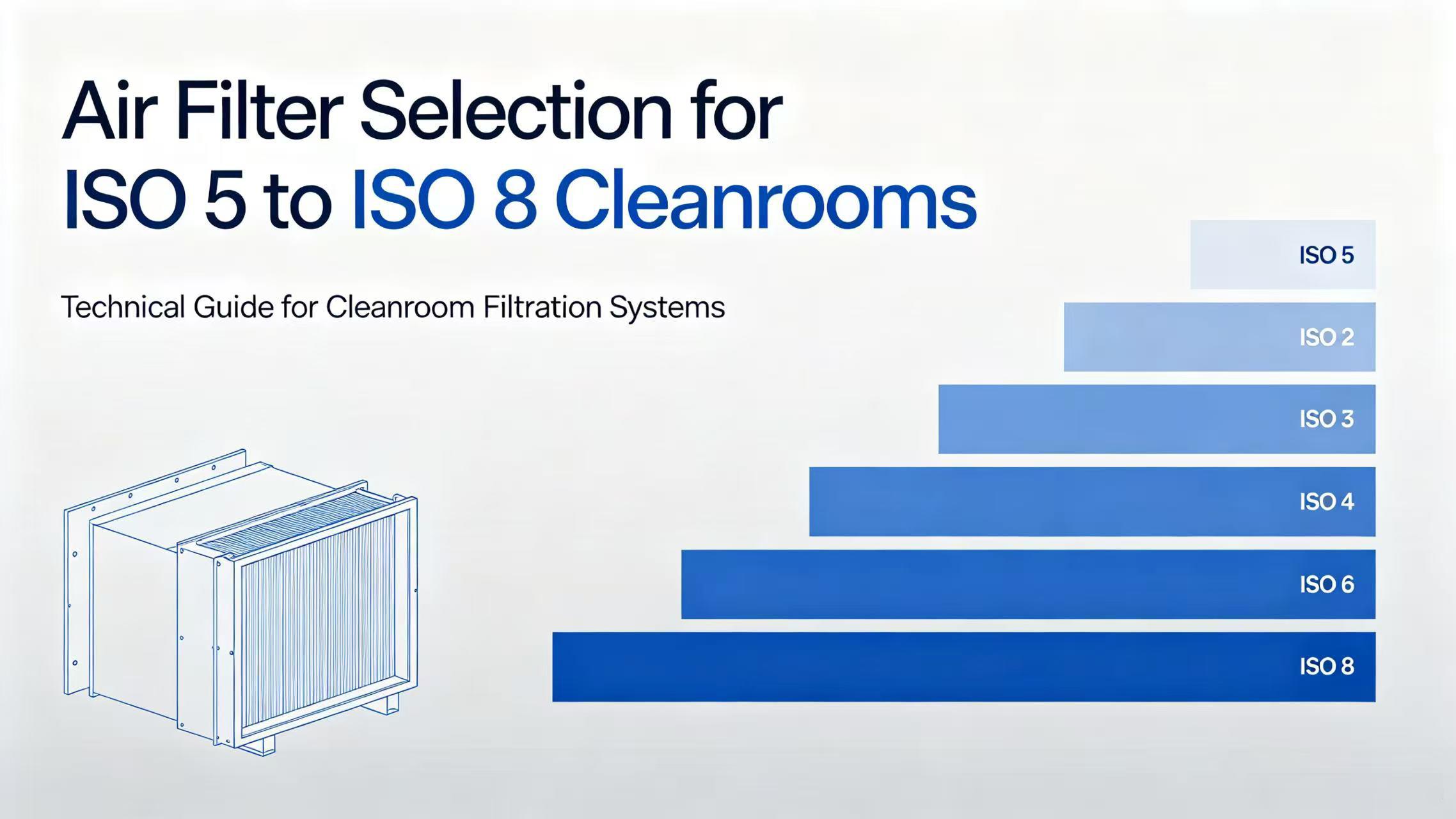
| Semiconductor Cleanrooms (ISO Class 5-7) | H13-H14 | Ensures chip manufacturing yield |
| Biosafety Cabinets | H13-H14 | Protects personnel, samples, environment |
5.3 Core Characteristics and Selection Tips
| Grade | MPPS Efficiency (Most Penetrating Particle Size) | Typical Application | Selection Considerations |
|---|---|---|---|
| H10 | ≥85% | General cleanrooms | Economical clean solution |
| H11 | ≥95% | Higher requirement cleanrooms | Balances performance and cost |
| H12 | ≥99.5% | High-standard cleanrooms | Common industrial cleanliness grade |
| H13 | ≥99.95% | Operating rooms, pharmaceutical | Mainstream for medical, biopharma |
| H14 | ≥99.995% | BSL-3/4, sterile pharmaceutical | Highest HEPA grade |
Key Parameters:
- MPPS (Most Penetrating Particle Size): The particle size filters capture least efficiently, typically between 0.1-0.3μm
- Scanning Leak Test: HEPA filters must undergo in-situ scanning leak testing after installation to verify integrity
Common Misconception: "All HEPA filters are the same; buy the cheapest."
Reality: HEPA filter manufacturing processes (separator/mini-pleat), seal design, and leak testing directly impact actual performance. Poor-quality HEPA may have bypass leakage, rendering efficiency claims meaningless.
6. ULPA Filters: The Pinnacle of Ultimate Cleanliness
6.1 Definition and Standards
ULPA (Ultra-Low Penetration Air) filters refer to grades U15-U17, with filtration efficiency for 0.1-0.2μm particles ranging from ≥99.9995% (U15) to ≥99.999995% (U17). They are used in applications demanding the highest cleanliness levels.
6.2 Typical Applications
| Grade | Efficiency (0.1-0.2μm) | Typical Applications |
|---|---|---|
| U15 | ≥99.9995% | Advanced semiconductors (14nm and below), hard disk manufacturing |
| U16 | ≥99.99995% | Extreme ultraviolet lithography, nanotechnology research |
| U17 | ≥99.999995% | Cutting-edge research, aerospace precision assembly |
6.3 Core Characteristics
Media: Ultra-fine glass fiber or PTFE membrane
Configuration: Mini-pleat design maximizes filtration area
Testing: MPPS testing with significantly higher efficiency requirements than HEPA
Cost: Several times higher than HEPA; used only in most demanding applications
Common Misconception: "HEPA is sufficient; ULPA isn't necessary."
Reality: For advanced process chips (7nm and below), a single 0.1μm particle can ruin a chip; HEPA's 99.97% efficiency is insufficient.
7. Special Function Filters
7.1 Activated Carbon/Chemical Filters
Used to remove gaseous pollutants (VOCs, formaldehyde, SO₂, NOx, odors, etc.). Often combined with particulate filters to form composite filtration systems.
Typical Applications:
- Data centers: Remove corrosive gases
- Hospitals: Remove odors and VOCs
- Commercial buildings: Fresh air system formaldehyde removal
- Chemical plants: Toxic gas protection
Selection Considerations:
- Adsorption capacity: Determines service life
- Pressure drop: Affects system energy consumption
- Targeting: Different pollutants require different adsorbents
7.2 Electrostatic Filters
Use electrostatic principles to charge particles before they are captured on collector plates. Advantages include very low airflow resistance; disadvantages include potential ozone generation and efficiency decline as charge dissipates.
7.3 Antimicrobial/Antiviral Filters
Add antimicrobial agents (silver ions, copper ions, etc.) to media or use special treatments to inhibit microbial growth. Typically combined with HEPA filters.
8. Multi-Stage Filtration Configuration Strategies
8.1 Typical Configuration Solutions
| Application Scenario | Recommended Configuration | Estimated Total Pressure Drop | Applicable Industries |
|---|---|---|---|
| Residential Fresh Air | G4 + F7 | 150-200 Pa | Residential |
| Commercial Office Buildings | G4 + F8 | 180-250 Pa | Commercial HVAC |
| Hospital Operating Rooms | G4 + F8 + H13 | 300-400 Pa | Healthcare |
| Pharmaceutical Cleanrooms | G4 + F9 + H14 | 350-450 Pa | Pharmaceutical |
| Semiconductor Wafer Fabs | G4 + F9 + U15 | 400-500 Pa | Electronics |
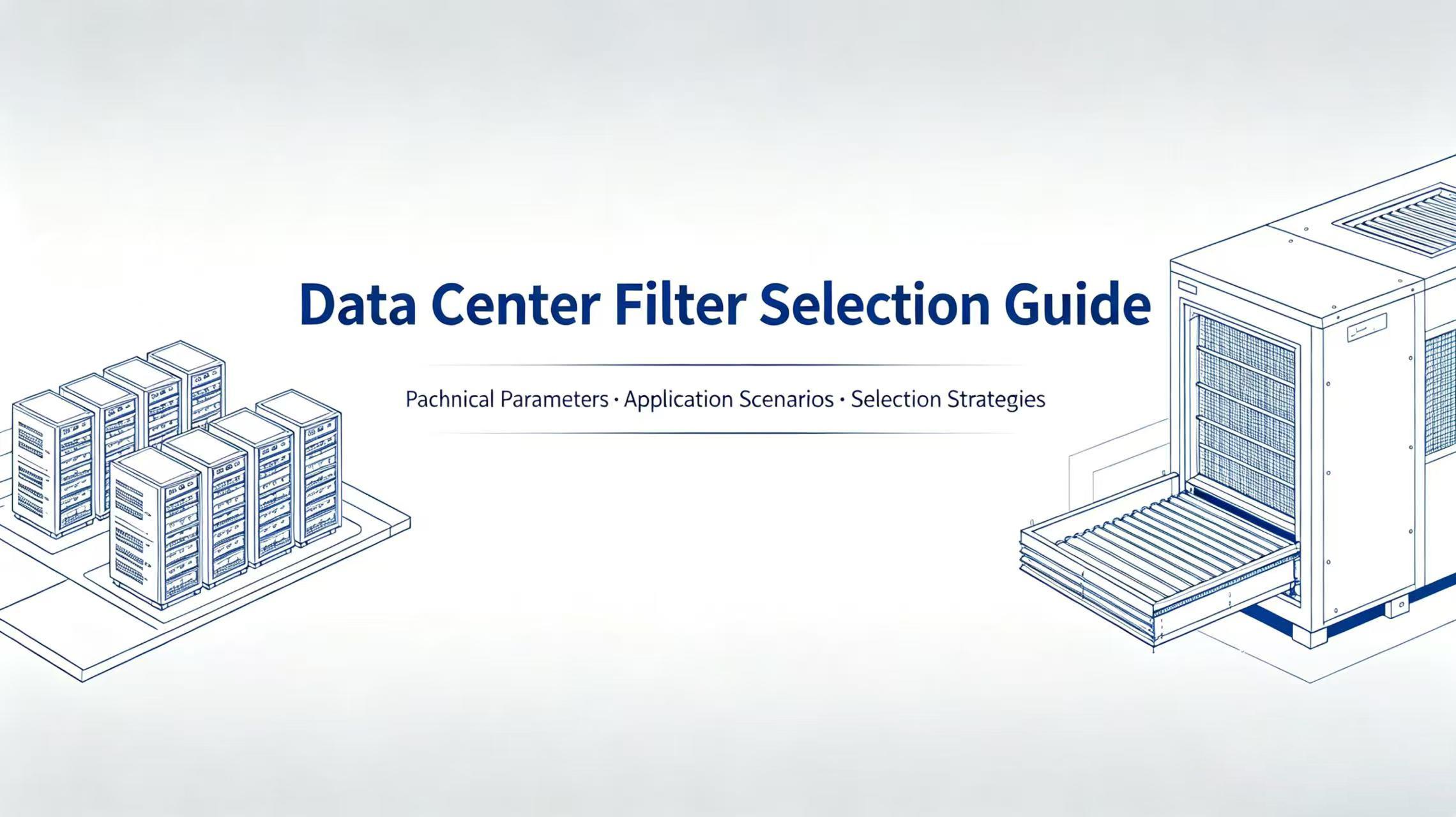
| Data Centers | G4 + F8 | 150-200 Pa | IT |
8.2 Configuration Principles
- Progressive Efficiency: Gradually increase from coarse to high efficiency
- Dust-Holding Match: Pre-filters should have sufficient dust-holding capacity to protect downstream filters
- Pressure Drop Balance: Total pressure drop should not exceed fan capabilities
- Maintenance Accessibility: Each stage should have independent pressure monitoring and replacement access
8.3 Common Configuration Mistakes
| Mistake | Consequence | Correct Approach |
|---|---|---|
| Using only HEPA without pre-filtration | HEPA clogs quickly, high replacement cost | Add G4 pre-filter to protect HEPA |
| Excessive efficiency gap between stages | Intermediate stage bears excessive load | Gradual efficiency progression |
| Neglecting chemical filtration needs | Particles controlled, but gas contamination remains | Add chemical filtration based on pollutant types |
9. Selection Decision Guide
9.1 Decision Framework
- Step 1: Define Protection Objectives
Protect personnel health? → Focus on PM2.5, bacteria, viruses
Protect equipment/processes? → Focus on particle size, corrosive gases
Protect the environment? → Focus on emission standards - Step 2: Determine Target Efficiency Grade
Based on industry standards (e.g., GMP, ISO 14644) or application requirements - Step 3: Assess Environmental Conditions
Dust concentration, humidity, temperature, presence of corrosive gases - Step 4: Balance Efficiency and Energy Consumption
Choose the lowest pressure drop product that meets efficiency requirements - Step 5: Calculate Lifecycle Cost
Initial purchase + operating energy + replacement consumables + maintenance labor
9.2 Balancing Efficiency and Energy Consumption
Taking a 100,000 m³/h AHU as an example:
| Filter Combination | Initial Pressure Drop | Annual Energy Cost | 10-Year TCO Difference |
|---|---|---|---|
| G4 + F7 | 180 Pa | Baseline | Baseline |
| G4 + F8 | 220 Pa | +22% | Approximately +$11,000 |
| G4 + F9 | 280 Pa | +55% | Approximately +$27,000 |
Conclusion: Excessive filtration efficiency can impose significant energy costs; selection requires comprehensive consideration.
9.3 Procurement Checklist
- Does the supplier provide test reports from accredited laboratories (ISO 16890 or EN 1822)?
- Are key performance data provided (initial pressure drop, dust-holding capacity, efficiency curves)?
- Does the product meet required flame retardancy ratings (UL94, UL900)?
- Is the configuration suitable for installation space?
- Are pressure monitoring interfaces or optional sensors available?
- Does the supplier offer on-site leak testing (for HEPA filters) services?
10. Future Trends
- Standard Unification: ISO 16890 is replacing EN 779 globally, becoming the international standard
- Intelligent Monitoring: Real-time pressure drop monitoring and predictive maintenance becoming standard
- Green Sustainability: Biodegradable media, low-energy designs gaining attention
- Multifunctional Integration: Combined particulate filtration + chemical adsorption + antimicrobial products
- Nanofiber Technology: Next-generation media offering higher efficiency with lower pressure drop
Frequently Asked Questions
Q1: Which standard is more authoritative, ISO 16890 or EN 779?
A: ISO 16890 is the current international standard; EN 779 was officially withdrawn in 2022. New projects should prioritize ISO 16890 for filter selection.
Q2: Are F7 and MERV 13 equivalent?
A: They roughly correspond, but different standards use different test methods, so actual performance may vary. ISO 16890 test reports provide the most reliable reference.
Q3: Can HEPA filters block viruses?
A: H13/H14 HEPA filters achieve ≥99.95% efficiency for 0.3μm particles. Viruses typically attach to aerosols in the 0.3-1μm range and can be effectively captured.
Q4: Do washable filters actually save money?
A: In dusty environments, washable filters can be reused for 2-3 years, significantly reducing consumable costs. However, proper cleaning methods are essential to avoid media damage.
Q5: How do I know when to replace HEPA filters?
A: Monitor with a differential pressure gauge: replace when pressure drop reaches 2-3 times initial value. For cleanroom applications, periodic integrity testing is also required.
Q6: Why does my filter pressure drop rise rapidly?
A: Possible reasons include high ambient dust concentration or inadequate pre-filtration. Check whether the pre-filter is being replaced in a timely manner.
Q7: Which is better, pleated or bag filters?
A: Pleated filters are more compact, suitable for space-constrained applications; bag filters have larger filtration area and higher dust-holding capacity, ideal for high-dust environments.
Get Professional Selection Support Today
WhaleSense offers a complete range of air filter products from G4 coarse to H14 HEPA and U15 ULPA, covering commercial HVAC, industrial dust collection, cleanrooms, pharmaceutical manufacturing, data centers, new energy, and all other applications.
- ISO 16890 Certified Products: All products tested by accredited laboratories
- Full Efficiency Coverage: G4, F7-F9, H13-H14, U15-U17
- Multiple Configurations: Panel, bag, pleated, box, washable
- Customization Services: Special sizes, special media, special frames
- Technical Support: Selection consulting, on-site leak testing, TCO analysis
📧 Email: whalesens@gmail.com