


EV Charging Stations
Filtration for Power Equipment
Cleanroom & Semiconductor
Ultra-High Cleanliness Filtration
Commercial HVAC
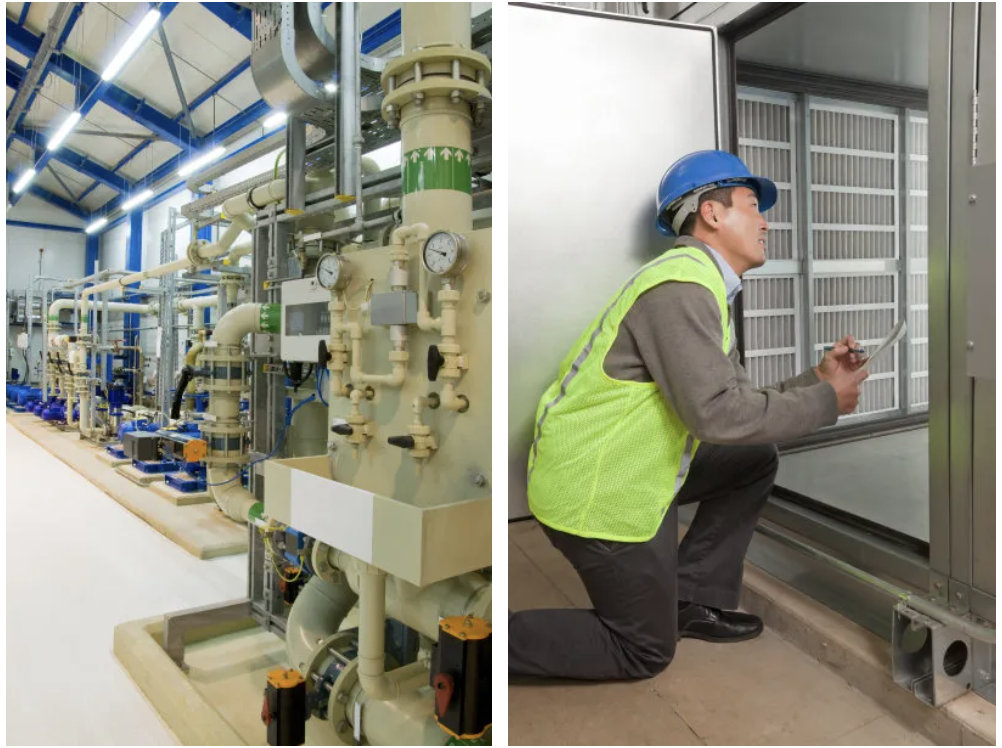
Central Air System Filtration
Data Centers
Precision Equipment Protection
Livestock & Farming
Farming Environment Purification
Spray Booths & Industrial Dust
Paint Mist & Dust Purification
Filtration for Power Equipment
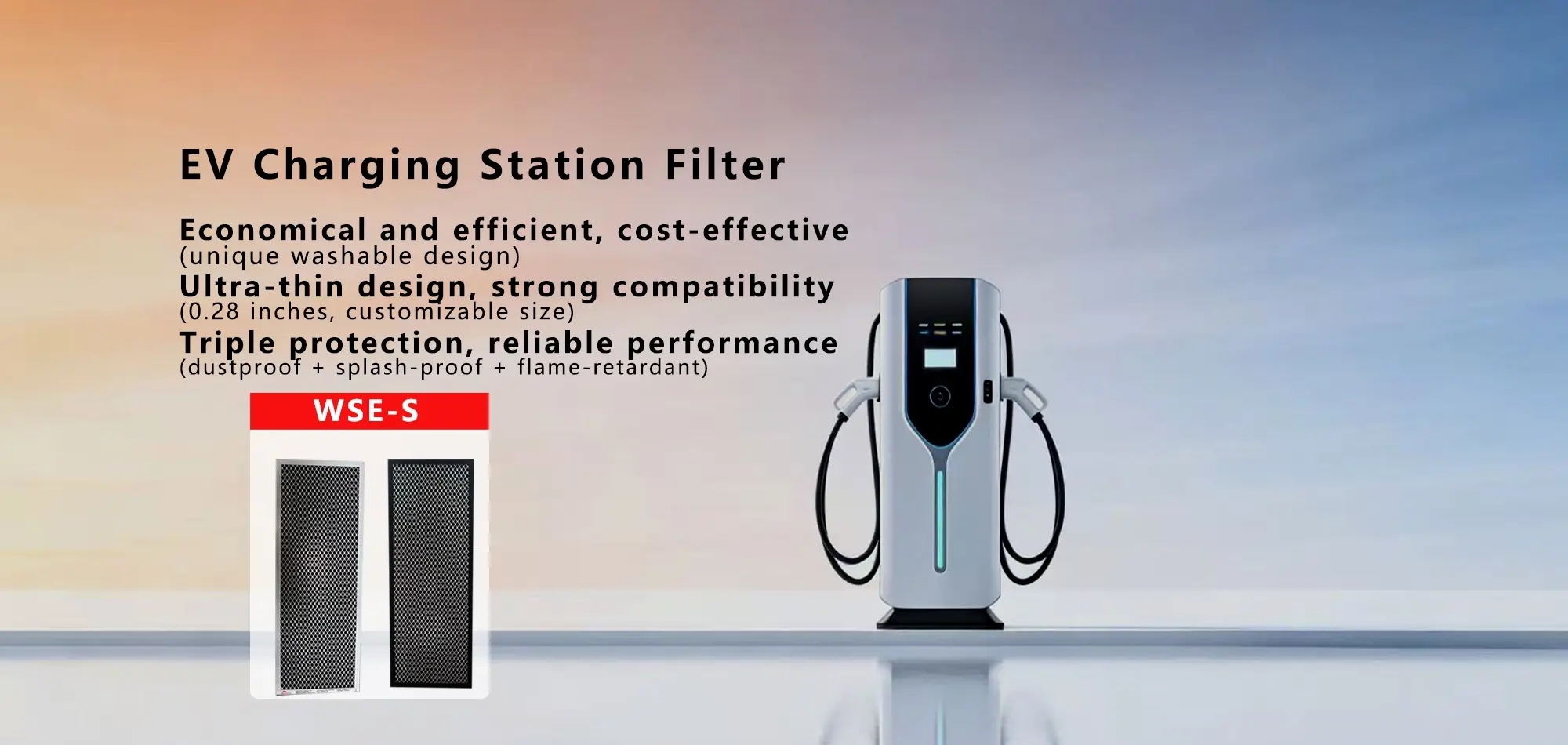
Professional air filtration for EV charging devices, protecting against dust and sand ingress to ensure stable, reliable operation of charging piles and station infrastructure.
View Related Products →Ultra-High Cleanliness Filtration
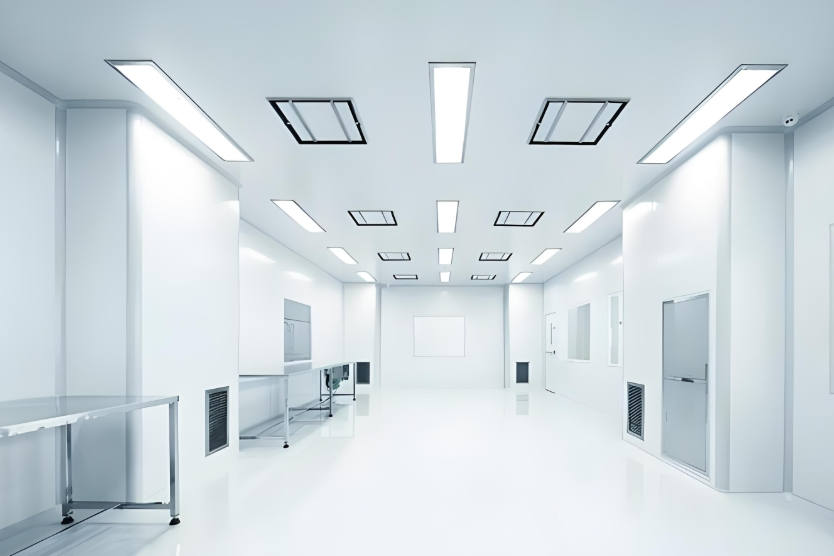
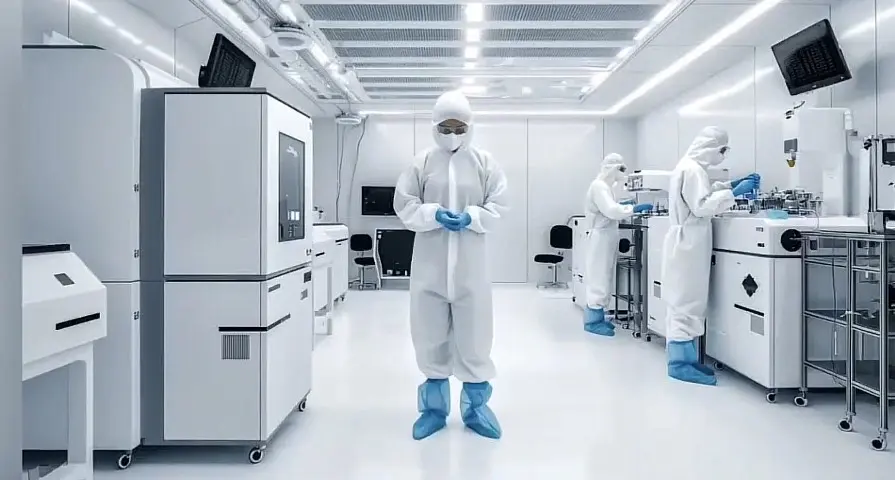
Ultra-high efficiency filtration for semiconductor wafer fabs and precision electronics cleanrooms, capturing nano-scale particles to meet ISO Class 1–3 standards and maximize product yield.
View Related Products →Central Air System Filtration
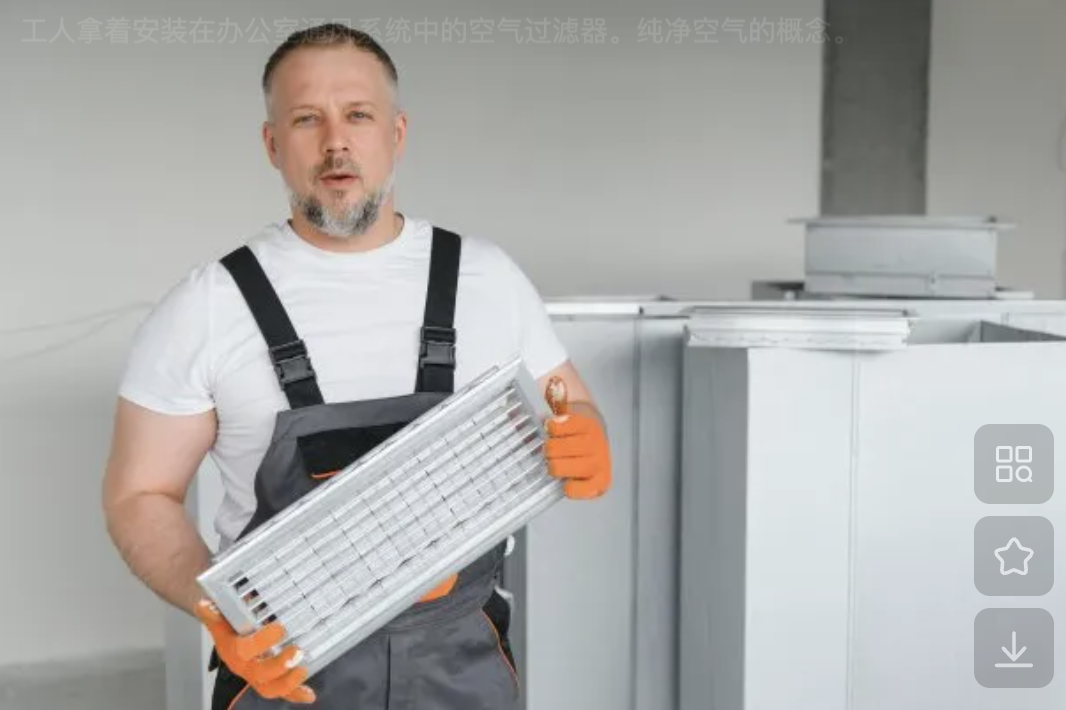
High-efficiency filtration for commercial building HVAC systems, improving indoor air quality, reducing energy consumption, and extending equipment service life.
View Related Products →Precision Equipment Protection
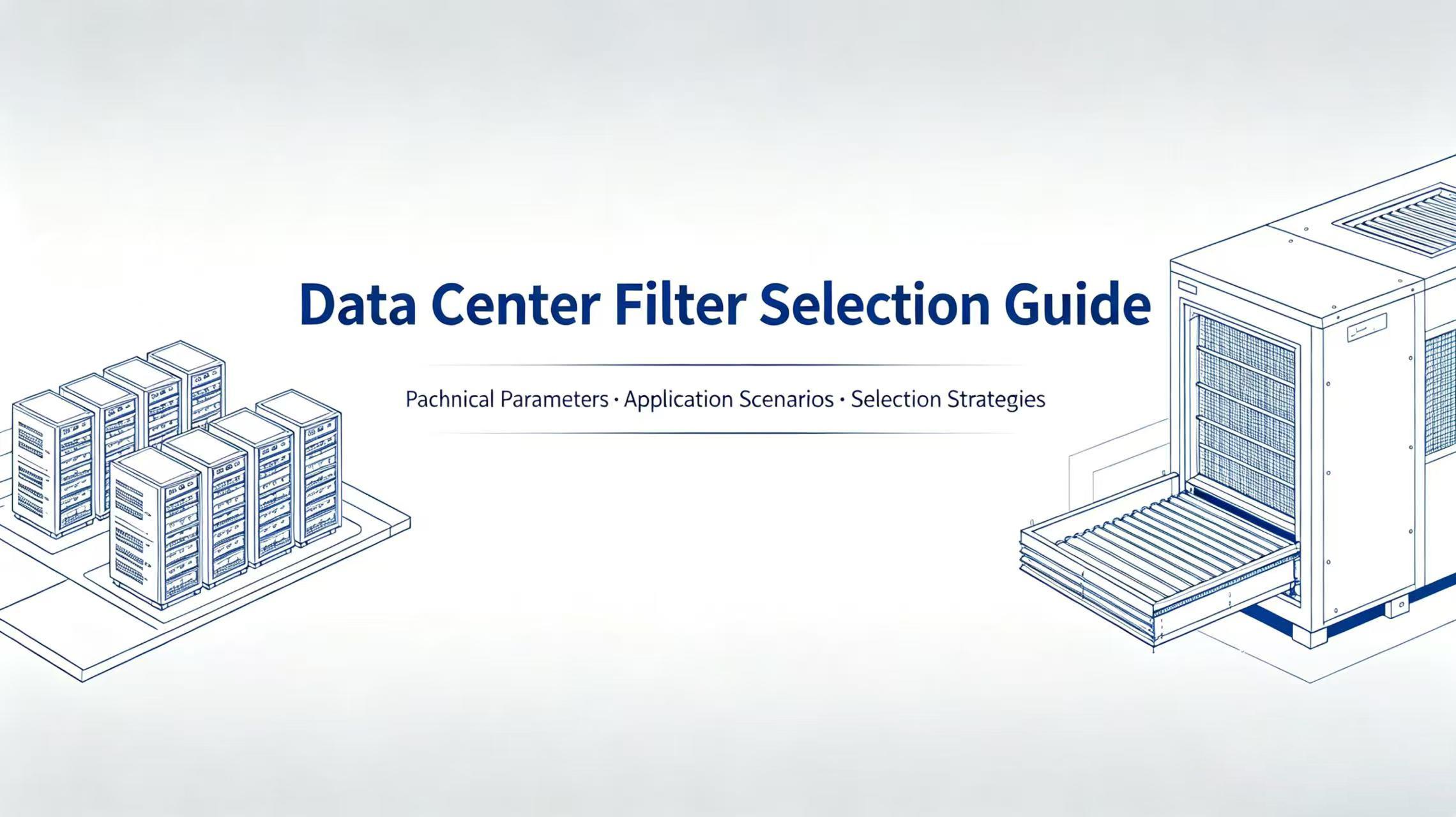
Precision air filtration for data centers, shielding servers and critical hardware from dust contamination to keep cooling systems running efficiently and reliably.
View Related Products →Farming Environment Purification
Dedicated filtration systems for farms and livestock facilities — capturing dust, adsorbing ammonia, and inhibiting pathogen spread to improve animal health and overall productivity.
View Related Products →Paint Mist & Dust Purification
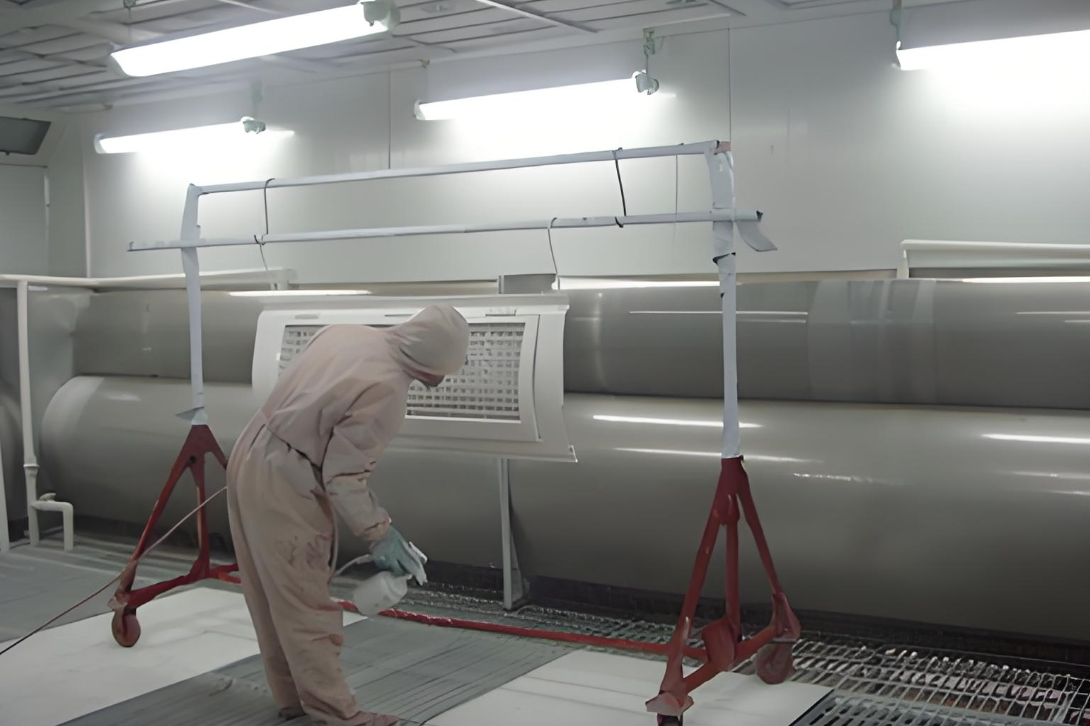
Designed for spray booths and grinding workshops, efficiently capturing paint mist, metal dust, and wood chips to meet emission standards while protecting finished surface quality.
View Related Products →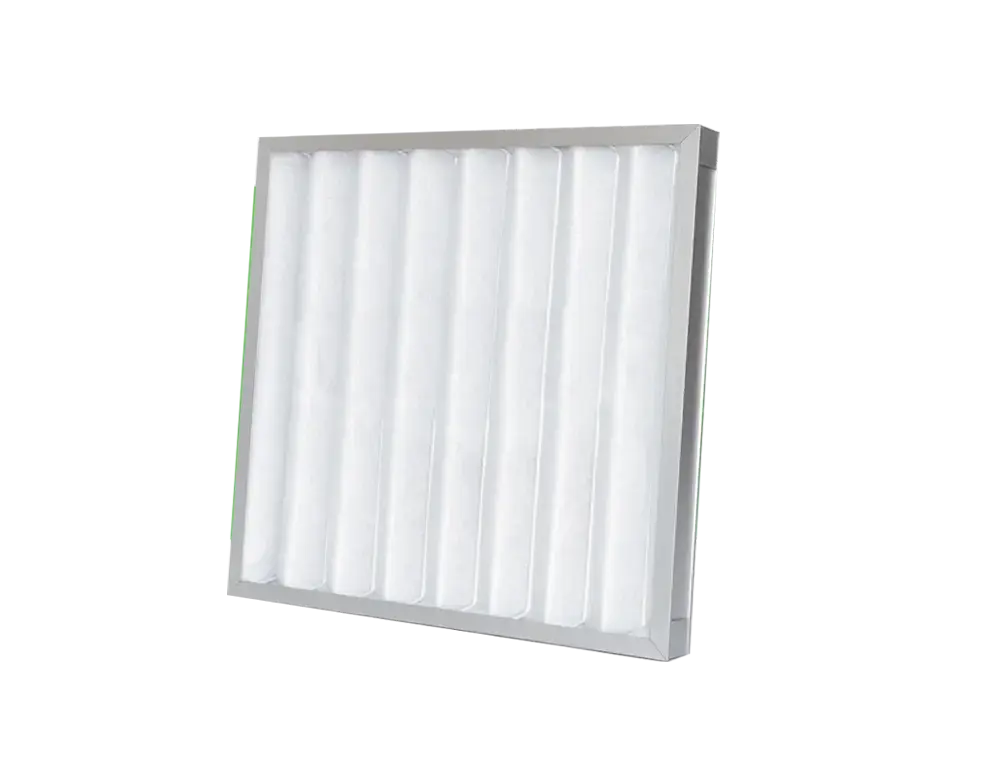
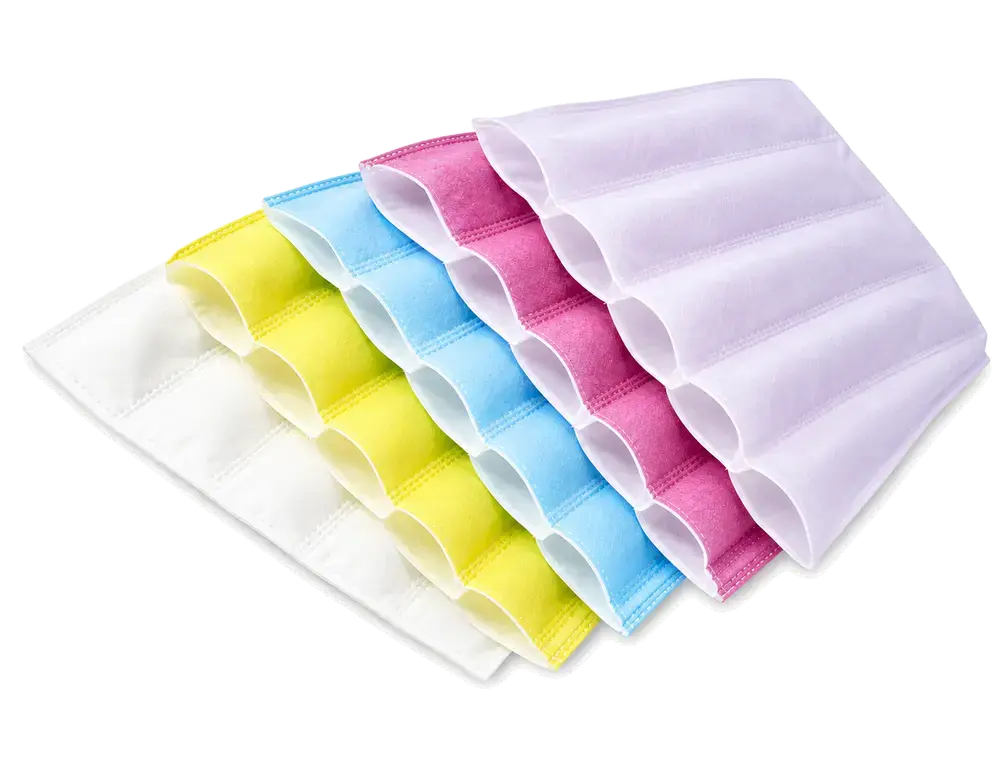
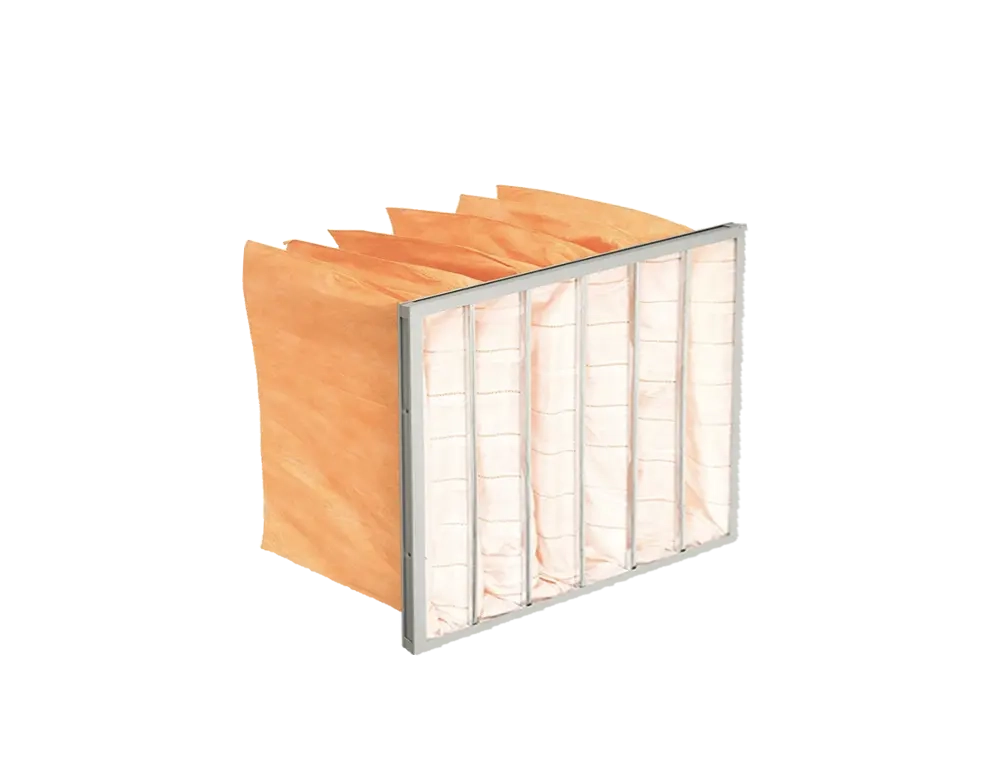
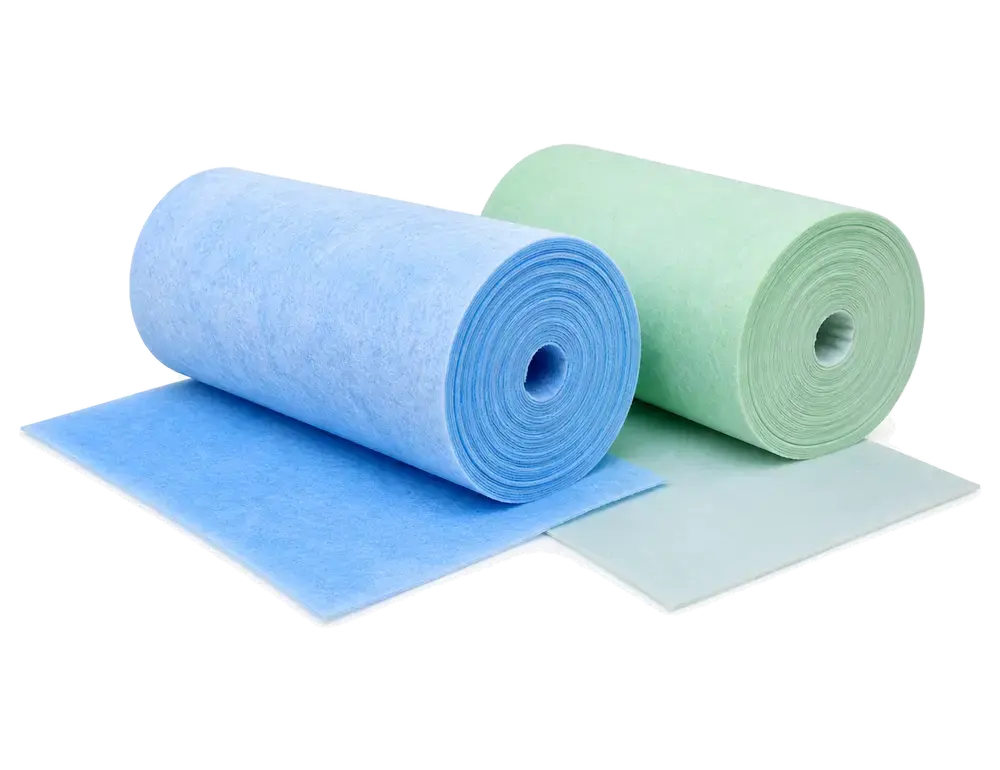
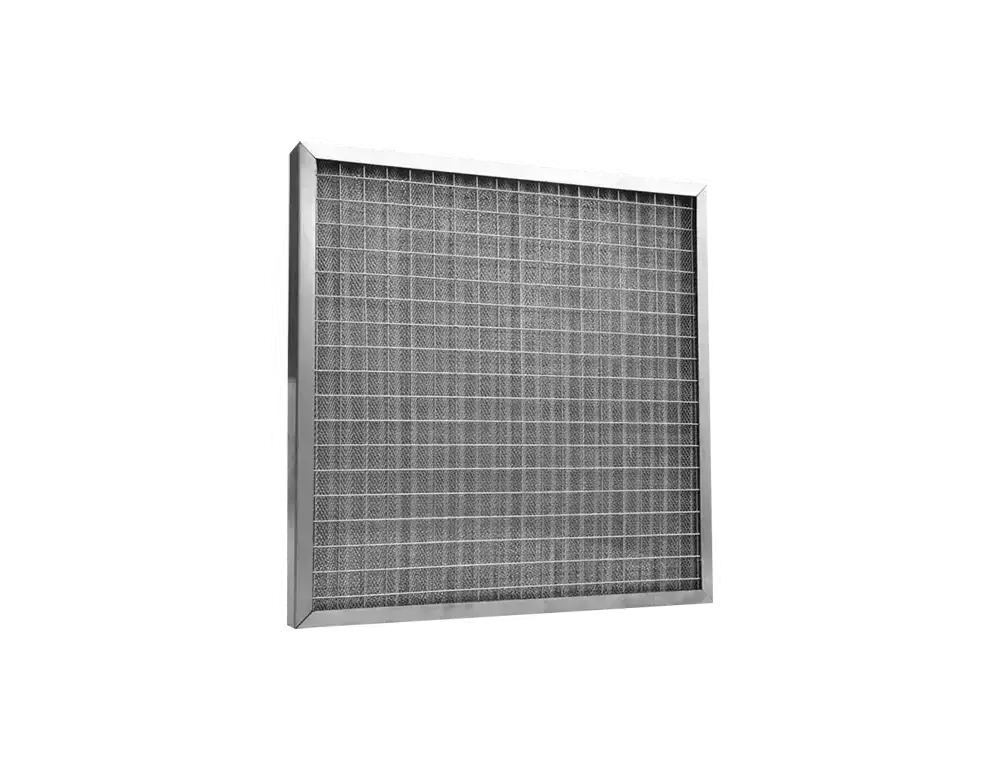
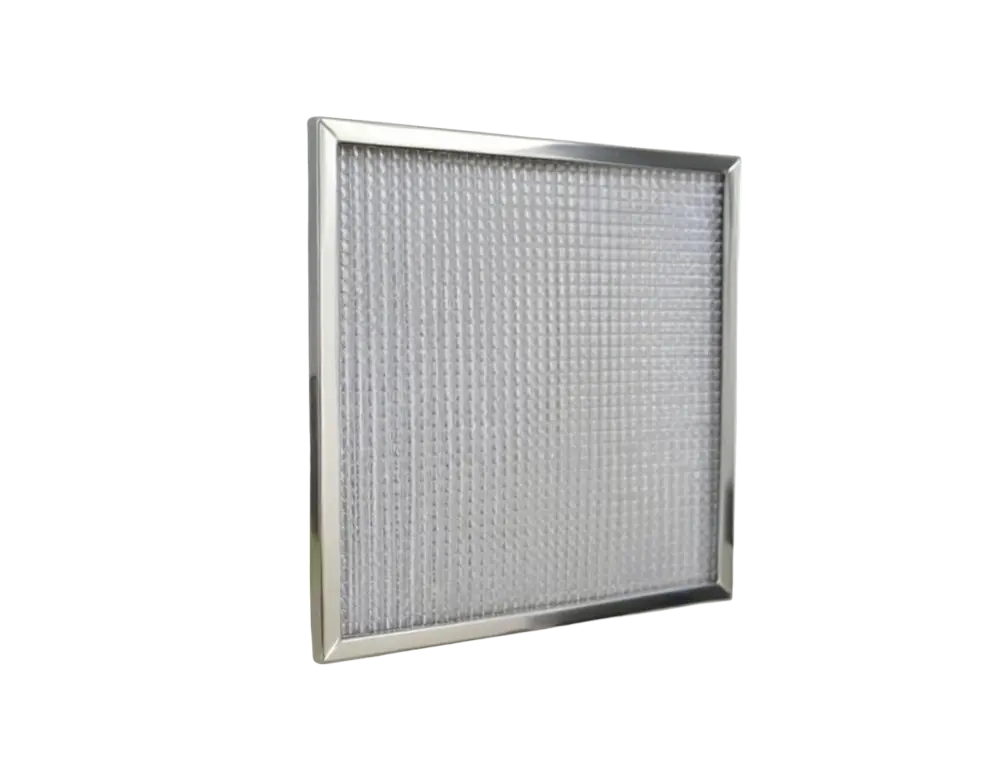
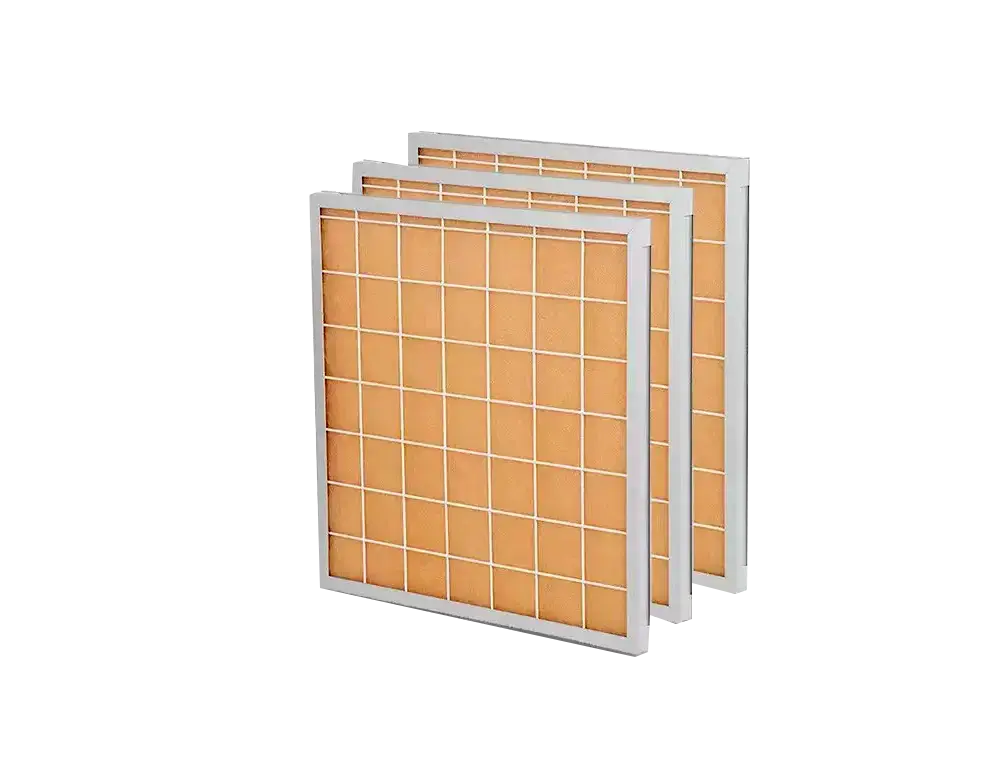
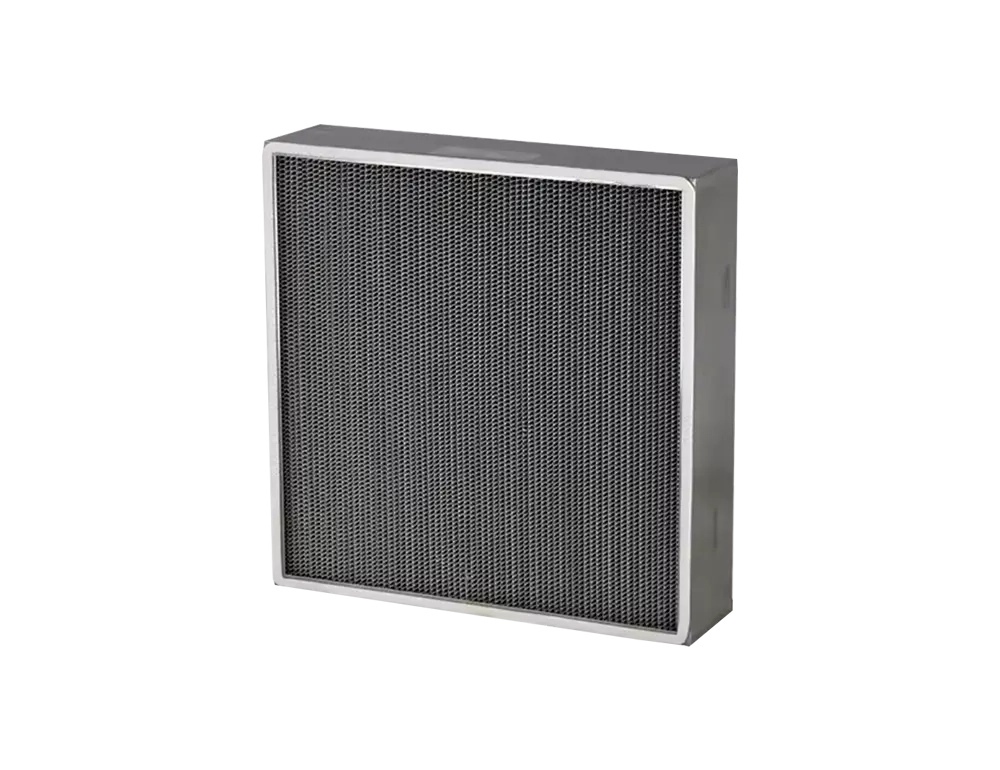
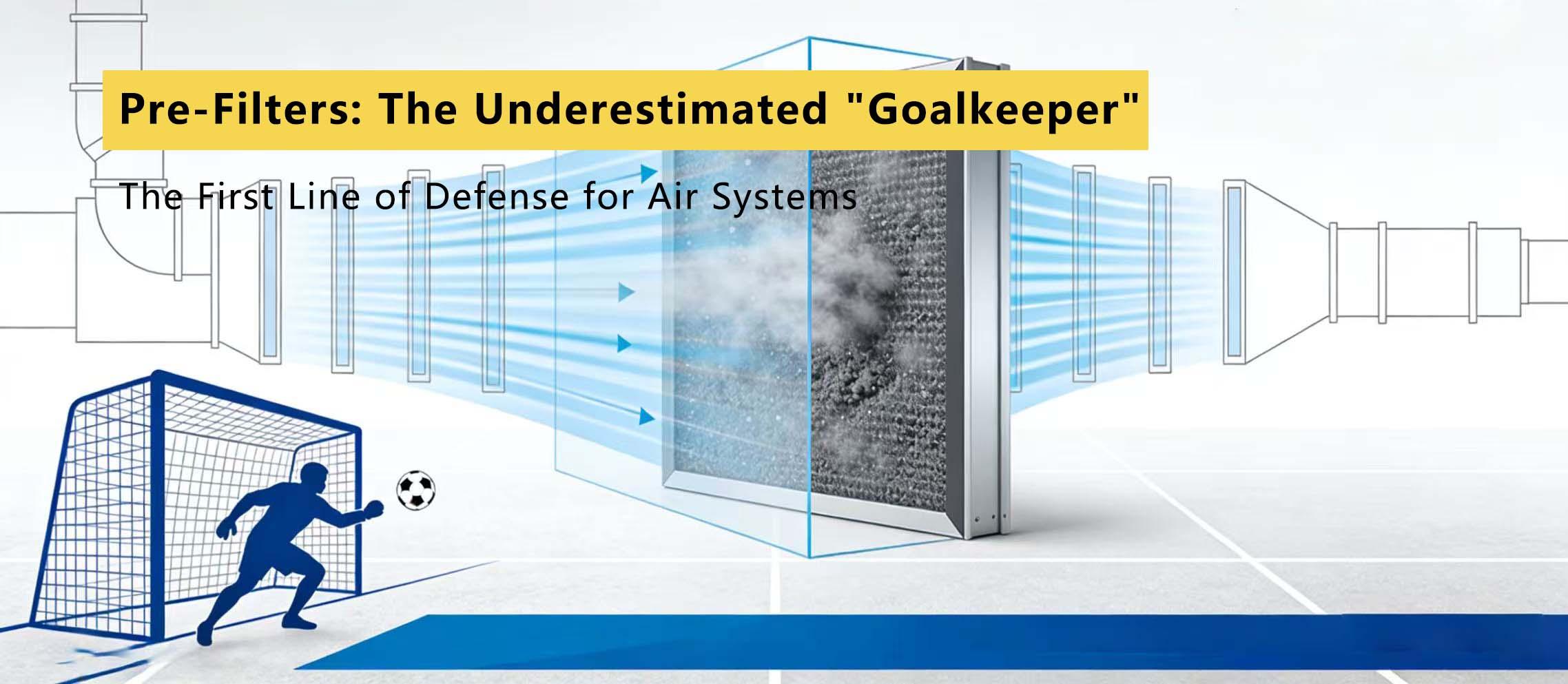
Pre-Filter (G1–G4)
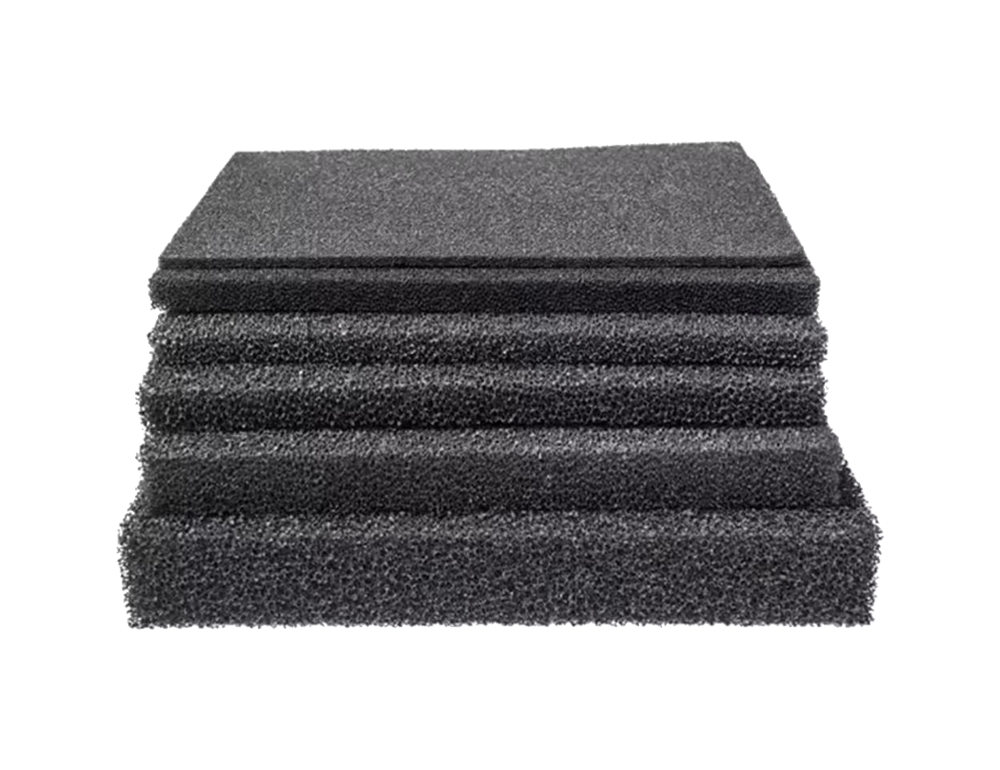
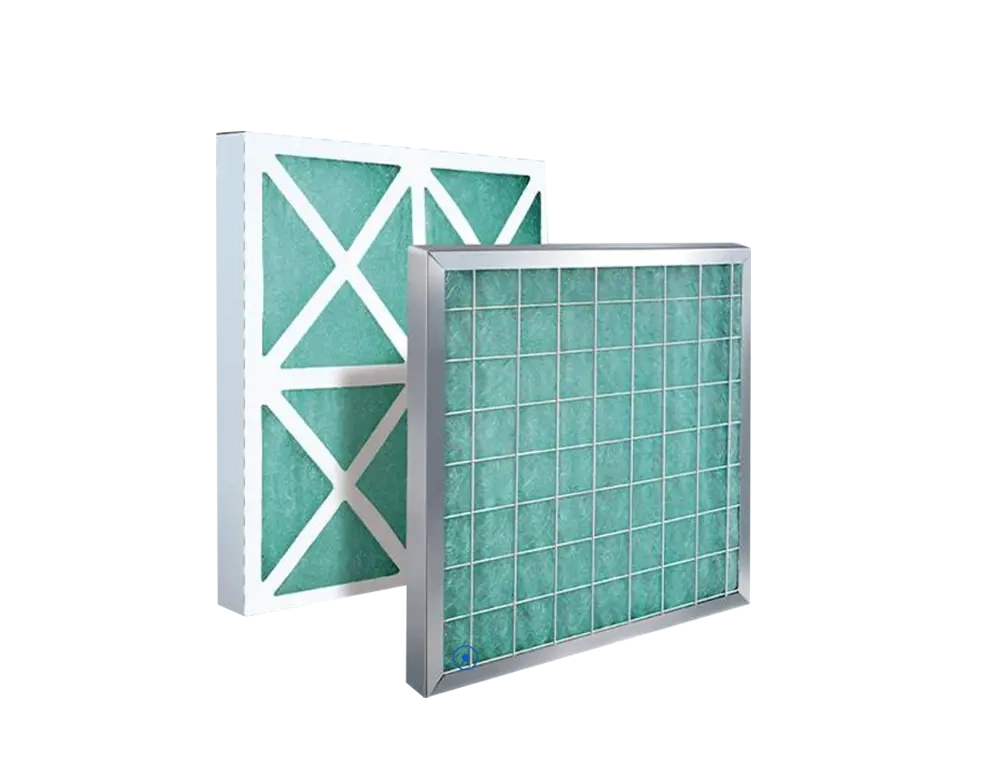
First-Stage Large-Particle Capture
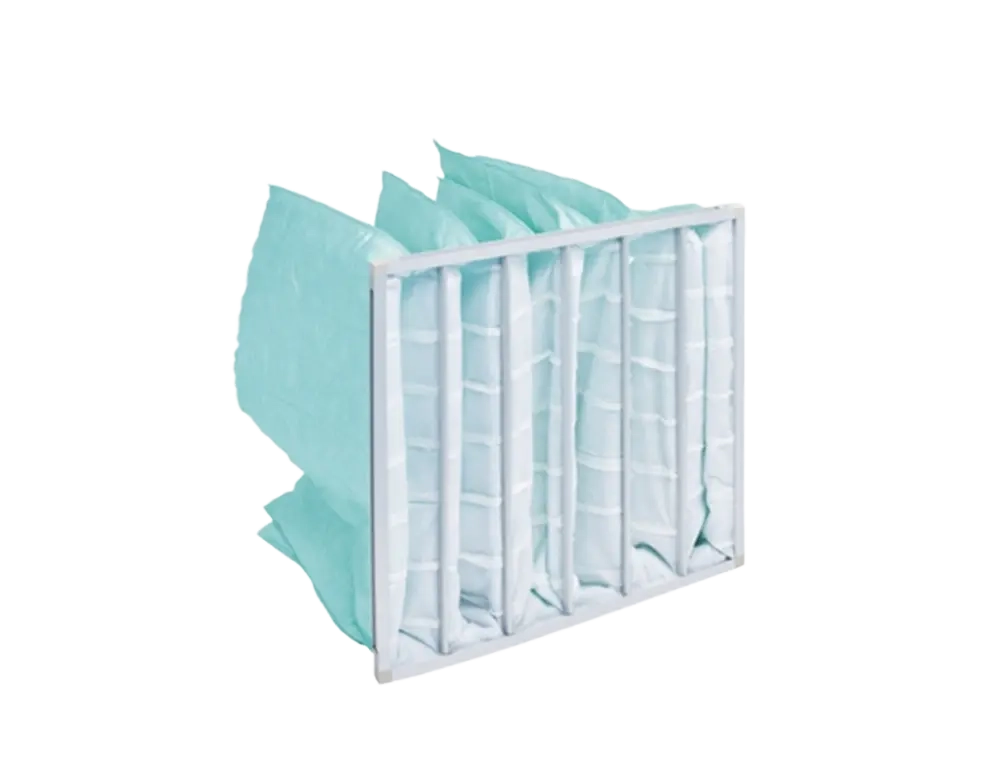
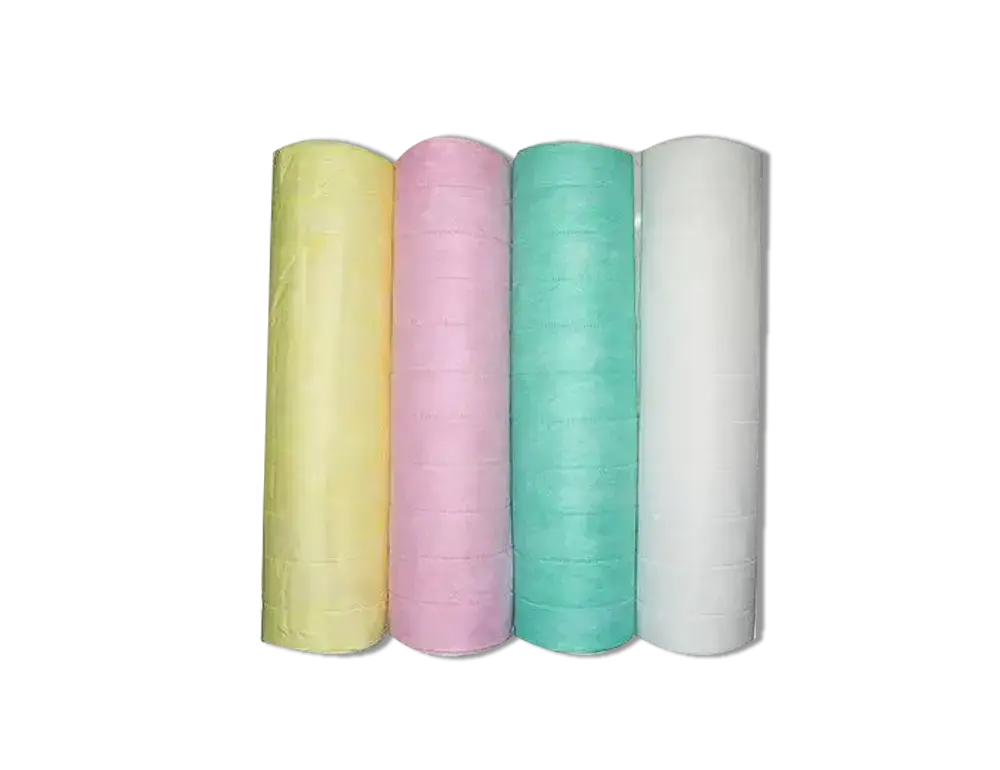
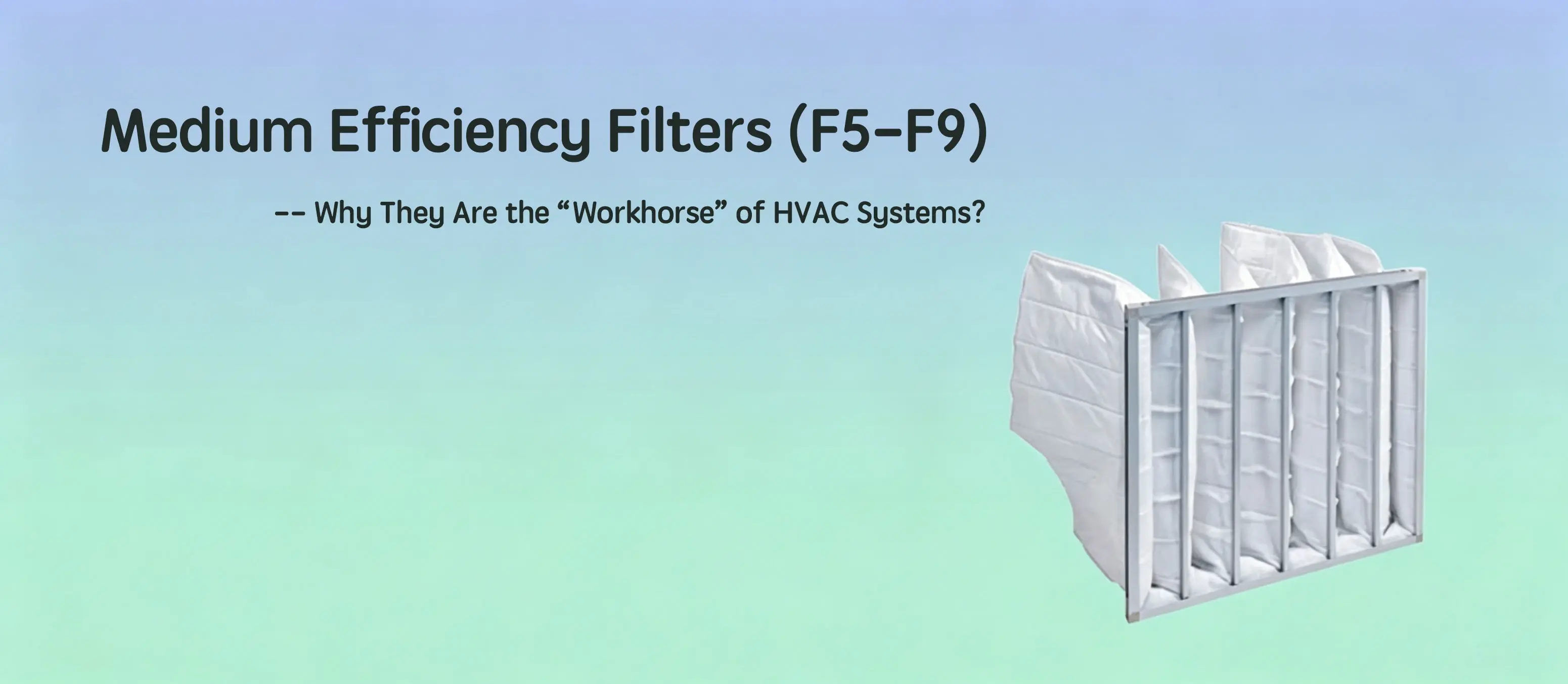
Medium-Efficiency Filter (F5–F9)
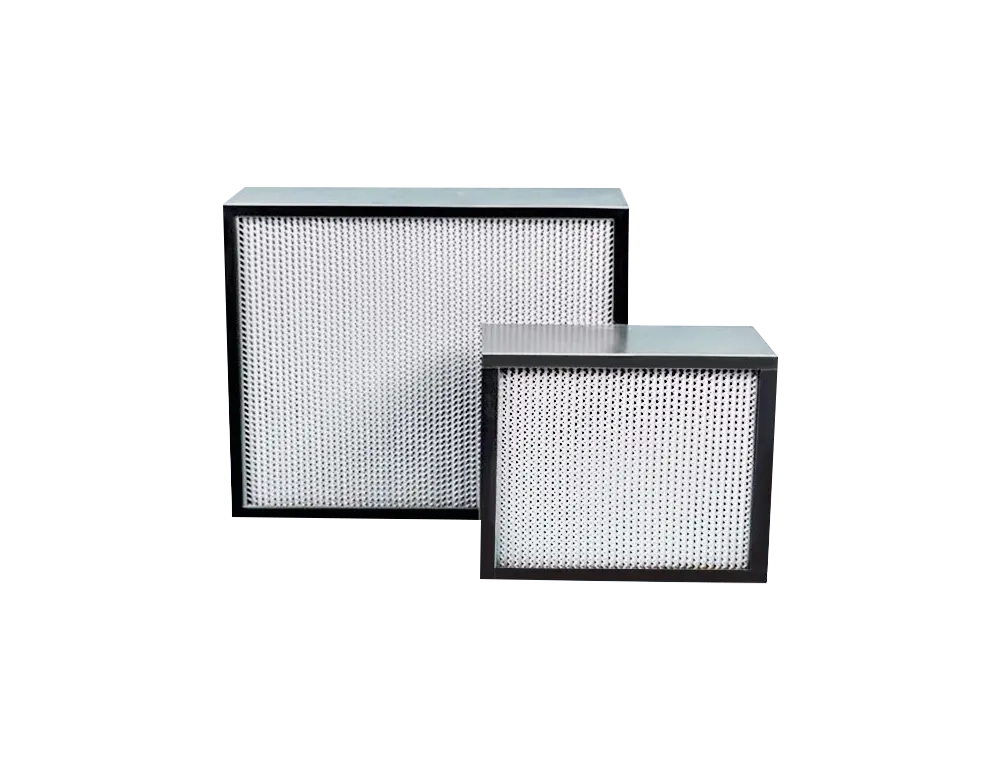
Precise PM2.5 Capture
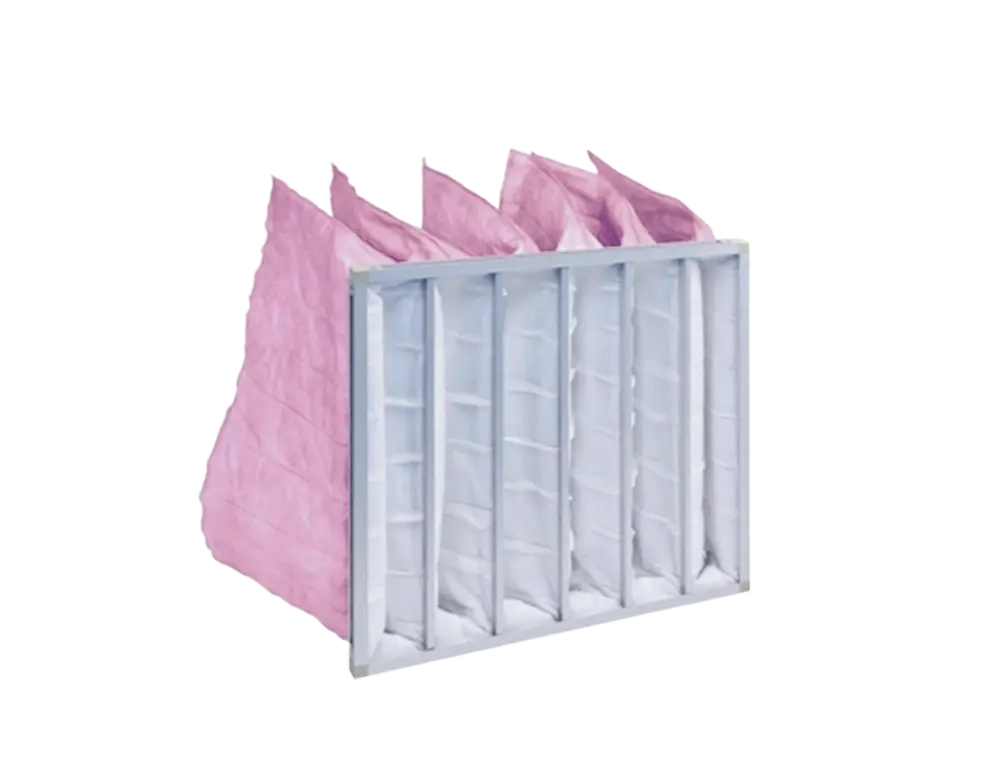
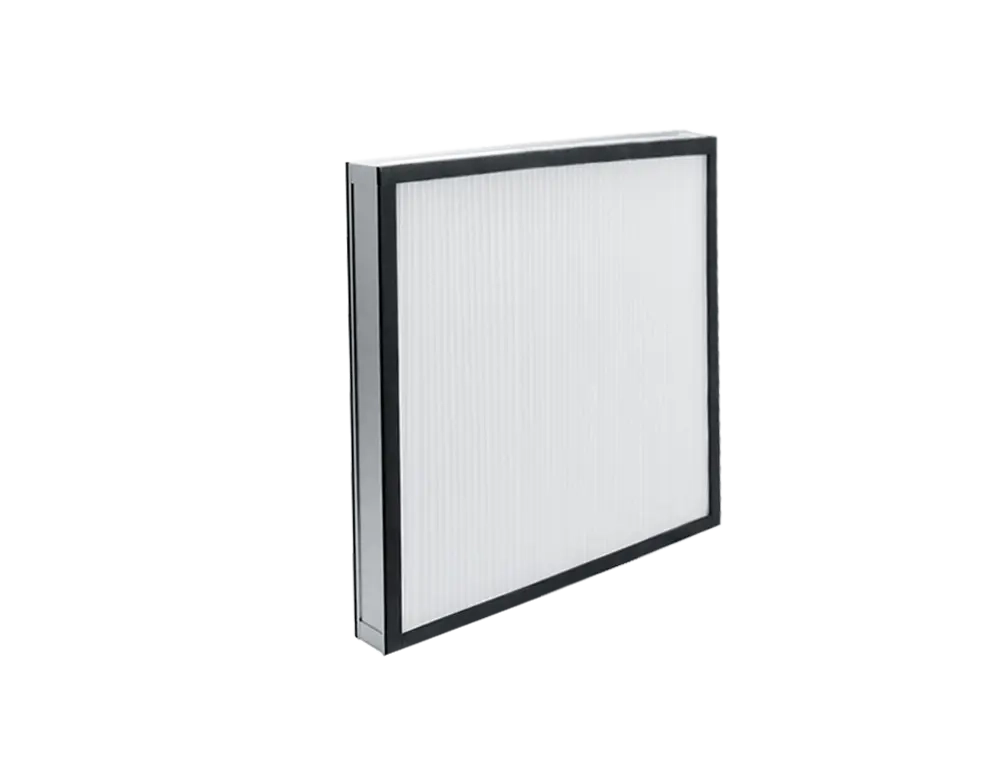
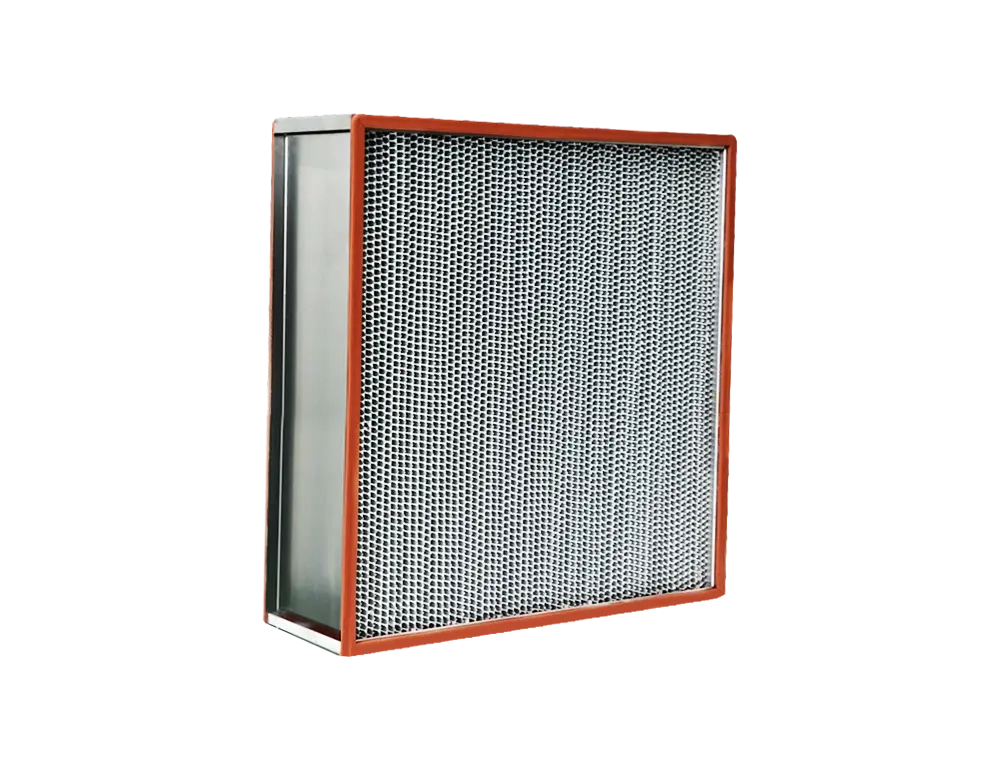
HEPA High-Efficiency Filter
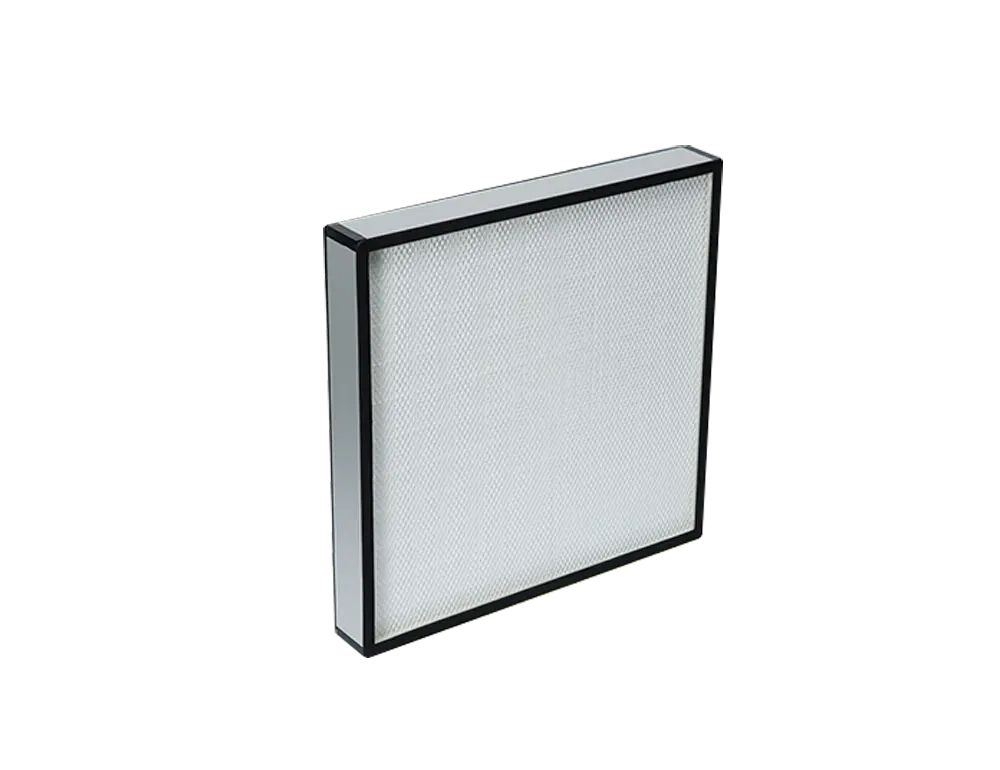
Sterile-Grade Purification
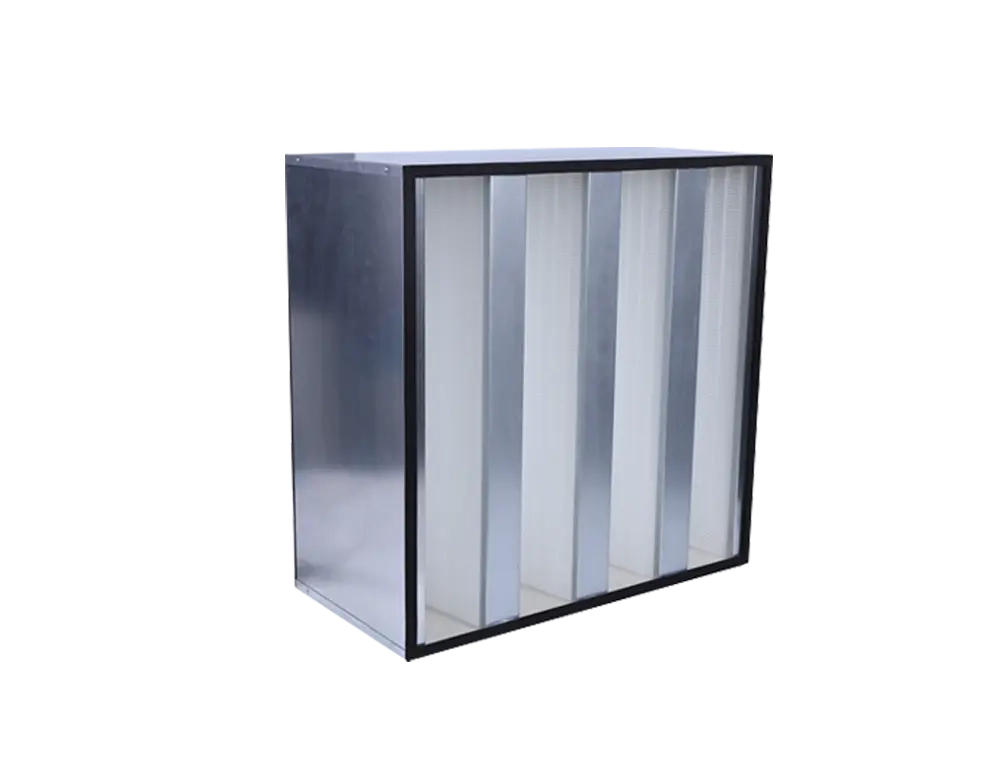
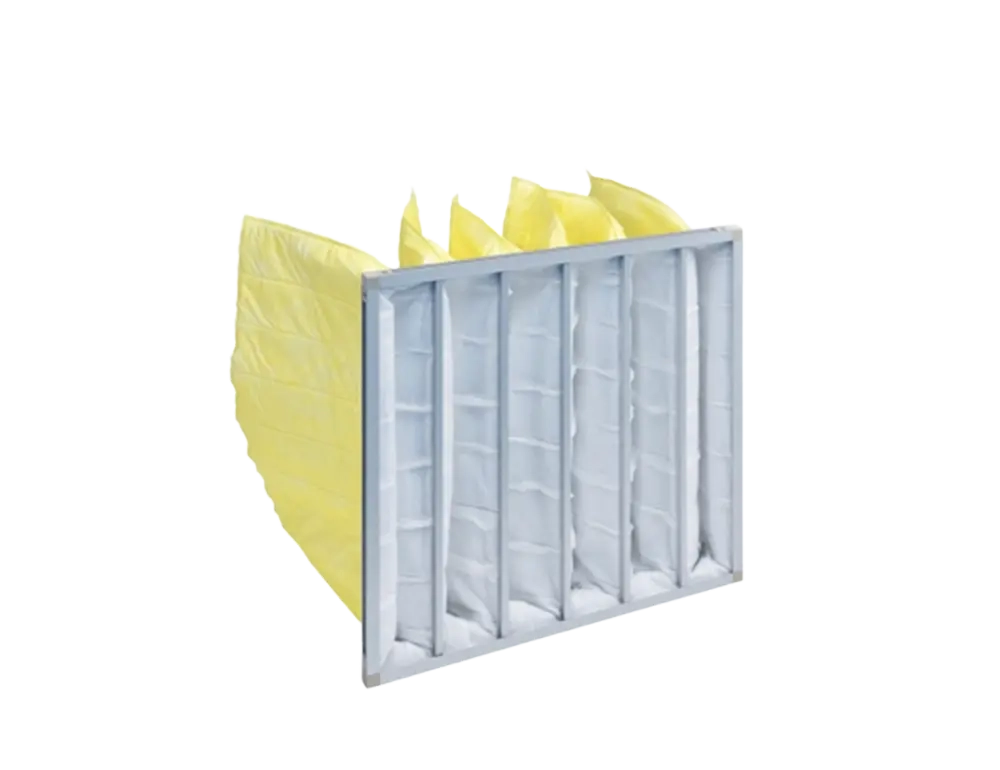
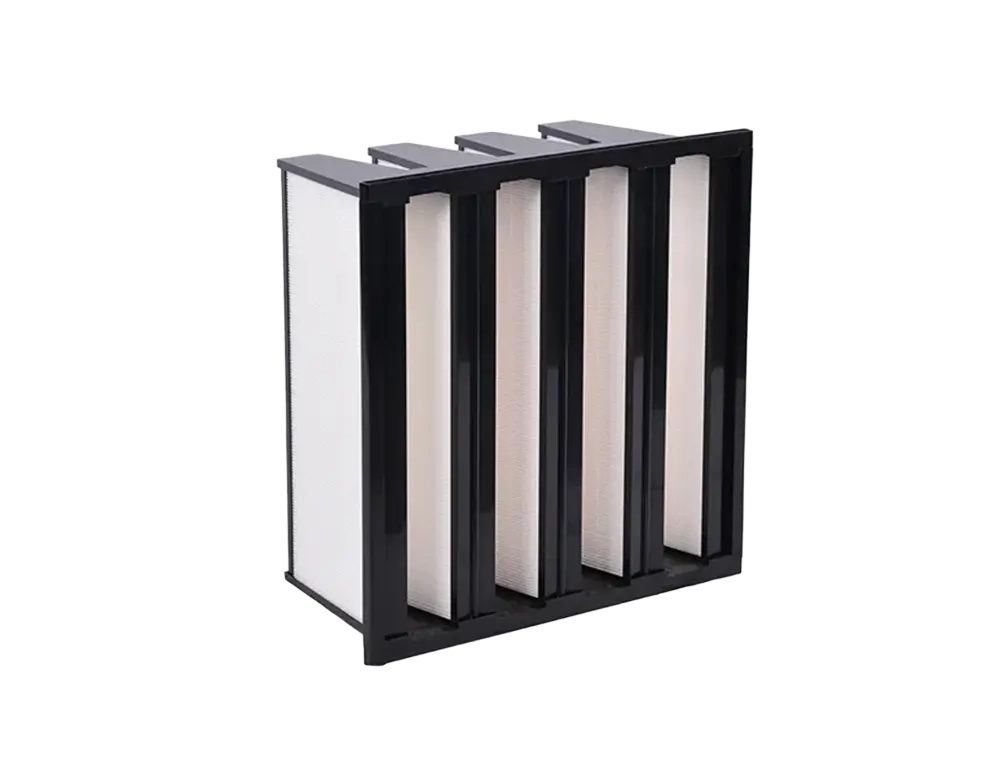
ULPA Ultra-High Efficiency Filter
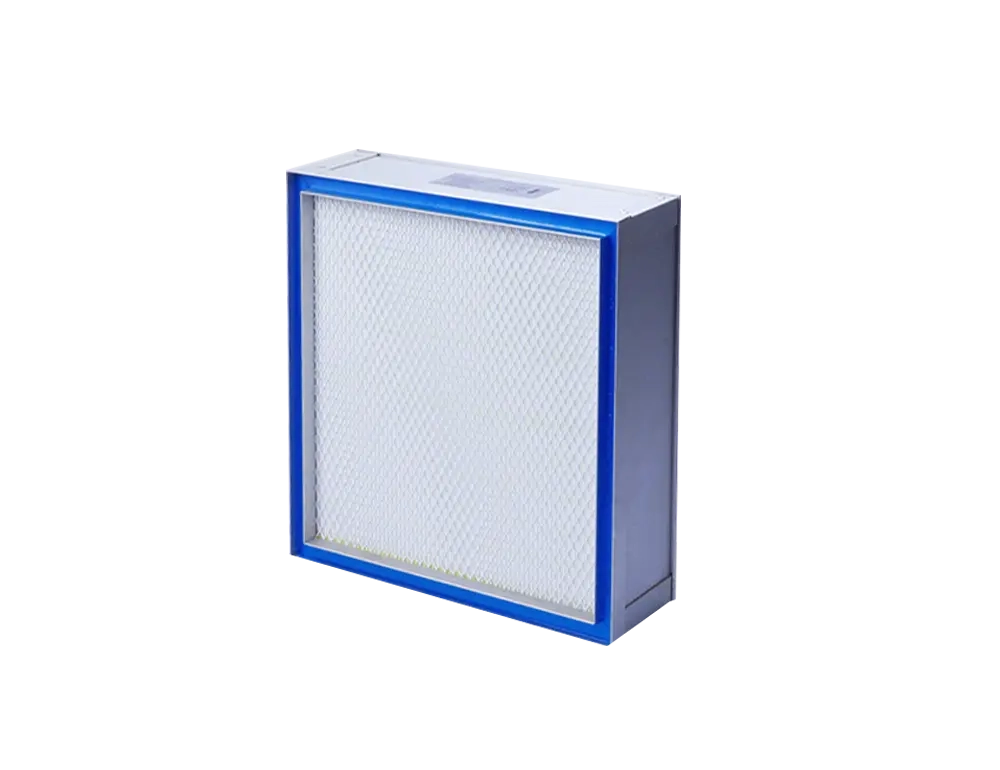
Sub-Micron Particle Capture
First-Stage Large-Particle Capture
The first line of defense, capturing particles ≥5 μm such as dust, hair, and fibers to protect downstream filters and extend overall system service life.
View Related Products →Precise PM2.5 Capture
Captures fine particles of 1–5 μm including PM2.5, pollen, and mold spores, significantly improving indoor air quality for commercial HVAC and ventilation systems.
View Related Products →Sterile-Grade Purification
≥99.97% filtration efficiency for particles ≥0.3 μm, delivering sterile-grade clean air widely used in medical, pharmaceutical, and electronics manufacturing.
View Related Products →Sub-Micron Particle Capture
≥99.9995% efficiency for particles ≥0.12 μm, meeting the extreme cleanliness demands of semiconductor fabs, aerospace, and other ultra-precision applications.
View Related Products →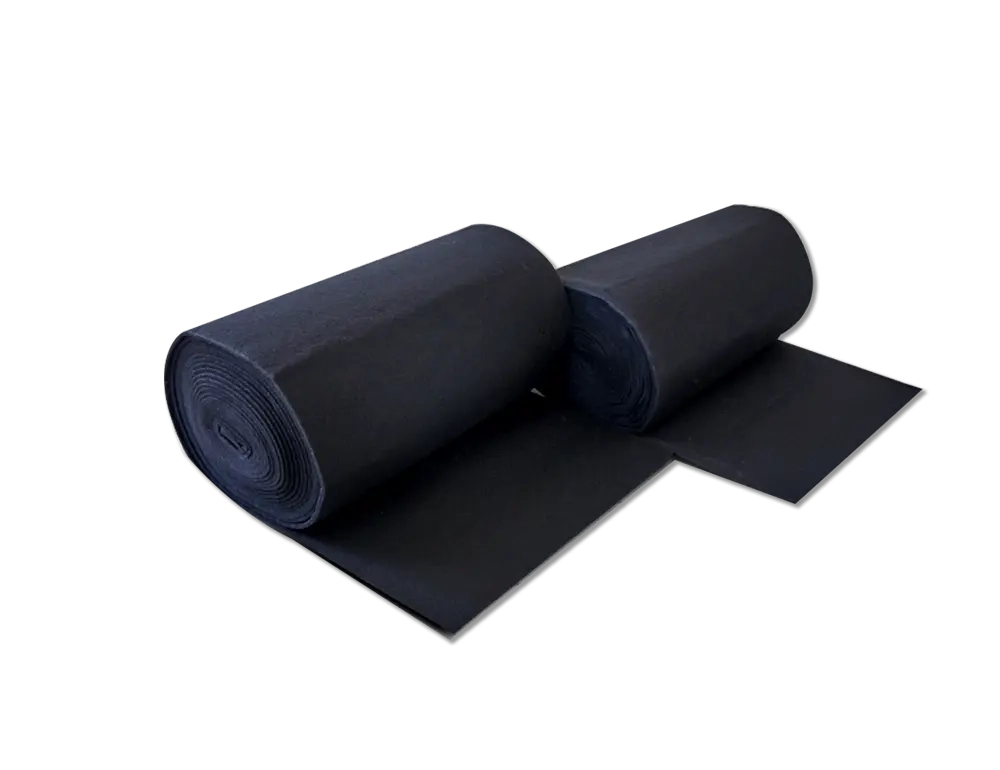
High-Temperature Resistant
Industrial-Grade Heat Tolerance
Washable & Reusable
Cut Costs, Reduce Waste
Activated Carbon
Odor & Harmful Gas Removal
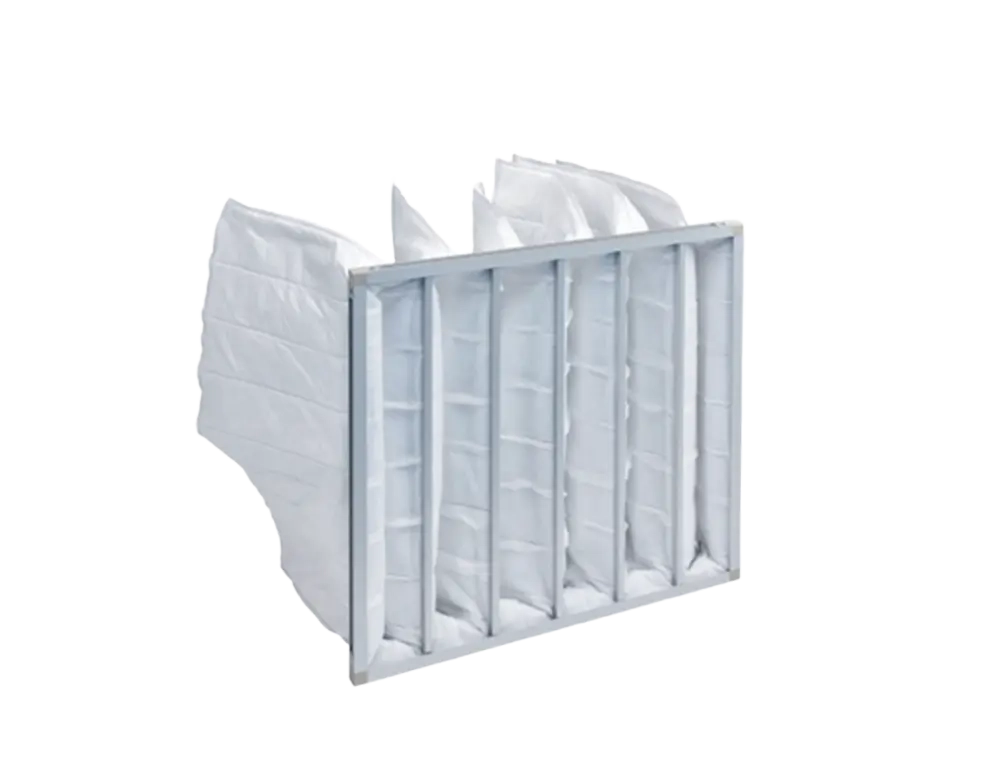
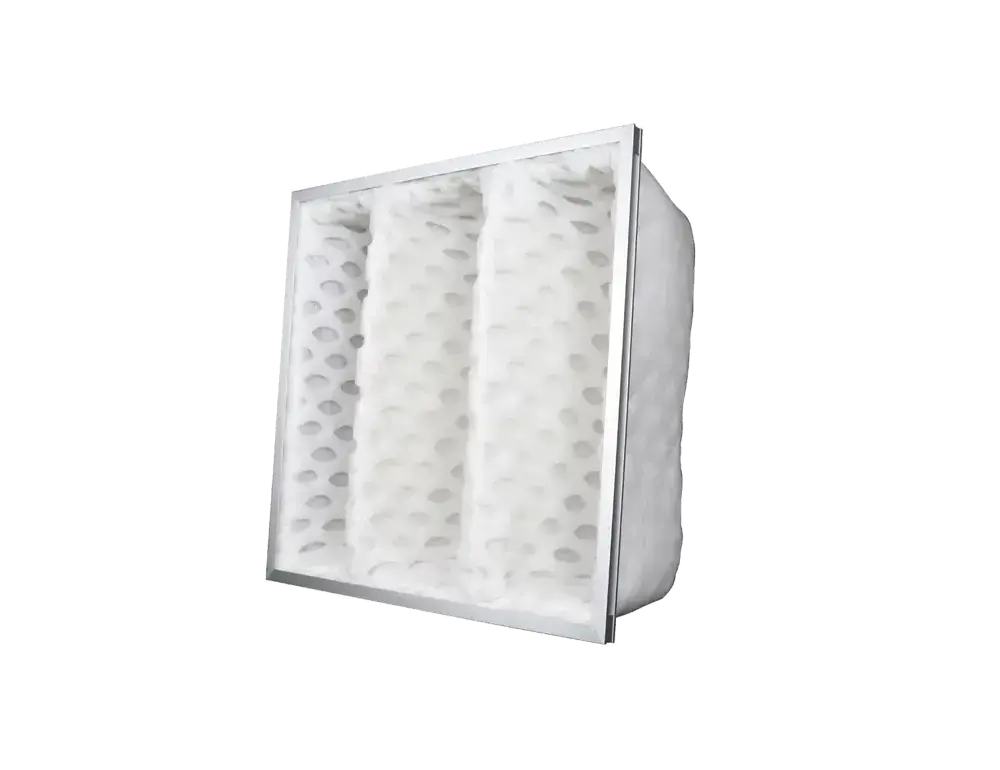
Bag Filter
High Dust-Holding, Long Life
Panel / Pleated Filter
Compact Space-Saving Design
Low-Resistance Airflow
Energy-Saving Operation
Industrial-Grade Heat Tolerance
Built with specialized heat-resistant materials, operating stably up to 250°C for paint ovens, industrial dryers, and high-temperature process environments.
View Related Products →Cut Costs, Reduce Waste
Cleanable by water washing or air blowing, reusable multiple times to significantly reduce replacement frequency and O&M costs — an economical, eco-friendly choice.
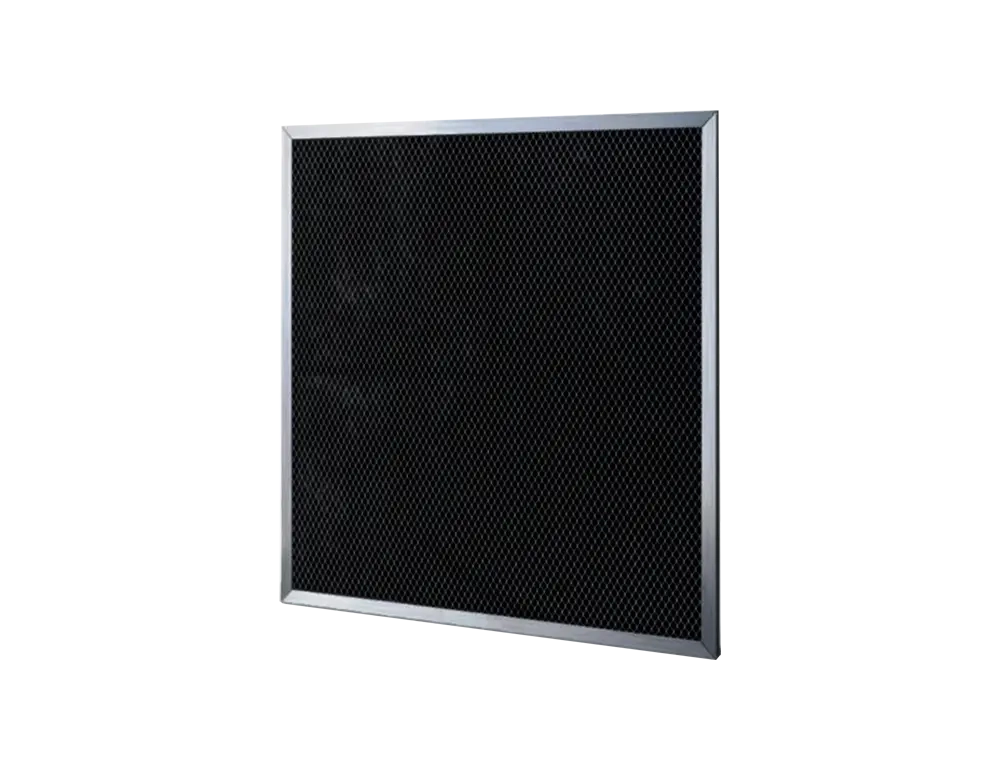
View Related Products →Odor & Harmful Gas Removal
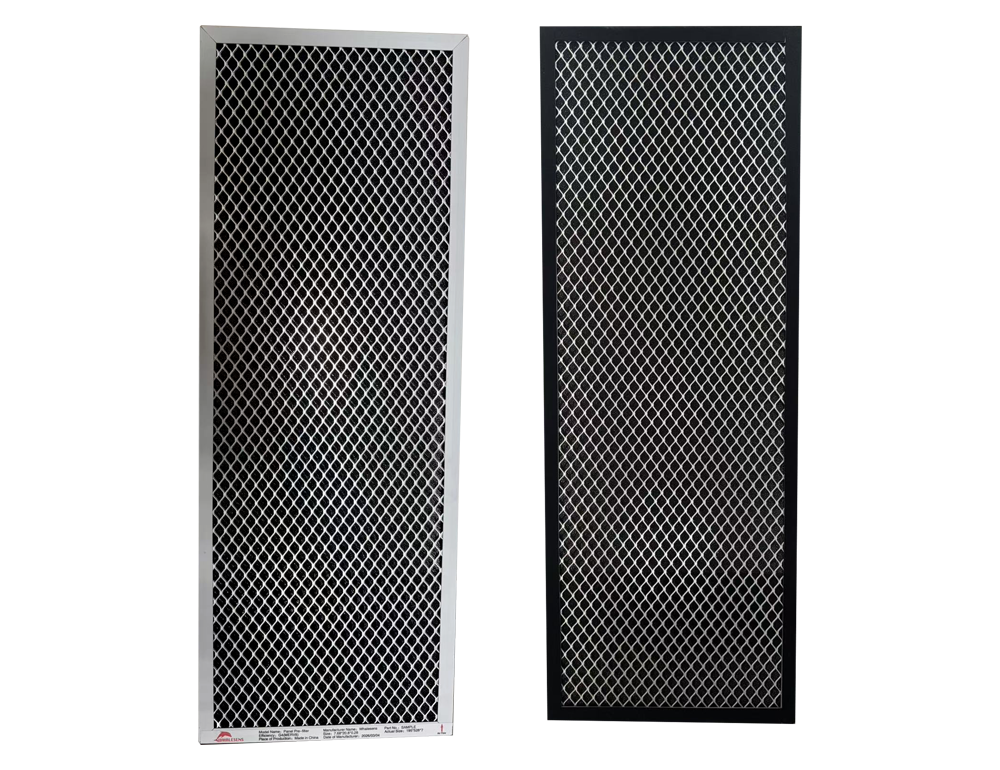
Leverages activated carbon's high adsorption capacity to eliminate odors, VOCs, and formaldehyde, ideal for newly renovated spaces and industrial exhaust treatment.
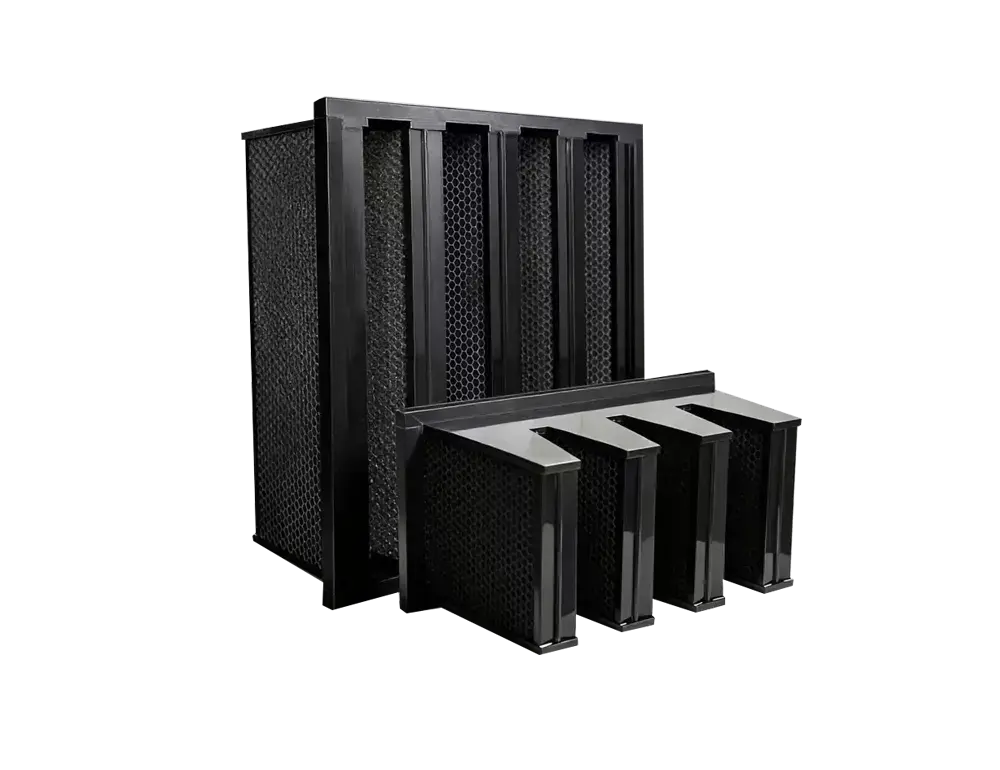
View Related Products →High Dust-Holding, Long Life
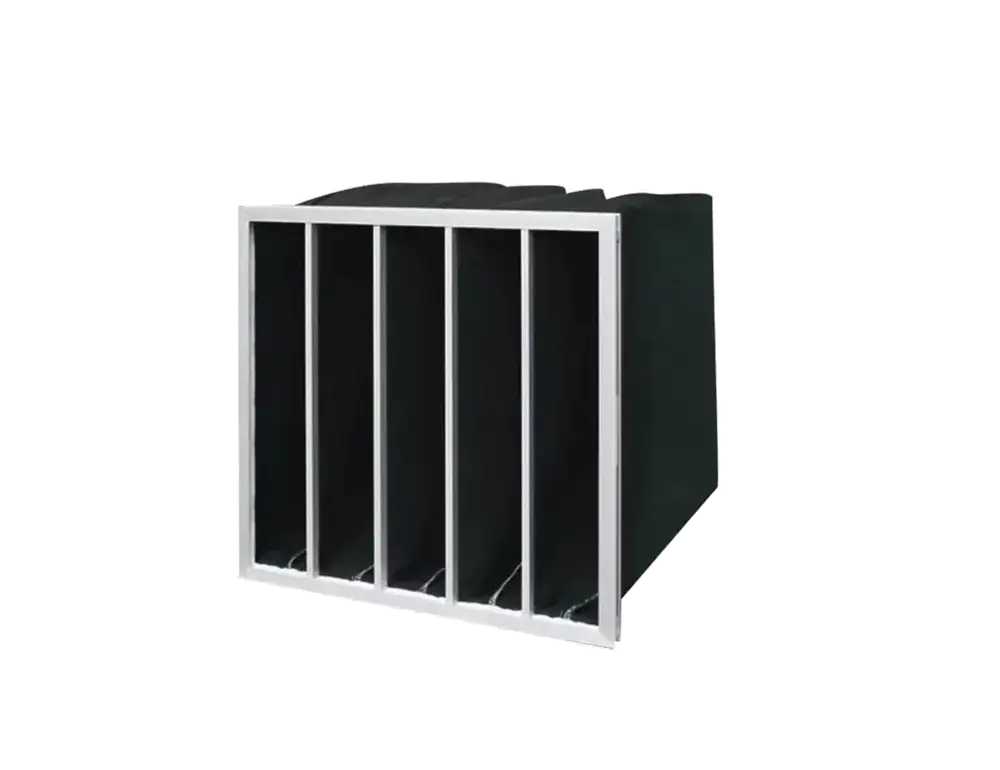
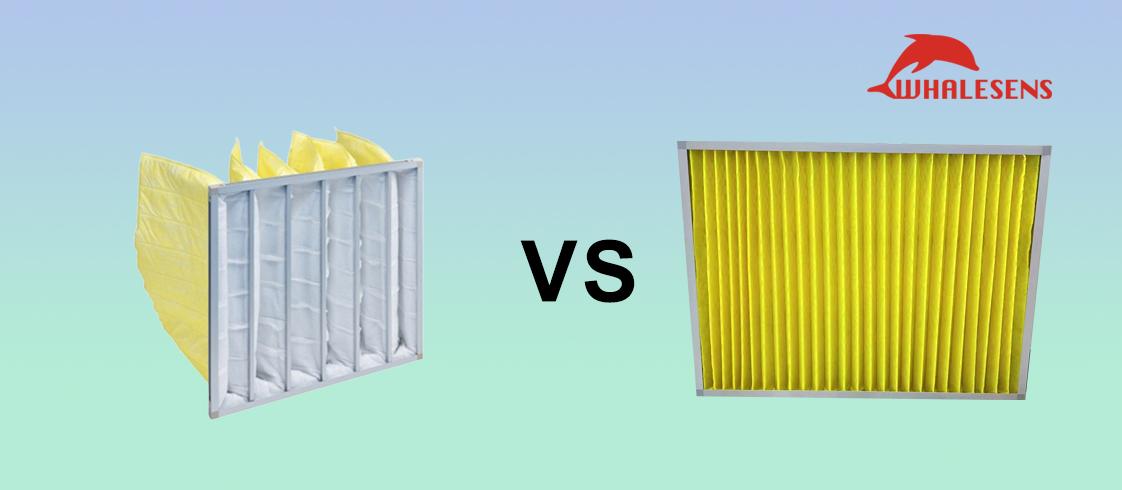
Bag-style construction delivers a larger filtration area, high dust-holding capacity, and extended service life — ideal for high-dust environments with reduced replacement frequency.
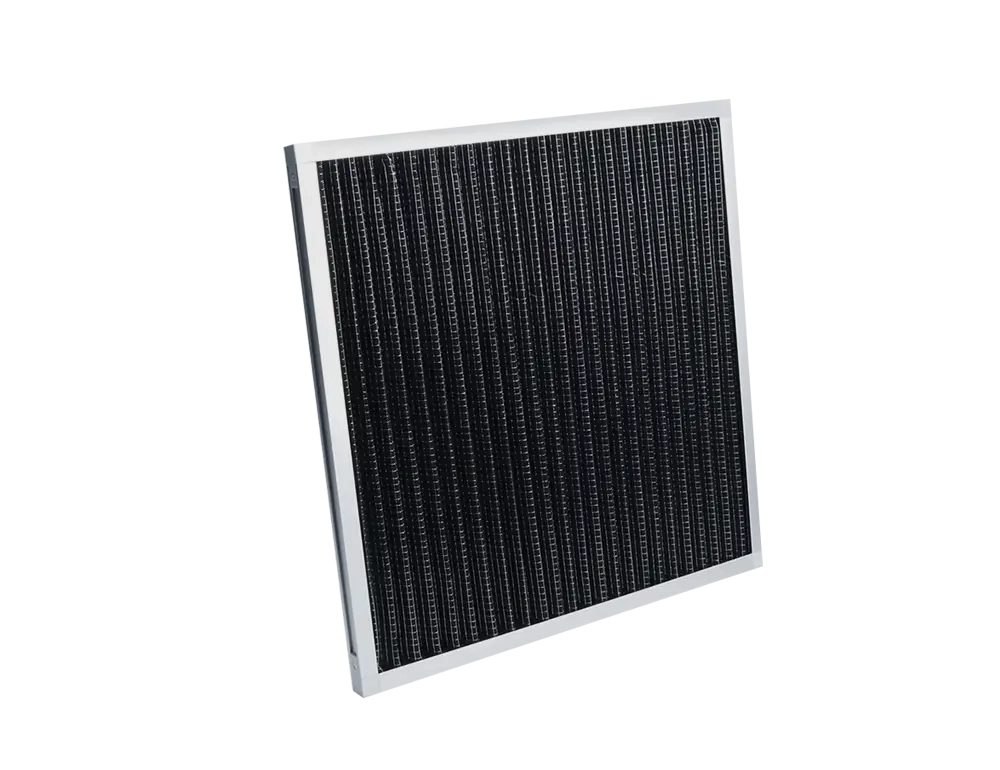
View Related Products →Compact Space-Saving Design
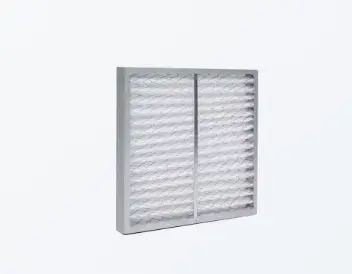
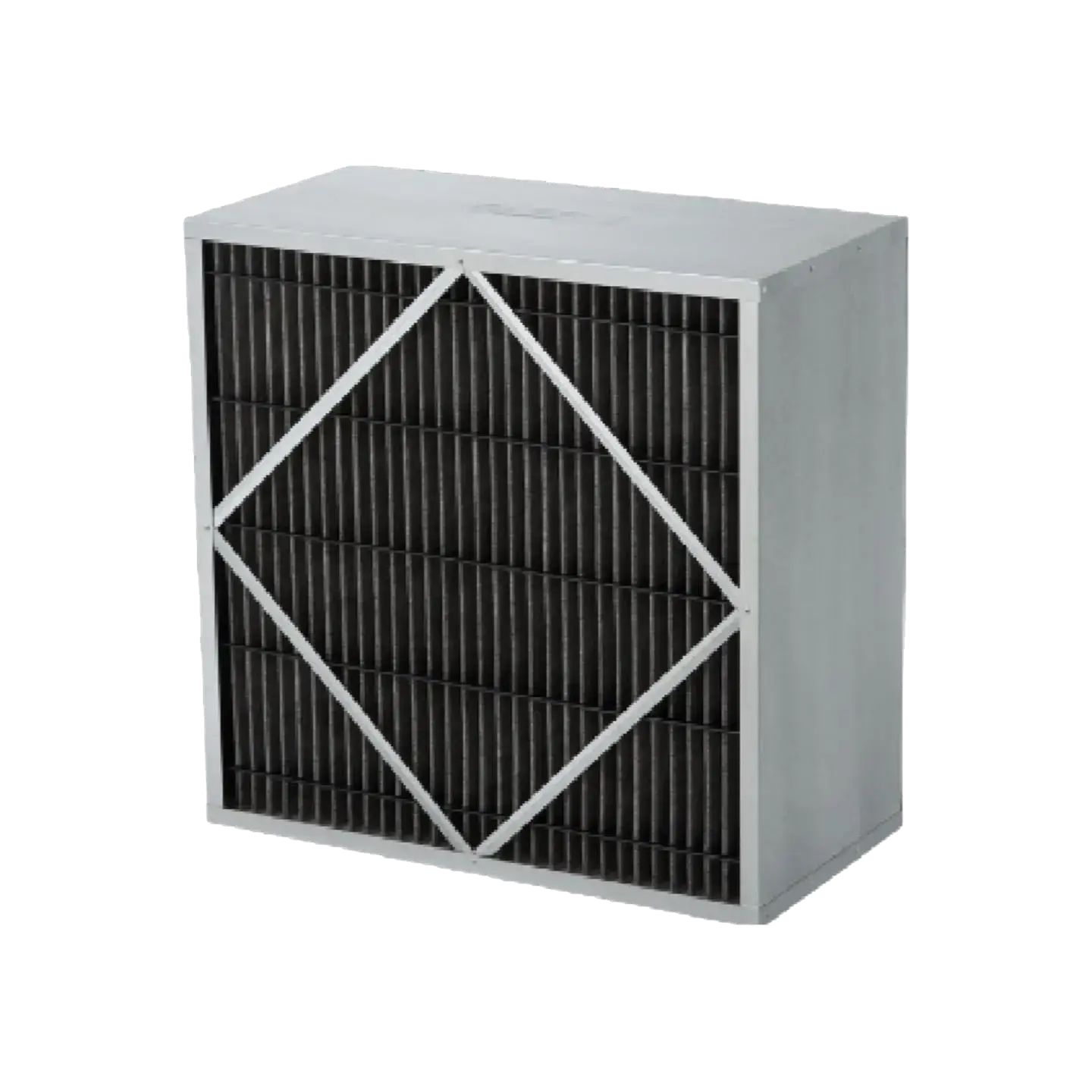
Compact form factor for easy installation and replacement; pleated structure maximizes filtration area within a small footprint for higher efficiency.
View Related Products →Energy-Saving Operation
Low-resistance design minimizes pressure drop while maintaining filtration performance, reducing fan energy consumption for cost-effective, eco-friendly operation.
View Related Products →















 English(Global)
 简体中文
简体中文 Language




Complete Guide to Filter Media: From Coarse to HEPA – Everything You Need to Know
1. What Is Filter Media?
1.1 Definition and Basic Function
1.2 Core Functions of Filter Media
2. Classification of Filter Media
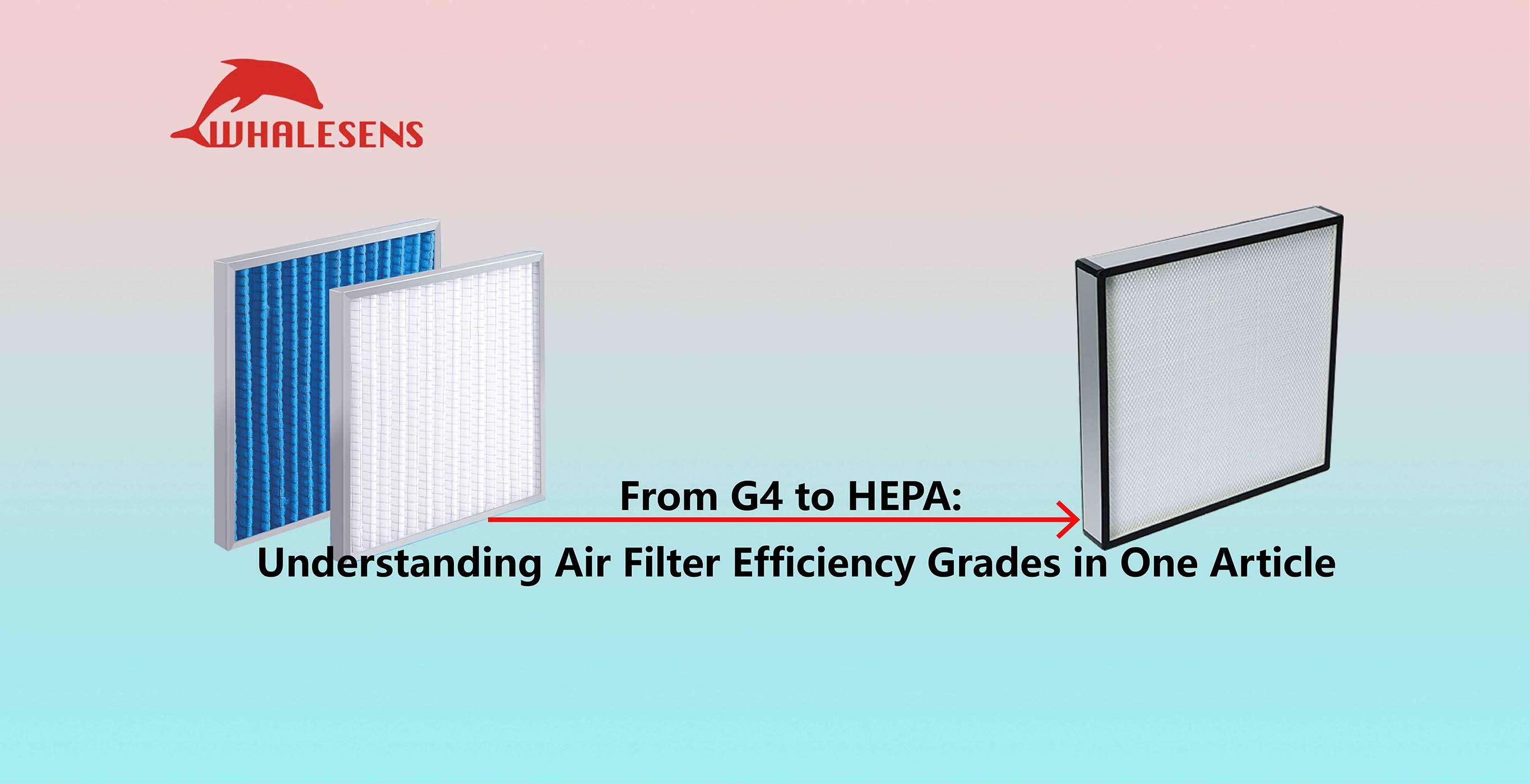
2.1 By Efficiency Grade
| Grade Category | Common Standards | Efficiency (for 0.3‑0.5 μm particles) | Typical Applications |
|---|---|---|---|
| Coarse (pre‑filter) | G1‑G4 (EN 779) / MERV 1‑8 | < 40% | AHU intakes, industrial pre‑filtration |
| Medium | F5‑F9 / MERV 9‑16 | 40‑95% | Commercial buildings, data centers, general hospital areas |
| Sub‑HEPA | E10‑E12 | 85‑99.5% | Pharmaceutical pre‑filtration, advanced cleanrooms |
| HEPA | H13‑H14 | ≥99.95% | Operating rooms, biosafety cabinets, electronics fabs |
| ULPA | U15‑U17 | ≥99.9995% | Semiconductor wafer fabs, nanotechnology |
2.2 By Filter Material
| Material | Characteristics | Typical Efficiency Range | Applications |
|---|---|---|---|
| Synthetic fibre (polyester/polypropylene) | High strength, moisture resistant, washable, good value | G3‑F9 | General HVAC, industrial dust collection |
| Glass fibre | High efficiency, temperature resistant, higher resistance | H13‑U17 | HEPA/ULPA filters |
| Activated carbon fibre or granules | Adsorbs gases and odours | — | Formaldehyde and odour removal |
| Nanofibre | Very high efficiency, very low resistance | F9‑H13 | Premium air purifiers |
| Natural fibre (cotton, wool) | Eco‑friendly, biodegradable | G1‑G3 | Simple, disposable applications |
| Metal fibre | High temperature resistant, washable | G1‑G4 | High‑temperature fumes, oil mist |
2.3 By Construction
| Construction | Description | Advantages | Disadvantages |
|---|---|---|---|
| Flat panel / sheet | Media laid flat, thin profile | Simple, low cost | Small filtration area, low dust‑holding capacity |
| Pleated | Media folded into pleats | Larger area, higher dust‑holding | Slightly higher resistance |
| Bag | Several bags in parallel | Very large area, long life | Bulky |
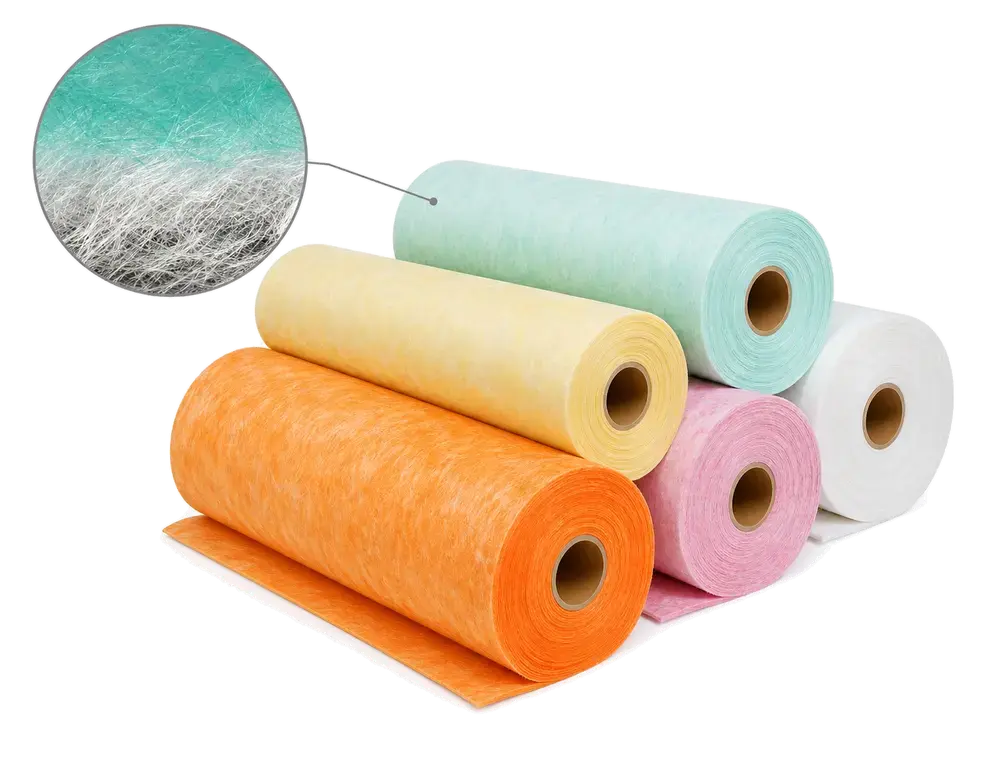
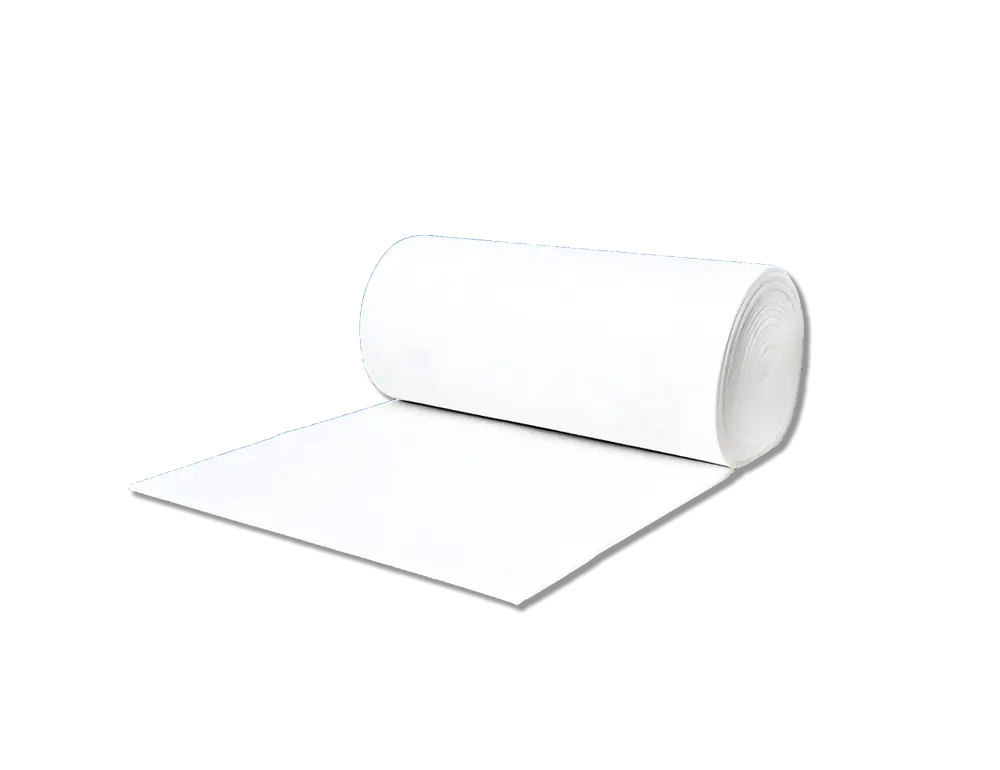
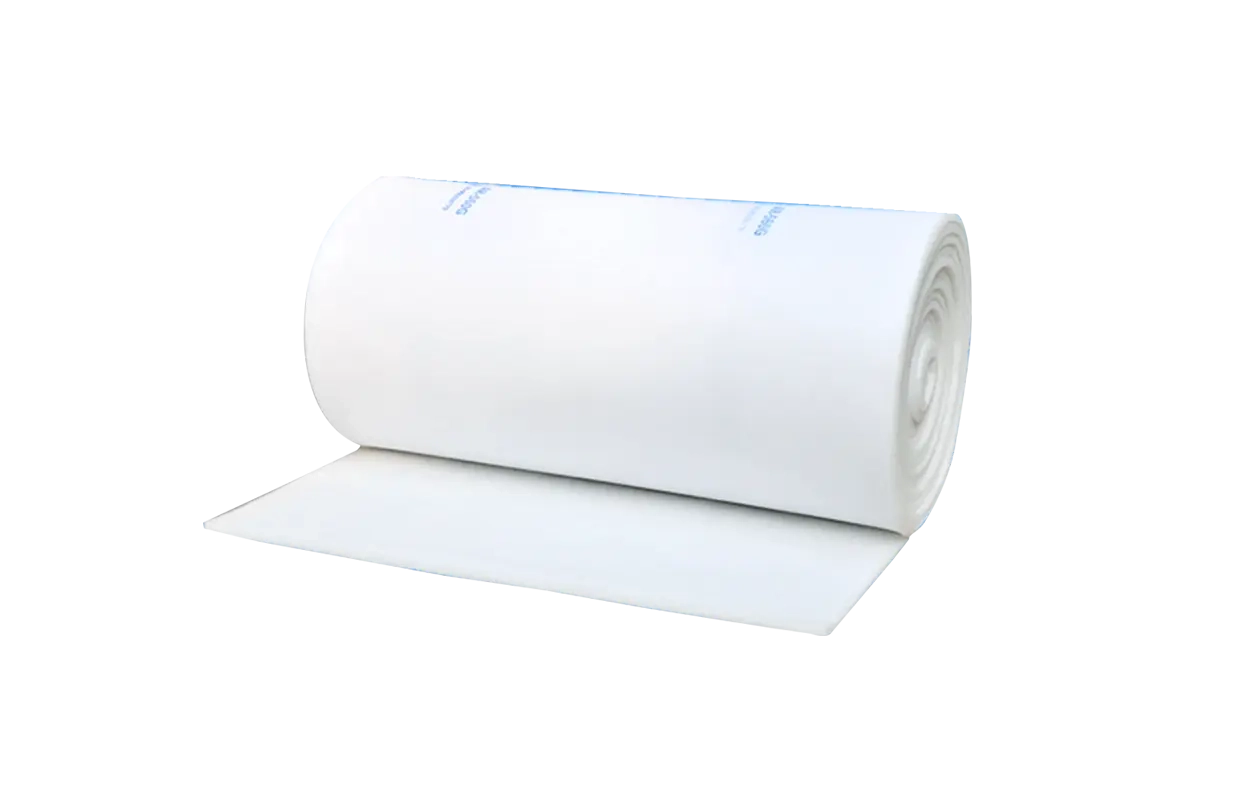
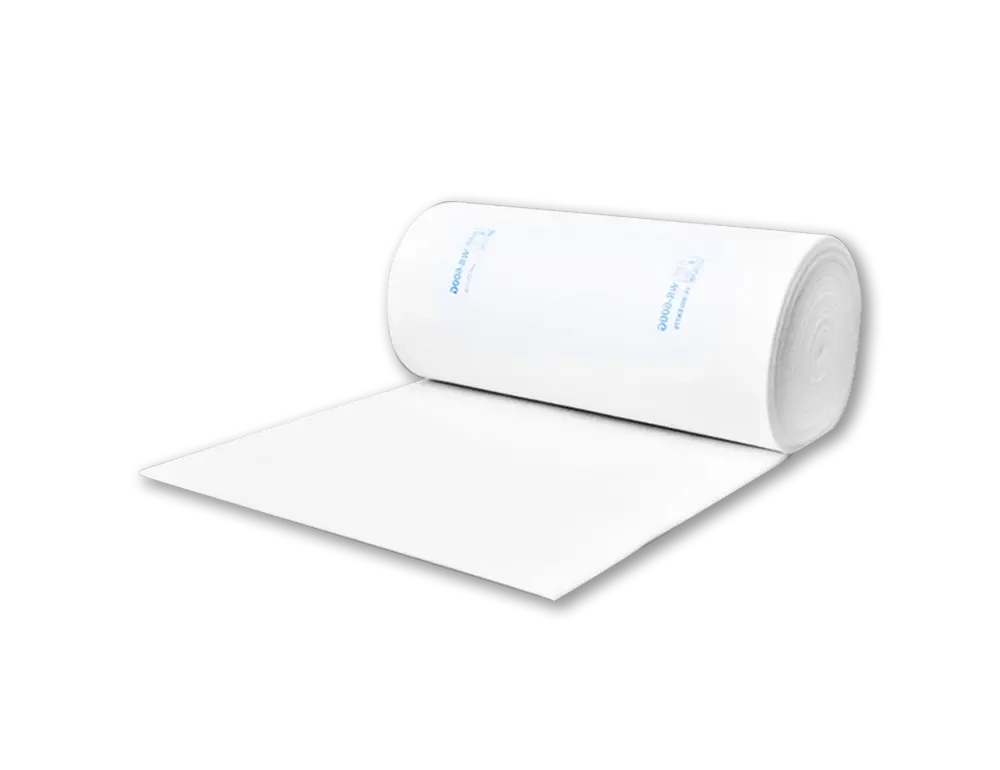
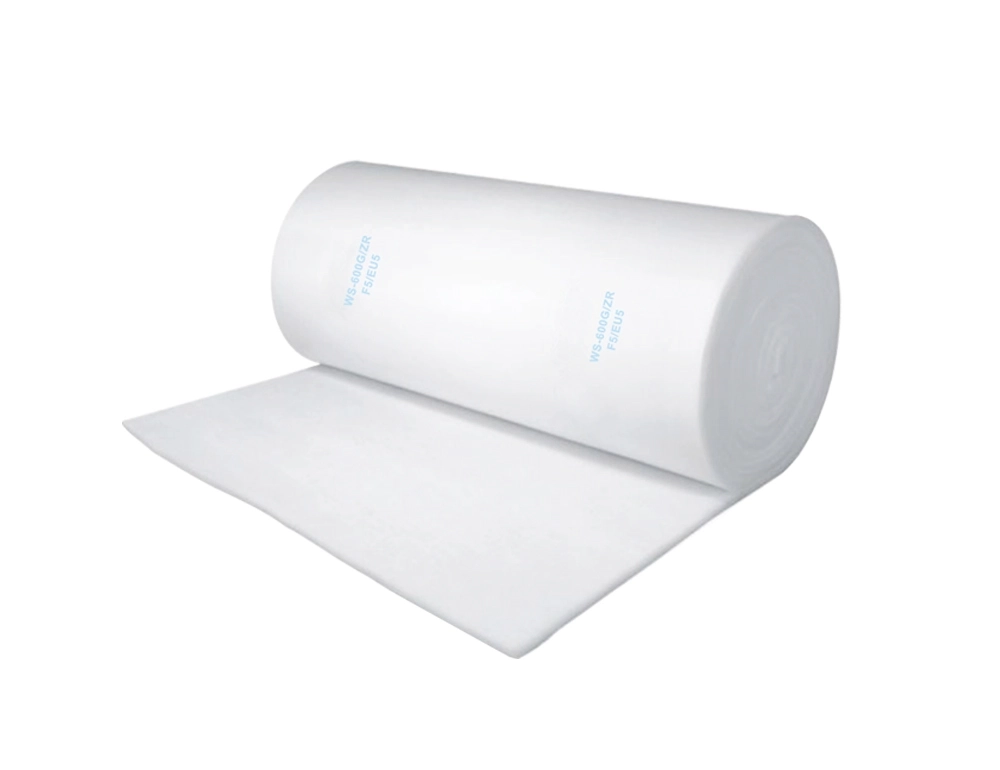
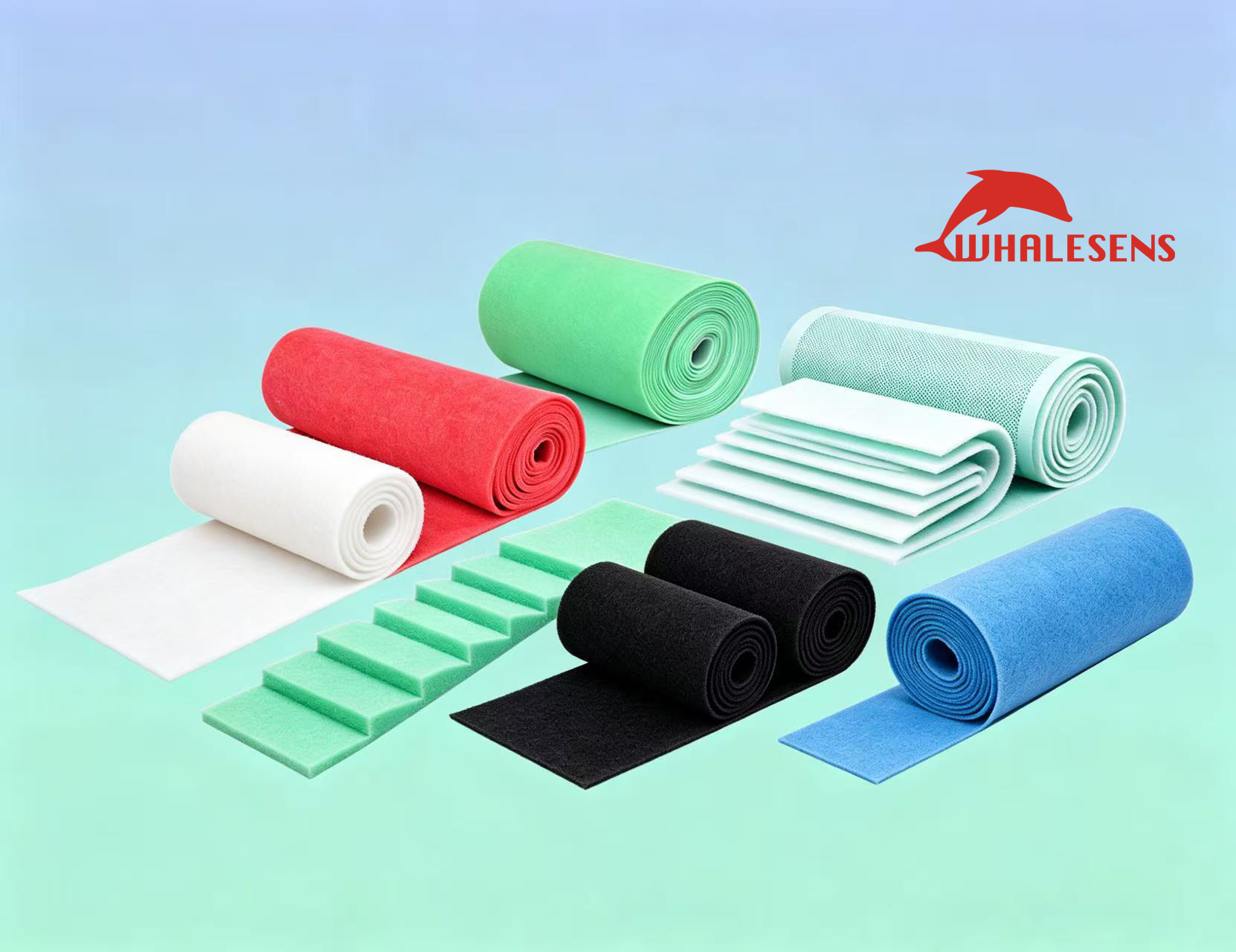
| Roll / roll media | Supplied as a roll, can be cut | Flexible for various sizes | Requires cutting and fixing |
| Moulded | Pre‑formed to shape | Precise fit | Higher custom cost |
2.4 By Application
| Category | Typical Products | Main Pollutants | Industries |
|---|---|---|---|
| HVAC filter media | Coarse panels, medium bags | Dust, pollen | Commercial buildings, airports, subways |
| Air purifier media | HEPA filters, activated carbon foam | PM2.5, formaldehyde, odours | Residential, automotive |
| Industrial dust collection | Cartridges, filter bags | Dust, fumes | Factories, mines |
| Spray booth filter media | Ceiling pads, floor pads, paint arrestors | Paint overspray, solvents | Automotive painting, furniture finishing |
| Agricultural / livestock media | Coarse filter media | Dust, microbes | Pig farms, poultry houses |
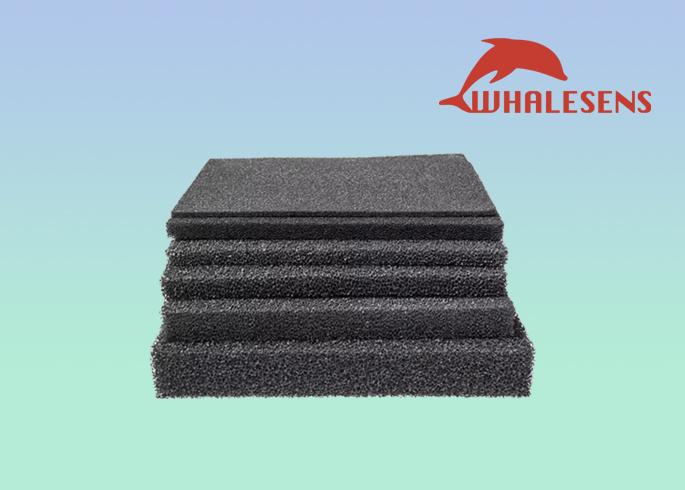
| EV charger / outdoor cabinet media | Dust‑prevention foam, flame‑retardant foam | Dust, salt spray | Outdoor enclosures, charging stations |
| Special function media | Flame‑retardant, antimicrobial, hydrophobic | Specific needs | Hospitals, laboratories |
3. Detailed Description of Common Filter Media Types
3.1 Coarse Filter Media (G1‑G4)
3.2 Medium Filter Media (F5‑F9)
3.3 HEPA Filter Media (H13‑H14)
3.4 Activated Carbon Filter Media
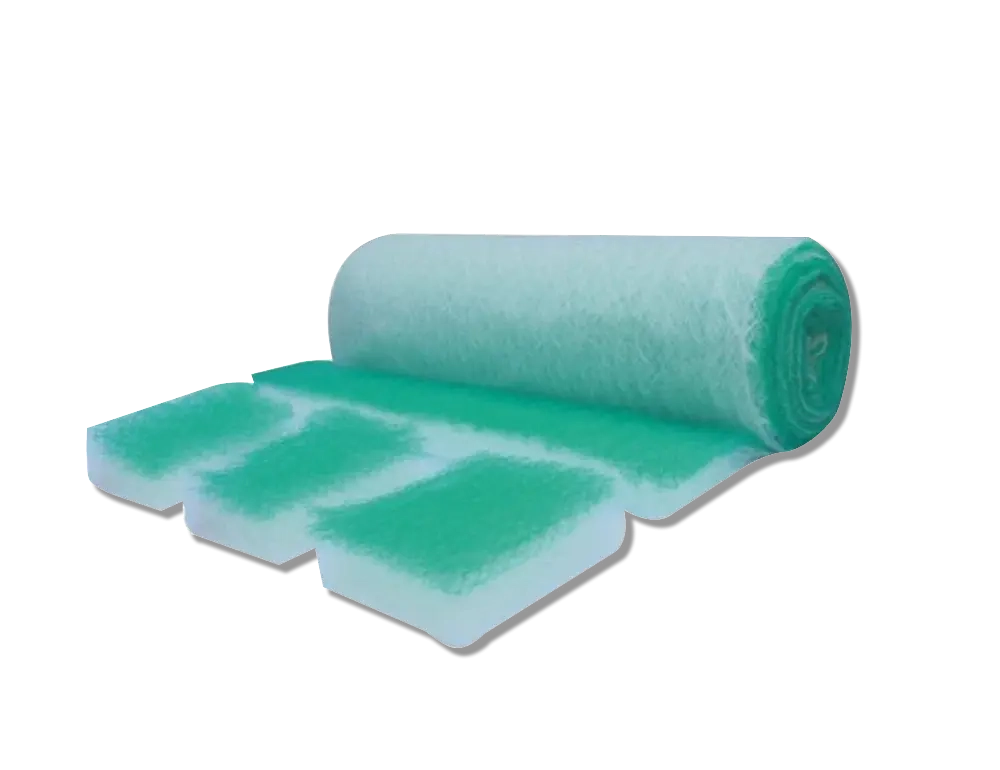
3.5 Spray Booth Filter Media (Paint Arrestor)
3.6 Flame‑Retardant Filter Media
3.7 Washable Filter Media
4. Key Performance Parameters of Filter Media
4.1 Filtration Efficiency
4.2 Dust‑Holding Capacity (DHC)
| Type | Typical DHC (g/m²) | Reference replacement interval |
|---|---|---|
| Coarse panel G4 | 50‑100 | 1‑3 months |
| Coarse bag G4 | 400‑600 | 6‑12 months |
| Medium pleated F7 | 200‑300 | 6‑12 months |
| Medium bag F7 | 400‑600 | 12‑18 months |
| HEPA H13 | 100‑200 | 1‑3 years |
4.3 Initial Pressure Drop and Final Resistance
| Filter Type | Initial ΔP (Pa @ rated flow) |
|---|---|
| Coarse G4 panel | 30‑50 |
| Coarse G4 bag | 50‑80 |
| Medium F7 pleated | 60‑90 |
| Medium F7 bag | 80‑120 |
| HEPA H13 | 150‑300 |
4.4 Flame Retardancy Ratings
4.5 Other Parameters
5. Filter Media Selection Guide
5.1 Selection Decision Tree
5.2 Recommended Configurations by Application
| Application | Recommended Media Type | Recommended Grade | Recommended Construction | Special Requirement |
|---|---|---|---|---|
| Home air purifier | HEPA + activated carbon | H11‑H13 | Pleated | Low noise |
| Fresh air system | Coarse + medium | G4+F7 | Panel/pleated | Low ΔP |
| Office central HVAC | Coarse + medium | G4+F7 | Bag | Long life |
| Data center | Medium | F7‑F8 | Pleated | Low ΔP, flame‑retardant |
| Hospital operating room | HEPA | H13‑H14 | Box | Scanning leak test |
| Automotive paint booth | Paint arrestor | — | Roll/sheet | Flame‑retardant, high DHC |
| EV charger / outdoor cabinet | Coarse | G4 | Washable foam | Flame‑retardant, water‑resistant |
| Pig farm | Coarse + medium | G4+F7 | Washable + bag | Ammonia‑corrosion resistant |
| Laboratory fume hood | HEPA | H13‑H14 | Box | Chemical‑resistant |
5.3 Common Selection Mistakes
| Misconception | Reality |
|---|---|
| More expensive is always better | Choose based on actual need; over‑filtration wastes energy. |
| Coarse filters are not important | They protect expensive downstream filters and extend system life. |
| HEPA does everything | HEPA does not remove formaldehyde or odours; combine with activated carbon. |
| Washable media lasts forever | Efficiency drops after 10‑20 wash cycles; eventually must be replaced. |
| Thicker is always better | Excess thickness adds resistance; must match fan capability. |
6. Maintenance and Replacement of Filter Media
6.1 Replacement Interval Reference
| Type | Environment | Recommended Replacement Interval |
|---|---|---|
| Coarse panel G4 | Urban office | 3‑6 months |
| Coarse bag G4 | Mall / hospital | 6‑12 months |
| Medium bag F7 | Office building | 12‑18 months |
| HEPA H13 | Cleanroom | 1‑3 years (based on ΔP) |
| Activated carbon media | Newly renovated home | 3‑6 months |
| Paint arrestor | Auto paint booth | 1‑3 months |
6.2 How to Judge When to Replace
6.3 Maintenance of Washable Media
6.4 Replacement Precautions
7. Quick Reference of Industry Standards
| Standard | Title | Scope |
|---|---|---|
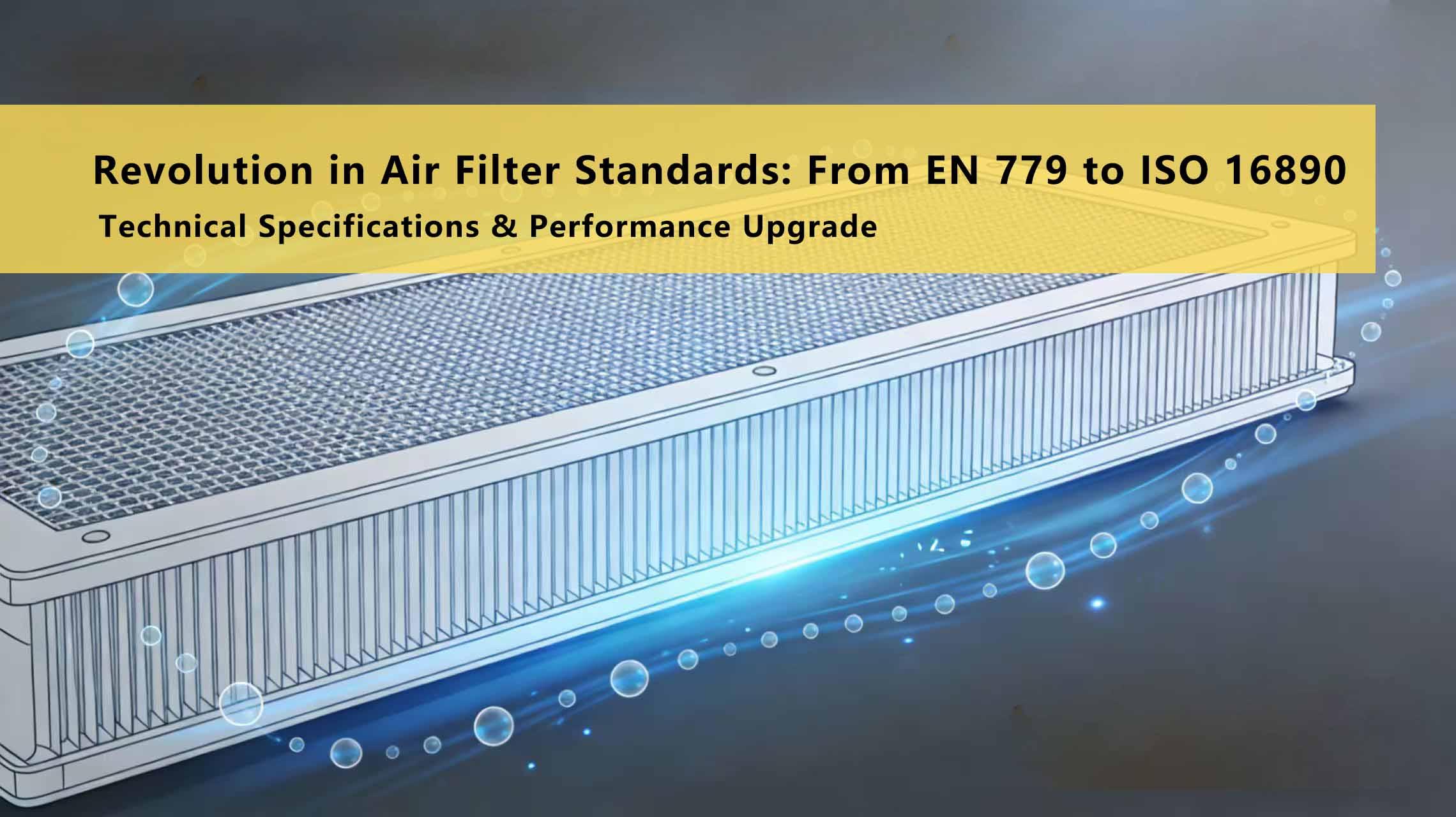
| ISO 16890 | Air filters for general ventilation | International standard for G4‑F9 |
| EN 1822 | HEPA/ULPA filters | European standard for H10‑U17 |
| ASHRAE 52.2 | General ventilation air‑cleaning devices | North America, MERV 1‑16 |
| GB/T 14295 | Air filters | Chinese national standard |
| UL94 | Flammability of plastic materials | Flame ratings |
| UL900 | Flame resistance of air filter units | Filter flame rating |
8. Future Trends in Filter Media Technology
9. Frequently Asked Questions (FAQ)
A: Most HEPA media cannot be washed – water destroys the fibre structure, causing a drastic drop in efficiency. Only products explicitly labelled “washable” may be cleaned.
A: When you can smell odours at the outlet, or when a formaldehyde meter shows rising levels again, the carbon is saturated and must be replaced.
A: No. Coarse media has almost no effect on PM2.5; it only captures large particles. Multi‑stage filtration must be used as designed.
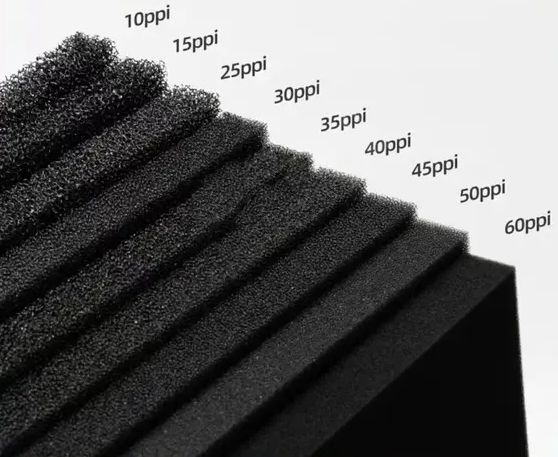
A: PPI stands for Pores Per Inch. Higher PPI means finer pores, higher efficiency, but also higher airflow resistance.
A: Differences can come from: carbon type and iodine value, fibre fineness, substrate quality, flame‑retardant certification, brand, and antimicrobial treatments.
A: Yes. Use a sharp utility knife and a straight edge. Avoid squeezing too hard to prevent fibre damage. Seal cut edges with tape if needed to prevent shedding.
A: Typically every 6‑12 months, or when the purifier gives a replacement alert. It depends on usage frequency and local air pollution level.
A: Yes. Most fresh air systems are designed for user‑replaceable filters. Be sure to buy the same size and efficiency grade.
10. Conclusion
- ✅Determine the required efficiency grade based on your application (coarse / medium / HEPA / activated carbon).
- ✅Pay attention to key parameters: efficiency, dust‑holding capacity, pressure drop, flame rating.
- ✅Prefer products with accredited test reports.
- ✅Establish a regular replacement schedule – don’t try to use it forever.
- ✅Consult professional suppliers for selection assistance when needed.