


EV Charging Stations
Filtration for Power Equipment
Cleanroom & Semiconductor
Ultra-High Cleanliness Filtration
Commercial HVAC
Central Air System Filtration
Data Centers
Precision Equipment Protection
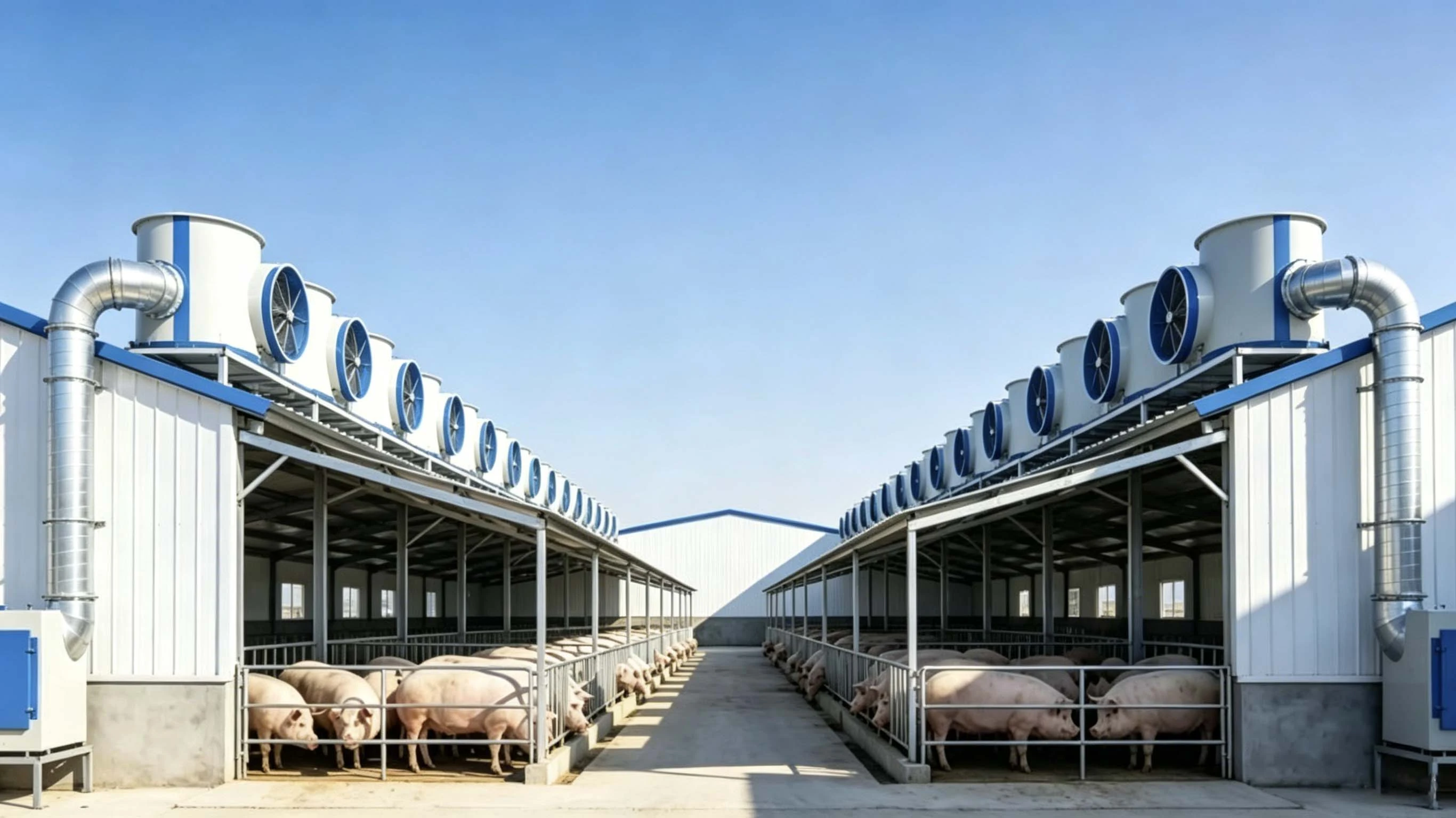
Livestock & Farming
Farming Environment Purification
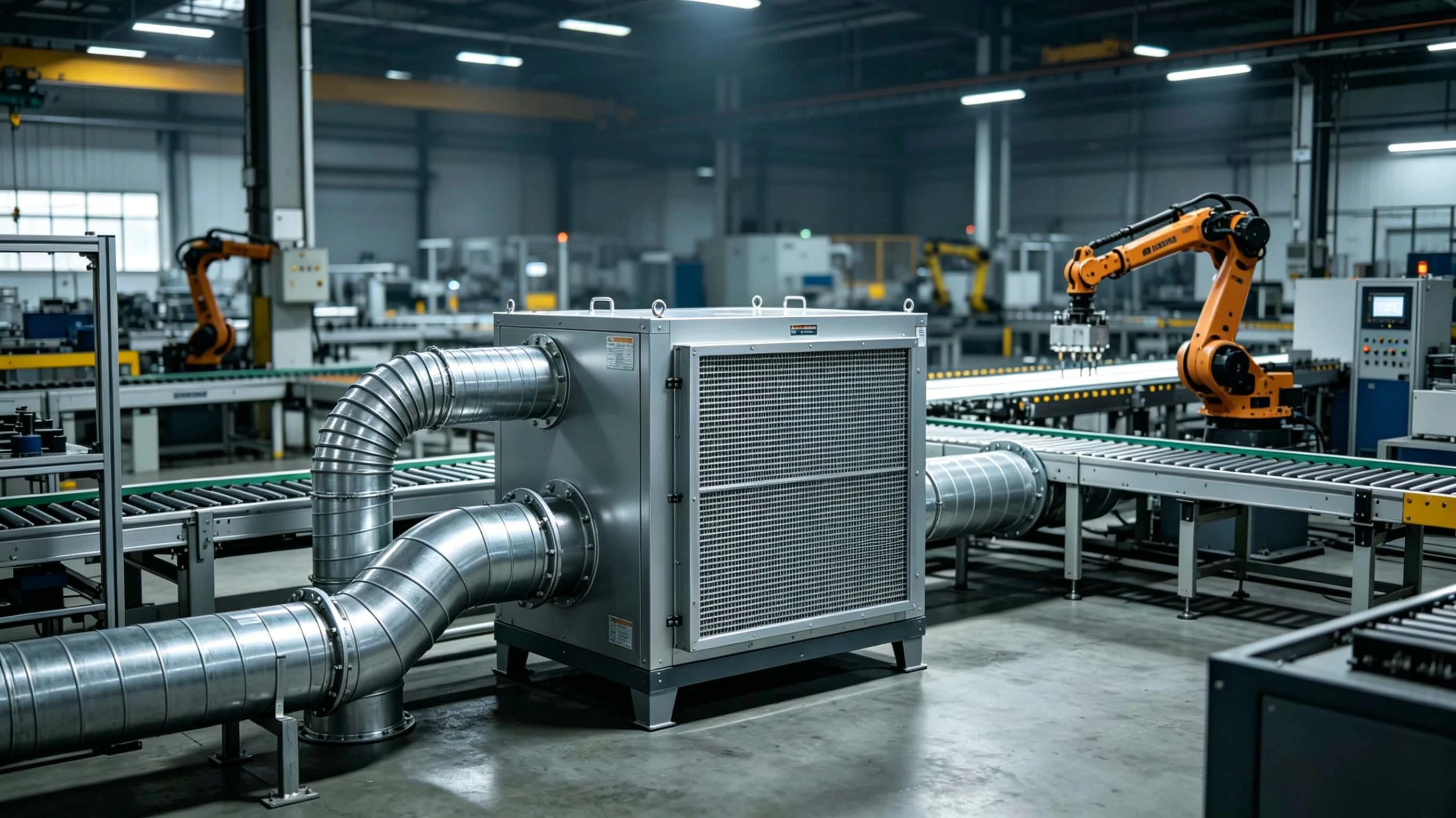
Spray Booths & Industrial Dust
Paint Mist & Dust Purification
Filtration for Power Equipment
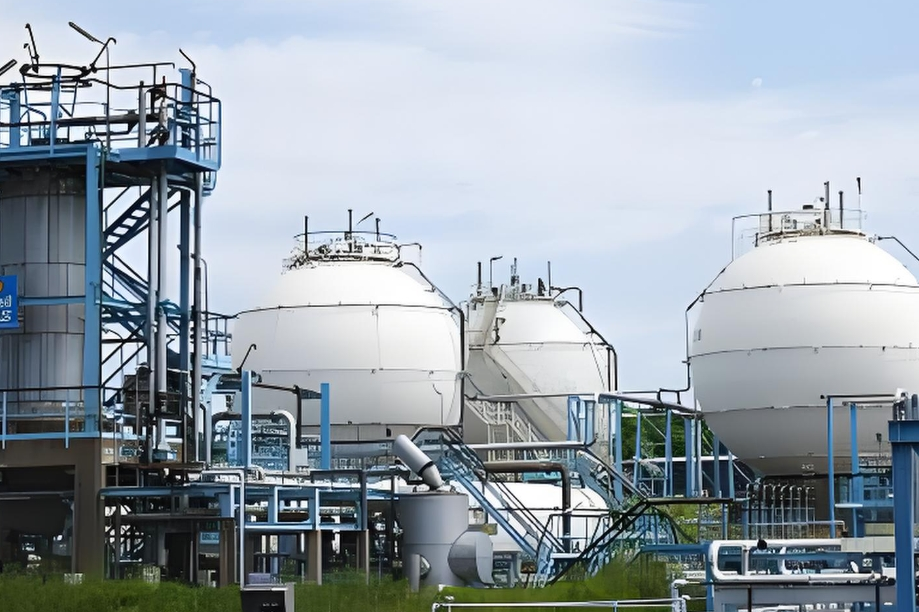
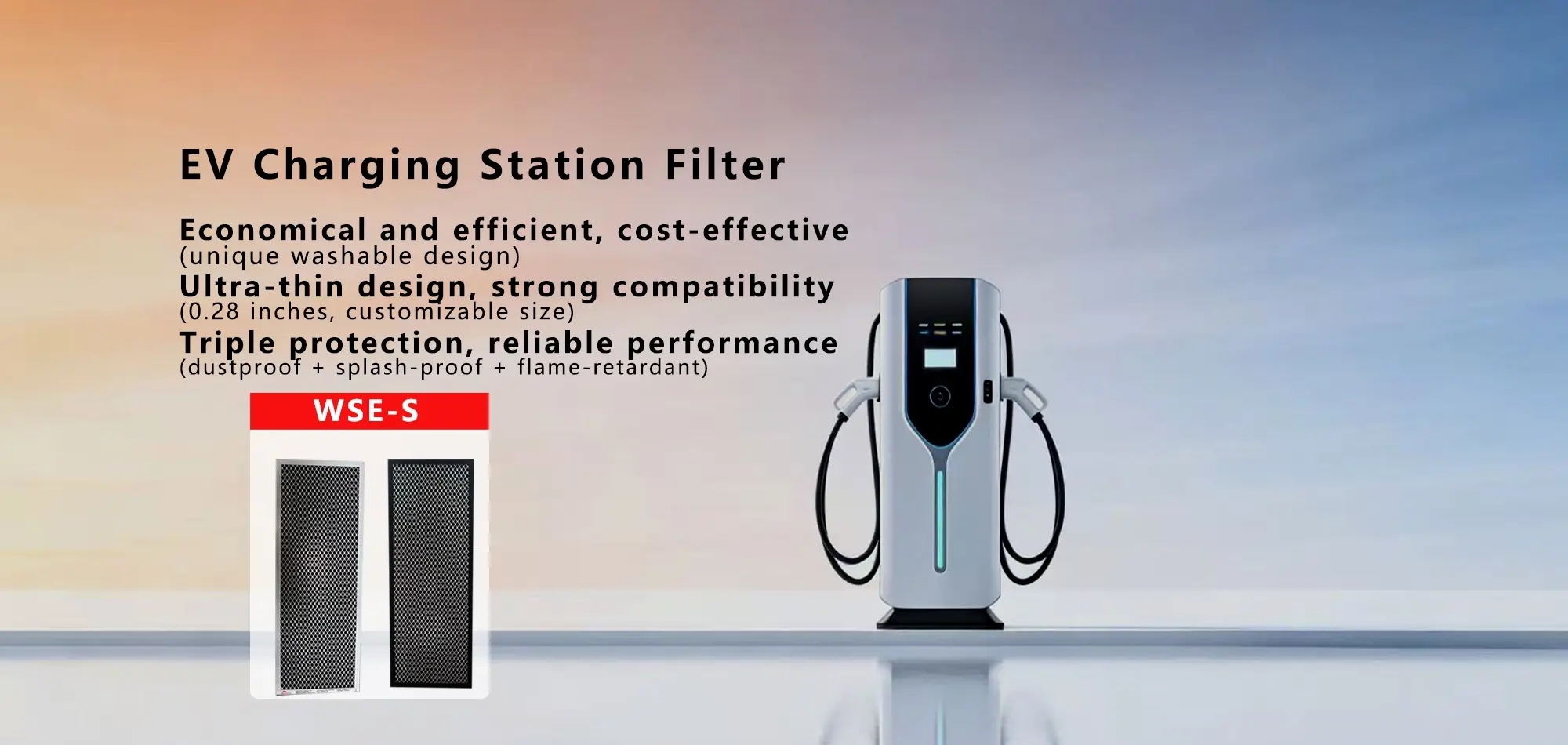
Professional air filtration for EV charging devices, protecting against dust and sand ingress to ensure stable, reliable operation of charging piles and station infrastructure.
View Related Products →Ultra-High Cleanliness Filtration
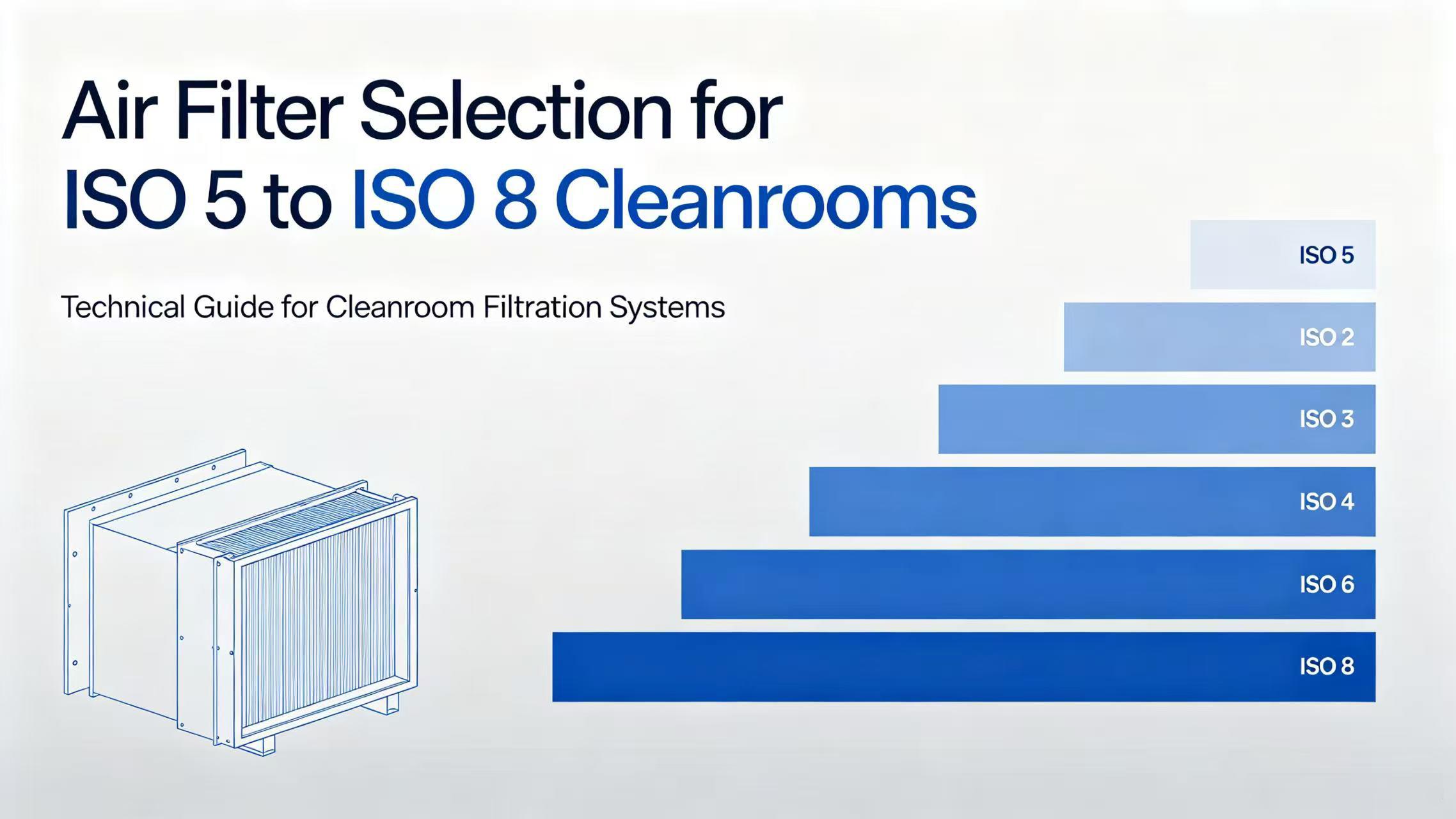
Ultra-high efficiency filtration for semiconductor wafer fabs and precision electronics cleanrooms, capturing nano-scale particles to meet ISO Class 1–3 standards and maximize product yield.
View Related Products →Central Air System Filtration
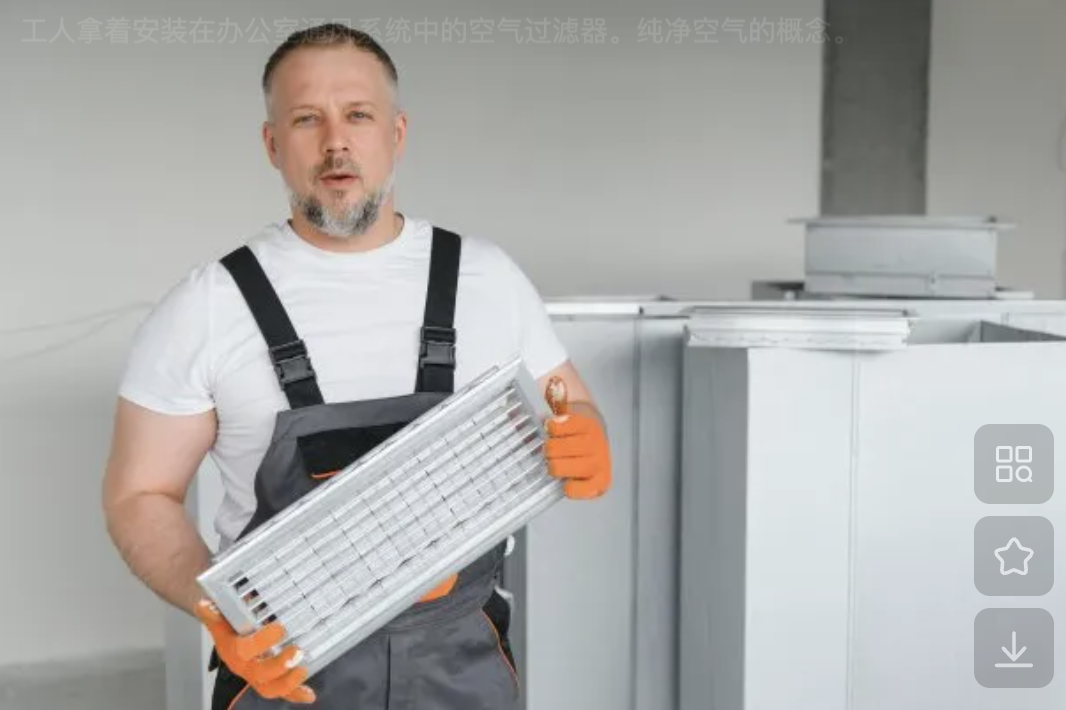
High-efficiency filtration for commercial building HVAC systems, improving indoor air quality, reducing energy consumption, and extending equipment service life.
View Related Products →Precision Equipment Protection
Precision air filtration for data centers, shielding servers and critical hardware from dust contamination to keep cooling systems running efficiently and reliably.
View Related Products →Farming Environment Purification
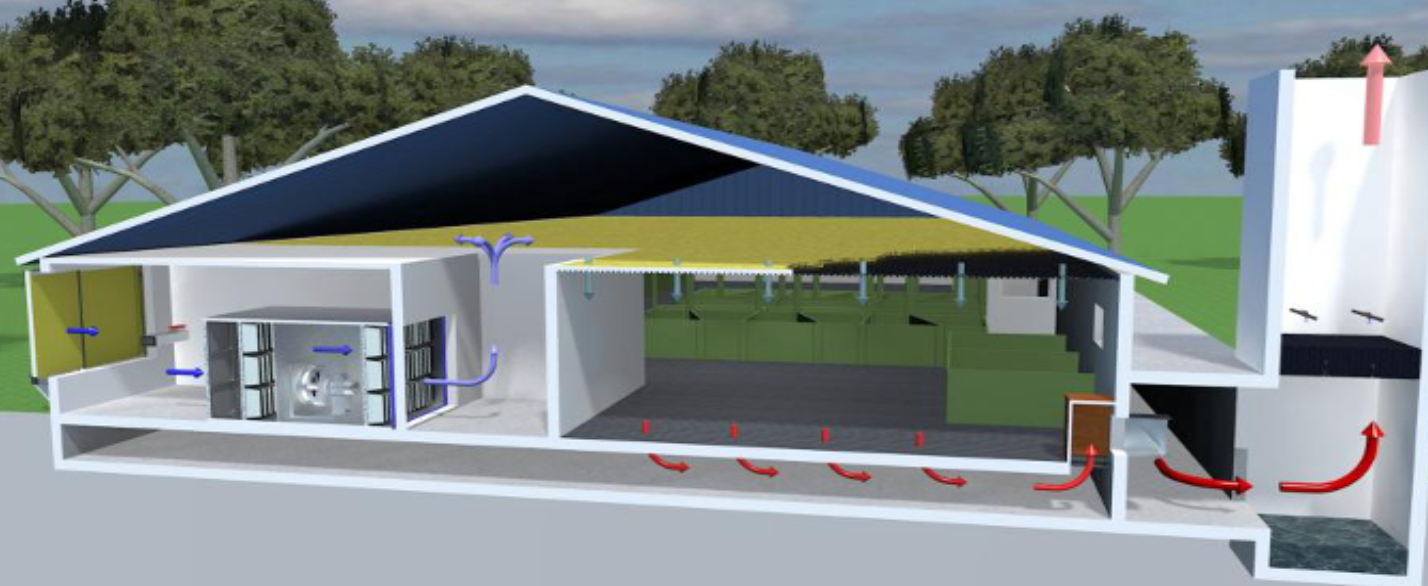
Dedicated filtration systems for farms and livestock facilities — capturing dust, adsorbing ammonia, and inhibiting pathogen spread to improve animal health and overall productivity.
View Related Products →Paint Mist & Dust Purification
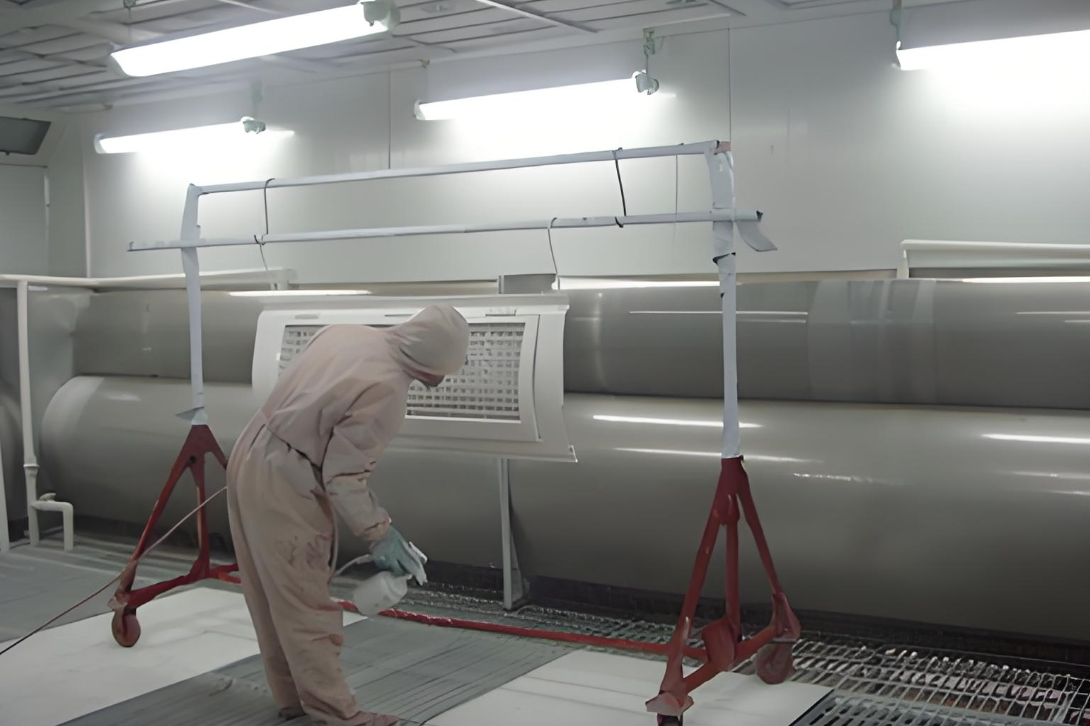
Designed for spray booths and grinding workshops, efficiently capturing paint mist, metal dust, and wood chips to meet emission standards while protecting finished surface quality.
View Related Products →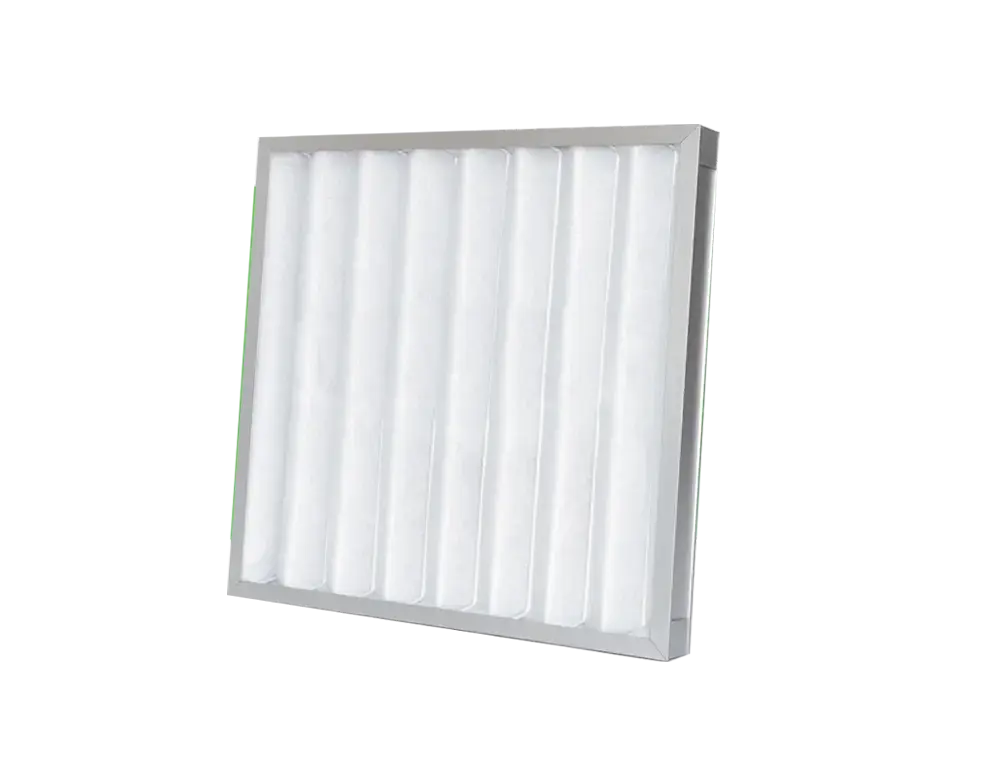
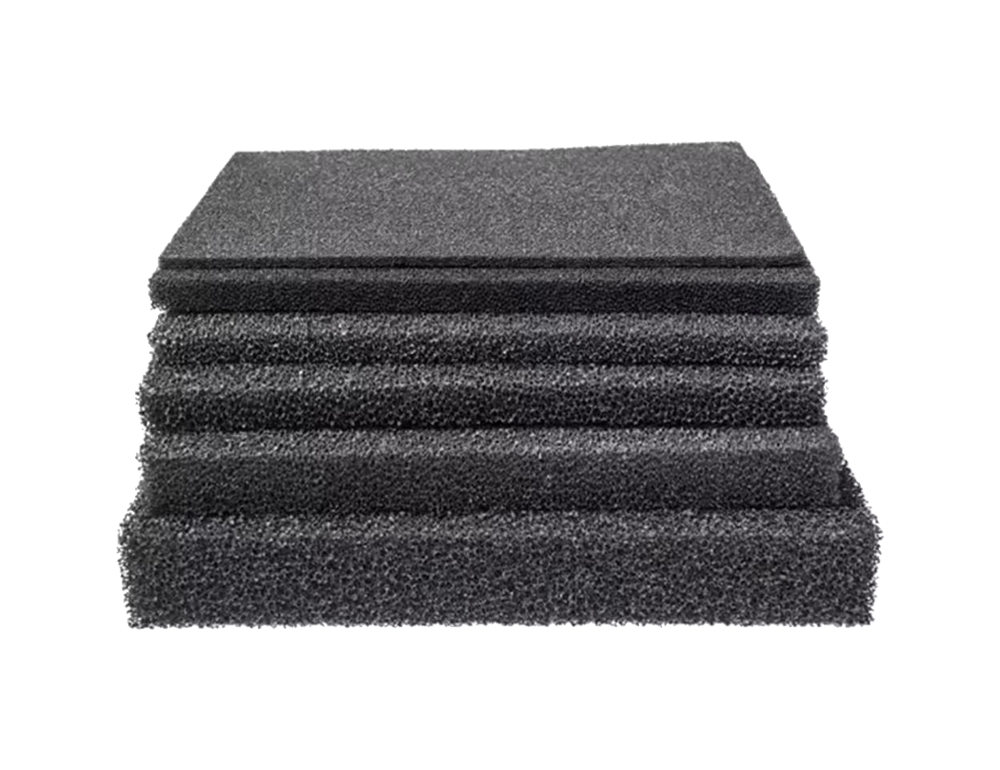
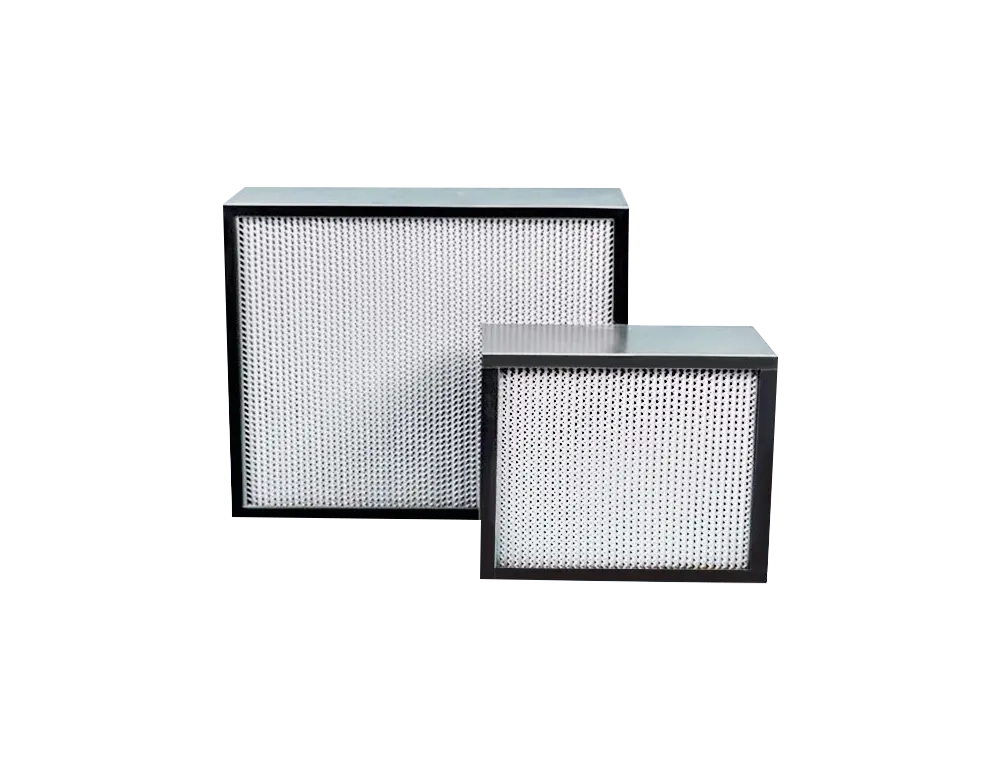
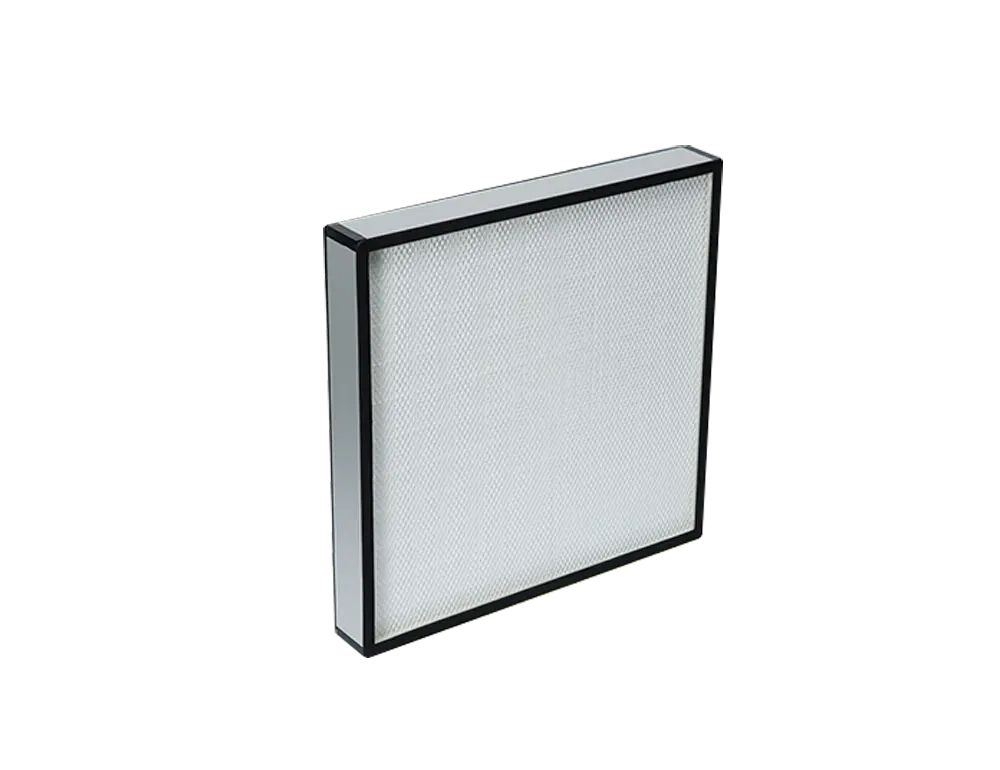
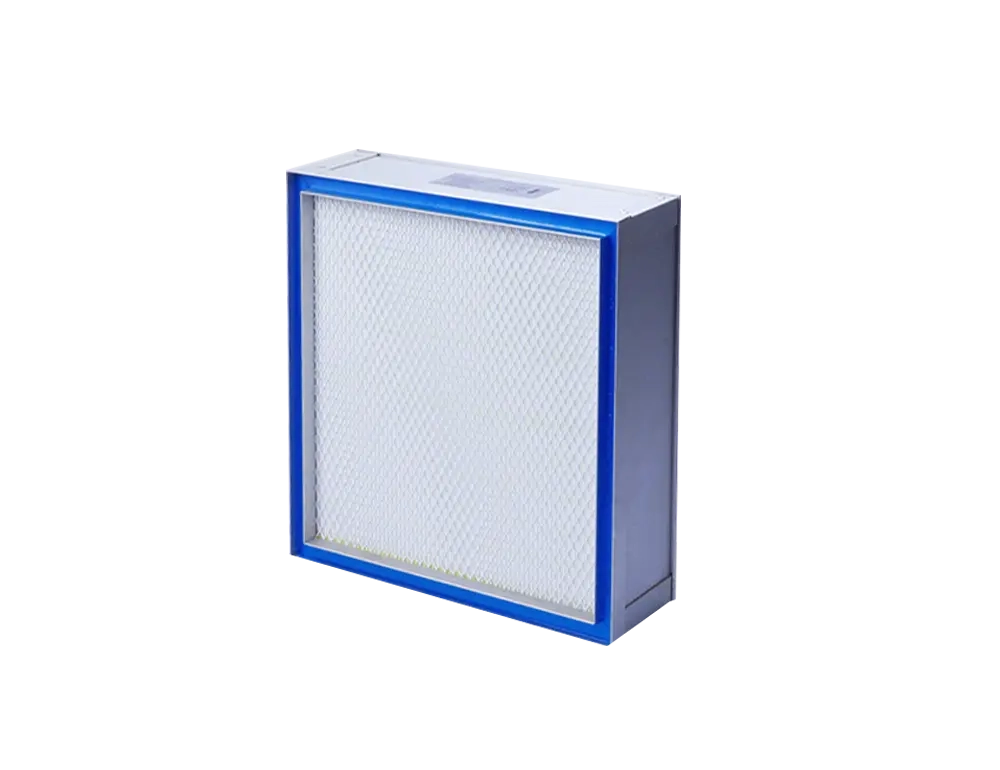
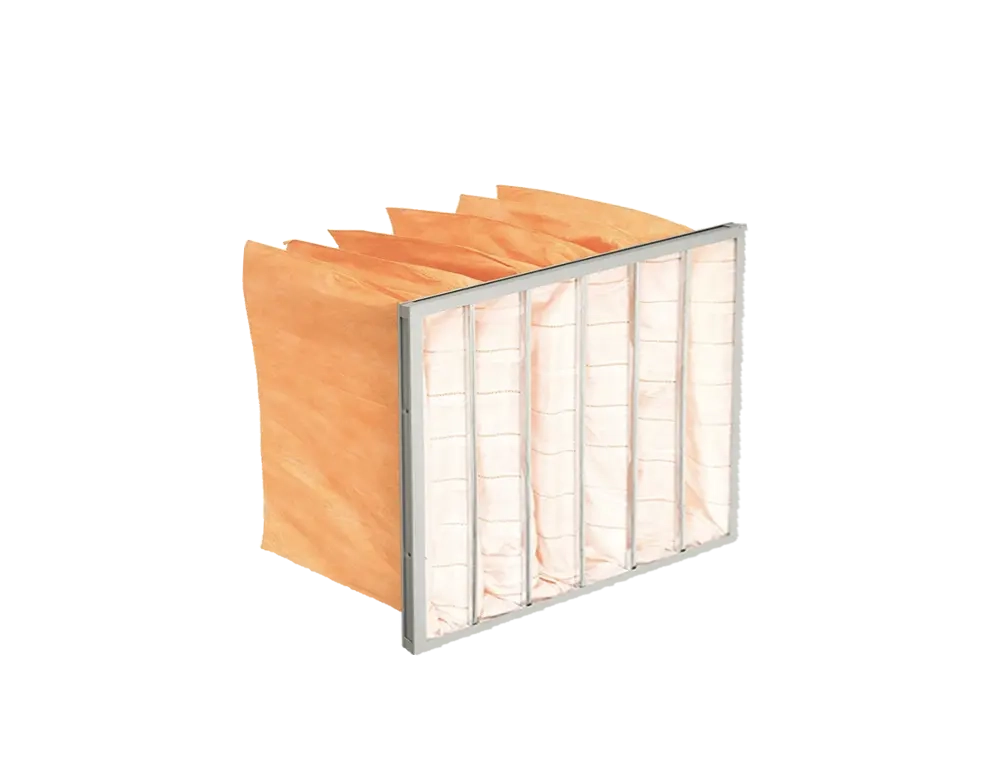
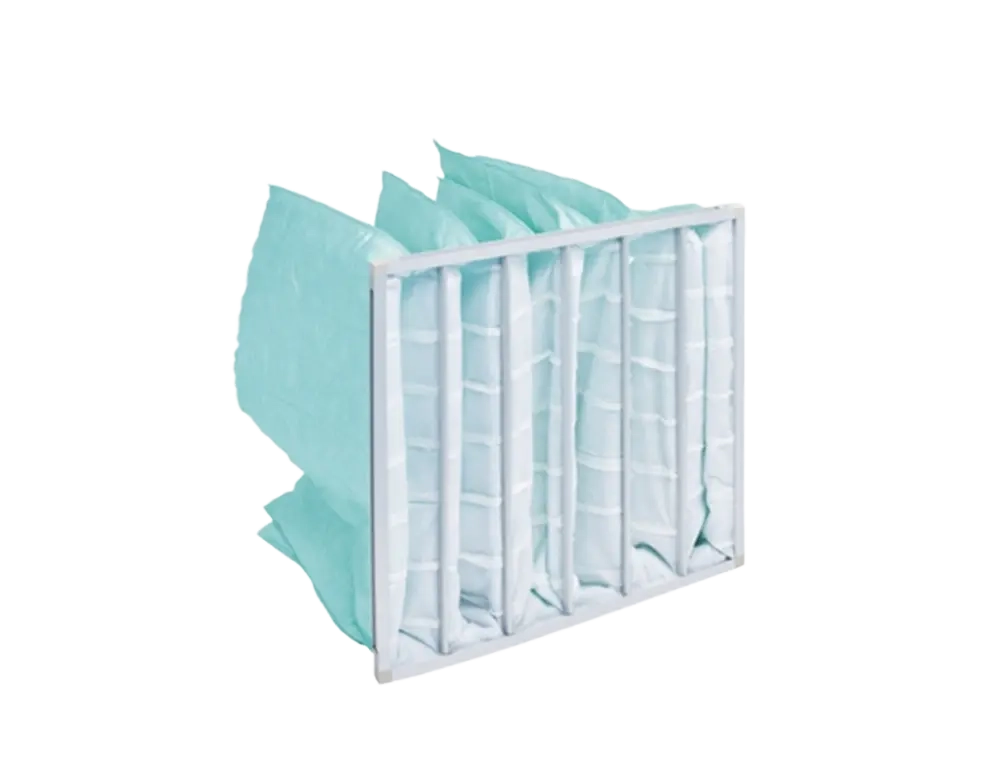
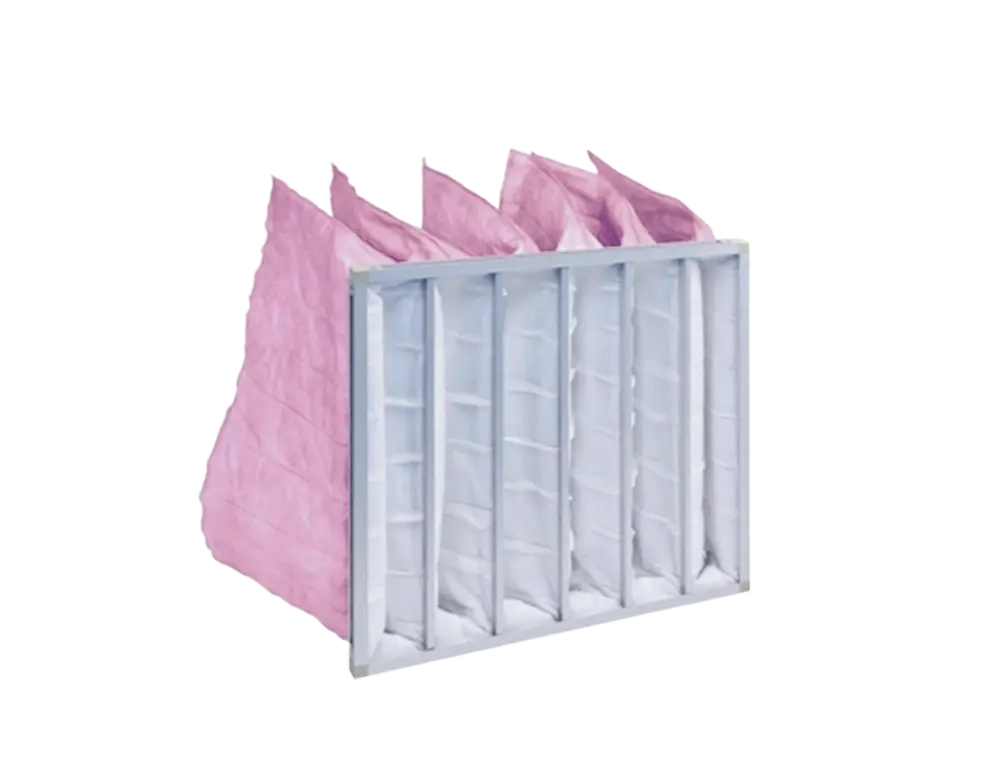
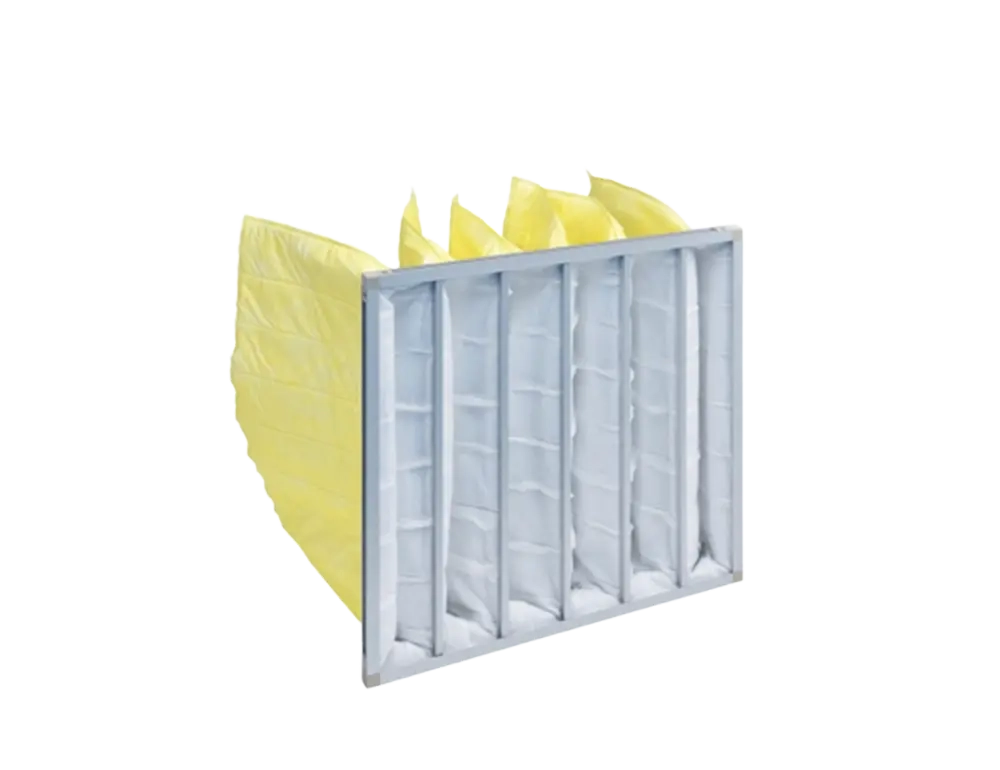

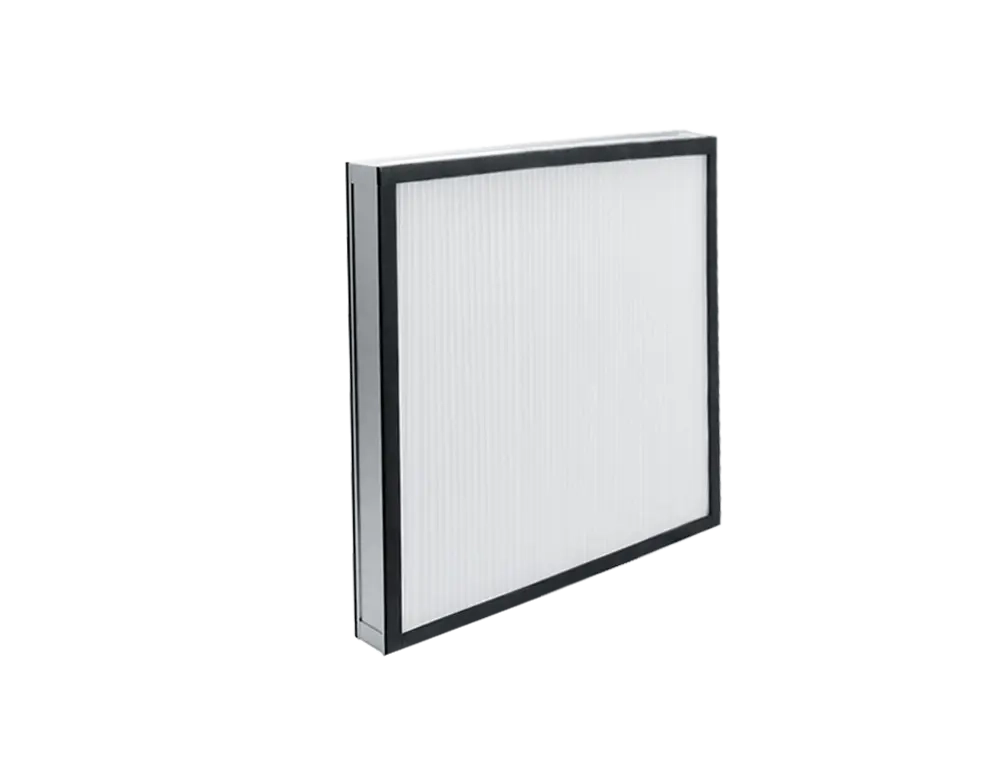
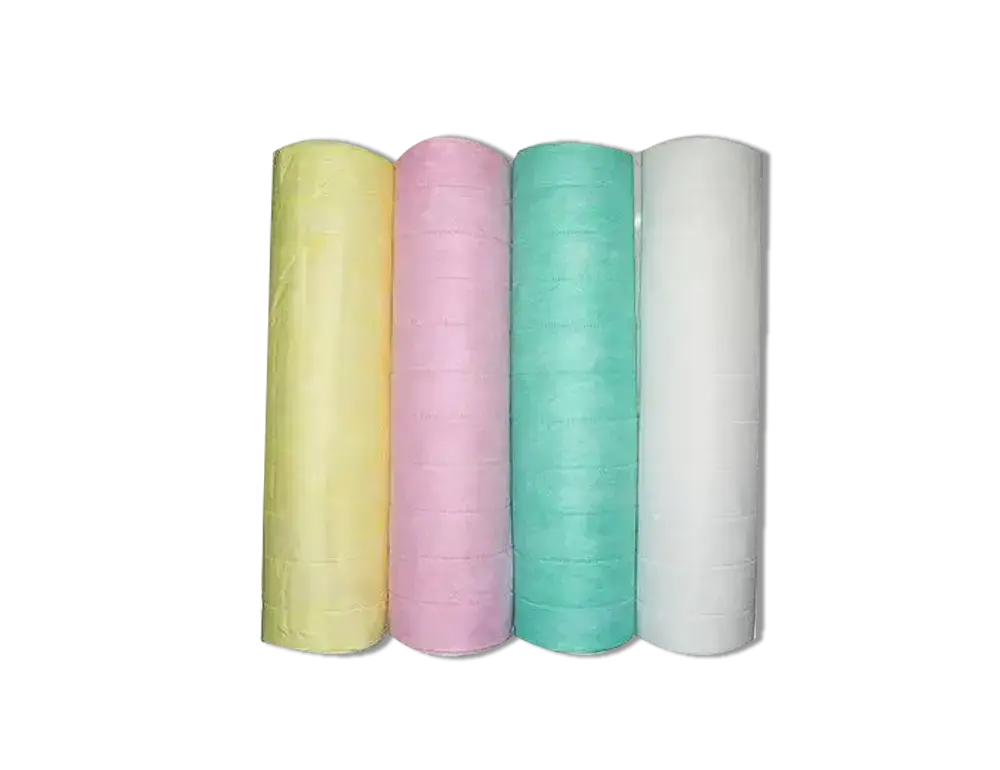
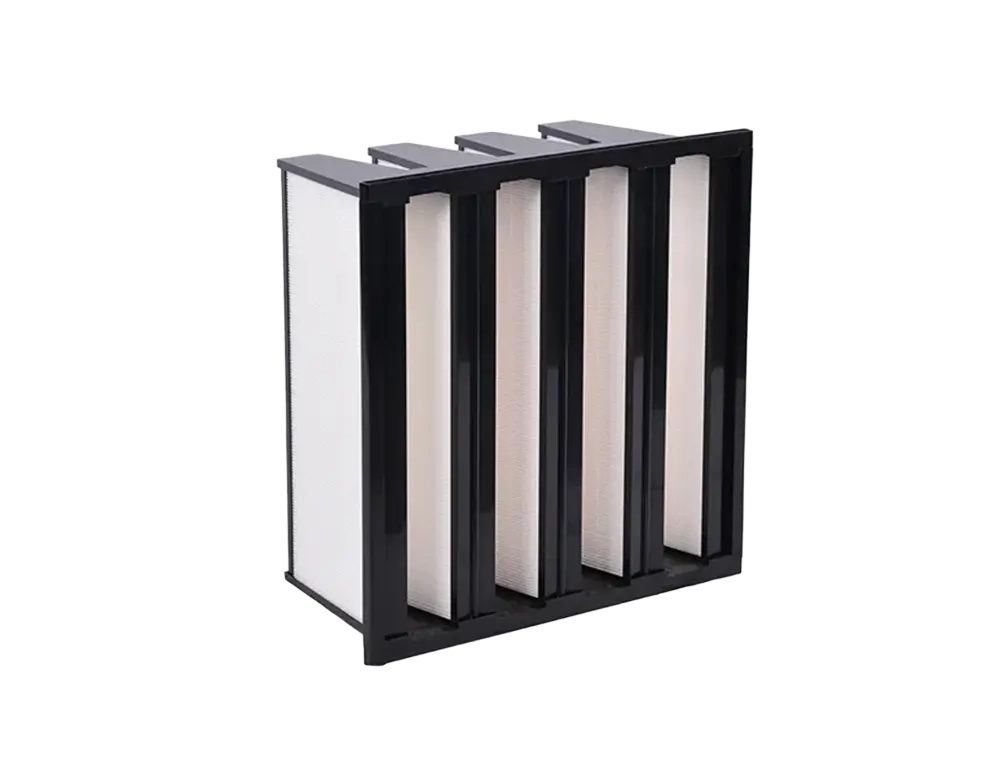
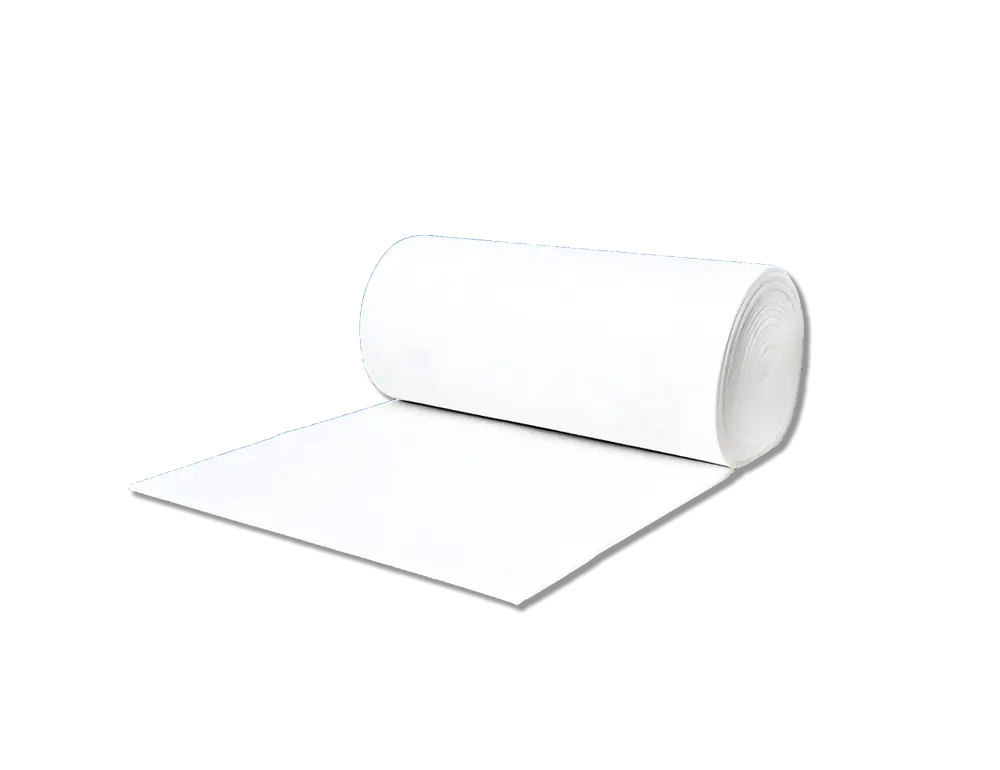
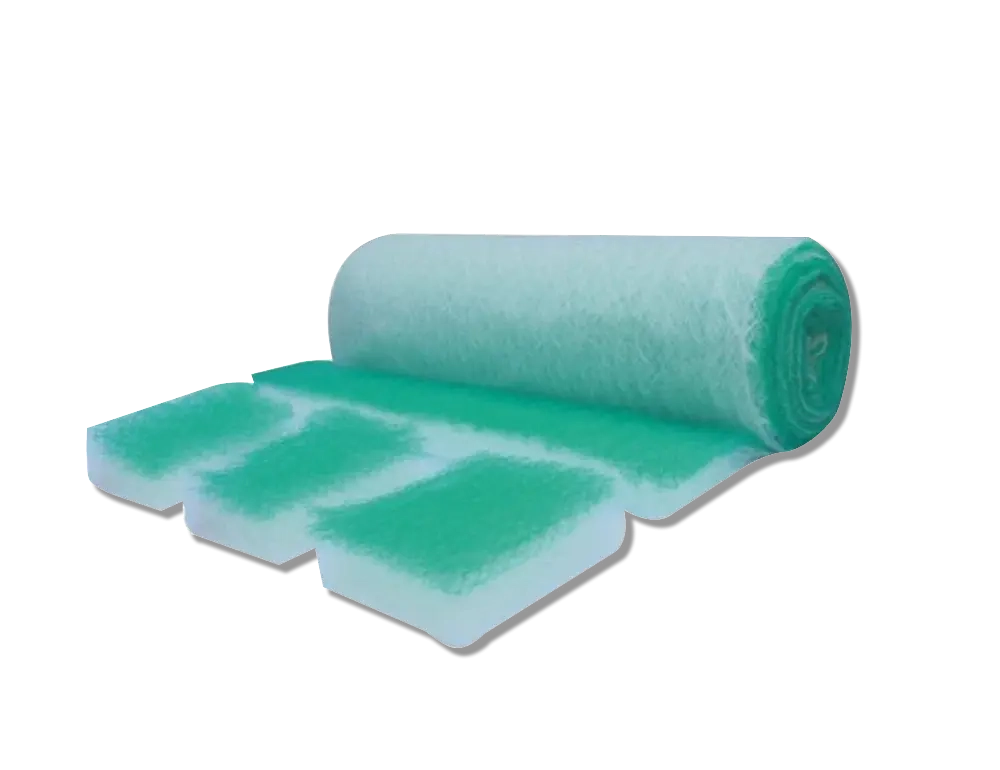
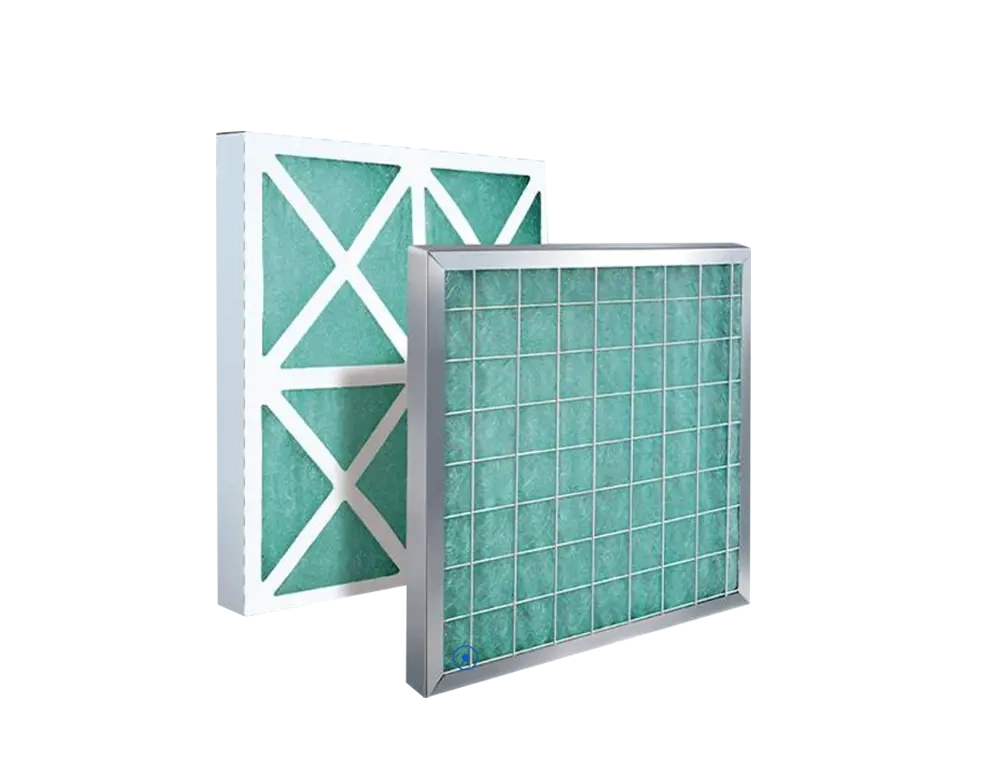
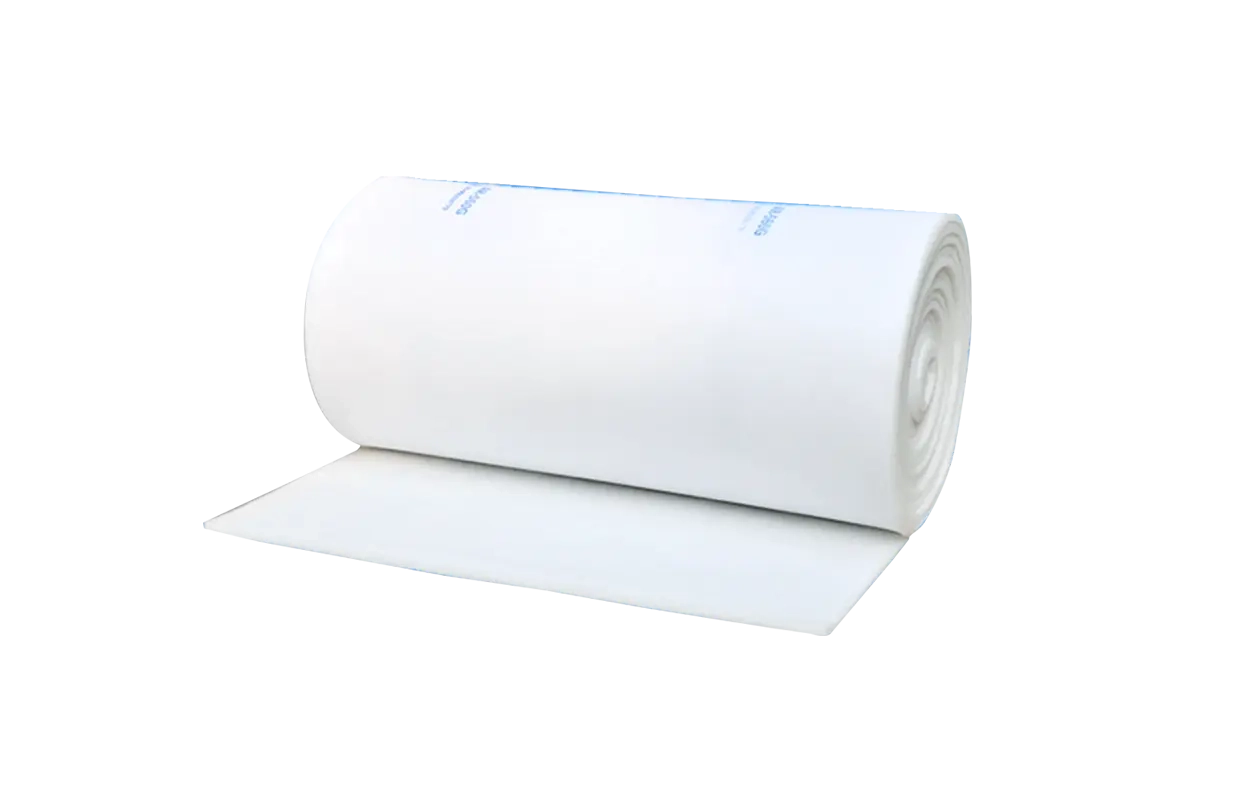
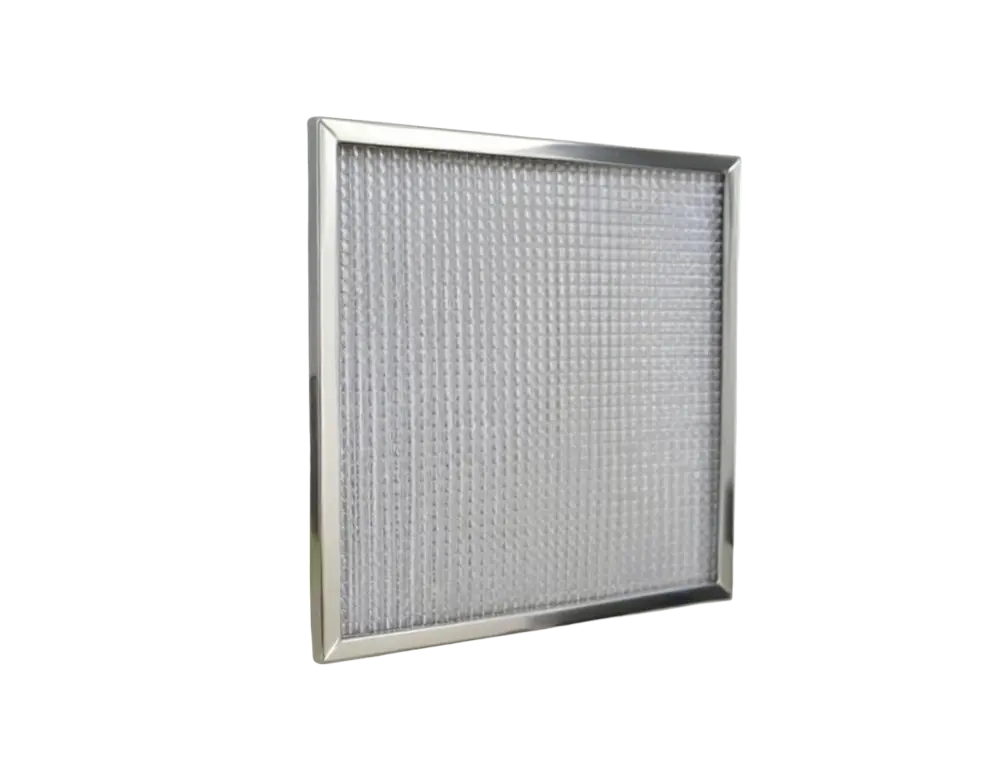
Pre-Filter (G1–G4)
First-Stage Large-Particle Capture
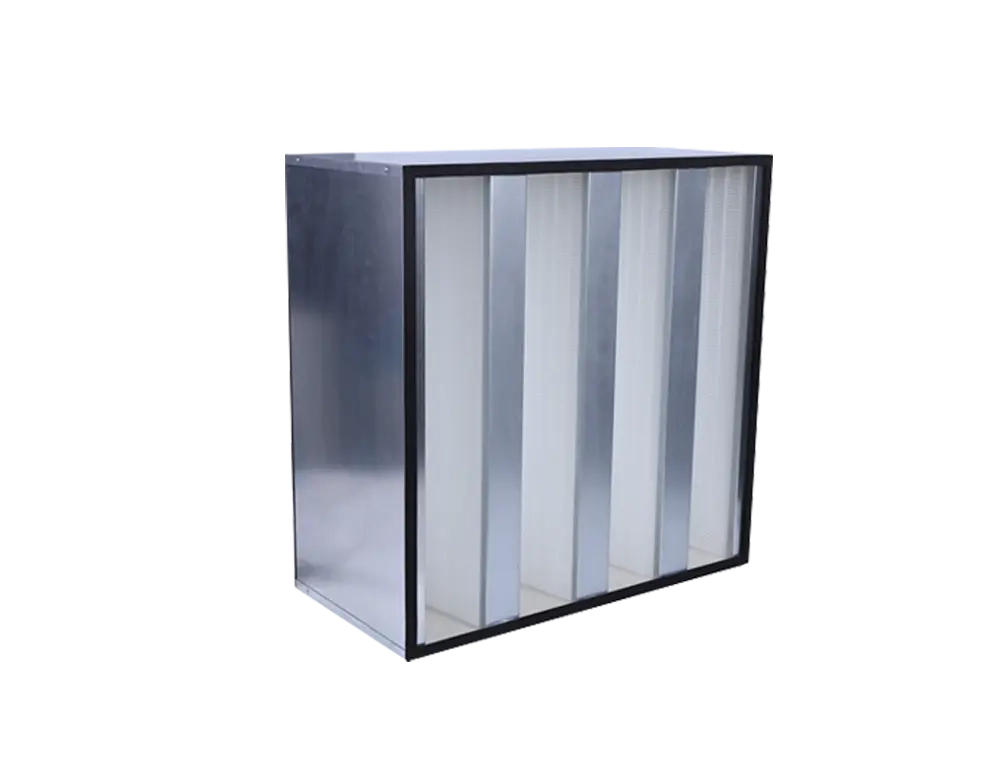
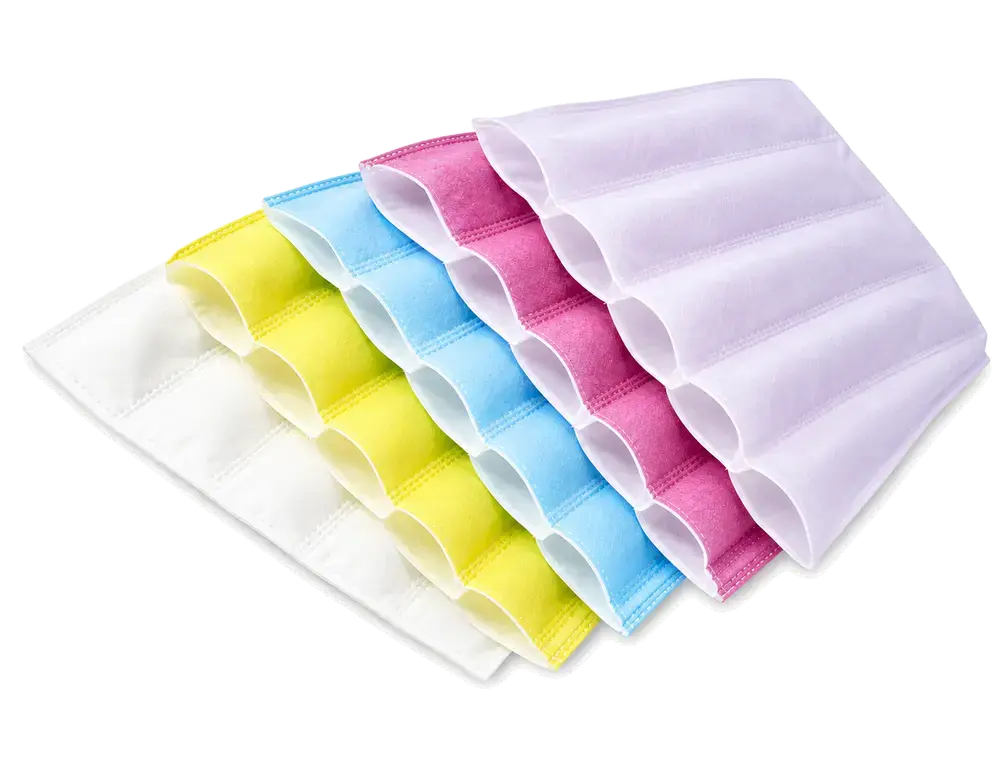
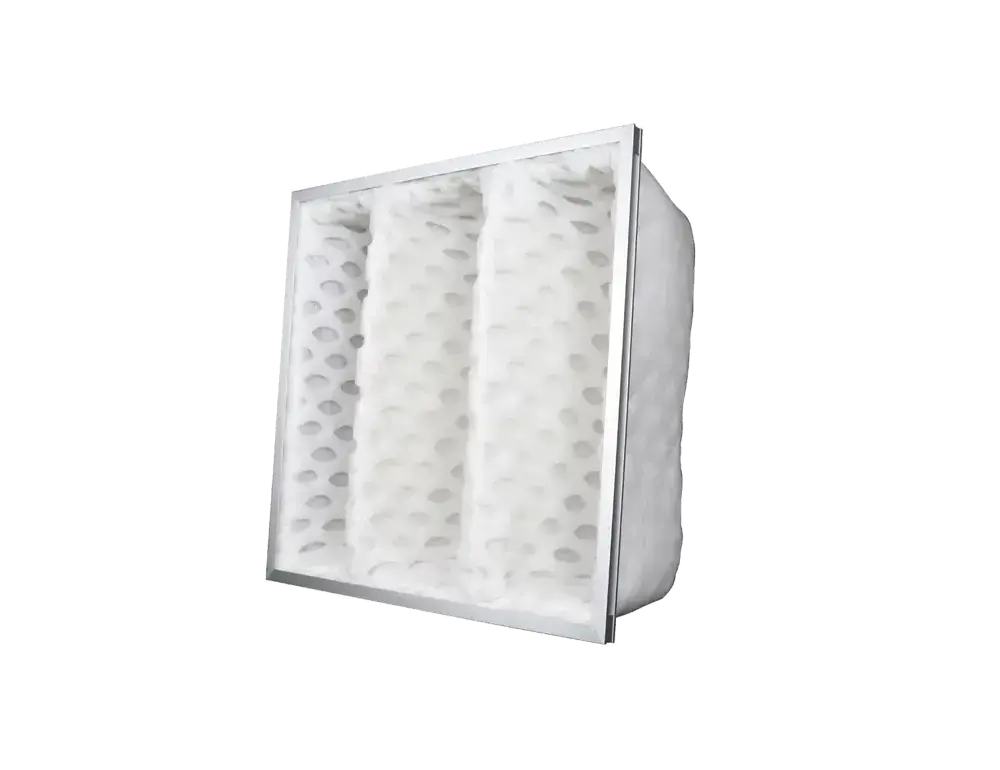
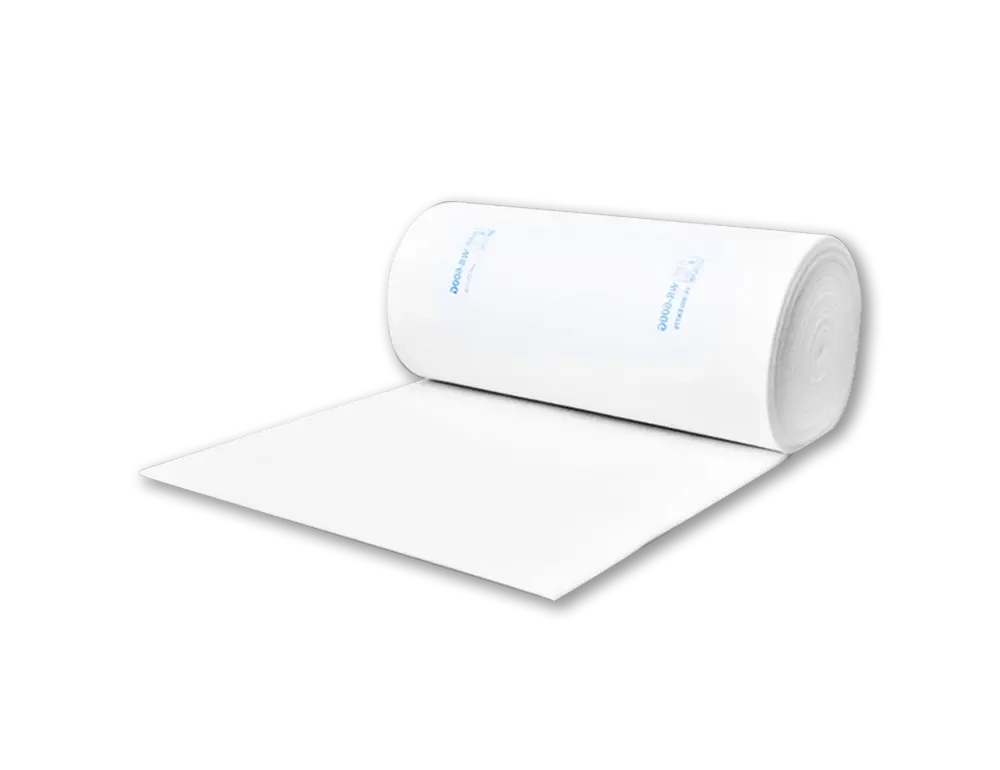
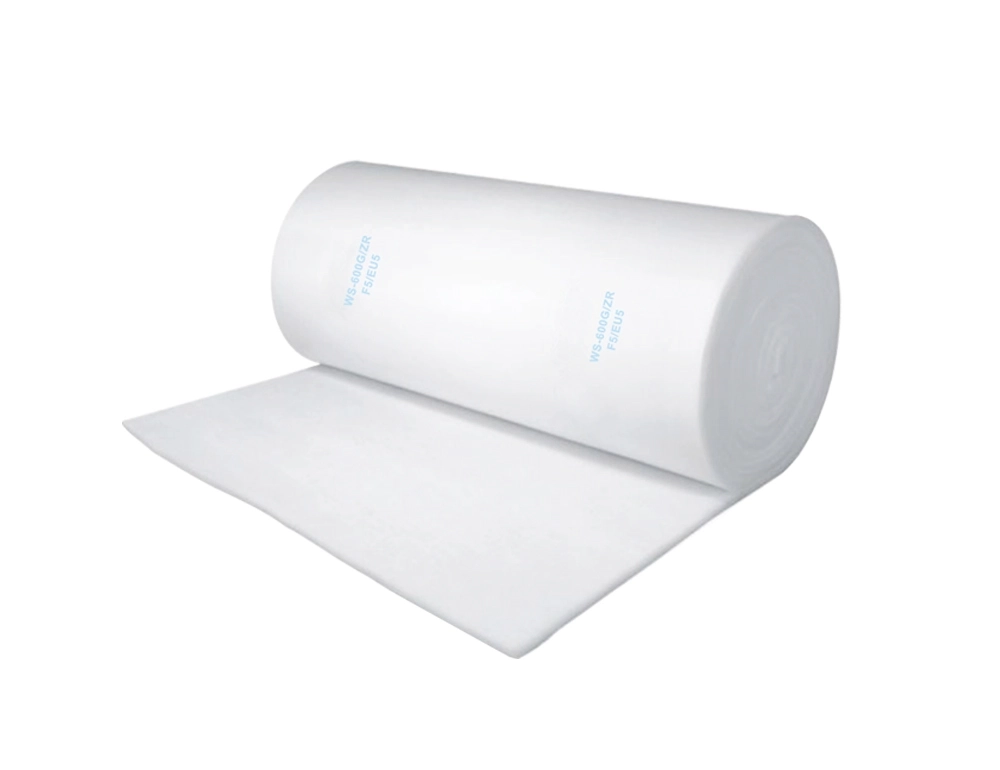
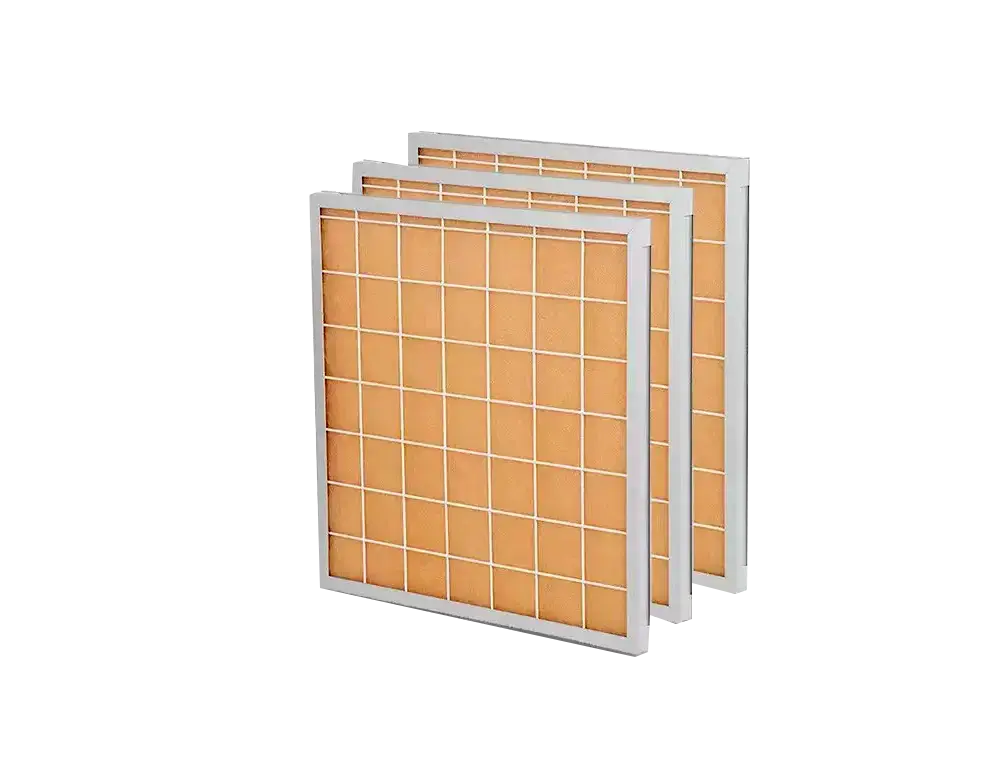
Medium-Efficiency Filter (F5–F9)
Precise PM2.5 Capture
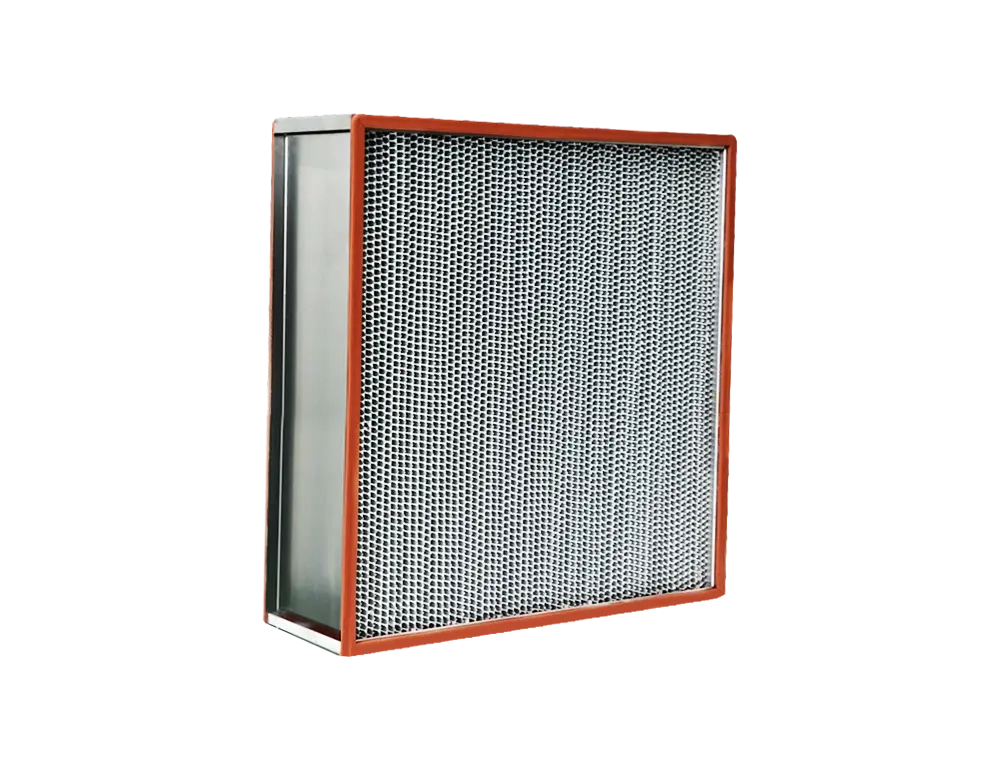
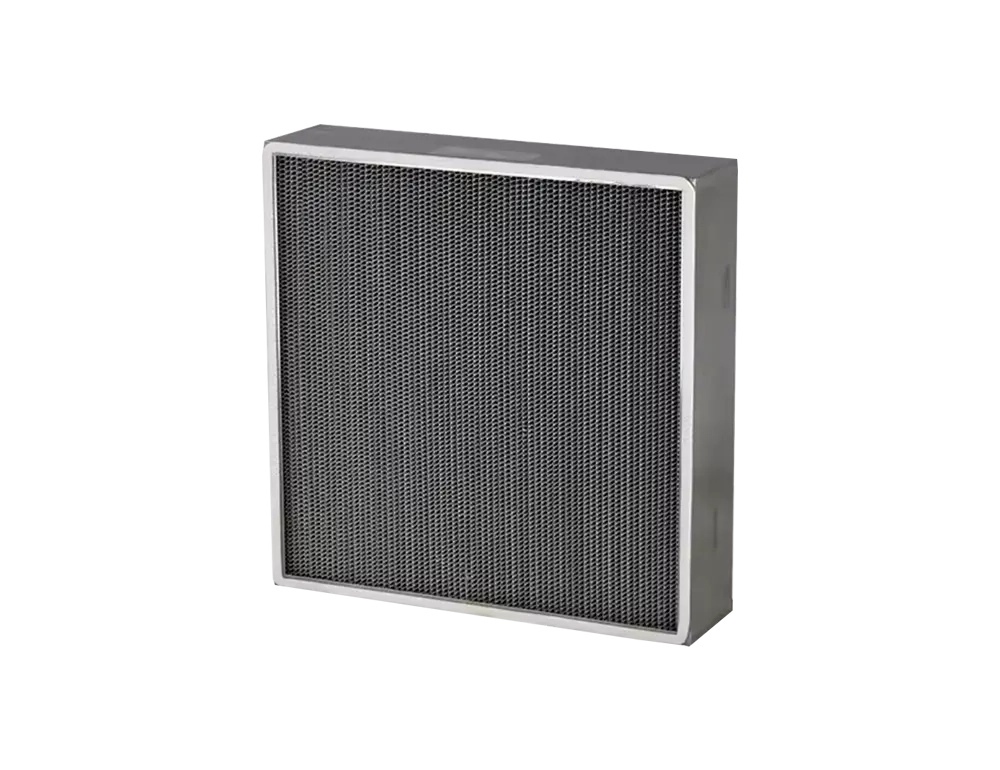
HEPA High-Efficiency Filter
Sterile-Grade Purification
ULPA Ultra-High Efficiency Filter
Sub-Micron Particle Capture
First-Stage Large-Particle Capture
The first line of defense, capturing particles ≥5 μm such as dust, hair, and fibers to protect downstream filters and extend overall system service life.
View Related Products →Precise PM2.5 Capture
Captures fine particles of 1–5 μm including PM2.5, pollen, and mold spores, significantly improving indoor air quality for commercial HVAC and ventilation systems.
View Related Products →Sterile-Grade Purification
≥99.97% filtration efficiency for particles ≥0.3 μm, delivering sterile-grade clean air widely used in medical, pharmaceutical, and electronics manufacturing.
View Related Products →Sub-Micron Particle Capture
≥99.9995% efficiency for particles ≥0.12 μm, meeting the extreme cleanliness demands of semiconductor fabs, aerospace, and other ultra-precision applications.
View Related Products →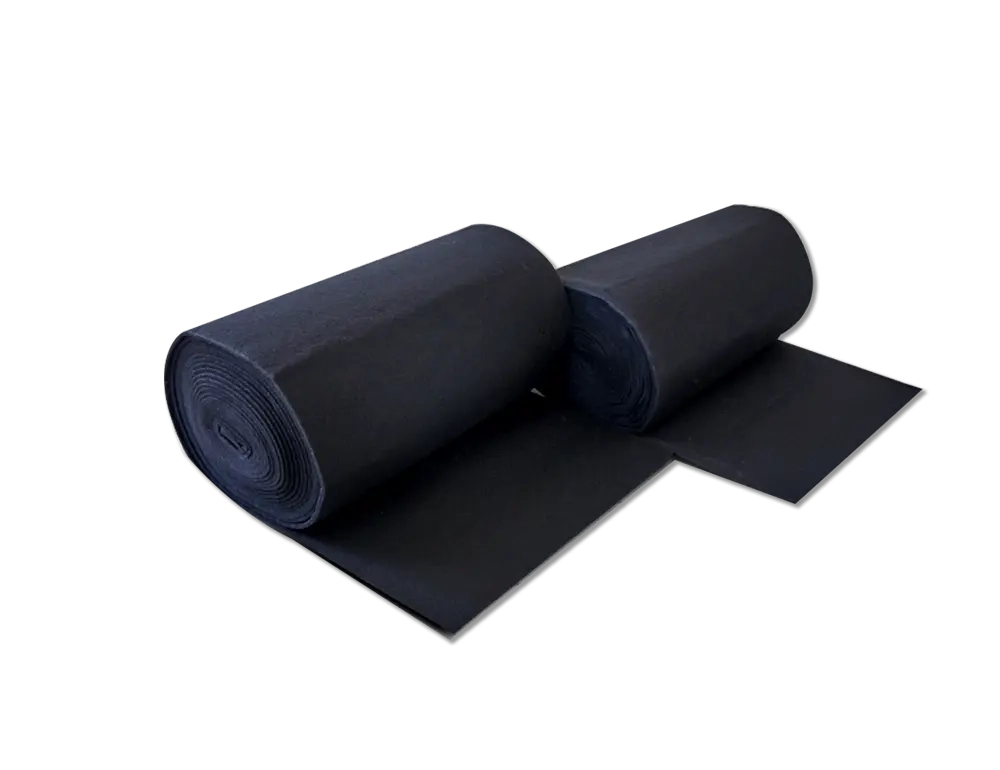
High-Temperature Resistant
Industrial-Grade Heat Tolerance
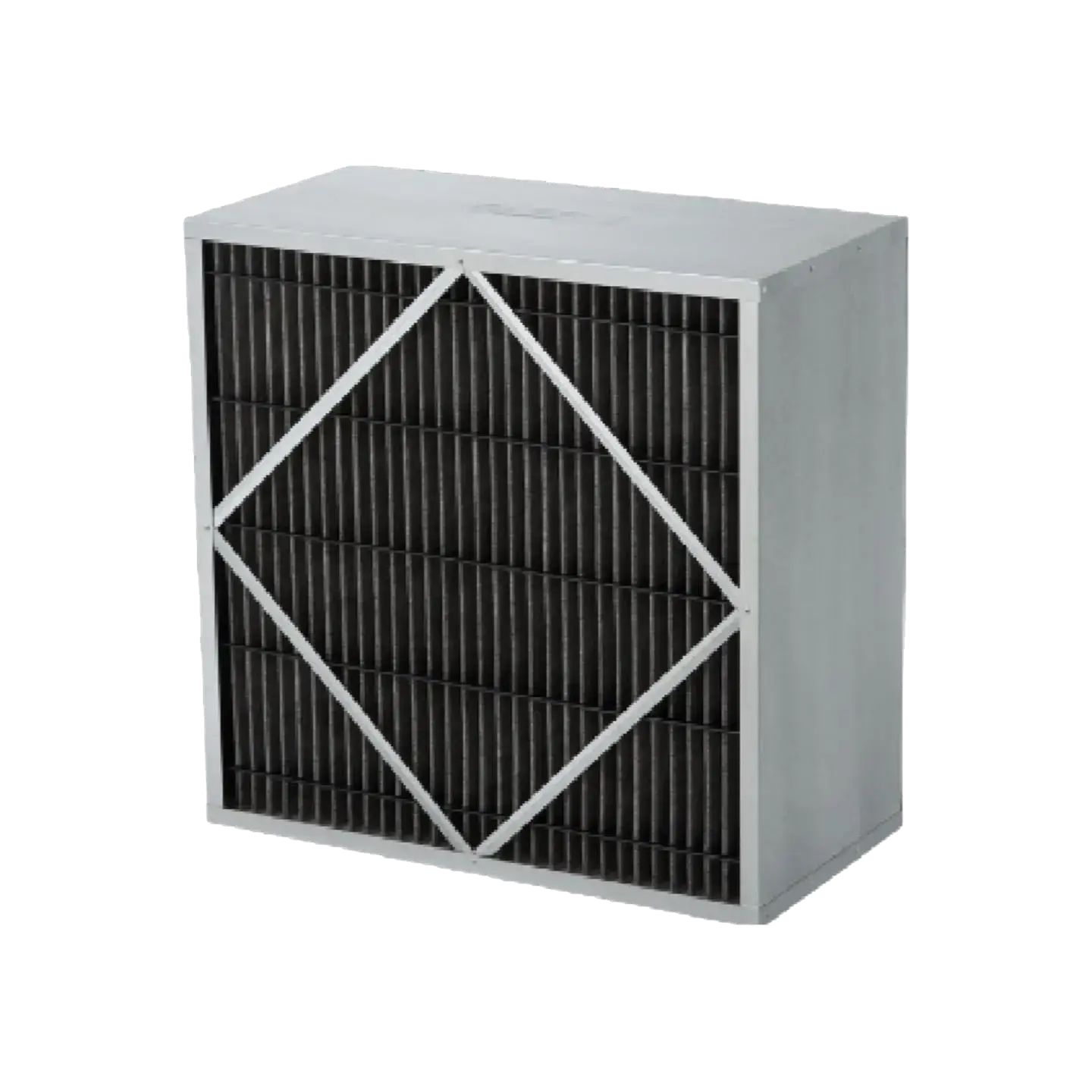
Washable & Reusable
Cut Costs, Reduce Waste
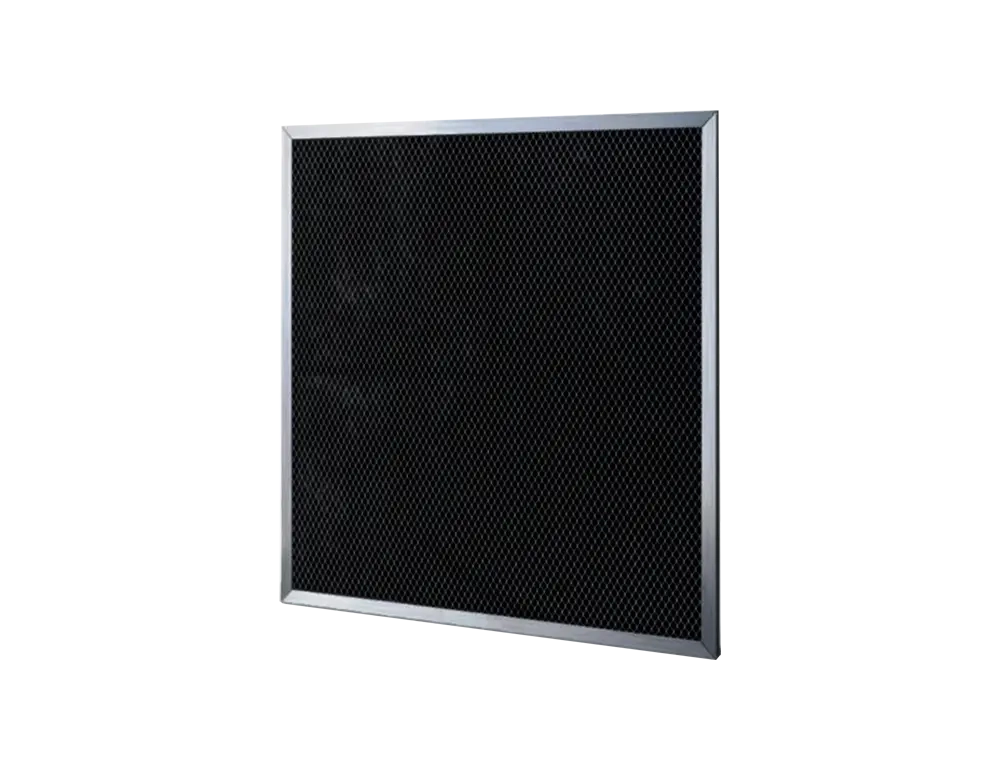
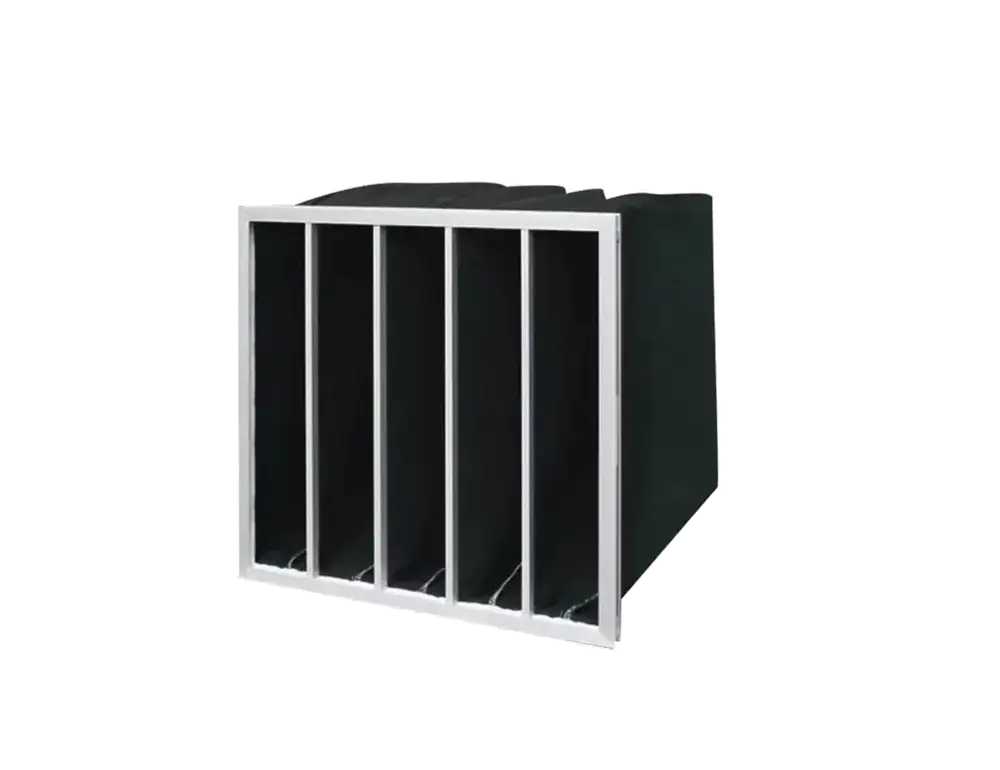
Activated Carbon
Odor & Harmful Gas Removal
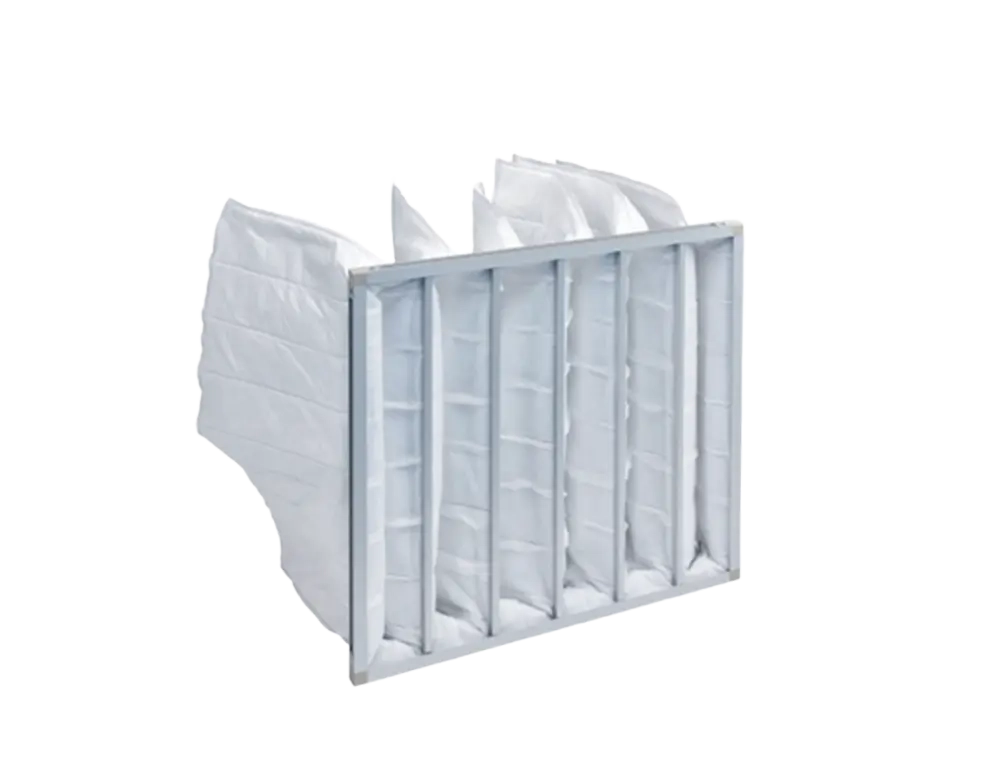
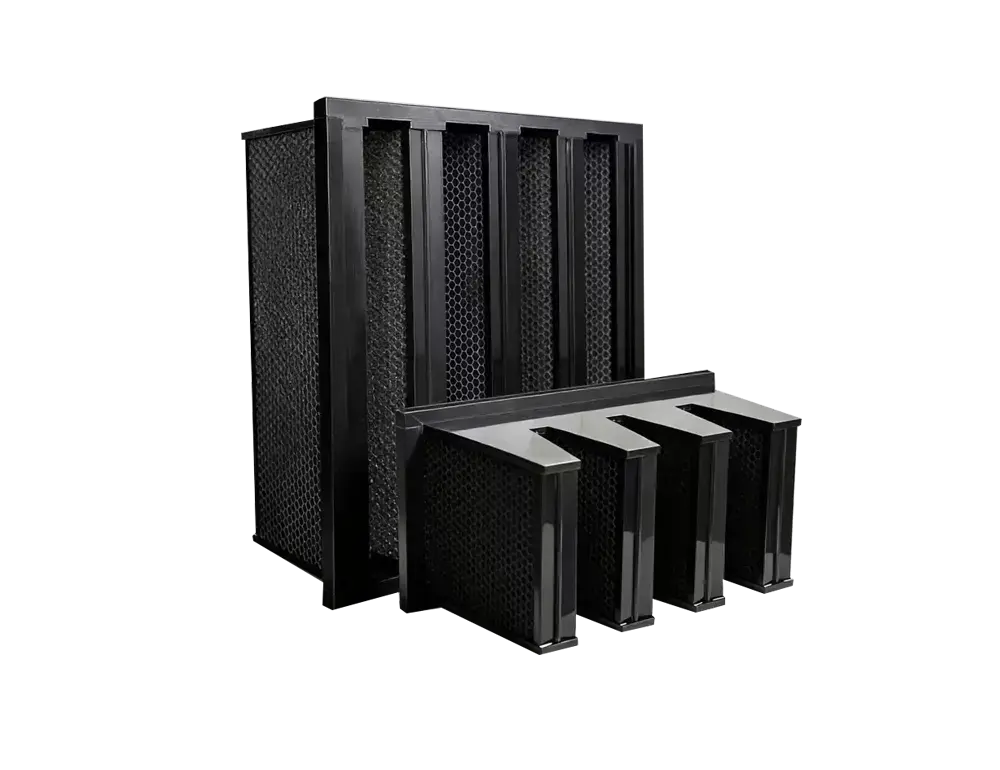
Bag Filter
High Dust-Holding, Long Life
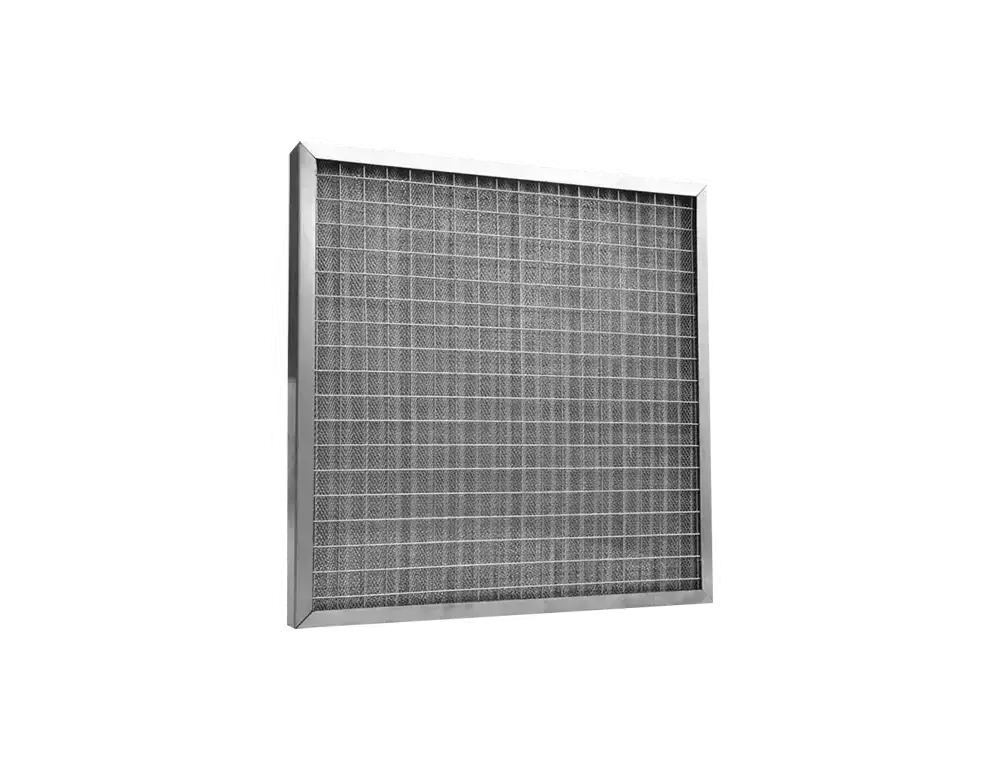
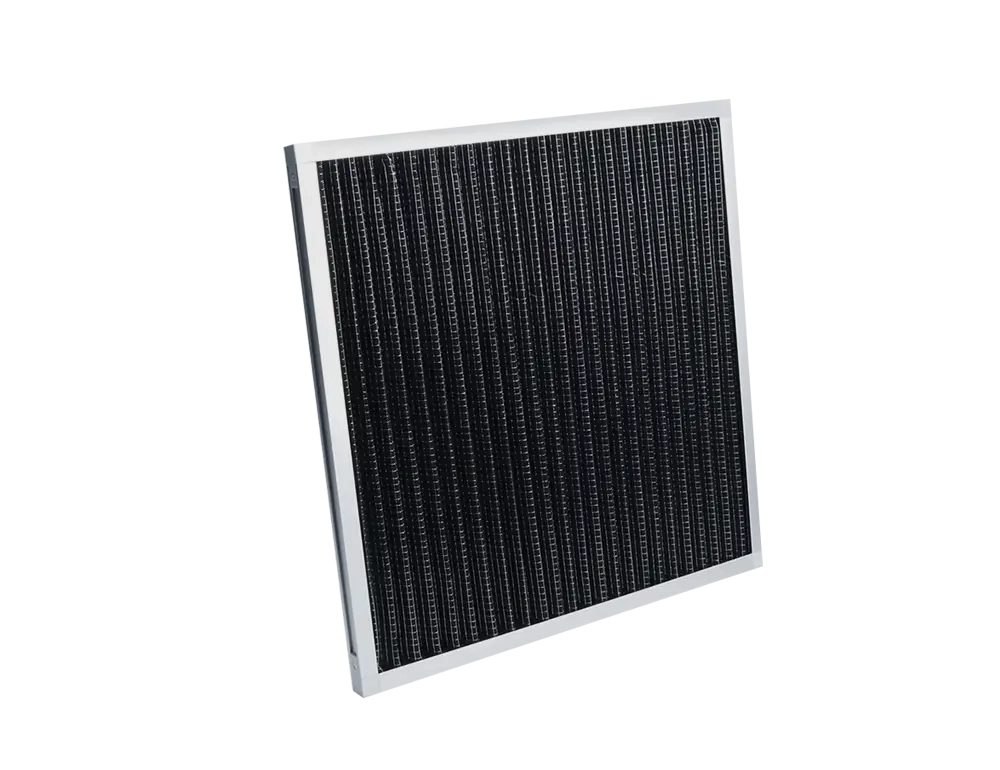
Panel / Pleated Filter
Compact Space-Saving Design
Low-Resistance Airflow
Energy-Saving Operation
Industrial-Grade Heat Tolerance
Built with specialized heat-resistant materials, operating stably up to 250°C for paint ovens, industrial dryers, and high-temperature process environments.
View Related Products →Cut Costs, Reduce Waste
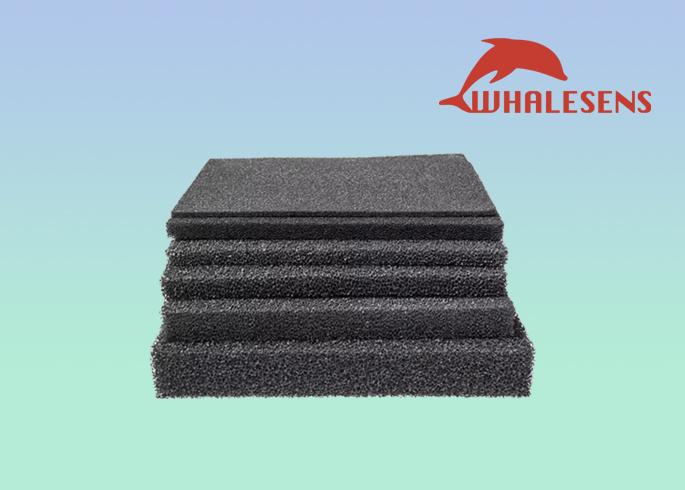
Cleanable by water washing or air blowing, reusable multiple times to significantly reduce replacement frequency and O&M costs — an economical, eco-friendly choice.
View Related Products →Odor & Harmful Gas Removal
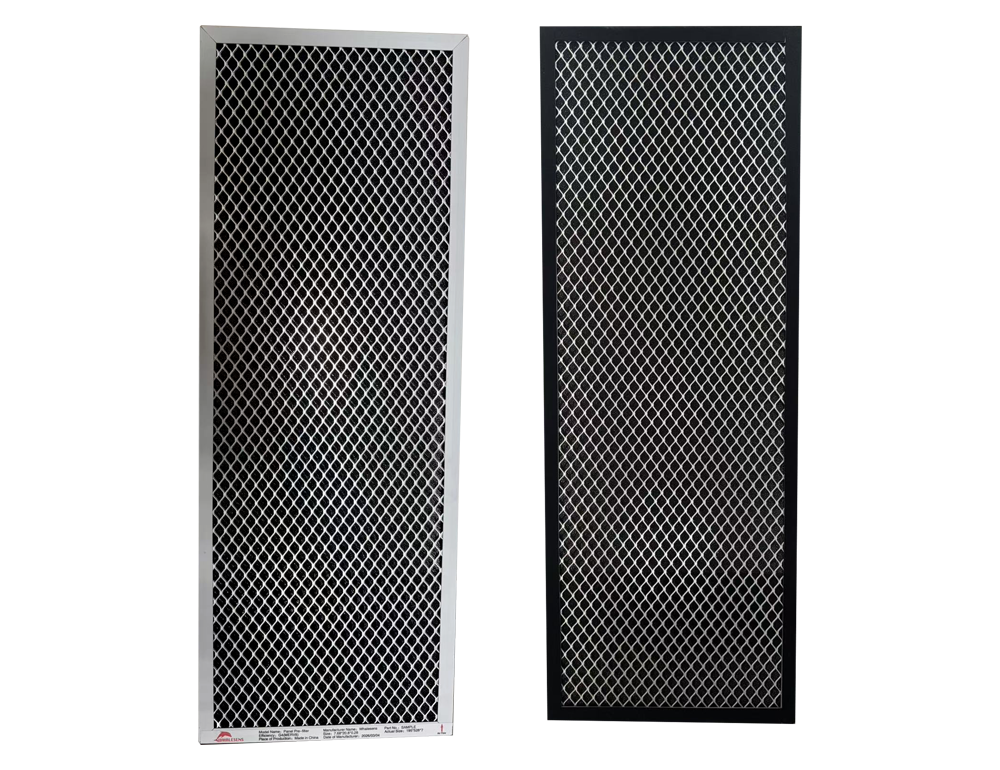
Leverages activated carbon's high adsorption capacity to eliminate odors, VOCs, and formaldehyde, ideal for newly renovated spaces and industrial exhaust treatment.
View Related Products →High Dust-Holding, Long Life
Bag-style construction delivers a larger filtration area, high dust-holding capacity, and extended service life — ideal for high-dust environments with reduced replacement frequency.
View Related Products →Compact Space-Saving Design
Compact form factor for easy installation and replacement; pleated structure maximizes filtration area within a small footprint for higher efficiency.
View Related Products →Energy-Saving Operation
Low-resistance design minimizes pressure drop while maintaining filtration performance, reducing fan energy consumption for cost-effective, eco-friendly operation.
View Related Products →
























 English(Global)
 简体中文
简体中文 Language




Filter Frame Material Guide: Paper vs Metal vs Plastic
Why Filter Frame Material Is a Bigger Decision Than It Looks
Filter frame material often sits at the bottom of industrial procurement checklists. That's a mistake. The frame does not filter anything, but it holds the media flat, seals the filter in its housing, and determines how the unit behaves under humidity, temperature, pressure swing, and chemical exposure.
A frame that warps, corrodes, or loses rigidity creates a bypass path. Contaminated air flows around the filter instead of through it. Downstream equipment, product quality, and cleanroom pressure all suffer.
We saw this in a plant where relative humidity stayed above 80%. The buyer chose paper frames to save money. Within two months, the frames absorbed moisture and deformed. The media collapsed, the seal failed, and dust bypassed the filter entirely. Switching to aluminum frames with the same media and operating conditions more than doubled service life.
The frame is the skeleton of the filter. If the skeleton bends, the best media cannot save the unit.
Whalesens Technology
To be honest, this failure mode is more common than most buyers think. Procurement teams compare filter efficiency and price, then overlook the frame as a hidden variable. In high-changeout applications, the frame material often drives total filtration cost more than the media brand.
Industrial air filter selection should treat frame material as a first-tier criterion, not an afterthought. If you are replacing filters every three months, the frame determines whether the replacement is a quick swap or a contamination event.

Five Filter Frame Materials: Properties and Application Limits
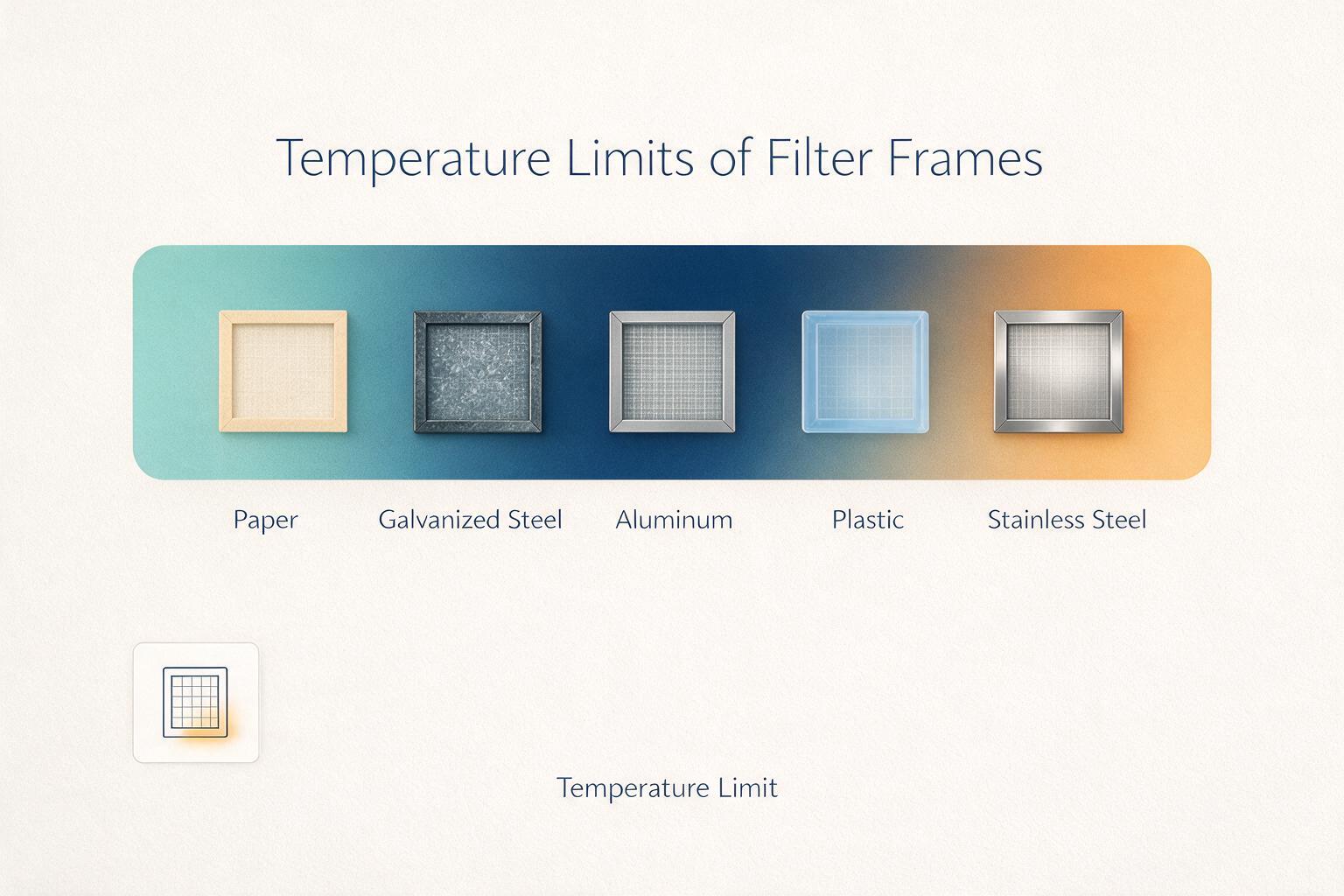
No single frame material works for every plant. Paper, galvanized steel, aluminum, plastic, and stainless steel each have a temperature and corrosion envelope. The chart below shows the upper continuous temperature limit for each material.
That gap between 70°C and 450°C explains most misapplications. Paper and plastic are fine for comfort HVAC and general ventilation. Metal frames handle high temperature, high humidity, and aggressive chemical exposure. Here is how each material behaves in real service.
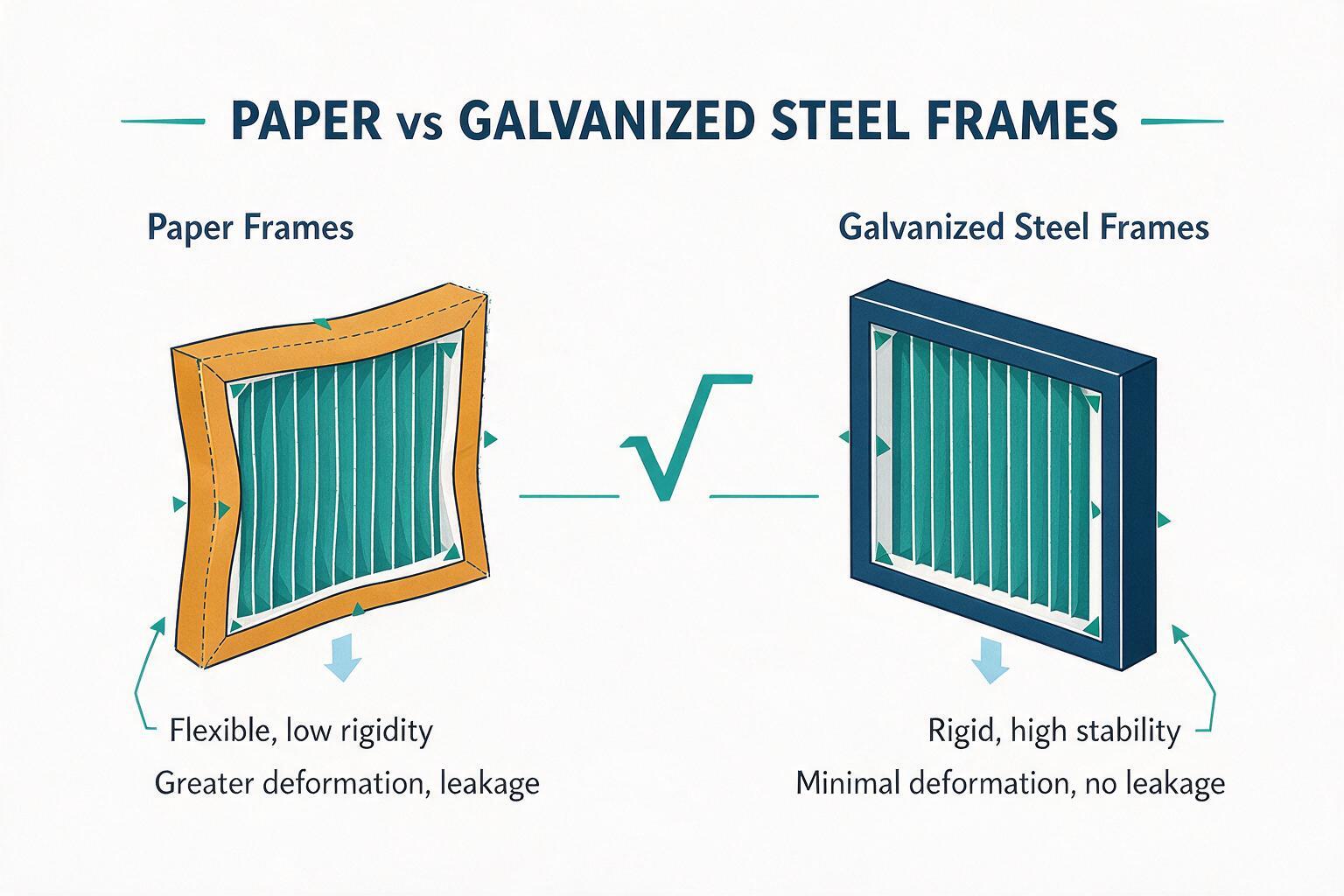
Paper frames are the lowest cost option. They use high-density or water-resistant paperboard. They are light, easy to dispose of, and work well for one-time, low-stress applications such as commercial air handling units. Many panel filters use paper frames because changeout is frequent and cost sensitive. But paper hates moisture and pressure. In high humidity or high differential pressure, paper deforms quickly and loses seal integrity.
Galvanized steel frames are carbon steel coated with zinc. They cost less than aluminum and provide good strength and temperature resistance up to about 200°C. The weakness is corrosion. Acidic gases, salt spray, or chlorine will eat through the zinc and then the steel. We investigated a cleanroom where differential pressure dropped 30%. The gauge was fine. The galvanized frames had corroded through, creating a bypass channel. Galvanized works for general industrial duty, but not for corrosive atmospheres.
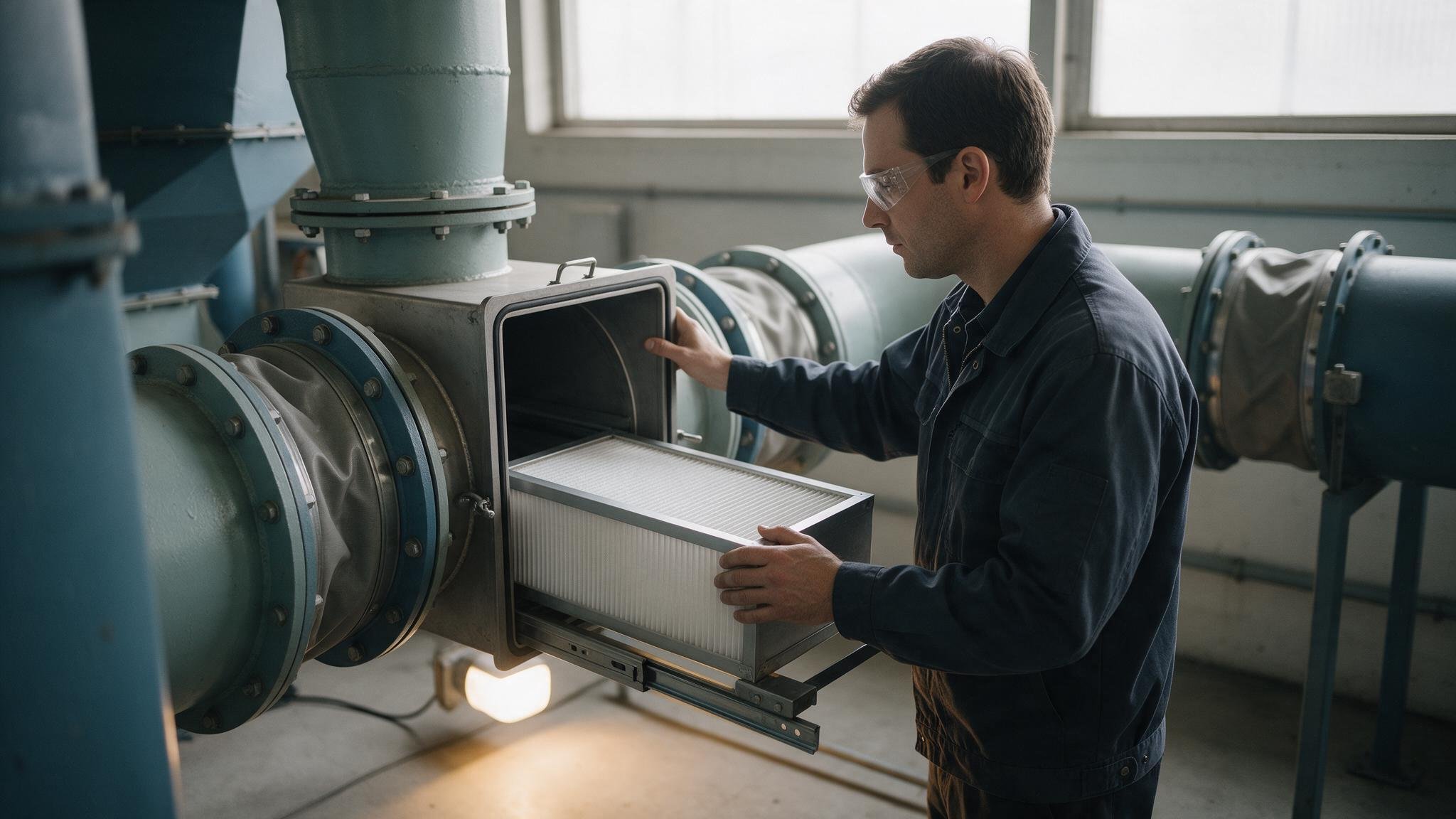
Aluminum frames are light, corrosion resistant, and rated to around 300°C. They combine flatness and rigidity, which matters for high-efficiency filters that demand a tight seal. Aluminum is the standard choice for HEPA filter cassette units and H13 HEPA filter modules because dimensional stability prevents leaks at the mounting interface.
Plastic frames, typically ABS or polypropylene, resist chemical attack and weigh little. They are also non-conductive. But their continuous temperature limit is around 100°C, and their mechanical strength is lower than metal. Plastic suits electroplating shops, chemical storage areas, and other corrosive, low-temperature zones.
Stainless steel frames offer the highest temperature and corrosion resistance. They handle pharmaceutical, food, and high-temperature sterilization environments. They can be washed and reused repeatedly. Initial cost is high, but life-cycle cost often falls below cheaper materials when downtime and replacement labor are counted.
The right filter frame material depends on where the filter lives. A bag filter in a mild warehouse needs a different frame strategy than a HEPA terminal in a cleanroom. If you are sizing the overall system, also consider bag filter configuration because frame and media interact under pressure.
Paper vs. Galvanized Frames: Don't Choose by Price Alone
Buyers often wonder whether to pay a little more for galvanized steel over paper. The decision is not purely financial. It depends on vibration, temperature, humidity, and pressure fluctuations.
Paper Frames
- Lowest cost
- 70°C limit
- Poor moisture resistance
- Best for low-stress disposable applications
Galvanized Steel Frames
- Slightly higher cost
- 200°C limit
- Good mechanical strength
- Avoid acidic or salt-laden air
In a standard comfort air handling unit with filters changed every three months, paper is usually sufficient. In an industrial setting with vibration, varying differential pressure, or slightly elevated temperature, galvanized steel's rigidity pays off. But do not assume galvanized steel is universal. Acidic fumes are its weak point.
Let me be upfront: I lean toward paper only when the environment is dry, temperature stays below 50°C, and changeout is frequent. For anything with mechanical stress or temperature cycling, galvanized makes more sense.
The corrosion failure we mentioned earlier happened because a plant used galvanized frames in an acid-laden exhaust stream. The filters looked fine from the outside. The damage was on the frame flange, hidden behind the gasket. That hidden bypass changed cleanroom qualification results and took two days to diagnose.
For applications with salt spray or chemical fumes, skip galvanized and consider aluminum, plastic, or stainless depending on temperature. If the application involves wind-driven pressure or constant vibration, also review wind turbine filter selection because frame rigidity matters in high-vibration installations.
Plastic vs. Aluminum Frames: The Tradeoff Most Buyers Miss
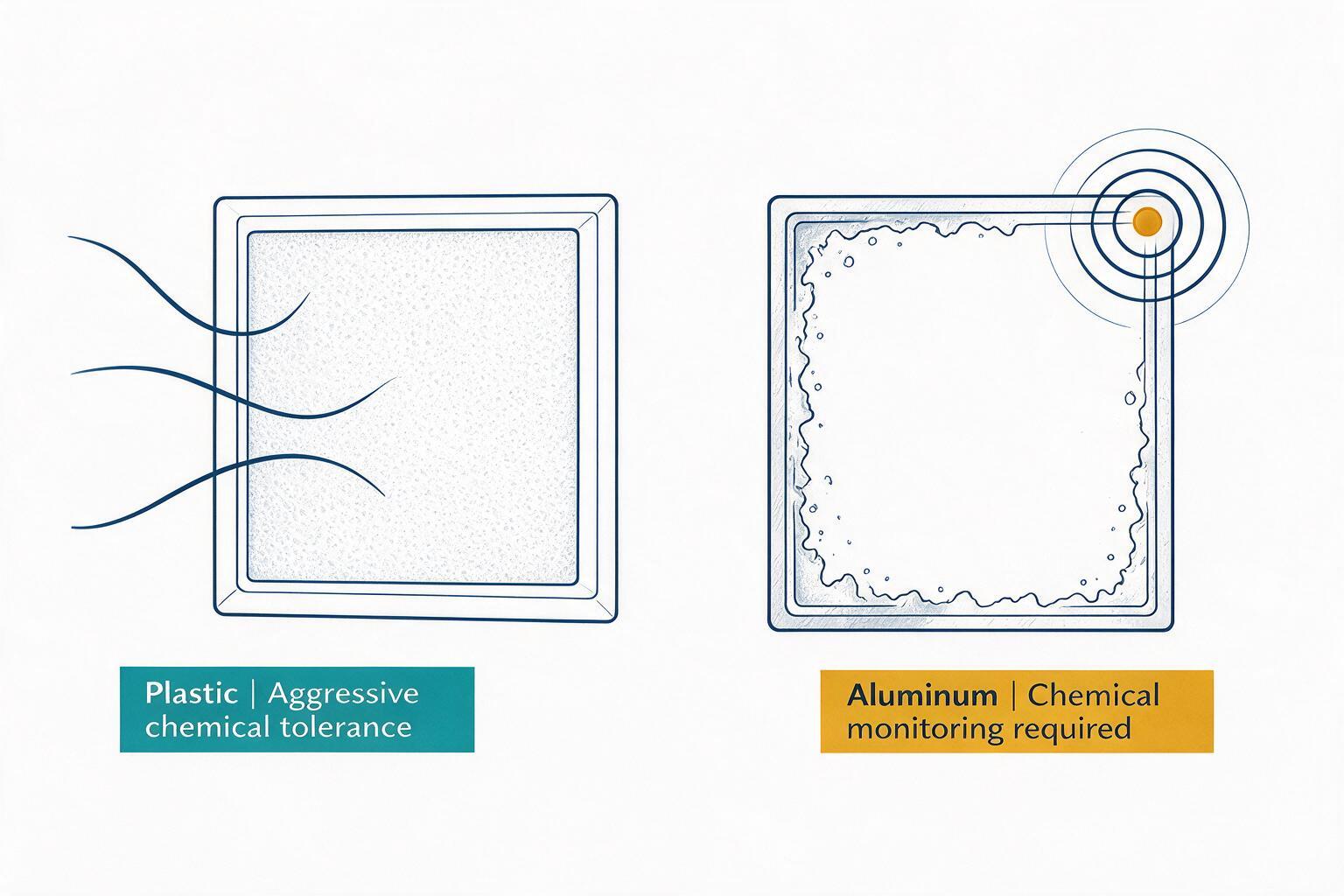
Plastic and aluminum both offer corrosion resistance and light weight. The comparison stops there. Plastic tolerates aggressive chemicals but softens above 100°C. Aluminum handles 300°C and provides far better flatness and rigidity.
That flatness difference matters more than it seems. Large filters with plastic frames can develop slight warpage from injection molding stress. Once installed, the frame does not sit perfectly flat against the gasket. A small gap becomes a leak path. For H13 or higher filters, that leak path is unacceptable because a single pinhole can compromise the entire cleanroom.
Here's the thing: if your filtration grade is HEPA or ULPA, I would choose aluminum even at a higher frame cost. The risk cost of a leak far outweighs the frame price difference. Plastic is fine for corrosive, low-temperature applications where filtration efficiency is moderate and the filter can be inspected frequently.
How to Match Filter Frame Material to Your Operating Environment
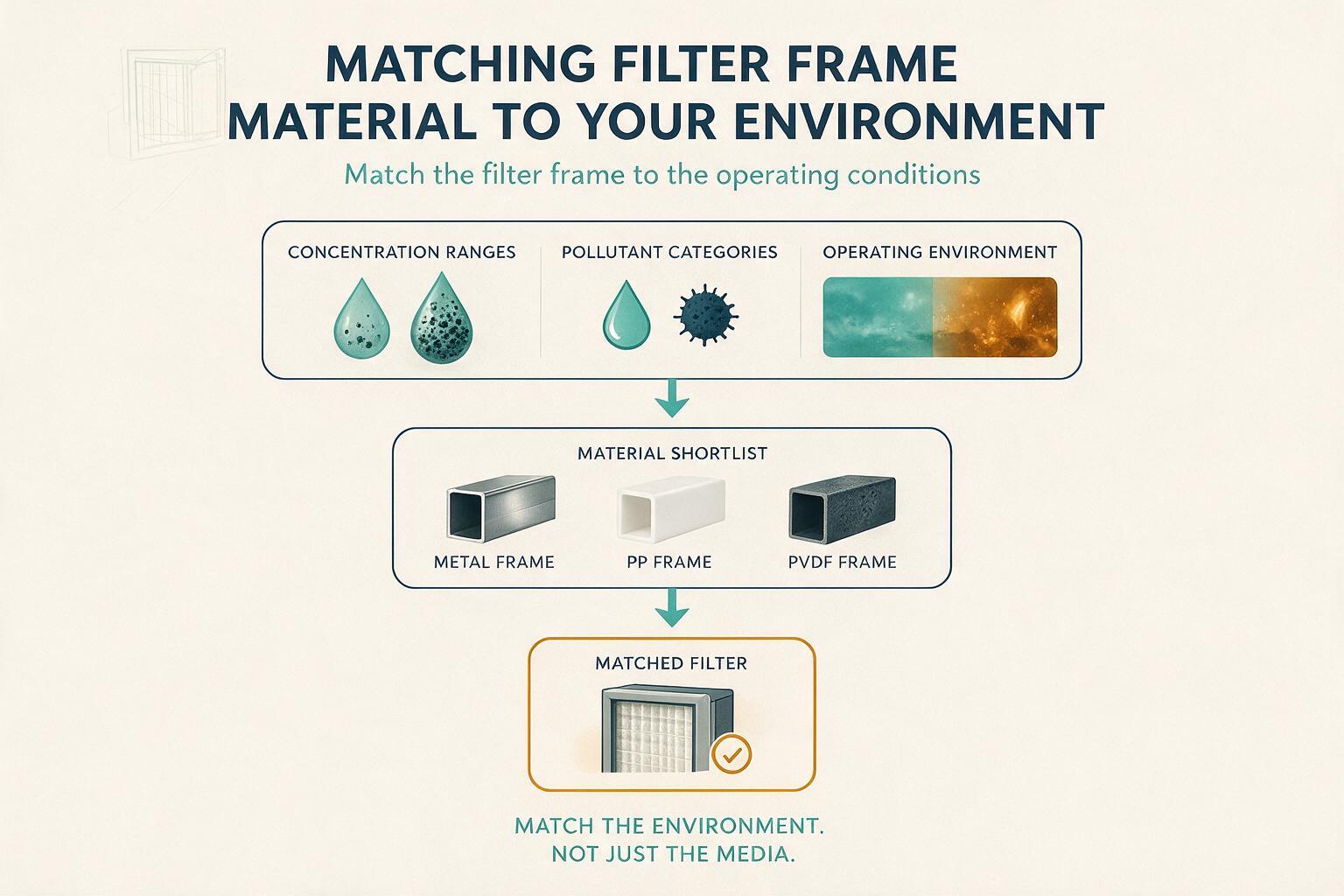
Selection does not need to be complicated. Map the operating conditions first, then shortlist frame materials. Use this process.
After you have a shortlist, verify the final selection against these points.
Filter Frame Material Verification Checklist
- Confirm continuous operating temperature below the frame material limit
- Check humidity and condensation exposure for paper or galvanized frames
- Verify chemical compatibility with process gases
- Confirm flatness tolerance for HEPA and ULPA grades
- Compare total cost per year, not unit price
For most commercial buildings, paper frames remain the cheapest compliant option. For general industrial plants without corrosive gases, galvanized steel or aluminum works. For cleanrooms, pharmaceutical suites, and electronics manufacturing, aluminum or stainless steel is the standard. High humidity, salt spray, and chemical fumes push you toward plastic or stainless, never paper or galvanized.
Here is a quick application reference:
- Comfort HVAC and commercial buildings: paper frames, frequent replacement, cost driven.
- General industrial plants, no corrosive gases: galvanized steel or aluminum, depending on temperature and pressure.
- Cleanrooms, pharmaceutical, and electronics: aluminum or stainless steel, with priority on sealing and cleanliness.
- High humidity, salt spray, or chemical fumes: plastic or stainless steel; avoid paper and galvanized.
The frame is not a throwaway decision. It is a structural component that determines whether the filter media can do its job. In many plants, the cheapest frame becomes the most expensive when it fails early and lets contaminated air bypass the filter.
Life-Cycle Cost: Why the Cheapest Frame Can Be the Most Expensive
Price per unit misleads buyers. A paper frame might cost half as much as aluminum. But if it fails twice as often, the labor, downtime, and contamination risk erase the savings.
The humidity failure we saw earlier produced these results:
Let me be upfront: those numbers come from real service events, not lab tests. The pattern is what matters. The more expensive frame was not the more expensive choice.
When you calculate filter frame material cost, include:
- initial purchase price
- replacement labor
- disposal cost
- downtime
- product contamination risk
- qualification testing after a leak
A stainless steel frame may last ten years in a washdown environment where a galvanized frame lasts two. The annualized cost often flips in favor of the premium material. This is why aerospace, pharmaceutical, and food plants rarely choose the cheapest frame option.
Before you reorder, ask whether the frame can survive the worst week your plant will throw at it. If the answer is "maybe," you are already looking at the wrong filter.
Need a custom air filtration solution?
Contact the Whalesens engineering team for product selection and OEM/ODM support.
Email whalesens@gmail.com
