


EV Charging Stations
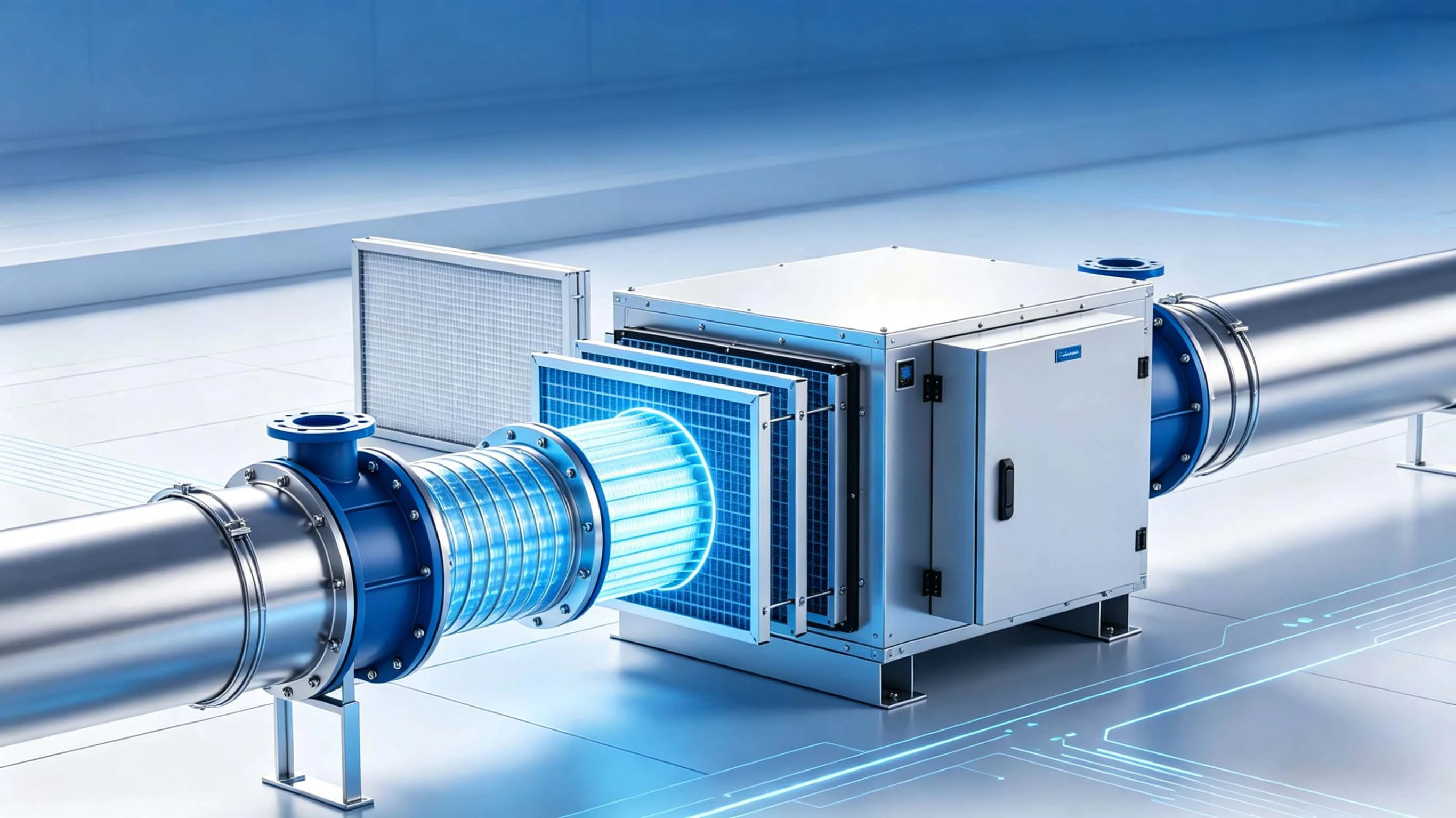
Filtration for Power Equipment
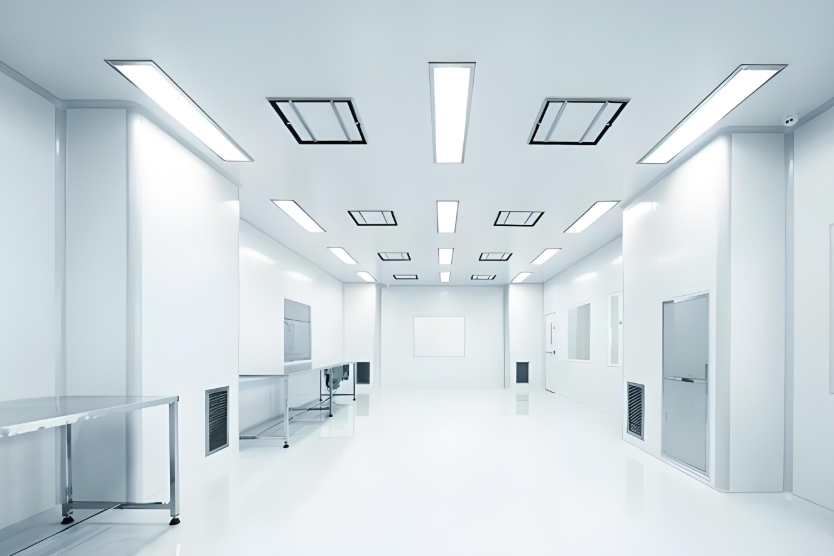
Cleanroom & Semiconductor
Ultra-High Cleanliness Filtration
Commercial HVAC
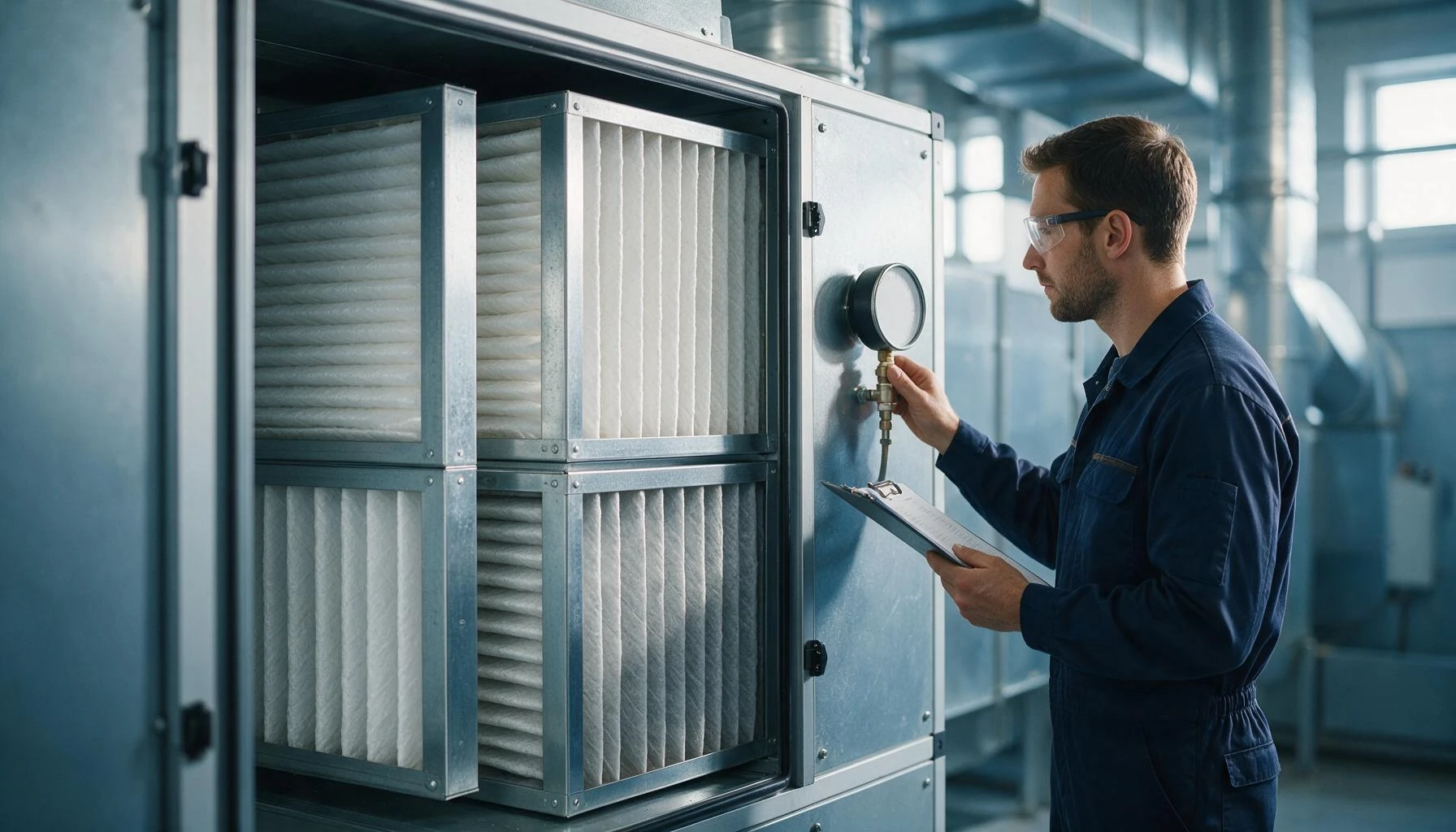
Central Air System Filtration
Data Centers
Precision Equipment Protection
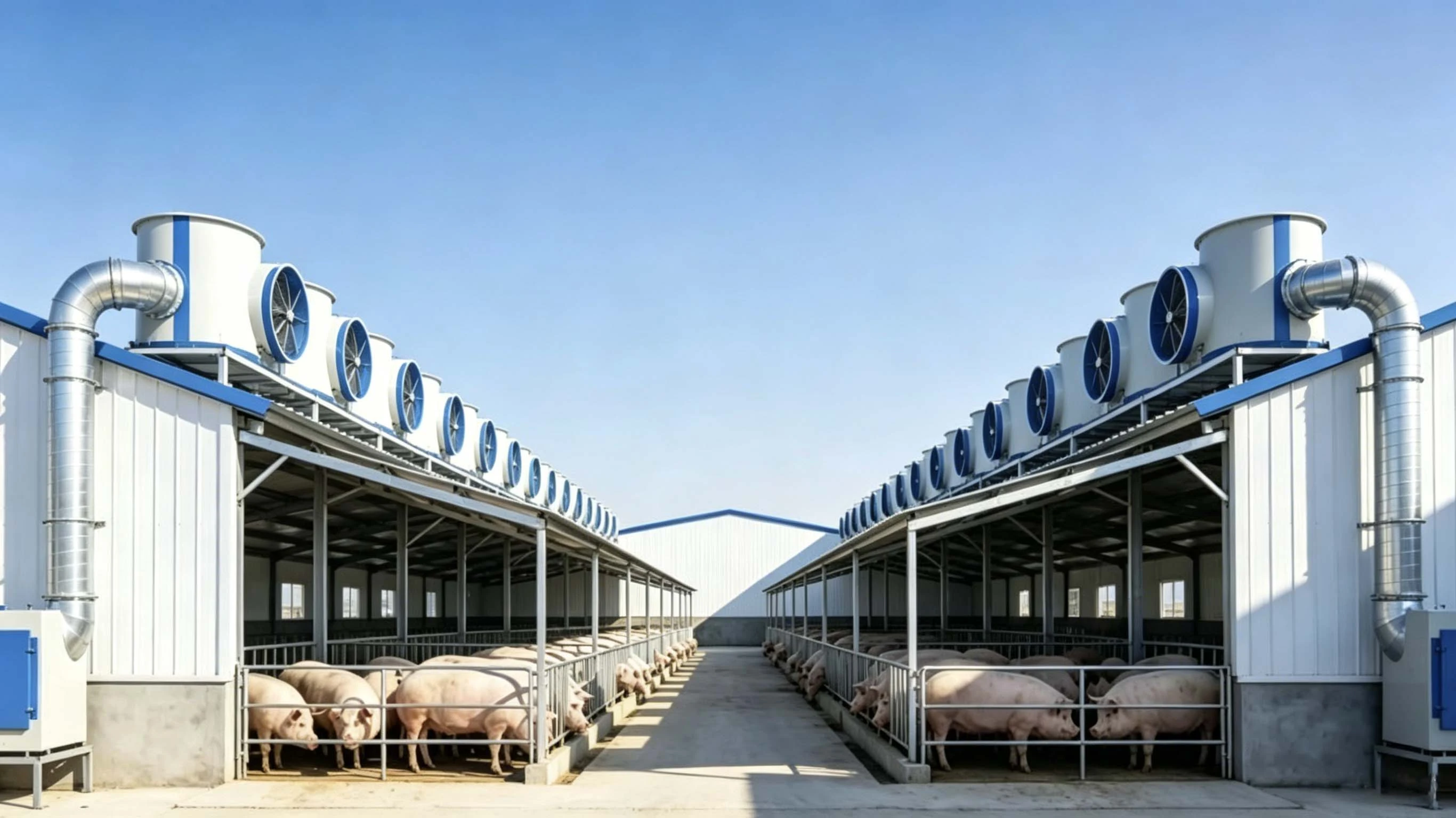
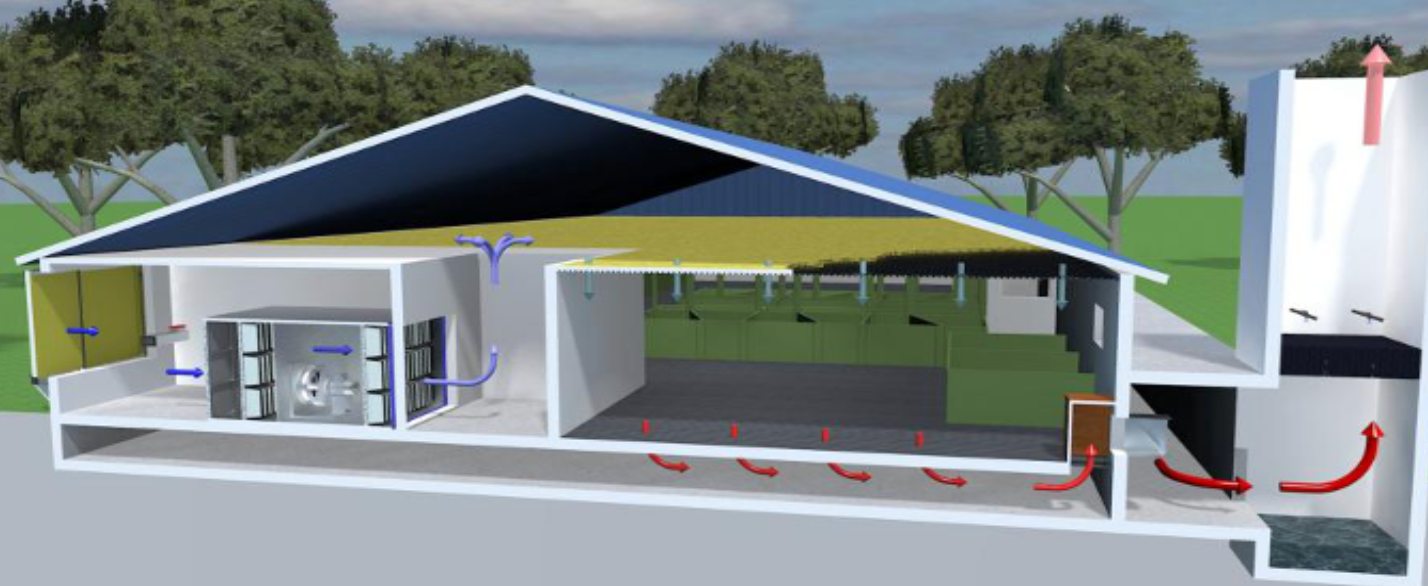
Livestock & Farming
Farming Environment Purification
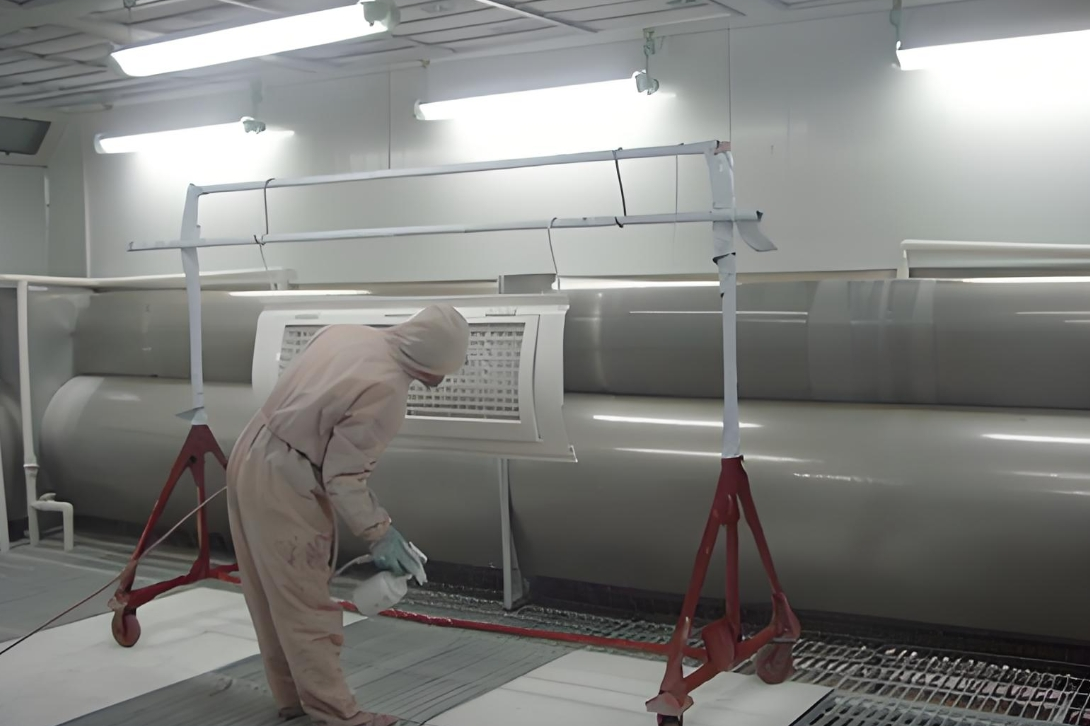
Spray Booths & Industrial Dust
Paint Mist & Dust Purification
Filtration for Power Equipment
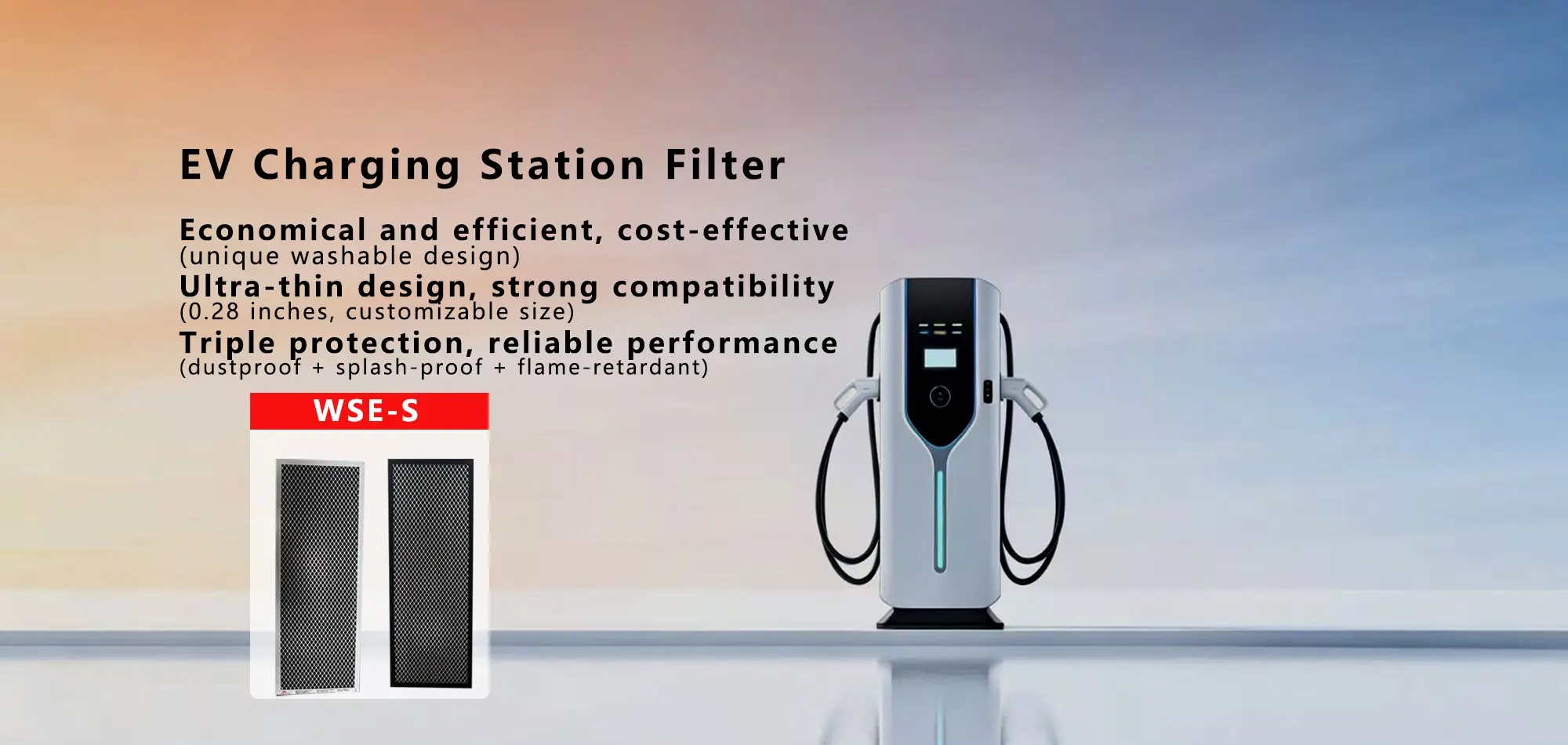
Professional air filtration for EV charging devices, protecting against dust and sand ingress to ensure stable, reliable operation of charging piles and station infrastructure.
View Related Products →Ultra-High Cleanliness Filtration
Ultra-high efficiency filtration for semiconductor wafer fabs and precision electronics cleanrooms, capturing nano-scale particles to meet ISO Class 1–3 standards and maximize product yield.
View Related Products →Central Air System Filtration
High-efficiency filtration for commercial building HVAC systems, improving indoor air quality, reducing energy consumption, and extending equipment service life.
View Related Products →Precision Equipment Protection
Precision air filtration for data centers, shielding servers and critical hardware from dust contamination to keep cooling systems running efficiently and reliably.
View Related Products →Farming Environment Purification
Dedicated filtration systems for farms and livestock facilities — capturing dust, adsorbing ammonia, and inhibiting pathogen spread to improve animal health and overall productivity.
View Related Products →Paint Mist & Dust Purification
Designed for spray booths and grinding workshops, efficiently capturing paint mist, metal dust, and wood chips to meet emission standards while protecting finished surface quality.
View Related Products →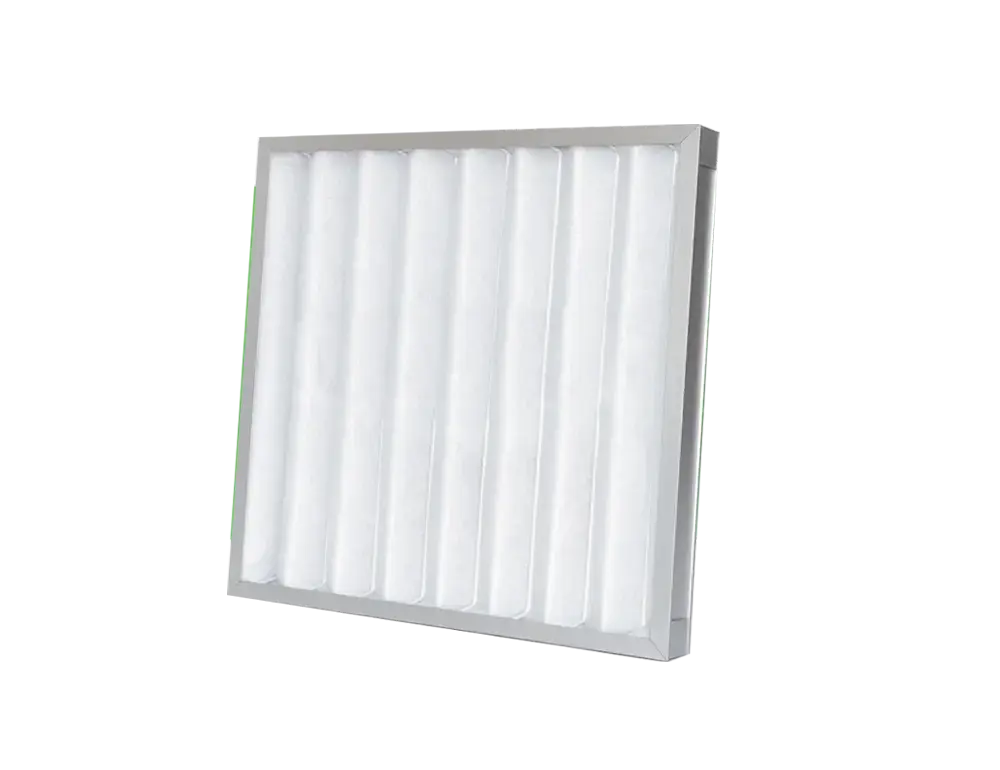
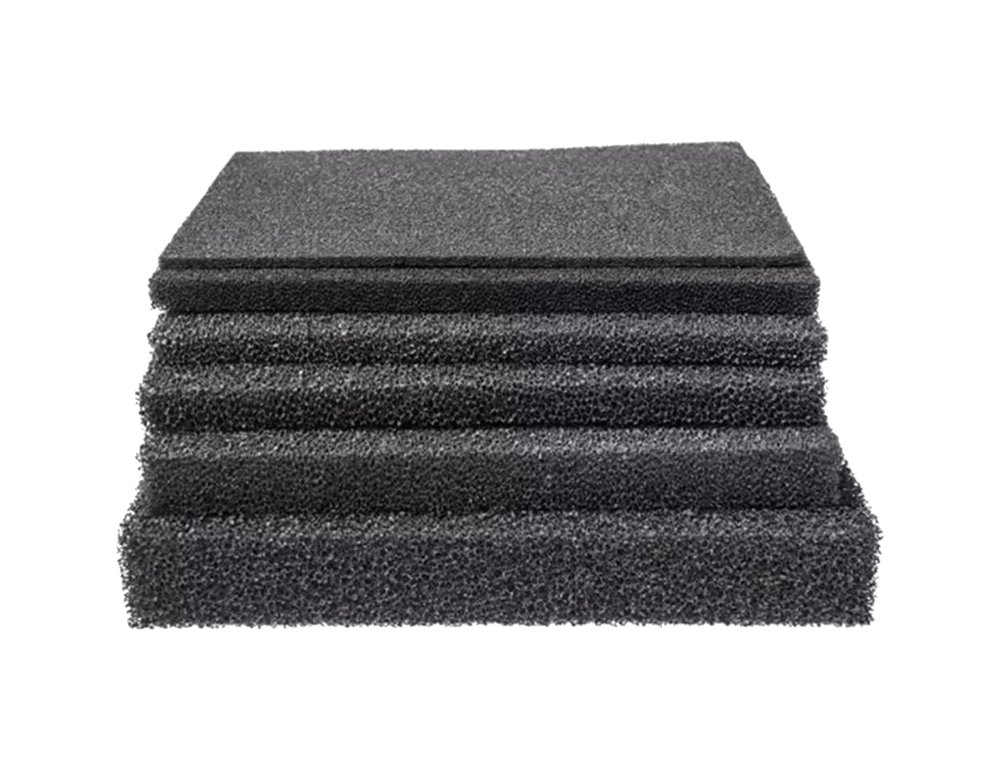
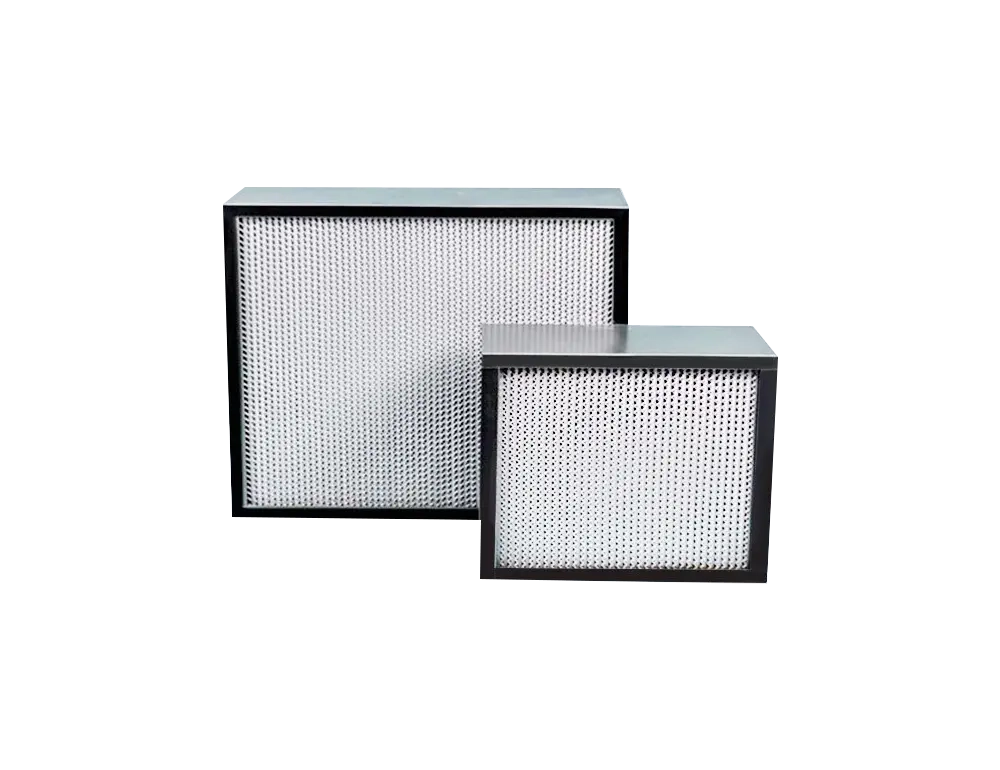
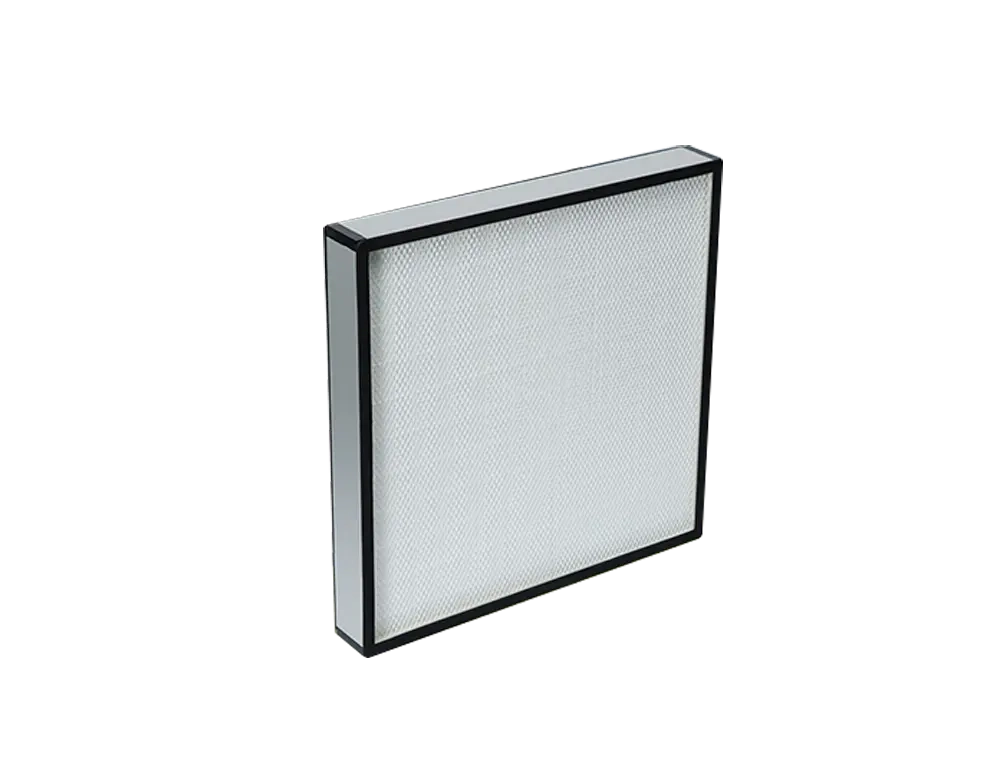
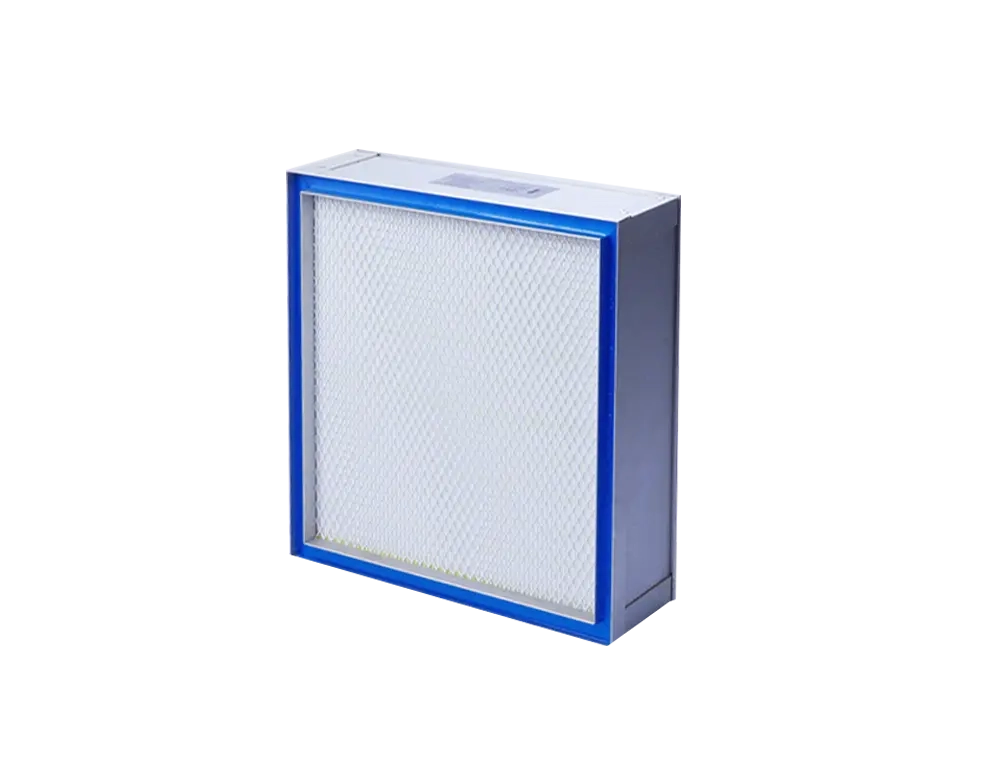
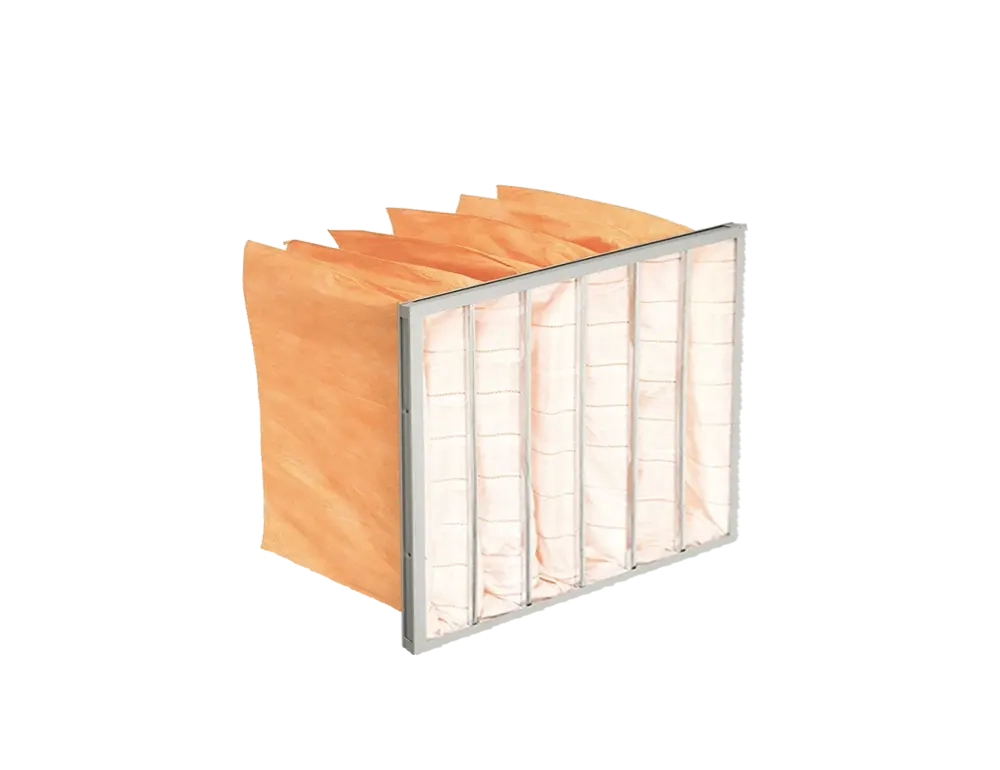
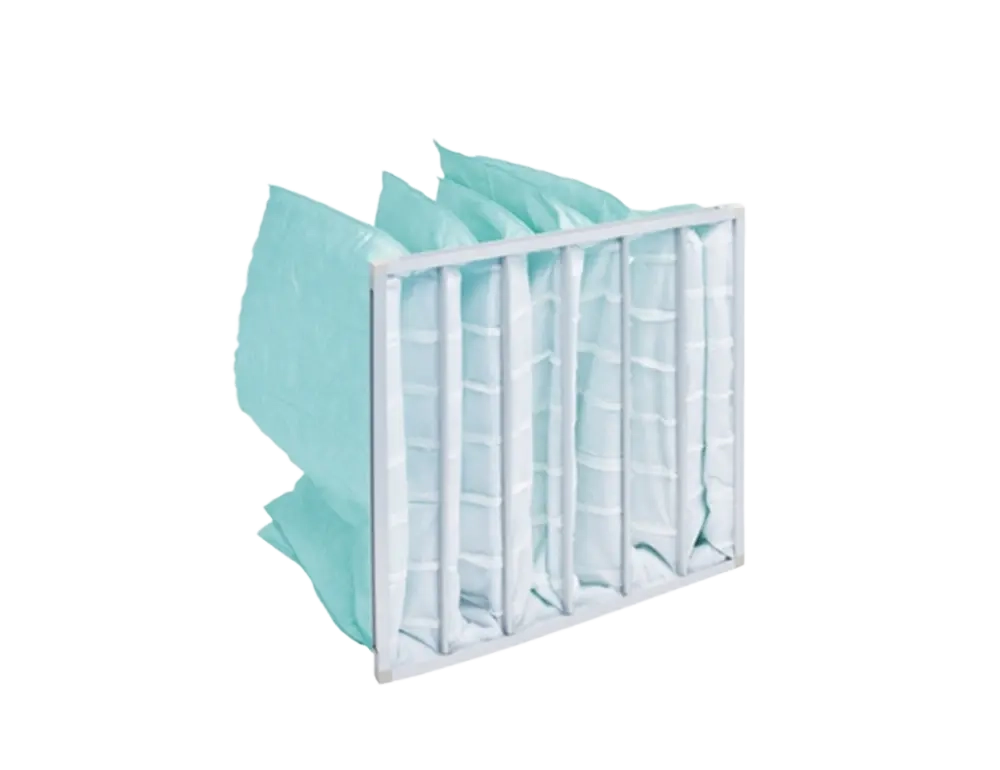
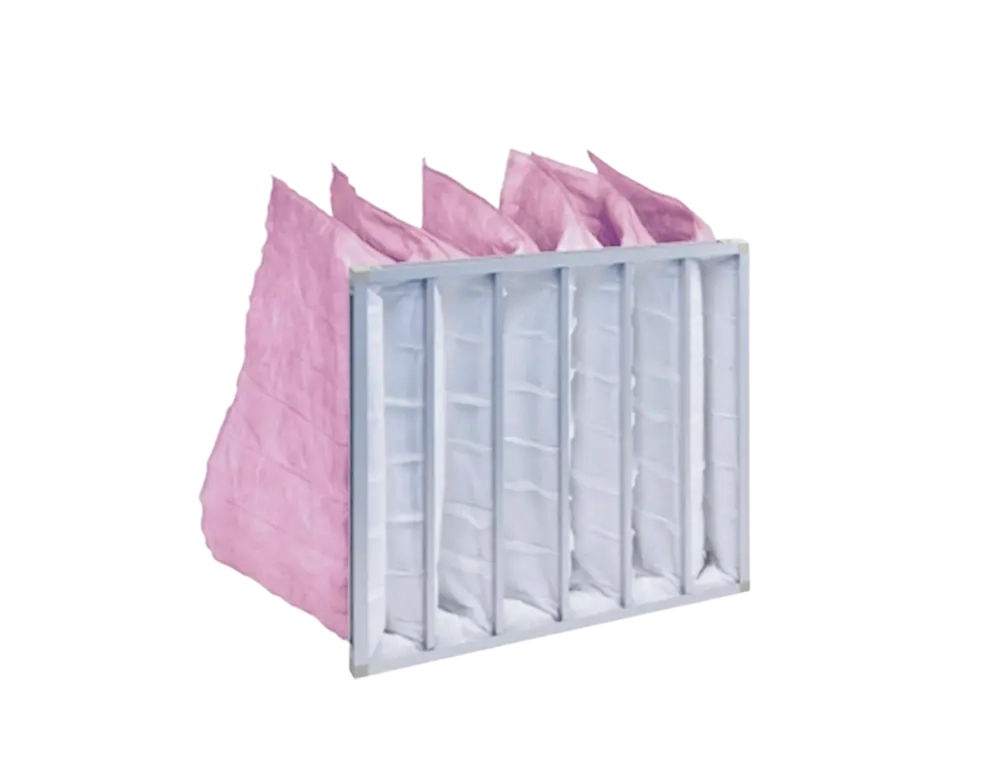
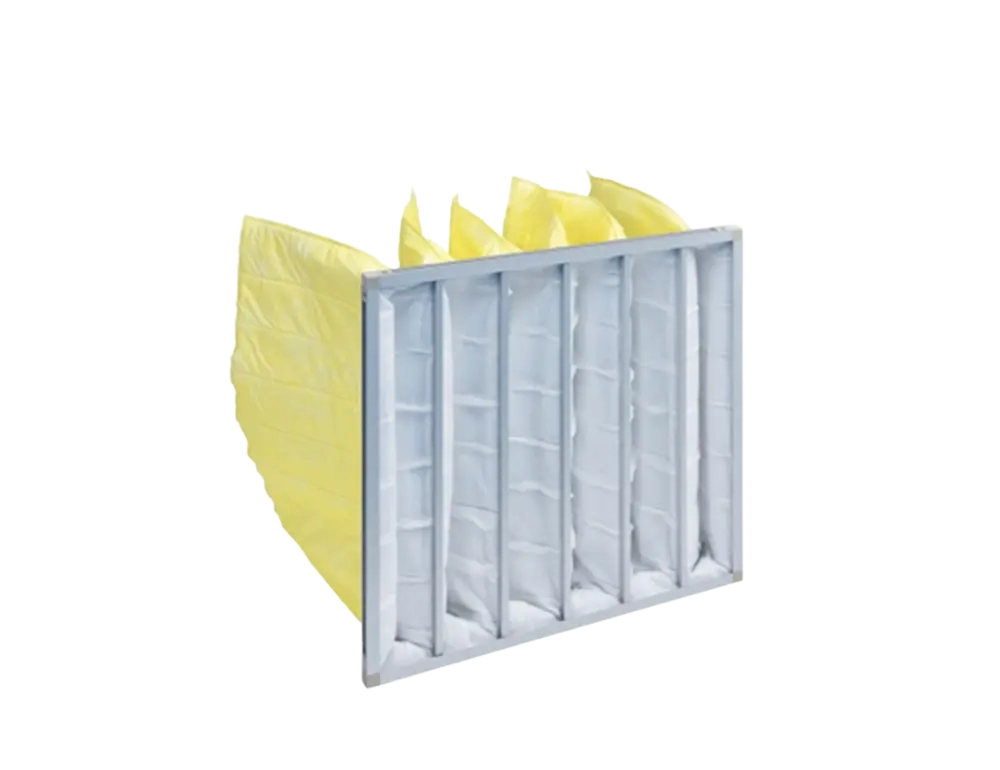
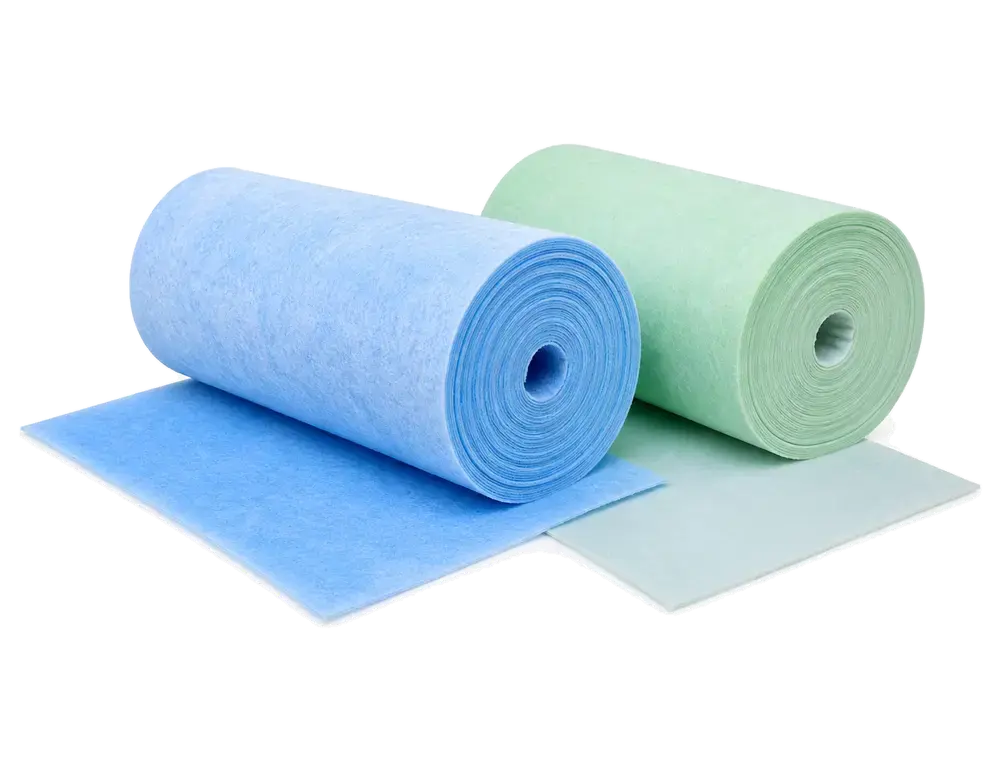
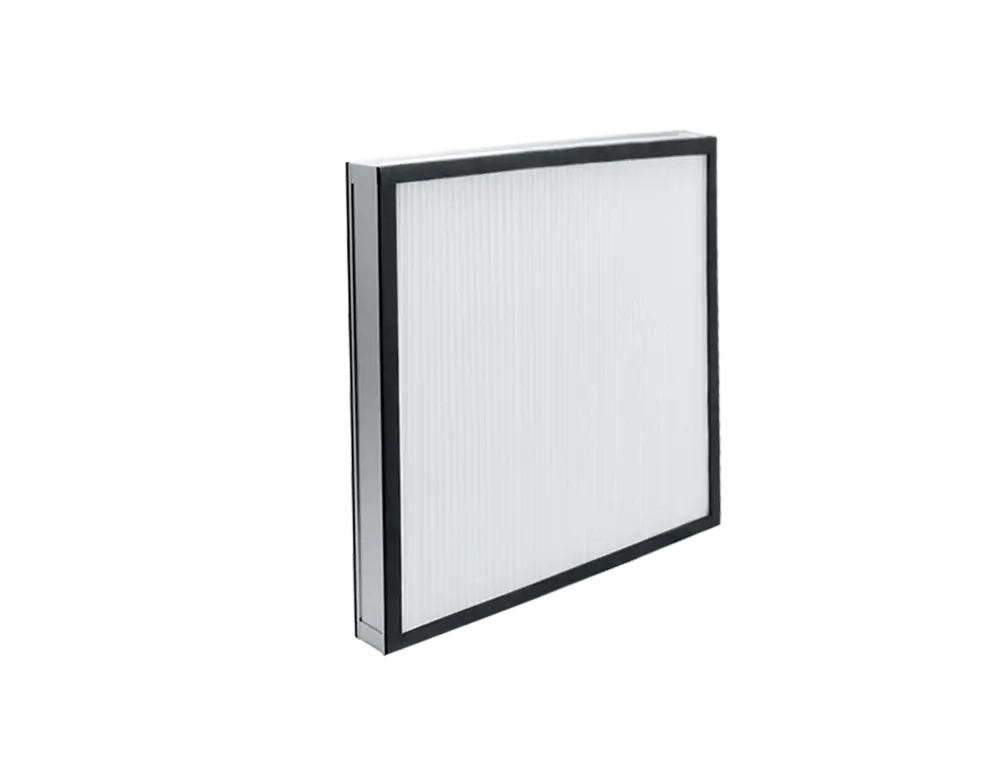
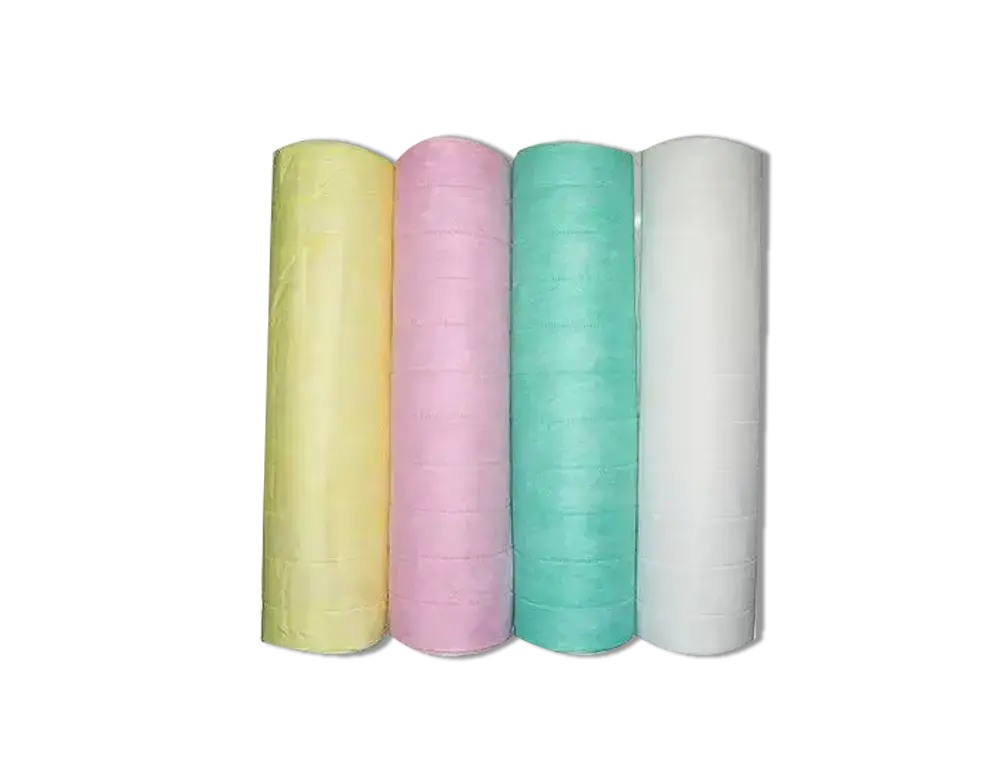
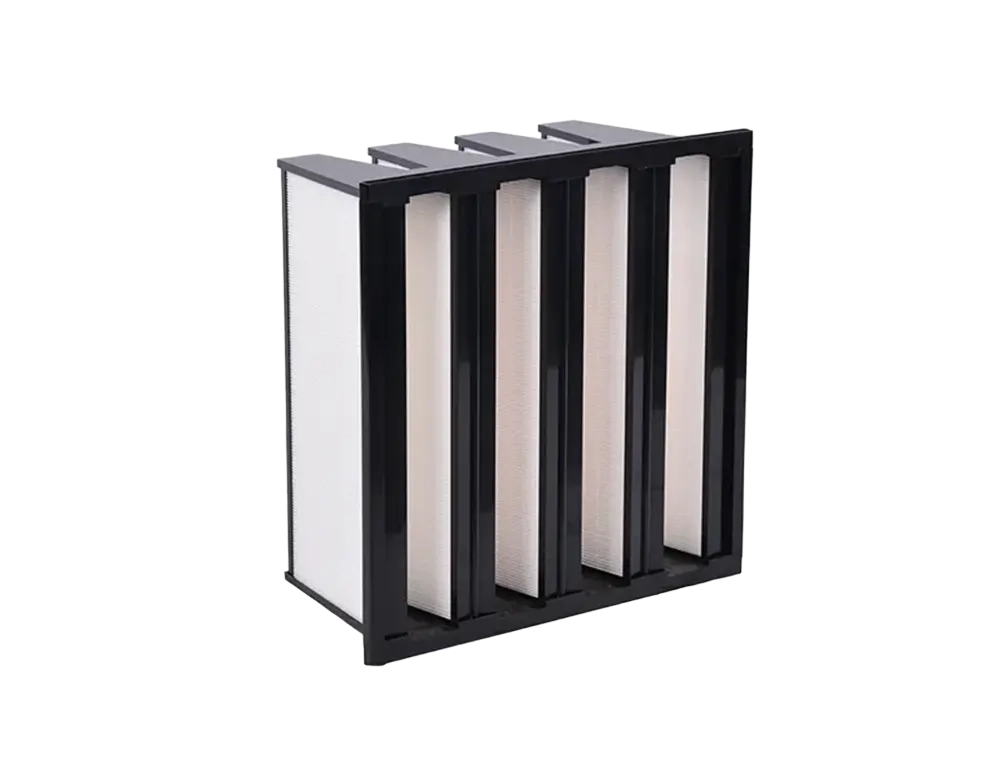
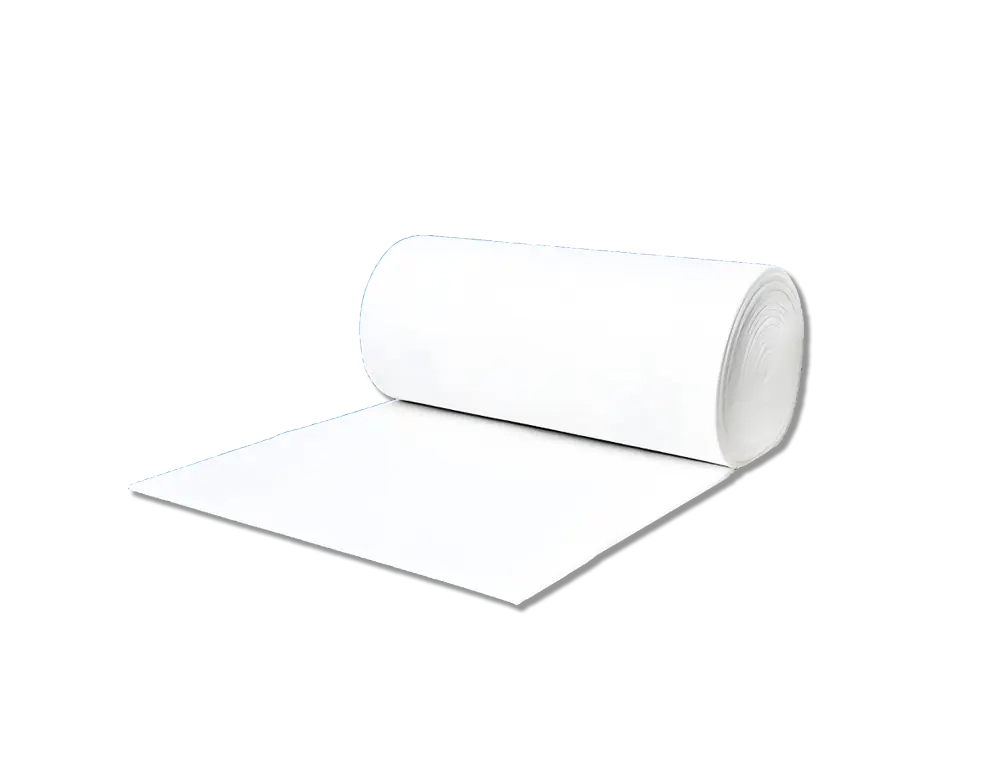
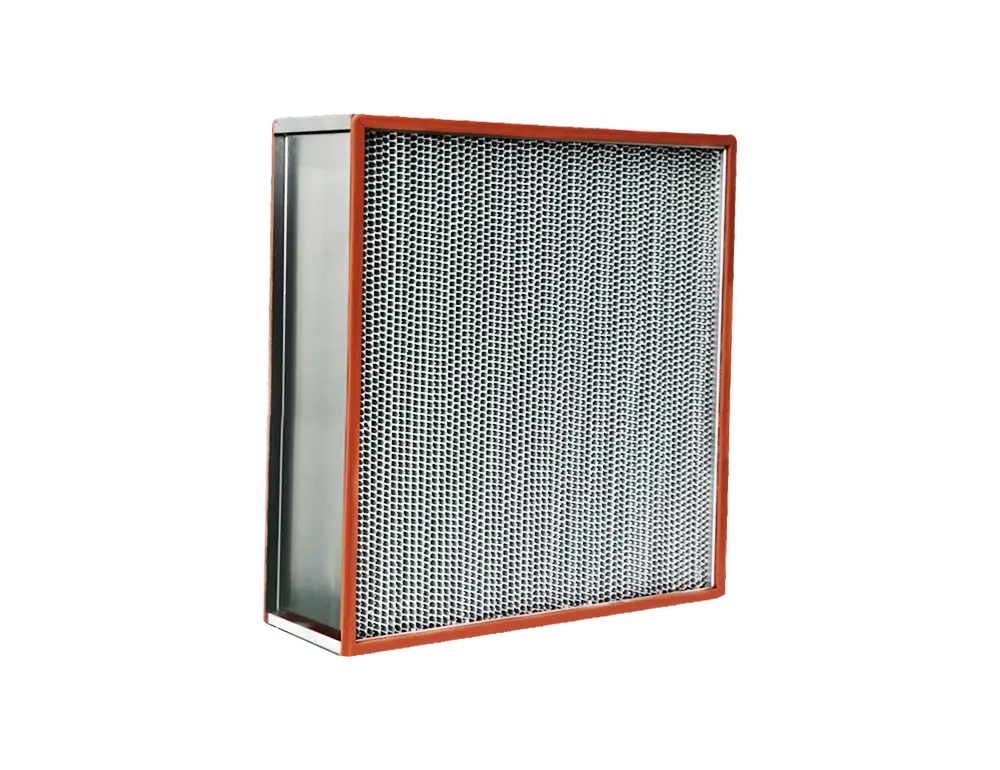
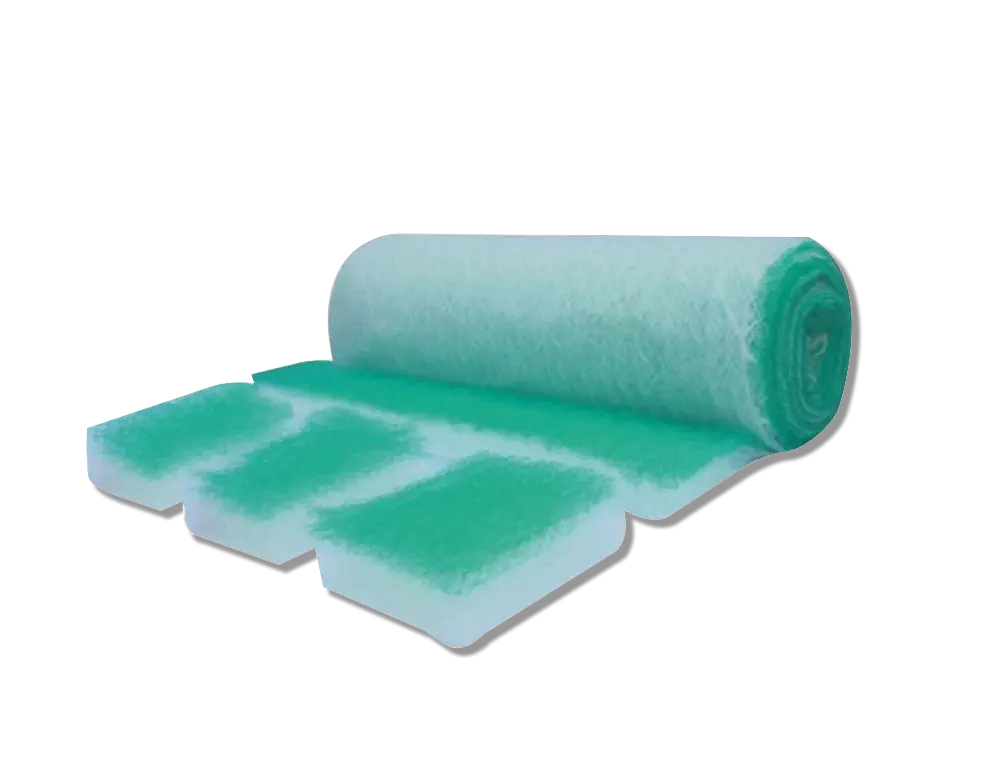
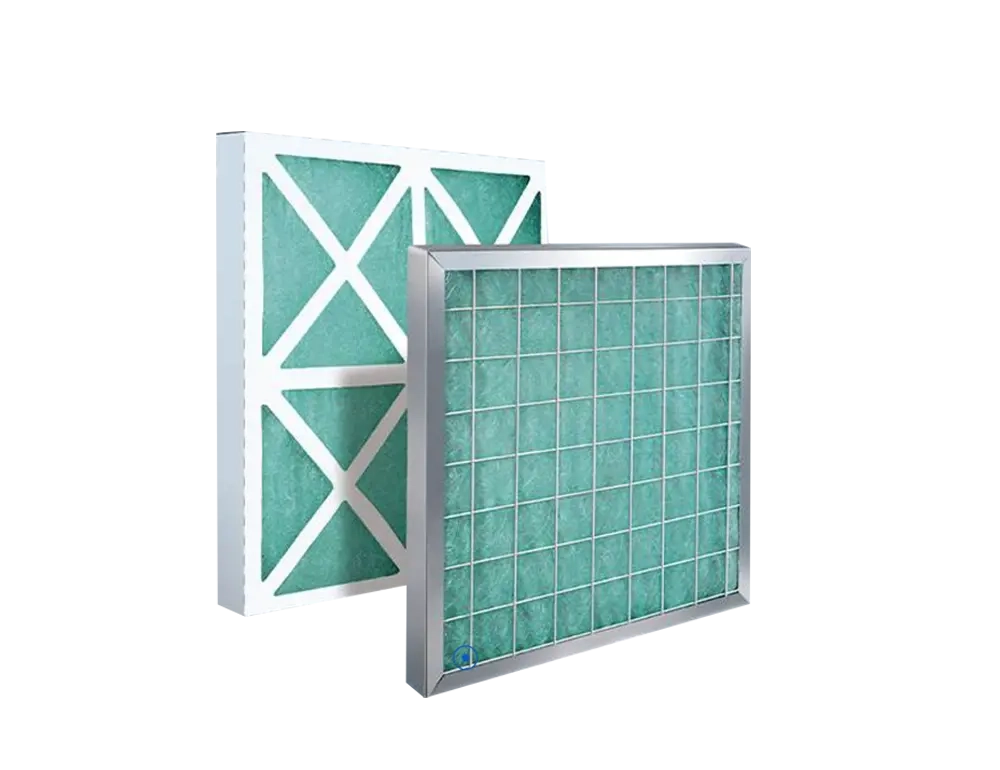
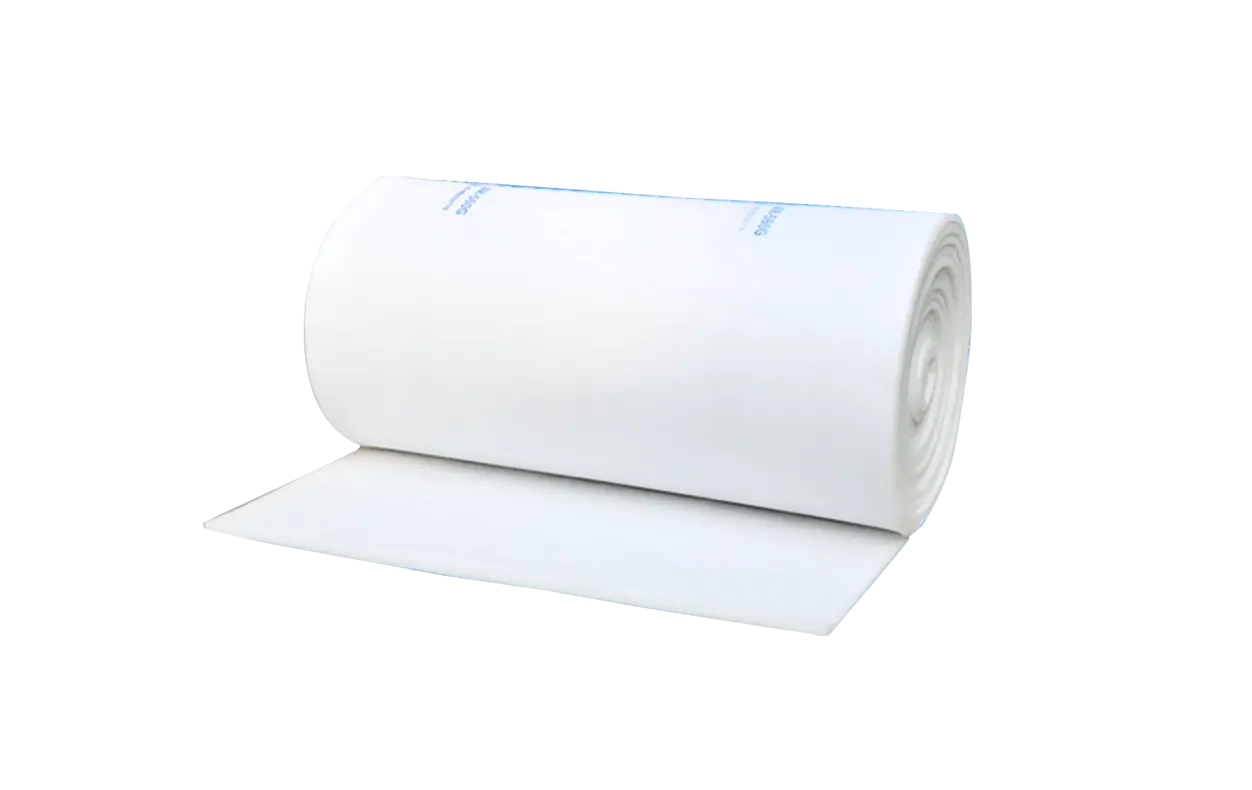
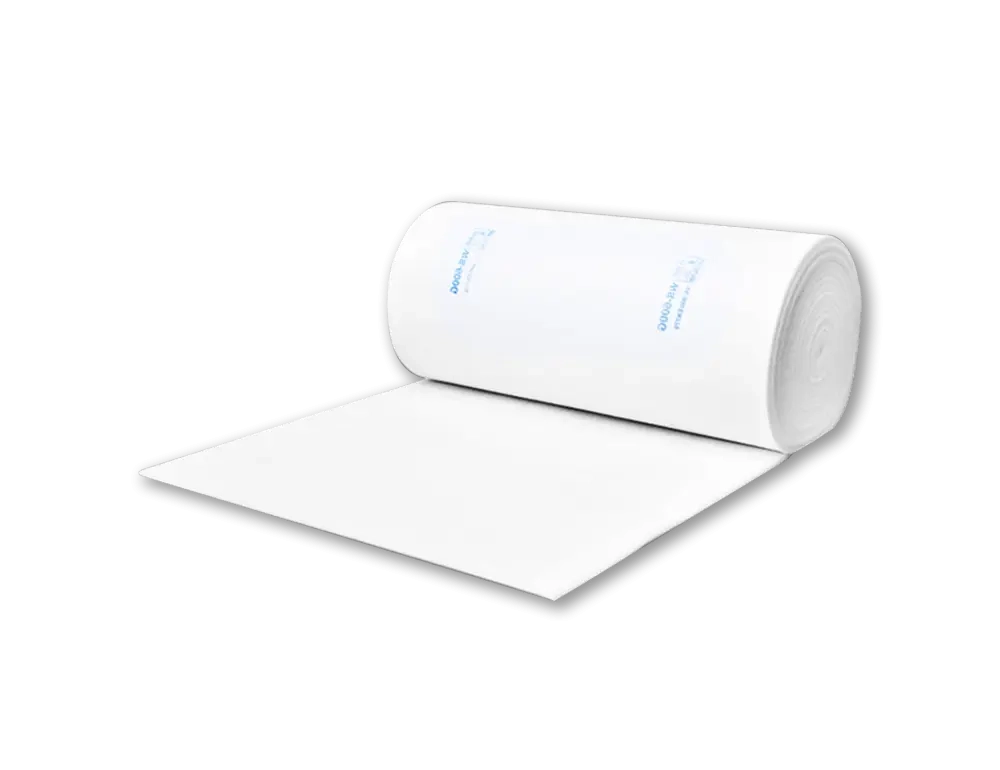
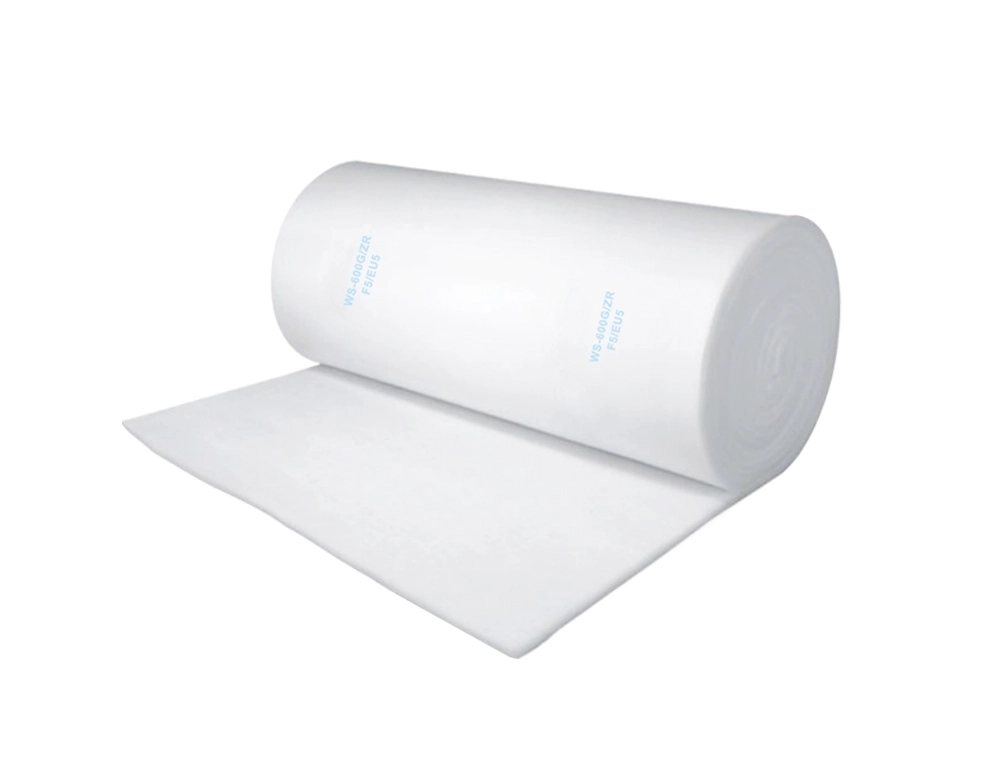
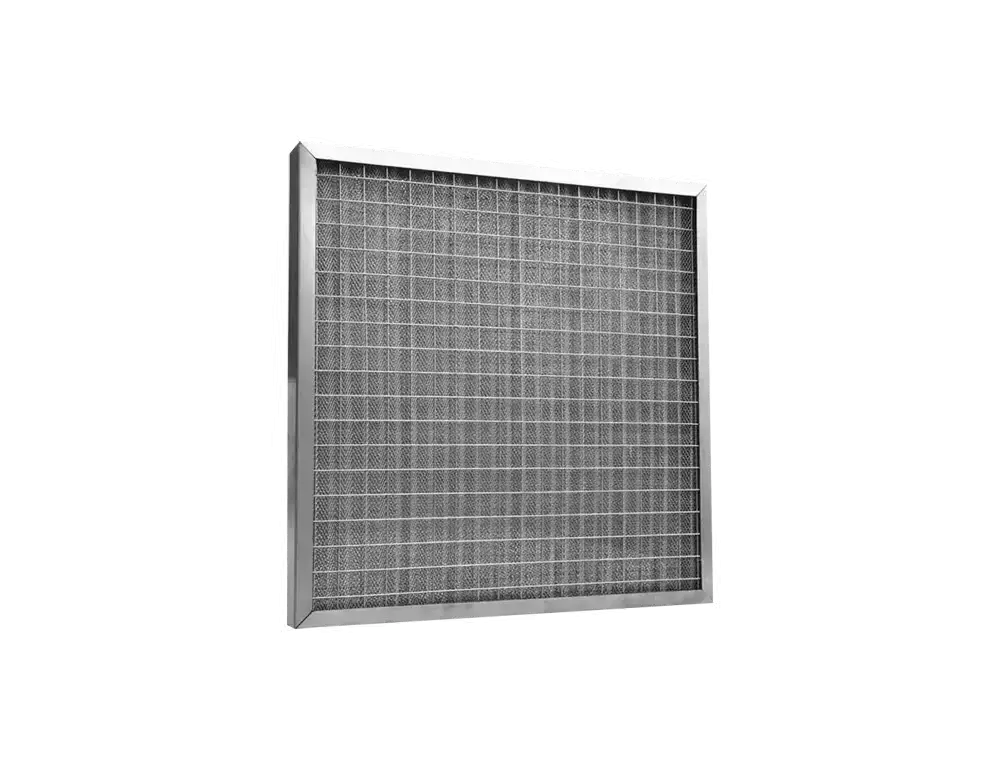
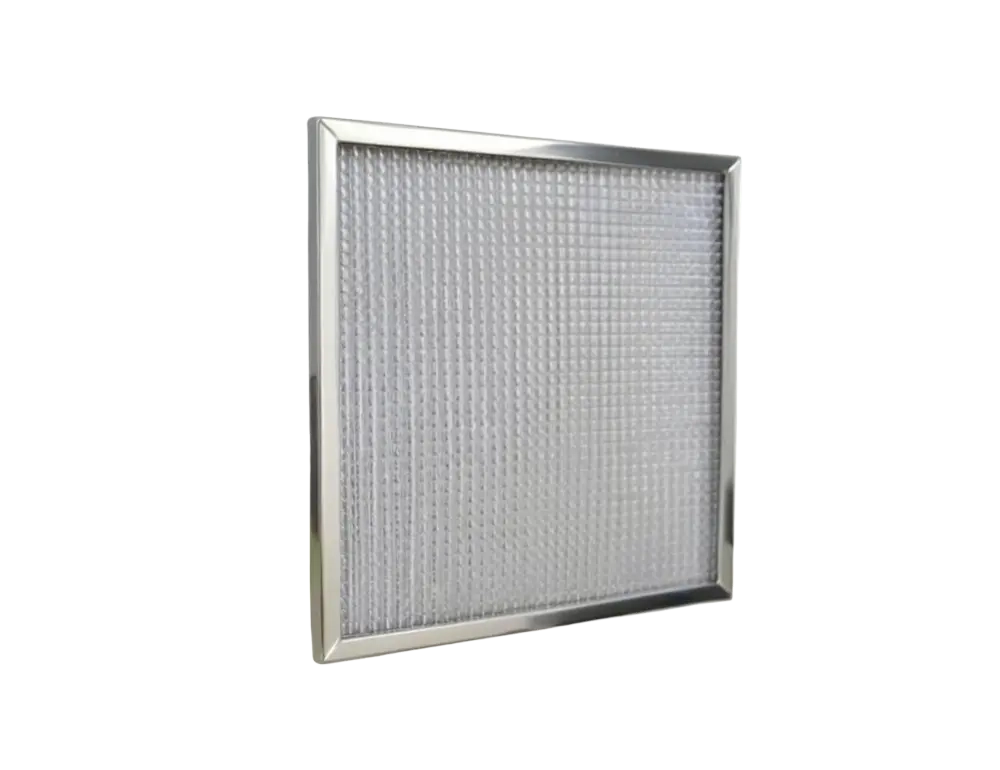
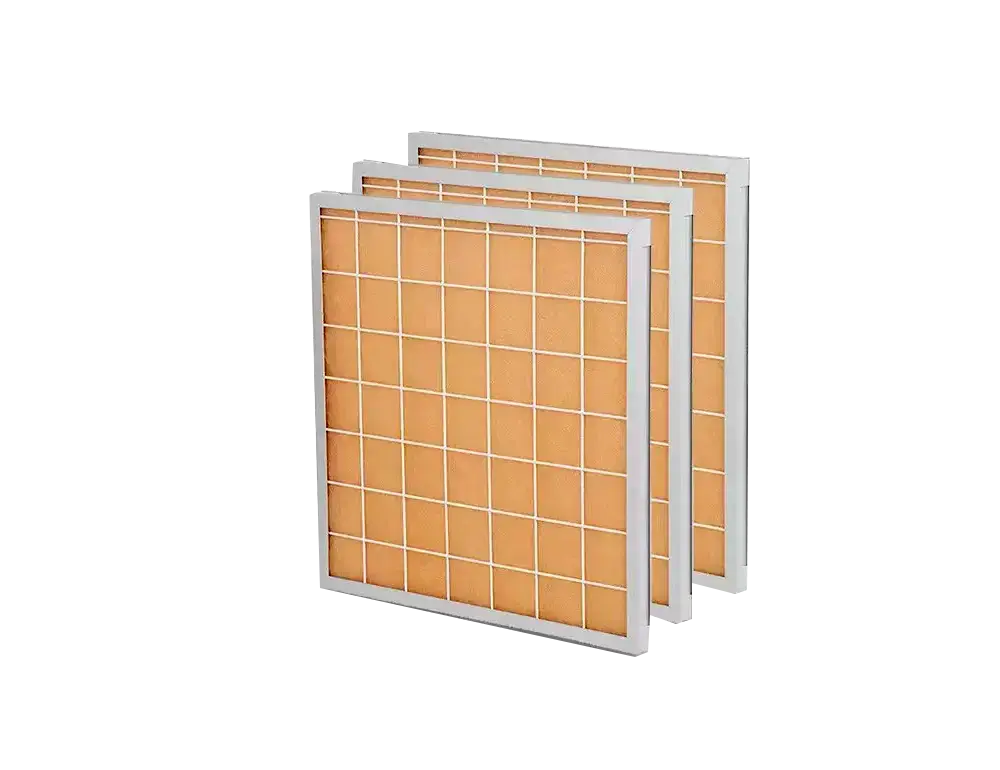
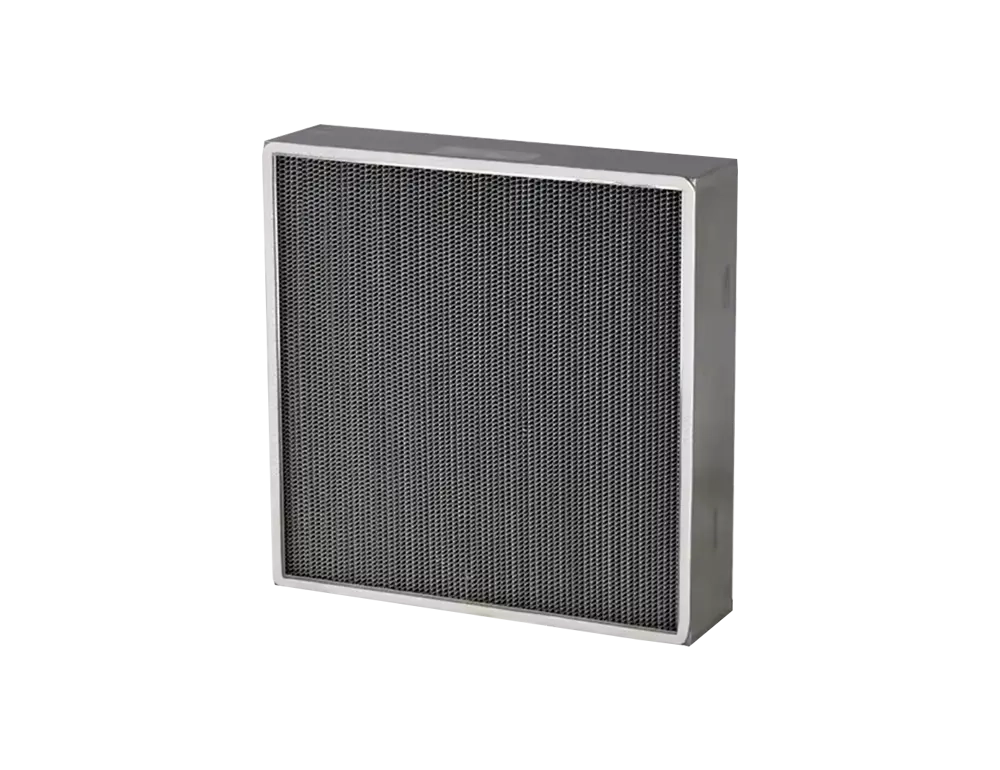
Pre-Filter (G1–G4)
First-Stage Large-Particle Capture
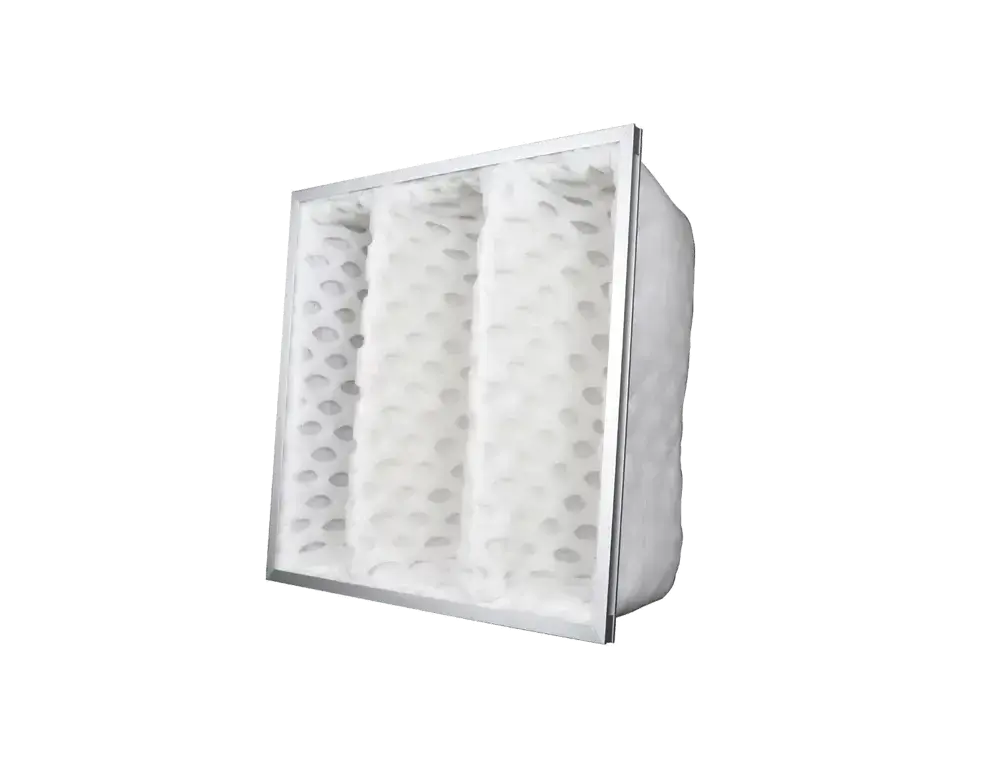
Medium-Efficiency Filter (F5–F9)
Precise PM2.5 Capture
HEPA High-Efficiency Filter
Sterile-Grade Purification
ULPA Ultra-High Efficiency Filter
Sub-Micron Particle Capture
First-Stage Large-Particle Capture
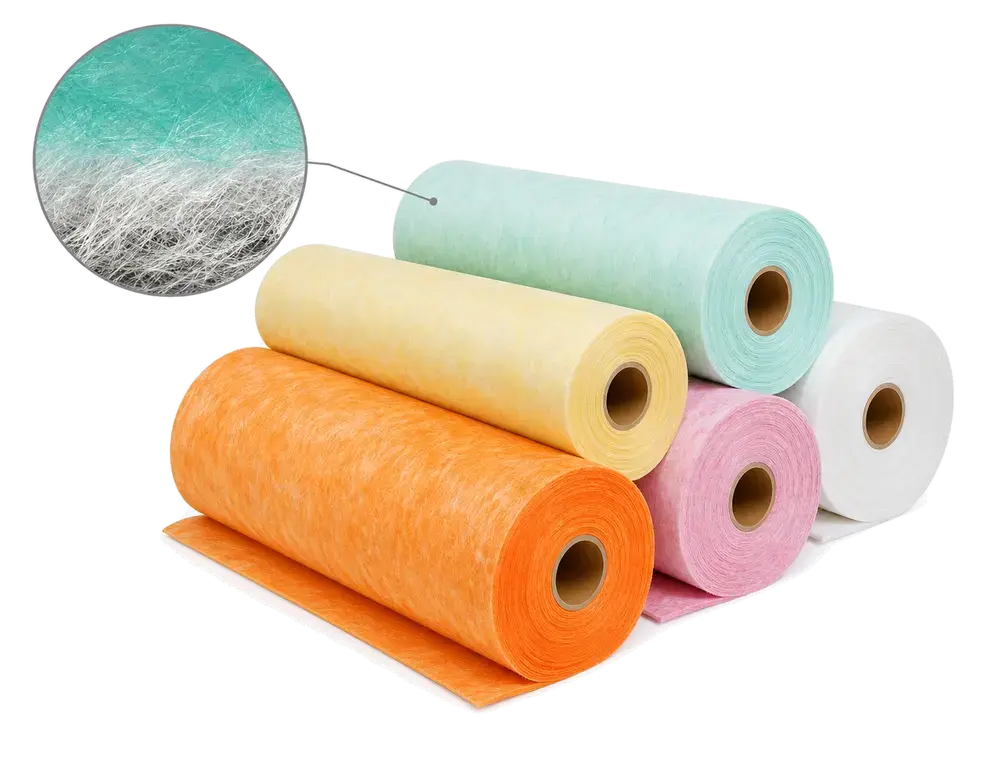
The first line of defense, capturing particles ≥5 μm such as dust, hair, and fibers to protect downstream filters and extend overall system service life.
View Related Products →Precise PM2.5 Capture
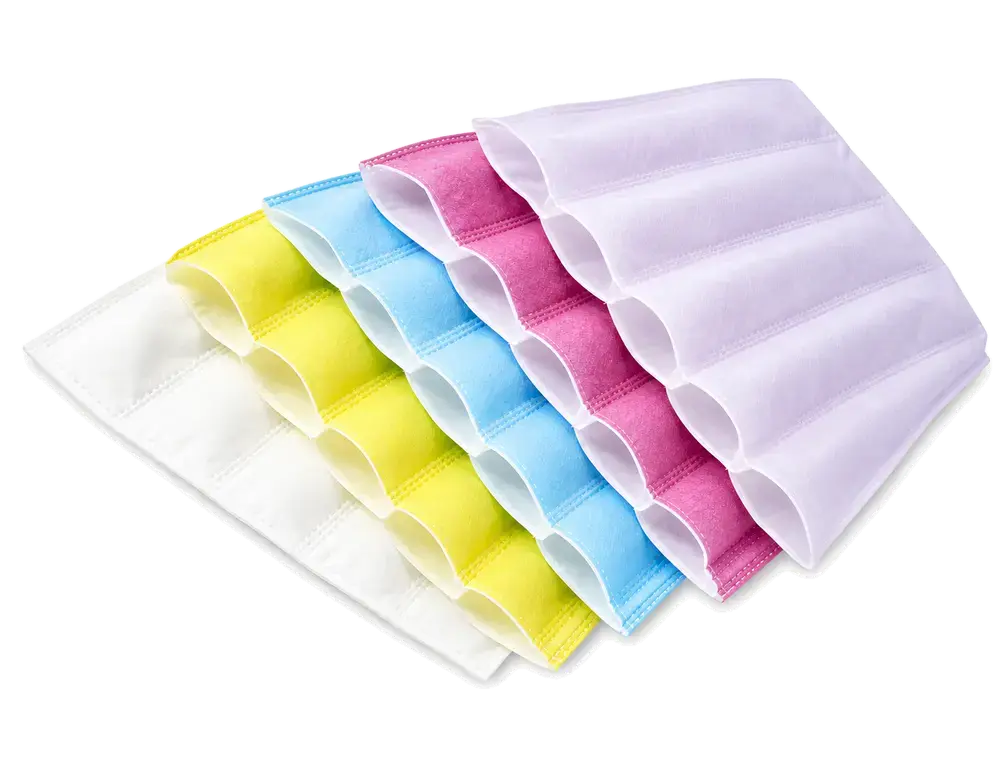
Captures fine particles of 1–5 μm including PM2.5, pollen, and mold spores, significantly improving indoor air quality for commercial HVAC and ventilation systems.
View Related Products →Sterile-Grade Purification
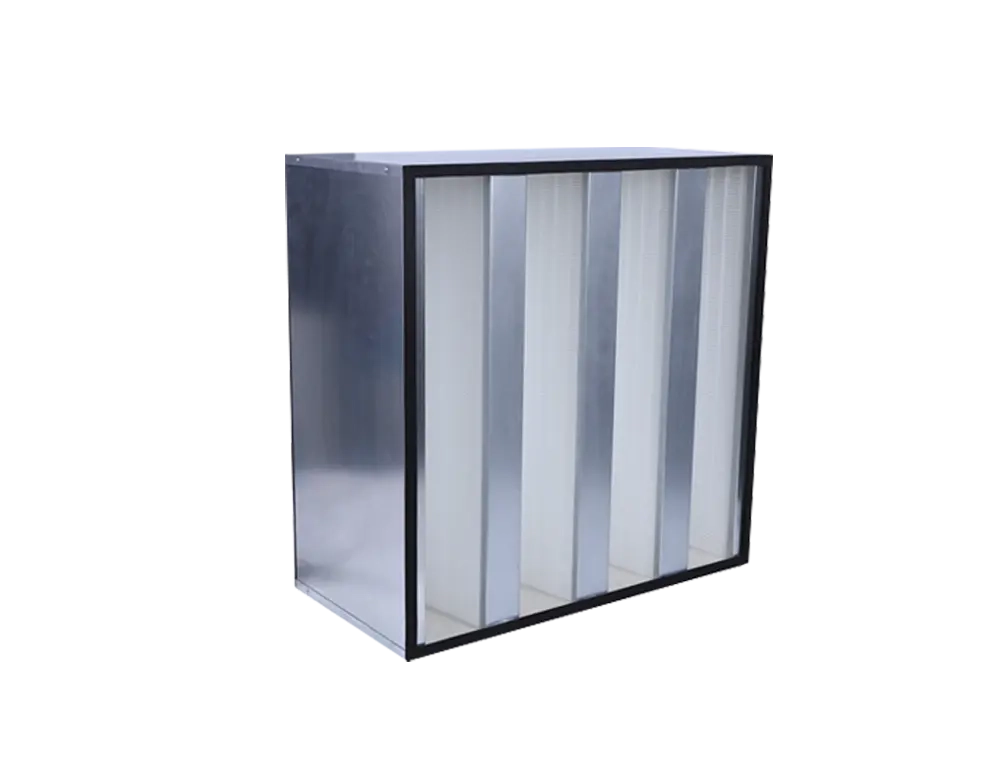
≥99.97% filtration efficiency for particles ≥0.3 μm, delivering sterile-grade clean air widely used in medical, pharmaceutical, and electronics manufacturing.
View Related Products →Sub-Micron Particle Capture
≥99.9995% efficiency for particles ≥0.12 μm, meeting the extreme cleanliness demands of semiconductor fabs, aerospace, and other ultra-precision applications.
View Related Products →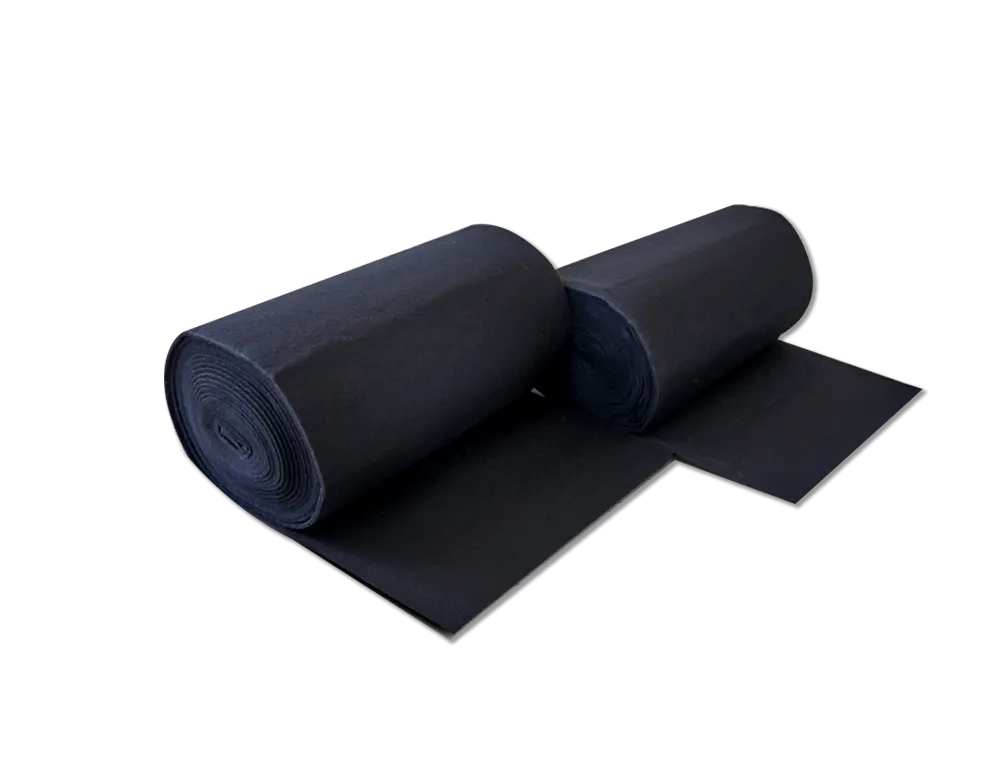
High-Temperature Resistant
Industrial-Grade Heat Tolerance
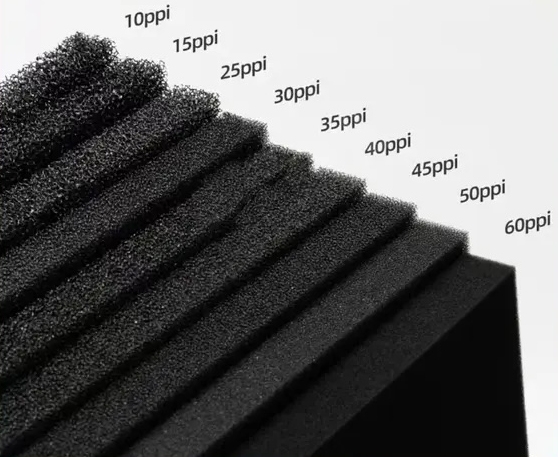
Washable & Reusable
Cut Costs, Reduce Waste
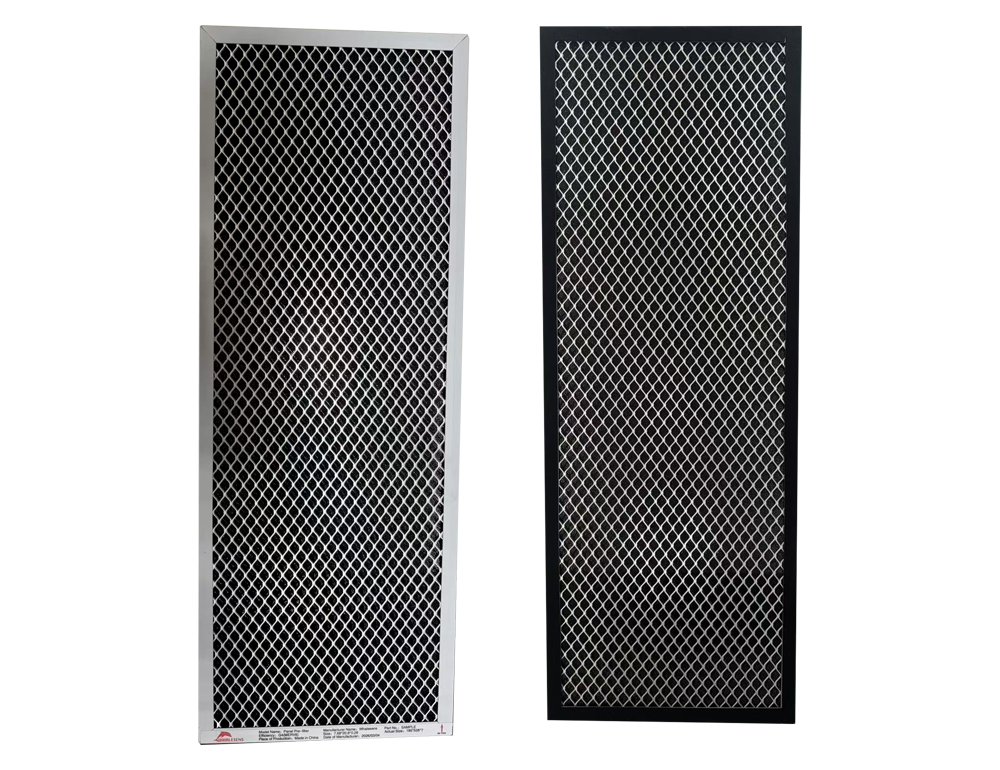
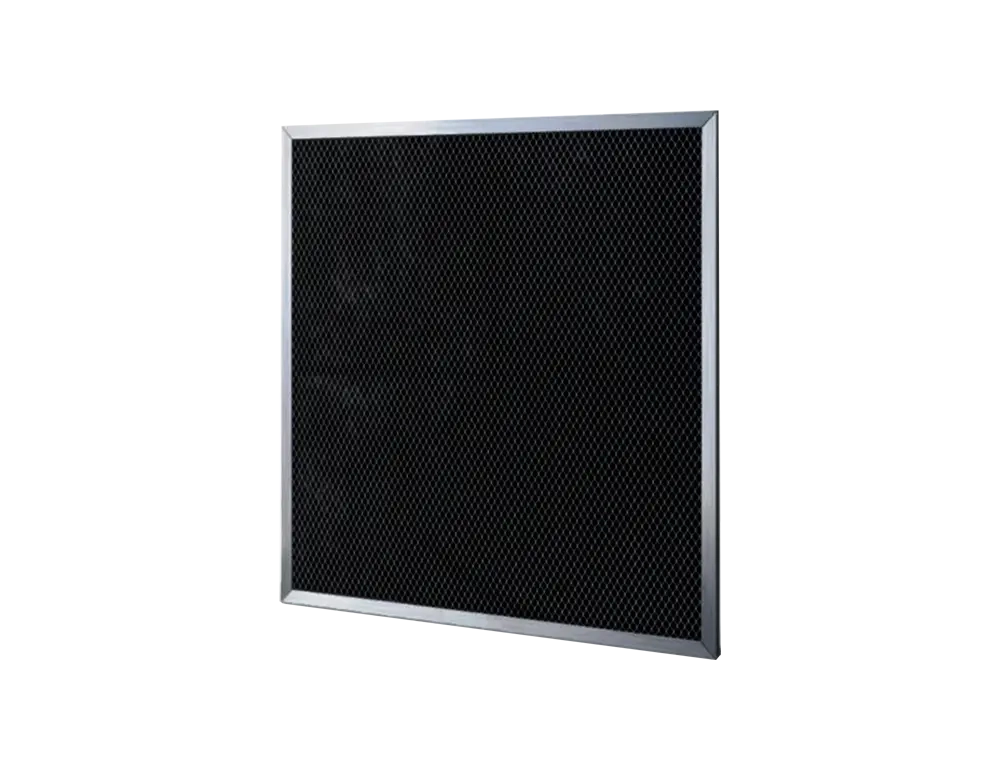
Activated Carbon
Odor & Harmful Gas Removal
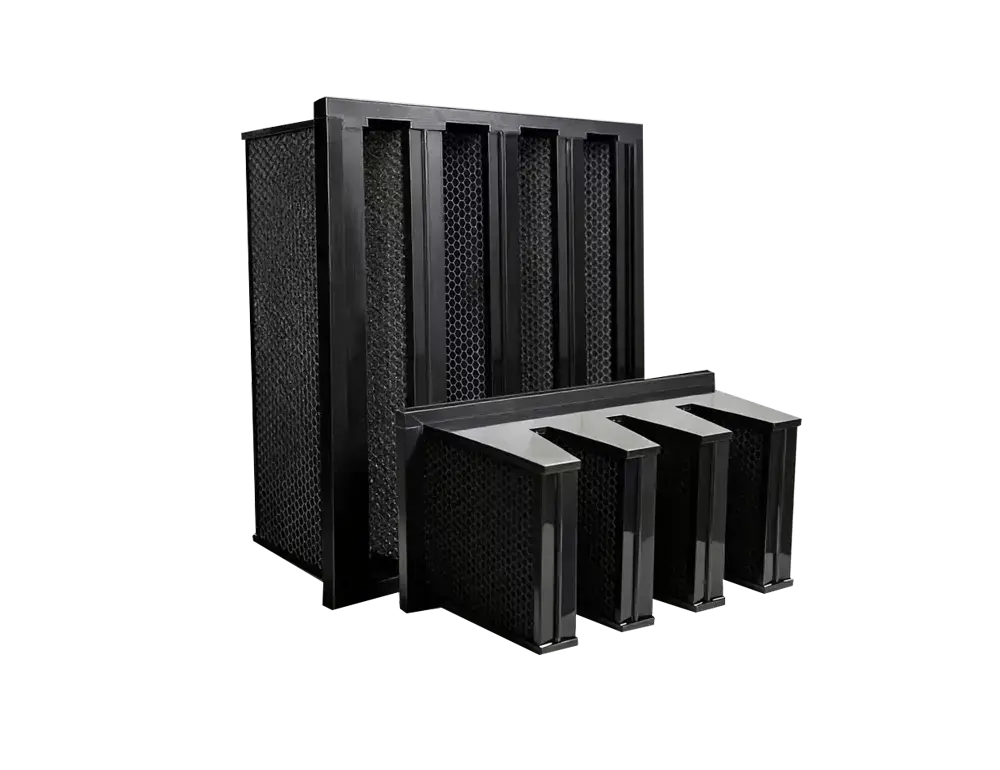
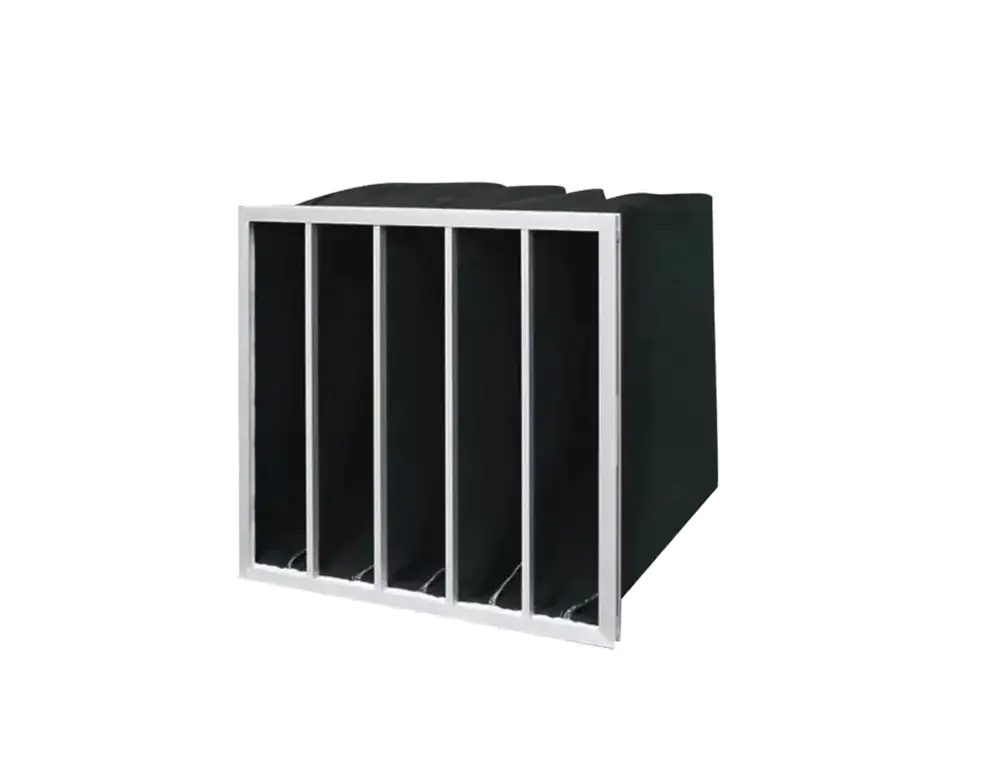
Bag Filter
High Dust-Holding, Long Life
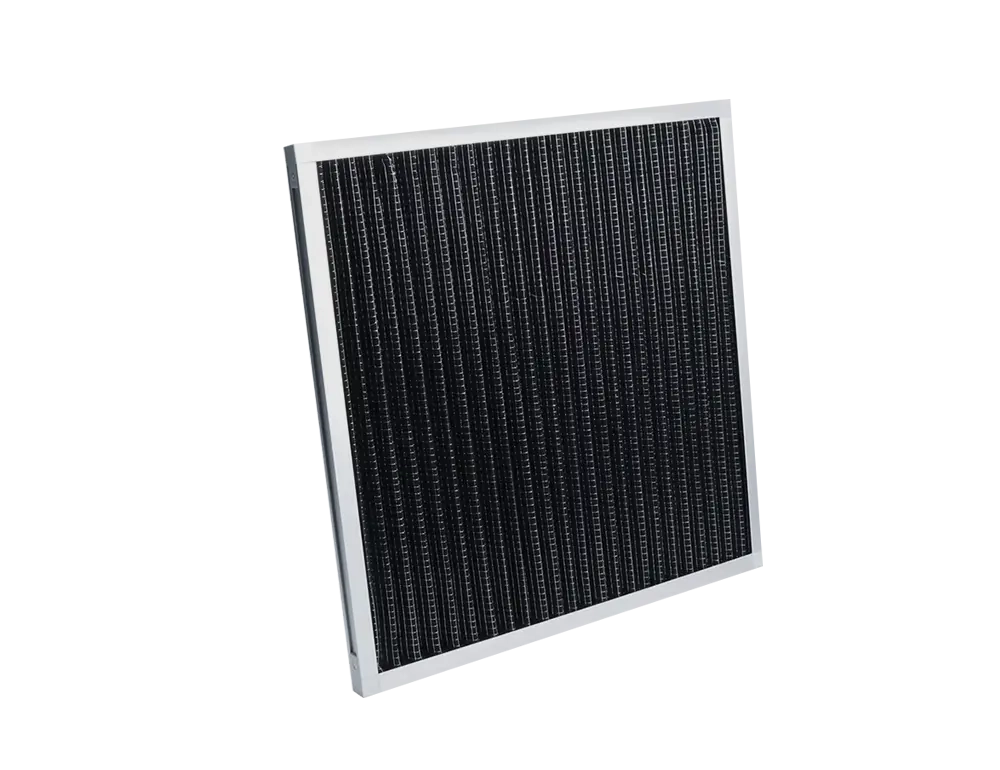
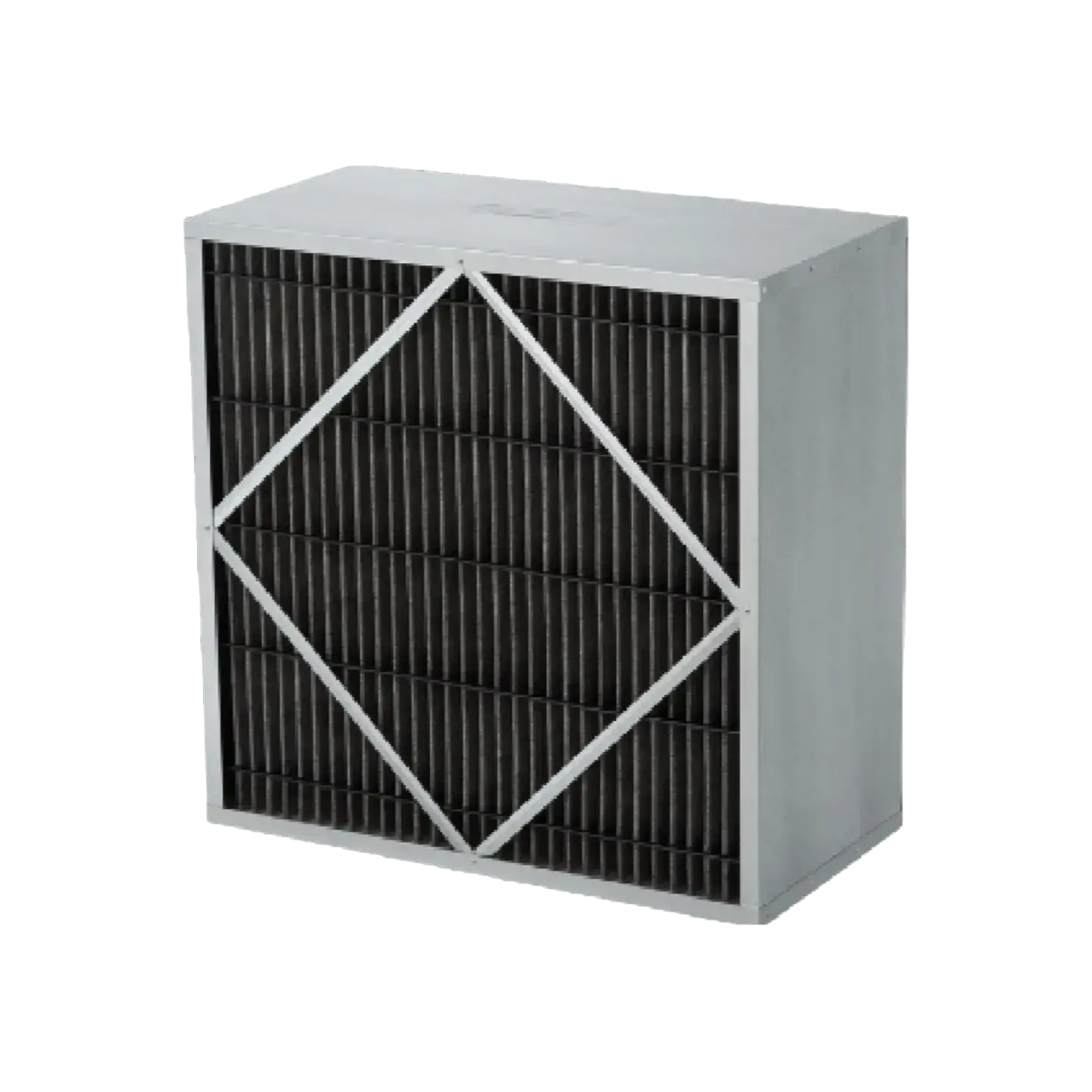
Panel / Pleated Filter
Compact Space-Saving Design
Low-Resistance Airflow
Energy-Saving Operation
Industrial-Grade Heat Tolerance
Built with specialized heat-resistant materials, operating stably up to 250°C for paint ovens, industrial dryers, and high-temperature process environments.
View Related Products →Cut Costs, Reduce Waste
Cleanable by water washing or air blowing, reusable multiple times to significantly reduce replacement frequency and O&M costs — an economical, eco-friendly choice.
View Related Products →Odor & Harmful Gas Removal
Leverages activated carbon's high adsorption capacity to eliminate odors, VOCs, and formaldehyde, ideal for newly renovated spaces and industrial exhaust treatment.
View Related Products →High Dust-Holding, Long Life
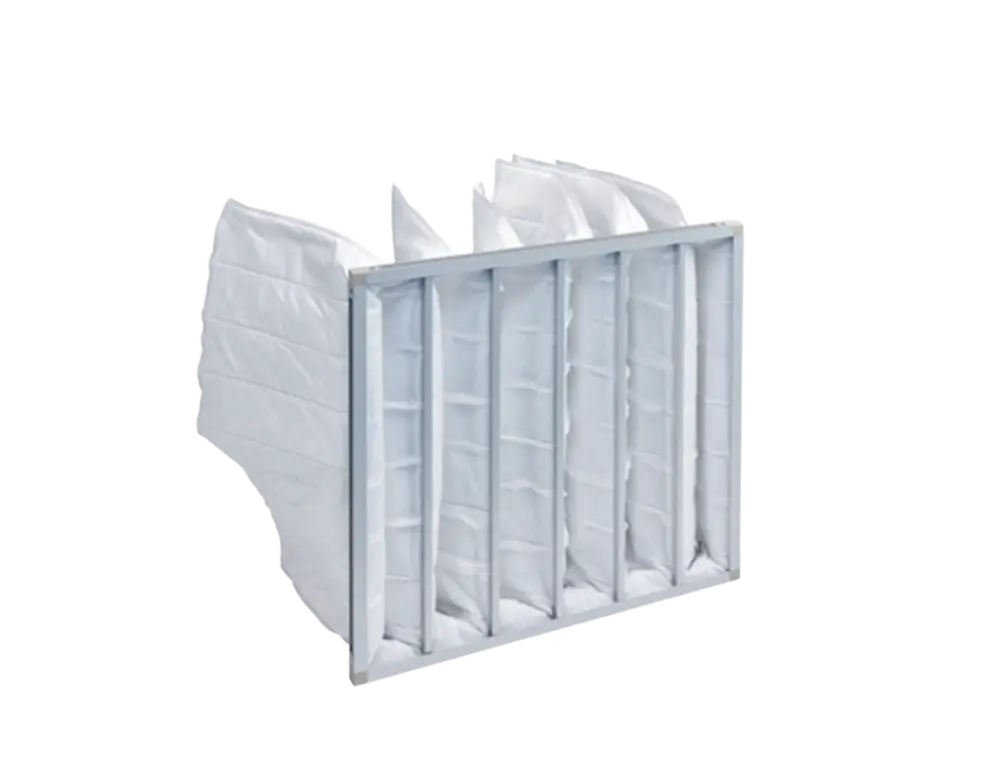
Bag-style construction delivers a larger filtration area, high dust-holding capacity, and extended service life — ideal for high-dust environments with reduced replacement frequency.
View Related Products →Compact Space-Saving Design
Compact form factor for easy installation and replacement; pleated structure maximizes filtration area within a small footprint for higher efficiency.
View Related Products →Energy-Saving Operation
Low-resistance design minimizes pressure drop while maintaining filtration performance, reducing fan energy consumption for cost-effective, eco-friendly operation.
View Related Products →













 English(Global)
 简体中文
 Language




Fiberglass Filter Paper vs PTFE Membrane Media: Which Fits Your HEPA Stage?
Buyers often ask whether a PTFE membrane HEPA filter is automatically better than fiberglass filter paper in a high-efficiency stage. The answer is not a simple question of which material is more advanced.
What actually deserves the comparison is which option gives the steadier system result at the same airflow, balancing target cleanliness, resistance, humidity, maintenance interval and budget.
That is why fiberglass filter paper is still the established, mature choice in most HEPA filters, while a PTFE membrane HEPA filter tends to be evaluated where low resistance, moisture tolerance or one specific cleanliness requirement is the open question. Real performance still depends on construction, efficiency class, airflow and test conditions.
Fiberglass filter paper
- Mature technology and supply chain
- Deep engineering experience
- More predictable total purchase cost
- More sensitive to moisture, droplets and mechanical impact
PTFE membrane filter paper
- Clear surface-filtration behavior
- Lower initial resistance on some products
- More tolerant of moderate humidity on some products
- Membrane integrity and antistatic treatment must be confirmed
Start With the Duty, Not the Material Name
Where a project wants proven reliability, stable supply and controllable total cost, and the duty carries no strong humidity, chemical corrosion or extreme energy-saving pressure, fiberglass filter paper is usually the safer starting point.
Where runtime energy, initial resistance, wet-environment stability or surface filtration matter more, a PTFE membrane HEPA filter belongs in the comparison. That comparison cannot rest on the material name: membrane integrity, conversion quality, seal construction and long-term maintenance conditions have to be confirmed first.
The first question is not "fiberglass or PTFE" but "what air, what airflow and what maintenance regime will this filter work under"
The order of judgment in HEPA media selection
Fiberglass Filter Paper: Mature Value Beyond the Price Tag
Fiberglass filter paper is built from ultrafine glass fibers that form the filtration medium, with a mature fiber structure and stable high-efficiency performance. Its value sits in three places.
Its limits deserve the same attention: some fiberglass media and the structures built around them are more sensitive to moisture, droplets and mechanical impact.
Real projects have to handle upstream dehumidification, water baffles, transport protection and installation care, and where the boundary sits should come from the supplier's technical data and verification results. The structural difference is easiest to see by comparing a mini-pleated HEPA filter and a deep-pleated HEPA filter as complete units.

PTFE Membrane HEPA Filter: Low Resistance Is Only Half the Story
A PTFE membrane HEPA filter is usually built by forming a microporous membrane layer on the surface of a substrate. Against some conventional fiber media it can show clearer surface filtration.
The capture mechanism, the dust build-up pattern and the resistance change still have to be judged from construction and test data rather than assumed.
The advantages that put a PTFE membrane HEPA filter on a shortlist:
Four points buyers look at in a PTFE membrane HEPA filter
- At the same efficiency, airflow and construction, some products reach a lower initial resistance, which cuts fan energy
- Some products tolerate a degree of humidity better, though the moisture limit must come from product data and verification results
- Surface filtration is clear, which makes dust build-up easier to understand and manage in some dust duties
- Where a system runs long hours at high airflow and energy is a large share of cost, a low-resistance option can offset the one-off price premium, but only when fan duty and running hours are calculated
A PTFE membrane HEPA filter is not an automatic upgrade. Membrane uniformity, adhesion strength, pleating, adhesive, edge treatment and unit sealing all affect the final result.
Comparing one advertised media figure while ignoring unit testing and site installation is a fast route to a wrong decision. Specification spread across PTFE options can also be wider, because make, brand and converting capability differ more; at purchase, confirm test method, rated airflow, resistance curve, humidity statement and batch consistency rather than the three letters PTFE. A PTFE membrane HEPA filter with a clean data sheet and no test record is not a safer buy than fiberglass paper.
Static risk needs its own column. PTFE has high resistivity, so friction or airflow can build up charge.
That does not rule a PTFE membrane HEPA filter out of humid duty, but where combustible dust, solvent vapor or ignition risk exists, antistatic treatment, a conductive layer and a reliable ground path must be confirmed against the unit's explosion-protection requirements. Static safety and moisture tolerance are two different evaluation axes.

Six Dimensions That Decide the Fit for Your HEPA Stage
| Dimension | Fiberglass filter paper | PTFE membrane filter paper |
|---|---|---|
| Efficiency and class | Mature process, stable finished-unit efficiency | Membrane integrity and finished-filter leak testing must be confirmed |
| Initial resistance | Conventional level | Lower on some products, calculated at rated airflow |
| Running energy | Set by airflow and running hours | Low-resistance gain has to be calculated on the actual duty |
| Service life | Set by pre-filter protection and dust load | Equally duty-dependent, not a property of the material |
| Moisture tolerance | More sensitive to humidity and droplets | Better on some products, limits per product data |
| Static and safety | Assessed conventionally | Antistatic treatment, conductive layer and grounding must be confirmed |
| Whole-life cost | More predictable overall cost | Purchase premium must be recovered through energy and maintenance |
Efficiency and test basis
Both materials can be converted into high efficiency classes, but the choice of a PTFE membrane HEPA filter cannot rest on a material name. What needs confirming is the target class, the test particle size and method, and whether the report covers the media, the element or the complete filter.
Comparing a PTFE membrane HEPA filter with fiberglass paper also means agreeing the evaluation system first. EN 1822 and ISO 29463 assess overall efficiency, local penetration and finished-product leak testing around the most penetrating particle size (MPPS), whether the unit is fiberglass or a PTFE membrane HEPA filter.
Efficiency figures taken under different standards, test aerosols and airflows cannot be compared sideways outside their test conditions. Ask for the standard version, test object, rated airflow, method and result type; air filter classification and MPPS sets out that vocabulary in detail.
Leak testing, the media-to-frame bond, the adhesive bead and installed integrity also decide the outcome. High media efficiency does not make a finished unit free of bypass leakage, and a PTFE membrane HEPA filter still has to pass those checks, which the HEPA filter leak test guide covers step by step.
Resistance, energy and service life
Resistance feeds straight into fan power and system airflow. When comparing fiberglass paper with a PTFE membrane HEPA filter, read at least the initial resistance, the resistance change at rated airflow, and the running resistance close to the change-out point.
Where a system runs all year at high airflow and high energy prices, the saving from a low-resistance option can be very large. Where equipment runs short hours or at light load, paying a premium for low resistance needs its payback recalculated.
Service life is not a fixed property of a medium; upstream filtration, dust concentration, particle size distribution, humidity, airflow and the final resistance setpoint all move it, so a PTFE membrane HEPA filter is judged on exactly these variables and not on its material name.
The more reliable method is to read differential pressure, airflow and change records together. With well-matched pre-filters and medium filters, even fiberglass gives a good service interval, and with weak front-end protection the best high-efficiency media loads up quickly.
Moisture, static and structure
Moisture tolerance is not a license for continuous liquid water wash-down, and it does not remove static risk. Projects should separate relative humidity, condensation risk, cleaning spray, process droplets and occasional water ingress, then confirm that frame, sealant and media handle them together.
Where combustible dust or ignition risk is present, antistatic and grounding requirements have to be checked alongside. Where high humidity or condensation is the real conflict, a PTFE membrane HEPA filter is a reasonable candidate; the more basic action is still to check coils, water baffles, drainage and upstream dehumidification, because the HEPA medium cannot carry every environmental problem.
High-efficiency media also survives pleating, framing, handling, installation and years of pressure cycling. A crease, a damaged membrane, a broken adhesive line or a distorted frame in a PTFE membrane HEPA filter can each create a bypass path.
Buying therefore means asking about media, separator, frame, adhesive, protective mesh and installation method as one system, and requesting the full construction and test records where the duty is critical.
Whole-life cost
Split the cost into five parts: purchase price, transport and installation, fan energy, change-out labor, and downtime and quality risk.
On high-airflow systems that run long hours, energy usually outweighs the one-off price gap between fiberglass and a PTFE membrane HEPA filter; on projects with many filter positions and complex maintenance, delivery stability, easy replacement and batch consistency matter as much. Why HEPA filter prices differ by material follows that money through the chain.
Common Duty Scenarios and What They Point To
Conventional cleanrooms and commercial buildings
Start from the mature fiberglass option and confirm target efficiency, rated airflow, resistance curve, seal type and change-out interval. Bring a PTFE membrane HEPA filter into a comparison test only where running energy or humidity is a genuine problem.
Pharmaceutical, food and hospital environments
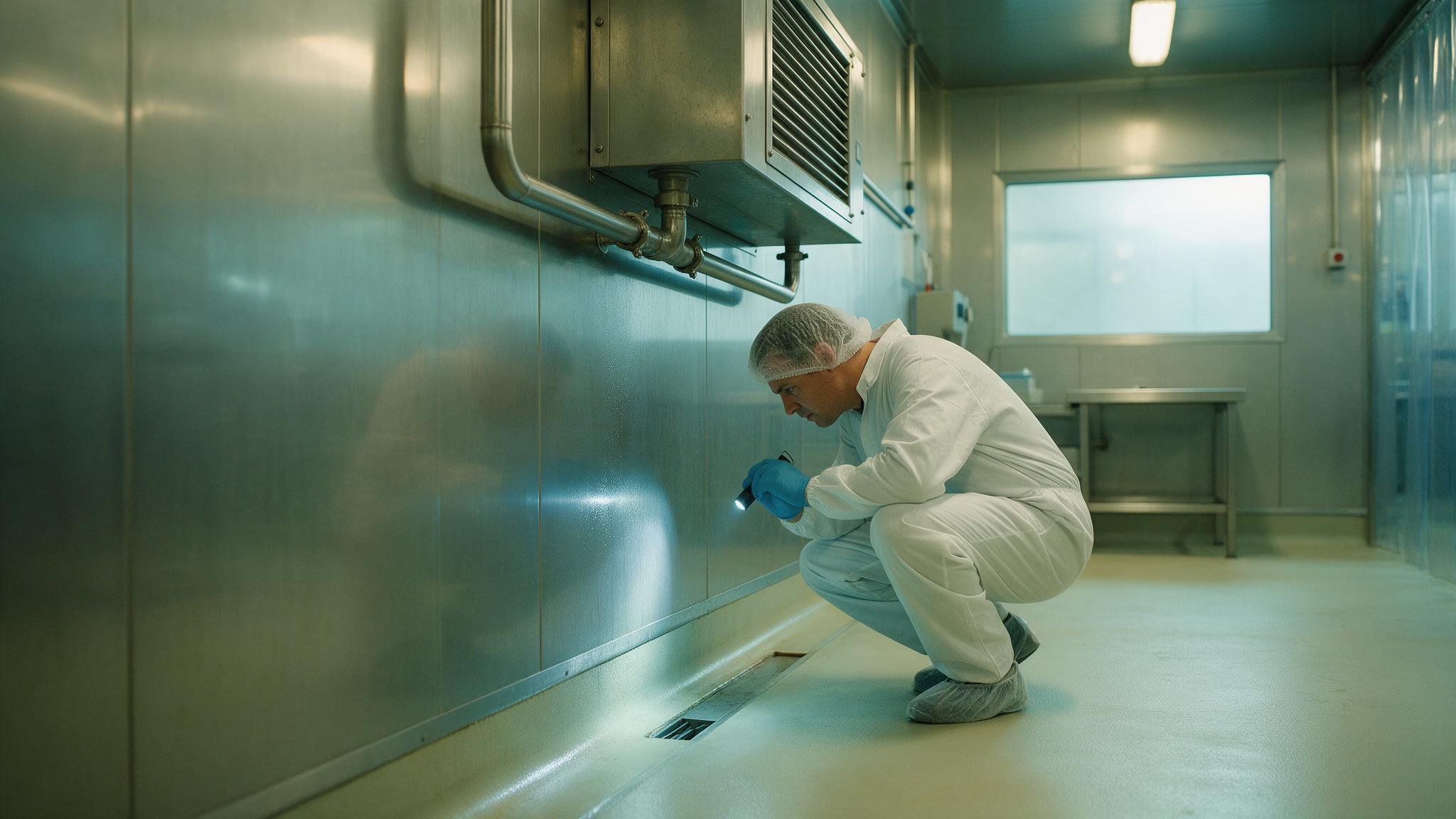
Assess moisture tolerance, hygiene requirements, cleaning and disinfection conditions, test records and batch traceability together. Material choice cannot be separated from validation and maintenance practice, so a PTFE membrane HEPA filter should never be selected on a moisture-resistance claim alone.
Electronics, semiconductors and high-cleanliness work
Low resistance, very low leakage, installation cleanliness, chemical environment and long-term stability carry the most weight. A PTFE membrane HEPA filter is a strong candidate here, but the decision still has to be verified with unit testing, site airflow and pressure drop data.
High-humidity, condensation-prone or special process air
Check water management at system level first, then compare media moisture tolerance. Where high humidity is the main conflict, a PTFE membrane HEPA filter option deserves evaluation, while frame and seal components must be confirmed not to become the next weak point.

Nine Questions to Settle Before You Order
Nine questions to settle before buying HEPA filter media
- What efficiency class and test method are targeted?
- Does the report cover the media, the element or the complete filter?
- What are the initial resistance and resistance curve at rated airflow?
- What final resistance is recommended, and how is change-out judged?
- What are the use limits under humidity, condensation or droplets?
- What construction joins the media, pleating, frame and sealant?
- Are batch consistency, leak testing and site installation requirements defined?
- With energy, maintenance and downtime risk included, which option has the lower whole-life cost?
- Where combustible dust or ignition risk exists, are antistatic, grounding and unit explosion-protection measures verified?
Fiberglass filter paper and a PTFE membrane HEPA filter are not a straight contest between a traditional material and a new one.
Fiberglass offers maturity, stability, a complete supply chain and controllable total cost. A PTFE membrane HEPA filter offers a second optimization path where low resistance, moisture tolerance or a specific surface-filtration requirement justifies it.
Proper selection starts from the target cleanliness class and the system duty, not from a material name, and only then settles on whether a PTFE membrane HEPA filter or fiberglass paper fits. Put efficiency, resistance, life, environmental tolerance, unit sealing and whole-life cost on one sheet, compare the two options row by row, and the answer usually becomes clear.
Need a custom air filtration solution?
Contact the Whalesens engineering team for product selection and OEM/ODM support.
Email whalesens@gmail.com
Related Products
These products cover the filtration stages discussed above; see each product page for full specifications.
 ProductDeep Pleated HEPA FilterConventional cleanrooms and commercial buildings, where a mature structure keeps specifications and replacement options easy to matchView product details →ProductMini-Pleated HEPA FilterElectronics, pharmaceutical, cleanroom and new-energy duty, with rated airflow, resistance and leak testing checked as one packageView product details →ProductV-Bank HEPA FilterHigh-airflow clean spaces with tight low-resistance targets, where the resistance curve and unit sealing have to be confirmed togetherView product details →Product350 Degree High Temperature Pleated Panel HEPA FilterHigh-temperature process air, where peak temperature, duration and media construction are confirmed separatelyView product details →
 ProductFiberglass Filter MediaPre-filtration and dehumidification duty ahead of the HEPA stage, taking dust and moisture load off the final filterView product details →