


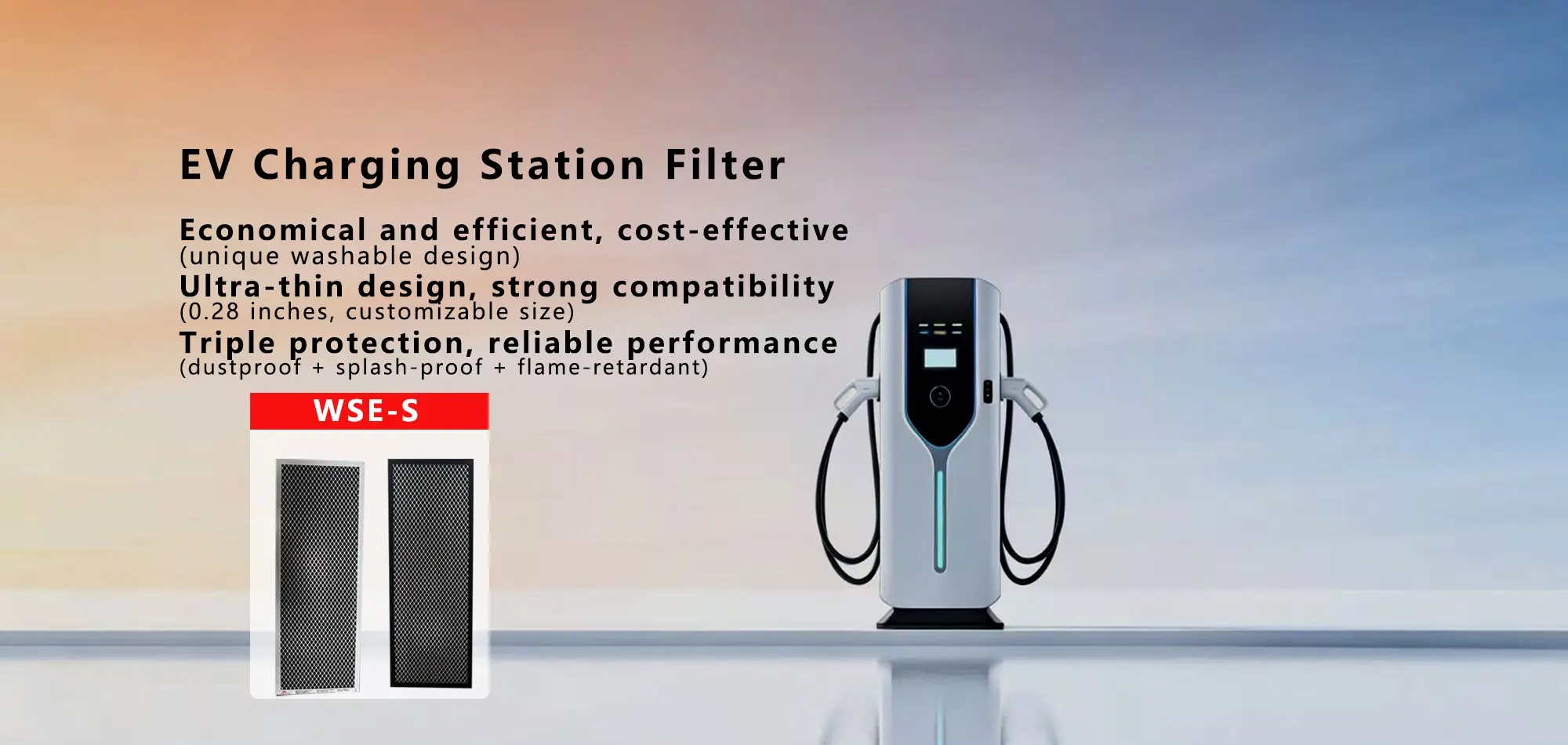
EV Charging Stations
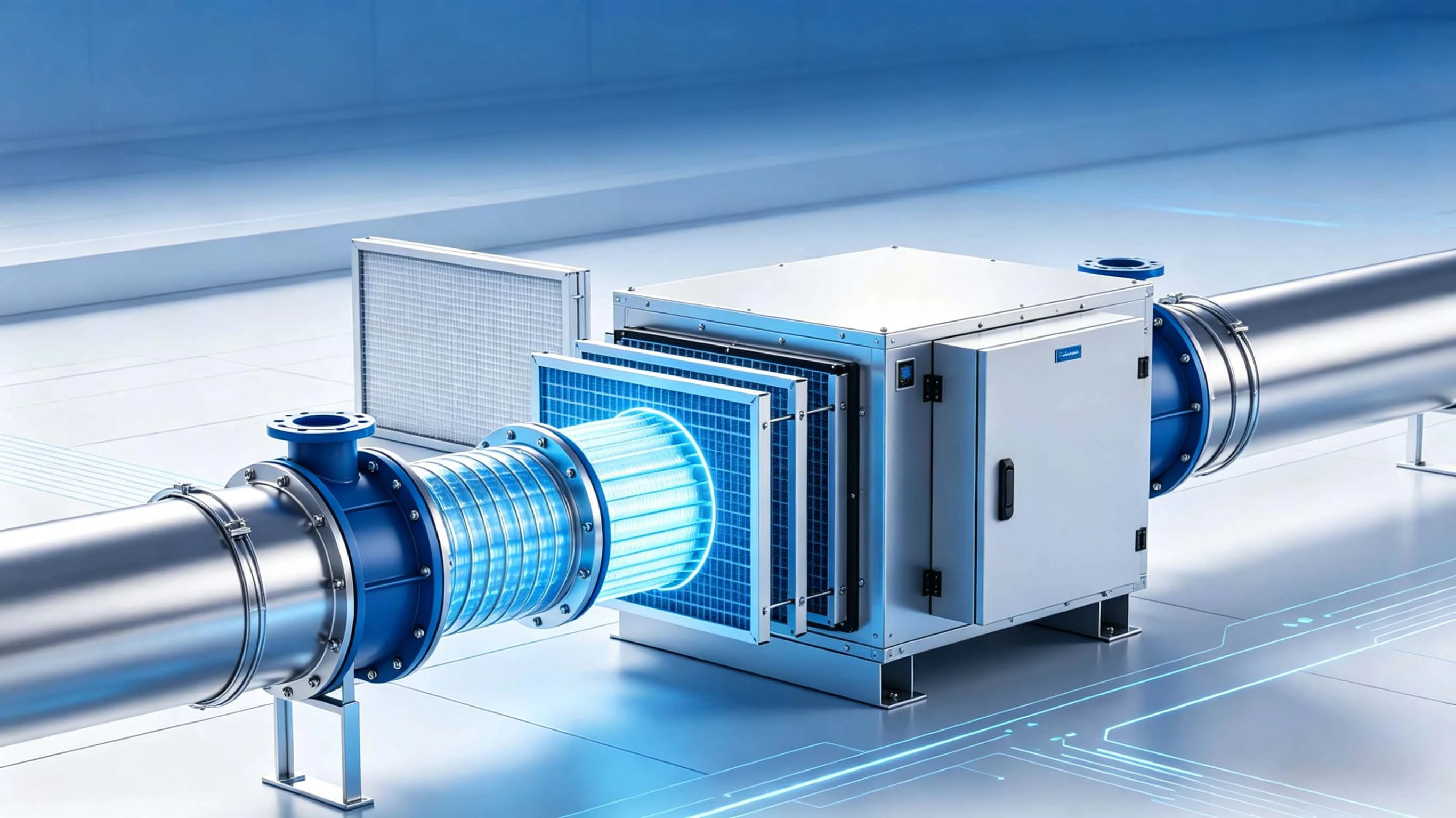
Filtration for Power Equipment
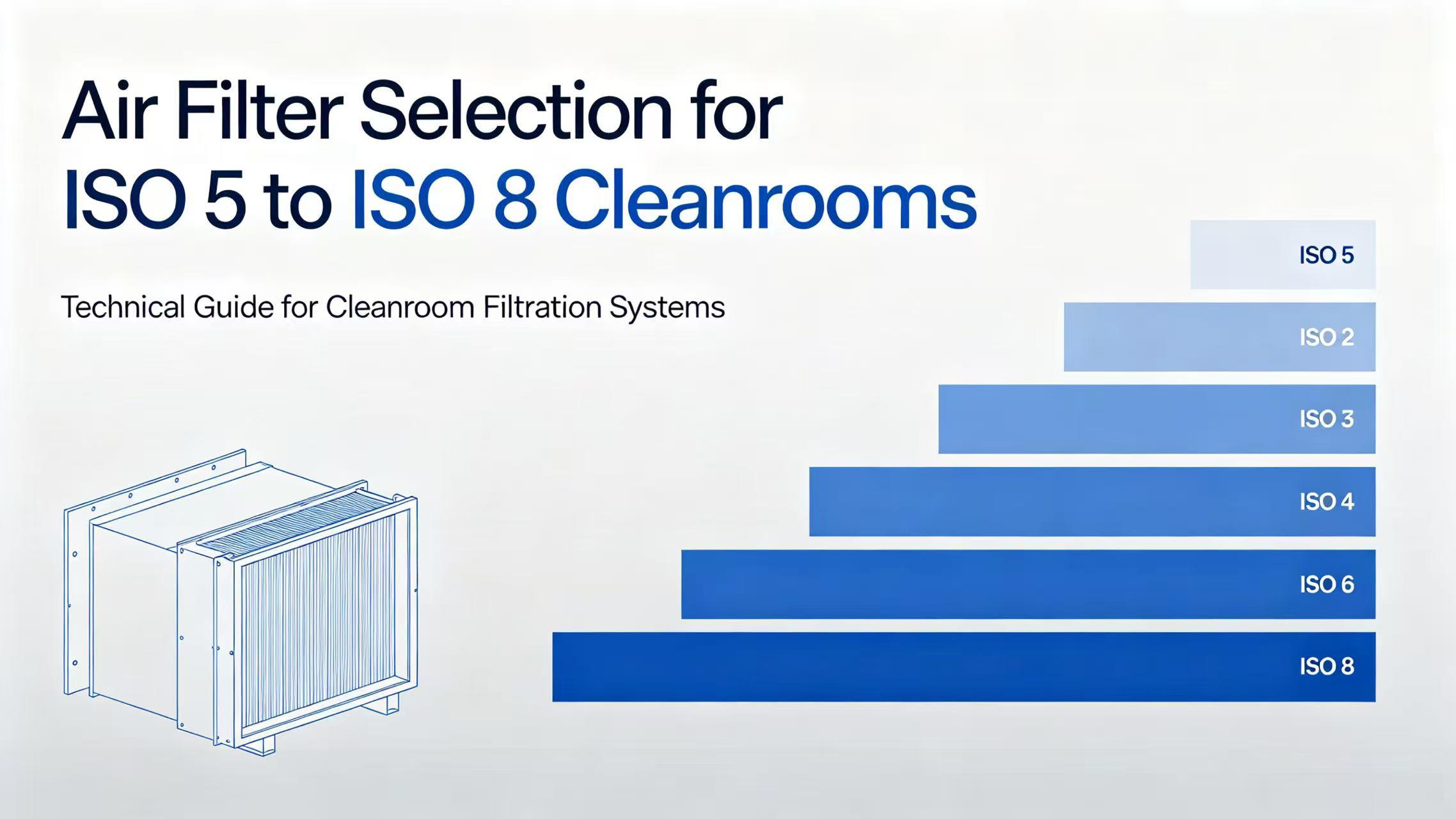
Cleanroom & Semiconductor
Ultra-High Cleanliness Filtration
Commercial HVAC
Central Air System Filtration
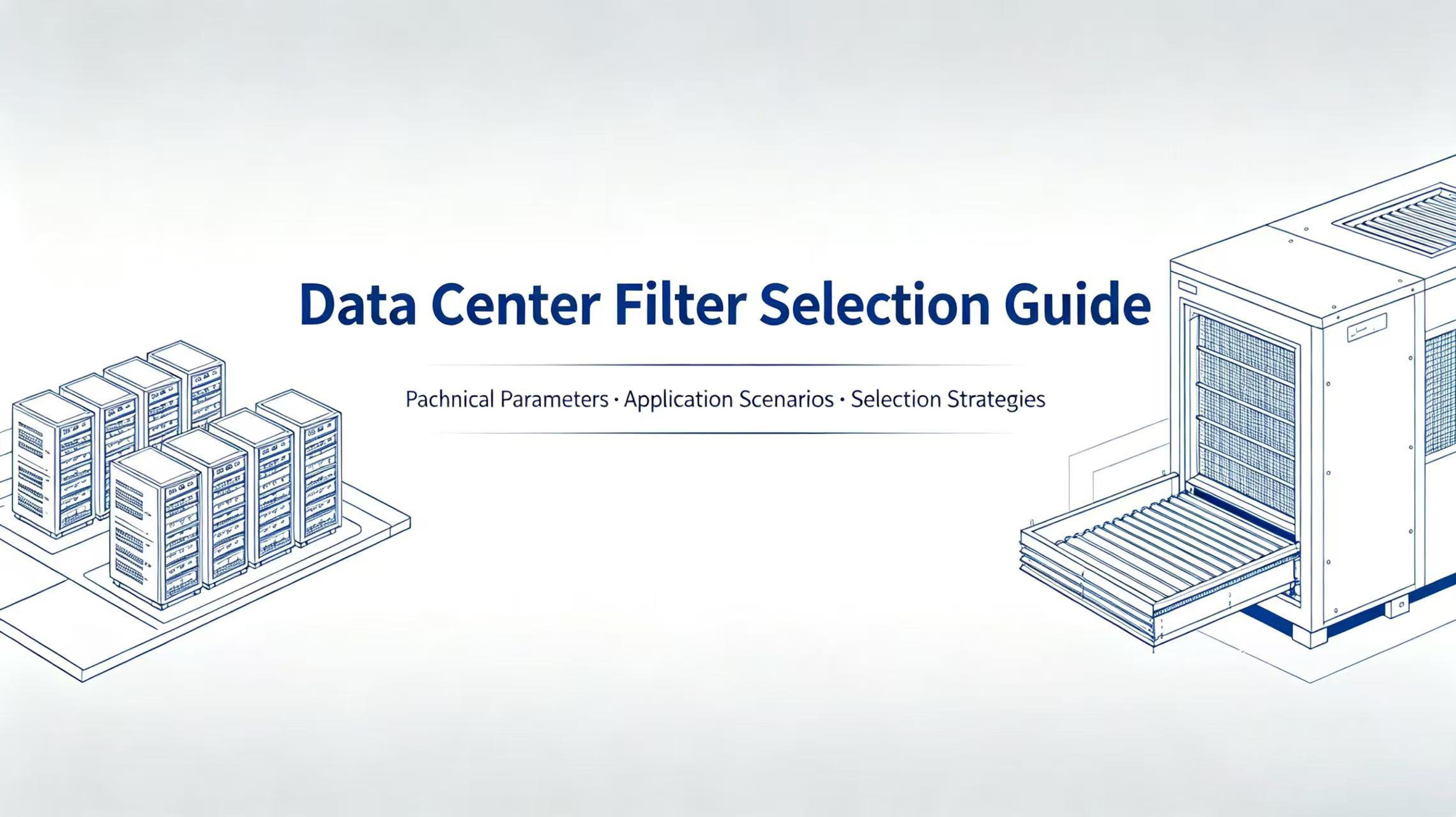
Data Centers
Precision Equipment Protection
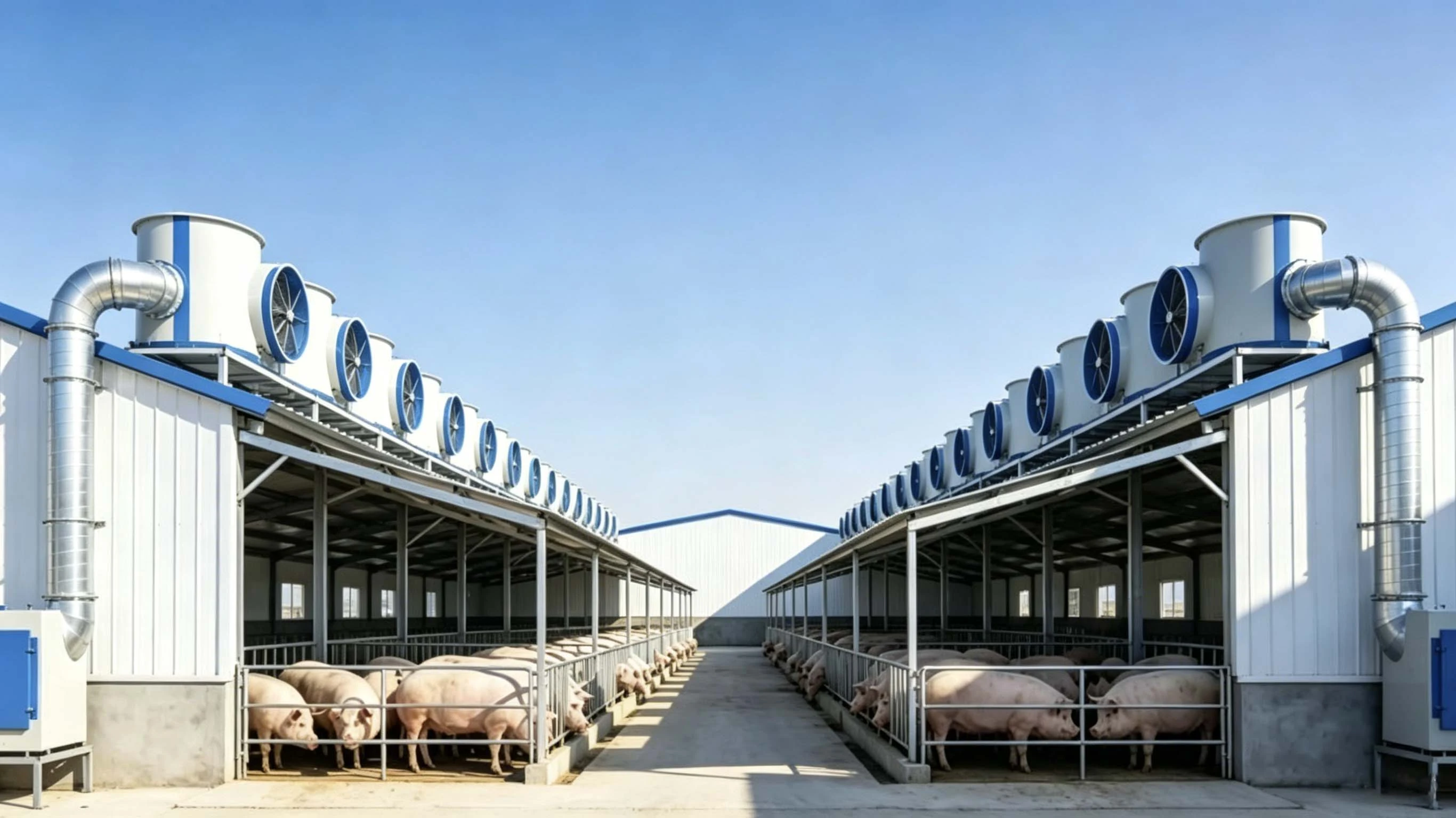
Livestock & Farming
Farming Environment Purification
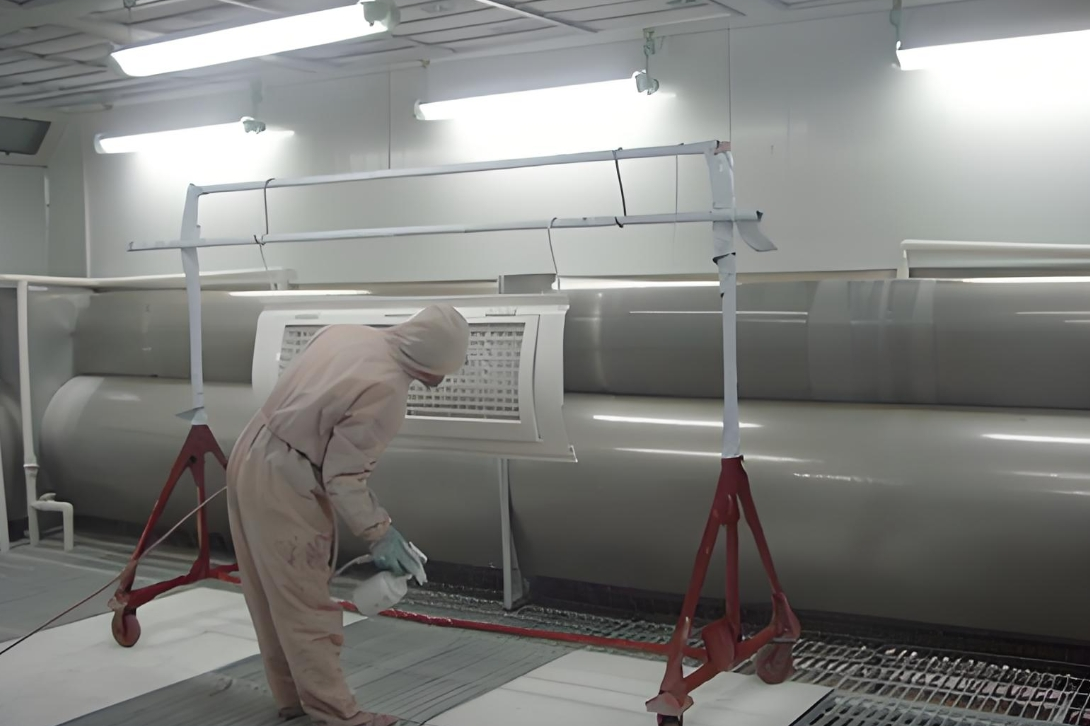
Spray Booths & Industrial Dust
Paint Mist & Dust Purification
Filtration for Power Equipment
Professional air filtration for EV charging devices, protecting against dust and sand ingress to ensure stable, reliable operation of charging piles and station infrastructure.
View Related Products →Ultra-High Cleanliness Filtration
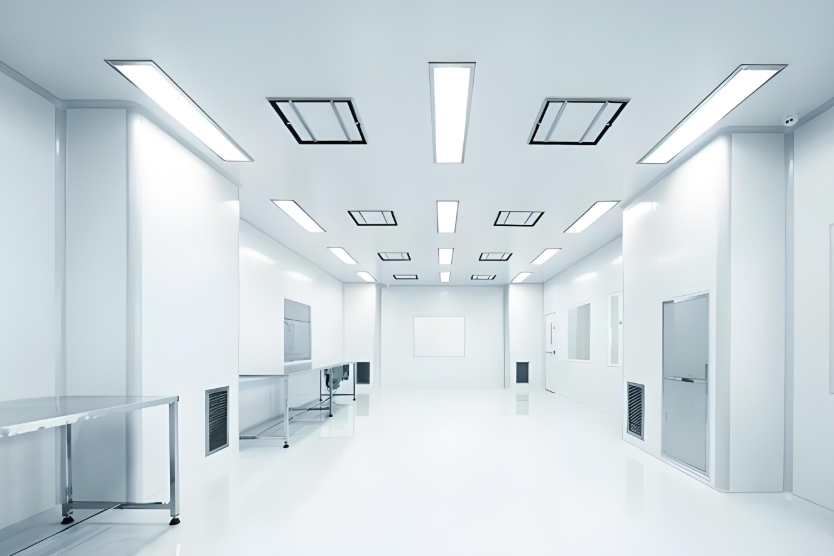
Ultra-high efficiency filtration for semiconductor wafer fabs and precision electronics cleanrooms, capturing nano-scale particles to meet ISO Class 1–3 standards and maximize product yield.
View Related Products →Central Air System Filtration
High-efficiency filtration for commercial building HVAC systems, improving indoor air quality, reducing energy consumption, and extending equipment service life.
View Related Products →Precision Equipment Protection
Precision air filtration for data centers, shielding servers and critical hardware from dust contamination to keep cooling systems running efficiently and reliably.
View Related Products →Farming Environment Purification
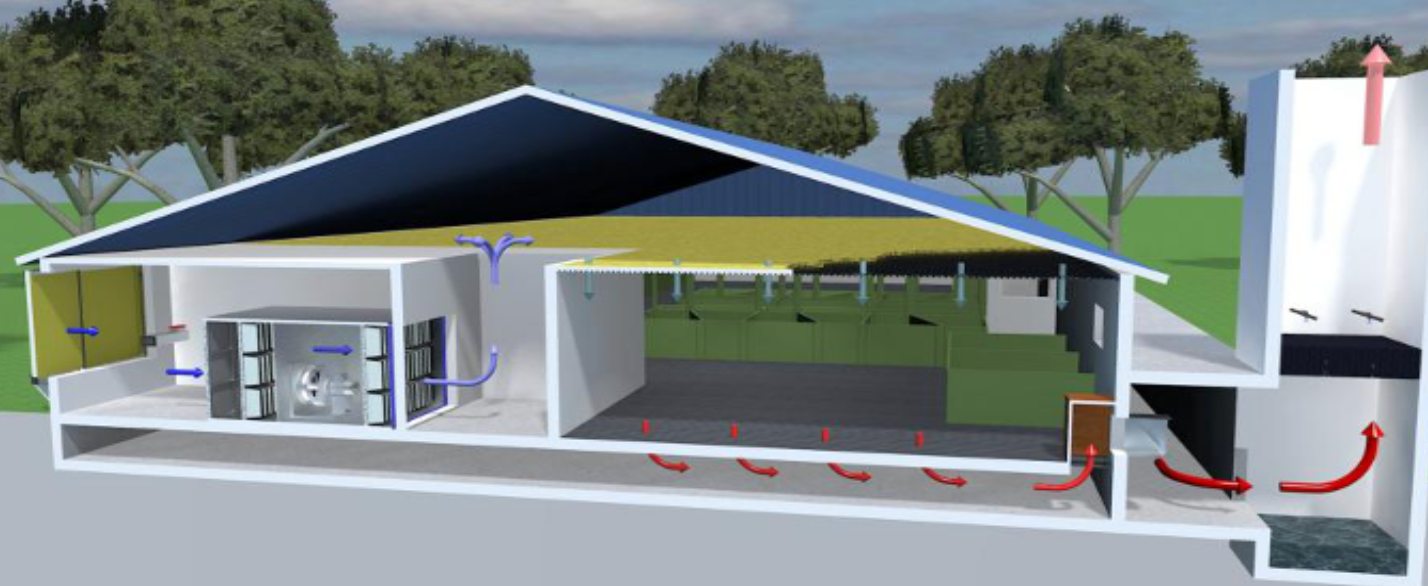
Dedicated filtration systems for farms and livestock facilities — capturing dust, adsorbing ammonia, and inhibiting pathogen spread to improve animal health and overall productivity.
View Related Products →Paint Mist & Dust Purification
Designed for spray booths and grinding workshops, efficiently capturing paint mist, metal dust, and wood chips to meet emission standards while protecting finished surface quality.
View Related Products →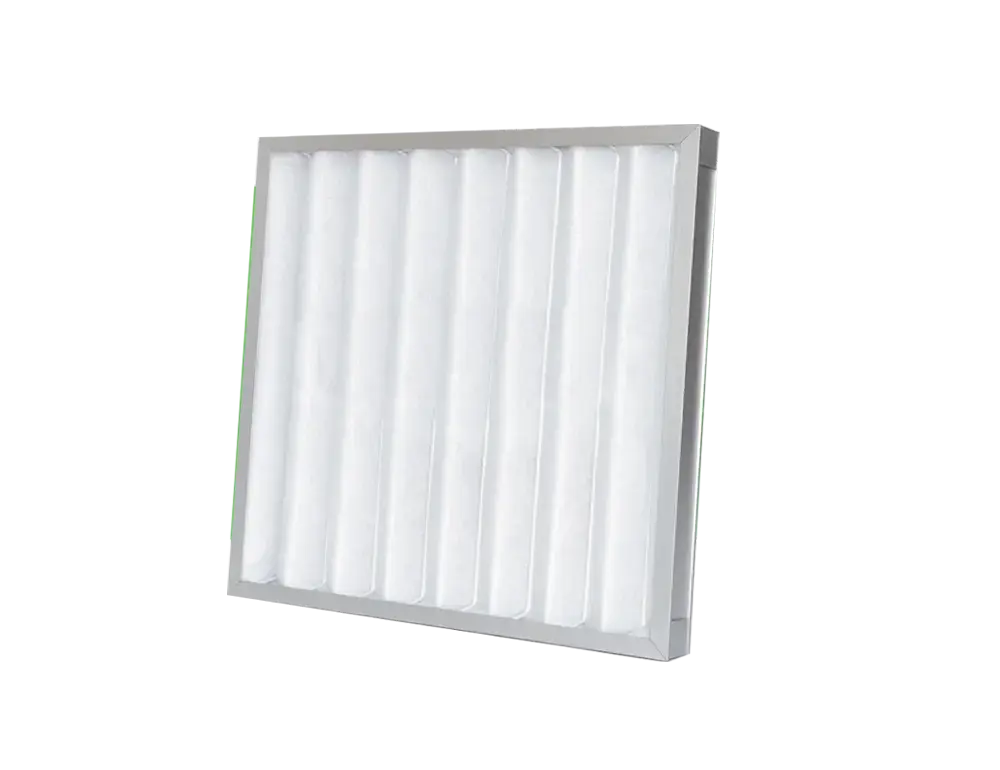
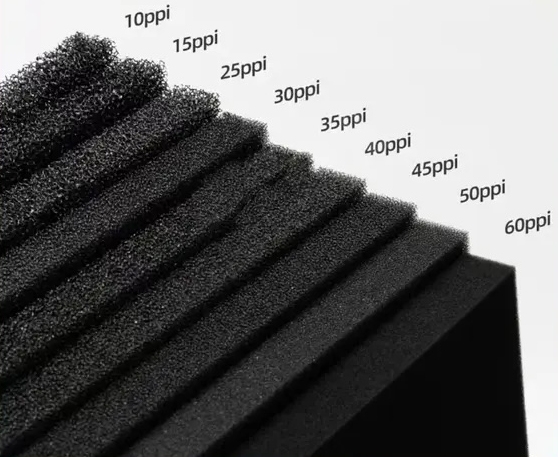
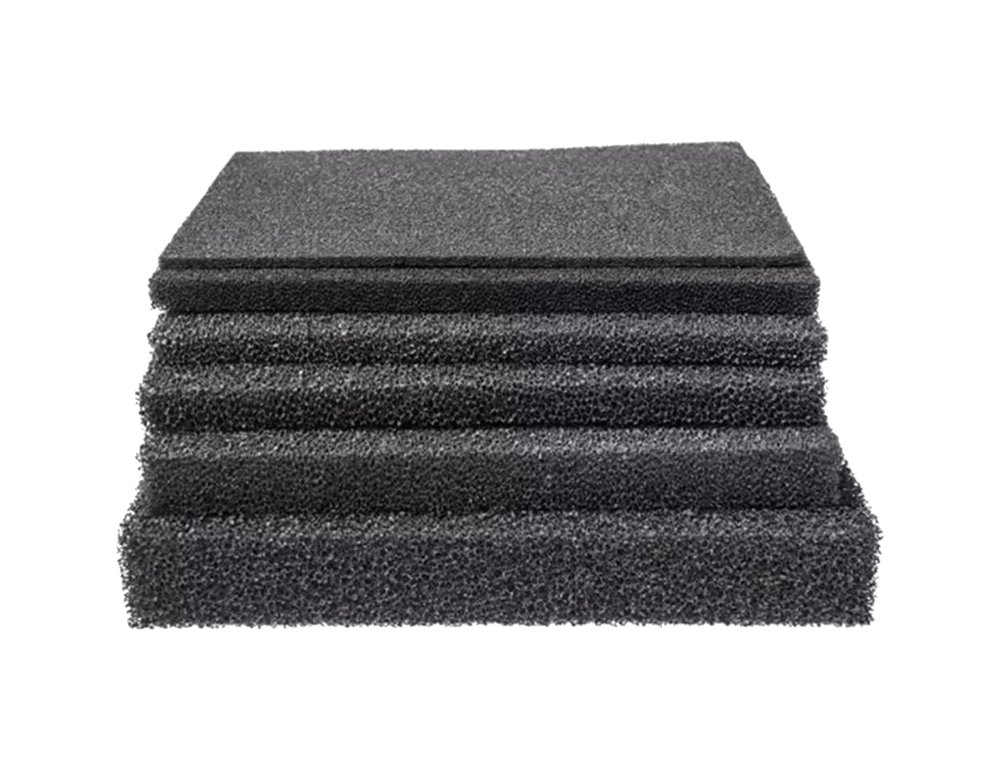
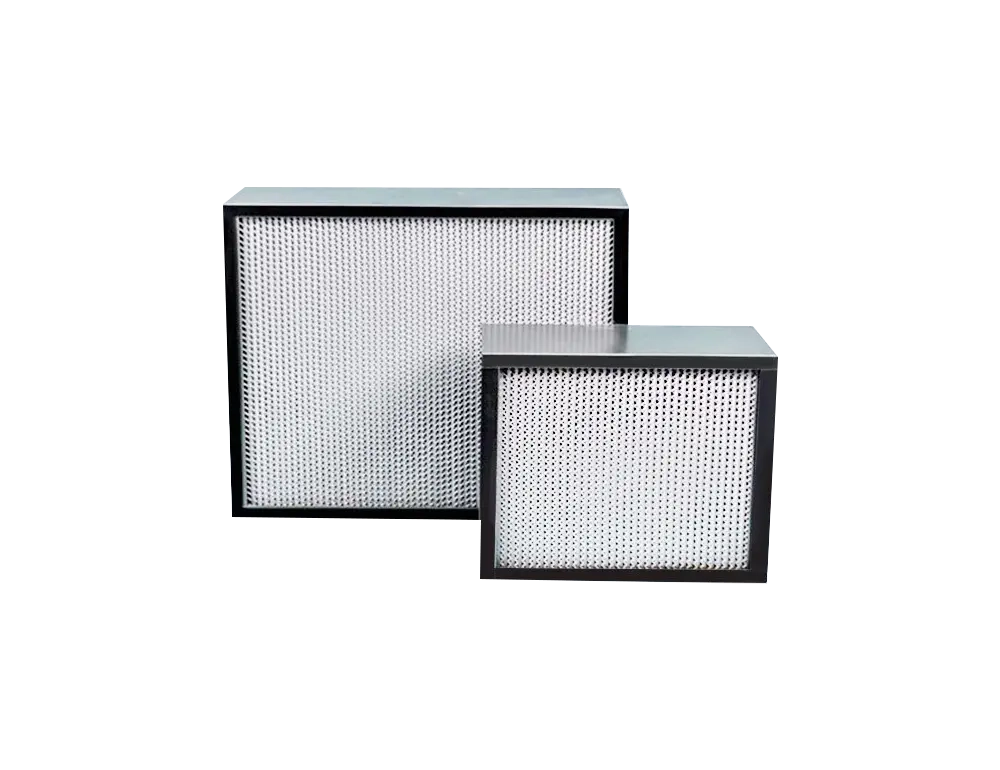
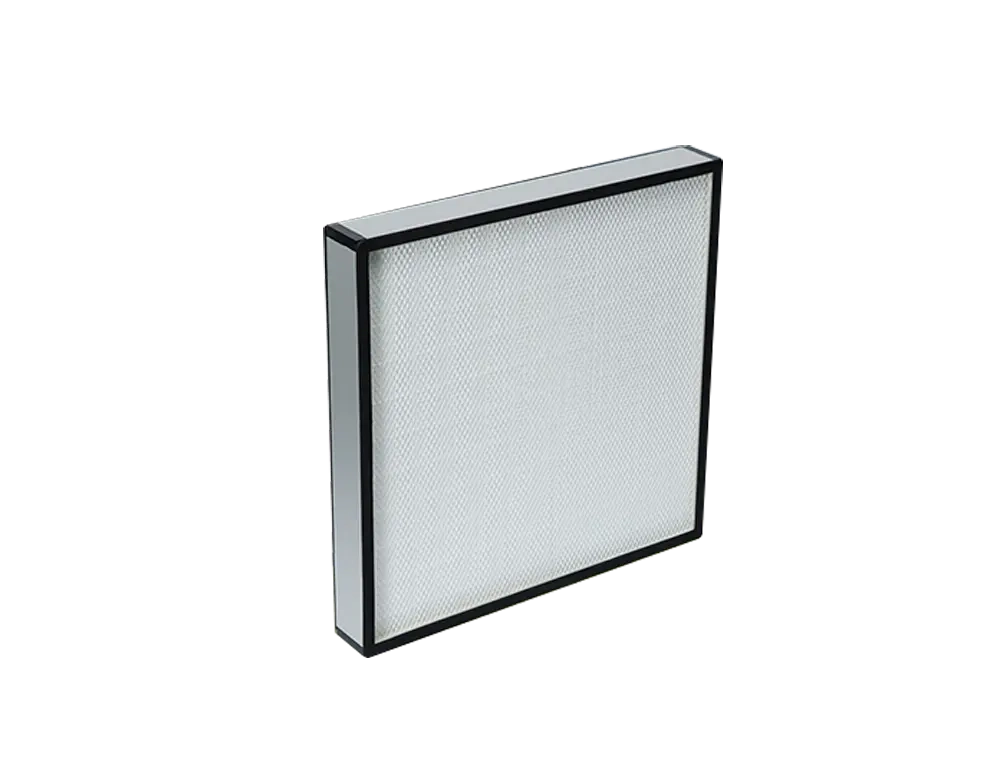
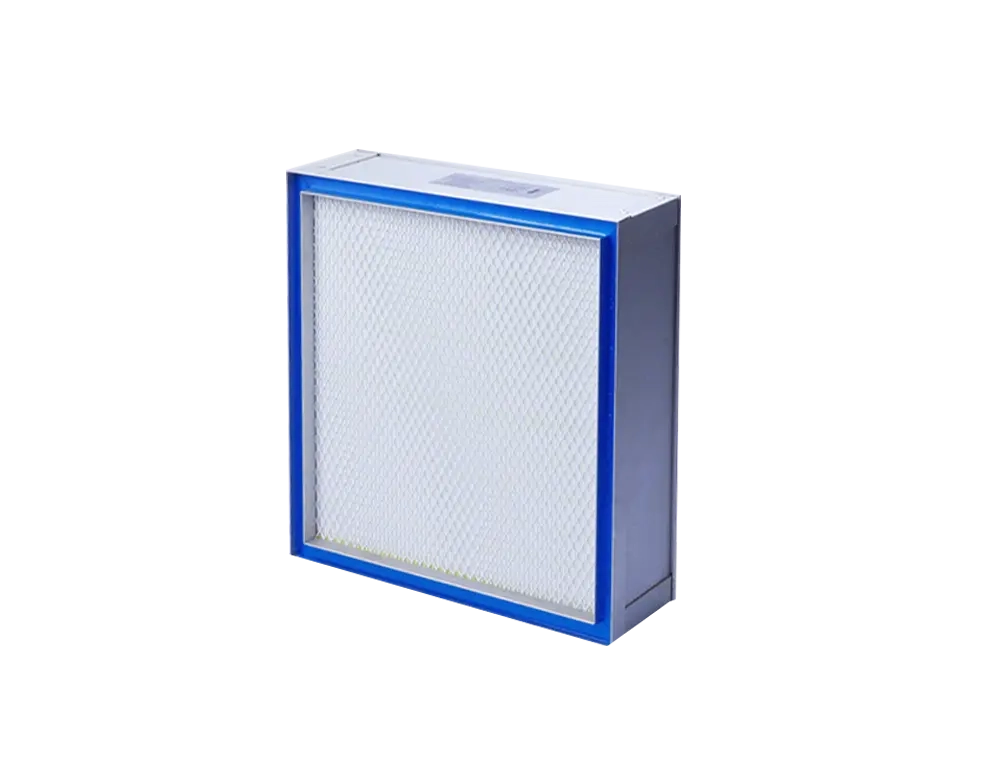
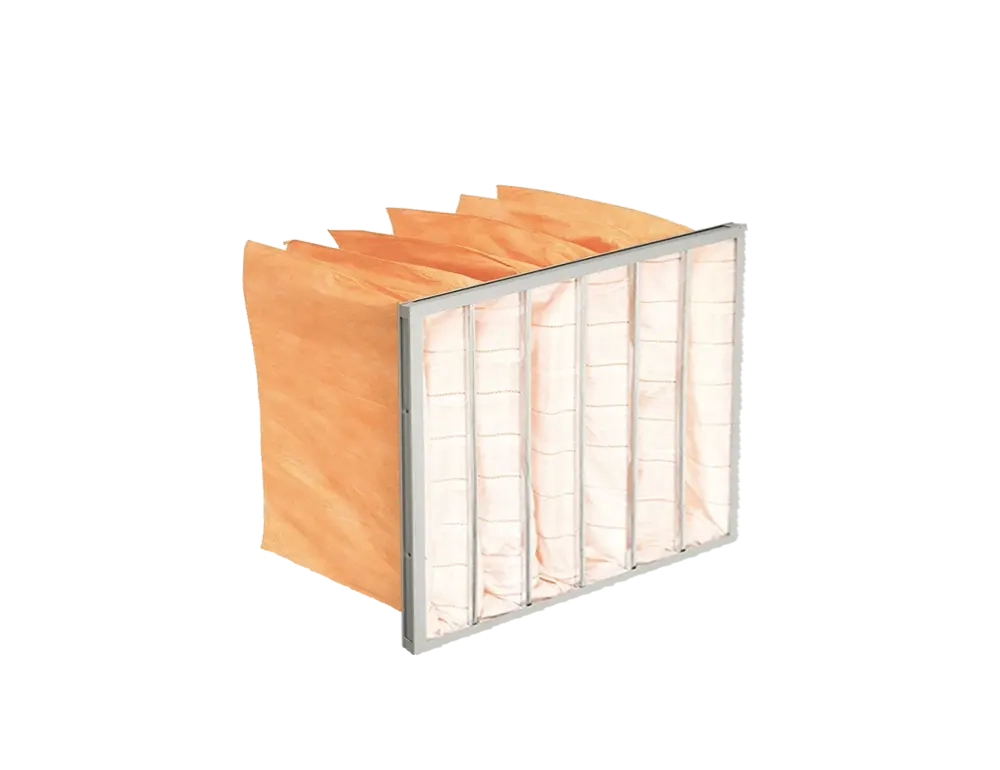
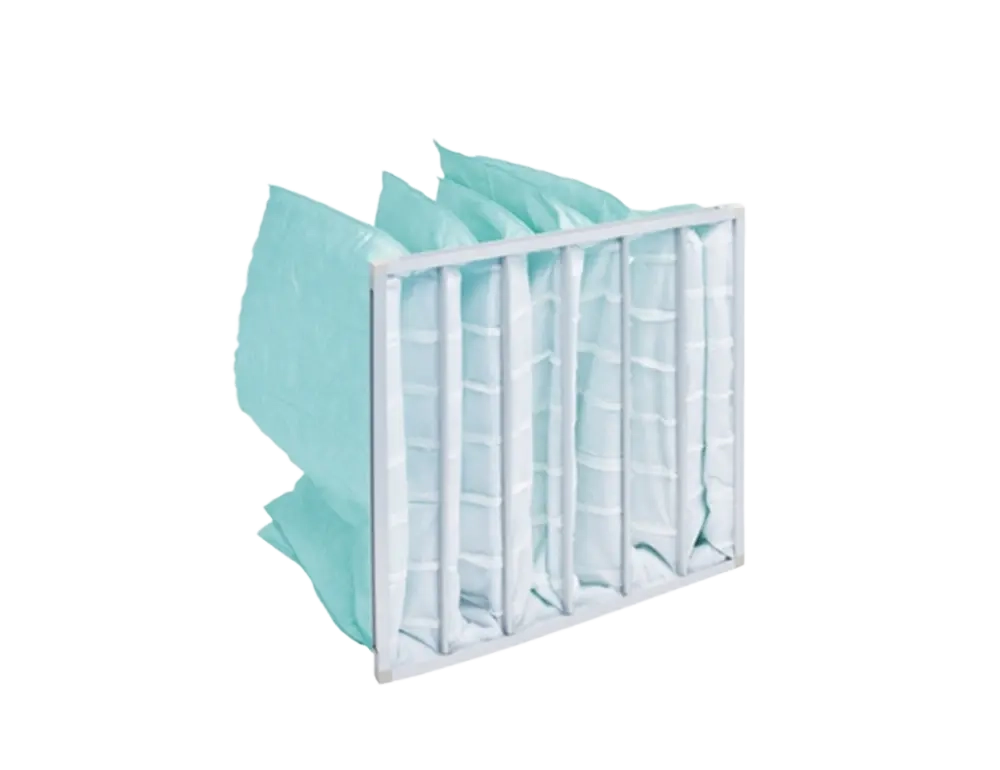
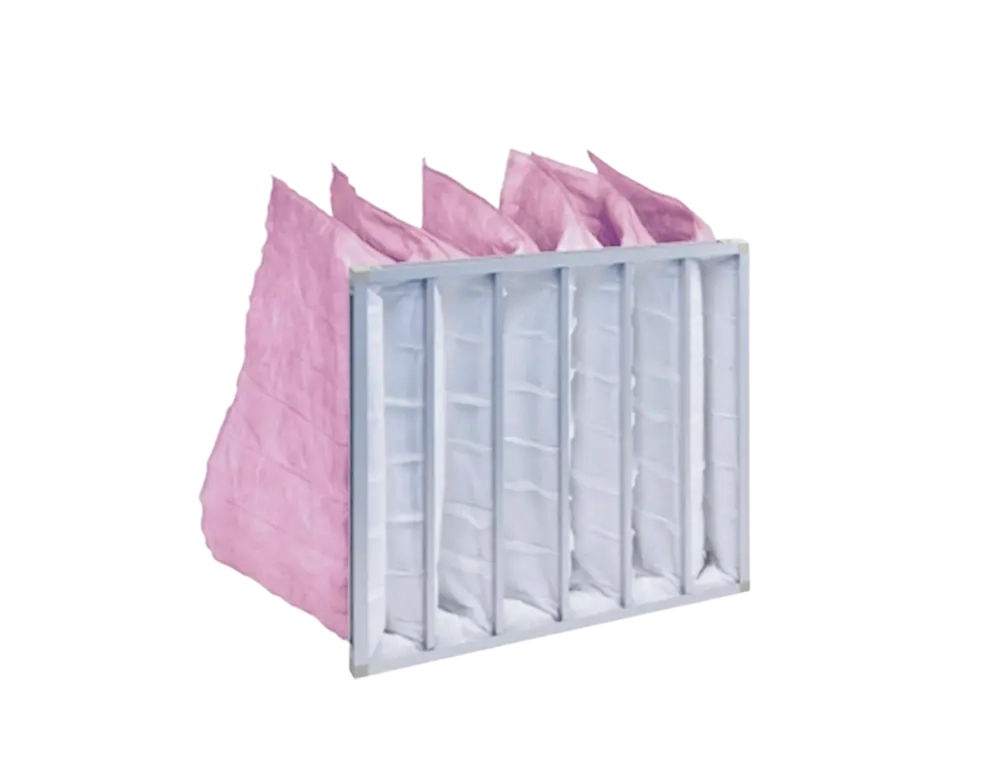
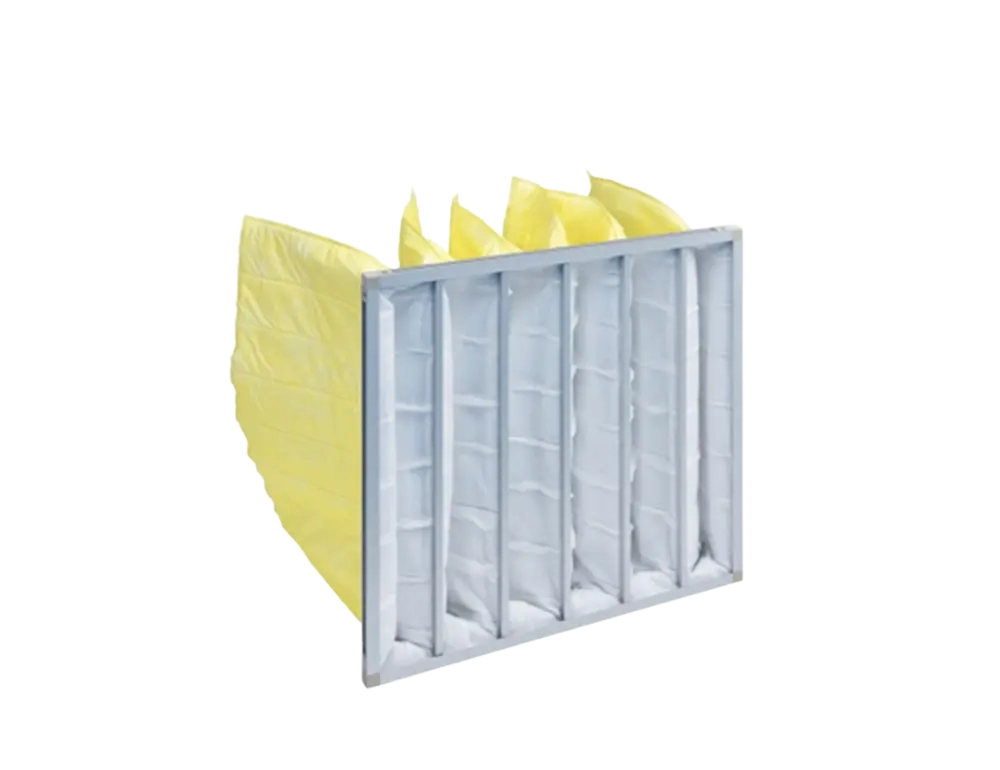
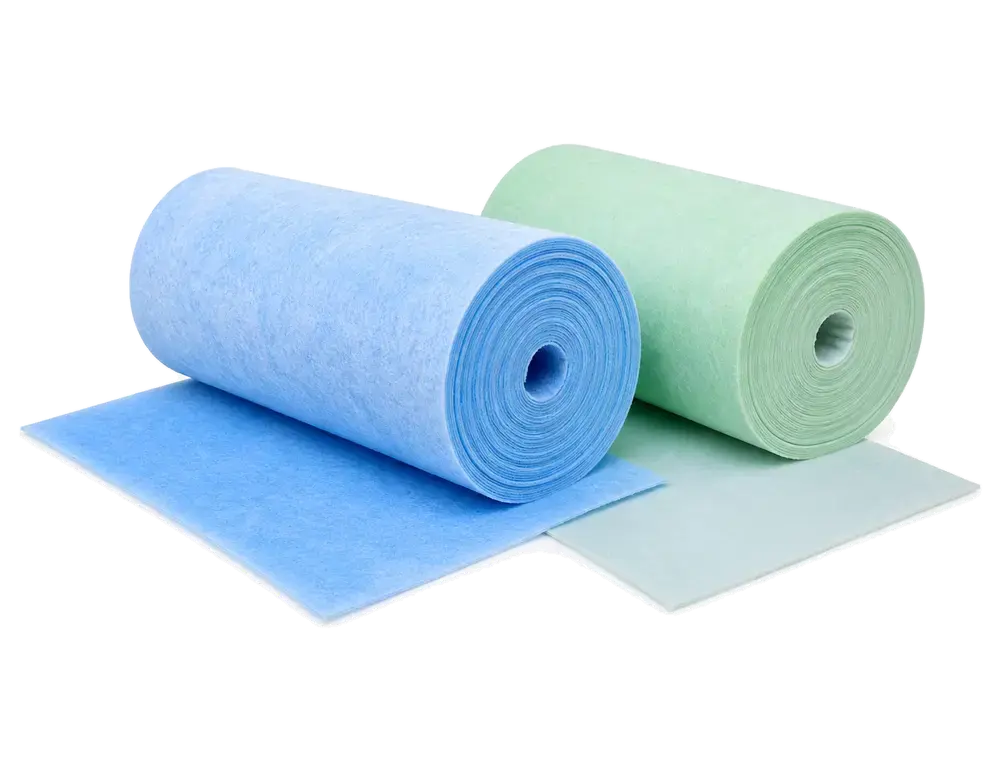
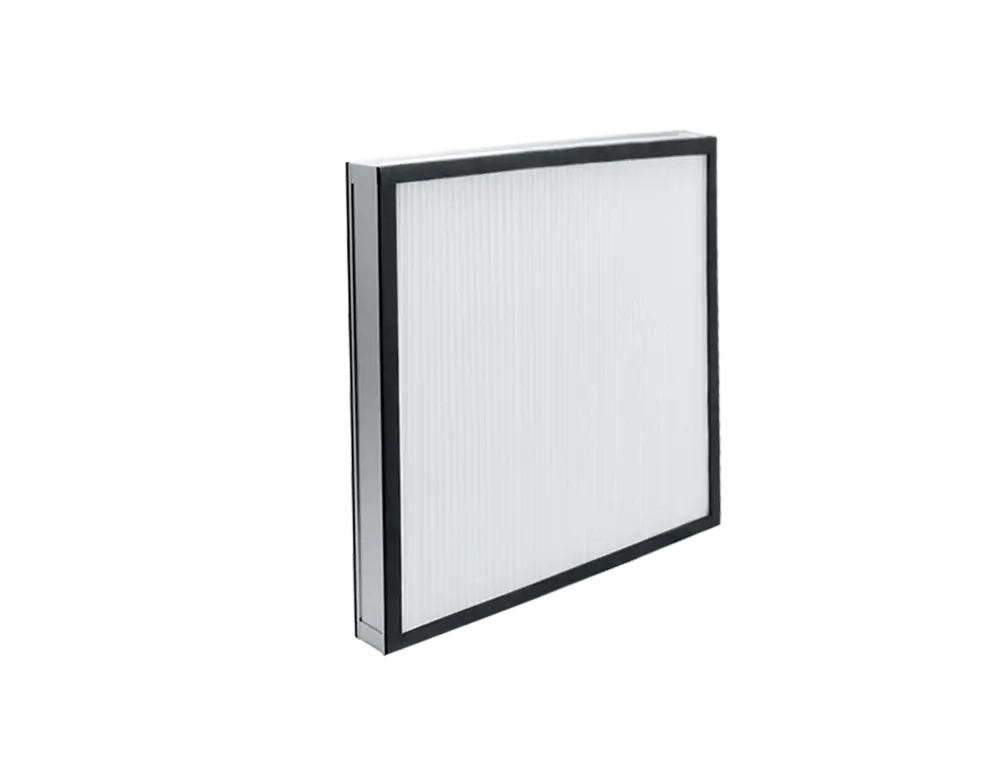
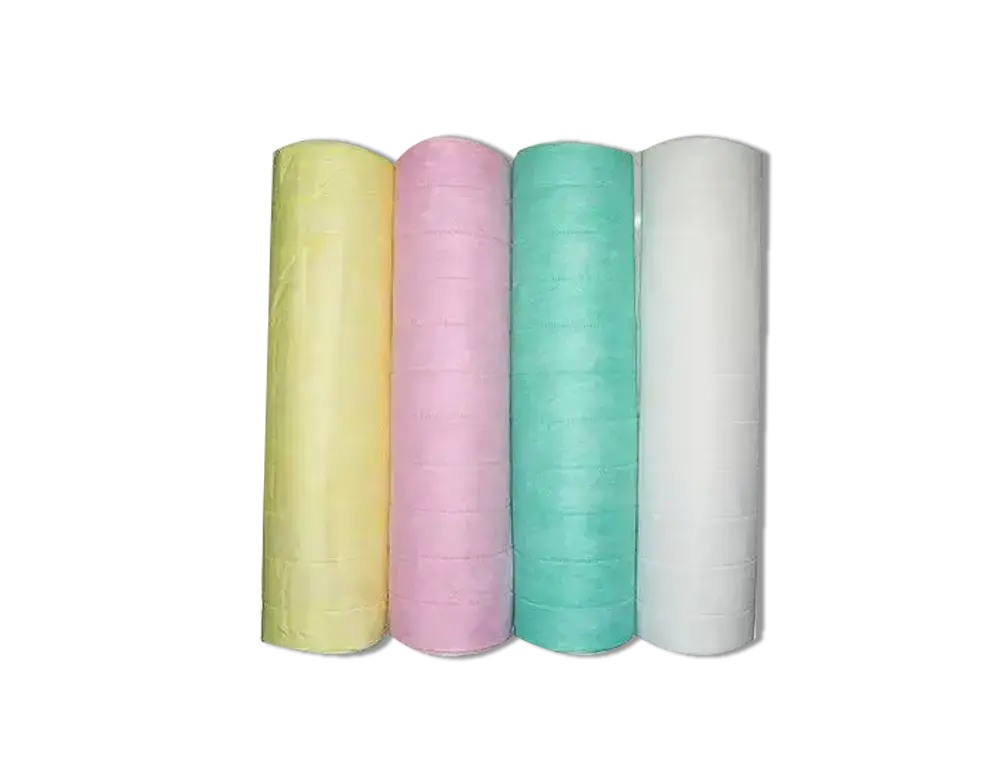
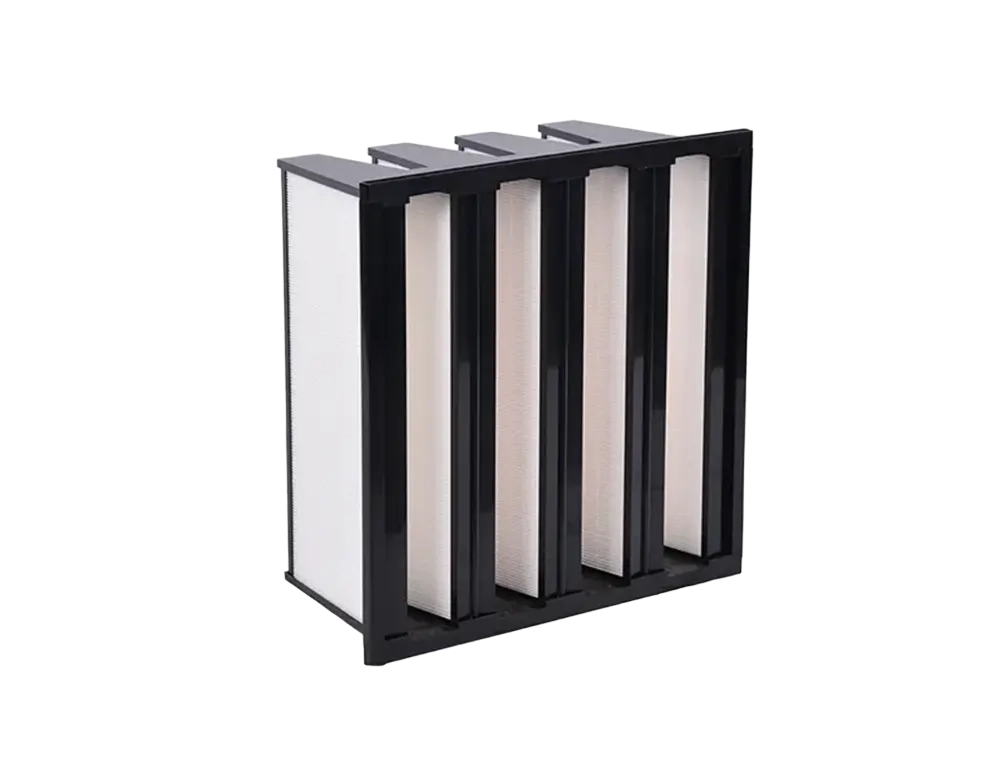
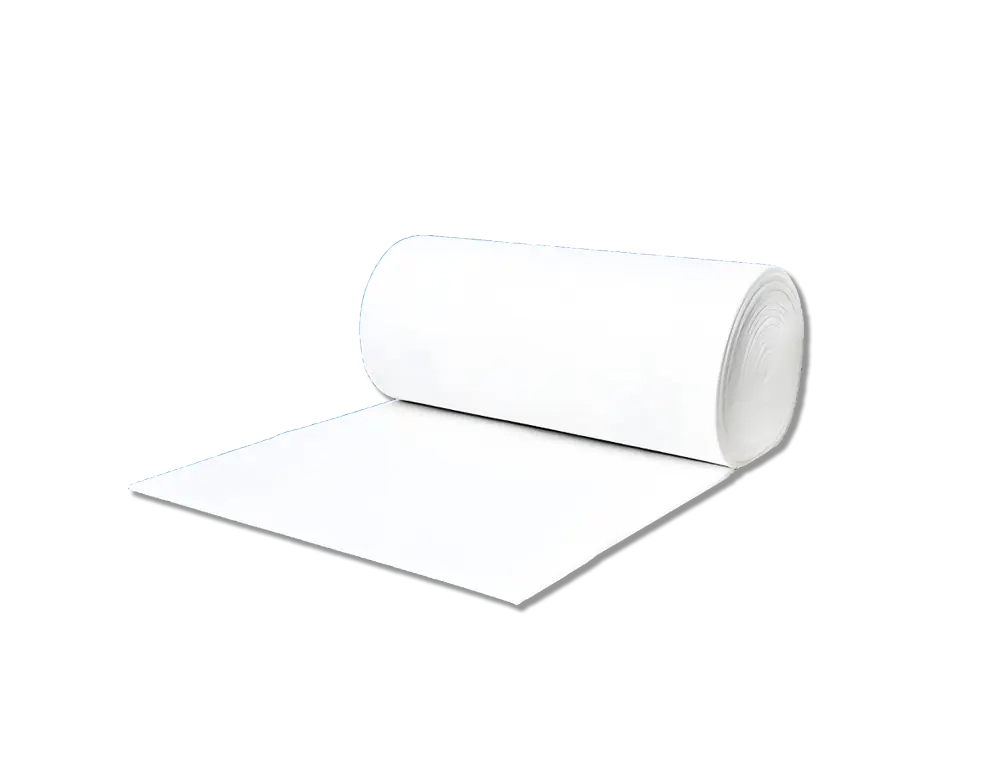
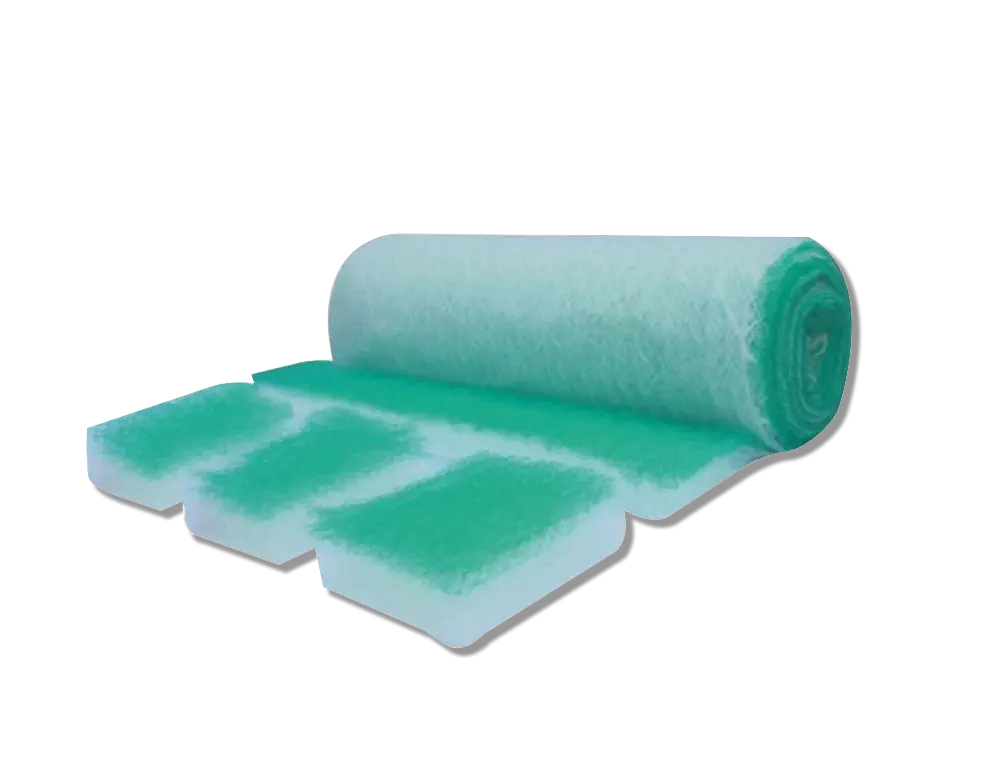
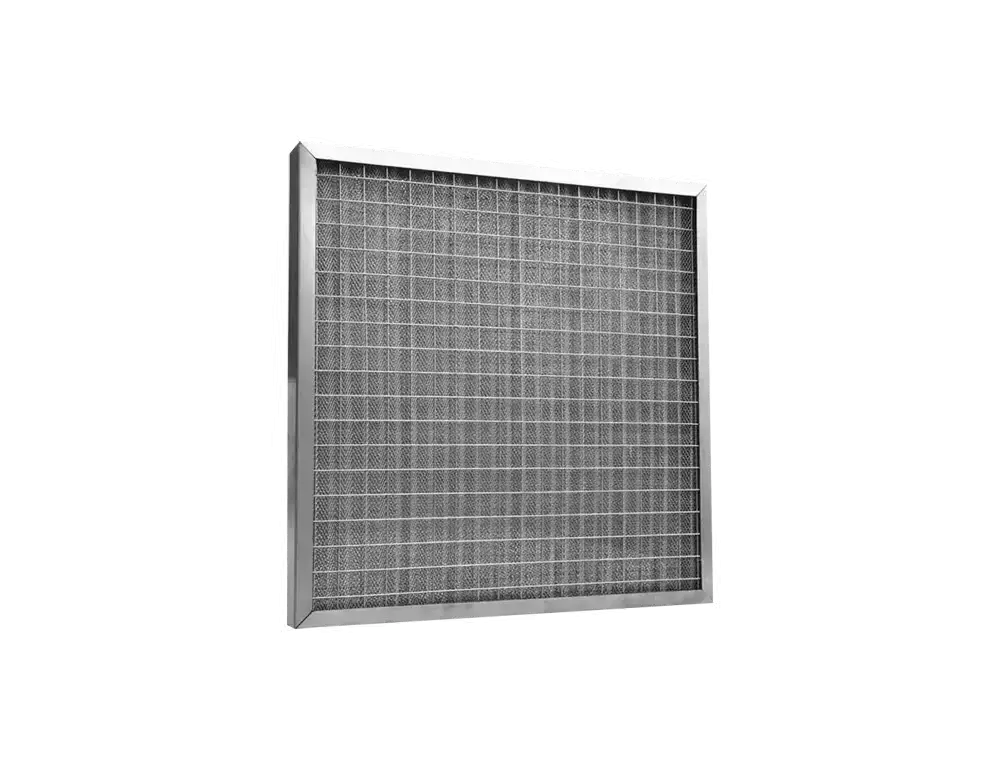
Pre-Filter (G1–G4)
First-Stage Large-Particle Capture
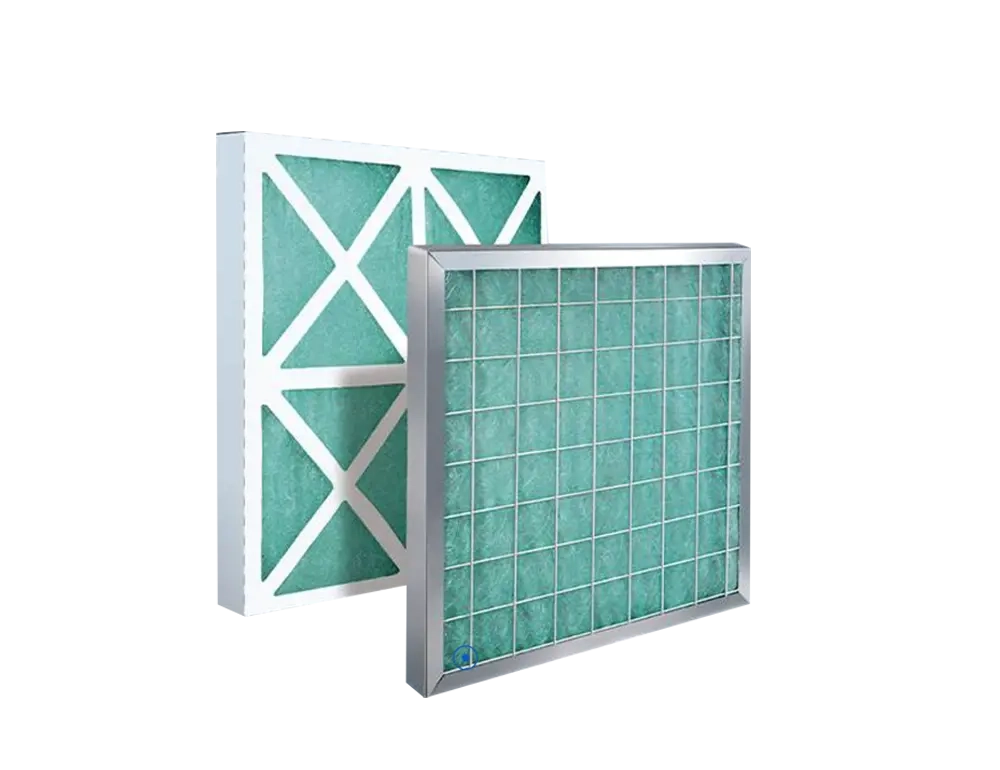
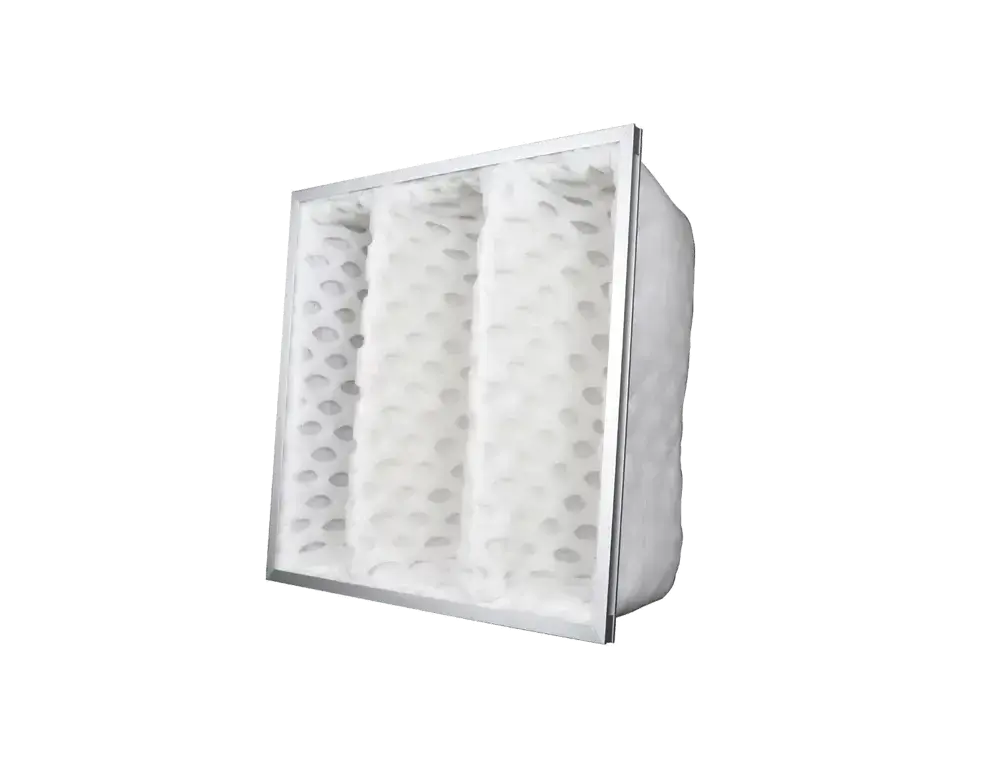
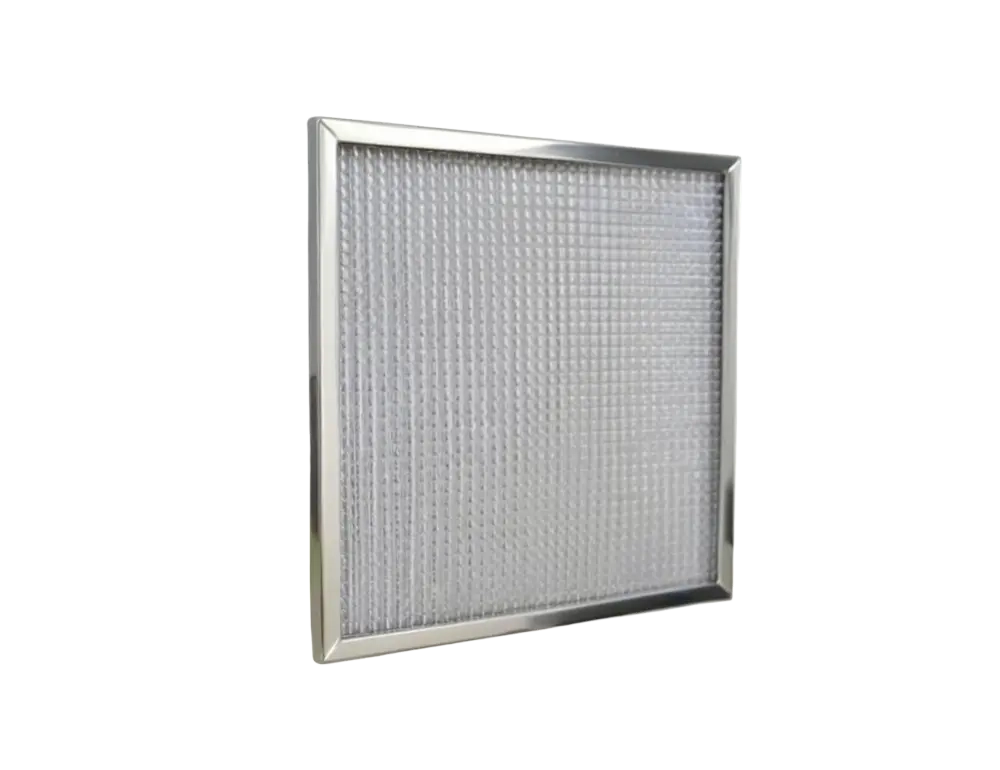
Medium-Efficiency Filter (F5–F9)
Precise PM2.5 Capture
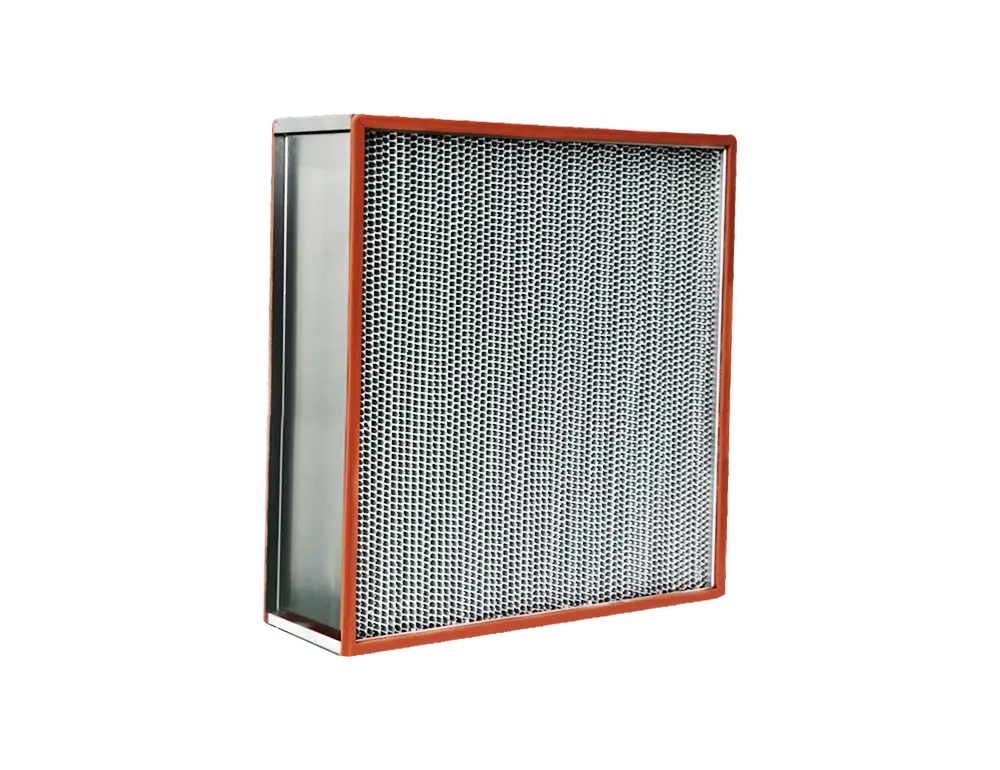
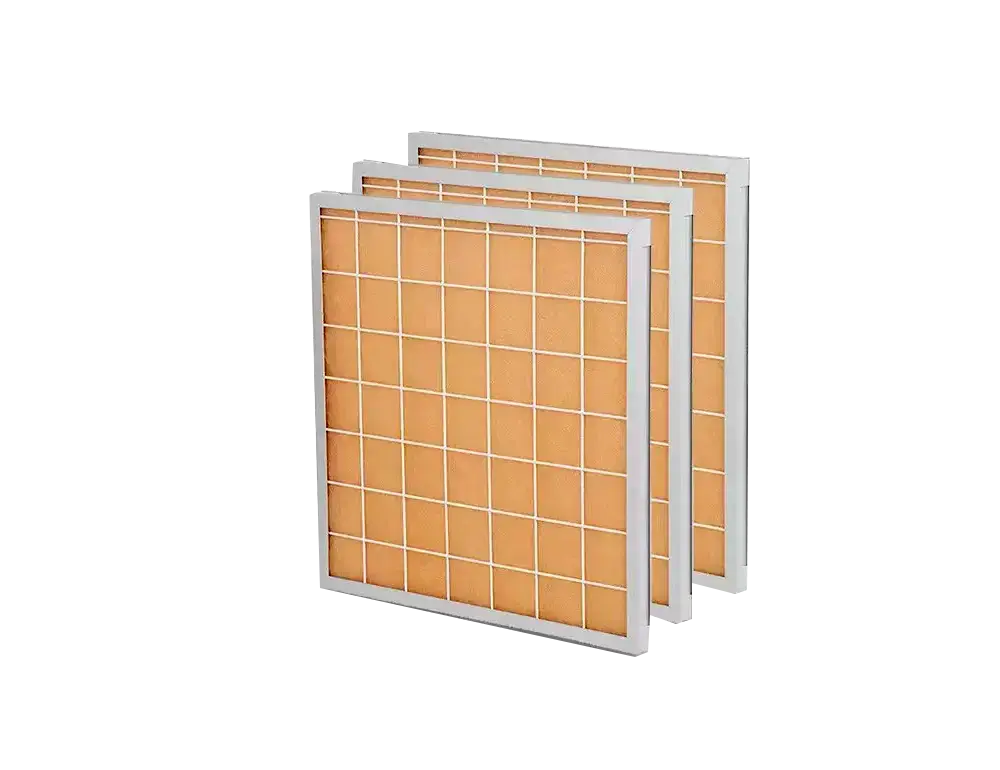
HEPA High-Efficiency Filter
Sterile-Grade Purification
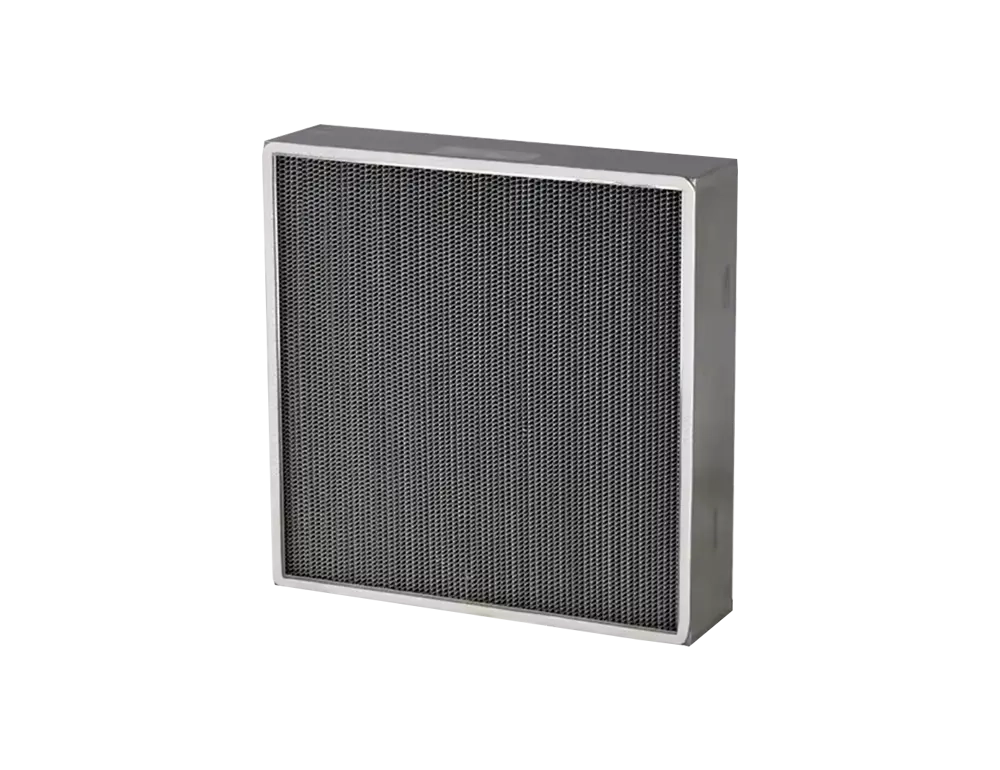
ULPA Ultra-High Efficiency Filter
Sub-Micron Particle Capture
First-Stage Large-Particle Capture
The first line of defense, capturing particles ≥5 μm such as dust, hair, and fibers to protect downstream filters and extend overall system service life.
View Related Products →Precise PM2.5 Capture
Captures fine particles of 1–5 μm including PM2.5, pollen, and mold spores, significantly improving indoor air quality for commercial HVAC and ventilation systems.
View Related Products →Sterile-Grade Purification
≥99.97% filtration efficiency for particles ≥0.3 μm, delivering sterile-grade clean air widely used in medical, pharmaceutical, and electronics manufacturing.
View Related Products →Sub-Micron Particle Capture
≥99.9995% efficiency for particles ≥0.12 μm, meeting the extreme cleanliness demands of semiconductor fabs, aerospace, and other ultra-precision applications.
View Related Products →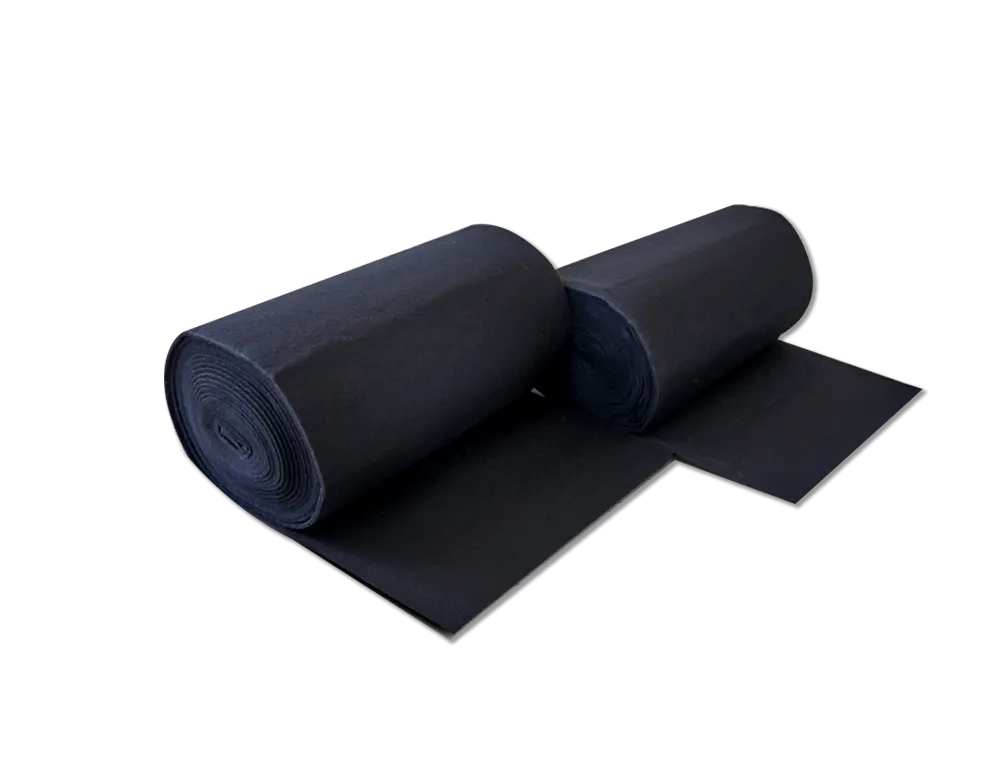
High-Temperature Resistant
Industrial-Grade Heat Tolerance
Washable & Reusable
Cut Costs, Reduce Waste
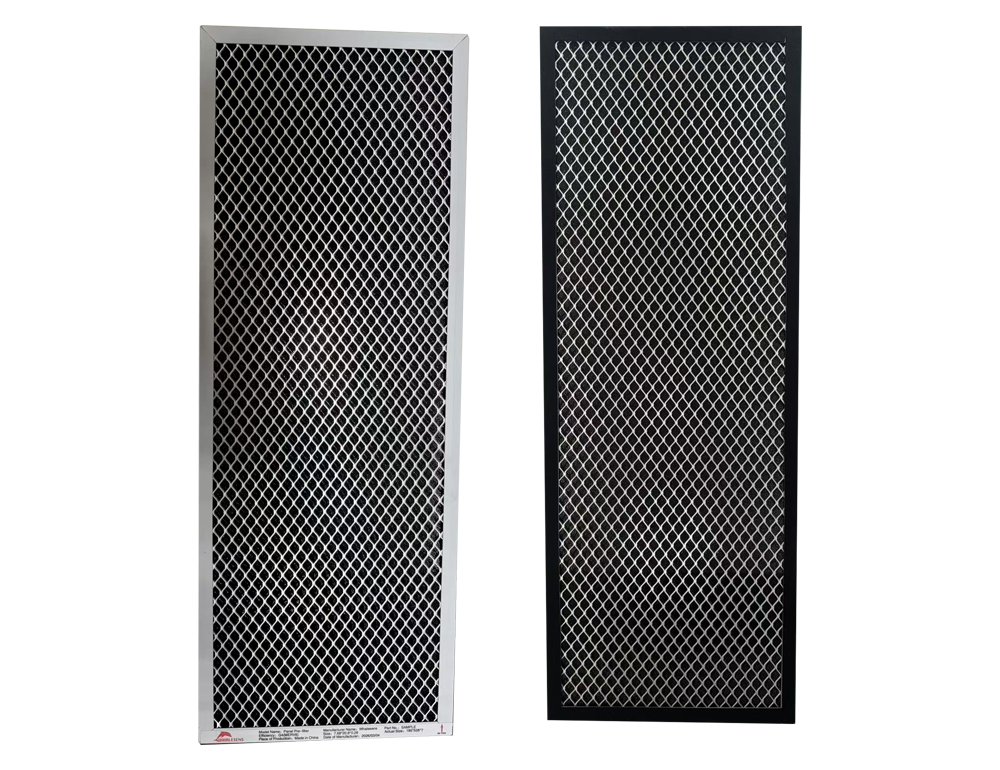
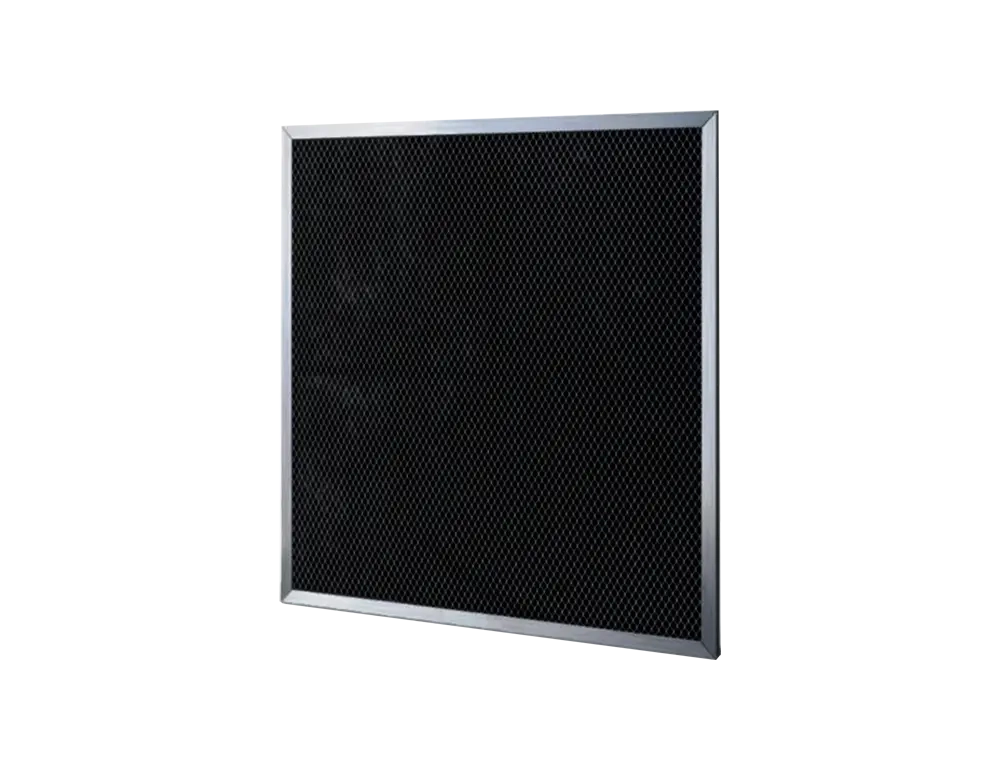
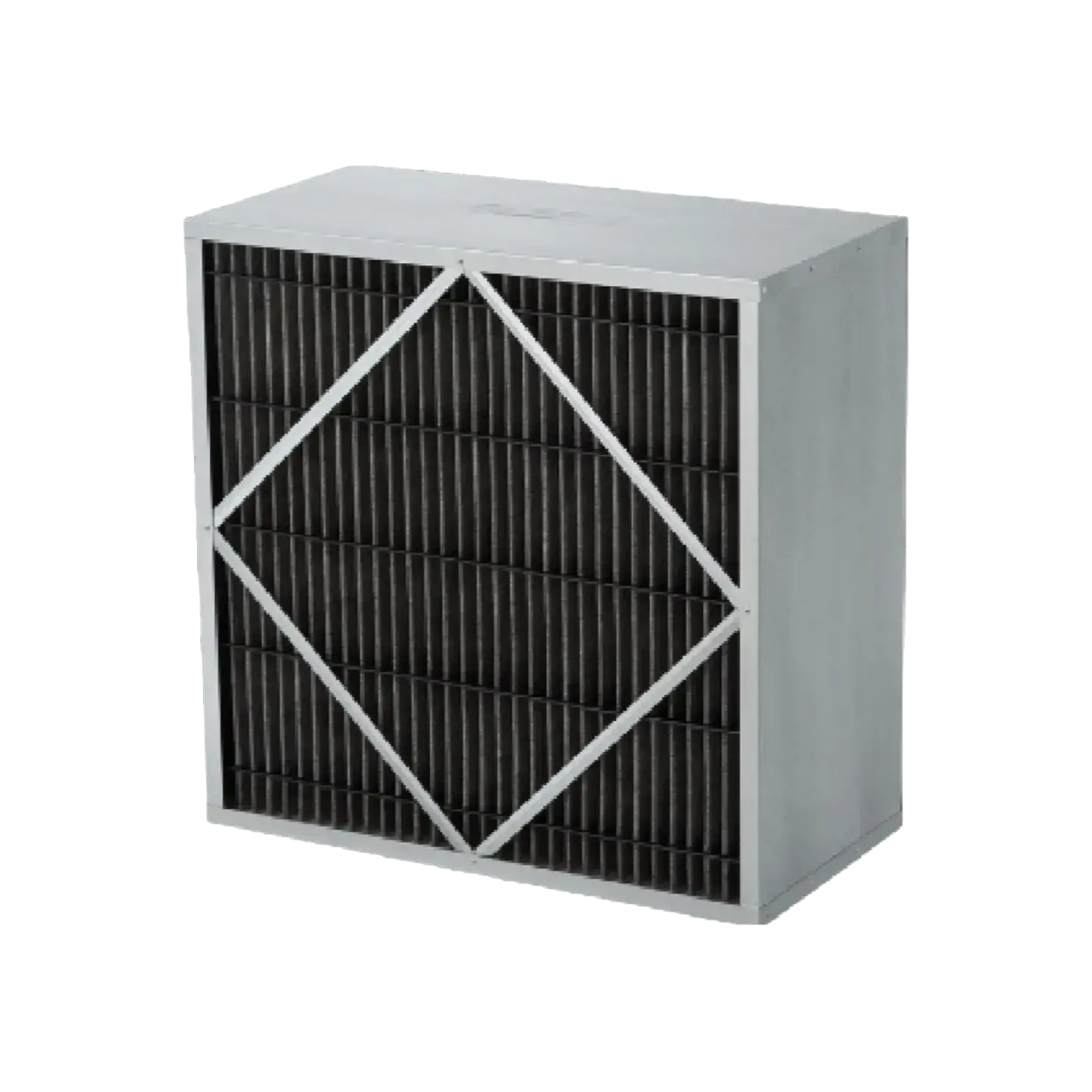
Activated Carbon
Odor & Harmful Gas Removal
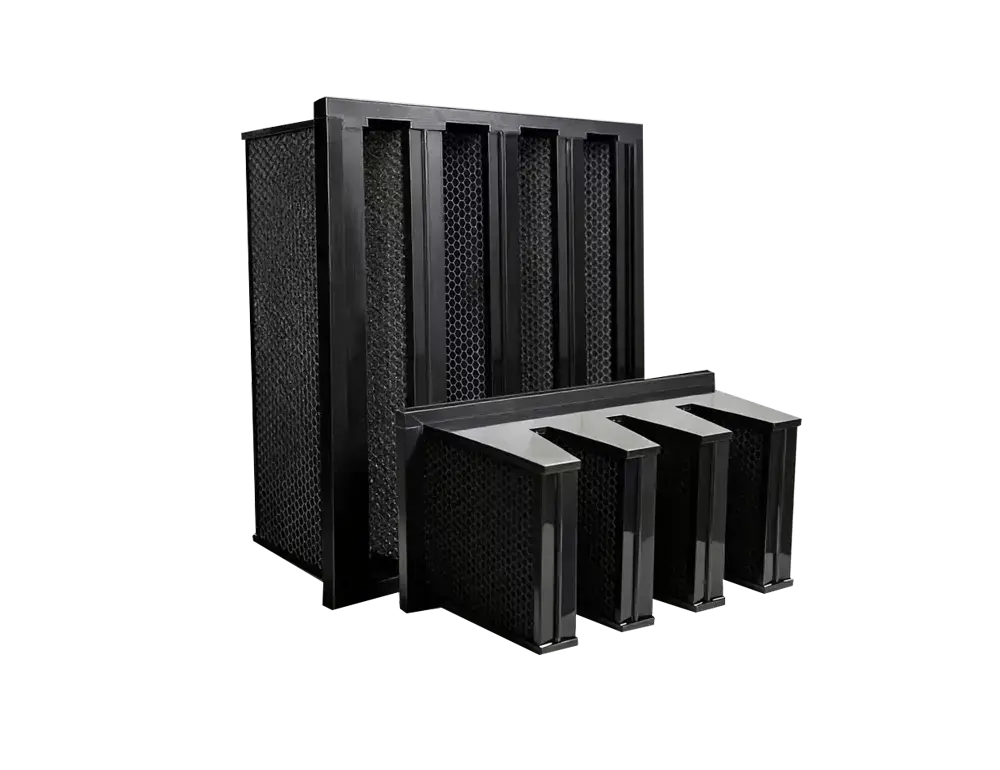
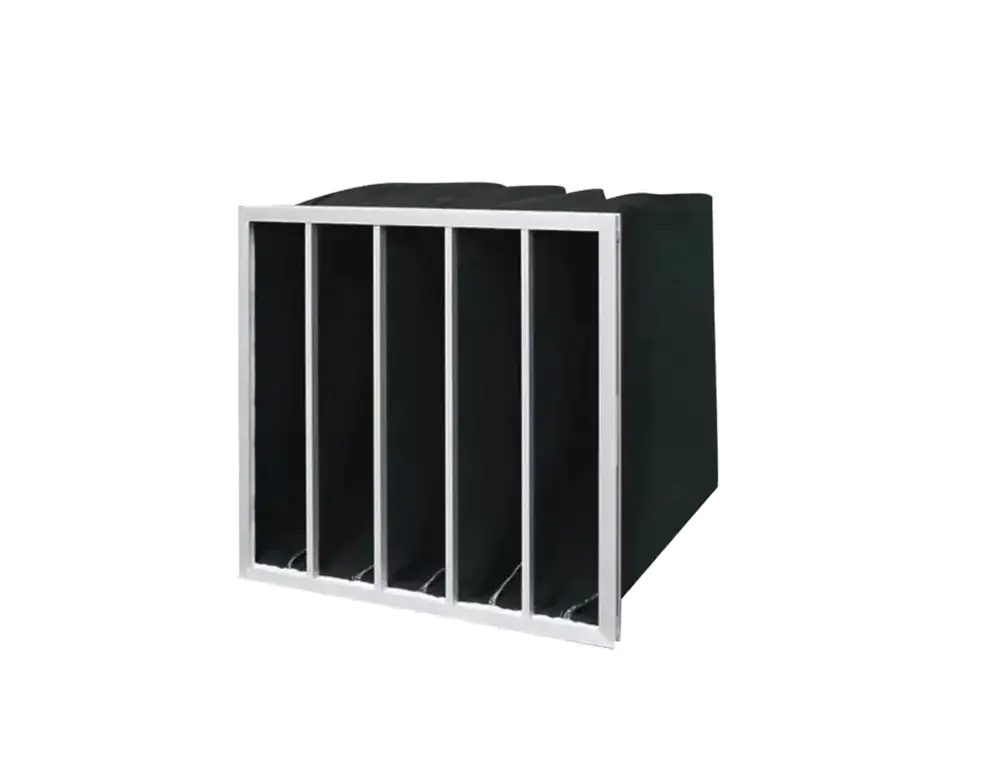
Bag Filter
High Dust-Holding, Long Life
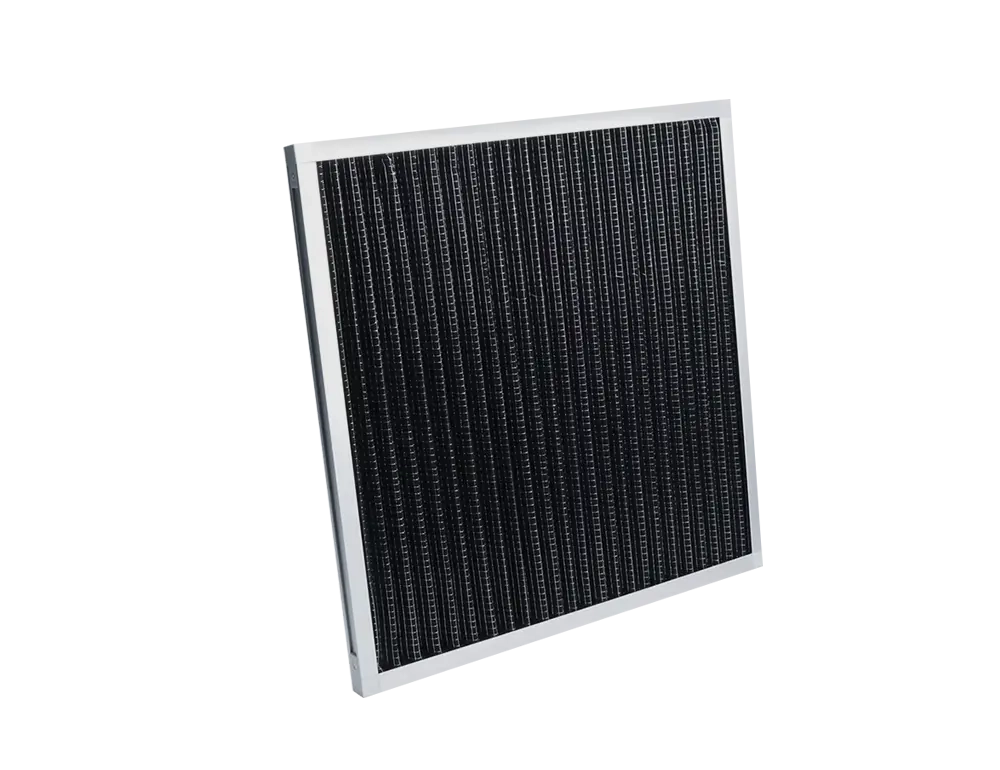
Panel / Pleated Filter
Compact Space-Saving Design
Low-Resistance Airflow
Energy-Saving Operation
Industrial-Grade Heat Tolerance
Built with specialized heat-resistant materials, operating stably up to 250°C for paint ovens, industrial dryers, and high-temperature process environments.
View Related Products →Cut Costs, Reduce Waste
Cleanable by water washing or air blowing, reusable multiple times to significantly reduce replacement frequency and O&M costs — an economical, eco-friendly choice.
View Related Products →Odor & Harmful Gas Removal
Leverages activated carbon's high adsorption capacity to eliminate odors, VOCs, and formaldehyde, ideal for newly renovated spaces and industrial exhaust treatment.
View Related Products →High Dust-Holding, Long Life
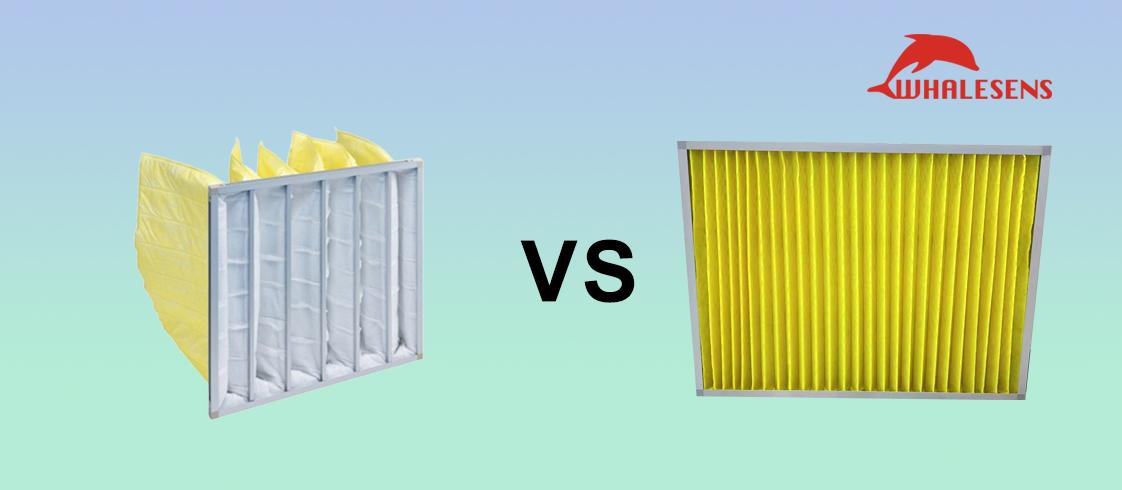
Bag-style construction delivers a larger filtration area, high dust-holding capacity, and extended service life — ideal for high-dust environments with reduced replacement frequency.
View Related Products →Compact Space-Saving Design
Compact form factor for easy installation and replacement; pleated structure maximizes filtration area within a small footprint for higher efficiency.
View Related Products →Energy-Saving Operation
Low-resistance design minimizes pressure drop while maintaining filtration performance, reducing fan energy consumption for cost-effective, eco-friendly operation.
View Related Products →




















 English(Global)
 简体中文
 Language




Core Performance Indicators of Air Filters: 5 Key Parameters & 4 International Standards
Air filter performance cannot be summarised by a single number, and any supplier who offers one is telling you which parameter they want you to look at. Five parameters together describe air filter performance: efficiency, initial and final pressure drop, dust holding capacity, face velocity and service life. They trade against each other, so the useful question is never "which filter performs best" but "which combination of air filter performance fits this system".
The five parameters that define air filter performance
Each parameter answers a different question, and each one has a cost attached.
Efficiency is the only parameter with a regulatory floor. The other four are costs, and that is why experienced buyers fix efficiency at the lowest grade that satisfies the specification and then optimise the remaining four.
| Parameter | Definition | Typical range | What a high value means |
|---|---|---|---|
| Efficiency | Share of particles captured at a stated size | G4 around 90% arrestance; F9 around 95% at 0.4 µm; H13 ≥99.95% at MPPS | Higher pressure drop and higher cost |
| Initial pressure drop | Resistance of a clean filter | 20–50 Pa coarse, 80–150 Pa fine, 200–300 Pa HEPA | Fan energy rises and airflow may fall short |
| Final pressure drop | Value at which the filter is changed | 200–250 Pa coarse, 400–600 Pa fine, 600–800 Pa HEPA | Change-out interval is compressed |
| Dust holding capacity | Mass of dust retained before final pressure drop | 400–600 g/m² coarse, 300–500 g/m² fine | Larger filter volume and higher unit cost |
| Face velocity | Airflow per unit of face area | 2–2.5 m/s coarse, 1.5–2 m/s fine, 0.5–1 m/s HEPA | Efficiency and capacity both degrade |
These are general ranges. Air filter performance figures for a specific product must come from the supplier's test report, and the report has to state which standard was used.
Efficiency: two measuring conventions that do not agree
Efficiency is where most air filter performance comparisons go wrong, because two conventions are in common use and they produce very different numbers for the same filter.
Arrestance (gravimetric)
- Measured by mass of dust captured
- Coarse filters are rated this way
- Large particles dominate the result
- Appears high, often above 90%
Counting efficiency
- Measured by number of particles captured
- Fine and HEPA filters are rated this way
- Small particles dominate the result
- Appears much lower for the same filter
The second complication is test particle size. EN 779 rates F-grade filters at 0.4 µm, while EN 1822 and ISO 29463 rate HEPA filters at the most penetrating particle size (MPPS), usually between 0.1 and 0.3 µm. A claim of "95% efficiency" and a claim of "99.95% efficiency" are therefore not two points on one scale — they describe different particle sizes measured under different standards. Comparing air filter performance across suppliers without matching the convention is the single most common procurement error.

Pressure drop: where air filter performance becomes an energy bill
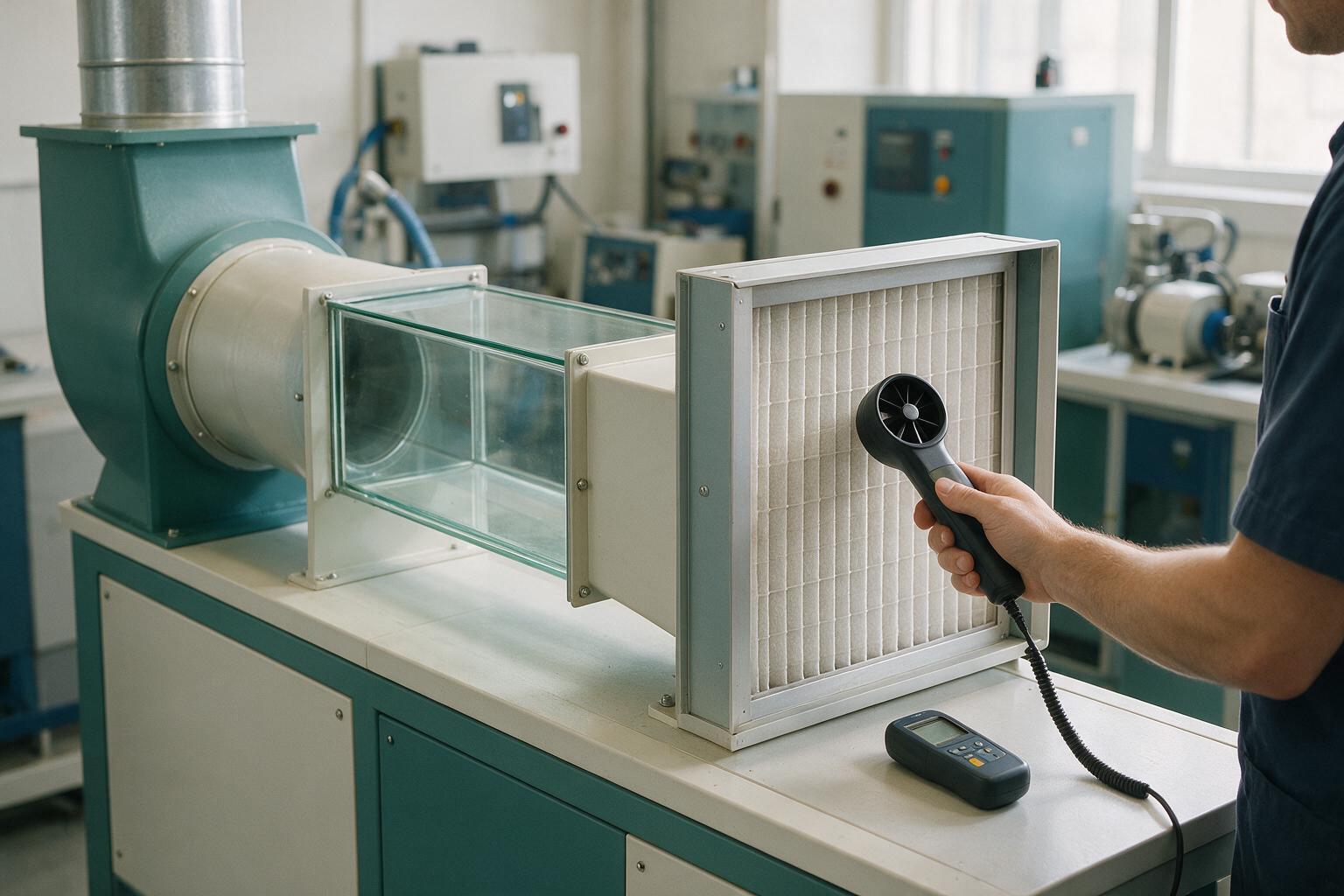
Pressure drop is the parameter that determines operating cost, and it is also the one most often quoted at the wrong point in the filter's life.
This trade-off is the centre of air filter performance in any continuously running system, and it is why air filter performance should be evaluated on a life-cycle basis rather than on unit price. A filter with lower initial pressure drop and higher dust holding capacity costs more per unit and less per year.

Dust holding capacity and service life
Dust holding capacity is the mass of dust a filter retains before reaching final pressure drop. It scales with media area, which is why two filters of the same efficiency grade and the same face dimensions can differ substantially in air filter performance once they are in service.
Service life follows from capacity and load, not from the calendar. A filter in a lightly loaded air handling unit may run a full year; the same filter downstream of a process exhaust may need changing in weeks. The usable signal is the pressure trend: when resistance no longer returns to its stable value after maintenance, or reaches final pressure drop, the filter is spent. Judging air filter performance by elapsed time alone is what produces both premature changes and surprise blockages.
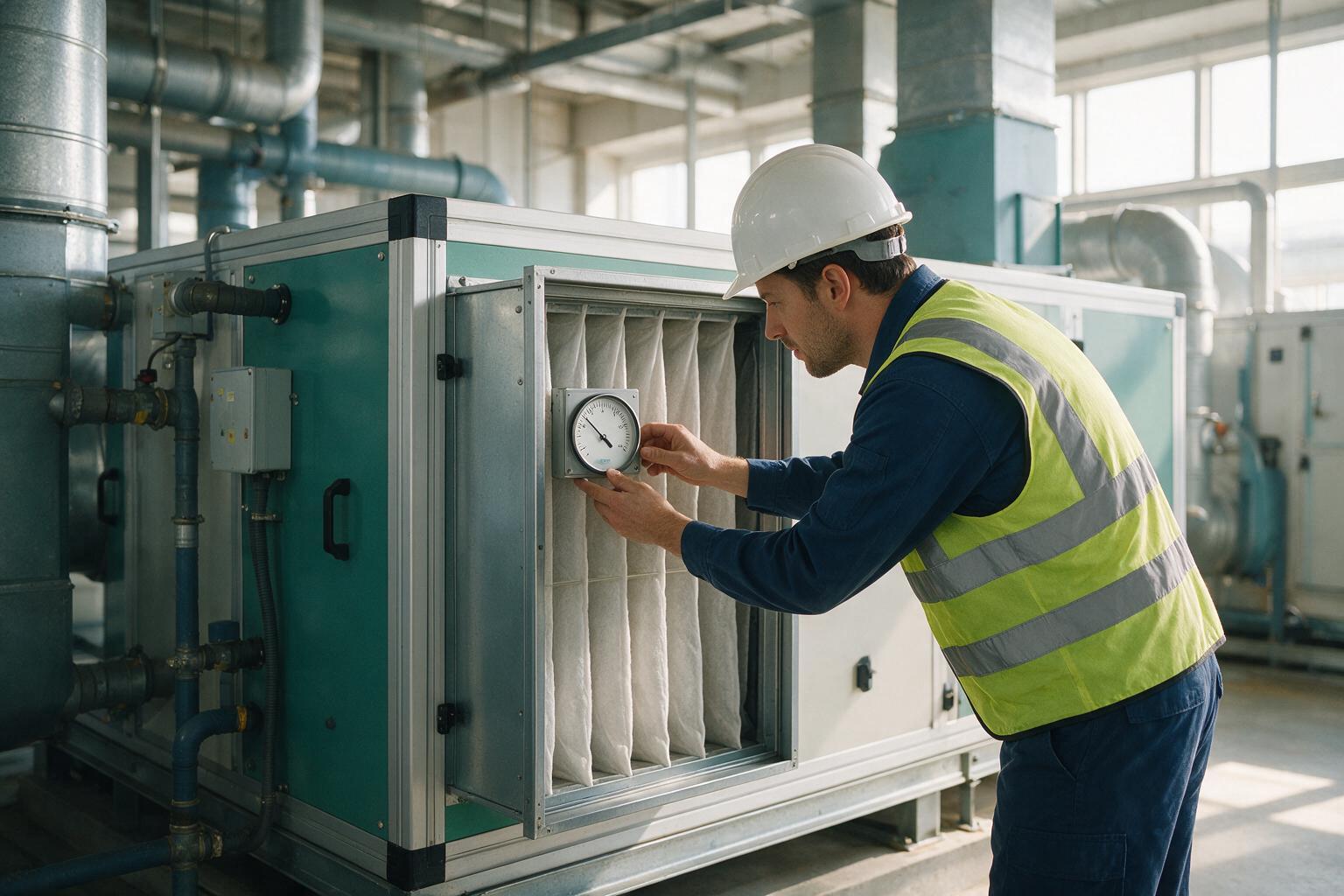
The four standards your air filter performance data may follow
Which standard a test report follows determines what the numbers mean for air filter performance.
| Standard | Scope | Basis of rating | Grade notation | Status |
|---|---|---|---|---|
| EN 779 | Coarse and fine ventilation filters | Average arrestance and 0.4 µm counting efficiency | G1–G4, M5–M6, F7–F9 | Withdrawn, replaced by ISO 16890 |
| ISO 16890 | General ventilation filtration | Efficiency by target particle size | ISO Coarse, ePM10, ePM2.5, ePM1 | Current |
| EN 1822 / ISO 29463 | EPA, HEPA and ULPA | Efficiency and local penetration at MPPS | E10–E12, H13–H14, U15–U17 | Current |
| ASHRAE 52.2 | General ventilation filtration | Size-resolved counting efficiency | MERV 1–16 | Widely used in North America |
EN 779 has been withdrawn and replaced by ISO 16890, and the two grade notations are not interchangeable. EN 779 rated filters by average arrestance and by counting efficiency at a single particle size; ISO 16890 rates them by efficiency in defined particle size bands, reported as ePM1, ePM2.5 and ePM10, with coarse filters grouped under ISO Coarse. Because the test methods and the band boundaries differ, a filter that was classified F9 under EN 779 does not map onto a single ISO 16890 classification. Specifications should name the standard, and where a project still uses the older notation, both should be stated.
EN 1822 and ISO 29463 add a requirement that matters for air filter performance in cleanrooms: local penetration. A filter can meet the overall efficiency figure and still leak at one point, and a single leak defeats the cleanliness class. That is why HEPA filters are scan-tested rather than batch-sampled.
How to compare air filter performance across suppliers
Four checks before comparing air filter performance figures
- Confirm the standard and the version, not just the grade letter — EN 779 and ISO 16890 classifications cannot be converted from one another.
- Confirm the particle size behind any efficiency figure — 0.4 µm and MPPS are different tests.
- Confirm whether pressure drop is quoted clean or at final value, and at what airflow.
- Confirm dust holding capacity test dust and end point, since capacity figures are meaningless without them.
Get those four answers and most air filter performance claims become comparable. Skip them and the comparison is between marketing positions rather than measured data — which is how projects end up with a filter that meets every stated number and still underperforms in the plant room.
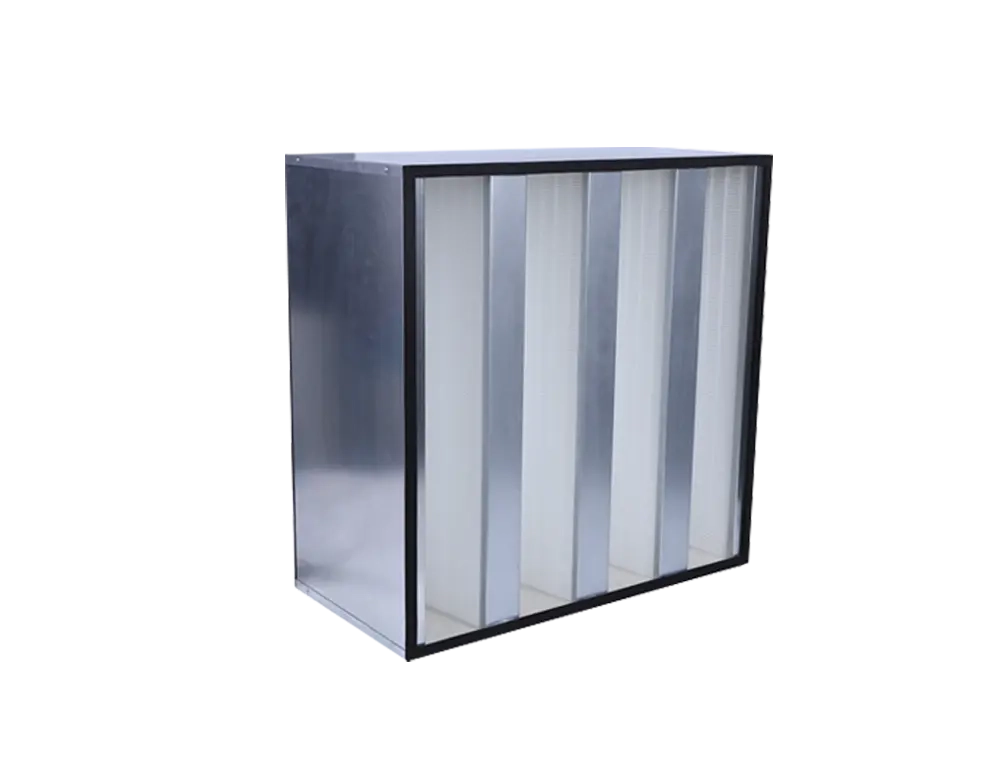
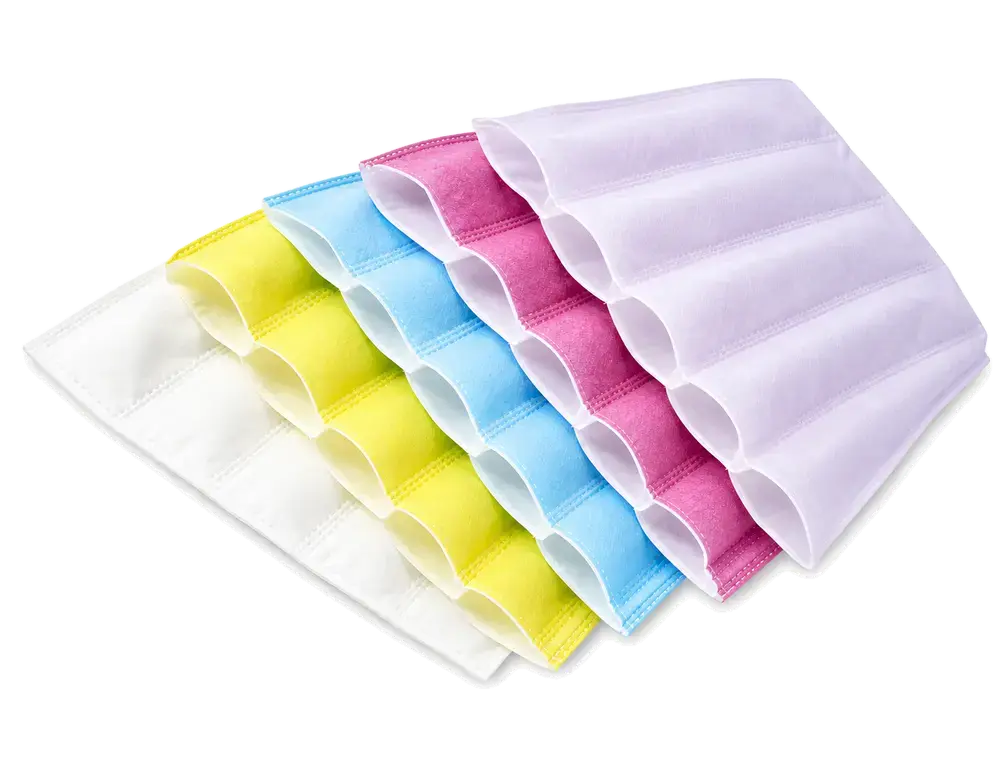
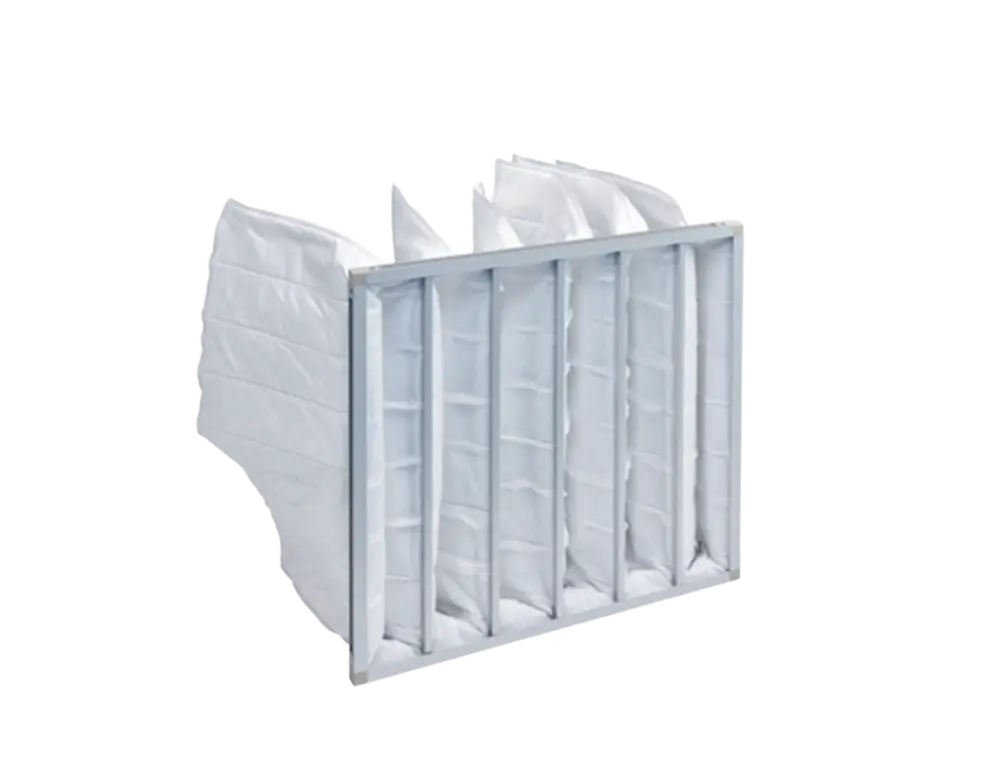
Where the analysis points to a lower face velocity, the practical fix is more media area rather than a more expensive grade: the V-bank HEPA filter and the deep pleated HEPA filter both increase area within a fixed frame size. For the fine stage, the F9 medium efficiency bag air filter is the format that most often balances pressure drop against dust holding capacity. If the question is which grade to specify in the first place, the grade structure is covered in air filter classification, and the MPPS basis behind HEPA ratings in air filter classification explained.
Need a custom air filtration solution?
Contact the Whalesens engineering team for product selection and OEM/ODM support.
Email whalesens@gmail.com
Related Products
These products cover the filtration stages discussed above; see each product page for full specifications.
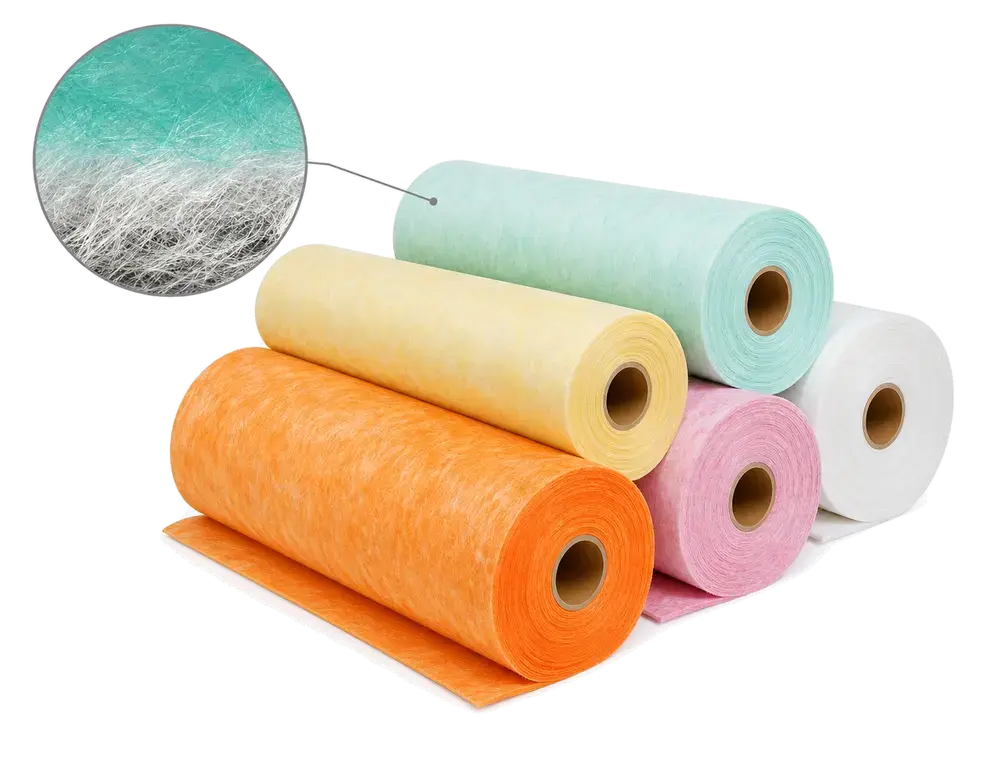
ProductF9 Medium Efficiency Bag Air FilterFine stage where bag construction adds media area and lifts dust holding capacity without raising pressure dropView product details → ProductV-Bank HEPA FilterHigh-efficiency stage where face velocity must come down inside a fixed frame sizeView product details →ProductPre Air Filter MediaFirst stage that takes the bulk of the dust load and protects the performance of everything downstreamView product details →
 ProductDeep Pleated HEPA FilterHigh-efficiency stage where a deeper frame is available and pleat stability mattersView product details →
Frequently Asked Questions
The questions our engineering team receives most often on this topic.
Which air filter performance figure should be checked first?
Start with efficiency, because it is the only parameter with a specification floor and it is the one that determines whether the installation passes or fails. The remaining four parameters — pressure drop, dust holding capacity, face velocity and service life — are costs to be balanced around that requirement. Fixing efficiency at the lowest grade that meets the specification and then optimising the rest is the sequence that produces the lowest life-cycle cost.
Why do two suppliers quote different efficiency numbers for the same filter grade?
Usually because they are using different measuring conventions. Arrestance is measured by mass of dust captured and is used for coarse filters, which makes the figure look high. Counting efficiency is measured by number of particles and is used for fine and HEPA filters, which makes the figure look much lower for the same media. The test particle size matters too — EN 779 rates F grades at 0.4 µm while EN 1822 rates HEPA at MPPS.
Can EN 779 and ISO 16890 grades be converted?
No. EN 779 has been withdrawn and replaced by ISO 16890, and the two use different test methods and different classification boundaries. EN 779 rated filters by average arrestance and by counting efficiency at a single particle size; ISO 16890 reports efficiency in defined bands as ePM1, ePM2.5 and ePM10, with coarse filters grouped under ISO Coarse. A specification should name the standard rather than rely on a grade letter alone.
Should a filter be changed on a schedule or on pressure drop?
On pressure drop. Air filter performance degrades progressively as dust accumulates, and the pressure trend is the only usable signal of where a filter is in its life. Change it when resistance reaches the specified final pressure drop, or when it no longer returns to a stable value after maintenance. Calendar-based replacement in a variable-load system produces both premature changes and unexpected blockages.
What is local penetration and why does it matter for HEPA?
Local penetration is the leakage measured at a single point of the filter, and EN 1822 and ISO 29463 assess it alongside overall efficiency. A filter can meet its overall efficiency figure and still leak at one location, and a single leak is enough to break the cleanliness class it was selected to achieve. That is why HEPA filters are scan-tested point by point rather than assessed from a batch sample.