


EV Charging Stations
Filtration for Power Equipment
Cleanroom & Semiconductor
Ultra-High Cleanliness Filtration
Commercial HVAC
Central Air System Filtration
Data Centers
Precision Equipment Protection
Livestock & Farming
Farming Environment Purification
Spray Booths & Industrial Dust
Paint Mist & Dust Purification
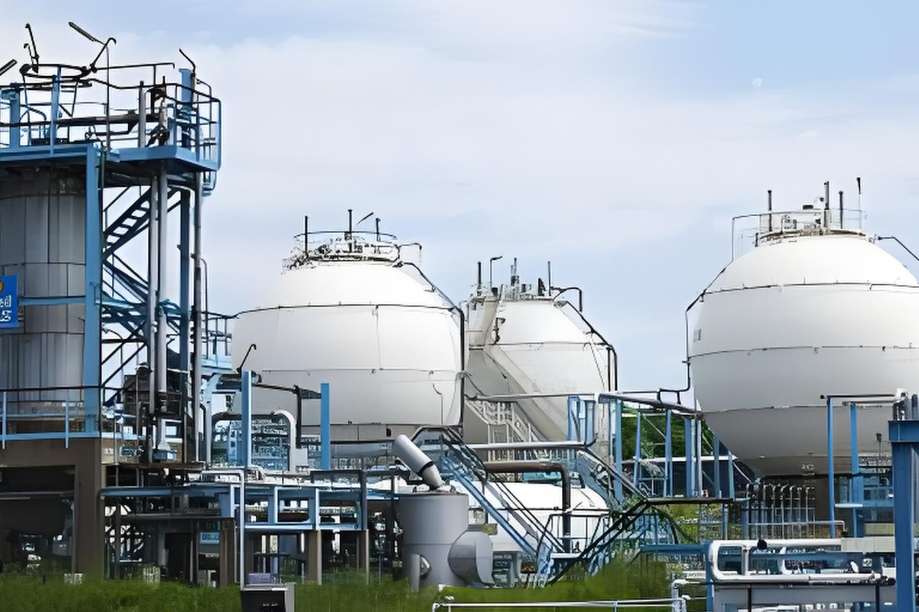
Filtration for Power Equipment
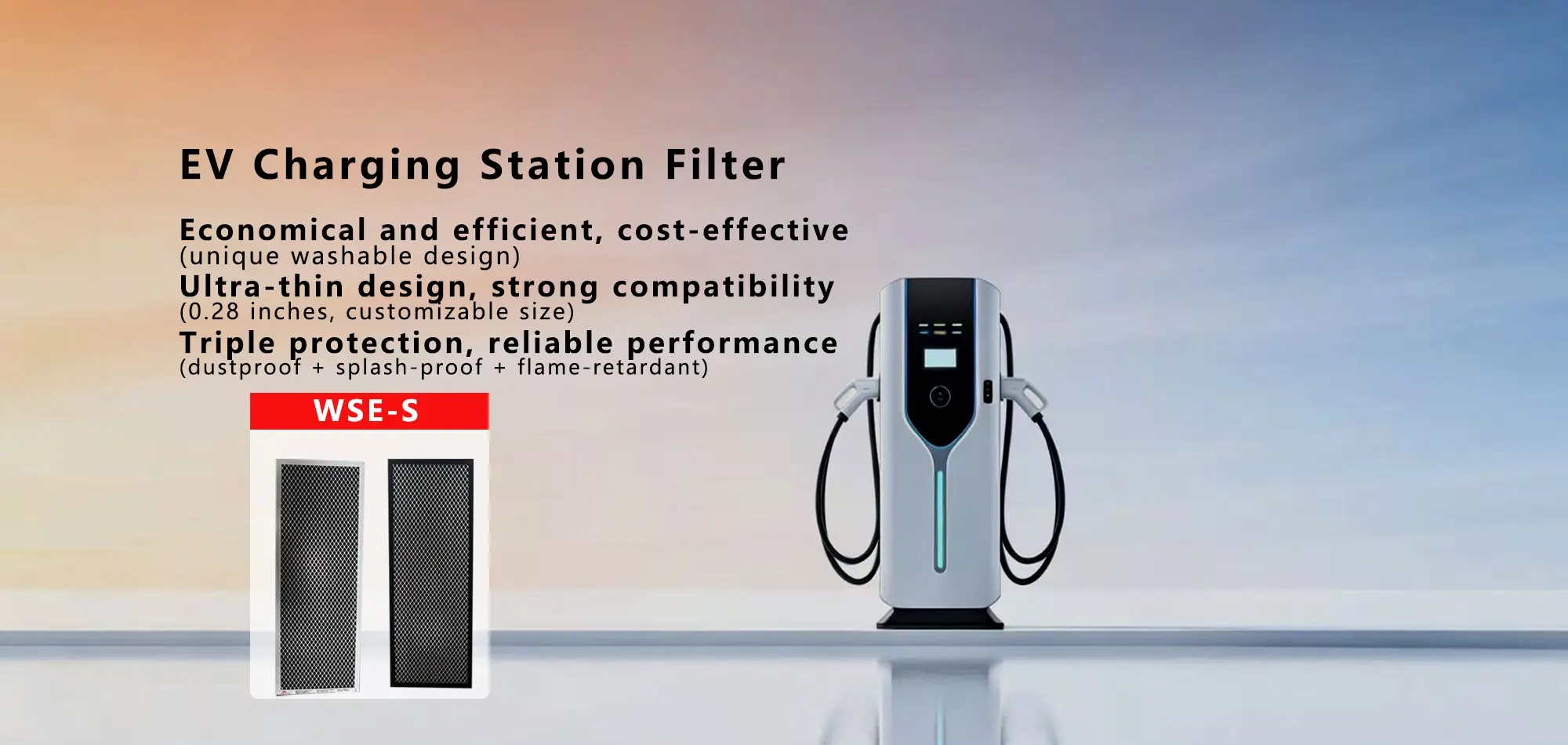
Professional air filtration for EV charging devices, protecting against dust and sand ingress to ensure stable, reliable operation of charging piles and station infrastructure.
View Related Products →Ultra-High Cleanliness Filtration
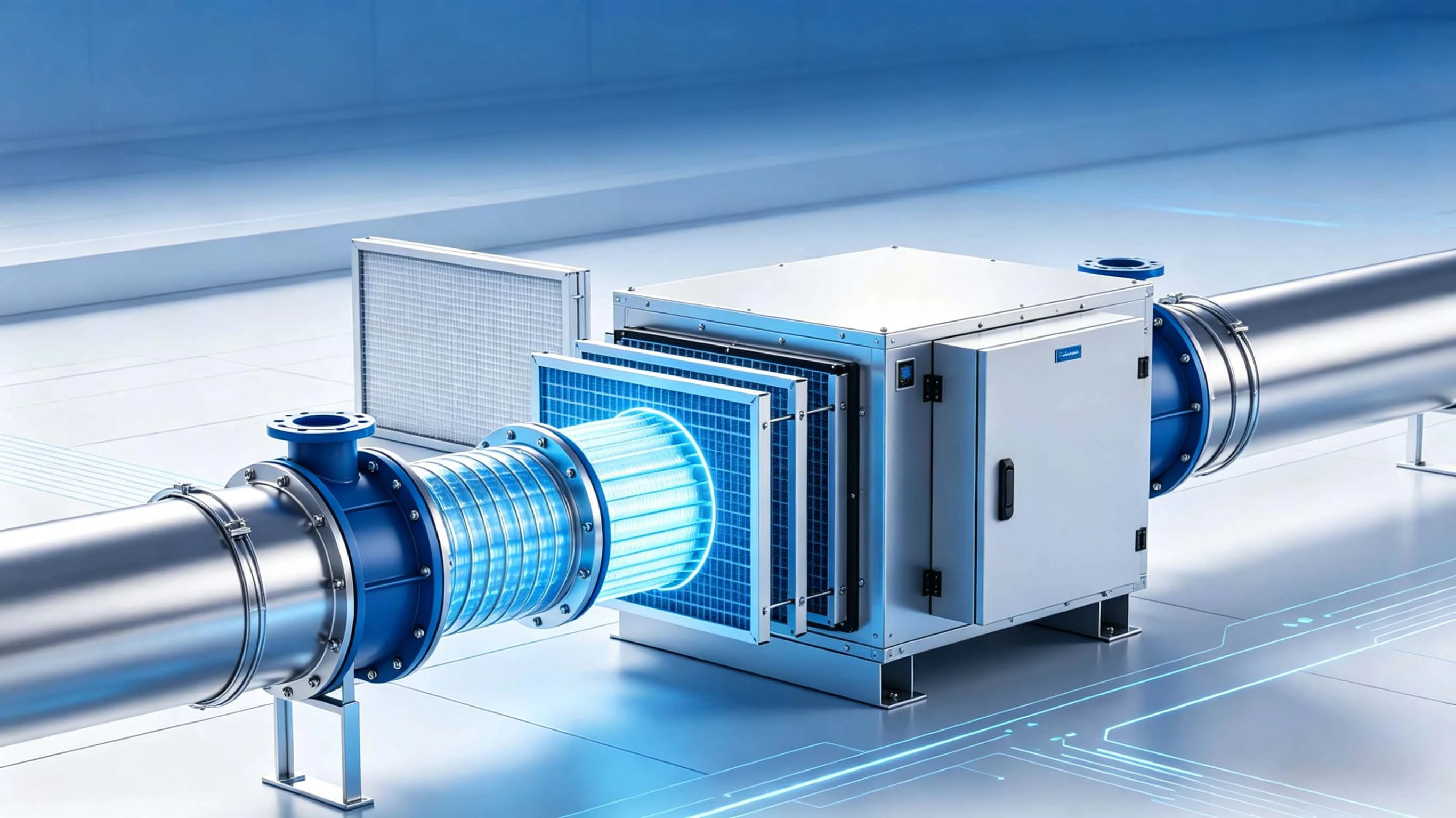
Ultra-high efficiency filtration for semiconductor wafer fabs and precision electronics cleanrooms, capturing nano-scale particles to meet ISO Class 1–3 standards and maximize product yield.
View Related Products →Central Air System Filtration
High-efficiency filtration for commercial building HVAC systems, improving indoor air quality, reducing energy consumption, and extending equipment service life.
View Related Products →Precision Equipment Protection
Precision air filtration for data centers, shielding servers and critical hardware from dust contamination to keep cooling systems running efficiently and reliably.
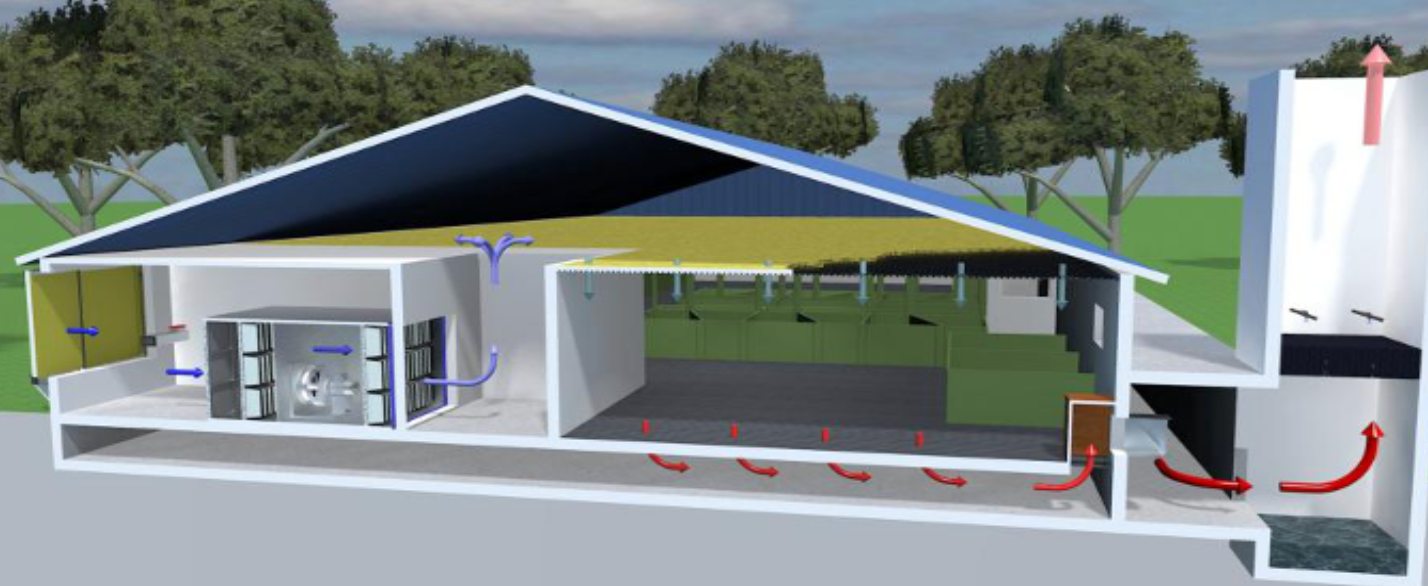
View Related Products →Farming Environment Purification
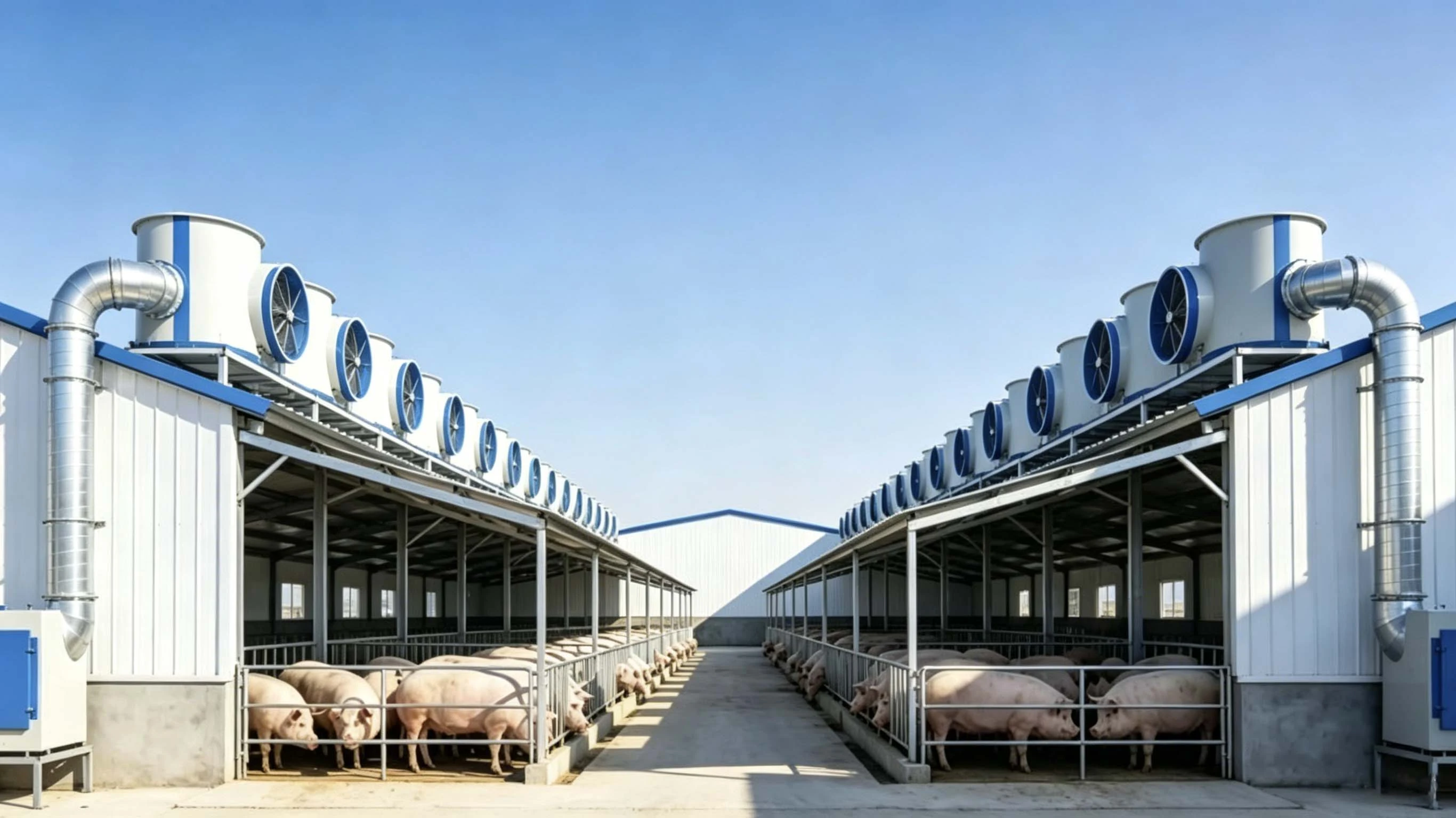
Dedicated filtration systems for farms and livestock facilities — capturing dust, adsorbing ammonia, and inhibiting pathogen spread to improve animal health and overall productivity.
View Related Products →Paint Mist & Dust Purification
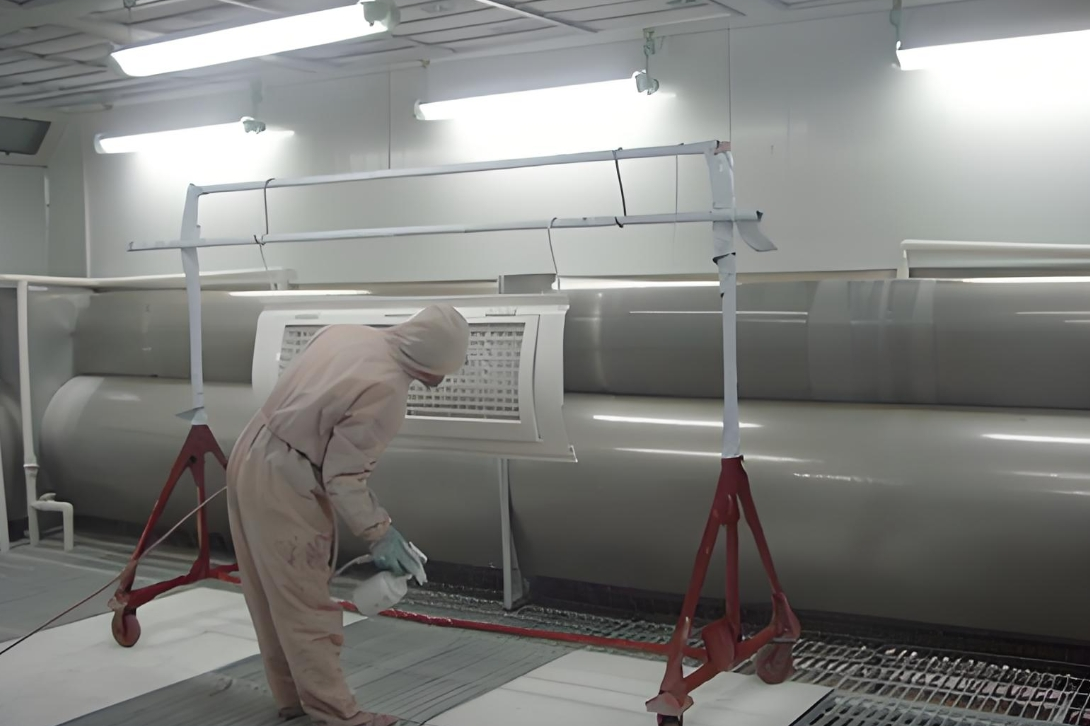
Designed for spray booths and grinding workshops, efficiently capturing paint mist, metal dust, and wood chips to meet emission standards while protecting finished surface quality.
View Related Products →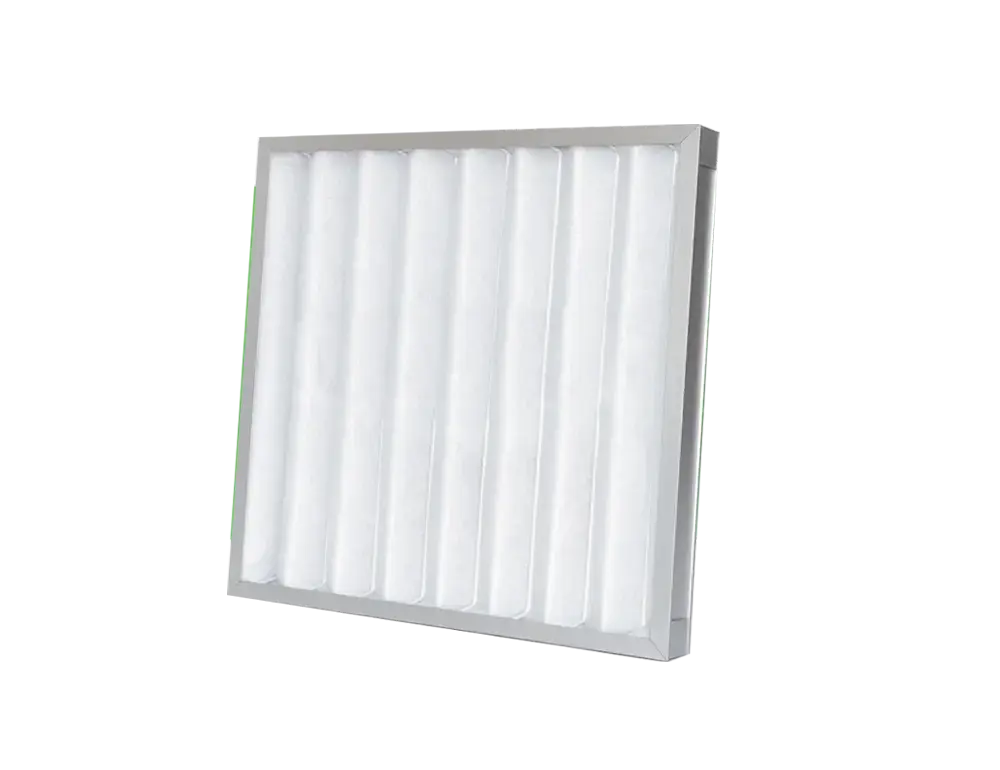
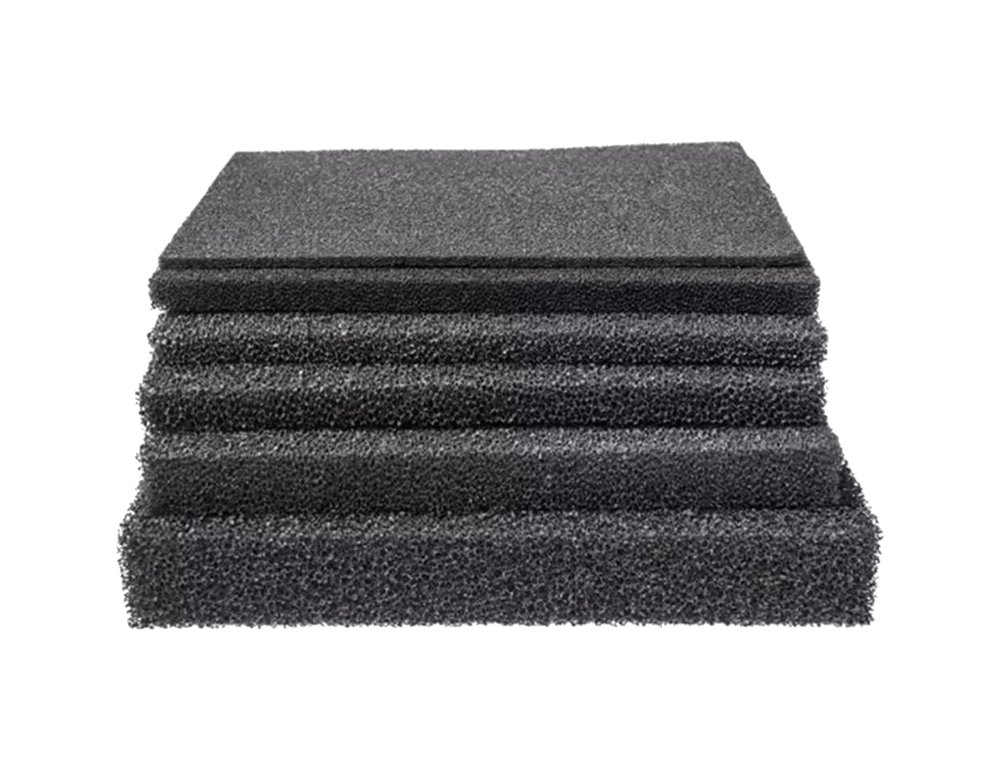
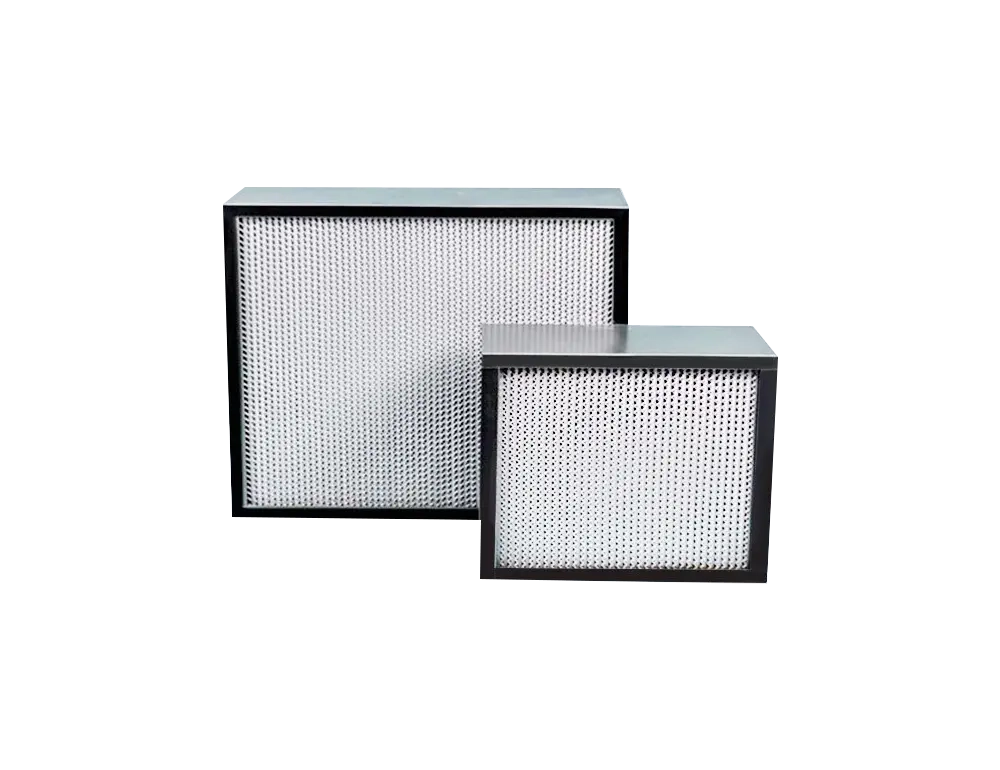
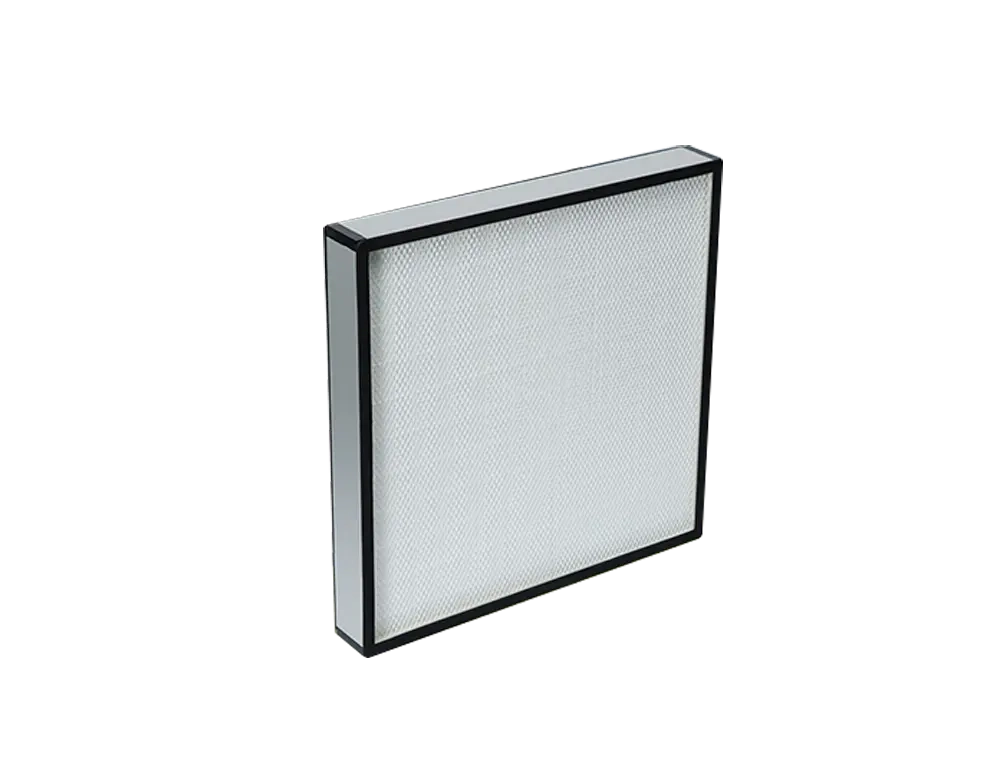
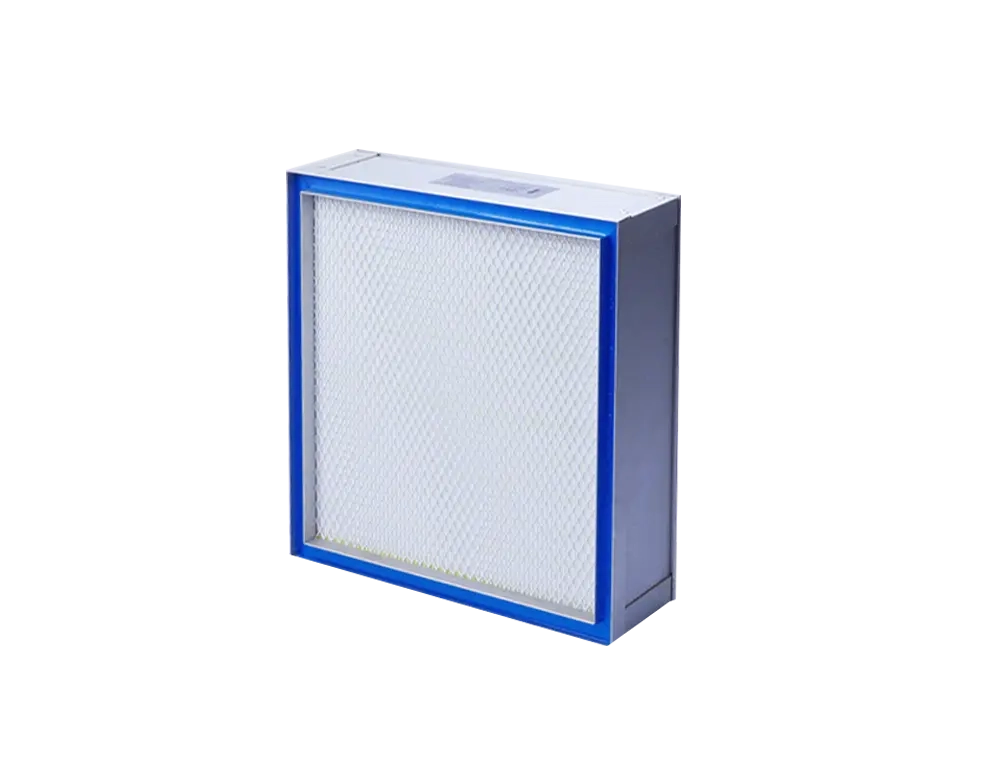
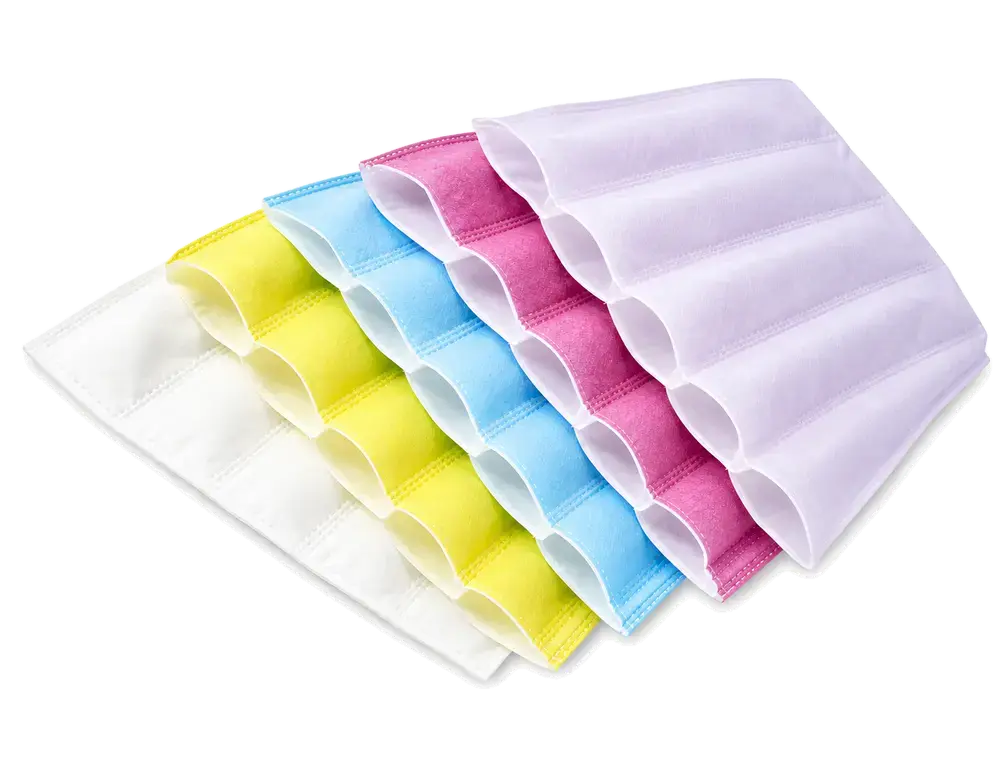
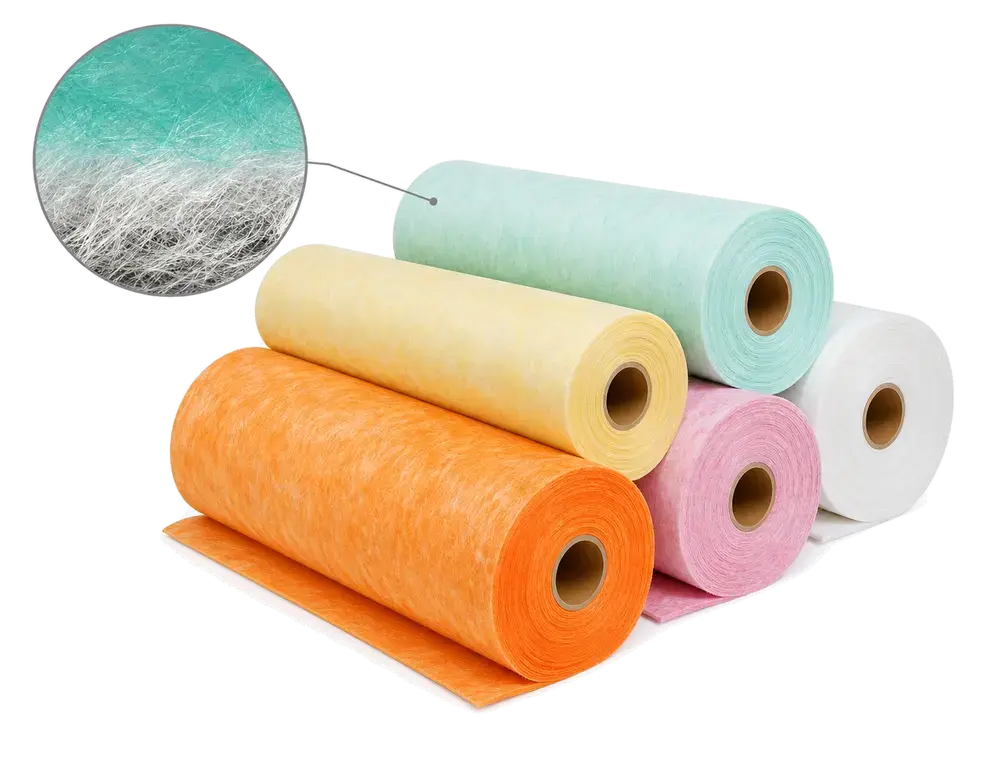
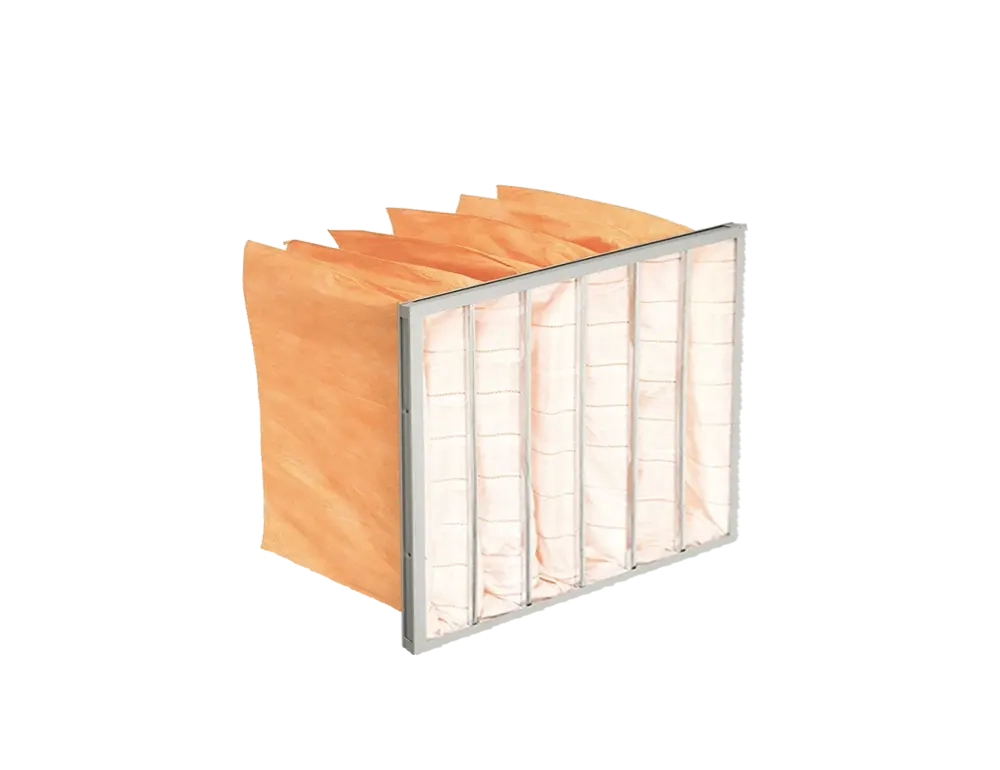
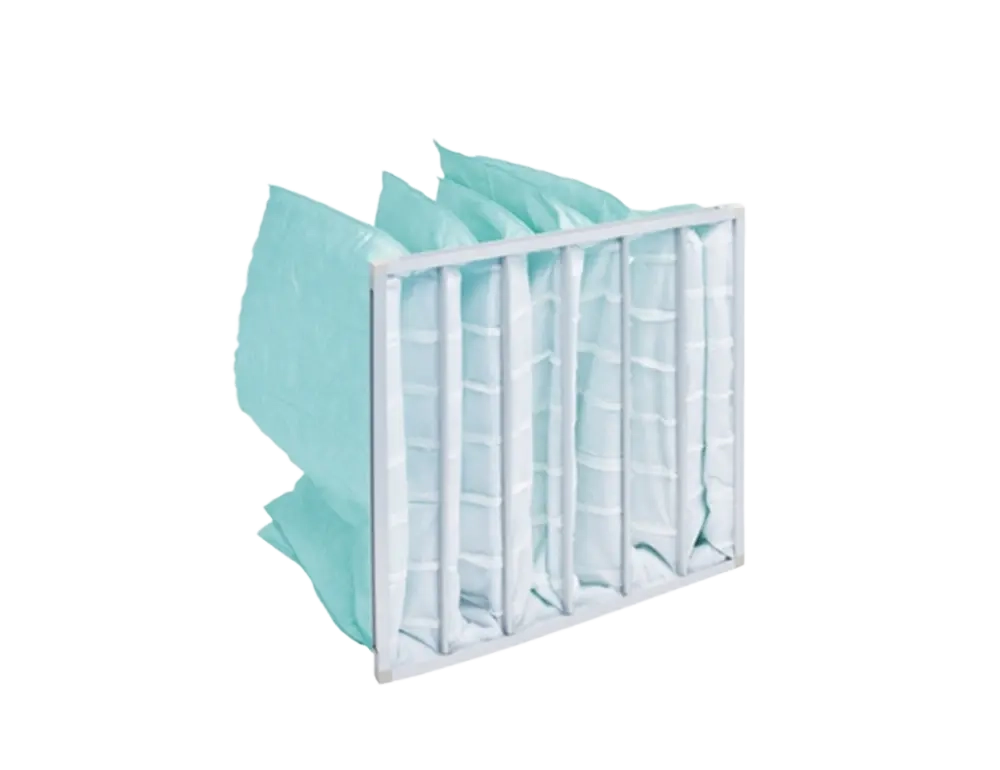
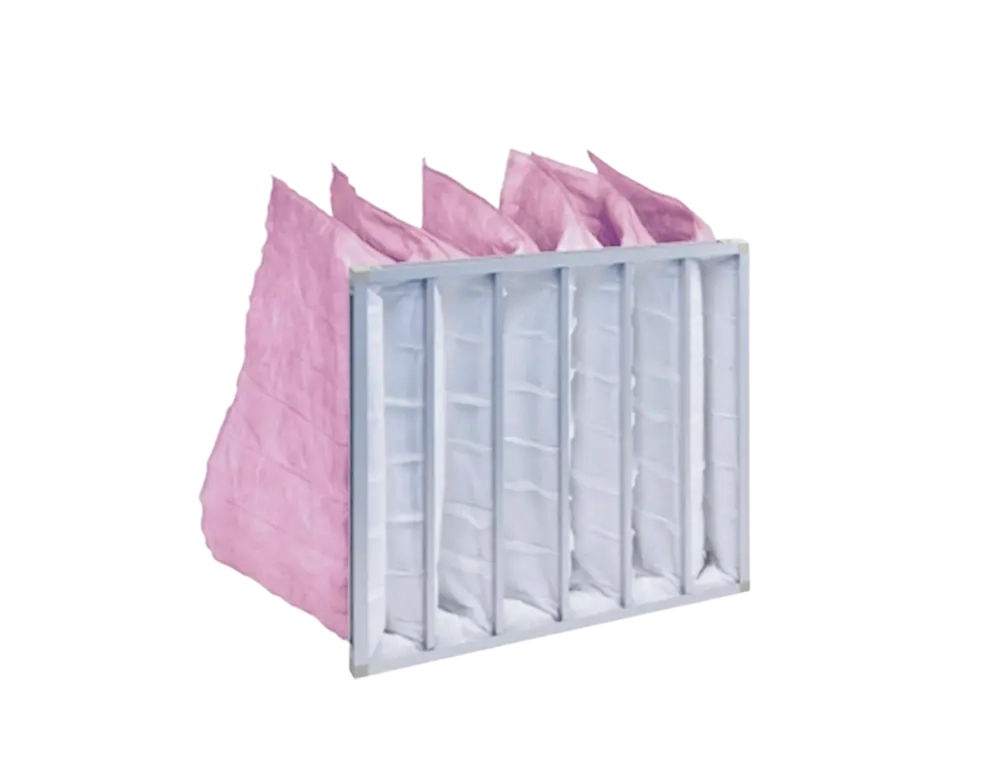
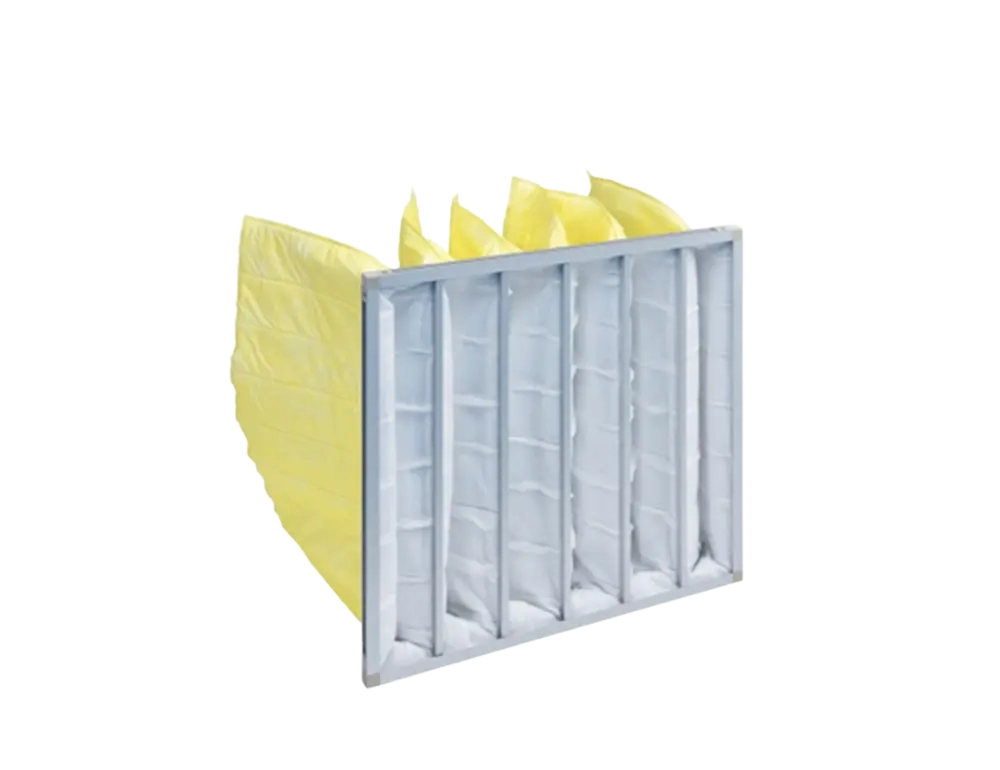
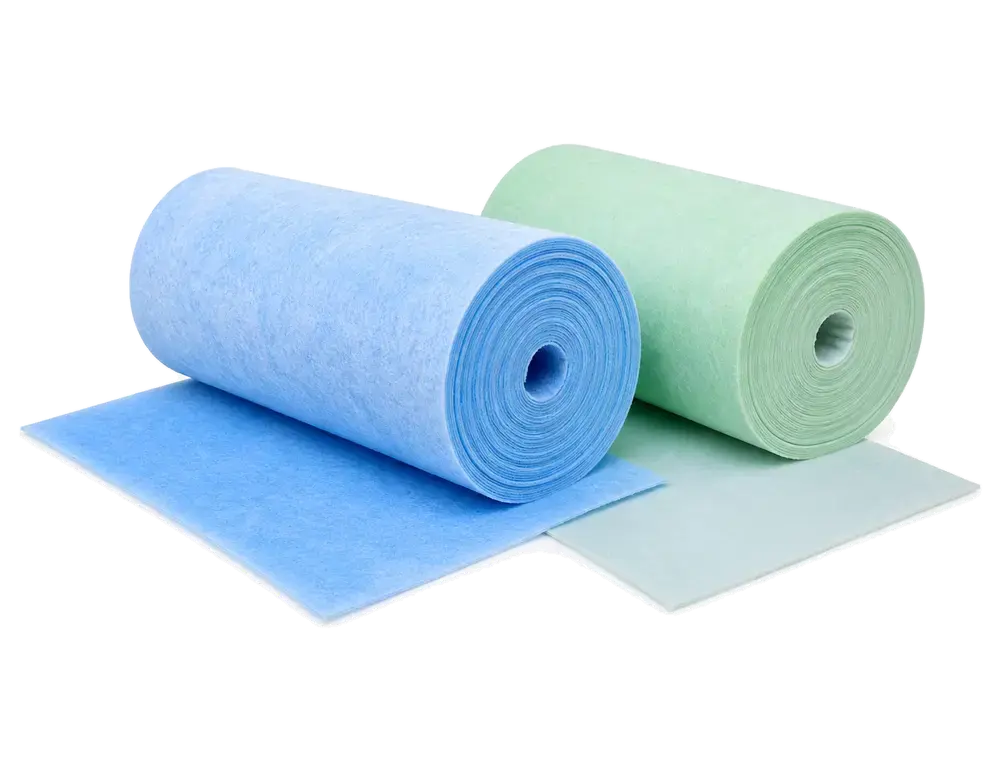
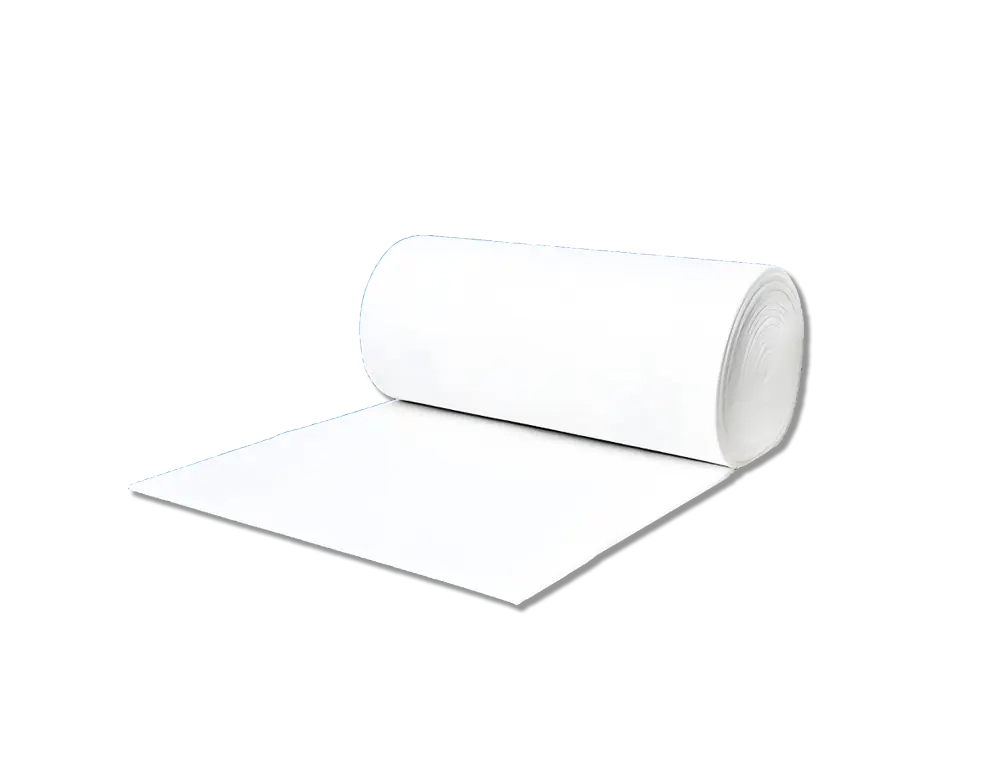
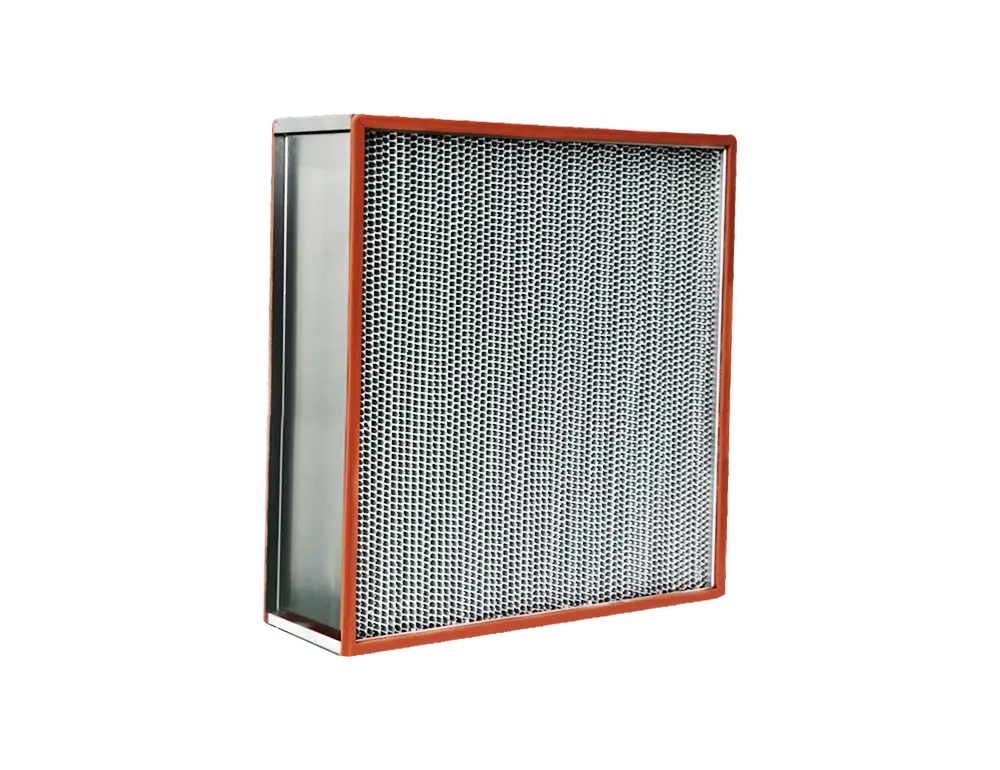
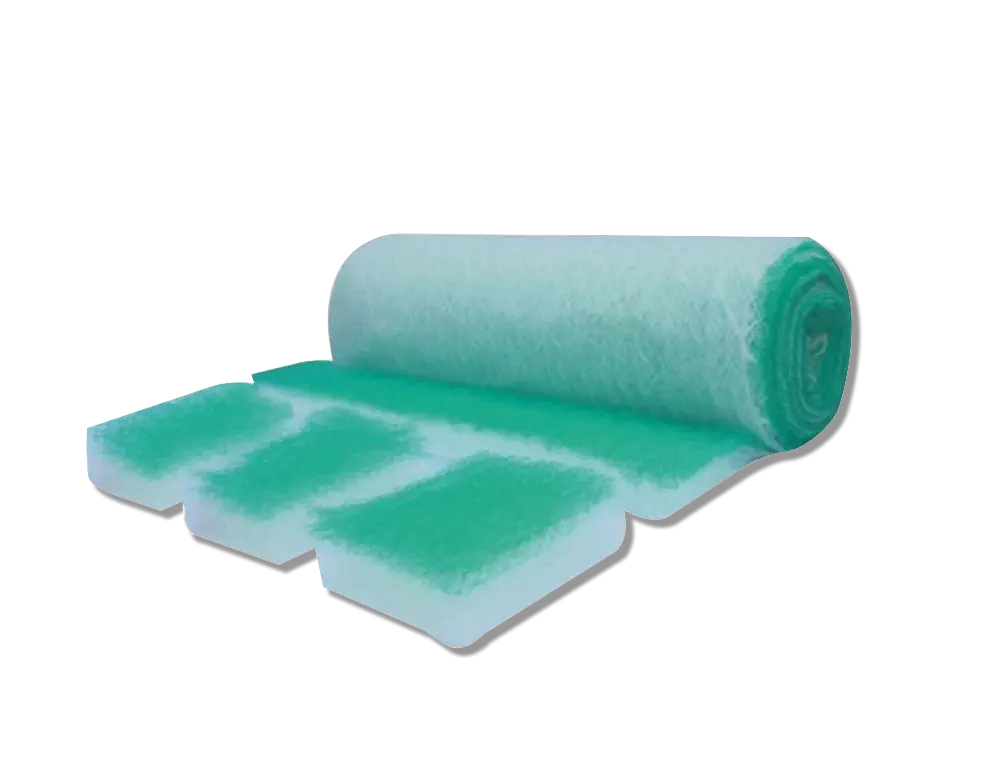
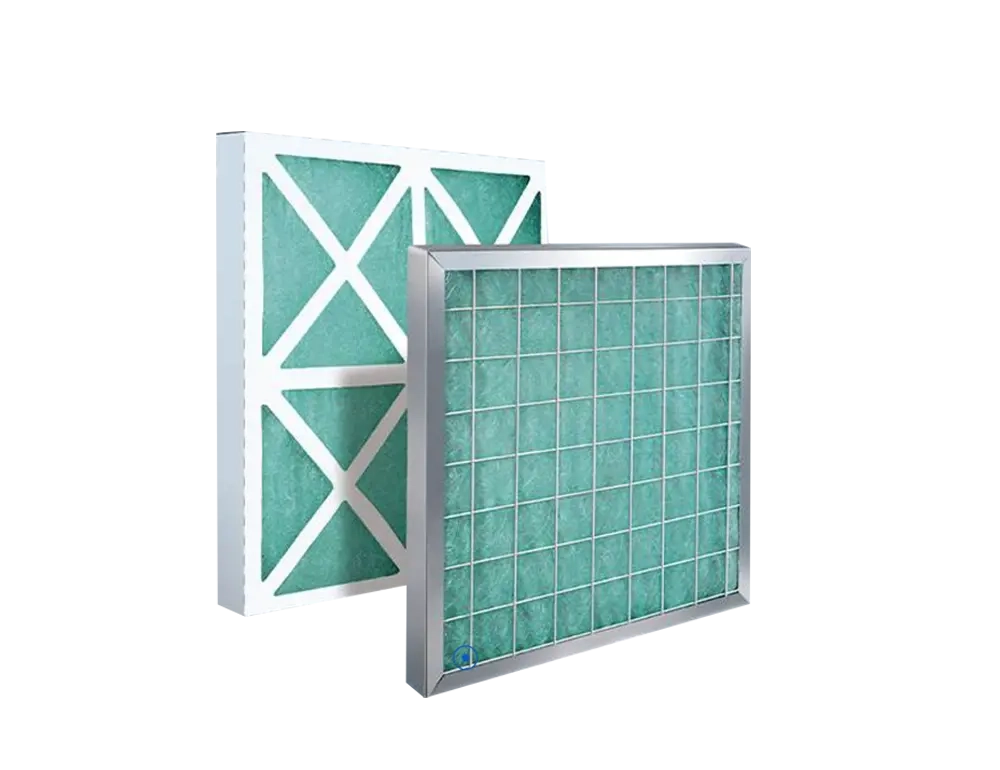
Pre-Filter (G1–G4)
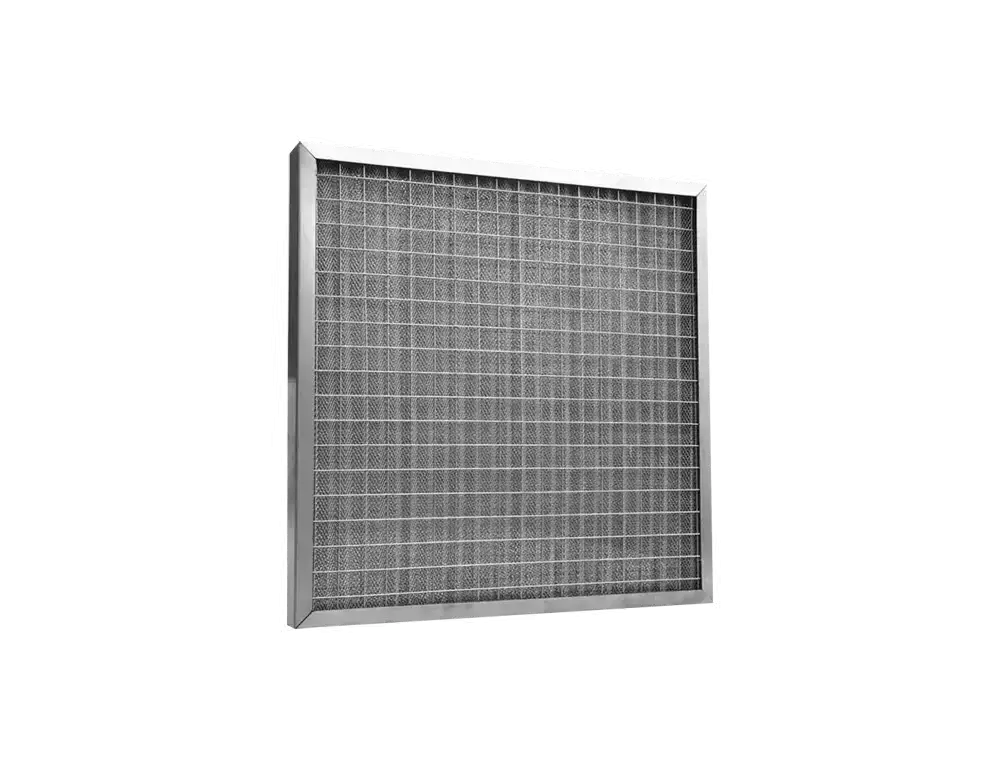
First-Stage Large-Particle Capture
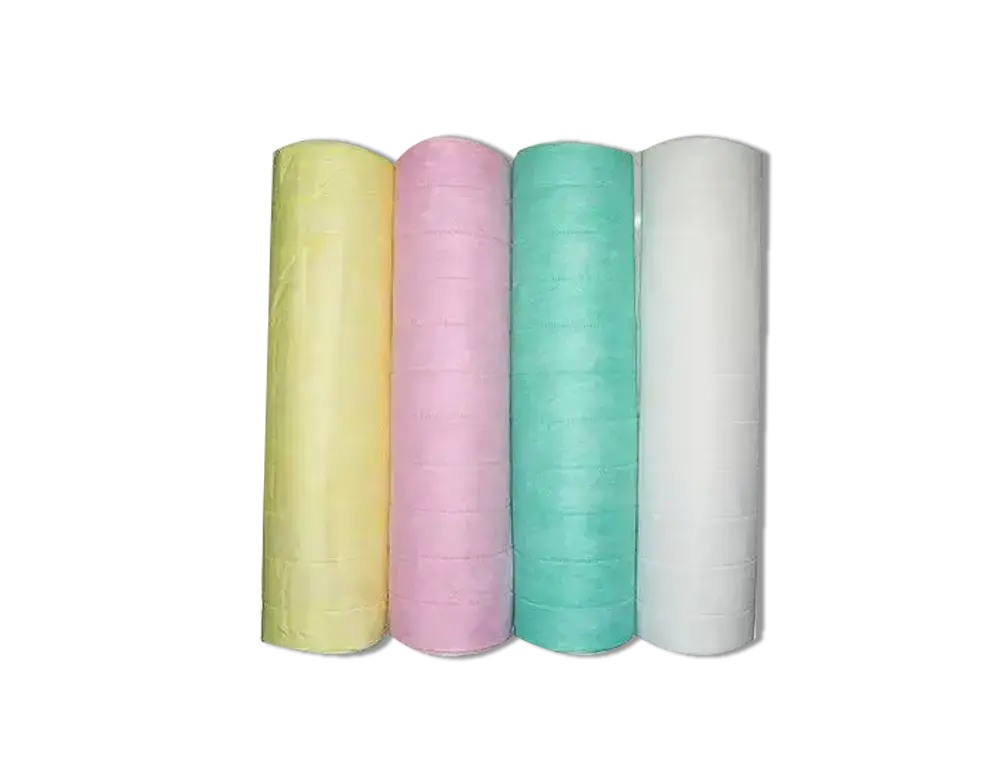
Medium-Efficiency Filter (F5–F9)
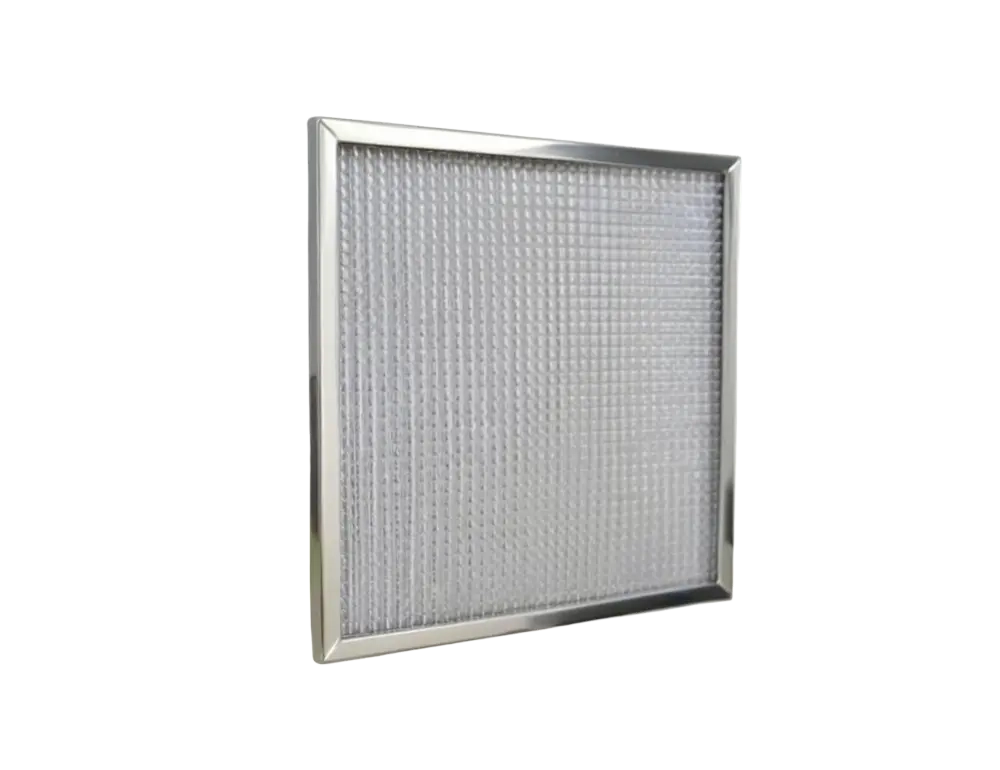
Precise PM2.5 Capture
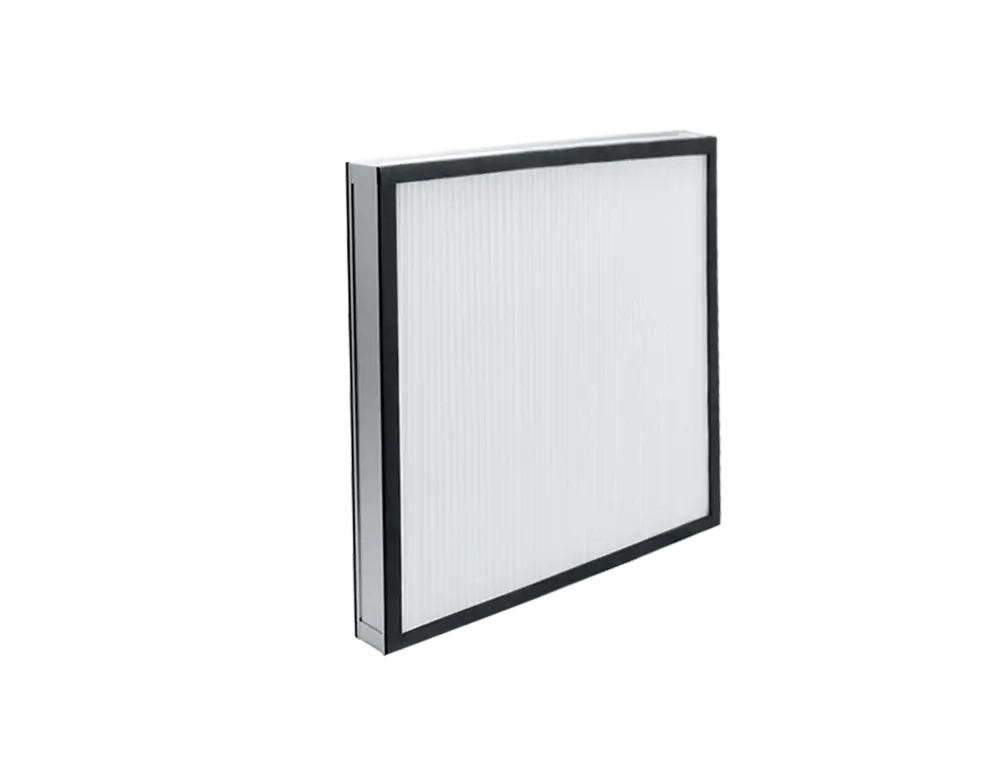
HEPA High-Efficiency Filter
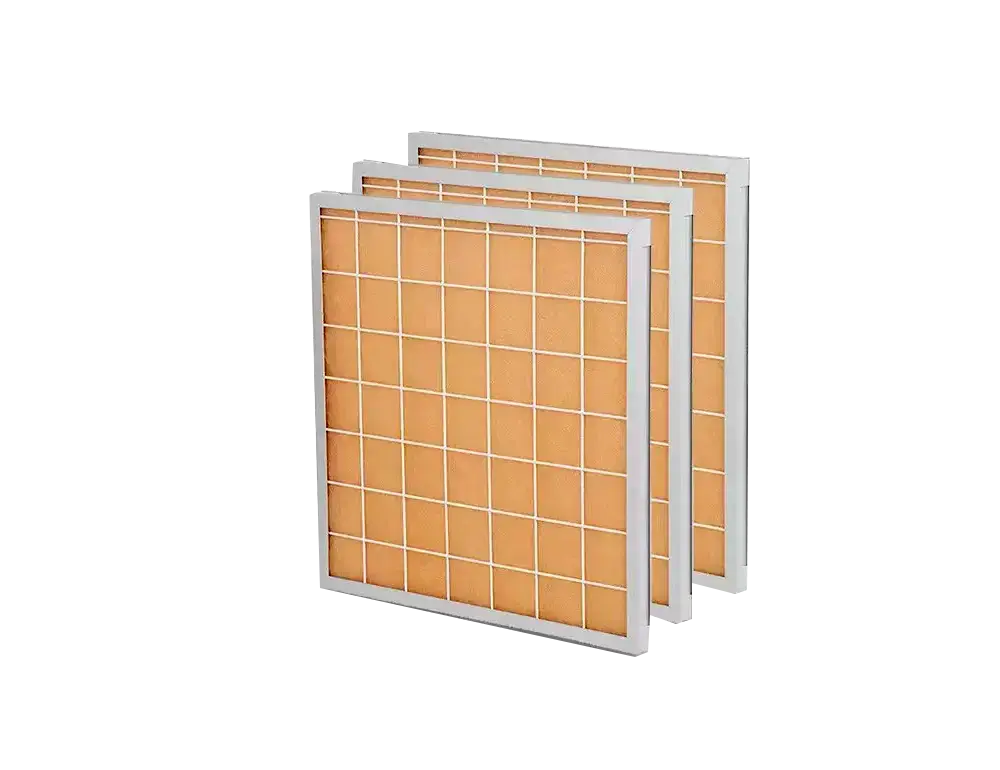
Sterile-Grade Purification
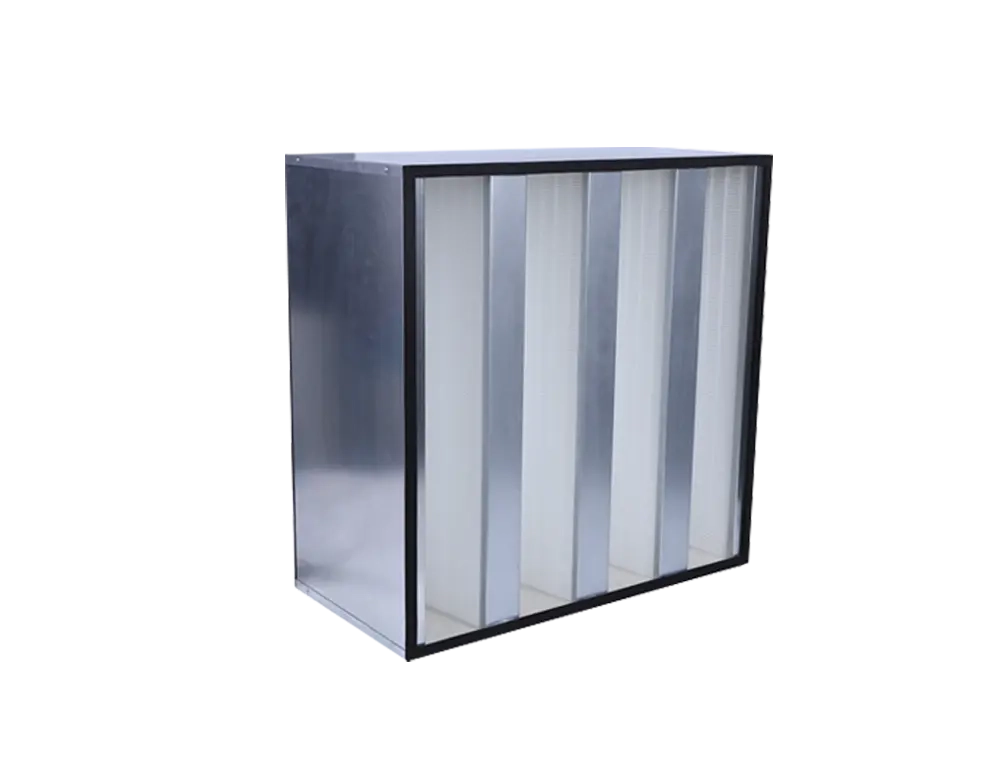
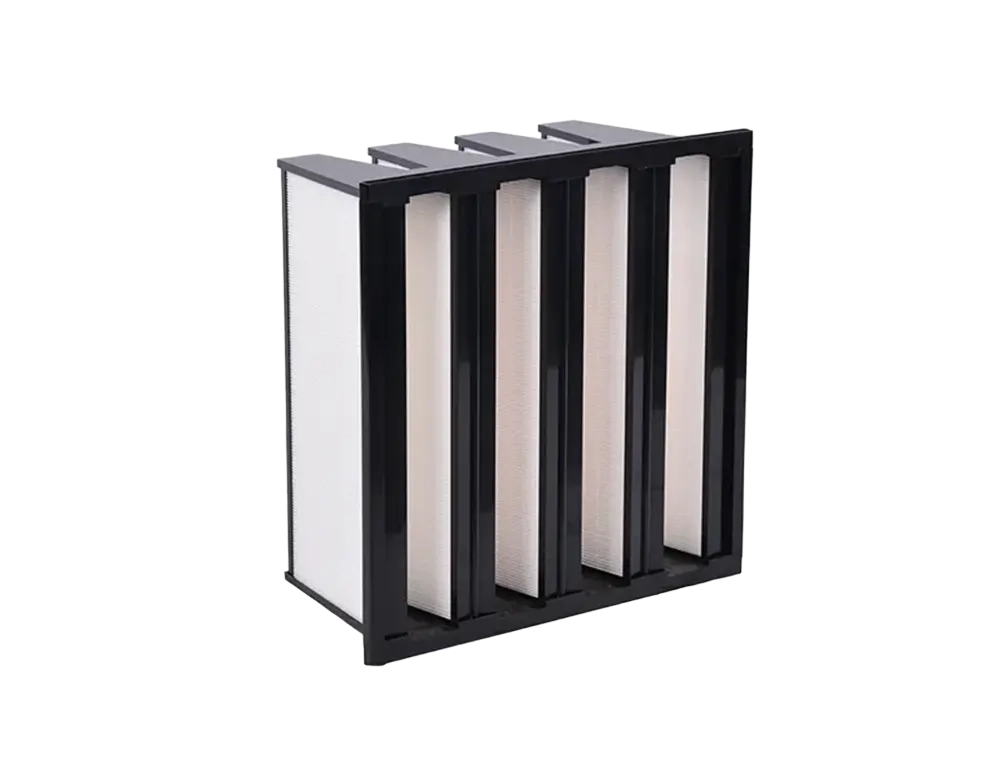
ULPA Ultra-High Efficiency Filter
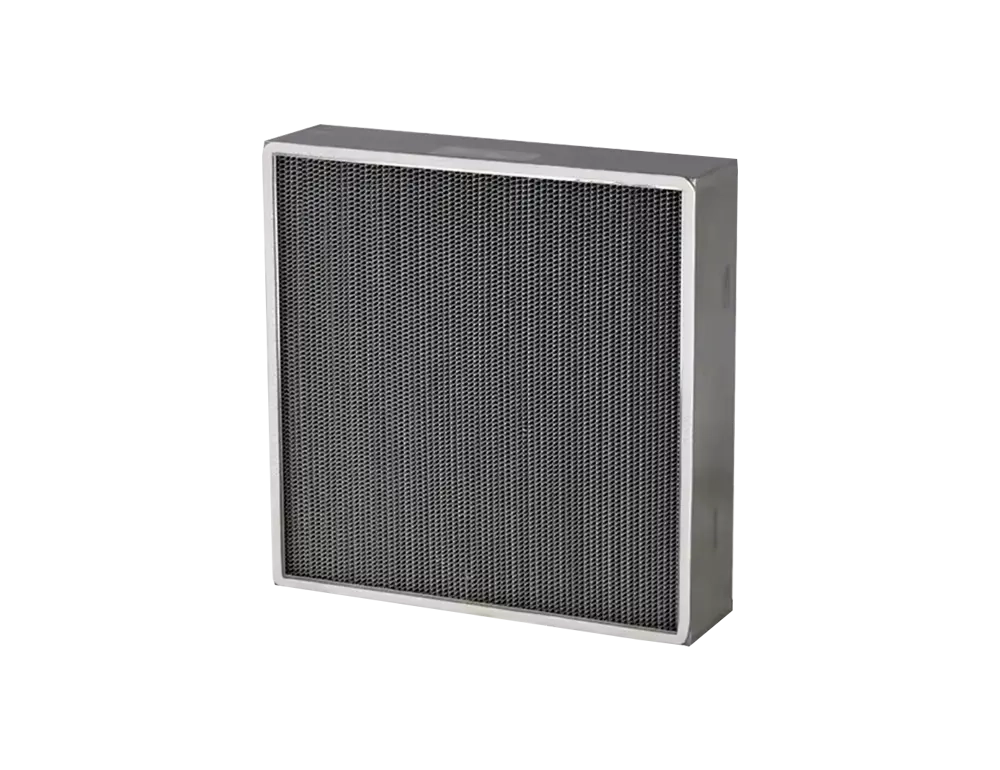
Sub-Micron Particle Capture
First-Stage Large-Particle Capture
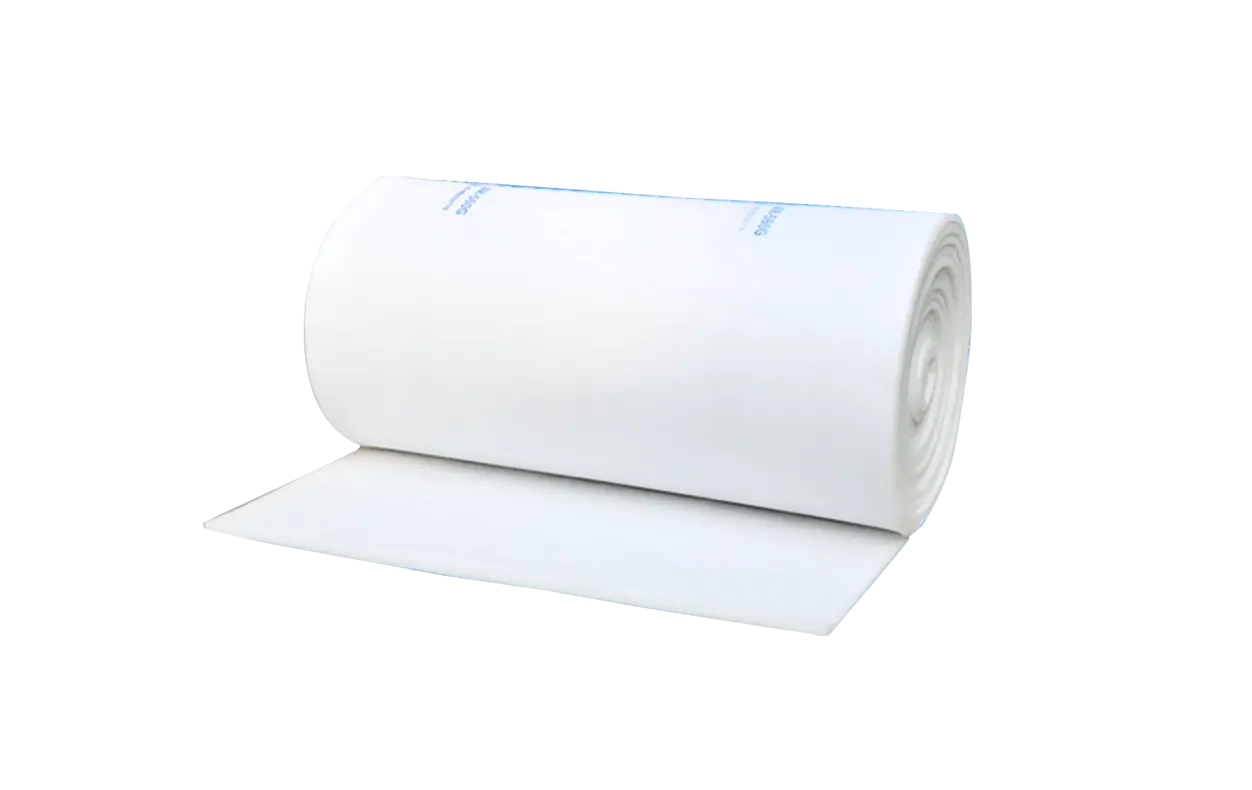
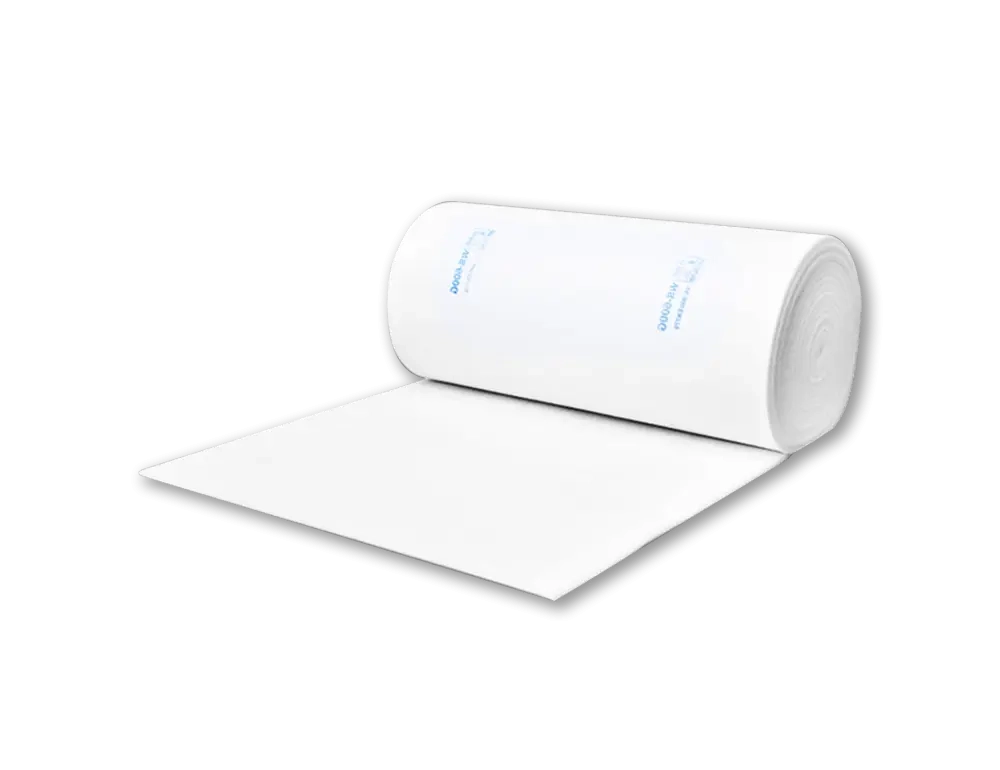
The first line of defense, capturing particles ≥5 μm such as dust, hair, and fibers to protect downstream filters and extend overall system service life.
View Related Products →Precise PM2.5 Capture
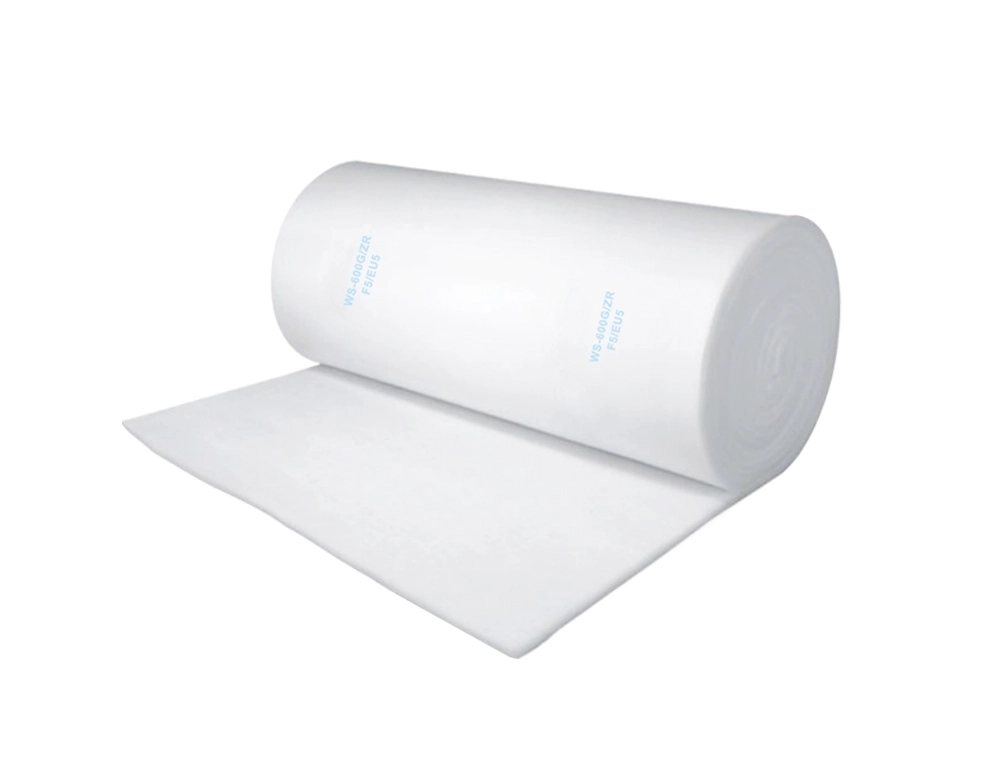
Captures fine particles of 1–5 μm including PM2.5, pollen, and mold spores, significantly improving indoor air quality for commercial HVAC and ventilation systems.
View Related Products →Sterile-Grade Purification
≥99.97% filtration efficiency for particles ≥0.3 μm, delivering sterile-grade clean air widely used in medical, pharmaceutical, and electronics manufacturing.
View Related Products →Sub-Micron Particle Capture
≥99.9995% efficiency for particles ≥0.12 μm, meeting the extreme cleanliness demands of semiconductor fabs, aerospace, and other ultra-precision applications.
View Related Products →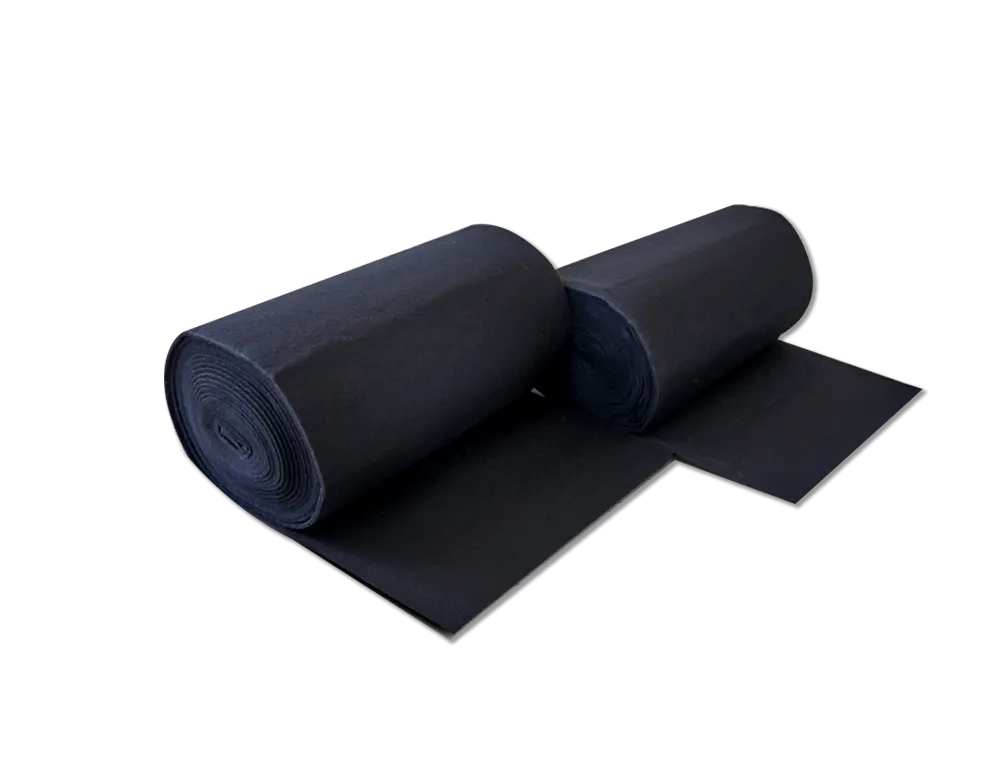
High-Temperature Resistant
Industrial-Grade Heat Tolerance
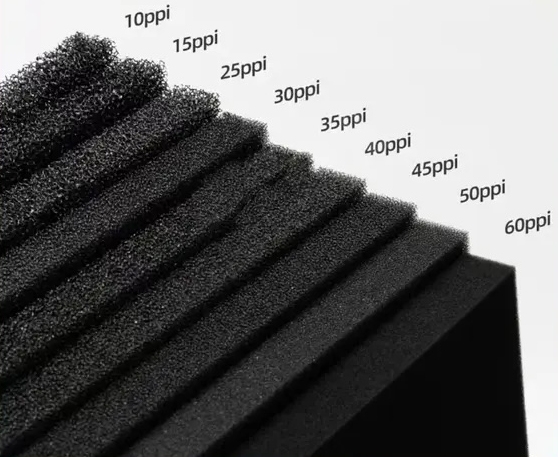
Washable & Reusable
Cut Costs, Reduce Waste
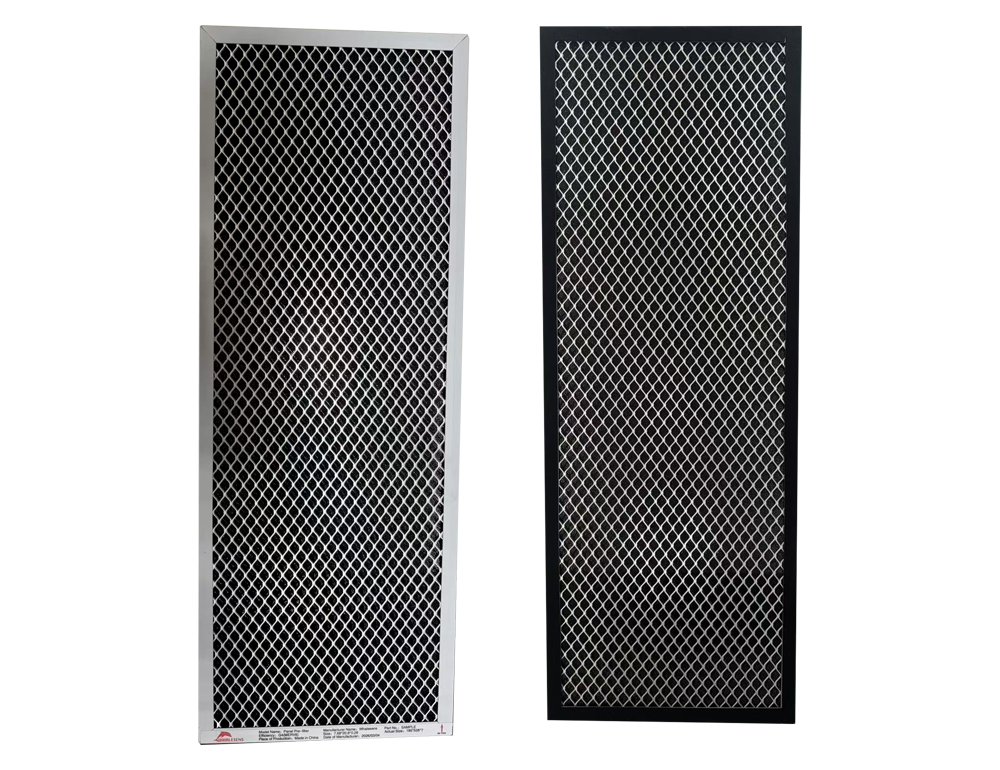
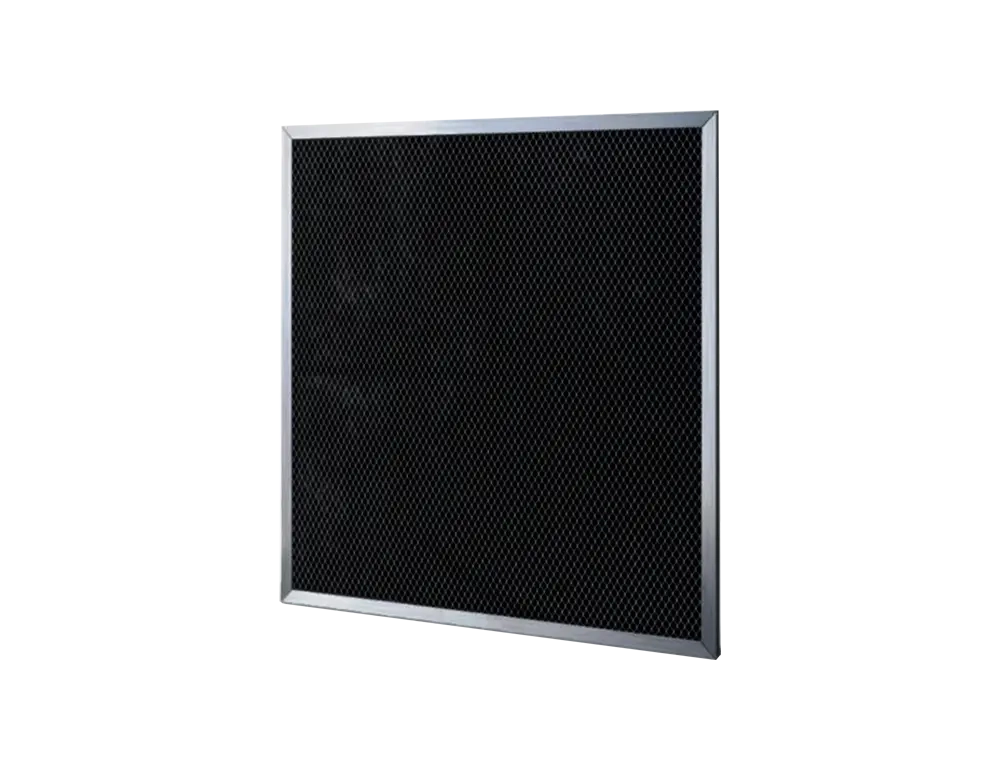
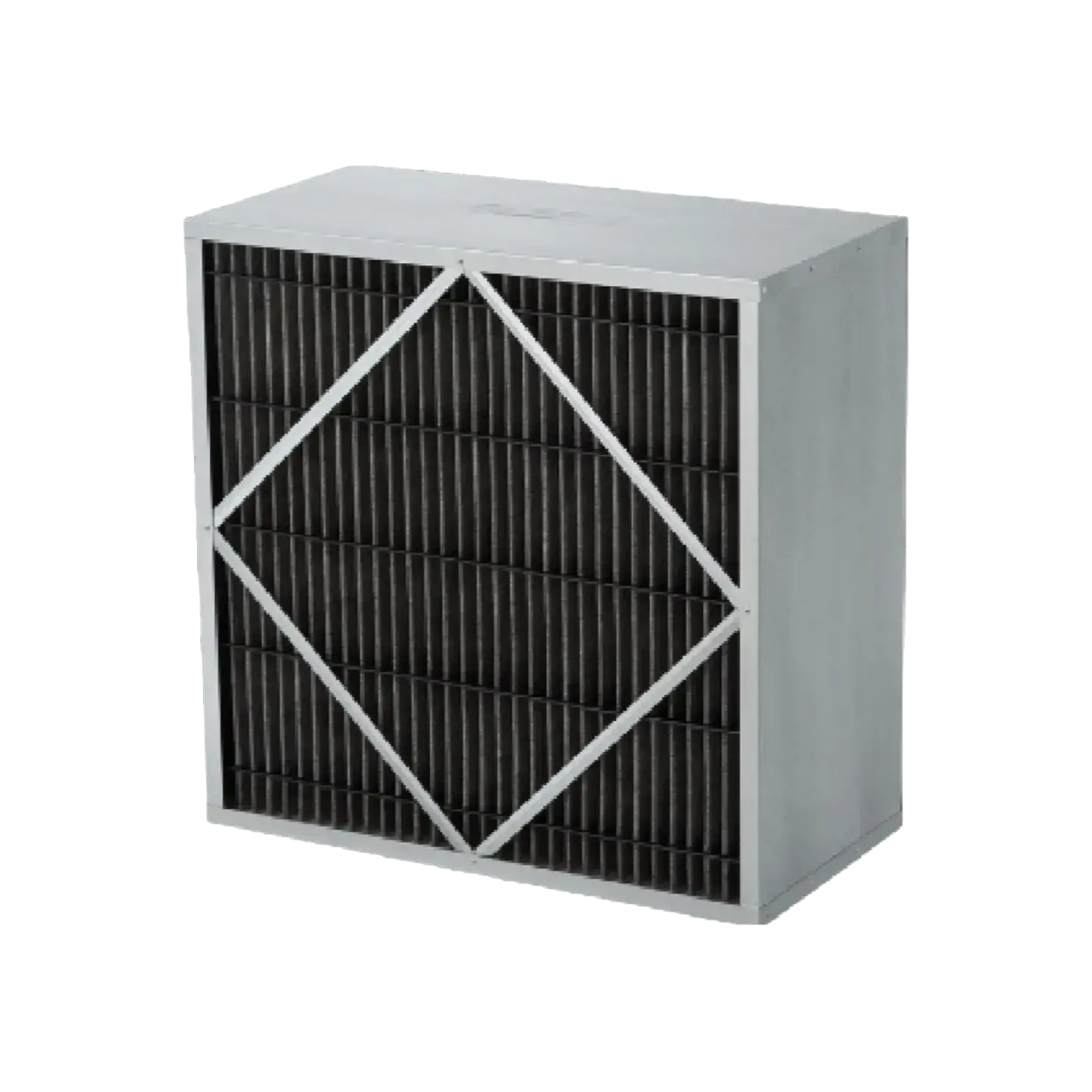
Activated Carbon
Odor & Harmful Gas Removal
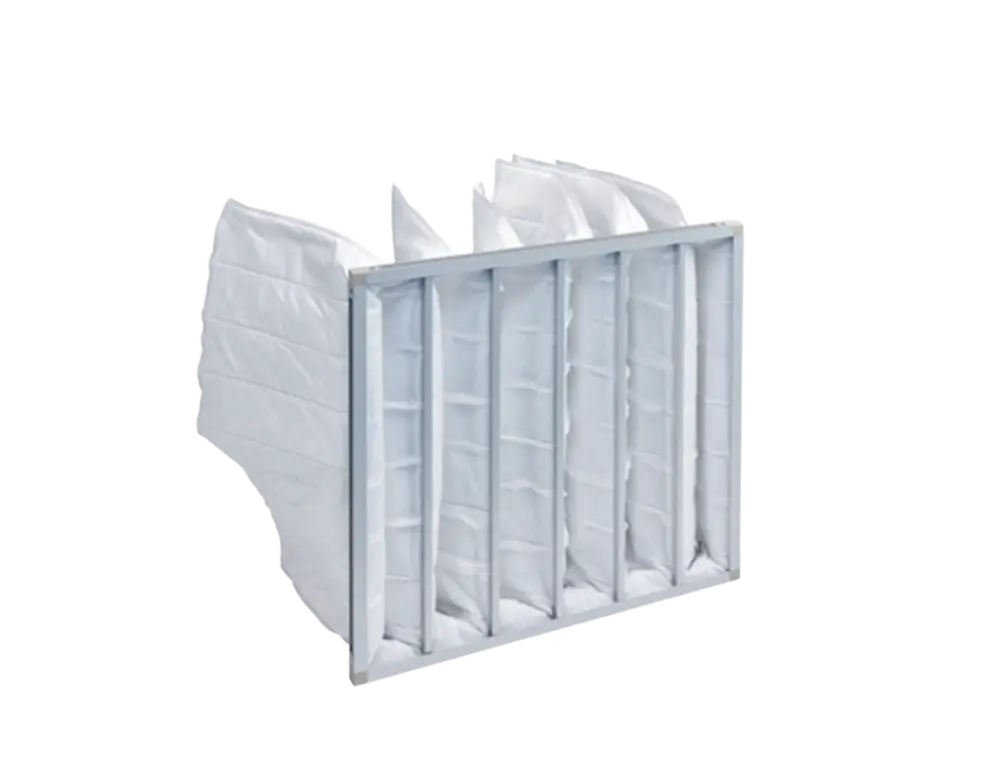
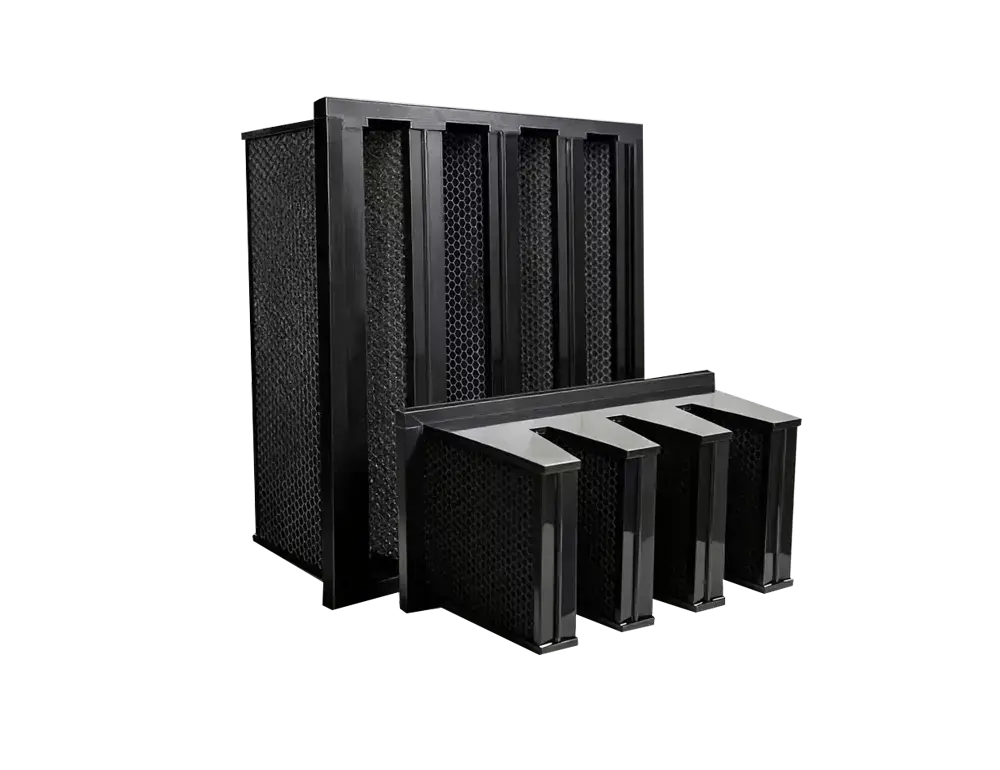
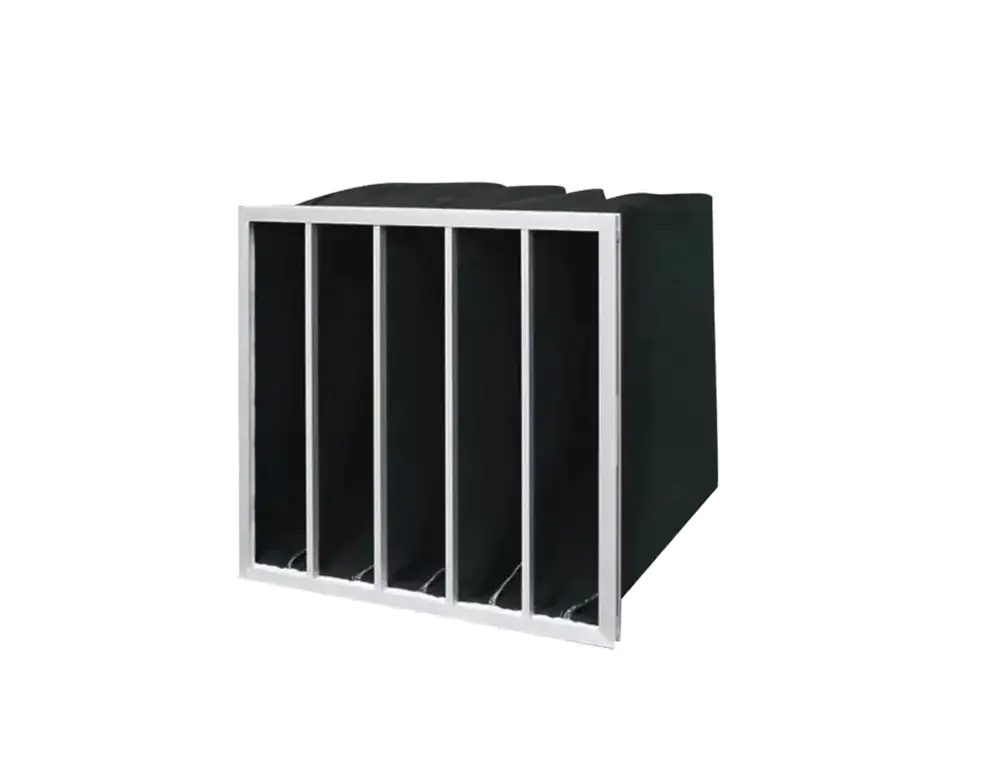
Bag Filter
High Dust-Holding, Long Life
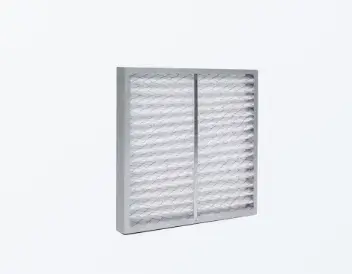
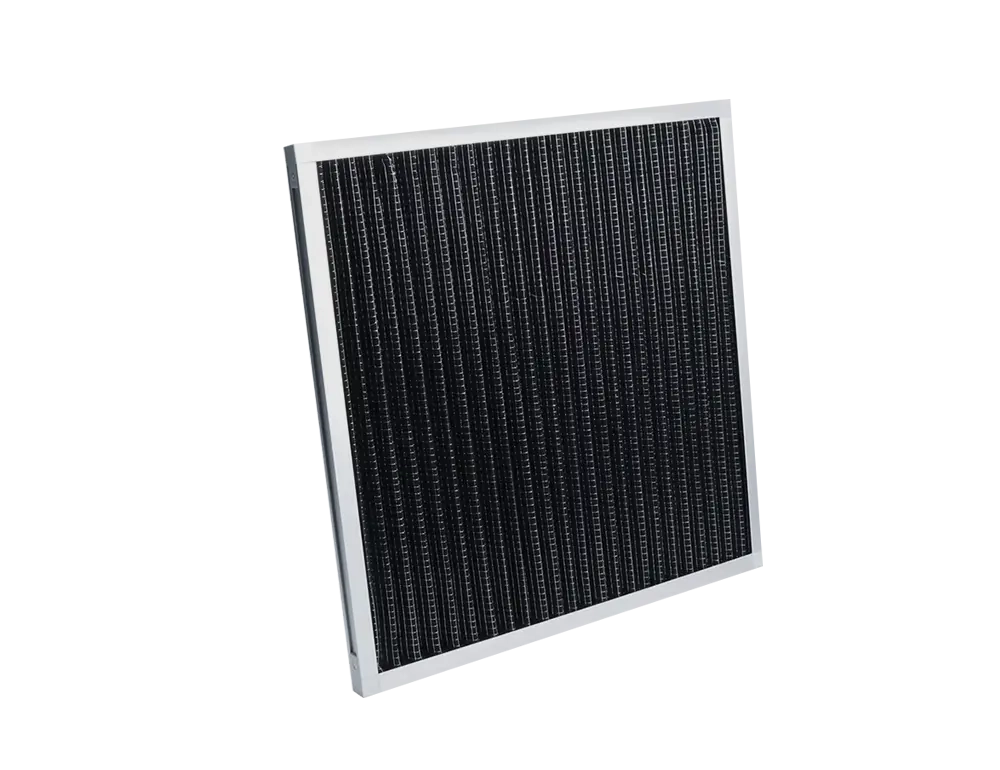
Panel / Pleated Filter
Compact Space-Saving Design
Low-Resistance Airflow
Energy-Saving Operation
Industrial-Grade Heat Tolerance
Built with specialized heat-resistant materials, operating stably up to 250°C for paint ovens, industrial dryers, and high-temperature process environments.
View Related Products →Cut Costs, Reduce Waste
Cleanable by water washing or air blowing, reusable multiple times to significantly reduce replacement frequency and O&M costs — an economical, eco-friendly choice.
View Related Products →Odor & Harmful Gas Removal
Leverages activated carbon's high adsorption capacity to eliminate odors, VOCs, and formaldehyde, ideal for newly renovated spaces and industrial exhaust treatment.
View Related Products →High Dust-Holding, Long Life
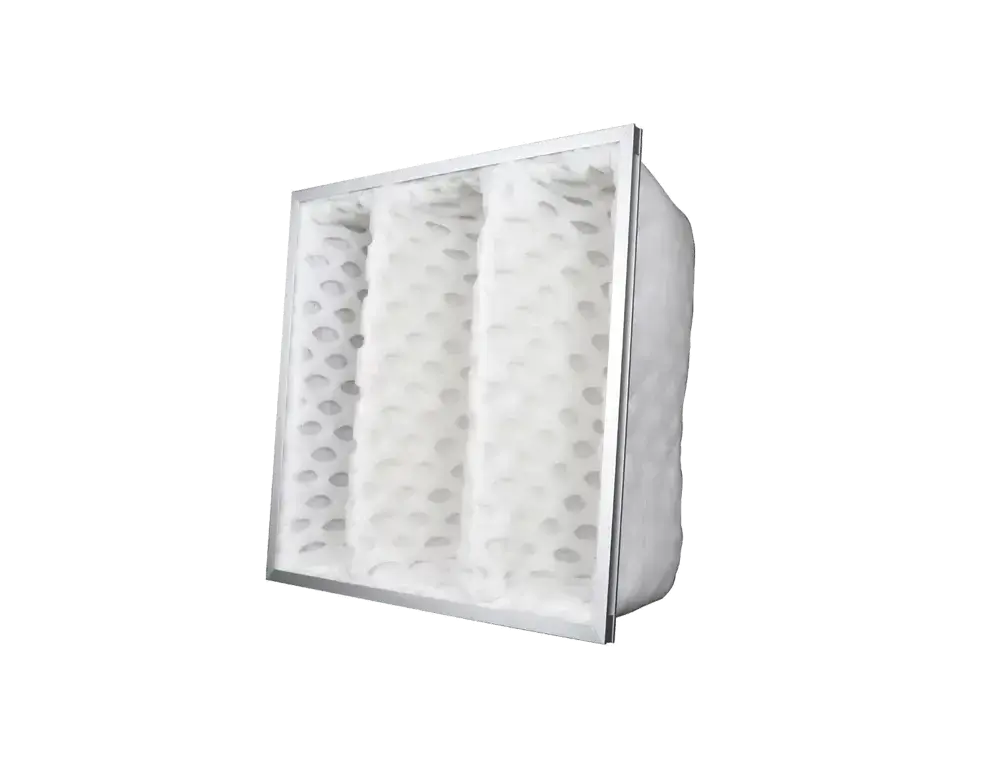
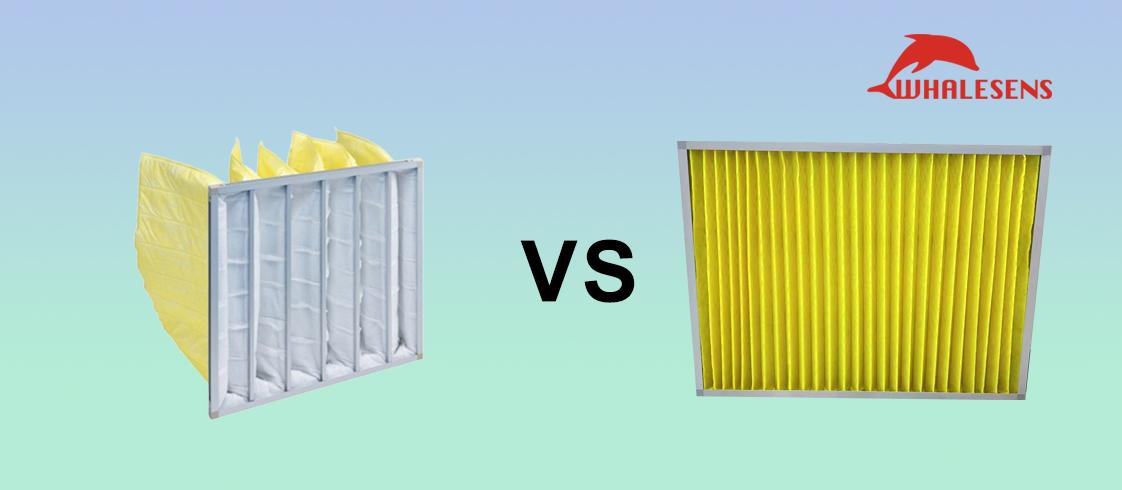
Bag-style construction delivers a larger filtration area, high dust-holding capacity, and extended service life — ideal for high-dust environments with reduced replacement frequency.
View Related Products →Compact Space-Saving Design
Compact form factor for easy installation and replacement; pleated structure maximizes filtration area within a small footprint for higher efficiency.
View Related Products →Energy-Saving Operation
Low-resistance design minimizes pressure drop while maintaining filtration performance, reducing fan energy consumption for cost-effective, eco-friendly operation.
View Related Products →





















 English(Global)
 简体中文
 Language




Air Filter Classification Explained: From Pre-Filters to HEPA & ULPA
Air filter classification answers two different questions that are easy to confuse: what the filter does to the air, and how well it does it. The first is a question about mechanism, the second about efficiency grade. Most specification errors come from reading one axis and assuming the other. A proper air filter classification places a product on both — a G4 panel and a G4 bag are the same class and very different filters.
What air filter classification actually describes
There are two axes in any air filter classification, and they are independent of each other.
Mechanism axis
- How particles are captured
- Mechanical, electrostatic, adsorptive or combined
- Determines what the filter can remove
- A HEPA-class media still cannot remove gas-phase contaminants
Grade axis
- How much is captured at a stated particle size
- Expressed as G, M, F, E, H, U or MERV
- Determines whether the cleanliness target is met
- Grade says nothing about construction or airflow
A filter is fully described only when both axes are stated. "F9 bag filter" is a complete description, because F9 is a grade and bag is a construction. "High efficiency filter" is not, because it names neither.
The efficiency class ladder
Read from coarse to ultra-fine, the grades used in Europe and in most export specifications run like this.
| Band | Grades | Standard | Basis of classification | Typical duty |
|---|---|---|---|---|
| Coarse | G1–G4 | EN 779 (withdrawn) / ISO 16890 | Average arrestance; ISO Coarse | First stage, intake protection |
| Fine | M5–M6, F7–F9 | EN 779 (withdrawn) / ISO 16890 | 0.4 µm counting efficiency; ePM1, ePM2.5, ePM10 | Main ventilation stage, HVAC |
| EPA | E10–E12 | EN 1822 / ISO 29463 | MPPS efficiency from 85% | Pre-filter ahead of HEPA, cleanroom make-up air |
| HEPA | H13–H14 | EN 1822 / ISO 29463 | MPPS efficiency 99.95% and 99.995% | Pharmaceutical, electronics cleanrooms |
| ULPA | U15–U17 | EN 1822 / ISO 29463 | MPPS efficiency from 99.9995% | Semiconductor fabs, biosafety |
The important structural point is that the E, H and U bands are classified on a different basis from the G and F bands. G and F grades come from a ventilation-filter standard that rates average performance across a broad dust load. E, H and U grades come from a standard written for high-efficiency filters, and they rate efficiency at the single most penetrating particle size, plus local penetration at every point of the filter face. An air filter classification that mixes the two — quoting an F9 and an H13 as if they sit on one continuous scale — is comparing numbers produced by different tests.
Why EN 1822 separates EPA, HEPA and ULPA
The E, H and U split is not a marketing ladder. Each band corresponds to a different performance regime and a different test requirement.
That last row is what separates EN 1822 and ISO 29463 from the ventilation standards, and it is why a HEPA filter is scan-tested rather than sampled. Air filter classification for cleanroom duty is a per-unit claim, not a batch average.

MPPS: the particle size that defines the class
Most of the confusion in air filter classification comes from one detail — that HEPA efficiency is not rated at the particle size people expect.
The physical reason for the minimum is that two capture mechanisms pull in opposite directions. Above the MPPS, interception and inertial impaction dominate and efficiency rises with particle size. Below it, diffusion dominates and efficiency rises again as particles get smaller. Between them, neither mechanism is strong, and the filter is at its weakest. Air filter classification for high-efficiency grades is therefore defined exactly where the filter is hardest to pass, which is the conservative choice.
ISO 16890 and the shift away from grade letters
ISO 16890 replaced EN 779 and changed how the ventilation end of air filter classification is expressed.
| Aspect | EN 779 | ISO 16890 |
|---|---|---|
| Rating basis | Average arrestance, and counting efficiency at 0.4 µm | Efficiency in defined particle size bands |
| Notation | G1–G4, M5–M6, F7–F9 | ISO Coarse, ePM10, ePM2.5, ePM1 |
| Coarse filters | Graded by arrestance | Grouped as ISO Coarse |
| Conversion | — | Not directly convertible from EN 779 grades |
| Practical effect | Familiar grade letters | Ratings tied to the particle sizes a specification cares about |
The practical consequence is that an air filter classification written under EN 779 cannot be converted into an ISO 16890 classification by arithmetic. The tests differ and the band boundaries differ. Where a project still uses F7 or F9, the specification should name the standard and the version, and a supplier should be able to state both ratings where they exist.

The North American axis
Where a project specifies to ASHRAE 52.2, air filter classification is expressed as MERV, rated by size-resolved counting efficiency rather than by a single test particle size.
| MERV band | Closest European equivalent | Typical duty |
|---|---|---|
| MERV 1–4 | G1–G4 | Coarse intake protection |
| MERV 5–8 | M5–M6 | Light commercial pre-filtration |
| MERV 9–12 | F7–F8 | General HVAC fine filtration |
| MERV 13–16 | F9 to low EPA | Hospital, laboratory and higher-grade HVAC |
| Above MERV 16 | E, H, U classes | Rated under EN 1822 / ISO 29463 instead |
The mapping is approximate and should be treated as orientation only. MERV and the European grades come from different test methods, so a project that spans both conventions — common where a North American client specifies equipment built to European data — needs both ratings stated rather than a converted figure.

How to read an air filter classification correctly
Six checks when a class letter appears in a specification
- Which standard, and which version — EN 779 and ISO 16890 use the same letters for different tests.
- Which particle size the efficiency figure refers to — 0.4 µm and MPPS are not interchangeable.
- Whether the figure is a batch average or a per-unit claim — it matters for E, H and U classes.
- What the pressure drop is at the rated airflow, not a nominal figure.
- Whether local penetration is assessed, and by what method.
- Whether the construction and frame are rated for the environment, which the class alone never tells you.
Most of these are answerable from a test report in a few minutes, and together they turn air filter classification from a label into a specification. Where a high-efficiency class is required against a limited installation depth, the V-bank HEPA filter and the mini-pleated HEPA filter deliver the same class in different footprints, while a liquid tank HEPA filter is used where the seal itself has to meet the class. For the ventilation grades, the F9 medium efficiency bag air filter sits where the fine band ends and the EPA band begins. The broader taxonomy of filter types sits in complete air filter classification, and the measured parameters behind the classes in air filter performance.
Need a custom air filtration solution?
Contact the Whalesens engineering team for product selection and OEM/ODM support.
Email whalesens@gmail.com
Related Products
These products cover the filtration stages discussed above; see each product page for full specifications.
ProductDeep Pleated HEPA FilterH13–H14 class filter in a deep frame, for cleanroom duty where pleat stability mattersView product details →ProductV-Bank HEPA FilterHigh-efficiency class where the available installation depth is limited but airflow is highView product details → ProductMini-Pleated HEPA FilterCompact high-efficiency format for terminal units and space-constrained installationsView product details →ProductLiquid Tank HEPA FilterUsed where the seal itself must hold the class, as in gel-sealed high-efficiency installationsView product details →
Frequently Asked Questions
The questions our engineering team receives most often on this topic.
What does air filter classification actually tell you?
It tells you two separate things, and both are needed before a filter is fully specified. The mechanism axis says how particles are captured — mechanical, electrostatic, adsorptive or combined. The grade axis says how much is captured at a stated particle size. A G4 panel and a G4 bag share a class and behave very differently, because the class says nothing about construction, pressure drop or dust holding capacity.
Why is HEPA efficiency rated at MPPS rather than at 0.3 µm?
Because MPPS is where the filter is weakest. Above the most penetrating particle size, interception and inertial impaction dominate and efficiency rises with particle size; below it, diffusion dominates and efficiency rises again as particles get smaller. The minimum normally falls between 0.1 and 0.3 µm. EN 1822 and ISO 29463 define the E, H and U classes at that point, so an MPPS figure and a 0.3 µm figure are different claims.
Can EN 779 grades be converted to ISO 16890?
No. EN 779 has been withdrawn and replaced by ISO 16890, and the two standards use different test methods and different classification boundaries. EN 779 rated filters by average arrestance and by counting efficiency at 0.4 µm; ISO 16890 reports efficiency in defined size bands as ePM1, ePM2.5 and ePM10, with coarse filters grouped as ISO Coarse. Specifications should name the standard and the version rather than rely on a grade letter.
What is the difference between EPA, HEPA and ULPA?
They are consecutive bands in EN 1822 and ISO 29463, separated by MPPS efficiency. EPA covers E10 to E12 from roughly 85% upward and is normally used ahead of a HEPA stage. HEPA covers H13 at 99.95% and H14 at 99.995%, and is the band most cleanroom specifications are written around. ULPA covers U15 to U17 from 99.9995% upward. All three bands also require local penetration to be assessed, which is why HEPA filters are scan-tested rather than batch-sampled.
How do MERV and European grades relate?
Approximately, and only as orientation. MERV comes from ASHRAE 52.2, which rates size-resolved counting efficiency, while the G, F, E, H and U bands come from the European standards. MERV 9 to 12 sits closest to F7 to F8, MERV 13 to 16 closest to F9 and the lower EPA bands, and anything above MERV 16 is rated under EN 1822 or ISO 29463 instead. Where a project spans both conventions, both ratings should be stated rather than one converted.