


EV Charging Stations
Filtration for Power Equipment
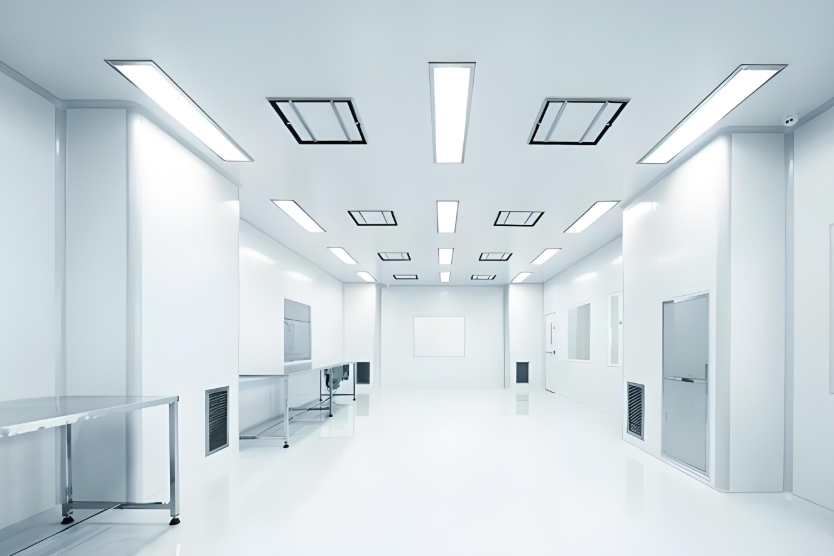
Cleanroom & Semiconductor
Ultra-High Cleanliness Filtration
Commercial HVAC
Central Air System Filtration
Data Centers
Precision Equipment Protection
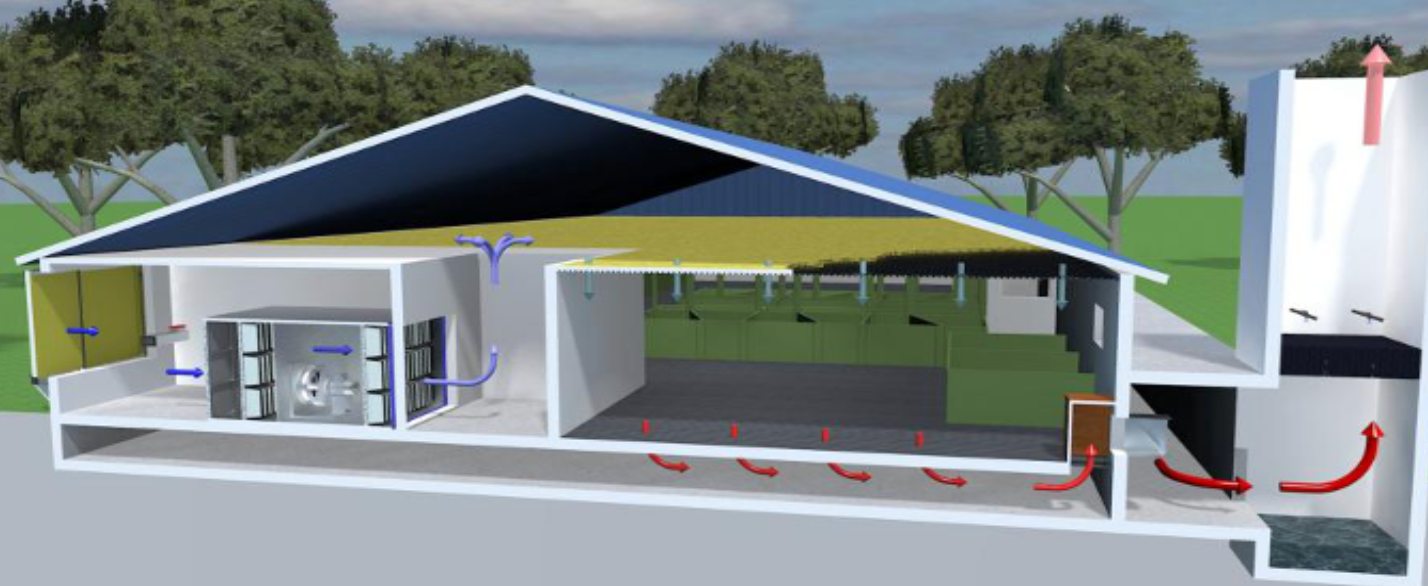
Livestock & Farming
Farming Environment Purification
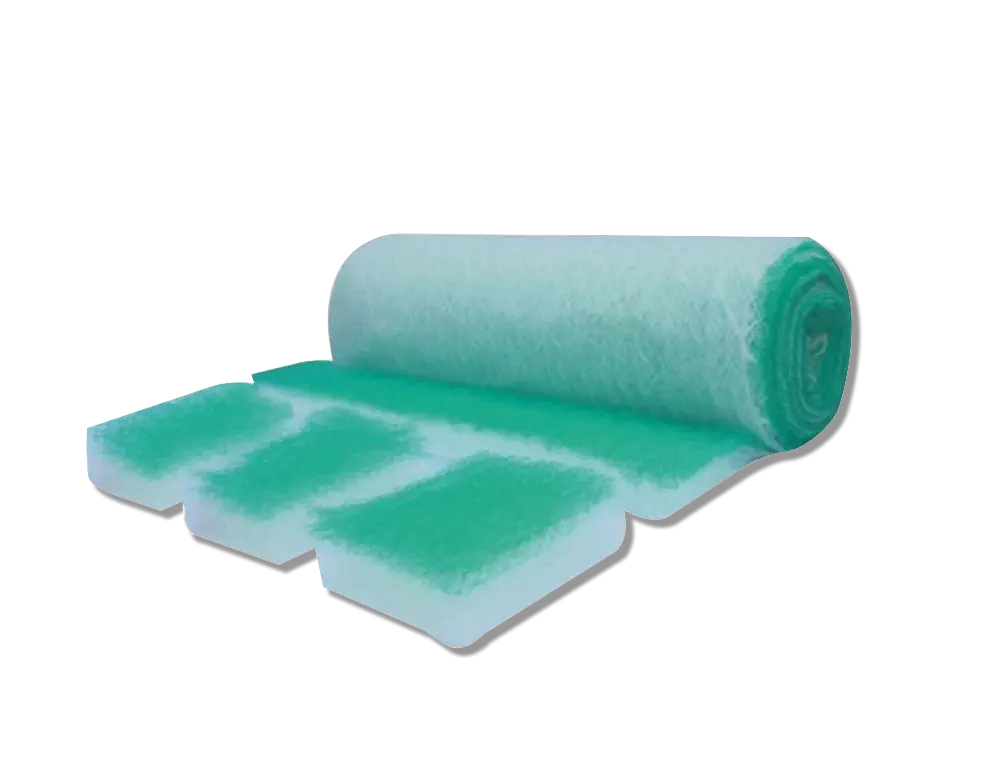
Spray Booths & Industrial Dust
Paint Mist & Dust Purification
Filtration for Power Equipment
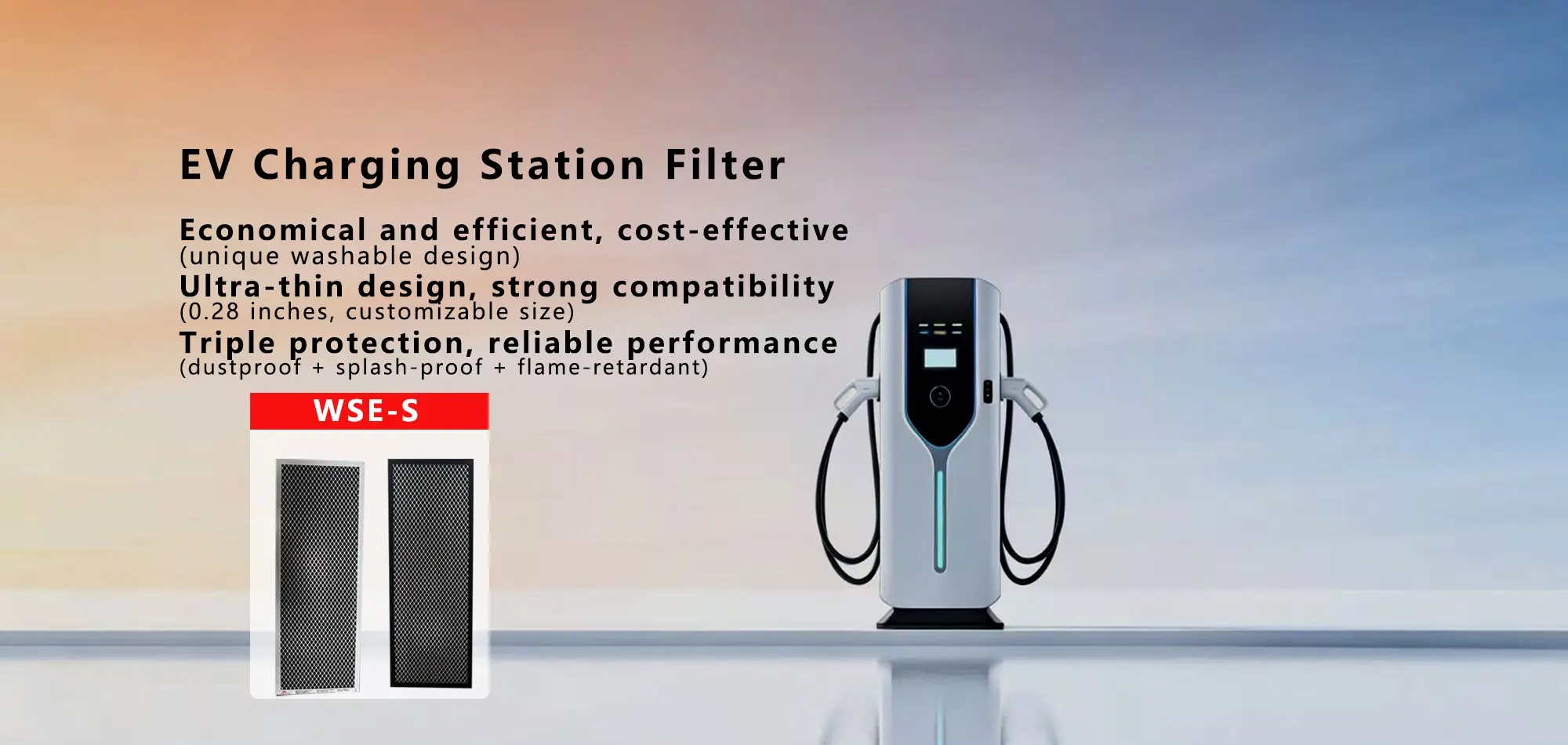
Professional air filtration for EV charging devices, protecting against dust and sand ingress to ensure stable, reliable operation of charging piles and station infrastructure.
View Related Products →Ultra-High Cleanliness Filtration
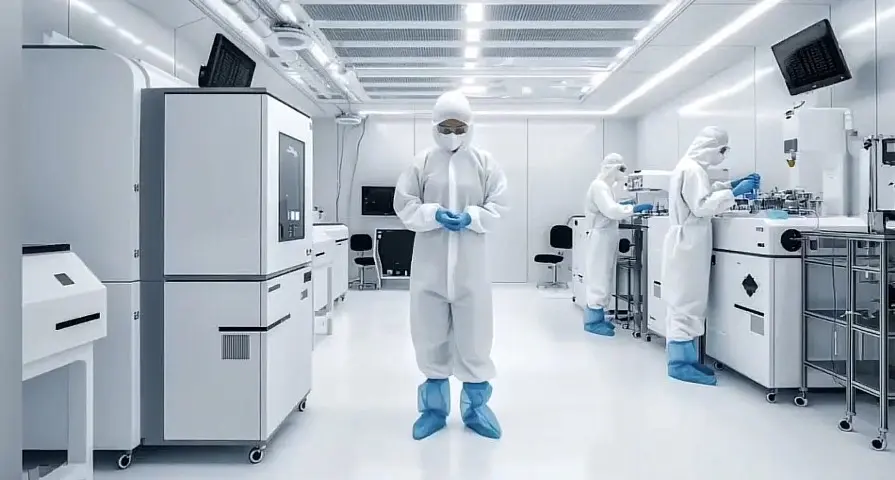
Ultra-high efficiency filtration for semiconductor wafer fabs and precision electronics cleanrooms, capturing nano-scale particles to meet ISO Class 1–3 standards and maximize product yield.
View Related Products →Central Air System Filtration
High-efficiency filtration for commercial building HVAC systems, improving indoor air quality, reducing energy consumption, and extending equipment service life.
View Related Products →Precision Equipment Protection
Precision air filtration for data centers, shielding servers and critical hardware from dust contamination to keep cooling systems running efficiently and reliably.
View Related Products →Farming Environment Purification
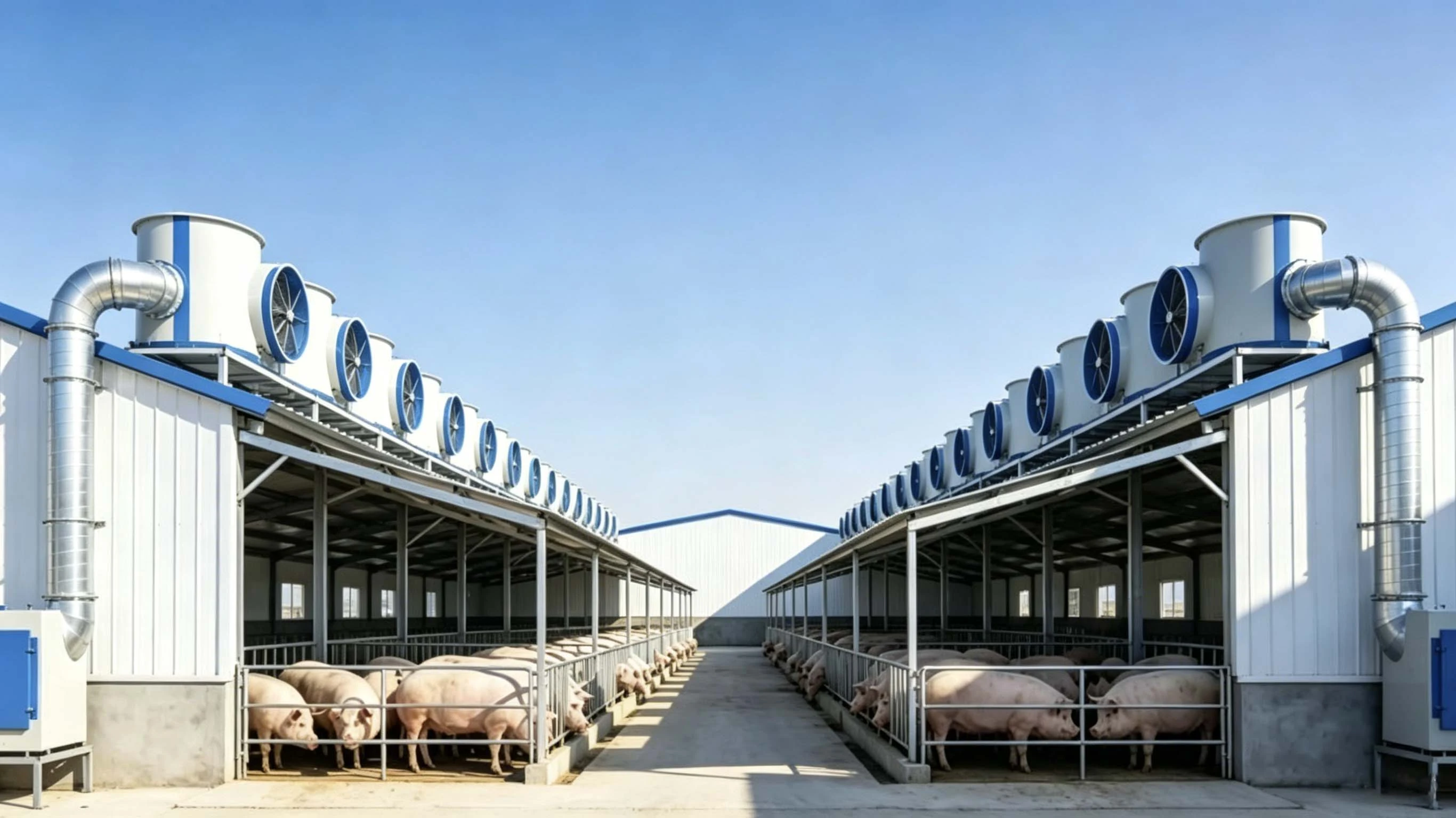
Dedicated filtration systems for farms and livestock facilities — capturing dust, adsorbing ammonia, and inhibiting pathogen spread to improve animal health and overall productivity.
View Related Products →Paint Mist & Dust Purification
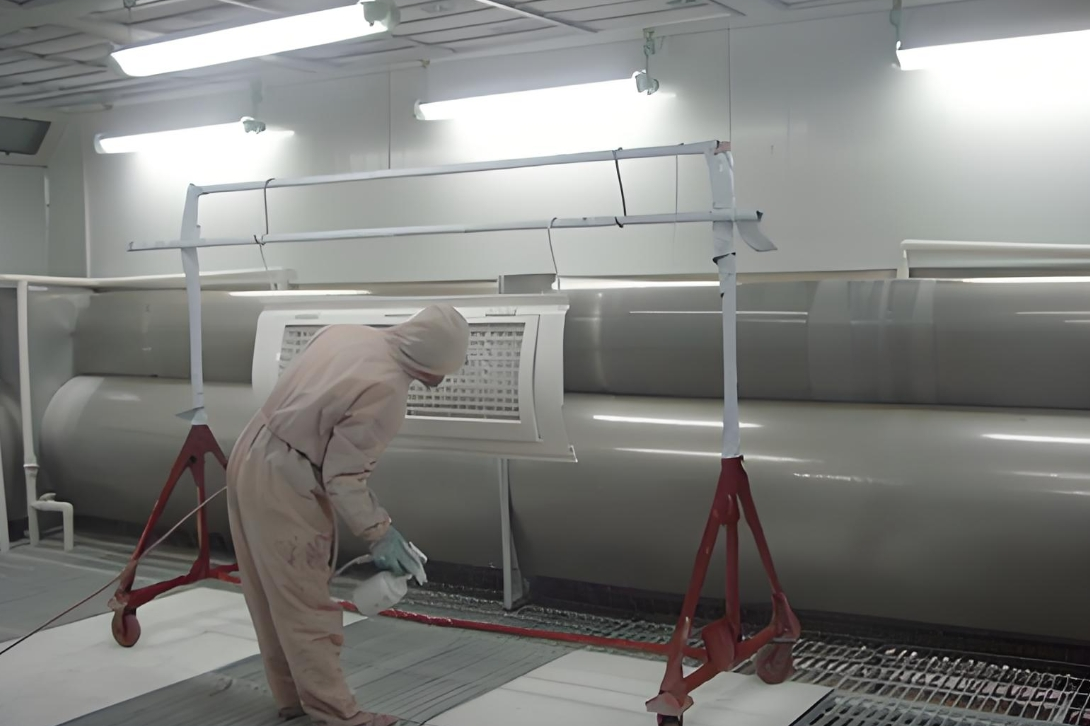
Designed for spray booths and grinding workshops, efficiently capturing paint mist, metal dust, and wood chips to meet emission standards while protecting finished surface quality.
View Related Products →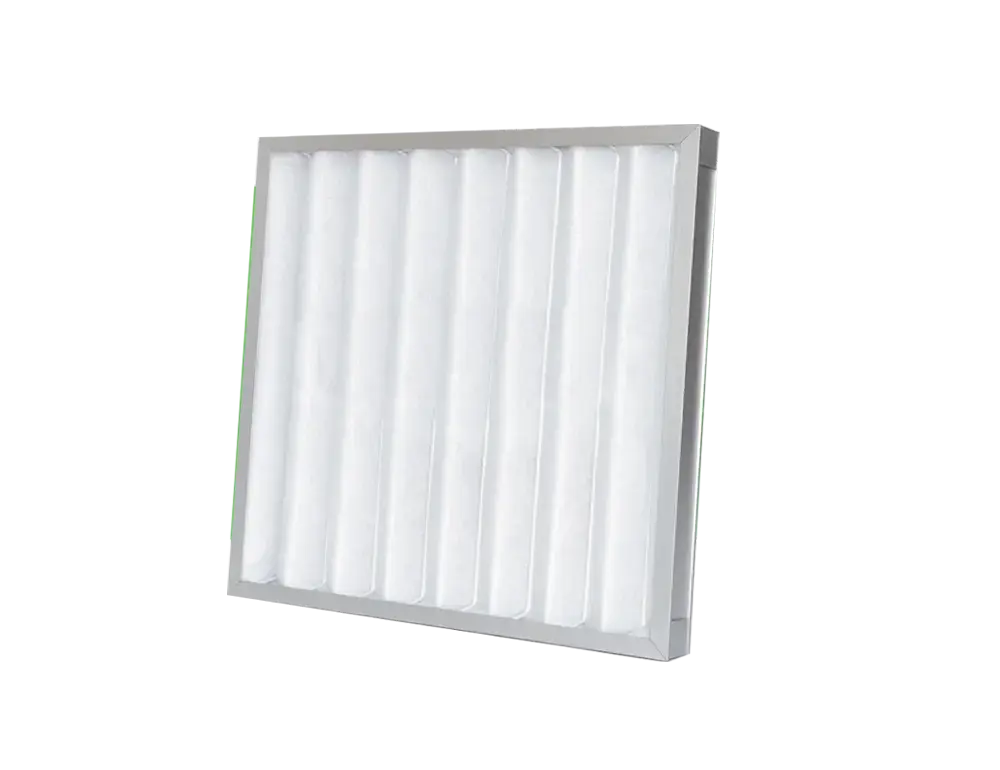
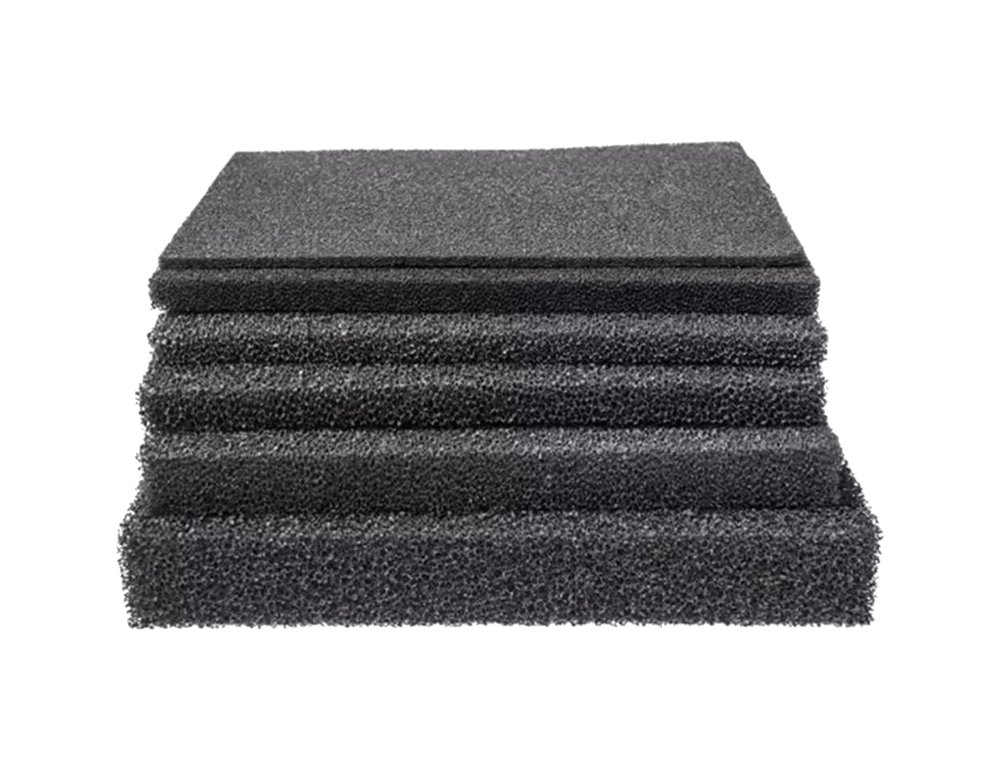
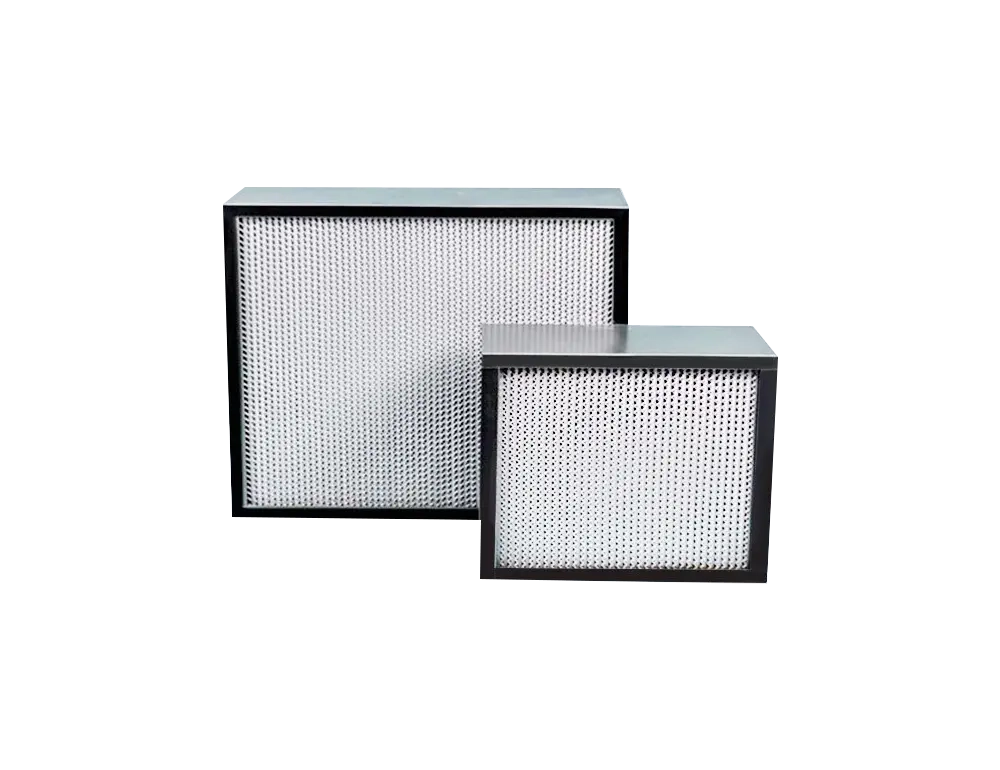
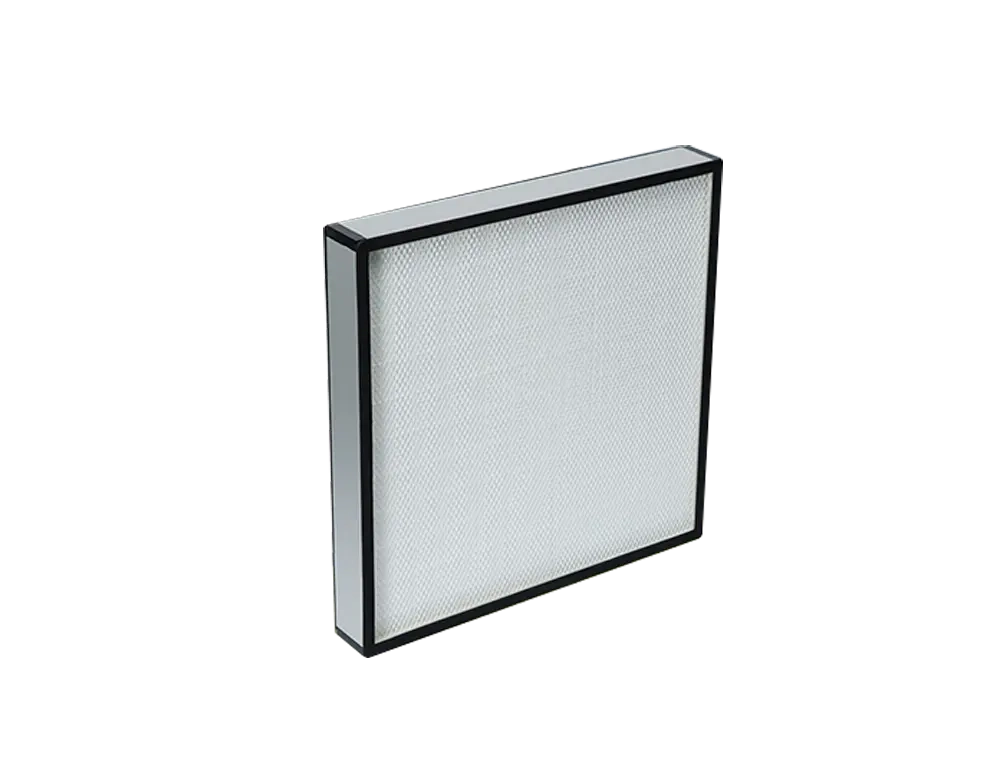
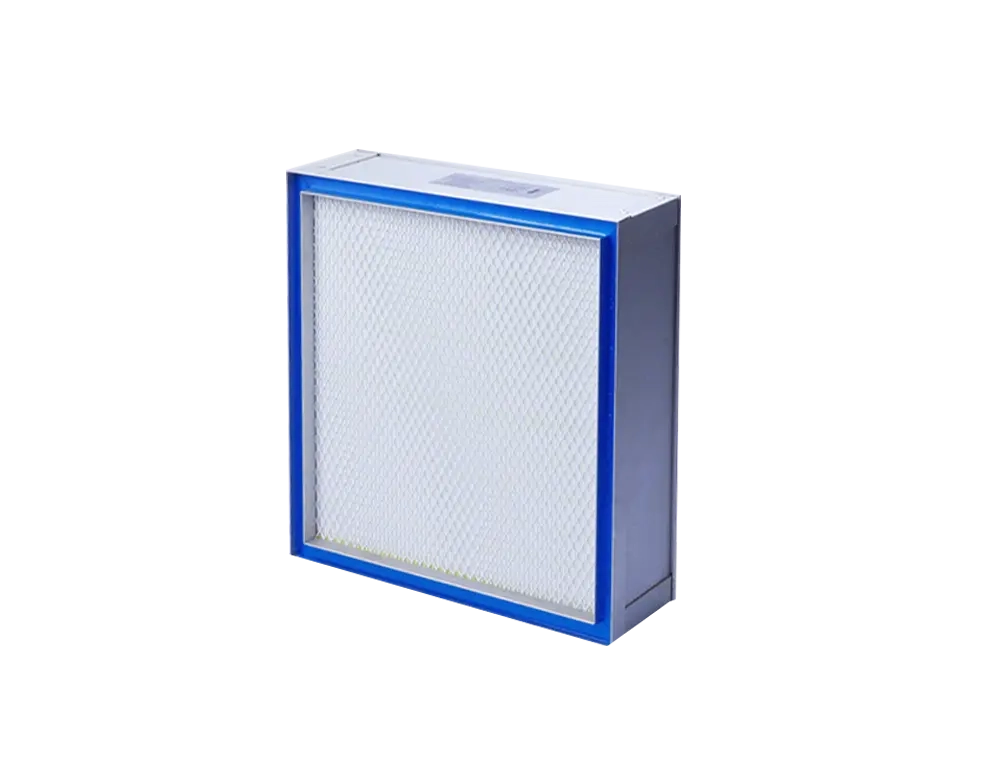


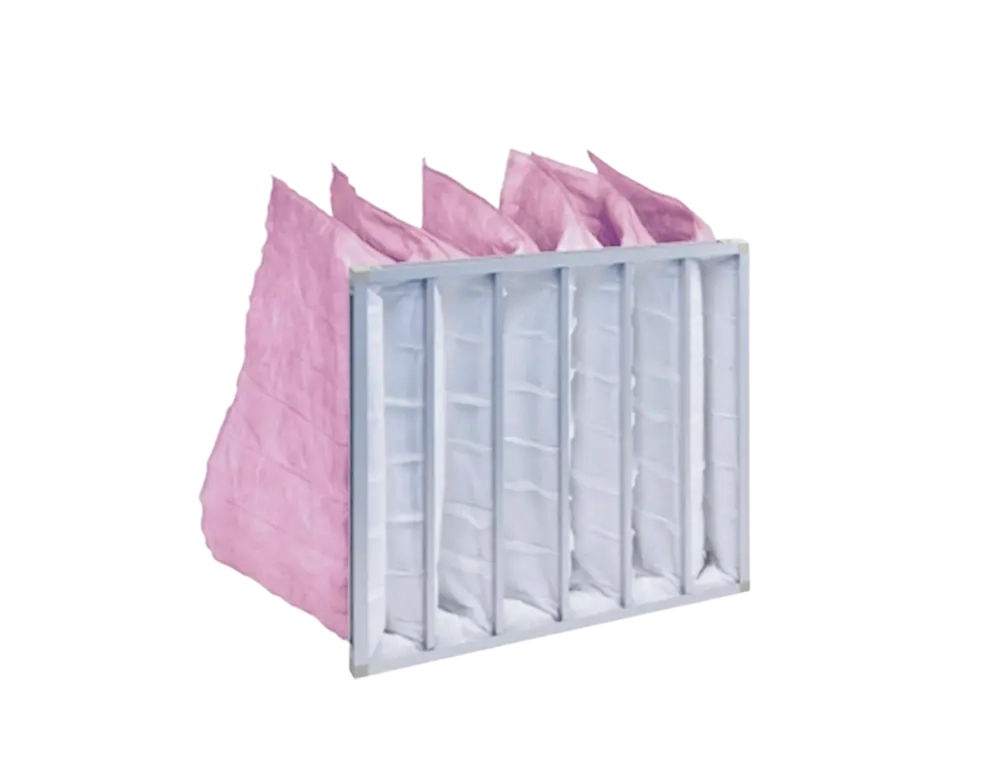
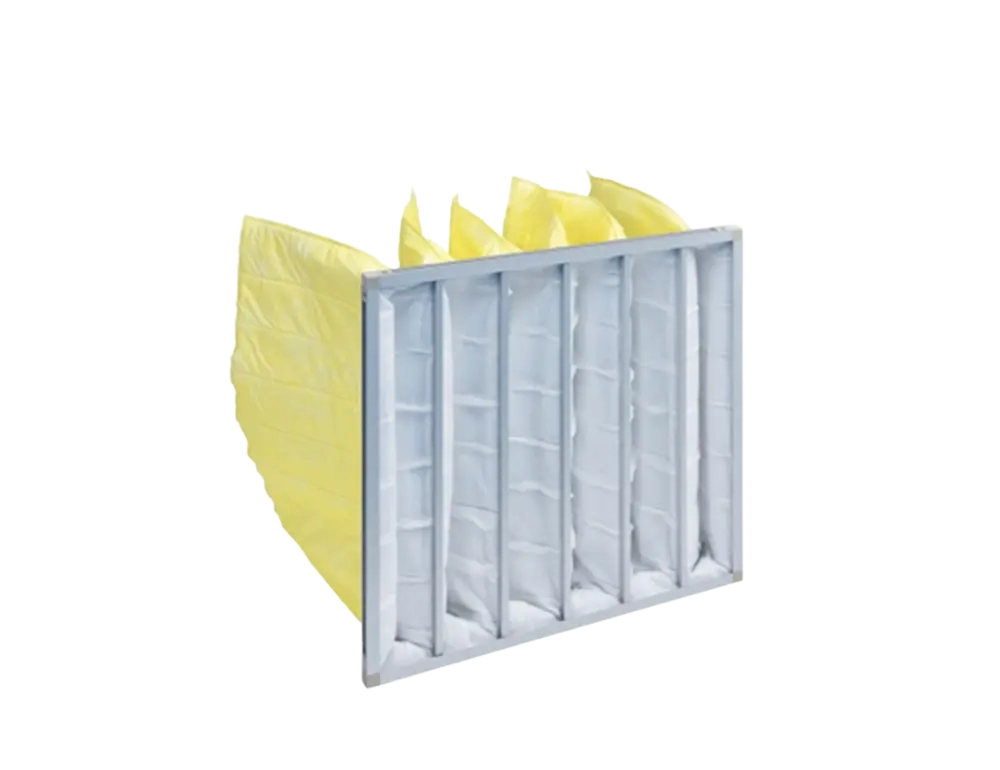

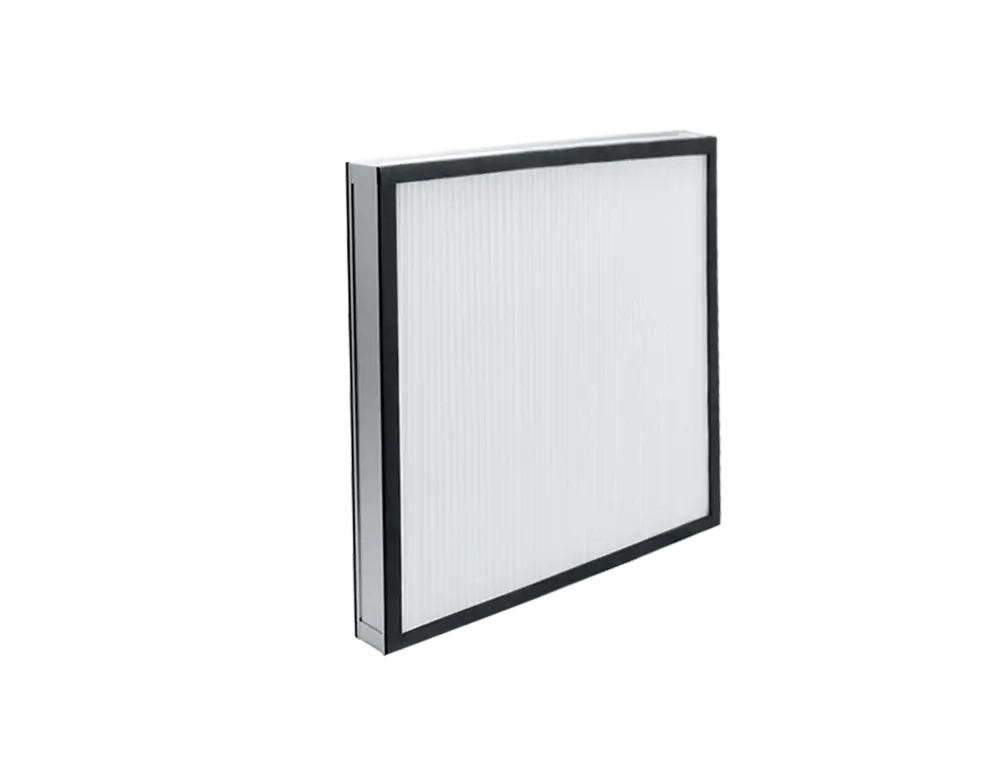
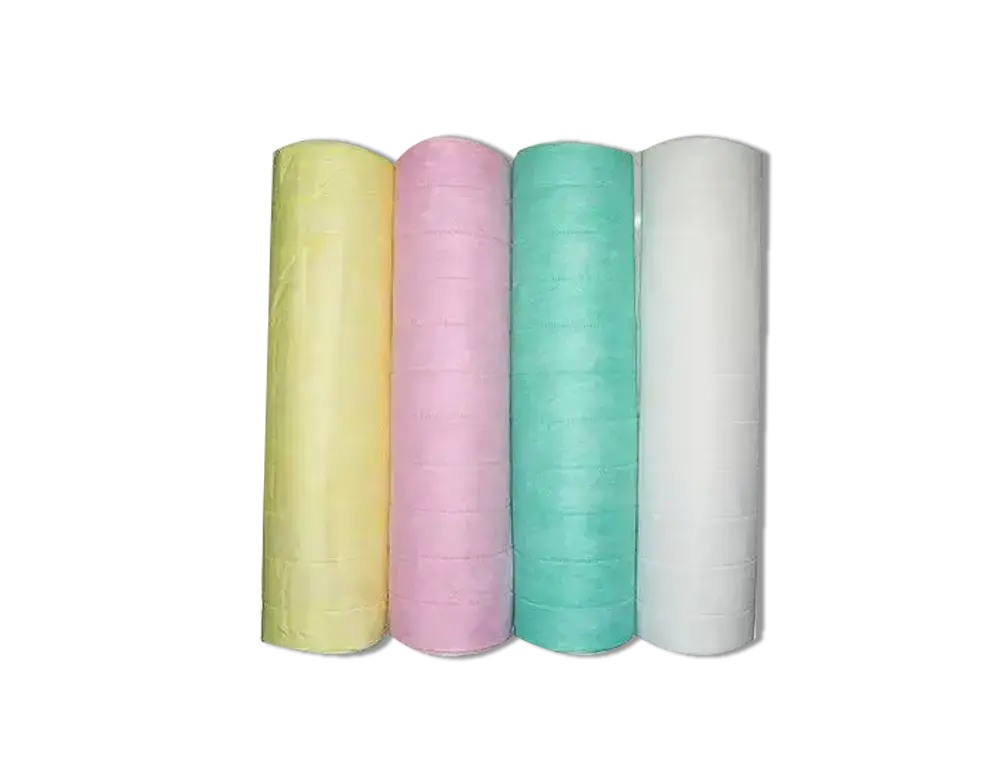

Pre-Filter (G1–G4)
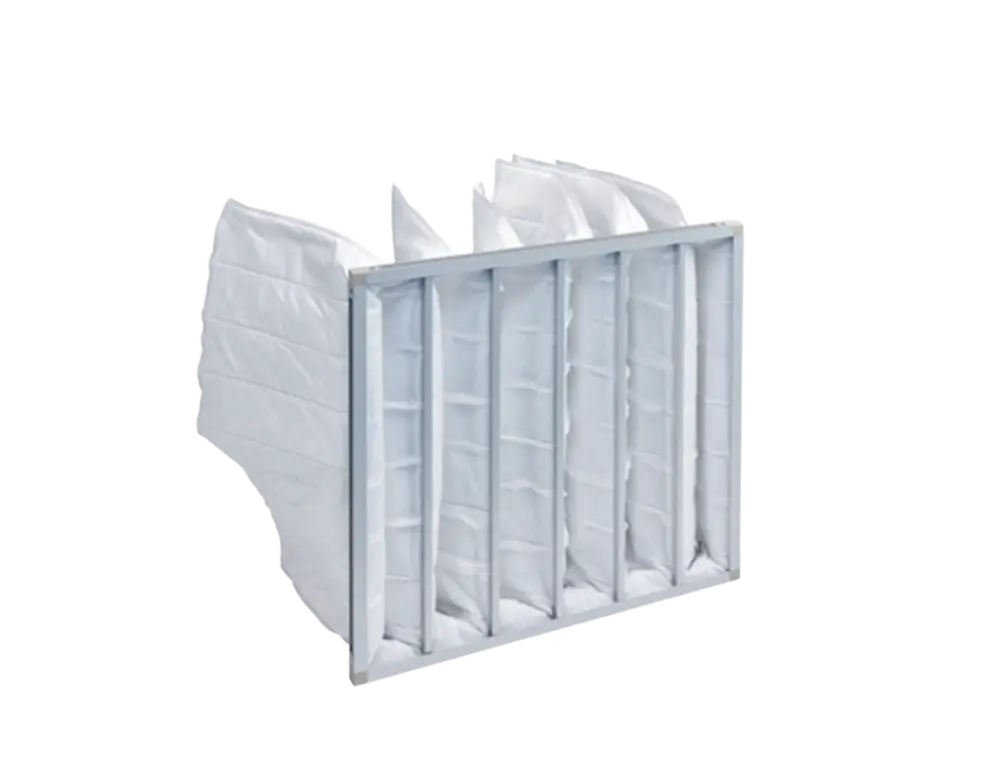
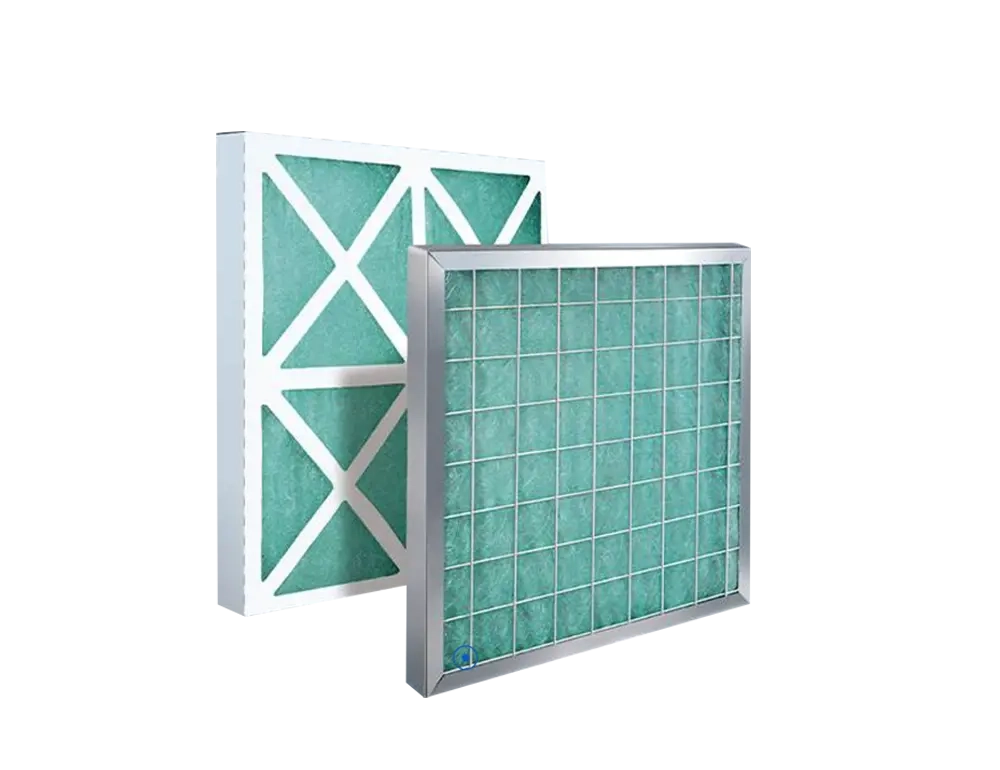
First-Stage Large-Particle Capture
Medium-Efficiency Filter (F5–F9)
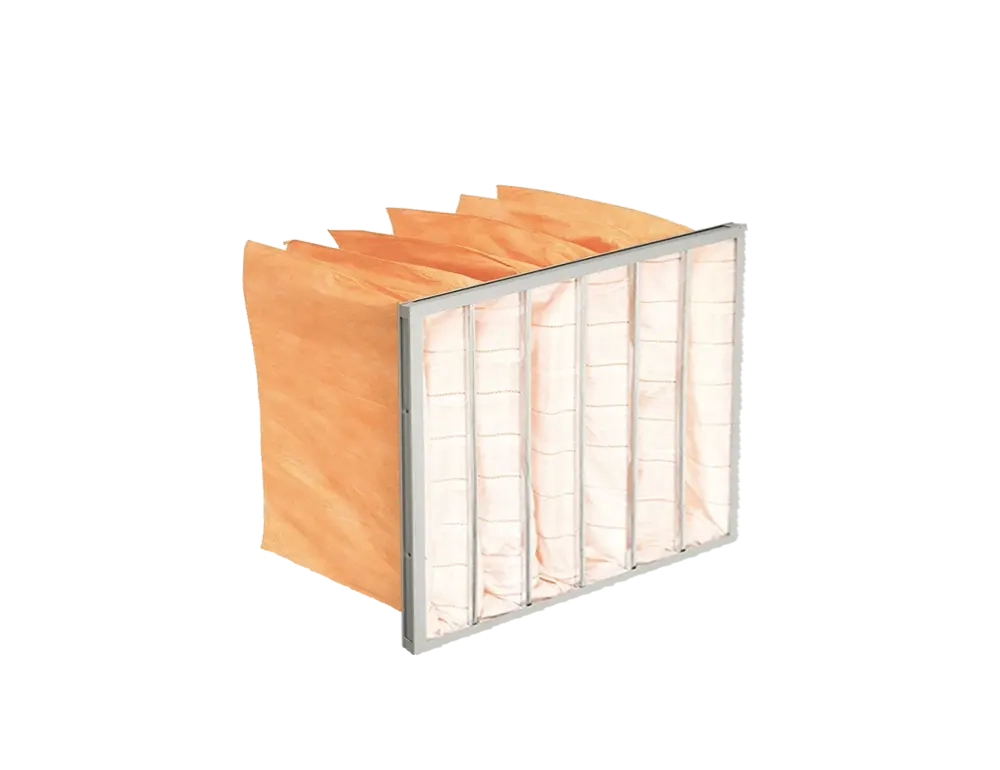
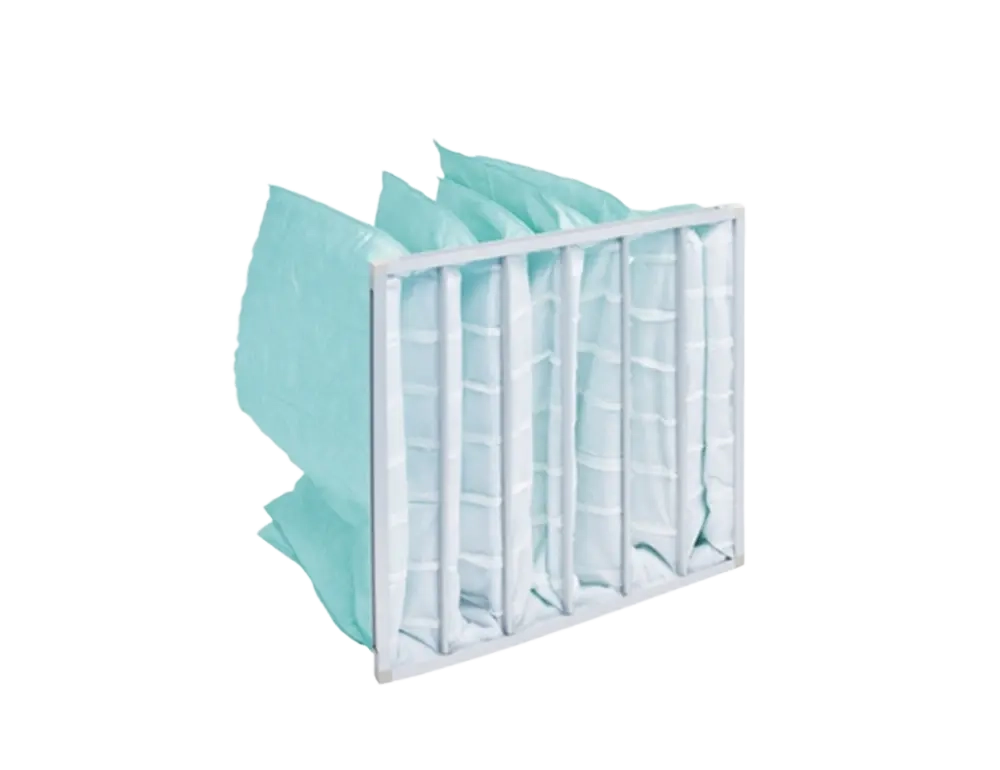
Precise PM2.5 Capture
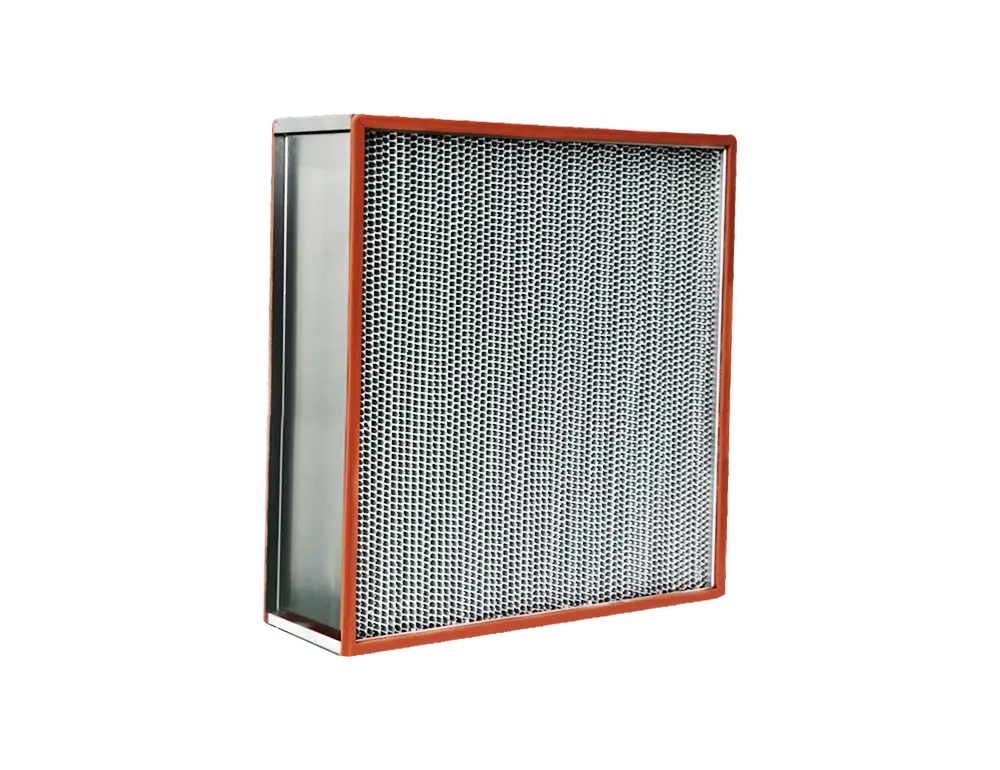
HEPA High-Efficiency Filter
Sterile-Grade Purification
ULPA Ultra-High Efficiency Filter
Sub-Micron Particle Capture
First-Stage Large-Particle Capture
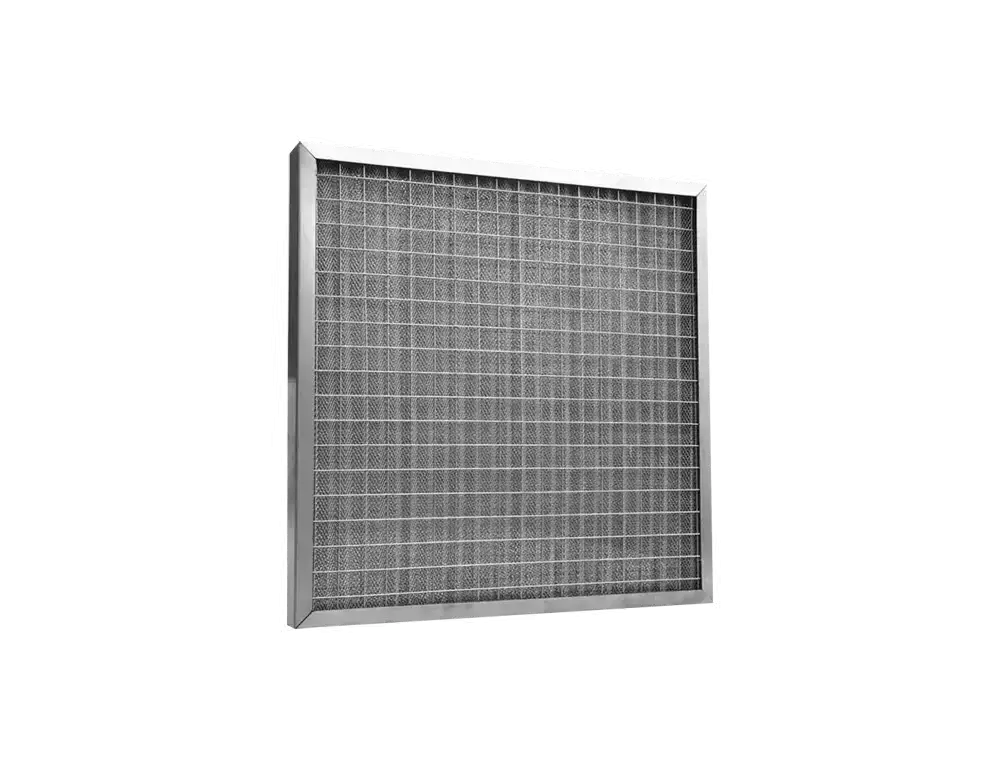
The first line of defense, capturing particles ≥5 μm such as dust, hair, and fibers to protect downstream filters and extend overall system service life.
View Related Products →Precise PM2.5 Capture
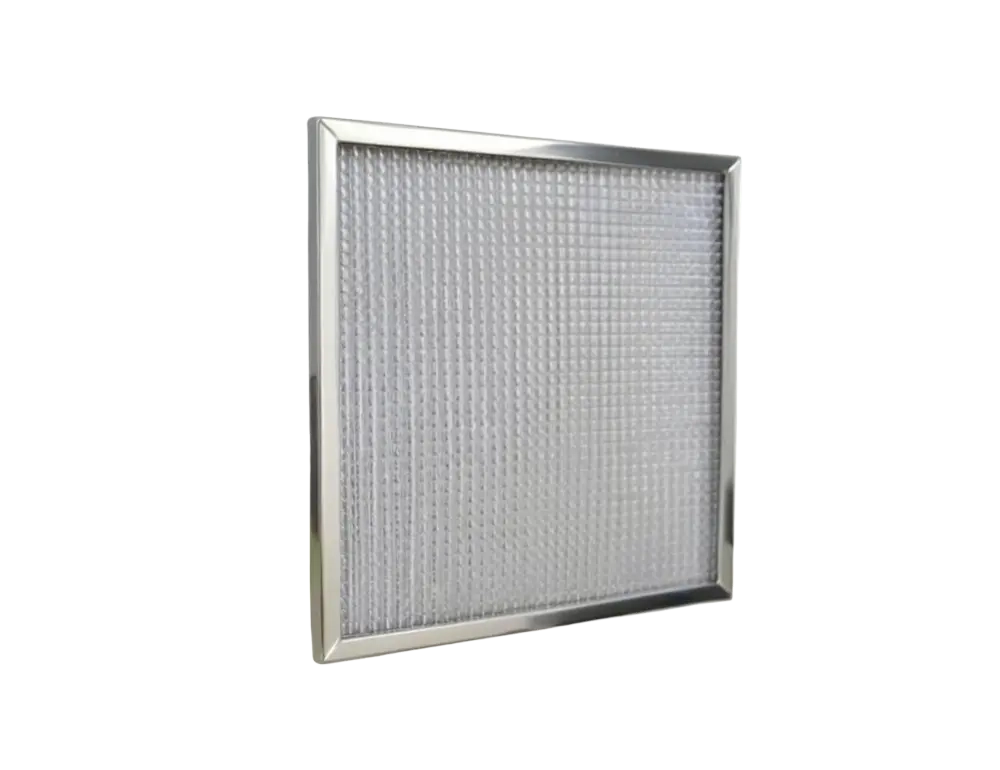
Captures fine particles of 1–5 μm including PM2.5, pollen, and mold spores, significantly improving indoor air quality for commercial HVAC and ventilation systems.
View Related Products →Sterile-Grade Purification
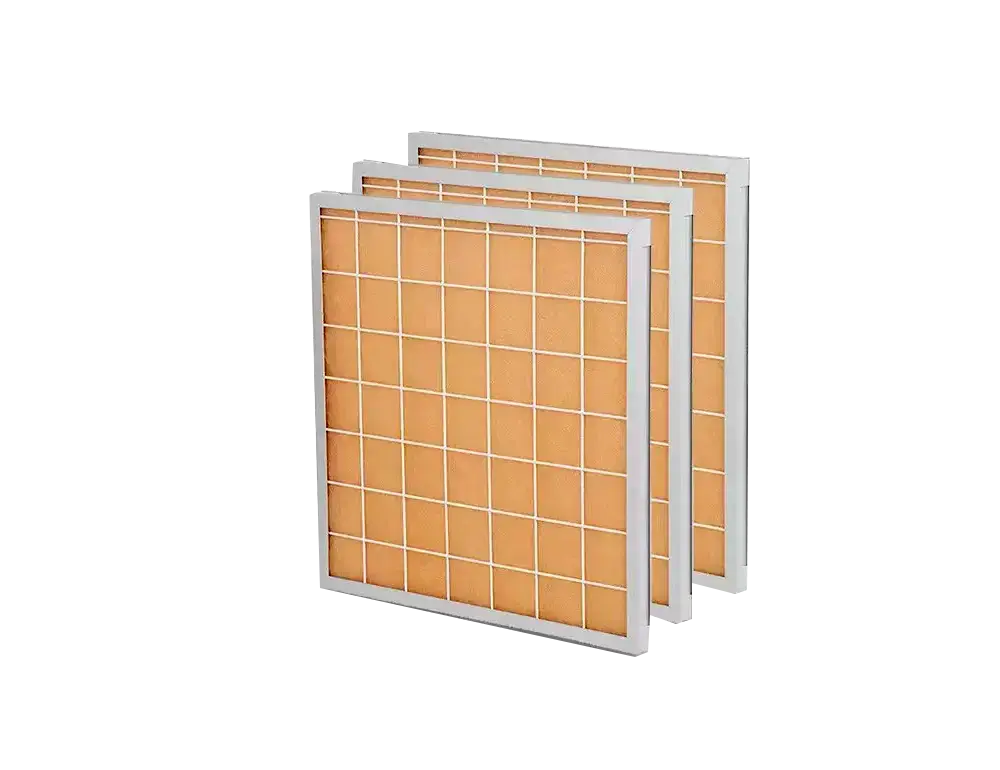
≥99.97% filtration efficiency for particles ≥0.3 μm, delivering sterile-grade clean air widely used in medical, pharmaceutical, and electronics manufacturing.
View Related Products →Sub-Micron Particle Capture
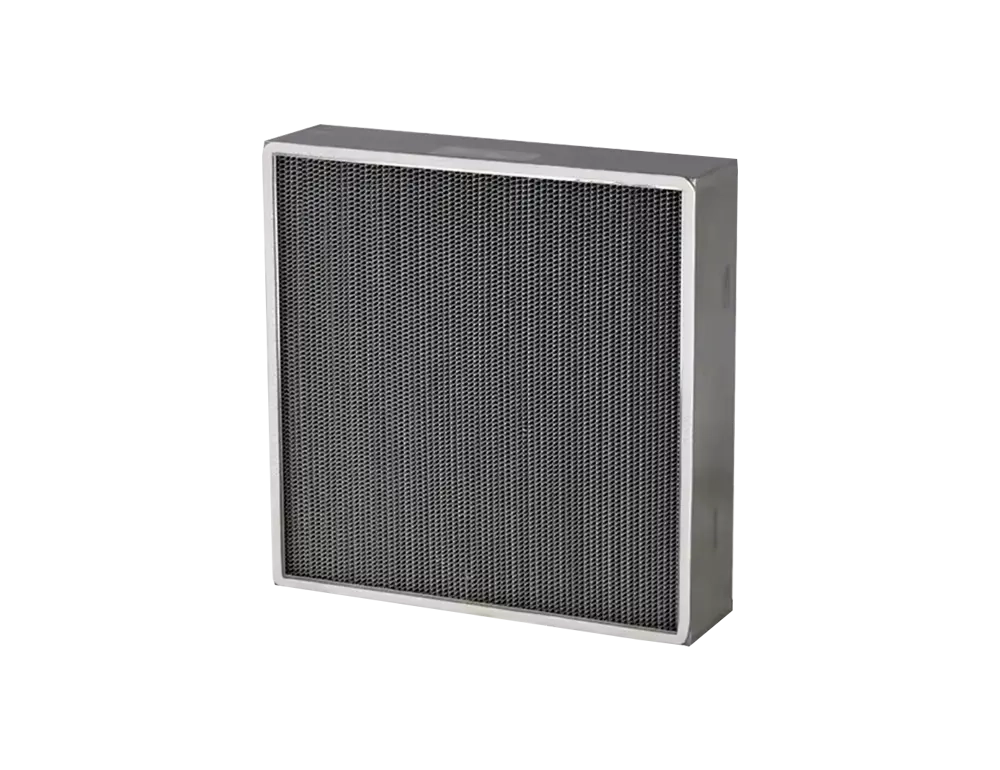
≥99.9995% efficiency for particles ≥0.12 μm, meeting the extreme cleanliness demands of semiconductor fabs, aerospace, and other ultra-precision applications.
View Related Products →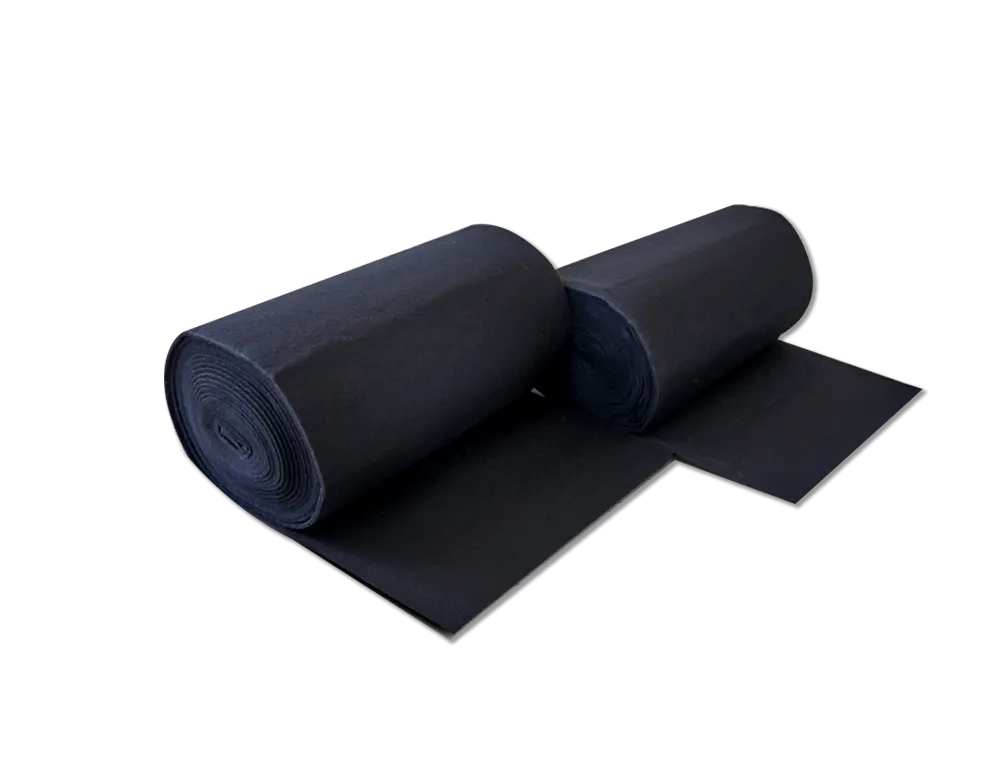
High-Temperature Resistant
Industrial-Grade Heat Tolerance
Washable & Reusable
Cut Costs, Reduce Waste
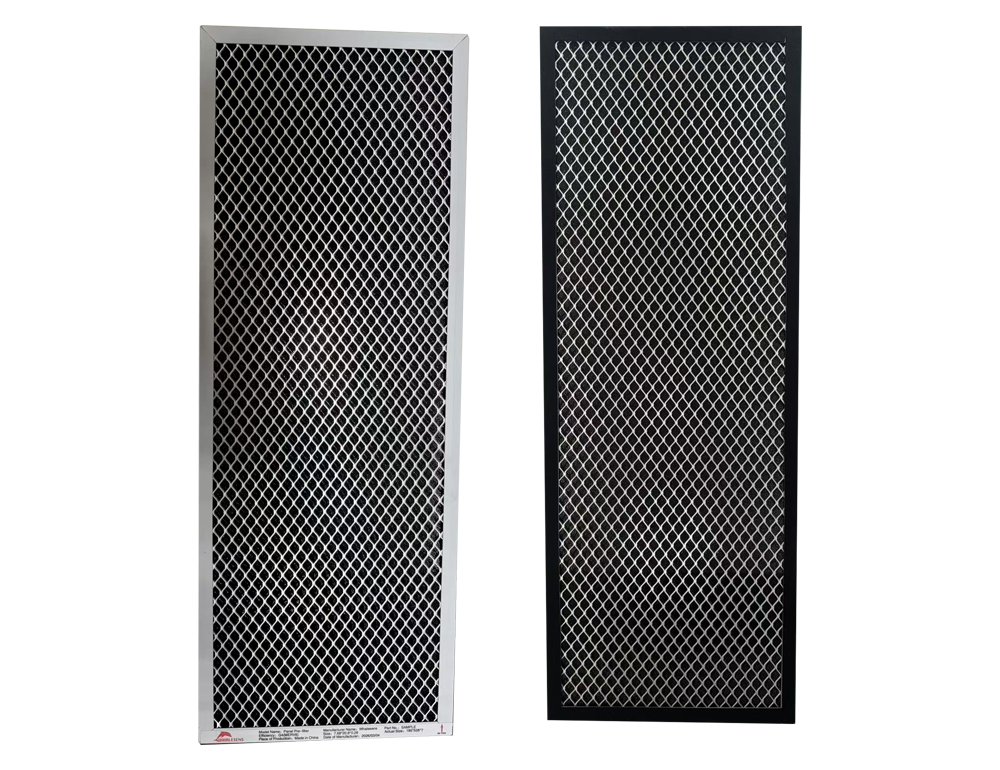
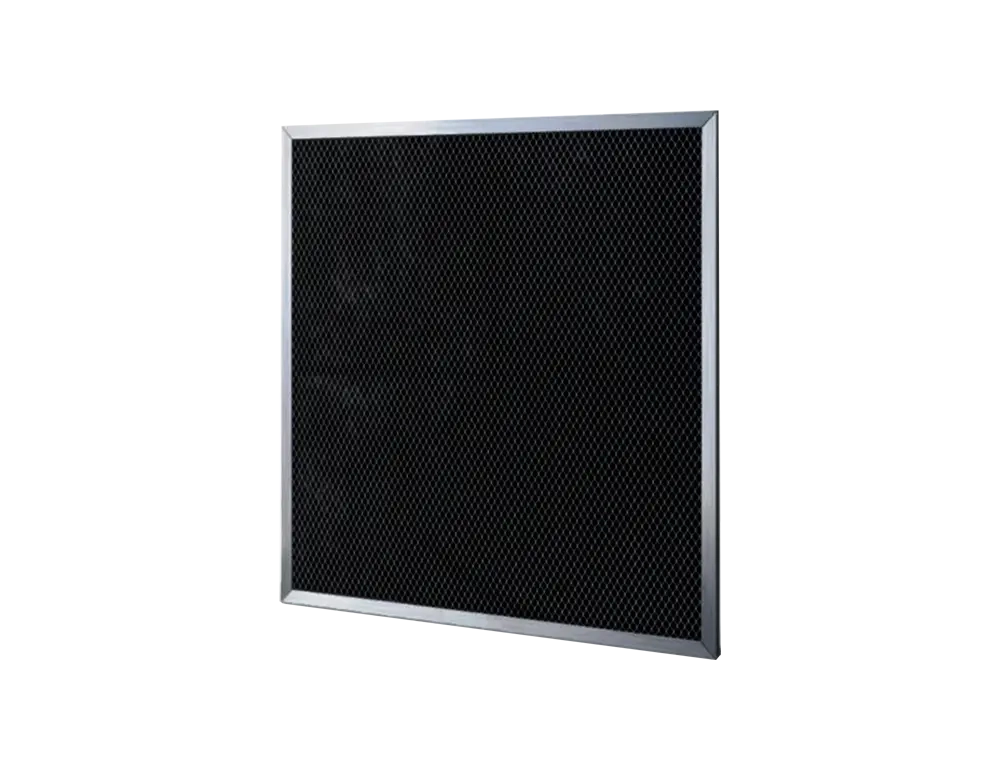
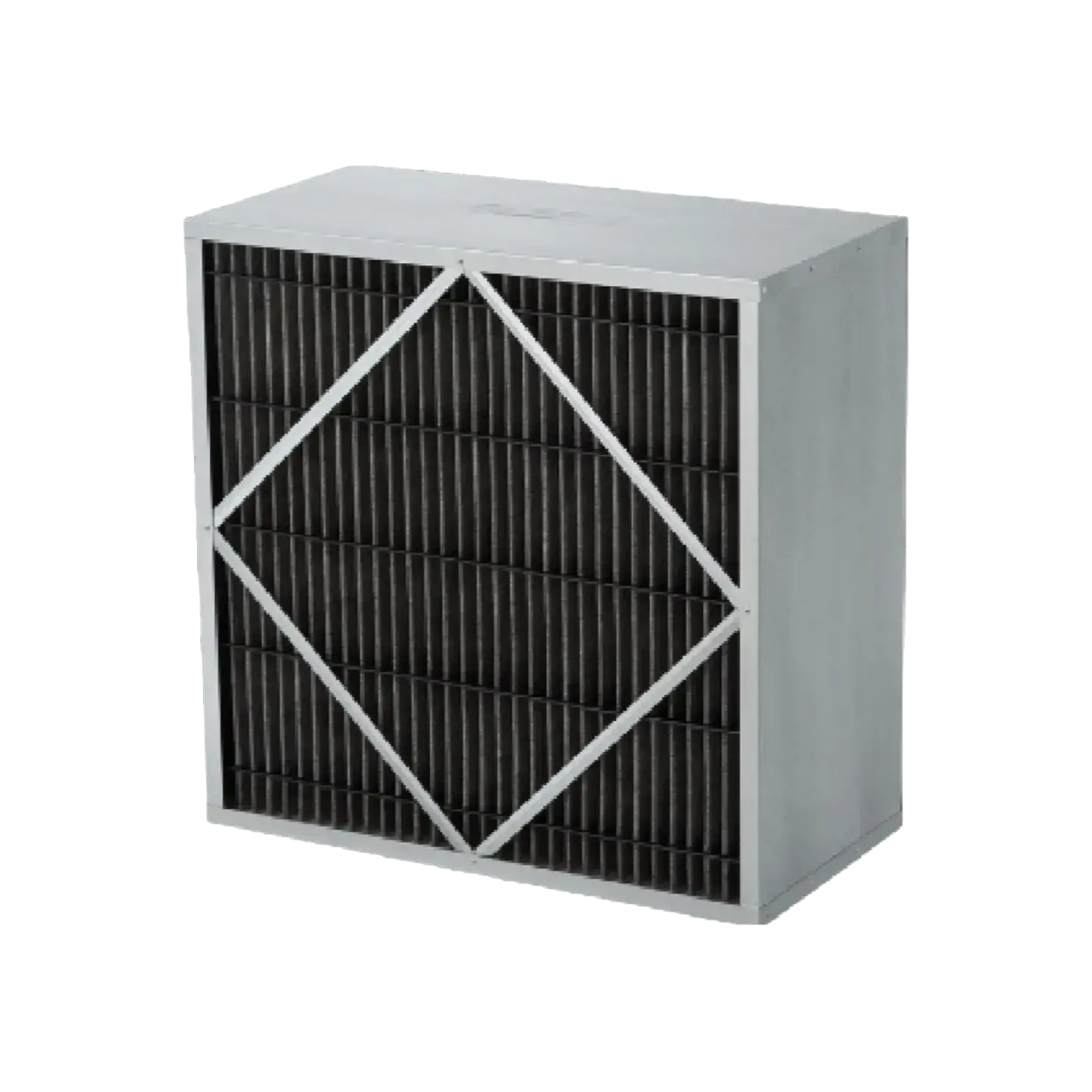
Activated Carbon
Odor & Harmful Gas Removal
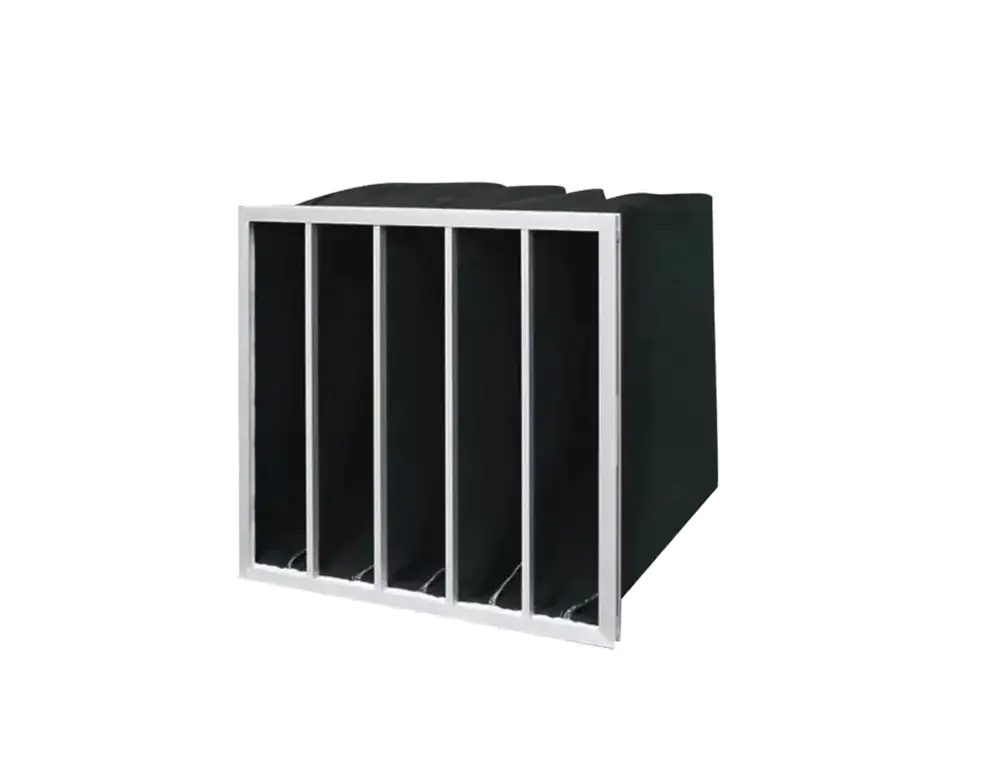
Bag Filter
High Dust-Holding, Long Life
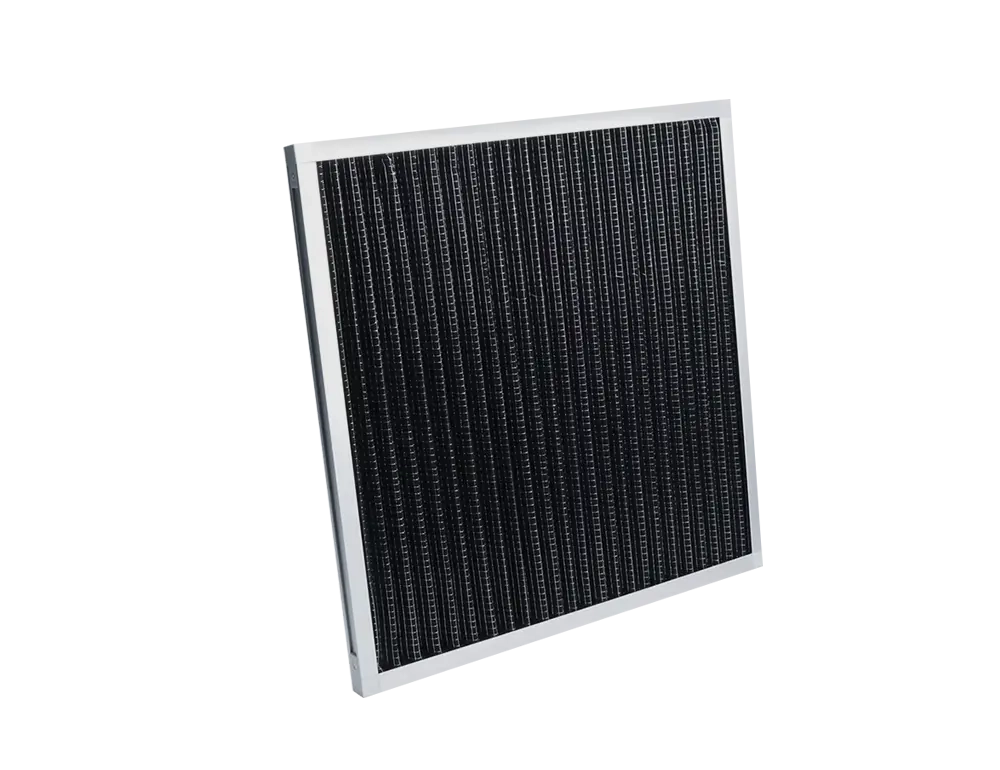
Panel / Pleated Filter
Compact Space-Saving Design
Low-Resistance Airflow
Energy-Saving Operation
Industrial-Grade Heat Tolerance
Built with specialized heat-resistant materials, operating stably up to 250°C for paint ovens, industrial dryers, and high-temperature process environments.
View Related Products →Cut Costs, Reduce Waste
Cleanable by water washing or air blowing, reusable multiple times to significantly reduce replacement frequency and O&M costs — an economical, eco-friendly choice.
View Related Products →Odor & Harmful Gas Removal
Leverages activated carbon's high adsorption capacity to eliminate odors, VOCs, and formaldehyde, ideal for newly renovated spaces and industrial exhaust treatment.
View Related Products →High Dust-Holding, Long Life
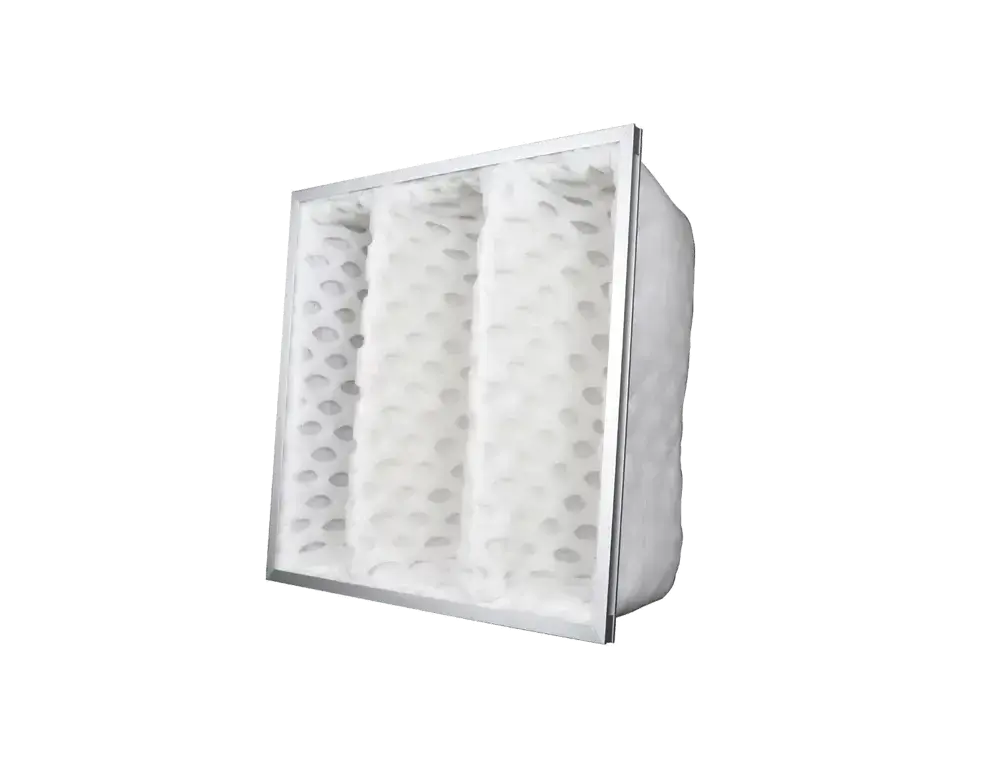
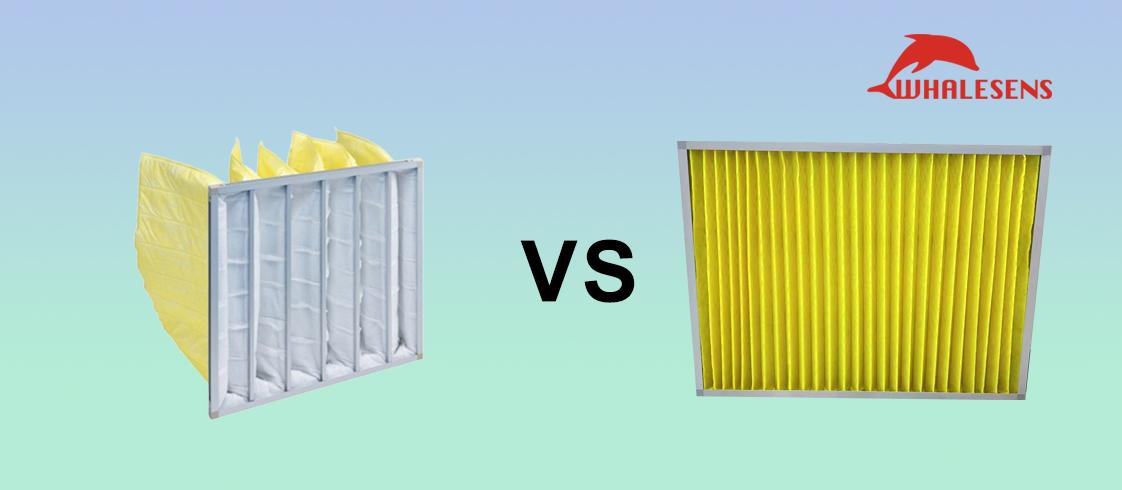
Bag-style construction delivers a larger filtration area, high dust-holding capacity, and extended service life — ideal for high-dust environments with reduced replacement frequency.
View Related Products →Compact Space-Saving Design
Compact form factor for easy installation and replacement; pleated structure maximizes filtration area within a small footprint for higher efficiency.
View Related Products →Energy-Saving Operation
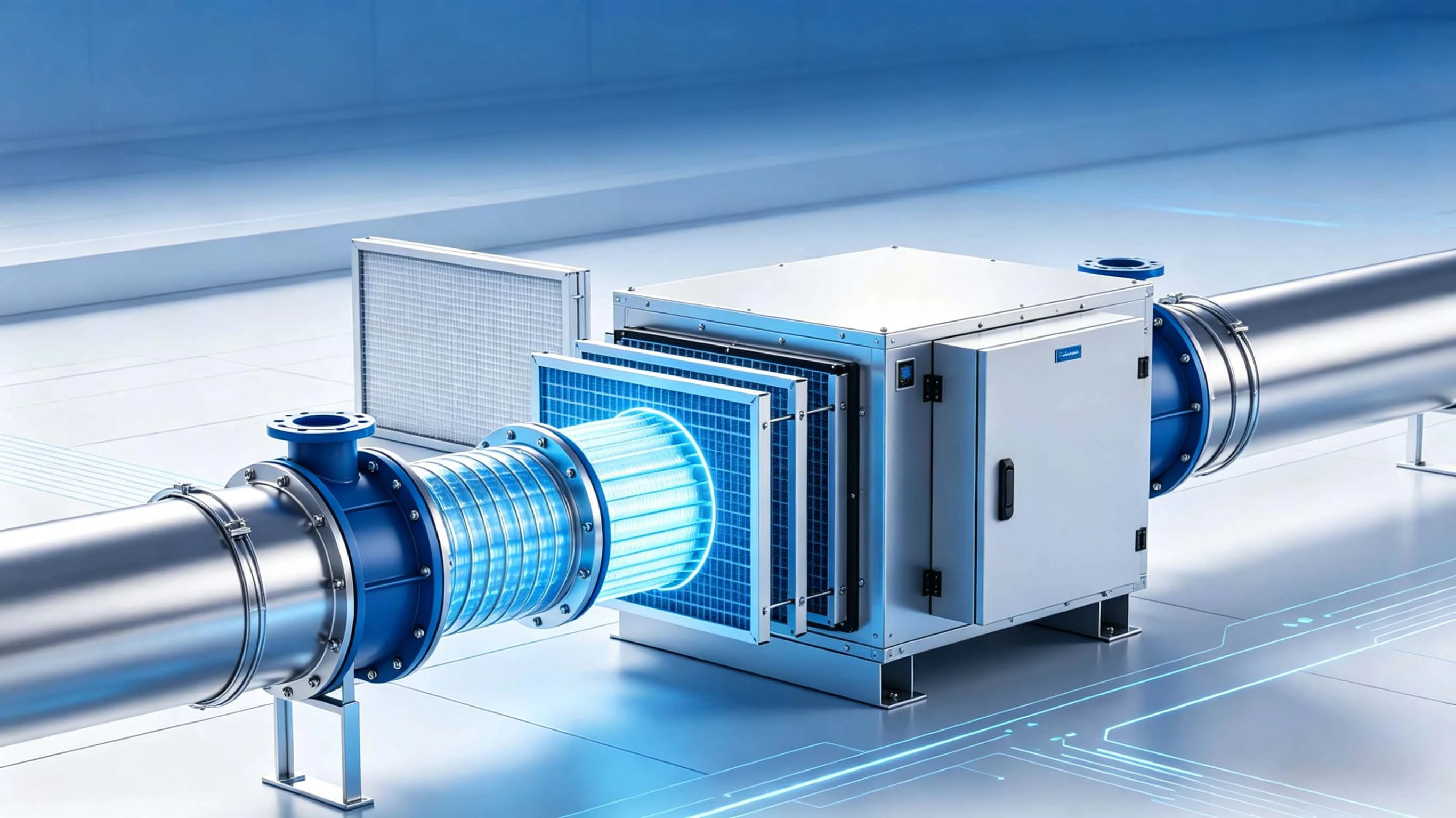
Low-resistance design minimizes pressure drop while maintaining filtration performance, reducing fan energy consumption for cost-effective, eco-friendly operation.
View Related Products →















 English(Global)
 简体中文
 Language




Pharma Cleanroom Filter Grades: How to Match A/B/C/D Levels
In pharmaceutical cleanroom projects, the same misunderstanding shows up early: Grade A gets one filter, Grade B another, and C and D each get their own. The grade describes the environment you have to hold, not a product code you can order from a table.
Filter selection is only one part of the system. What actually sets the configuration is the process risk, the airflow pattern, air changes and supply method, the pressure cascade, the equipment layout, and the qualification work at the end. A cleanroom grade tells you the target; the system design tells you how to reach it, and the filters carry that target into the air.
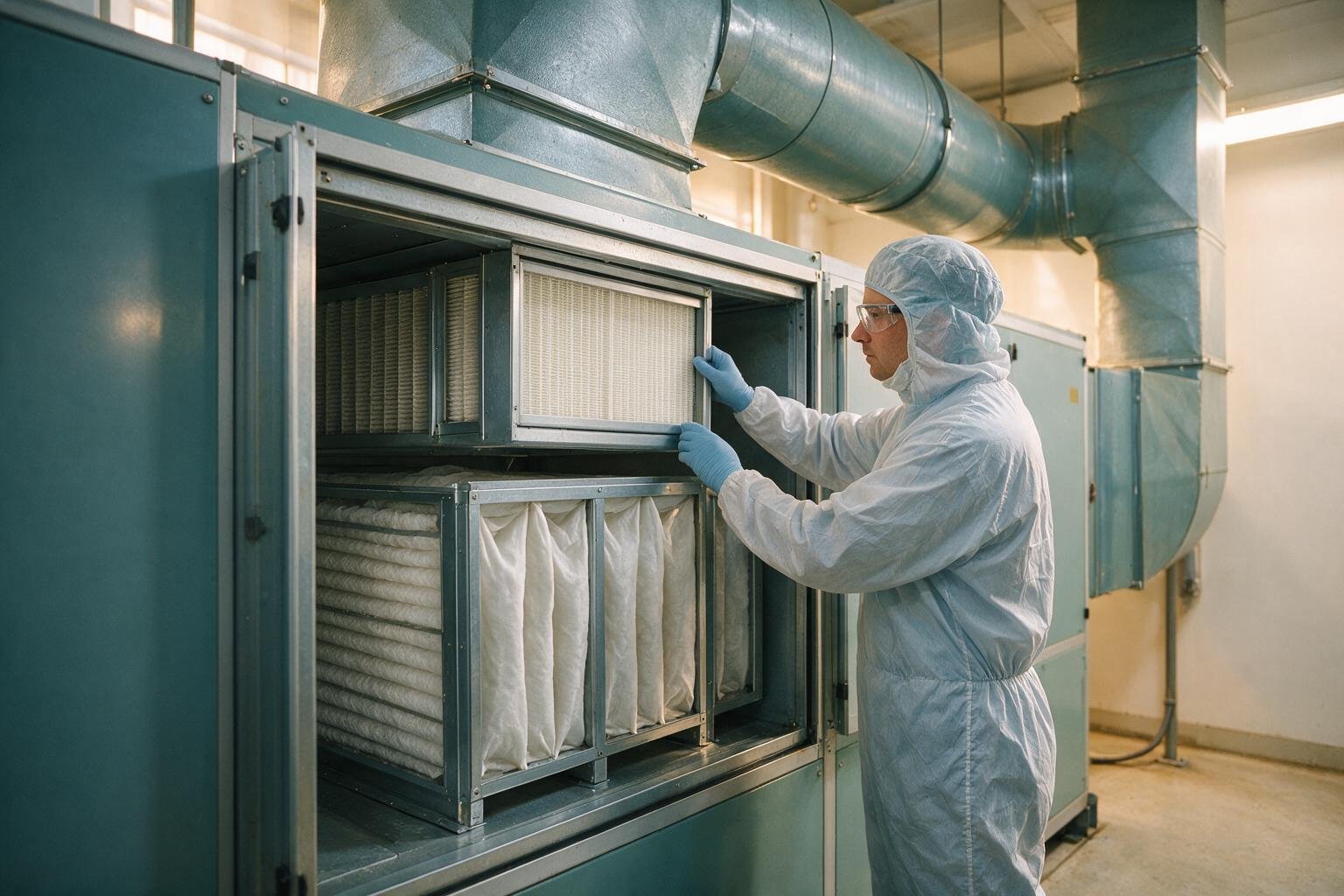
A cleanroom grade is not a filter model
Grade A, B, C and D come from pharmaceutical manufacturing practice and describe different process zones and risk controls, so the grade alone never settles the filter list. They are not the same thing as a numbered ISO 14644-1 class, and the same room also has to be described in both at-rest and in-operation states. Reading one label and working backwards to a filter model is where projects go wrong.
A higher grade does not mean "swap the terminal filter for a more efficient one". Four things have to be judged together:
- Efficiency — how well the filter captures the particle size that matters for the target
- Airflow — where air enters, which route it takes, and how it leaves, including short-circuiting, eddies and dead corners
- Pressure — whether supply volume and room differential pressure stay stable as filter resistance rises
- Verification and maintenance — installation sealing, leak testing, differential pressure monitoring, change intervals and traceable records
EU GMP Annex 1 requires supply air to a clean area to pass through filters of an appropriate efficiency, with monitoring that has a scientific basis, and differential pressure under continuous monitoring. The regulation is asking for a justified system capability, not for one fixed filter model per grade. Knowing how a cleanroom ISO 1–9 class differs from a GMP grade is the first step to avoiding a mis-specified stage.
What Grades A, B, C and D usually need
The table below is a typical configuration logic, not a mandatory model list. Efficiency class, quantity and mounting form still have to be confirmed against design airflow, risk assessment, regulatory requirements and site qualification.
| Grade | Typical application | Filter configuration focus | Design considerations |
|---|---|---|---|
| A | Local zone for high-risk exposure or critical aseptic operations | A qualified terminal HEPA stage combined with controlled airflow; unidirectional flow and local protection depend on process and equipment design | Airflow uniformity, coverage, local protection, terminal leak testing, at-rest and in-operation states |
| B | Background environment to Grade A or a high-demand aseptic background zone | Multi-stage supply filtration, with terminal form matched to the background airflow and pressure strategy | Background stability, pressure cascade, impact of people and material movements |
| C | Compounding, preparation or support areas with higher requirements | Number of stages, terminal filtration necessity and form follow process risk, room use and system design | Air changes, pressure, equipment heat load, cleaning and maintenance |
| D | General controlled area or low-risk support area | Built on full upstream protection and a sensible terminal combination, rather than a "Grade D filter" | Cost, maintainability, contamination control and room to upgrade later |
One practical test: if a project gives you only the four letters, with no room use, no process exposure, no supply method, no design airflow and no qualification requirement, you are not ready to issue a filter purchase list. That gap is the most common source of rework in pharma cleanroom filter specification.
Terminal filters: check airflow before efficiency
Grade A is not about a bigger filter. Grade A zones protect critical operating points continuously. The terminal filter has to be designed together with the supply plenum, the flow straightener, the diffuser pattern and the unidirectional coverage. A high-efficiency filter with uneven face velocity, local recirculation or an unreliable gasket still underperforms in practice.
Grade B and below depend on system stability. Grades B, C and D are usually larger, busier and more variable. Do not look only at the terminal stage:
- whether pre-filtration removes coarse particles early and reduces the load behind it
- whether medium efficiency stages protect coils, ductwork and the terminal HEPA
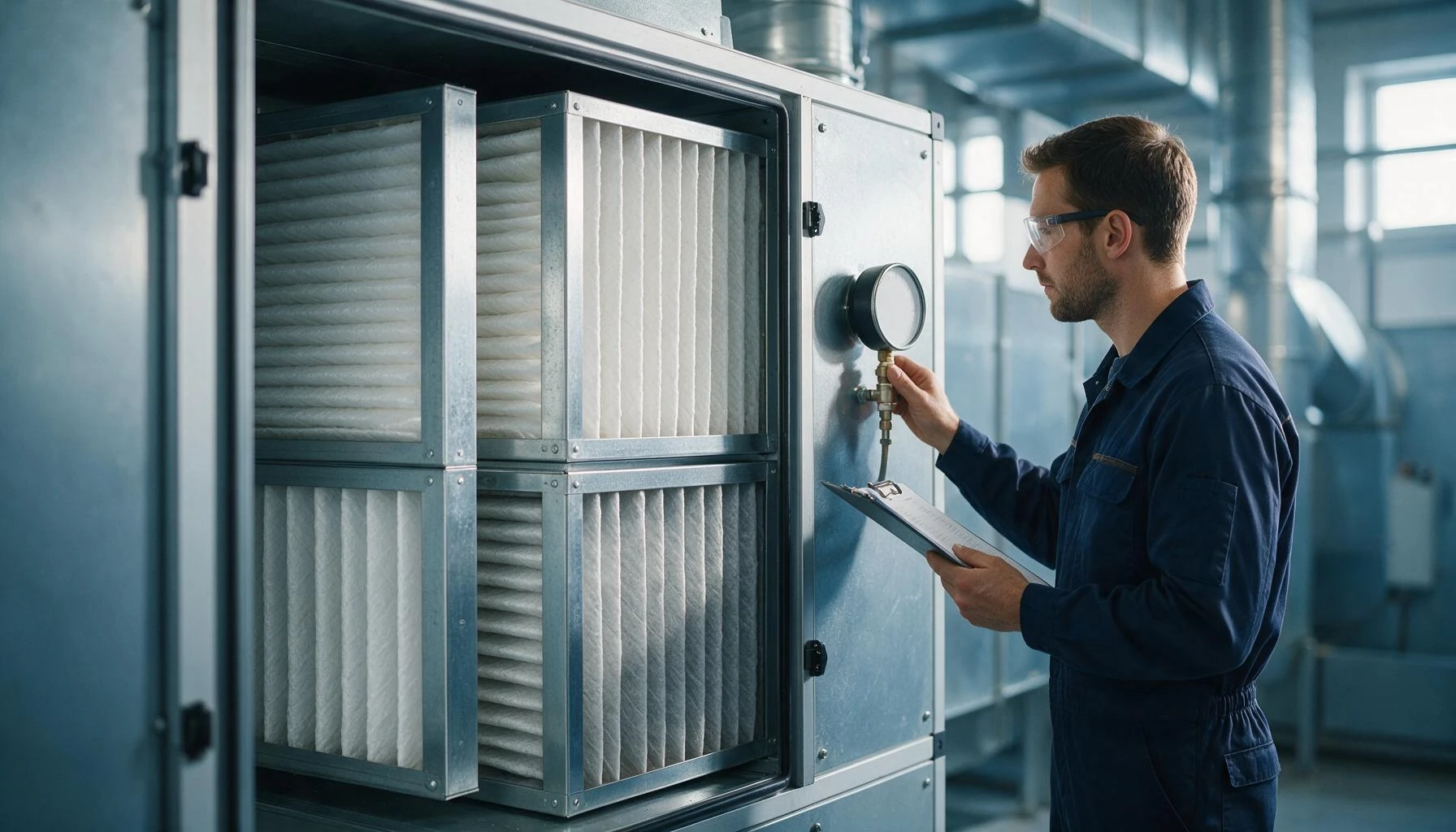
- whether terminal resistance growth disturbs air changes and room pressure
- whether a filter can be changed without breaking the clean state
Mounting form matters as much as the filter. In-duct housings, terminal supply boxes and filter modules with ceiling grilles all appear in pharma projects. Confirm that there is room upstream for inspection and scanning, that the housing and frame can be checked for sealing, that the change path does not disturb the clean zone, and that filter size, pressure drop and airflow match the available fan pressure.
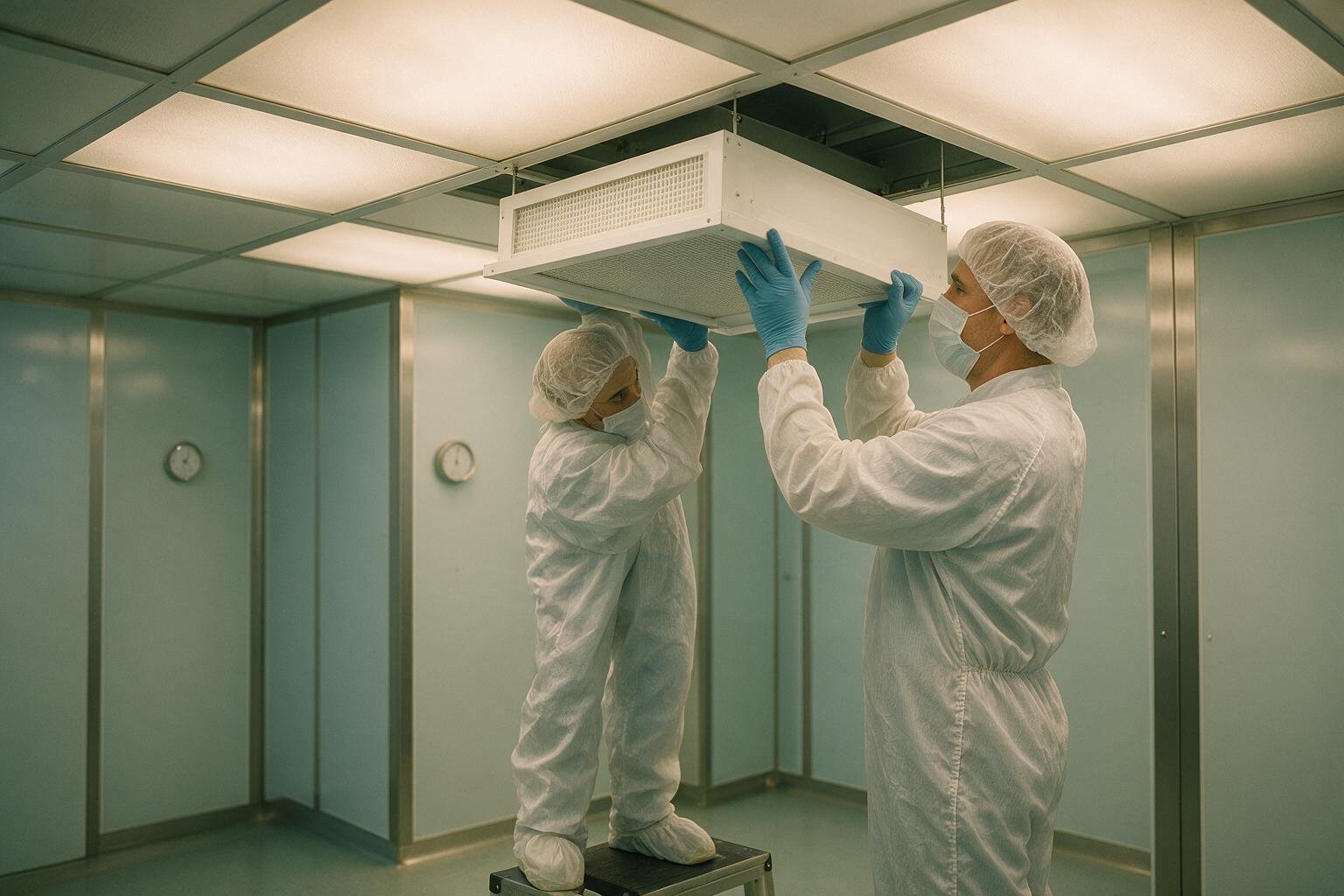
The structural difference is easiest to see when you compare a mini-pleated HEPA filter with a liquid tank HEPA filter: the first depends on frame size and gasket discipline, the second puts sealing reliability first.
Why pre-filtration and medium stages cannot be skipped
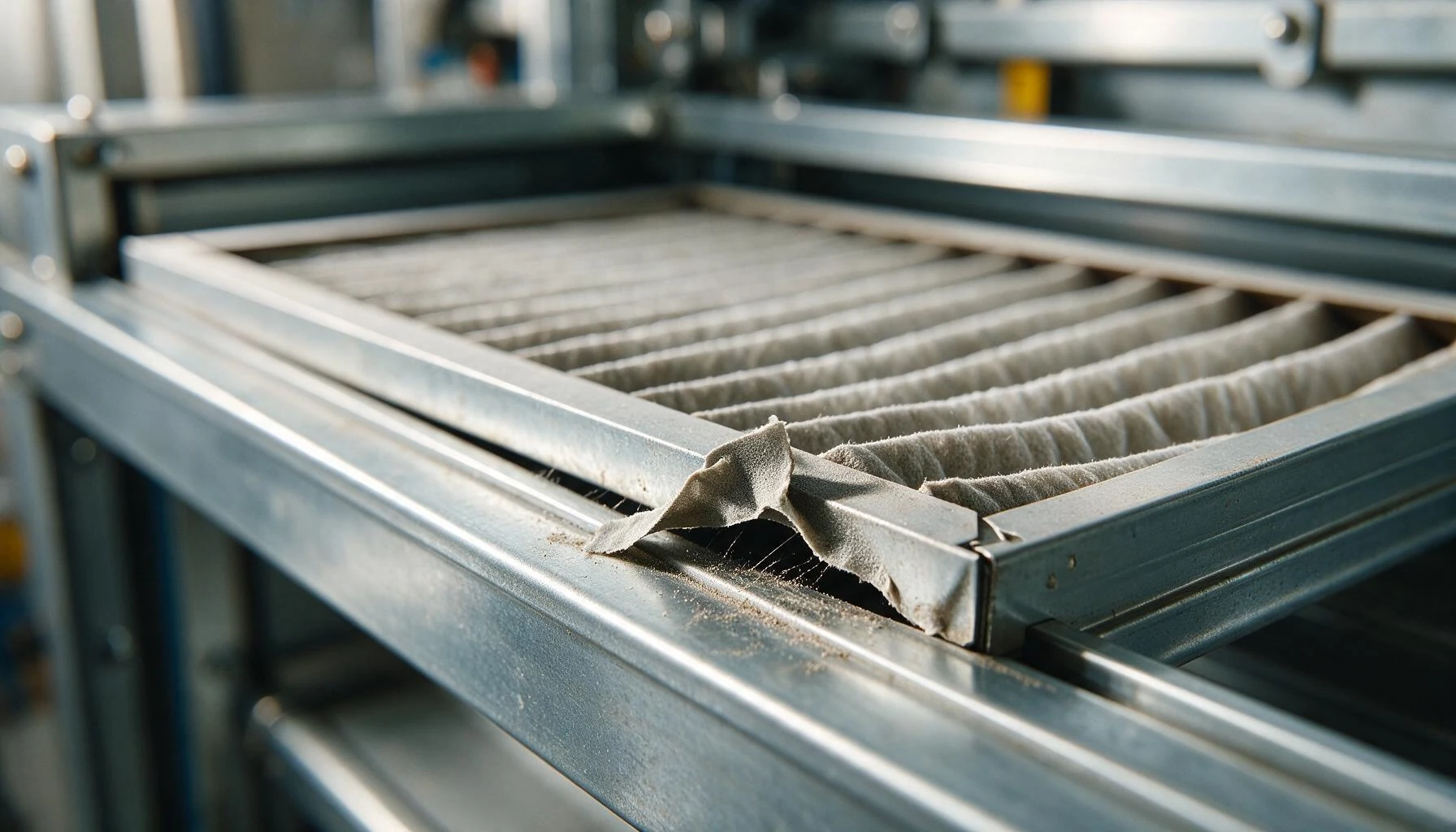
Cutting the system down to "one terminal HEPA filter" to save capital cost moves the cost into operating risk. Insufficient upstream filtration lets coarse particles and fibres reach the ductwork and terminal components earlier and loads the final stage faster. As terminal resistance climbs, airflow drops and both air changes and room pressure can drift. Changing the terminal filter more often also adds maintenance activity inside the clean zone.
The pre-stage protects the system, the medium stage reduces the load, and the terminal stage delivers the air quality the critical zone needs.
Multi-stage filtration duty
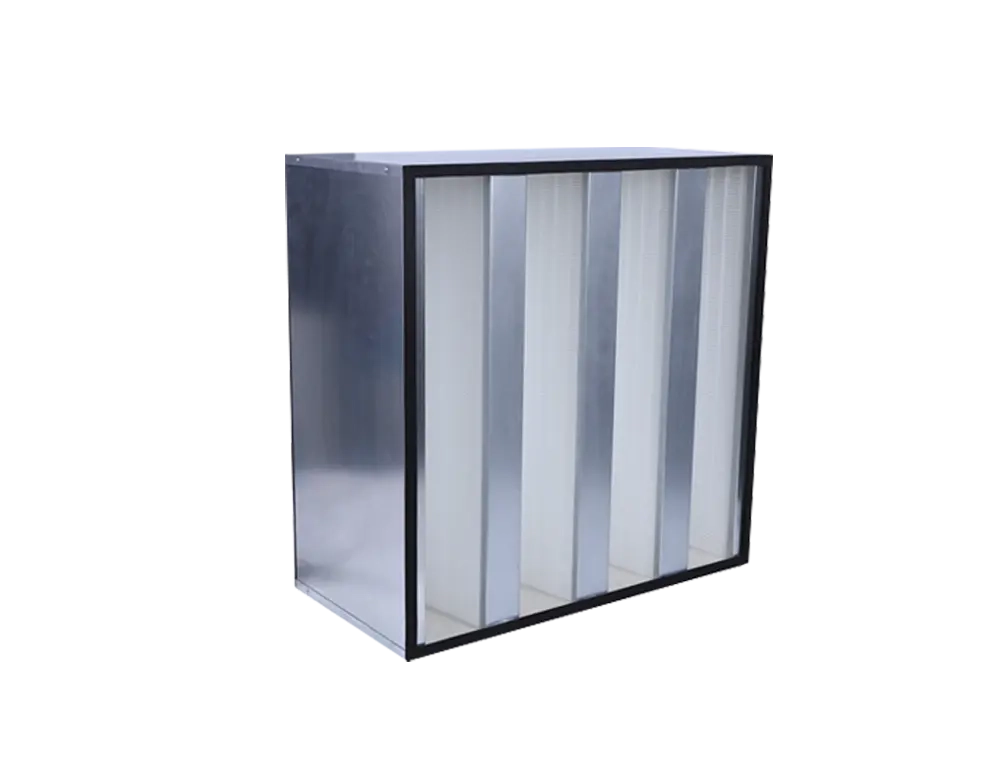
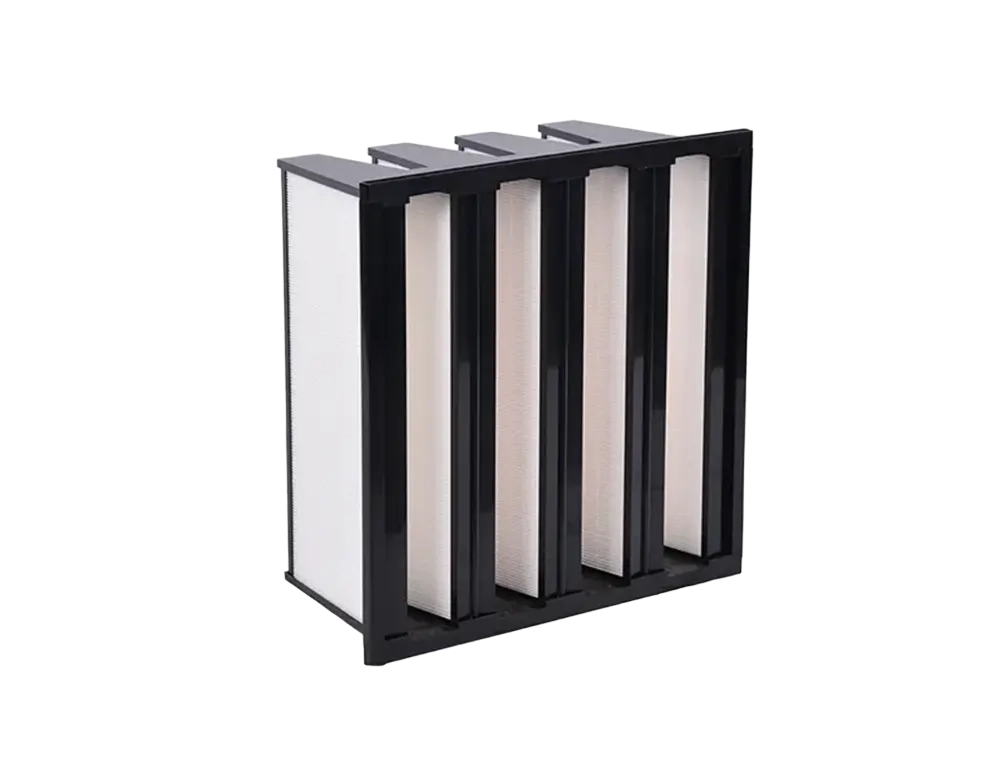
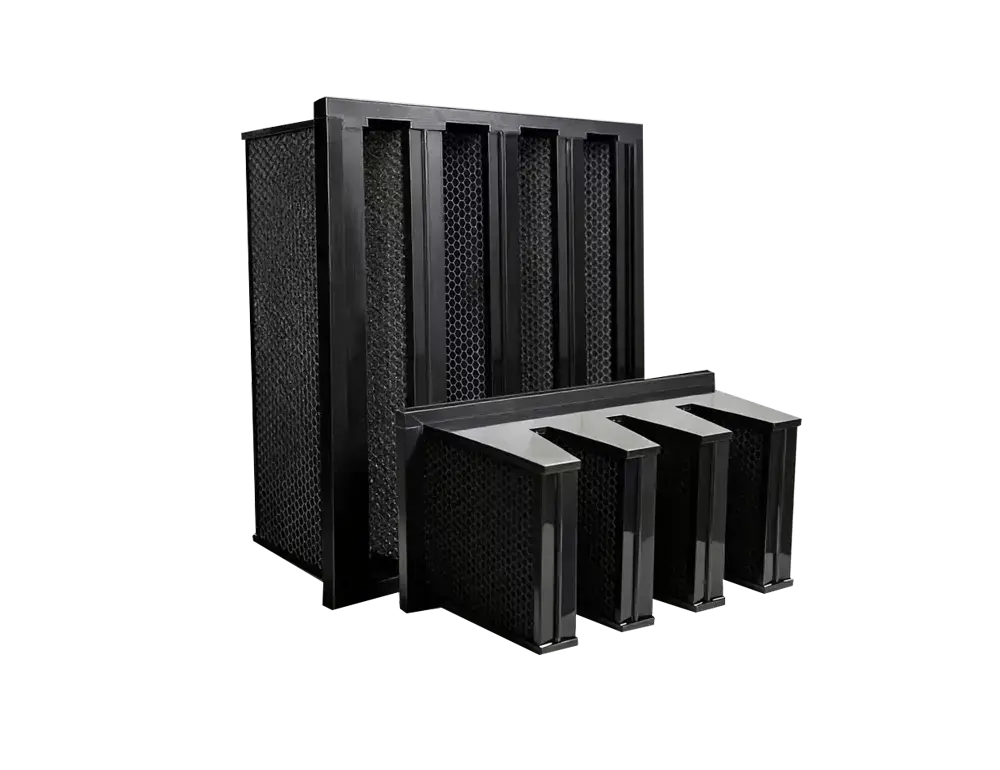
Treat the stages as a team with different jobs, and fix the number of stages through system design and qualification instead of stacking filters. A medium stage commonly starts at panel filters such as the medium efficiency pleated panel filter, while the terminal stage is chosen per room requirement, for example a V-bank HEPA filter where face area and resistance matter.
Five mistakes in design, purchasing and qualification
Five recurring mistakes
- Treating the four letters as four filter models: a grade is a control target, so collect room use, process risk, design airflow and airflow layout before buying
- Reading only initial resistance: also fix rated airflow, final resistance, expected life and the change strategy
- Testing the filter but not the installed system: a compliant filter can still leak past a gasket, so combine sealing checks, scan testing, airflow, face velocity, pressure and cleanliness testing
- Ignoring the change and maintenance path: agree on PPE, access space, bagging of spent filters, cleaning and re-qualification in advance
- Treating datasheet numbers as operating results: the same filter behaves differently at another airflow, mounting or sealing condition, so link parameters, installation, qualification and maintenance
For the sealing and leak-test side after installation, the field steps in HEPA filter leak testing are the practical reference. Where the question is the trade-off between efficiency, energy and cost, compare the H13 and H14 selection differences instead of reaching straight for the highest grade.
Turn grade decisions into a maintenance loop
For a pharma manufacturer the hard part is rarely picking one product. It is that filters sit across many projects, rooms and sizes, while pressure readings, airflow values, change records and qualification documents live in separate spreadsheets.
The fix is to unify the information rather than force one model everywhere: first map each room by grade, process use and system position, then put selection, installation data, monitoring, maintenance changes and qualification records on the same chain. The value is not a universal filter, it is removing the breaks between "specified by experience, changed from memory, investigated after a problem".
Those three tables are the starting point for moving from "how do we specify it" to "how do we run it", and for keeping the grade decision attached to the room it belongs to. When a grade decision is captured in that structure, the filter stops being a one-off purchase and becomes part of the cleanroom's operating record — and the next grade A, B, C or D project starts from data instead of from memory.
For terminal stage configuration in sterile filling areas, the GMP cleanroom terminal HEPA filter selection guide covers the qualification side in more detail.
Need a custom air filtration solution?
Contact the Whalesens engineering team for product selection and OEM/ODM support.
Email whalesens@gmail.com
Related Products
These products cover the filtration stages discussed above; see each product page for full specifications.
 ProductV-Bank HEPA FilterTerminal supply and air handling unit duty where a large filter face area has to fit a constrained spaceView product details →
 ProductMini-Pleated HEPA FilterCleanroom terminal filtration and terminal supply outlets, with frame size, sealing and leak testing checked togetherView product details →
 ProductMedium Efficiency Pleated Panel FilterAir handling unit pre-stage and medium efficiency duty, taking dust load off the terminal HEPA stageView product details →
 ProductLiquid Tank HEPA FilterTerminal duty where sealing reliability is critical and the liquid tank structure protects the filter-to-frame jointView product details →