


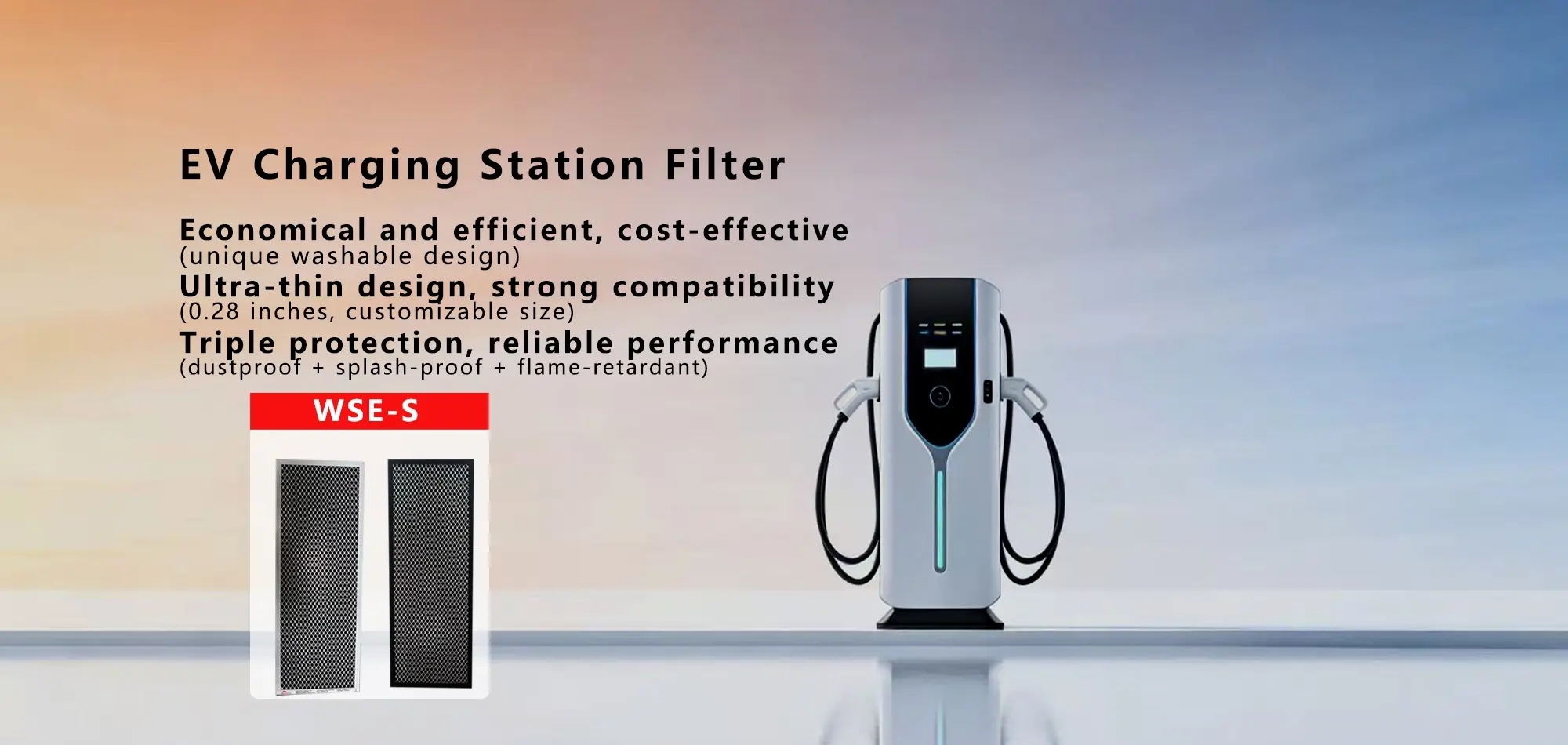
EV Charging Stations
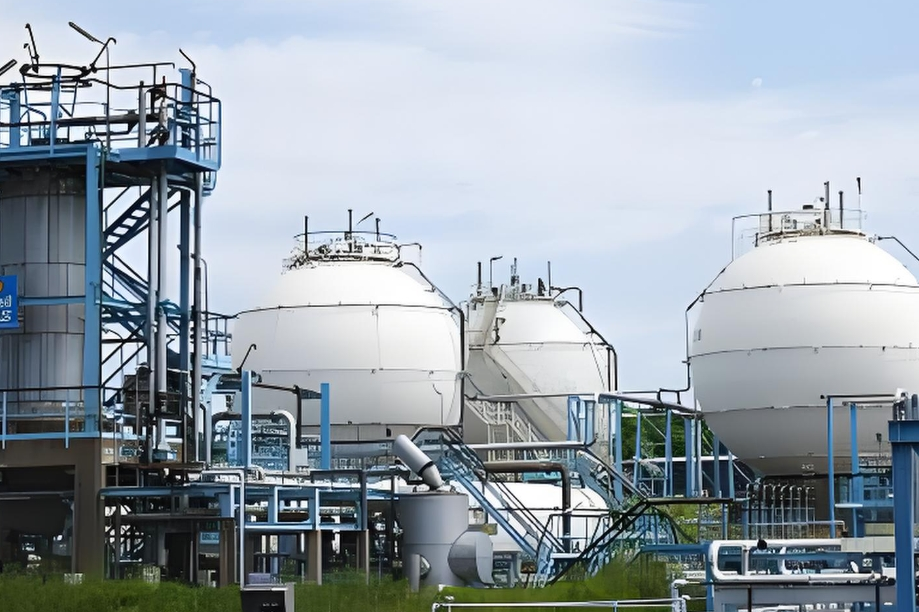
Filtration for Power Equipment
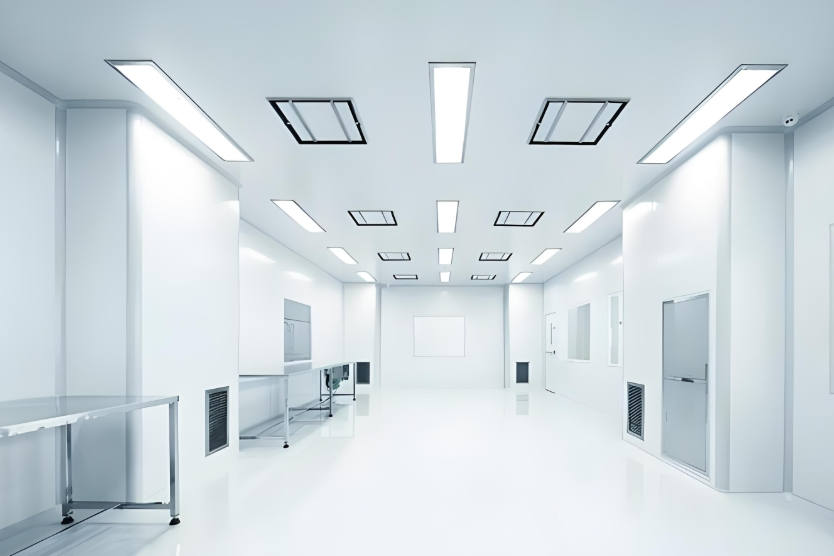
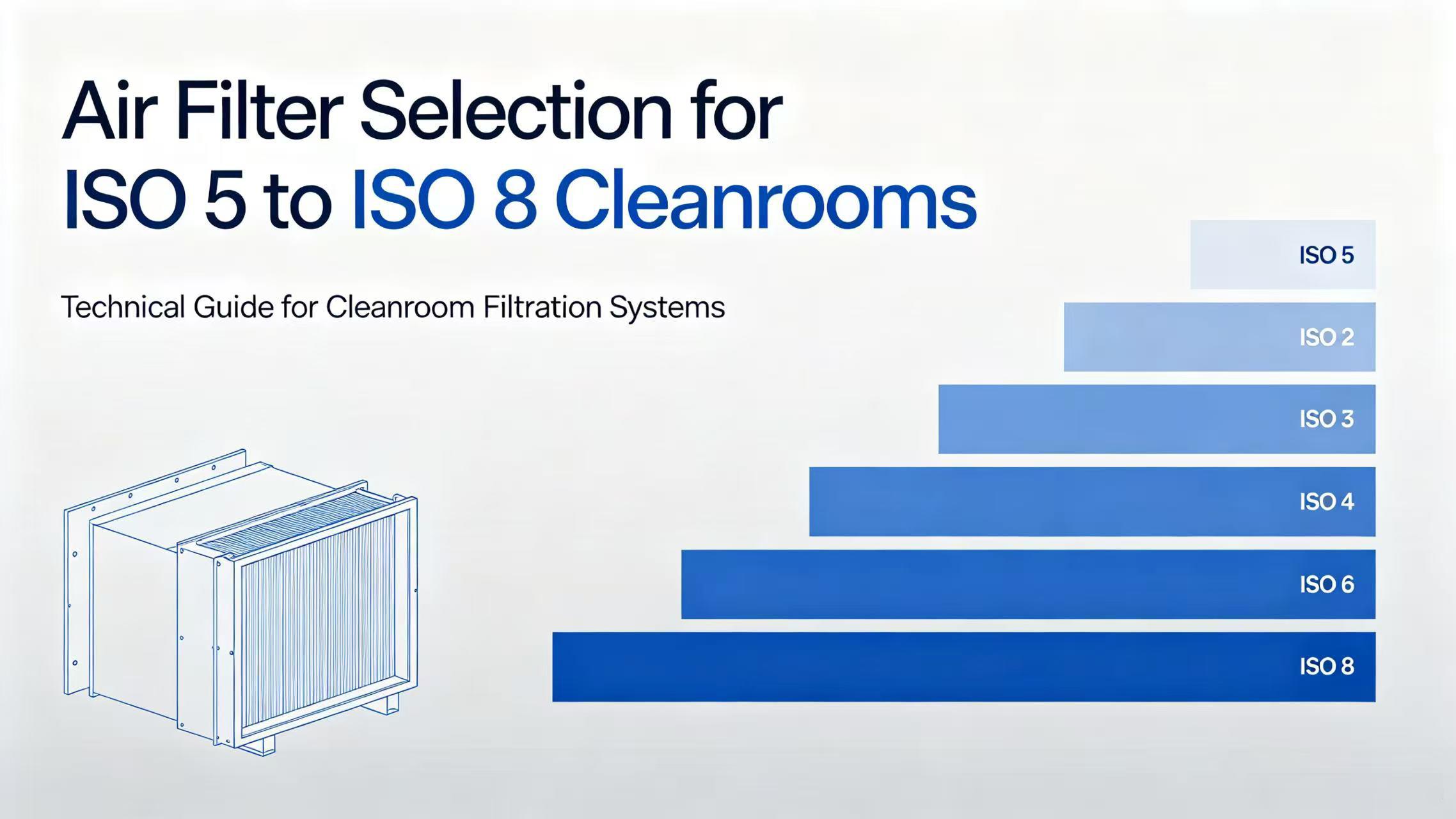
Cleanroom & Semiconductor
Ultra-High Cleanliness Filtration
Commercial HVAC
Central Air System Filtration
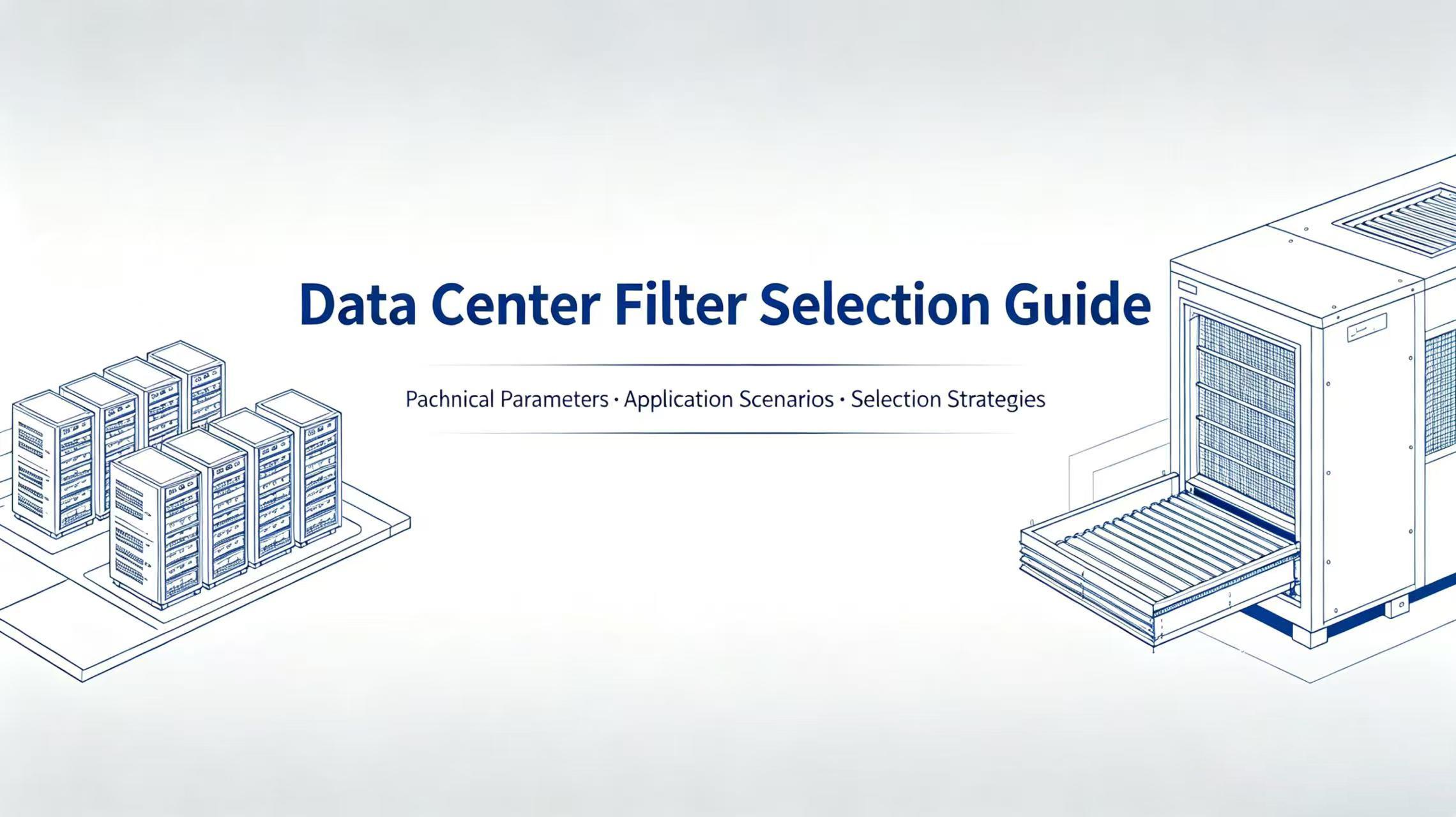
Data Centers
Precision Equipment Protection
Livestock & Farming
Farming Environment Purification
Spray Booths & Industrial Dust
Paint Mist & Dust Purification
Filtration for Power Equipment
Professional air filtration for EV charging devices, protecting against dust and sand ingress to ensure stable, reliable operation of charging piles and station infrastructure.
View Related Products →Ultra-High Cleanliness Filtration
Ultra-high efficiency filtration for semiconductor wafer fabs and precision electronics cleanrooms, capturing nano-scale particles to meet ISO Class 1–3 standards and maximize product yield.
View Related Products →Central Air System Filtration
High-efficiency filtration for commercial building HVAC systems, improving indoor air quality, reducing energy consumption, and extending equipment service life.
View Related Products →Precision Equipment Protection
Precision air filtration for data centers, shielding servers and critical hardware from dust contamination to keep cooling systems running efficiently and reliably.
View Related Products →Farming Environment Purification
Dedicated filtration systems for farms and livestock facilities — capturing dust, adsorbing ammonia, and inhibiting pathogen spread to improve animal health and overall productivity.
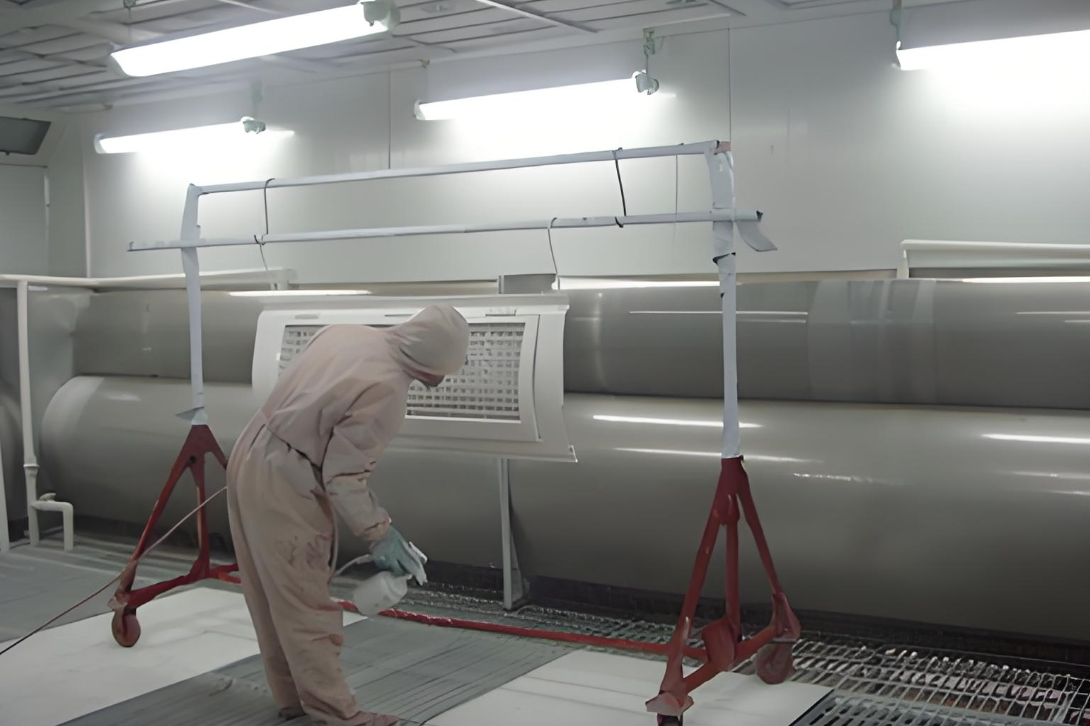
View Related Products →Paint Mist & Dust Purification
Designed for spray booths and grinding workshops, efficiently capturing paint mist, metal dust, and wood chips to meet emission standards while protecting finished surface quality.
View Related Products →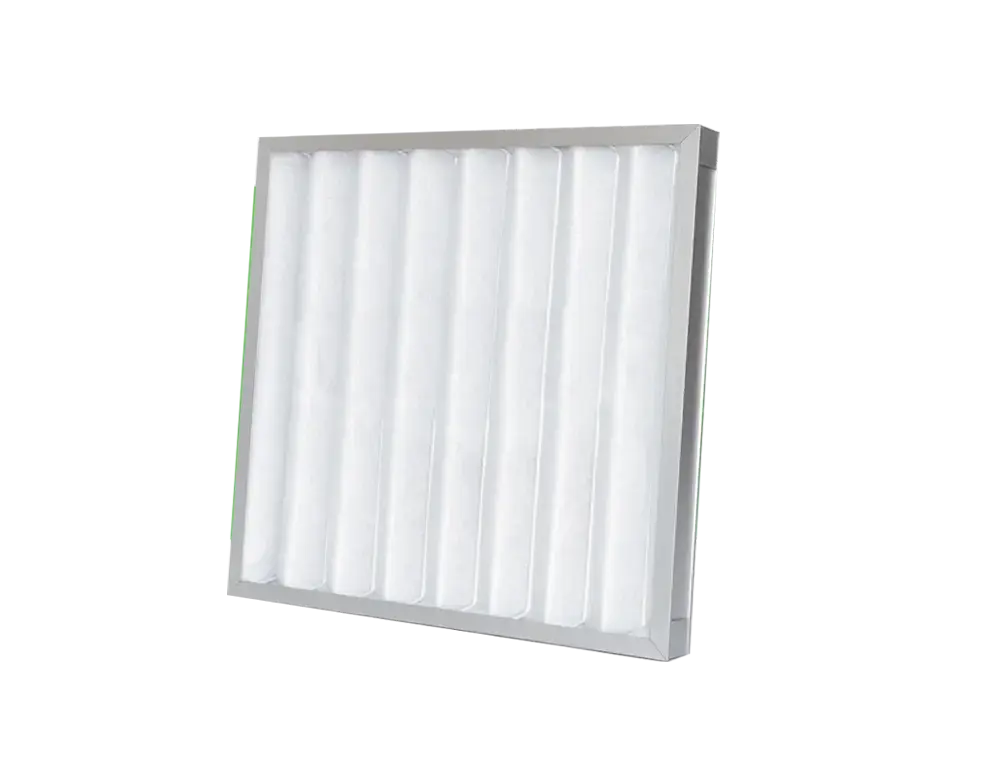
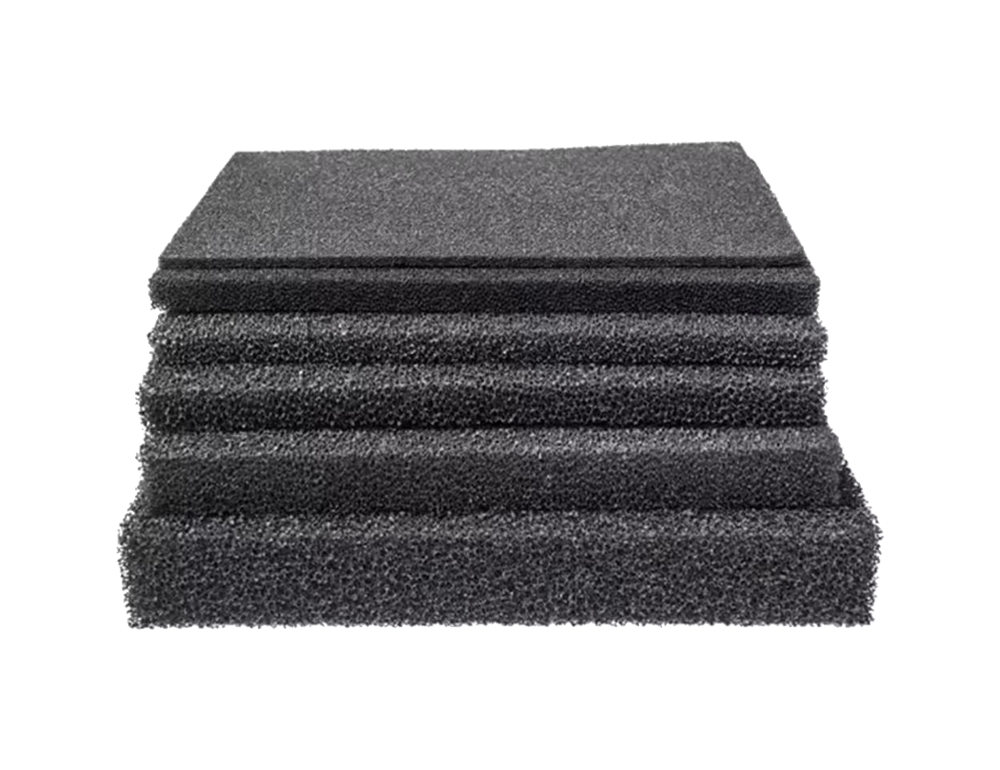
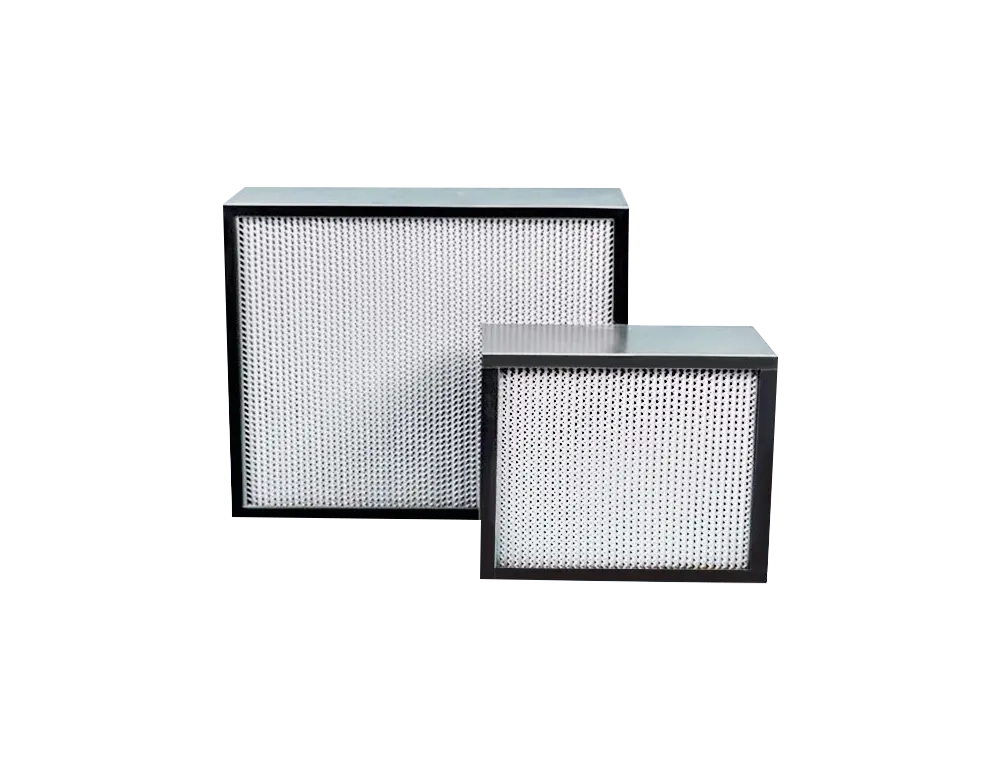
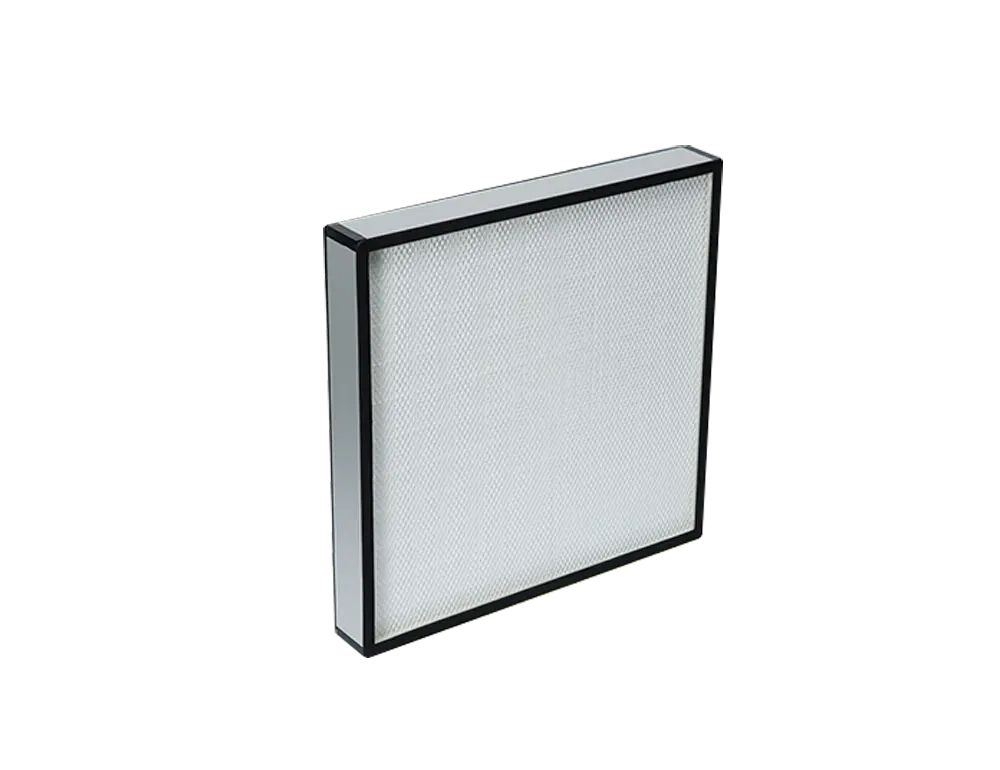
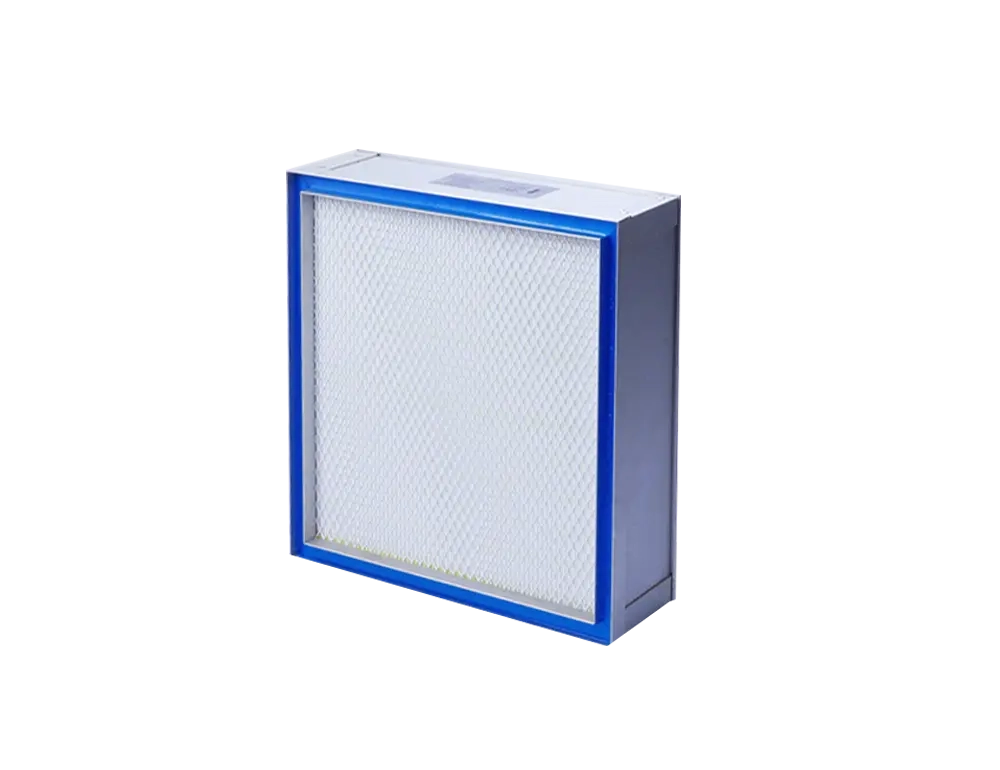
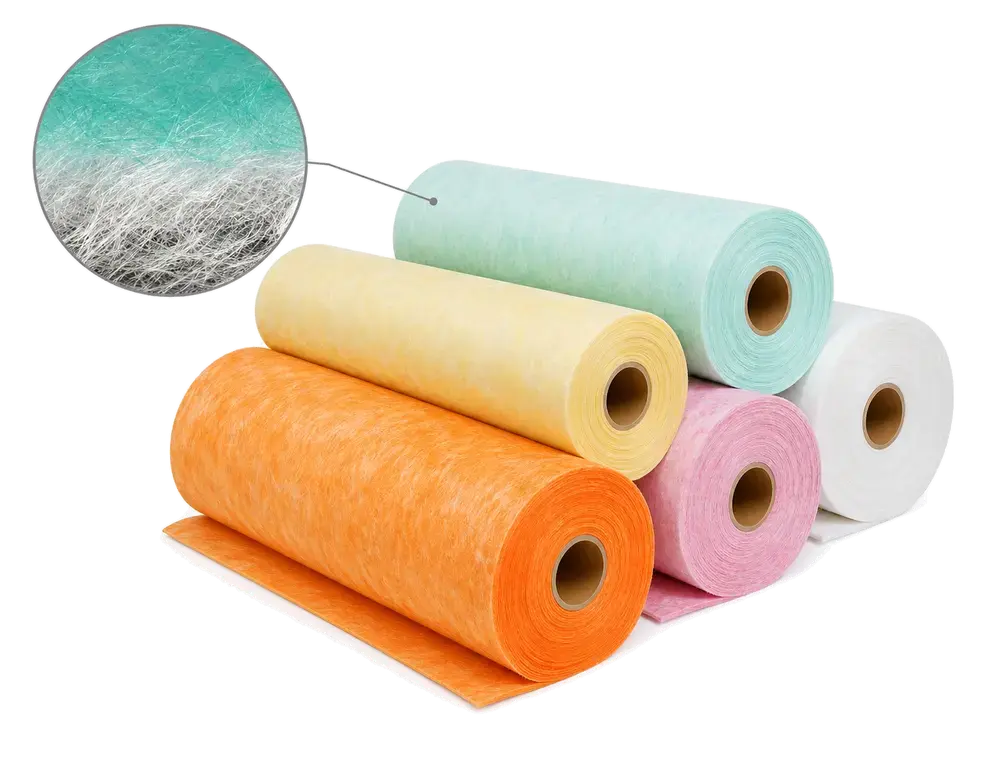
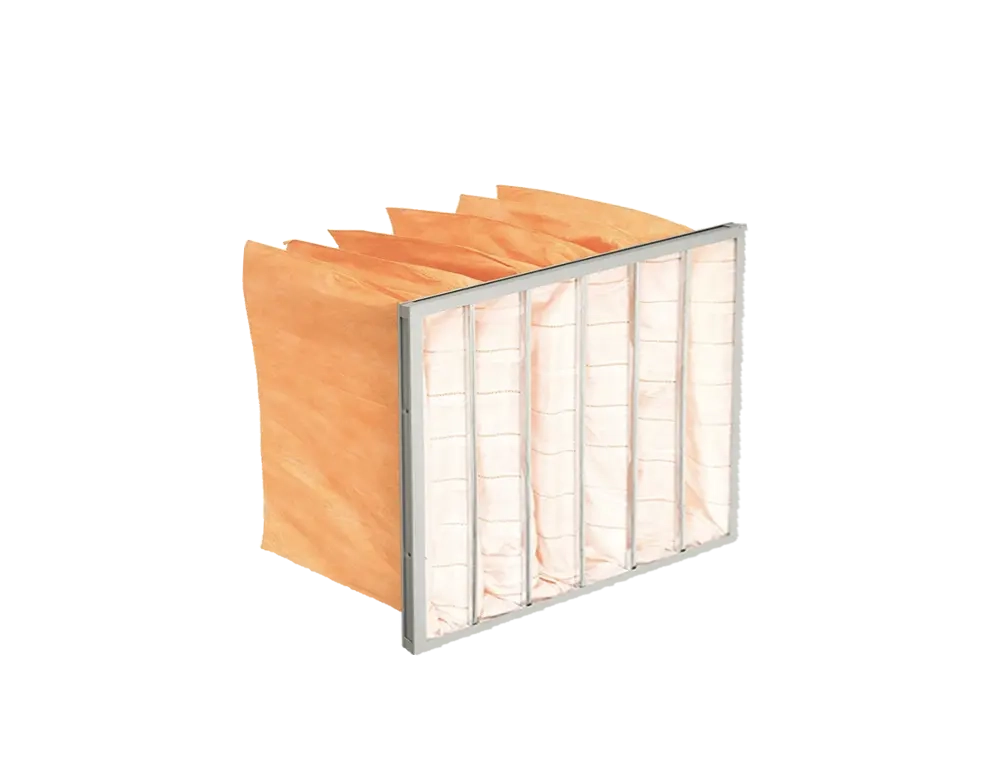
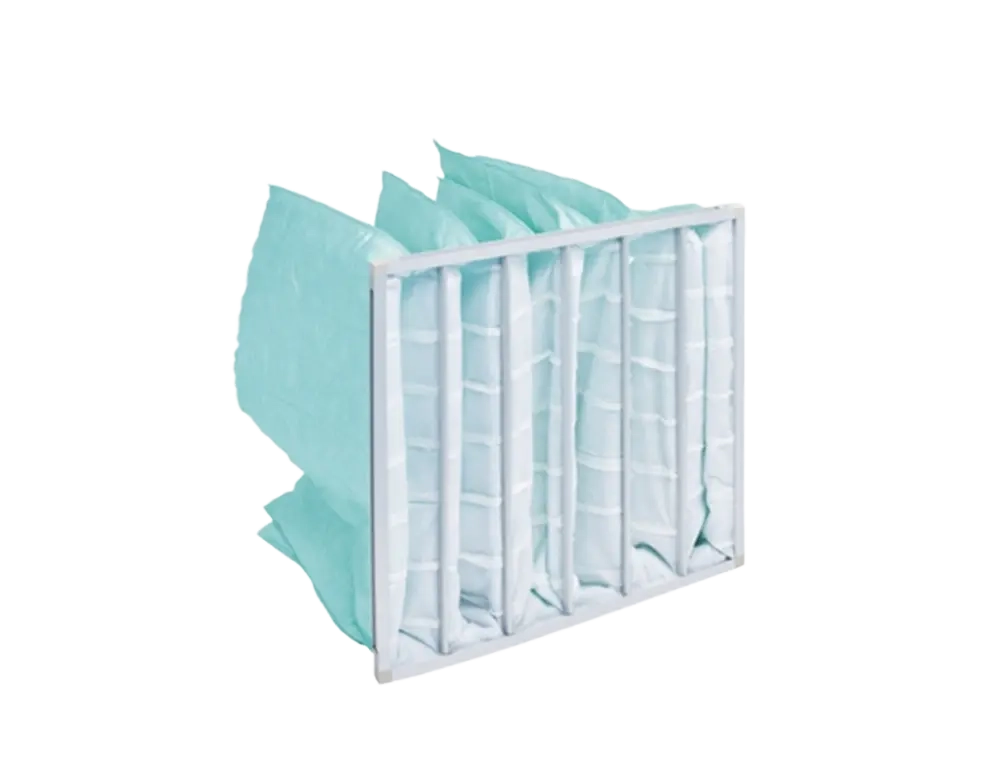
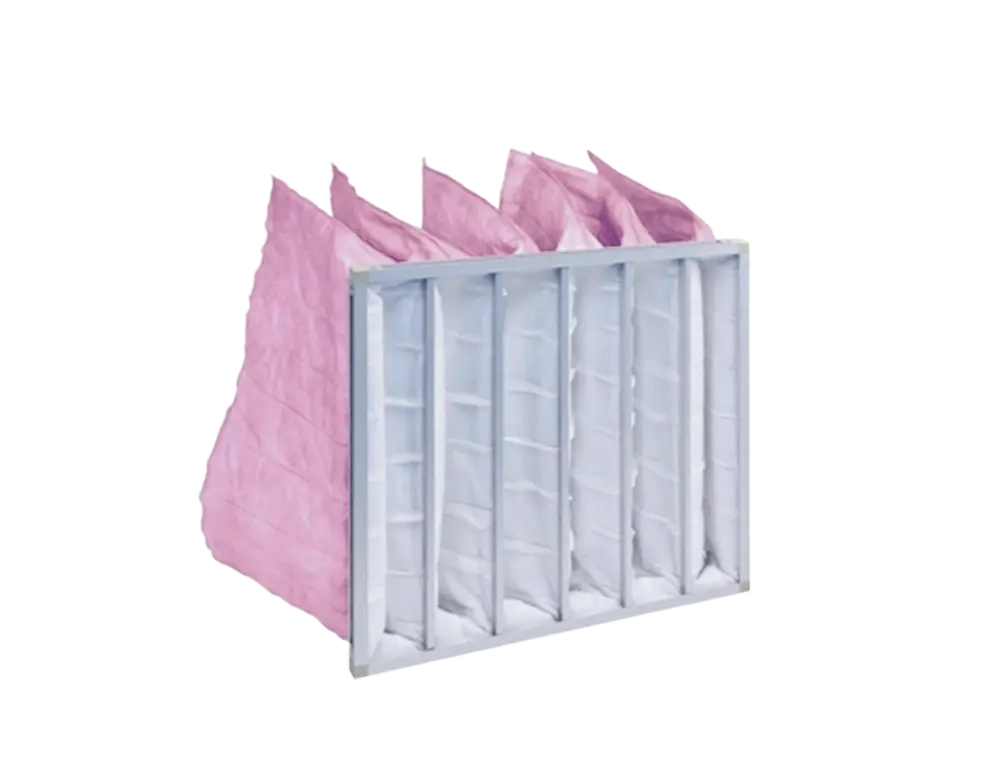
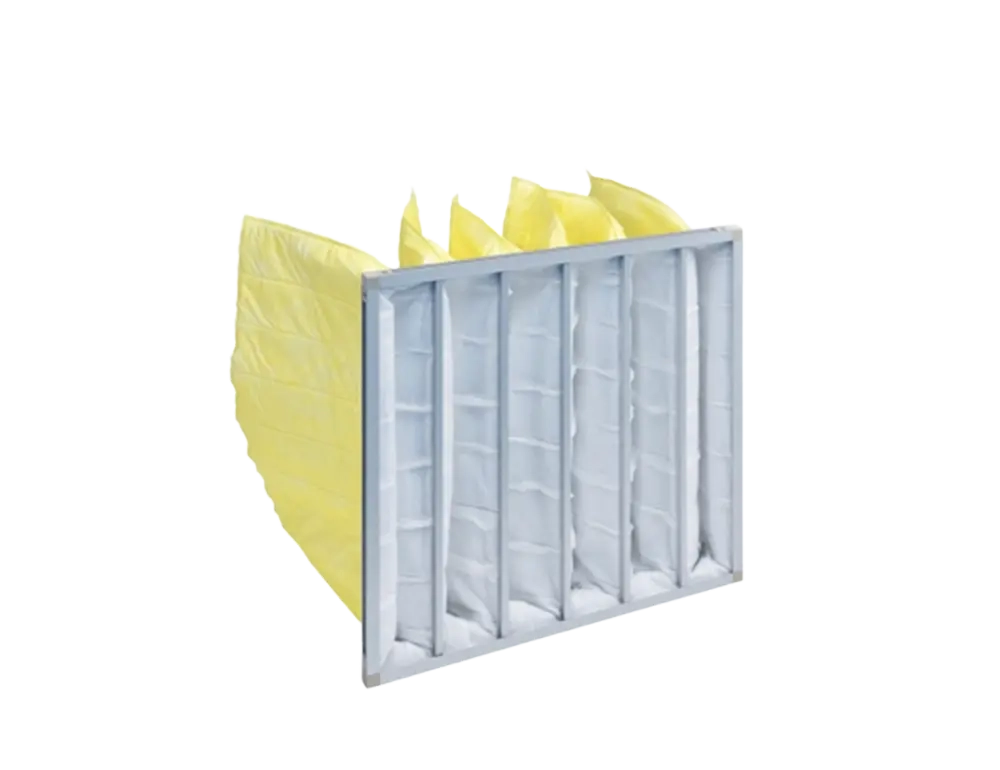

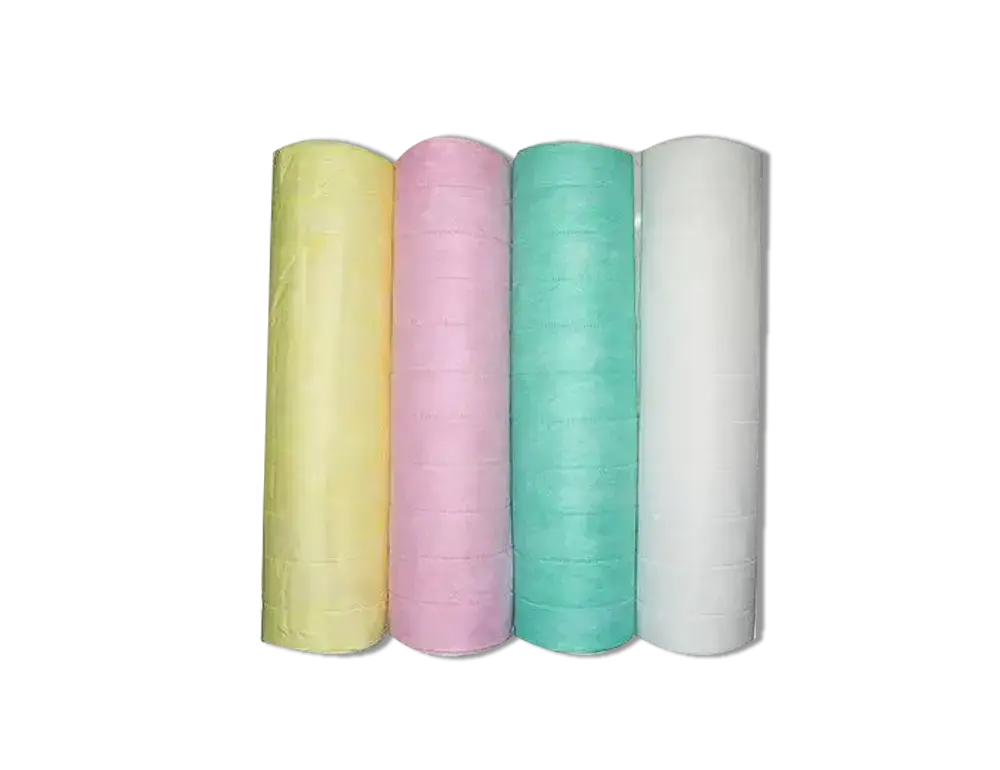
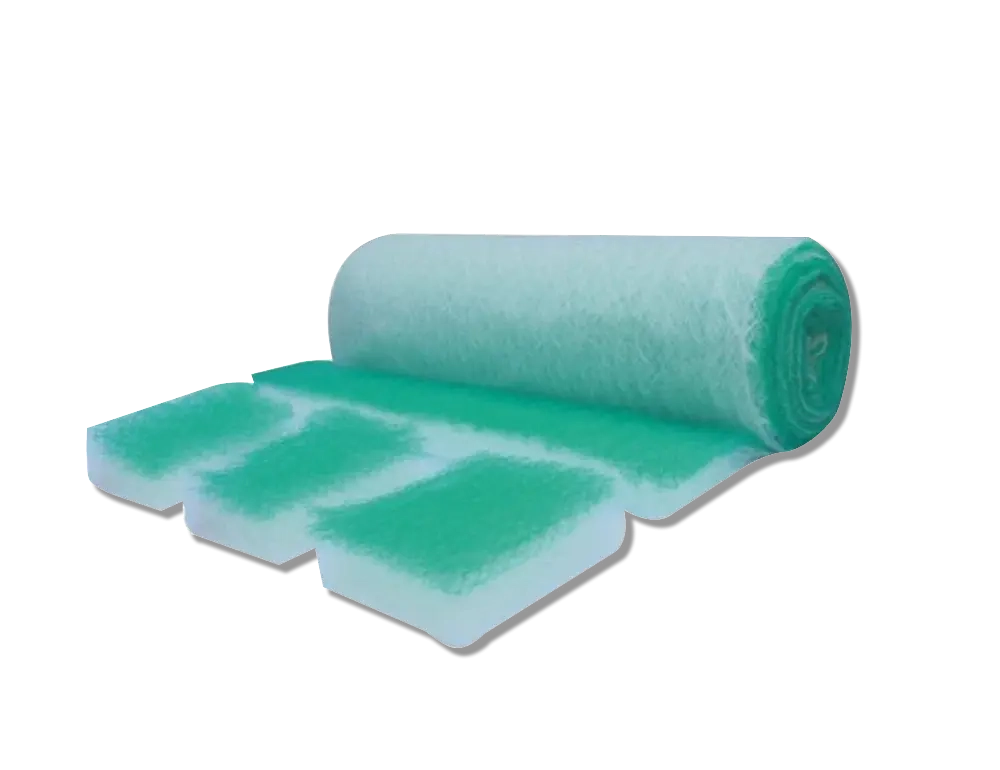
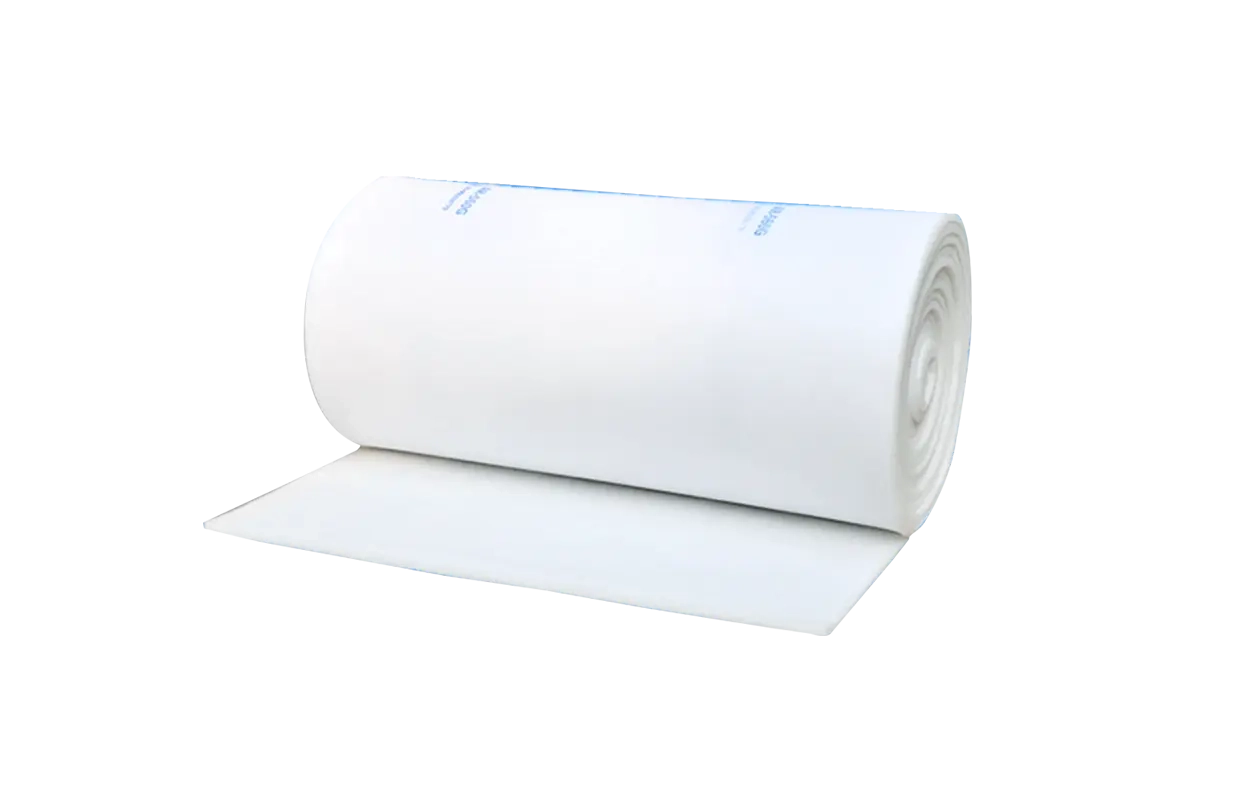
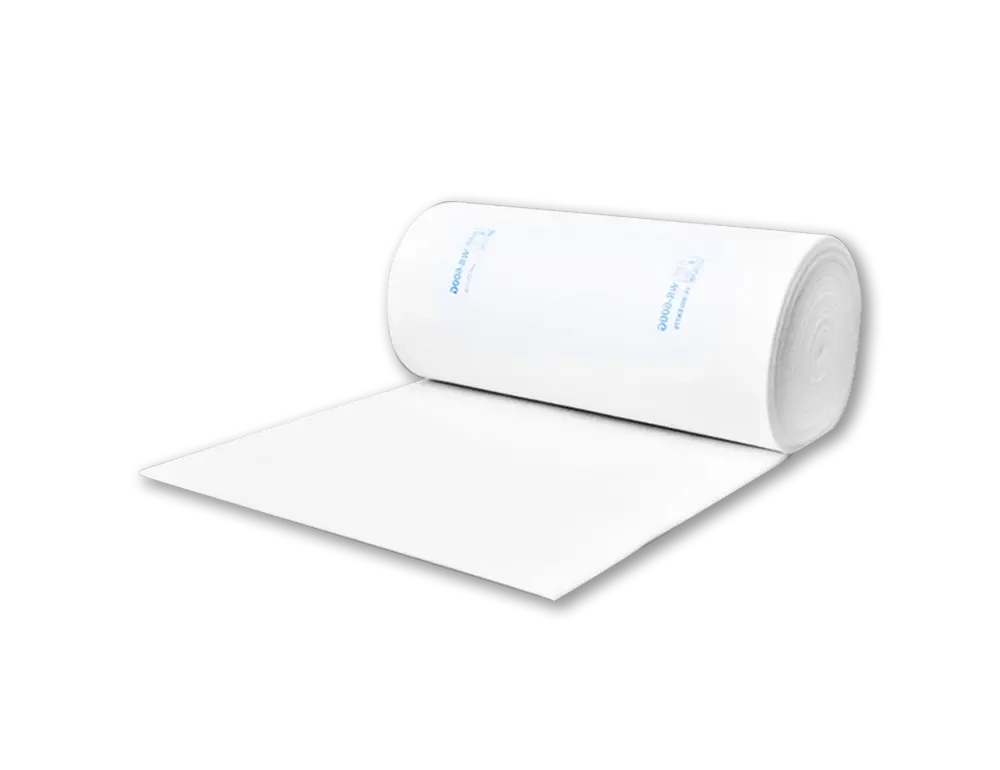
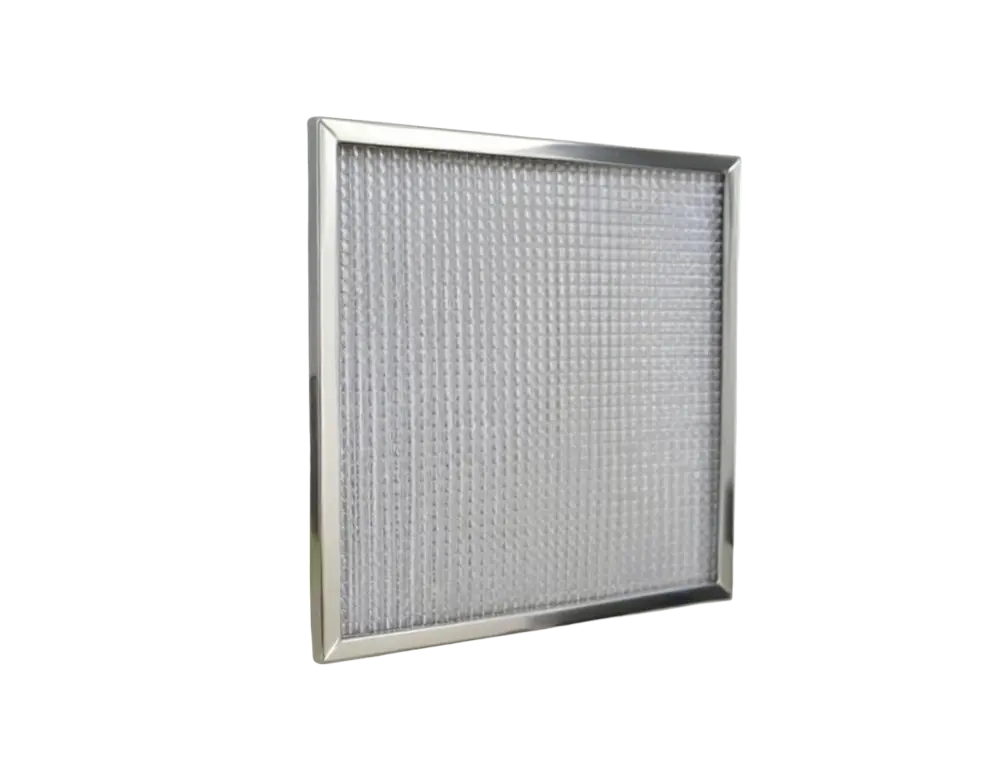
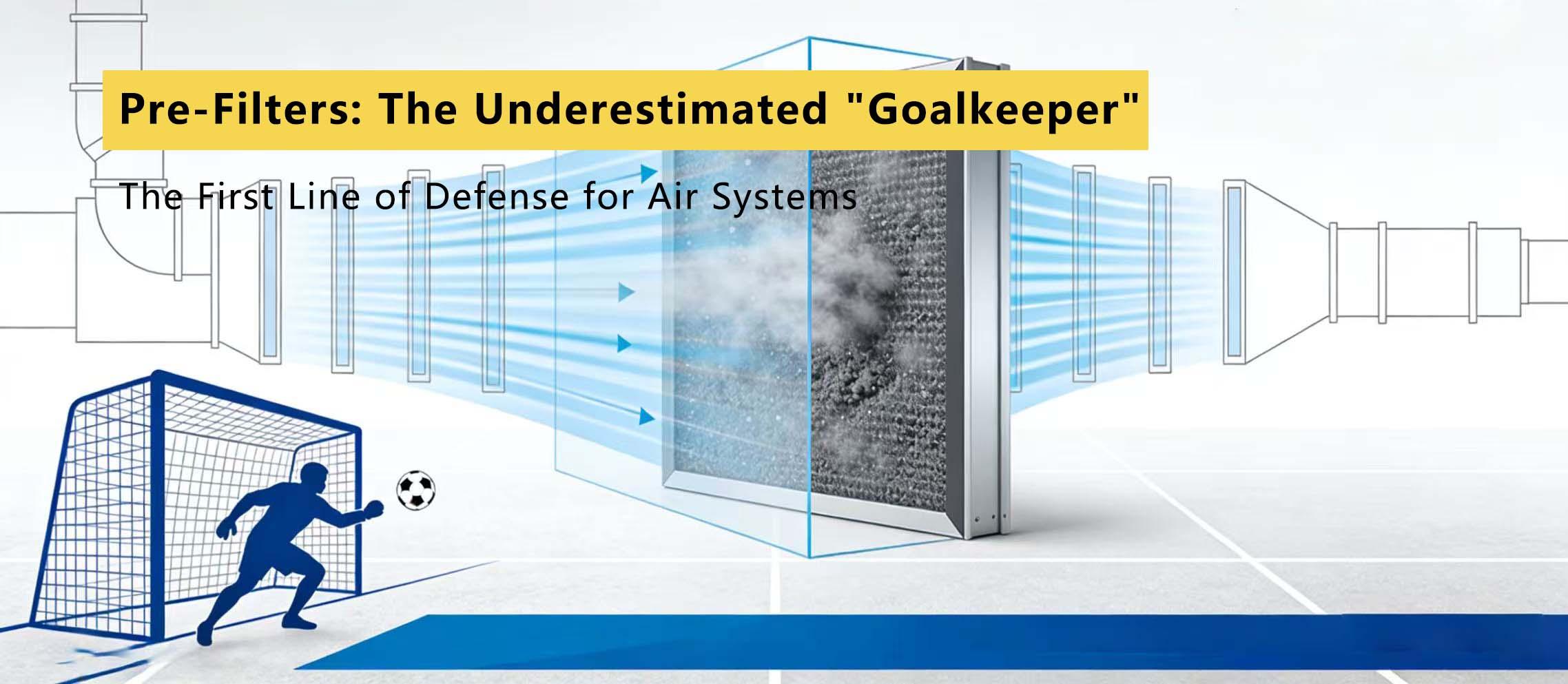
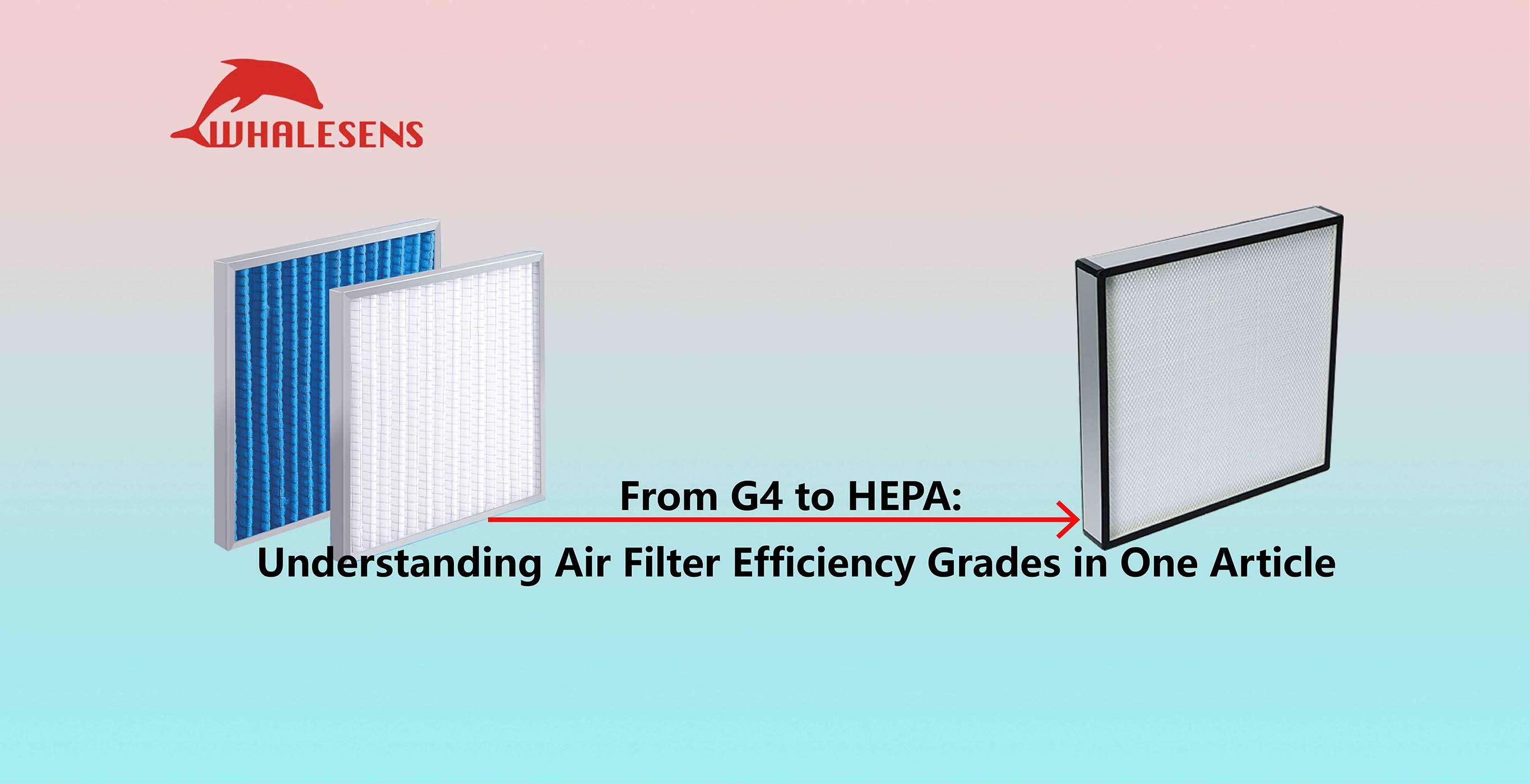
Pre-Filter (G1–G4)
First-Stage Large-Particle Capture
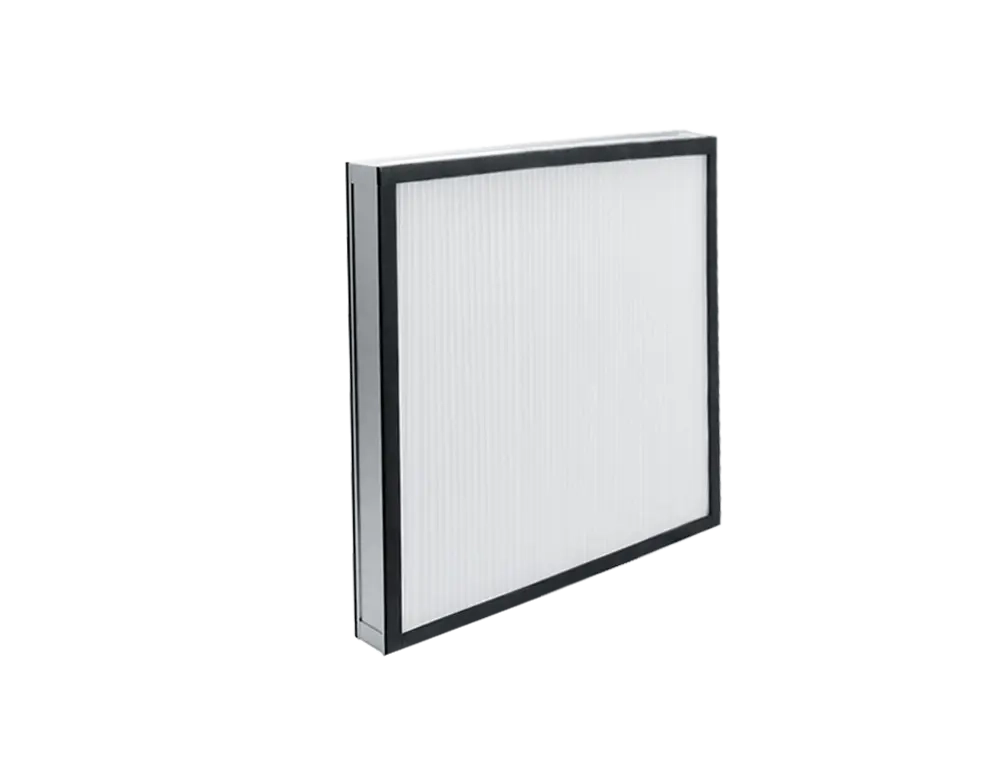
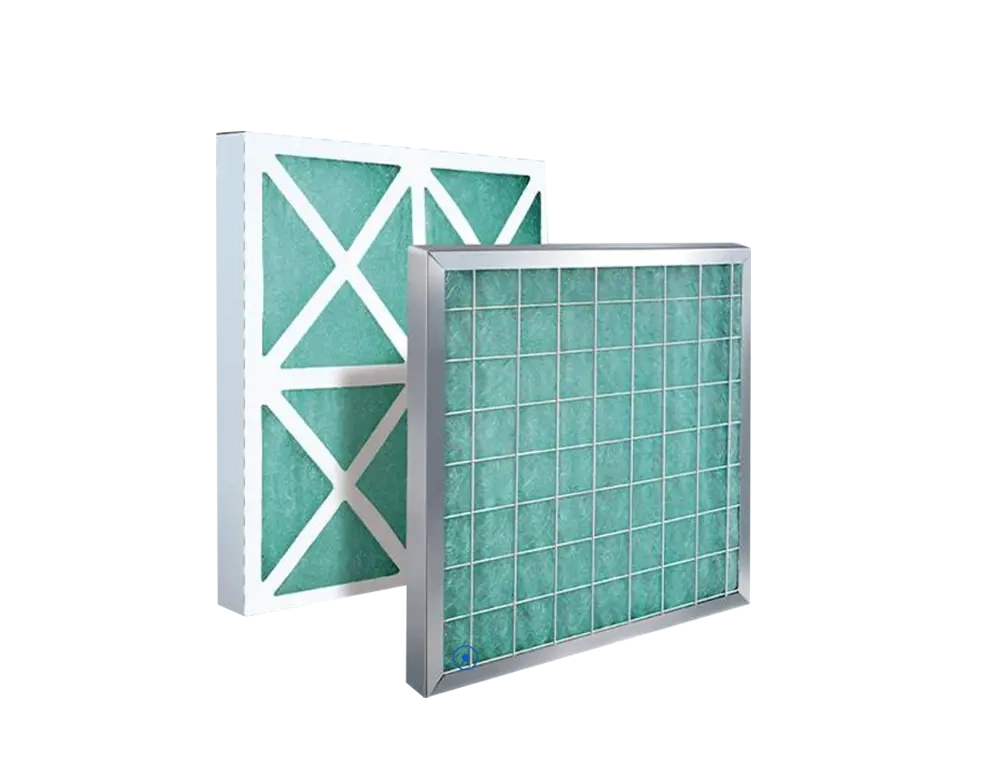
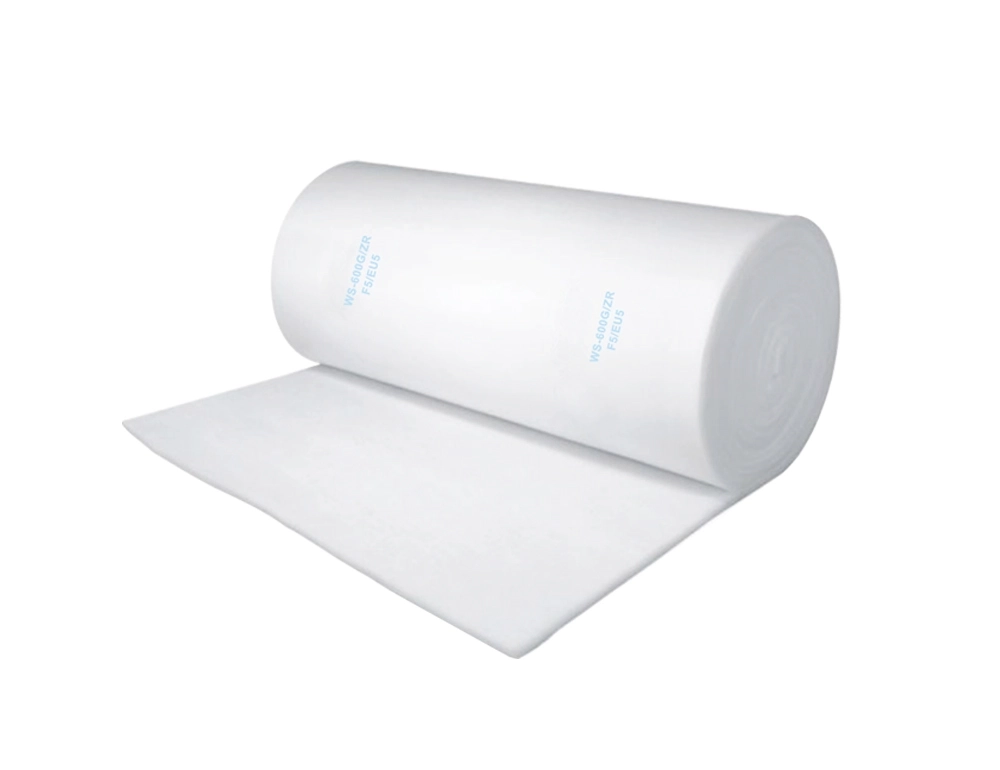
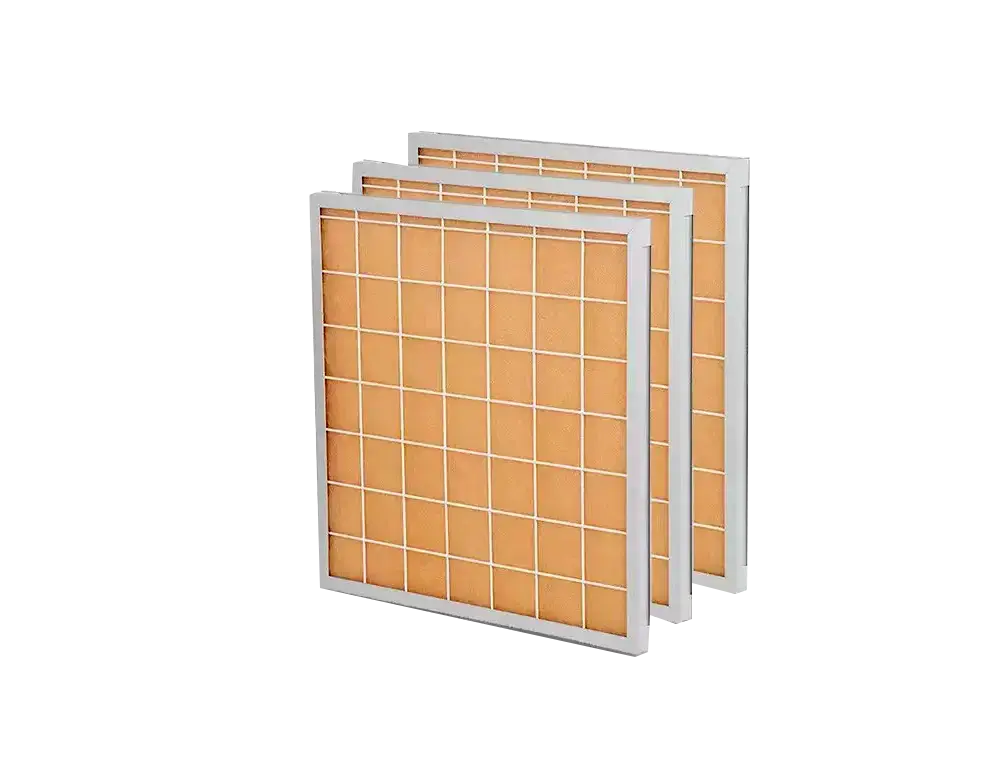
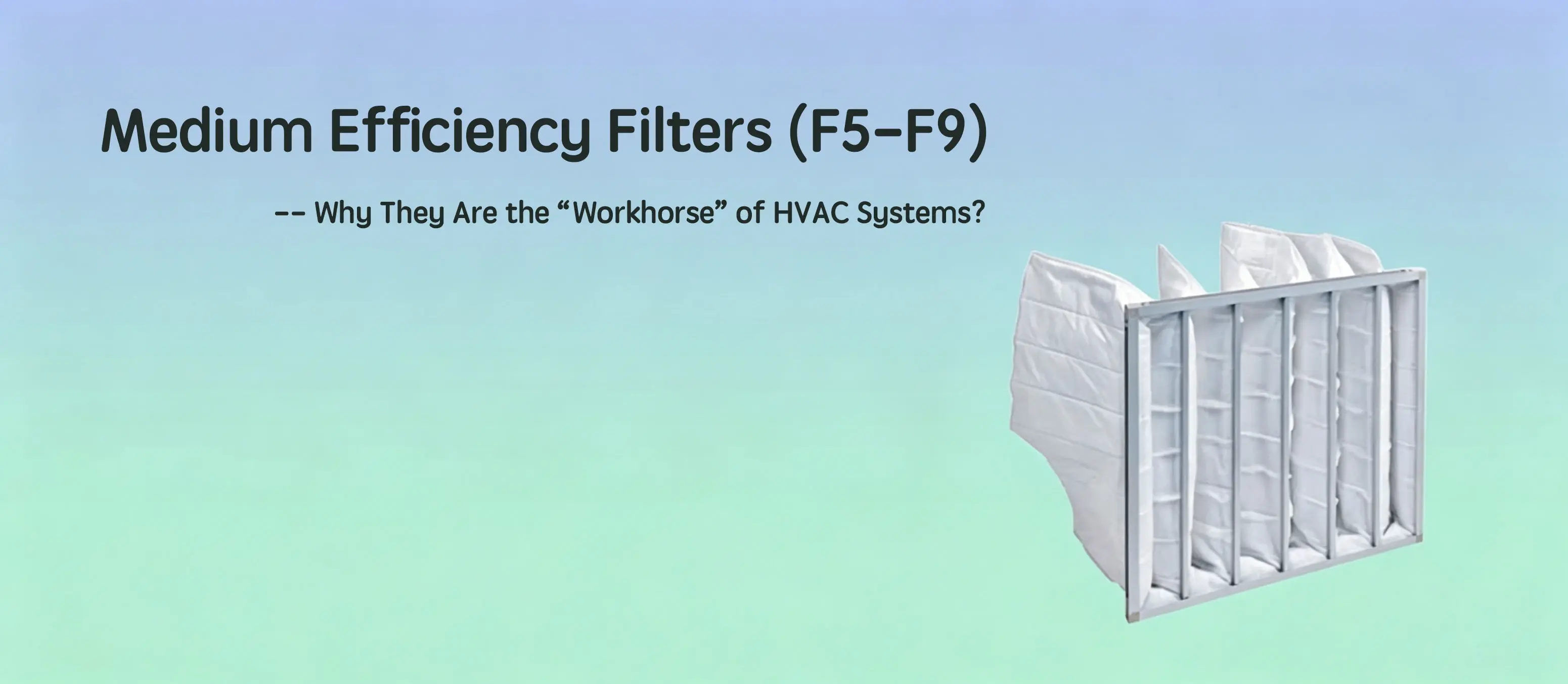
Medium-Efficiency Filter (F5–F9)
Precise PM2.5 Capture
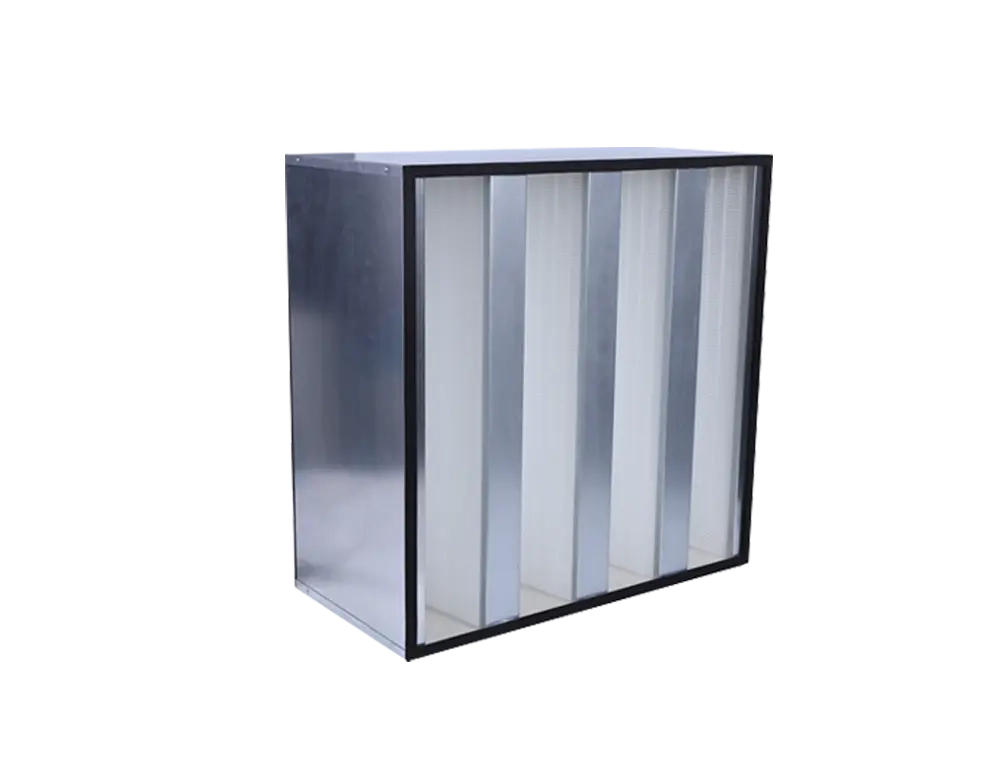
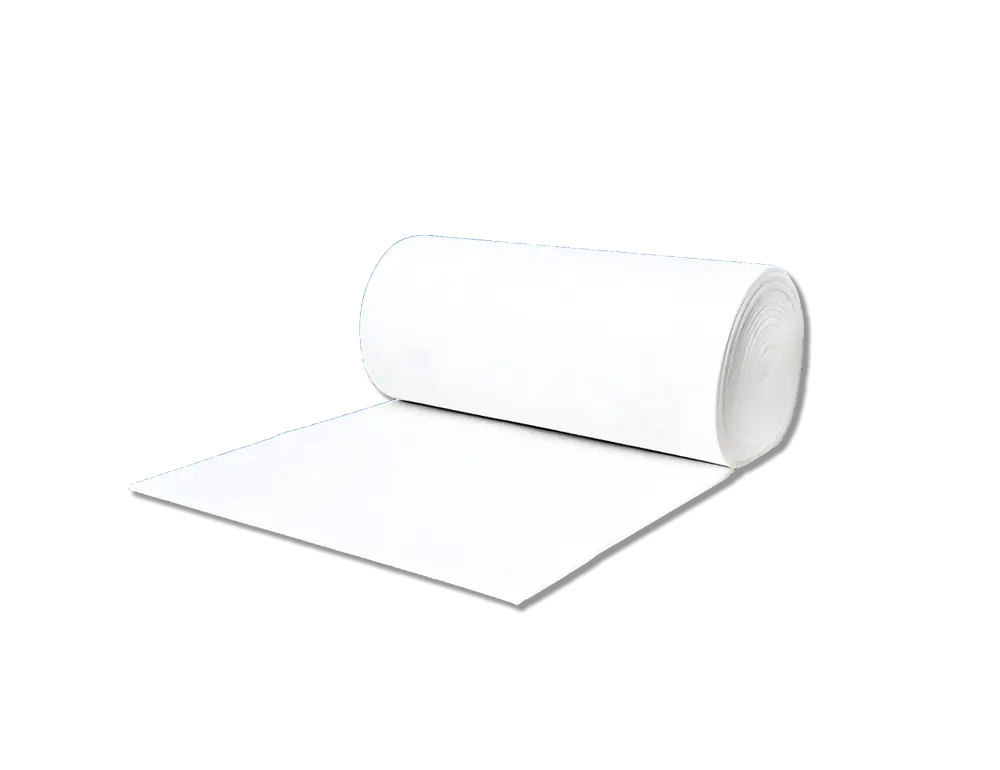
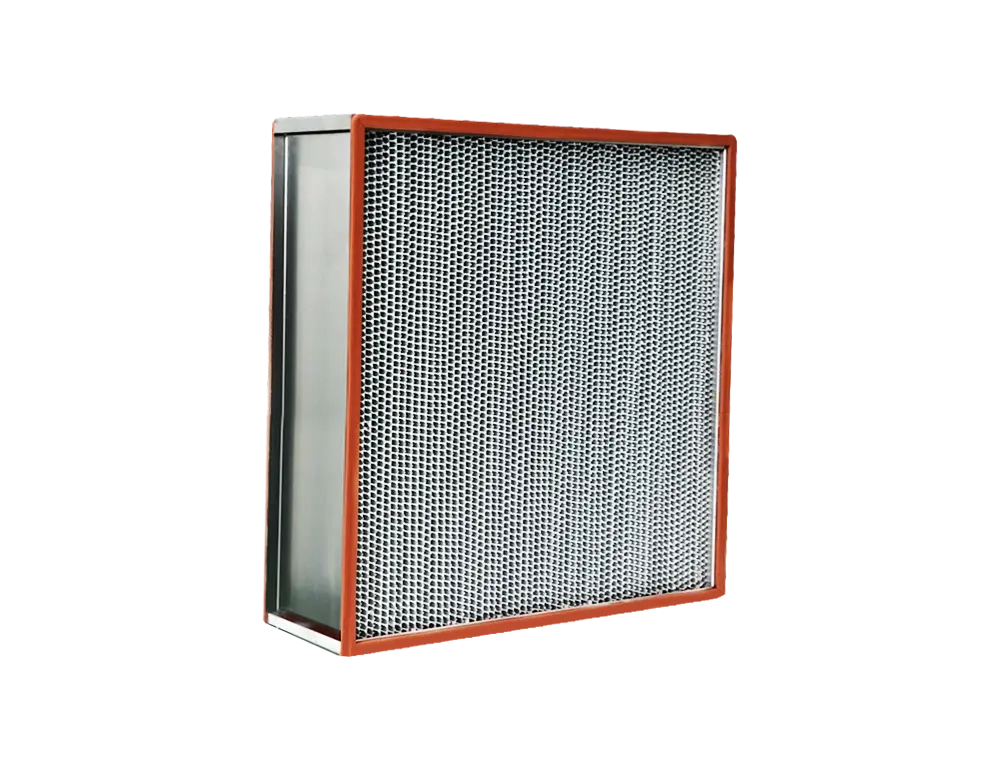
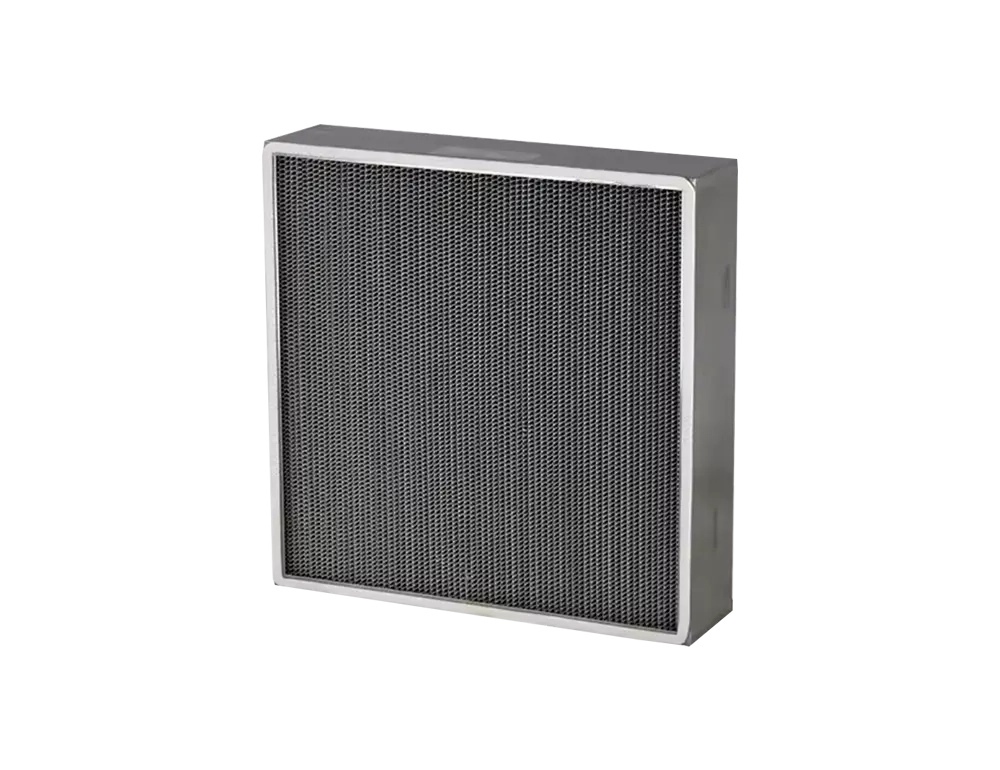
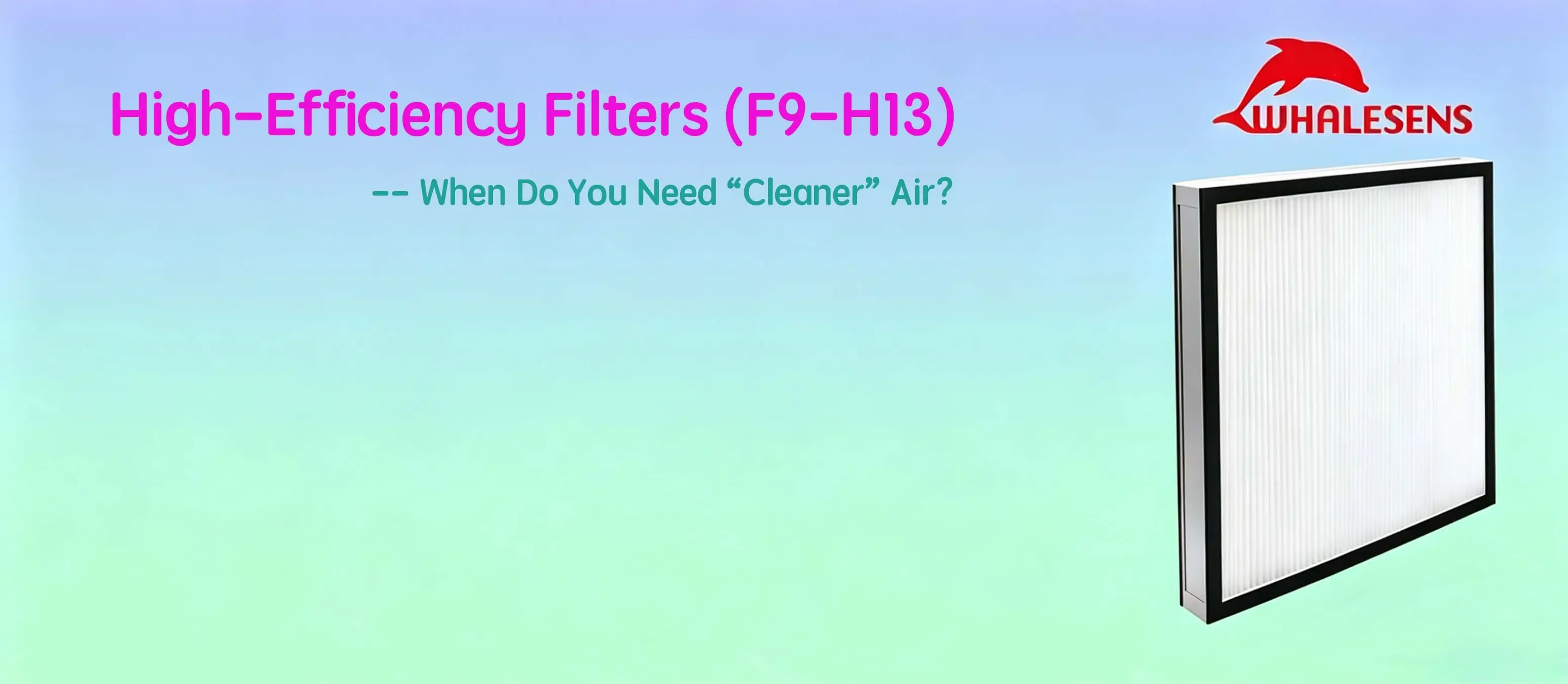
HEPA High-Efficiency Filter
Sterile-Grade Purification
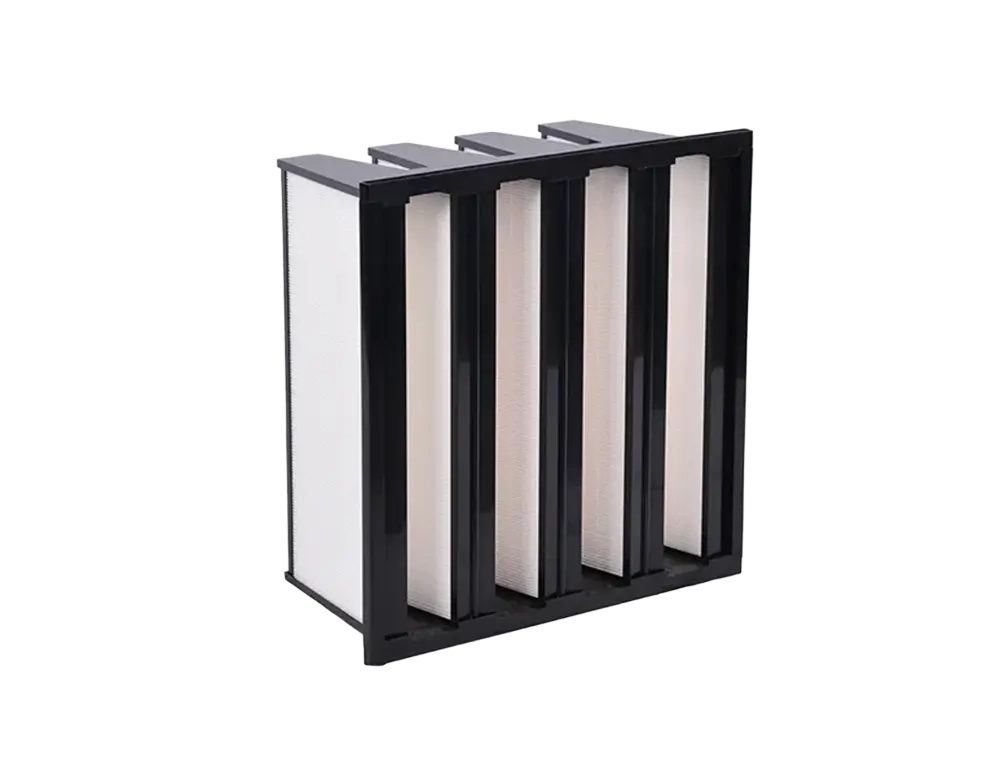
ULPA Ultra-High Efficiency Filter
Sub-Micron Particle Capture
First-Stage Large-Particle Capture
The first line of defense, capturing particles ≥5 μm such as dust, hair, and fibers to protect downstream filters and extend overall system service life.
View Related Products →Precise PM2.5 Capture
Captures fine particles of 1–5 μm including PM2.5, pollen, and mold spores, significantly improving indoor air quality for commercial HVAC and ventilation systems.
View Related Products →Sterile-Grade Purification
≥99.97% filtration efficiency for particles ≥0.3 μm, delivering sterile-grade clean air widely used in medical, pharmaceutical, and electronics manufacturing.
View Related Products →Sub-Micron Particle Capture
≥99.9995% efficiency for particles ≥0.12 μm, meeting the extreme cleanliness demands of semiconductor fabs, aerospace, and other ultra-precision applications.
View Related Products →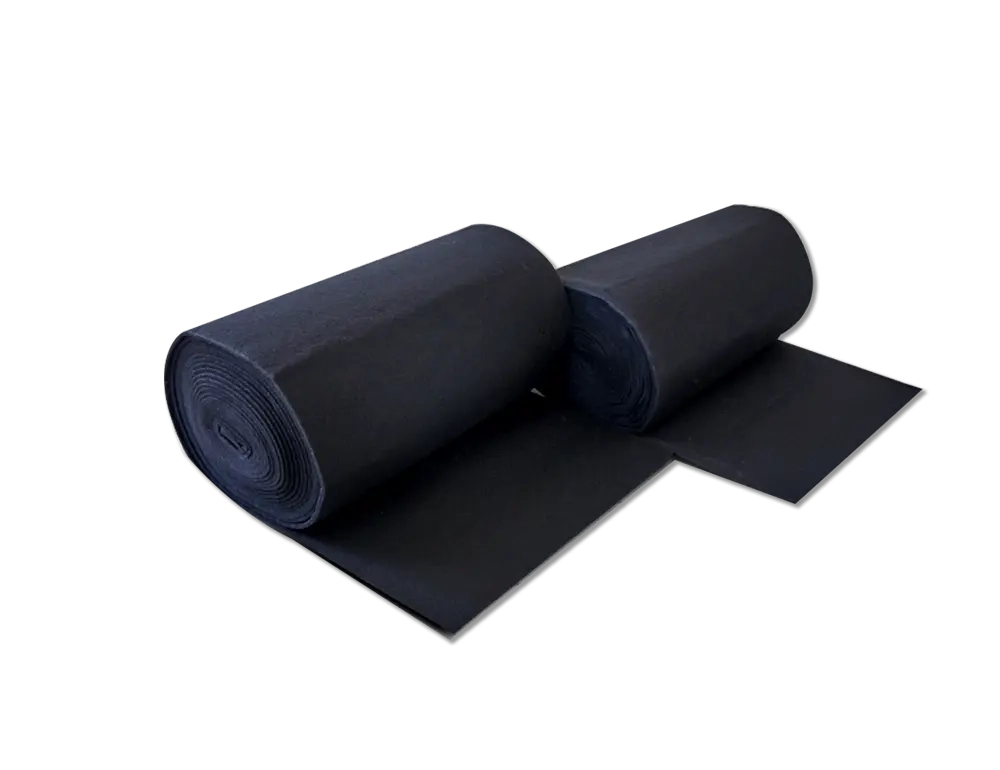
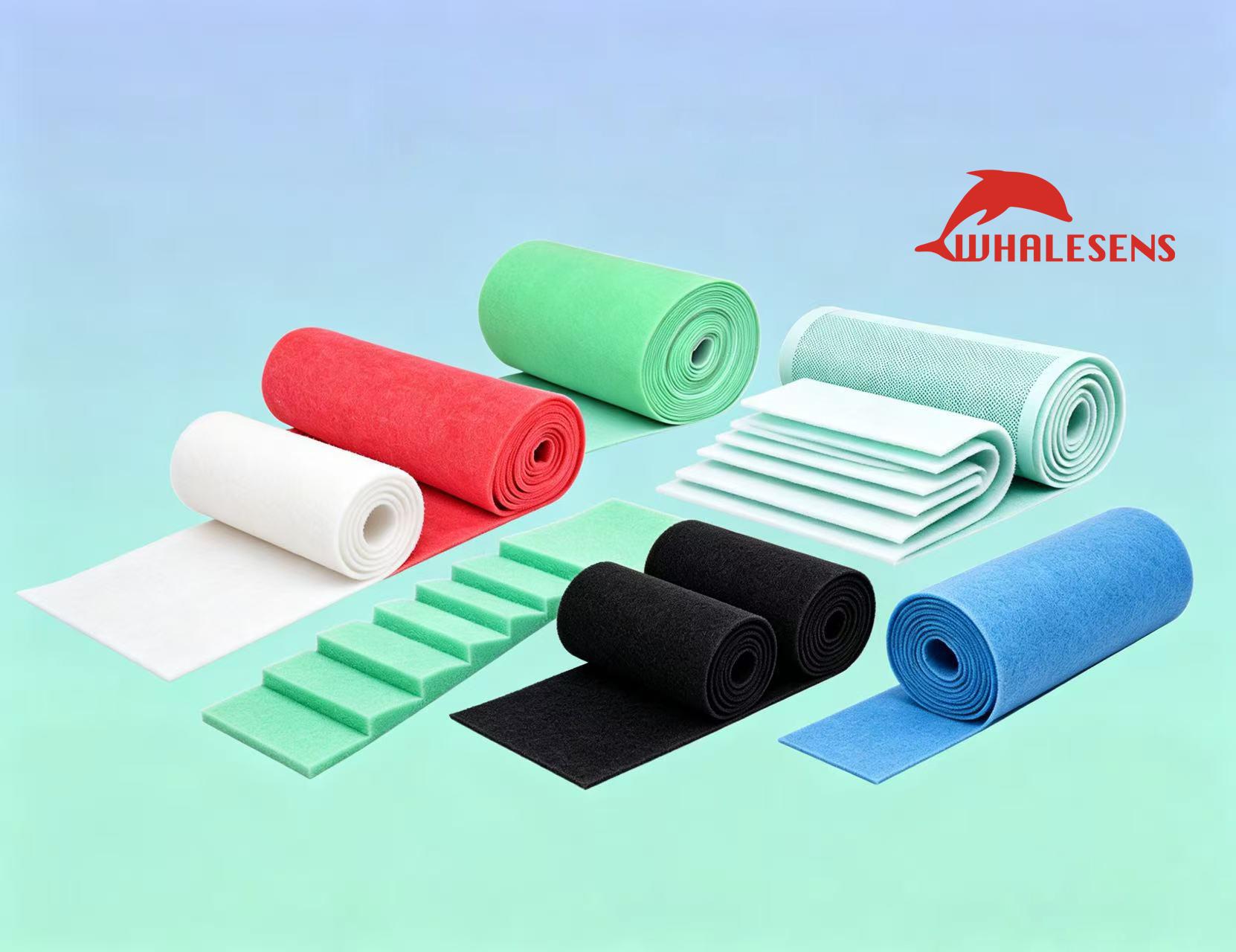
High-Temperature Resistant
Industrial-Grade Heat Tolerance
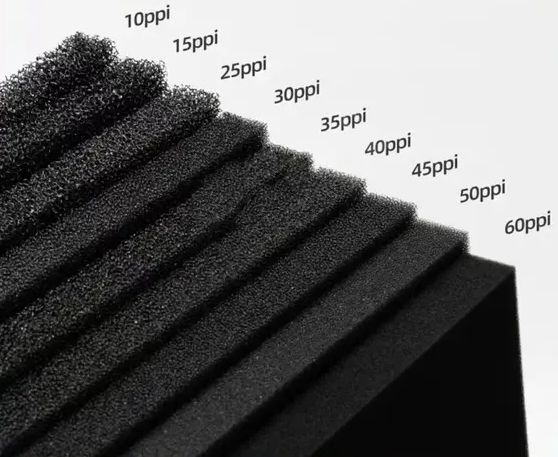
Washable & Reusable
Cut Costs, Reduce Waste
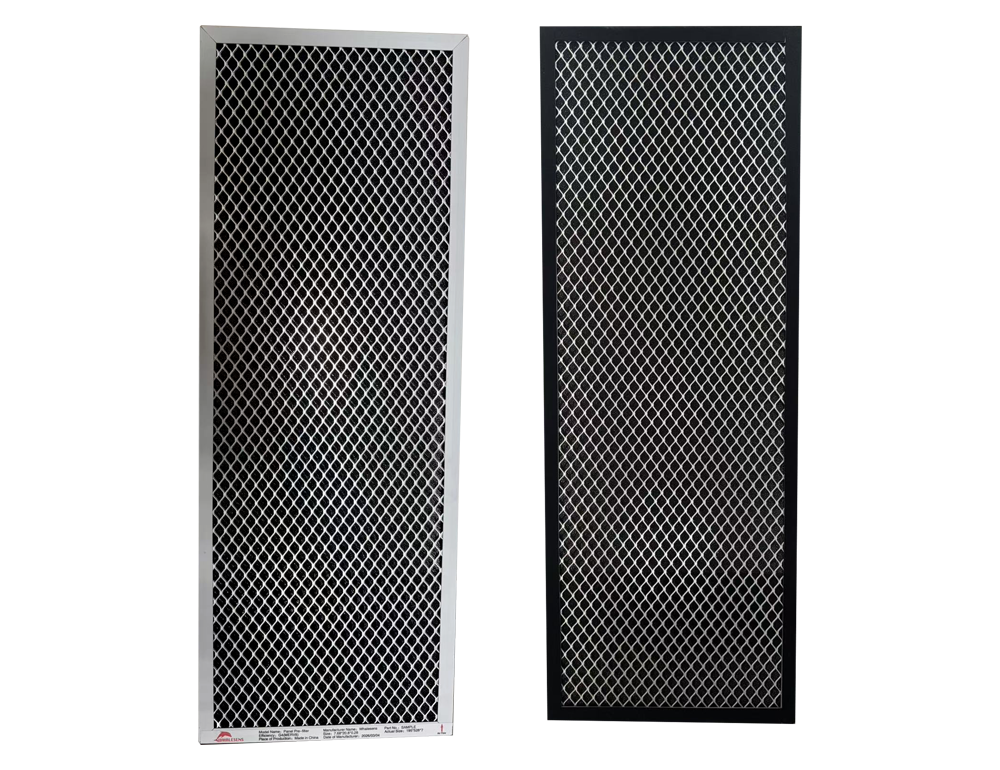
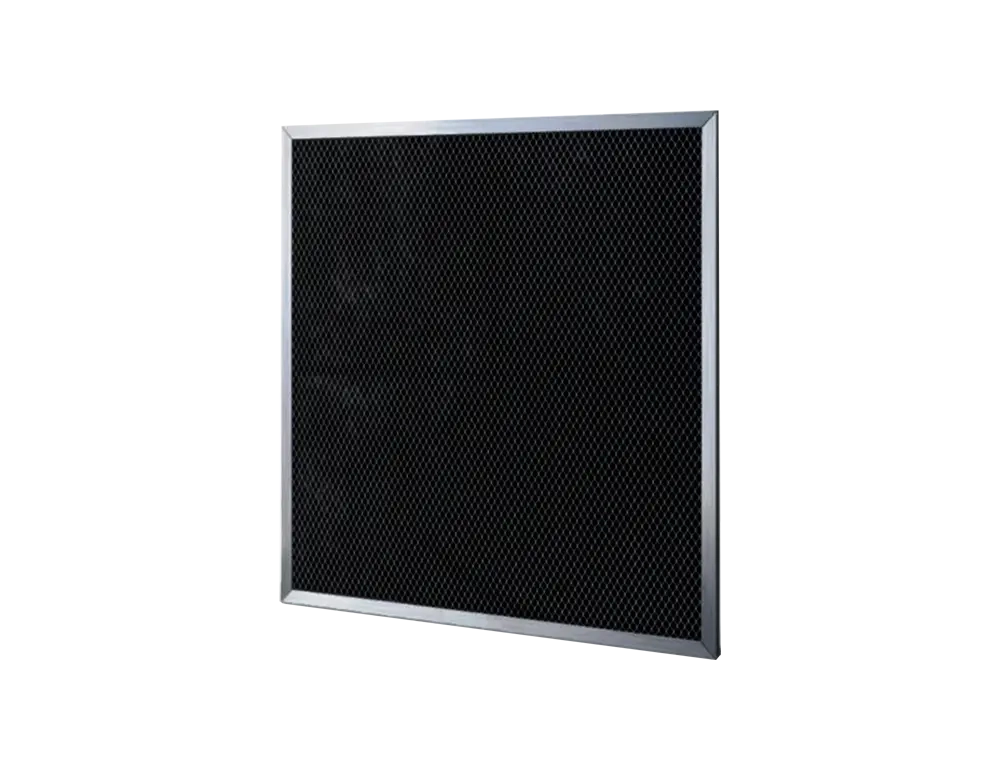
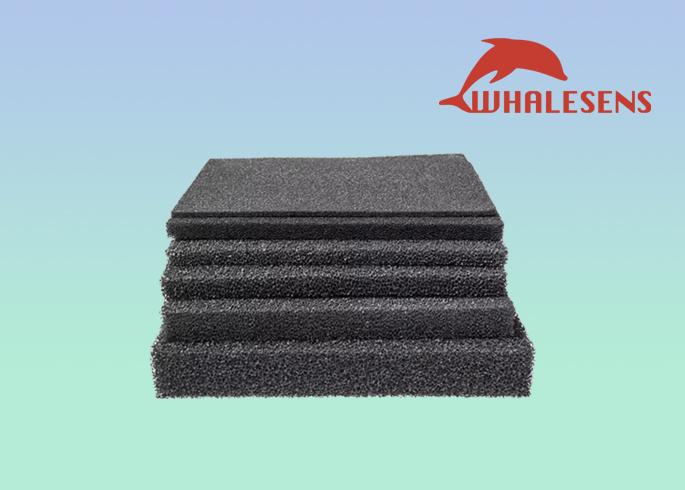
Activated Carbon
Odor & Harmful Gas Removal
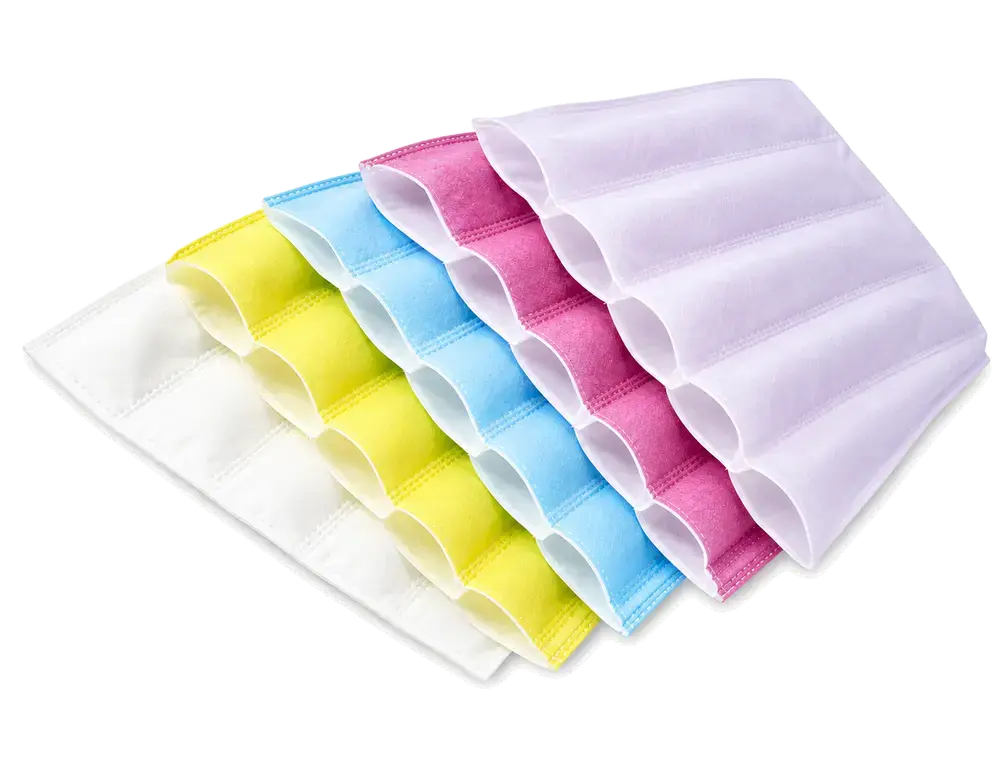
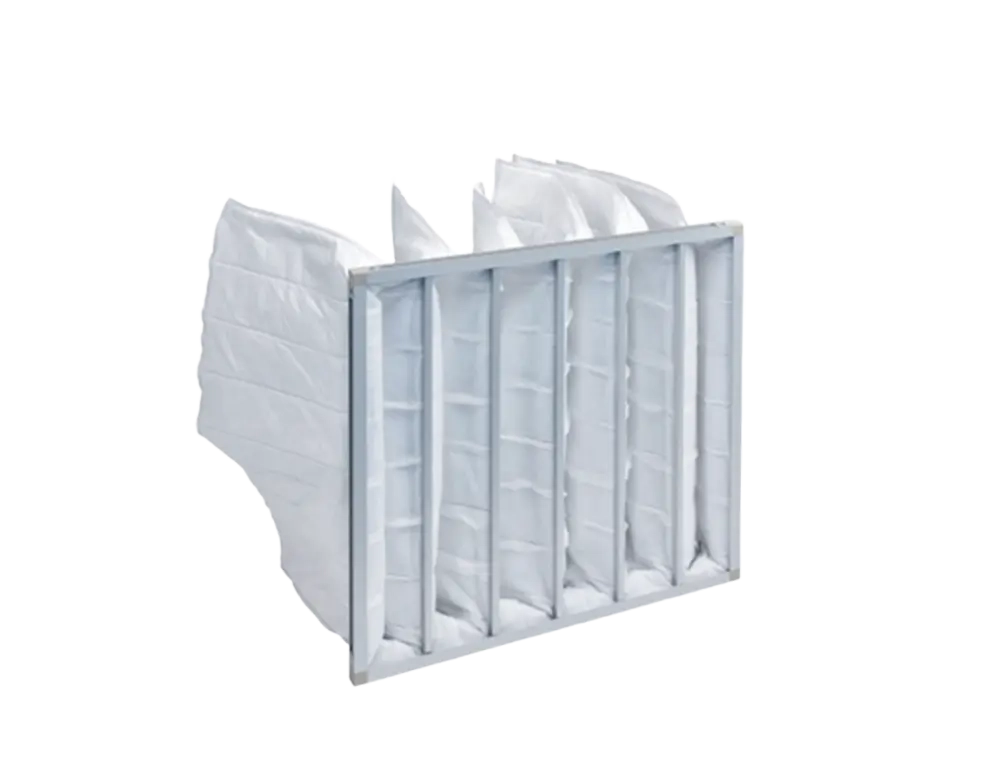
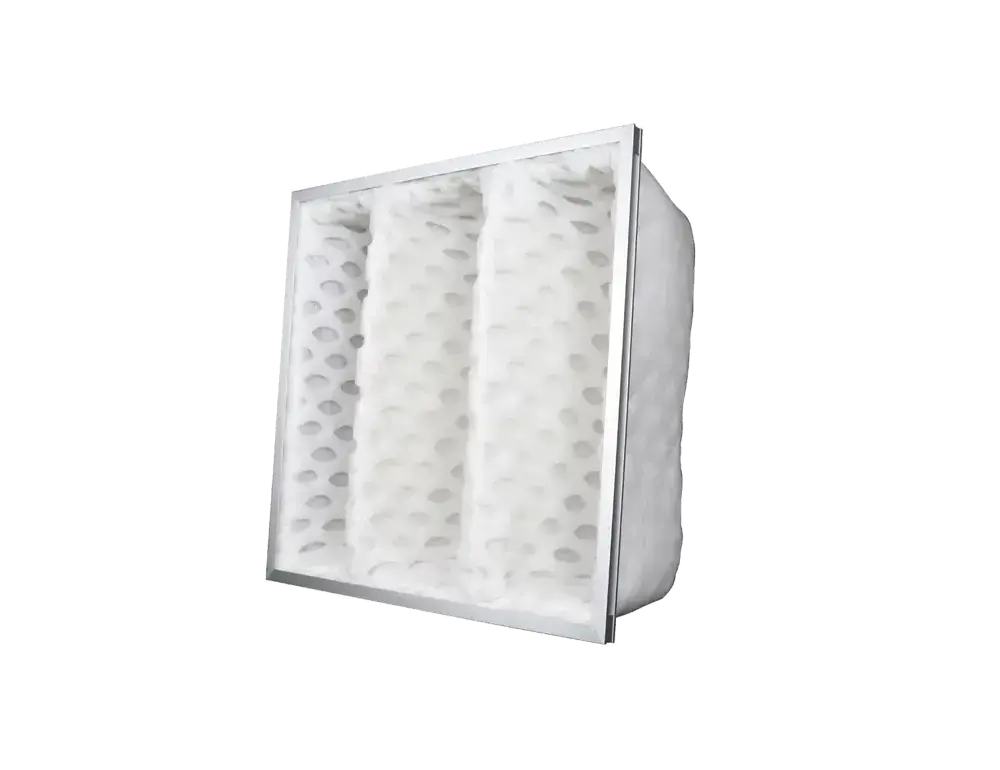
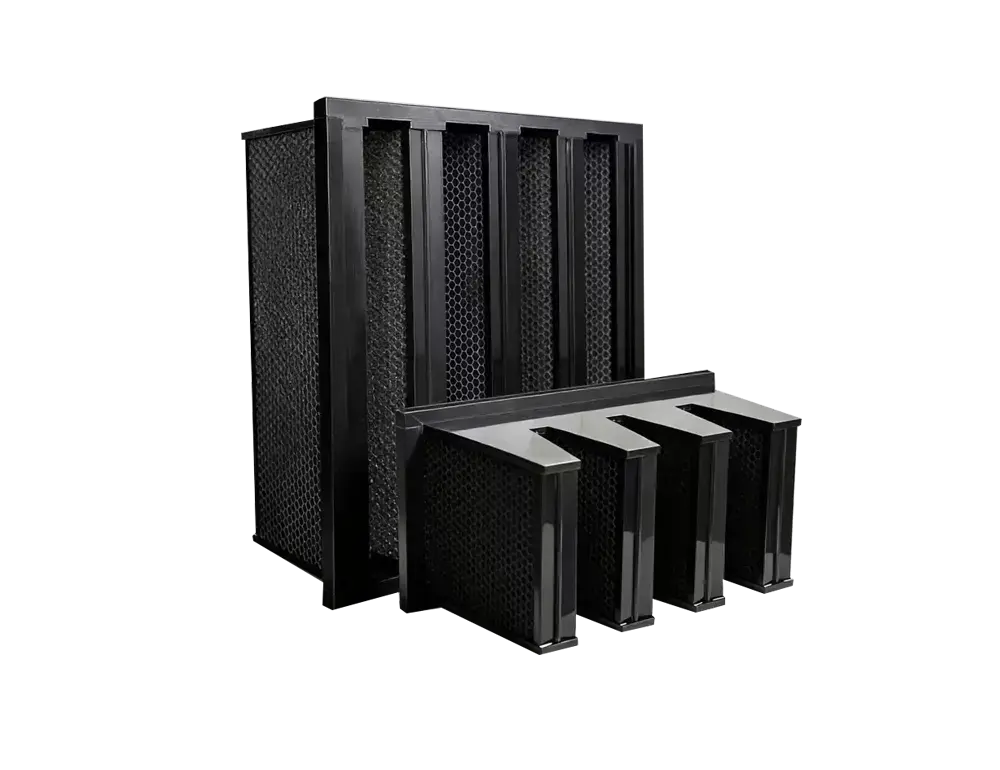
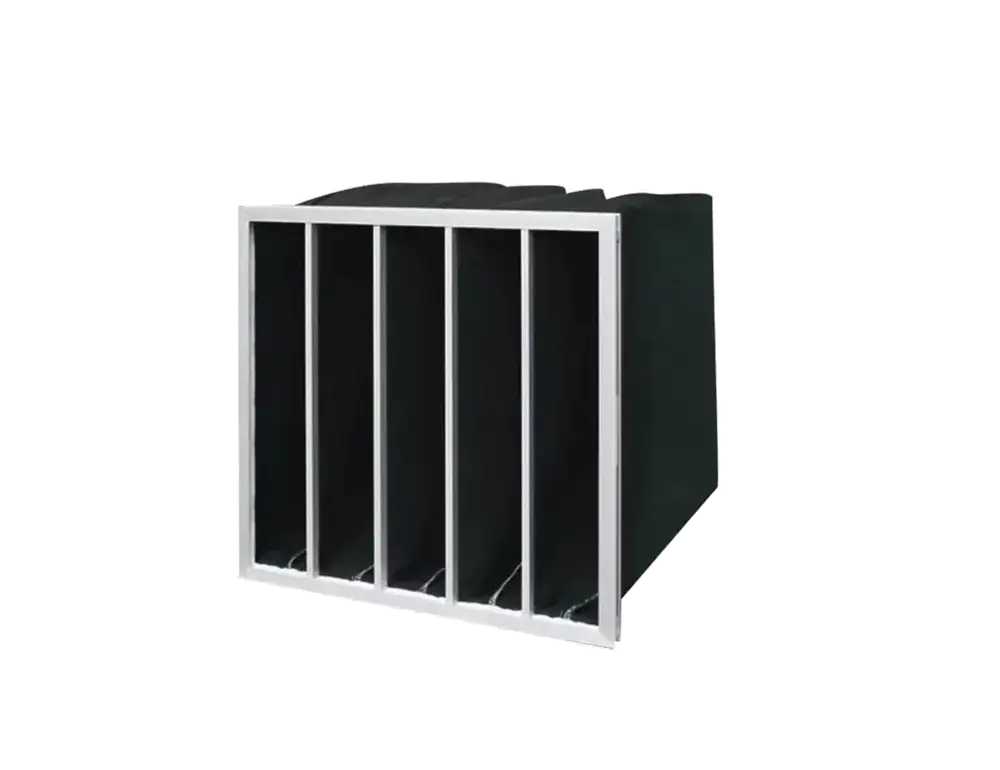
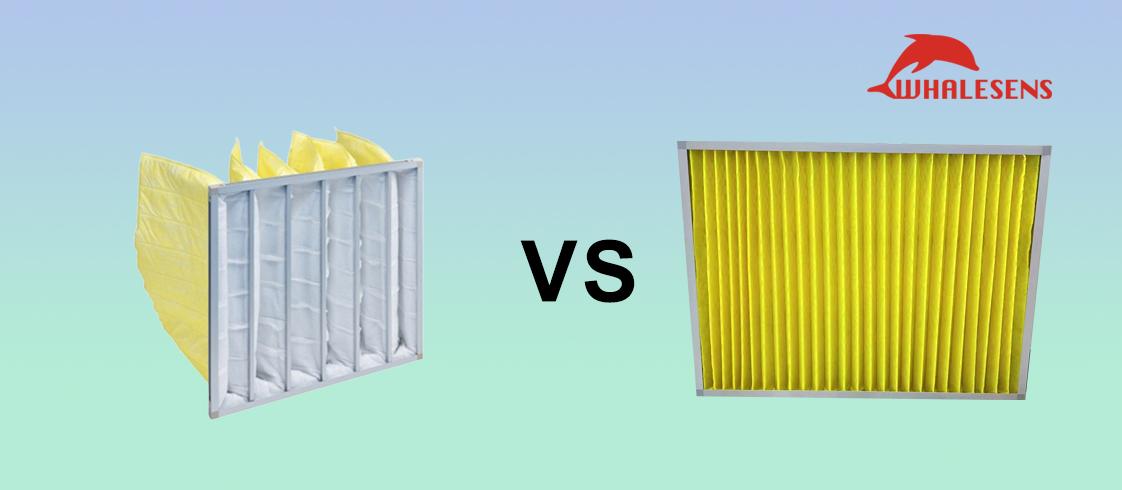
Bag Filter
High Dust-Holding, Long Life
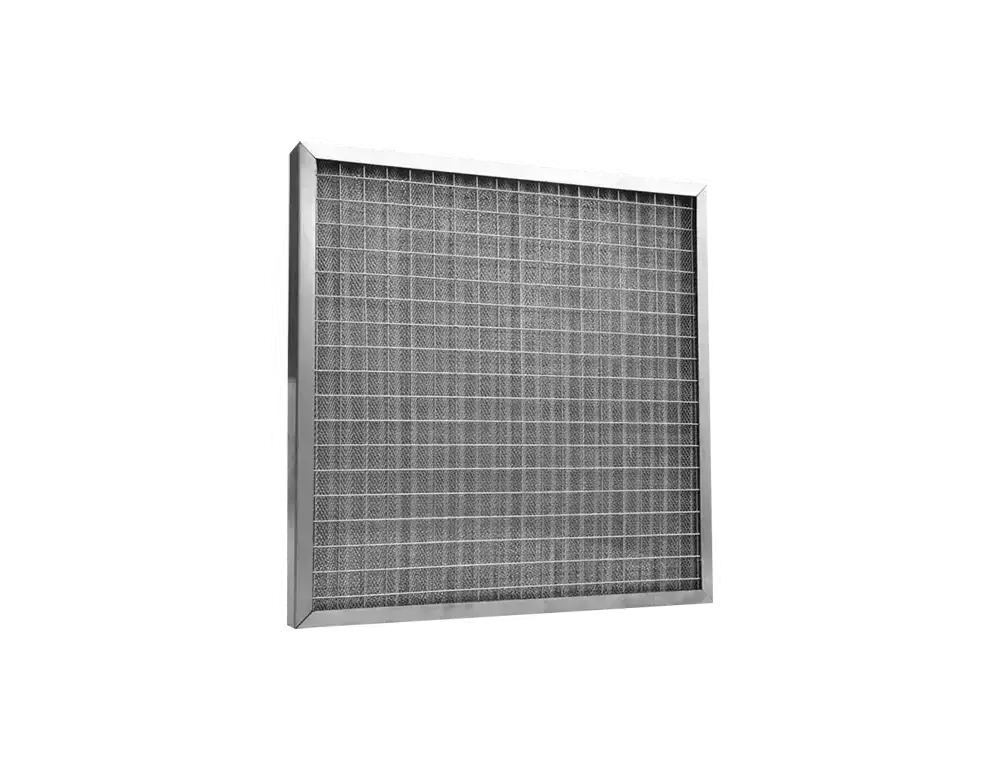
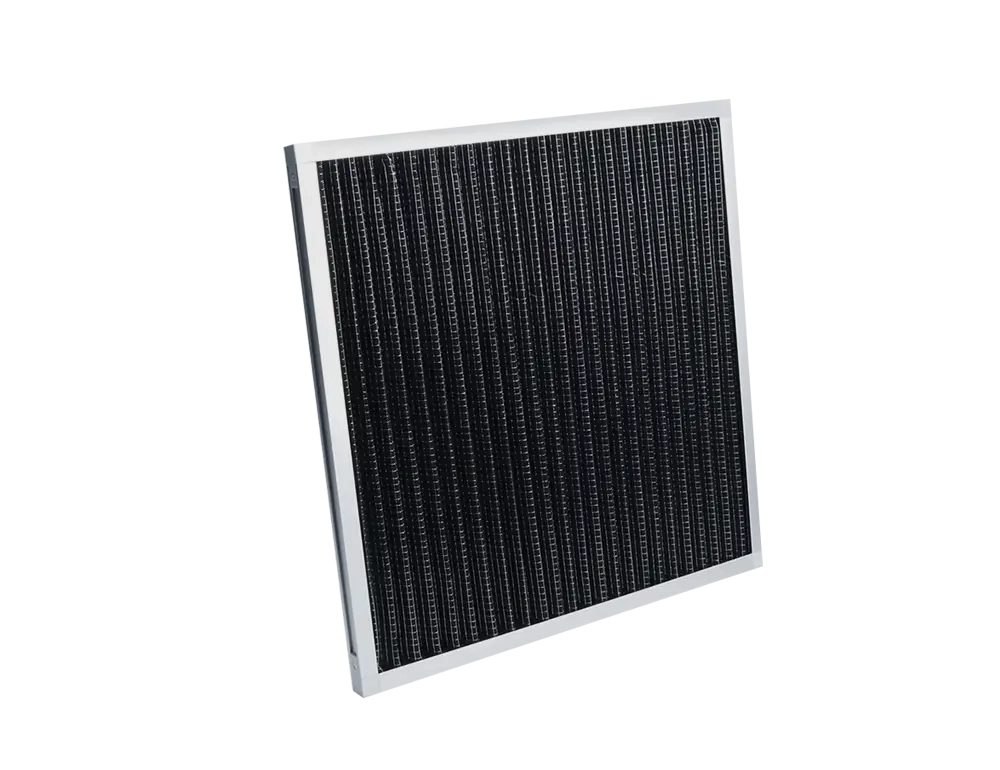
Panel / Pleated Filter
Compact Space-Saving Design
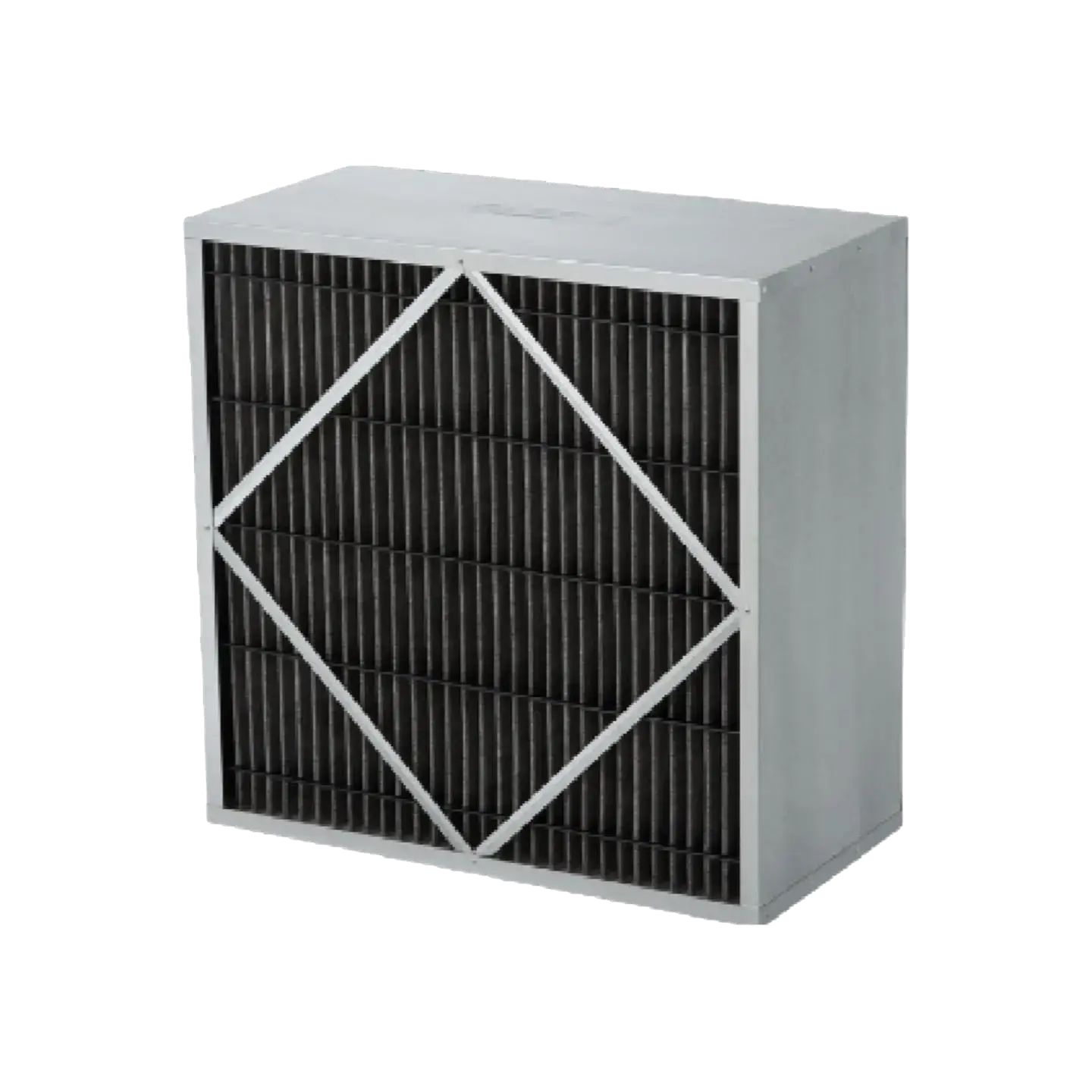
Low-Resistance Airflow
Energy-Saving Operation
Industrial-Grade Heat Tolerance
Built with specialized heat-resistant materials, operating stably up to 250°C for paint ovens, industrial dryers, and high-temperature process environments.
View Related Products →Cut Costs, Reduce Waste
Cleanable by water washing or air blowing, reusable multiple times to significantly reduce replacement frequency and O&M costs — an economical, eco-friendly choice.
View Related Products →Odor & Harmful Gas Removal
Leverages activated carbon's high adsorption capacity to eliminate odors, VOCs, and formaldehyde, ideal for newly renovated spaces and industrial exhaust treatment.
View Related Products →High Dust-Holding, Long Life
Bag-style construction delivers a larger filtration area, high dust-holding capacity, and extended service life — ideal for high-dust environments with reduced replacement frequency.
View Related Products →Compact Space-Saving Design
Compact form factor for easy installation and replacement; pleated structure maximizes filtration area within a small footprint for higher efficiency.
View Related Products →Energy-Saving Operation
Low-resistance design minimizes pressure drop while maintaining filtration performance, reducing fan energy consumption for cost-effective, eco-friendly operation.
View Related Products →

















 English(Global)
 简体中文
简体中文 Language




Protecting the Heart of Wind Turbines: Critical Applications of Air Filters in the Wind Power Industry and Solutions for Harsh Environments
As a cornerstone of clean energy, the long‑term stable operation of wind turbines is vital. However, turbines—especially their nacelles and tower bases—contain numerous precision, expensive, and environmentally sensitive electrical and mechanical components. Untreated air intrusion is a primary cause of component corrosion, overheating, insulation failure, and even major breakdowns. Therefore, a tailored air filtration system is no longer optional but a necessary investment to ensure safe and efficient operation throughout a turbine's 20+ year design life.
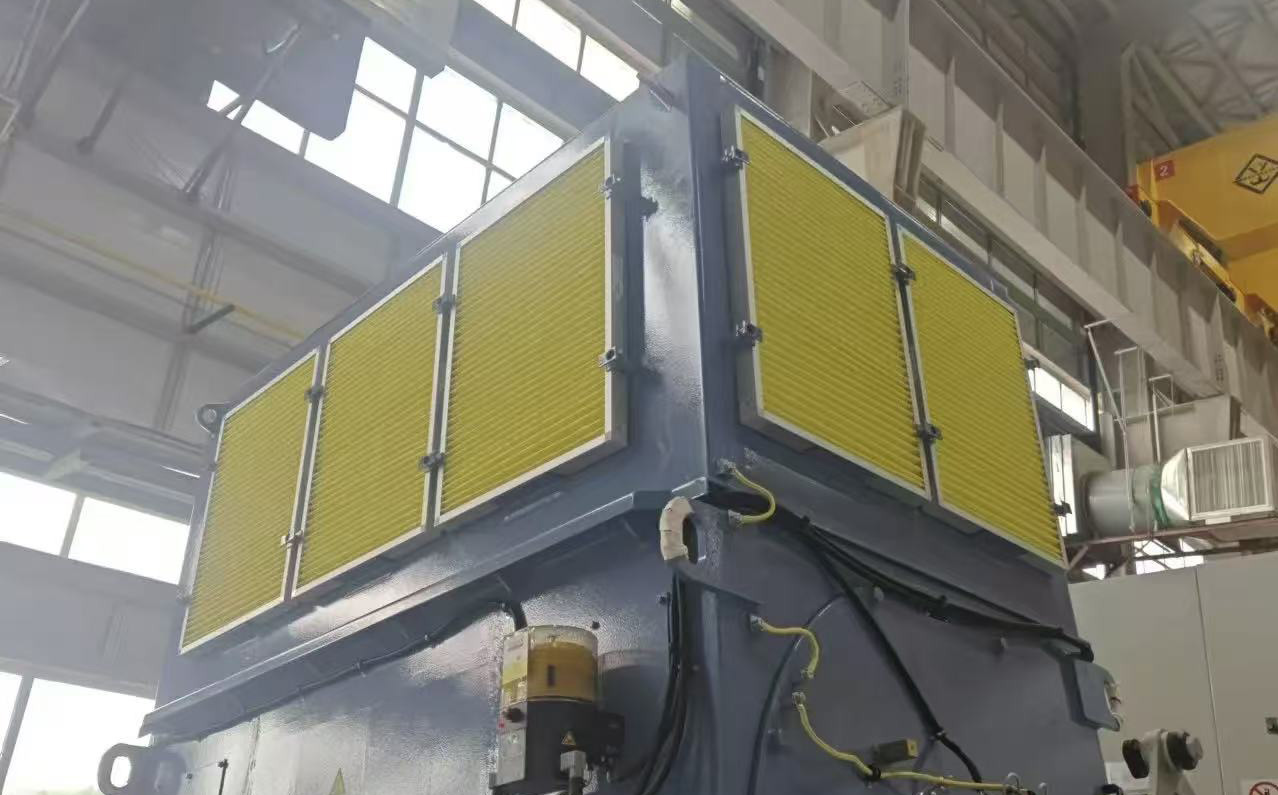
Core Challenges: The "Four Highs" of the Wind Environment
Wind turbine filters must withstand challenges far more severe than typical industrial environments:
High Salt Spray (Offshore/Coastal Turbines)
Sea breezes carry highly corrosive sodium chloride particles that rapidly corrode metal components and destroy electrical insulation—making salt spray the primary threat for offshore and coastal wind farms.
High Dust (Onshore/Desert Turbines)
Windblown sand and soil particles mechanically wear components like bearings, block cooling ducts (leading to gearbox and generator overheating), and deposit on electrical components, causing faults.
High Humidity and Condensation
Temperature differences between day and night, and seasonal changes, easily cause condensation inside the nacelle and tower. Combined with salt or dust, this forms conductive electrolytes or sludge, exacerbating corrosion and short‑circuit risks.
Extreme Temperature Fluctuations and Vibration
Filter materials must withstand temperature cycles from –30 °C to above 50 °C and maintain structural integrity and seal reliability under constant turbine vibration.
Key Application Scenarios and Protection Objectives
Air filters primarily safeguard two critical areas within a wind turbine:
Protection of Nacelle Ventilation and Cooling Systems
- Targets: Cooling systems for gearboxes, generators, main bearings, and converters (located in the nacelle or tower base).
- Operating Principle: These high‑power components often use forced air cooling. Filters purify the air entering these systems, preventing salt spray and dust from:
- Blocking radiators → leading to decreased cooling efficiency, overheating alarms, and even shutdowns.
- Corroding precision parts → such as gearbox oil coolers and generator windings.
- Wearing bearings → hard dust particles entering with airflow accelerate bearing wear.
Micro‑Positive Pressure Protection for Tower Base Control Cabinets and Electrical Rooms
- Targets: Precision electrical equipment like converter cabinets, main control cabinets, and switchgear.
- Operating Principle: By continuously supplying filtered, dry, clean air into the control cabinet, a micro‑positive pressure (typically 25–50 Pa above the external environment) is maintained. This effectively:
- Prevents unfiltered, humid, salty air from entering through gaps.
- Prevents condensation formation, keeping internal electrical components dry.
- Drastically reduces the risks of corrosion and short circuits—a critical engineering measure to enhance electrical system reliability.
Technical Requirements and Solutions
Specialized wind turbine air filters must meet the following specific design criteria:
Extreme Corrosion Resistance
- Frame/Housing: Preference for aluminum alloy or heavy‑duty anti‑corrosion coated aluminum alloy, eliminating easily corroded materials like galvanized steel.
- Media: Use of hydrophobic synthetic fibers (e.g., polyester) with special treatment to resist salt spray erosion and prevent collapse after moisture absorption.
- Seals: Use of weather‑resistant silicone or EPDM rubber to ensure long‑term elasticity and sealing under temperature fluctuations.
High‑Efficiency Filtration and Dehumidification Capability
- Multi‑Stage Strategy: Often employs a two‑stage approach: "Pre‑filter (G4) + High‑efficiency filter (F9–H13)". The pre‑filter intercepts large particles like dust and insects, protecting the more expensive high‑efficiency cartridge; the high‑efficiency cartridge targets fine salt crystals and dust.
- Integrated Dehumidification (for high‑humidity areas): For micro‑positive pressure systems, refrigerated or membrane compressed air dryers can be equipped to ensure the dew point of air supplied to the control cabinet is below the ambient internal temperature, fundamentally eliminating condensation.
Robust Construction and Maintenance Friendliness
- Anti‑Vibration Design: Reliable internal support and bonding between media and frame ensure no separation or damage under continuous vibration.
- Quick‑Change and Long‑Life Design: Standardized dimensions with snap‑in or bolted quick‑install designs facilitate high‑altitude tower maintenance. Optimized media dust‑holding capacity extends replacement intervals, reducing maintenance frequency and cost.
- Visual Monitoring: Standard manometer ports or differential pressure gauges provide alarms when filter blockage causes excessive pressure drop, prompting maintenance and preventing equipment damage due to filtration failure.
Application Value: From Cost Center to Value Investment
- Enhanced Equipment Reliability and Availability: Reduces unplanned downtime caused by corrosion and overheating, directly increasing power generation revenue.
- Extended Core Component Life: Can extend the maintenance or replacement cycle of gearboxes, generators, and converters by 30%–50%, significantly reducing total lifecycle costs.
- Reduced Operational Expenditure: Enables predictive filter replacement, avoiding emergency repairs; minimizes costly crane usage and power generation losses associated with equipment failures.
- Safeguarded Investment: For capital‑intensive projects like offshore wind, protecting core assets from environmental corrosion is fundamental to the stability of financial models.
Conclusion
As the wind power industry moves toward grid parity and extreme cost reduction and efficiency enhancement, the role of air filtration systems has evolved from a "simple ventilation component" to the core executor of a "critical asset protection strategy." Selecting a filtration system that precisely matches the turbine's environment (offshore, coastal, desert, cold region)—manufactured from corrosion‑resistant materials, equipped with efficient filtration and dehumidification capabilities, and managed with data‑driven predictive maintenance—is the smart choice for wind farm operators and OEMs to ensure long‑term equipment health and maximize return on investment.
Facing the unique challenges of the wind power industry, WhaleSense Technology provides comprehensive solutions:
- ✅ Environmentally Customized Selection: Recommends optimal filtration and dehumidification combinations based on your specific site location (offshore/coastal/inland) and environmental data.
- ✅ High‑End Corrosion‑Resistant Products: Offers specialized filters featuring aluminum alloy frames and hydrophobic, salt‑spray resistant media, engineered to meet extreme environmental demands.
- ✅ Micro‑Positive Pressure System Solutions: Delivers integrated cabinet positive pressure protection systems combining filtration, drying, and pressure control for ultimate electrical safety.
- ✅ Smart Monitoring & Maintenance Guidance: Assists in establishing predictive maintenance protocols based on differential pressure monitoring to optimize spare parts inventory and maintenance schedules.
👉 Whalesens Technology — WhalePower, Pure Performance. ✅ Free Technical Consultation: Expert guidance on the latest technologies and applicability. ✅ Customized Solutions: Tailored filter systems designed for your specific needs.
Common Air Filter Types
- 🔍 Bag Filters: Remove medium to large particles such as dust and pollen; ideal for livestock farms, industrial facilities, and schools.
- 🔍 Panel Filters: Serve as primary or medium-efficiency filters to protect equipment and extend the life of high-efficiency filters.
- 🔍 HEPA Filters: Capture PM2.5, pollen, bacteria, and most airborne particulates; perfect for classrooms, laboratories, and medical environments.
- 🔍 Activated Carbon Filters: Remove gaseous pollutants, odors, and volatile organic compounds; suitable for food processing, livestock, and enclosed spaces.
Explore More Articles
- 🔍 Application of Air Filters in Modern Pig Farms
- 🔍 Air Filtration in Schools: A Comprehensive Guide
- 🔍 Case Study: Air Filtration Solutions for Semiconductor Cleanrooms
Learn more about our innovative technologies:
- 🌐 Official Website: www.whalesens.com
- 📞 WhatsApp: +86 13119189886
- 📧 Email: whalesens@gmail.com