


EV Charging Stations
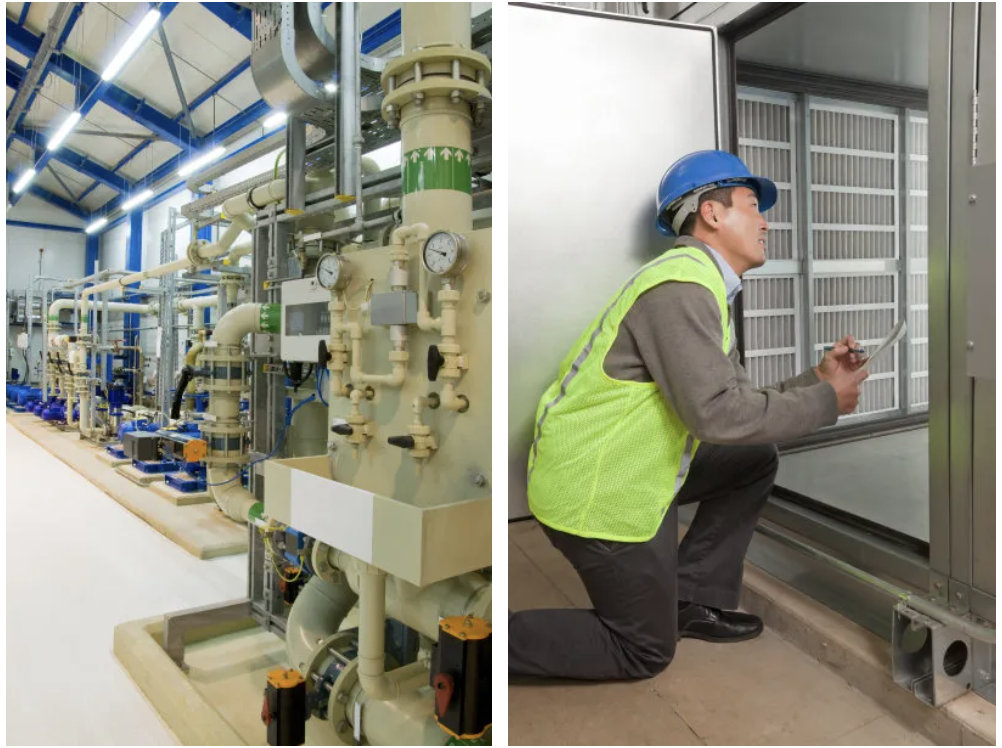
Filtration for Power Equipment
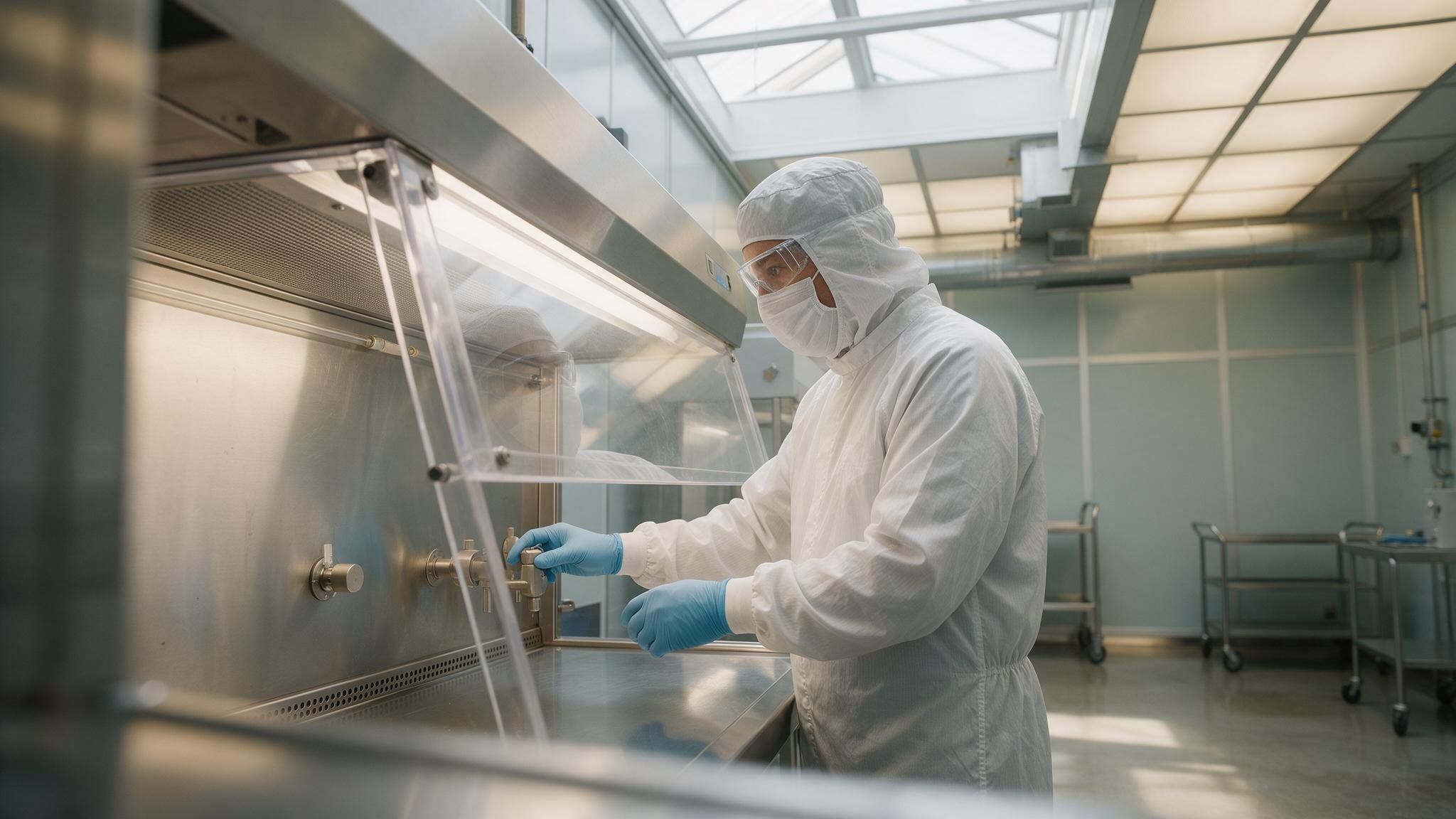
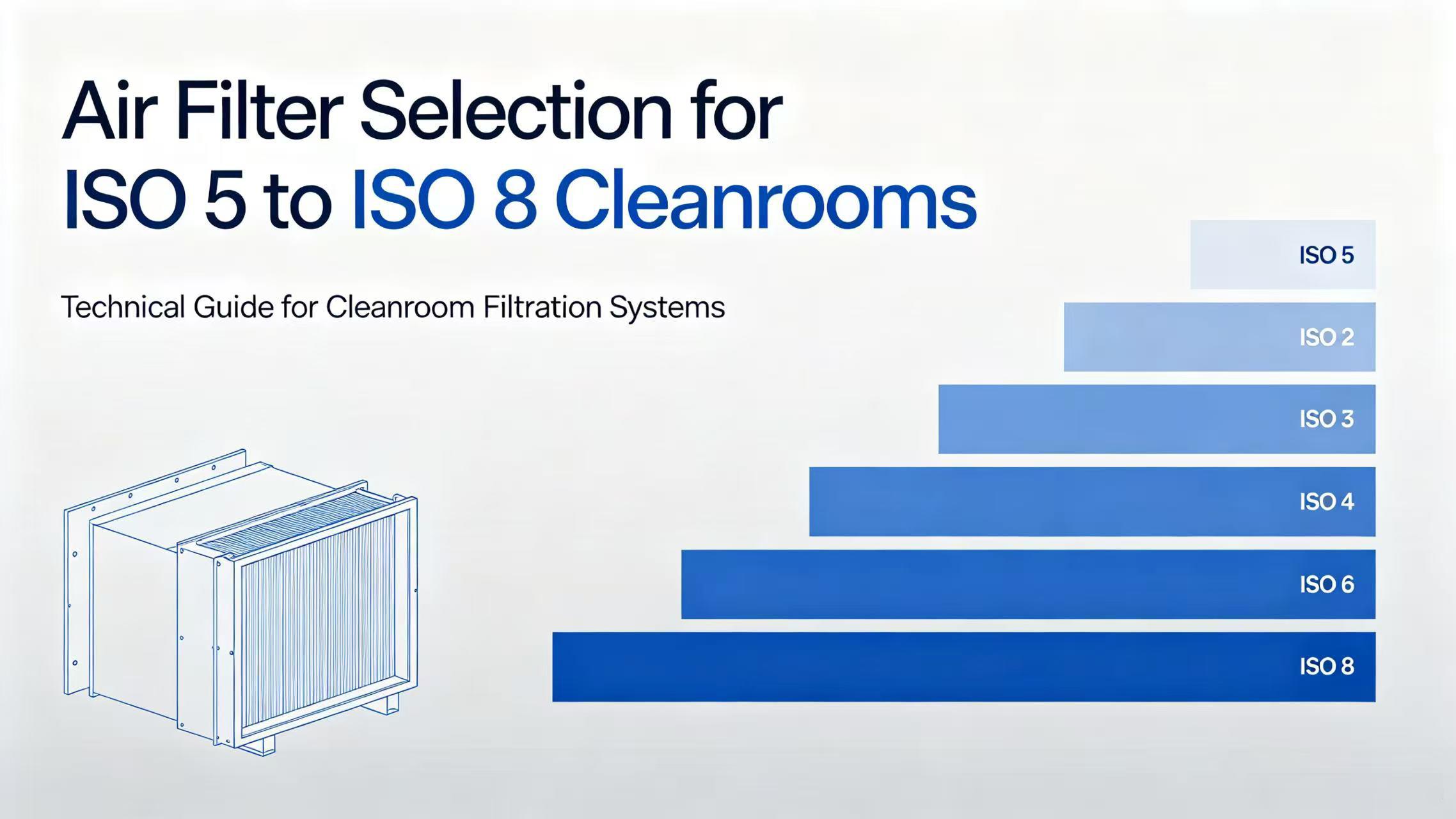
Cleanroom & Semiconductor
Ultra-High Cleanliness Filtration
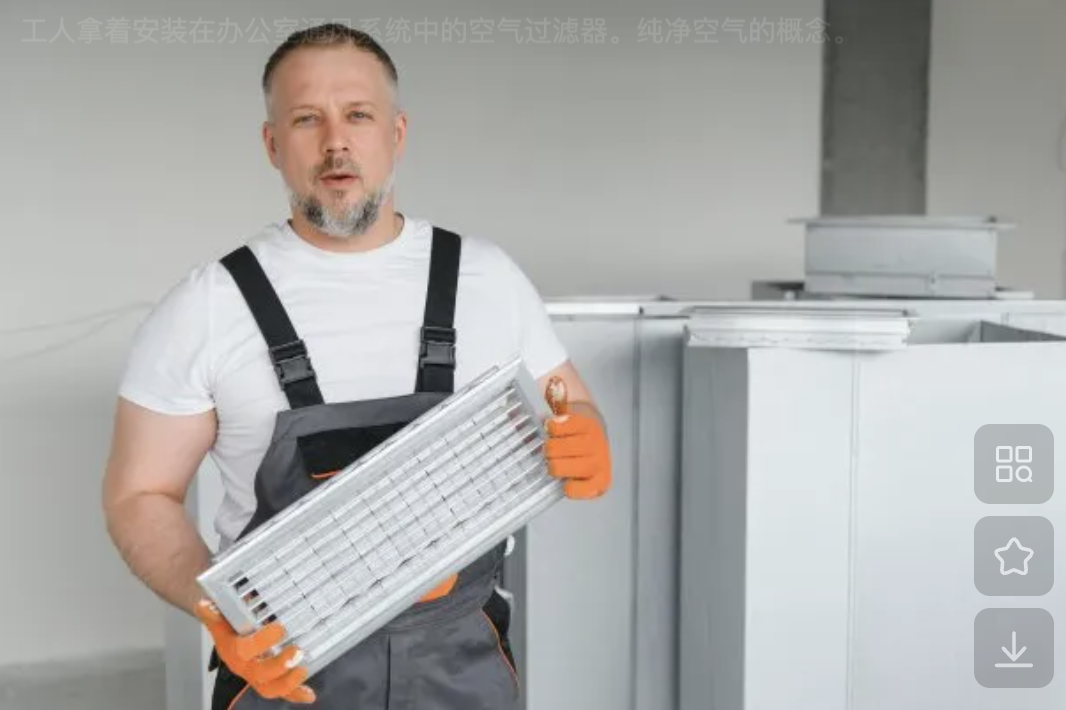
Commercial HVAC
Central Air System Filtration
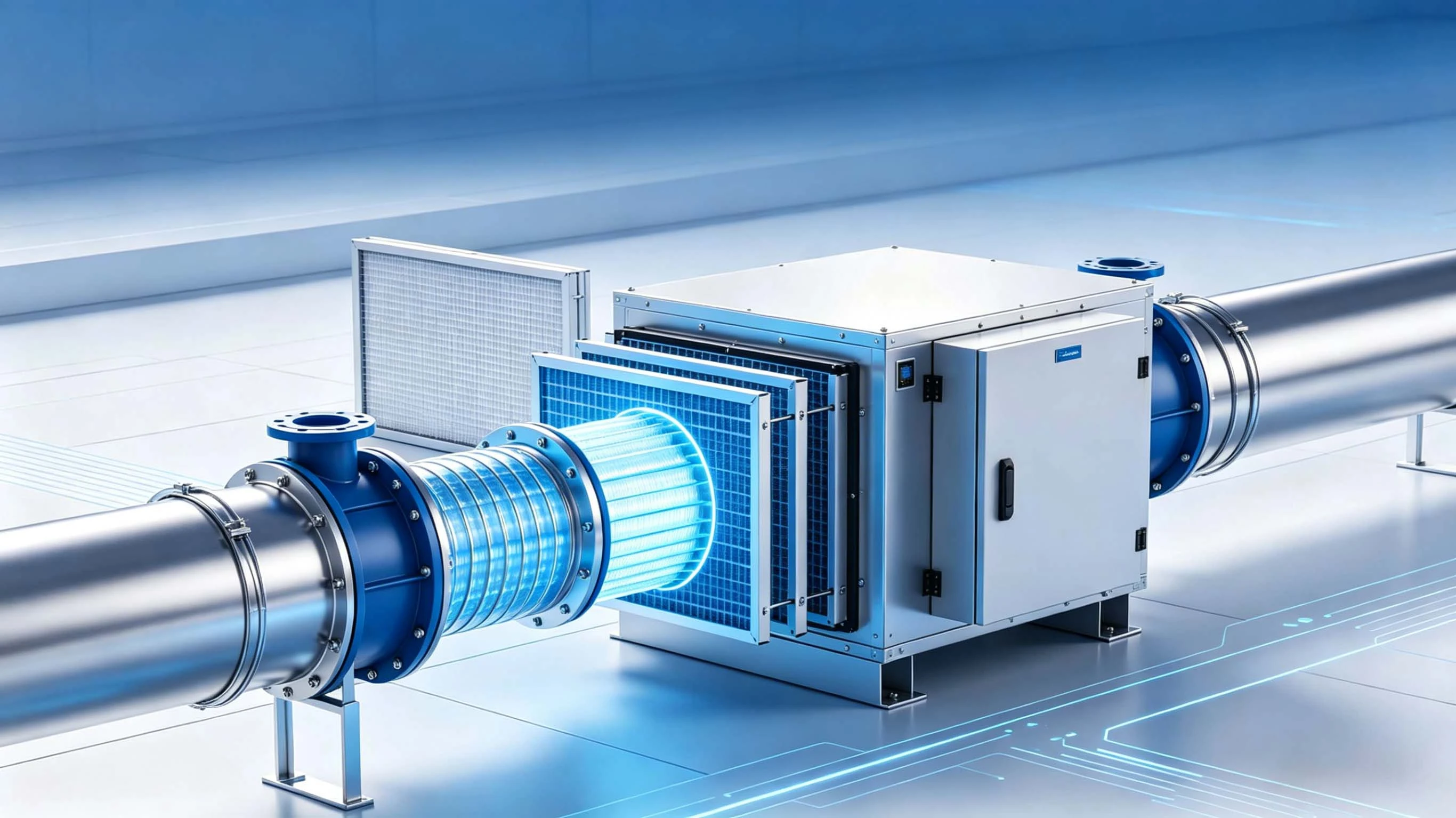
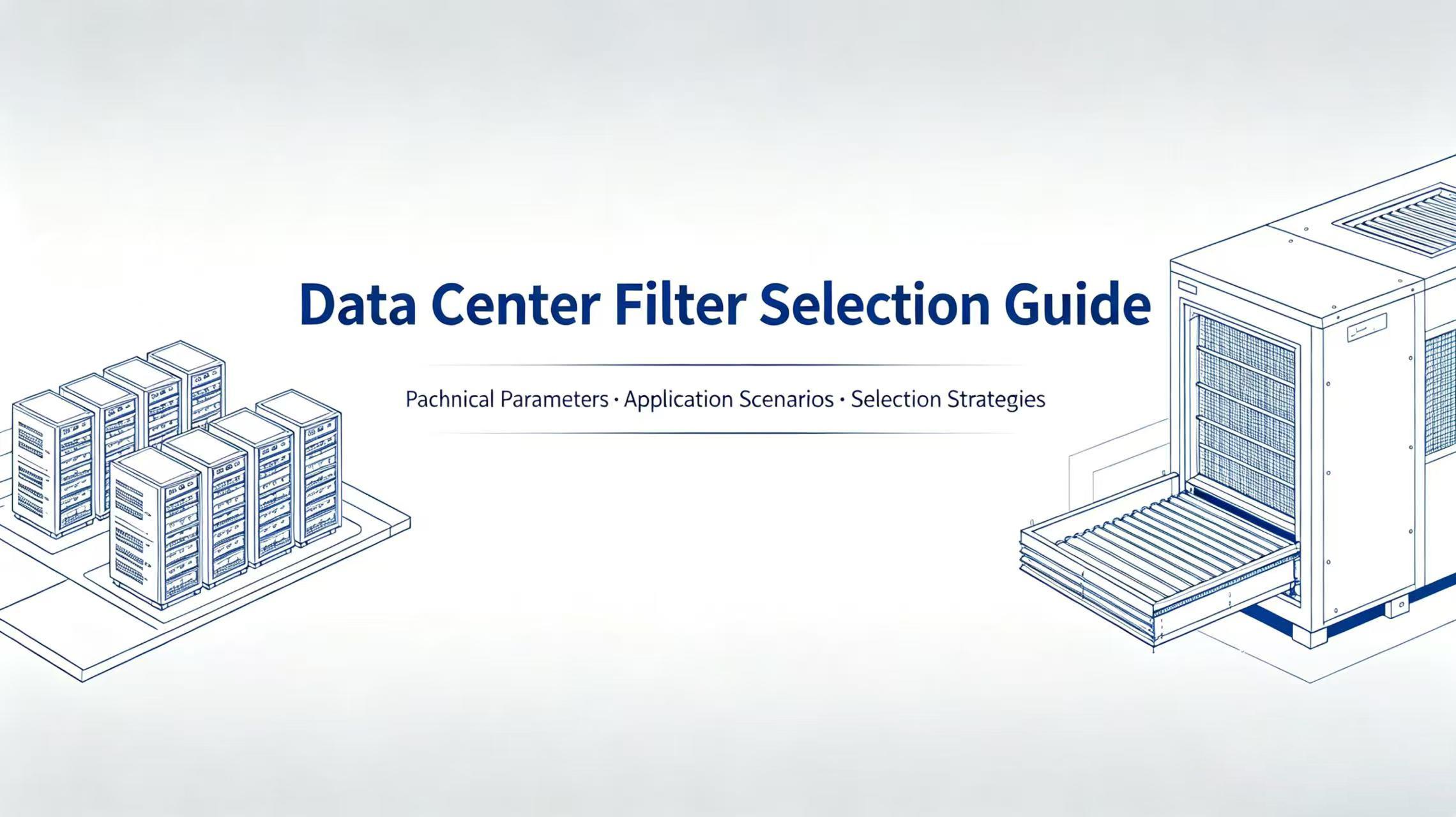
Data Centers
Precision Equipment Protection
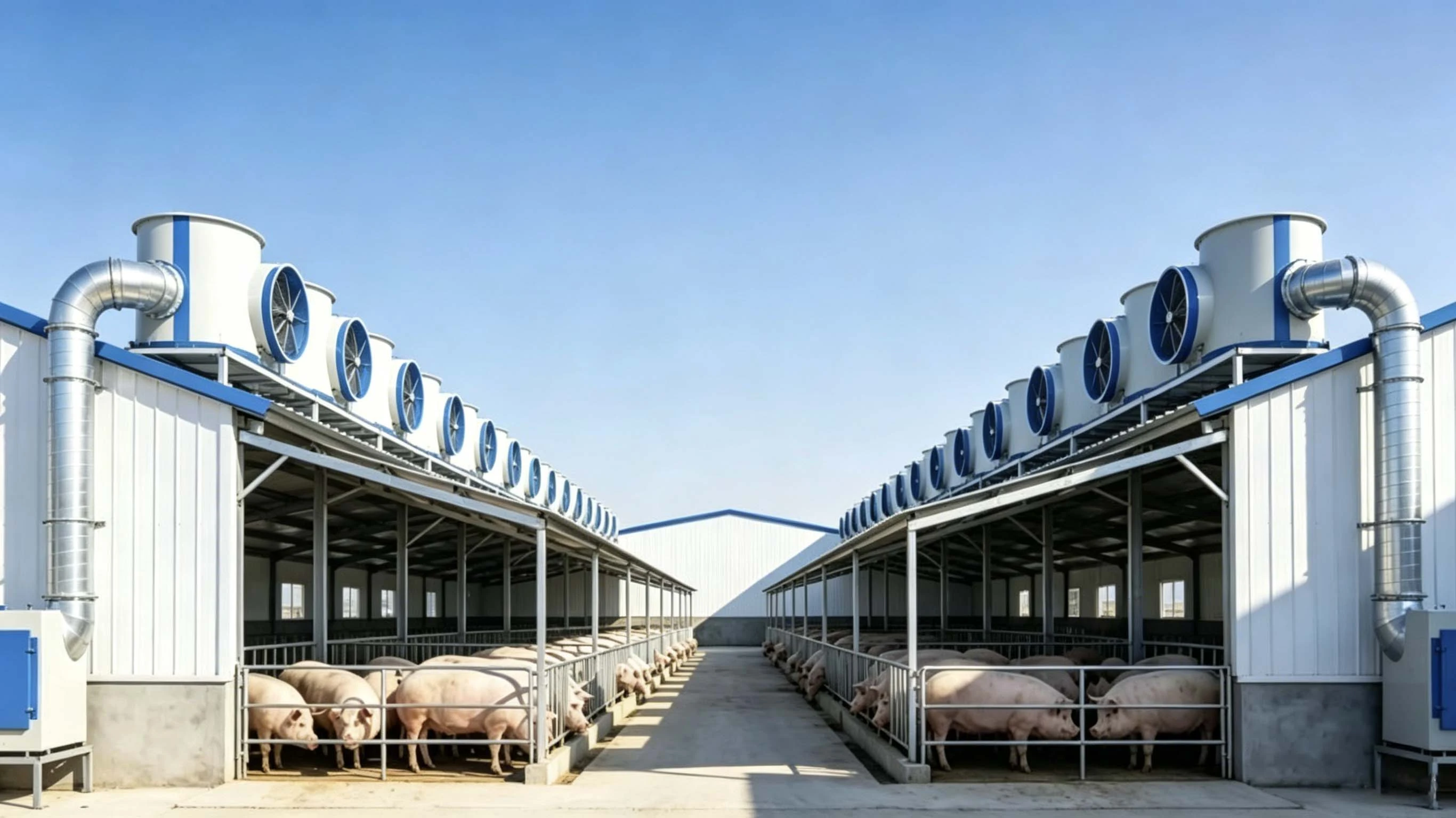
Livestock & Farming
Farming Environment Purification
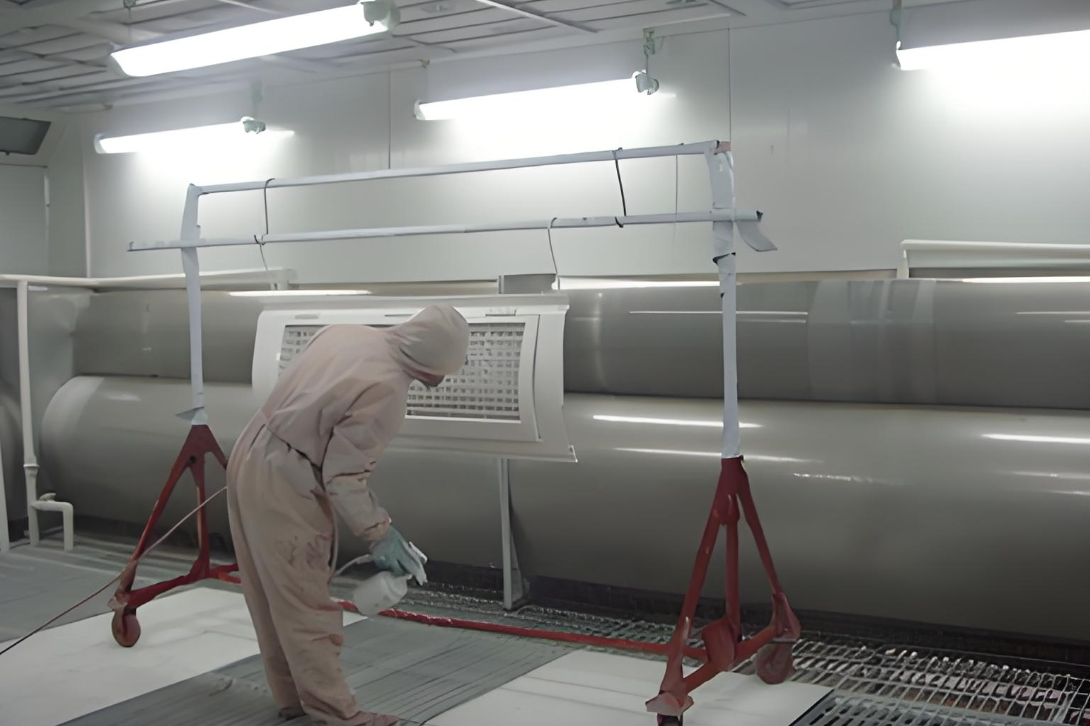
Spray Booths & Industrial Dust
Paint Mist & Dust Purification
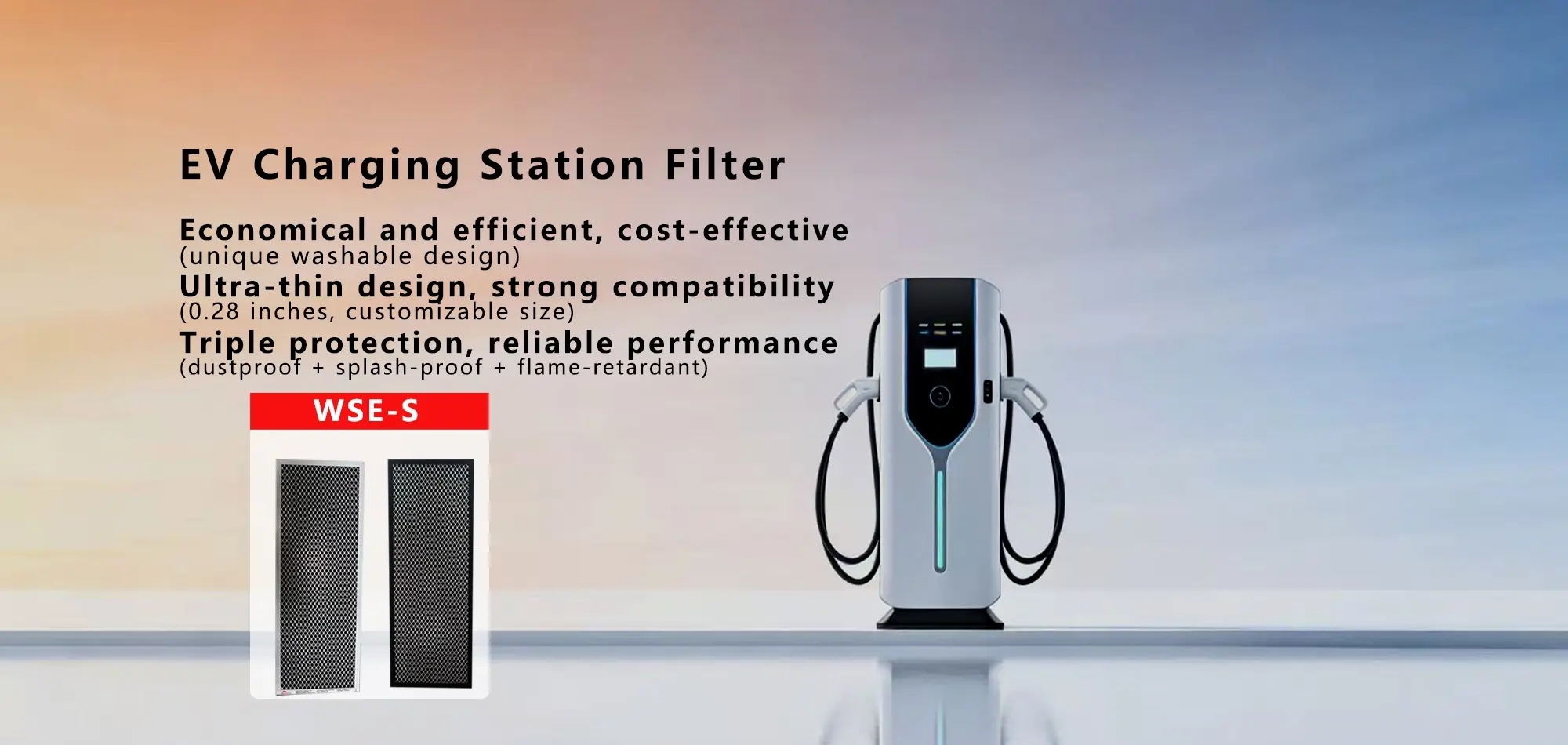
Filtration for Power Equipment
Professional air filtration for EV charging devices, protecting against dust and sand ingress to ensure stable, reliable operation of charging piles and station infrastructure.
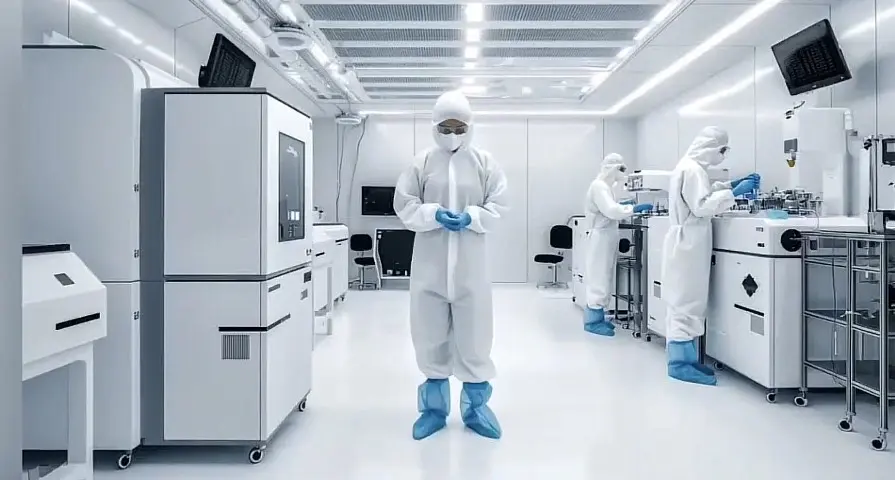
View Related Products →Ultra-High Cleanliness Filtration
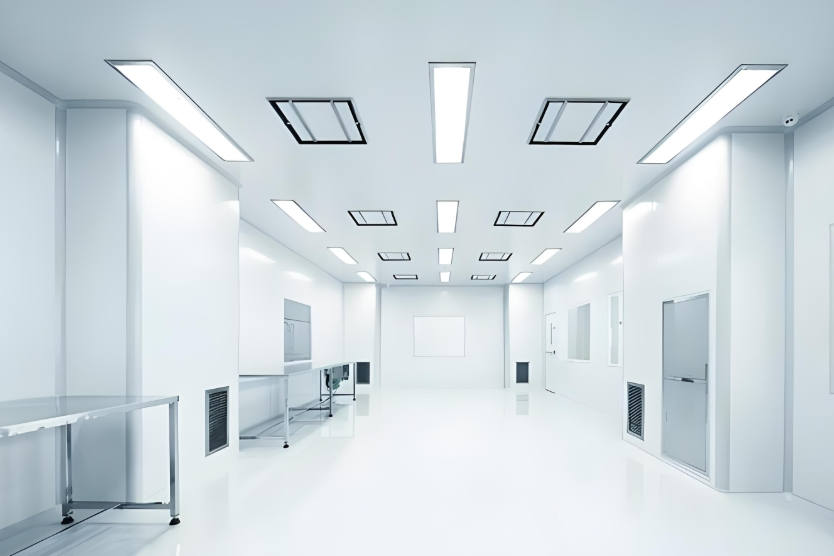
Ultra-high efficiency filtration for semiconductor wafer fabs and precision electronics cleanrooms, capturing nano-scale particles to meet ISO Class 1–3 standards and maximize product yield.
View Related Products →Central Air System Filtration
High-efficiency filtration for commercial building HVAC systems, improving indoor air quality, reducing energy consumption, and extending equipment service life.
View Related Products →Precision Equipment Protection
Precision air filtration for data centers, shielding servers and critical hardware from dust contamination to keep cooling systems running efficiently and reliably.
View Related Products →Farming Environment Purification
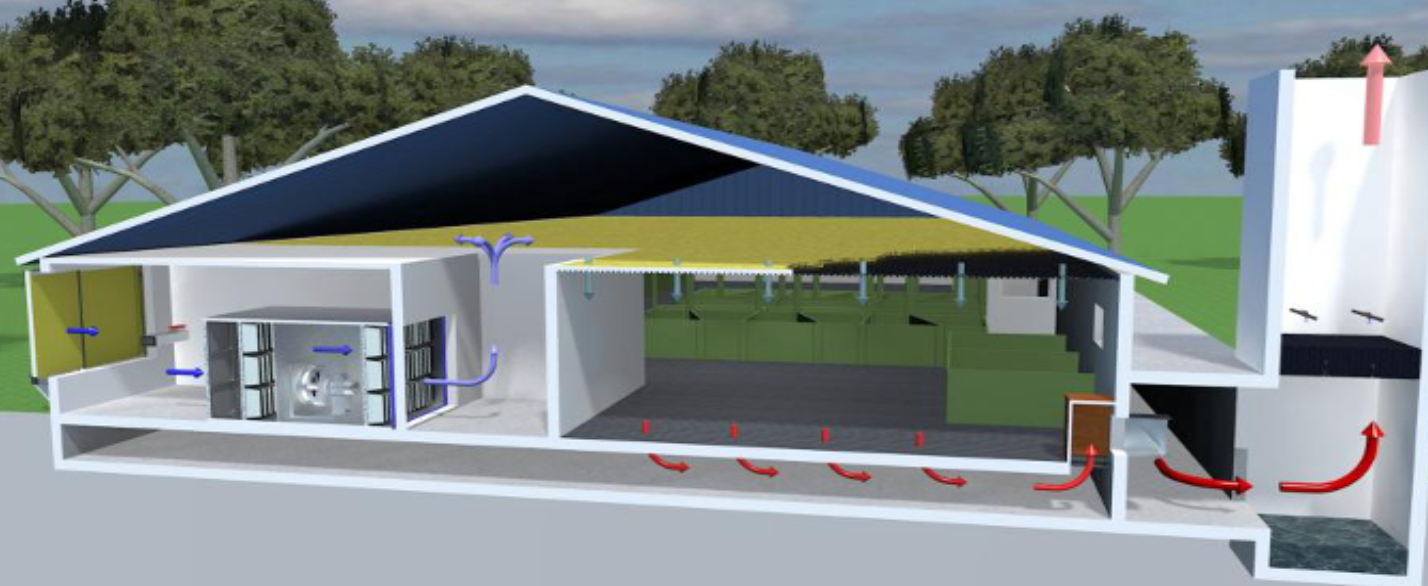
Dedicated filtration systems for farms and livestock facilities — capturing dust, adsorbing ammonia, and inhibiting pathogen spread to improve animal health and overall productivity.
View Related Products →Paint Mist & Dust Purification
Designed for spray booths and grinding workshops, efficiently capturing paint mist, metal dust, and wood chips to meet emission standards while protecting finished surface quality.
View Related Products →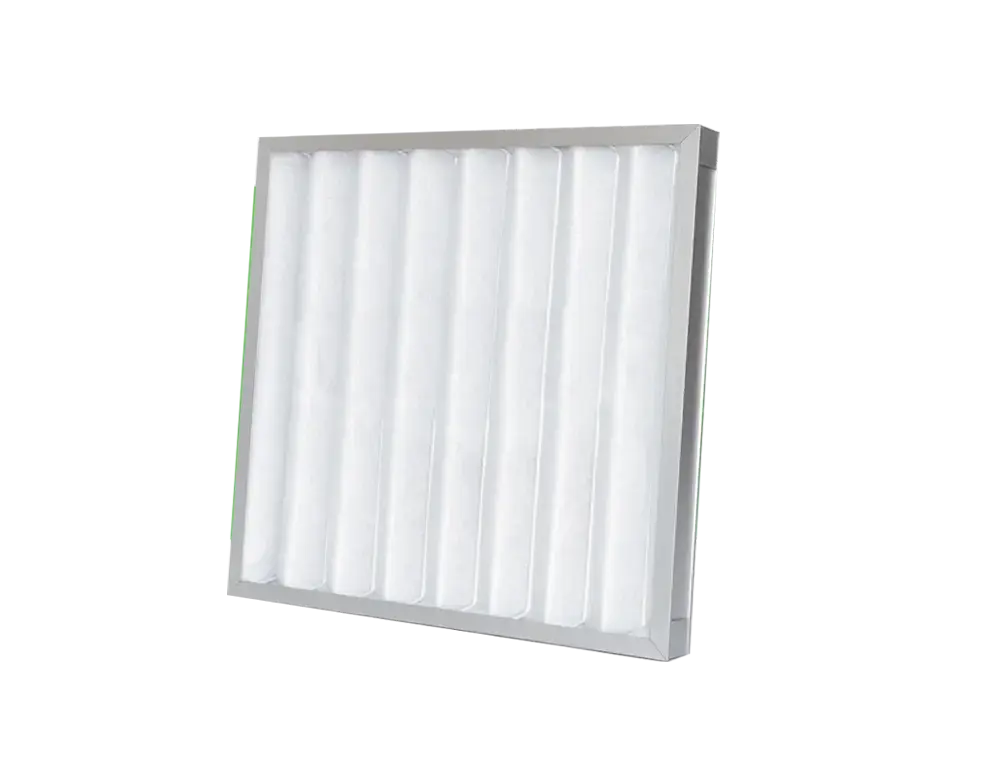
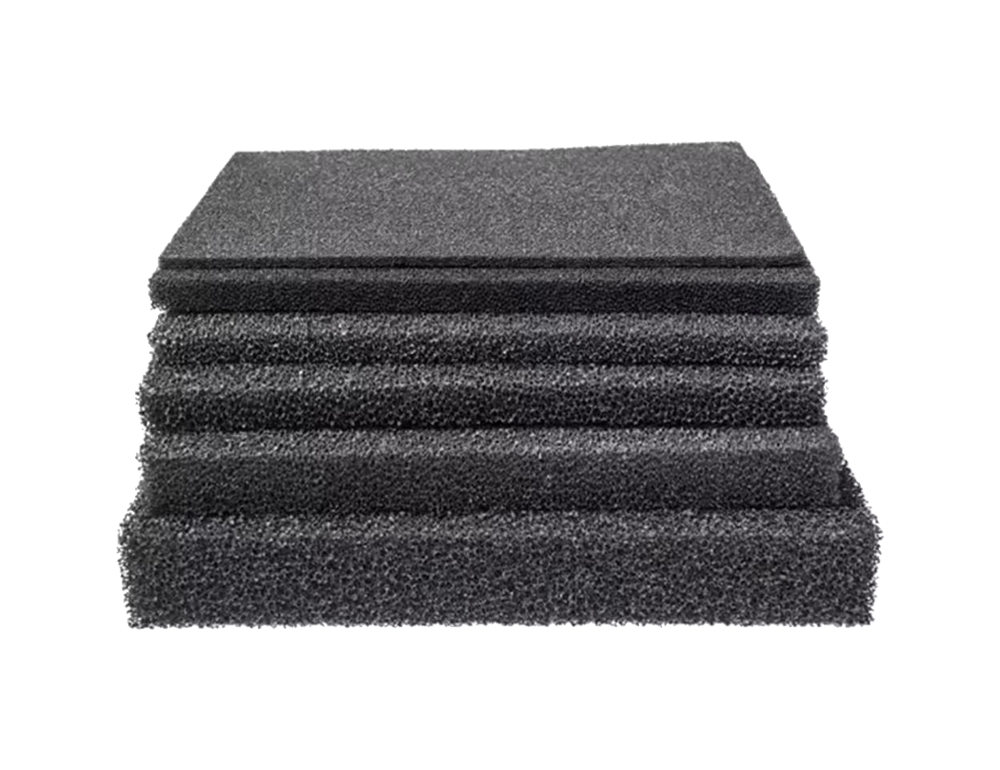
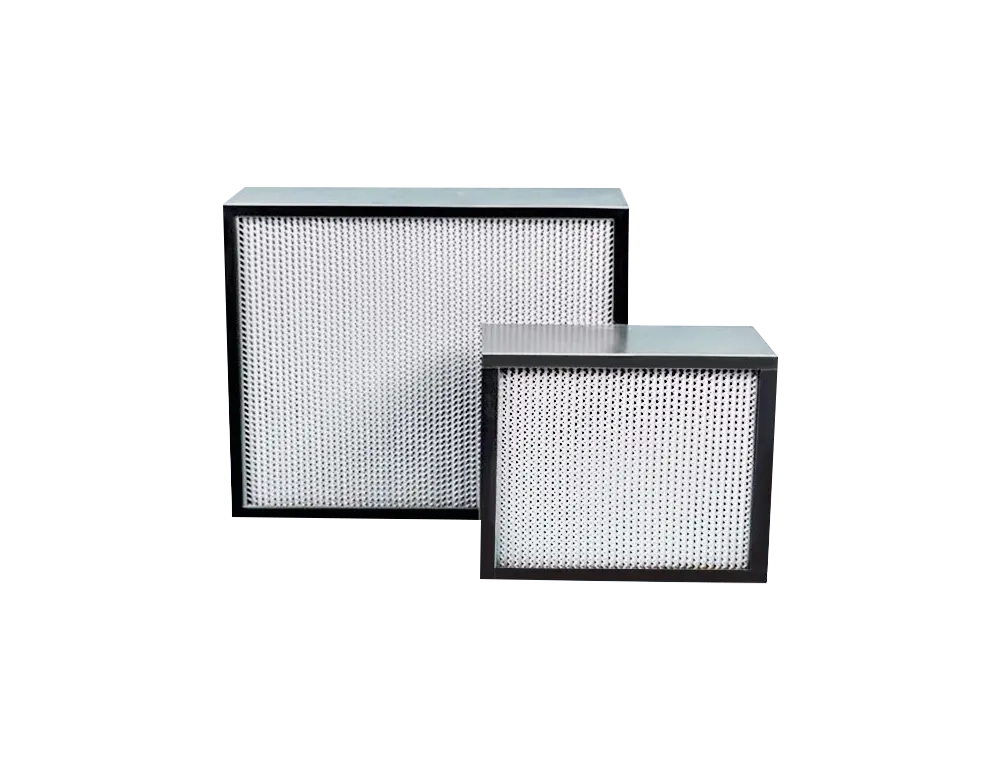
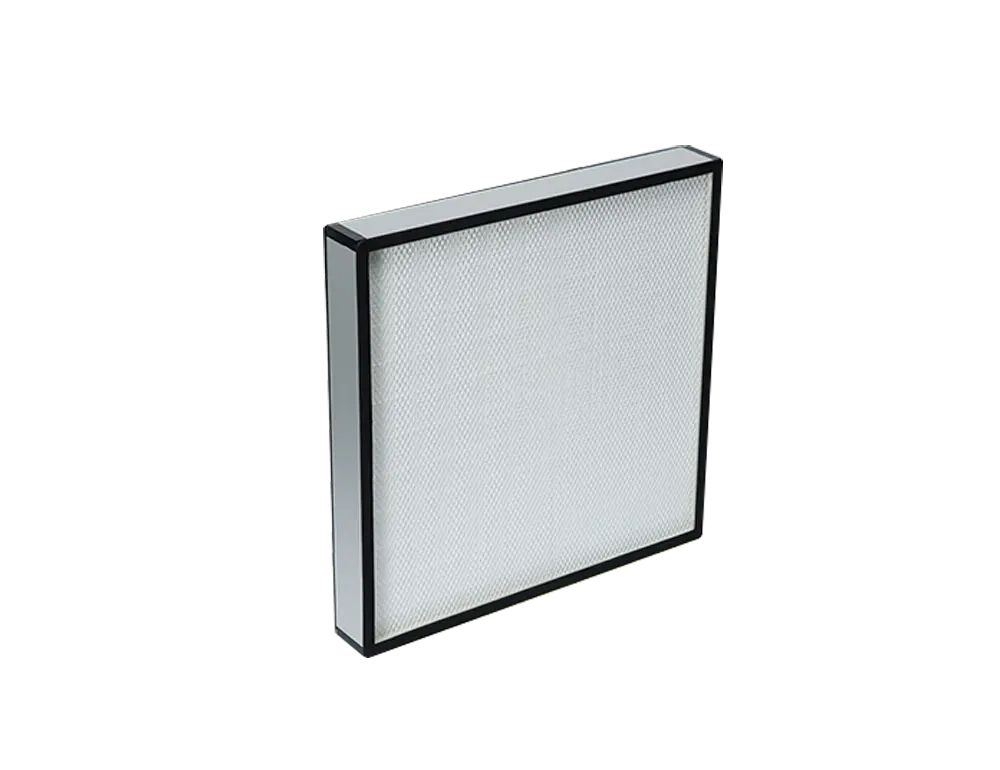
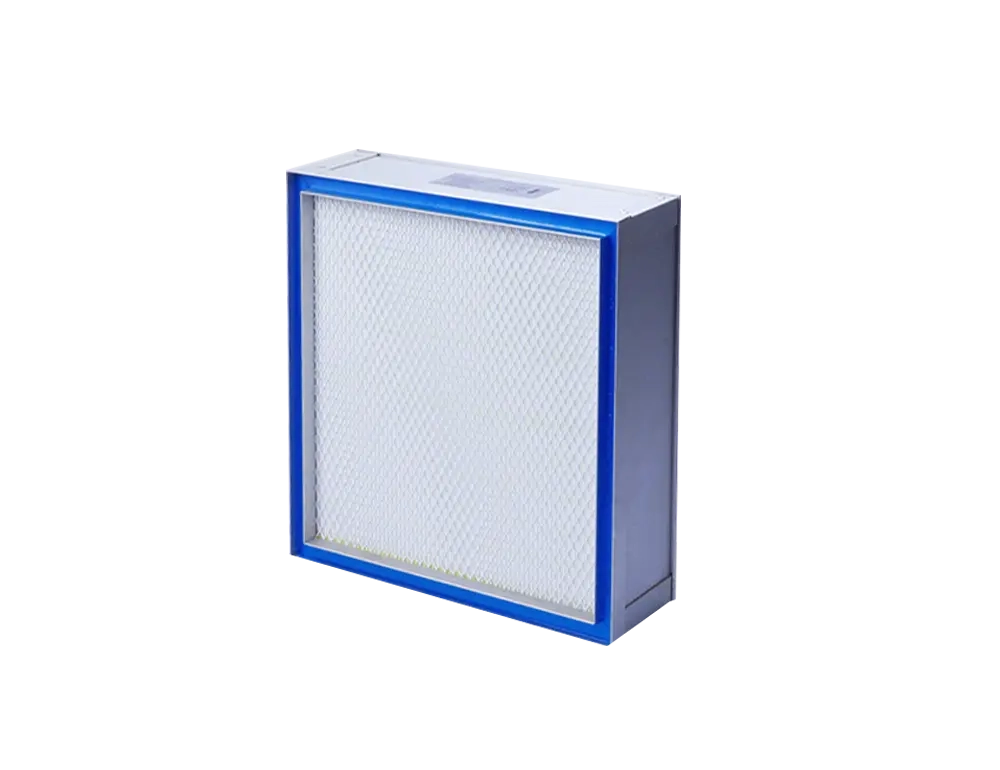
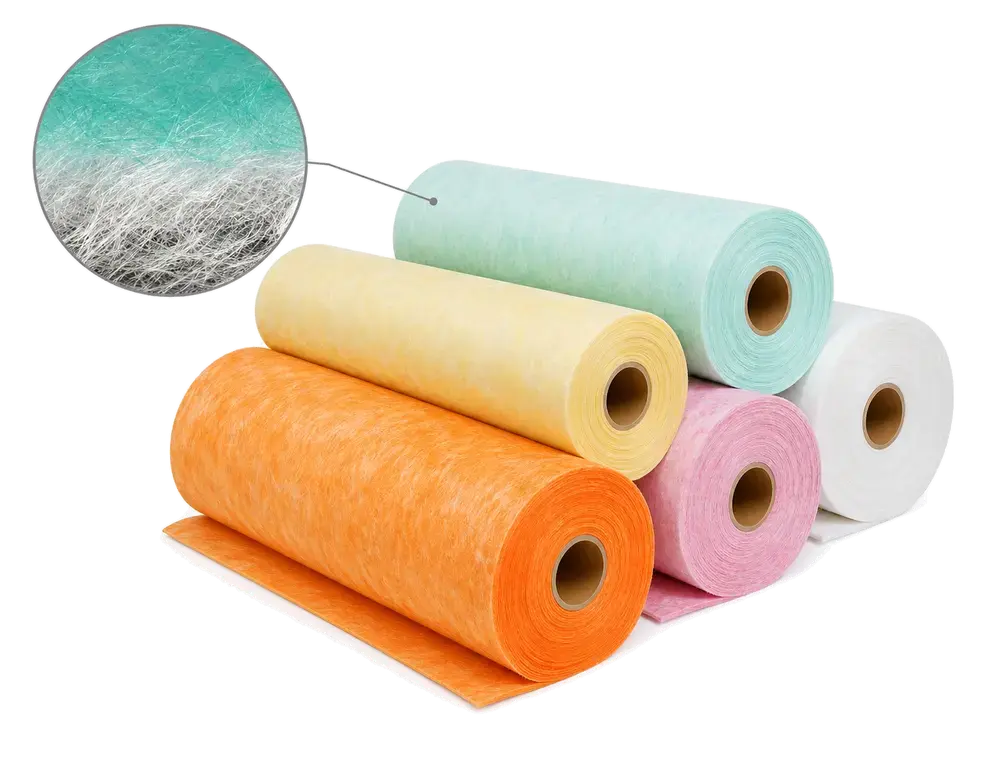
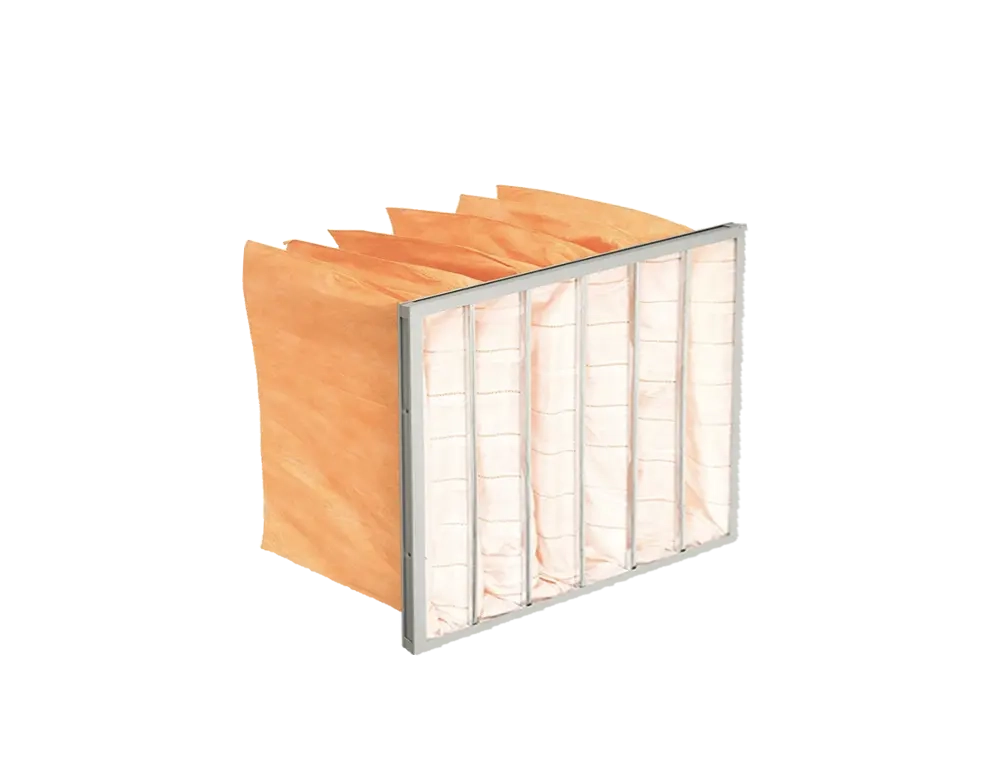
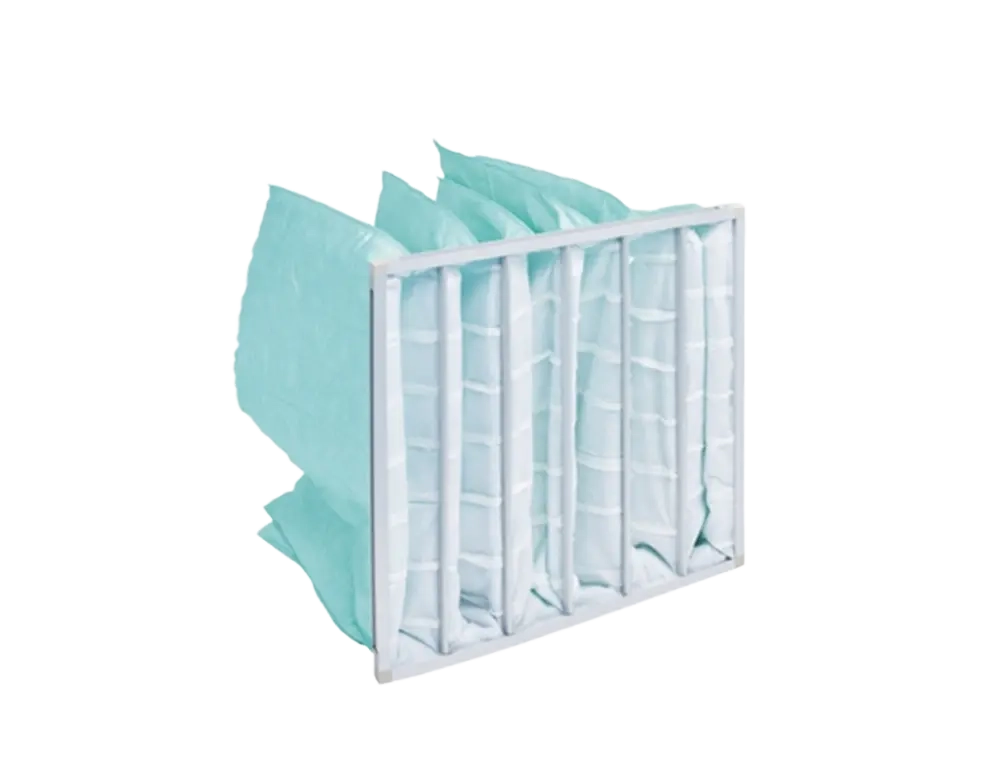
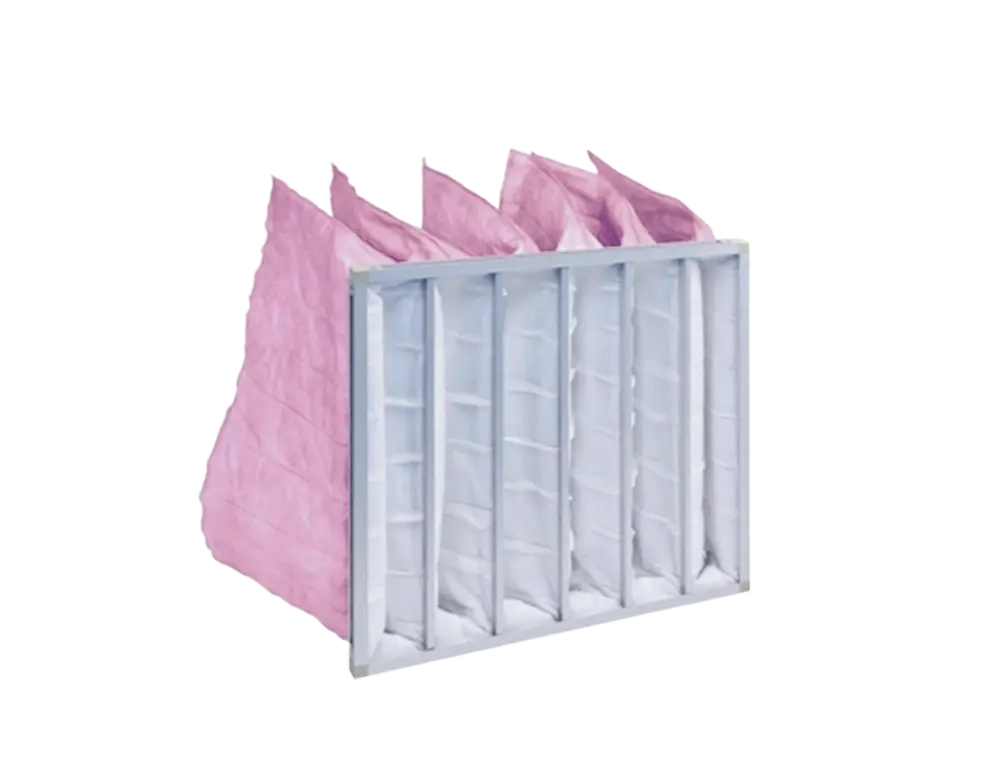
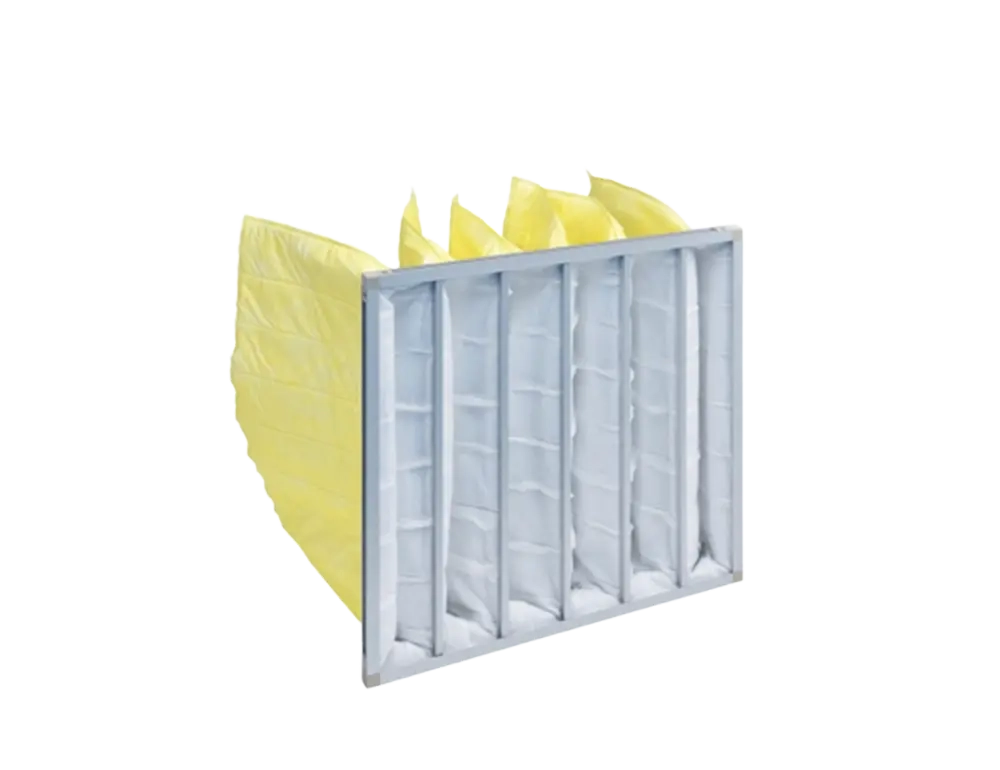
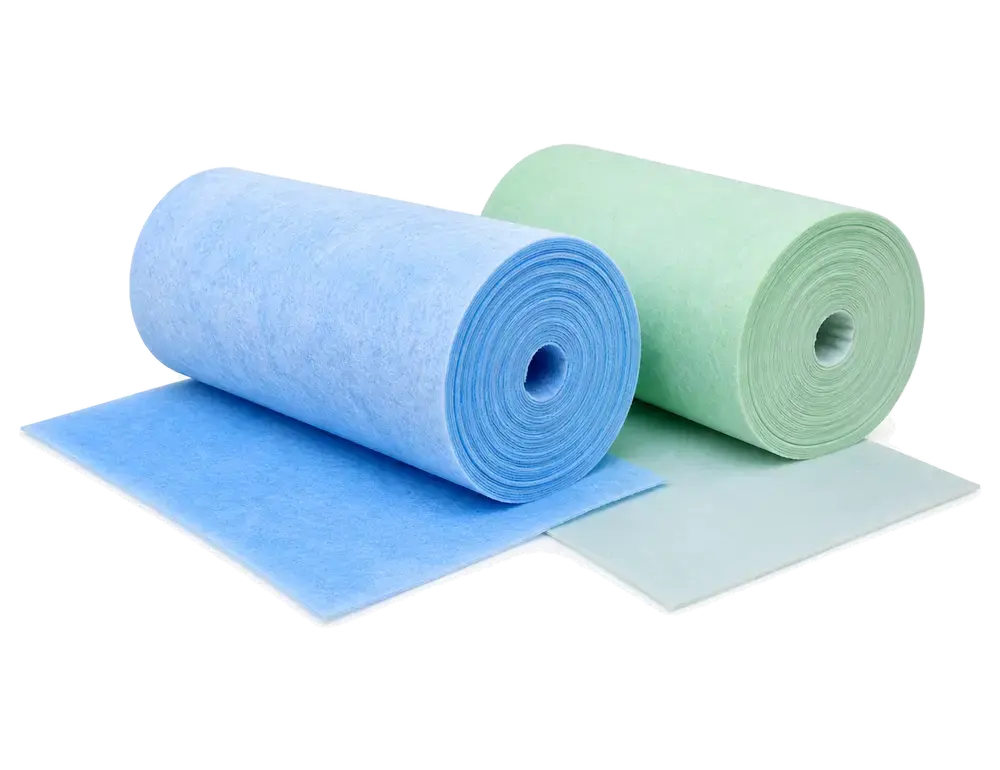
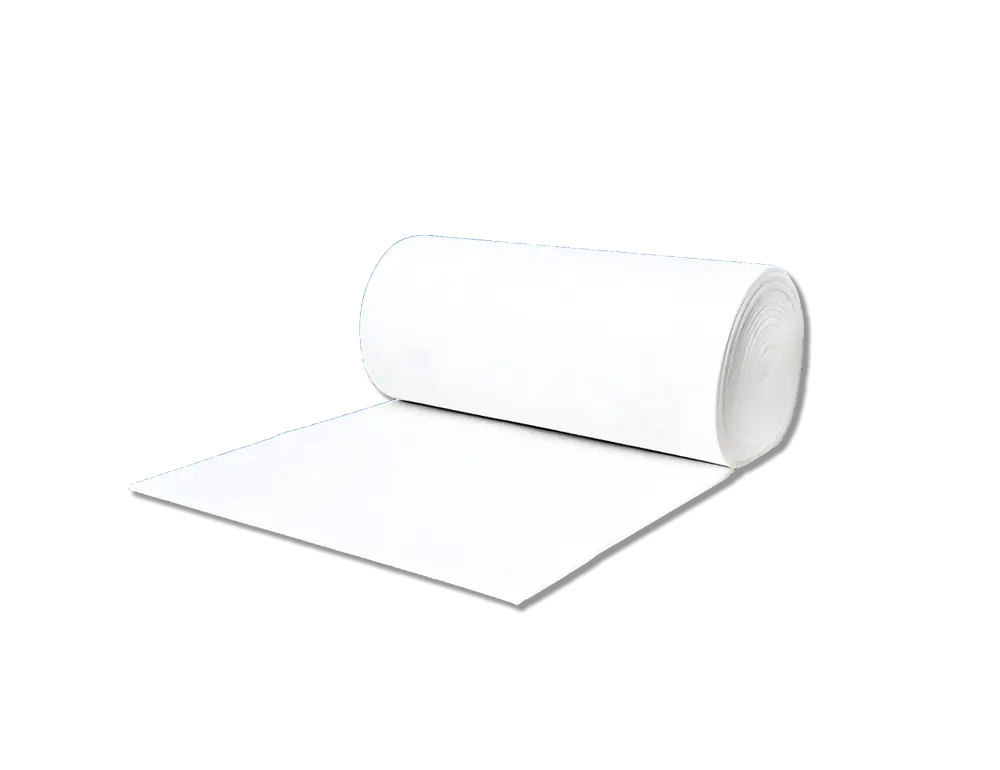
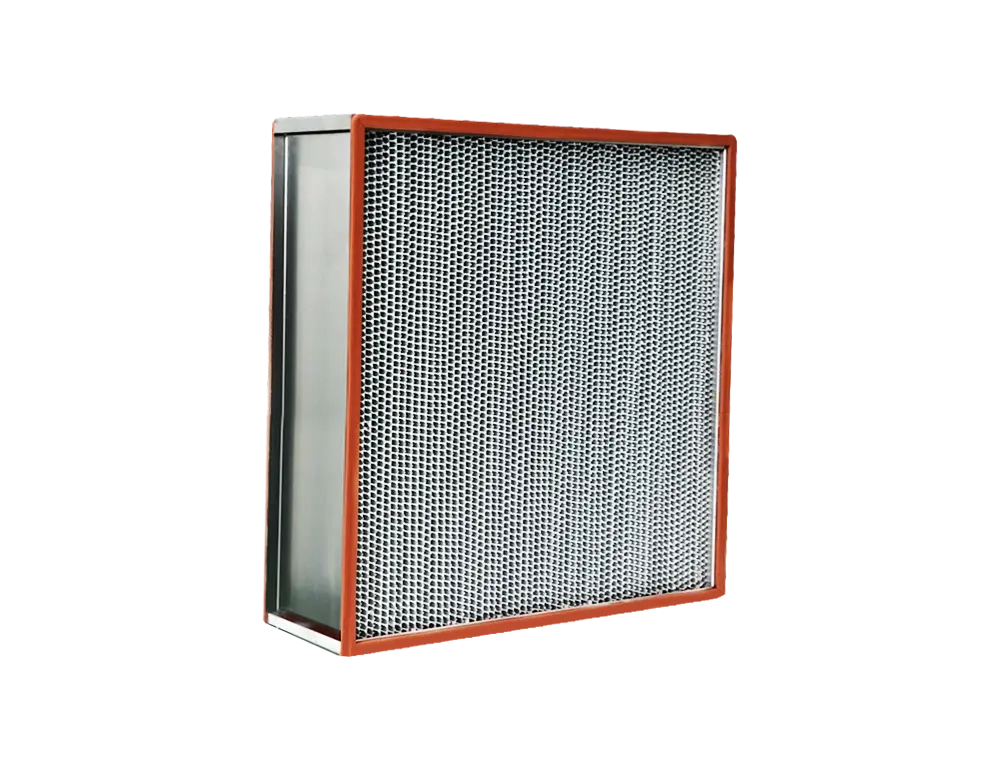
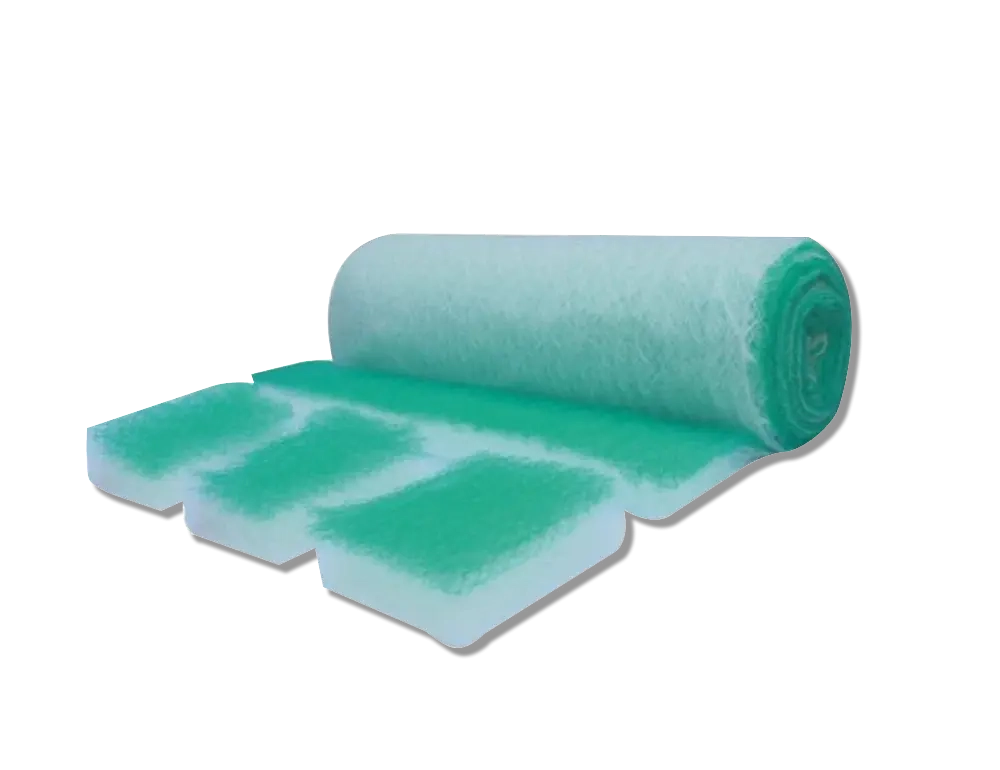
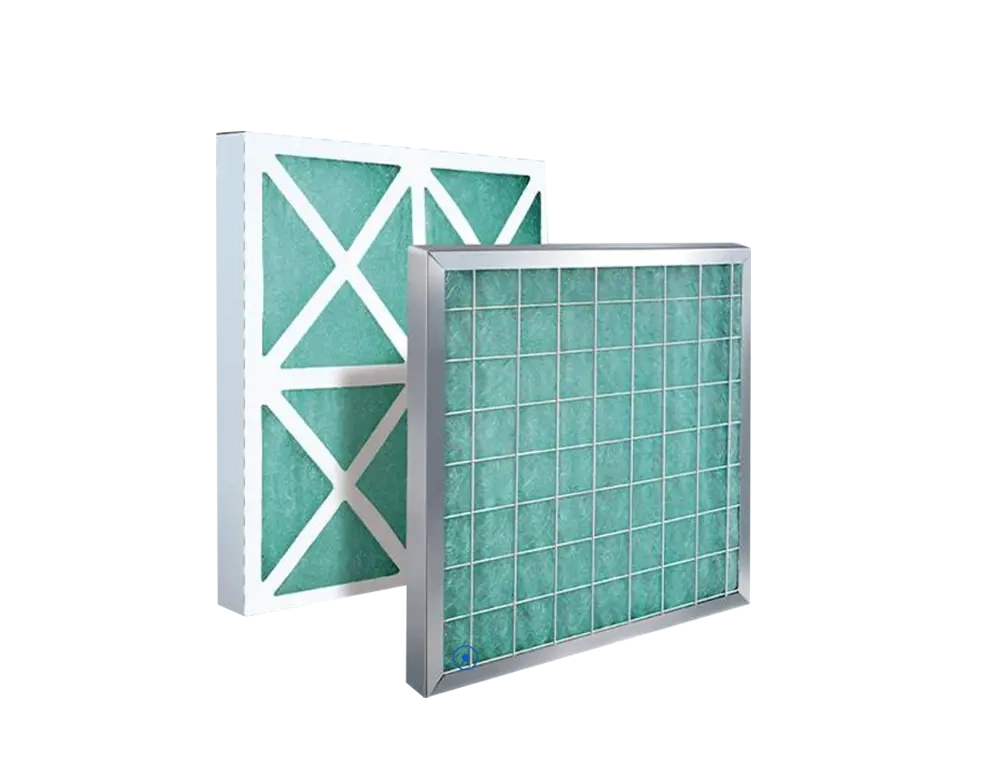
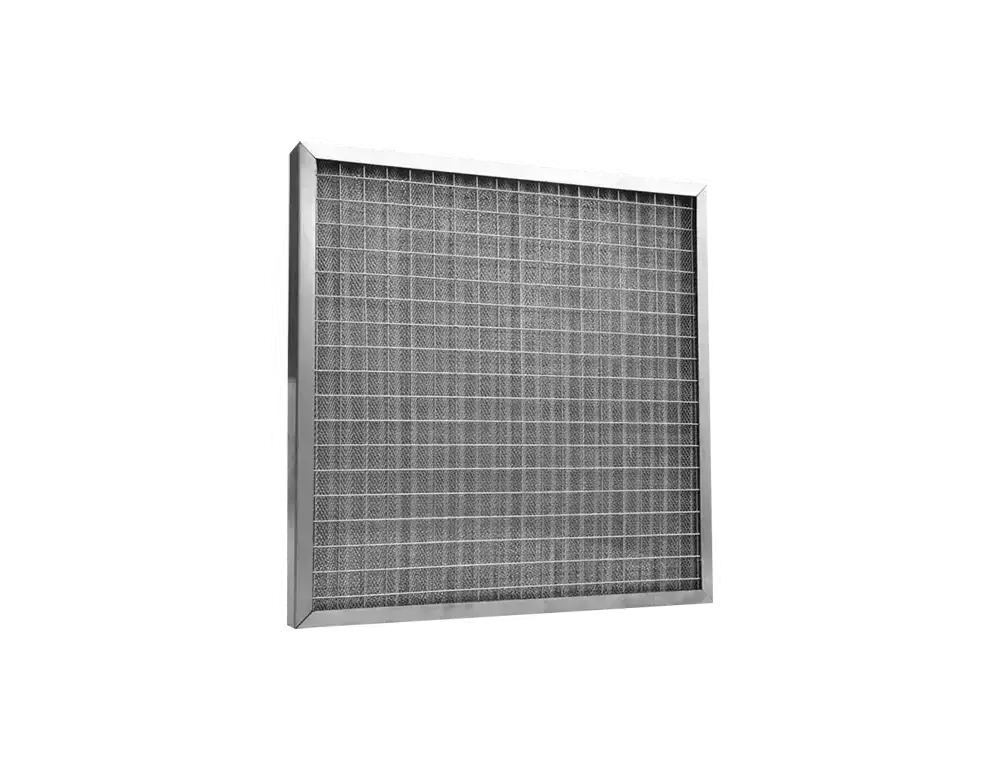
Pre-Filter (G1–G4)
First-Stage Large-Particle Capture
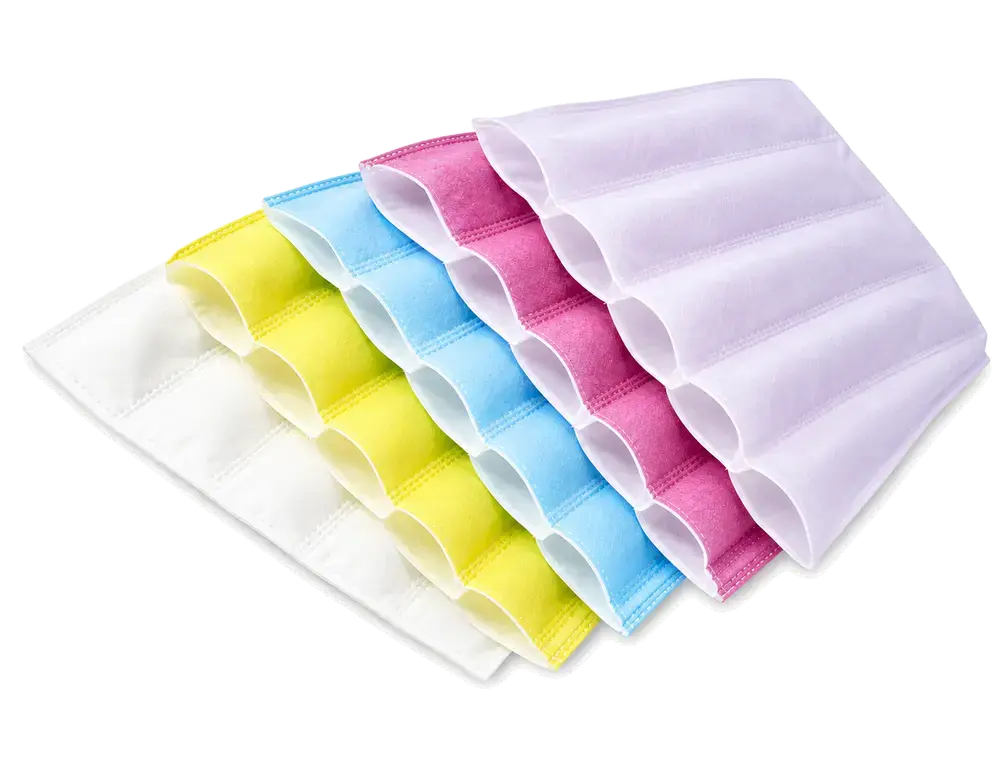
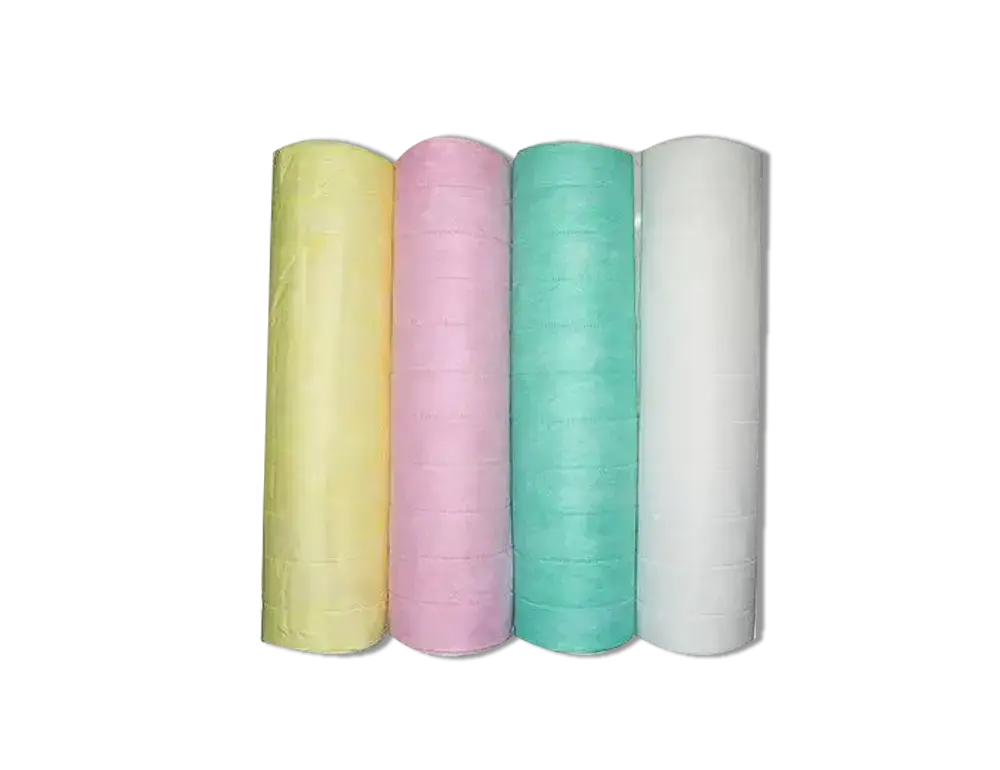
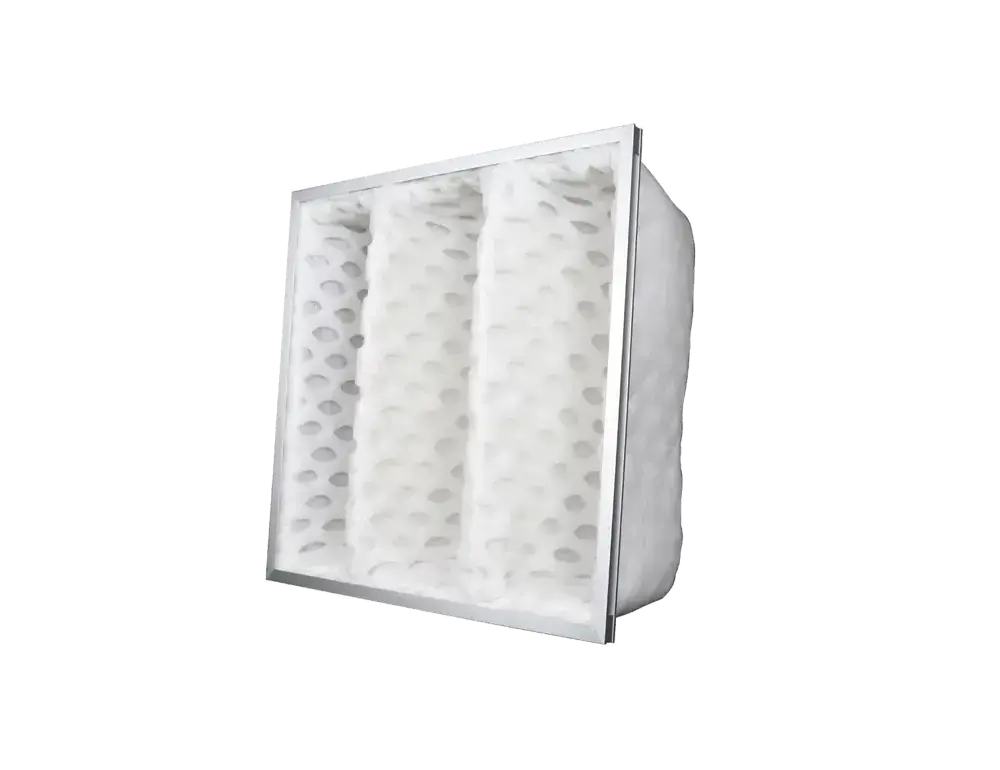
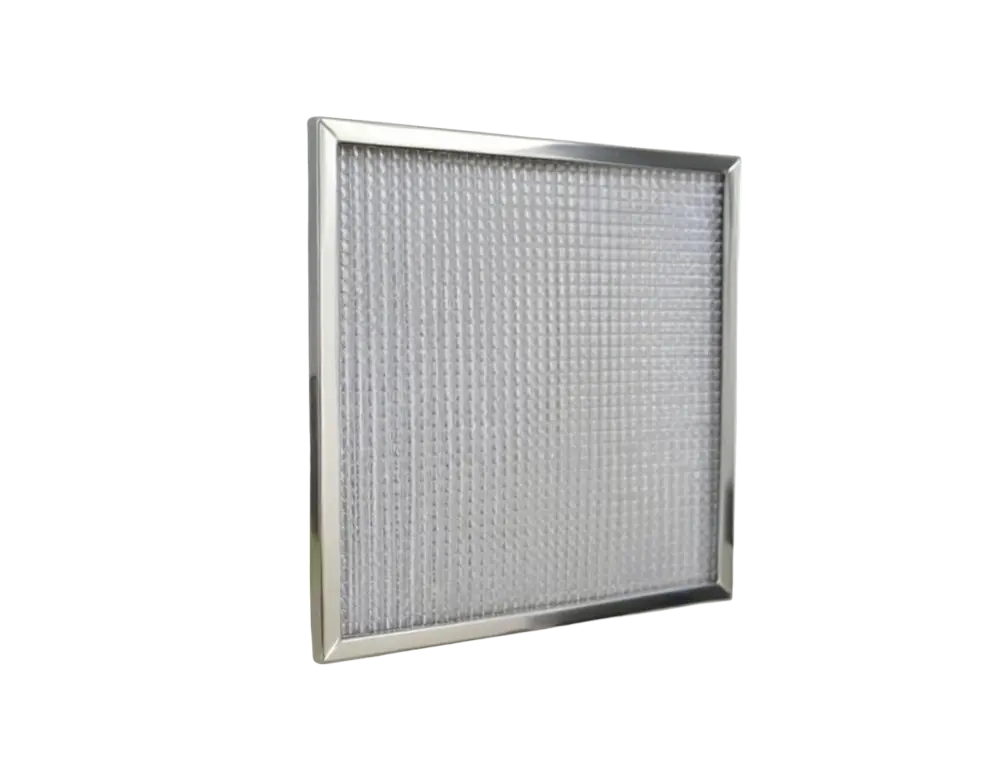
Medium-Efficiency Filter (F5–F9)
Precise PM2.5 Capture
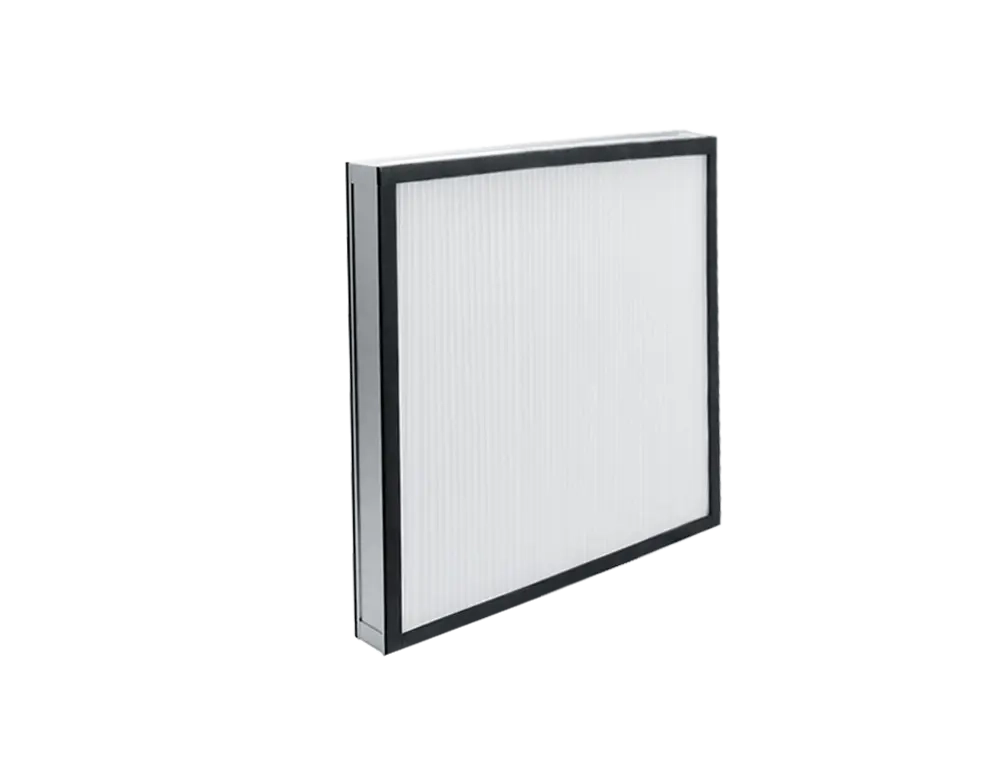
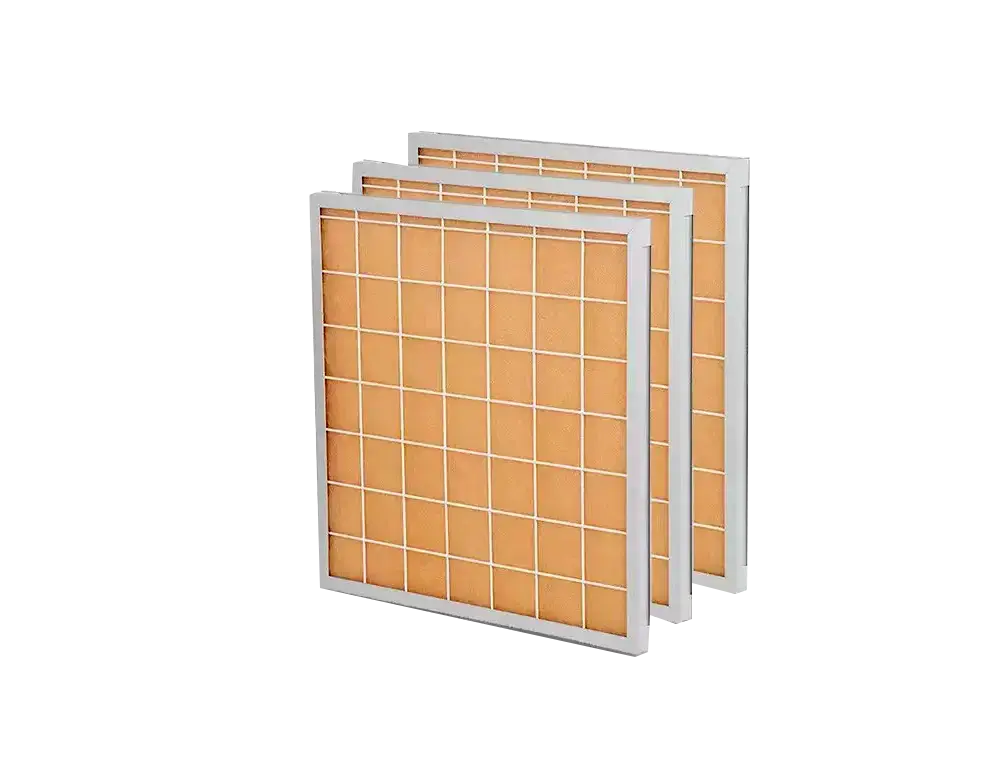
HEPA High-Efficiency Filter
Sterile-Grade Purification
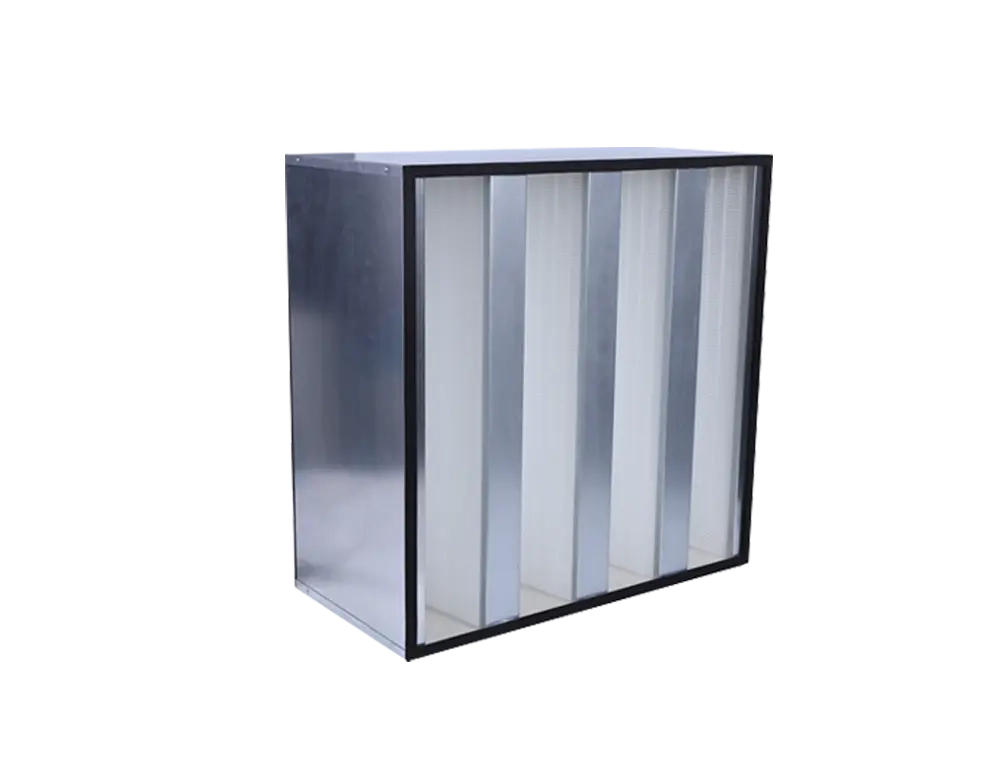
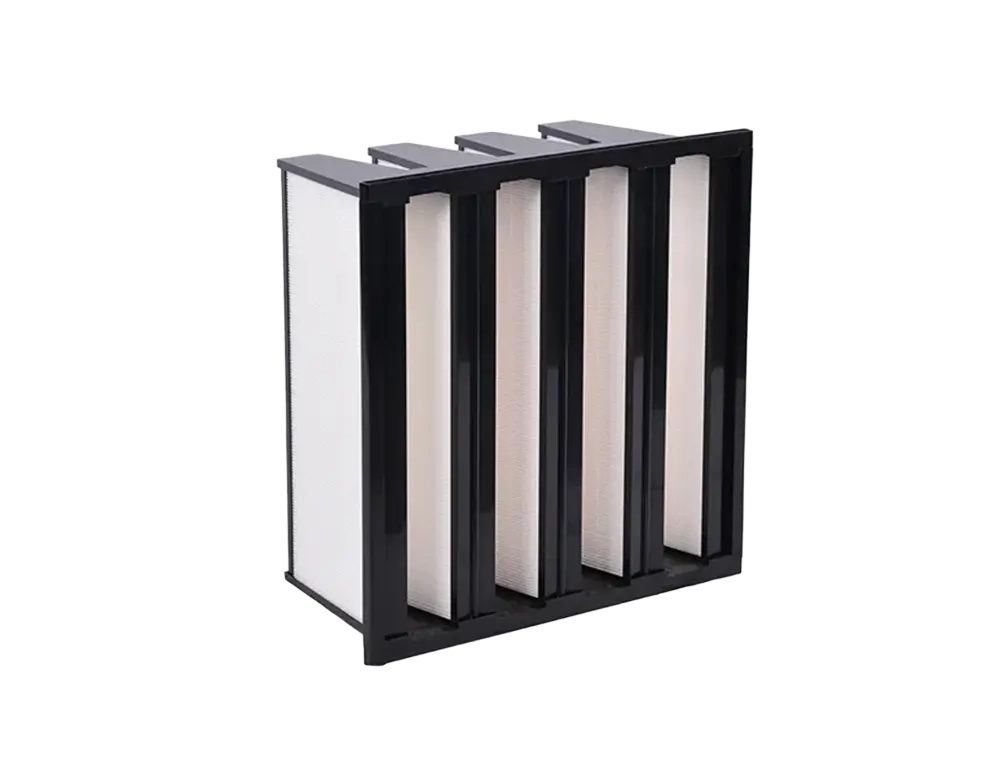
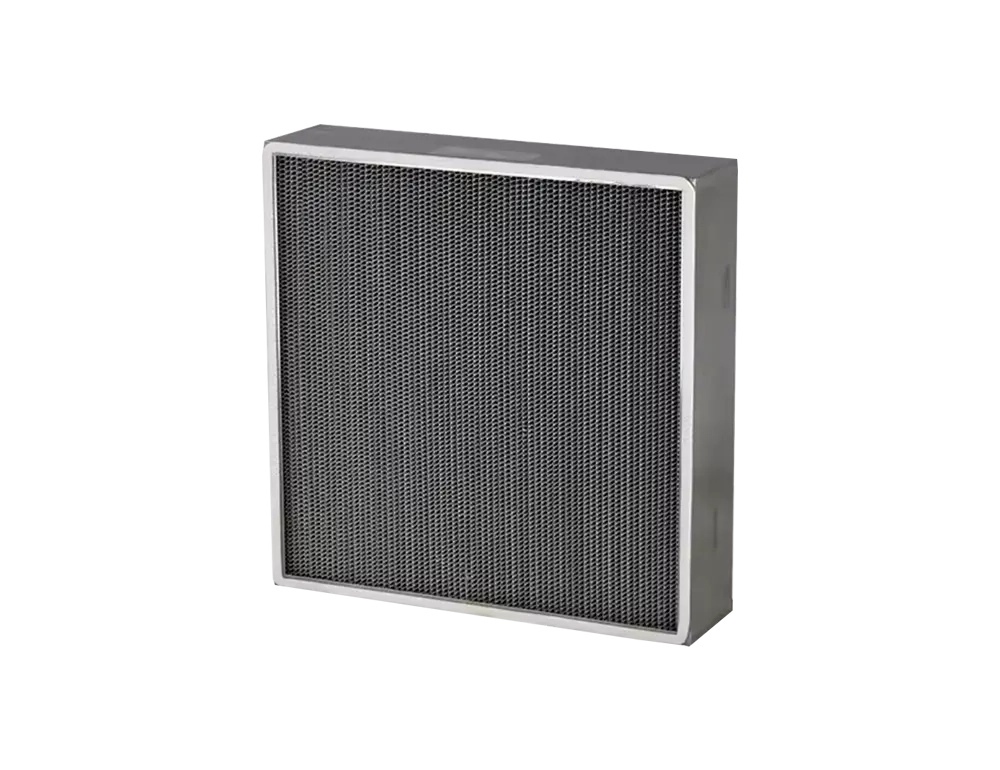
ULPA Ultra-High Efficiency Filter
Sub-Micron Particle Capture
First-Stage Large-Particle Capture
The first line of defense, capturing particles ≥5 μm such as dust, hair, and fibers to protect downstream filters and extend overall system service life.
View Related Products →Precise PM2.5 Capture
Captures fine particles of 1–5 μm including PM2.5, pollen, and mold spores, significantly improving indoor air quality for commercial HVAC and ventilation systems.
View Related Products →Sterile-Grade Purification
≥99.97% filtration efficiency for particles ≥0.3 μm, delivering sterile-grade clean air widely used in medical, pharmaceutical, and electronics manufacturing.
View Related Products →Sub-Micron Particle Capture
≥99.9995% efficiency for particles ≥0.12 μm, meeting the extreme cleanliness demands of semiconductor fabs, aerospace, and other ultra-precision applications.
View Related Products →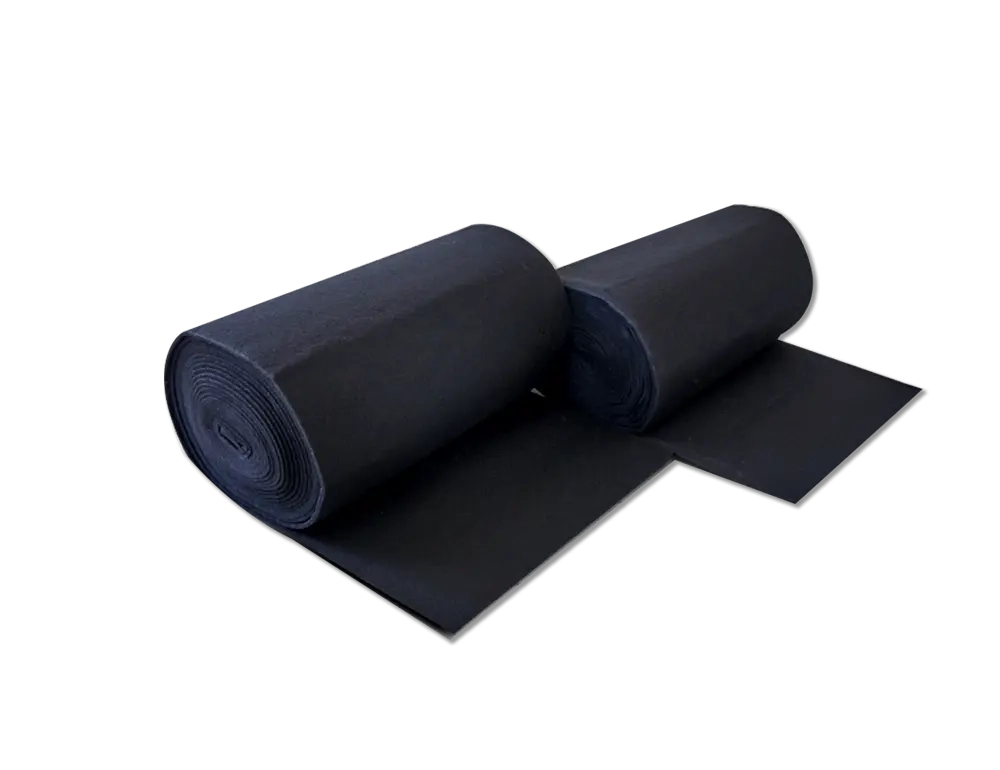
High-Temperature Resistant
Industrial-Grade Heat Tolerance
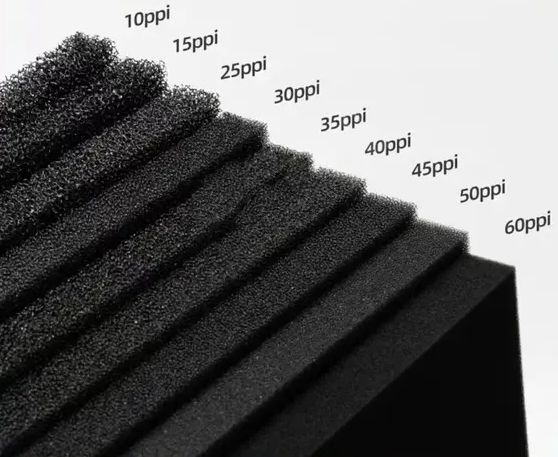
Washable & Reusable
Cut Costs, Reduce Waste
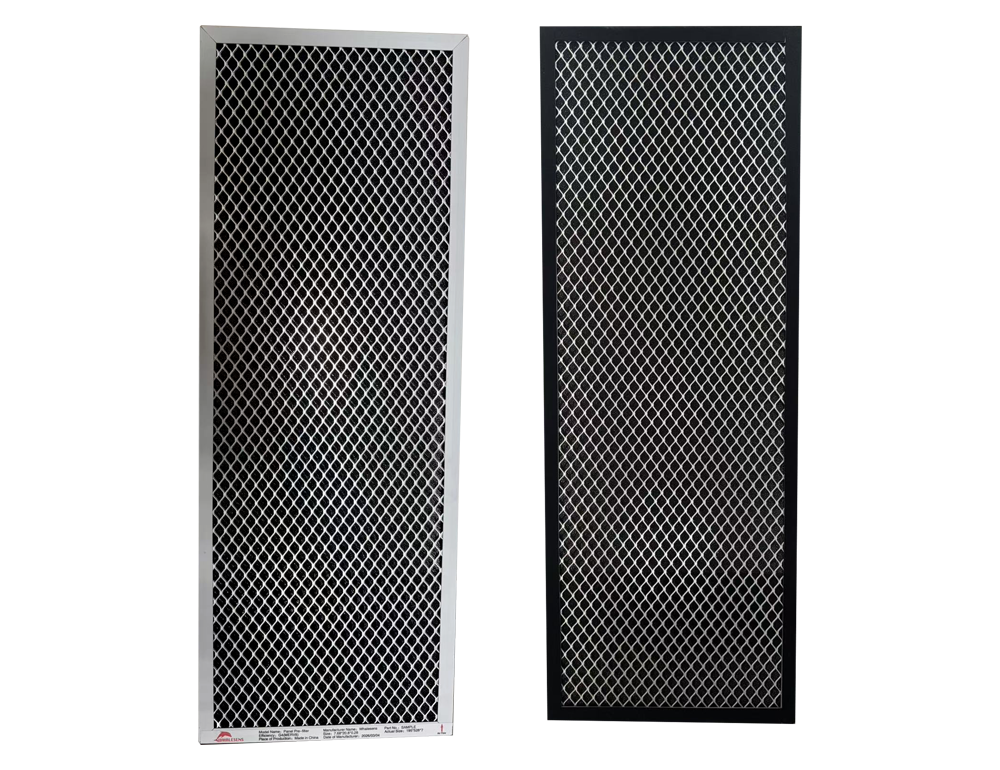
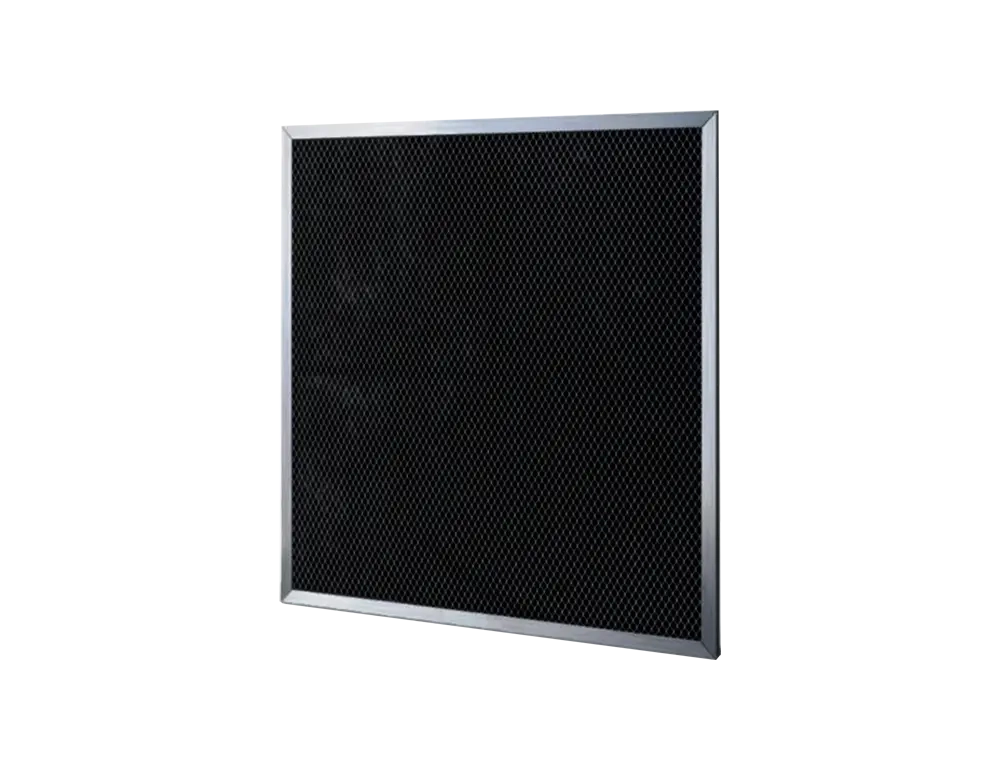
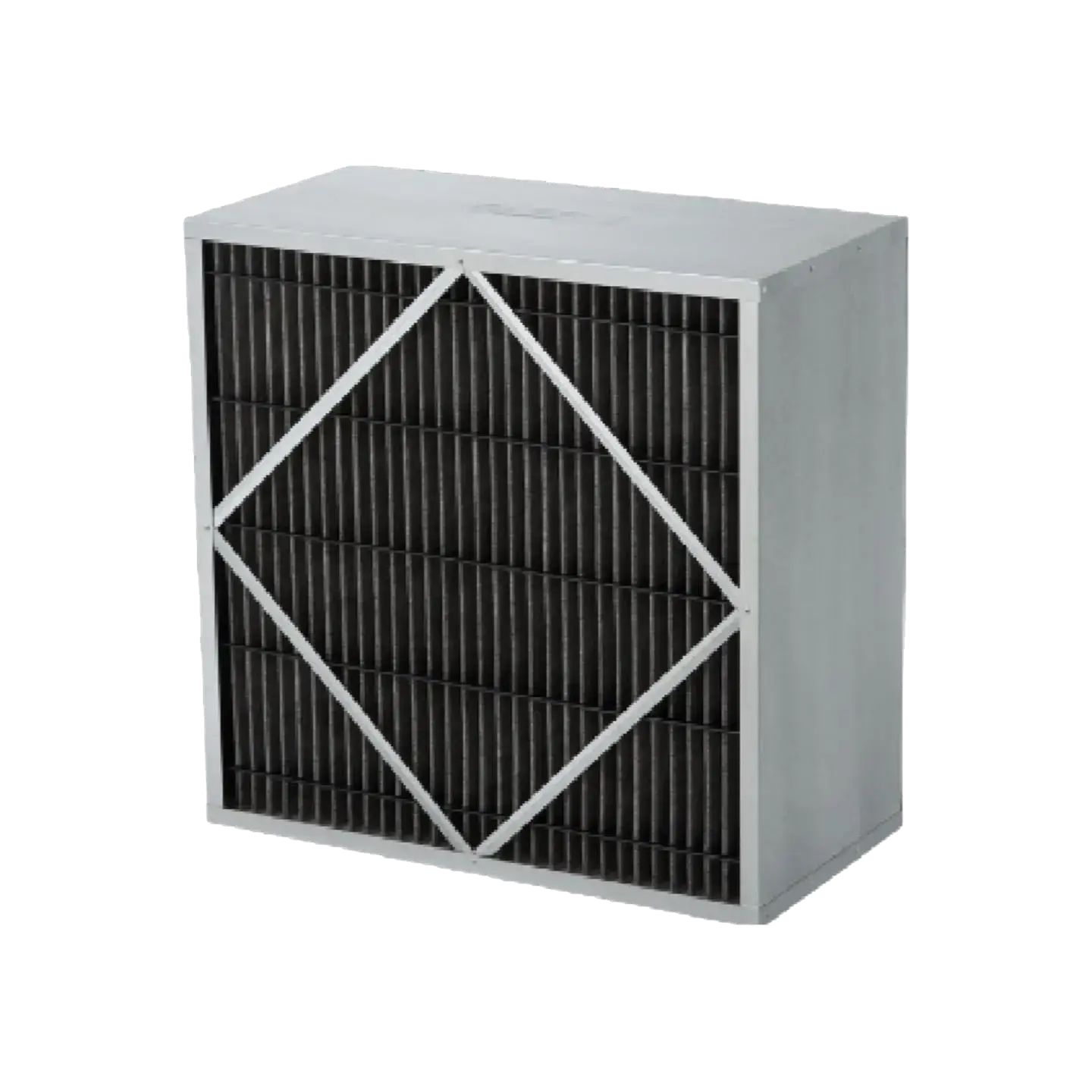
Activated Carbon
Odor & Harmful Gas Removal
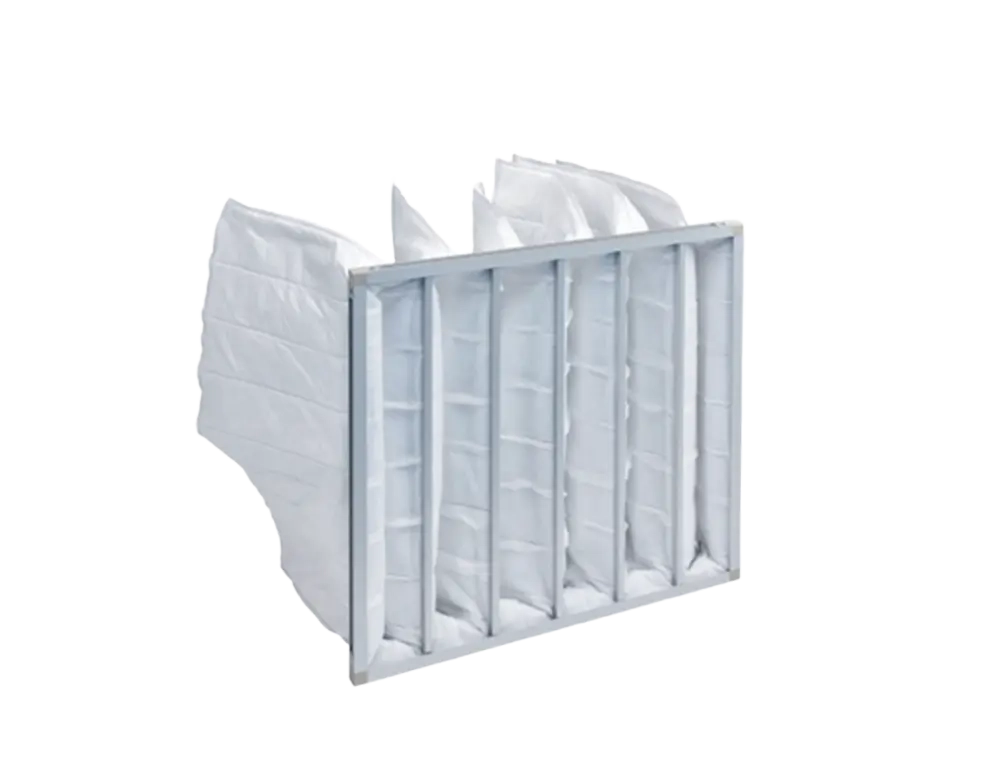
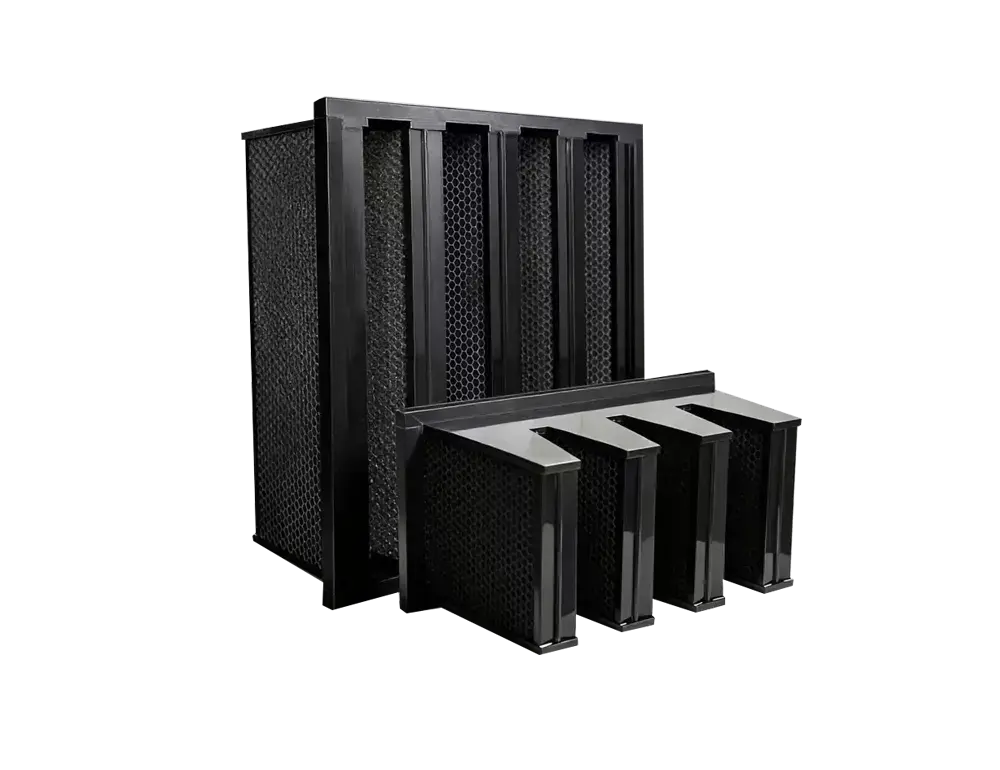
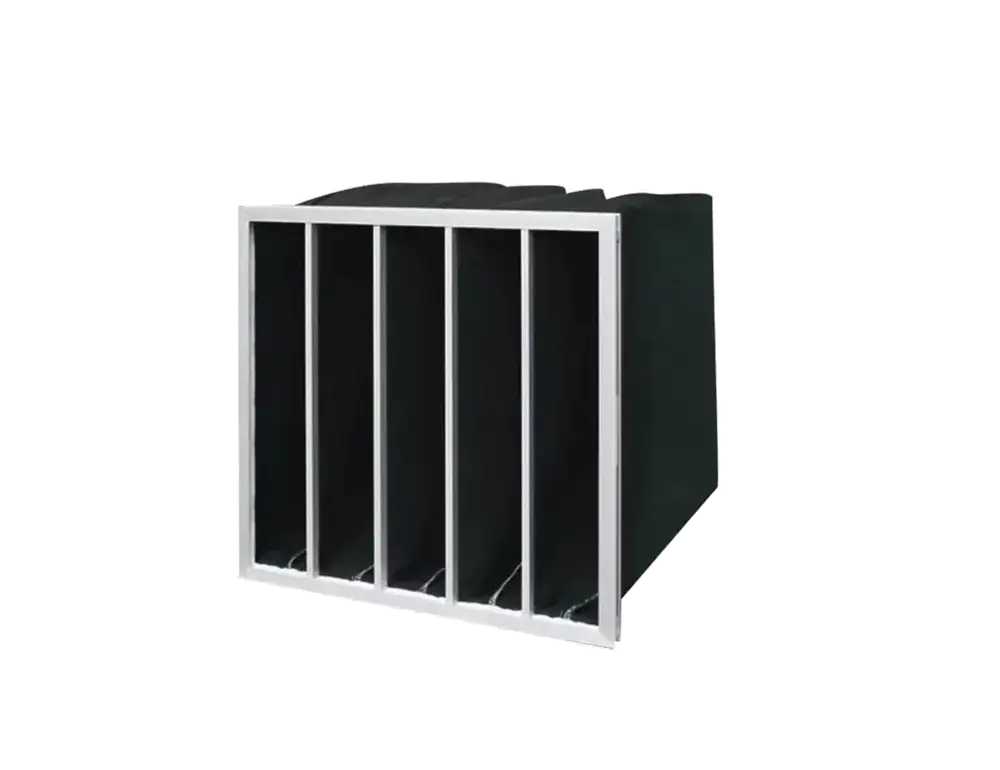
Bag Filter
High Dust-Holding, Long Life
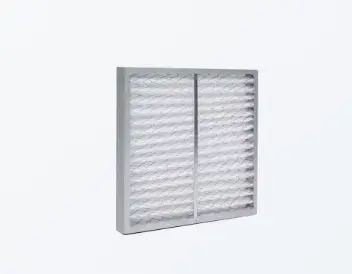
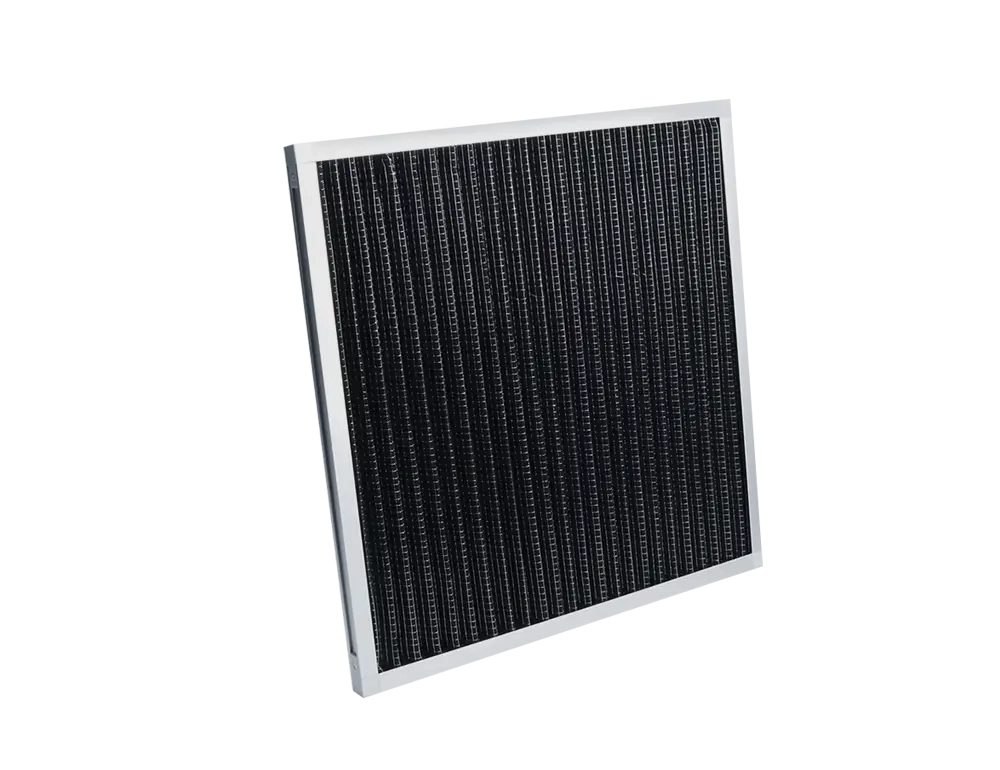
Panel / Pleated Filter
Compact Space-Saving Design
Low-Resistance Airflow
Energy-Saving Operation
Industrial-Grade Heat Tolerance
Built with specialized heat-resistant materials, operating stably up to 250°C for paint ovens, industrial dryers, and high-temperature process environments.
View Related Products →Cut Costs, Reduce Waste
Cleanable by water washing or air blowing, reusable multiple times to significantly reduce replacement frequency and O&M costs — an economical, eco-friendly choice.
View Related Products →Odor & Harmful Gas Removal
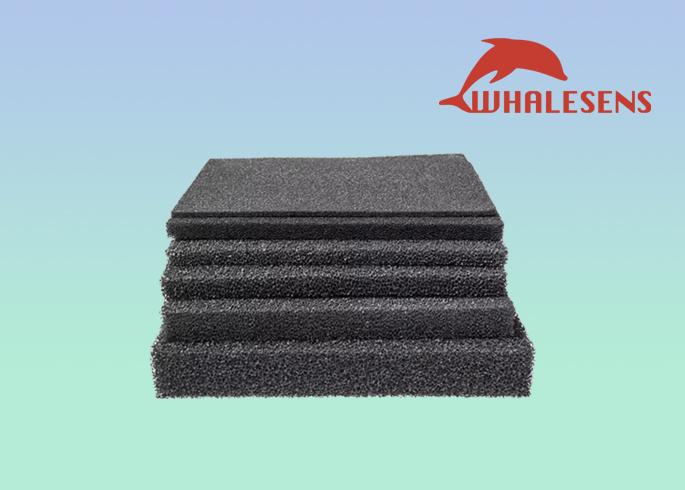
Leverages activated carbon's high adsorption capacity to eliminate odors, VOCs, and formaldehyde, ideal for newly renovated spaces and industrial exhaust treatment.
View Related Products →High Dust-Holding, Long Life
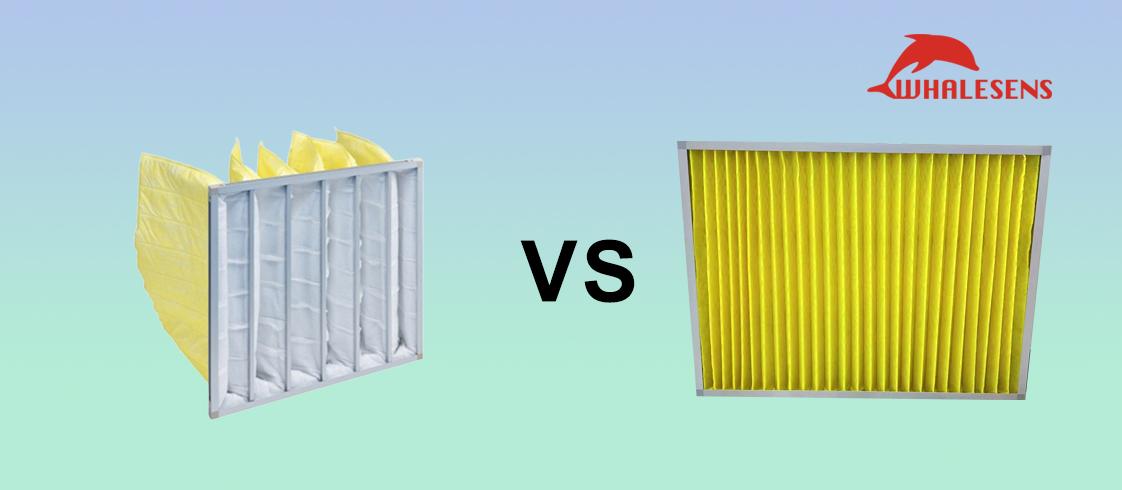
Bag-style construction delivers a larger filtration area, high dust-holding capacity, and extended service life — ideal for high-dust environments with reduced replacement frequency.
View Related Products →Compact Space-Saving Design
Compact form factor for easy installation and replacement; pleated structure maximizes filtration area within a small footprint for higher efficiency.
View Related Products →Energy-Saving Operation
Low-resistance design minimizes pressure drop while maintaining filtration performance, reducing fan energy consumption for cost-effective, eco-friendly operation.
View Related Products →













 English(Global)
 简体中文
简体中文 Language




ISO 14644-8 ACC Guide: Activated Carbon Air Filters
Why cleanroom chemical contamination is now a board-level issue
Activated carbon air filters are no longer an optional add-on. They’re a required final safeguard in advanced cleanrooms. Particle control is well understood. Many facilities can recite ISO 14644-1 class limits from memory. Chemical contamination is different. In semiconductor lithography, pharmaceutical filling, and precision coating, a few parts per billion of organic vapor or acidic gas can scrap an entire batch.
AMC filters target exactly these invisible pollutants. ISO 14644-8:2022 draws a clearer line for chemical concentration testing because particle counts alone no longer predict yield in sub-10nm processes or sterile drug production.
Let me be upfront: AMC chemical filtration is not a nice-to-have. Once your process node shrinks below 10nm, or once a sterile suite must control volatile organic compounds, chemical filtration becomes the last barrier before product contact. ISO 14644-8:2022 gives chemical concentration its own chapter rather than burying it inside particulate standards.
One term worth clarifying: AMC stands for Airborne Molecular Contamination. That includes acids, bases, condensables, and dopants—all gaseous molecules that particle filters can’t touch.
ISO 14644-8:2022: chemical concentration, not particle count
For context, earlier parts of ISO 14644 handle particles. Part 8 focuses specifically on airborne chemical pollution in cleanrooms and controlled environments. It does not grade by particle size. Instead, it groups chemical substances by category and concentration. The question becomes: which harmful molecules are present, and at what levels?
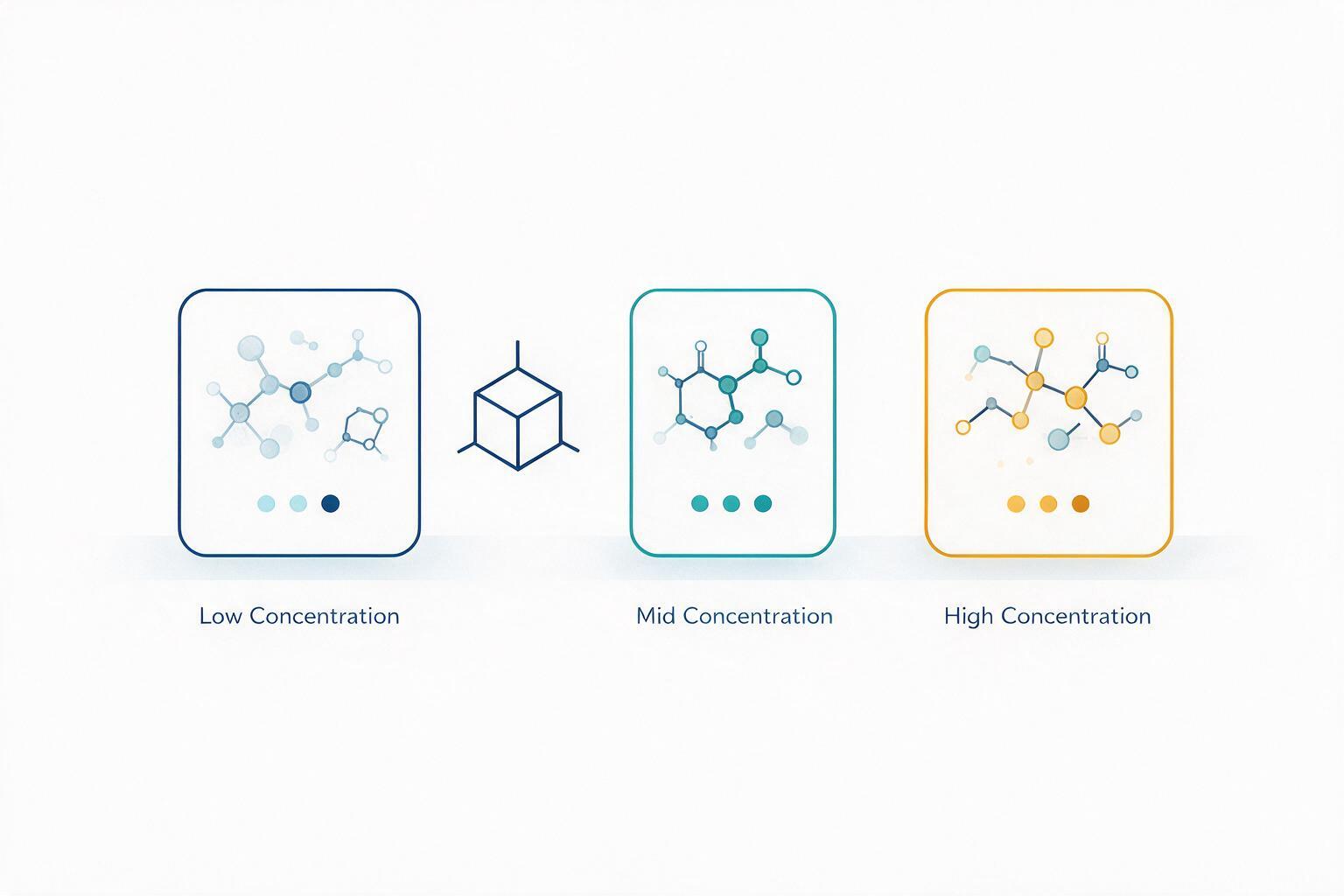
The core concept is the ISO-ACC class. This is not a single number. It assigns concentration limits to different chemical groups—acids, bases, biocides, condensables, and others. You can say a cleanroom operates at “ISO-ACC class 2 for acids,” meaning acid concentrations are controlled at a very low level.
This is different from particle testing. Chemical concentration measurement relies heavily on sampling and analytical technique. The standard lists active sampling, passive sampling, and online monitoring. You select the method based on target substances and required sensitivity. Choose wrong, and your compliance report loses accuracy.
Honestly, many first-time users assume they can buy a detector and start testing. The real workflow is more involved: define target chemicals, select sampling media, determine sampling duration, and send samples to a qualified laboratory. Skip one step, and your report may not hold up.
How activated carbon air filters remove airborne molecular contamination
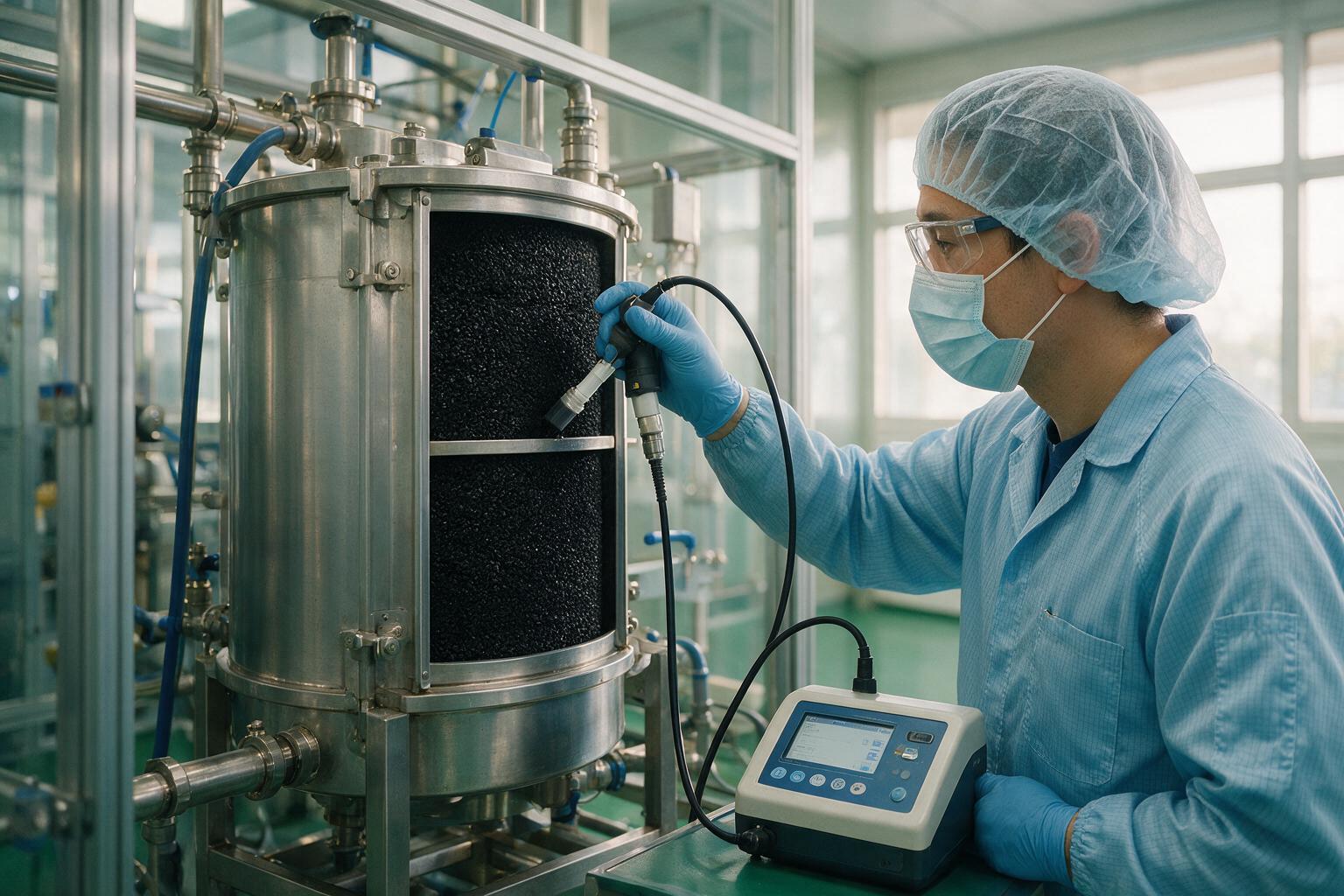
Activated carbon air filters work through adsorption, not mechanical capture. The porous carbon structure traps gas molecules on its internal surface. Different contaminants require different carbon treatments or chemical sorbents.
For acid removal, alkaline-impregnated carbon works well. For base removal, acid-impregnated carbon is the standard choice. For broad VOCs, high-surface-area activated carbon or catalytic media are common. Mixed media can handle multiple pollutant groups, but expect higher pressure drop and cost.
The filter lifespan is another key difference. A HEPA filter shows rising pressure drop as it loads. Activated carbon filters don’t give you that signal. Adsorption capacity declines gradually, and once saturated, the media can release captured pollutants—a process called desorption. Outlet concentration monitoring is far more reliable than differential pressure for tracking carbon filter life.
This is why activated carbon air filters must be integrated into a larger air handling strategy. They are not a drop-in replacement for particle filtration. They sit downstream of pre-filters and upstream of final HEPA units in most designs.
Defining compliance: ISO-ACC limits and target compounds
Compliance means measured concentration falls below the limit for the relevant ISO-ACC class. A common mistake is treating all chemical groups as if they share one limit. They don’t. Acid limits for HCl and HF are vastly different. “Passing” always refers to a specific substance, not a generic “chemical concentration” reading.
Let me give you a real example. A third-party report for a cleanroom showed acid levels exceeded the target ISO-ACC limit, but total volatile organic compound readings looked fine. Why? Acid limits are far lower than TVOC limits. TVOC may sit at 100 μg/m³ while HCl already exceeds its acid-class threshold. If you don’t know which molecules your process is most sensitive to, both filter selection and testing will drift off target.
This checklist helps you lock down the control strategy before buying filters:
Chemical Contamination Control Target Checklist
- Identify the chemical pollutant categories present in the cleanroom (acids, bases, VOCs, condensables, etc.)
- Set concentration limits for each target substance based on process requirements or ISO-ACC class
- Evaluate whether the existing HVAC system has enough chemical filtration stages
- Define testing frequency and sampling point locations
Selecting the right AMC chemical filter for your cleanroom
Buyers often ask: “We already have HEPA filters, why do we need chemical filters?” It’s a fair question, but it reflects a common gap. A HEPA filter captures particles; it does almost nothing against gas molecules. Think of a HEPA as a net catching fish. Activated carbon air filters act more like chemical sponges, soaking up dissolved substances. Both are needed, but they serve different functions.
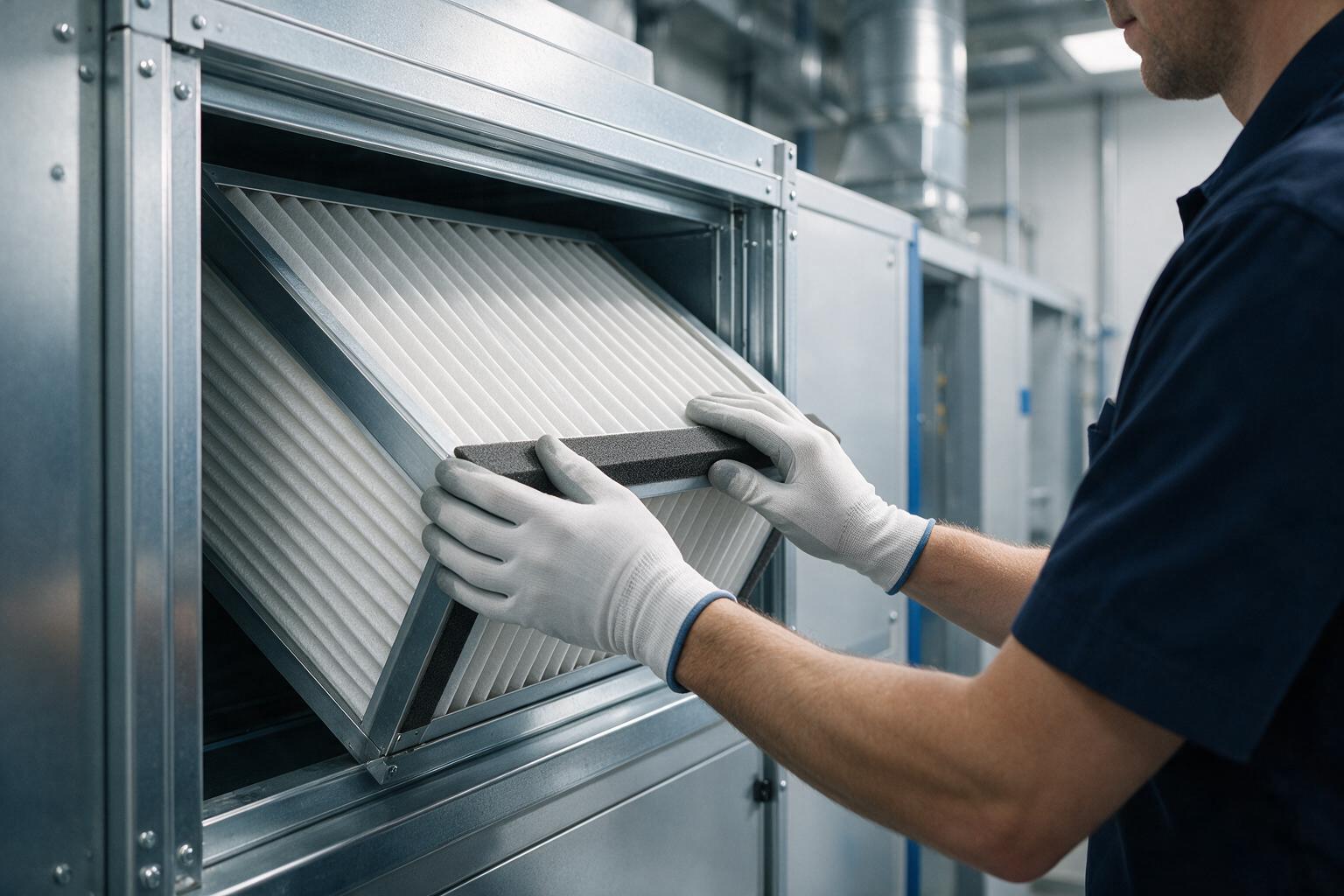
A standard cleanroom air handling train looks like this: coarse filters such as G4 bag filters capture large particles. Medium-efficiency filters such as F7 bag filters handle smaller particles. Terminal HEPA or ULPA filters guarantee particle cleanliness. Chemical filtration stages sit after medium filtration or before terminal filters, dedicated to gas-phase pollutants.
If your facility must control both particles and chemical contaminants, you combine a HEPA filter with AMC chemical filters. In some projects, adding chemical filtration modules at return air or fresh air intake makes sense. The right location depends on pollution sources and measured concentrations.
For chemical media selection, activated carbon remains the most common adsorbent. But not all carbon is the same. Acid gases need alkaline-impregnated carbon; bases need acid-impregnated carbon; VOCs need high-surface-area activated carbon or catalytic material. Hybrid media can handle multiple contaminants but adds cost and pressure drop.
A quick side-by-side comparison:
Standard HEPA Filter
- Captures 0.3μm particles
- No effect on gas molecules
- Differential pressure indicates life
AMC Chemical Filter
- Adsorbs gas molecules
- No effect on particles
- Outlet concentration monitoring indicates life
Here’s a warning from field experience. One pharmaceutical client kept seeing unexplained microbial excursions in their sterile filling line. Particle counts and disinfection protocols looked fine. The culprit? The activated carbon filter at the fresh air inlet was installed too far forward, got wetted by rain, and started growing mold. It became a contamination source instead of a barrier. That mistake can consume half a year of troubleshooting if nobody checks filter placement.
Another semiconductor facility tried to cut cost by using generic activated carbon mesh instead of a dedicated chemical filter. Six months later, target VOC concentrations were higher than before. The carbon had saturated and begun releasing captured pollutants back into the airstream.
To avoid these pitfalls, always size the industrial air filter train as a system, not a collection of standalone stages. And if your pre-filtration uses bag filters, make sure the bag filter and its bag filter housing are rated for the actual airflow and environmental conditions. A cracked or poorly sealed housing can bypass unfiltered air straight into the cleanroom.
From sampling to a defensible compliance report
ISO 14644-8:2022 recommends a clear sequence for chemical concentration testing. I break it into five steps:
Two places trip people up. Sampling location is one. Chemical contamination often has a local release source. If you only sample at the return air opening, you may underestimate the actual concentration at the workstation. The standard advises placing points where contamination risk is highest.
Sampling duration is the other. It must cover a complete production cycle. A short grab sample may miss episodic releases. You need representative data before you can defend a compliance report.
Here’s the thing: once you have the report, it’s only the starting point. If any compound exceeds its ISO-ACC limit, you need to adjust the AMC filter configuration or replace spent media. That’s when a supplier who can handle both testing and remediation becomes valuable. Otherwise, you bounce between lab and filter vendor, losing time and traceability.
If you’re evaluating activated carbon air filters for an ISO 14644-8 program, start with the target compounds, not the filter media. The contaminant list drives media chemistry, bed depth, and monitoring method.
One more practical note: don’t rely on pressure differential to schedule carbon filter replacement. I’ve seen facilities run activated carbon air filters for years without checking outlet concentration. When they finally tested, some compounds had already broken through. Use periodic outlet sampling or online sensors for critical applications.
Need a custom air filtration solution?
Contact the Whalesens engineering team for product selection and OEM/ODM support.
Email whalesens@gmail.com
