


EV Charging Stations
Filtration for Power Equipment
Cleanroom & Semiconductor
Ultra-High Cleanliness Filtration
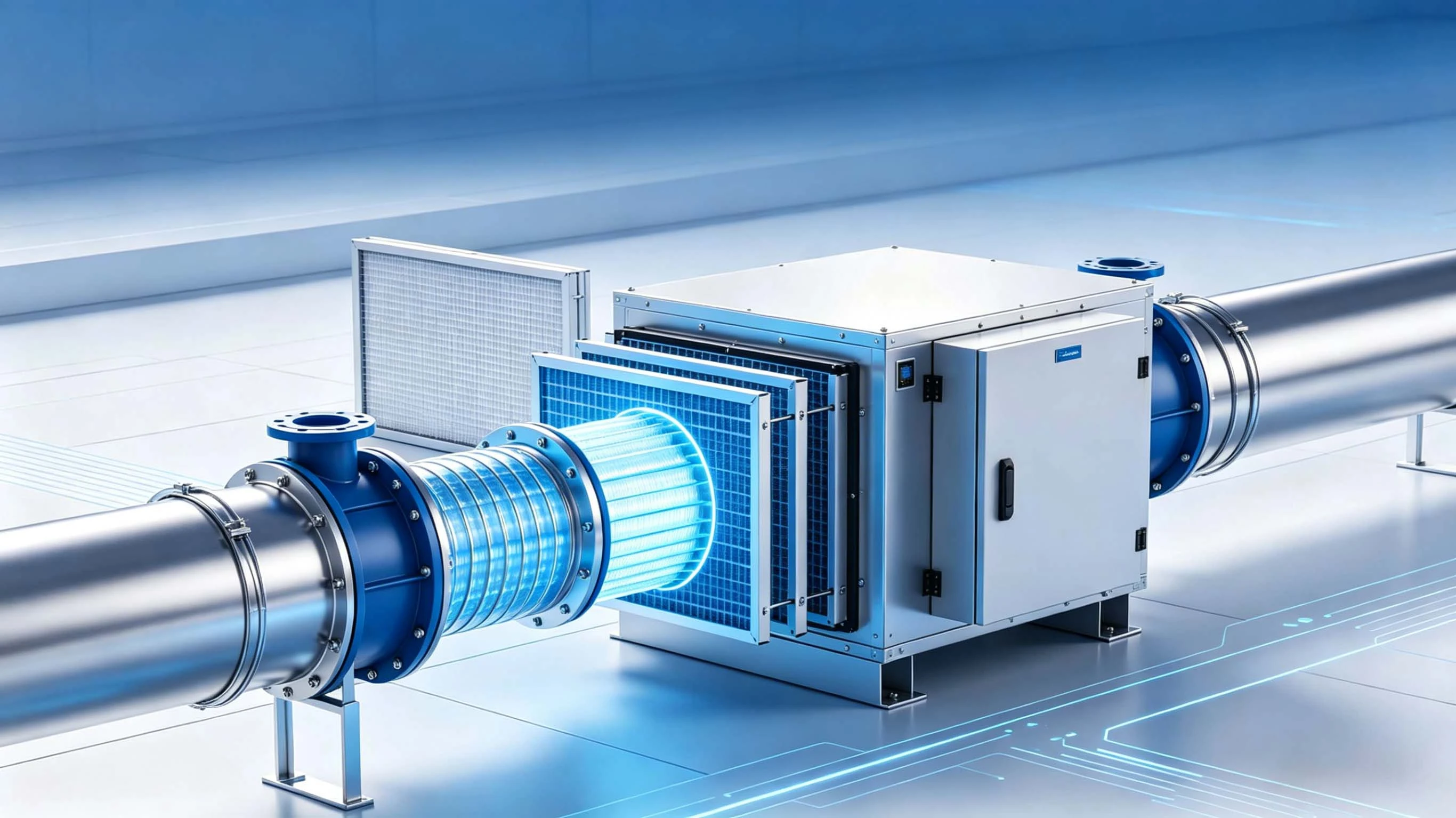
Commercial HVAC
Central Air System Filtration
Data Centers
Precision Equipment Protection
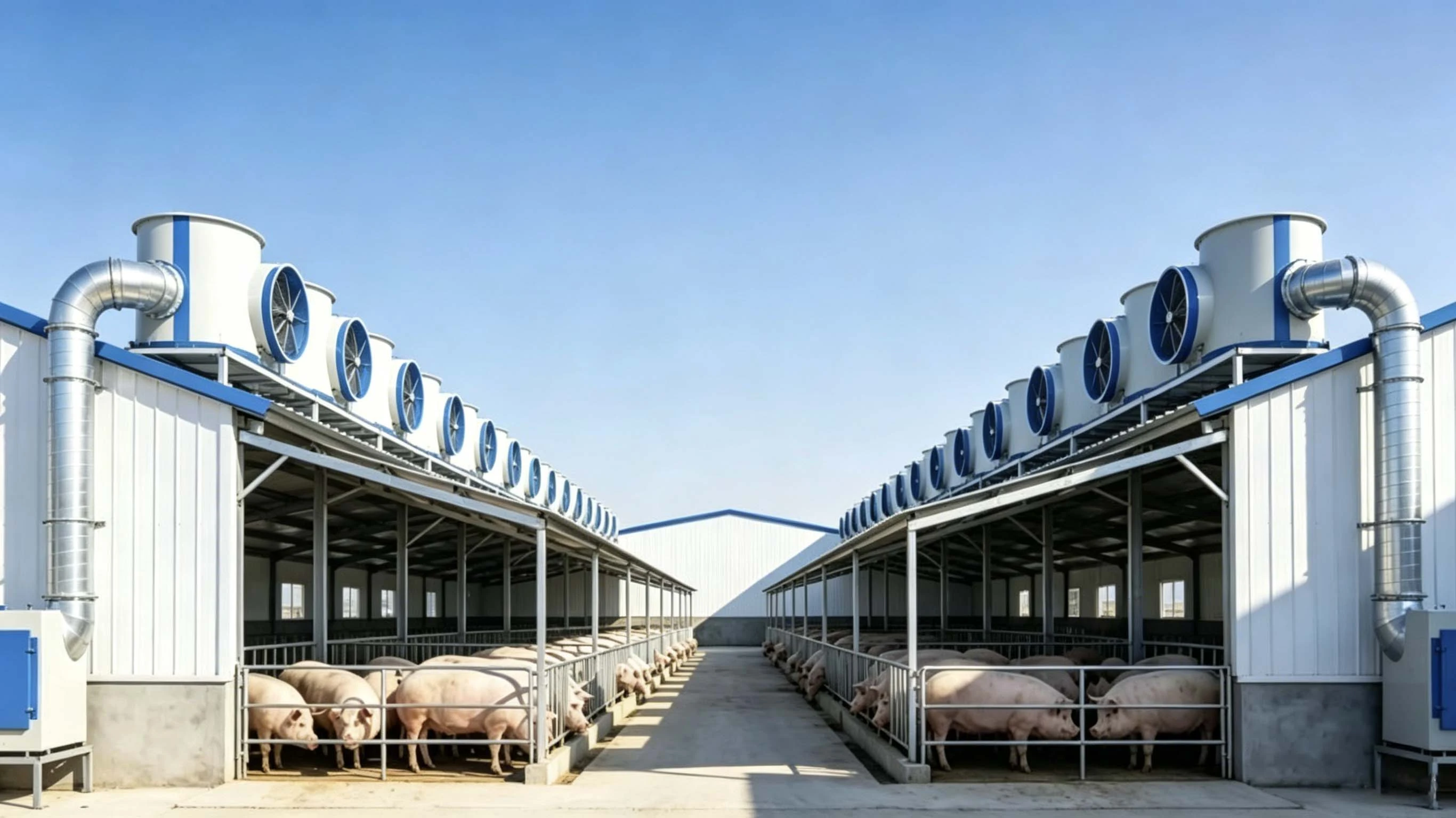
Livestock & Farming
Farming Environment Purification
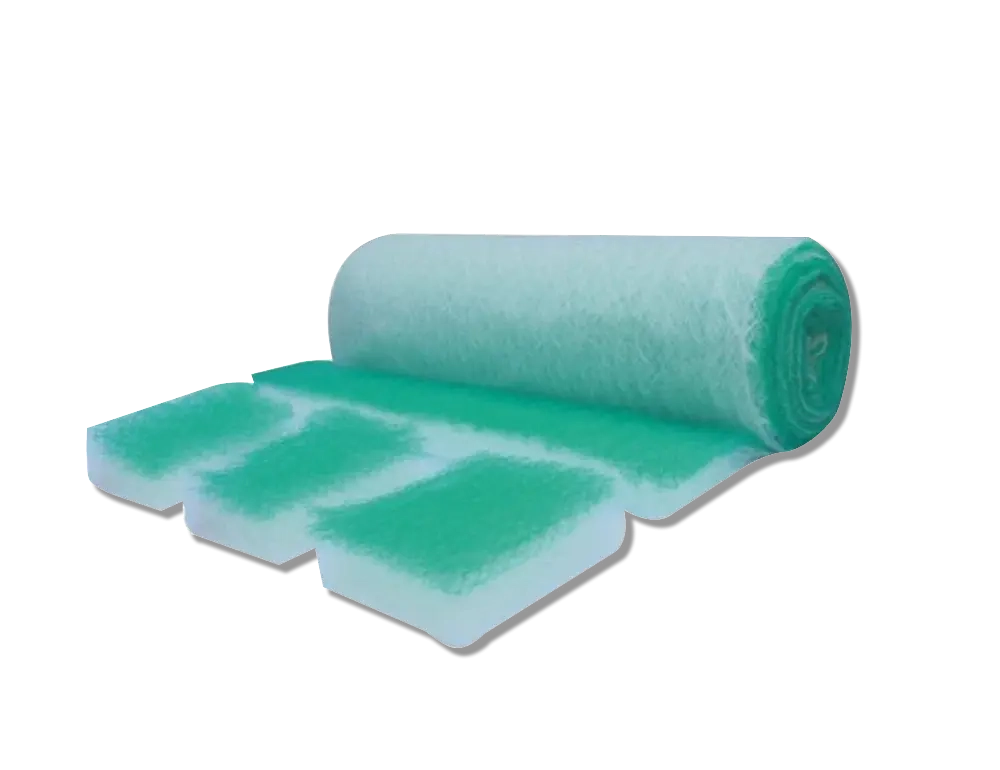
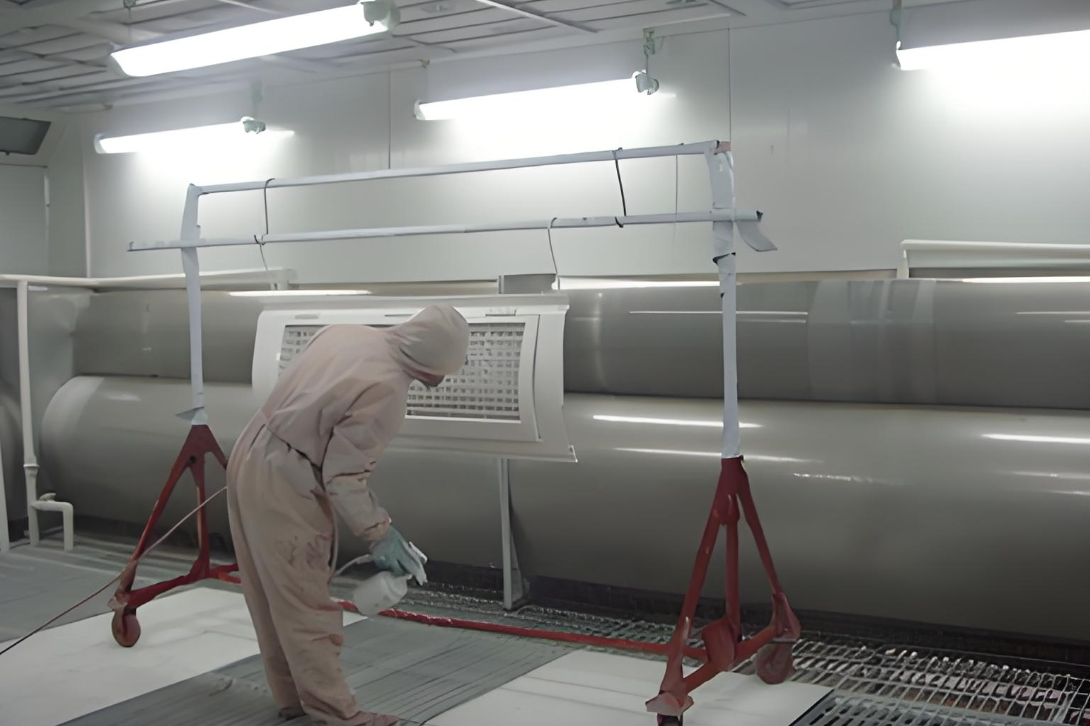
Spray Booths & Industrial Dust
Paint Mist & Dust Purification
Filtration for Power Equipment
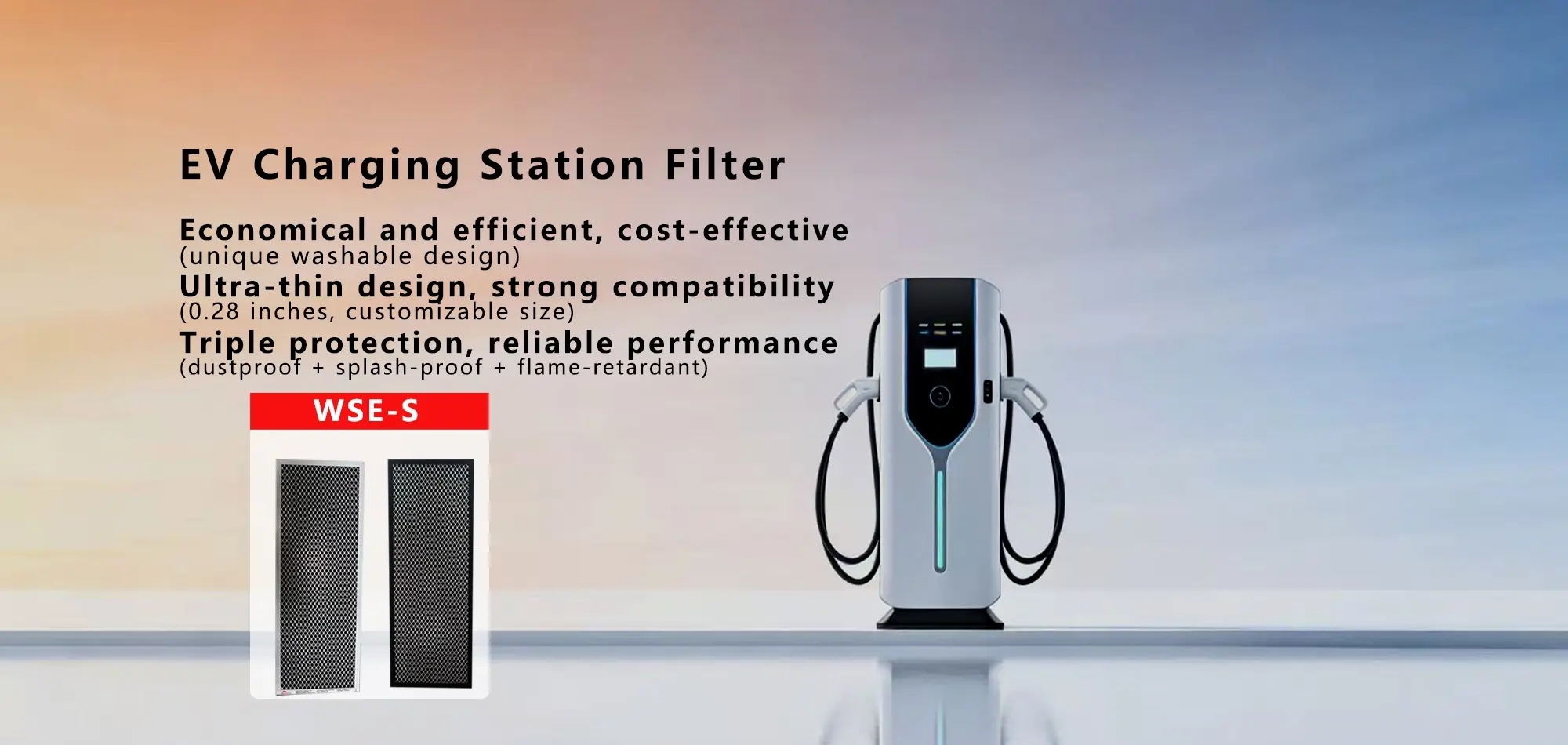
Professional air filtration for EV charging devices, protecting against dust and sand ingress to ensure stable, reliable operation of charging piles and station infrastructure.
View Related Products →Ultra-High Cleanliness Filtration
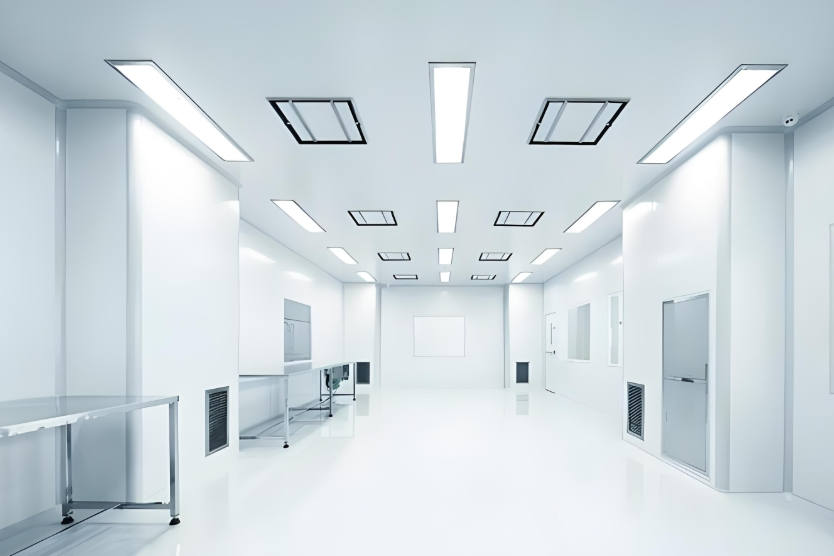
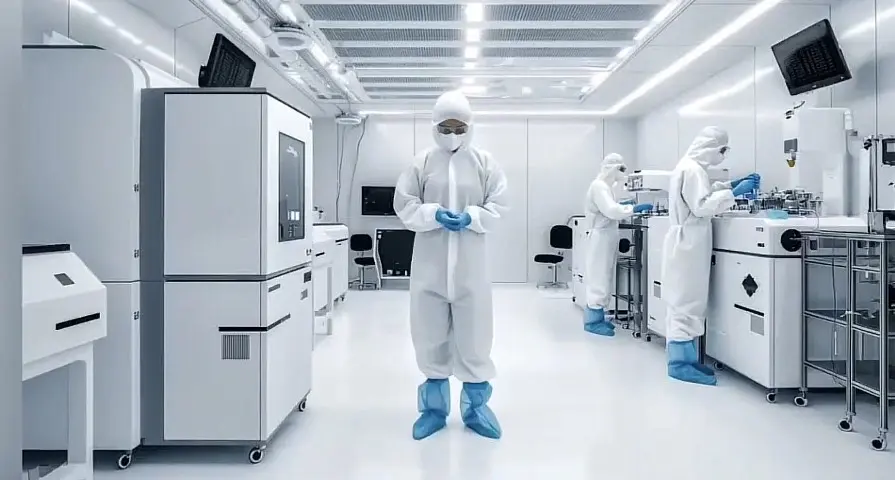
Ultra-high efficiency filtration for semiconductor wafer fabs and precision electronics cleanrooms, capturing nano-scale particles to meet ISO Class 1–3 standards and maximize product yield.
View Related Products →Central Air System Filtration
High-efficiency filtration for commercial building HVAC systems, improving indoor air quality, reducing energy consumption, and extending equipment service life.
View Related Products →Precision Equipment Protection
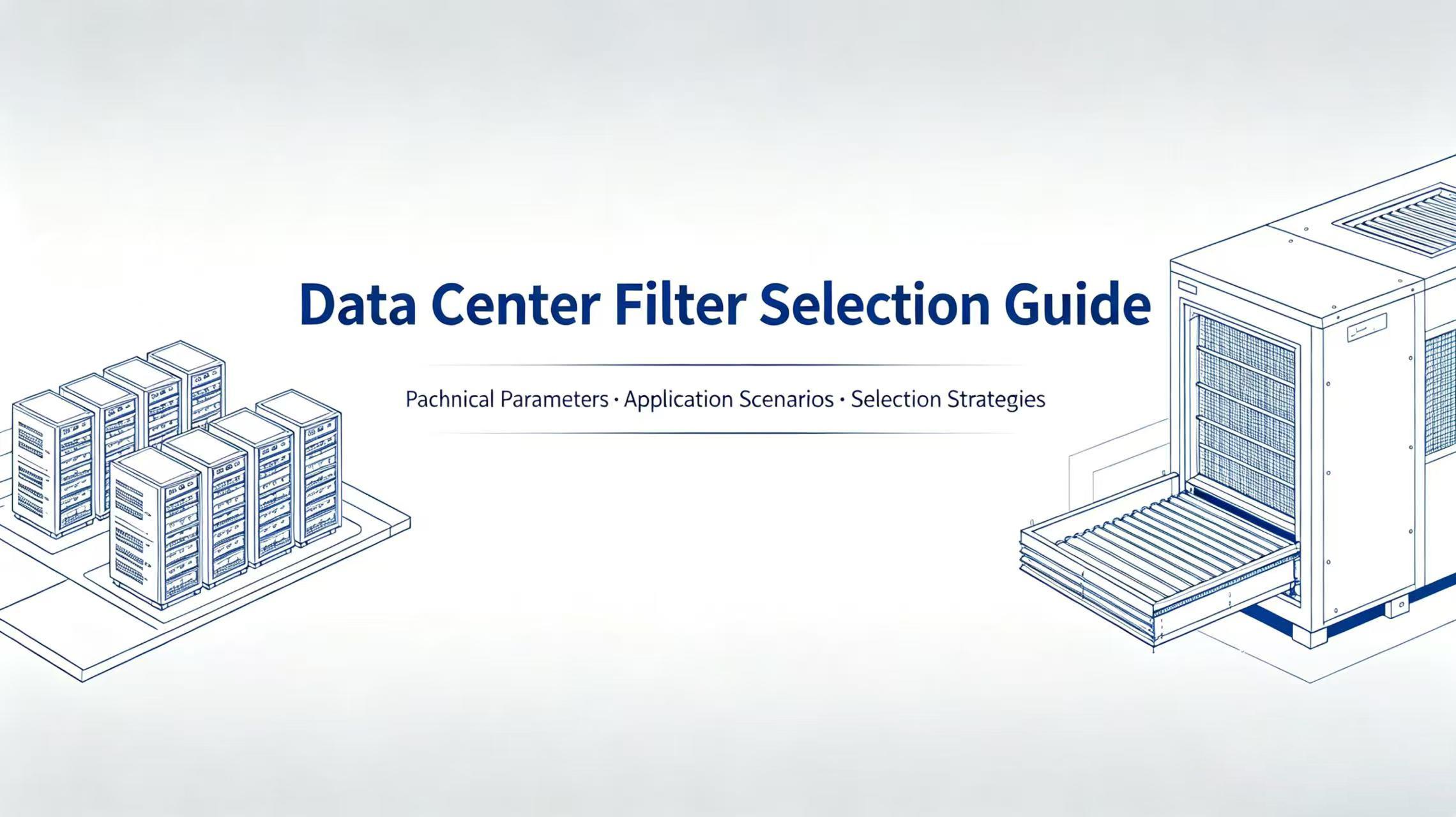
Precision air filtration for data centers, shielding servers and critical hardware from dust contamination to keep cooling systems running efficiently and reliably.
View Related Products →Farming Environment Purification
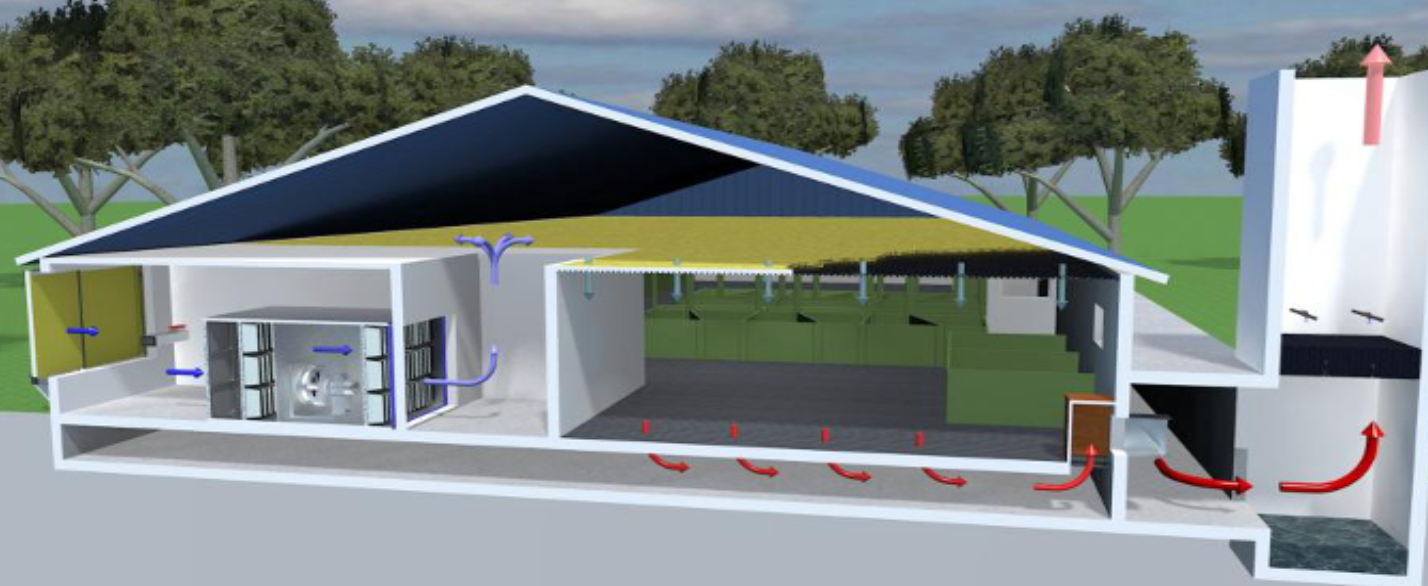
Dedicated filtration systems for farms and livestock facilities — capturing dust, adsorbing ammonia, and inhibiting pathogen spread to improve animal health and overall productivity.
View Related Products →Paint Mist & Dust Purification
Designed for spray booths and grinding workshops, efficiently capturing paint mist, metal dust, and wood chips to meet emission standards while protecting finished surface quality.
View Related Products →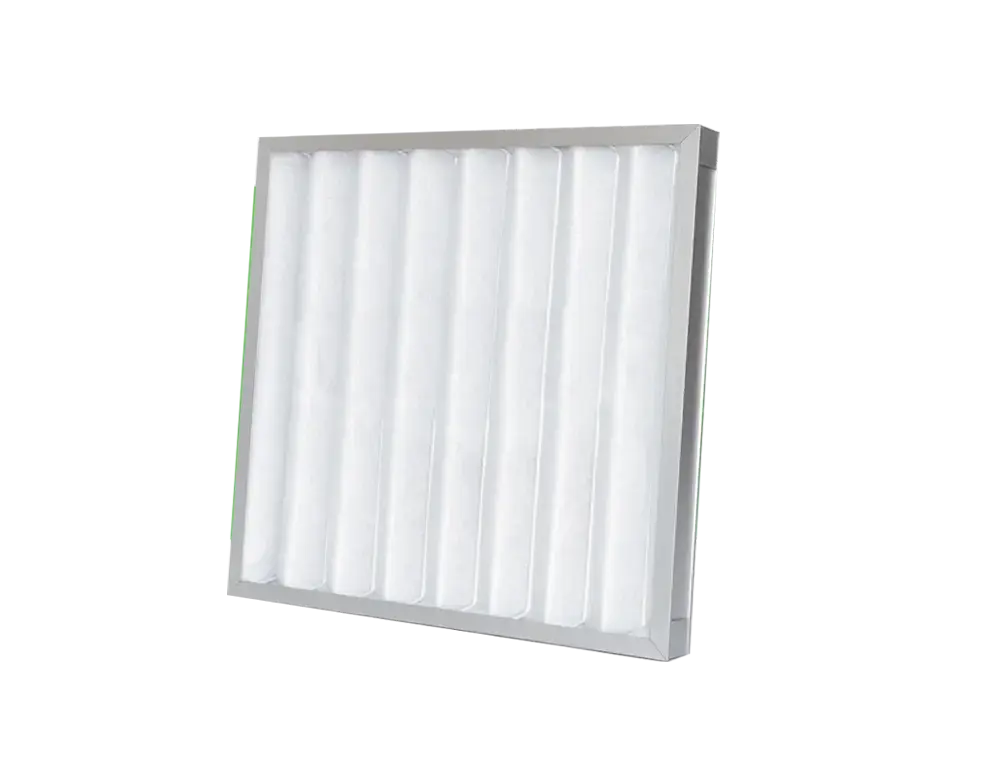
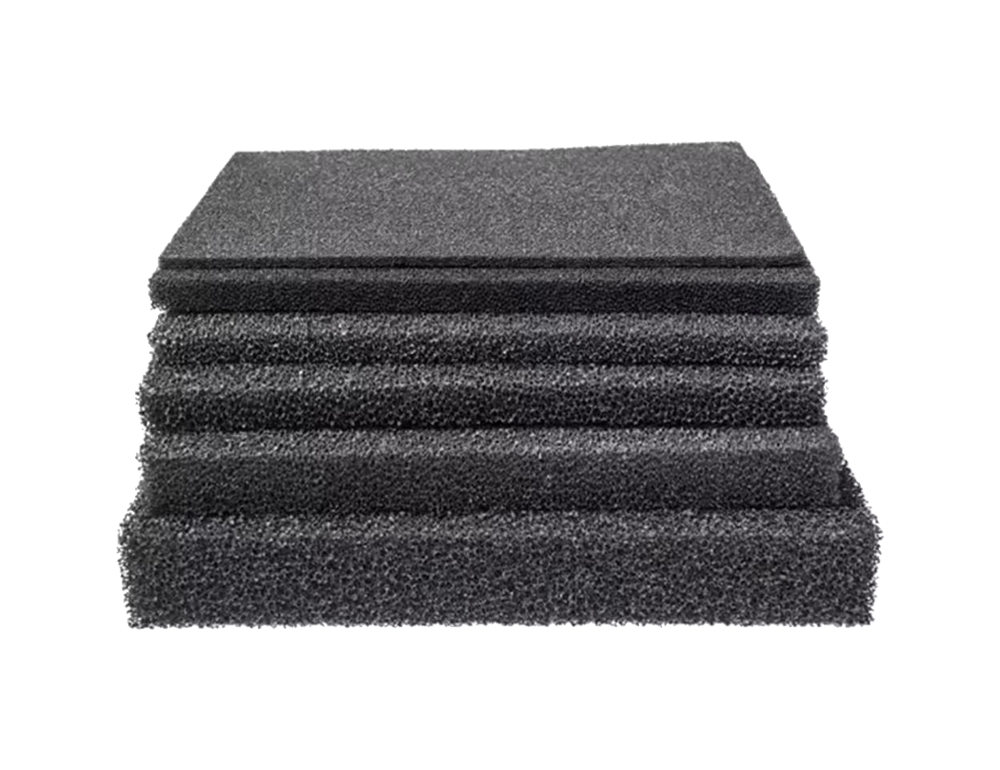
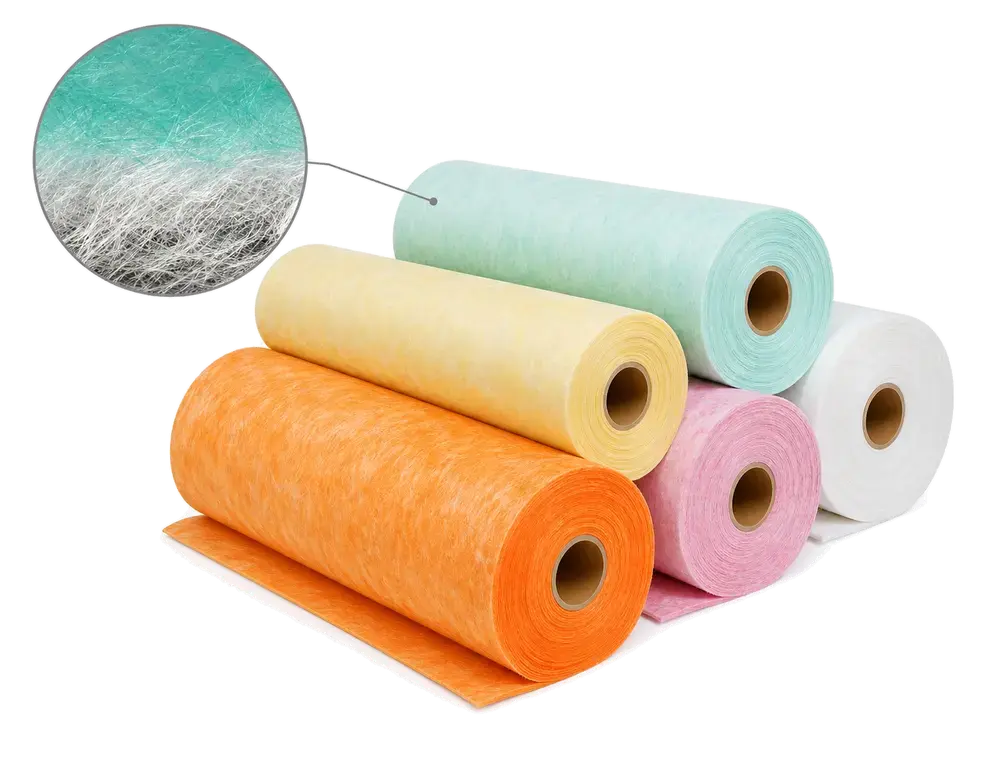
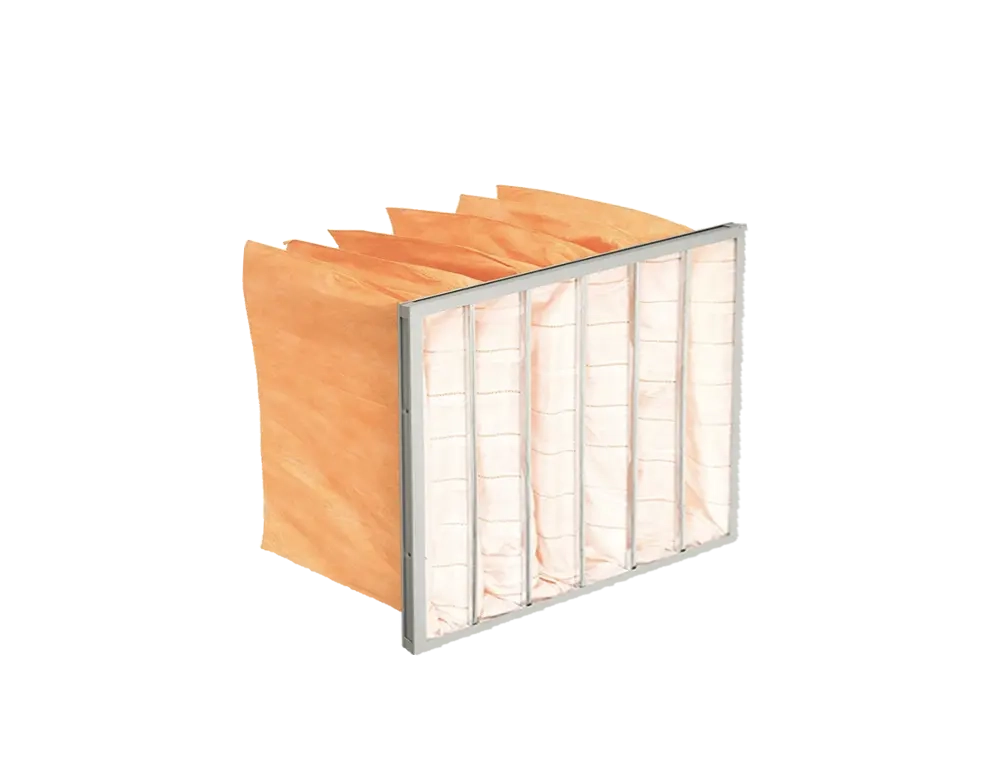
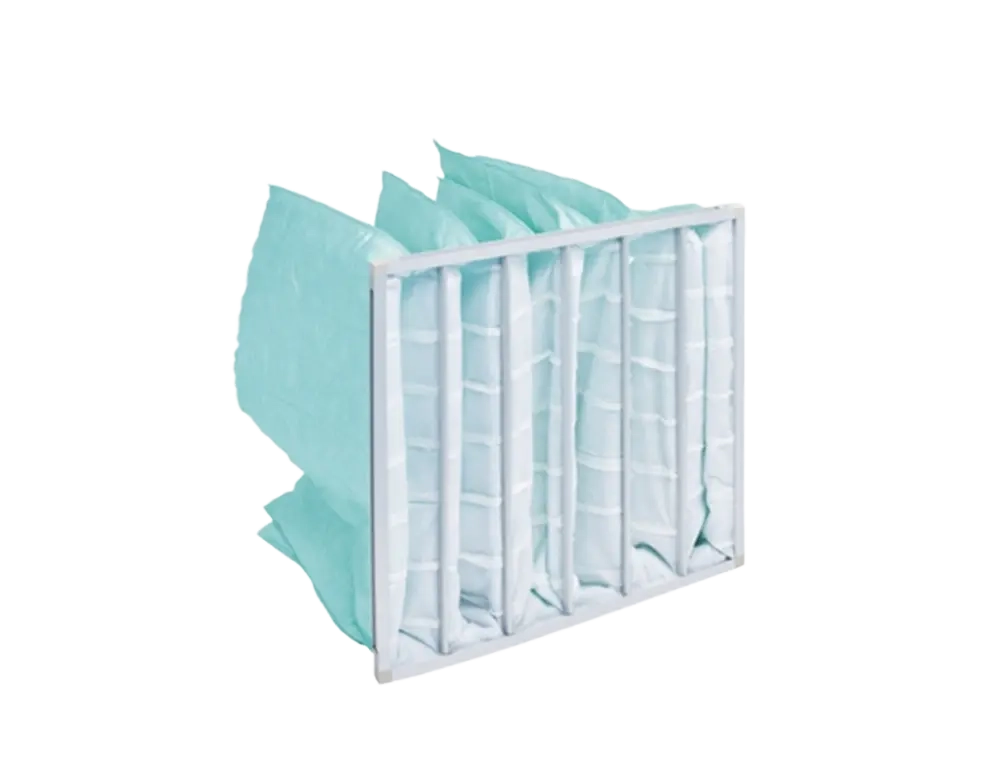
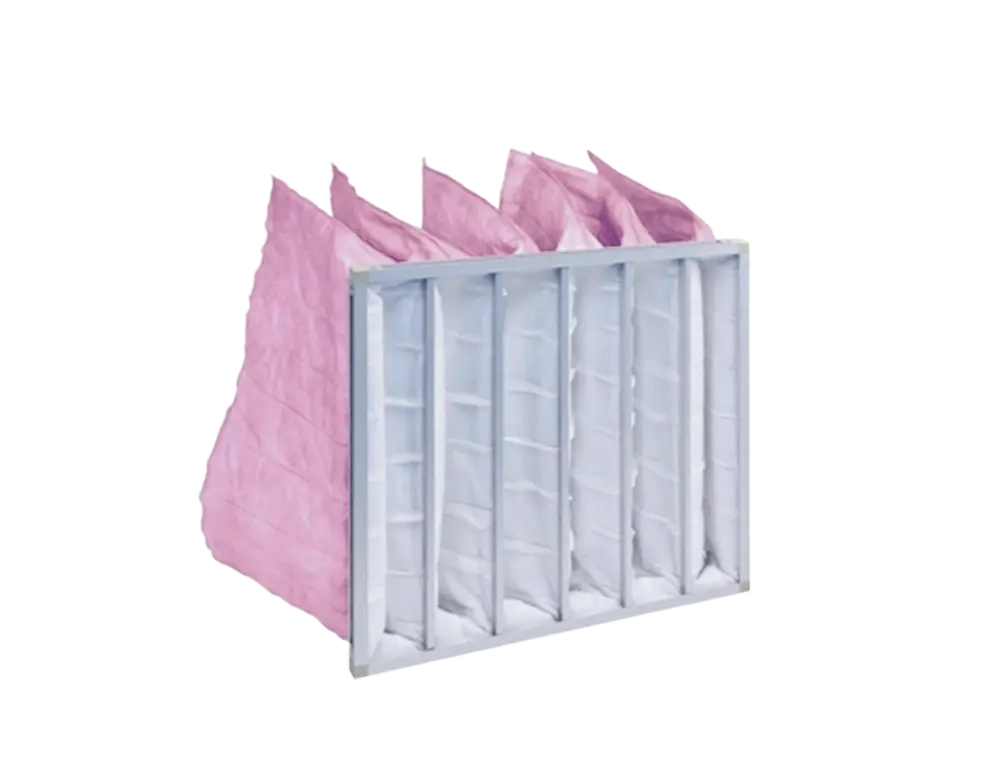
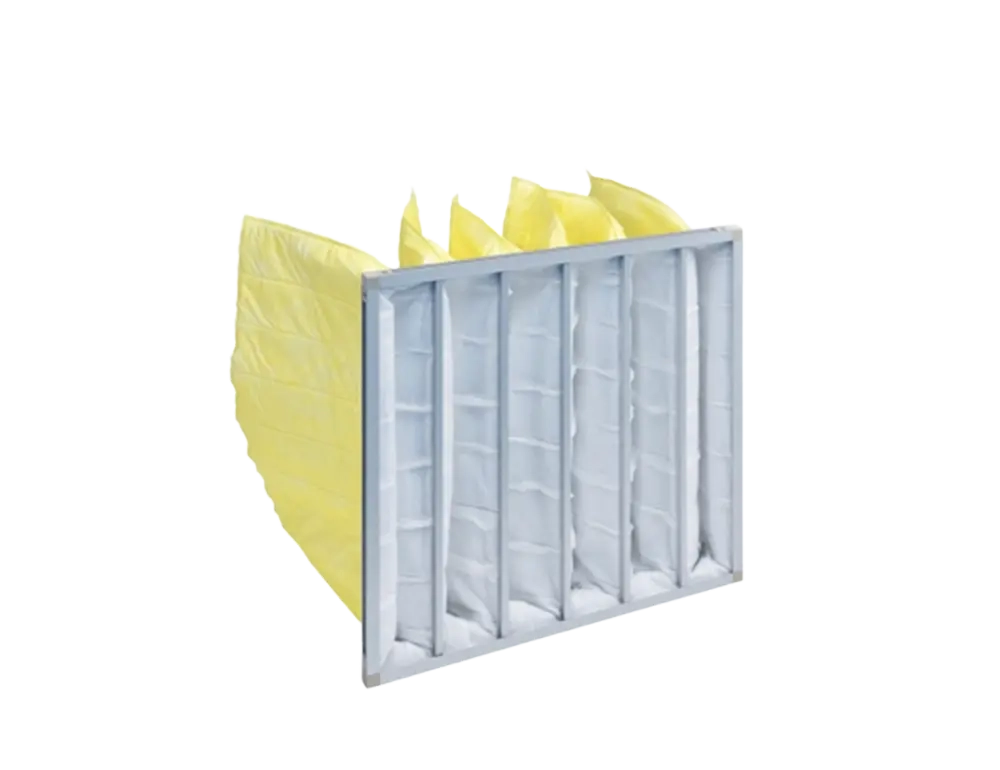
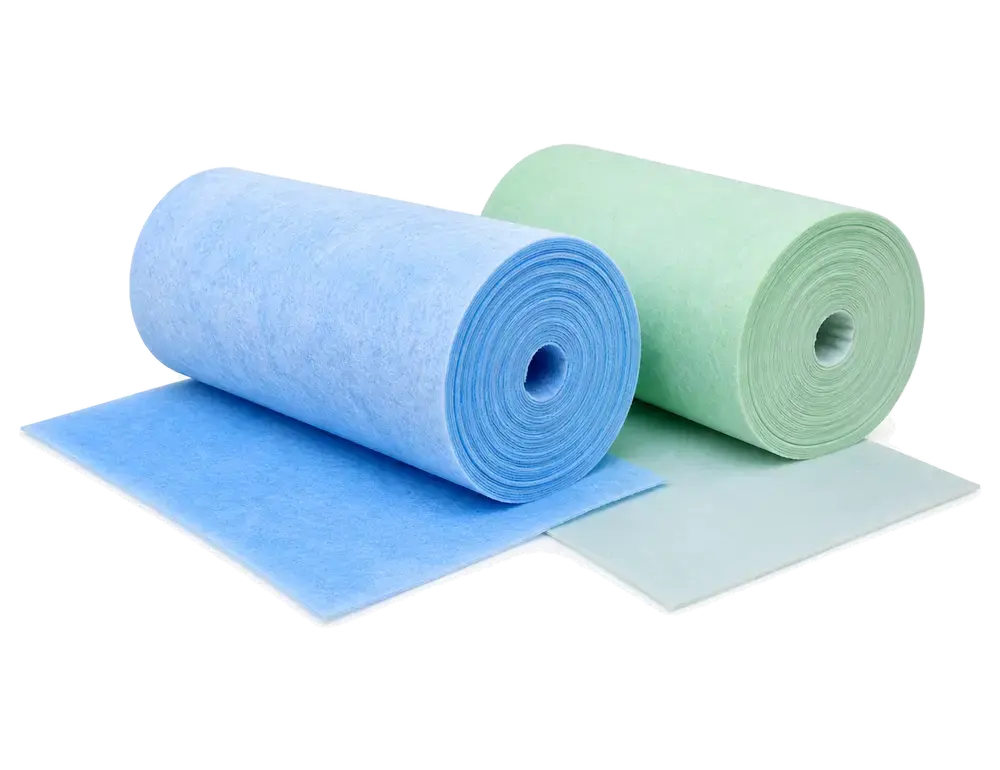
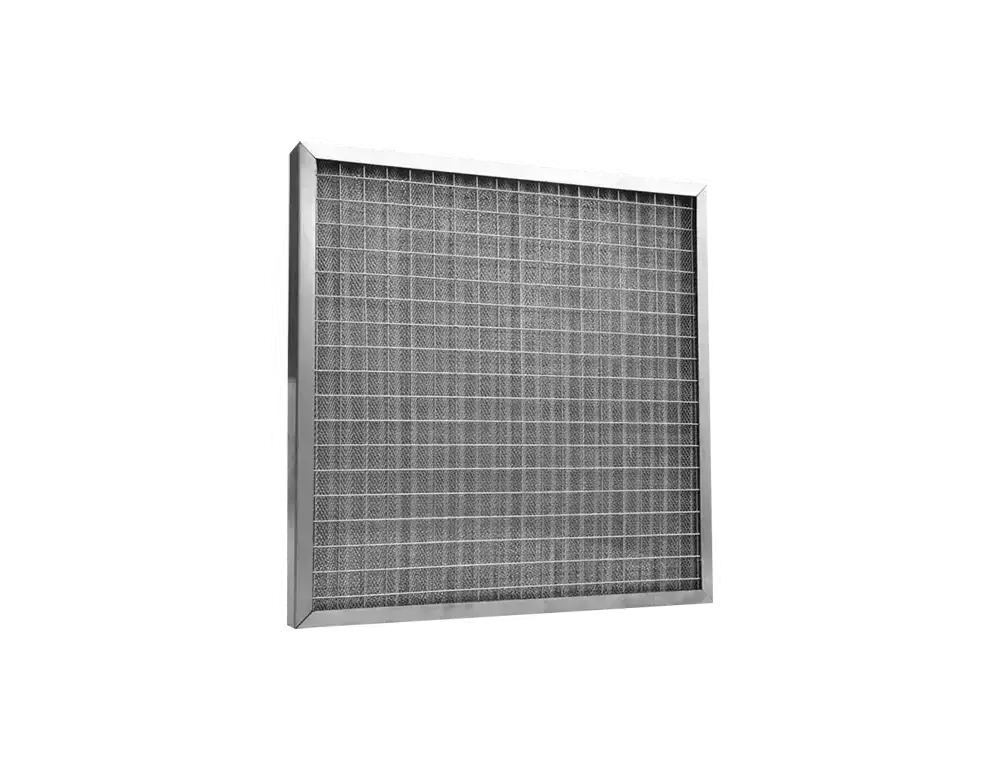
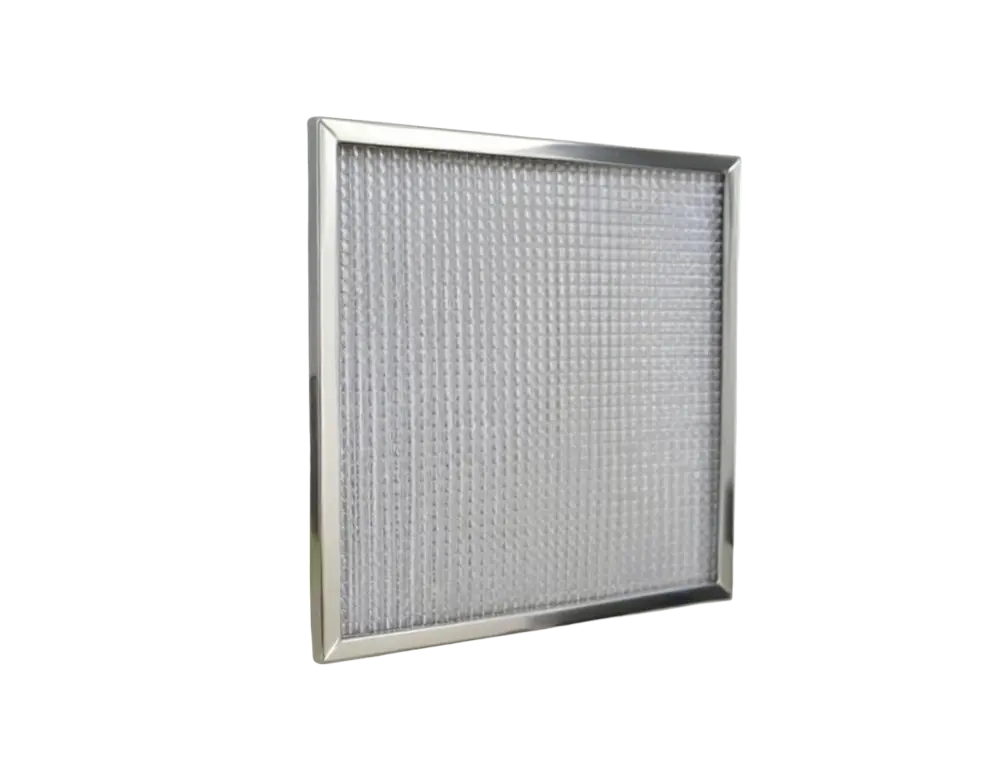
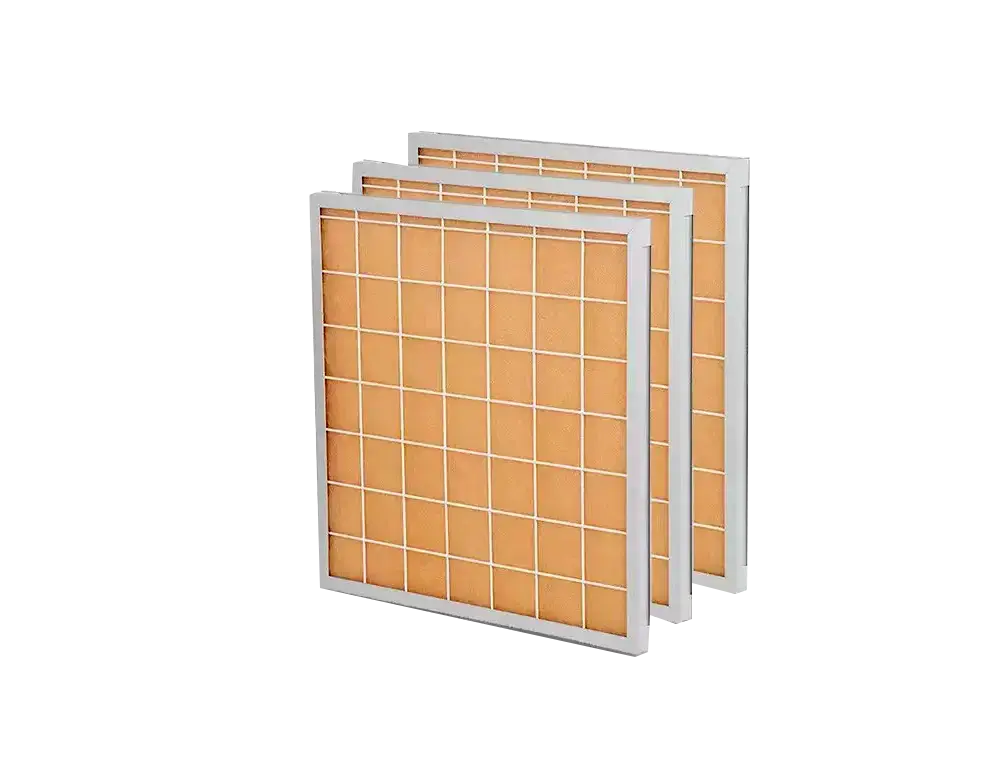
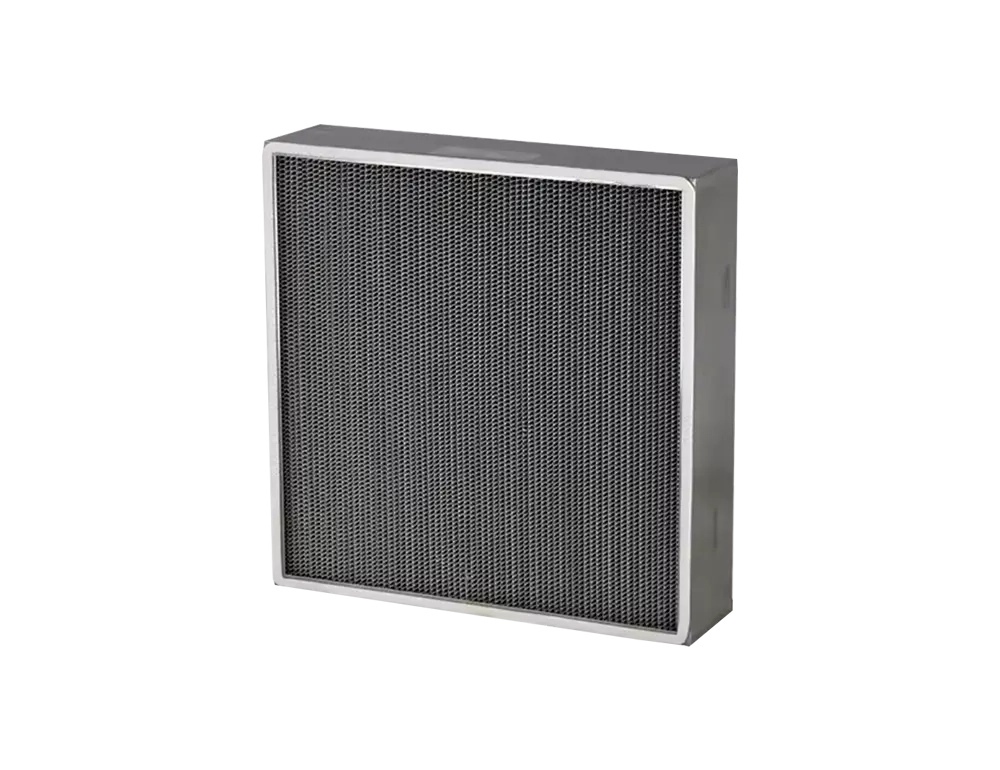
Pre-Filter (G1–G4)
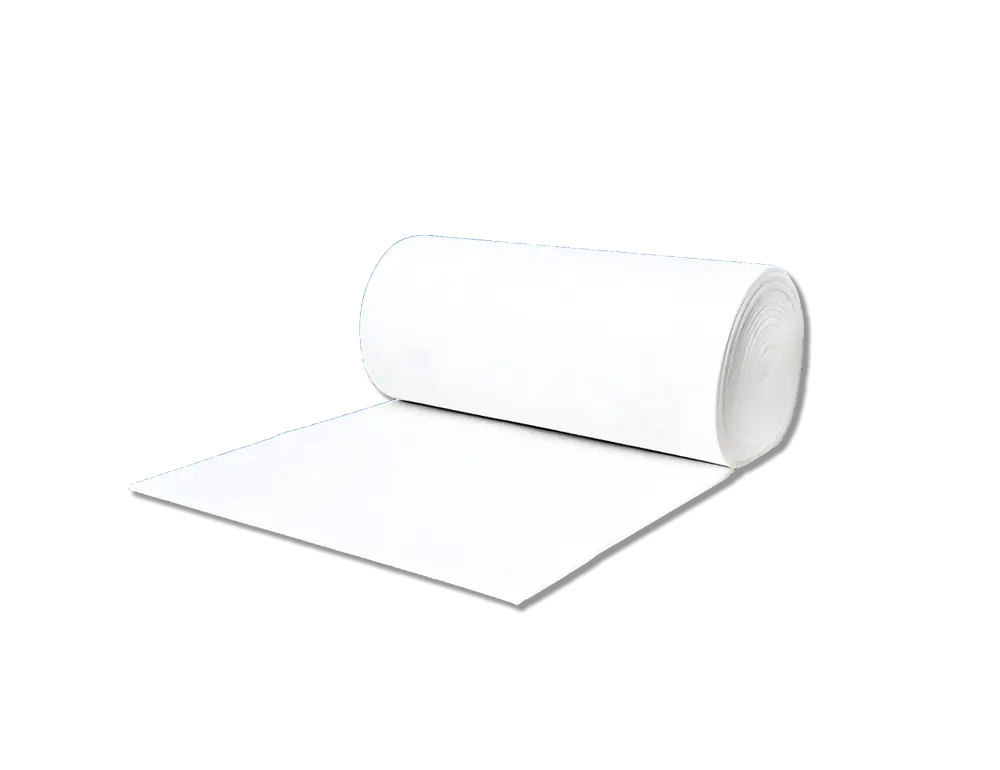
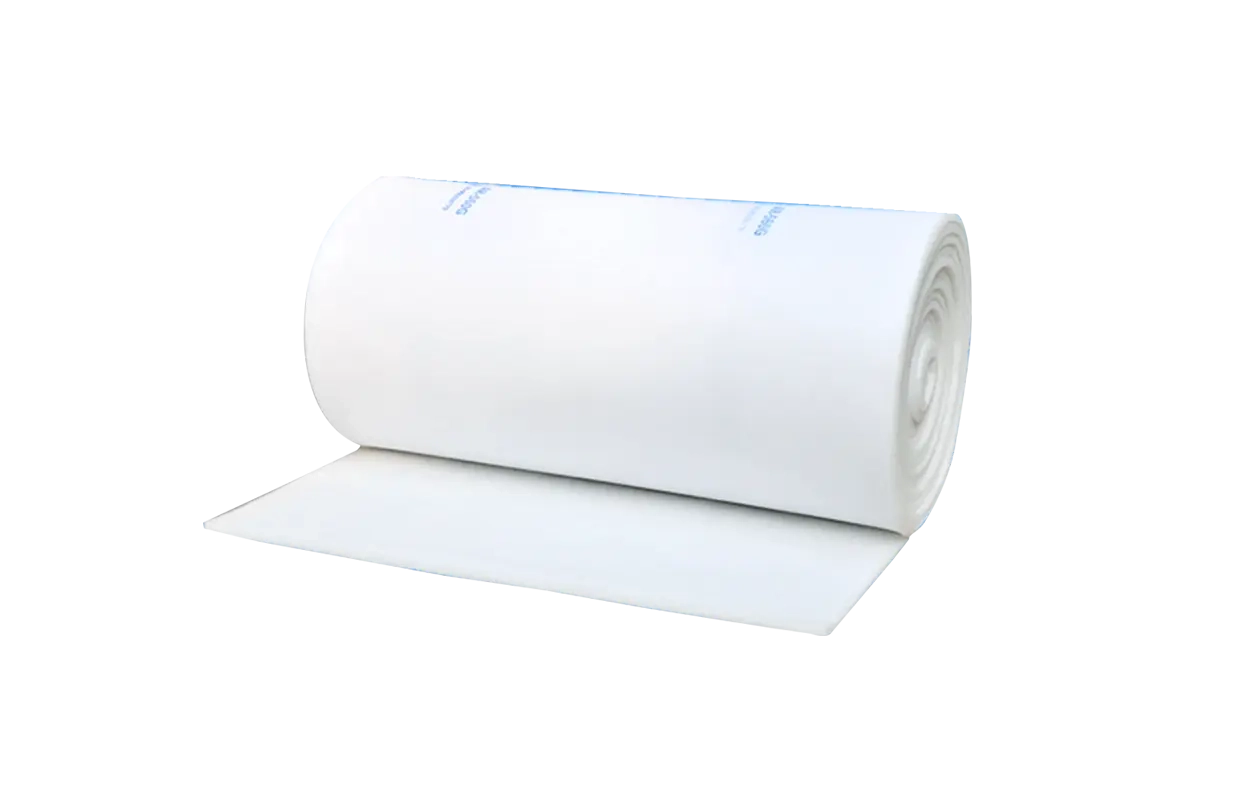
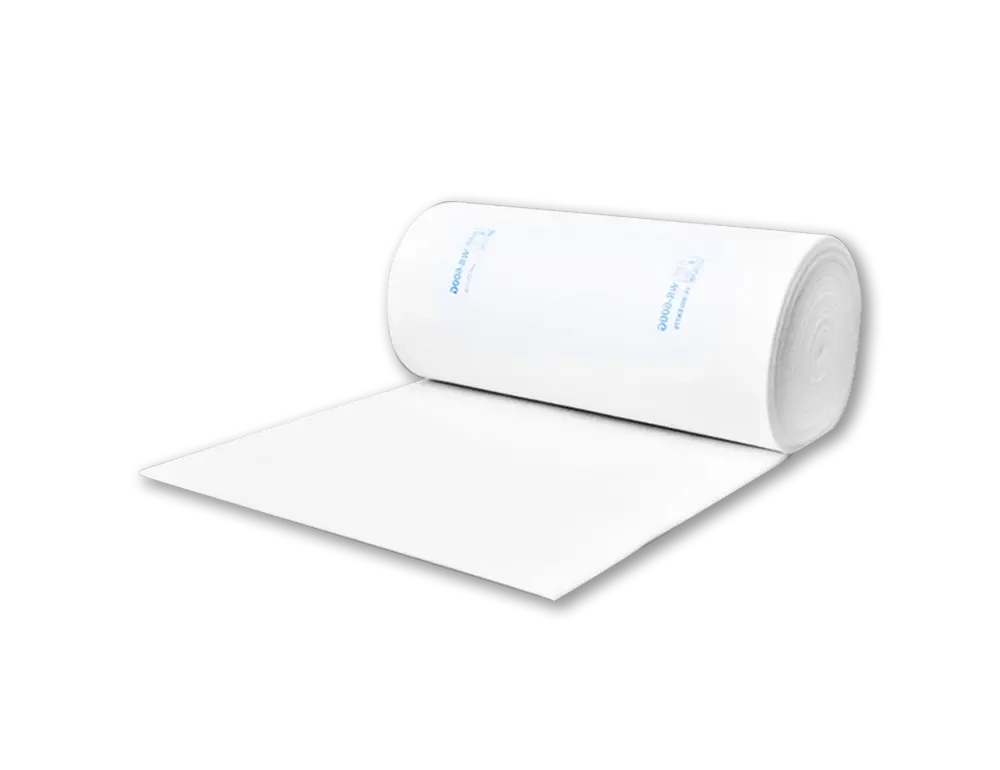
First-Stage Large-Particle Capture
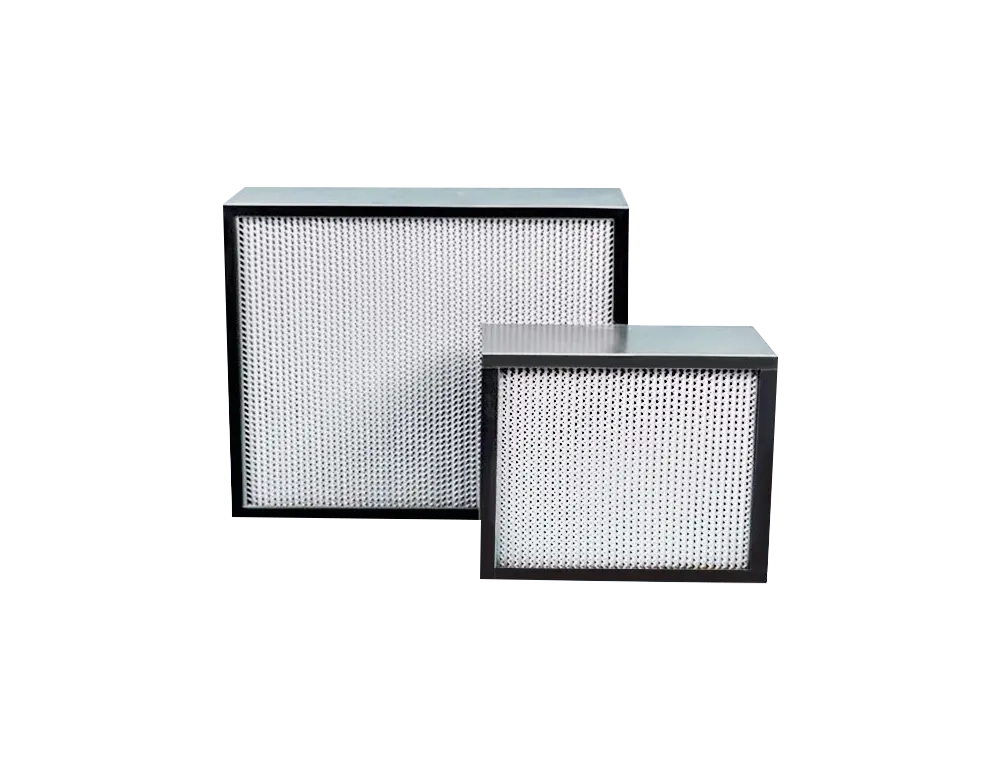
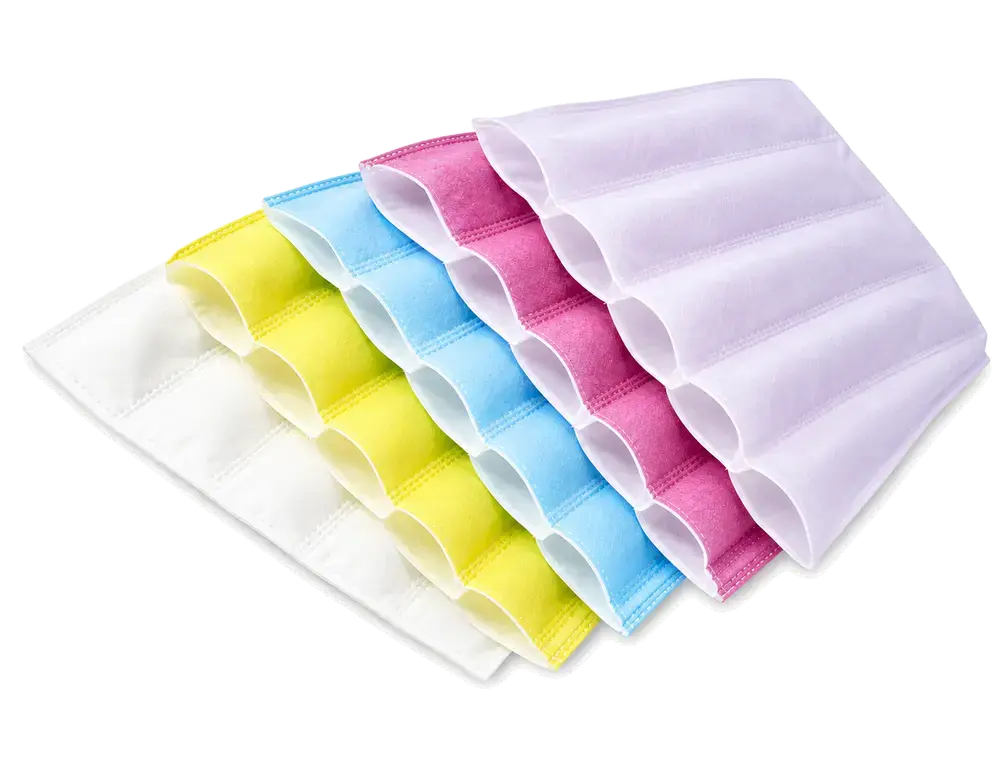
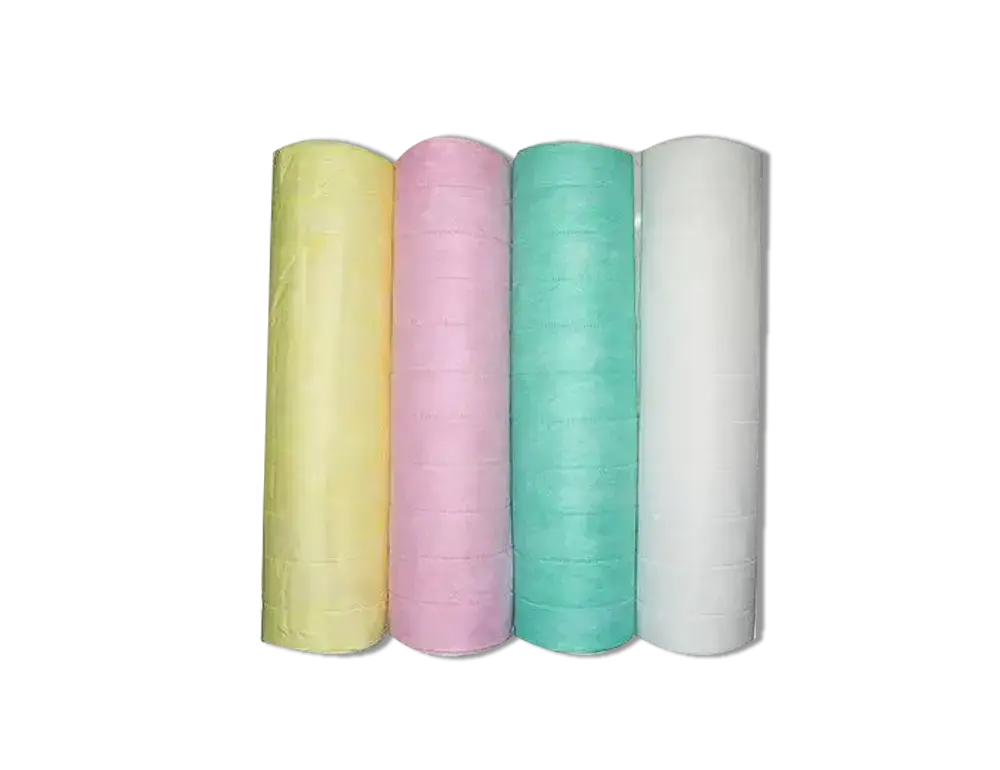
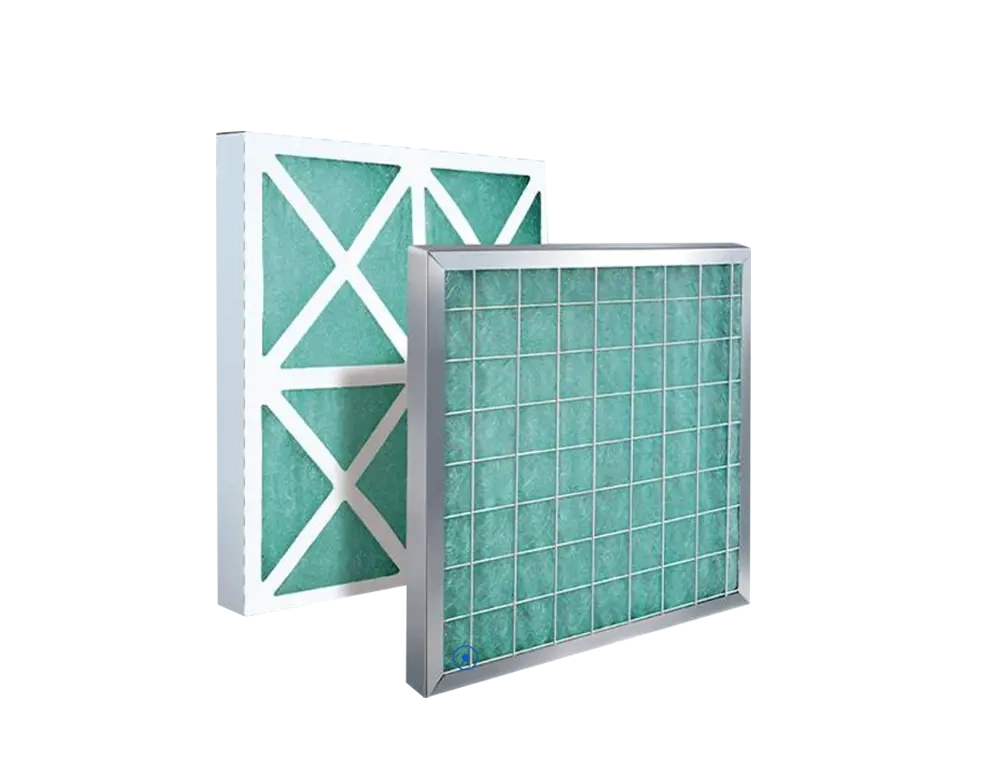
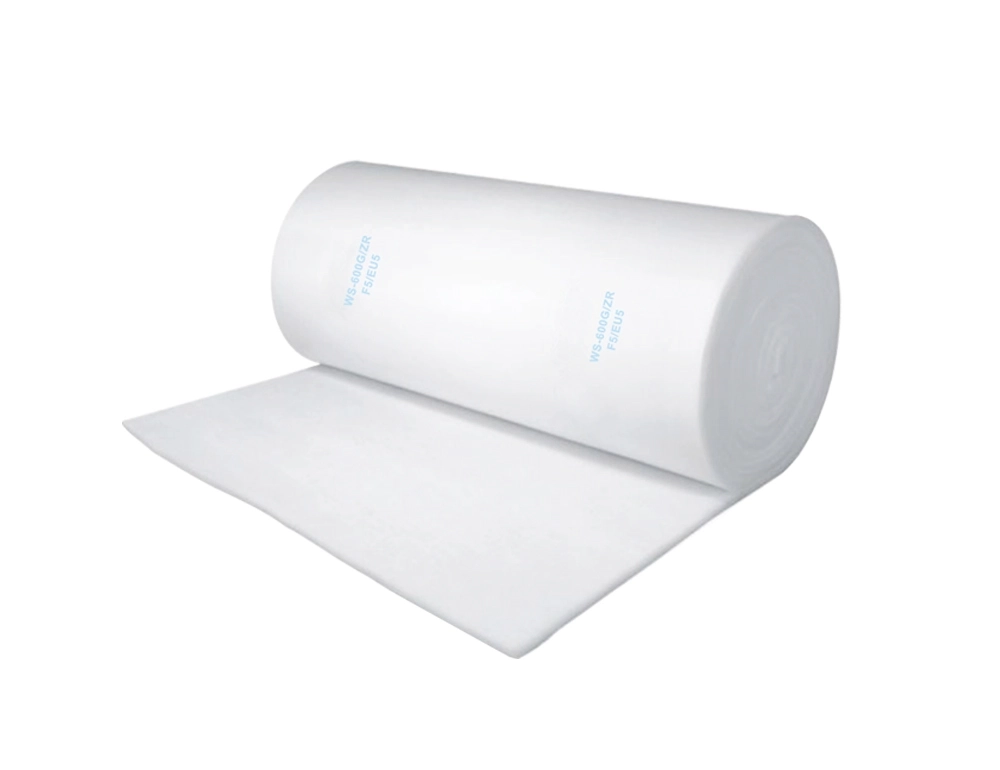
Medium-Efficiency Filter (F5–F9)
Precise PM2.5 Capture
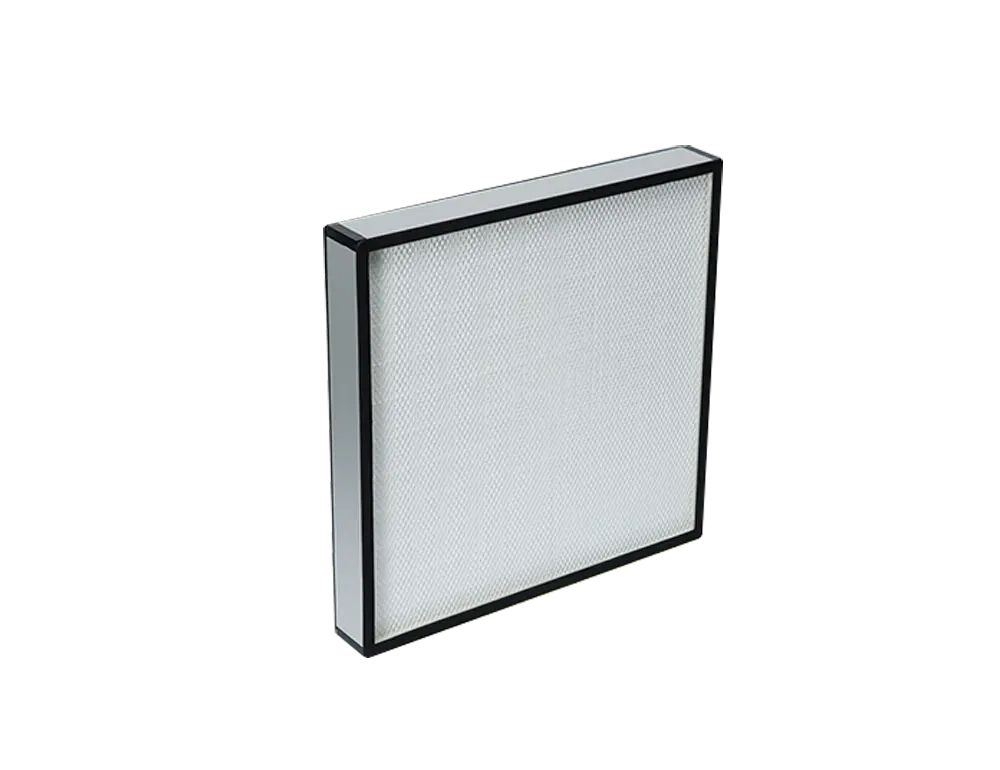
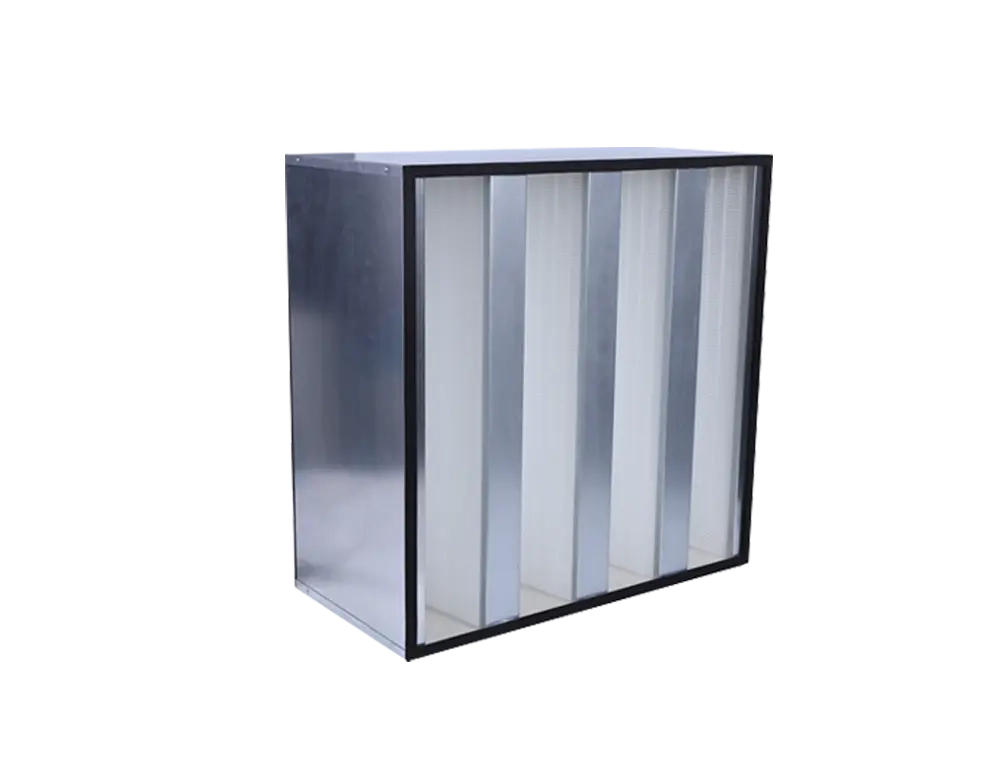
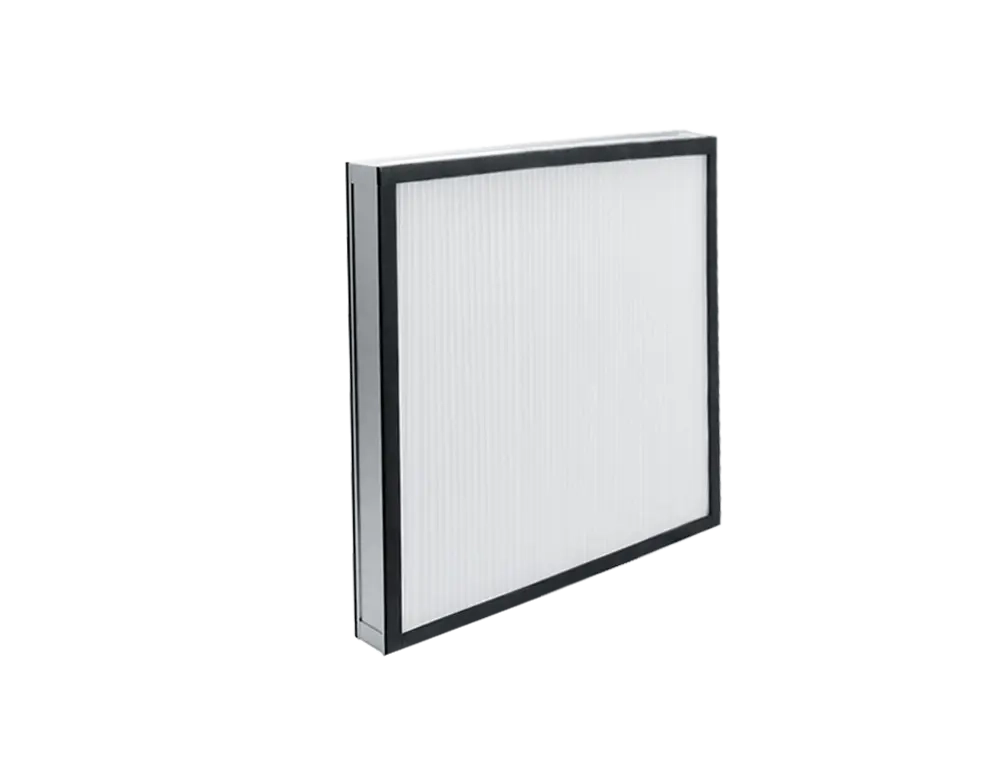
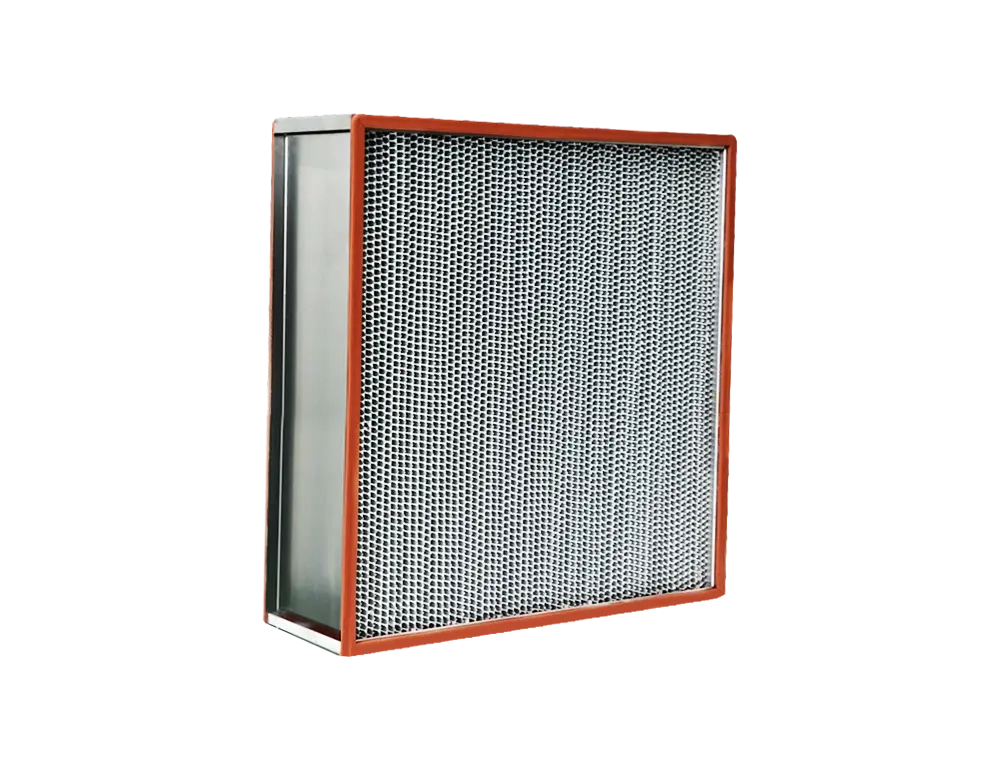
HEPA High-Efficiency Filter
Sterile-Grade Purification
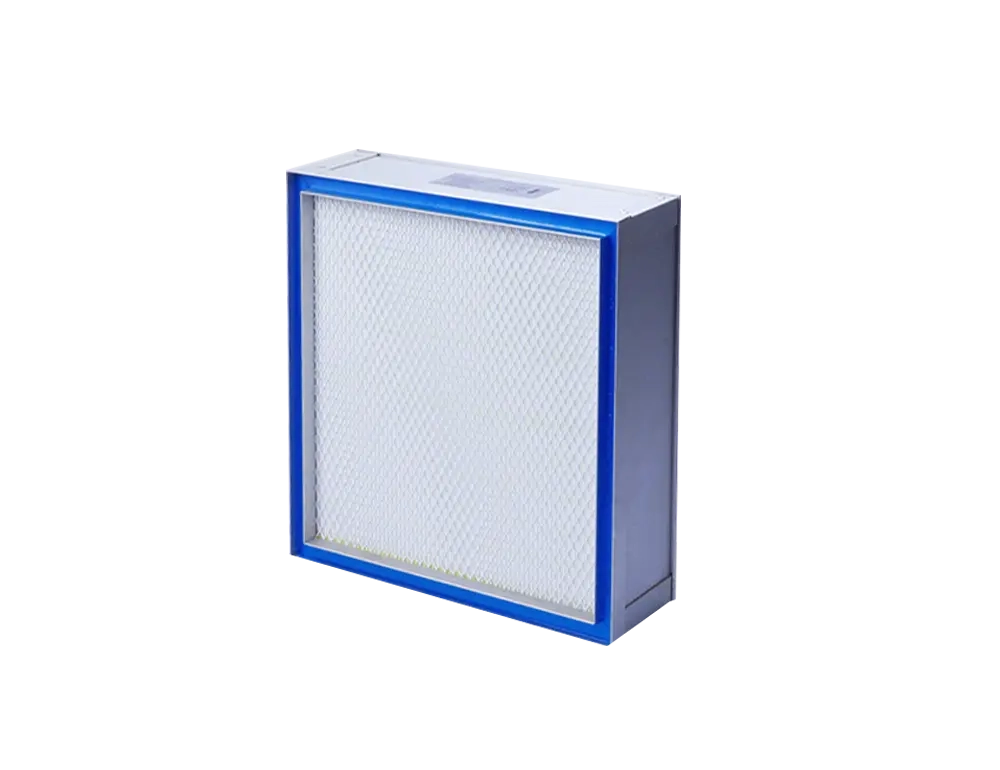
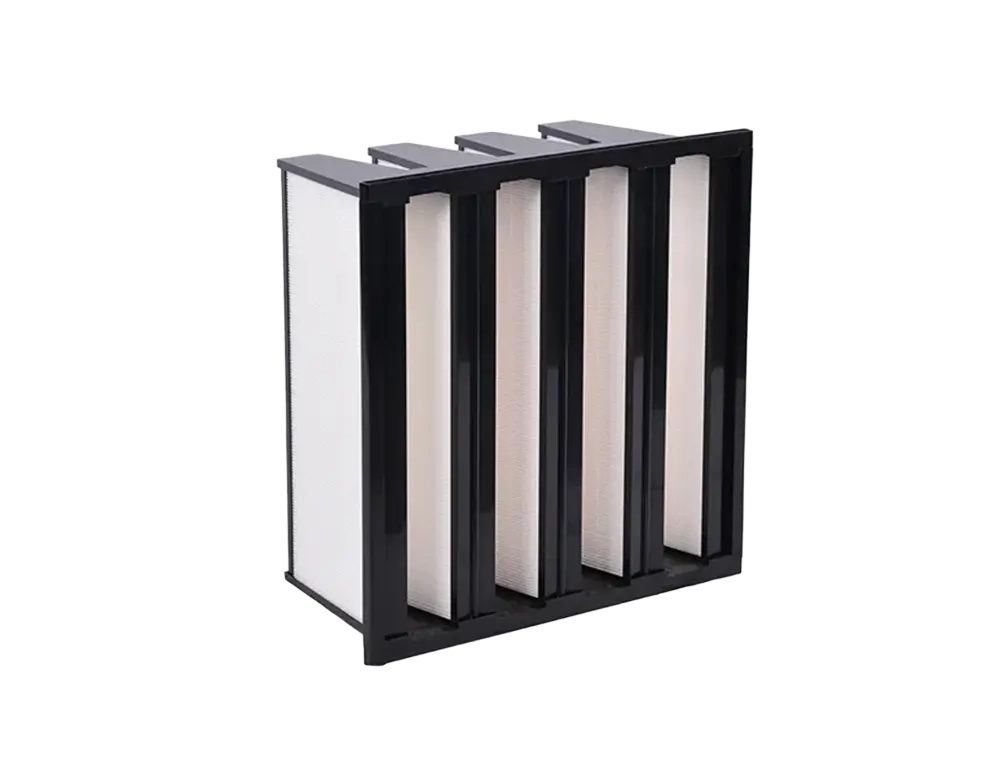
ULPA Ultra-High Efficiency Filter
Sub-Micron Particle Capture
First-Stage Large-Particle Capture
The first line of defense, capturing particles ≥5 μm such as dust, hair, and fibers to protect downstream filters and extend overall system service life.
View Related Products →Precise PM2.5 Capture
Captures fine particles of 1–5 μm including PM2.5, pollen, and mold spores, significantly improving indoor air quality for commercial HVAC and ventilation systems.
View Related Products →Sterile-Grade Purification
≥99.97% filtration efficiency for particles ≥0.3 μm, delivering sterile-grade clean air widely used in medical, pharmaceutical, and electronics manufacturing.
View Related Products →Sub-Micron Particle Capture
≥99.9995% efficiency for particles ≥0.12 μm, meeting the extreme cleanliness demands of semiconductor fabs, aerospace, and other ultra-precision applications.
View Related Products →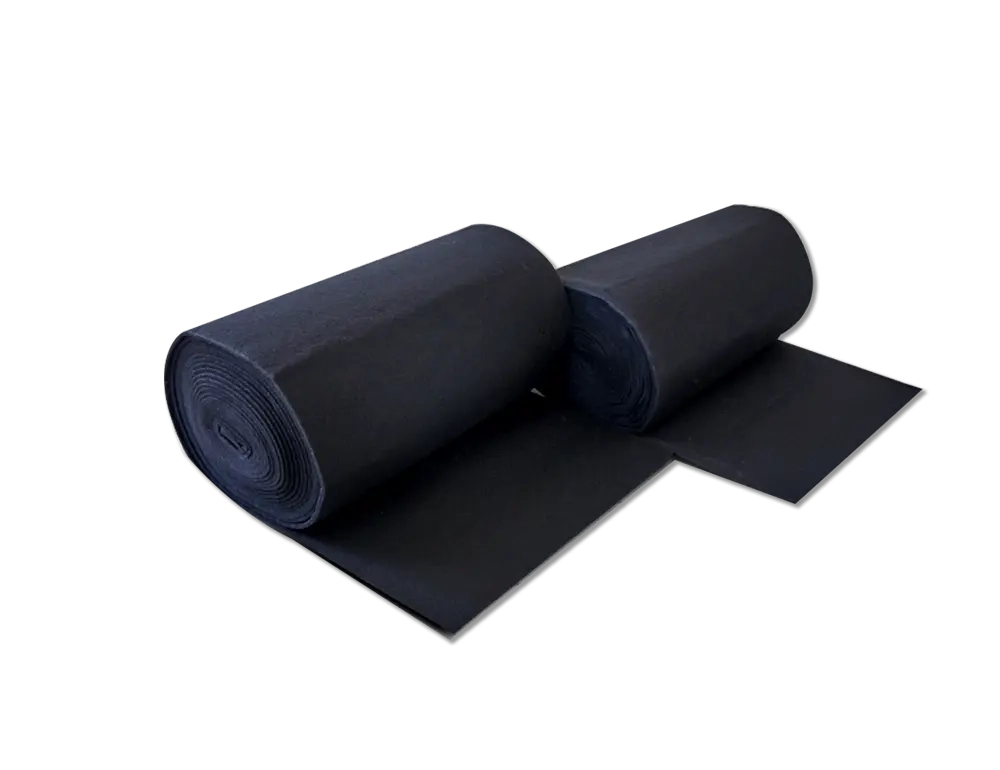
High-Temperature Resistant
Industrial-Grade Heat Tolerance
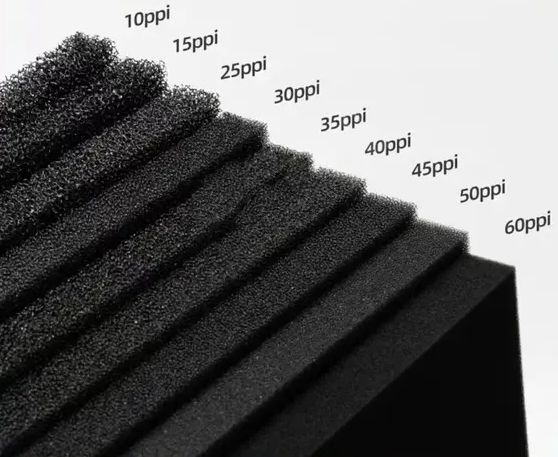
Washable & Reusable
Cut Costs, Reduce Waste
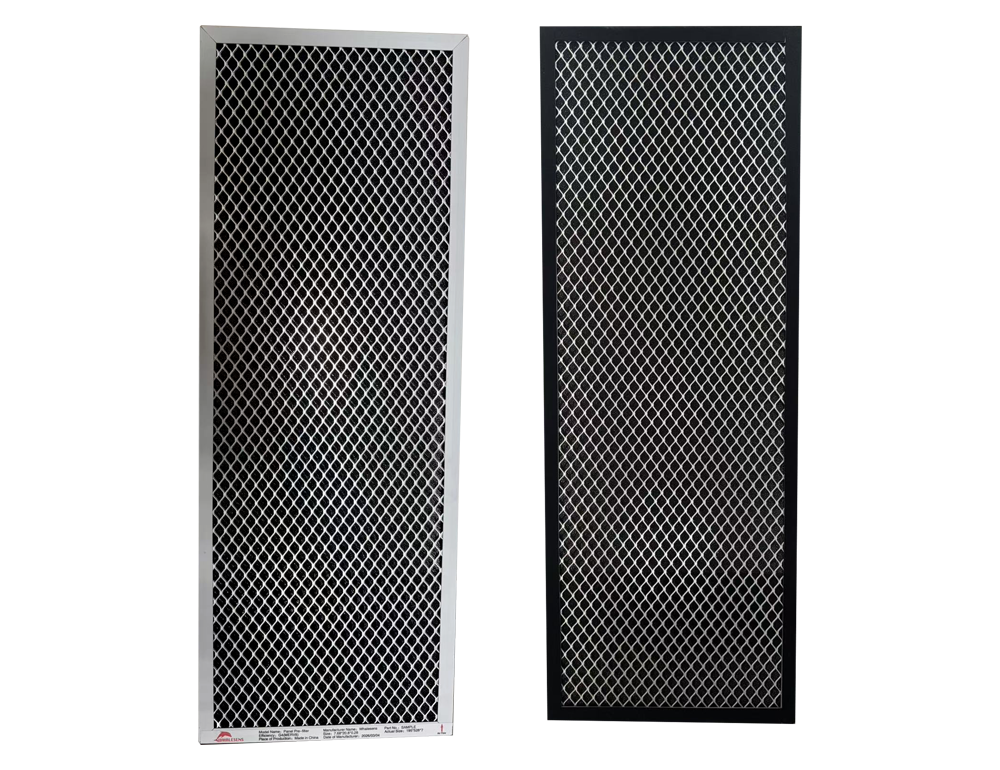
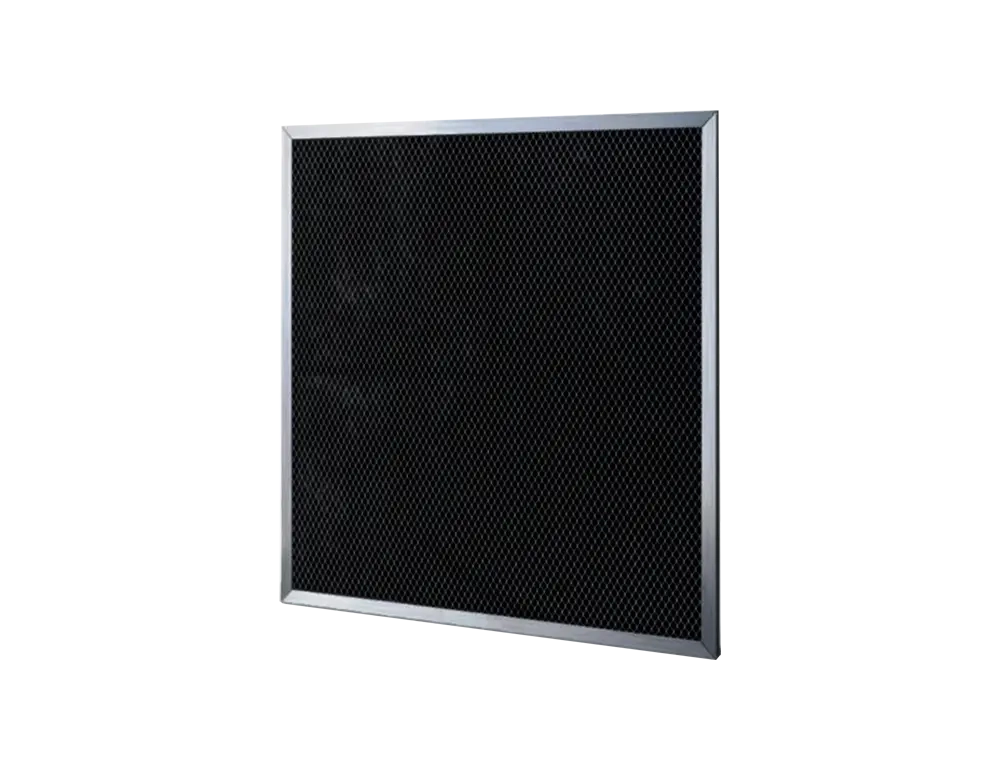
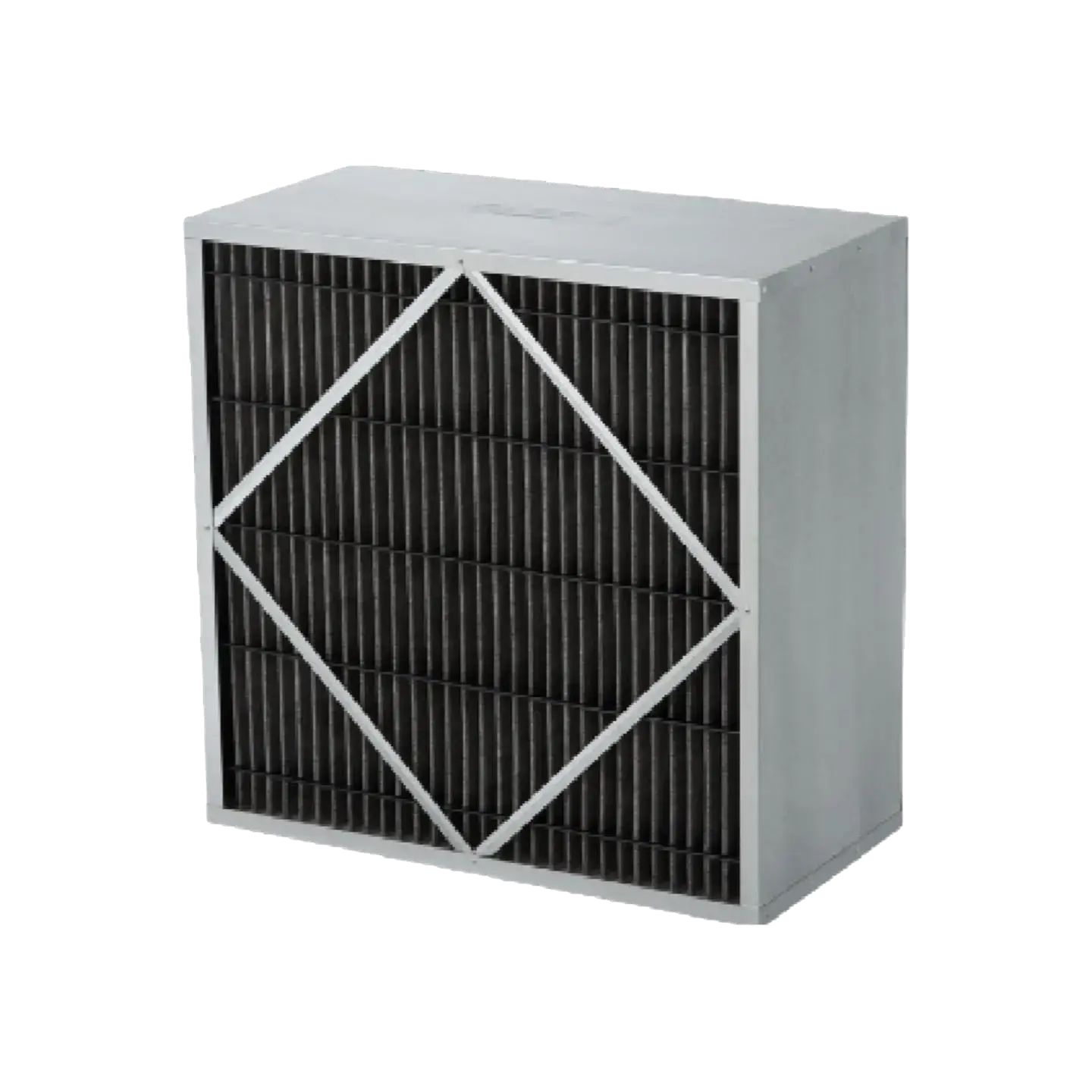
Activated Carbon
Odor & Harmful Gas Removal
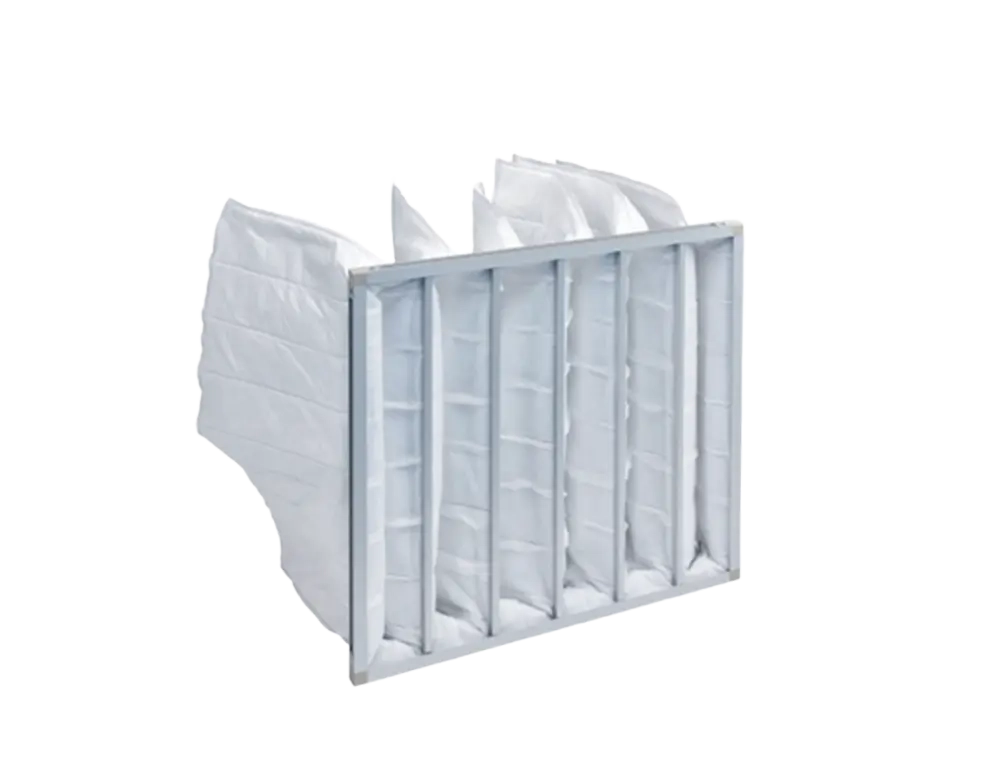
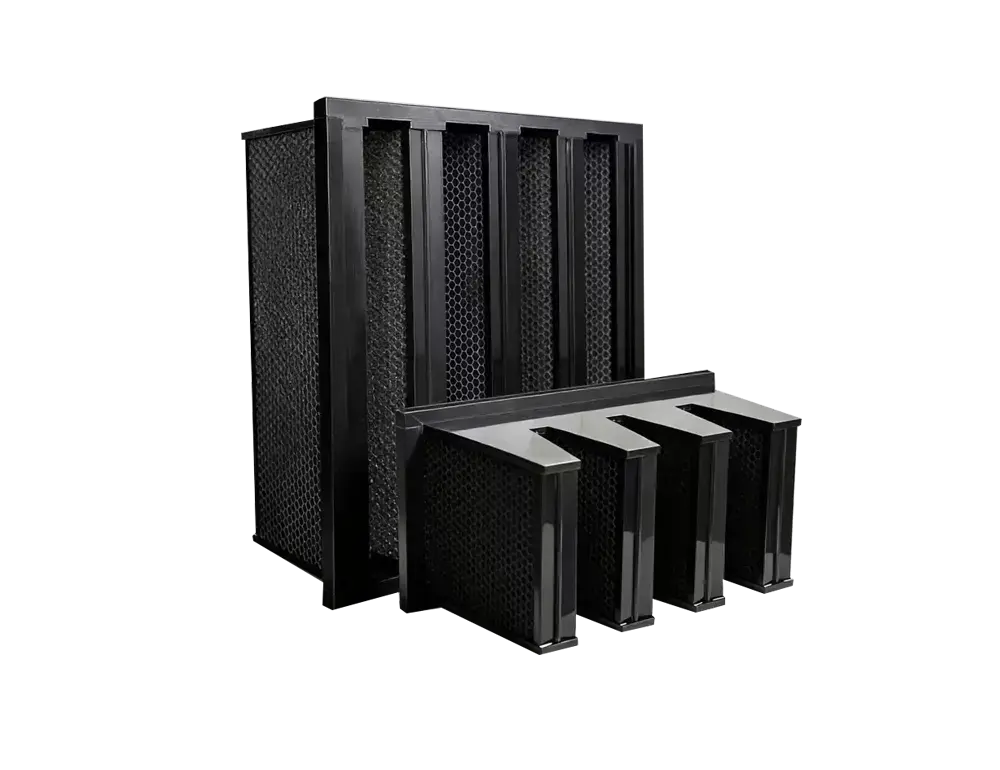
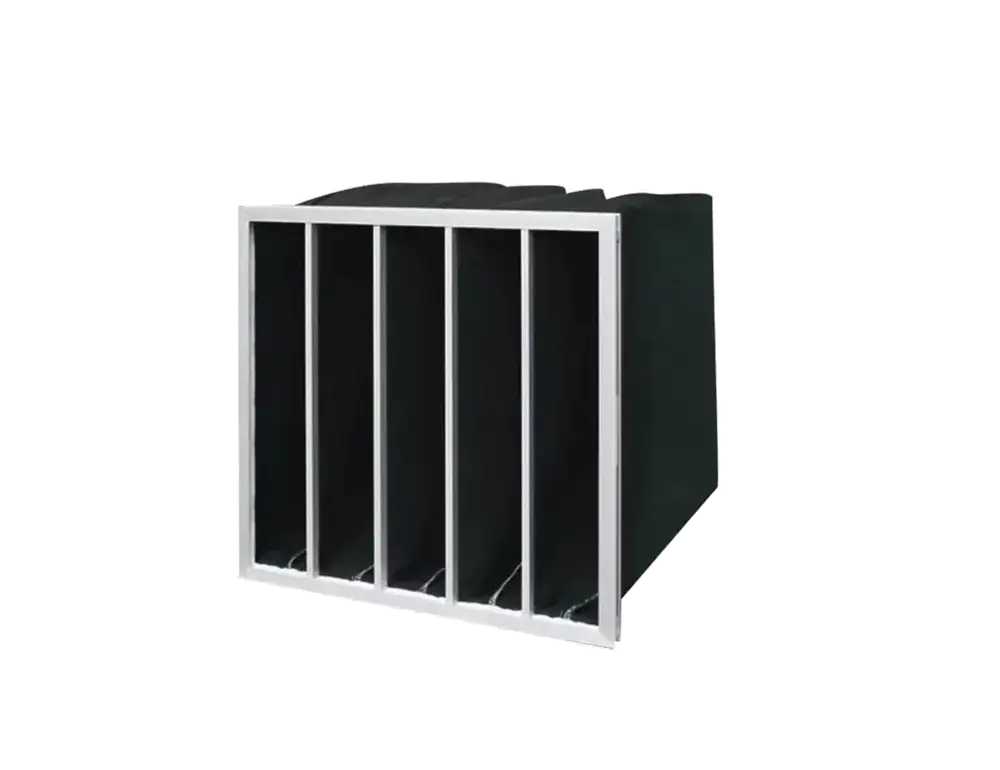
Bag Filter
High Dust-Holding, Long Life
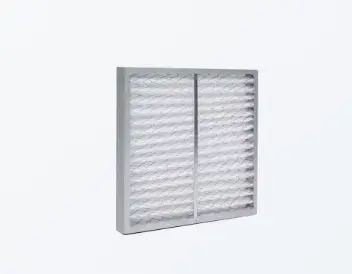
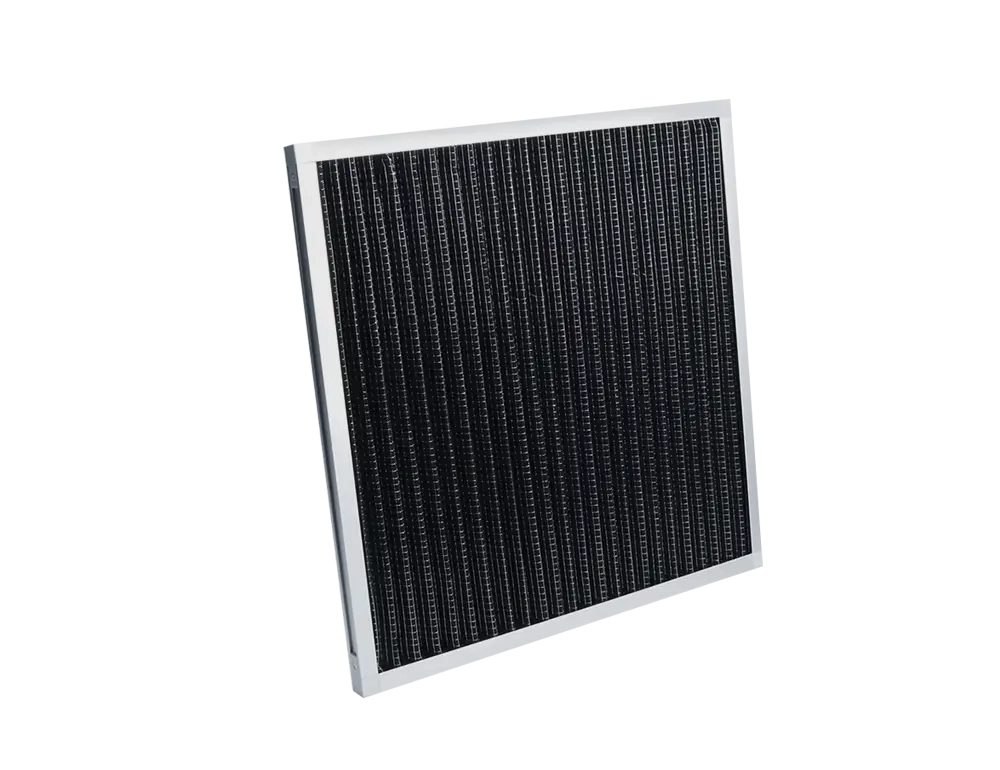
Panel / Pleated Filter
Compact Space-Saving Design
Low-Resistance Airflow
Energy-Saving Operation
Industrial-Grade Heat Tolerance
Built with specialized heat-resistant materials, operating stably up to 250°C for paint ovens, industrial dryers, and high-temperature process environments.
View Related Products →Cut Costs, Reduce Waste
Cleanable by water washing or air blowing, reusable multiple times to significantly reduce replacement frequency and O&M costs — an economical, eco-friendly choice.
View Related Products →Odor & Harmful Gas Removal
Leverages activated carbon's high adsorption capacity to eliminate odors, VOCs, and formaldehyde, ideal for newly renovated spaces and industrial exhaust treatment.
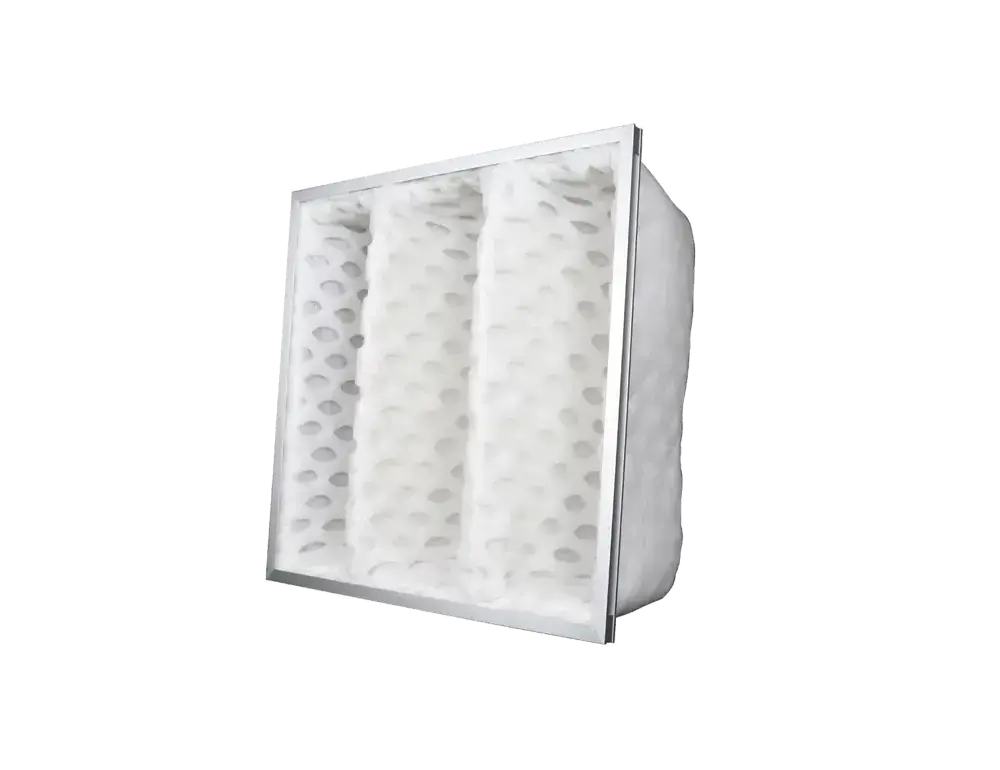
View Related Products →High Dust-Holding, Long Life
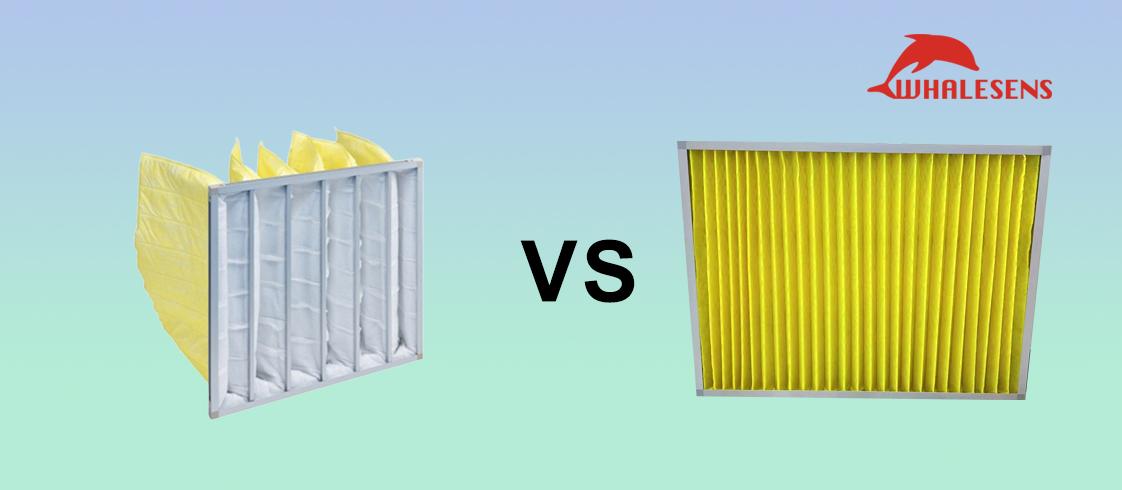
Bag-style construction delivers a larger filtration area, high dust-holding capacity, and extended service life — ideal for high-dust environments with reduced replacement frequency.
View Related Products →Compact Space-Saving Design
Compact form factor for easy installation and replacement; pleated structure maximizes filtration area within a small footprint for higher efficiency.
View Related Products →Energy-Saving Operation
Low-resistance design minimizes pressure drop while maintaining filtration performance, reducing fan energy consumption for cost-effective, eco-friendly operation.
View Related Products →

















 English(Global)
 简体中文
简体中文 Language




H13 H14 Filter Selection: Cleanroom Cost and Efficiency
H13 vs H14: Efficiency Difference You Need to Know
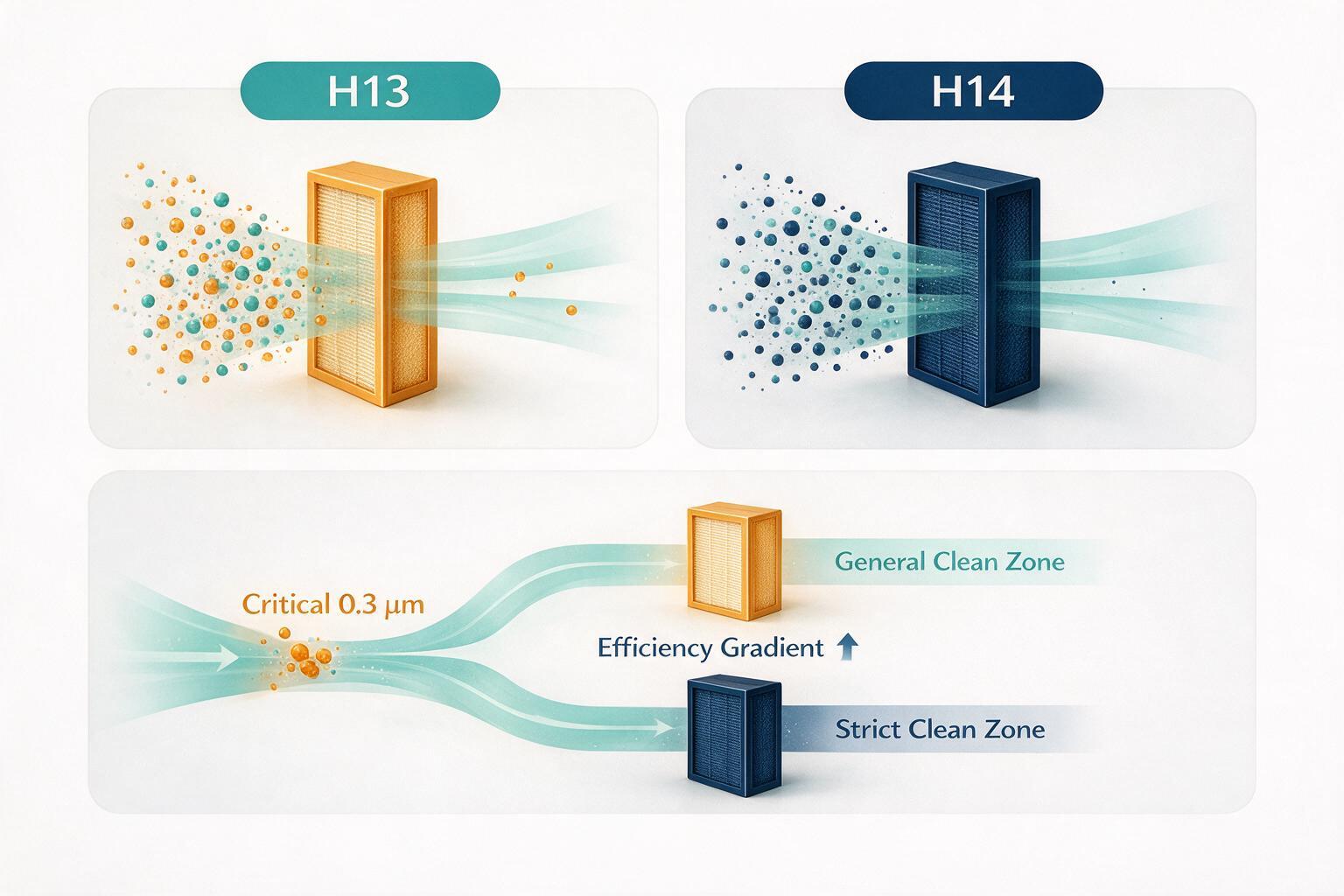
H13 H14 filter selection for cleanrooms usually starts with one number: the 0.3 μm MPPS efficiency. H13 must capture at least 99.97% of the most penetrating particle size, while H14 must hit 99.995%. That extra "9" sounds tiny, but the pressure drop and lifecycle cost differences can reshape your cleanroom budget.
Under EN 1822, H13 filters deliver ≥99.97% MPPS efficiency, H14 ≥99.995%. The difference is 0.025 percentage points, but cleanroom particle concentration can drop by an order of magnitude.
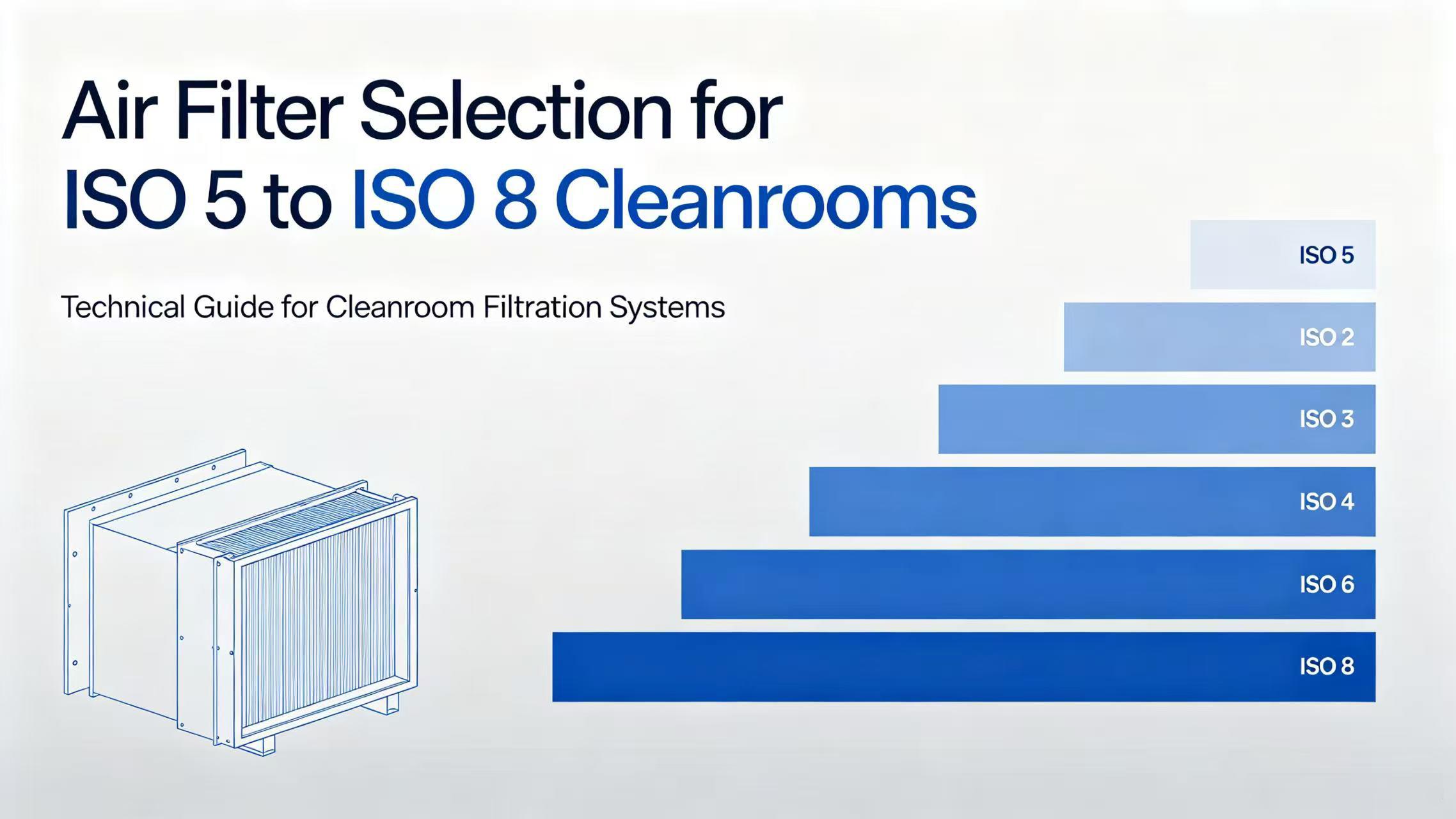
What does that 0.025 point gap actually change? Penetration falls from 0.03% with H13 to 0.005% with H14 — a six-fold reduction. For an ISO 7 (Class 10,000) cleanroom, H13 is usually sufficient. For ISO 5 (Class 100) or higher, H14 is often the default.
H13: ISO 7 cleanrooms, general electronics assembly, food packaging
H14: ISO 5+ cleanrooms, semiconductor lithography, aseptic filling, biosafety cabinets
Unidirectional flow zones normally use H14; non-unidirectional or final prefiltration can use H13
We've seen an electronics cleanroom where the original design used H13. After a process upgrade made the product sensitive to sub-0.3 μm particles, cleanliness tests barely passed. During volume production, yield fluctuated. The root cause? Endpoint filtration was not efficient enough. Swapping to H14 stabilized yield, but fan energy climbed — we'll quantify that next.
What the Extra "9" Means for Cleanroom Performance
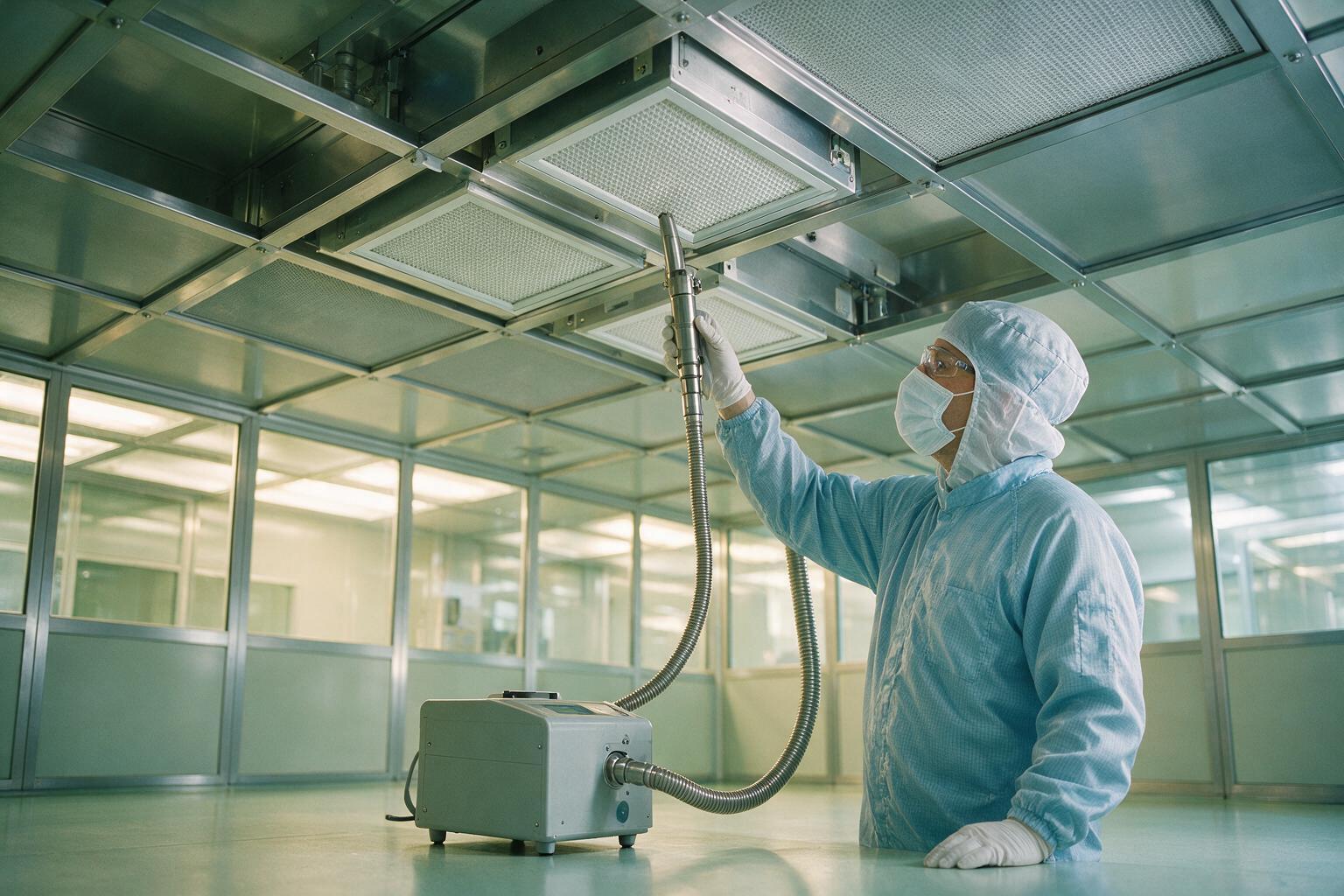
The jump from H13 to H14 reduces penetration by six times. That matters when your process can't tolerate even a few extra particles. ISO 14644-1 defines cleanroom classes by maximum allowable particle counts per cubic meter. ISO 5 allows 3,520 particles at 0.5 μm; ISO 7 allows 352,000. The filter efficiency at 0.3 μm directly feeds that count.
For an ISO 7 room with non-unidirectional airflow, H13 terminal filters usually keep counts well below the limit. If you move to ISO 5 or add unidirectional flow, the lower penetration of H14 becomes the safer choice. Semiconductor lithography, sterile injectables, and advanced battery dry rooms often specify H14 because a single failed lot costs more than the entire filter bank.
Here's the thing: the cleanroom class is not the only signal. Product sensitivity to 0.1–0.3 μm particles can push you toward H14 even in an ISO 7 room. If particle counters near the product show borderline readings, the upgrade is usually cheaper than yield loss.
Resistance and Energy Costs: Where the Real Money Goes
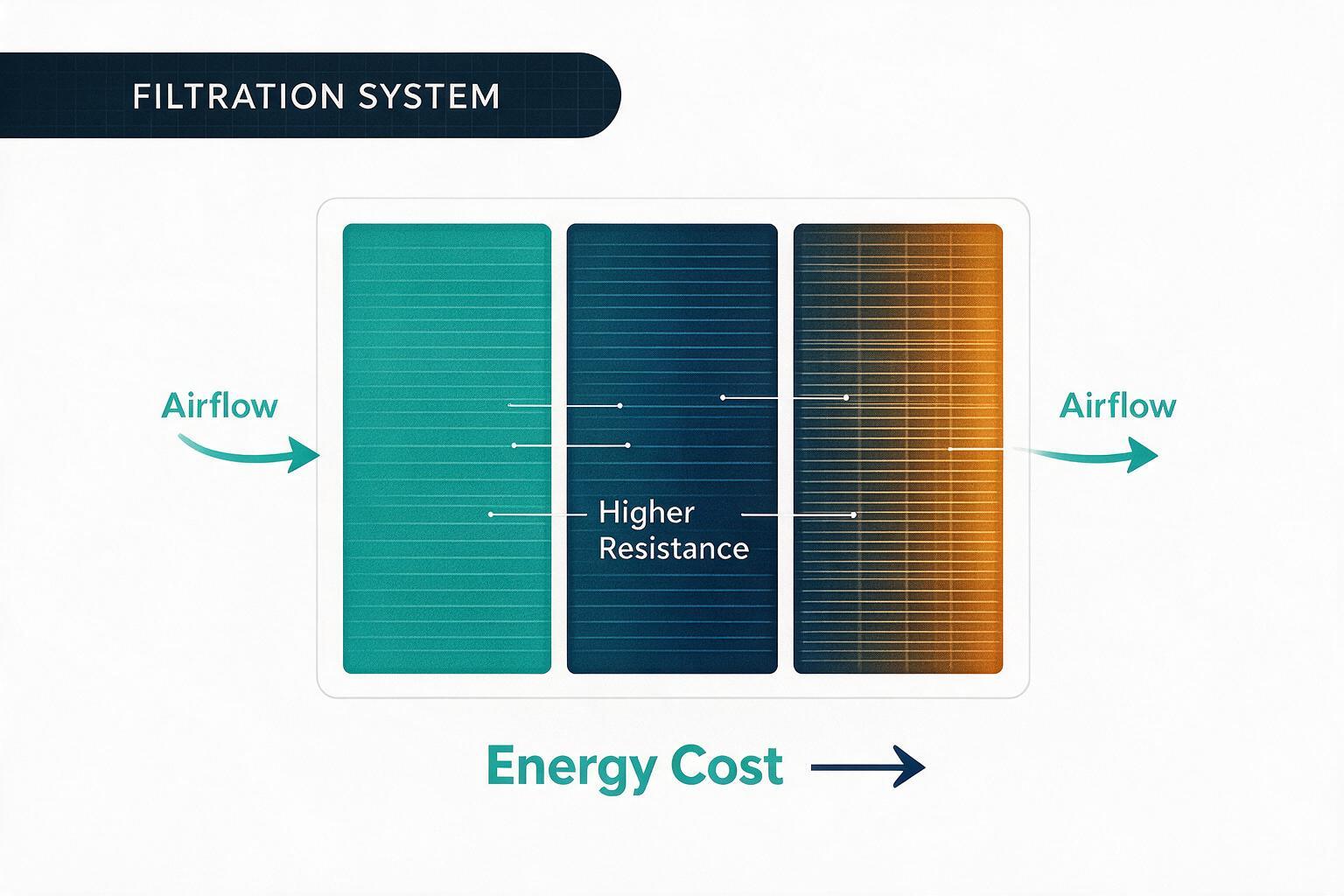
H14 media is denser, typical initial resistance runs 15–30% higher than H13. For a standard 484×484×90 mm panel at rated airflow, H13 sits around 220 Pa, H14 around 280 Pa.
Assume a recirculation fan rated 15 kW, running 8,000 hours/year. The added resistance from H14 can push power draw up by roughly 4 kW. At $0.10/kWh, that's $3,200 extra per year per fan. Multiply by dozens of terminal filters in a cleanroom and the cost is impossible to ignore.
H13 Filter
- Initial resistance ~220 Pa
- Purchase price 10–15% lower
- Longer media life in similar duty
H14 Filter
- Initial resistance ~280 Pa
- Purchase price 10–15% higher
- Slightly shorter media life without upgraded prefiltration
To be honest, buyers who compare only unit price eventually get schooled by electricity bills and replacement cycles. H14 can hold less dust per unit area if prefiltration is weak, so replacement frequency rises, adding labor and downtime costs.
For a full breakdown of H13 specifications — including efficiency, media area, and dimensional options — see our H13 Hepa Filter: Key Specs, Selection Tips & Applications guide.
How to Decide: A Practical H13 H14 Filter Selection Framework
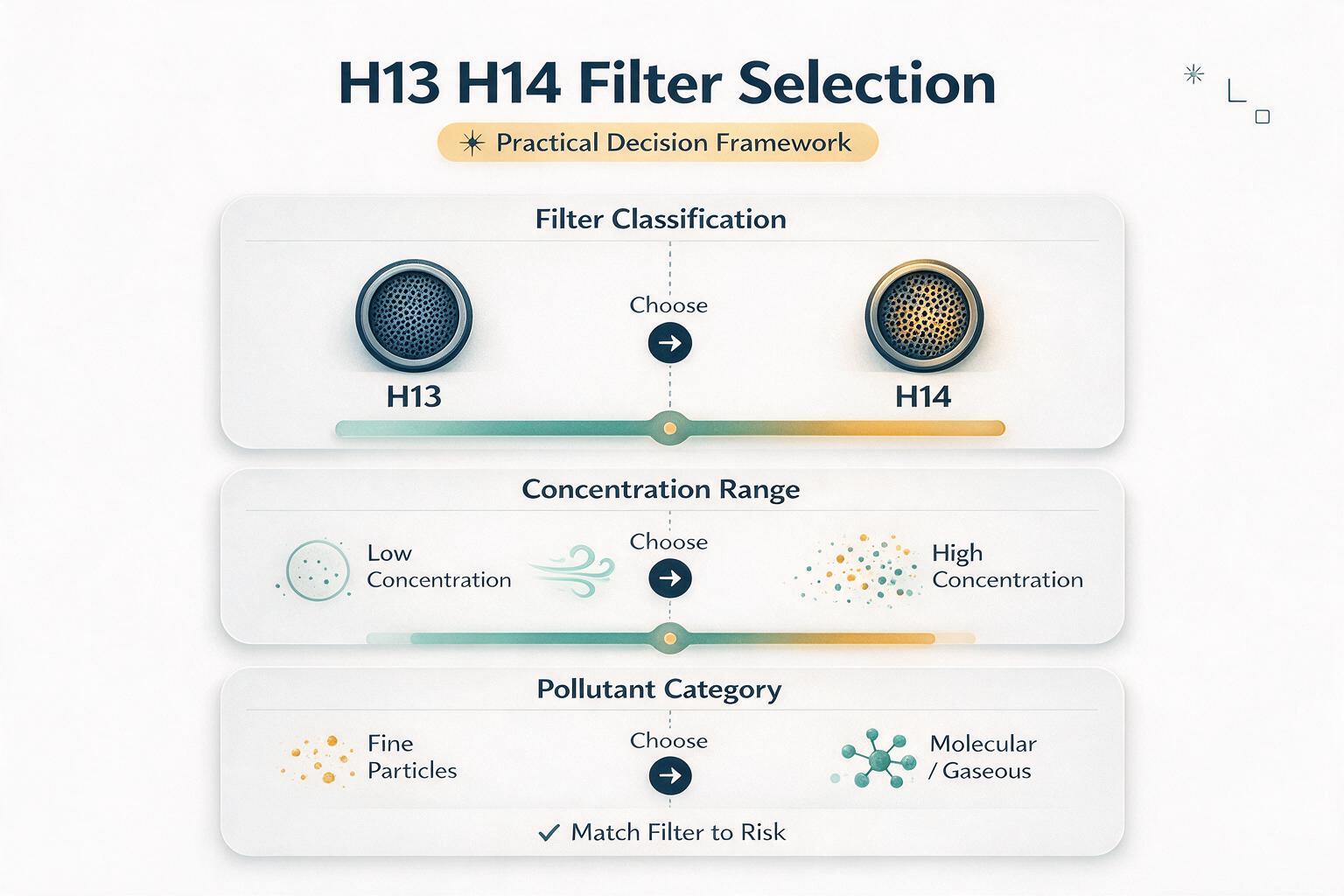
Unless your cleanroom requires ISO 5 or stricter, or your product is sensitive to 0.1–0.3 μm particles, H13 is usually enough and costs less over time. But calculate total cost of ownership instead of guessing.
Frame material also affects long-term resistance stability. Aluminum frames resist moisture and deformation better than paper frames, improving sealing and reducing bypass. For a broader look at industrial air filter selection across applications, see our Industrial Air Filter: The Ultimate Guide.
If your cleanroom requires frequent filter changes, modular HEPA Filter Cassette systems cut downtime and simplify installation. That can tip the total cost equation toward H14 in some retrofit scenarios.
Real Cost Breakdown: One Cleanroom Retrofit
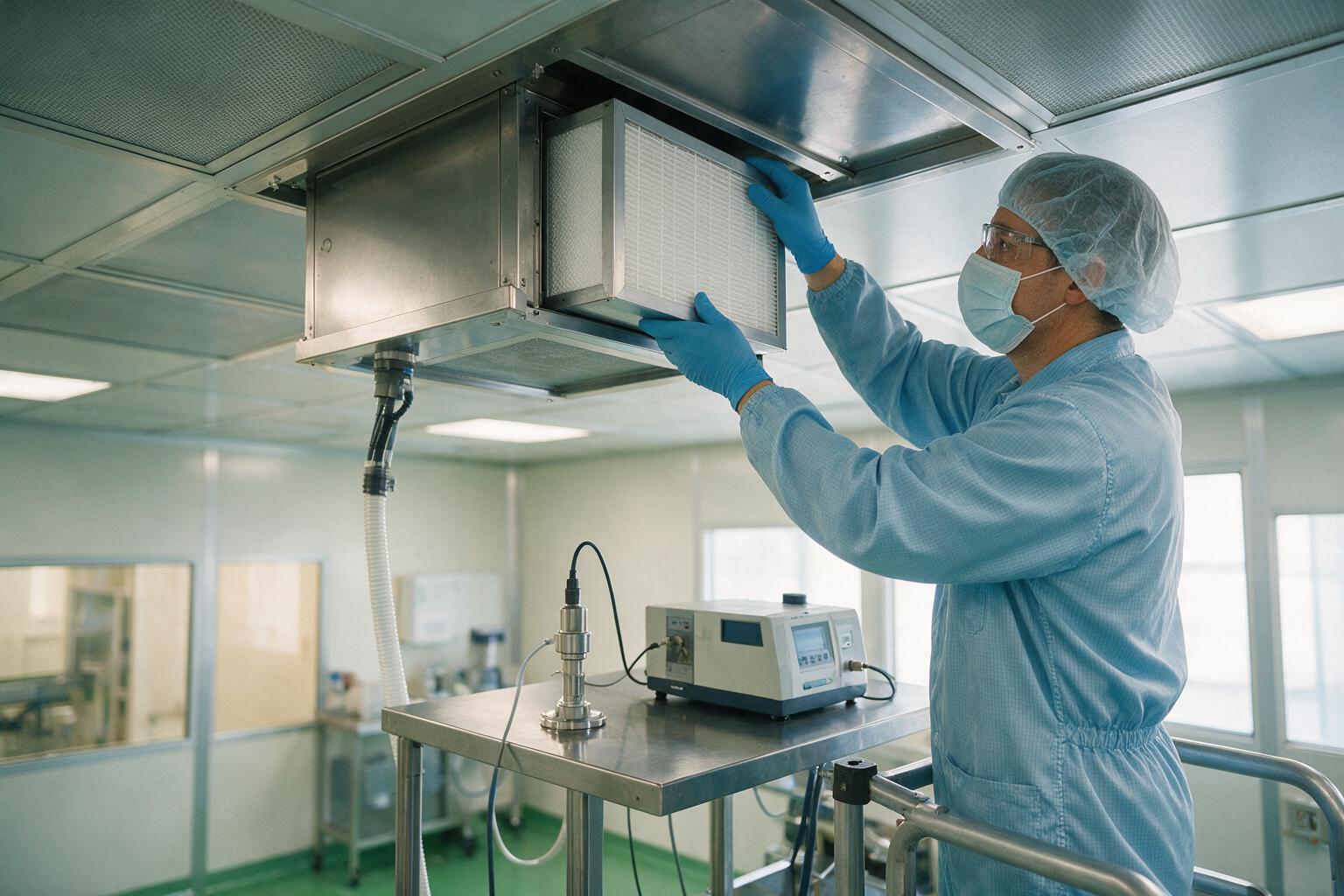
Here's a pattern we've seen more than once. An electronics cleanroom ran H13 filters for three years without issues. Then a process upgrade made the team nervous about sub-0.3 μm particles, so they planned to replace everything with H14. We ran the numbers.
The client kept H14 but tightened maintenance on upstream bag filters to reduce loading on the HEPA stage. That decision cut the added energy penalty almost in half.
Filter selection is not about picking a grade; it's about matching the grade to your process.
Whalesens Technology
Three Mistakes That Skew H13 H14 Decisions
Three mistakes push many cleanroom teams toward the wrong grade. Here they are, with no sugarcoating.
Weak prefiltration. Many terminal HEPA filters fail early because upstream medium-efficiency filters don't do their job. If your prefilters let 3–10 μm particles through, H14 loads fast and replacement cycles shrink. Tighten the bag filter stage first.
Ignoring temperature. If your cleanroom has drying tunnels, sterilization ovens, or other high-temperature zones, standard H13/H14 media and sealants may degrade. Select high-temperature variants or add cooling. This is a common oversight in pharmaceutical and solar cell fabs.
Overlooking frame and sealing. A filter's headline efficiency assumes no bypass. Poor gaskets, bent frames, or incorrect installation can leak unfiltered air, making H14 perform like H13. Always inspect housing alignment and gasket compression.
The same resistance-versus-efficiency trade-off appears in non-cleanroom applications. For wind turbine nacelle and converter cooling, filter selection balances pressure drop against component protection. Our Wind Turbine Filter Selection article covers that duty in detail.
Before finalizing your H13 H14 filter selection, map the cleanroom class, real particle sensitivity, and the full ten-year energy and replacement numbers. If the arithmetic still feels ambiguous, ask your filter supplier to run the pressure drop calculation at your actual airflow — not just the catalog rating.
Need a custom air filtration solution?
Contact the Whalesens engineering team for product selection and OEM/ODM support.
Email whalesens@gmail.com
