


EV Charging Stations
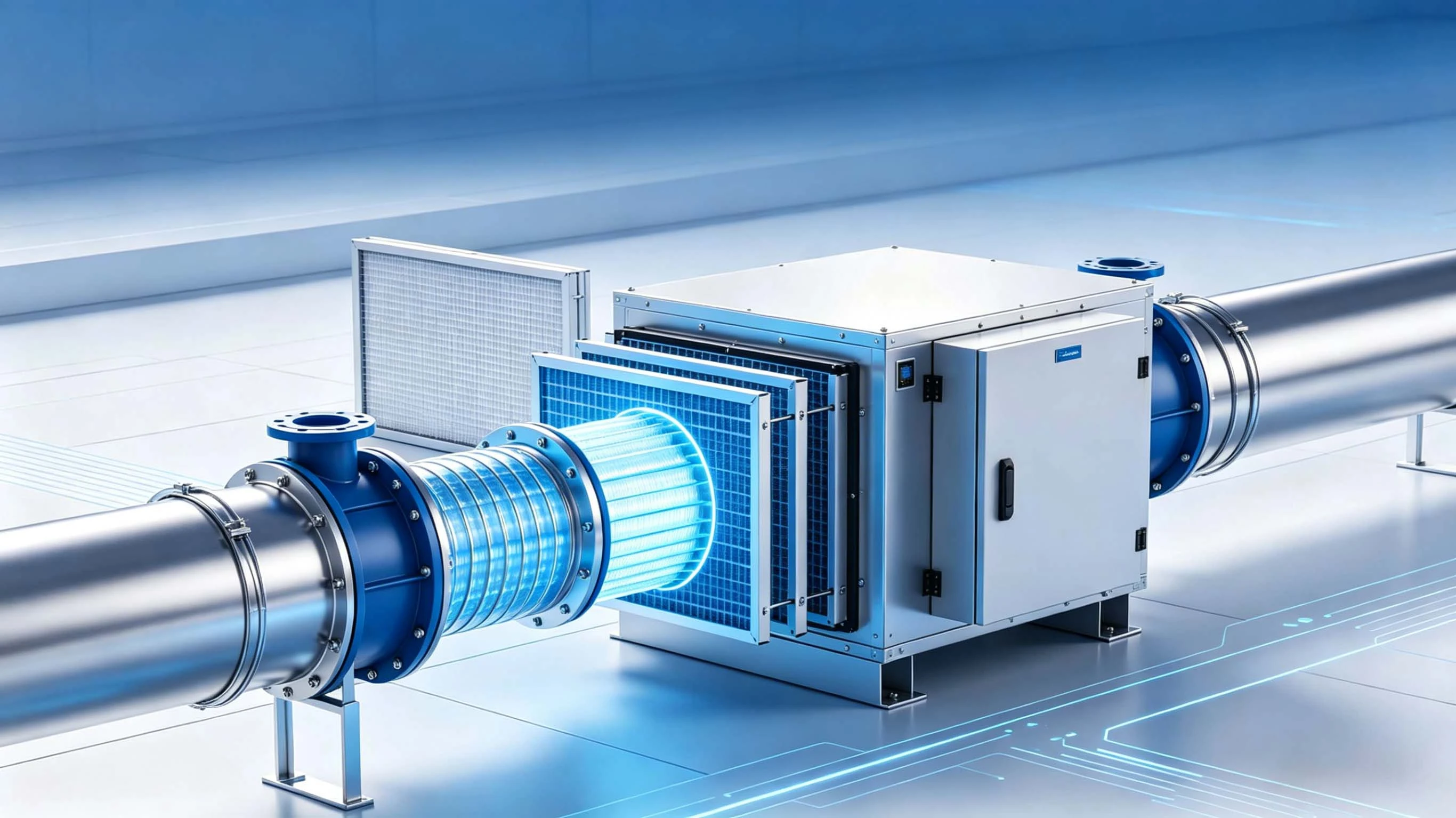
Filtration for Power Equipment
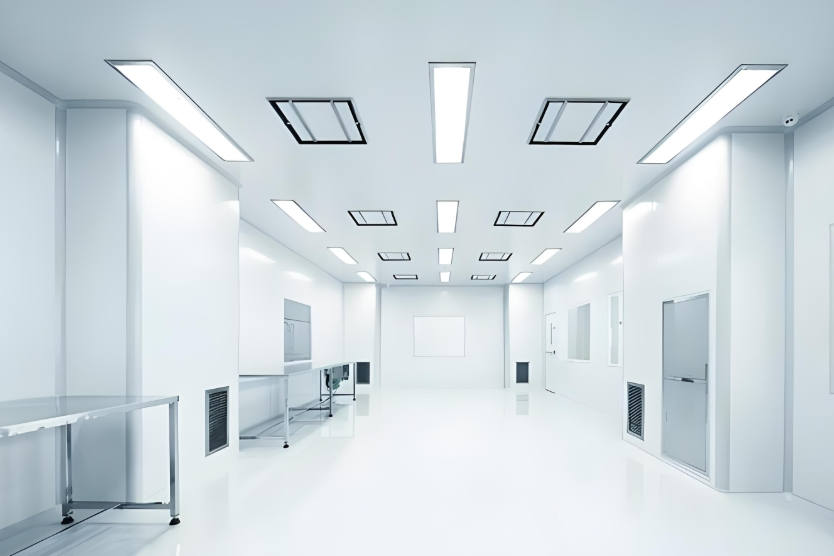
Cleanroom & Semiconductor
Ultra-High Cleanliness Filtration
Commercial HVAC
Central Air System Filtration
Data Centers
Precision Equipment Protection
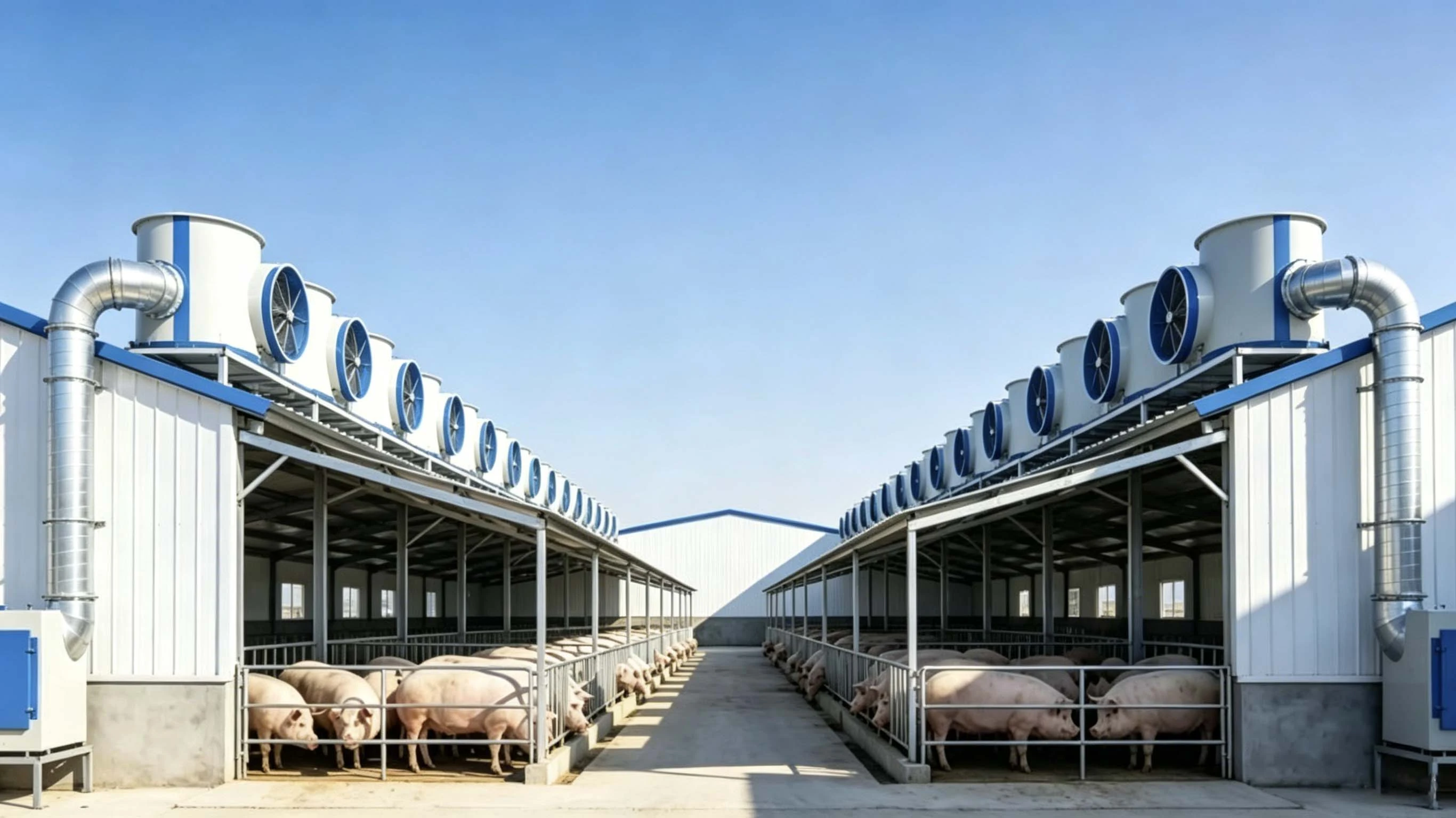
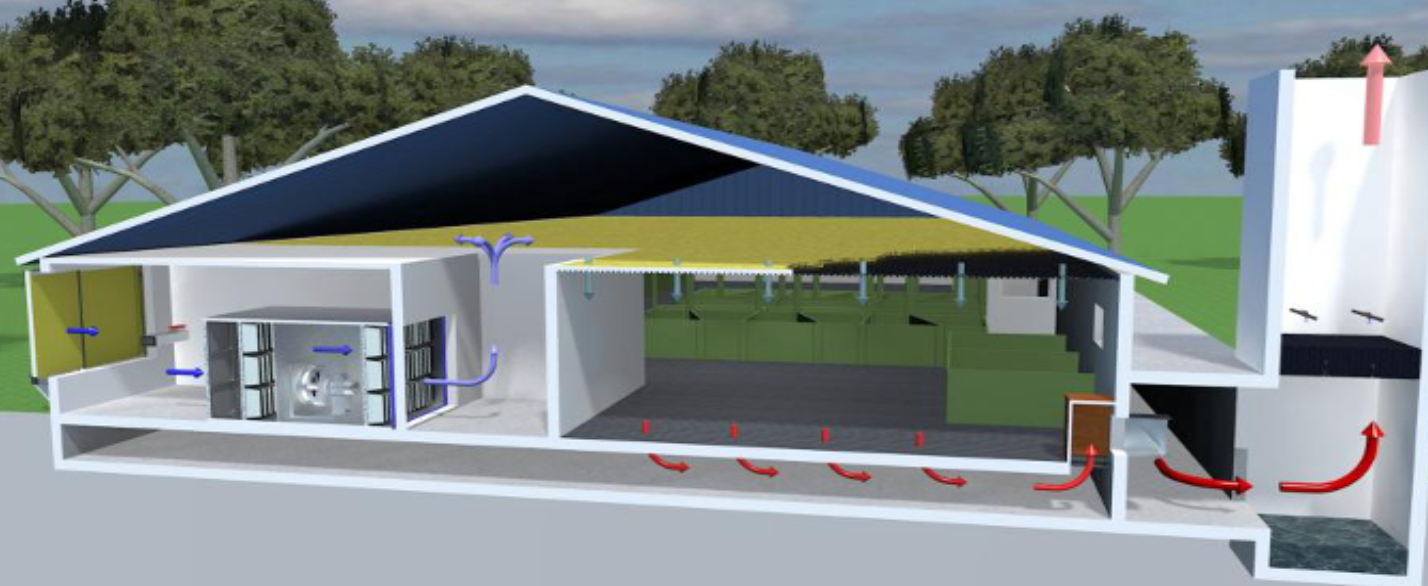
Livestock & Farming
Farming Environment Purification
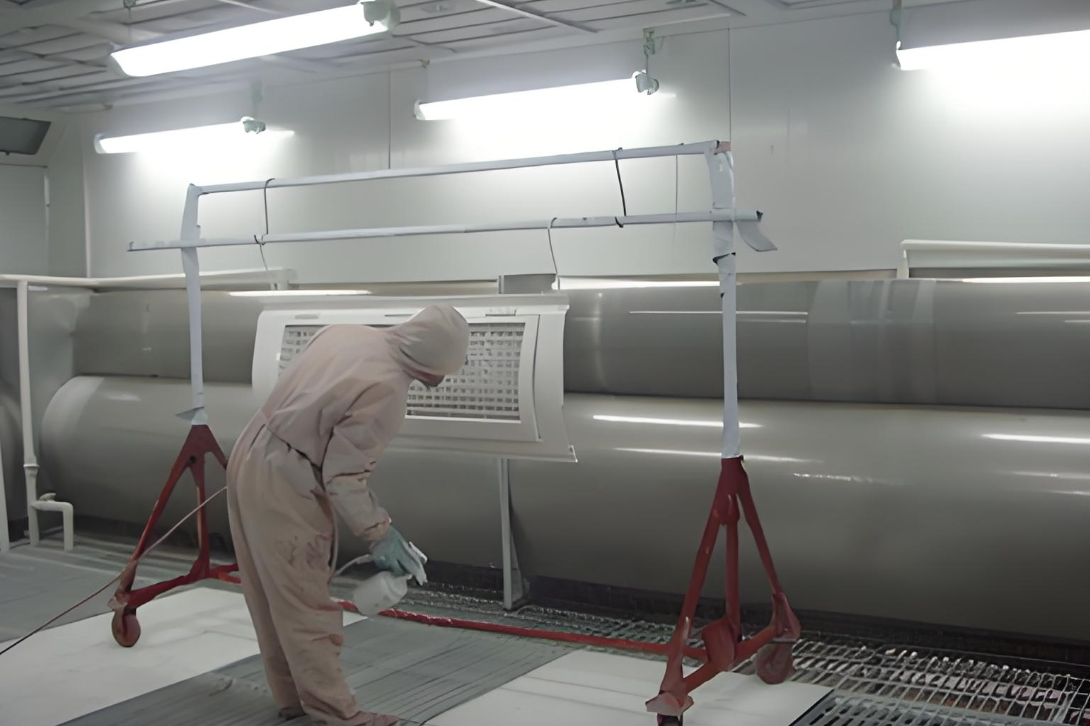
Spray Booths & Industrial Dust
Paint Mist & Dust Purification
Filtration for Power Equipment
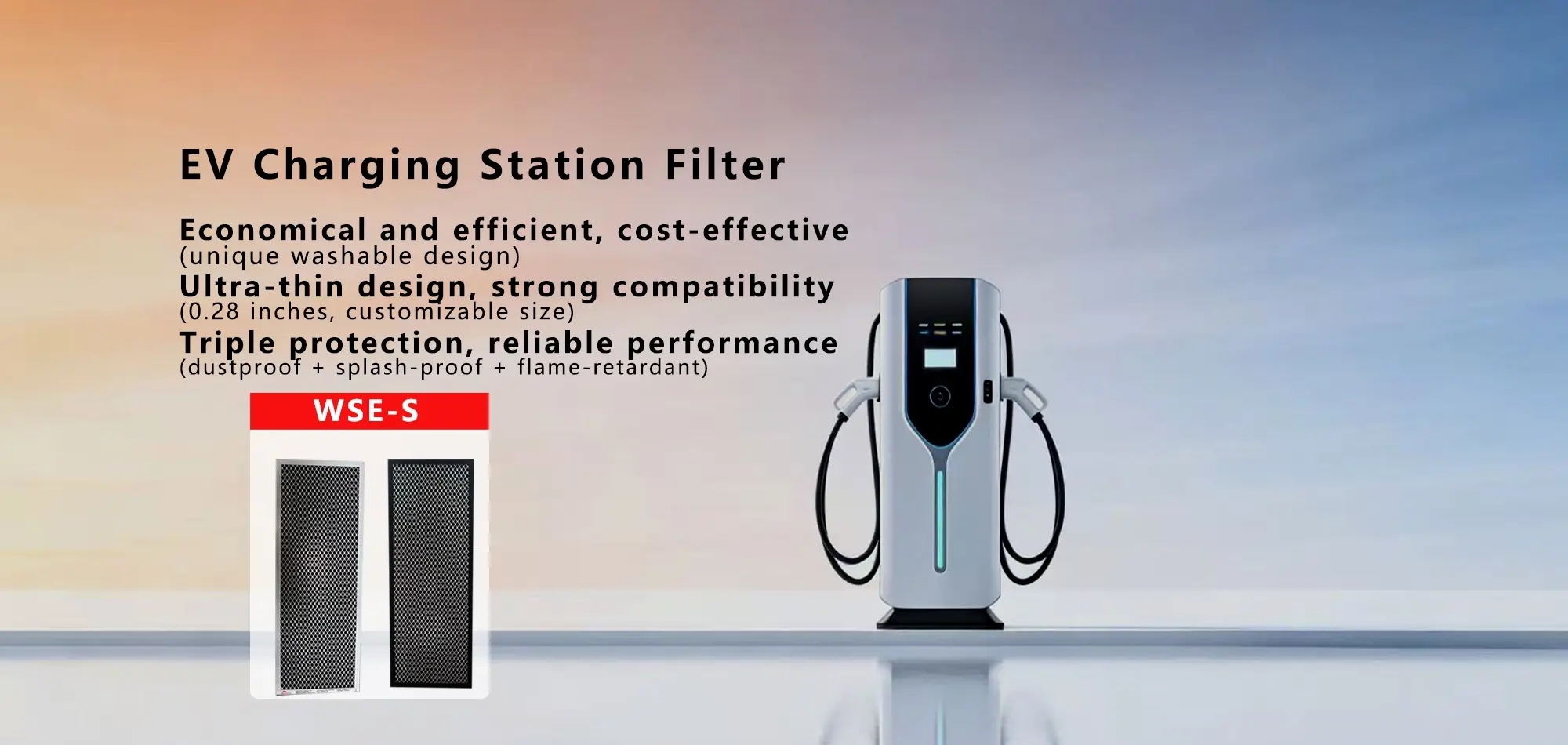
Professional air filtration for EV charging devices, protecting against dust and sand ingress to ensure stable, reliable operation of charging piles and station infrastructure.
View Related Products →Ultra-High Cleanliness Filtration
Ultra-high efficiency filtration for semiconductor wafer fabs and precision electronics cleanrooms, capturing nano-scale particles to meet ISO Class 1–3 standards and maximize product yield.
View Related Products →Central Air System Filtration
High-efficiency filtration for commercial building HVAC systems, improving indoor air quality, reducing energy consumption, and extending equipment service life.
View Related Products →Precision Equipment Protection
Precision air filtration for data centers, shielding servers and critical hardware from dust contamination to keep cooling systems running efficiently and reliably.
View Related Products →Farming Environment Purification
Dedicated filtration systems for farms and livestock facilities — capturing dust, adsorbing ammonia, and inhibiting pathogen spread to improve animal health and overall productivity.
View Related Products →Paint Mist & Dust Purification
Designed for spray booths and grinding workshops, efficiently capturing paint mist, metal dust, and wood chips to meet emission standards while protecting finished surface quality.
View Related Products →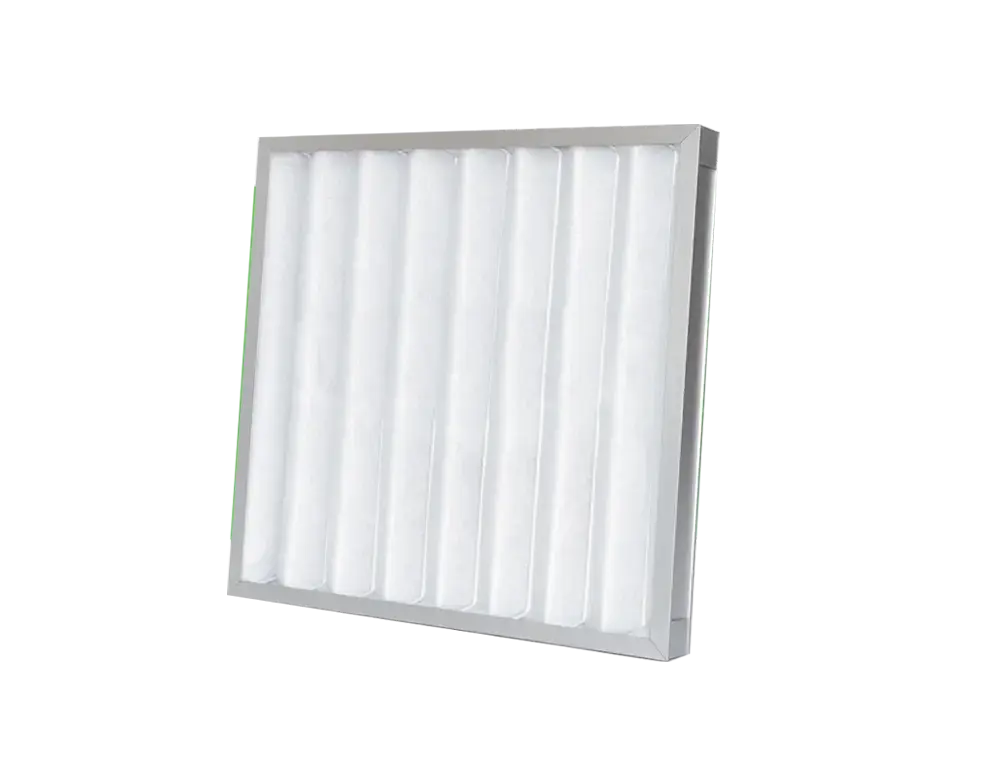
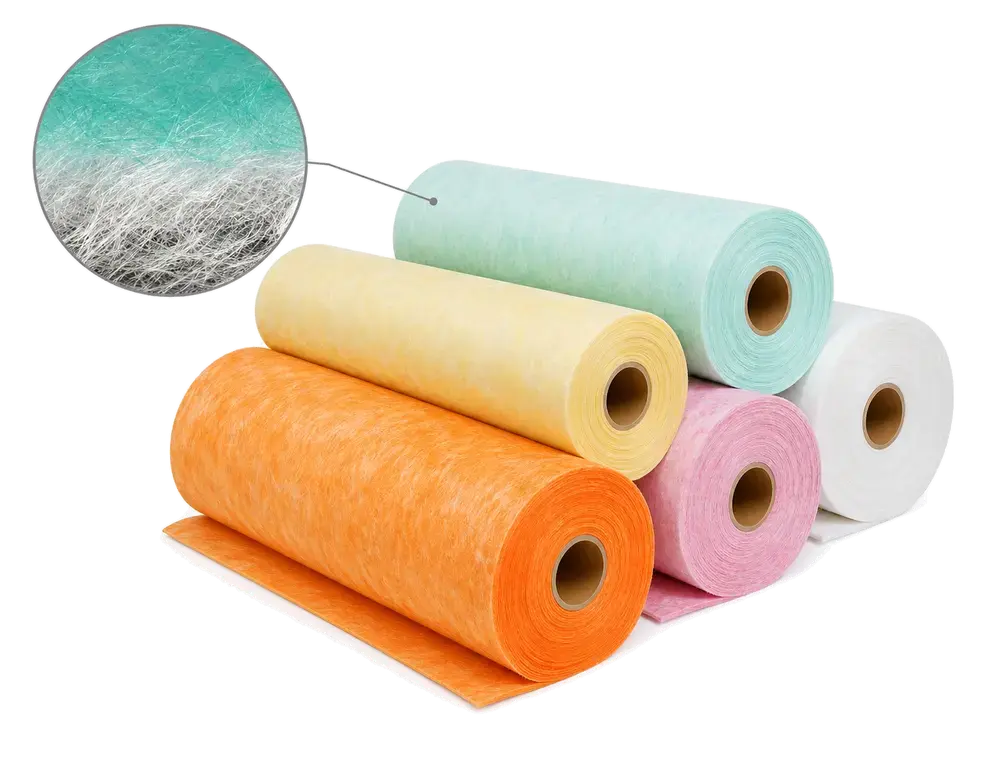
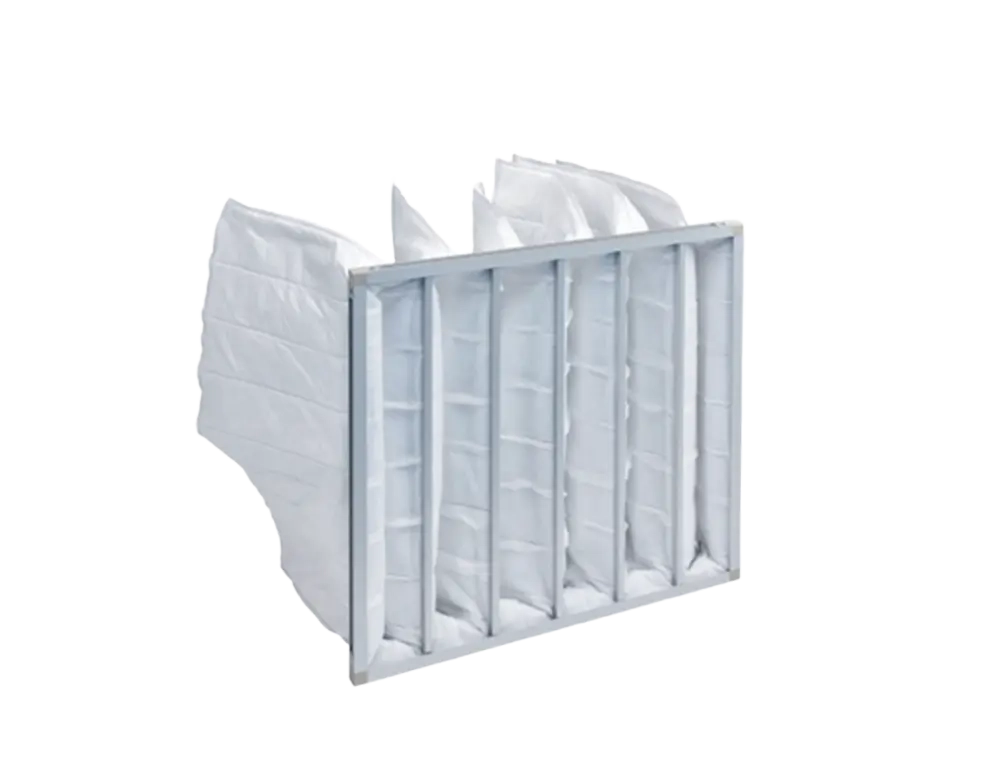
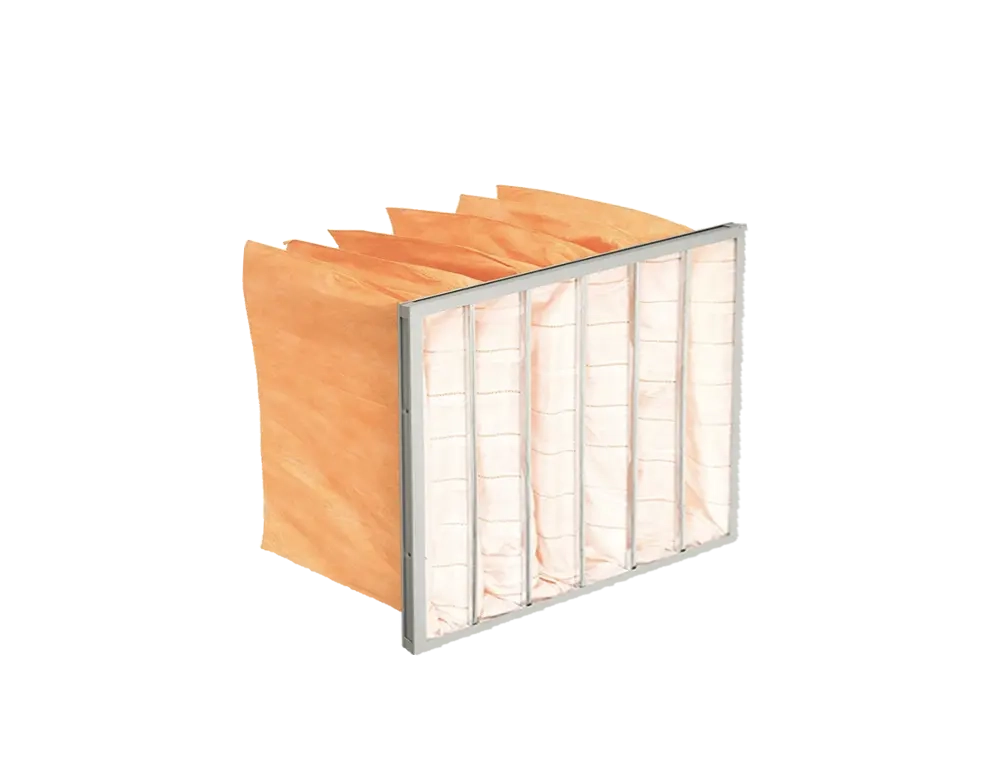
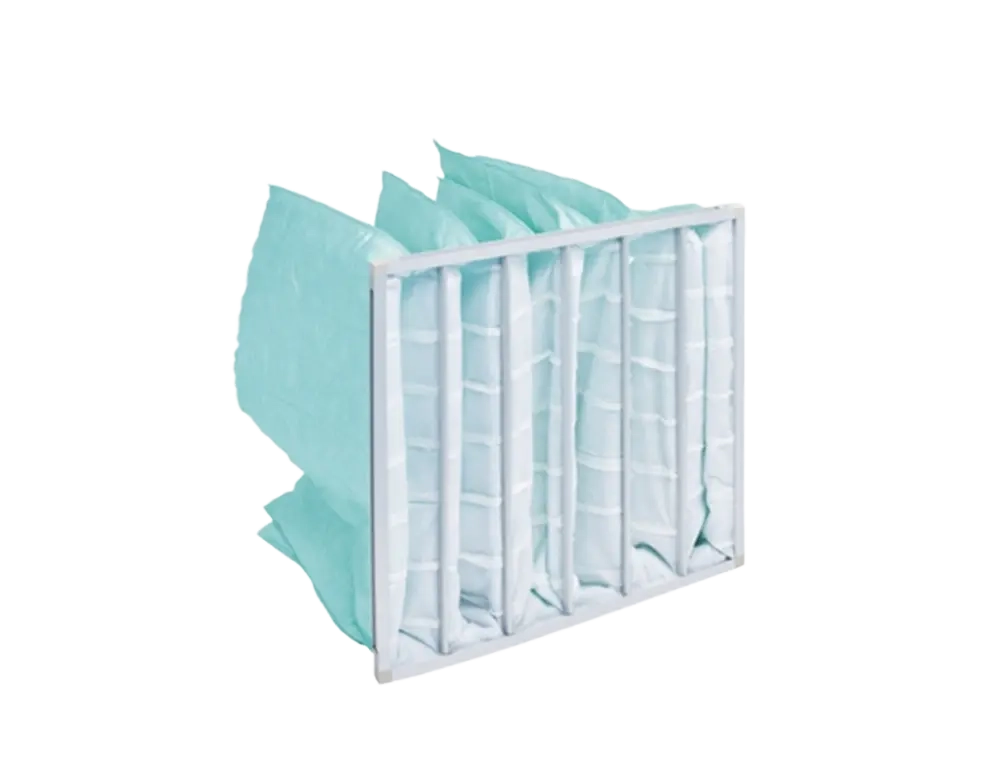
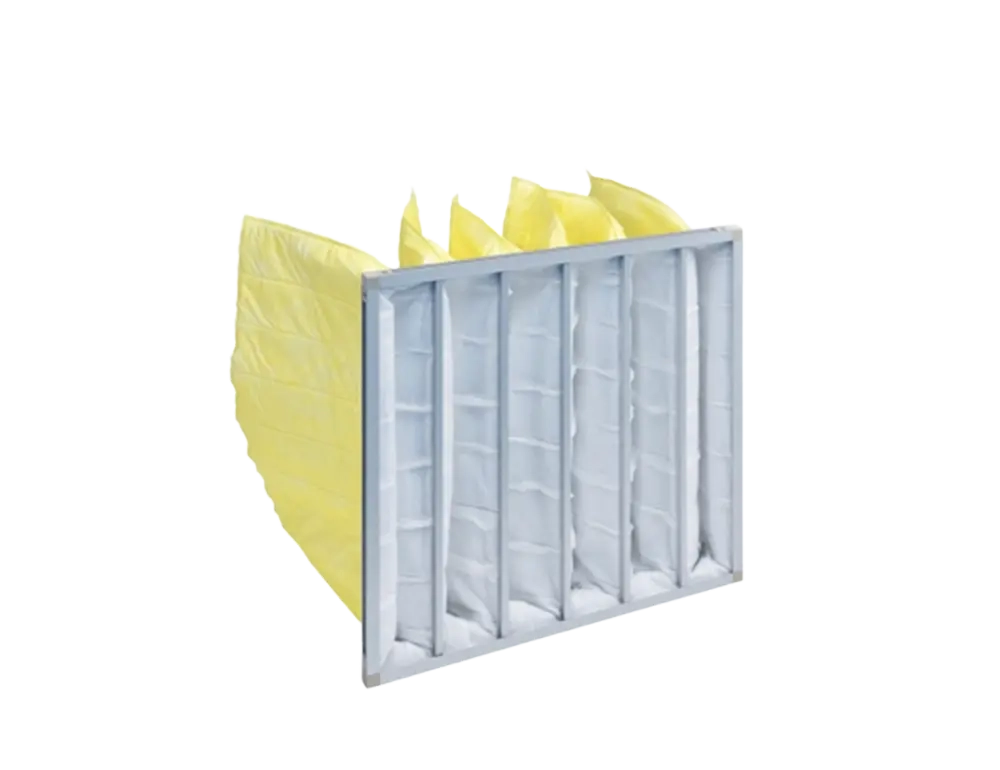
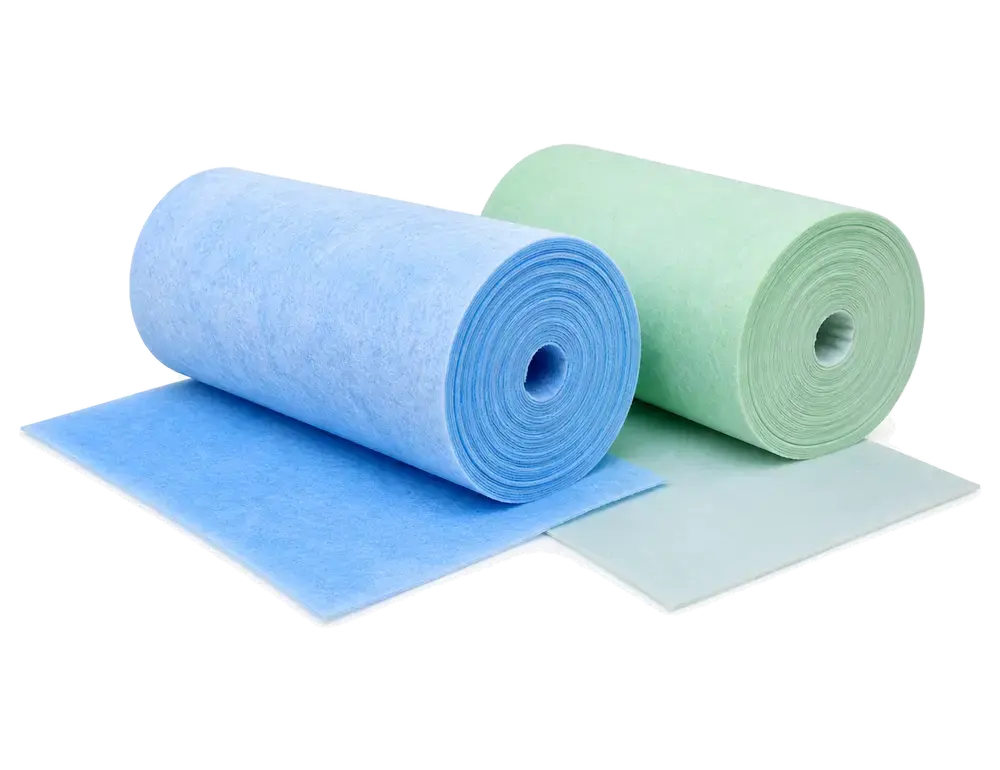
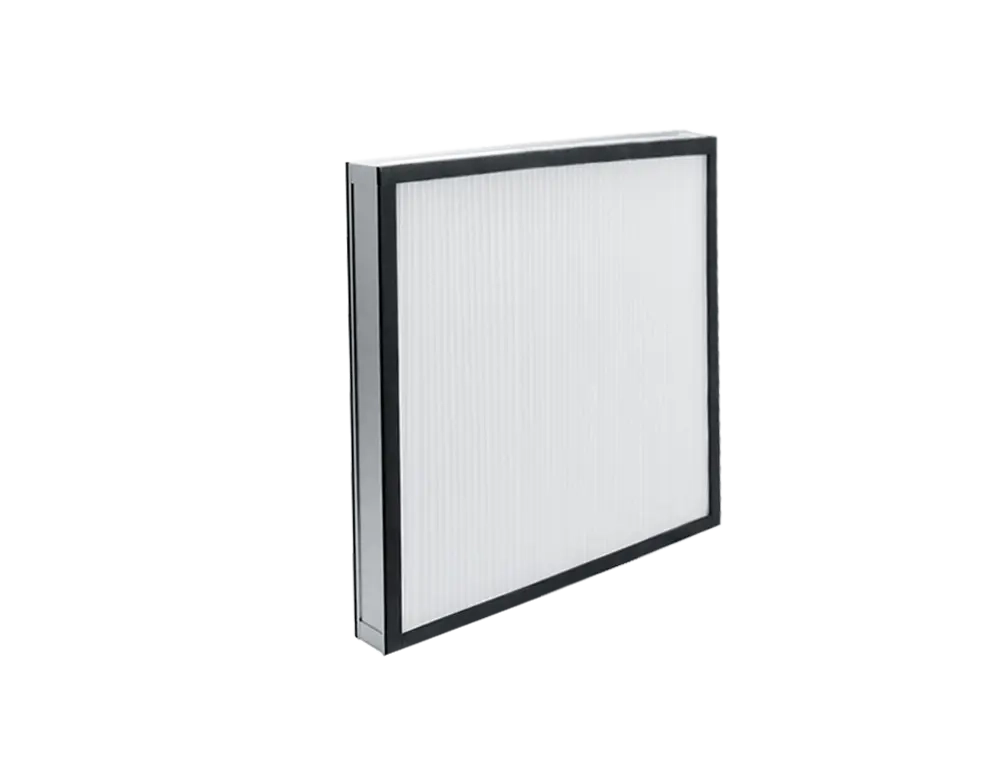
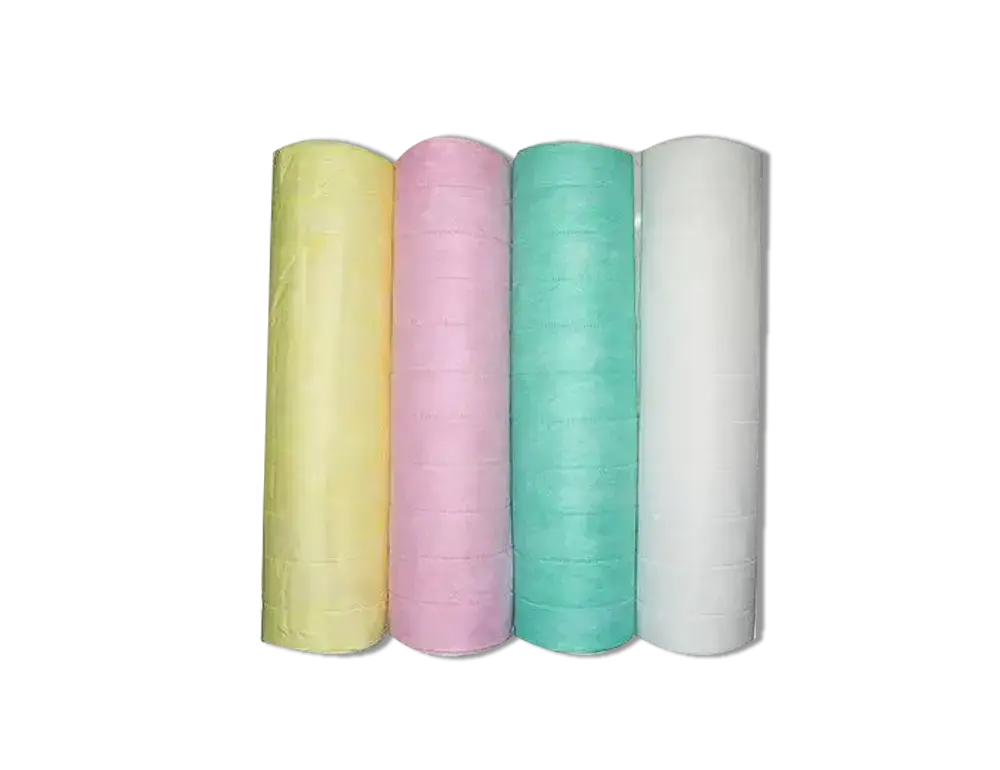
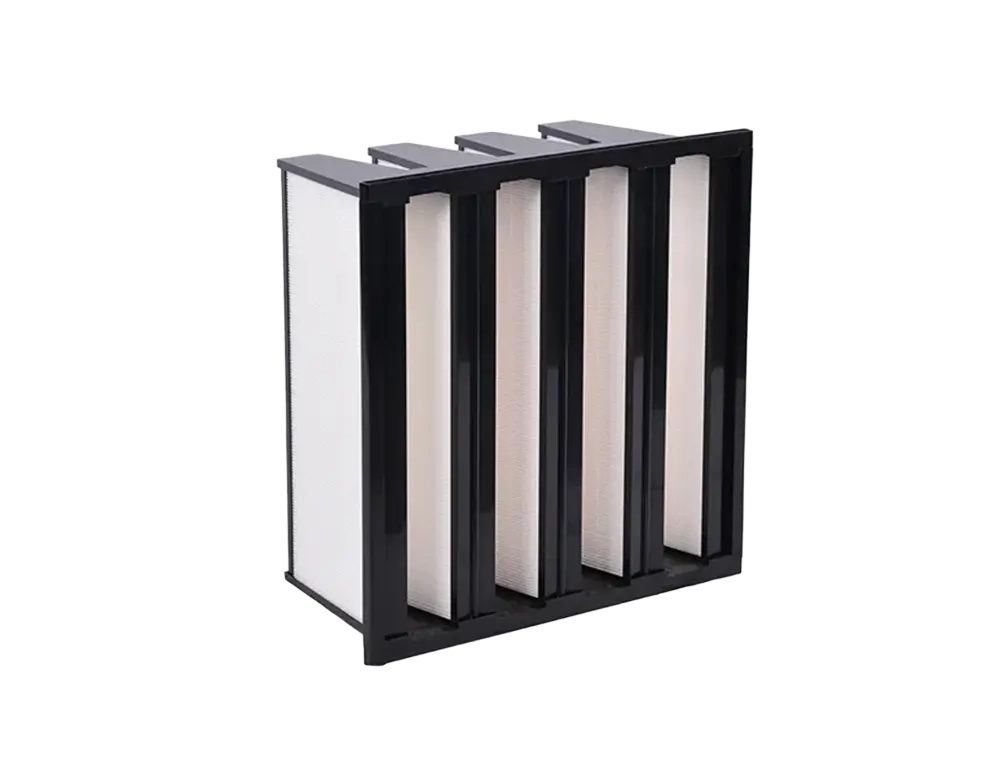
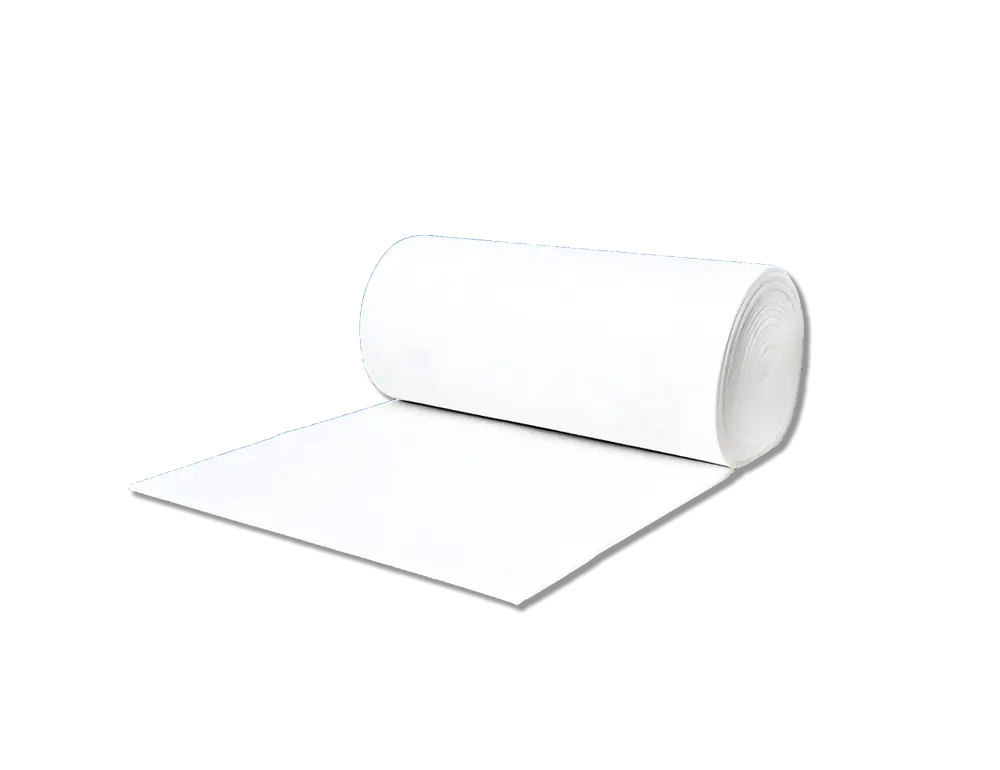
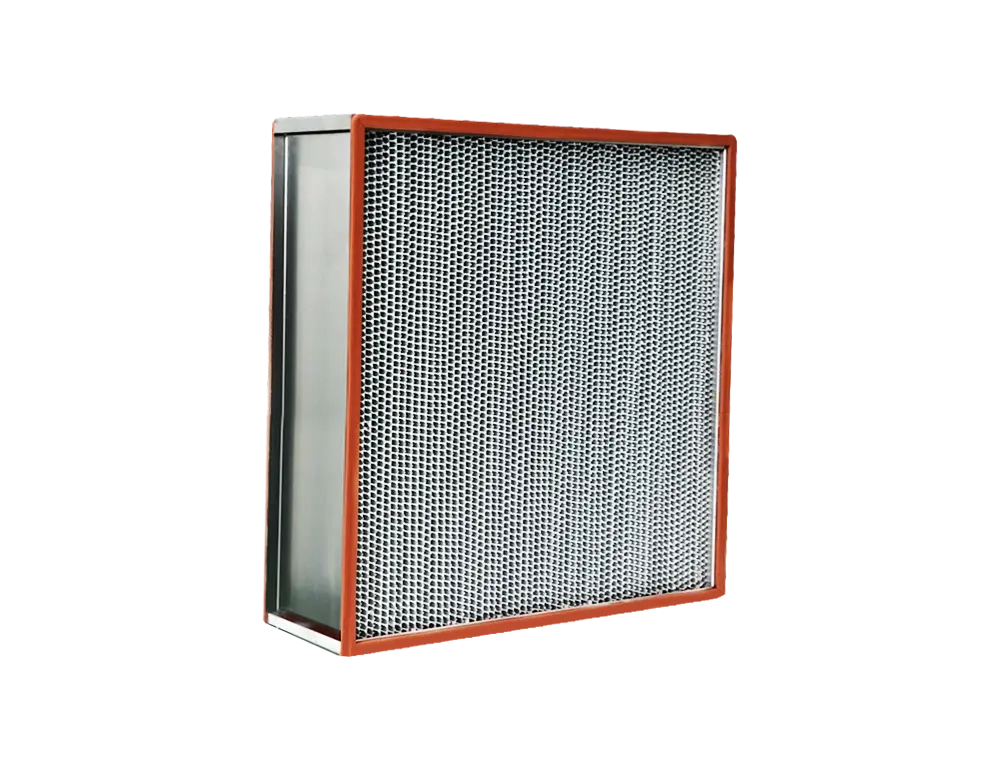
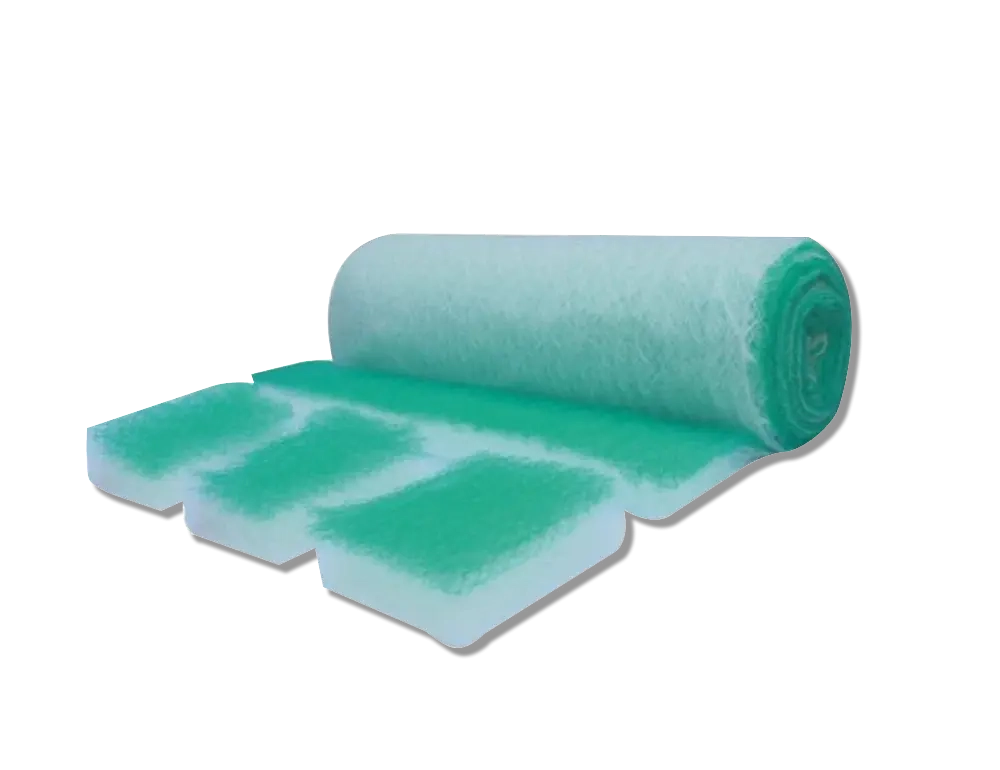
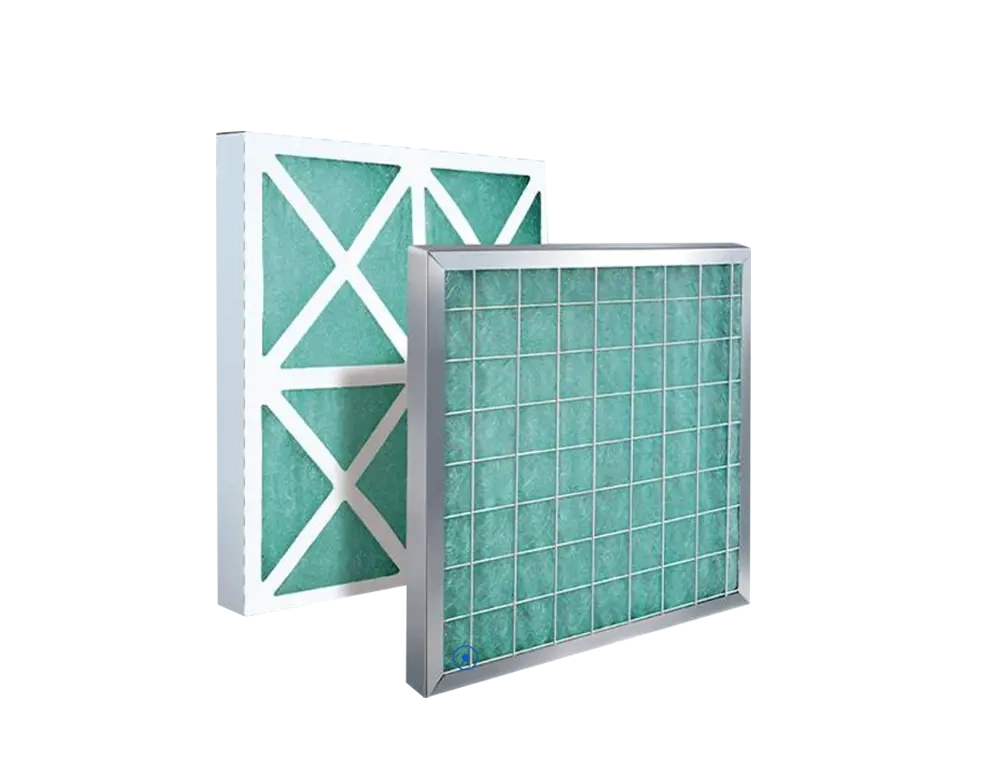
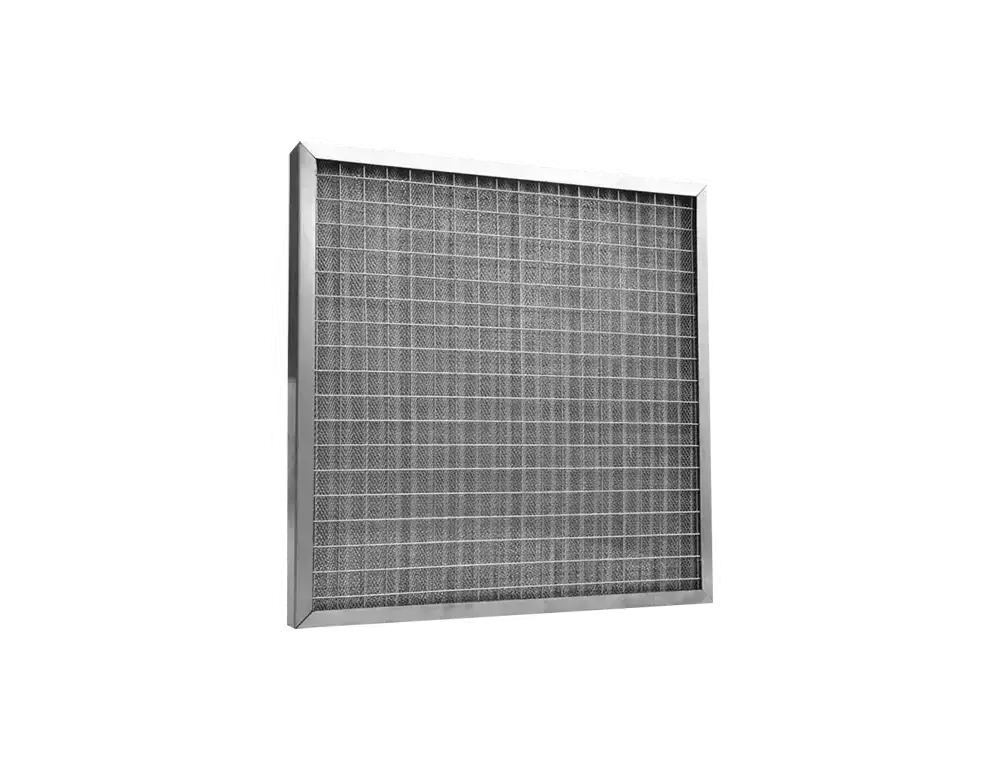
Pre-Filter (G1–G4)
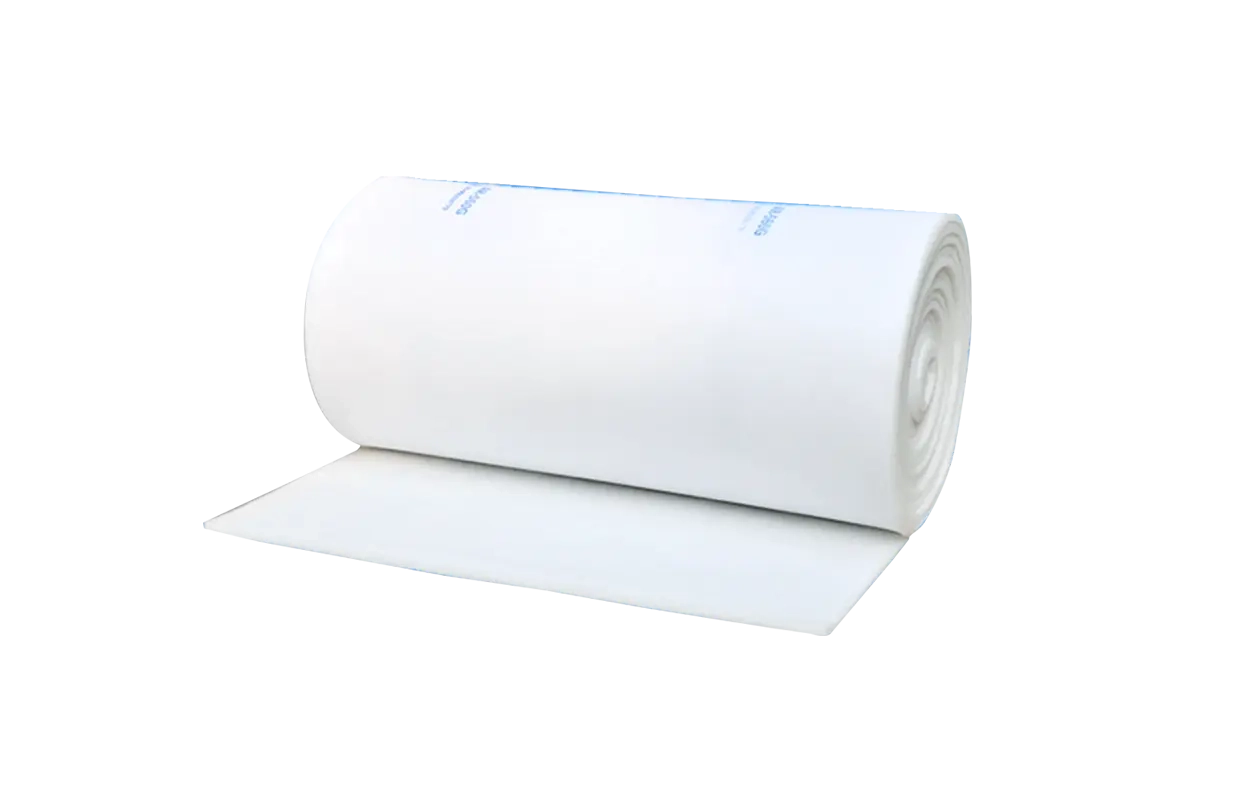
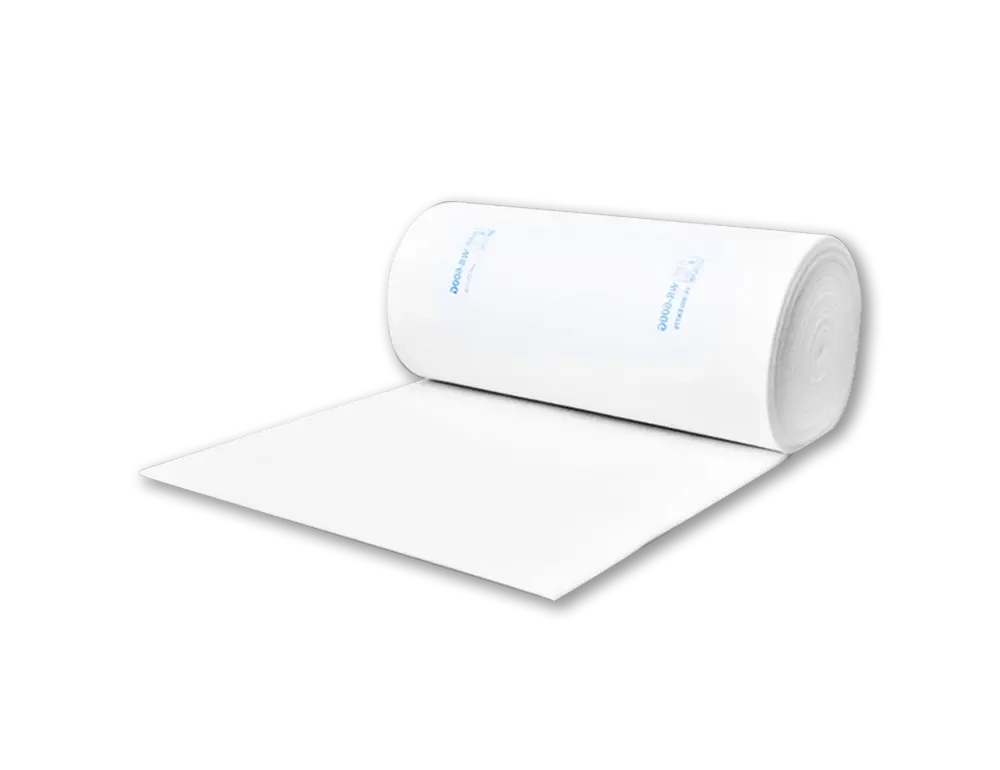
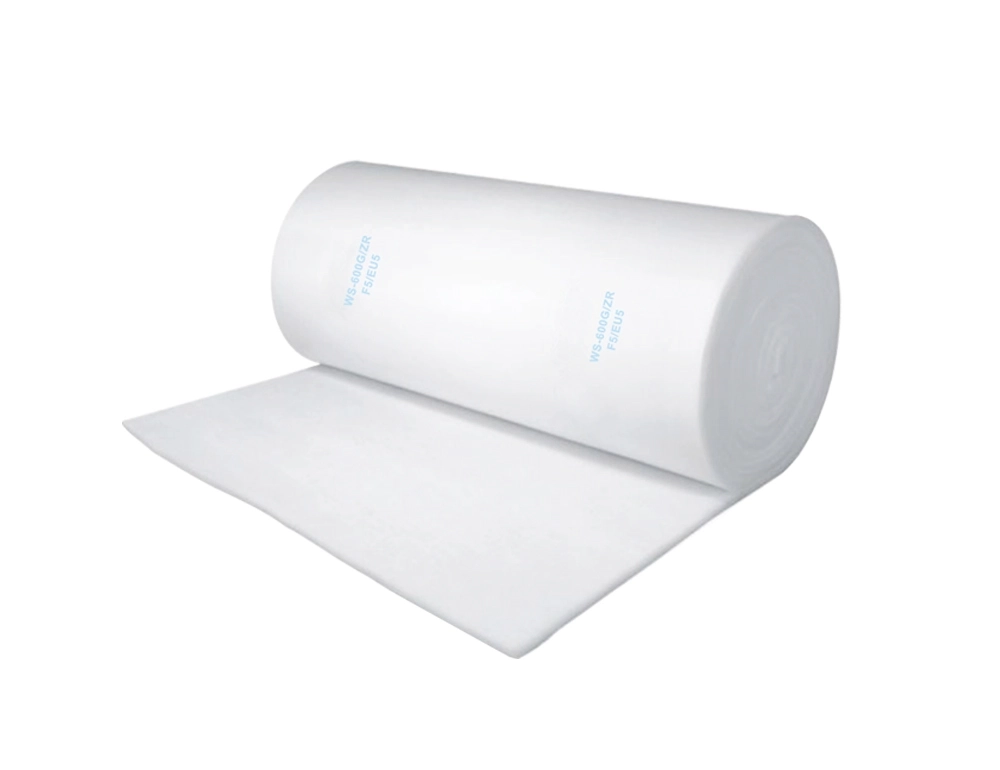
First-Stage Large-Particle Capture
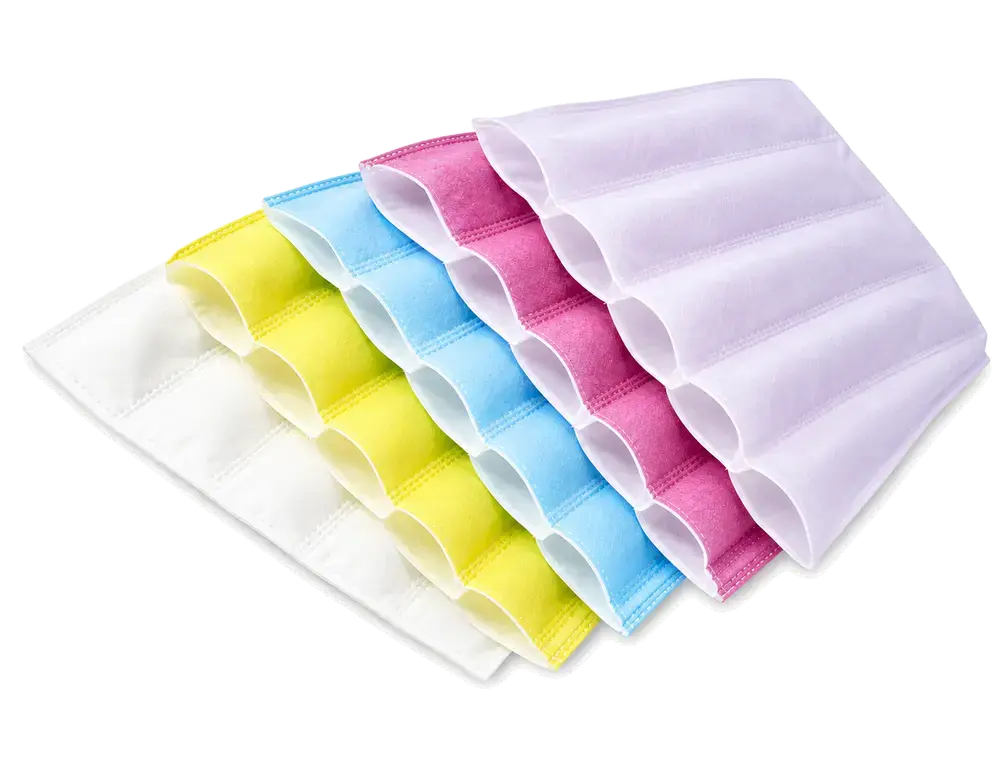
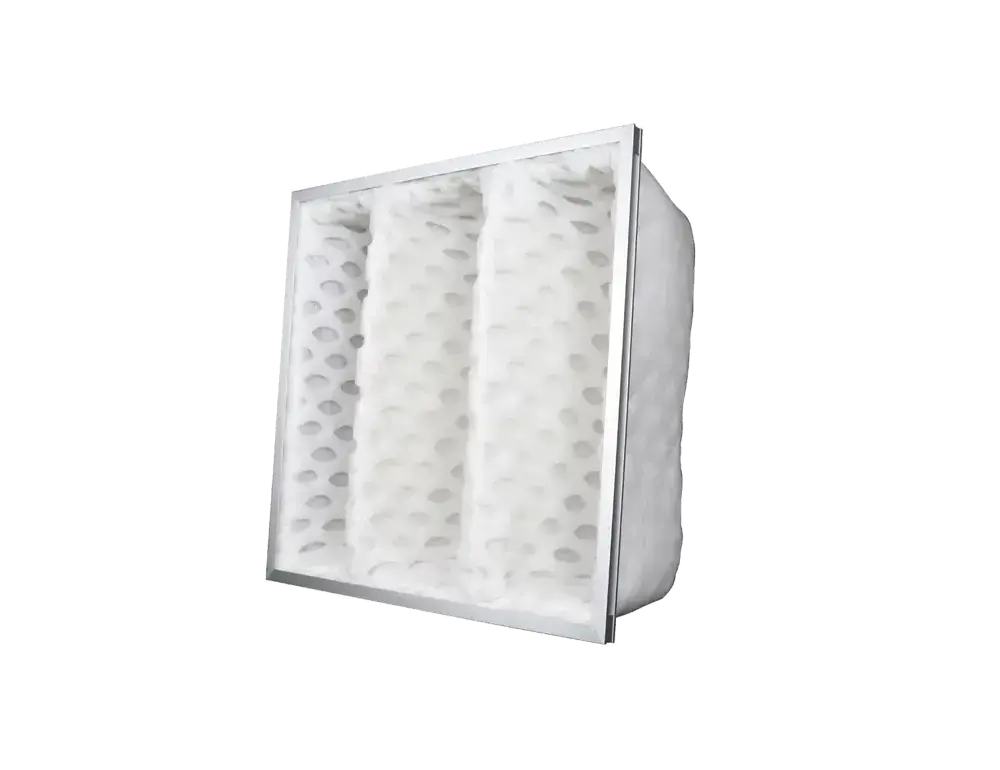
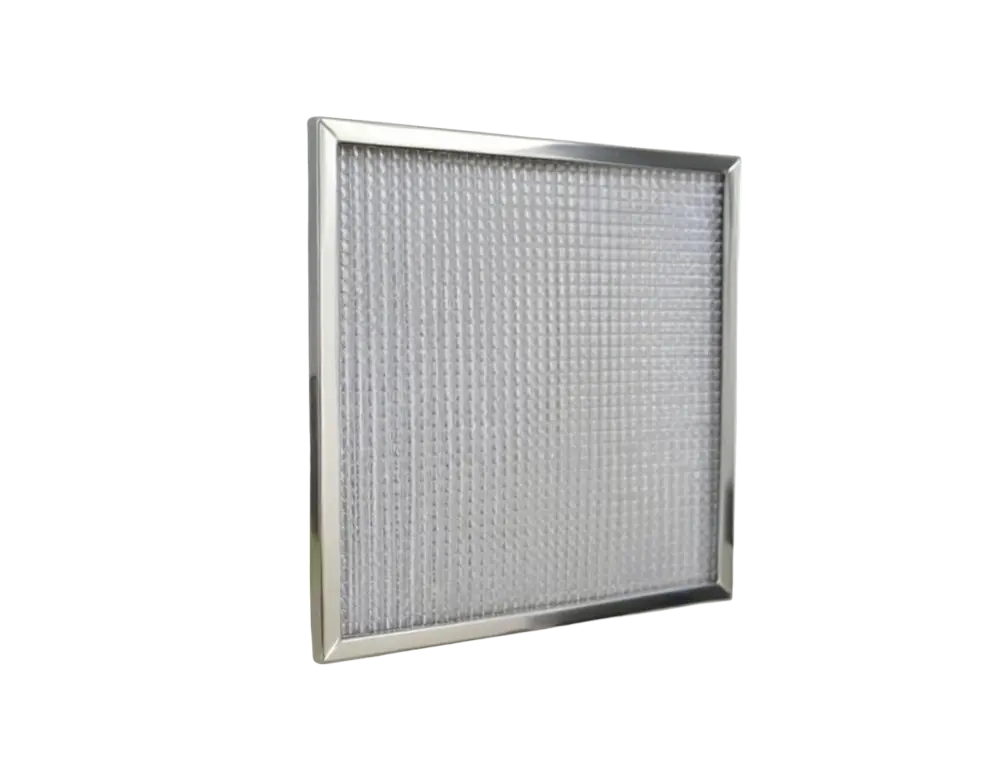
Medium-Efficiency Filter (F5–F9)
Precise PM2.5 Capture
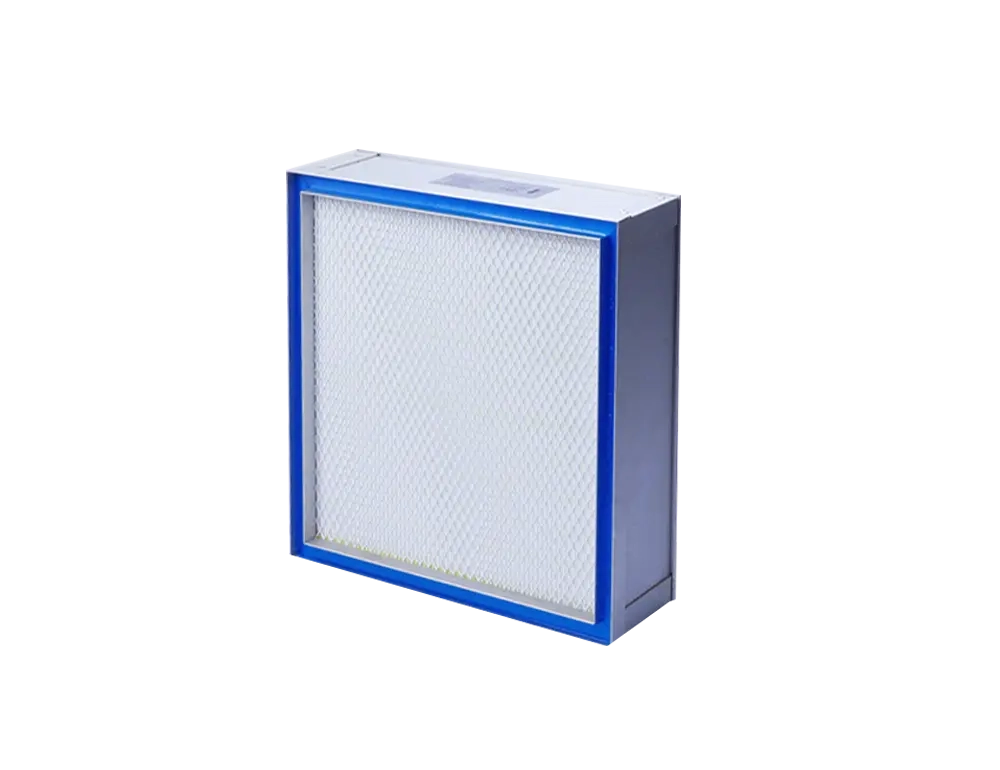
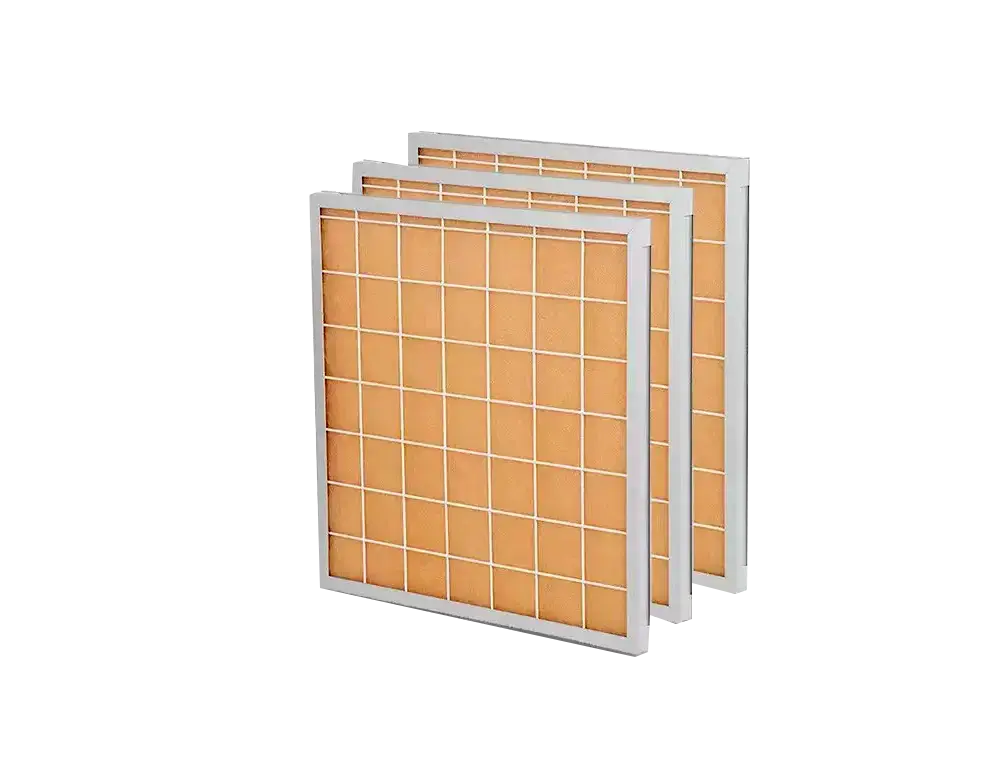
HEPA High-Efficiency Filter
Sterile-Grade Purification
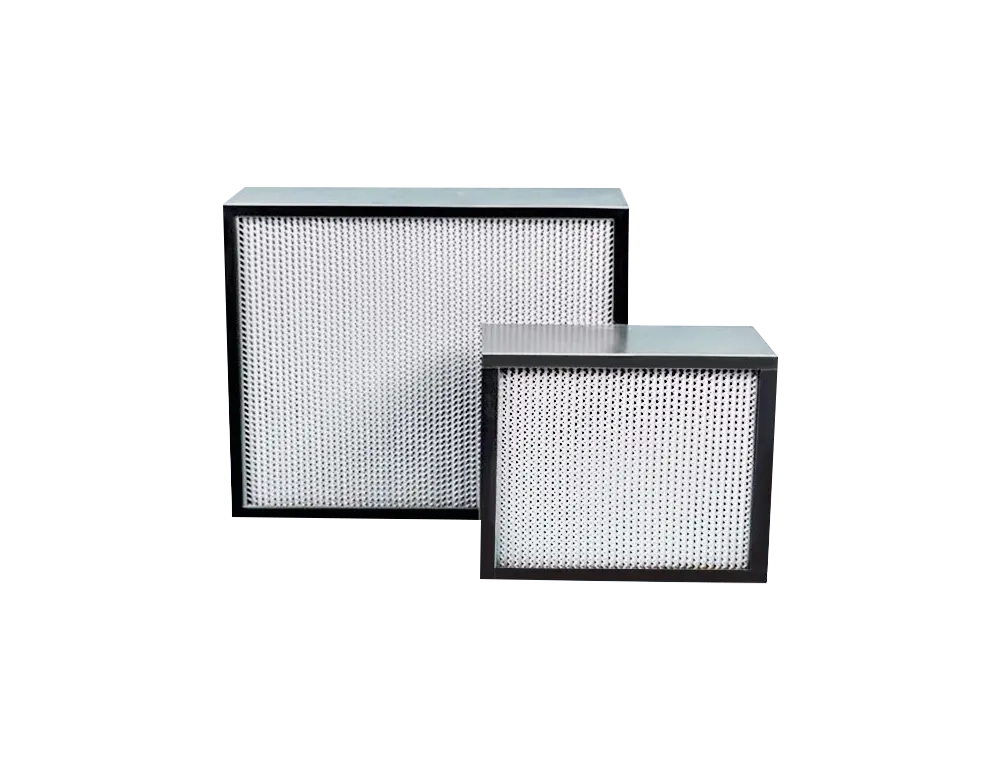
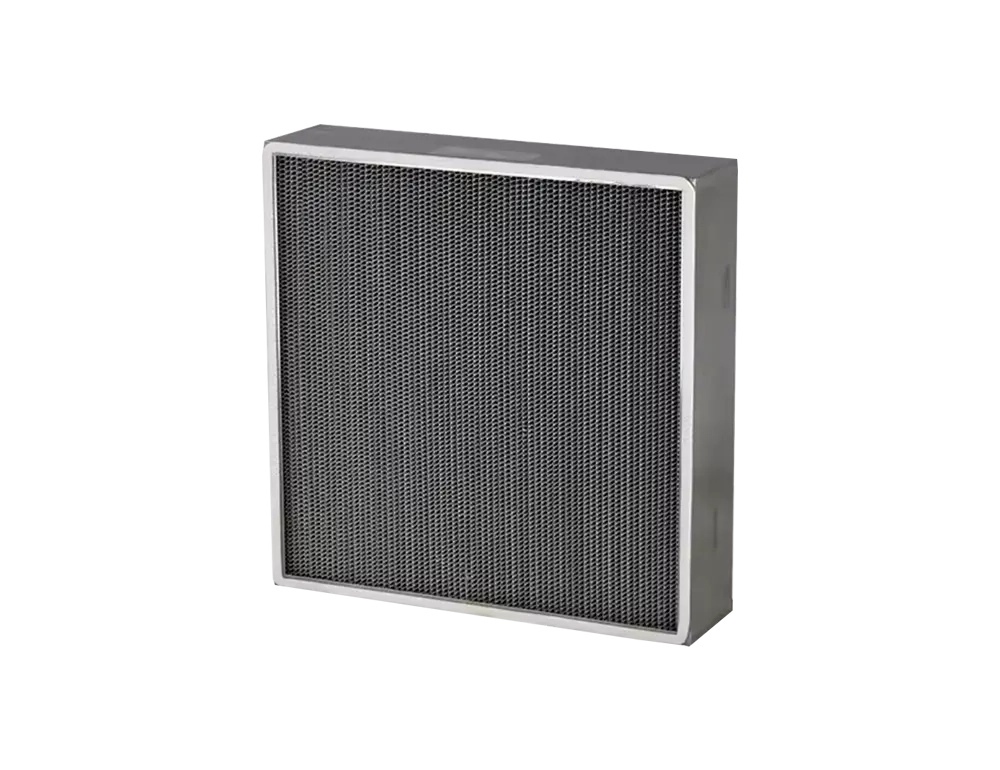
ULPA Ultra-High Efficiency Filter
Sub-Micron Particle Capture
First-Stage Large-Particle Capture
The first line of defense, capturing particles ≥5 μm such as dust, hair, and fibers to protect downstream filters and extend overall system service life.
View Related Products →Precise PM2.5 Capture
Captures fine particles of 1–5 μm including PM2.5, pollen, and mold spores, significantly improving indoor air quality for commercial HVAC and ventilation systems.
View Related Products →Sterile-Grade Purification
≥99.97% filtration efficiency for particles ≥0.3 μm, delivering sterile-grade clean air widely used in medical, pharmaceutical, and electronics manufacturing.
View Related Products →Sub-Micron Particle Capture
≥99.9995% efficiency for particles ≥0.12 μm, meeting the extreme cleanliness demands of semiconductor fabs, aerospace, and other ultra-precision applications.
View Related Products →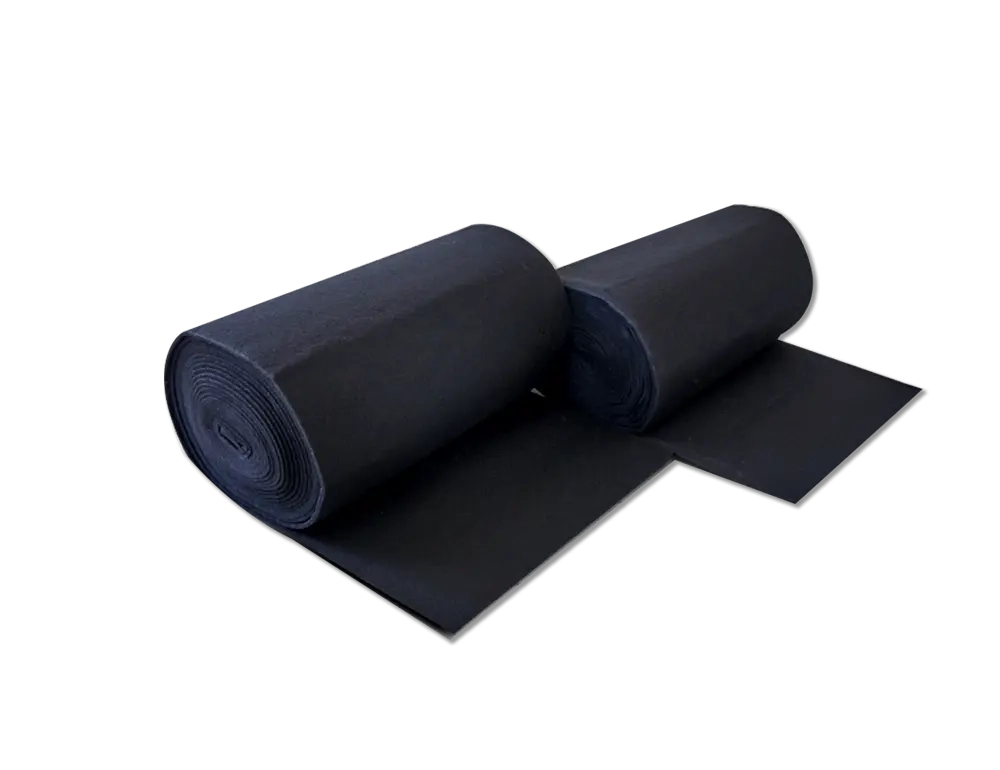
High-Temperature Resistant
Industrial-Grade Heat Tolerance
Washable & Reusable
Cut Costs, Reduce Waste
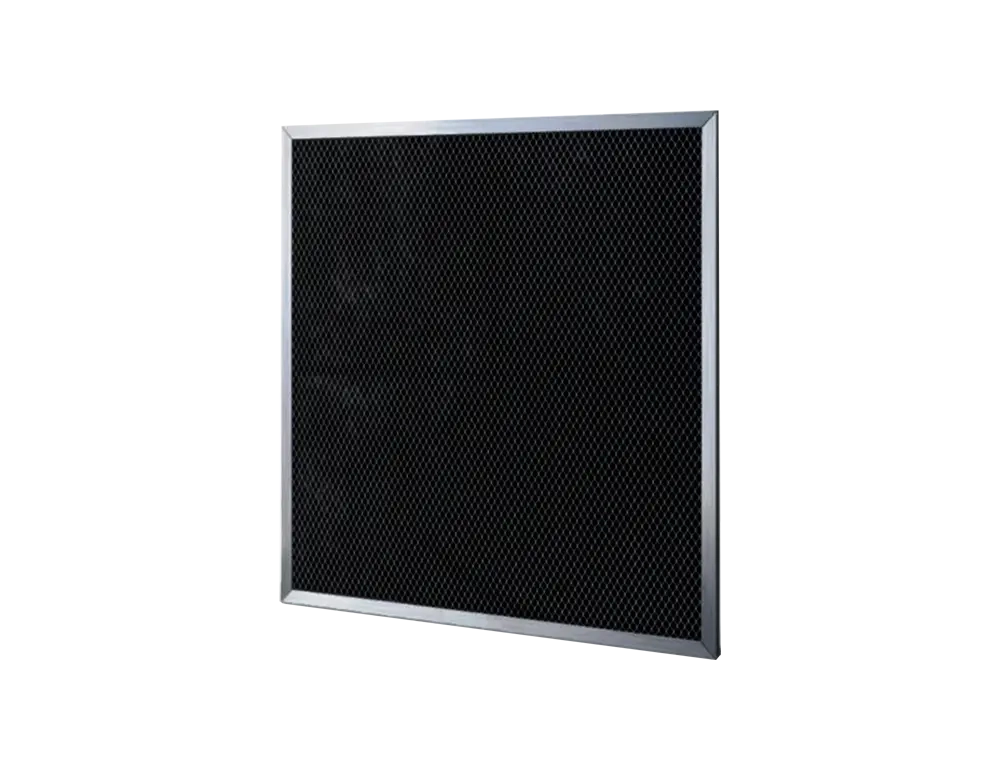
Activated Carbon
Odor & Harmful Gas Removal
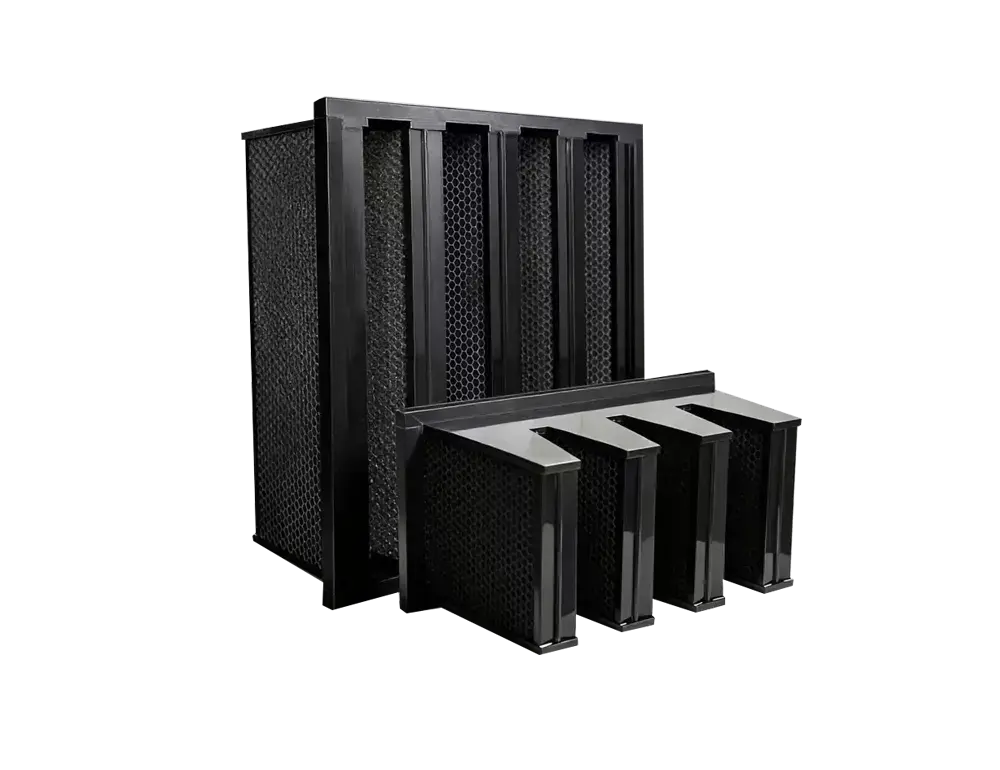
Bag Filter
High Dust-Holding, Long Life
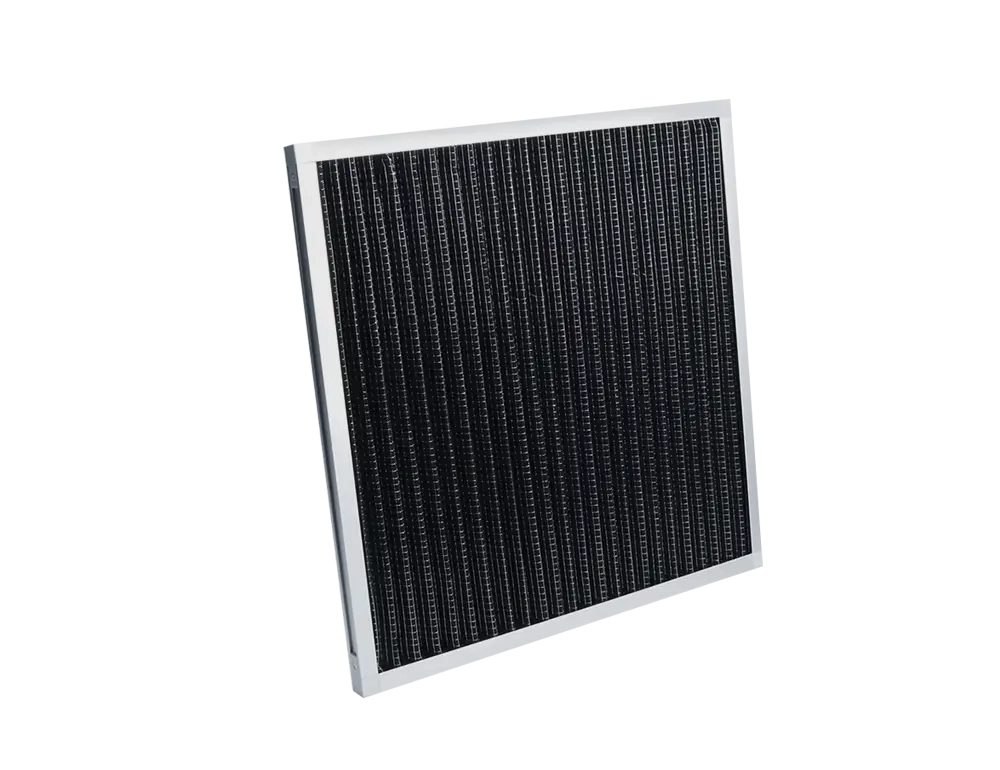
Panel / Pleated Filter
Compact Space-Saving Design
Low-Resistance Airflow
Energy-Saving Operation
Industrial-Grade Heat Tolerance
Built with specialized heat-resistant materials, operating stably up to 250°C for paint ovens, industrial dryers, and high-temperature process environments.
View Related Products →Cut Costs, Reduce Waste
Cleanable by water washing or air blowing, reusable multiple times to significantly reduce replacement frequency and O&M costs — an economical, eco-friendly choice.
View Related Products →Odor & Harmful Gas Removal
Leverages activated carbon's high adsorption capacity to eliminate odors, VOCs, and formaldehyde, ideal for newly renovated spaces and industrial exhaust treatment.
View Related Products →High Dust-Holding, Long Life
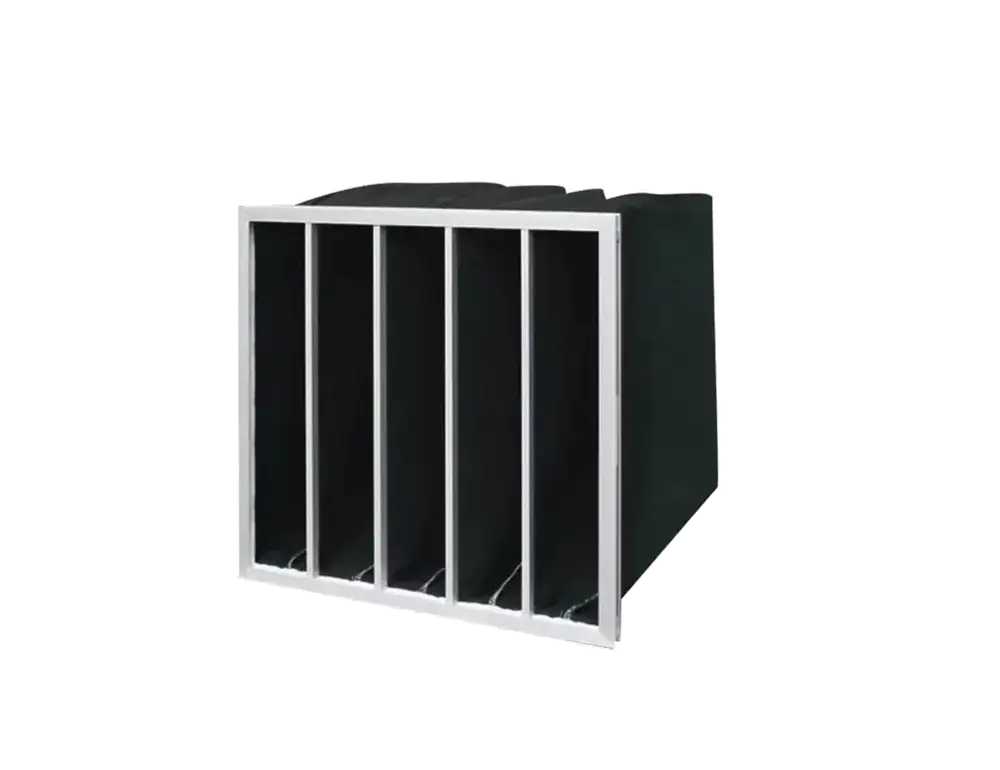
Bag-style construction delivers a larger filtration area, high dust-holding capacity, and extended service life — ideal for high-dust environments with reduced replacement frequency.
View Related Products →Compact Space-Saving Design
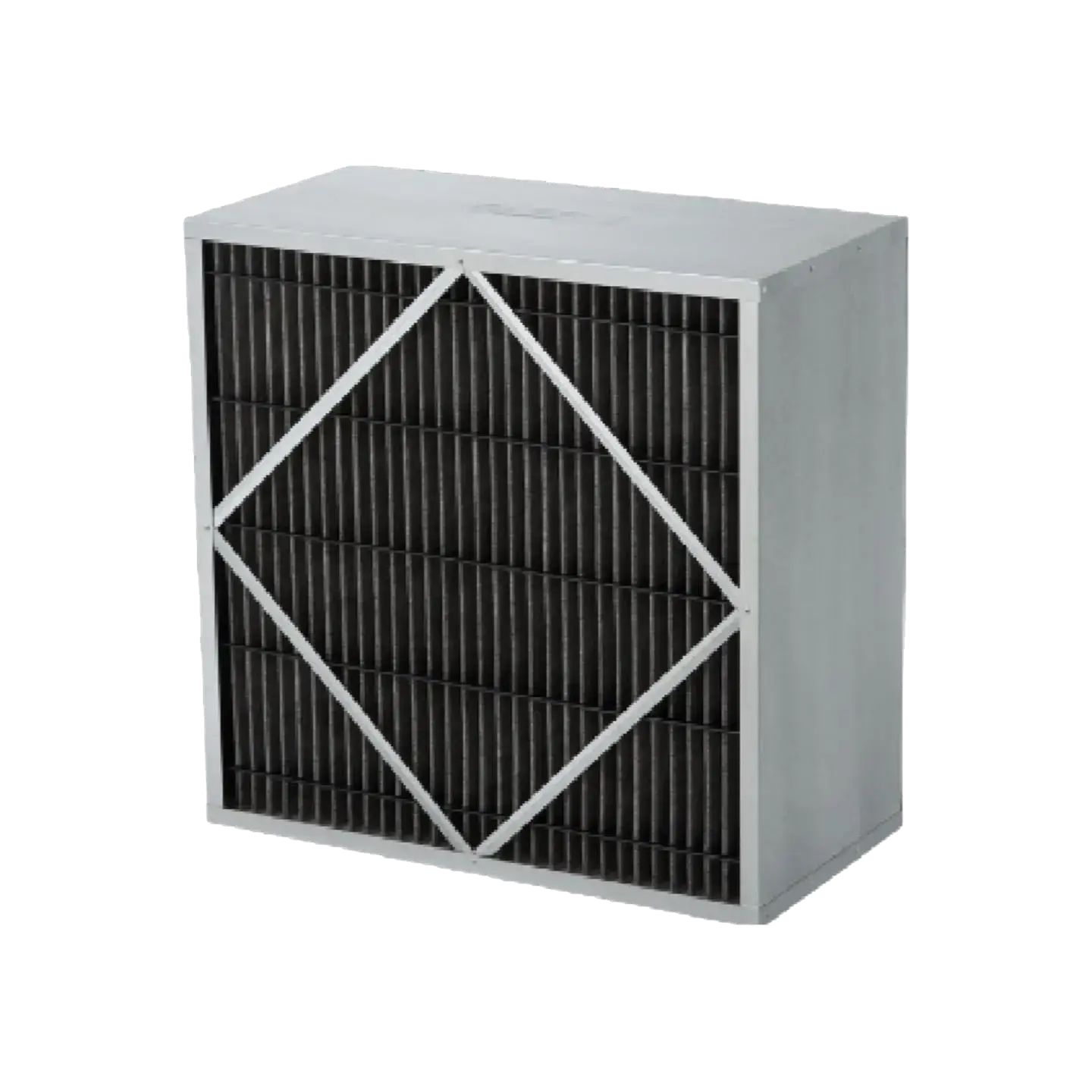
Compact form factor for easy installation and replacement; pleated structure maximizes filtration area within a small footprint for higher efficiency.
View Related Products →Energy-Saving Operation
Low-resistance design minimizes pressure drop while maintaining filtration performance, reducing fan energy consumption for cost-effective, eco-friendly operation.
View Related Products →


















 English(Global)
 简体中文
简体中文 Language




Why Filter Selection Is a Trade-off: Efficiency, Pressure Drop, Energy
Filter selection looks like a three-column exercise on a datasheet: efficiency, pressure drop, energy. Inside a running air handling system those three columns are one ledger.
What a filter can capture decides whether it is acceptable at all. How much static pressure the air loses while crossing it decides how large the fan must be and what it costs to run. The two pull in opposite directions, because capturing finer particles usually means denser media and higher resistance. The useful question is whether that tension has a ceiling, and whether engineering can pull it back.
Efficiency, pressure drop and energy share one ledger
Start by separating the three terms.
Efficiency answers what the filter captures. G4 holds back coarse dust, F7 takes medium-sized particles, H13 targets particles around 0.3 μm. The test methods and acceptance criteria differ, so the numbers are not directly comparable across classes.
Pressure drop answers what it costs the air to get through. Read it in two places: the initial resistance when the media is clean, and the final resistance at which the filter is replaced. The span between those two points is the value that actually describes the filter's life.
Energy is the long-term bill attached to resistance. To push air through media, the fan has to produce static pressure continuously, and that power accumulates into electricity cost over the operating hours.
In filter selection the three are not parallel variables. They are in series: efficiency sets the media structure, the media structure sets the resistance level, and resistance is converted into energy by the fan. Turn one of them and the other two move.
How pressure drop becomes an electricity bill
Pressure drop is not an abstract number in pascals. It drops straight into the fan power equation:
P = Q × ΔP ÷ η
Q is airflow in m³/s, ΔP is the resistance of that section in pascals, and η is the combined fan and drive efficiency.
Take a case you can recalculate. Airflow is 10,000 m³/h, which is 2.78 m³/s. Combined fan efficiency is 0.6. The filtration section has a system resistance of 150 Pa:
P = 2.78 × 150 ÷ 0.6 ≈ 695 W
At 250 Pa for the same airflow, the power becomes roughly 1,158 W. Over 8,000 operating hours a year at $0.10 per kWh, that is the difference below.
The gap is about $370 a year. And that is 100 Pa, in one section of one system.
There is a second point that is easy to miss. Resistance is not constant across the replacement cycle. Media loads with dust day by day, resistance climbs from the initial value to the final value, and then the filter is changed. So what matters for filter selection is not the initial figure printed on the datasheet, but the average across that span. A common engineering estimate is simply (initial resistance + final resistance) ÷ 2.
Where you set the final resistance is itself a filter selection decision. Set it low and you throw away usable media life, paying more for filters and labour. Set it high and the fan runs in a high-resistance band for months, paying more for energy. There is no single correct number, only one that matches your operating strategy.
Higher efficiency is not automatically better
The most common line in a selection meeting is: "Just take H13 and be safe."
Safe, but not necessarily economical. In filter selection the efficiency class should follow the cleanliness requirement and the process. Semiconductor fabs, sterile drug production and paint shops each have their own acceptance criteria. Meeting the requirement is the goal; anything above it is pure cost.
The price of moving up one class is not limited to the purchase order. Denser media, more pleats and a larger required filter area all show up as pressure drop. If the housing is already fixed and the face area cannot grow, an efficiency upgrade turns straight into a larger electricity bill.
The reverse mistake costs just as much, and it is a common filter selection error. If you try to reach a high cleanliness class with low-efficiency filters, the only remaining lever is more airflow and more air changes per hour. Fan power rises linearly with airflow, which usually costs more than choosing the right class from the start.
Why filter selection is a balancing act
This is where the filter selection question gets its answer. Two chains run in opposite directions.
The first is a cost chain. Raise efficiency and the media becomes denser or thicker, resistance rises at the same face area, and energy follows.
The second is an offsetting chain. At the same efficiency, you can lower resistance by increasing media area, improving pleat depth and spacing, reducing face velocity, and adding pre-filtration stages. Halve the face velocity at constant airflow and pressure drop typically falls to 30–50% of its previous value, depending on media and construction. "High efficiency means high energy" is therefore not a law, and treating it as one is where filter selection usually goes wrong. What is true is that high efficiency combined with too little media area produces high resistance.
Efficiency-first selection
- Buy the highest class available
- Size media to the smallest housing
- Read initial pressure drop only
- Compare purchase price
Balanced selection
- Set efficiency from the cleanliness class
- Scale media area and pleats to airflow
- Estimate energy from average pressure drop
- Compare lifecycle cost
The difference between the two approaches is invisible on the purchase order. It shows up on the electricity meter and in the replacement log.
Two ways to get the balance wrong
One failure mode is overspecification: the efficiency class is bought one step higher while media area stays sized to the smallest available housing. Resistance sits high, the fan works harder than it needs to, and the media is replaced early because it has too little dust-holding capacity.
The other failure mode is undersizing: the pre-filter stage is dropped, or the media area is visibly too small. Face velocity goes up, initial resistance is already high, the dust-loading curve is steeper, filter life shortens, and the final HEPA stage ends up absorbing a load it was never meant to carry.
The two look like opposites, but the ledger reads almost the same: higher energy use, more frequent changes, higher total cost. Only the line items differ. What they share is a filter selection comparison that stops at the purchase price.
| Failure mode | Common practice | Immediate effect | Long-term cost |
|---|---|---|---|
| Overspecification | Highest efficiency class, no extra media area | Higher pressure drop and fan power | Higher energy bill, unused media life |
| Undersizing | No pre-filter, or too little media area | High face velocity, fast dust loading | Frequent changes, overloaded terminal filters |
| Price-only sourcing | Purchase price compared, resistance ignored | A cheap high-resistance filter wins | Highest lifecycle cost |
Putting the balance on paper
Balance is not a feeling. The arithmetic behind filter selection can be written down. The four steps below need no extra equipment, only design parameters and a quotation that answers technical questions.
Step two is the one most often skipped, and it is the one that changes the conclusion. Face velocity is airflow divided by media area, and media area is the parameter filter selection usually ignores, quotations rarely mention, and datasheets rarely emphasise.
Filter selection checklist
- Is the cleanliness class or process requirement quantified?
- Does the filter train cover pre-filter, medium and final stages without a gap?
- Does media area match the design airflow, with face velocity in a sensible range?
- Does the final pressure drop setpoint balance media life against energy?
- Does the quotation include average pressure drop and an annual energy estimate?
A supplier who can answer those five points is usually also comfortable with the technical questions that follow.
Change the basis of comparison
There is no single right answer among efficiency, pressure drop and energy. Efficiency is fixed by the process requirement. Pressure drop is fixed by media structure and area. Energy is resistance accumulated over time. Put the three on one ledger, and filter selection stops being a contest of datasheet values and becomes a question of which option costs less at the same cleanliness requirement. For most projects the cheapest filter selection is the one that fixes the efficiency class first and then gives the media enough area to hold resistance down.
Filter selection is not a contest of datasheet values. It is a question of which option costs less at the same cleanliness requirement.
Whalesens Technology
If you are working on a system-level filtration plan, the HEPA filter guide covers terminal-stage construction in more detail, and the industrial air filter guide walks through stage-by-stage selection. For pre-filtration and medium stages, the bag filter buying guide goes deeper on media and housing choices. If you would like the pressure drop and energy figures worked through for your own airflow and duty, send us the parameters and we will run the numbers with you.
Need a custom air filtration solution?
Contact the Whalesens engineering team for product selection and OEM/ODM support.
Email whalesens@gmail.com
Related Products
These products cover the filtration stages discussed above; see each product page for full specifications.
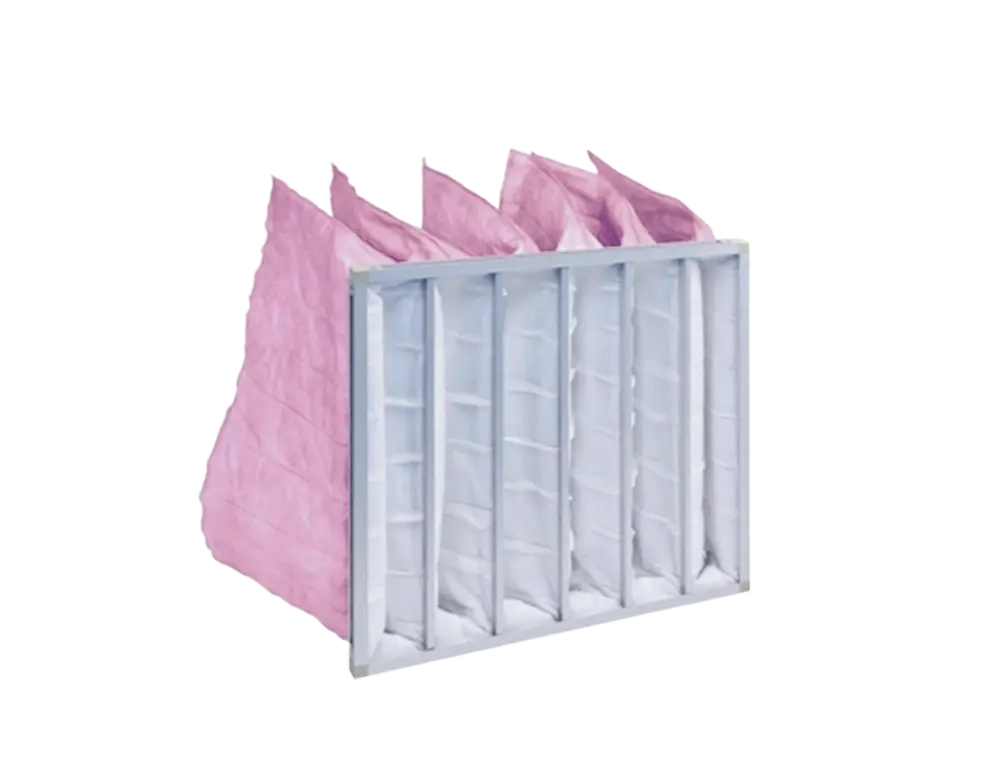 ProductF7 Medium Efficiency Bag FilterCommercial HVAC and data centre medium-efficiency stagesView product details →
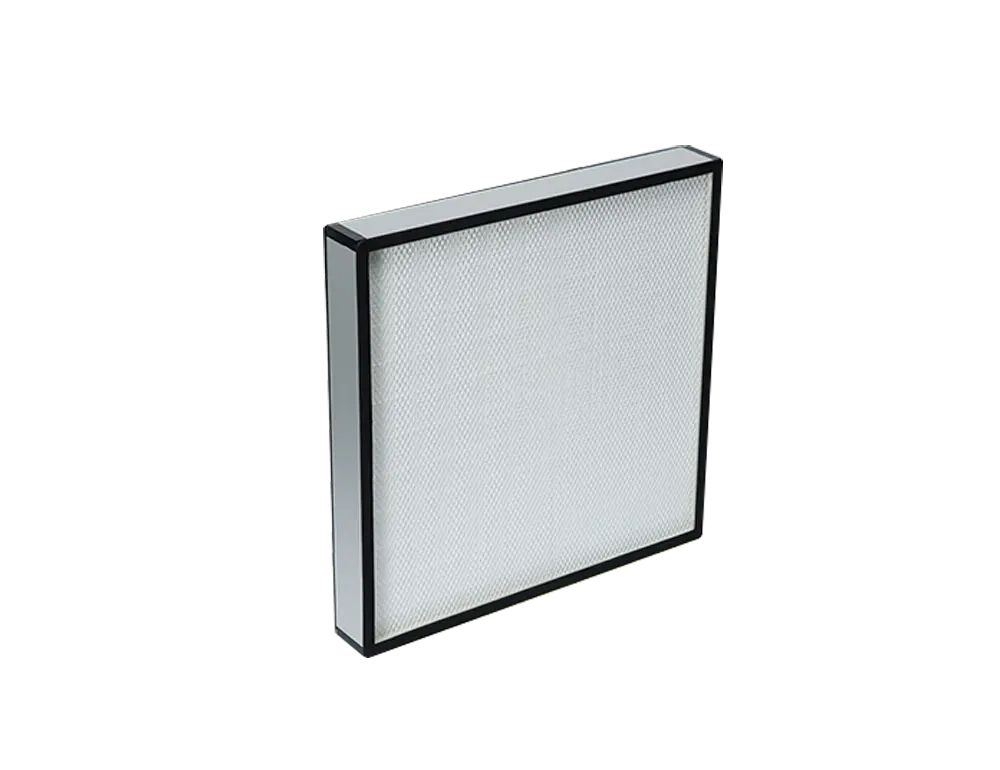 ProductMini-Pleated HEPA FilterCleanroom terminal supply outlets, FFUs and laminar flow benchesView product details →
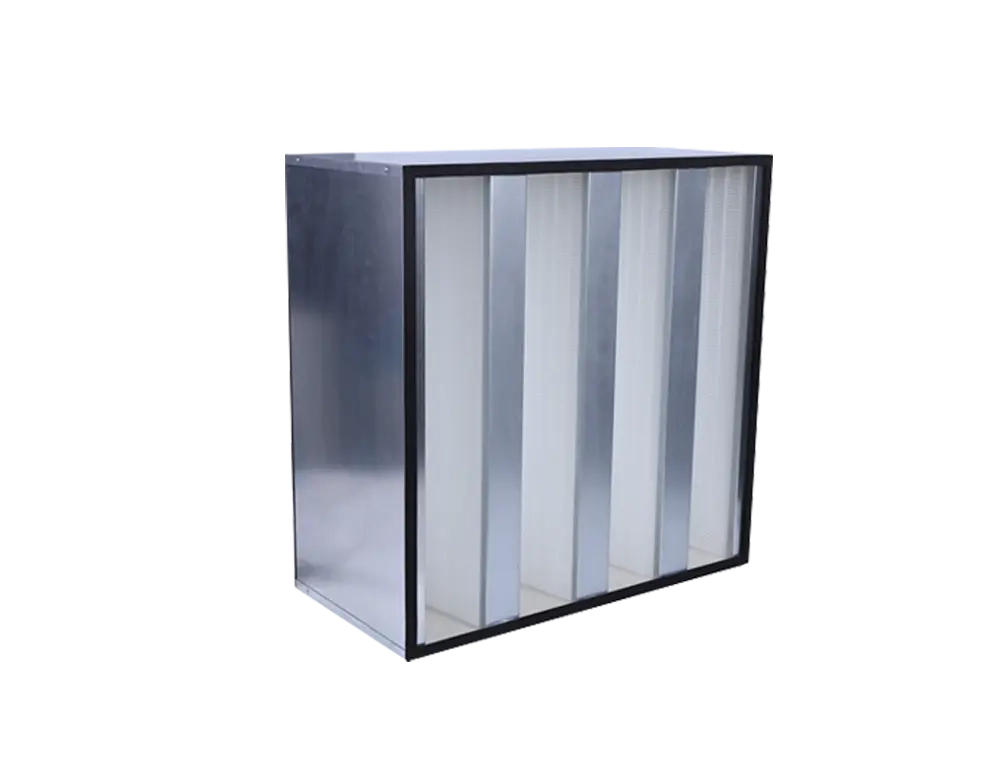 ProductV-Bank HEPA FilterHigh-airflow AHU terminal stages where low resistance mattersView product details →
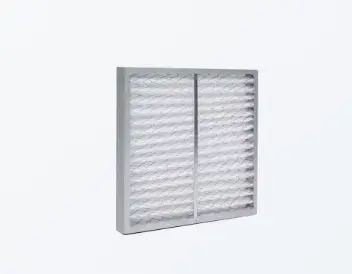 ProductPleated Panel Pre FilterPre-filtration that protects downstream medium and HEPA stagesView product details →