


EV Charging Stations
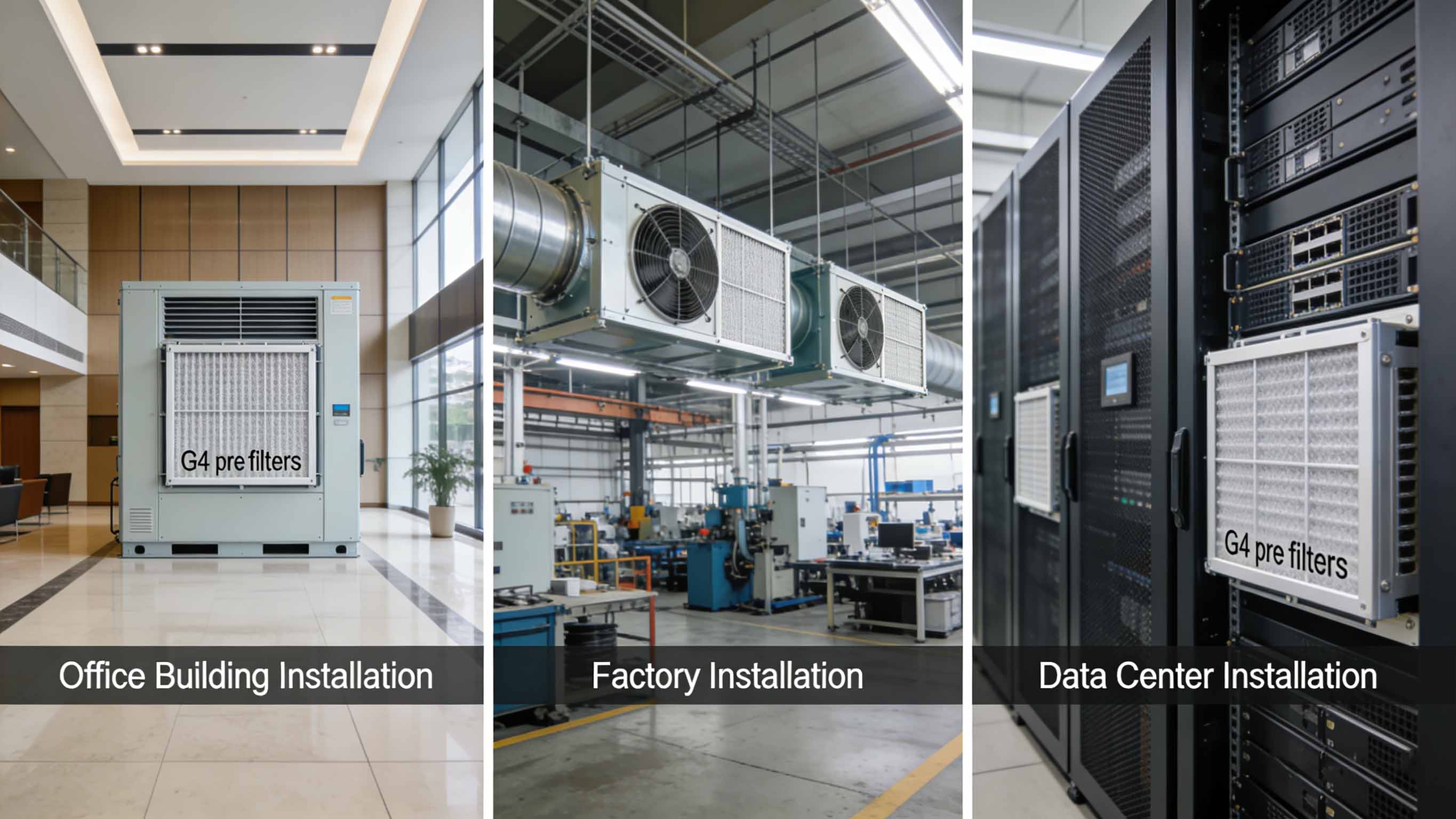
Filtration for Power Equipment
Cleanroom & Semiconductor
Ultra-High Cleanliness Filtration
Commercial HVAC
Central Air System Filtration
Data Centers
Precision Equipment Protection
Livestock & Farming
Farming Environment Purification
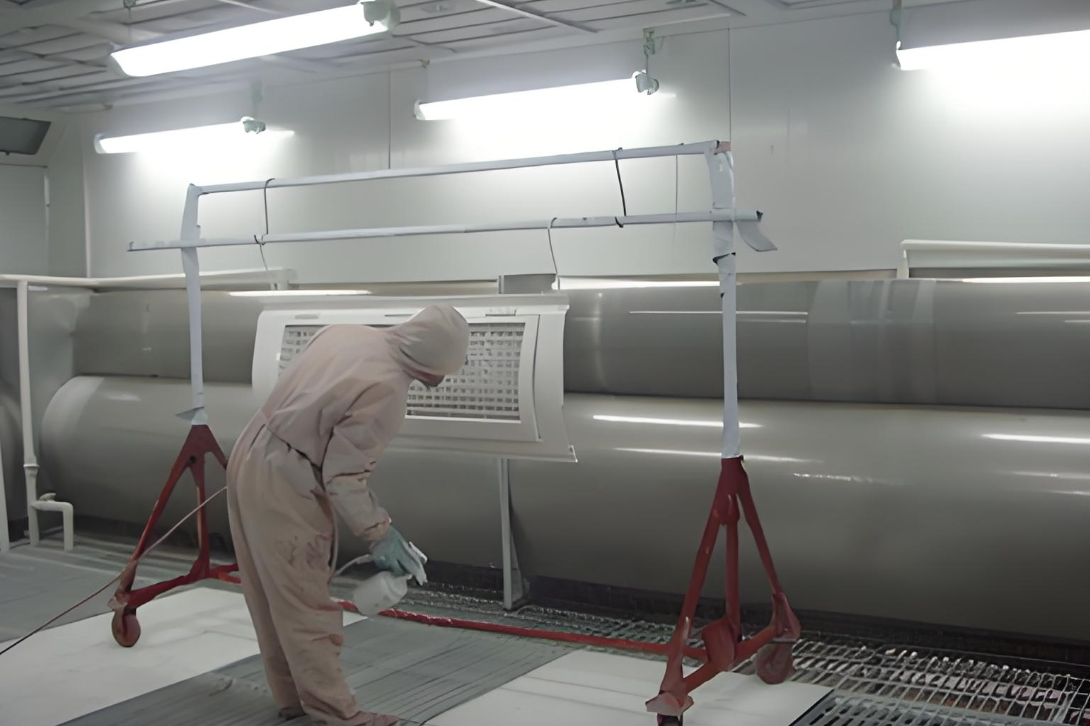
Spray Booths & Industrial Dust
Paint Mist & Dust Purification
Filtration for Power Equipment
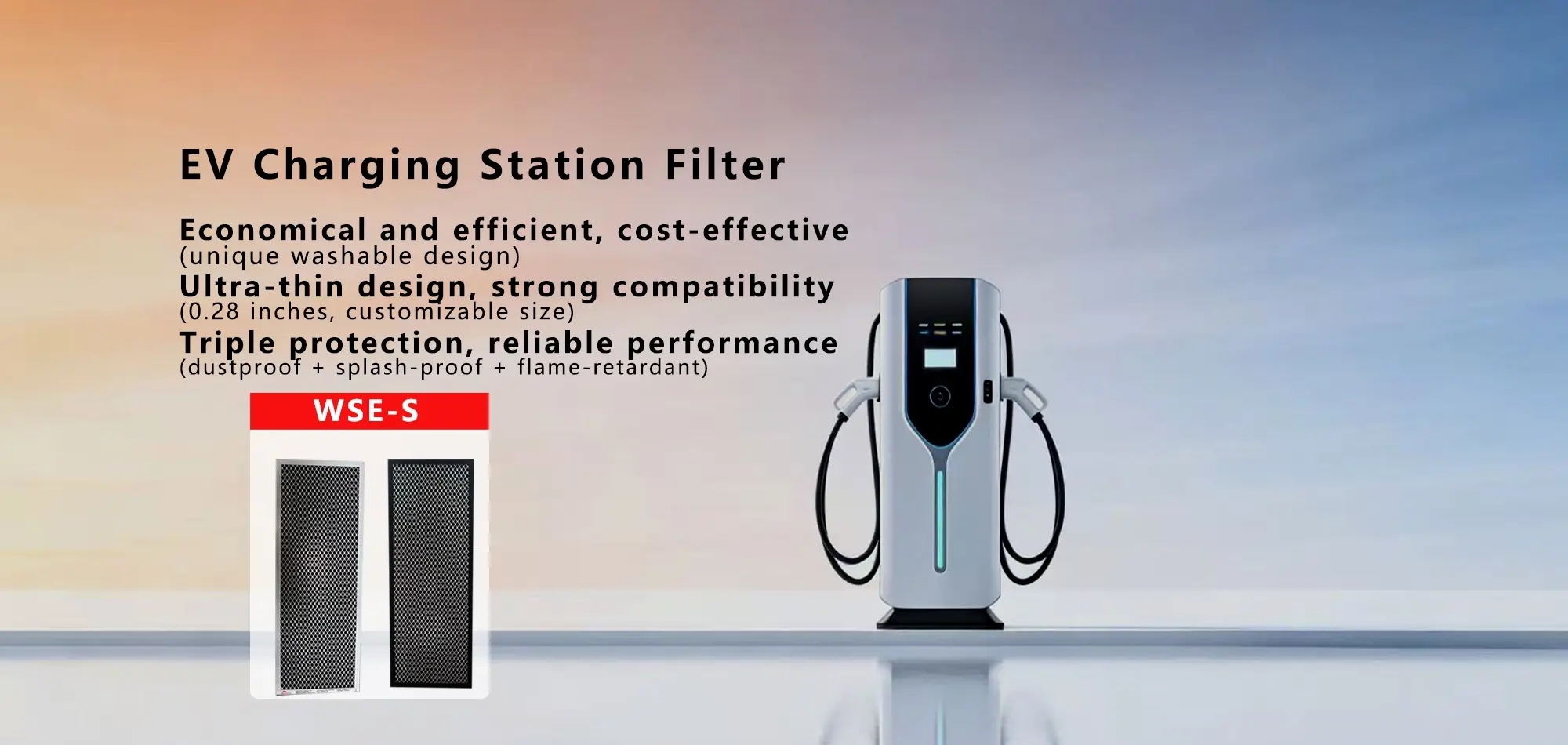
Professional air filtration for EV charging devices, protecting against dust and sand ingress to ensure stable, reliable operation of charging piles and station infrastructure.
View Related Products →Ultra-High Cleanliness Filtration
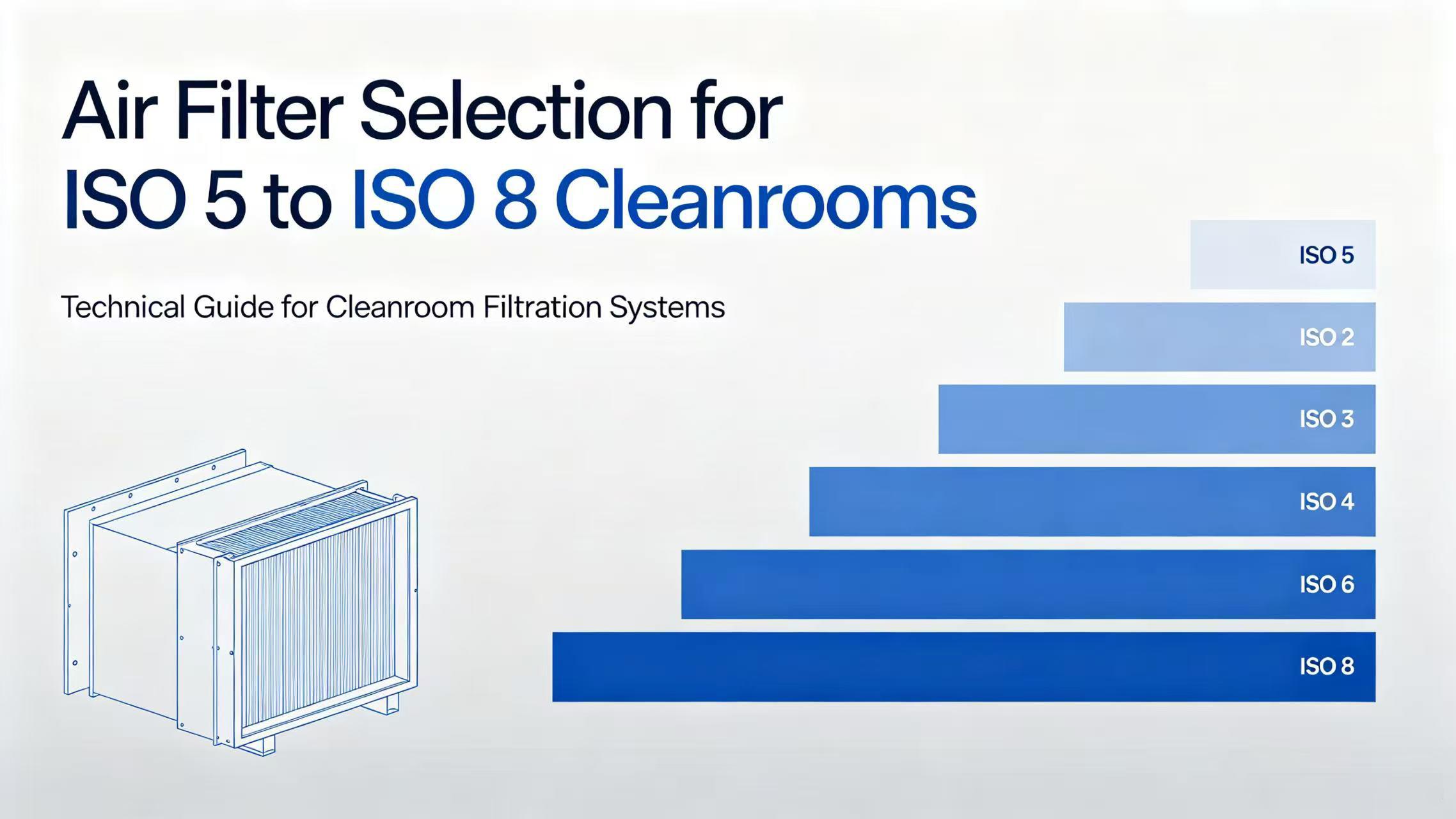
Ultra-high efficiency filtration for semiconductor wafer fabs and precision electronics cleanrooms, capturing nano-scale particles to meet ISO Class 1–3 standards and maximize product yield.
View Related Products →Central Air System Filtration
High-efficiency filtration for commercial building HVAC systems, improving indoor air quality, reducing energy consumption, and extending equipment service life.
View Related Products →Precision Equipment Protection
Precision air filtration for data centers, shielding servers and critical hardware from dust contamination to keep cooling systems running efficiently and reliably.
View Related Products →Farming Environment Purification
Dedicated filtration systems for farms and livestock facilities — capturing dust, adsorbing ammonia, and inhibiting pathogen spread to improve animal health and overall productivity.
View Related Products →Paint Mist & Dust Purification
Designed for spray booths and grinding workshops, efficiently capturing paint mist, metal dust, and wood chips to meet emission standards while protecting finished surface quality.
View Related Products →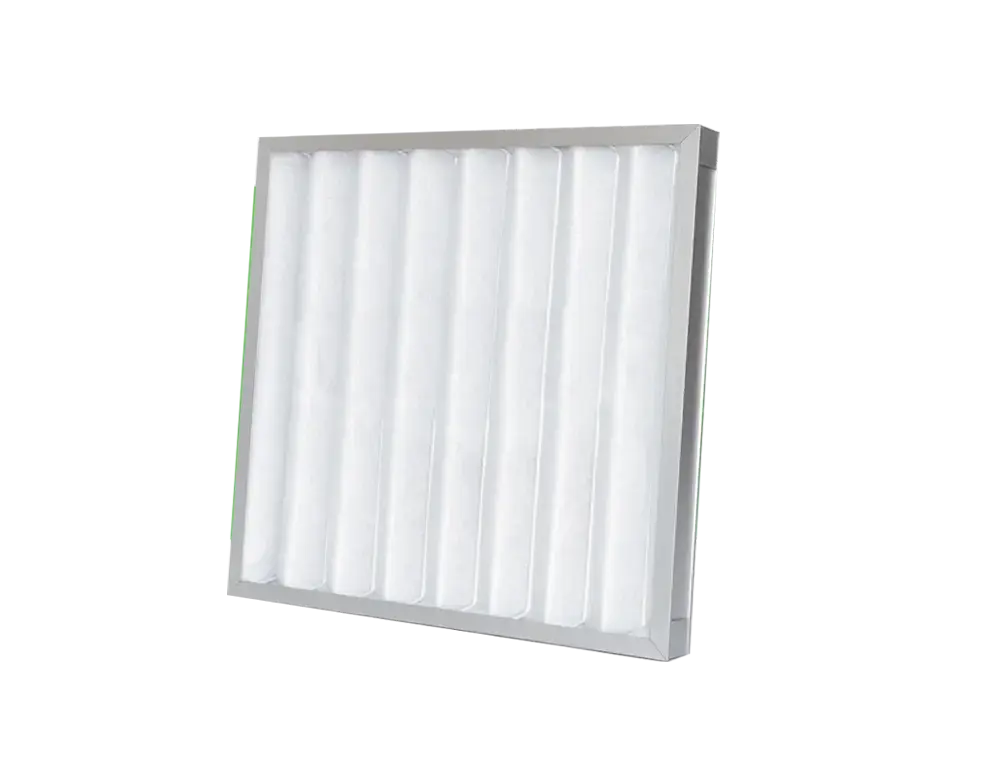
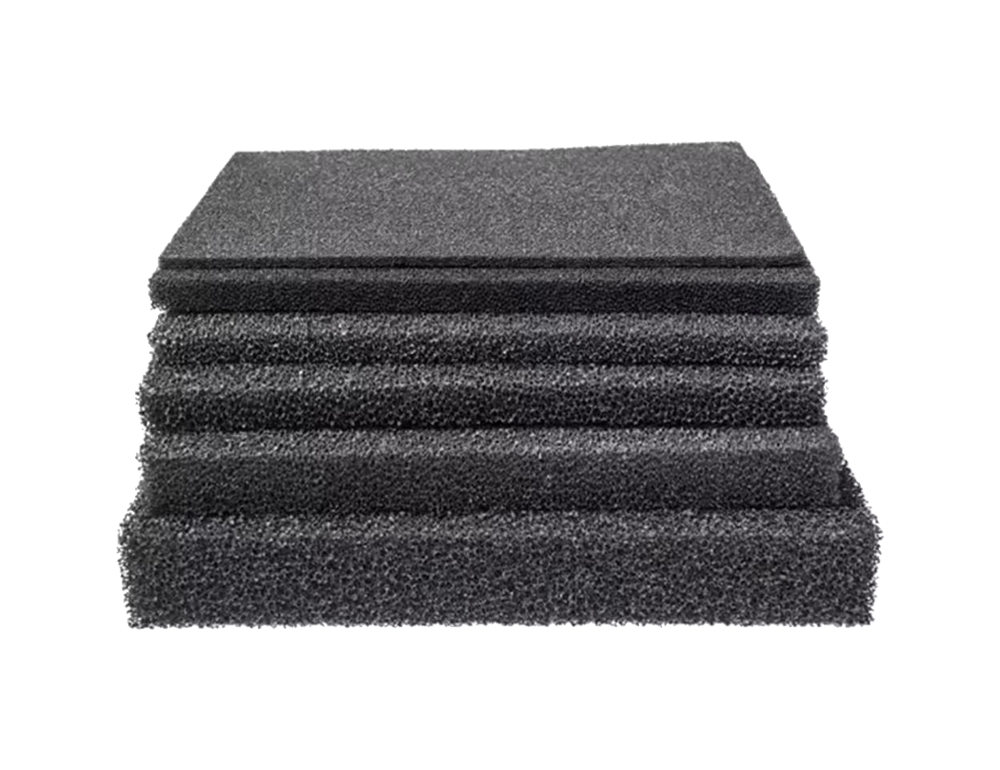
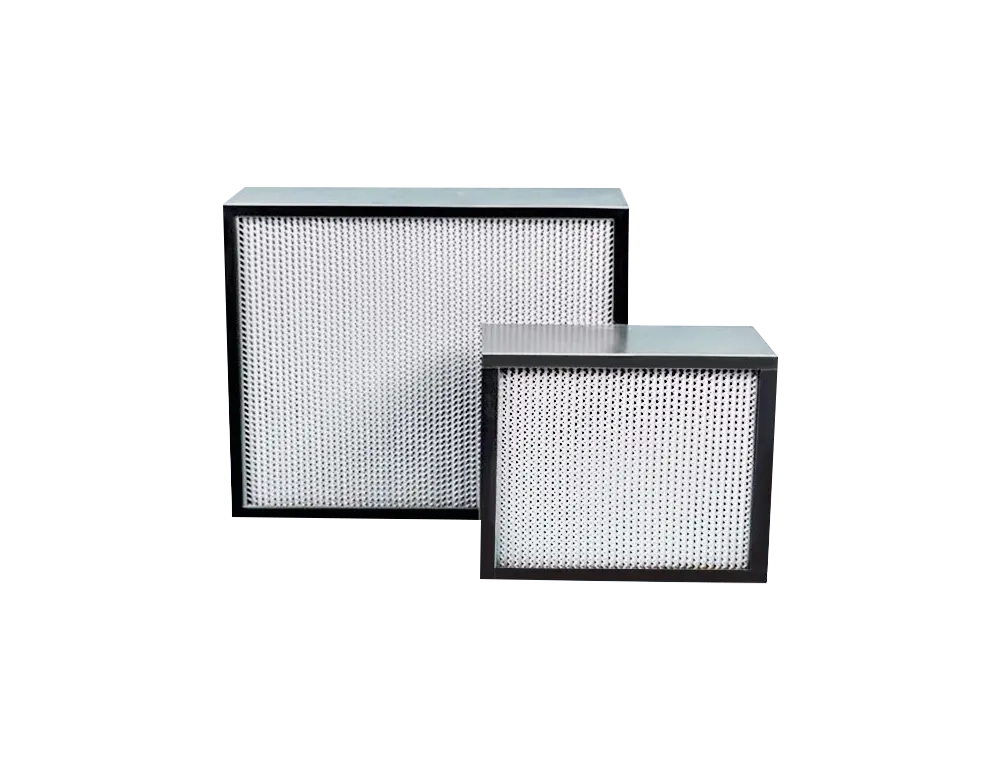
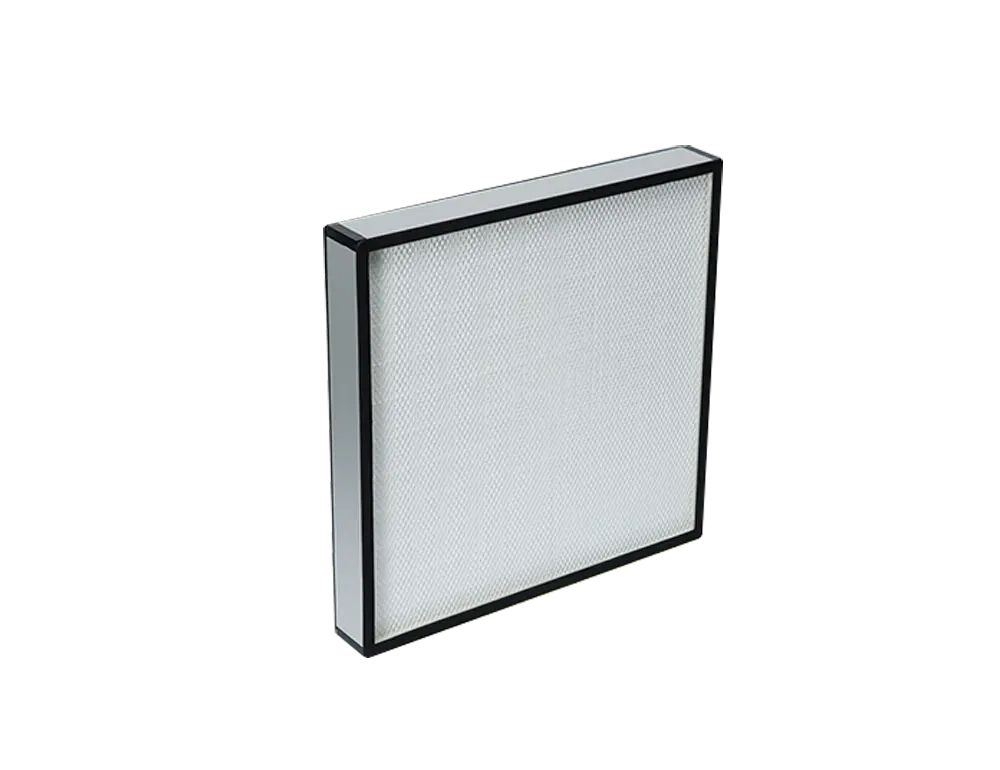
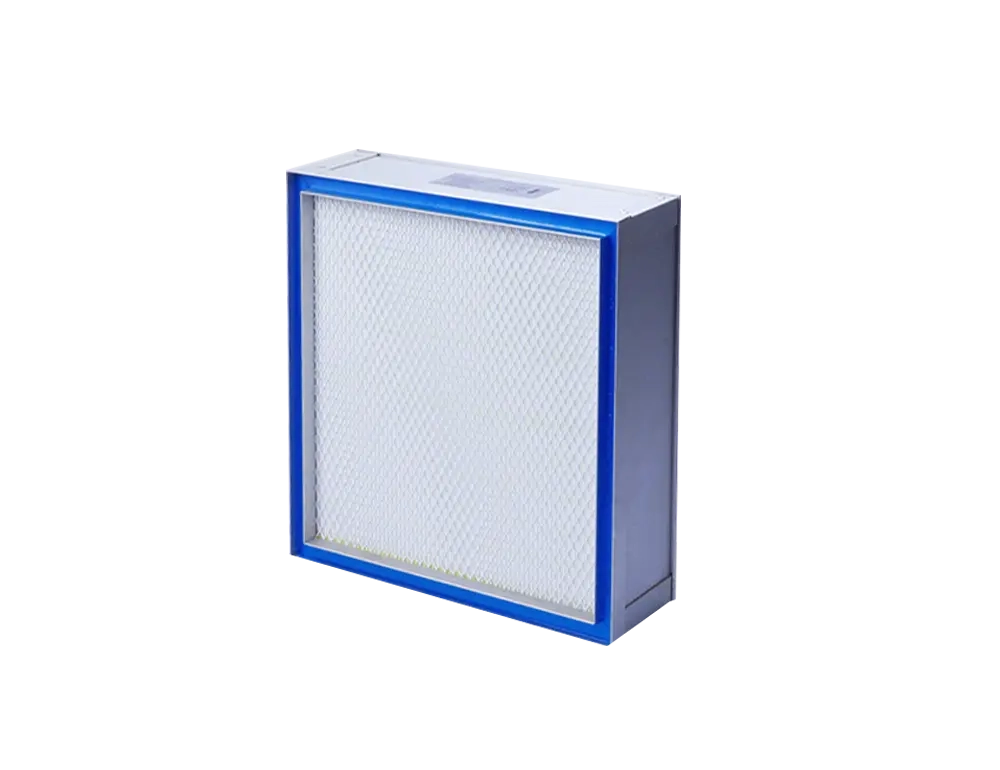
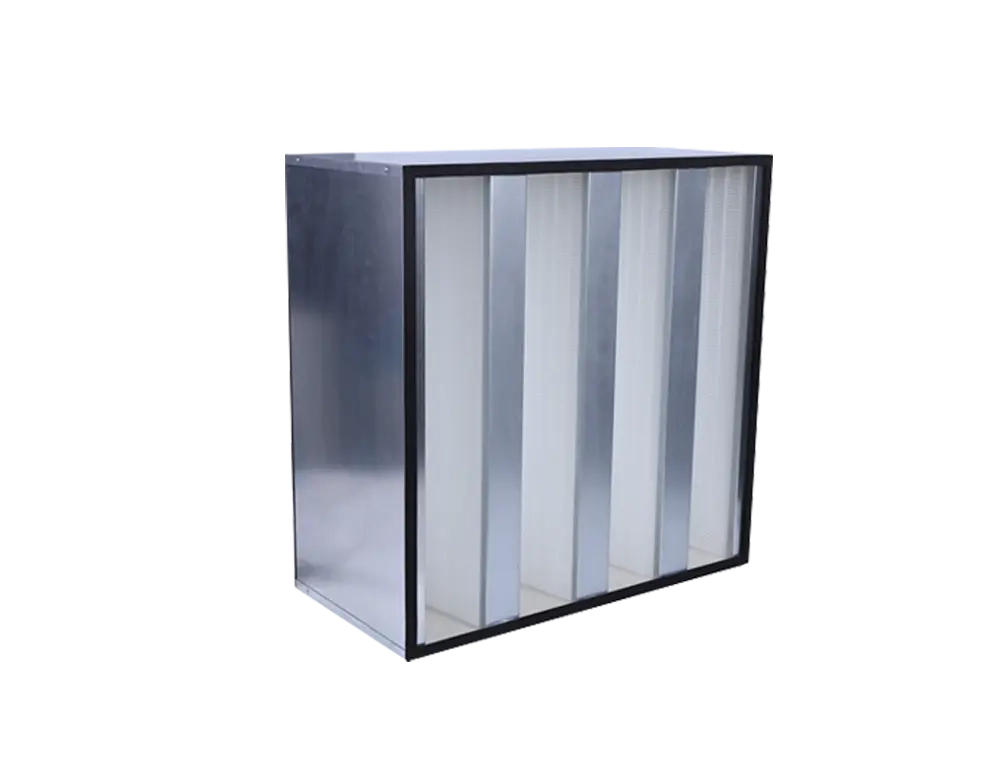
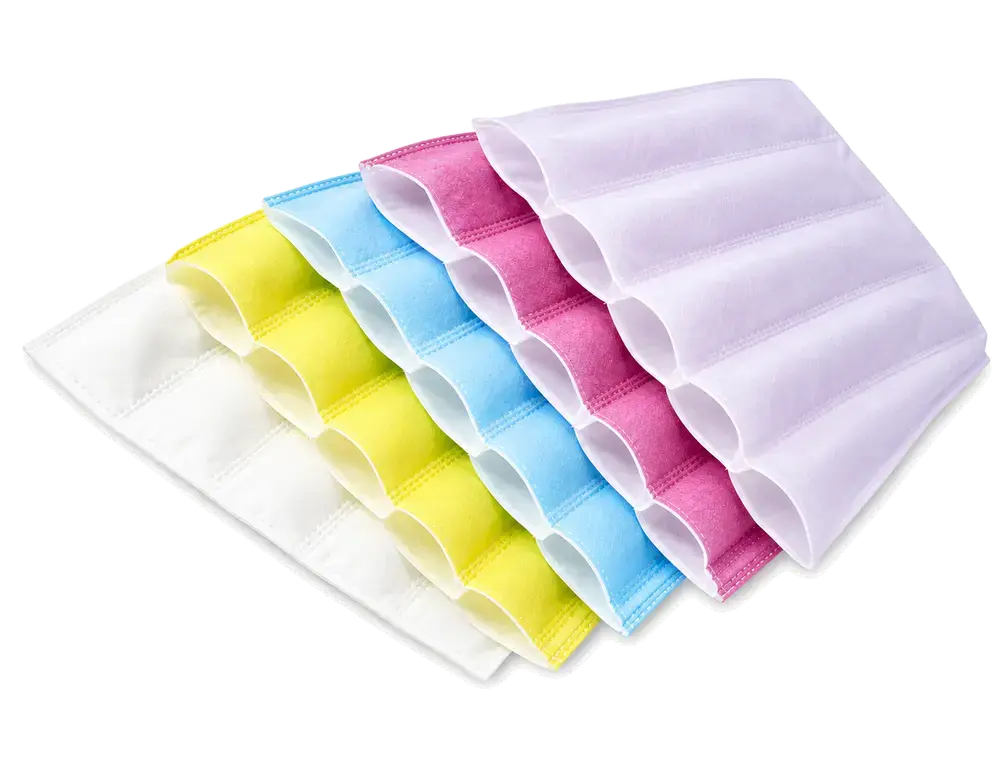
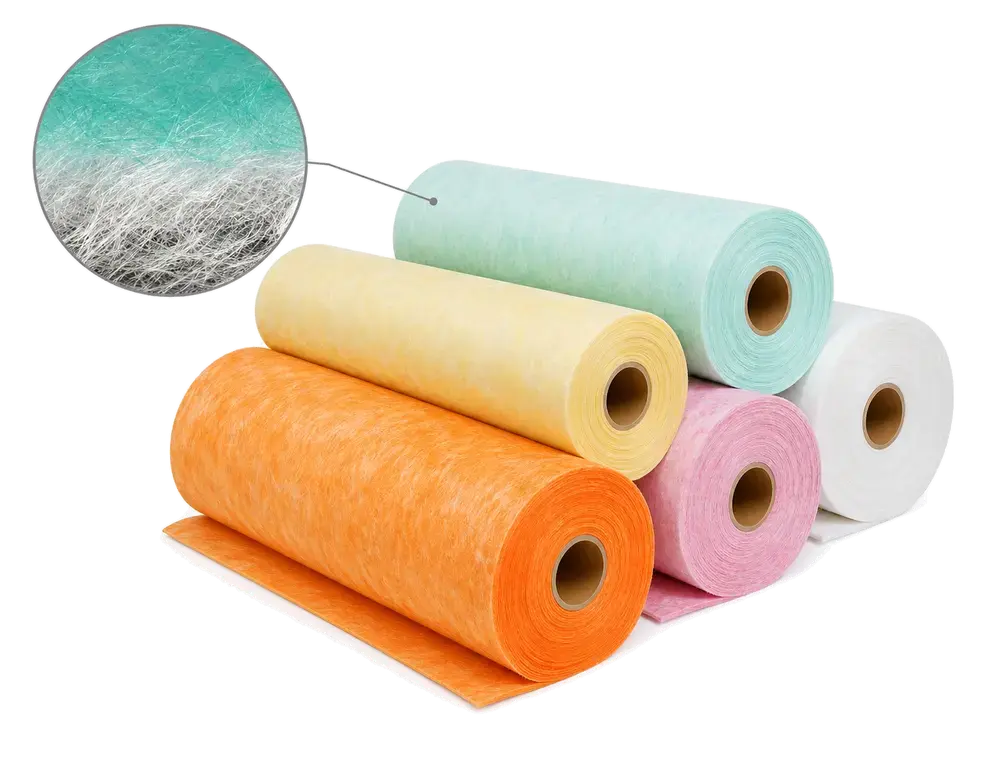
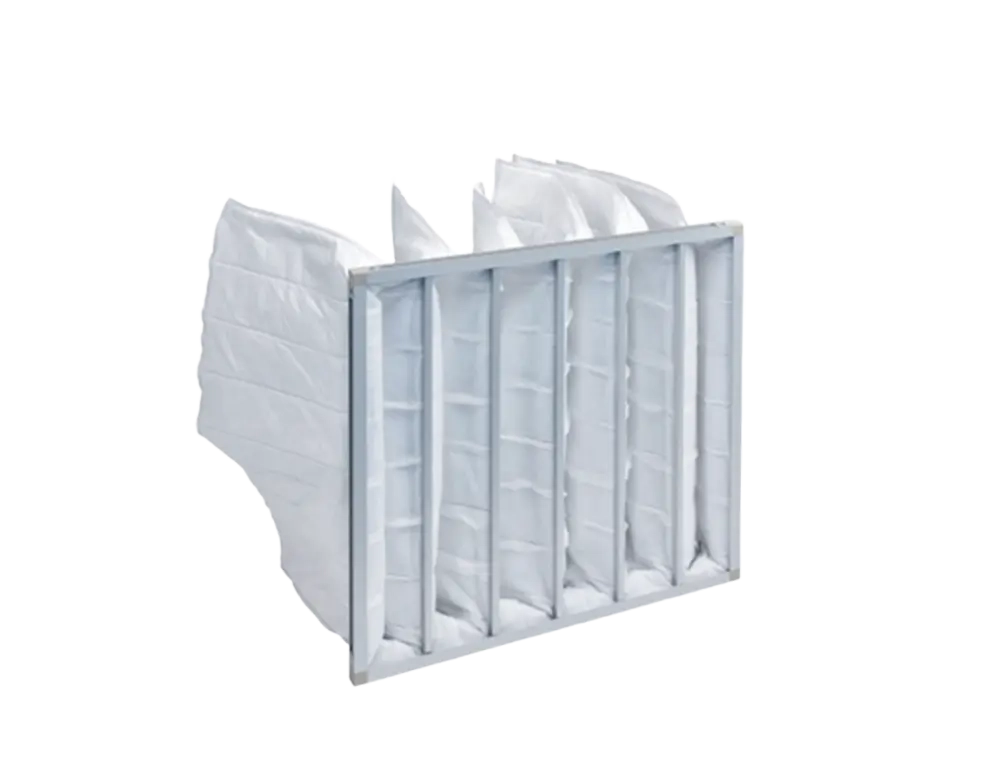
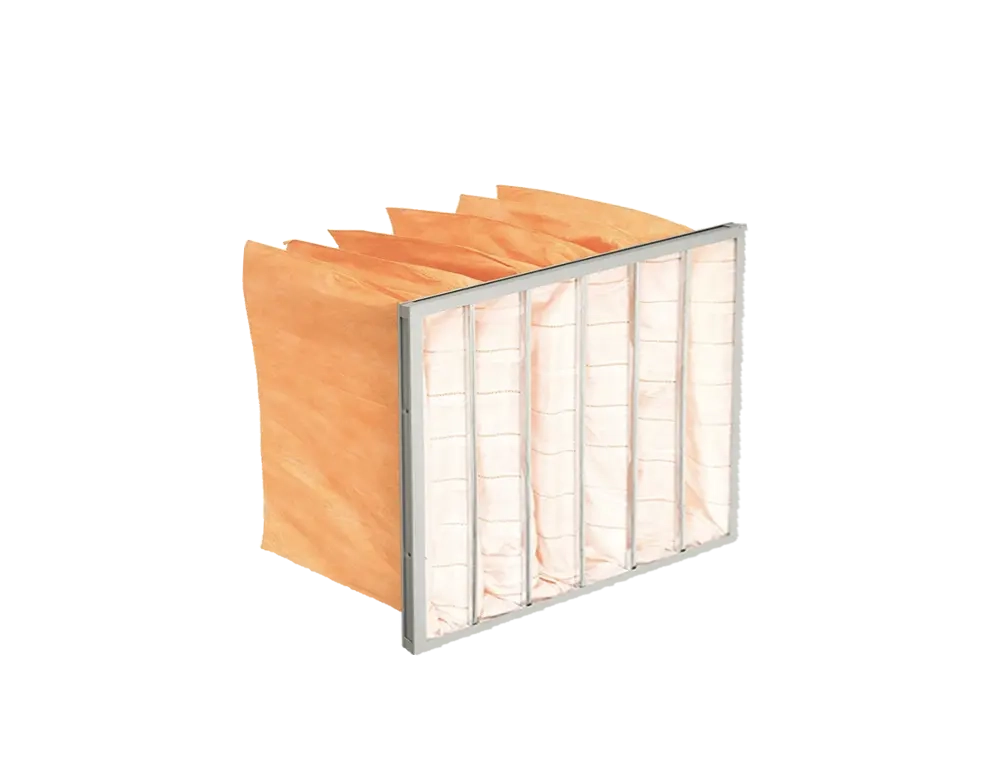
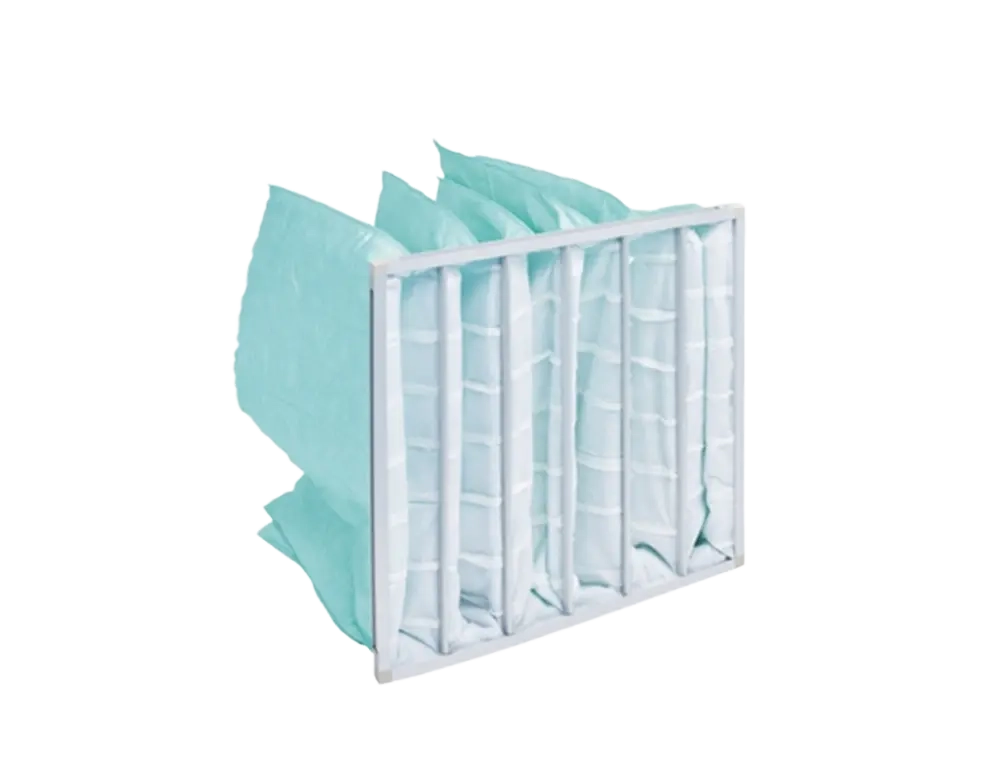
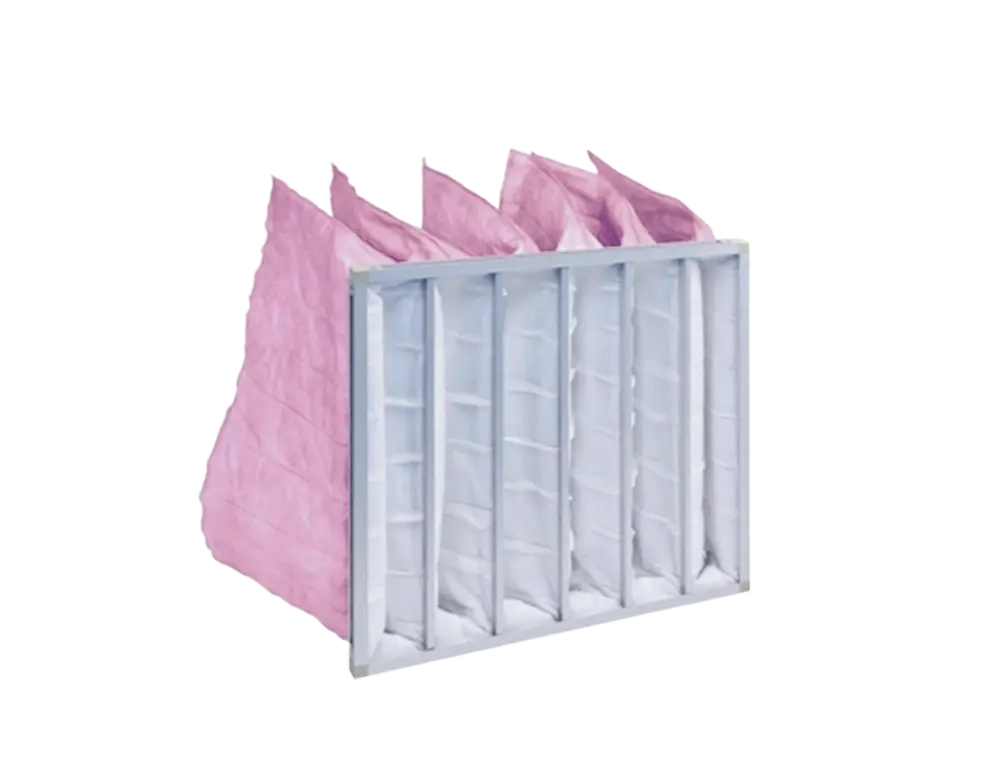
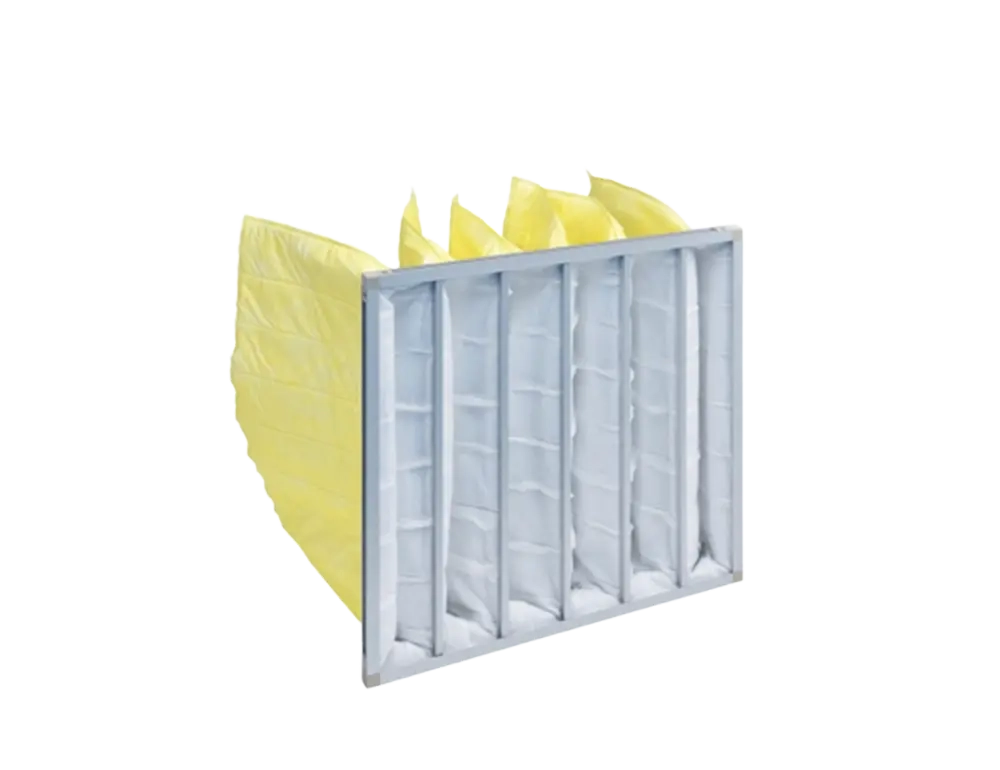
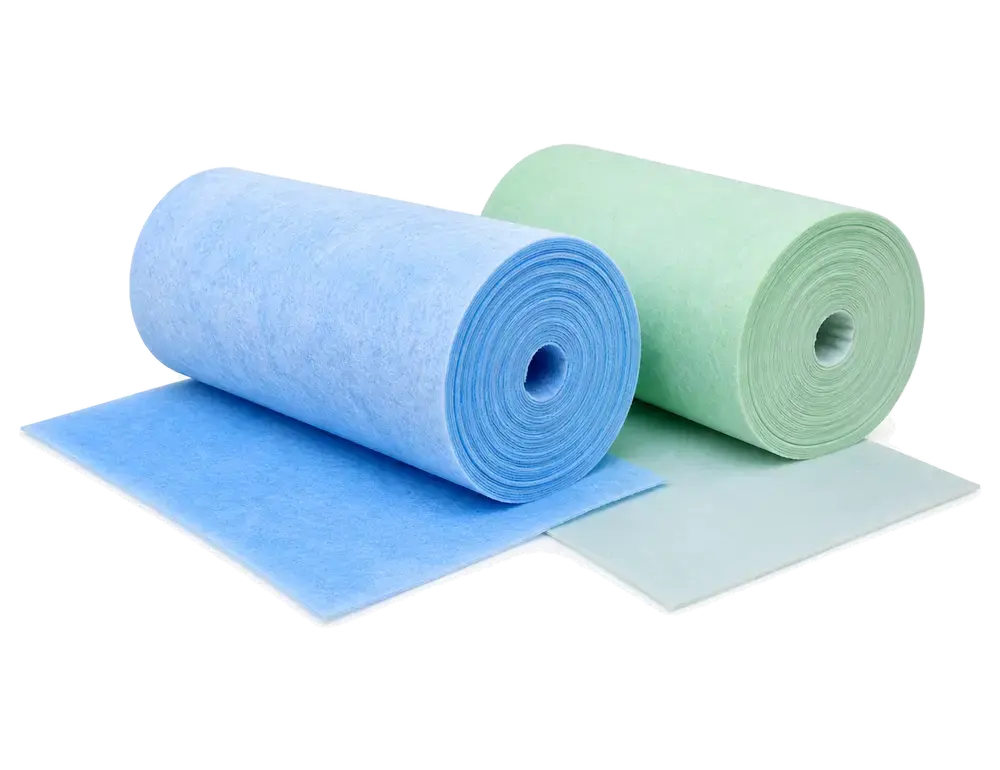
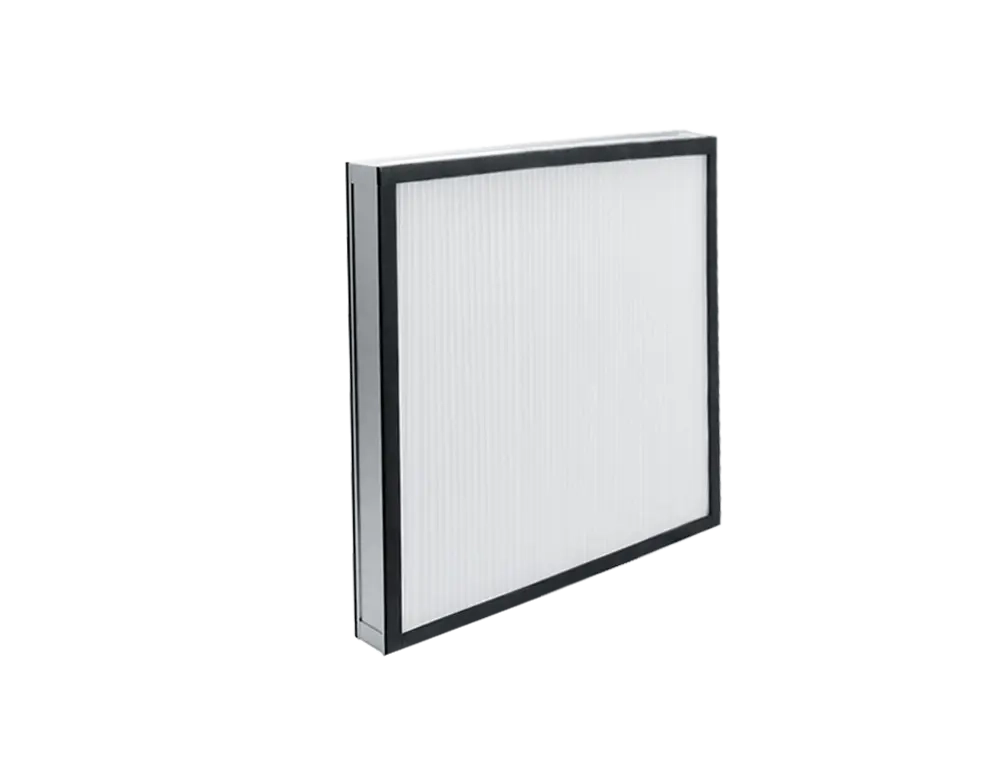
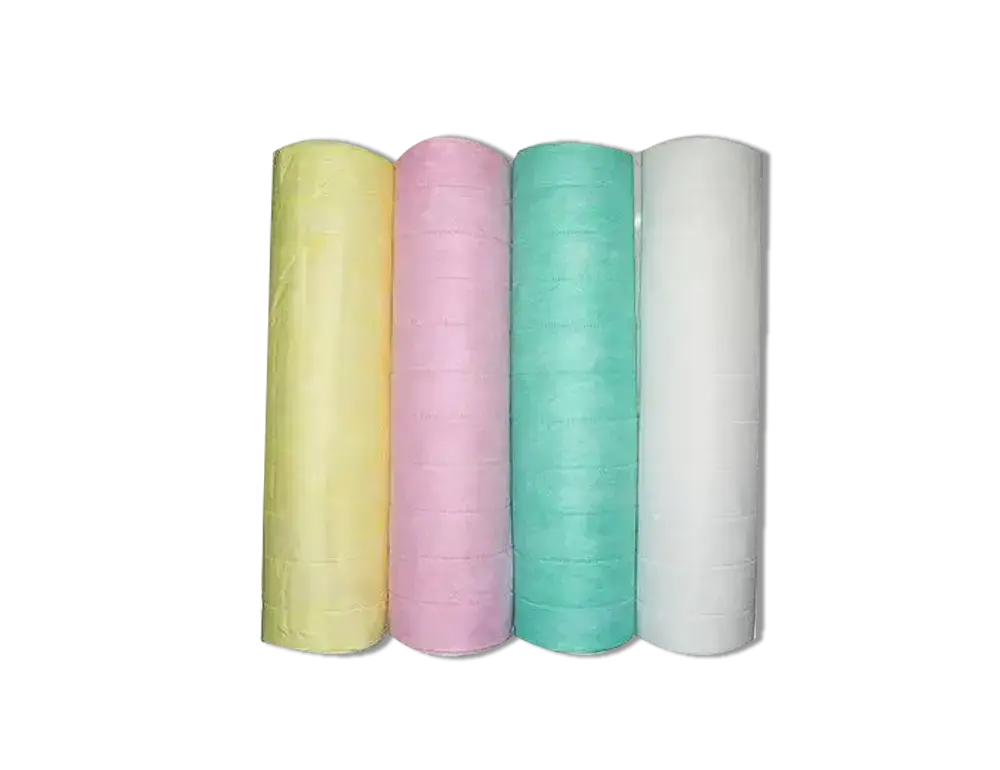
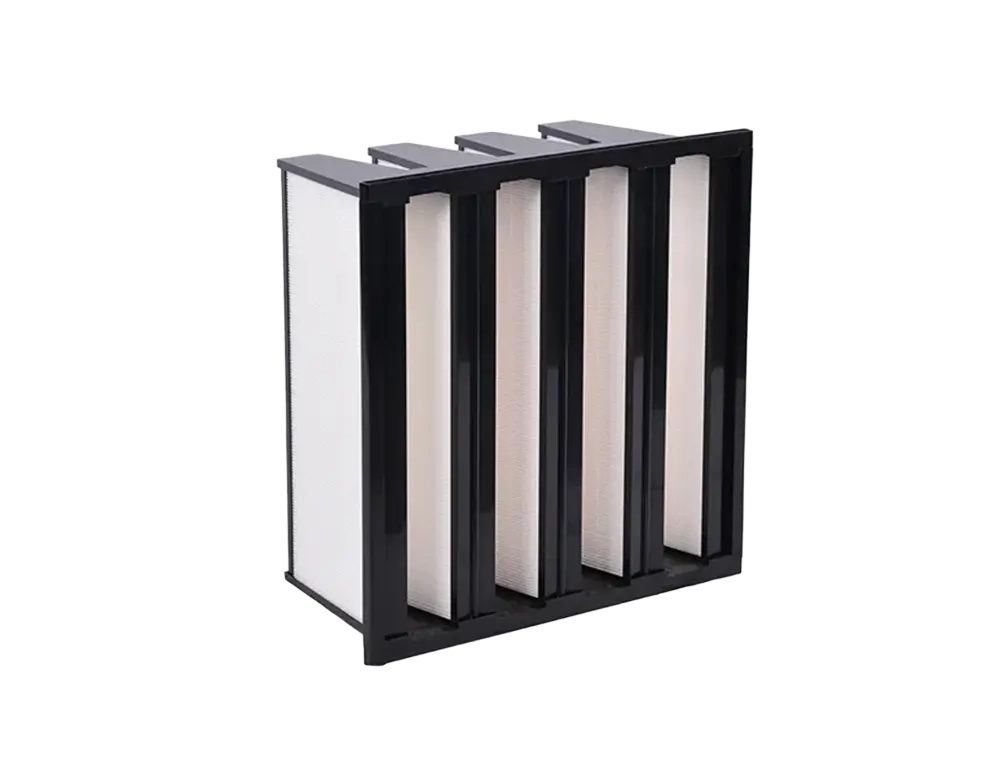
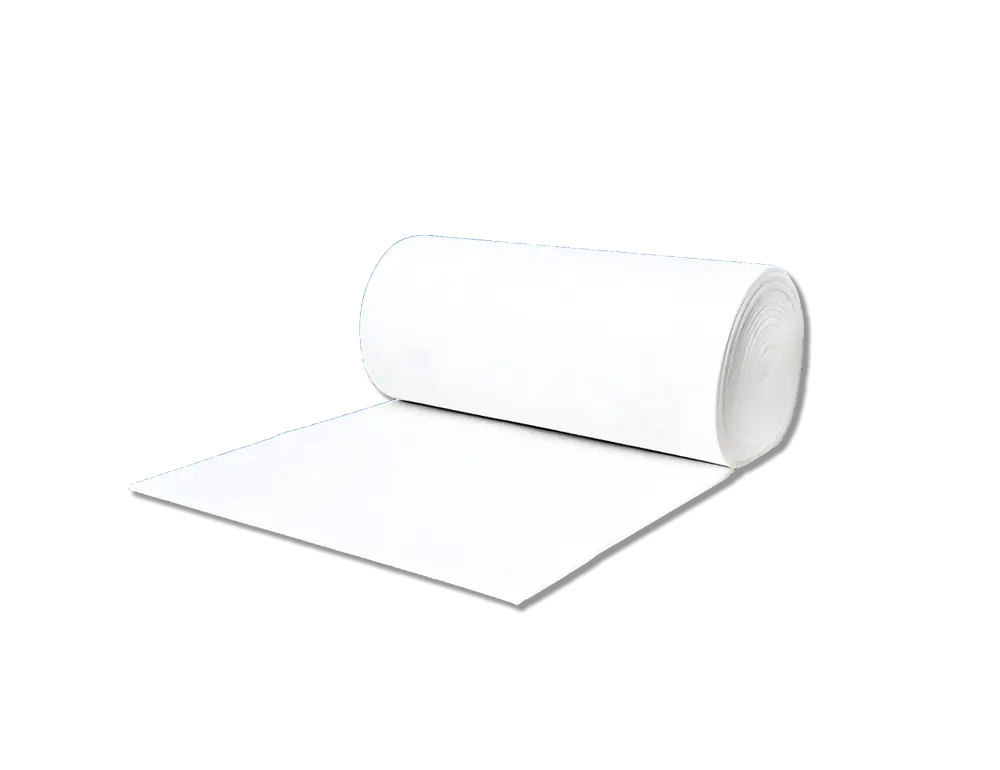
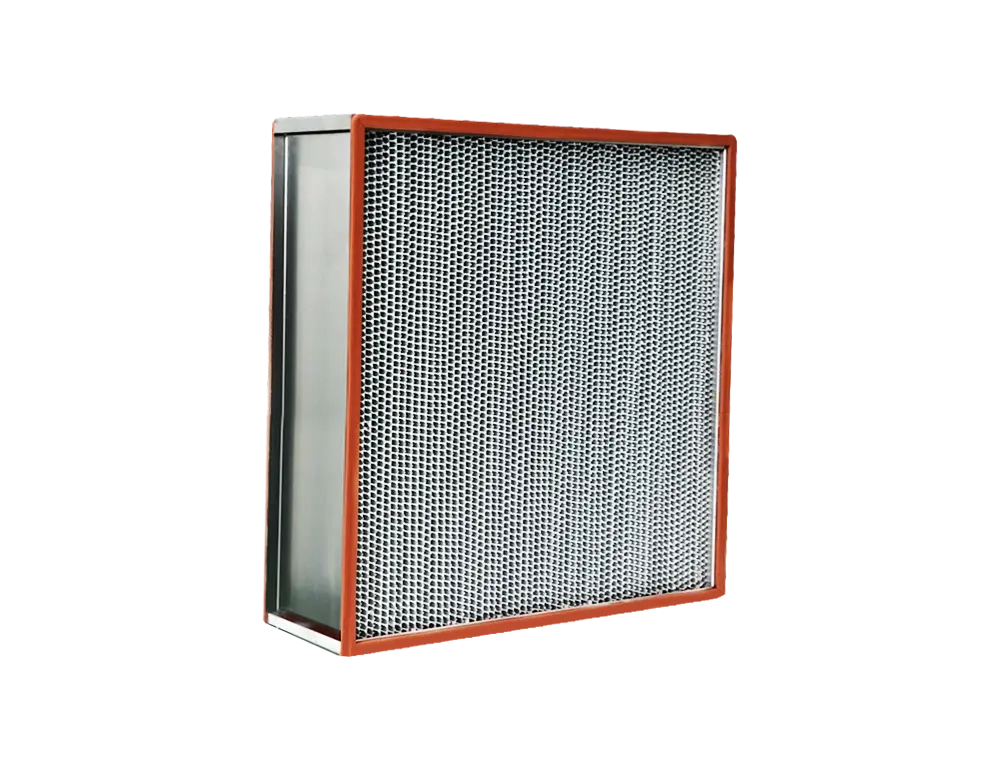
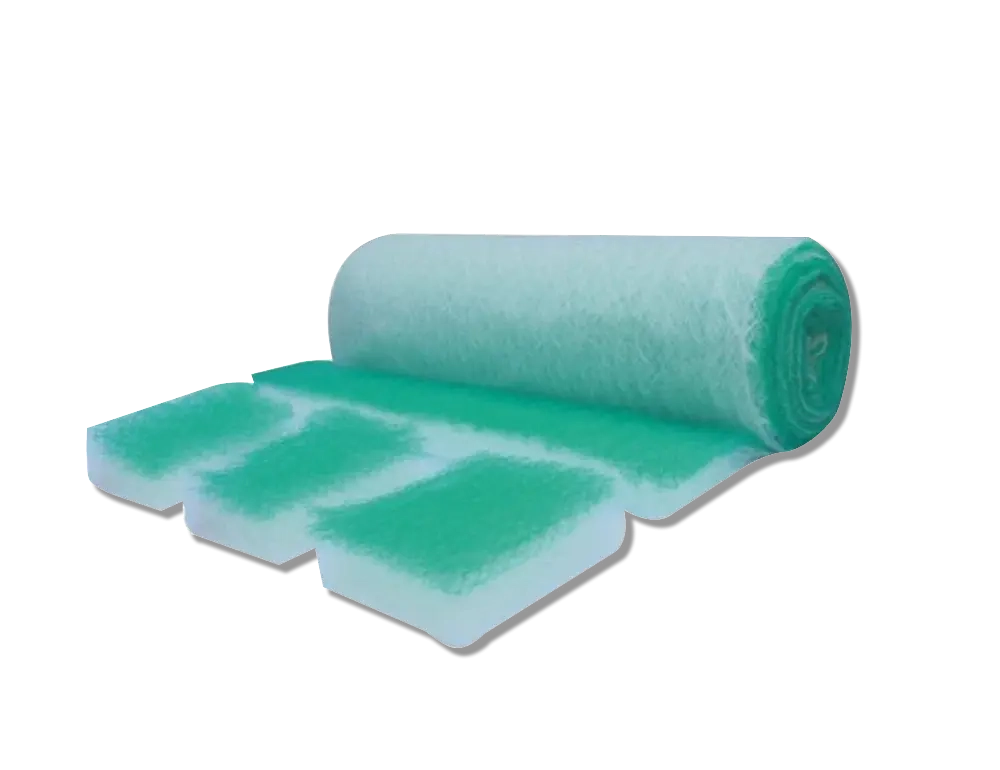
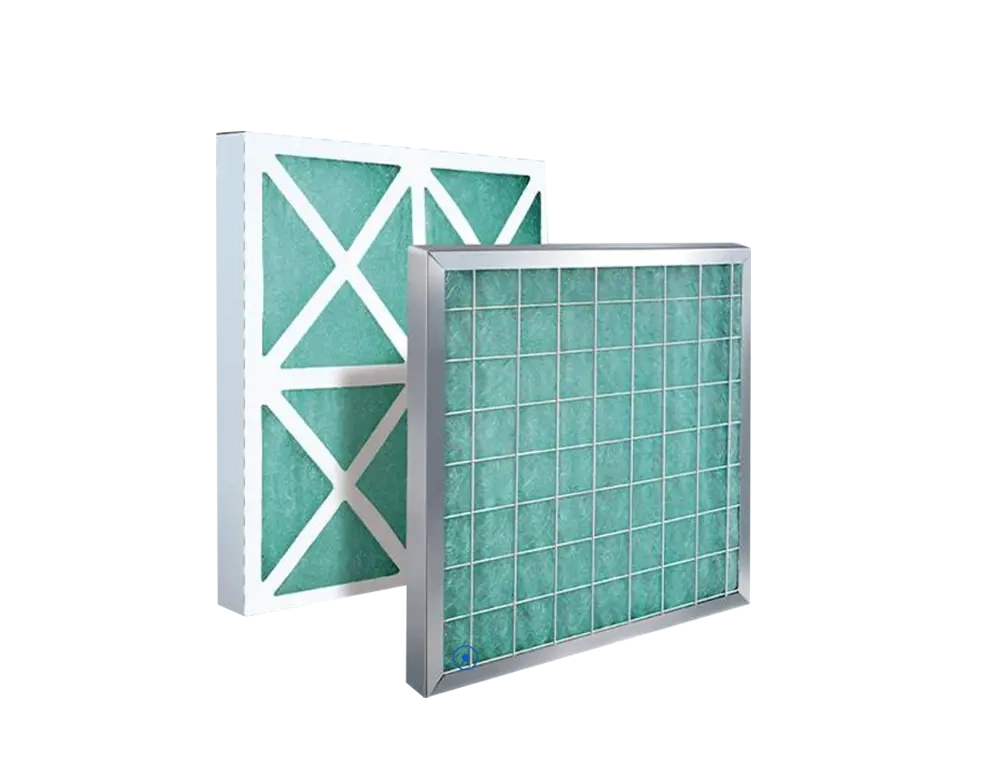
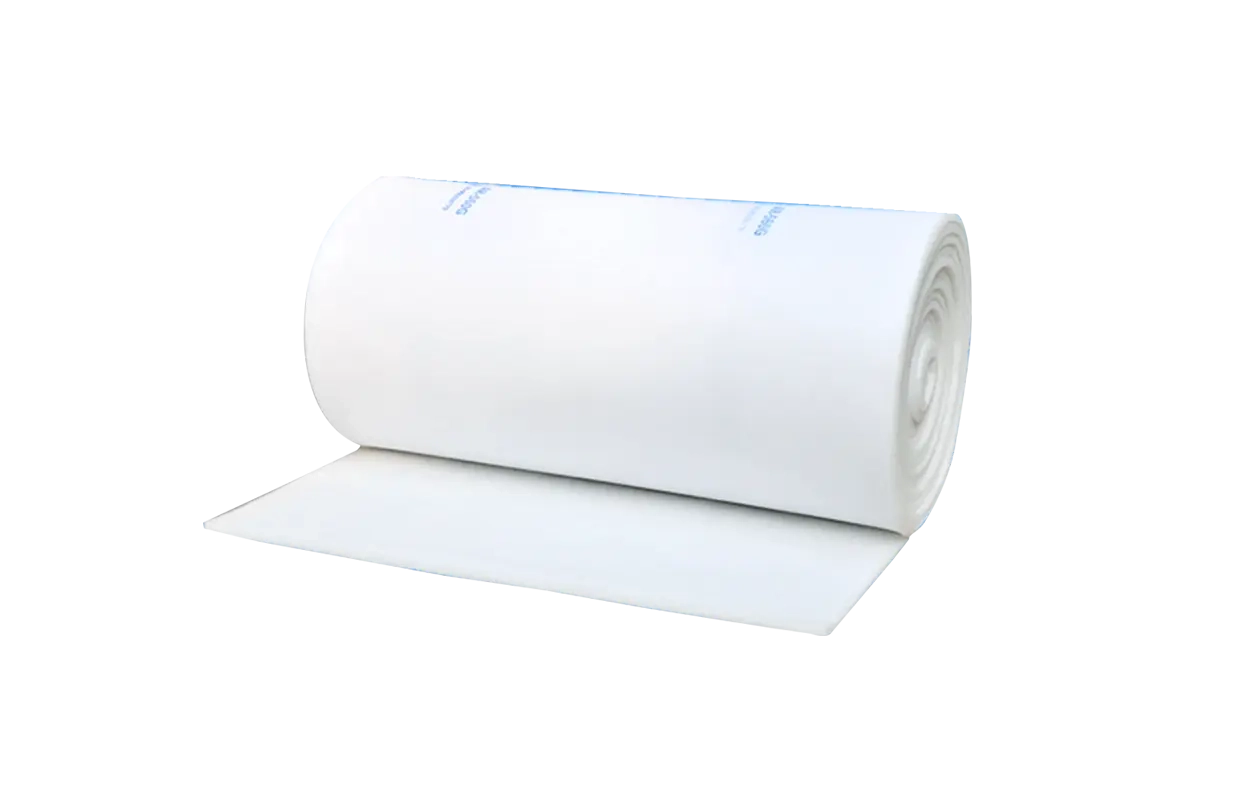
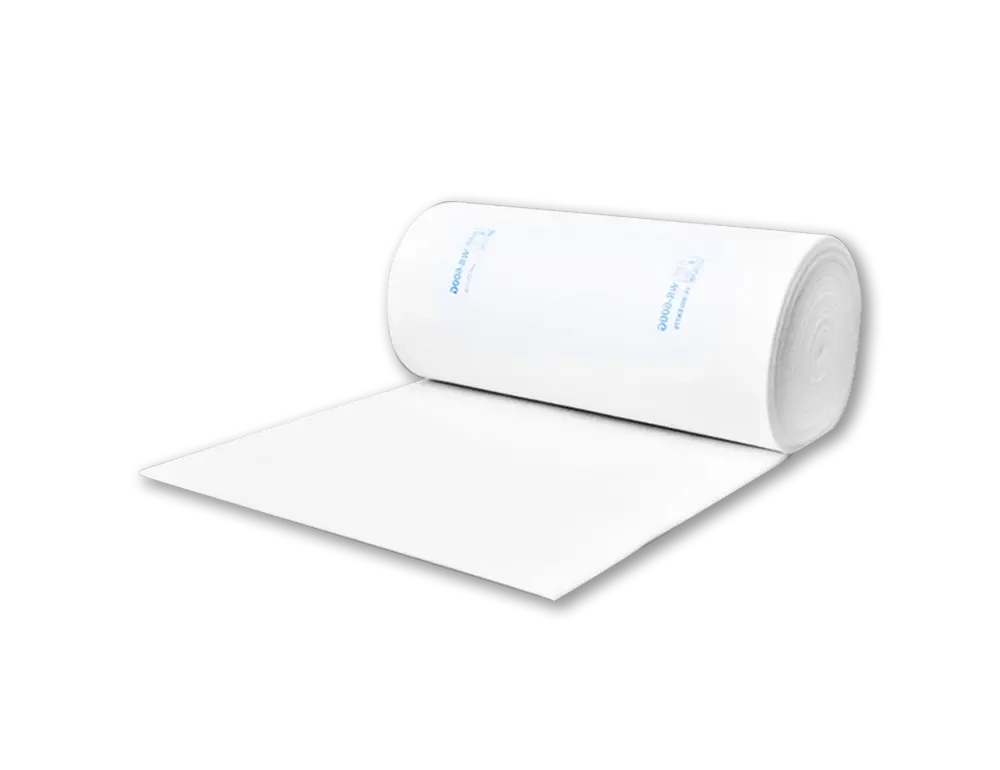
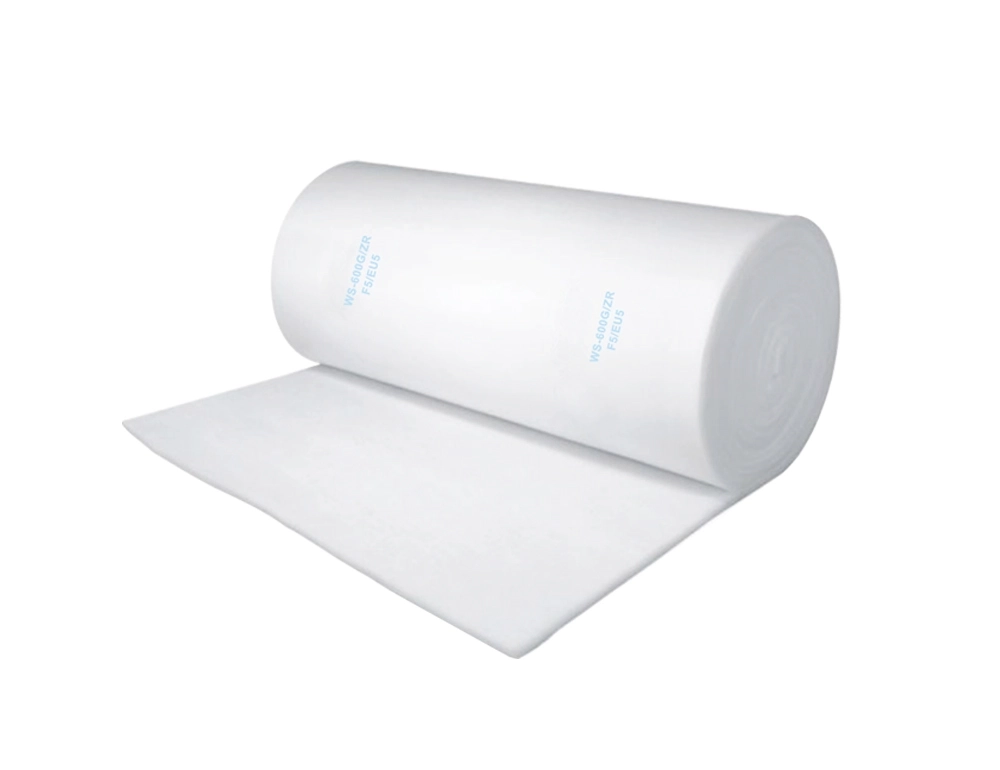
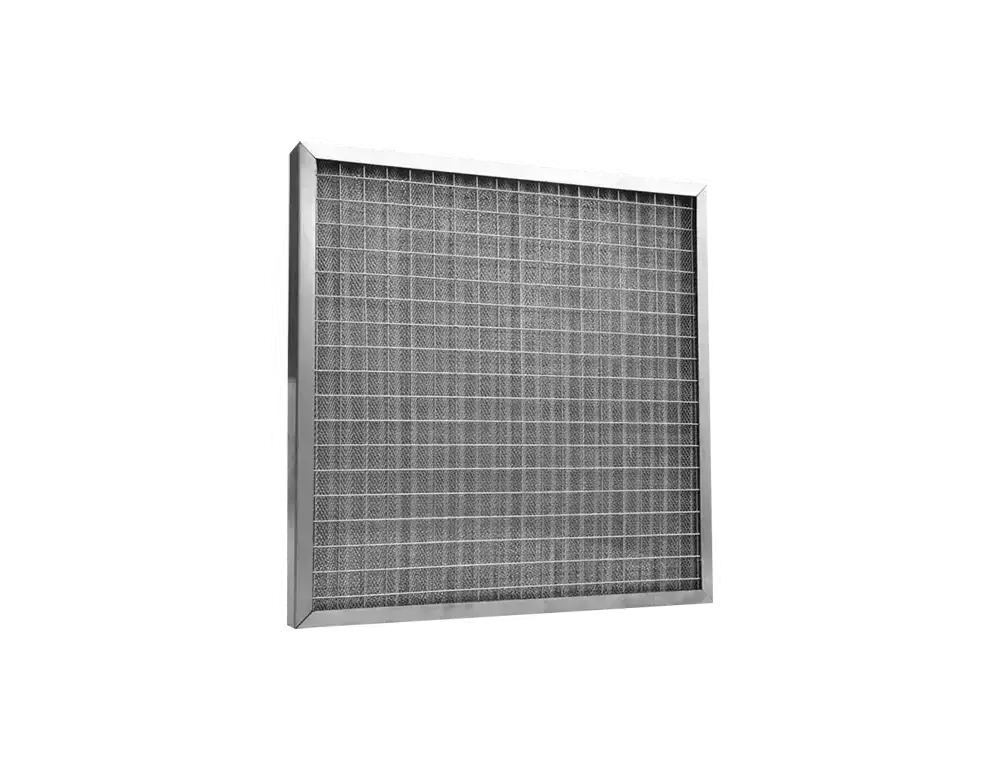
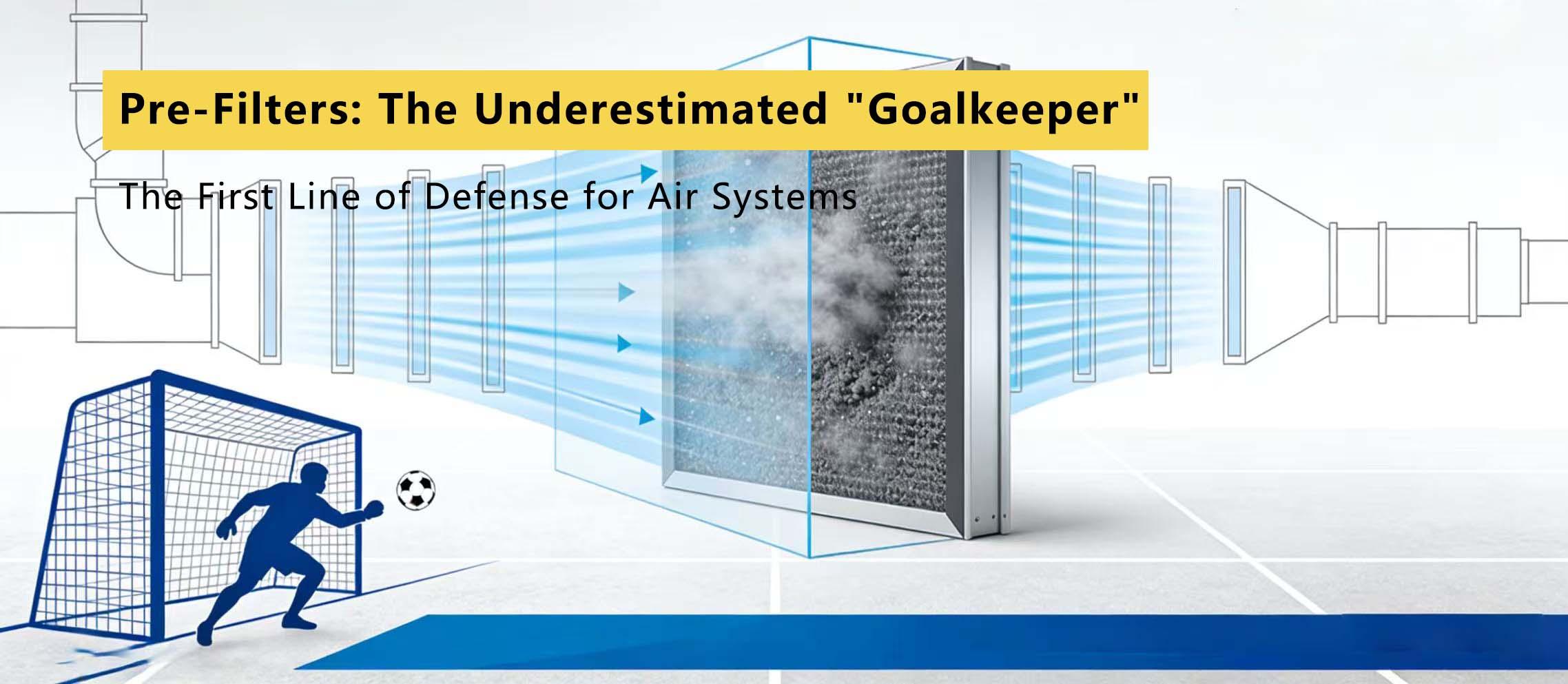
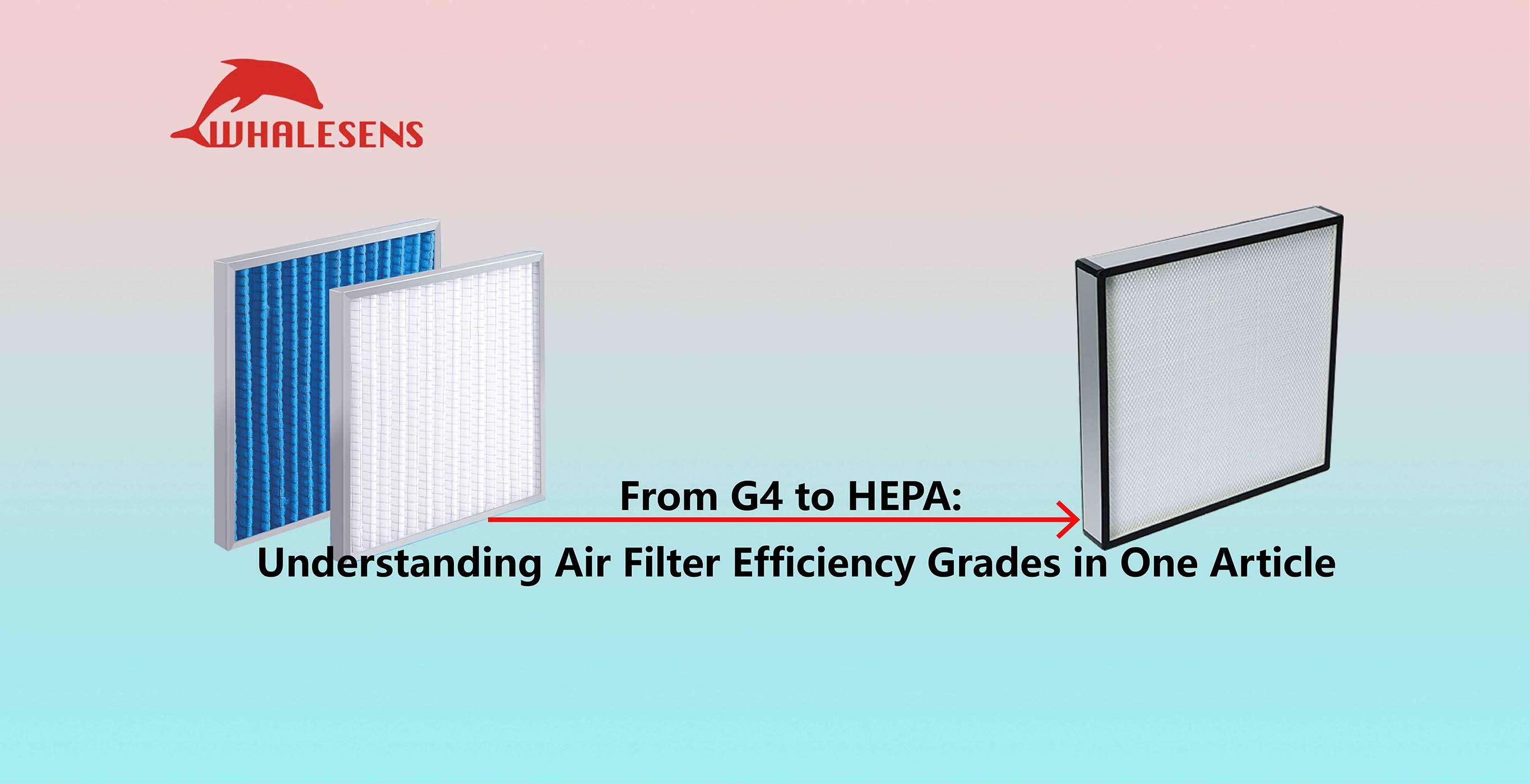
Pre-Filter (G1–G4)
First-Stage Large-Particle Capture
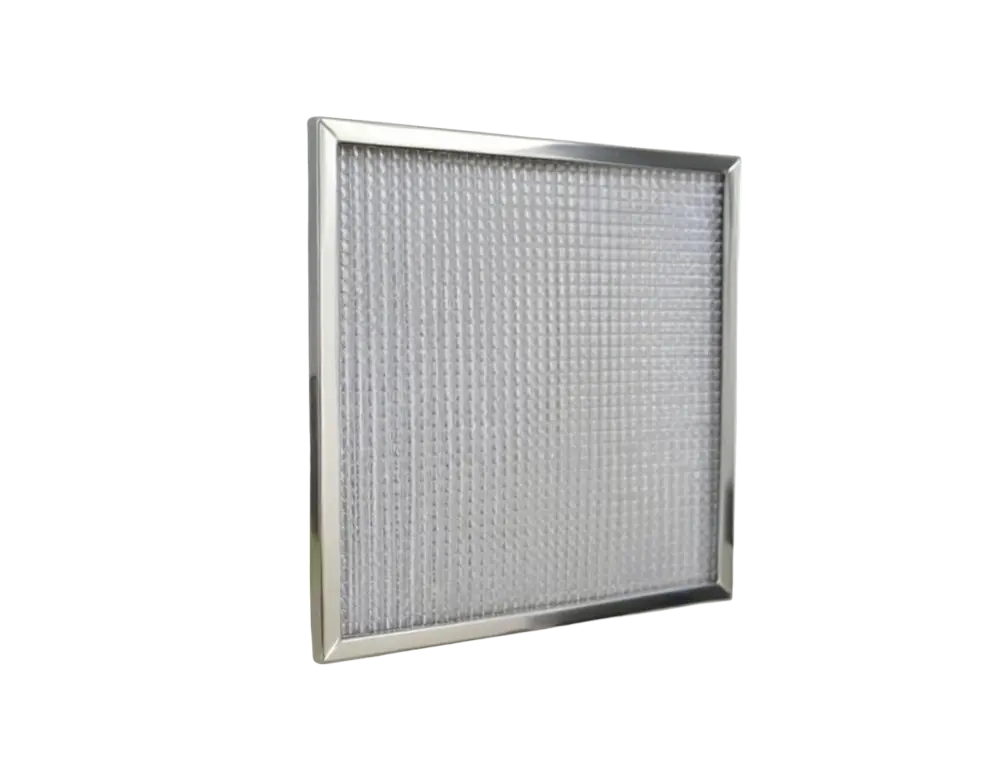
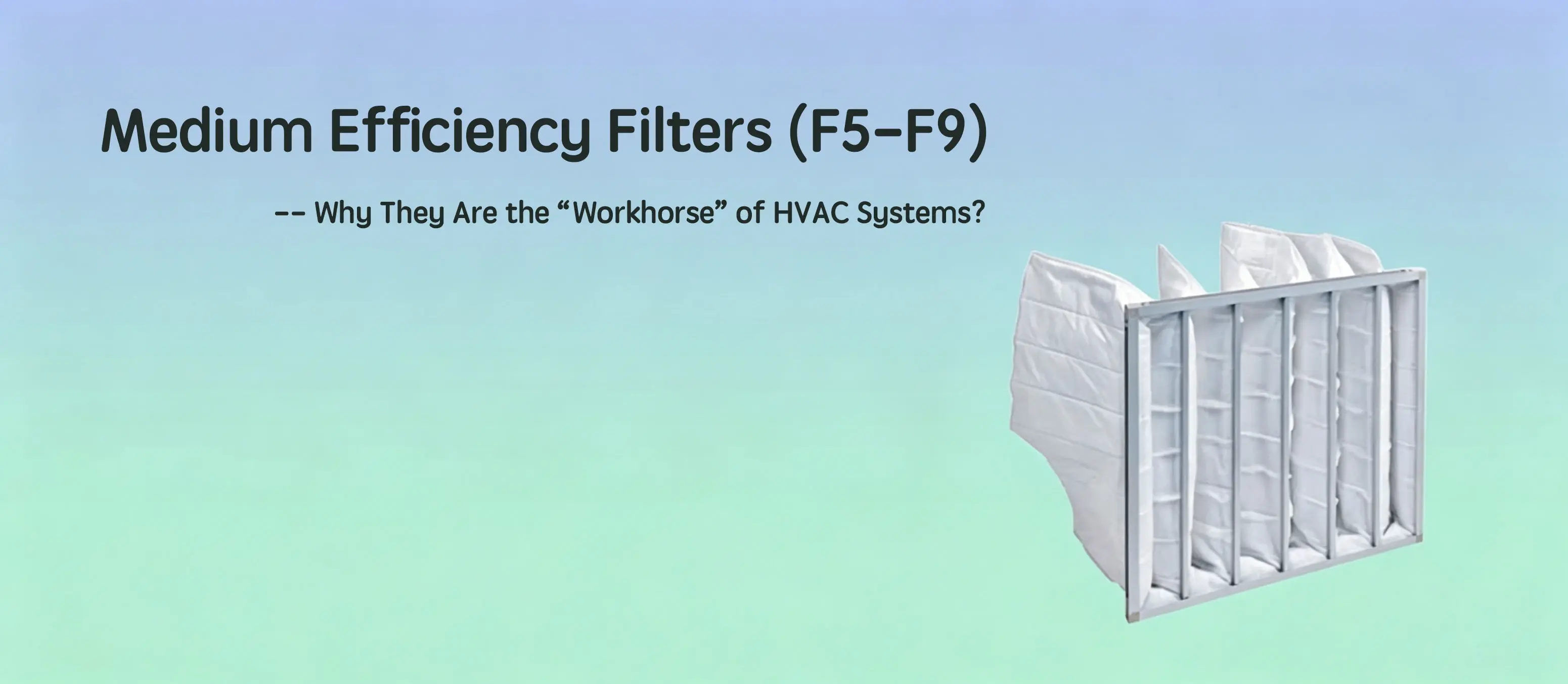
Medium-Efficiency Filter (F5–F9)
Precise PM2.5 Capture
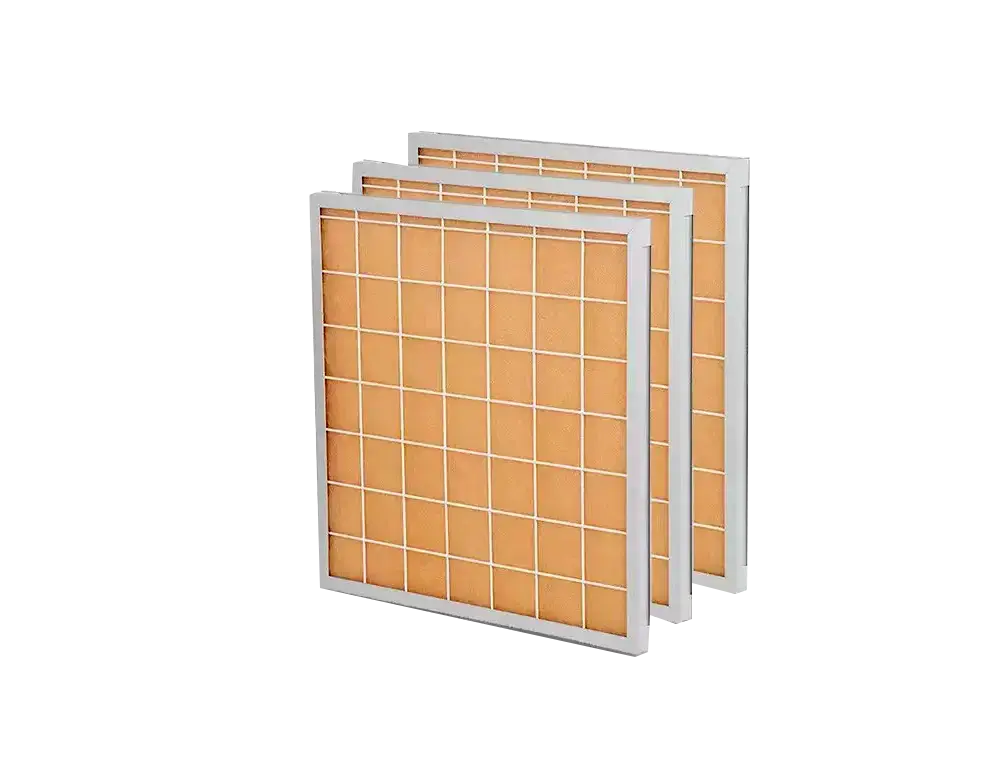
HEPA High-Efficiency Filter
Sterile-Grade Purification
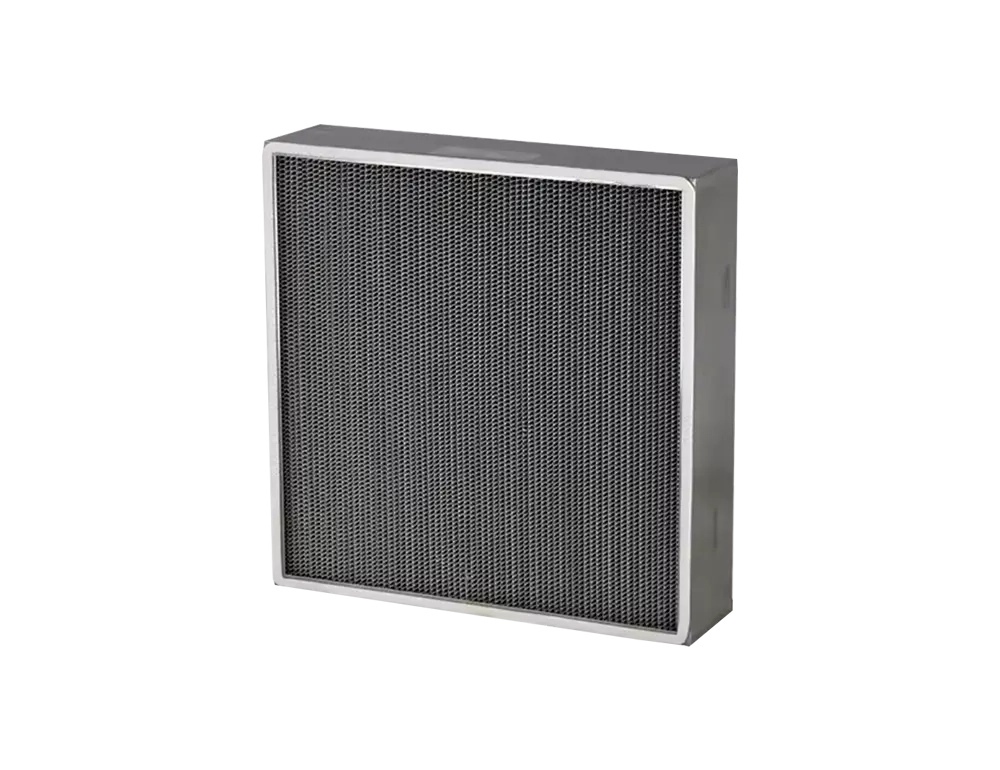
ULPA Ultra-High Efficiency Filter
Sub-Micron Particle Capture
First-Stage Large-Particle Capture
The first line of defense, capturing particles ≥5 μm such as dust, hair, and fibers to protect downstream filters and extend overall system service life.
View Related Products →Precise PM2.5 Capture
Captures fine particles of 1–5 μm including PM2.5, pollen, and mold spores, significantly improving indoor air quality for commercial HVAC and ventilation systems.
View Related Products →Sterile-Grade Purification
≥99.97% filtration efficiency for particles ≥0.3 μm, delivering sterile-grade clean air widely used in medical, pharmaceutical, and electronics manufacturing.
View Related Products →Sub-Micron Particle Capture
≥99.9995% efficiency for particles ≥0.12 μm, meeting the extreme cleanliness demands of semiconductor fabs, aerospace, and other ultra-precision applications.
View Related Products →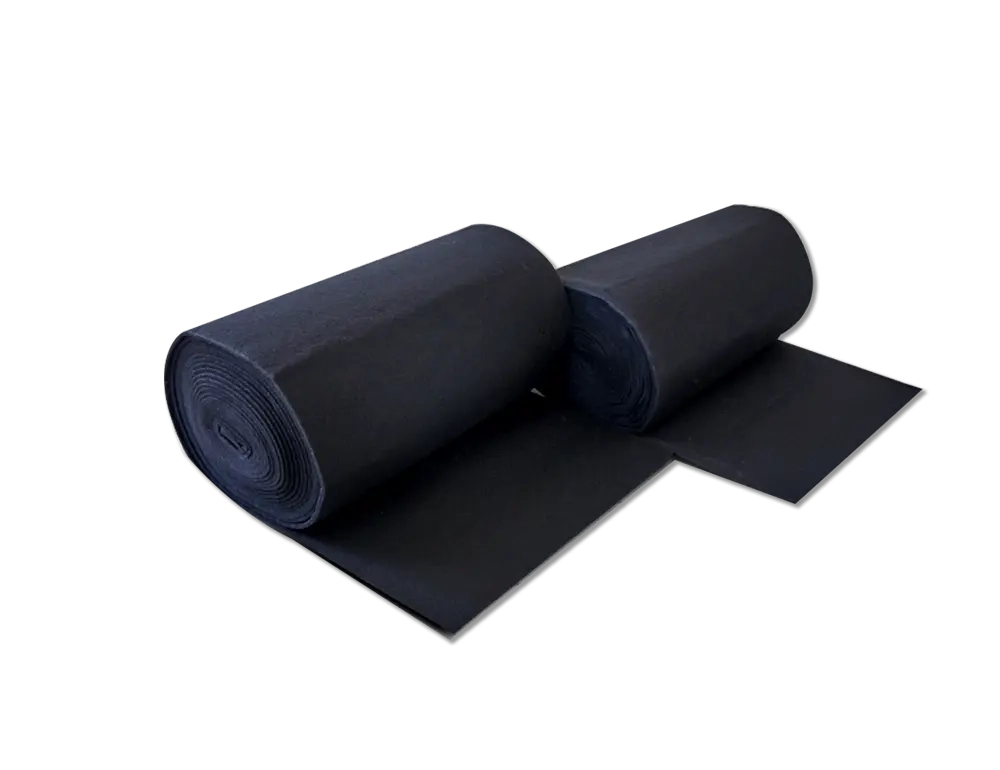
High-Temperature Resistant
Industrial-Grade Heat Tolerance
Washable & Reusable
Cut Costs, Reduce Waste
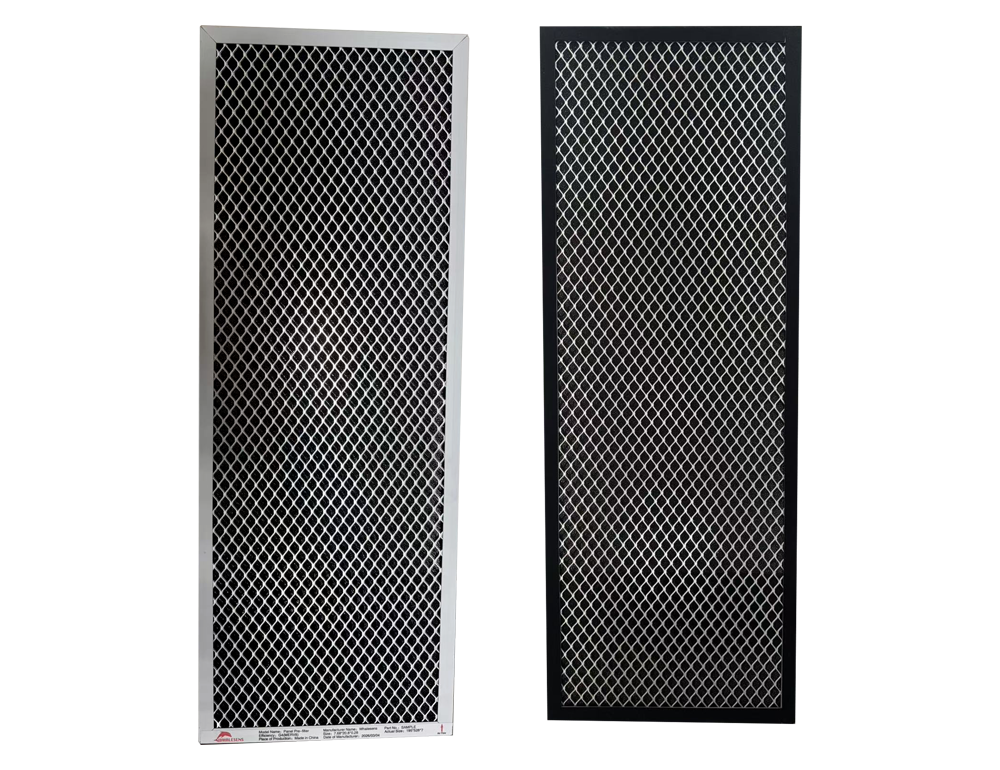
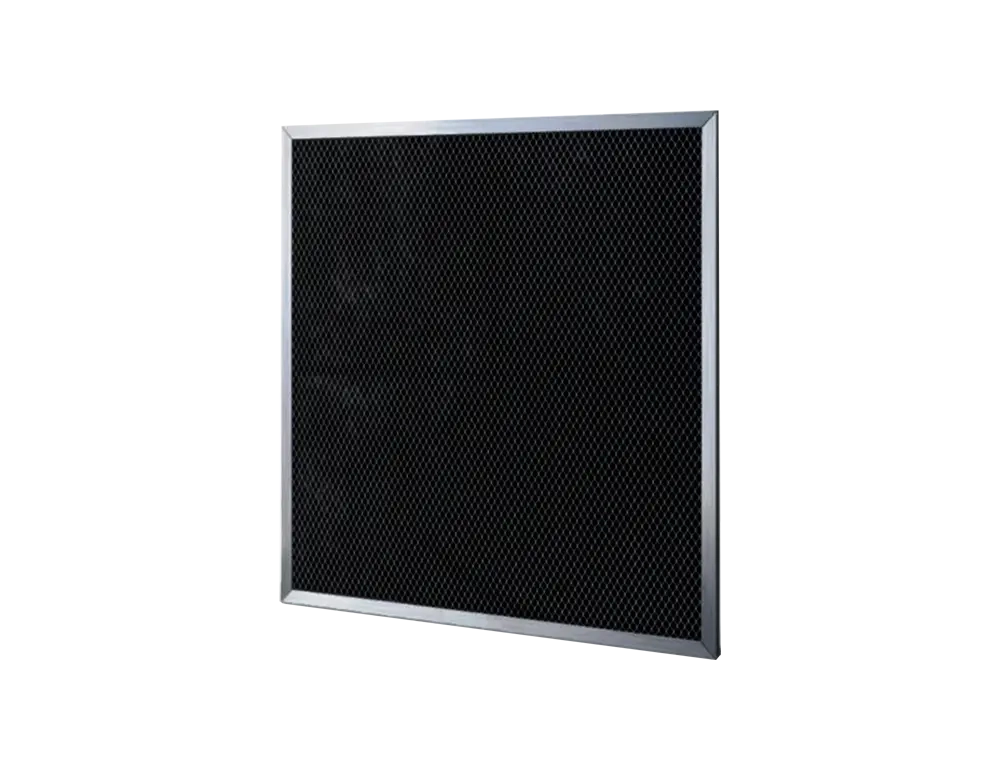
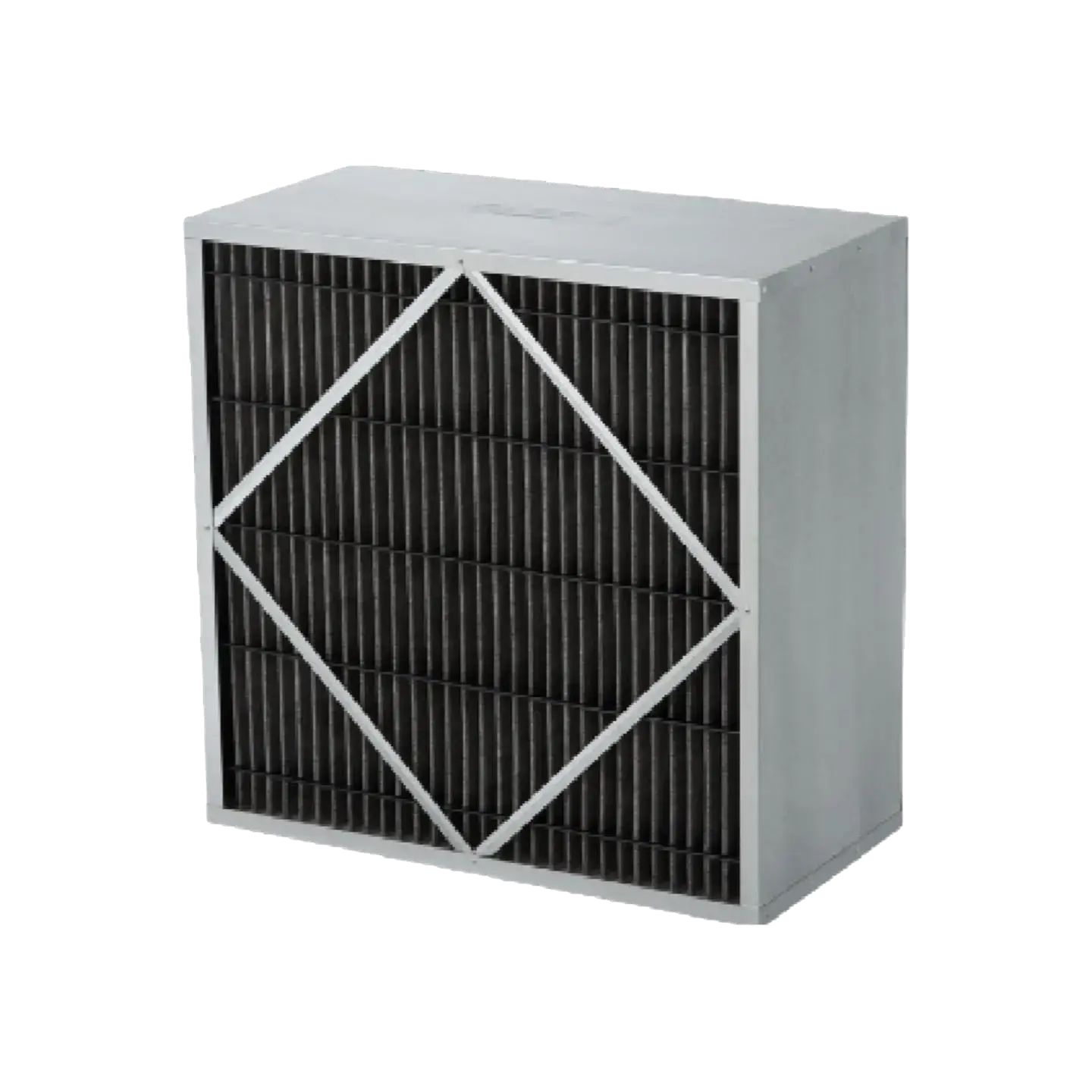
Activated Carbon
Odor & Harmful Gas Removal
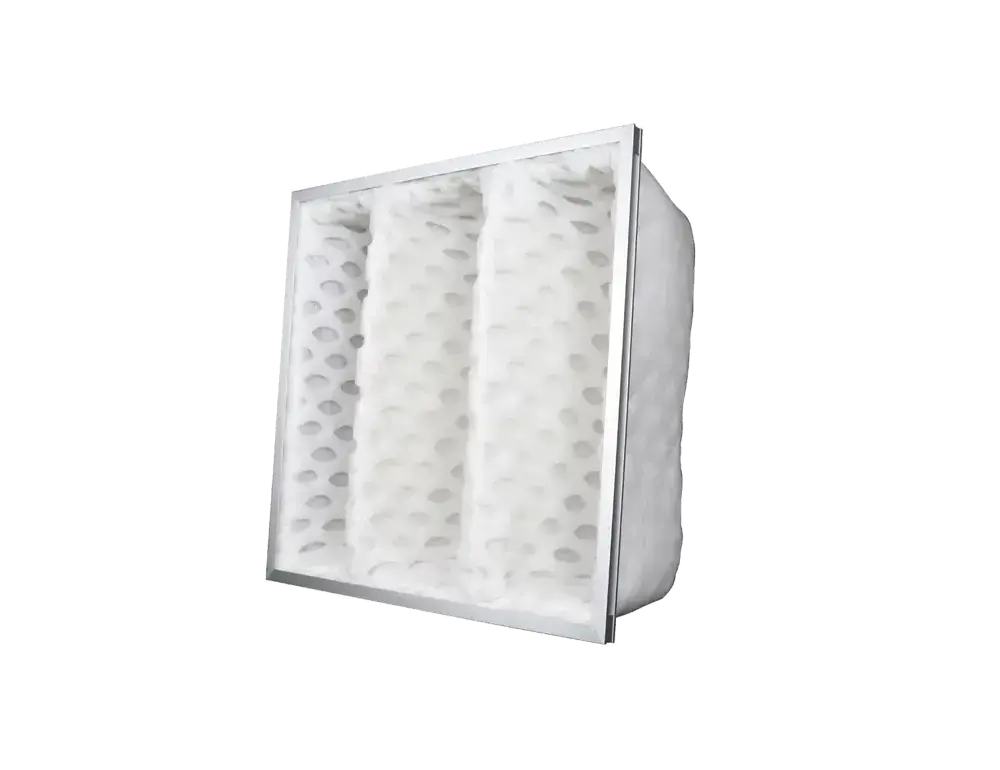
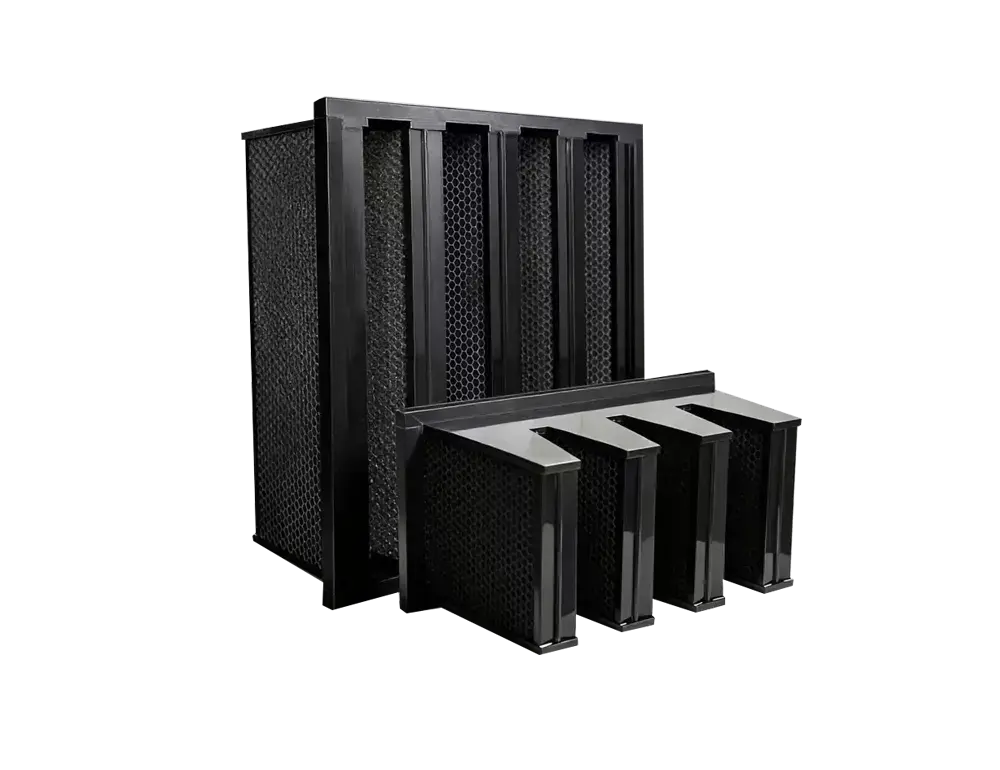
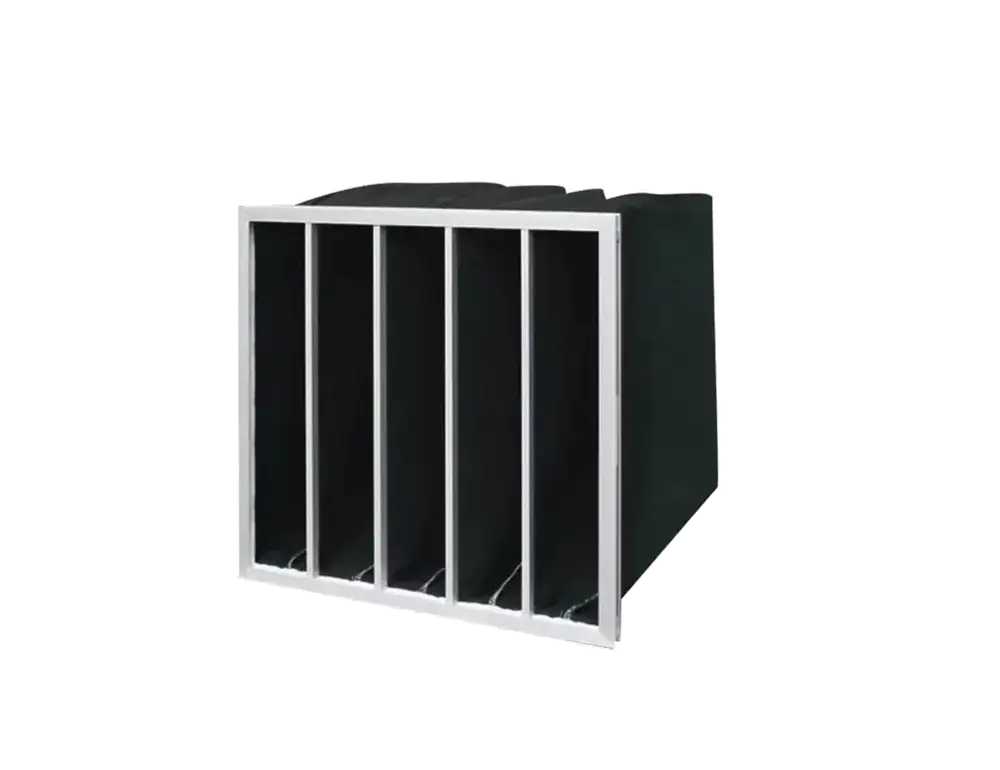
Bag Filter
High Dust-Holding, Long Life
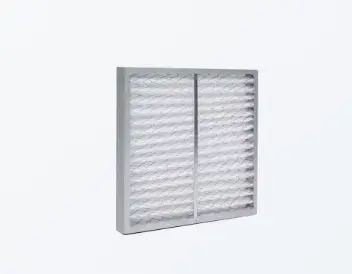
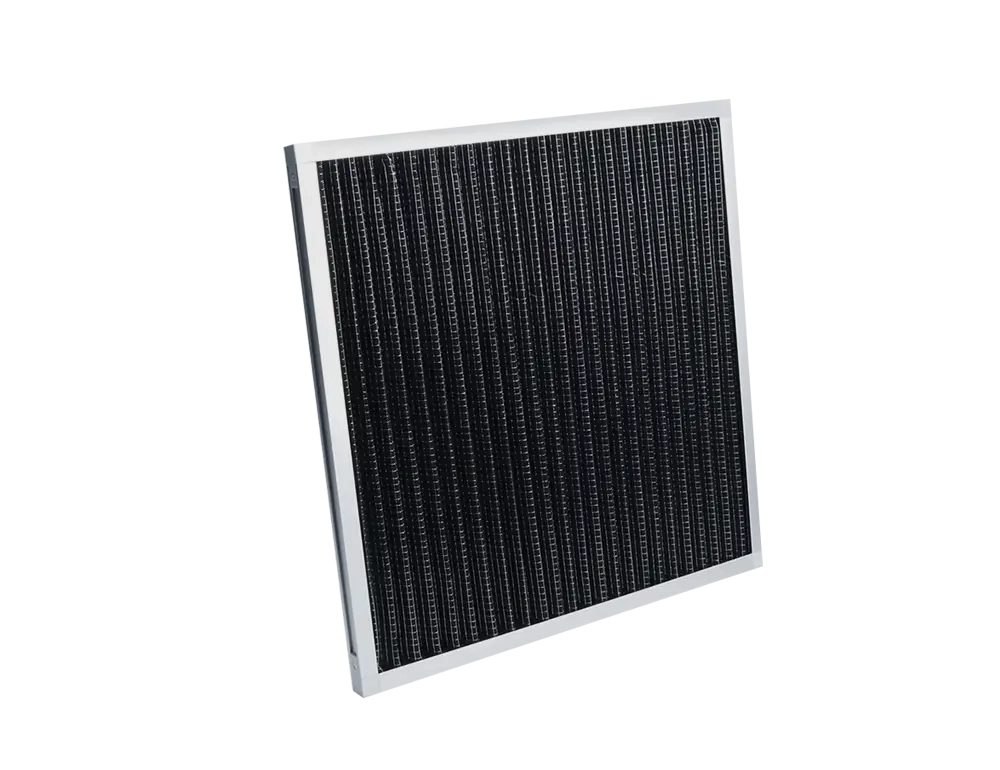
Panel / Pleated Filter
Compact Space-Saving Design
Low-Resistance Airflow
Energy-Saving Operation
Industrial-Grade Heat Tolerance
Built with specialized heat-resistant materials, operating stably up to 250°C for paint ovens, industrial dryers, and high-temperature process environments.
View Related Products →Cut Costs, Reduce Waste
Cleanable by water washing or air blowing, reusable multiple times to significantly reduce replacement frequency and O&M costs — an economical, eco-friendly choice.
View Related Products →Odor & Harmful Gas Removal
Leverages activated carbon's high adsorption capacity to eliminate odors, VOCs, and formaldehyde, ideal for newly renovated spaces and industrial exhaust treatment.
View Related Products →High Dust-Holding, Long Life
Bag-style construction delivers a larger filtration area, high dust-holding capacity, and extended service life — ideal for high-dust environments with reduced replacement frequency.
View Related Products →Compact Space-Saving Design
Compact form factor for easy installation and replacement; pleated structure maximizes filtration area within a small footprint for higher efficiency.
View Related Products →Energy-Saving Operation
Low-resistance design minimizes pressure drop while maintaining filtration performance, reducing fan energy consumption for cost-effective, eco-friendly operation.
View Related Products →

















 English(Global)
 简体中文
简体中文 Language




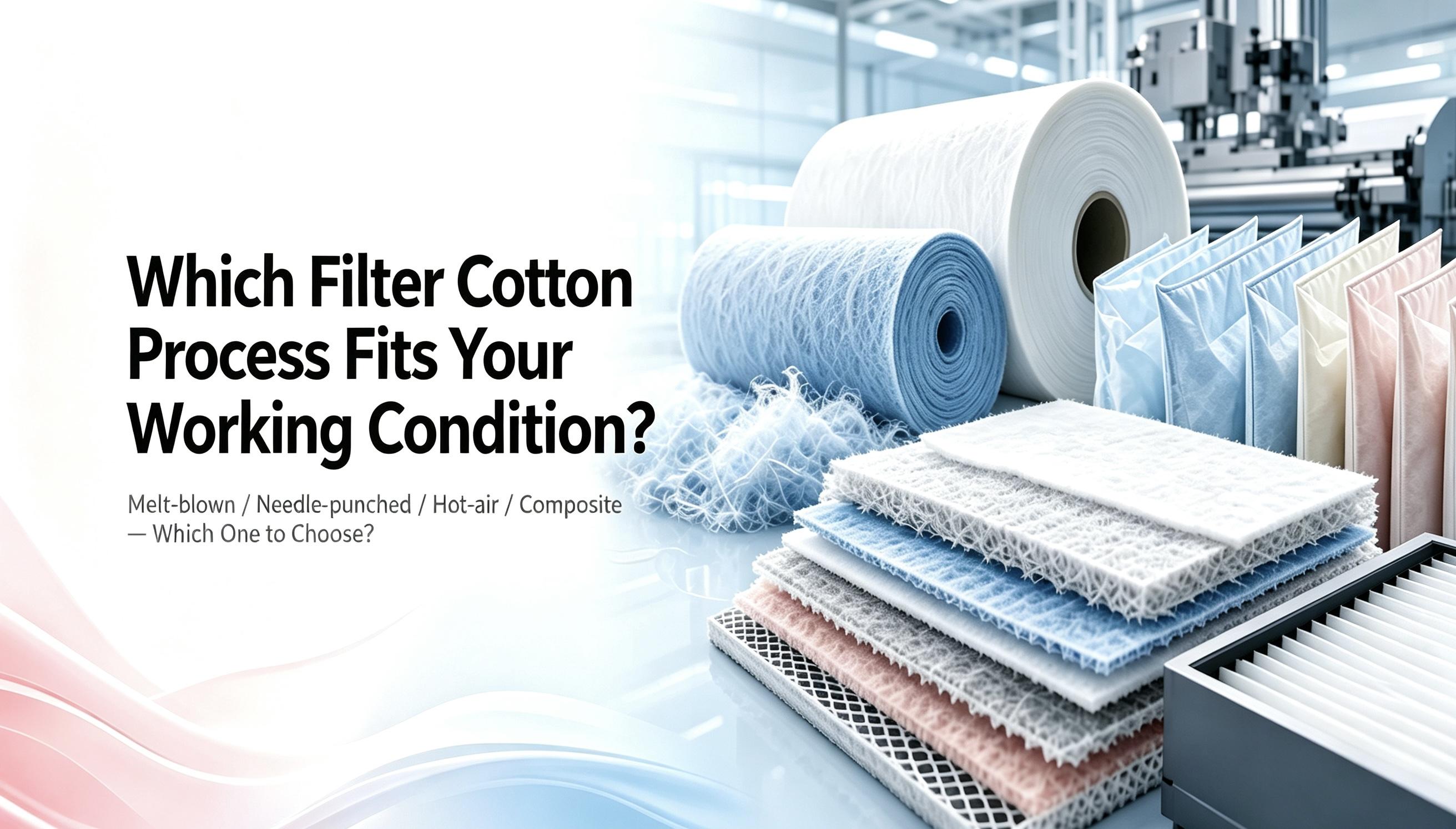
Which Filter Media Process Fits Your Application? Melt‑Blown, Needle‑Punched, Hot‑Air, and Composite Lamination Explained
Many buyers look at grade, thickness, weight, and price first when choosing filter media.
But the real driver of performance is often hidden in the process.
Different filter media suit different applications—some are ideal for coarse pre‑filtration, others for medium‑efficiency bag filters, some for fine particle capture, and others for high dust‑holding capacity or large airflow. Some also require composite lamination with a support layer to remain stable in use.
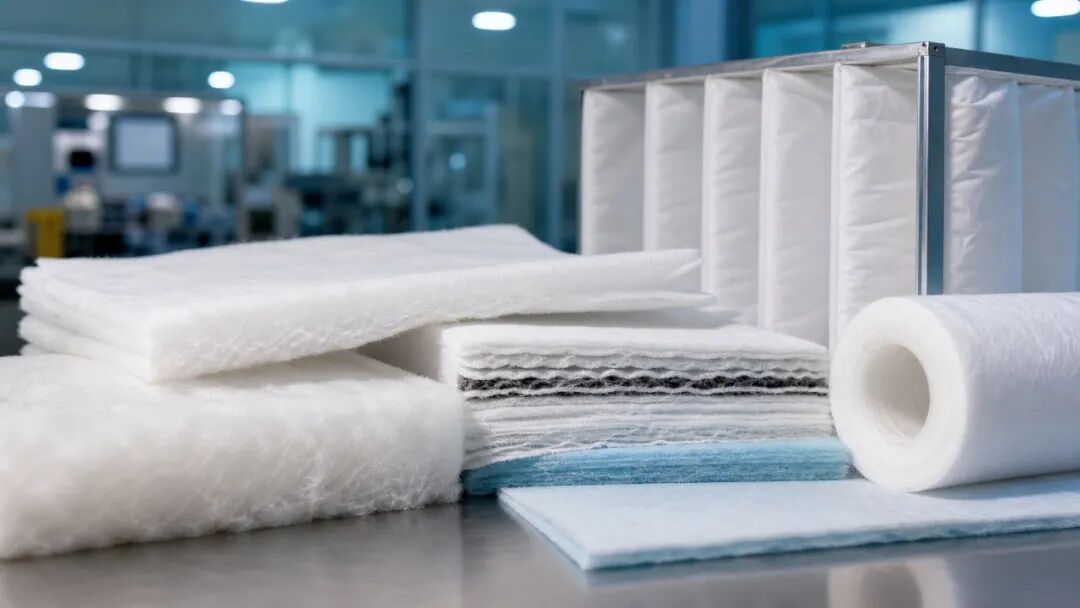
Melt‑blown, needle‑punched, hot‑air, and composite lamination are key terms that frequently appear in air filtration. They are not marketing buzzwords—they represent distinct fibre web formation and bonding technologies that directly affect filtration efficiency, resistance, dust‑holding capacity, strength, service life, and cost.
This article explains them clearly and concisely.
1. Why the Manufacturing Process Matters More Than “Thickness”
The job of a filter medium is not just to “block dust.”
A well‑designed medium must balance five competing demands:
Capture particles efficiently without excessive airflow resistance.
Offer enough dust‑holding capacity without being too thick and restricting airflow.
Provide adequate mechanical strength while remaining flexible enough for pleating.
Achieve a long service life without making the material too expensive.
Perform reliably in real‑world conditions, not just in laboratory tests.
Filter media performance is therefore determined by a combination of: fibre diameter, pore structure, thickness, layering, bonding method, electret treatment, finishing, and composite construction.
That is why two products both called “filter media” can behave very differently—some are meant for fresh air intakes, some for paint booth ceilings, some for bag filters, and some only as part of a multi‑layer composite.
2. Melt‑Blown: High Efficiency from Fine Fibres
The melt‑blown process extrudes molten polymer through spinneret orifices and draws the filaments into extremely fine fibres using high‑velocity hot air. These fibres are then collected as a web.
The key characteristics are fine fibre diameter, small pore size, and large specific surface area.
This makes melt‑blown materials particularly effective at capturing fine particles. Many respirators, air purifier filters, and composite medium/high‑efficiency media rely on a melt‑blown layer.
Advantages of Melt‑Blown
Excellent fine‑particle capture – Finer fibres increase the chance of interception, impaction, diffusion, and electrostatic attraction.
Relatively low resistance with proper design – Especially when combined with electret treatment, melt‑blown can achieve high efficiency without excessive thickness.
Ideal as a “precision layer” in composites – It may not provide structural strength on its own, but it delivers the critical filtration efficiency.
Limitations of Melt‑Blown
Single‑layer strength is usually limited.
Abrasion resistance, tensile strength, and dimensional stability are lower than those of needle‑punched or spun‑bond supports.
If exposed to high air velocity, heavy dust loads, friction, humidity, or frequent handling, the fibre structure can degrade, resistance rises quickly, and efficiency drops.
Melt‑blown is not a universal high‑efficiency media. It works best as the core filtration layer within a composite structure, supported by protective and pre‑filtration layers.
3. Needle‑Punched: Durable, Thick, and High Dust‑Holding
Needle‑punching uses barbed needles to repeatedly penetrate a fibre web, mechanically entangling the fibres into a thick, three‑dimensional structure.
Unlike melt‑blown, which pursues extremely fine fibres, needle‑punched materials prioritise thickness, strength, loft, and depth filtration.
Advantages of Needle‑Punched
Good mechanical strength – The entangled structure is tear‑resistant, wear‑resistant, and impact‑resistant, making it suitable for coarse dust, heavy loads, and industrial environments.
High dust‑holding capacity – The three‑dimensional structure allows particles to be captured not only on the surface but also deep within the material.
Versatile – Performance can be tailored by adjusting fibre type, weight, thickness, needle density, and finishing treatments.
Limitations of Needle‑Punched
Without fine‑fibre design, needle‑punched materials are generally less efficient than melt‑blown for sub‑micron particles. They are better suited for pre‑filtration, coarse/medium efficiency, depth loading, and structural support.
In simple terms: needle‑punched delivers durability and dust storage; melt‑blown delivers fine‑particle capture. They are often combined, not used as alternatives.
4. Hot‑Air: Low Resistance, High Loft, Ideal for Pre‑filtration and Support
Hot‑air bonding is common in thermally bonded nonwovens. It uses low‑melt or bicomponent fibres that soften and bond at fibre crossover points under hot air, forming a lofty, uniform, and moderately strong web.
Hot‑air materials are typically soft, fluffy, and breathable.
Advantages of Hot‑Air
Low resistance – The open structure allows air to pass through easily, making it suitable for high‑airflow pre‑filtration.
Good uniformity – Bonding preserves loft without excessive compaction, avoiding unnecessarily high resistance.
Well‑suited for coarse filters, intake grilles, support layers, and composite backings – It is often used where low resistance, light weight, and easy processing are priorities.
Limitations of Hot‑Air
On its own, hot‑air media is not competitive for fine‑particle capture. Its strengths are low resistance, loft, support, and basic pre‑filtration. For applications requiring high sub‑micron efficiency, it needs to be combined with melt‑blown or other fine‑fibre layers.
5. Composite Lamination: Stacking Strengths for Balanced Performance
Composite lamination is not a single material type but a design approach. It combines different layers—via heat, adhesive, ultrasonic bonding, point bonding, or membrane lamination—to achieve a balanced performance profile.
Examples include:
Spun‑bond or hot‑air outer layers for strength.
A melt‑blown core layer for fine‑particle efficiency.
A needle‑punched upstream layer for dust storage.
An activated carbon layer for odour and VOC control.
A reinforcing scrim for pleat stability and stiffness.
The value of composite lamination is turning a filter medium from a single‑function material into a system with integrated performance.
Advantages of Composite Lamination
Balances efficiency and resistance – No single layer can easily achieve high efficiency, low resistance, high strength, and high dust‑holding simultaneously; a composite can distribute these functions.
Improves processability – Bag filters need flexibility and reliable sealing; pleated filters need stiffness and stable pleat spacing; activated carbon composites need secure adsorption layers.
Enables application‑specific design – HVAC, automotive cabin air, cleanrooms, industrial dust collection, painting, and data centres all have different requirements, and lamination allows precise tailoring.
Challenges of Composite Lamination
Lamination is not simply “adding more layers.” Poor bonding leads to delamination; excessive bonding reduces air permeability; too much adhesive blocks pores; excessive heat increases resistance; and different materials may have mismatched thermal shrinkage, moisture response, or folding behaviour.
A high‑quality composite is defined not by the number of layers, but by a sound structural design, consistent production quality, and reliable test data.
6. Quick Comparison of the Four Processes
| Process | Core Structure | Main Strength | Main Limitation | Typical Position |
|---|---|---|---|---|
| Melt‑Blown | Ultra‑fine fibre web | High fine‑particle efficiency; suitable as a precision layer | Limited single‑layer strength; needs protection and support | Medium/high‑efficiency layers; purifier media; core composite layer |
| Needle‑Punched | 3D fibre felt | High strength; high dust‑holding; durable | Needs composite enhancement for sub‑micron capture | Coarse/medium filtration; industrial; paint pre‑filtration |
| Hot‑Air | Lofty, thermally bonded web | Low resistance; high loft; uniform; easy to process | Limited efficiency on its own | Coarse filter media; intake grilles; support layers |
| Composite Lamination | Multi‑layer combination | Balanced efficiency, strength, dust‑holding, and functionality | Complex process; higher quality‑control requirements | Bag filter media; premium HVAC; functional composites |
A simple rule of thumb:
Melt‑blown is about “fineness.”
Needle‑punched is about “thickness.”
Hot‑air is about “breathability.”
Composite lamination is about “balance.”
7. Selecting by Application
1. Fresh Air Intakes and AHU Pre‑filtration
Priorities: low resistance, dust‑holding, cost, and easy maintenance. High efficiency is not always the goal; avoiding excessive initial resistance is more important.
Look for: hot‑air, needle‑punched, or coarse filter media.
2. Medium‑Efficiency Bag Filters
Medium bag filters require a balance of efficiency, dust‑holding, bag strength, seal integrity, and long‑term resistance stability. A single material is often insufficient—graduated‑density and composite structures are common.
Look for: medium‑efficiency bag media, high‑dust‑holding media, and composite lamination.
3. Air Purifiers and Fine Particle Control
Focus: PM2.5, sub‑micron particles, and efficiency per unit area. Melt‑blown, electret, and composite structures are most valuable here, but adequate pre‑filtration and mechanical strength are essential to prevent premature clogging.
Look for: melt‑blown media, electret media, and fine‑fibre composites.
4. Paint Booths and Spray Applications
Key concerns: fibre shedding, airflow uniformity, dust‑holding, flame retardancy, paint‑load capacity, and surface stability. Ceiling filter media, in particular, must ensure uniform air distribution and coating quality.
These applications demand more than just efficiency—they require condition‑specific suitability and safety.
5. Industrial Ventilation and Equipment Protection
Industrial environments typically involve heavy dust loads and fluctuating conditions. Media must be durable, impact‑resistant, and capable of high dust‑holding.
Look for: needle‑punched, heavy‑duty filter media, and composite support structures.
8. Five Common Procurement Mistakes
Mistake 1: Only looking at basis weight
Higher weight does not guarantee better filtration. Different processes can produce vastly different pore structures, thicknesses, resistance, and efficiency at the same weight.
Mistake 2: Only considering initial efficiency
Initial efficiency is a starting point. What really matters for user experience is resistance growth, dust‑holding capacity, and service life.
Mistake 3: Chasing the lowest possible resistance
Low resistance is important, but if it comes from an overly open or sparse structure, it may compromise filtration efficiency and downstream protection.
Mistake 4: Ignoring strength and processability
The filter media must ultimately be converted into a filter. Its ability to be pleated, welded, sewn, framed, and transported without deformation affects the final product quality.
Mistake 5: Treating composites as simple layered stacks
More layers do not mean better performance. What matters is that each layer has a clear function, the interface between layers is stable, and the overall resistance is controlled.
9. One‑Sentence Selection Advice
If you remember only one thing:
Don’t ask “Which filter media is best?” — ask “Which structural combination does my application require?”
For coarse particles, high airflow, and pre‑filtration: prioritise low resistance and dust‑holding.
For fine‑particle control: focus on melt‑blown and fine‑fibre layers.
For demanding industrial environments: consider needle‑punched and heavy‑duty structures.
For a balance of efficiency, strength, service life, and processability: composite lamination is the way to go.
The real key to filter media performance lies not in any single parameter, but in the match between material structure and the intended application.
Whalesens Technology Co., Ltd.
www.whalesens.com | whalesens@gmail.com | +86 131 1918 9886
WhalePower, Pure Performance.