





















PRODUCTS
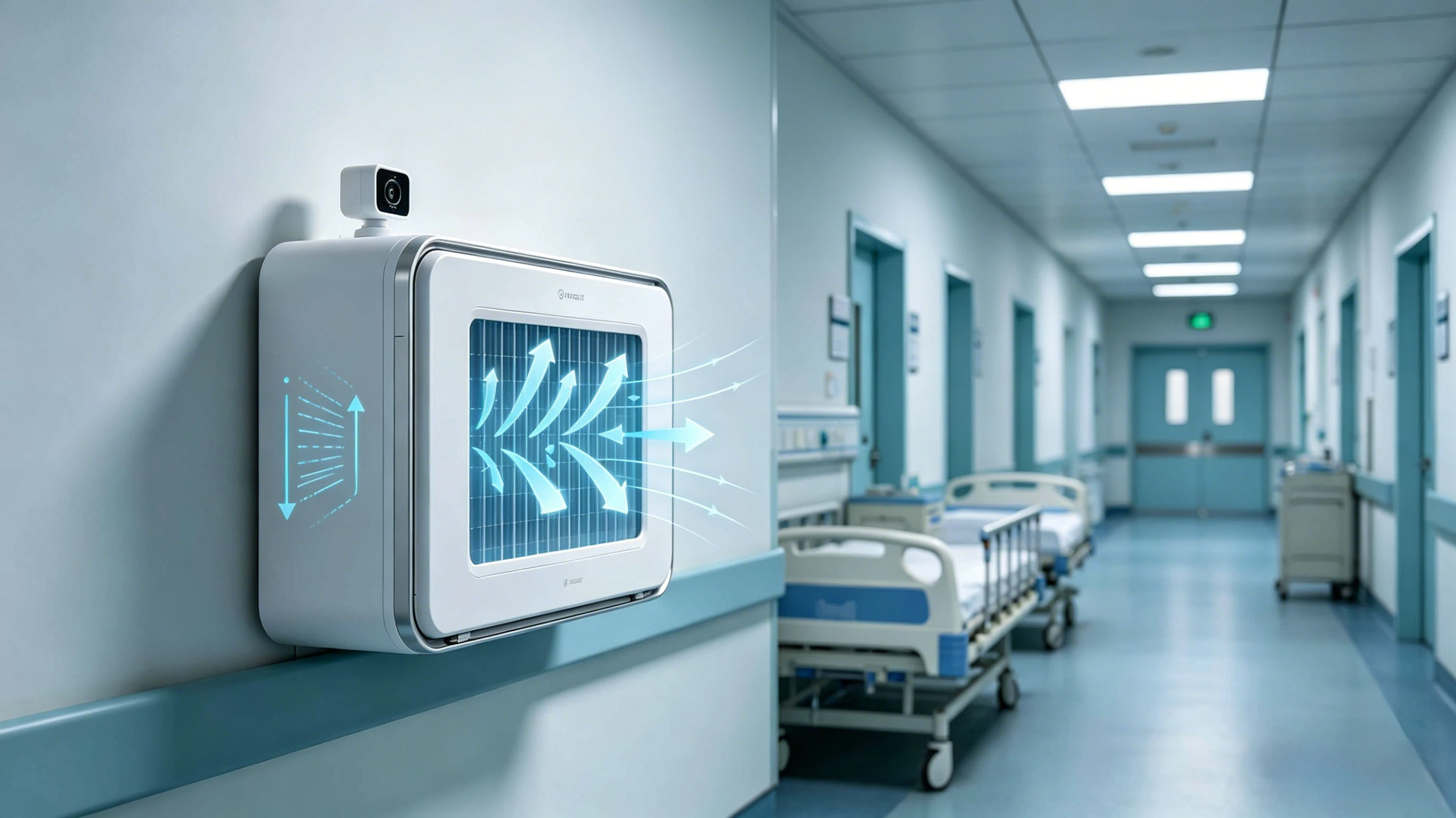
🏭 Industry Application
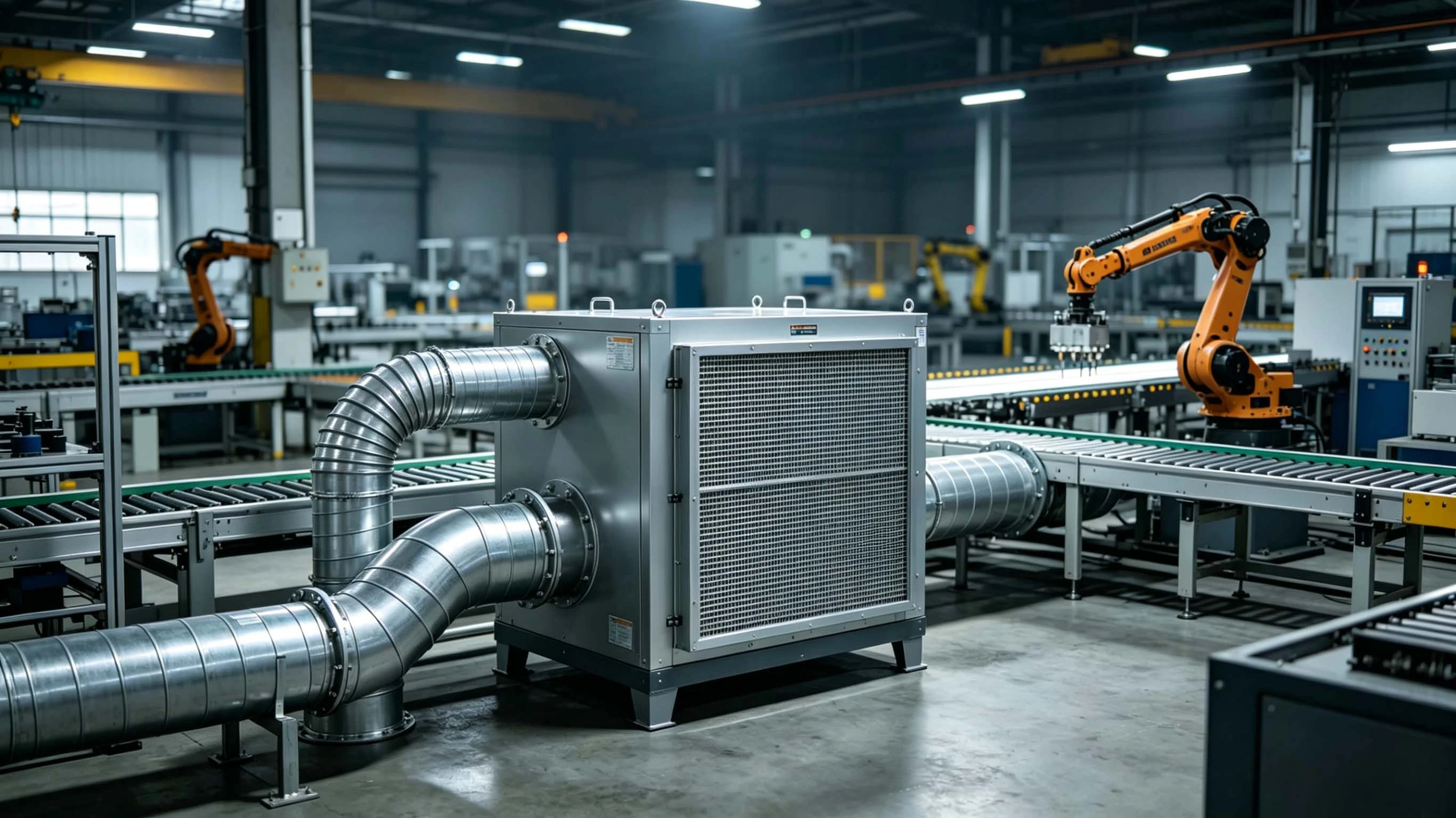
⚡ Product Performance
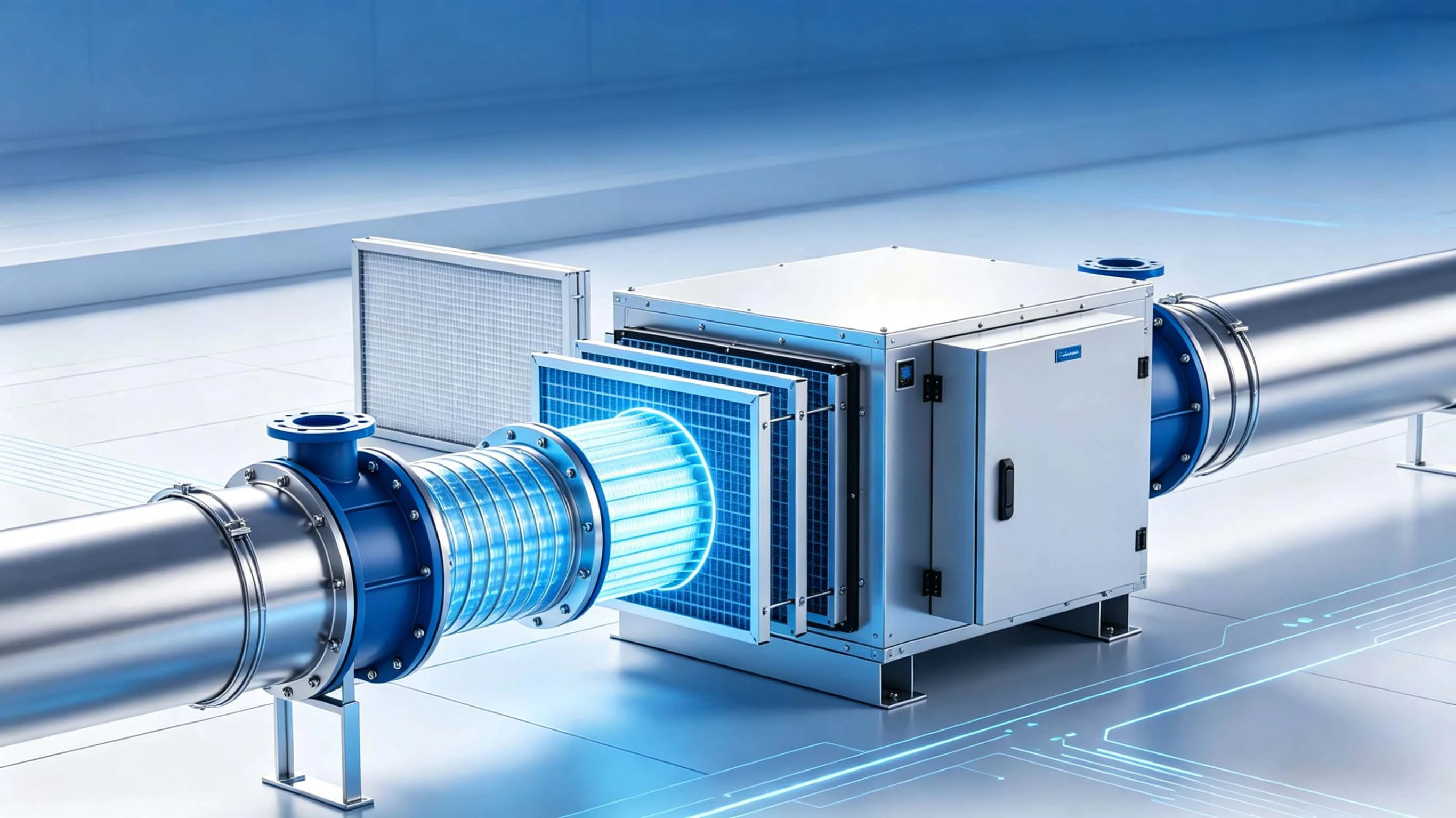
🔧 Product Feature
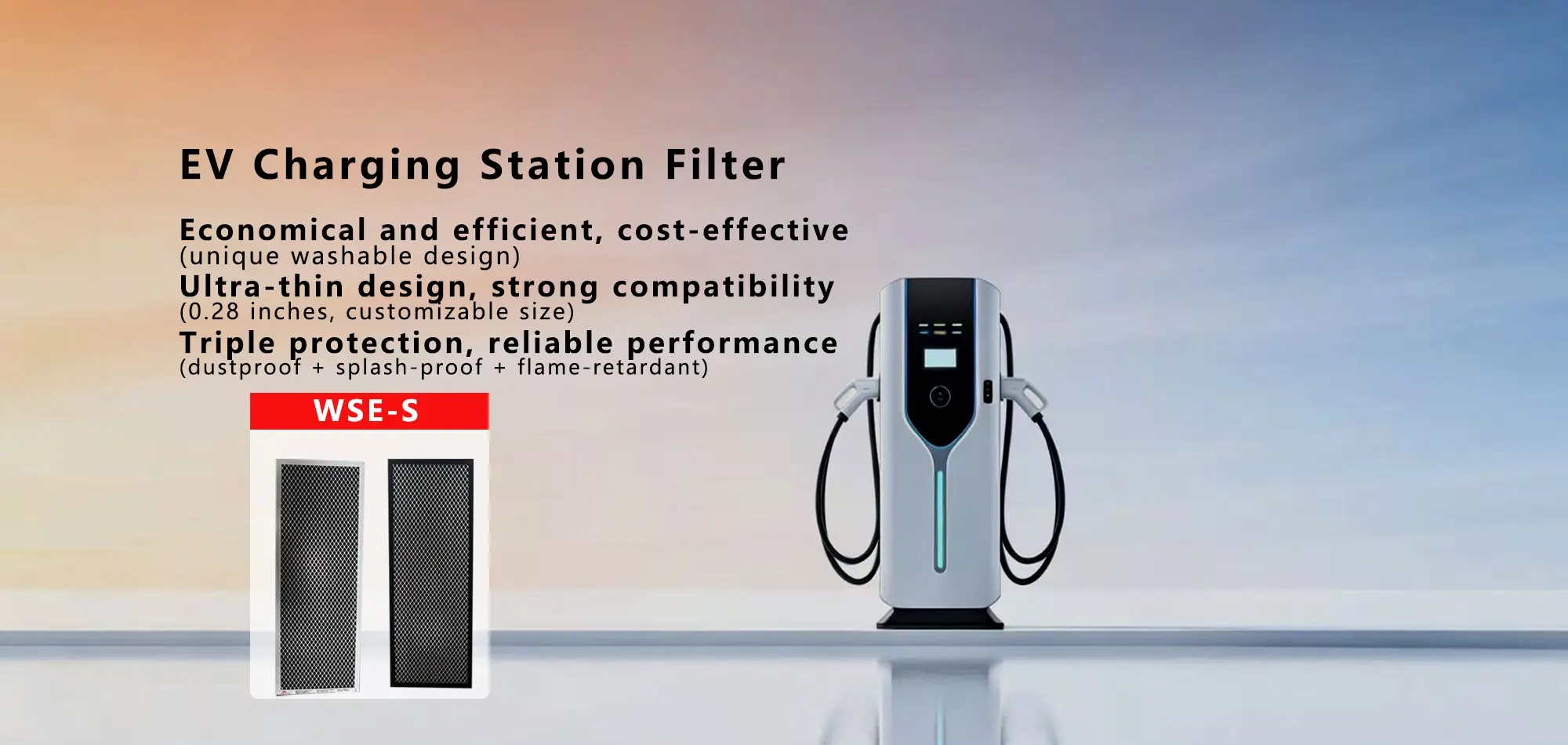
EV Charging Stations Industry Application

Filtration for Power Equipment

Professional air filtration for EV charging devices, protecting against dust and sand ingress to ensure stable, reliable operation of charging piles and station infrastructure.

View Related Products →
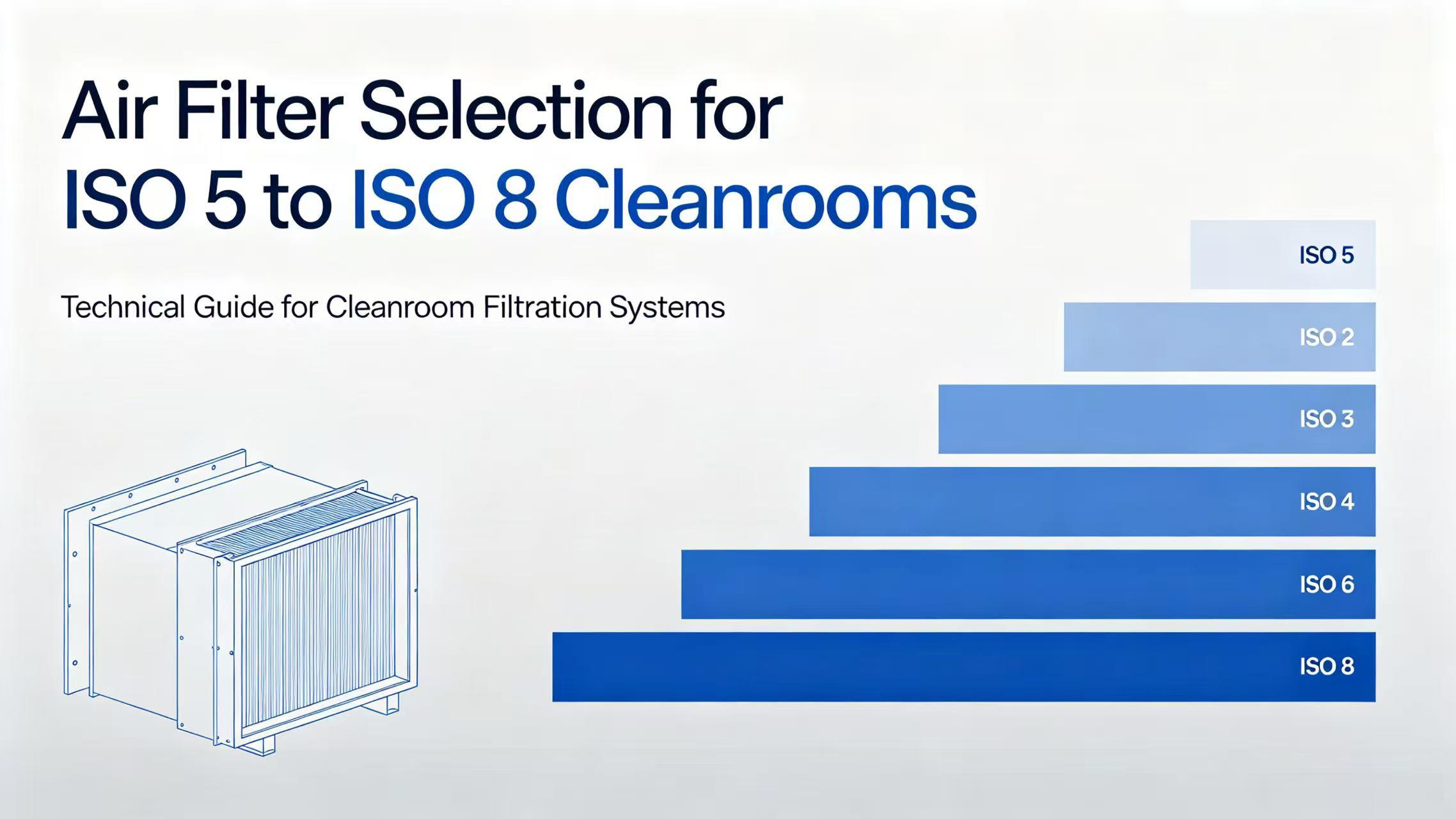
Cleanroom & Semiconductor Industry Application

Ultra-High Cleanliness Filtration

Ultra-high efficiency filtration for semiconductor wafer fabs and precision electronics cleanrooms, capturing nano-scale particles to meet ISO Class 1–3 standards and maximize product yield.

View Related Products →
Commercial HVAC Industry Application

Central Air System Filtration

High-efficiency filtration for commercial building HVAC systems, improving indoor air quality, reducing energy consumption, and extending equipment service life.

View Related Products →
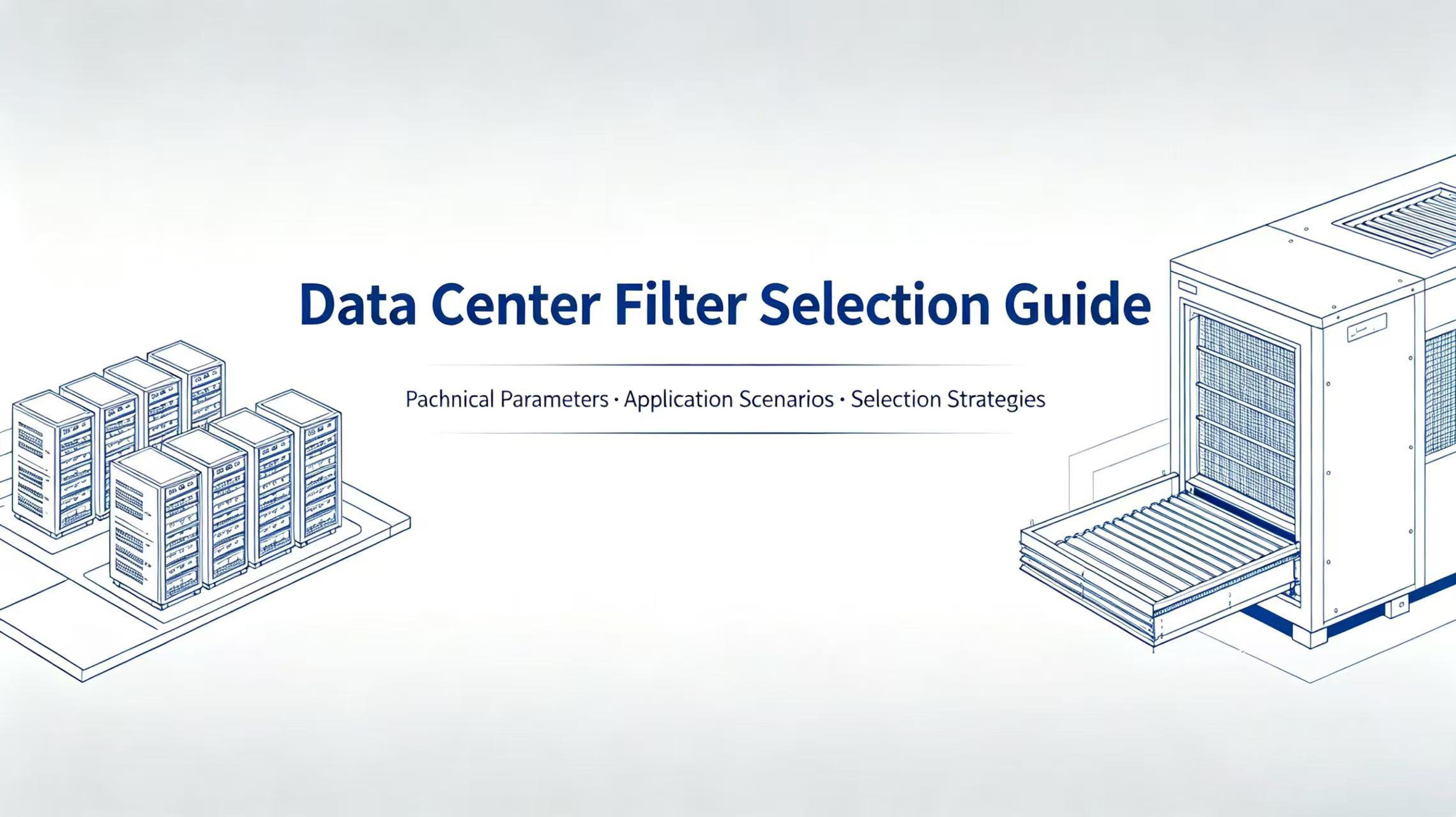
Data Centers Industry Application

Precision Equipment Protection

Precision air filtration for data centers, shielding servers and critical hardware from dust contamination to keep cooling systems running efficiently and reliably.

View Related Products →
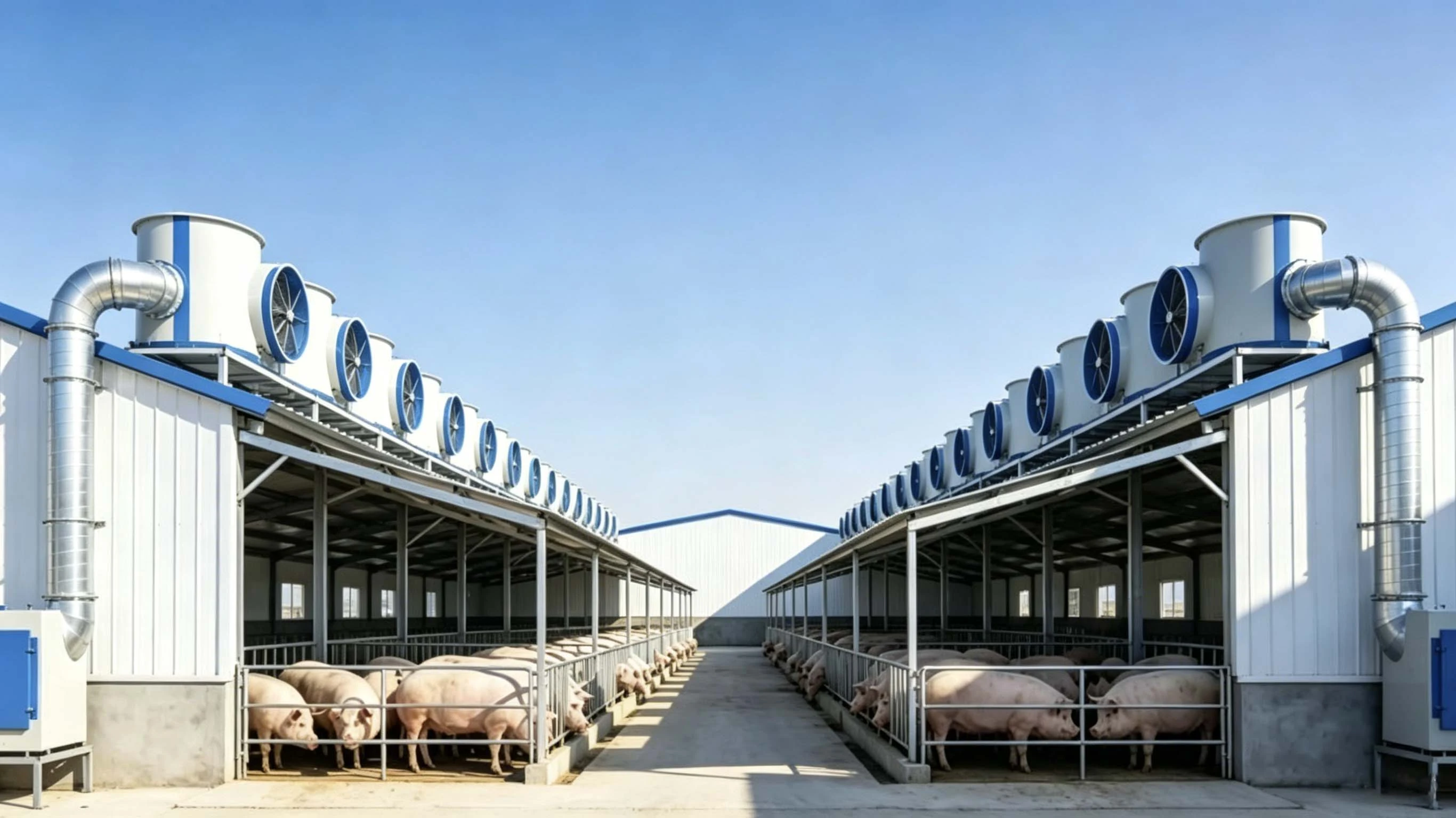
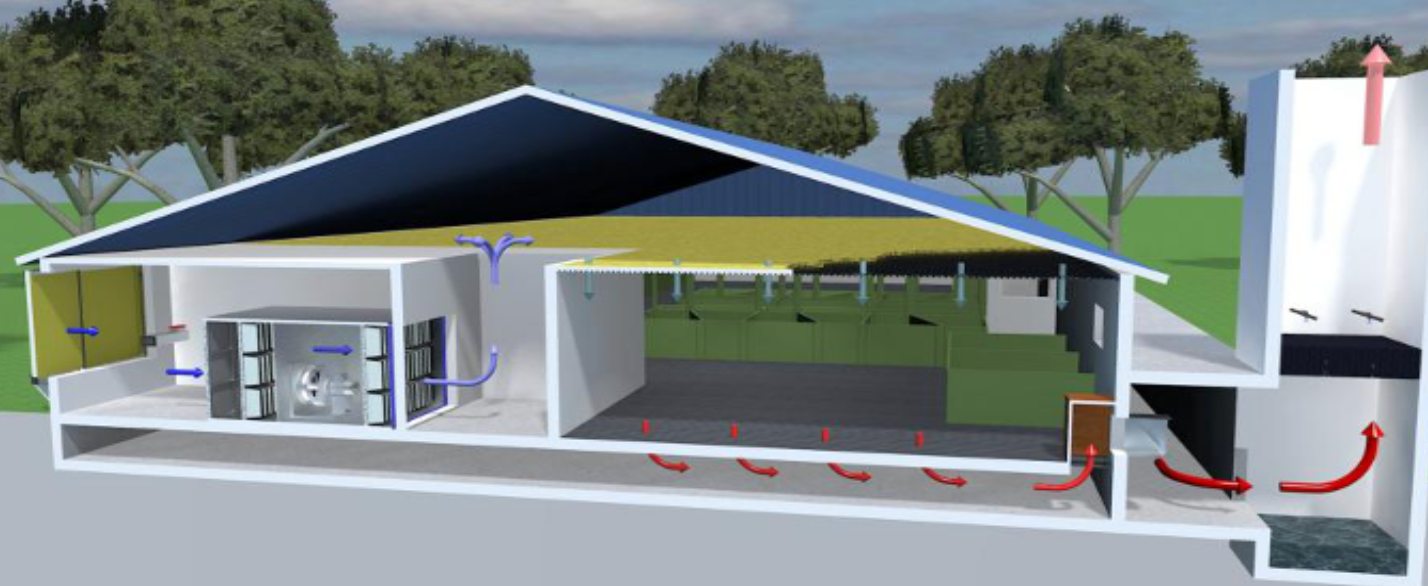
Livestock & Farming Industry Application

Farming Environment Purification

Dedicated filtration systems for farms and livestock facilities — capturing dust, adsorbing ammonia, and inhibiting pathogen spread to improve animal health and overall productivity.

View Related Products →
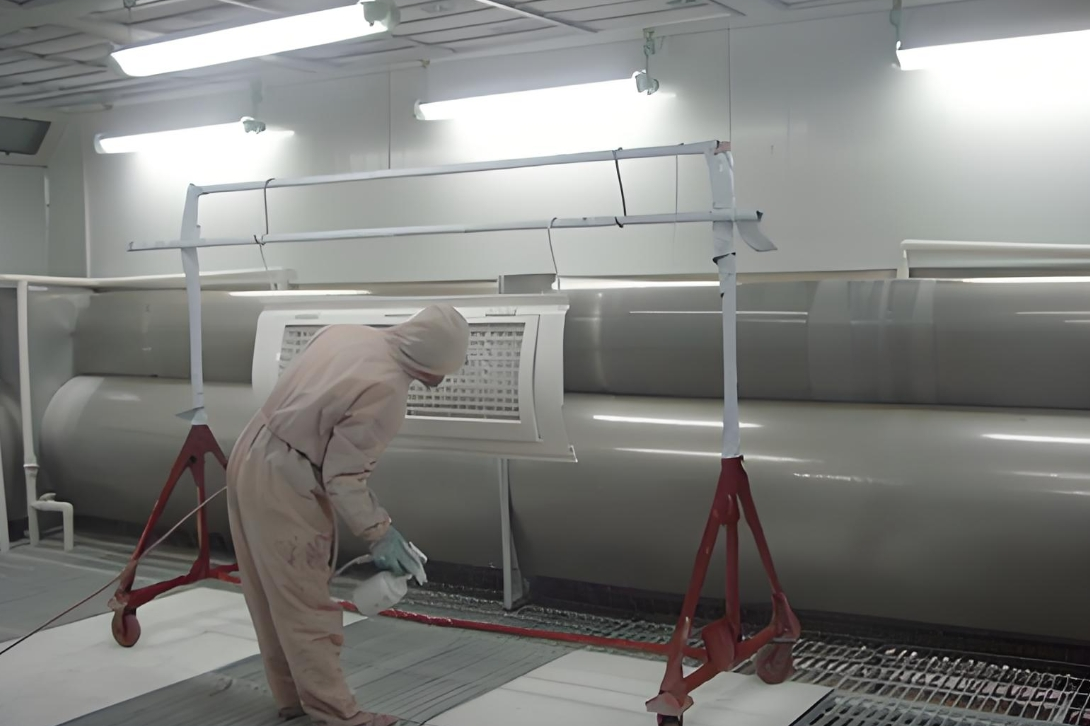
Spray Booths & Industrial Dust Industry Application

Paint Mist & Dust Purification

Designed for spray booths and grinding workshops, efficiently capturing paint mist, metal dust, and wood chips to meet emission standards while protecting finished surface quality.

View Related Products →
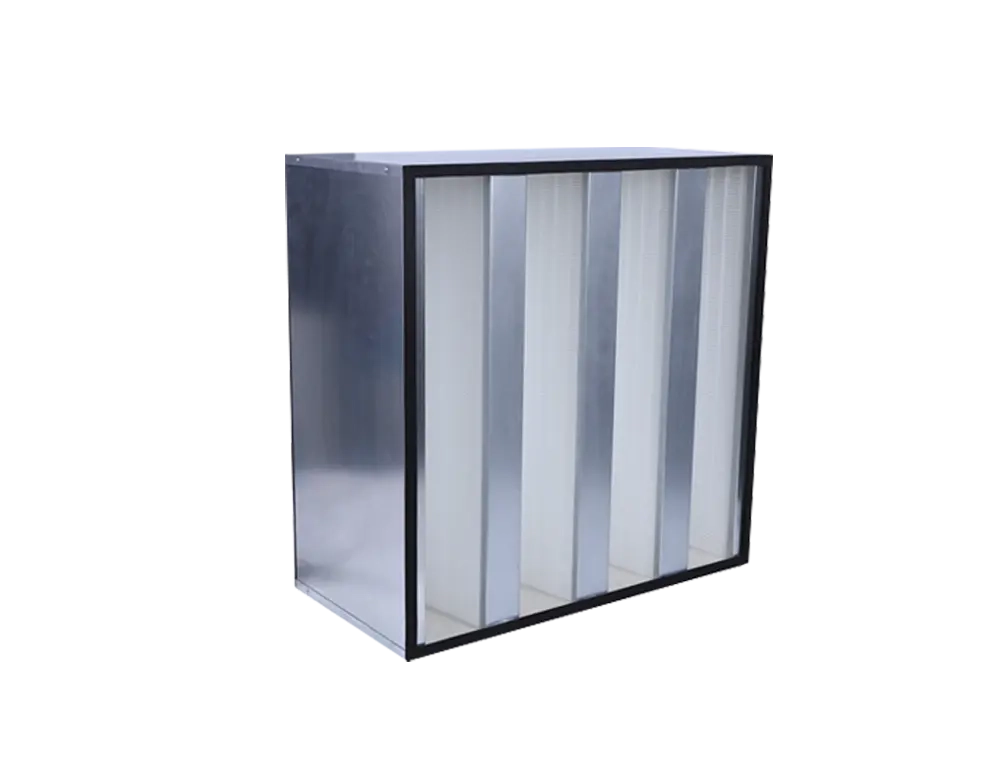
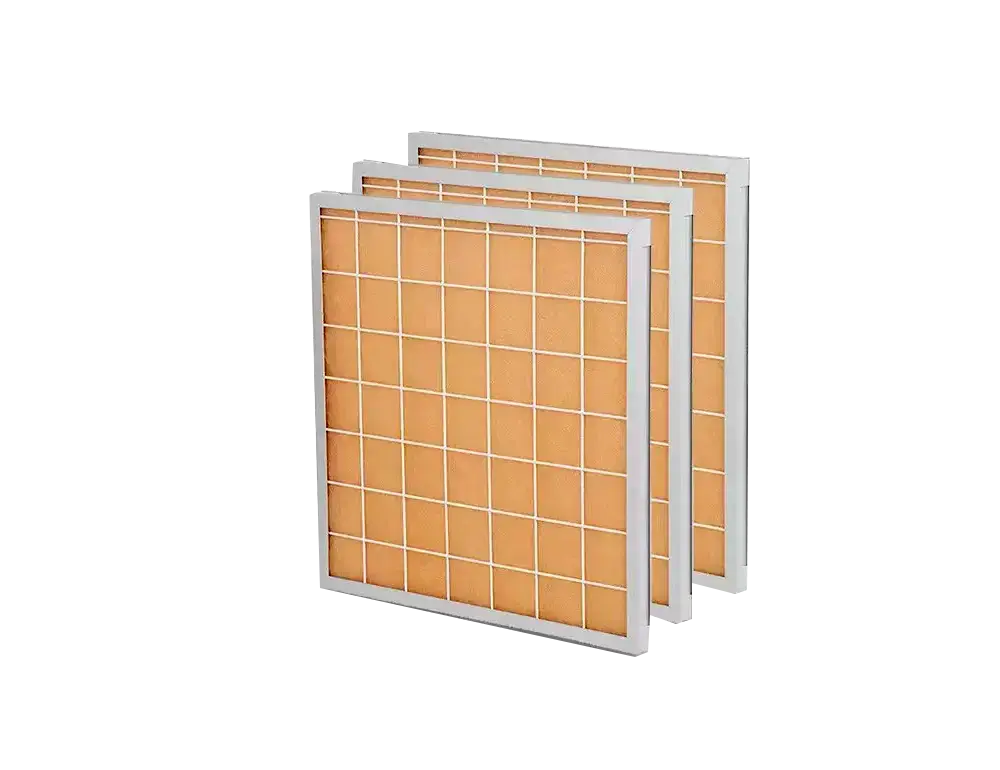
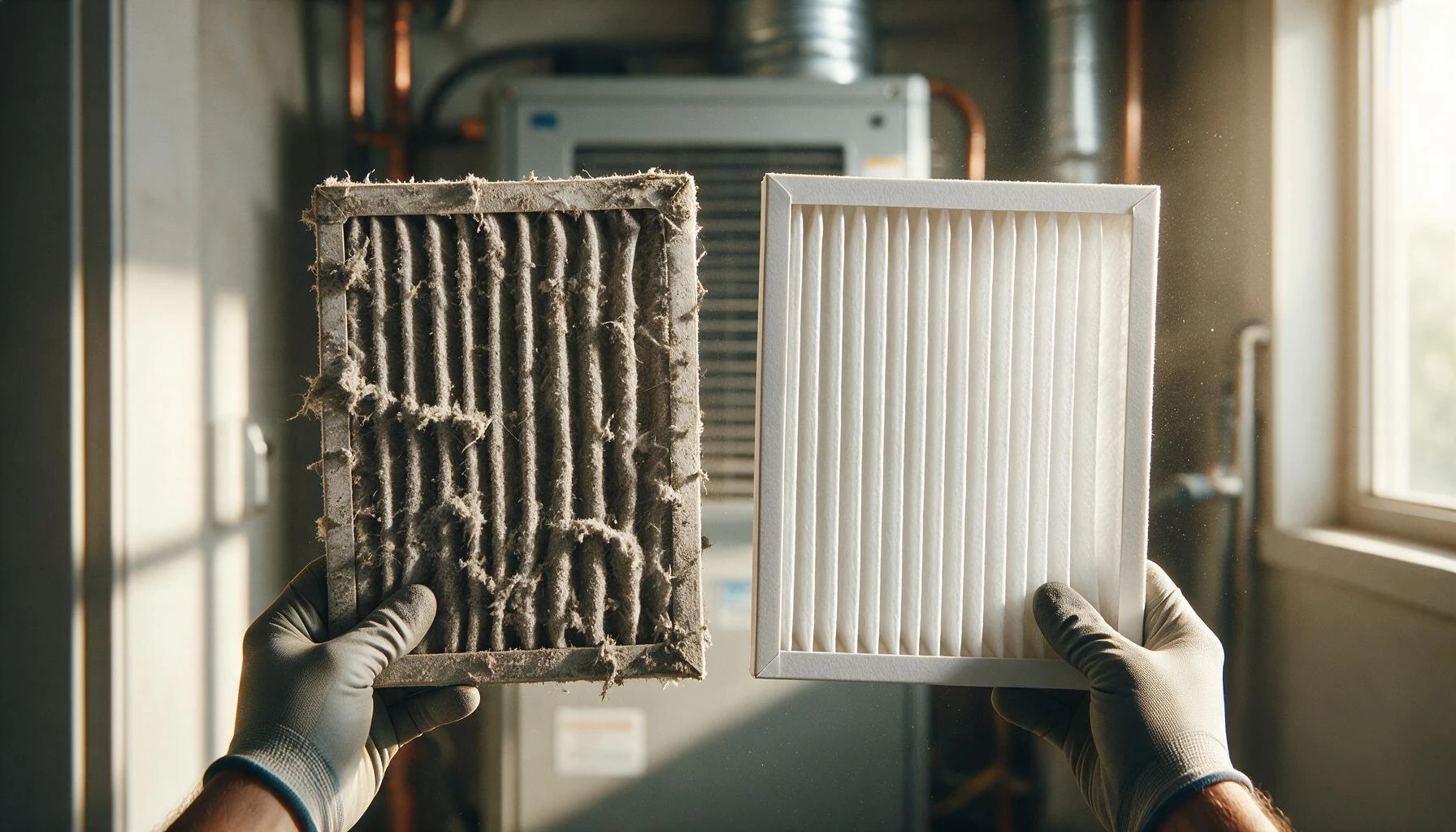
Pre-Filter (G1–G4) Product Performance

First-Stage Large-Particle Capture

The first line of defense, capturing particles ≥5 μm such as dust, hair, and fibers to protect downstream filters and extend overall system service life.

View Related Products →
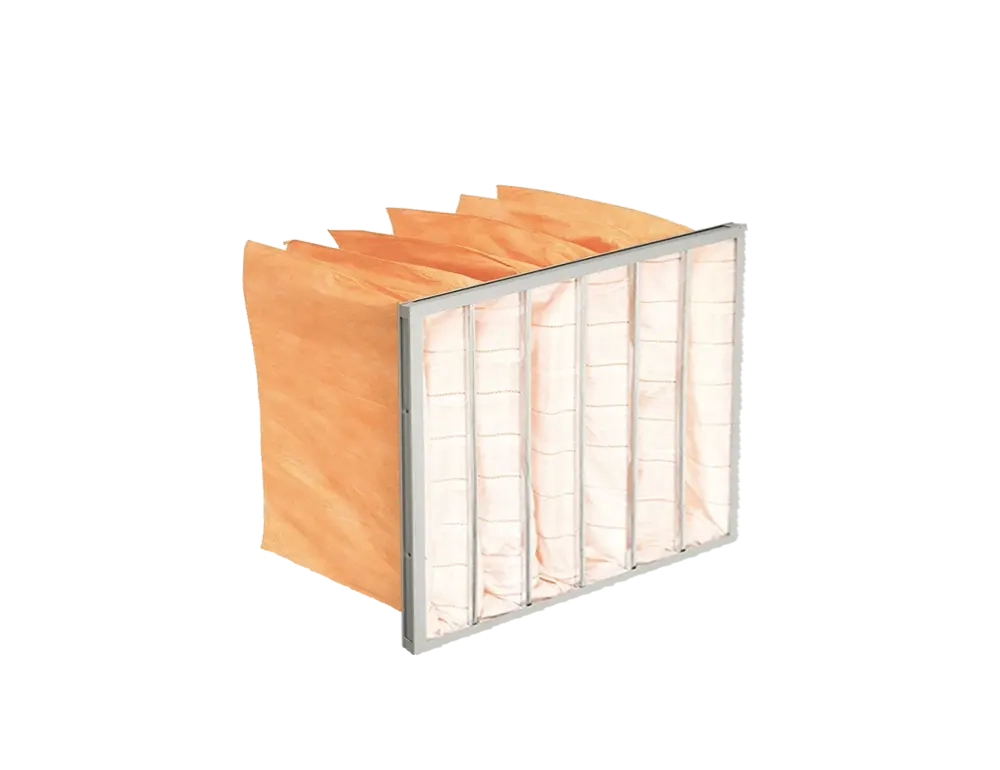
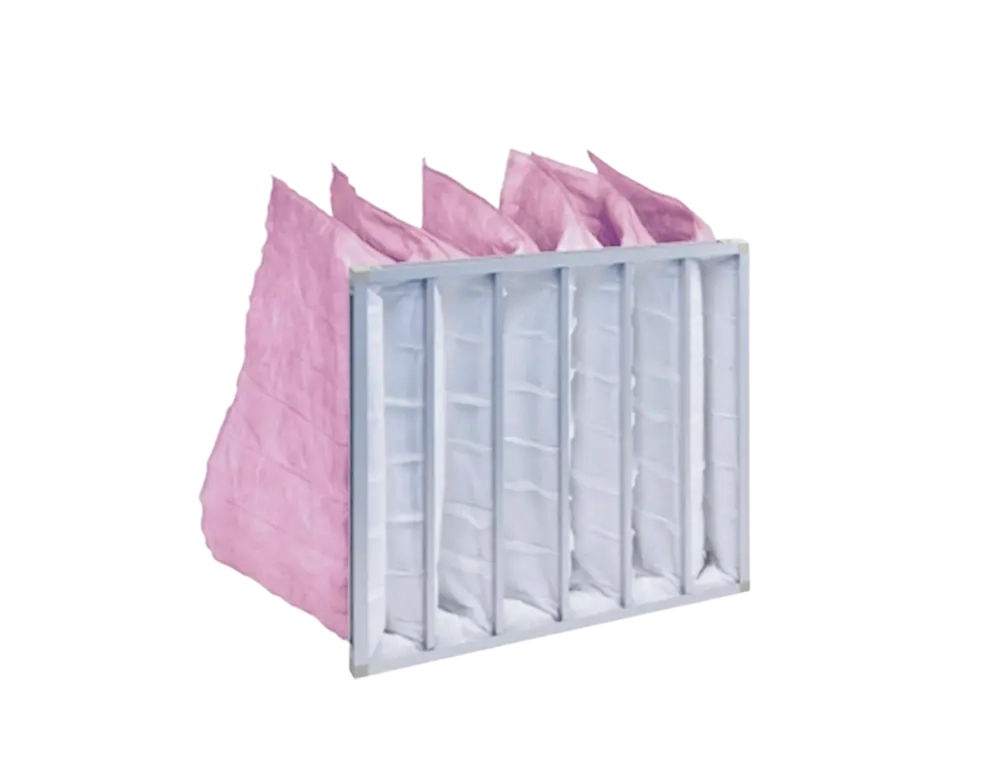
Medium-Efficiency Filter (F5–F9) Product Performance

Precise PM2.5 Capture

Captures fine particles of 1–5 μm including PM2.5, pollen, and mold spores, significantly improving indoor air quality for commercial HVAC and ventilation systems.

View Related Products →
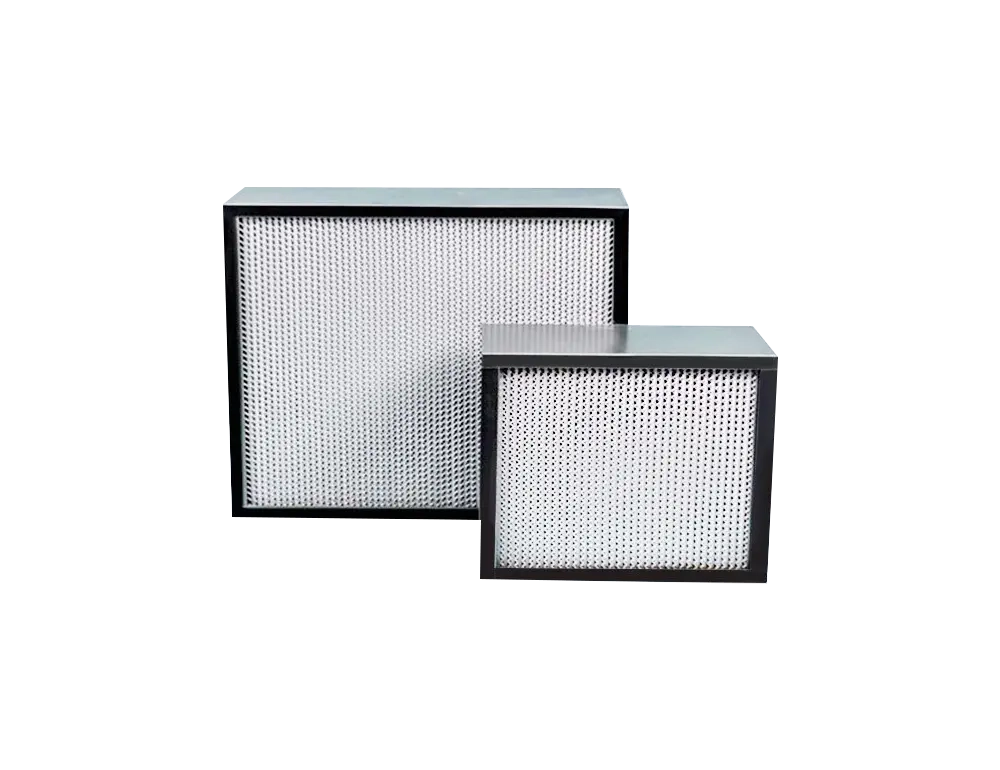
HEPA High-Efficiency Filter Product Performance

Sterile-Grade Purification

≥99.97% filtration efficiency for particles ≥0.3 μm, delivering sterile-grade clean air widely used in medical, pharmaceutical, and electronics manufacturing.

View Related Products →
ULPA Ultra-High Efficiency Filter Product Performance

Sub-Micron Particle Capture

≥99.9995% efficiency for particles ≥0.12 μm, meeting the extreme cleanliness demands of semiconductor fabs, aerospace, and other ultra-precision applications.

View Related Products →
Related Products
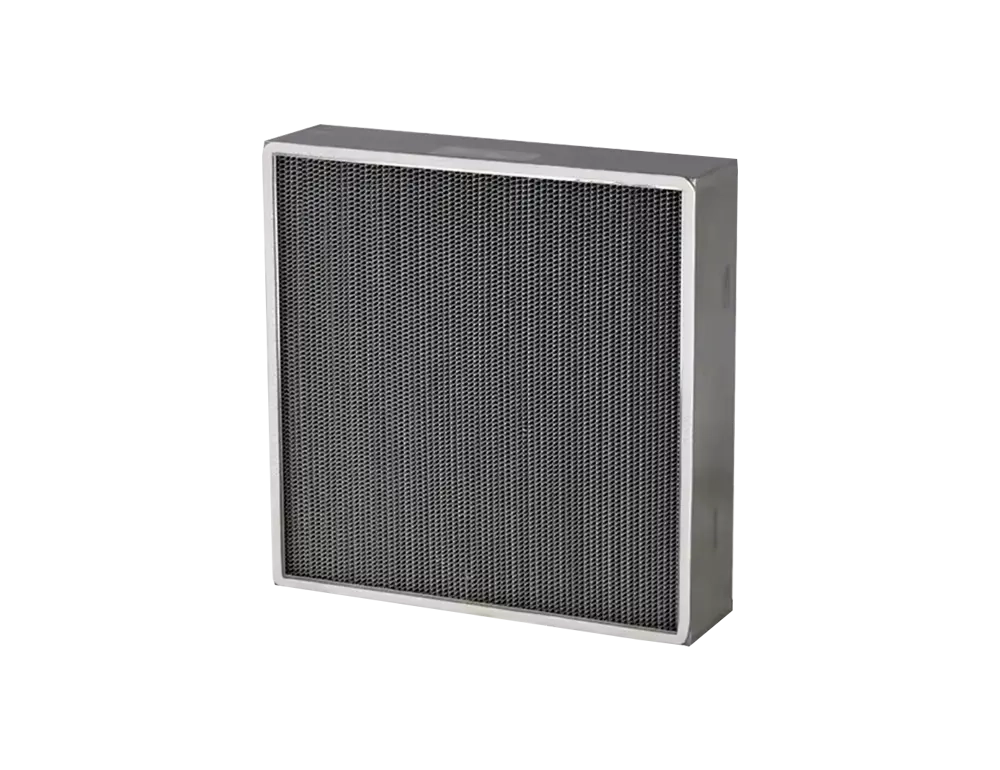
High-Temperature Resistant Product Feature

Industrial-Grade Heat Tolerance

Built with specialized heat-resistant materials, operating stably up to 250°C for paint ovens, industrial dryers, and high-temperature process environments.

View Related Products →
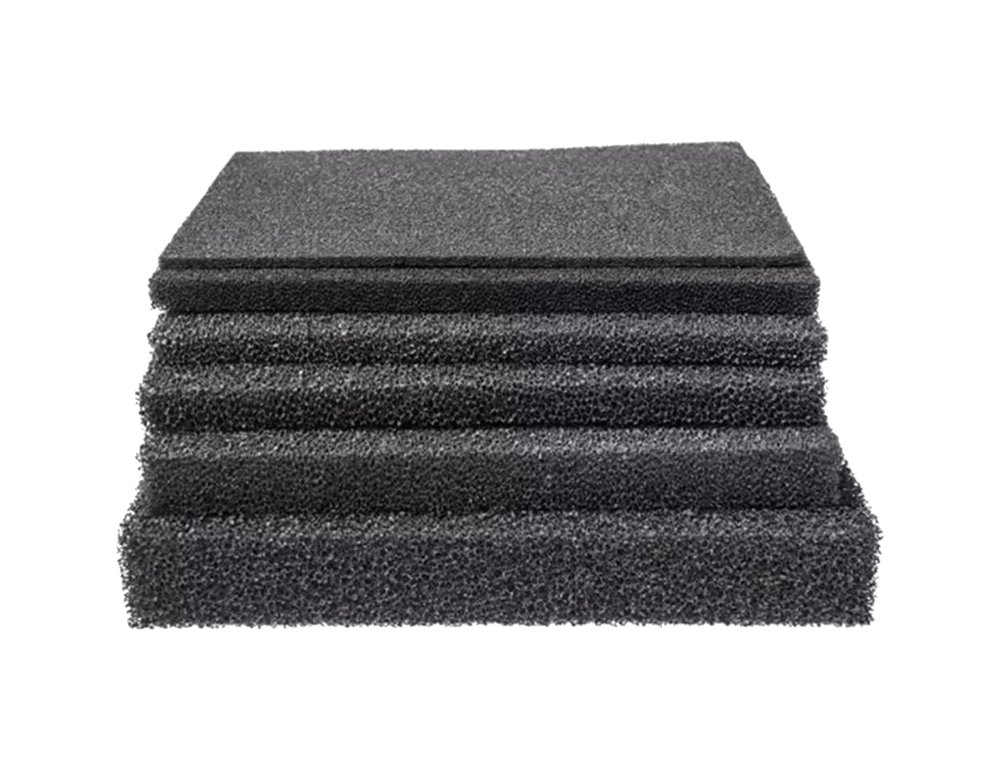
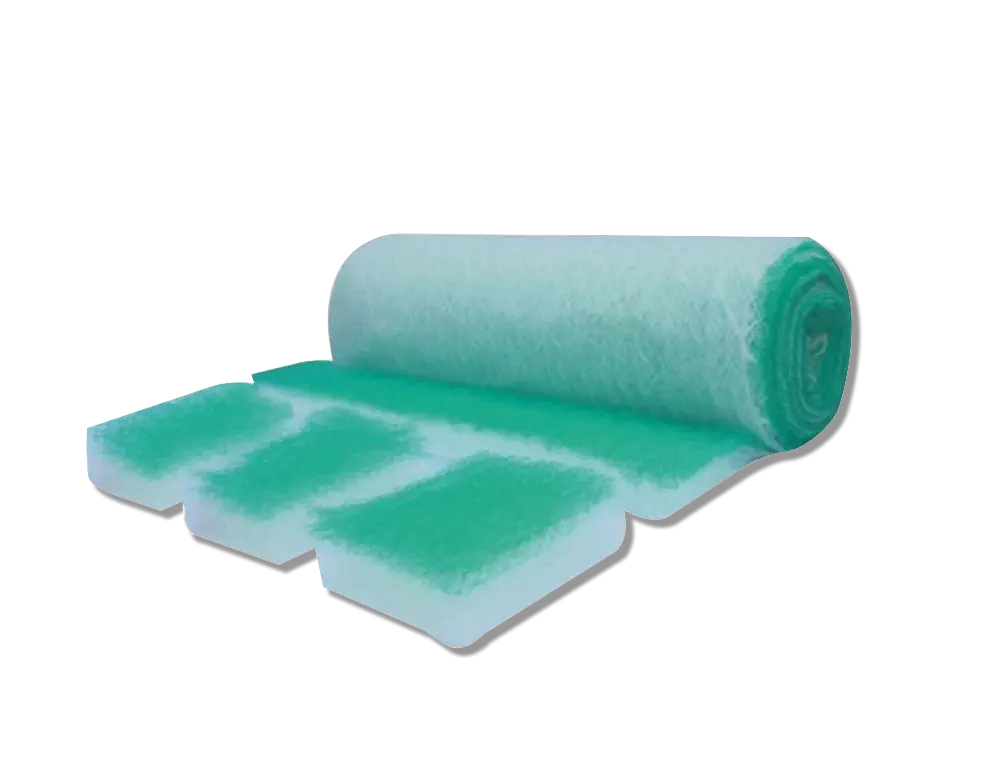
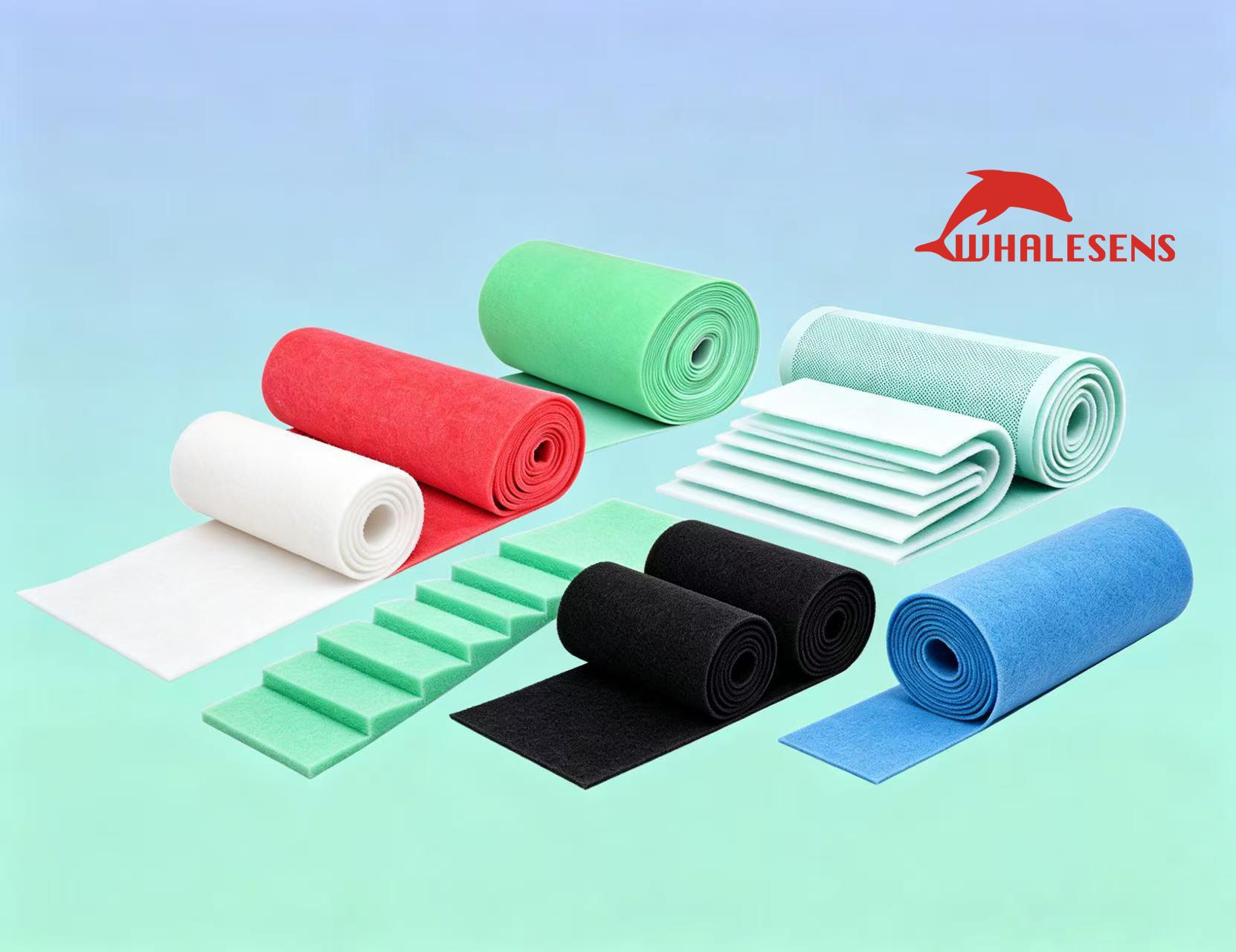
Washable & Reusable Product Feature

Cut Costs, Reduce Waste

Cleanable by water washing or air blowing, reusable multiple times to significantly reduce replacement frequency and O&M costs — an economical, eco-friendly choice.

View Related Products →
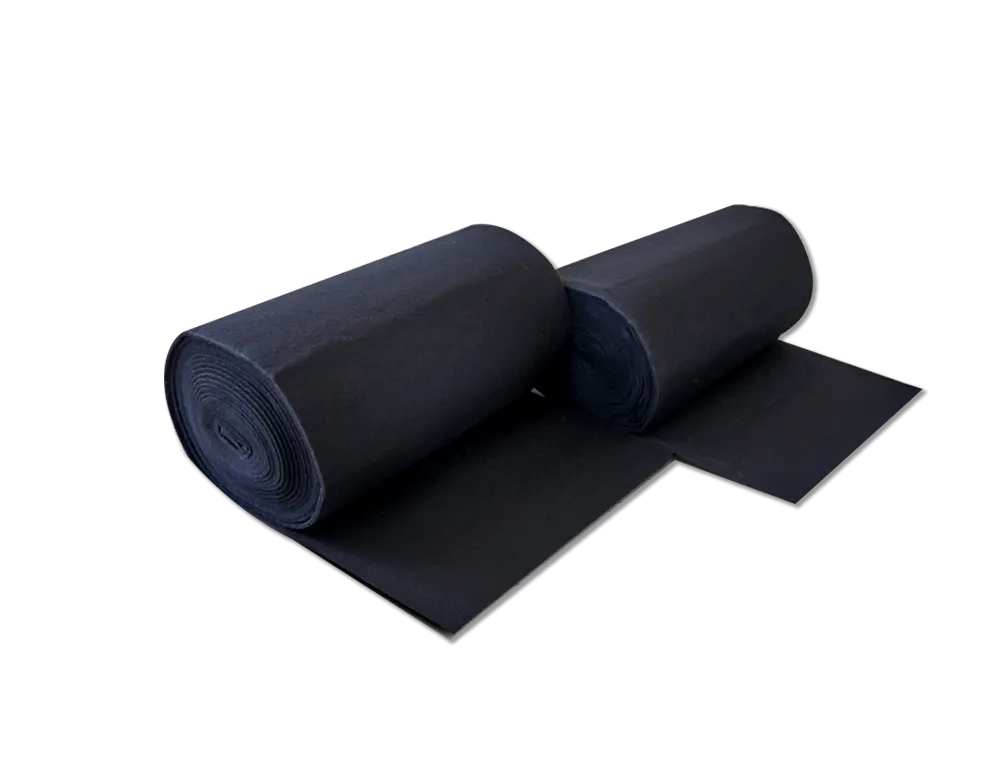
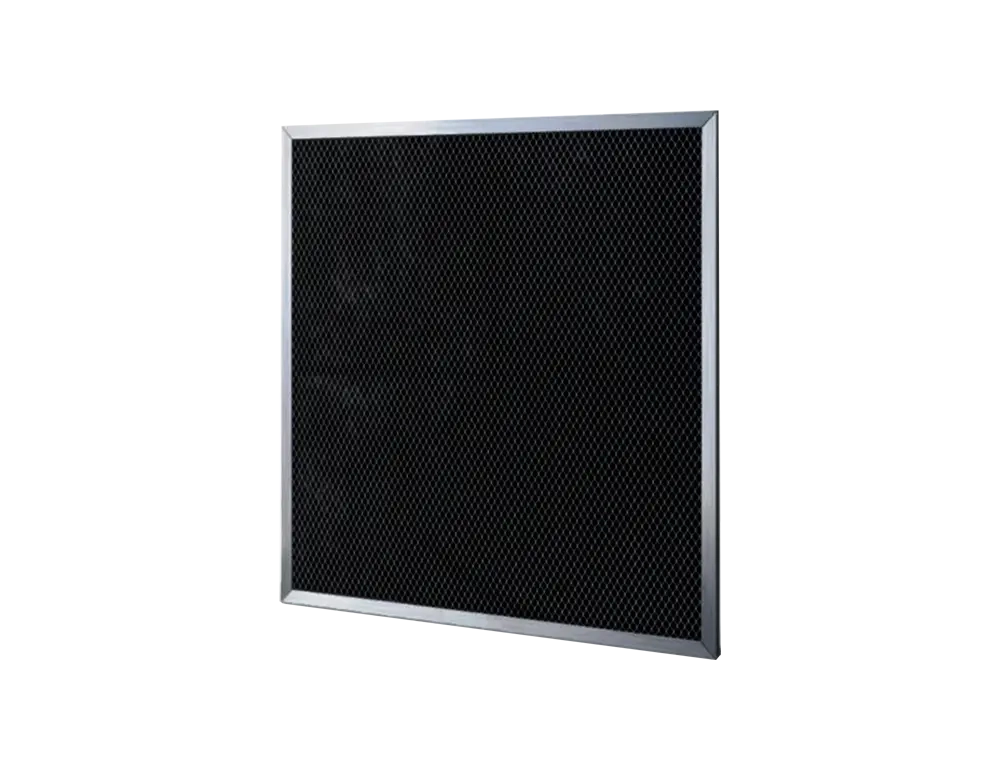
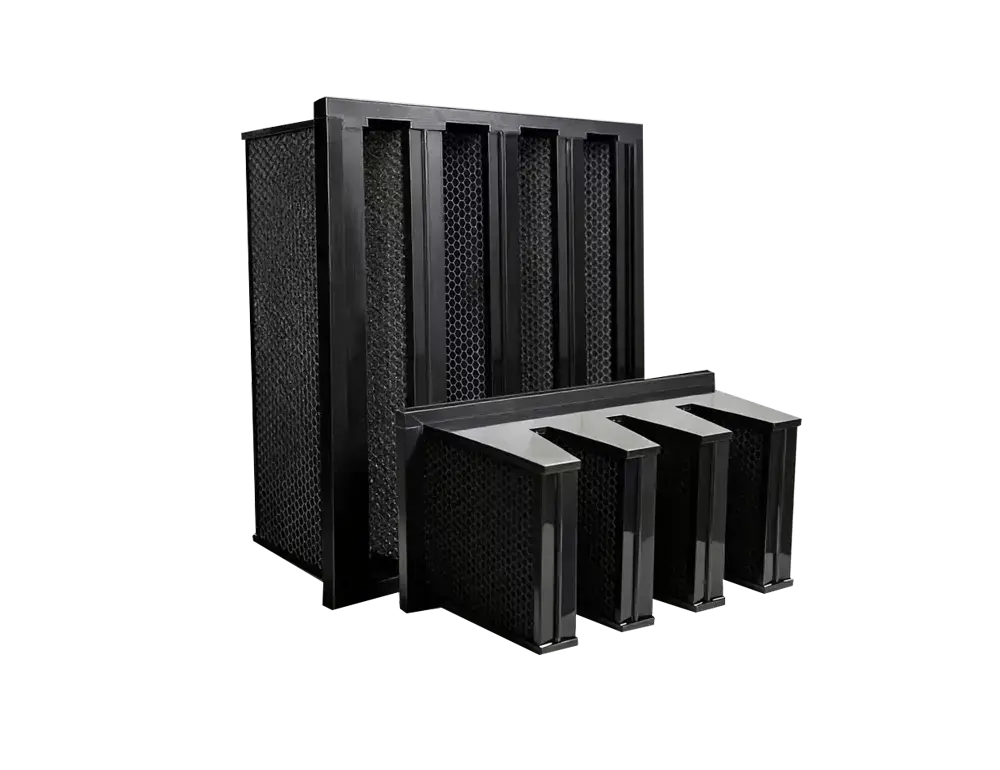
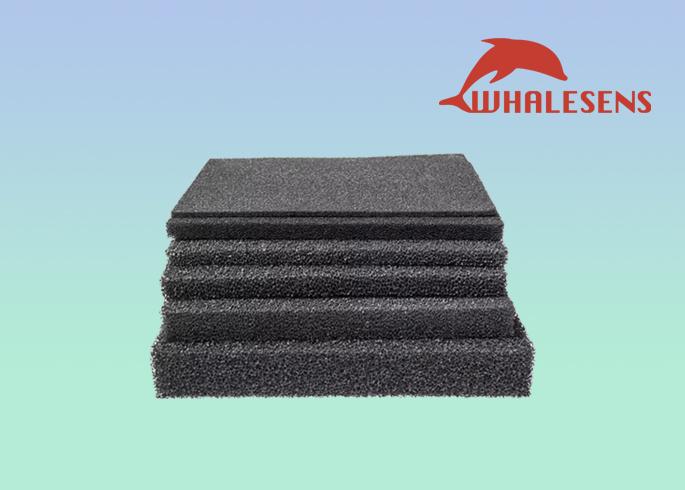
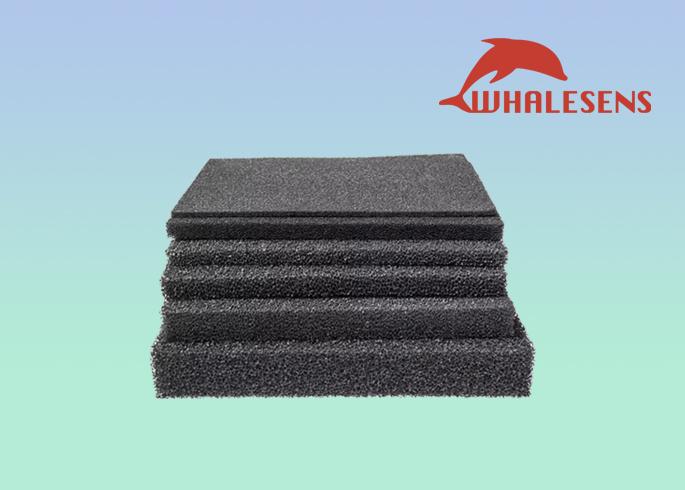
Activated Carbon Product Feature

Odor & Harmful Gas Removal

Leverages activated carbon's high adsorption capacity to eliminate odors, VOCs, and formaldehyde, ideal for newly renovated spaces and industrial exhaust treatment.

View Related Products →
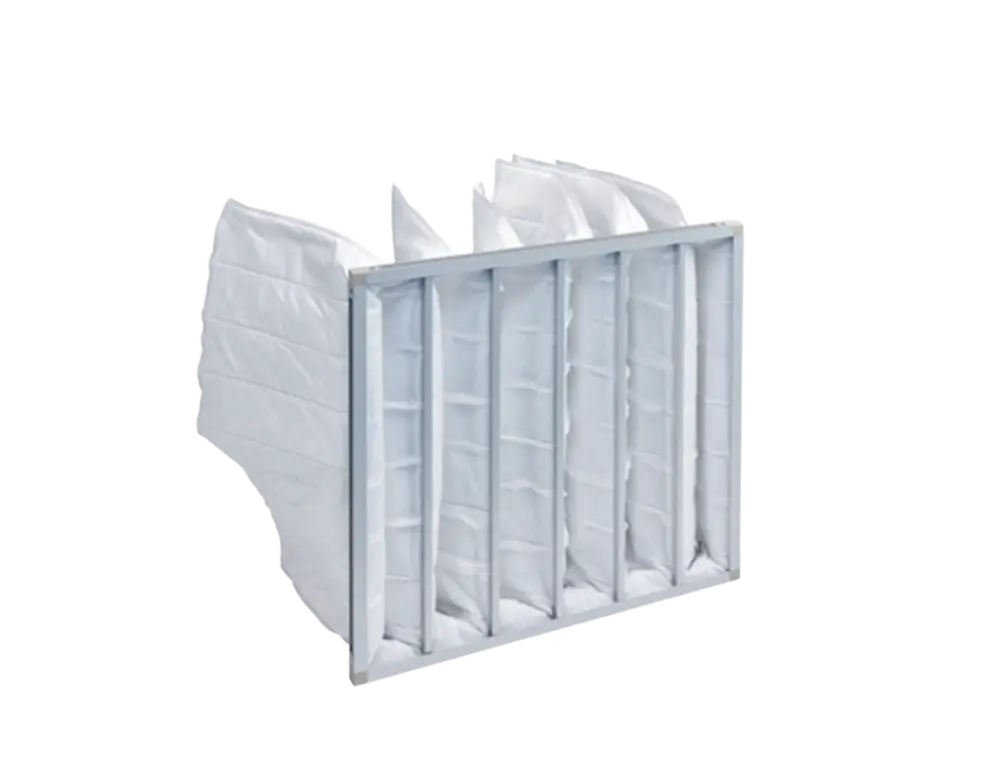
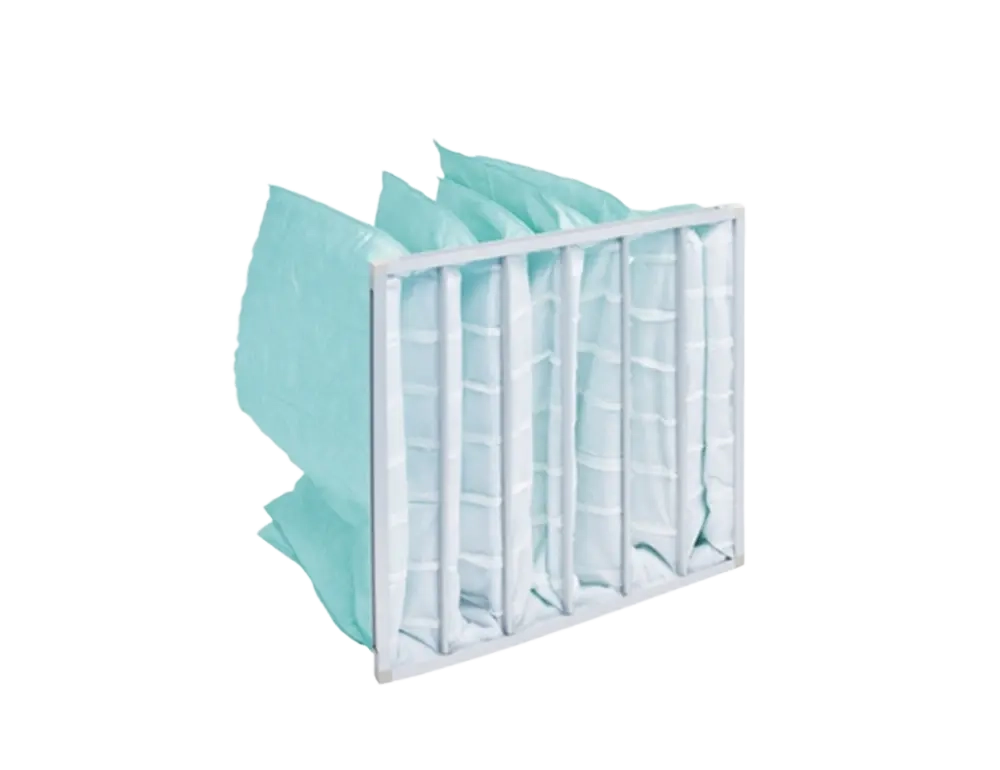
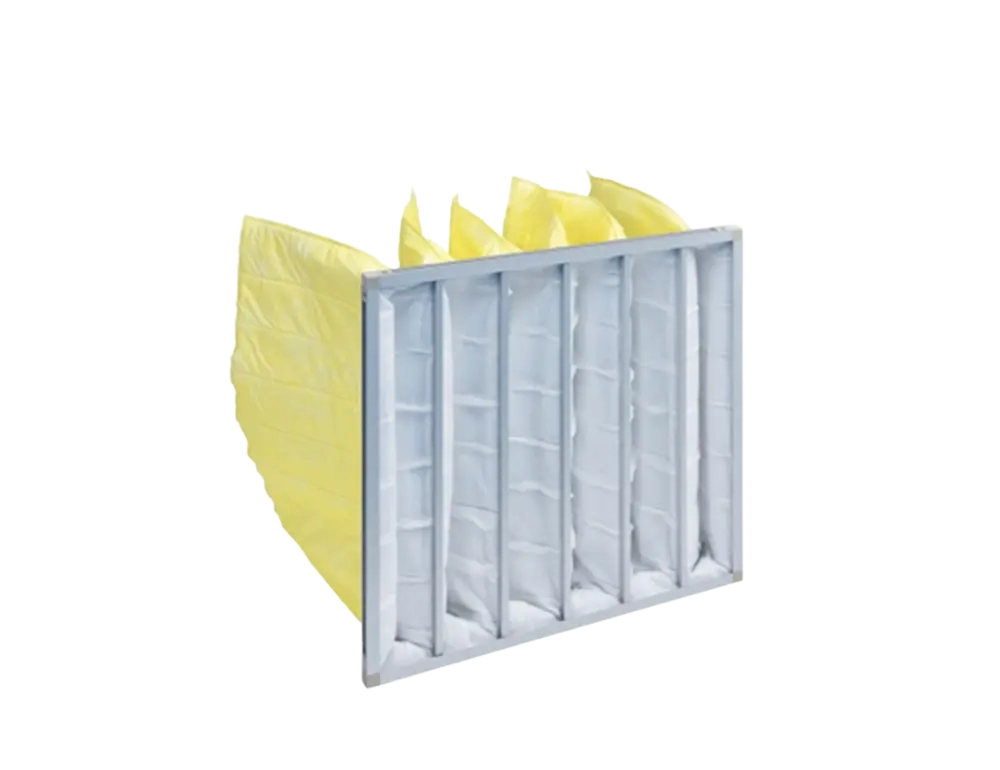
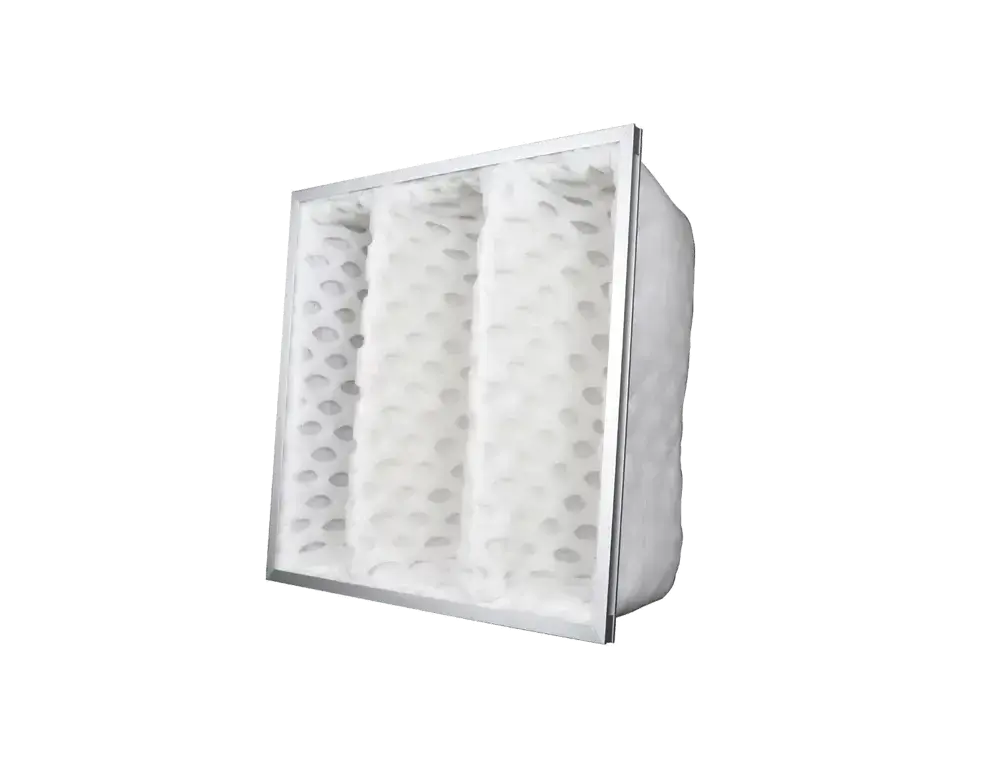
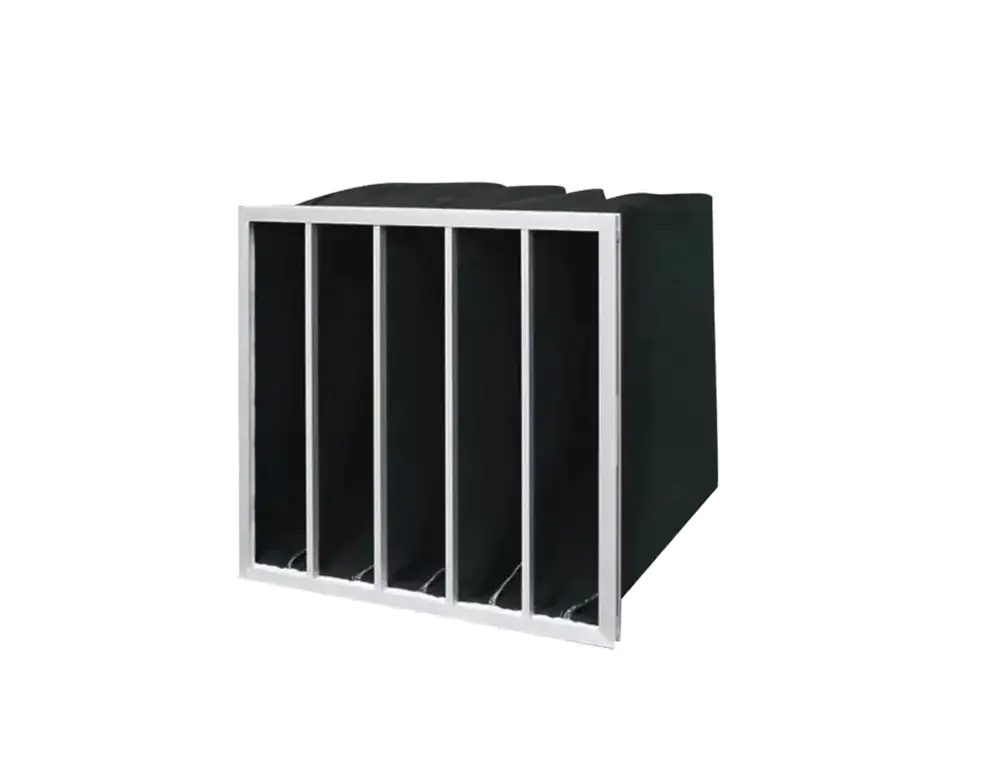
Bag Filter Product Feature

High Dust-Holding, Long Life

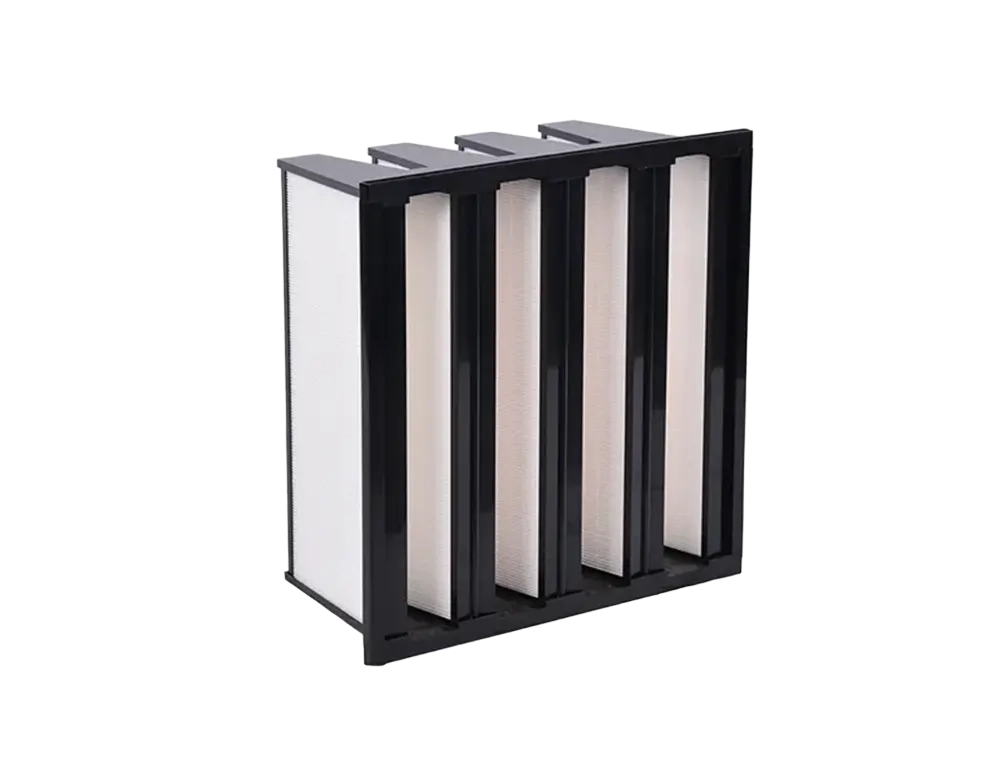
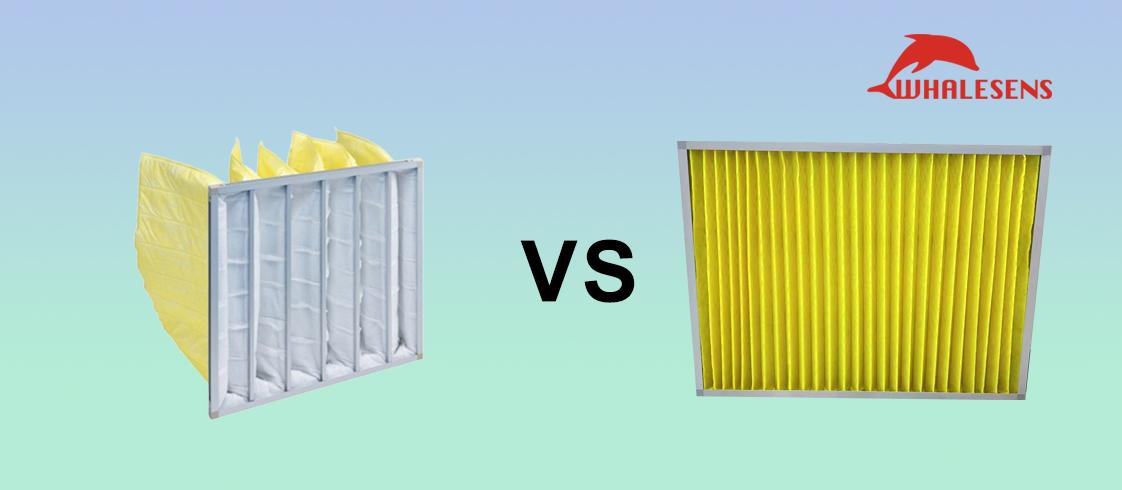
Bag-style construction delivers a larger filtration area, high dust-holding capacity, and extended service life — ideal for high-dust environments with reduced replacement frequency.

View Related Products →
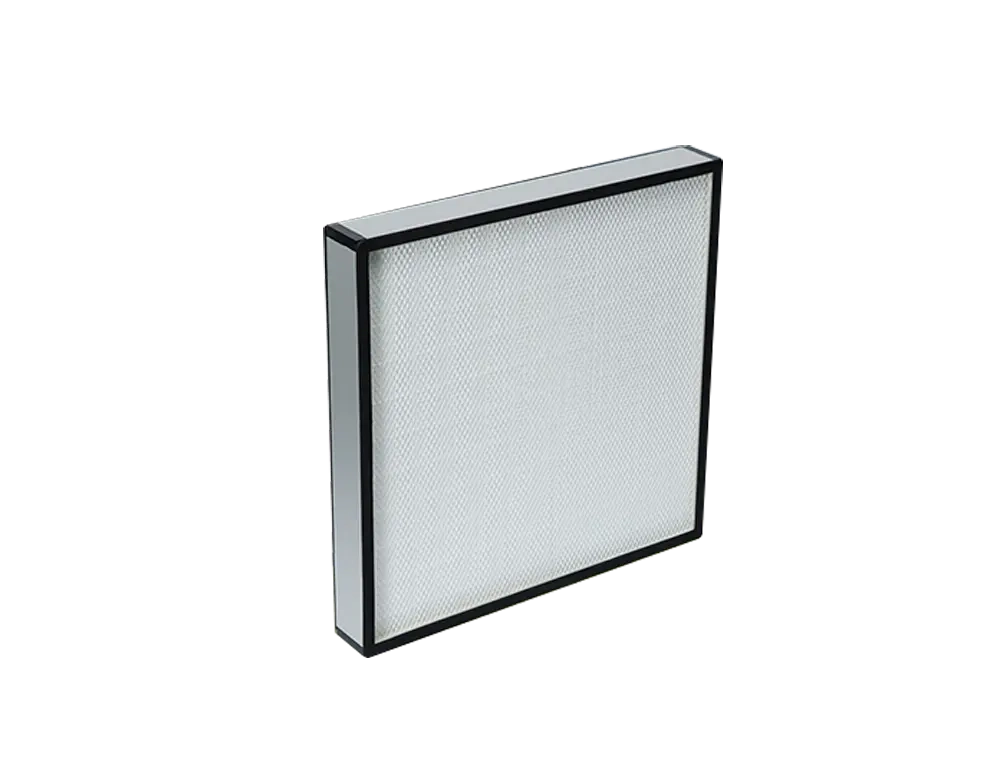
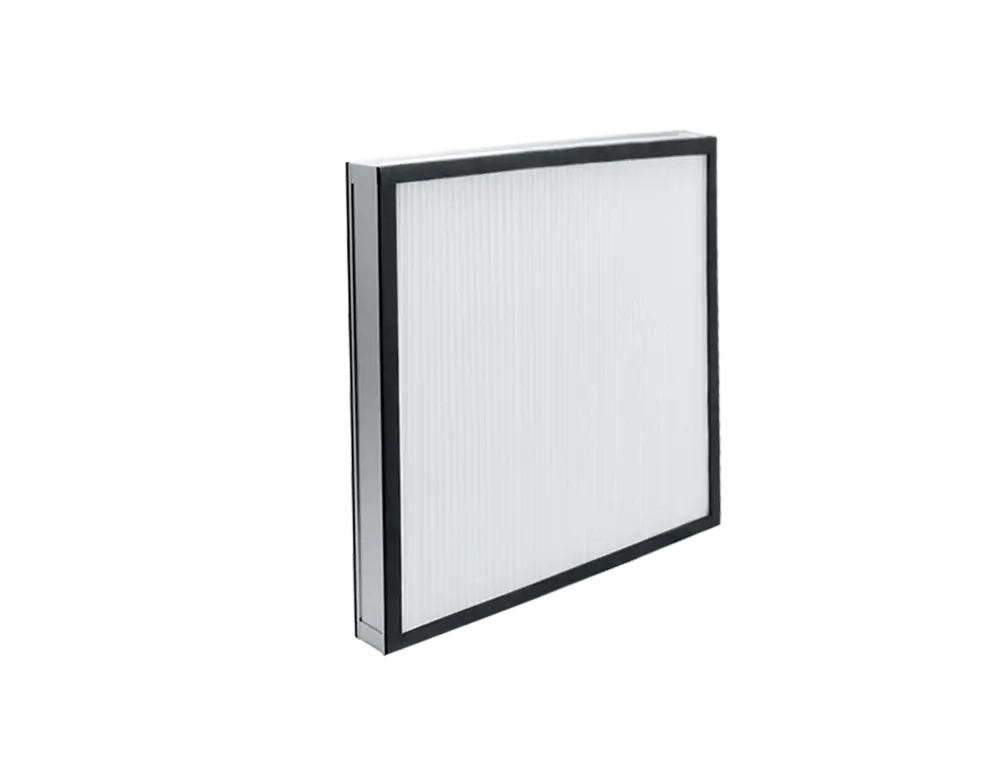
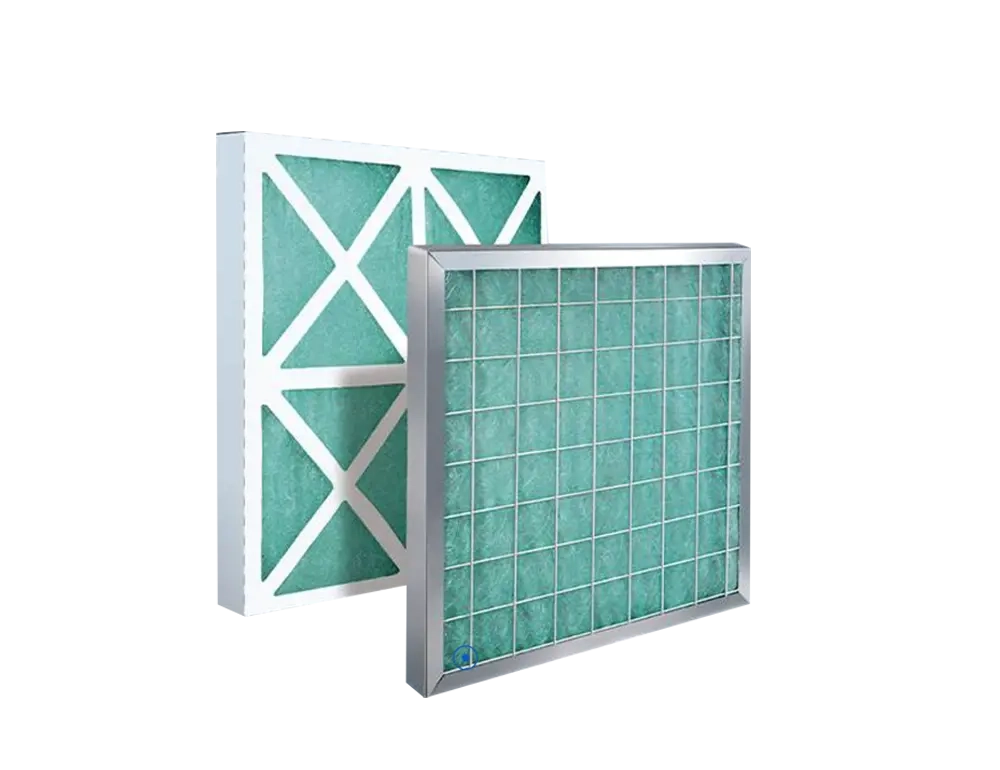
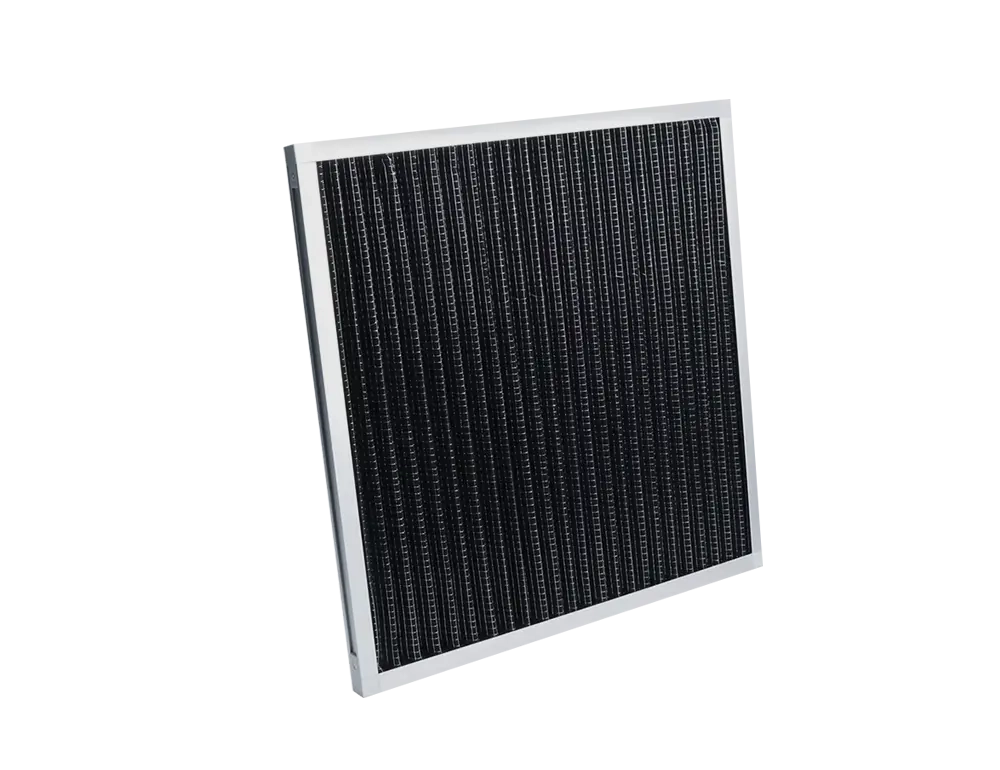
Panel / Pleated Filter Product Feature

Compact Space-Saving Design

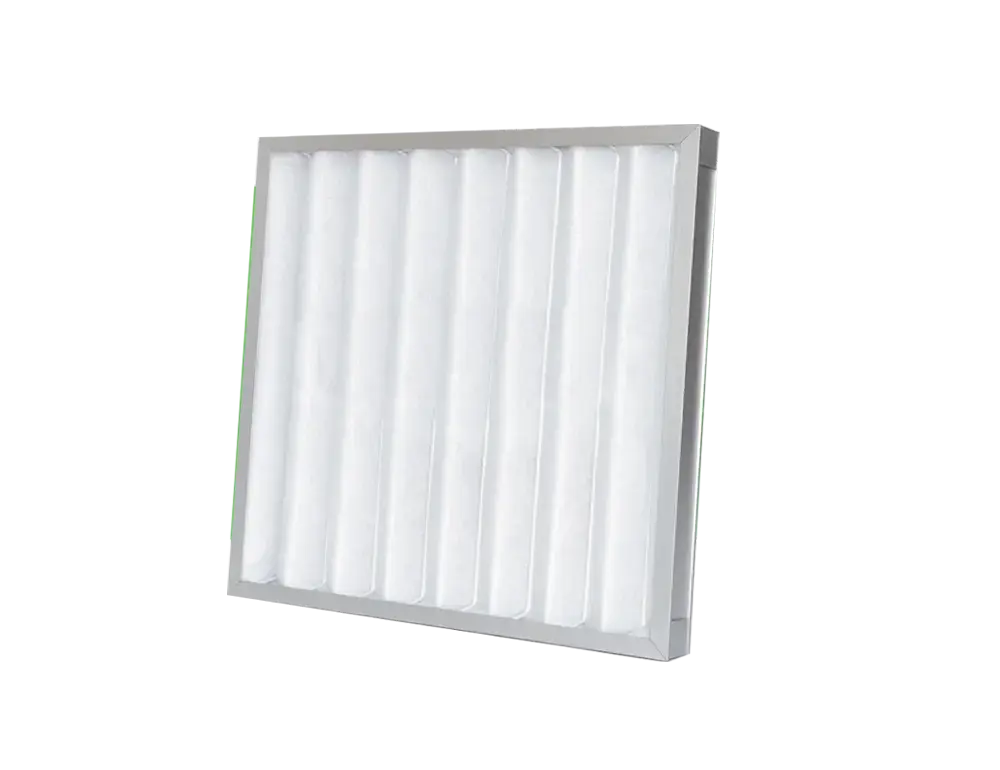
Compact form factor for easy installation and replacement; pleated structure maximizes filtration area within a small footprint for higher efficiency.

View Related Products →
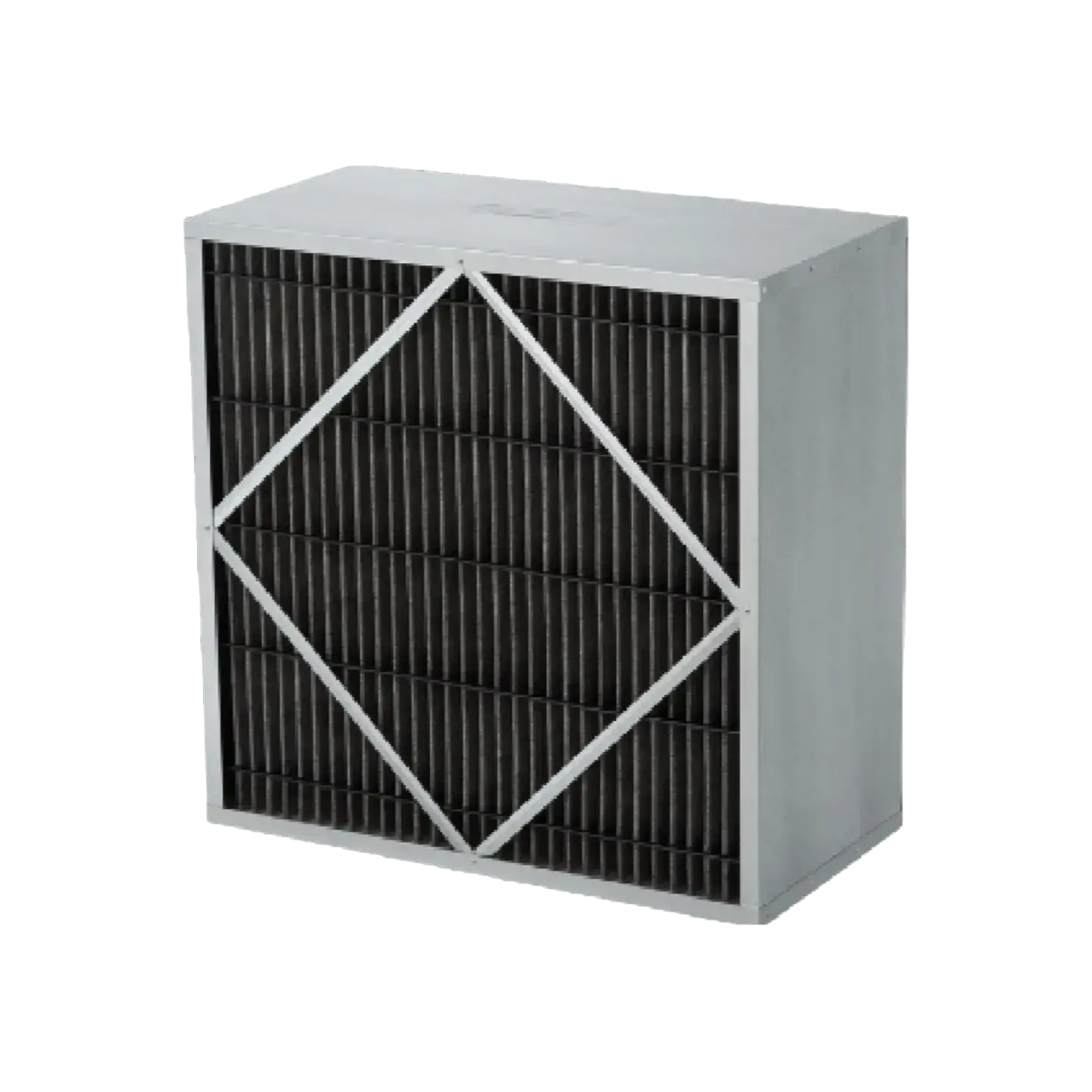
Low-Resistance Airflow Product Feature

Energy-Saving Operation

Low-resistance design minimizes pressure drop while maintaining filtration performance, reducing fan energy consumption for cost-effective, eco-friendly operation.

View Related Products →
Related Products

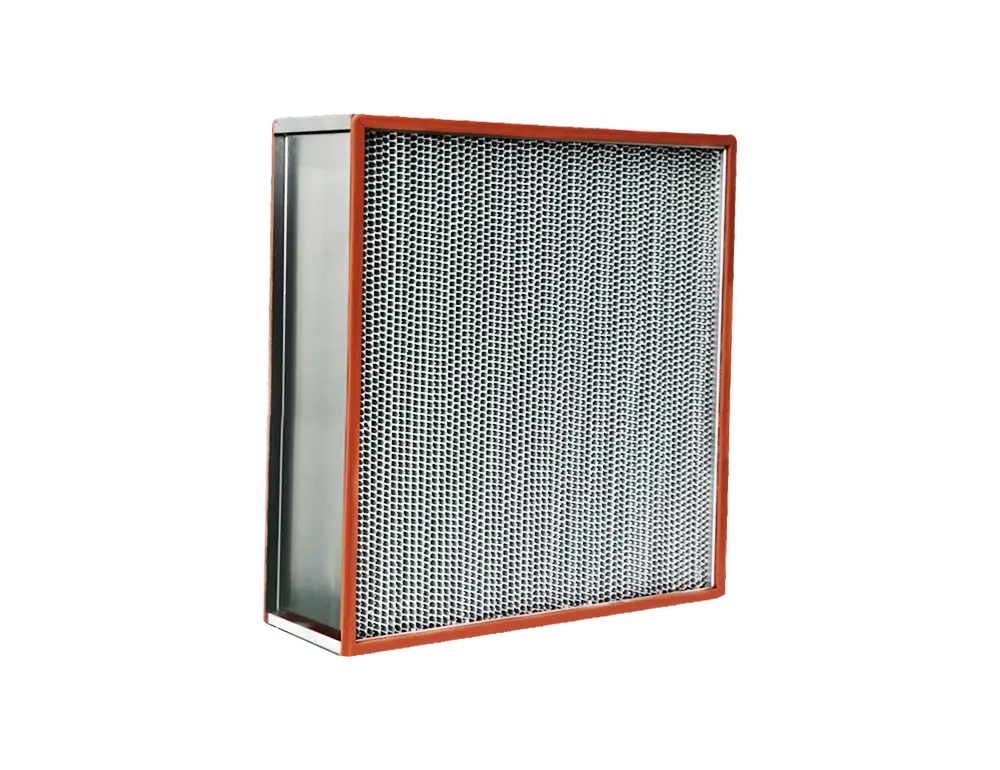
250 Degree High Temperature Pleated Panel HEPA Filter

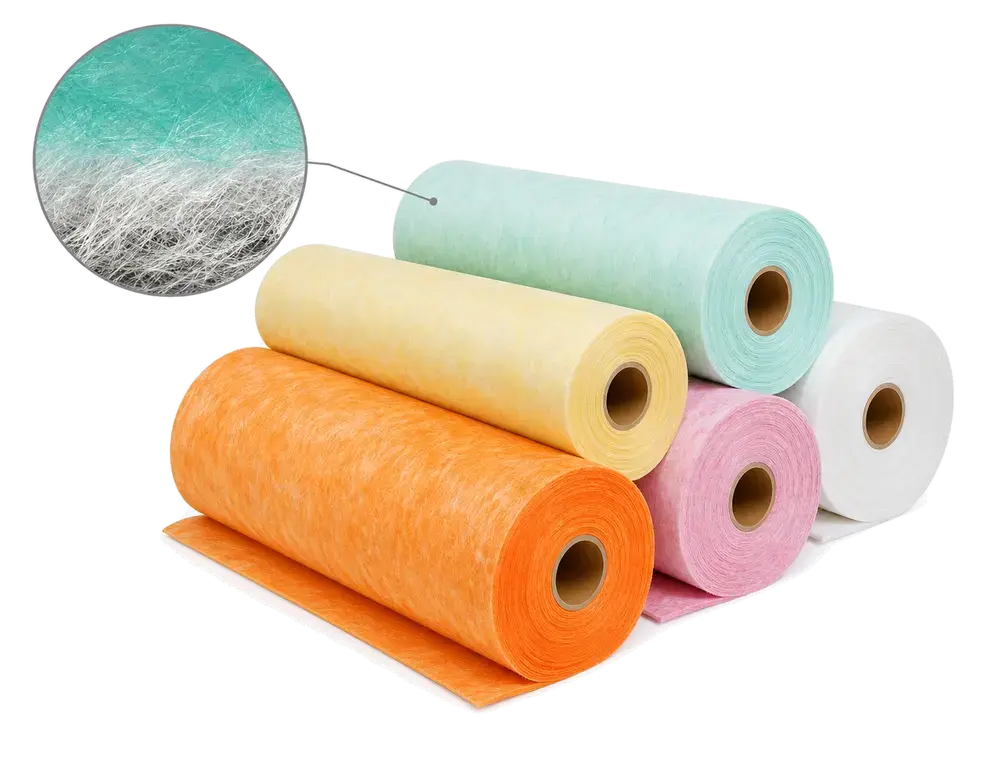
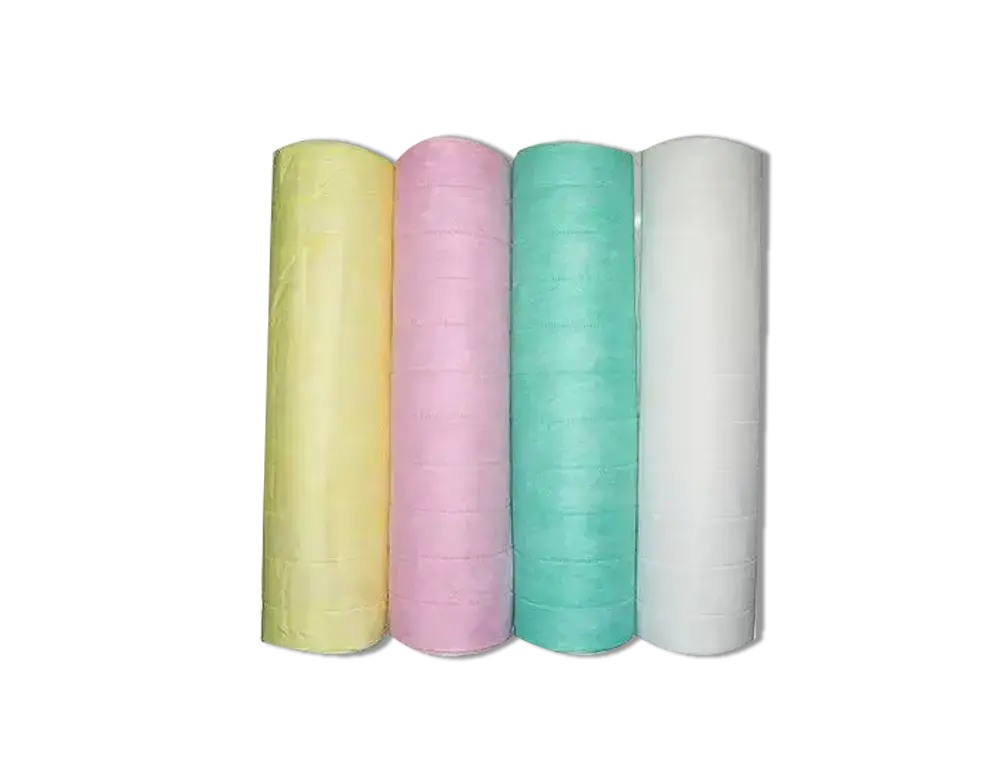
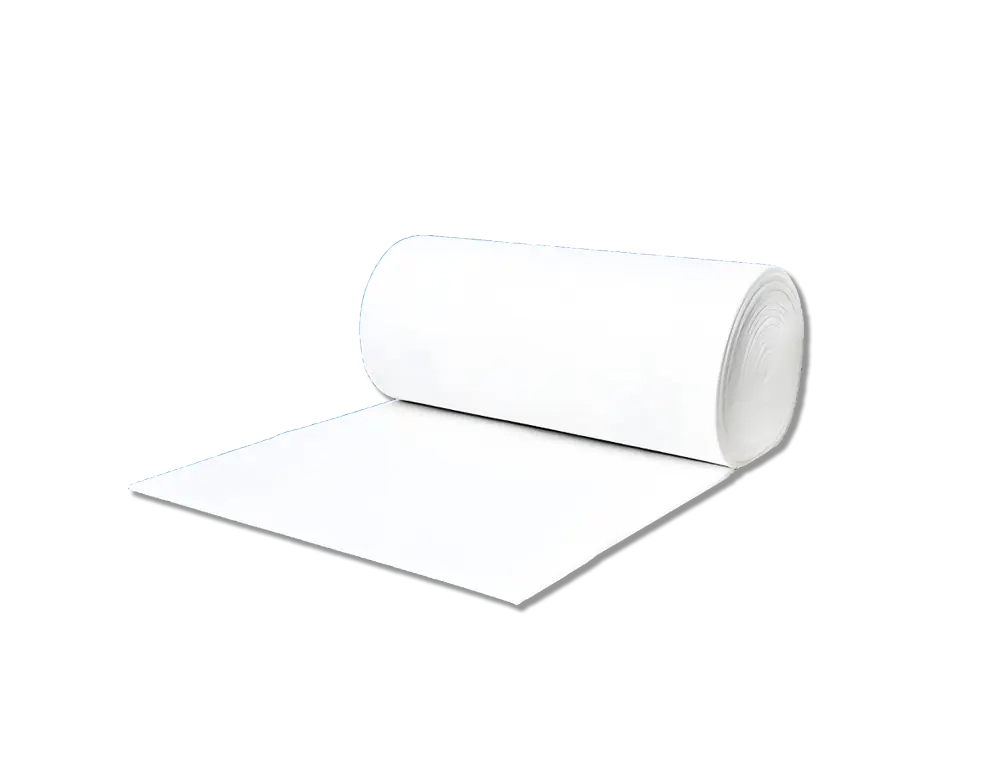
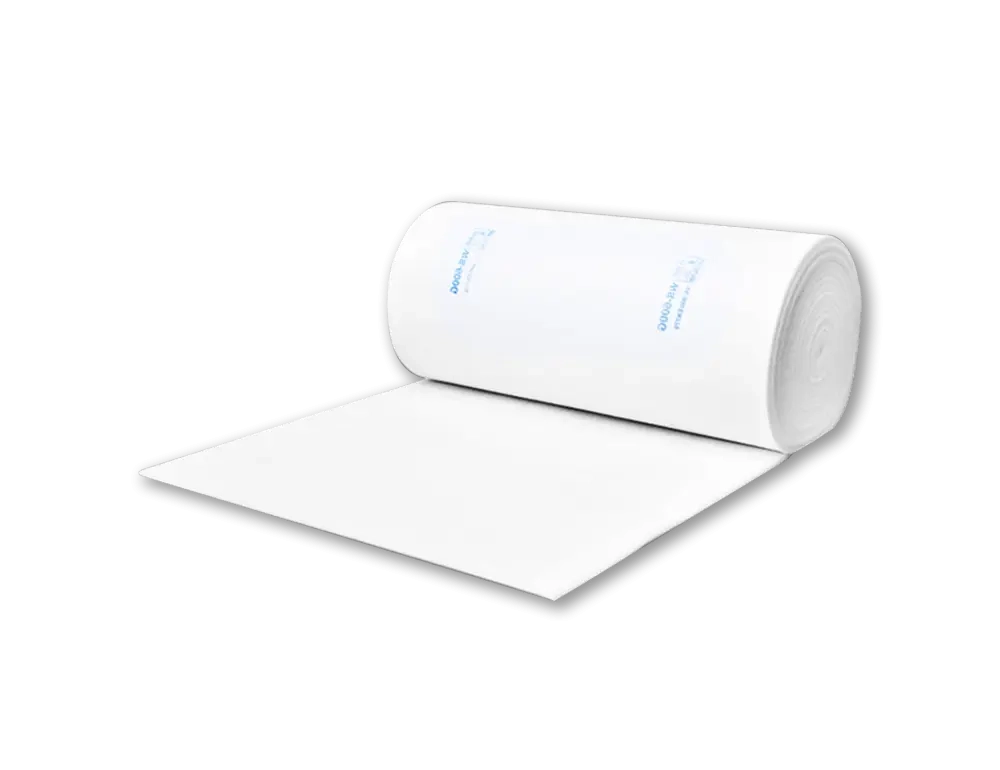
Paint Booth Ceiling Air Filter Media (WS-600G)

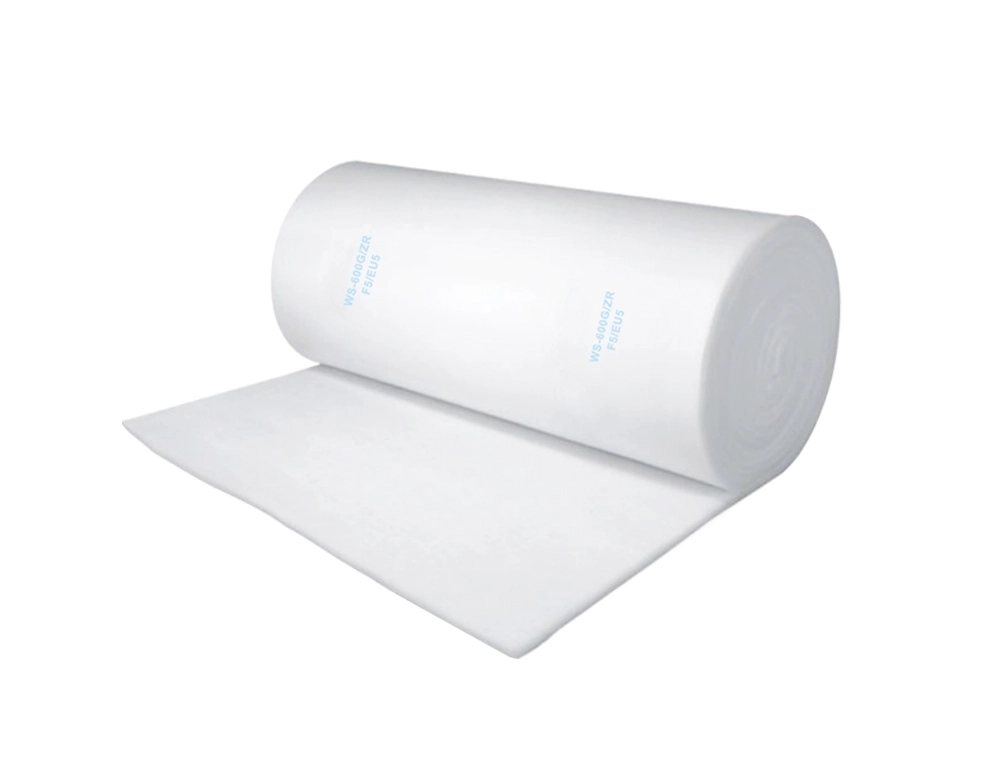
Paint Booth Ceiling Air Filter Media (WS-ZR600G)

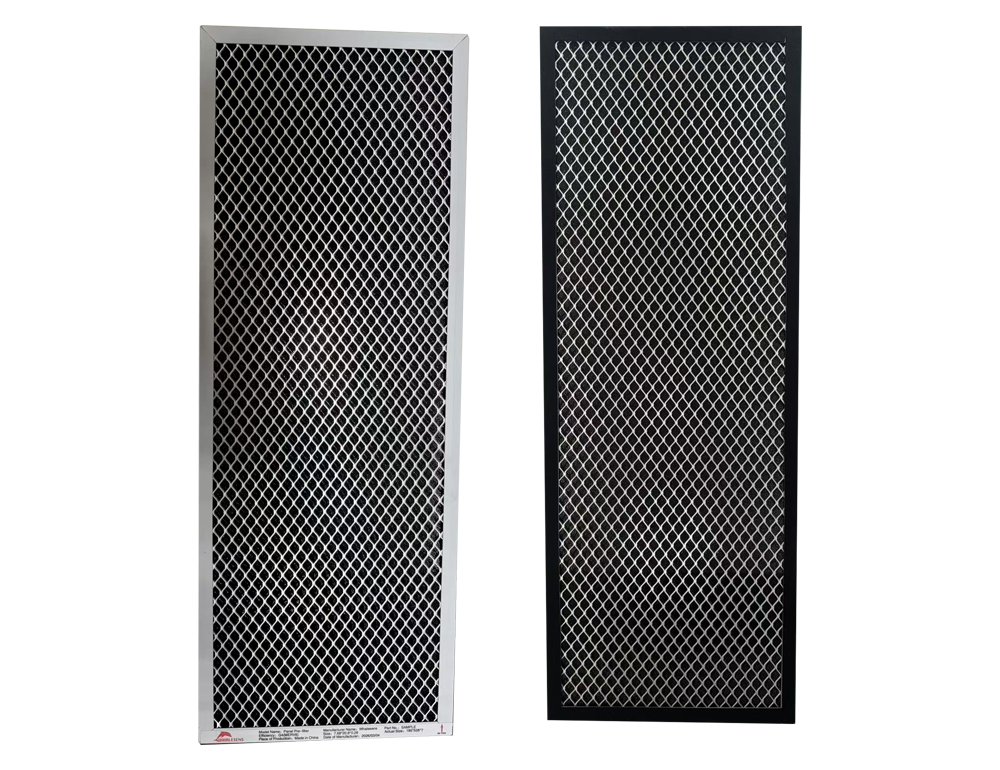
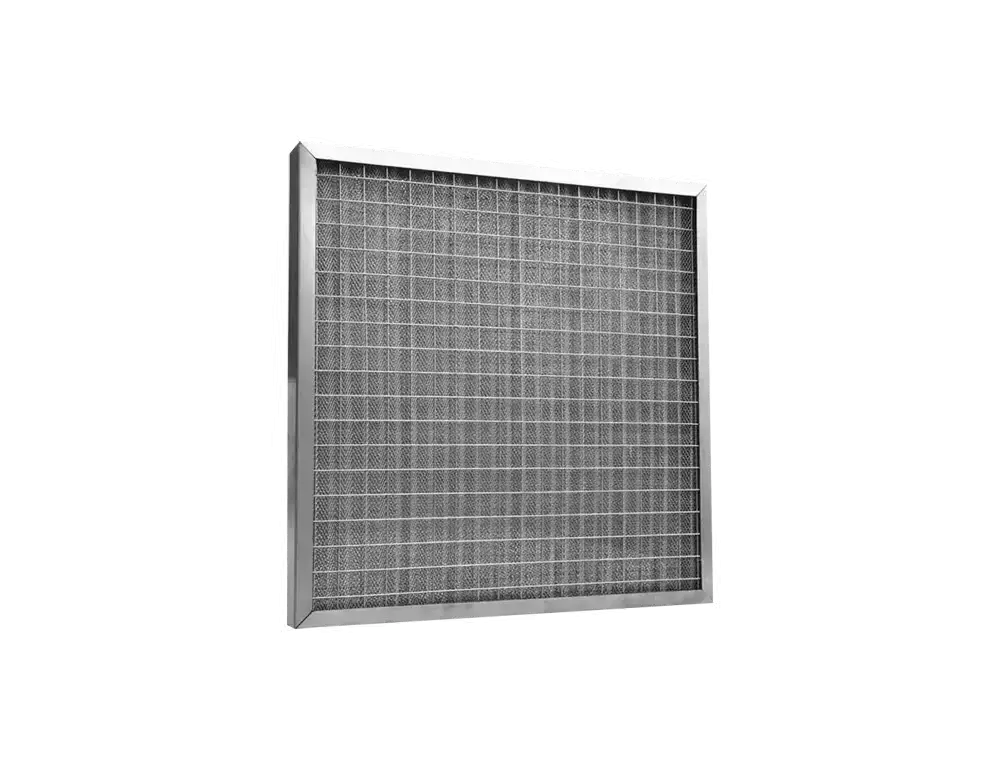
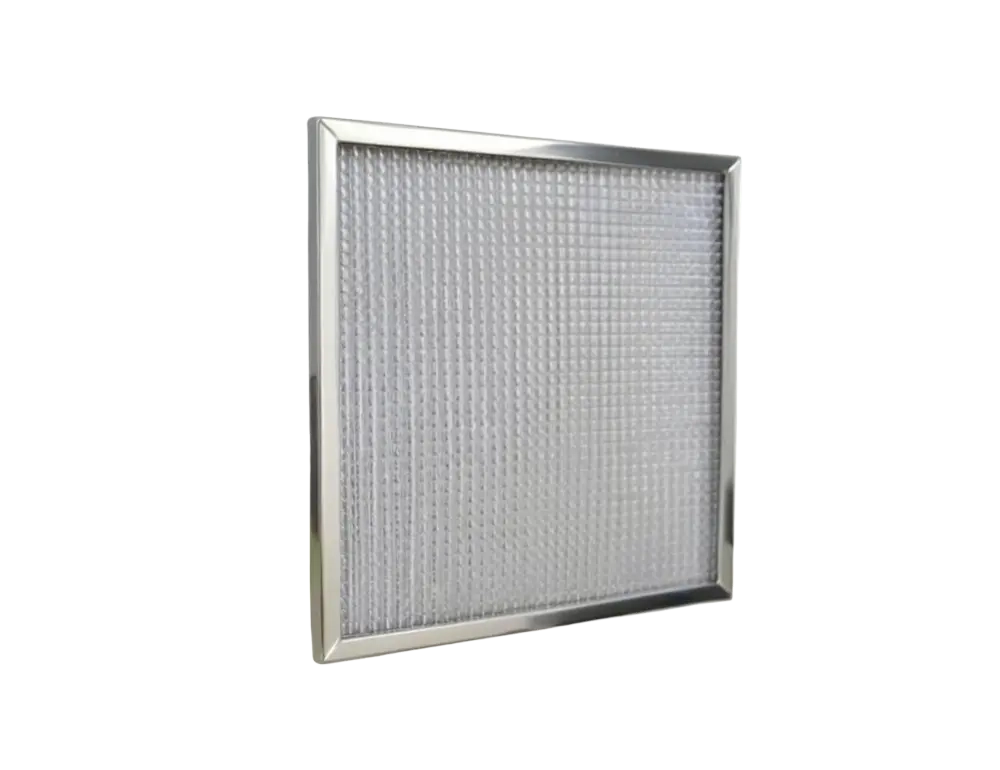
Metal Plank Air Filter Mesh Filter

High Temperature Fiberglass Panel Filter

High Temperature Panel Filter

350 Degree High Temperature Pleated Panel HEPA Filter

Industry News Industry News

How to Set FFU Air Velocity: 0.35 or 0.45 m/s?

Many teams treat FFU airflow as a choice between 0.35 and 0.45 m/s. The correct setting depends on airflow pattern, cleanliness requirements and process load. This guide provides a practical method for selecting and validating the target.

1. Identify the airflow pattern first

There is no universal airflow number. Unidirectional and non-unidirectional systems follow different logic. Confirm the airflow pattern before comparing 0.35 and 0.45 m/s.

Guidance range and project boundary for unidirectional sterile production

2. Air velocity and cleanliness

Air velocity maintains a stable airflow pattern and carries contaminants along a planned path. In unidirectional flow, it must be sufficient to form a uniform air curtain and prevent surrounding air from being entrained. Higher velocity can also increase turbulence, noise, energy use and operational disturbance.

Possible airflow differences at different velocities

Higher air velocity does not automatically mean higher cleanliness. Cleanliness also depends on supply volume, return paths and source control.

3. Unidirectional and non-unidirectional systems

For certain sterile-production applications, EU GMP Annex 1 gives a working-position guidance range of 0.36–0.54 m/s. The commonly used 0.45 m/s value is a reference within that range, not a universal design value for every cleanroom, FFU or non-unidirectional system.

Typical airflow organization in unidirectional and non-unidirectional systems

For non-unidirectional systems, focus on air-change rate, supply volume, airflow organization, return paths and contamination-source control. Do not force one fixed 0.45 m/s target onto every room.

4. Five steps for FFU selection and commissioning

  1. Confirm the airflow pattern and applicable standard.
  2. Define the measurement point and working zone.
  3. Set the target using cleanliness grade and process load.
  4. Validate the actual pattern with smoke or airflow visualization.
  5. Balance energy use and noise after the compliance and validation requirements are met.
Measuring air velocity after defining the point and working zone

5. Common mistakes

Do not use 0.45 m/s as an unconditional safety value, and do not apply a unidirectional-flow criterion to a turbulent room. ISO 14644 evaluation combines airflow pattern, cleanliness performance and the test method. One velocity value cannot replace cleanliness verification.

Five-step FFU airflow selection and validation process

The practical answer to 0.35 versus 0.45 is an application decision. Use the applicable national or industry standard, process validation and risk assessment as the final basis.

Selection reference

Once the cleanliness grade, airflow pattern, air volume and installation dimensions are known, assess the terminal filter, sealing structure and maintenance requirements together.

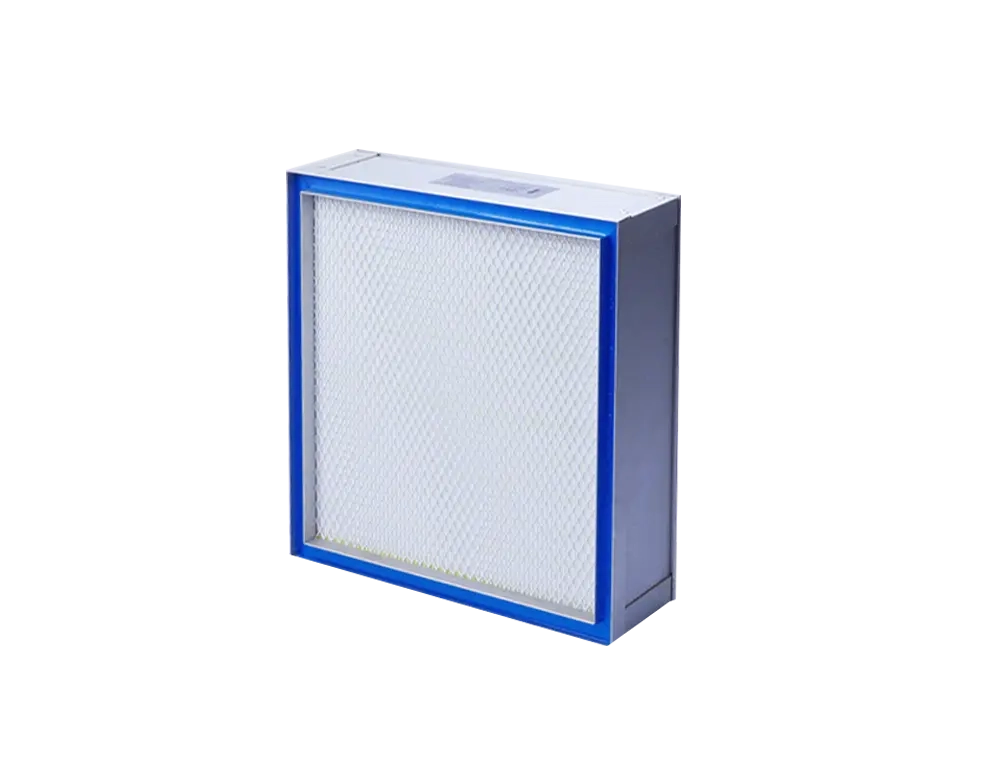
Gel-seal HEPA filter