


EV Charging Stations
Filtration for Power Equipment
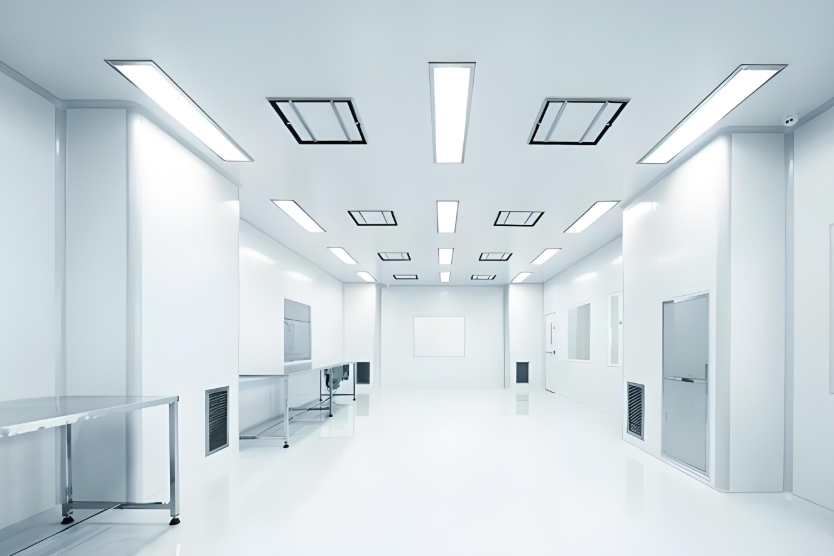
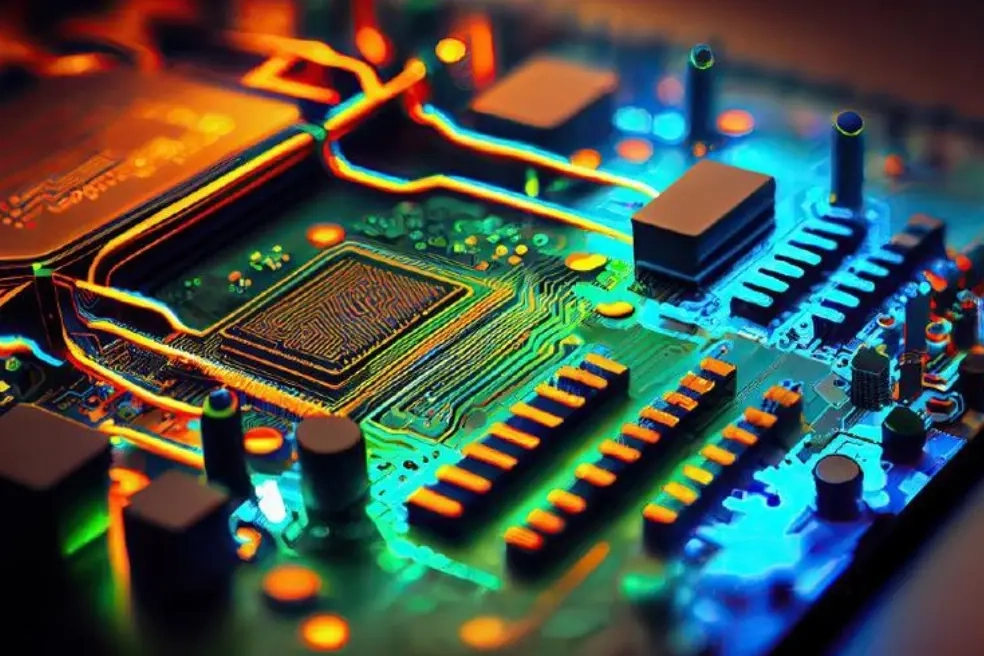
Cleanroom & Semiconductor
Ultra-High Cleanliness Filtration
Commercial HVAC
Central Air System Filtration
Data Centers
Precision Equipment Protection
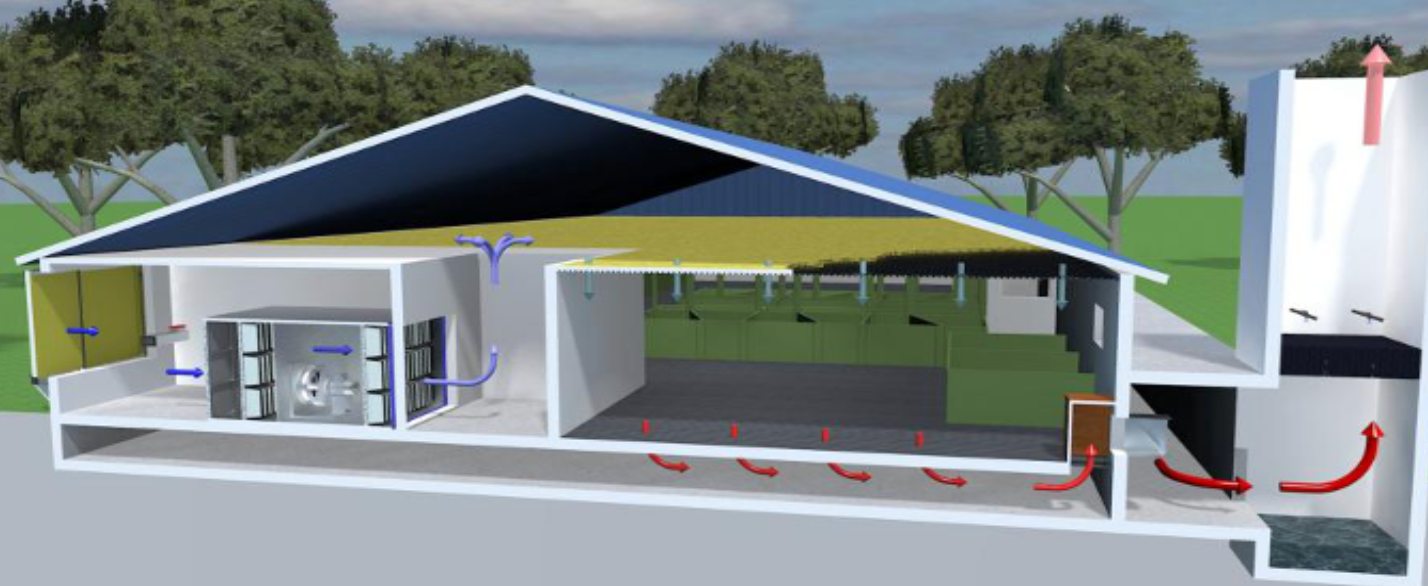
Livestock & Farming
Farming Environment Purification
Spray Booths & Industrial Dust
Paint Mist & Dust Purification
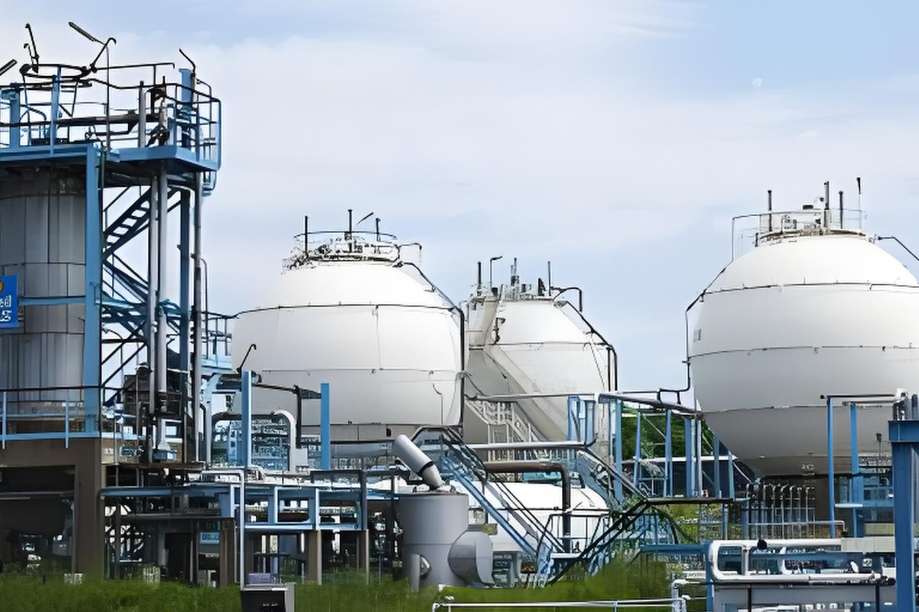
Filtration for Power Equipment
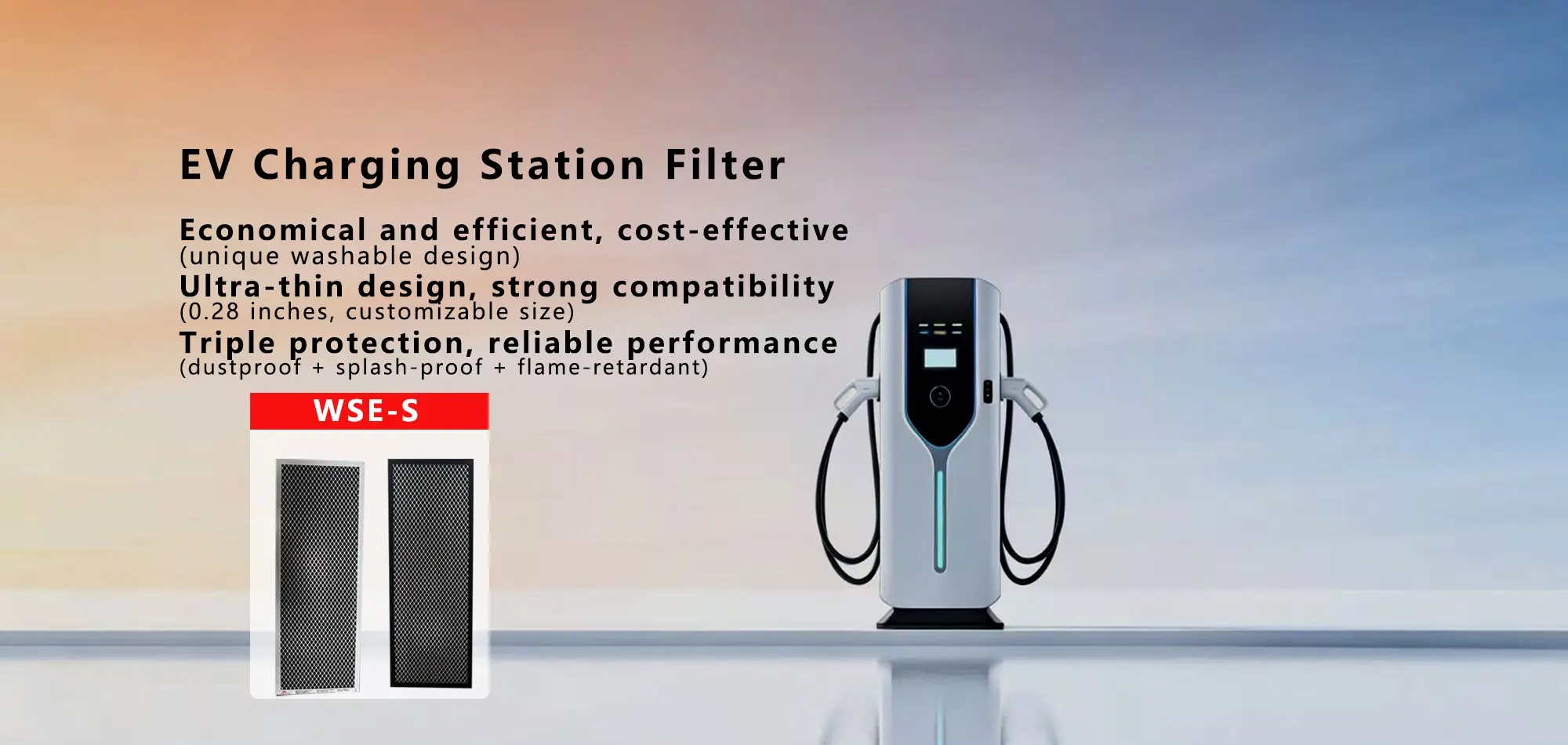
Professional air filtration for EV charging devices, protecting against dust and sand ingress to ensure stable, reliable operation of charging piles and station infrastructure.
View Related Products →Ultra-High Cleanliness Filtration
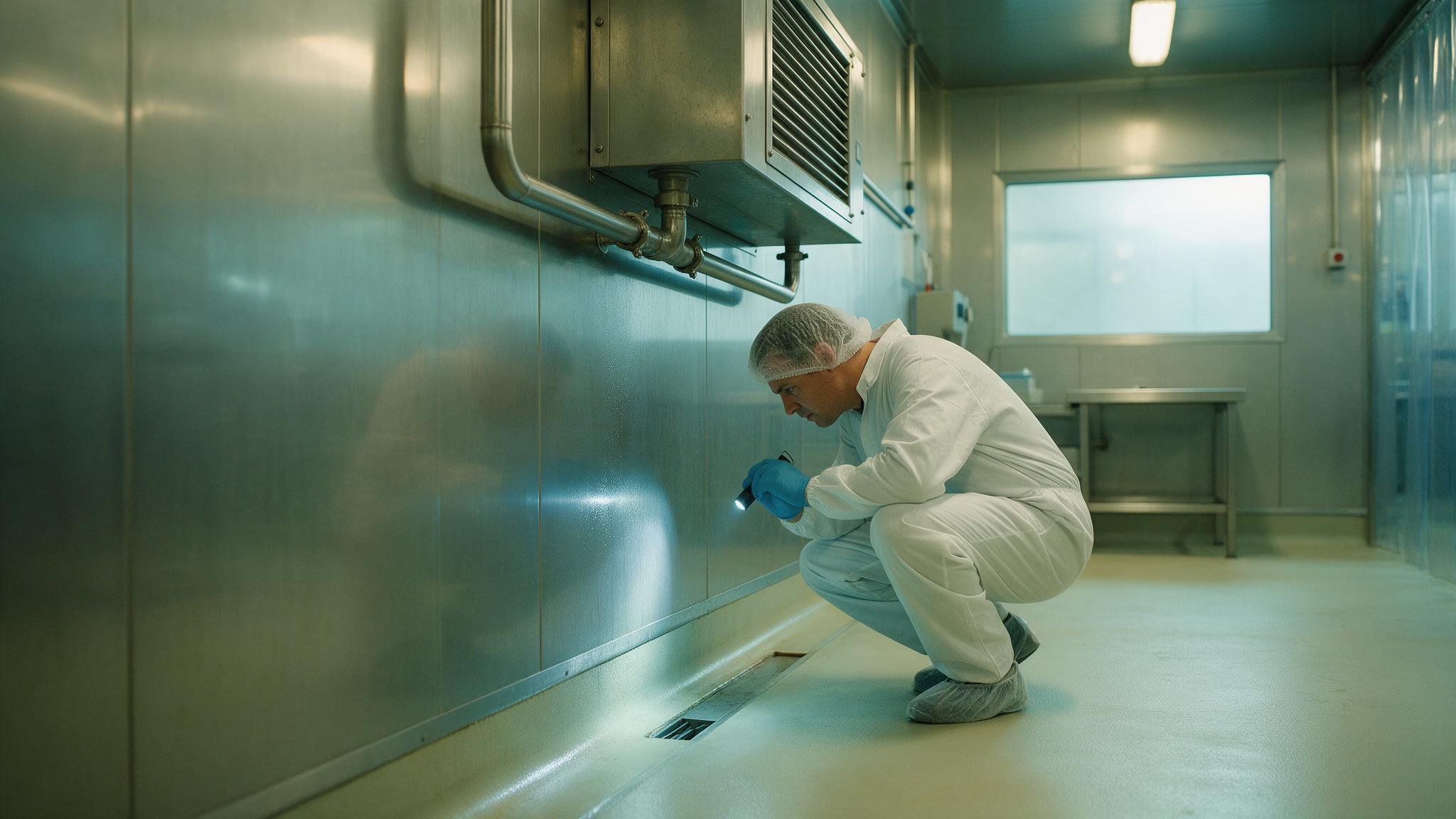
Ultra-high efficiency filtration for semiconductor wafer fabs and precision electronics cleanrooms, capturing nano-scale particles to meet ISO Class 1–3 standards and maximize product yield.
View Related Products →Central Air System Filtration
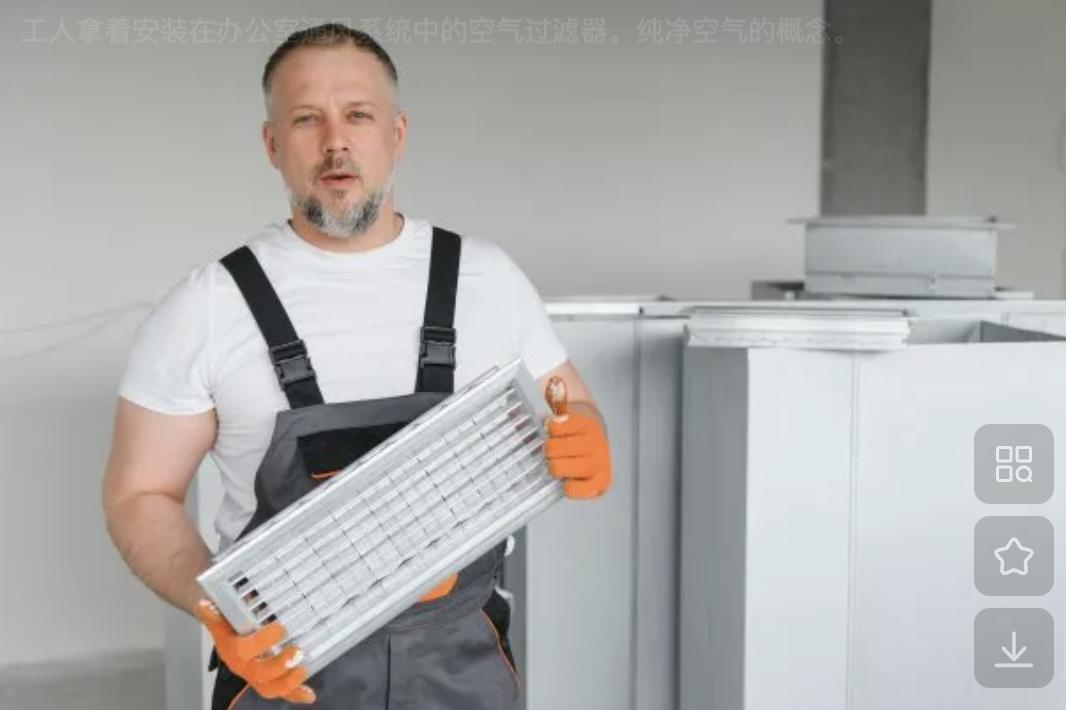
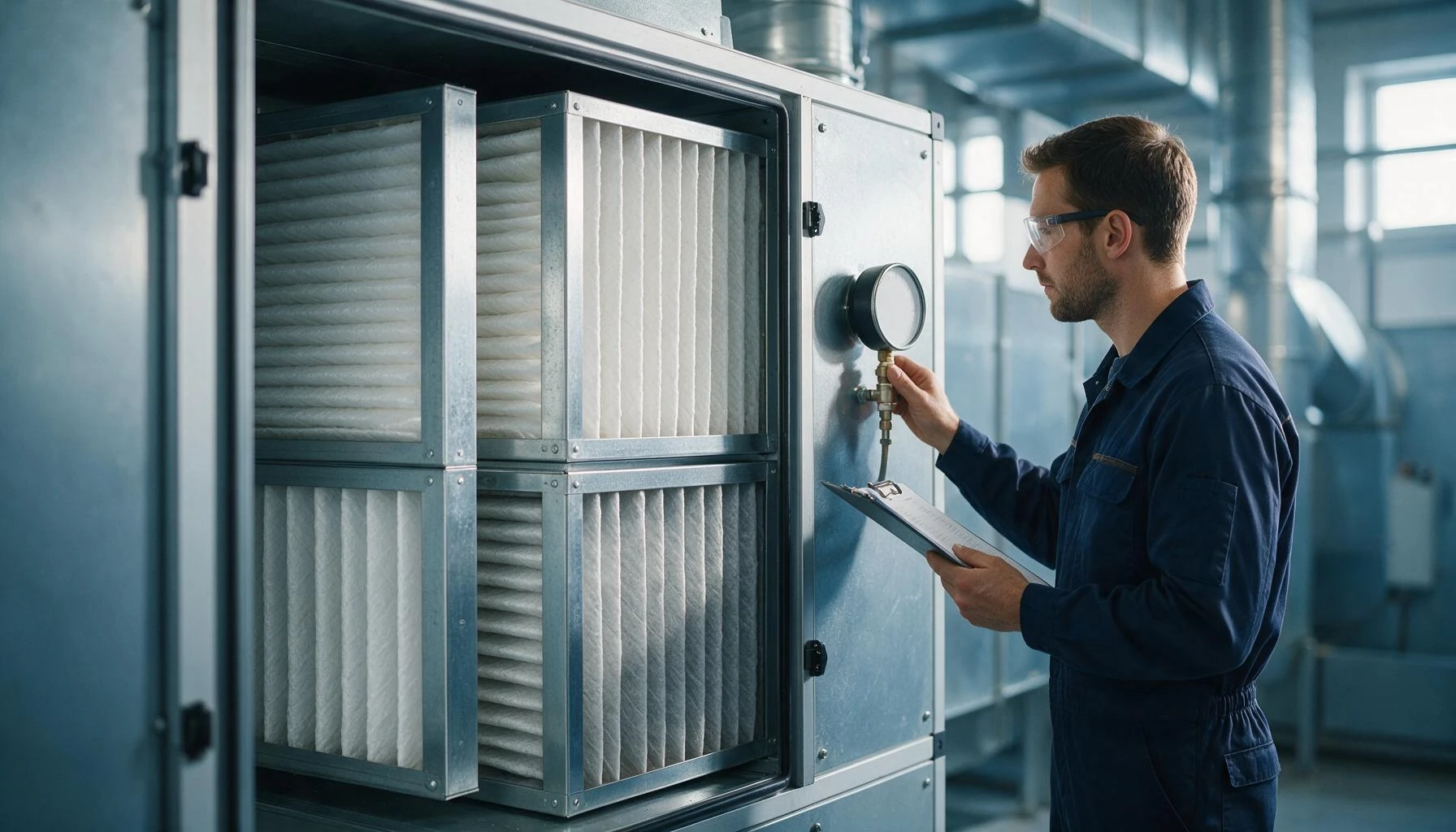
High-efficiency filtration for commercial building HVAC systems, improving indoor air quality, reducing energy consumption, and extending equipment service life.
View Related Products →Precision Equipment Protection
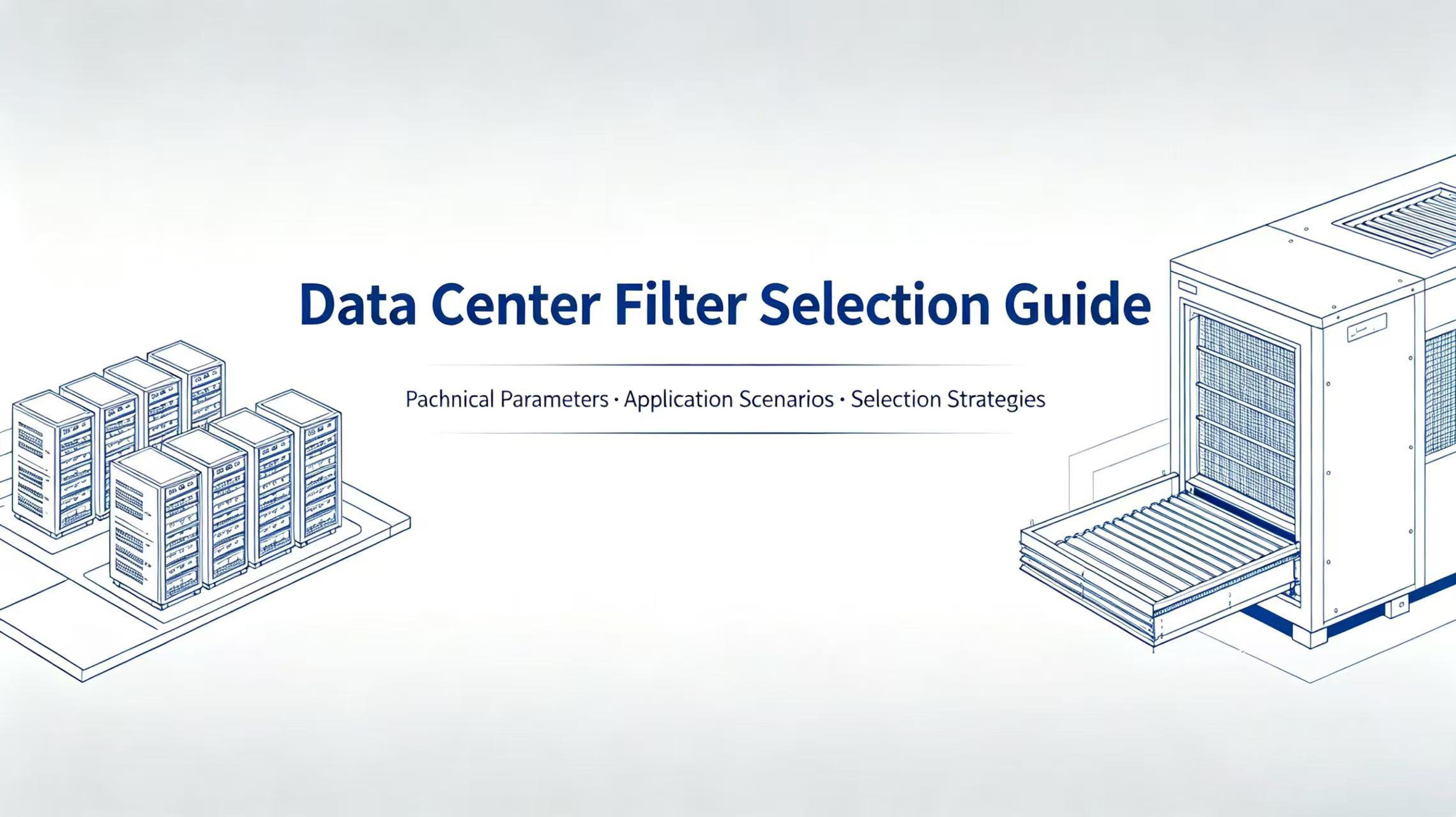
Precision air filtration for data centers, shielding servers and critical hardware from dust contamination to keep cooling systems running efficiently and reliably.
View Related Products →Farming Environment Purification
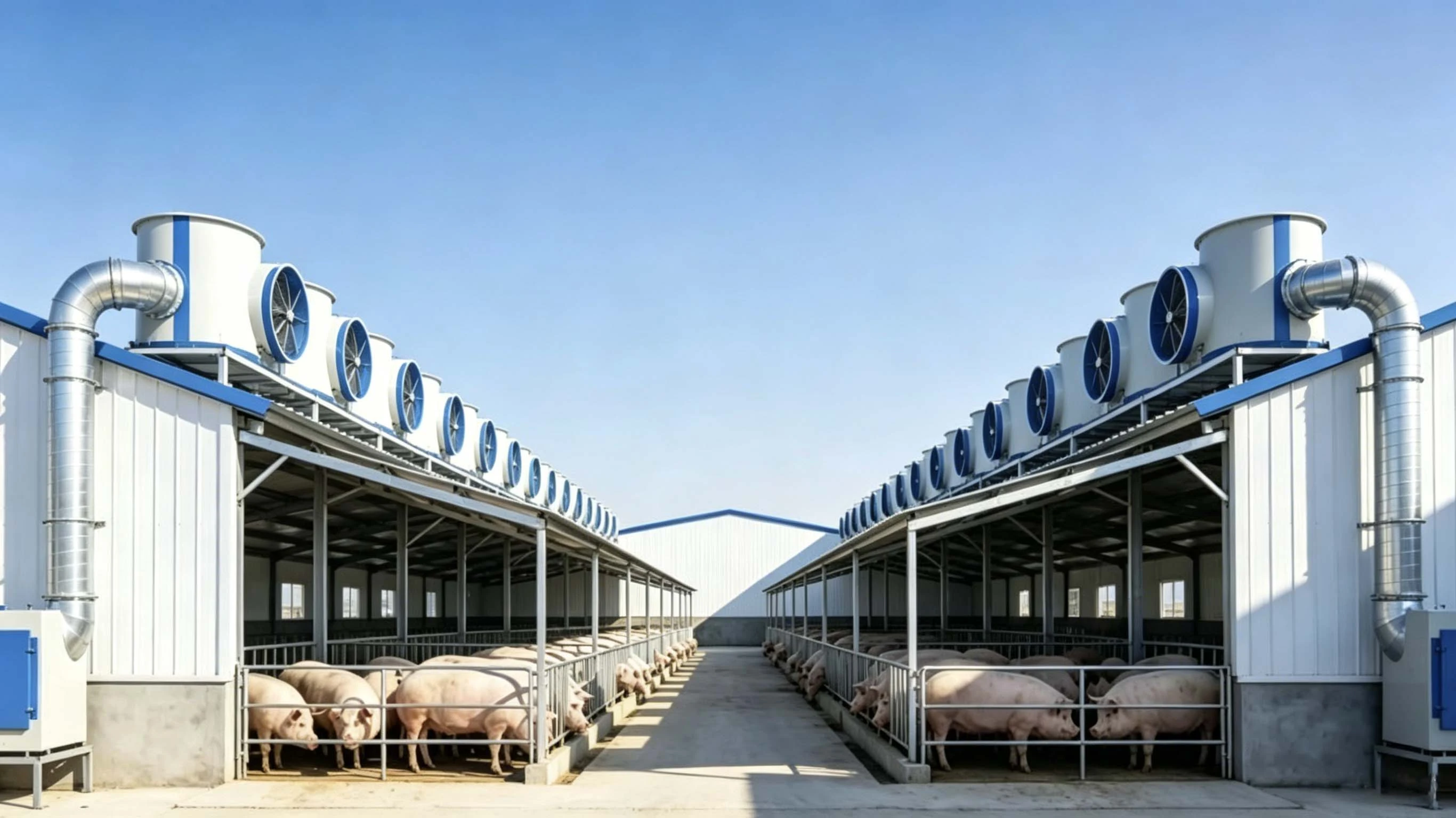
Dedicated filtration systems for farms and livestock facilities — capturing dust, adsorbing ammonia, and inhibiting pathogen spread to improve animal health and overall productivity.
View Related Products →Paint Mist & Dust Purification
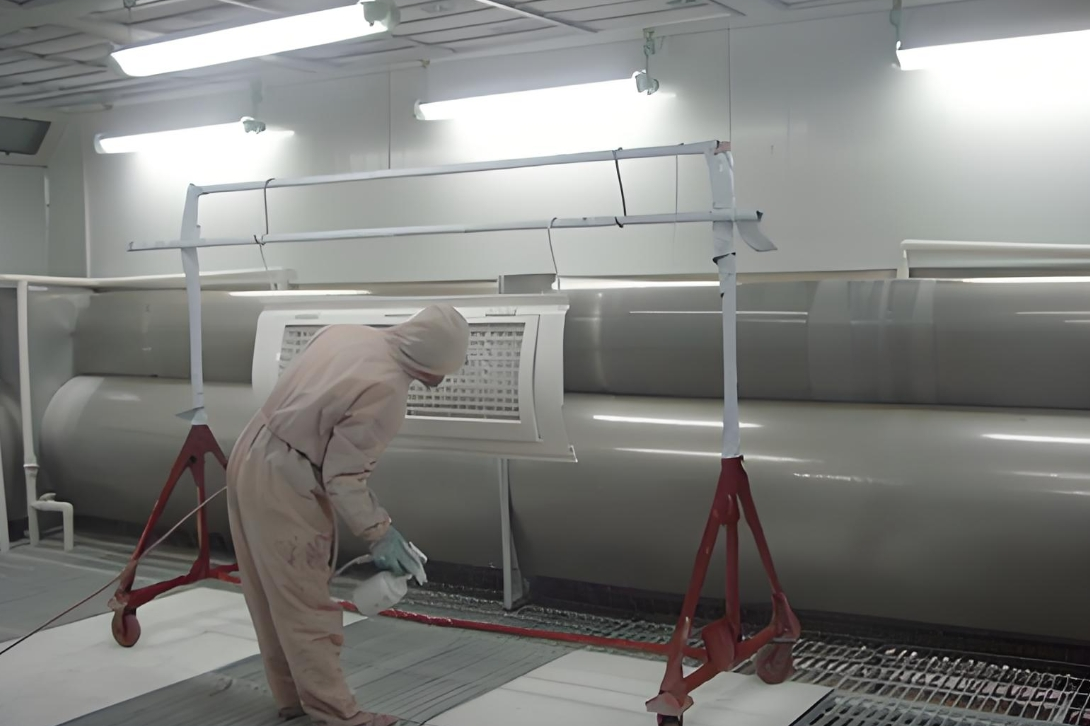
Designed for spray booths and grinding workshops, efficiently capturing paint mist, metal dust, and wood chips to meet emission standards while protecting finished surface quality.
View Related Products →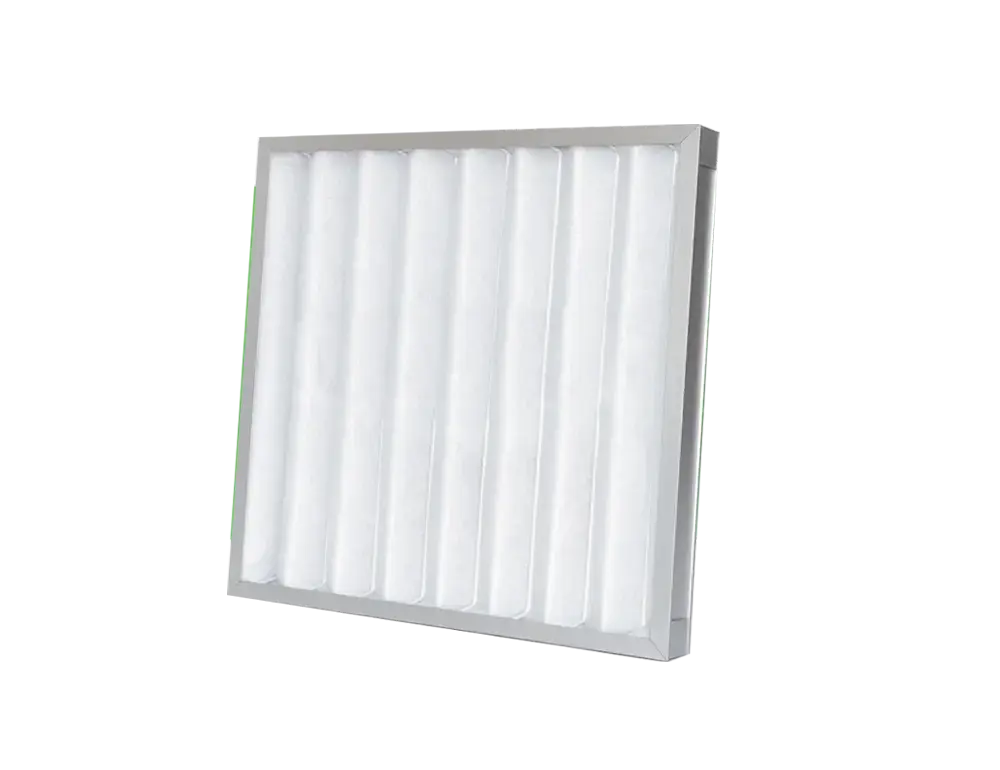
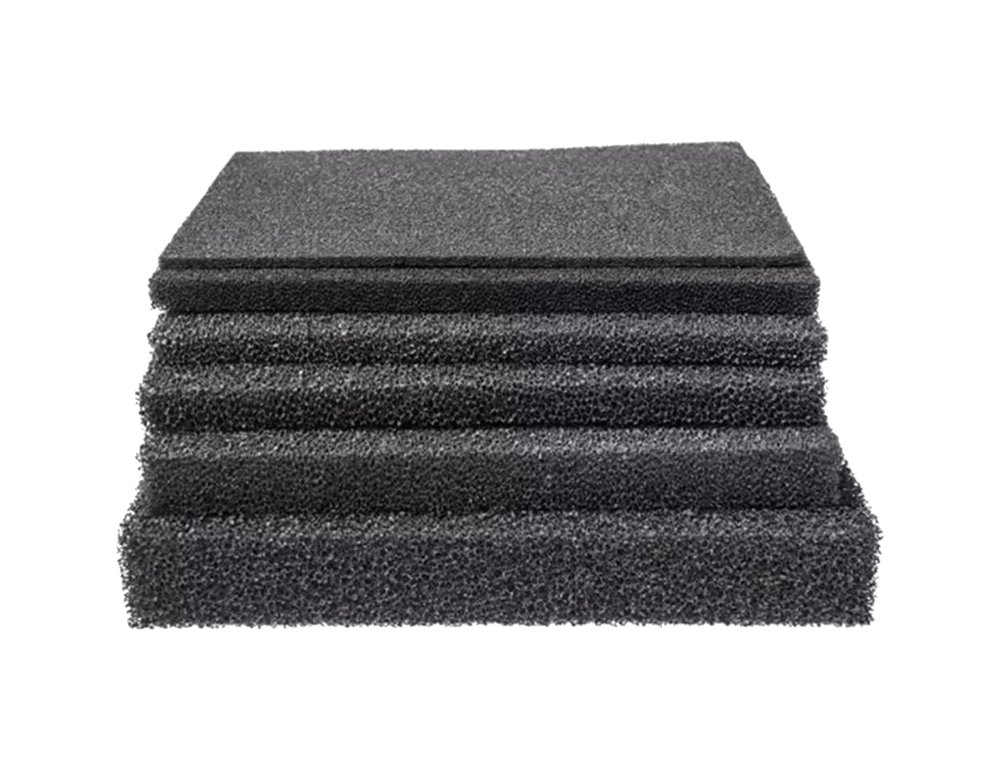
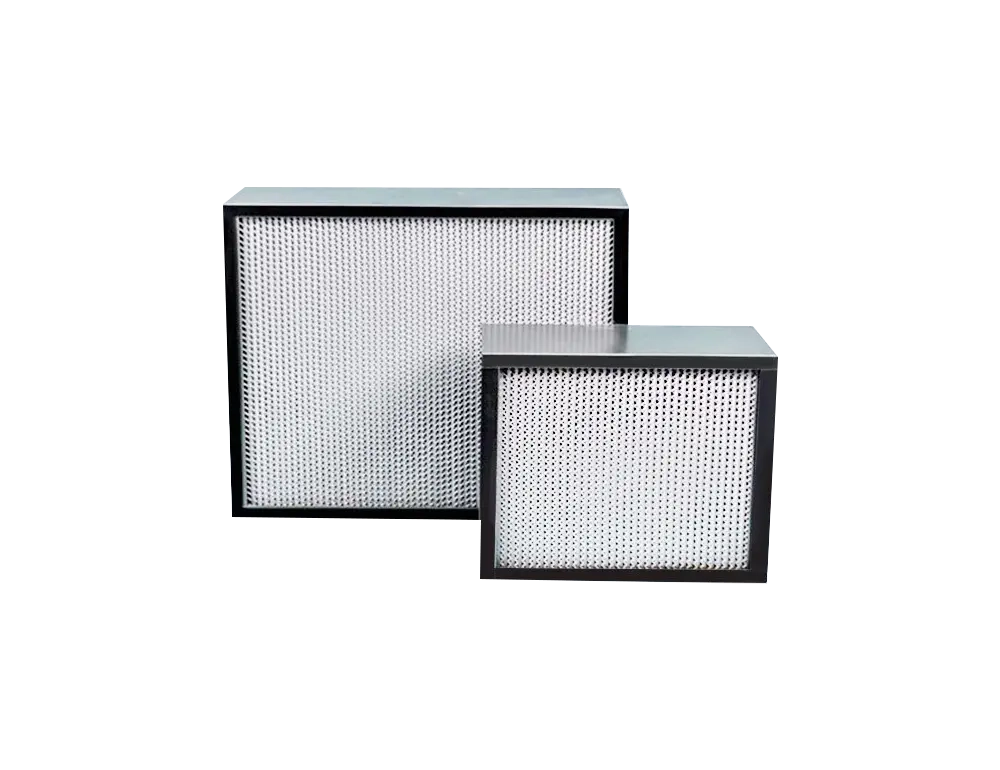
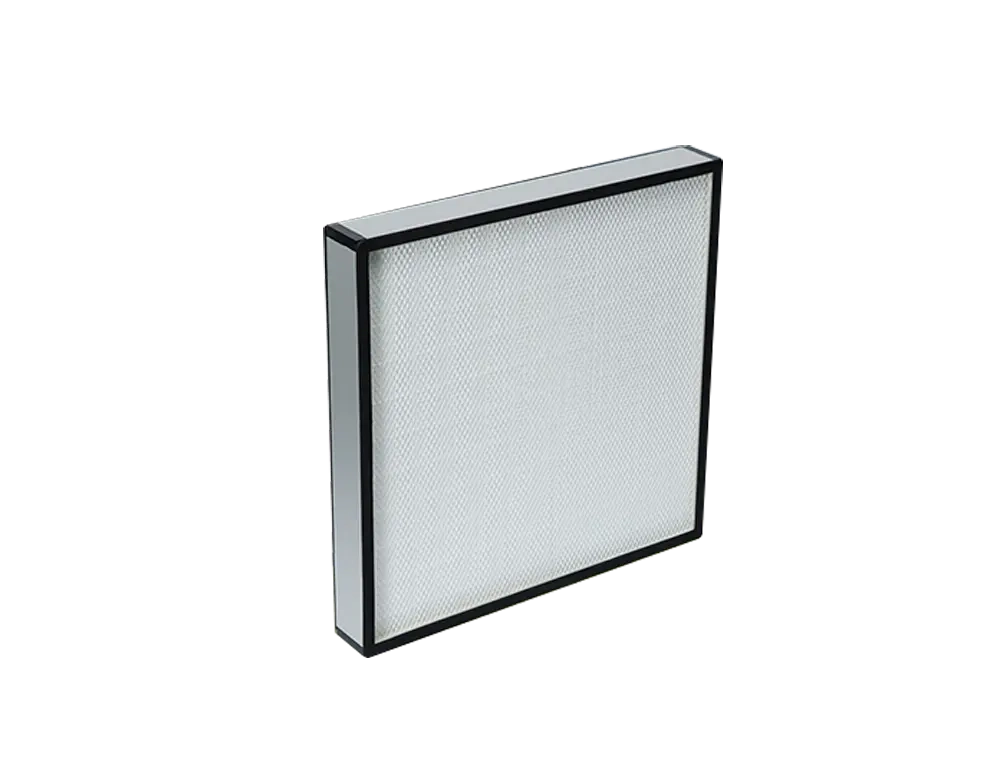
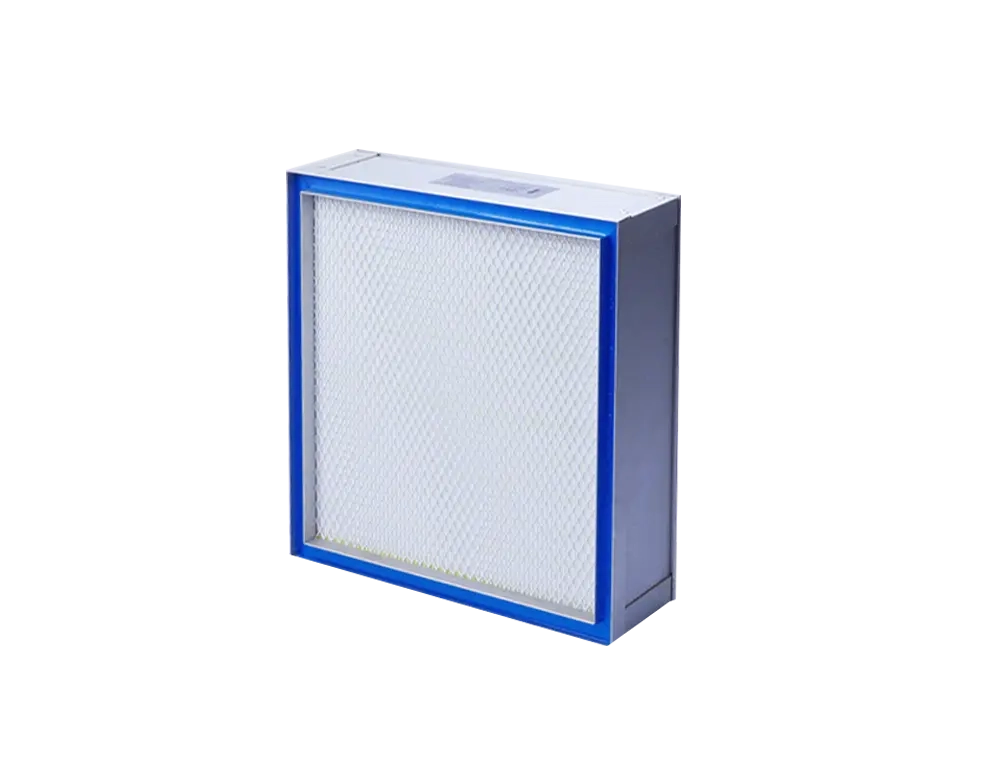
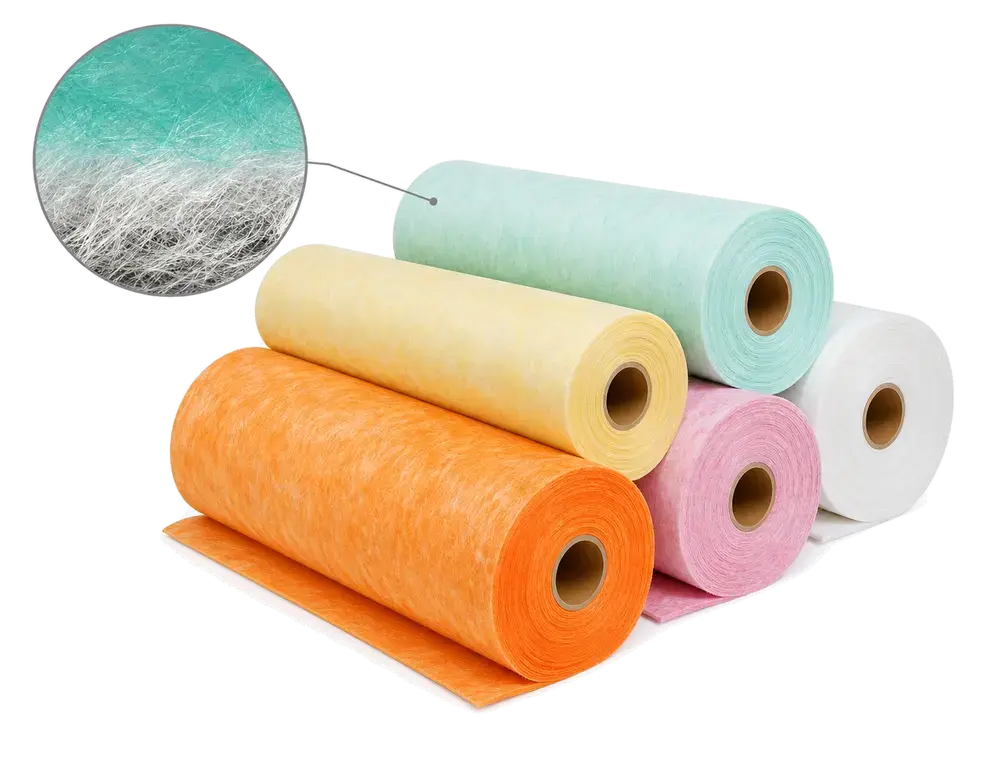
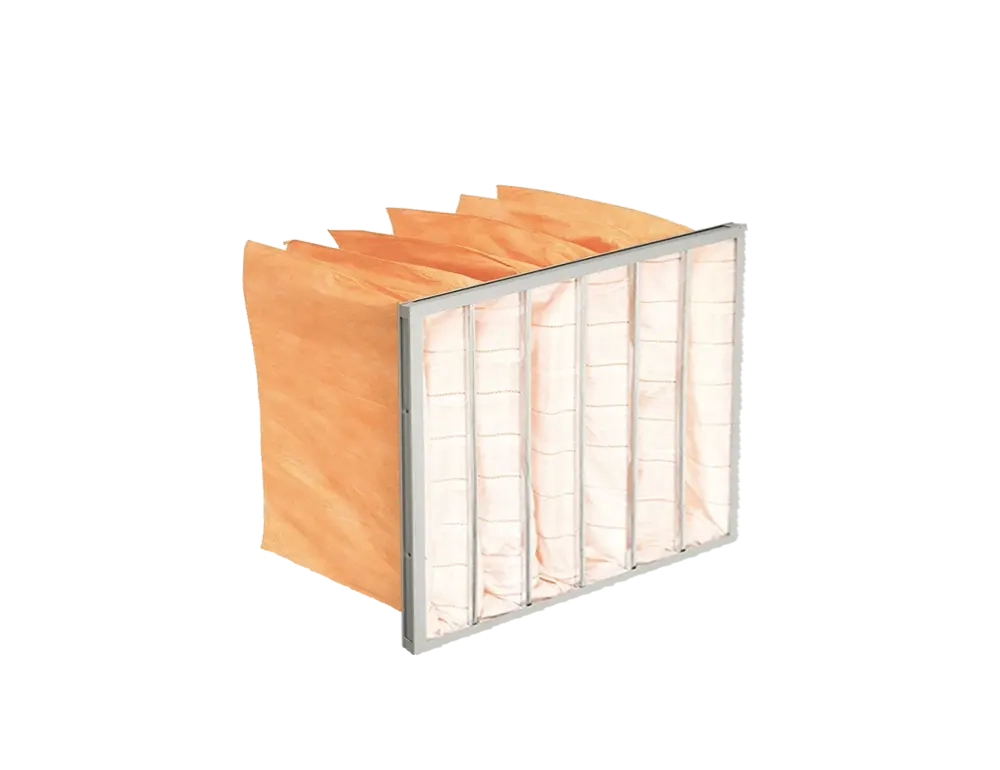
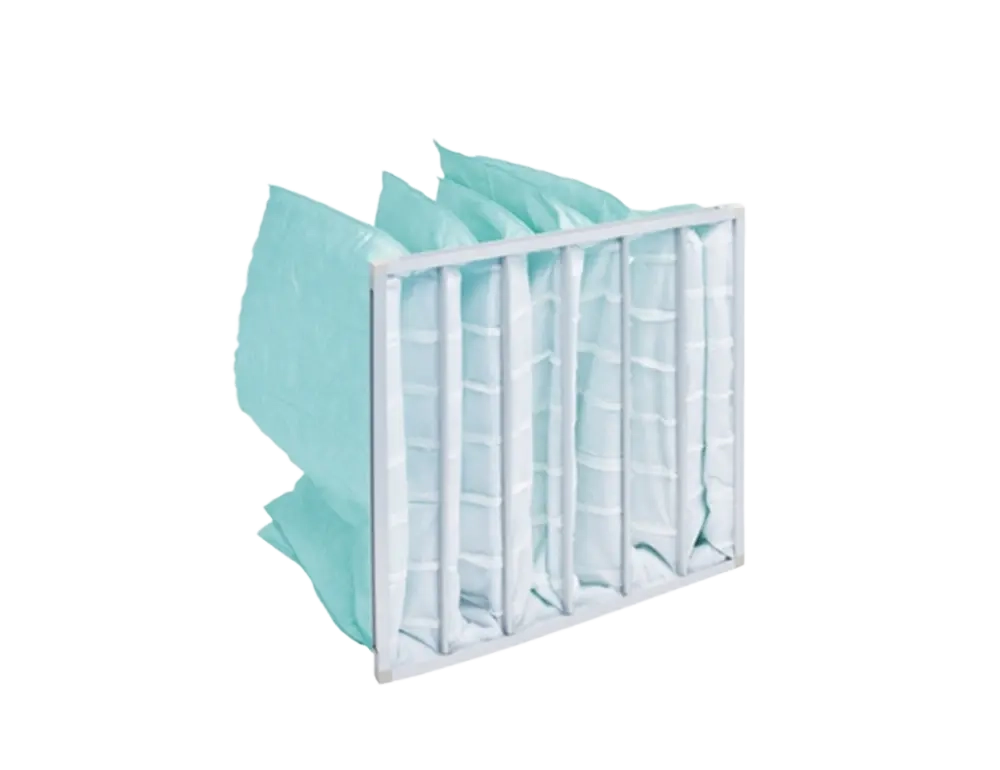
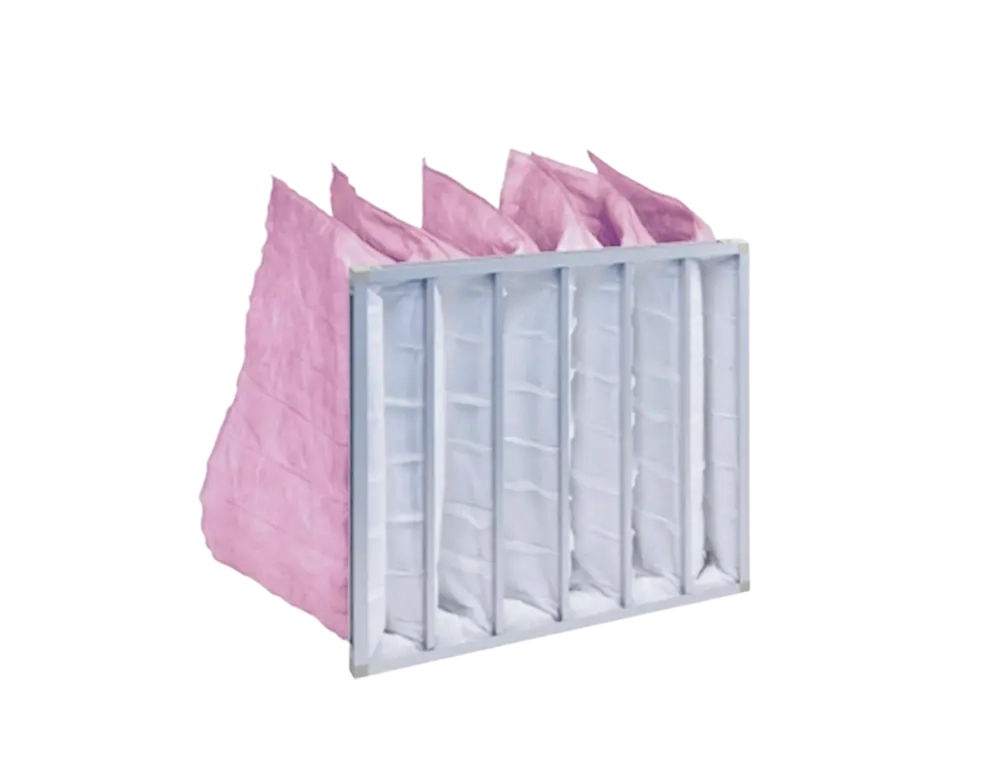
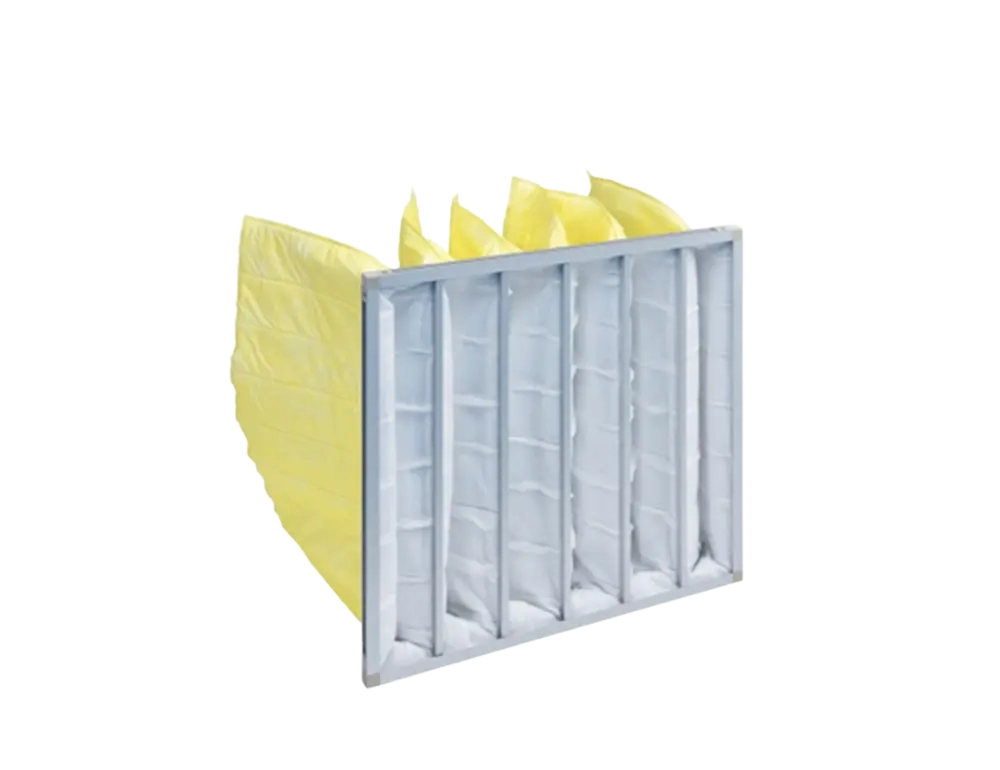
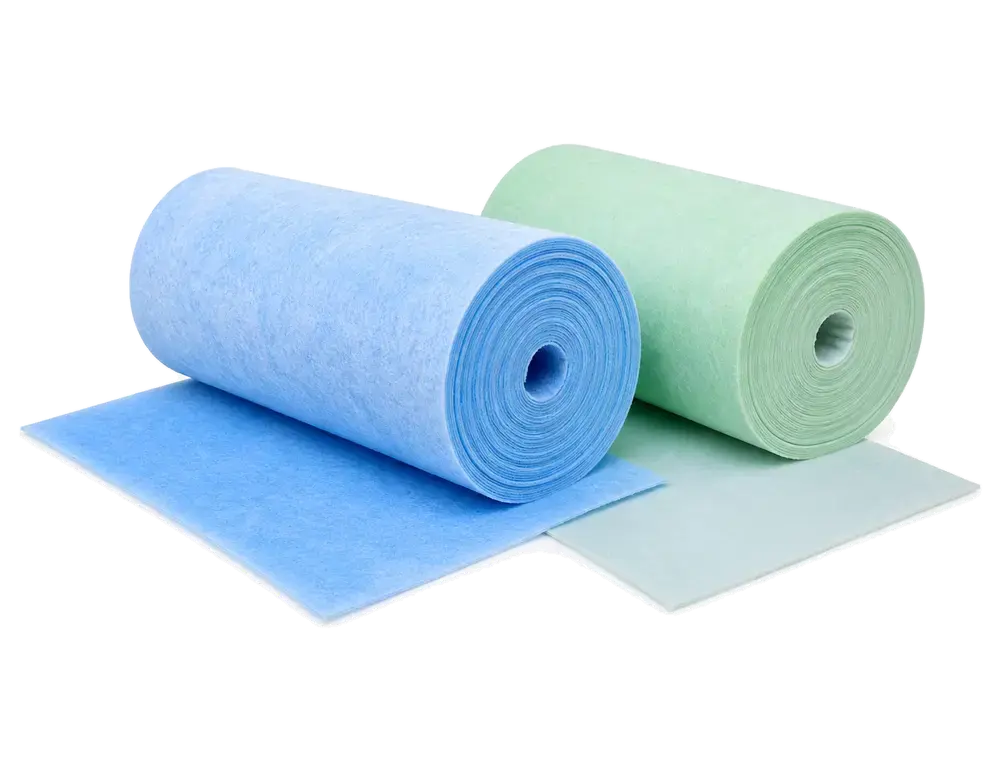
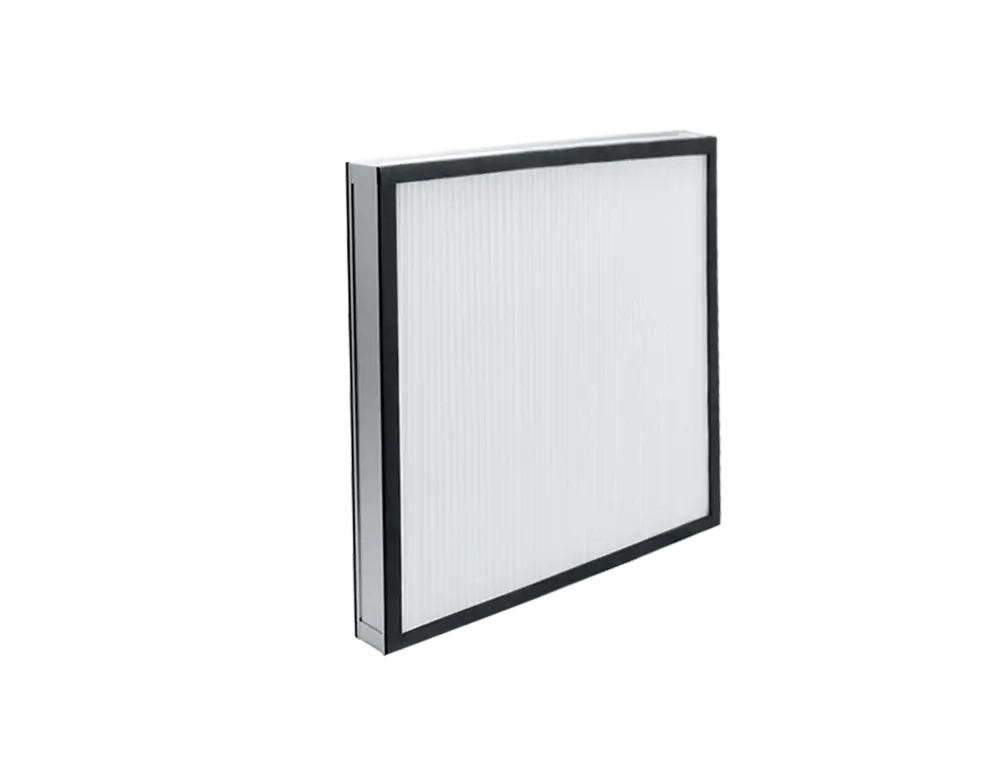
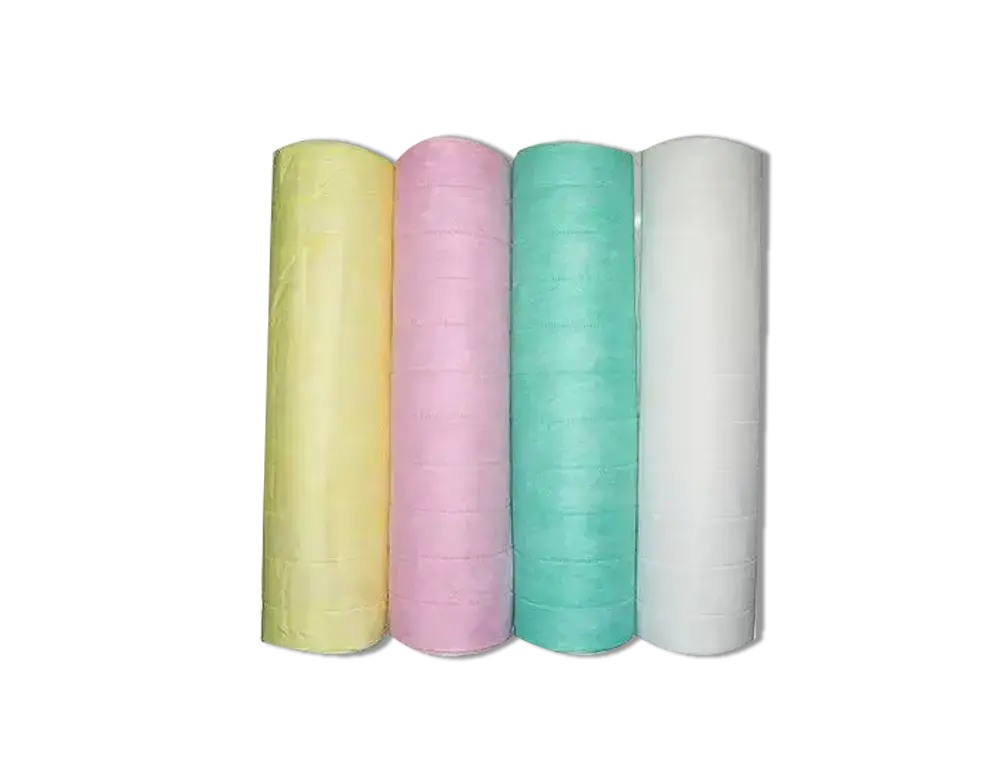
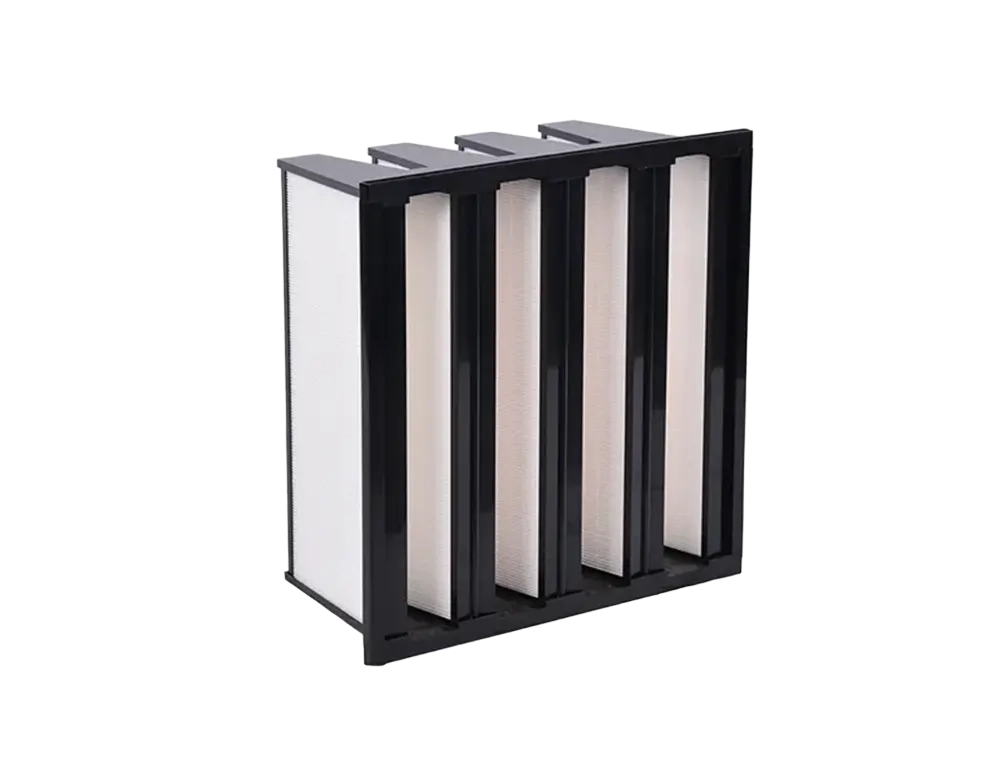
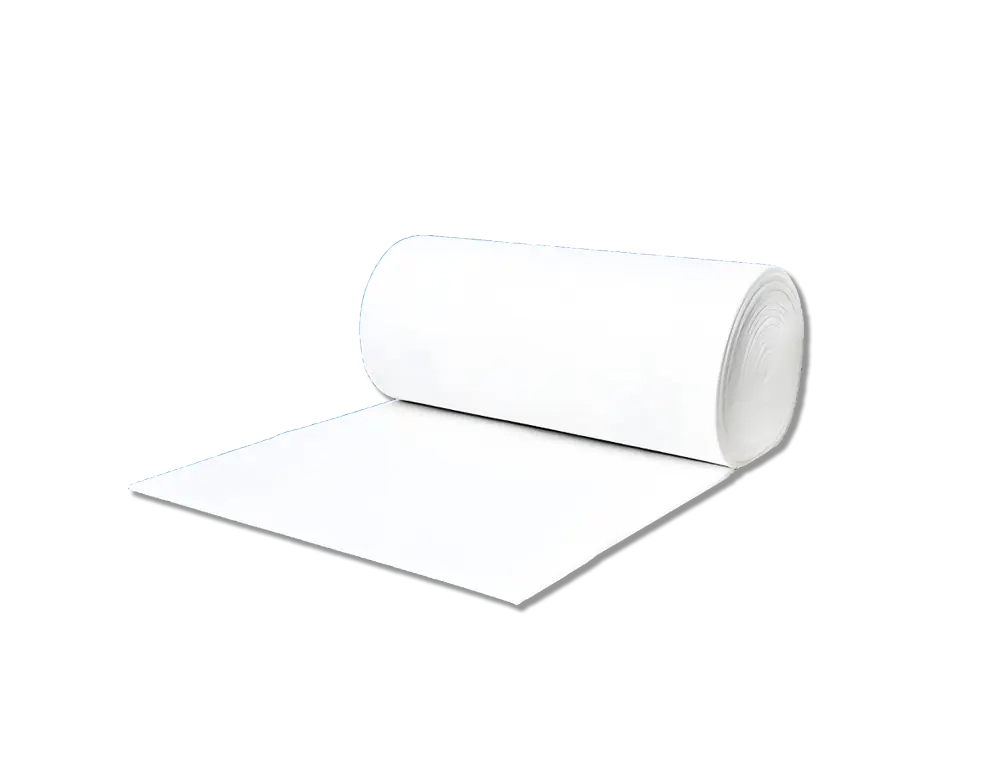
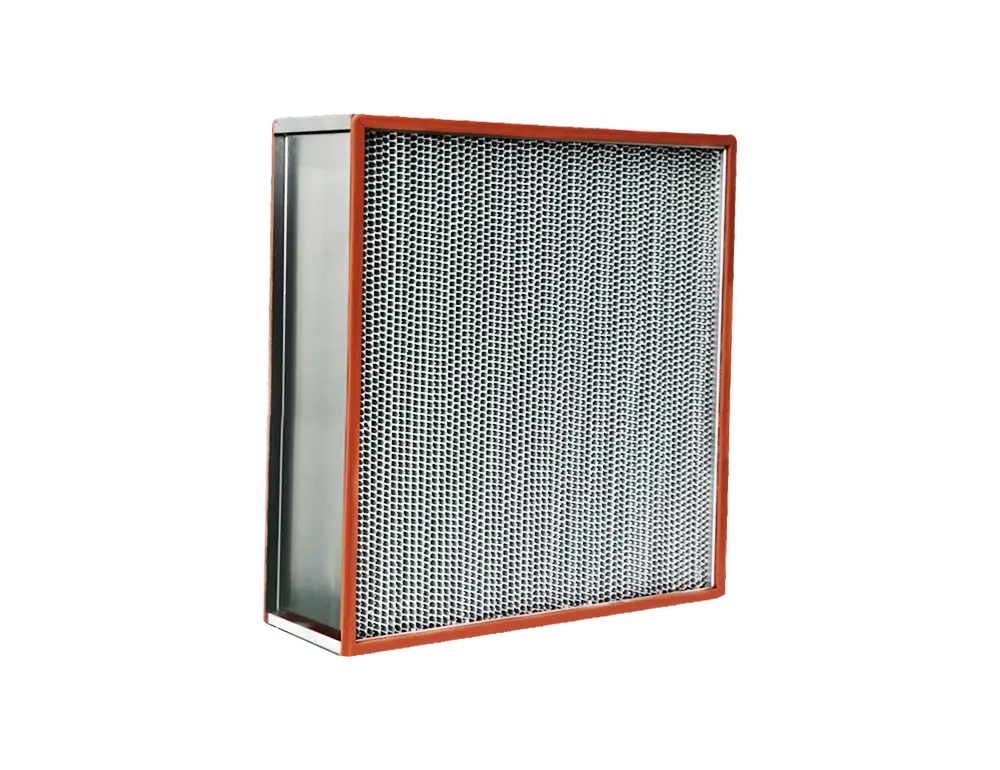
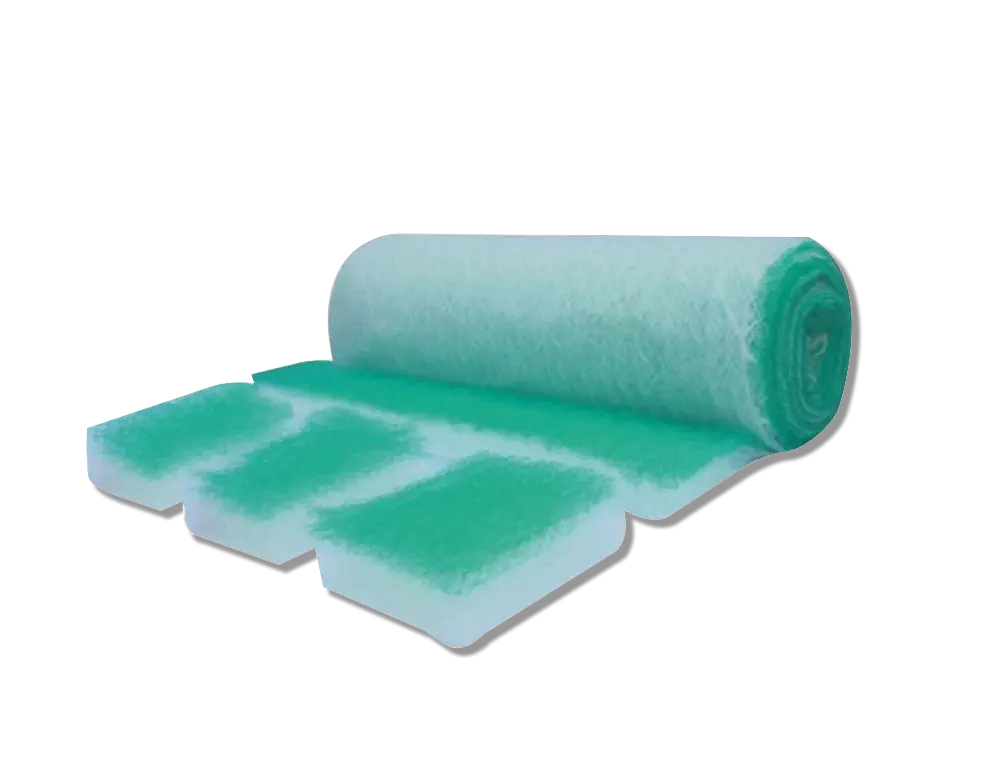
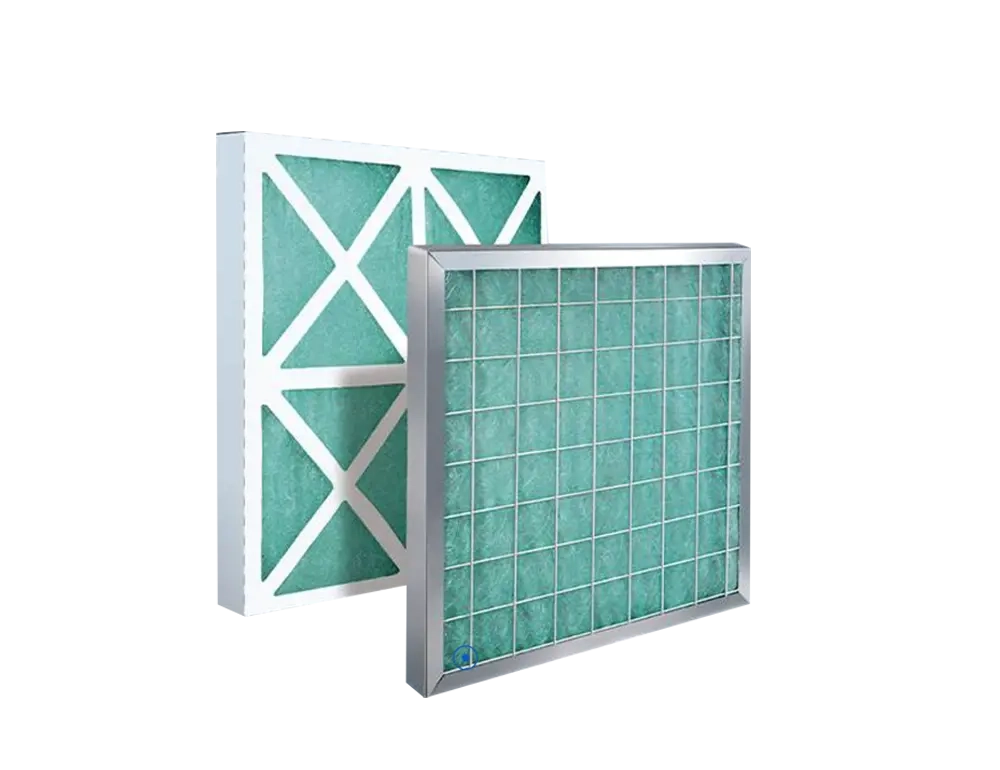
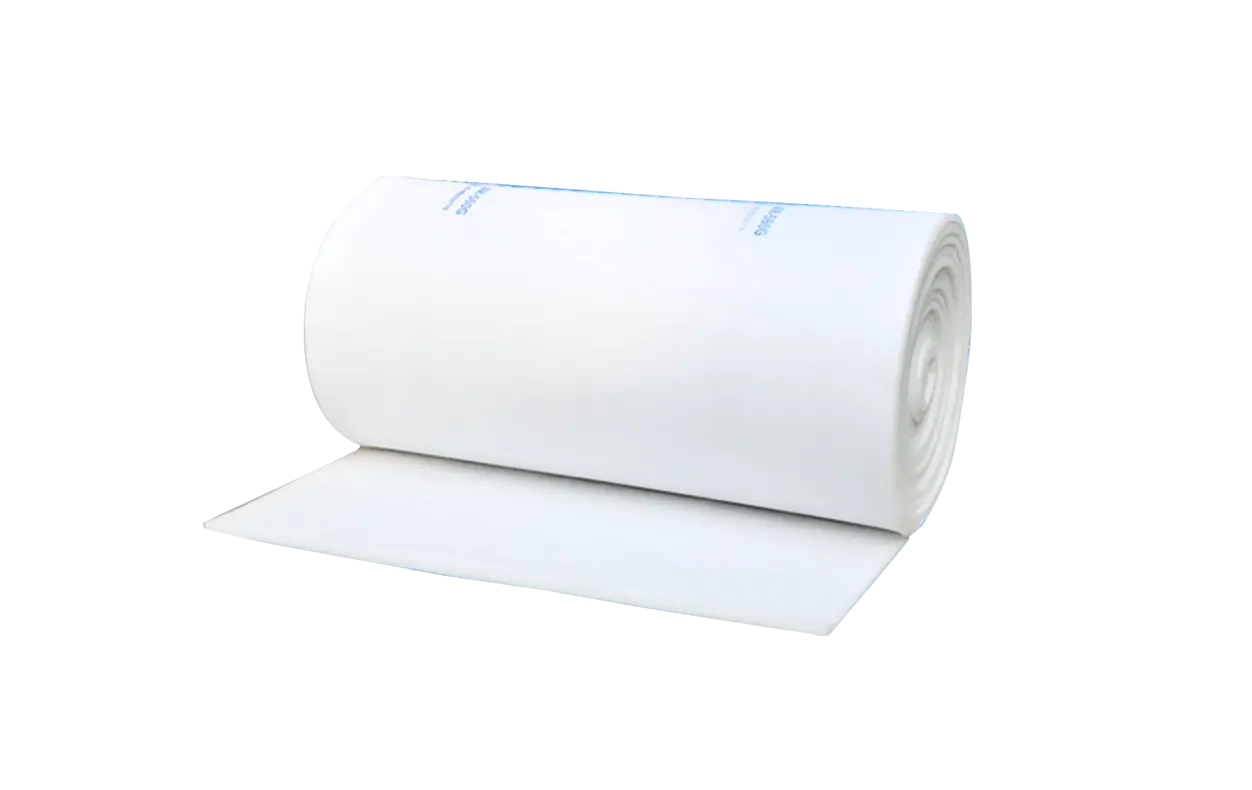
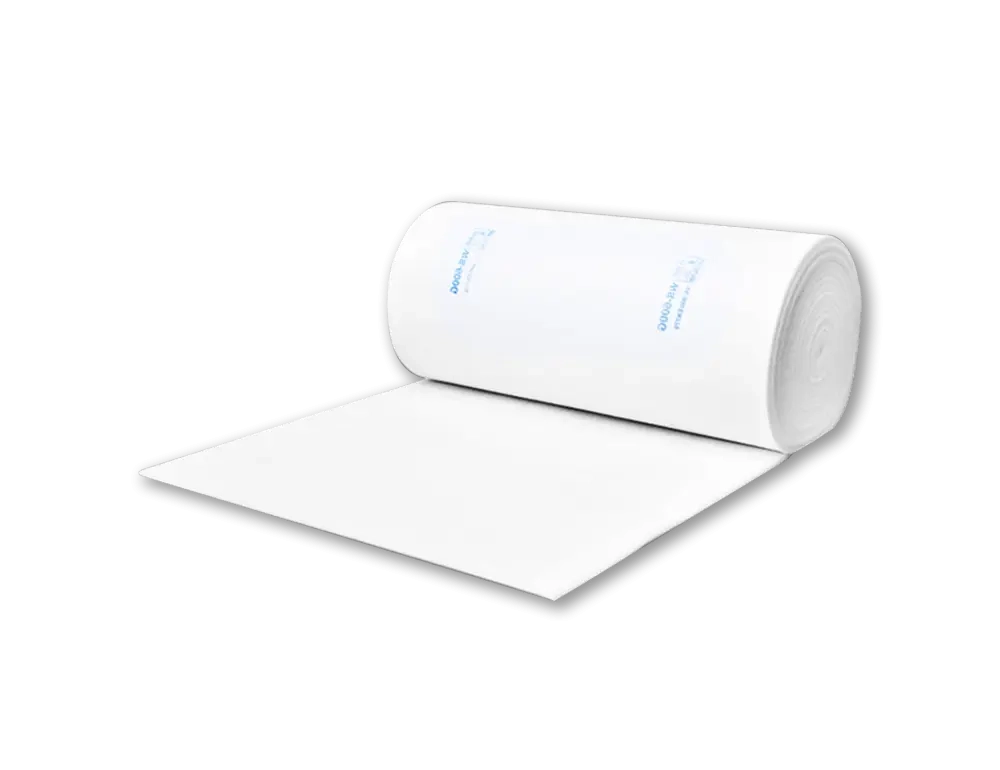
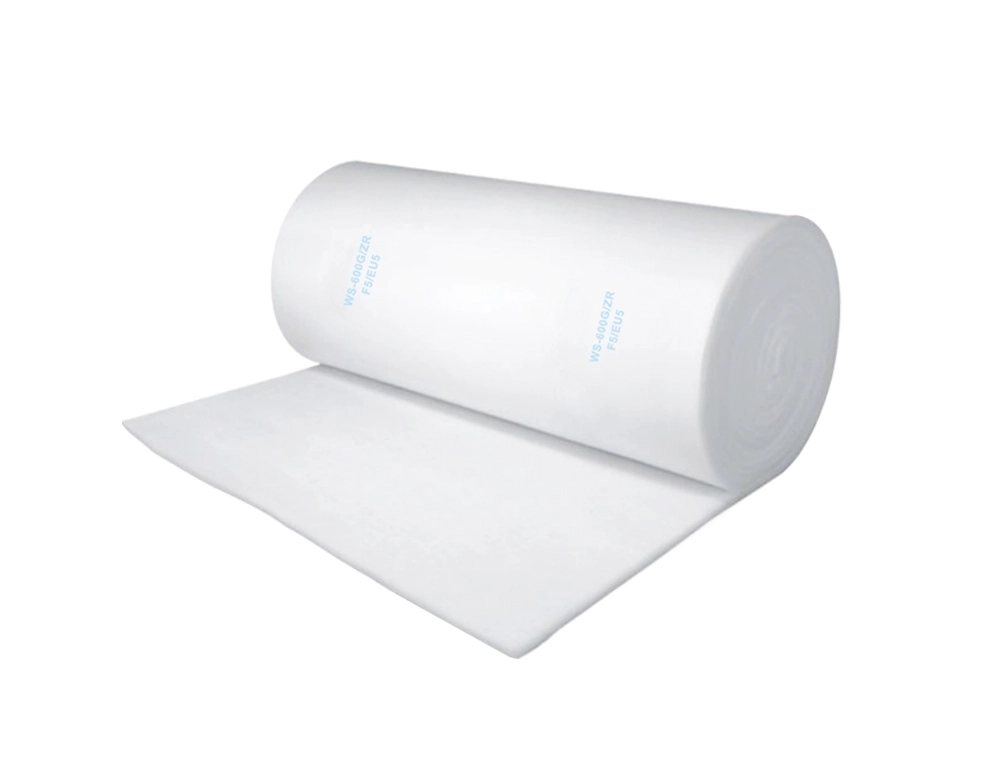
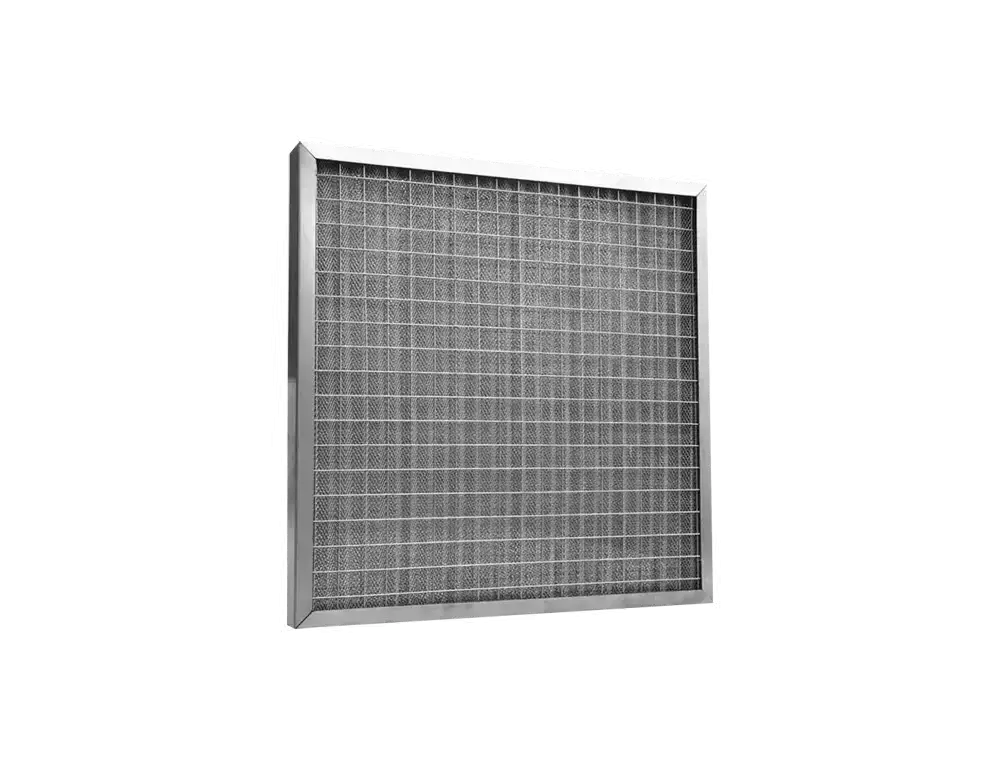
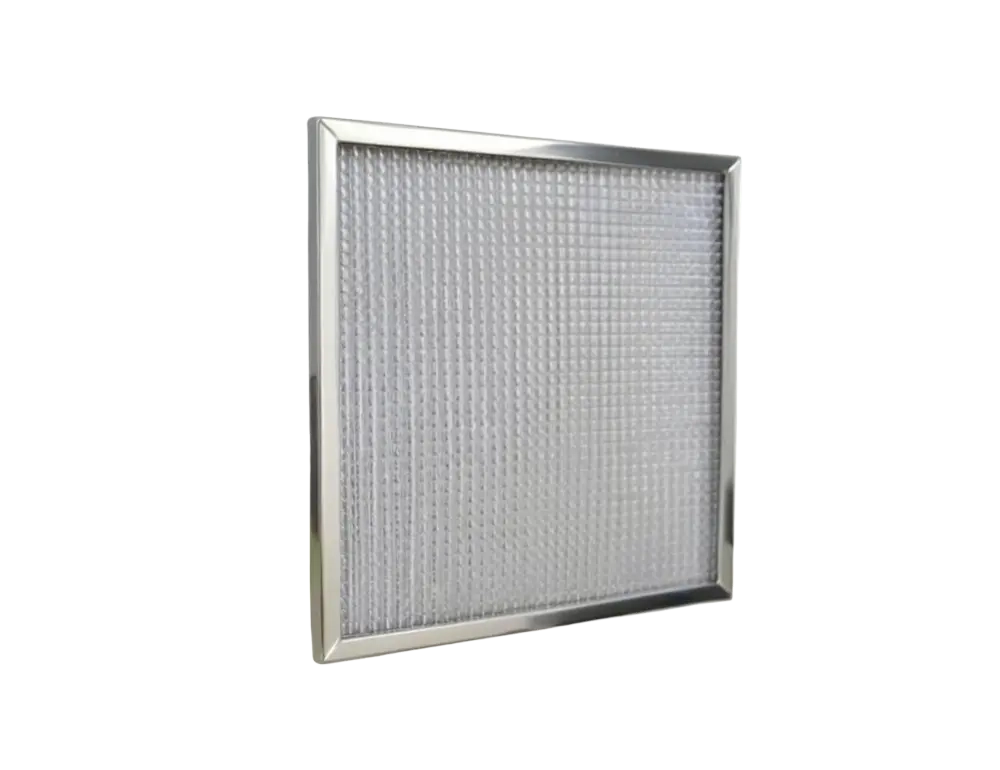
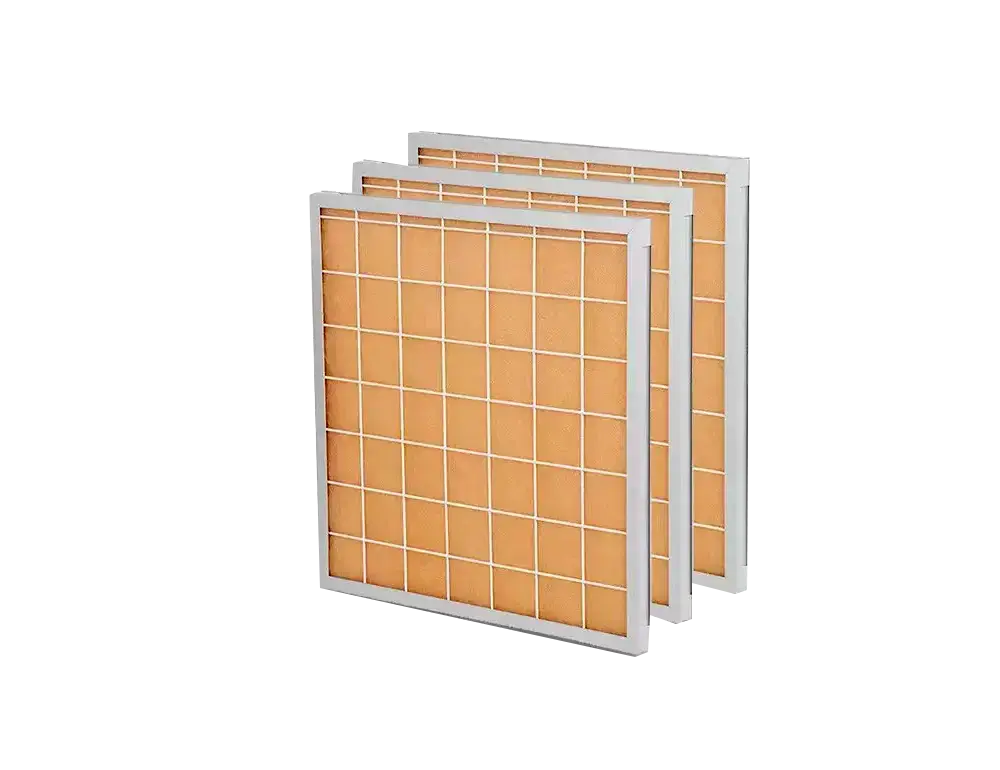
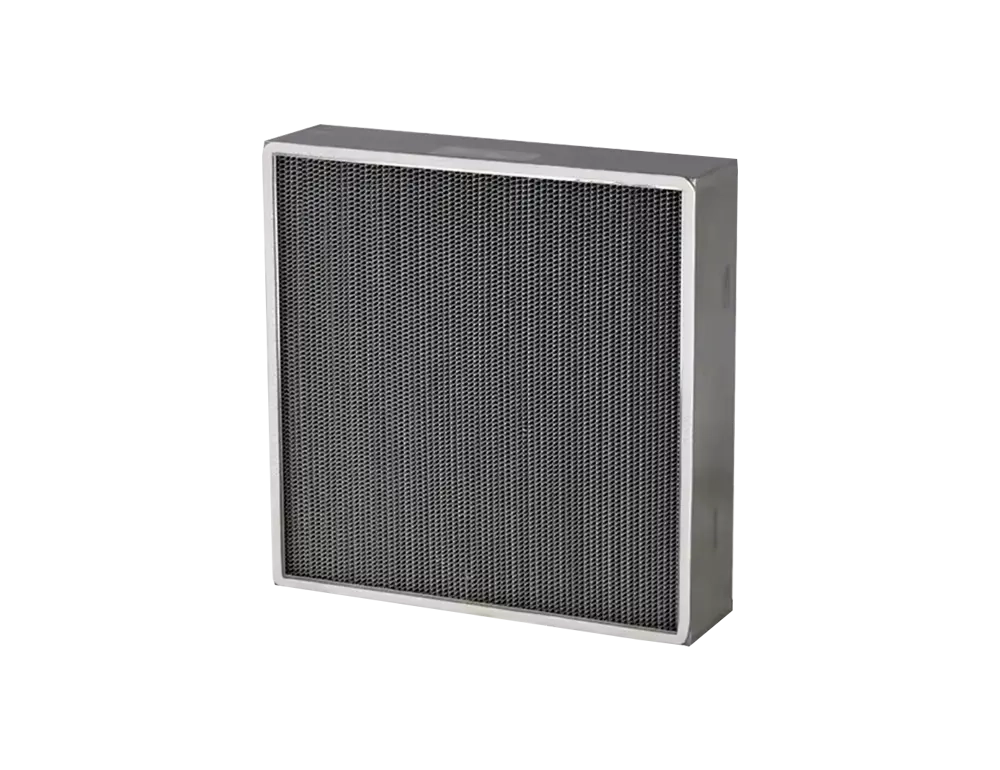
Pre-Filter (G1–G4)
First-Stage Large-Particle Capture
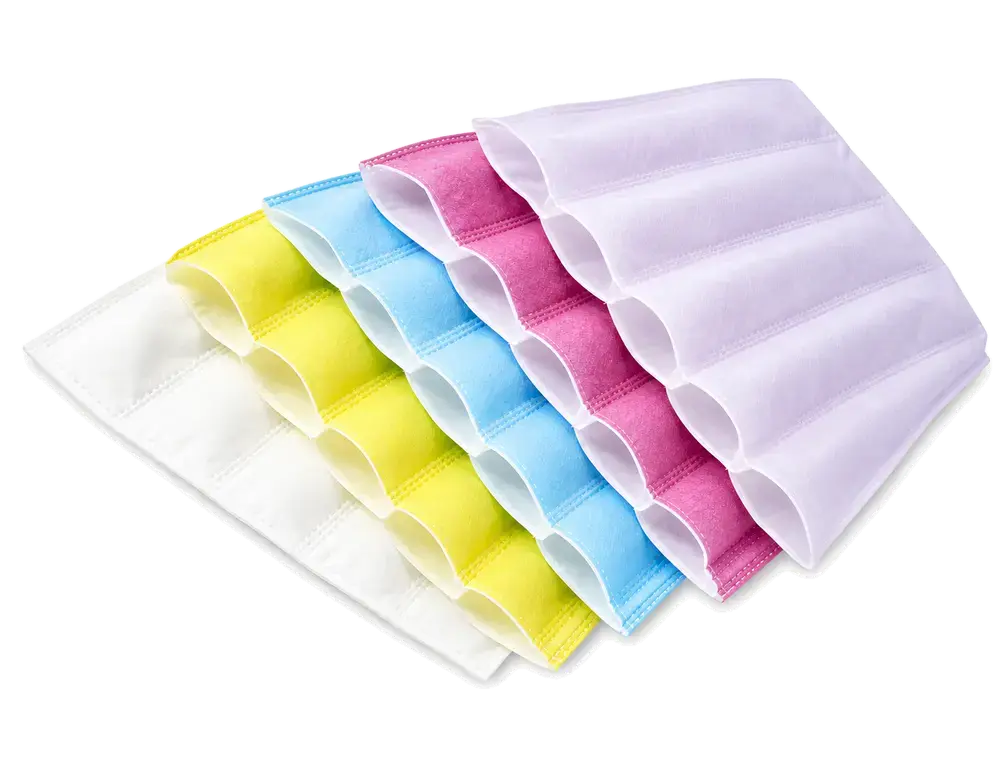
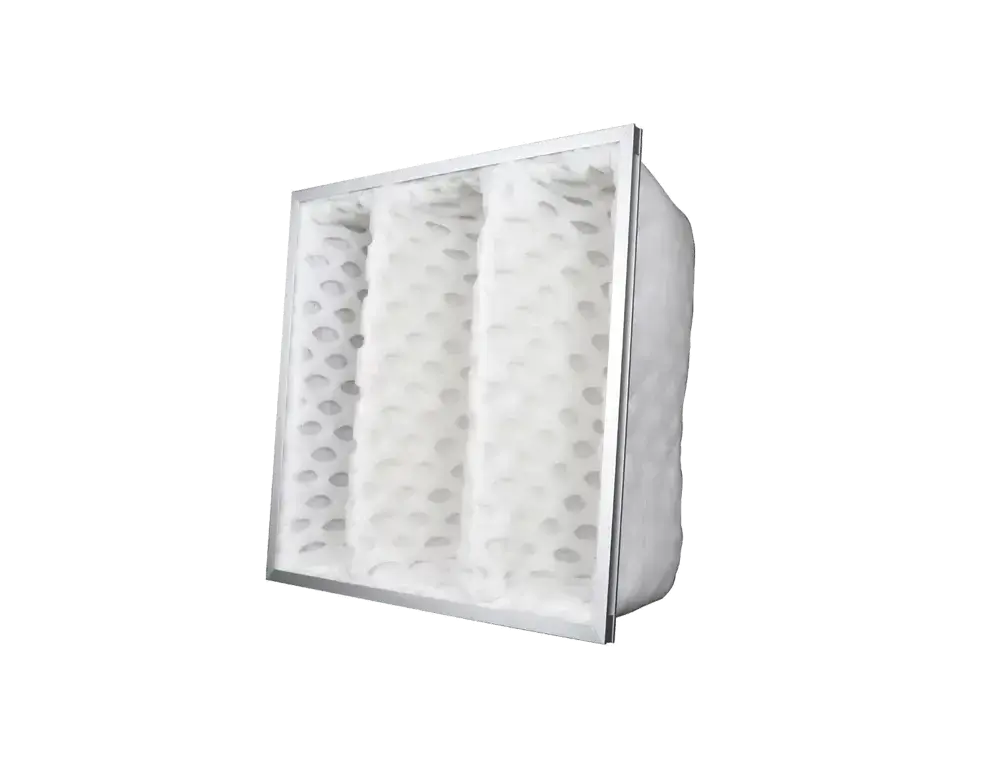
Medium-Efficiency Filter (F5–F9)
Precise PM2.5 Capture
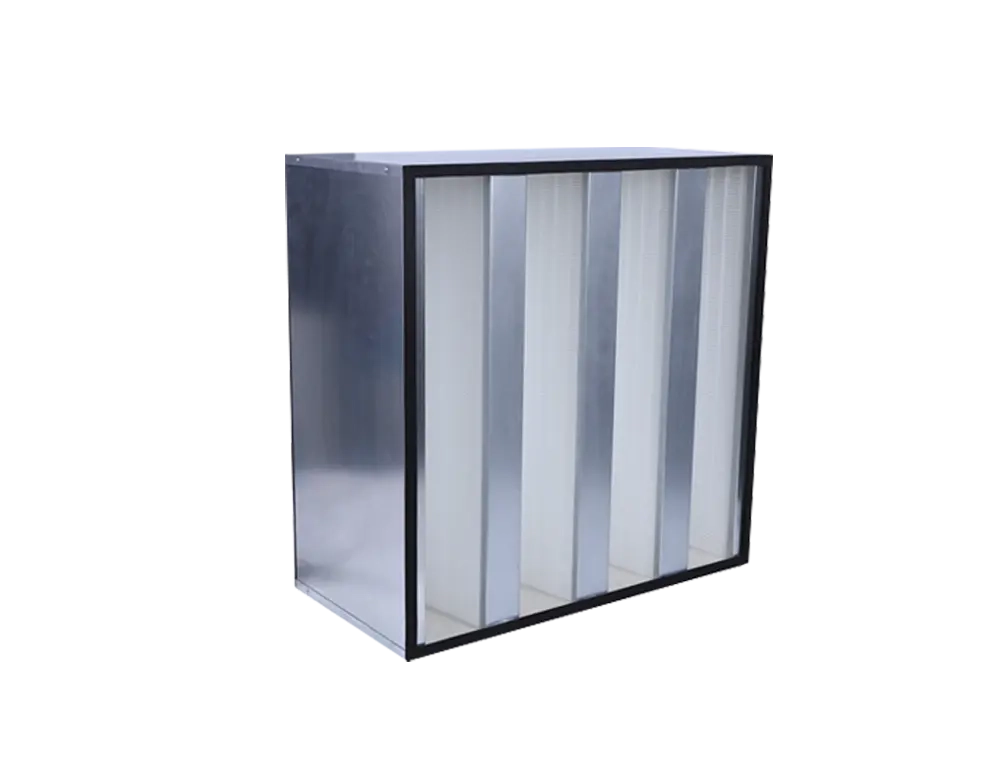
HEPA High-Efficiency Filter
Sterile-Grade Purification
ULPA Ultra-High Efficiency Filter
Sub-Micron Particle Capture
First-Stage Large-Particle Capture
The first line of defense, capturing particles ≥5 μm such as dust, hair, and fibers to protect downstream filters and extend overall system service life.
View Related Products →Precise PM2.5 Capture
Captures fine particles of 1–5 μm including PM2.5, pollen, and mold spores, significantly improving indoor air quality for commercial HVAC and ventilation systems.
View Related Products →Sterile-Grade Purification
≥99.97% filtration efficiency for particles ≥0.3 μm, delivering sterile-grade clean air widely used in medical, pharmaceutical, and electronics manufacturing.
View Related Products →Sub-Micron Particle Capture
≥99.9995% efficiency for particles ≥0.12 μm, meeting the extreme cleanliness demands of semiconductor fabs, aerospace, and other ultra-precision applications.
View Related Products →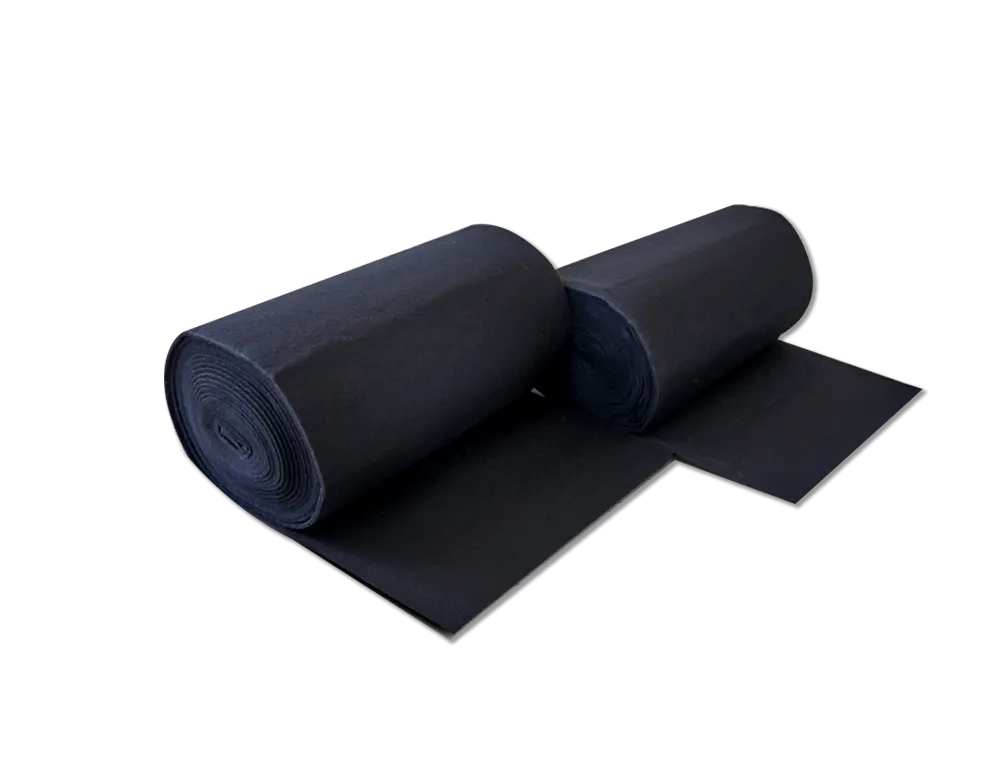
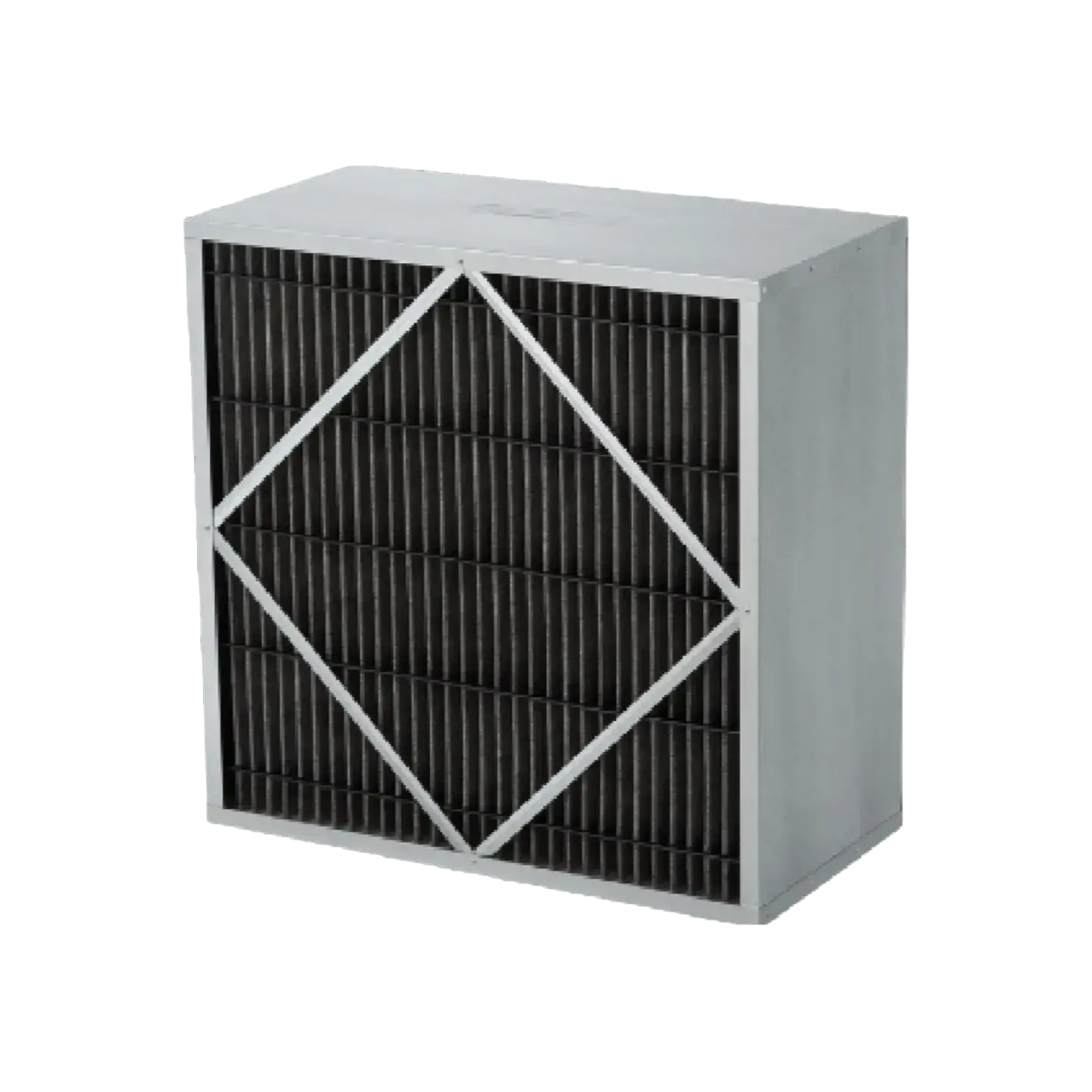
High-Temperature Resistant
Industrial-Grade Heat Tolerance
Washable & Reusable
Cut Costs, Reduce Waste
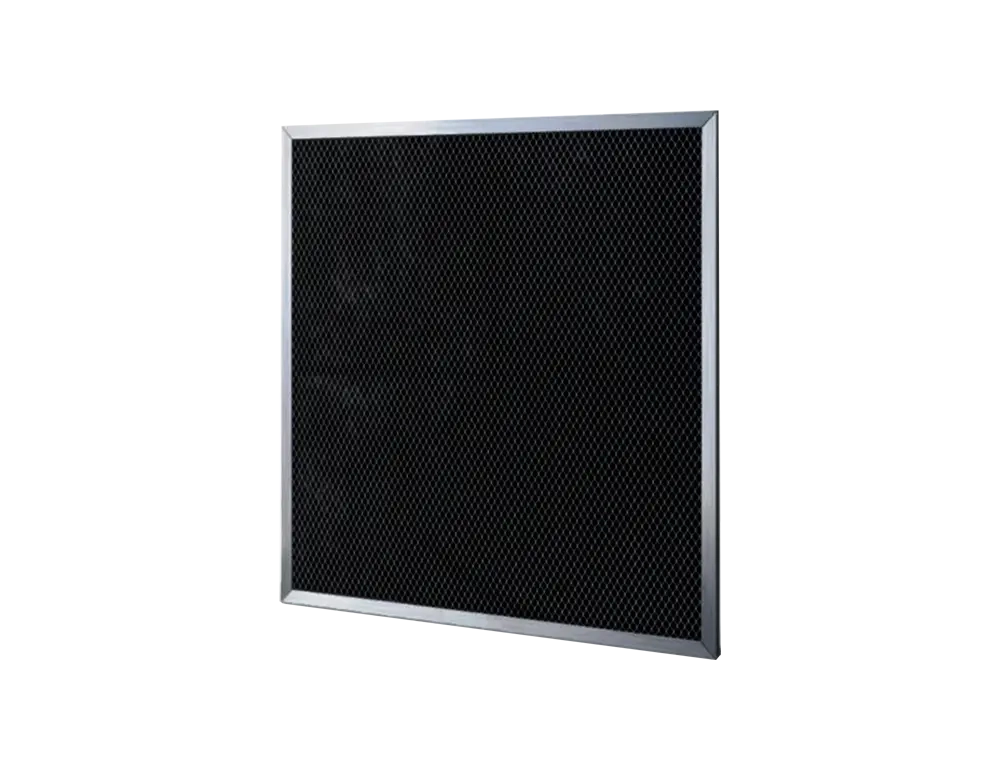
Activated Carbon
Odor & Harmful Gas Removal
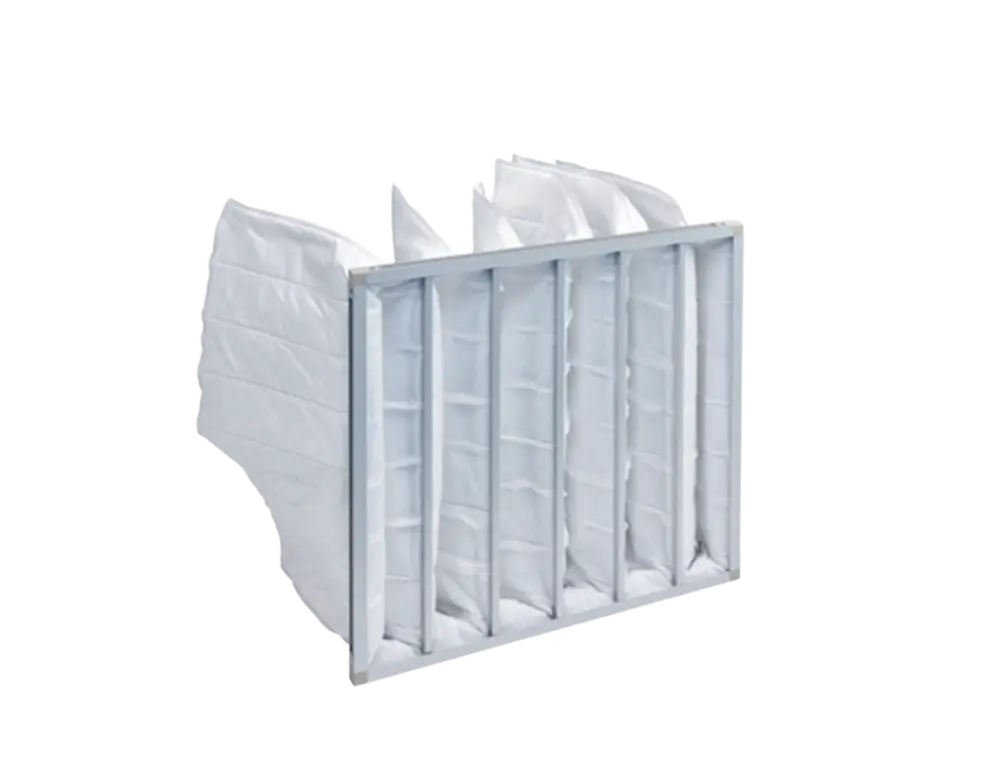
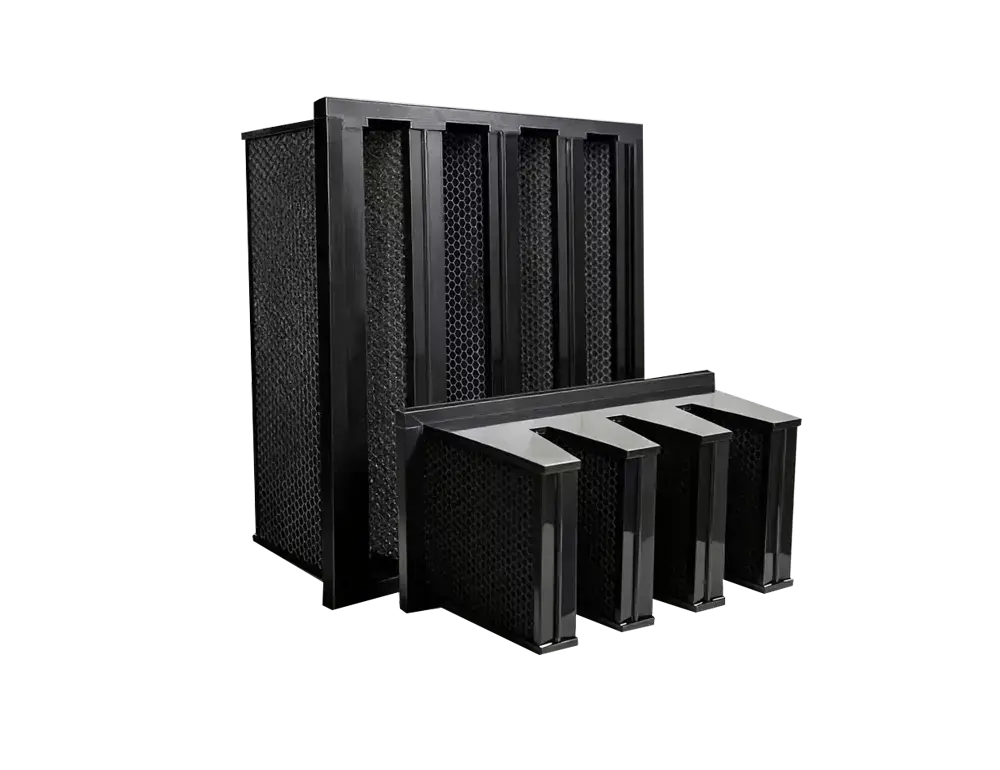
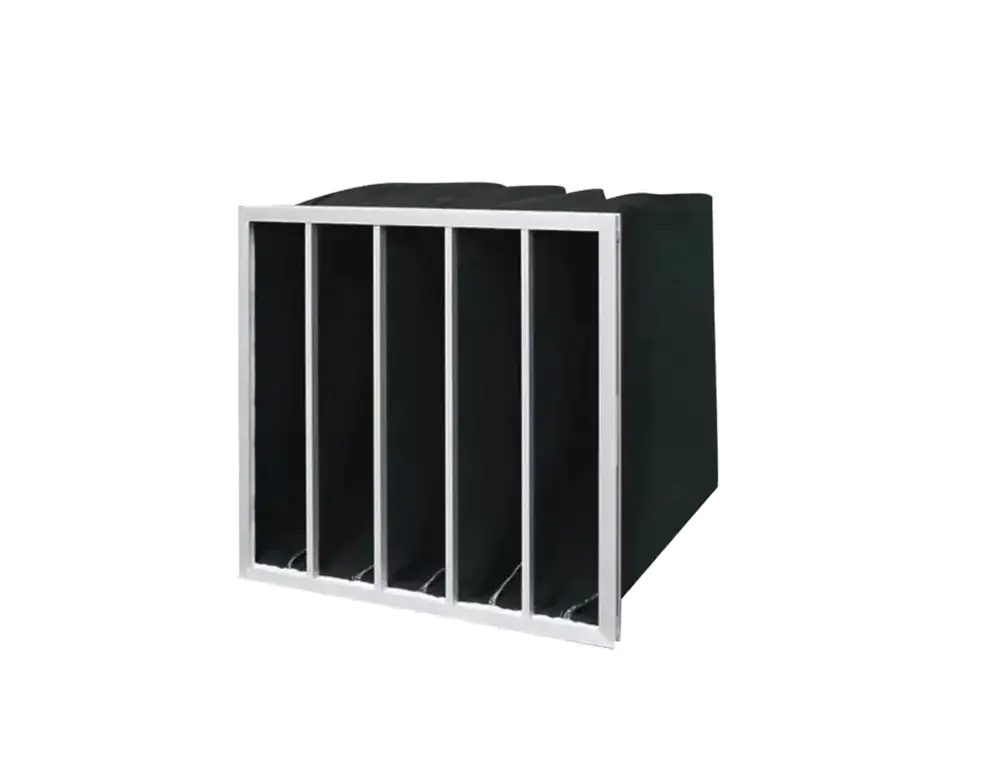
Bag Filter
High Dust-Holding, Long Life
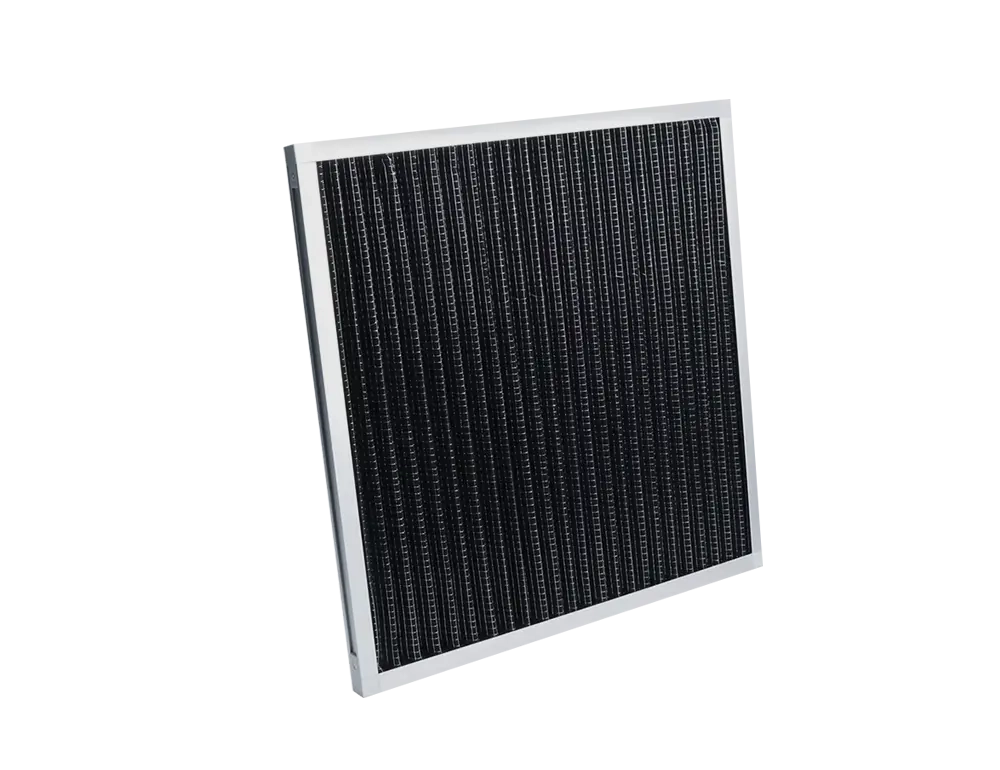
Panel / Pleated Filter
Compact Space-Saving Design
Low-Resistance Airflow
Energy-Saving Operation
Industrial-Grade Heat Tolerance
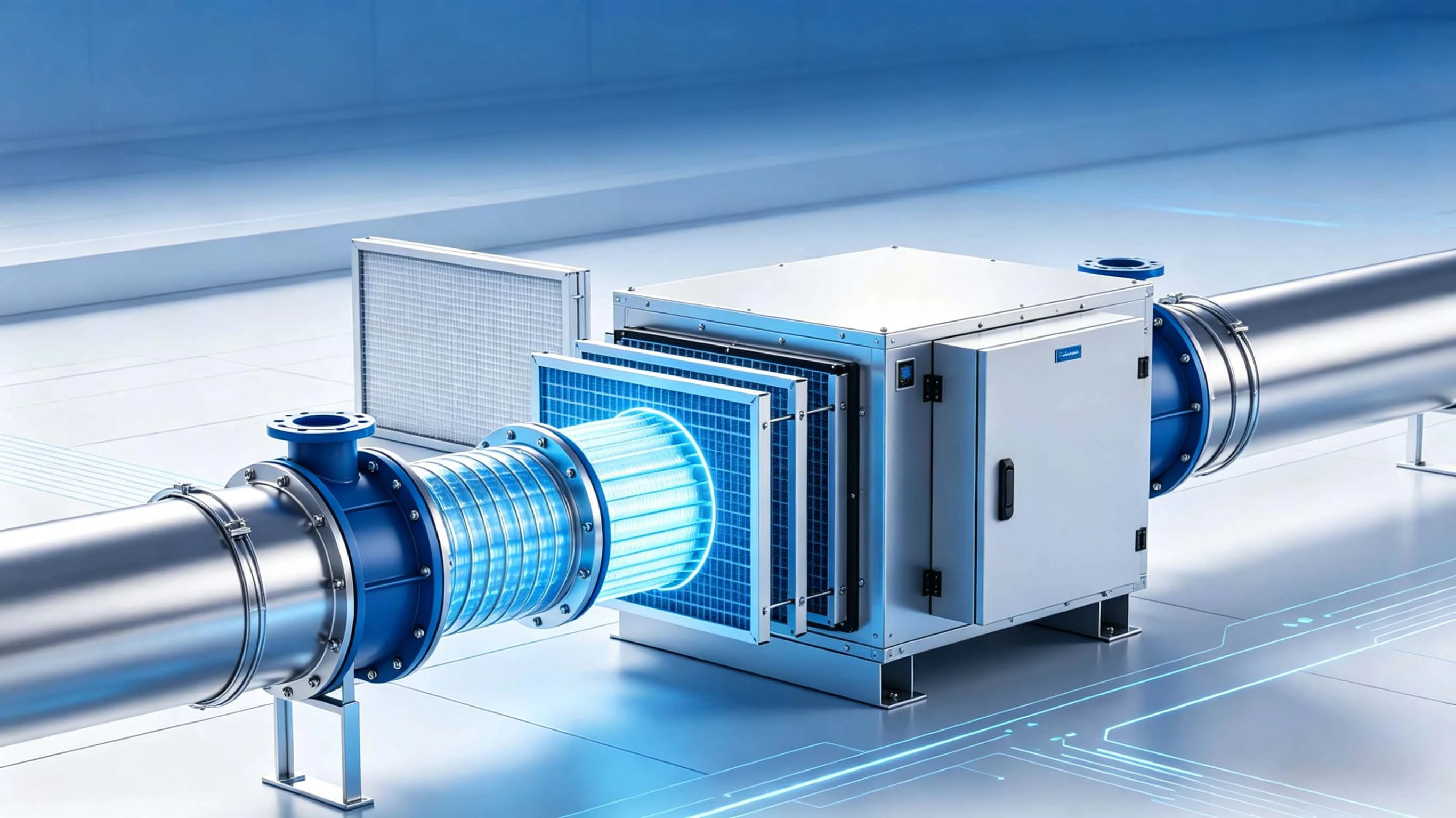
Built with specialized heat-resistant materials, operating stably up to 250°C for paint ovens, industrial dryers, and high-temperature process environments.
View Related Products →Cut Costs, Reduce Waste
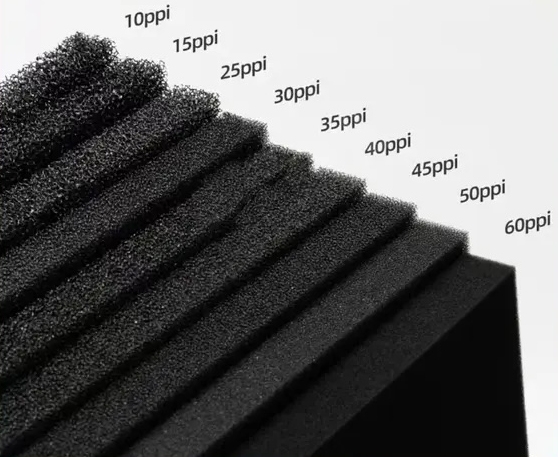
Cleanable by water washing or air blowing, reusable multiple times to significantly reduce replacement frequency and O&M costs — an economical, eco-friendly choice.
View Related Products →Odor & Harmful Gas Removal
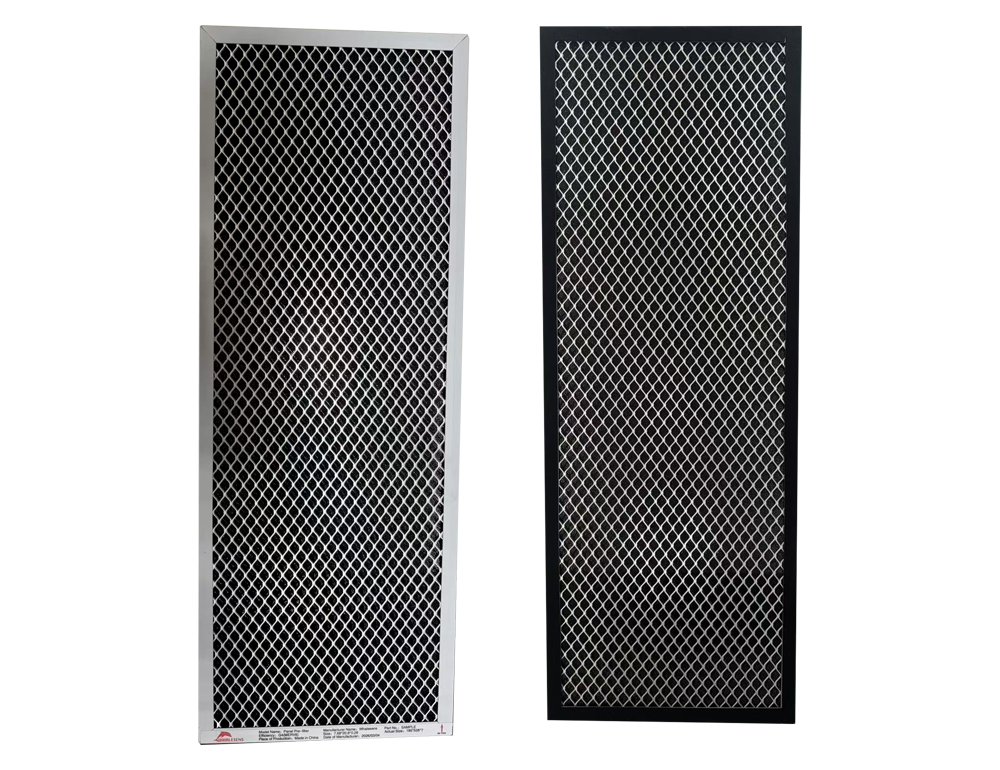
Leverages activated carbon's high adsorption capacity to eliminate odors, VOCs, and formaldehyde, ideal for newly renovated spaces and industrial exhaust treatment.
View Related Products →High Dust-Holding, Long Life
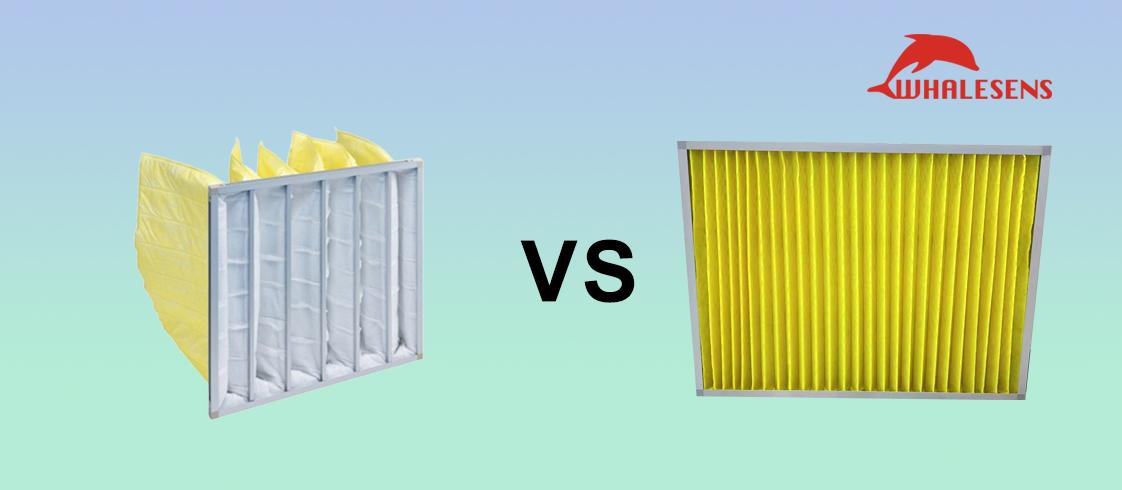
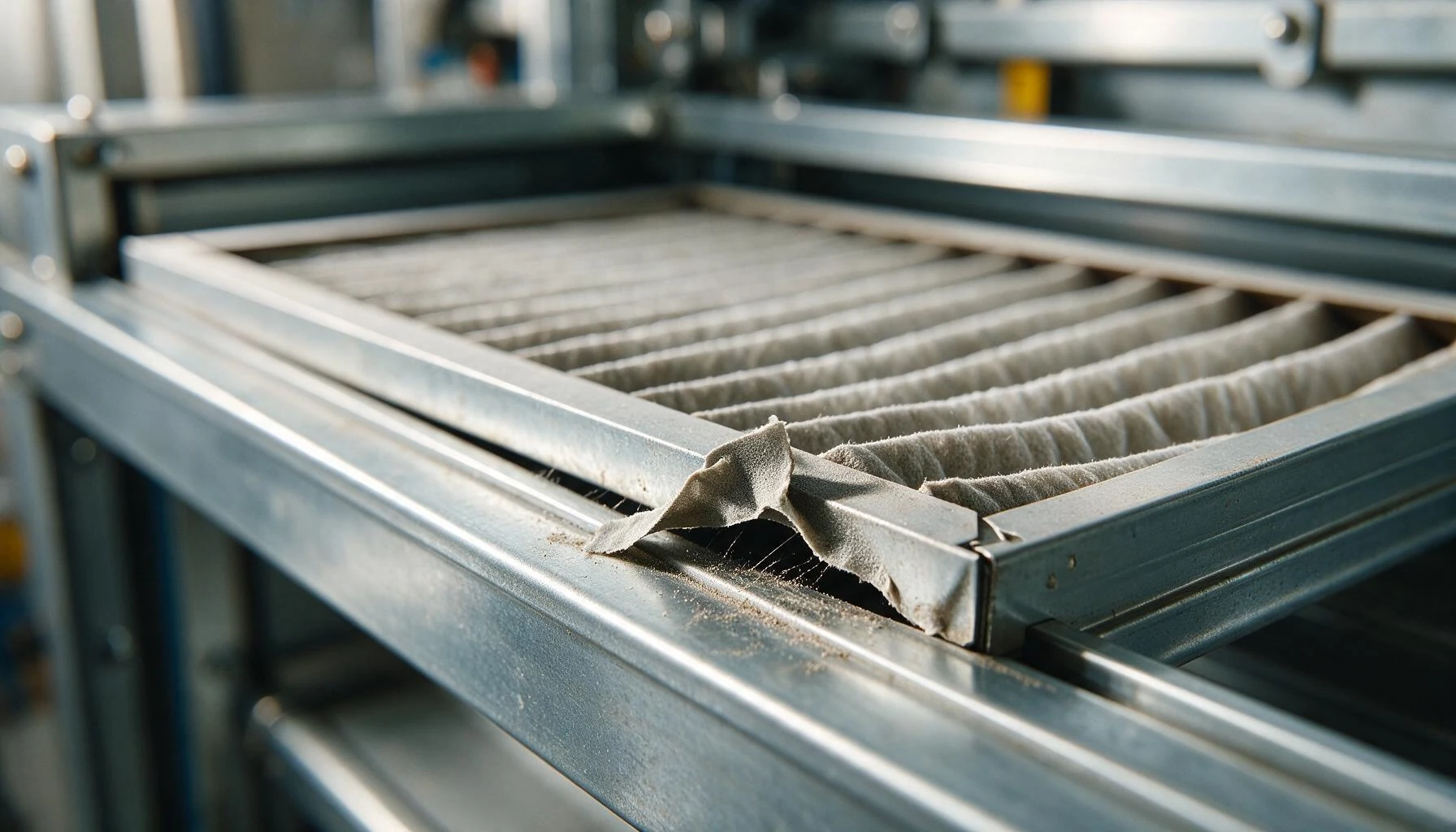
Bag-style construction delivers a larger filtration area, high dust-holding capacity, and extended service life — ideal for high-dust environments with reduced replacement frequency.
View Related Products →Compact Space-Saving Design
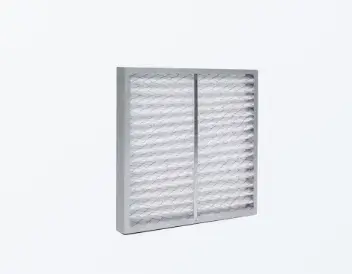
Compact form factor for easy installation and replacement; pleated structure maximizes filtration area within a small footprint for higher efficiency.
View Related Products →Energy-Saving Operation
Low-resistance design minimizes pressure drop while maintaining filtration performance, reducing fan energy consumption for cost-effective, eco-friendly operation.
View Related Products →















 English(Global)
 简体中文
 Language




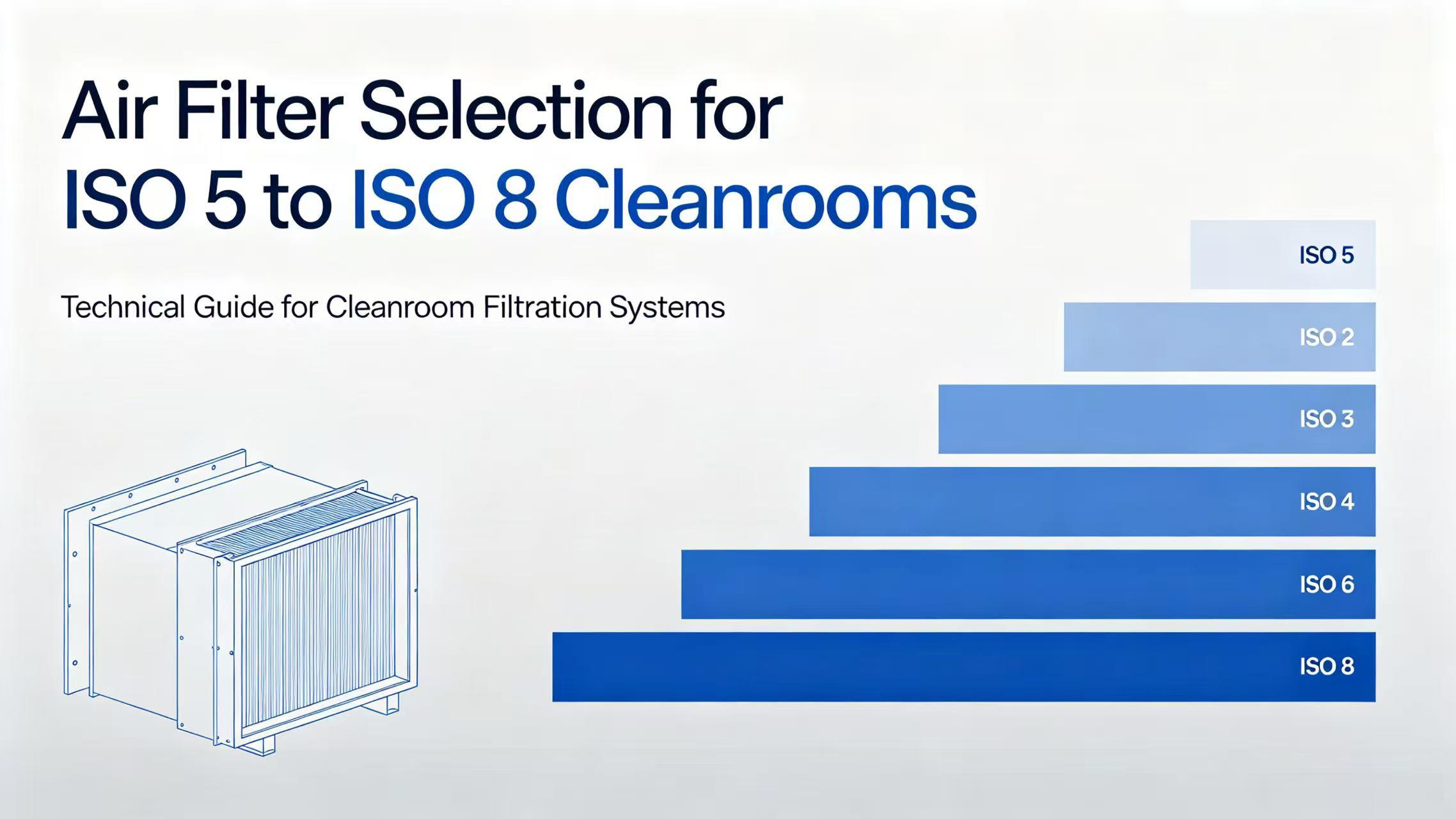
What Is a Cleanroom? ISO 1–9 Classification Explained
What Is a Cleanroom?
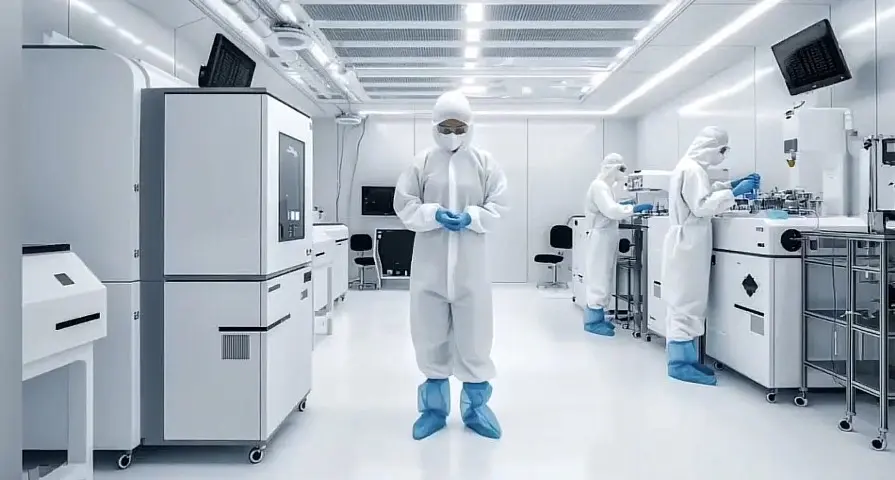
A cleanroom classification defines how a controlled environment limits airborne particles and other contamination. A cleanroom is not simply a room that has been cleaned. Building layout, air filtration, airflow, pressure control, personnel procedures, and continuous monitoring all work together to maintain the required conditions.

Cleanrooms are widely used in semiconductor manufacturing, pharmaceuticals, hospitals, food production, precision instruments, and aerospace. The right cleanroom classification helps teams define measurable cleanliness targets before selecting filters, air-change rates, and operating procedures.
What Does a Cleanroom Control?
The primary target is airborne particulate matter. Particles can come from people, clothing fibers, equipment wear, packaging, outdoor air, and production processes. Temperature and humidity, pressure differentials, microorganisms, and molecular contamination may also need separate controls depending on the industry.
The cleanroom classification sets the particle-control target; the process specification sets the wider contamination-control target.

Achieving an ISO particle class does not automatically mean that a room meets every pharmaceutical, sterile, electronic, or food-production requirement. A complete cleanroom specification must connect the particle target with the process risk and the applicable industry standard.
How ISO 1–9 Cleanroom Classes Work
The commonly used classification basis is ISO 14644-1. Classes range from ISO 1 (the cleanest) to ISO 9 (the least stringent). The smaller the number, the cleaner the air.
ISO 14644-1 limits the number of particles in one cubic metre of air at or above specified particle sizes, commonly ≥0.1 μm, ≥0.2 μm, ≥0.3 μm, ≥0.5 μm, ≥1 μm, and ≥5 μm. The “≥” symbol matters: ISO 5 at ≥0.5 μm allows no more than 3,520 particles per cubic metre, not only particles exactly 0.5 μm in size.
ISO Cleanroom Classification at a Glance
| ISO class | Cleanliness level | Typical reference |
|---|---|---|
| ISO 1–3 | Ultra-clean | Advanced semiconductor and precision processes |
| ISO 4–5 | Very clean | Critical electronics and sterile process zones |
| ISO 6–7 | Controlled clean | Pharmaceutical, medical, and precision manufacturing |
| ISO 8–9 | General controlled environment | Packaging, food, and supporting production areas |
The table is a practical orientation rather than a substitute for a complete ISO 14644-1 particle-count assessment. The required class depends on particle size, operating state, process sensitivity, and the validation method.
Documenting the cleanroom classification at this stage prevents later confusion between design intent and test results.
In practice, cleanroom classification should be confirmed through documented particle-count testing, not by appearance or a historical label alone. This is the central principle behind a reliable cleanroom classification review.
ISO Classes and Traditional “Hundred-Level” Names
Older projects often use terms such as Class 100, Class 1,000, Class 10,000, or Class 100,000. These names are still common in conversation, but they should be mapped carefully to the applicable ISO criteria. Always confirm the particle size, sampling volume, operating state, and governing standard before treating two labels as equivalent.
Using the current cleanroom classification in specifications makes procurement, validation, and maintenance easier to compare across suppliers.
How to Choose Filtration for a Cleanroom
Cleanroom filtration is only one part of the system, but it is a critical part. The selection should consider the target ISO class, airflow pattern, air-change rate, terminal filter efficiency, pressure cascade, leakage control, temperature and humidity, maintenance access, and the cleanliness of the production process itself.
For every cleanroom classification project, record the target class, particle sizes, operating state, sampling plan, and acceptance criteria before choosing equipment.
HEPA or ULPA filters may be required for critical zones, while prefilters and medium-efficiency filters protect the final stage and reduce operating cost. A reliable design balances particle performance, pressure drop, service life, energy use, and the real contamination risks of the application.
The cleanroom classification should therefore be treated as a system requirement, not as a filter-efficiency label alone.
See our cleanroom, medical, and semiconductor filtration solutions, air filtration products, and filter media range.

Conclusion
Cleanroom classification is fundamentally a measurable particle-control system. ISO 1–9 provides a common language, but a successful project also needs suitable filtration, airflow, pressure control, personnel management, monitoring, and validation. If you are selecting a cleanroom filter or reviewing an existing system, start with the particle-size limit and operating condition, then work backward to the complete filtration strategy.
For cleanroom, HEPA/ULPA, HVAC, and custom air-filtration requirements, contact Whalesens for application-specific support.