


























 English(Global)
 简体中文





When a technician asks for a “DOP test” on a HEPA filter, the liquid in the generator may actually be PAO. That distinction matters at cleanroom acceptance. A test result is useful only if the challenge aerosol, generator, detector and acceptance criteria all match the specified method.
Which aerosol should you use on site?
For routine installed-filter leak testing, start with the PAO or DEHS fluid permitted by the project and specified for your generator and detector. DOP can produce a measurable challenge, but occupational health considerations have led many projects to choose alternatives. Check the contract, the owner's qualification protocol and the equipment manuals before selecting a fluid.
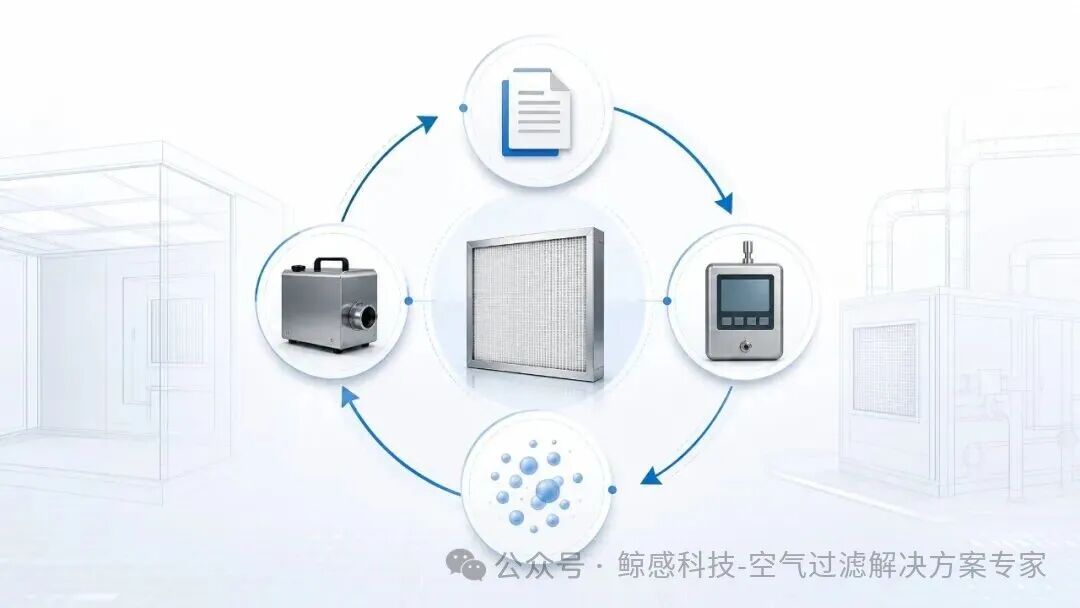
What do DOP, PAO and DEHS mean?
DOP usually means dioctyl phthalate in filtration practice. Some documents use the name DEHP, or bis(2-ethylhexyl) phthalate. To remove ambiguity, record the full chemical name and CAS number or the exact product designation. DOP has a long history of use. Whether it is permitted on a particular site depends on the project, the safety data sheet (SDS) and local requirements.
PAO, or polyalphaolefin, is a common alternative. It is often used with aerosol photometers. Check the fluid grade, generator compatibility, instrument calibration and SDS even when the protocol specifies PAO by name.
DEHS, or bis(2-ethylhexyl) sebacate, is another field-test fluid. Its use does not by itself establish compliance with a European standard. The method, instrument and project documentation determine whether it is suitable.
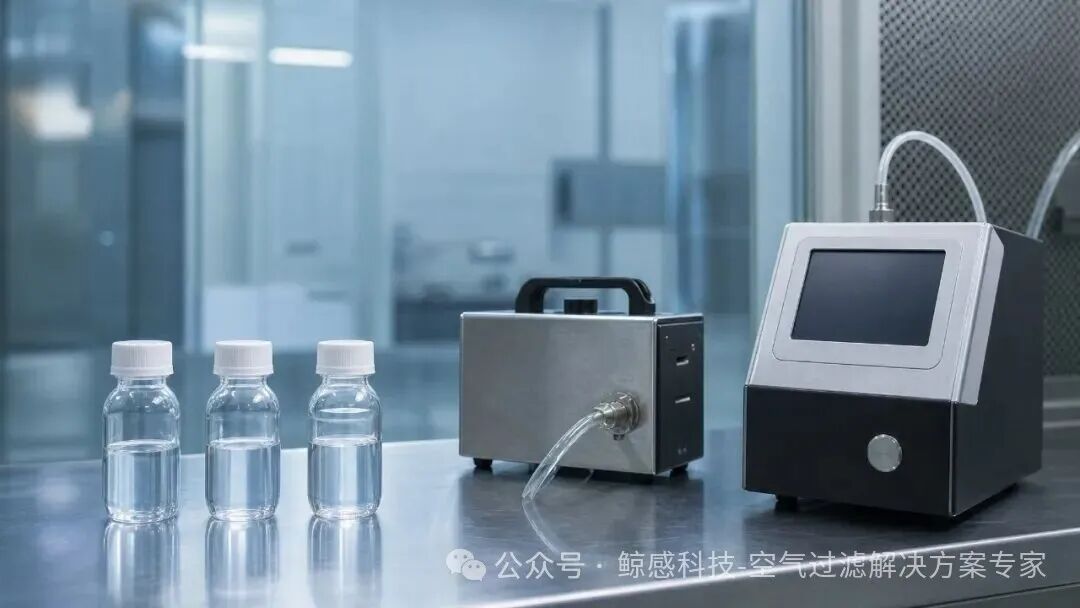
How the choice affects the measurement
Safety. Review the SDS, ventilation and occupational exposure controls for the actual product. PAO and DEHS also require handling precautions.
Repeatability. Generator settings, upstream mixing, sample tubing and instrument calibration all affect the reading. The fluid name alone cannot tell you the particle size distribution or how reproducible the measurement will be.
Detector response. A photometer uses scattered light to indicate aerosol mass concentration relative to its calibration. A particle counter counts individual particles. A fluid that does not match the instrument or its calibration can give a misleading upstream reference and, in turn, a misleading downstream result.
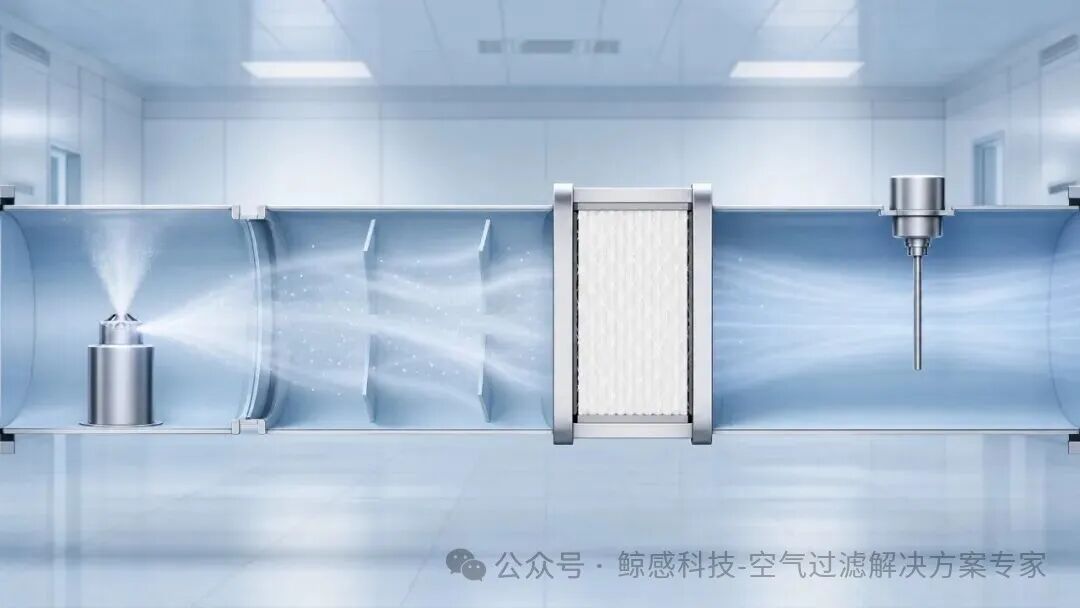
What a filter leak test measures
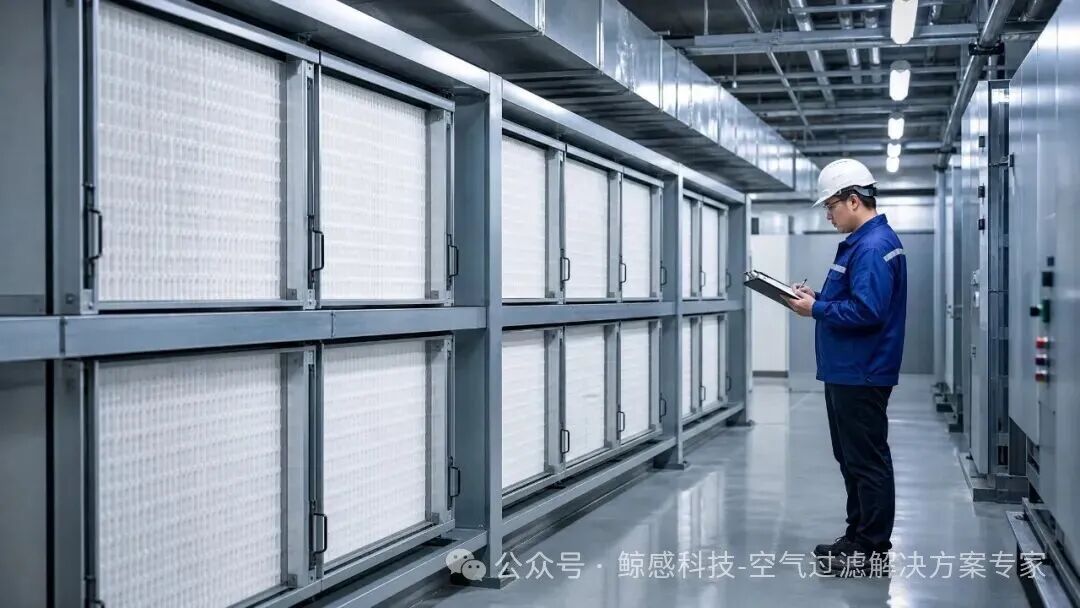
- Establish the upstream challenge. Generate a sufficiently uniform aerosol challenge at the concentration specified by the method. Too little challenge reduces sensitivity. Too much can overload the instrument or leave unnecessary deposits.
- Scan downstream. Move the probe systematically across the filter face and around its frame at the specified distance and speed. A localized increase in penetration can reveal a leak.
- Evaluate the result. Apply the threshold, scan procedure and recording requirements from the applicable method and project documents. A figure such as 0.01% used on one project is not a universal acceptance criterion.
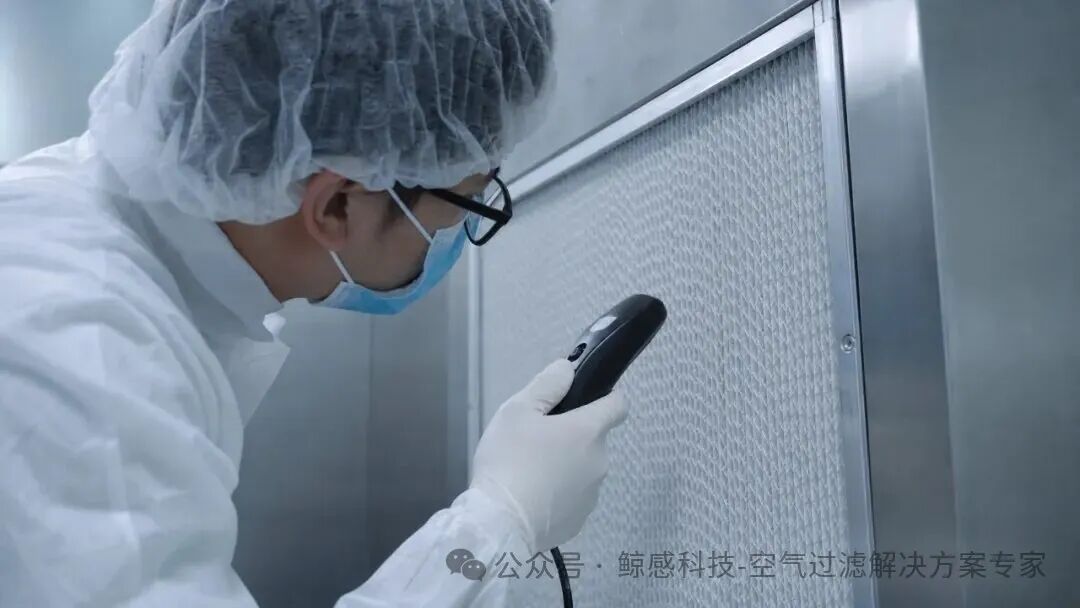
IEST, EN and ISO methods
Aerosol photometry is well established in US practice using IEST recommended practices. PAO is one common choice. The applicable recommended practice, instrument manual and project agreement specify the challenge concentration, probe, scan speed and acceptance criteria.
EN 1822 and ISO 29463 distinguish factory filter testing from the procedures used to scan for leaks. Some procedures use a particle counter. Other specified methods may use a photometer. For example, ISO 29463-4 describes scanning as a reference method for determining filter leakage and also addresses alternatives such as photometric leak testing.
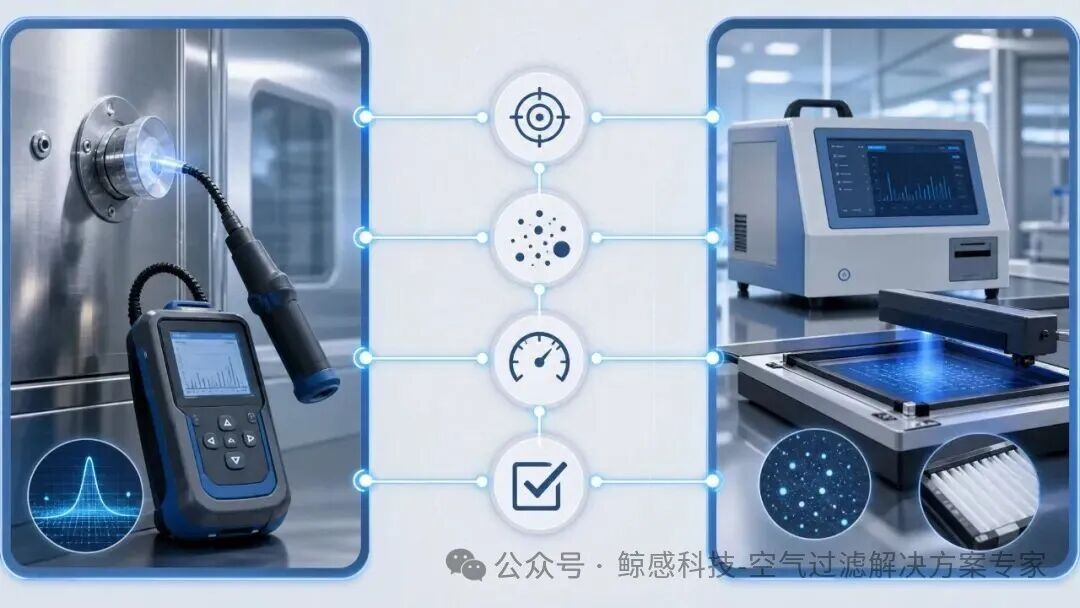
Record the standard and edition, test method, aerosol, instrument type and basis for acceptance. Thresholds, calculations and scan parameters can vary. Changing the fluid while keeping settings or a pass/fail formula from another method can invalidate the result.
Four common project settings
- Pharmaceutical GMP cleanrooms. Follow the owner's qualification documents and the standard specified in the contract.
- Semiconductor facilities. Match the owner's specification, cleanroom certification plan and installed equipment. PAO with a photometer is one common combination.
- Commercial buildings and hospital HVAC. Where the project method permits PAO or DEHS, evaluate the effects on occupants, the environment and subsequent operation.
- Retrofits and legacy installations. Where the method still permits it, retaining the historical fluid and measurement setup makes results easier to compare over time.
Eight checks before testing
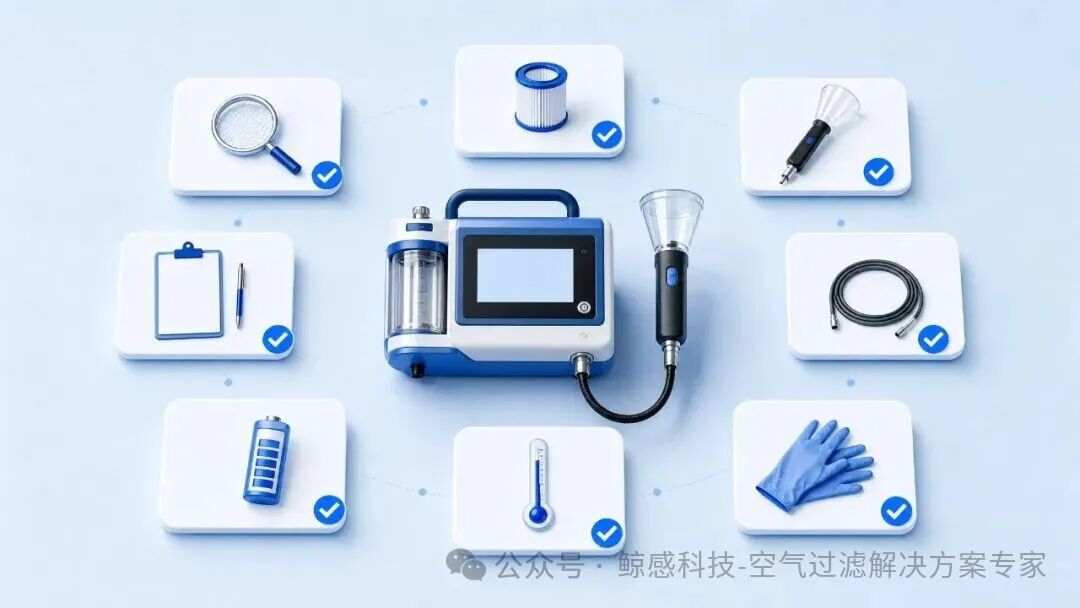
- Identify the standard and edition specified by the contract or qualification protocol.
- Confirm the selected fluid and check its certificate.
- Verify that the generator is compatible with that fluid.
- Confirm whether the method calls for a photometer or a particle counter.
- Measure and record the upstream challenge concentration.
- Check the scan speed and probe distance.
- Record the leakage threshold and the clause or protocol that specifies it.
- Confirm that aerosol generation, detection and acceptance criteria all belong to the same test method.
Start with the standard
When someone calls for a “DOP test,” ask which method the project specifies. That answer determines the fluid, instrument settings and acceptance threshold, and makes the report meaningful to the person signing it.
Related reading
From the original WeChat series (in Chinese):
- FFU, AHU and MAU: selecting filters for each unit
- HEPA filter leak testing: from principles to field practice
- Selecting filters for pharmaceutical cleanroom grades A, B, C and D
- What is cleanroom recovery time?
- Diagnosing abnormal cleanroom differential pressure
- Choosing between H13 and H14 filters
- Calculating supply and exhaust airflow in negative-pressure rooms
- Cleanroom air changes: 15 versus 60 per hour
- Why cleanrooms need positive pressure
- Understanding ISO cleanroom classes 1 through 9
Filter selection and installation
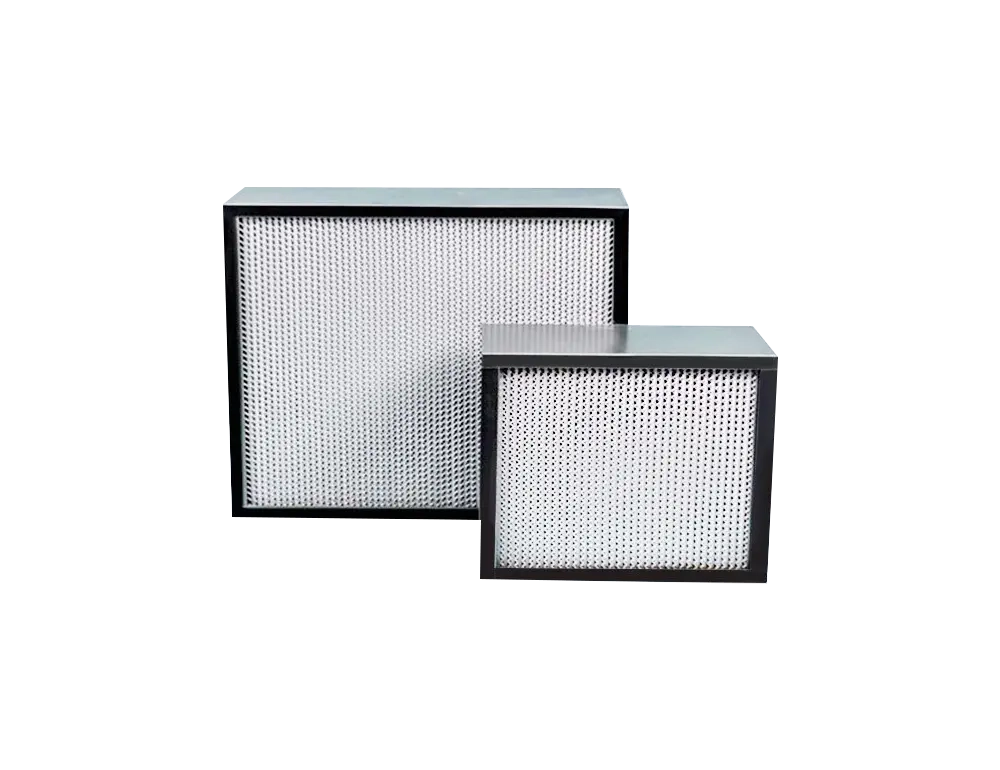
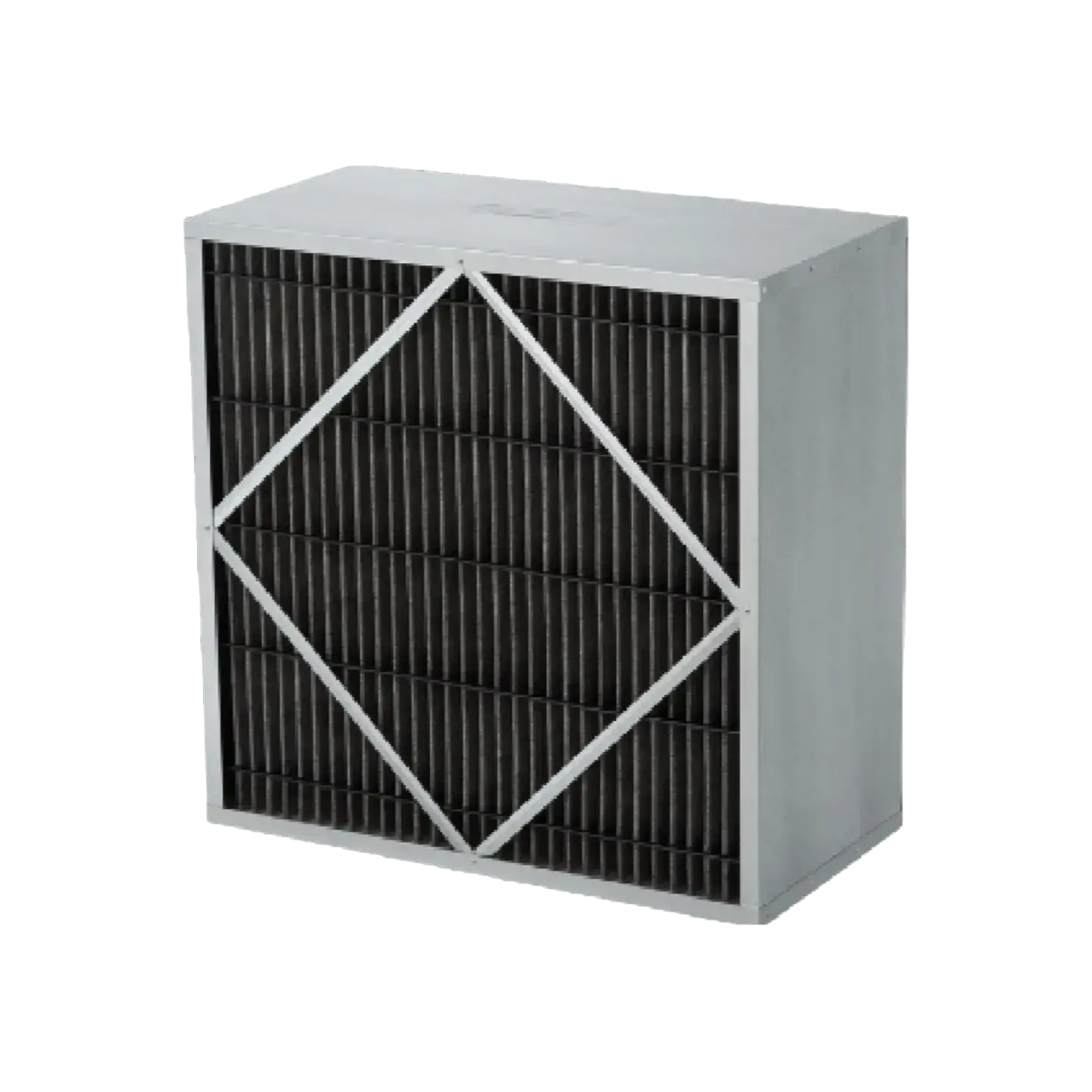
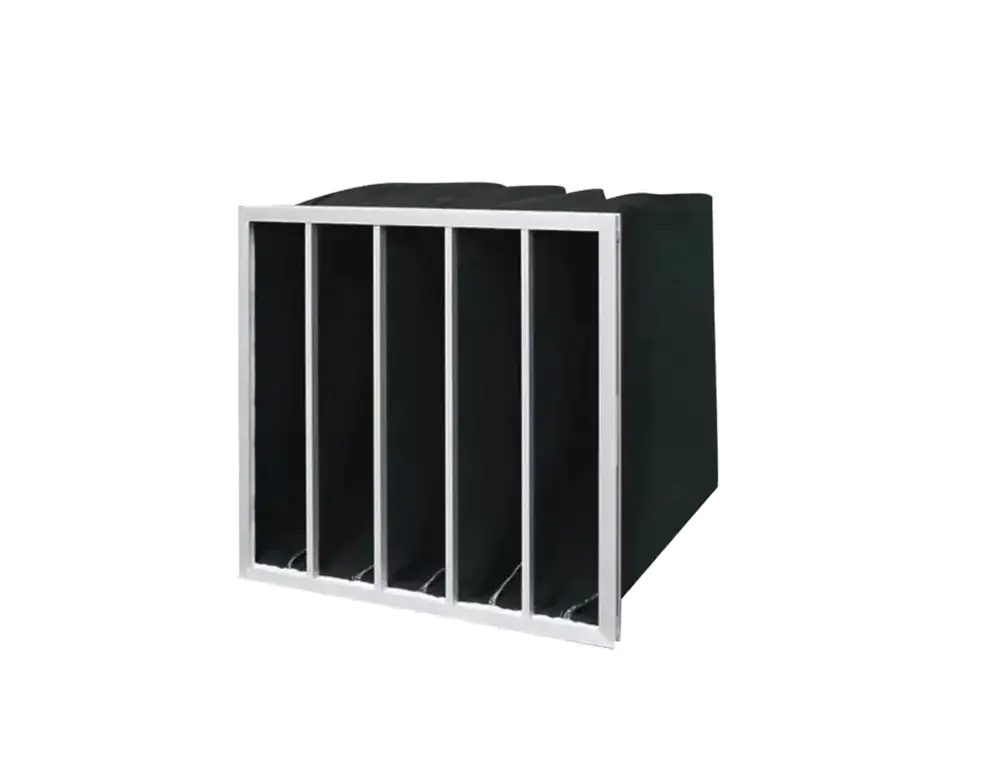
Consider the application, construction, initial pressure drop and on-site verification requirements together. Confirm the final configuration against the operating conditions and engineering documents.
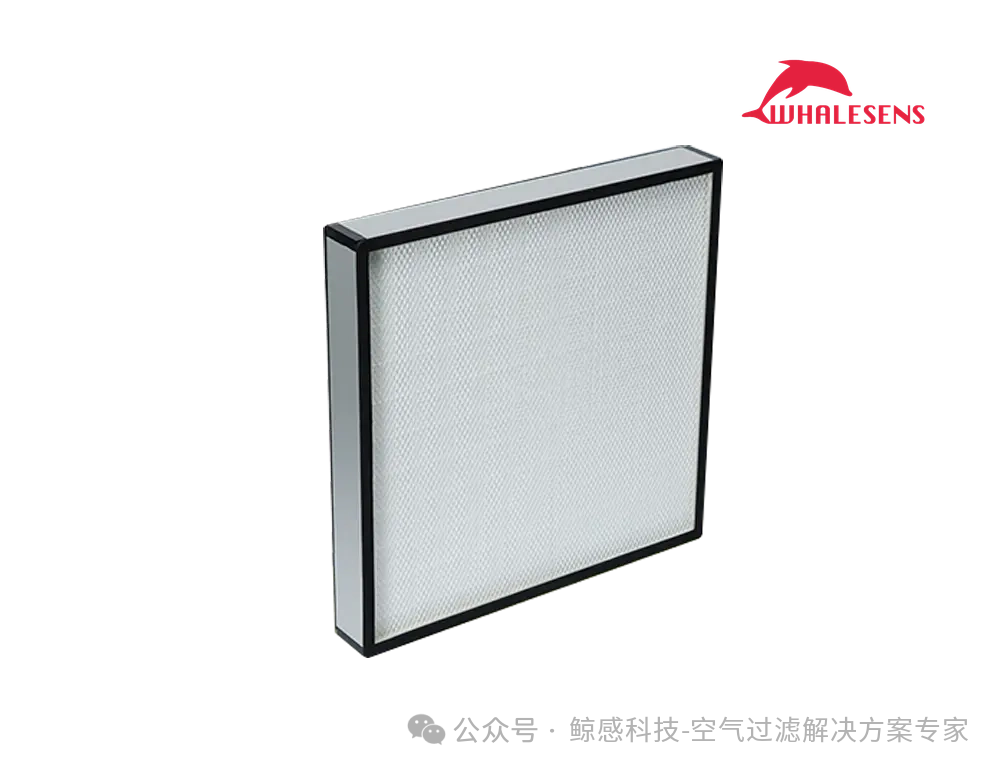
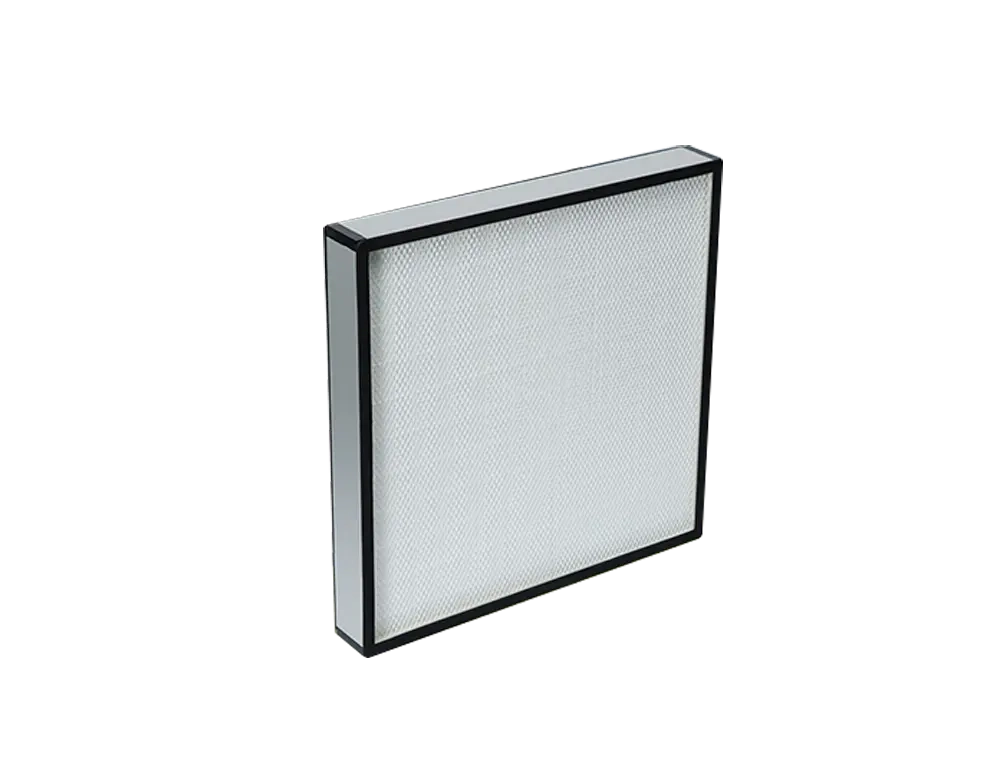
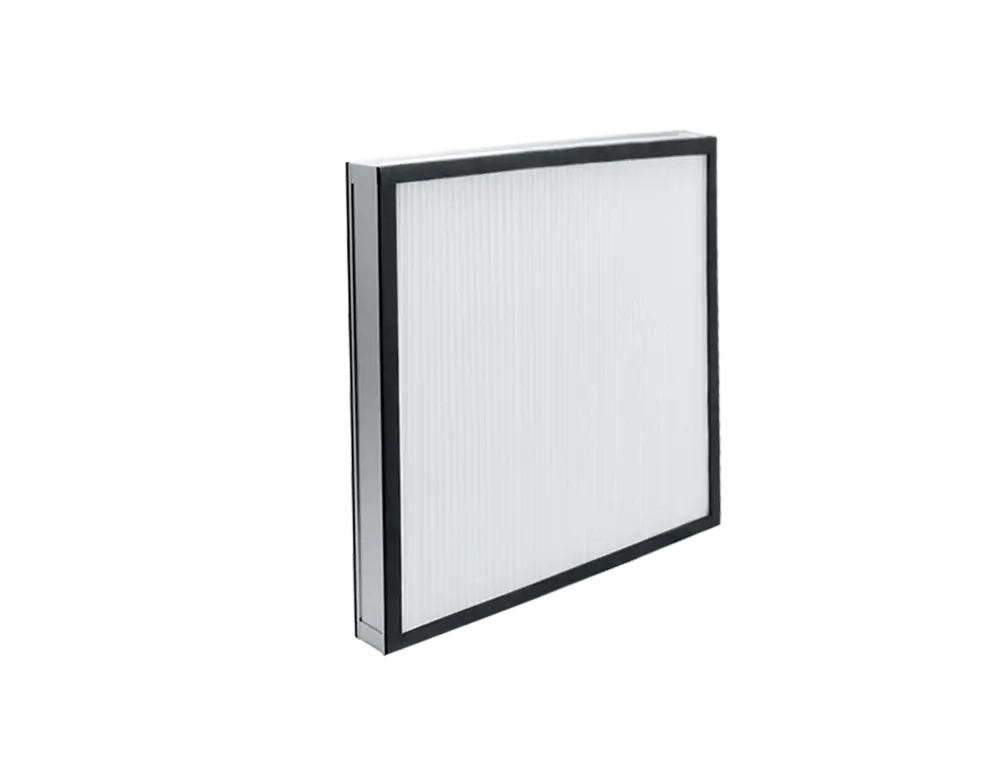
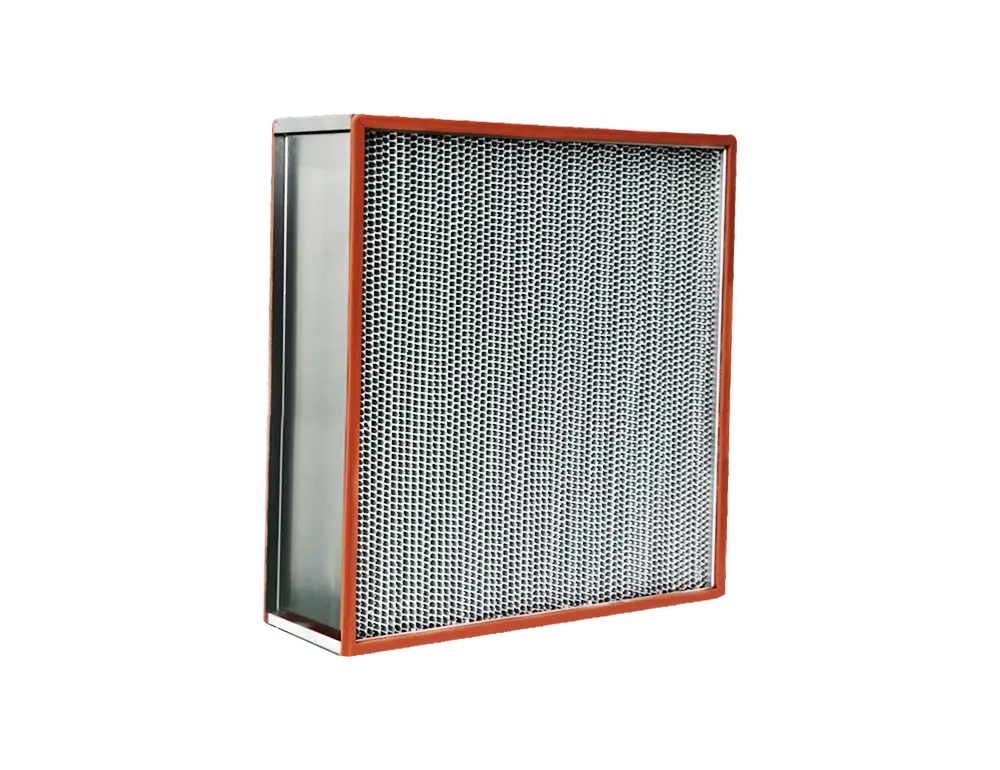
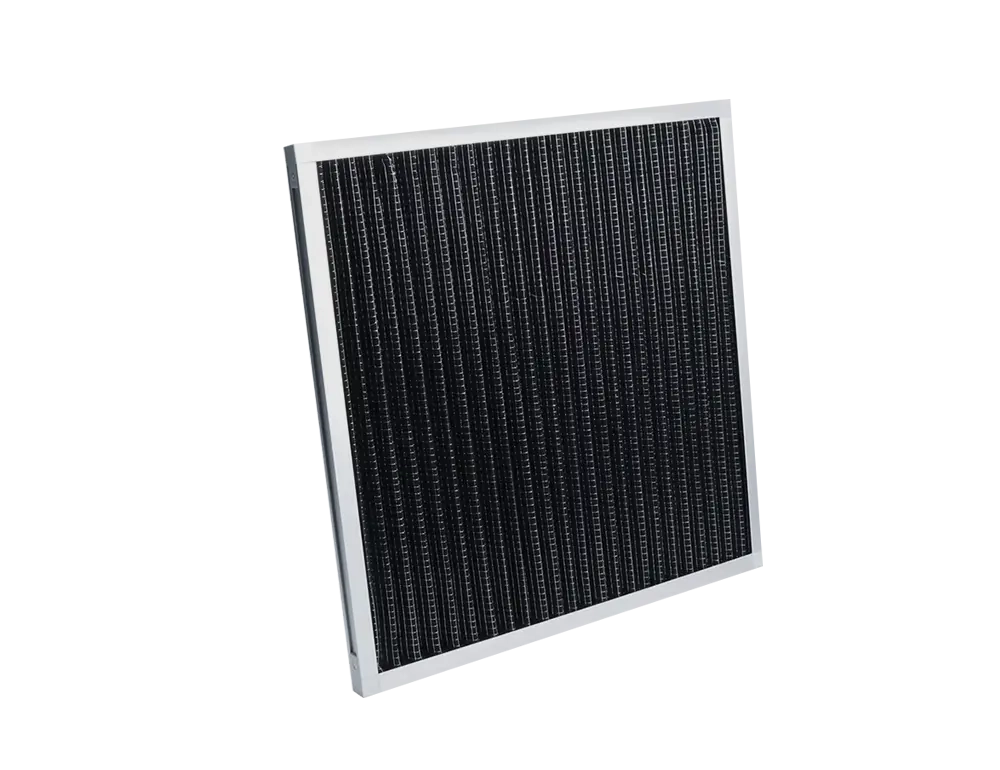
Mini-pleat HEPA filters suit compact installations such as cleanroom terminals, fan filter units and air showers. Confirm the efficiency, dimensions and leak-test requirements for the application.
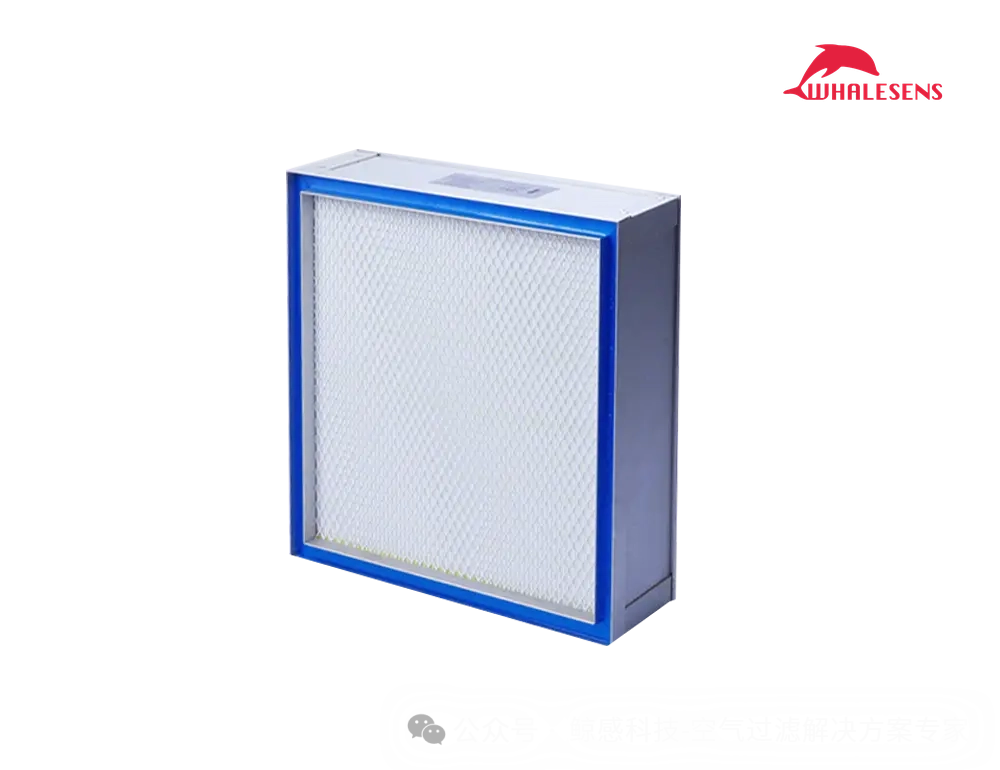
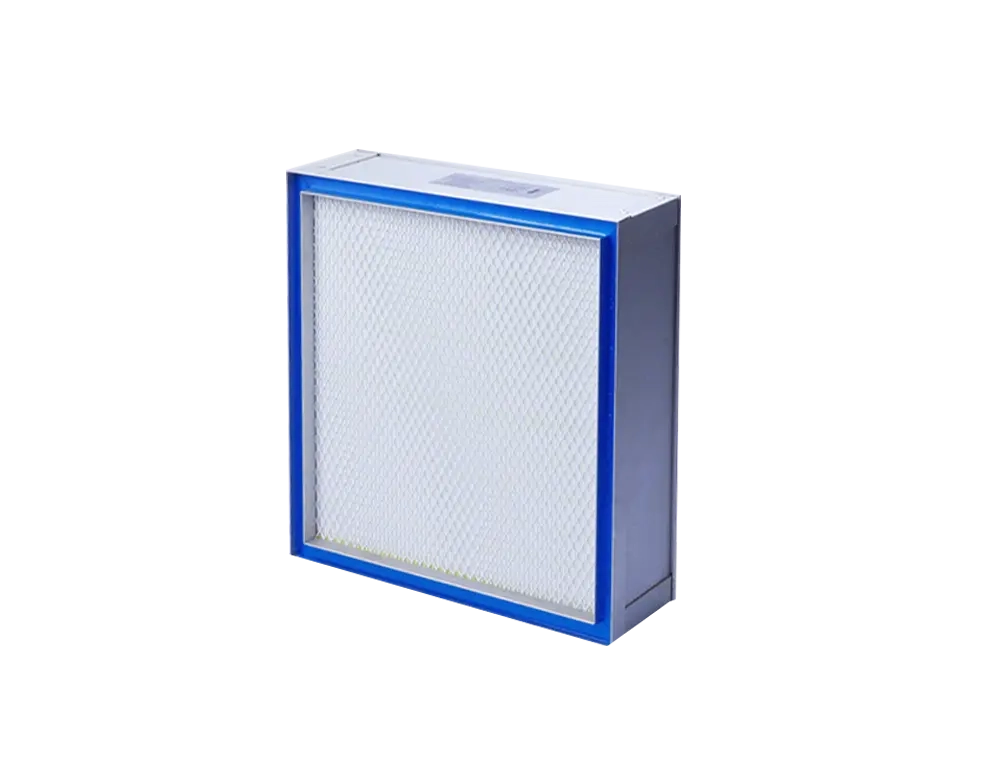
Gel-seal HEPA filters are used at terminal outlets in applications such as pharmaceutical, hospital, food and biological production facilities. The seal between the filter and mounting frame is part of the installed system being tested. Confirm dimensions, efficiency and pressure drop for the project.

Whalesens manufactures filters for cleanrooms, HVAC and industrial air filtration. Which part of leak testing causes the most difficulty at your site: selecting the aerosol, establishing the upstream challenge, scanning the filter or agreeing on acceptance criteria?

Follow Whalesens on WeChat for filter selection and maintenance articles in Chinese. © Whalesens. Please credit the source when sharing and contact Whalesens in advance for commercial use.