


EV Charging Stations
Filtration for Power Equipment
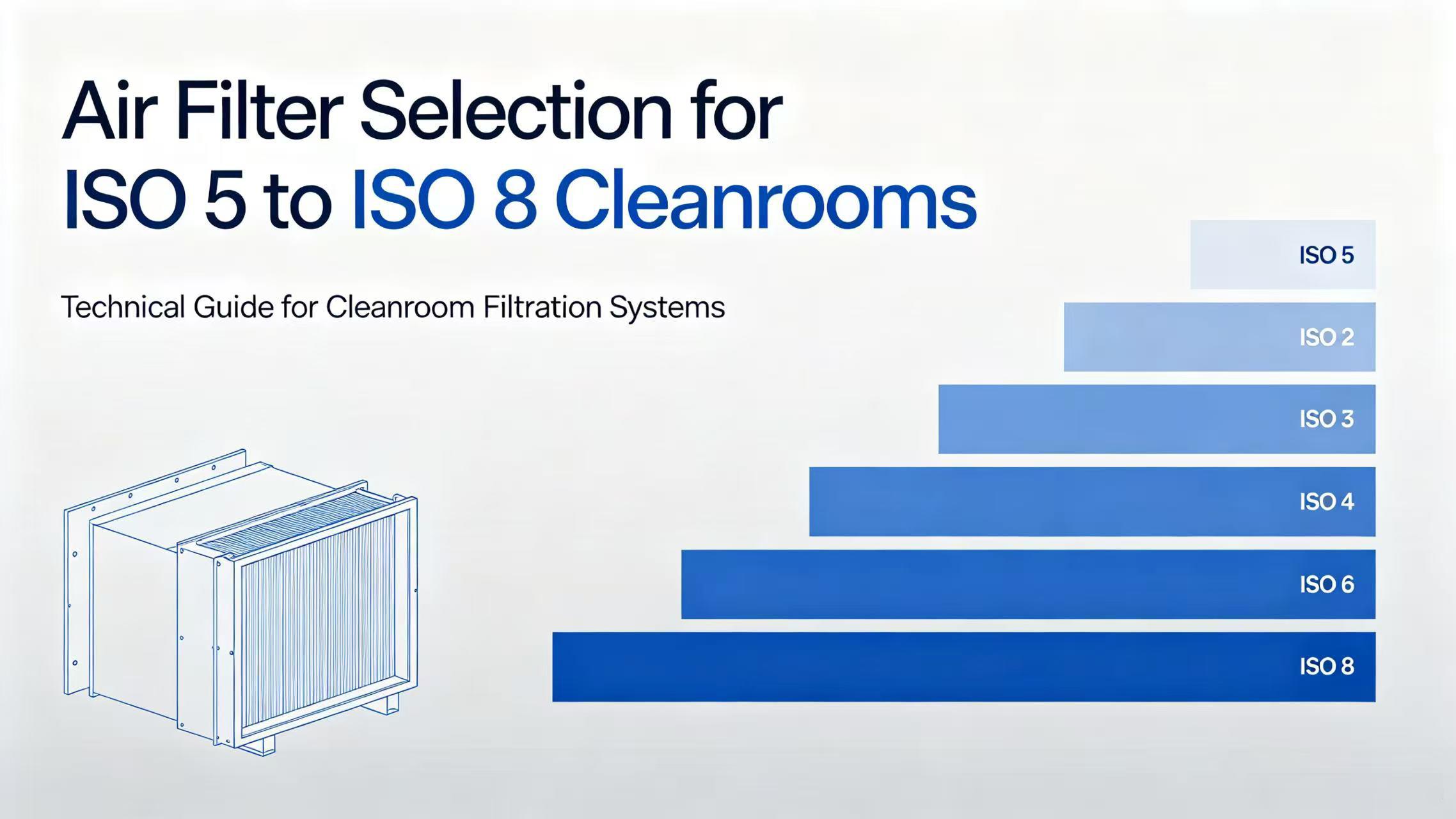
Cleanroom & Semiconductor
Ultra-High Cleanliness Filtration
Commercial HVAC
Central Air System Filtration
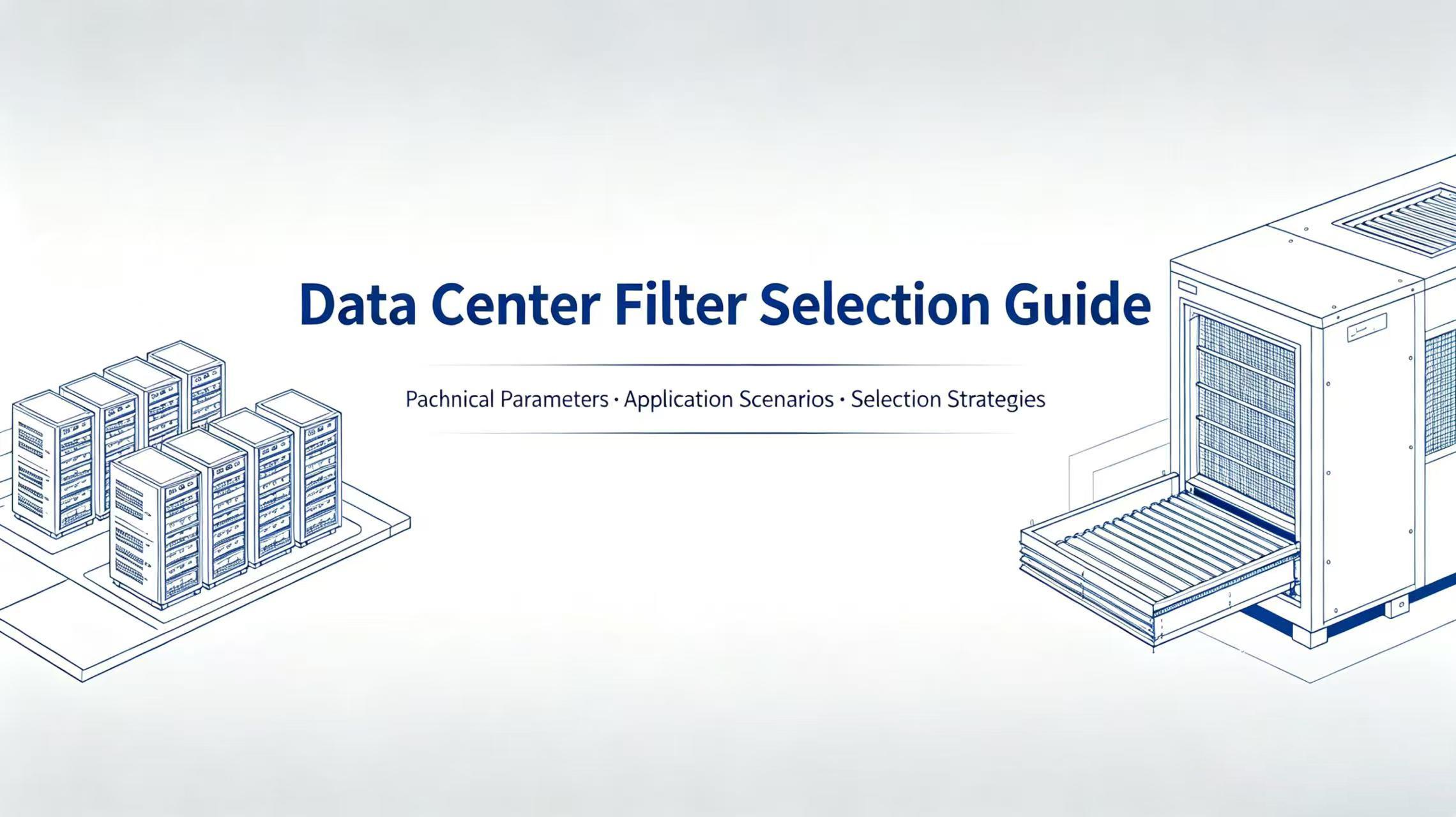
Data Centers
Precision Equipment Protection
Livestock & Farming
Farming Environment Purification
Spray Booths & Industrial Dust
Paint Mist & Dust Purification
Filtration for Power Equipment
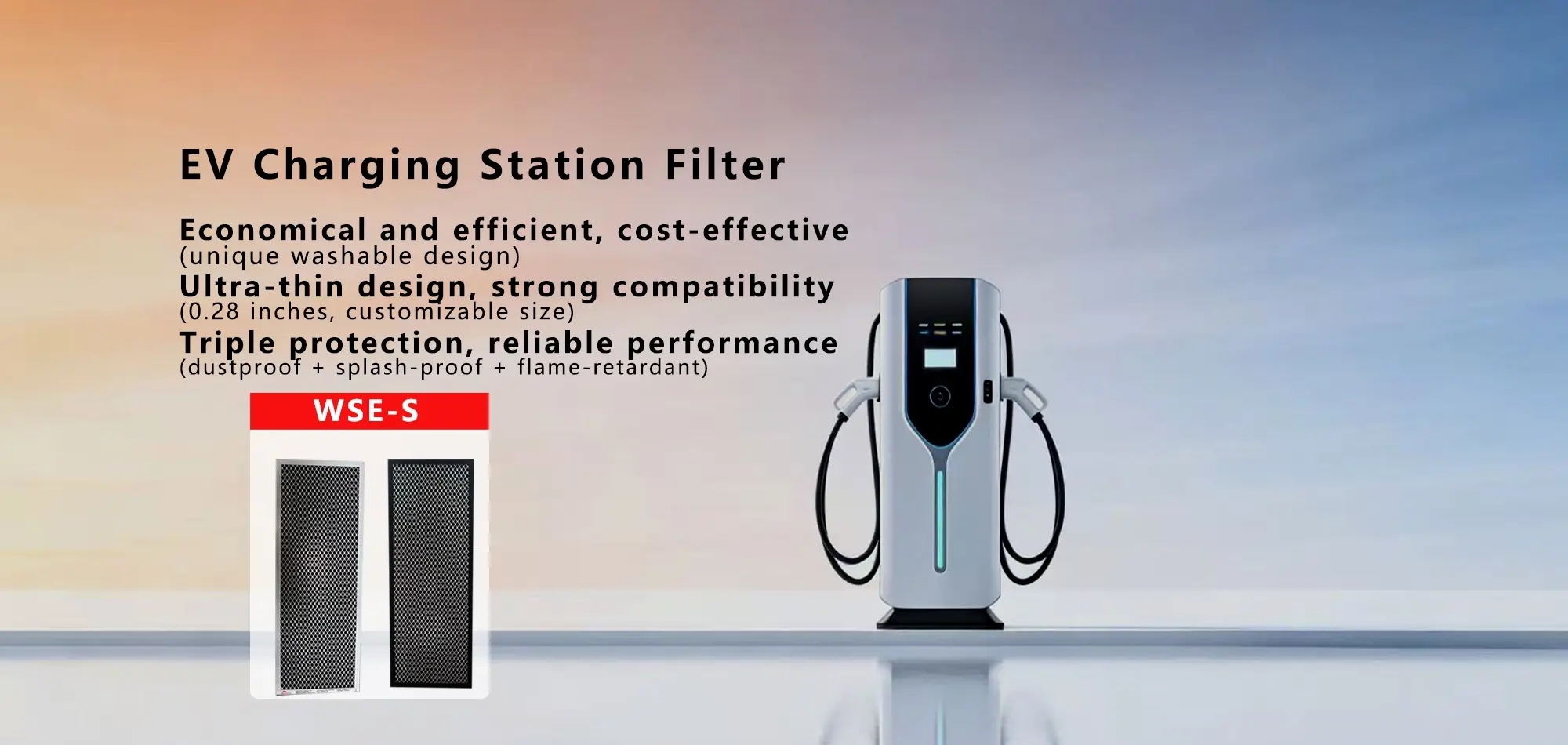
Professional air filtration for EV charging devices, protecting against dust and sand ingress to ensure stable, reliable operation of charging piles and station infrastructure.
View Related Products →Ultra-High Cleanliness Filtration
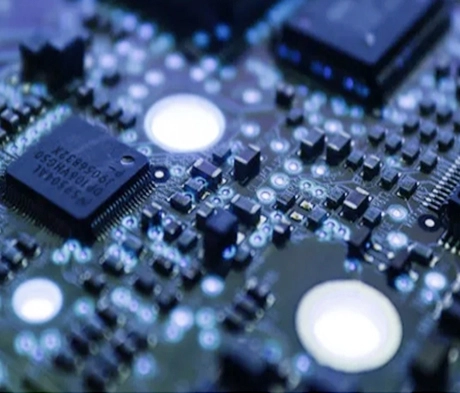
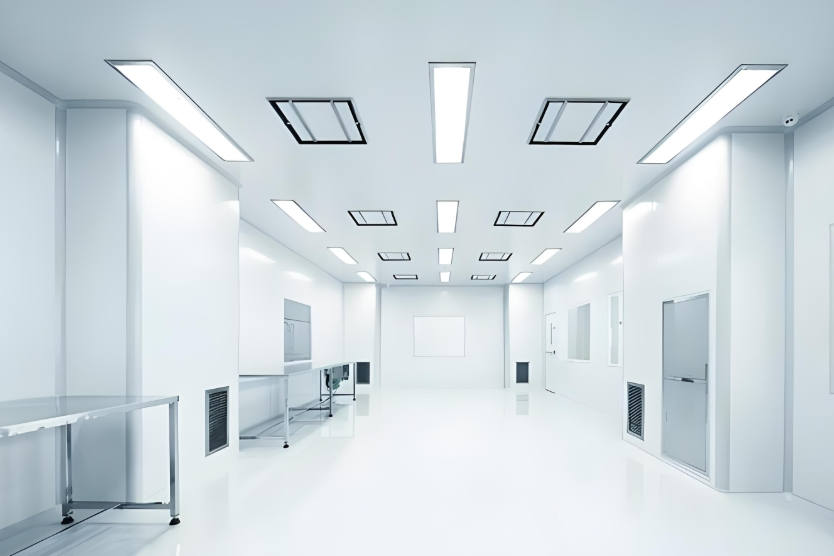
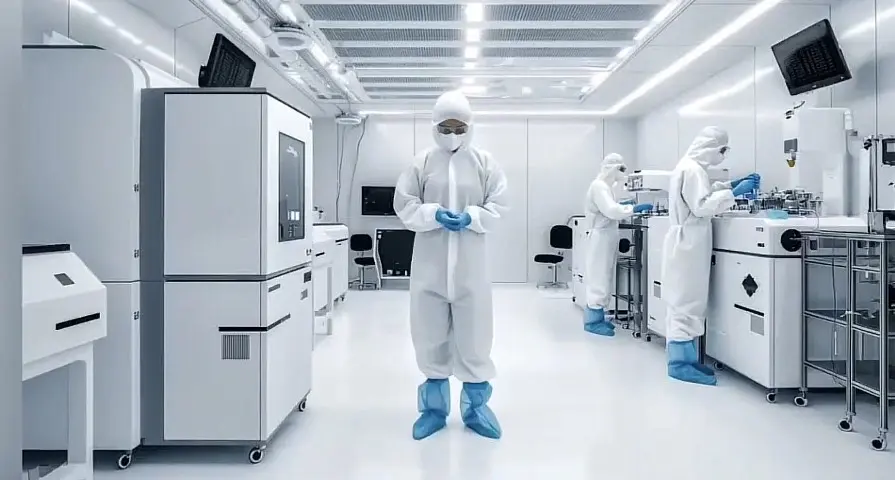
Ultra-high efficiency filtration for semiconductor wafer fabs and precision electronics cleanrooms, capturing nano-scale particles to meet ISO Class 1–3 standards and maximize product yield.
View Related Products →Central Air System Filtration
High-efficiency filtration for commercial building HVAC systems, improving indoor air quality, reducing energy consumption, and extending equipment service life.
View Related Products →Precision Equipment Protection
Precision air filtration for data centers, shielding servers and critical hardware from dust contamination to keep cooling systems running efficiently and reliably.
View Related Products →Farming Environment Purification
Dedicated filtration systems for farms and livestock facilities — capturing dust, adsorbing ammonia, and inhibiting pathogen spread to improve animal health and overall productivity.
View Related Products →Paint Mist & Dust Purification
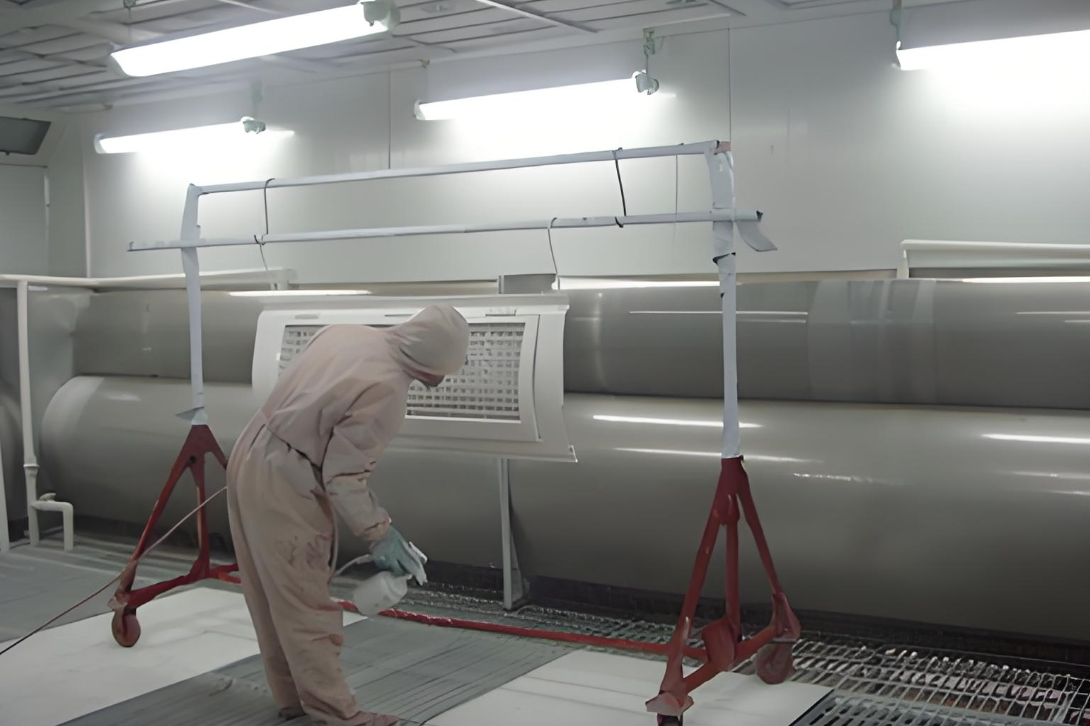
Designed for spray booths and grinding workshops, efficiently capturing paint mist, metal dust, and wood chips to meet emission standards while protecting finished surface quality.
View Related Products →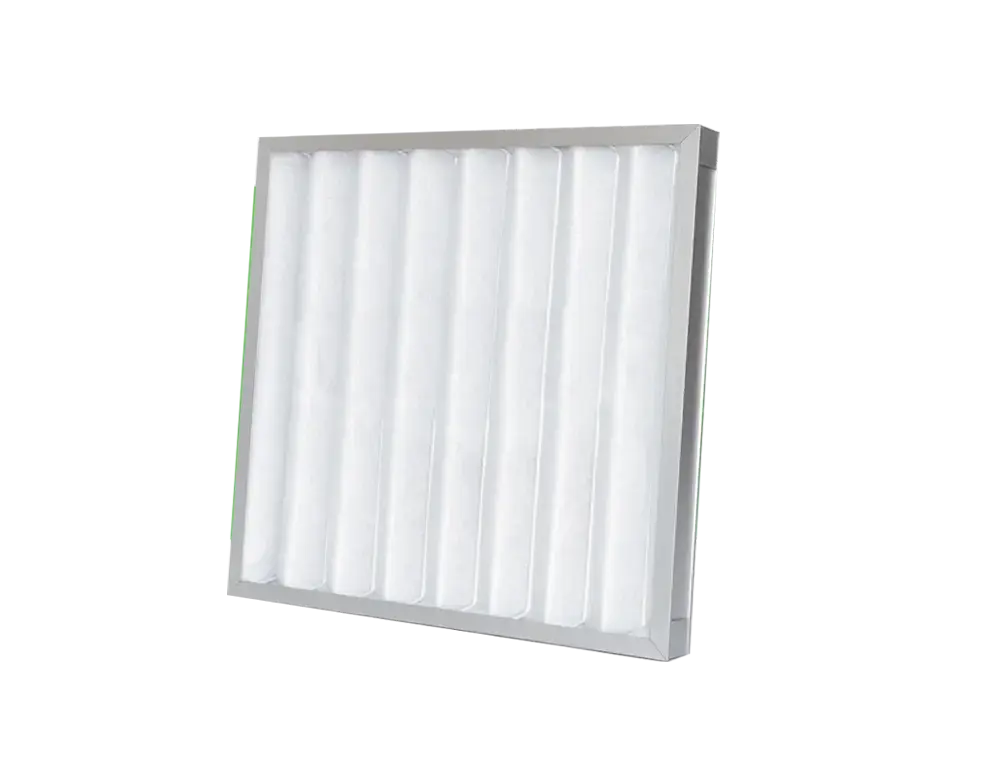
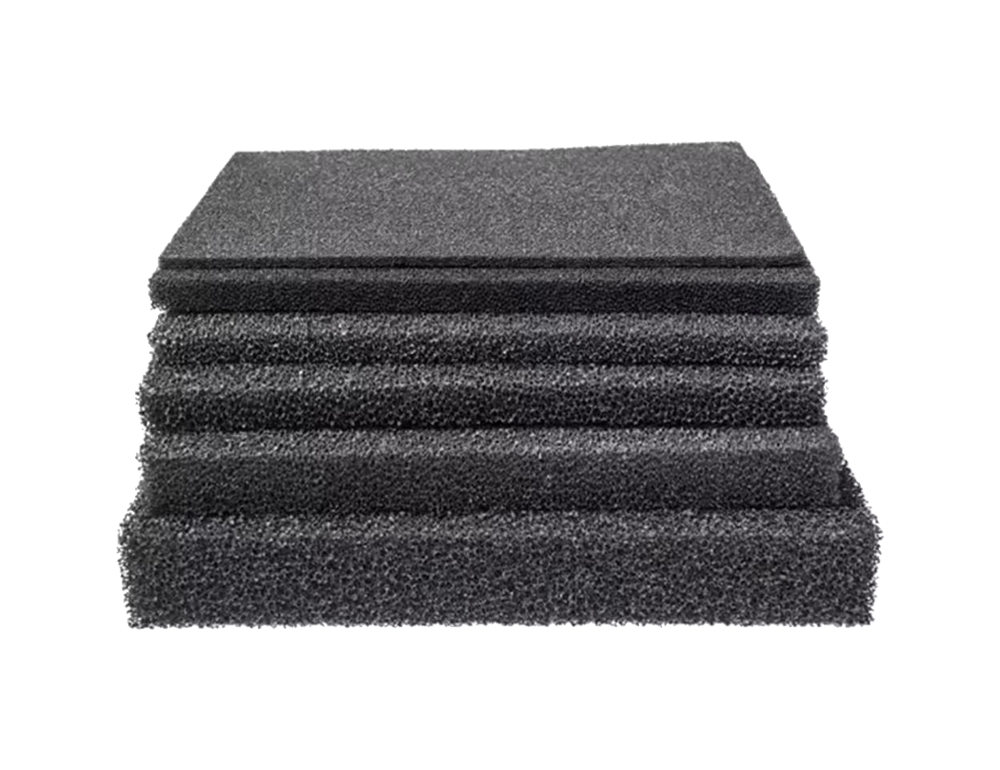
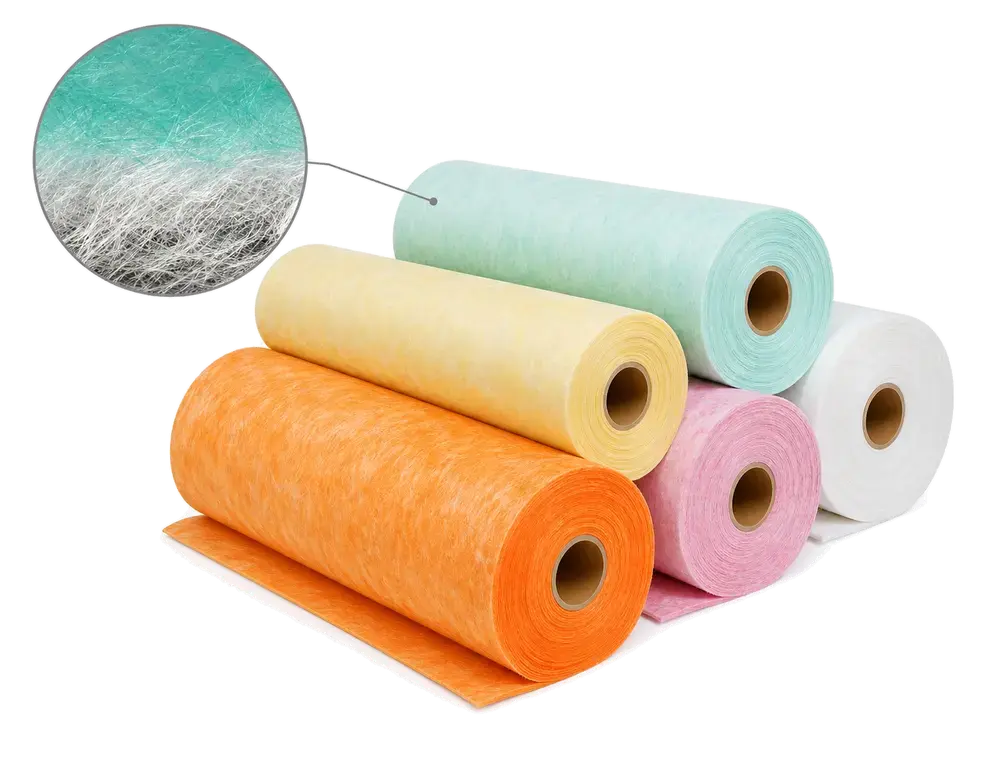
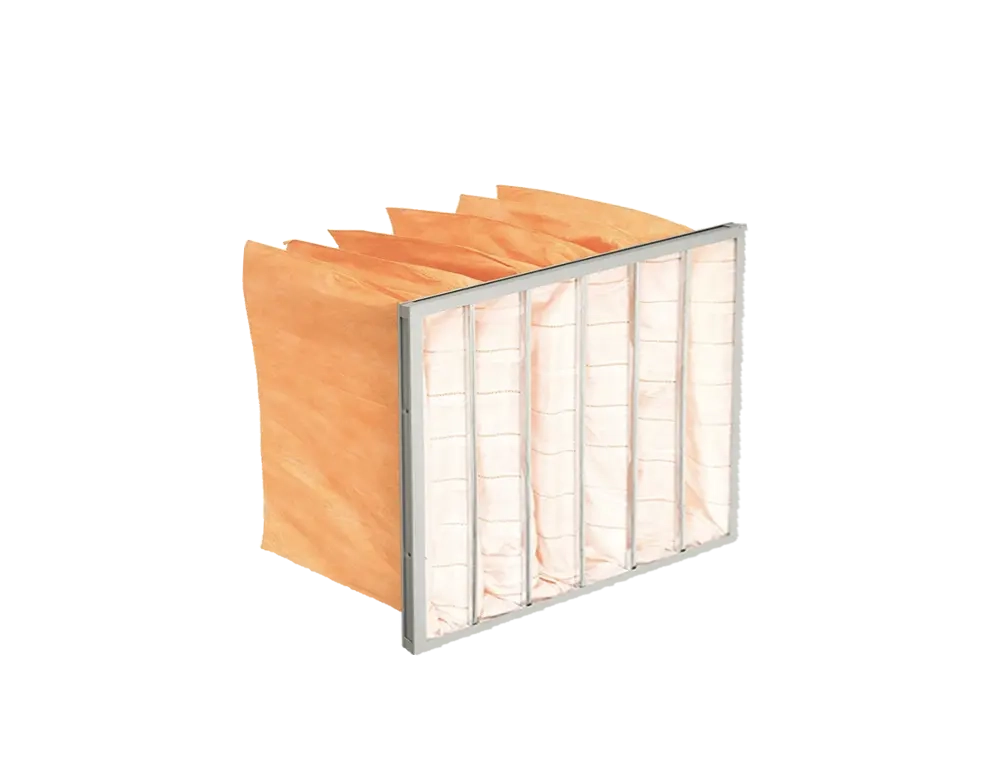
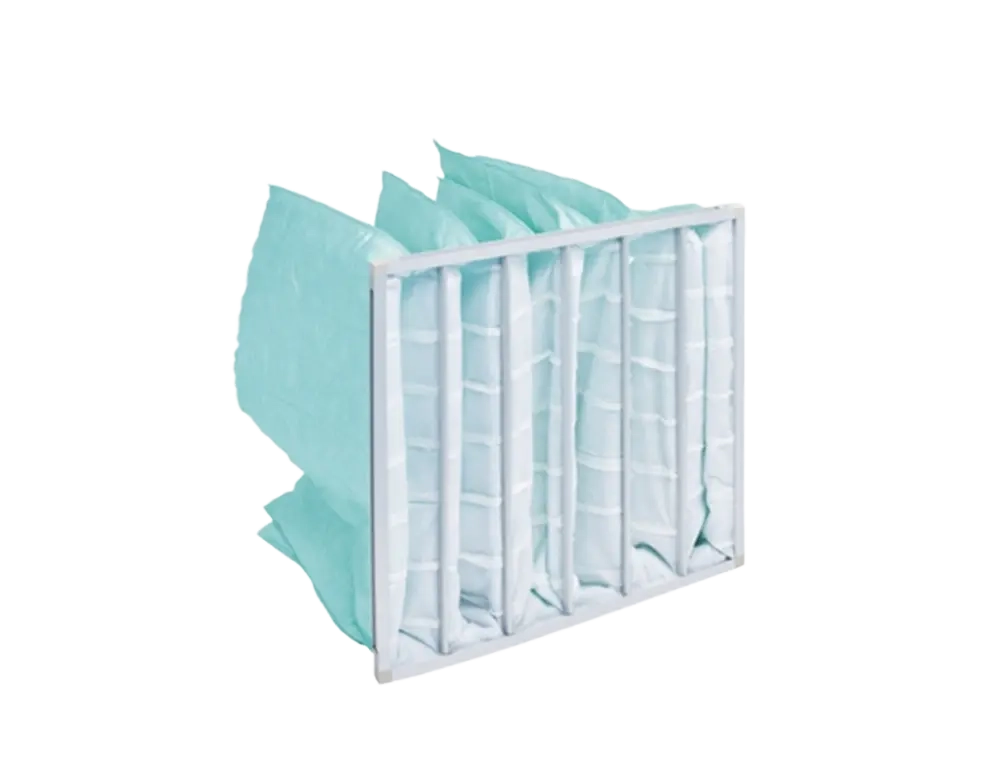
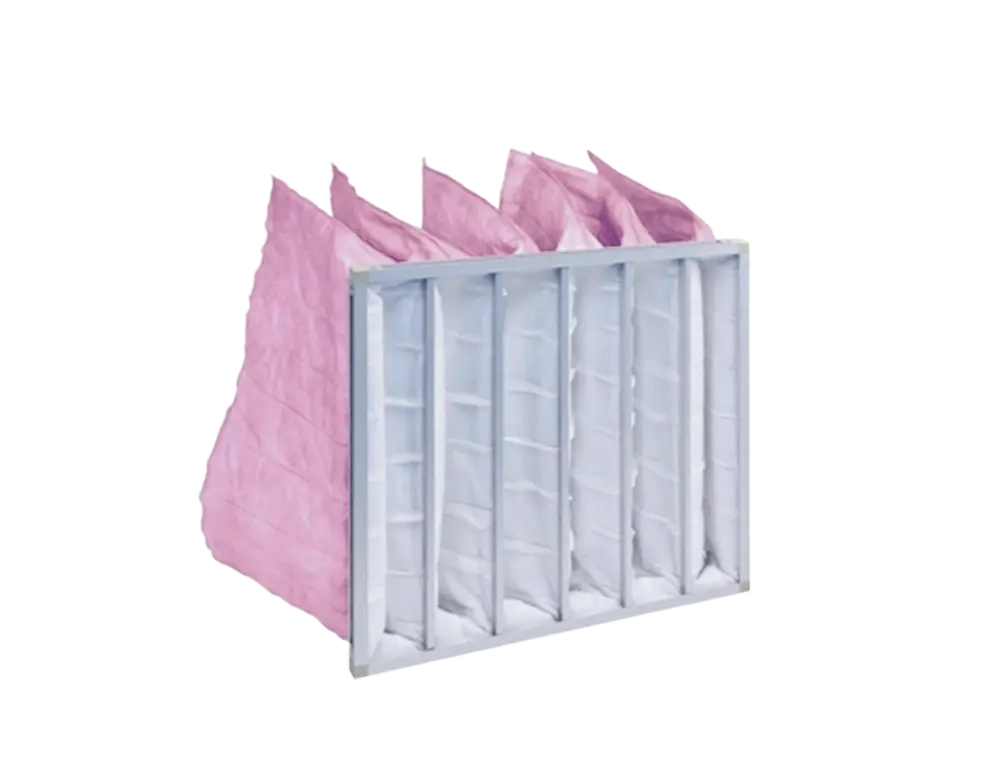
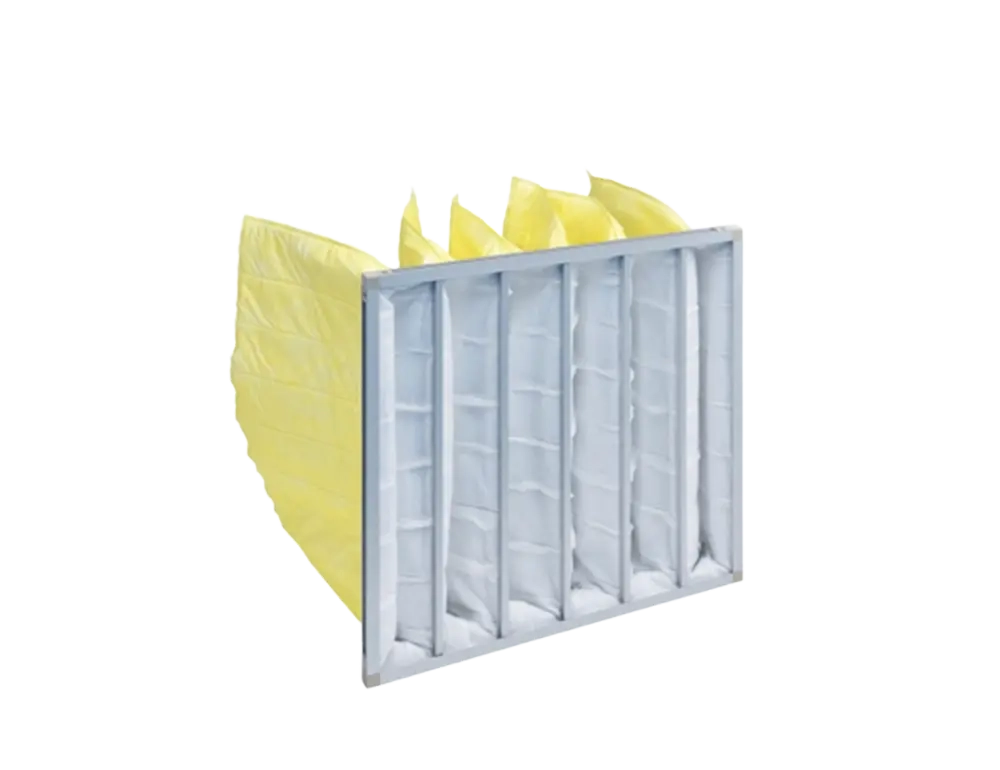
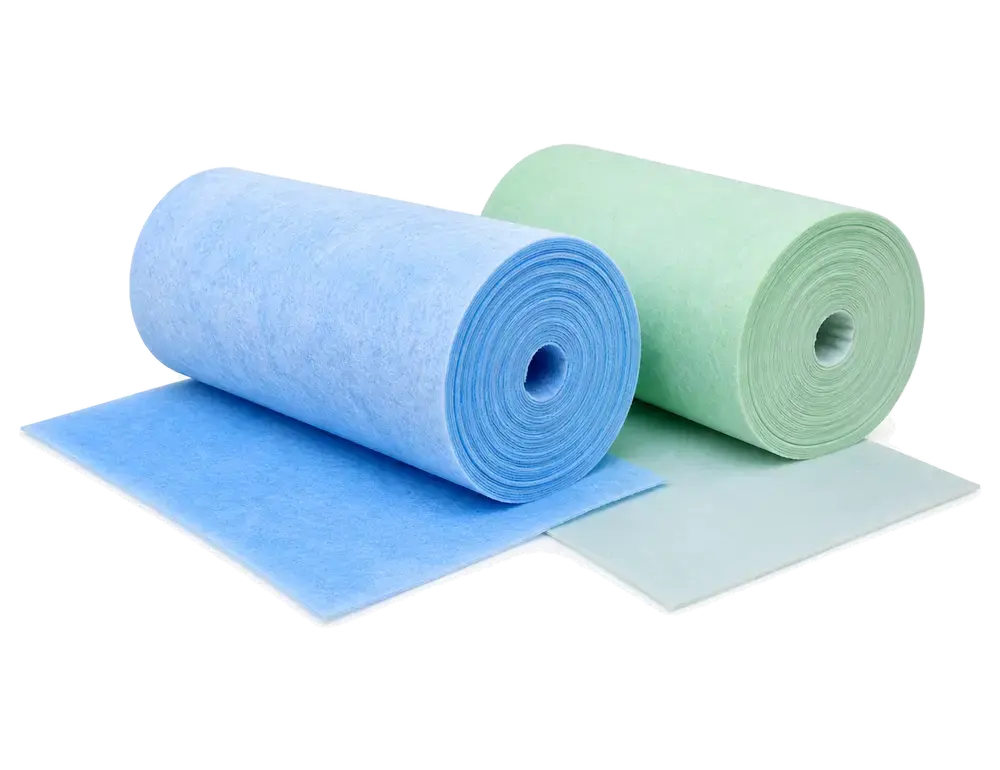
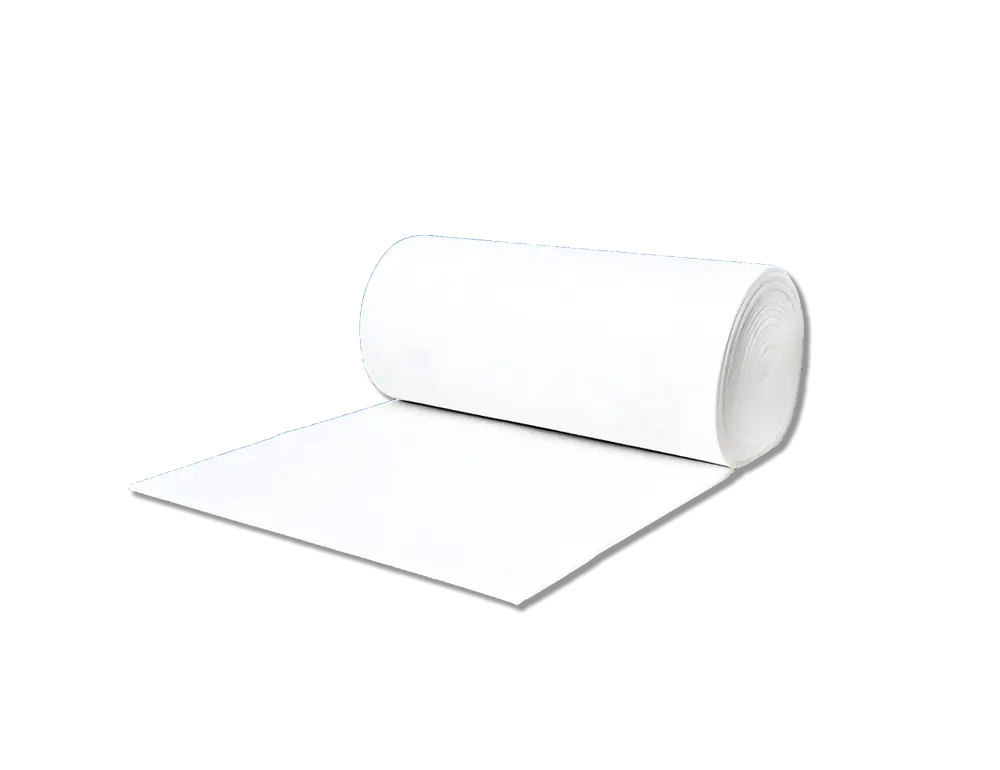
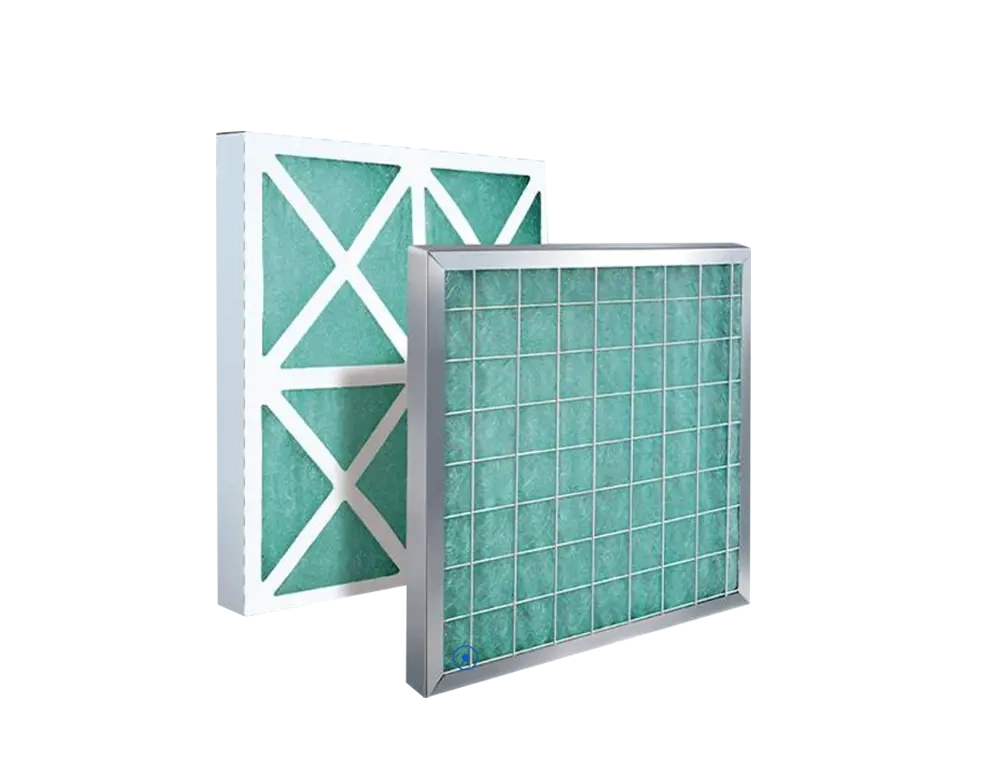
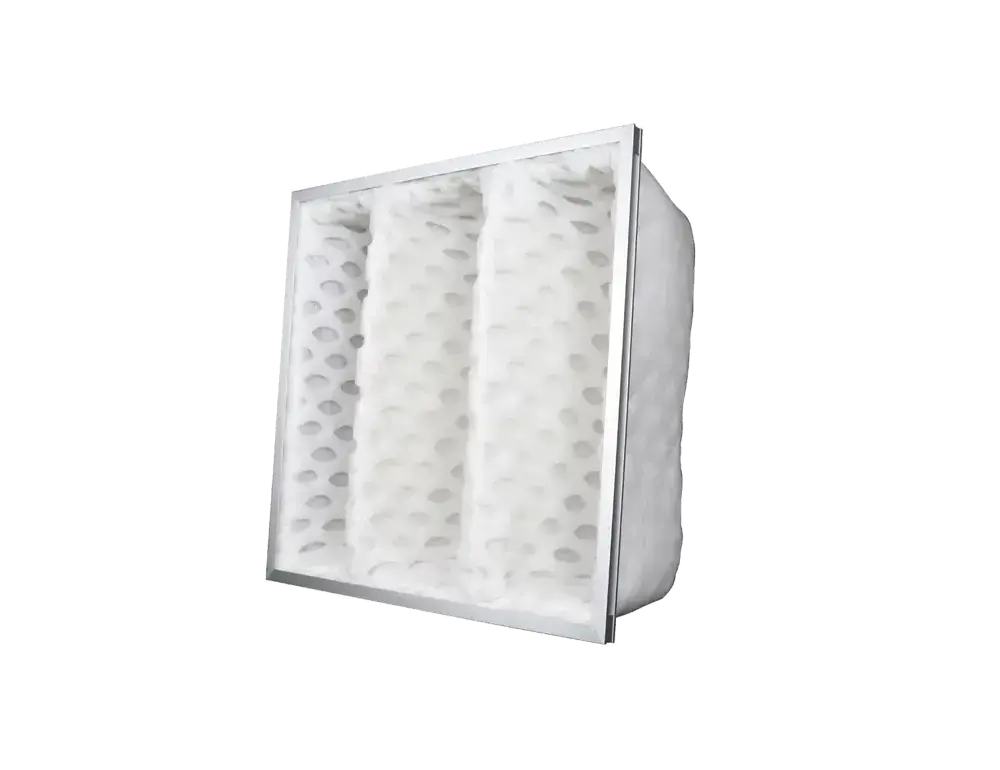
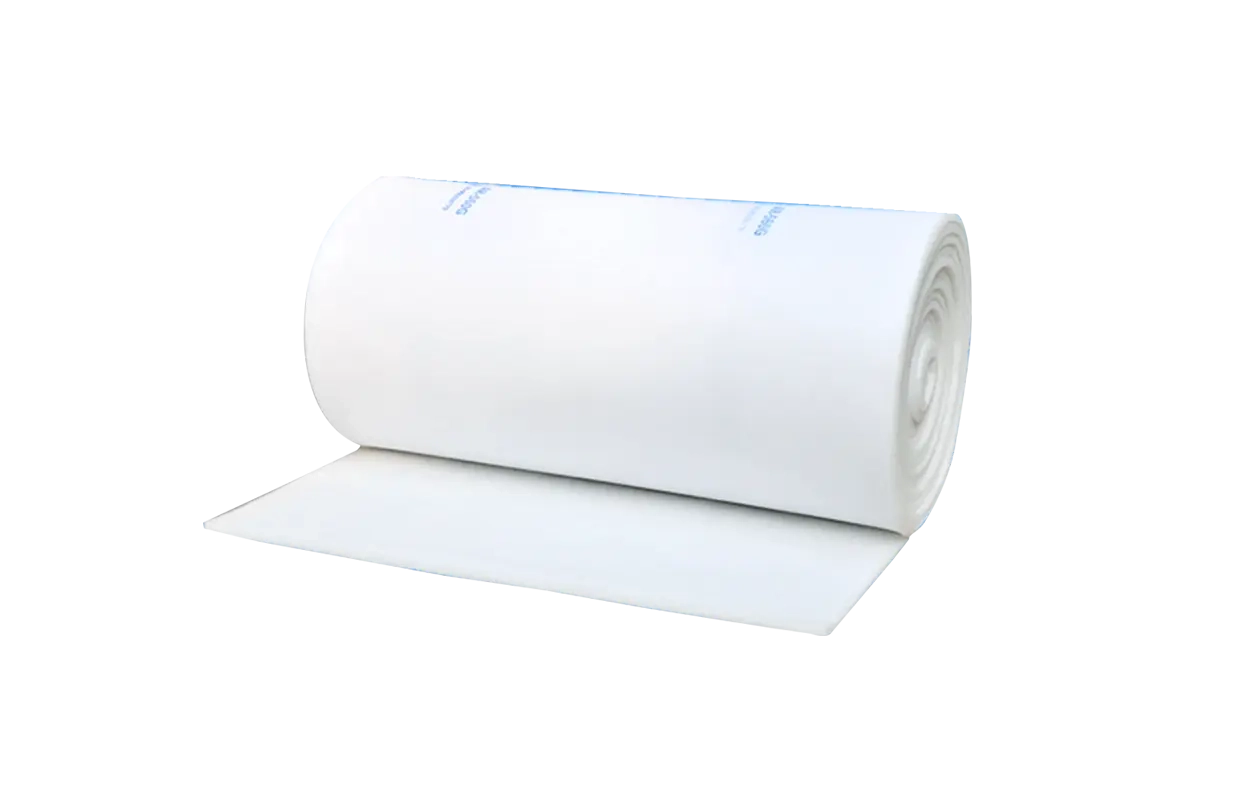
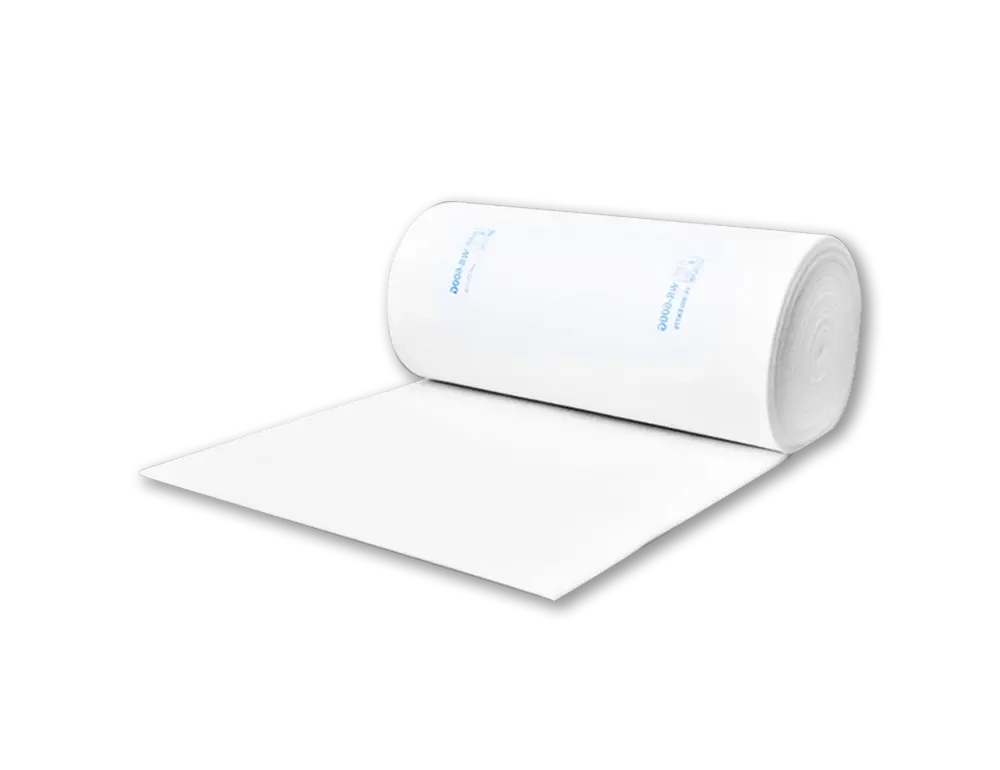
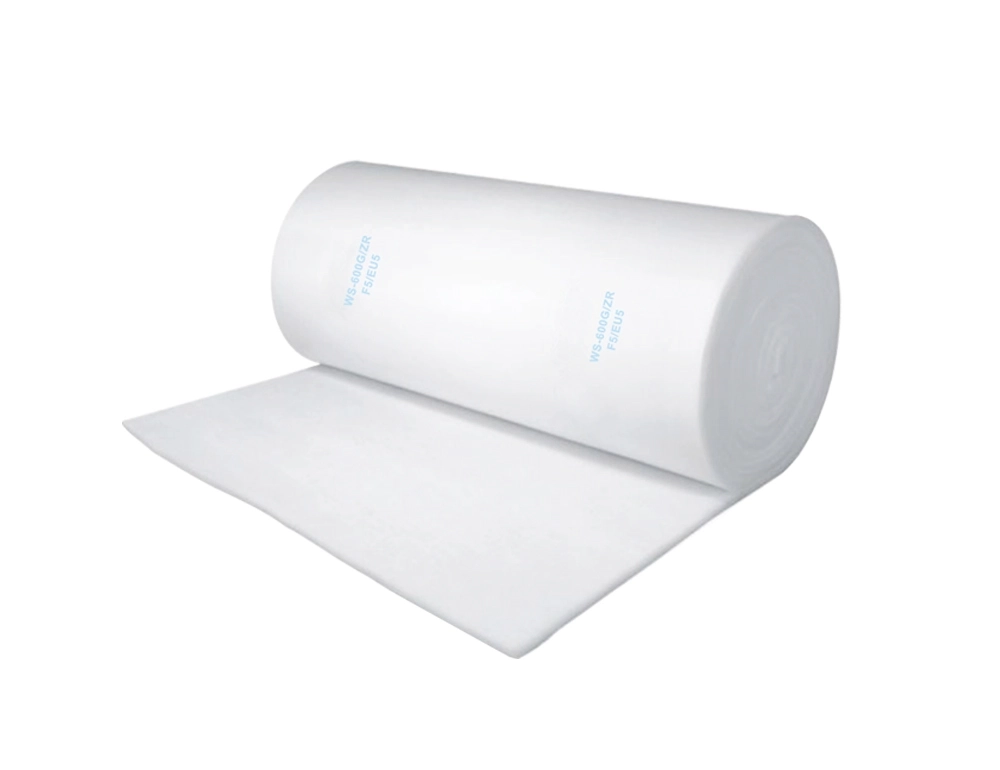
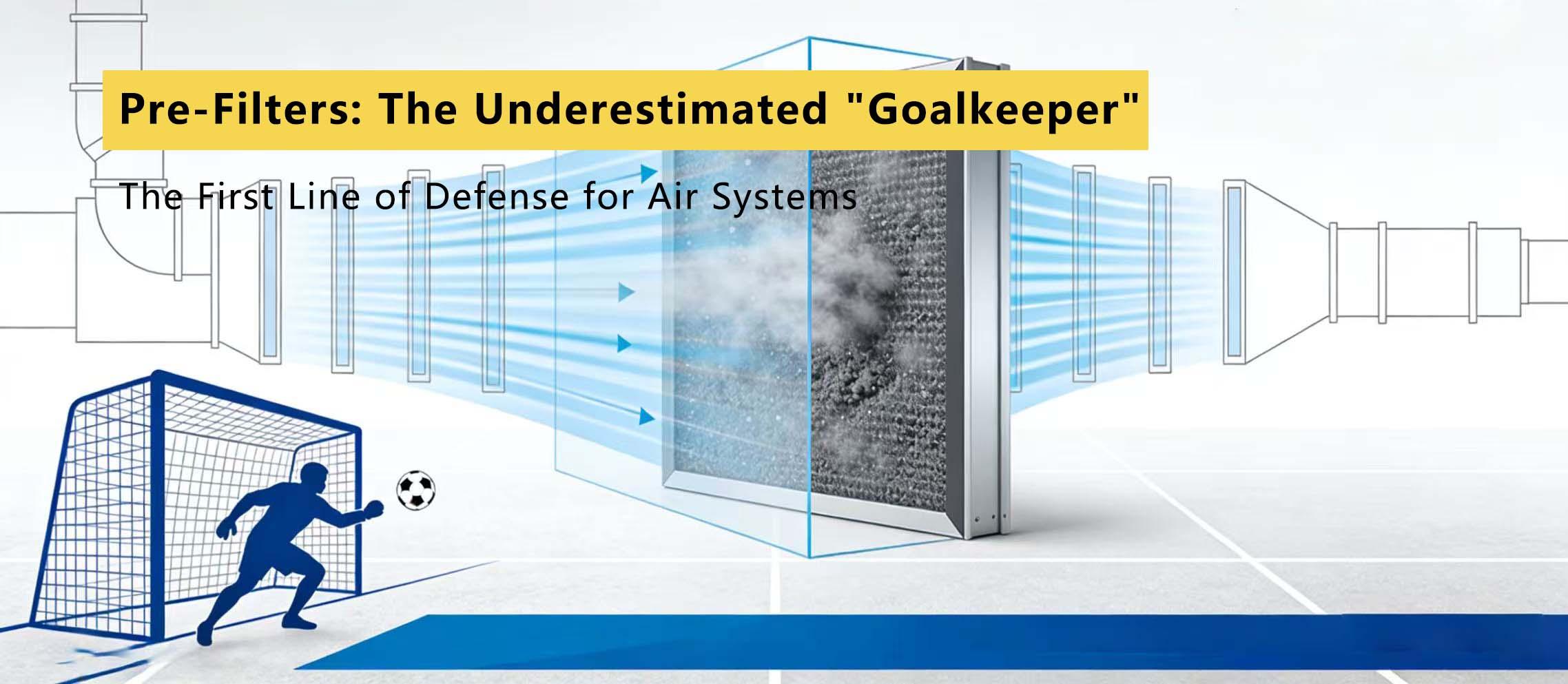
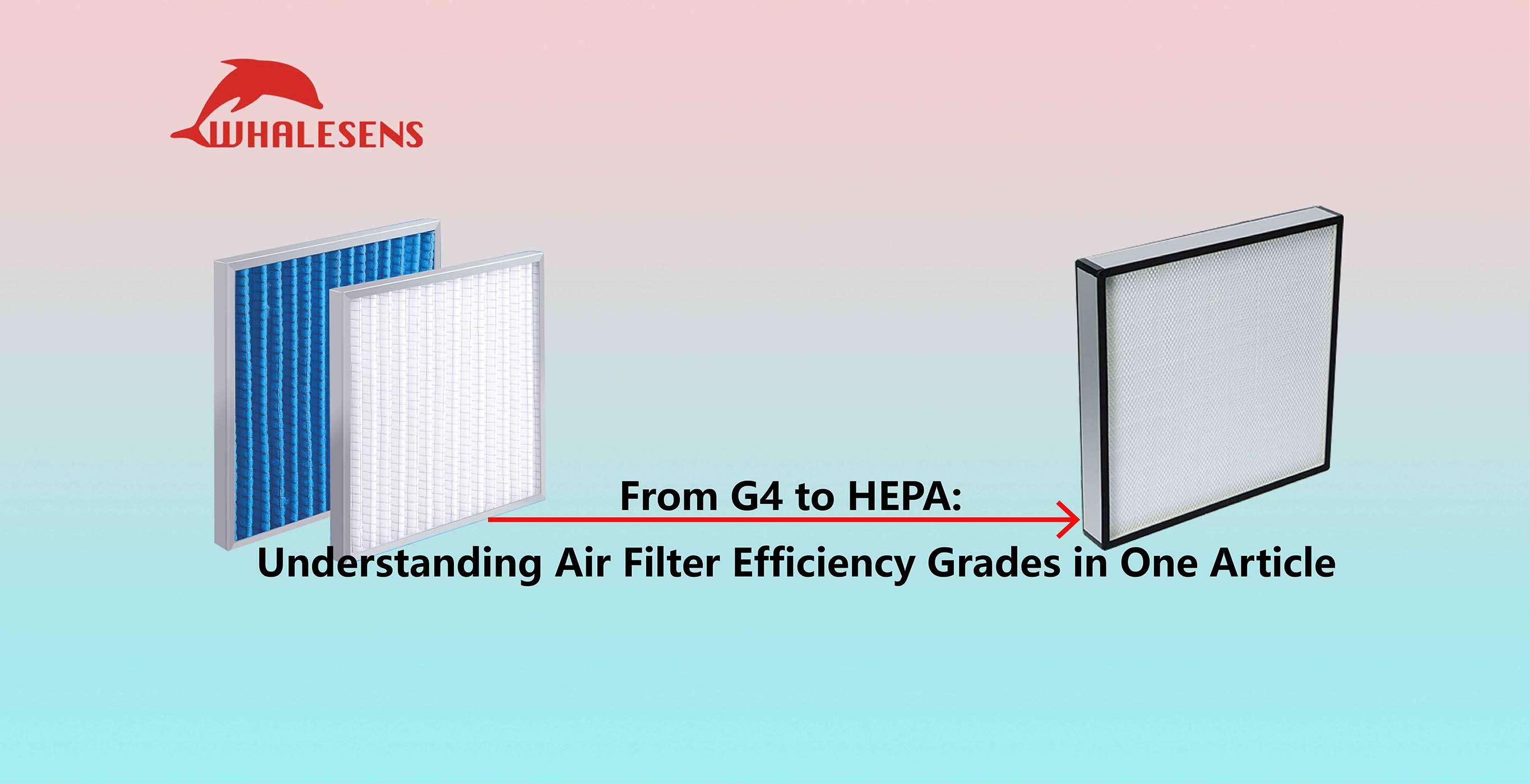
Pre-Filter (G1–G4)
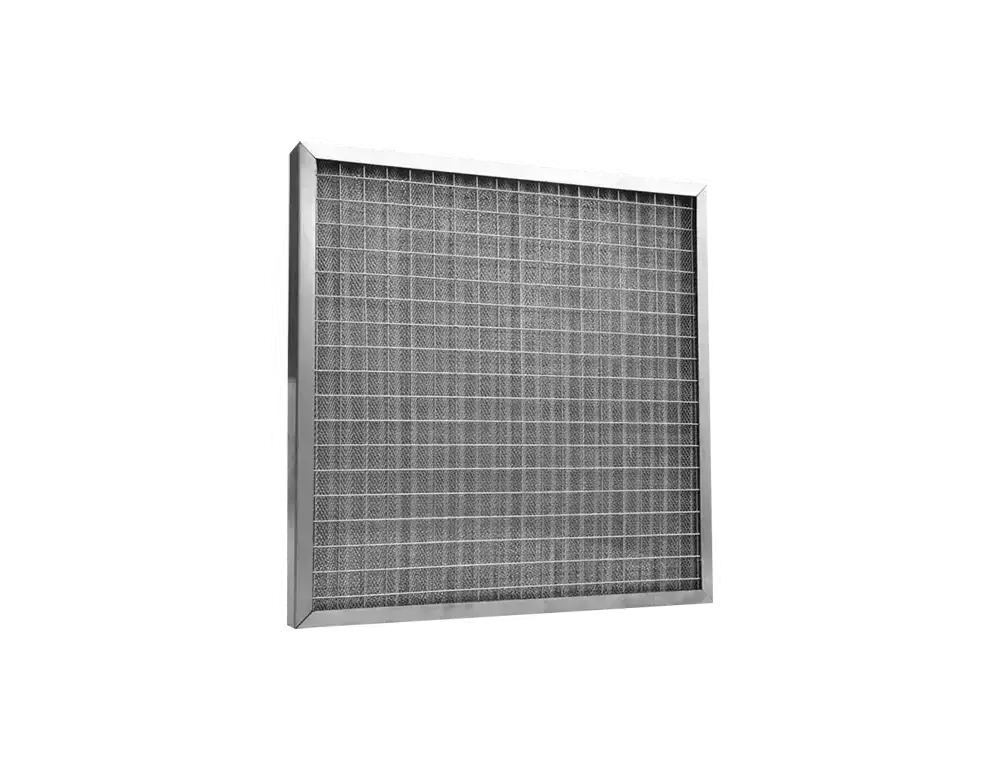
First-Stage Large-Particle Capture
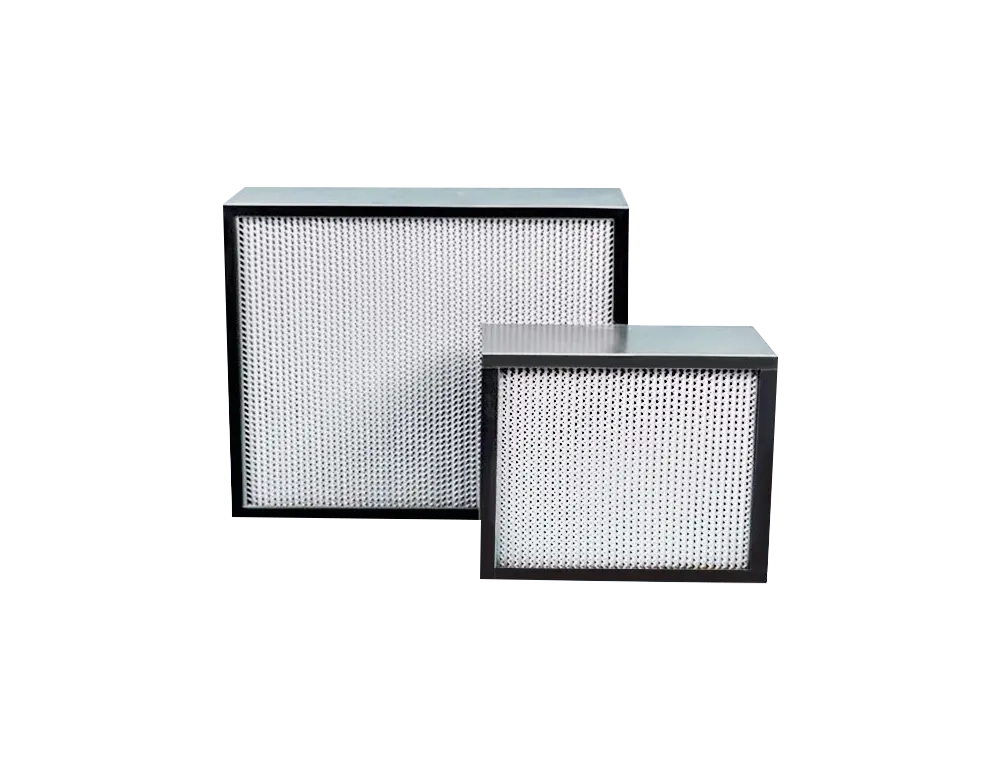
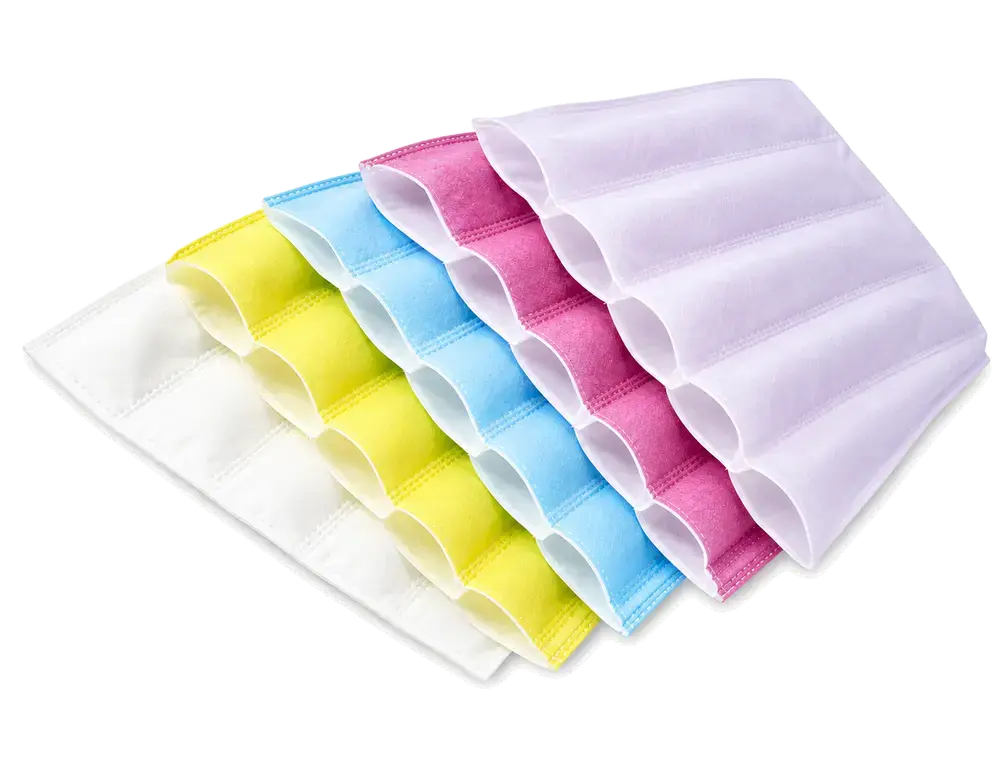
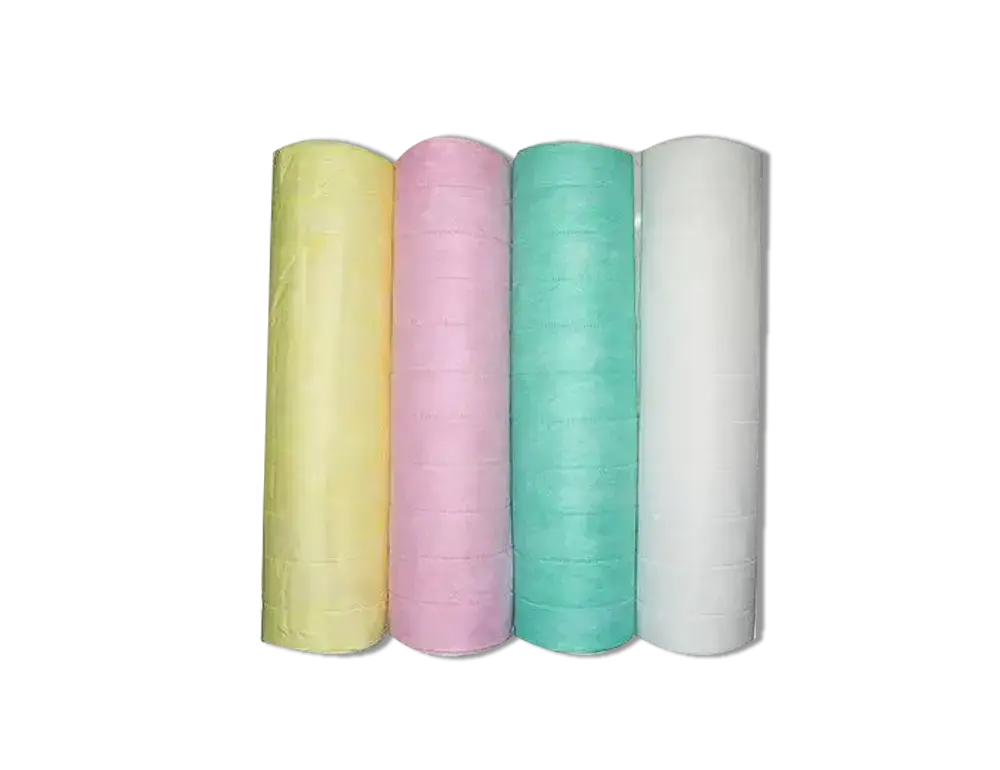
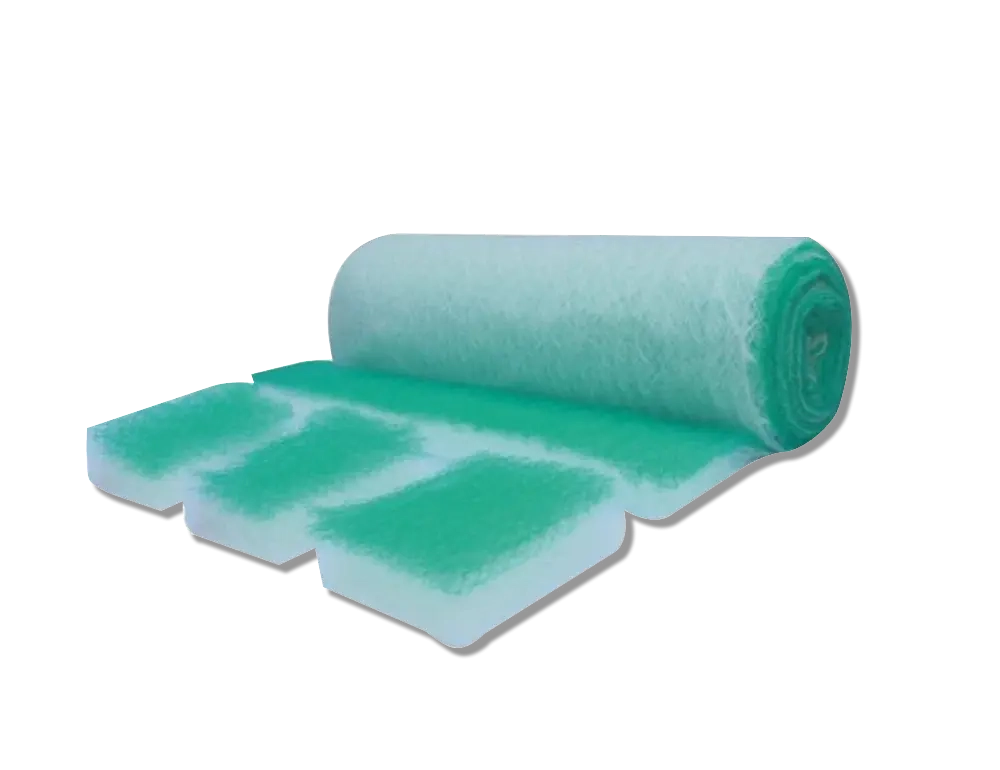
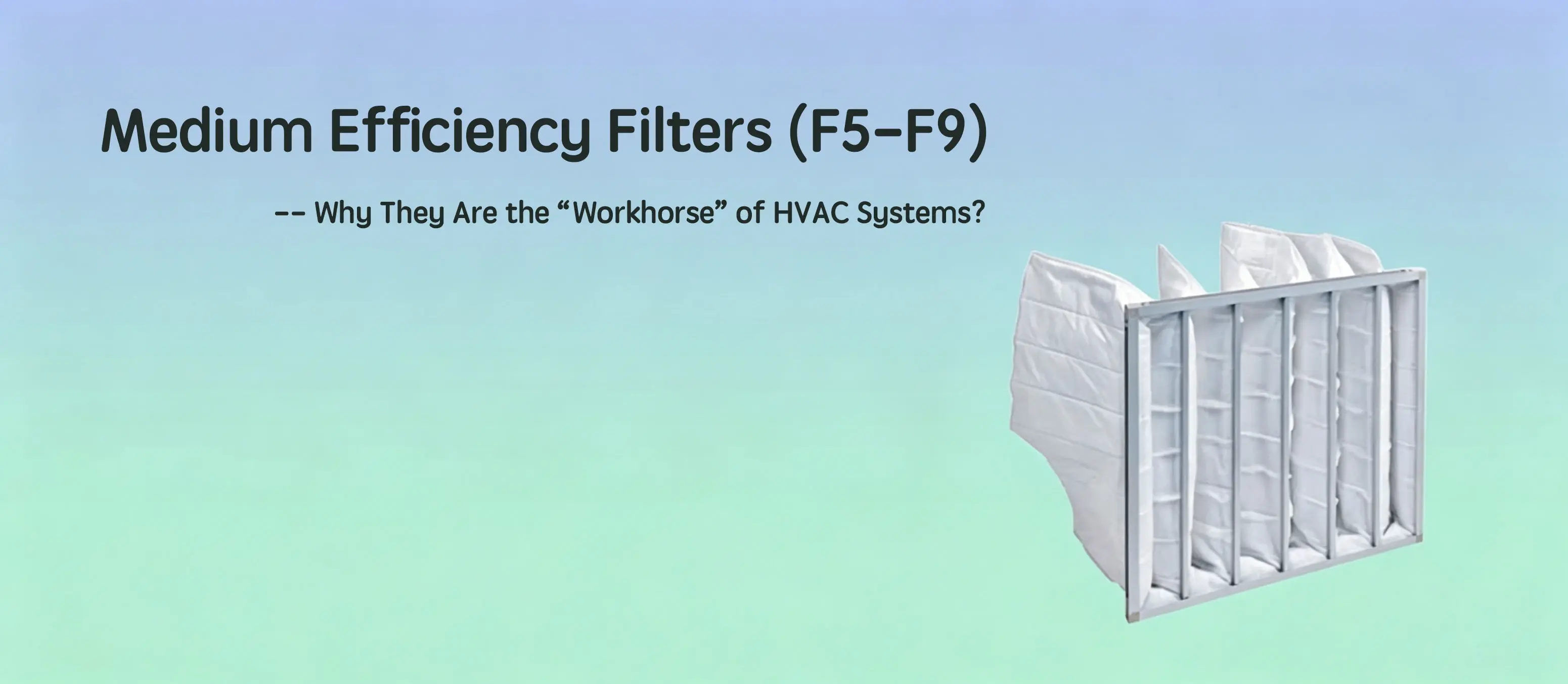
Medium-Efficiency Filter (F5–F9)
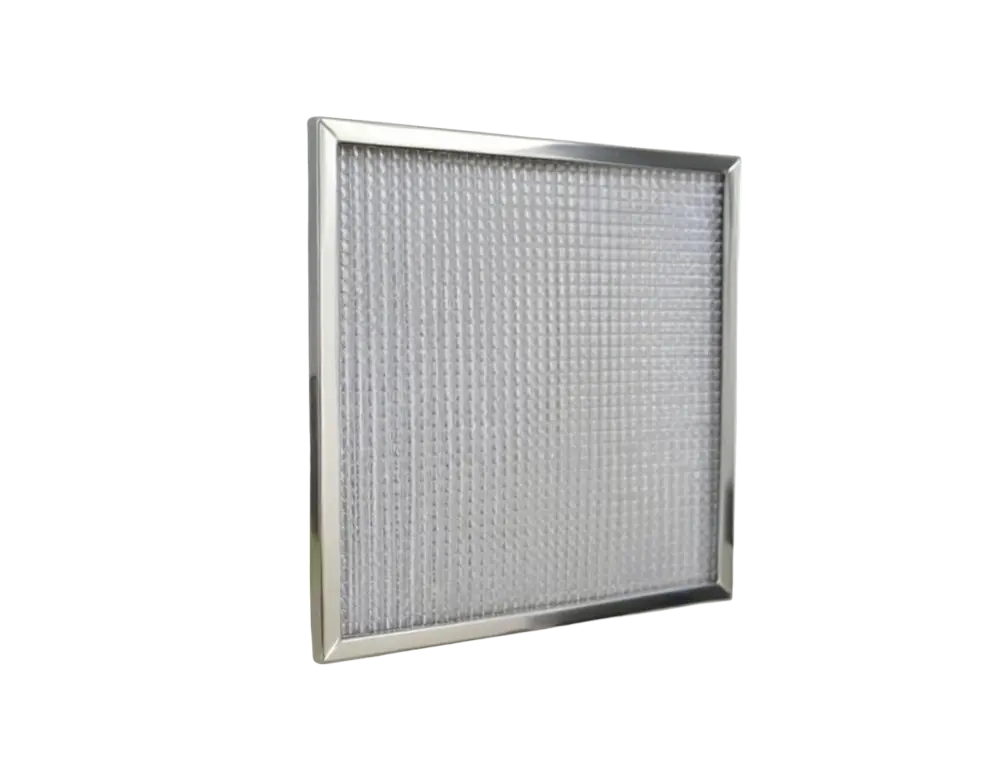
Precise PM2.5 Capture
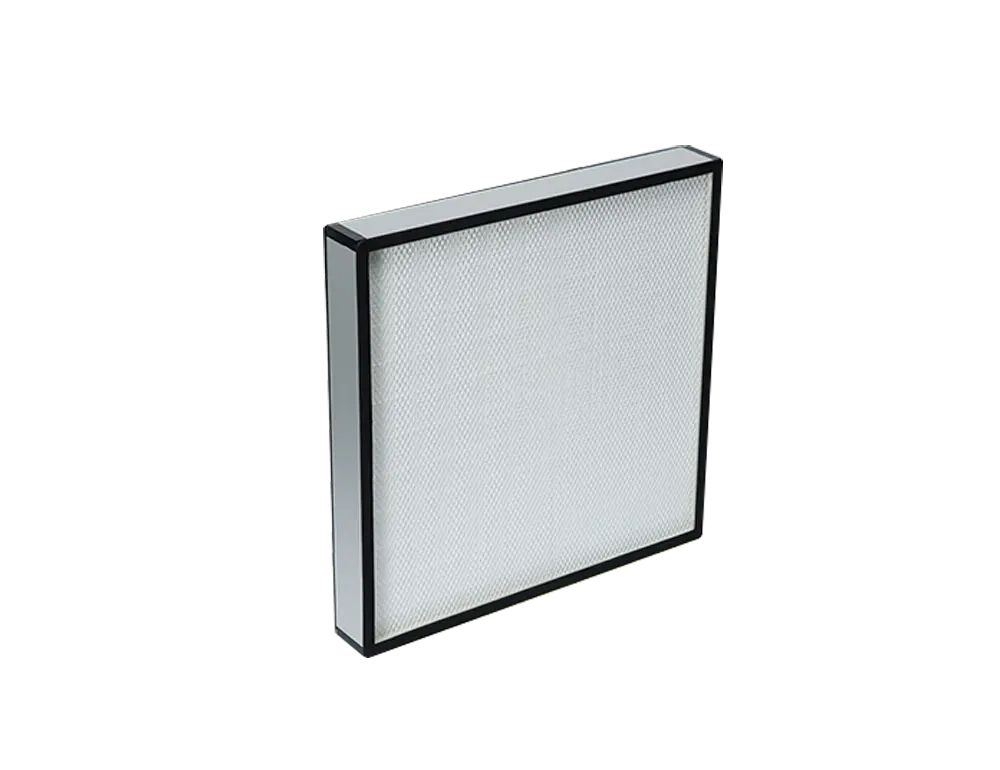
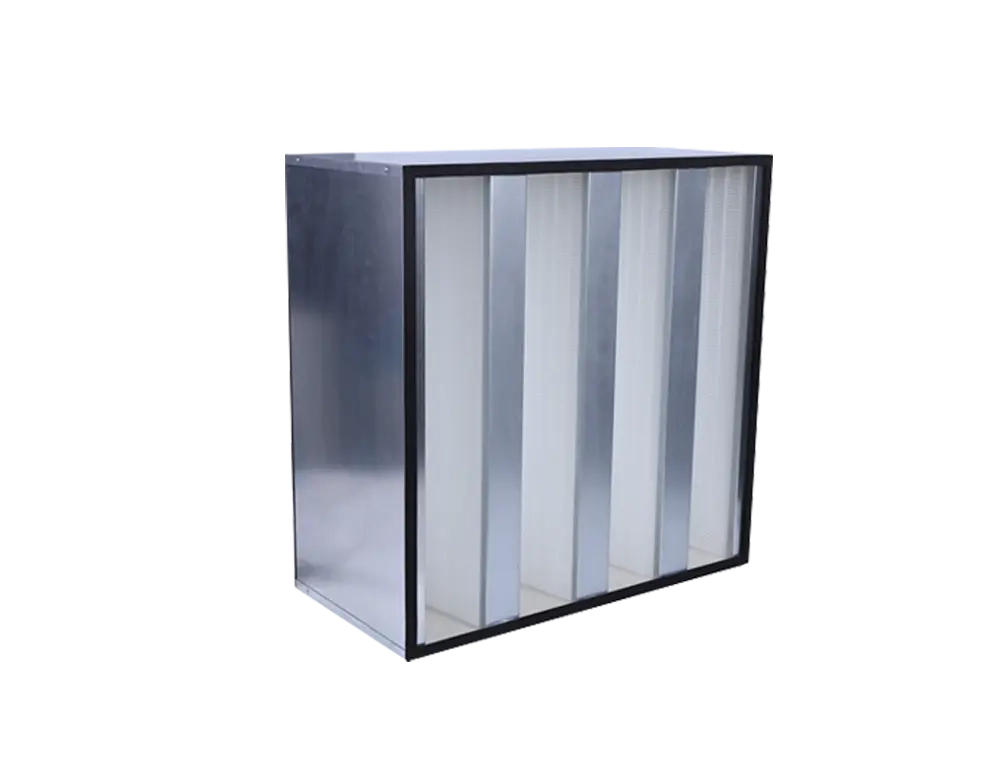
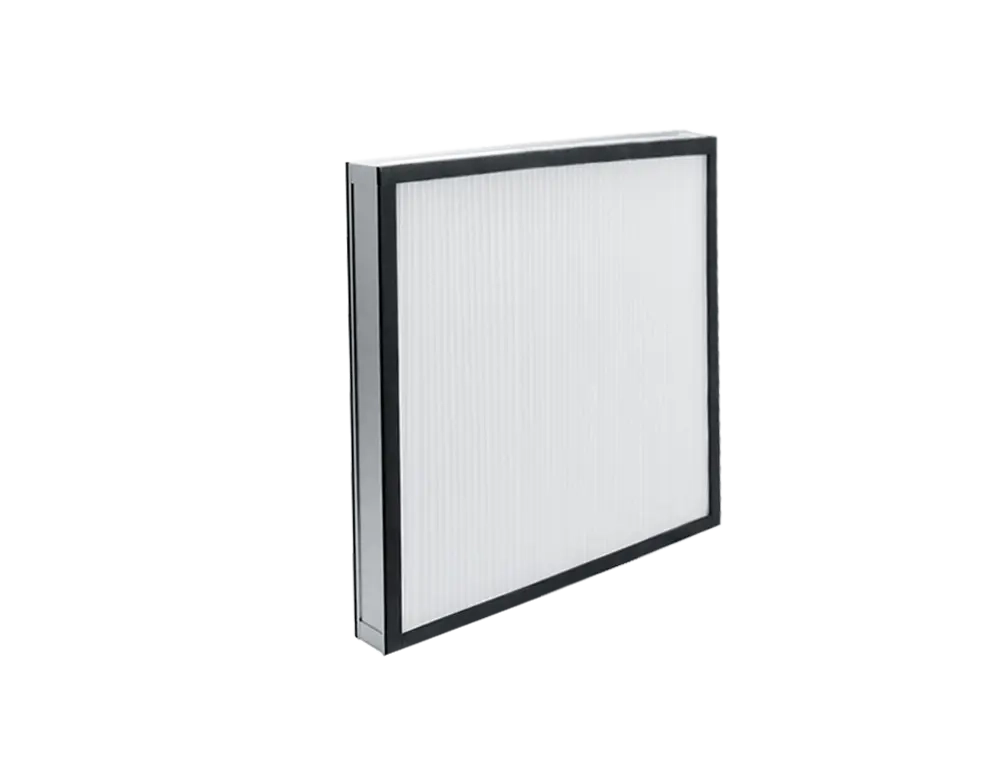
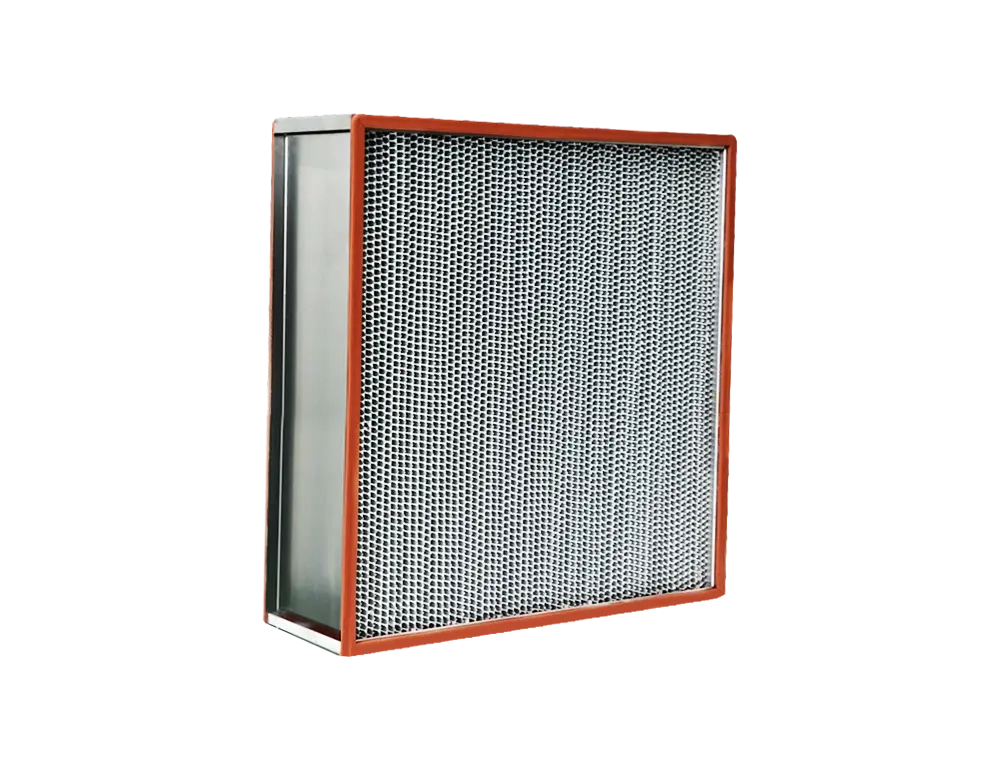
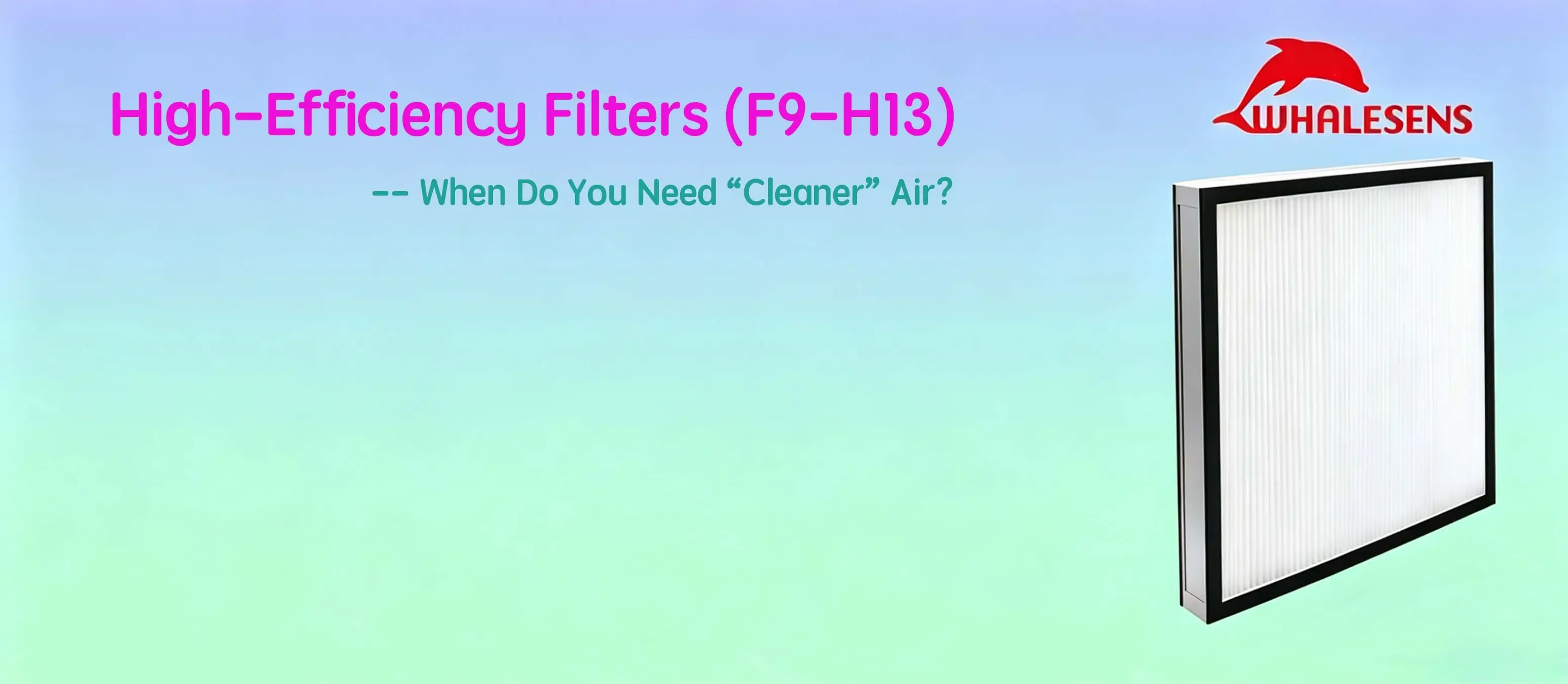
HEPA High-Efficiency Filter
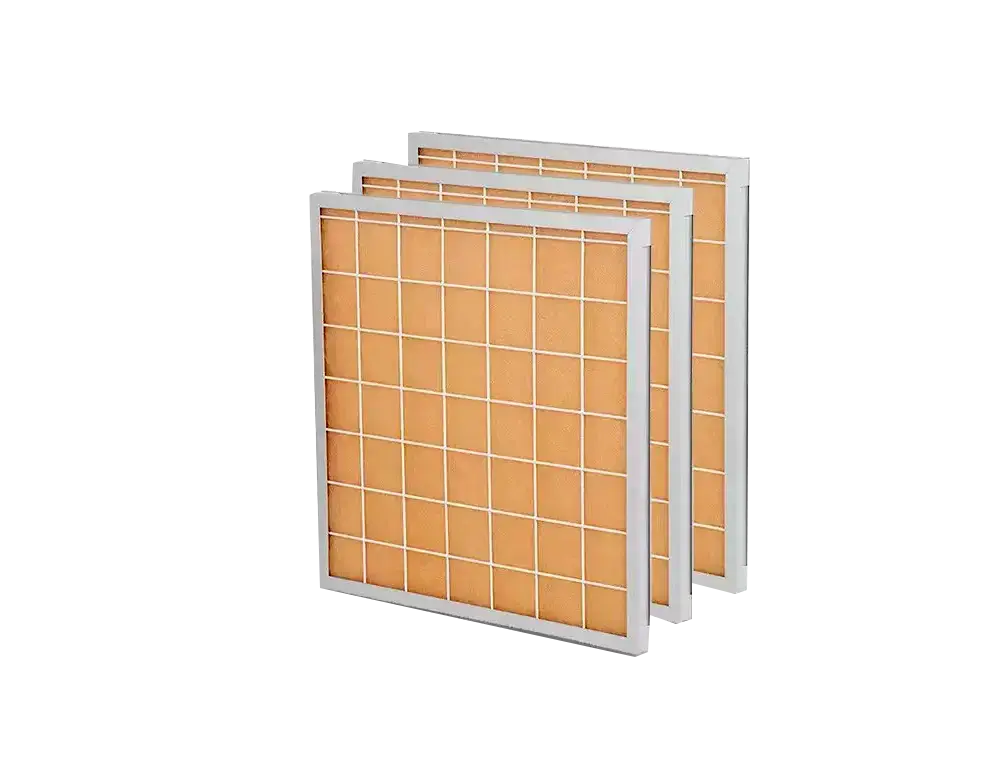
Sterile-Grade Purification
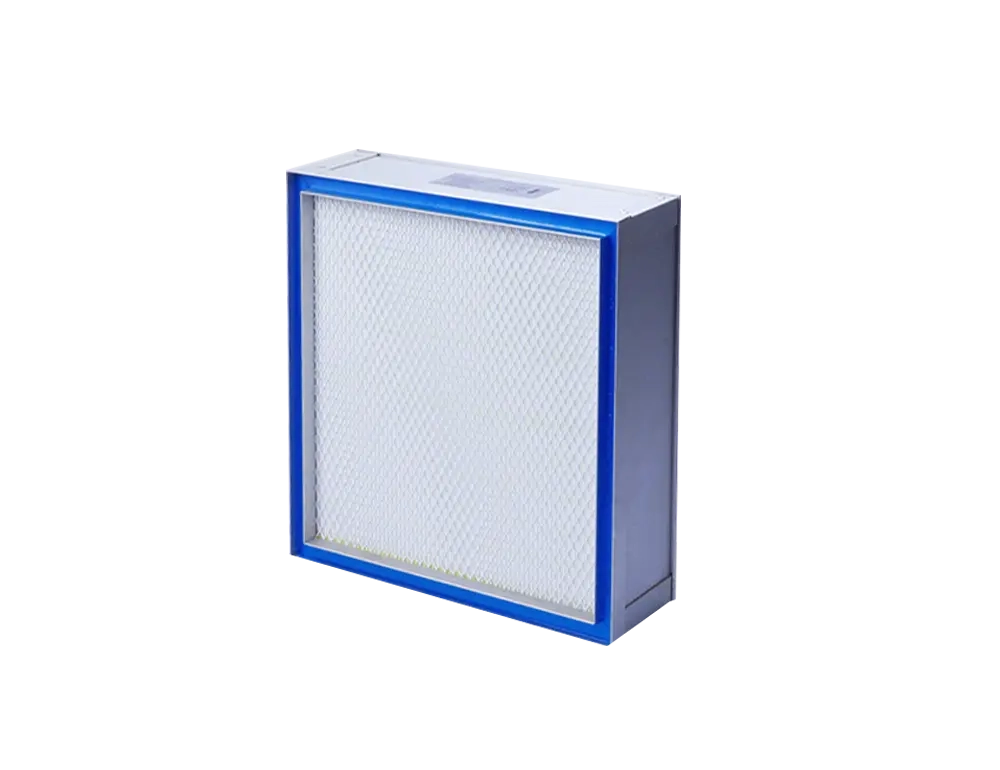
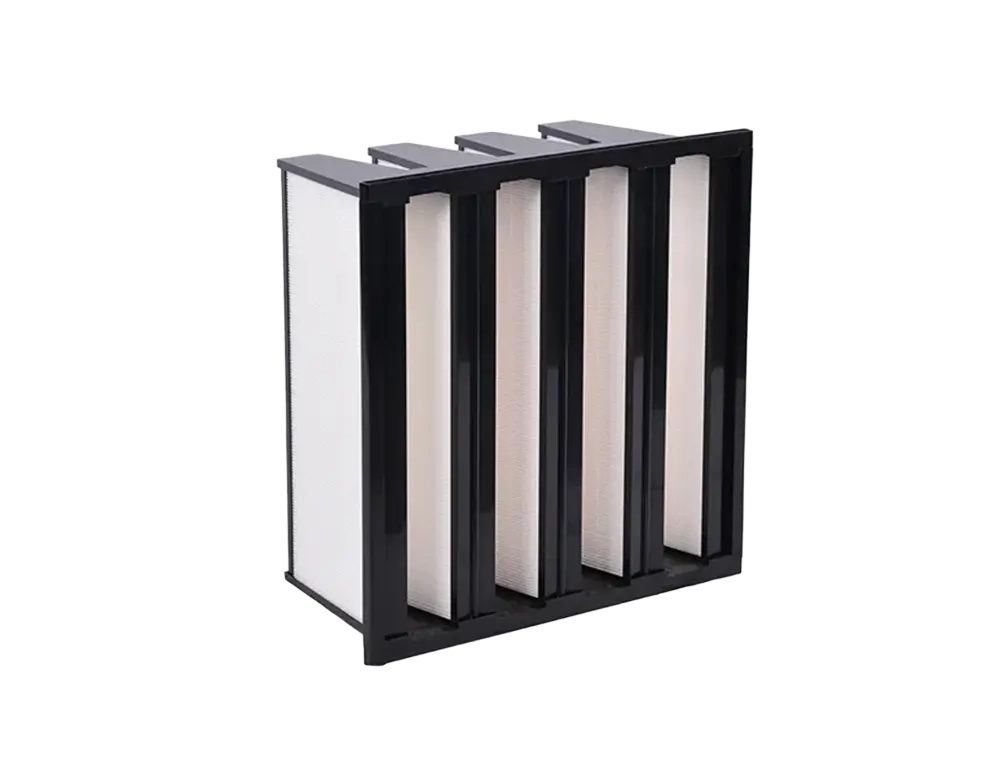
ULPA Ultra-High Efficiency Filter
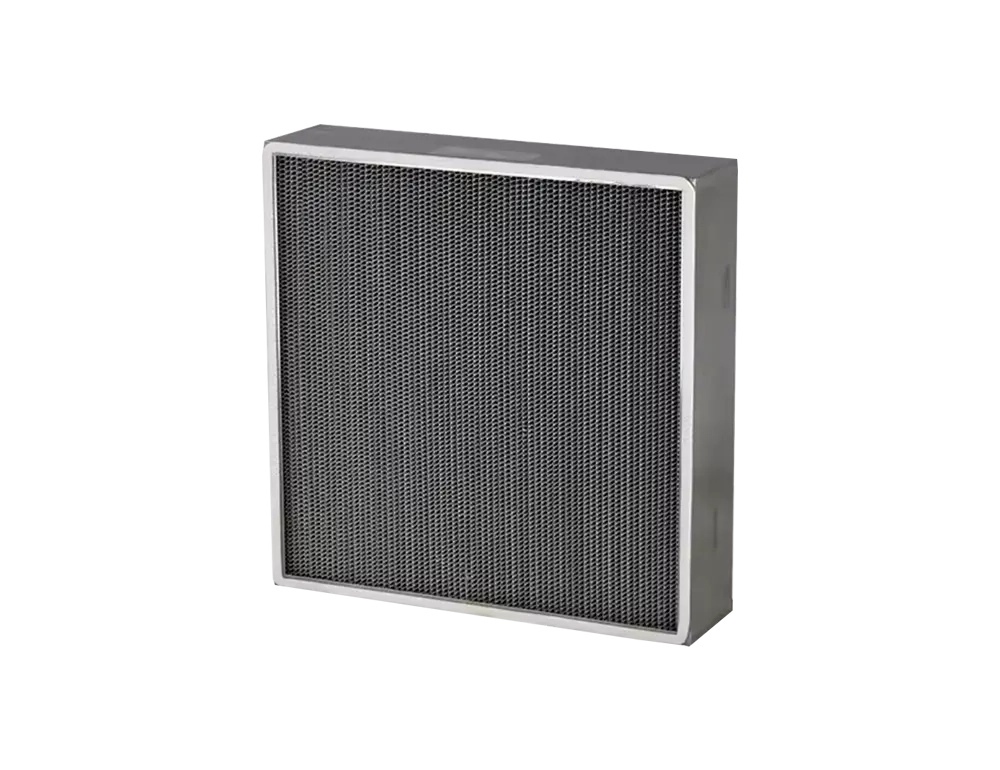
Sub-Micron Particle Capture
First-Stage Large-Particle Capture
The first line of defense, capturing particles ≥5 μm such as dust, hair, and fibers to protect downstream filters and extend overall system service life.
View Related Products →Precise PM2.5 Capture
Captures fine particles of 1–5 μm including PM2.5, pollen, and mold spores, significantly improving indoor air quality for commercial HVAC and ventilation systems.
View Related Products →Sterile-Grade Purification
≥99.97% filtration efficiency for particles ≥0.3 μm, delivering sterile-grade clean air widely used in medical, pharmaceutical, and electronics manufacturing.
View Related Products →Sub-Micron Particle Capture
≥99.9995% efficiency for particles ≥0.12 μm, meeting the extreme cleanliness demands of semiconductor fabs, aerospace, and other ultra-precision applications.
View Related Products →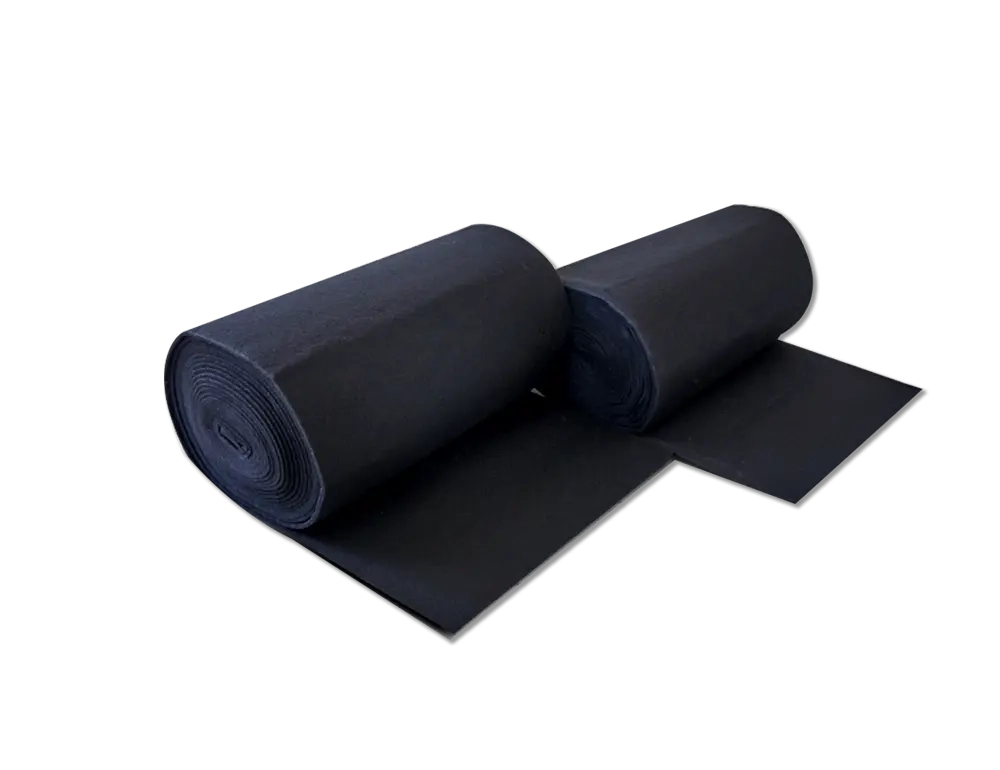
High-Temperature Resistant
Industrial-Grade Heat Tolerance
Washable & Reusable
Cut Costs, Reduce Waste
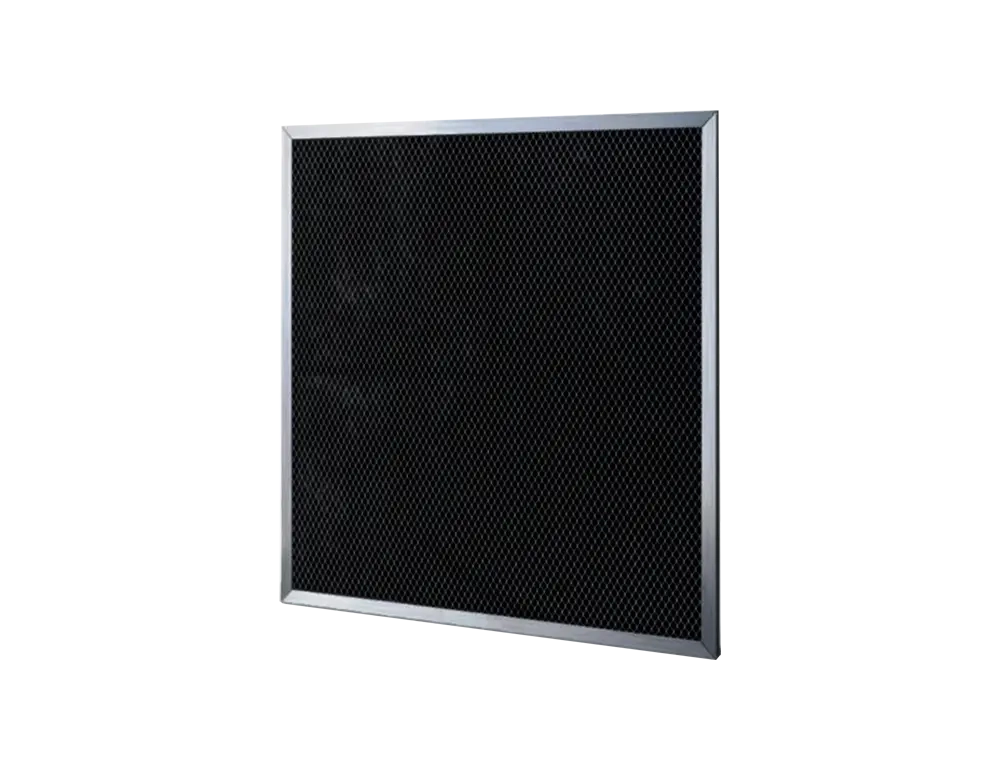
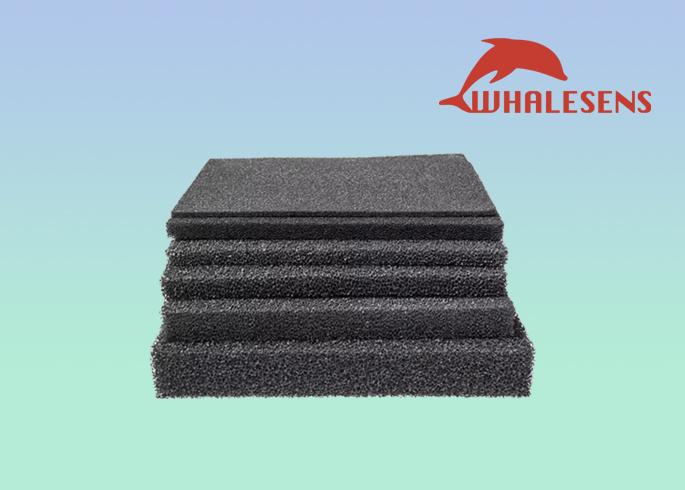
Activated Carbon
Odor & Harmful Gas Removal
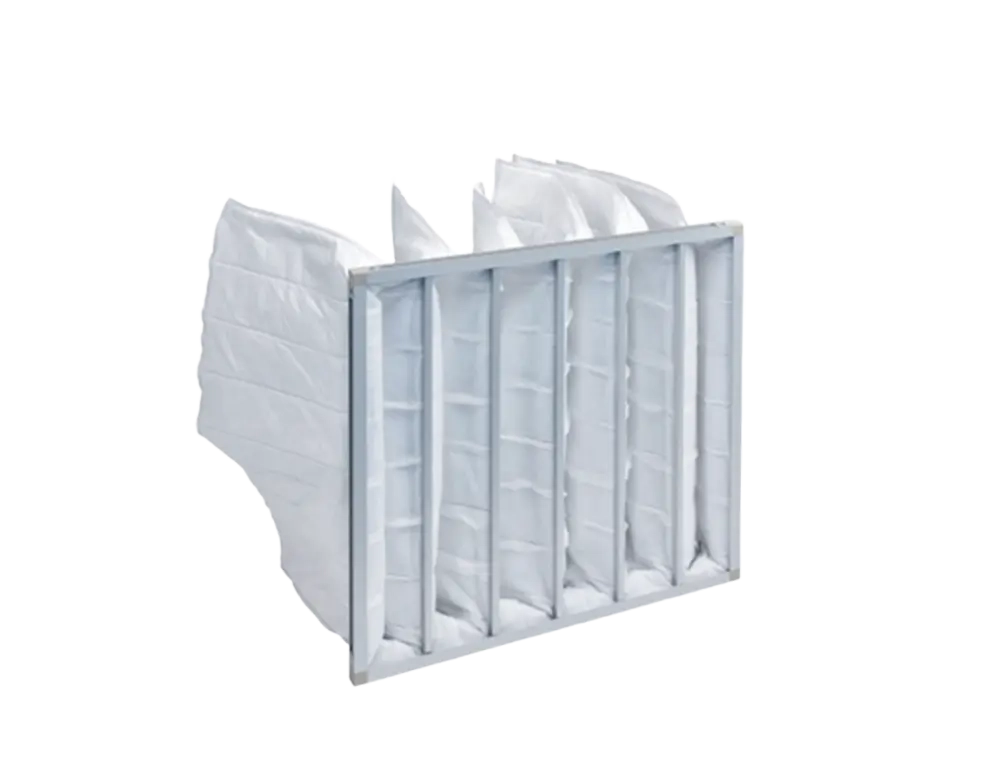
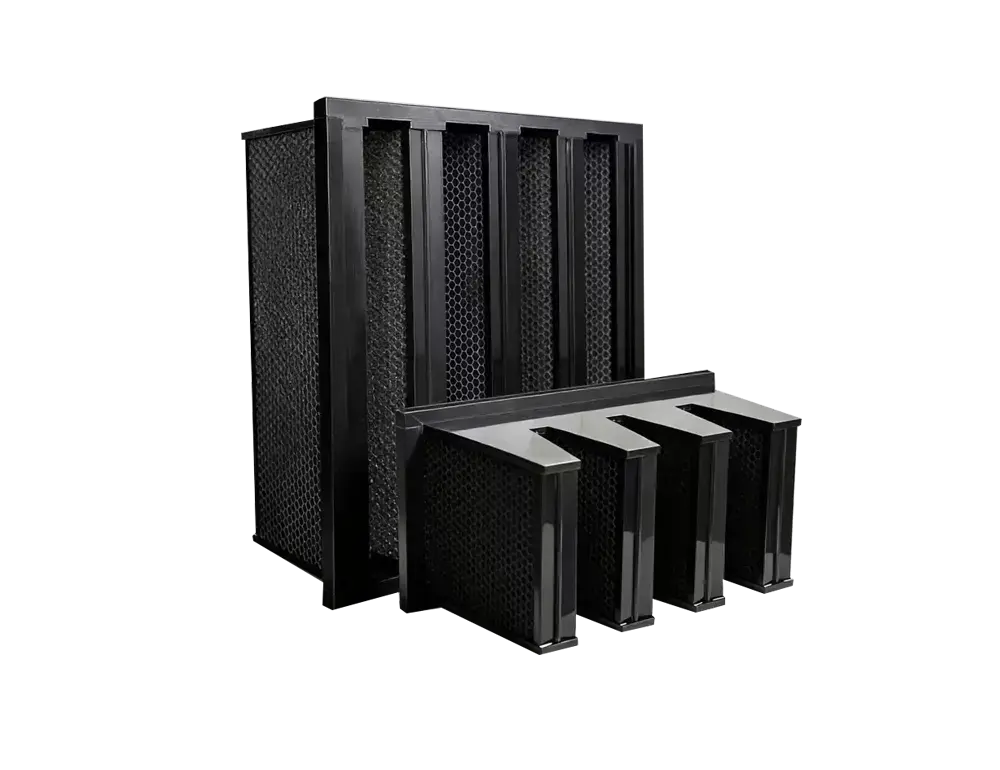
Bag Filter
High Dust-Holding, Long Life
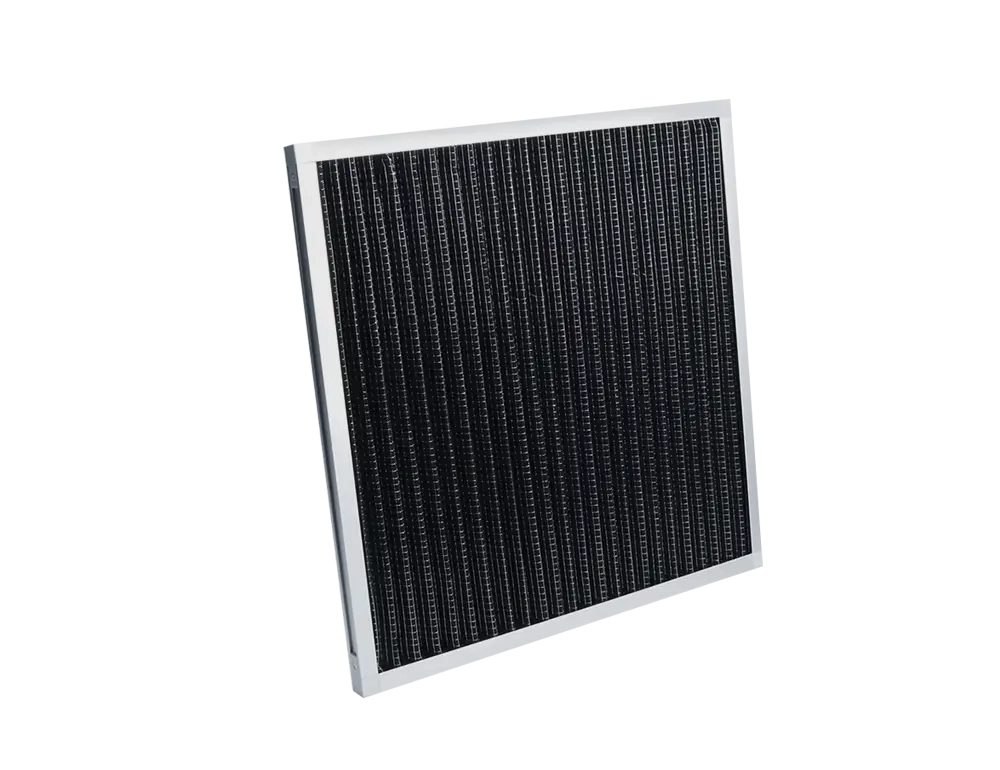
Panel / Pleated Filter
Compact Space-Saving Design
Low-Resistance Airflow
Energy-Saving Operation
Industrial-Grade Heat Tolerance
Built with specialized heat-resistant materials, operating stably up to 250°C for paint ovens, industrial dryers, and high-temperature process environments.
View Related Products →Cut Costs, Reduce Waste
Cleanable by water washing or air blowing, reusable multiple times to significantly reduce replacement frequency and O&M costs — an economical, eco-friendly choice.
View Related Products →Odor & Harmful Gas Removal
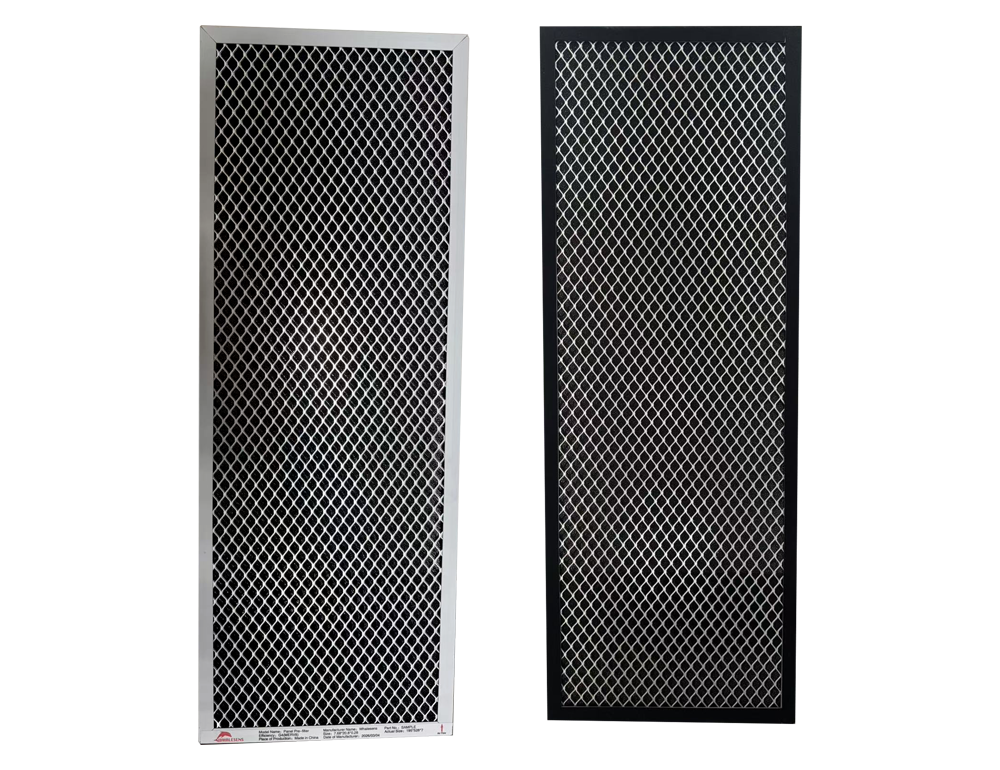
Leverages activated carbon's high adsorption capacity to eliminate odors, VOCs, and formaldehyde, ideal for newly renovated spaces and industrial exhaust treatment.
View Related Products →High Dust-Holding, Long Life
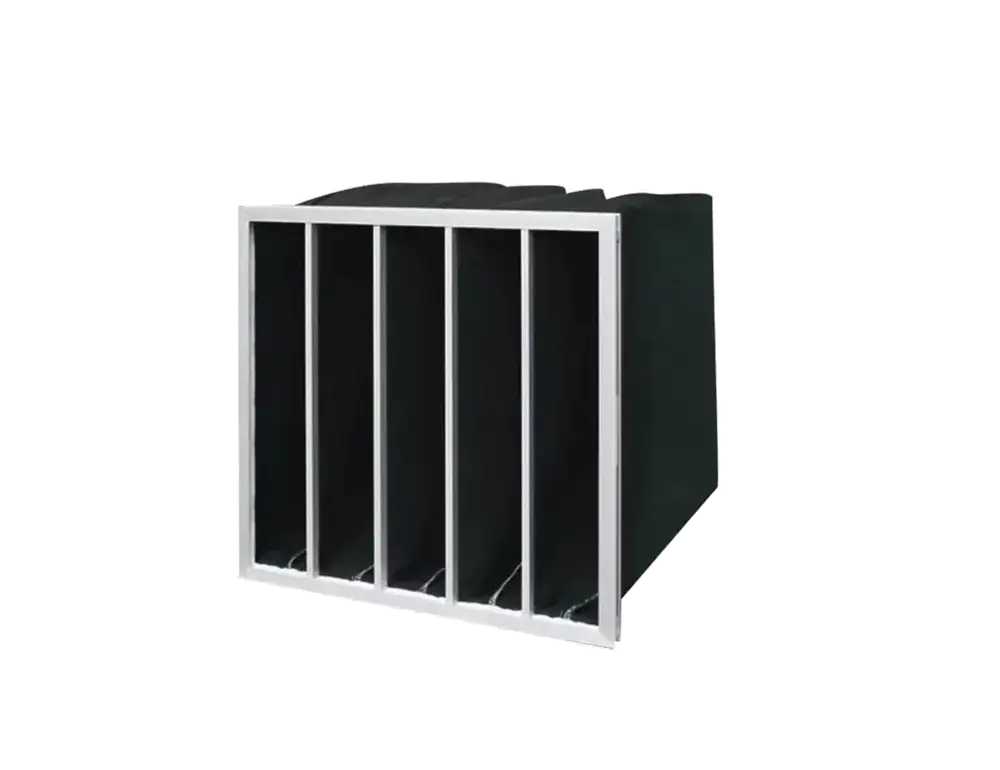
Bag-style construction delivers a larger filtration area, high dust-holding capacity, and extended service life — ideal for high-dust environments with reduced replacement frequency.
View Related Products →Compact Space-Saving Design
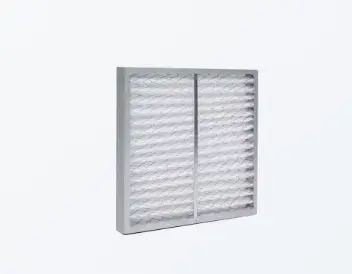
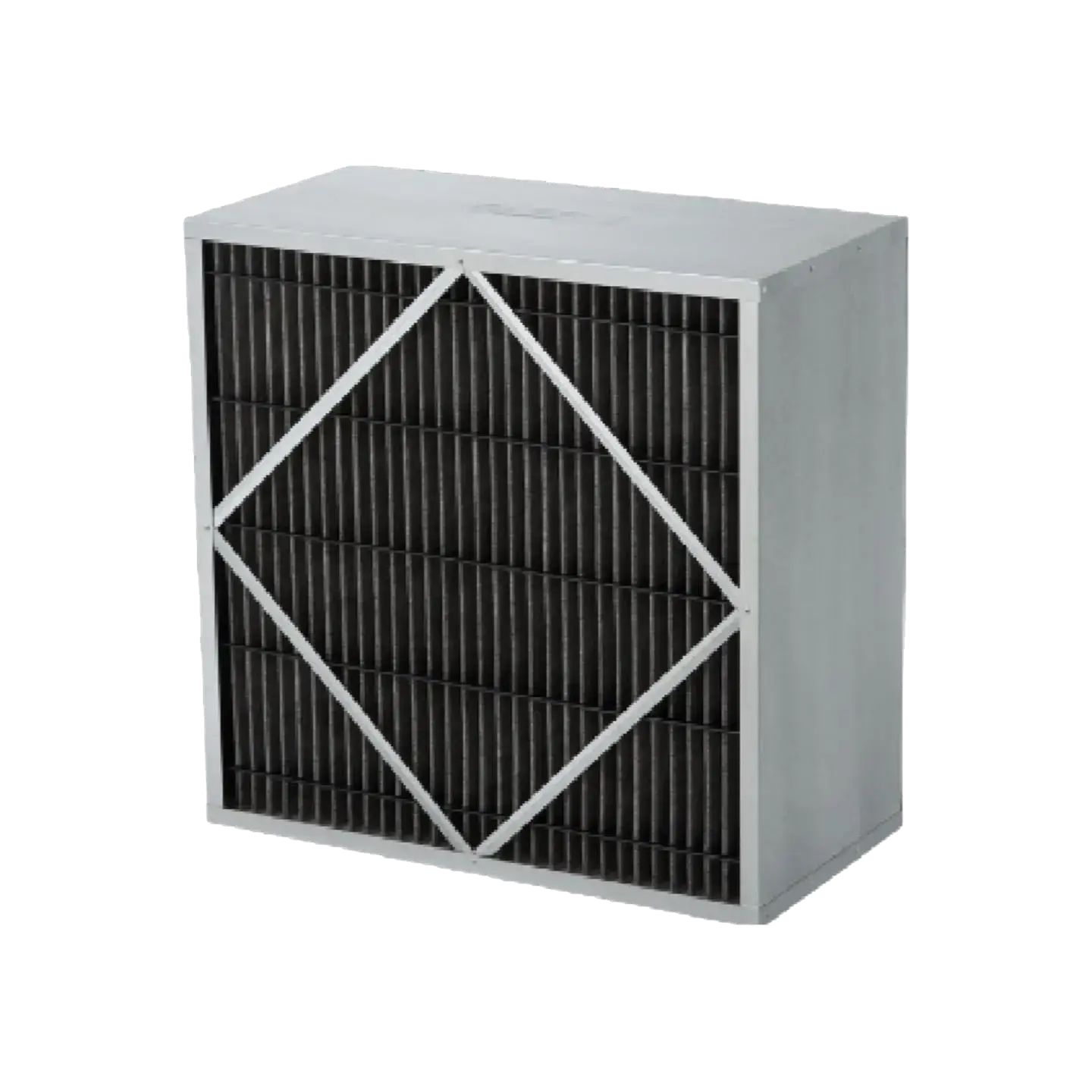
Compact form factor for easy installation and replacement; pleated structure maximizes filtration area within a small footprint for higher efficiency.
View Related Products →Energy-Saving Operation
Low-resistance design minimizes pressure drop while maintaining filtration performance, reducing fan energy consumption for cost-effective, eco-friendly operation.
View Related Products →










 English(Global)
 简体中文
简体中文 Language




Pharmaceutical Air Filters: Viral & Contaminant Protection – The Critical Shield for Pharma Manufacturing
In the pharmaceutical industry, where even the smallest airborne threat can compromise drug safety, patient health, and regulatory compliance, two invisible risks stand out: viral particles and hazardous air pollutants. From sterile injectable production to high-potency API (HPAPI) synthesis, these contaminants can infiltrate processes, endanger workers, and trigger catastrophic recalls.
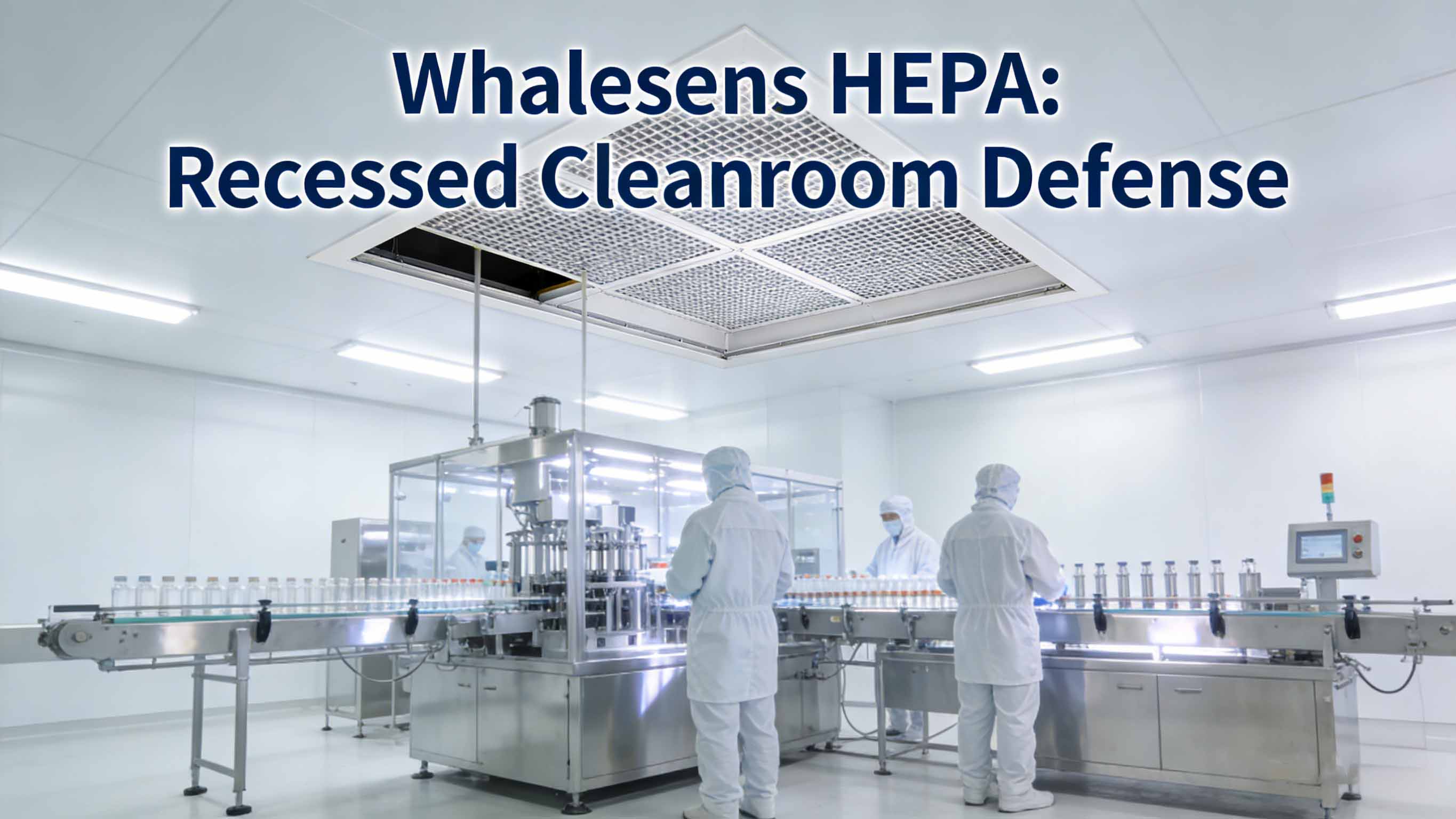
Today’s pharmaceutical air filters (pharma air filters) are no longer just “air cleaners”—they are precision-engineered defense systems, designed to eliminate viruses, toxic fumes, and particulate matter, ensuring air purity in the most demanding chemical drug manufacturing environments. This article dives deep into how advanced pharma air filtration solutions—including tailored offerings from Whalesens—safeguard against viral and pollutant risks, delivering compliance, safety, and operational excellence.
The Dual Threat: Viruses & Air Pollutants in Pharma Manufacturing
Chemical drug production involves complex processes that both generate and attract airborne hazards. Viruses and air pollutants, though distinct, share the potential to disrupt operations and harm lives—making targeted filtration non-negotiable:
1. Viral Risks: Invisible Enemies of Sterility
Viruses (e.g., bacteria phages, airborne pathogens) pose an existential threat to aseptic processes, such as sterile filling, biotech drug synthesis, and laboratory research. Their small size (0.02-0.3 microns) allows them to penetrate conventional filters, while their ability to survive in air for hours makes cross-contamination likely. Key risk scenarios include:
- Sterile Drug Production: A single viral particle in injectable drugs or vaccines can cause widespread patient infections, leading to product recalls and regulatory shutdowns.
- Laboratory & R&D: Viral contamination in cell culture or API development can invalidate months of research and delay drug launch timelines.
- Worker-to-Process Transmission: Staff carrying airborne viruses (e.g., influenza, coronaviruses) can introduce pathogens into cleanrooms, even with proper PPE.
For chemical drug manufacturers, viral contamination is not just a health risk—it’s a business-critical threat: a 2023 industry report found that viral-related recalls cost pharma companies an average of $15 million per incident, plus long-term reputational damage.
2. Air Pollutants: Toxic & Corrosive Threats to Safety & Quality
Chemical drug manufacturing generates a spectrum of air pollutants, each requiring specialized filtration. Unlike general industrial pollutants, pharma-specific contaminants are often toxic, corrosive, or reactive—endangering workers and degrading products:
- Particulate Pollutants: Dust from OSD processes (milling, blending, coating), API powder residues, and ambient PM2.5. These can cause cross-contamination between batches, clog equipment, and create explosive risks (requiring ATEX-compliant filtration).
- Gaseous & Chemical Pollutants: Volatile organic compounds (VOCs) from solvent-based synthesis, corrosive gases (e.g., ammonia, chlorine) from chemical reactions, and toxic fumes from HPAPIs (e.g., oncology drugs). These irritate respiratory systems, damage HVAC equipment, and contaminate drug formulations.
- Microbial Pollutants: Bacteria, mold, and fungi that thrive in humid production environments, compounding viral risks and violating GMP (Good Manufacturing Practices) standards.
Pharma Air Filters: Targeted Solutions for Viral & Pollutant Removal
Advanced pharma air filters are engineered to address the unique characteristics of viruses and chemical pollutants—combining high efficiency, chemical resistance, and compliance with strict industry standards. Below is how key filter technologies deliver targeted protection, including specialized HEPA solutions from Whalesens tailored for chemical pharmaceutical applications:
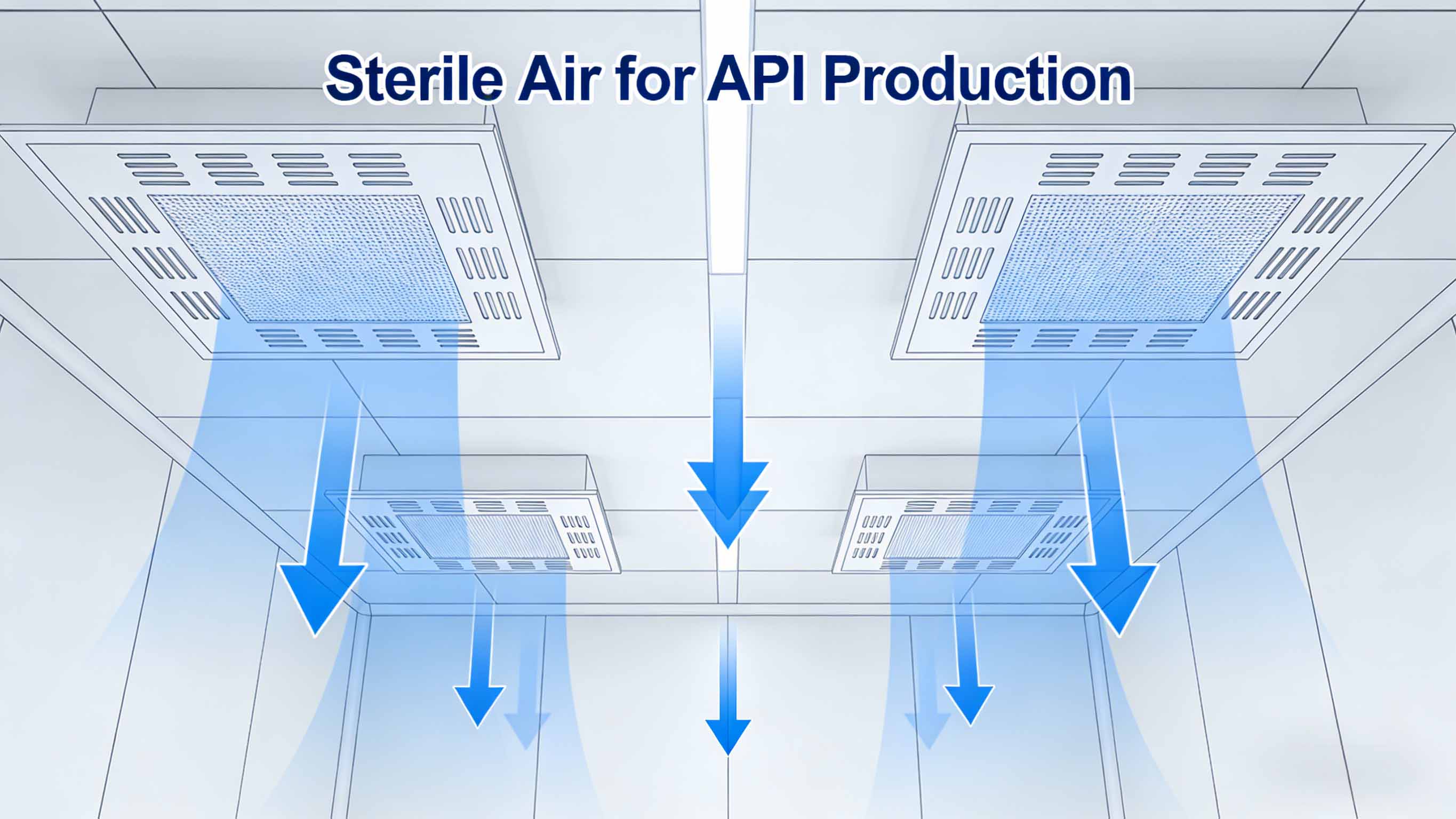
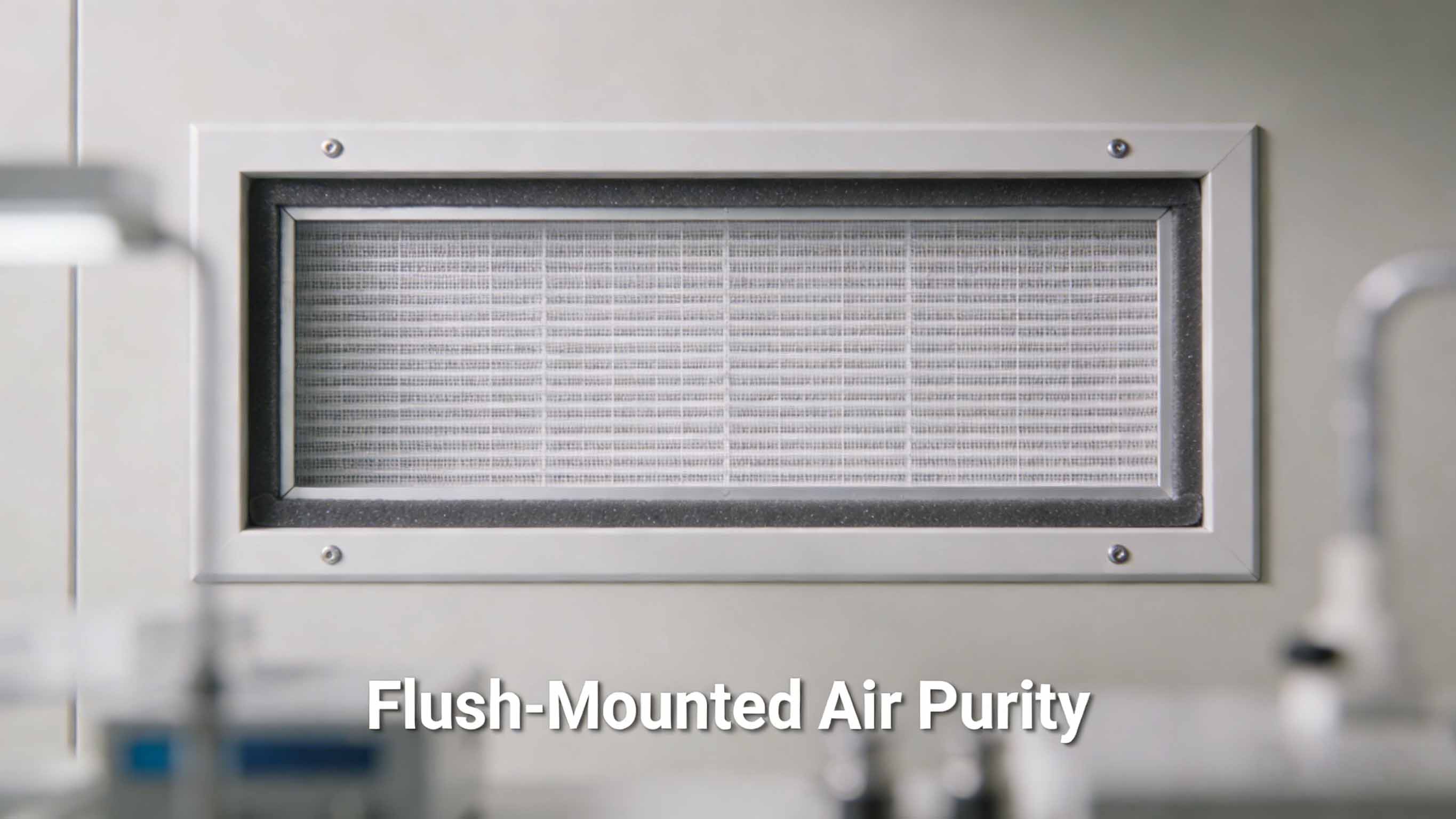
1. HEPA/ULPA Filters: The Gold Standard for Viral & Particulate Removal
HEPA (High-Efficiency Particulate Air) filters are the first line of defense against viruses and particulates, thanks to their ability to capture 99.97% of particles as small as 0.3 microns—well below the size of most viruses (0.02-0.3 microns). For ultra-sensitive applications (e.g., sterile filling suites, biotech labs), ULPA (Ultra-Low Particulate Air) filters offer even higher protection, trapping 99.999% of particles down to 0.12 microns—including virus variants and sub-micron API dust.
Viral Removal Mechanism: HEPA/ULPA filters use a combination of interception, impaction, and diffusion to capture viral particles, even those smaller than the filter’s nominal pore size. Leading manufacturers like MANN+HUMMEL produce HEPA filters certified to DIN EN 1822 and ISO 29463, with individual scan test reports proving efficiency at the Most Penetrating Particle Size (MPPS)—ensuring consistent viral capture.
Specialized Variants: For high-temperature processes (e.g., autoclaves, sterilization equipment operating up to 250°C), heat-resistant HEPA filters maintain viral removal efficiency even in extreme conditions, critical for continuous aseptic production.
2. Whalesens HEPA Air Filters: Tailored for Pharma Viral & Contaminant Protection
Whalesens specializes in industrial-grade HEPA filters compliant with global pharma standards (EN 1822, ISO 29463, ASHRAE MERV 17+), with a product portfolio optimized for chemical drug manufacturing’s unique demands—including virus inactivation, chemical corrosion resistance, and cleanroom compliance. Below are the top 3 recommended HEPA filters, with core parameters and application-specific value:
| Product Model | Core Performance Specifications | Application Scenarios | Recommendation Rationale |
|---|---|---|---|
| Whalesens H13-HEPA Standard | Filtration Class: EN 1822 H13, Efficiency: ≥99.97% @ 0.3μm, Media: Ultra-fine glass fiber | Sterile API synthesis workshops, OSD production cleanrooms | Core Viral Protection: Meets pharmaceutical sterile requirements |
| Whalesens H14-HEPA Enhanced | Filtration Class: EN 1822 H14, Efficiency: ≥99.995% @ 0.3μm, Media: Antibacterial coated ultra-fine glass fiber | Sterile injectable filling lines, HPAPI production areas | Ultimate Purification: ULPA-level efficiency, compatible with ISO Class 5 cleanrooms |
| Whalesens H13-HEPA Chemical Resistant | Filtration Class: EN 1822 H13, Efficiency: ≥99.97% @ 0.3μm, Media: PTFE membrane-coated glass fiber | API solvent synthesis workshops, VOCs emission areas | Dual Contaminant Protection: Removes viruses/particulates and tolerates solvent vapors |
Key Advantages of Whalesens HEPA Filters:
- Full Compliance Assurance: Each product is accompanied by third-party test reports and GMP compliance certifications, meeting FDA and EU GMP audit requirements.
- Customization Capability: Supports customization of size, sealing method, and temperature resistance to fit old equipment or special cleanroom layouts without modifying existing HVAC systems.
- Cost Optimization: Factory-direct supply model reduces intermediate links, offering 15%-20% lower prices than industry averages. Bulk purchases can lock in prices through annual supply contracts.
3. Molecular & Activated Carbon Filters: Eradicating Gaseous Pollutants
While HEPA filters excel at particle/virus removal, they fail to address gaseous chemical pollutants. Molecular filters—equipped with activated carbon, impregnated media, or chemical catalysts—are designed to adsorb Airborne Molecular Contamination (AMC), VOCs, and toxic fumes:
- Chemical Pollutant Removal: Activated carbon filters trap VOCs (e.g., ethanol, acetone) from solvent-based synthesis, while impregnated media targets corrosive gases (e.g., sulfur dioxide, ammonia) in API manufacturing. MANN+HUMMEL’s Carboactive Cube series, for example, removes >95% of gaseous pollutants with pressure losses comparable to standard particulate filters, ensuring seamless integration into existing HVAC systems.
- Post-Decontamination Support: For facilities using hydrogen peroxide vapor (HPV) decontamination (a common practice to kill viruses), specialized molecular filters accelerate ventilation times, removing residual peroxide and restoring safe air quality within hours.
4. Containment Filters: Protecting Workers from Toxic Pollutants & Viruses
In HPAPI production and laboratory settings, filters must prevent both product contamination and worker exposure to toxic pollutants or viruses. Bag-In/Bag-Out (BIBO) systems and containment filters (e.g., Camfil’s Megalam®) ensure that collected dust, viral particles, or HPAPI fumes are not released during filter replacement—eliminating cross-contamination risks and protecting staff.
For downflow booths and isolator rooms (critical for sterile processes), push-push filters create a negative-pressure barrier, preventing viral or pollutant leakage from high-risk areas to clean zones.
5. Smart Filtration: Real-Time Monitoring for Uninterrupted Protection
Viral and pollutant risks are not static—filter efficiency degrades over time, creating invisible gaps in protection. Smart pharma air filter systems address this with real-time monitoring tools that track:
- Filter pressure drop (indicating clogging from dust/pollutants);
- Airborne particle counts (alerting to viral/microbial spikes);
- Gaseous pollutant concentrations (ensuring molecular filter performance).
MANN+HUMMEL’s digital filtration management platform, for example, sends predictive alerts for filter replacement, ensuring that viral and pollutant removal efficiency never drops below critical thresholds. This data-driven approach reduces unplanned downtime and eliminates “blind spots” in air quality.
Quantifiable Benefits: How Viral & Pollutant Protection Drives Value
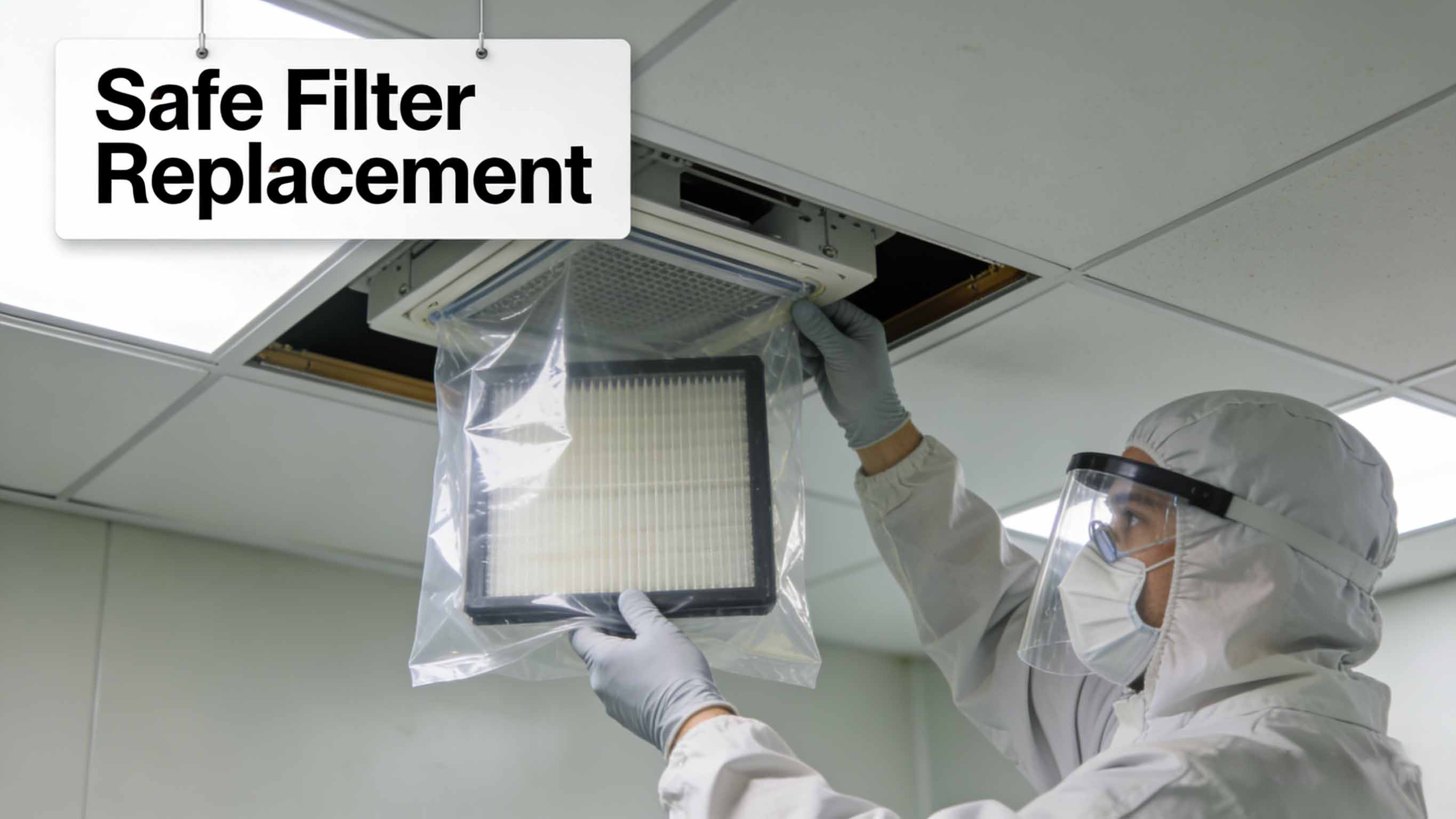
Investing in pharma air filters tailored for viral and pollutant removal—such as Whalesens’ HEPA solutions—delivers tangible, measurable returns:
- Zero Viral Contamination: A global vaccine manufacturer adopted ULPA filters for its sterile filling lines, achieving 3+ years of zero viral-related batch rejects, saving $20 million in potential recall costs.
- Worker Safety Compliance: A HPAPI producer using Camfil’s containment filters and activated carbon systems reduced worker exposure to toxic fumes by 98%, meeting OSHA and EU REACH standards and cutting health-related absences by 30%.
- Regulatory Peace of Mind: Advanced filters meet global standards (GMP, FDA, ISO 14644) for viral and pollutant control, streamlining audits and avoiding non-compliance fines (which can exceed $50 million).
- Operational Efficiency: Whalesens’ H13-HEPA Standard, with its high dust holding capacity and low resistance, reduces filter replacement downtime by 40% and lowers HVAC energy costs by 25% compared to conventional filters.
Choosing the Right Pharma Air Filter Partner: What to Look For
Selecting a filtration partner is as critical as the filters themselves. Pharmaceutical manufacturers should prioritize providers with:
- Industry Expertise: Decades of experience in pharma and life sciences, with a deep understanding of GMP, cleanroom classification, and process-specific challenges.
- Comprehensive Product Portfolio: A full range of filters (HEPA, ULPA, molecular, dust collectors) to address all contamination risks, from particulates to gases—such as Whalesens’ chemical-resistant HEPA variants.
- Certifications & Compliance: Products validated to global standards, with traceable test reports and raw materials qualified to ISO 846, EC 1935, and VDI 6022.
- Customization Capabilities: Tailored solutions for unique facility layouts, production processes, and cleanroom requirements—Whalesens offers size, seal, and material customization without additional costs.
- Digital & Service Support: Smart monitoring tools, personalized consultation, and global service networks to ensure ongoing performance.
Conclusion: Pharma Air Filters—Your First Line of Defense in a High-Stakes Industry
As the pharmaceutical industry evolves to meet stricter regulations, complex formulations, and growing demand for safe, effective drugs, pharmaceutical air filters remain a critical investment. Advanced pharma air filters—including Whalesens’ HEPA solutions engineered for viral and chemical pollutant removal—not only protect against invisible threats but also drive operational excellence, reduce costs, and uphold the trust of patients and regulators alike.
Whether you’re manufacturing OSDs, HPAPIs, or sterile injectables, partnering with a trusted filtration provider ensures that your air quality is never a liability. With the right pharma air filter solutions, you can focus on what matters most: developing and producing life-saving medications while maintaining the highest standards of safety and compliance.
Ready to enhance your pharmaceutical facility’s air filtration? Contact our team of experts to design a tailored solution—featuring Whalesens’ industry-proven HEPA filters—that meets your unique needs from cleanroom compliance to worker safety and operational efficiency.
Whalesens Technology — Experience the Future of Air Purification
- Free Technical Consultation: Expert guidance on the latest technologies and applicability.
- Customized Solutions: Tailored filter systems designed for your specific needs.
Common Air Filter Types
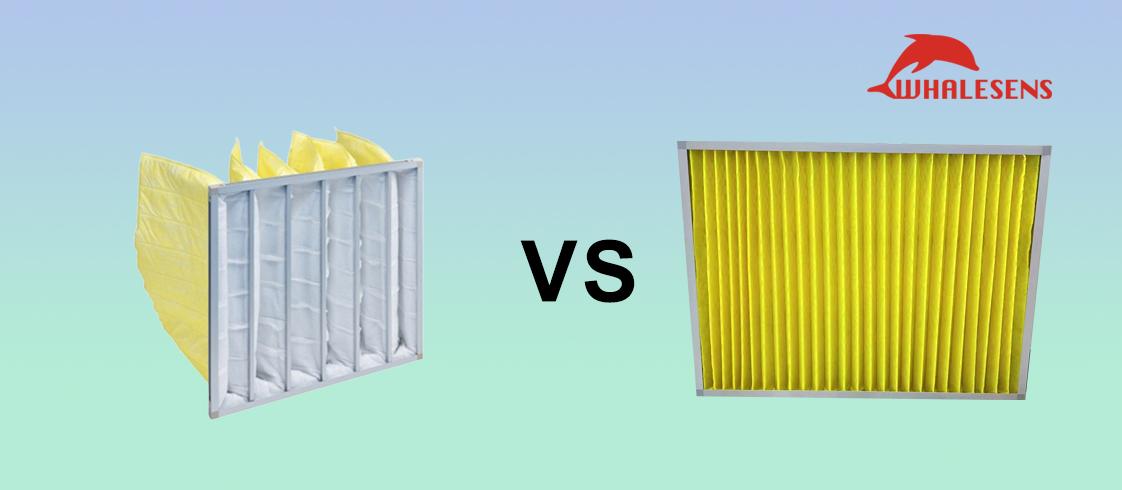
- Bag Filters: Remove medium to large particles such as dust and pollen; ideal for livestock farms, industrial facilities, and schools.
- Panel Filters: Serve as primary or medium-efficiency filters to protect equipment and extend the life of high-efficiency filters.
- HEPA Filters: Capture PM2.5, pollen, bacteria, and most airborne particulates; perfect for classrooms, laboratories, and medical environments.
- Activated Carbon Filters: Remove gaseous pollutants, odors, and volatile organic compounds; suitable for food processing, livestock, and enclosed spaces.
Explore More Articles
- Application of Air Filters in Modern Pig Farms
- Air Filtration in Schools: A Comprehensive Guide
- Case Study: Air Filtration Solutions for Semiconductor Cleanrooms
Learn more about our innovative technologies:
- Official Website: www.whalesens.com
- WhatsApp: (+86) 13119189886
- Email: whalesens@gmail.com