


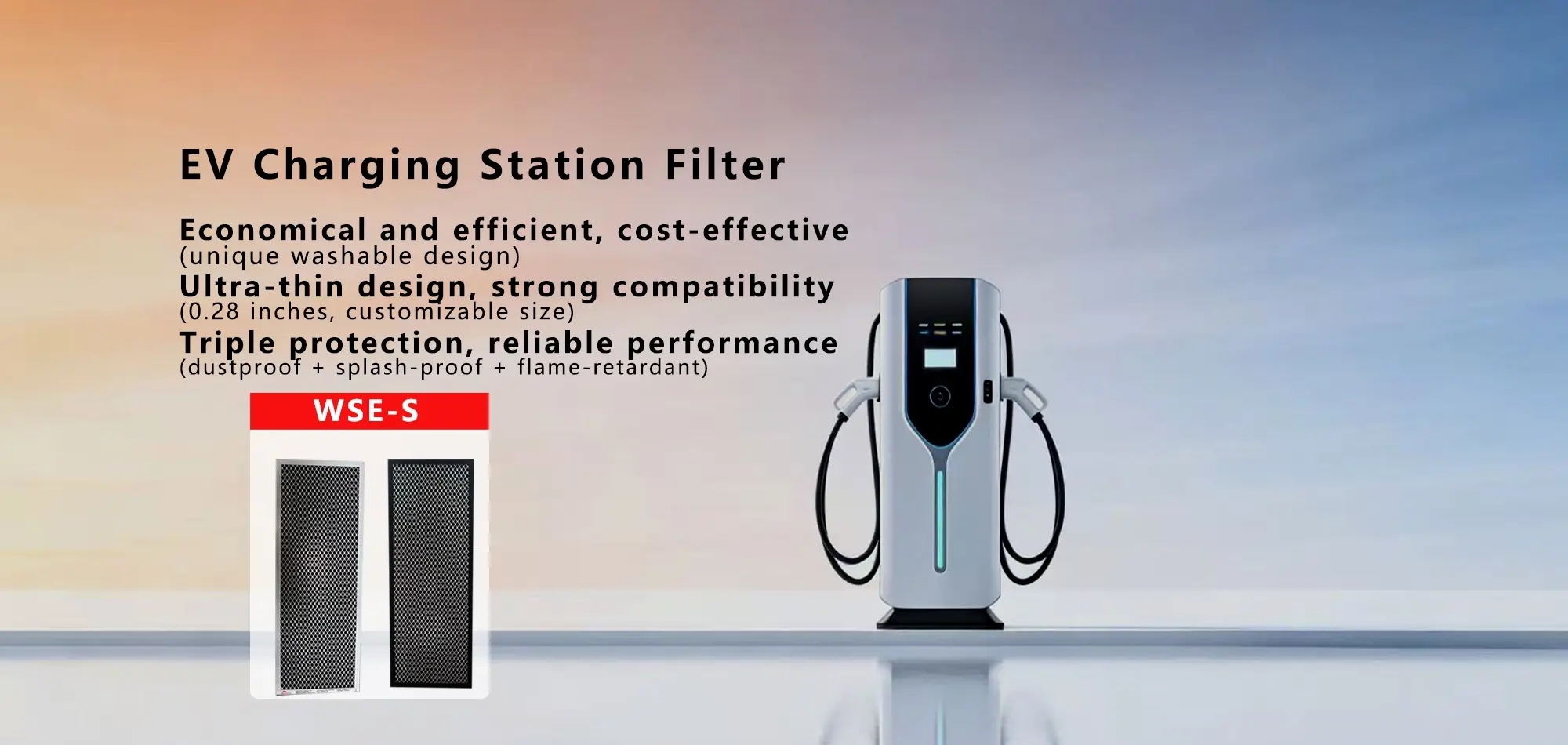
EV Charging Stations
Filtration for Power Equipment
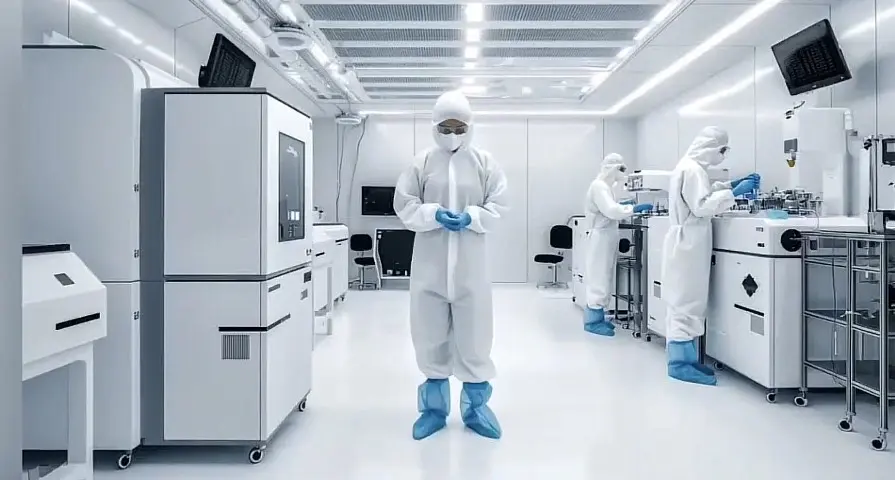
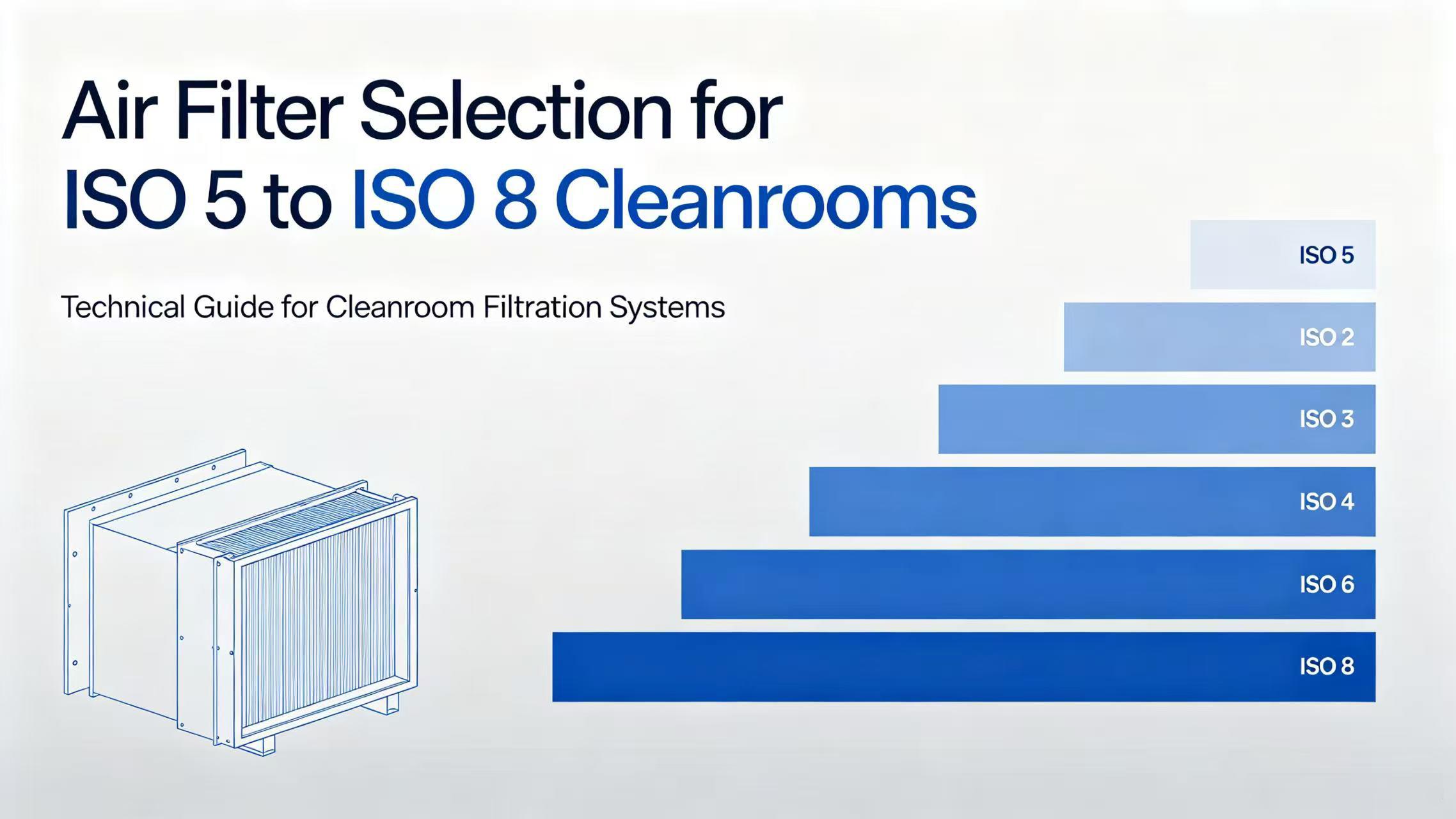
Cleanroom & Semiconductor
Ultra-High Cleanliness Filtration
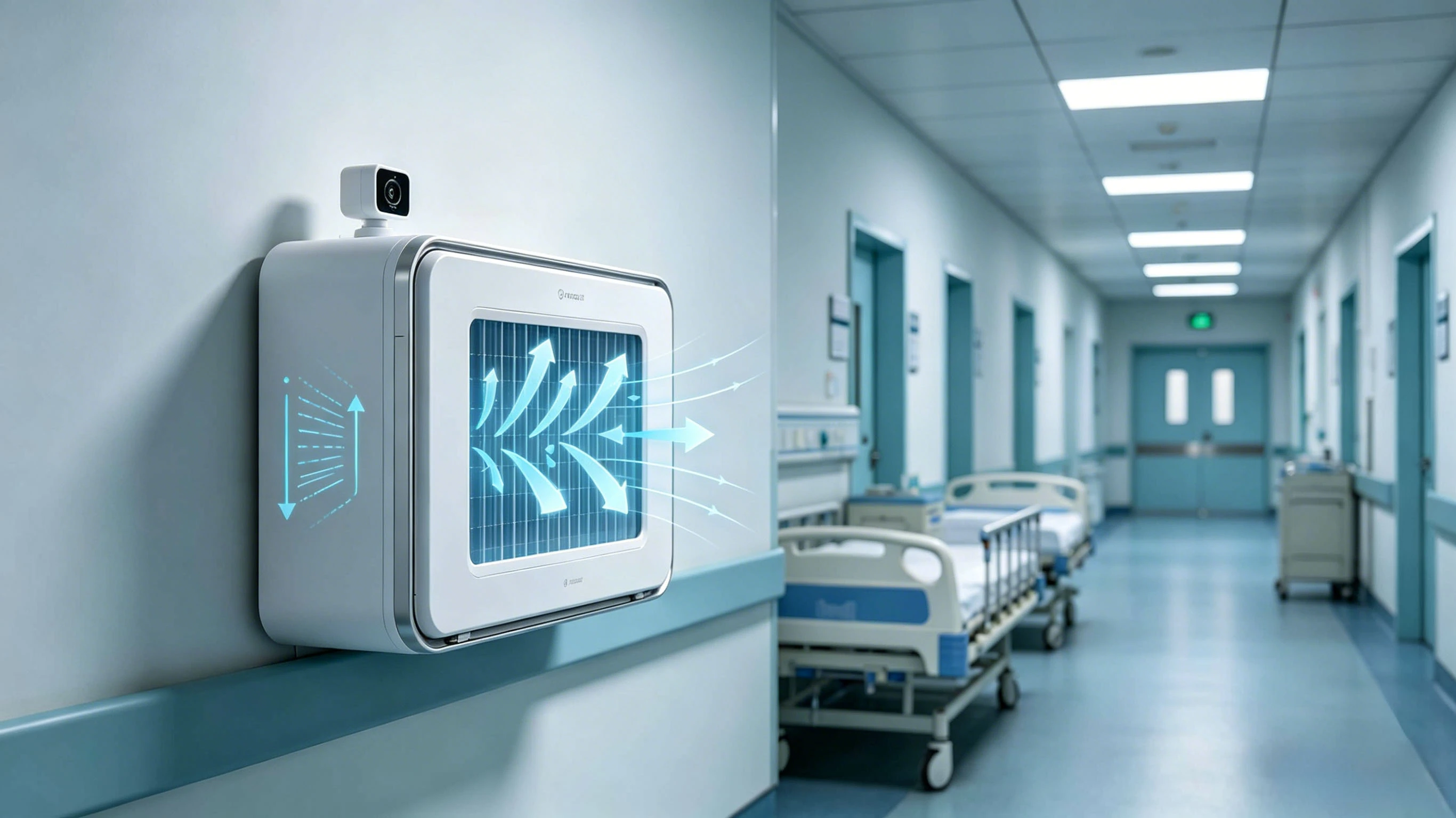
Commercial HVAC
Central Air System Filtration
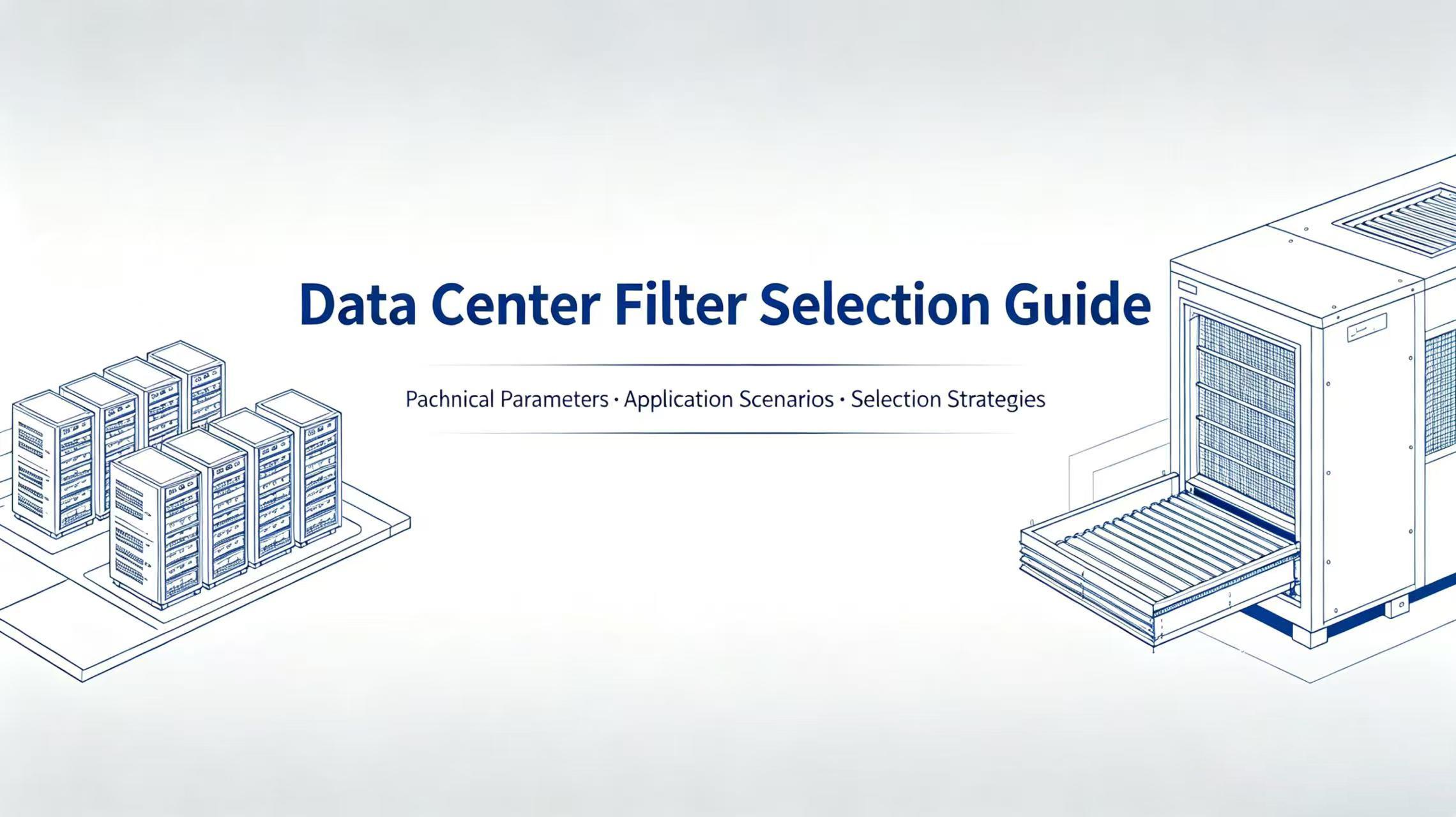
Data Centers
Precision Equipment Protection
Livestock & Farming
Farming Environment Purification
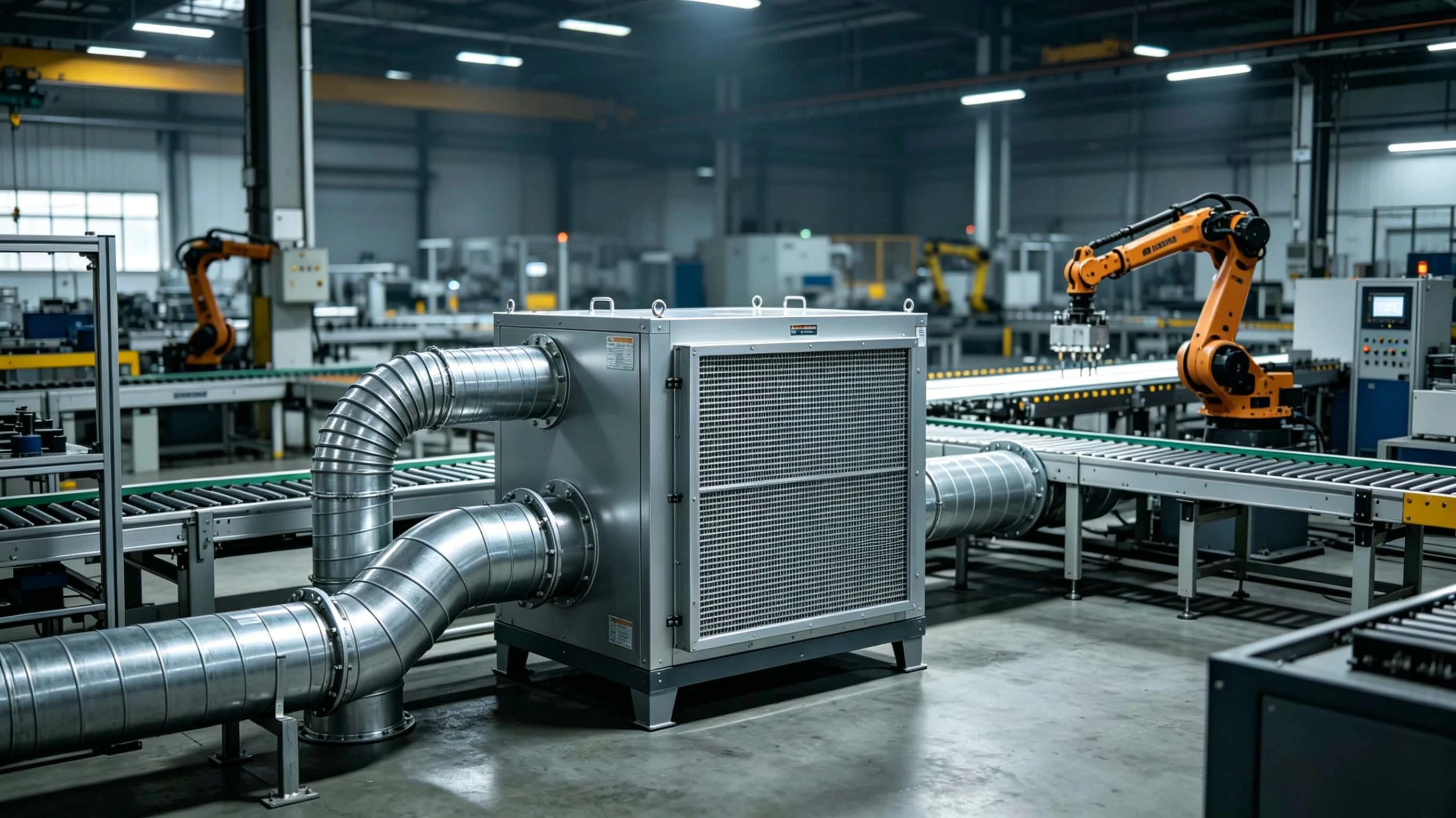
Spray Booths & Industrial Dust
Paint Mist & Dust Purification
Filtration for Power Equipment
Professional air filtration for EV charging devices, protecting against dust and sand ingress to ensure stable, reliable operation of charging piles and station infrastructure.
View Related Products →Ultra-High Cleanliness Filtration
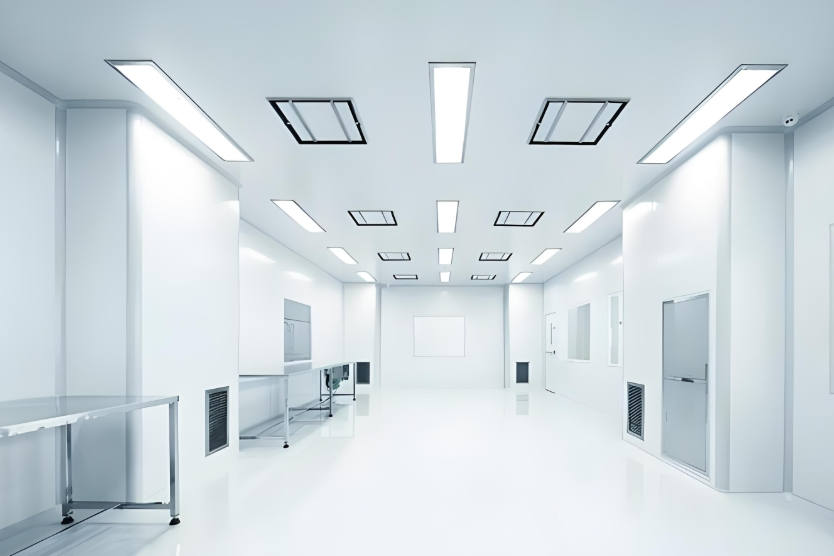
Ultra-high efficiency filtration for semiconductor wafer fabs and precision electronics cleanrooms, capturing nano-scale particles to meet ISO Class 1–3 standards and maximize product yield.
View Related Products →Central Air System Filtration
High-efficiency filtration for commercial building HVAC systems, improving indoor air quality, reducing energy consumption, and extending equipment service life.
View Related Products →Precision Equipment Protection
Precision air filtration for data centers, shielding servers and critical hardware from dust contamination to keep cooling systems running efficiently and reliably.
View Related Products →Farming Environment Purification
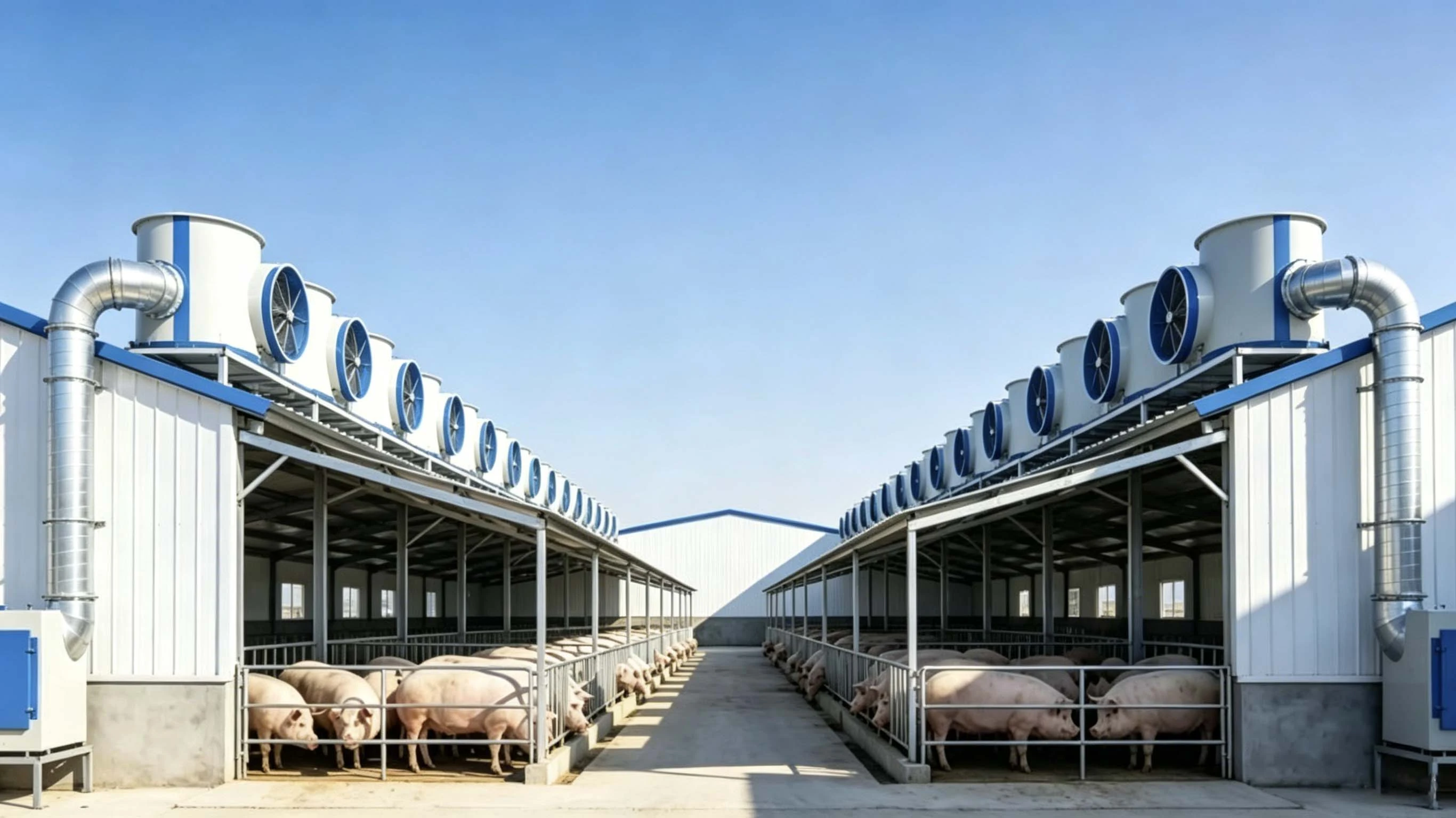
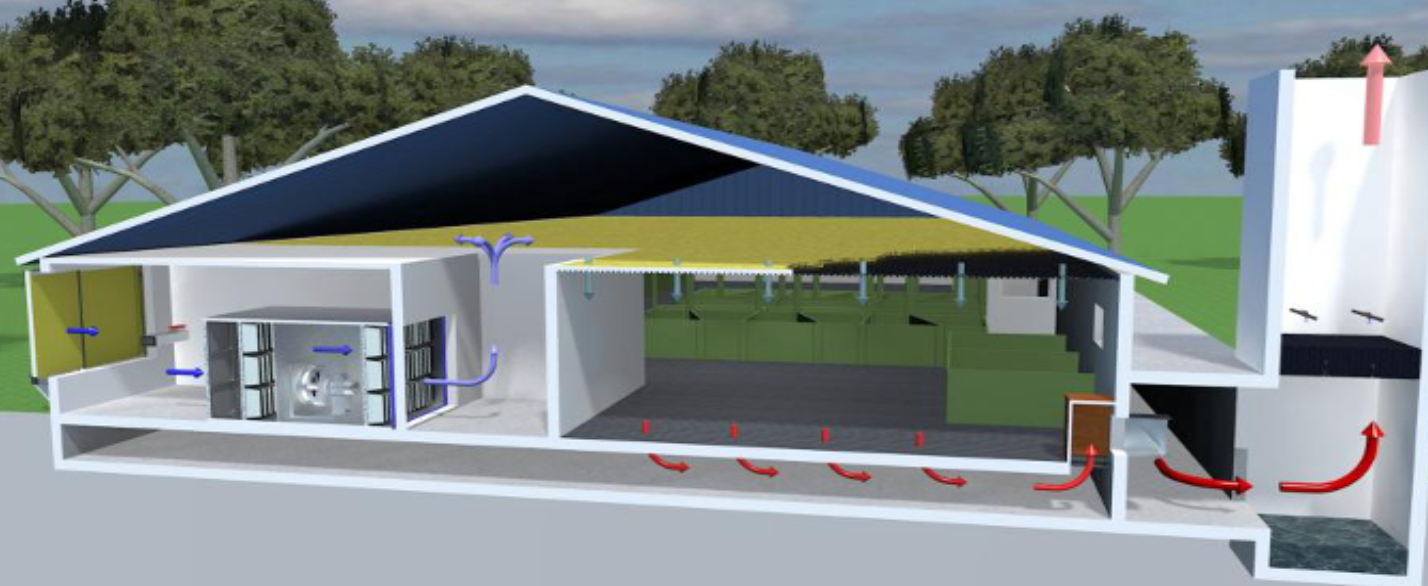
Dedicated filtration systems for farms and livestock facilities — capturing dust, adsorbing ammonia, and inhibiting pathogen spread to improve animal health and overall productivity.
View Related Products →Paint Mist & Dust Purification
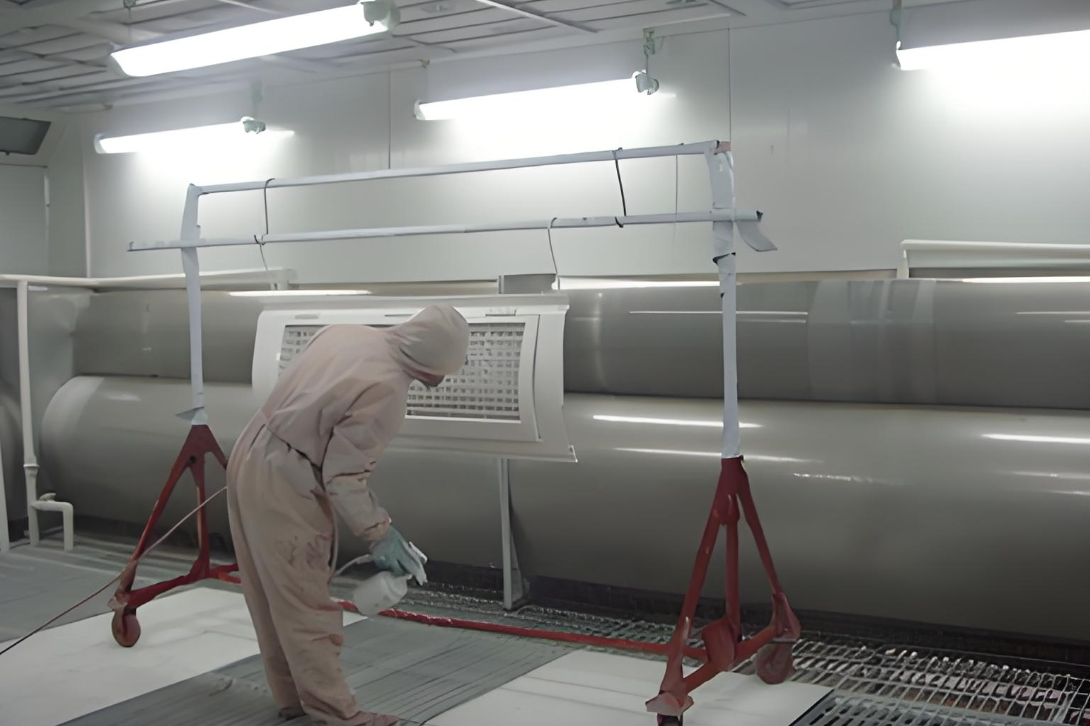
Designed for spray booths and grinding workshops, efficiently capturing paint mist, metal dust, and wood chips to meet emission standards while protecting finished surface quality.
View Related Products →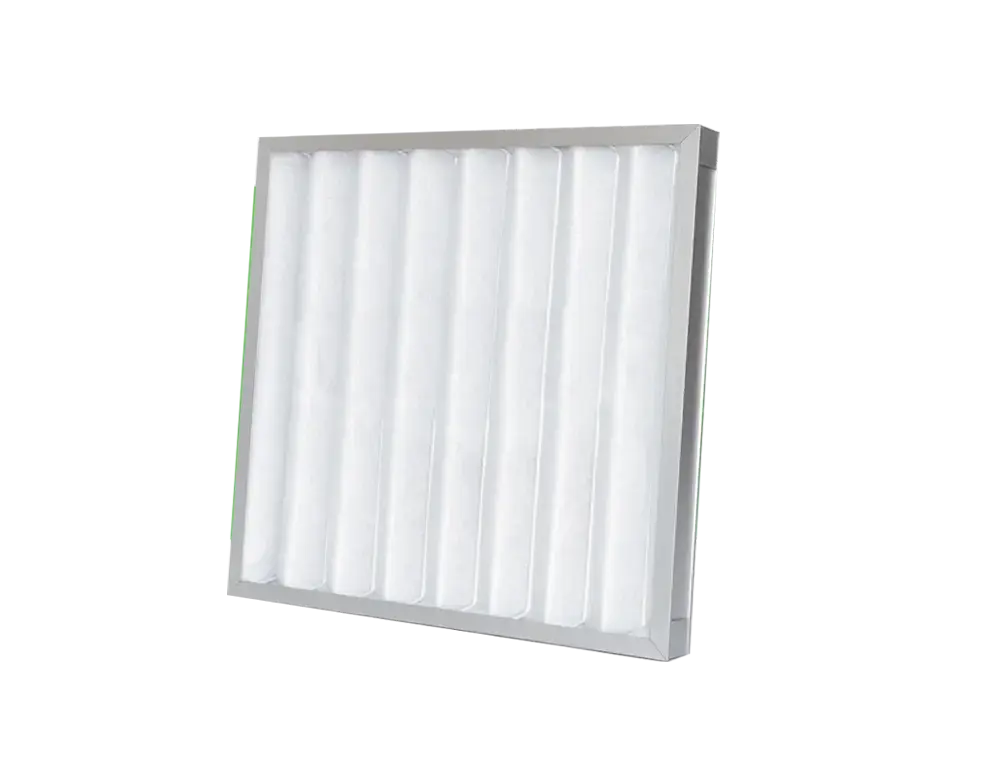
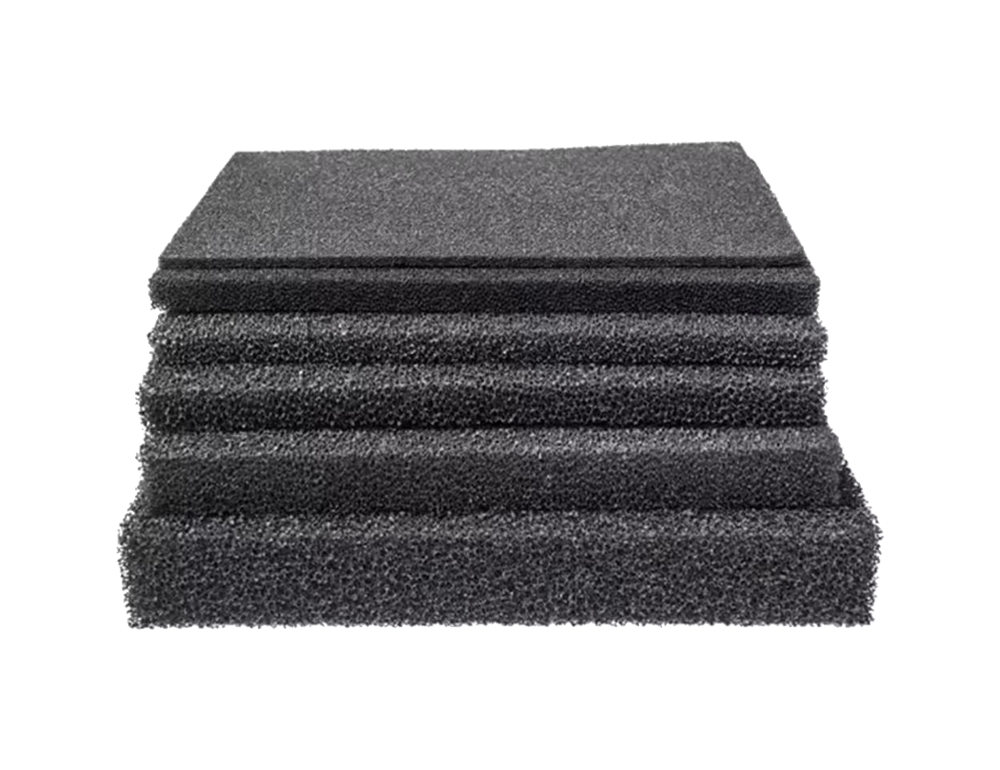
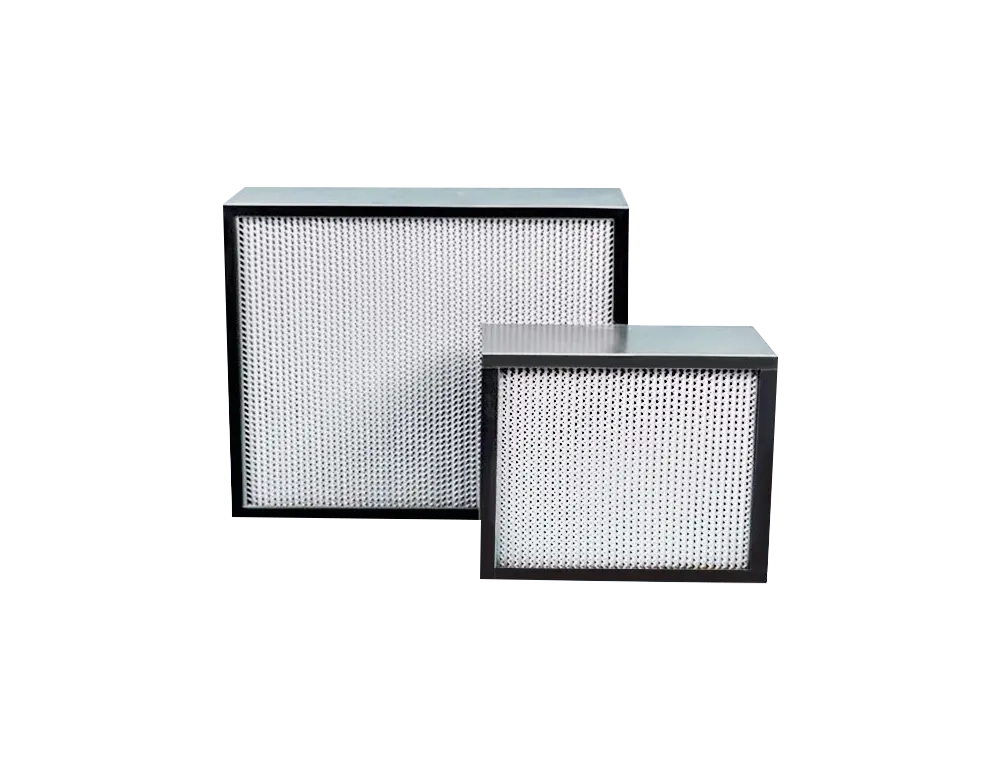
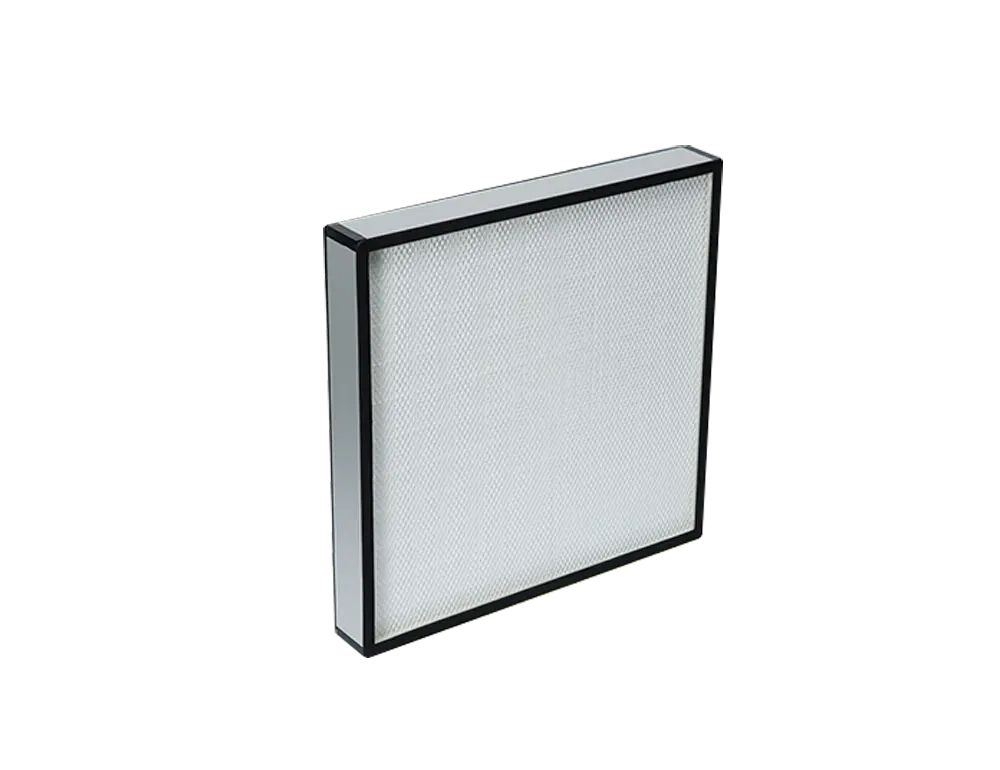
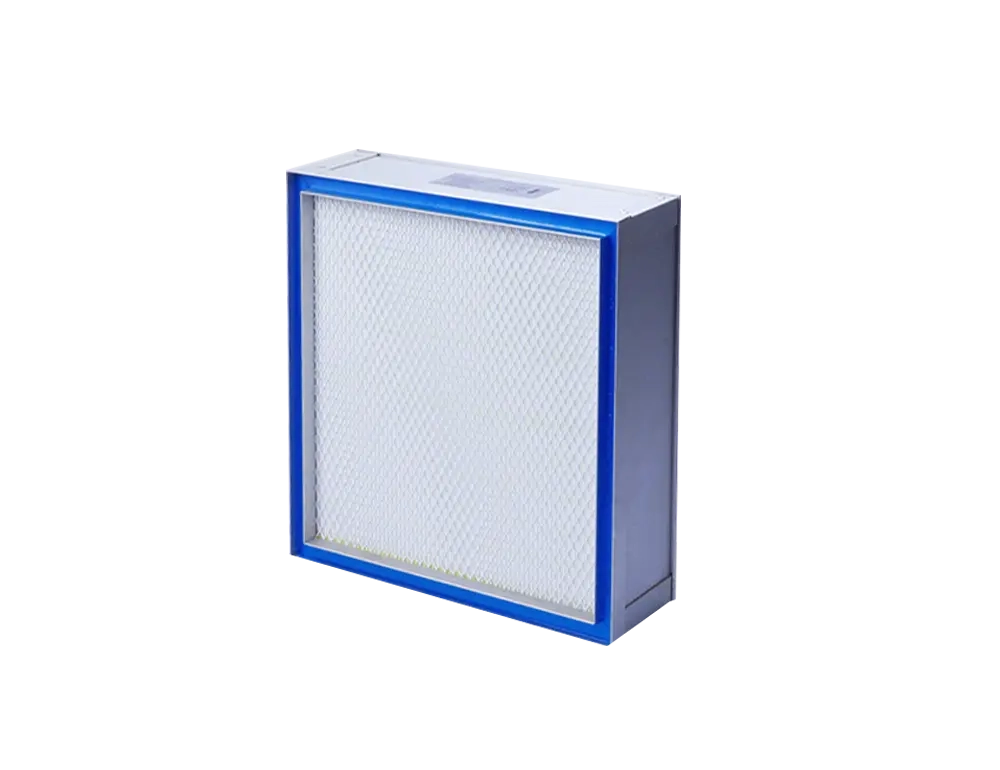
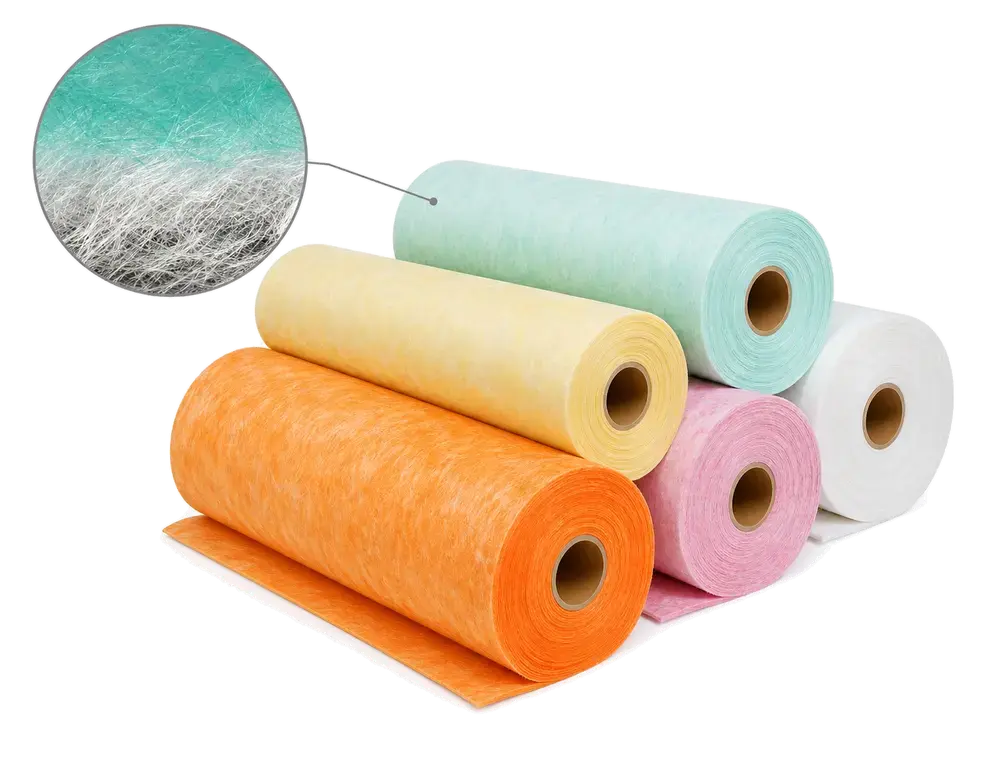
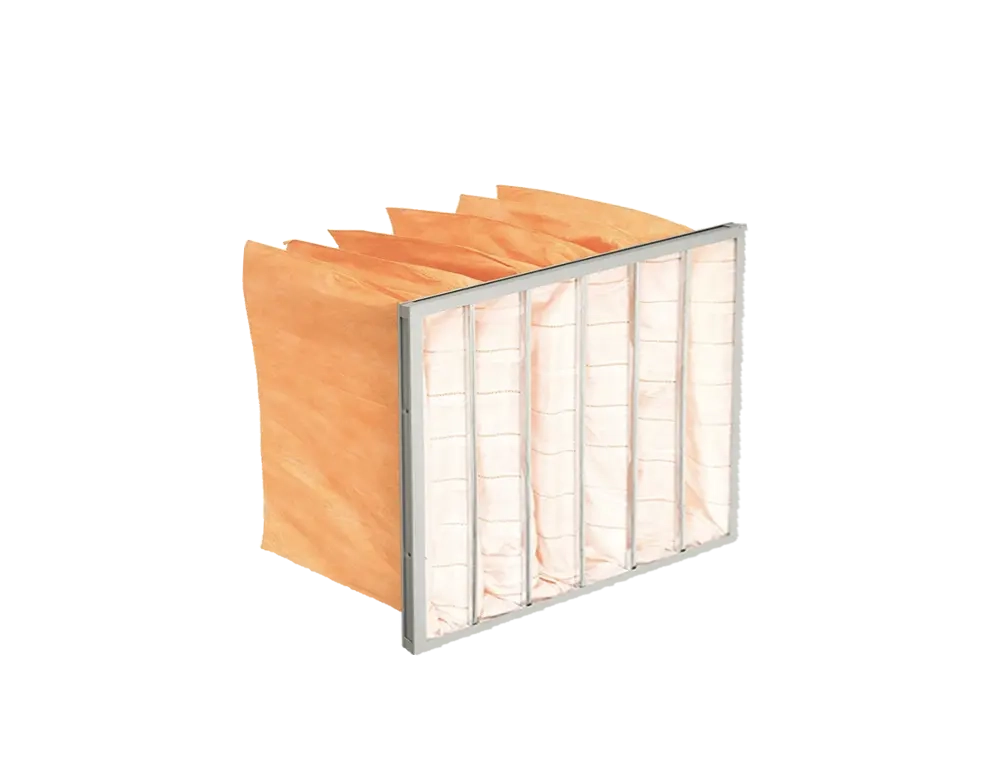
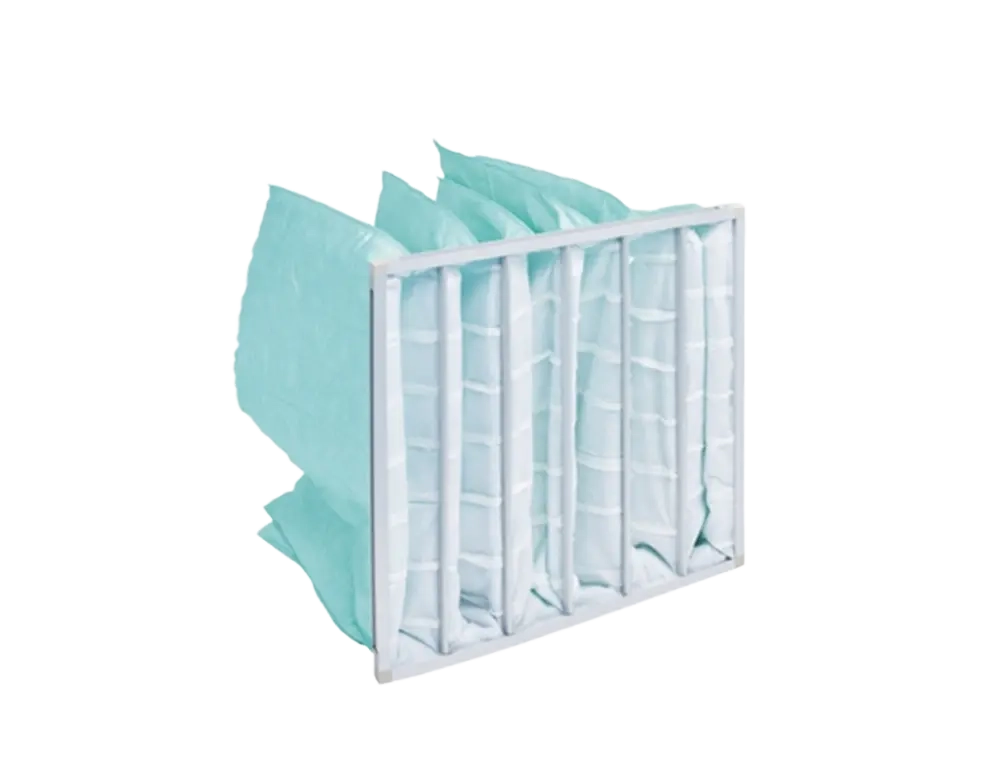
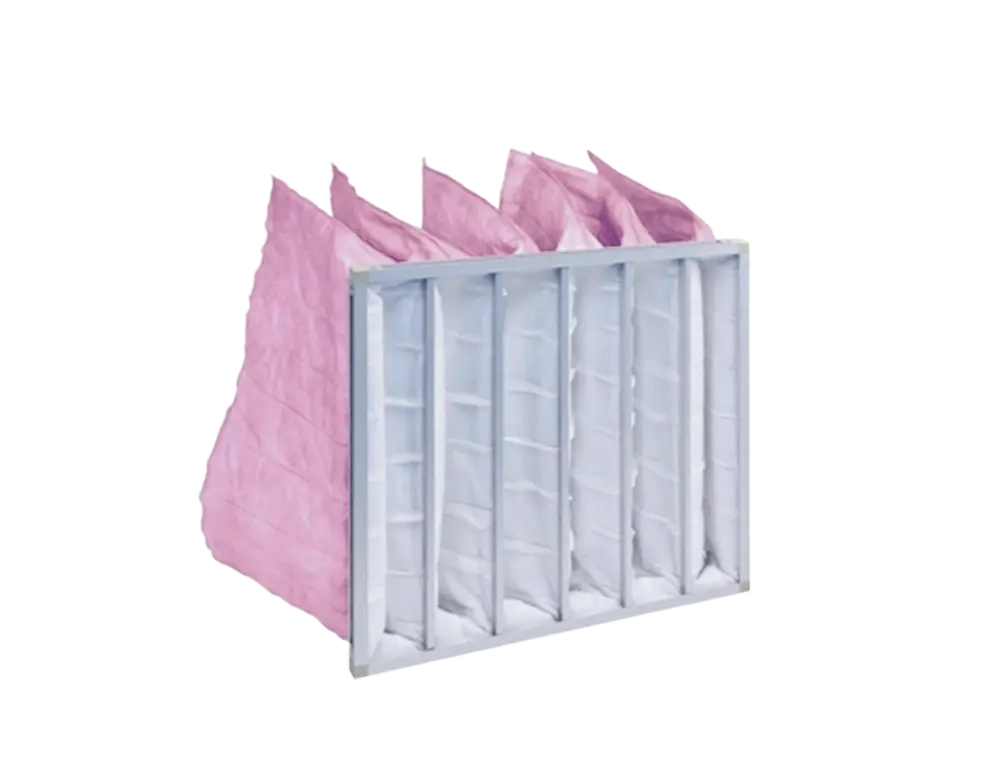
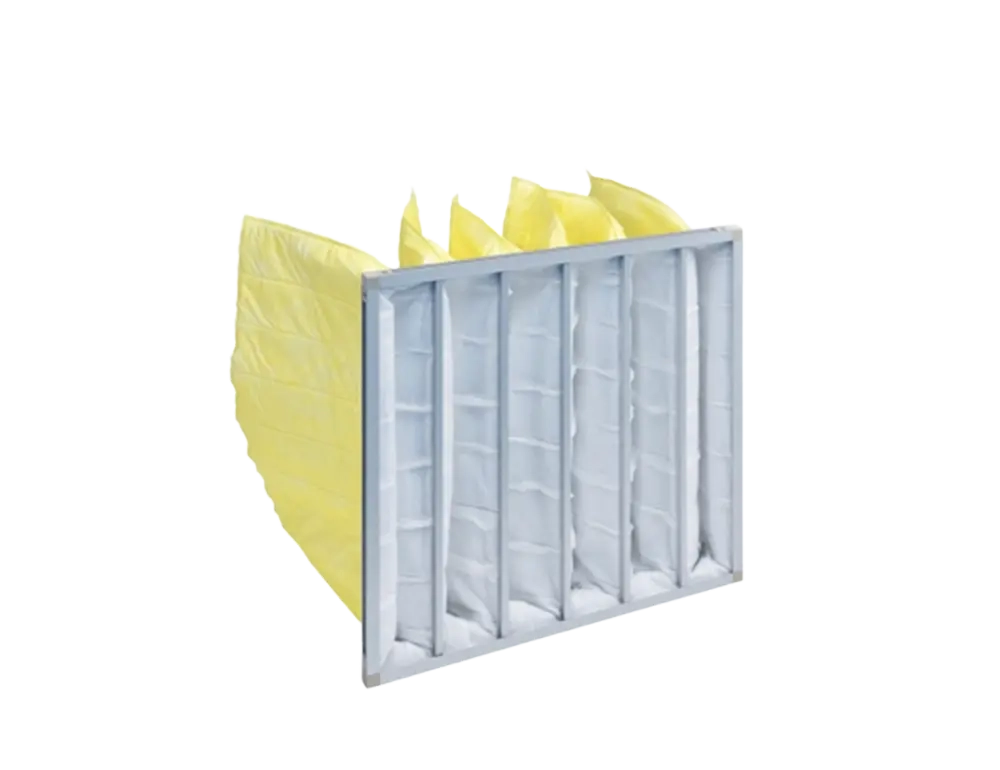
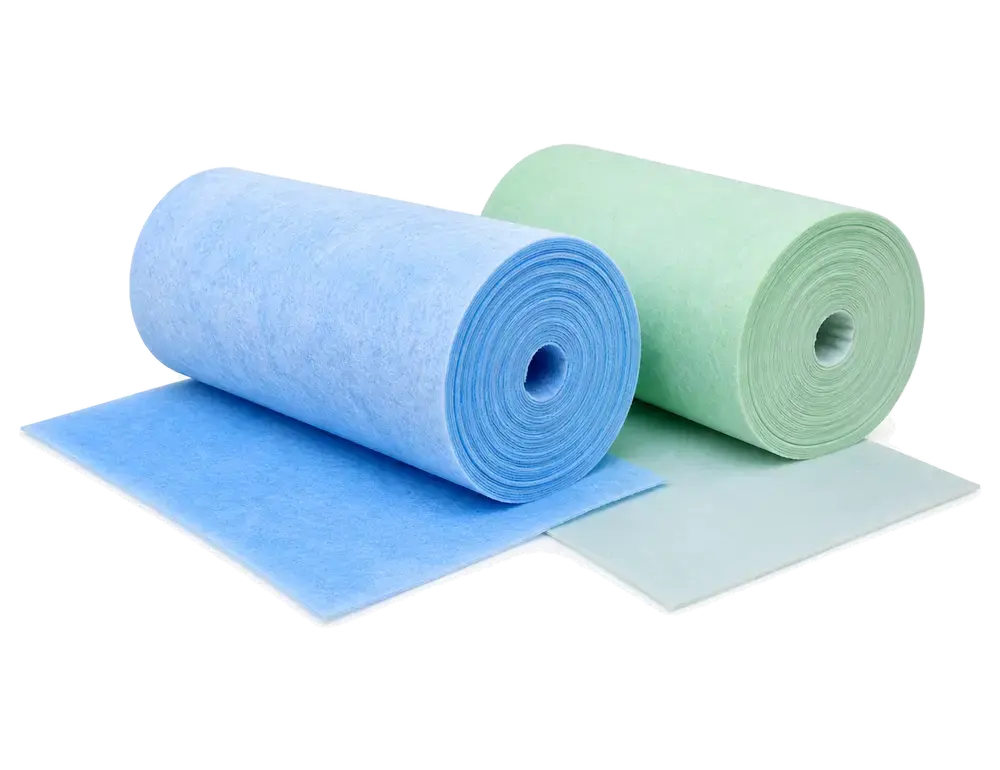
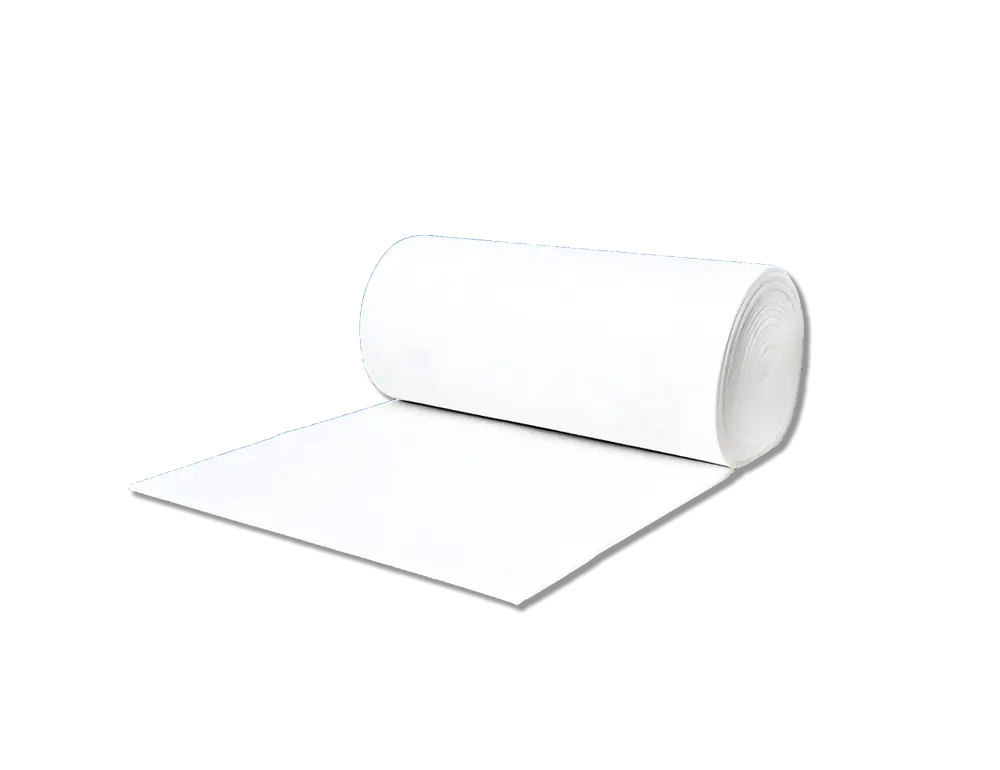
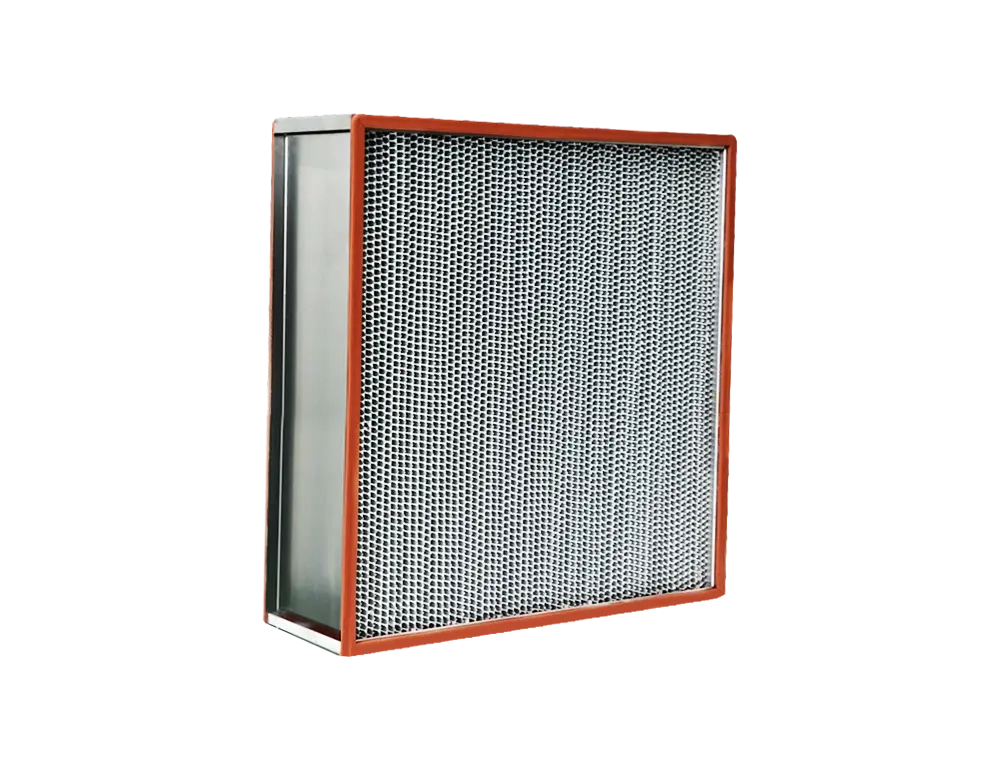
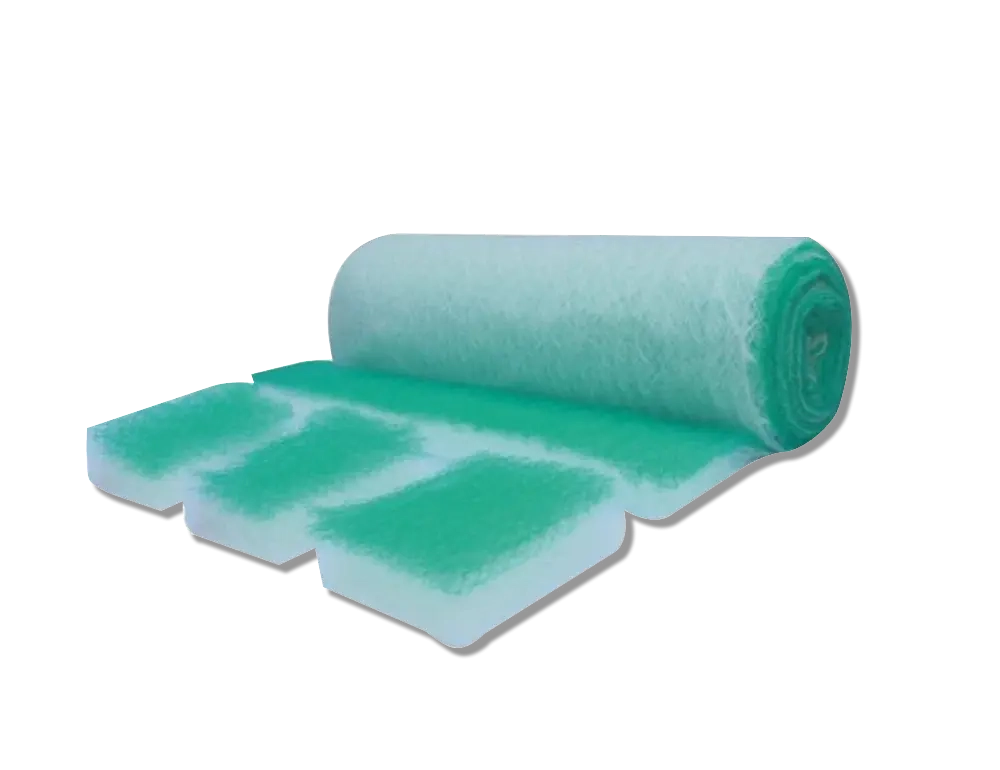
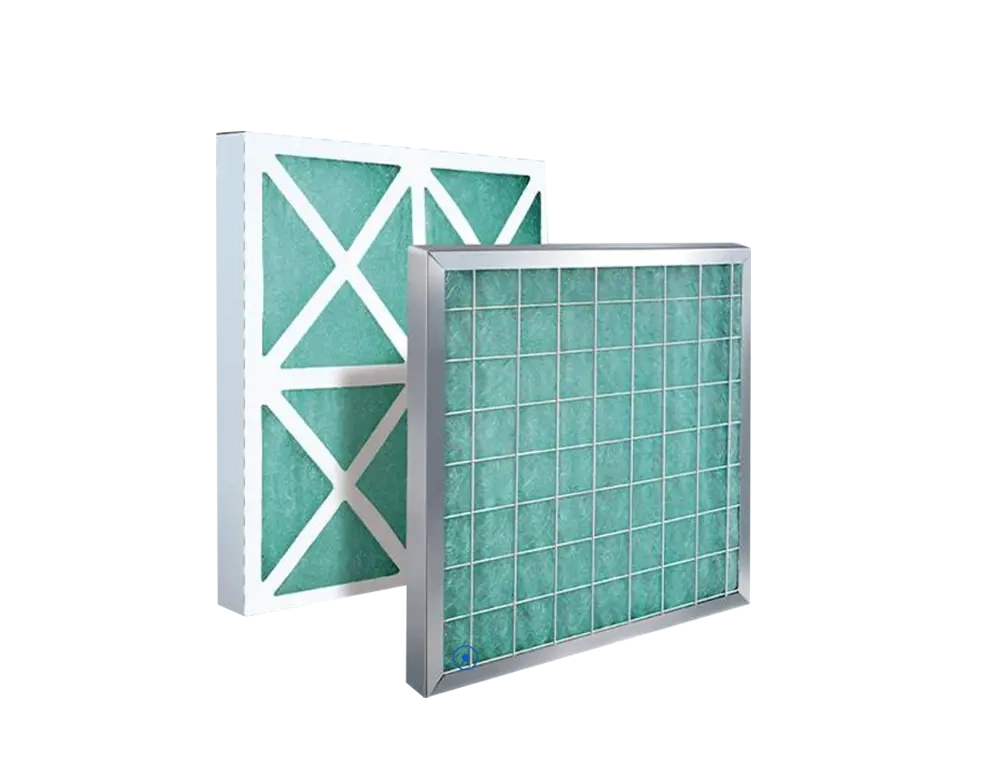
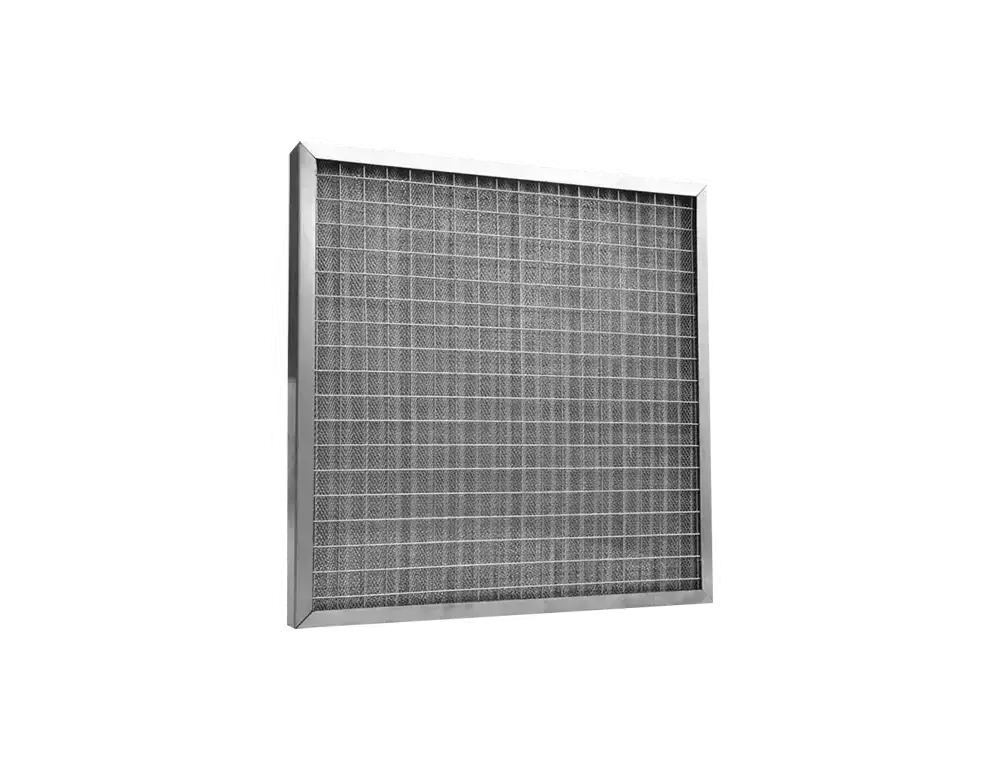
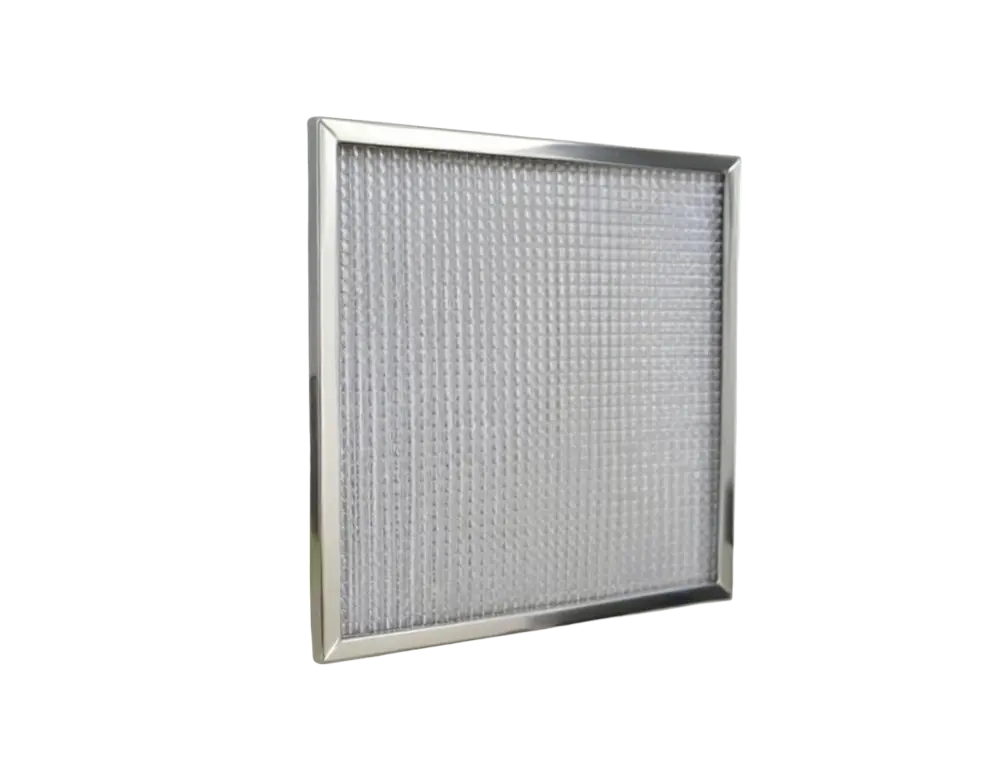
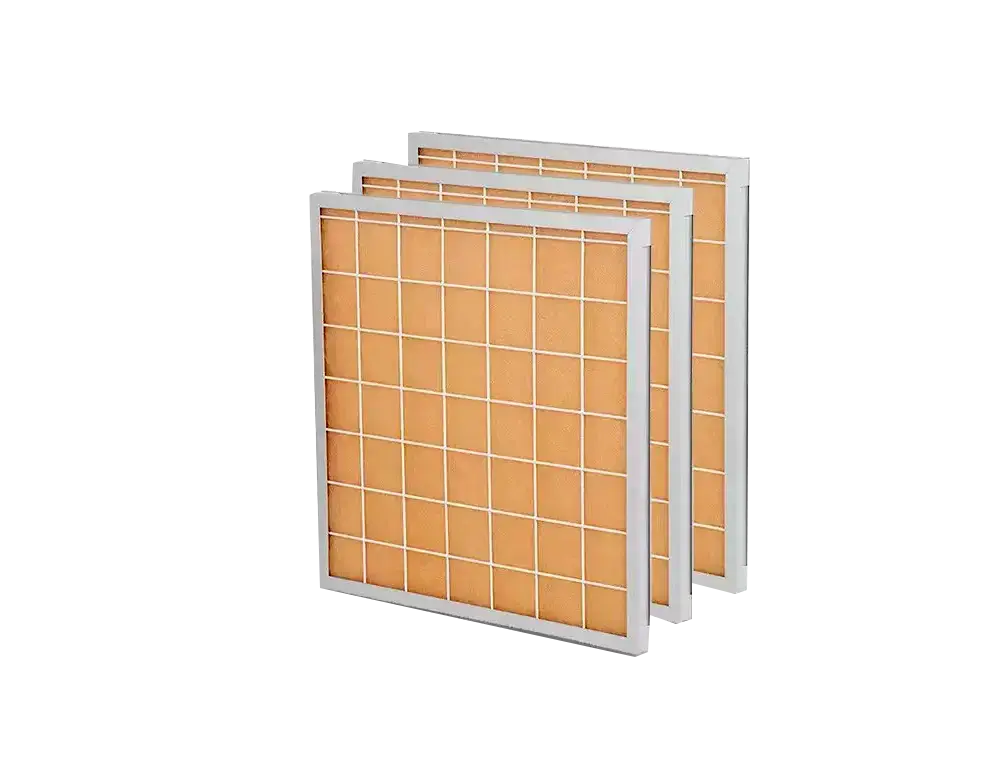
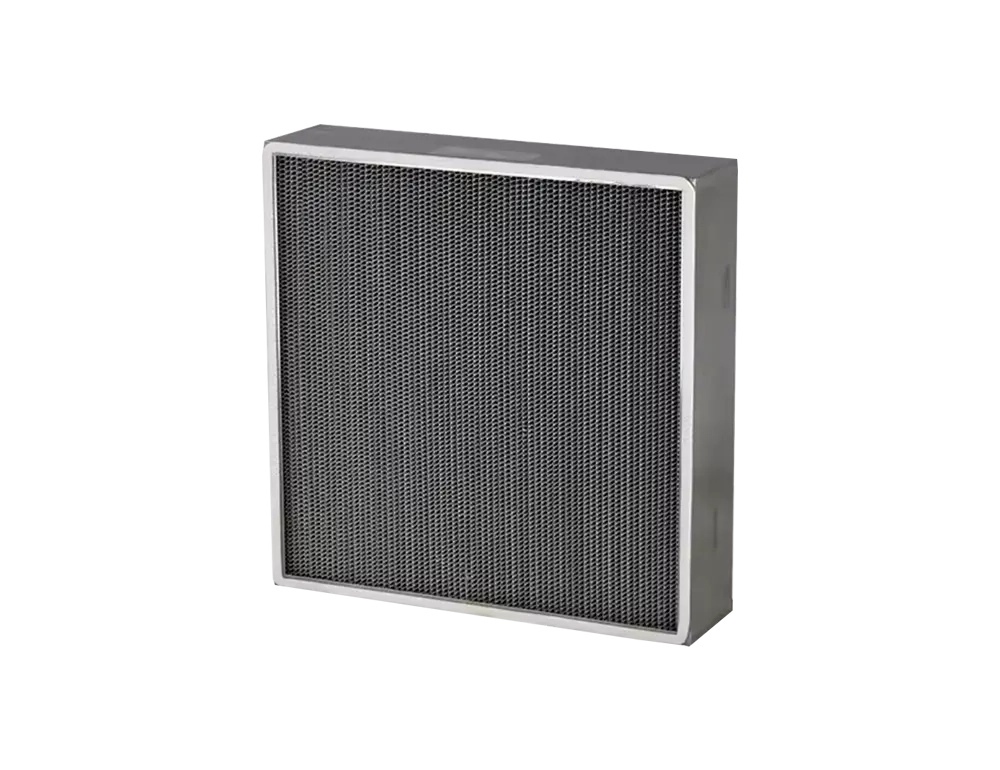
Pre-Filter (G1–G4)
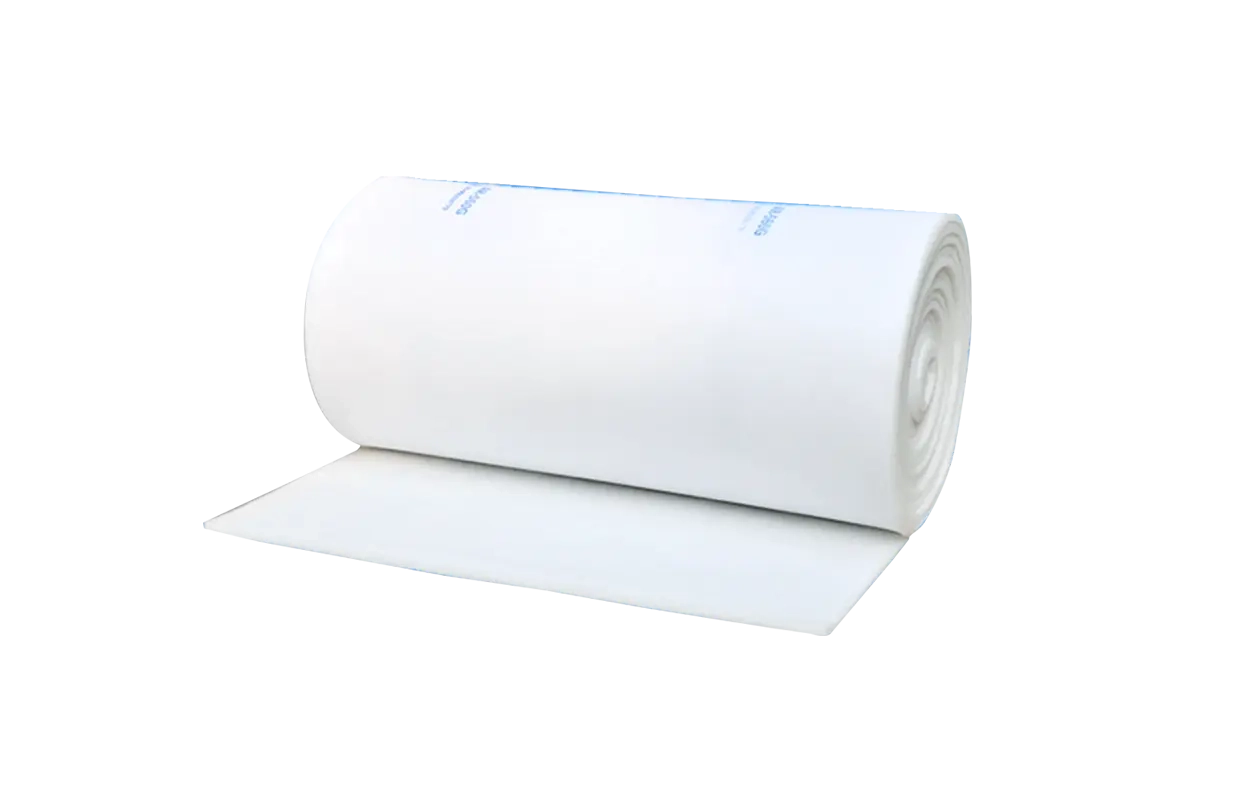
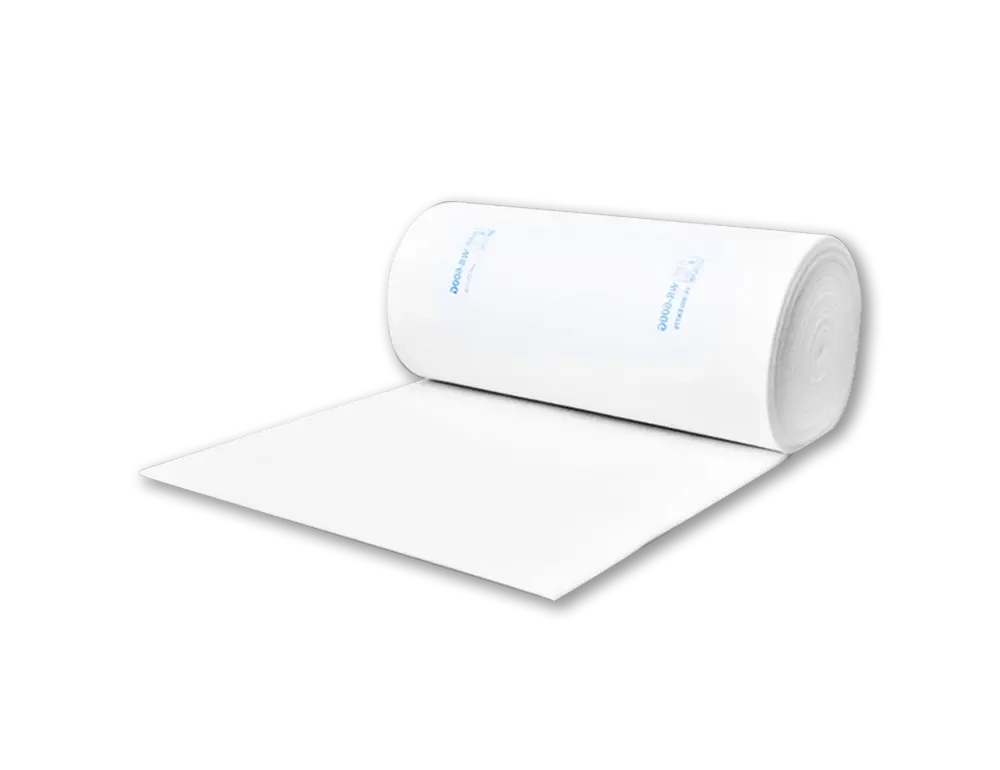
First-Stage Large-Particle Capture
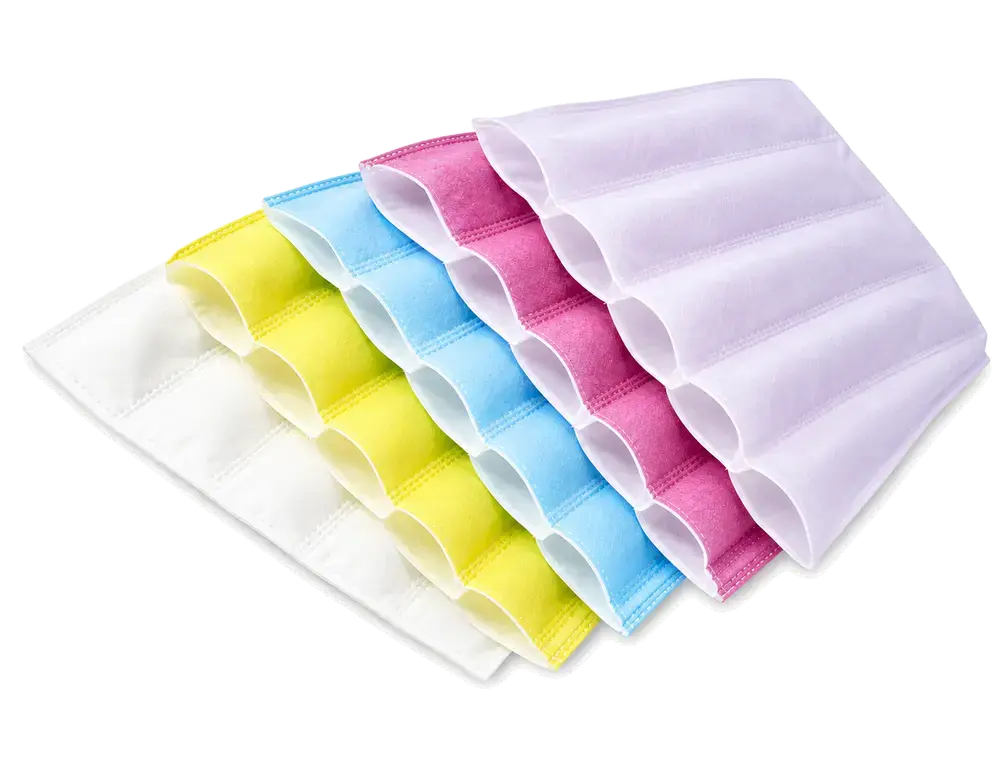
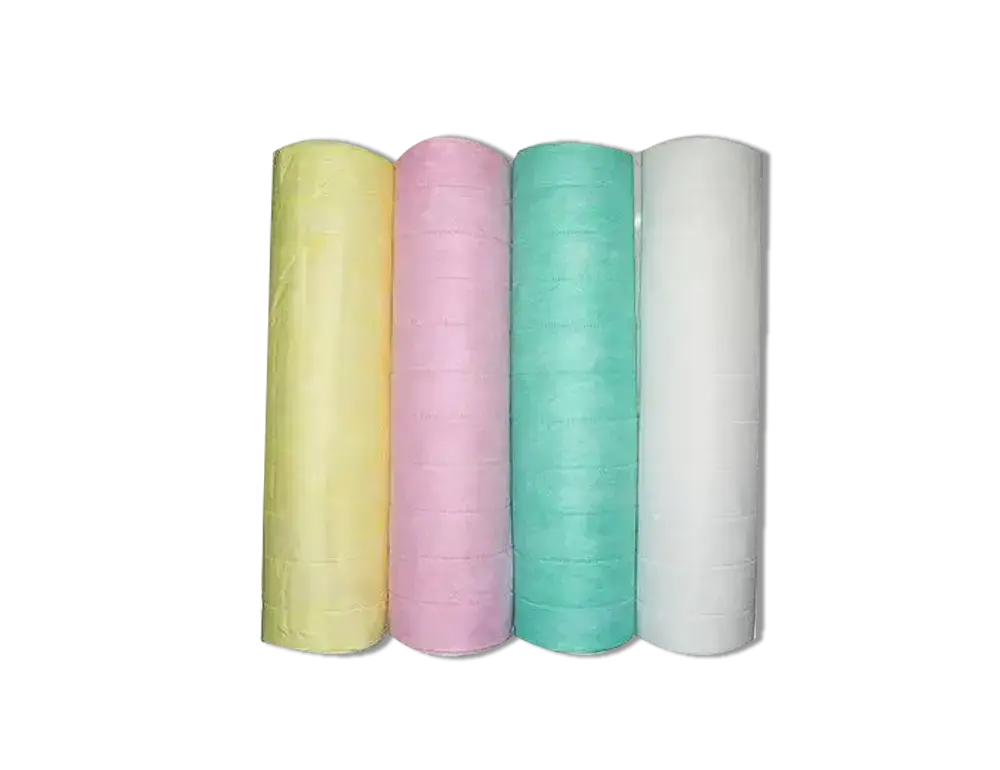
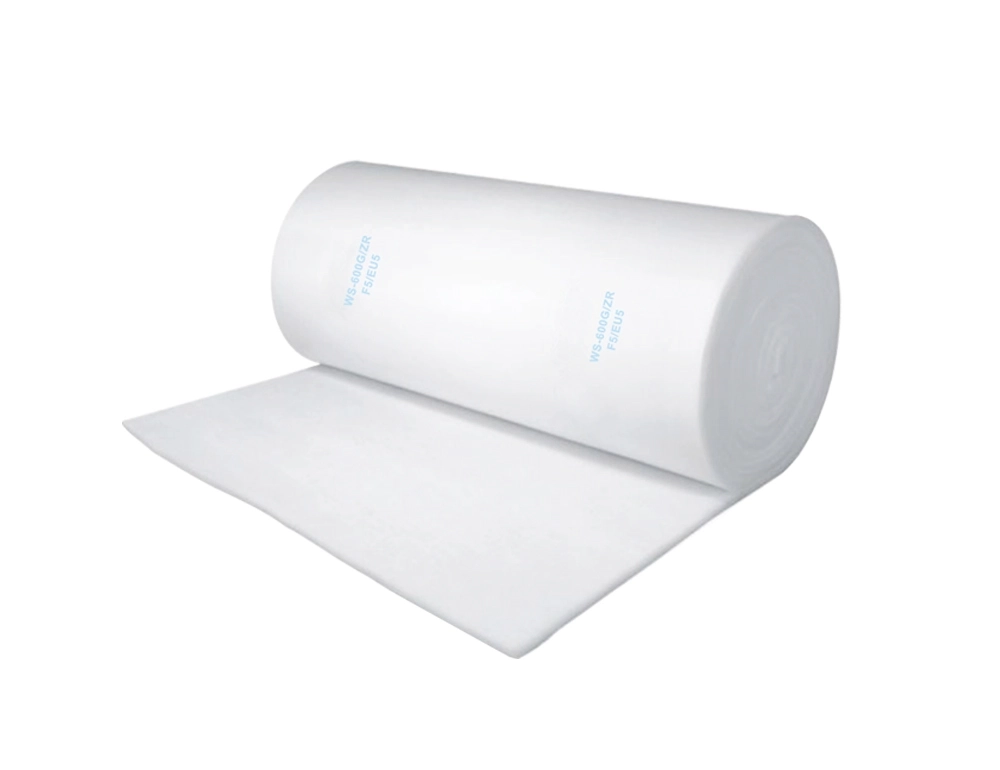
Medium-Efficiency Filter (F5–F9)
Precise PM2.5 Capture
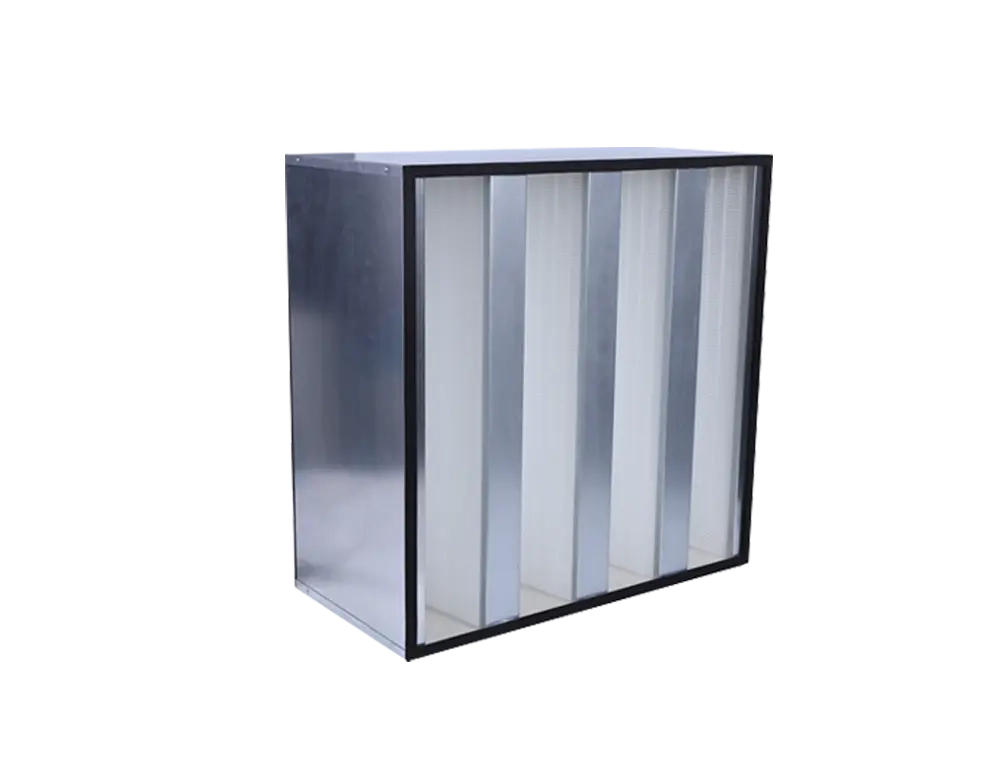
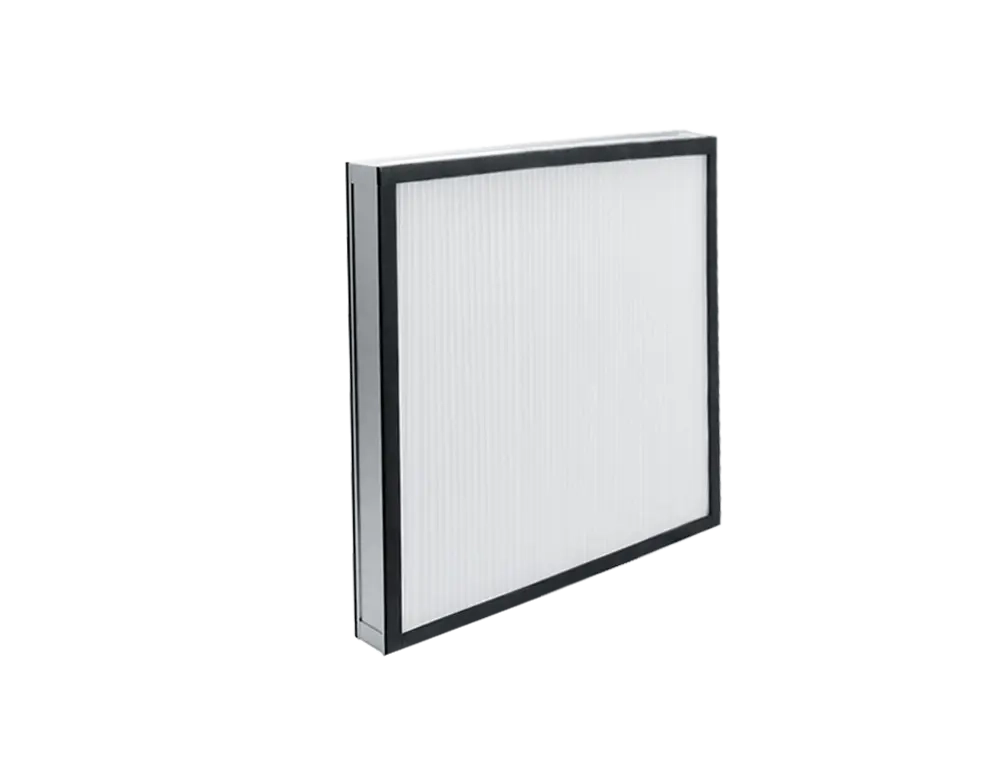
HEPA High-Efficiency Filter
Sterile-Grade Purification
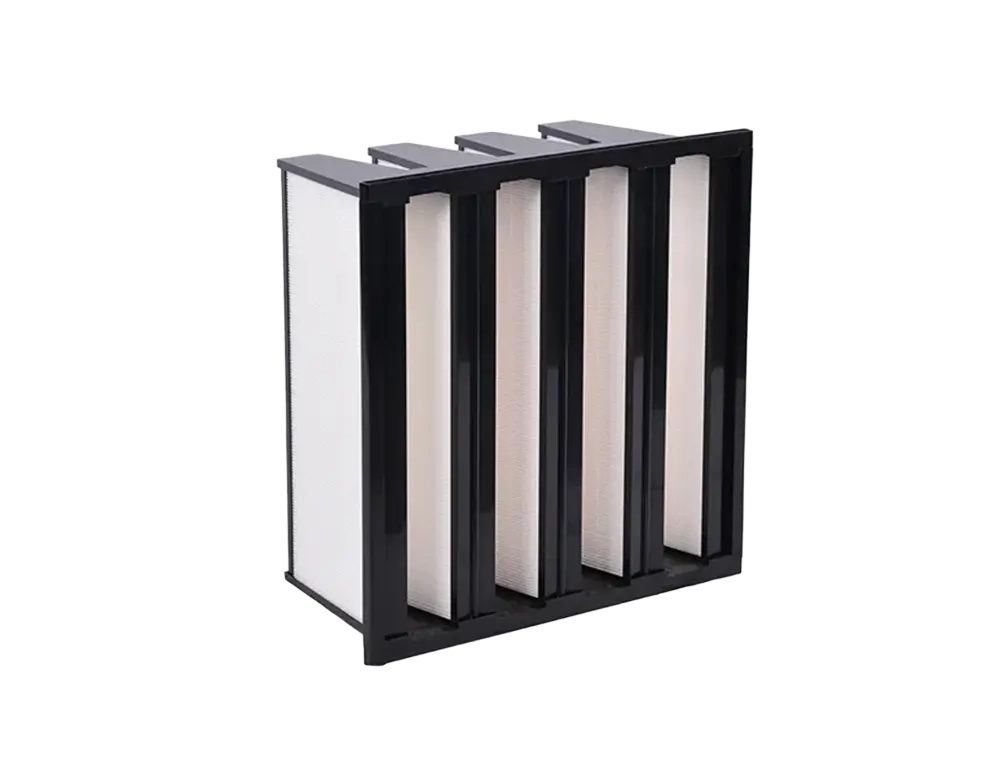
ULPA Ultra-High Efficiency Filter
Sub-Micron Particle Capture
First-Stage Large-Particle Capture
The first line of defense, capturing particles ≥5 μm such as dust, hair, and fibers to protect downstream filters and extend overall system service life.
View Related Products →Precise PM2.5 Capture
Captures fine particles of 1–5 μm including PM2.5, pollen, and mold spores, significantly improving indoor air quality for commercial HVAC and ventilation systems.
View Related Products →Sterile-Grade Purification
≥99.97% filtration efficiency for particles ≥0.3 μm, delivering sterile-grade clean air widely used in medical, pharmaceutical, and electronics manufacturing.
View Related Products →Sub-Micron Particle Capture
≥99.9995% efficiency for particles ≥0.12 μm, meeting the extreme cleanliness demands of semiconductor fabs, aerospace, and other ultra-precision applications.
View Related Products →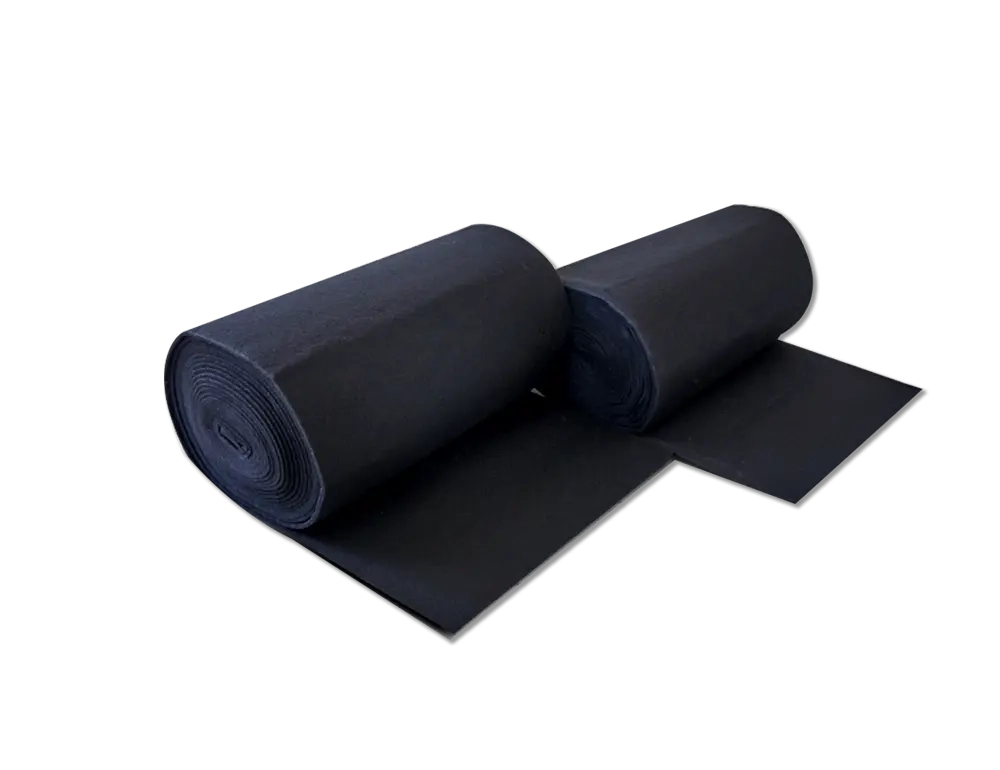
High-Temperature Resistant
Industrial-Grade Heat Tolerance
Washable & Reusable
Cut Costs, Reduce Waste
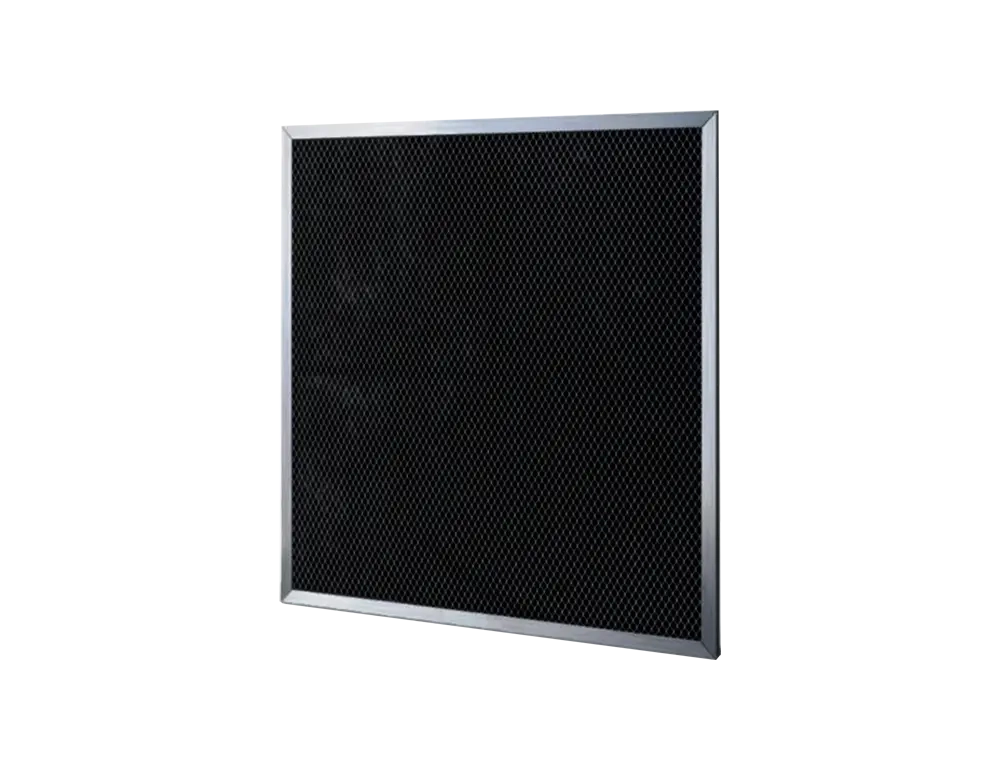
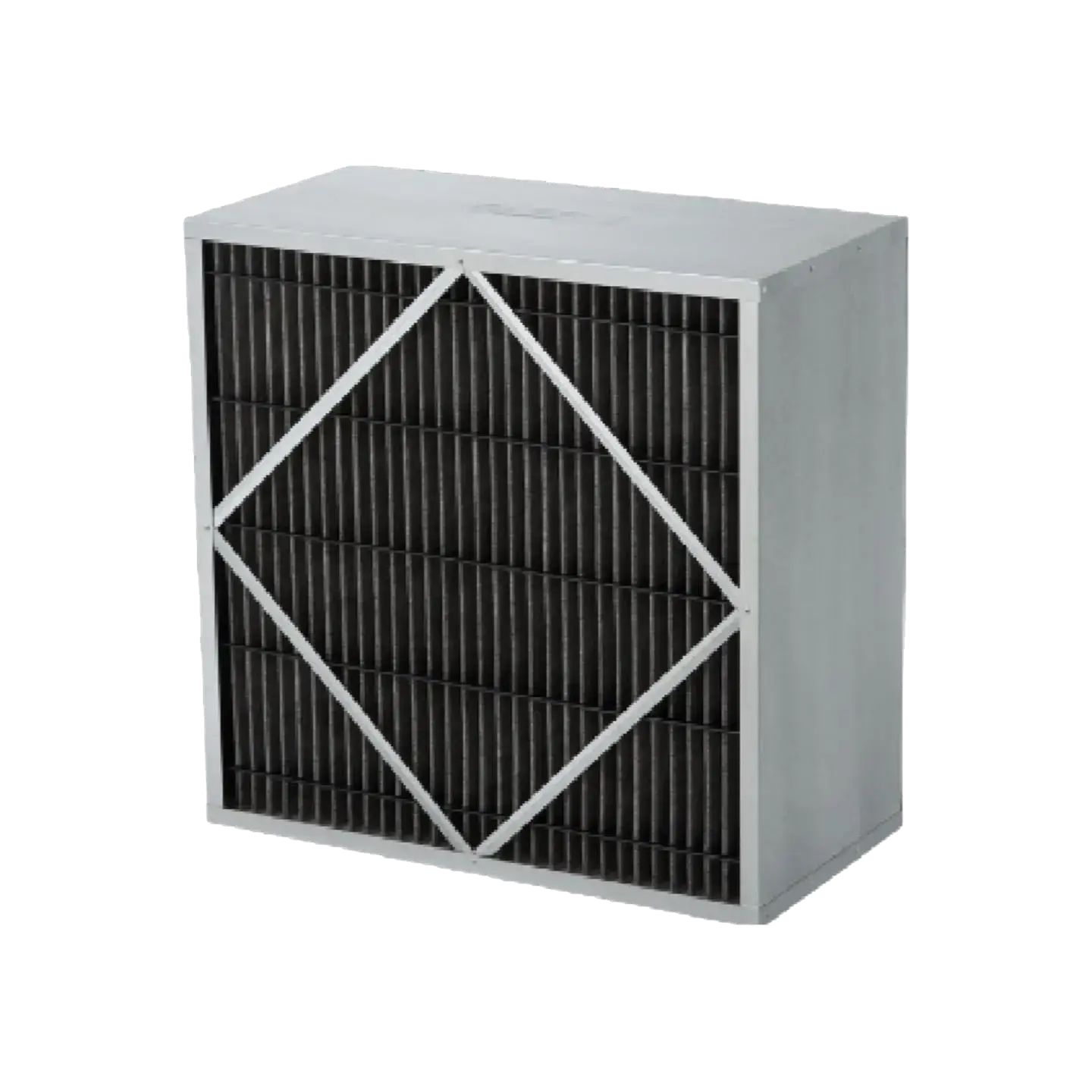
Activated Carbon
Odor & Harmful Gas Removal
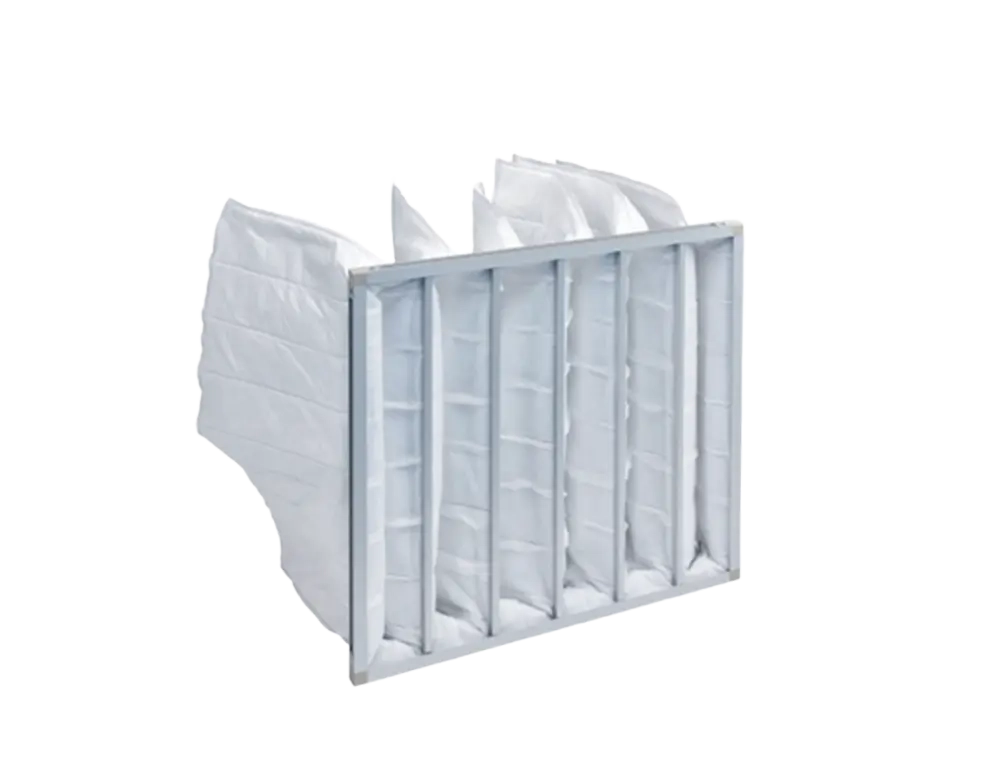
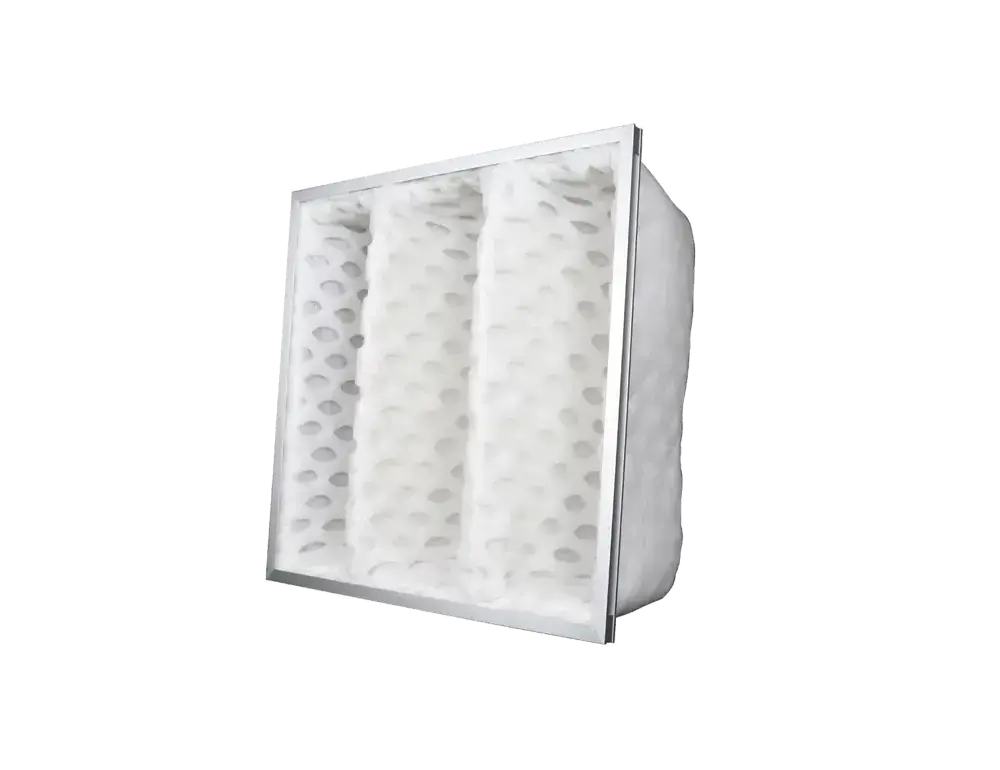
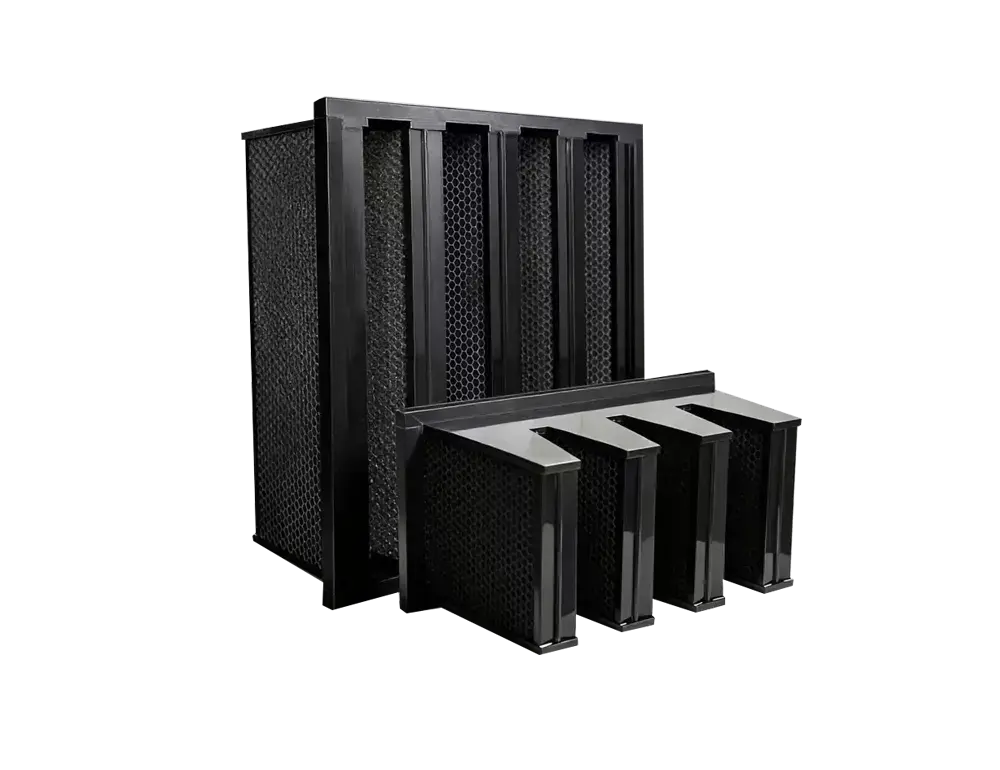
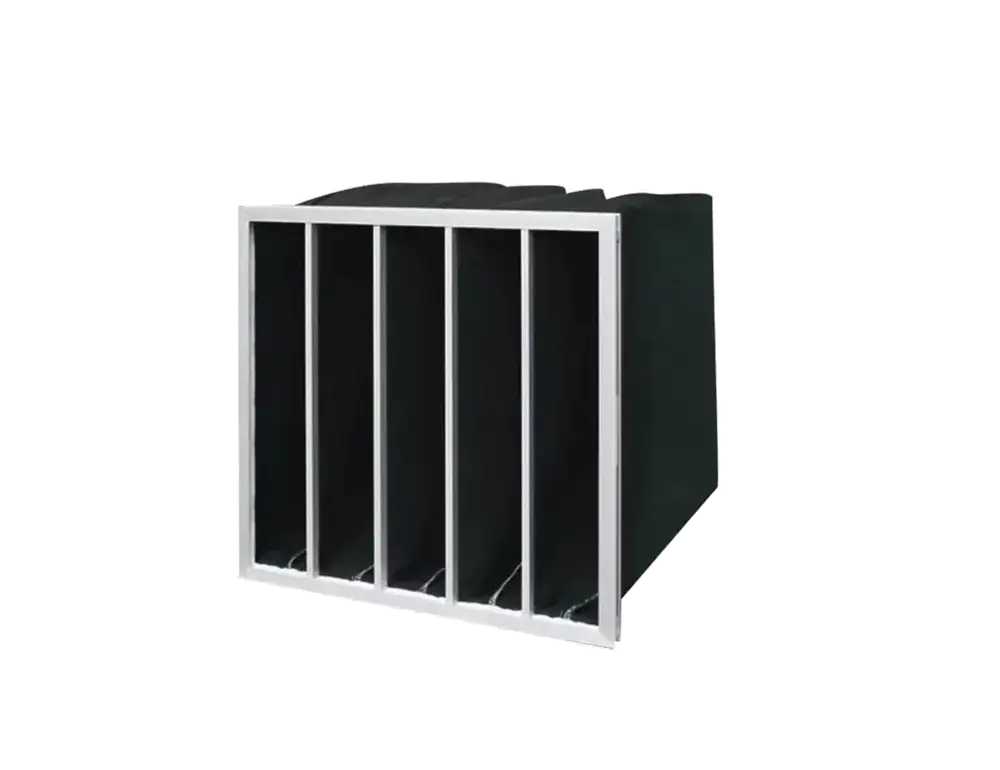
Bag Filter
High Dust-Holding, Long Life
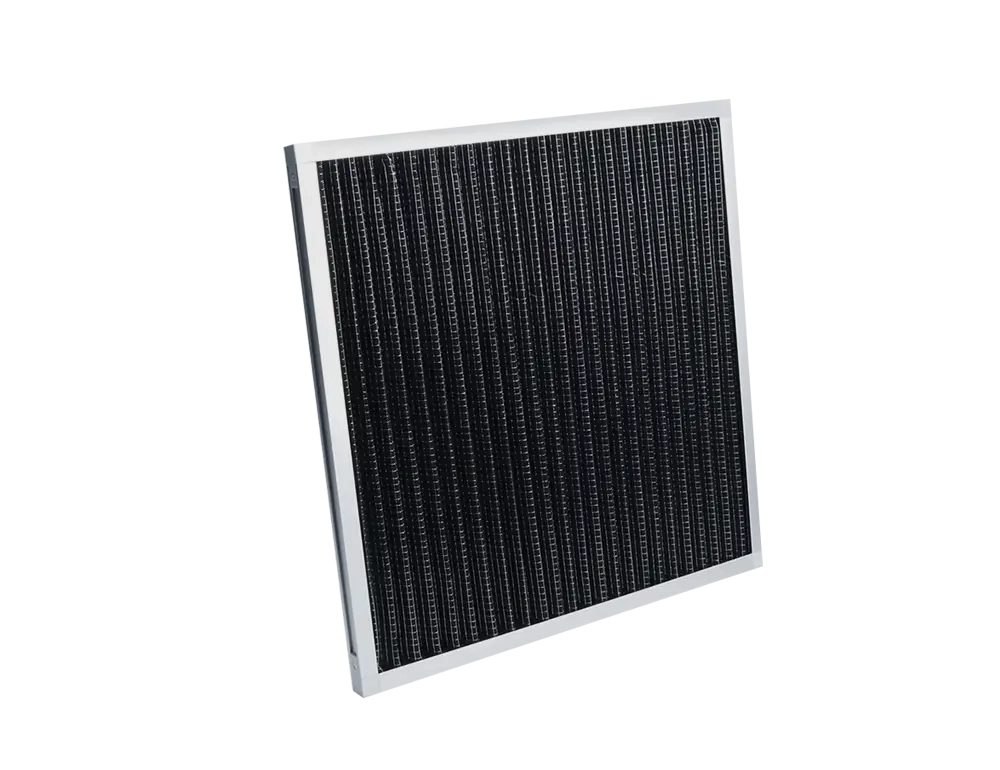
Panel / Pleated Filter
Compact Space-Saving Design
Low-Resistance Airflow
Energy-Saving Operation
Industrial-Grade Heat Tolerance
Built with specialized heat-resistant materials, operating stably up to 250°C for paint ovens, industrial dryers, and high-temperature process environments.
View Related Products →Cut Costs, Reduce Waste
Cleanable by water washing or air blowing, reusable multiple times to significantly reduce replacement frequency and O&M costs — an economical, eco-friendly choice.
View Related Products →Odor & Harmful Gas Removal
Leverages activated carbon's high adsorption capacity to eliminate odors, VOCs, and formaldehyde, ideal for newly renovated spaces and industrial exhaust treatment.
View Related Products →High Dust-Holding, Long Life
Bag-style construction delivers a larger filtration area, high dust-holding capacity, and extended service life — ideal for high-dust environments with reduced replacement frequency.
View Related Products →Compact Space-Saving Design
Compact form factor for easy installation and replacement; pleated structure maximizes filtration area within a small footprint for higher efficiency.
View Related Products →Energy-Saving Operation
Low-resistance design minimizes pressure drop while maintaining filtration performance, reducing fan energy consumption for cost-effective, eco-friendly operation.
View Related Products →












 English(Global)
 简体中文
简体中文 Language


University Lab Primary & Secondary Air Filters: Why UESTC Recommends Us
University Lab Primary & Secondary Air Filters: Why UESTC Recommends Us
Air cleanliness in university laboratories directly impacts research data accuracy and equipment lifespan—industry research shows the annual compound growth rate of China’s campus air purification equipment market reaches 18%.
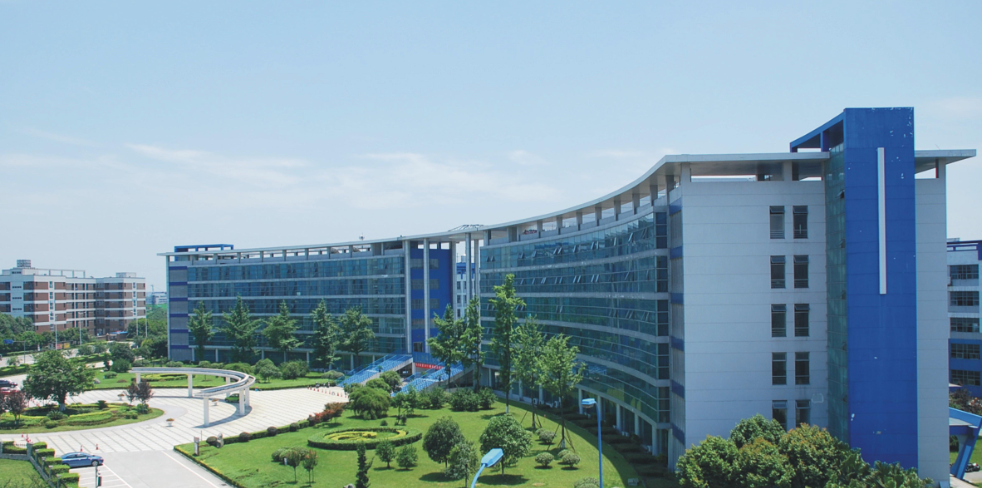
For labs involving precision instruments and biological samples, the stability of filtration systems is particularly critical. After the first use of Whalesens primary and secondary air filters, the University of Electronic Science and Technology of China (UESTC) chose to repurchase due to stable purification performance and easy maintenance. This case provides valuable insights for university procurement. Combining EN779 standards and industry engineers’ practical experience, this article analyzes key pain points, adaptation solutions, and repurchase decision factors for lab filter selection.
Core Requirements of University Labs for Primary & Secondary Air Filters: Beyond Compliance
The particularity of university laboratories (e.g., electronic information, bioengineering, materials R&D) means their needs for primary and secondary air filters go far beyond ordinary commercial scenarios, focusing on three core dimensions:
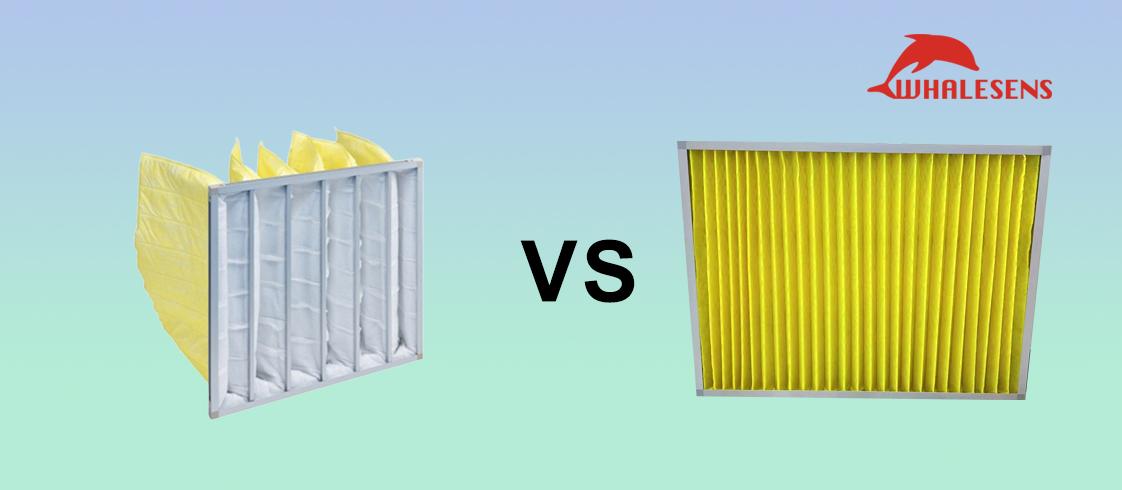
- Graded Filtration Adaptability: A combined solution of "primary pre-filtration + secondary fine filtration" is required—primary filters trap particles above 5μm to protect downstream secondary and HEPA filters; secondary filters target 1-5μm particles like pollen and bacteria, with filtration efficiency reaching F7-F9 grade. A UESTC lab supervisor shared: "Whalesens’ primary panel + secondary bag filter combination perfectly fits our gas chromatograph ventilation system, with particle interception rate stably above 95%, significantly improving research data repeatability."
- Low Resistance, Energy Saving & Quiet Operation: 24/7 operating ventilation systems account for 35% of lab energy consumption. High-resistance filters drastically increase operational costs. Whalesens primary panel filters adopt aluminum frames and polyester synthetic fiber media, with initial resistance ≤80Pa. Secondary bag filters reduce wind resistance through optimized pleat design, helping labs save 12% electricity annually.
- Easy Maintenance & Cost Control: Universities have limited procurement budgets and lack professional operation teams, requiring filters to be "easy to install and reusable." Whalesens primary filters support air gun cleaning for repeated use, while secondary bag filters can be replaced without tools. UESTC reported: "Maintenance cycles extended from 2 months to 3 months, cutting annual operational costs by 40% and reducing lab management pressure."
Three-Step Selection Method for University Lab Primary & Secondary Air Filters: Avoid Research Risks
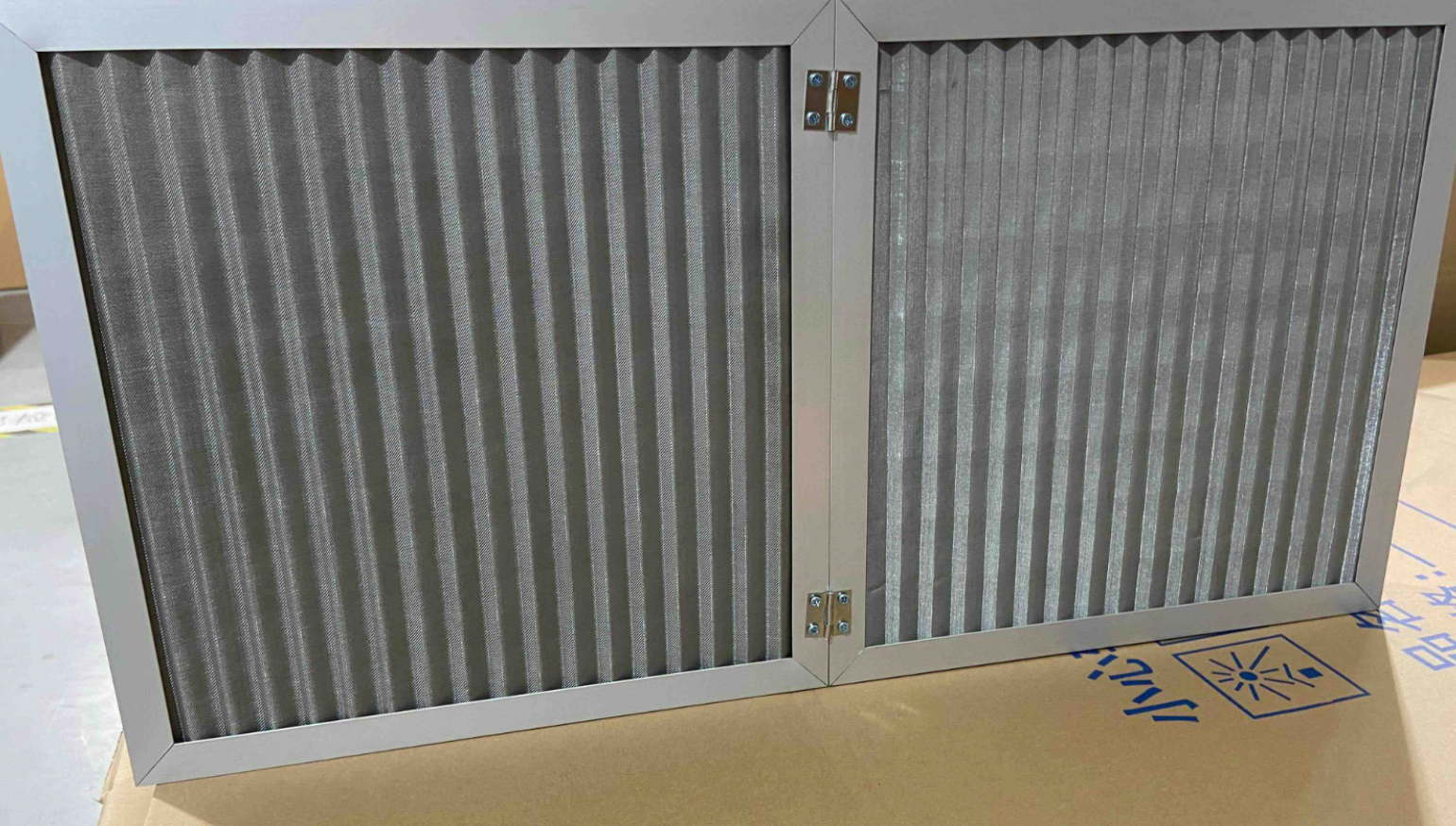
- 1 Match Filtration Grade to Experimental Scenarios: Ordinary physics/chemistry labs (no precision instruments): Primary G3-G4 + secondary F5-F6 grades to meet basic dustproof needs; Electronic information/biosafety labs (involving chip R&D, sample cultivation): Primary G4 + secondary F7-F8 grades, with filtration efficiency ≥80% to meet ISO Class 7 cleanliness requirements; High-end instrument labs (e.g., electron microscope rooms, mass spectrometry labs): Primary G4 + secondary F9 grades, combined with HEPA filters for three-stage filtration to protect expensive equipment. Engineer Zhang, with 10 years of lab operation experience, shared: "Once choosing the wrong secondary grade caused dust accumulation in the mass spectrometer air intake, costing 80,000 RMB in repairs—selecting the right grade, not blindly pursuing high specifications, is key to avoiding research risks."
- 2 Focus on Structural Design Adapting to Lab Environments: Space-constrained scenarios (e.g., inside fume hoods): Prioritize primary panel filters. Whalesens’ products of this type are compact and lightweight (single unit ≤2kg), requiring no additional installation space and adapting to complex lab layouts; High air volume ventilation systems (e.g., lab fresh air units): Choose secondary bag filters. Their bag structure expands filtration area, with dust holding capacity up to 150g/m², extending replacement cycles and reducing maintenance frequency; Humid environments (e.g., biological cultivation labs): Select moisture-proof media. Whalesens products support 100% humidity conditions to prevent filter mold and failure—an adapted solution validated in multiple biological labs.
- 3 Verify Supplier Service and Compliance: University procurement must meet bidding compliance requirements, with suppliers providing EN779 grade certification and third-party test reports. A key factor in UESTC’s repurchase is Whalesens’ complete qualification documents and free selection consulting, eliminating compliance concerns in the procurement process. Additionally, universities have short maintenance windows (usually during vacations), requiring suppliers to have fast delivery capabilities—Whalesens achieves nationwide delivery within 72 hours through three production bases, highly recognized by university users.
Whalesens University Cooperation Case: The Value Behind UESTC’s Repurchase
Facing issues of "high resistance and frequent replacement" with existing filters, UESTC’s lab first purchased Whalesens primary panel and secondary bag filters, with feedback exceeding expectations:
- Qualified Purification Performance: Primary filters trap over 90% of particles above 5μm, secondary filters achieve 92% filtration efficiency for 1μm particles, reducing lab dust concentration from 800 particles/m³ to below 150 particles/m³, fully meeting research requirements;
- Reliable Equipment Protection: No dust accumulation in precision instrument air intakes, reducing equipment failure rate from 12% to 3%, saving 150,000 RMB in annual maintenance costs and avoiding research interruptions due to equipment breakdowns;
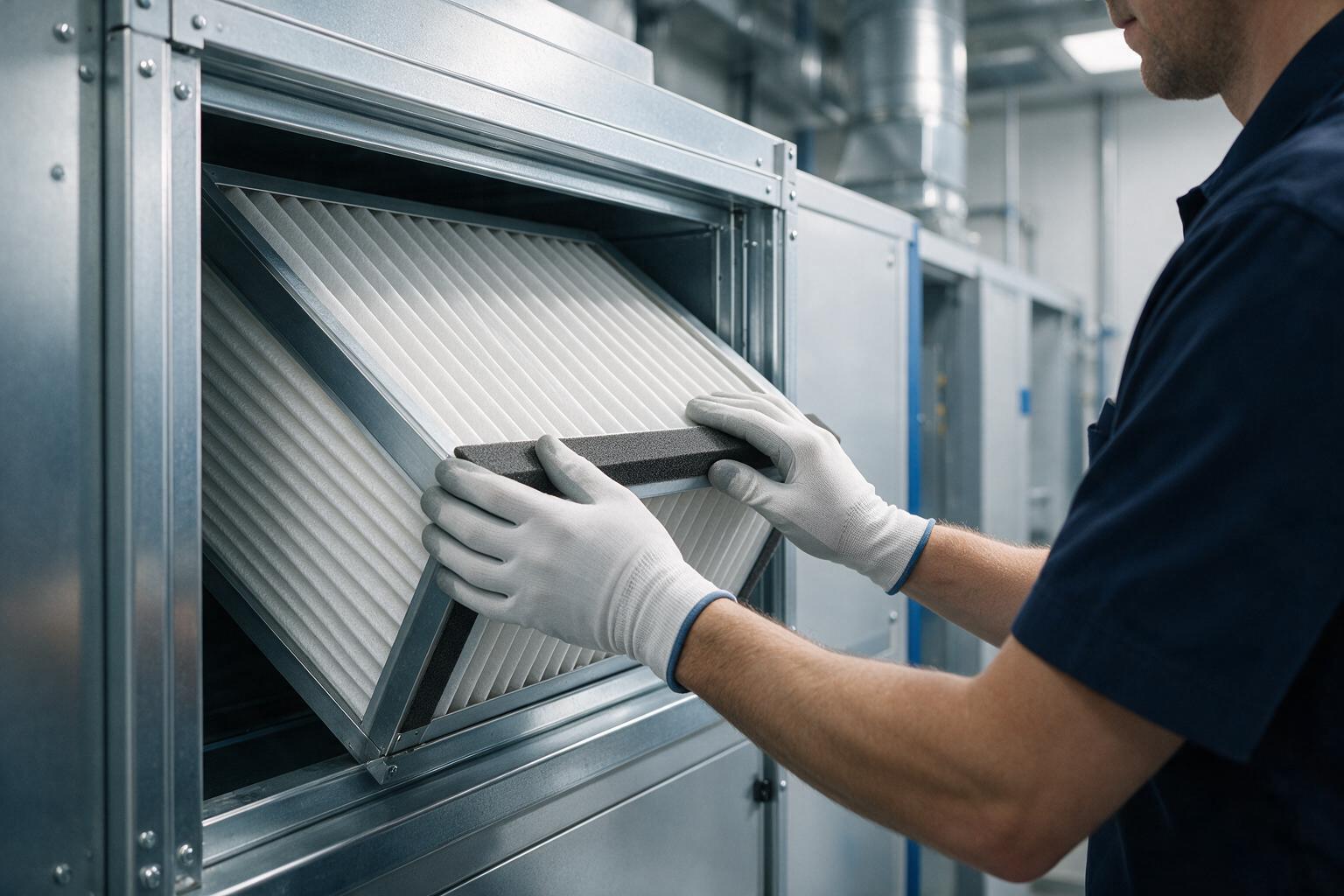
- Optimized Operational Experience: Filter installation requires no duct disassembly, primary filters can be reused over 3 times, and secondary filter replacement takes only 5 minutes per unit, operable even by non-professionals.
Many university lab managers noted in exchanges: "By referencing UESTC’s selection plan and introducing Whalesens’ filtration combination, we not only passed ISO 14644 compliance inspections but also obtained research funding subsidies, achieving the dual goal of ‘compliance + cost savings’."
FAQs About University Lab Filters: Feedback from Frontline Researchers
Q1: Must primary and secondary air filters be used together? A: Yes. Based on years of lab operation experience, primary filters trap large dust particles to prevent premature clogging of secondary filters, extending their service life by over 30%. Whalesens recommends a "primary + secondary" pre-filtration combination to protect downstream HEPA filters and reduce overall operating costs.
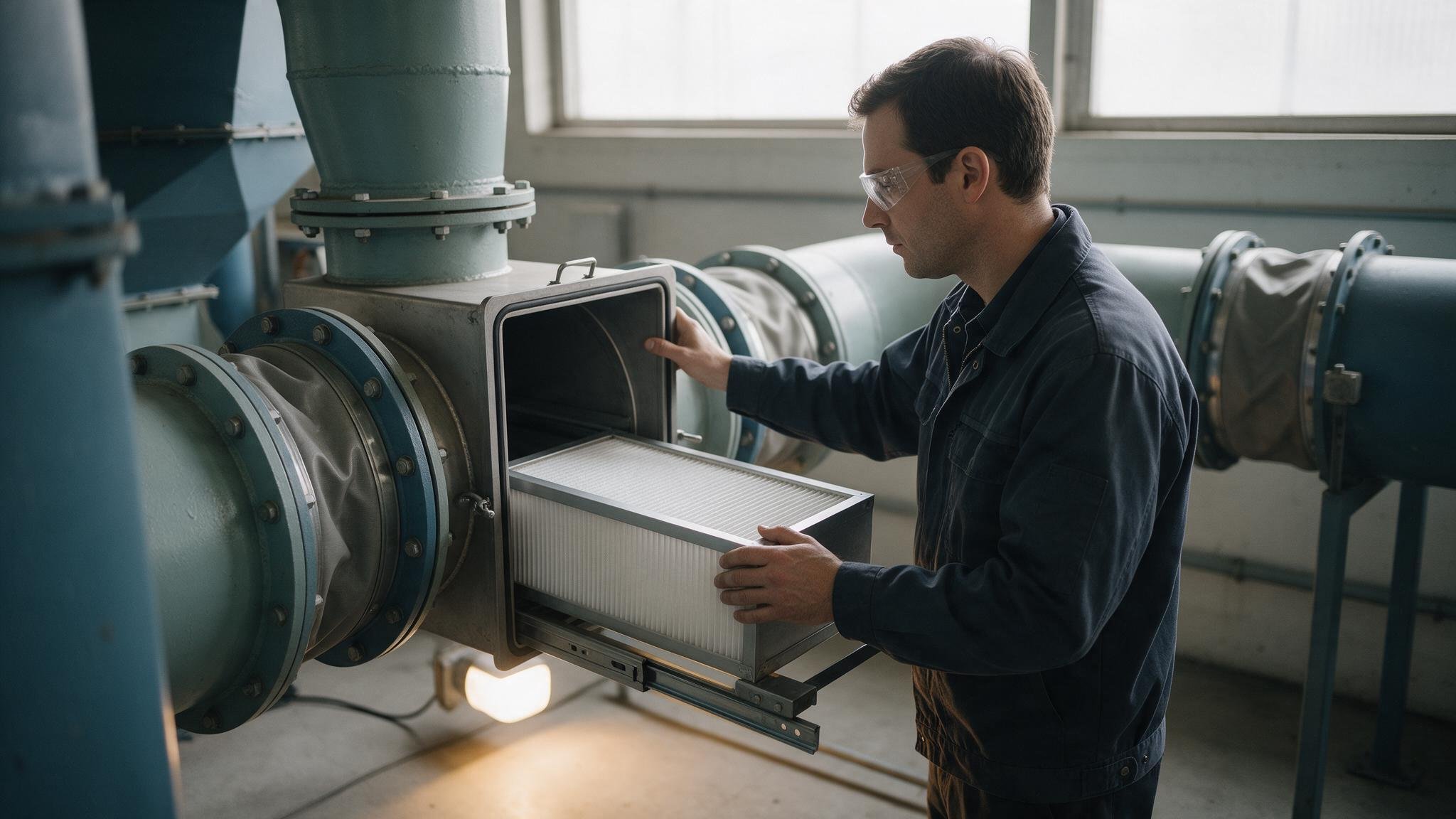
Q2: How often should filters be replaced for optimal results? A: Instead of fixed cycles, rely on differential pressure monitoring—our practical experience shows primary filters should be replaced when resistance reaches 150Pa, and secondary filters at 250Pa. This avoids purification failure from overuse and waste from premature replacement. Whalesens provides differential pressure monitoring guidance to help universities accurately determine replacement timings.
Q3: How to balance filtration performance and quiet operation? A: Labs are sensitive to noise, especially in precision instrument operation scenarios. Choosing low-resistance products is key. Whalesens primary and secondary air filters have 15% lower resistance than industry averages. Paired with quiet fans, they operate at ≤45dB, not affecting experimental operations or data recording—results validated through on-site tests in multiple university labs.
Conclusion: Choosing the Right Filter = Safeguarding Scientific Research
University labs’ cleanliness needs require both standard compliance and cost-effectiveness. With tailored product design, comprehensive qualification services, and fast delivery capabilities, Whalesens has become a trusted choice for universities like UESTC.
If your lab faces challenges such as subpar purification performance, high maintenance costs, or frequent equipment damage, welcome to contact Whalesens’ technical team—we provide free selection plans and sample testing based on experiment types and equipment conditions, making filters an "invisible guardian" for scientific research rather than a management burden.
Need Custom Solutions?
Contact Whalesens Engineering Team
Get Consultation →
Common Air Filter Types
- Bag Filters : Remove medium to large particles such as dust and pollen; ideal for livestock farms, industrial facilities, and schools.
- Panel Filters : Serve as primary or medium-efficiency filters to protect equipment and extend the life of high-efficiency filters.
- HEPA Filters : Capture PM2.5, pollen, bacteria, and most airborne particulates; perfect for classrooms, laboratories, and medical environments.
- Activated Carbon Filters : Remove gaseous pollutants, odors, and volatile organic compounds; suitable for food processing, livestock, and enclosed spaces.
Explore More Articles
- Application of Air Filters in Modern Pig Farms
- Air Filtration in Schools: A Comprehensive Guide
- Case Study: Air Filtration Solutions for Semiconductor Cleanrooms
Learn more about our innovative technologies:
- 🌐 Official Website: www.whalesens.com
- 📞 WhatsApp: (+86) 13119189886
- 📧 Email: whalesens@gmail.com
Need a custom air filtration solution?
Contact the Whalesens engineering team for product selection and OEM/ODM support.
Email whalesens@gmail.com