


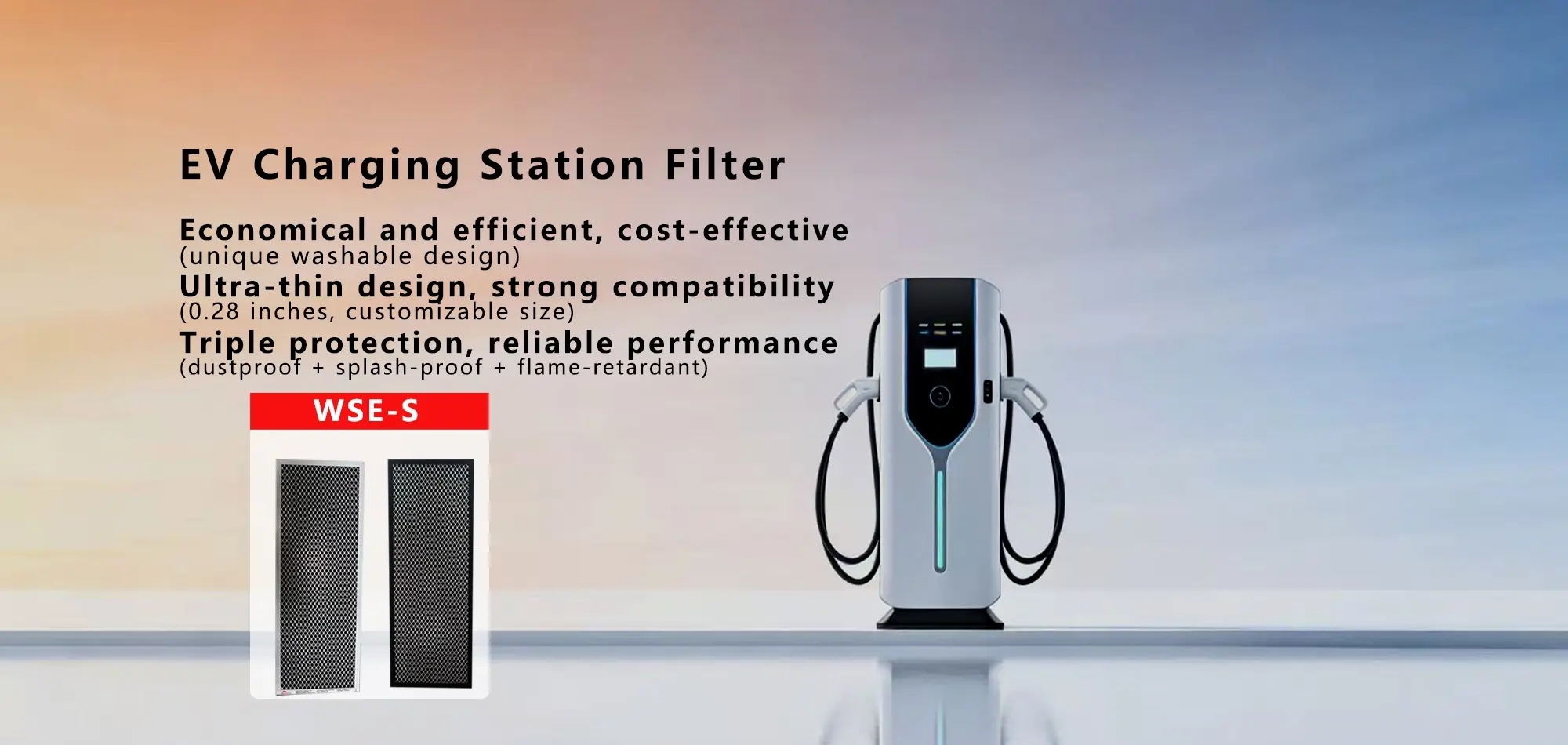
EV Charging Stations
Filtration for Power Equipment
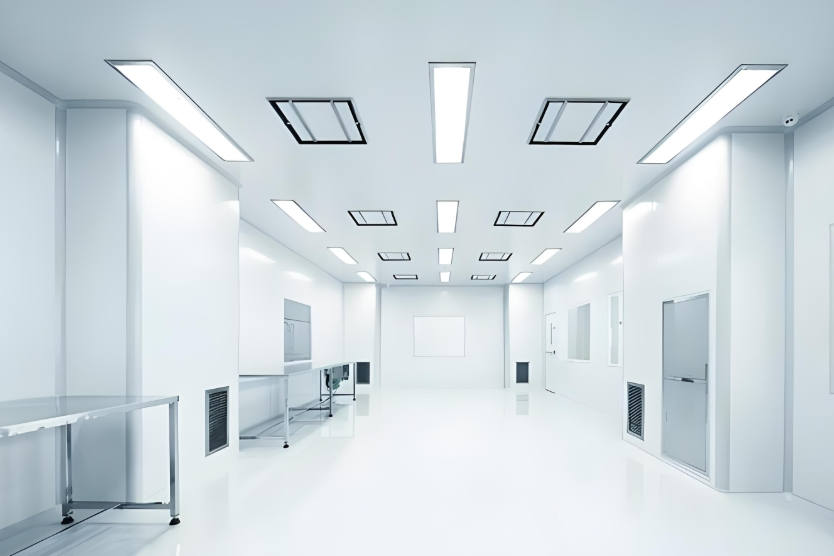
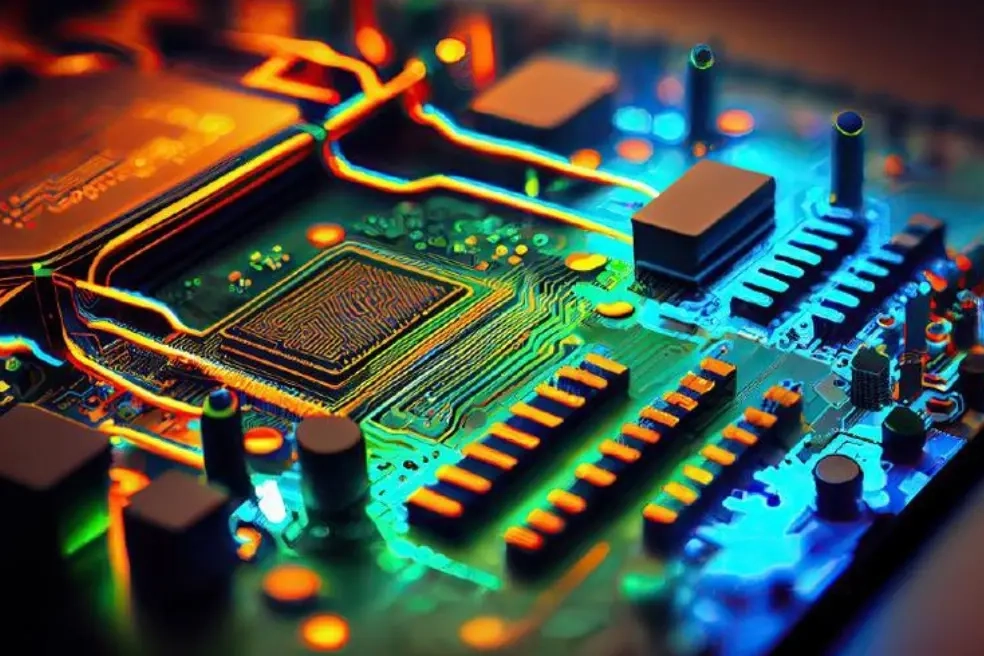
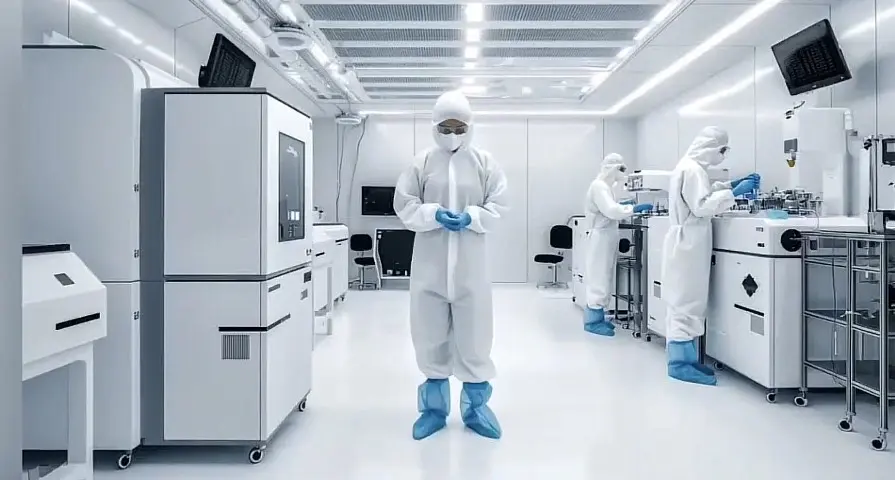
Cleanroom & Semiconductor
Ultra-High Cleanliness Filtration
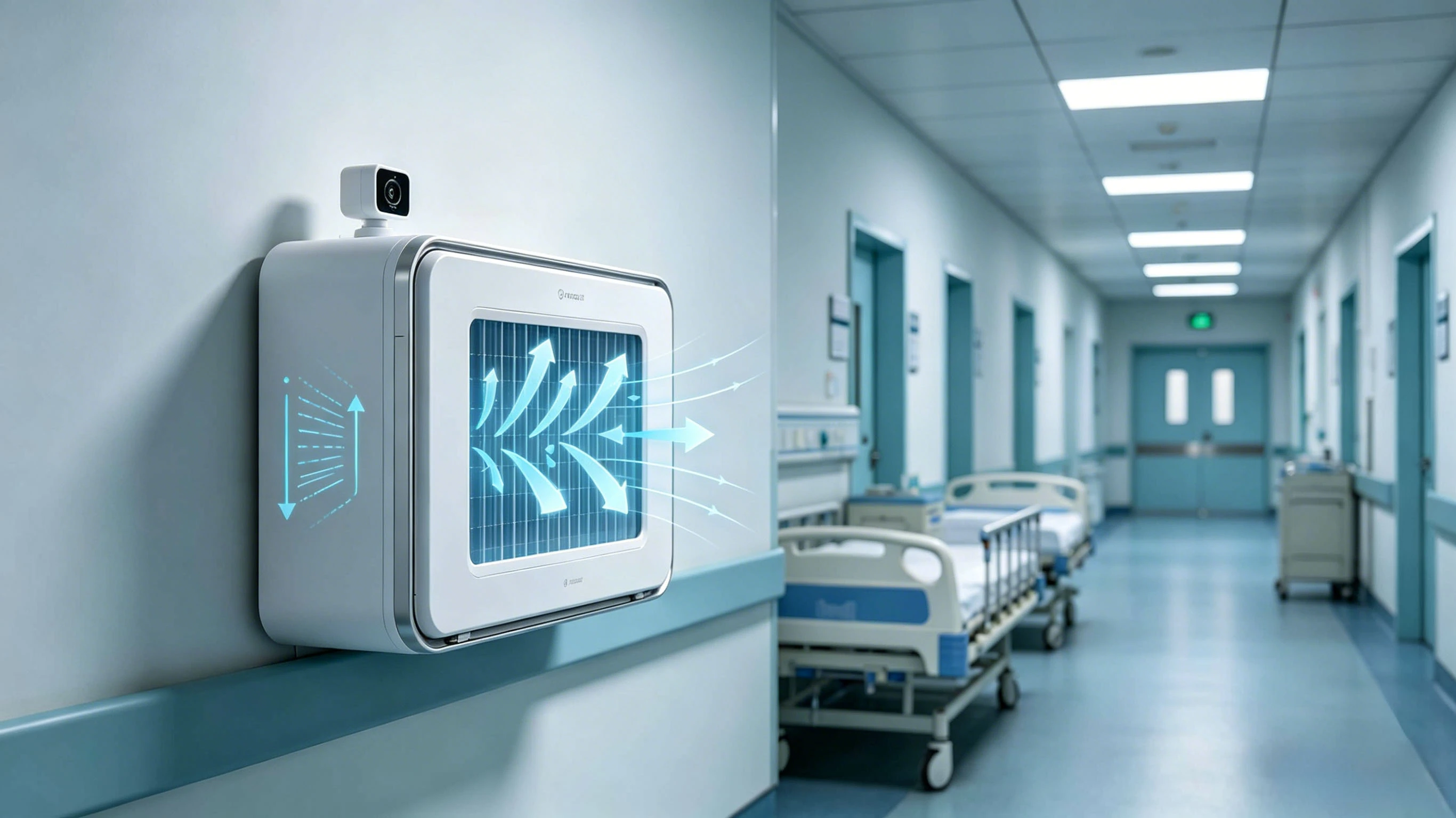
Commercial HVAC
Central Air System Filtration
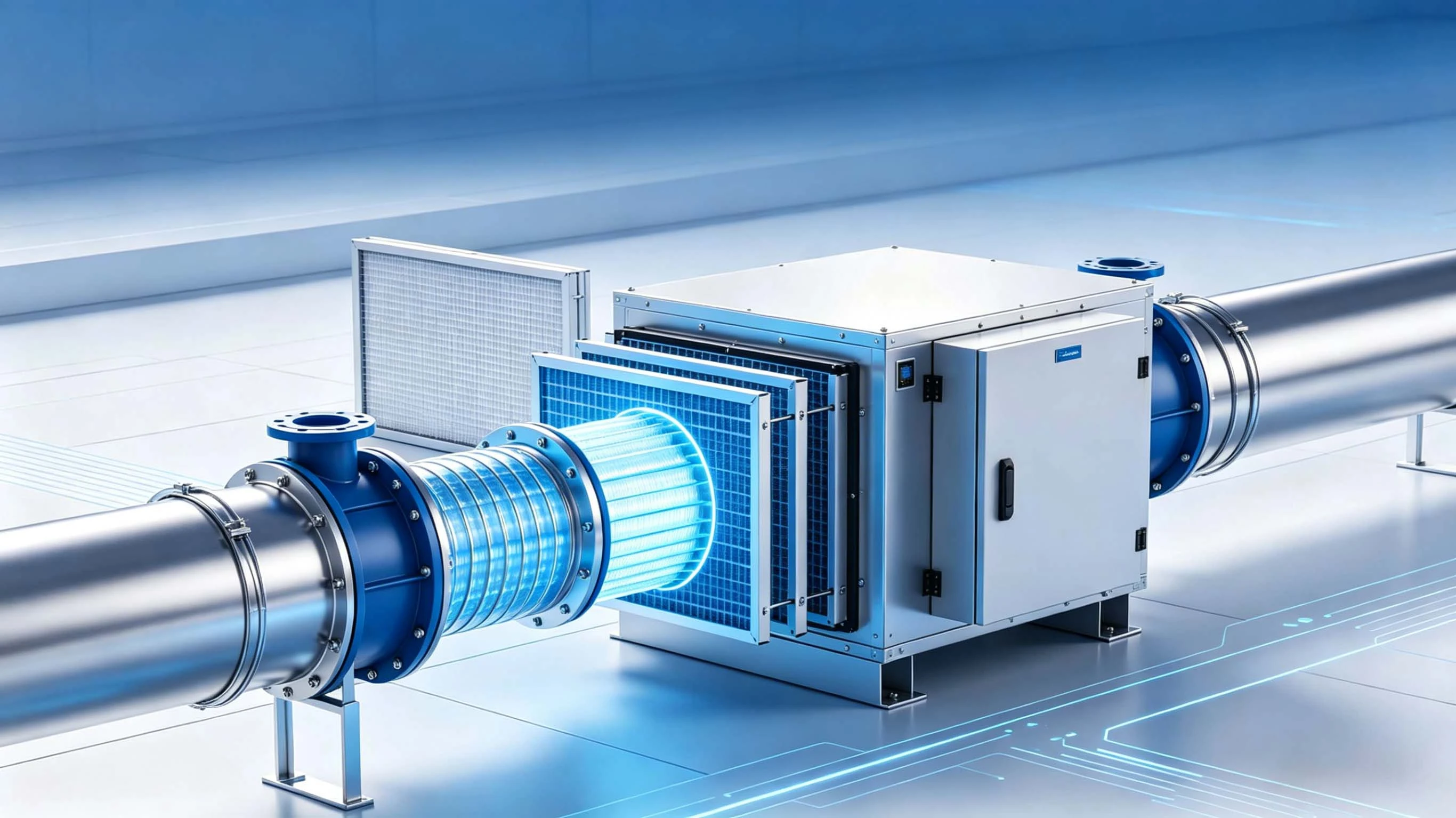
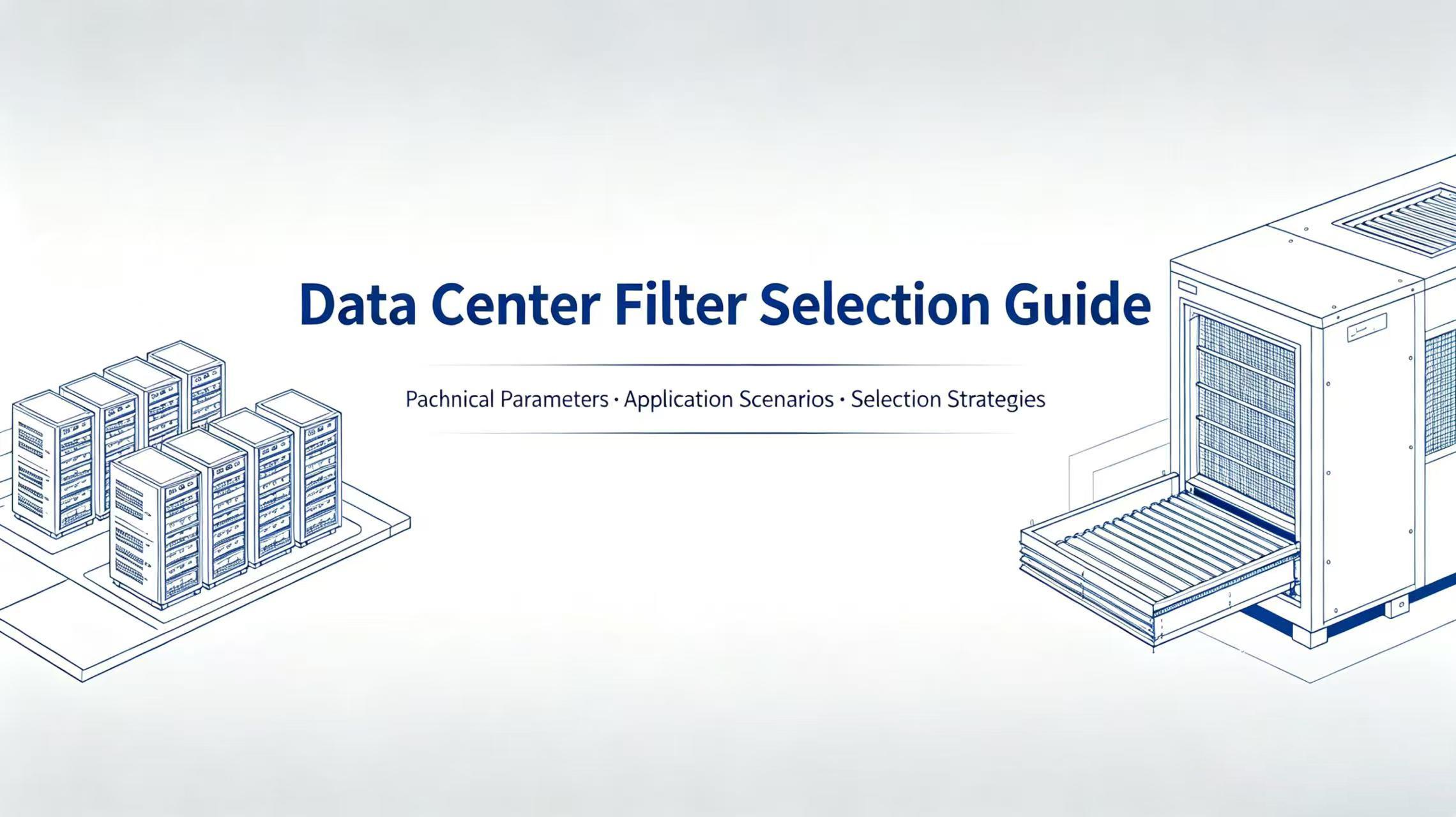
Data Centers
Precision Equipment Protection
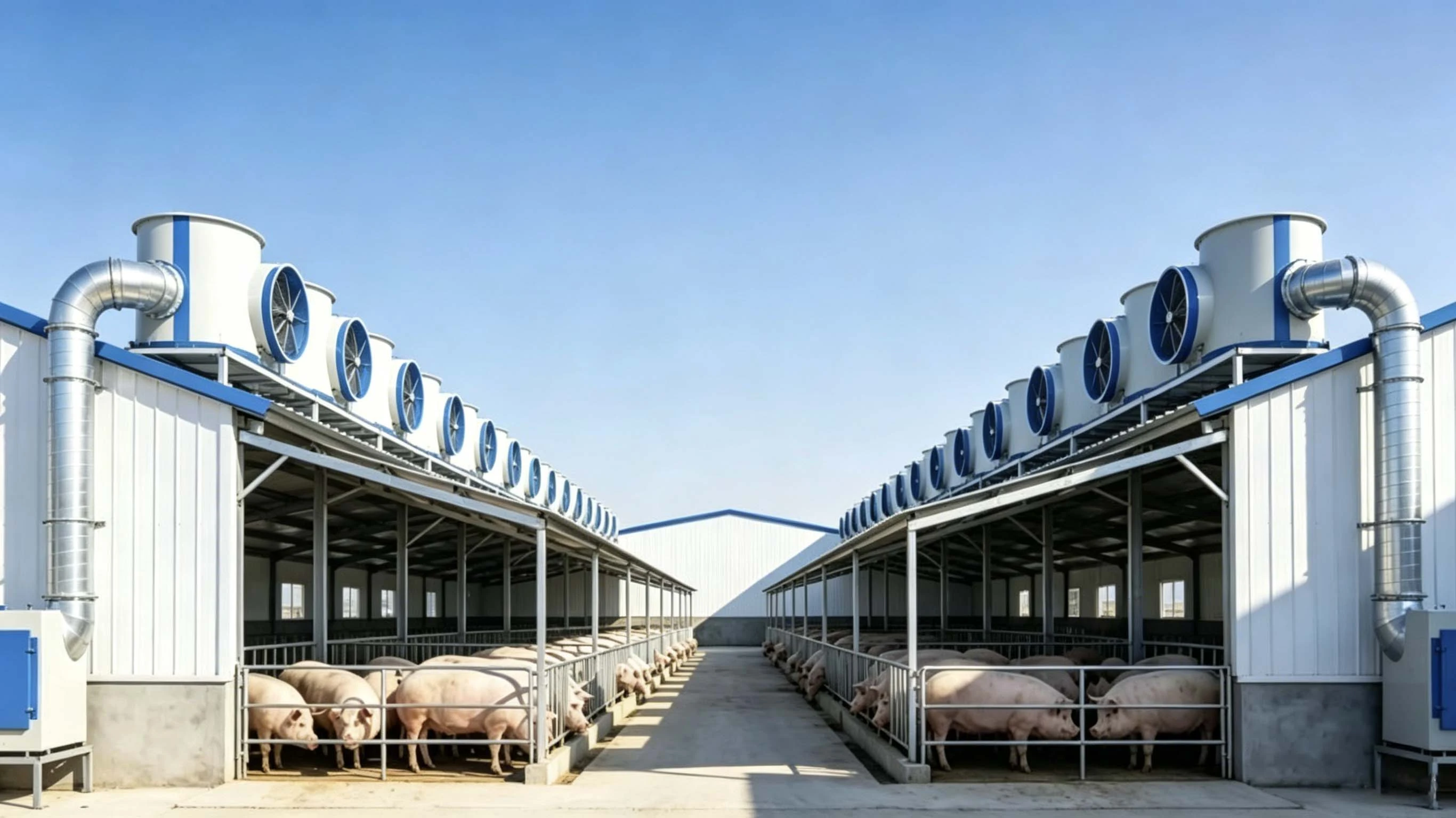
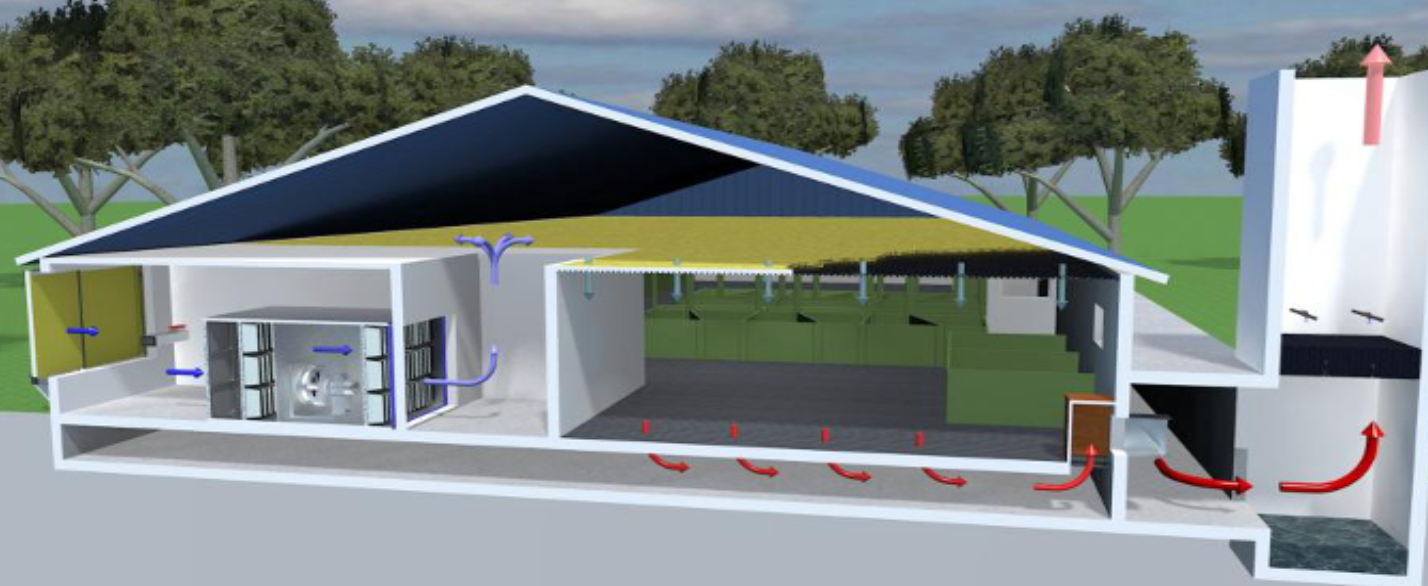
Livestock & Farming
Farming Environment Purification
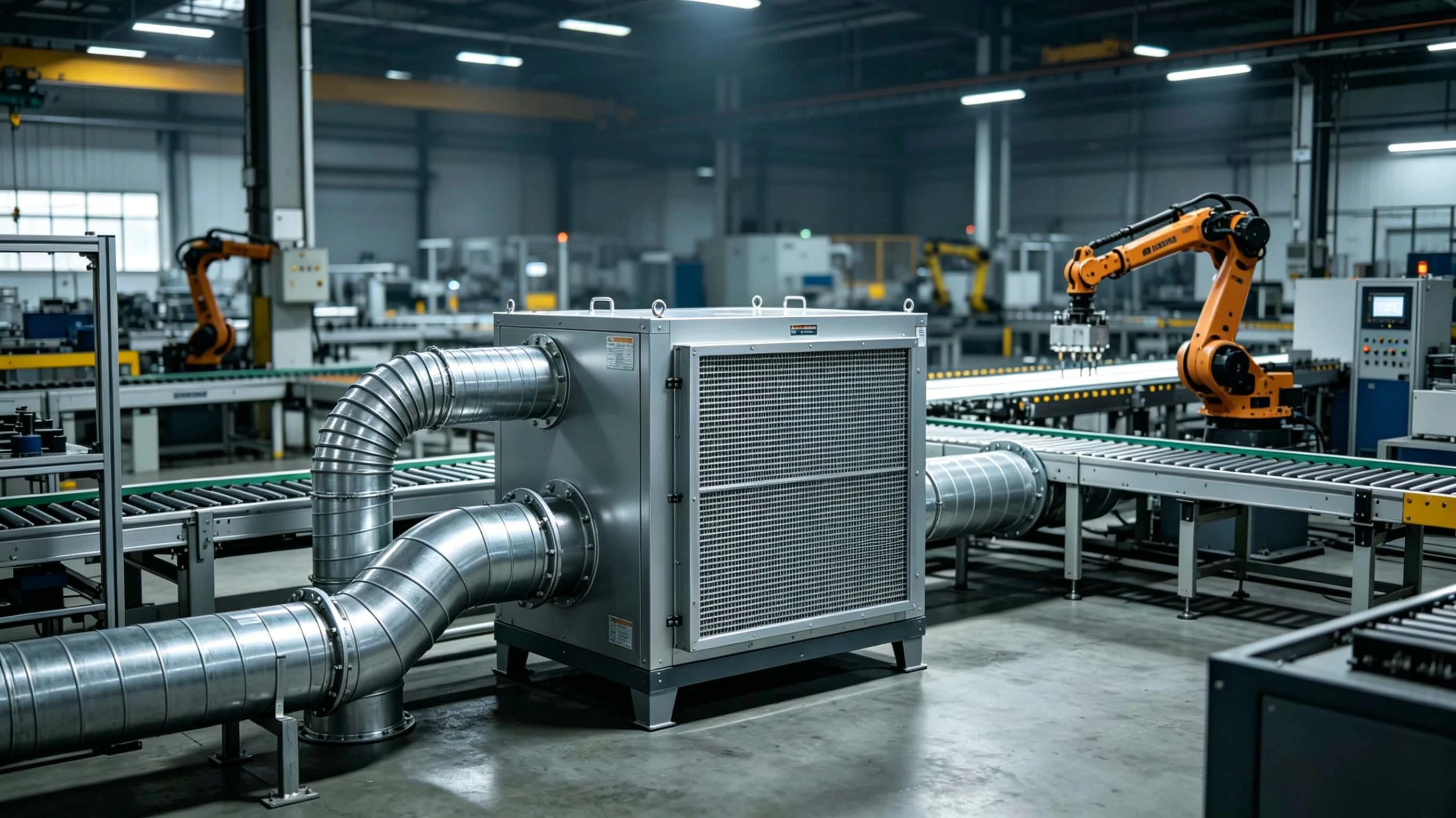
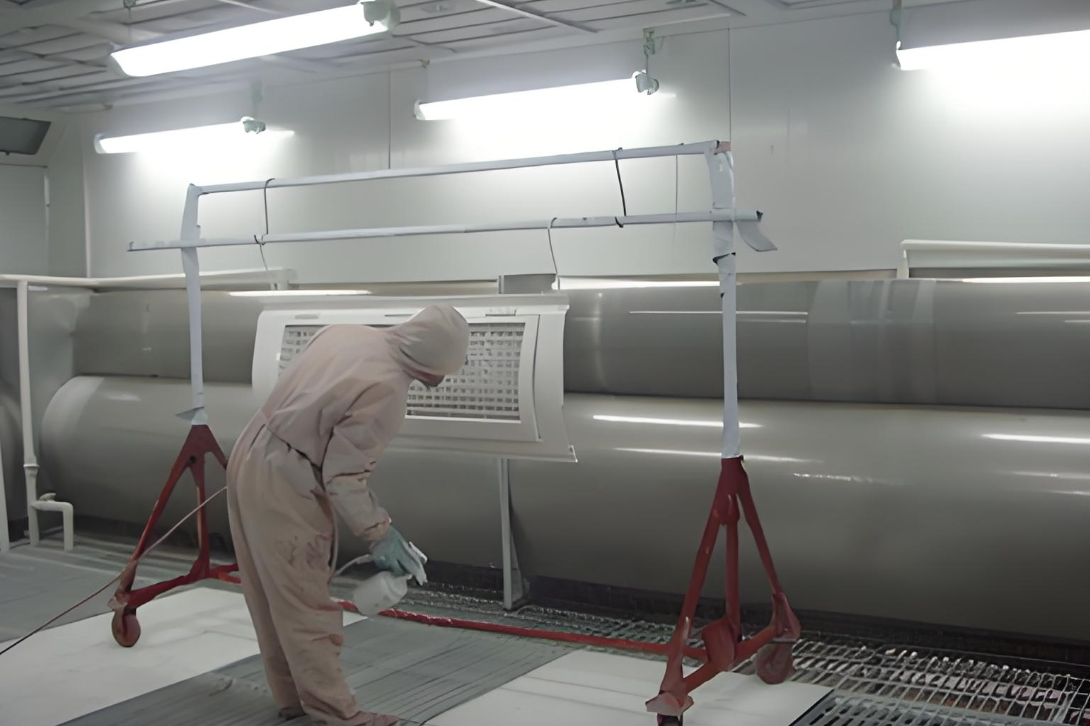
Spray Booths & Industrial Dust
Paint Mist & Dust Purification
Filtration for Power Equipment
Professional air filtration for EV charging devices, protecting against dust and sand ingress to ensure stable, reliable operation of charging piles and station infrastructure.
View Related Products →Ultra-High Cleanliness Filtration
Ultra-high efficiency filtration for semiconductor wafer fabs and precision electronics cleanrooms, capturing nano-scale particles to meet ISO Class 1–3 standards and maximize product yield.
View Related Products →Central Air System Filtration
High-efficiency filtration for commercial building HVAC systems, improving indoor air quality, reducing energy consumption, and extending equipment service life.
View Related Products →Precision Equipment Protection
Precision air filtration for data centers, shielding servers and critical hardware from dust contamination to keep cooling systems running efficiently and reliably.
View Related Products →Farming Environment Purification
Dedicated filtration systems for farms and livestock facilities — capturing dust, adsorbing ammonia, and inhibiting pathogen spread to improve animal health and overall productivity.
View Related Products →Paint Mist & Dust Purification
Designed for spray booths and grinding workshops, efficiently capturing paint mist, metal dust, and wood chips to meet emission standards while protecting finished surface quality.
View Related Products →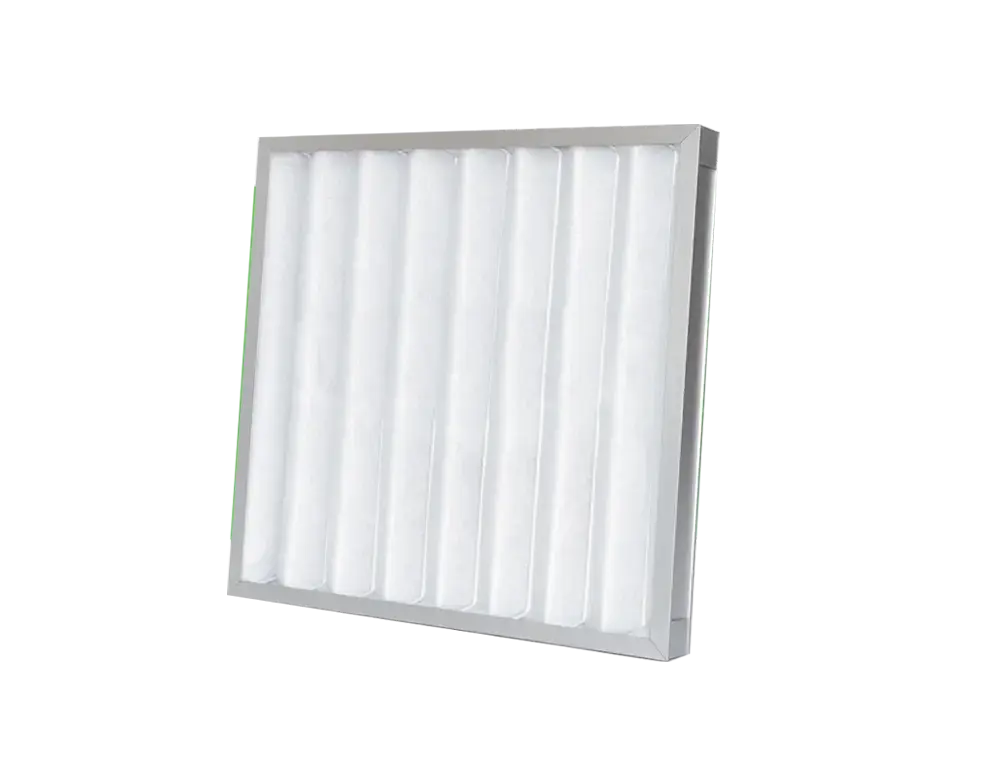
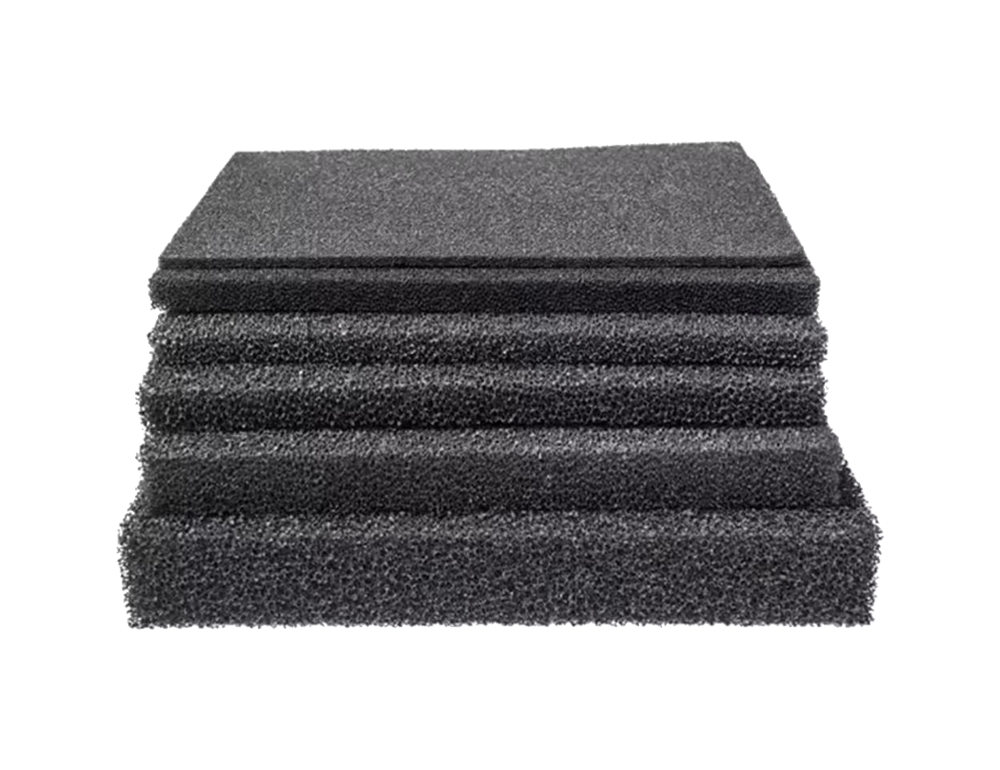
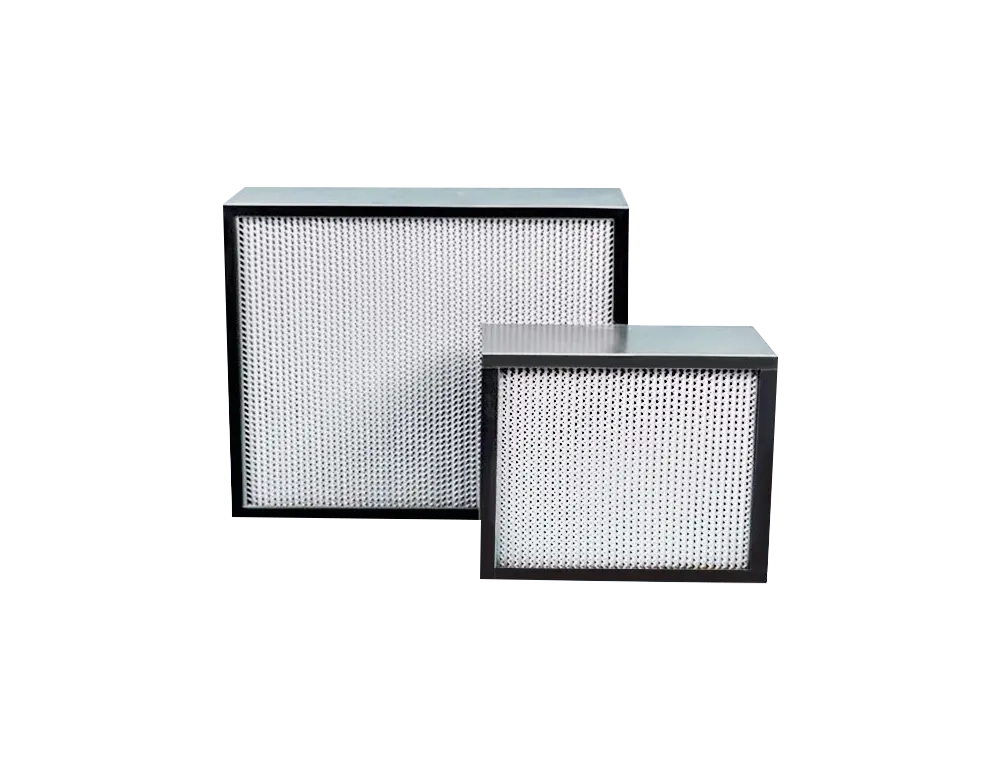
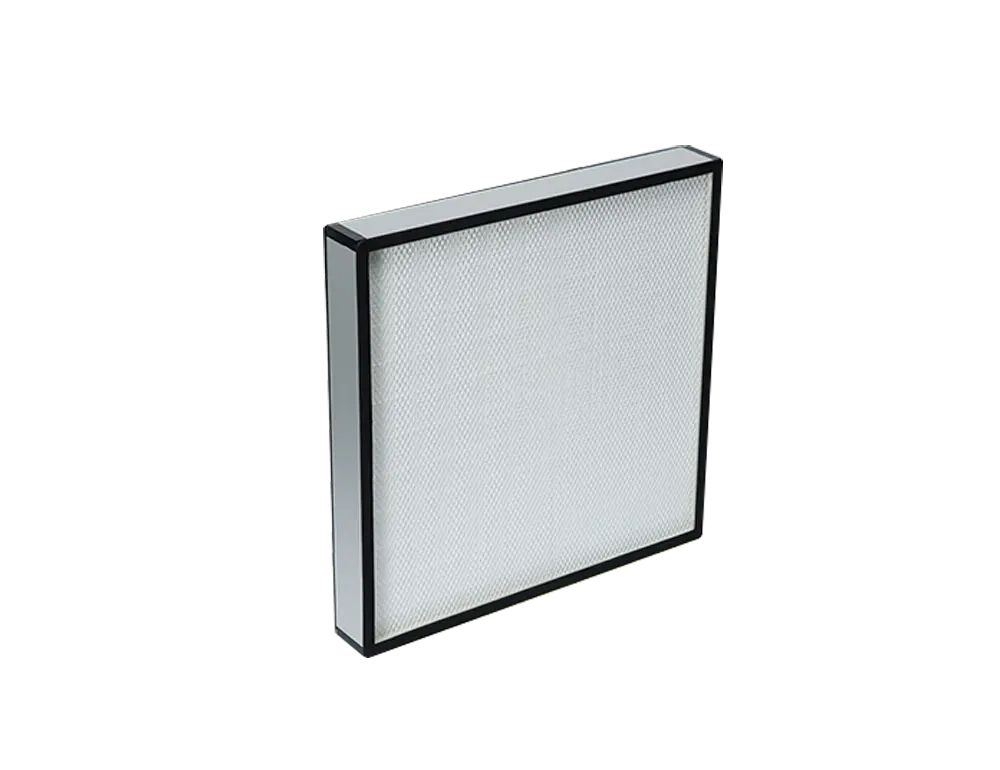
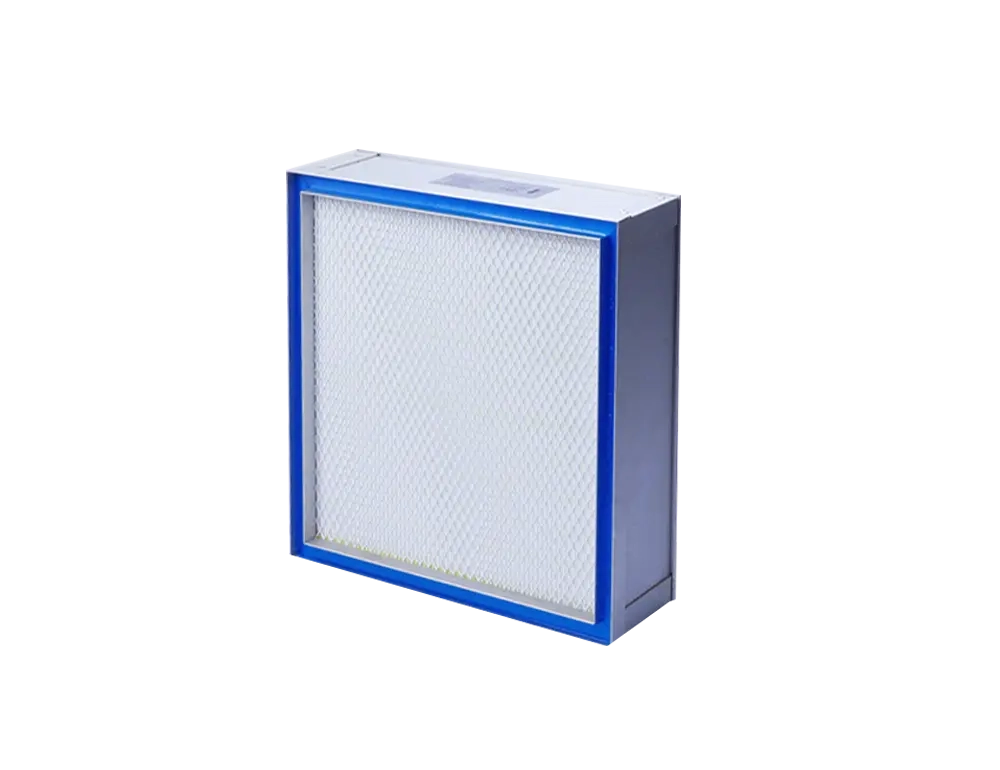
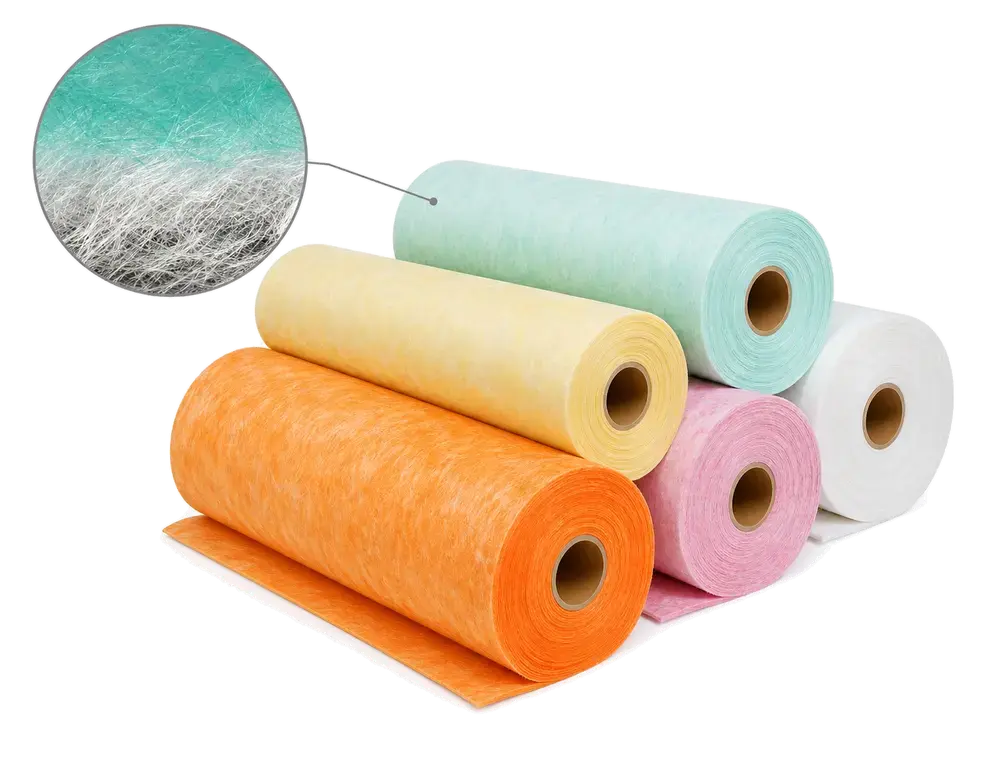
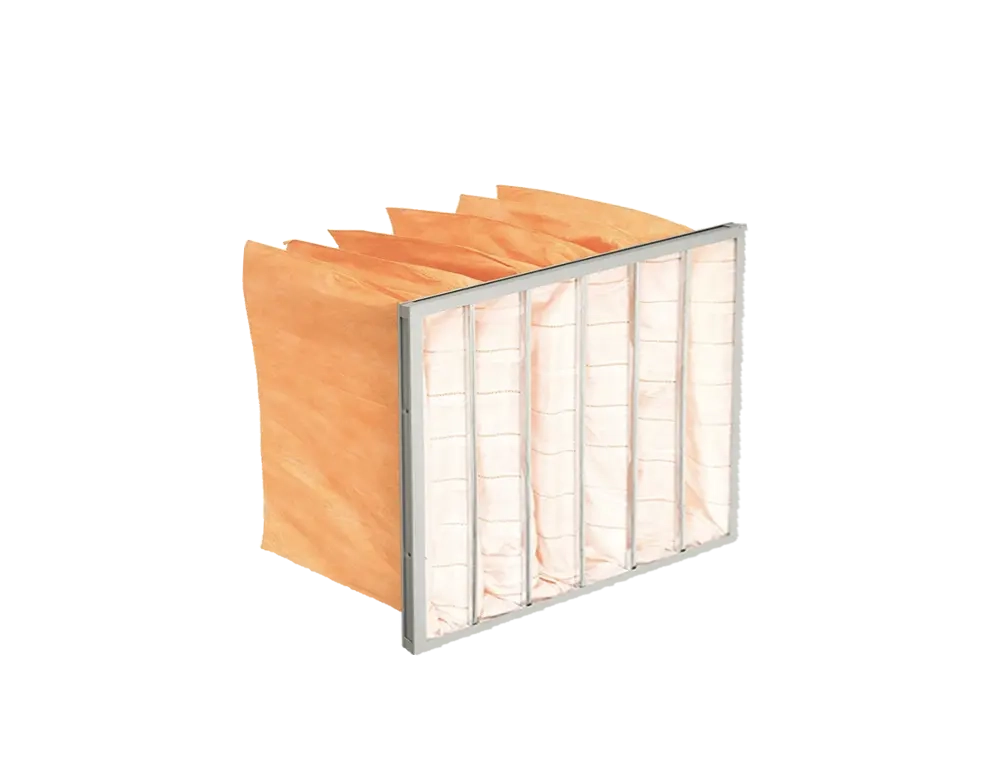
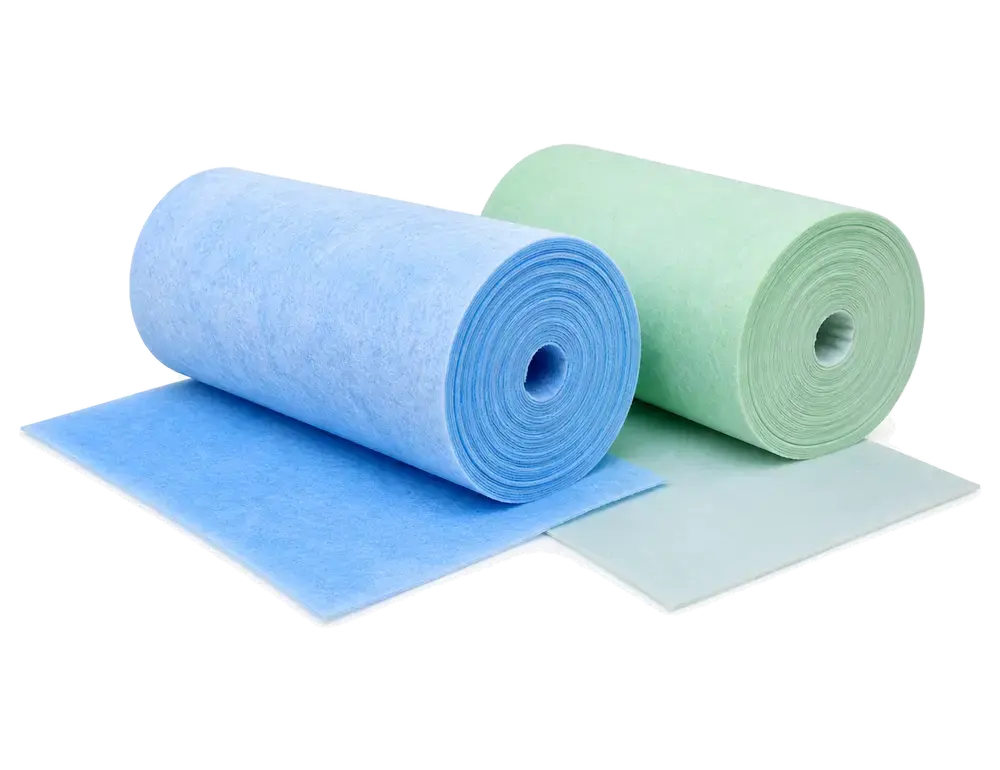
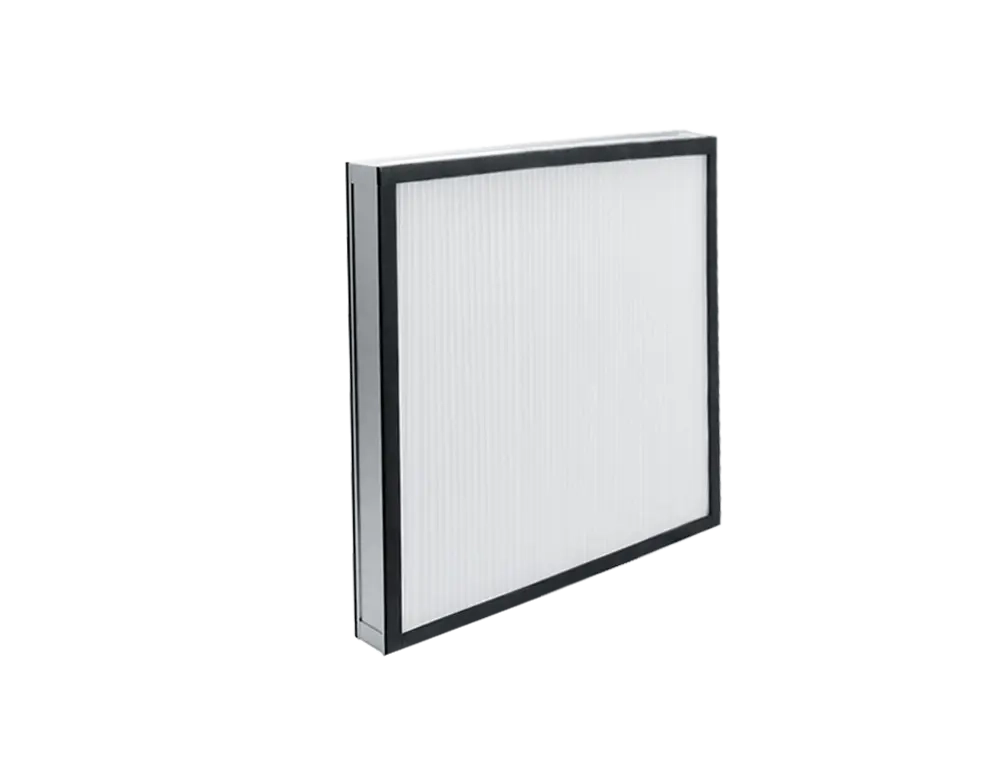
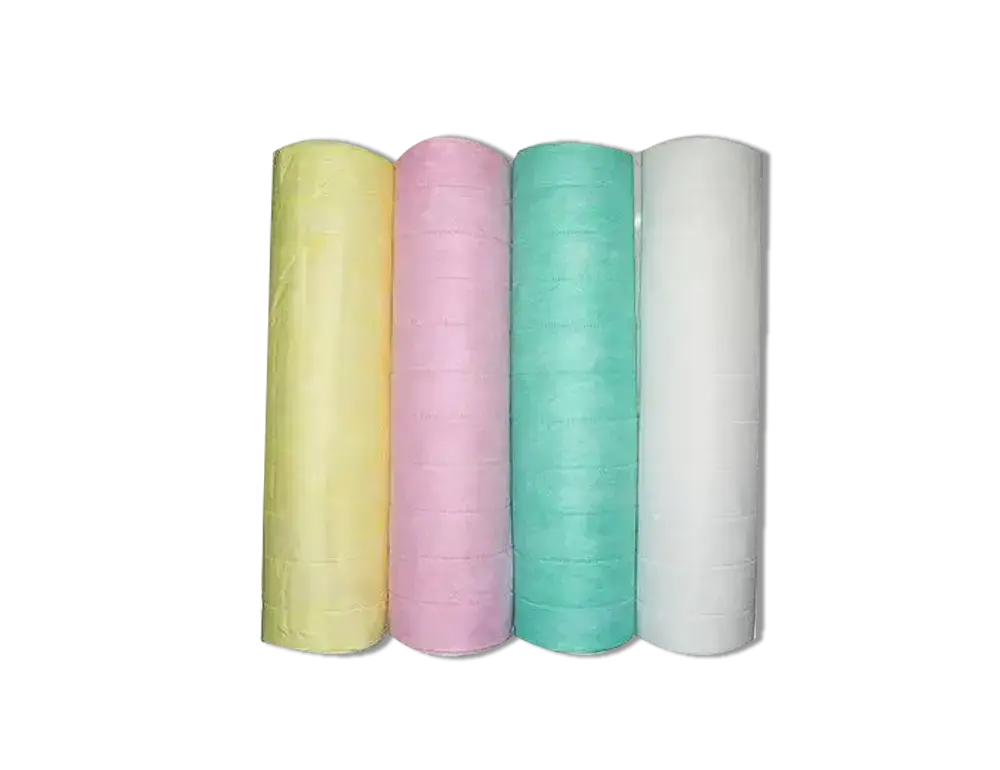
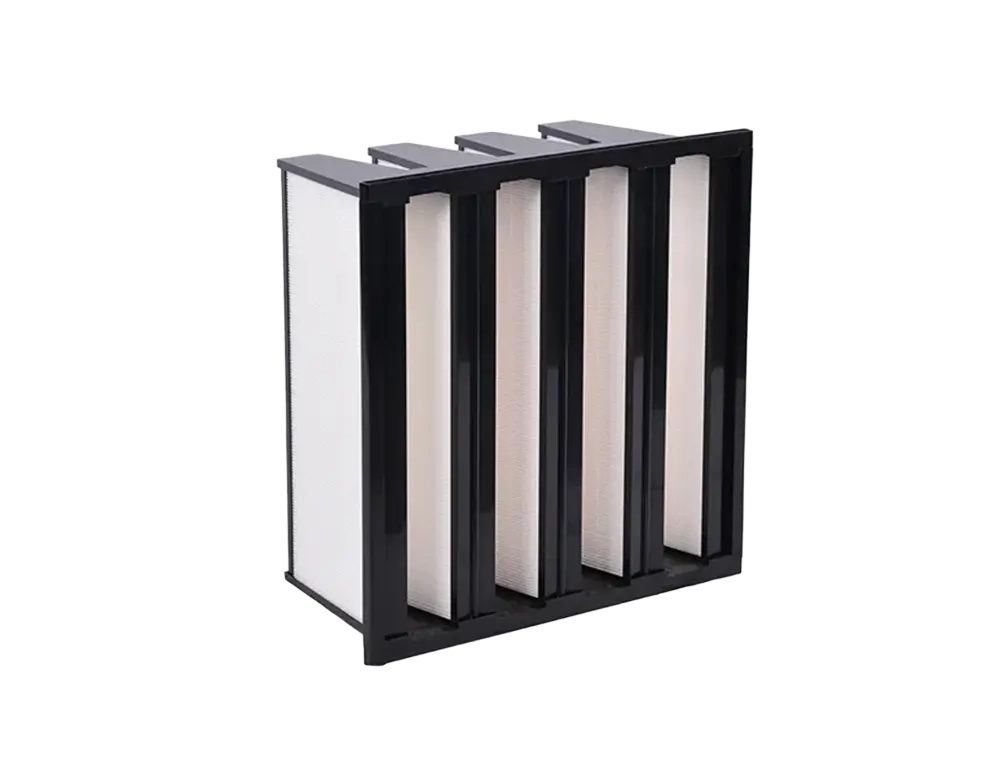
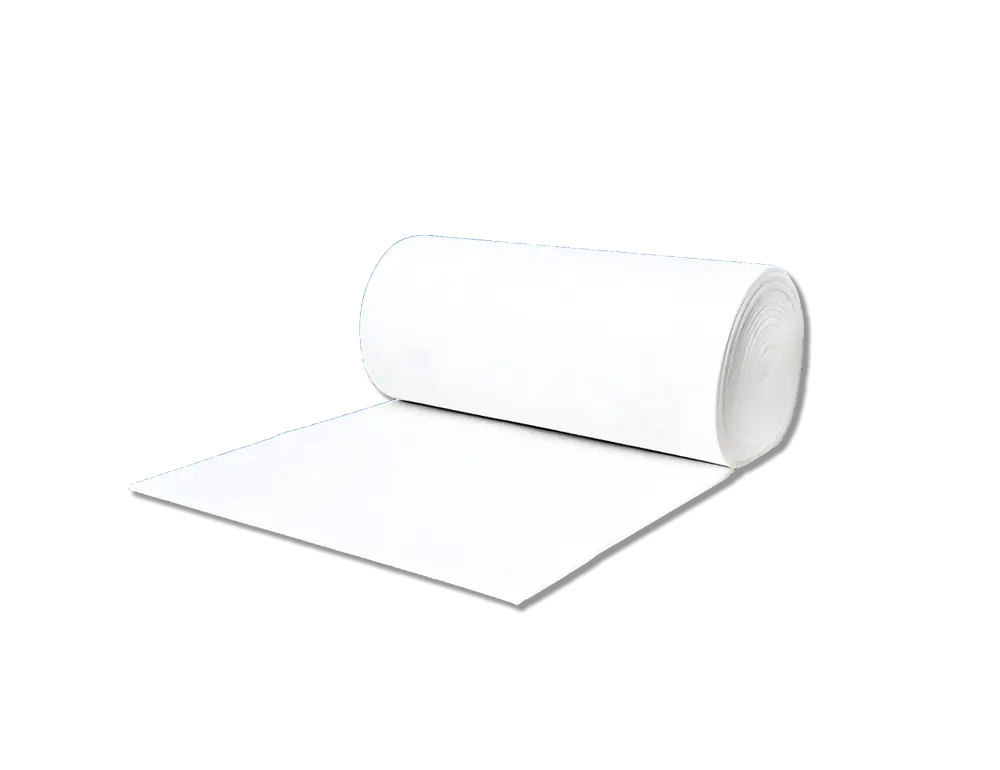
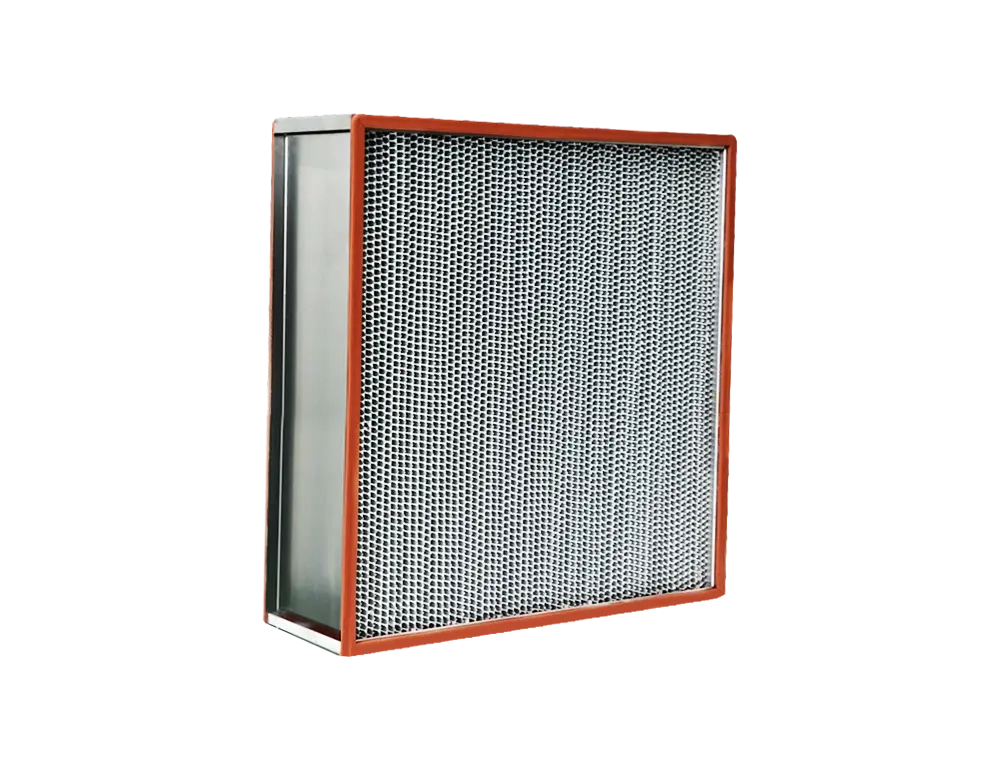
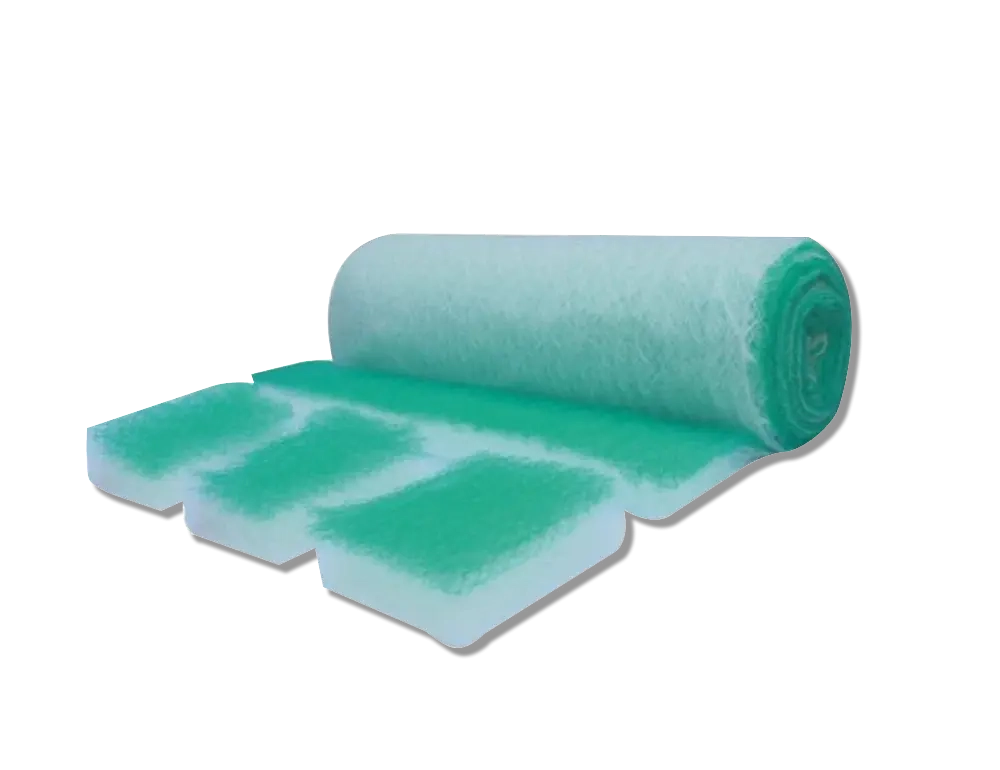
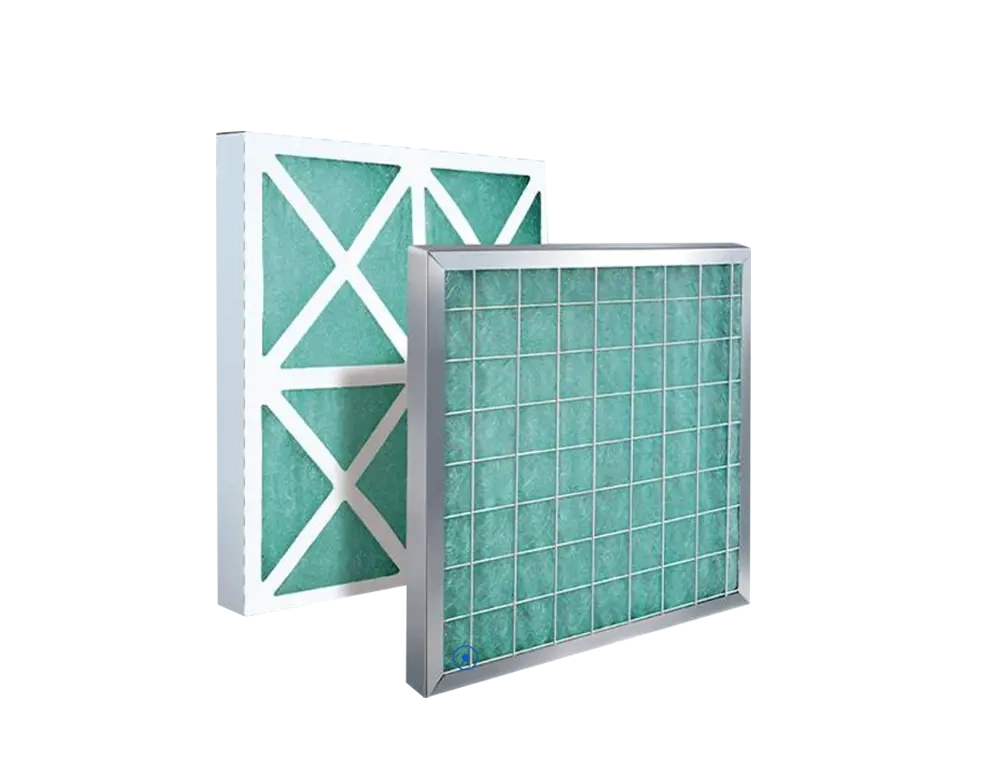
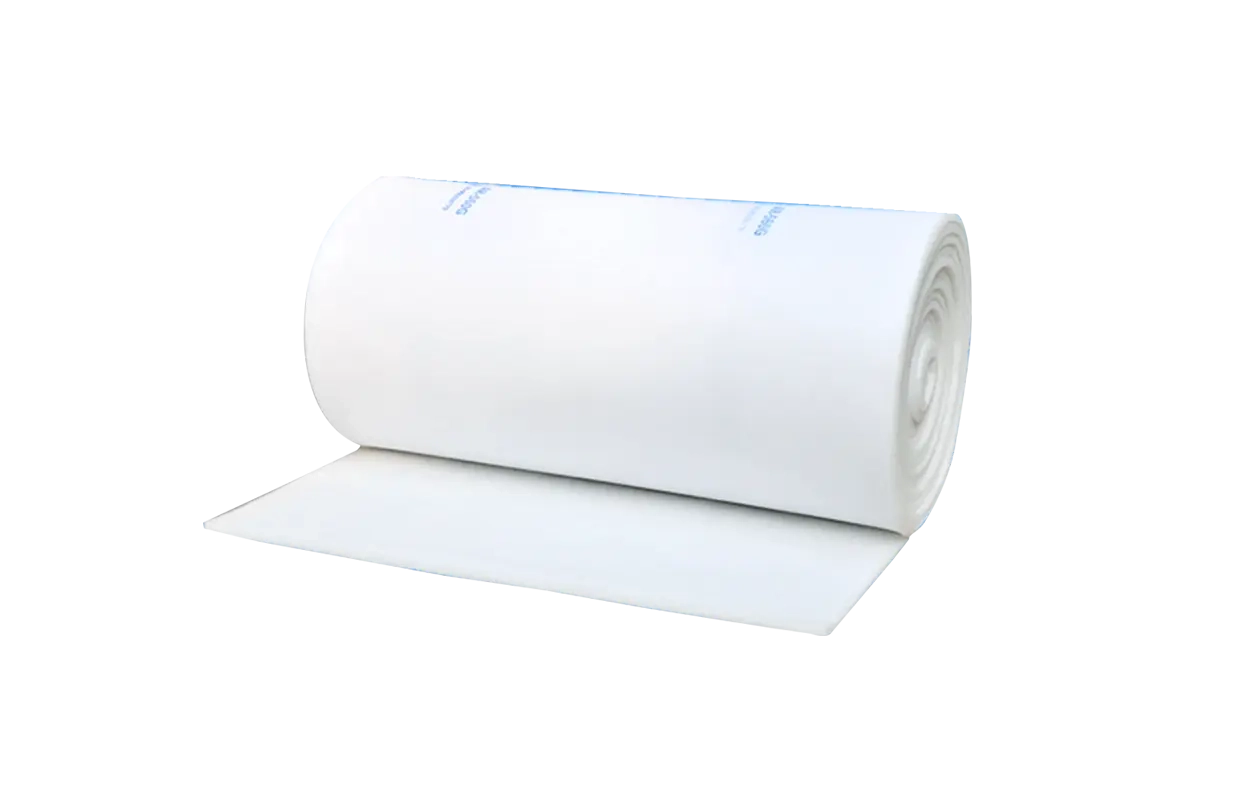
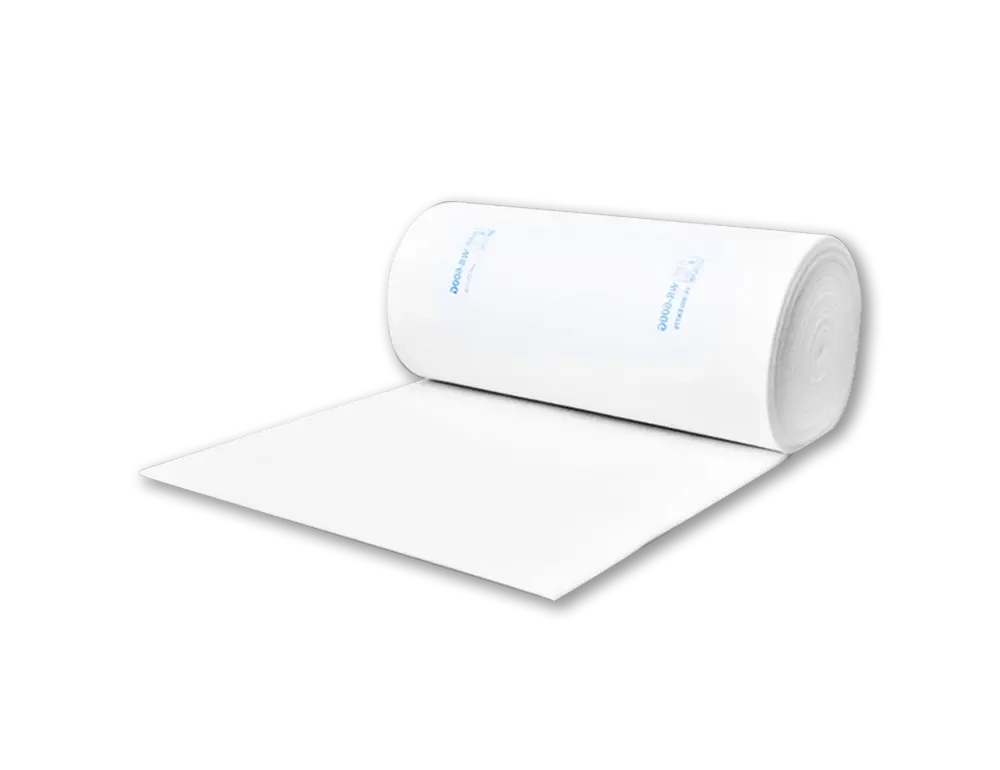
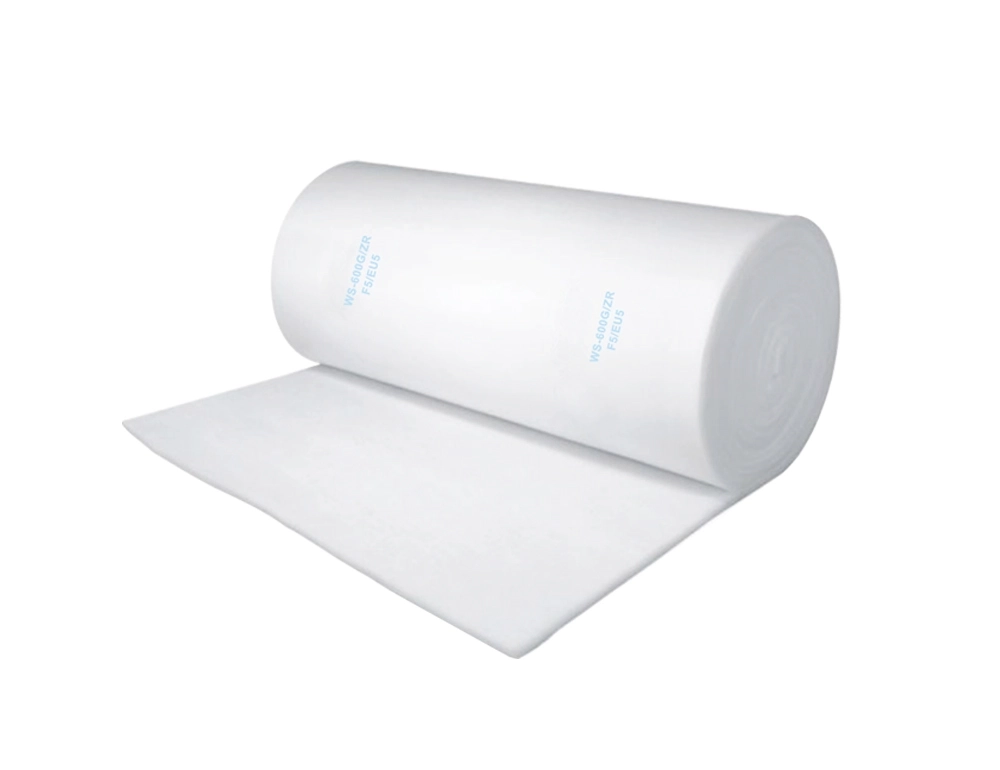
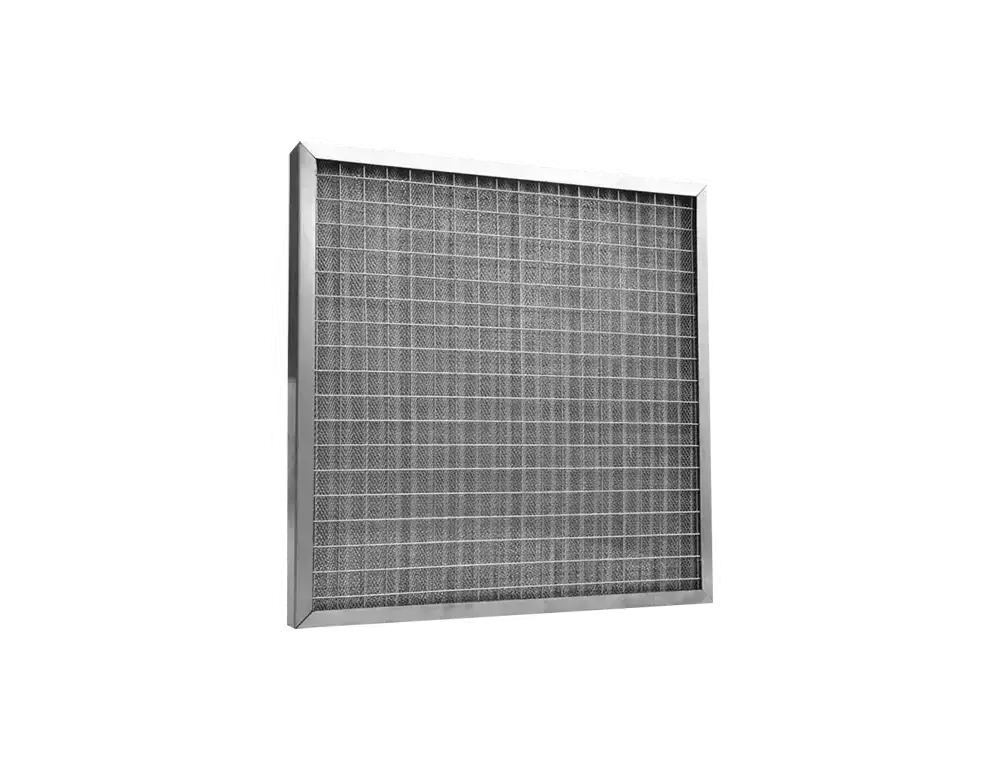
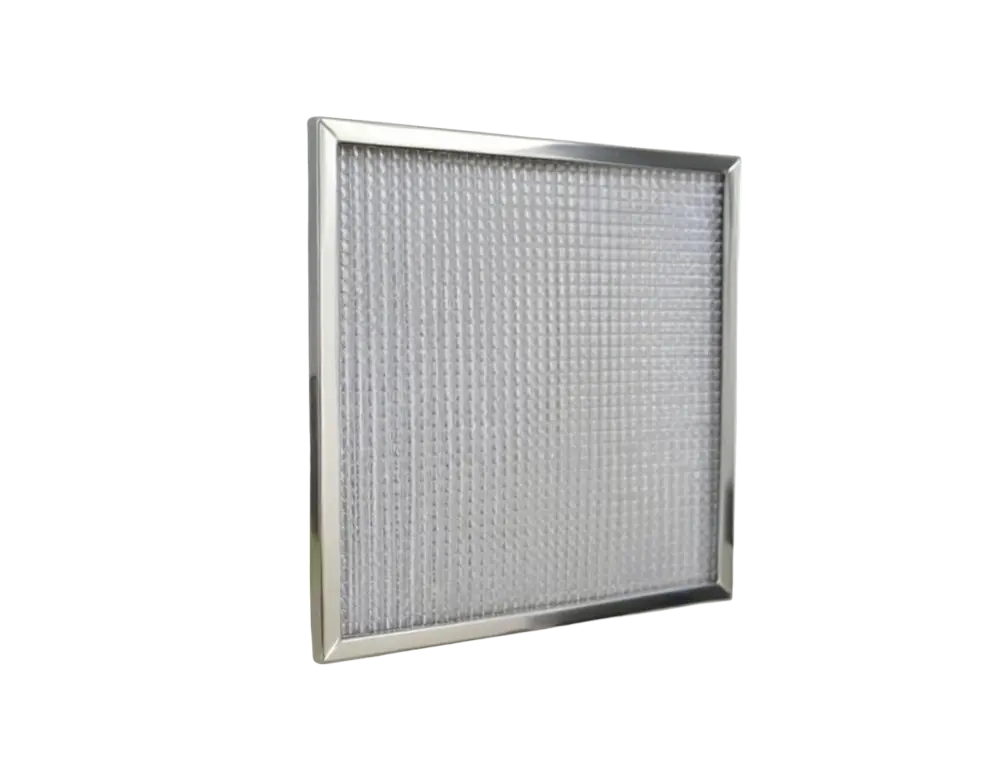
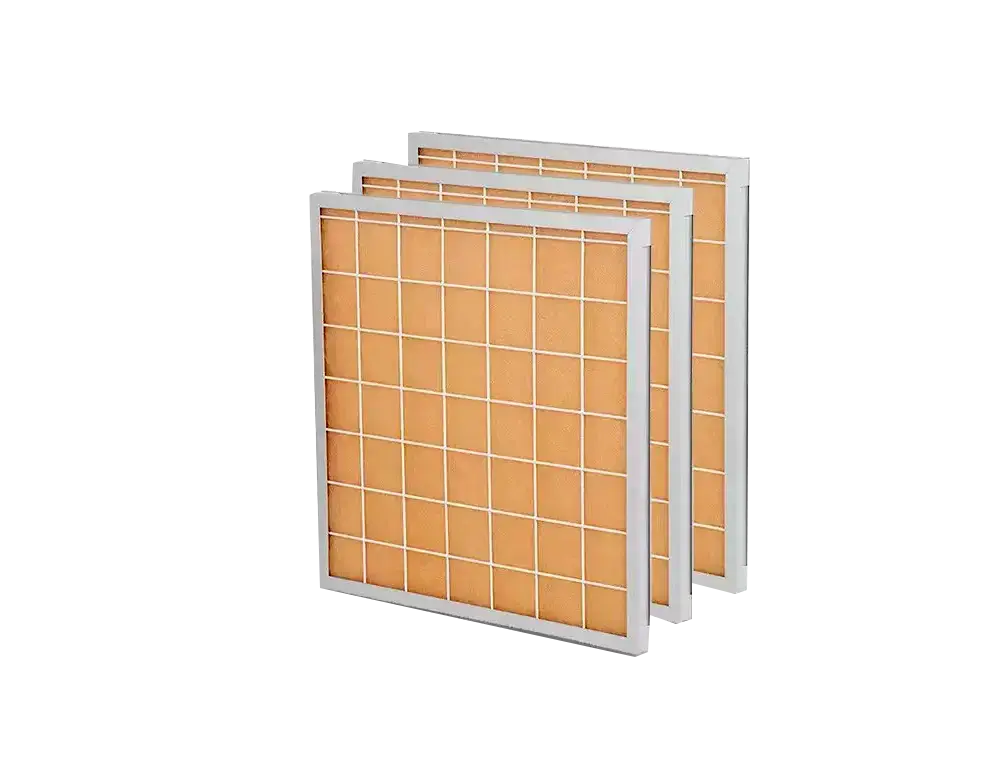
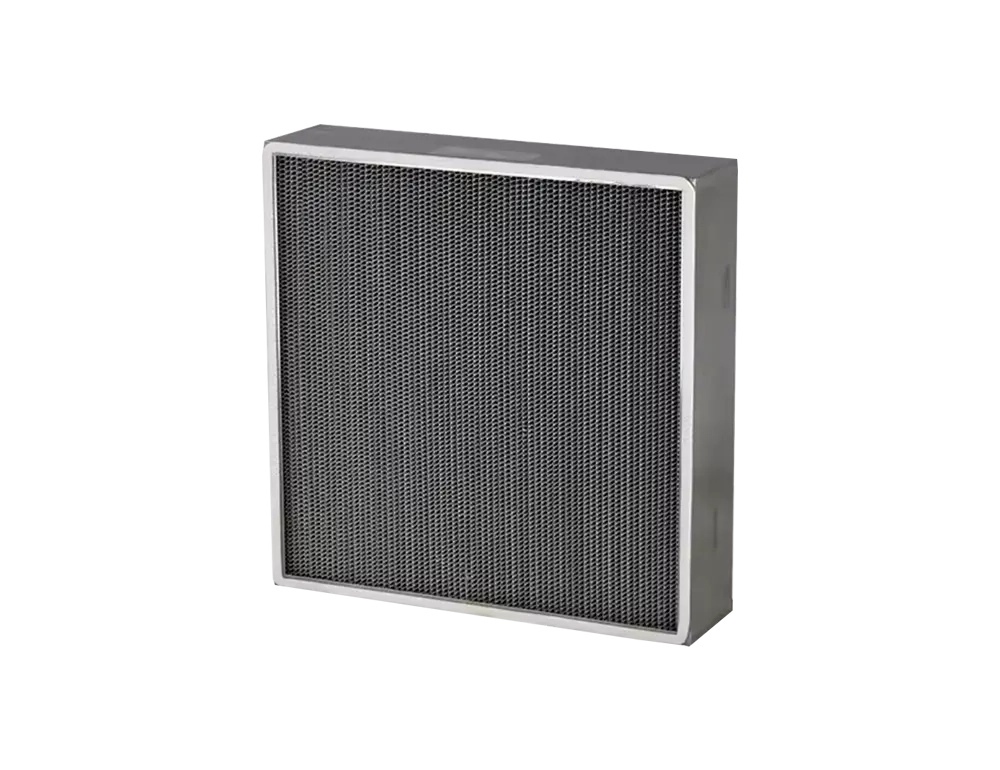
Pre-Filter (G1–G4)
First-Stage Large-Particle Capture
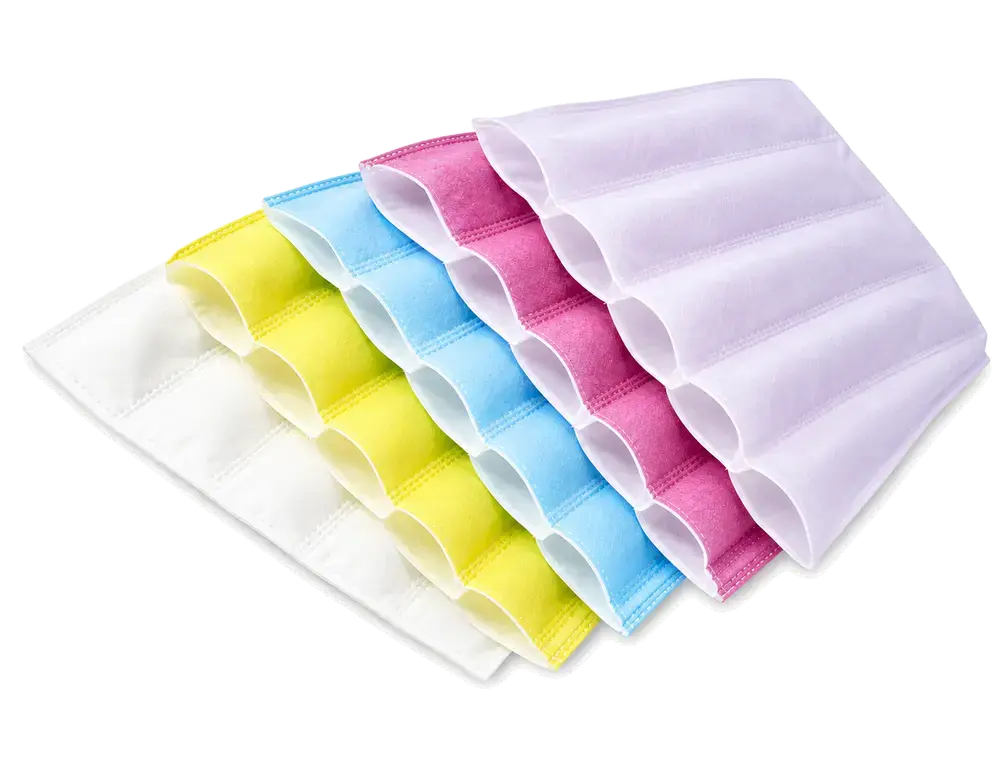
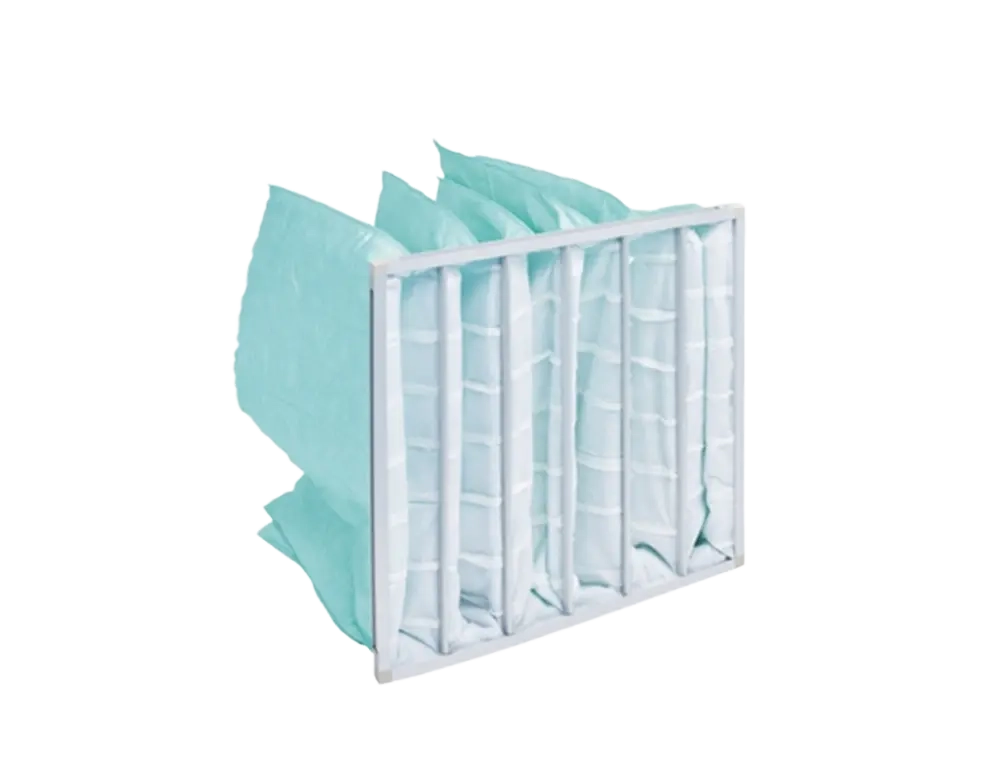
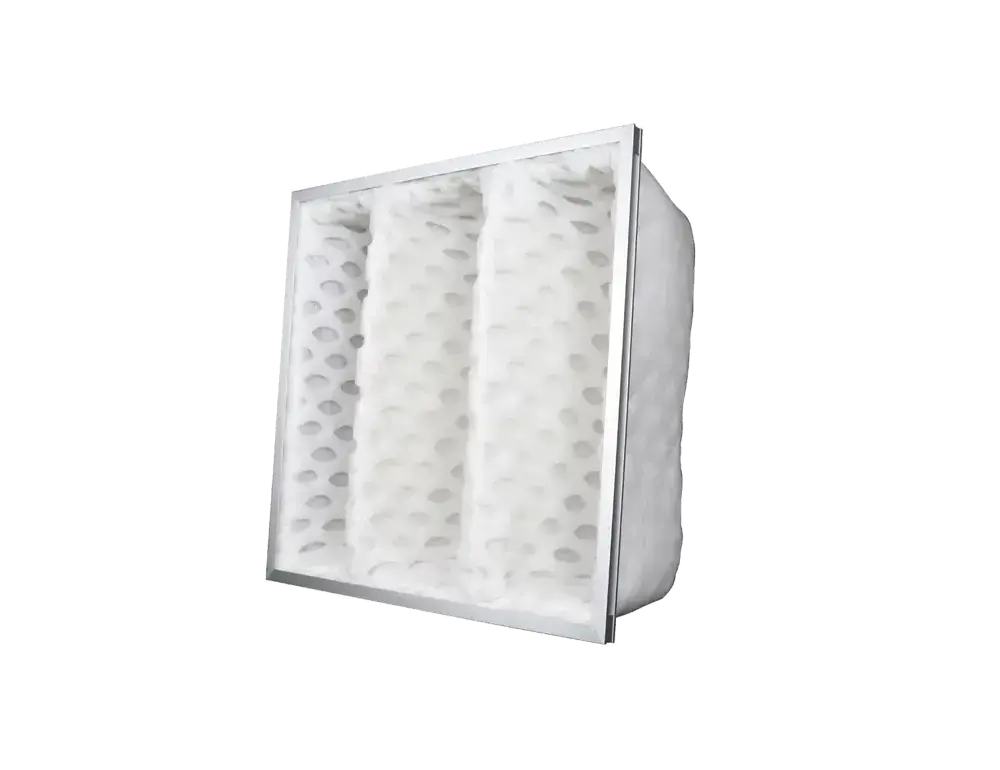
Medium-Efficiency Filter (F5–F9)
Precise PM2.5 Capture
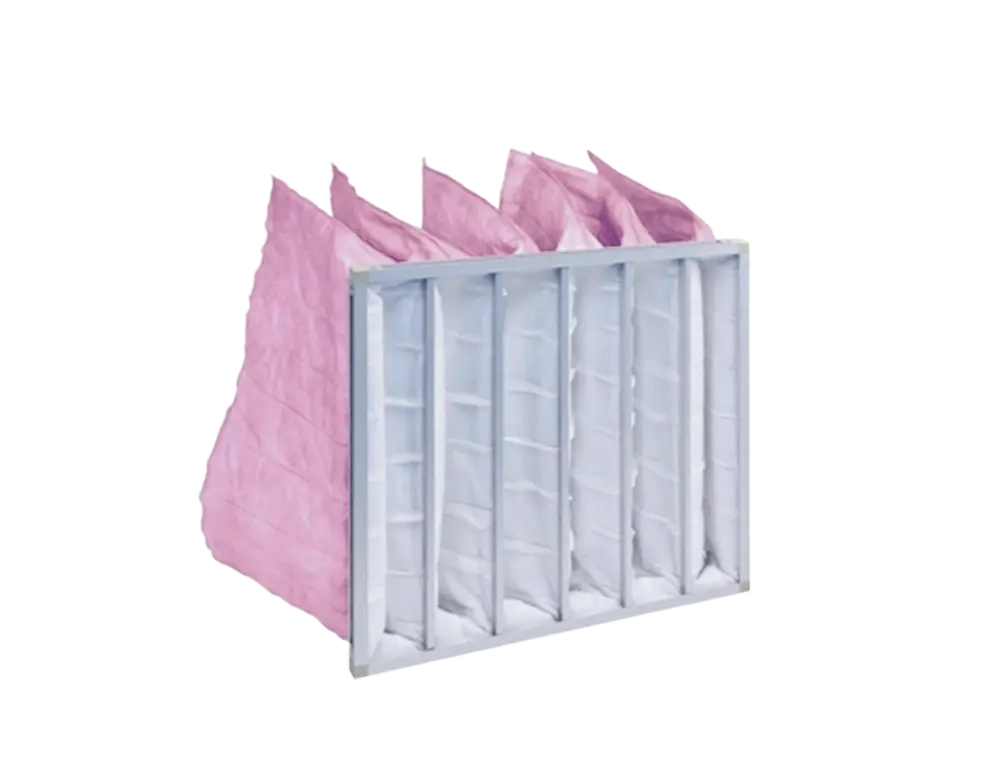
HEPA High-Efficiency Filter
Sterile-Grade Purification
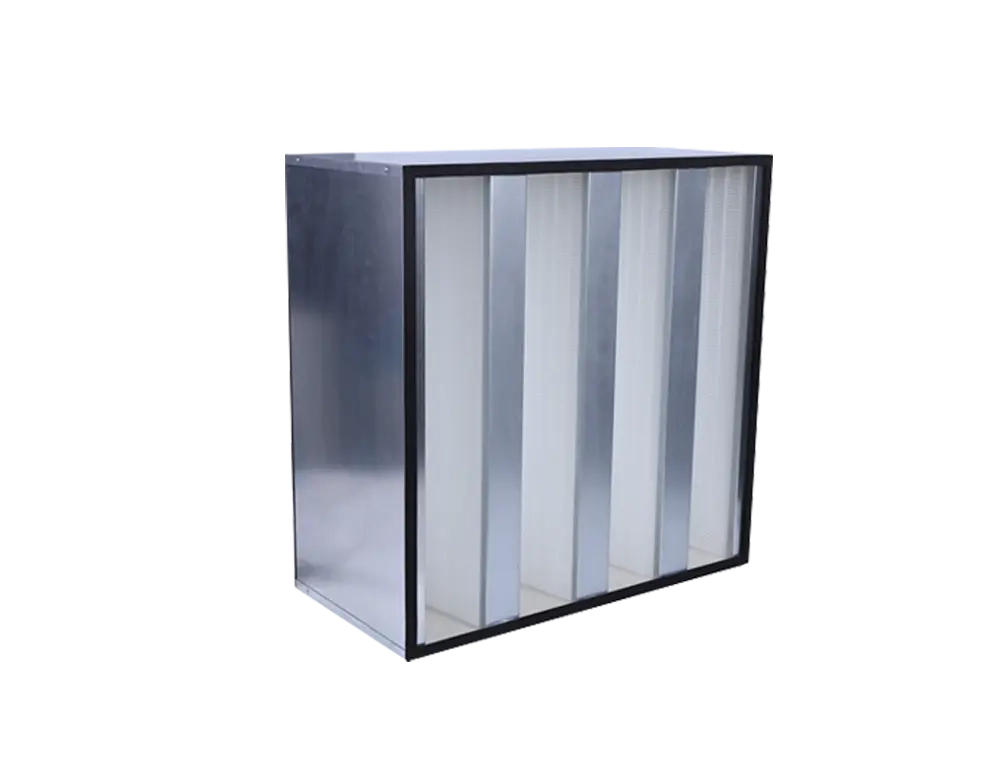
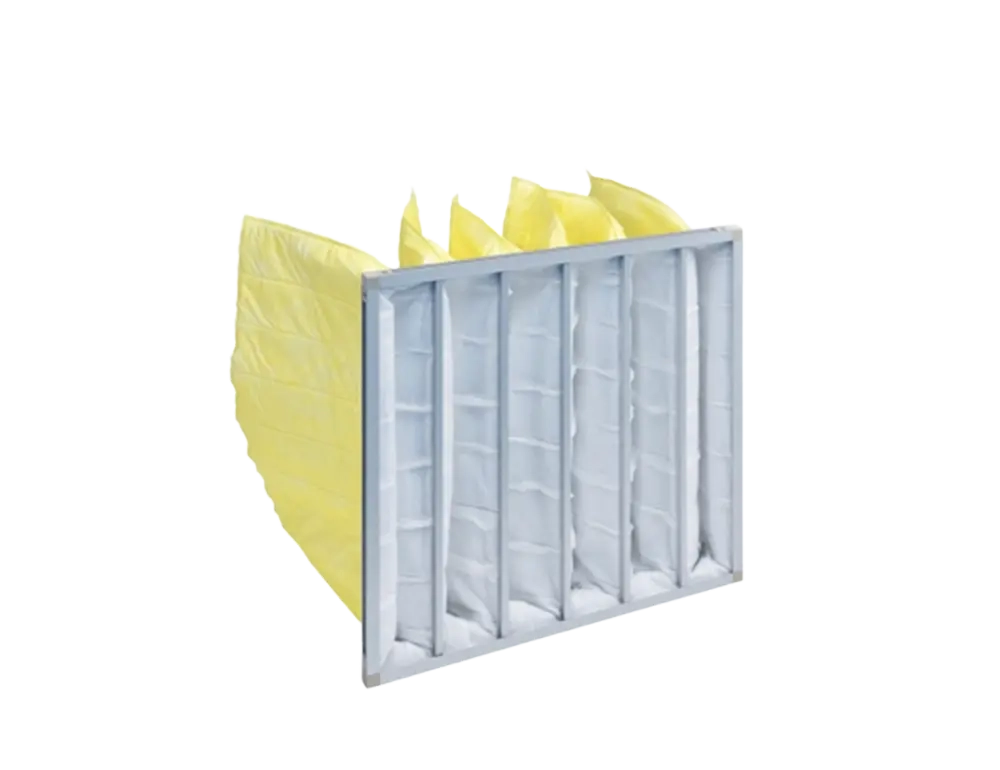
ULPA Ultra-High Efficiency Filter
Sub-Micron Particle Capture
First-Stage Large-Particle Capture
The first line of defense, capturing particles ≥5 μm such as dust, hair, and fibers to protect downstream filters and extend overall system service life.
View Related Products →Precise PM2.5 Capture
Captures fine particles of 1–5 μm including PM2.5, pollen, and mold spores, significantly improving indoor air quality for commercial HVAC and ventilation systems.
View Related Products →Sterile-Grade Purification
≥99.97% filtration efficiency for particles ≥0.3 μm, delivering sterile-grade clean air widely used in medical, pharmaceutical, and electronics manufacturing.
View Related Products →Sub-Micron Particle Capture
≥99.9995% efficiency for particles ≥0.12 μm, meeting the extreme cleanliness demands of semiconductor fabs, aerospace, and other ultra-precision applications.
View Related Products →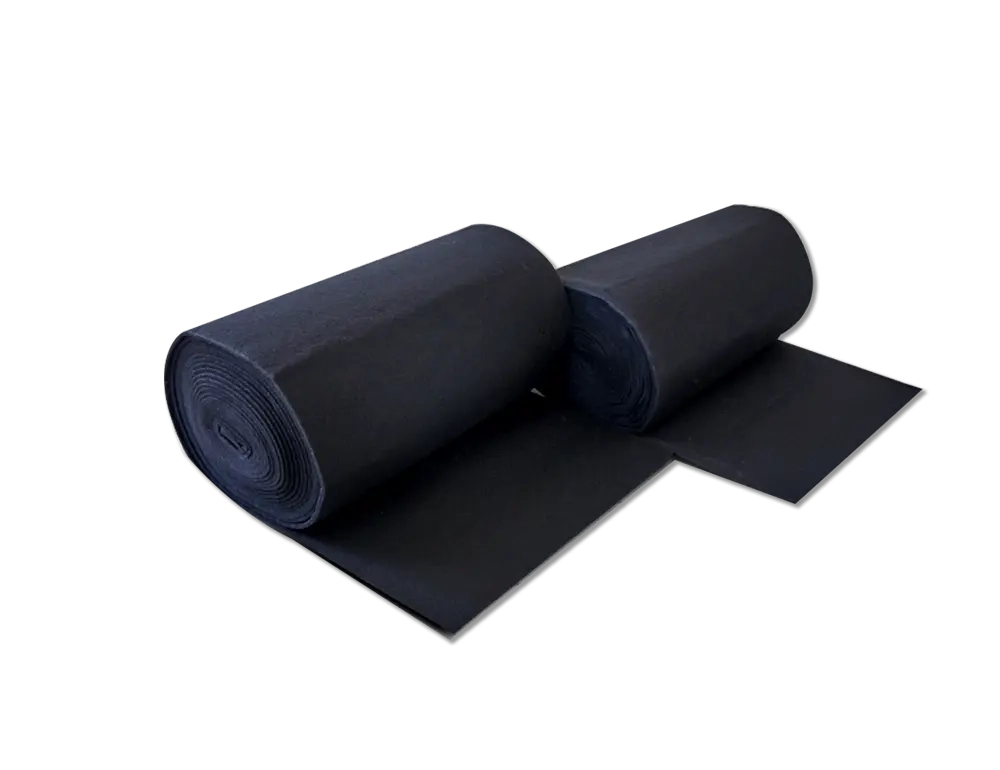
High-Temperature Resistant
Industrial-Grade Heat Tolerance
Washable & Reusable
Cut Costs, Reduce Waste
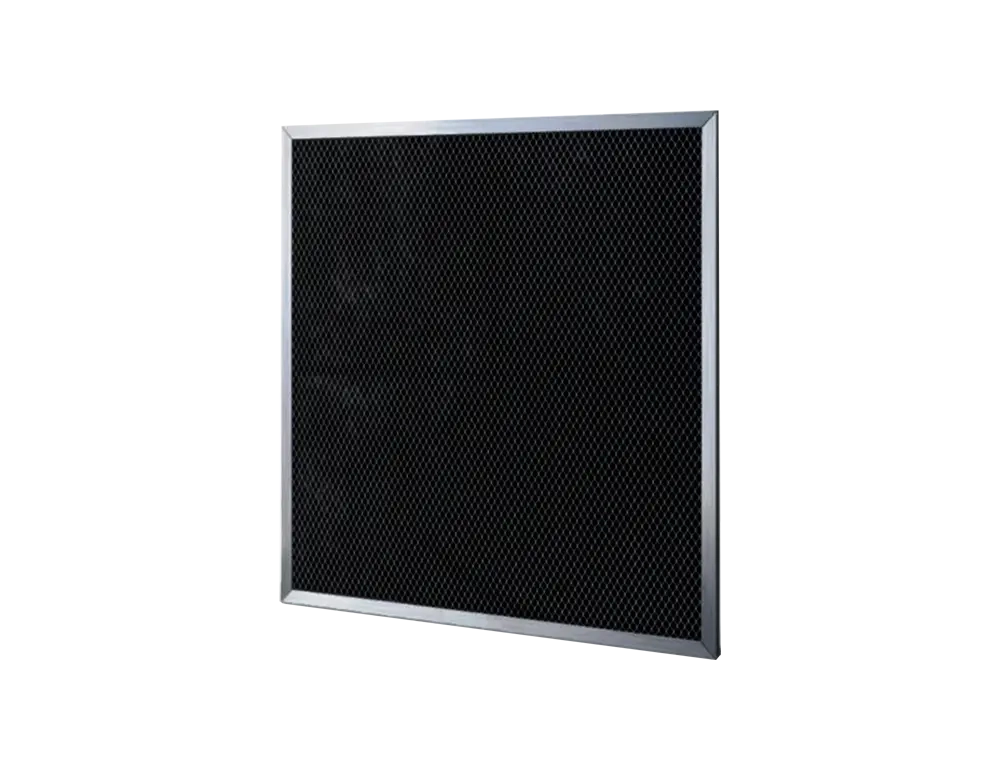
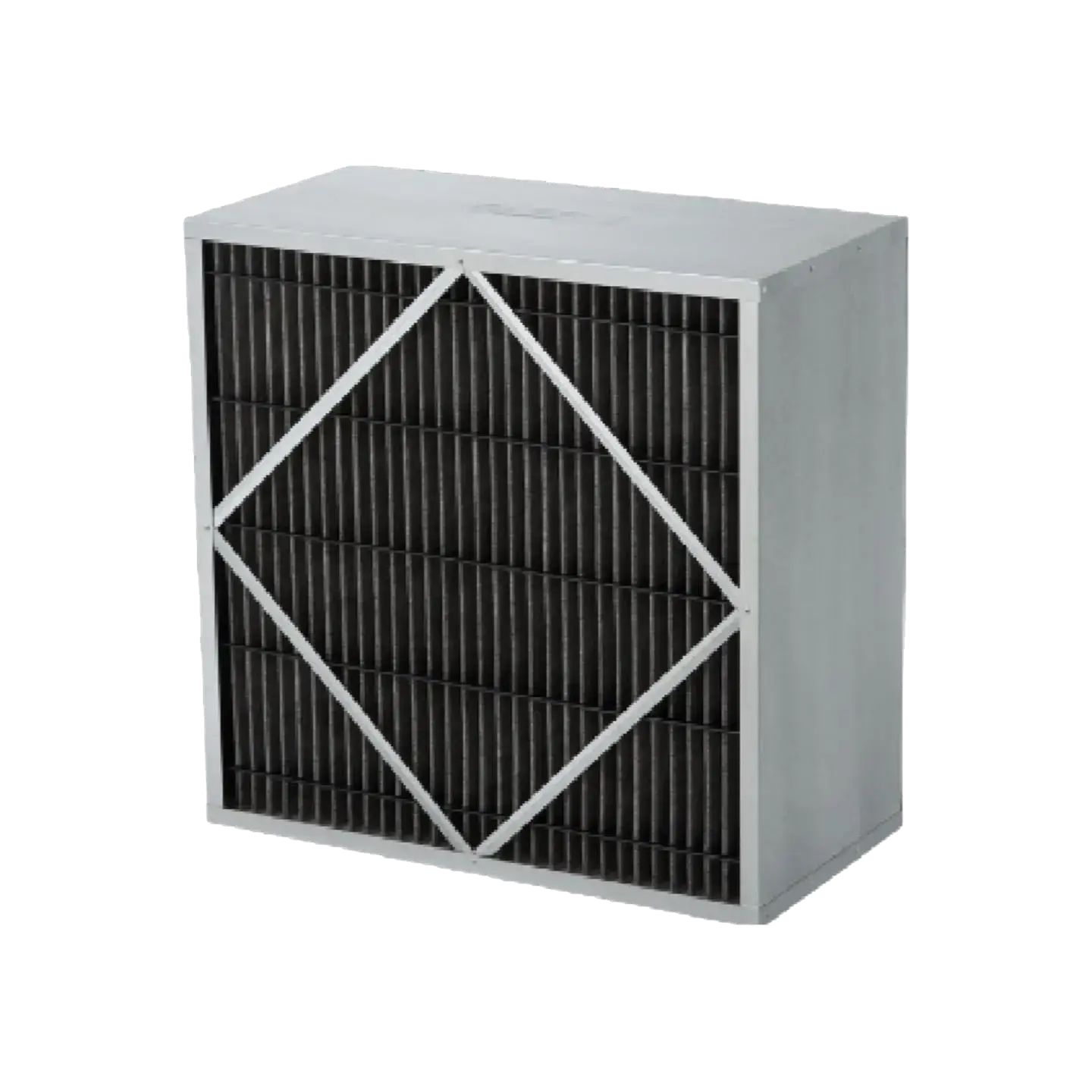
Activated Carbon
Odor & Harmful Gas Removal
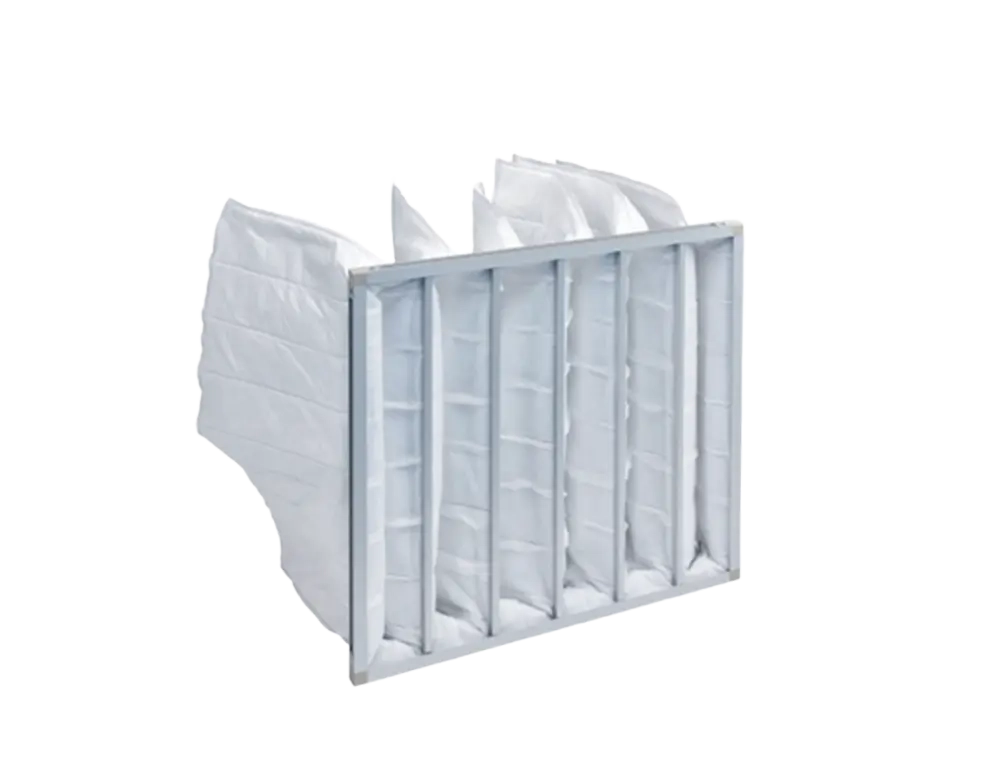
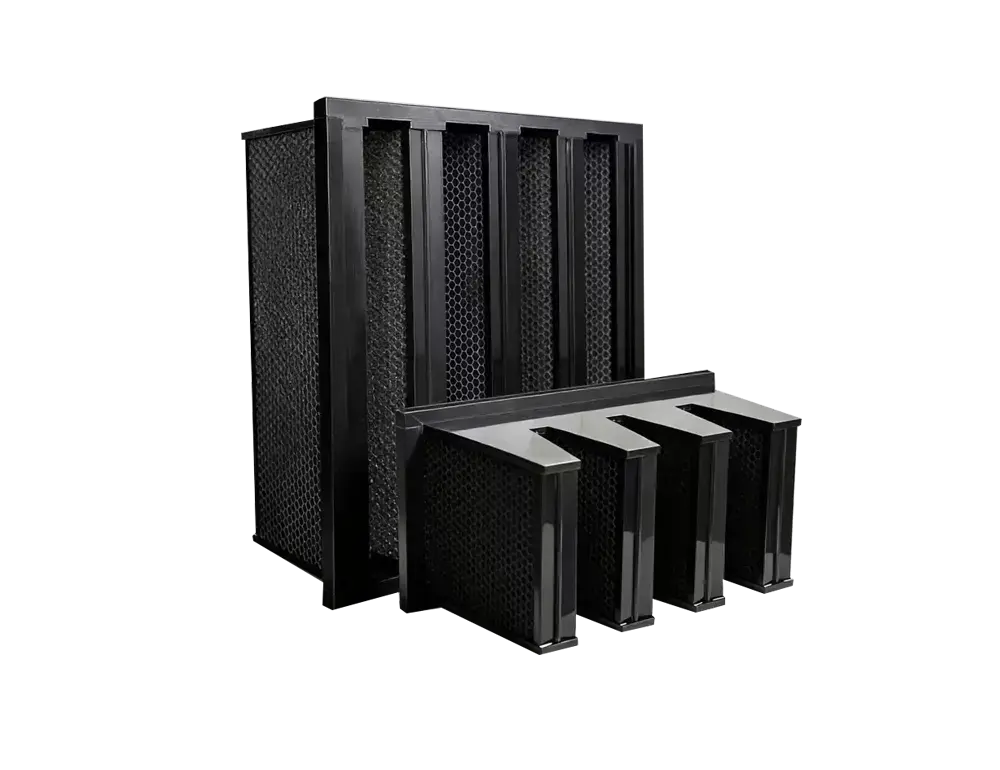
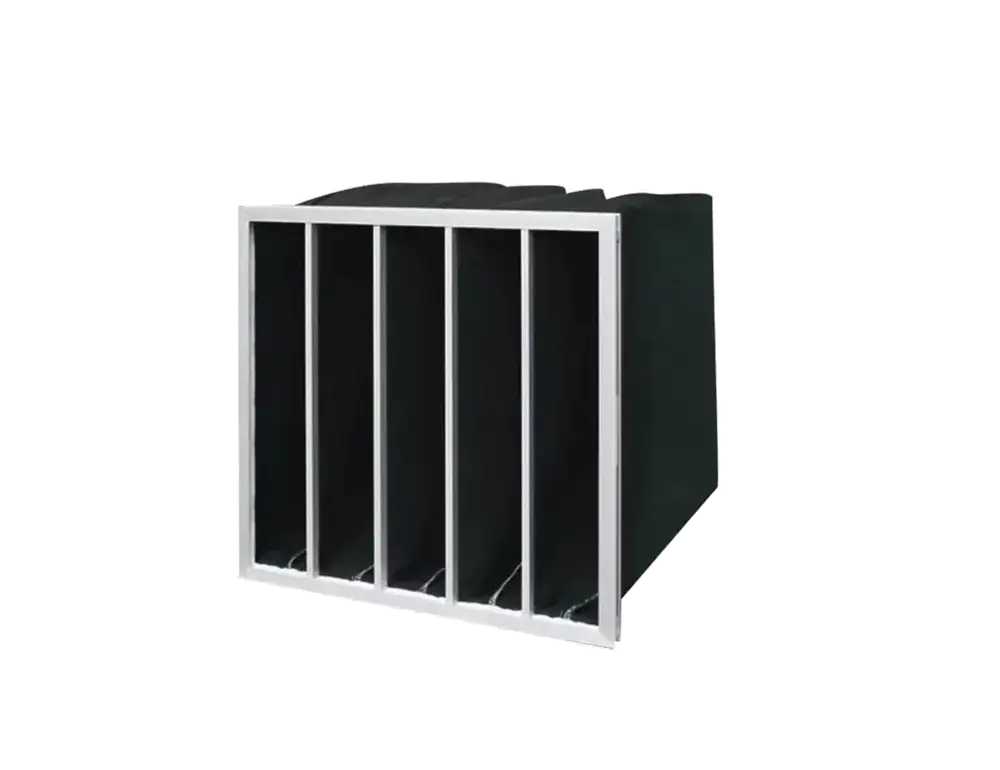
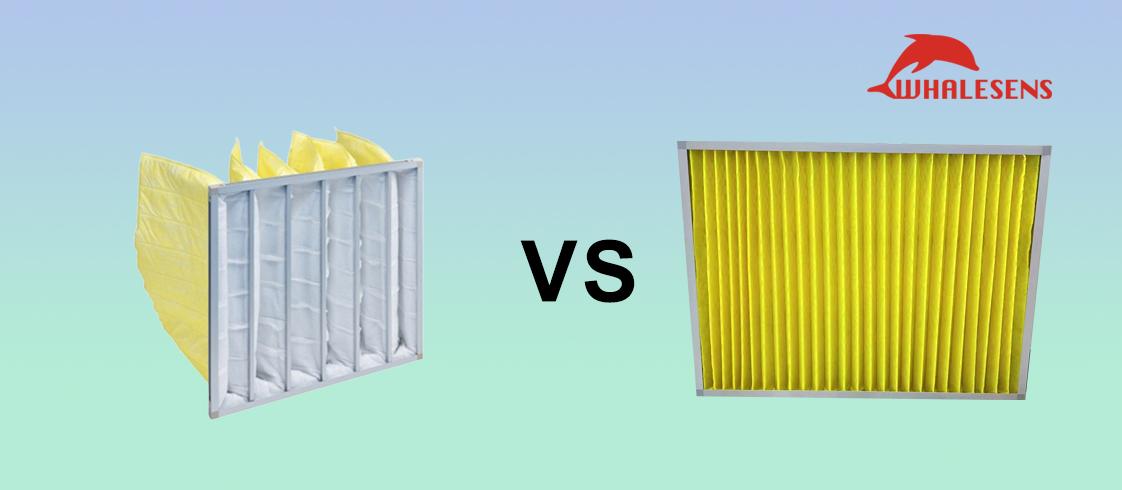
Bag Filter
High Dust-Holding, Long Life
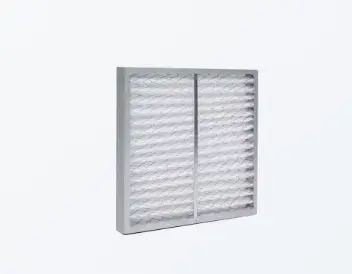
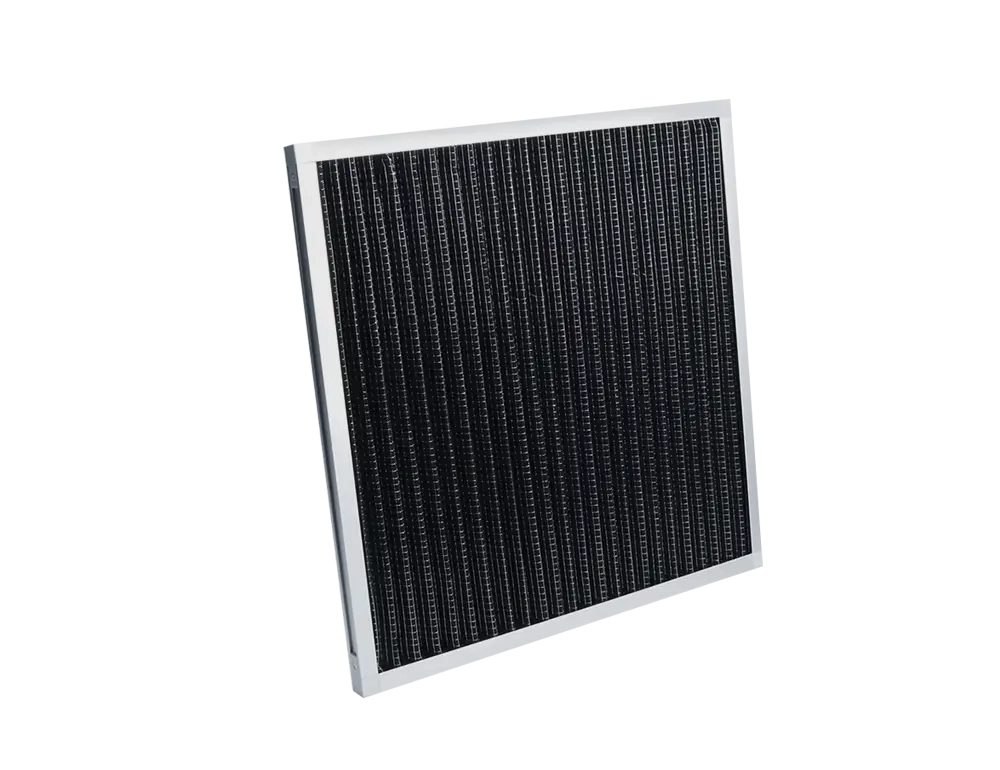
Panel / Pleated Filter
Compact Space-Saving Design
Low-Resistance Airflow
Energy-Saving Operation
Industrial-Grade Heat Tolerance
Built with specialized heat-resistant materials, operating stably up to 250°C for paint ovens, industrial dryers, and high-temperature process environments.
View Related Products →Cut Costs, Reduce Waste
Cleanable by water washing or air blowing, reusable multiple times to significantly reduce replacement frequency and O&M costs — an economical, eco-friendly choice.
View Related Products →Odor & Harmful Gas Removal
Leverages activated carbon's high adsorption capacity to eliminate odors, VOCs, and formaldehyde, ideal for newly renovated spaces and industrial exhaust treatment.
View Related Products →High Dust-Holding, Long Life
Bag-style construction delivers a larger filtration area, high dust-holding capacity, and extended service life — ideal for high-dust environments with reduced replacement frequency.
View Related Products →Compact Space-Saving Design
Compact form factor for easy installation and replacement; pleated structure maximizes filtration area within a small footprint for higher efficiency.
View Related Products →Energy-Saving Operation
Low-resistance design minimizes pressure drop while maintaining filtration performance, reducing fan energy consumption for cost-effective, eco-friendly operation.
View Related Products →
















 English(Global)
 简体中文
简体中文 Language


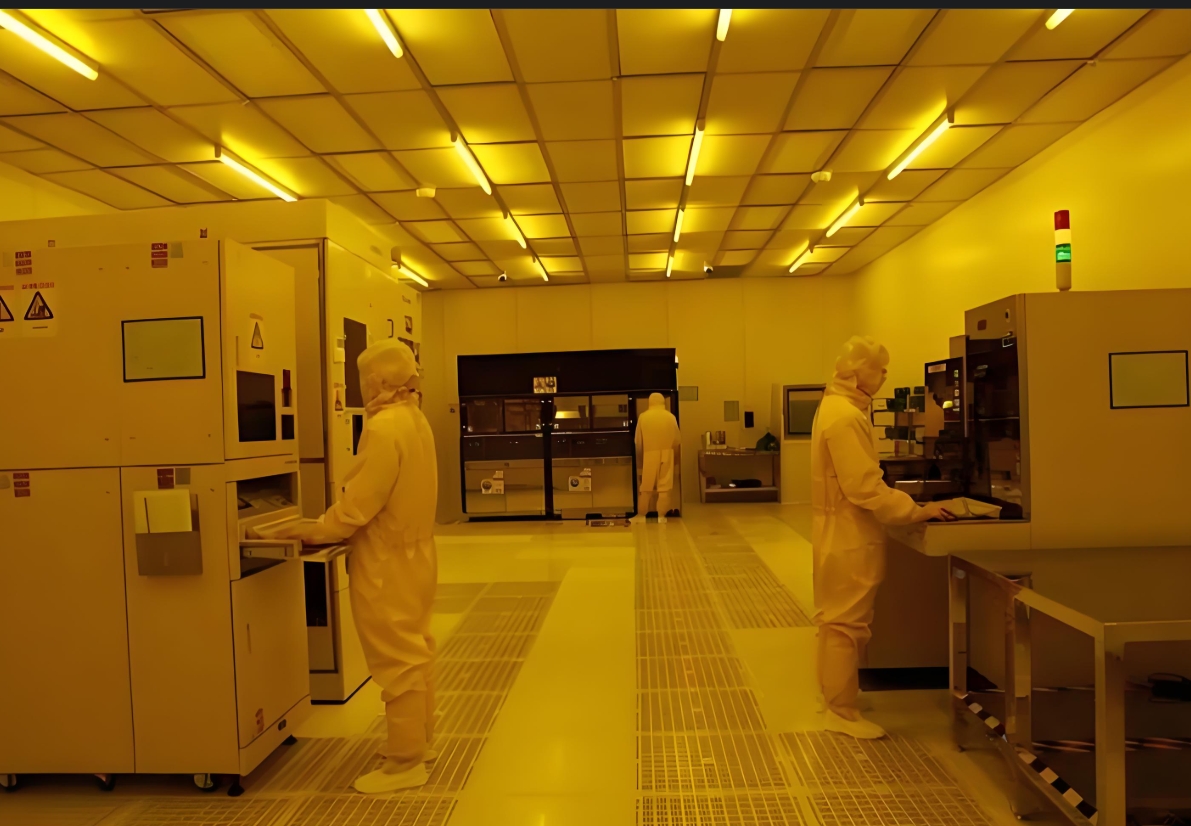
Semiconductor Wafer Fabrication Cleanroom Air Purification System
Semiconductor wafer fabrication demands ISO Class 1 cleanroom environments where even microscopic particle contamination can devastate production yields. This case study explores how a leading Asia-Pacific semiconductor manufacturer transformed their cleanroom air purification system from underperforming ISO Class 3 to industry-leading ISO Class 1, achieving 97% wafer yield while cutting maintenance costs in half through strategic deployment of ULPA filtration technology and intelligent monitoring systems.
Executive Summary: By upgrading to multi-layer ULPA filters with intelligent differential pressure monitoring, this semiconductor facility achieved 12% yield improvement and 50% maintenance cost reduction while meeting stringent ISO Class 1 cleanroom standards for advanced 3nm chip production.
ISO 1
Cleanroom Classification
99.9995%
ULPA Filter Efficiency
97%
Wafer Yield Rate
20%
Energy Reduction
Customer Profile: Leading Semiconductor Manufacturer
Our client operates one of Asia-Pacific's most advanced semiconductor wafer fabrication facilities, specializing in cutting-edge process nodes including 3nm chip production. As a key supplier to global technology leaders, maintaining ultra-high cleanroom standards is critical to their competitive position in the semiconductor manufacturing ecosystem.
The facility processes thousands of wafers daily through photolithography, etching, deposition, and other precision manufacturing stages where airborne particle contamination presents the primary quality control challenge. With each wafer valued at thousands of dollars, even minor improvements in yield translate to millions in annual revenue impact.
Critical Industry Challenges
Inadequate Particle Control for Advanced Node Manufacturing
The original air filtration system utilized standard HEPA filters that failed to meet the stringent requirements of ISO Class 2 cleanroom standards (≤100 particles per cubic meter at 0.1μm size). As the facility transitioned to smaller process nodes, particle contamination became increasingly problematic:
- Wafer surface contamination from sub-micron particles caused defects during photolithography and thin-film deposition processes
- Cleanroom classification degraded to ISO Class 3 , insufficient for 3nm chip production requirements
- Manufacturing yield stagnated at 85% , significantly below industry benchmarks for advanced semiconductor fabrication
- Particle counts spiked during shift changes and equipment maintenance activities
Excessive Maintenance Downtime and Operational Costs
The existing filtration system required frequent manual filter replacements and lacked predictive maintenance capabilities, creating cascading operational challenges:
- Scheduled maintenance shutdowns occurred every 6-8 weeks, disrupting production schedules and customer deliveries
- Annual maintenance costs reached $1.2 million, driven by labor-intensive filter changeouts and unplanned equipment failures
- Lack of real-time filter performance monitoring prevented proactive maintenance planning
- High-resistance filter media increased HVAC energy consumption to 120 kW/h
⚠️ Production Impact
Each percentage point of yield loss in semiconductor fabrication represents millions in annual revenue loss. For advanced nodes like 3nm technology, the financial stakes are even higher due to increased wafer costs and longer production cycles.
Whalesens Engineering Solution
After comprehensive cleanroom assessment and computational fluid dynamics (CFD) modeling, Whalesens designed a multi-layer ULPA filtration architecture specifically engineered for semiconductor manufacturing environments. The solution integrated three critical technological advancements:
1. Ultra-Low Penetration Air (ULPA) Filter Deployment
We replaced the existing HEPA filters with medical-grade ULPA filters achieving 99.9995% filtration efficiency at 0.1μm particle size—the critical threshold for semiconductor contamination control. Key specifications included:
- Multi-stage filtration cascade: Pre-filters (G4) → medium-efficiency filters (F7) → ULPA final filters (U17)
- Expanded pleated media design maximizing surface area while minimizing pressure drop
- Gel-sealed frames eliminating bypass leakage common in traditional gasket designs
- Continuous particle monitoring via integrated optical particle counters at critical process tool locations
2. Intelligent Differential Pressure Monitoring System
The upgraded system incorporated IoT-enabled differential pressure sensors across the entire filtration network, providing real-time filter performance data:
- Wireless sensors at each filter bank transmitting data to centralized SCADA platform
- Predictive maintenance algorithms calculating optimal filter replacement schedules based on loading patterns
- Automated alerts when differential pressure exceeds operational thresholds
- Historical trend analysis enabling proactive HVAC system optimization
3. Low-Resistance Filter Media Engineering
To address energy consumption concerns, Whalesens utilized advanced nanofiber composite media that simultaneously achieved superior particle capture and reduced airflow resistance:
- Initial pressure drop reduced from 280 Pa to 180 Pa compared to conventional ULPA filters
- Extended filter service life (12-18 months vs. 6-9 months for standard filters)
- 20% reduction in HVAC fan energy consumption while maintaining required air changes per hour (ACH)
- Validated per ISO 29463 testing standards for semiconductor cleanroom applications
Measurable Performance Improvements
Following system installation and a 30-day validation period, the upgraded cleanroom air purification system delivered transformative results across all critical performance metrics:
| Performance Metric | Before Upgrade | After Upgrade | Improvement |
|---|---|---|---|
| Cleanroom Classification | ISO Class 3 | ISO Class 1 | 2 Class Levels ↑ |
| Wafer Manufacturing Yield | 85% | 97% | +12% ↑ |
| Annual Maintenance Costs | $1.2 Million | $0.6 Million | -50% ↓ |
| HVAC Energy Consumption | 120 kW/h | 95 kW/h | -20.8% ↓ |
| Particle Count (0.1μm @ critical areas) | 285 particles/m³ | 8 particles/m³ | -97.2% ↓ |
| Filter Replacement Frequency | Every 6-8 weeks | Every 12-18 months | 6-8x Longer ↑ |
Financial Impact Analysis
Beyond operational metrics, the system upgrade delivered substantial financial returns:
- Increased wafer revenue: 12% yield improvement generated approximately $8.5 million in additional annual revenue (based on 50,000 wafers/year production volume)
- Maintenance cost savings: $600,000 annual reduction through extended filter life and predictive maintenance
- Energy cost savings: $145,000 annual reduction from 20% lower HVAC power consumption
- Payback period: Complete ROI achieved in 14 months including installation costs
Customer Testimonial
"After upgrading the air filtration system with Whalesens, our 3nm chip yield has set a new industry benchmark. The intelligent monitoring system has transformed our maintenance approach from reactive to predictive, eliminating costly unplanned shutdowns. This partnership has been instrumental in maintaining our competitive edge in advanced semiconductor manufacturing."
A
Production Director
Leading Semiconductor Manufacturer, Asia-Pacific
Why This ISO Class 1 Cleanroom Solution Succeeds in Semiconductor Applications
1. Advanced Node Manufacturing Requirements
As semiconductor process nodes shrink below 5nm, particle contamination control becomes exponentially more critical. ULPA filtration provides the necessary particle removal efficiency for:
- Extreme ultraviolet (EUV) lithography cleanrooms requiring ISO Class 1 standards
- Atomic layer deposition (ALD) and chemical vapor deposition (CVD) process areas
- Critical photomask handling and storage environments
- Post-etch inspection and metrology stations
2. Total Cost of Ownership Optimization
The combination of extended filter service life, reduced energy consumption, and predictive maintenance creates a compelling total cost of ownership (TCO) advantage:
- Lower replacement frequency reduces filter procurement costs and installation labor
- Reduced HVAC energy consumption lowers operational expenses
- Predictive maintenance prevents costly emergency repairs and production disruptions
- Improved yield directly increases revenue per wafer processed
3. Scalable Architecture for Fab Expansion
The modular system design enables seamless scaling as fabrication capacity expands:
- Standardized filter modules simplify capacity additions
- Centralized monitoring platform accommodates additional sensor nodes
- Flexible air distribution design adapts to changing process tool configurations
- Compatible with both vertical laminar flow and horizontal crossflow cleanroom designs
Frequently Asked Questions
Q: What is the difference between HEPA and ULPA filters for semiconductor cleanrooms?
A: HEPA filters capture 99.97% of particles at 0.3μm, while ULPA filters achieve 99.9995% efficiency at 0.1μm—the critical size range for semiconductor contamination. For advanced node manufacturing (7nm and below), ULPA filtration is essential to meet ISO Class 1-2 cleanroom standards required for photolithography and deposition processes.
Q: How does intelligent differential pressure monitoring improve semiconductor fab operations?
A: Real-time differential pressure monitoring enables predictive maintenance by tracking filter loading patterns. This allows fab operators to schedule filter replacements during planned maintenance windows rather than experiencing unexpected failures during production runs. The system also optimizes HVAC energy consumption by maintaining optimal airflow while preventing over-ventilation.
Q: What ROI can semiconductor manufacturers expect from cleanroom filtration upgrades?
A: Typical payback periods range from 12-18 months depending on fab size and production volume. ROI drivers include: increased wafer yield (1-15% improvement common), reduced maintenance costs (40-50% reduction), lower energy consumption (15-25% reduction), and fewer production disruptions. For high-volume fabs processing advanced nodes, yield improvements alone often justify the investment.
Q: Can existing semiconductor cleanrooms be retrofitted with ULPA filtration systems?
A: Yes, most existing cleanrooms can be upgraded without major structural modifications. Whalesens conducts comprehensive CFD analysis to optimize filter placement and airflow patterns within existing ceiling grid systems. The modular design allows phased implementation to minimize production disruptions, with typical installation completed during scheduled maintenance shutdowns.
Technical Specifications Summary
| Component | Specification |
|---|---|
| Filter Classification | ISO 50U (ULPA) per ISO 29463 |
| Filtration Efficiency | 99.9995% @ 0.1μm MPPS |
| Initial Pressure Drop | 180 Pa @ 0.45 m/s face velocity |
| Filter Media | Nanofiber composite with expanded PTFE backing |
| Frame Construction | Gel-sealed aluminum with integral side channels |
| Service Life | 12-18 months (semiconductor fab environment) |
| Monitoring System | IoT-enabled differential pressure sensors with cloud SCADA integration |
| Compliance Standards | ISO 14644-1, ISO 29463, IEST-RP-CC001.6, SEMI S2 |
Key Takeaways for Semiconductor Cleanroom Filtration
- ULPA filtration is essential for advanced node semiconductor manufacturing requiring ISO Class 1-2 cleanroom standards
- Intelligent monitoring systems enable predictive maintenance and optimize total cost of ownership
- Low-resistance filter media reduces energy consumption while maintaining superior particle capture efficiency
- Wafer yield improvements from better contamination control often justify upgrade investments within 12-18 months
- Modular system design allows phased implementation and future fab expansion without major infrastructure changes
Optimize Your Semiconductor Cleanroom Performance
Contact Whalesens engineering team for comprehensive cleanroom assessment and customized ULPA filtration solutions
Request Technical Consultation →
Need a custom air filtration solution?
Contact the Whalesens engineering team for product selection and OEM/ODM support.
Email whalesens@gmail.com