


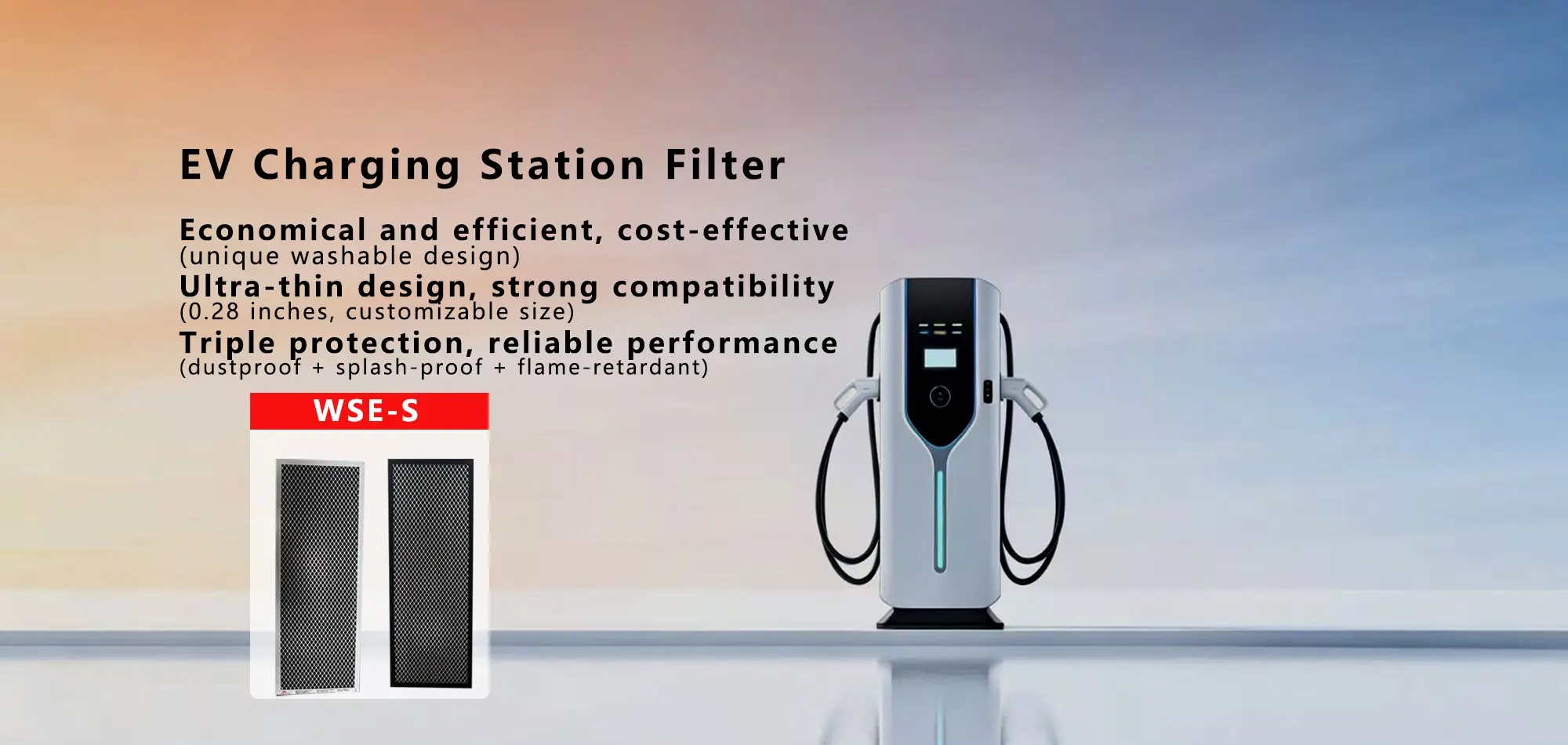
EV Charging Stations
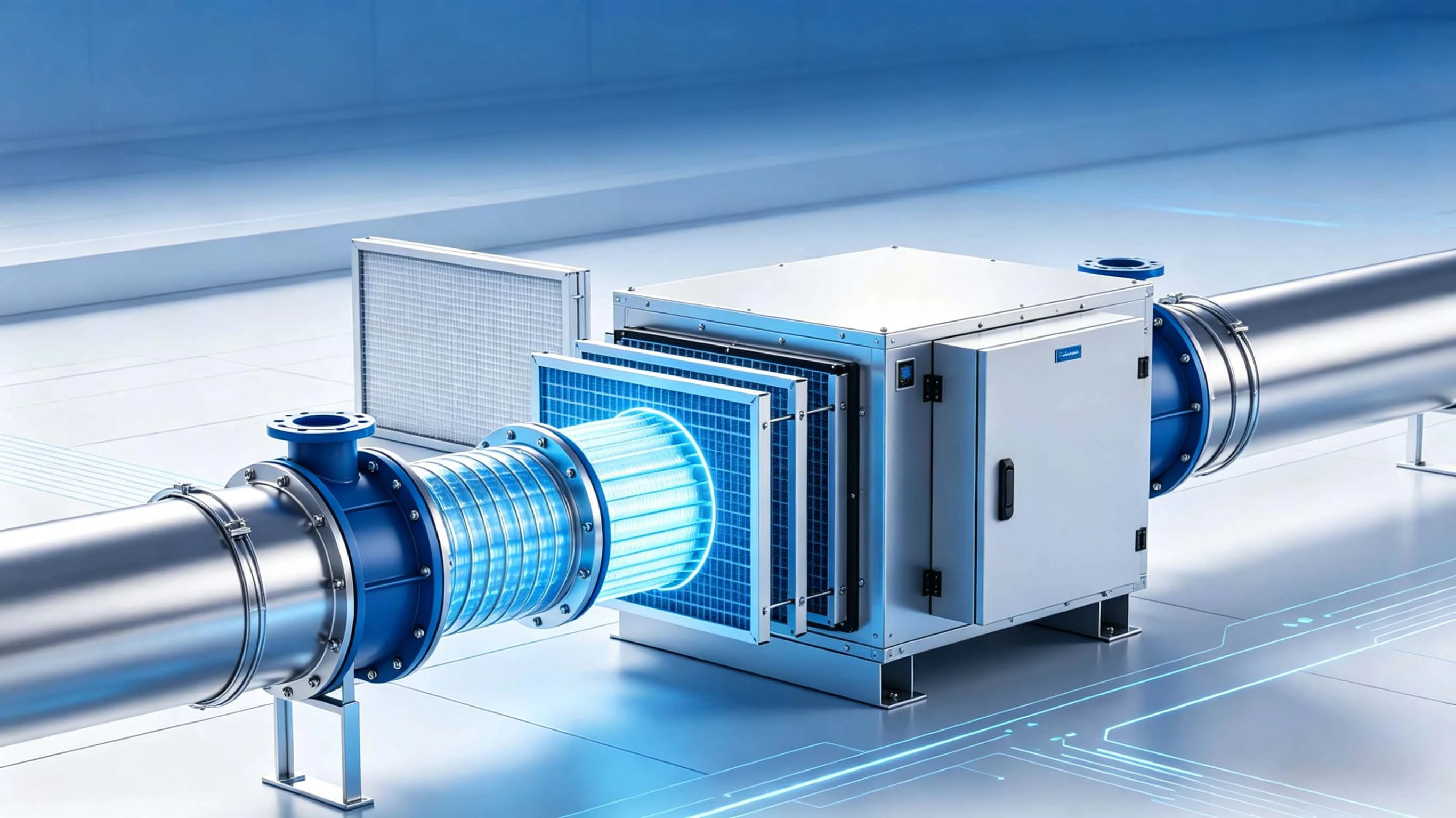
Filtration for Power Equipment
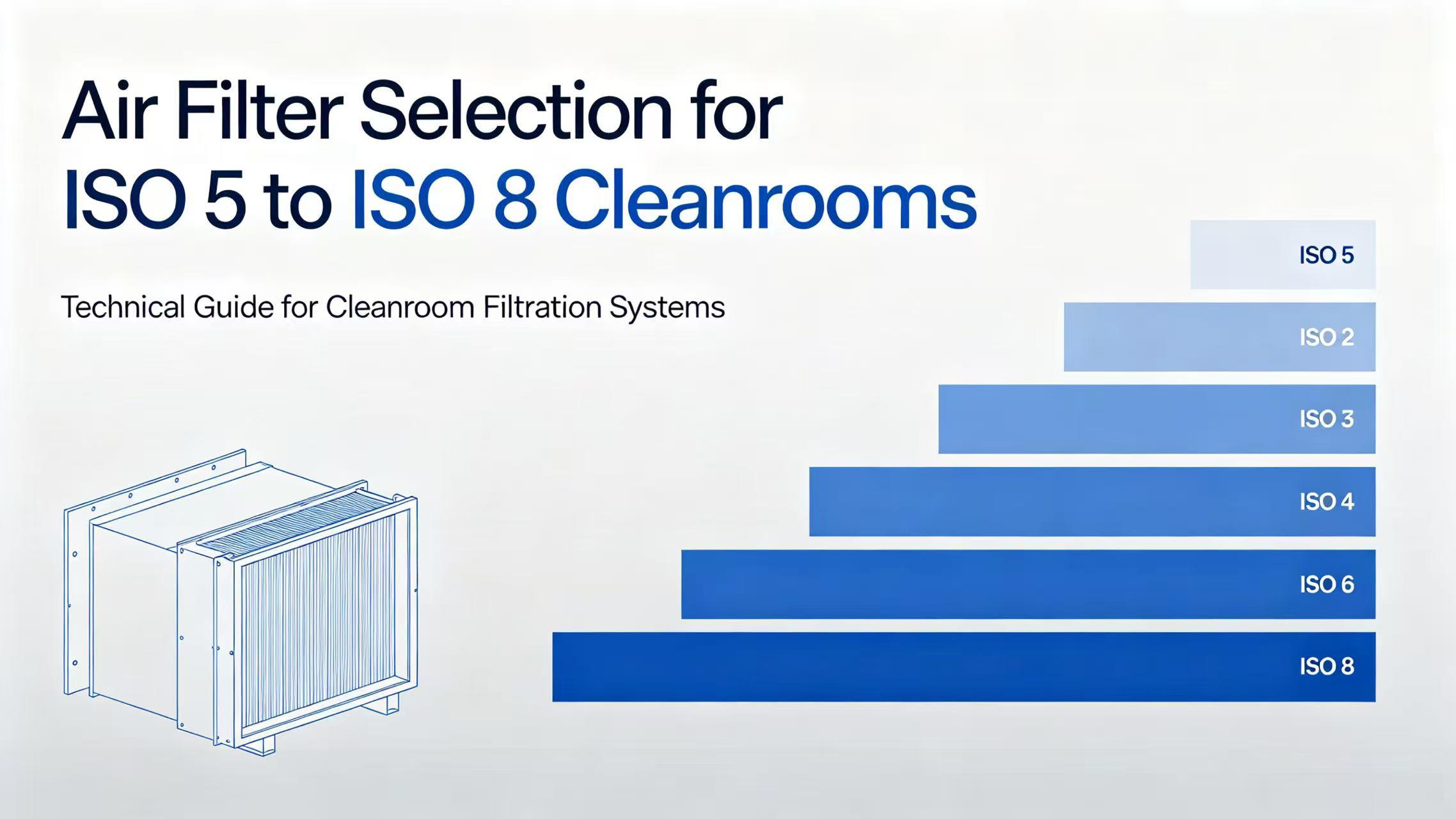
Cleanroom & Semiconductor
Ultra-High Cleanliness Filtration
Commercial HVAC
Central Air System Filtration
Data Centers
Precision Equipment Protection
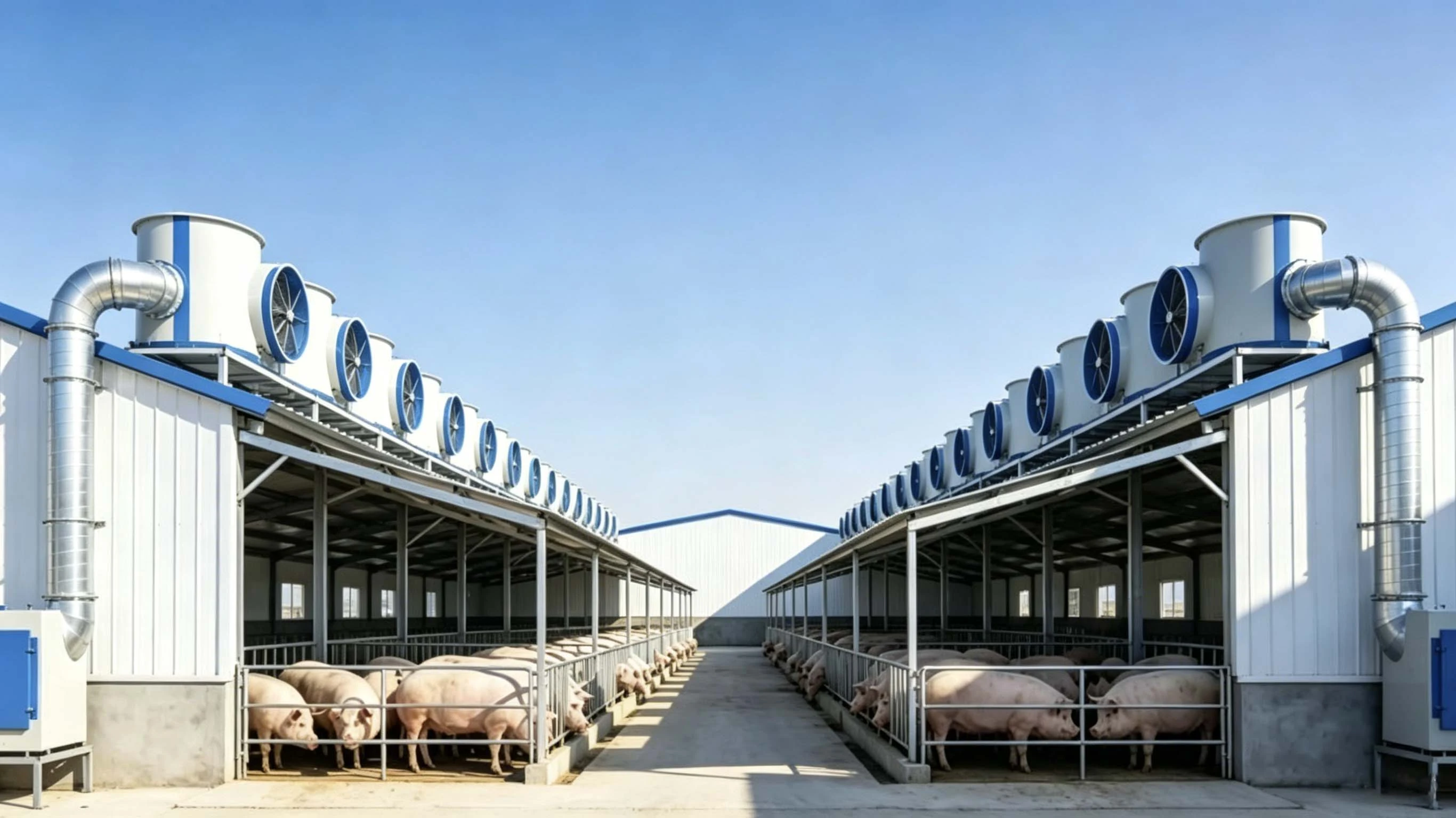
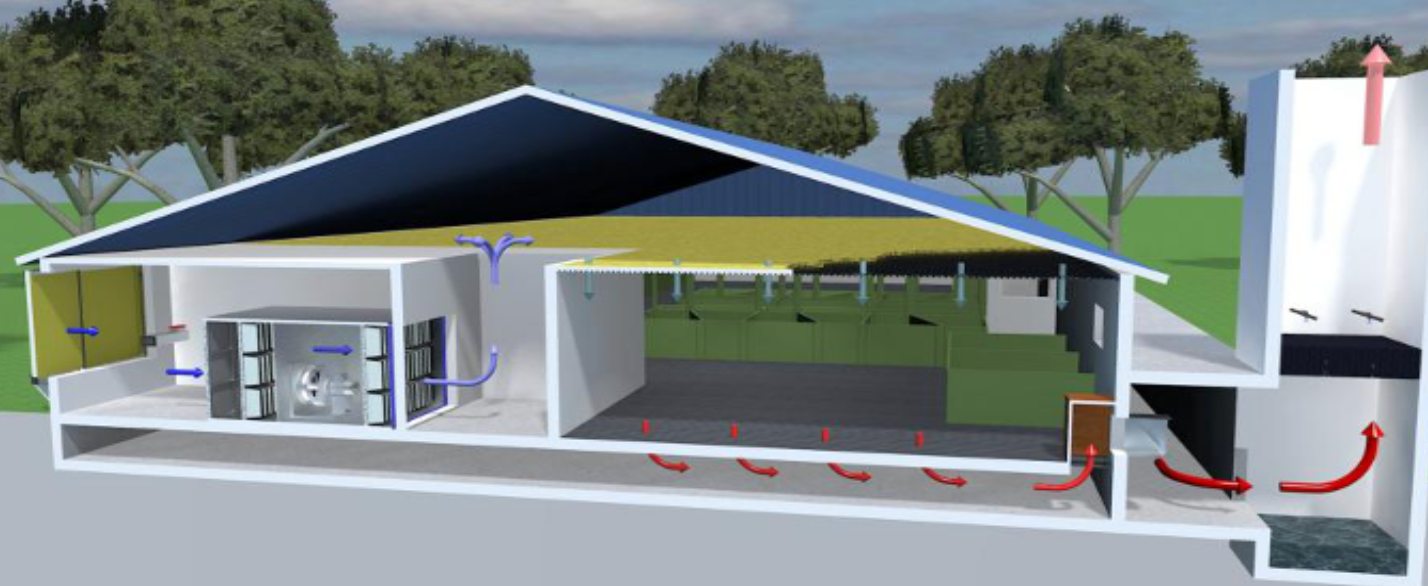
Livestock & Farming
Farming Environment Purification
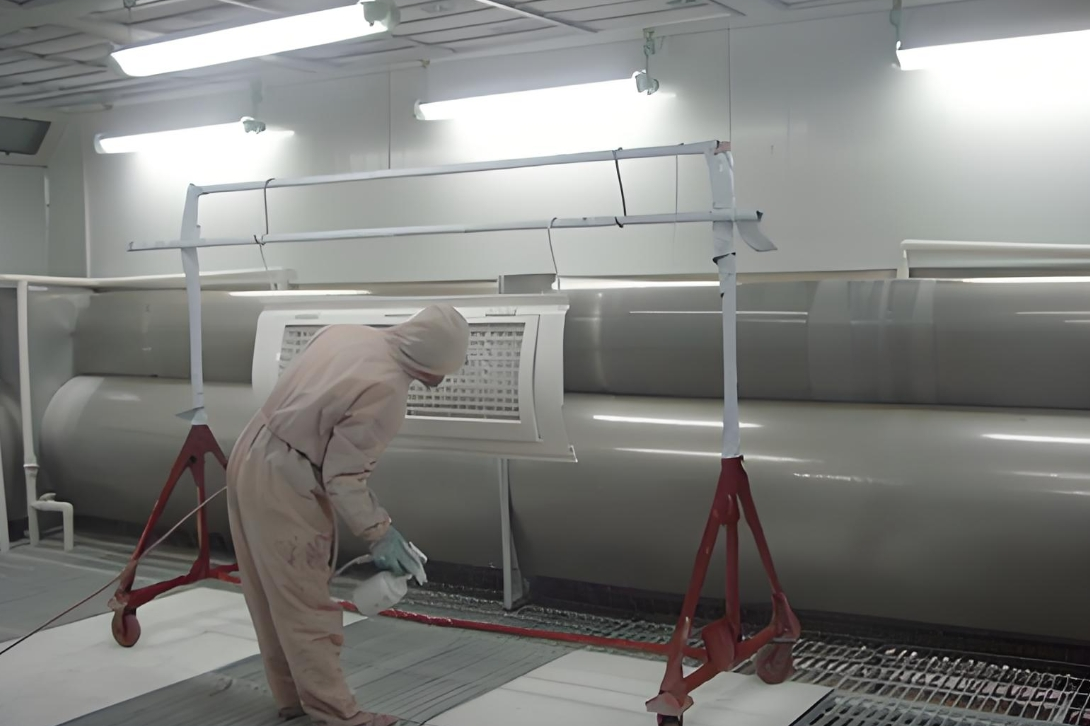
Spray Booths & Industrial Dust
Paint Mist & Dust Purification
Filtration for Power Equipment
Professional air filtration for EV charging devices, protecting against dust and sand ingress to ensure stable, reliable operation of charging piles and station infrastructure.
View Related Products →Ultra-High Cleanliness Filtration
Ultra-high efficiency filtration for semiconductor wafer fabs and precision electronics cleanrooms, capturing nano-scale particles to meet ISO Class 1–3 standards and maximize product yield.
View Related Products →Central Air System Filtration
High-efficiency filtration for commercial building HVAC systems, improving indoor air quality, reducing energy consumption, and extending equipment service life.
View Related Products →Precision Equipment Protection
Precision air filtration for data centers, shielding servers and critical hardware from dust contamination to keep cooling systems running efficiently and reliably.
View Related Products →Farming Environment Purification
Dedicated filtration systems for farms and livestock facilities — capturing dust, adsorbing ammonia, and inhibiting pathogen spread to improve animal health and overall productivity.
View Related Products →Paint Mist & Dust Purification
Designed for spray booths and grinding workshops, efficiently capturing paint mist, metal dust, and wood chips to meet emission standards while protecting finished surface quality.
View Related Products →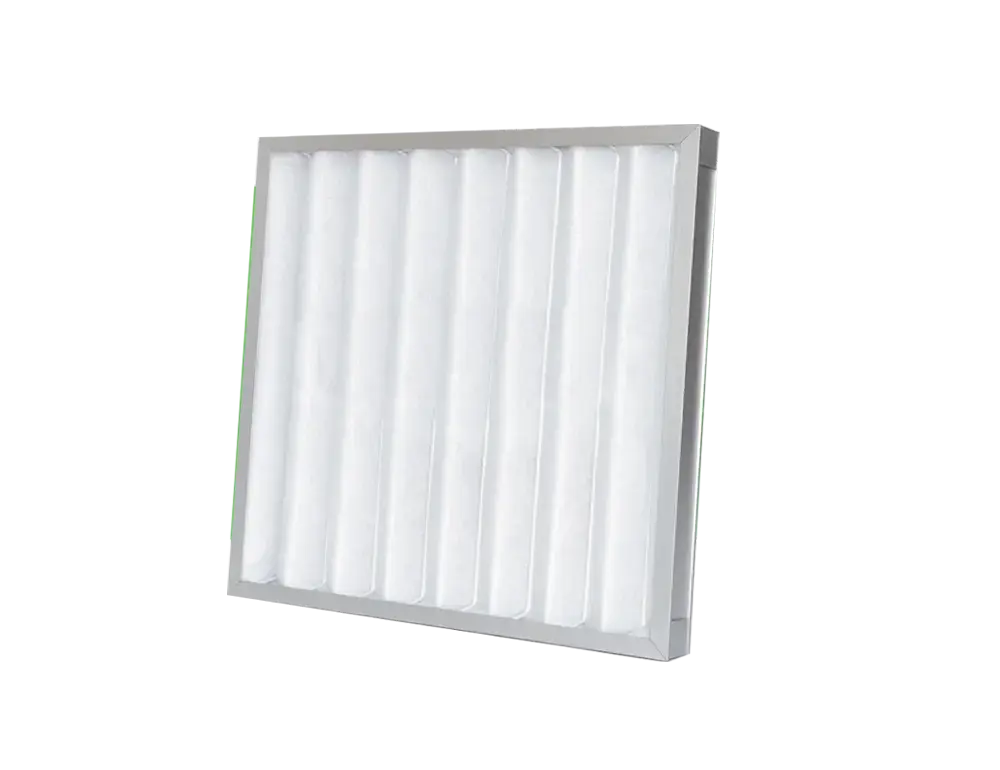
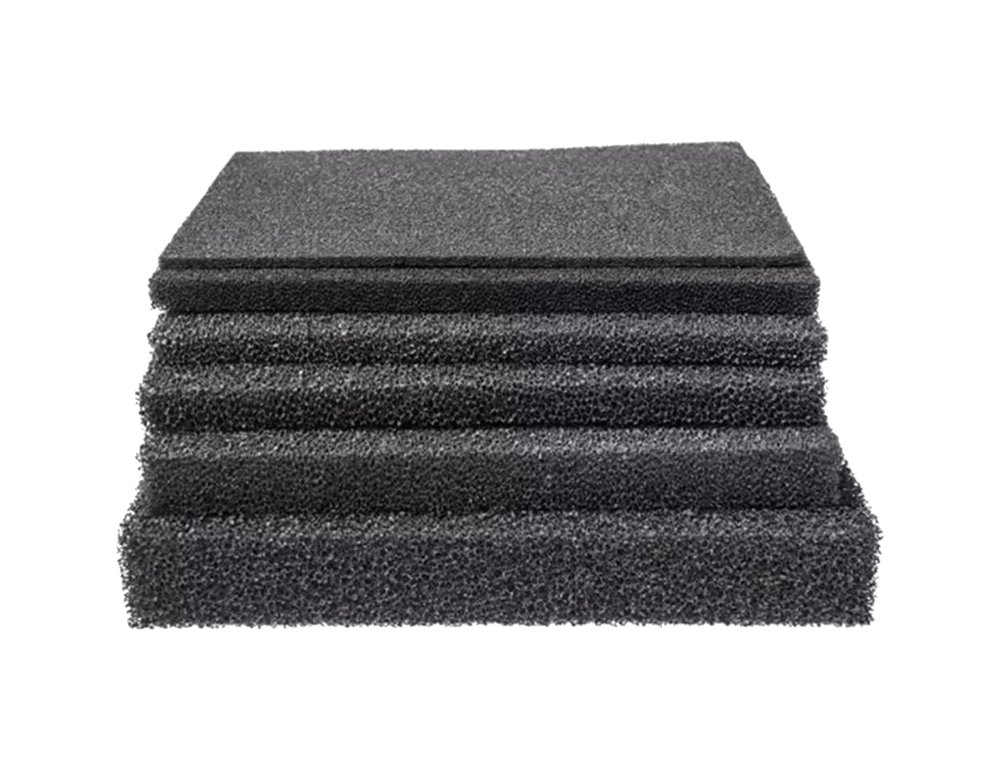
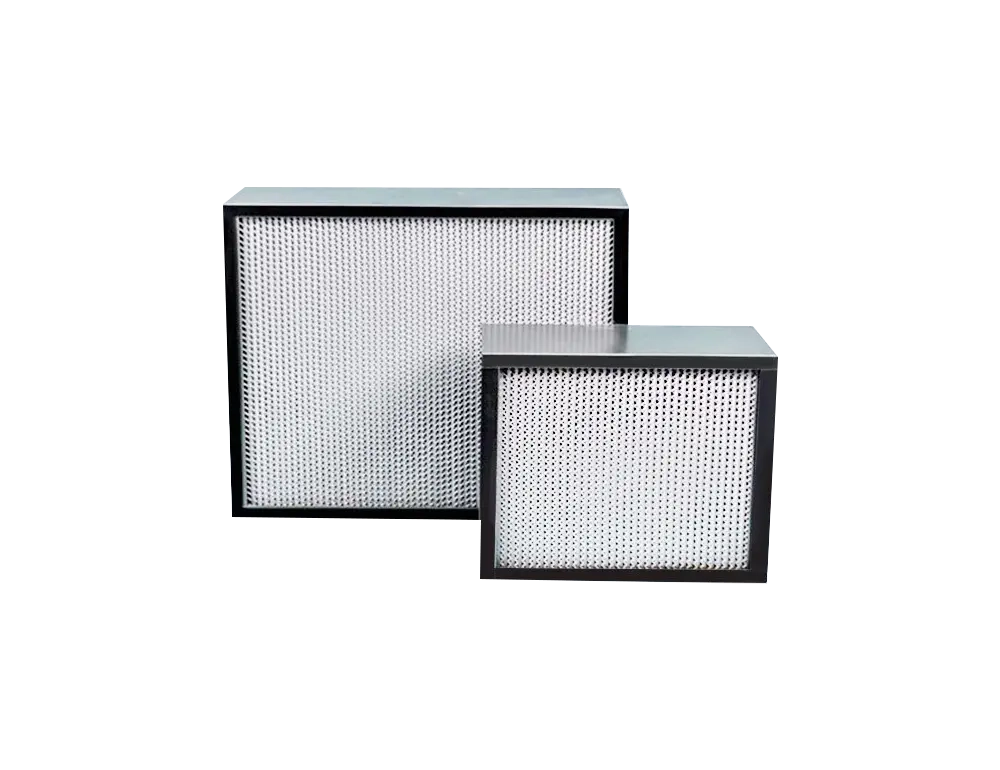
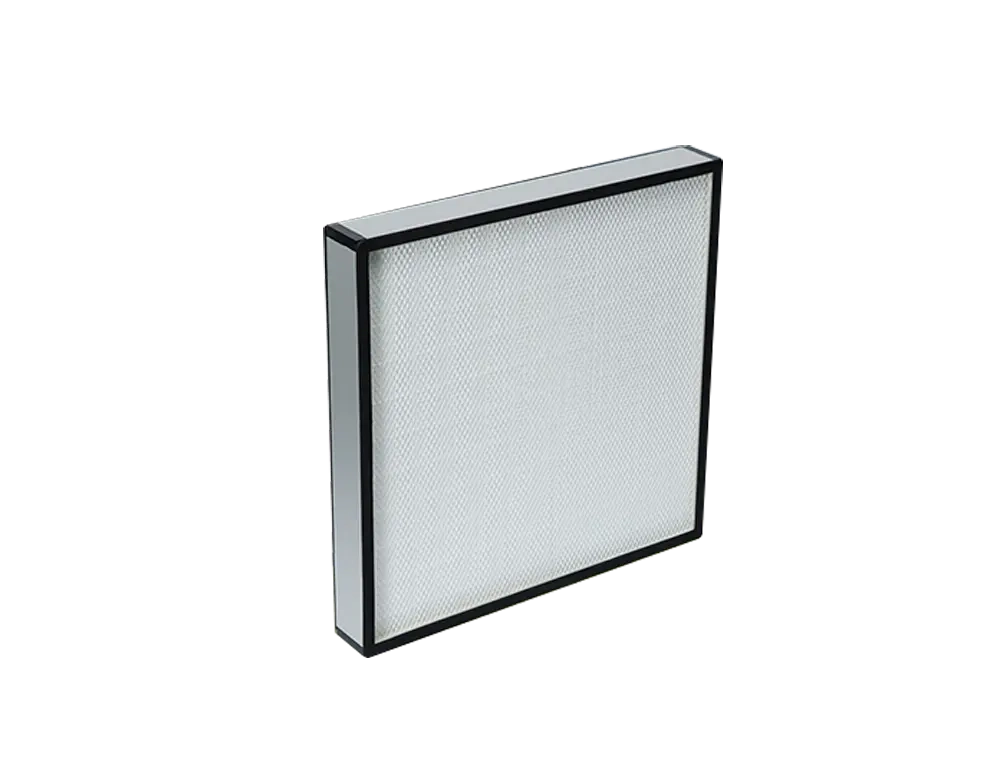
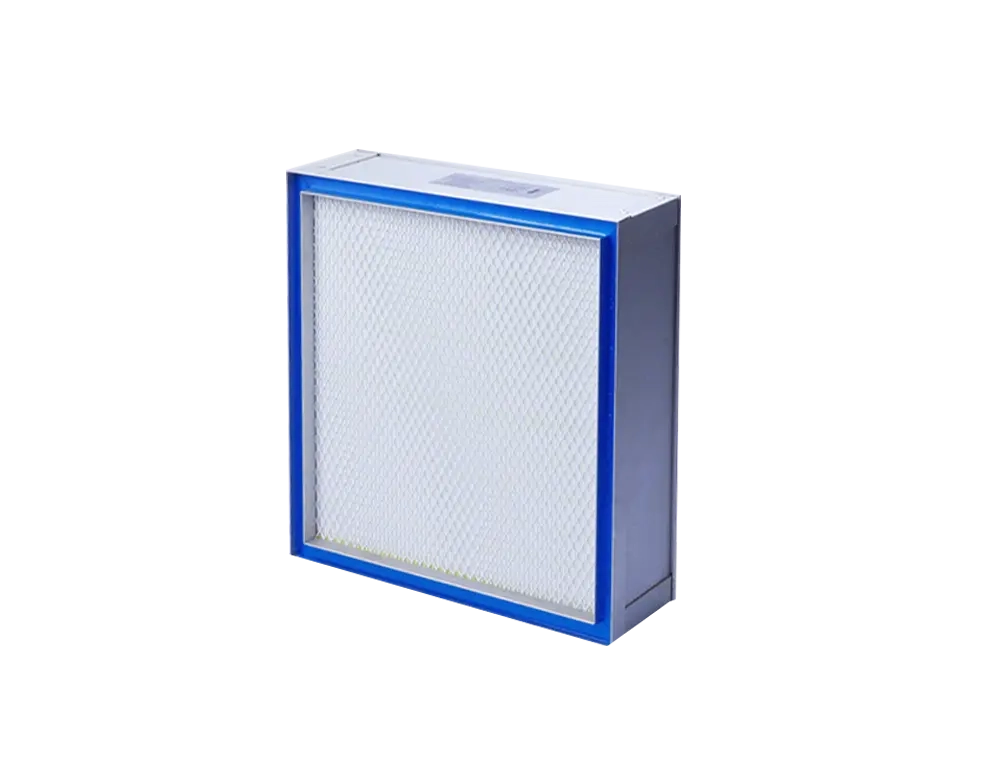


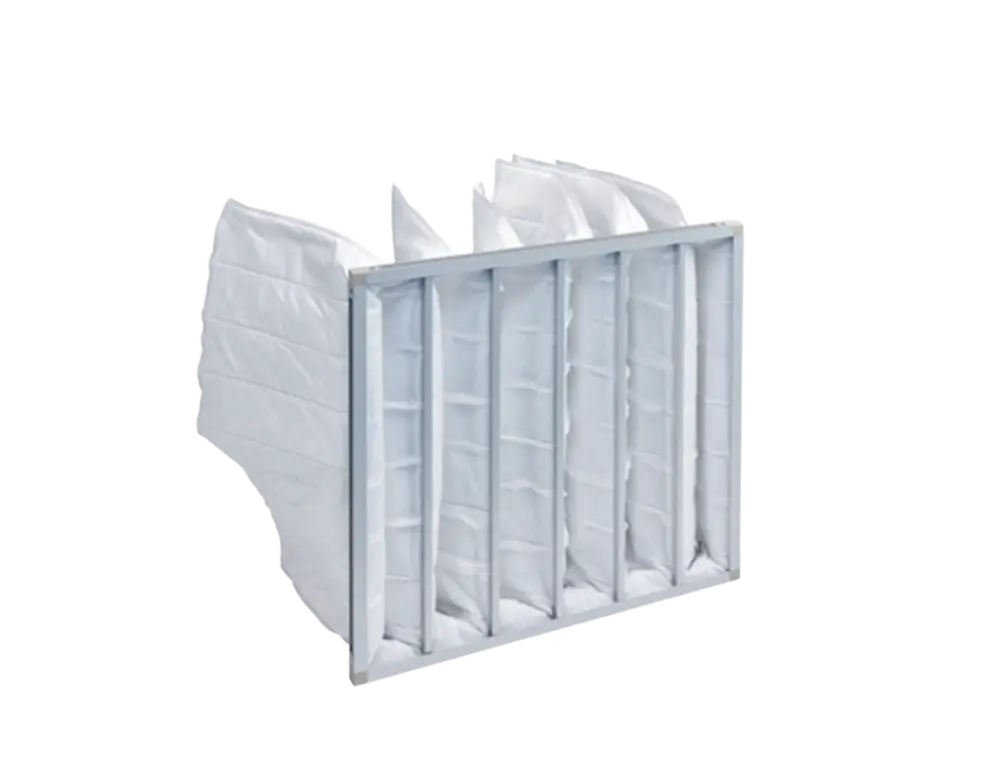
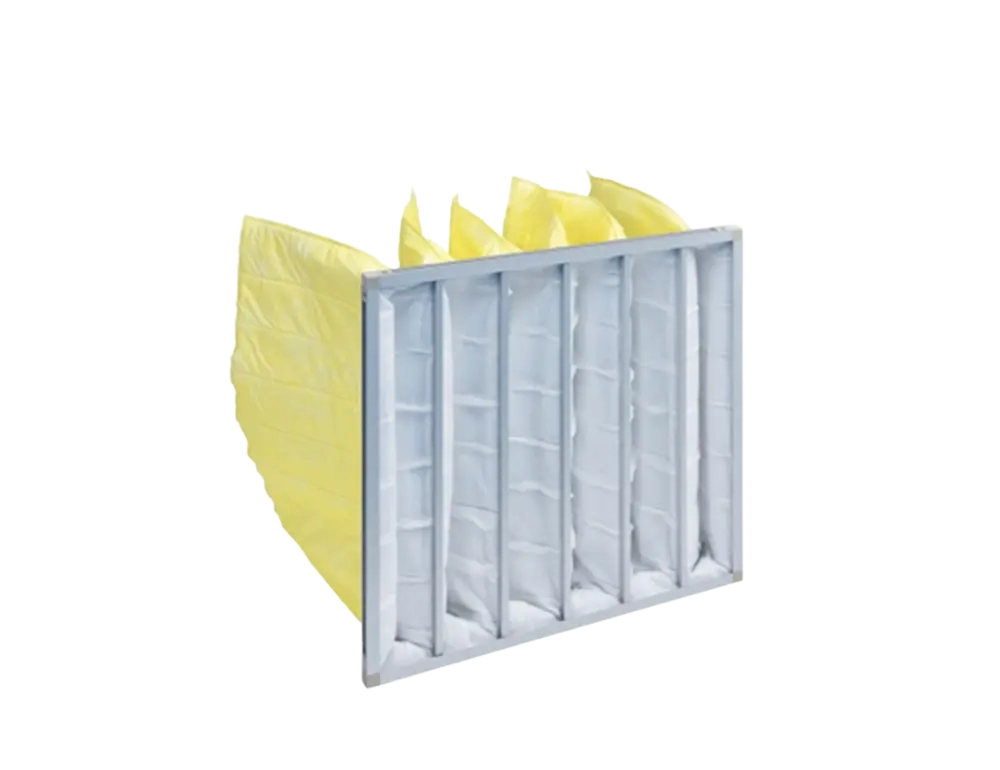

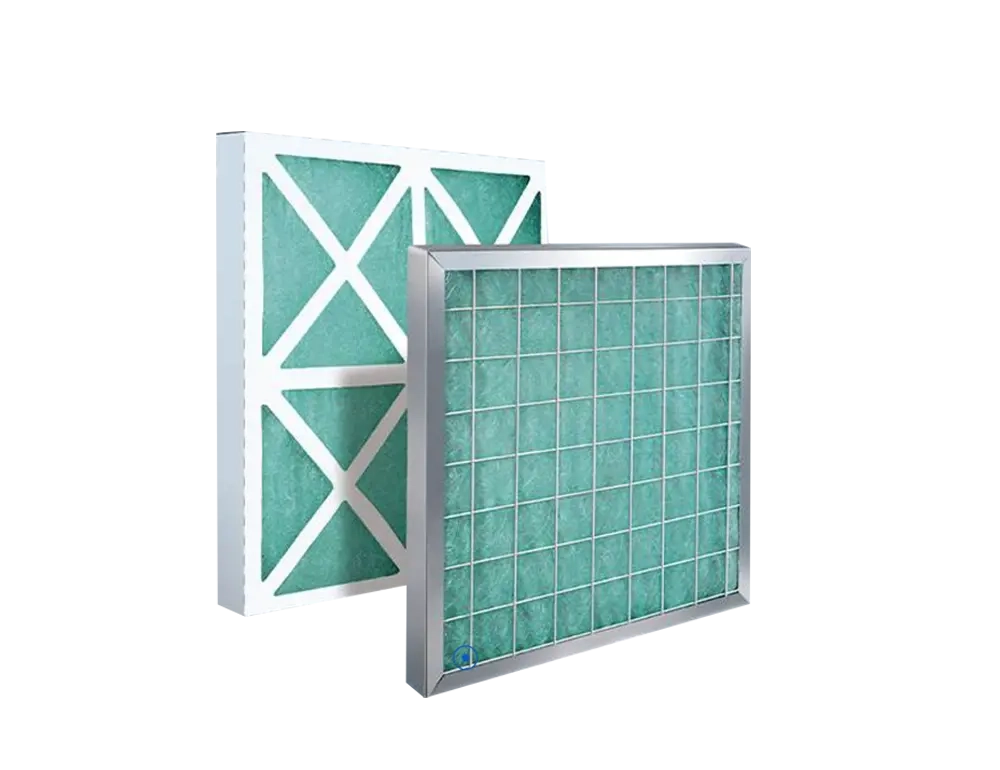
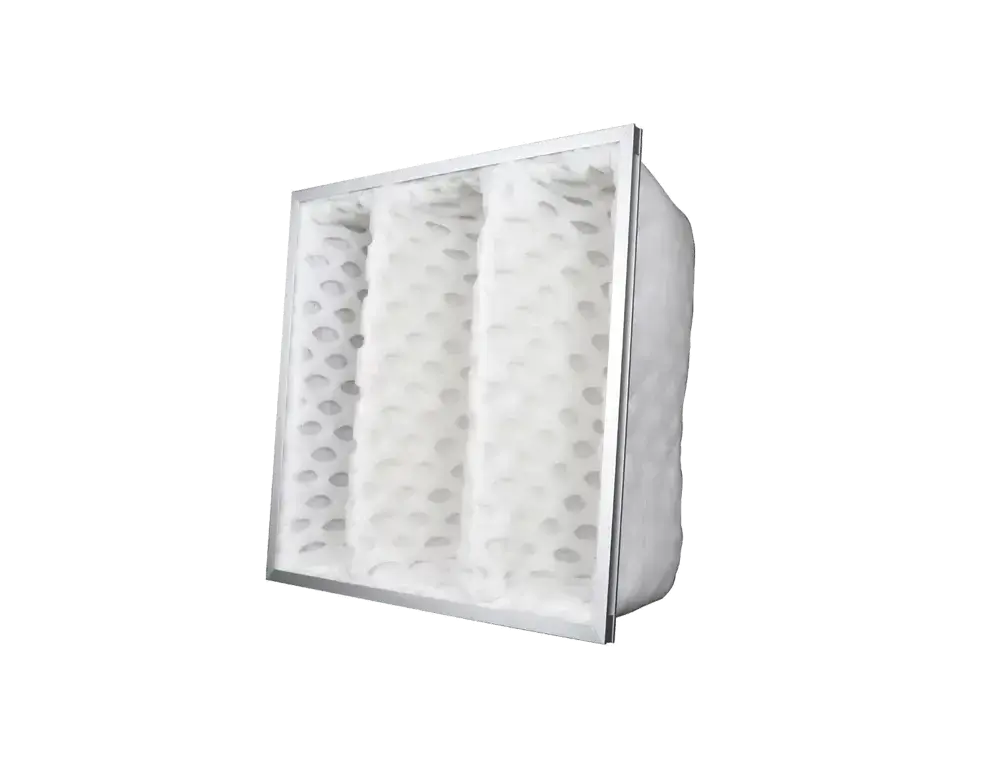
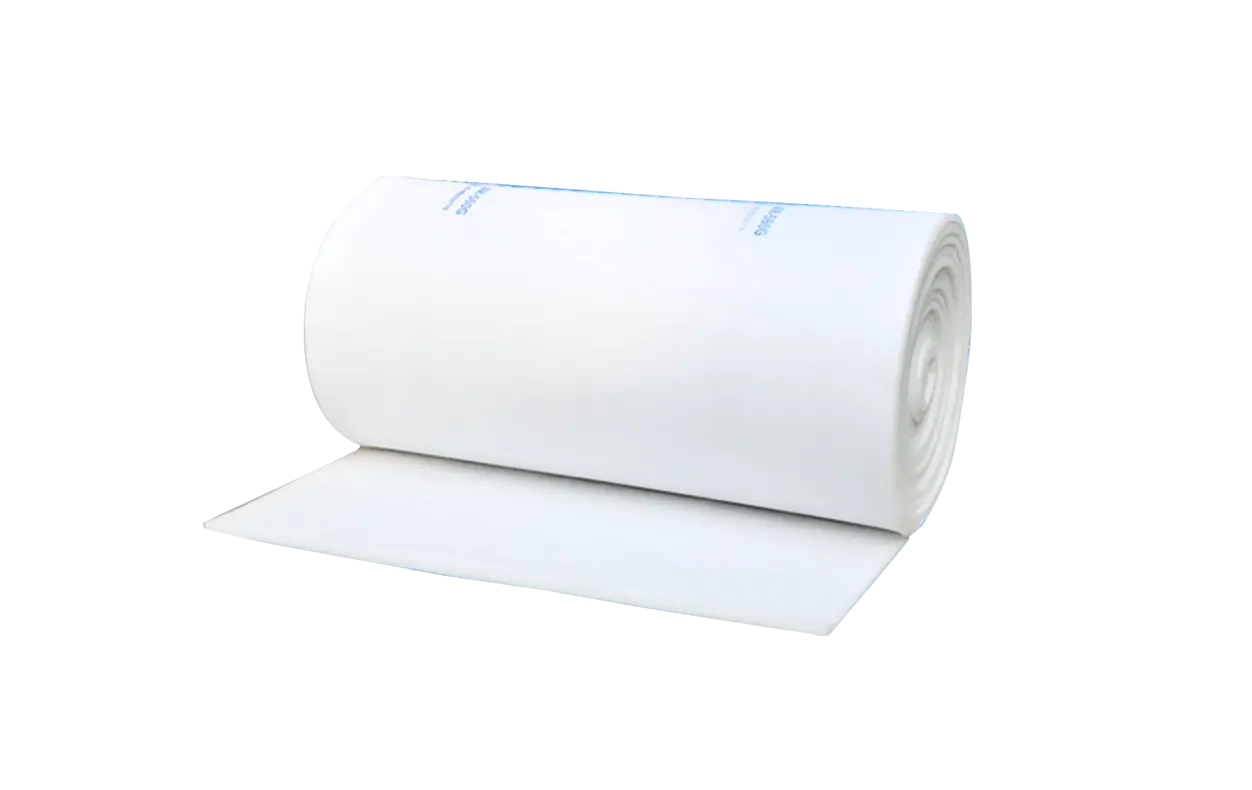
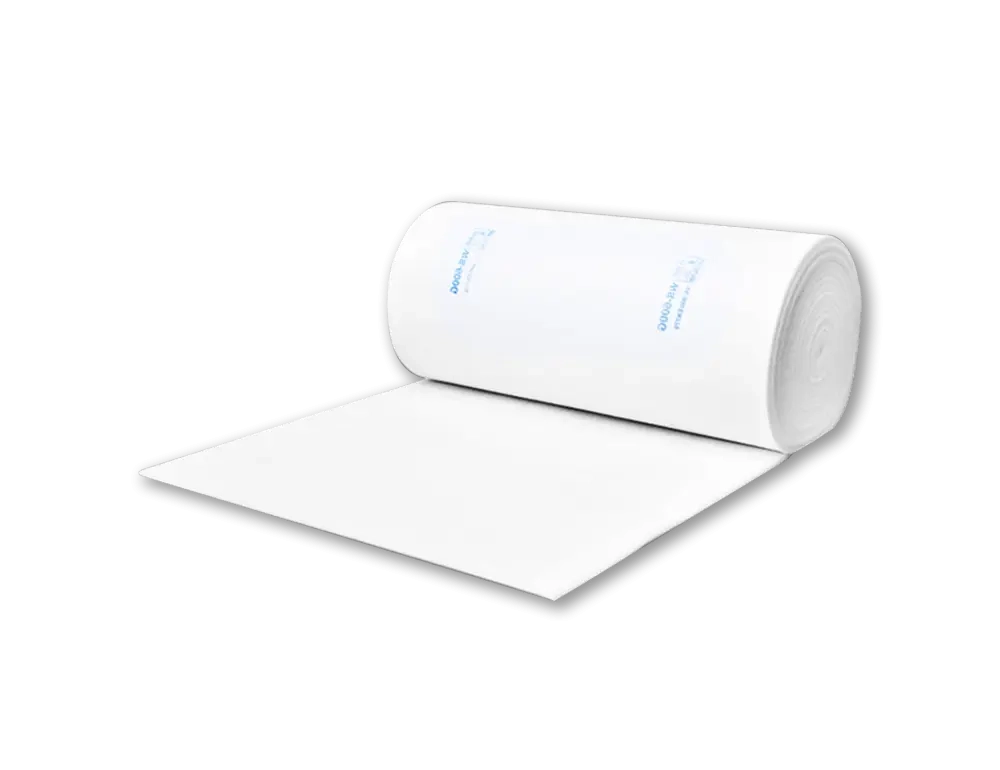
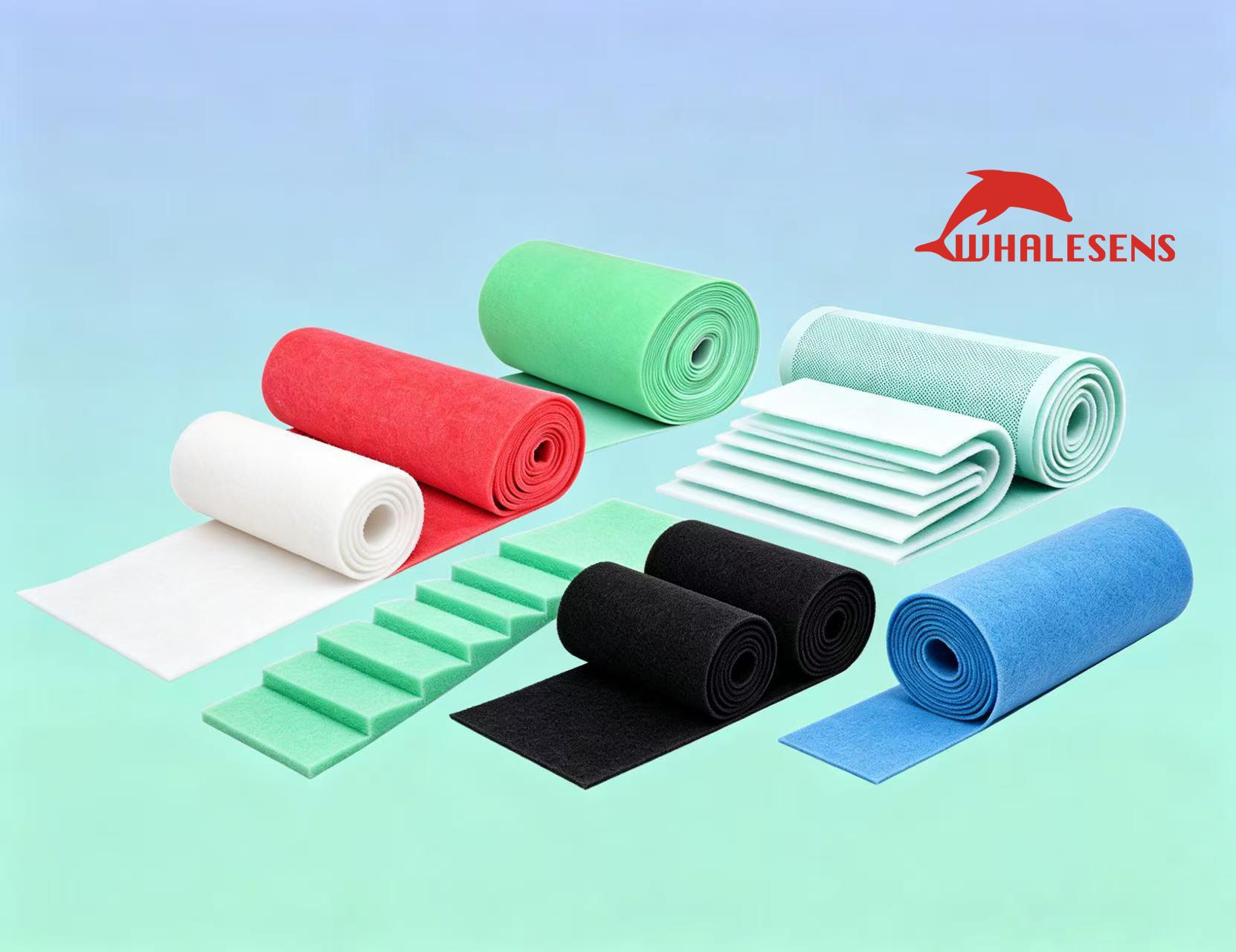
Pre-Filter (G1–G4)
First-Stage Large-Particle Capture
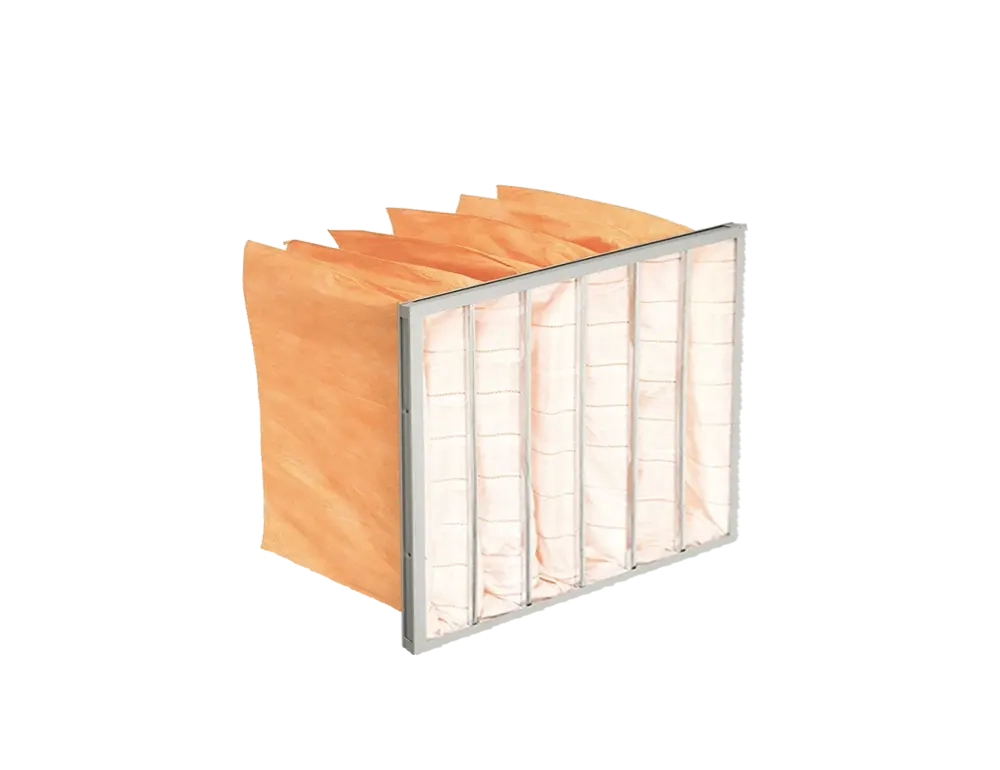
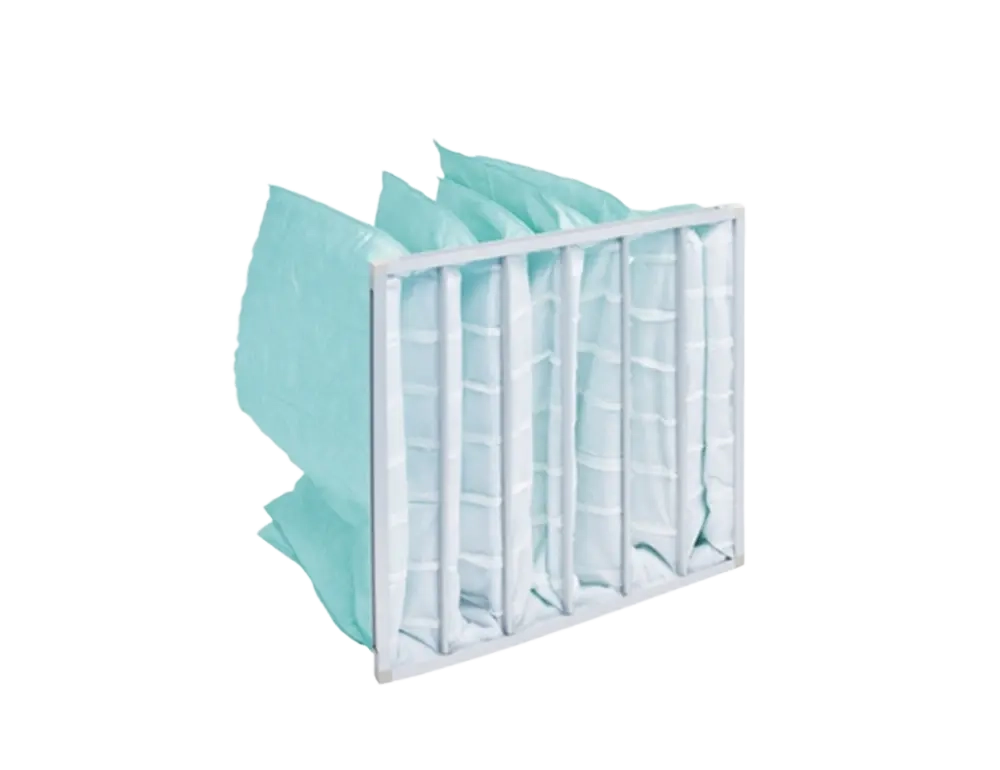
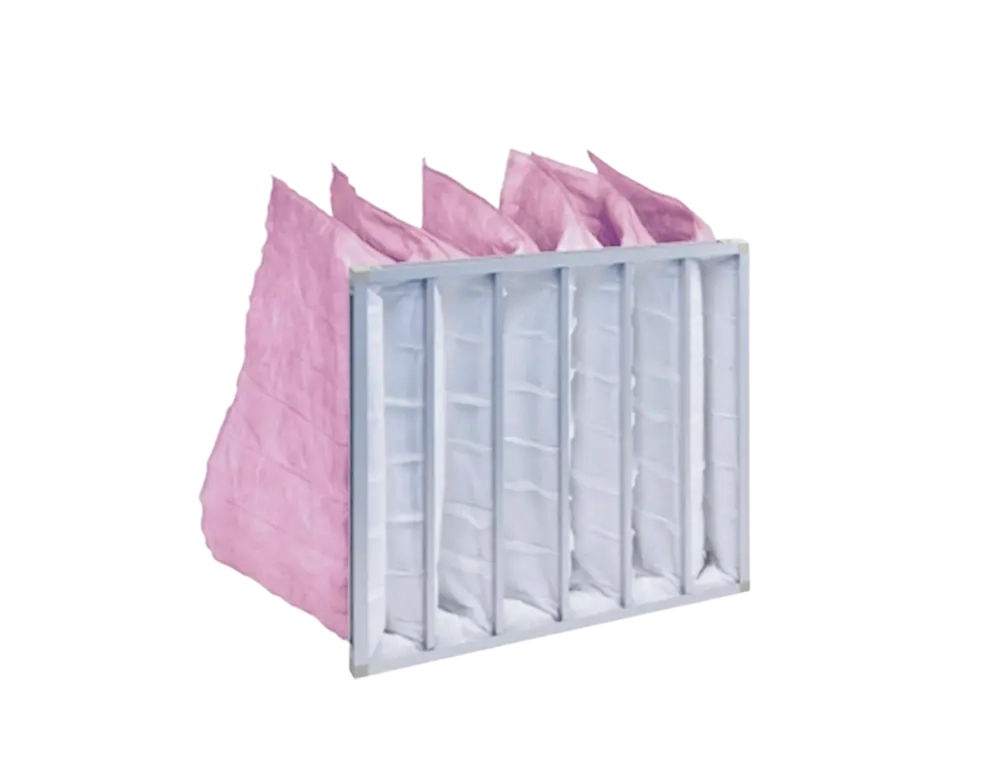
Medium-Efficiency Filter (F5–F9)
Precise PM2.5 Capture
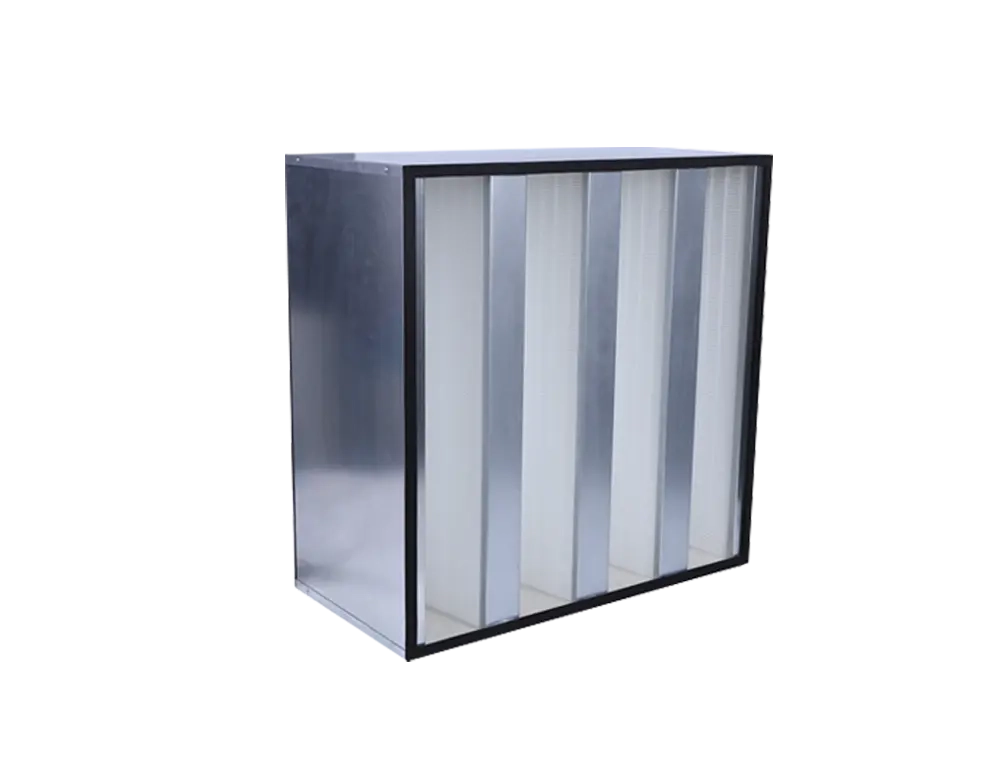
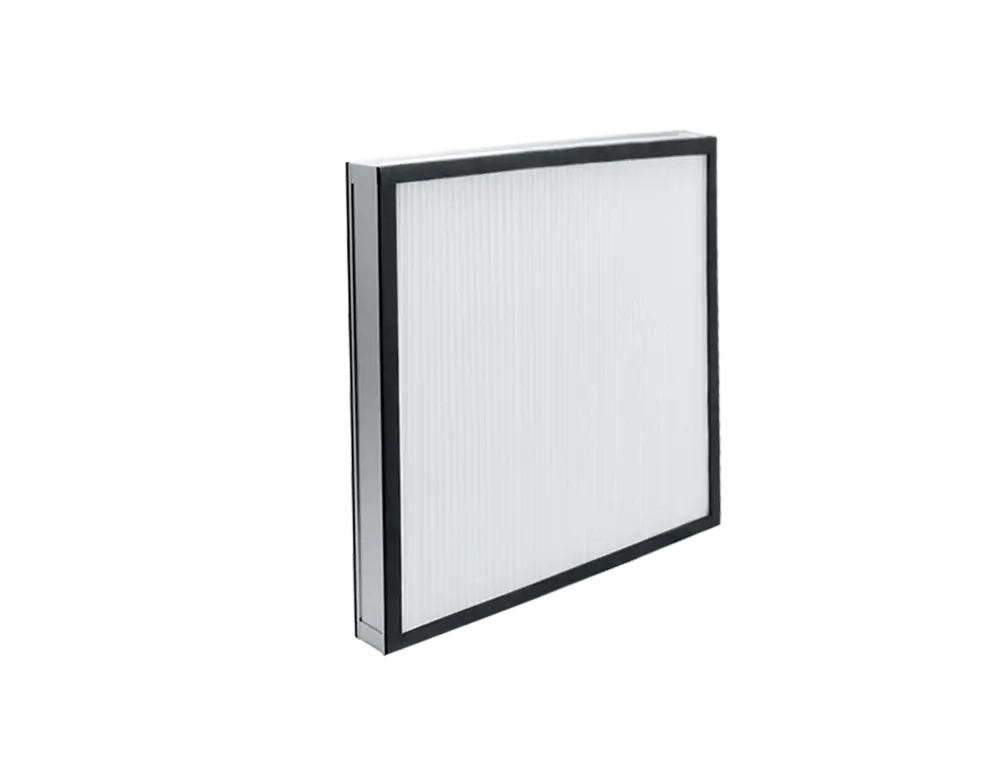
HEPA High-Efficiency Filter
Sterile-Grade Purification
ULPA Ultra-High Efficiency Filter
Sub-Micron Particle Capture
First-Stage Large-Particle Capture
The first line of defense, capturing particles ≥5 μm such as dust, hair, and fibers to protect downstream filters and extend overall system service life.
View Related Products →Precise PM2.5 Capture
Captures fine particles of 1–5 μm including PM2.5, pollen, and mold spores, significantly improving indoor air quality for commercial HVAC and ventilation systems.
View Related Products →Sterile-Grade Purification
≥99.97% filtration efficiency for particles ≥0.3 μm, delivering sterile-grade clean air widely used in medical, pharmaceutical, and electronics manufacturing.
View Related Products →Sub-Micron Particle Capture
≥99.9995% efficiency for particles ≥0.12 μm, meeting the extreme cleanliness demands of semiconductor fabs, aerospace, and other ultra-precision applications.
View Related Products →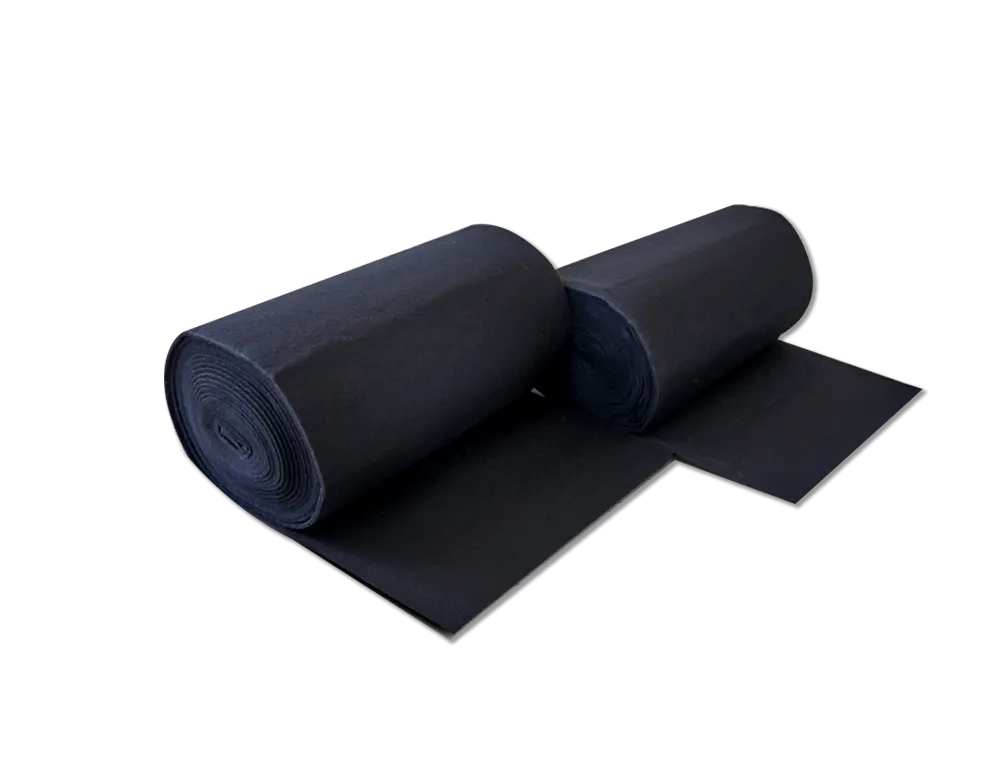
High-Temperature Resistant
Industrial-Grade Heat Tolerance
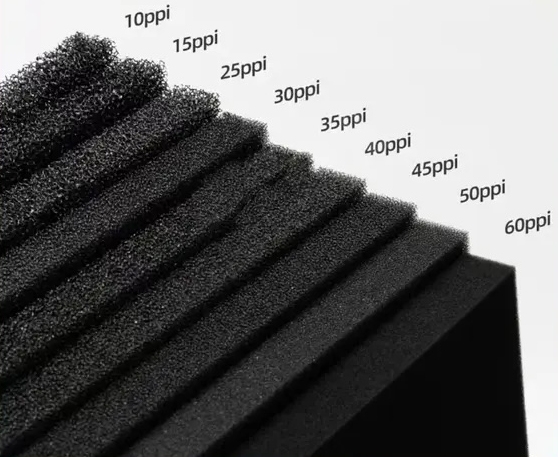
Washable & Reusable
Cut Costs, Reduce Waste
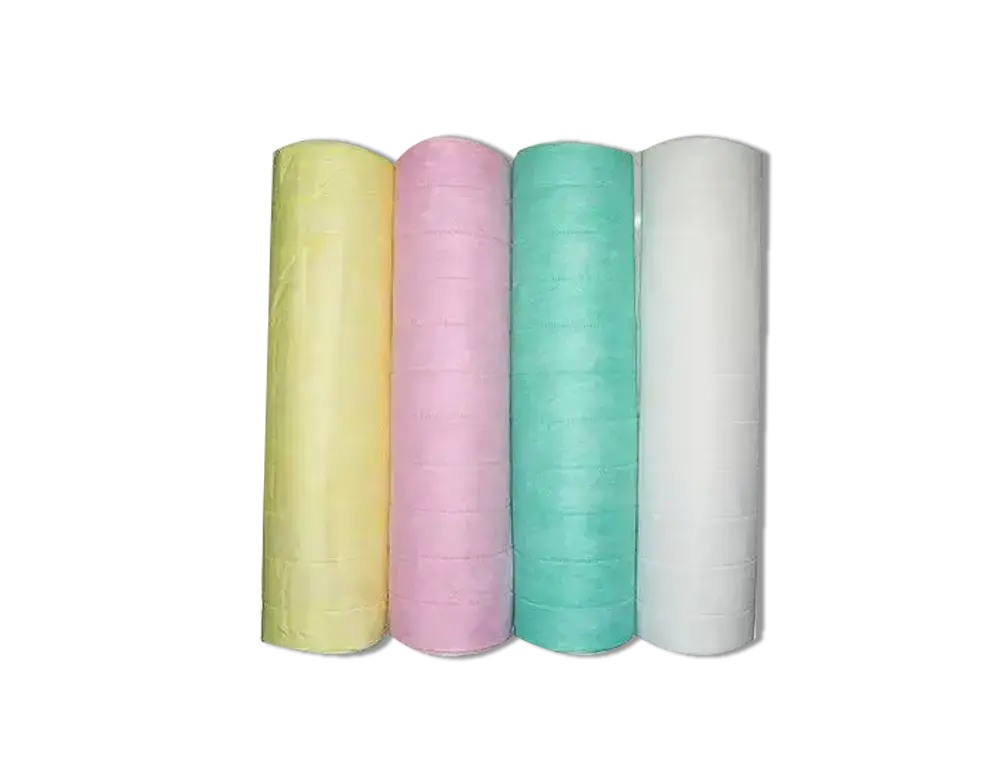
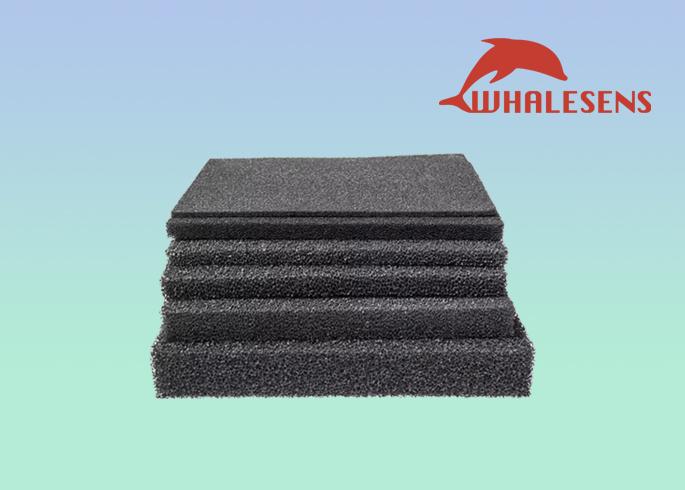
Activated Carbon
Odor & Harmful Gas Removal
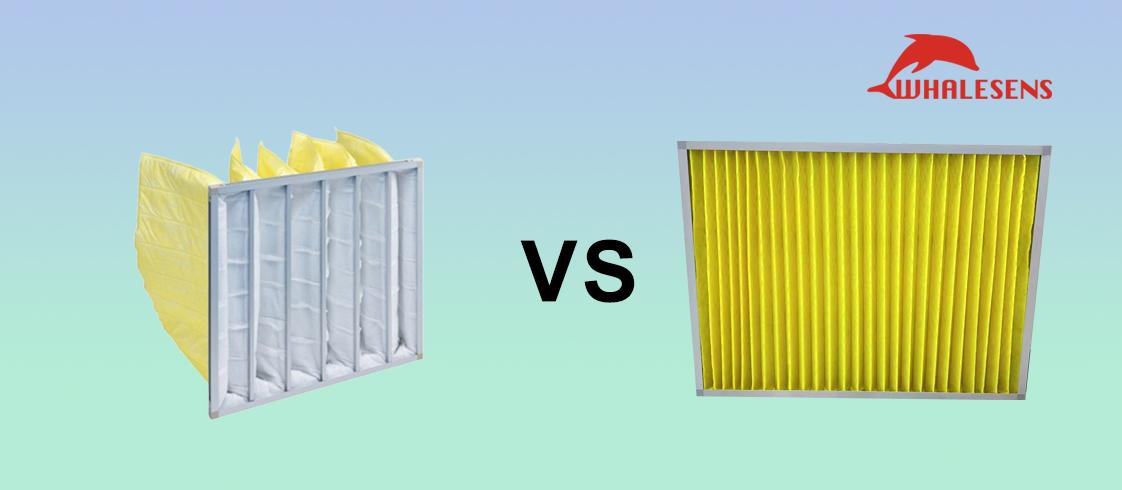
Bag Filter
High Dust-Holding, Long Life
Panel / Pleated Filter
Compact Space-Saving Design
Low-Resistance Airflow
Energy-Saving Operation
Industrial-Grade Heat Tolerance
Built with specialized heat-resistant materials, operating stably up to 250°C for paint ovens, industrial dryers, and high-temperature process environments.
View Related Products →Cut Costs, Reduce Waste
Cleanable by water washing or air blowing, reusable multiple times to significantly reduce replacement frequency and O&M costs — an economical, eco-friendly choice.
View Related Products →Odor & Harmful Gas Removal
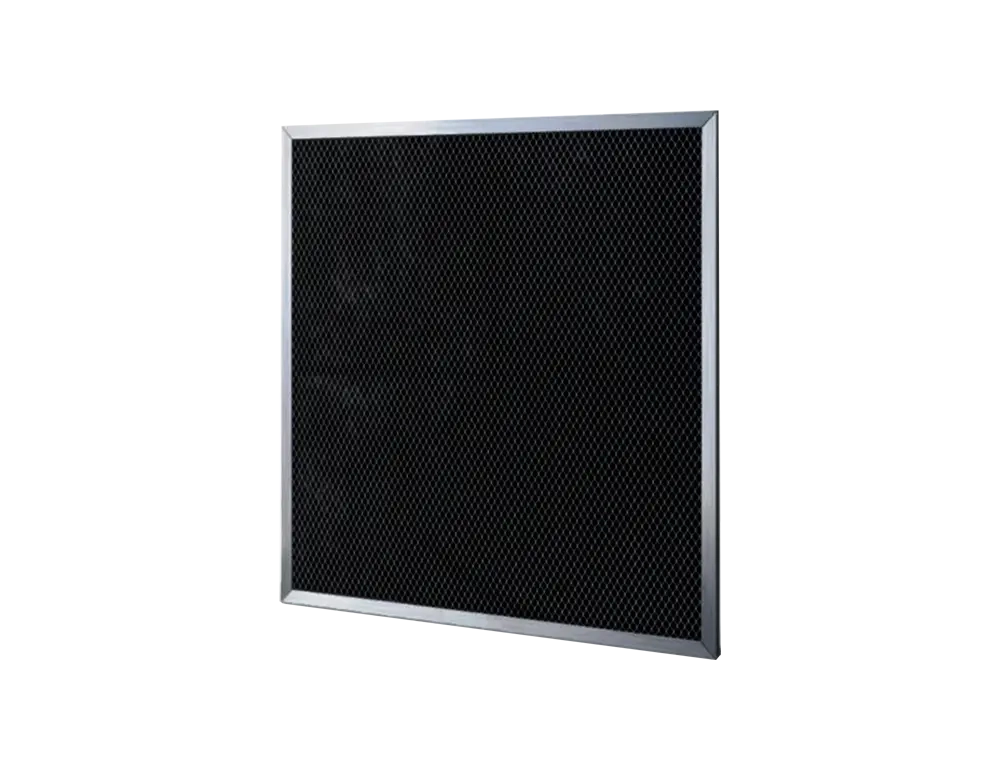
Leverages activated carbon's high adsorption capacity to eliminate odors, VOCs, and formaldehyde, ideal for newly renovated spaces and industrial exhaust treatment.
View Related Products →High Dust-Holding, Long Life
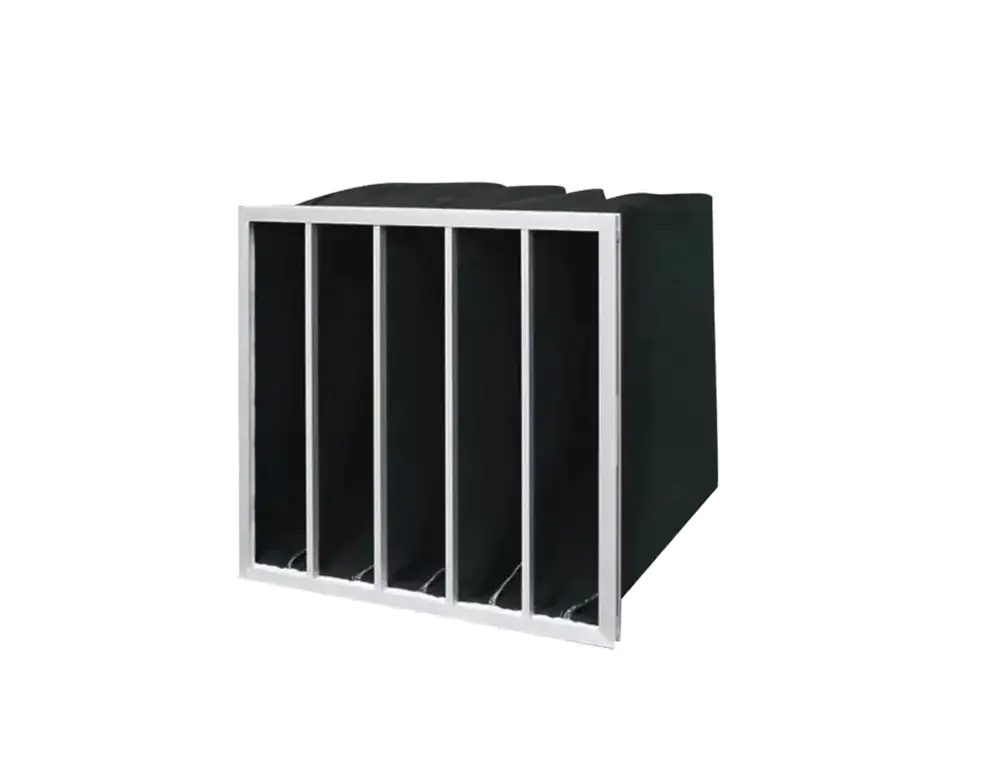
Bag-style construction delivers a larger filtration area, high dust-holding capacity, and extended service life — ideal for high-dust environments with reduced replacement frequency.
View Related Products →Compact Space-Saving Design
Compact form factor for easy installation and replacement; pleated structure maximizes filtration area within a small footprint for higher efficiency.
View Related Products →Energy-Saving Operation
Low-resistance design minimizes pressure drop while maintaining filtration performance, reducing fan energy consumption for cost-effective, eco-friendly operation.
View Related Products →


























 English(Global)
 简体中文
 Language


Air Filtration Requirements and Solutions in Coastal and Offshore Facilities
Coastal air filtration is not an inland HVAC job with a corrosion-resistant frame bolted on. Sea air carries sodium chloride in aerosol form, and that salt stays hygroscopic: once it lands on a filter, it keeps pulling moisture out of the air until the deposit turns into a conductive brine film. The film attacks frames and media, the moisture raises pressure drop, and the deposit keeps growing. Coastal air filtration has to be designed around that mechanism, not around a corrosion coating applied after the fact.
Why coastal air filtration fails where inland filtration does not
Three factors act together on a coastline, and it is the combination rather than any single one that shortens service life.
| Environmental factor | What it does | Consequence for coastal air filtration |
|---|---|---|
| Airborne sea salt | Carries sodium chloride, magnesium chloride and sulfates as fine aerosol | Corrodes frames, media and casing; salt deposits re-hydrate and stay wet |
| Near-saturated humidity | Keeps salt deposits in solution | Conductive electrolyte film forms on surfaces; media loses strength |
| Marine pollutants | Sea spray, sand, dust and oil mist arrive together | Faster clogging, rising pressure drop, efficiency loss |
| Maintenance access | Offshore platforms and ships are hard to reach | Longer intervals between service visits, higher cost per intervention |
The fourth row is the one that changes the design. Onshore, a filter that clogs early is an inconvenience. On an offshore platform it is a logistics problem, and that is why coastal air filtration specifications put service interval ahead of first cost.
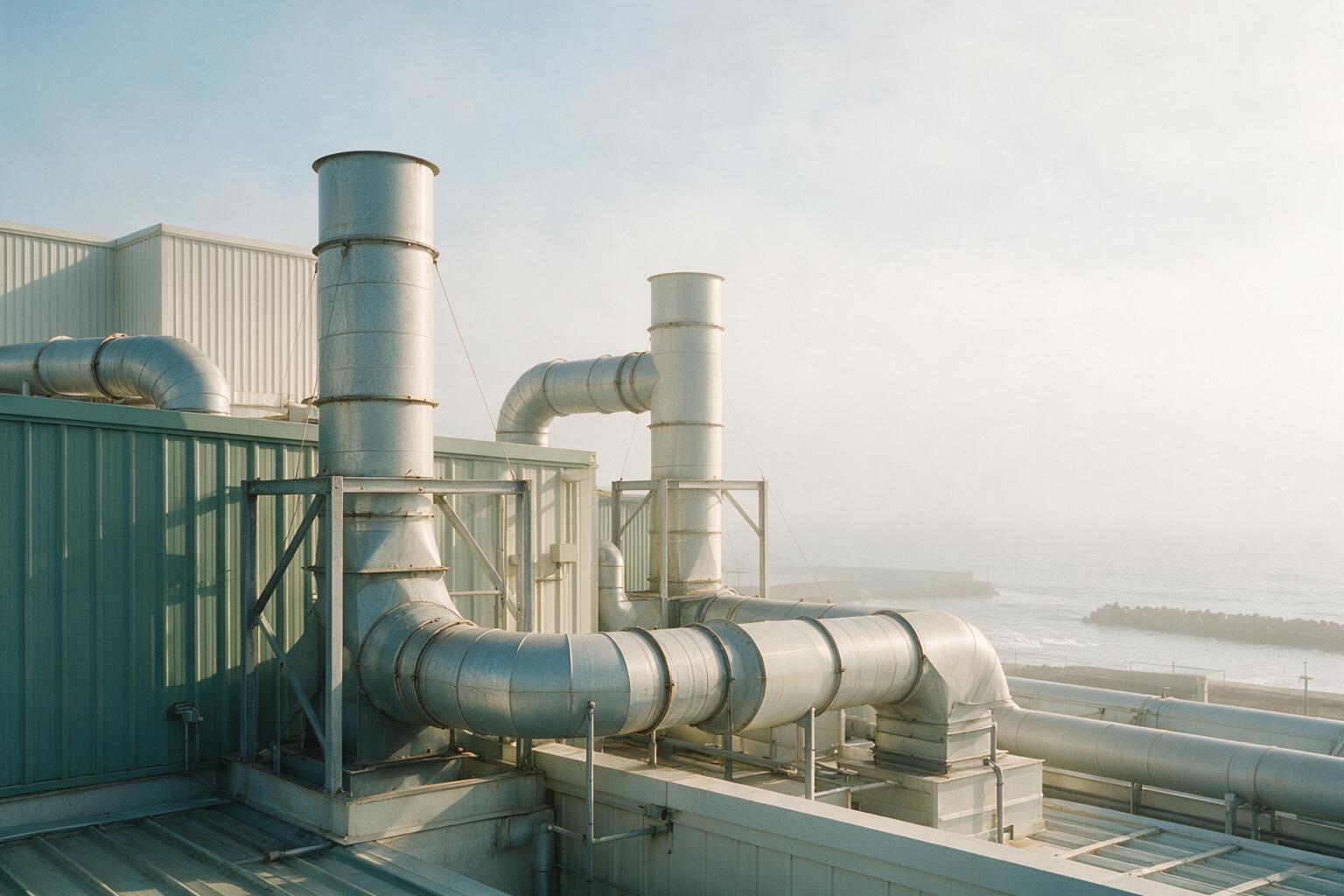
Salt is the part that standard filtration media handles badly
Salt aerosol spans a wide size range, and the fraction that matters most for coastal air filtration is the fine end, because those particles stay airborne longest and penetrate deepest into the filter.
Standard cellulose or untreated synthetic media are not designed for this. They hold the salt, but the deposit stays wet and the media loses tensile strength at the pleat tips. Coastal air filtration specifications therefore separate the requirement into two parts: capture the salt early, and make sure the captured salt cannot stay wet on the media.

Technical requirements for coastal air filtration
A specification that survives a coastal site usually covers four points. Missing any one of them shifts the failure to the next stage rather than removing it.
Coastal air filtration specification checklist
- Salt-mist resistance tested, not assumed — the frame and media should be supported by salt spray test data to ISO 9227 or ASTM B117, not by a material claim alone.
- Hydrophobic media — the media must shed water rather than wick it; oleophobic treatment is needed too where oil mist is present.
- Multi-stage layout with an oversized first stage — the pre-filter is what takes the salt load, so it should be sized for a longer interval than an inland installation would use.
- Differential pressure monitoring — coastal air filtration fails gradually through wetting and bridging, so the pressure trend is the earliest usable signal.
Salt spray test data is the item most often skipped in procurement. A stainless-steel frame is a reasonable starting point, but "stainless" covers a wide range of alloys, and 304 exposed to chloride-bearing air is not the same proposition as 316. Asking for the test report is faster than discovering the difference two years into service.
Choosing a filter grade for salt-laden air
The grade combination for coastal air filtration follows the same logic as any multi-stage system, with the balance shifted toward the first stage.
| Stage | Typical grade | Role in coastal air filtration | Replacement signal |
|---|---|---|---|
| First stage | G4 coarse | Captures sea spray, sand and coarse dust before they reach the fine media | Visible salt crust or pressure rise across the stage |
| Second stage | F7–F9 fine | Removes the fine salt aerosol that passes the first stage | Pressure drop approaching terminal value |
| Final stage | H13 HEPA where required | Delivers the cleanliness the process needs, where the space is a cleanroom or a sensitive equipment room | Leak test and pressure trend together |
| Gas phase | Activated carbon where required | Handles odours, VOCs and acidic gases that mechanical media cannot retain | Breakthrough, not pressure |
A common mistake in coastal air filtration is to spend the budget on the final HEPA stage and treat the first stage as a commodity. On a coastline the opposite allocation usually pays: a larger, washable or easily replaced first stage protects everything downstream, and the salt load stops there instead of reaching media that is expensive to replace and hard to access.

Offshore and marine installations: what changes
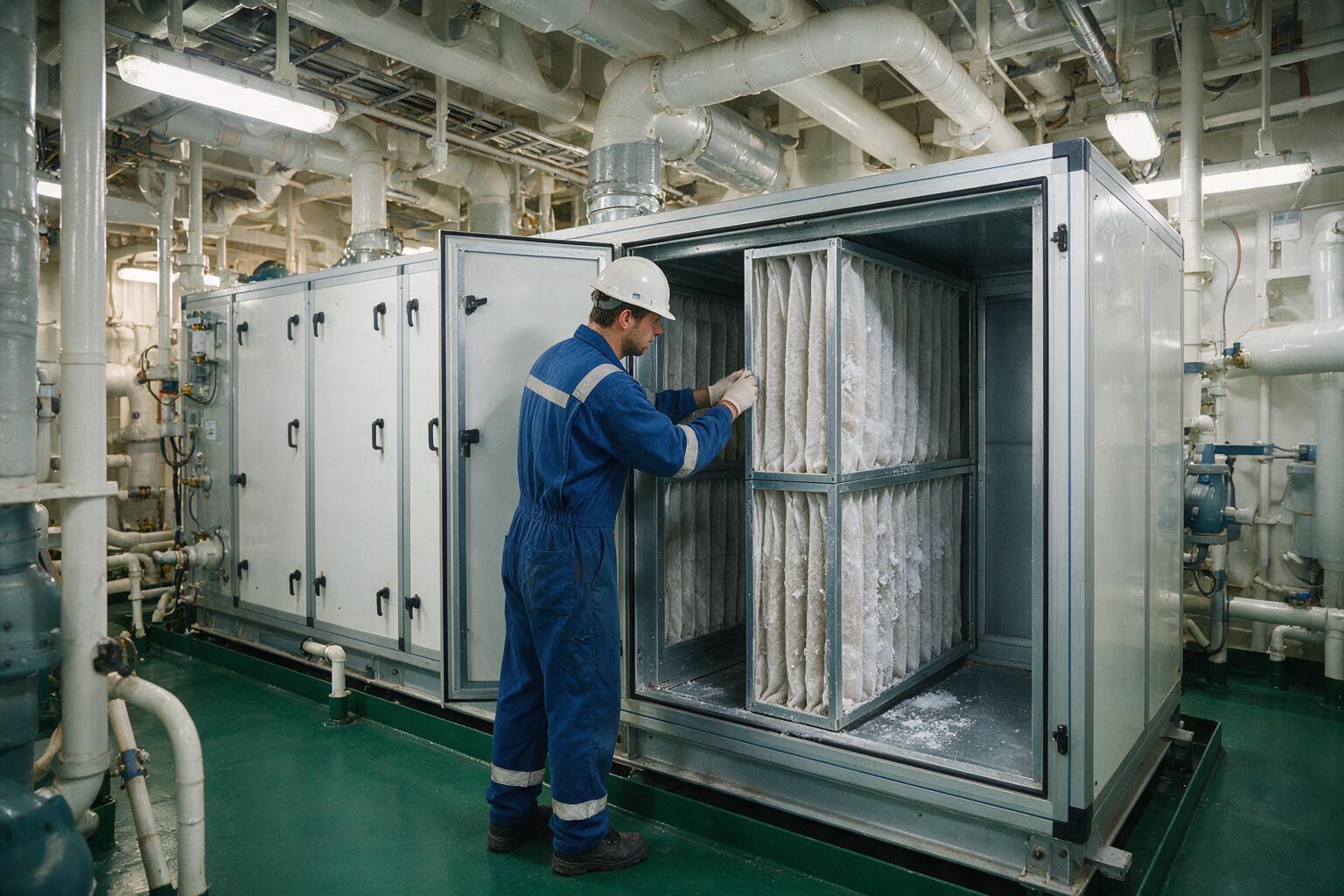
On ships and offshore platforms, coastal air filtration has to satisfy constraints that do not exist onshore.
Where the space is a marine HVAC system rather than a process cleanroom, the requirement usually stops at a G4 plus F9 combination, with hydrophobic treatment on both stages. Where the space protects electronics or serves as a cleanroom, coastal air filtration extends to HEPA, and the leak test becomes part of the maintenance routine rather than a one-off at commissioning.

How to read a coastal filter specification before you buy
Most coastal air filtration failures are visible in the specification long before they show up on site. Four checks catch the majority of them.
Before you approve a coastal air filtration quote
- Is the salt-mist resistance backed by a test report, and does it name the alloy and the test standard?
- Does the media carry a hydrophobic treatment, and is the treatment rated for continuous humidity rather than occasional exposure?
- Is the first stage sized for the actual salt load, or is it the same pre-filter specified for an inland installation?
- Is there a differential pressure device on every stage, and can it be read remotely where access is difficult?
Remote-readable differential pressure is worth calling out. On offshore installations, coastal air filtration is often maintained on a schedule driven by whoever can get to the equipment, and a pressure reading that is only visible at the filter face defeats the purpose of monitoring.
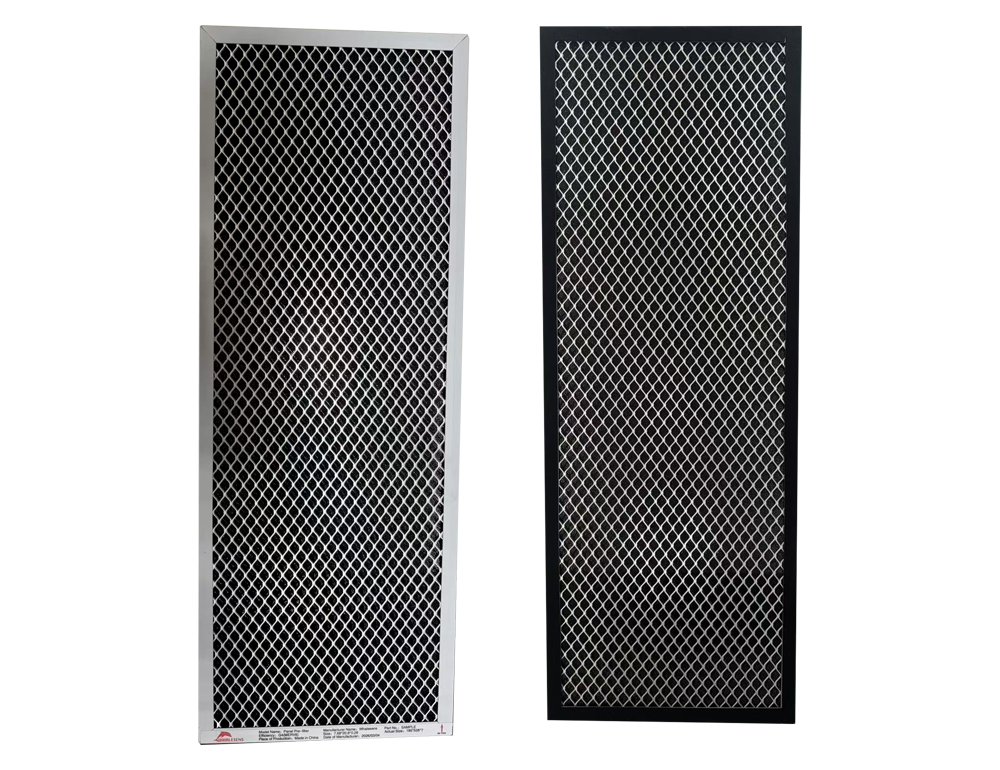
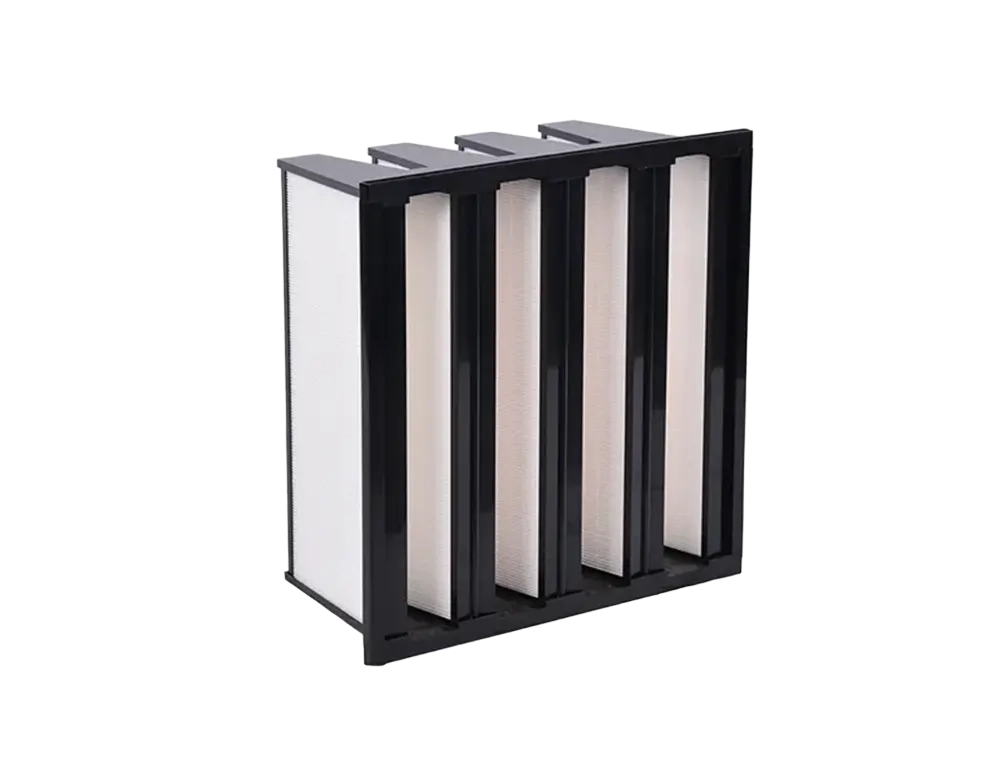
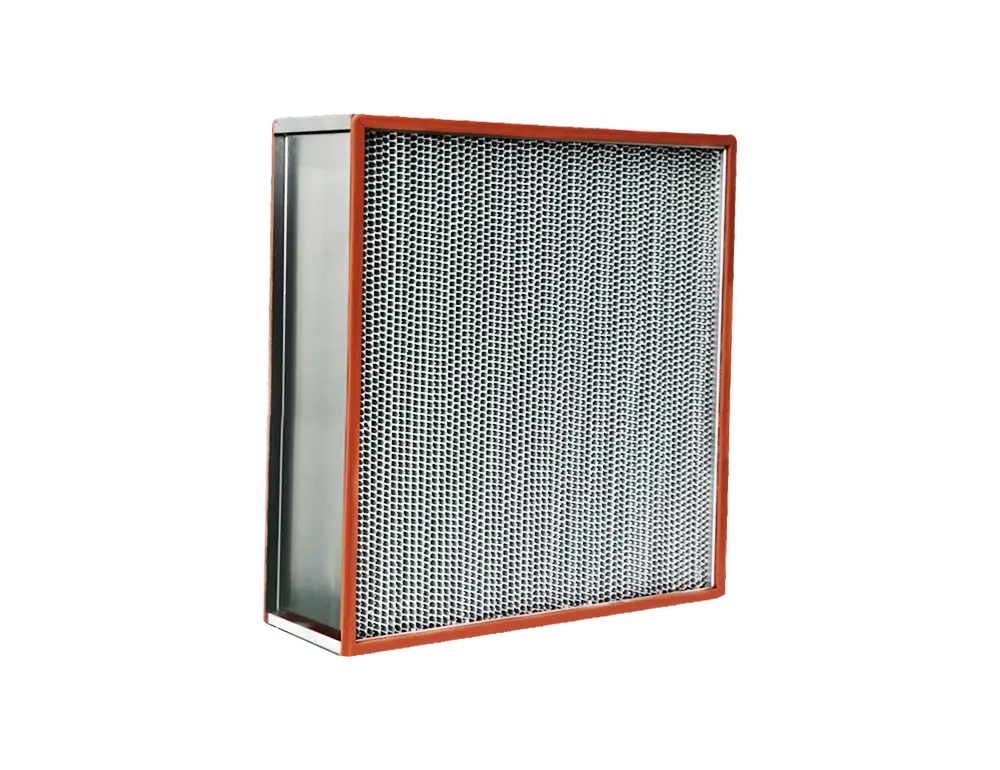
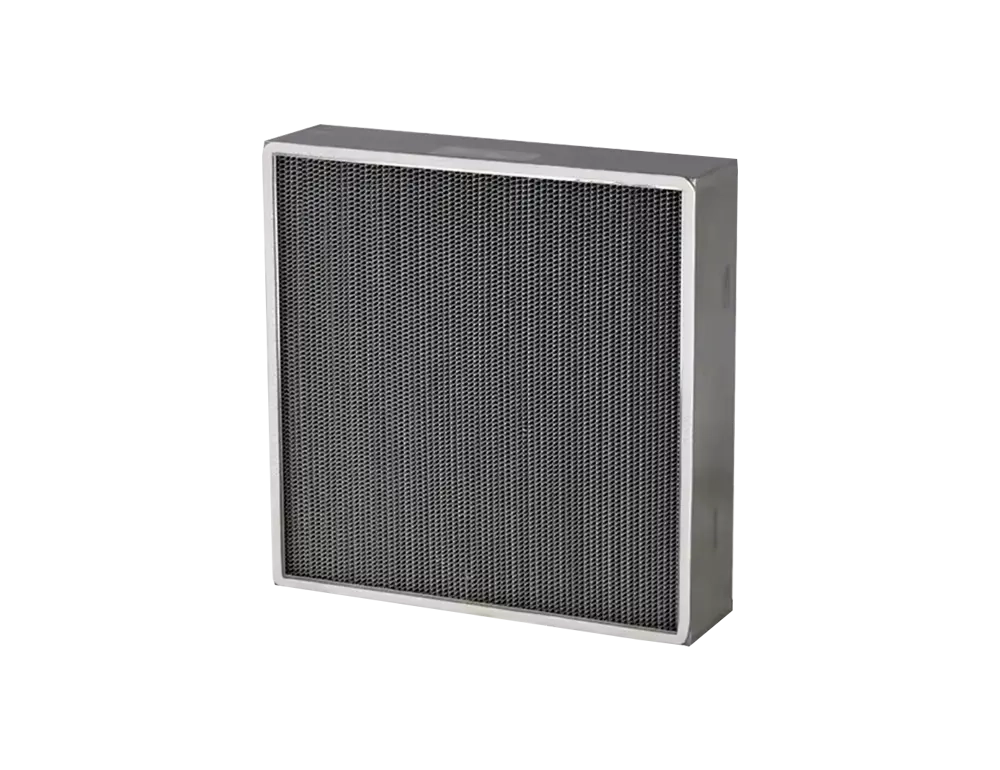
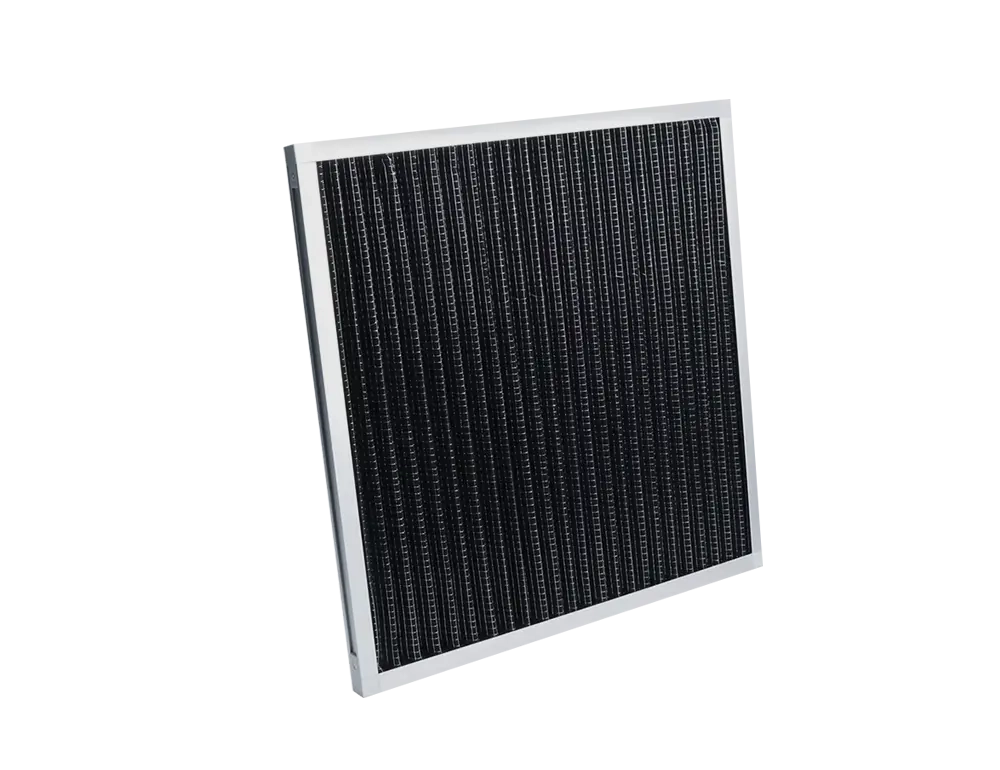
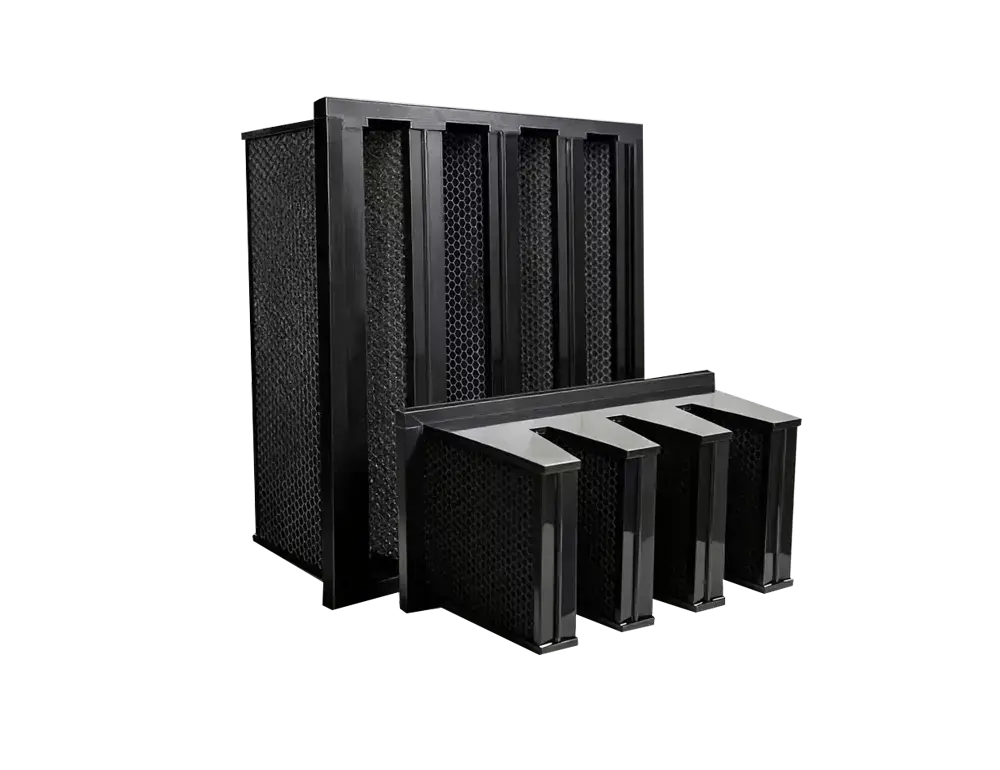
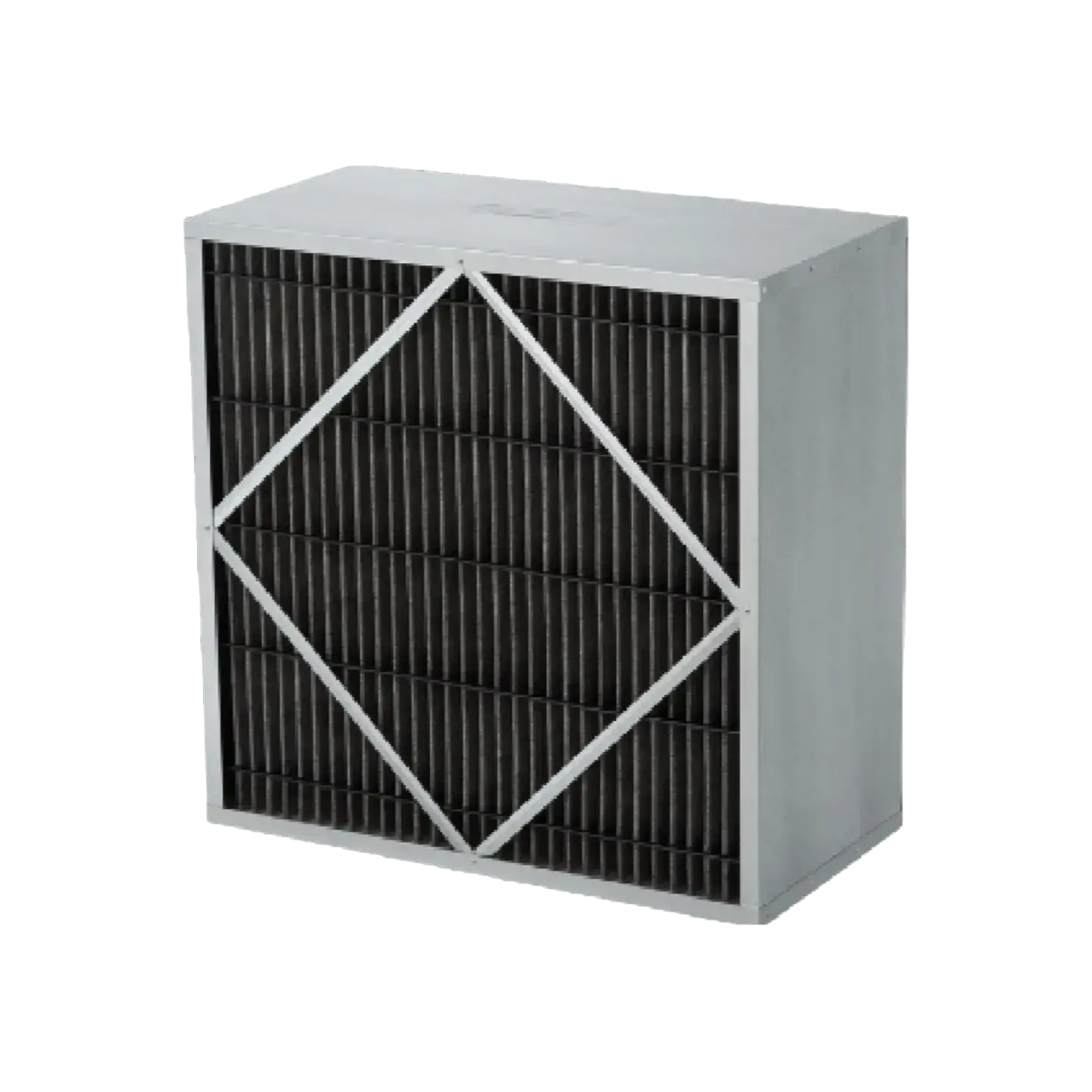
If the salt load is high enough that the first stage alone cannot hold it, the next decision is usually which high-efficiency format fits the available depth — the V-bank HEPA filter and the deep pleated HEPA filter solve the same problem in different footprints. Where the process also releases odours, VOCs or acidic gases, a gas-phase stage using activated carbon filter media is added after the particulate stages rather than in place of them. And where the first stage is expected to be washed and reused, a metal plank air filter mesh suits repeated cleaning in a chloride environment far better than a disposable panel.
Need a custom air filtration solution?
Contact the Whalesens engineering team for product selection and OEM/ODM support.
Email whalesens@gmail.com
Related Products
These products cover the filtration stages discussed above; see each product page for full specifications.
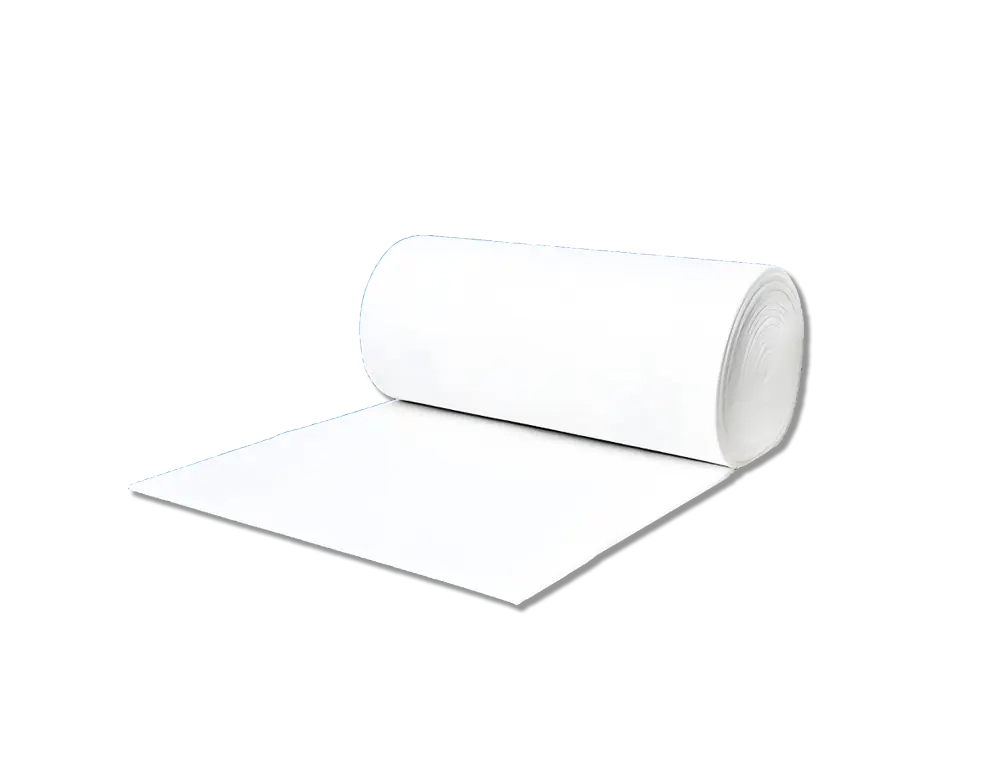
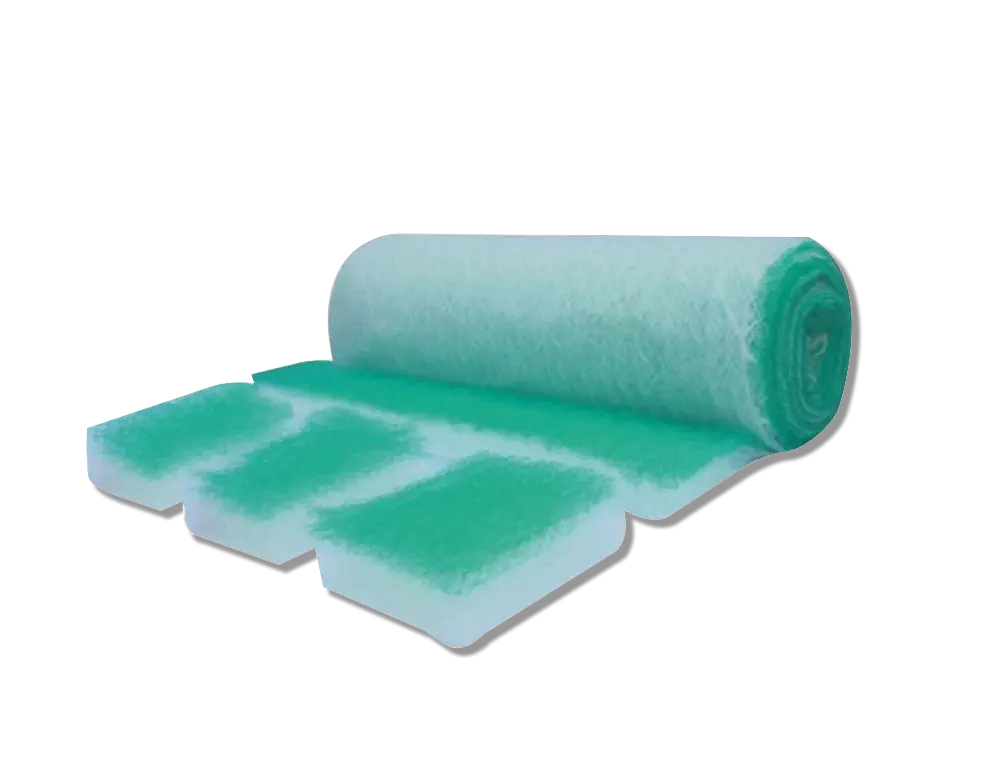
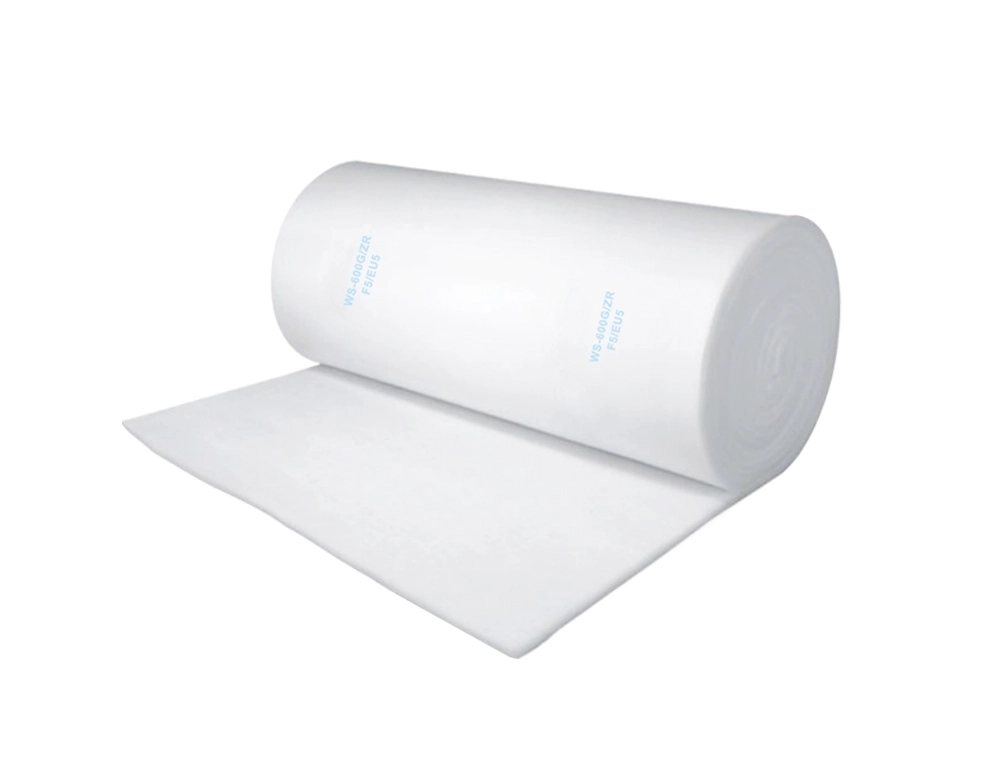
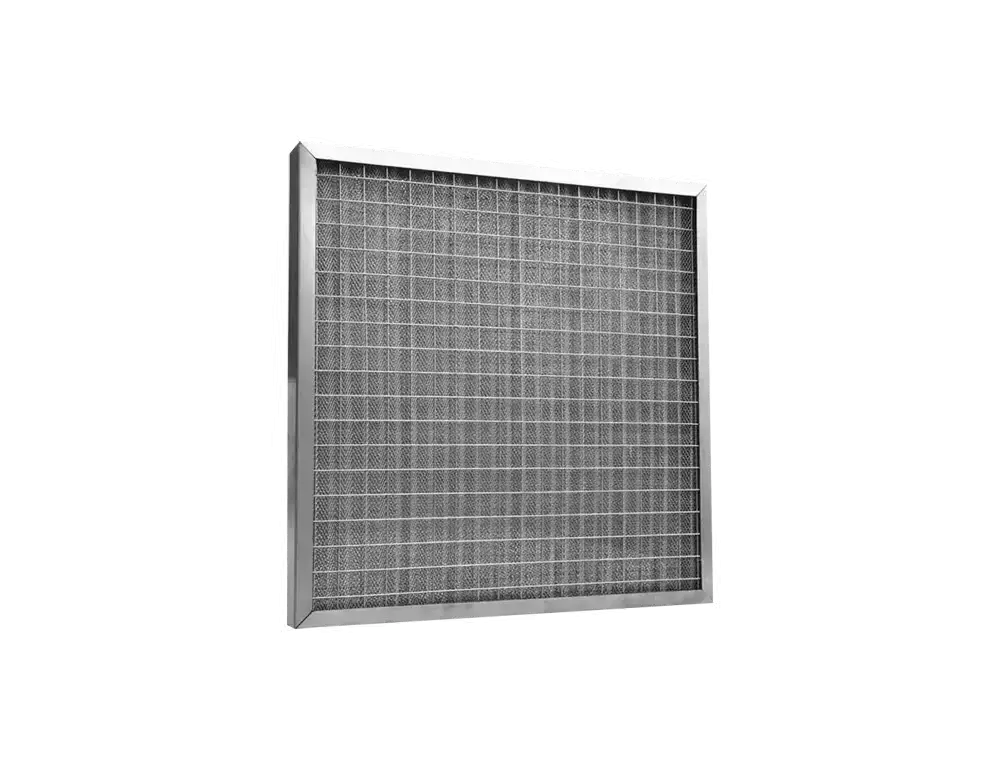
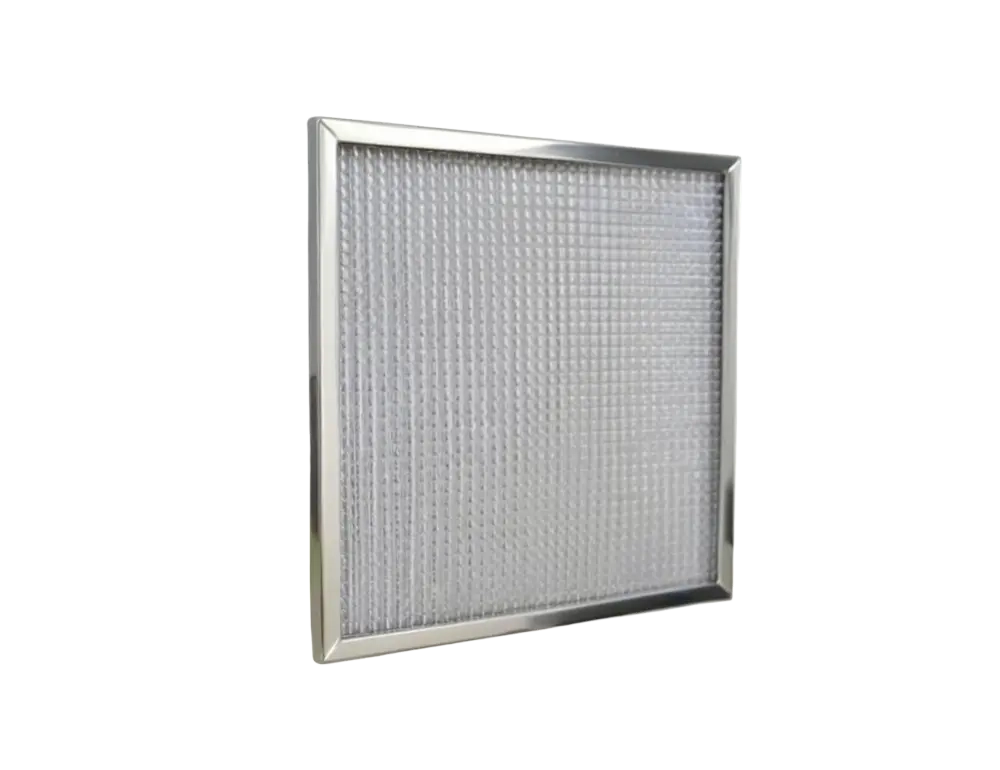
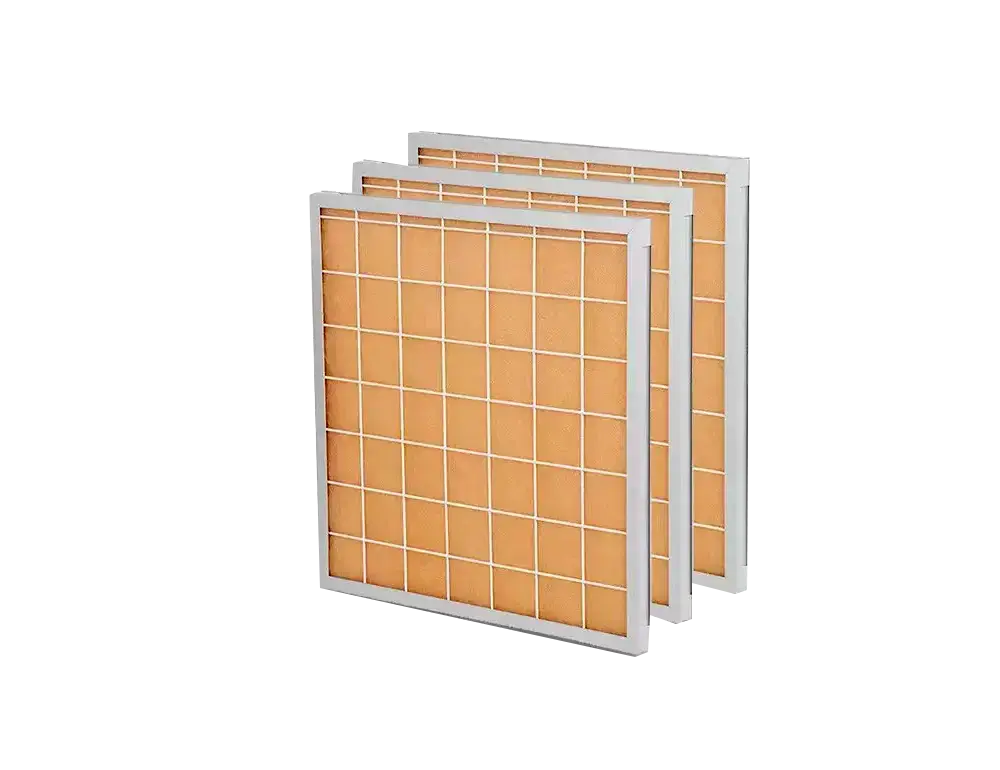
ProductV-Bank HEPA FilterHigh-efficiency final stage where deck or plant-room depth is limited and salt-laden air must still be filteredView product details →ProductPre Air Filter MediaFirst stage sized to take the salt load, so it stops at washable media instead of reaching the HEPA stageView product details →ProductMetal Plank Air Filter Mesh FilterWashable and reusable first stage for installations where cleaning in place beats replacing panelsView product details → ProductDeep Pleated HEPA FilterHigh-efficiency stage where a deeper frame is available and pleat stability under vibration mattersView product details →
Frequently Asked Questions
The questions our engineering team receives most often on this topic.
What filter is needed to remove salt from the air?
Salt arrives as a fine aerosol, so coastal air filtration needs particulate filtration rather than a chemical treatment. In practice a two-stage layout works — a G4 coarse first stage to take sea spray, sand and the bulk of the salt, followed by an F7–F9 fine stage for the aerosol that passes through. Where the space is a cleanroom or protects sensitive electronics, a H13 HEPA final stage is added. The critical detail is hydrophobic media, because standard media holds the salt but lets it stay wet.
What air filter grade or class is required for marine use?
For marine HVAC and general ventilation, a G4 plus F7–F9 combination with hydrophobic treatment on both stages covers most installations. Where the equipment room protects electronics, or the space is classified as a cleanroom, the specification extends to H13 HEPA with leak testing. The grade choice is driven by the target cleanliness, while the salt and humidity load is what determines the media treatment and the size of the first stage.
Why does a coastal filter clog faster than the same filter inland?
Because the deposit stays wet. Sea salt is hygroscopic, so captured particles keep absorbing moisture from near-saturated coastal air and swell into a brine film. That film bridges across media pores instead of building up gradually, which raises pressure drop quickly and reduces media strength at the pleat tips. The result looks like premature clogging but is really a wetting and bridging problem.
Is a stainless-steel frame enough for salt-mist resistance?
Not by itself. Stainless steel covers a wide range of alloys, and 304 exposed to continuous chloride-bearing air behaves very differently from 316. Coastal air filtration specifications should ask for salt spray test data to ISO 9227 or ASTM B117 with the alloy named, rather than accepting a material claim. Galvanic coupling between dissimilar metals is a second failure route worth checking in the same review.
How often should coastal air filtration filters be changed?
Base the interval on differential pressure, not on a calendar. Coastal installations fail progressively through wetting and bridging, so the pressure trend is the earliest usable signal. The design target on ships and offshore platforms should be a filter set that lasts a full service interval, since access is the constraint and a mid-interval change costs far more than the filter. Remote-readable pressure gauges are worth specifying wherever the plant room is hard to reach.